
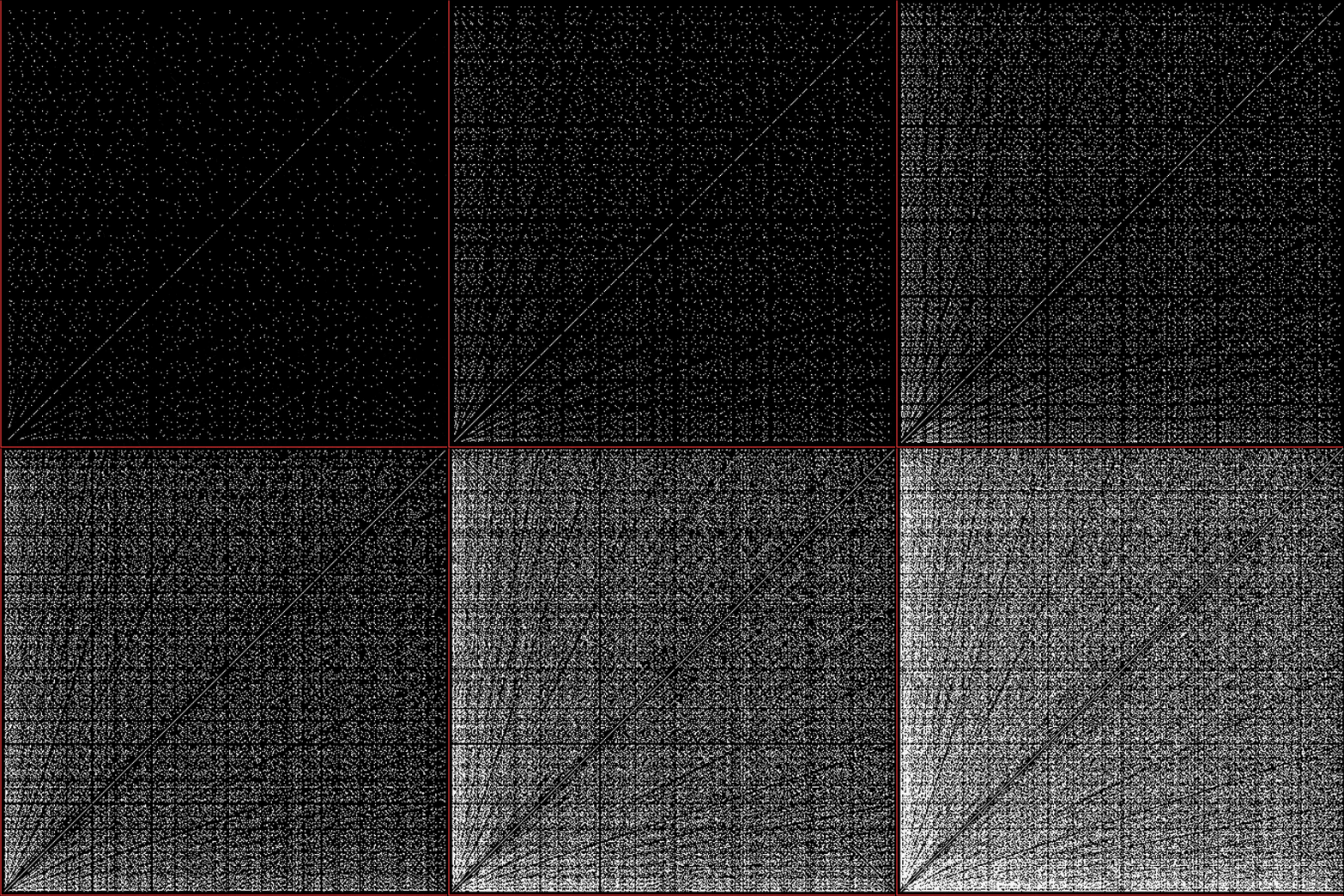
Suppose you set up an L, i.e. a vertical and horizontal line, representing the x,y coordinates between 0 and 1. Next, find the fractional pairs x = 1/2, 1/3, 2/3, 1/4, 2/4…, y = 1/2, 1/3, 2/3, 1/4, 2/4… and mark the point (x,y). That is, find the point, say, 1/5 of the way along the x-line, then the points 1/5, 2/5, 3/5 and 4/5 along the y-line, marking the points (1/5, 1/5), (1/5, 2/5), (1/5, 3/5), (1/5, 4/5). Then find (2/5, 1/5), (2/5, 2/5), (2/5, 3/5), (2/5, 4/5) and so on. Some interesting patterns appear in what I call a Frac-L (pronounced “frackle”) or Fract-L:
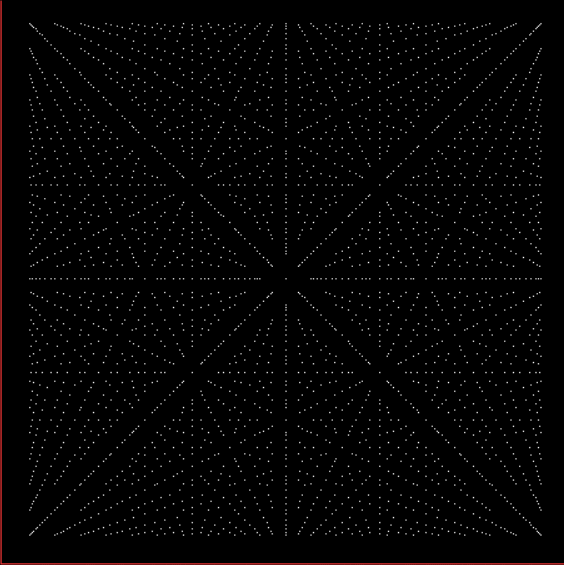
Frac-L for 1/2 to 21/22
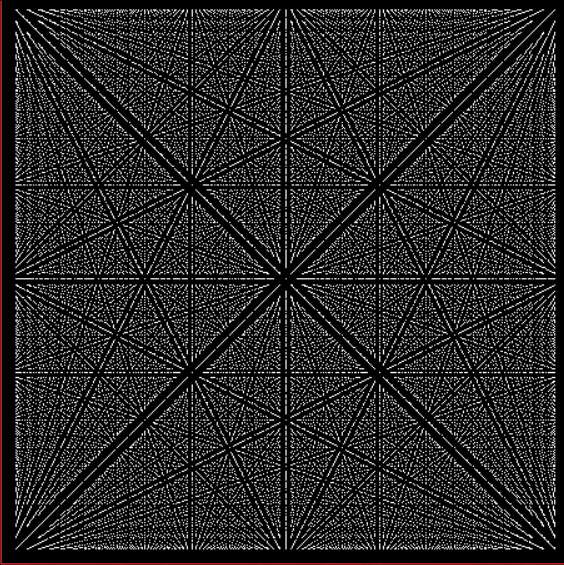
Frac-L for 1/2 to 48/49
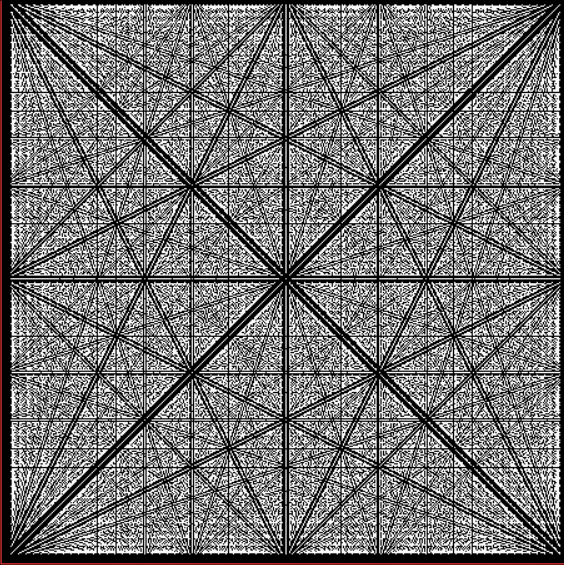
Frac-L for 1/2 to 75/76
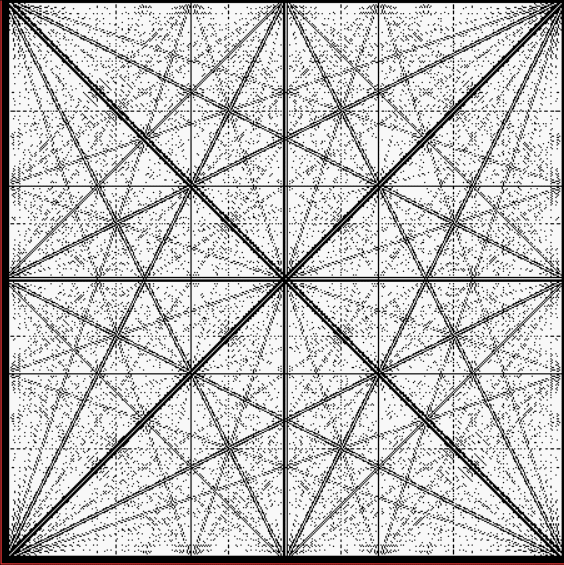
Frac-L for 1/2 to 102/103
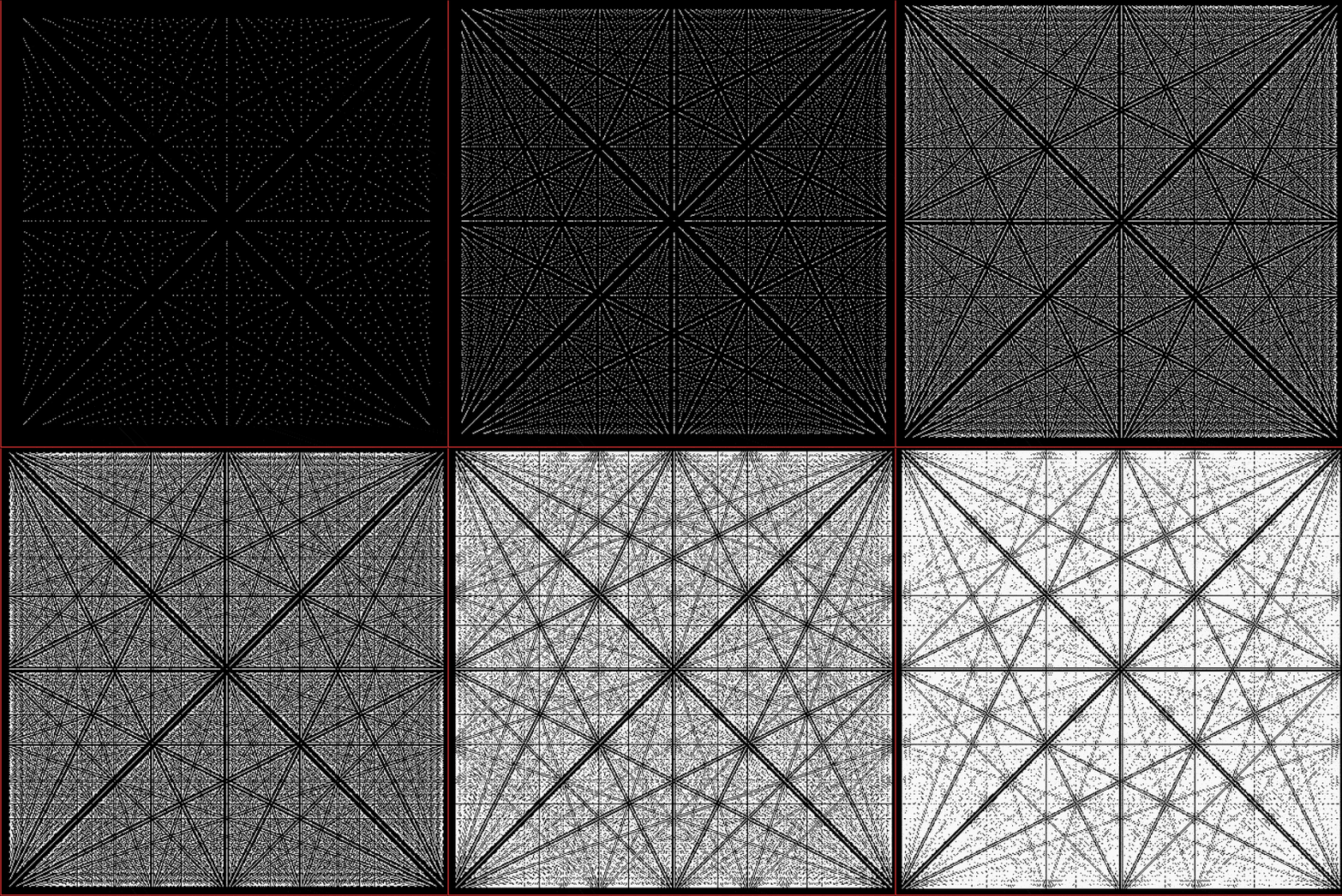
Frac-L for 1/2 to 102/103 (animated)
If the (x,y) point is first red, then becomes different colors as it is repeatedly found, you get these patterns:
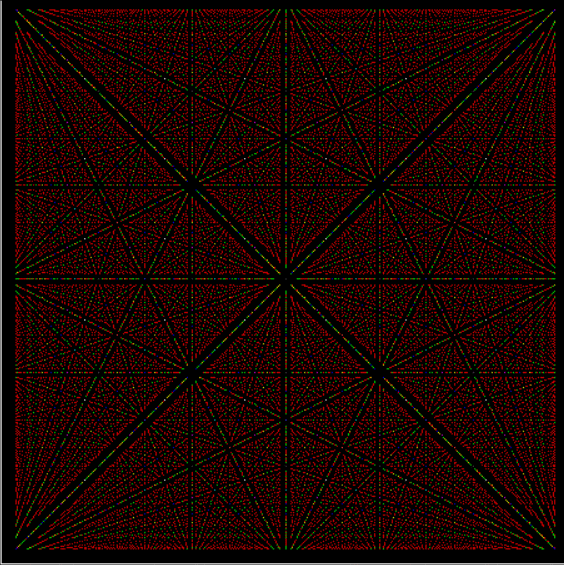
Frac-L for 1/2 to 48/49 (color)
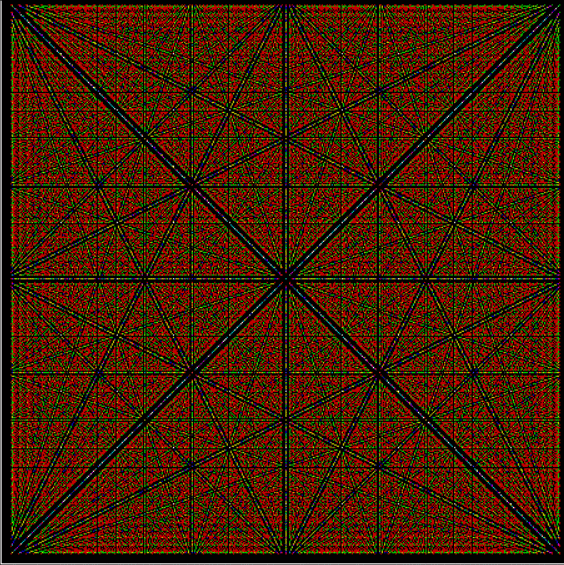
Frac-L for 1/2 to 75/79 (color)
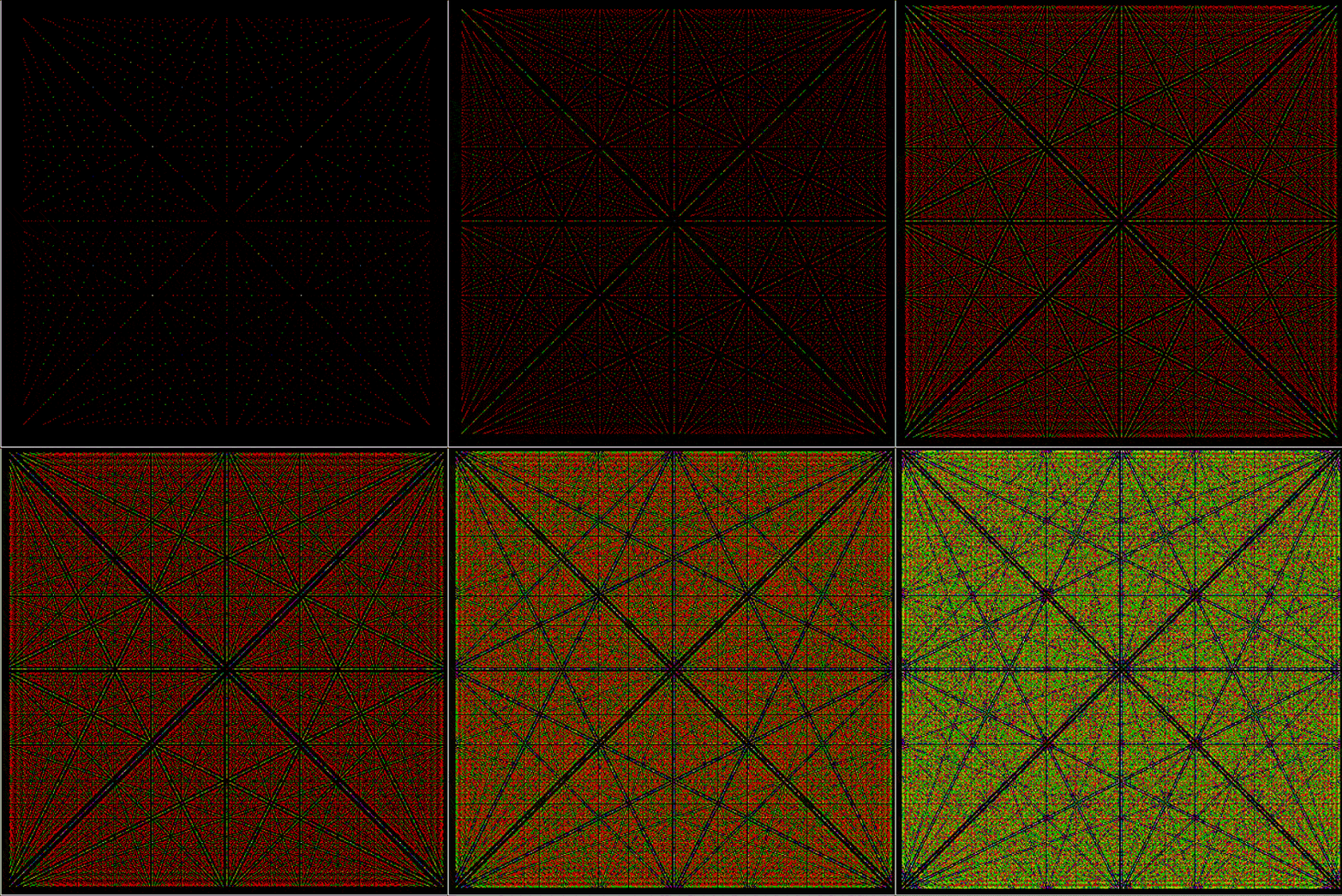
Frac-L for 1/2 to 102/103 (color) (animated)
Now try polygonal numbers. The triangular numbers are 1, 3, 6, 10, 15, 21, 28, 36, 45, 55, 66, 78…, so you’re finding the fractional pairs, say, (1/21, 1/21), (1/21, 3/21, (1/21, 6/21), (1/21, 10/21), (1/21, 15/21), then (3/21, 1/21), (3/21, 3/21, (3/21, 6/21), (3/21, 10/21), (3/21, 15/21), and so on:
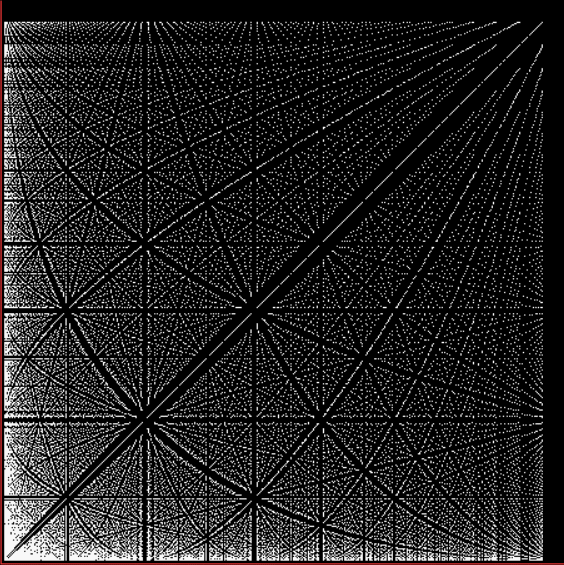
Frac-L for triangular fractions
The frac-L for square numbers (1, 4, 9, 16, 25, 36, 49, 64, 81, 100…) is almost identical:
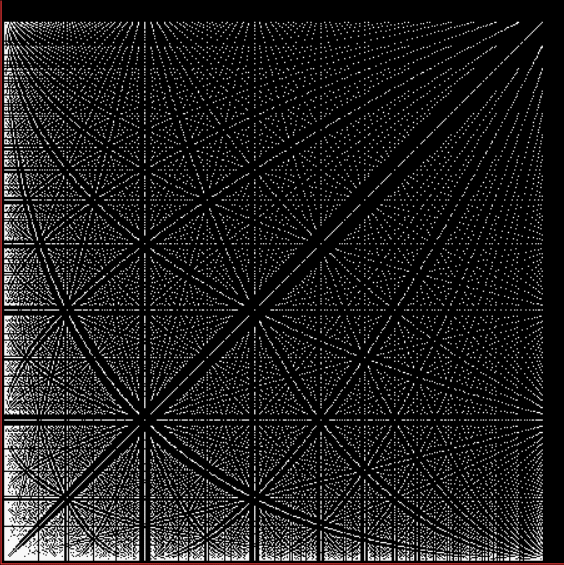
Frac-L for square fractions, e.g. (1/16, 1/16), (1/16, 4/16), (1/16, 9/16)…
So is the frac-L for pentagonal numbers (1, 5, 12, 22, 35, 51, 70, 92, 117, 145, 176, 210, 247, 287, 330…):
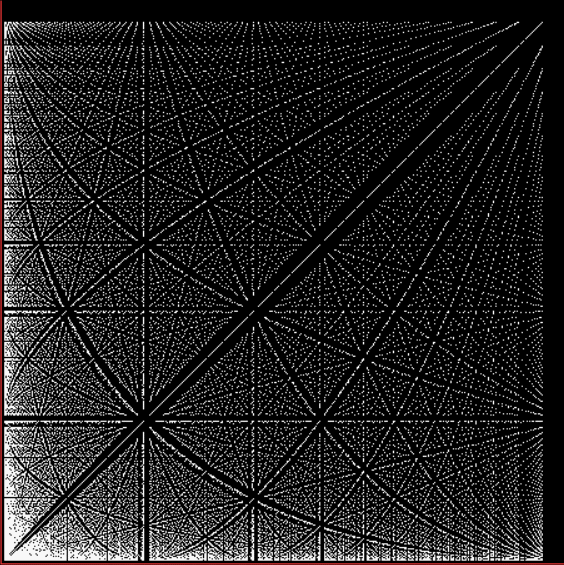
Frac-L for pentagonal fractions, e.g. (1/35, 5/35), (1/35, 12/35), (1/35,22/35)…
Here are frac-Ls for tetrahedral and square-pyramidal numbers:
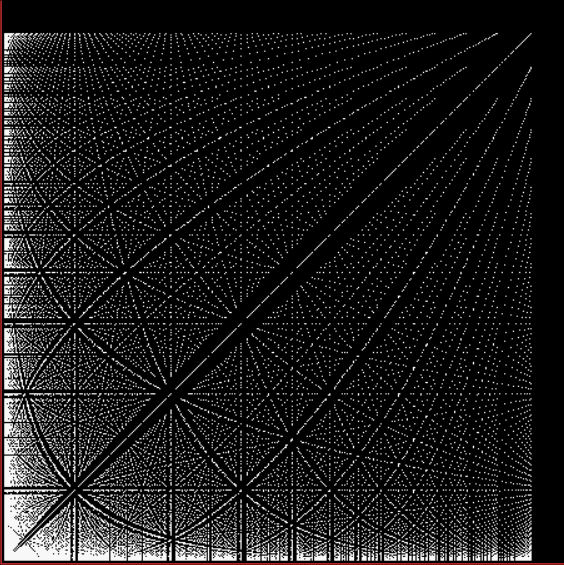
Frac-L for tetrahedral fractions
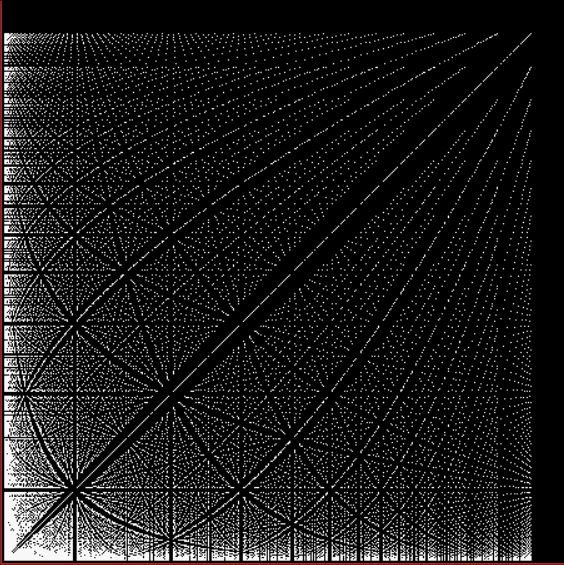
Frac-L for square pyramidal fractions
But what about prime numbers (skipping 2)? Here the fractional pairs are, say, (1/17, 1/17), (1/17, 3/17), (1/17, 5/17), (1/17, 7/17), (1/17, 11/17), (1/17, 13/17), then (3/17, 1/17), (3/17, 3/17), (3/17, 5/17), (3/17, 7/17), (3/17, 11/17), (3/17, 13/17), and so on:
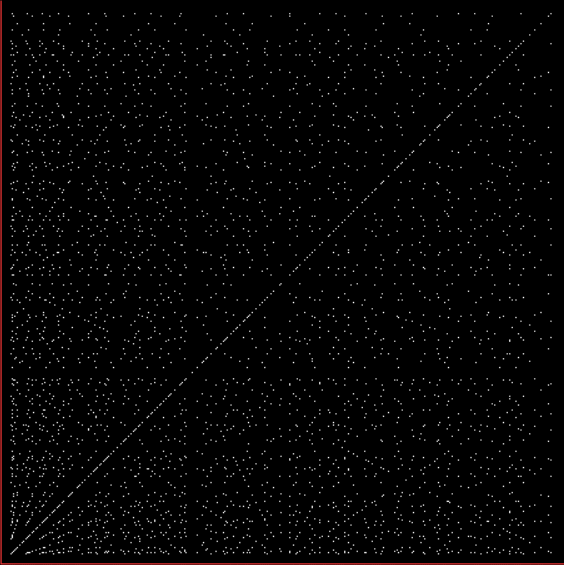
Frac-L for 1/3 to 73/79 (prime fractions)
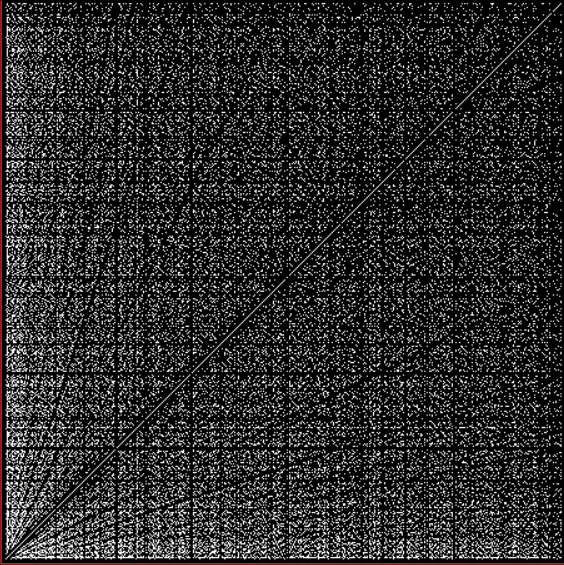
Frac-L for 1/3 to 223/227
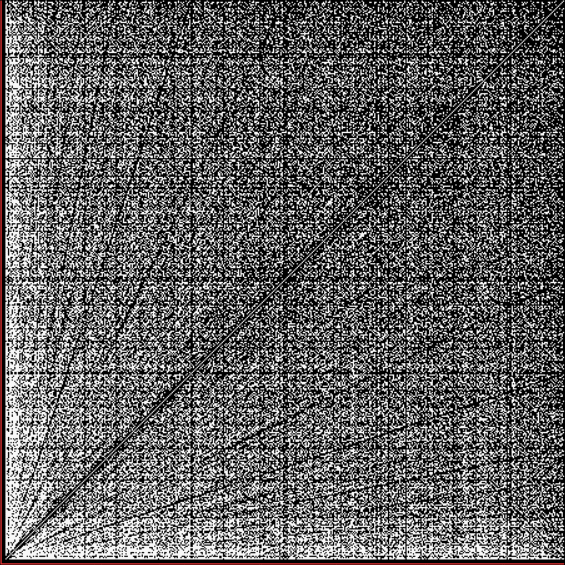
Frac-L for 1/3 to 307/331
Frac-L for 1/3 to 307/331 (animated)
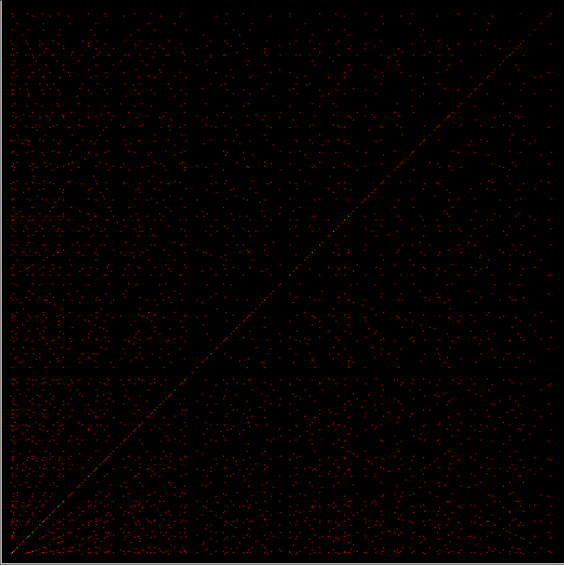
Frac-L for 1/3 to 73/79 (color) (prime fractions)
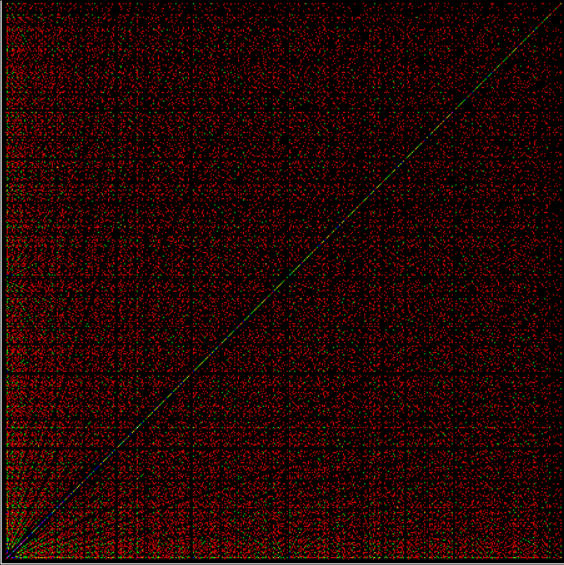
Frac-L for 1/3 to 223/227 (color)
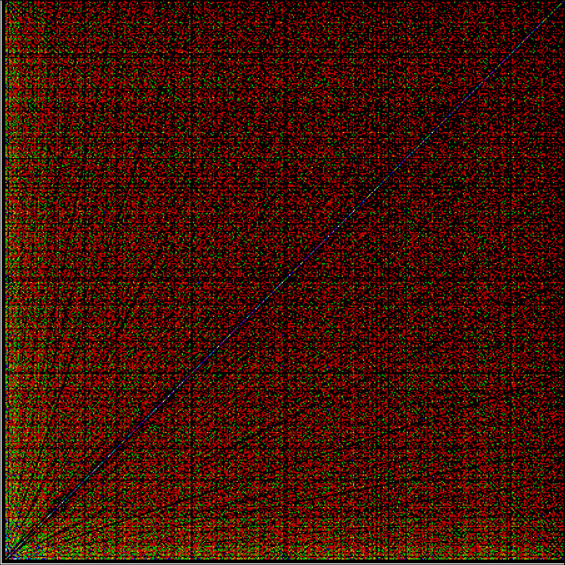
Frac-L for 1/3 to 307/331 (color)

Frac-L for 1/3 to 307/331 (color) (animated)
And finally (for now), a frac-L for Fibonnaci numbers, where the fractional pairs are, say, (1/13, /13), (1/13, 2/13), (1/13, 3/13), (1/13, 5/13), (1/13, 8/13), then (2/13, /13), (2/13, 2/13), (2/13, 3/13), (2/13, 5/13), (2/13, 8/13), and so on:
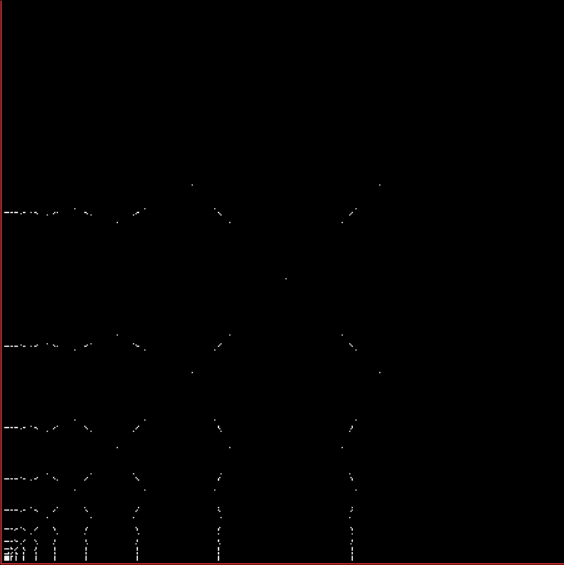
Frac-L for Fibonacci fractions to 14930352/2178309 = fibonacci(36)/fibonacci(37)
 Overlord In Terms of Core Issues Around Maximal Engagement with Key Notions of the Über-Feral