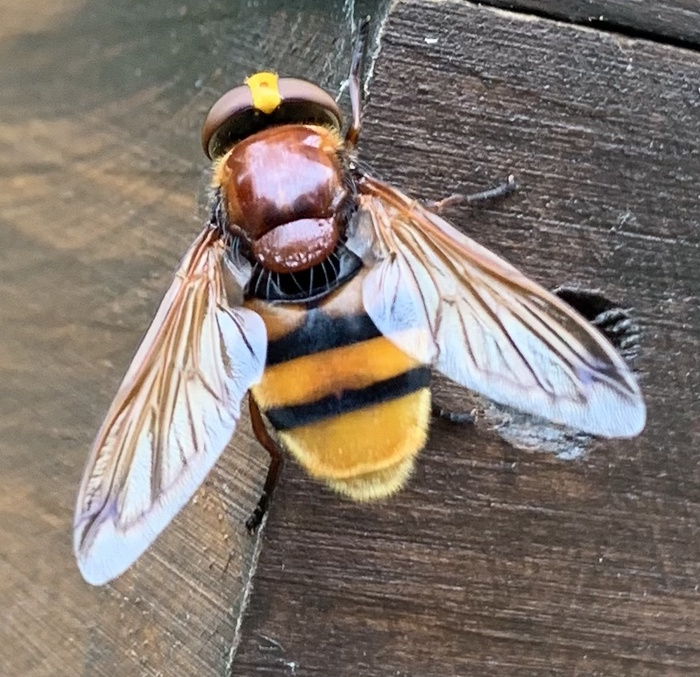
Volucella zonaria, the Hornet Mimic Hoverfly (info and image from Wikipedia)

Volucella zonaria, the Hornet Mimic Hoverfly (info and image from Wikipedia)
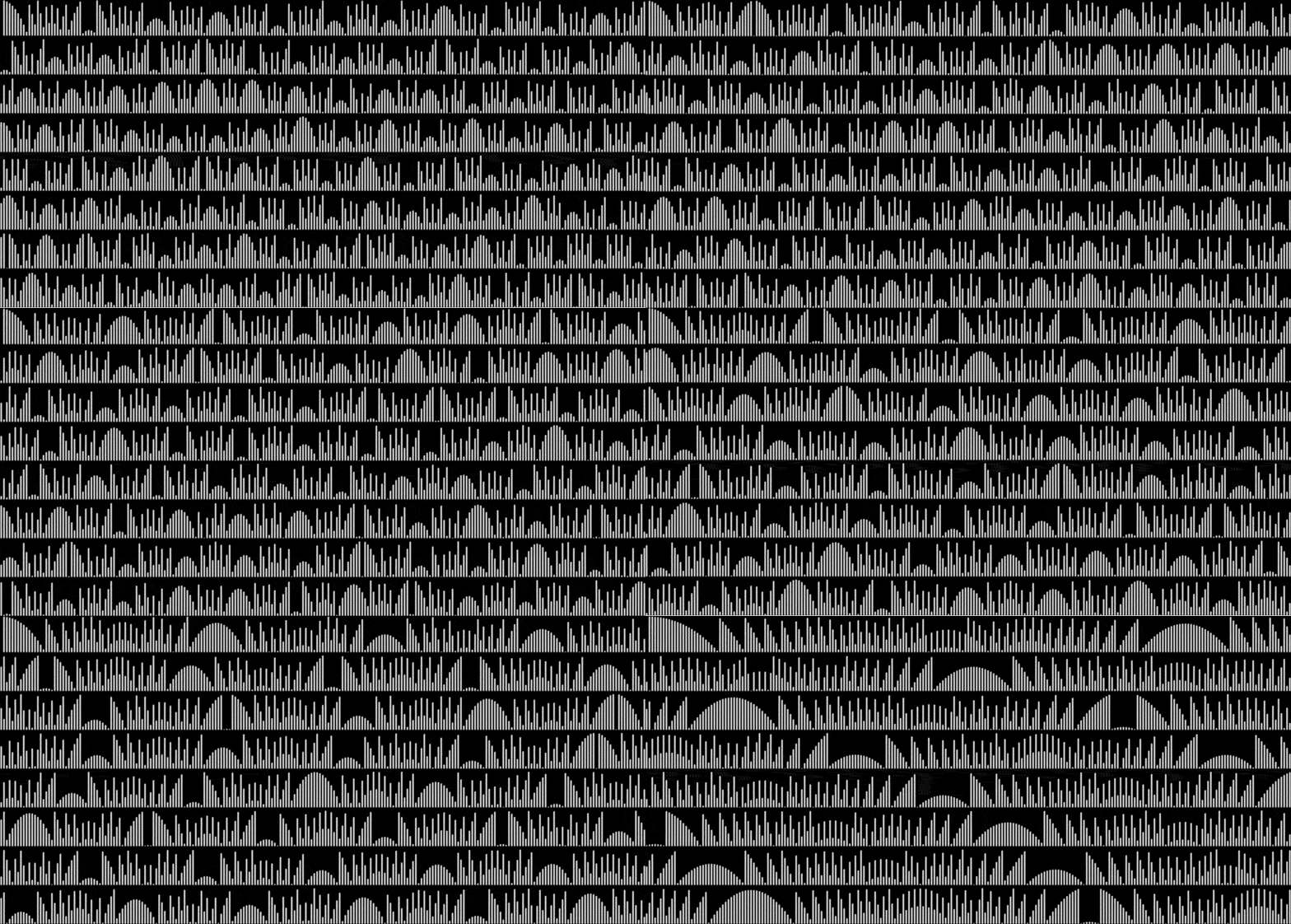
Here’s a graph representing the fractional parts of √n for n = 1 to 1832, with frac(√1) at the top left and frac(√1832) at the bottom right:
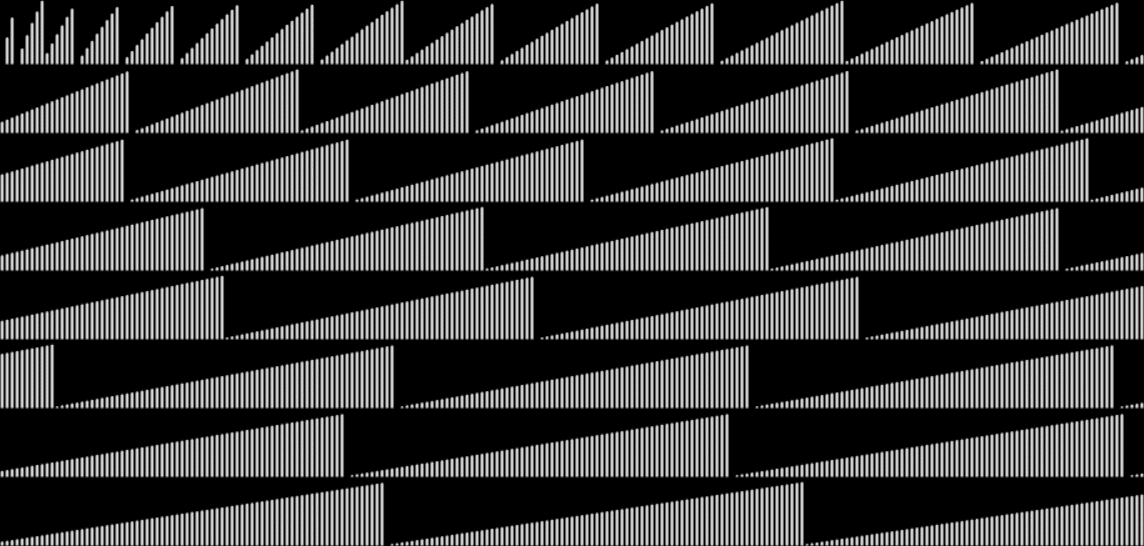
graph for frac(√n), n = 1..1832
There’s an odd optical illusion making it seem as though each set of triangular waves ends lower on the right than it starts on the left. Otherwise, it’s a dull graph, because the fractional part of √n simply rises towards 0.9999…, then falls to 0 like this:
0 = frac(1) = frac(√1)
0.414213562373… = frac(1.414213562373…) = frac(√2)
0.732050807568… = frac(1.732050807568…) = frac(√3)
0 = frac(2) = frac(√4)
0.236067977499… = frac(2.236067977499…) = frac(√5)
0.449489742783… = frac(2.449489742783…) = frac(√6)
0.645751311064… = frac(2.645751311064…) = frac(√7)
0.828427124746… = frac(2.828427124746…) = frac(√8)
0 = frac(3) = frac(√9)
0.162277660168… = frac(3.162277660168…) = frac(√10)
0.316624790355… = frac(3.316624790355…) = frac(√11)
0.464101615137… = frac(3.464101615137…) = frac(√12)
0.605551275463… = frac(3.605551275463…) = frac(√13)
0.741657386773… = frac(3.741657386773…) = frac(√14)
0.872983346207… = frac(3.872983346207…) = frac(√15)
0 = frac(4) = frac(√16)
0.123105625617… = frac(4.123105625617…) = frac(√17)
0.242640687119… = frac(4.242640687119…) = frac(√18)
0.358898943540… = frac(4.358898943540…) = frac(√19)
0.472135954999… = frac(4.472135954999…) = frac(√20)
But what about the fractional parts of the sum of √n? What does that graph look like? Much more interesting:
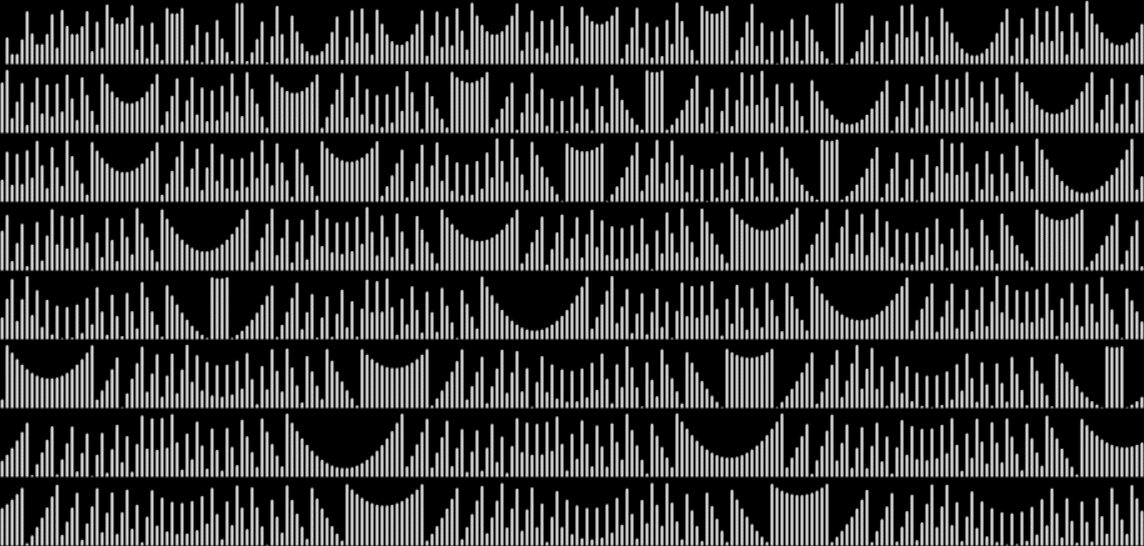
frac(sum(√n)), n = 1..1832
Here are the fractional parts for the sum of √n:
0 = frac(1) = frac(sum(√1))
0.414213562373… = frac(02.414213562373…) = frac(sum(√1..√2))
0.146264369941… = frac(04.146264369941…) = frac(sum(√1..√3))
0.146264369941… = frac(06.146264369941…) = frac(sum(√1..√4))
0.382332347441… = frac(08.382332347441…) = frac(sum(√1..√5))
0.831822090224… = frac(10.831822090224…) = frac(sum(√1..√6))
0.477573401289… = frac(13.477573401289…) = frac(sum(√1..√7))
0.306000526035… = frac(16.306000526035…) = frac(sum(√1..√8))
0.306000526035… = frac(19.306000526035…) = frac(sum(√1..√9))
0.468278186204… = frac(22.468278186204…) = frac(sum(√1..√10))
0.784902976559… = frac(25.784902976559…) = frac(sum(√1..√11))
0.249004591697… = frac(29.249004591697…) = frac(sum(√1..√12))
0.854555867161… = frac(32.854555867161…) = frac(sum(√1..√13))
0.596213253935… = frac(36.596213253935…) = frac(sum(√1..√14))
0.469196600142… = frac(40.469196600142…) = frac(sum(√1..√15))
0.469196600142… = frac(44.469196600142…) = frac(sum(√1..√16))
0.592302225760… = frac(48.592302225760…) = frac(sum(√1..√17))
0.834942912879… = frac(52.834942912879…) = frac(sum(√1..√18))
0.193841856420… = frac(57.193841856420…) = frac(sum(√1..√19))
0.665977811419… = frac(61.665977811419…) = frac(sum(√1..√20))
As with square roots, so with cube roots. The graph of frac(∛n) looks like this:
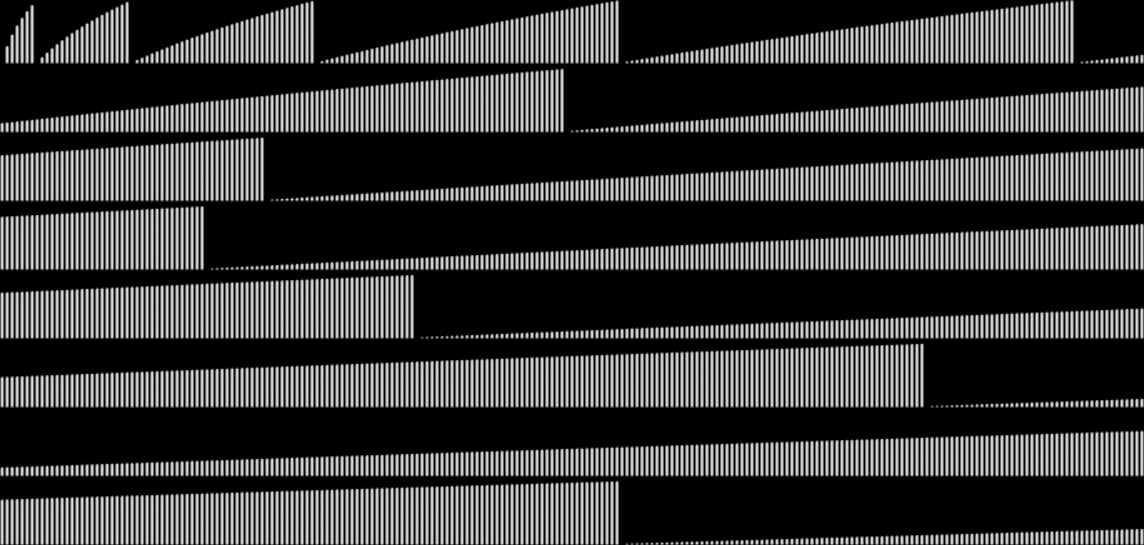
frac(∛n), n = 1..1832
It’s dull again, because the fractional part of ∛n is simply rising towards 0.9999…, then falling to 0. Just more slowly. But the graph of frac(sum(∛n)) looks like this:
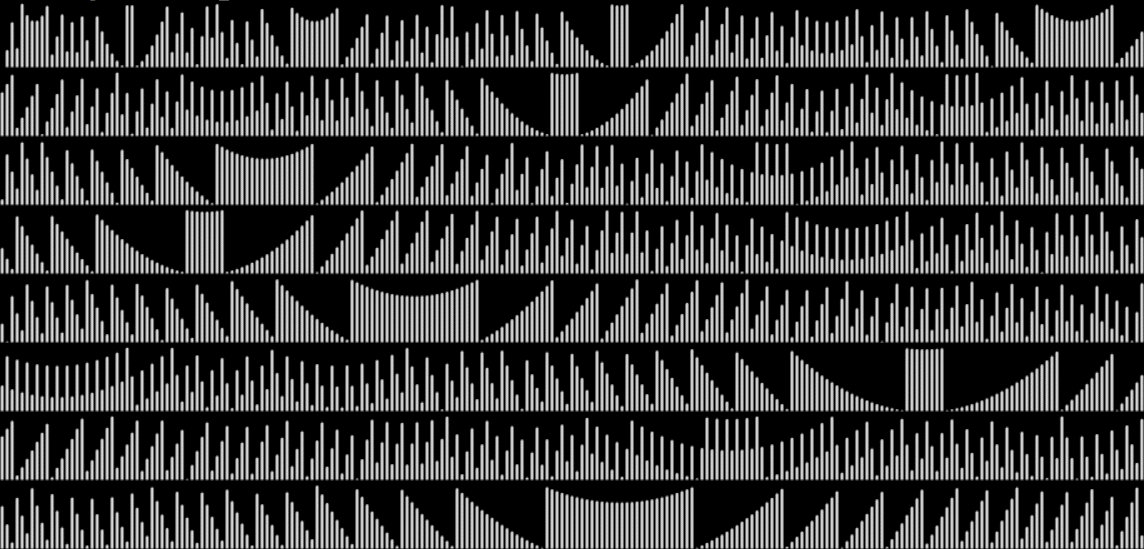
frac(sum(∛n))
But roots don’t end with √n and ∛n, of course. Those roots represent n^(1/2) and n^(1/3), respectively, because when x = n^(a/b), n = x^(b/a). What about the graph of sum(n^(4/5)), where n = (n^4/5)^(5/4)? The graph looks like this:
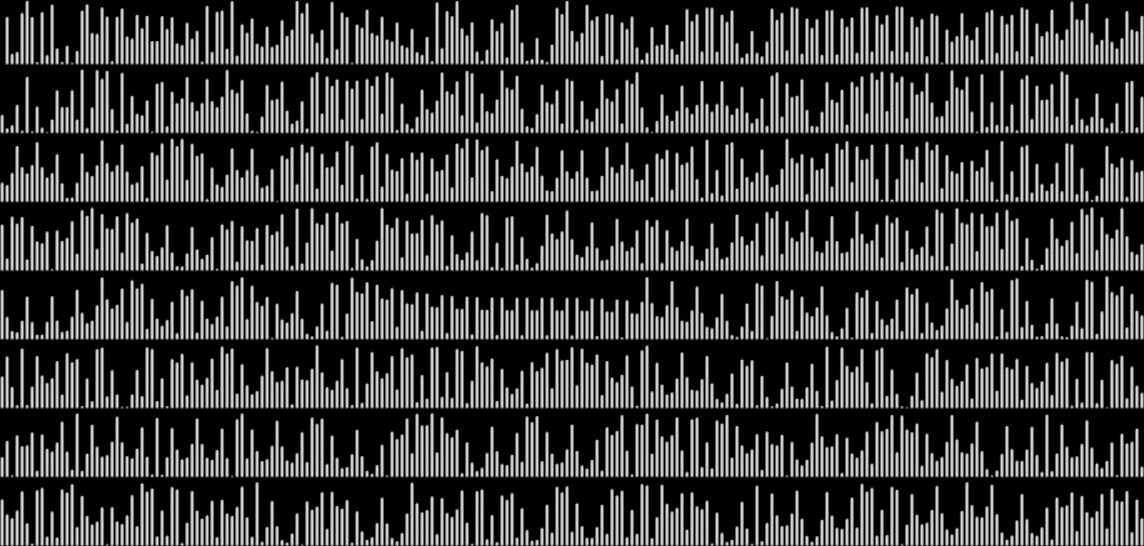
frac(sum(n^(4/5)))
One of the curves in that graph reminds of the cephalopodic tentacles in Jean Delville’s marvellous painting Les Trésors de Sathan (sic) (Treasures of Satan) (1895), which was used on the cover of Morbid Angel’s Blessed Are the Sick (1991). The curve is longer in frac(sum(n^(84/97))):
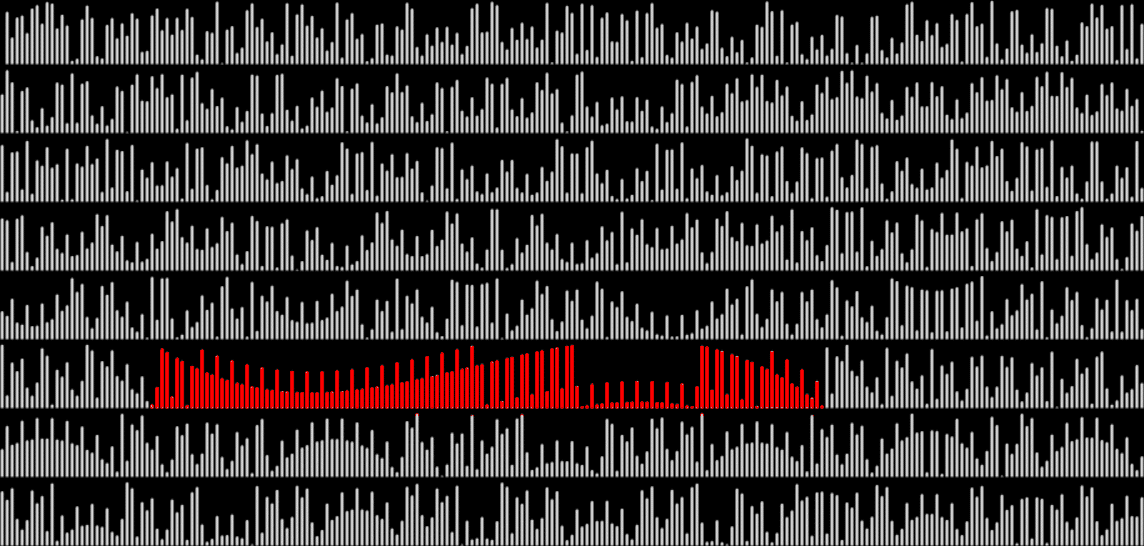
frac(sum(n^(84/97))) (curve in red)
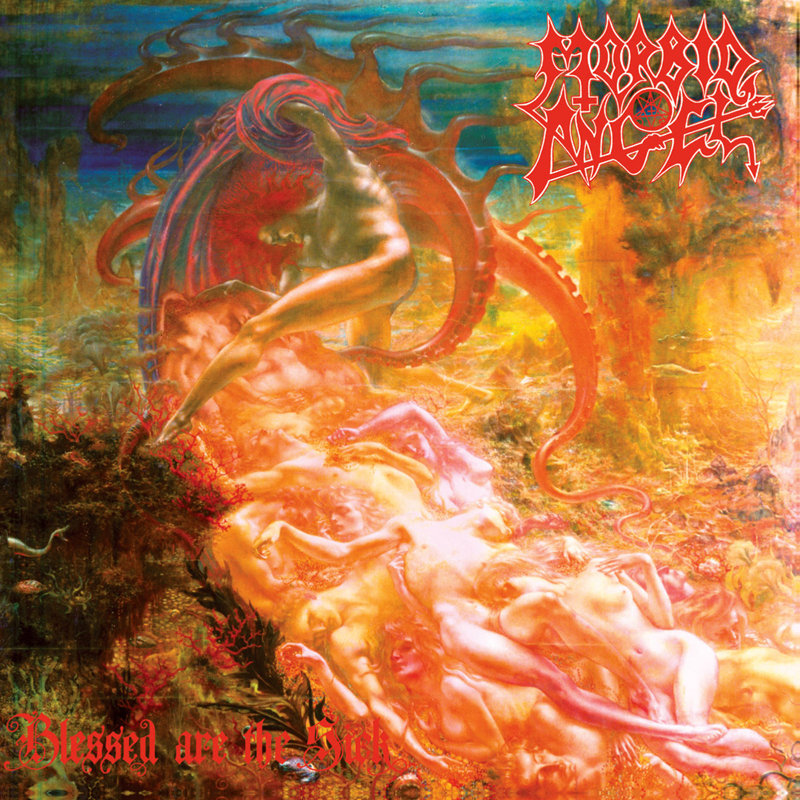
Les Trésors de Sathan (1895) by Jean Delville as the cover of Blessed Are the Sick (1991)
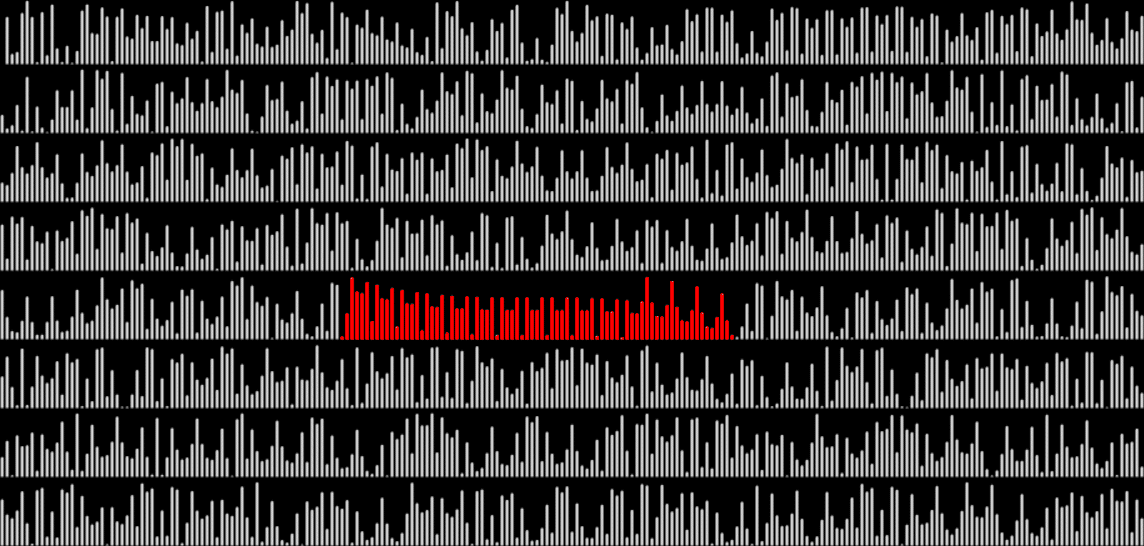
frac(sum(n^(4/5))) (curve in red)
Those Delvillean curves are examples of how, as the a/b of n^(a/b) climbs from 1/b to (b-1)/b, the graph of frac(sum(n^(a/b))) changes in interesting ways. Here are the graphs for n^(1..10/11):
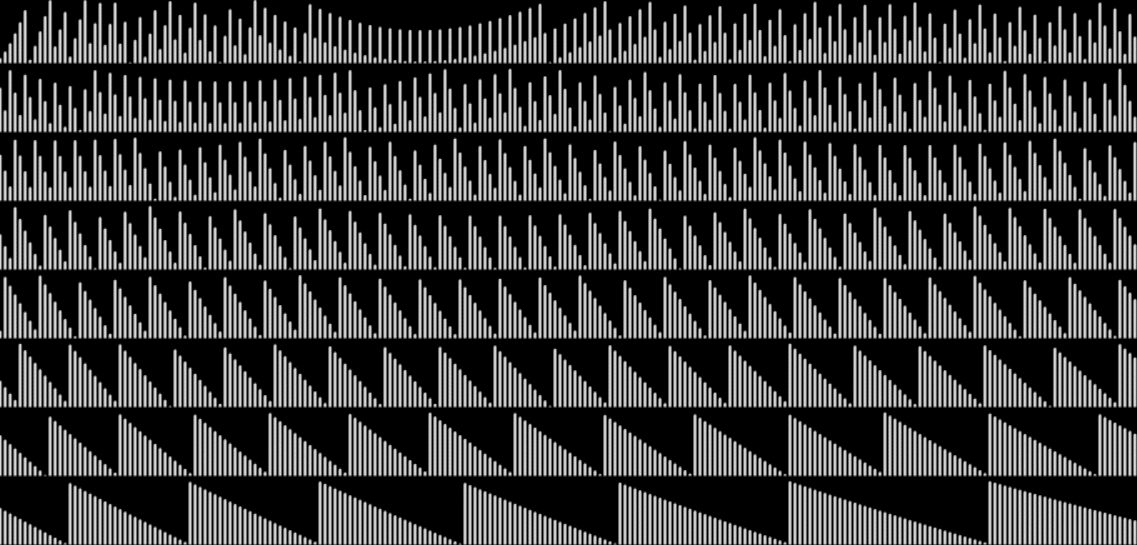
frac(sum(n^(1/11)))
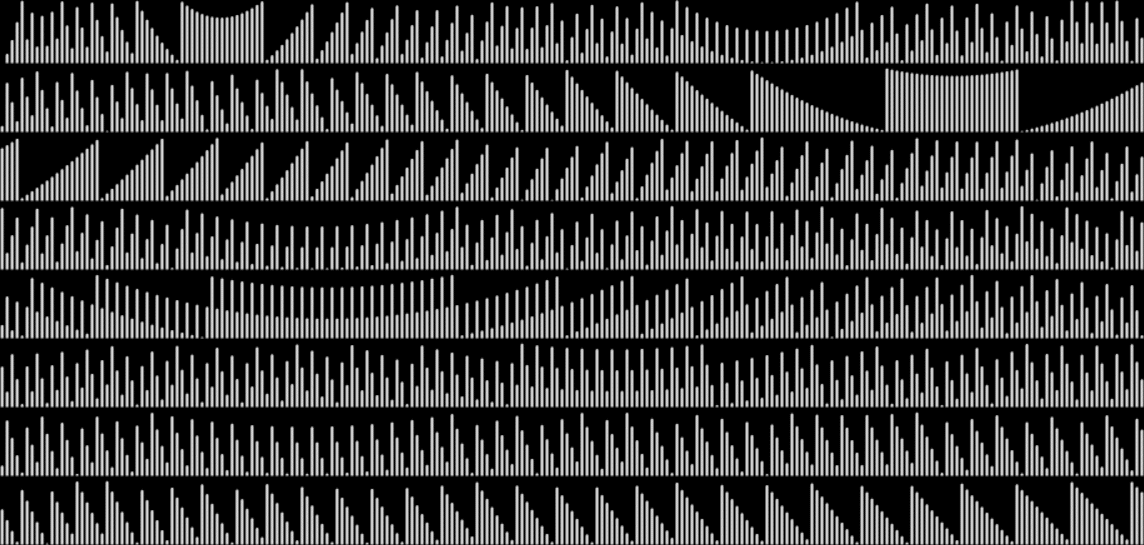
frac(sum(n^(2/11)))
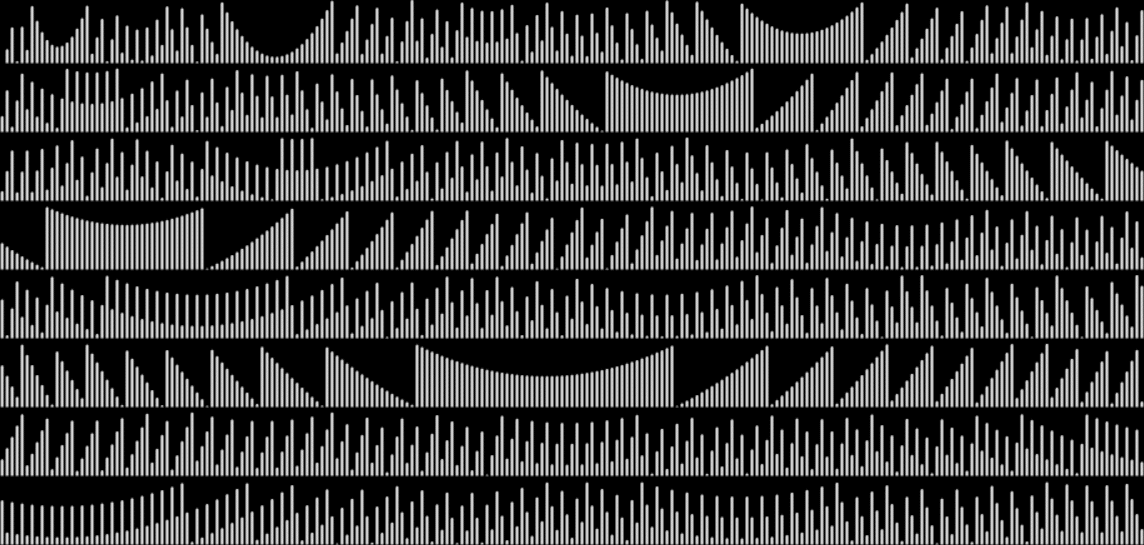
frac(sum(n^(3/11)))
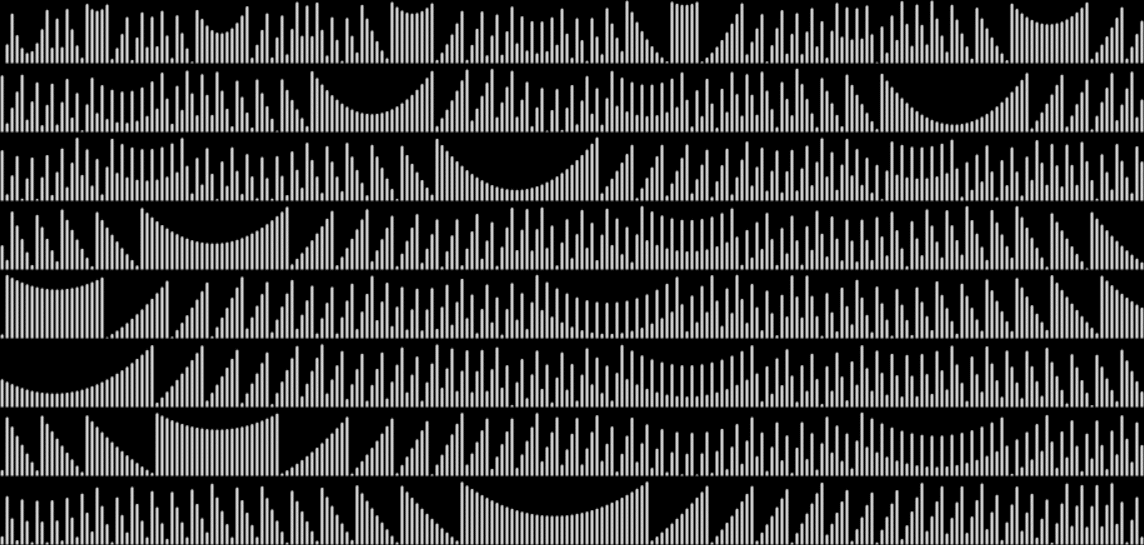
frac(sum(n^(4/11)))
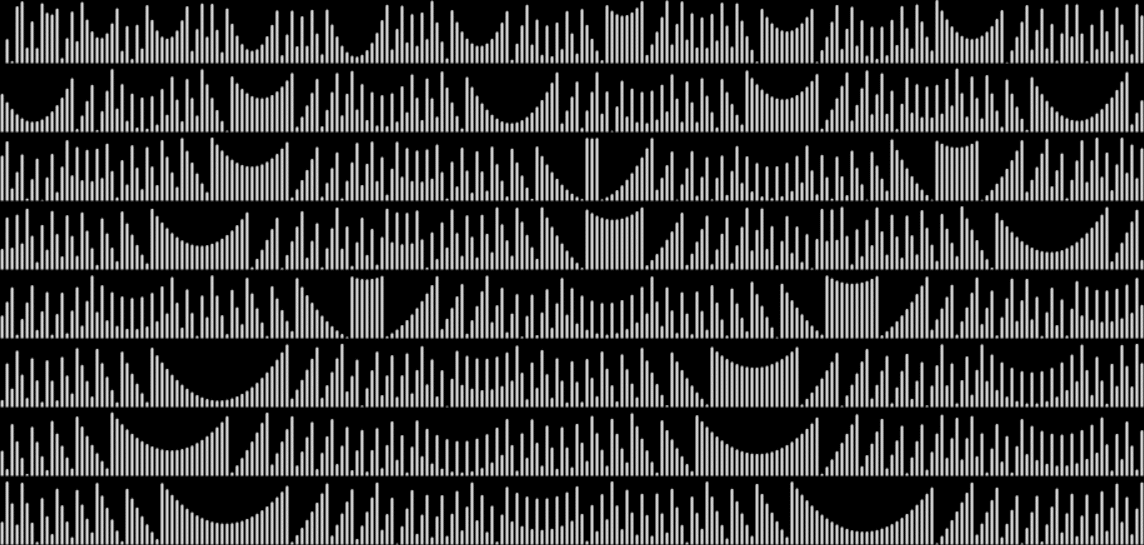
frac(sum(n^(5/11)))
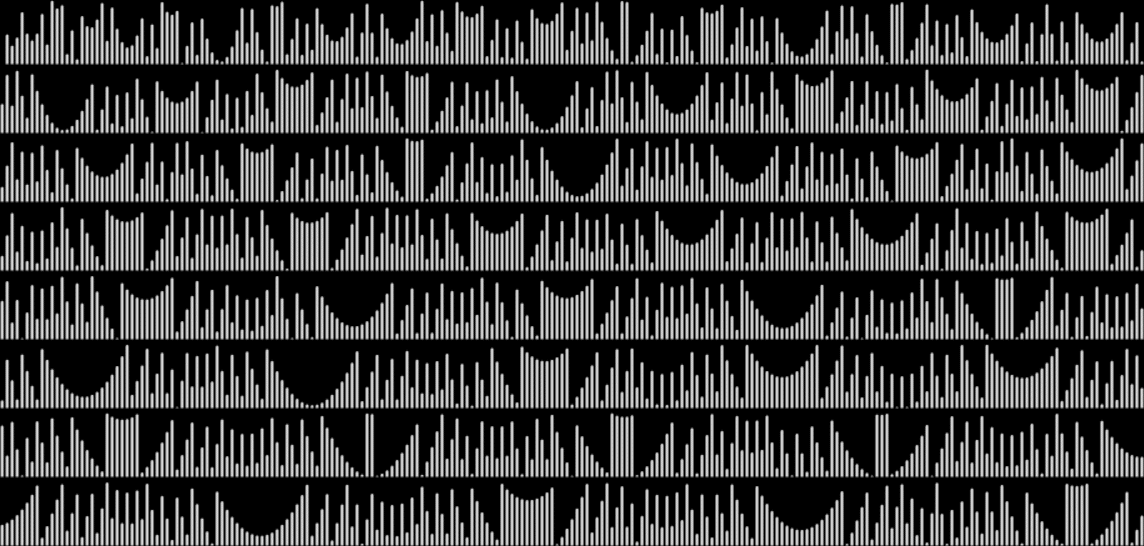
frac(sum(n^(6/11)))
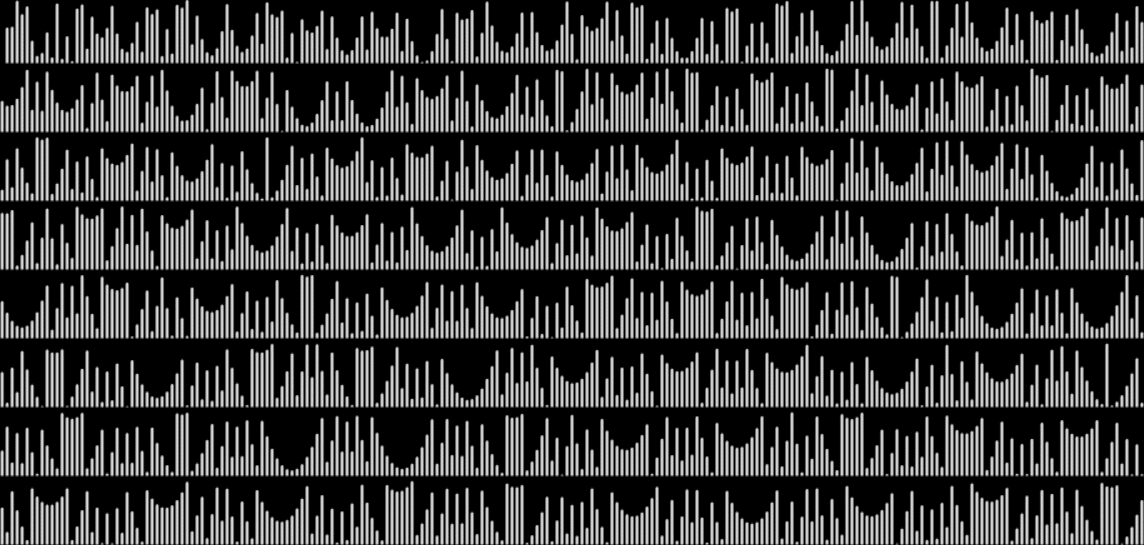
frac(sum(n^(7/11)))
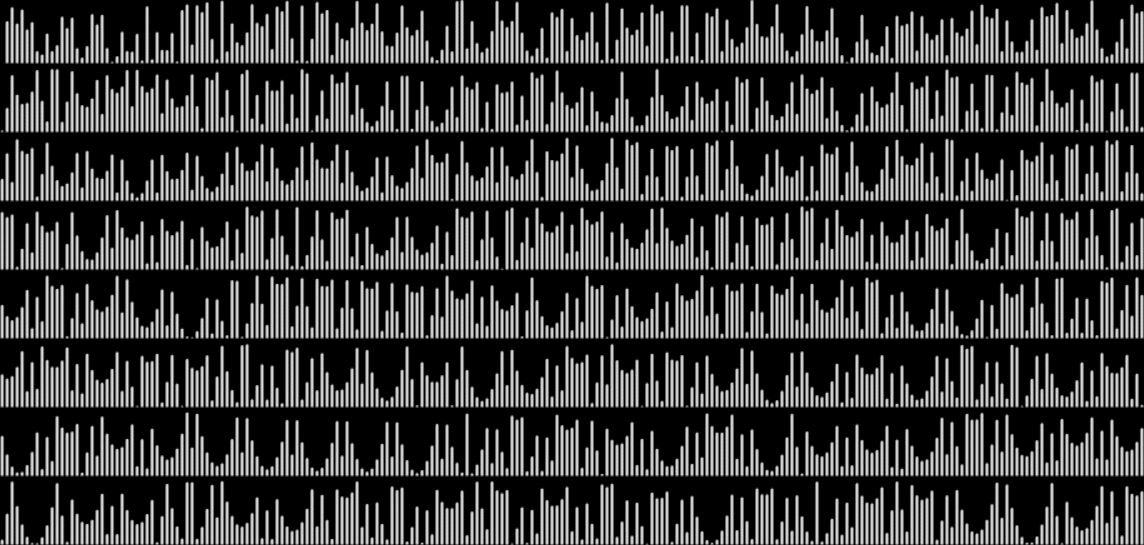
frac(sum(n^(8/11)))
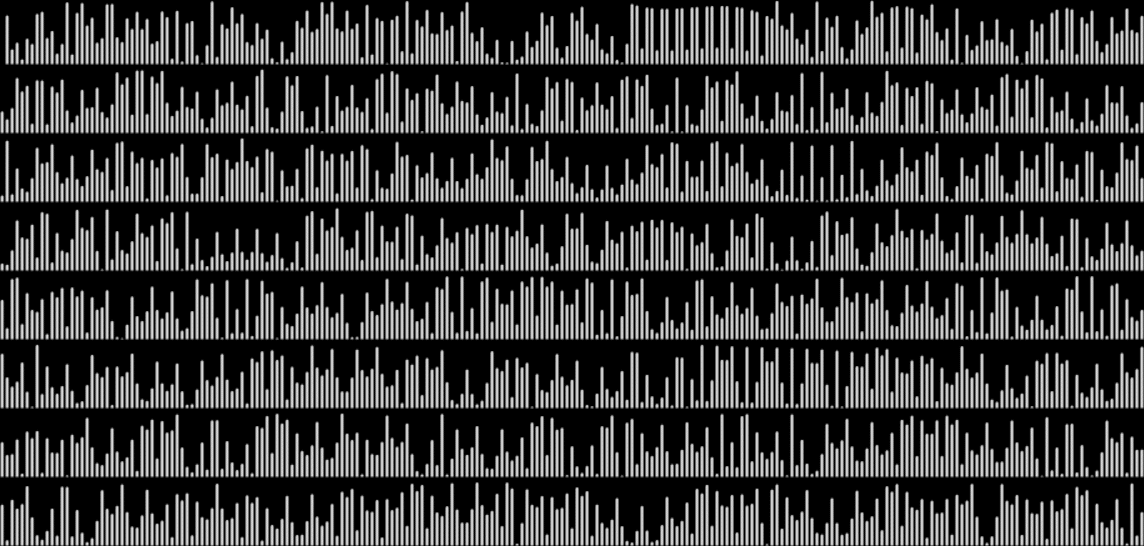
frac(sum(n^(9/11)))
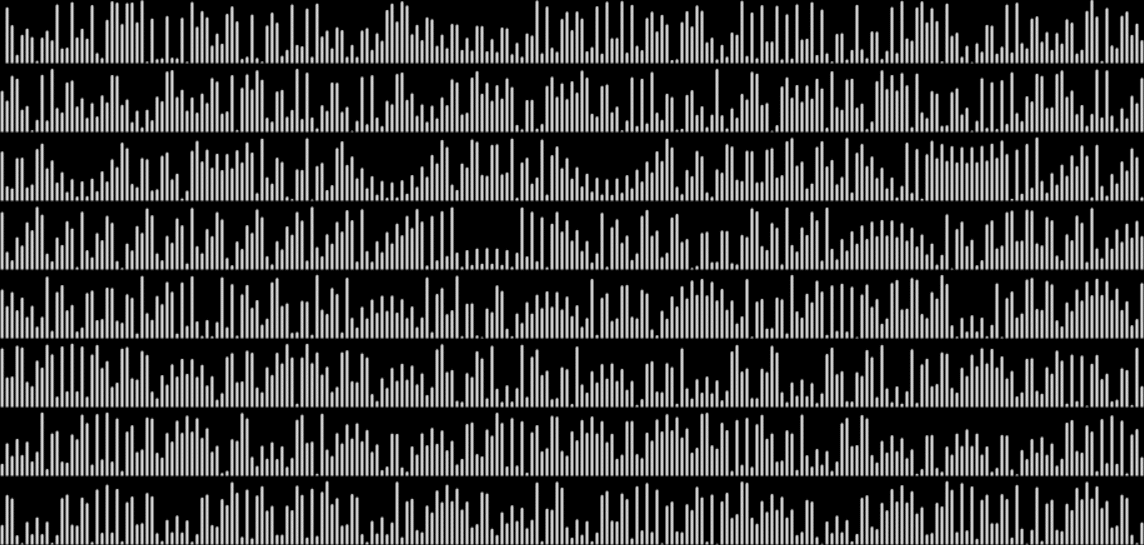
frac(sum(n^(10/11)))
Here’s an animation of those graphs:
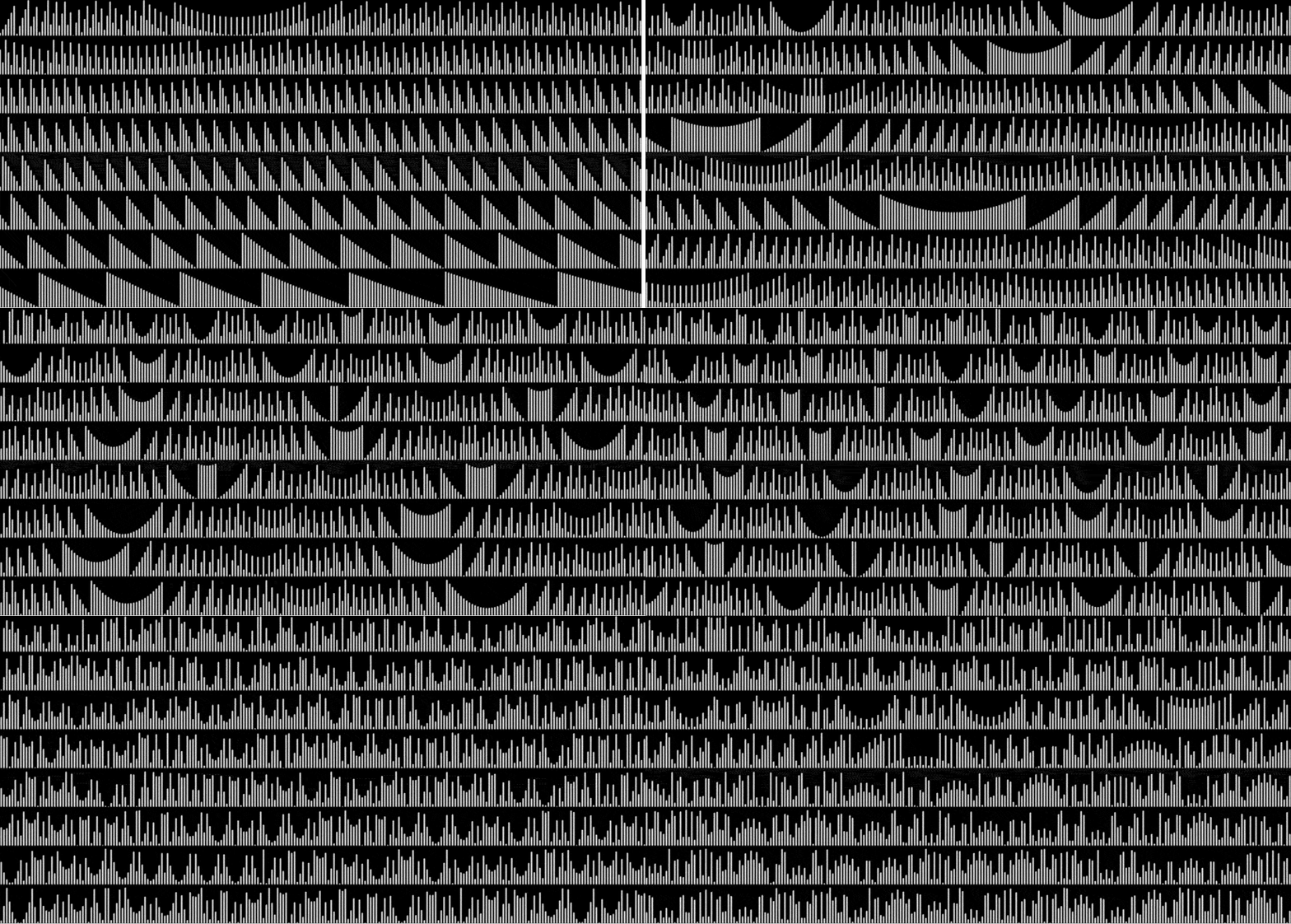
animation of frac(sum(n^(1/11..10/11))) (created at ezGif)
And here are graphs for n^(72/83) and n^(82/83), with a Delvillean curve in the graph of 72/83 and domes in the graph of 82/83:
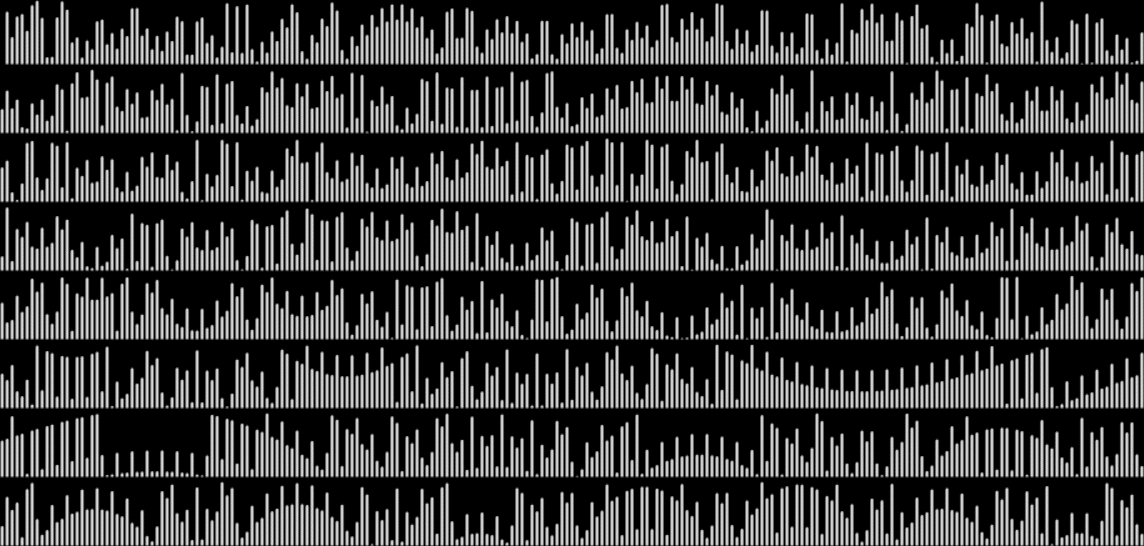
frac(sum(n^(72/83)))
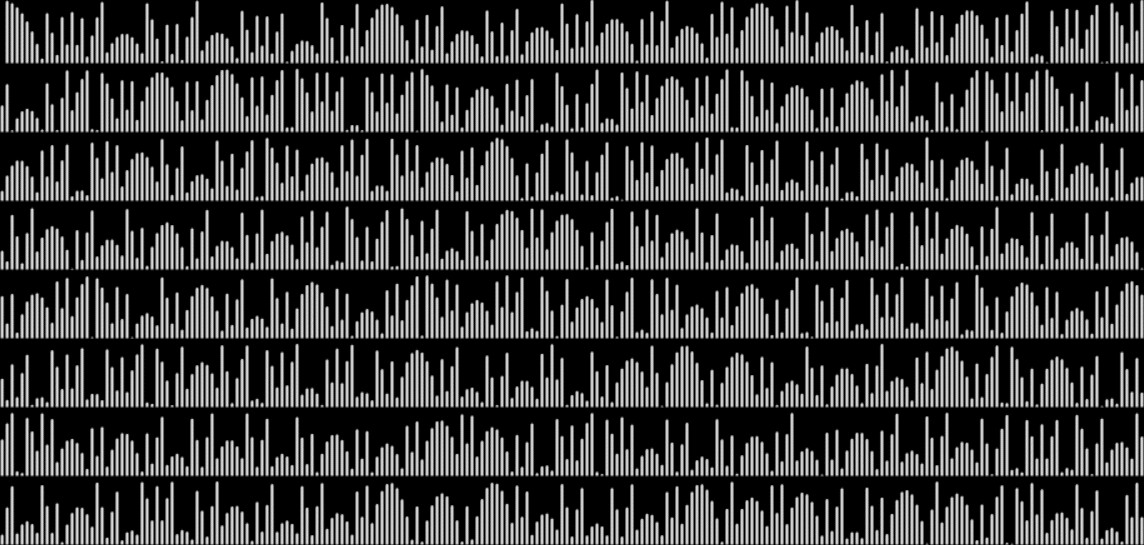
frac(sum(n^(82/83)))
As the denominators get bigger, so do the domes:
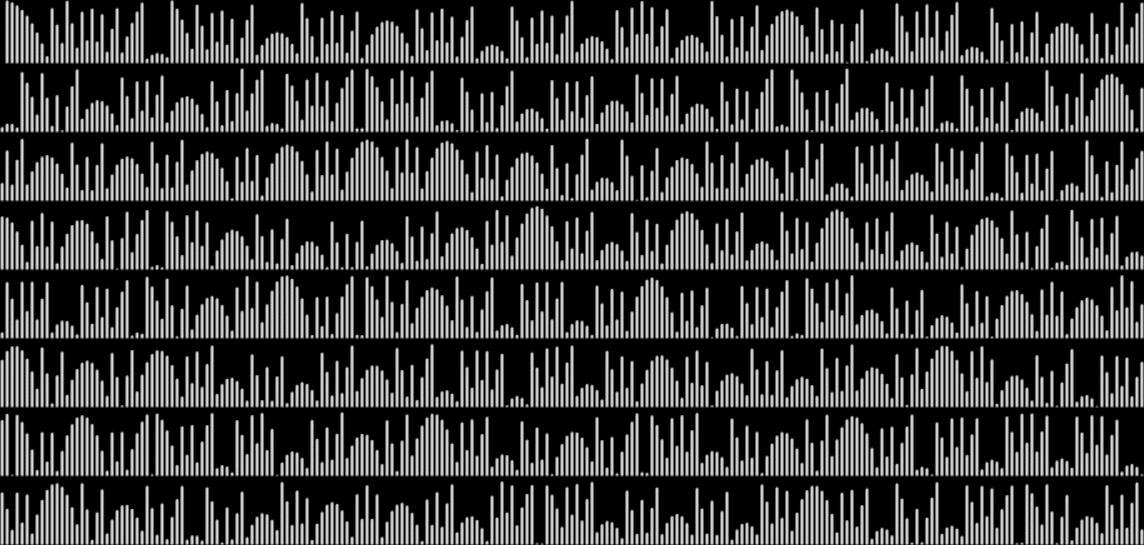
frac(sum(n^(1000/1009)))
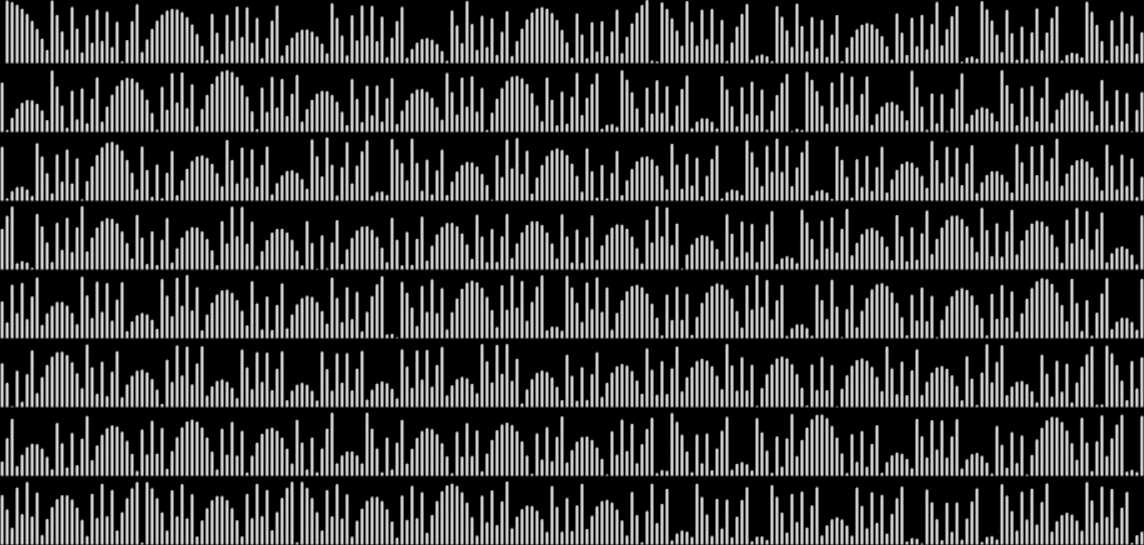
frac(sum(n^(1001/1009)))
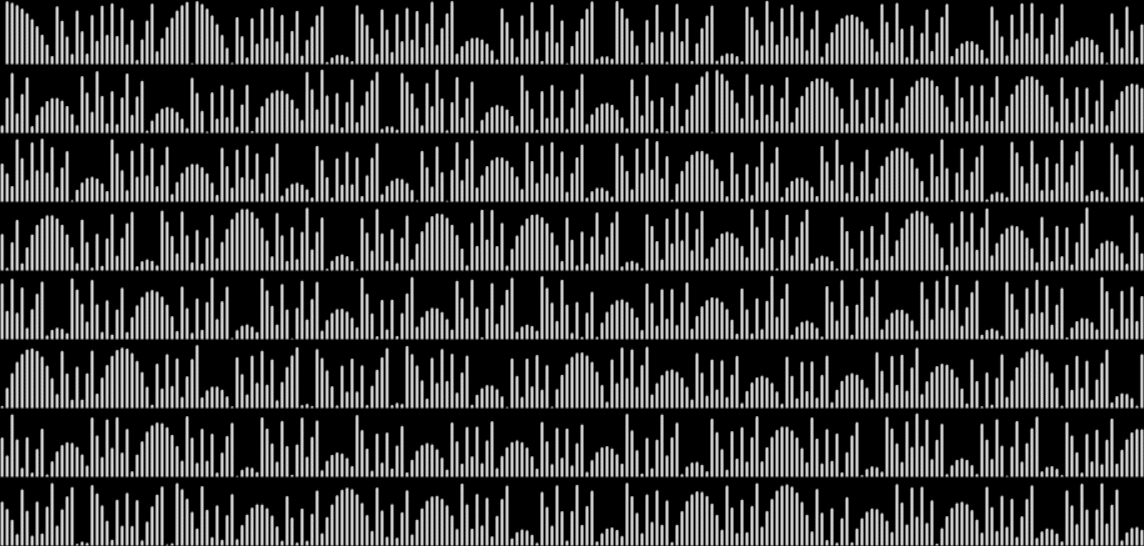
frac(sum(n^(1002/1009)))
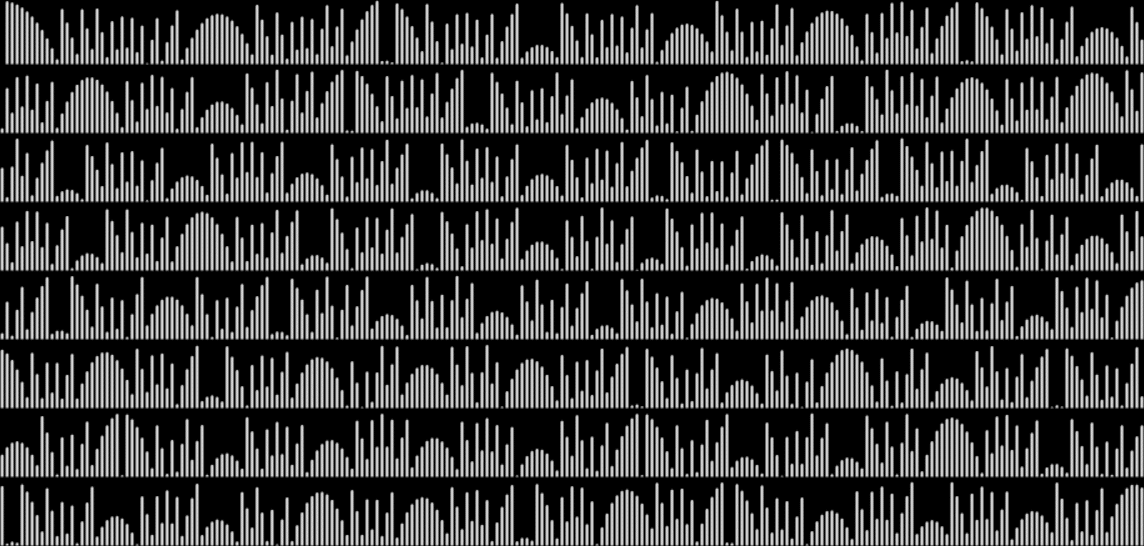
frac(sum(n^(1003/1009)))
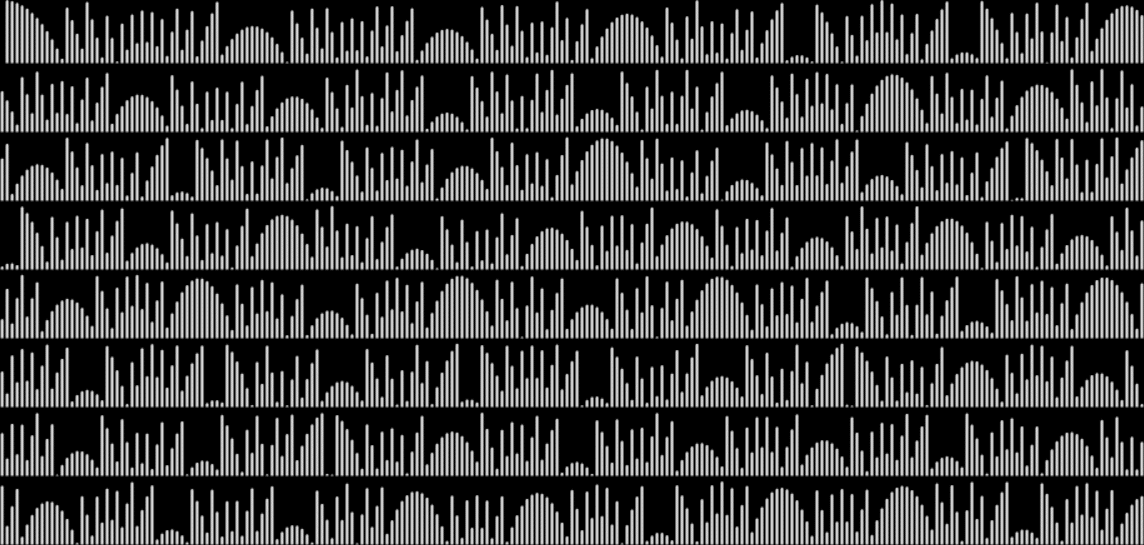
frac(sum(n^(1004/1009)))
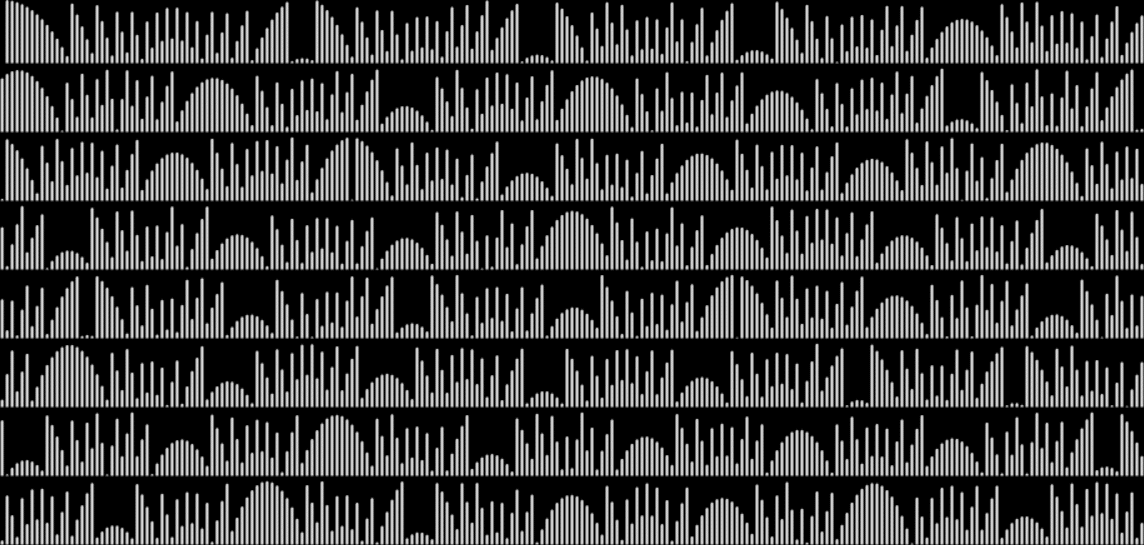
frac(sum(n^(1005/1009)))
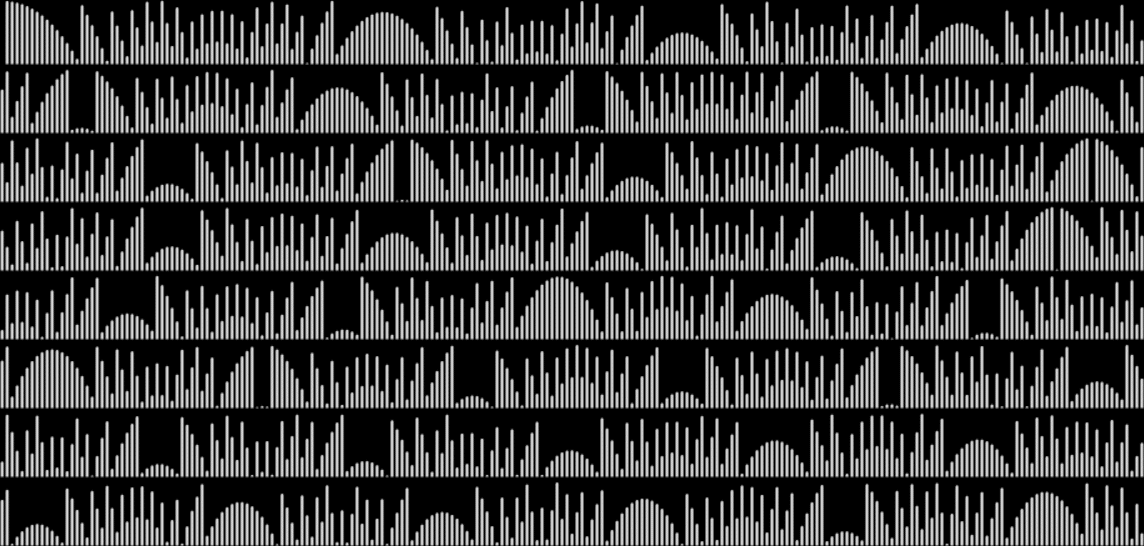
frac(sum(n^(1006/1009)))
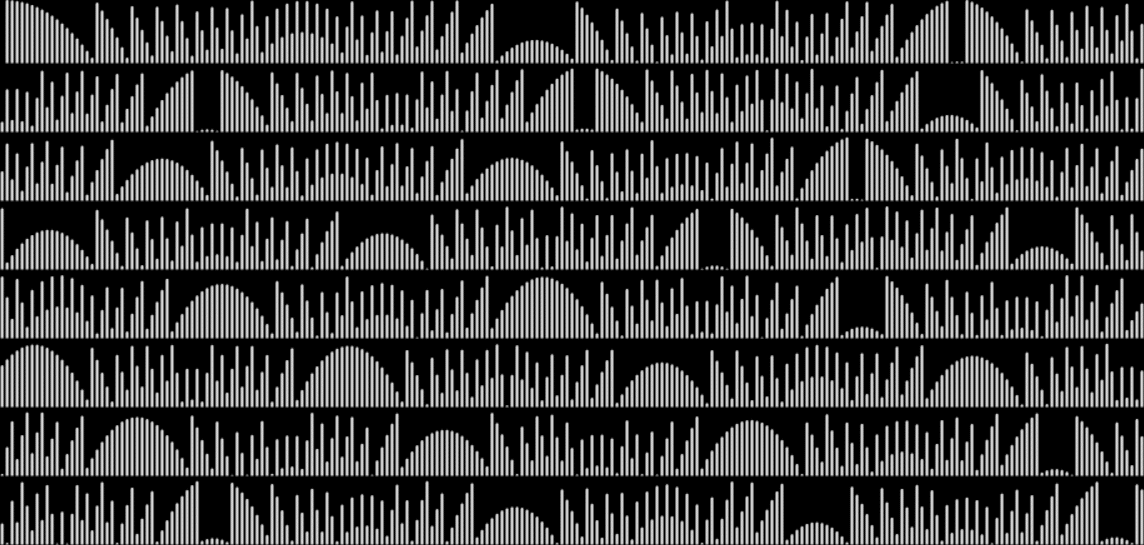
frac(sum(n^(1007/1009)))
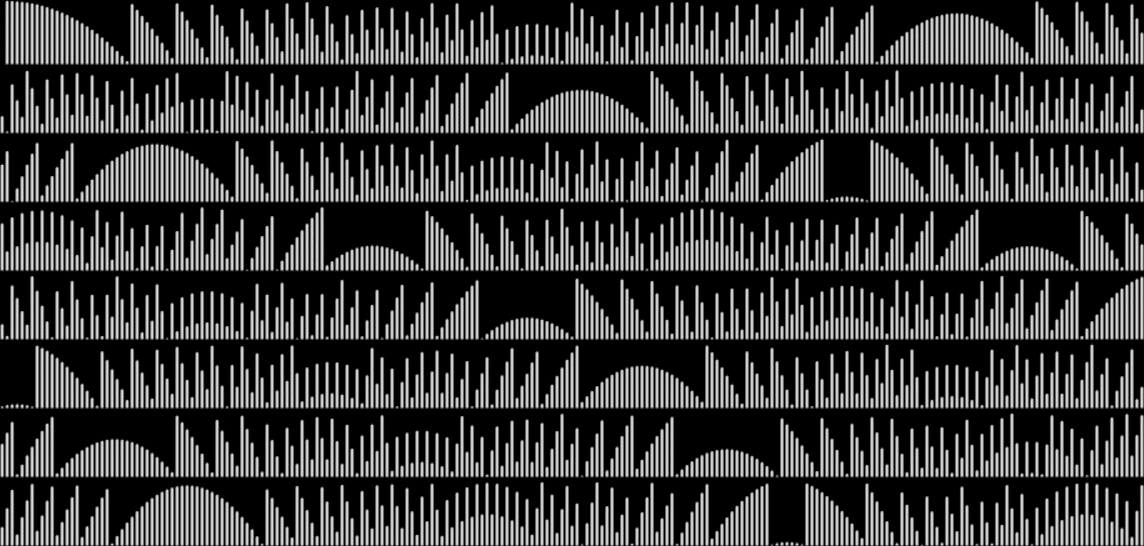
frac(sum(n^(1008/1009)))
Here’s an animation of those graphs:
animation of frac(sum(n^(1000/1009..1008/1009))) (created at ezGif)
Previously Pre-Posted…
• Think Frinc — an earlier look at fraction-patterns
• Altars of Mathness — and similar patterns from integer-digits
Elsewhere Other-Accessible…
• Jean Delville at Wikipedia
• Blessed Are the Sick at BandCamp
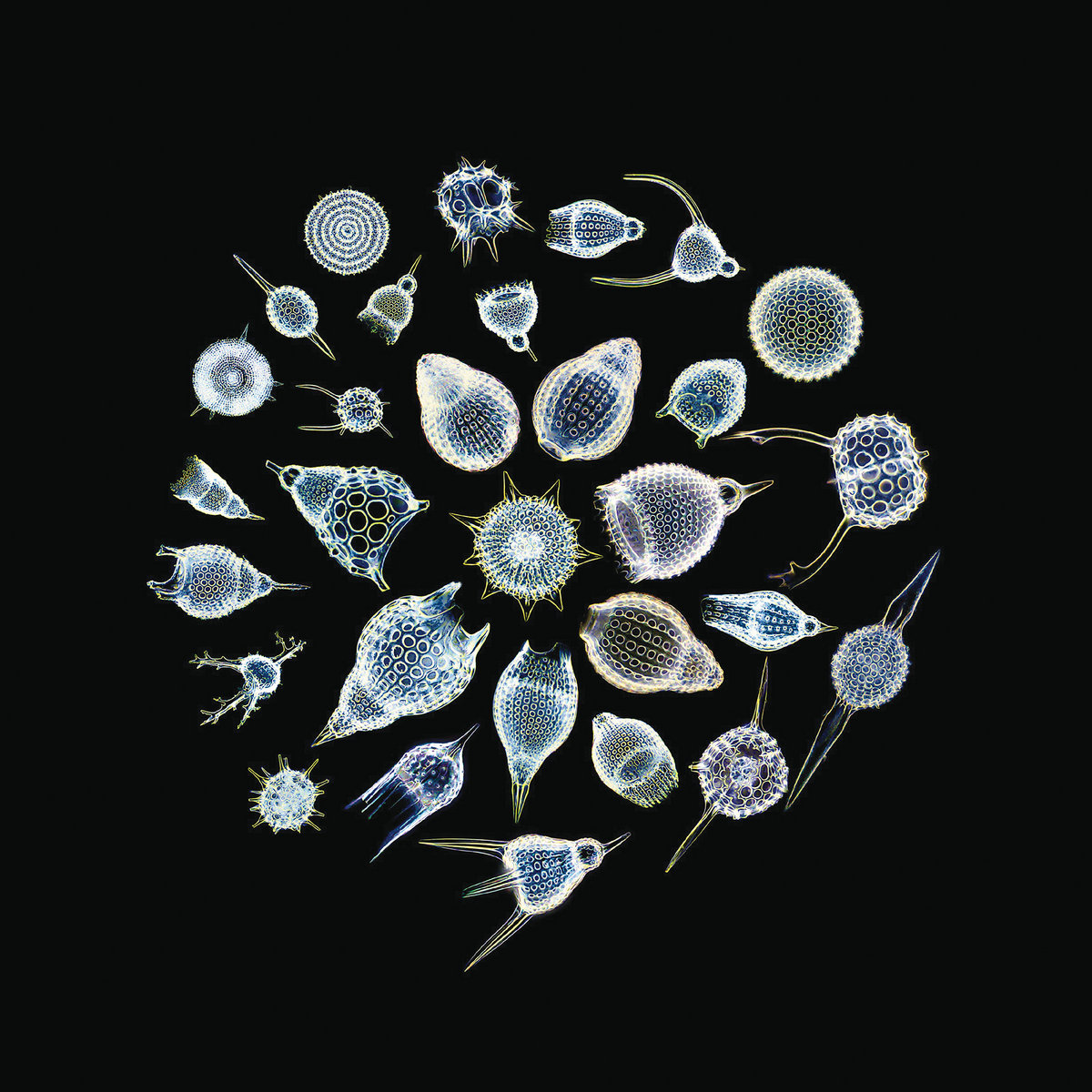
Cover of The Sea Nymphs’ On The Dry Land (2016), with radiolarian skeletons
Good band-name, beautiful cover, but I don’t like the music. It’s interesting to compare a trimmed version of the cover:
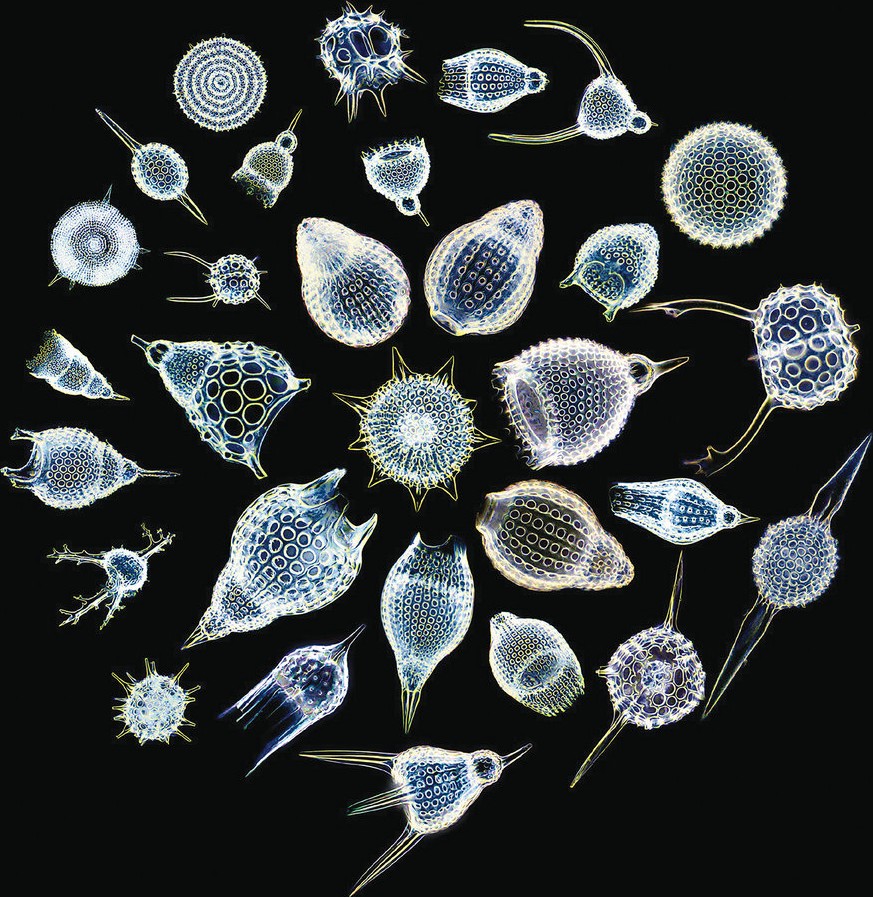
Trimmed version of The Sea Nymphs’ On the Dry Land
Elsewhere Other-Accessible…
• On the Dry Land at Bandcamp
• Radiolaria at Wikipedia
M3FB.
My three favorite bands (or recording artists).
I can’t name them. I just can’t.
Okay, three names leap into my mind whenever I think about M3FB…
The Clash… Guns’n’Roses… Oasis…
But just because they leap doesn’t mean they really are M3FB. I mean, they are among my favorite bands, yes, obviously, or they wouldn’t leap in the first place.
But as soon as they’ve leapt, my brain starts clamoring: “What about Tupac? Sunn O)))? Iron Maiden? Bruce Springsteen? Prince? Huh? Not to mention [blah blah blah]”
So I just can’t do it.
I can’t name M3FB.
But.
M3FBN?
My three favorite band names?
Now you’re talking.
I can name M3FBN in an instant. And all my brain does is nod twice and say nowt.
So here they are, from simplest (and maybe cleverest) to poetickest:
• The The
• Photographed by Lightning
• Rosa Voragine Submersa
Unfortunately, only one of the bands lives up to the cleverness and strangeness of its name. But in a way that’s good too. In some ways, it’s better to imagine what this album might sound like than hear music that in any way lived up to the words:
Renaissance D’Un Pétale Séché by Rosa Voragine Submersa
1. Renaissance D’Un Pétale Séché 06:46
2. Souviens-Toi Des Temps Anciens 04:03
3. Un Endroit Pour Eternel Repos 06:02
4. La Lune Esseulée 07:22
5. Les Meurtrissures D’Un Eté 03:42
6. Le Conte De La Muse Endormie 06:38
7. Par Delà Le Miroir, De L’Autre Côté Des Songes 08:52
8. La Valse Du Chloroforme 04:46
9. La Nébuleuse De L’Hiver – La Compagnie D’Un Prince Fantasmagorique 06:40
10. La Pantomime De L’Affliction 06:19
11. Un Endroit Pour Eternel Repos (version piano) 06:03
12. La Valse Du Chloroforme (version originale) 03:06
13. Renaissance D’Un Pétale Séché (version originale) 07:03• Renaissance D’Un Pétale Séché (free at Bandcamp)
Racism and sexism have become normalised in Britain, the equalities minister has said, as she warned that young men were being sucked into violent misogyny by the “cesspit” of social media. Bridget Phillipson said she was increasingly worried about how commonplace misogyny and racism had become, fuelled by online interactions and statements by politicians she said would not have been acceptable a few years ago. […]
Speaking to the Guardian’s Politics Weekly podcast, she said: “I worry that we are at kind of a ground zero in terms of attitudes around violence against women and girls. Things that not very long ago felt totally unacceptable are becoming normal. I think we’re seeing that in terms of attitudes towards women, and I think we see that in terms of attitudes around racism.” […] The women and equalities minister also criticised the police for not taking violence against women and girls seriously enough. “We’ve seen some pretty shocking failings in terms of the police response over decades and sadly we’re not seeing the progress that we should in terms of how the police will often respond to this,” she said. — “Racism and sexism have become normalised in Britain, says equalities minister”, The Guardian, 20th in-terms-of August, 2026

Official portrait of Bridget Phillipson, 2026
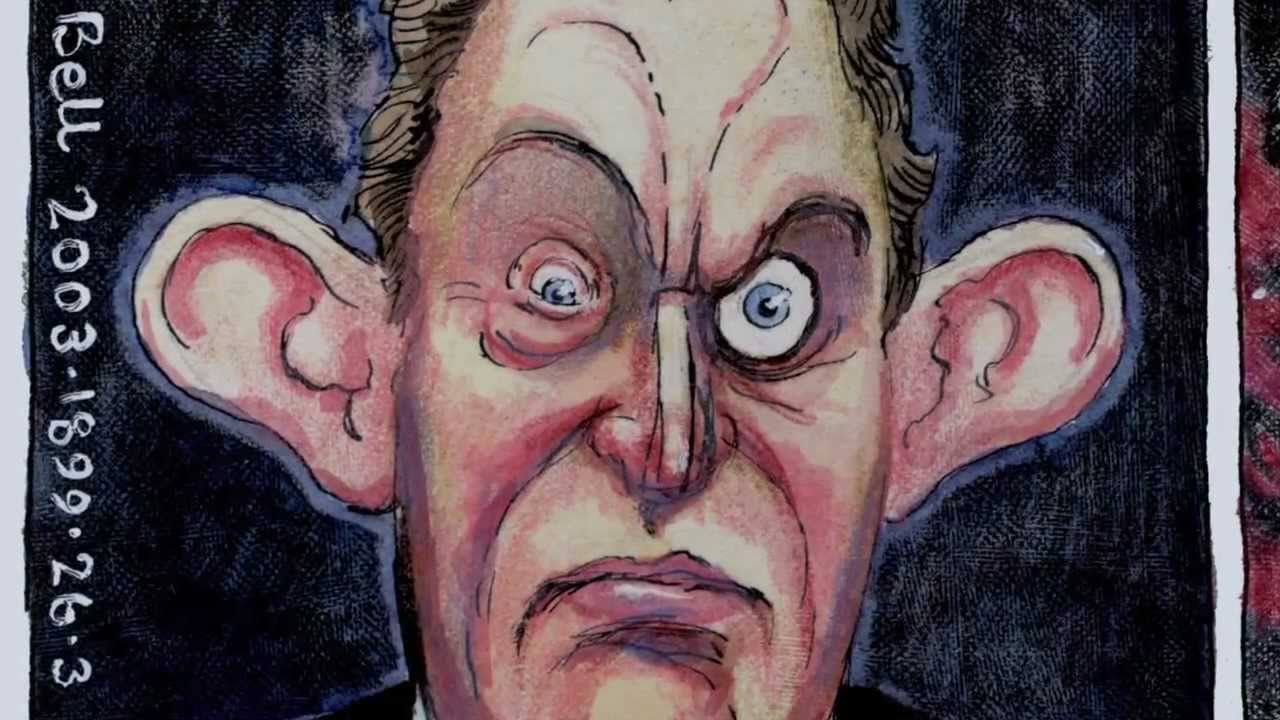
Tony Blair by Steve Bell
John, I’m only dancing;
She turns me on, but I’m only dancing;
She turns me on, don’t get me wrong:
I’m only dancing — “John, I’m Only Dancing” (1972) by David in-terms-of-core Bowie
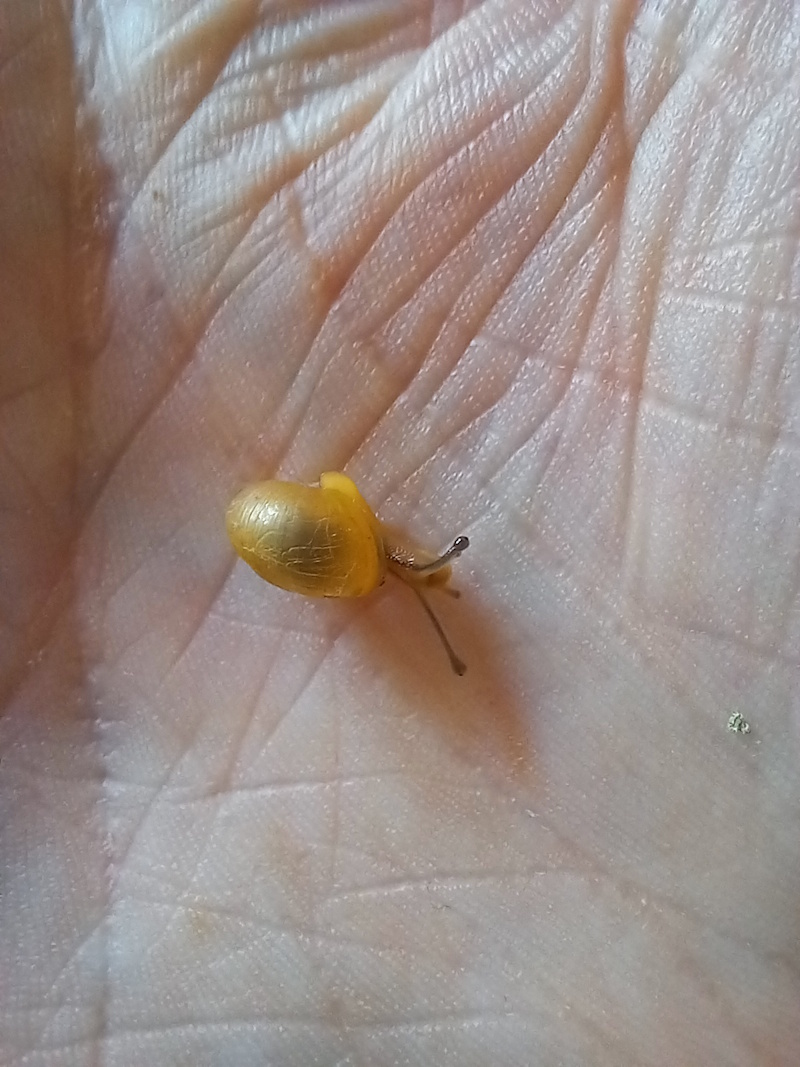
Small yellow snail, possibly juvenile White-lipped Snail, Cepaea hortensis
Elsewhere Other-Accessible…
• Snail ID in UK — a good simple guide at the NHBS
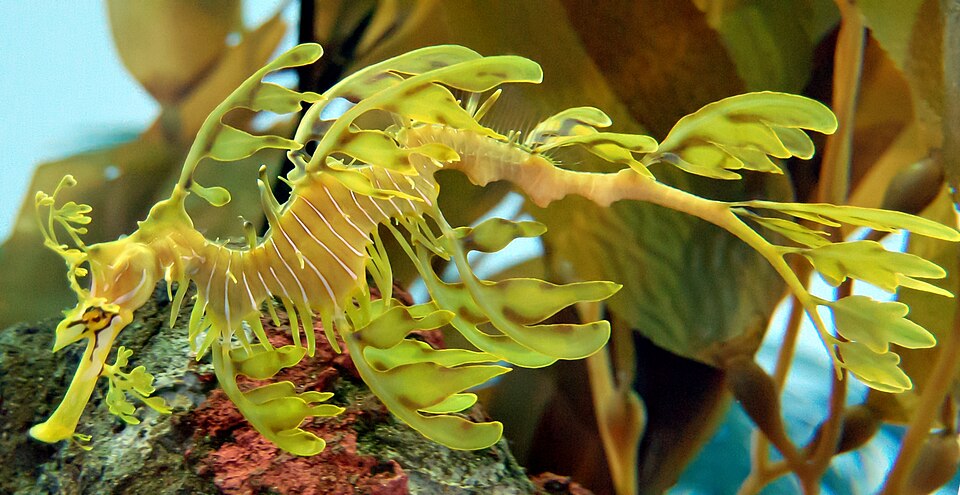
The Leafy Seadragon, Phycodurus eques, from southern Australia (Wikipedia)
Post-Performative Post-Scriptum
Wikipedia says: “The generic name is derived from the Ancient Greek words φῦκος (phûkos) ‘seaweed’, and δέρμα (dérma) ‘skin’.” That’s obviously wrong for dérma, but I can’t find a definitive etymology.
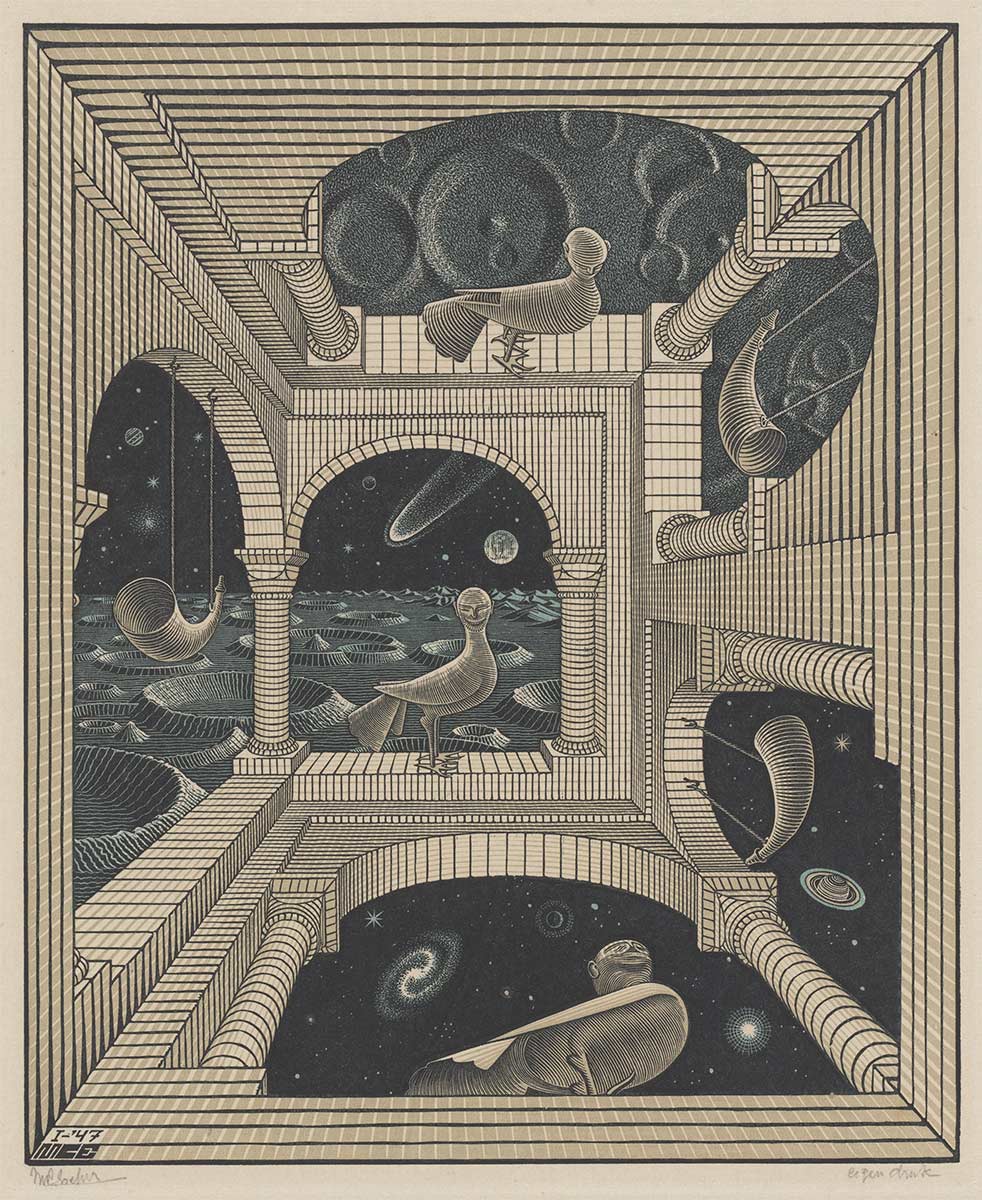
M.C. Escher, Another World / Andere Wereld (1947)
This is almost my favorite image by Escher. But I’d like a frEscher perspective in it: I think the bird should be looking in the other direction, out into the impossibly overlapping universes, not into the cupola and at the viewer.
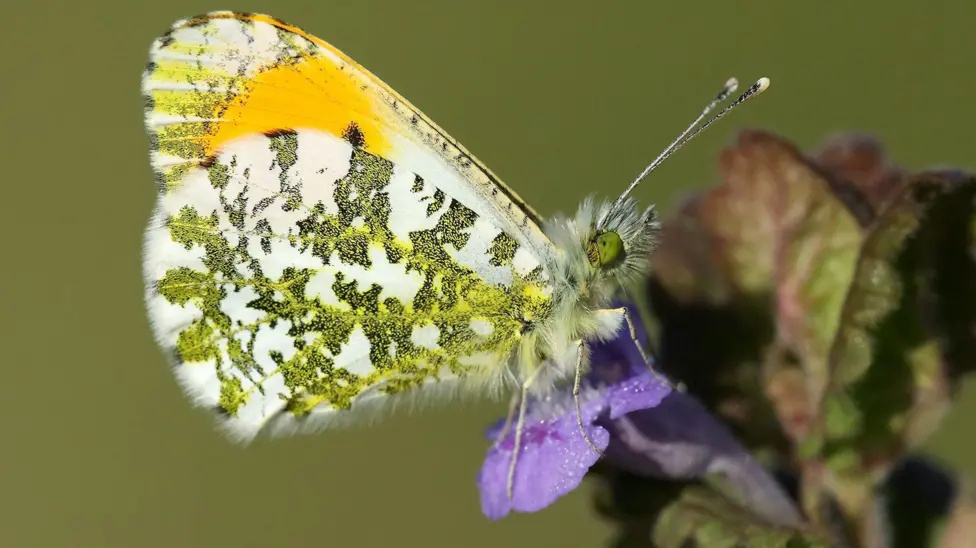
Orange-tip butterfly ♂, Anthocharis cardamines
lepidoptera, n. a large order of insects comprising the butterflies and moths. ← Greek λεπιδο-, “scale” + πτερόν, “wing” — Oxford English Dictionary