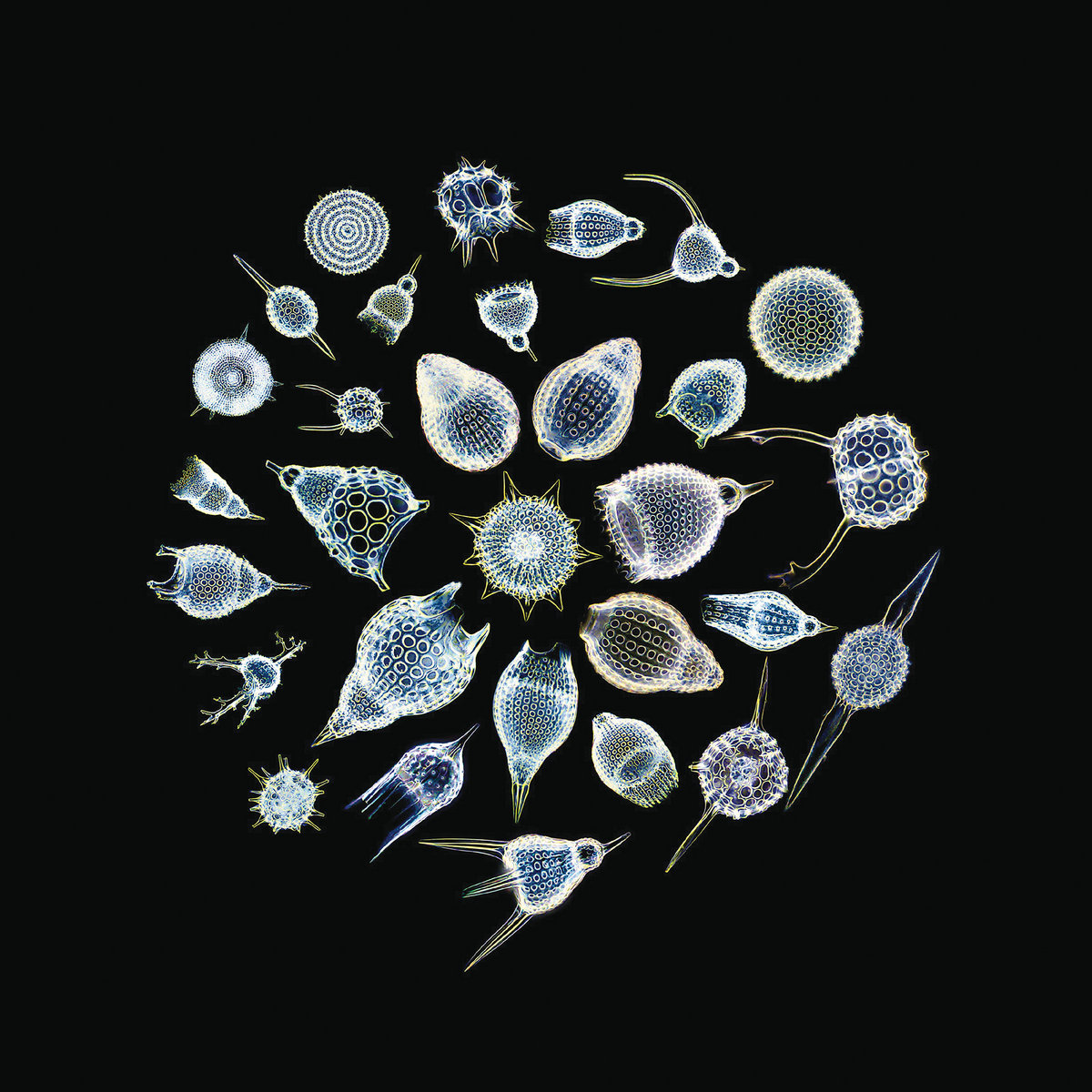
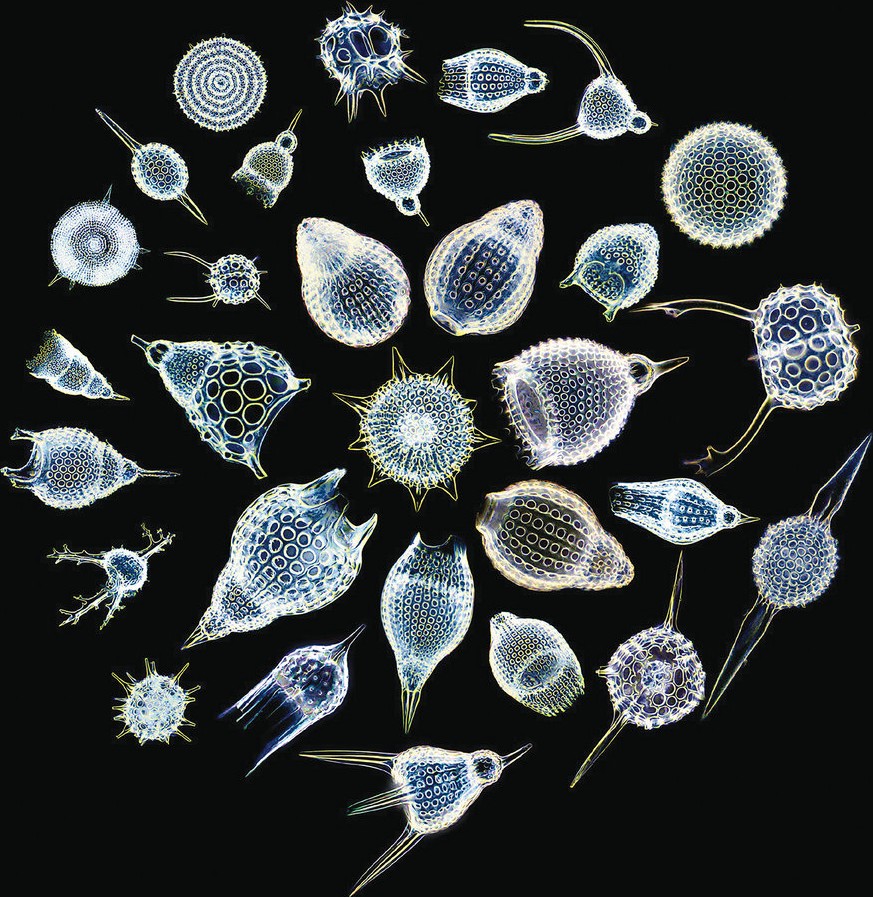
Good band-name, beautiful cover, but I don’t like the music. It’s interesting to compare a trimmed version of the cover:
Elsewhere Other-Accessible…
• On the Dry Land at Bandcamp
• Radiolaria at Wikipedia
Good band-name, beautiful cover, but I don’t like the music. It’s interesting to compare a trimmed version of the cover:
Elsewhere Other-Accessible…
• On the Dry Land at Bandcamp
• Radiolaria at Wikipedia
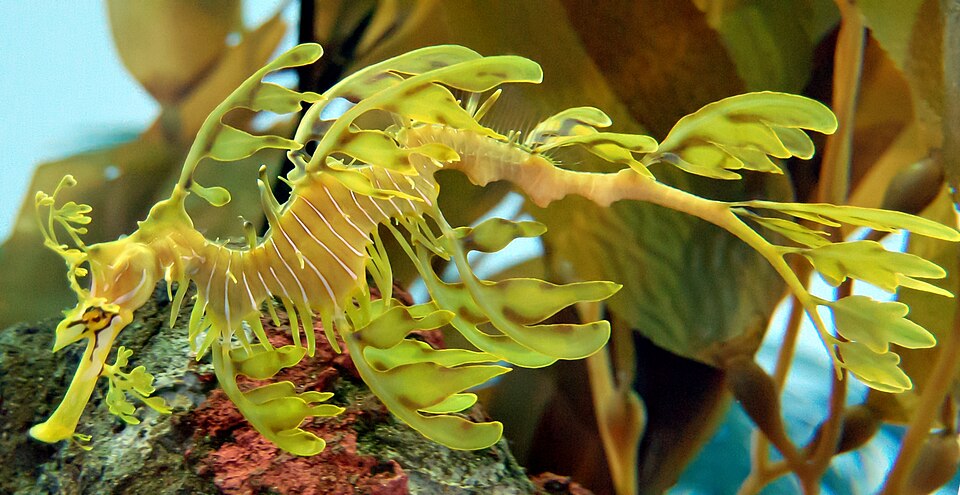
The Leafy Seadragon, Phycodurus eques, from southern Australia (Wikipedia)
Post-Performative Post-Scriptum
Wikipedia says: “The generic name is derived from the Ancient Greek words φῦκος (phûkos) ‘seaweed’, and δέρμα (dérma) ‘skin’.” That’s obviously wrong for dérma, but I can’t find a definitive etymology.

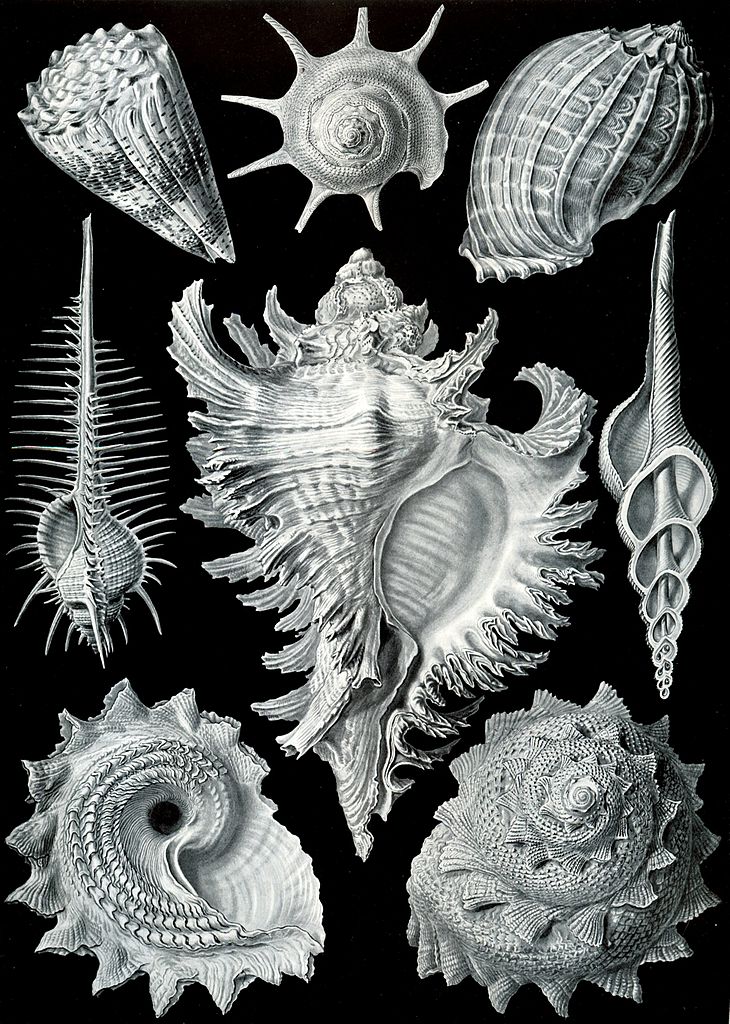
Ernst Haeckel’s “Prosobranchia” from Kunstformen der Natur (1904), or Artforms in Nature

Iridogorgia sp. octocoral bush with two squat lobsters, Gulf of Mexico
Post-Performative Post-Scriptum
Iridogorgia are corals growing in the dark of the deep Atlantic and Pacific oceans. Part of their name comes from Greek ἶρις, ἰριδος, iris, iridos, “rainbow”, referring to their sometimes iridiscent colors. So they remind me of a Dio song that I’ve never heard but always liked the title of: “Rainbow in the Dark”. In this photo, I also like the contrast between the beauty of the coral and the grotesqueness of the squat lobsters.

Copepoda by Ernst Haeckel from Kunstformen der Natur / Artforms of Nature (1904)
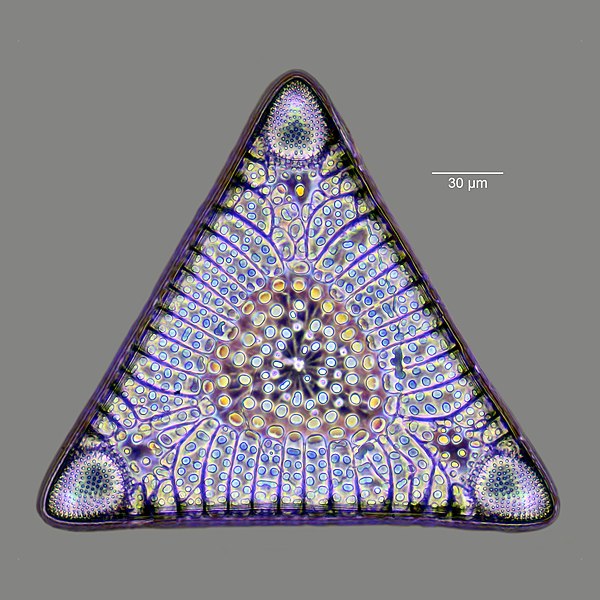
• Photograph of diatoms collected in Russia and arranged on a microscope slide in 1952 by A.L. Brigger

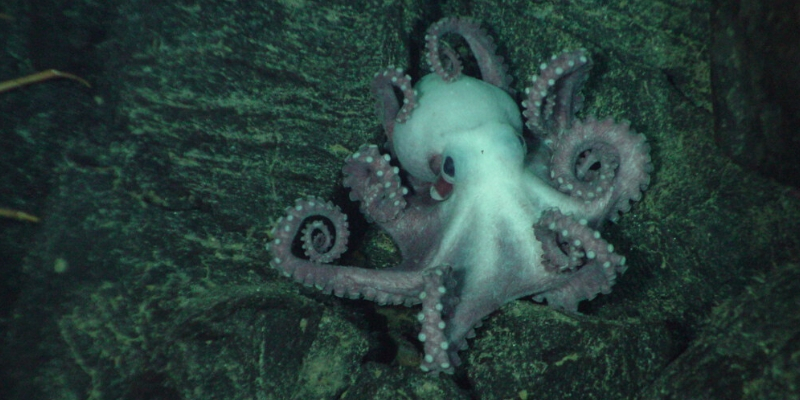
The deep-sea octopus Vulcanoctopus hydrothermalis, which lives around hydrothermal vents on the floor of the Pacific (image from Octolab)
Elsewhere Other-Engageable
• Guise and Molls — review of Octopus: The Ocean’s Intelligent Invertebrate: A Natural History (2010)
• Magna Mater Marina — review of The Illustrated World Encyclopedia of Marine Fish and Sea Creatures (2007)
Tripod fish, Bathypterois sp.