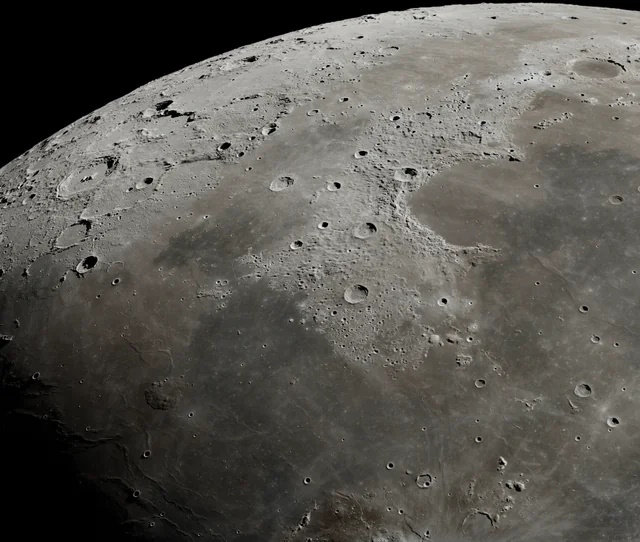
“Descending Toward the Moon” (1951) by Chesley Bonestell (1888–1986)

“Descending Toward the Moon” (1951) by Chesley Bonestell (1888–1986)
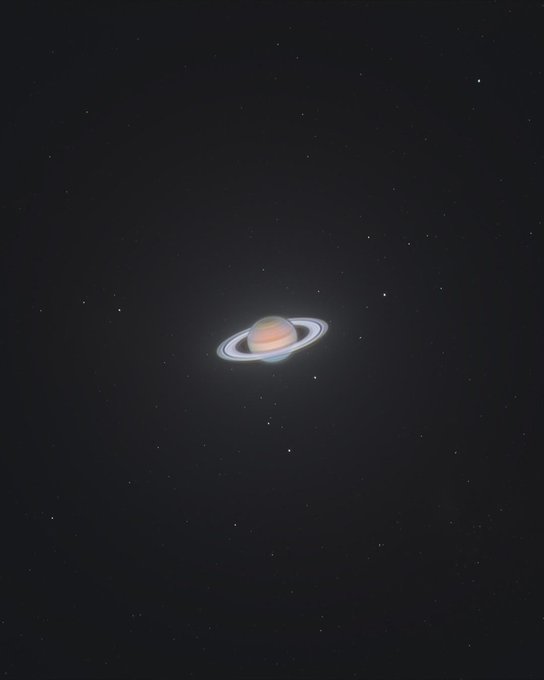
Saturn through a 6″ telescope (Reddit)
(Image courtesy Karmaka)
Ma tra tutti gli uomini grandi che sopra tal mirabile effetto di natura hanno filosofato, più mi meraviglio del Keplero che di altri, il quale, d’ingegno libero ed acuto, e che aveva in mano i moti attribuiti alla Terra, abbia poi dato orecchio ed assenso a predominii della Luna sopra l’acqua, ed a proprietà occulte, e simili fanciullezze. — Galileo, Dialogo sopra i due massimi sistemi del mondo (1632), Giornata Quarta.
• But among all the great men who have philosophized about this remarkable effect, I am more astonished at Kepler than at any other. Despite his open and acute mind, and though he has at his fingertips the motions attributed to the earth, he has nevertheless lent his ear and his assent to the moon’s dominion over the waters, to occult properties, and to such puerilities. — Galileo, Dialogue Concerning the Two Chief World-Systems, “Fourth Day”
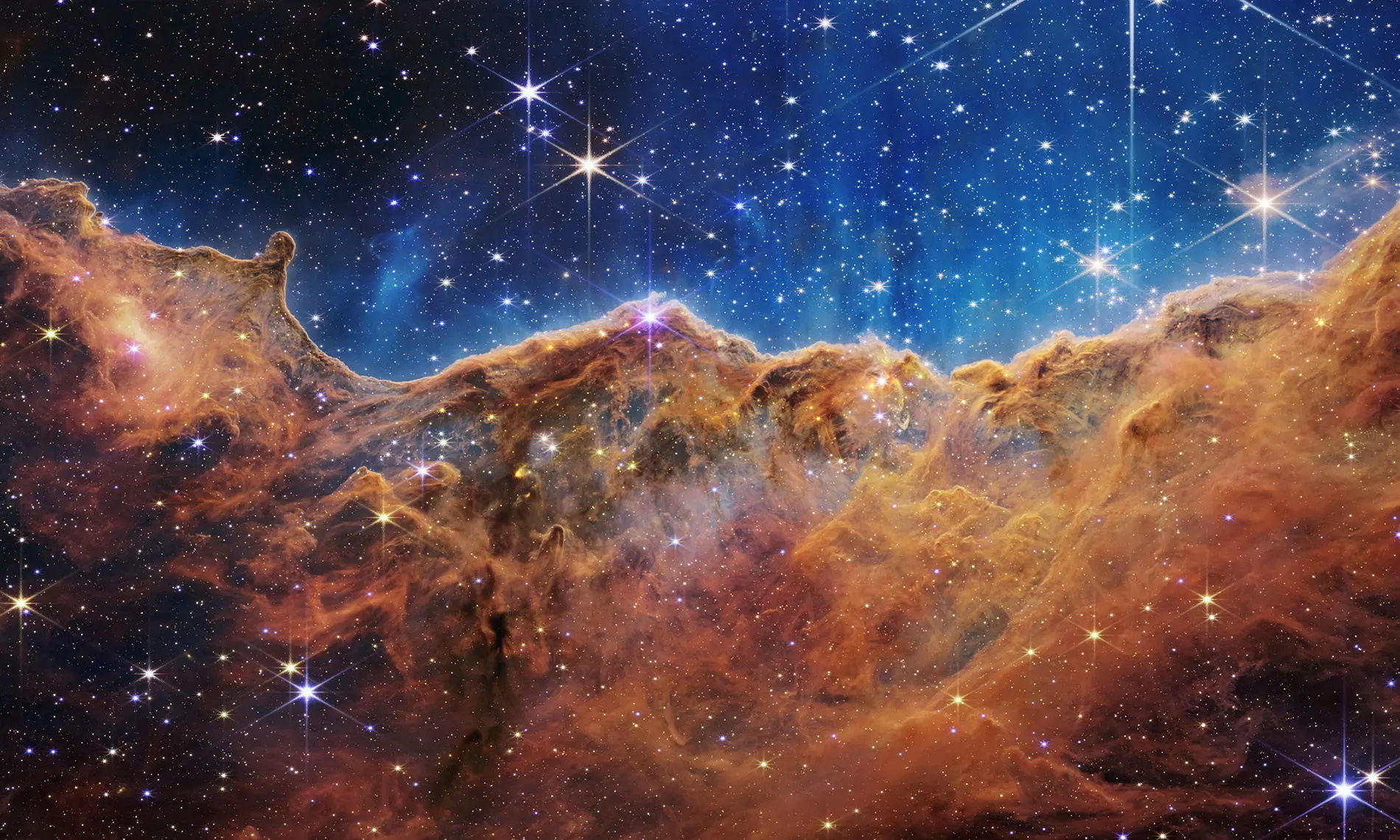
Astrogenesis in the Carina Nebula (more info at NASA)
• ἐπαινῶ: παντὶ γάρ μοι δοκεῖ δῆλον ὅτι αὕτη γε ἀναγκάζει ψυχὴν εἰς τὸ ἄνω ὁρᾶν καὶ ἀπὸ τῶν ἐνθένδε ἐκεῖσε ἄγει. — Πολιτεία τοῦ Πλᾰ́τωνος
• • For every one, as I think, must see that astronomy compels the soul to look upwards and leads us from this world to another. — Plato’s Republic (c. 375 BC), Book 7, line 529a
ვენერა — რიგით მეორე პლანეტა მზიდან; მისი სიმკვრივე და აგებულება მსგავსია დედამიწისა (Translate.ge)
金星 — 金 jīn, jìn, gold; metals in general; money; 星 xīng, a star, planet; any point of light (MDBG)
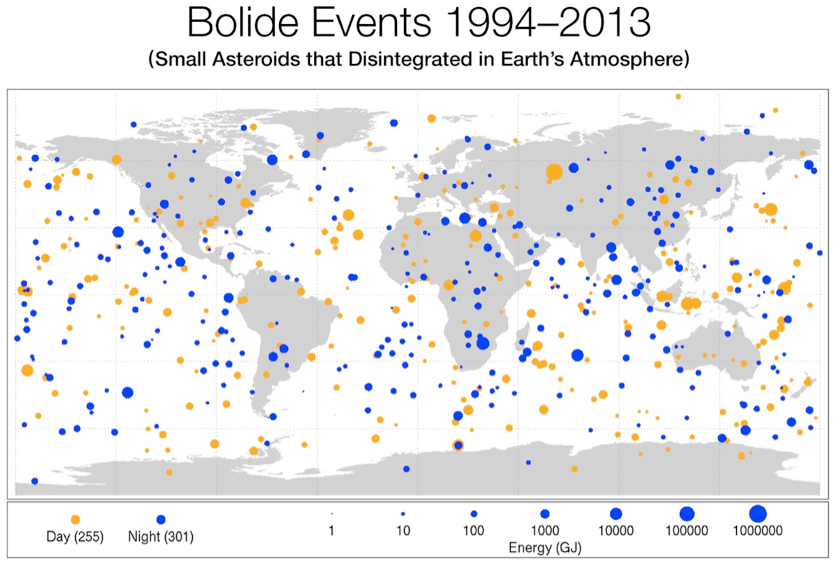
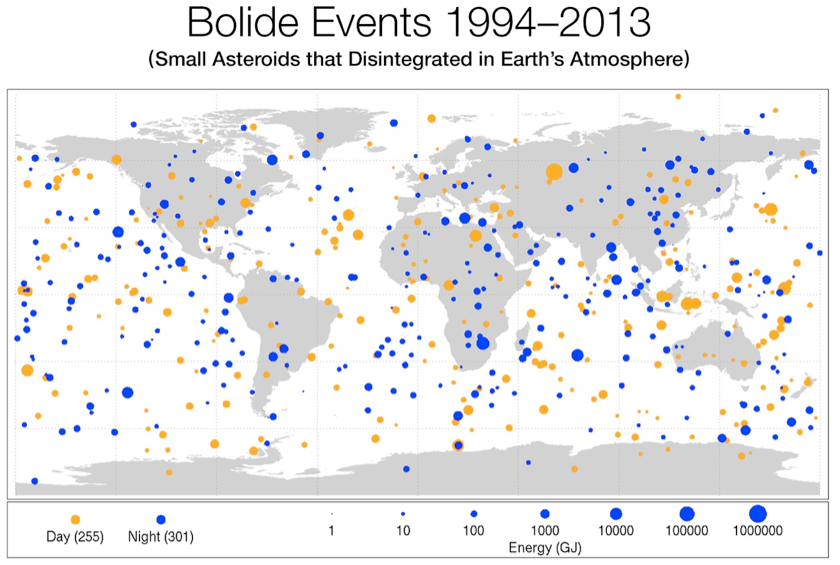
Fireballs 1994-2013 (source)
(click for larger)
bolide, n. /ˈbɒlʌɪd/ A large meteor; usually one that explodes and falls in the form of aerolites; a fire-ball. Etymology: < French bolide, < Latin bolid-em (nominative bolis) large meteor, < Greek βολίς missile, < stem of βάλλειν to throw. — Oxford English Dictionary

Post-Performative Post-Scriptum
The toxic title of this incendiary intervention is supposed to be understood such that the verb “Lucíferizing” (acting like Lucifer, turning into Lucifer, etc) has an echo of “Lúcifer Rising”. Lucifer, or “Light-Bearer”, is also a name for the planet Venus, which is rising in the image of the foredawn sky.
 Overlord In Terms of Core Issues Around Maximal Engagement with Key Notions of the Über-Feral
