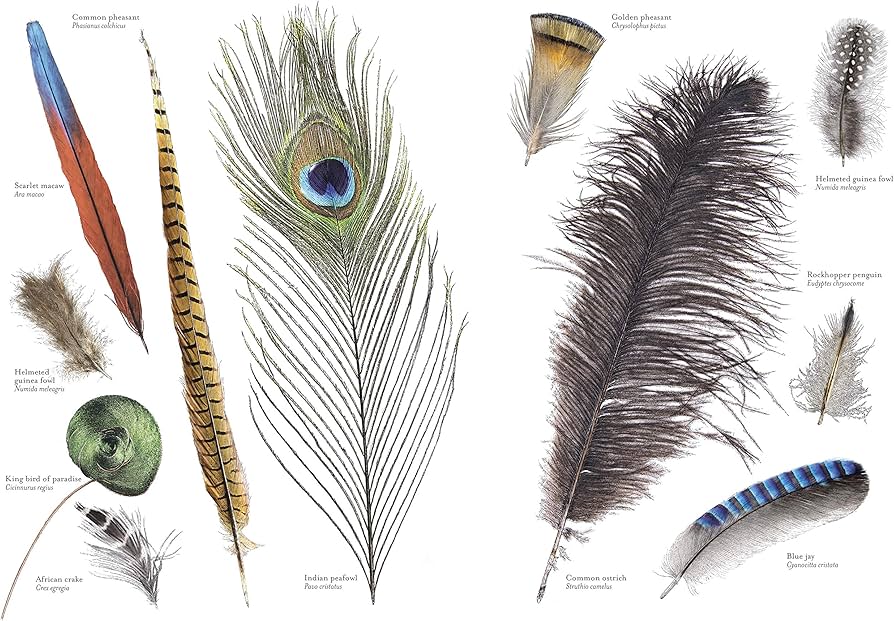
Feathers by Ben Rothery (click for larger)
Post-Performative Post-Scriptum
“Bennae Bellae” is a play on Pennae Bellae, which is Latin for “Beautiful Feathers” (Pennae Pulchrae would be better, but not as assonant).

Feathers by Ben Rothery (click for larger)
Post-Performative Post-Scriptum
“Bennae Bellae” is a play on Pennae Bellae, which is Latin for “Beautiful Feathers” (Pennae Pulchrae would be better, but not as assonant).
“Don’t ever think that magic is simply somebody taking a rabbit out of a hat. Our ancestors believed in magic and were right for the wrong reasons — for the most part they believed that magic was evil, not good. But the magic that lies all about you, from your own body to that of an elephant, to a fly’s wing as intricate as anything that lets the sunlight into Chartres Cathedral, to the great surging sea itself — that is magic. Anyone who goes through life unastounded by everything he sees is not alive.” — Gerald Durrell, Myself and Other Animals (2024), “Fragments from unpublished autobiography”
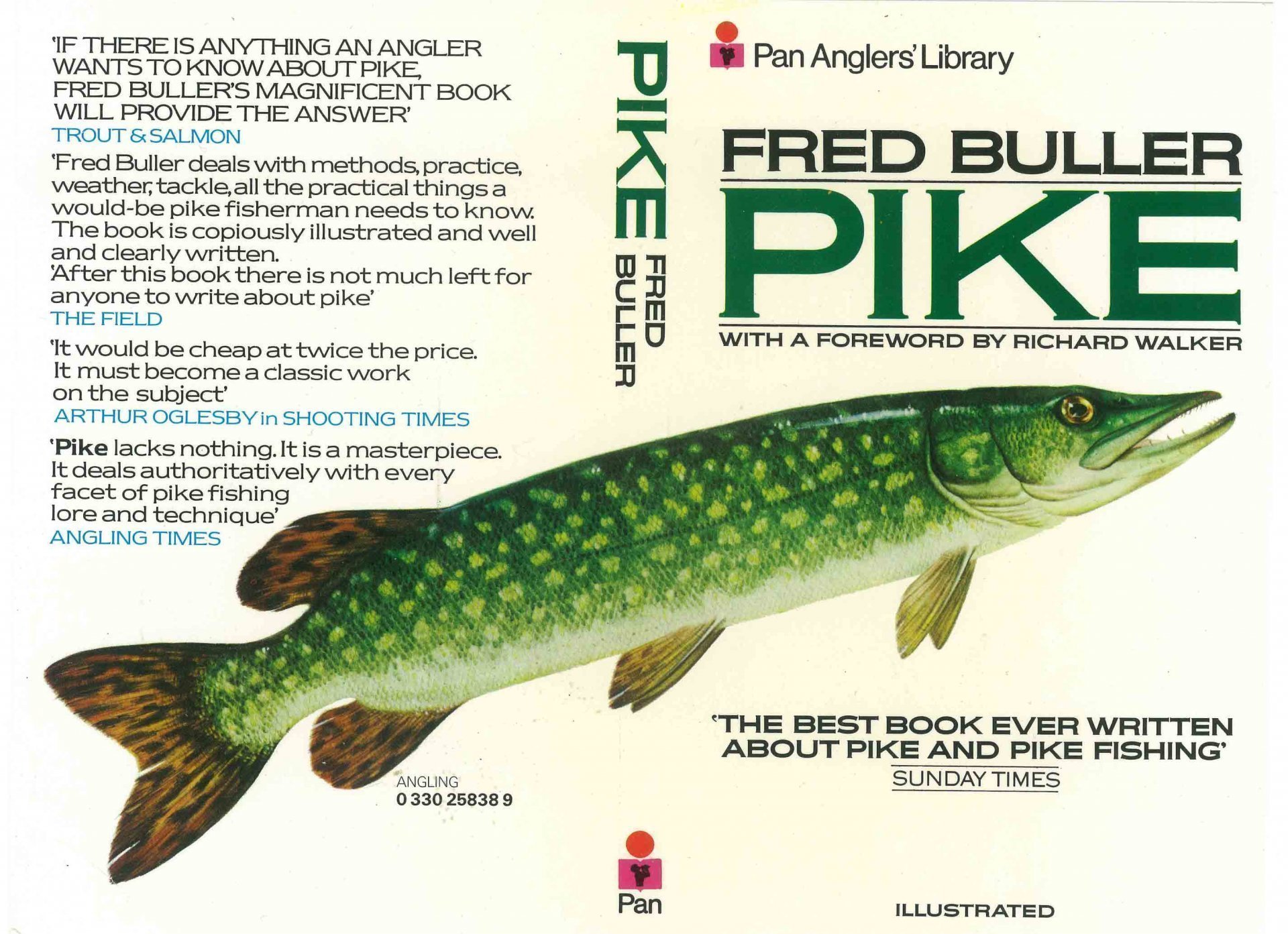
Portrayal of a pike, Esox lucius, by Norman Weaver (1913-89) on the cover of Fred Buller’s book about pike-fishing
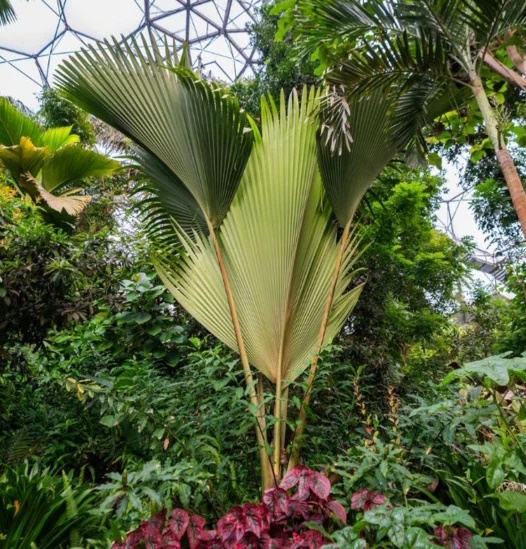
A coco de mer at the Eden Project
A rare and endangered palm at the Eden Project is thought to have made botanical history by producing the UK’s largest mature leaf of its kind, about 13ft (4m) long. The coco de mer, native to the Seychelles, was grown from a seed in the Cornwall attraction’s rainforest biome. The seed, given by the Seychelles Ministry of Agriculture in 2003, has now developed into a plant with a massive mature leaf. Over the next decade, the leaf could grow to 8-10m long, the Eden Project said. — Rare palm’s 13ft leaf thought to be UK’s largest, BBC News, 20ix25
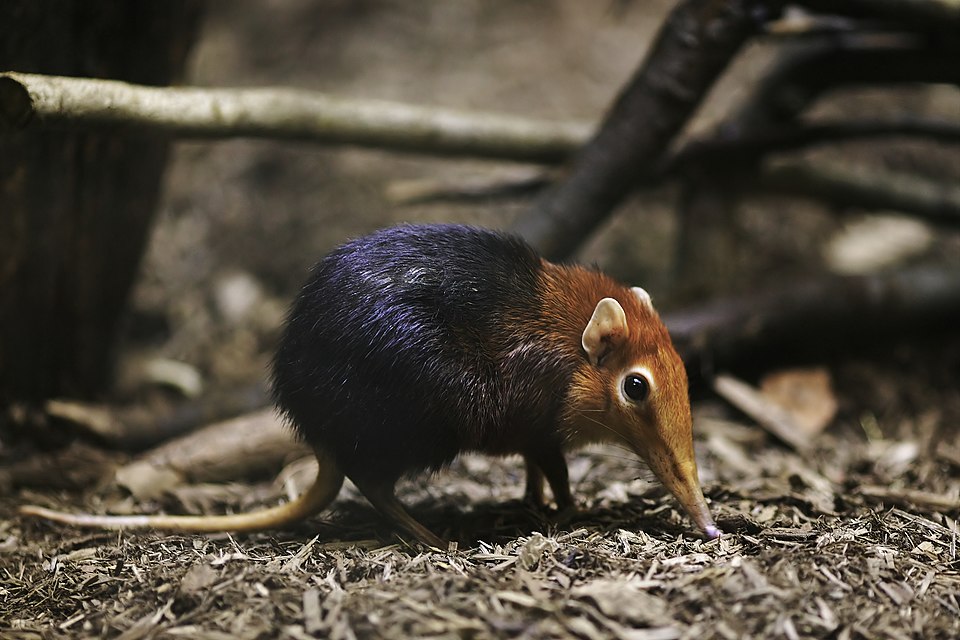
Black-and-rufous elephant shrew, Rhynchocyon petersi (Wikipedia)
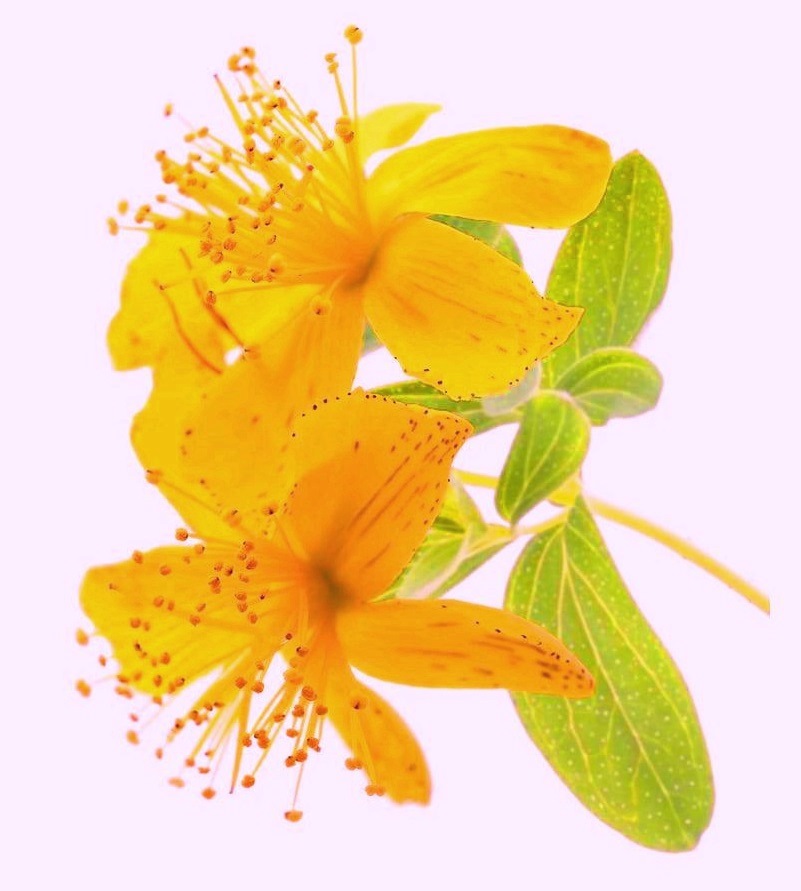
St John’s Wort, Hypericum perforatum (image Wikipedia)
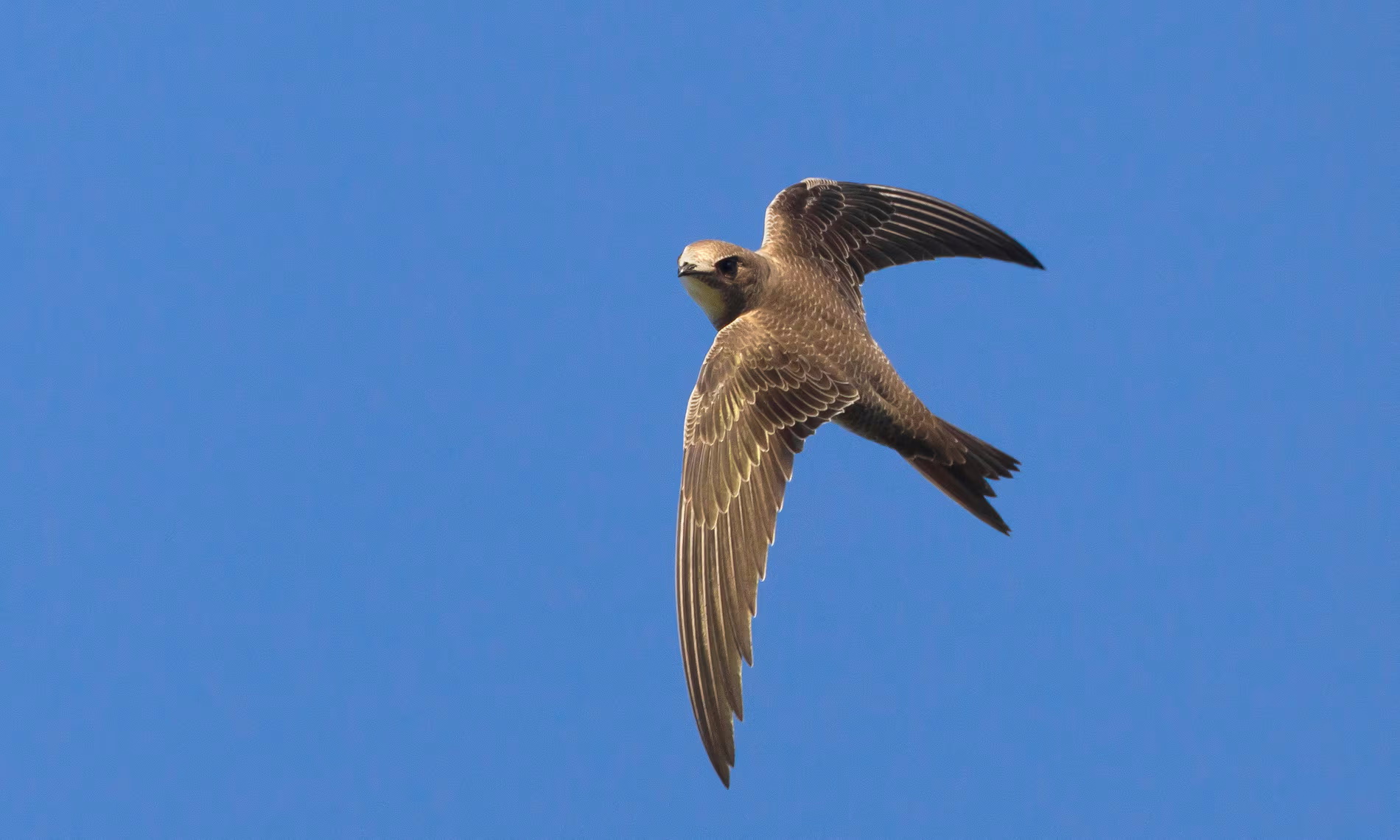
The Grauniad says that this is an alpine swift, Tachymarptis melba, but it looks like a common swift, Apus apus, to me (Photograph: Buiten-Beeld/Alamy via Grauniad)
(click for larger)

A performative pile consisting of a snail on a cuboctohedron on a Portuguese dictionary
« Que me proposent-ils là, les imprudents ! Parce que j’ai remué quelques grains de sable sur le rivage, suis-je en état de connaître les abîmes océaniques ? La vie a des secrets, insondables. Le savoir humain sera rayé des archives du monde avant que nous ayons le dernier mot d’un moucheron. » — Souvenirs entomologiques de Jean-Henri Fabre (1823-1915)
— “What do they want from me, those imprudent ones? Because I’ve lifted a few grains of sand on the shore, am I ready to sound the ocean’s depths? Life has secrets, unfathomable secrets. Human knowledge will be erased from the world’s archives before we have the last word on a gnat.”
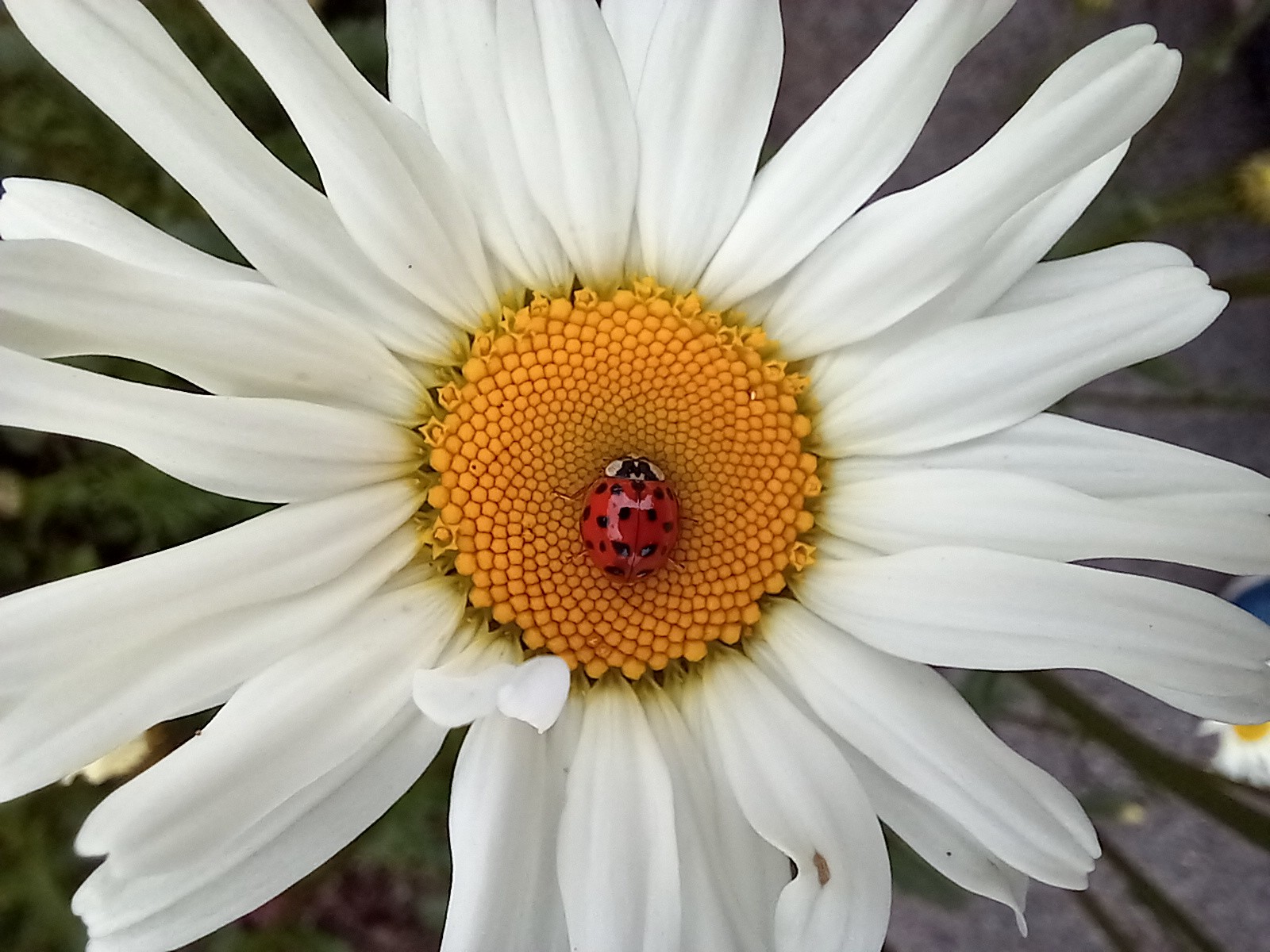
An ox-eye daisy (Leucanthemum sp.) with a harlequin ladybird, Harmonia axyridis, sitting at its center
Peri-Performative Post-Scriptum…
The title of this incendiary intervention refers to
1) The Fibonacci sequence present in the beautiful interlocking curves at the heart of the
2) daisy, whose name comes from Anglo-Saxon dæges ēage, meaning “day’s eye”.
3) The eye-like appearance of the daisy, with the ladybird like a slightly off-centered pupil
 Overlord In Terms of Core Issues Around Maximal Engagement with Key Notions of the Über-Feral

