’Tis a green scene
With many white mouths:
The trumpet-mouths
Of bindweed
Begoddening
The sun-begoldened air.
And the hoverfly
To the fleabane’s eye
Sweets soft songs
I catch nor match.
Yet fleabane’s eye
To hoverfly:
Παντοπόρνη!

’Tis a green scene
With many white mouths:
The trumpet-mouths
Of bindweed
Begoddening
The sun-begoldened air.
And the hoverfly
To the fleabane’s eye
Sweets soft songs
I catch nor match.
Yet fleabane’s eye
To hoverfly:
Παντοπόρνη!
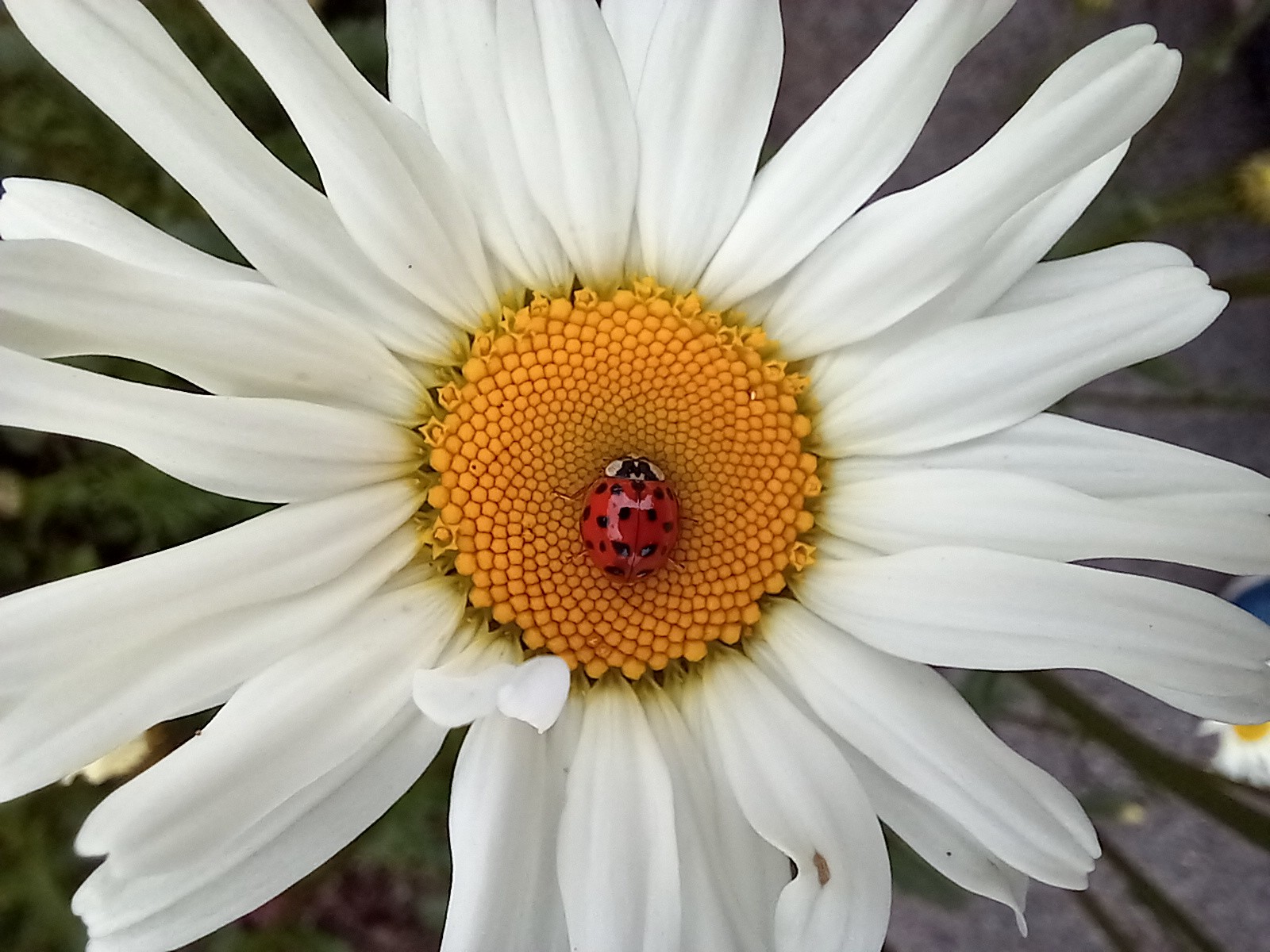
An ox-eye daisy (Leucanthemum sp.) with a harlequin ladybird, Harmonia axyridis, sitting at its center
Peri-Performative Post-Scriptum…
The title of this incendiary intervention refers to
1) The Fibonacci sequence present in the beautiful interlocking curves at the heart of the
2) daisy, whose name comes from Anglo-Saxon dæges ēage, meaning “day’s eye”.
3) The eye-like appearance of the daisy, with the ladybird like a slightly off-centered pupil
In a coign of the cliff between lowland and highland,
At the sea-down’s edge between windward and lee,
Walled round with rocks as an inland island,
The ghost of a garden fronts the sea.
A girdle of brushwood and thorn encloses
The steep square slope of the blossomless bed
Where the weeds that grew green from the graves of its roses
Now lie dead.
• “A Forsaken Garden” (1876), Swinburne
I knew what the Sempervivum plant looked like:
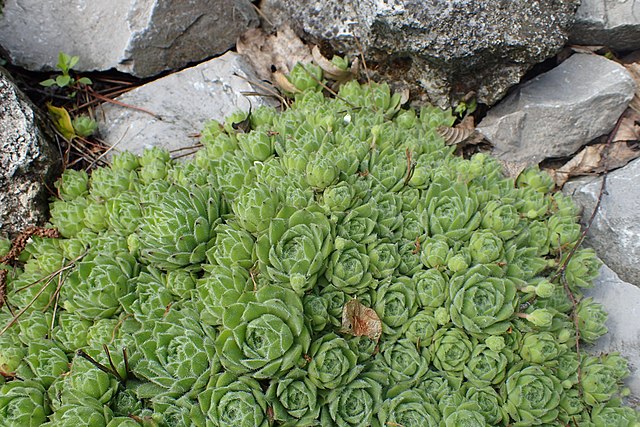
Sempervivum × giuseppii (from Wikipedia)
But I’d never seen the flowers until a few days ago:
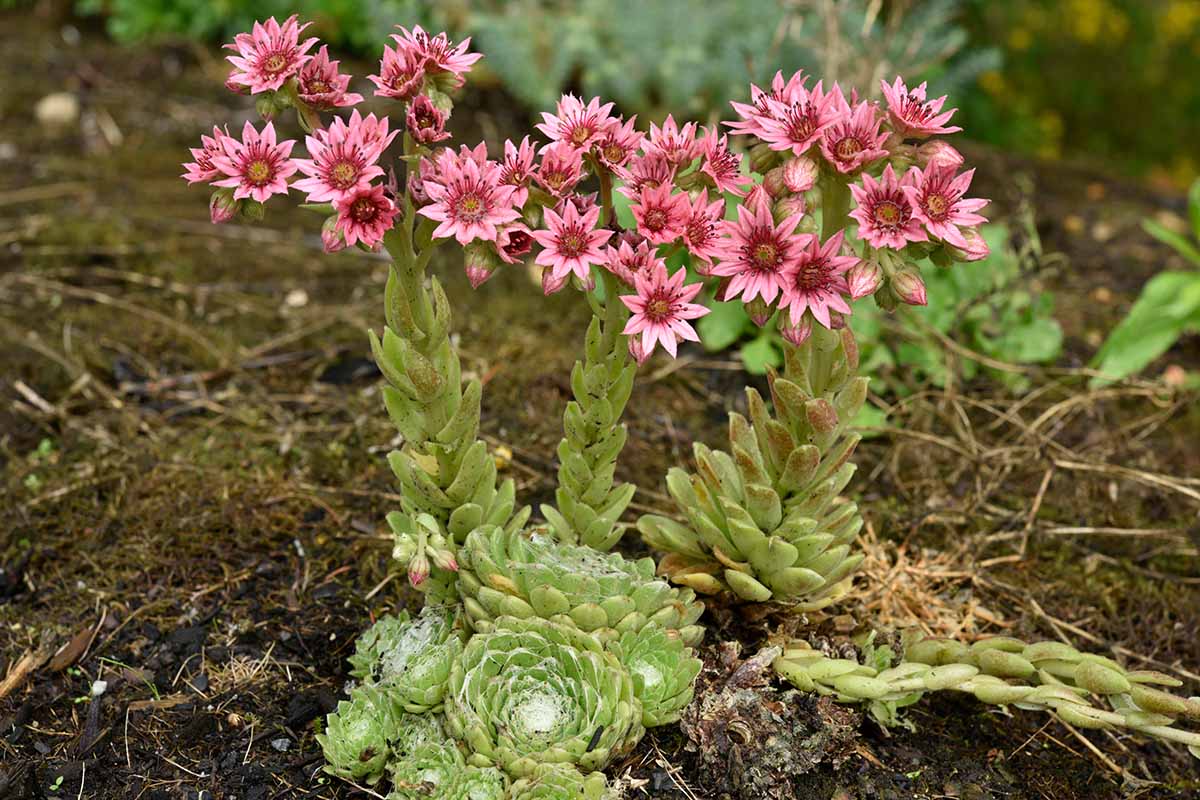
Sempervivum flowers (from Gardener’s Path)
They remind me of Clark Ashton Smith’s “The Demon of the Flower”:
Not as the plants and flowers of Earth, growing peacefully beneath a simple sun, were the blossoms of the planet Lophai. Coiling and uncoiling in double dawns; tossing tumultuously under vast suns of jade green and balas-ruby orange; swaying and weltering in rich twilights, in aurora-curtained nights, they resembled fields of rooted serpents that dance eternally to an other-worldly music. — “The Demon of the Flower”, Astounding Stories, Dec 1933
Errantes silva in magna et sub luce maligna
inter harundineasque comas gravidumque papaver
et tacitos sine labe lacus, sine murmure rivos,
quorum per ripas nebuloso lumine marcent
fleti, olim regum et puerorum nomina, flores.
• Cupido Cruciatur, Decimius Magnus Ausonius (c.310-c.395)
They wander in deep woods, in mournful light,
Amid long reeds and drowsy headed poppies,
and lakes where no wave laps, and voiceless streams,
Upon whose banks in the dim light grow old
Flowers that were once bewailed names of kings.
• translated by Helen Waddell in her Medieval Latin Lyrics (1929)
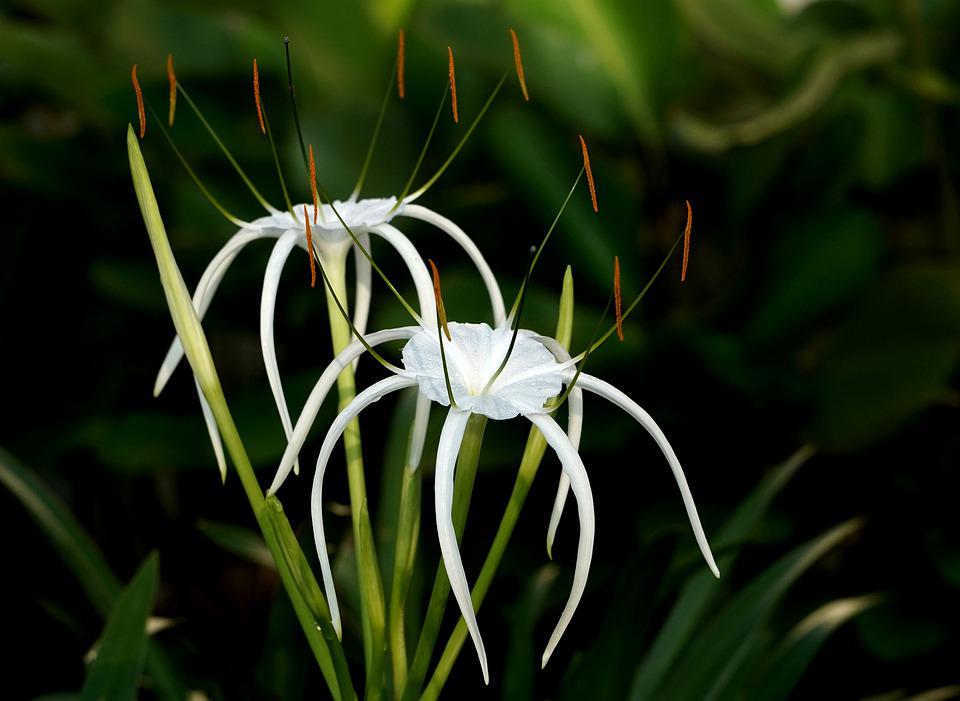
Spider Lily, Hymenocallis sp. (source)
(click for larger)
ვარდები
მე, ზამთრისაგან ჯაჭვაწყვეტილი,
ნაცნობ ბაღისკენ მივემართები,
სად ფერად უცხო, ყნოსვად კეთილი,
ზამთარ და ზაფხულ ჰყვავის ვარდები.
Roses
Unchained from winter,
I walk to a long-known garden,
Where, sweet-scented and bright,
Roses grow winter and summer through.
• ვარდები, გალაკტიონ ტაბიძე
• “Roses”, Galaktion Tabidze — a translation into English
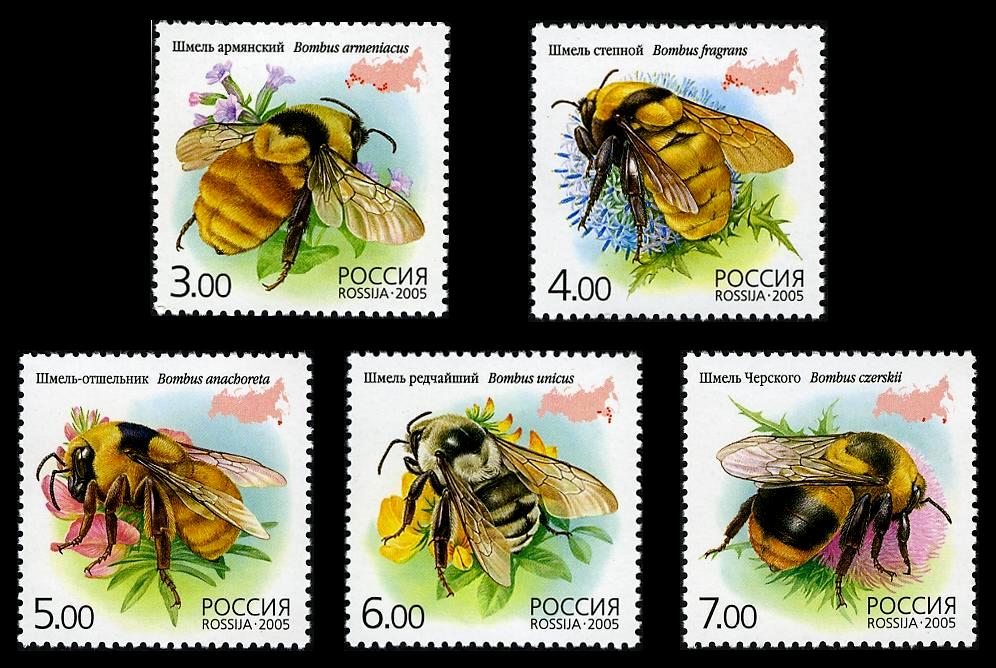
Russian Bee Stamps 2005

British Bee Stamps 2015
Elsewhere other-accessible
• Royal Mail bee stamps designed to raise awareness of species
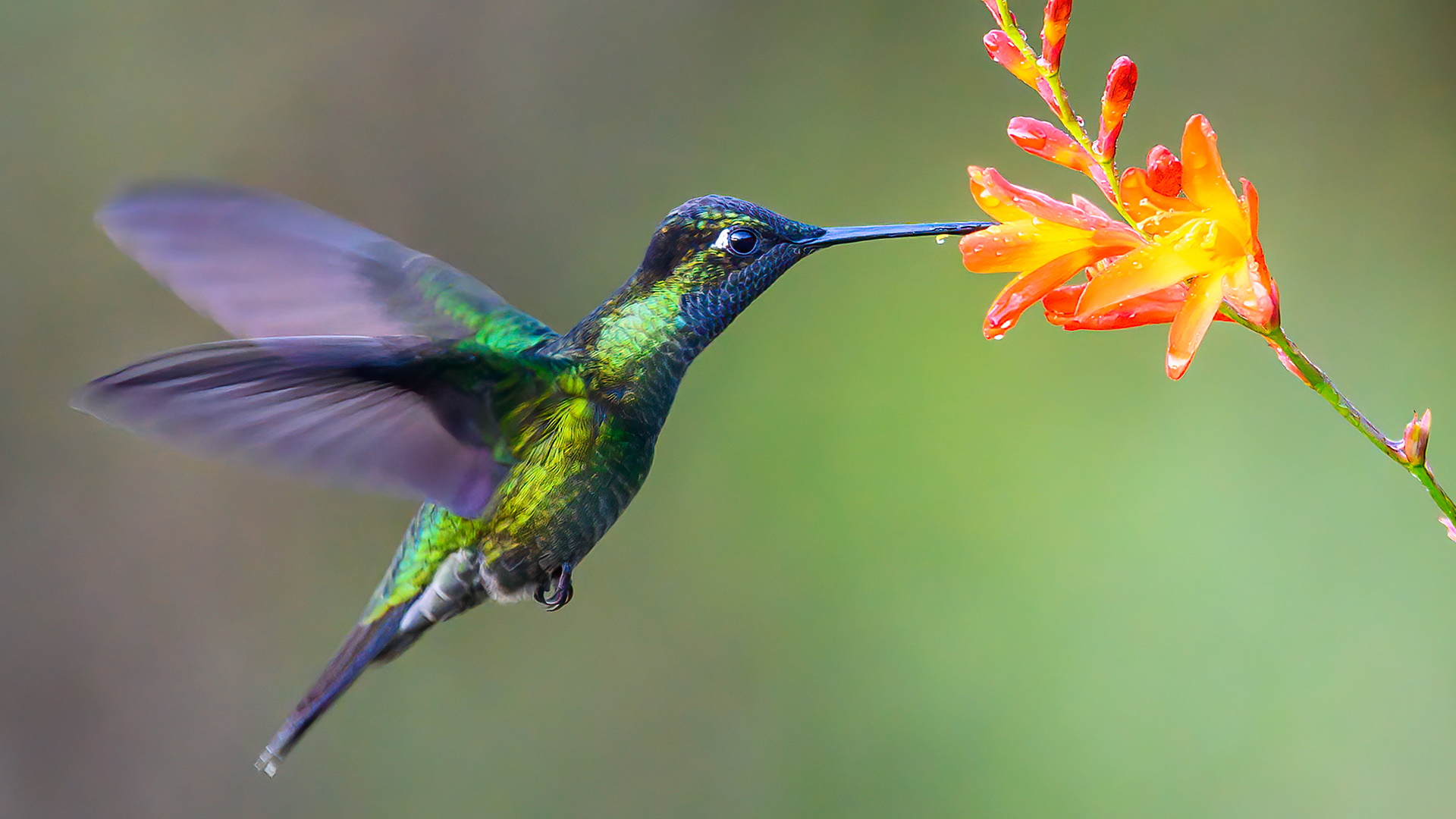
Long-tailed Sylph, Aglaiocercus kingii, in the Colombian rain-forest (from LiveScience)
(click for larger image)
Si hortum in bibliotheca habes, deerit nihil. – Cicero (106-43 BC), Epistulae ad Familiares, Liber IX, Epistula IV
• “If you have a garden and a library, you lack for nothing.” — Cicero, Letters to Friends, Book 9, Letter 4

