
“The chancellor’s unsuccessful strategy for spiking the AfD’s guns has been to ape its draconian positions on immigration.” — The Guardian view on Friedrich Merz: Germany’s chancellor must change course to halt the rise of the AfD, The Guardian, 21ix26
Monthly Archives: September 2026
Back in Frac
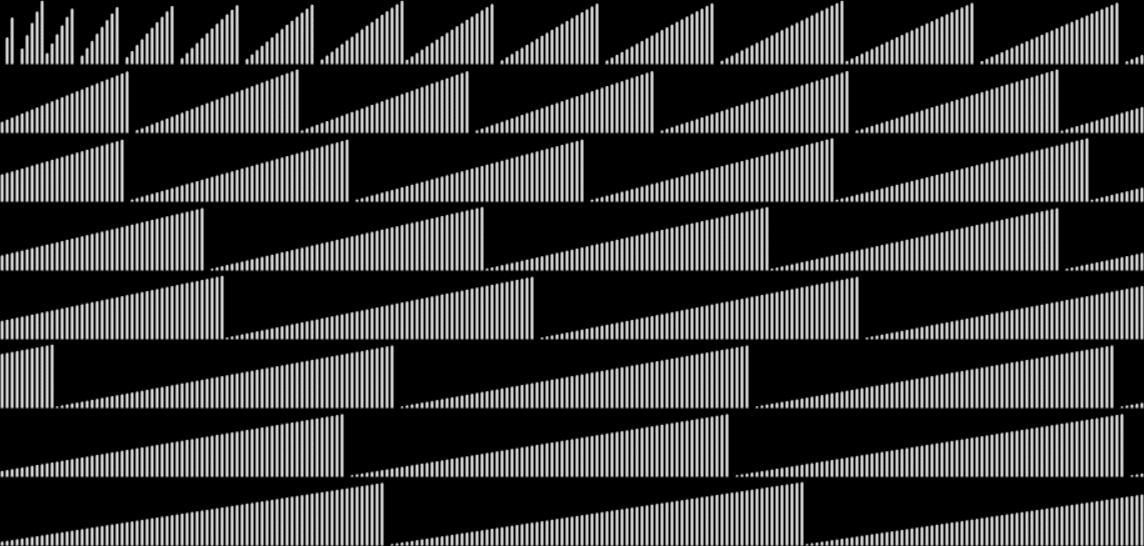
Here’s a graph representing the fractional parts of √n for n = 1 to 1832, with frac(√1) at the top left and frac(√1832) at the bottom right:
graph for frac(√n), n = 1..1832
There’s an odd optical illusion making it seem as though each set of triangular waves ends lower on the right than it starts on the left. Otherwise, it’s a dull graph, because the fractional part of √n simply rises towards 0.9999…, then falls to 0 like this:
0 = frac(1) = frac(√1)
0.414213562373… = frac(1.414213562373…) = frac(√2)
0.732050807568… = frac(1.732050807568…) = frac(√3)
0 = frac(2) = frac(√4)
0.236067977499… = frac(2.236067977499…) = frac(√5)
0.449489742783… = frac(2.449489742783…) = frac(√6)
0.645751311064… = frac(2.645751311064…) = frac(√7)
0.828427124746… = frac(2.828427124746…) = frac(√8)
0 = frac(3) = frac(√9)
0.162277660168… = frac(3.162277660168…) = frac(√10)
0.316624790355… = frac(3.316624790355…) = frac(√11)
0.464101615137… = frac(3.464101615137…) = frac(√12)
0.605551275463… = frac(3.605551275463…) = frac(√13)
0.741657386773… = frac(3.741657386773…) = frac(√14)
0.872983346207… = frac(3.872983346207…) = frac(√15)
0 = frac(4) = frac(√16)
0.123105625617… = frac(4.123105625617…) = frac(√17)
0.242640687119… = frac(4.242640687119…) = frac(√18)
0.358898943540… = frac(4.358898943540…) = frac(√19)
0.472135954999… = frac(4.472135954999…) = frac(√20)
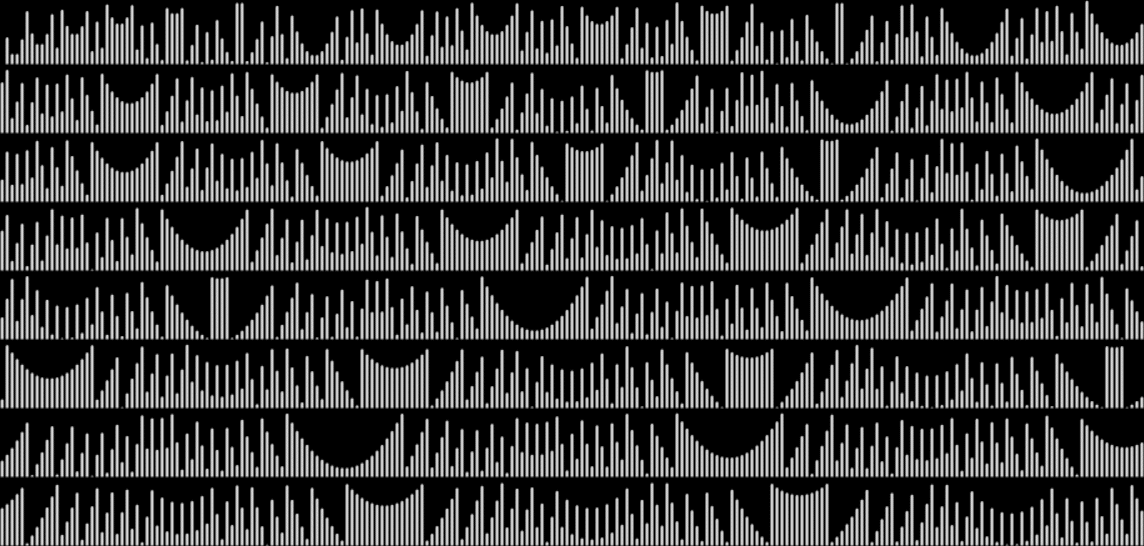
But what about the fractional parts of the sum of √n? What does that graph look like? Much more interesting:
frac(sum(√n)), n = 1..1832
Here are the fractional parts for the sum of √n:
0 = frac(1) = frac(sum(√1))
0.414213562373… = frac(02.414213562373…) = frac(sum(√1..√2))
0.146264369941… = frac(04.146264369941…) = frac(sum(√1..√3))
0.146264369941… = frac(06.146264369941…) = frac(sum(√1..√4))
0.382332347441… = frac(08.382332347441…) = frac(sum(√1..√5))
0.831822090224… = frac(10.831822090224…) = frac(sum(√1..√6))
0.477573401289… = frac(13.477573401289…) = frac(sum(√1..√7))
0.306000526035… = frac(16.306000526035…) = frac(sum(√1..√8))
0.306000526035… = frac(19.306000526035…) = frac(sum(√1..√9))
0.468278186204… = frac(22.468278186204…) = frac(sum(√1..√10))
0.784902976559… = frac(25.784902976559…) = frac(sum(√1..√11))
0.249004591697… = frac(29.249004591697…) = frac(sum(√1..√12))
0.854555867161… = frac(32.854555867161…) = frac(sum(√1..√13))
0.596213253935… = frac(36.596213253935…) = frac(sum(√1..√14))
0.469196600142… = frac(40.469196600142…) = frac(sum(√1..√15))
0.469196600142… = frac(44.469196600142…) = frac(sum(√1..√16))
0.592302225760… = frac(48.592302225760…) = frac(sum(√1..√17))
0.834942912879… = frac(52.834942912879…) = frac(sum(√1..√18))
0.193841856420… = frac(57.193841856420…) = frac(sum(√1..√19))
0.665977811419… = frac(61.665977811419…) = frac(sum(√1..√20))
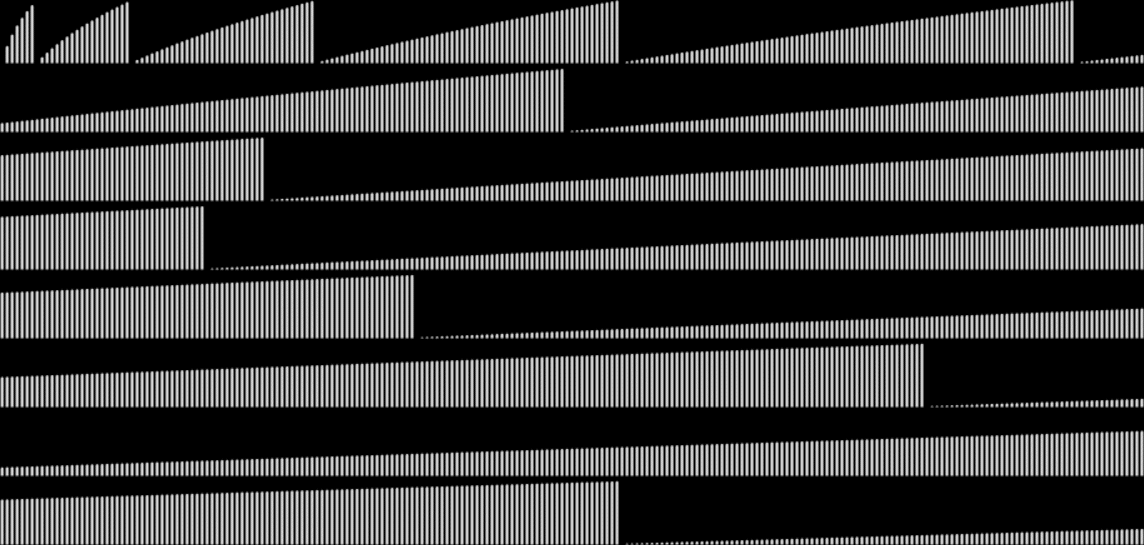
As with square roots, so with cube roots. The graph of frac(∛n) looks like this:
frac(∛n), n = 1..1832
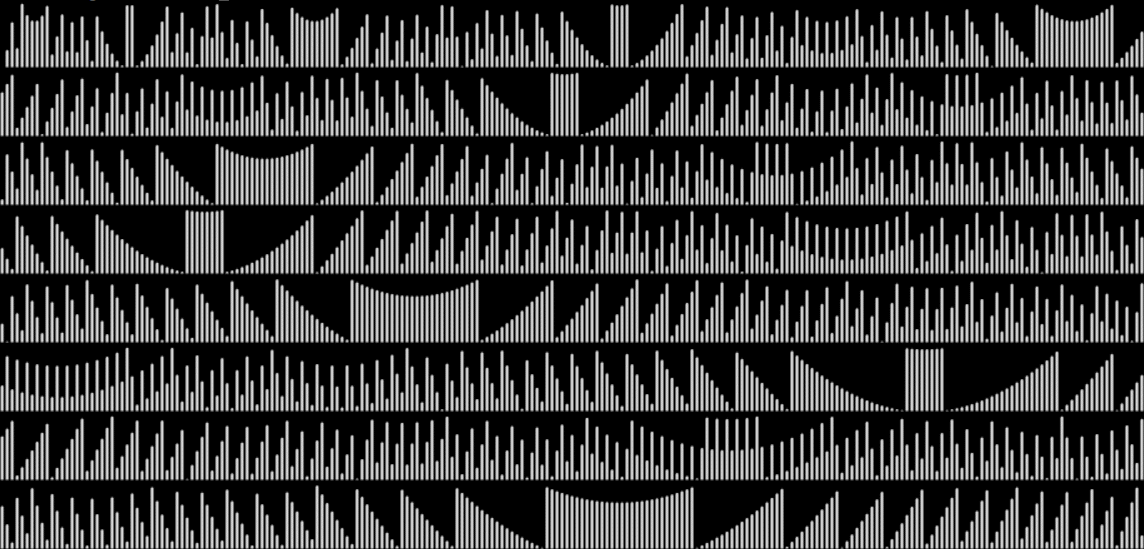
It’s dull again, because the fractional part of ∛n is simply rising towards 0.9999…, then falling to 0. Just more slowly. But the graph of frac(sum(∛n)) looks like this:
frac(sum(∛n))
But roots don’t end with √n and ∛n, of course. Those roots represent n^(1/2) and n^(1/3), respectively, because when x = n^(a/b), n = x^(b/a). What about the graph of sum(n^(4/5)), where n = (n^4/5)^(5/4)? The graph looks like this:
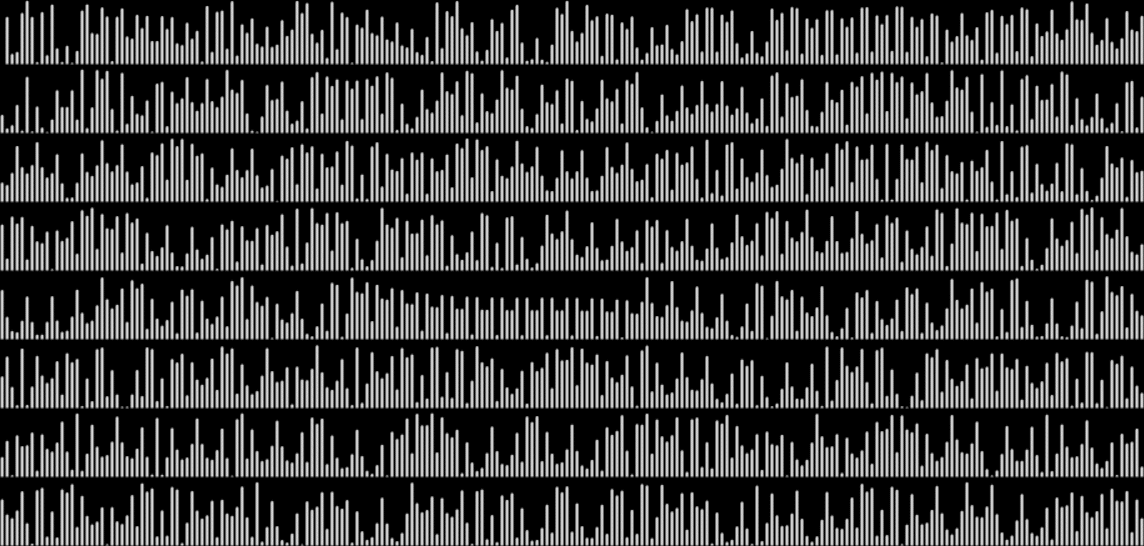
frac(sum(n^(4/5)))
One of the curves in that graph reminds of the cephalopodic tentacles in Jean Delville’s marvellous painting Les Trésors de Sathan (sic) (Treasures of Satan) (1895), which was used on the cover of Morbid Angel’s Blessed Are the Sick (1991). The curve is longer in frac(sum(n^(84/97))):
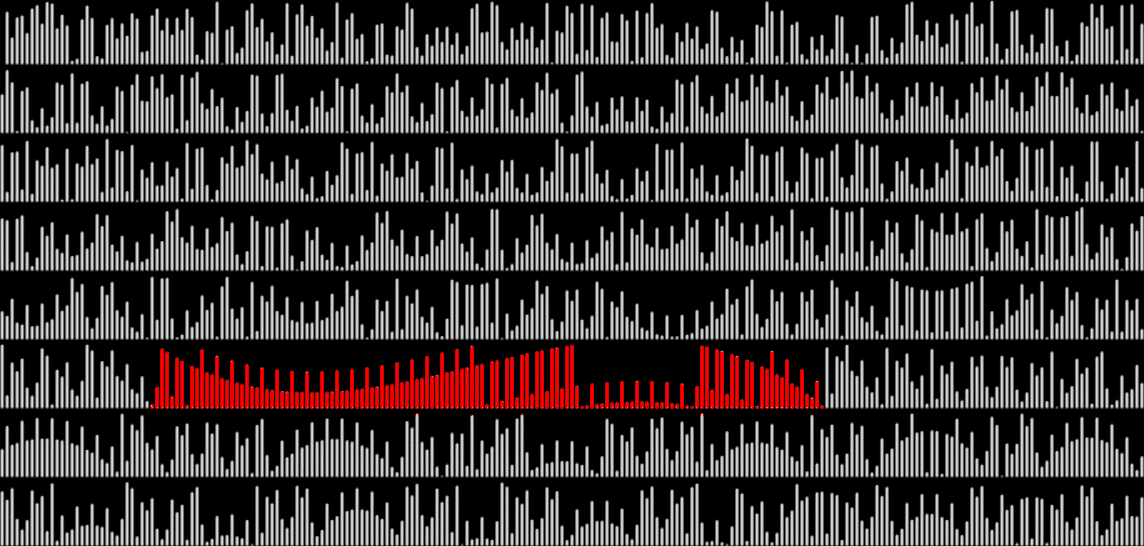
frac(sum(n^(84/97))) (curve in red)
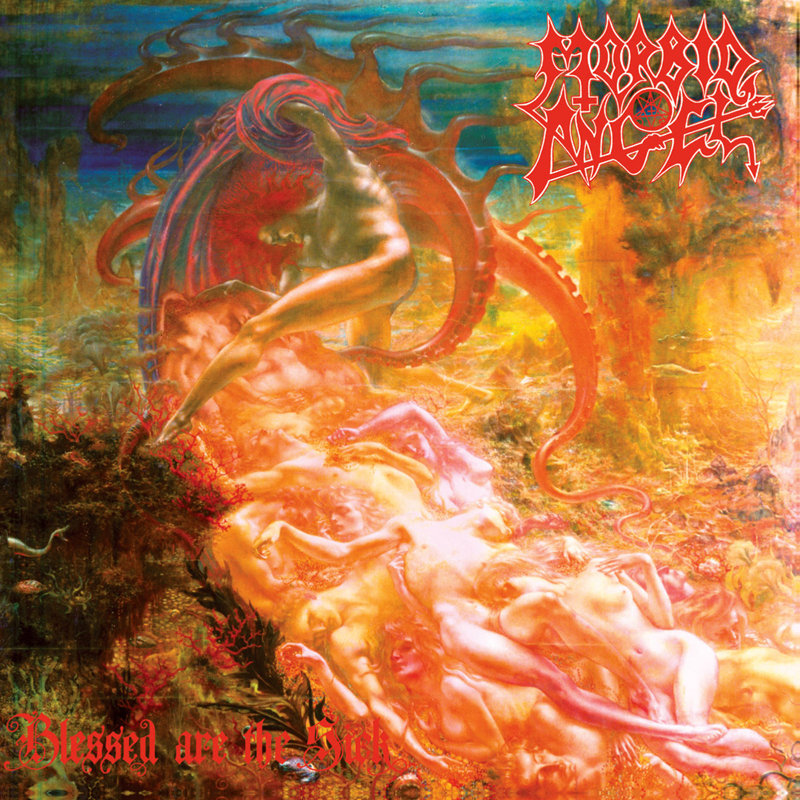
Les Trésors de Sathan (1895) by Jean Delville as the cover of Blessed Are the Sick (1991)
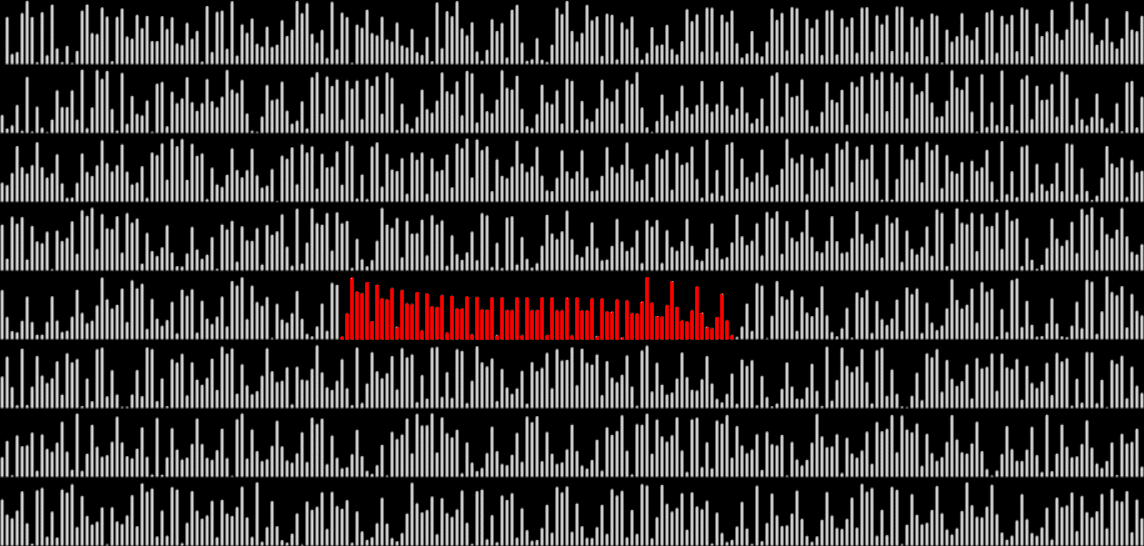
frac(sum(n^(4/5))) (curve in red)
Those Delvillean curves are examples of how, as the a/b of n^(a/b) climbs from 1/b to (b-1)/b, the graph of frac(sum(n^(a/b))) changes in interesting ways. Here are the graphs for n^(1..10/11):
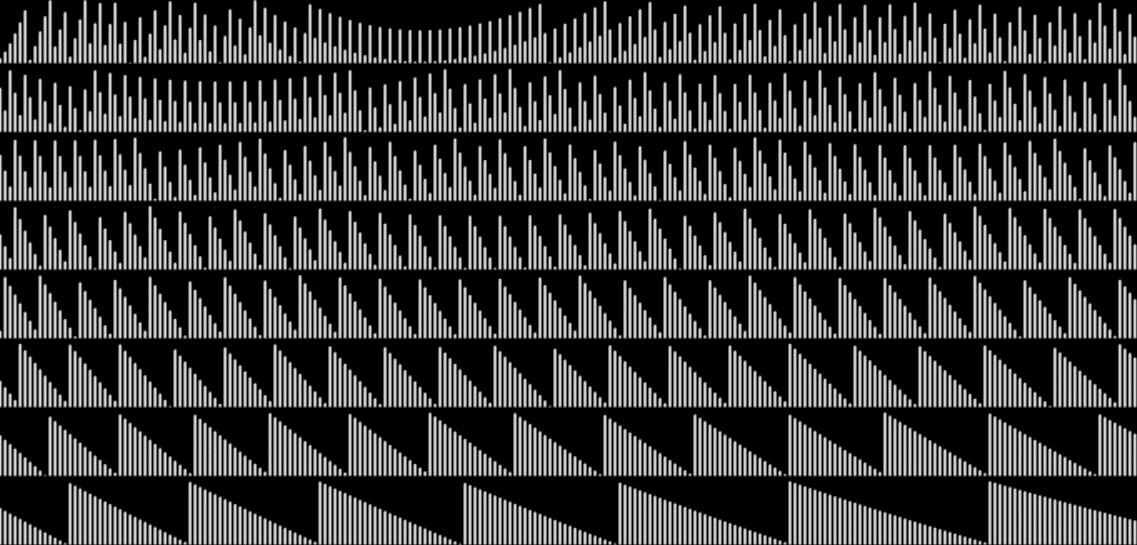
frac(sum(n^(1/11)))
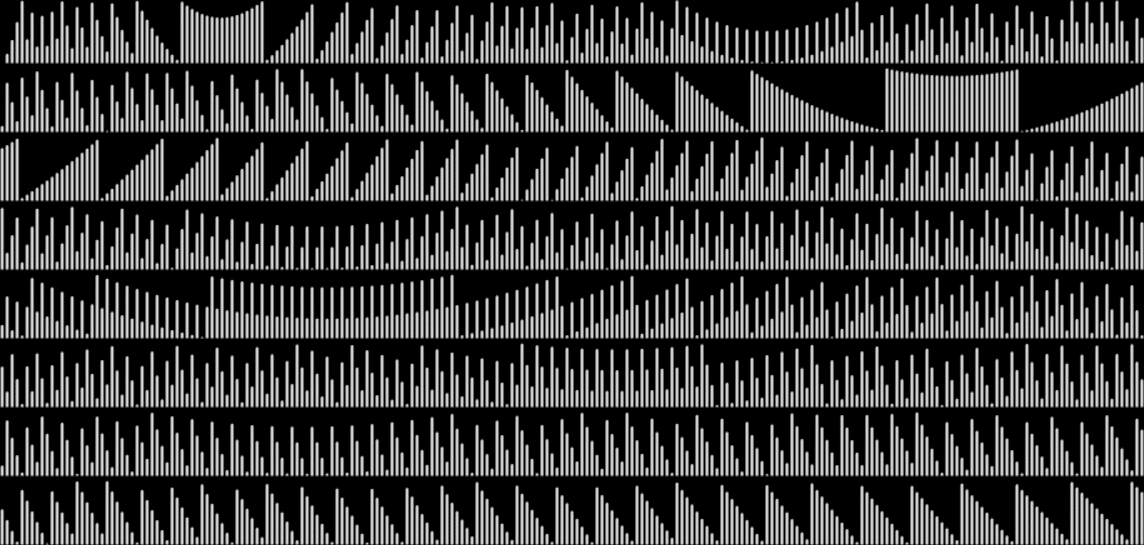
frac(sum(n^(2/11)))
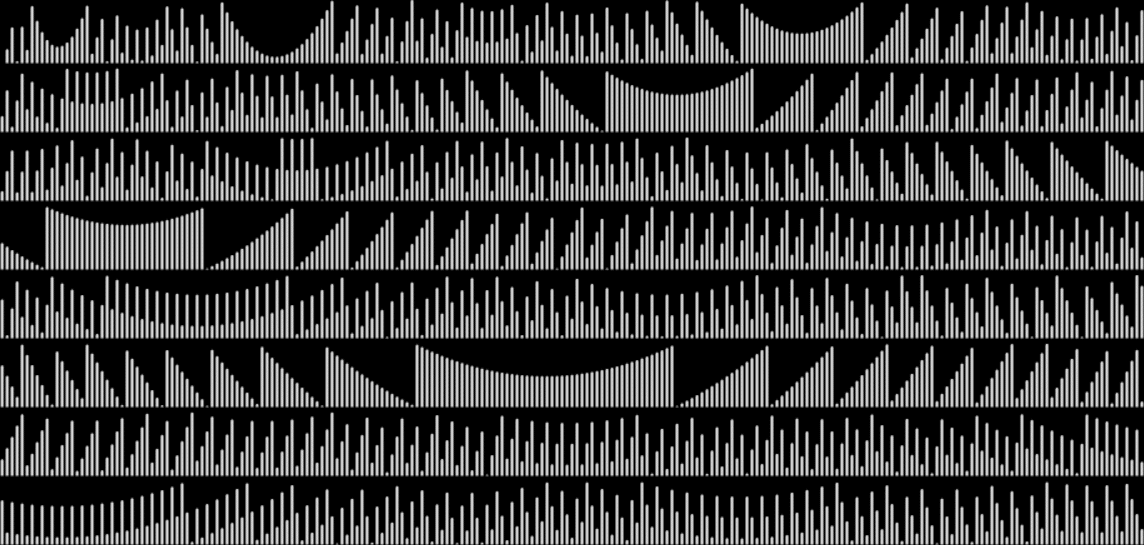
frac(sum(n^(3/11)))
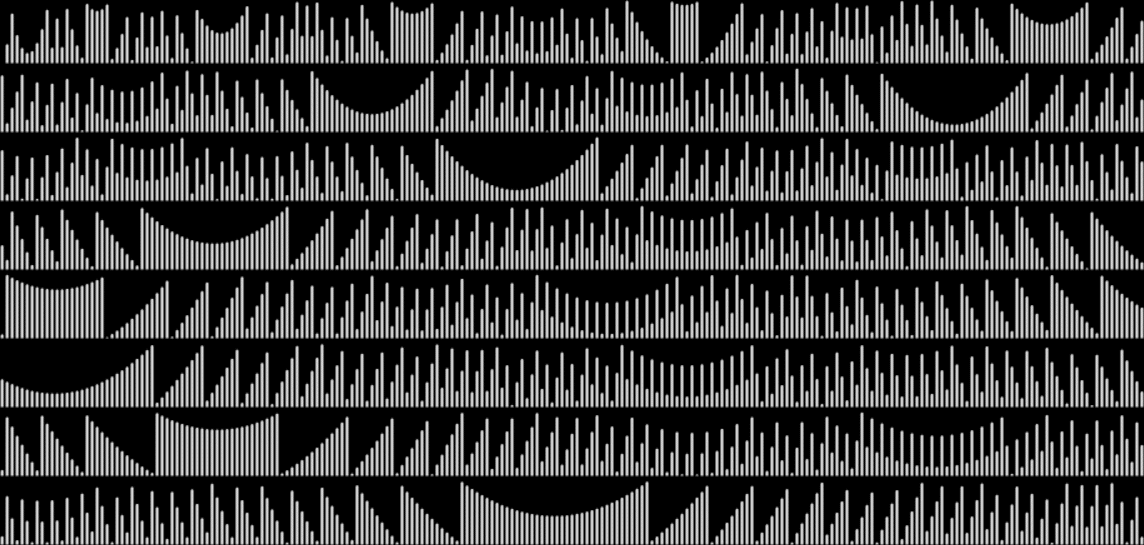
frac(sum(n^(4/11)))
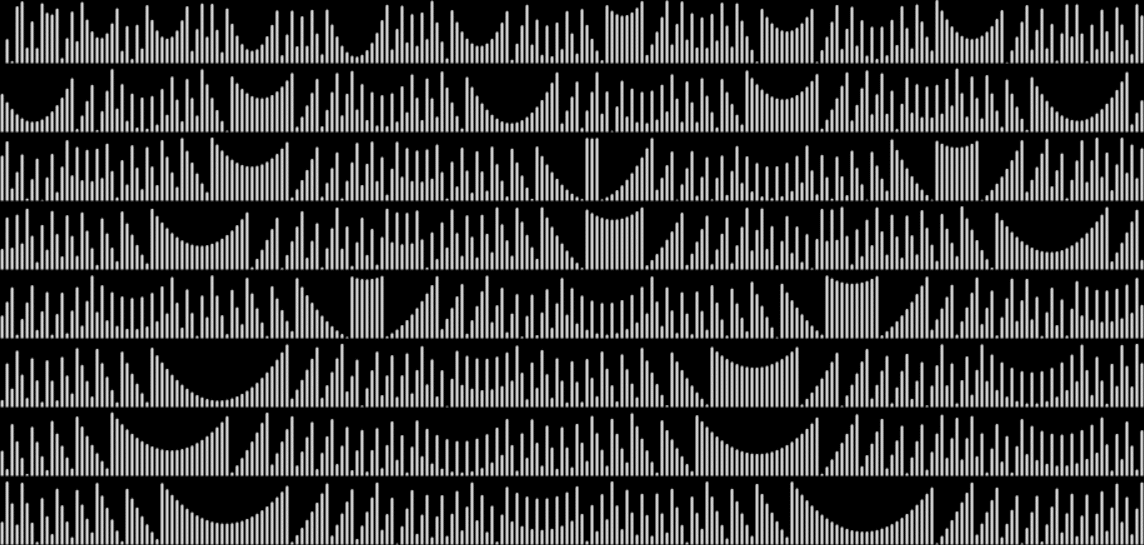
frac(sum(n^(5/11)))
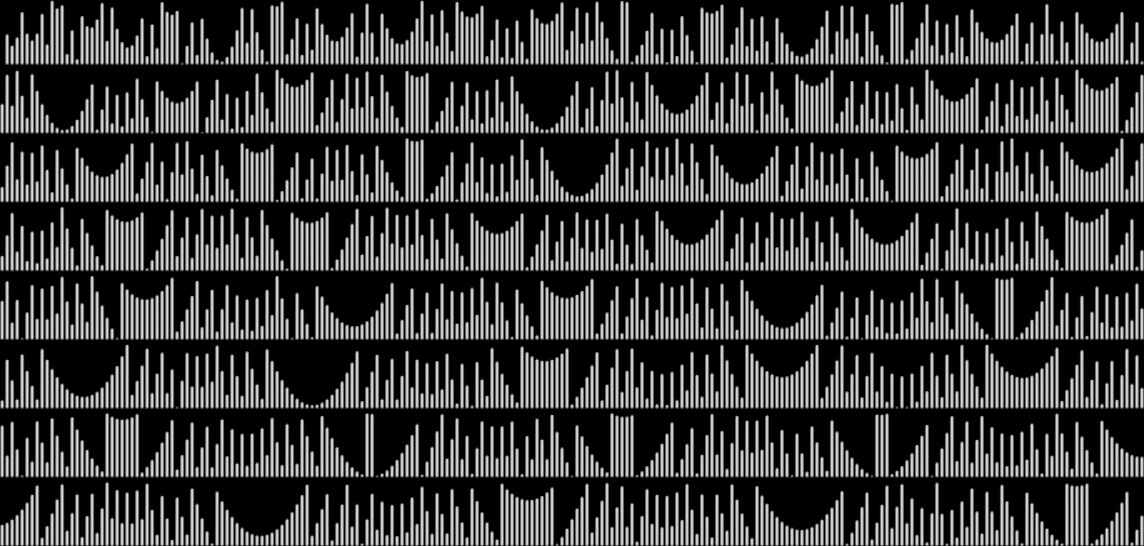
frac(sum(n^(6/11)))
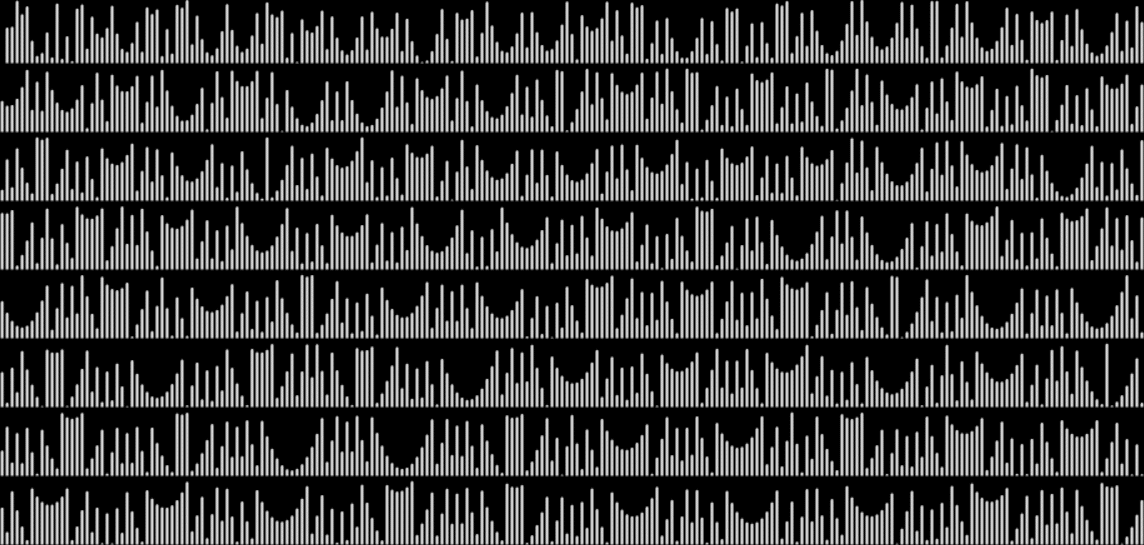
frac(sum(n^(7/11)))
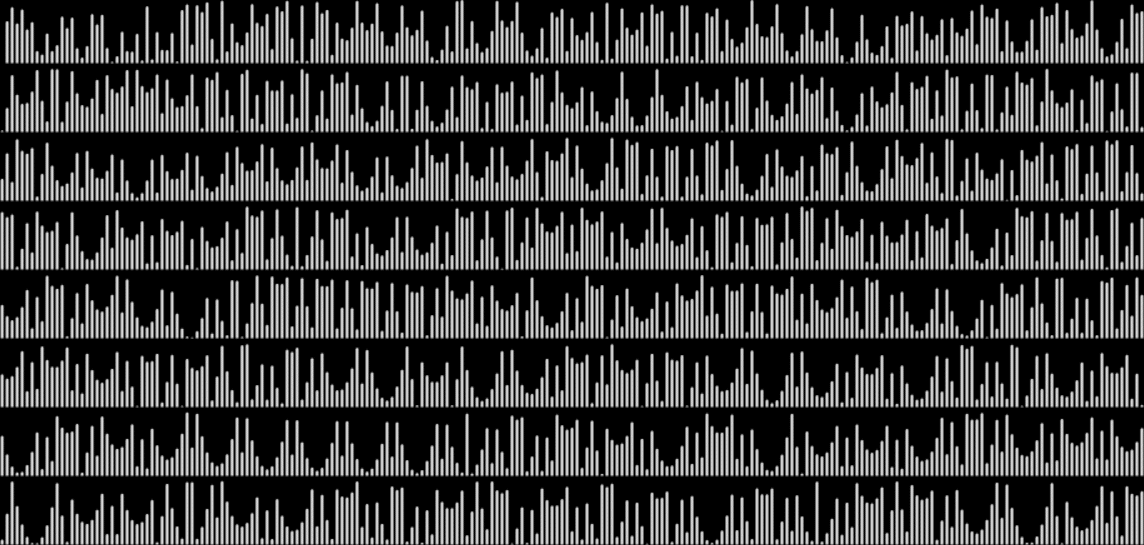
frac(sum(n^(8/11)))
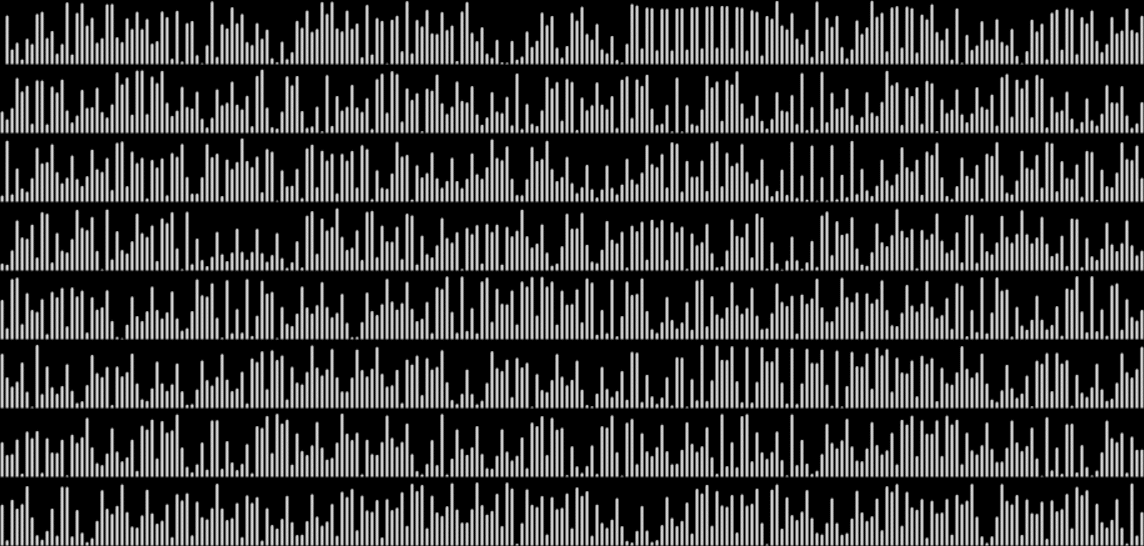
frac(sum(n^(9/11)))
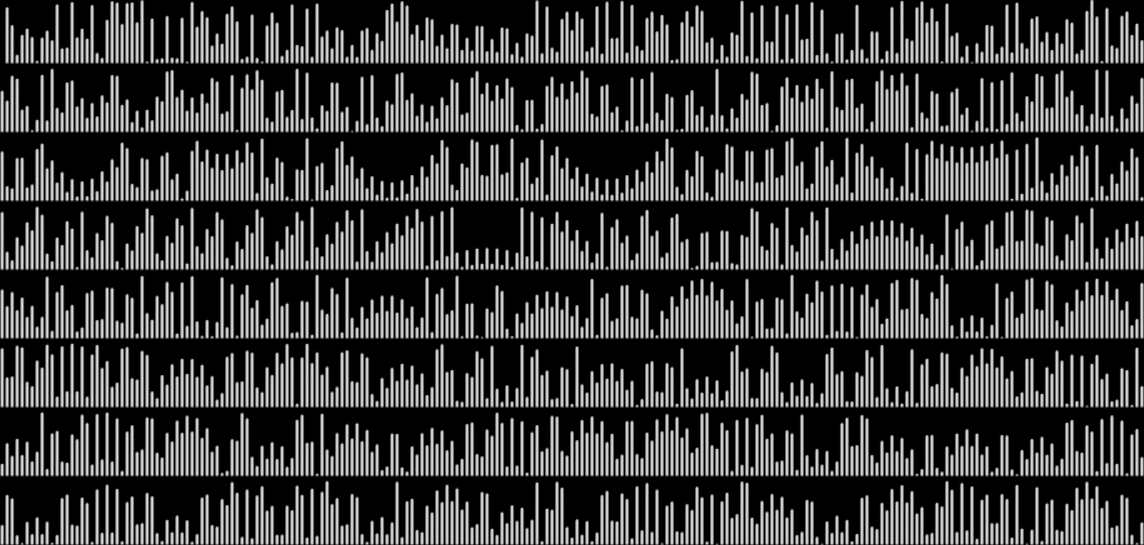
frac(sum(n^(10/11)))
Here’s an animation of those graphs:
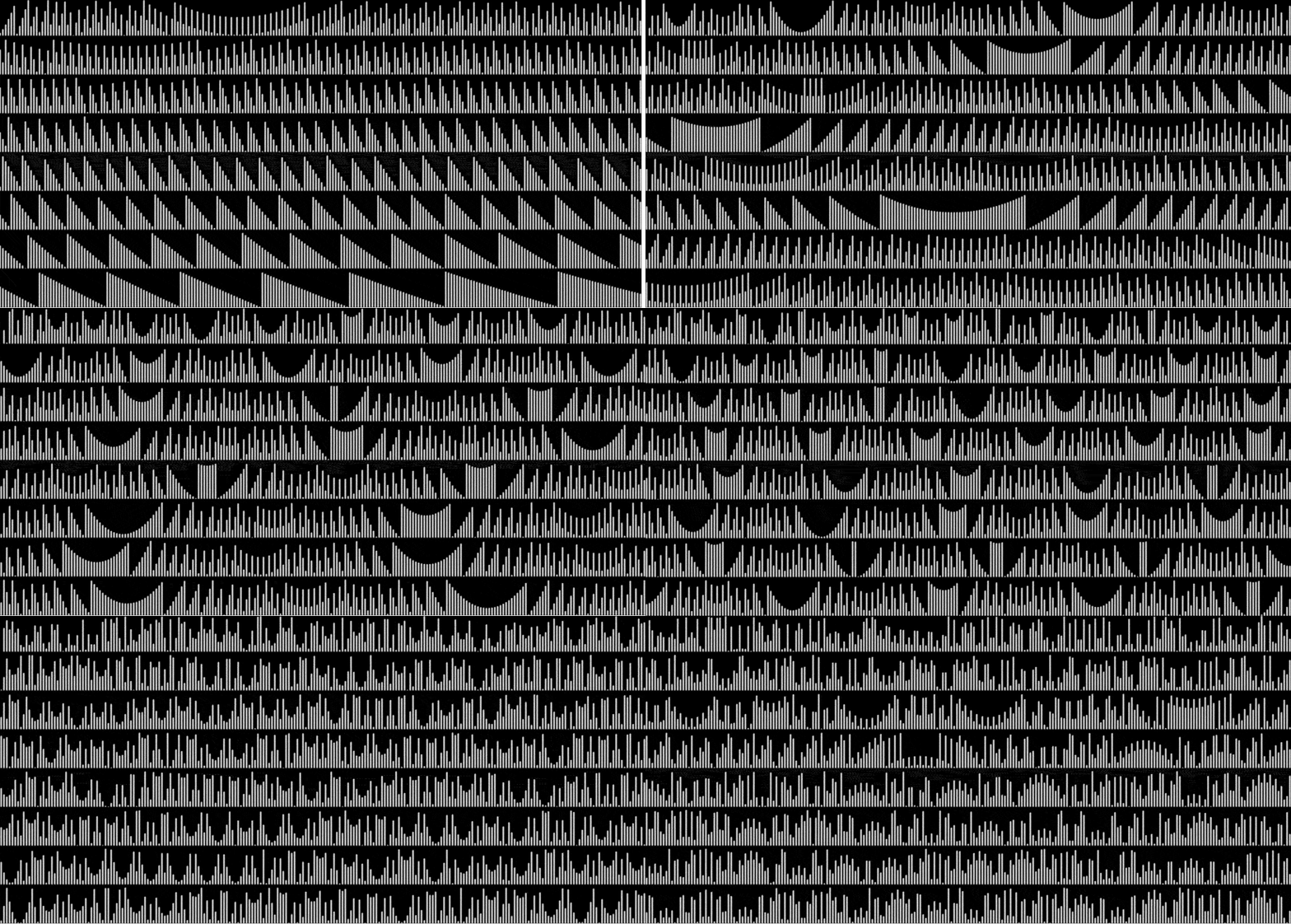
animation of frac(sum(n^(1/11..10/11))) (created at ezGif)
And here are graphs for n^(72/83) and n^(82/83), with a Delvillean curve in the graph of 72/83 and domes in the graph of 82/83:
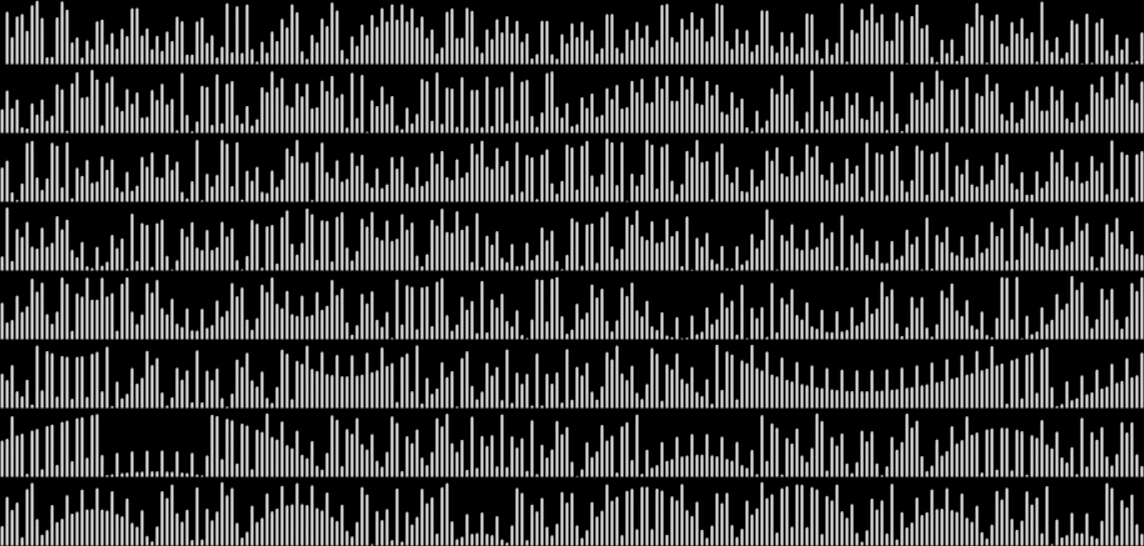
frac(sum(n^(72/83)))
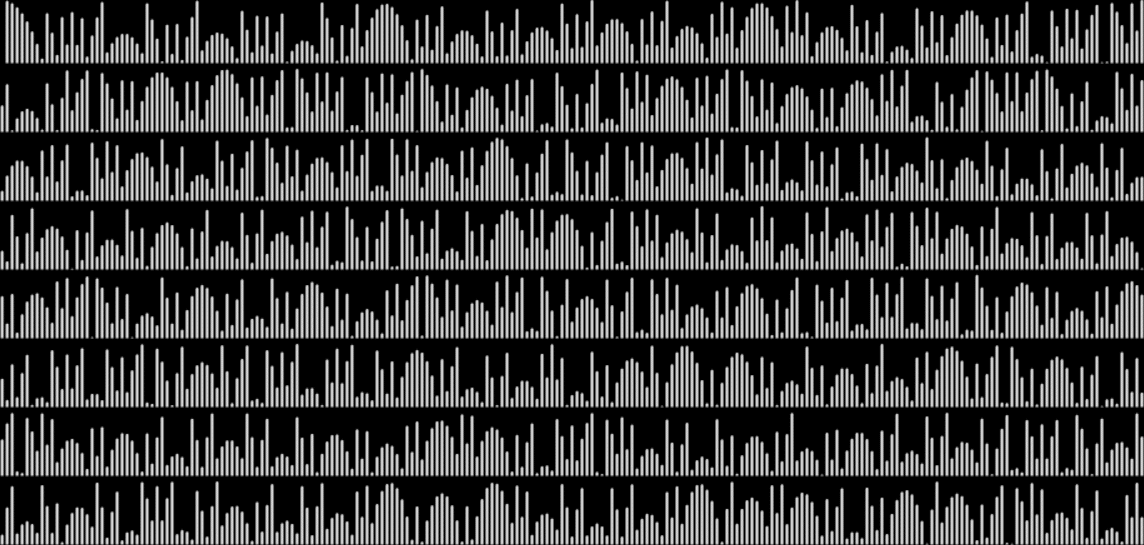
frac(sum(n^(82/83)))
As the denominators get bigger, so do the domes:
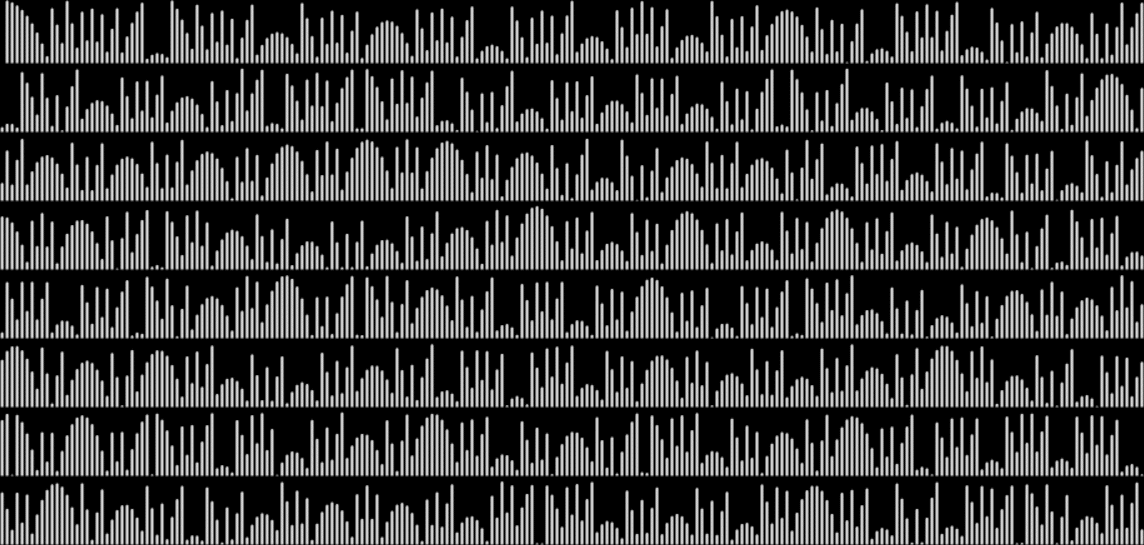
frac(sum(n^(1000/1009)))
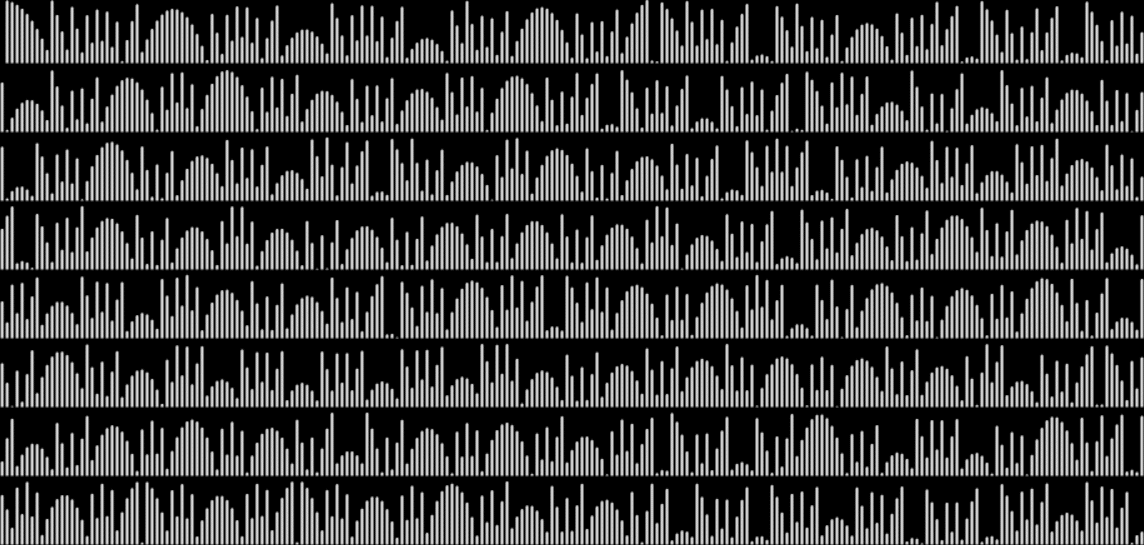
frac(sum(n^(1001/1009)))
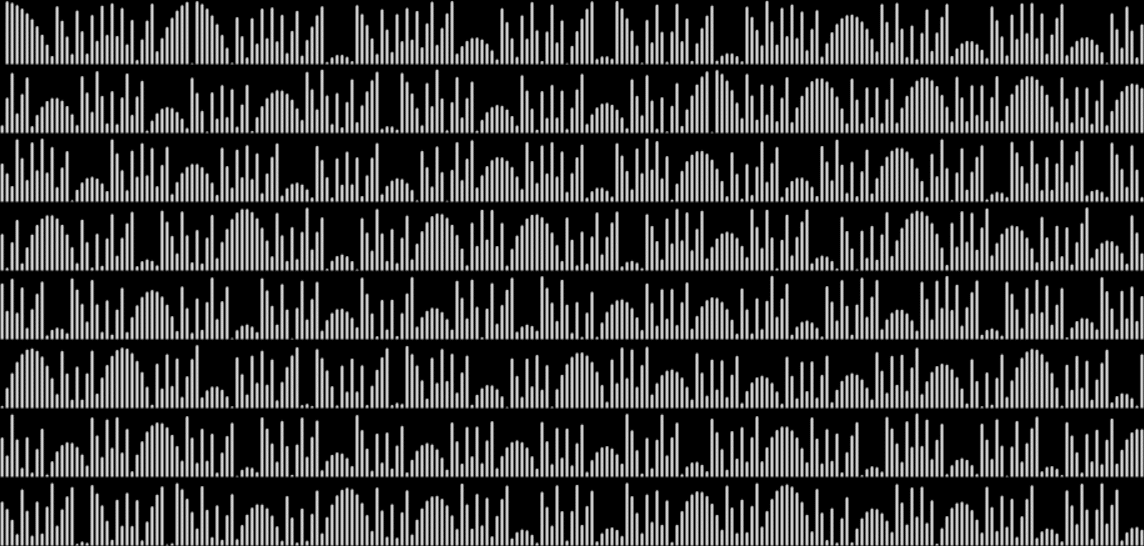
frac(sum(n^(1002/1009)))
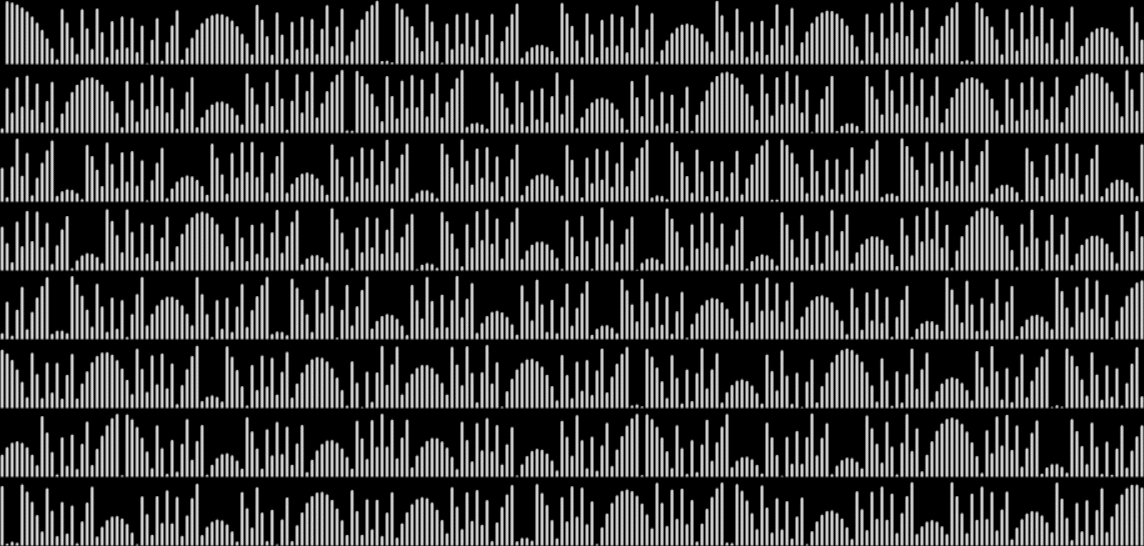
frac(sum(n^(1003/1009)))
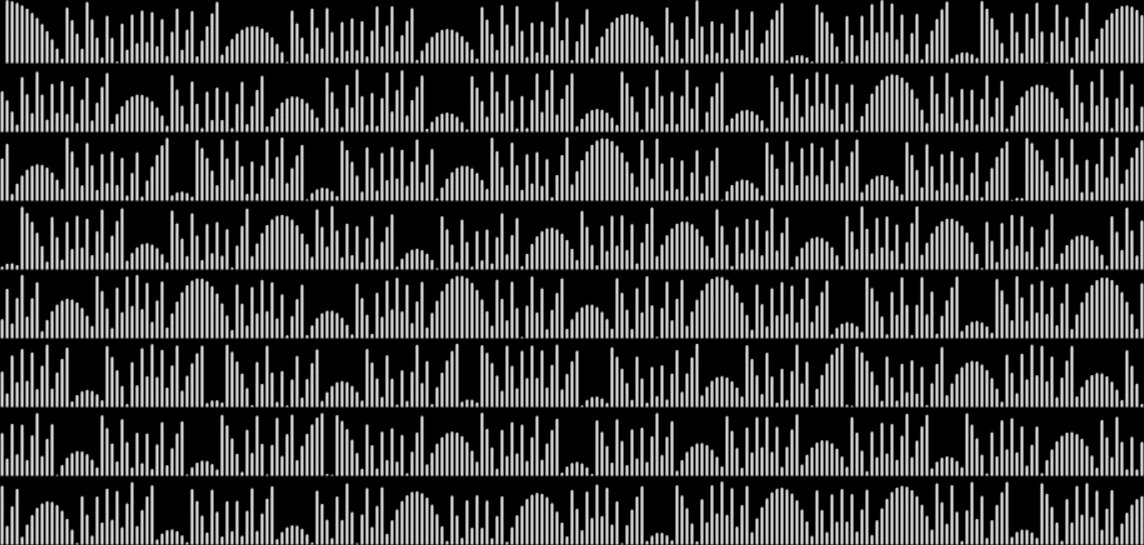
frac(sum(n^(1004/1009)))
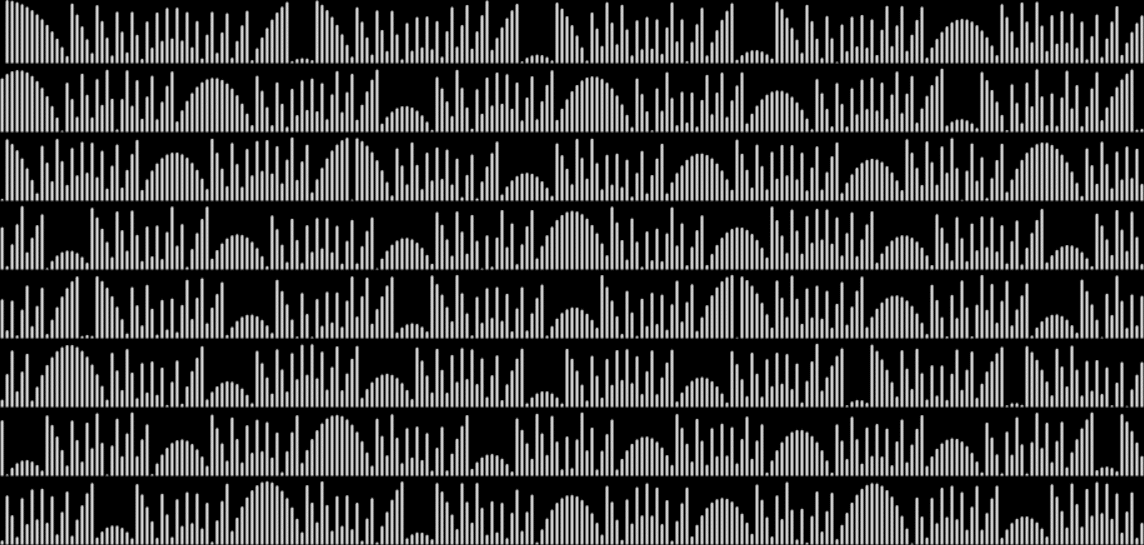
frac(sum(n^(1005/1009)))
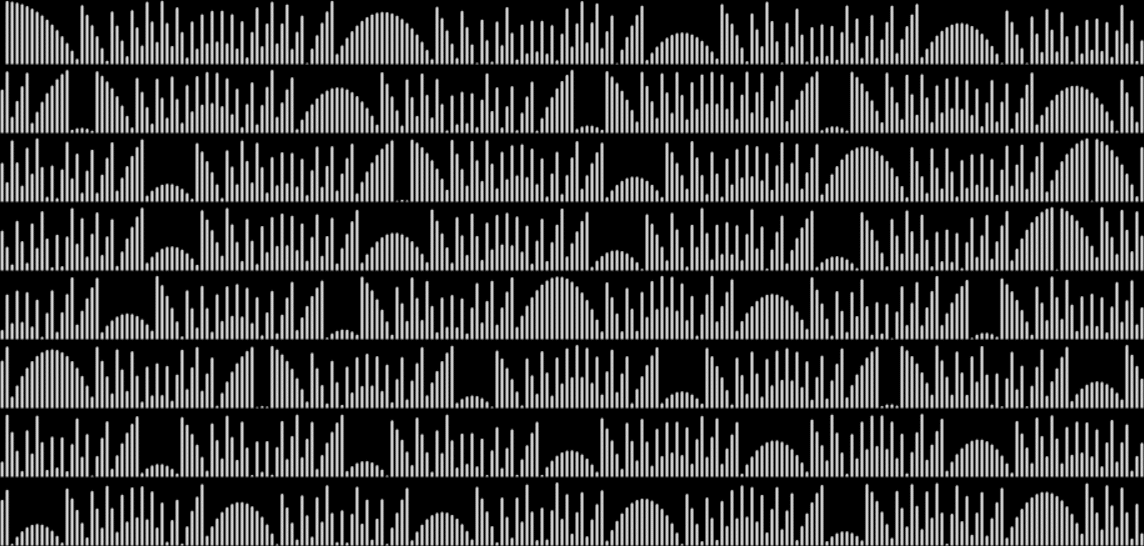
frac(sum(n^(1006/1009)))
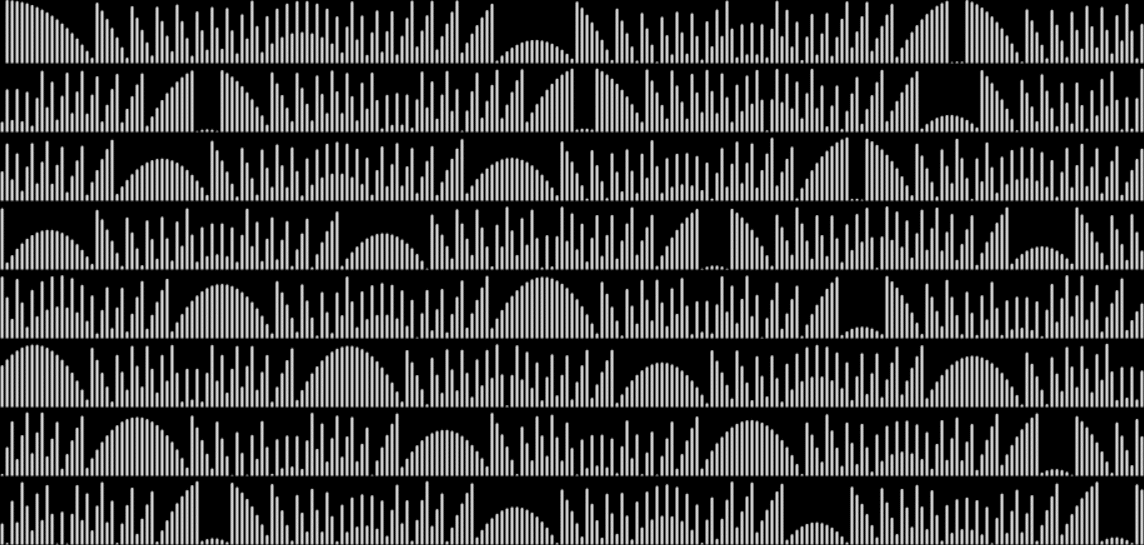
frac(sum(n^(1007/1009)))
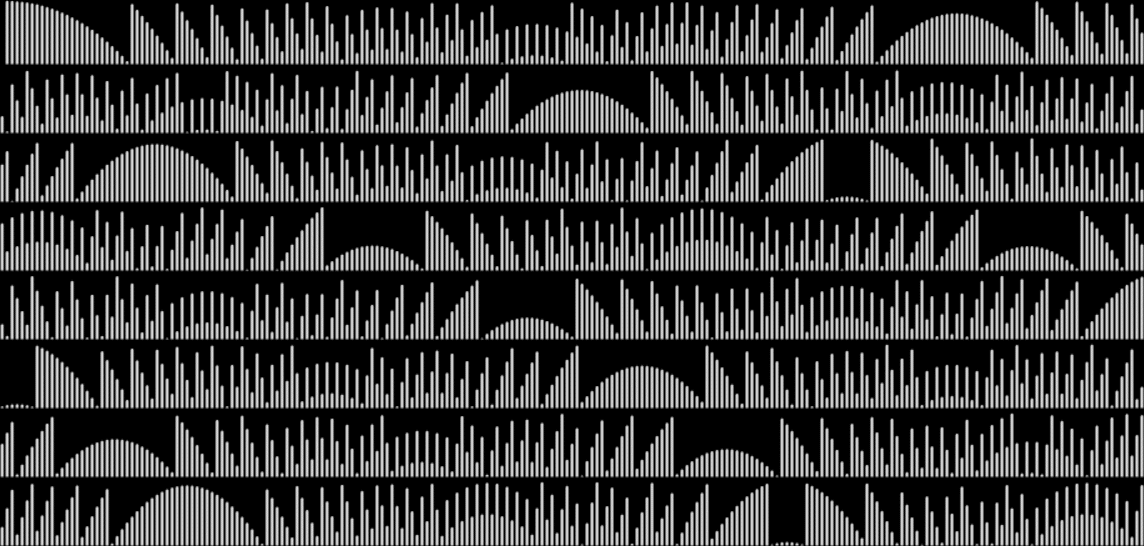
frac(sum(n^(1008/1009)))
Here’s an animation of those graphs:
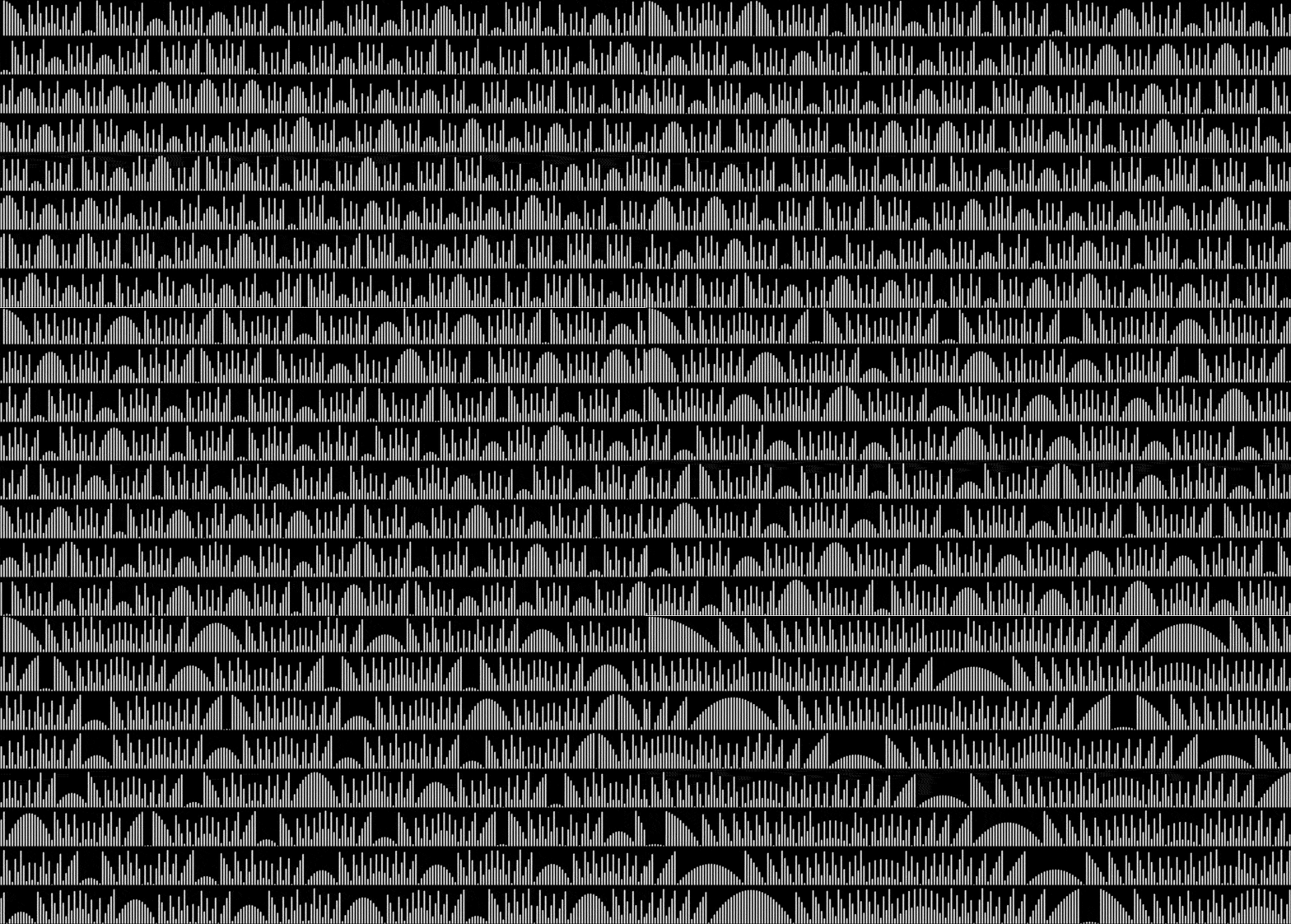
animation of frac(sum(n^(1000/1009..1008/1009))) (created at ezGif)
Previously Pre-Posted…
• Think Frinc — an earlier look at fraction-patterns
• Altars of Mathness — and similar patterns from integer-digits
Elsewhere Other-Accessible…
• Jean Delville at Wikipedia
• Blessed Are the Sick at BandCamp
Fungible Fractals
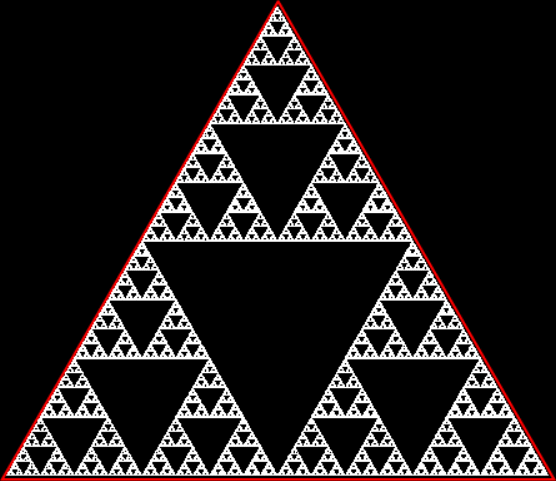
Thinking it over, I’ve decided that trircle is a much better name than ciangle:
↓
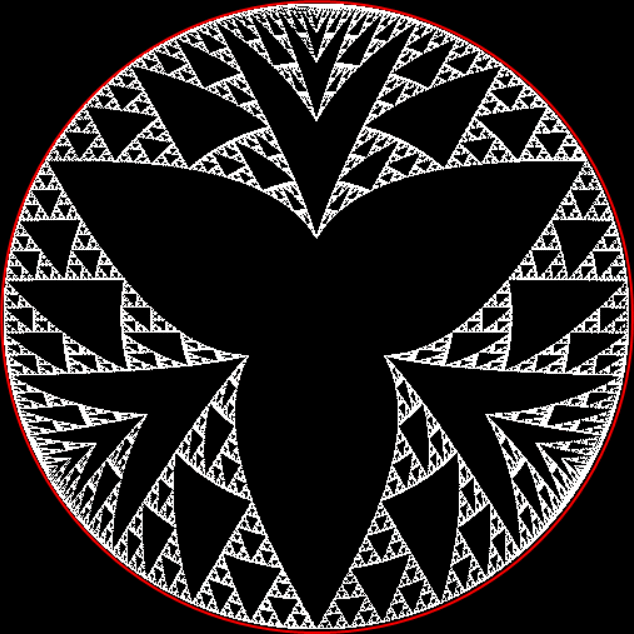
A Sierpiński trircle, or triangle converted into a circle
A trircle is a triangle converted into a circle; a ciangle is a circle converted into a triangle. Or another regular polygon. The trircle reminded me that circularized fractals are fungible, because the Sierpiński triangle can be converted into another regular polygon like a square or pentagon or hexagon. You can go viâ the trircle, but you don’t have to. The point is that the Sierpiński triangle has a center and points lying at some distance and some angle 0° through 360°, so you can easily adjust the points to fit inside any other regular polygon:
A Sierpiński triangle again
↓
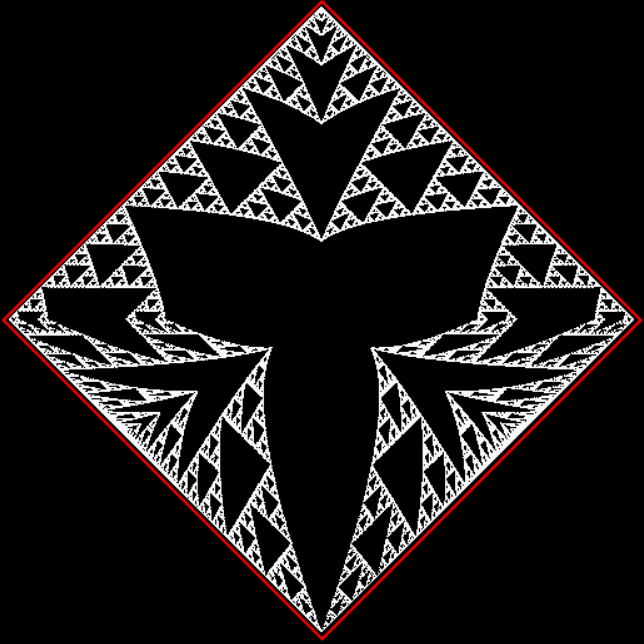
A Sierpiński trare, or triangle converted into square
↓
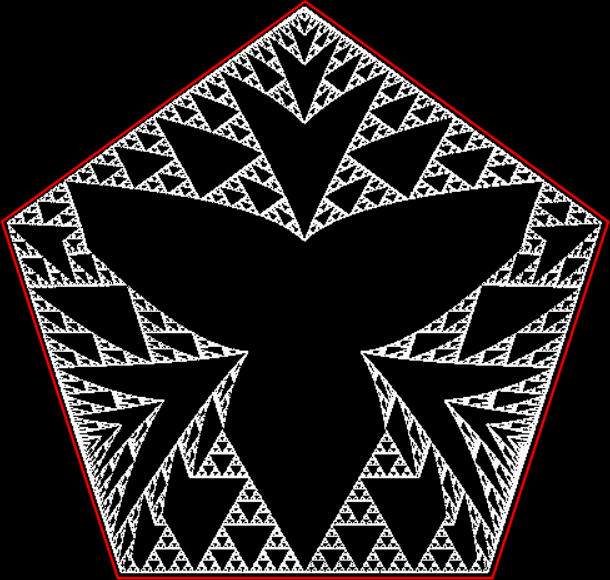
A Sierpiński trentagon
↓
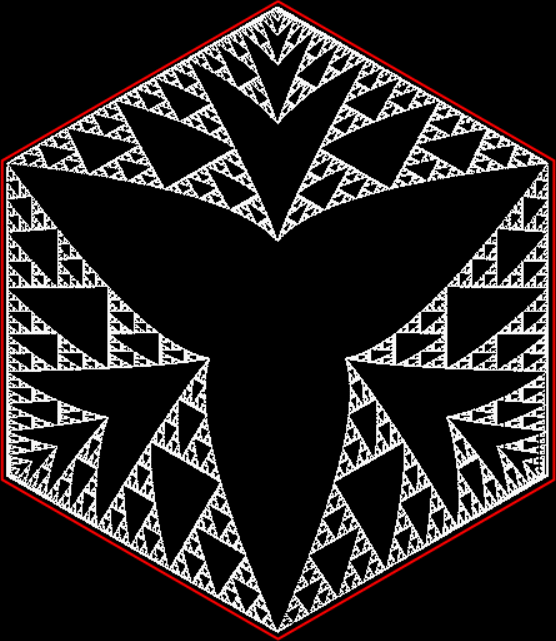
A Sierpiński trexagon
↓
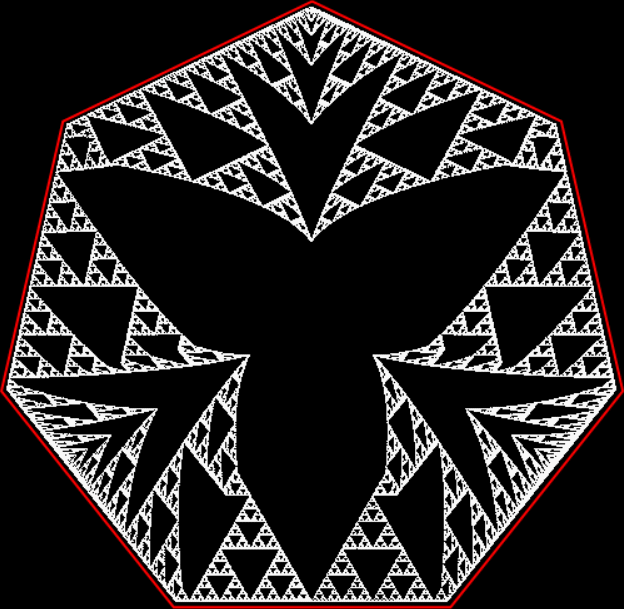
A Sierpiński treptagon
↓
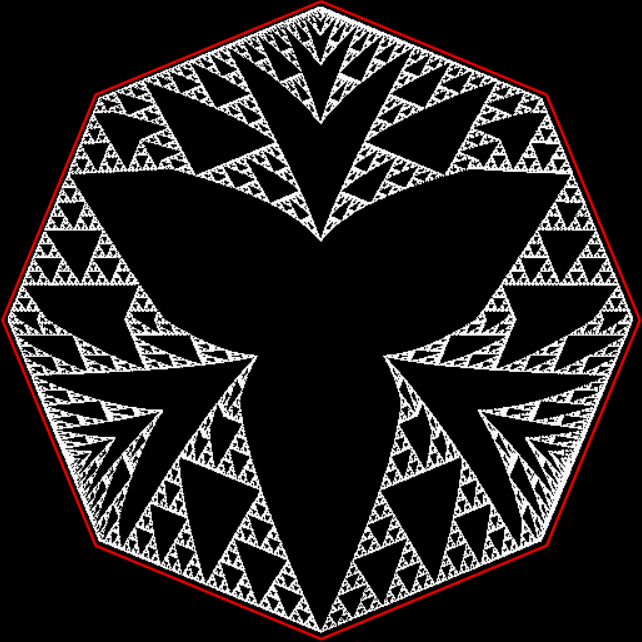
A Sierpiński troctogon
Here’s an animation of the conversions:
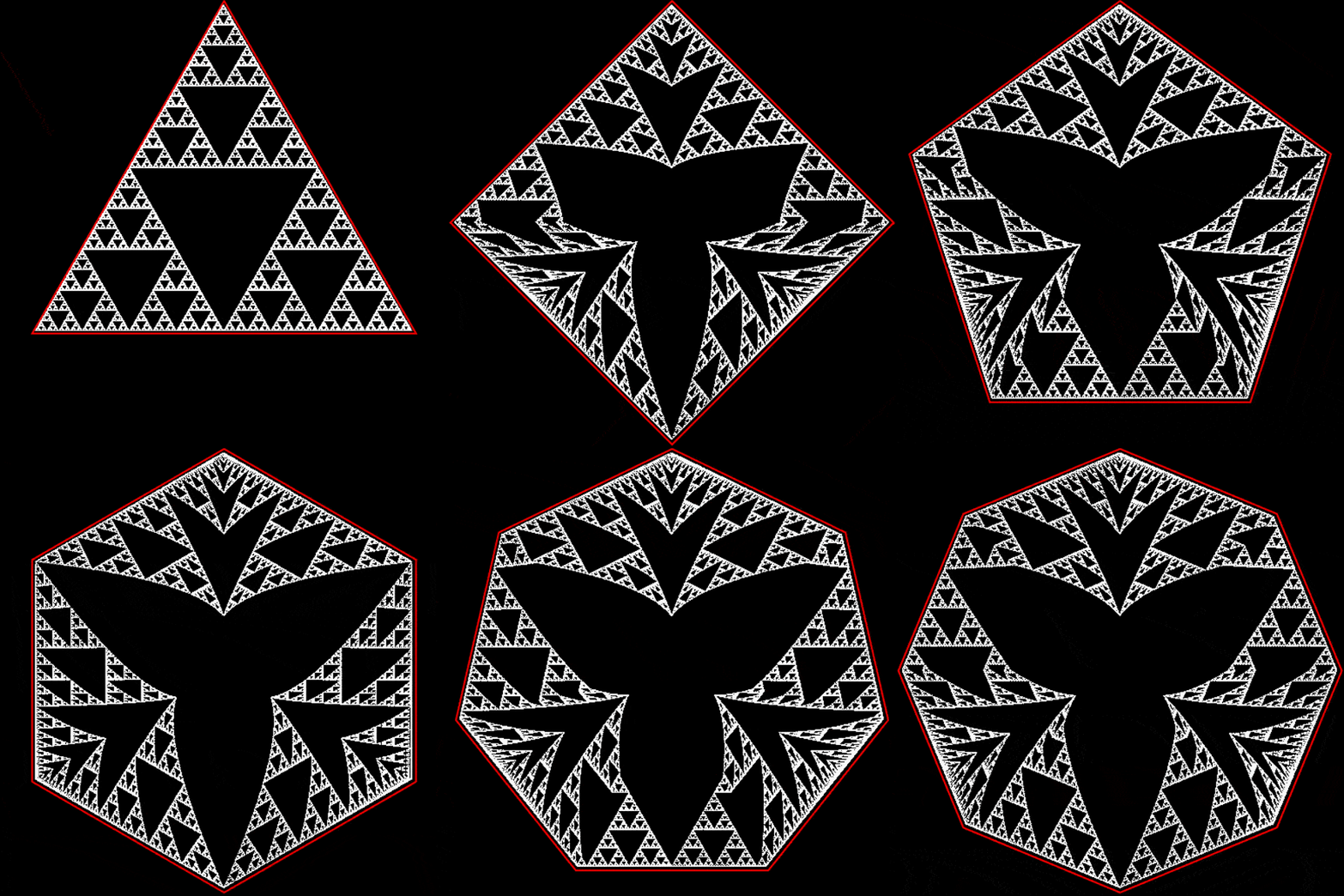
Sierpiński triangle → square, pentagon, hexagon, heptagon, octagon (animated at ezGif)
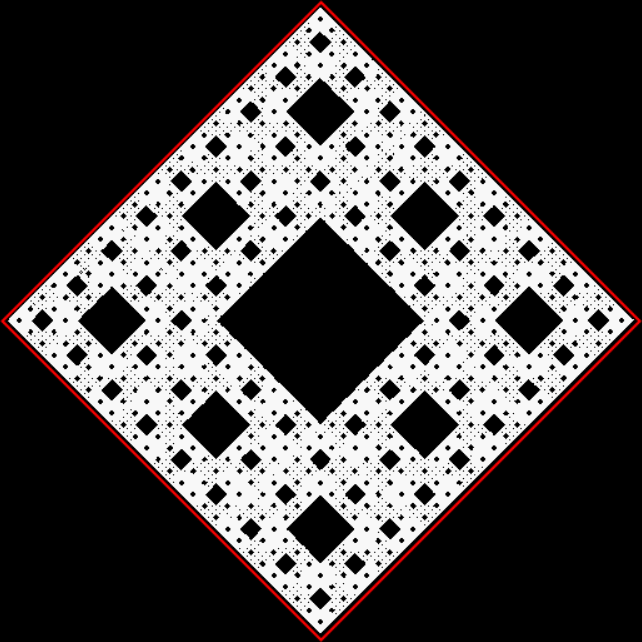
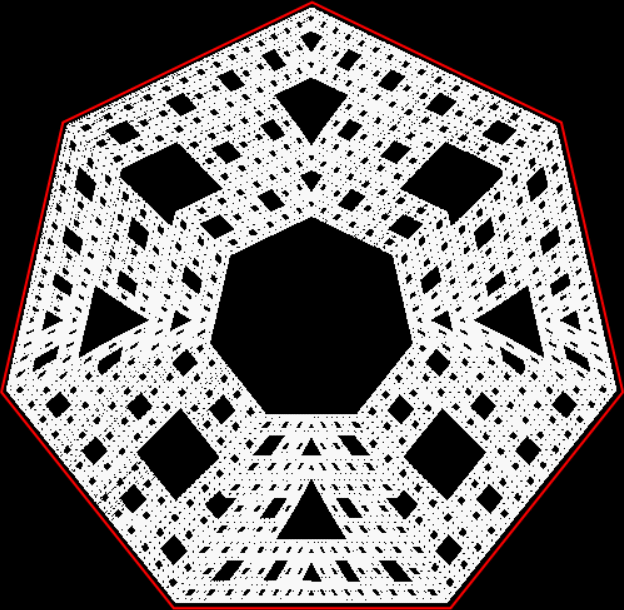
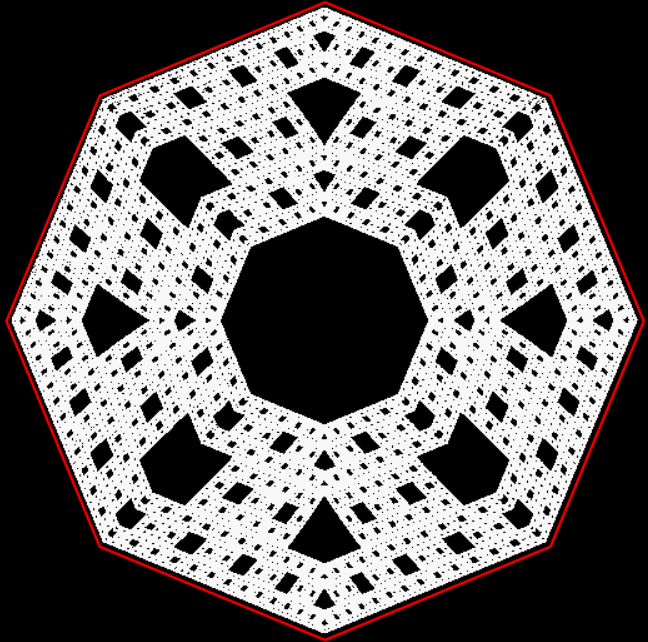
A Sierpiński carpet, with points lying at 0° through 360° inside a square, is similarly fungible:
↓
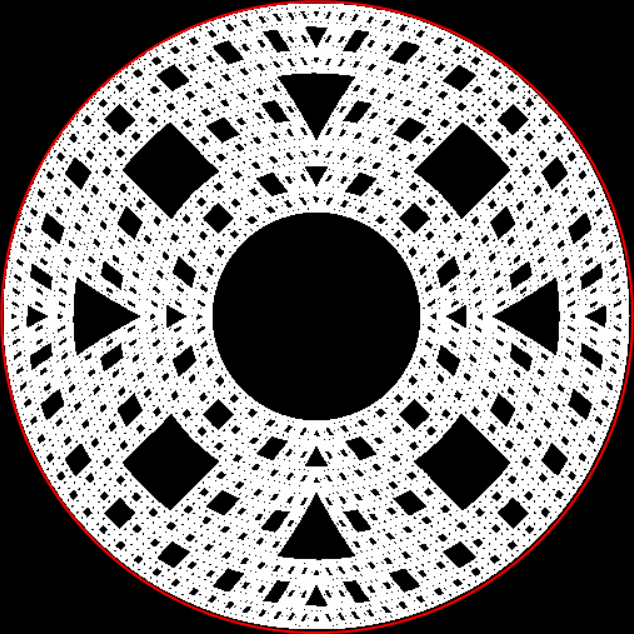
A Sierpiński carpet converted into a circle
↓
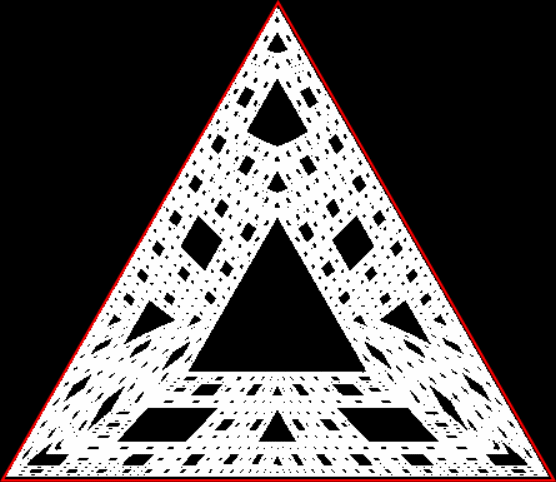
A Sierpiński carpet converted into a triangle
↓
A Sierpiński carpet again
↓
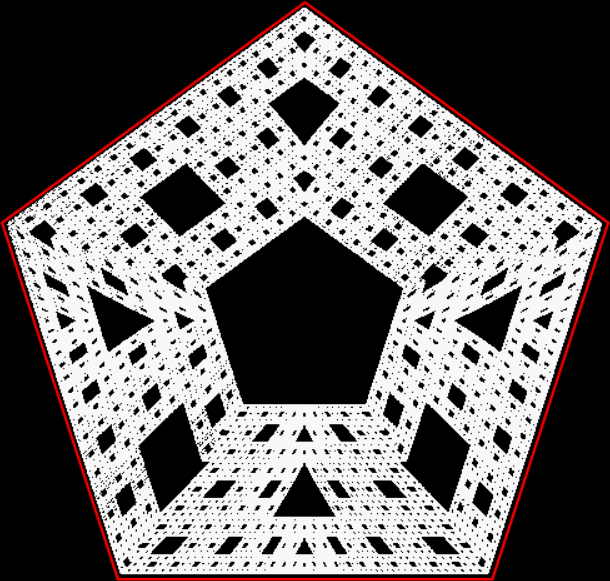
A Sierpiński carpet converted into a pentagon
↓
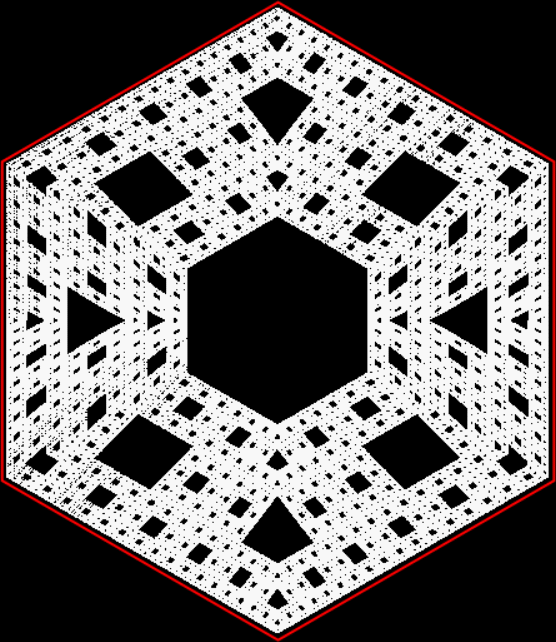
↓
↓
And an animation of the carpet conversions:
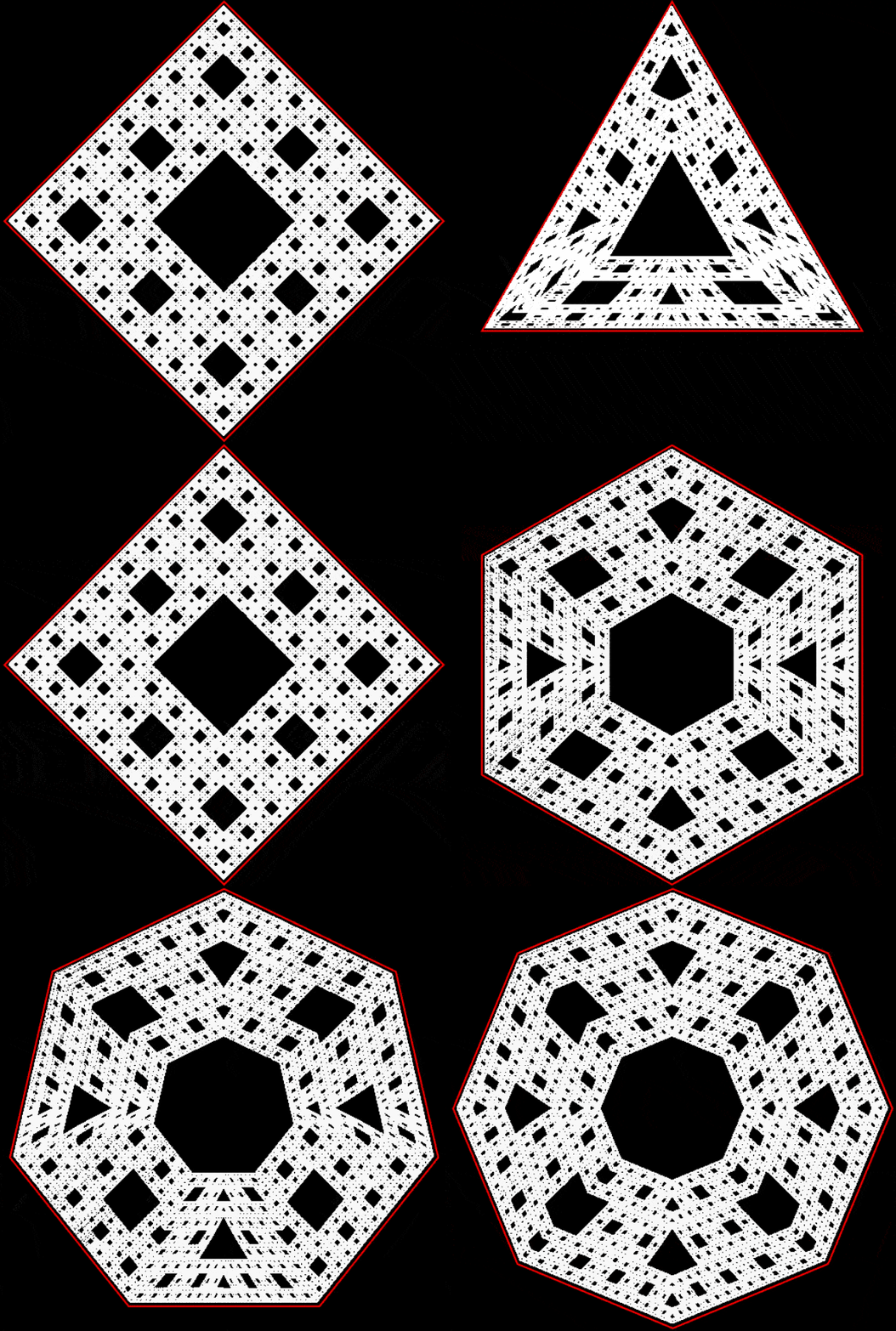
Sierpiński carpet → triangle, pentagon, hexagon, heptagon, octagon (animated at ezGif)
Finally, and fungibly, the fractal that I call the centered Sierpiński triangle:
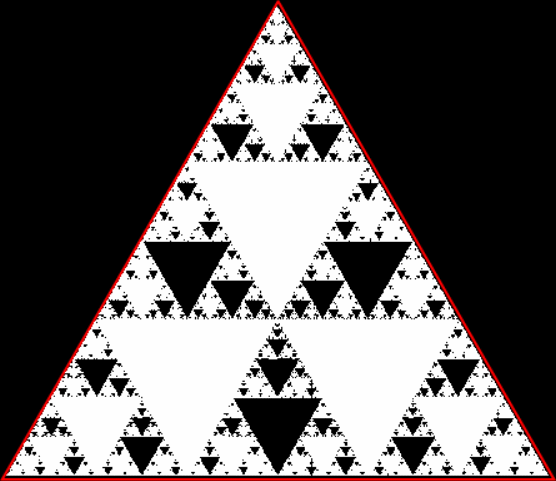
A centered Sierpiński triangle
↓
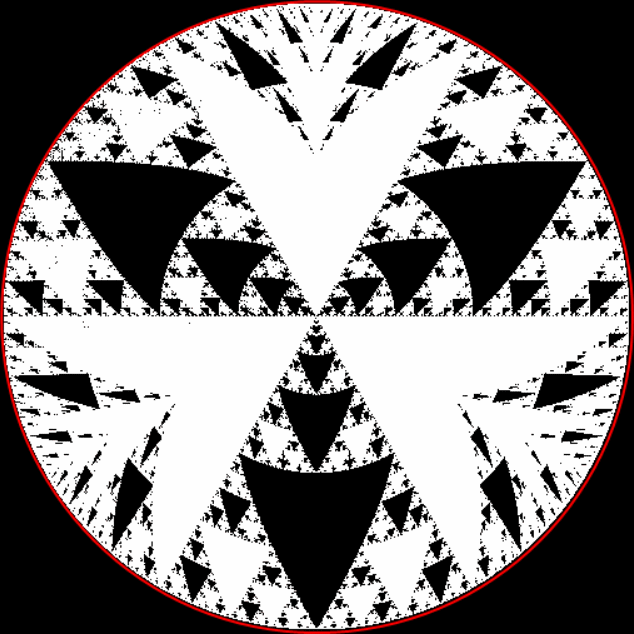
A centered Sierpiński trircle, or triangle converted into a circle
↓
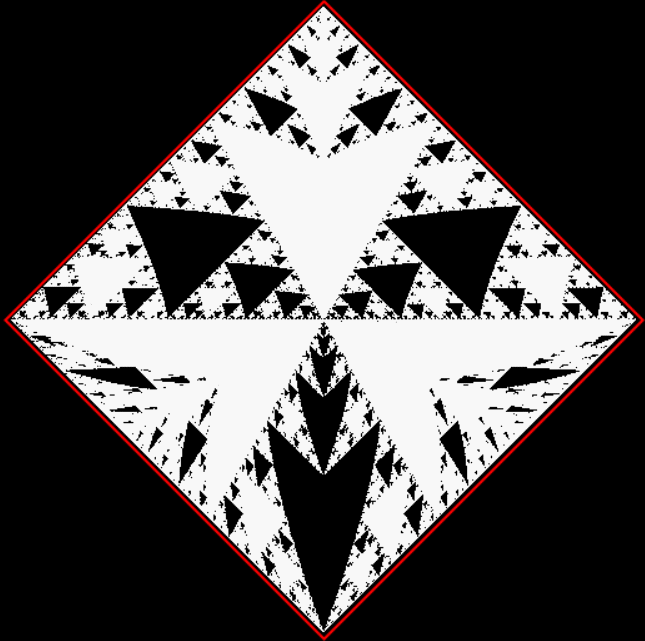
↓
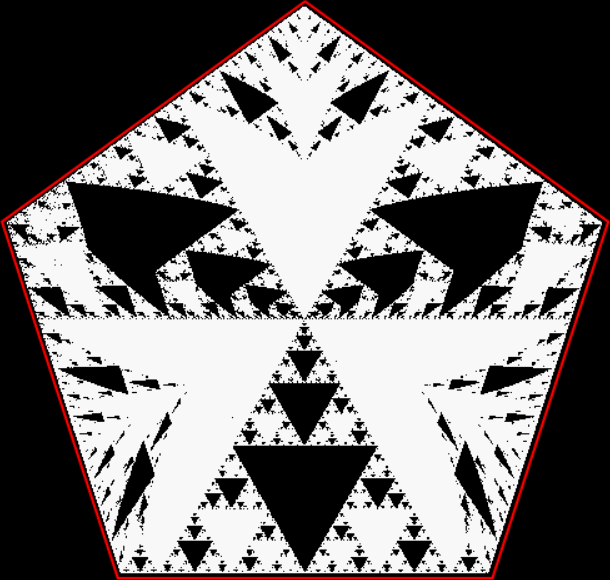
↓
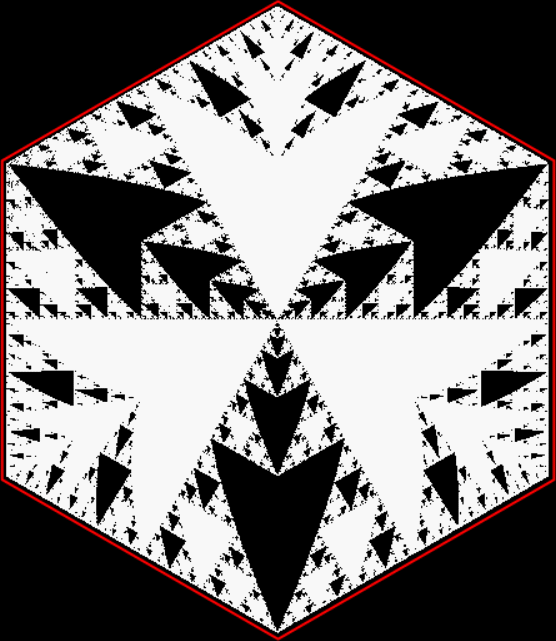
↓
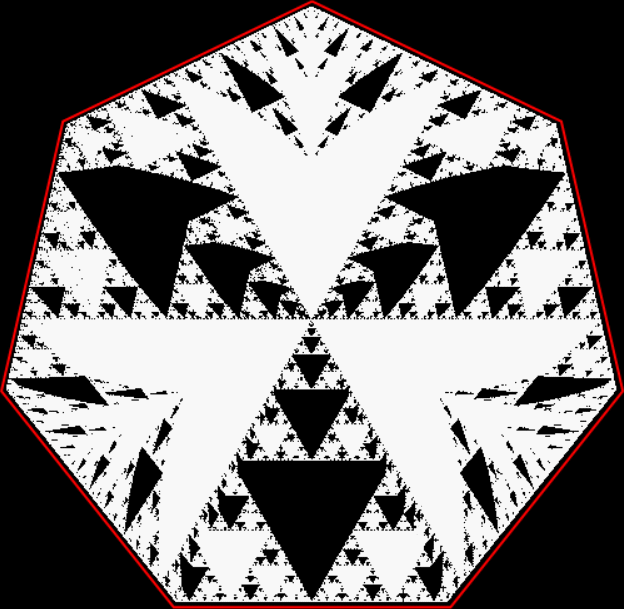
↓
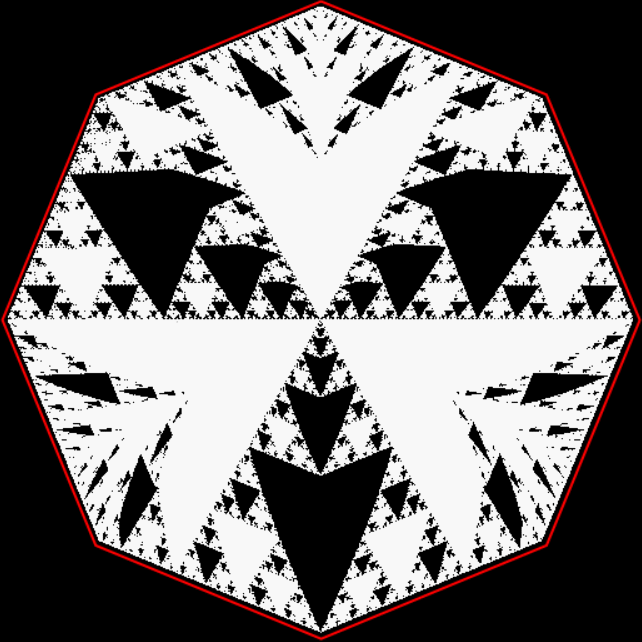
And the final animation:
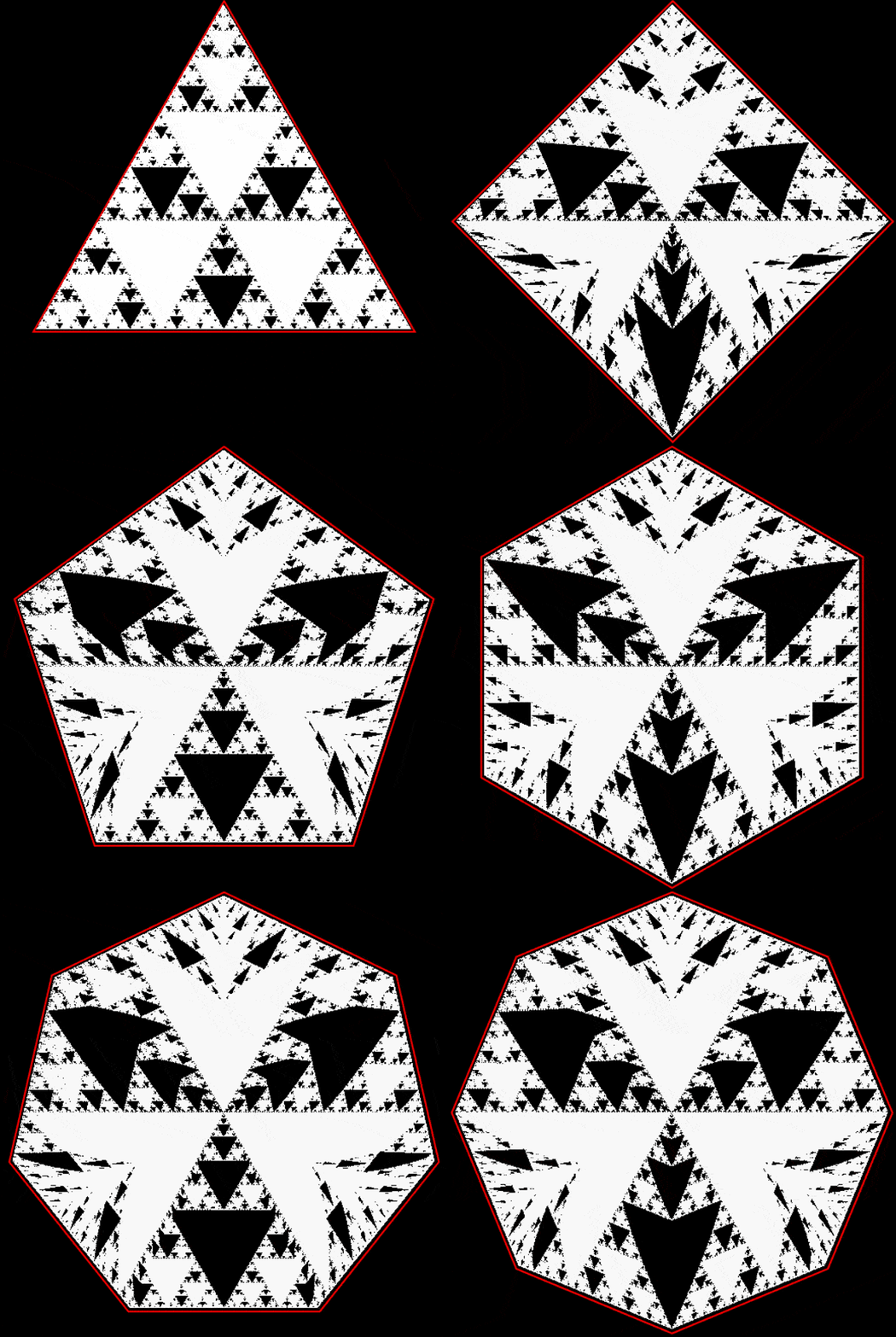
Centered Sierpiński triangle → square, pentagon, hexagon, heptagon, octagon (animated at ezGif)
Sonik Silikeletons
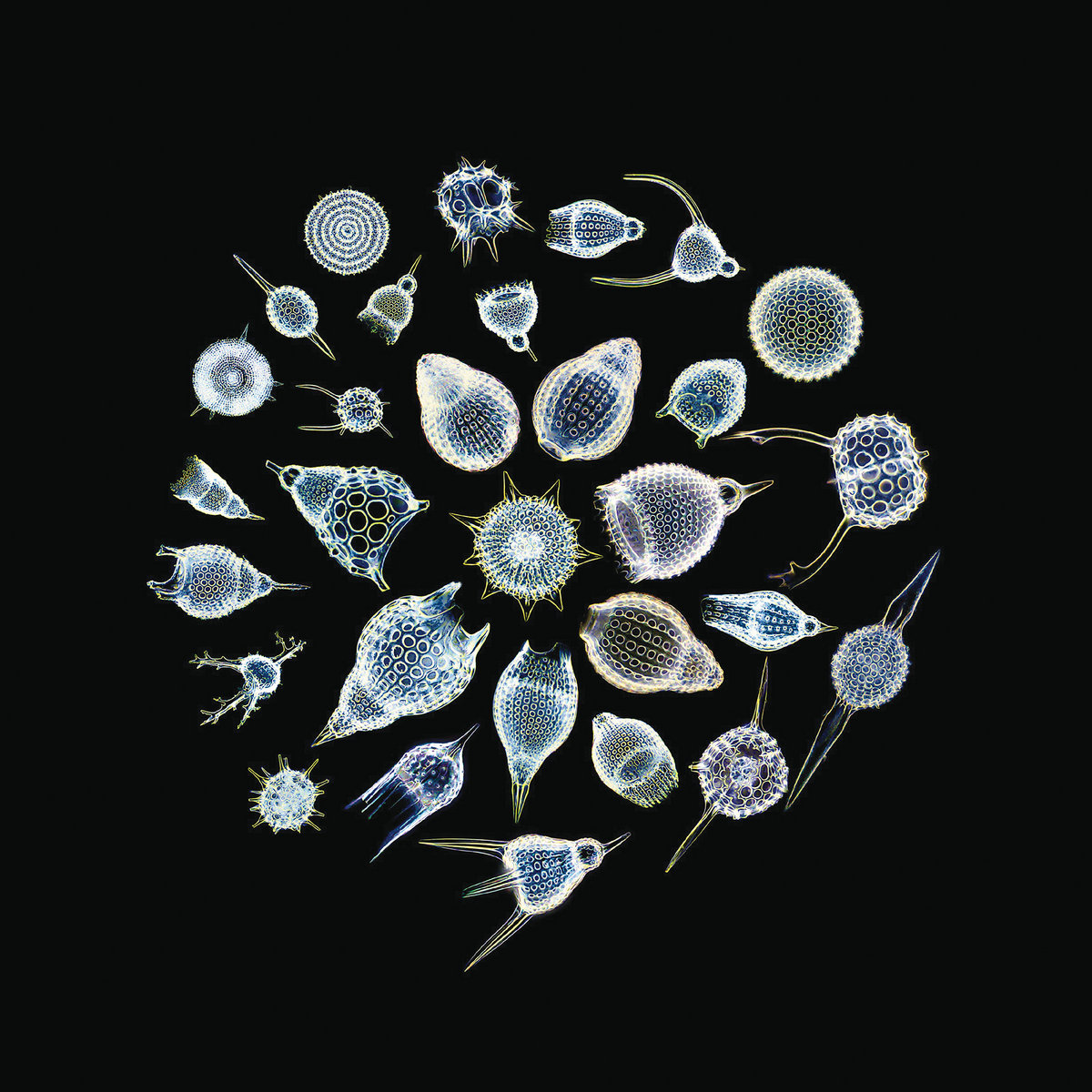
Cover of The Sea Nymphs’ On The Dry Land (2016), with radiolarian skeletons
Good band-name, beautiful cover, but I don’t like the music. It’s interesting to compare a trimmed version of the cover:
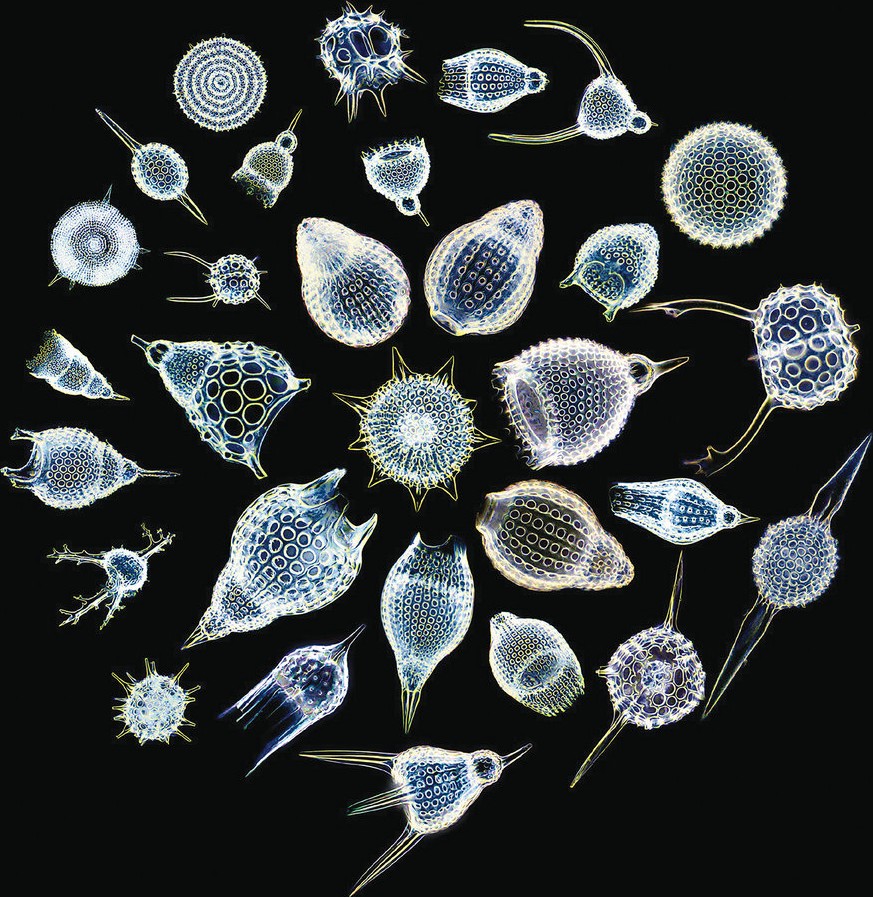
Trimmed version of The Sea Nymphs’ On the Dry Land
Elsewhere Other-Accessible…
• On the Dry Land at Bandcamp
• Radiolaria at Wikipedia
Perlæ Pluviæ
Five feathers found,
Then pearls of rain
Gliding the face
Of a puddle.
Yet the hornèd snails
Are wiser than we
In the wet-wefted wonder
Whereby the worlds be.
Flowly We Rote
As the old mathematical joke goes: A topologist is someone who can’t tell the difference between a coffee-cup and a donut. That’s because topology is, crudely speaking, the branch of geometry that studies shapes when the distance and angle between one part and another doesn’t matter. For example, how can (or can’t) shapes flow smoothly into each other, without being cut or torn or pierced? The shape of a perfectly plastic substance can flow smoothly from that of a coffee-cup into that of a donut. And vice versa:
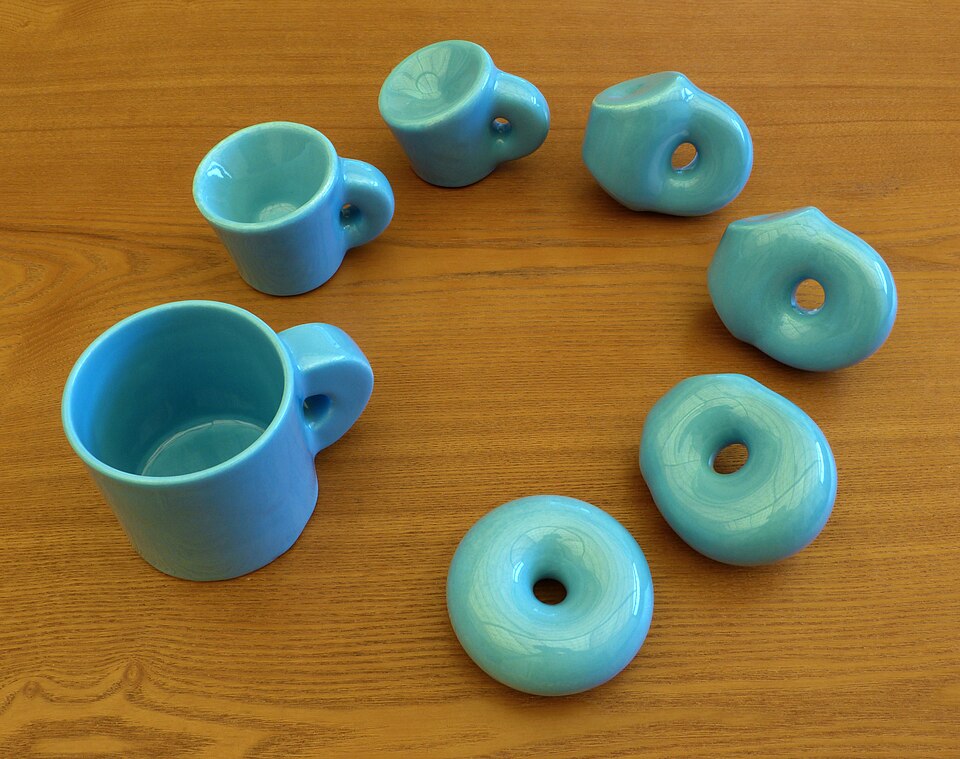
Topologically speaking, a coffee-cup is the same as a donut (Wikipedia)
That’s topology in three dimensions. I came across some unexpected topology in two dimensions when I was looking at transformations of a triangle — the Sierpiński triangle, a fractal named after the Polish mathematician Wacław Sierpiński (1882-1969):
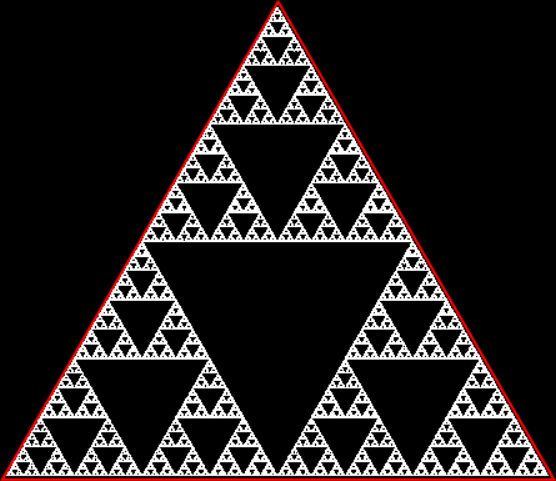
I wondered what happened when you rotate the points inside a Sierpiński triangle while the triangular boundary remains fixed. That is, each point stays at the same position in the width between the center and the boundary as the whole interior flows around the center of the triangle:
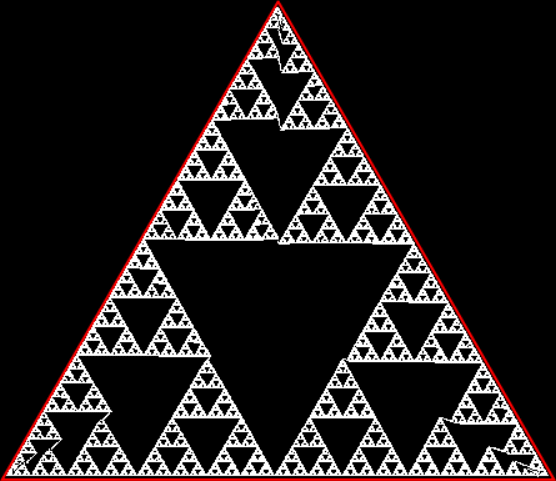
Points inside a Sierpiński triangle rotated by 1°
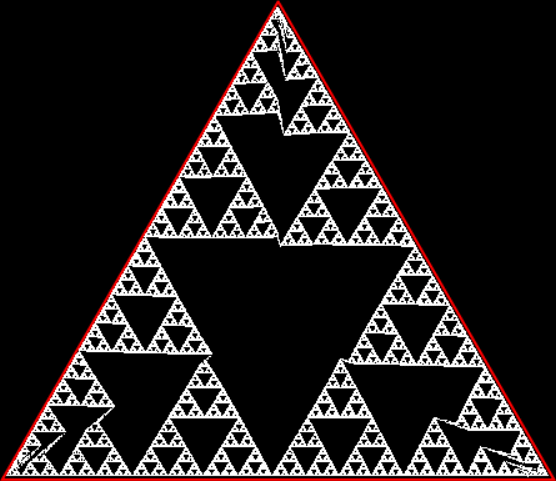
Points inside a Sierpiński triangle rotated by 2°
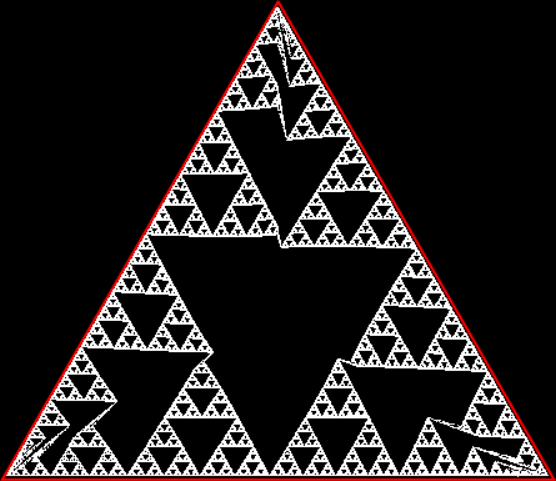
Points inside a Sierpiński triangle rotated by 3°
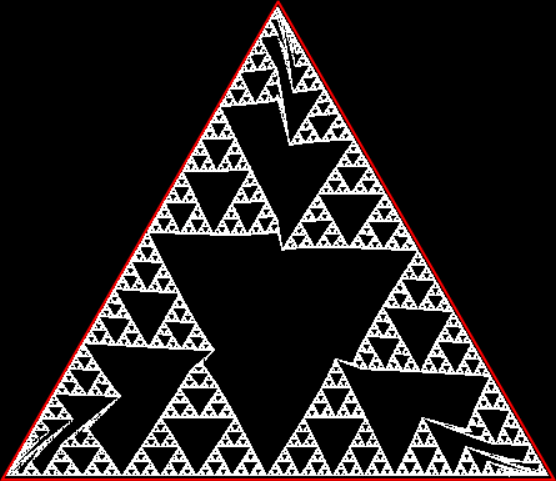
Points rotated by 4°
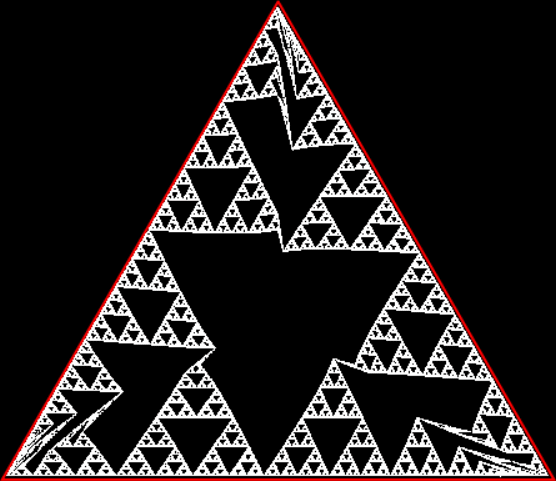
Points rotated by 5°
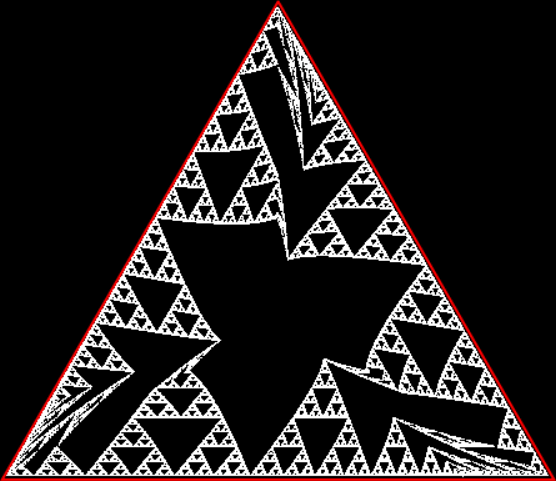
Points rotated by 10°
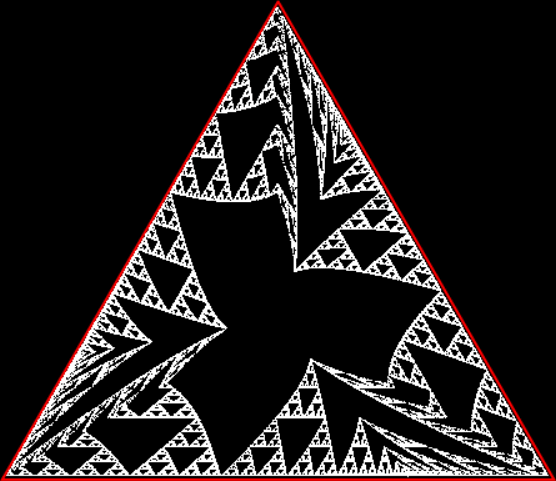
Points rotated by 20°
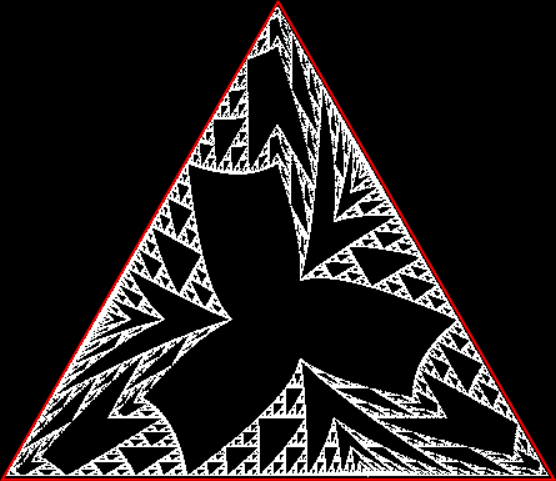
Points rotated by 30°
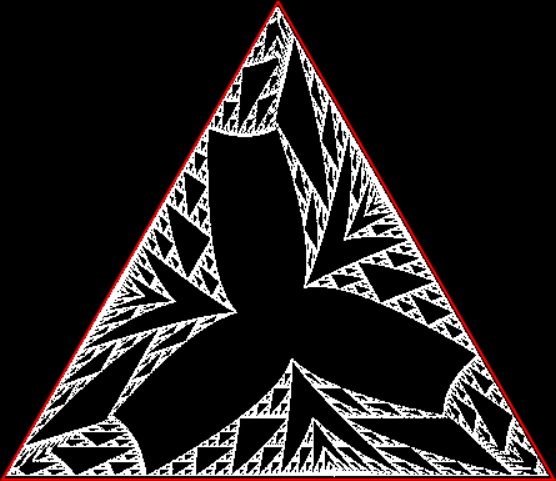
Points rotated by 40°
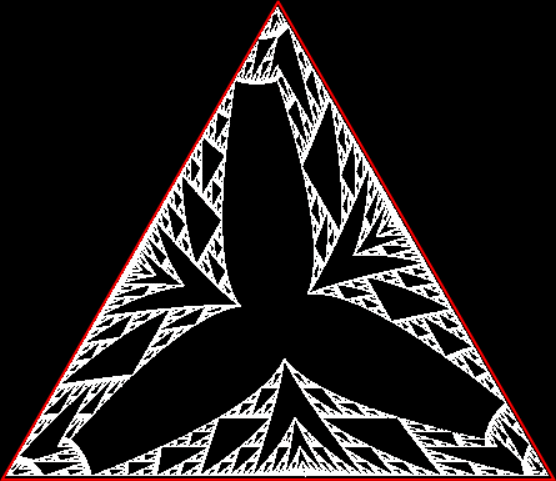
Points rotated by 50°
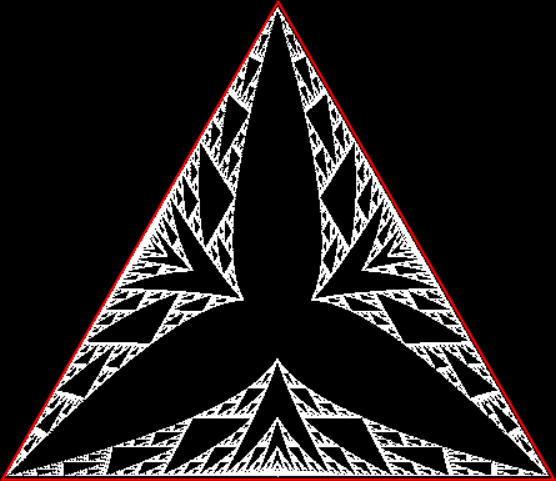
Points rotated by 60°
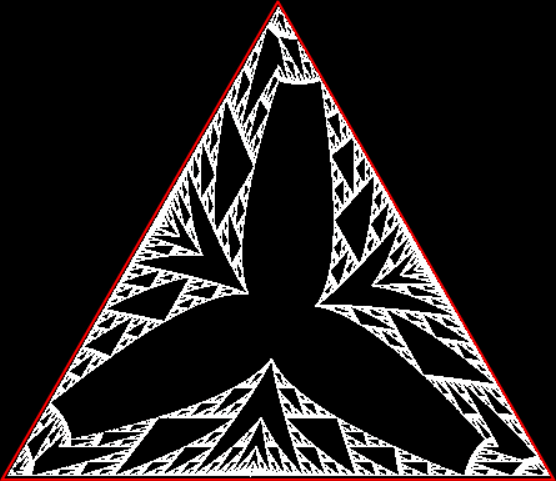
Points rotated by 70°
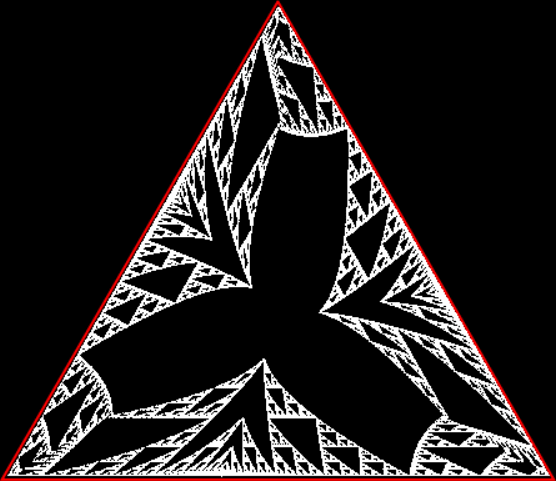
Points rotated by 80°
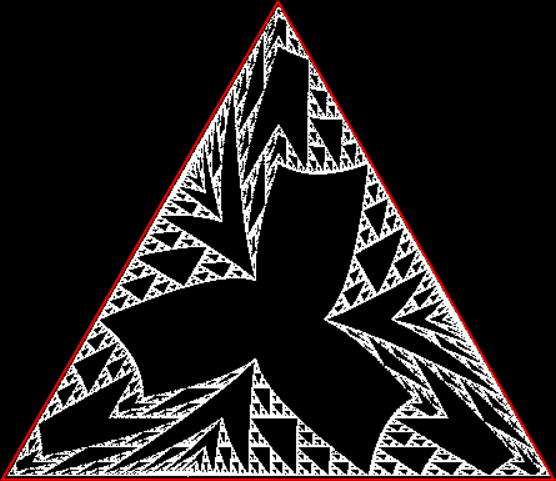
Points rotated by 90°
WARNING! If you’re sensitive to flickering images, please note that there are flickering animated gifs below
Here’s the flowing rotation from 0° to 90° animated in a gif:
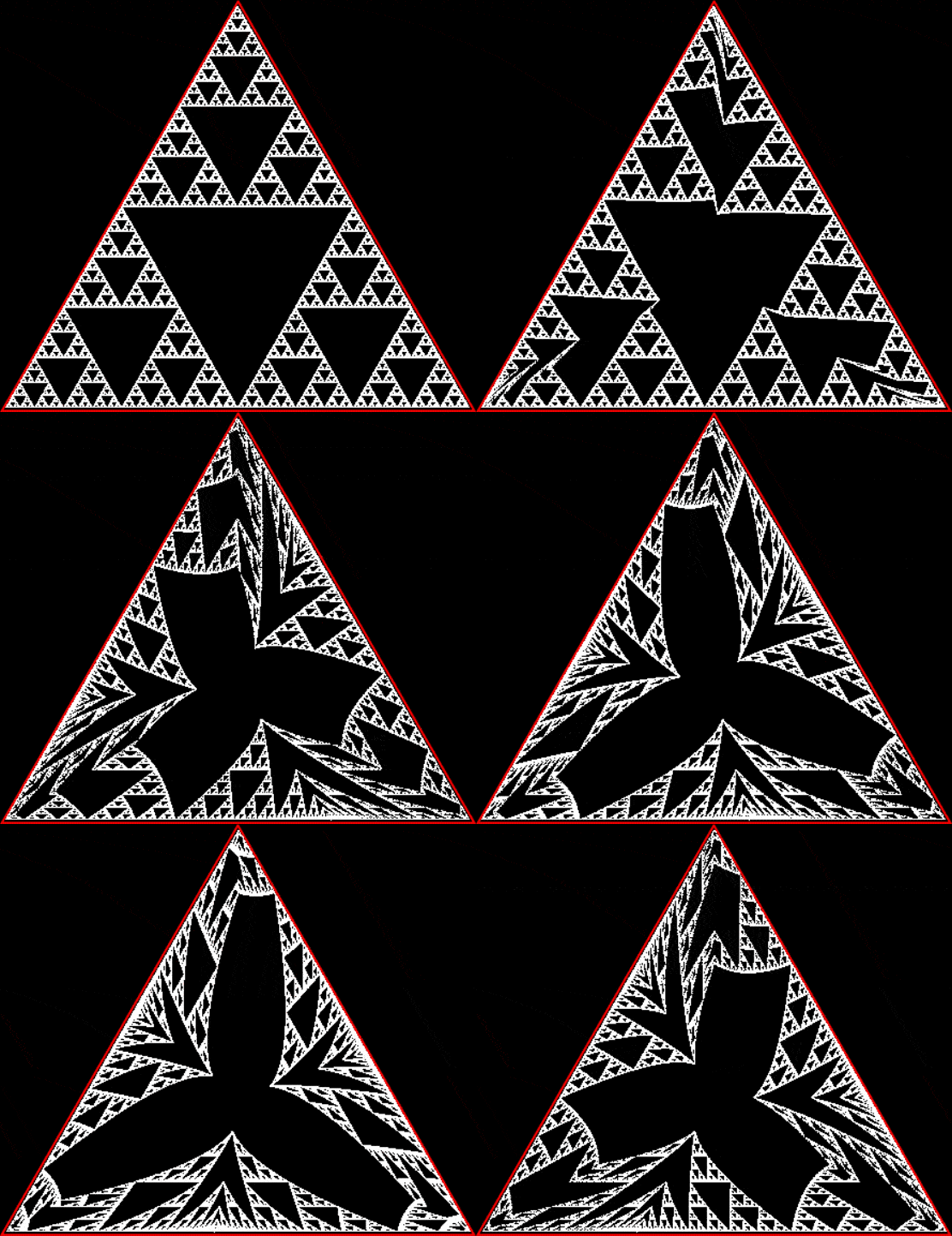
Interior points of Sierpiński triangle flowing 0° → 90° around center (animated at ezGif)
And here’s the whole rotating flow from 0° to 120° (which maps the points back onto themselves):
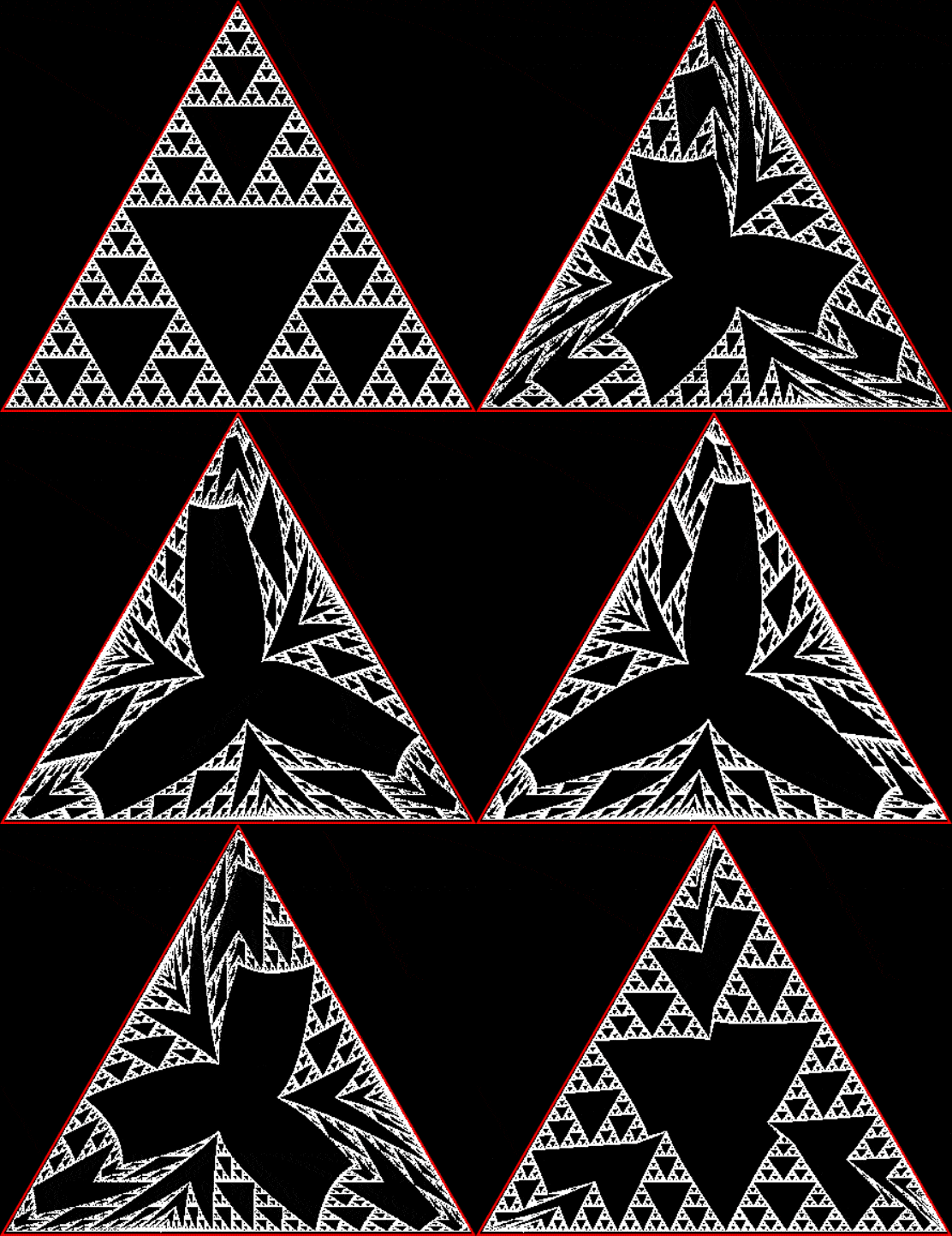
Interior points of Sierpiński triangle flowing continuously around center (slow animation)
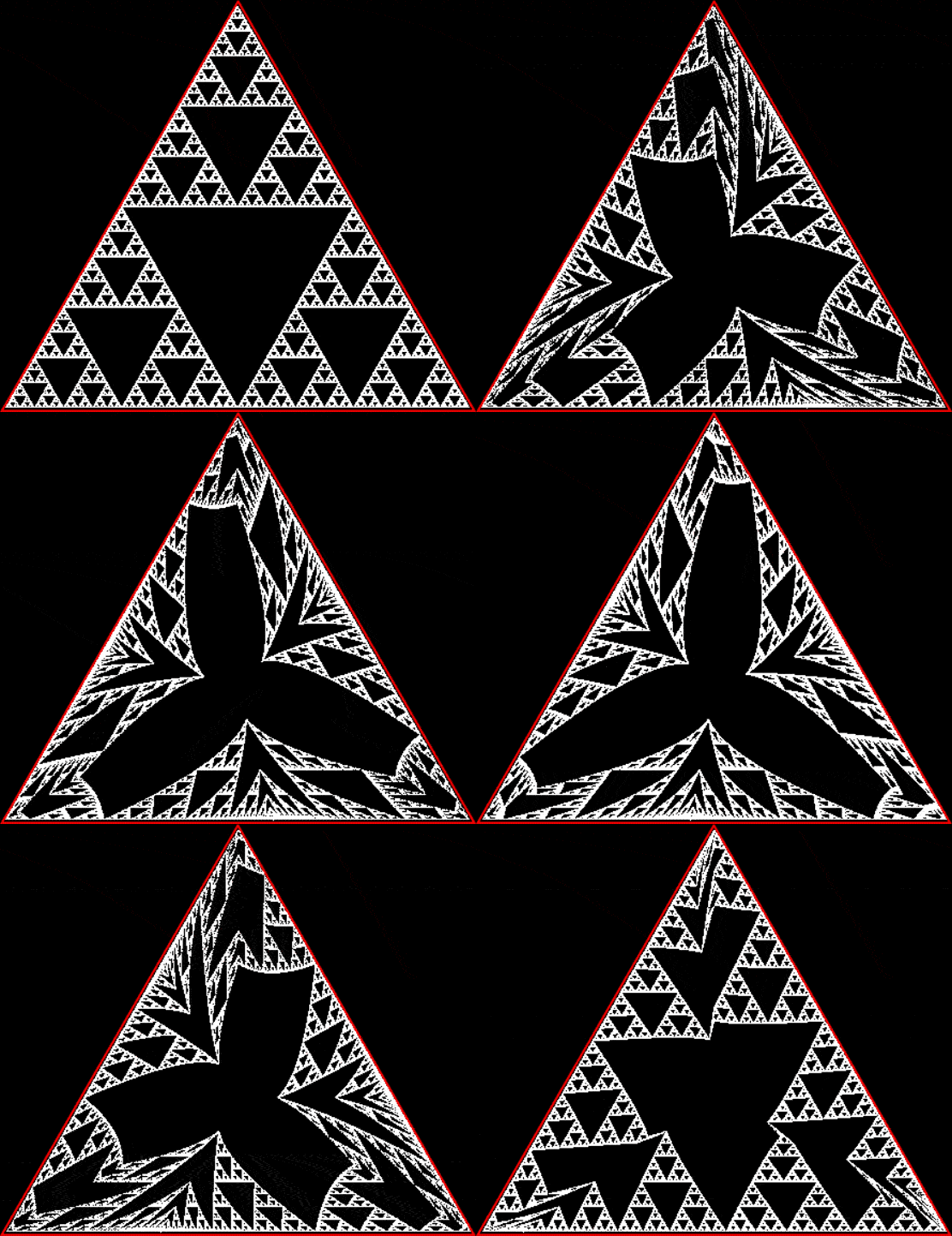
Interior points flowing continuously around the center (faster animation)
As you can see, the appearance of the Sierpiński triangle changes notably as the points rotate: the rotations aren’t rotationally symmetrical (in the standard sense). Sometimes a rotation looks like a stumpy triskelion, a three-legged shape like the flag of the Isle of Man:
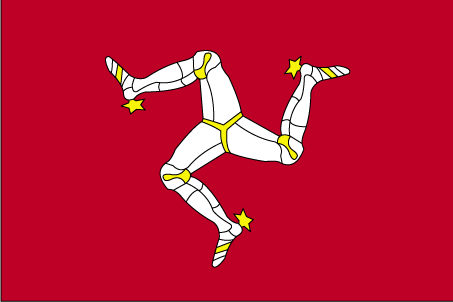
Triskelion on the Manx flag (Wikipedia)
Interior points of a Sierpiński triangle rotated by 30°
But topologically speaking, each rotated triangle is the same (just as, topologically speaking, a coffee-cup is the same as a donut). You can see how they’re topologically the same by imagining that the triangle is stretched into a circle, like this:
Sierpiński triangle
↓
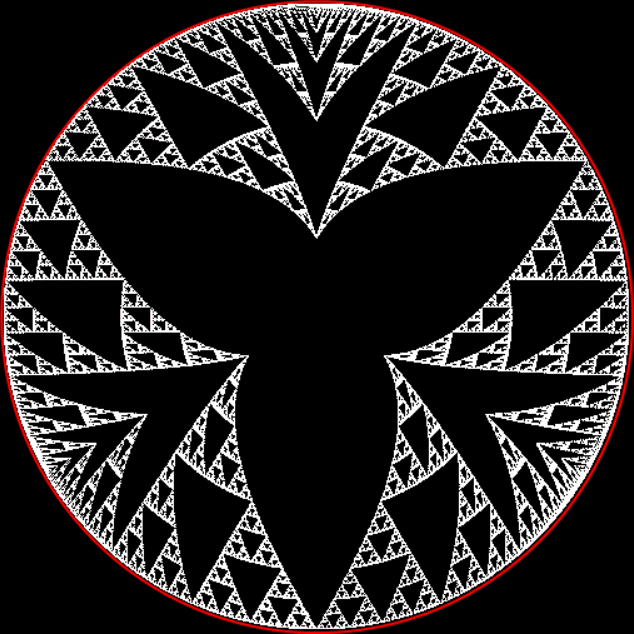
Sierpiński triangle stretched into circle
When you circularize the rotated triangles, all the circularized triangles are rotationally symmetrical:
Points rotated by 30°
↓
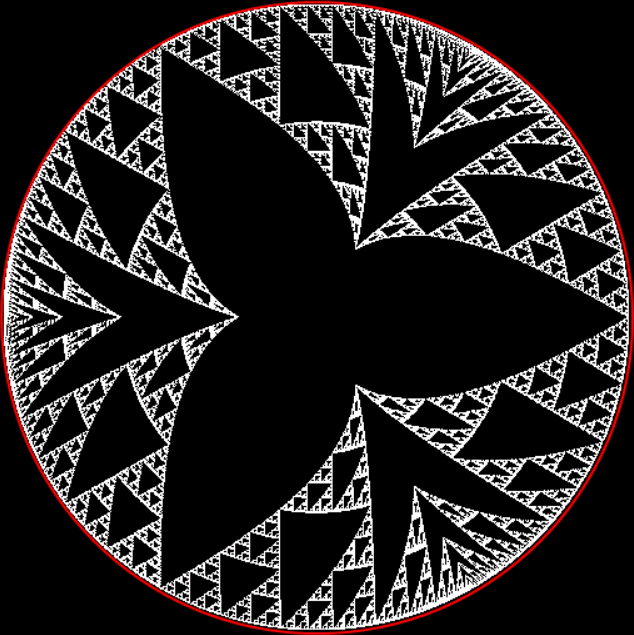
Circle from triangle rotated by 30°
Points rotated by 60°
↓
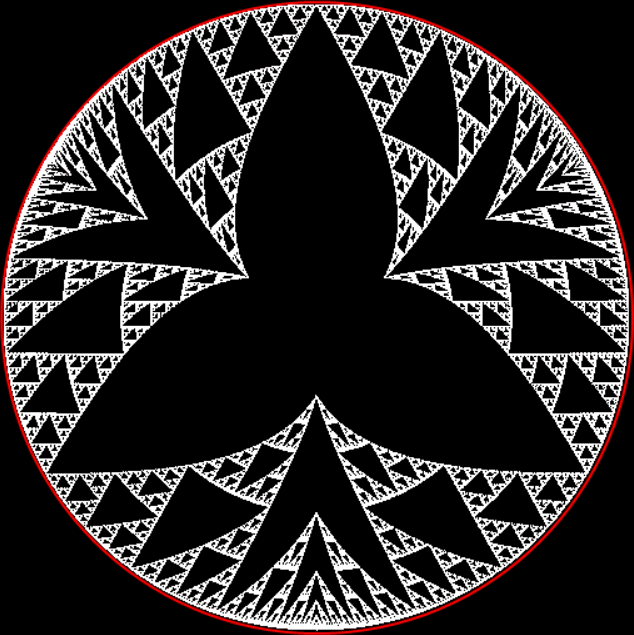
Circle from triangle rotated by 60°
Points rotated by 90°
↓
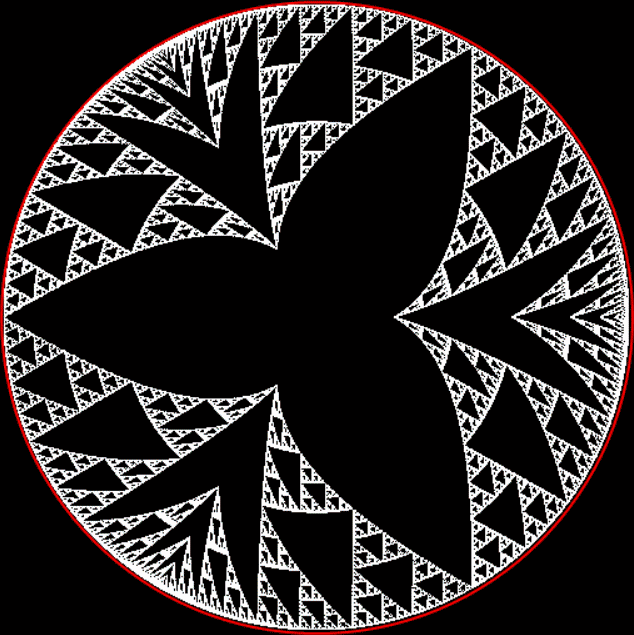
Circle from triangle rotated by 90°
Here are two animated gifs of the circularized triangles rotating:
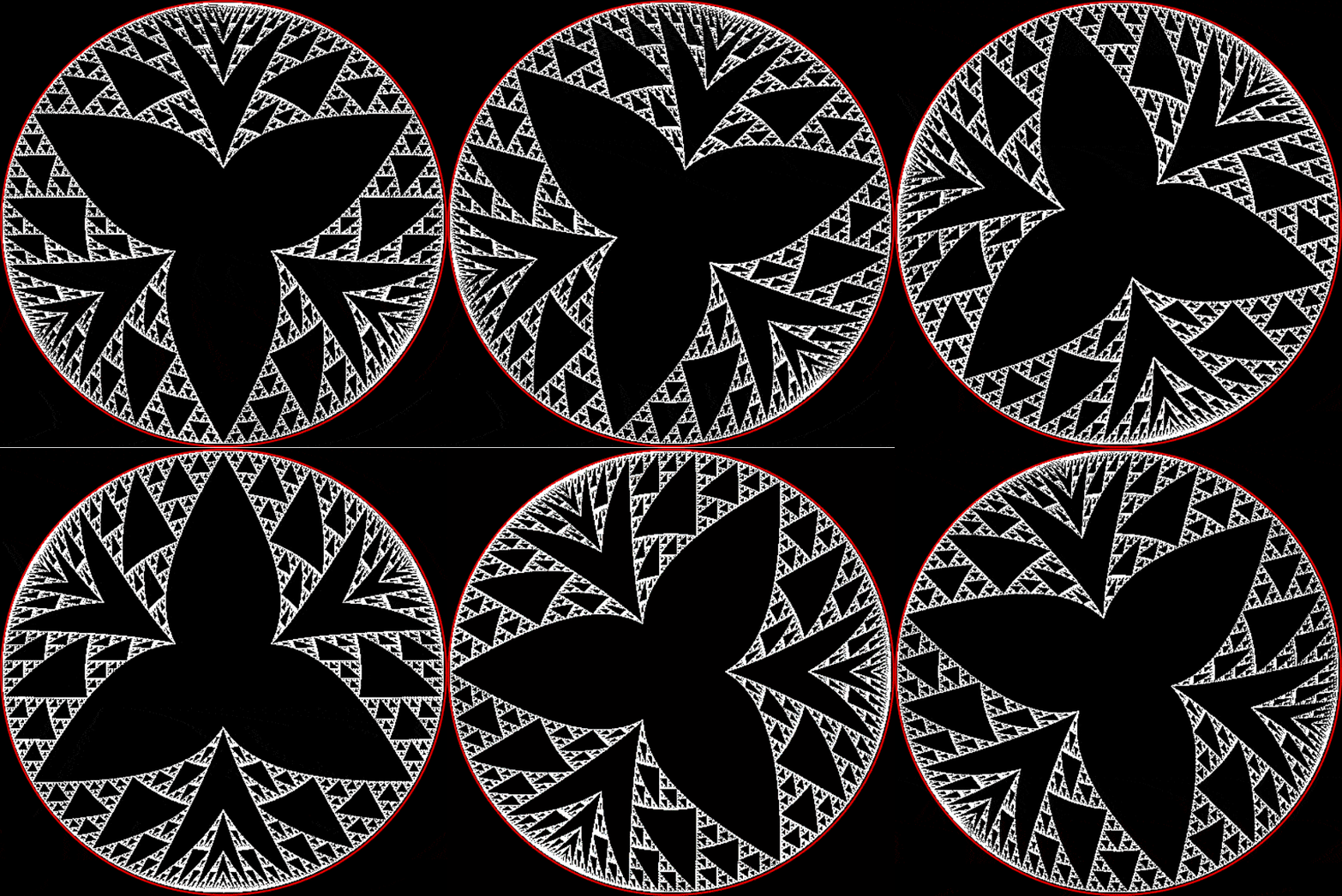
Circularized Sierpiński triangle flowing around center (slow animation at ezGif)
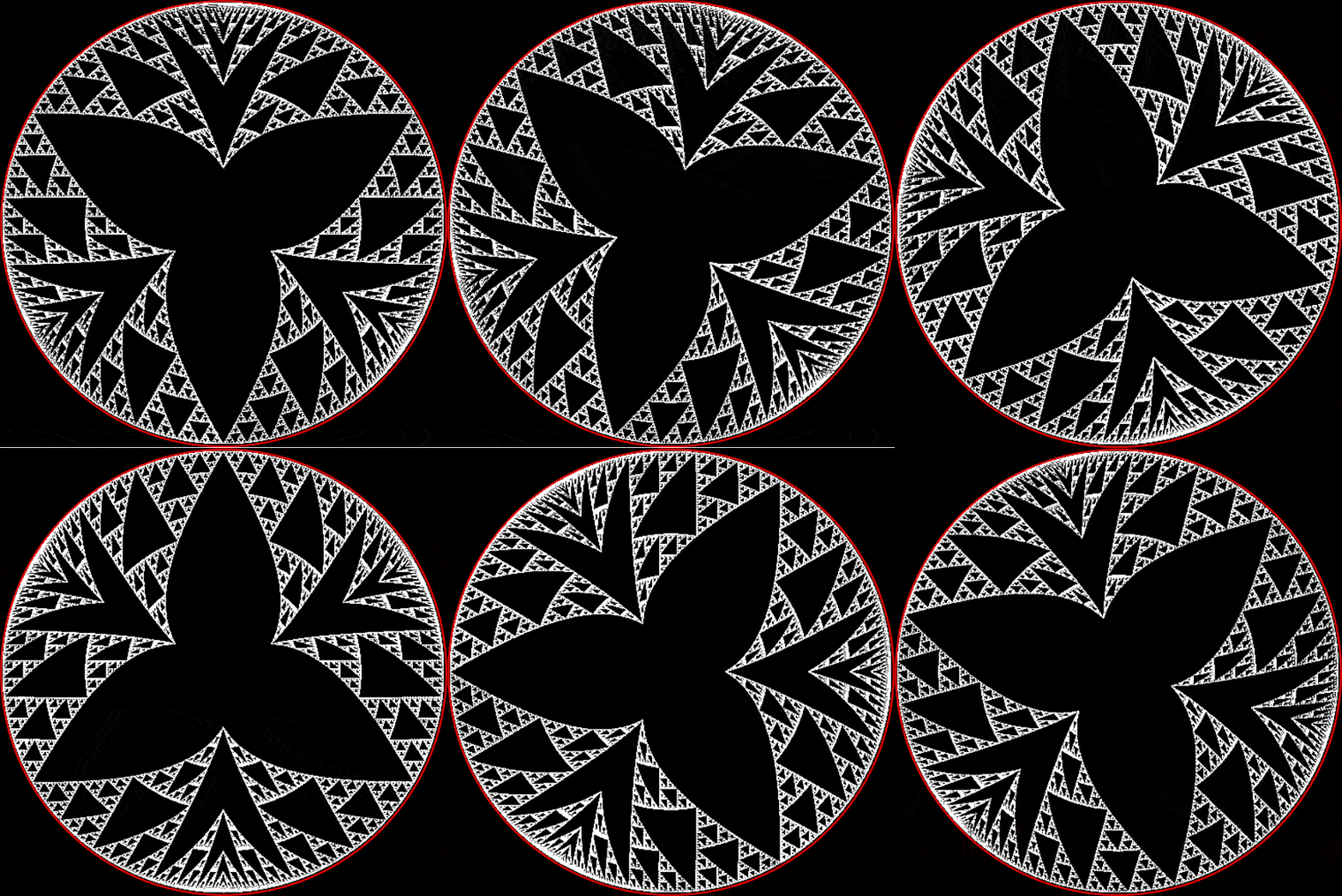
Circularized Sierpiński triangle flowing around center (faster animation)
Here’s what I call the centered Sierpiński triangle turned into a circle:
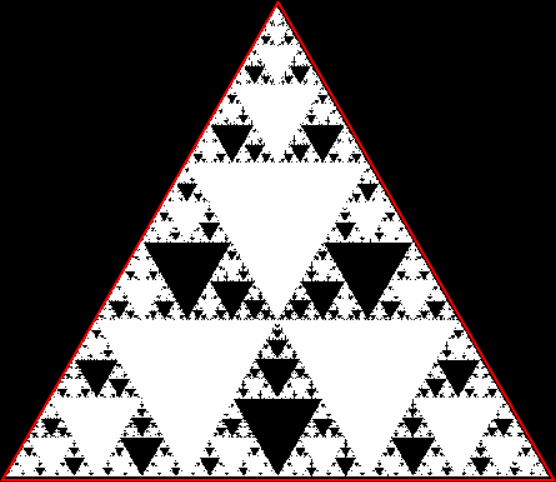
Centered Sierpiński triangle
↓
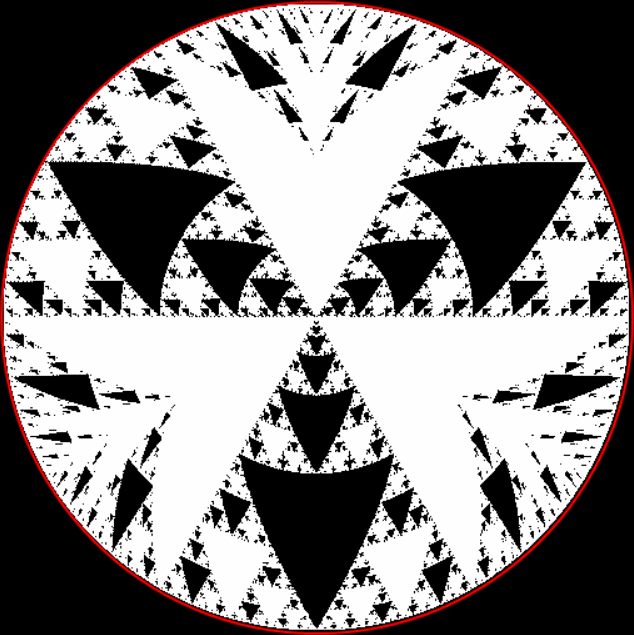
Circle from centered Sierpiński triangle
And finally, the circularized centered Sierpiński triangle flowly rotating at two speeds:
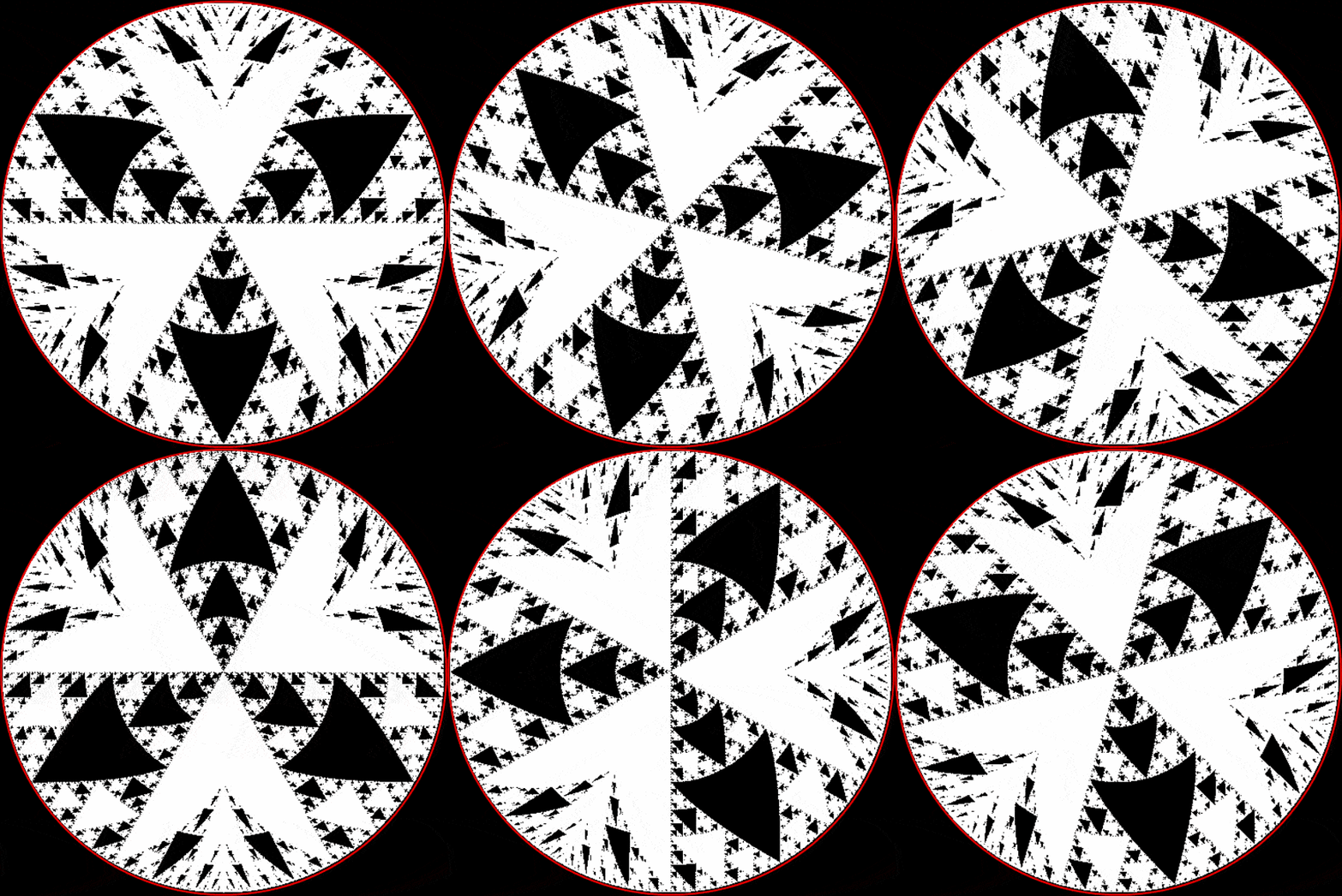
Circularized centered Sierpiński triangle flowing around center (slow animation at ezGif)
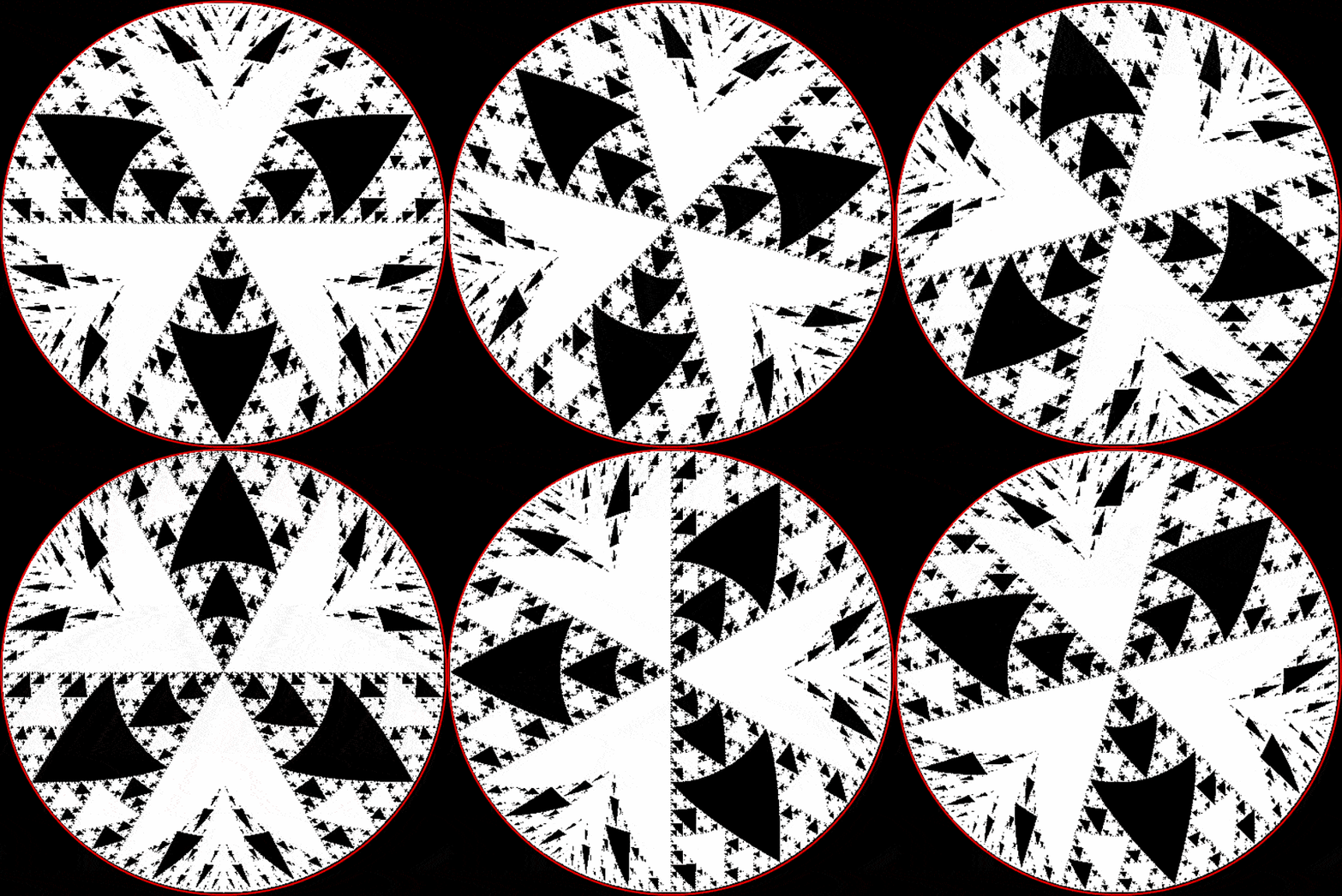
Circularized centered Sierpiński triangle flowing around center (faster animation)
J’Adore Dior

The Ligne Corolle or New Look by Christian Dior in 1947
Day-Star
A window
Across the water
Shards the light
Where a twinful daughter
Shared a middle-earth
Meal with me.
And I bought
That book on
Botany.
But the gull on the shore
Is a mystical door
No more, no more, no more.
Perverting the Pircle
Here again is the famous Sierpiński triangle, a fractal named after the Polish mathematician Wacław Sierpiński (1882-1969):
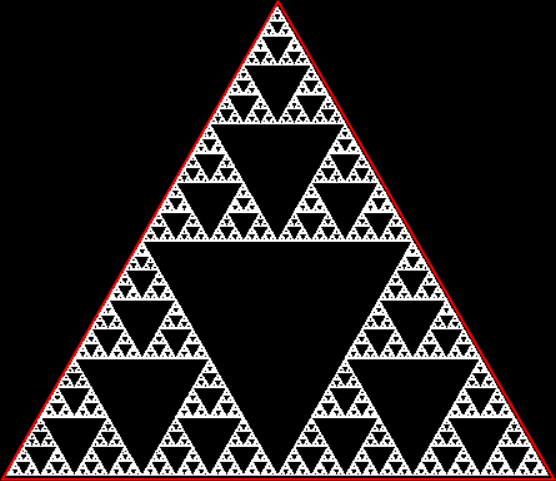
And here’s a Sierpiński ciangle — my name for a Sierpiński triangle stretched into a circle:
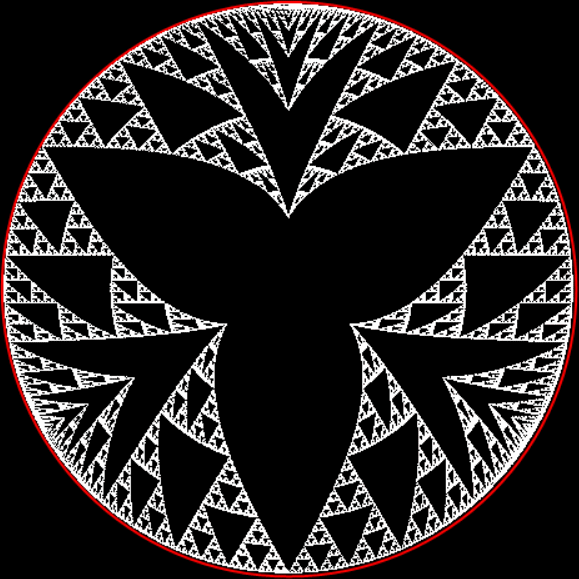
A Sierpiński ciangle or Sierpiński pircle
More generally, you could call that shape a pircle, a polygon turned into a circle. But you can also squeeze the Sierpiński triangle and turn it into this shape:
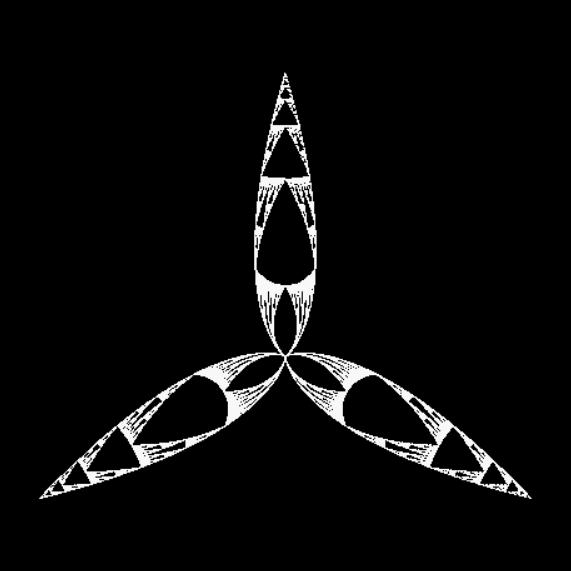
A Sierpiński squircle
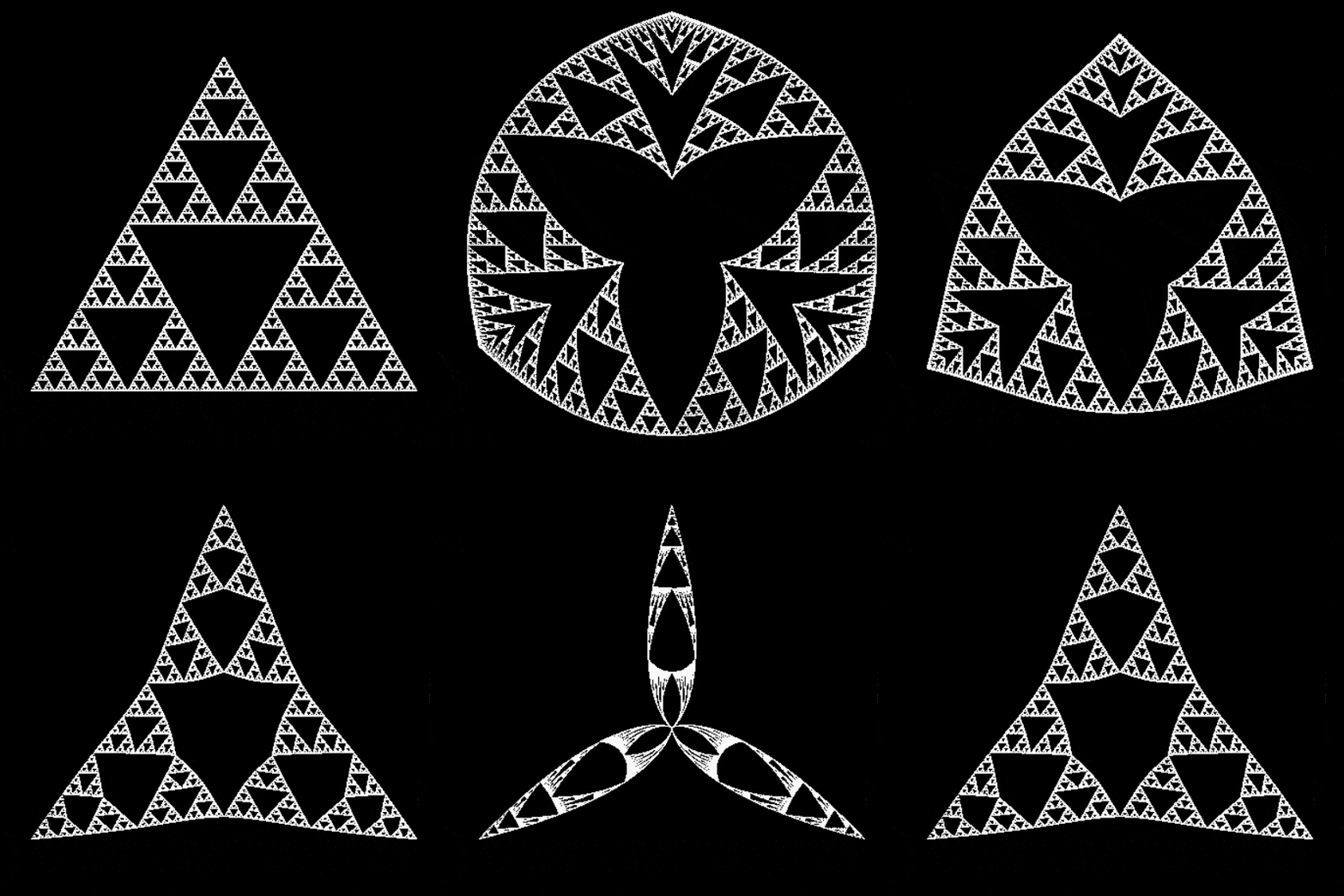
You could call that a squircle, a squeezed circle. You use the same trigonometry to create both the Sierpiński ciangle and the squeezed Sierpiński triangle. Here’s an animated gif showing the Sierpiński triangle cycling between polygon, pircle and squircle:
Sierpiński triangle, pircle and squircle (animated at EZgif)
Now for the Sierpiński carpet, the square analogue of the Sierpiński triangle (you can create it with a point jumping 2/3rds of the way towards the vertices and midpoints of a square, as marked with green dots):
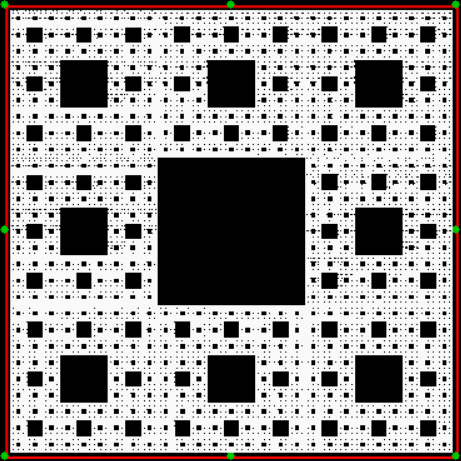
And here’s the carpet as a pircle:
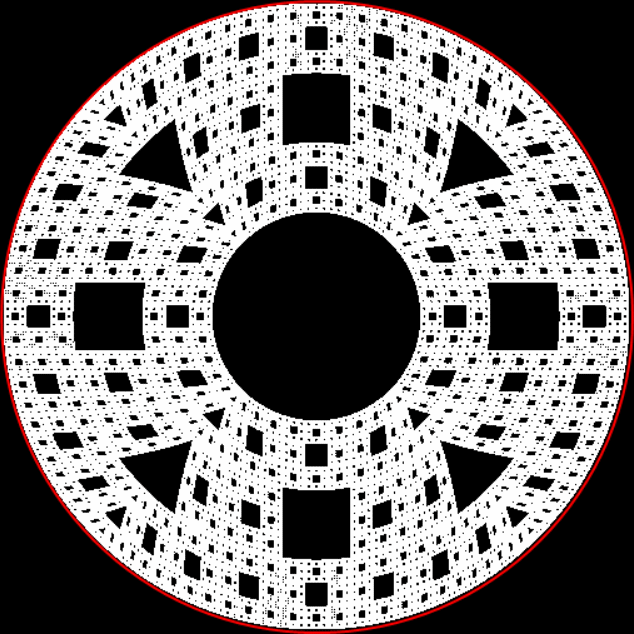
Pircle from Sierpiński carpet
Like the Sierpiński triangle, you can both pircularize and squeeze the Sierpiński carpet. Here’s the cycle as an animated gif:
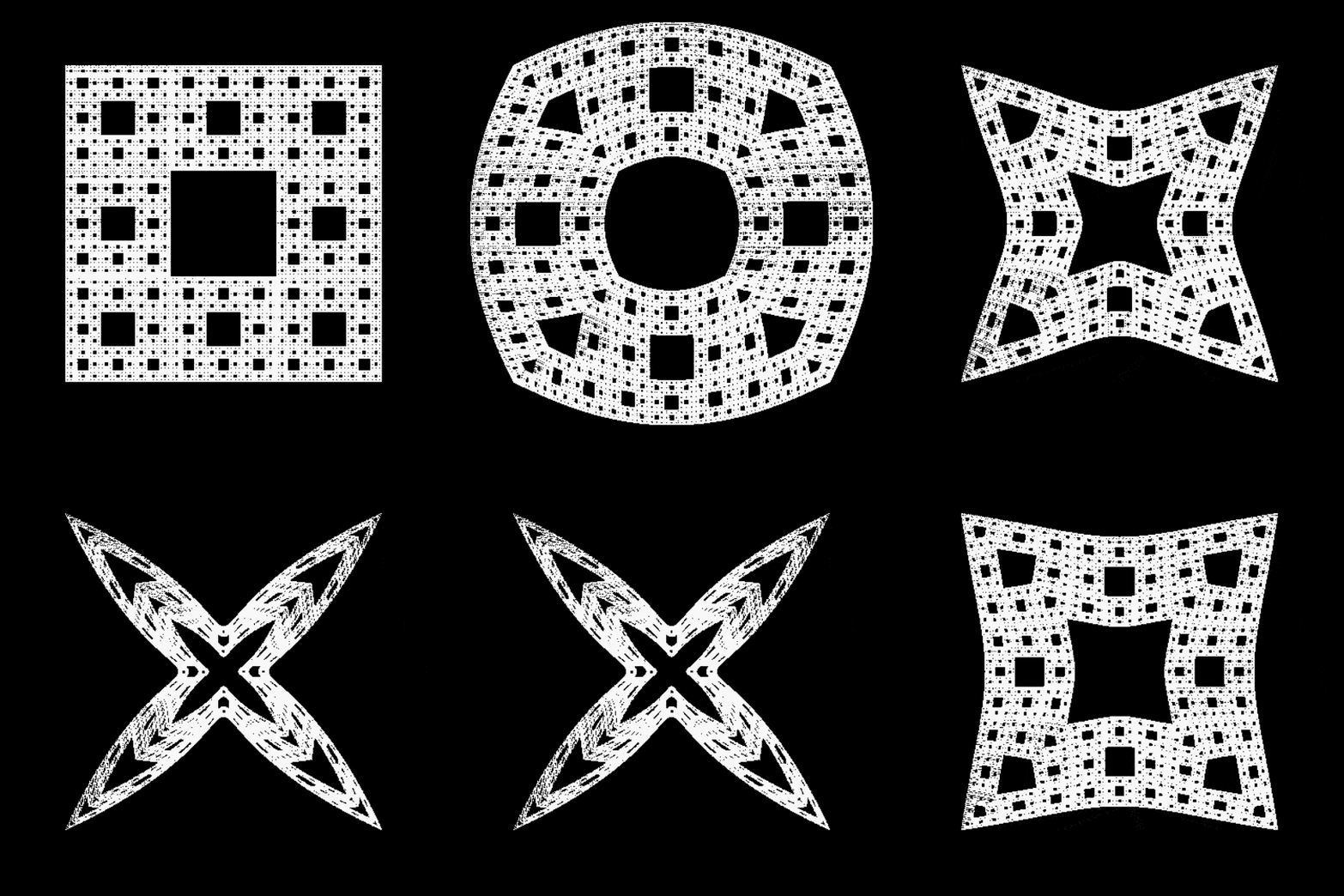
Sierpiński carpet ⇔ pircle and squircle (animated at EZgif)
But you can also pervert the pircle, as it were (in Latin, pervertere means “to thoroughly alter”). For example, what if you flip the radius used in pircularizing the Sierpiński carpet, so that points on the perimeter of the pircle move to the center, and points at the center move to the perimeter? One variant of that perverted pircle looks like this:
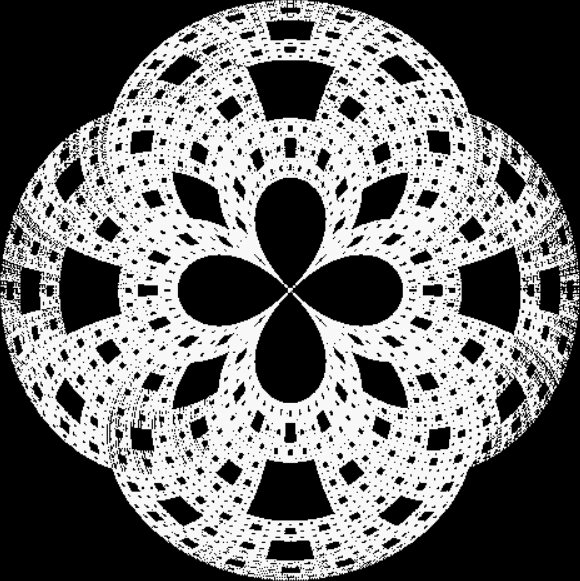
Perverted pircle from Sierpiński carpet
Here are some more polygonal fractals turned into pircular fractals:
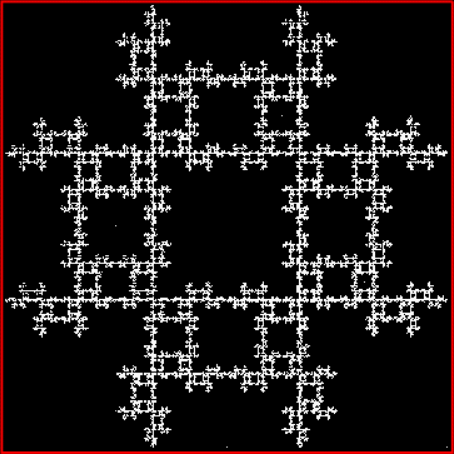
Fractal from point jumping 1/2 way to vertices of square (but not same vertex twice in a row)
↓
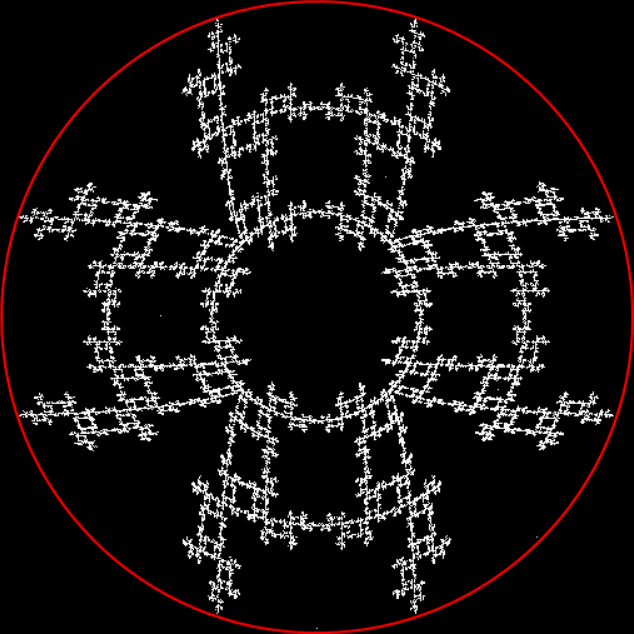
Pircle from square fractal
If you double each point’s distance from the centre, then fold any resulting distance beyond the circle’s radius back inside by halving it, you get this perverted pircle:
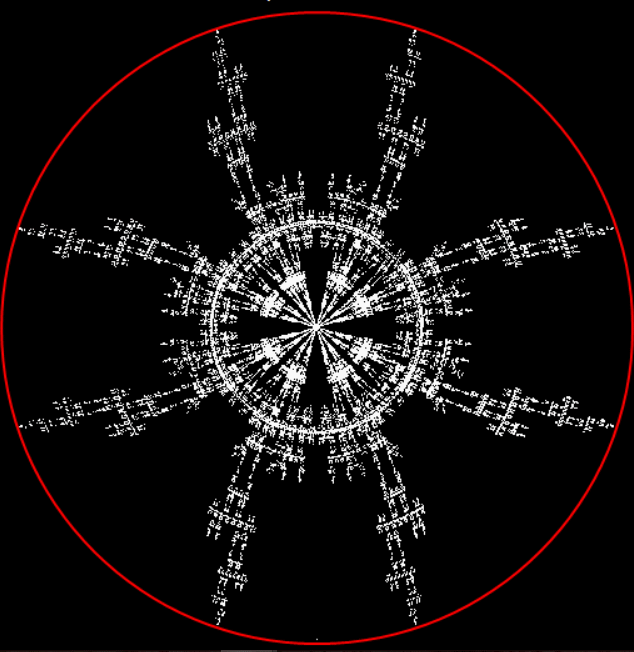
Perverted pircle from square fractal
Here’s another polygonal fractal, the T-square fractal:
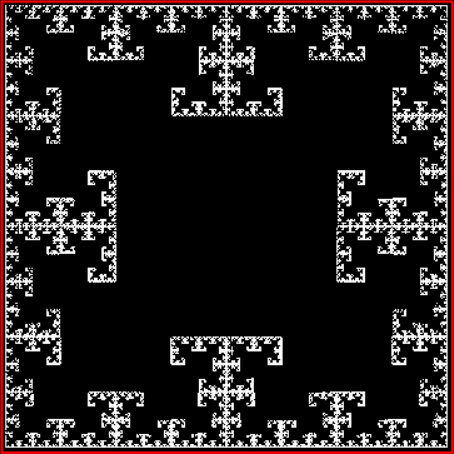
T-square fractal from point jumping 1/2 way to vertices of square (but not towards vertex directly opposite vertex just jumped towards)
↓
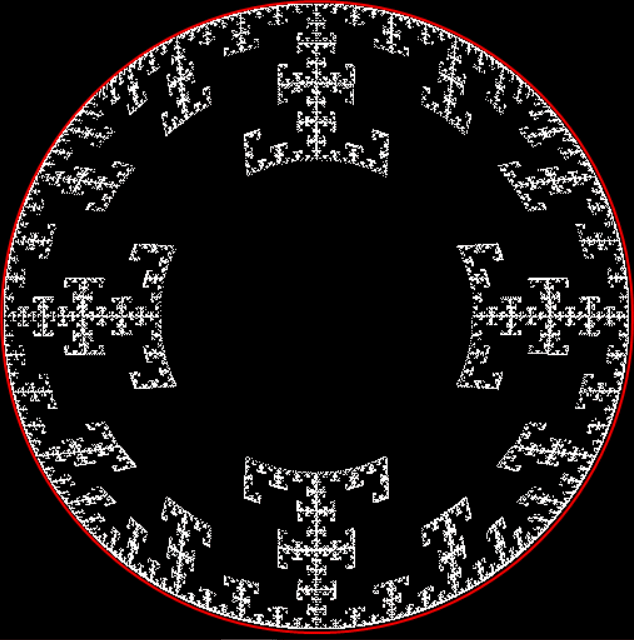
Pircle from T-square fractal
Again, you can pervert the pircle:
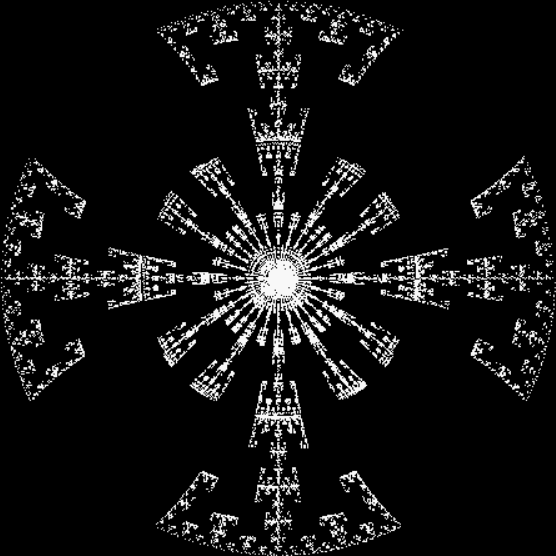
Perverted pircle #1 from T-square fractal
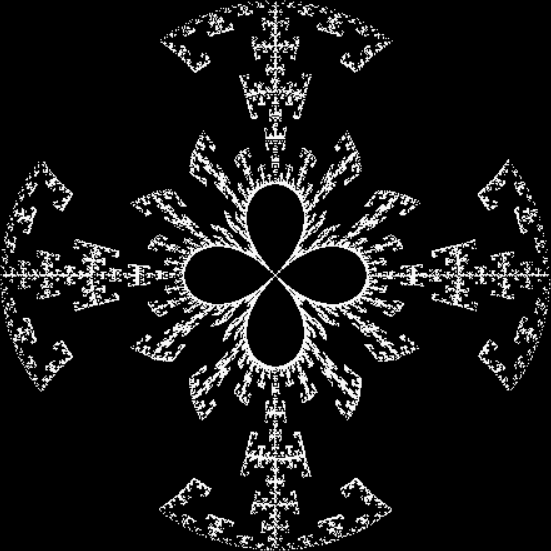
Perverted pircle #2 from T-square fractal
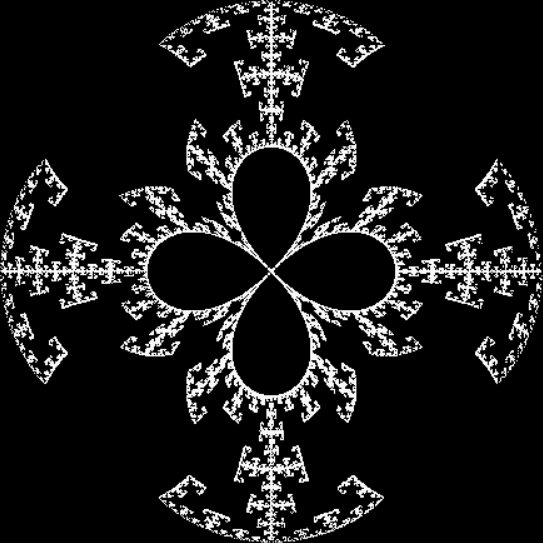
Perverted pircle #3 from T-square fractal
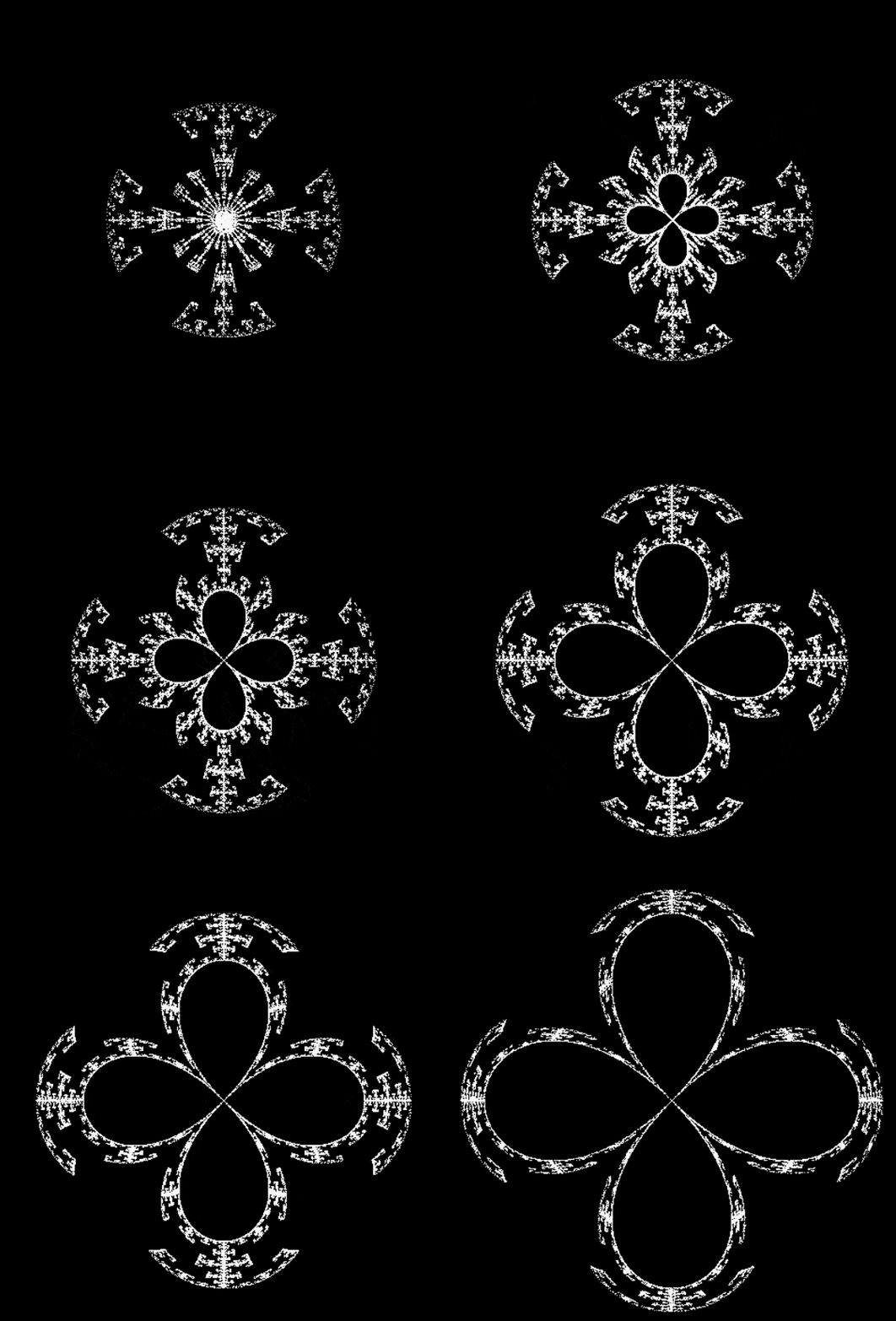
Perverted pircles from T-square fractal (animated at EZgif)
Finally, another polygonal fractal turned into a pircle and perverted pircle:
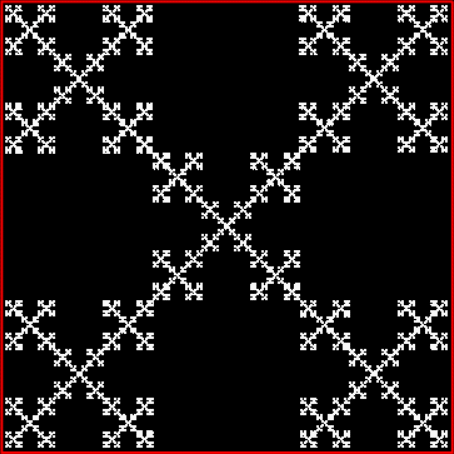
Another square fractal
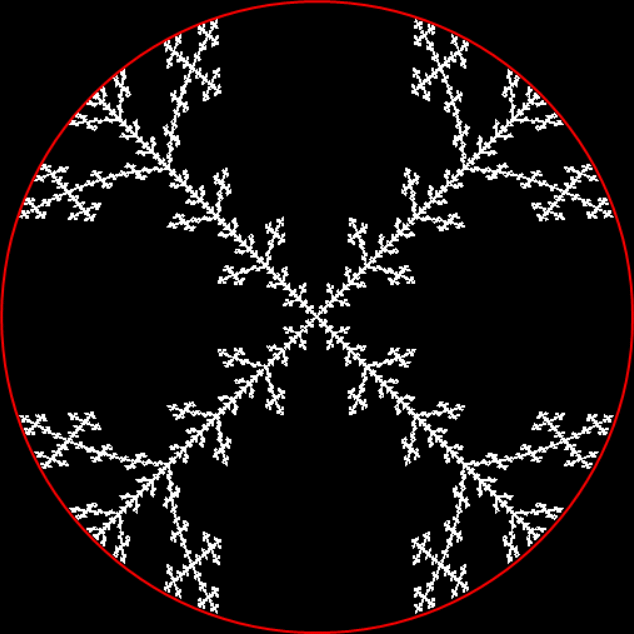
Pircle from square fractal
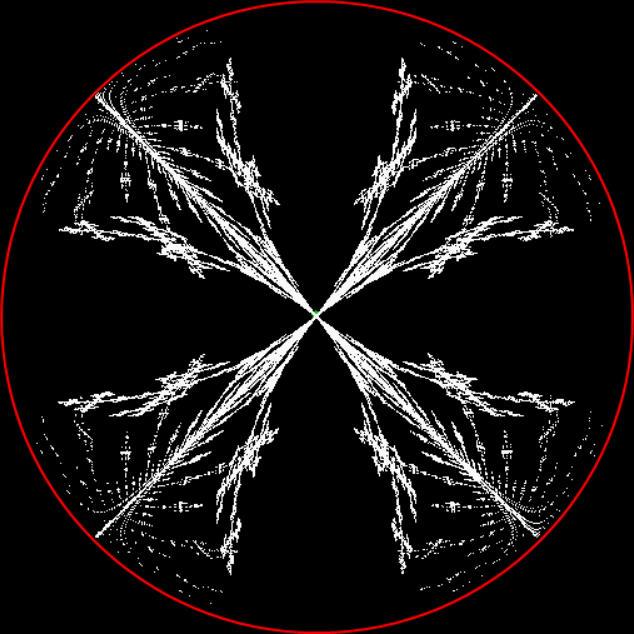
Perverted pircle from square fractal
The Light Snuff
The bindweed still
Besongs the hill
With throated eyes
Of clearest white.
And sing it will
Till songless chill
Benight the glamor
Of their light.
Nude Zoo’d Tattooed
• […] γυμνοὶ γὰρ ὄντες τὰ πλεῖστα τοῦ σώματος τῆς ἰλύος καταφρονοῦσιν. Οὐδὲ γὰρ ἐσθῆτος ἴσασι χρῆσιν, ἀλλὰ τὰς μὲν λαπάρας καὶ τοὺς τραχήλους κοσμοῦσι σιδήρῳ, καλλώπισμα τοῦτο καὶ πλούτου σύμβολον νομίζοντες ὥσπερ τὸν χρυσὸν οἱ λοιποὶ βάρβαροι, τὰ δὲ σώματα στίζονται γραφαῖς ποικίλαις καὶ ζῴων παντοδαπῶν εἰκόσιν· ὅθεν οὐδὲ ἀμφιέννυνται, ἵνα μὴ σκέπωσι τοῦ σώματος τὰς γραφάς.
• […] gymnoì gàr óntes tà pleîsta toû sṓmatos tês ilýos kataphronoûsi. Oudè gàr esthêtos ísasi chrêsin, allà tàs mèn lapáras kaì toùs trachḗlous kosmoûsi sidḗrōi, kallṓpisma toûto kaì ploútou sýmbolon nomízontes hṓsper tòn chrysòn hoi loipoì bárbaroi, tà dè sṓmata stízontai graphaîs poikílais kaì zōíōn pantodapôn eikósin; hóthen oudè amphiénnuntai, hína mḕ sképōsi toû sṓmatos tàs graphás.
• Car, étant pour la plupart nus, ils ne font aucun cas de la fange qui recouvre leur corps. Ils ne connaissent d’ailleurs nullement l’usage des vêtements ; mais ils parent leurs flancs et leur cou de fer, tenant cet ornement pour une parure et un signe de richesse, tout comme les autres barbares tiennent l’or pour tel. Quant à leur corps, ils le marquent de dessins variés et de figures représentant toutes sortes d’animaux ; aussi ne se couvrent-ils point, afin de ne pas dérober aux regards les motifs dont leur corps est orné. — Hérodien, Histoire de l’Empire romain 3.14.7, traduction générée par IA.
• “For the most part naked, they make light of the mire that covers their bodies. They know nothing, indeed, of the use of clothing, but adorn their flanks and necks with iron, deeming this an ornament and a token of wealth, as the other barbarians deem gold. They tattoo their bodies with varied designs and all manner of zoological likenesses; hence they go unclad, lest their designs be hidden from sight.” — Herodian, History of the Roman Empire 3.14.7, AI translation


