As the old mathematical joke goes: A topologist is someone who can’t tell the difference between a coffee-cup and a donut. That’s because topology is, crudely speaking, the branch of geometry that studies shapes when the distance and angle between one part and another doesn’t matter. For example, how can (or can’t) shapes flow smoothly into each other, without being cut or torn or pierced? The shape of a perfectly plastic substance can flow smoothly from that of a coffee-cup into that of a donut. And vice versa:
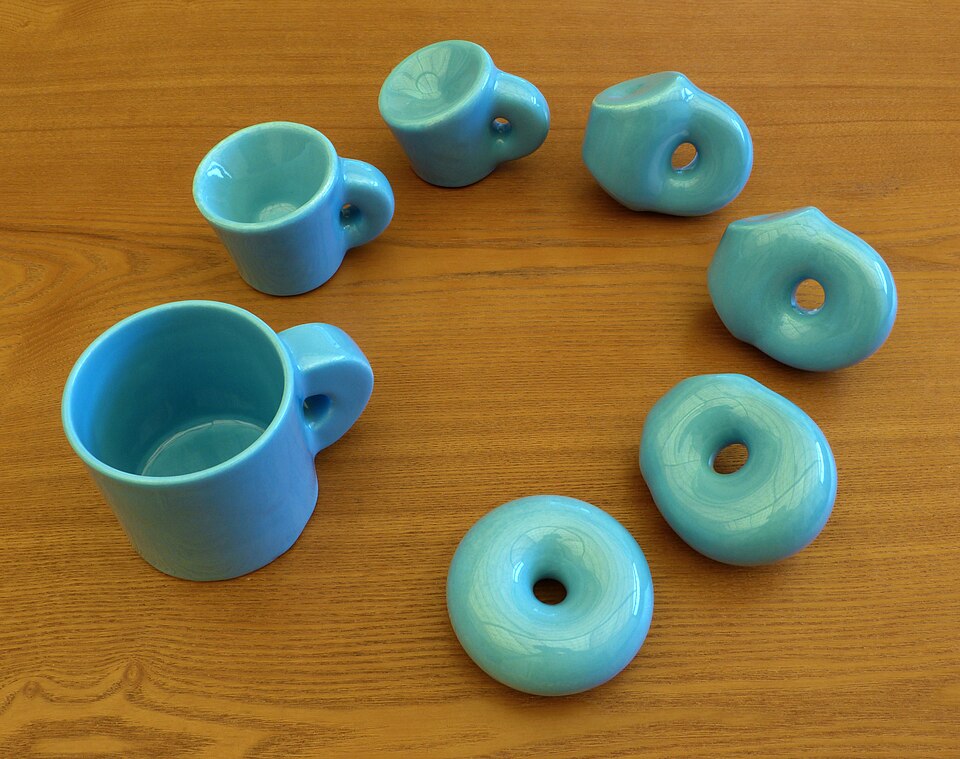
Topologically speaking, a coffee-cup is the same as a donut (Wikipedia)
That’s topology in three dimensions. I came across some unexpected topology in two dimensions when I was looking at transformations of a triangle — the Sierpiński triangle, a fractal named after the Polish mathematician Wacław Sierpiński (1882-1969):
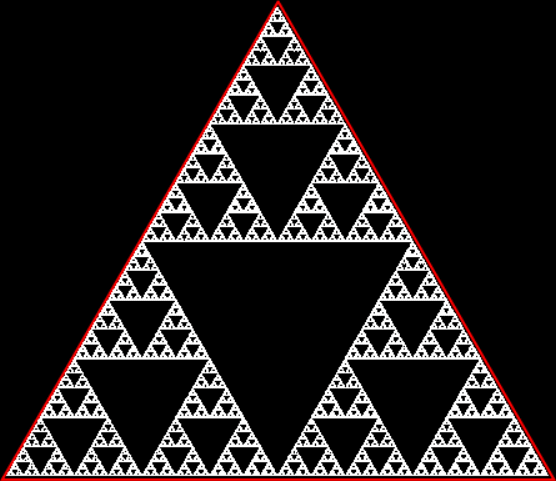
I wondered what happened when you rotate the points inside a Sierpiński triangle while the triangular boundary remains fixed. That is, each point stays at the same position in the width between the center and the boundary as the whole interior flows around the center of the triangle:
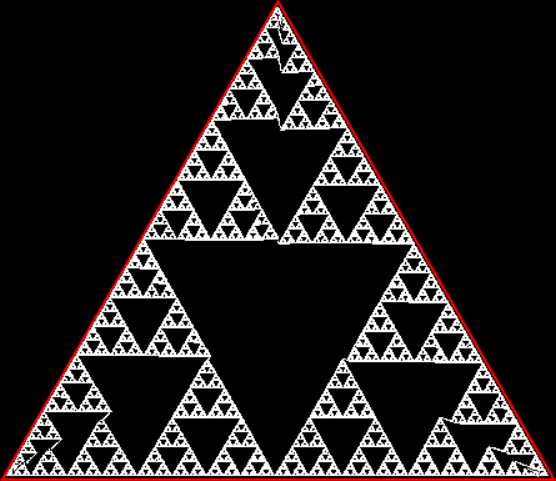
Points inside a Sierpiński triangle rotated by 1°
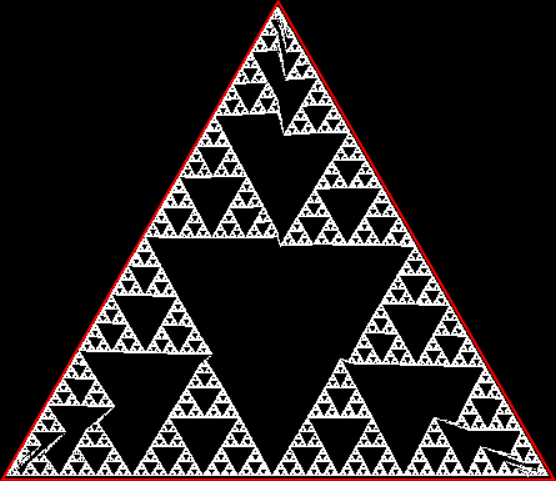
Points inside a Sierpiński triangle rotated by 2°
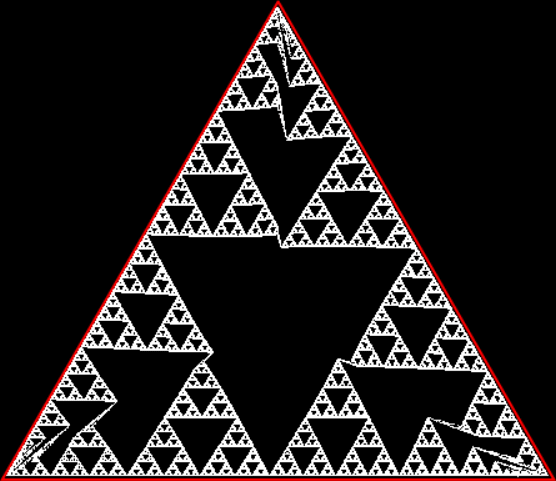
Points inside a Sierpiński triangle rotated by 3°
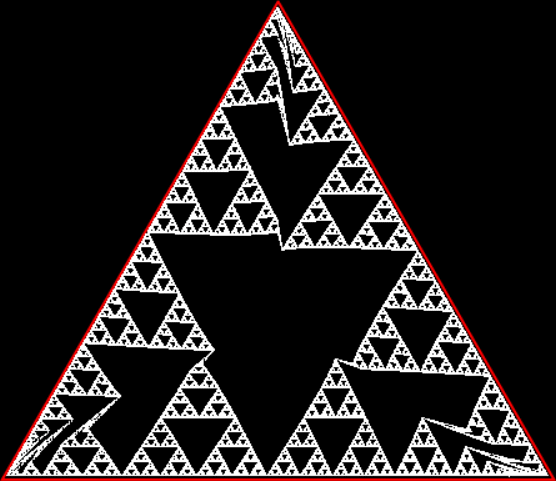
Points rotated by 4°
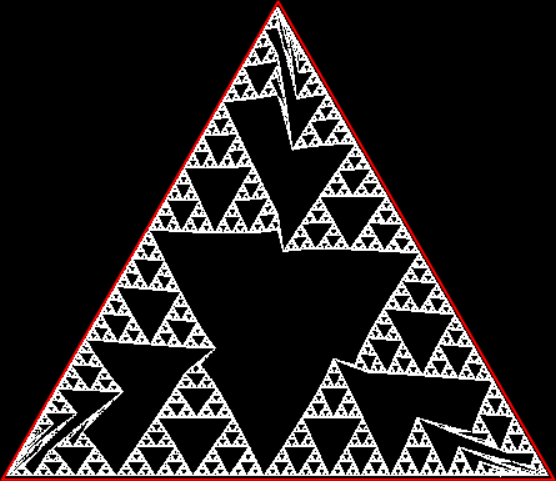
Points rotated by 5°
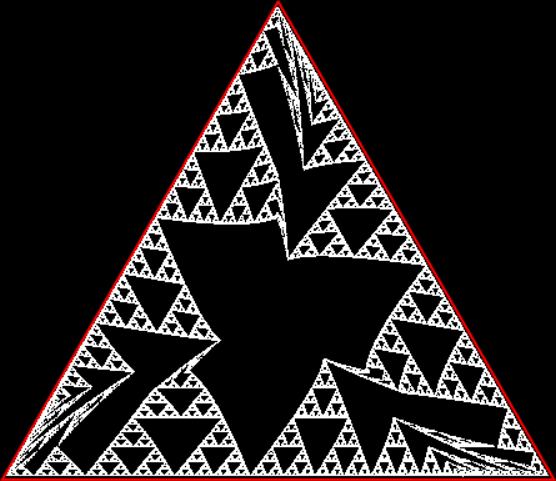
Points rotated by 10°
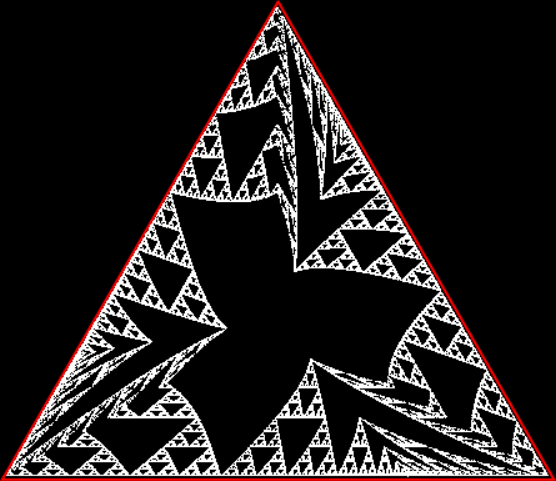
Points rotated by 20°
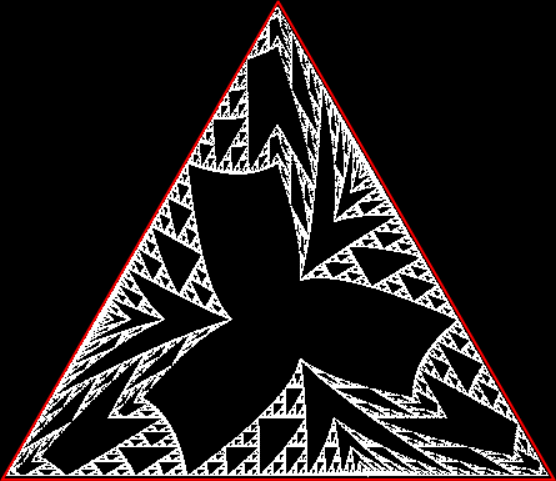
Points rotated by 30°
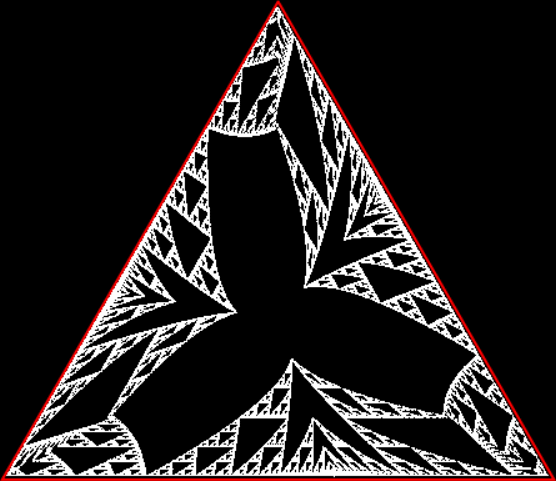
Points rotated by 40°
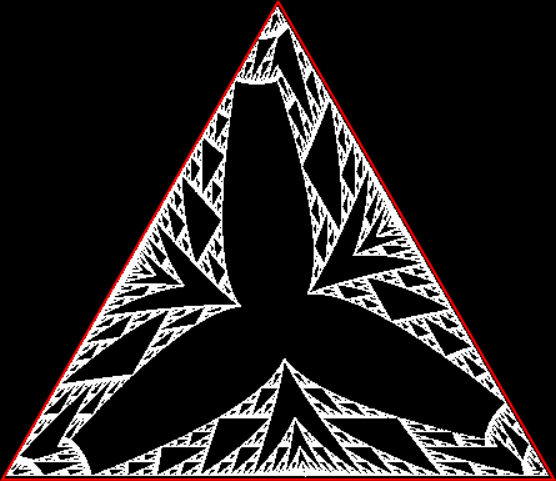
Points rotated by 50°
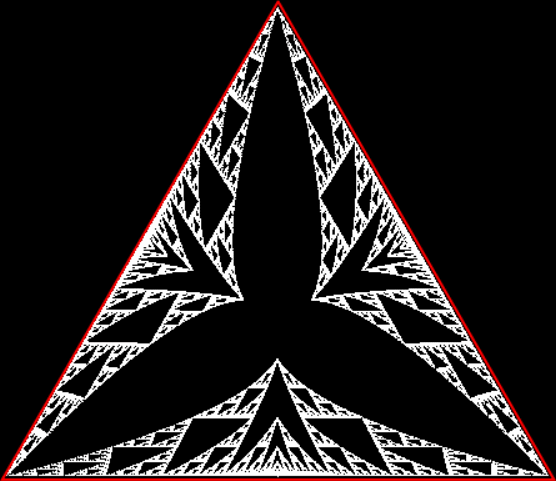
Points rotated by 60°
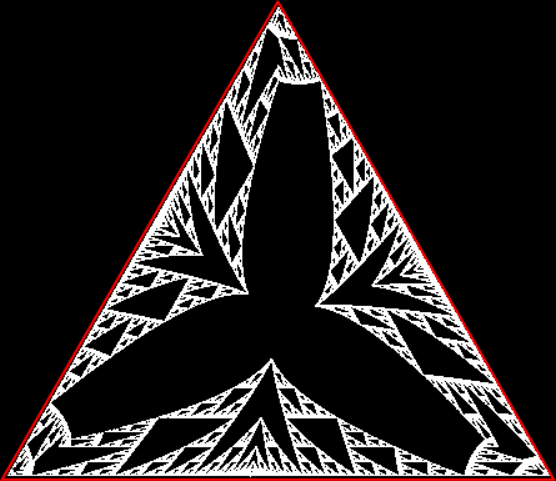
Points rotated by 70°
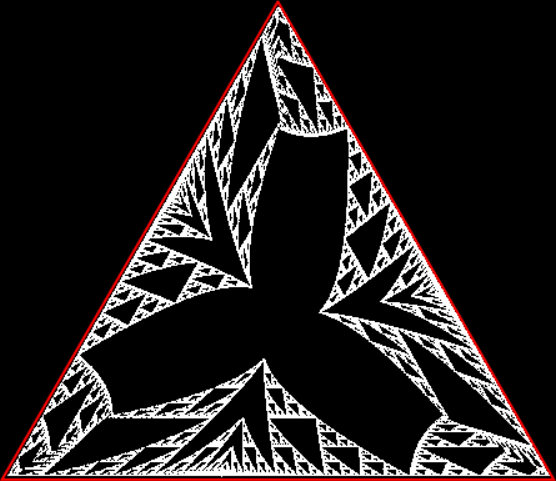
Points rotated by 80°
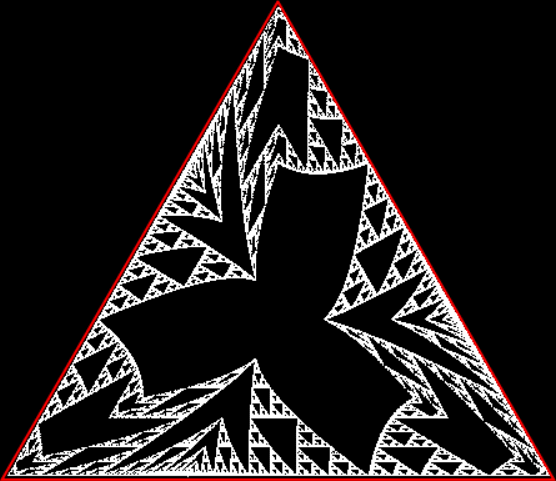
Points rotated by 90°
WARNING! If you’re sensitive to flickering images, please note that there are flickering animated gifs below
Here’s the flowing rotation from 0° to 90° animated in a gif:
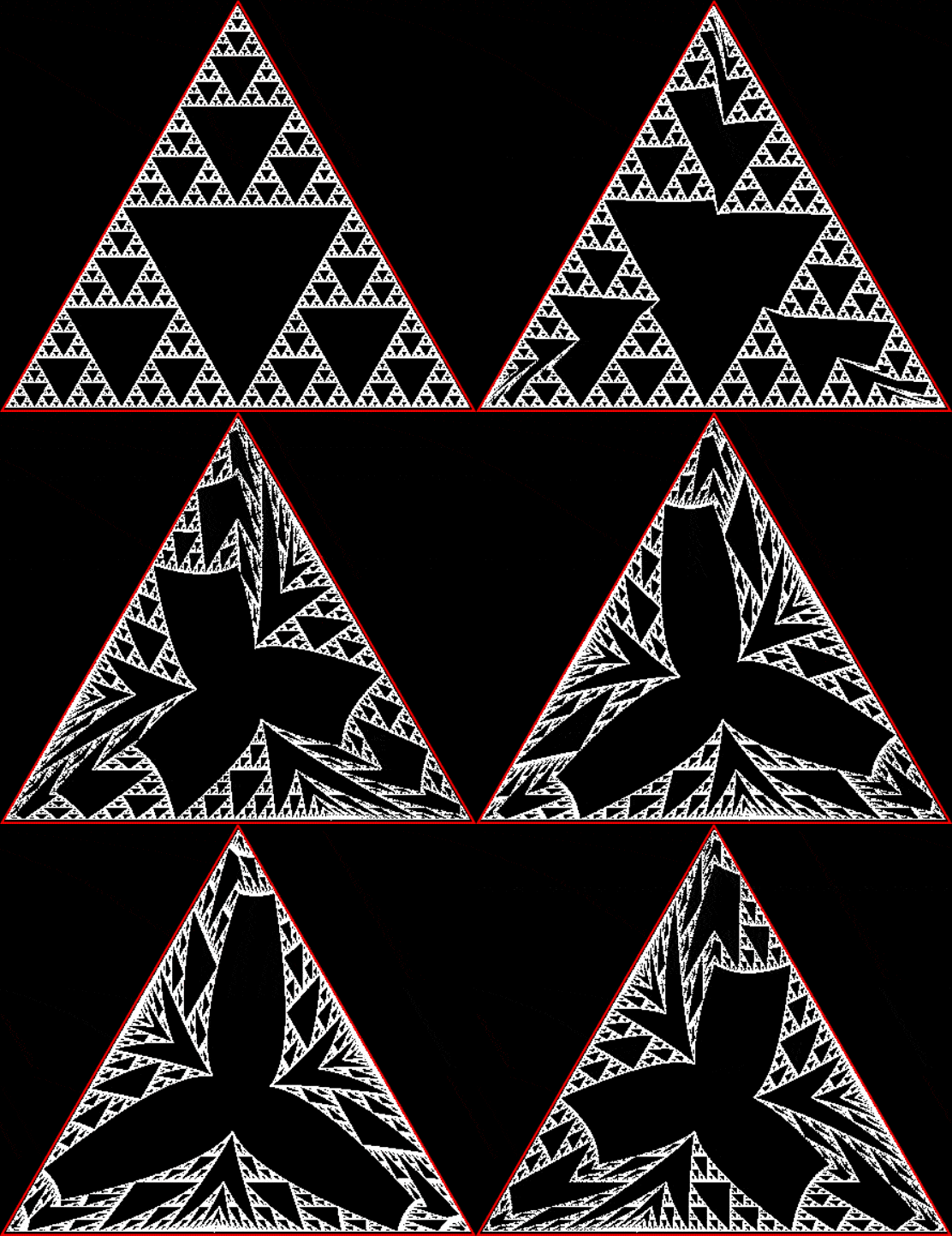
Interior points of Sierpiński triangle flowing 0° → 90° around center (animated at ezGif)
And here’s the whole rotating flow from 0° to 120° (which maps the points back onto themselves):
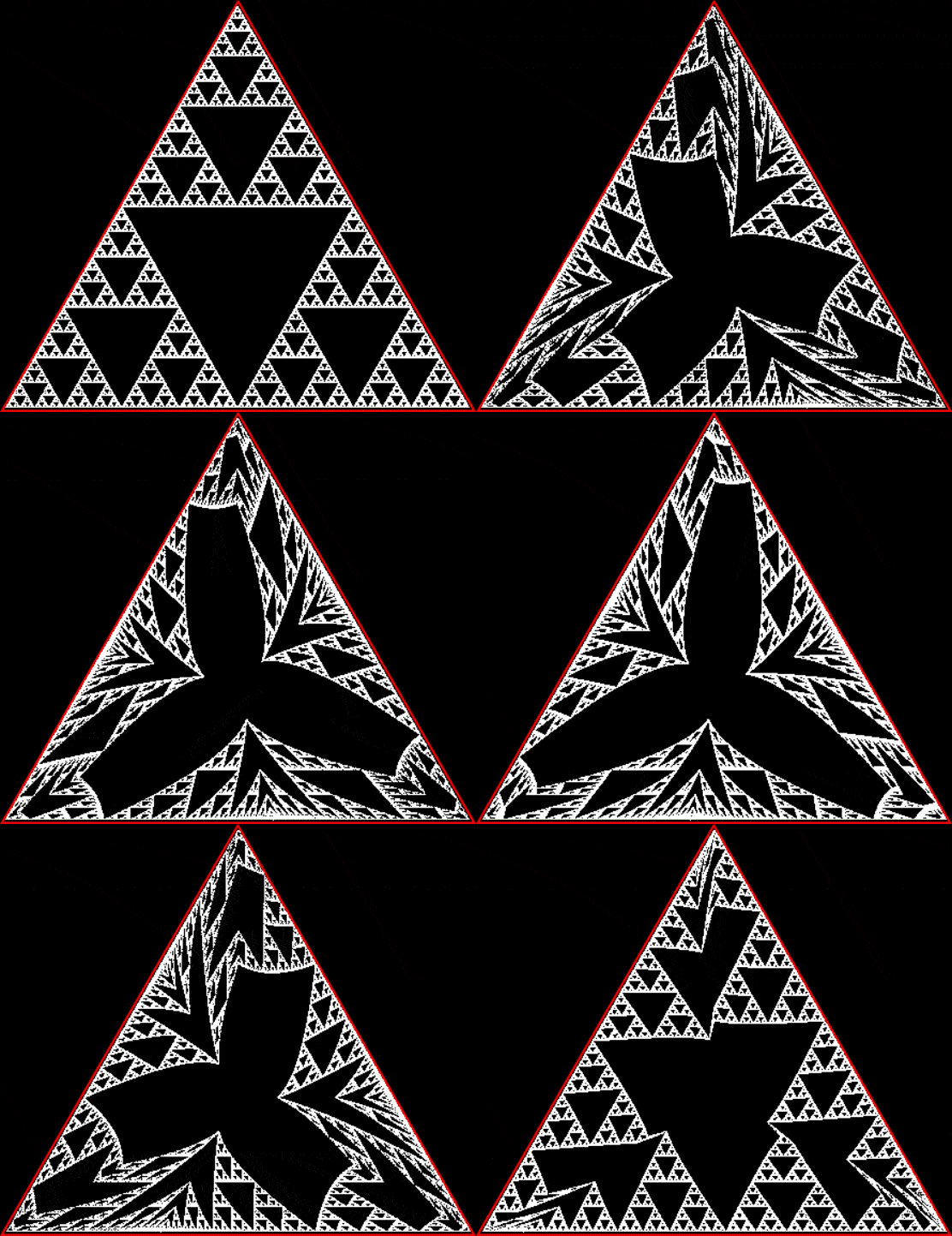
Interior points of Sierpiński triangle flowing continuously around center (slow animation)
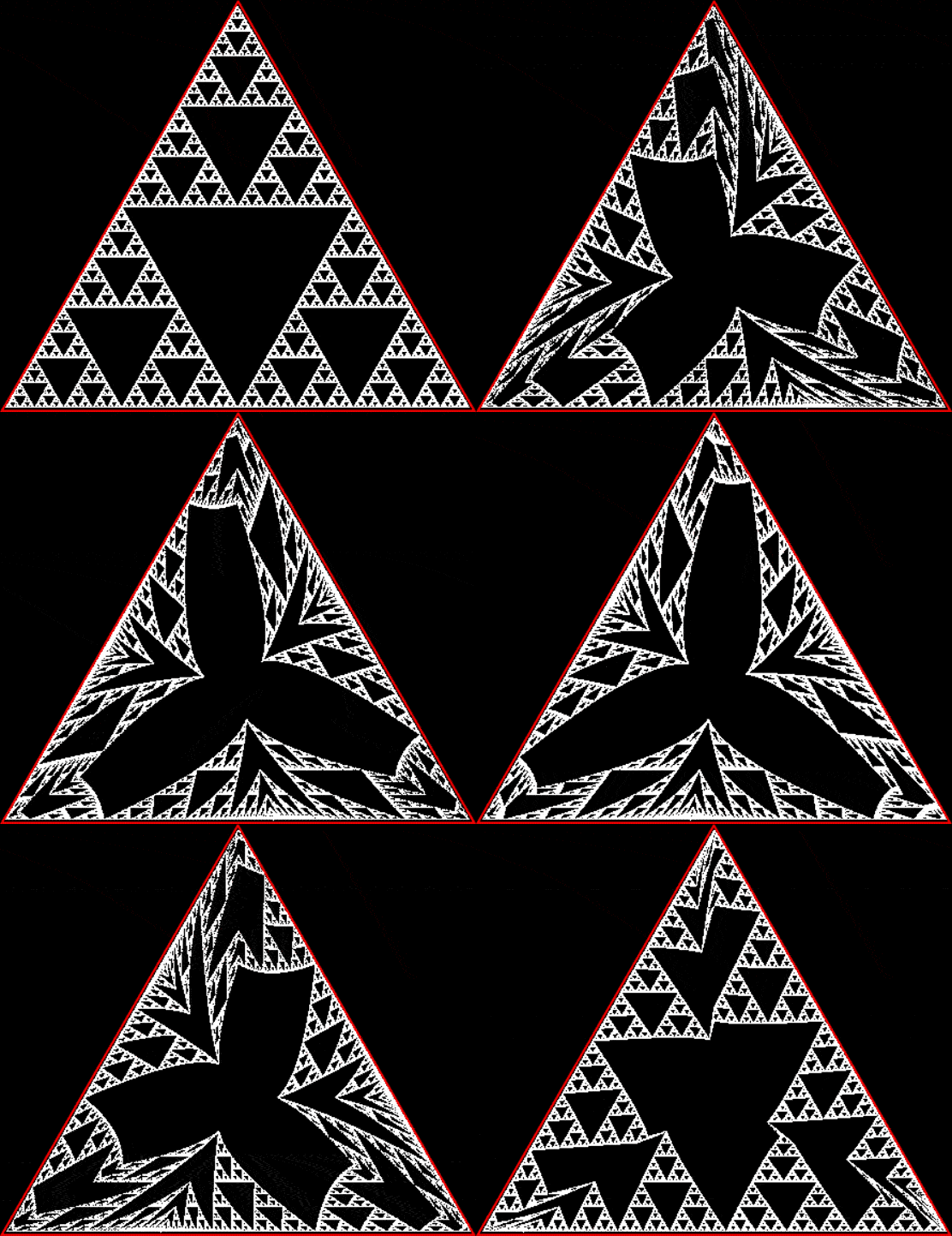
Interior points flowing continuously around the center (faster animation)
As you can see, the appearance of the Sierpiński triangle changes notably as the points rotate: the rotations aren’t rotationally symmetrical (in the standard sense). Sometimes a rotation looks like a stumpy triskelion, a three-legged shape like the flag of the Isle of Man:
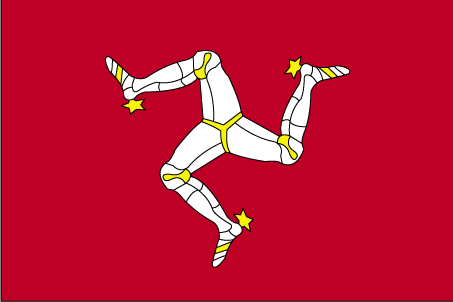
Triskelion on the Manx flag (Wikipedia)
Interior points of a Sierpiński triangle rotated by 30°
But topologically speaking, each rotated triangle is the same (just as, topologically speaking, a coffee-cup is the same as a donut). You can see how they’re topologically the same by imagining that the triangle is stretched into a circle, like this:
Sierpiński triangle
↓
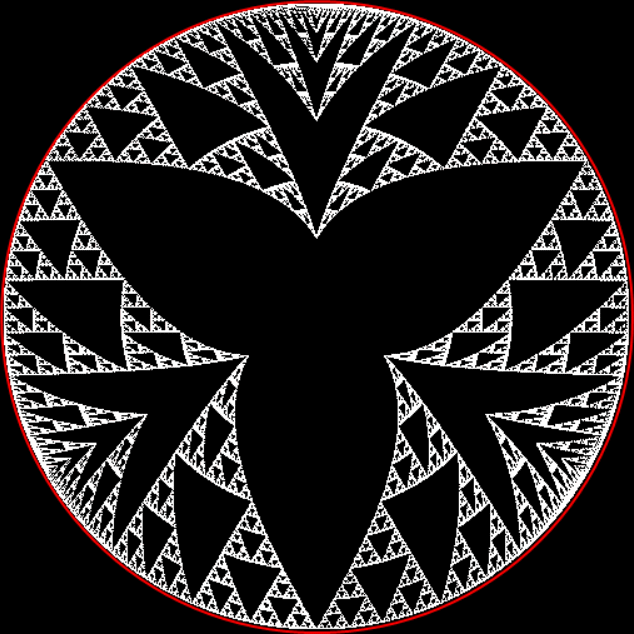
Sierpiński triangle stretched into circle
When you circularize the rotated triangles, all the circularized triangles are rotationally symmetrical:
Points rotated by 30°
↓
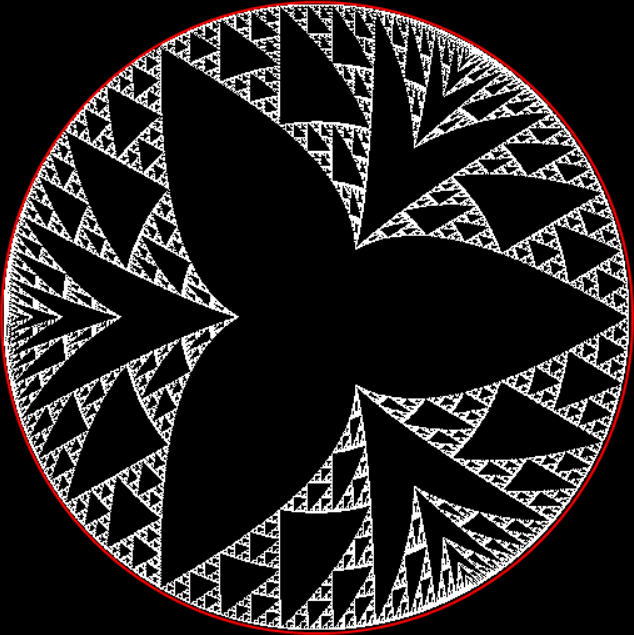
Circle from triangle rotated by 30°
Points rotated by 60°
↓
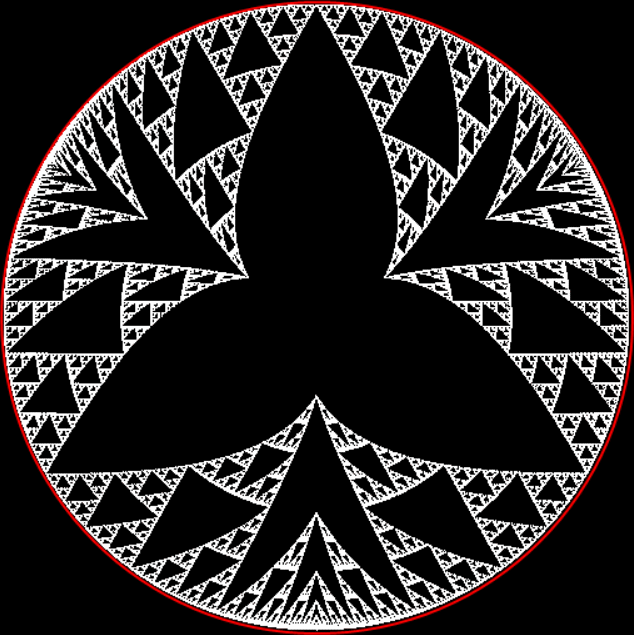
Circle from triangle rotated by 60°
Points rotated by 90°
↓
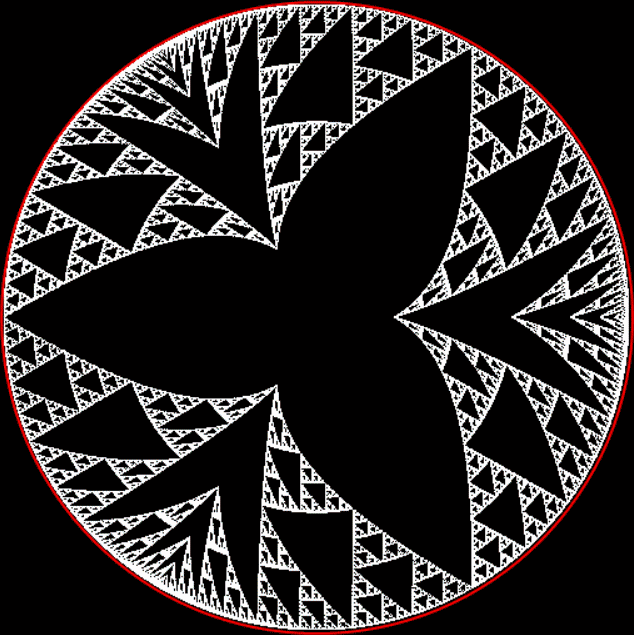
Circle from triangle rotated by 90°
Here are two animated gifs of the circularized triangles rotating:
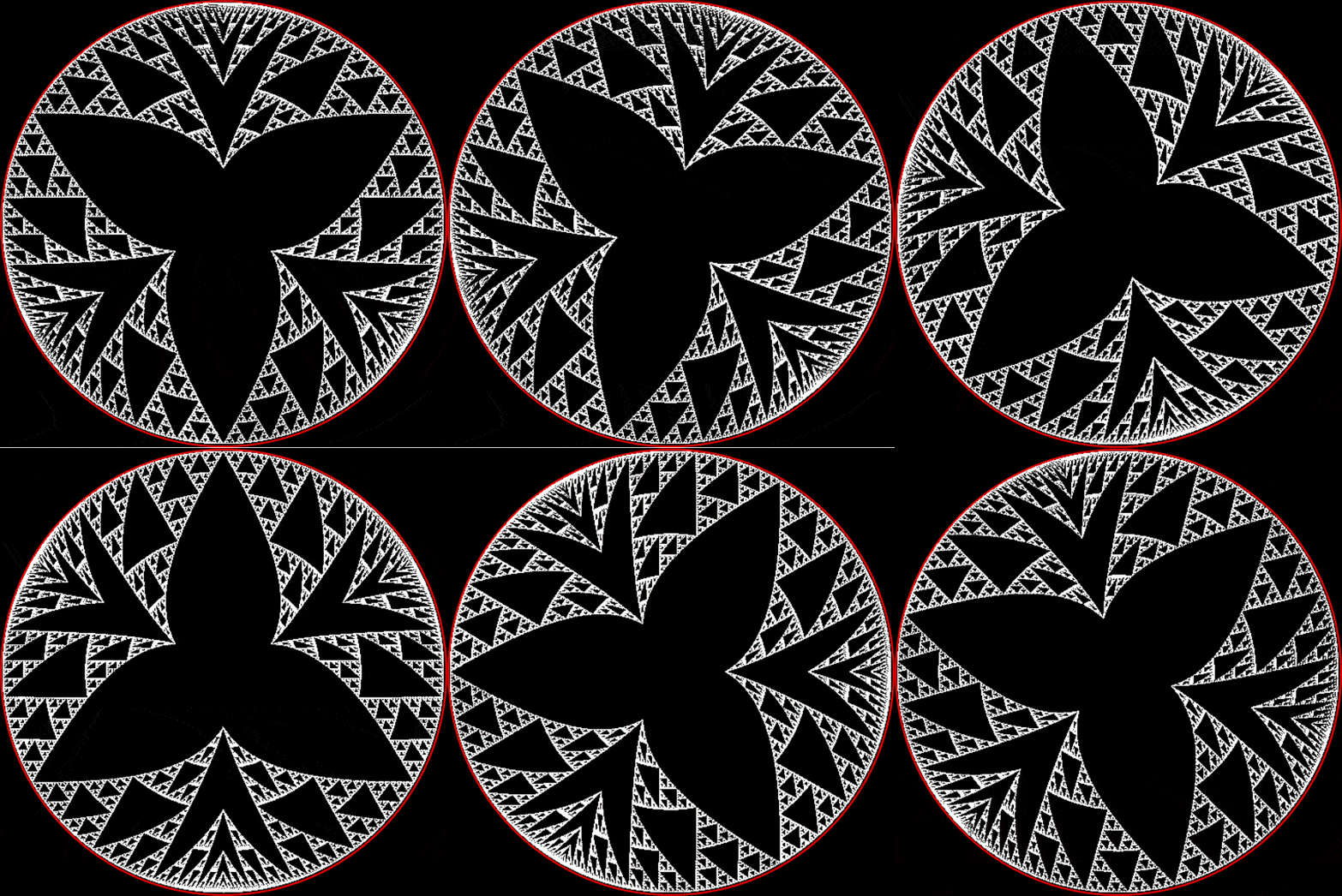
Circularized Sierpiński triangle flowing around center (slow animation at ezGif)
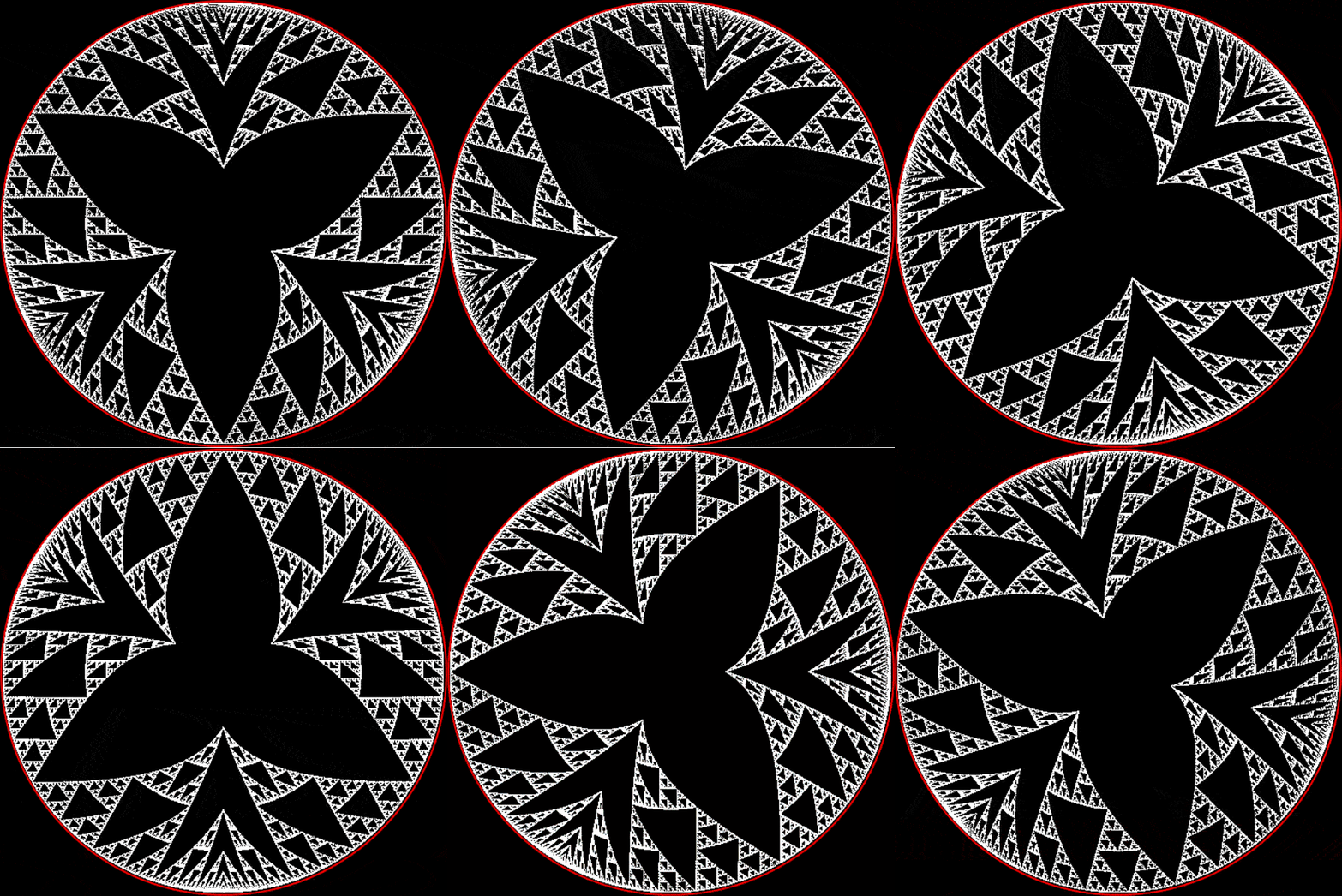
Circularized Sierpiński triangle flowing around center (faster animation)
Here’s what I call the centered Sierpiński triangle turned into a circle:
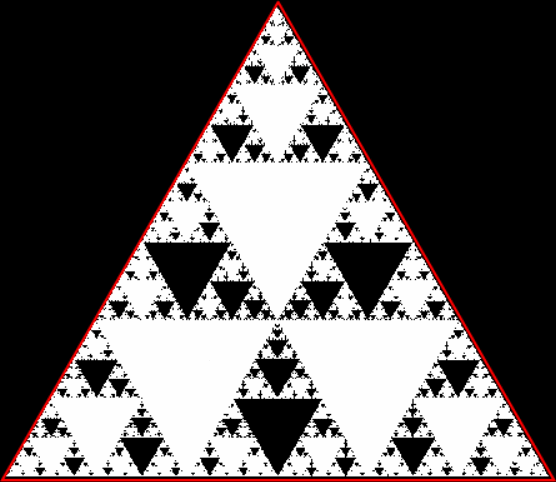
Centered Sierpiński triangle
↓
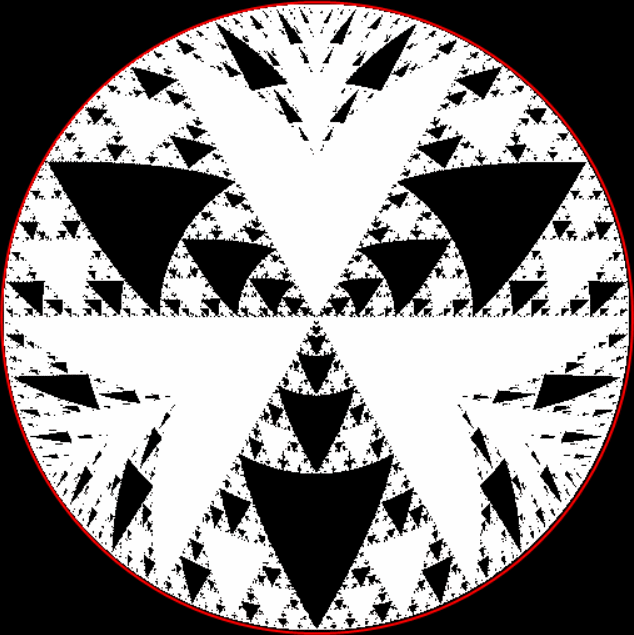
Circle from centered Sierpiński triangle
And finally, the circularized centered Sierpiński triangle flowly rotating at two speeds:
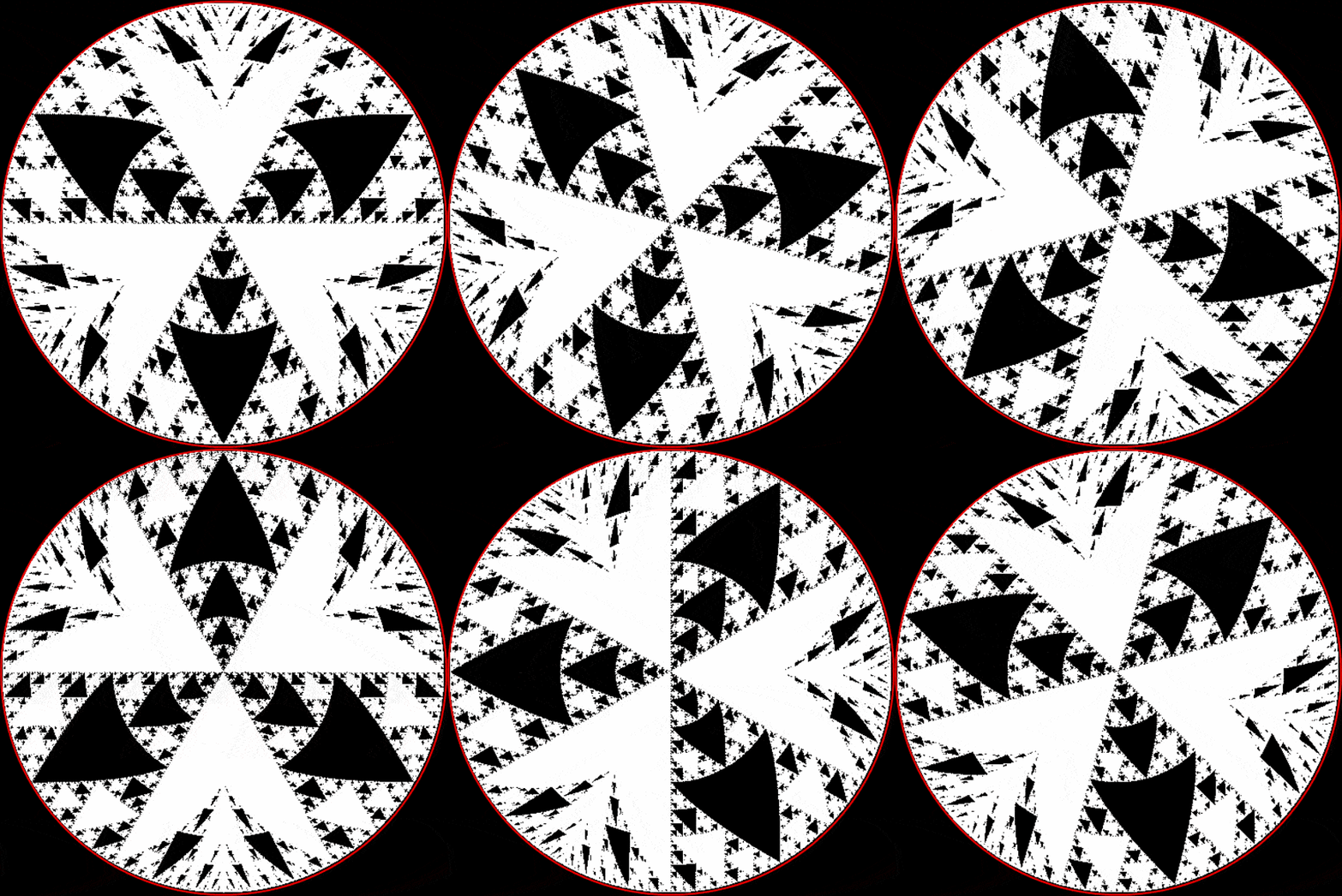
Circularized centered Sierpiński triangle flowing around center (slow animation at ezGif)
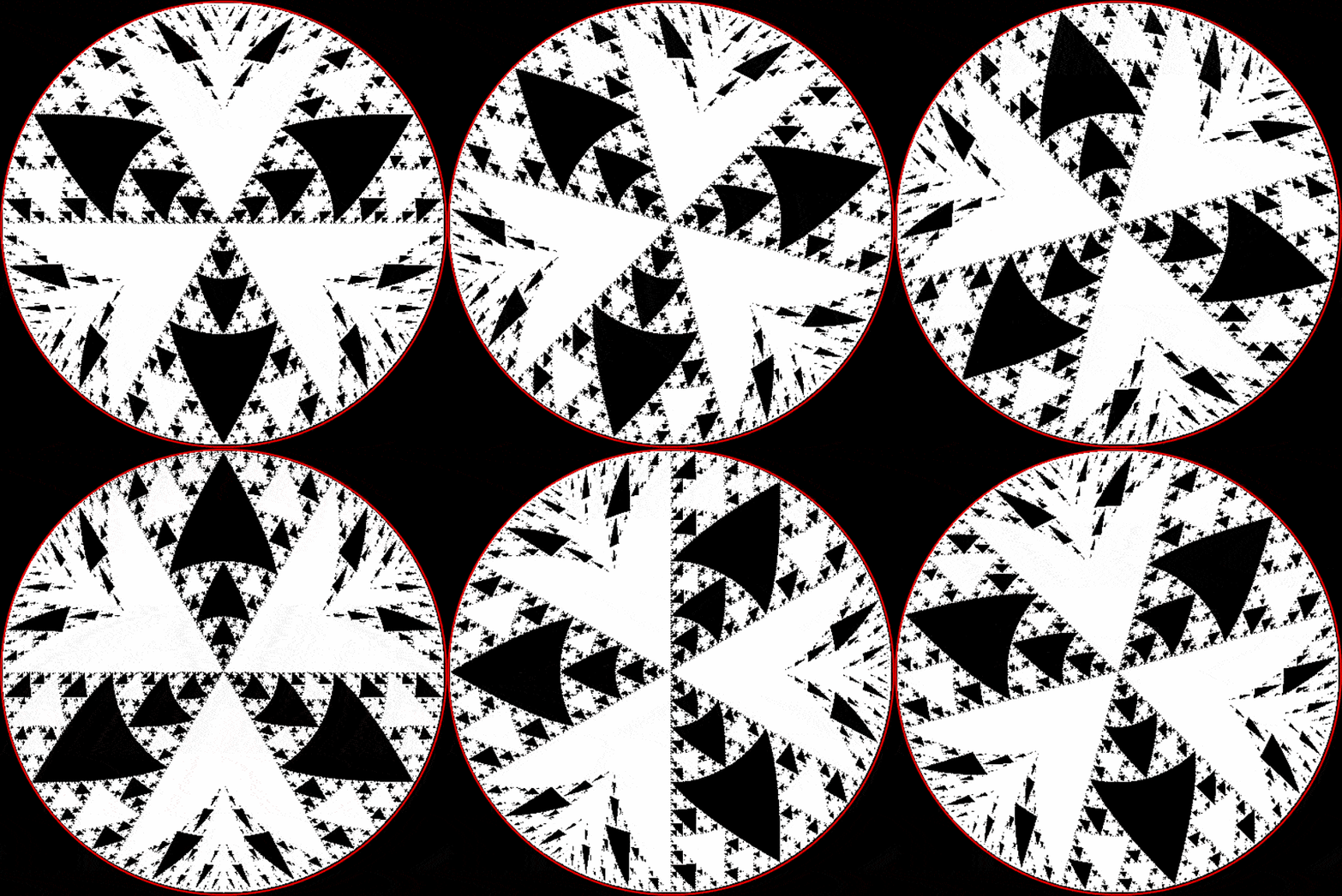
Circularized centered Sierpiński triangle flowing around center (faster animation)