
It’s an interesting little exercise in elementary trigonometry to turn the Sierpiński triangle…
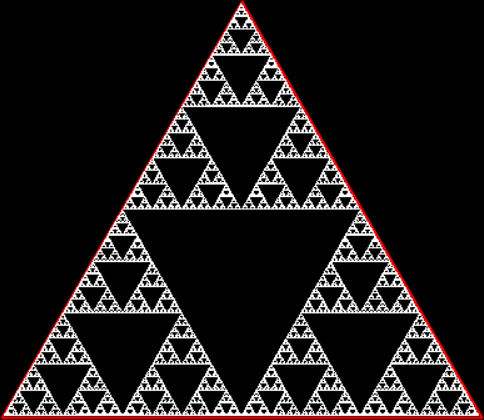
A Sierpiński triangle
…into its circular equivalent:
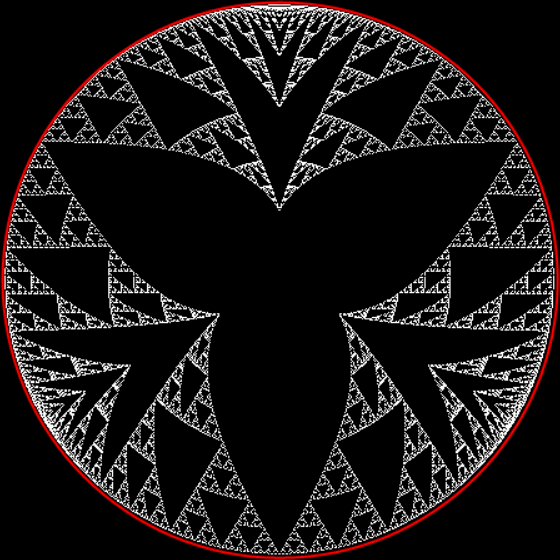
A Sierpiński trisc
You could call that a trisc, because it’s a triangle turned into a disc. And here’s triangle-and-trisc in one image:
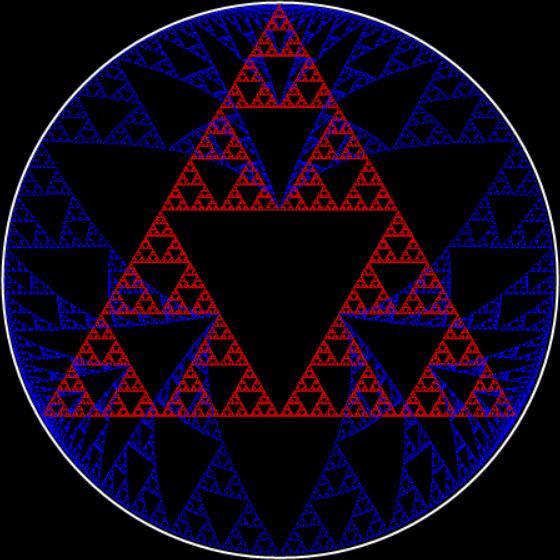
Sierpiński triangle + Sierpiński trisc
But what’s the square equivalent of a Sierpiński triangle? This is:
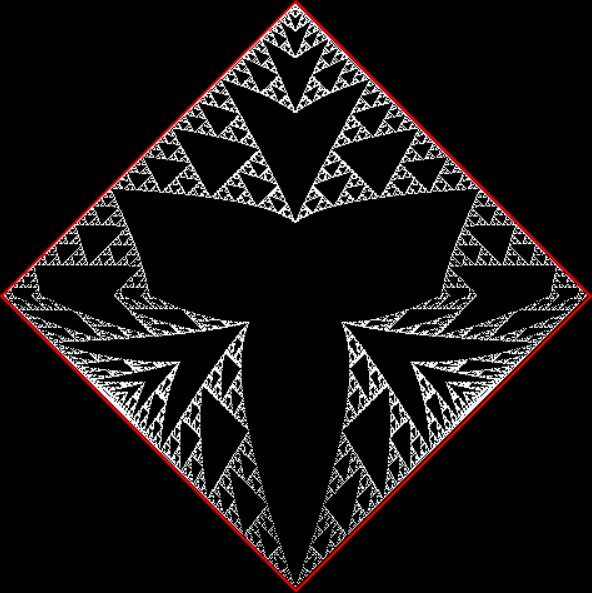
Square from Sierpiński triangle
You can do that directly, as it were:
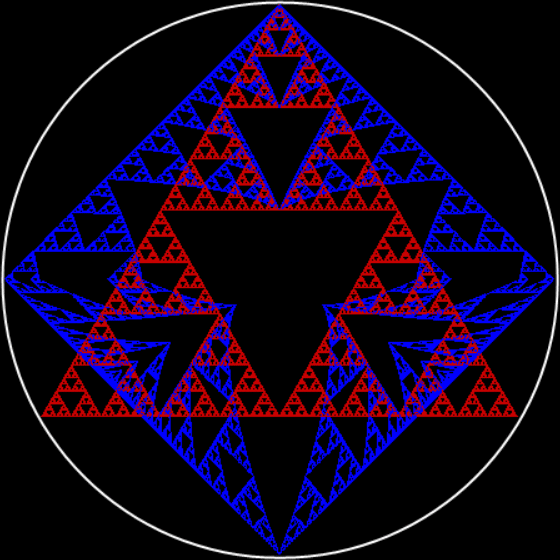
Sierpiński triangle → square
Or you can convert the triangle into a disc, then the disc into a square, like this:
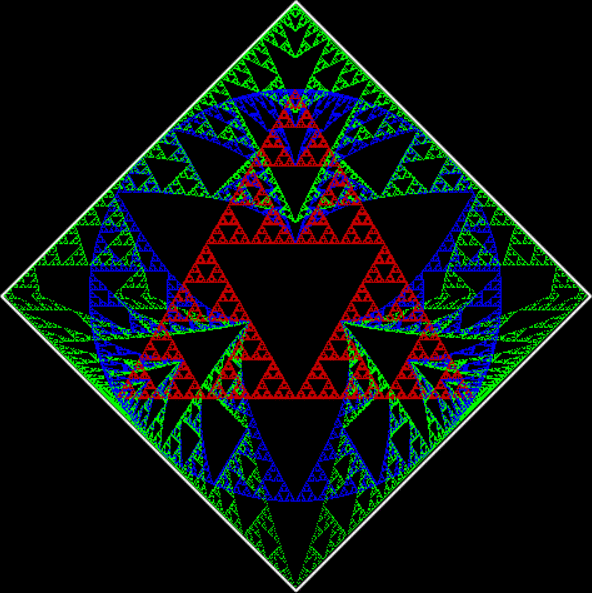
Sierpiński triangle → trisc → square
Now try converting the triangle into a pentagon:
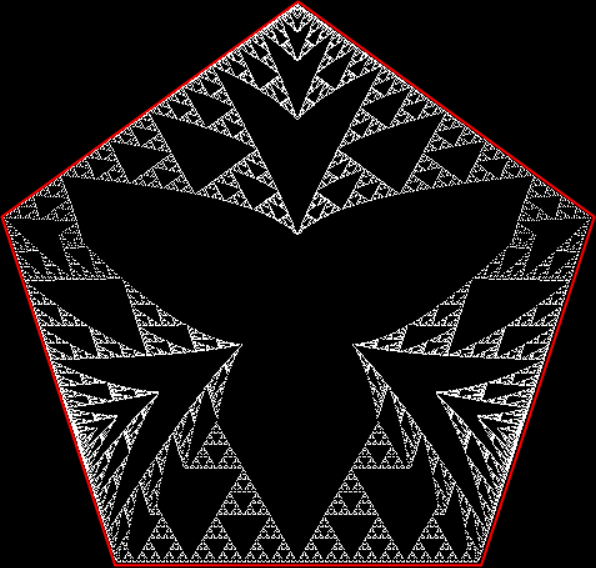
Pentagon from Sierpiński triangle
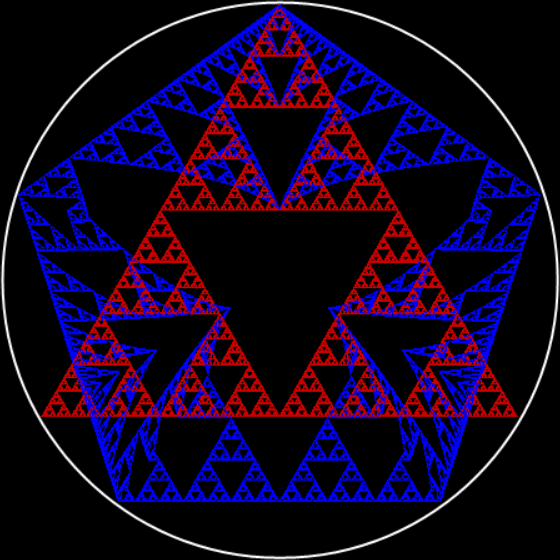
Sierpiński triangle → pentagon
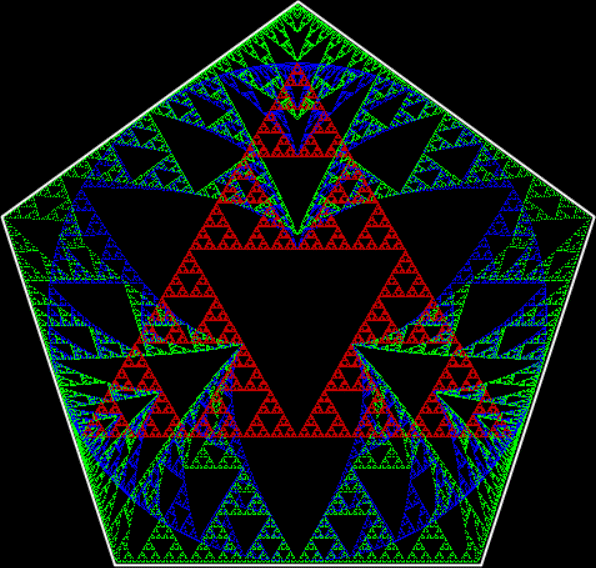
Sierpiński triangle → trisc → pentagon
And a hexagon:
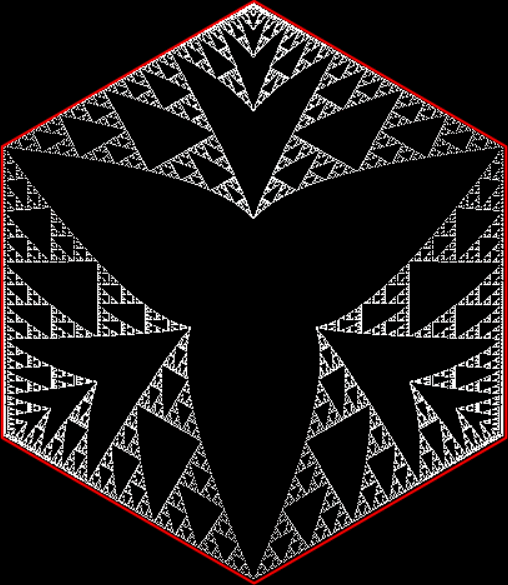
Hexagon from Sierpiński triangle
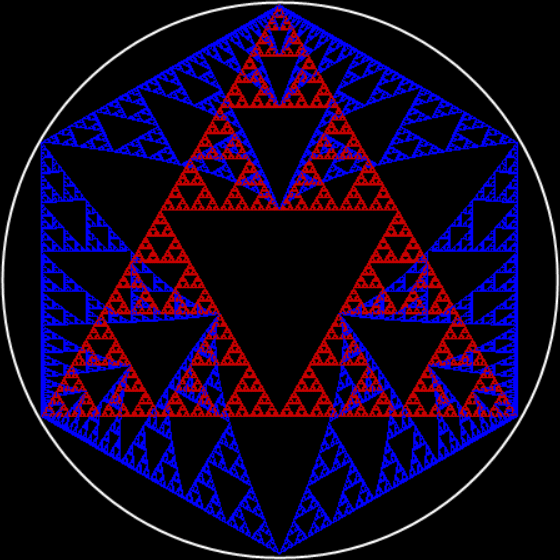
Sierpiński triangle → hexagon
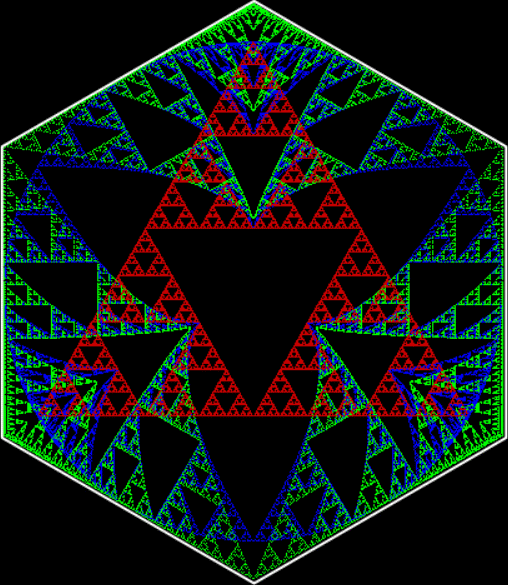
Sierpiński triangle → trisc → hexagon
But you can also convert the Sierpiński trisc back into a Sierpiński triangle, then into a Sierpiński trisc again:
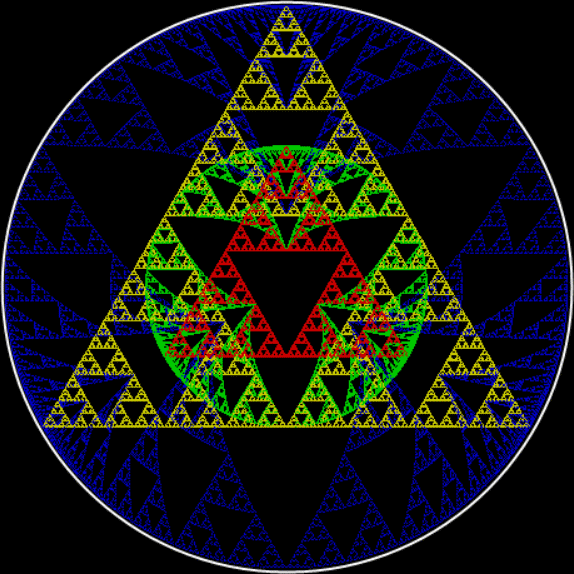
Sierpiński triangle → trisc → triangle → trisc

Sierpiński triangle → trisc → triangle → trisc (animated at Ezgif)
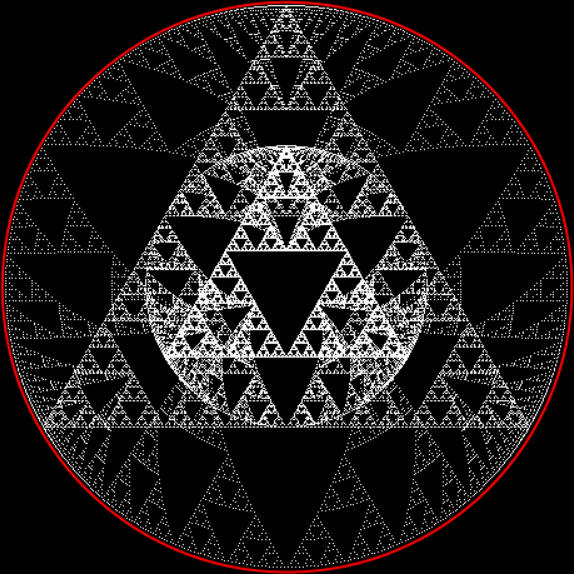
Sierpiński triangle → trisc → triangle → trisc (b&w)

Sierpiński triangle → trisc → triangle → trisc (b&w) (animated at Ezgif)
After triangles come squares. Here’s a shape called a T-square fractal:
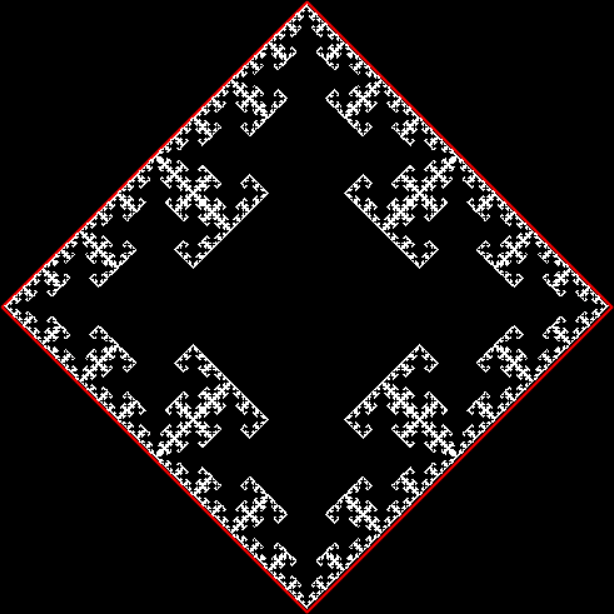
And here’s the circular equivalent of a T-square fractal:
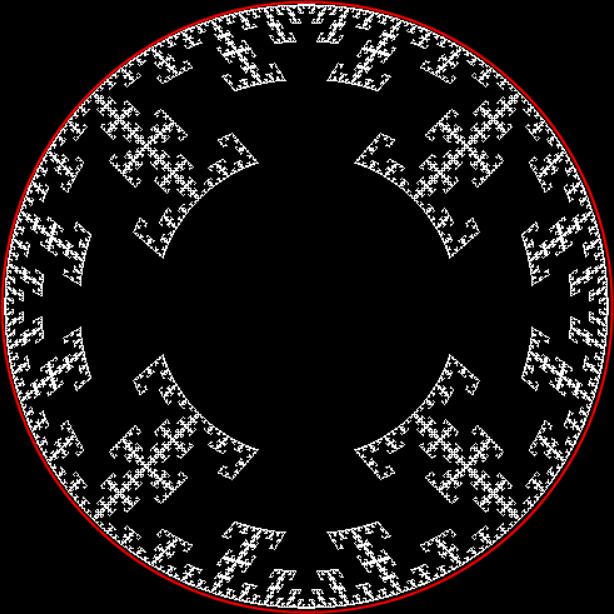
T-square fractal → T-squisc
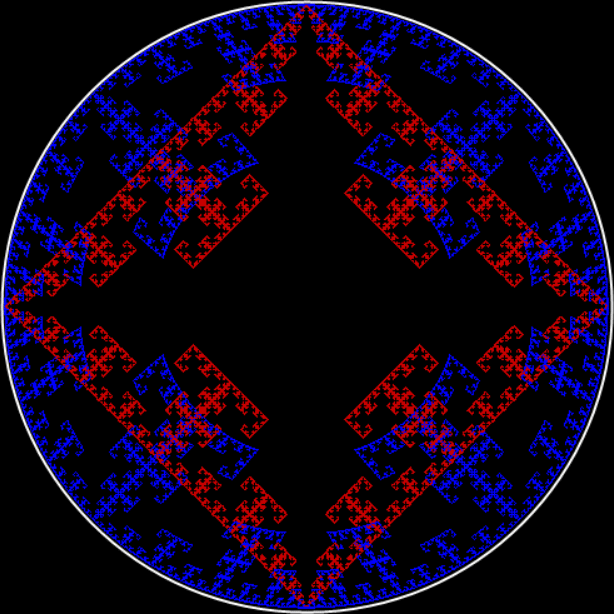
T-square fractal + T-squisc
If a disc from a triangle is a trisc, then a disc from a square is a squisc (it would be pentisc, hexisc, heptisc for pentagonal, hexagonal and heptagonal fractals). Here’s the octagonal equivalent of a T-square fractal:
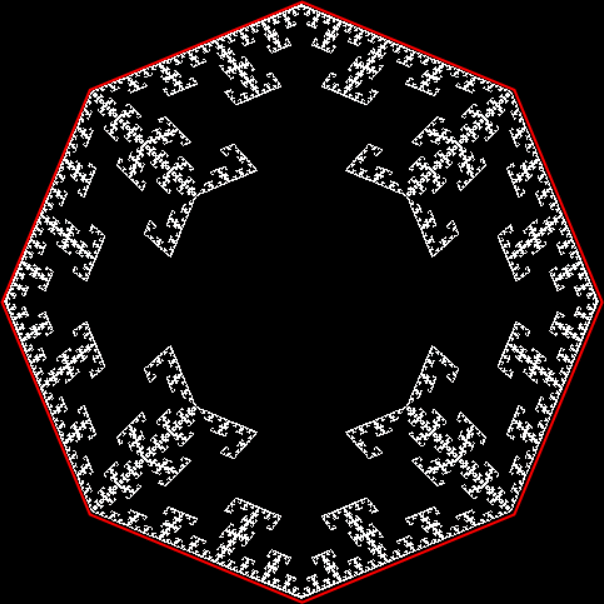
Octagon from T-square fractal
As with the Sierpiński trisc, you can use the T-squisc to create the T-octagon:
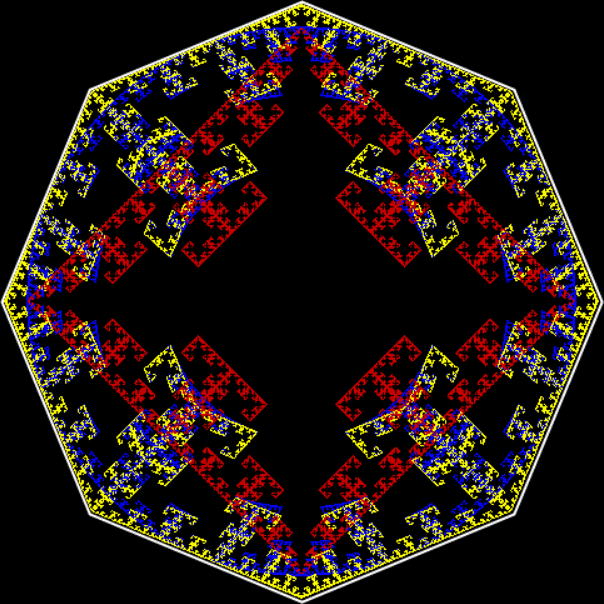
T-square fractal → T-squisc → T-octagon (color)
Or you can convert the T-square directly into the T-octagon:
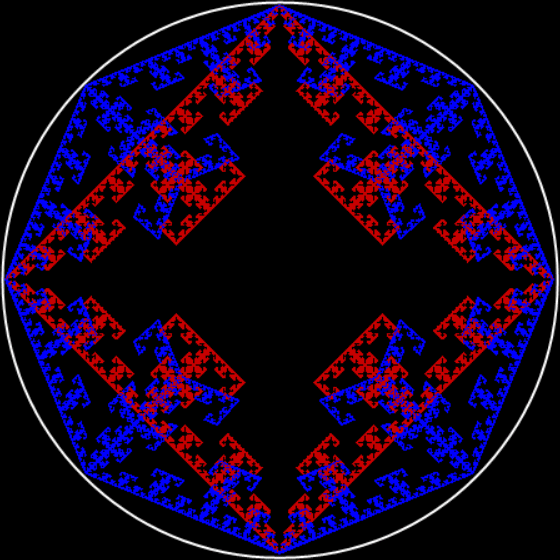
T-square fractal to T-octagon fractal
But using the squisc makes for interesting multiple images:
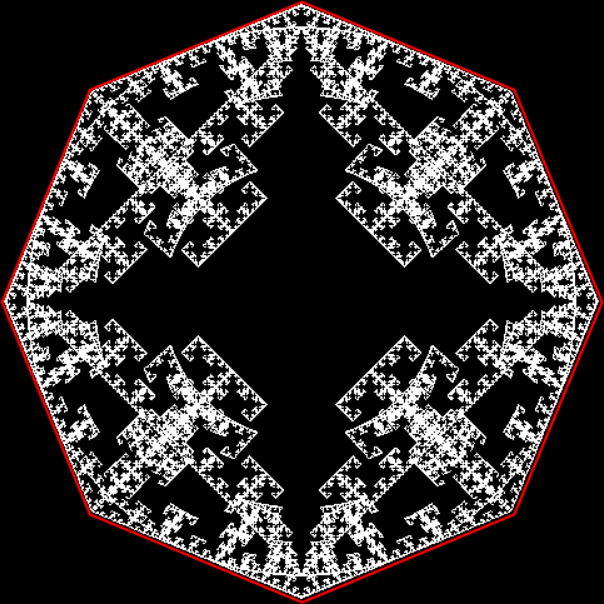
T-square fractal → T-squisc → T-octagon (b&w)
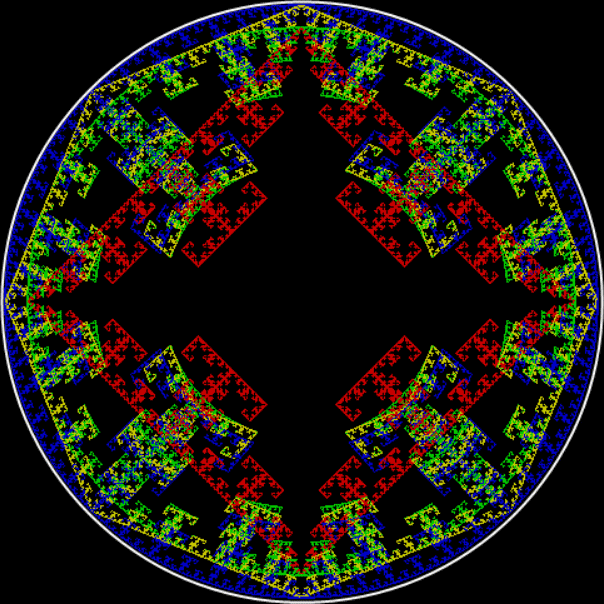
T-square fractal → T-squisc → T-octagon → T-squisc

T-square fractal → T-squisc → T-octagon → T-squisc (animated at Ezgif)
The conversions from polygon to polygon look best when the number of sides in the higher polygon are a multiple of the number of sides in the lower, like this:
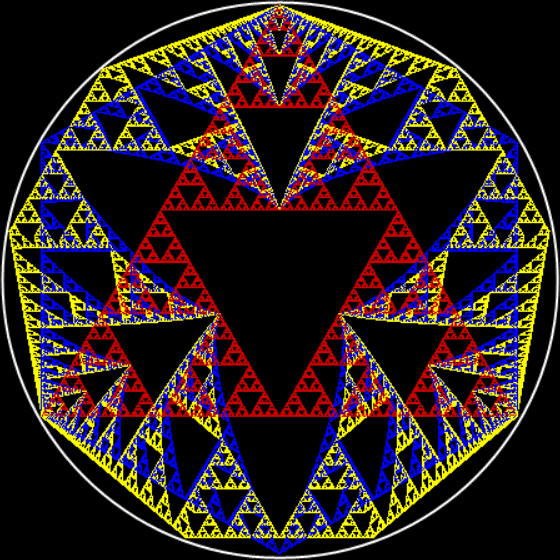
Sierpiński triangle → Sierpiński hexagon → Sierpiński nonagon
 Overlord In Terms of Core Issues Around Maximal Engagement with Key Notions of the Über-Feral