
In “Polykoch!”, I looked at variants on the famous Koch snowflake, which is created by erecting new triangles on the sides of an equilaternal triangle, like this:
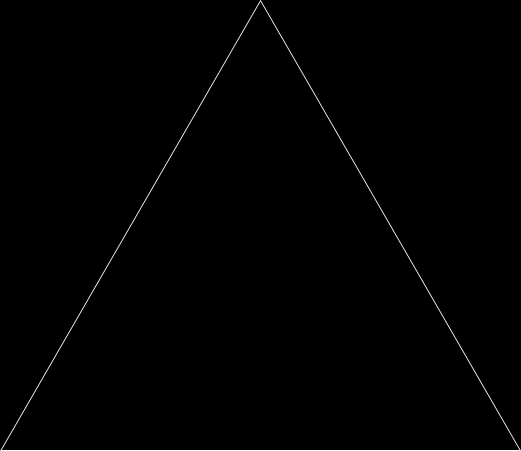
Koch snowflake #1
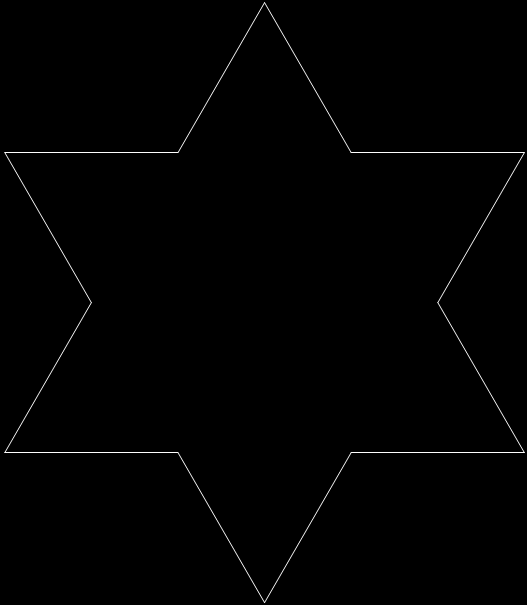
Koch snowflake #2
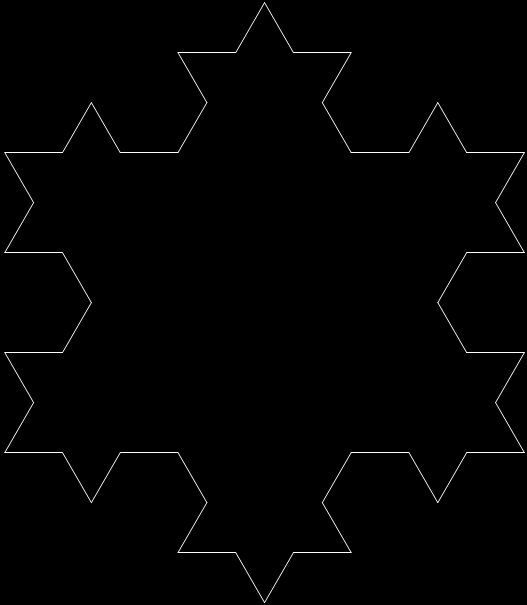
Koch snowflake #3
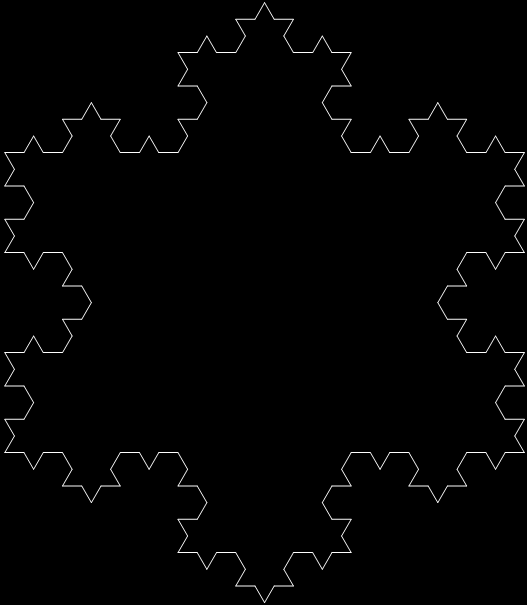
Koch snowflake #4

Koch snowflake #5

Koch snowflake #6
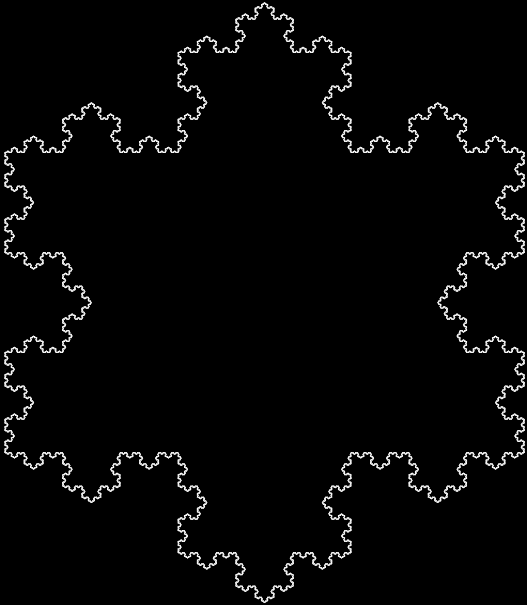
Koch snowflake #7
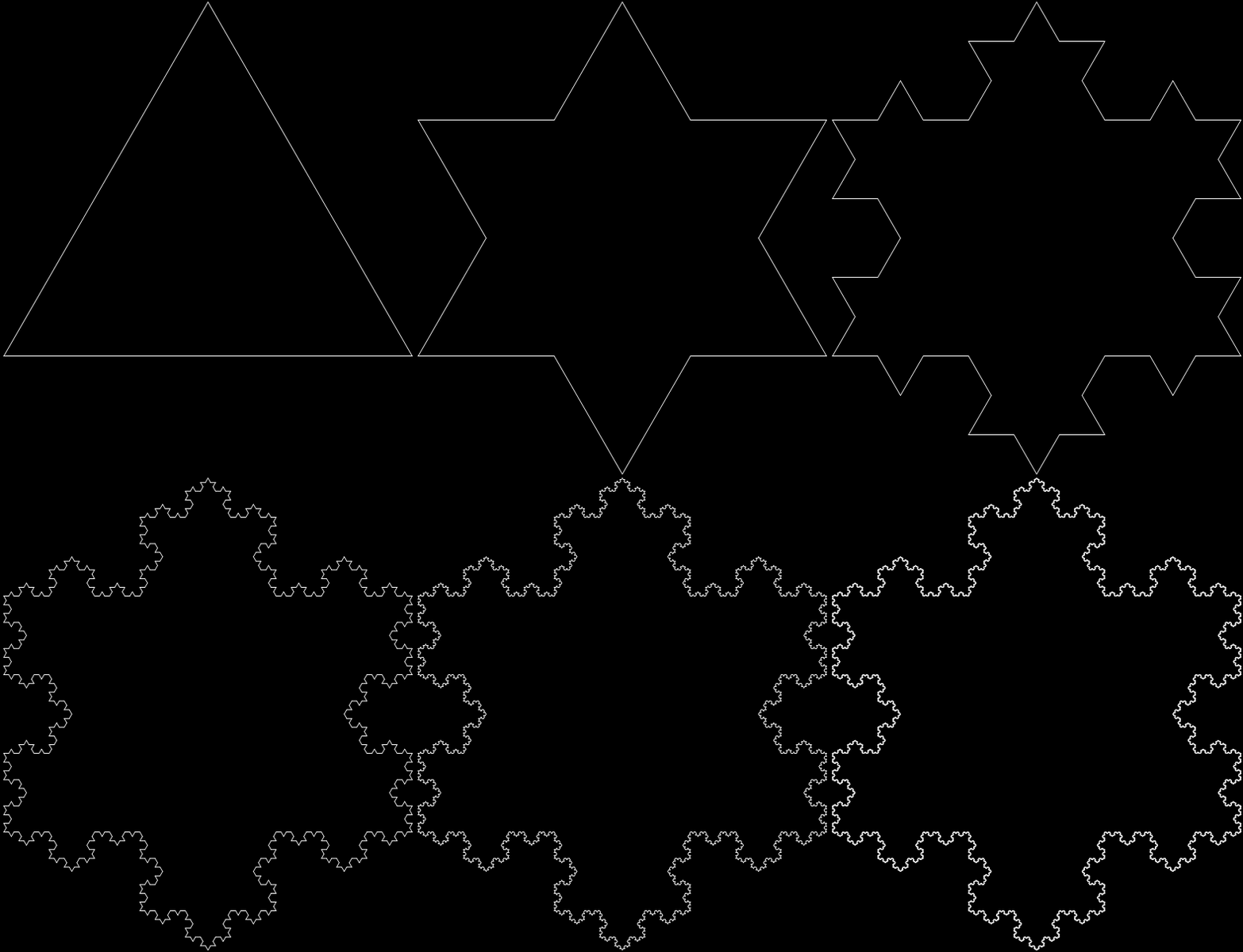
Koch snowflake (animated)
One variant is simple: the new triangles move inward rather than outward:

Inverted Koch snowflake #1
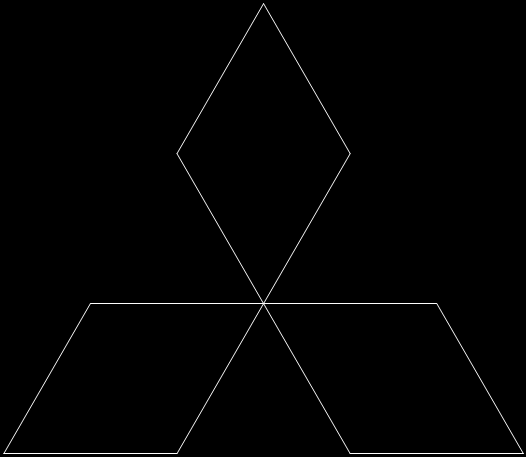
Inverted Koch snowflake #2
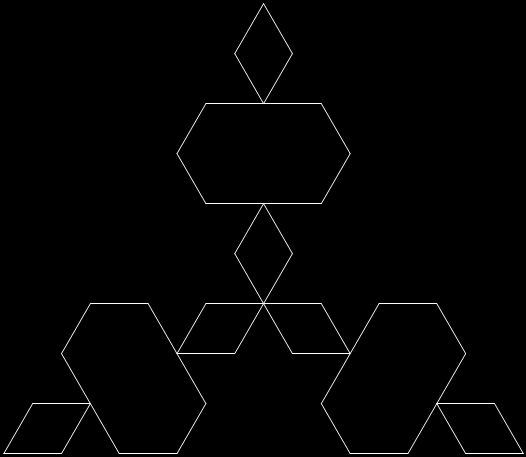
Inverted Koch snowflake #3
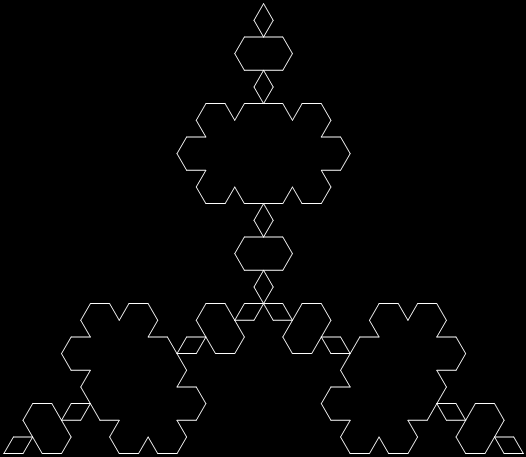
Inverted Koch snowflake #4

Inverted Koch snowflake #5
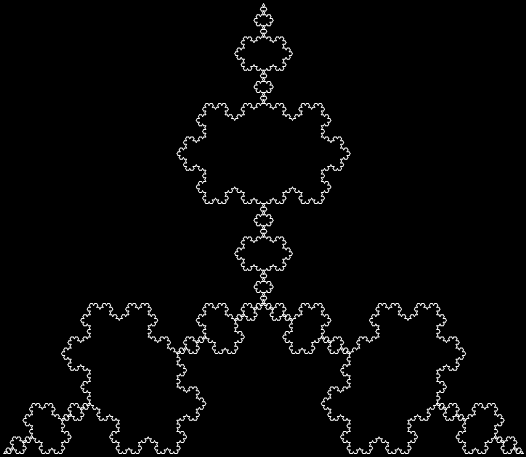
Inverted Koch snowflake #6

Inverted Koch snowflake #7
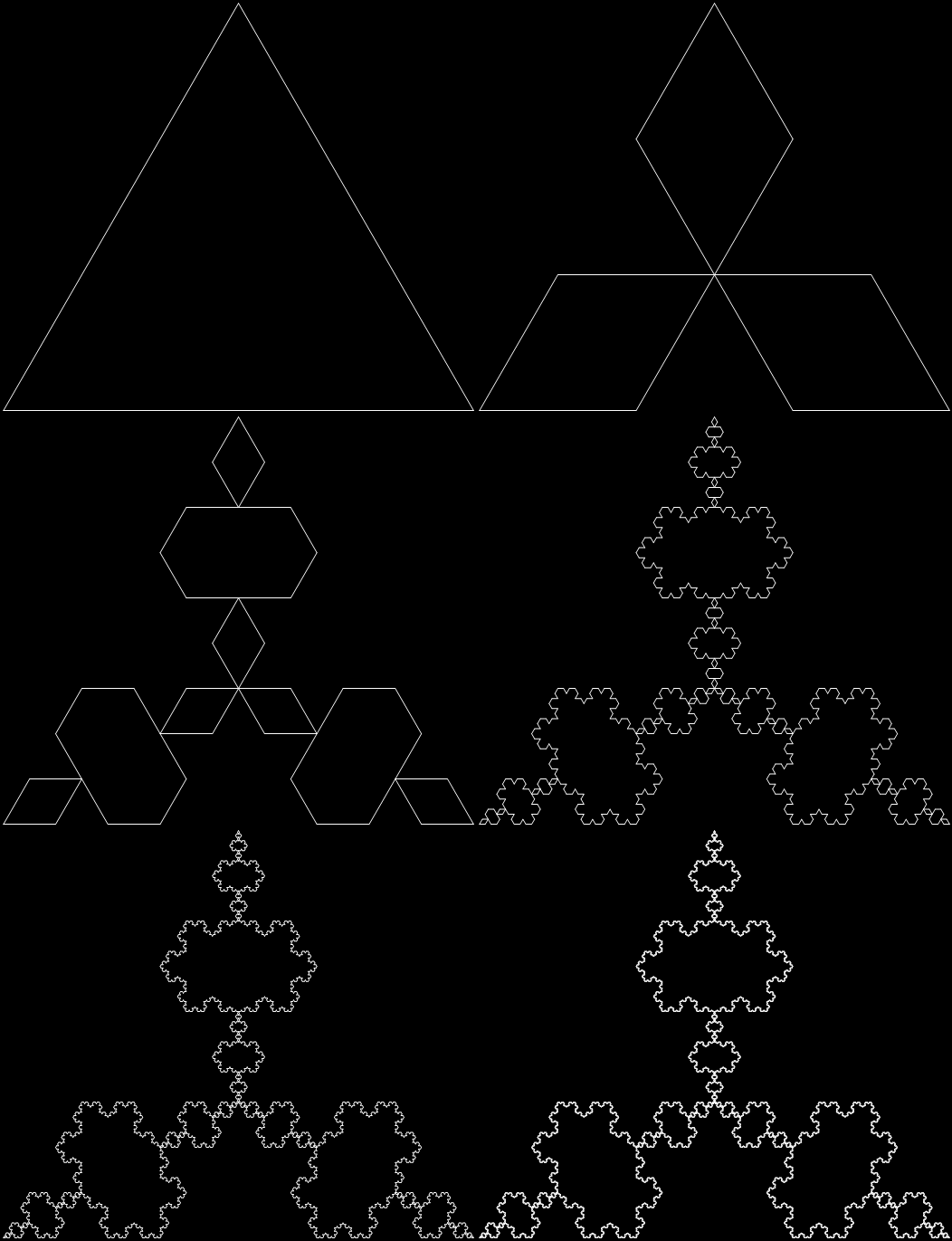
Inverted Koch snowflake (animated)
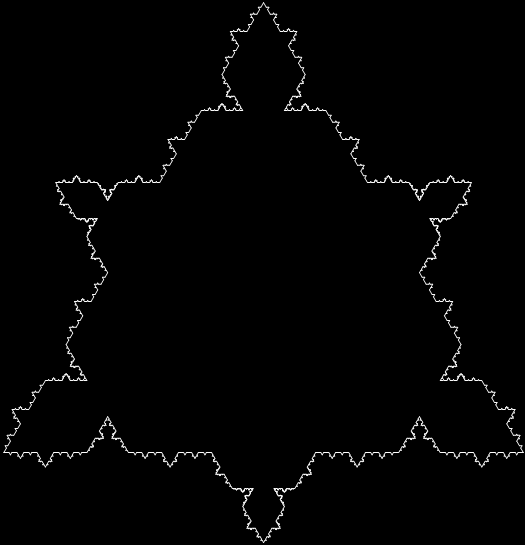
Or you can alternate between moving the new triangles inward and outward. When they always move outward and have sides 1/5 the length of the sides of the original triangle, the snowflake looks like this:

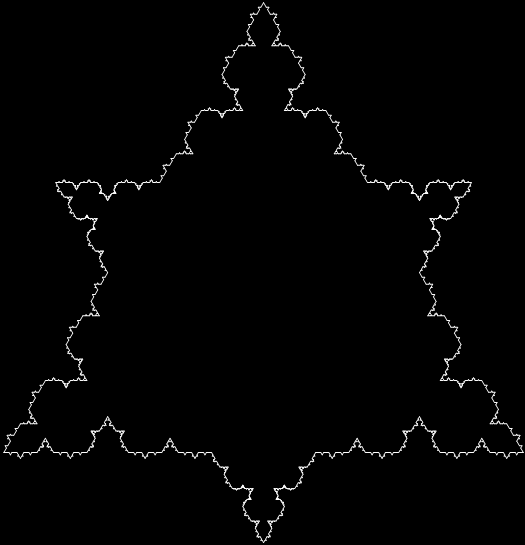
When they move inward, then always outward, the snowflake looks like this:
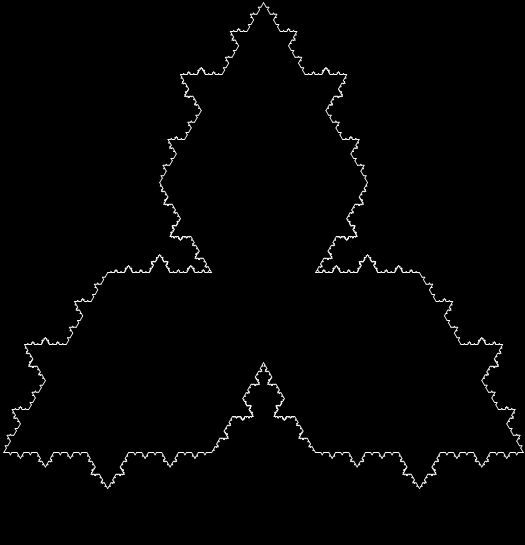
And so on:

Now here’s a Koch square with its new squares moving inward:

Inverted Koch square #1

Inverted Koch square #2

Inverted Koch square #3
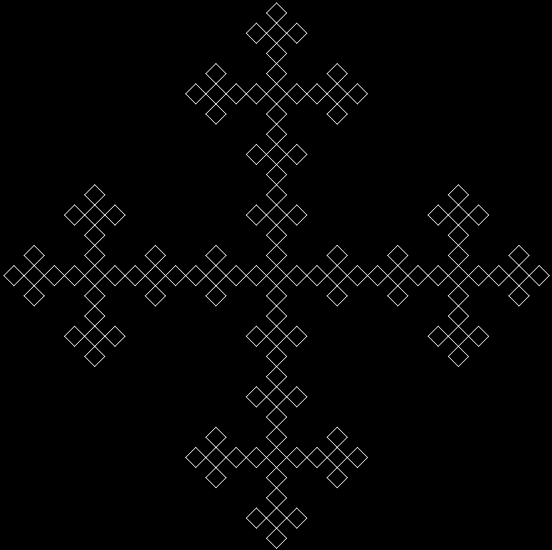
Inverted Koch square #4

Inverted Koch square #5

Inverted Koch square #6
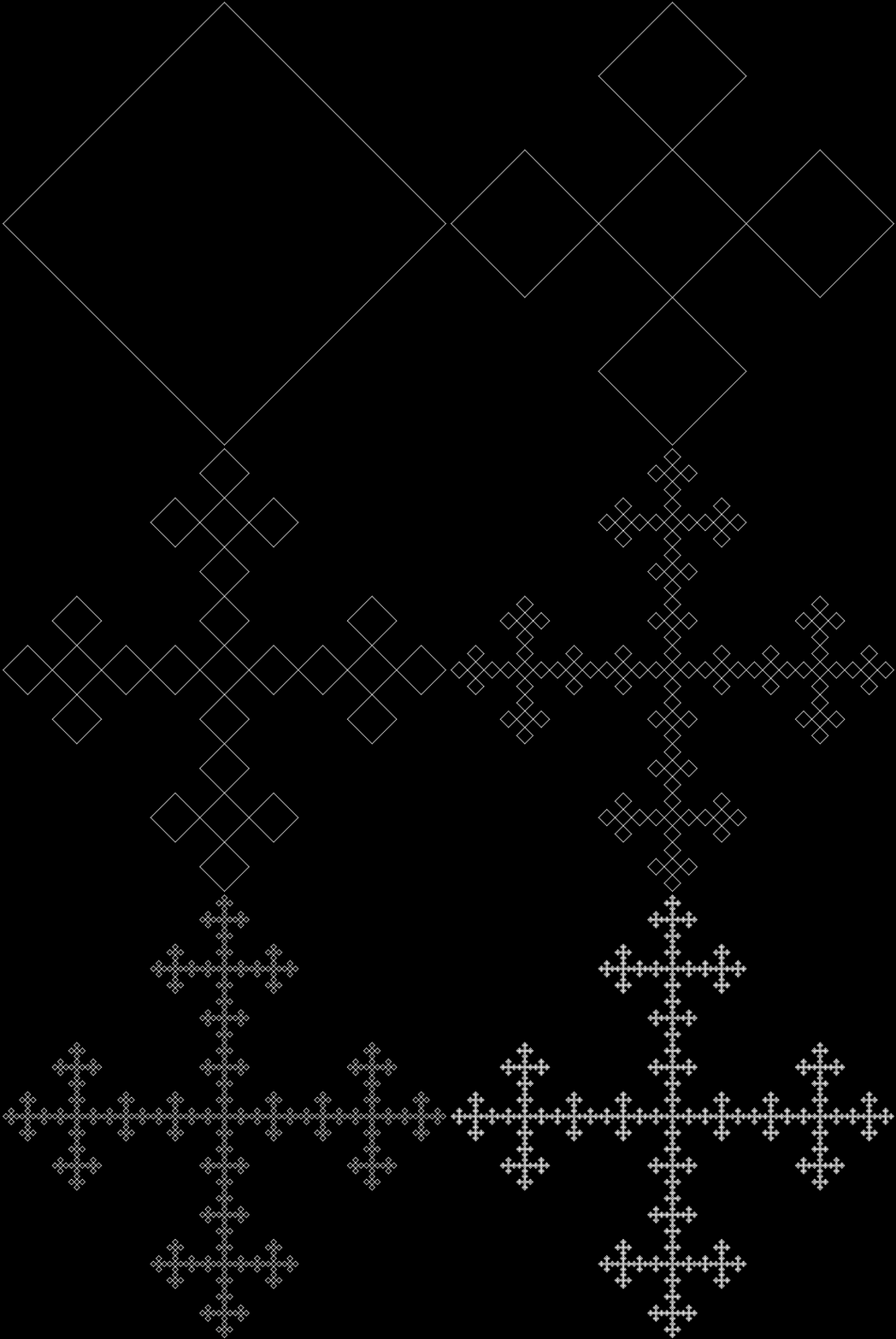
Inverted Koch square (animated)
And here’s a pentagon with squares moving inwards on its sides:

Pentagon with squares #1
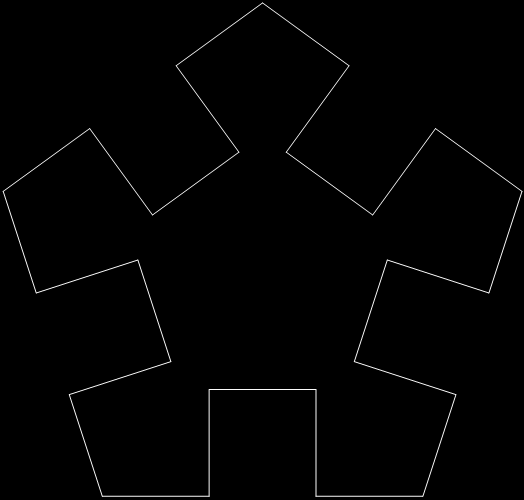
Pentagon with squares #2
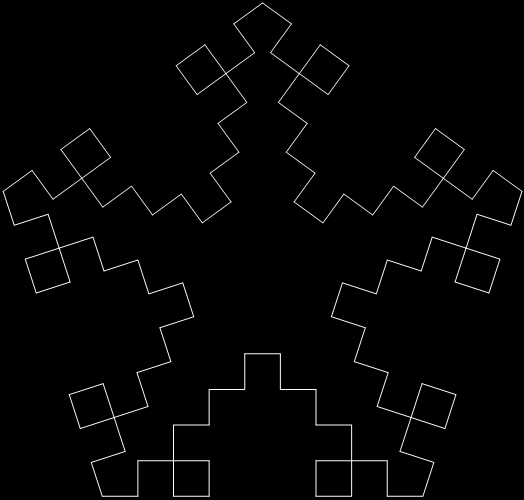
Pentagon with squares #3
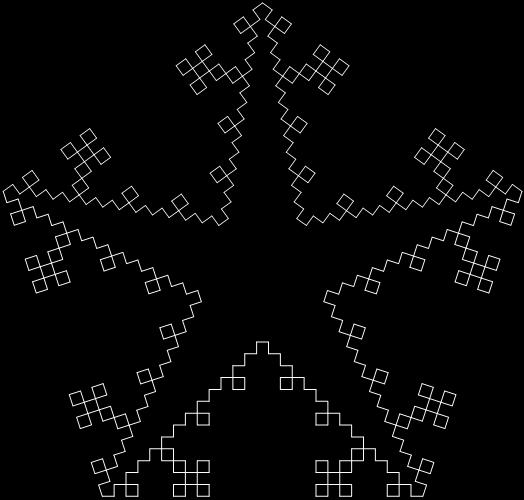
Pentagon with squares #4
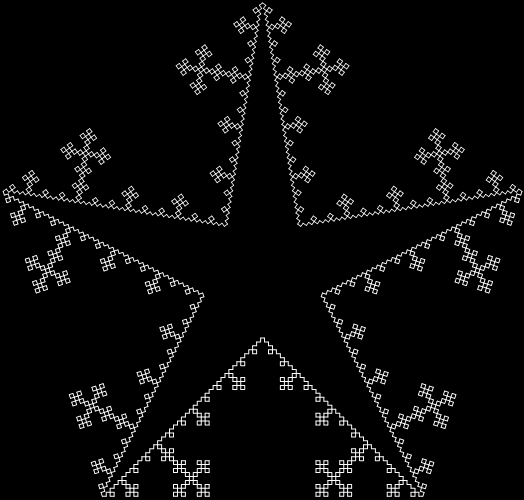
Pentagon with squares #5
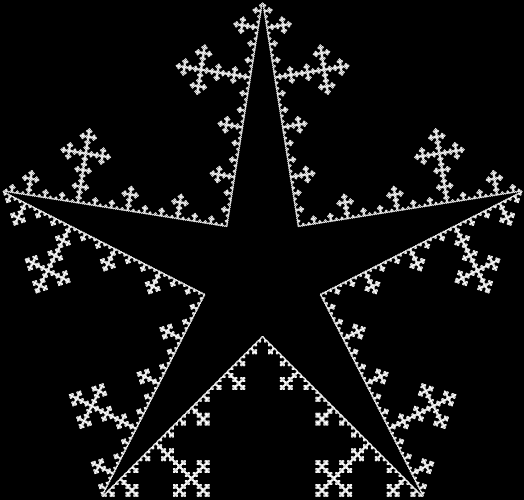
Pentagon with squares #6
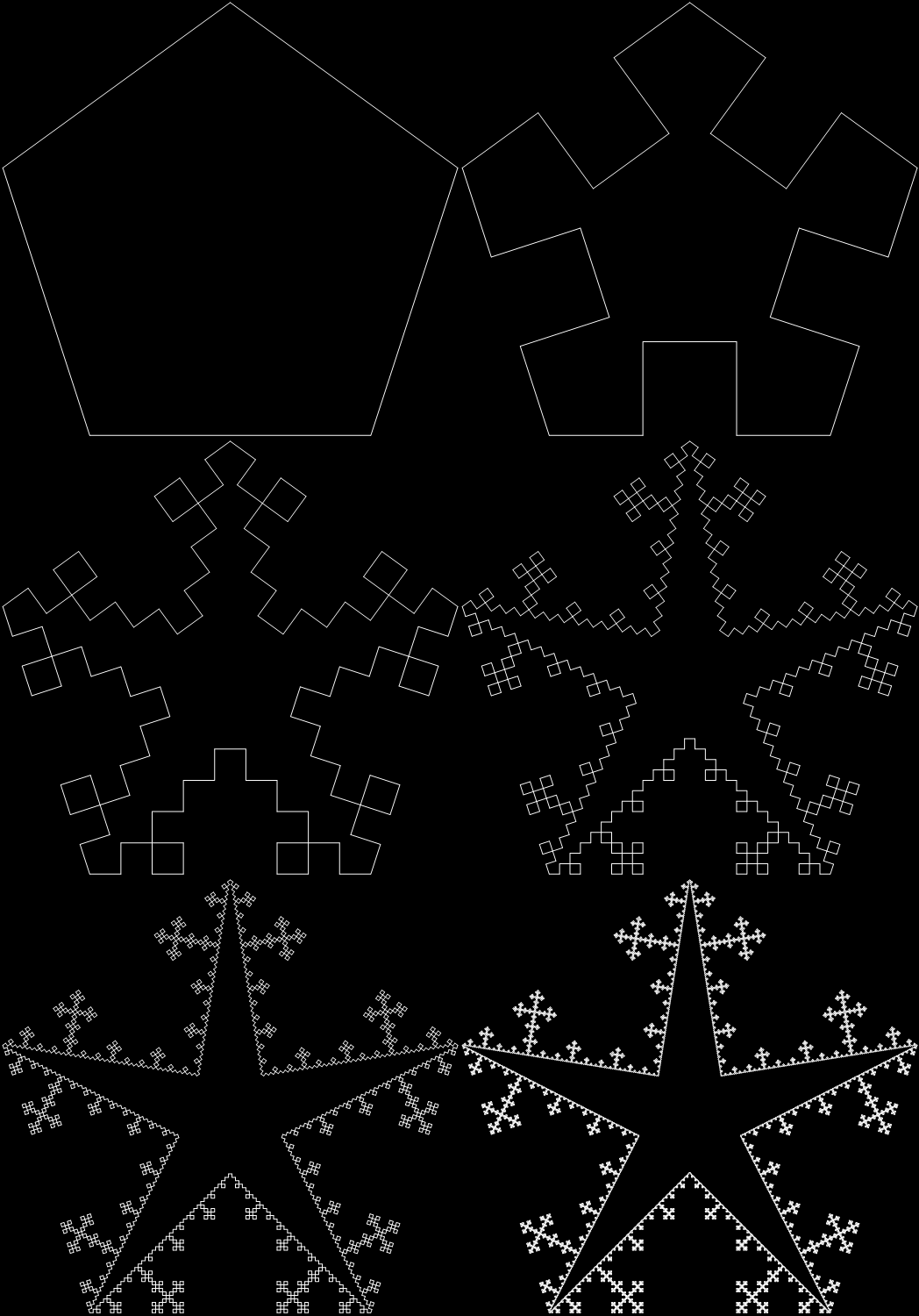
Pentagon with squares (animated)
And finally, an octagon with hexagons on its sides. First the hexagons move outward, then inward, then outward, then inward, then outward:
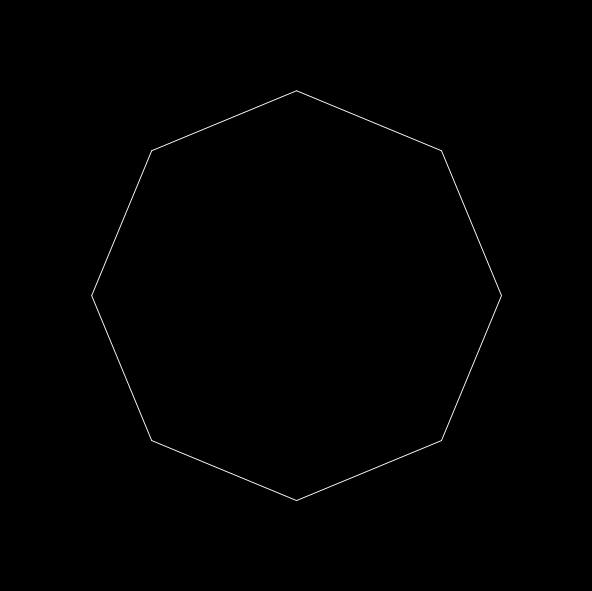
Octagon with hexagons #1

Octagon with hexagons #2
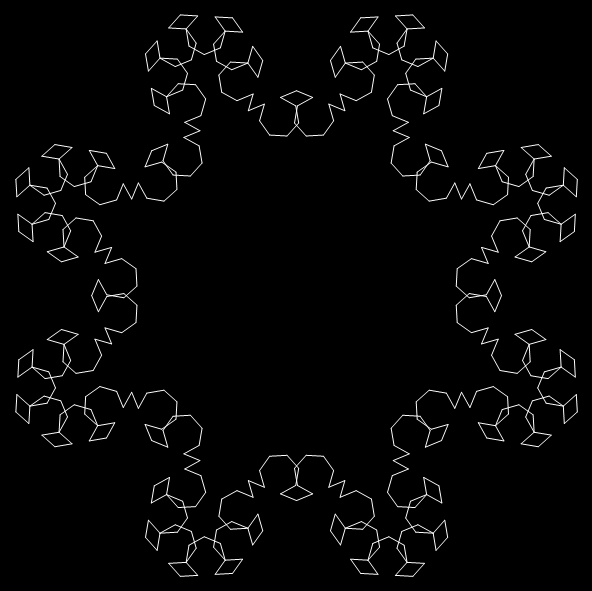
Octagon with hexagons #3

Octagon with hexagons #4
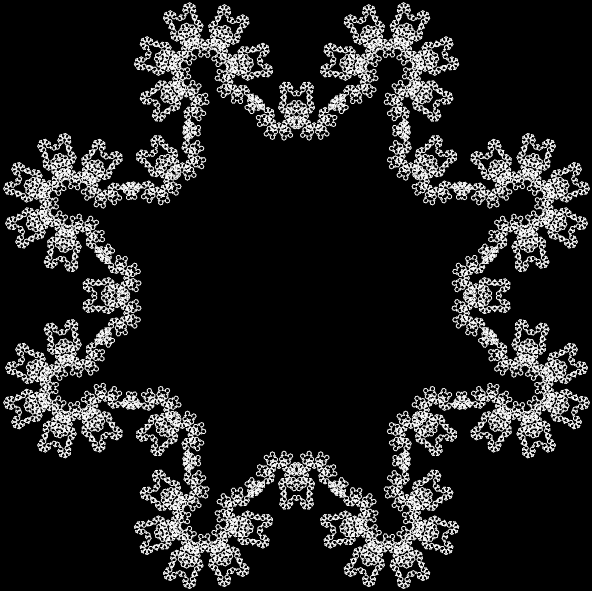
Octagon with hexagons #5

Octagon with hexagons (animated)
 Overlord In Terms of Core Issues Around Maximal Engagement with Key Notions of the Über-Feral