
Here is an equilateral triangle divided into nine smaller equilateral triangles:

Rep-9 equilateral triangle
The triangle is a rep-tile — it’s tiled with repeating copies of itself. In this case, it’s a rep-9 triangle. Each of the nine smaller triangles can obviously be divided in their turn:
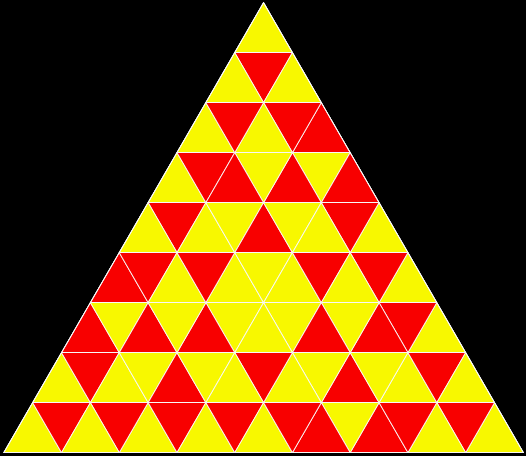
Rep-81 equilateral triangle
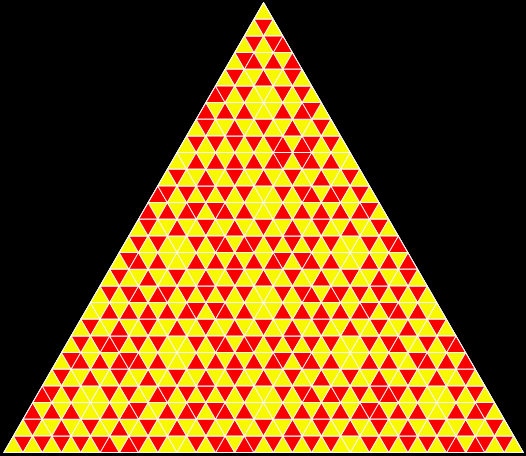
Rep-729 equilateral triangle
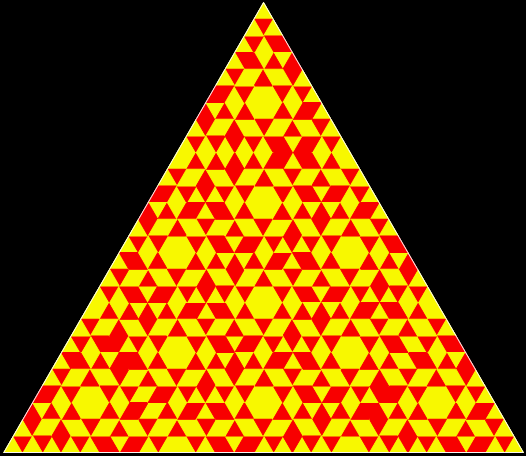
Rep-729 equilateral triangle again
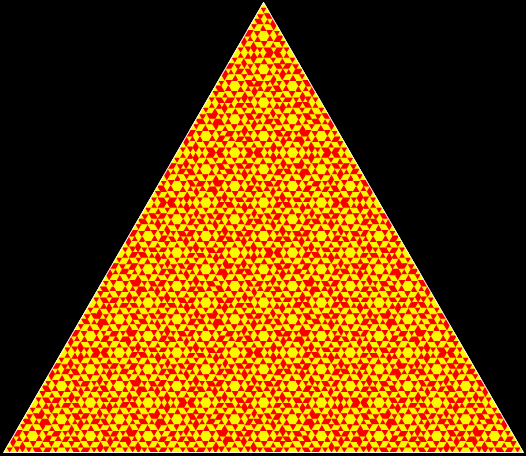
Rep-6561 equilateral triangle
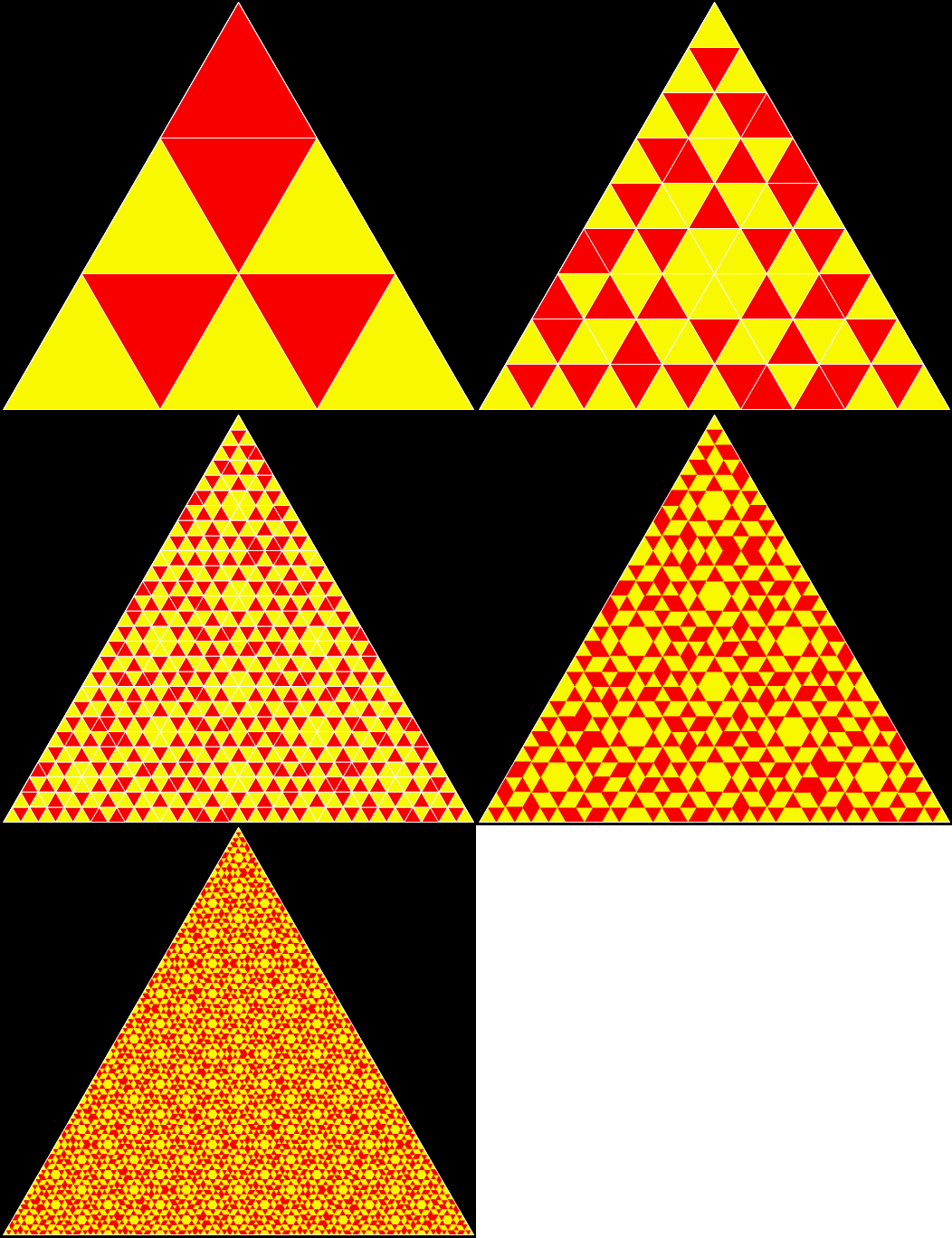
Rep-9 triangle repeatedly subdividing (animated)
How try trimming the original rep-9 triangle, picking one of the trimmings, and repeating in finer detail. If you choose six triangles in this pattern, you can create a symmetrical braided fractal:
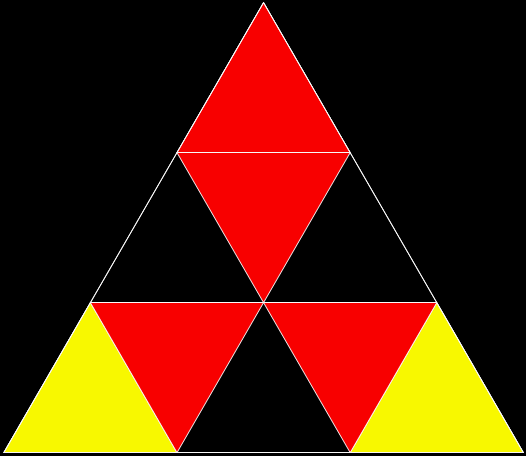
Triangular fractal stage 1

Triangular fractal #2
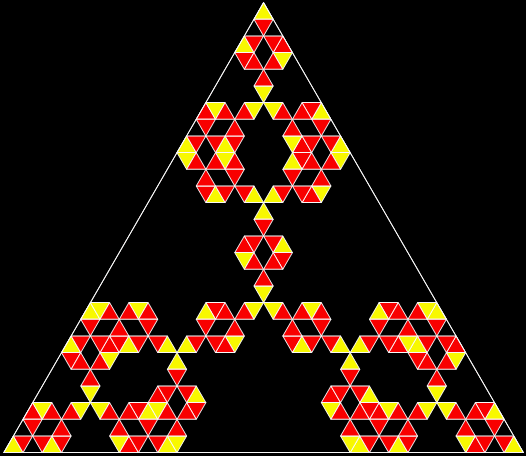
Triangular fractal #3
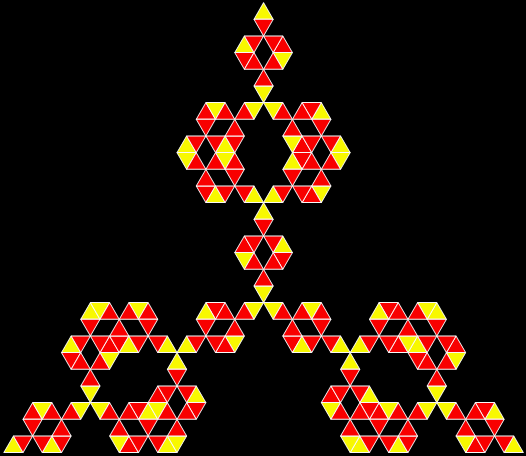
Triangular fractal #3 (cleaning up)
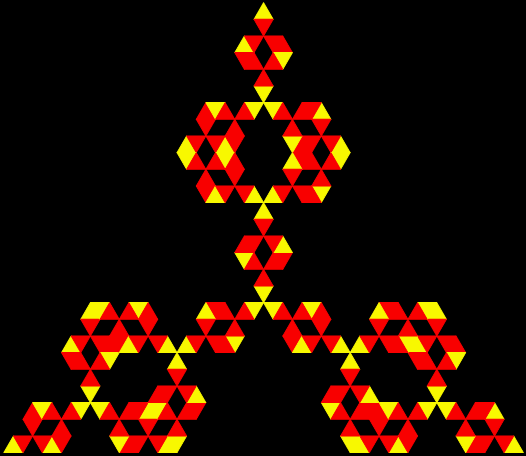
Triangular fractal #3 (cleaning up more)
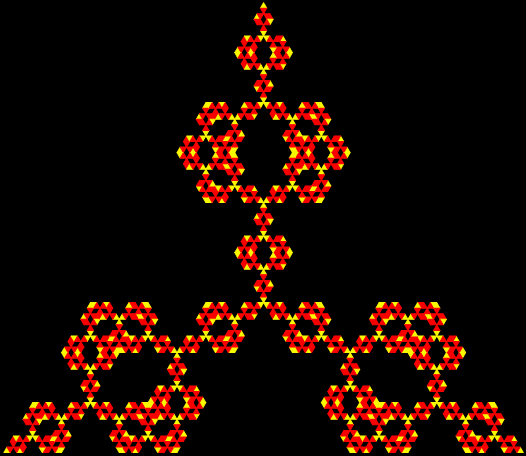
Triangular fractal #4

Triangular fractal #5
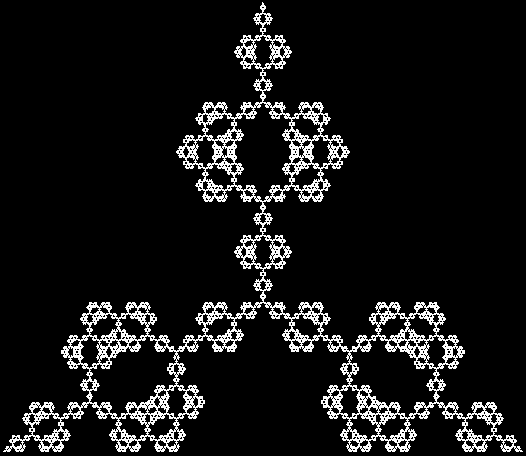
Triangular fractal #6
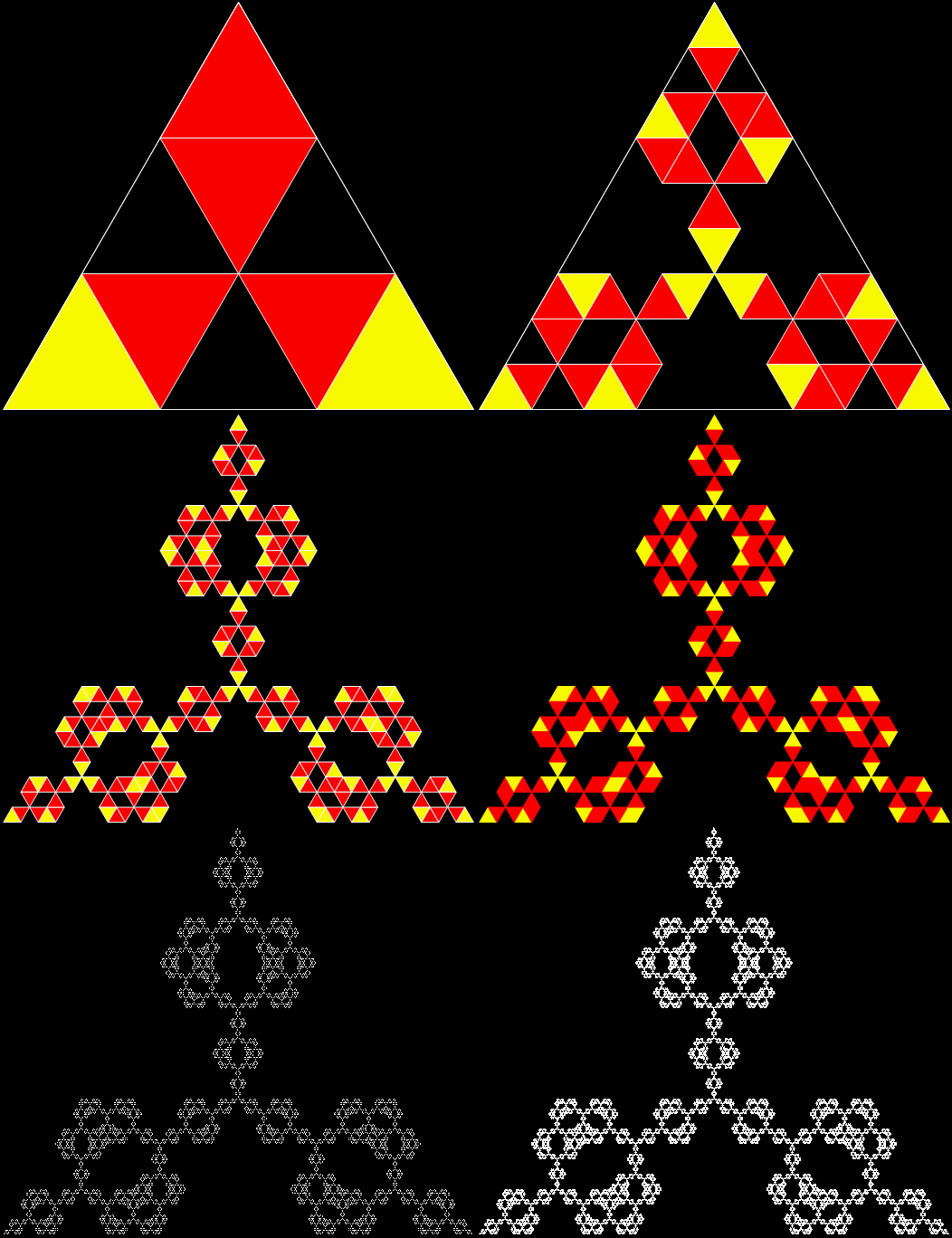
Triangular fractal (animated)
But this fractal using a three-triangle trim-picking isn’t symmetrical:
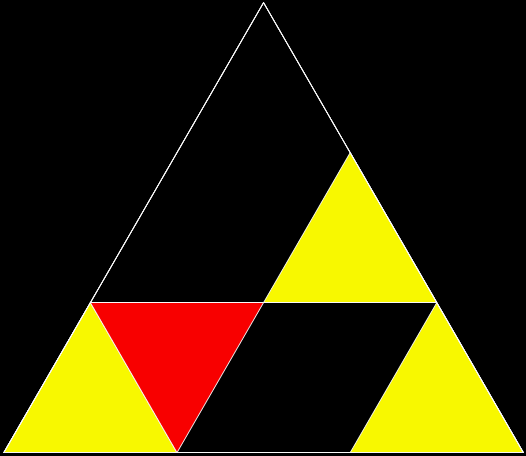
Trim-picking #1
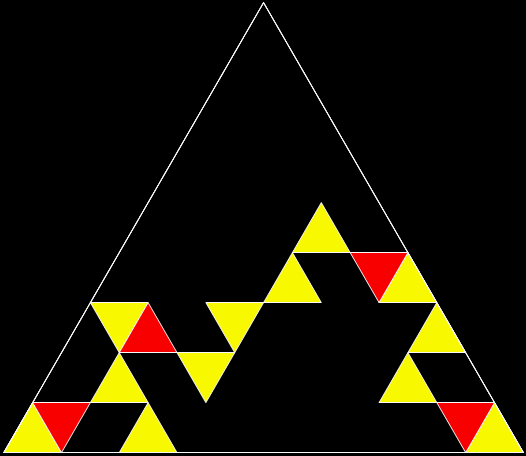
Trim-picking #2
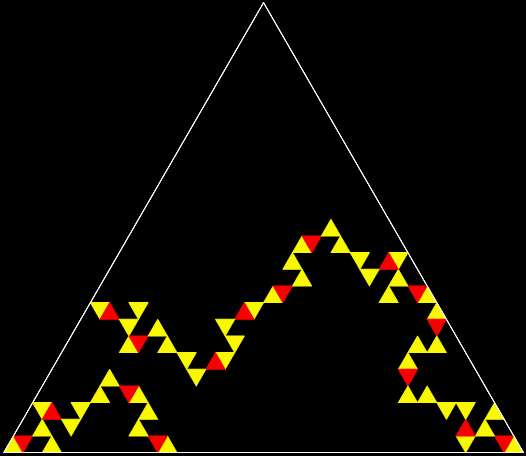
Trim-picking #3
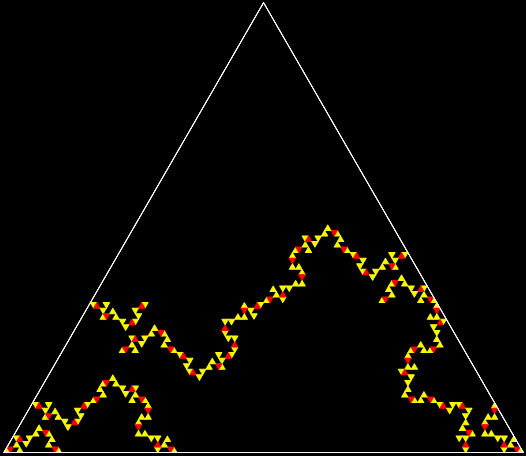
Trim-picking #4

Trim-picking #5
To make it symmetric, you have to delay the trim, using the full rep-9 trim for the first stage:
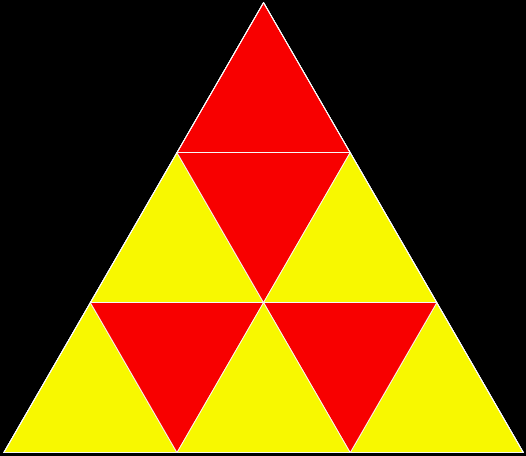
Delayed trim-picking #1
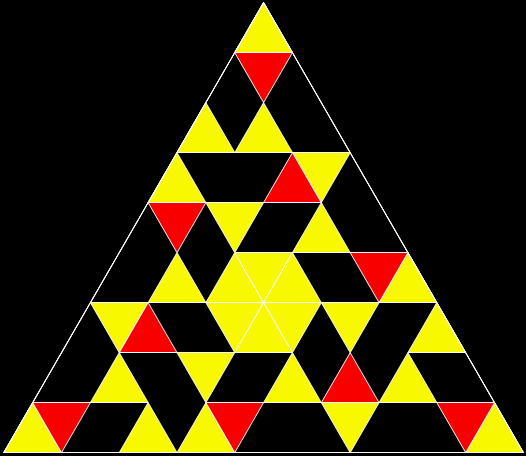
Delayed trim-picking #2
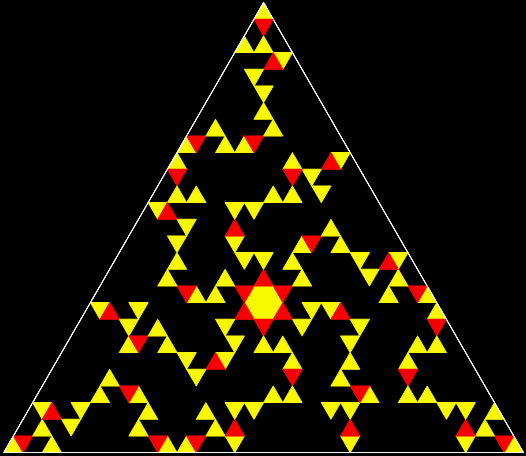
Delayed trim-picking #3
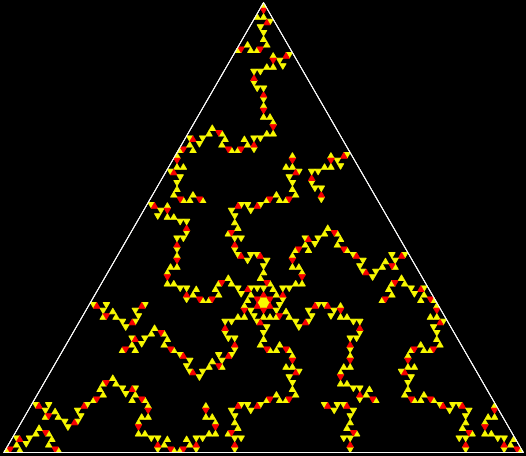
Delayed trim-picking #4
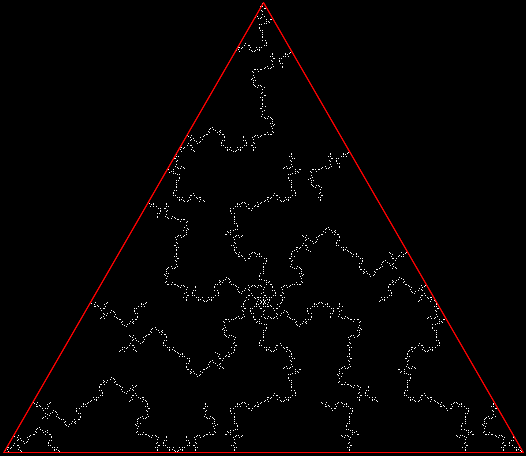
Delayed trim-picking #5
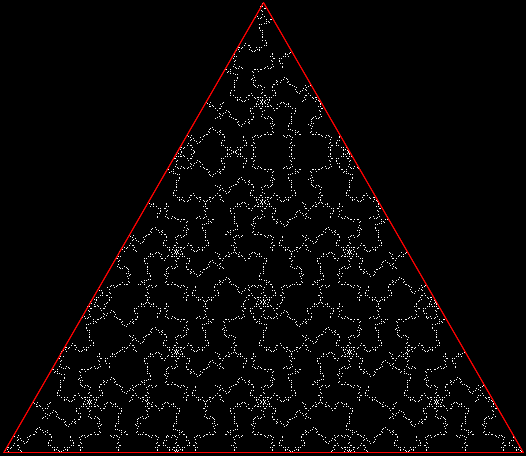
Delayed trim-picking #6 (with first two stages as rep-9)
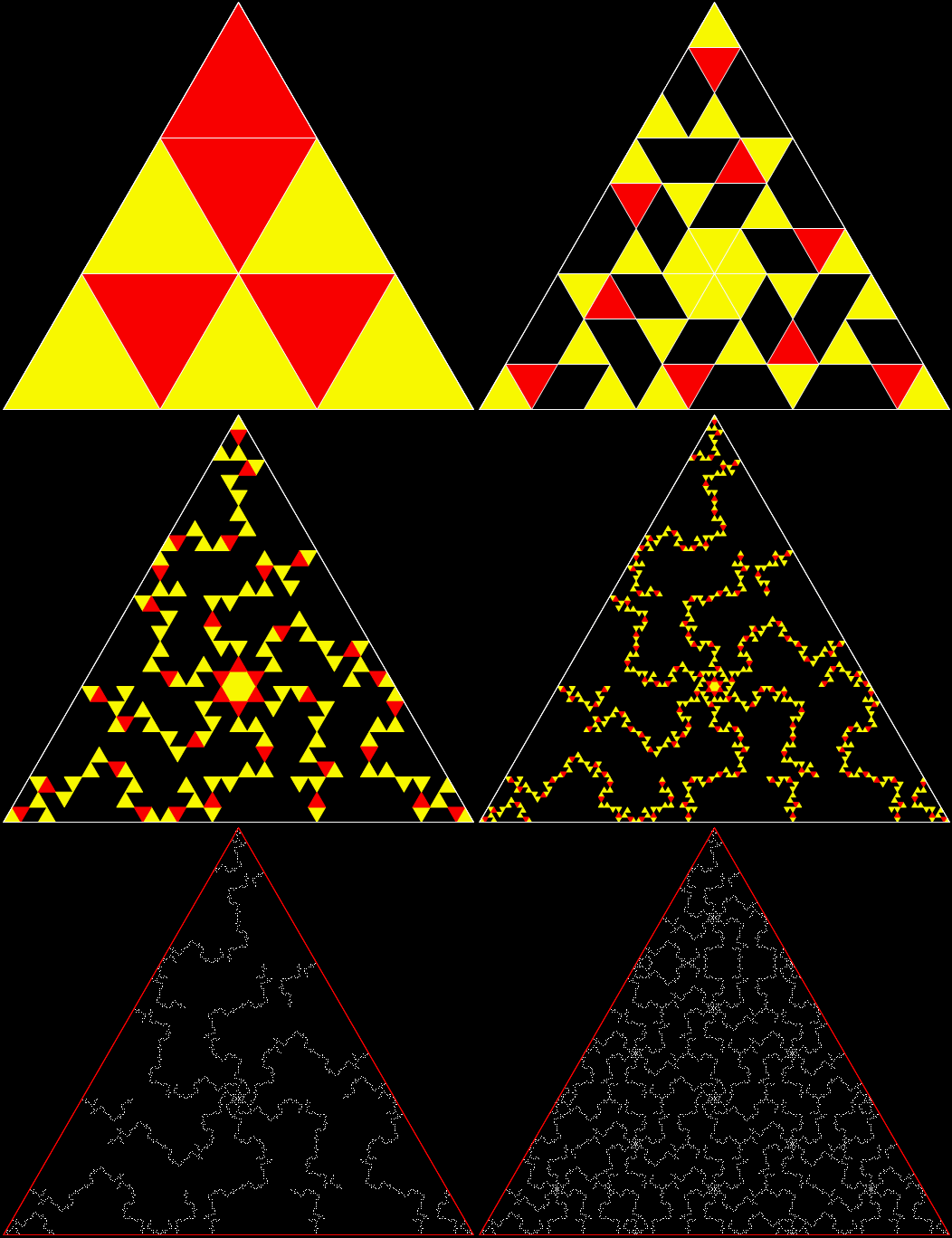
Delayed trim-picking (animated)
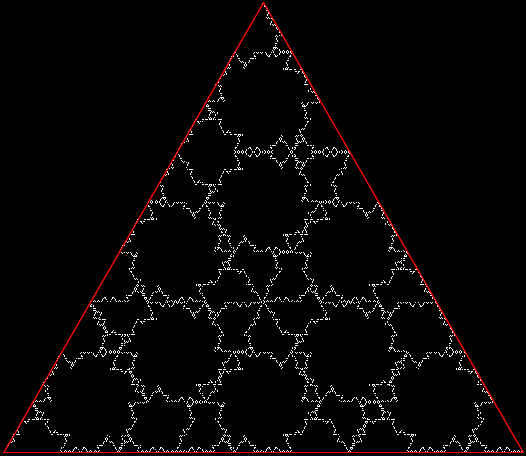
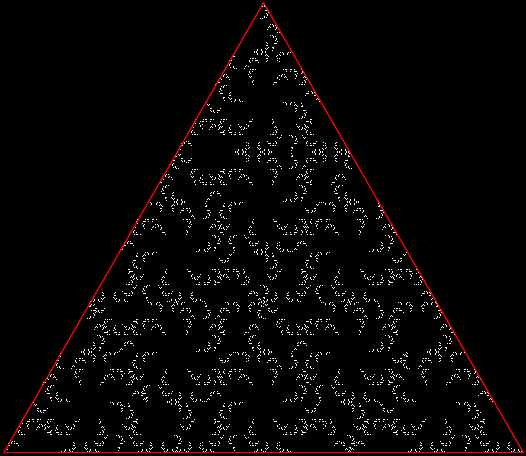
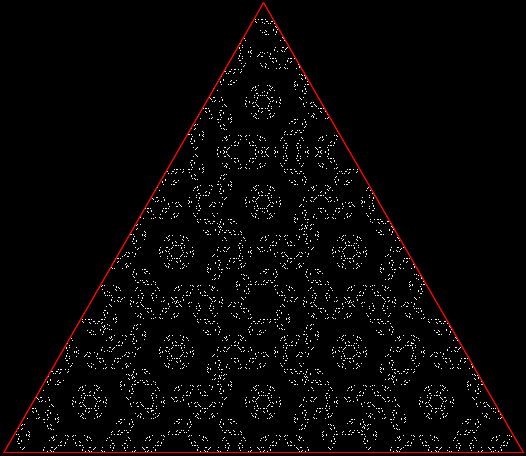
Here are some more delayed trim-pickings used to created symmetrical patterns:

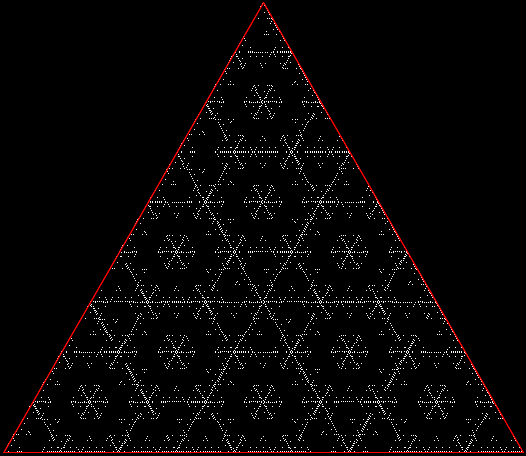


 Overlord In Terms of Core Issues Around Maximal Engagement with Key Notions of the Über-Feral