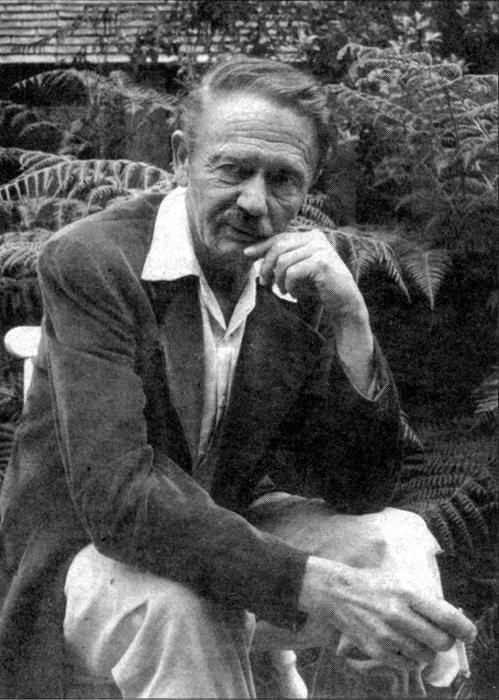
Absolutely Sabulous

Smooth between sea and land
Is laid the yellow sand,
And here through summer days
The seed of Adam plays.

Here the child comes to found
His unremaining mound,
And the grown lad to score
Two names upon the shore.

Here, on the level sand,
Between the sea and land,
What shall I build or write
Against the fall of night?

Tell me of runes to grave
That hold the bursting wave,
Or bastions to design
For longer date than mine.

Shall it be Troy or Rome
I fence against the foam,
Or my own name, to stay
When I depart for aye?

Nothing: too near at hand,
Planing the figure sand,
Effacing clean and fast
Cities not built to last
And charms devised in vain,
Pours the confounding main. — A.E. Housman, “XLV” of More Poems (1936)

Aventurhyme

The Merry Guide

Once in the wind of morning
     I ranged the thymy wold;
The world-wide air was azure
     And all the brooks ran gold.

There through the dews beside me
     Behold a youth that trod,
With feathered cap on forehead,
     And poised a golden rod.

With mien to match the morning
     And gay delightful guise
And friendly brows and laughter
     He looked me in the eyes.

Oh whence, I asked, and whither?
     He smiled and would not say,
And looked at me and beckoned
      And laughed and led the way.

And with kind looks and laughter
     And nought to say beside
We two went on together,
     I and my happy guide.

Across the glittering pastures
     And empty upland still
And solitude of shepherds
     High in the folded hill,

By hanging woods and hamlets
     That gaze through orchards down
On many a windmill turning
     And far-discovered town,

With gay regards of promise
     And sure unslackened stride
And smiles and nothing spoken
     Led on my merry guide.

By blowing realms of woodland
     With sunstruck vanes afield
And cloud-led shadows sailing
     About the windy weald,

By valley-guarded granges
     And silver waters wide,
Content at heart I followed
     With my delightful guide.

And like the cloudy shadows
     Across the country blown
We two fare on for ever,
     But not we two alone.

With the great gale we journey
     That breathes from gardens thinned,
Borne in the drift of blossoms
      Whose petals throng the wind;

Buoyed on the heaven-heard whisper
     Of dancing leaflets whirled
From all the woods that autumn
     Bereaves in all the world.

And midst the fluttering legion
     Of all that ever died
I follow, and before us
     Goes the delightful guide,

With lips that brim with laughter
     But never once respond,
And feet that fly on feathers,
     And serpent-circled wand.

• A.E. Housman, A Shropshire Lad, XLII


An aventurine obelisk (Unlimited Crystals)

Omnia e Tarot

« Une personne emprisonnée sans autre livre que le Tarot, s’il savait comment l’utiliser, pourrait dans quelques années acquérir une connaissance universelle et pourrait s’exprimer sur tous les sujets avec un savoir inégalé et une éloquence inépuisable. » – Éliphas Lévi (1810-75)

• “An imprisoned person, with no other book than the Tarot, if he knew how to use it, could in a few years acquire universal knowledge, and would be able to speak on all subjects with unequalled learning and inexhaustible eloquence.” – Éliphas Lévi


Post-Performative Post-Scriptum

I’m not sure if the above is the French original. It might be a back-translation of the English translation of the French original, because I found it here, not in any online French texts by Lévi.

This Old Housman

ტელლ მე ნოტ ჰერე, იტ ნეედს ნოტ საჲინგ,
უჰატ ტუნე თე ენჩანტრესს პლაჲს
ინ აფტერმათს ოფ სოფტ შეპტემბერ
ორ უნდერ ბლანჩინგ მაჲს,
ფორ შე ანდ ი უერე ლონგ აკყუაინტედ
ანდ ი კნეუ ალლ ჰერ უაჲს.

ონ რუსსეტ ფლოორს, ბჲ უატერს იდლე,
თე პინე ლეტს ფალლ იტს კონე;
თე კუკკოო შოუტს ალლ დაჲ ატ ნოთინგ
ინ ლეაფჲ დელლს ალონე;
ანდ ტრაველლერს ჯოჲ ბეგუილეს ინ აუტუმნ
ჰეარტს თატ ჰავე ლოსტ თეირ ოუნ.

ონ აკრეს ოფ თე სეედედ გრასსეს
თე ჩანგინგ ბურნიშ ჰეავეს;
ორ მარშალლედ უნდერ მოონს ოფ ჰარვესტ
შტანდ სტილლ ალლ ნიგჰტ თე შეავეს;
ორ ბეეჩეს სტრიპ ინ სტორმს ფორ უინტერ
ანდ სტაინ თე უინდ უით ლეავეს.

პოსსესს, ას ი პოსსესსედ ა სეასონ,
თე კოუნტრიეს ი რესიგნ,
უჰერე ოვერ ელმჲ პლაინს თე ჰიგჰუაჲ
უოულდ მოუნტ თე ჰილლს ანდ შინე,
ანდ ფულლ ოფ შადე თე პილლარედ ფორესტ
უოულდ მურმურ ანდ ბე მინე.

ფორ ნატურე, ჰეარტლესს, უიტლესს ნატურე,
უილლ ნეითერ კარე ნორ კნოუ
უჰატ სტრანგერს ფეეტ მაჲ ფინდ თე მეადოუ
ანდ ტრესპასს თერე ანდ გო,
ნორ ასკ ამიდ თე დეუს ოფ მორნინგ
იფ თეჲ არე მინე ორ ნო.

Luis’ Lip

“Decíamos ayer…” — Fray Luis de León (1527-1591)

Sus biógrafos cuentan que fray Luis acostumbraba, en sus años de docencia, resumir las lecciones explicadas en la clase anterior; y que, al volver a la Universidad a su nueva cátedra, retomó sus lecciones con la frase “Decíamos ayer…” (Dicebamus hesterna die) como si sus cuatro años de prisión no hubieran transcurrido. Pero, aunque la frase tiene sello luisiano, se supone que es una invención posterior de fray Nicolaus Crusenius. — Wikipedia


• “As we were saying yesterday…” — Fray Luis de León, in the lecture hall of the University of Salamanca, December 30, 1576, after he had returned from an imprisonment of nearly five years by the Spanish Inquisition. (From Anecdotes from History: Being a Collection of 1000 Anecdotes, Epigrams, and Episodes Illustrative of English and World History, Grant Uden, 1968)

Viler Smiler

Less is more. It’s a principle for good writing, not an unalterable law. And one of the best expositions of the principle was given by A.E. Housman in his lecture “The Name and Nature of Poetry” (1933):

Dryden’s translation [of The Canterbury Tales] shows Dryden in the maturity of his power and accomplishment, and much of it can be honestly and soberly admired. Nor was he insensible to all the peculiar excellence of Chaucer: he had the wit to keep unchanged such lines as ‘Up rose the sun and up rose Emily’ or ‘The slayer of himself yet saw I there’; he understood that neither he nor anyone else could better them. But much too often in a like case he would try to improve, because he thought that he could. He believed, as he says himself, that he was ‘turning some of the Canterbury Tales into our language, as it is now refined’; ‘the words’ he says again ‘are given up as a post not to be defended in our poet, because he wanted the modern art of fortifying’; ‘in some places’ he tells us ‘I have added somewhat of my own where I thought my author was deficient, and had not given his thoughts their true lustre, for want of words in the beginning of our language’.

Let us look at the consequences. Chaucer’s vivid and memorable line

The smiler with the knife under the cloke

becomes these three:

Next stood Hypocrisy, with holy leer,
Soft smiling and demurely looking down,
But hid the dagger underneath the gown.

Again:

Alas, quod he, that day that I was bore.

So Chaucer, for want of words in the beginning of our language. Dryden comes to his assistance and gives his thoughts their true lustre thus:

Cursed be the day when first I did appear;
Let it be blotted from the calendar,
Lest it pollute the month and poison all the year.

Or yet again:

The queen anon for very womanhead
Gan for to weep, and so did Emily
And all the ladies in the company.

If Homer or Dante had the same thing to say, would he wish to say it otherwise? But to Dryden Chaucer wanted the modern art of fortifying, which he thus applies:

He said; dumb sorrow seized the standers-by.
The queen, above the rest, by nature good
(The pattern formed of perfect womanhood)
For tender pity wept: when she began
Through the bright quire the infectious virtue ran.
All dropped their tears, even the contended maid.


• “The Name and Nature of Poetry” (1933) by A.E. Housman — more of “less is more”

A Pox on Poetry

From The Ultimate Christmas Cracker (2019), compiled by John Julius Norwich:

How beautiful, I have often thought, would be the names of many of our vilest diseases, were it not for their disagreeable associations. My old friend Jenny Fraser sent me this admirable illustration of the fact by J.C. Squire:

So forth then rode Sir Erysipelas
From good Lord Goitre’s castle, with the steed
Loose on the rein: and as he rode he mused
On Knights and Ladies dead: Sir Scrofula,
Sciatica, he of Glanders, and his friend,
Stout Sir Colitis out of Aquitaine,
And Impetigo, proudest of them all,
Who lived and died for blind Queen Cholera’s sake:
Anthrax, who dwelt in the enchanted wood
With those princesses three, tall, pale and dumb,
And beautiful, whose names were Music’s self,
Anaemia, Influenza, Eczema.
And then once more the incredible dream came back,
How long ago upon the fabulous Shores
Of far Lumbago, all of a summer’s Day,
He and the maid Neuralgia, they twain,
Lay in a flower-crowned mead, and garlands wove,
Of gout and yellow hydrocephaly,
Dim palsies, and pyrrhoea, and the sweet
Myopia, bluer than the summer Sky:
Agues, both white and red, pied common cold,
Cirrhosis and that wan, faint flower
The shep­herds call dyspepsia. — Gone, all gone:
There came a Knight: he cried ‘Neuralgia!’
And never a voice to answer. Only rang
O’er cliff and battlement and desolate mere
‘Neuralgia!’ in the echoes’ mockery.


Elsewhere Other-Accessible…

J.C. Squire at Wikipedia

Post-Performative Post-Scriptum

nosopoetic (obsolete rare) Producing or causing disease. ← noso- comb. form + ‑poetic comb. form, after Hellenistic Greek νοσοποιός causing illness; compare ancient Greek νοσοποιεῖν to cause illness. — Oxford English Dictionary

Drain Brain

Eh bien, avant-hier 17 mars 1838, cet homme est mort. Des médecins sont venus, et ont embaumé le cadavre. Pour cela, à la manière des Égyptiens, ils ont retiré les entrailles du ventre et le cerveau du crâne. La chose faite, après avoir transformé le prince de Talleyrand en momie et cloué cette momie dans une bière tapissée de satin blanc, ils se sont retirés, laissant sur une table la cervelle, cette cervelle qui avait pensé tant de choses, inspiré tant d’hommes, construit tant d’édifices, conduit deux révolutions, trompé vingt rois, contenu le monde.

Les médecins partis, un valet est entré, il a vu ce qu’ils avaient laissé : Tiens ! ils ont oublié cela. Qu’en faire ? Il s’est souvenu qu’il y avait un égout dans la rue, il y est allé, et a jeté ce cerveau dans cet égout. — Victor Hugo, Choses vues: Talleyrand, 1838


And so, the day before yesterday, March 17, 1838, this man died. Doctors came and embalmed the corpse. They did this like the Egyptians, removing the entrails from the stomach and the brain from the skull. When they were done, having transformed Prince Talleyrand into a mummy and nailing this mummy in a bier lined with white satin, they withdrew, leaving the brain on a table, this brain that had thought so many things, inspired so many men, built so many buildings, led two revolutions, deceived twenty kings, had contained the world.

With the doctors gone, a valet came in and saw what they had left: Hey! they forgot that. What shall I do with it? He remembered that there was a sewer in the street, so he went out and threw the brain into the sewer. — Victor Hugo, Things Seen, 1838

Pro’ with the Flow

• From Parallinear: 16 European Poets in Prose Translation (Symban Press 1977)

Jorisz Prokata, born Nembutå, Austro-Hungarian Empire, 1901; died Paris, 1943 […]

’Ndra ven ožedigō tranvu
Istahe zesfusna vo kōb
G’va: svas moe’, oxoaz, hežbu
Vem mižurt qocrsiūjy aplouxōb
Veń ġucij doīv.

L’gefq tsiži, xveby, qa indreza:
Kipidi, aūcu mdvo, lkåd’vud
Utcuzu, veń gomfōj’t vgeza
Vqežefq keflozu ven užud
Odzub’za lkåtū sxoīv.


It’s raining and I walk by the river
Watching gulls on the opposite bank.
Then: two ducks, mergansers, I think,
And I take off my glasses to wipe them
And take a closer look.

It’s now I see what the rain has done:
The small drops, pearl-patterns, constellating
The lenses, and so beautiful beneath the dull sky
That I cannot touch them and walk on
My panes full of stars.


Translator’s notes

[…] The paronomasia in the final line rests on the ambiguity of the contracted odzub’za, which could mean either odzubaza, “my pains, my sufferings” or odzupeza, “my lookers, my specs” (otsupa, “look, observe”), with sandhi of p to b before z.

Translation © Caroline Dawkins 1956