
This is the surpassingly special Stern-Brocot sequence:
0, 1, 1, 2, 1, 3, 2, 3, 1, 4, 3, 5, 2, 5, 3, 4, 1, 5, 4, 7, 3, 8, 5, 7, 2, 7, 5, 8, 3, 7, 4, 5, 1, 6, 5, 9, 4, 11, 7, 10, 3, 11, 8, 13, 5, 12, 7, 9, 2, 9, 7, 12, 5, 13, 8, 11, 3, 10, 7, 11, 4, 9, 5, 6, 1, 7, 6, 11, 5, 14, 9, 13, 4, 15, 11, 18, 7, 17, 10, 13, 3, 14, 11, 19, 8, 21, 13, 18, 5, 17, 12, 19, … (A002487 at the Online Encyclopedia of Integer Sequences)
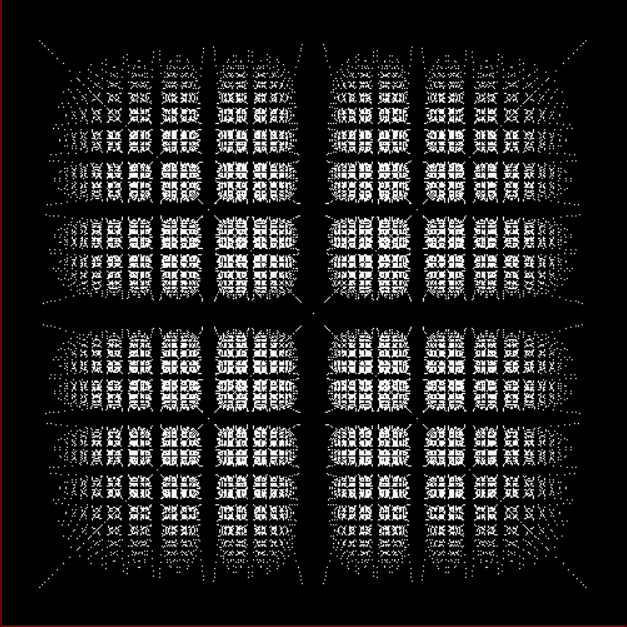
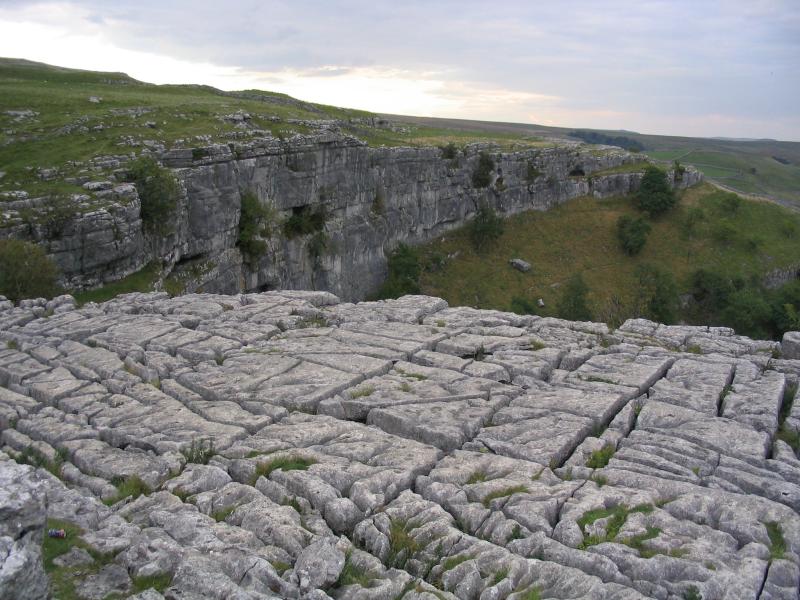
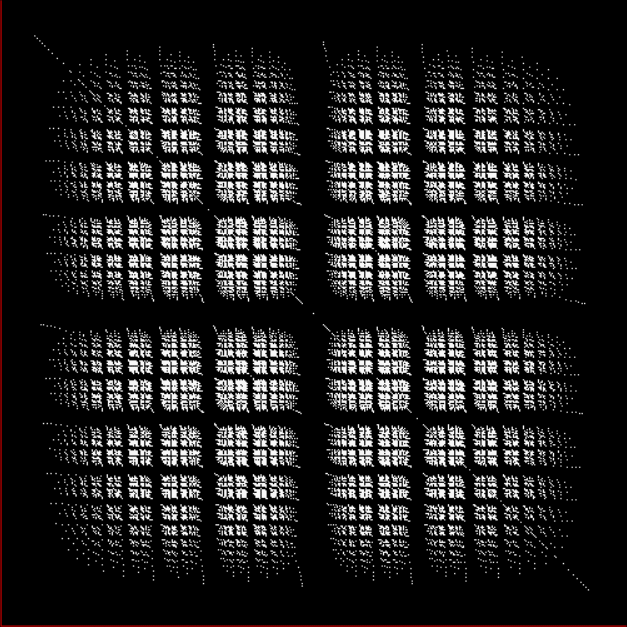
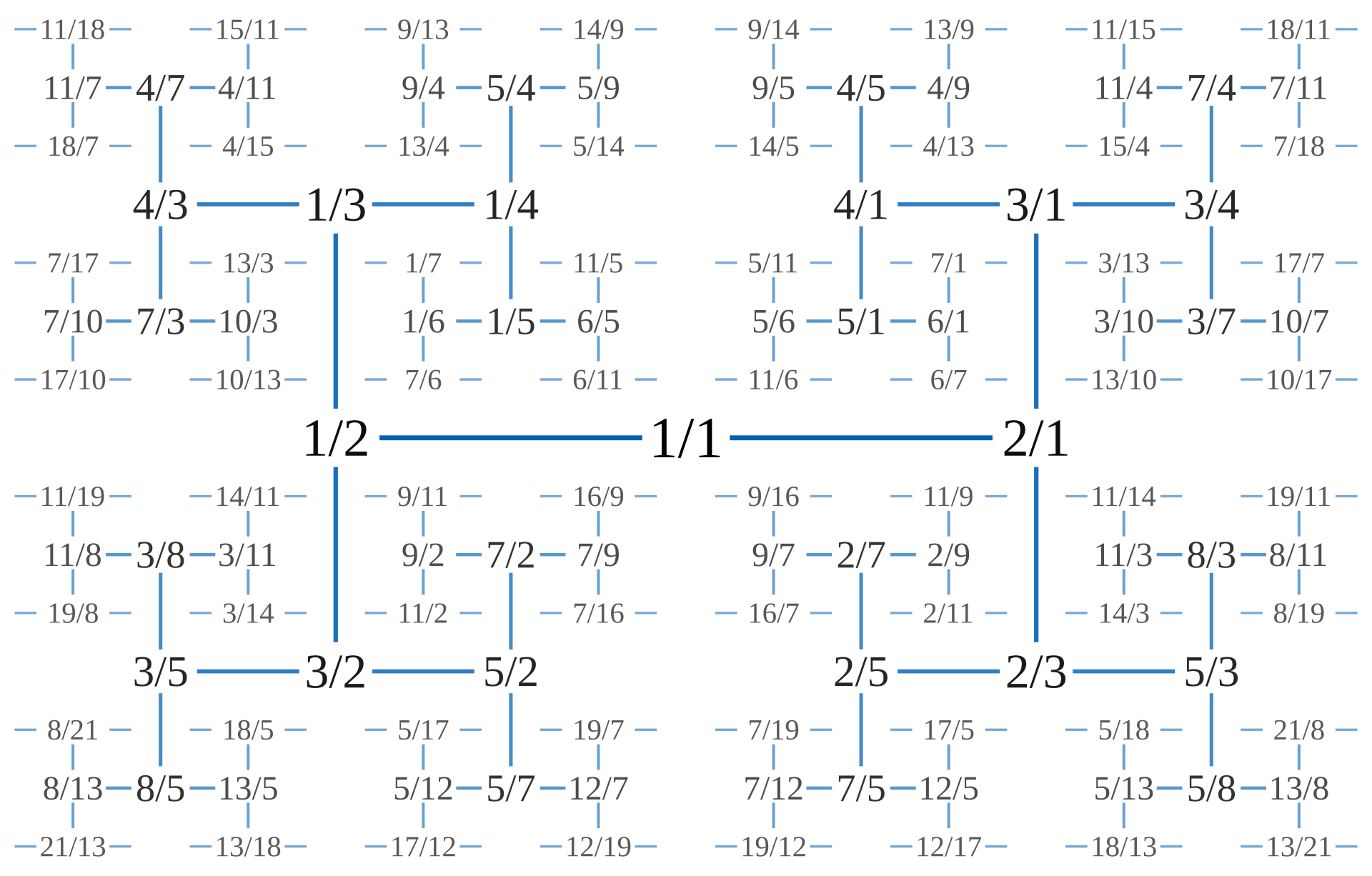
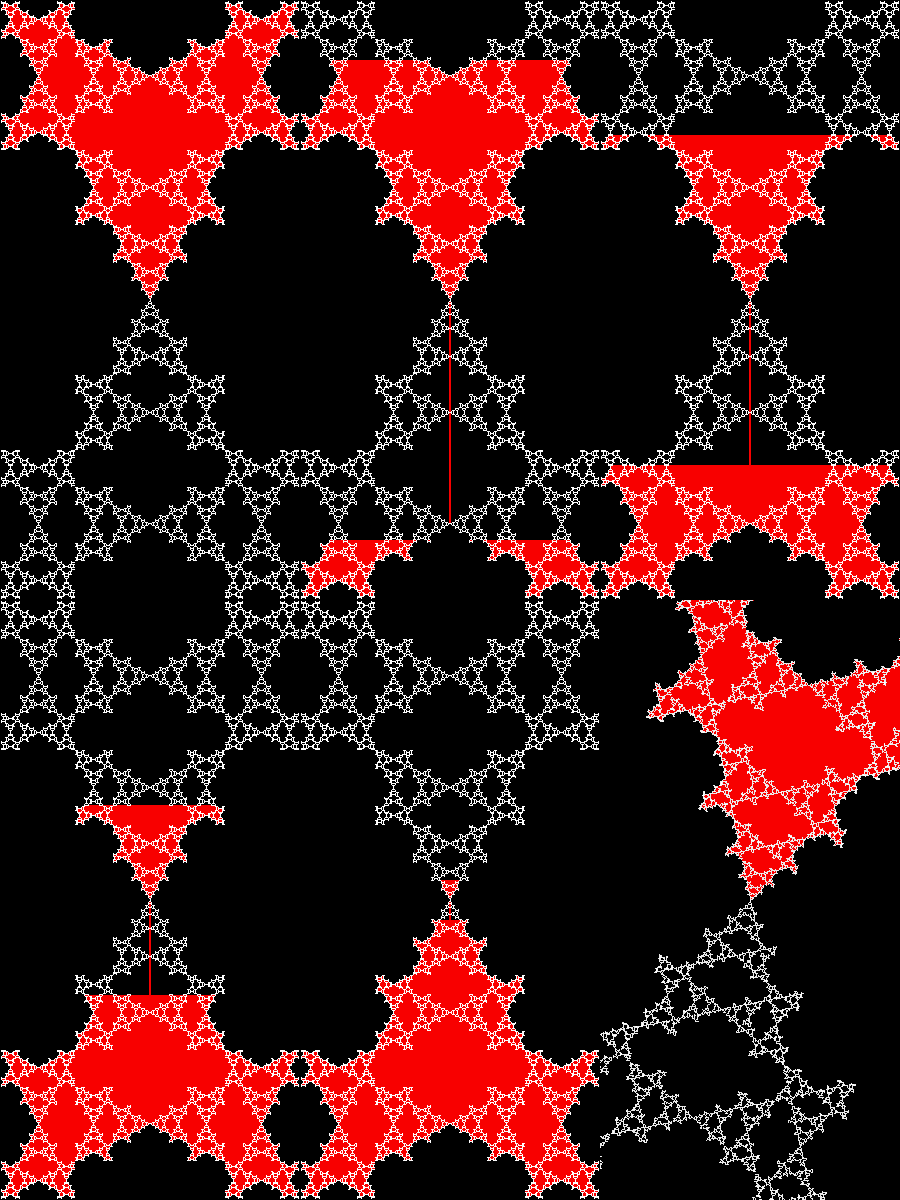
And why is the sequence special? Because if you take successive pairs of the apparently arbitrarily varying numbers, you get every rational fraction in its simplest form exactly once. So 1/2, 2/3, 6/11 and 502/787 appear once and then never again. And so do 2/1, 3/2, 11/6 and 787/502. Et cetera, ad infinitum. If you map the Stern-Brocot sequence against the related Calkin-Wilk sequence, which has the same “all-simplest-fractions-exactly-once” properties, you can create this fractal, which I call a limestone fractal or gryke fractal:
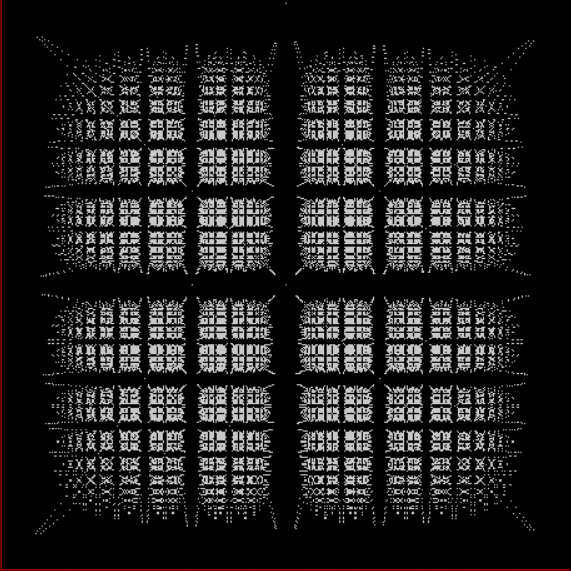
Gryke fractal by mapping Stern-Brocot sequence against Calkin-Wilf sequence
The graph is what I call a Fract-L, because the lines for the x,y coordinates create an L. Each coordinate runs from 0 to 1, with the x set by the fraction from the Stern-Brocot sequence and the y set by the fraction from the Calkin-Wilf sequence (if a > b in a/b, use the conversion 1/(a/b) = b/a). But you can also find interesting patterns by mapping the Stern-Brocot sequence against itself. That is, you use two Stern-Brocot sequences that start in different places. Now, there are complicated ways to create the Stern-Brocot sequence using mathematical trees and sequential algorithms and so on. But there’s also an astonishingly simple way, a formula created by the Israeli mathematician Moshe Newman. If (a,b) is one pair of successive numbers in the sequence, the next pair (a,b) is found like this:
c = b
b = (2 * int(a/b) + 1) * b – a
a = c
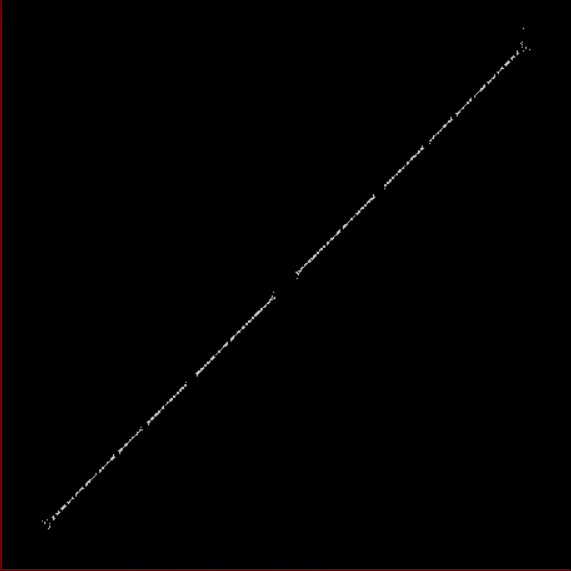
This means that you can seed a Stern-Brocot sequence with any (correctly simplified) a/b and it will continue in the right way. If the two SB-sequences for x and y are both seeded with (0,1), you get this 45° line, because each successive a/b for (x,y) is identical:
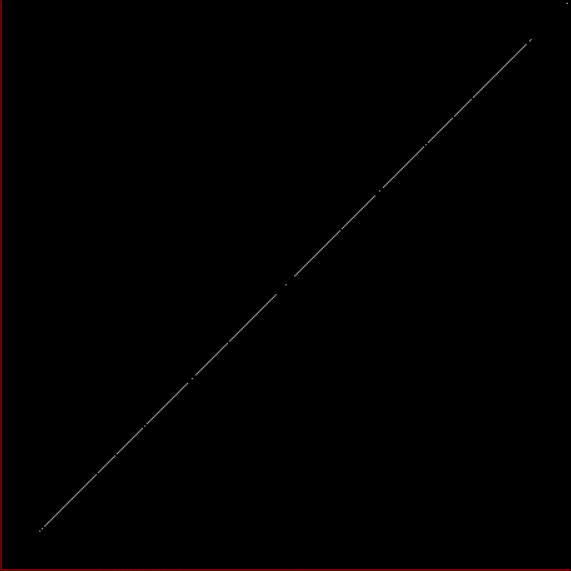
Stern-Brocot pairs seeded with x ← (0,1) and y ← (0,1)
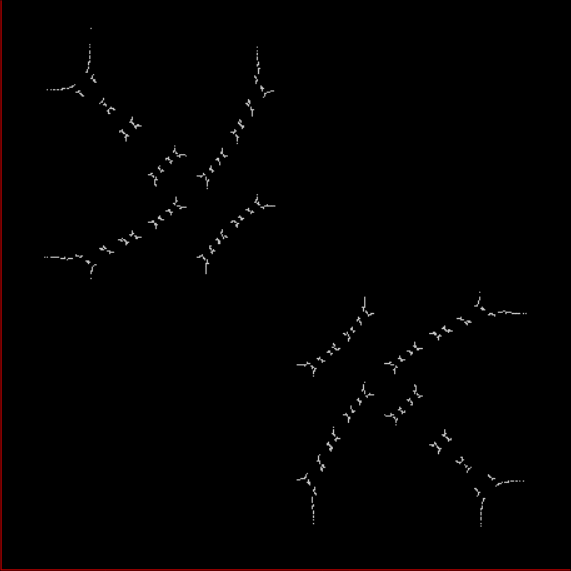
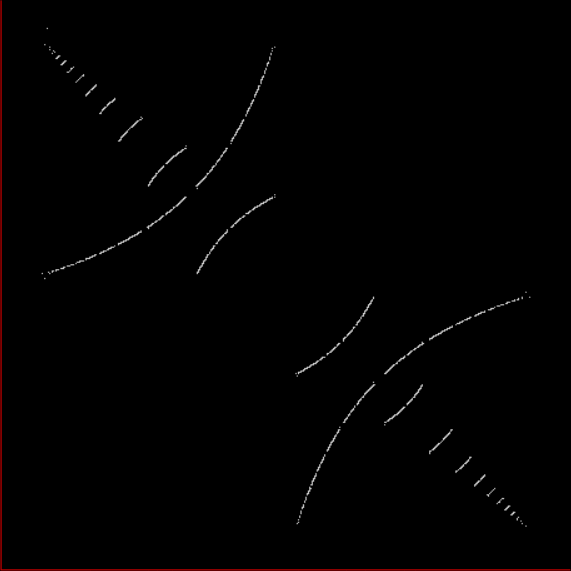
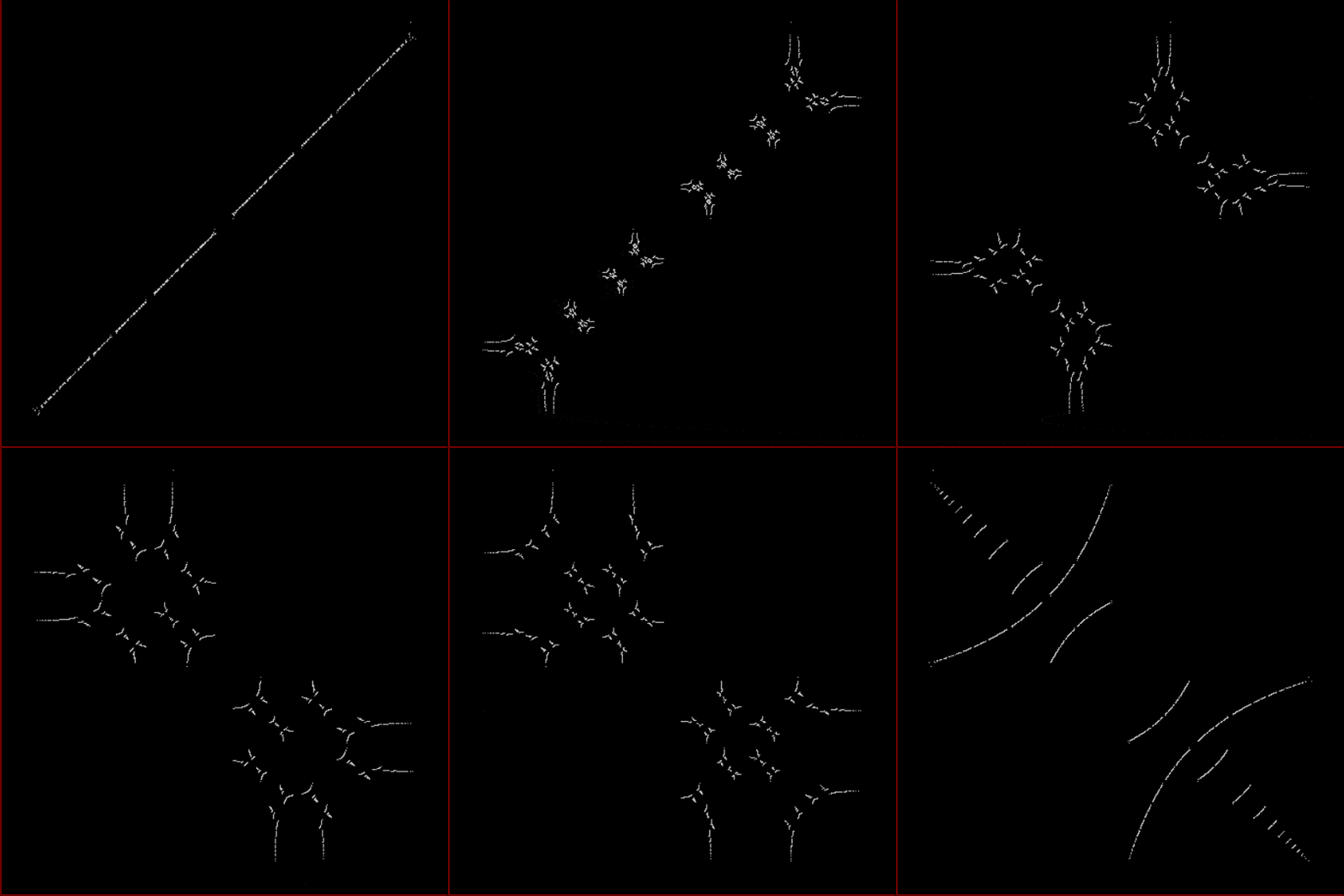
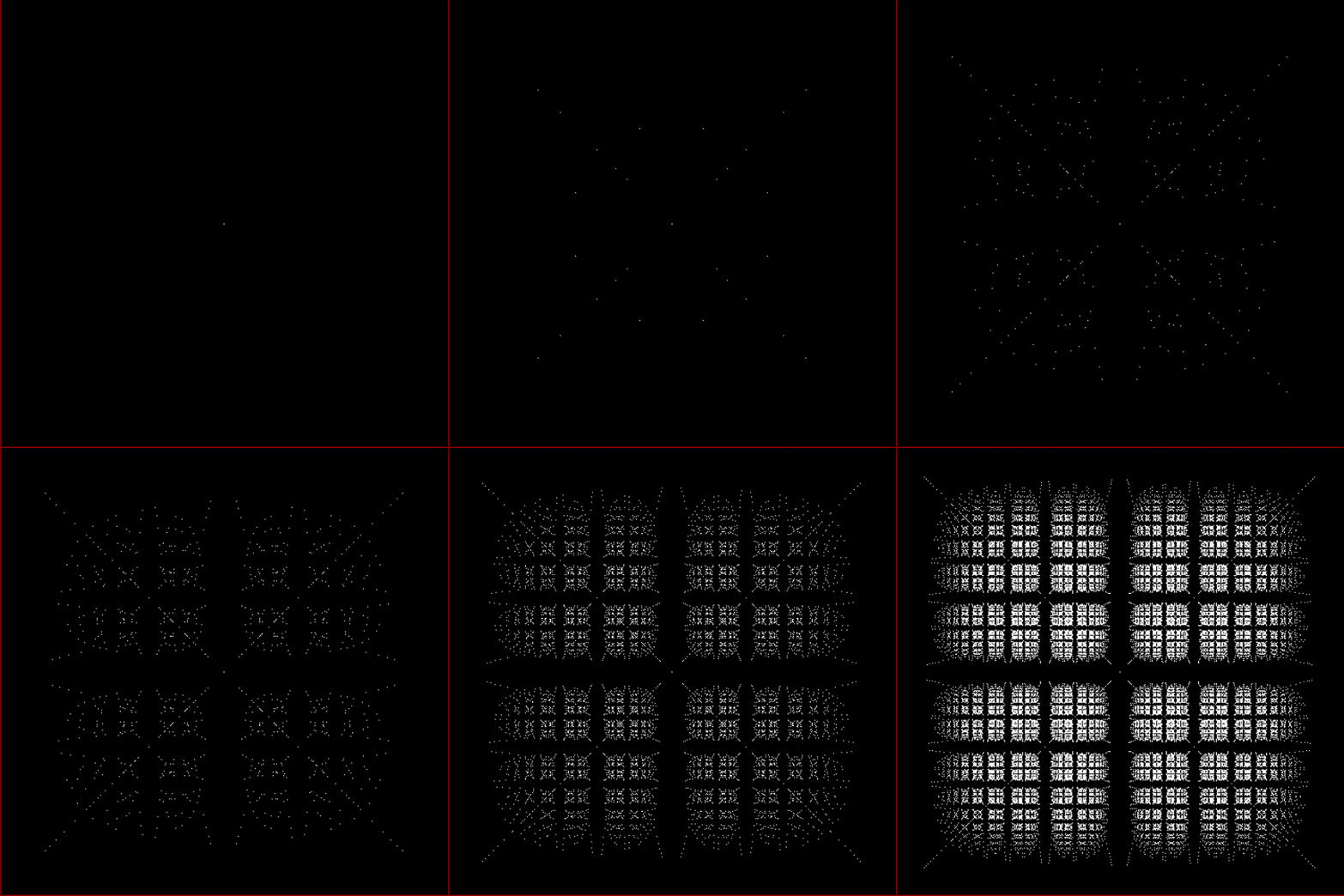
The further you extend the sequences, the less broken the 45° line will appear, because the points determined by a/b for x and y will get closer and closer together (but the line will never be solid, because any two rationals are separated by an infinity of irrationals). Now try offsetting the SB-sequences for x,y by using different seeds. Different fractal patterns appear, which all appear to be subsets (or fractions) of the limestone fractal above (see animated gif below):
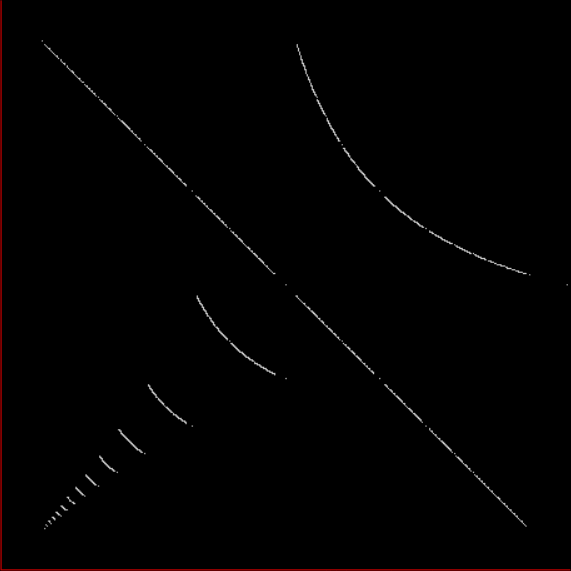
Stern-Brocot pairs seeded with x ← (0,1) and y ← (1,1)
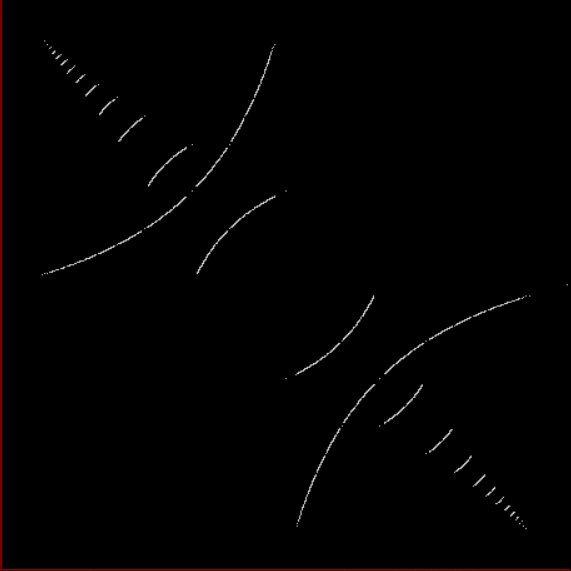
x ← (0,1) and y ← (1,2)
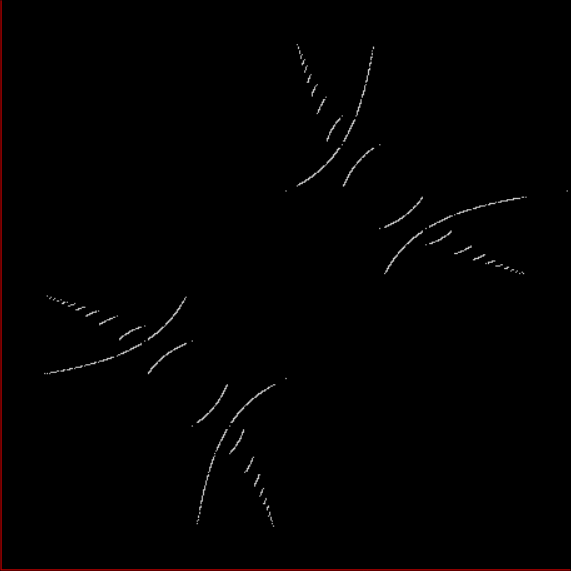
x ← (0,1) and y ← (1,3)
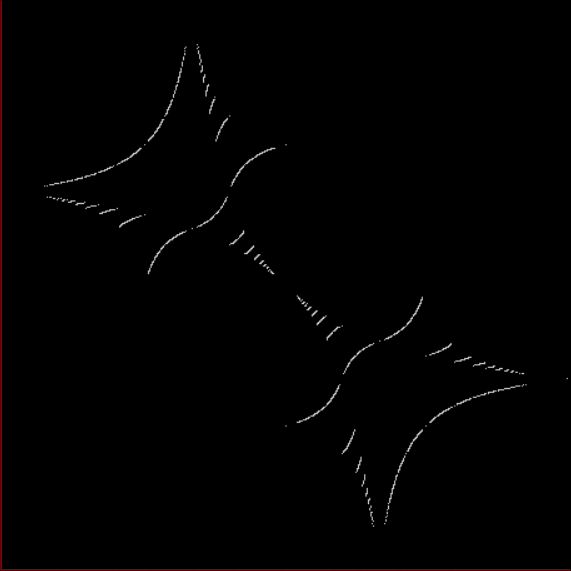
x ← (0,1) and y ← (2,3)
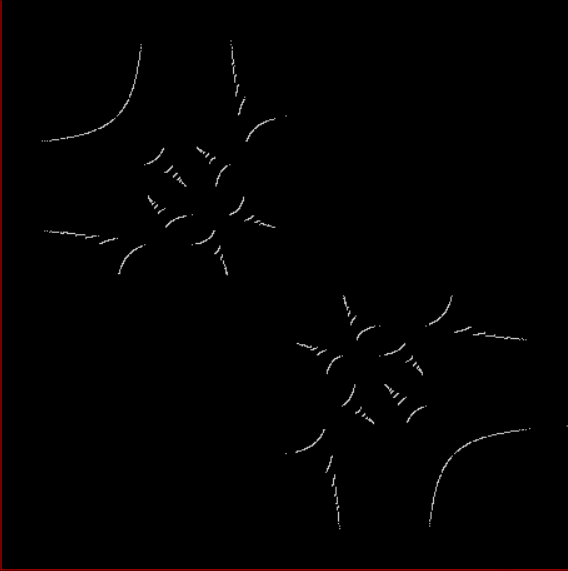
x ← (0,1) and y ← (3,4)
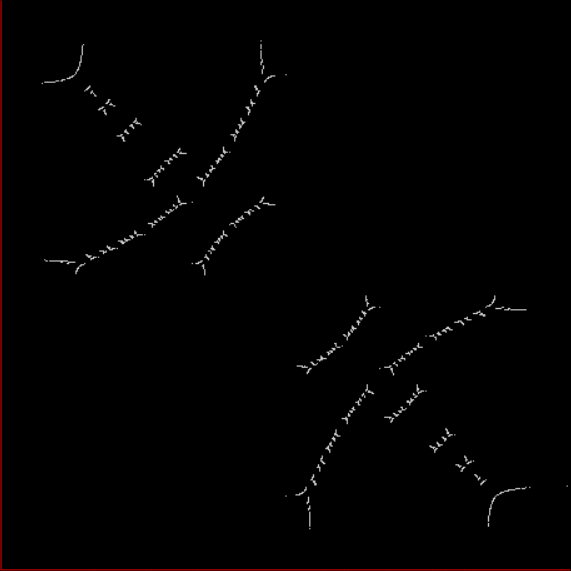
x ← (0,1) and y ← (6,7)
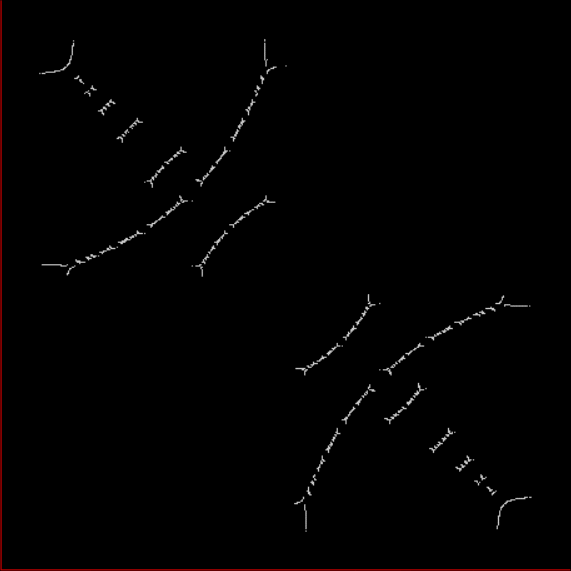
x ← (1,2) and y ← (1,9)
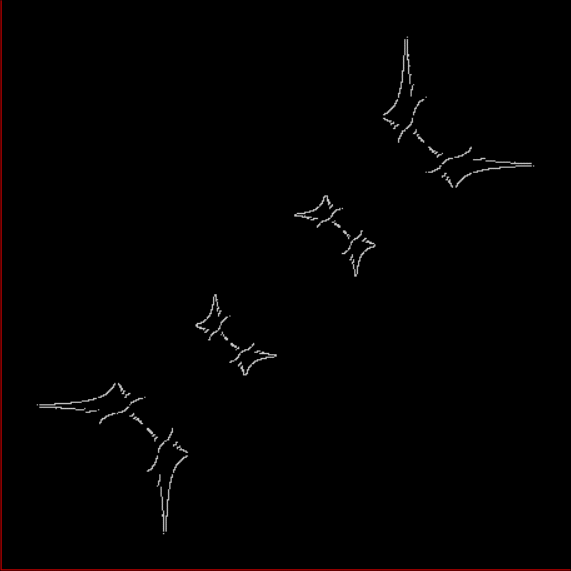
x ← (1,4) and y ← (1,6)
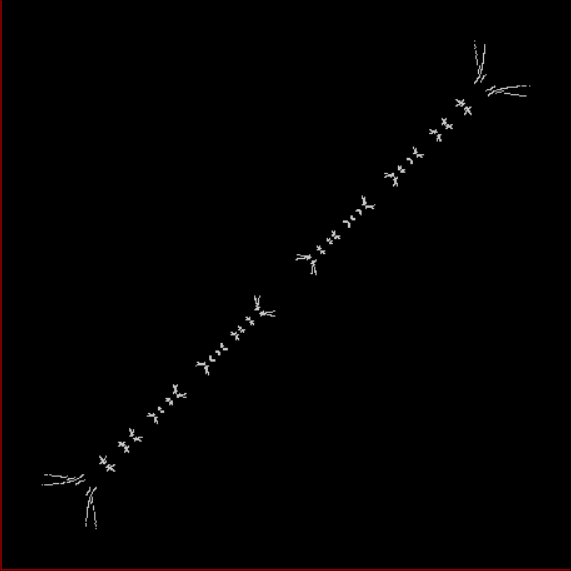
x ← (1,7) and y ← (1,8)
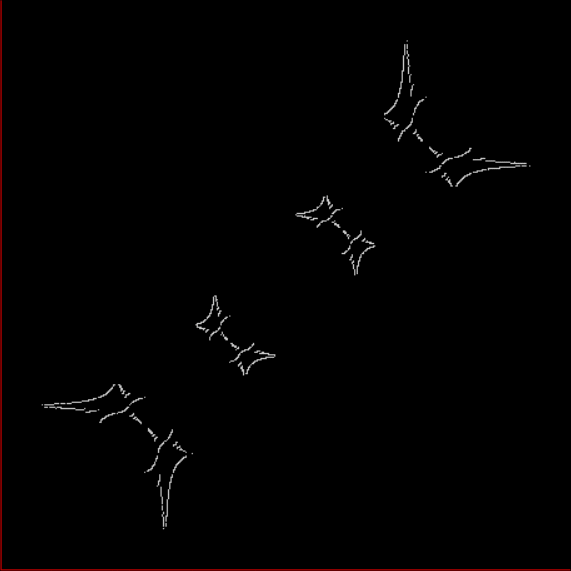
x ← (2,3) and y ← (4,5) — apparently identical to x ← (1,4) and y ← (1,6) above
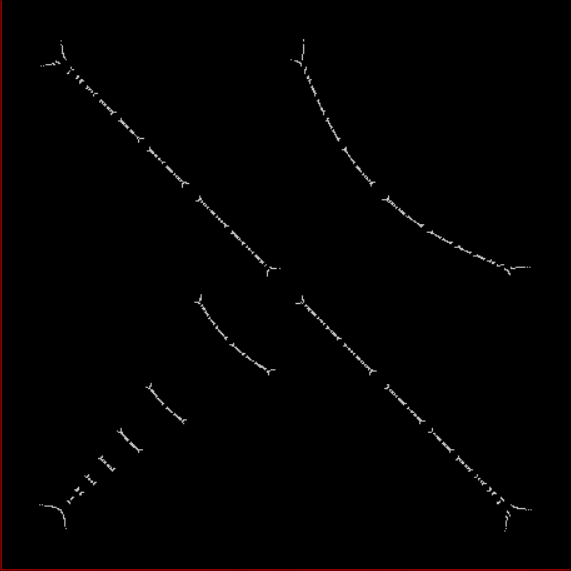
x ← (26,25) and y ← (1,10)
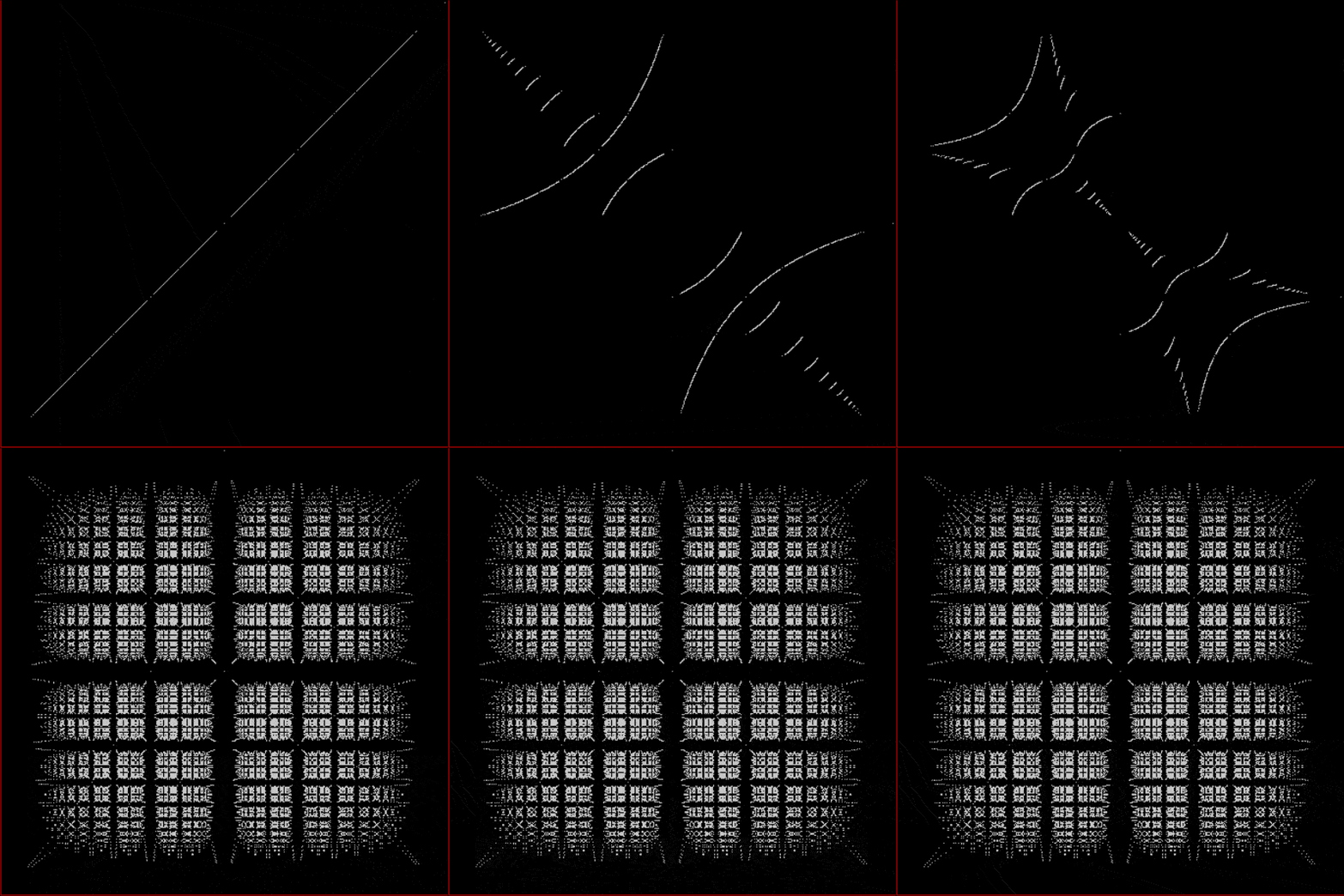
Gryke fractal compared with Stern-Brocot-pair patterns (animated at ezGif)
And here’s what happens when the seed-fractions for x run from 1/3 to 12/13, while the seed-fraction for y is held constant at 1/23:
x ← (1,13) and y ← (1,23)
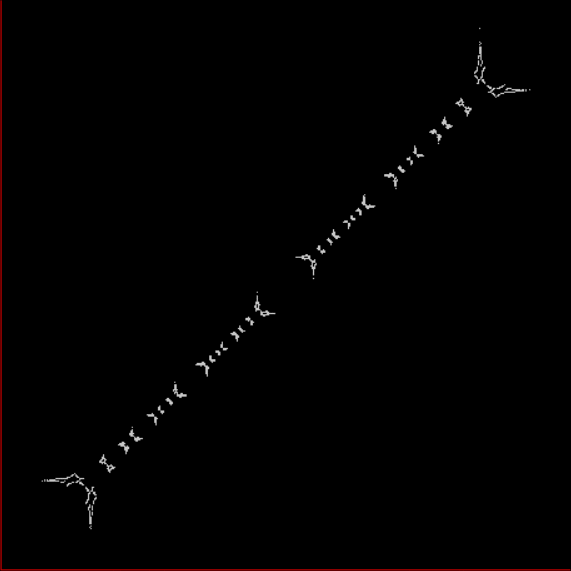
x ← (2,13) and y ← (1,23)
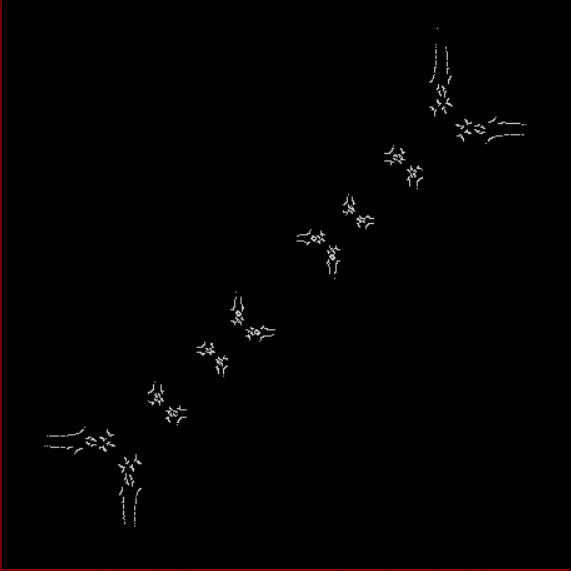
x ← (3,13) and y ← (1,23)
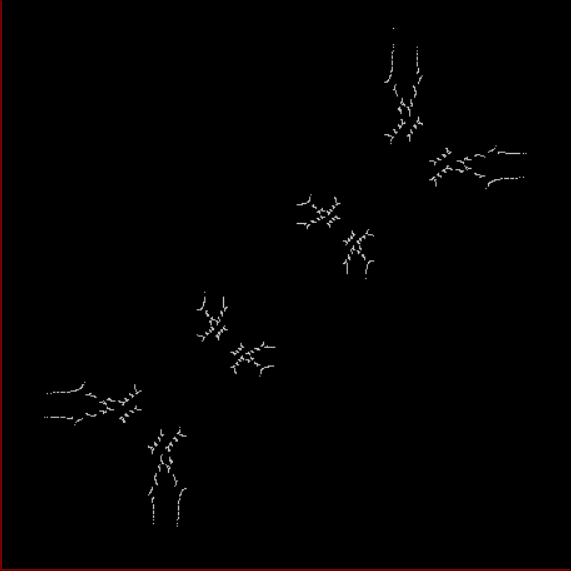
x ← (4,13) and y ← (1,23)
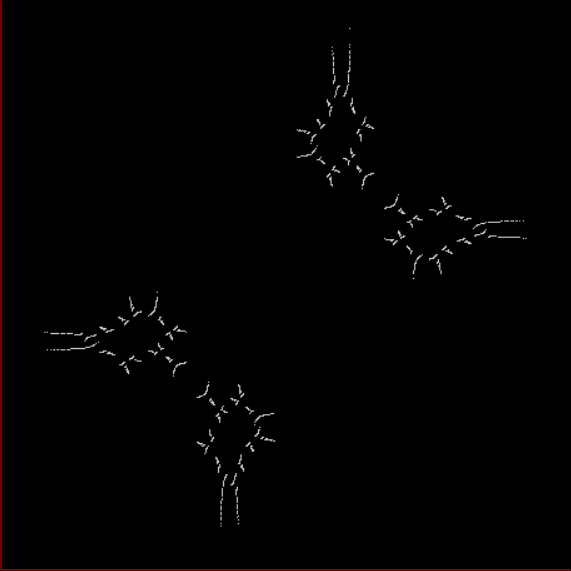
x ← (5,13) and y ← (1,23)
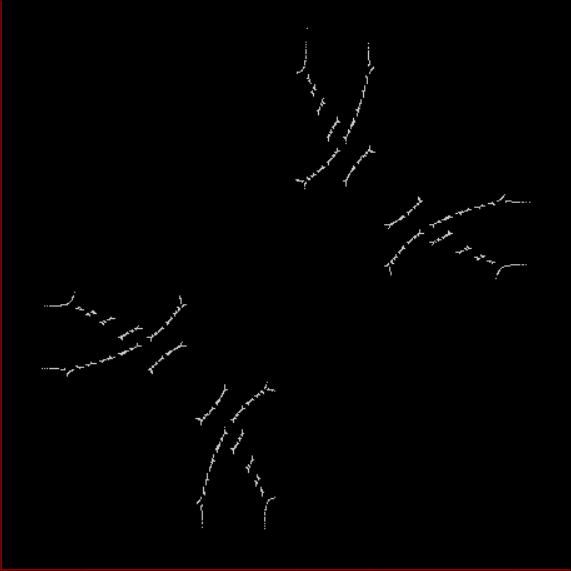
x ← (6,13) and y ← (1,23)
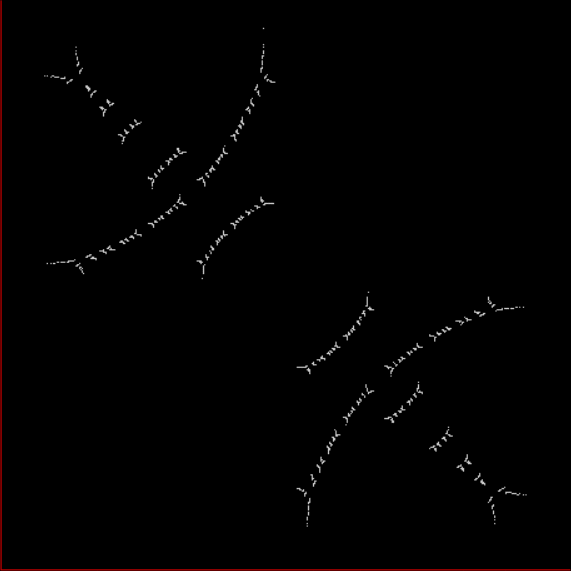
x ← (7,13) and y ← (1,23)
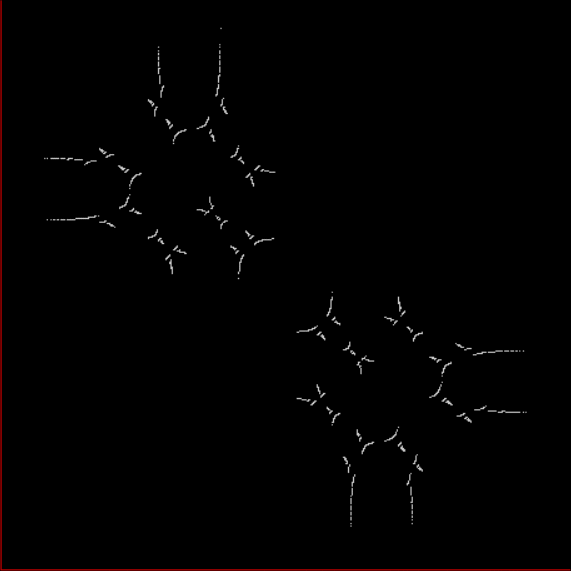
x ← (8,13) and y ← (1,23)
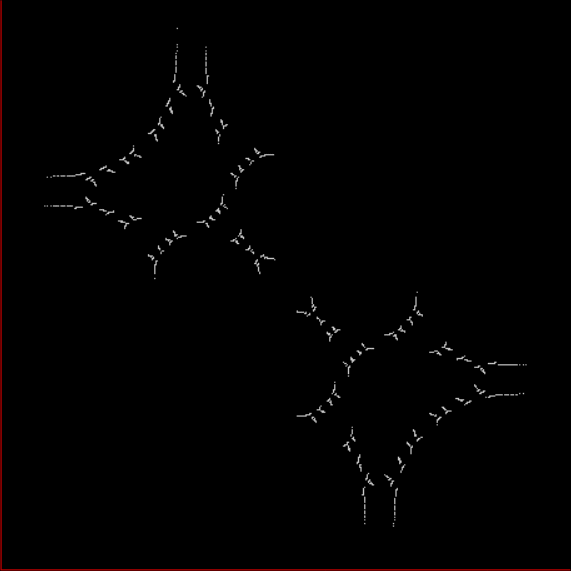
x ← (9,13) and y ← (1,23)
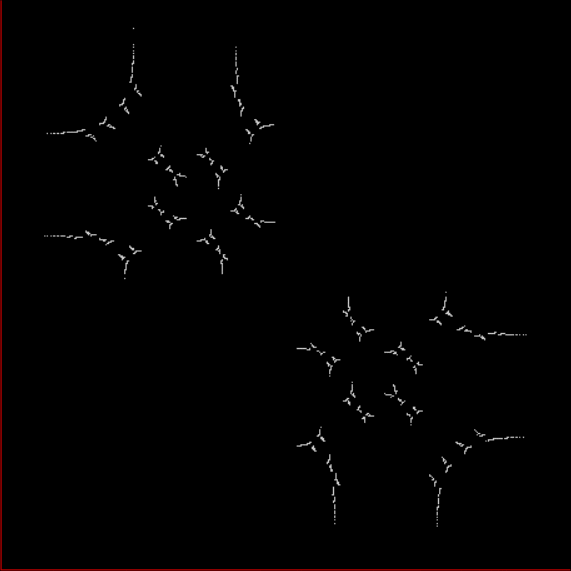
x ← (10,13) and y ← (1,23)
x ← (11,13) and y ← (1,23)
x ← (12,13) and y ← (1,23)
Animated gif for x ← (n,13) and y ← (1,23) (animated at ezGif)
Previously Pre-Posted
• I Like Gryke — a first look at the limestone fractal
• Lime Time — more on the fractal


 Overlord In Terms of Core Issues Around Maximal Engagement with Key Notions of the Über-Feral