Pre-previously posted (please peruse):

Cuneiform, adj. and n. Having the form of a wedge, wedge-shaped. (← Latin cuneus wedge + -form) (Oxford English Dictionary)
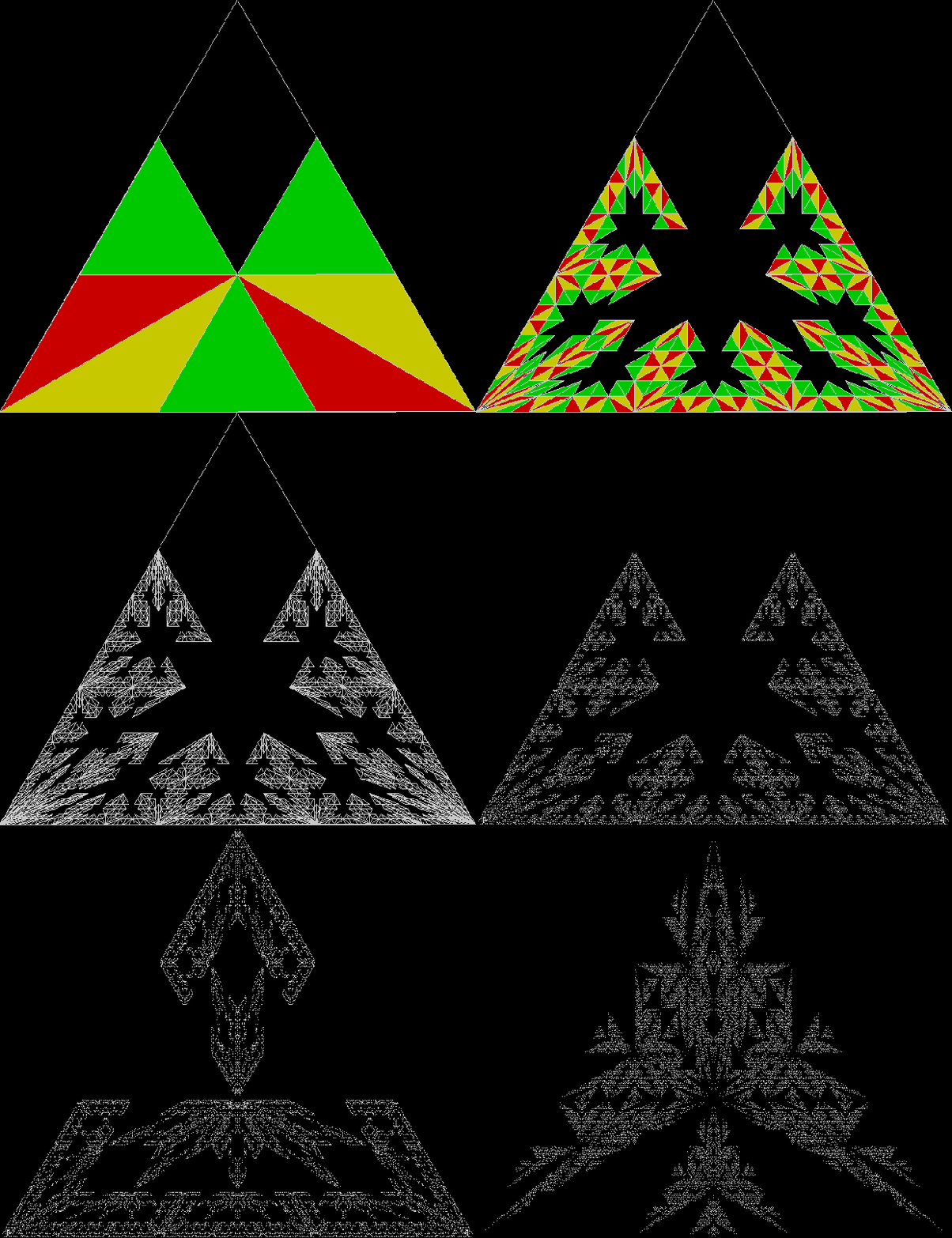
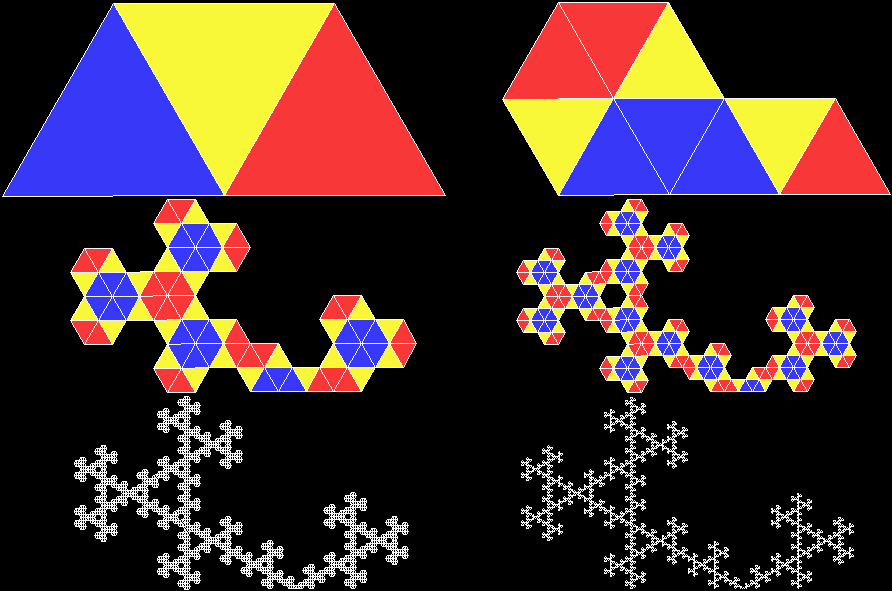
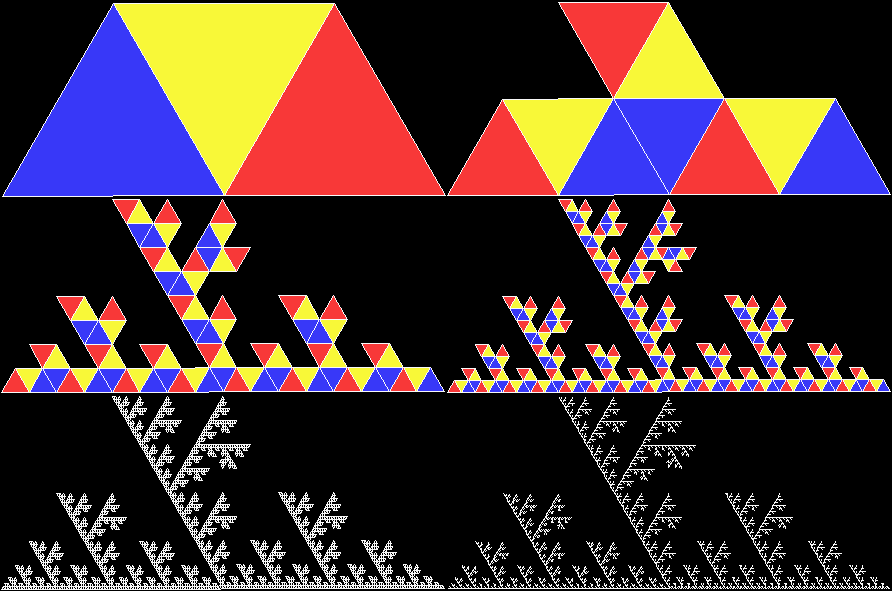
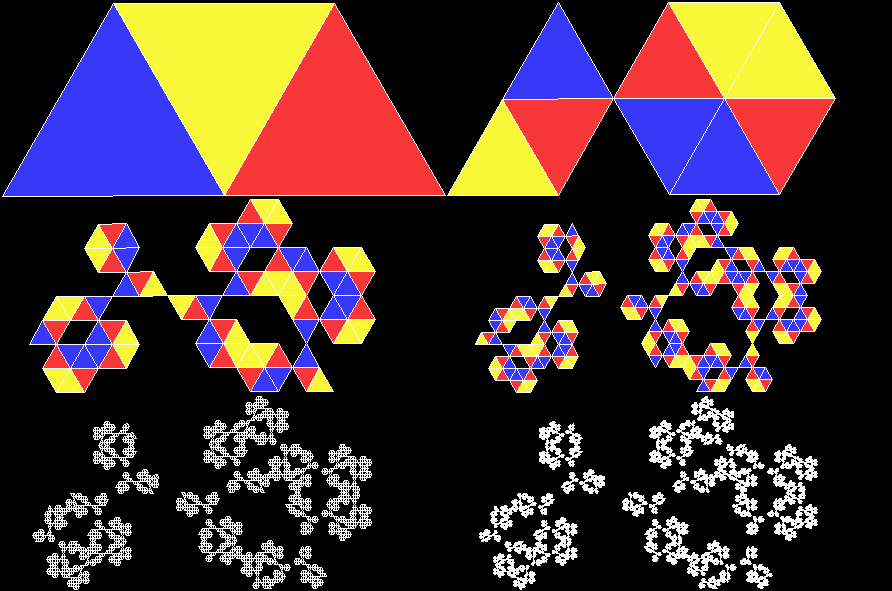
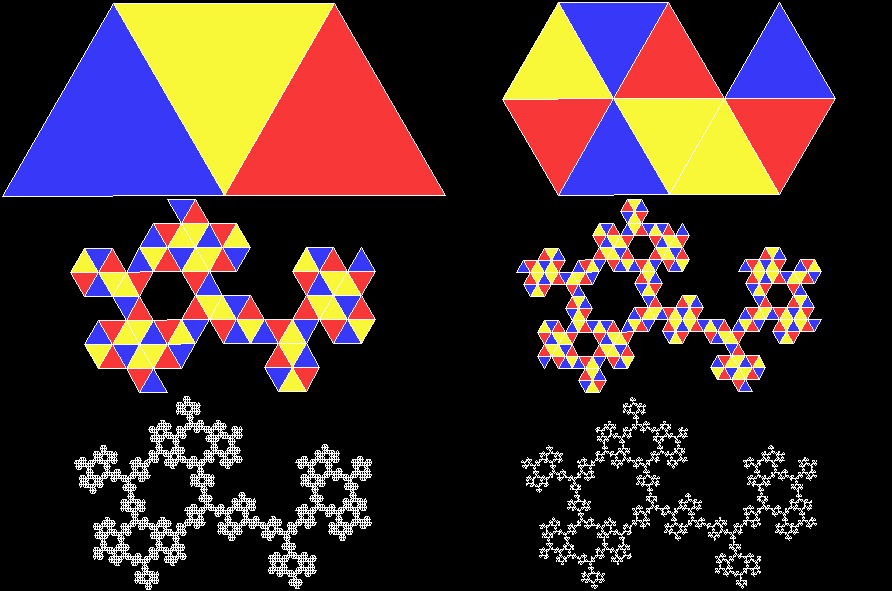
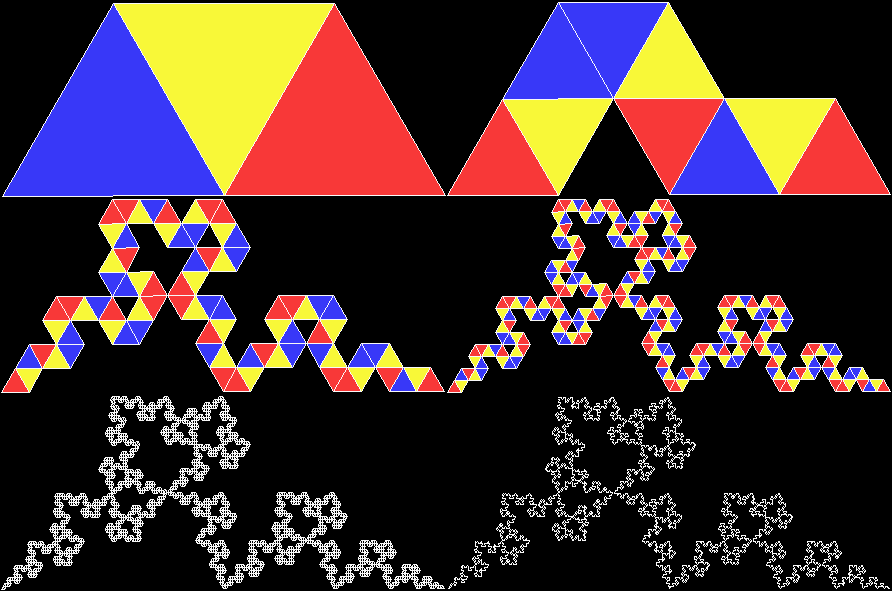
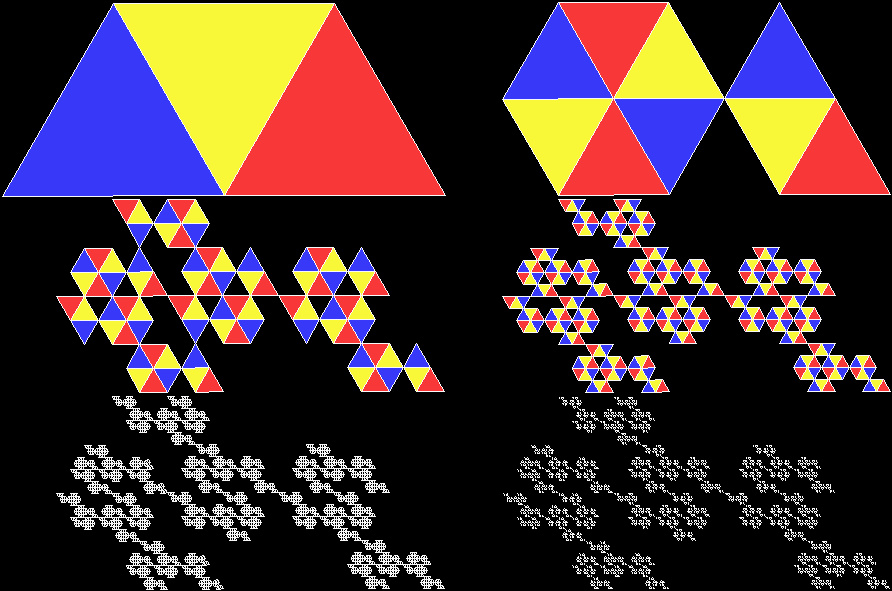
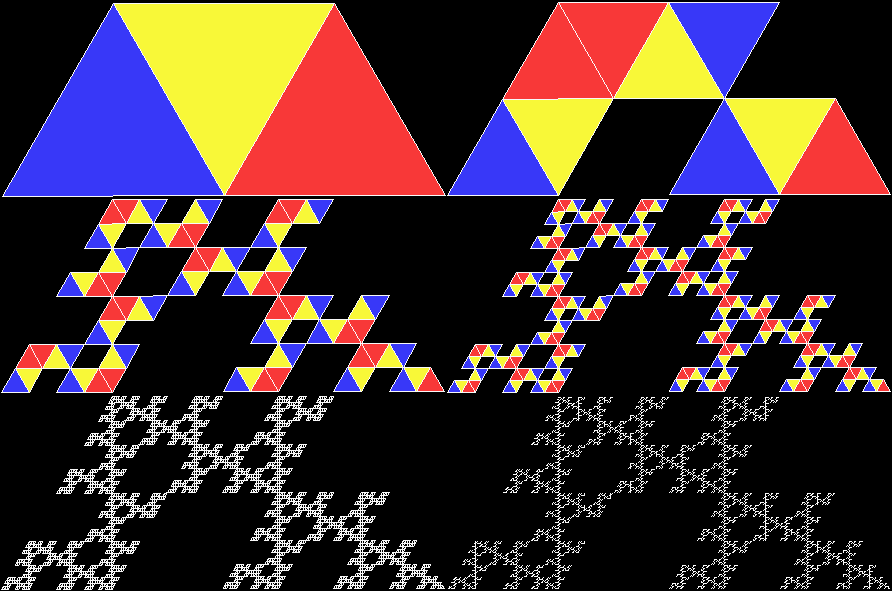
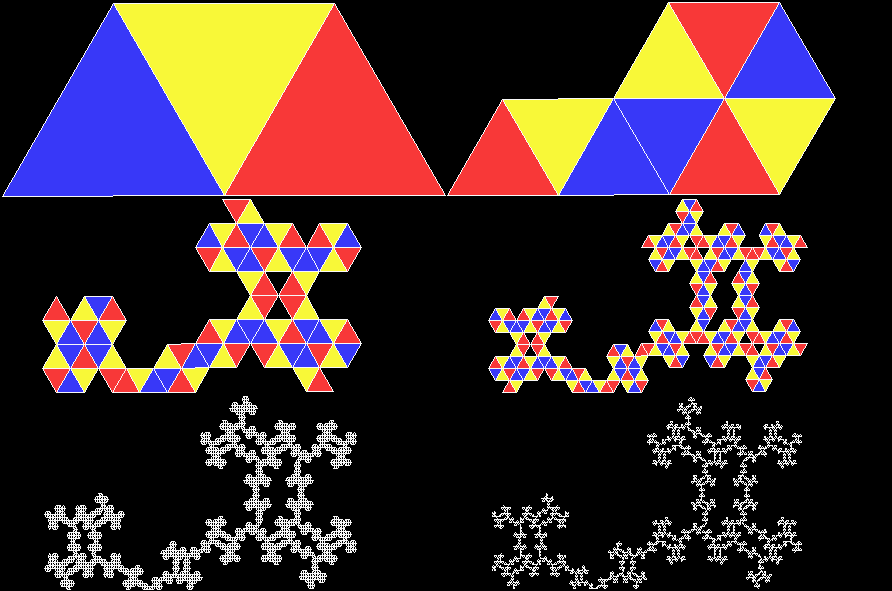
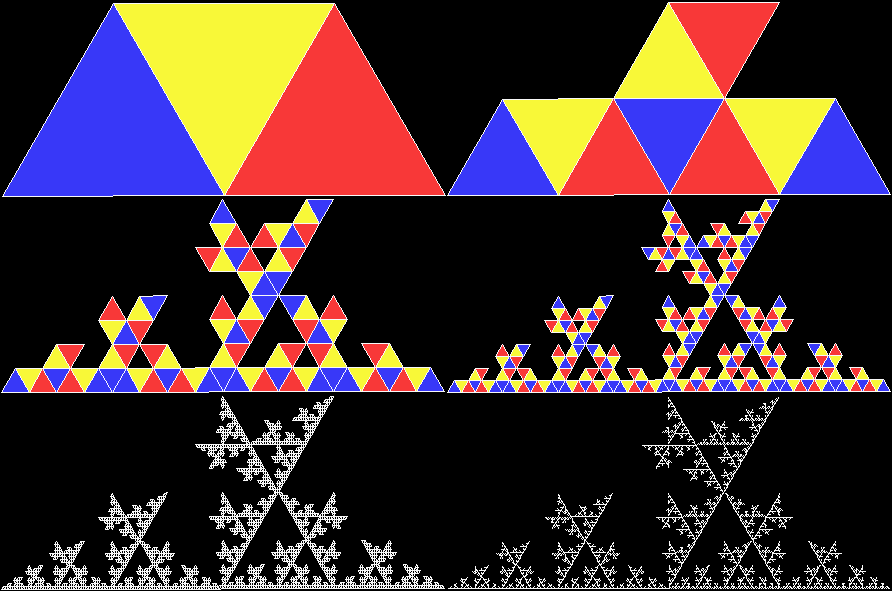
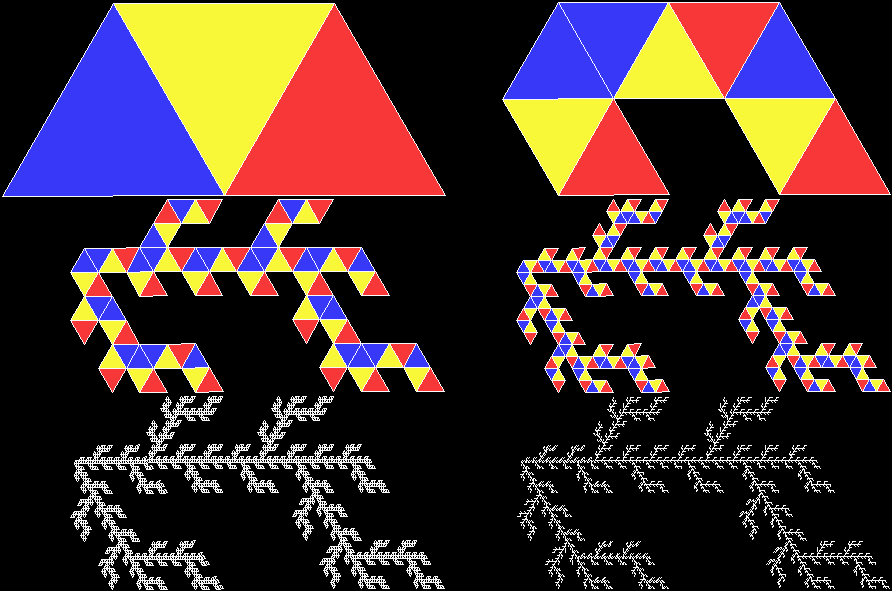
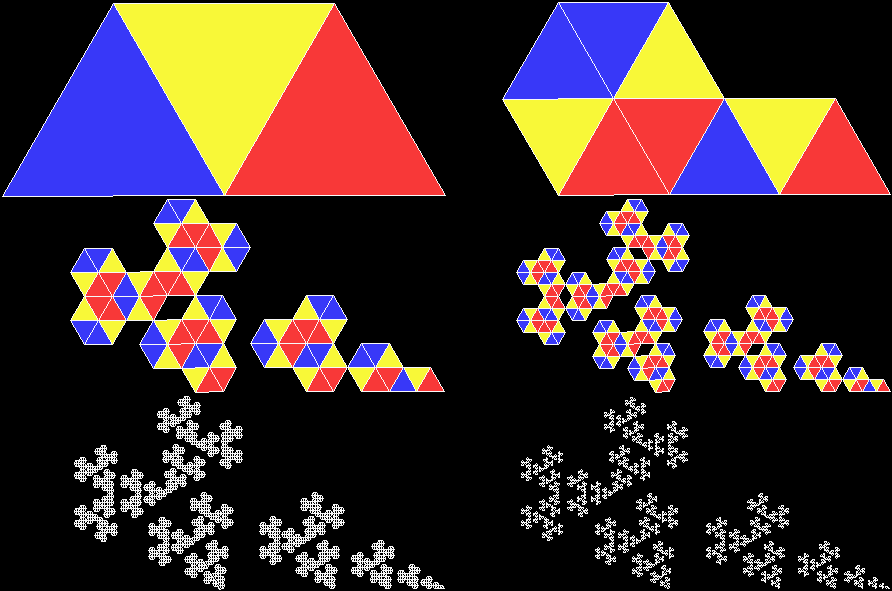
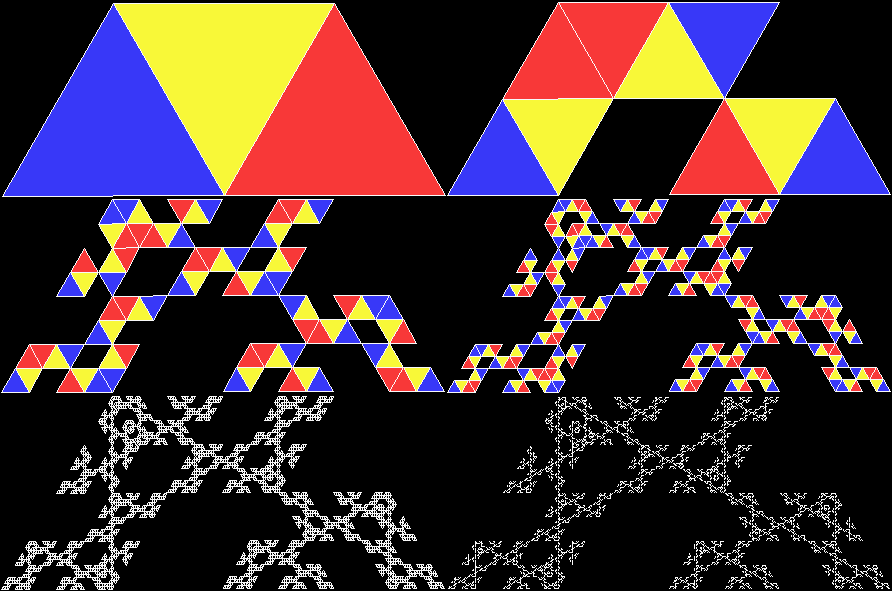
This fractal is created by taking an equilateral triangle and finding the centre and the midpoint of each side. Using all these points, plus the three vertices, six new triangles can be created from the original. The process is then repeated with each new triangle (if the images don’t animate, please try opening them in a new window):
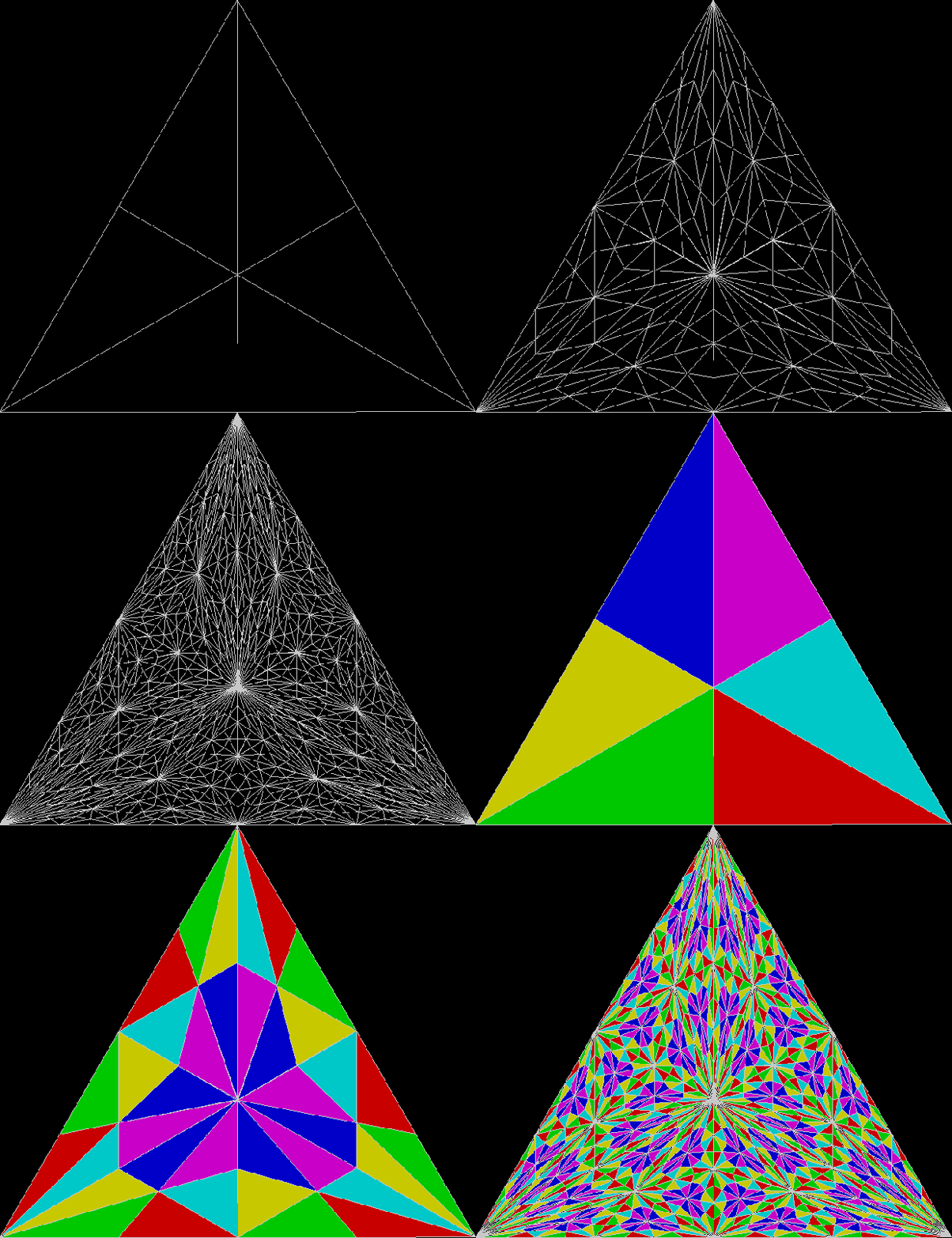
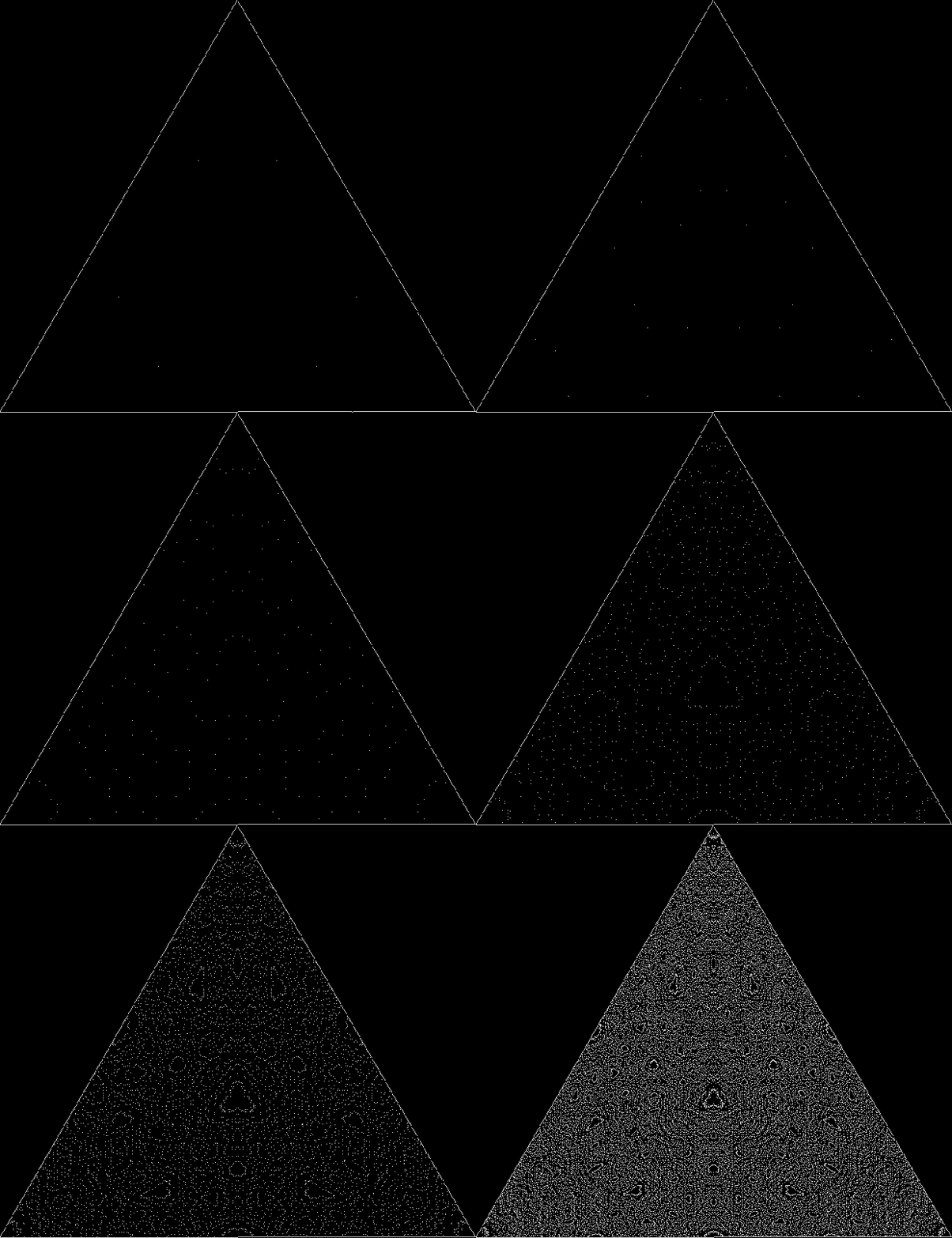
If the centre-point of each triangle is shown, rather than the sides, this is the pattern created:
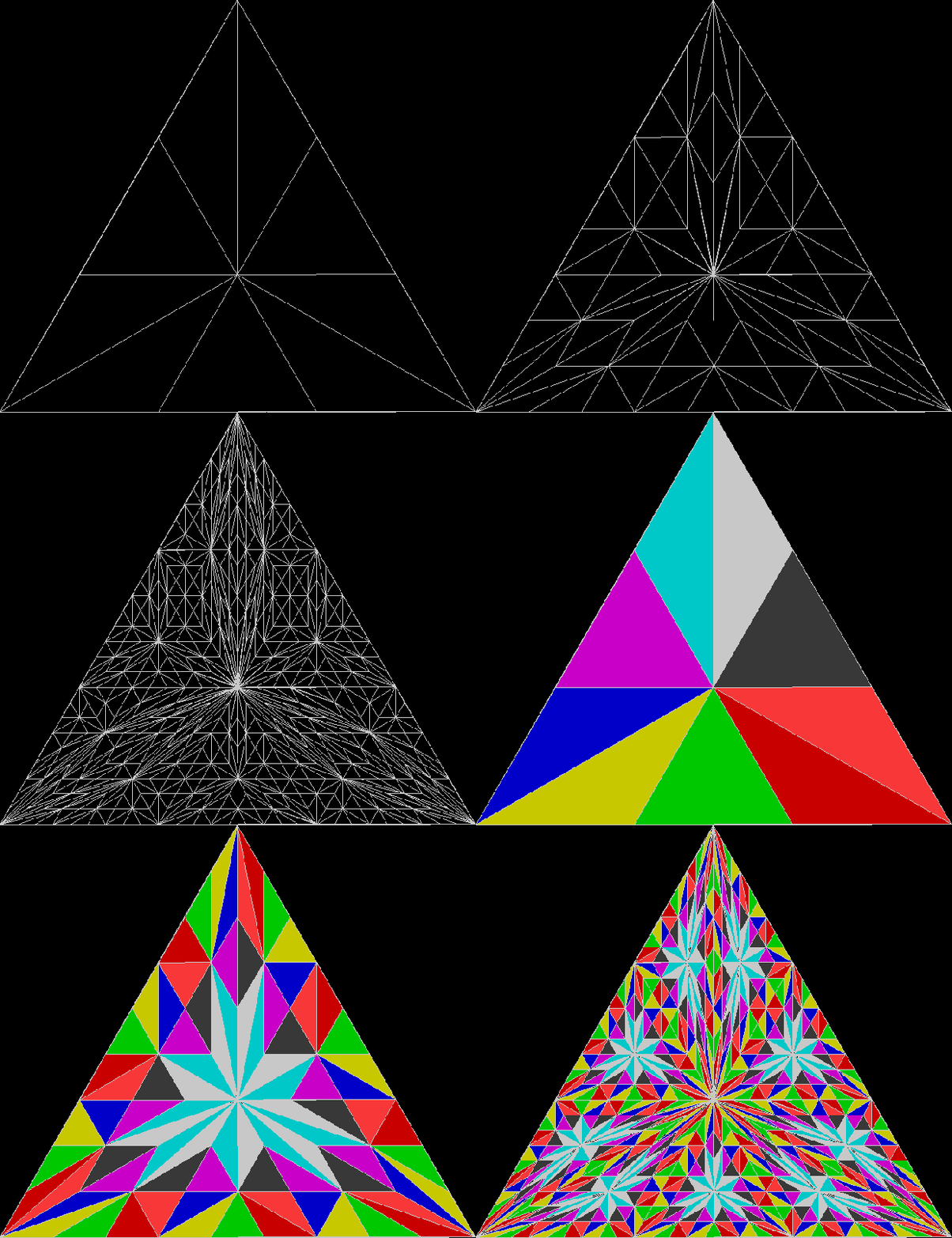
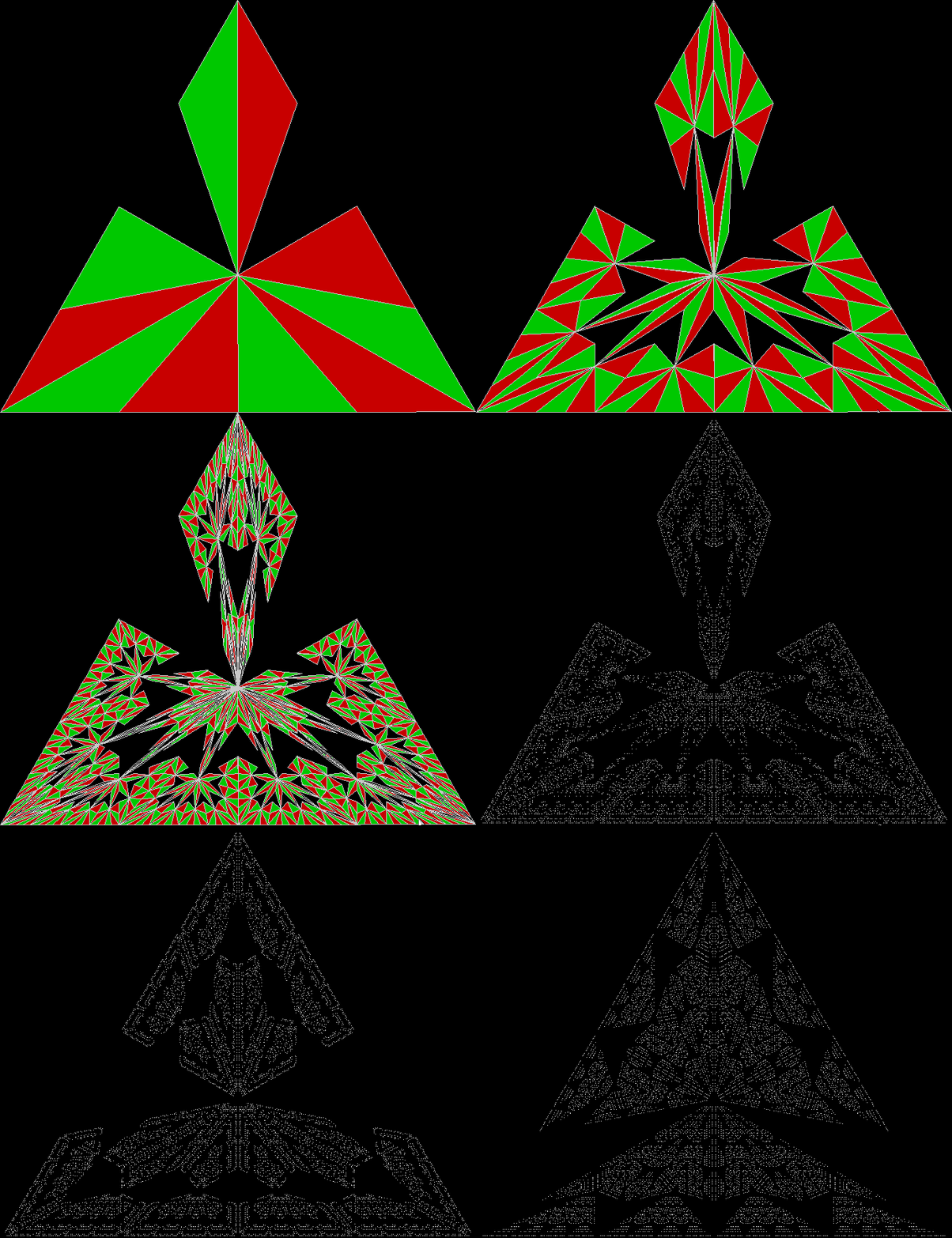
Triangles in which the sides are divided into thirds and quarters look like this:
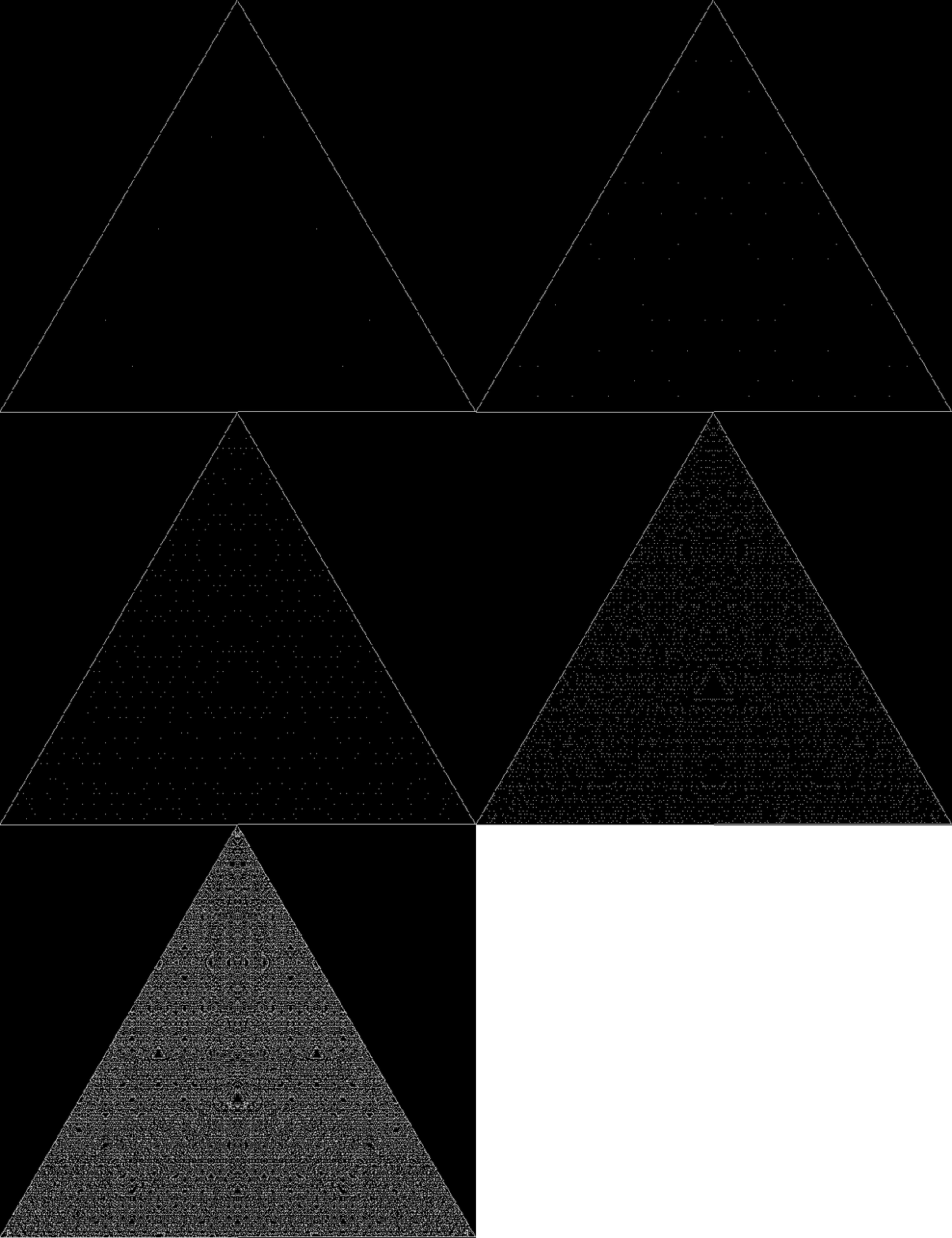
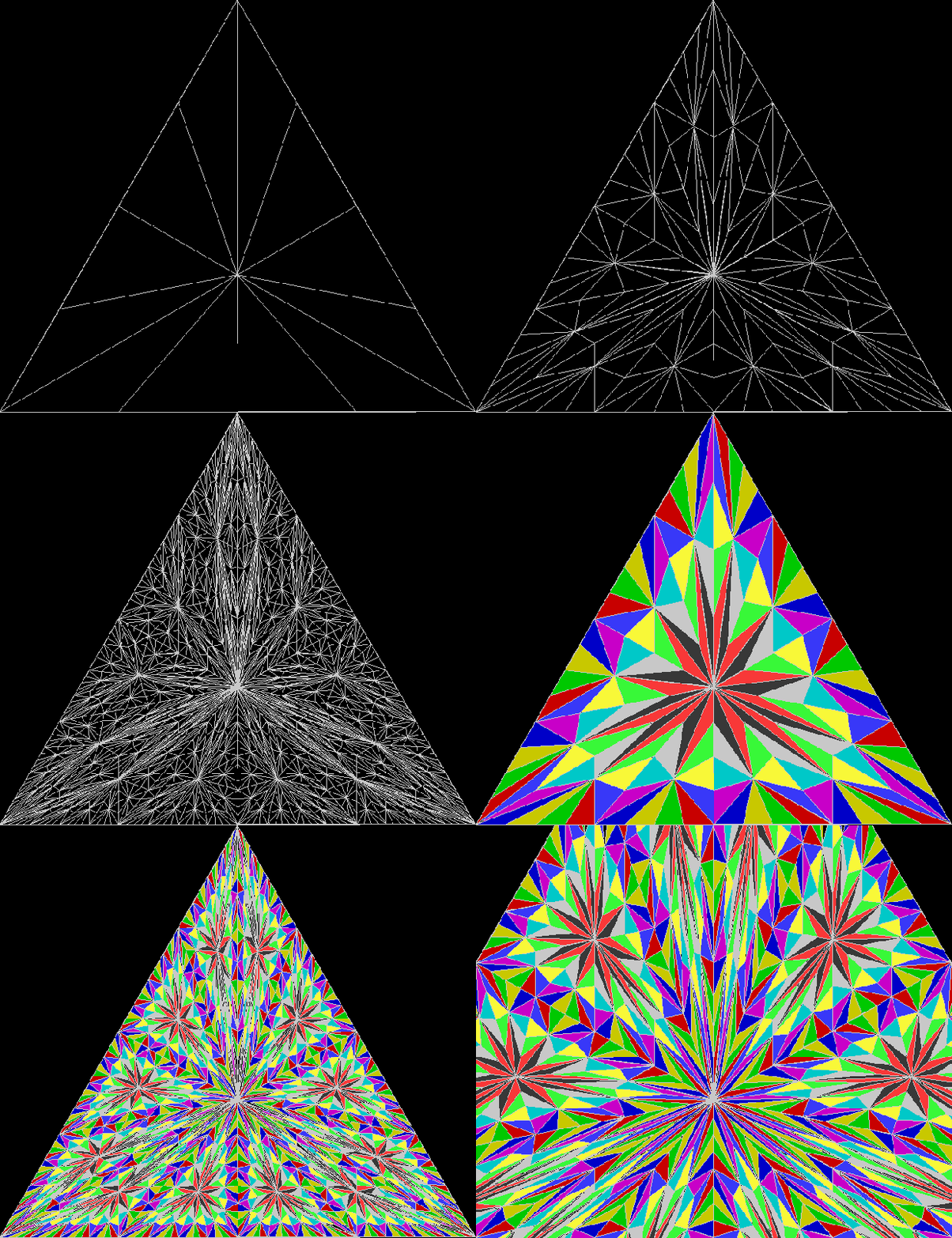
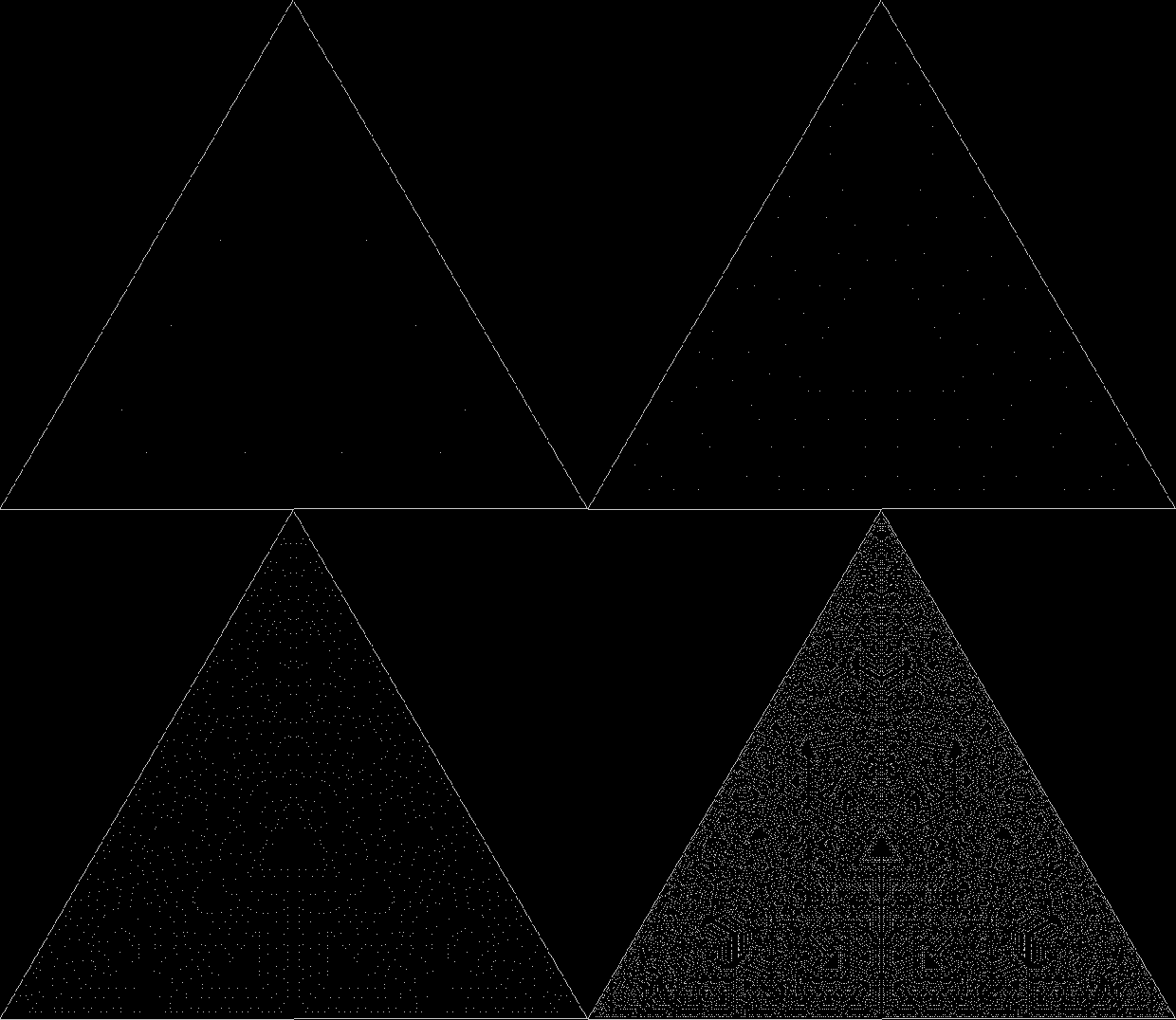
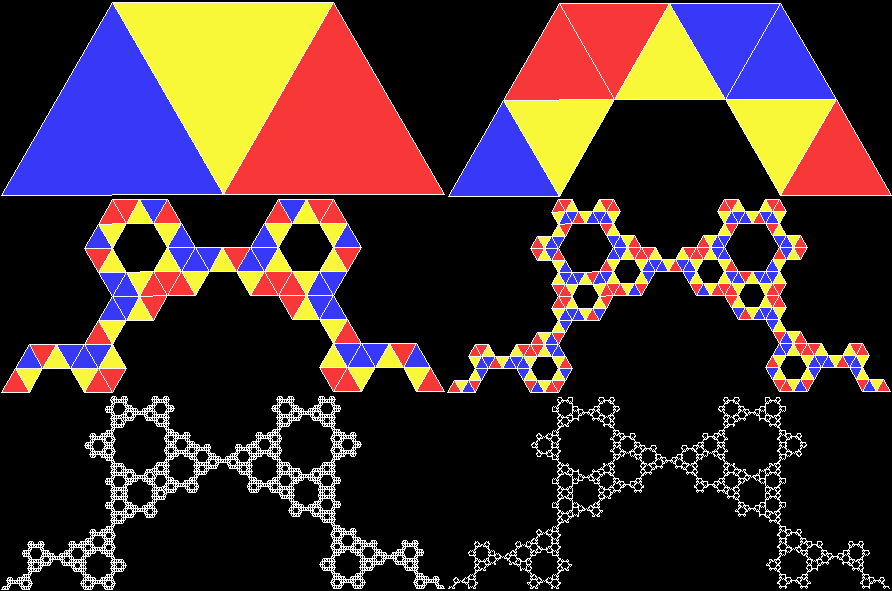
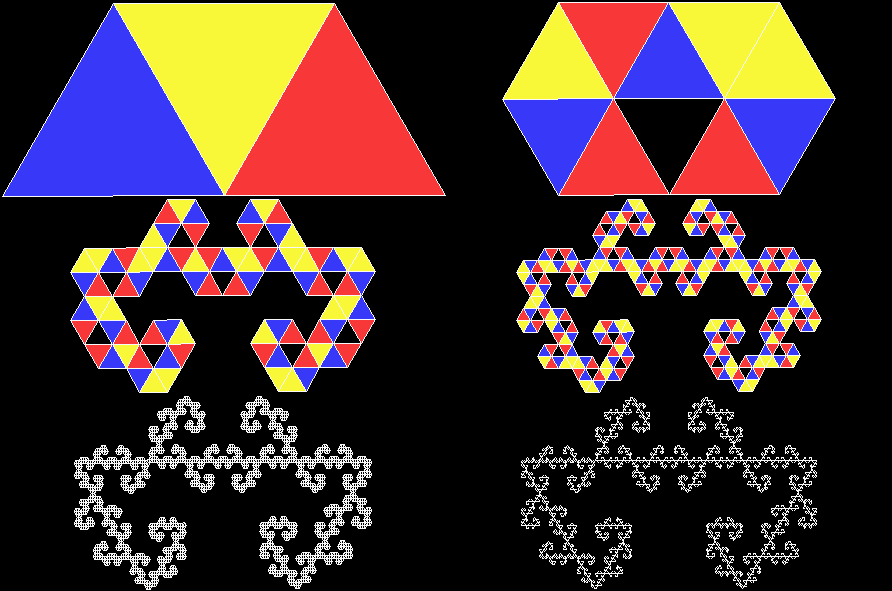
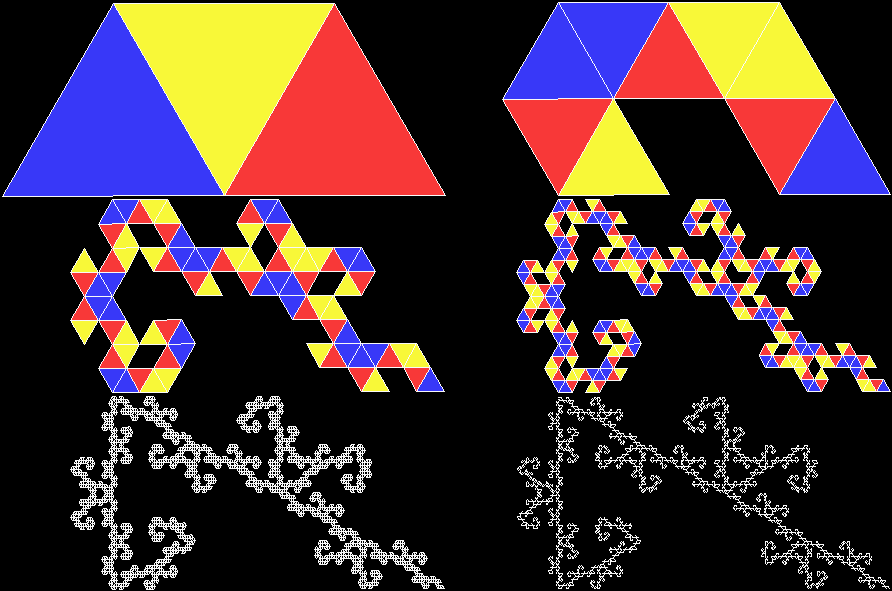
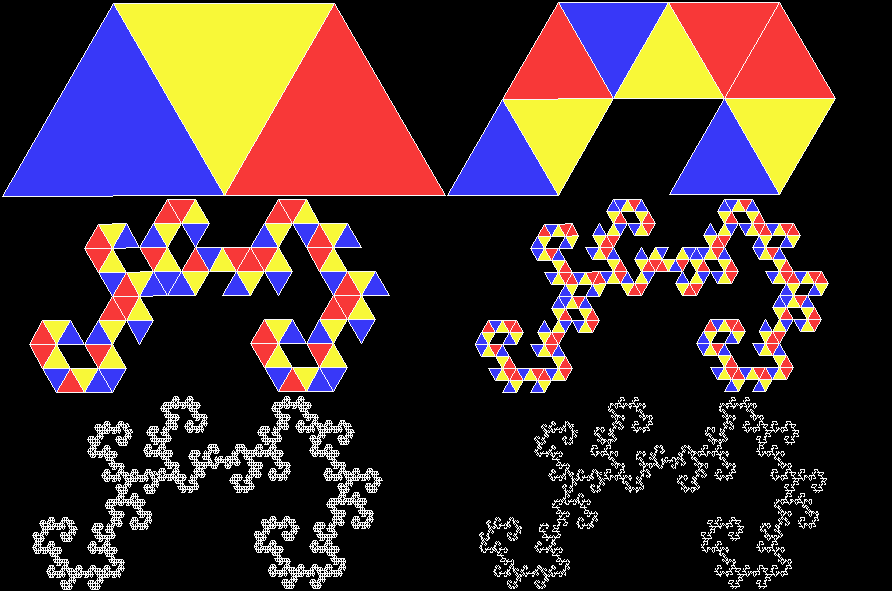
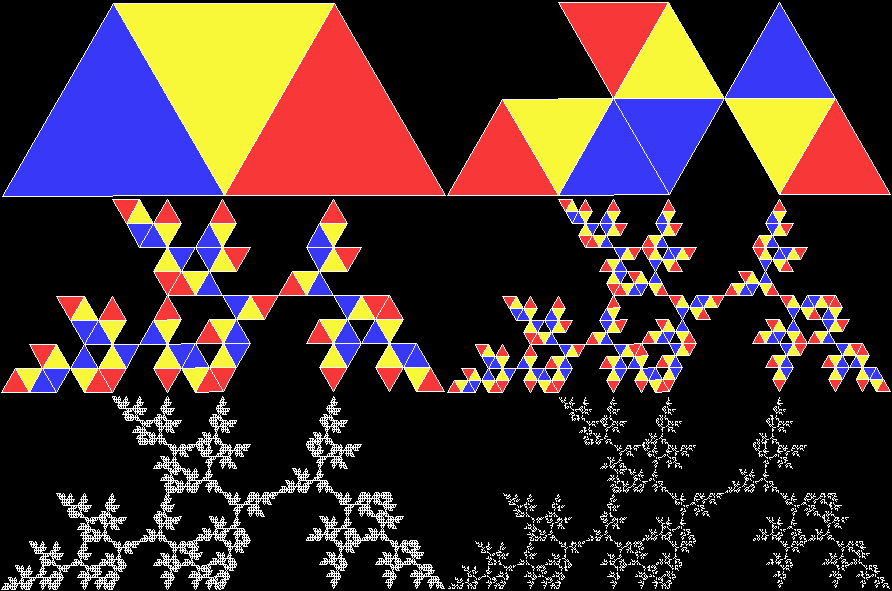
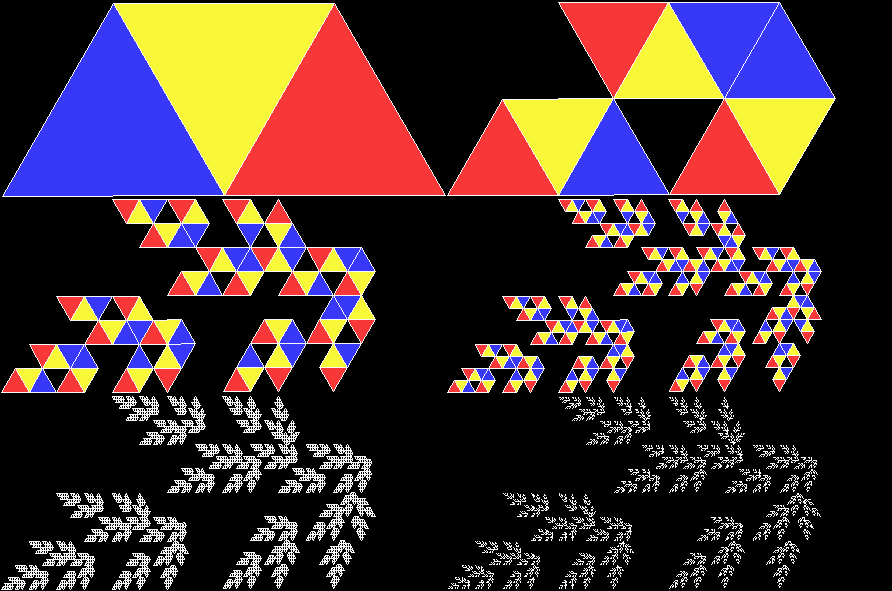
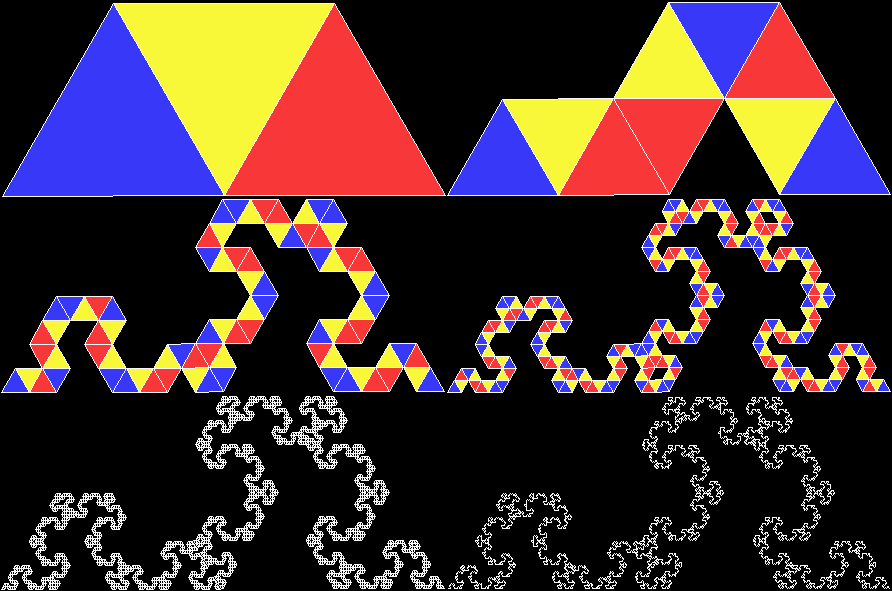
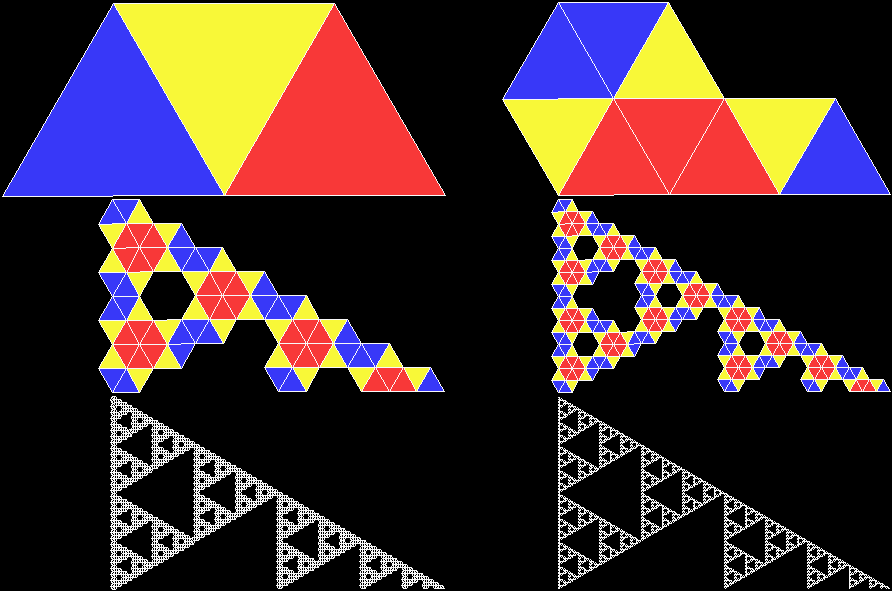
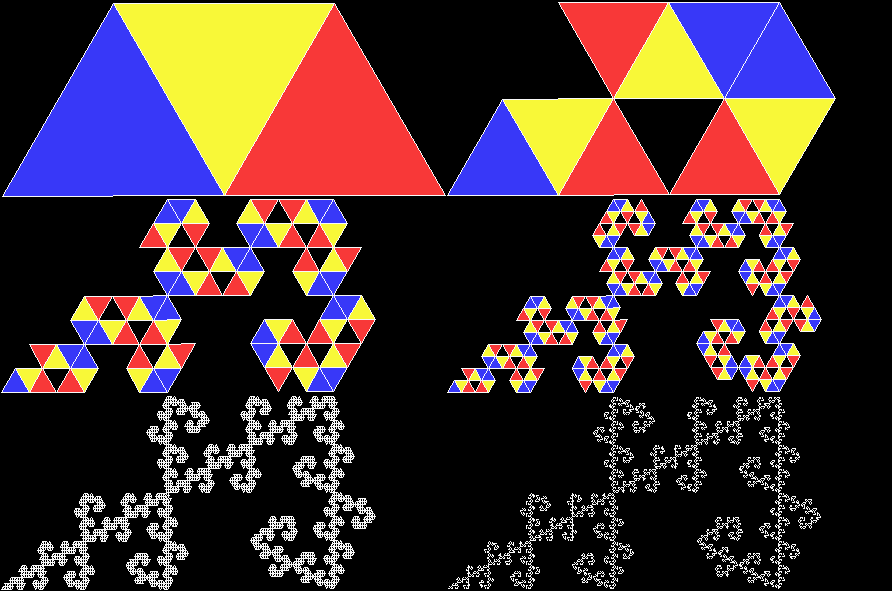
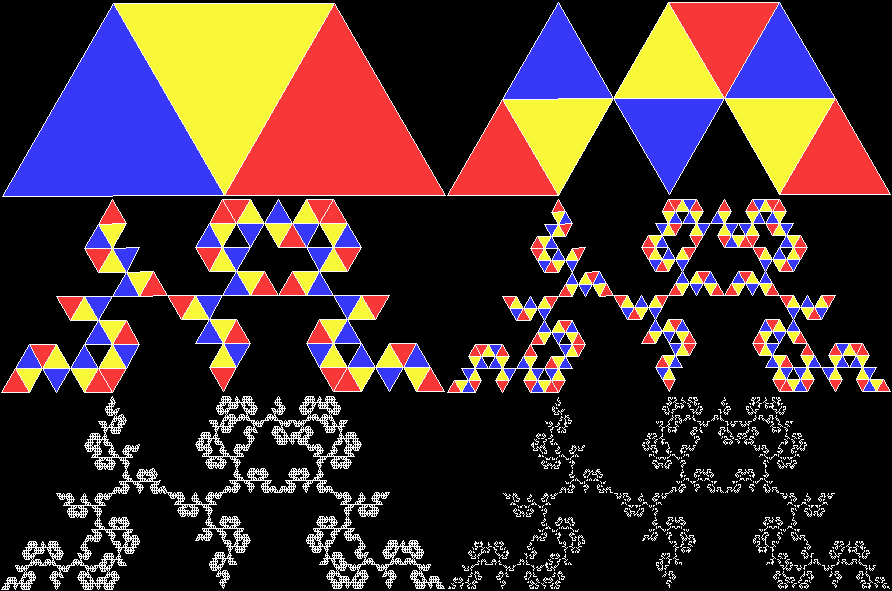
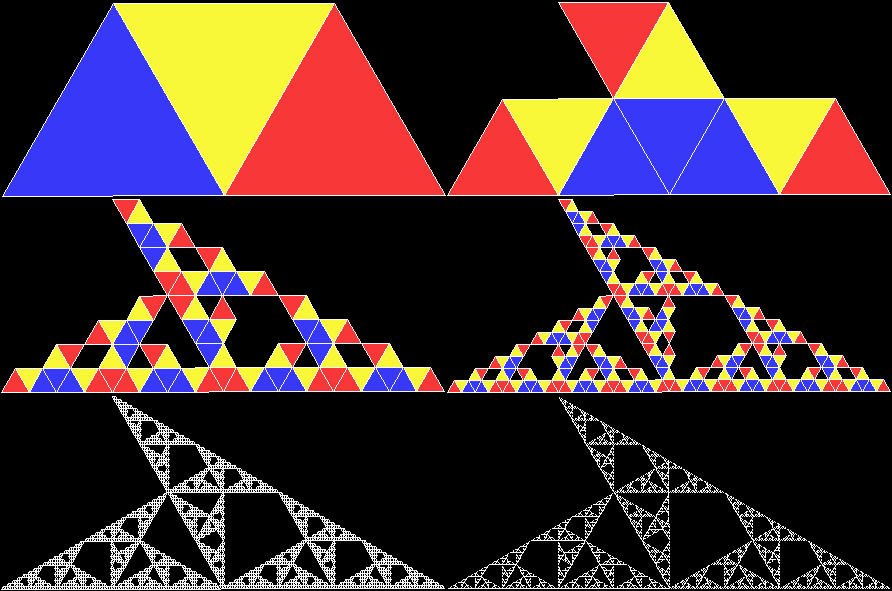
And if sub-triangles are discarded, more obvious fractals appear, some of which look like Lovecraftian deities and owl- or hawk-gods:
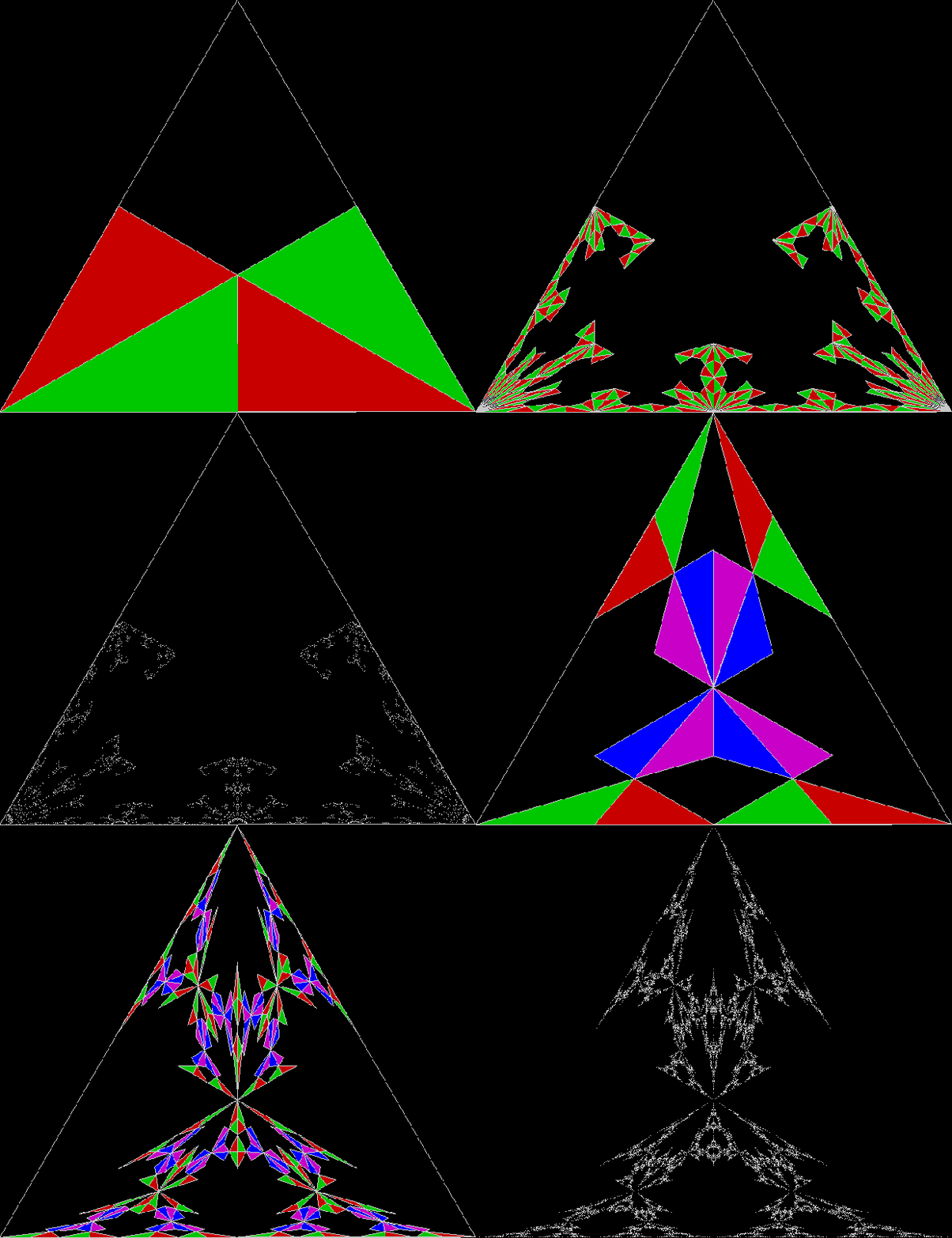
Elsewhere Other-Accessible
• Circus Trix — a later and better-illustrated look at these fractals
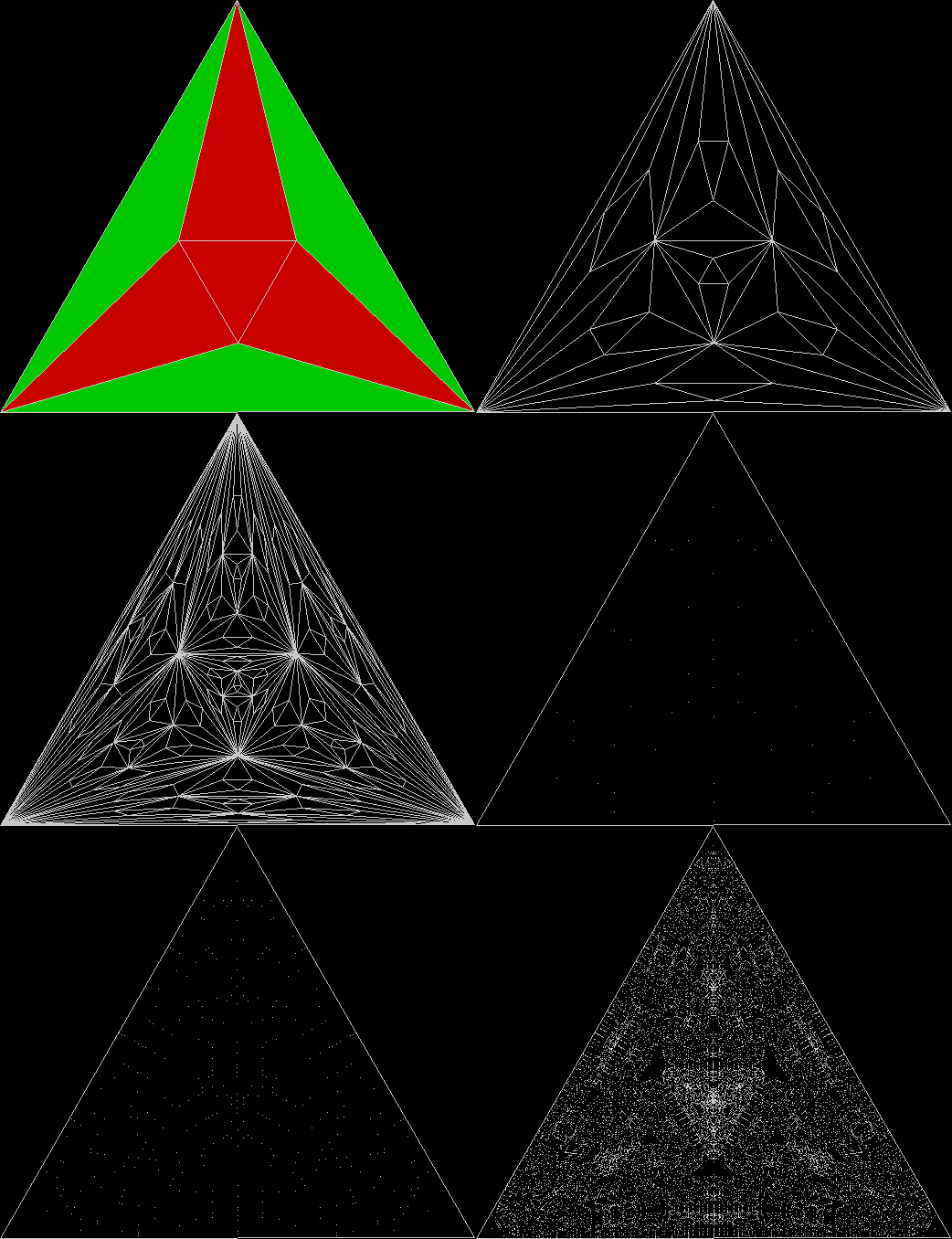
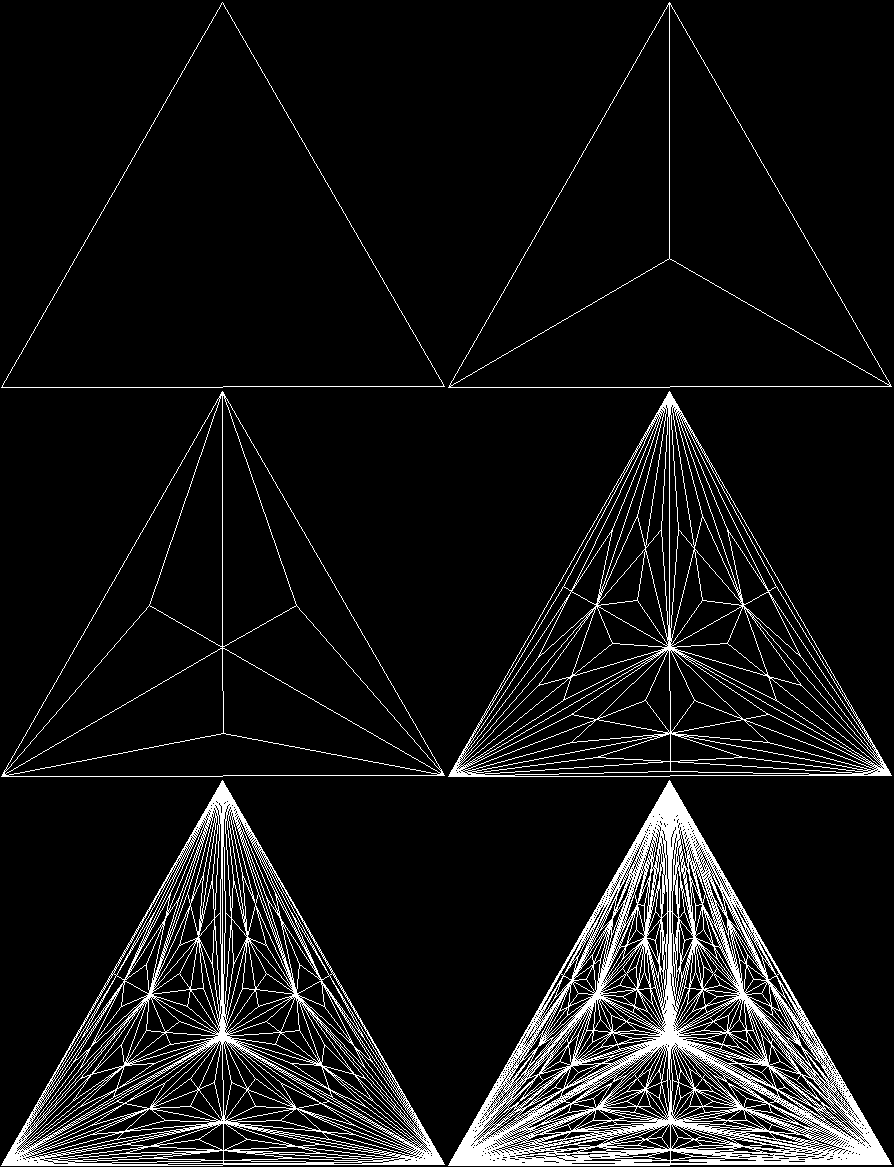
This fractal is created by taking an equilateral triangle, then finding the three points halfway, i.e. d = 0.5, between the centre of the triangle and the midpoint of each side. Using all these points, plus the three vertices, seven new triangles can be created from the original. The process is then repeated with each new triangle:
When sub-triangles are discarded, more obvious fractals appear, including this tristar, again using d = 0.5:
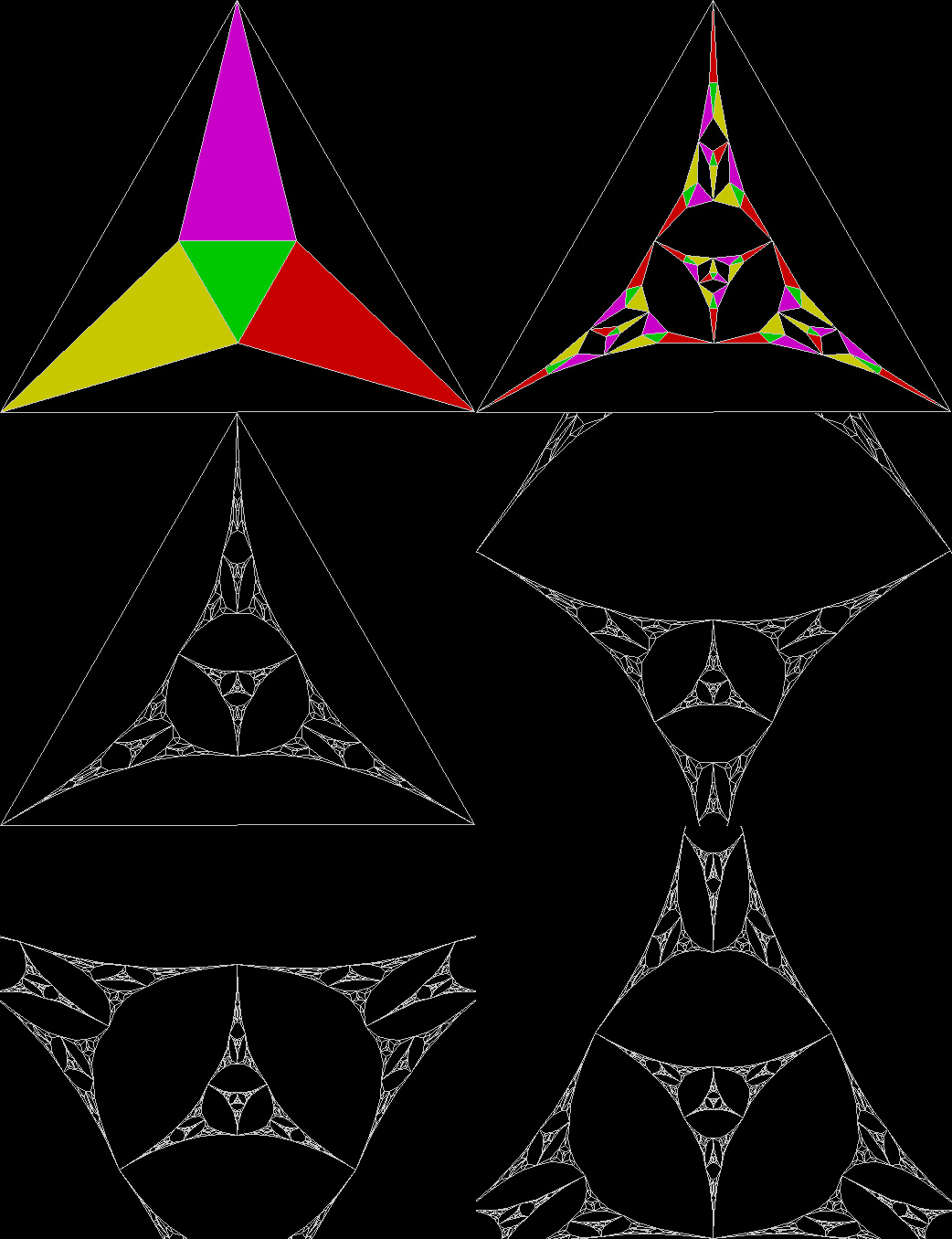
However, a simpler fractal is actually more fertile. This cat’s-cradle is created when d = 0.5:
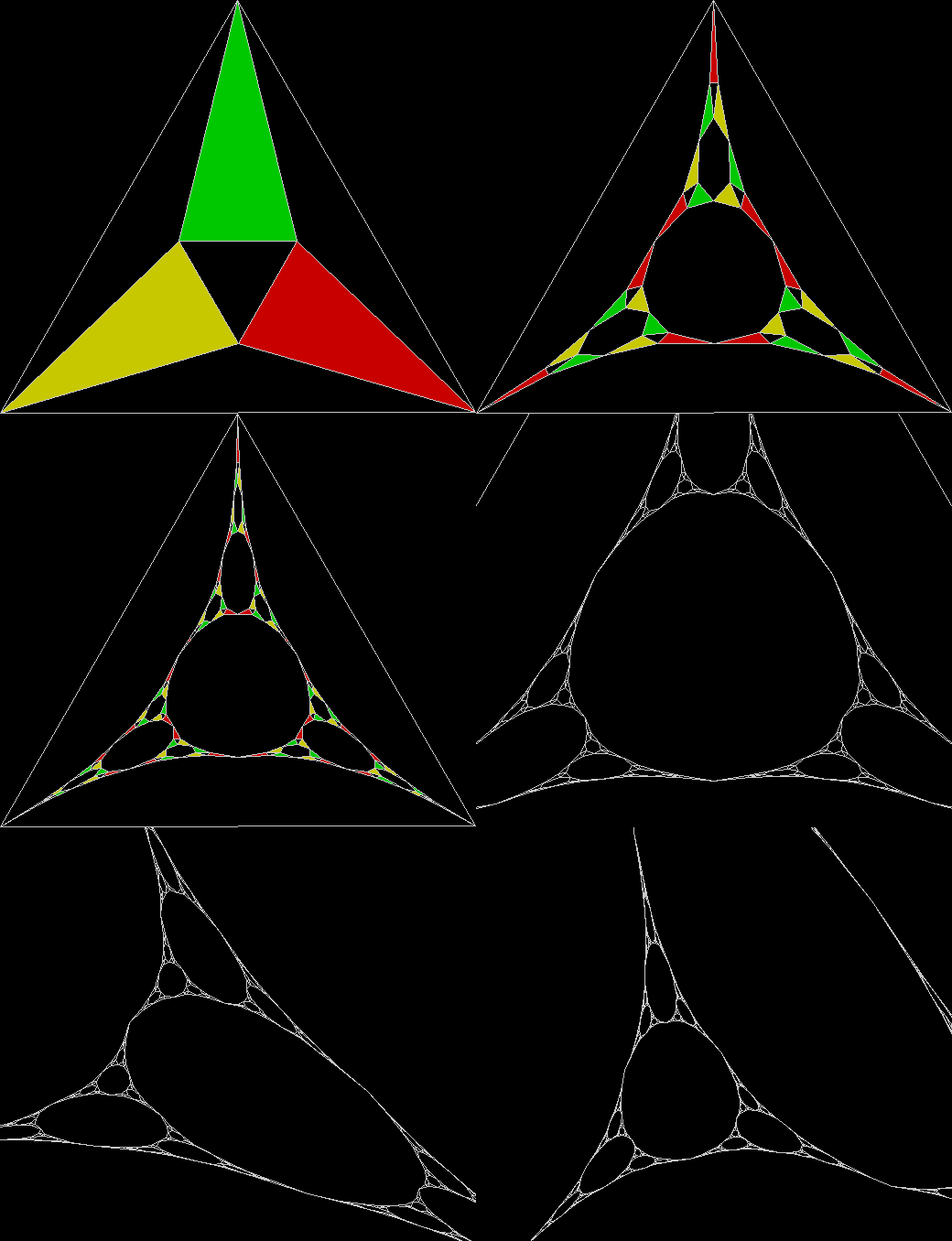
But as d takes values from 0.5 to 0, a very familiar fractal begins to appear: the Sierpiński triangle:
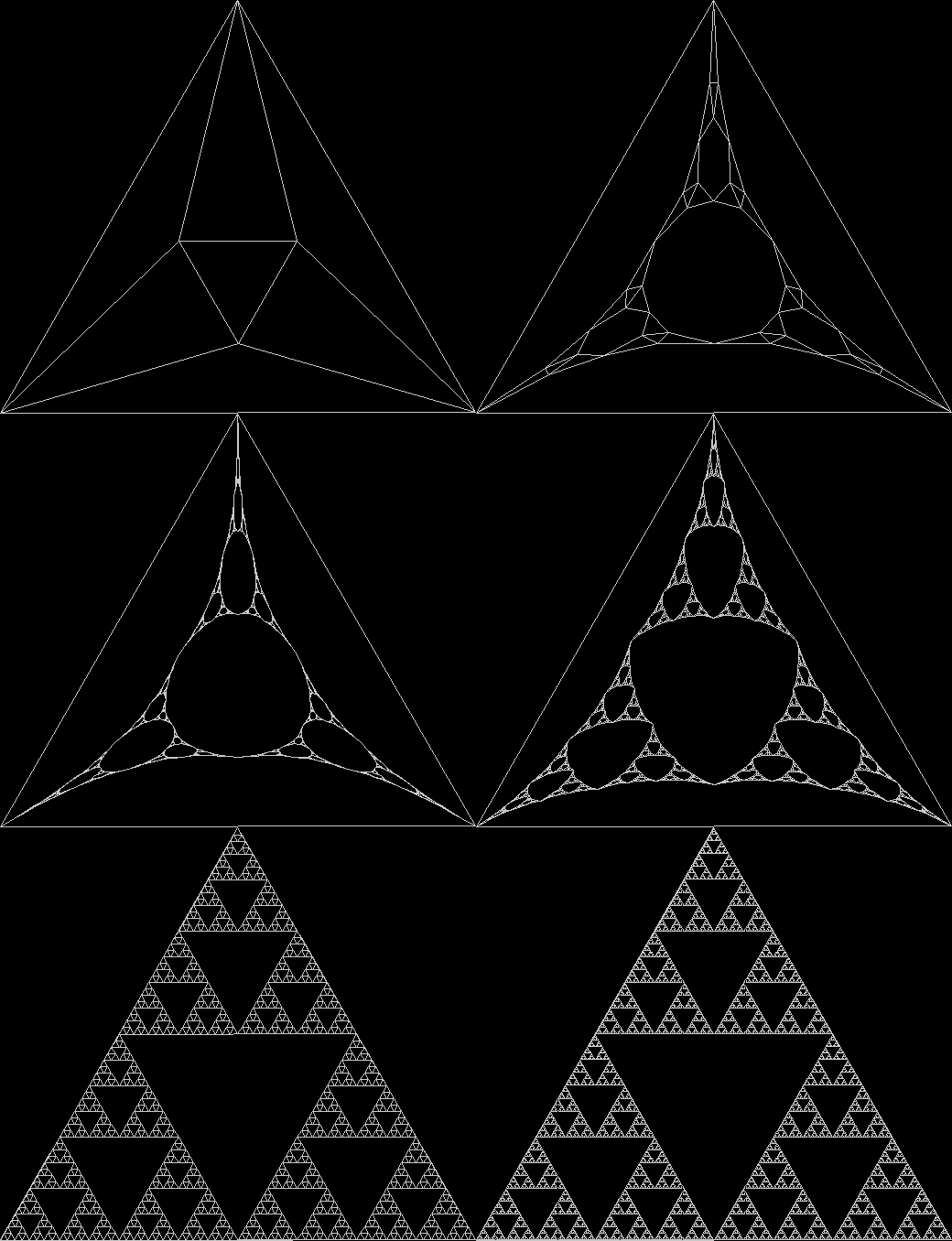
When the values of d become negative, from -0.1 to -1, this is what happens:
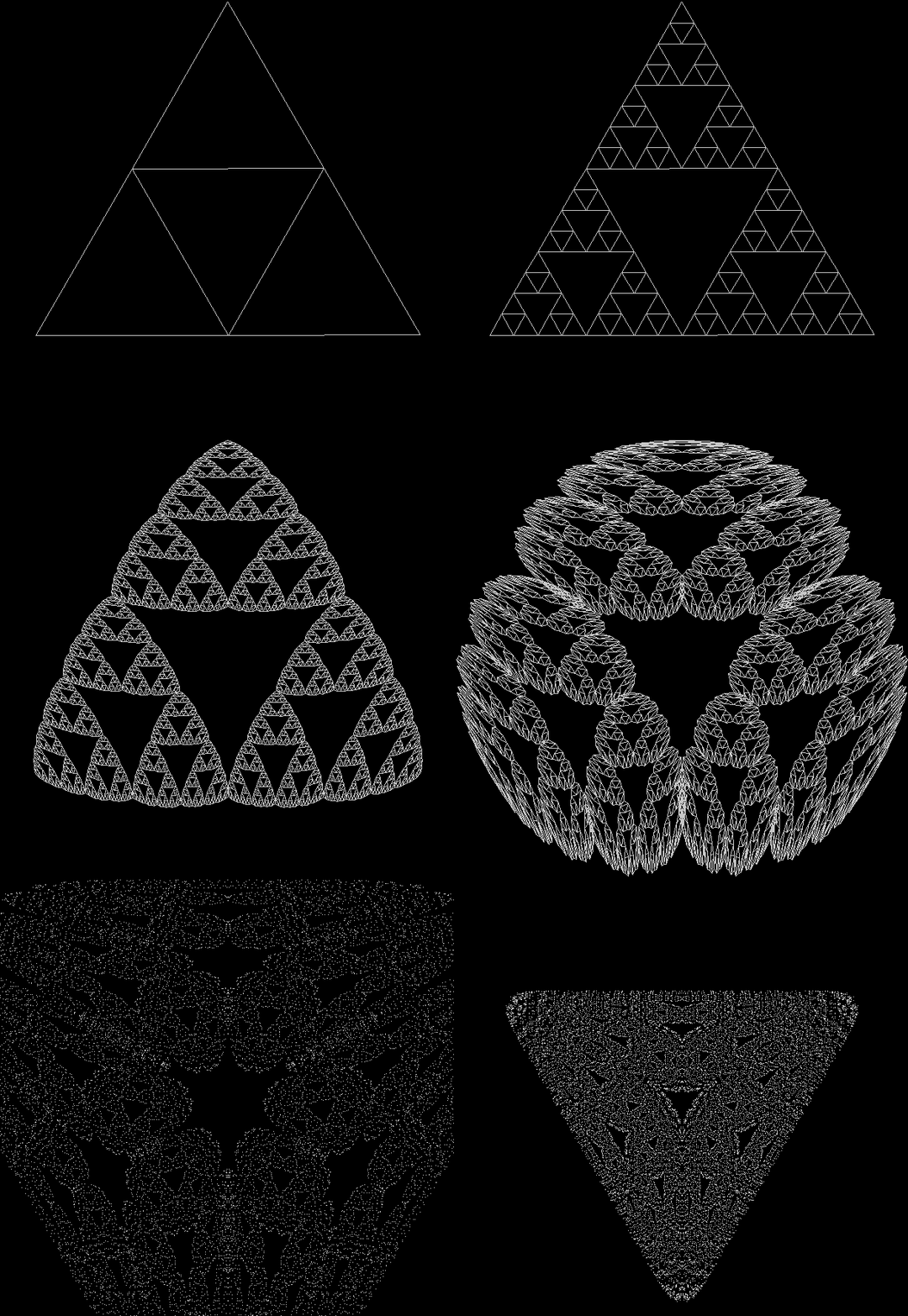
Pre-previously posted (please peruse):

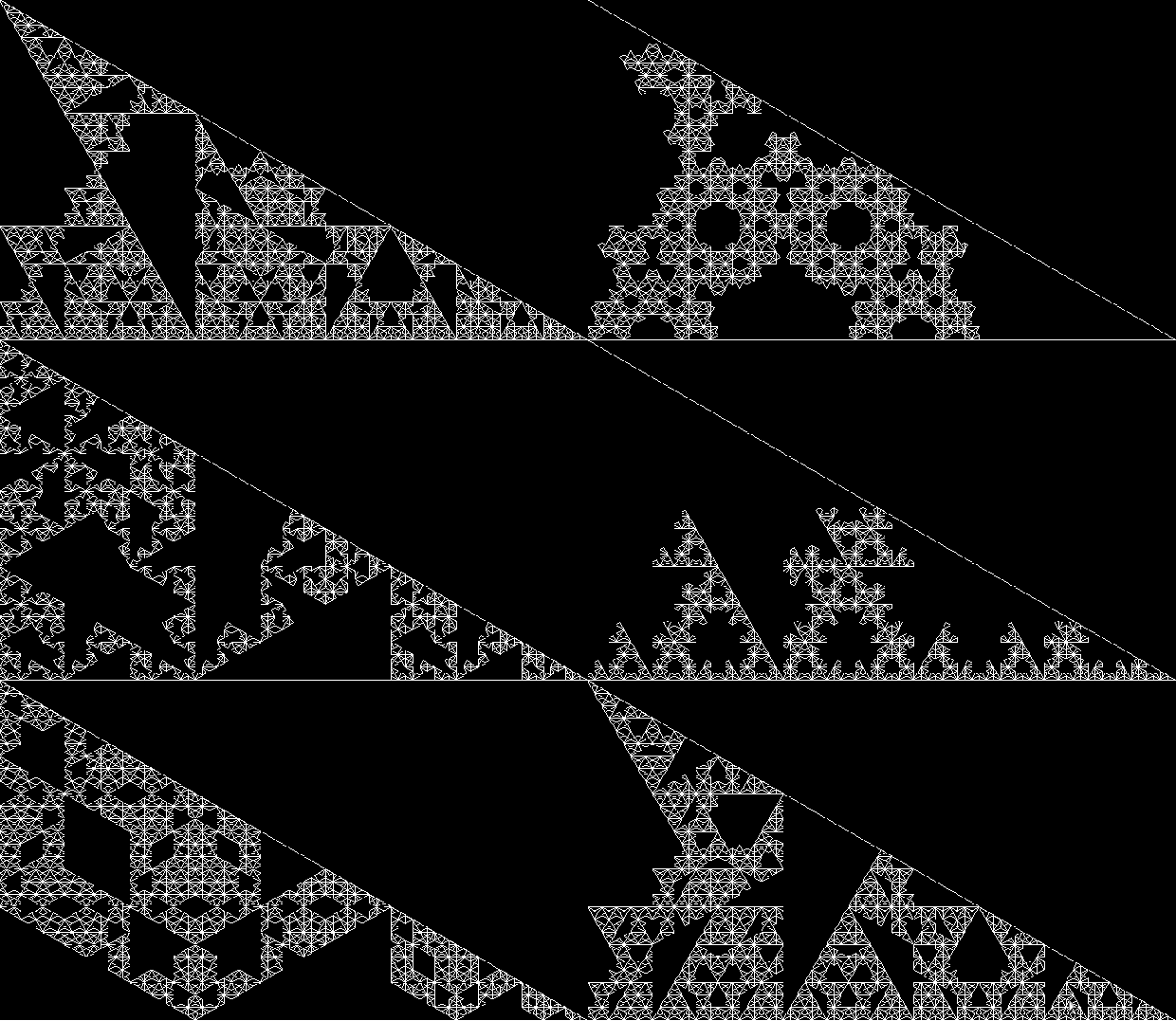


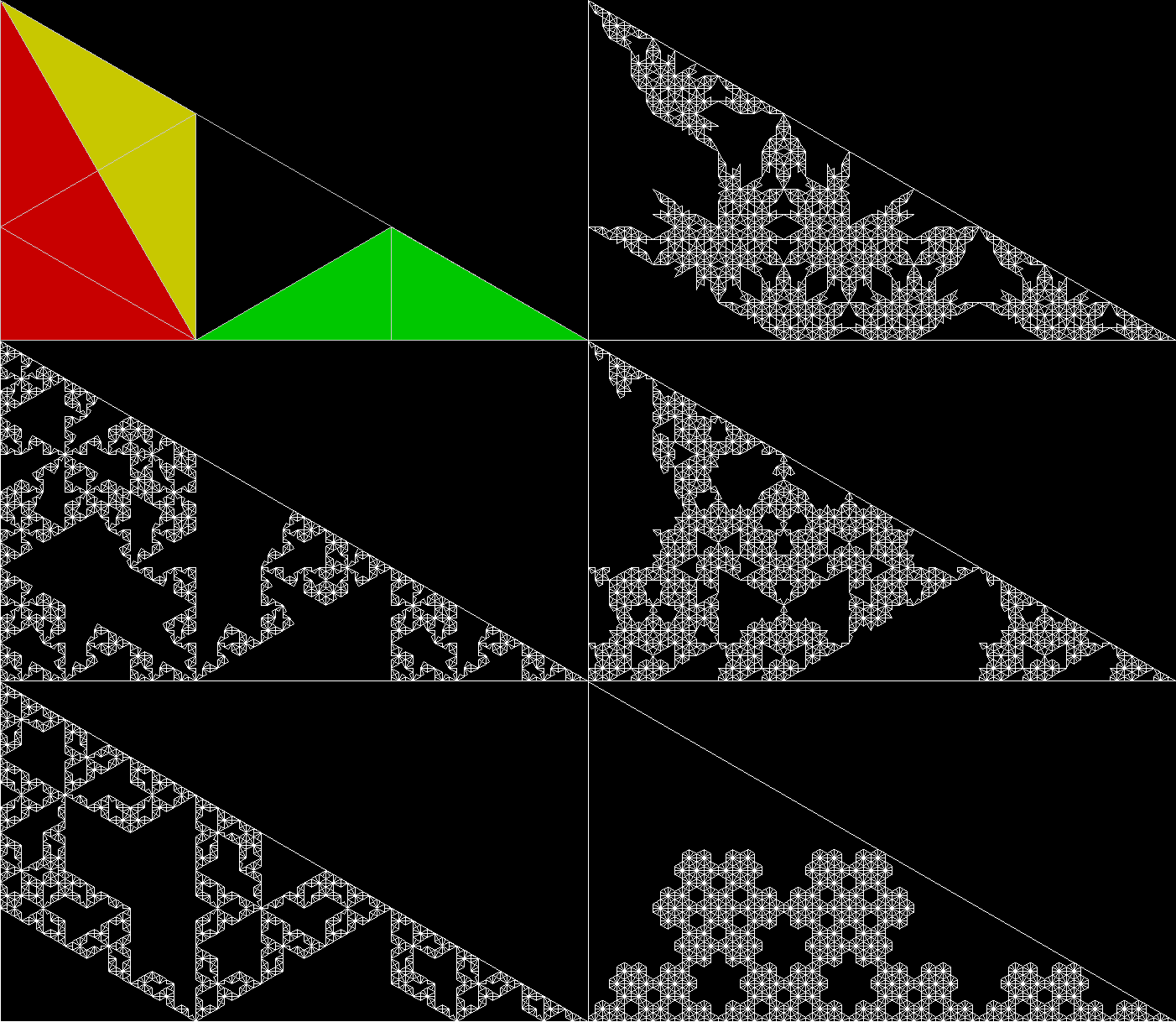
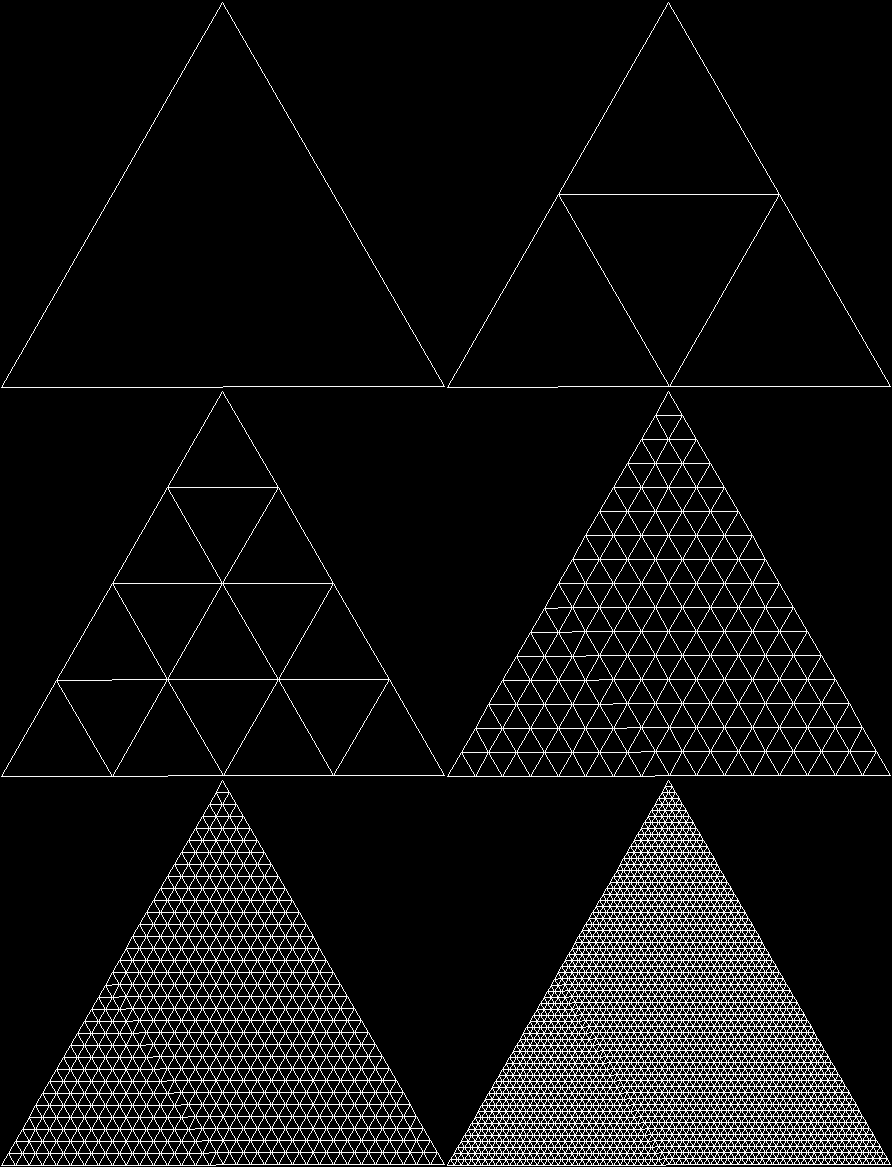
A rep-tile is a shape that can be divided into copies of itself. One of the simplest rep-tiles is the equilateral triangle, which can be divided into four copies of itself, like this:
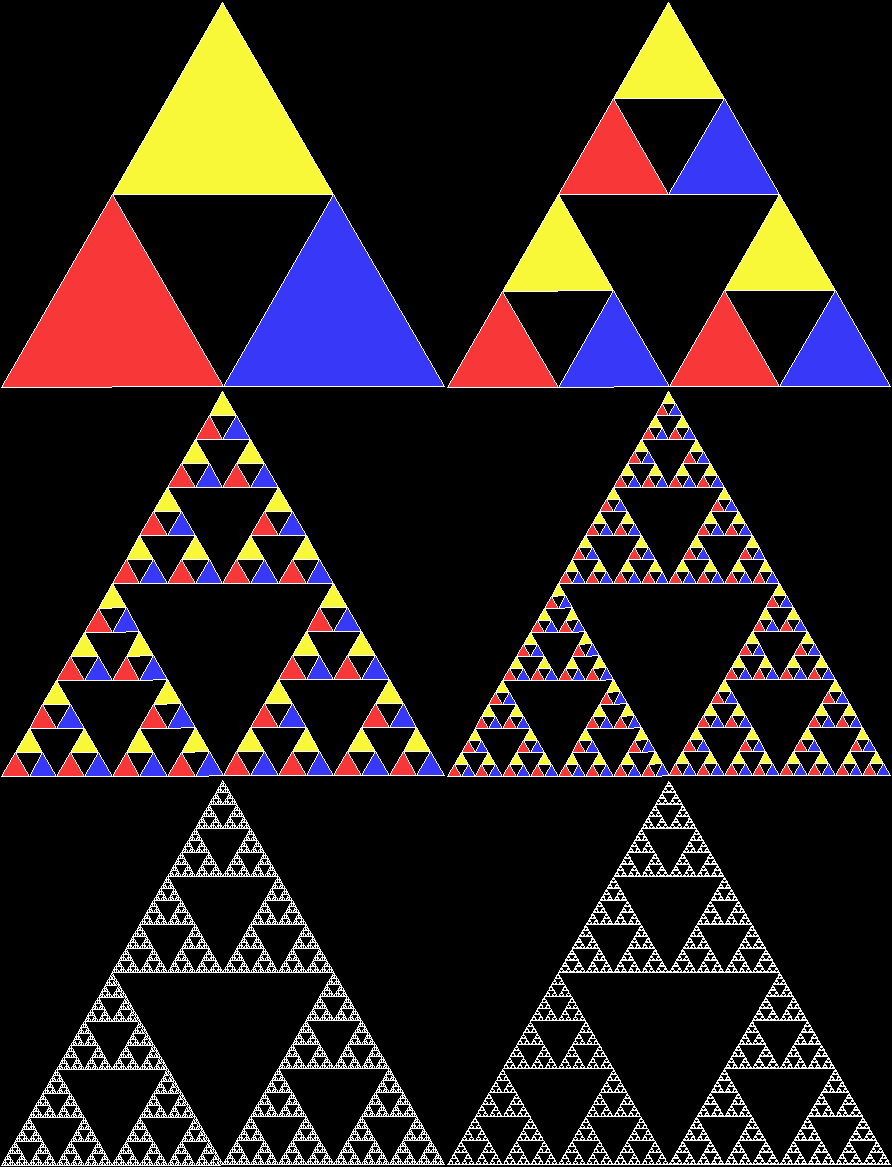
If, on the other hand, the triangle is subdivided and then one of the copies is discarded, many interesting fractals can be made from this very simple shape:
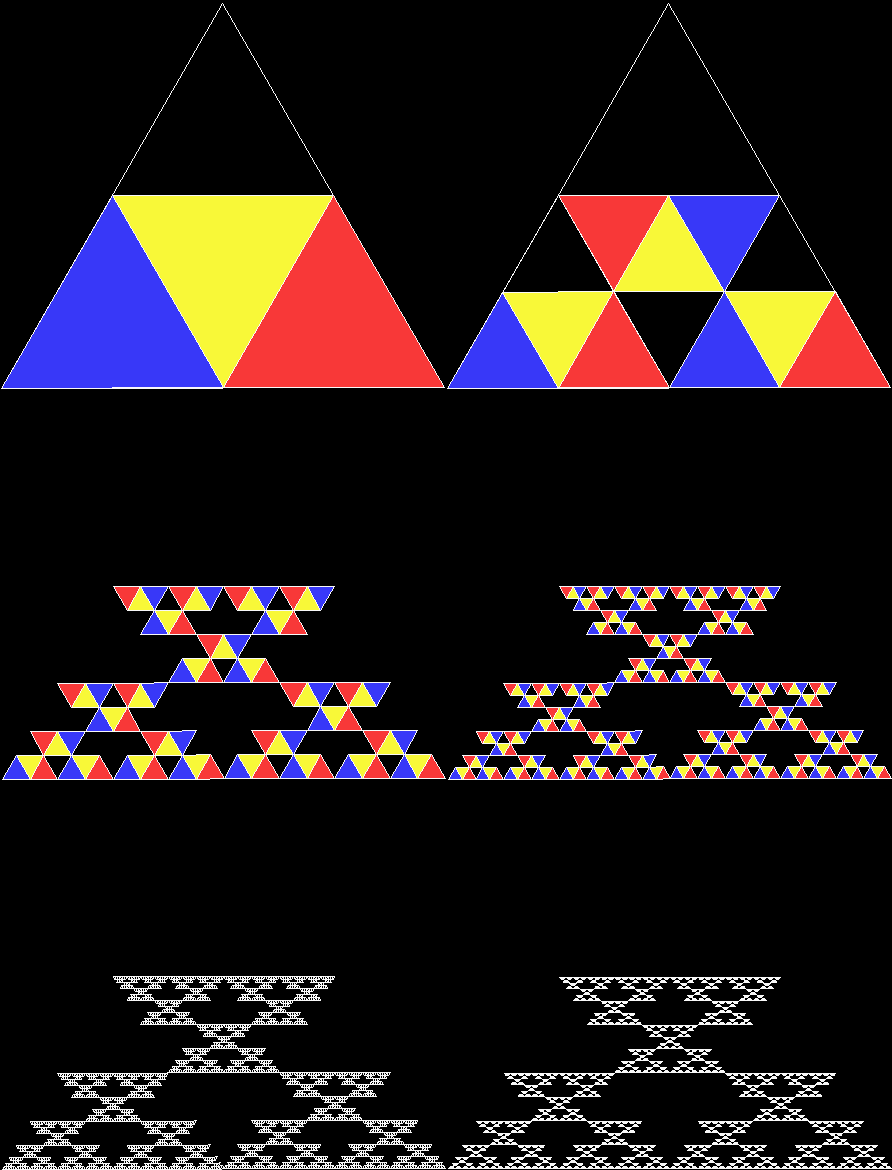
This sequence illustrates how a more complex fractal is created:
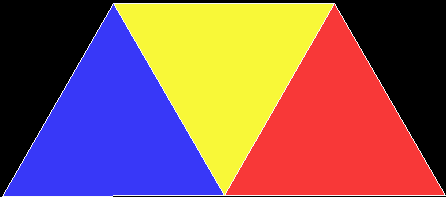
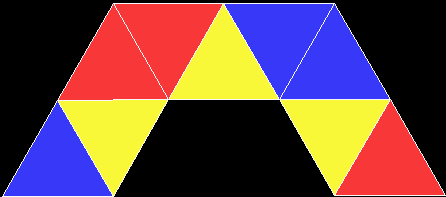
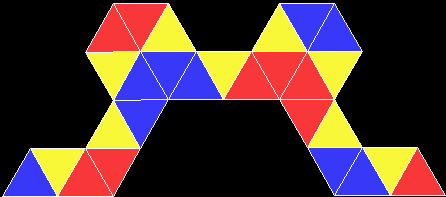
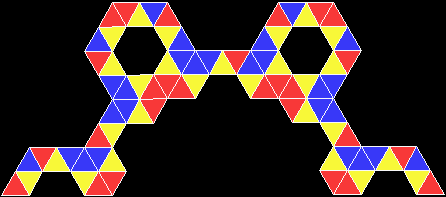
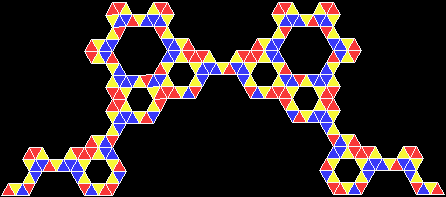
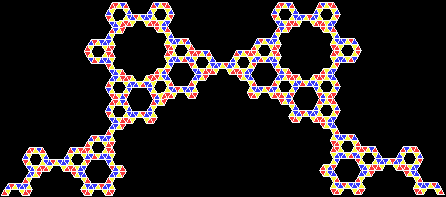
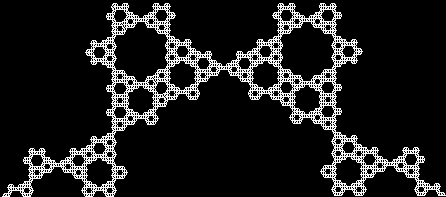
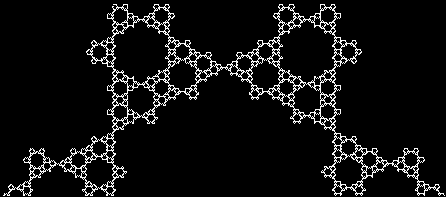
And here is the sequence in a single animated gif:
 Overlord In Terms of Core Issues Around Maximal Engagement with Key Notions of the Über-Feral