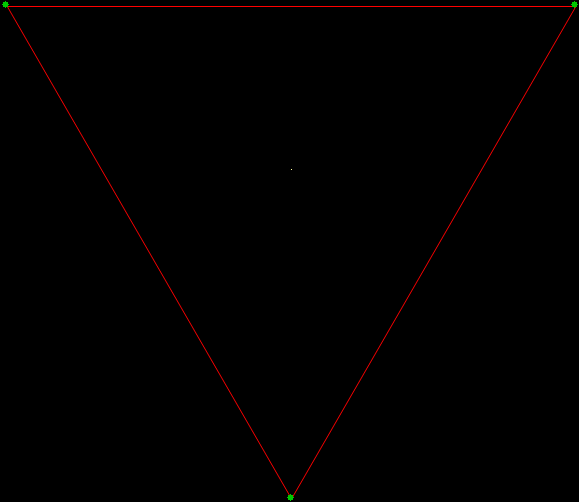
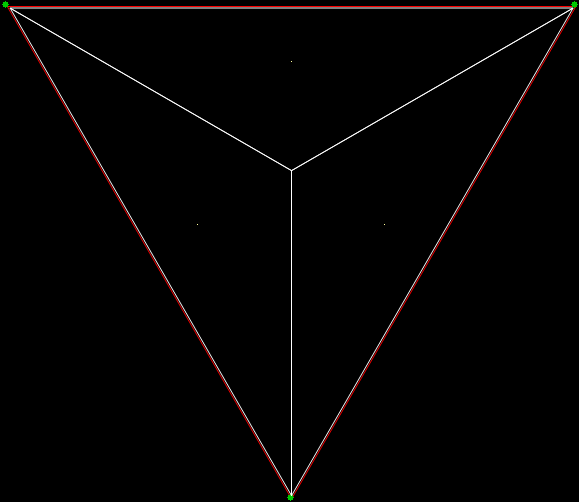
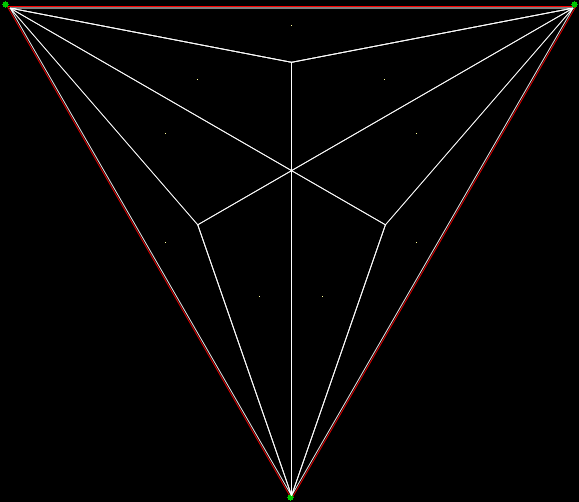
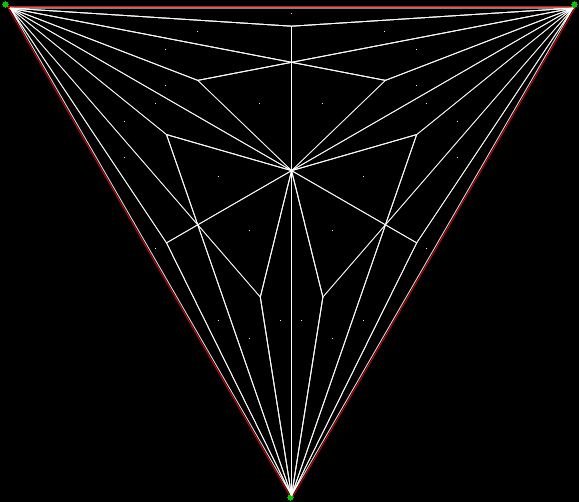
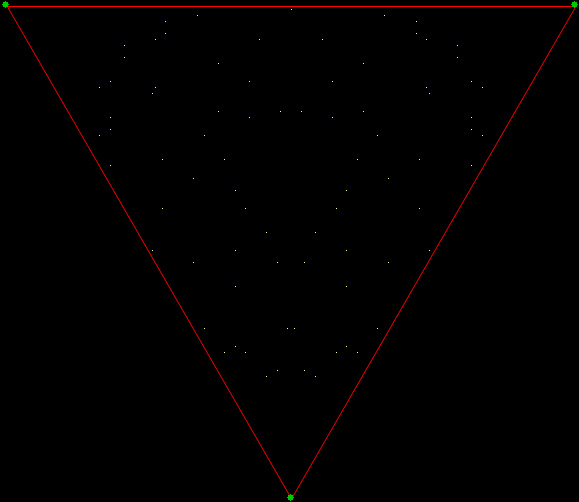
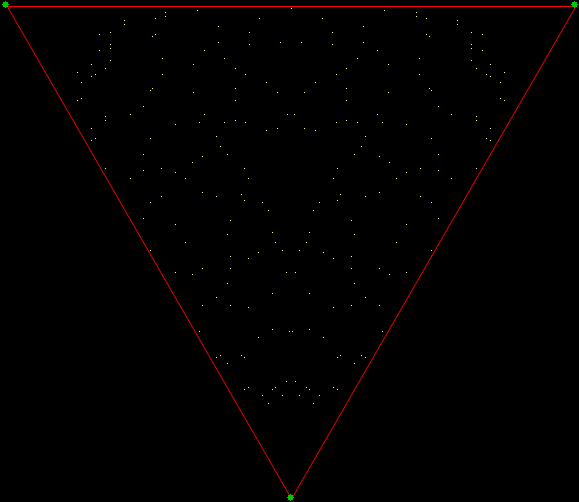
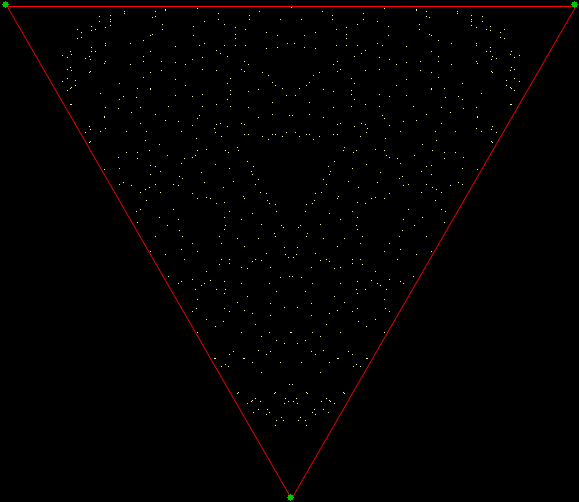
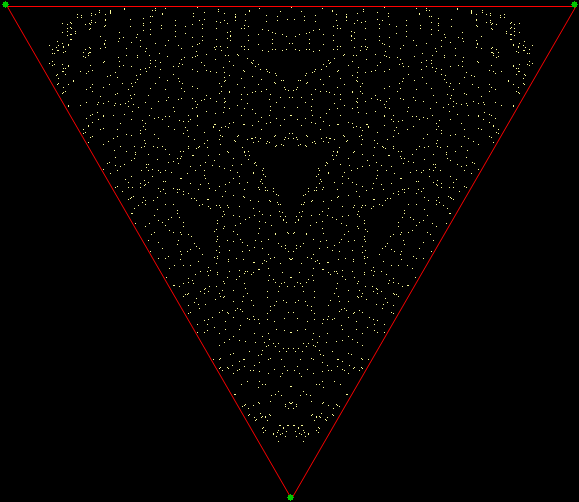
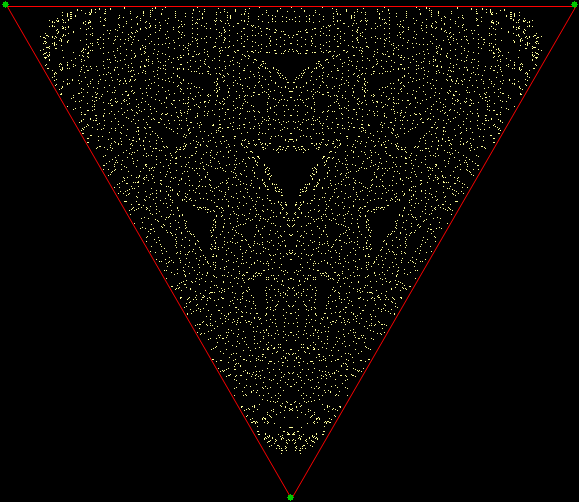
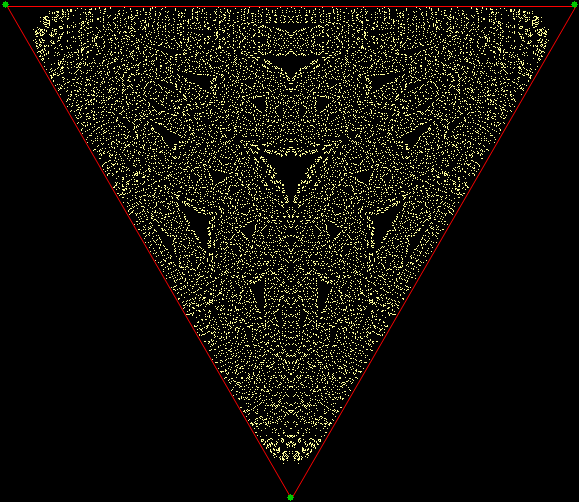
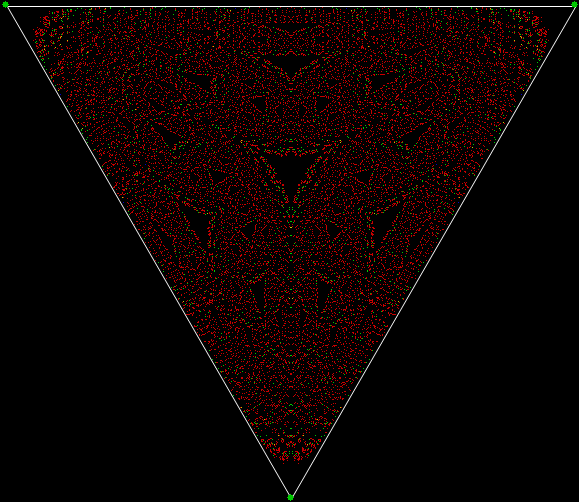
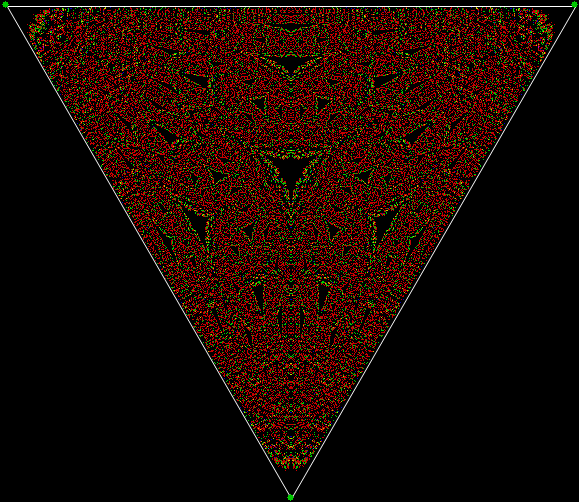
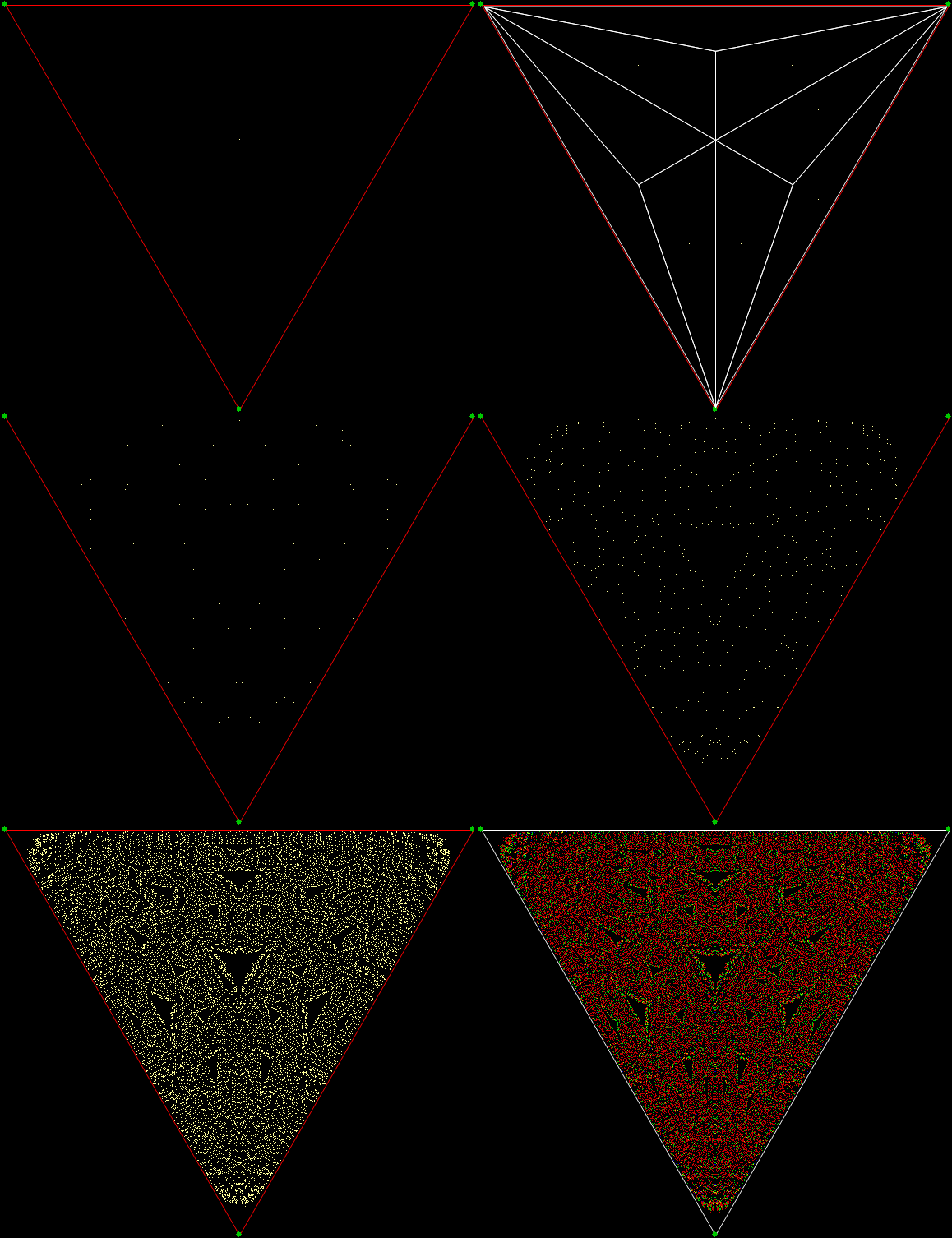
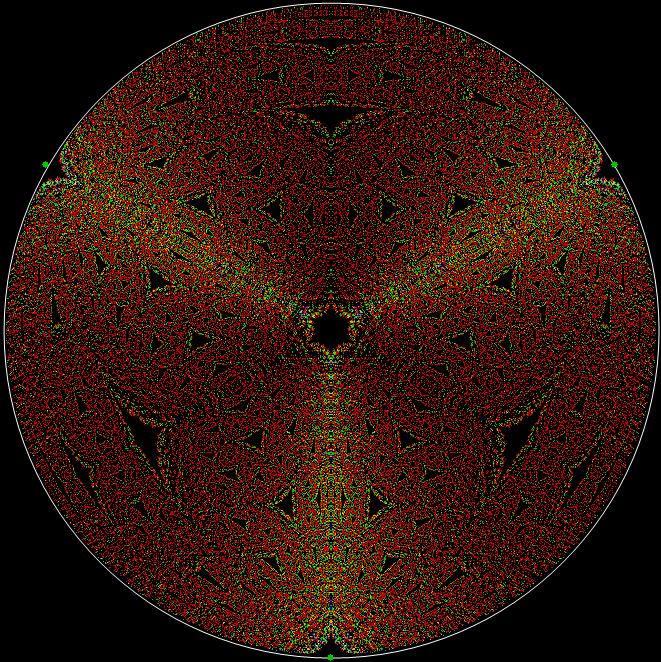
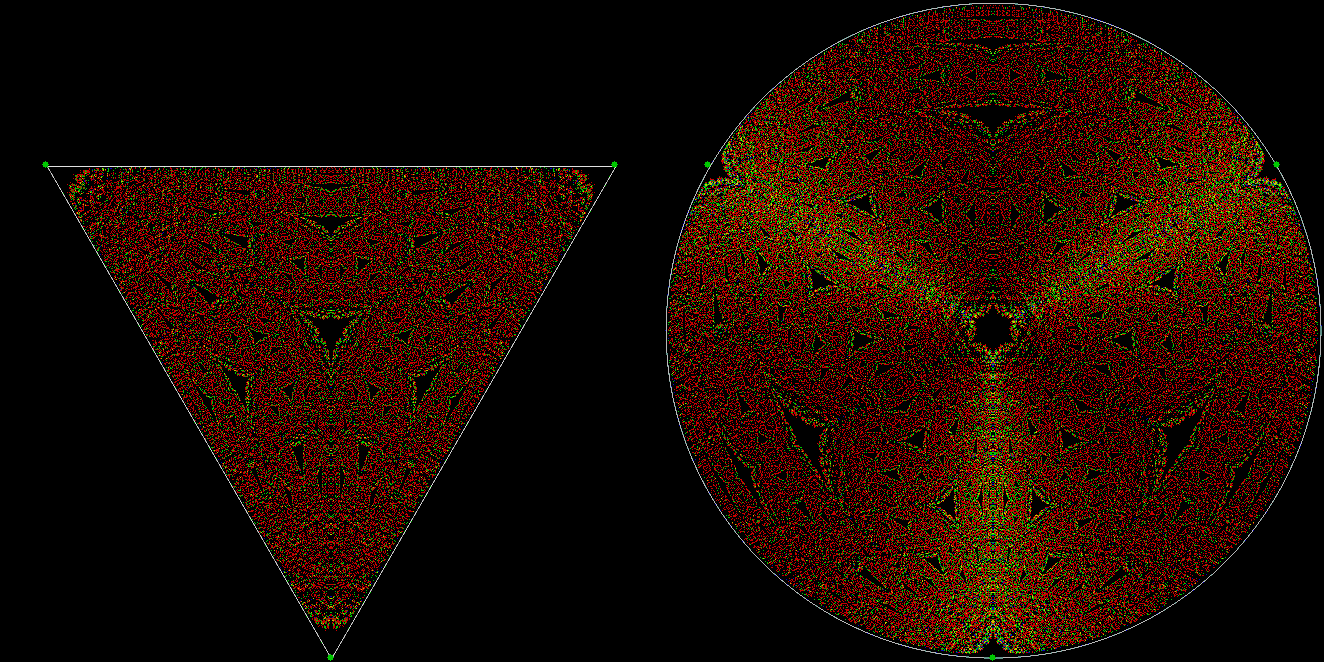
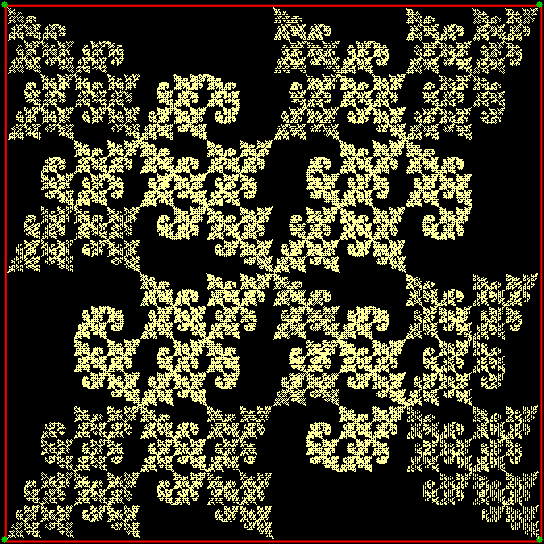
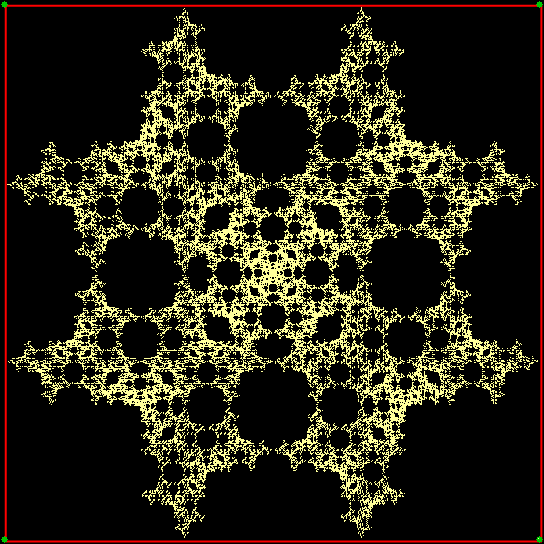
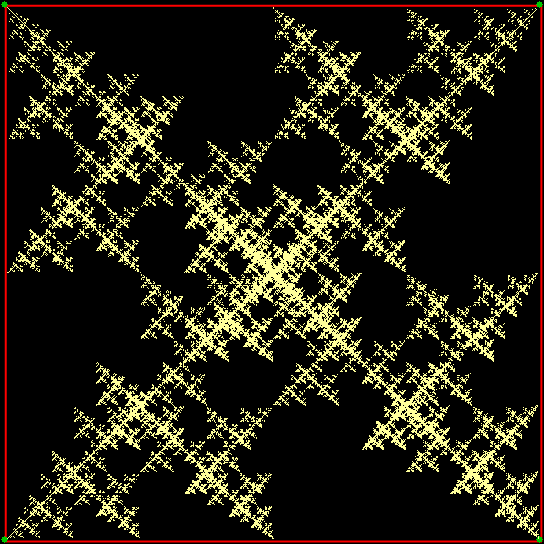
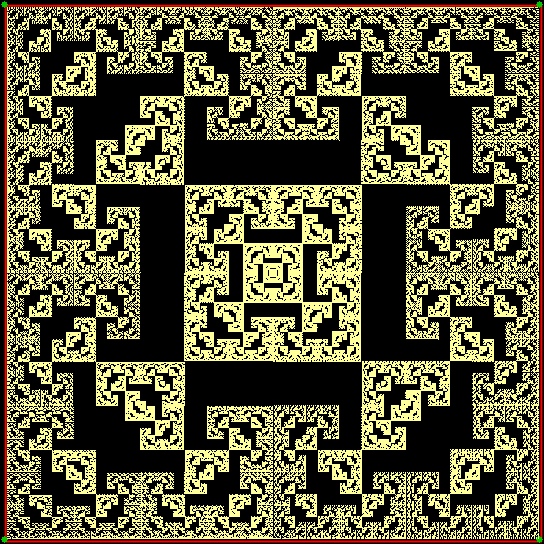
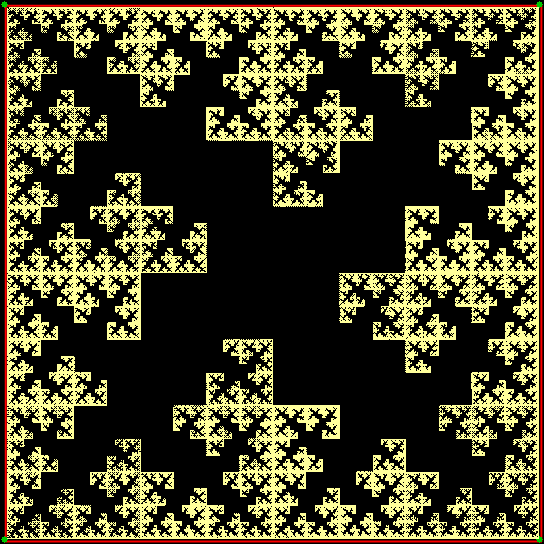
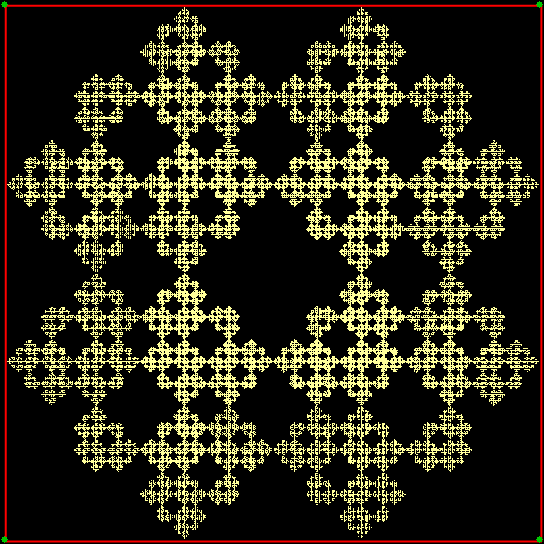
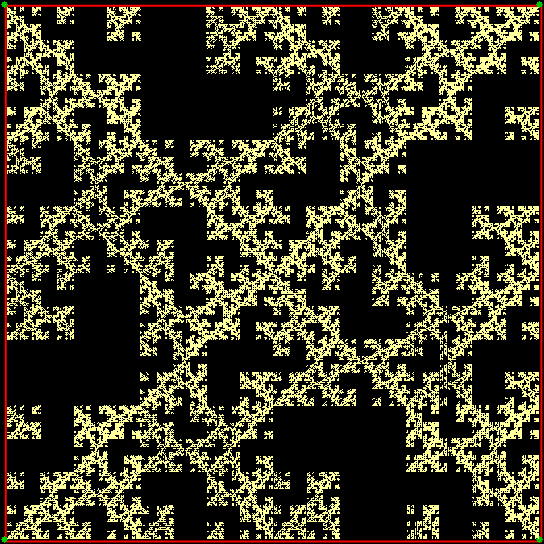
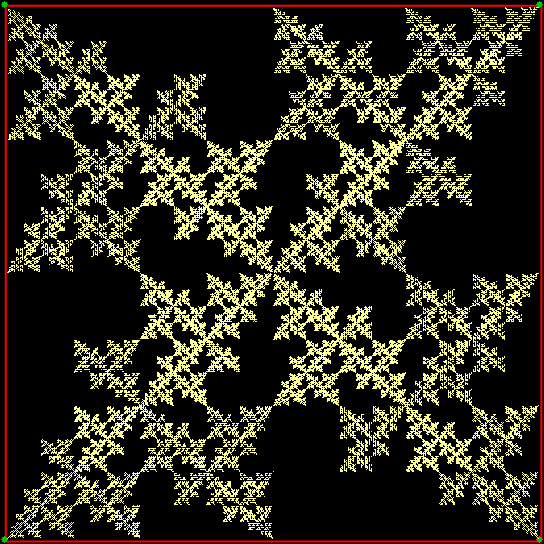
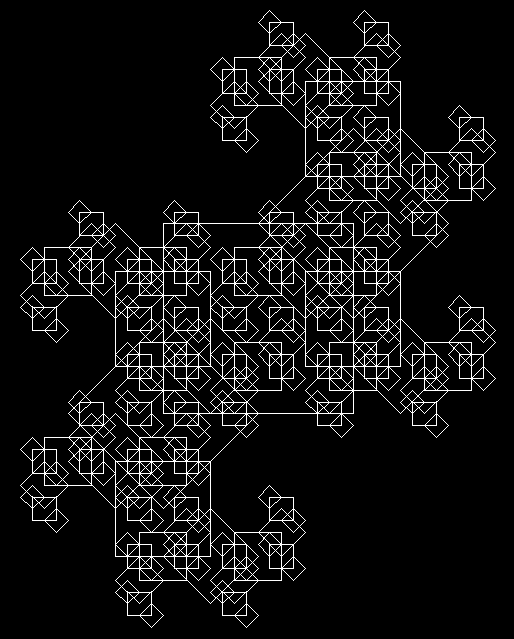
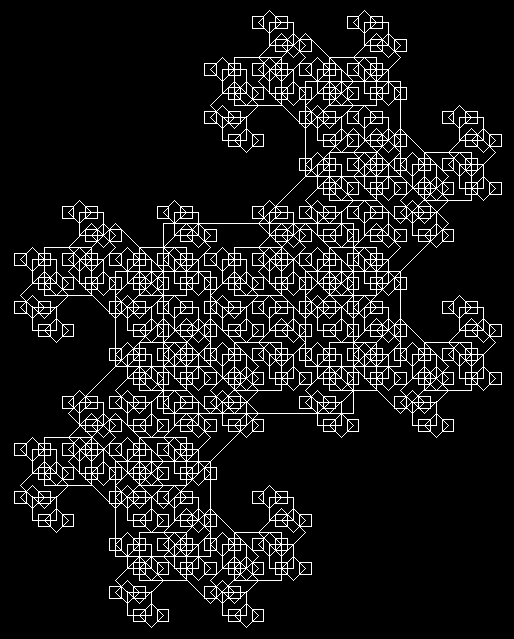
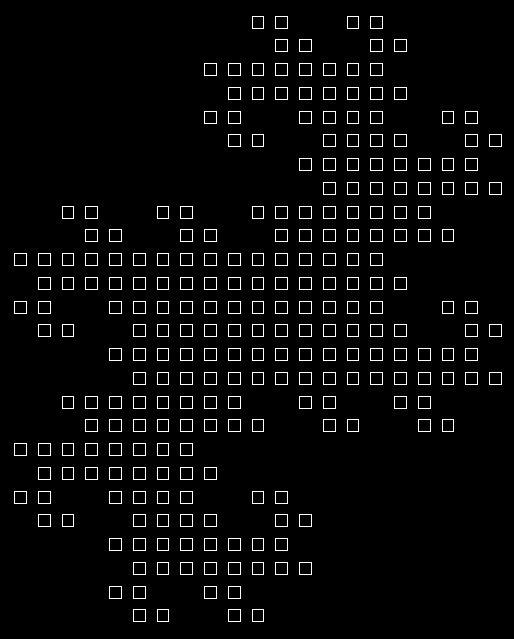
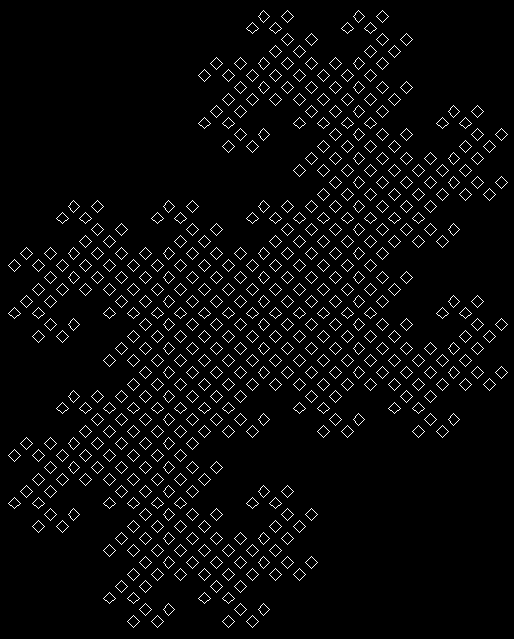
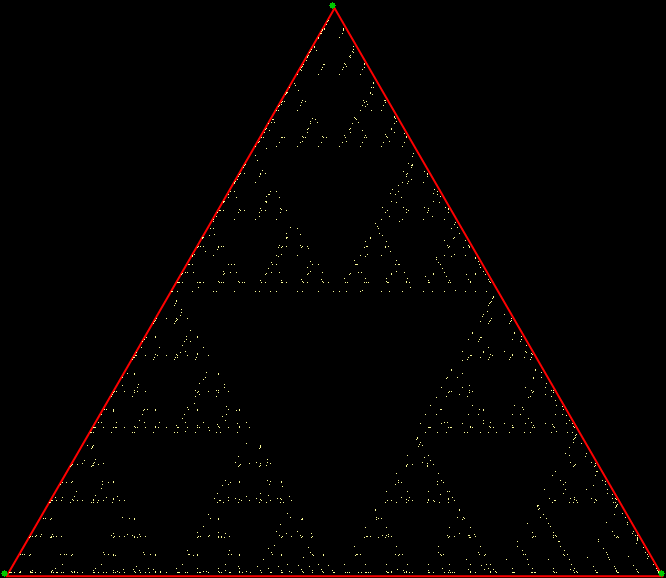
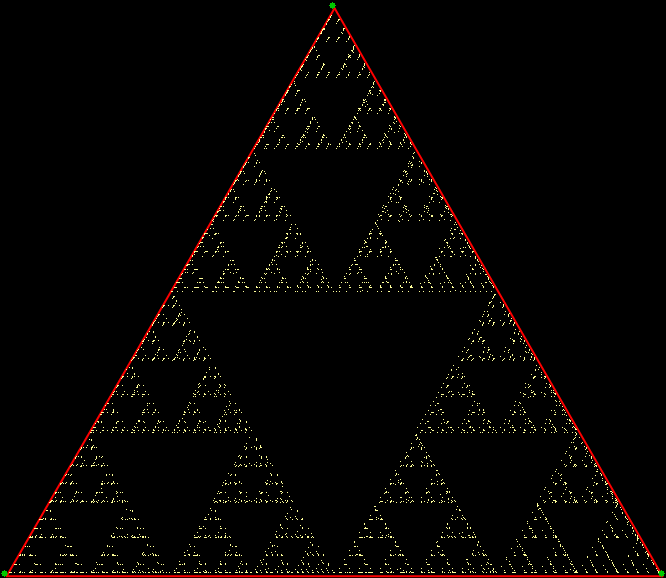
For a good example of how more can be less, try the chaos game. You trace a point jumping repeatedly 1/n of the way towards a randomly chosen vertex of a regular polygon. When the polygon is a triangle and 1/n = 1/2, this is what happens:

Chaos triangle #1
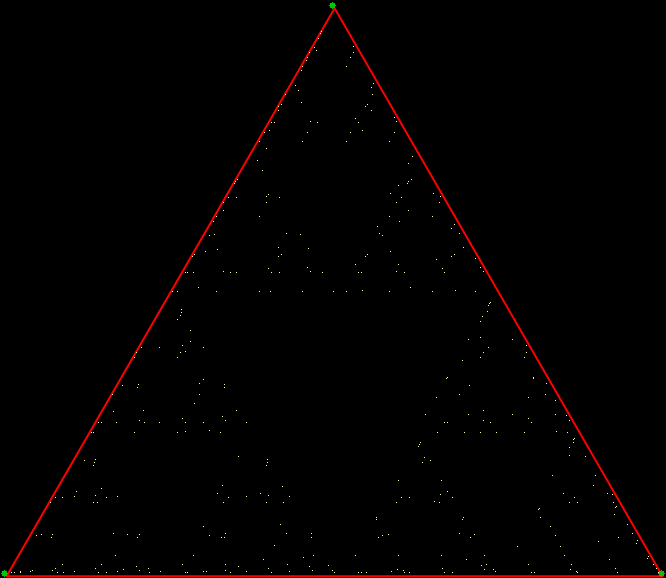
Chaos triangle #2
Chaos triangle #3
Chaos triangle #4

Chaos triangle #5

Chaos triangle #6

Chaos triangle #7
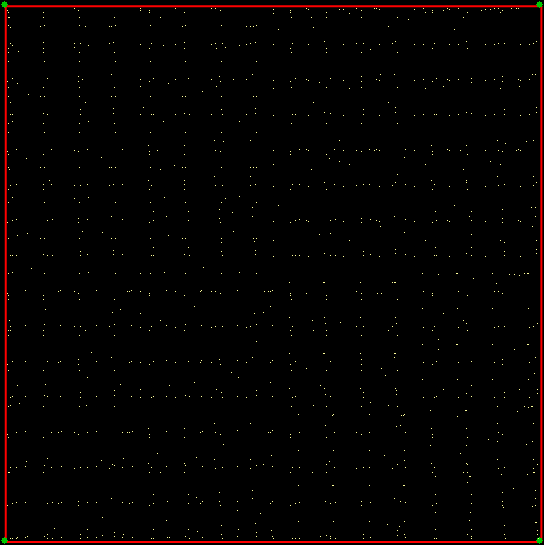
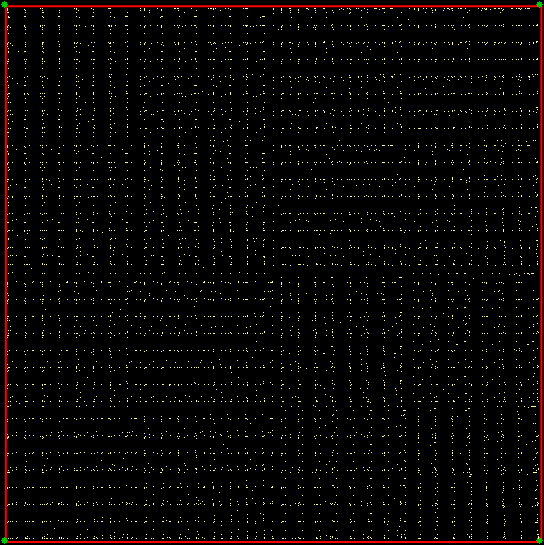
As you can see, this simple chaos game creates a fractal known as the Sierpiński triangle (or Sierpiński sieve). Now try more and discover that it’s less. When you play the chaos game with a square, this is what happens:

Chaos square #1
Chaos square #2
Chaos square #3

Chaos square #4

Chaos square #5

Chaos square #6
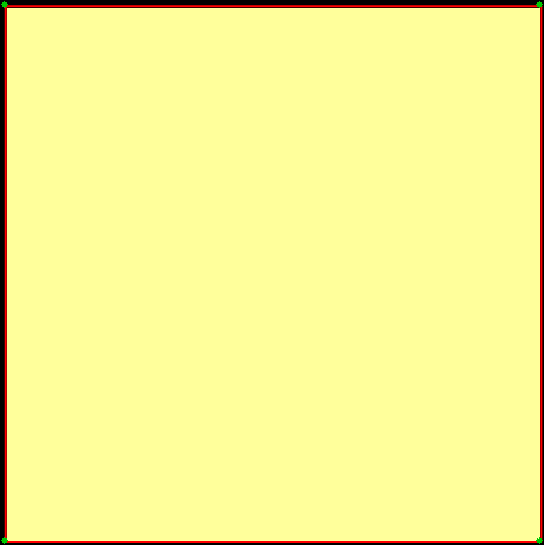
Chaos square #7
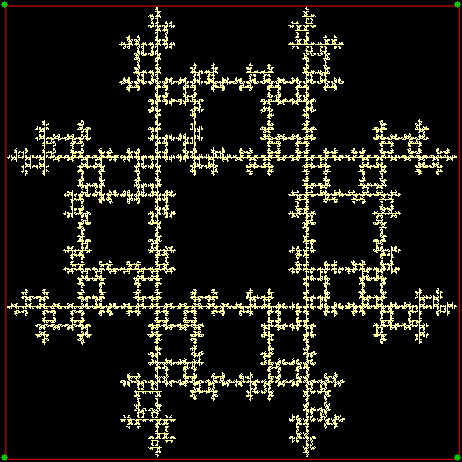
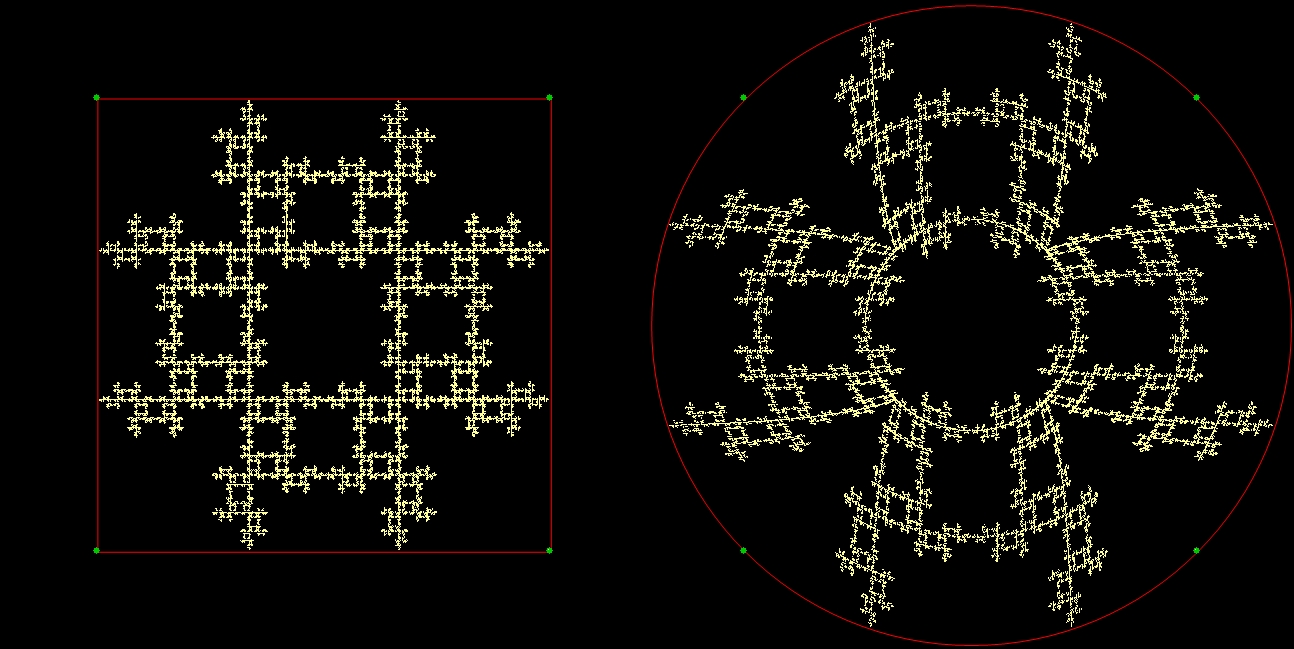
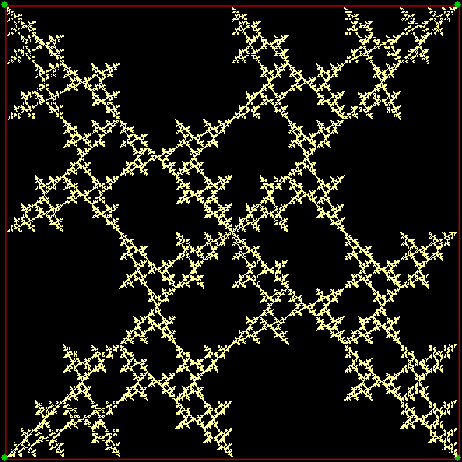
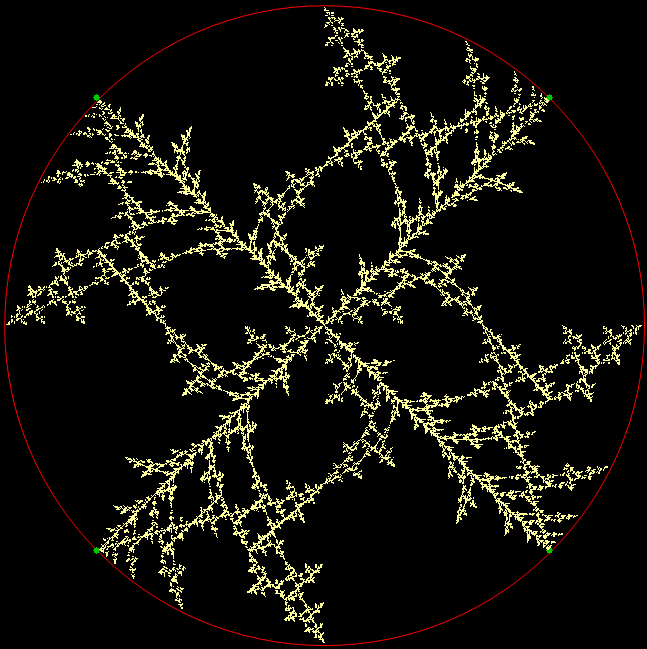
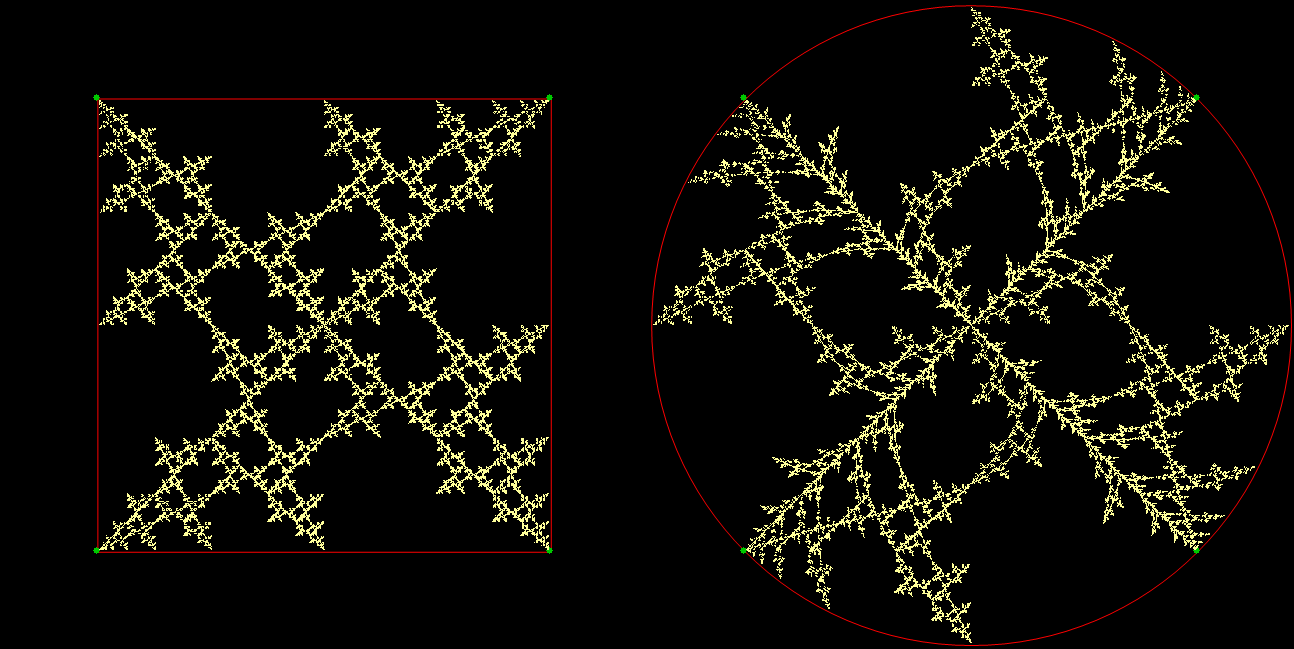
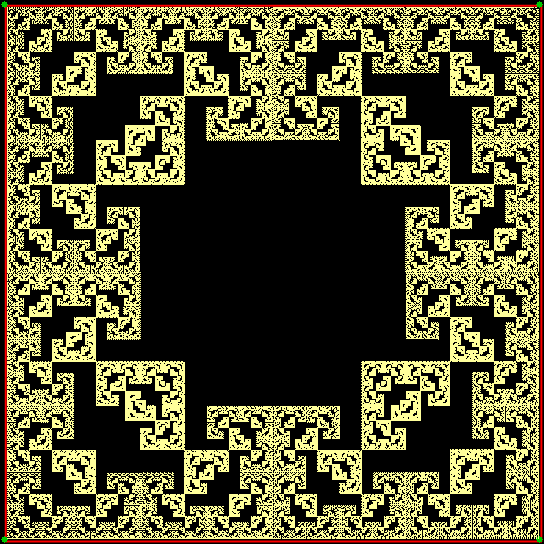
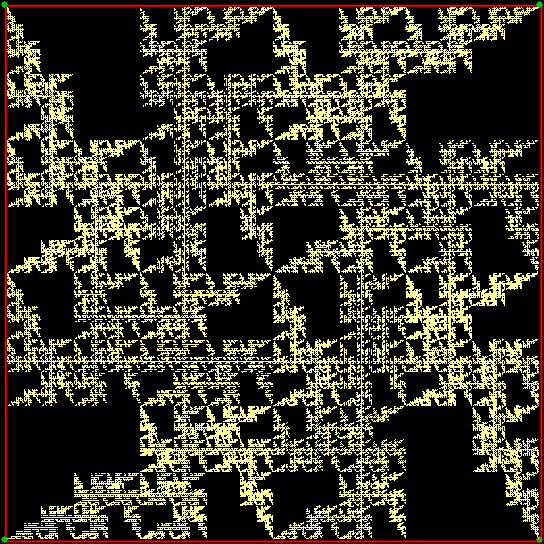
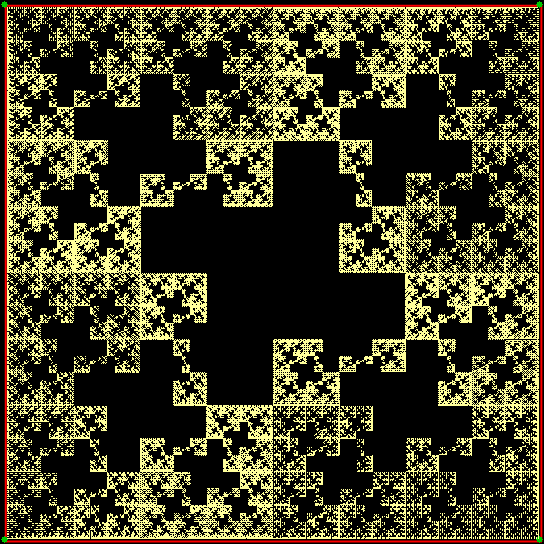
As you can see, more is less: the interior of the square simply fills with points and no attractive fractal appears. And because that was more is less, let’s see how less is more. What happens if you restrict the way in which the point inside the square can jump? Suppose it can’t jump twice towards the same vertex (i.e., the vertex v+0 is banned). This fractal appears:
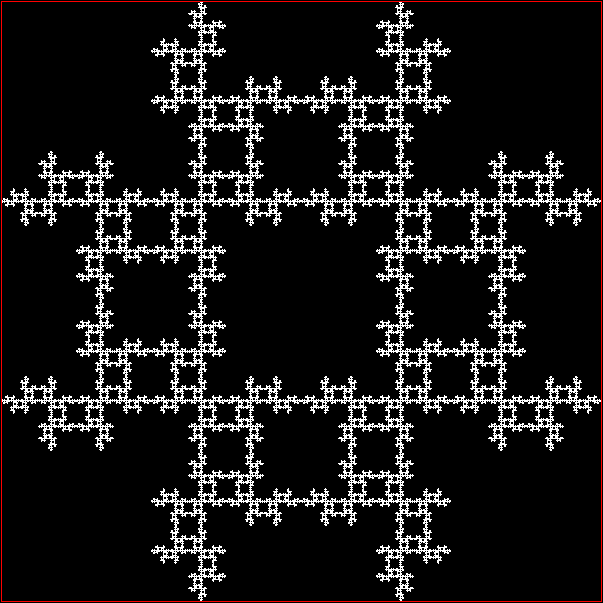
Ban on choosing vertex [v+0]
And if the point can’t jump towards the vertex one place anti-clockwise of the currently chosen vertex, this fractal appears:

Ban on vertex [v+1] (or [v-1], depending on how you number the vertices)
And if the point can’t jump towards two places clockwise or anti-clockwise of the currently chosen vertex, this fractal appears:
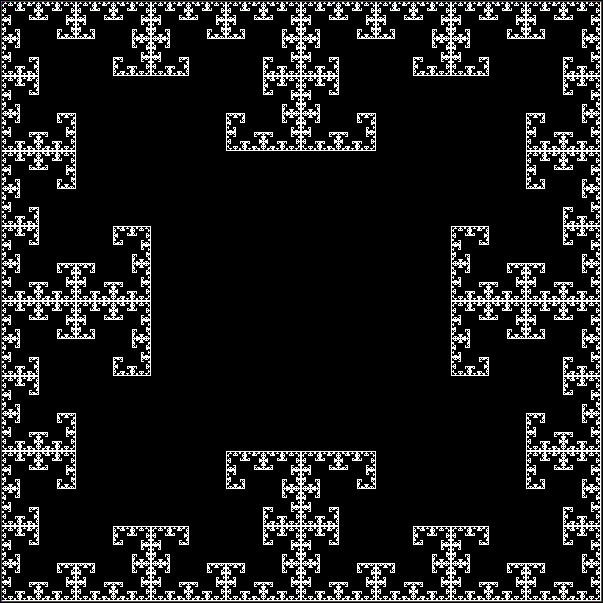
Ban on vertex [v+2], i.e. the diagonally opposite vertex
At least, that is one possible route to those three particular fractals. You see another route, start with this simple fractal, where dividing and discarding parts of a square creates a Sierpiński triangle:

Square to Sierpiński triangle #1
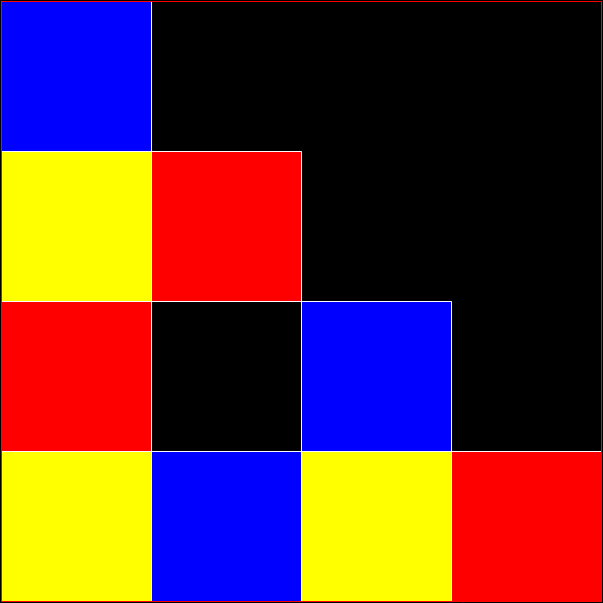
Square to Sierpiński triangle #2
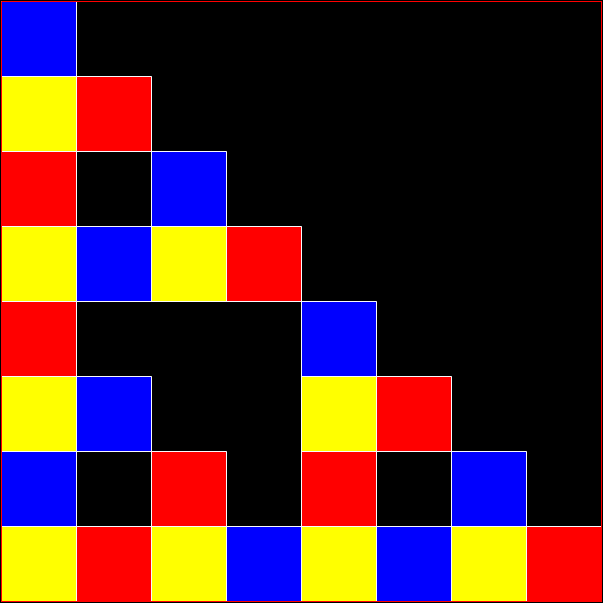
Square to Sierpiński triangle #3
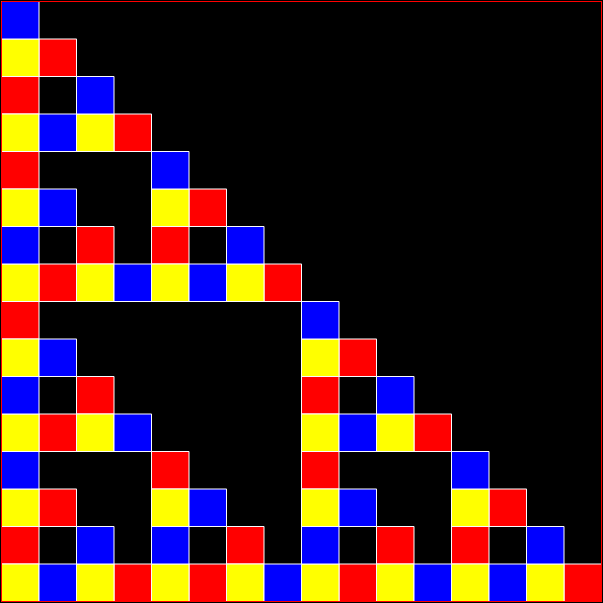
Square to Sierpiński triangle #4
[…]
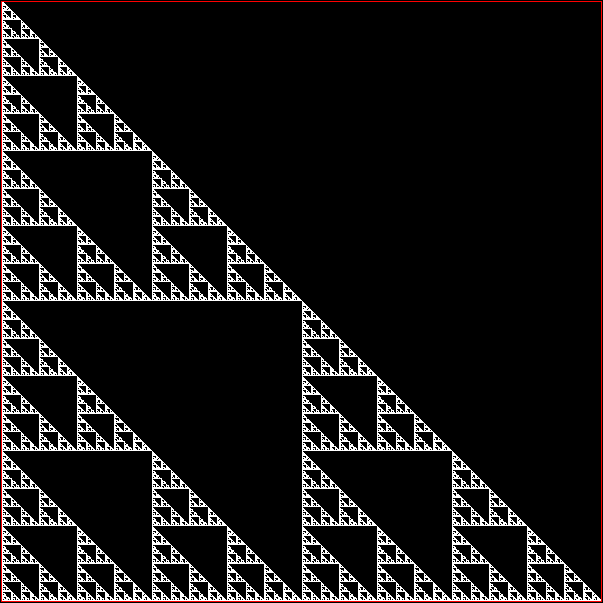
Square to Sierpiński triangle #10
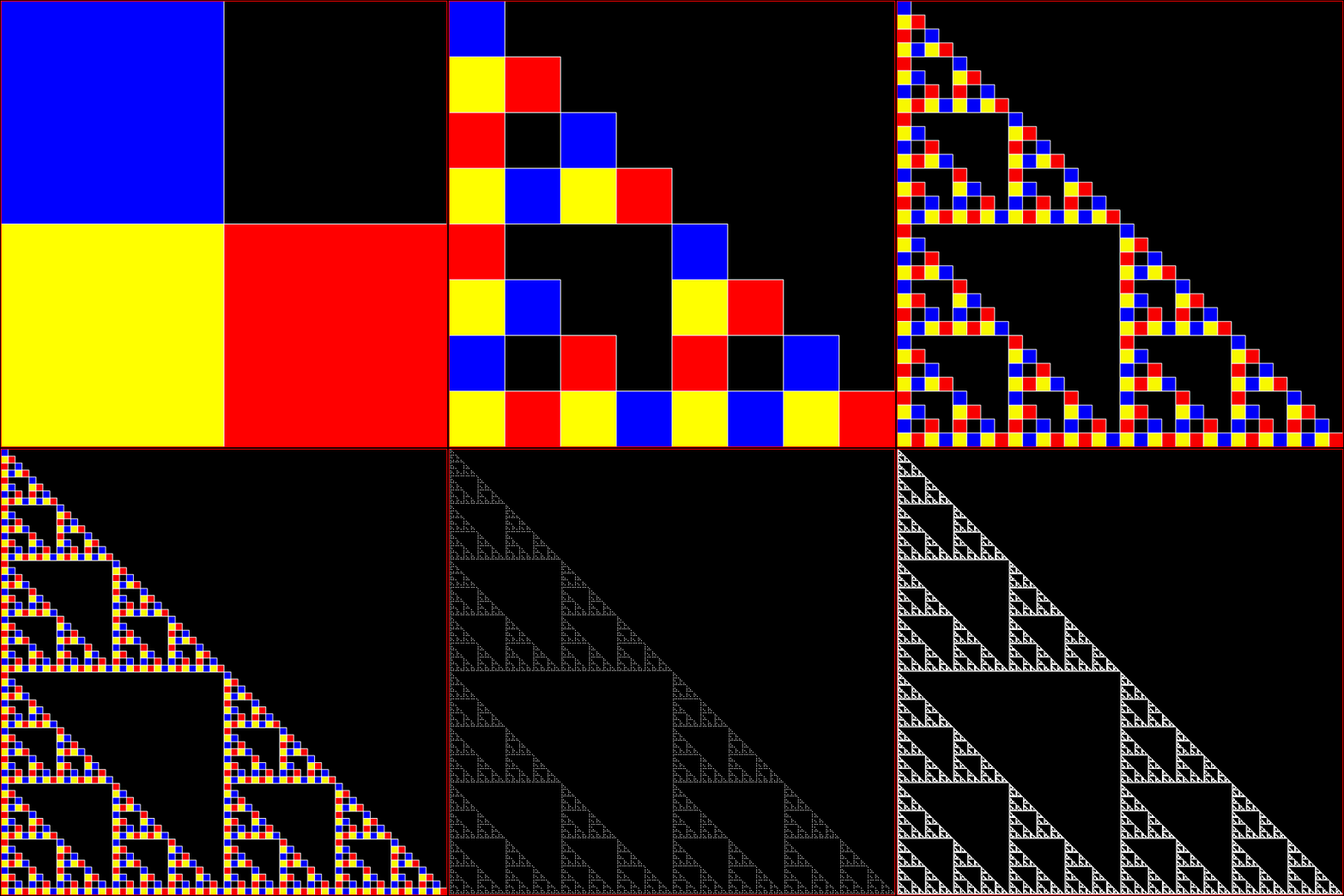
Square to Sierpiński triangle (animated)
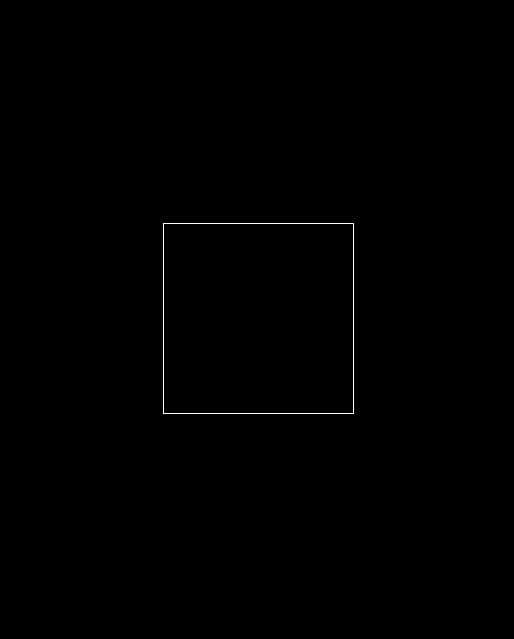
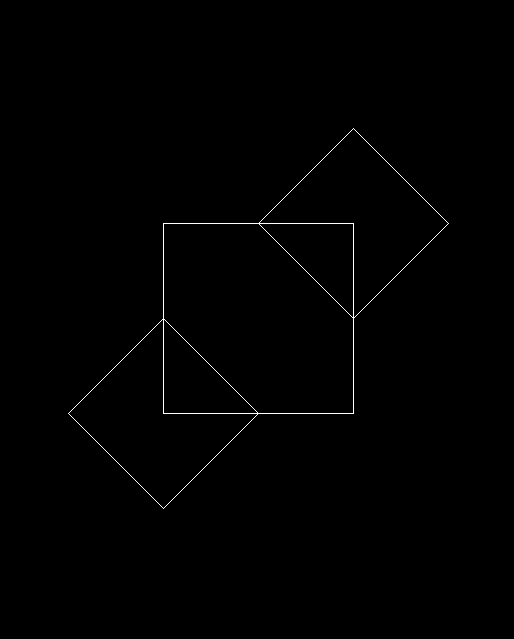
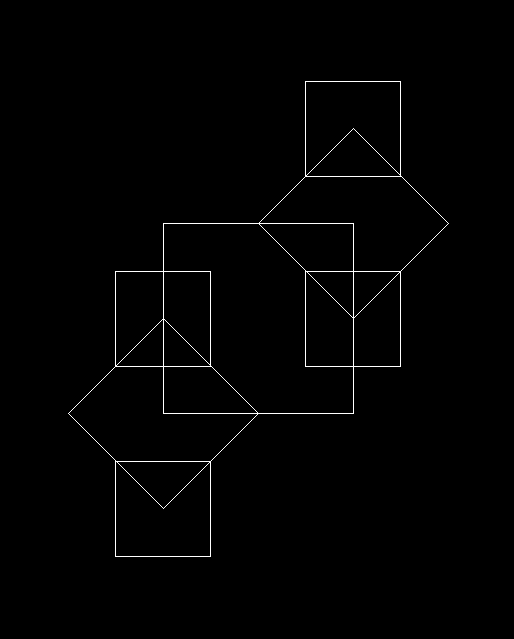
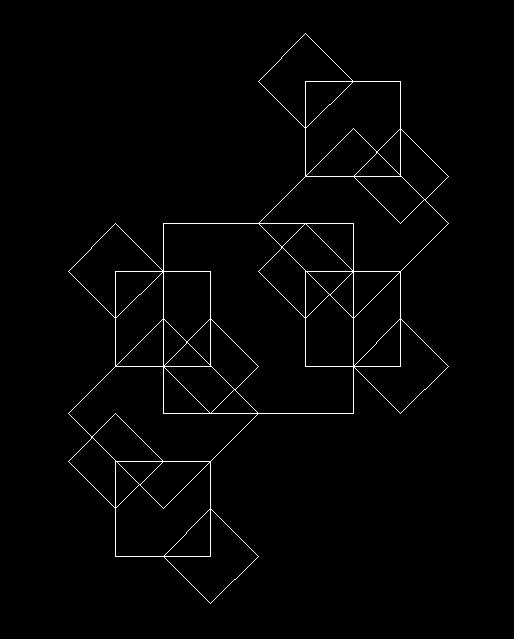
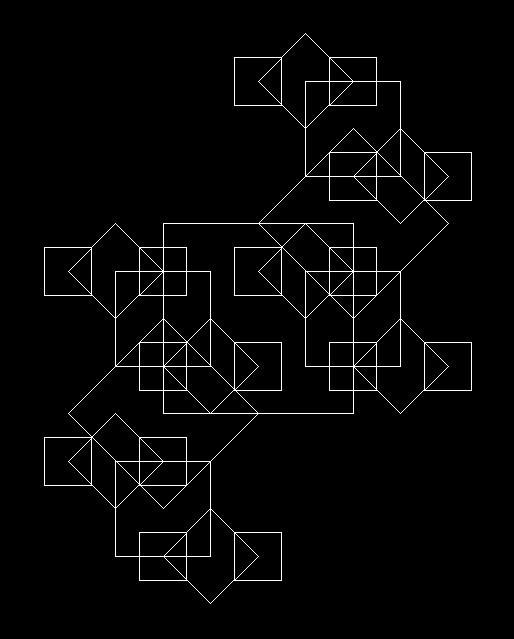
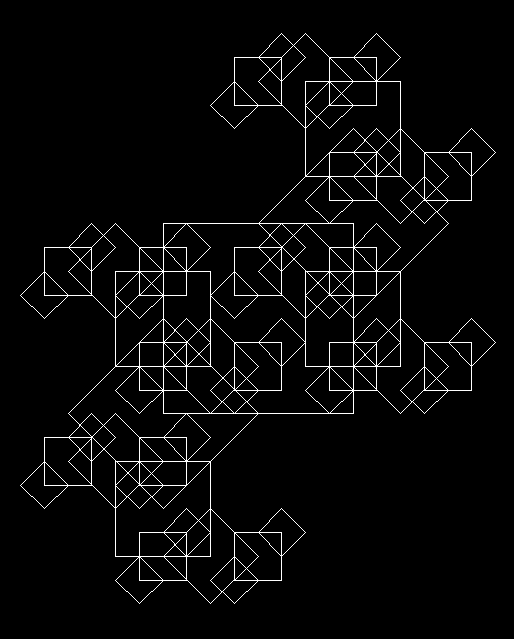
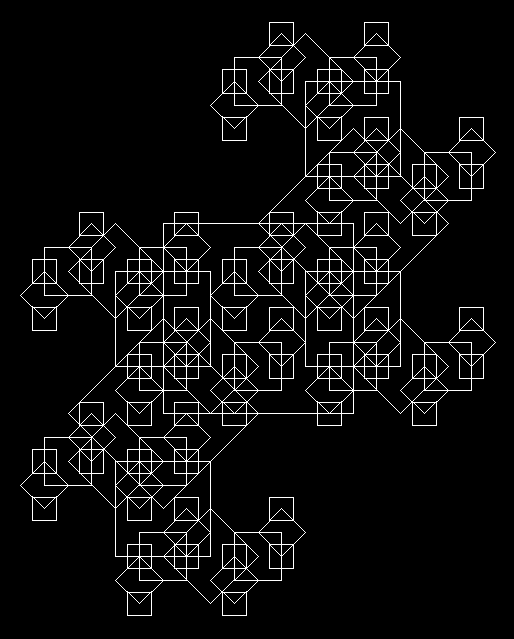
By taking four of these square-to-Sierpiński-triangle fractals and rotating them in the right way, you can re-create the three chaos-game fractals shown above. Here’s the [v+0]-ban fractal:

[v+0]-ban fractal #1

[v+0]-ban #2
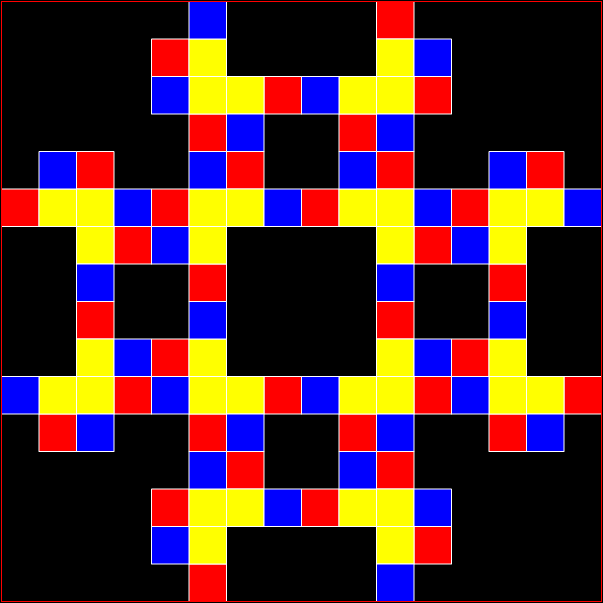
[v+0]-ban #3
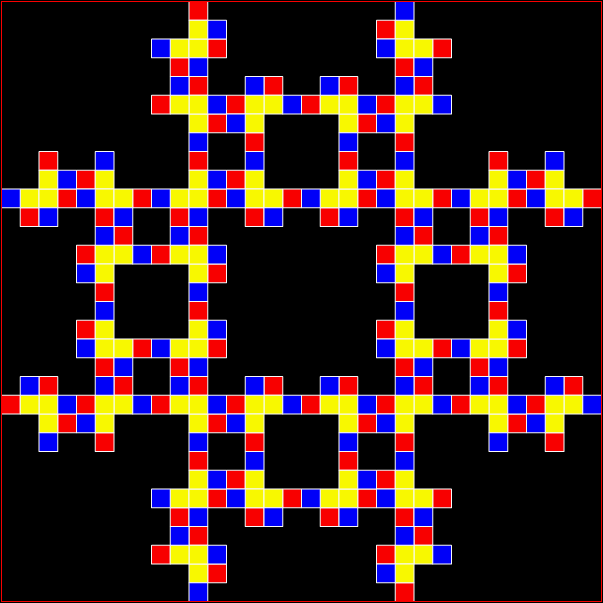
[v+0]-ban #4

[v+0]-ban #5

[v+0]-ban #6

[v+0]-ban #7
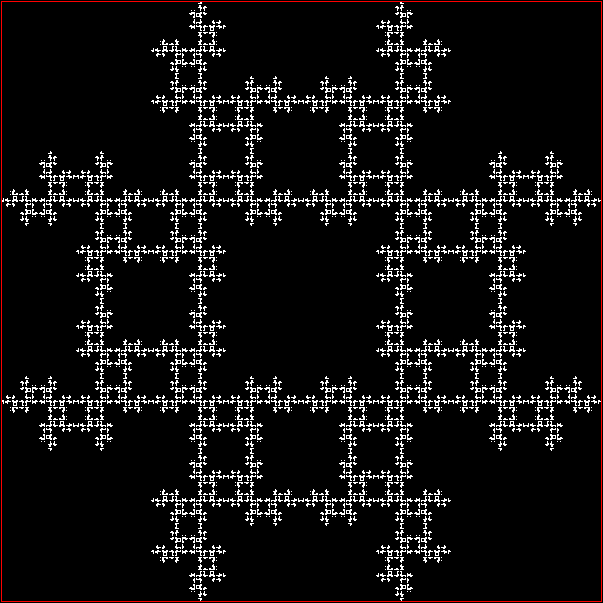
[v+0]-ban #8
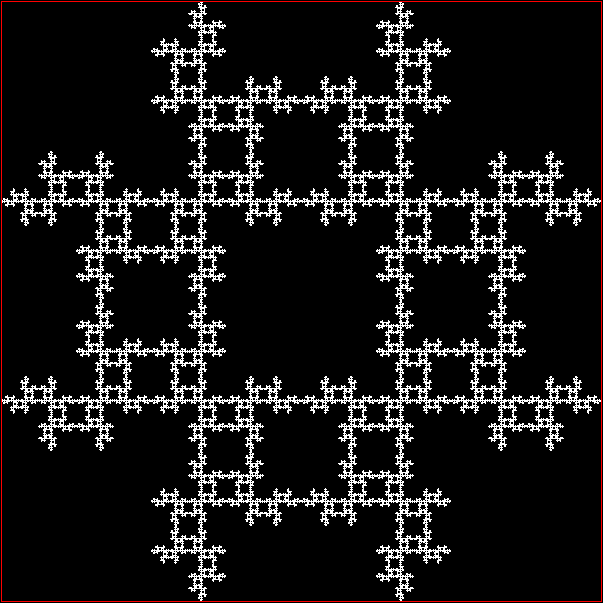
[v+0]-ban #9
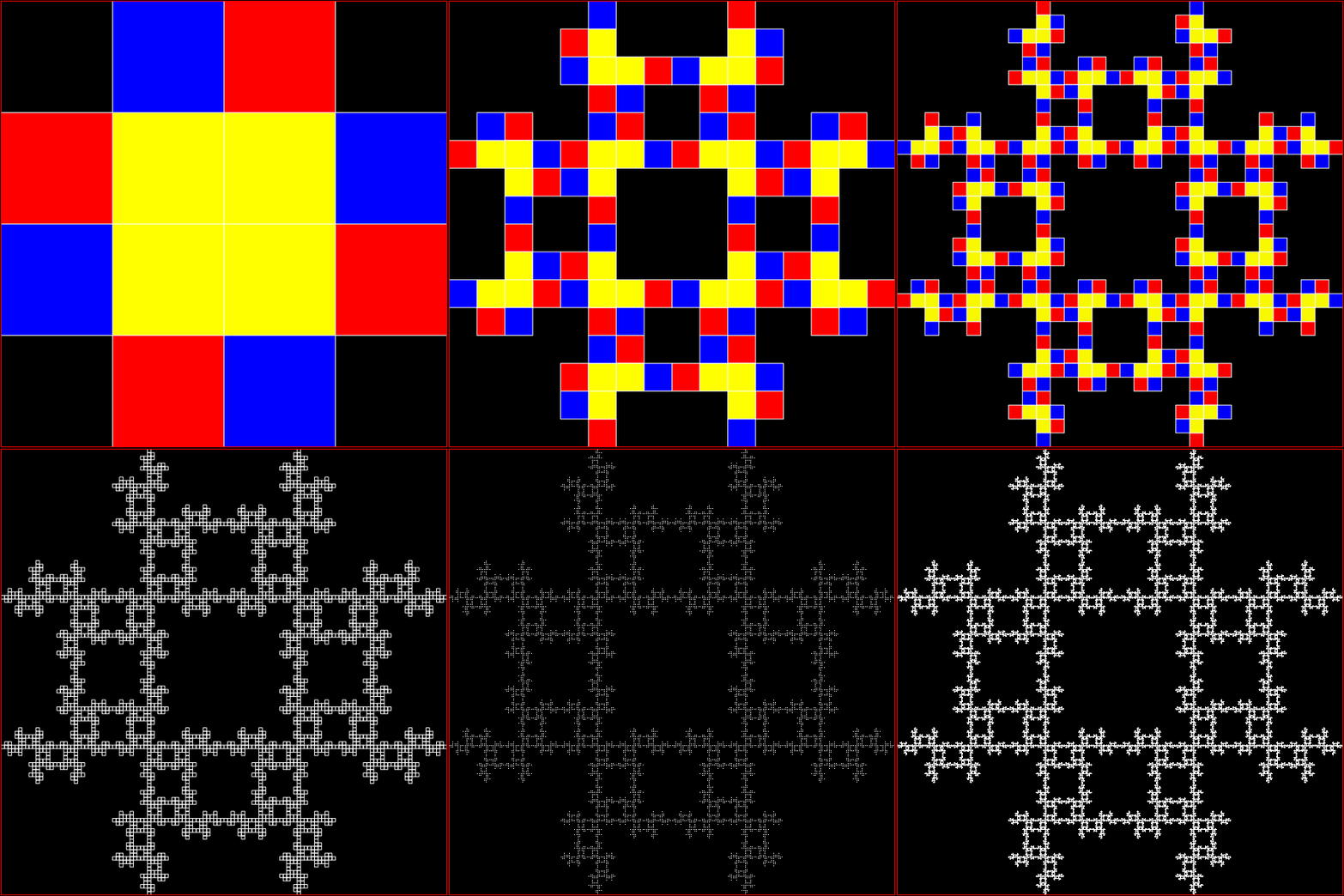
[v+0]-ban (animated)
And here’s the [v+1]-ban fractal:
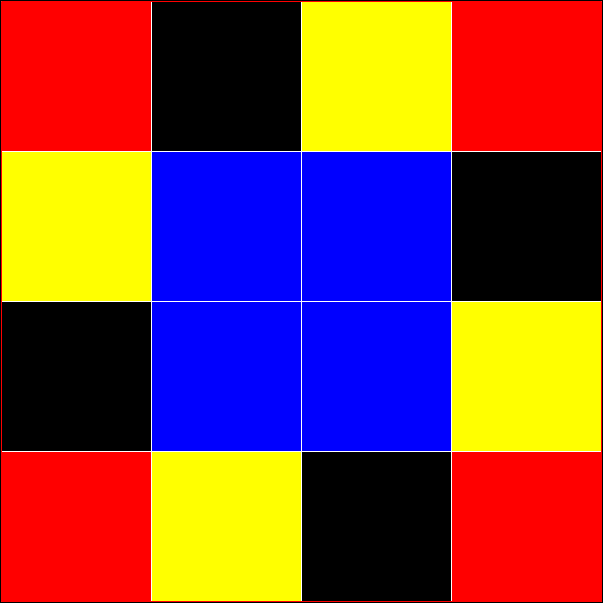
[v+1]-ban fractal #1
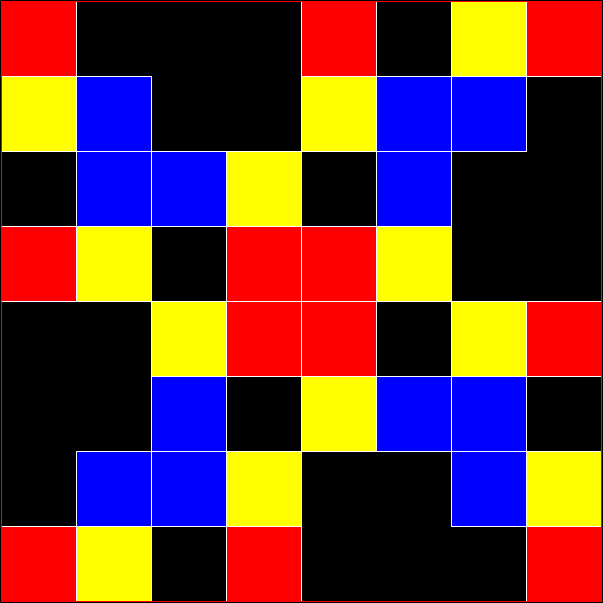
[v+1]-ban #2

[v+1]-ban #3
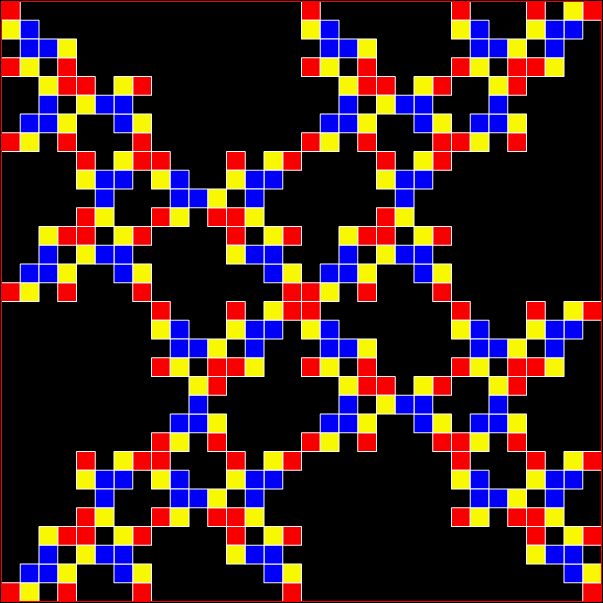
[v+1]-ban #4
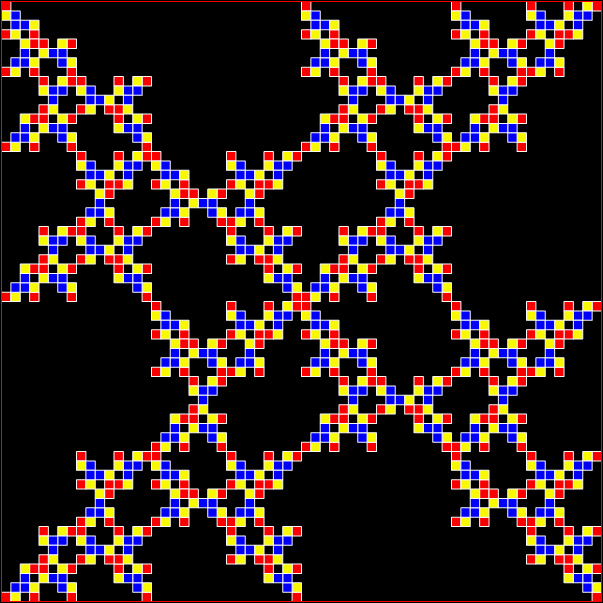
[v+1]-ban #5
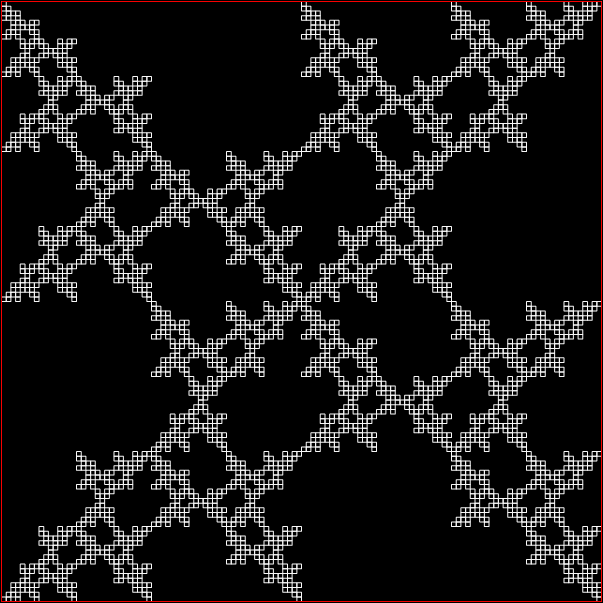
[v+1]-ban #6
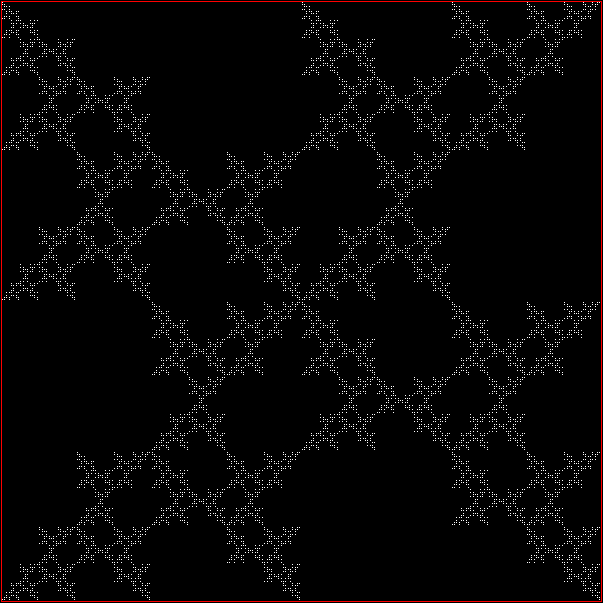
[v+1]-ban #7
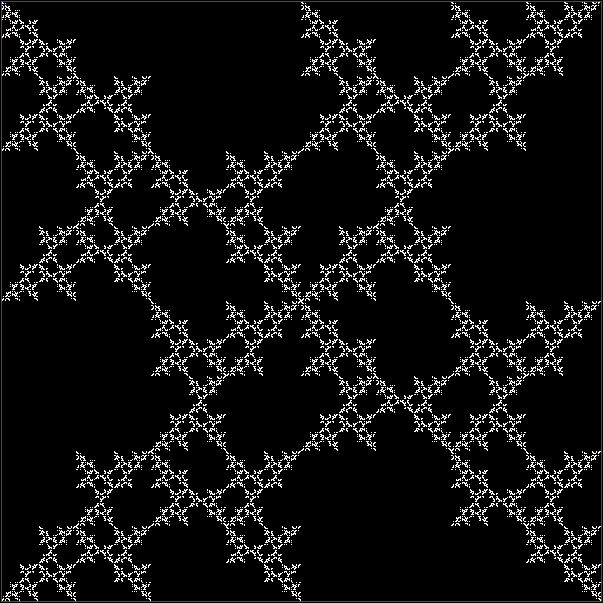
[v+1]-ban #8
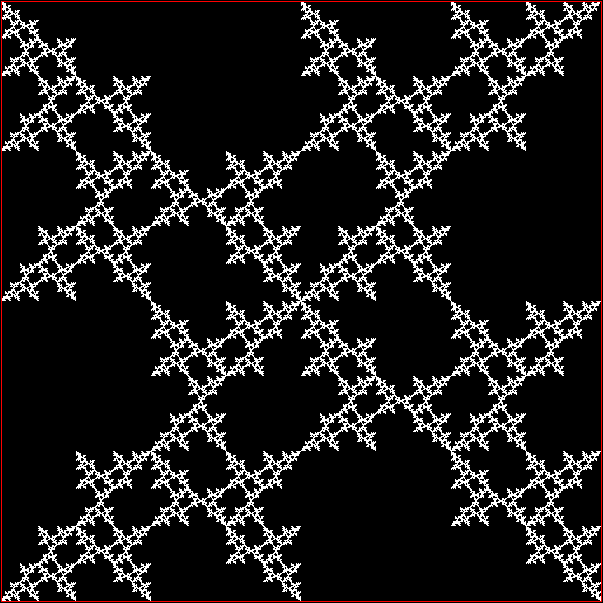
[v+1]-ban #9
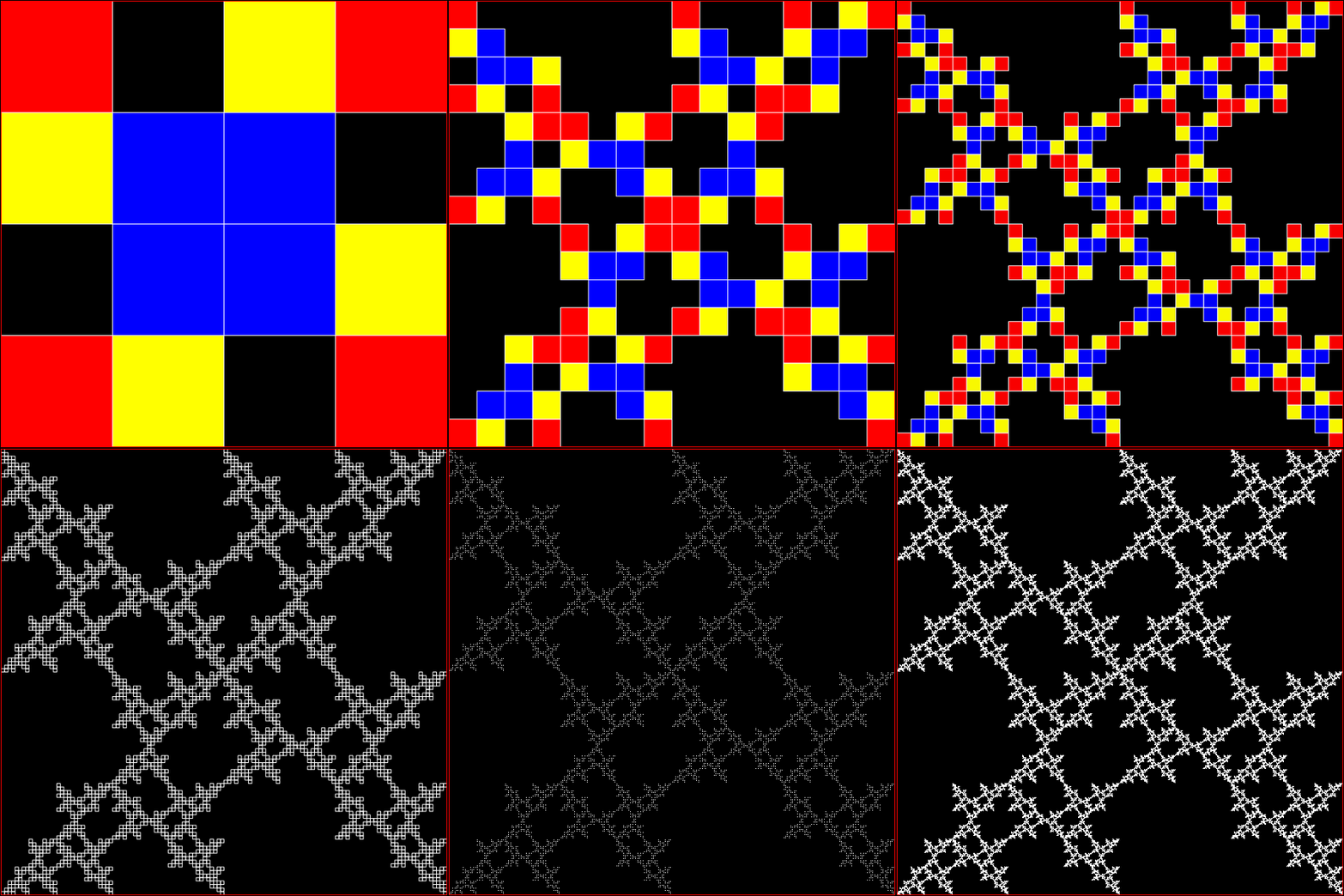
[v+1]-ban (animated)
And here’s the [v+2]-ban fractal:

[v+2]-ban fractal #1
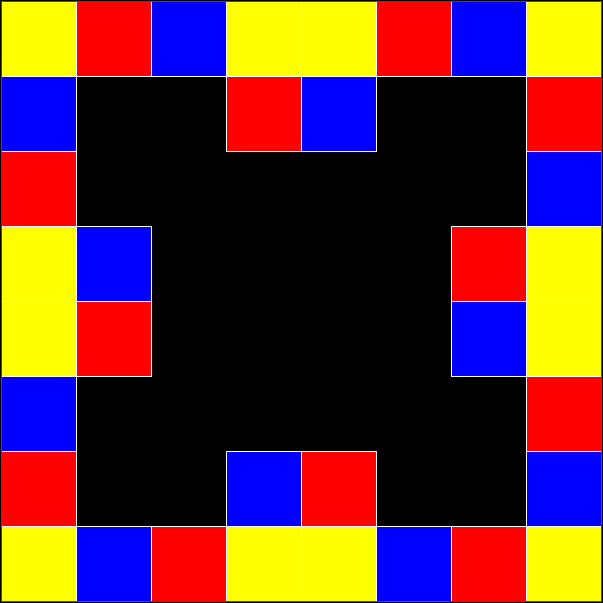
[v+2]-ban #2

[v+2]-ban #3
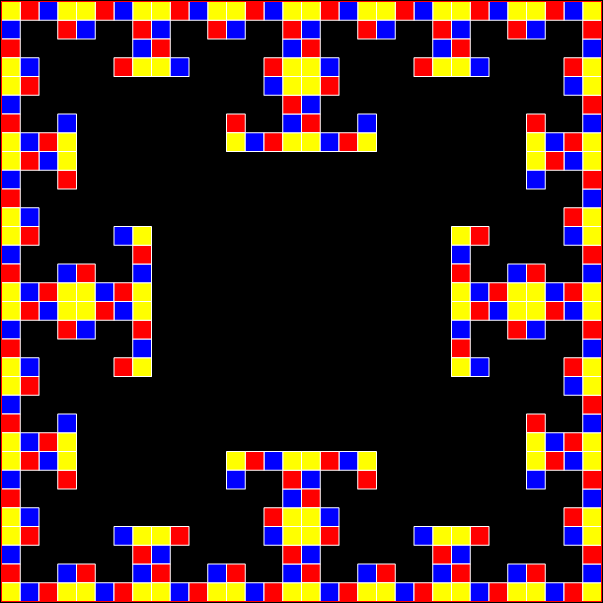
[v+2]-ban #4
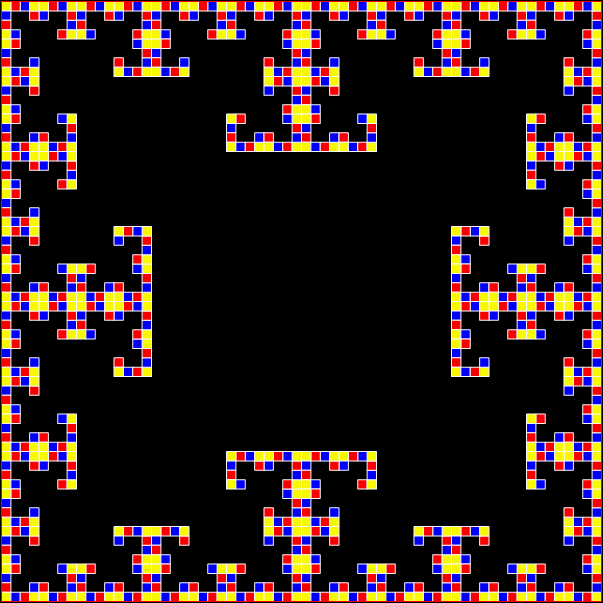
[v+2]-ban #5

[v+2]-ban #6

[v+2]-ban #7

[v+2]-ban #8
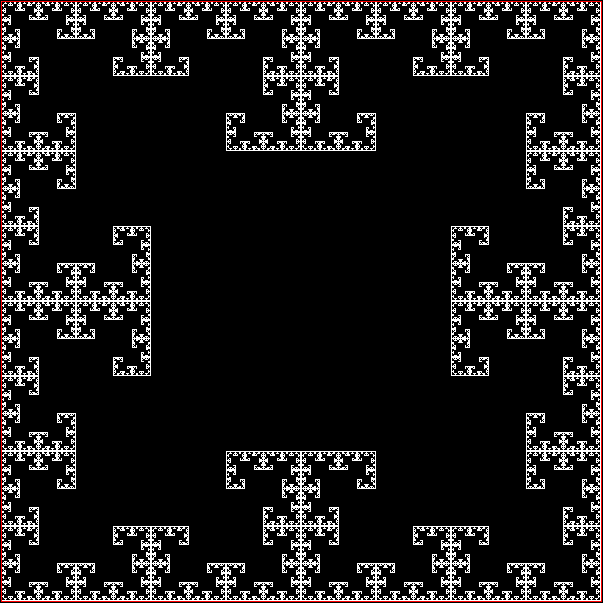
[v+2]-ban #9

[v+2]-ban (animated)
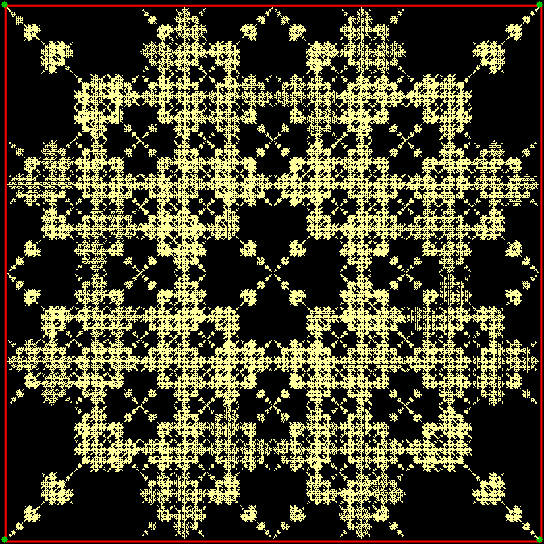
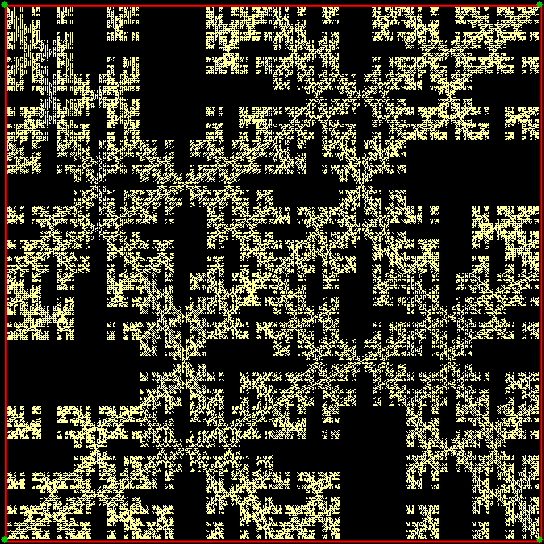
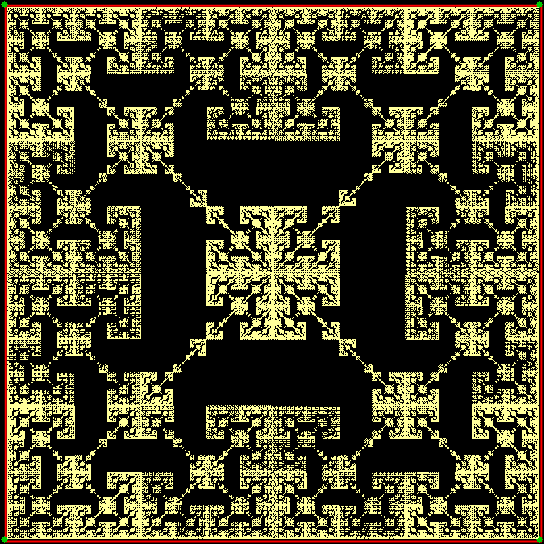
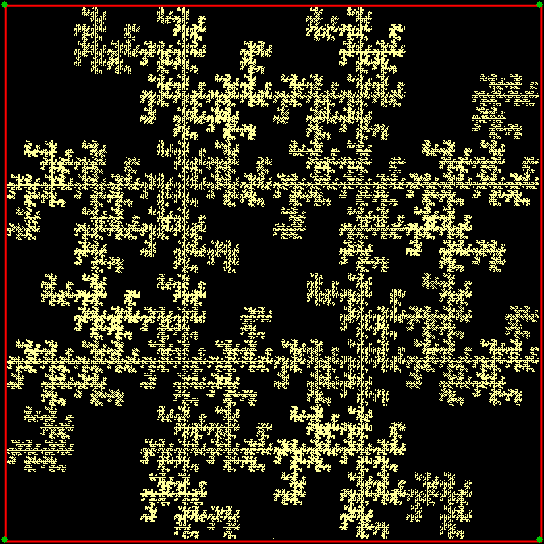
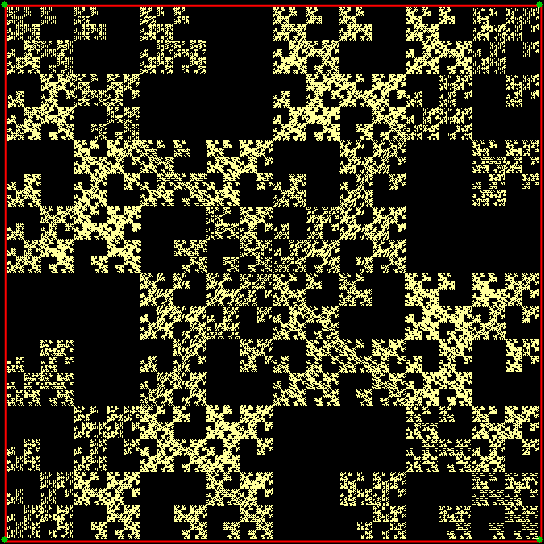
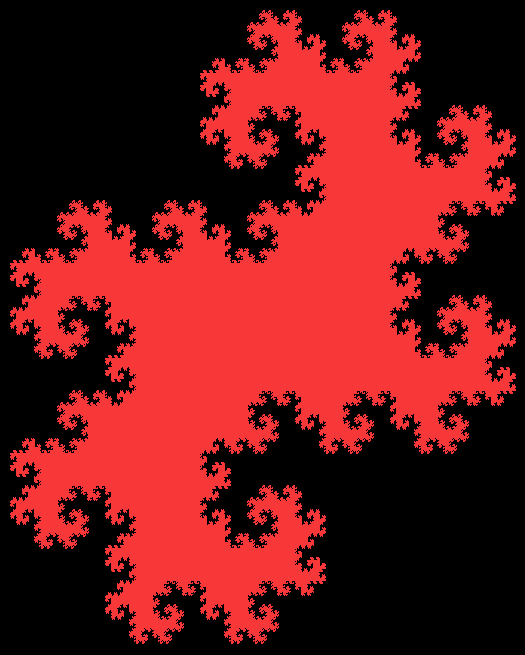
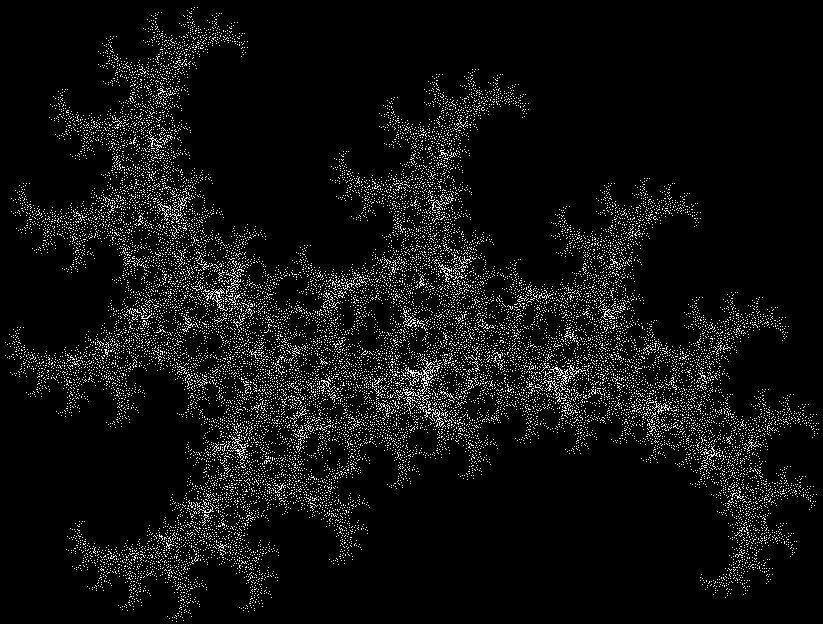
And taking a different route means that you can find more fractals — as I will demonstrate.
Previously pre-posted (please peruse):
• Square Routes
• Square Routes Revisited
• Square Routes Re-Revisited
• Square Routes Re-Re-Revisited
• Square Routes Re-Re-Re-Revisited
• Square Routes Re-Re-Re-Re-Revisited