Blancmange Butterfly

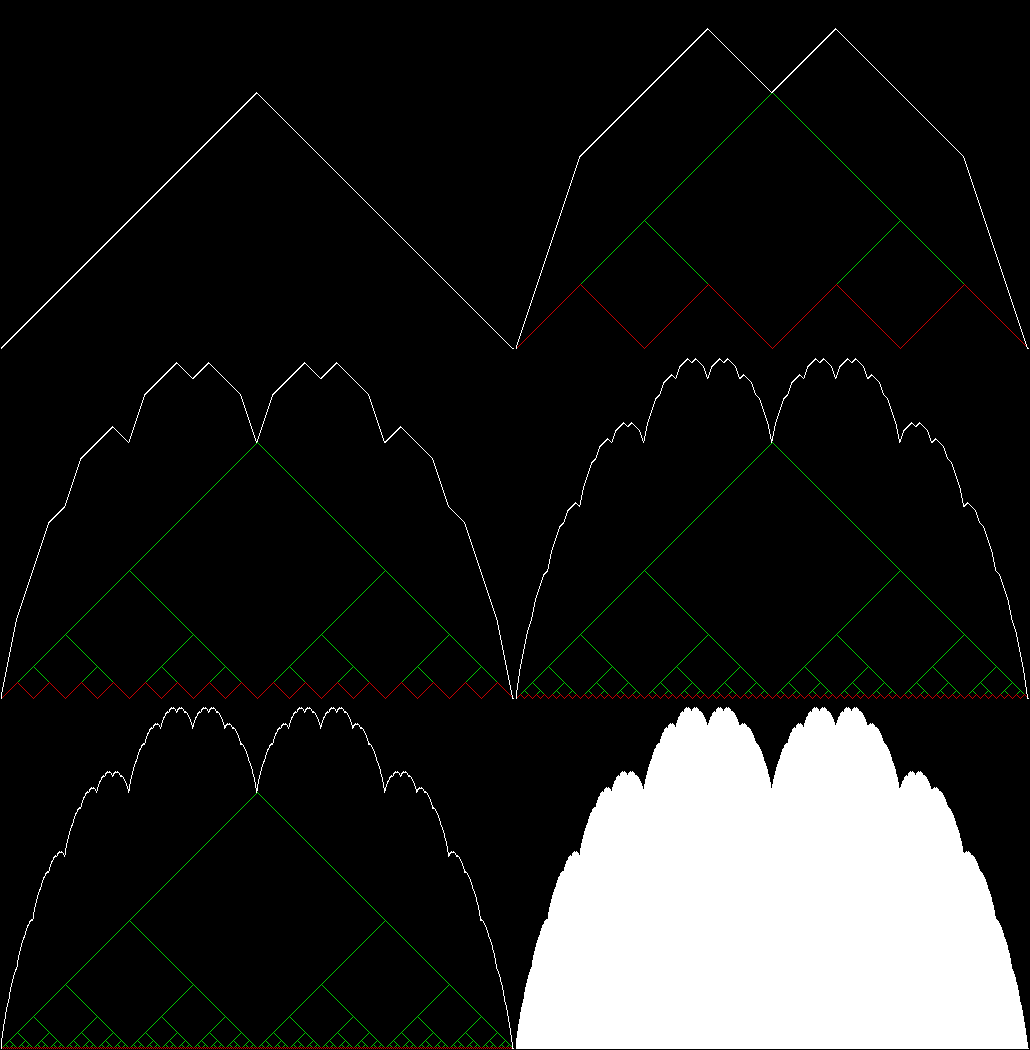
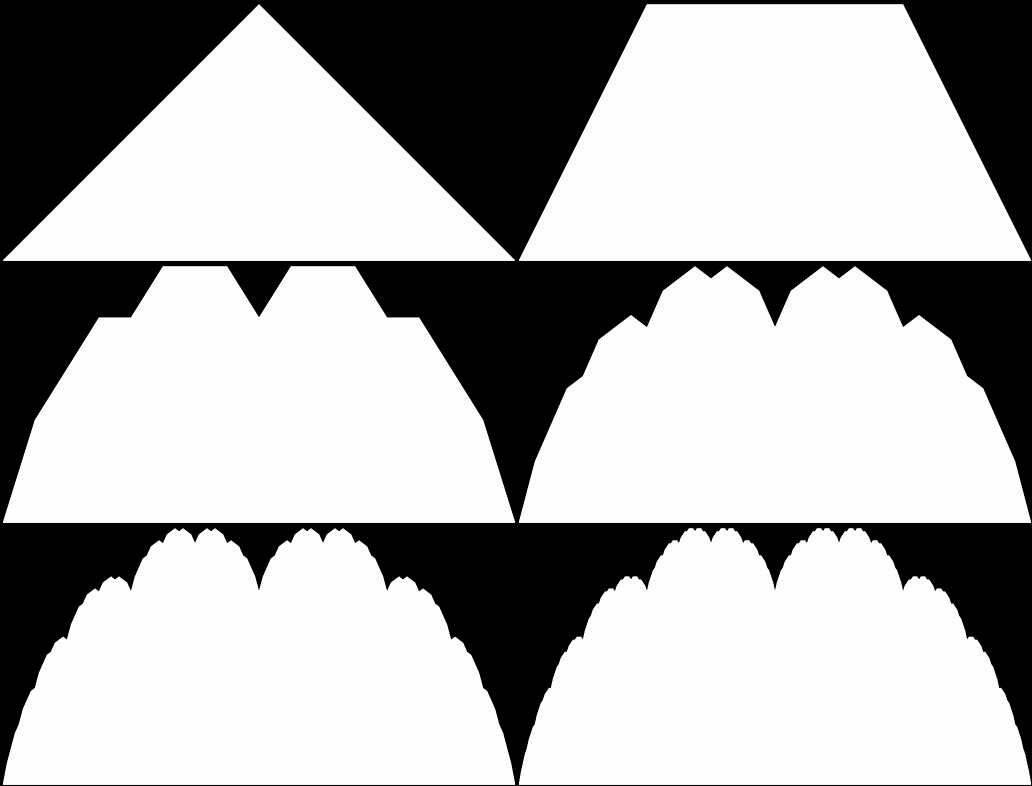
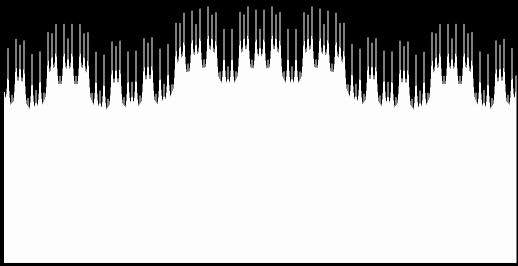
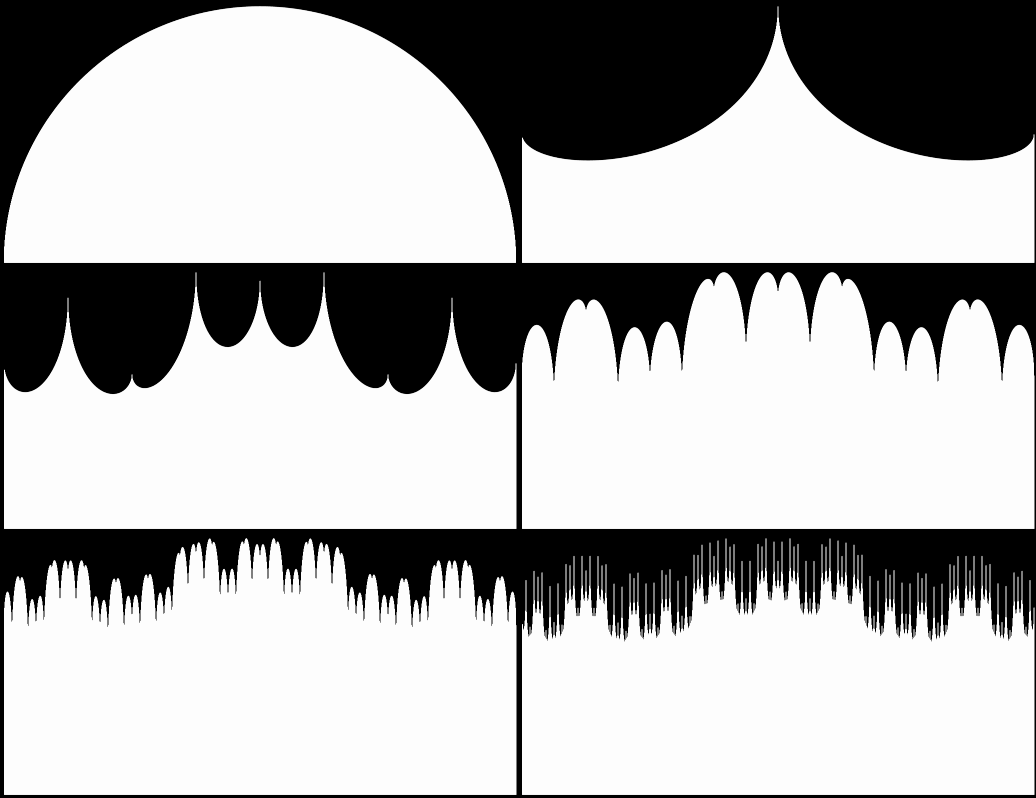
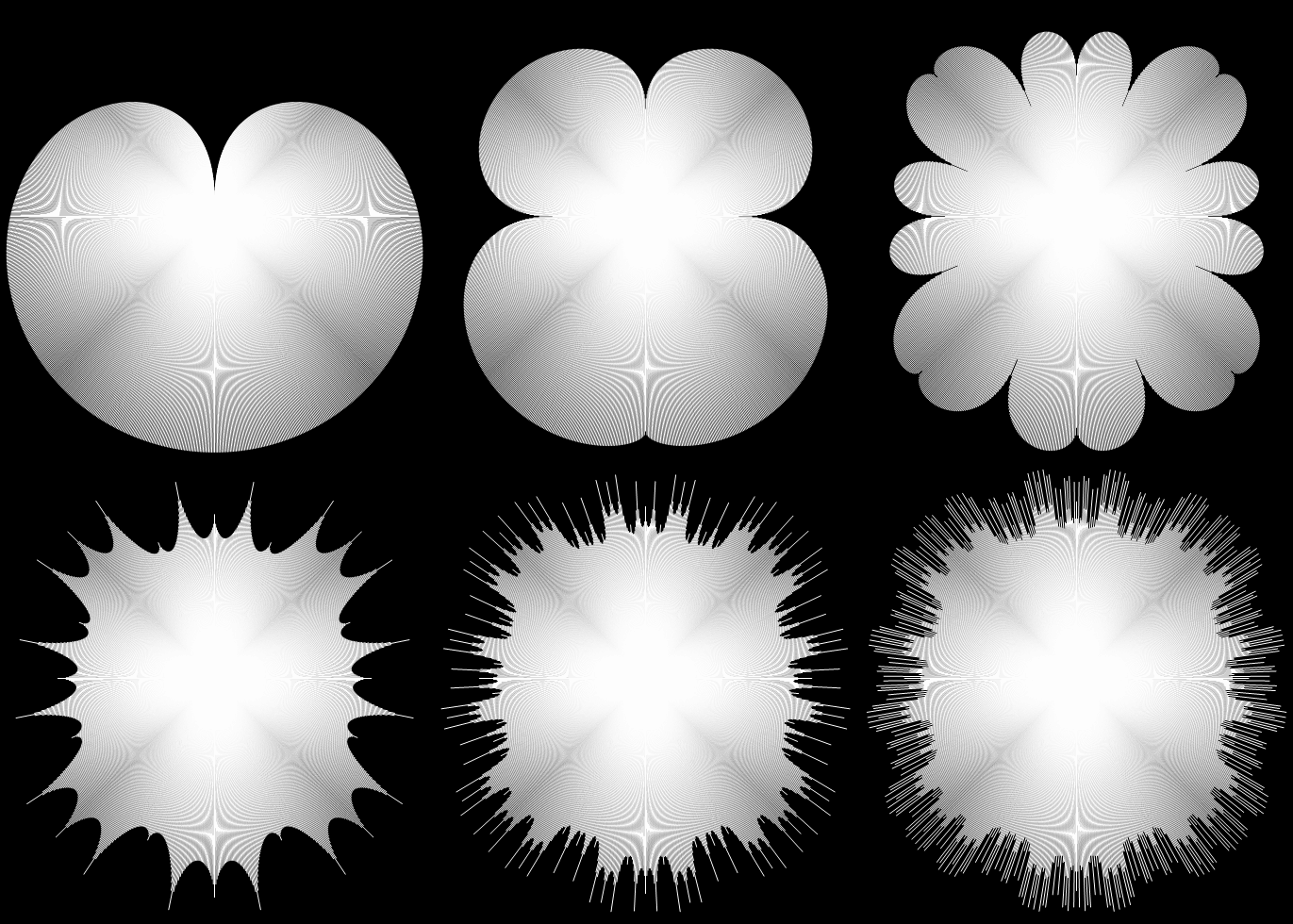
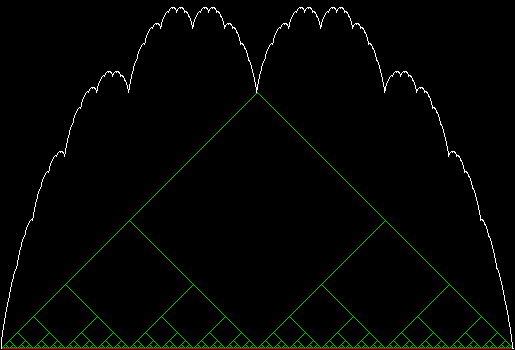
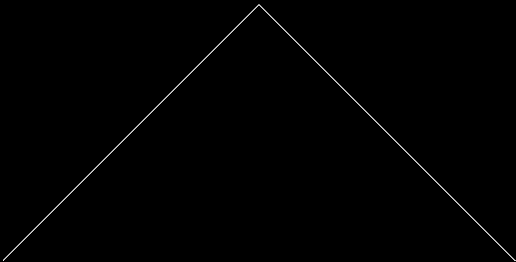
Blancmange butterfly. Is that a ’60s psychedelic band? No, it’s one of the shapes you can get by playing with blancmange curves. As I described in “White Rites”, a blancmange curve is a fractal created by summing the heights of successively smaller and more numerous zigzags, like this:
blanc_all

Zigzags 1 to 10


blancmange_all

Zigzags 1 to 10 (animated)


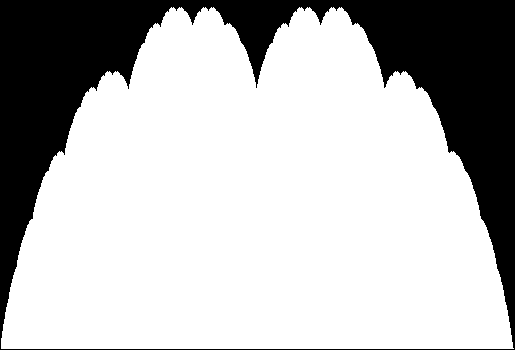
blanc_solid

Blancmange curve


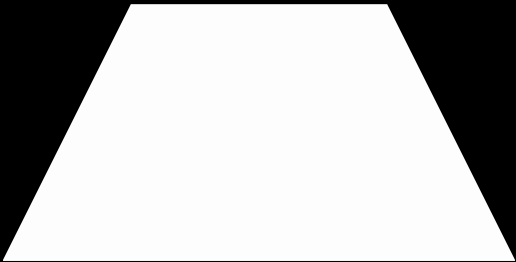
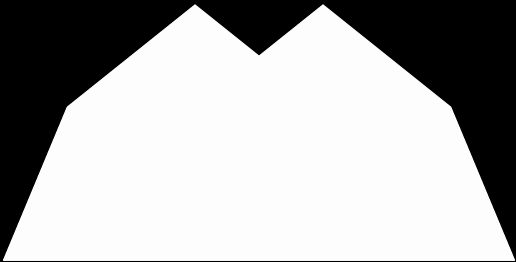
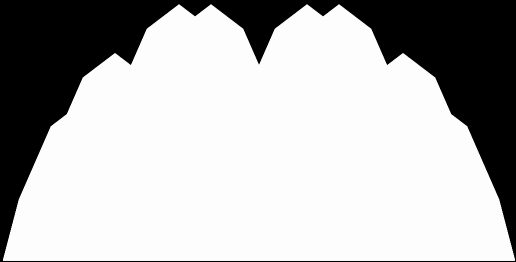
In the blancmange curves below, the height (i.e., the y co-ordinate) has been normalized so that all the images are the same height:

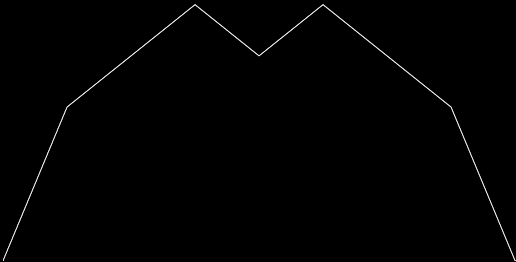

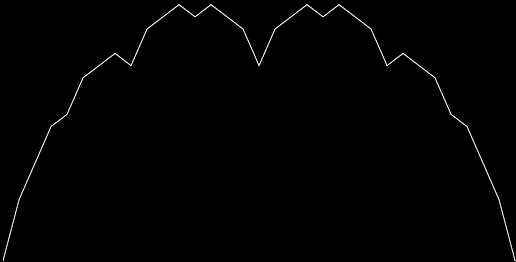
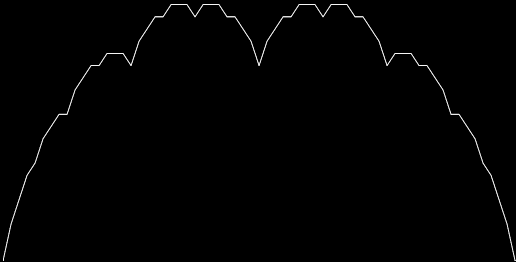
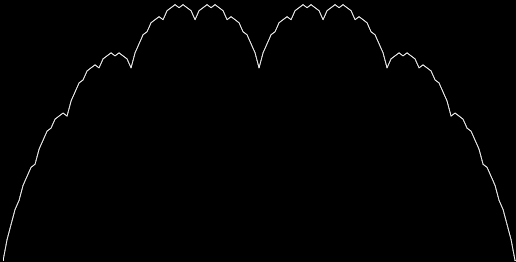
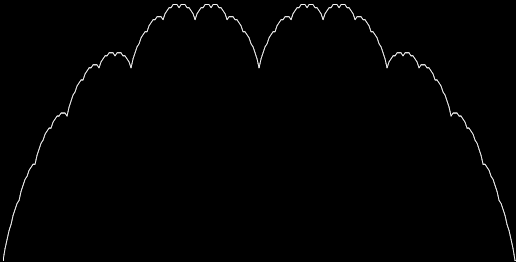

Construction of a normalized blancmange curve (animated)


This is the solid version:


Solid normalized blancmange curve (animated)


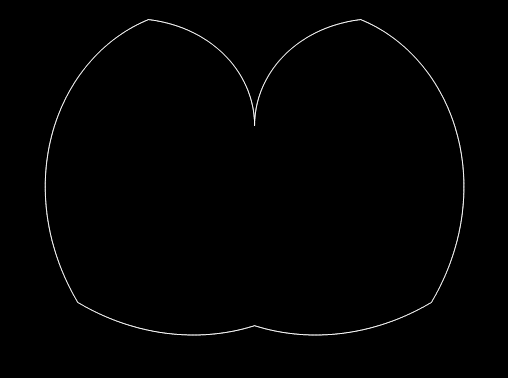
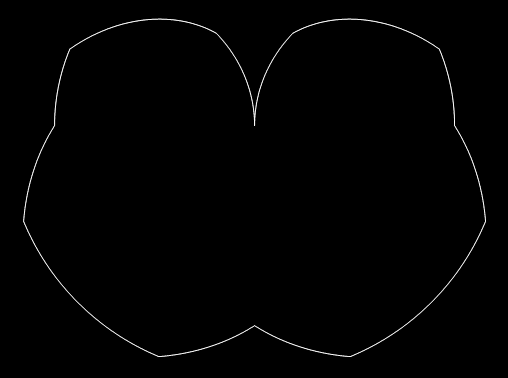
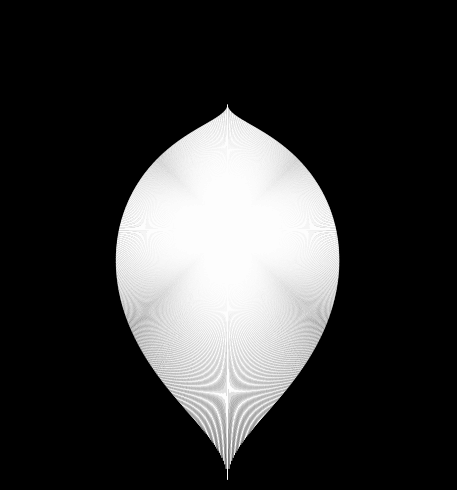
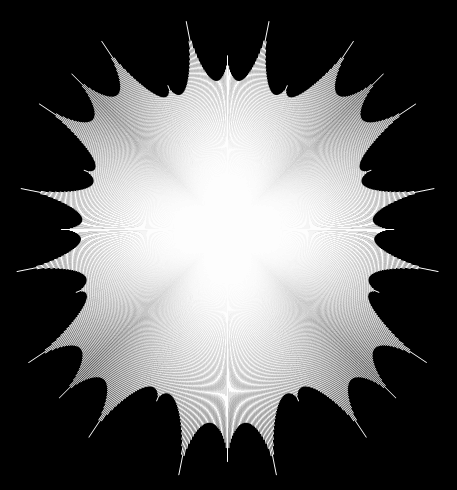
I wondered what happens when you wrap a blancmange curve around a circle. Well, this happens:


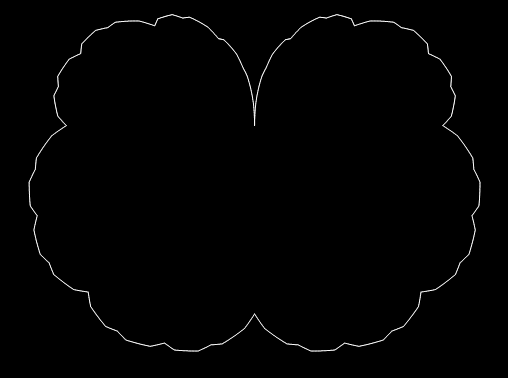

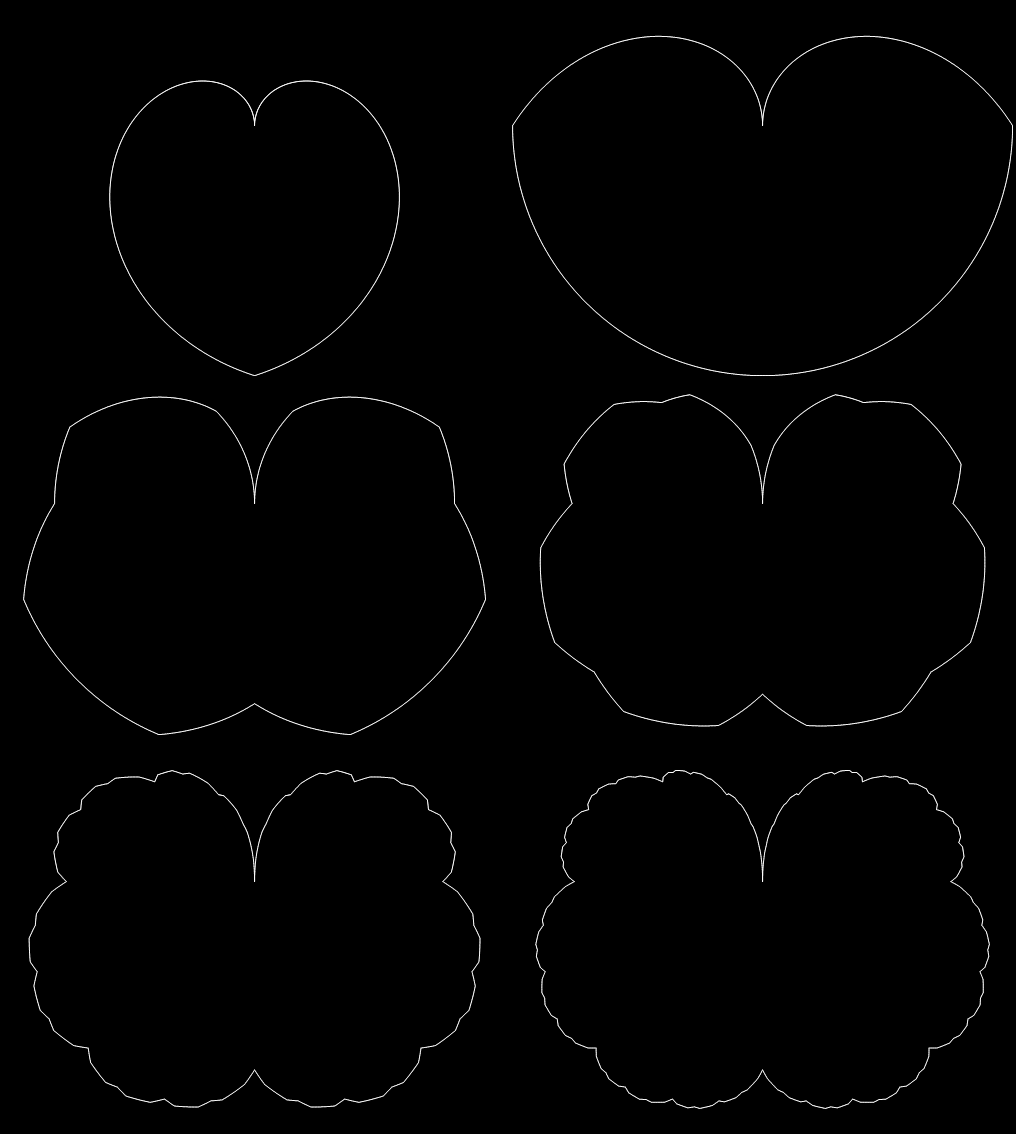
Construction of a blancmange circle (animated)


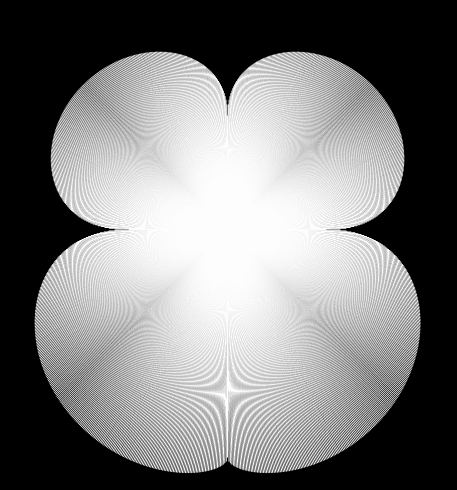
You get what might be called a blancmange butterfly. The solid version looks like this (patterns in the circles are artefacts of the graphics program I used):
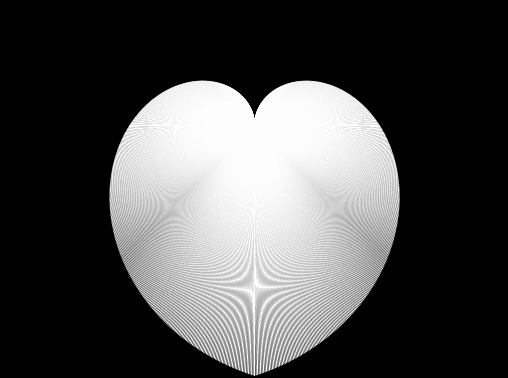
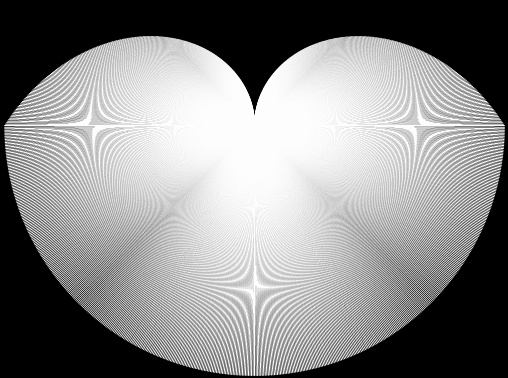
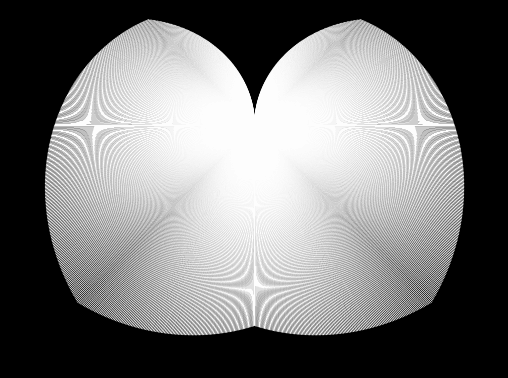


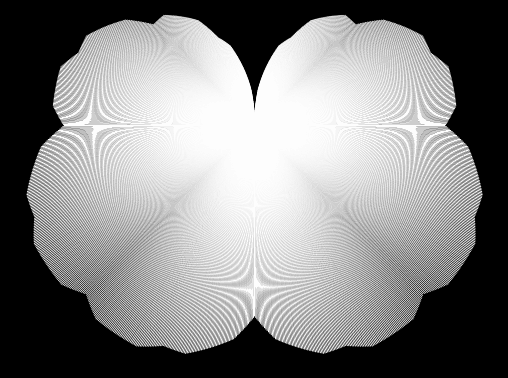
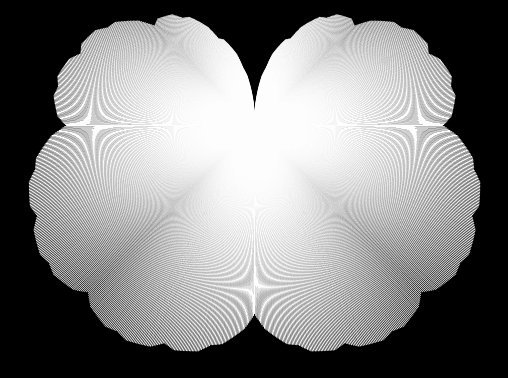

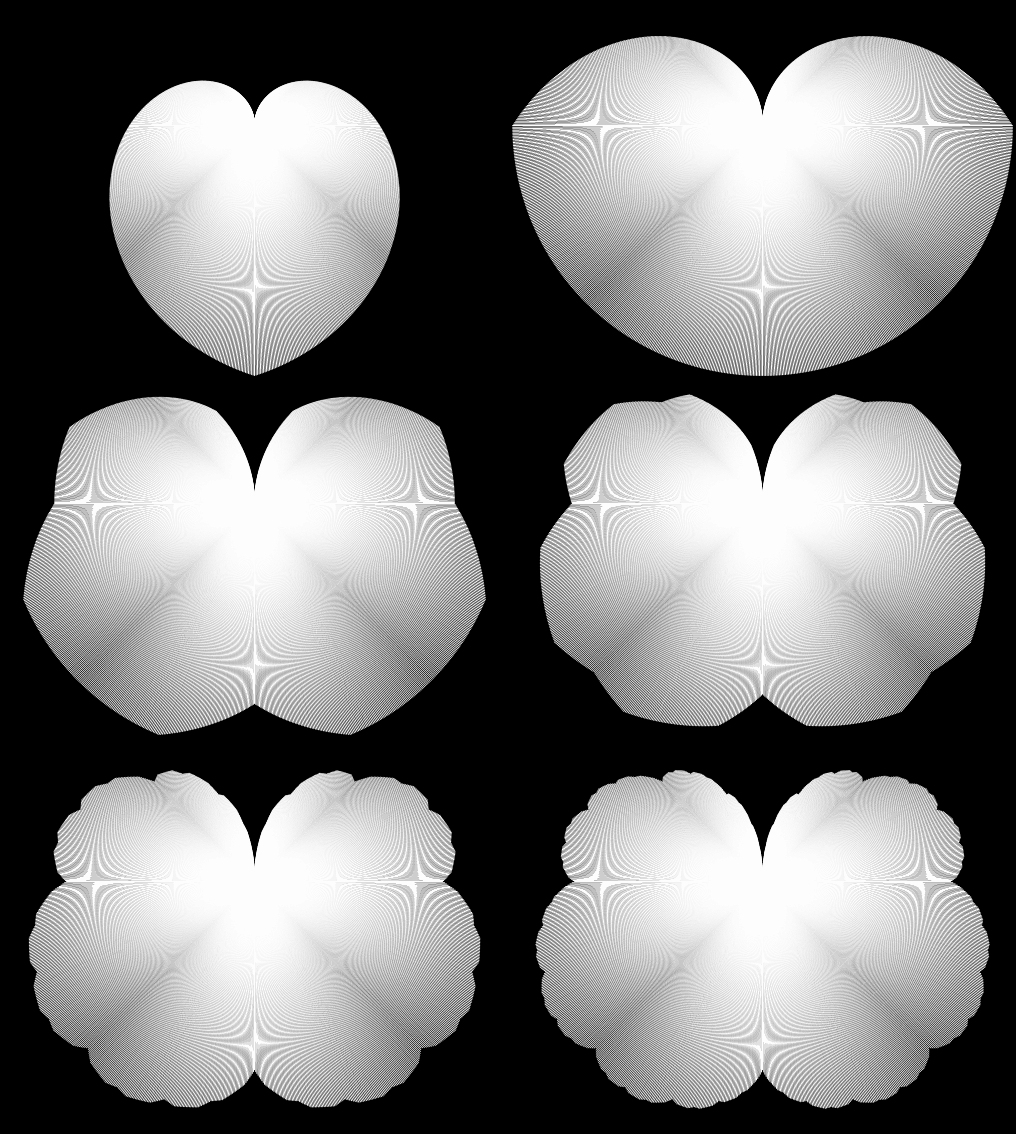
Solid blancmange circle (animated)


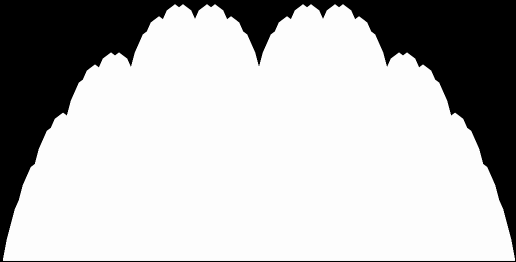
Next I tried using arcs rather zigzags to construct the blancmange curves and blancmange circles:
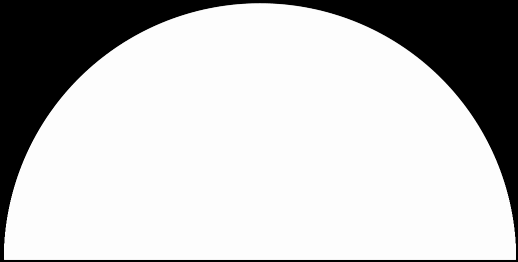
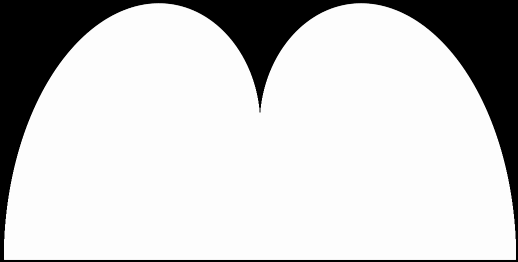

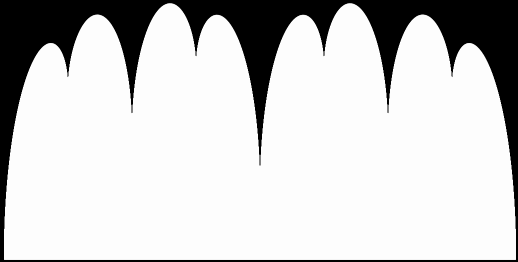
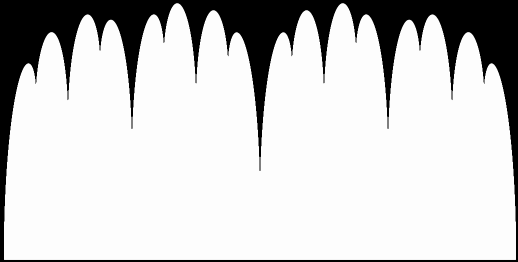
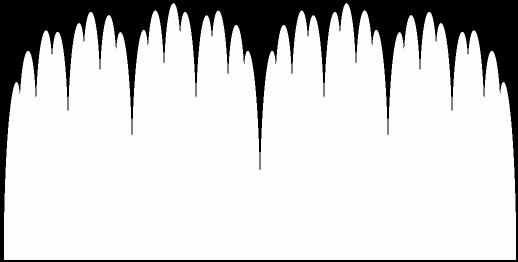

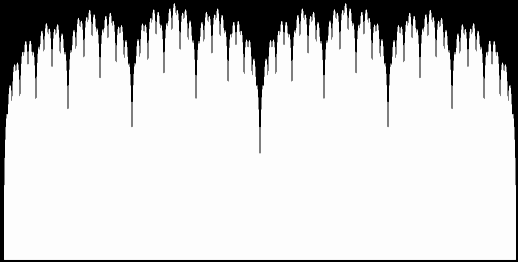
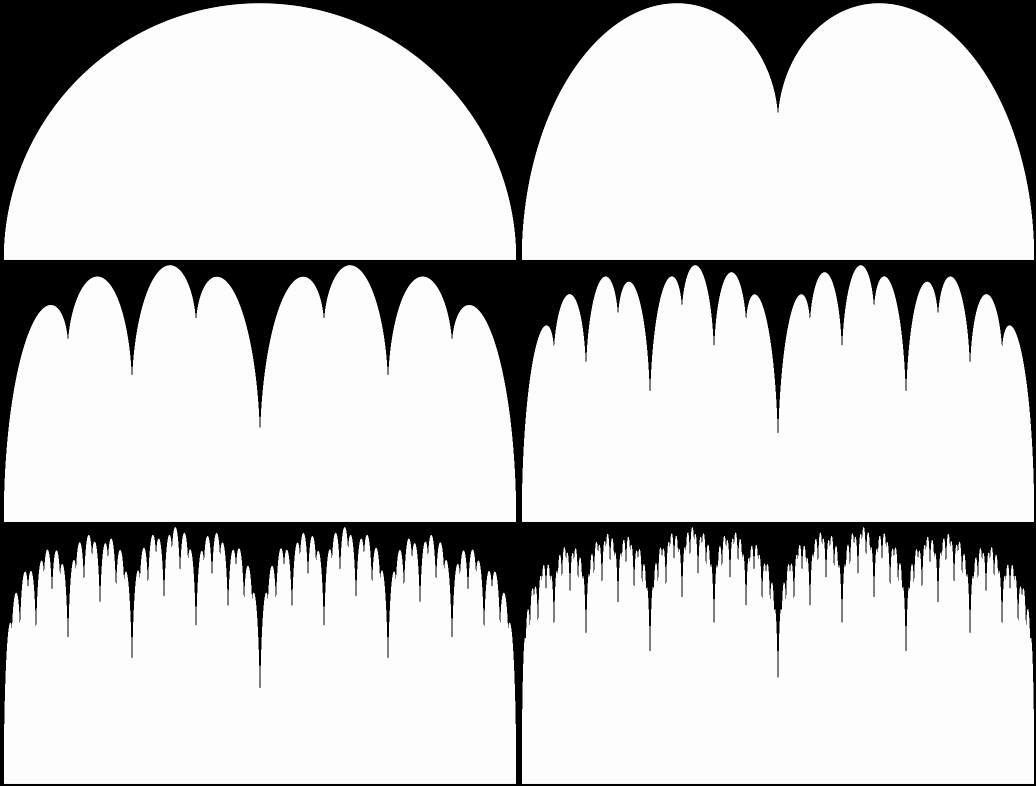
Arching blancmange curve (i.e., constructed with arcs) (animated)


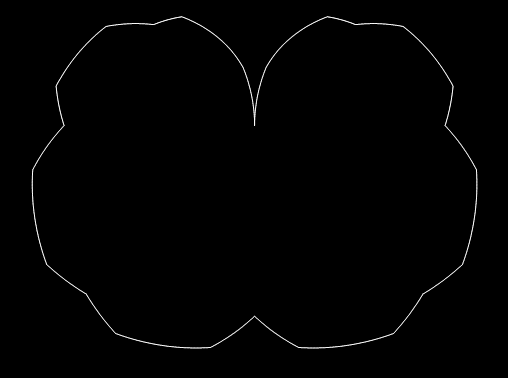
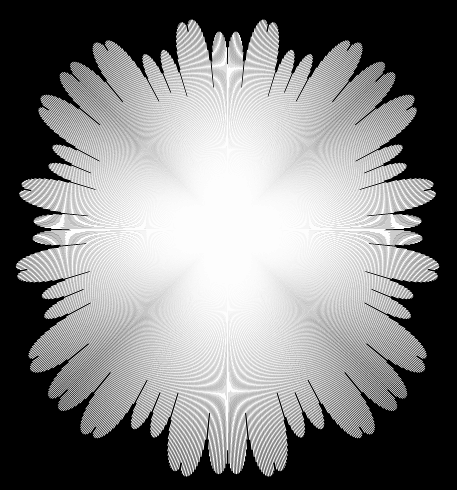
And below is the circular version of a blancmange curve constructed with arcs. The arching circular blancmanges look even more like buttocks and then intestinal villi (the fingerlike projections lining our intestines):


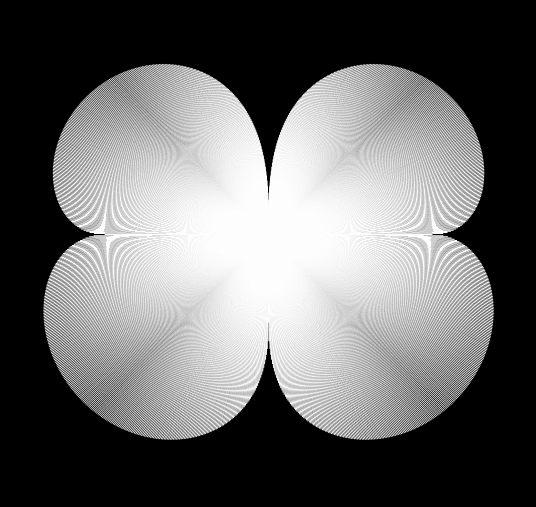
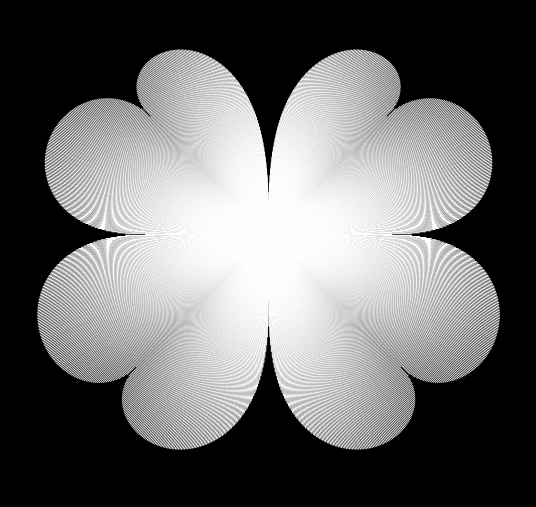
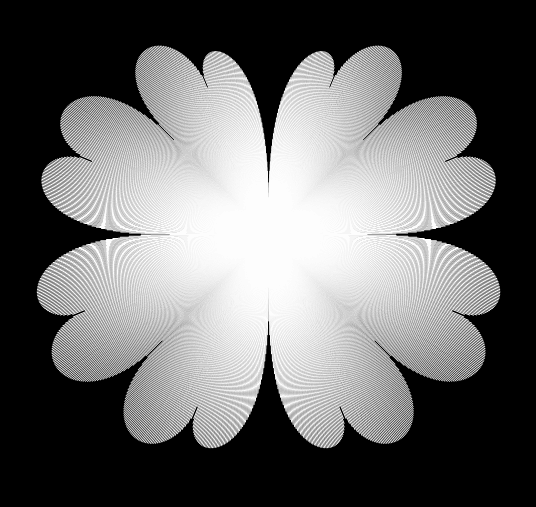
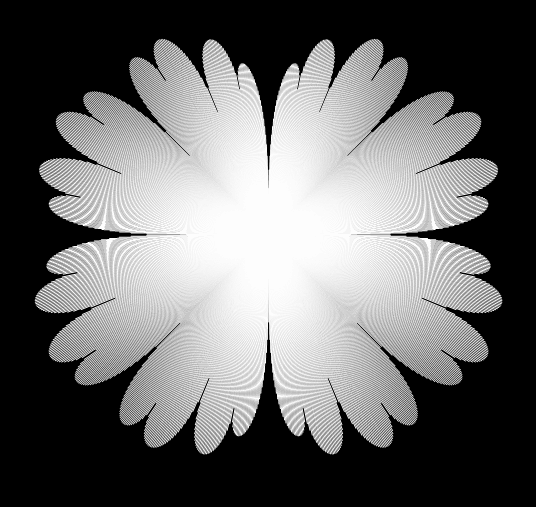


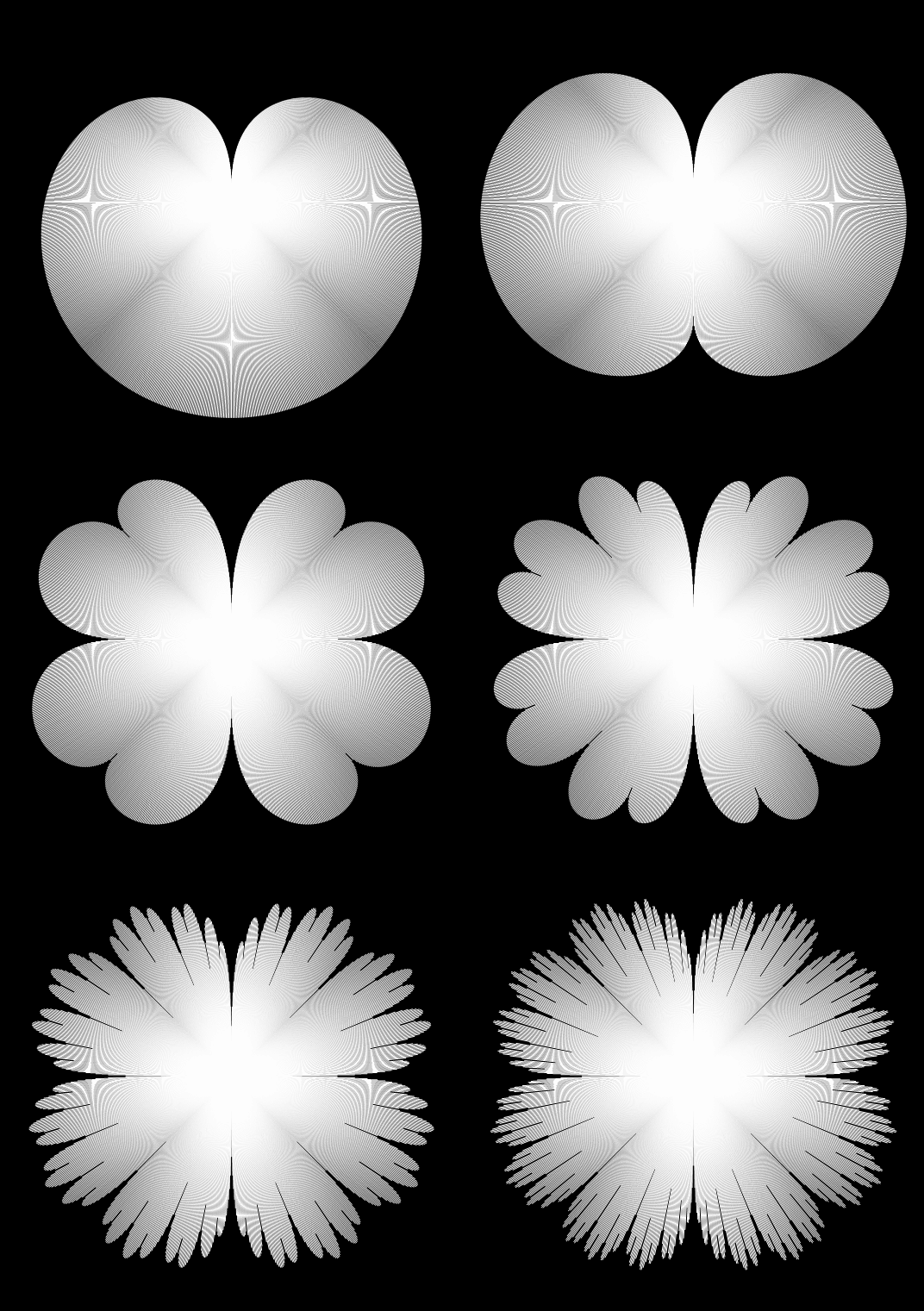
Arching blancmange circle (animated)


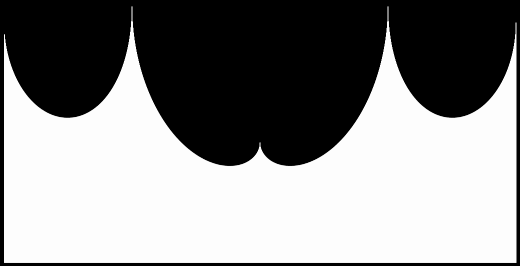
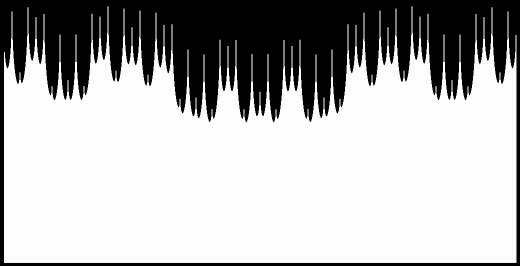
The variations on blancmange curves don’t stop there — in fact, they’re infinite. Below is a negative arching blancmange curve, where the heights of the original arching blancmange curve are subtracted from the (normalized) maximum height:
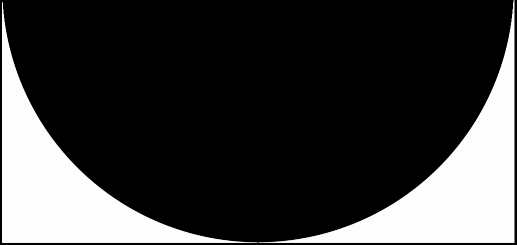
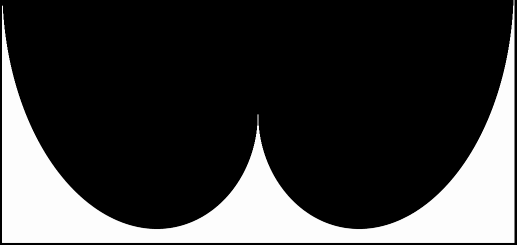
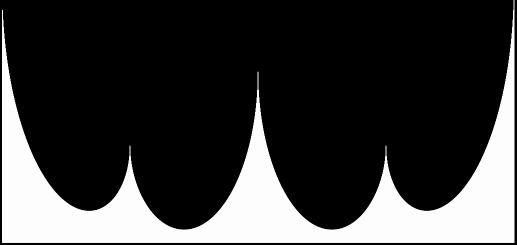
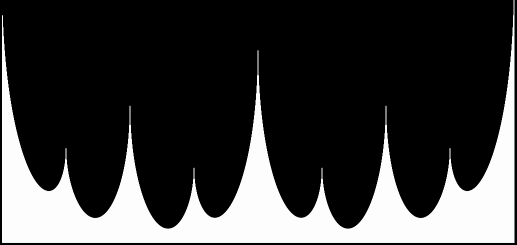
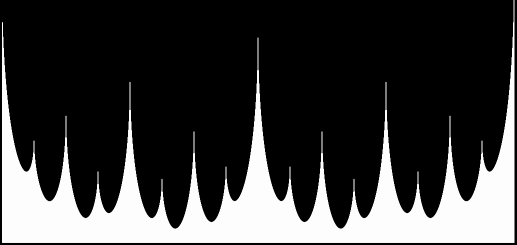


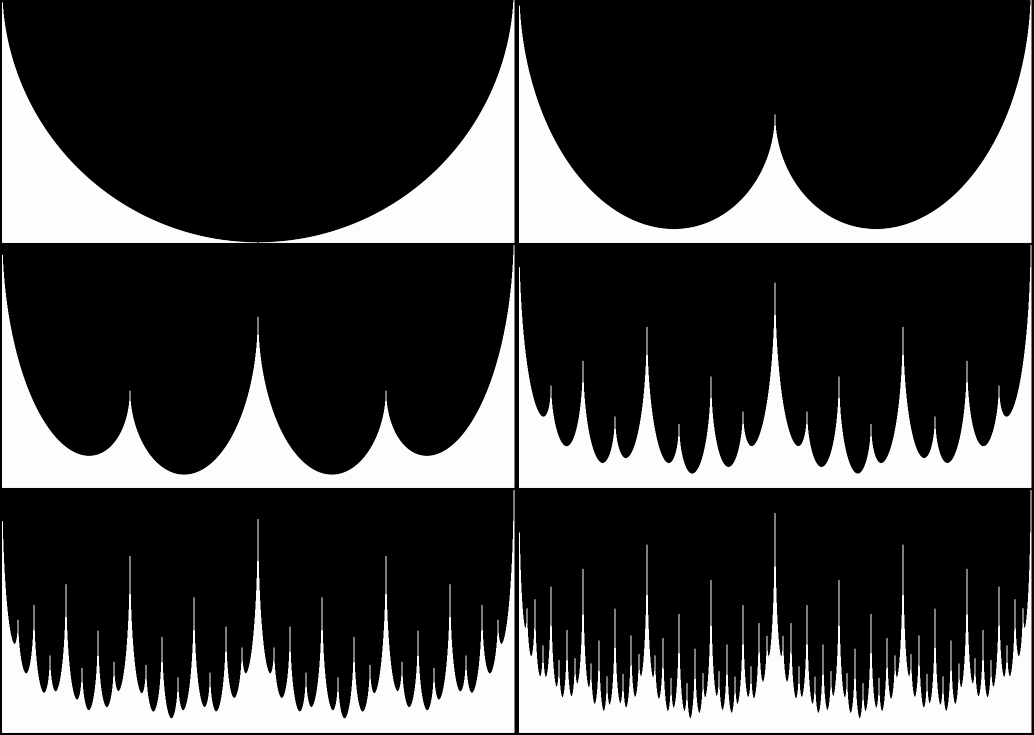
Negative arching blancmange curve (animated)


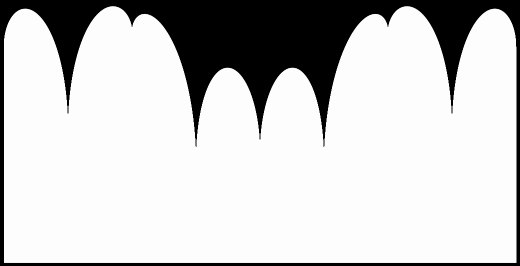
And here’s an arching blancmange curve that’s alternately negative and positive:


Negative-positive arching blancmange curve (animated)


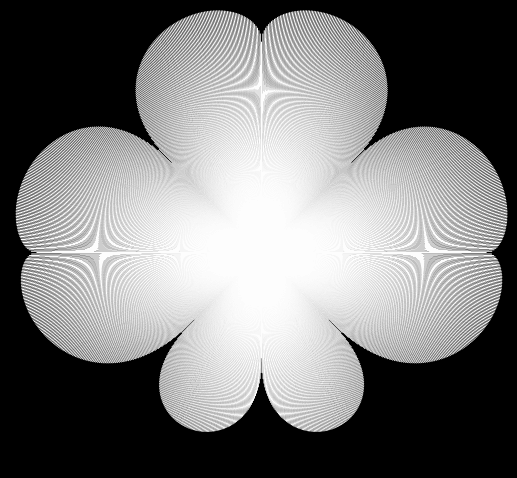
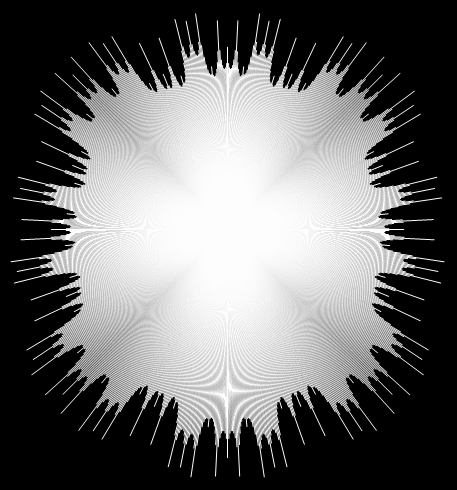
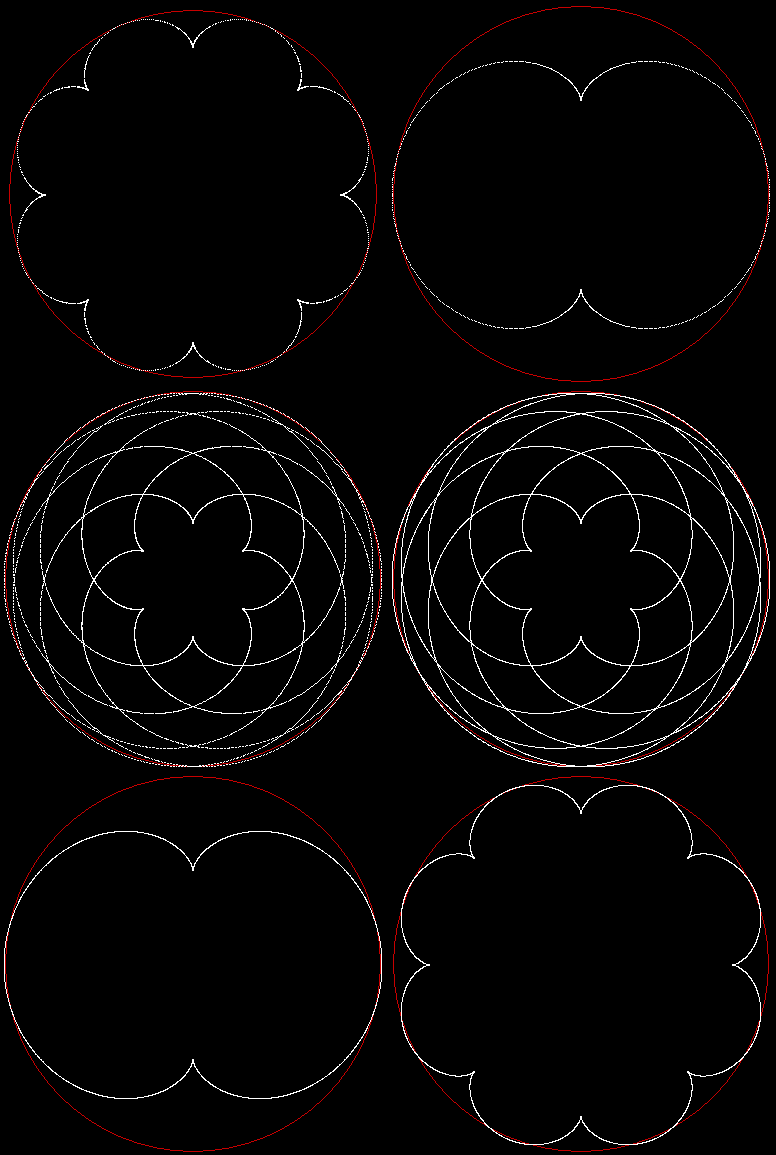
The circular version looks like this:
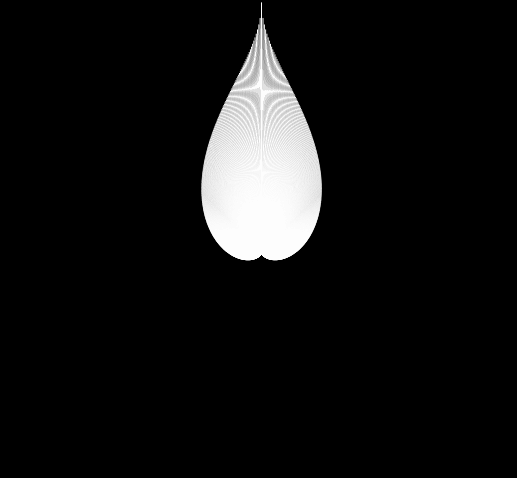


Negative-positive arching blancmange circle (animated)


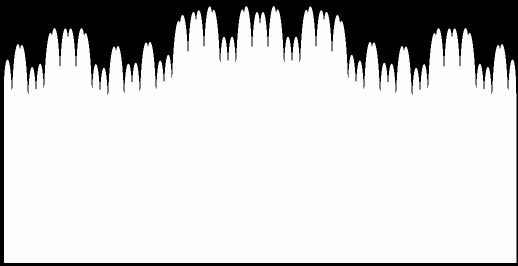
Finally, here’s an arching blancmange curve that’s alternately positive and negative:
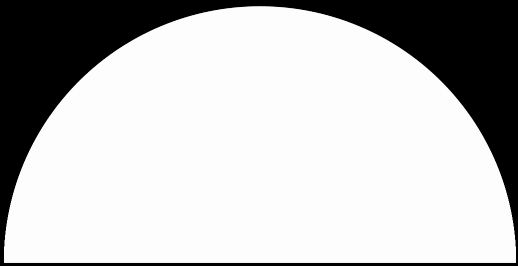


Positive-negative arching blancmange curve (animated)


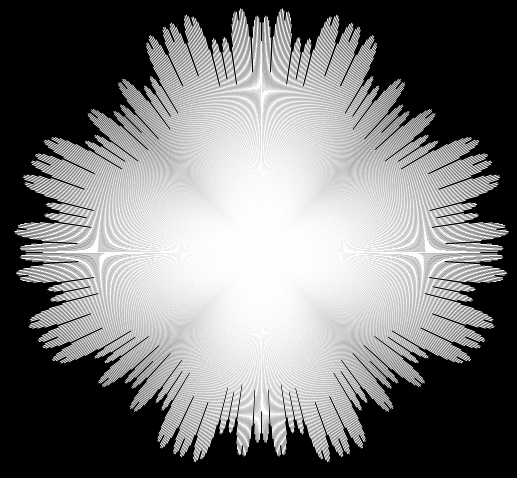
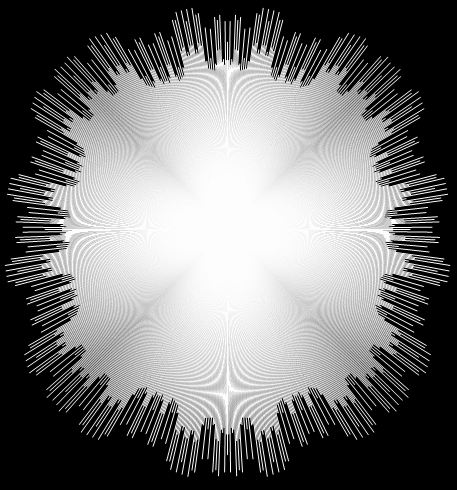
And the circular version:
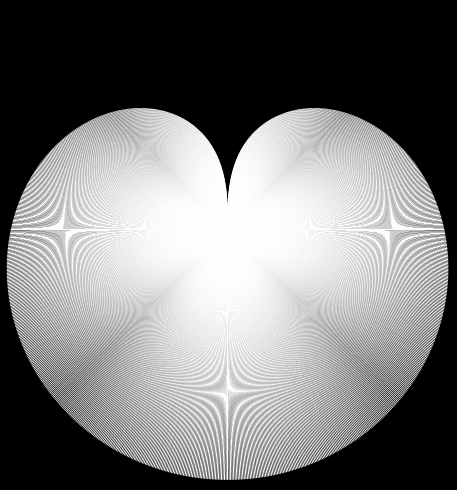


Positive-negative arching blancmange circle (animated)


Elsewhere Other-Accessible…

White Rites — more variations on blancmange curves

Mice Thrice

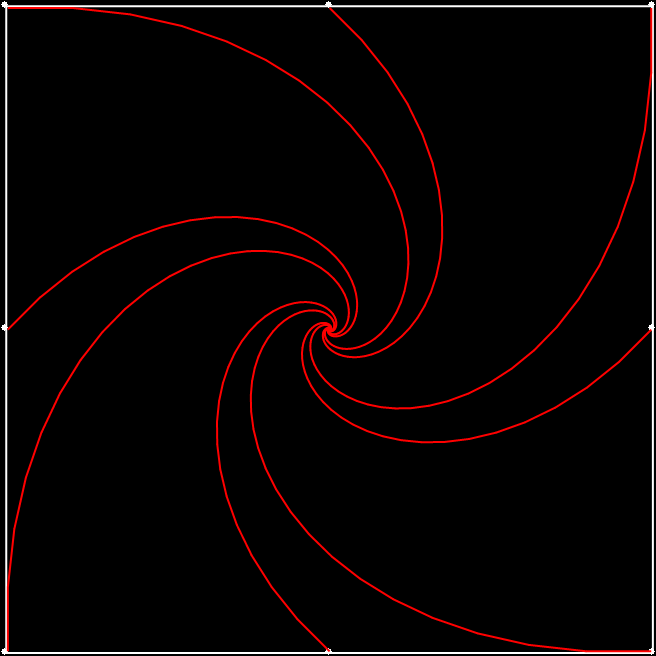
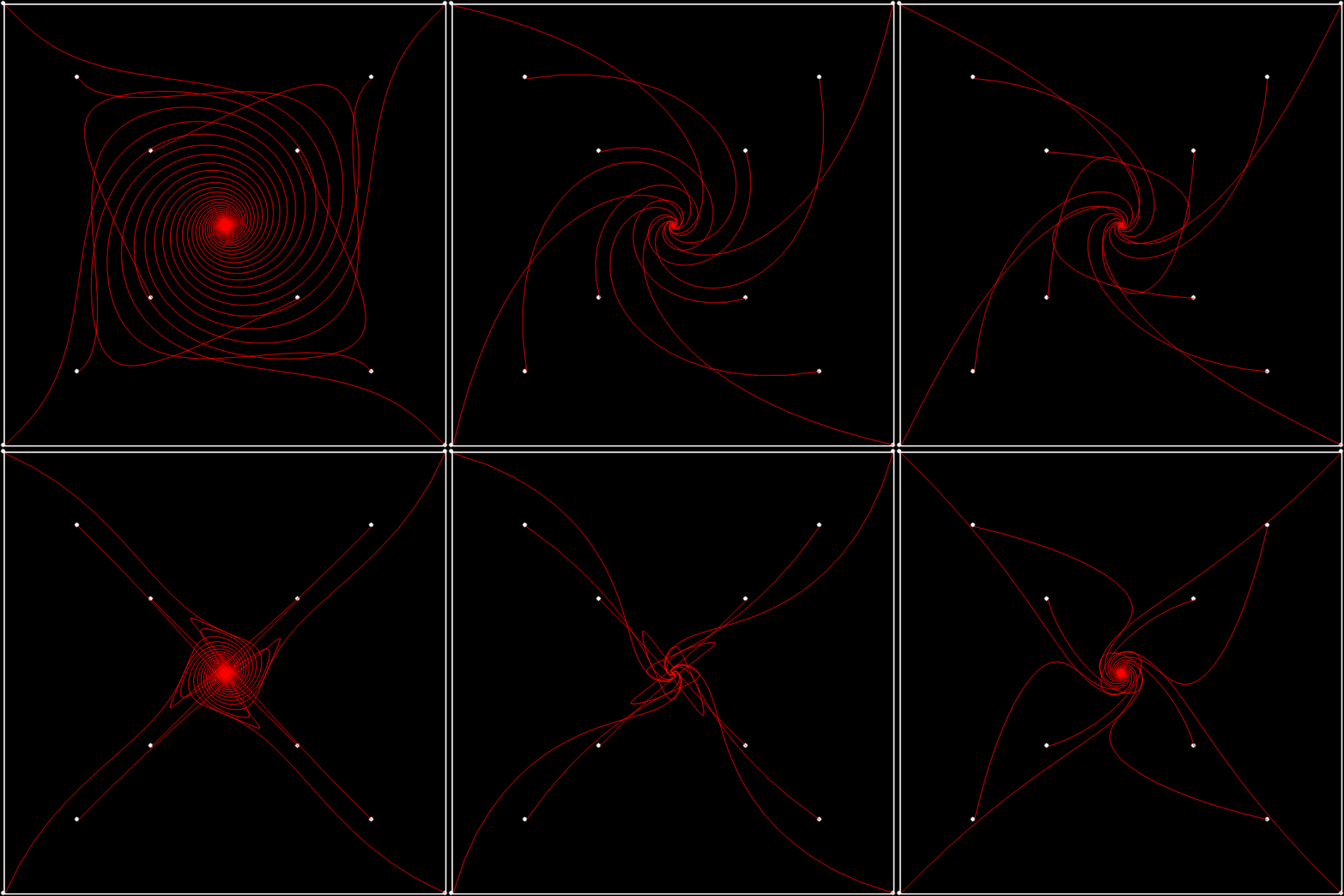
Twice before on Overlord-in-terms-of-Core-Issues-around-Maximal-Engagement-with-Key-Notions-of-the-Über-Feral, I’ve interrogated issues around pursuit curves. Imagine four mice or four beetles each sitting on one corner of a square and looking towards the centre of the square. If each mouse or beetle begins to run towards the mouse or beetle to its left, it will follow a curving path that takes it to the centre of the square, like this:

vertices = 4, pursuit = +1


The paths followed by the mice or beetles are pursuit curves. If you arrange eight mice clockwise around a square, with a mouse on each corner and a mouse midway along each side, you get a different set of pursuit curves:

v = 4 + 1 on the side, p = +1


Here each mouse is pursuing the mouse two places to its left:

v = 4+s1, p = +2


And here each mouse is pursuing the mouse three places to its left:

v = 4+s1, p = +3


Now try a different arrangement of the mice. In the square below, the mice are arranged clockwise in rows from the bottom right-hand corner. That is, mouse #1 begins on the bottom left-hand corner, mouse #2 begins between that corner and the centre, mouse #3 begins on the bottom left-hand corner, and so on. When each mice runs towards the mouse three places away, these pursuit curves appear:

v = 4 + 1 internally, p = +3


Here are some more:

v = 4 + i1, p = +5


v = 4 + i2, p = +1


v = 4 + i2, p = +2


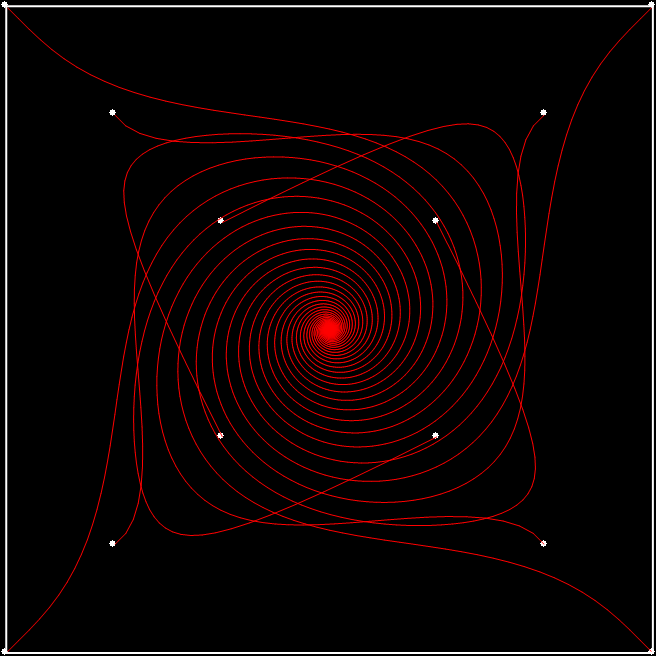
So far, all the mice have eventually run to the centre of the square, but that doesn’t happen here:

v = 4 + i2, p = 4


Here are more pursuit curves for the v4+i2 mice, using an animated gif:

v = 4 + i2, p = various (animated — open in new tab for clearer image)


And here are more pursuit curves that don’t end in the centre of the square:

v = 4 + i4, p = 4


v = 4 + i4, p = 8


v = 4 + i4, p = 12


v = 4 + i4, p = 16


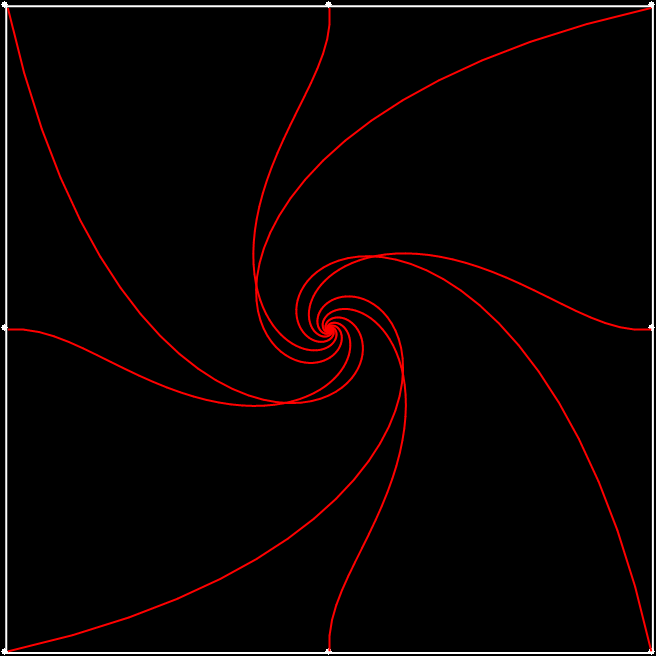
But the v4+i4 pursuit curves more usually look like this:

v = 4 + i4, p = 7


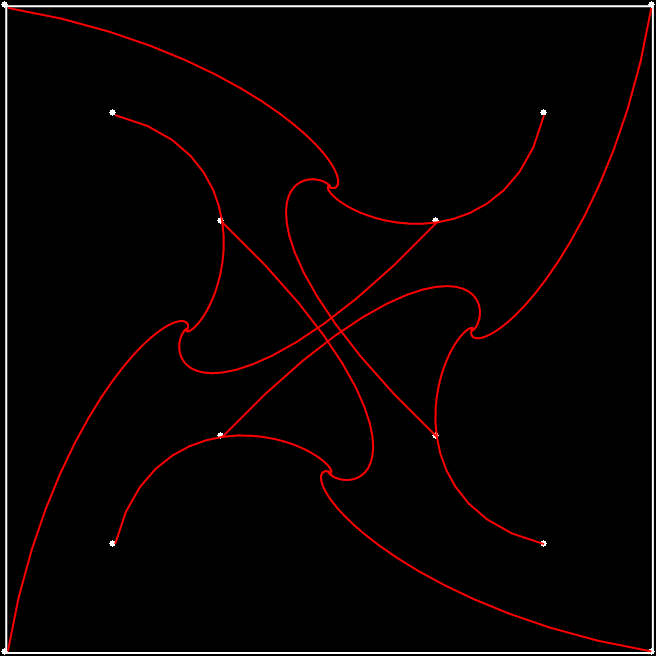
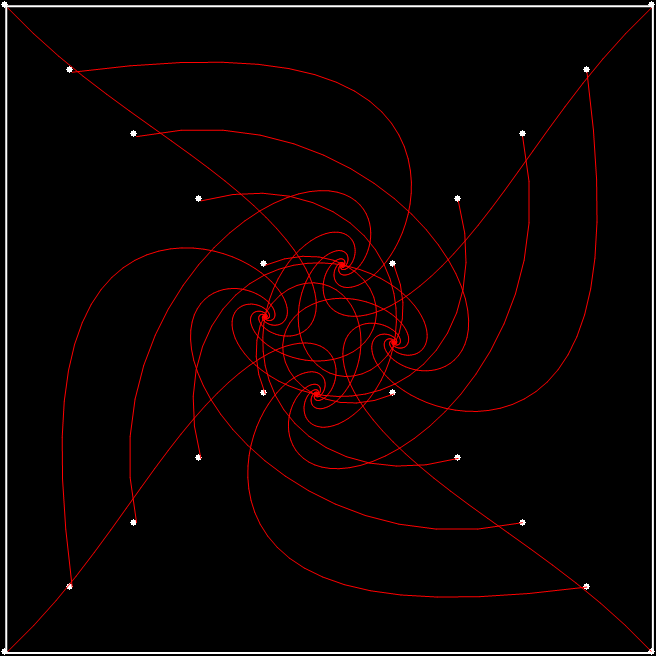
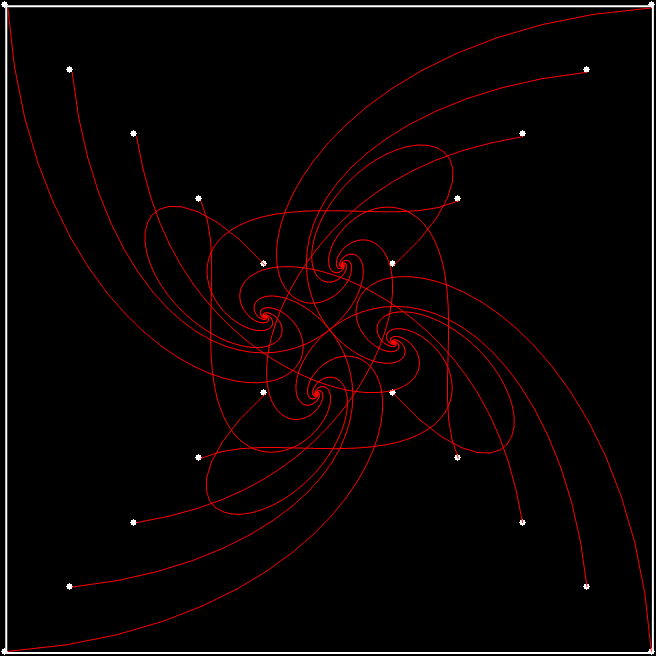
Now try adapting the rules so that mice don’t run directly towards another mouse, but towards the point midway between two other mice. In this square, the odd- and even-numbered mice follow different rules. Mice #1, #3, #5 and #7 run towards the point midway between the mice one and two places away, while ice #2, #4, #6 and #8 run towards the point midway between the mice two and seven places away:

v = 4 + s1, p(1,3,5,7) = 1,2, p(2,4,6,8) = 2,7


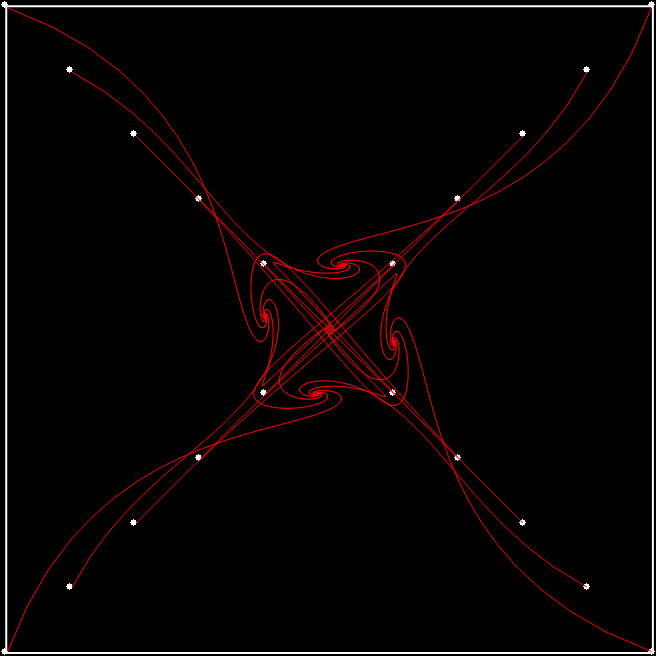
I think the curves are very elegant. Here’s a slight variation:

v = 4 + s1, p1 = 1,3, p2 = 2,7


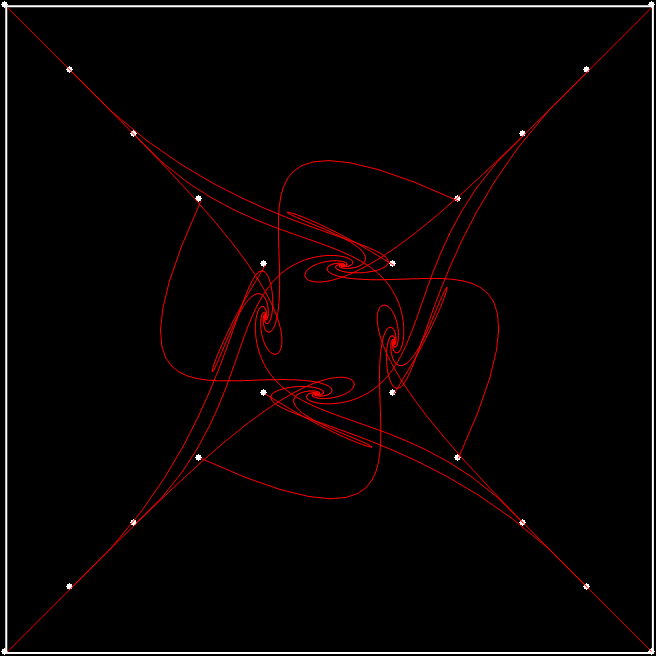
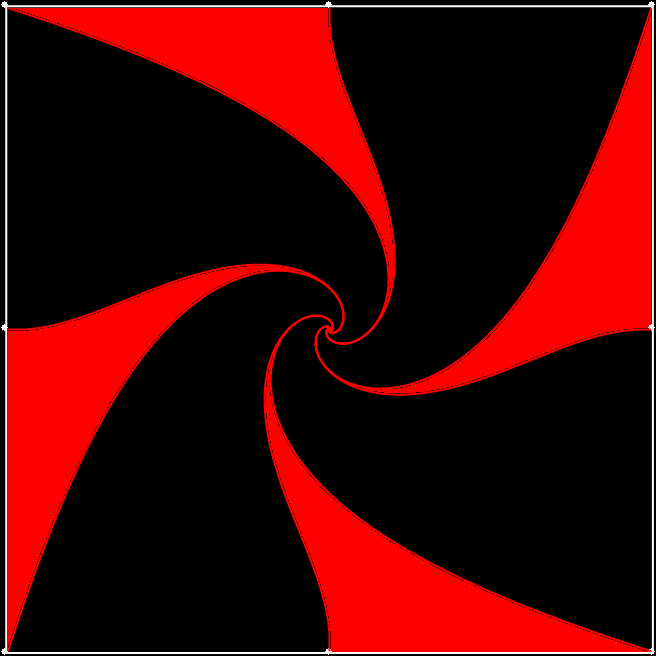
Now try solid curves:

v = 4 + s1, p1 = 1,3, p2 = 2,7 (red)


v = 4 + s1, p1 = 1,3, p2 = 2,7 (yellow-and-blue)


And some variants:

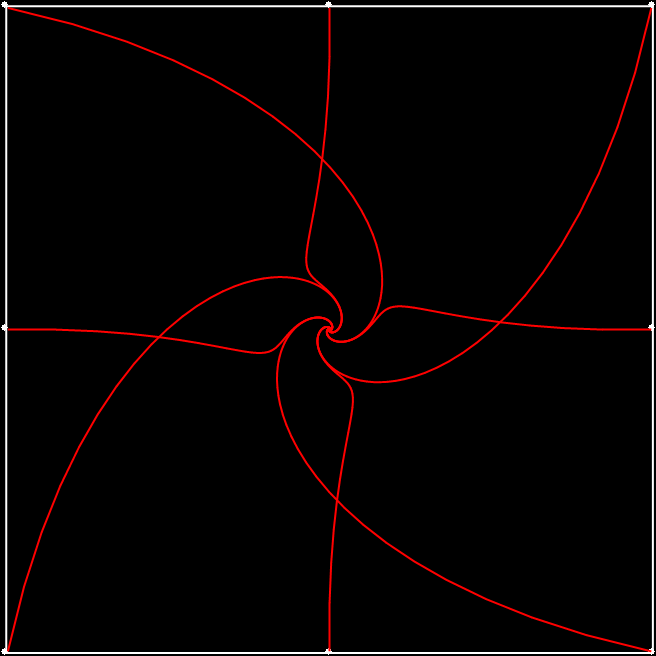
v = 4 + s1, p1 = 1,7, p2 = 1,2


v = 4 + s1, p1 = 2,3, p2 = 2,5


v = 4 + s1, p1 = 5,6, p2 = 1,3


v = 4 + s1, p1 = 5,6, p2 = 1,4


v = 4 + s1, p1 = 5,6, p2 = 1,6


Elsewhere other-posted:

Polymorphous Pursuit
Persecution Complex

Lette’s Roll

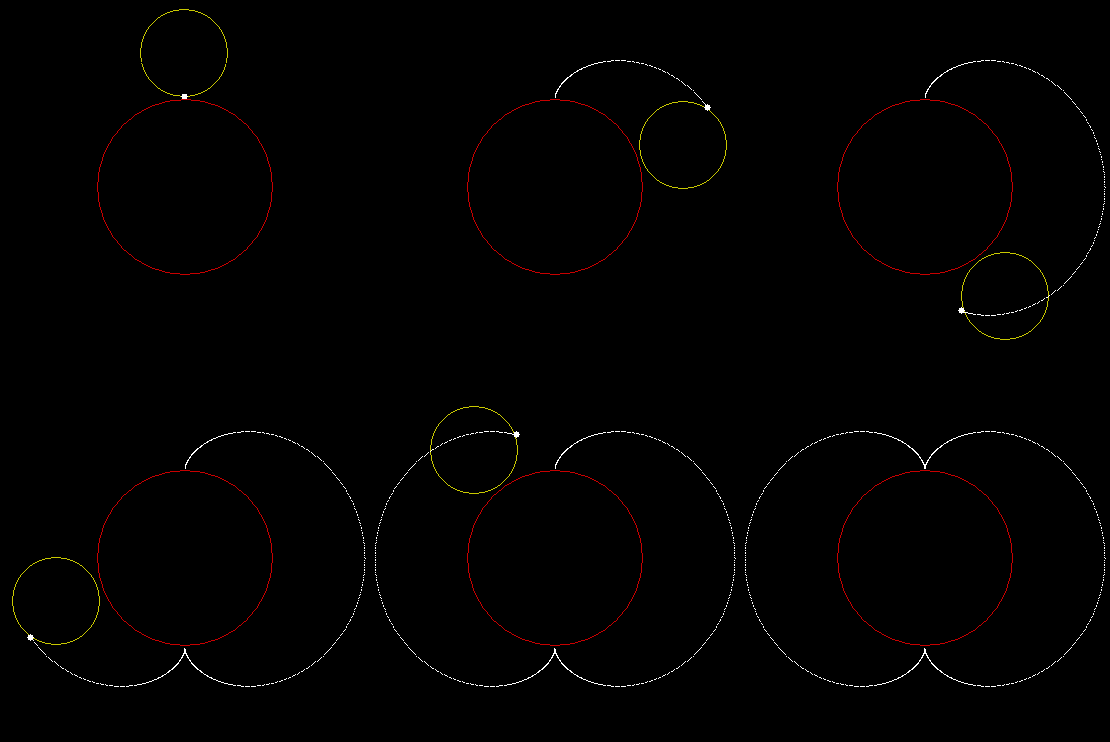
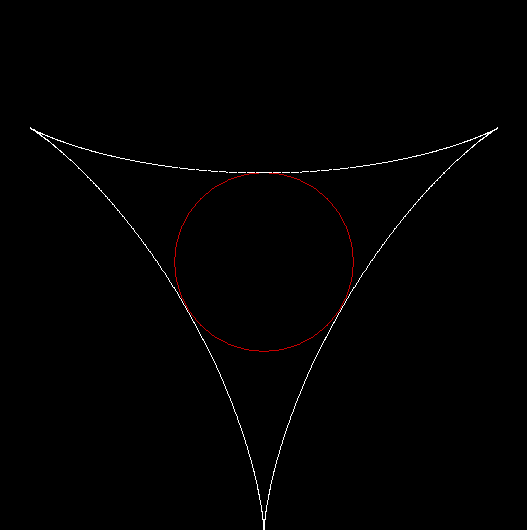
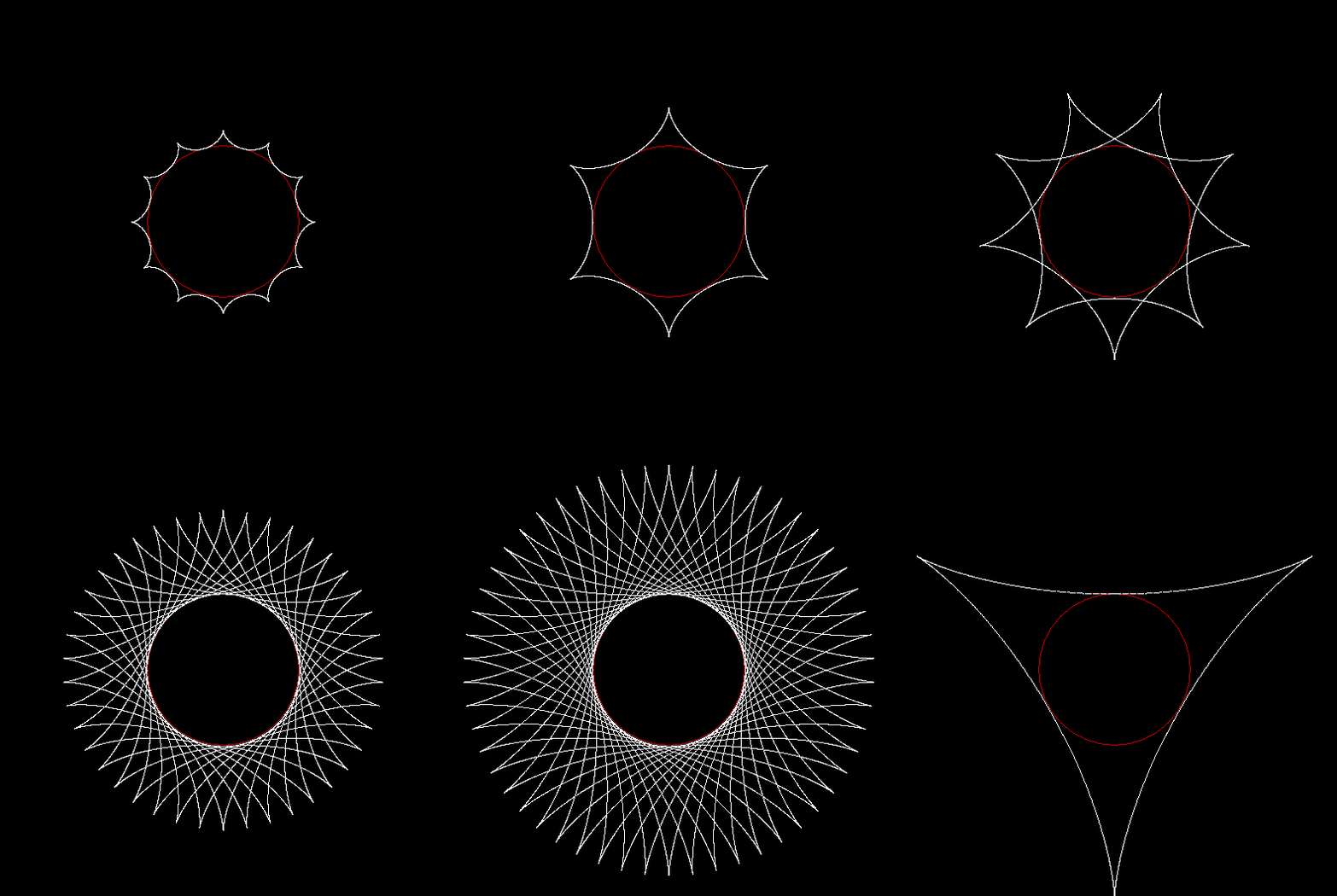
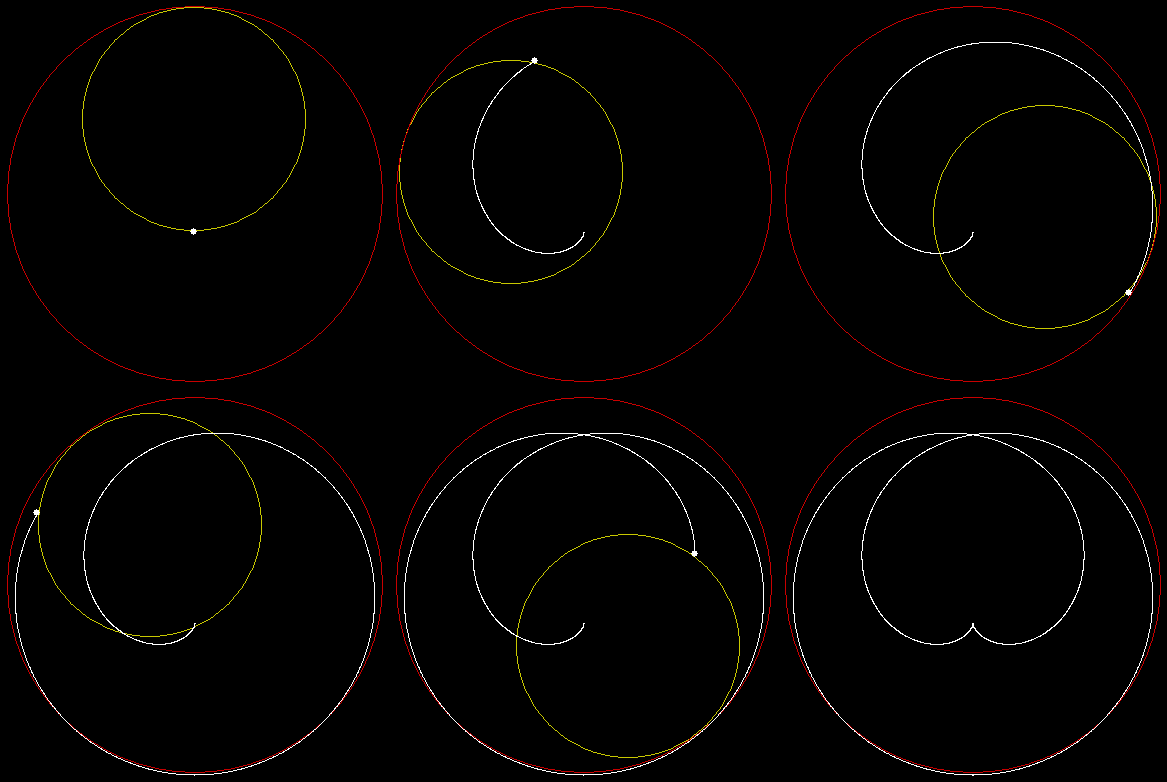
A roulette is a little wheel or little roller, but it’s much more than a game in a casino. It can also be one of a family of curves created by tracing the path of a point on a rotating circle. Suppose a circle rolls around another circle of the same size. This is the resultant roulette:
roulette1

roulette1static
The shape is called a cardioid, because it looks like a heart (kardia in Greek). Now here’s a circle with radius r rolling around a circle with radius 2r:
roulette2

roulette2static

That shape is a nephroid, because it looks like a kidney (nephros in Greek).

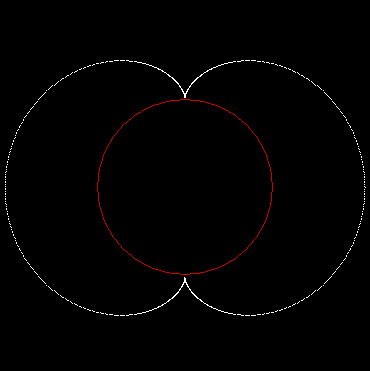
This is a circle with radius r rolling around a circle with radius 3r:
roulette3

roulette3static
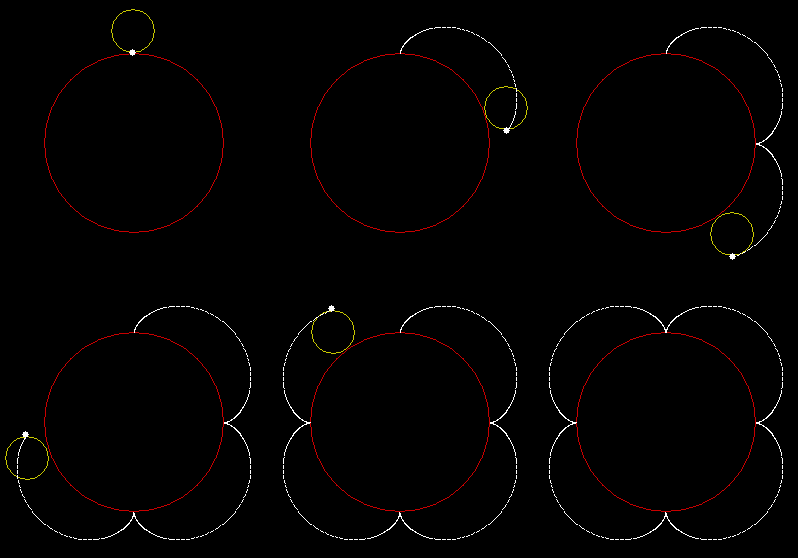
And this is r and 4r:
roulette4

roulette4static
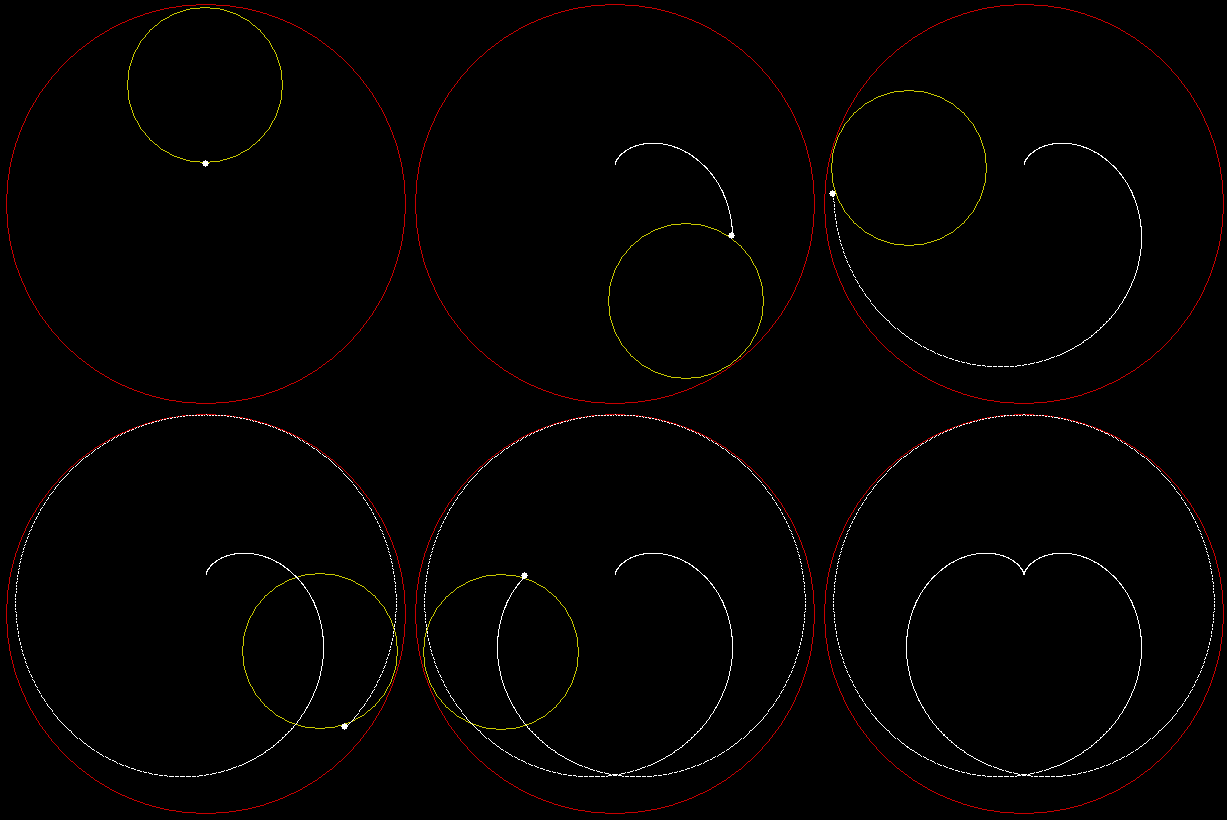
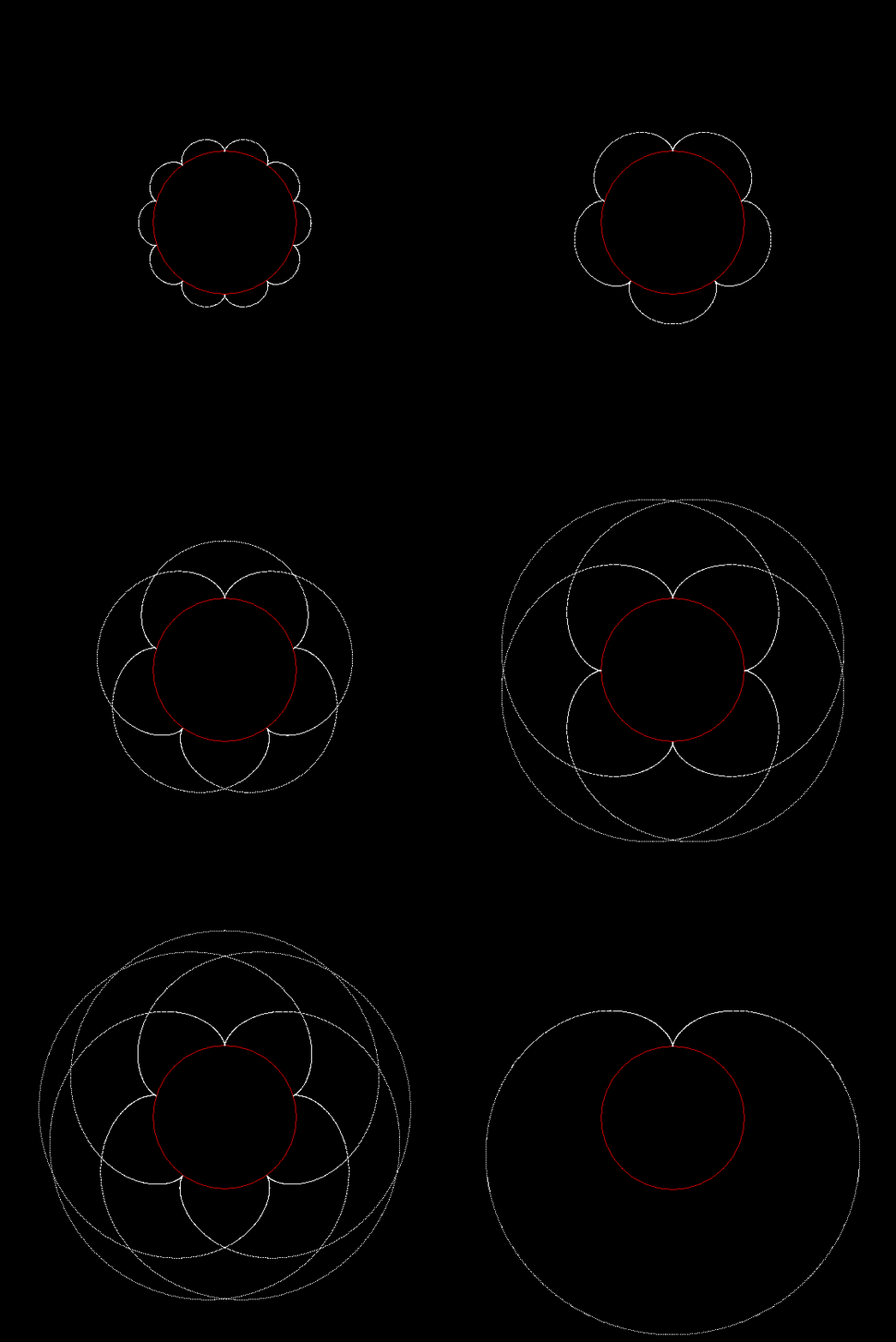
The shapes above might be called outer roulettes. But what if a circle rolls inside another circle? Here’s an inner roulette whose radius is three-fifths (0.6) x the radius of its rollee:
roulette5

roulette5static
The same roulette appears inverted when the inner circle has a radius two-fifths (0.4) x the radius of the rollee:
roulette5a
But what happens when the circle rolling “inside” is larger than the rollee? That is, when the rolling circle is effectively swinging around the rollee, like a bunch of keys being twirled on an index finger? If the rolling radius is 1.5 times larger, the roulette looks like this:
roulette6
If the rolling radius is 2 times larger, the roulette looks like this:
roulette2over

Here are more outer, inner and over-sized roulettes:

roulette_outer

roulette_inner

roulette_over

And you can have circles rolling inside circles inside circles:

roulette7

roulette0616

roulette0616all

And here’s another circle-in-a-circle in a circle:

roulette07c015c