The Koch snowflake, named after the Swedish mathematician Helge von Koch, is a famous fractal that encloses a finite area within an infinitely long boundary. To make a ’flake, you start with an equilateral triangle:
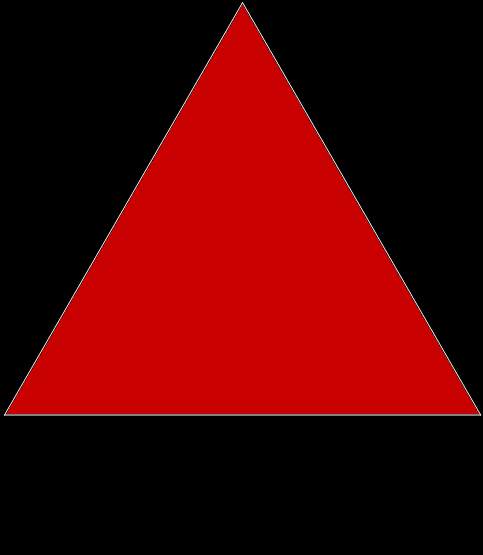
Koch snowflake stage #1 (with room for manœuvre)
Next, you divide each side in three and erect a smaller equilateral triangle on the middle third, like this:

Koch snowflake #2
Each original straight side of the triangle is now 1/3 longer, so the full perimeter has also increased by 1/3. In other words, perimeter = perimeter * 1⅓. If the perimeter of the equilateral triangle was 3, the perimeter of the nascent Koch snowflake is 4 = 3 * 1⅓. The area of the original triangle also increases by 1/3, because each new equalitarian triangle is 1/9 the size of the original and there are three of them: 1/9 * 3 = 1/3.
Now here’s stage 3 of the snowflake:
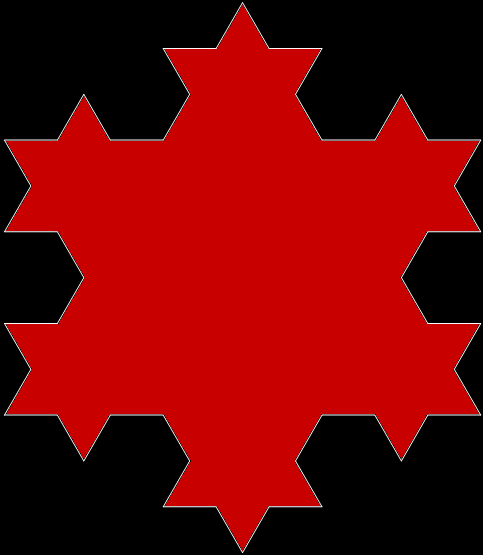
Koch snowflake #3, perimeter = 4 * 1⅓ = 5⅓
Again, each straight line on the perimeter has been divided in three and capped with a smaller equilateral triangle. This increases the length of each line by 1/3 and so increases the full perimeter by a third. 4 * 1⅓ = 5⅓. However, the area does not increase by 1/3. There are twelve straight lines in the new perimeter, so twelve new equilateral triangles are erected. However, because their sides are 1/9 as long as the original side of the triangle, they have 1/(9^2) = 1/81 the area of the original triangle. 1/81 * 12 = 4/27 = 0.148…
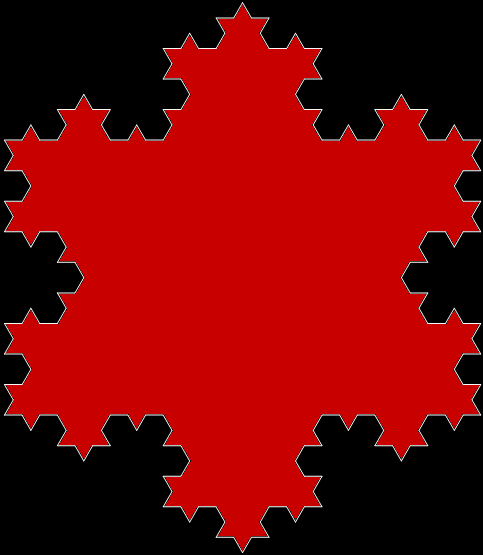
Koch snowflake #4, perimeter = 7.11
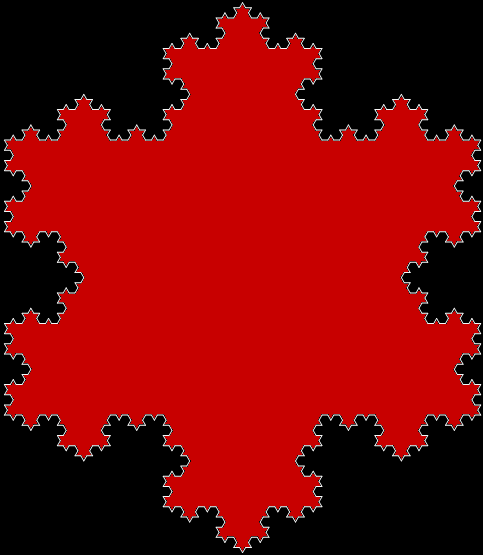
Koch snowflake #5, p = 9.48
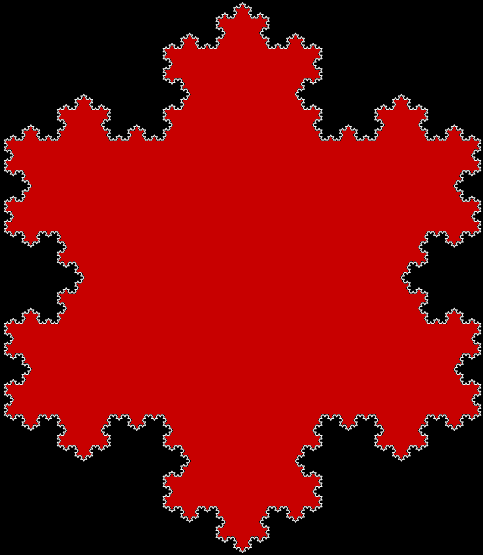
Koch snowflake #6, p = 12.64
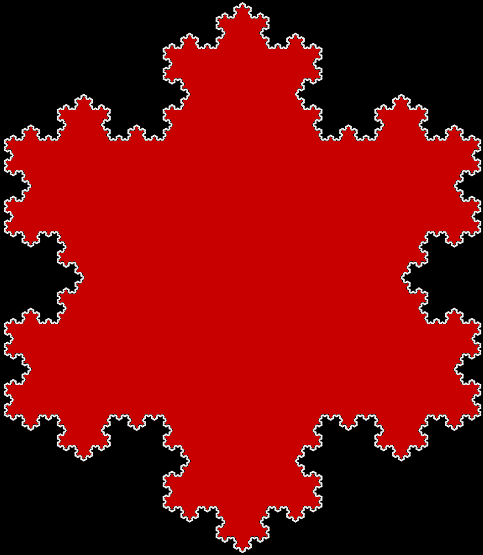
Koch snowflake #7, p = 16.85
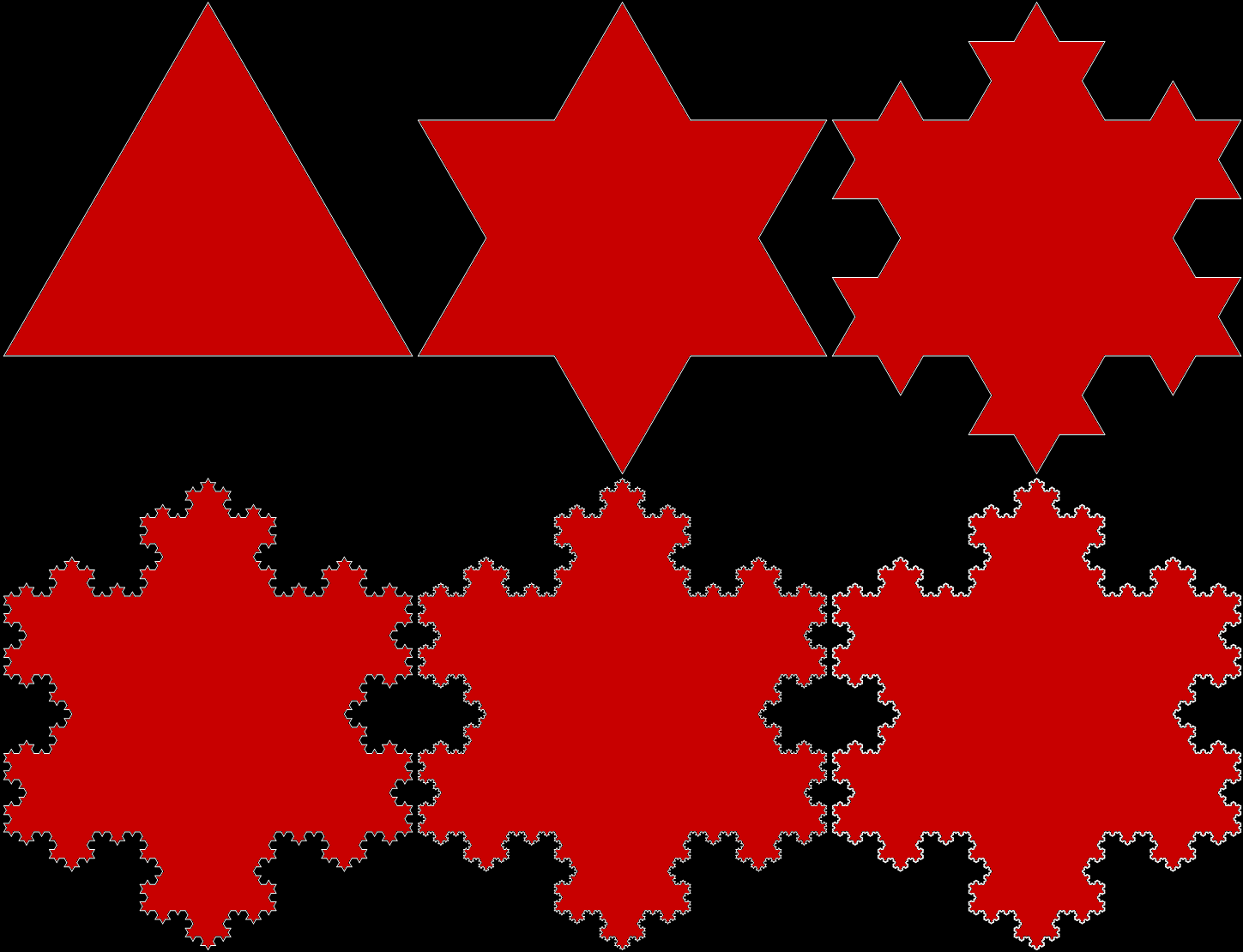
Koch snowflake (animated)
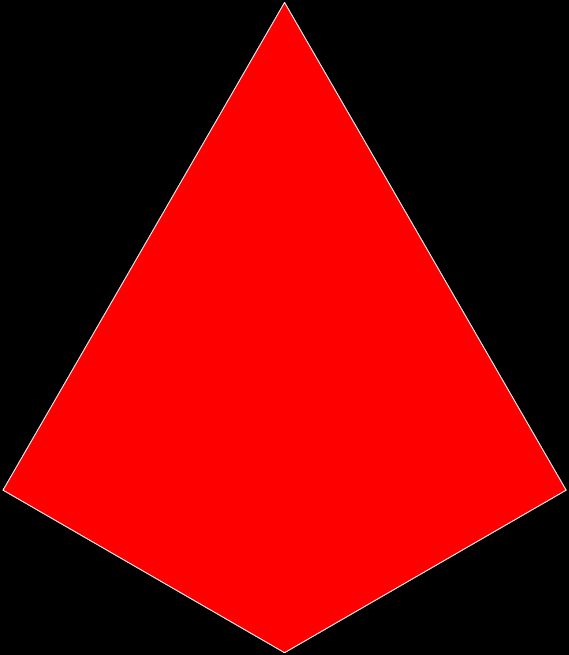
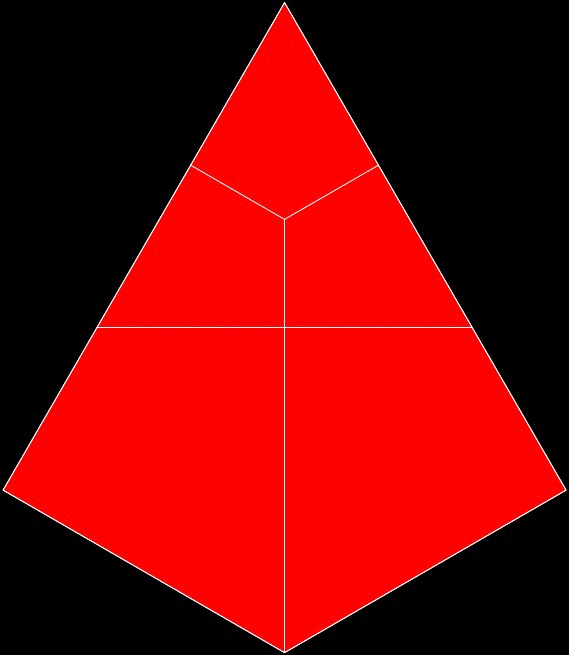
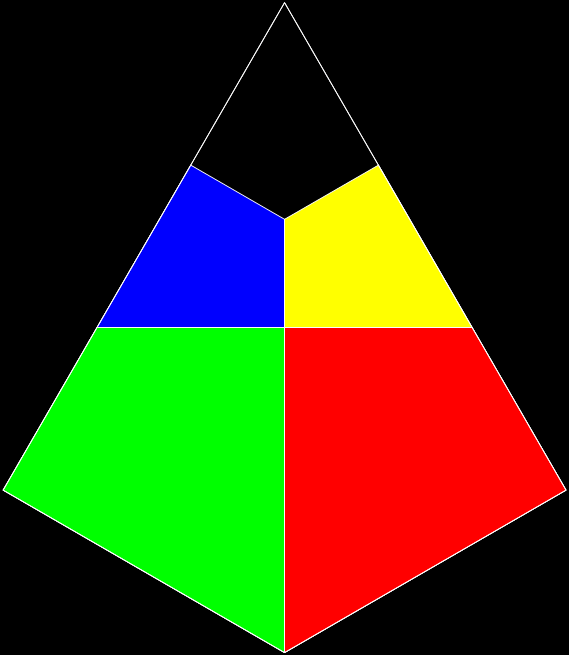
The perimeter of the triangle increases by 1⅓ each time, while the area reaches a fixed limit. And that’s how the Koch snowflake contains a finite area within an infinite boundary. But the Koch snowflake isn’t confined to itself, as it were. In “Dissecting the Diamond”, I described how dissecting and discarding parts of a certain kind of diamond could generate one side of a Koch snowflake. But now I realize that Koch snowflakes are everywhere in the diamond — it’s a Koch rock. To see how, let’s start with the full diamond. It can be divided, or dissected, into five smaller versions of itself:
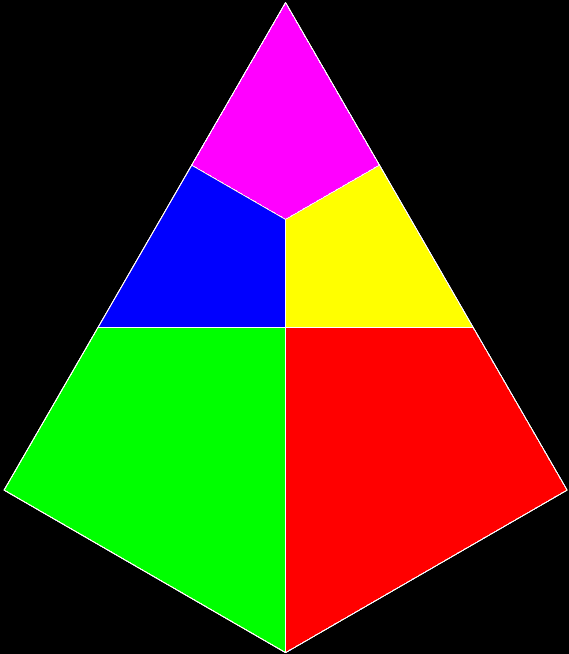
Dissectable diamond
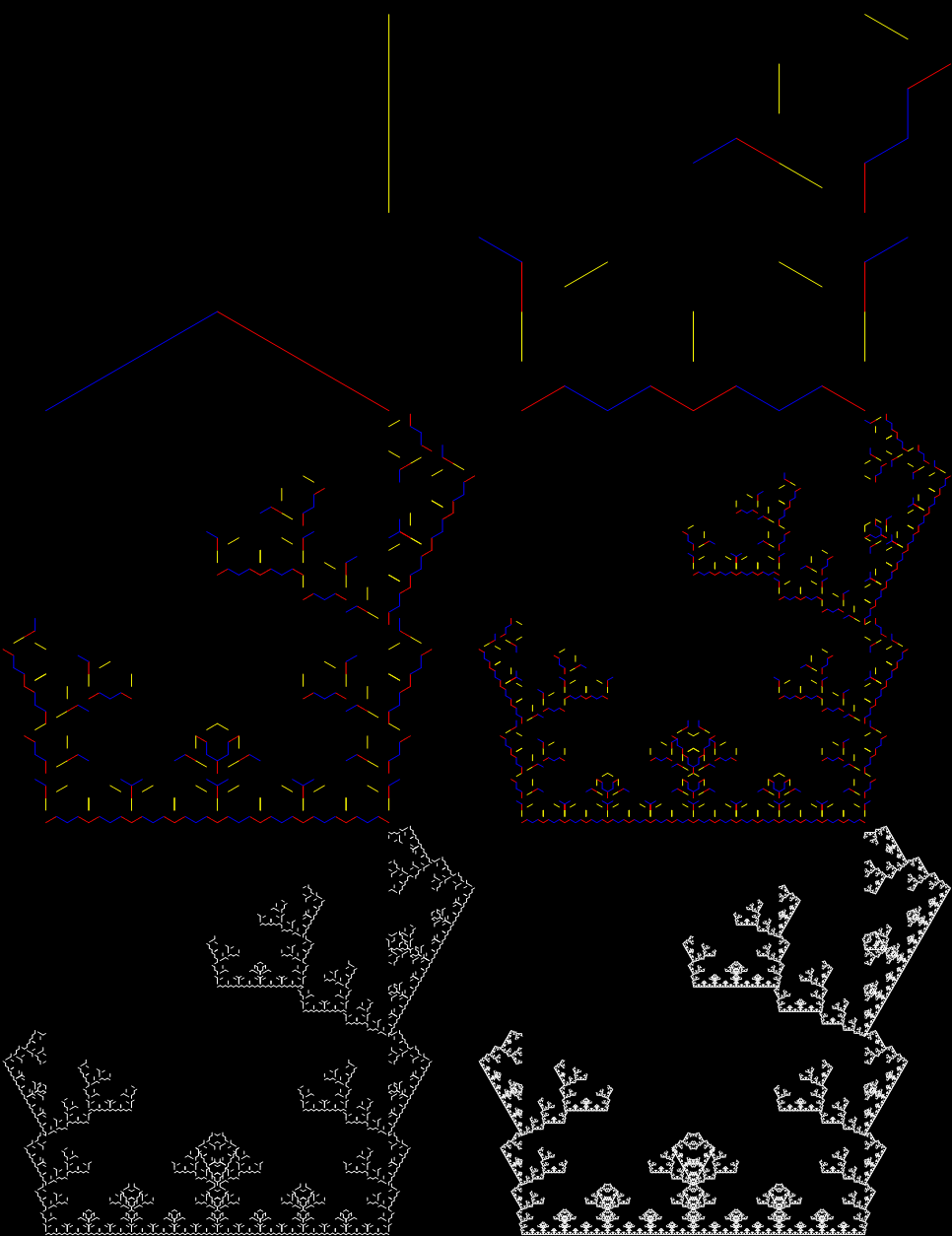
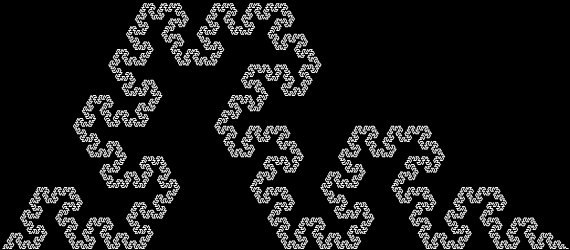
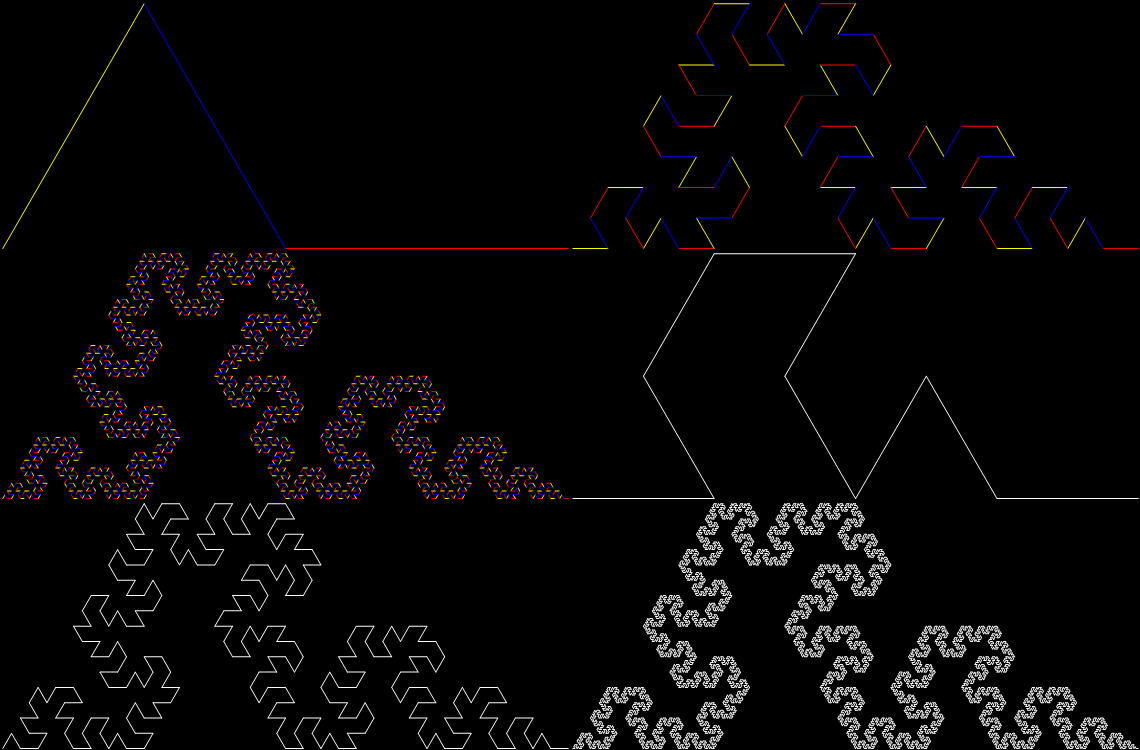
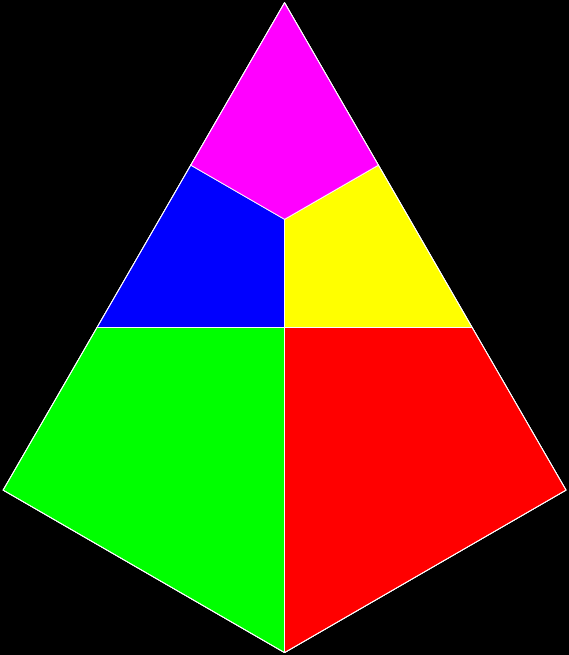
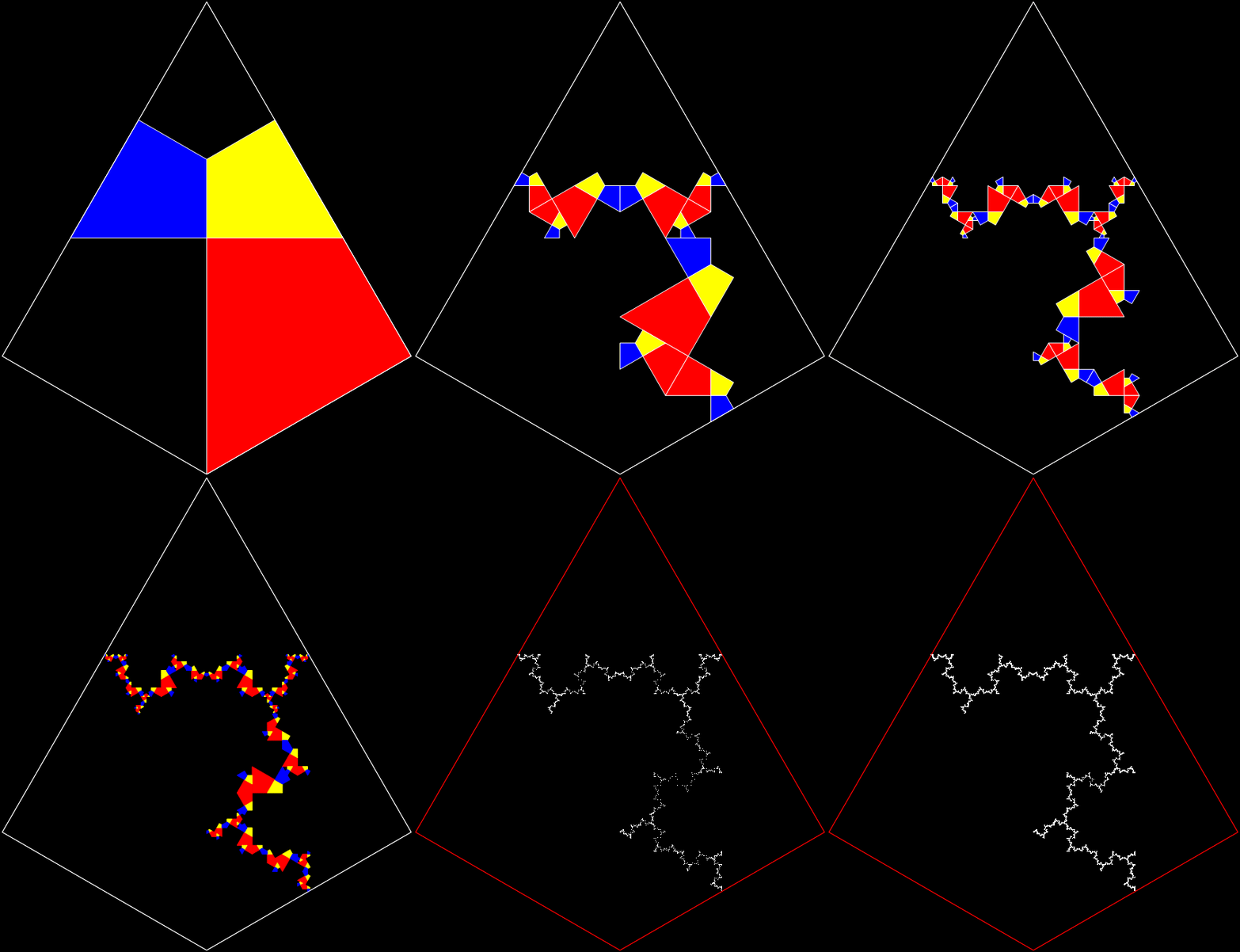
When the diamond is dissected and three of the sub-diamonds are discarded, two sub-diamonds remain. Let’s call them sub-diamonds 1 and 2. When this dissection-and-discarding is repeated again and again, a familiar shape begins to appear:
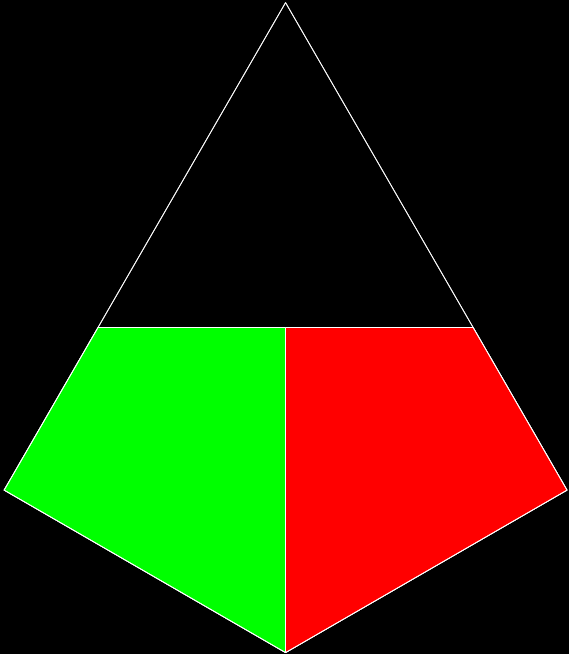
Koch rock stage 1
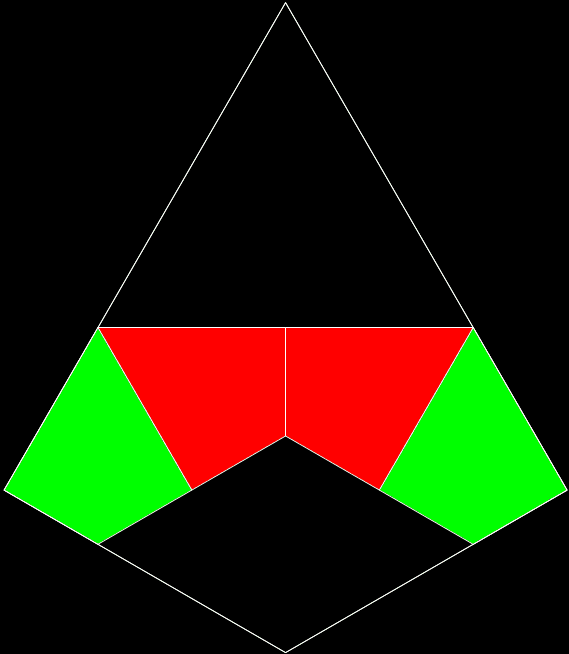
Koch rock #2
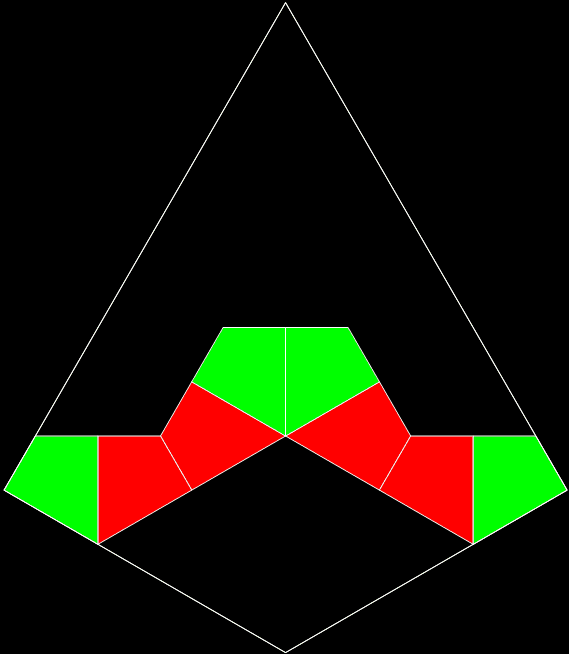
Koch rock #3
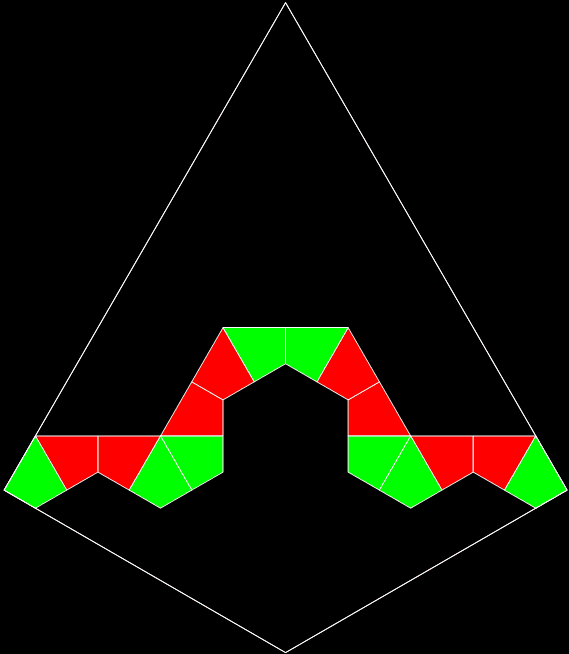
Koch rock #4
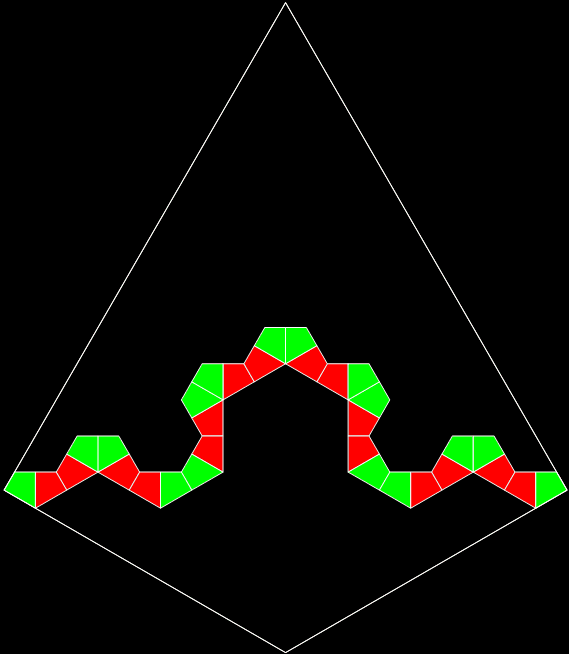
Koch rock #5
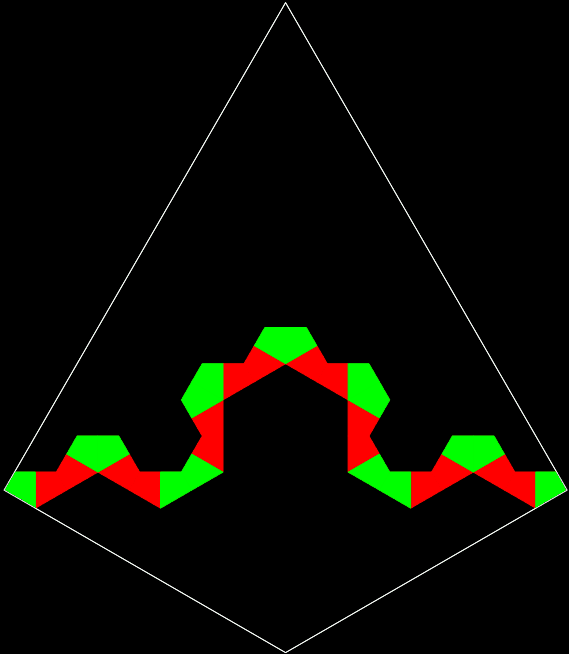
Koch rock #6
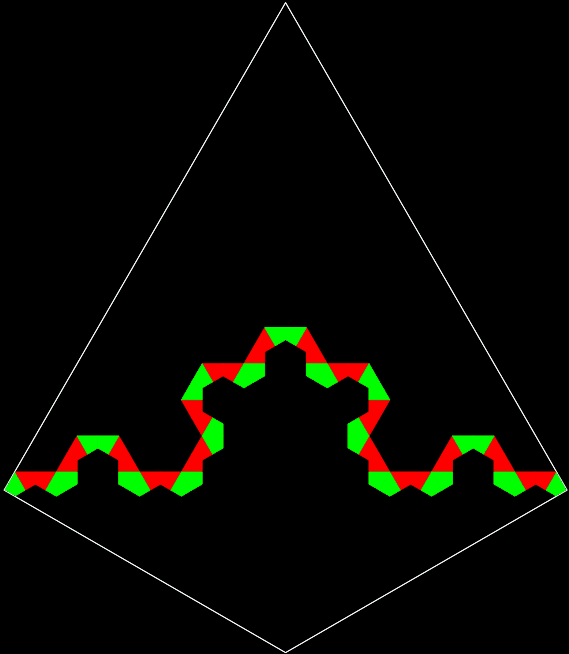
Koch rock #7
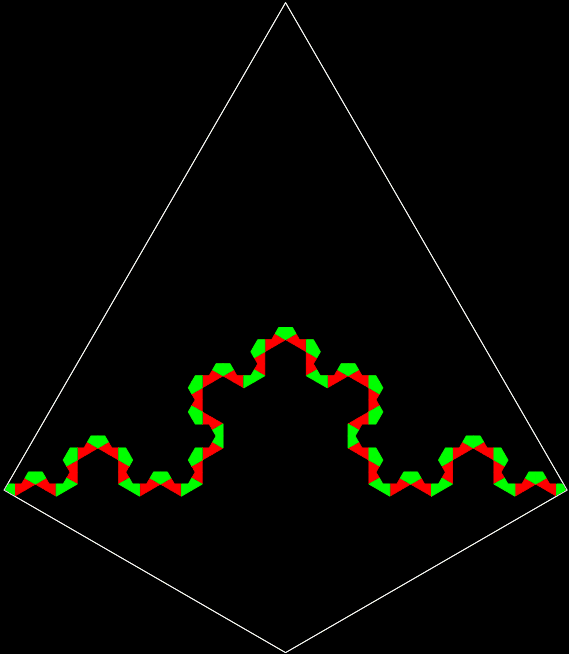
Koch rock #8
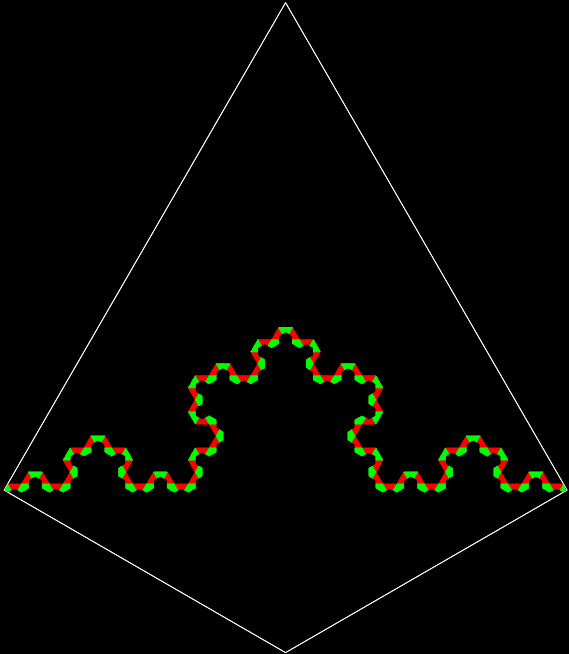
Koch rock #9
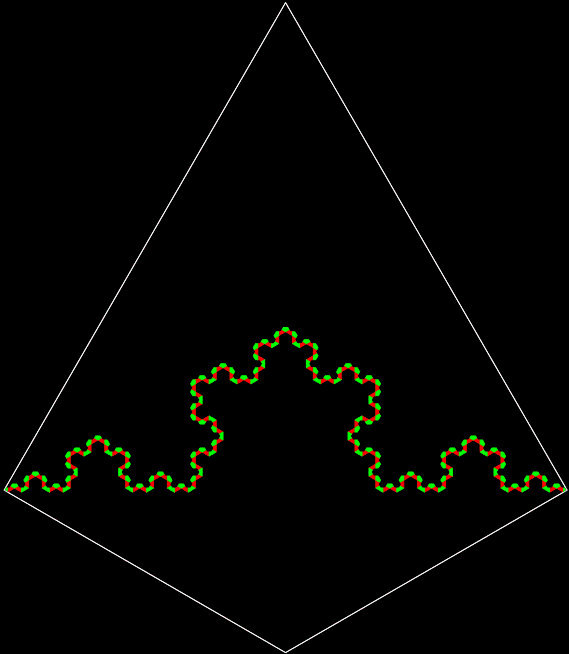
Koch rock #10

Koch rock #11

Koch rock #12

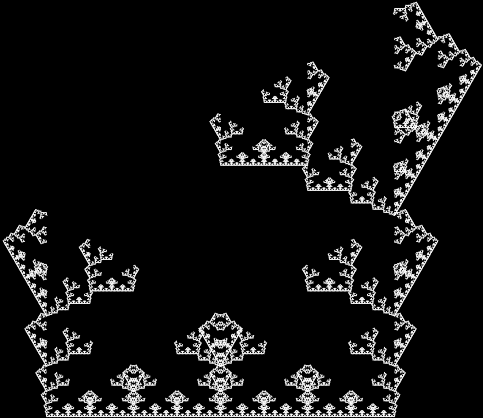
Koch rock #13
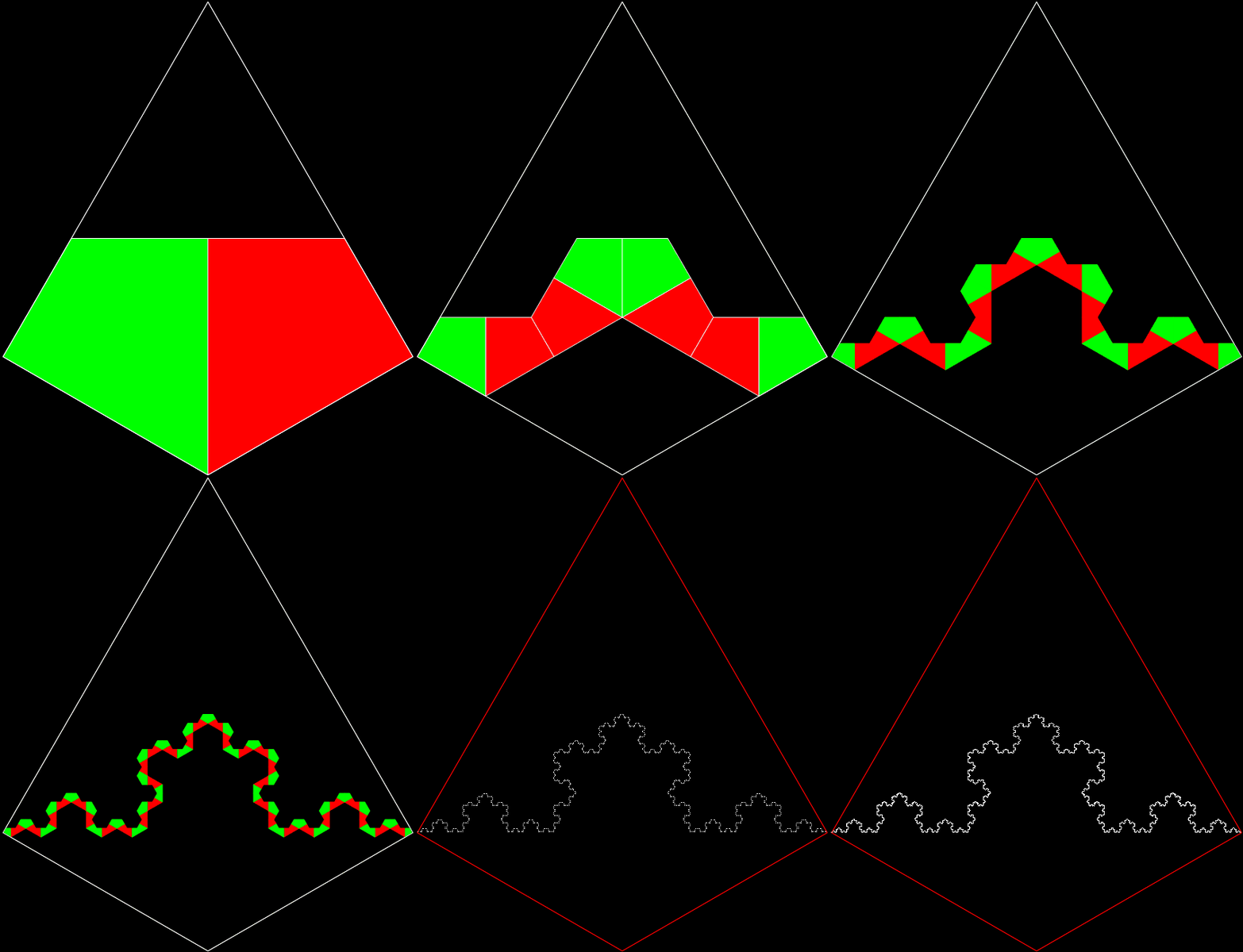
Koch rock (animated)
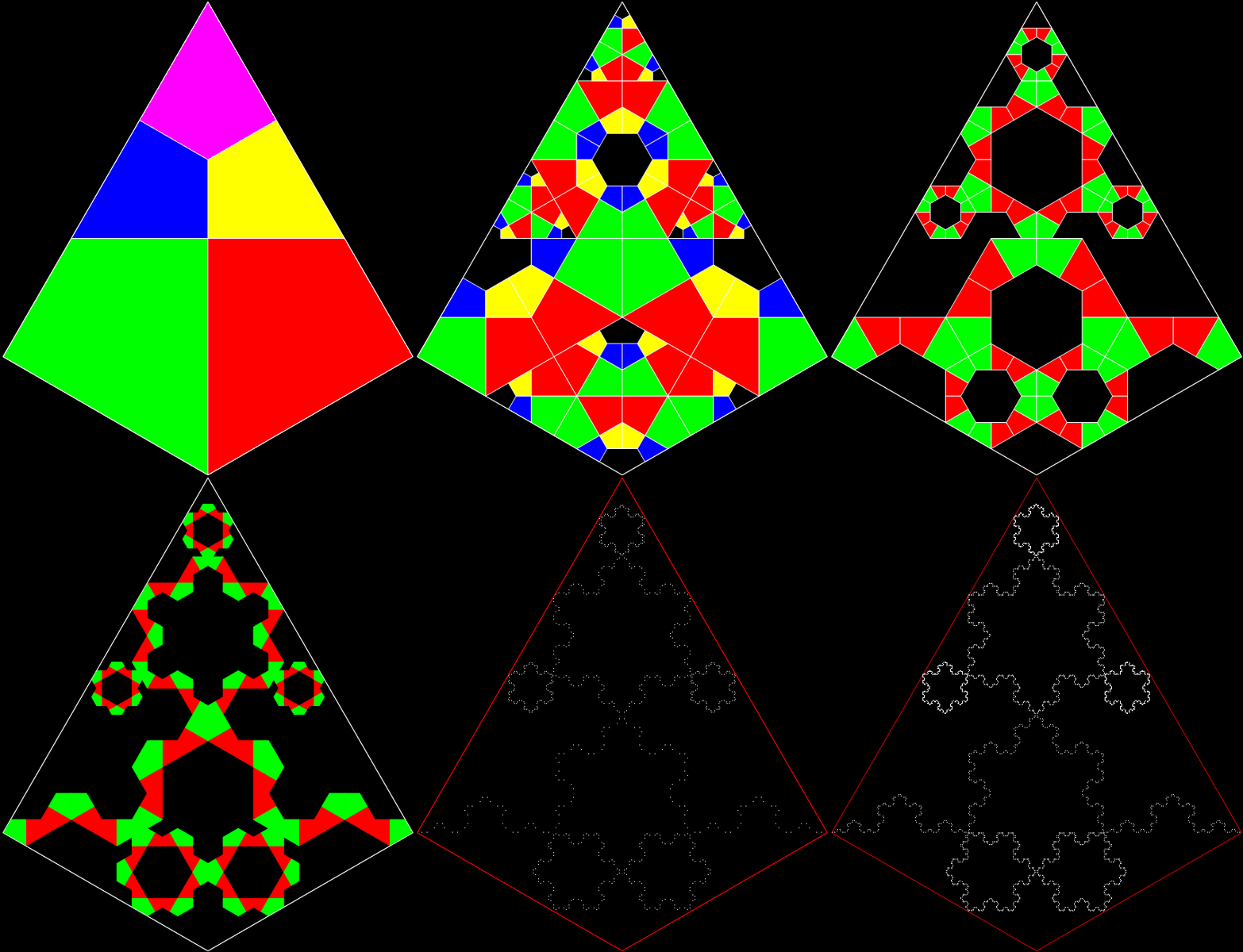
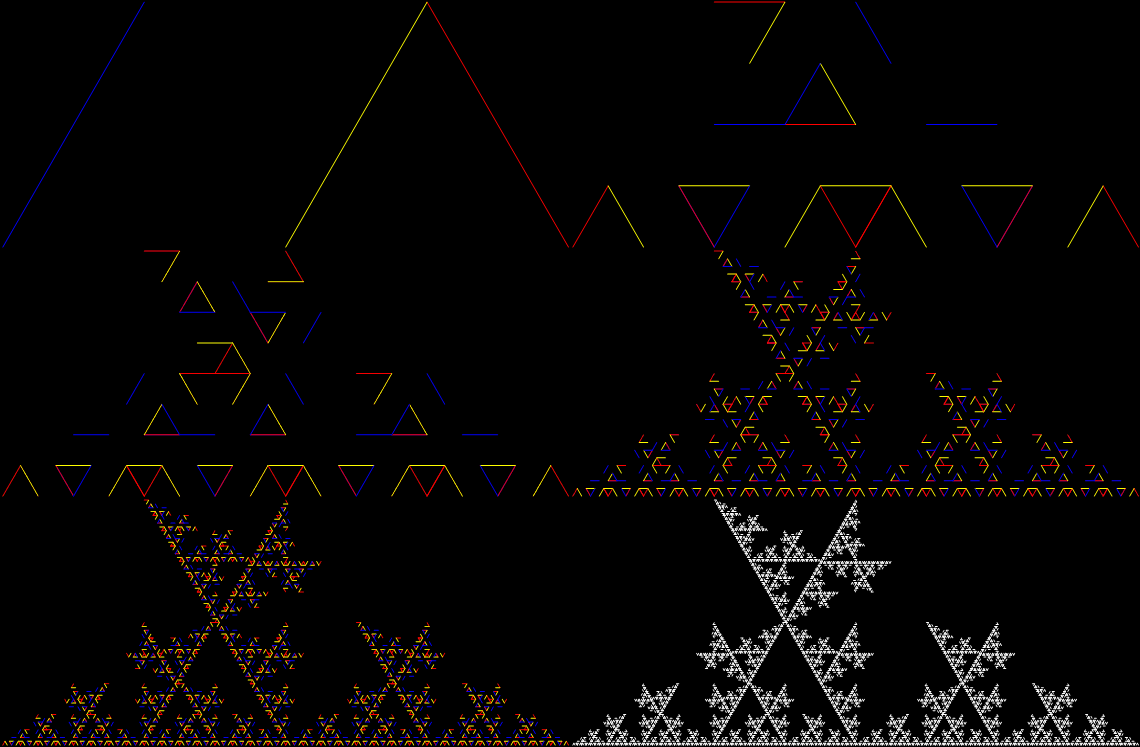
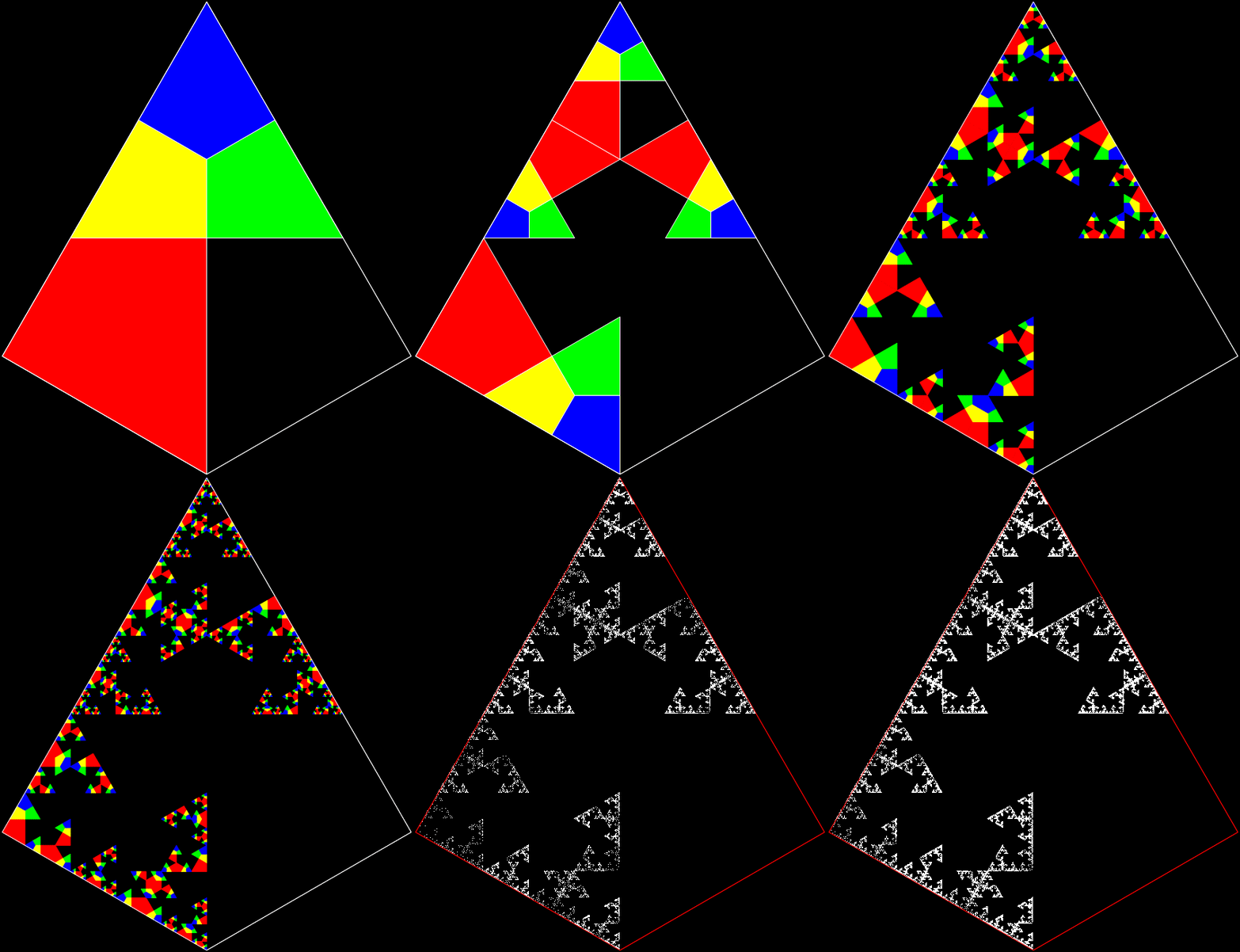
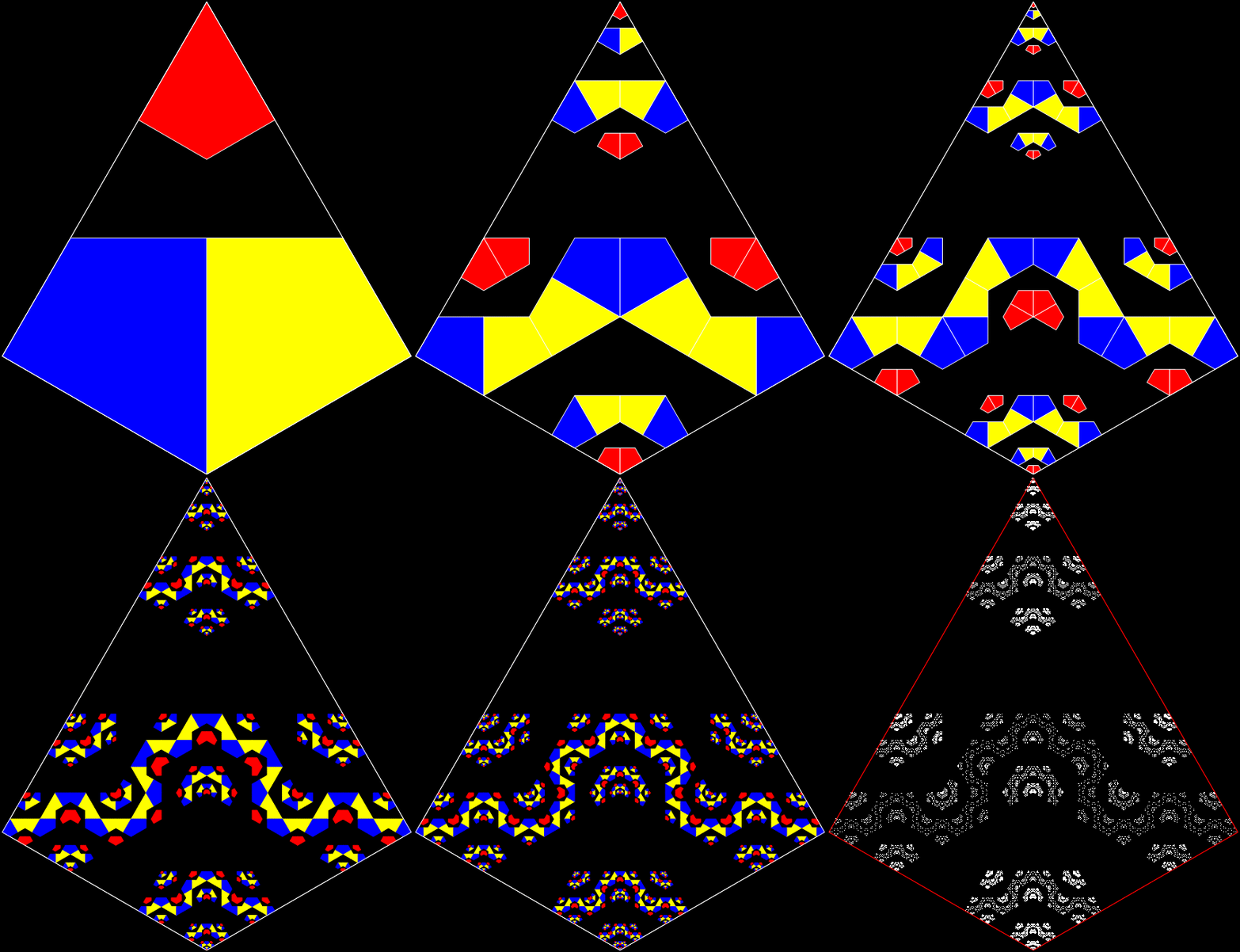
Dissecting and discarding the diamond creates one side of a Koch triangle. Now see what happens when discarding is delayed and sub-diamonds 1 and 2 are allowed to appear in other parts of the diamond. Here again is the dissectable diamond:
Dia-flake stage 1
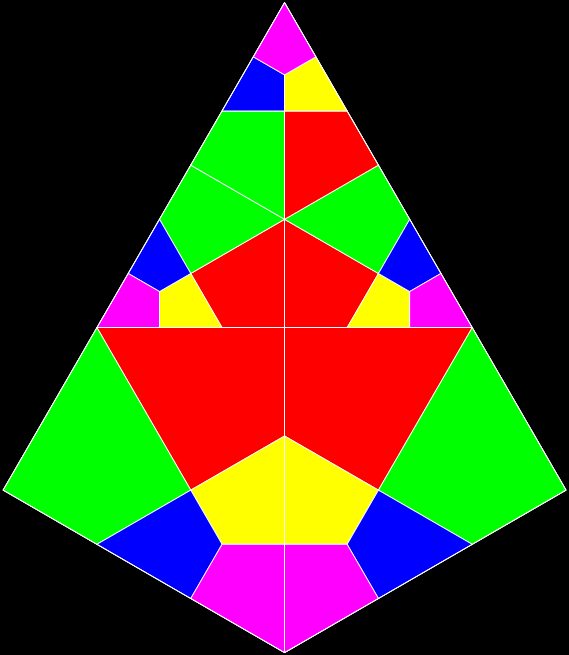
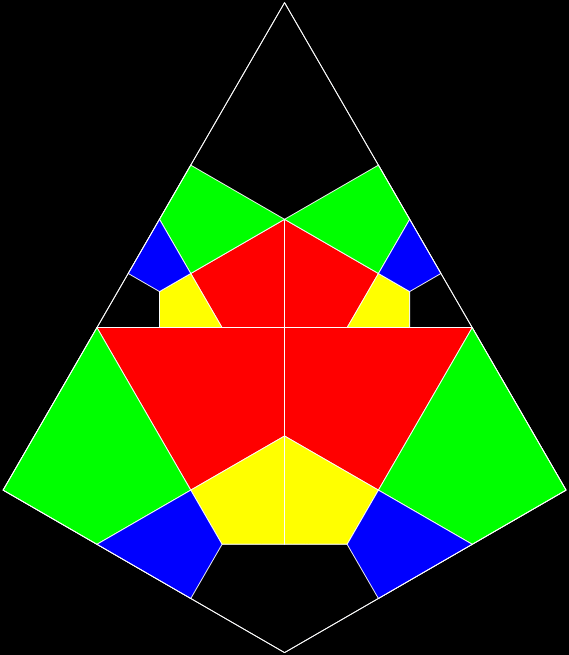
If no sub-diamonds are discarded after dissection, the full diamond looks like this when each sub-diamond is dissected in its turn:
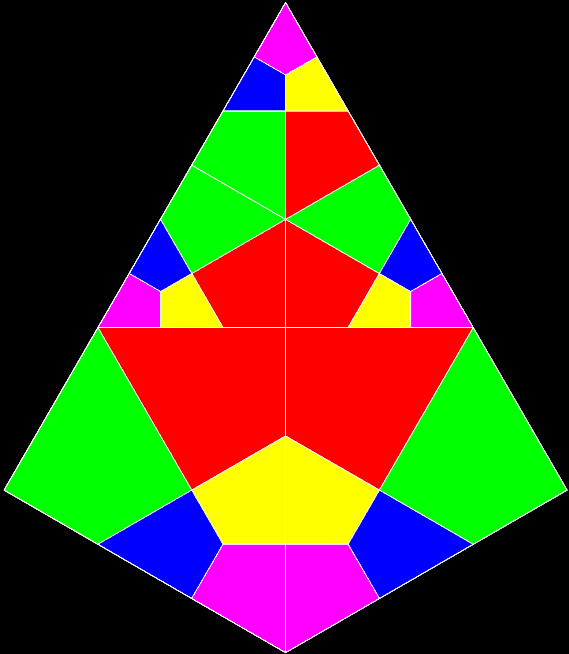
Dia-flake #2
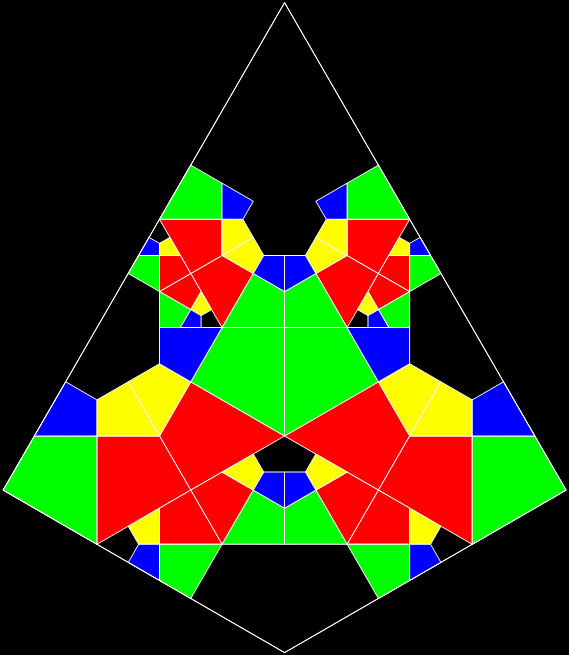
Now let’s start discarding sub-diamonds:

Dia-flake #3
And now discard everything but sub-diamonds 1 and 2:
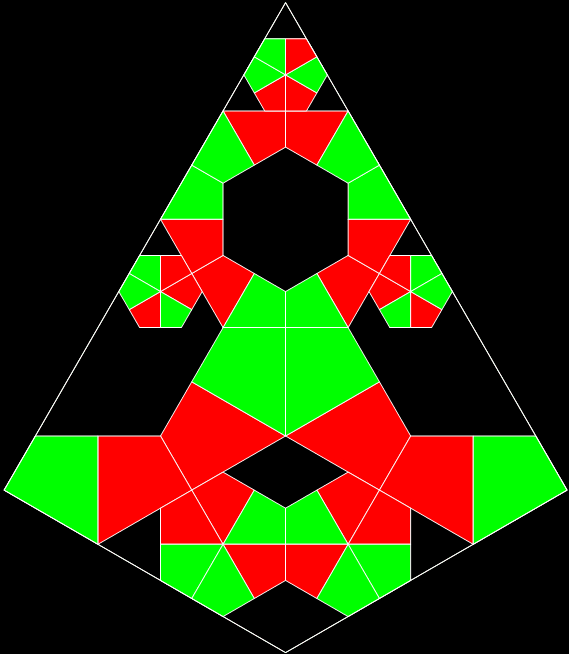
Dia-flake #4
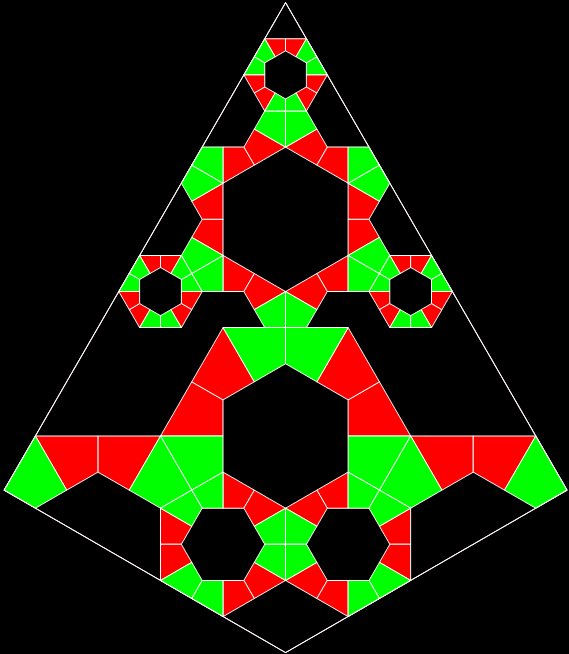
Dia-flake #5
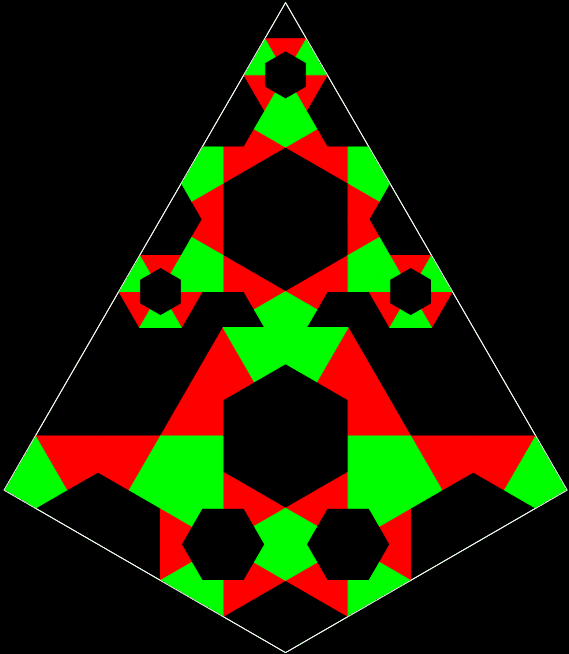
Dia-flake #6
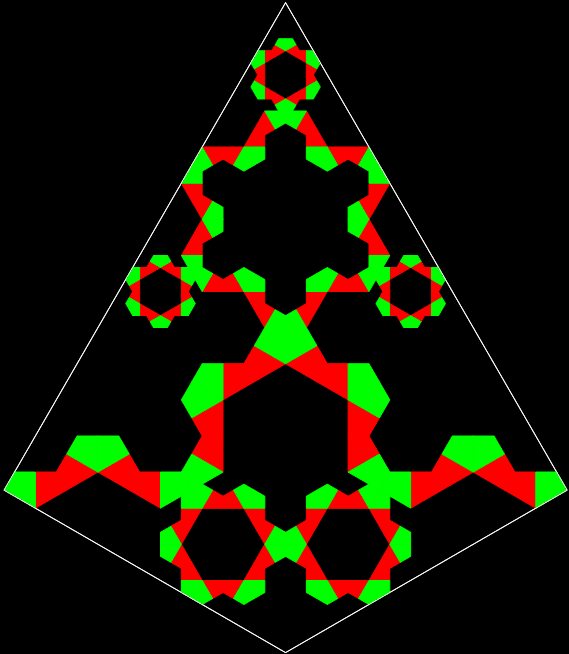
Dia-flake #7
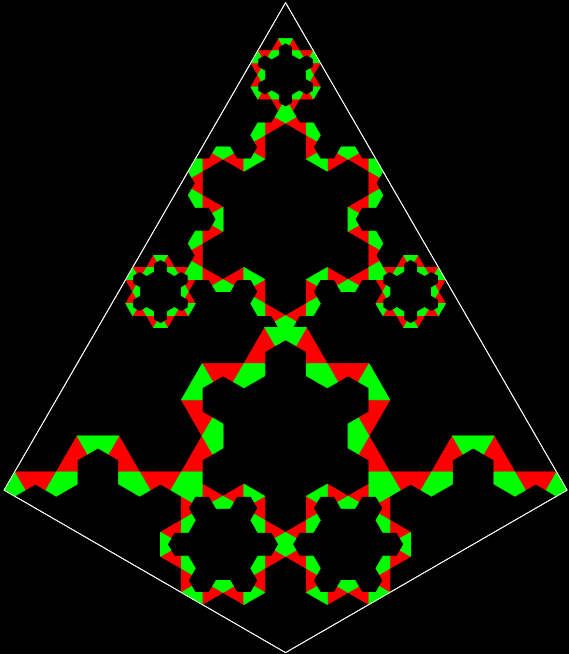
Dia-flake #8
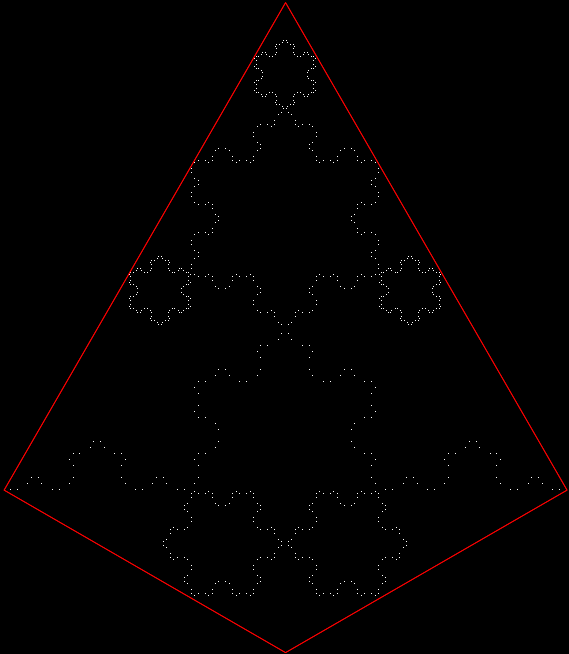
Dia-flake #9
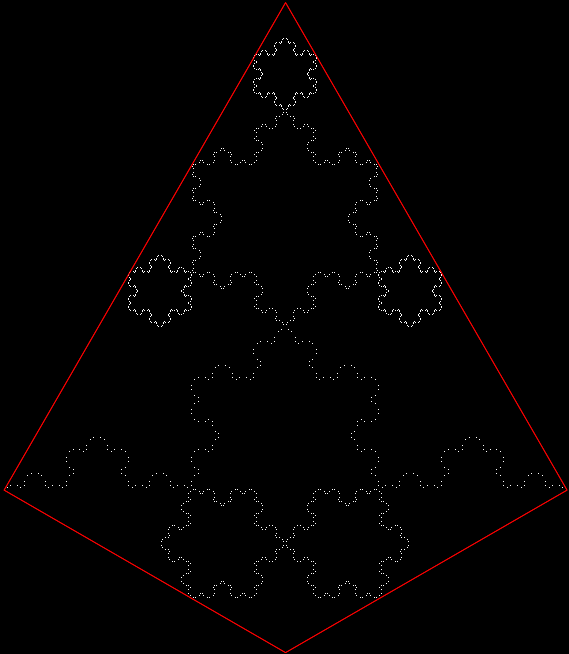
Dia-flake #10
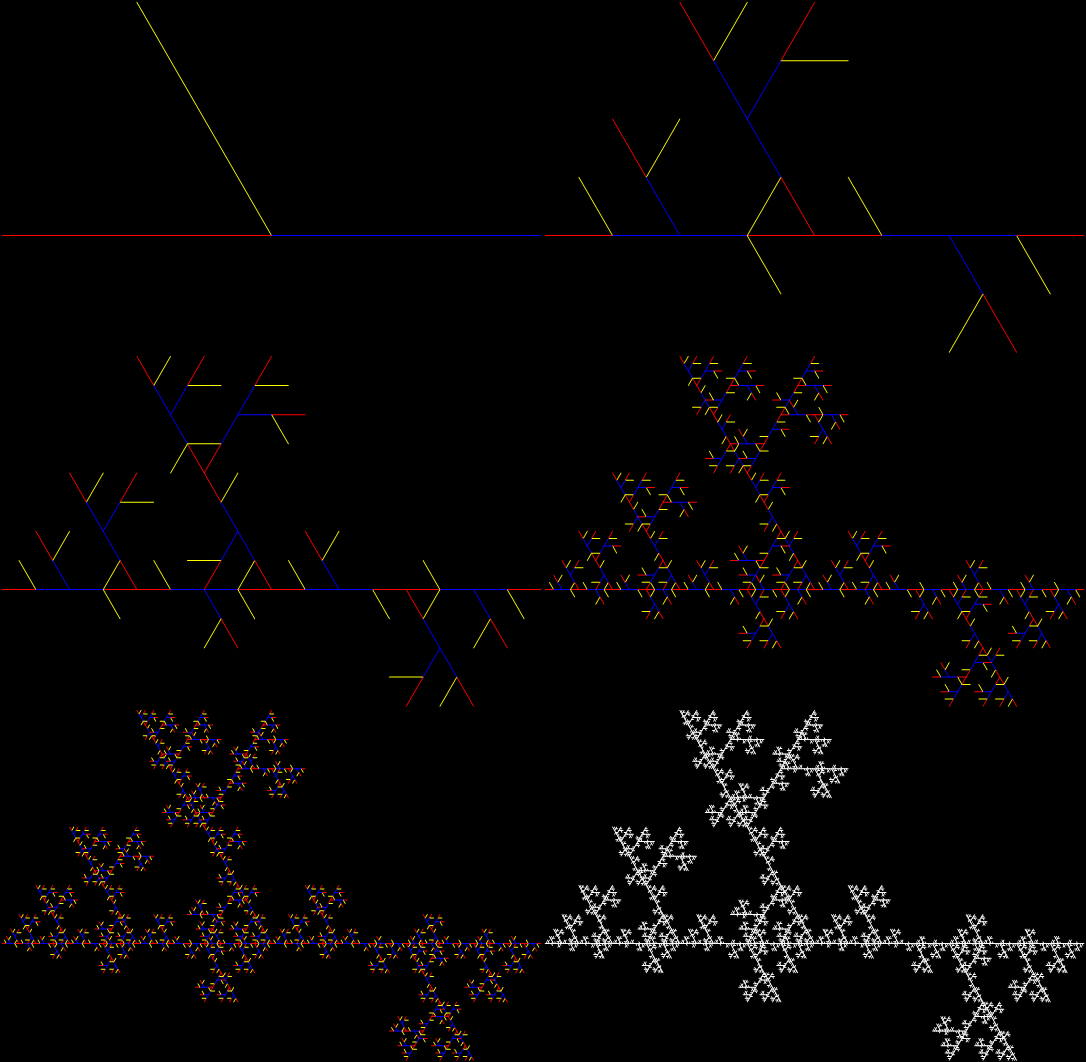
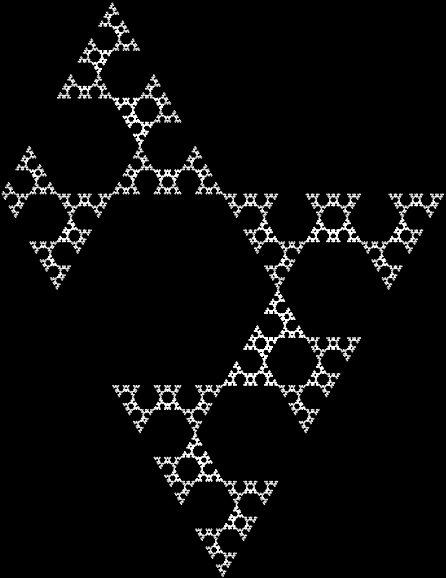
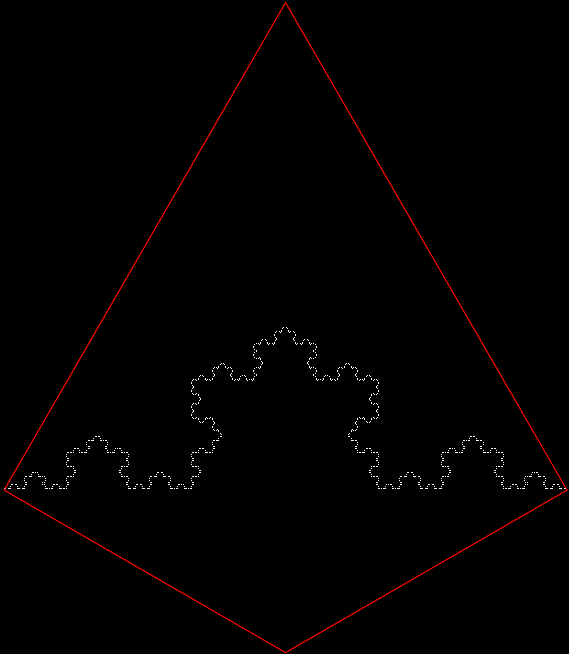
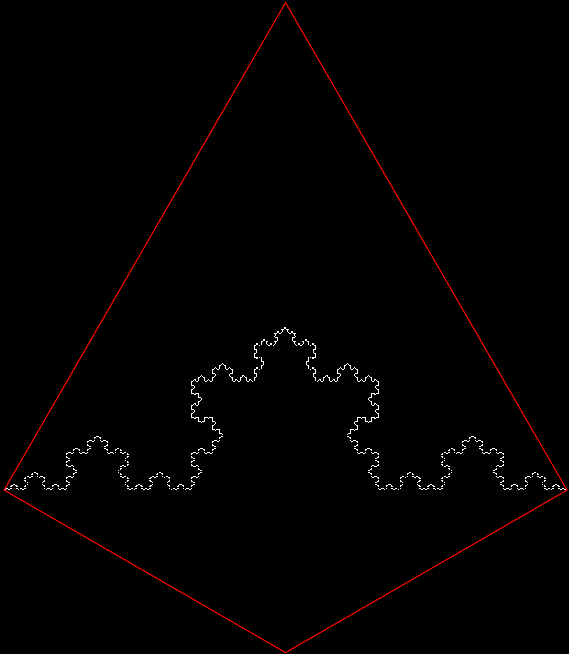
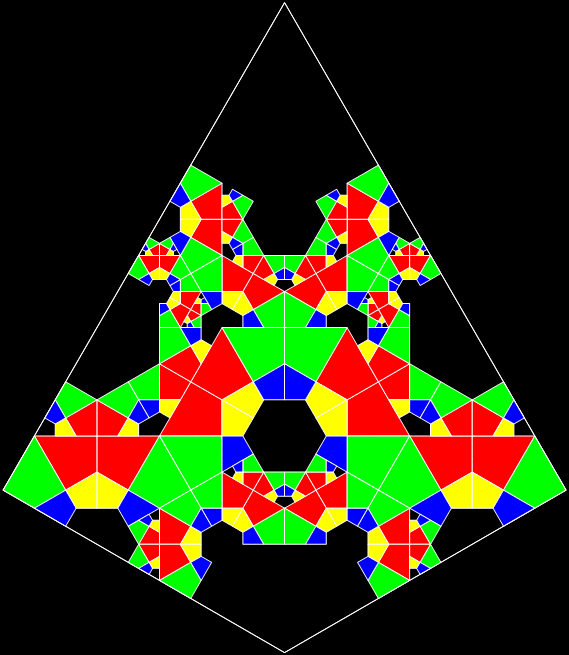
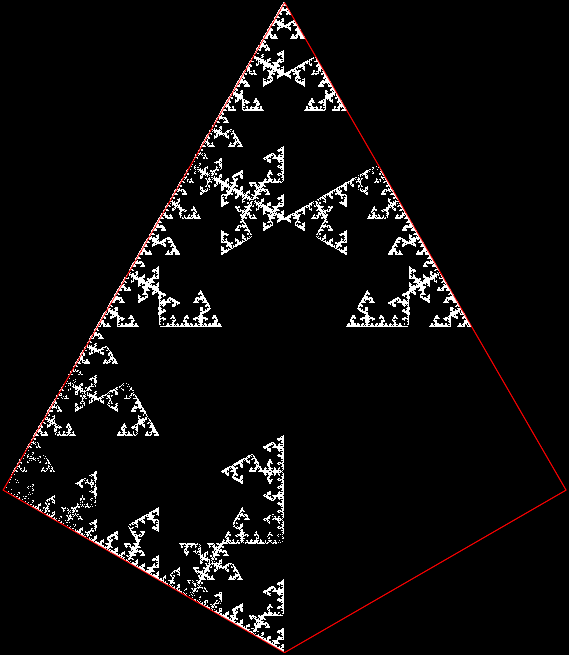
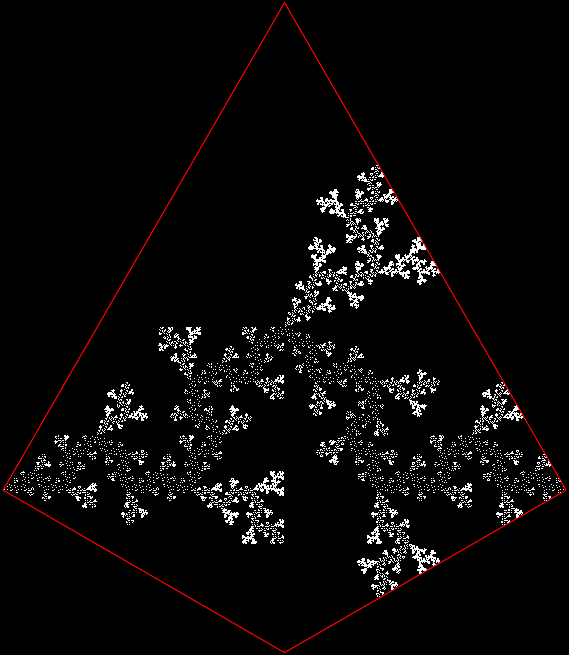
Now full Koch snowflakes have appeared inside the diamond — count ’em! I see seven full ’flakes:
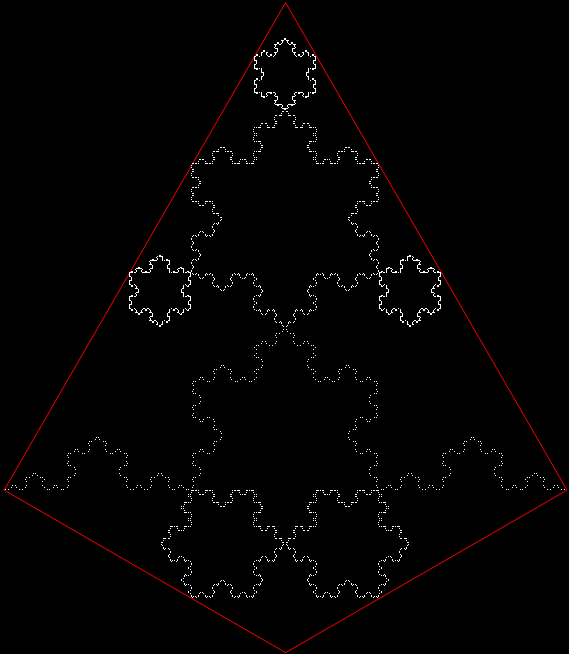
Dia-flake #11
Dia-flake (animated)
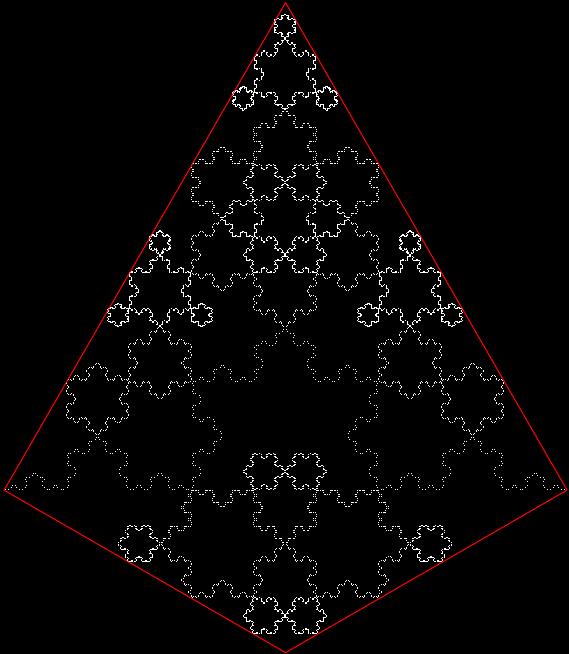
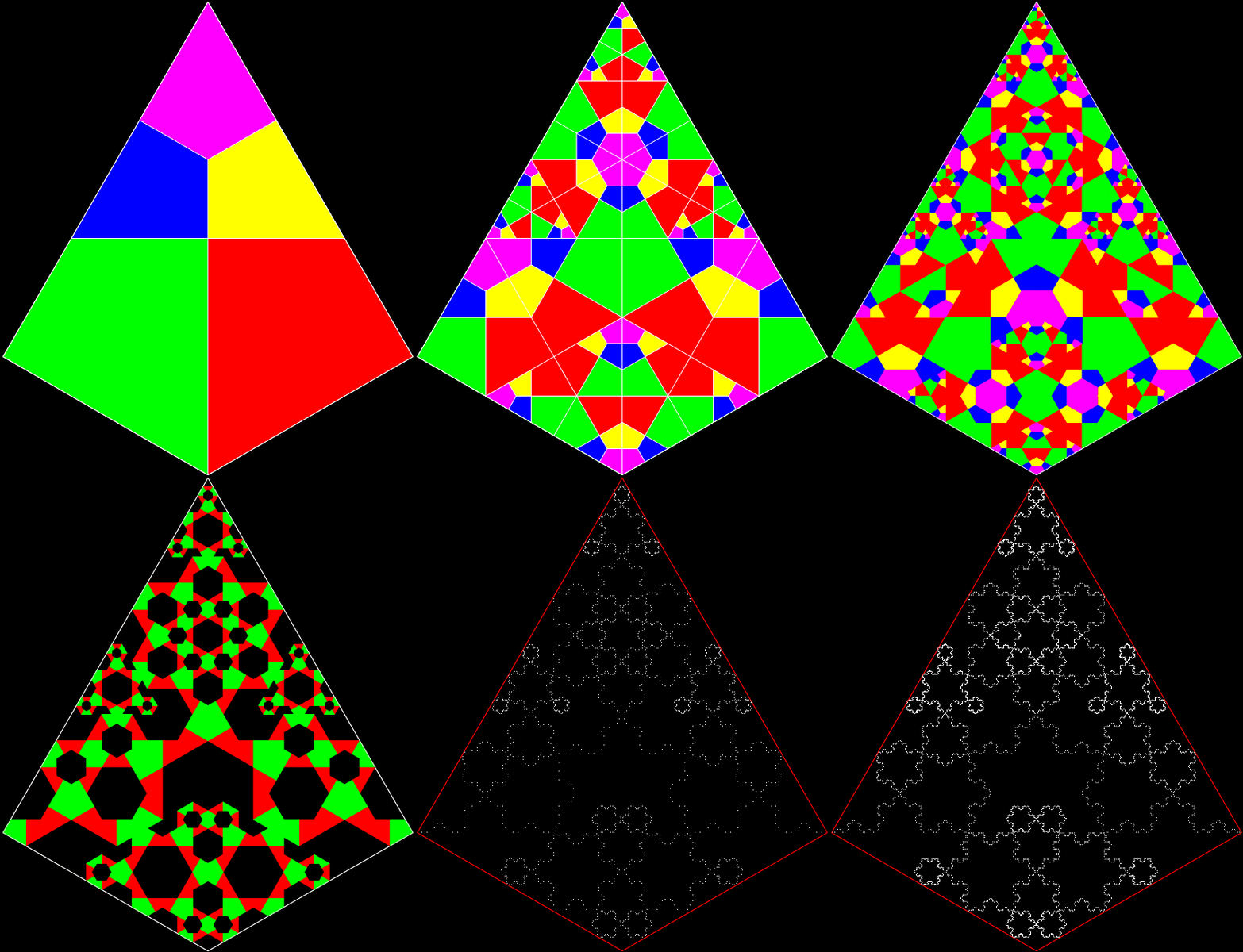
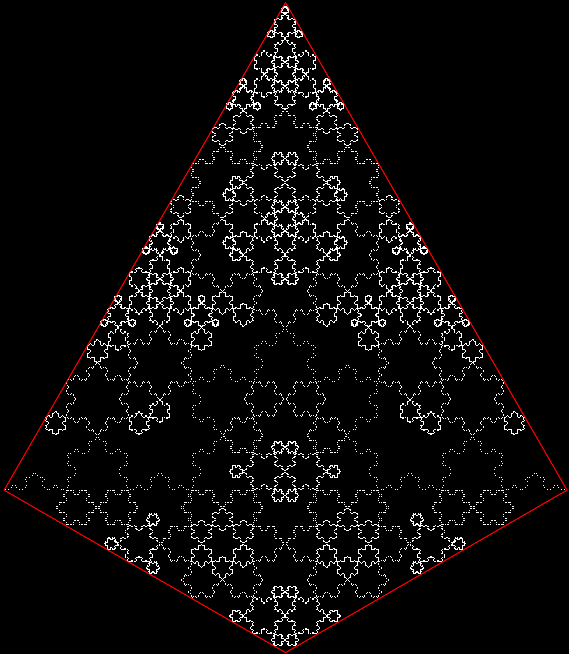
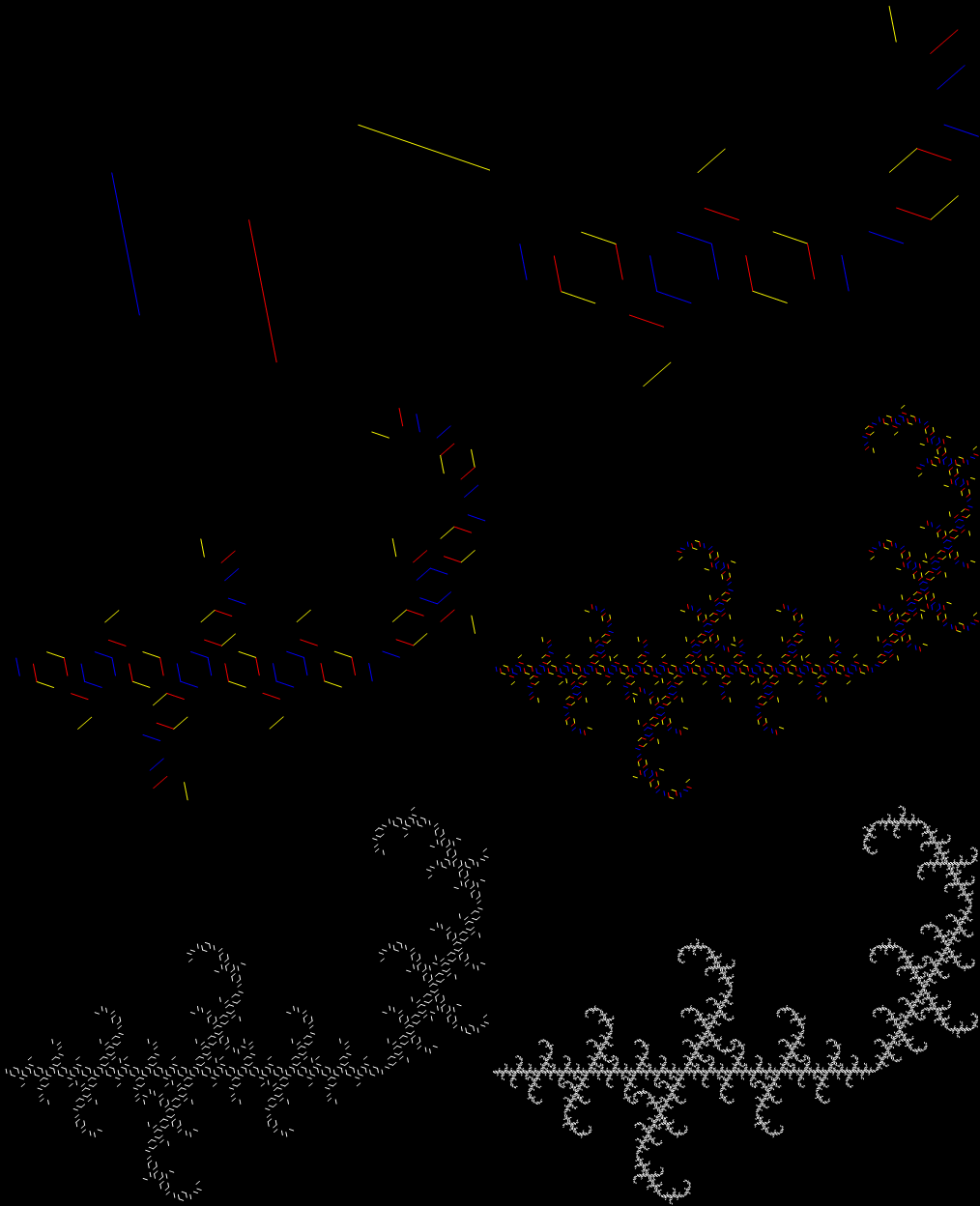
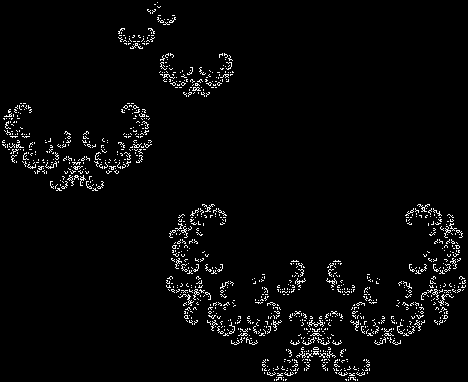
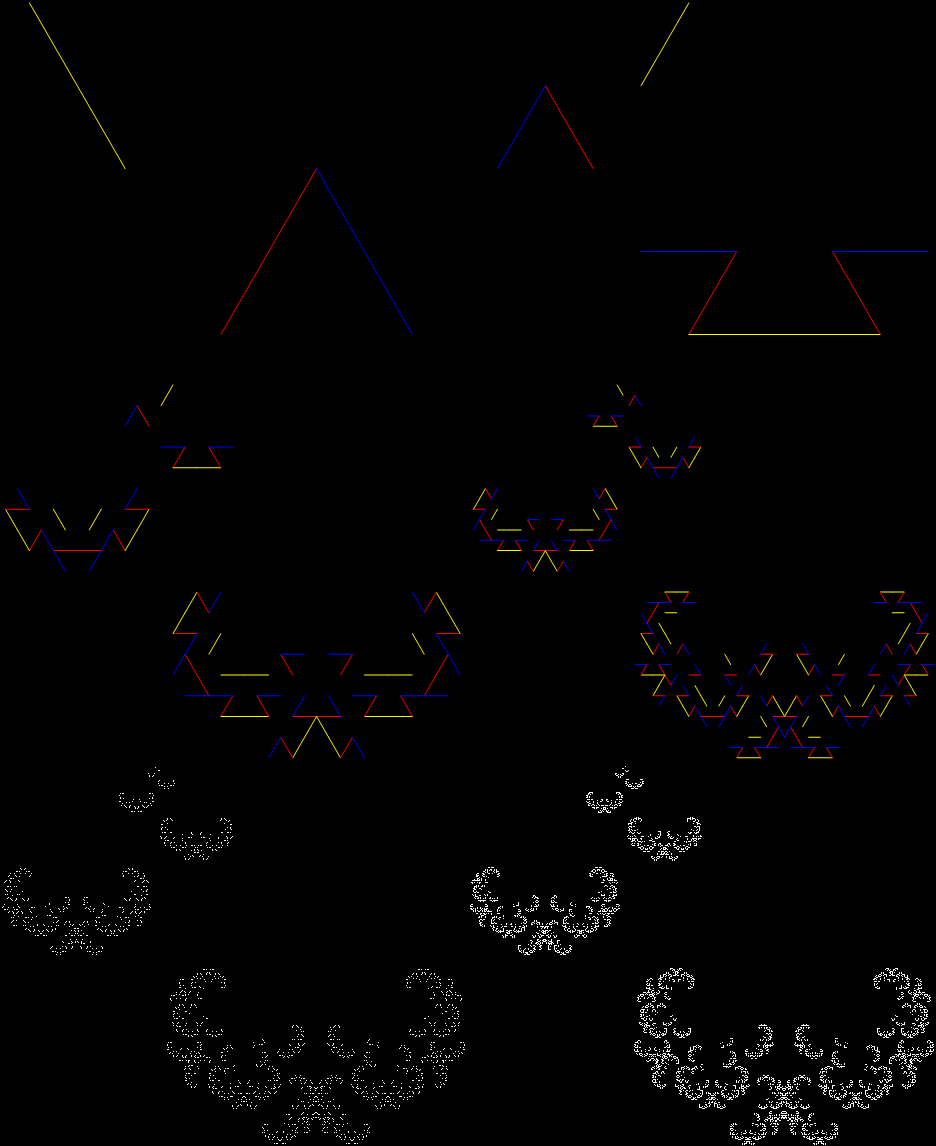
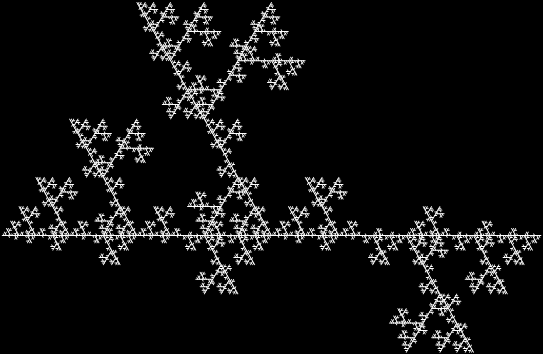
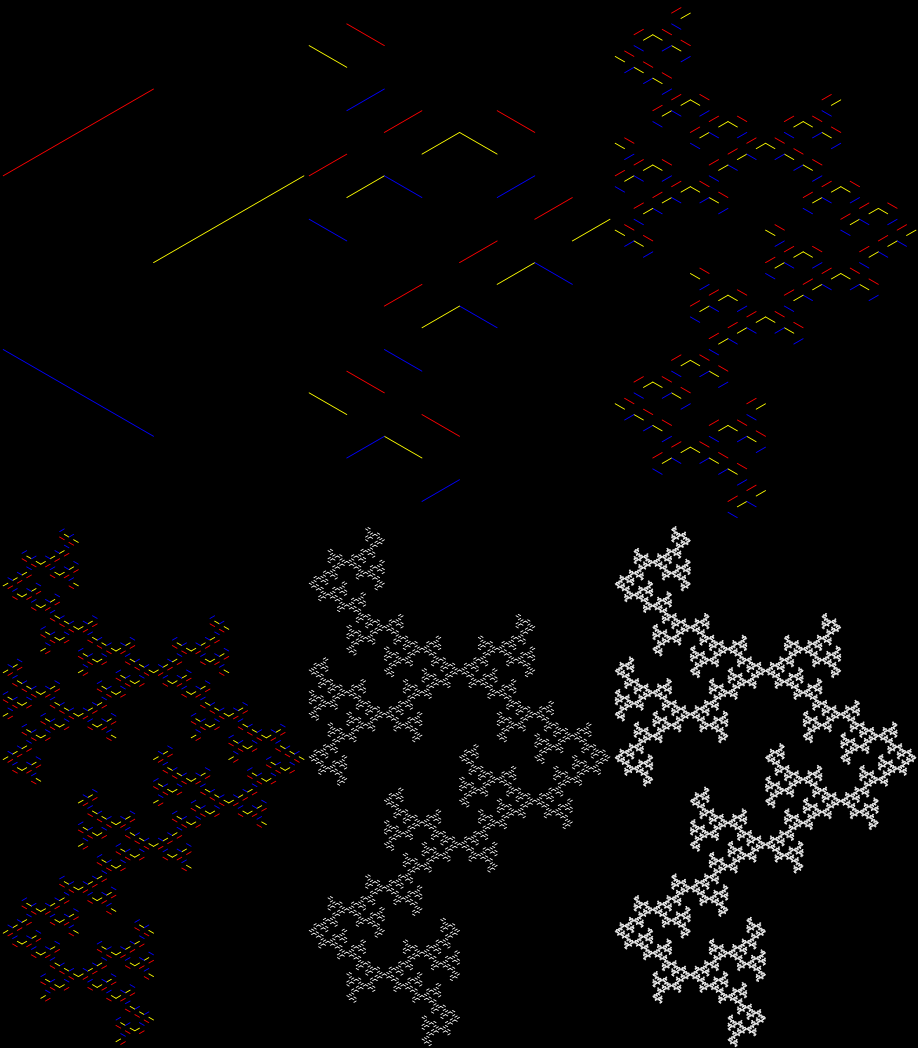
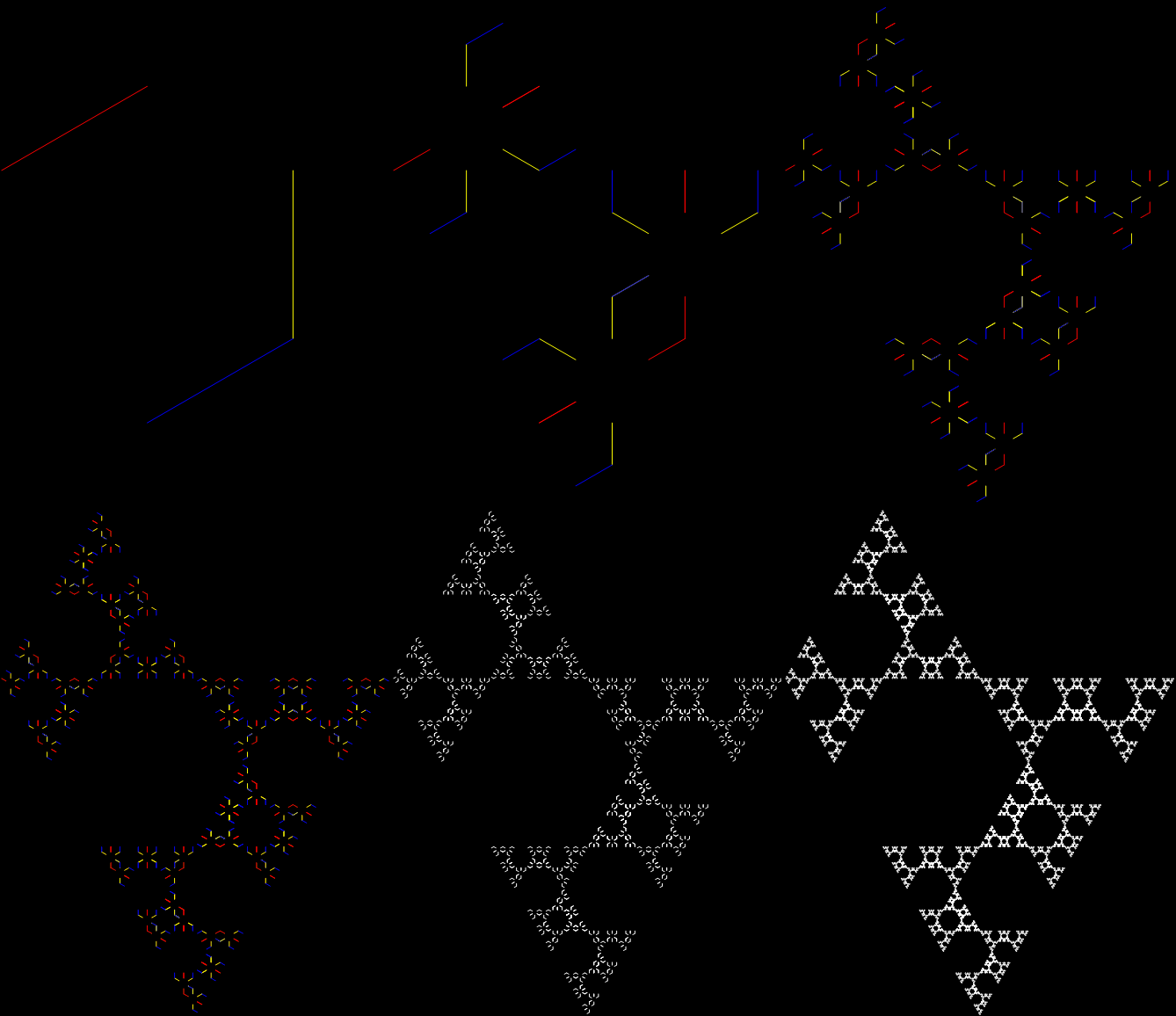
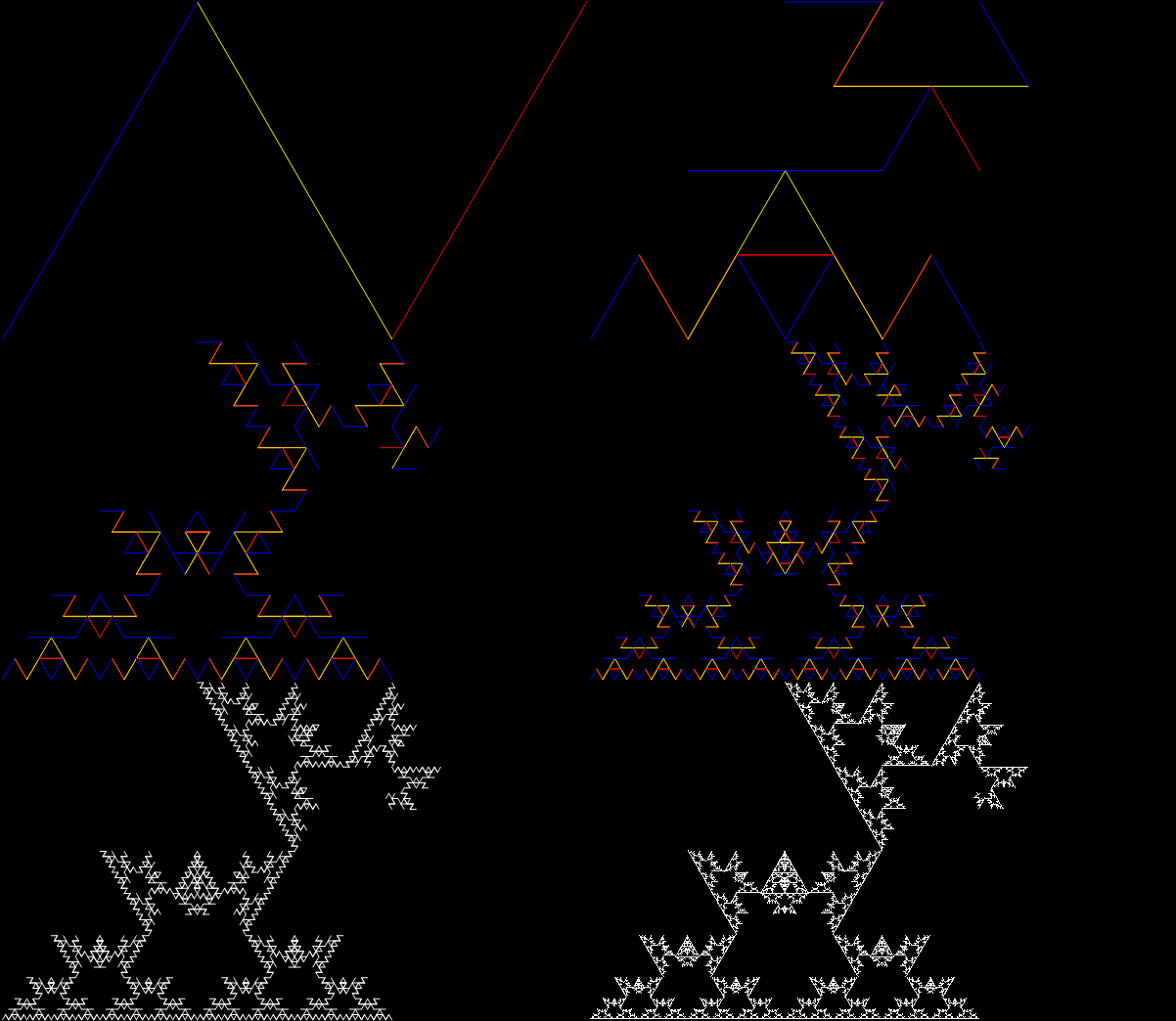
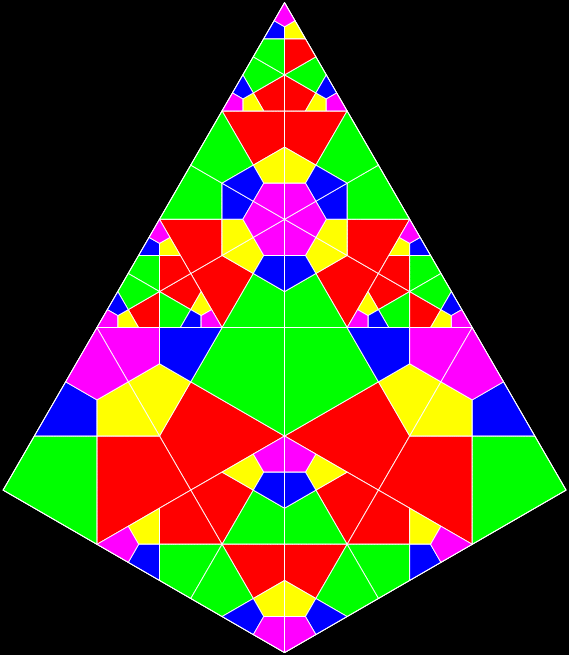
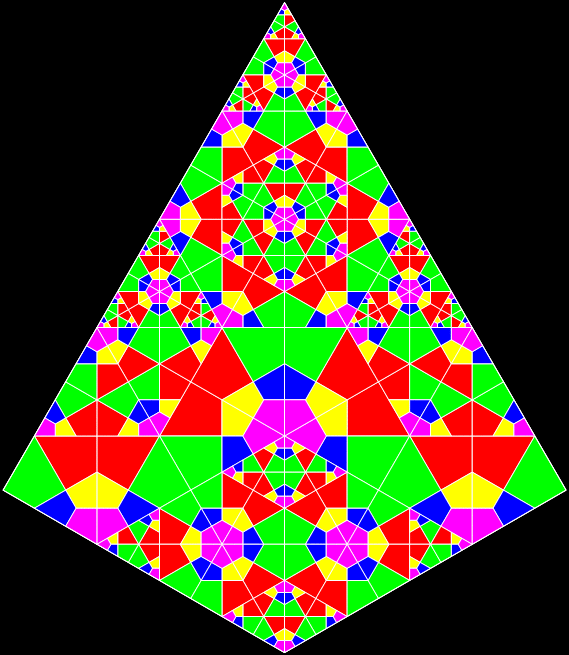
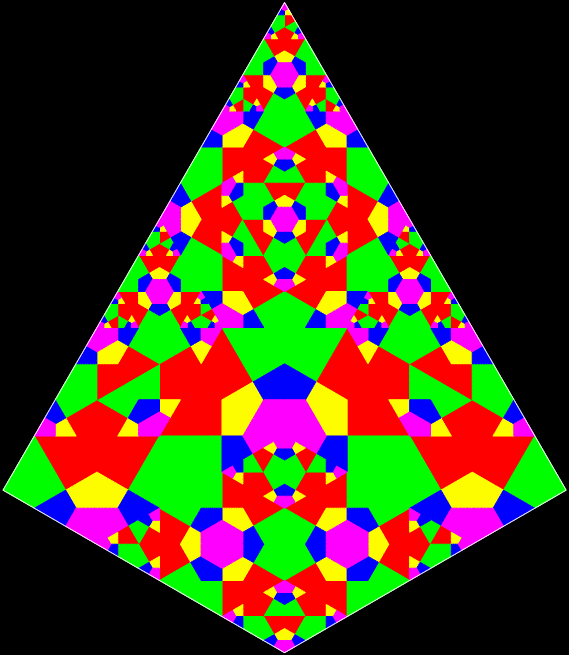
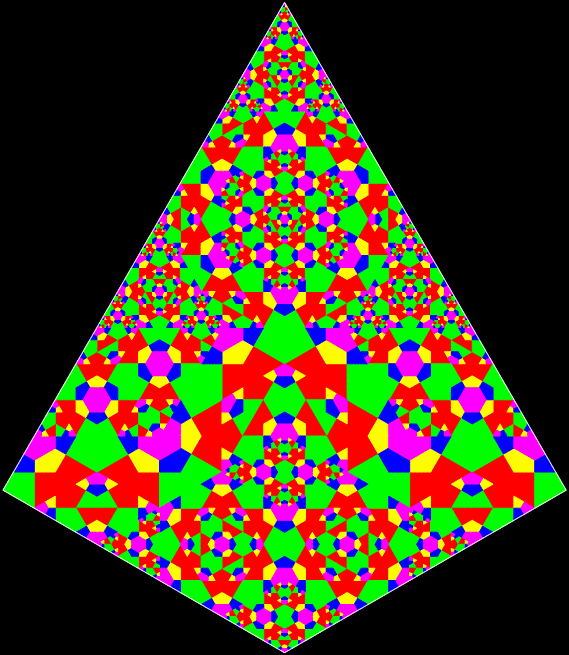
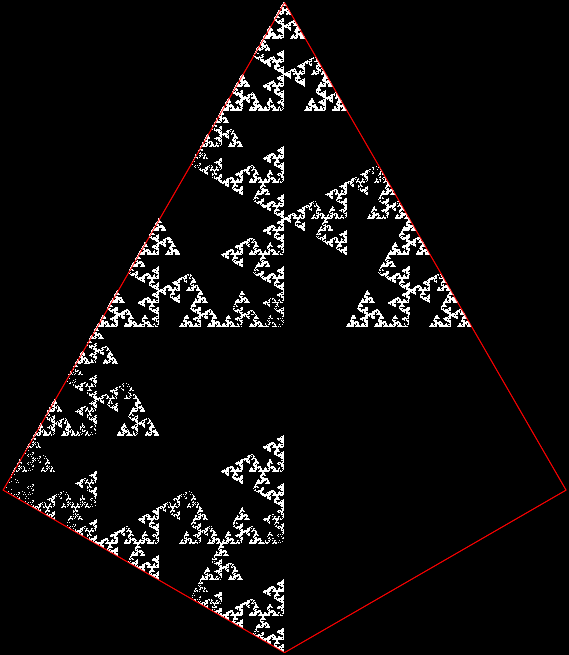
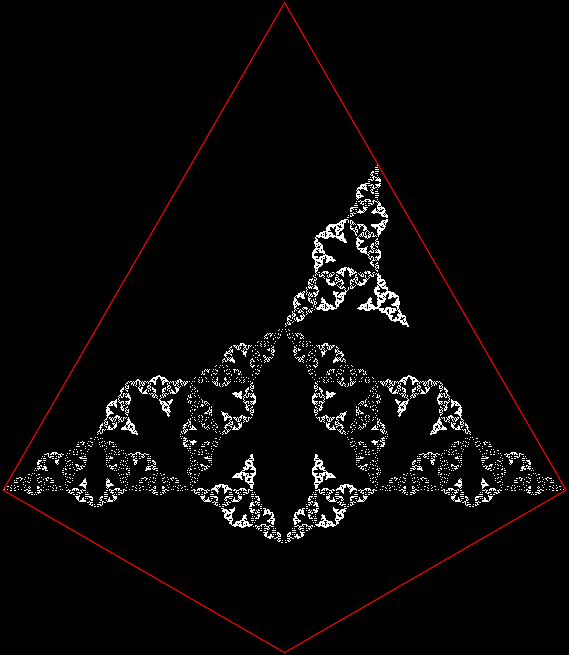
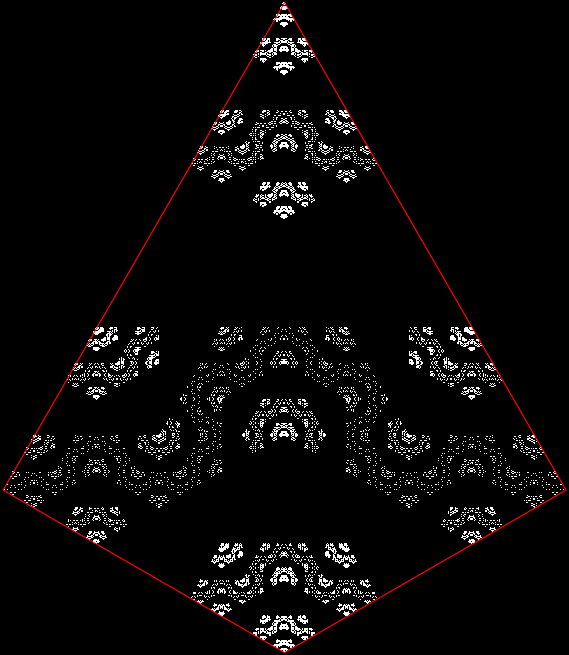
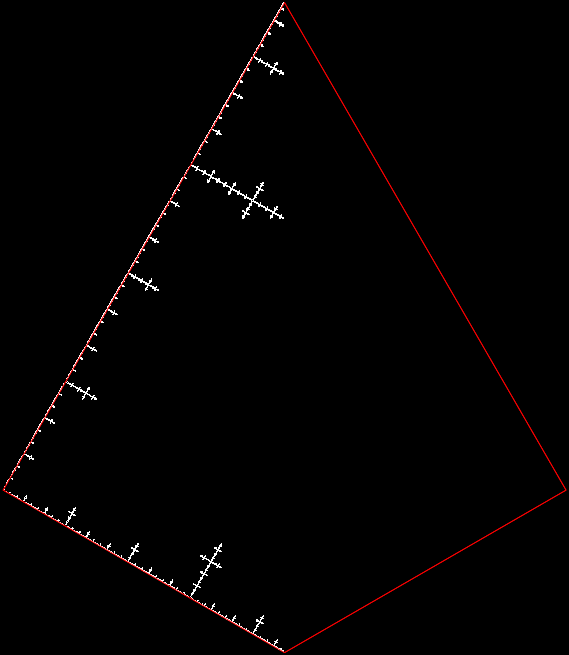
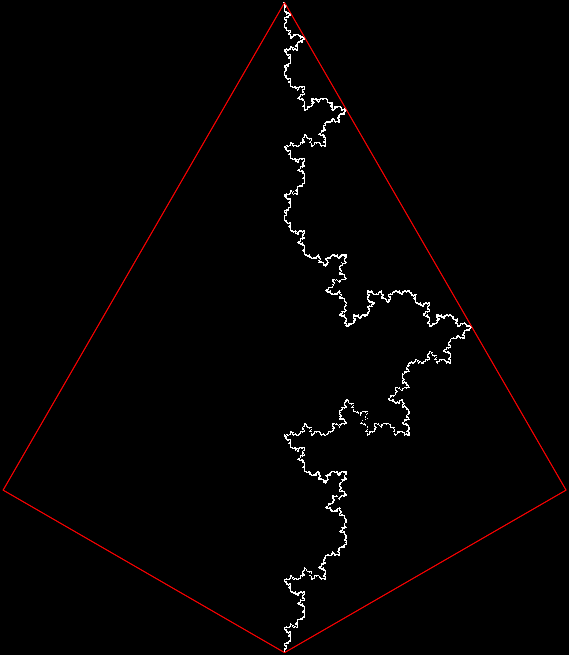
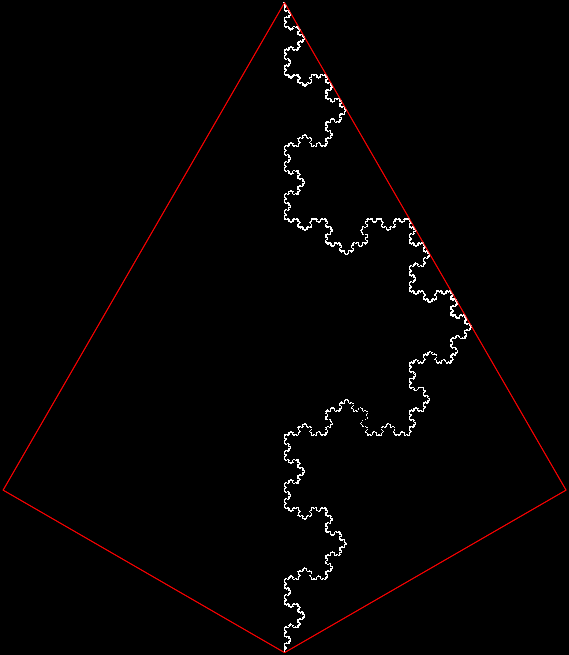
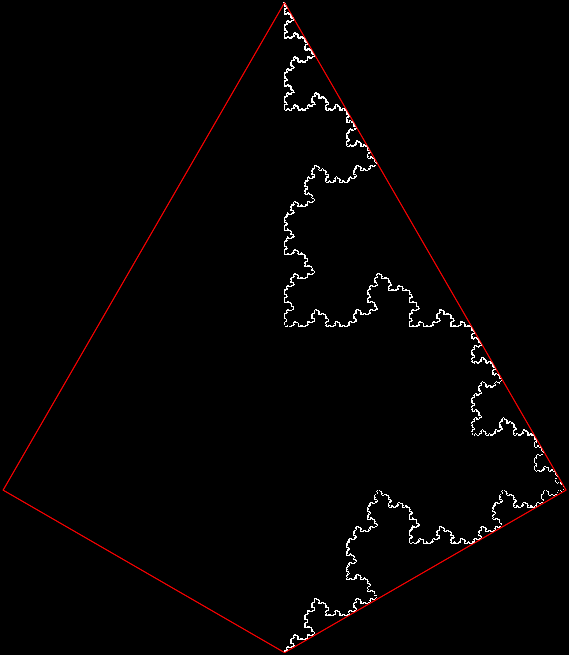
But that isn’t the limit. In fact, an infinite number of full ’flakes appear inside the diamond — it truly is a Koch rock. Here are examples of how to find more full ’flakes:
Dia-flake 2 (static)
Dia-flake 2 (animated)
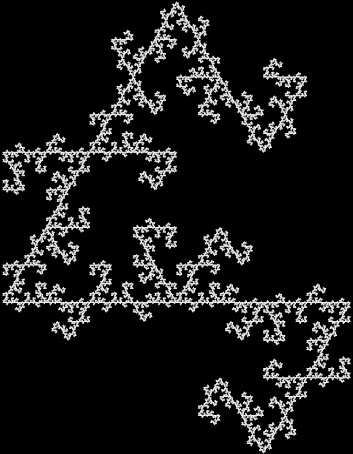
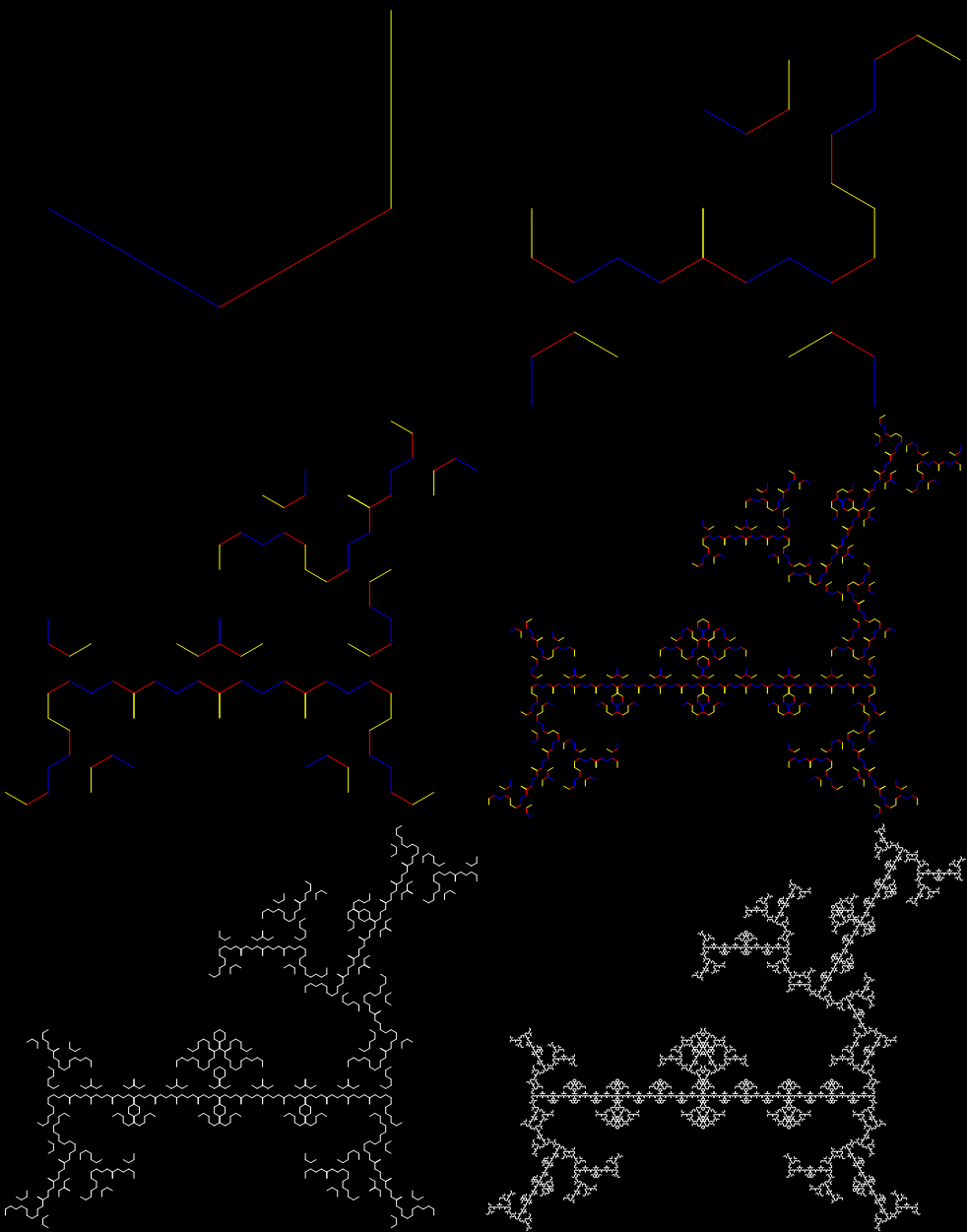
Dia-flake 3 (static)
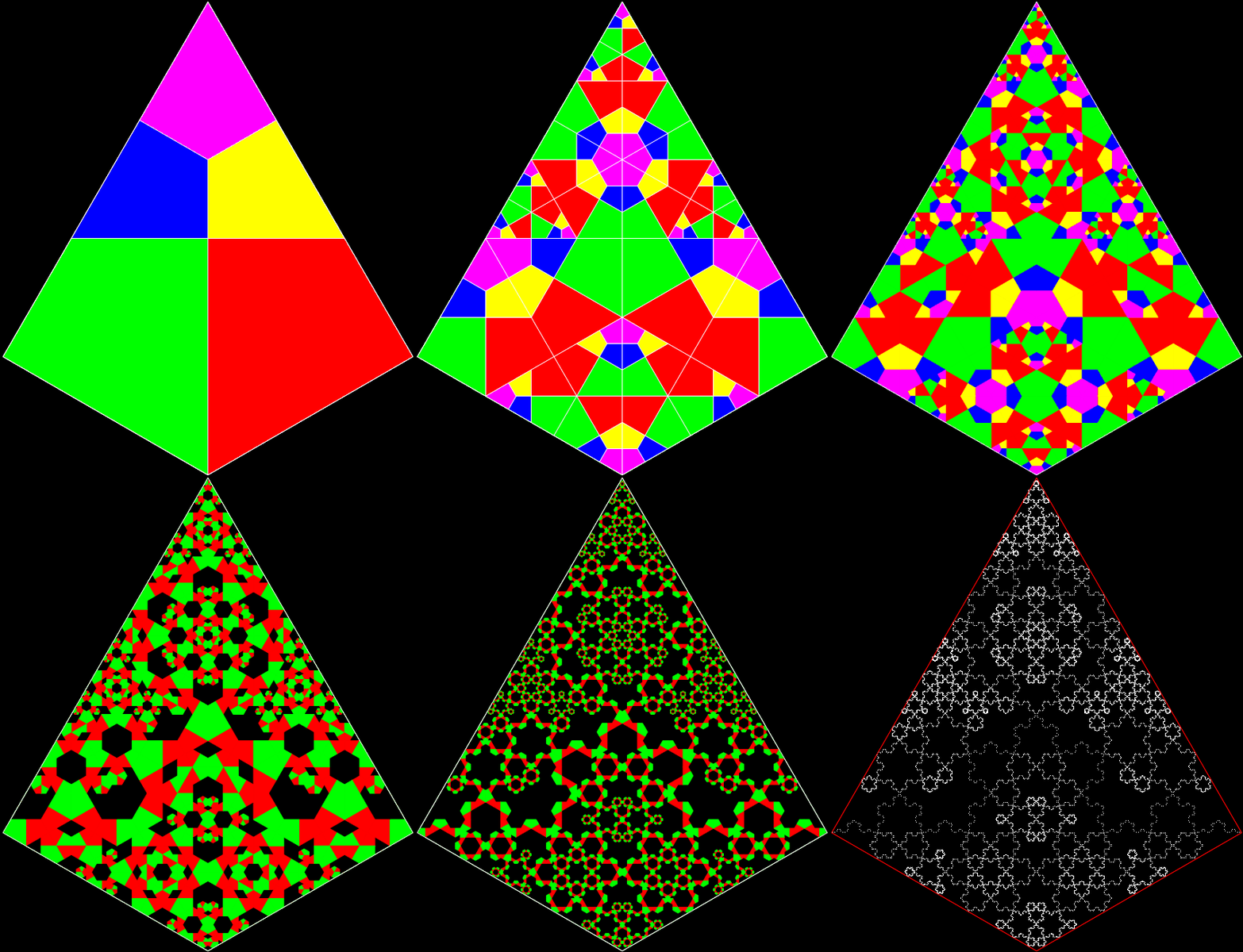
Dia-flake 3 (animated)
Previously pre-posted:
• Dissecting the Diamond — other fractals in the dissectable diamond


































 Overlord In Terms of Core Issues Around Maximal Engagement with Key Notions of the Über-Feral