
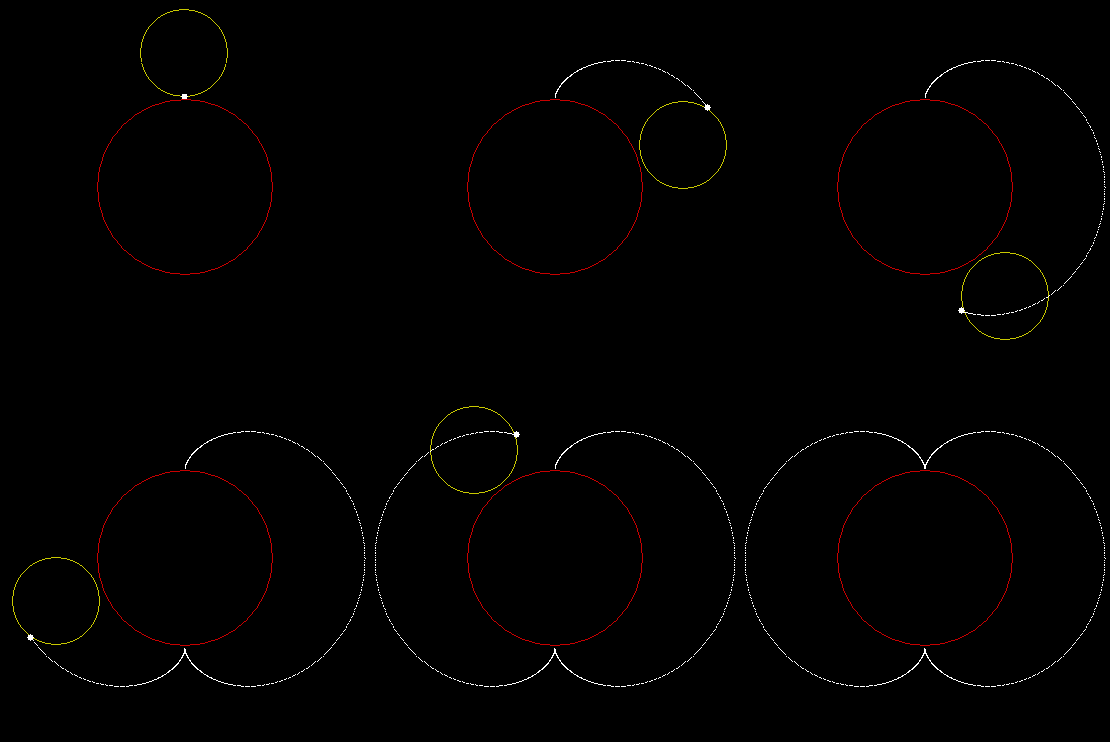
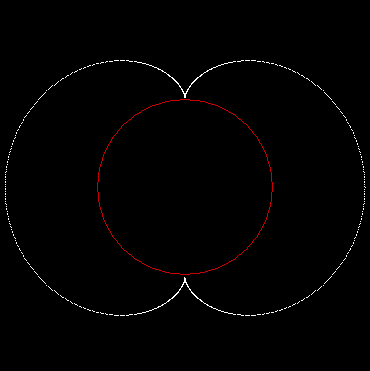
A roulette is a little wheel or little roller, but it’s much more than a game in a casino. It can also be one of a family of curves created by tracing the path of a point on a rotating circle. Suppose a circle rolls around another circle of the same size. This is the resultant roulette:


The shape is called a cardioid, because it looks like a heart (kardia in Greek). Now here’s a circle with radius r rolling around a circle with radius 2r:
That shape is a nephroid, because it looks like a kidney (nephros in Greek).
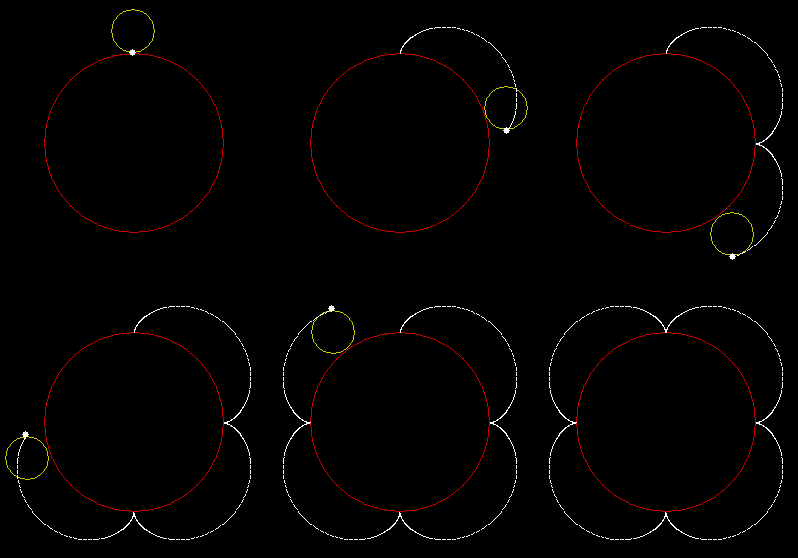
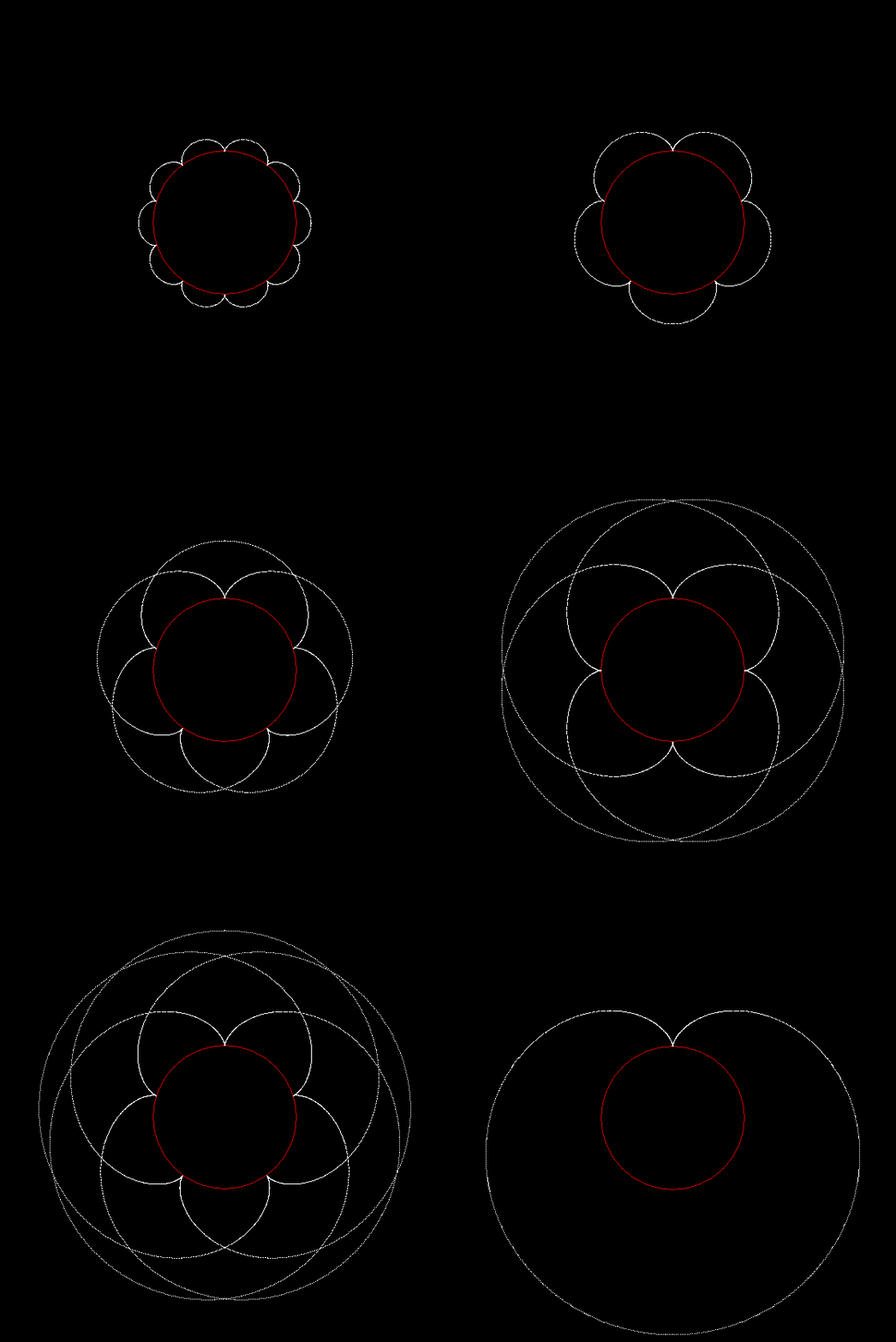
This is a circle with radius r rolling around a circle with radius 3r:


And this is r and 4r:

The shapes above might be called outer roulettes. But what if a circle rolls inside another circle? Here’s an inner roulette whose radius is three-fifths (0.6) x the radius of its rollee:
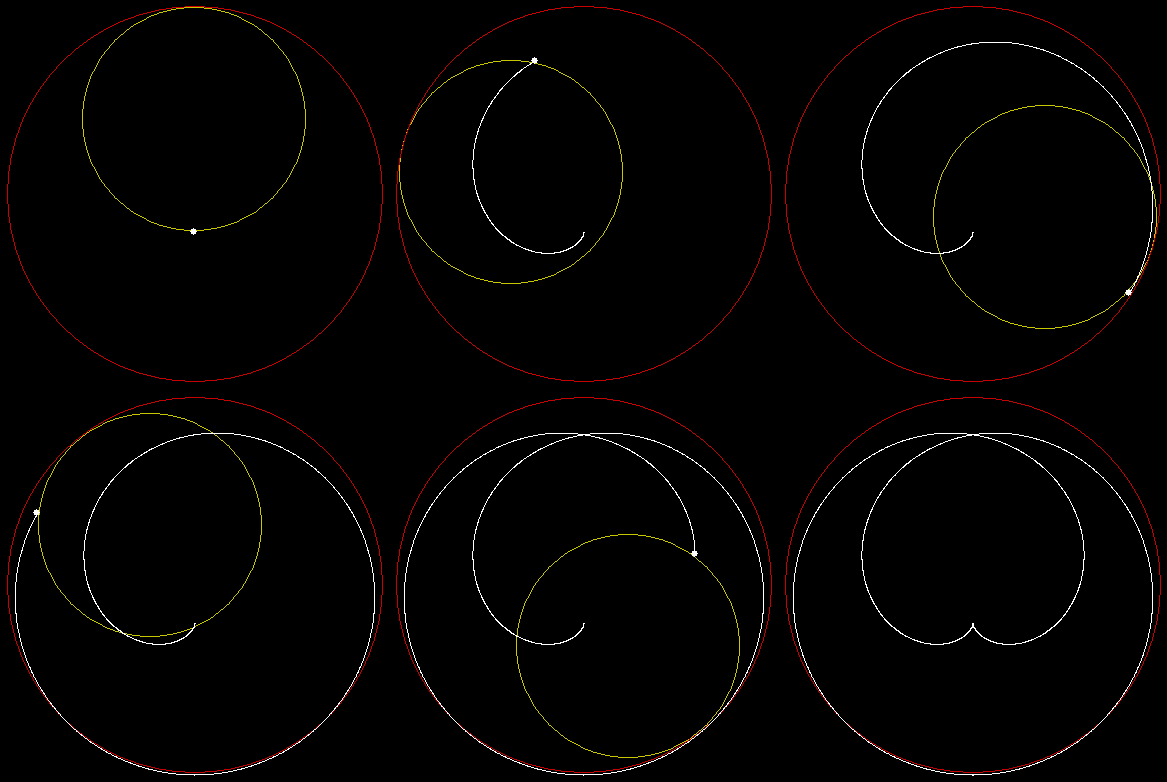

The same roulette appears inverted when the inner circle has a radius two-fifths (0.4) x the radius of the rollee:
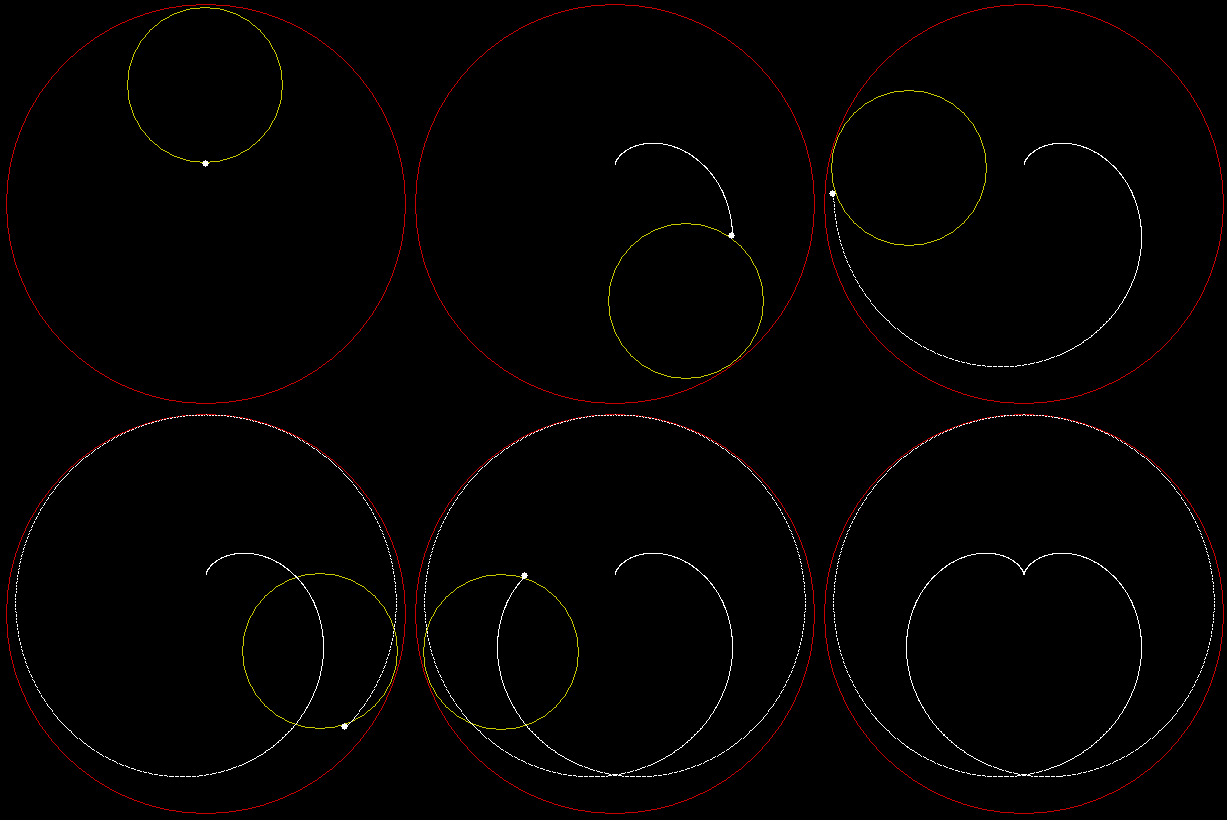
But what happens when the circle rolling “inside” is larger than the rollee? That is, when the rolling circle is effectively swinging around the rollee, like a bunch of keys being twirled on an index finger? If the rolling radius is 1.5 times larger, the roulette looks like this:

If the rolling radius is 2 times larger, the roulette looks like this:
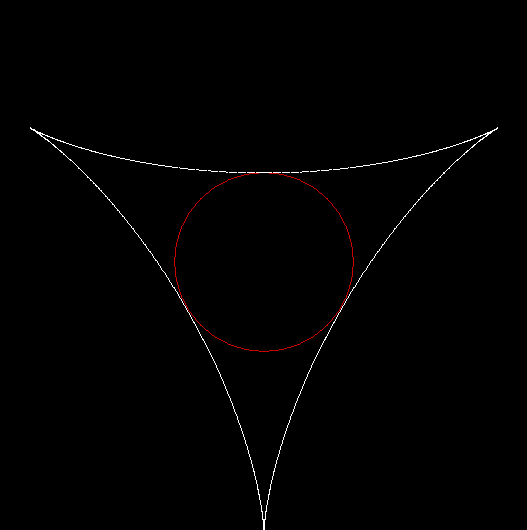
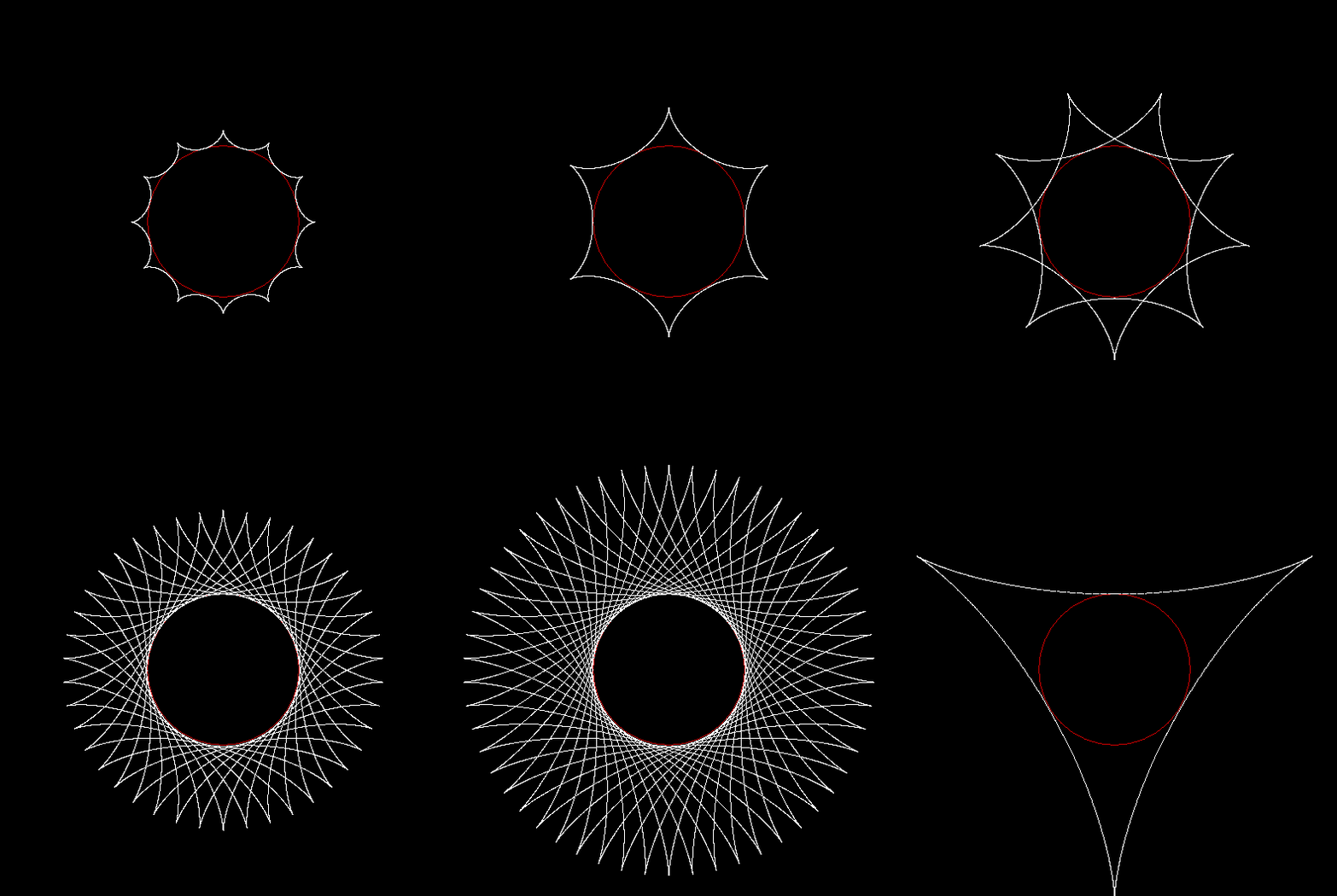
Here are more outer, inner and over-sized roulettes:
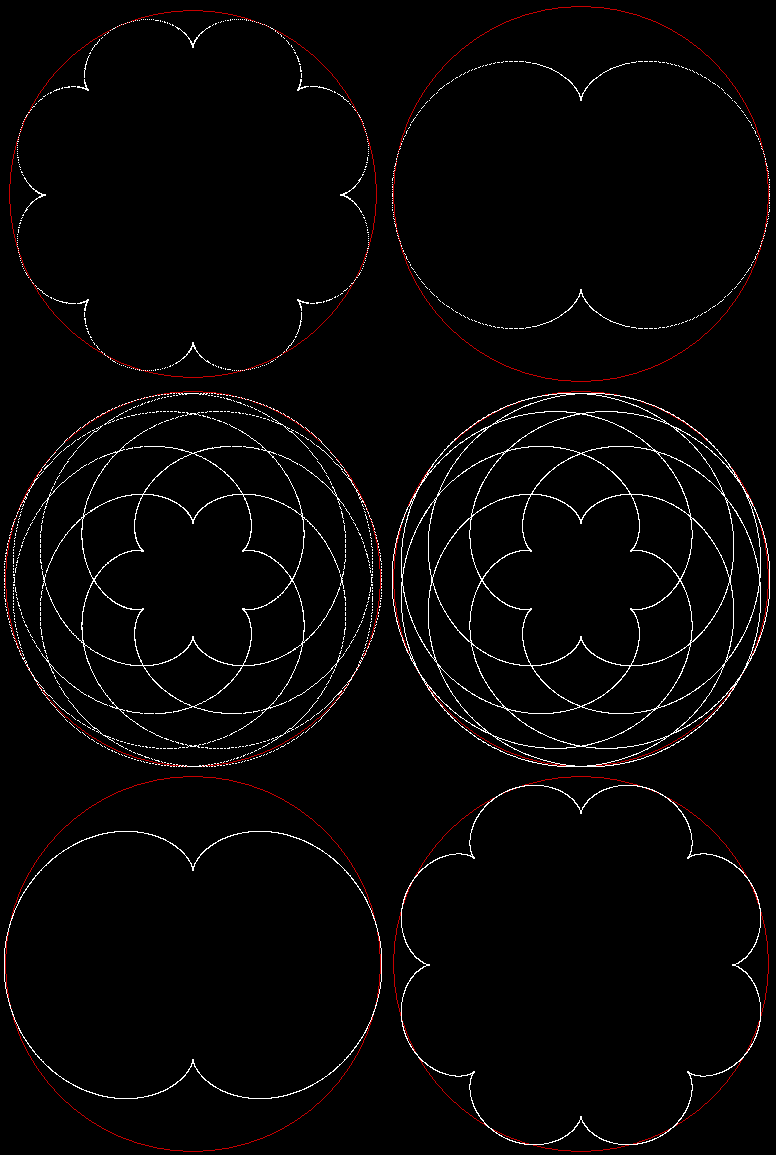
And you can have circles rolling inside circles inside circles:


And here’s another circle-in-a-circle in a circle:

 Overlord In Terms of Core Issues Around Maximal Engagement with Key Notions of the Über-Feral