
A fractal is a shape in which a part looks like the whole. Trees are fractals. And lungs. And clouds. But there are man-made fractals too and probably the most famous of them all is the Sierpiński triangle, invented by the Polish mathematician Wacław Sierpiński (1882-1969):

Sierpiński triangle
There are many ways to create a Sierpiński triangle, but one of the simplest is to trace all possible routes followed by a point jumping halfway towards the vertices of an equilateral triangle. If you mark the endpoint of the jumps, the Sierpiński triangle appears as the routes get longer and longer, like this:
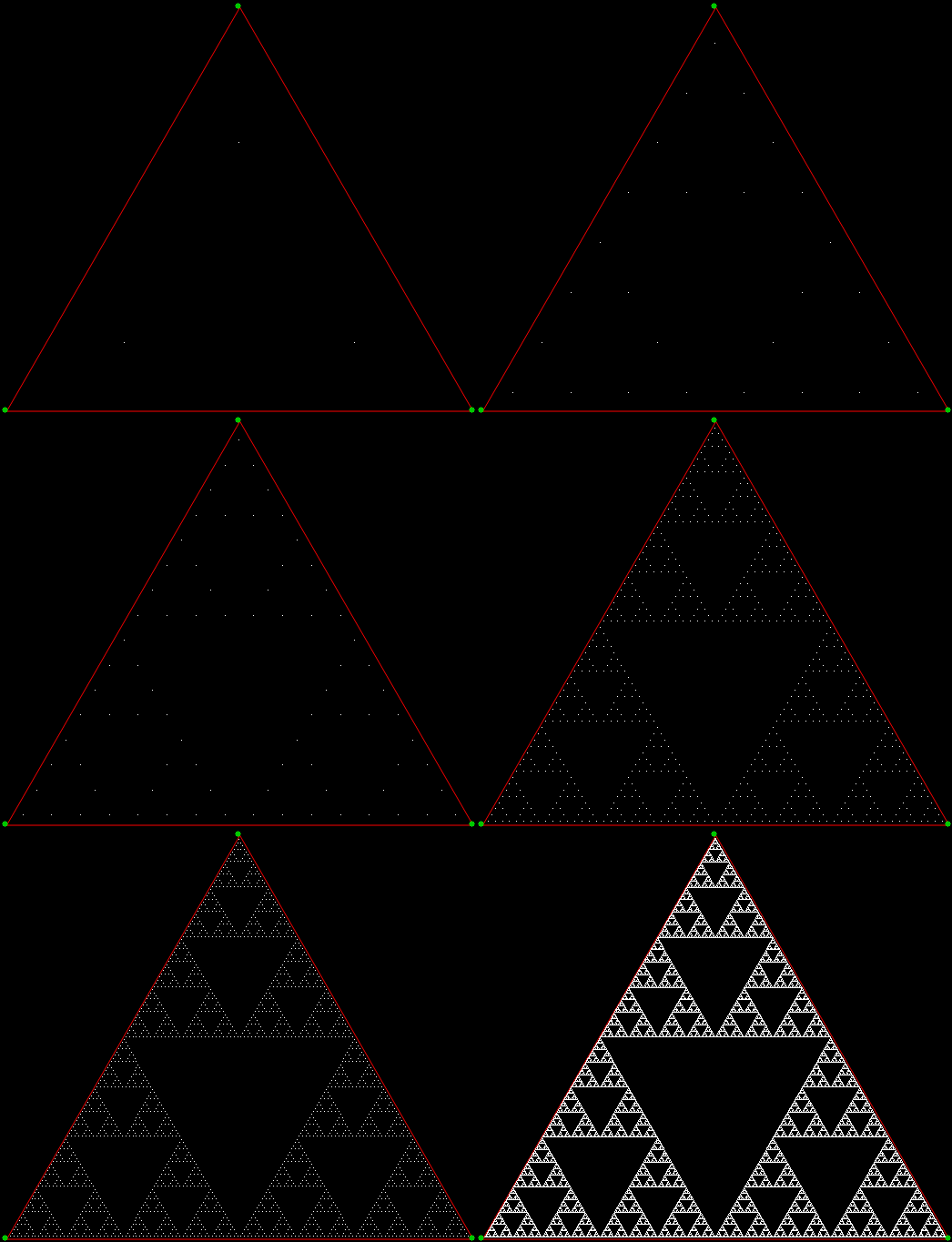
Point jumping 1/2 way towards vertices of an equilateral triangle (animated)
Once you’ve created a Sierpiński triangle like that, you can play with it. For example, you can use simple trigonometry to stretch the triangle into a circle:
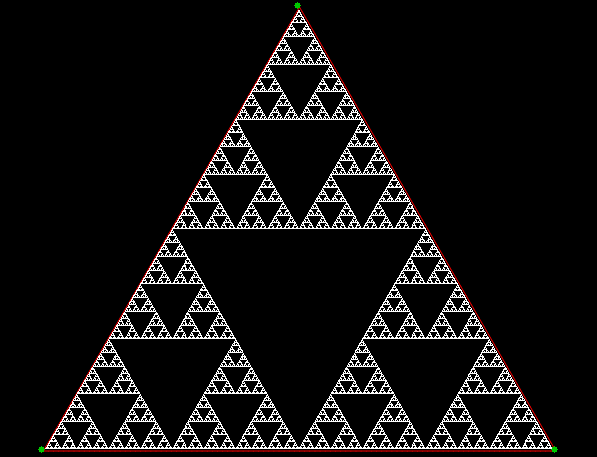
Sierpiński triangle to circle stage #1
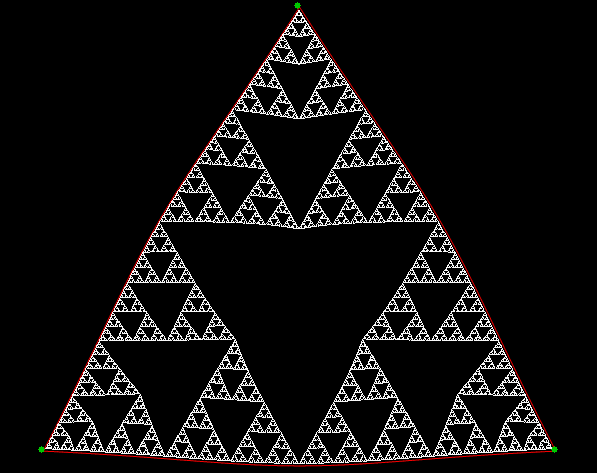
Sierpiński triangle to circle #2
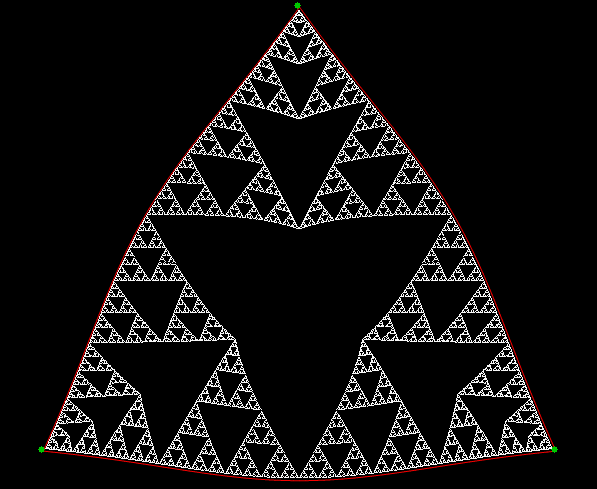
Sierpiński triangle to circle #3
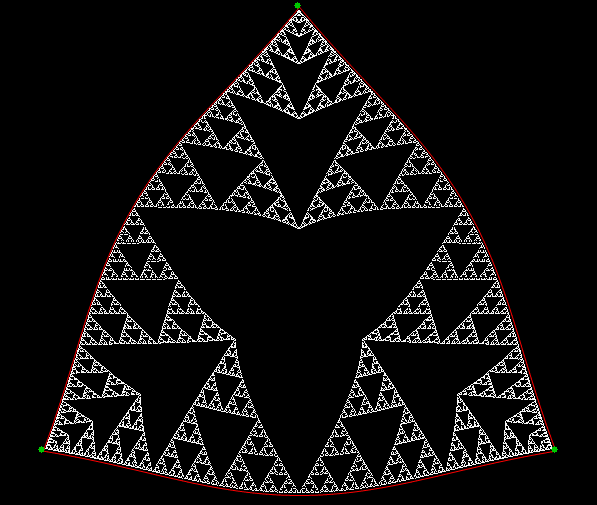
Sierpiński triangle to circle #4
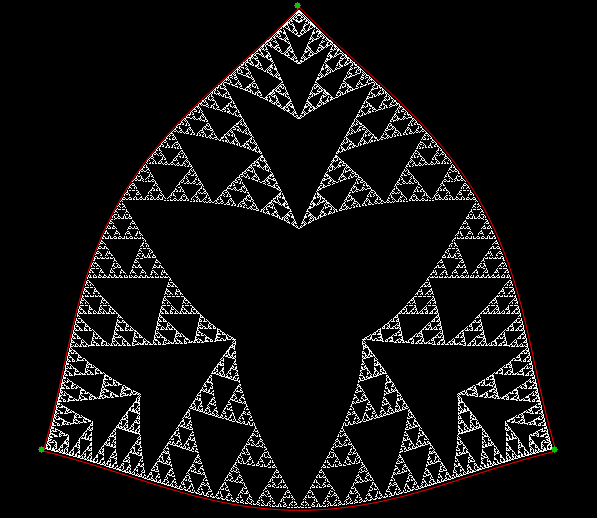
Sierpiński triangle to circle #5
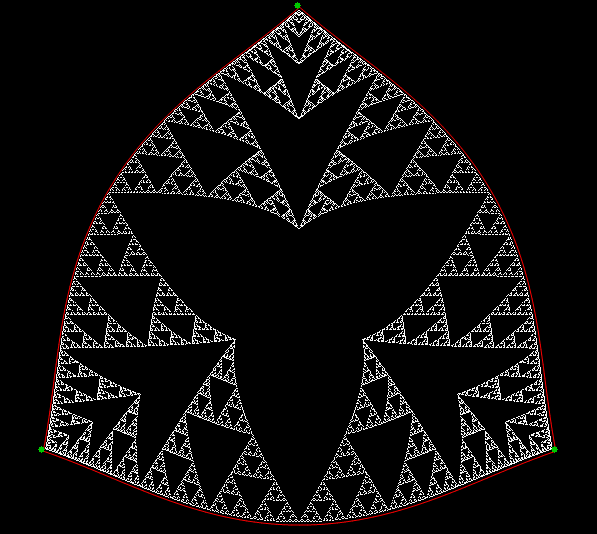
Sierpiński triangle to circle #6
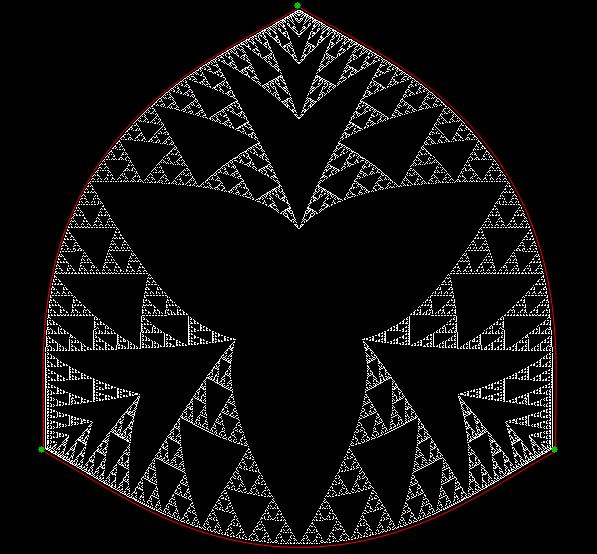
Sierpiński triangle to circle #7
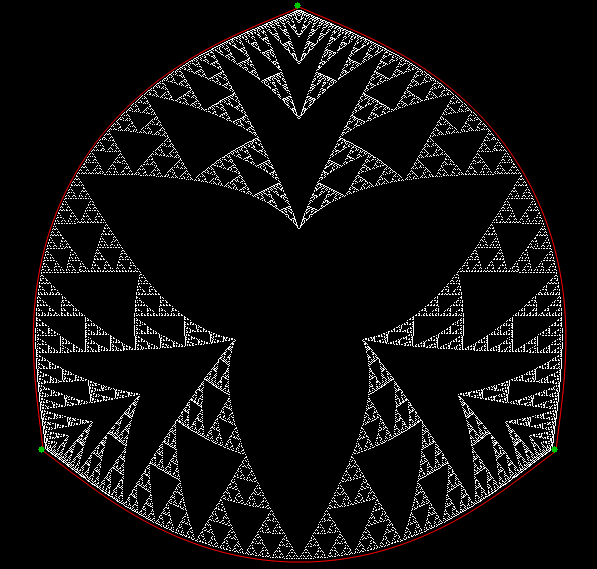
Sierpiński triangle to circle #8
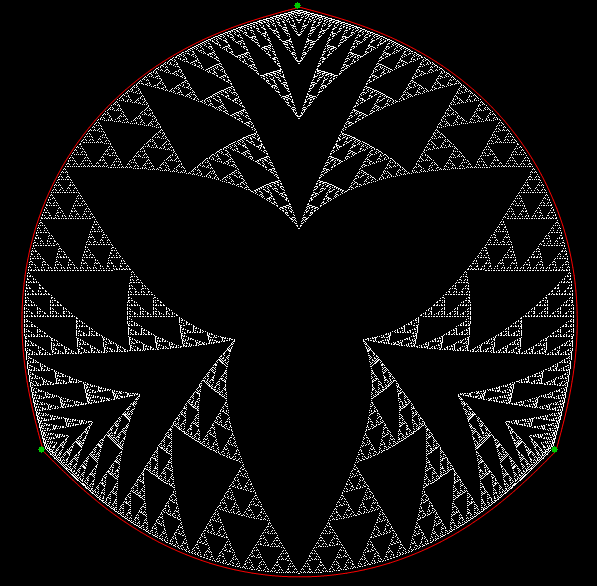
Sierpiński triangle to circle #9
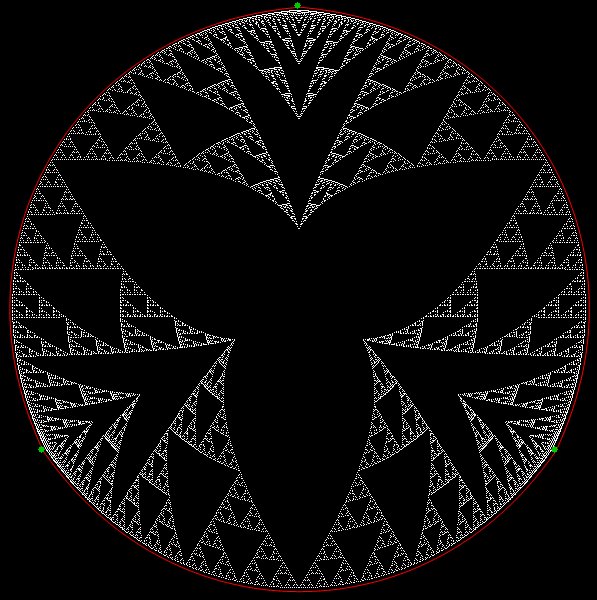
Sierpiński triangle to circle #10
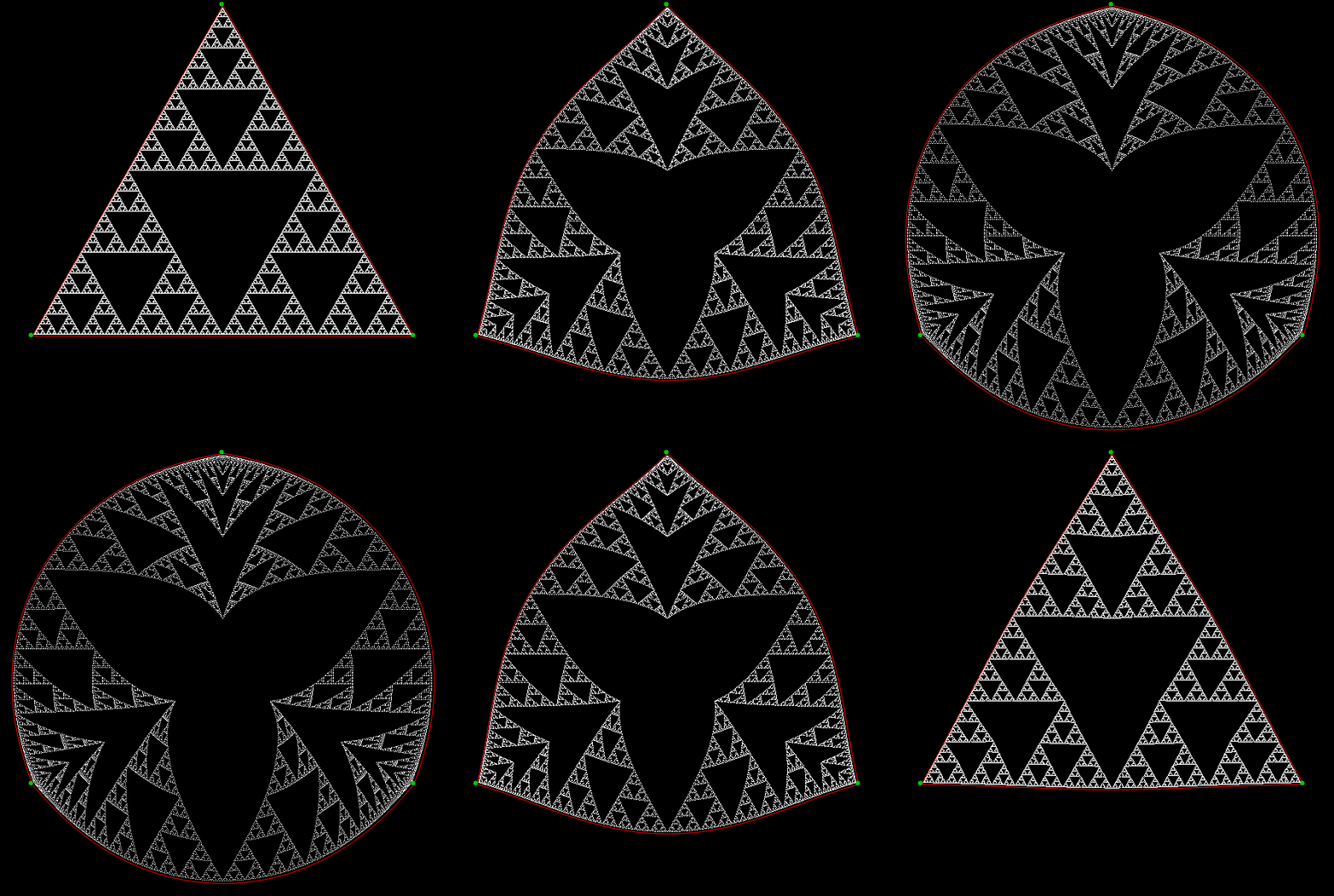
Sierpiński triangle to Sierpiński circle (animated)
But the trigging of the triangle can go further. You can expand the Sierpiński circle further, like this:
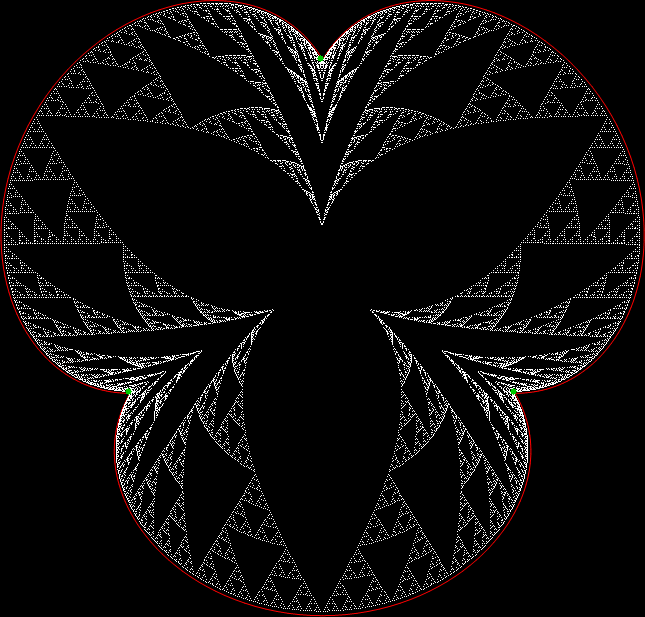
Sierpiński circle expanded
Or shrink the Sierpiński triangle like this:
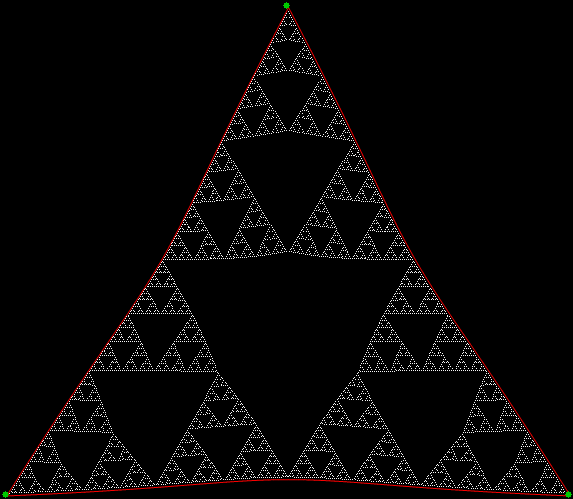
Shrinking Sierpiński triangle stage #1
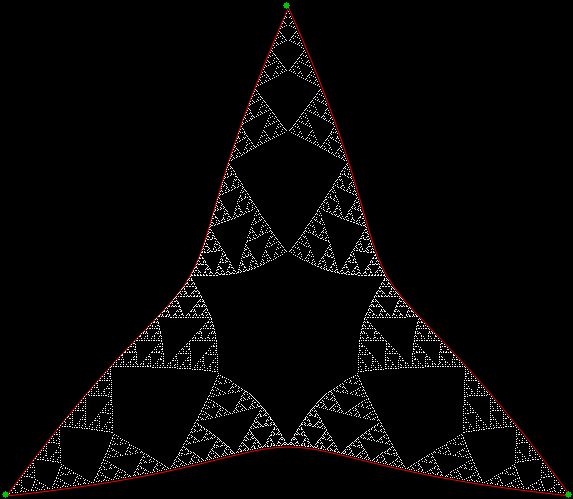
Shrinking Sierpiński triangle #2
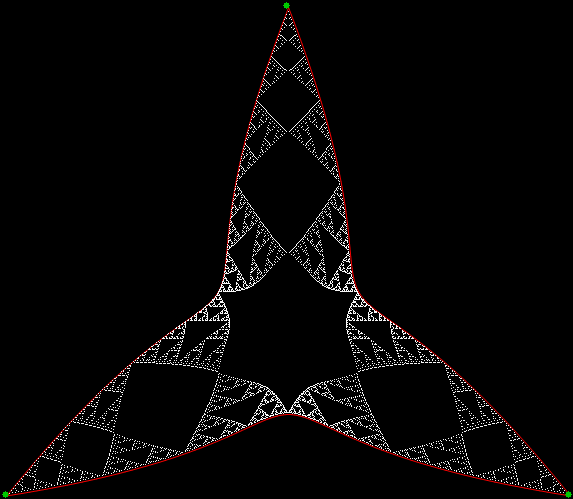
Shrinking Sierpiński triangle #3
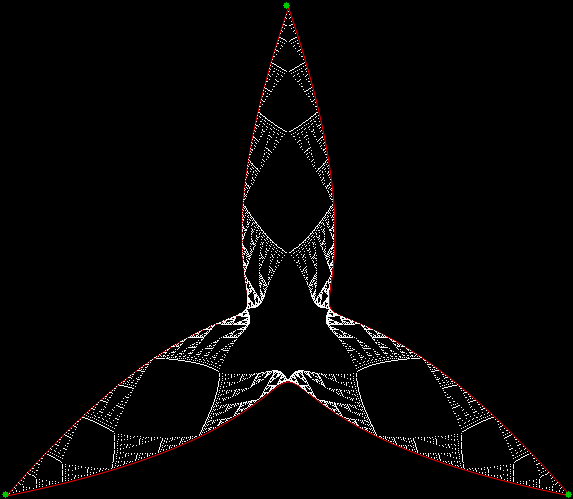
Shrinking Sierpiński triangle #4
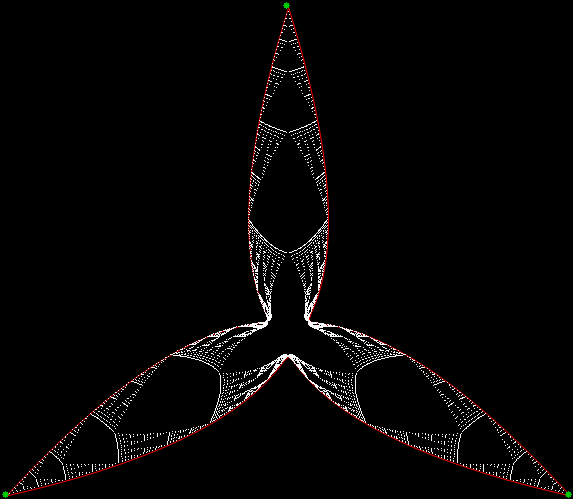
Shrinking Sierpiński triangle #5
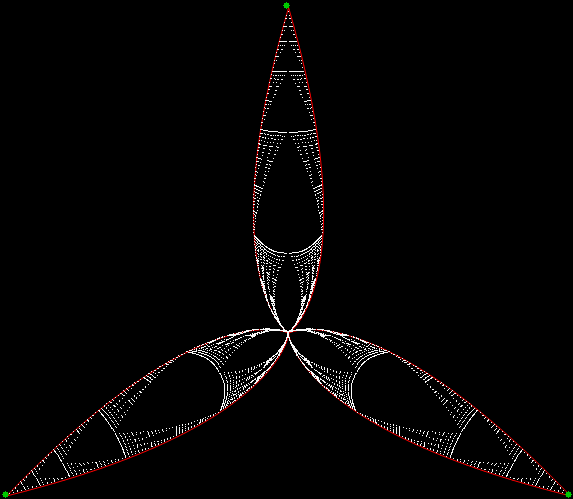
Shrinking Sierpiński triangle #6
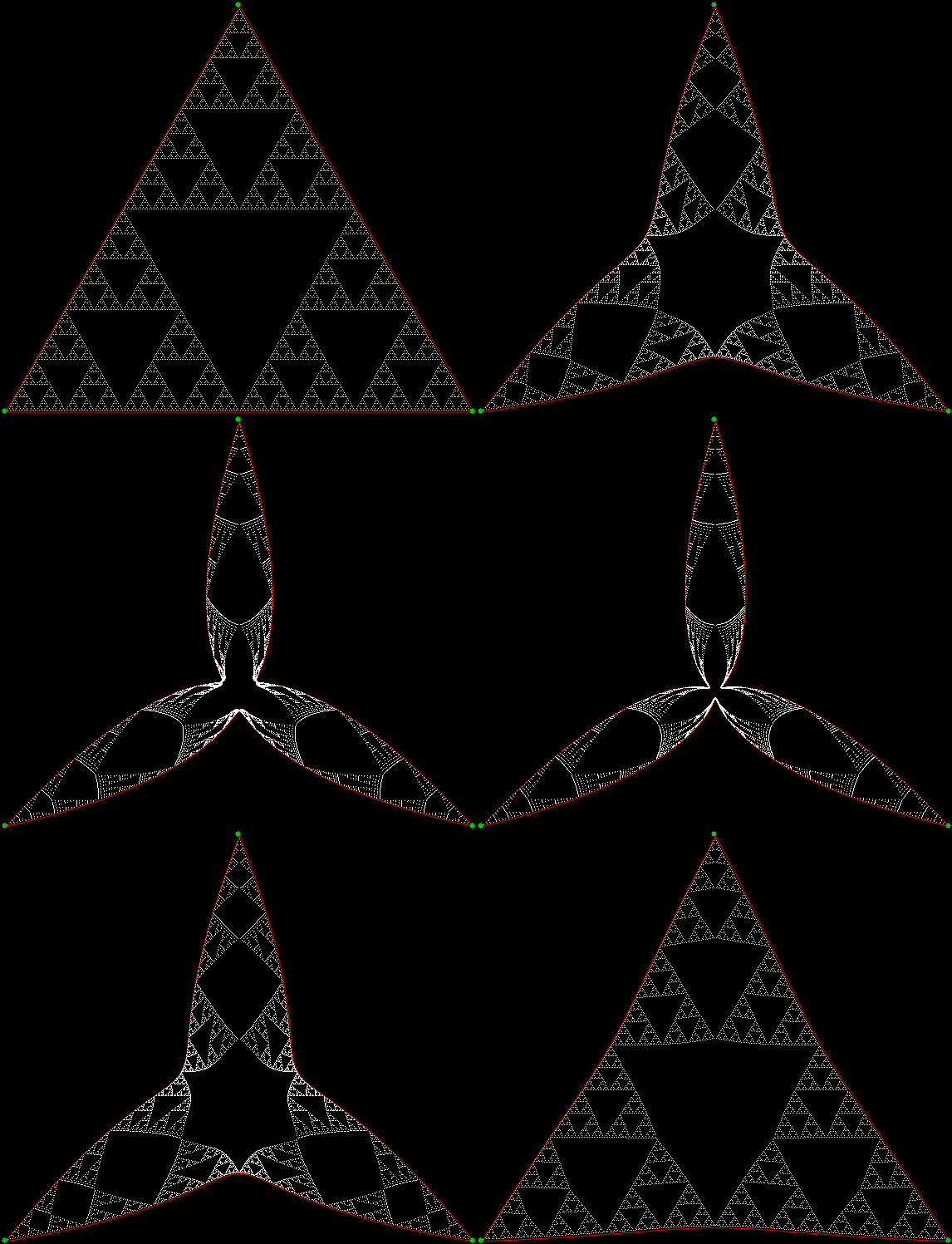
Shrinking Sierpiński triangle (animated)
You can also create new shapes using the jumping-point technique. Suppose that, as the point is jumping, you adjust its position outwards into the circumscribed circle whenever it lands within the boundaries of the governing triangle. But if the point lands outside those boundaries, you leave it alone. Using this adapted technique, you get a shape like this:
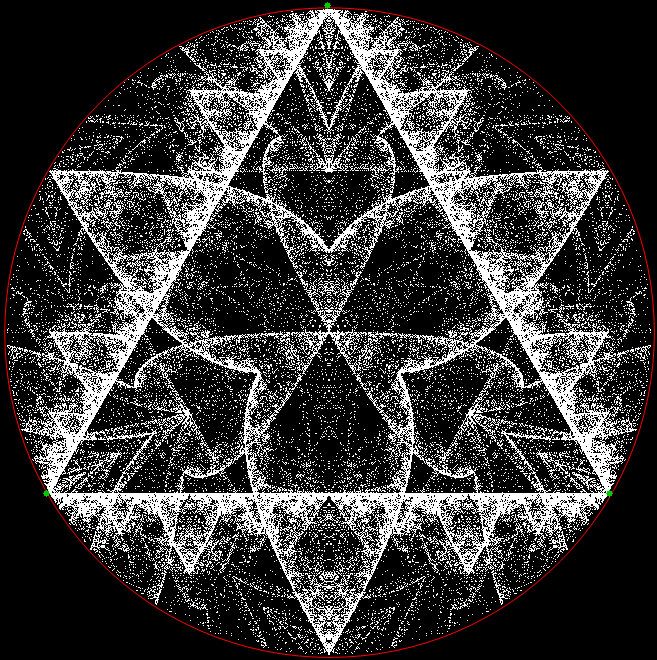
Adjusted Sierpiński circle
And if the point is swung by 60° after it’s adjusted into the circle, you get a shape like this:
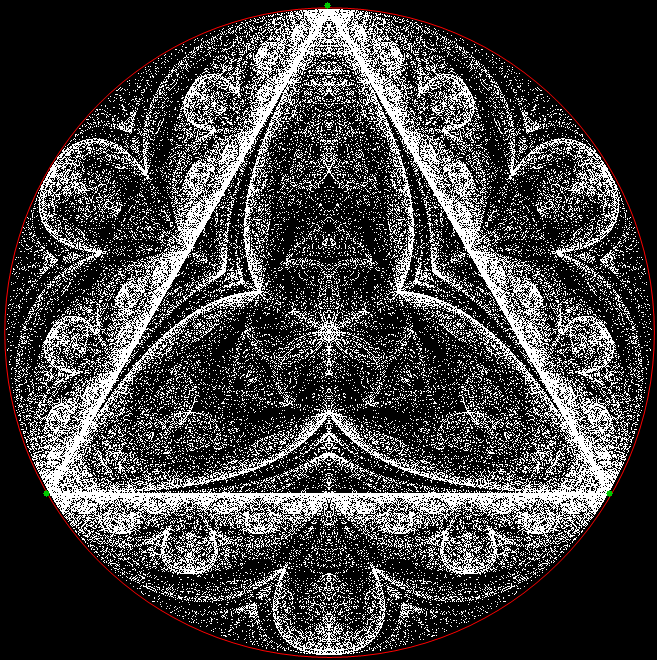
Adjusted Sierpiński circle (60° swing)
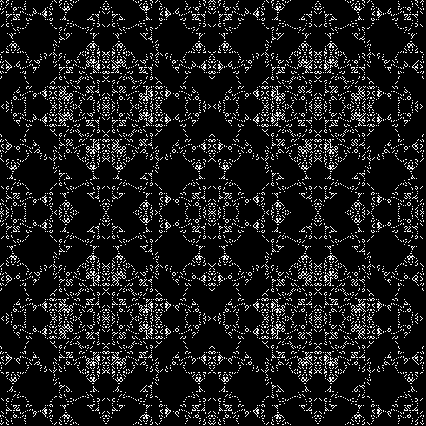
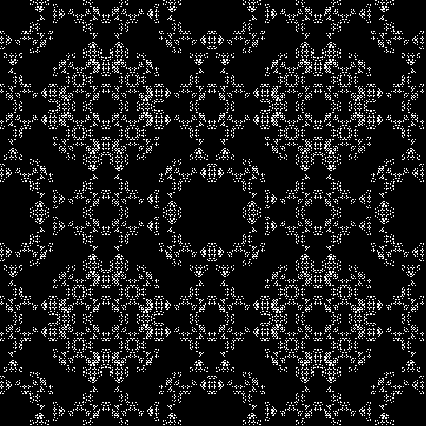
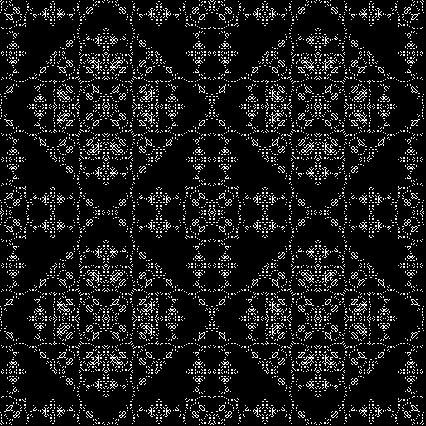
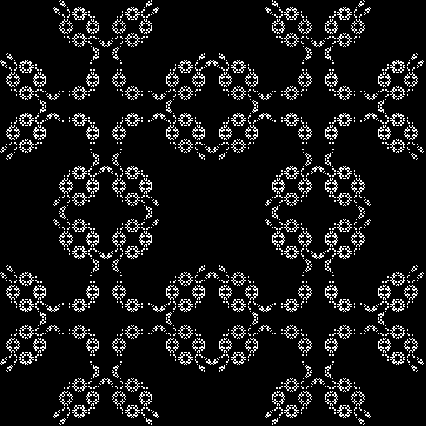
Here are some animated gifs showing these shapes rotating in a full circle at various speeds:

Adjusted Sierpiński circle (swinging animation) (fast)
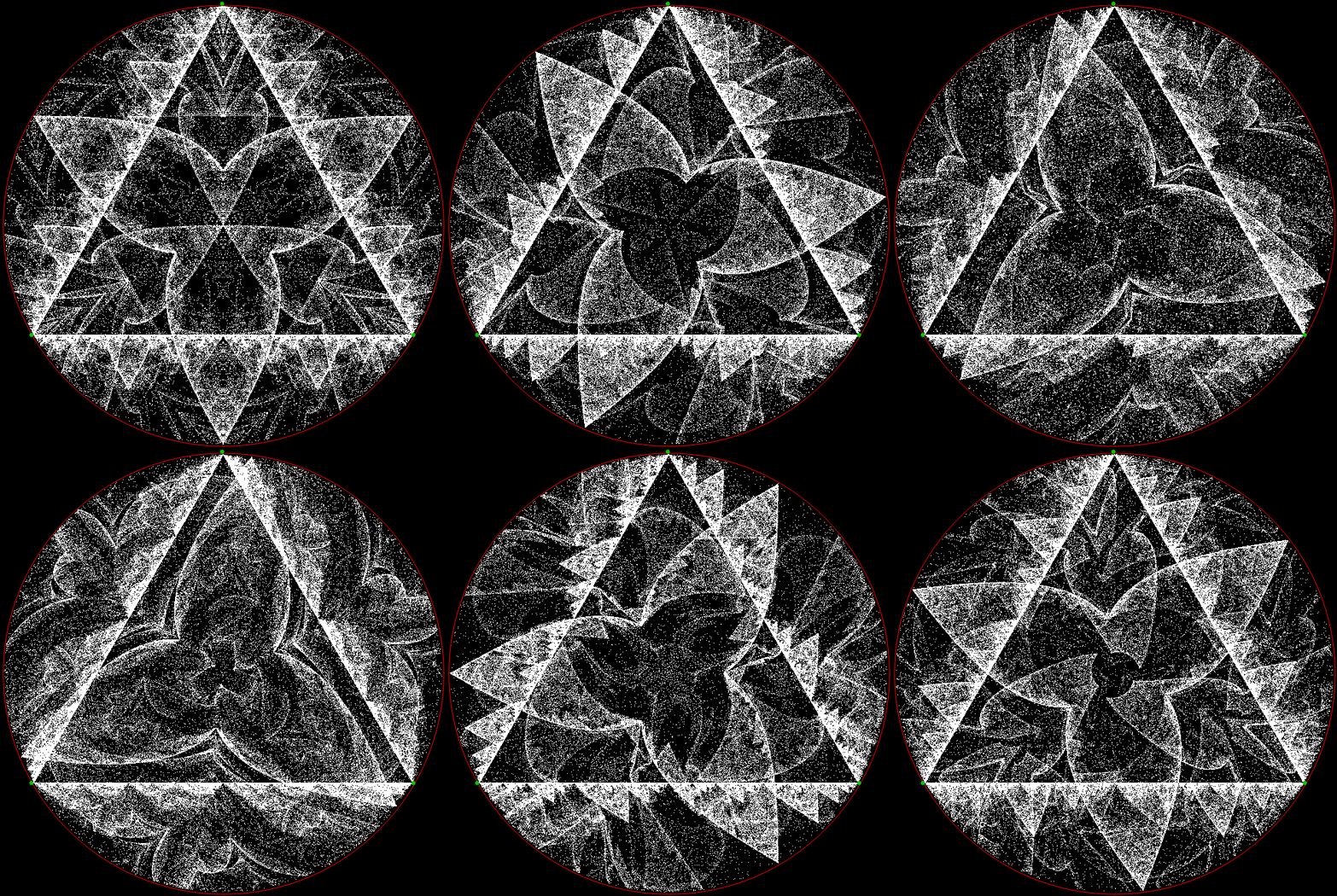
Adjusted Sierpiński circle (swinging animation) (medium)
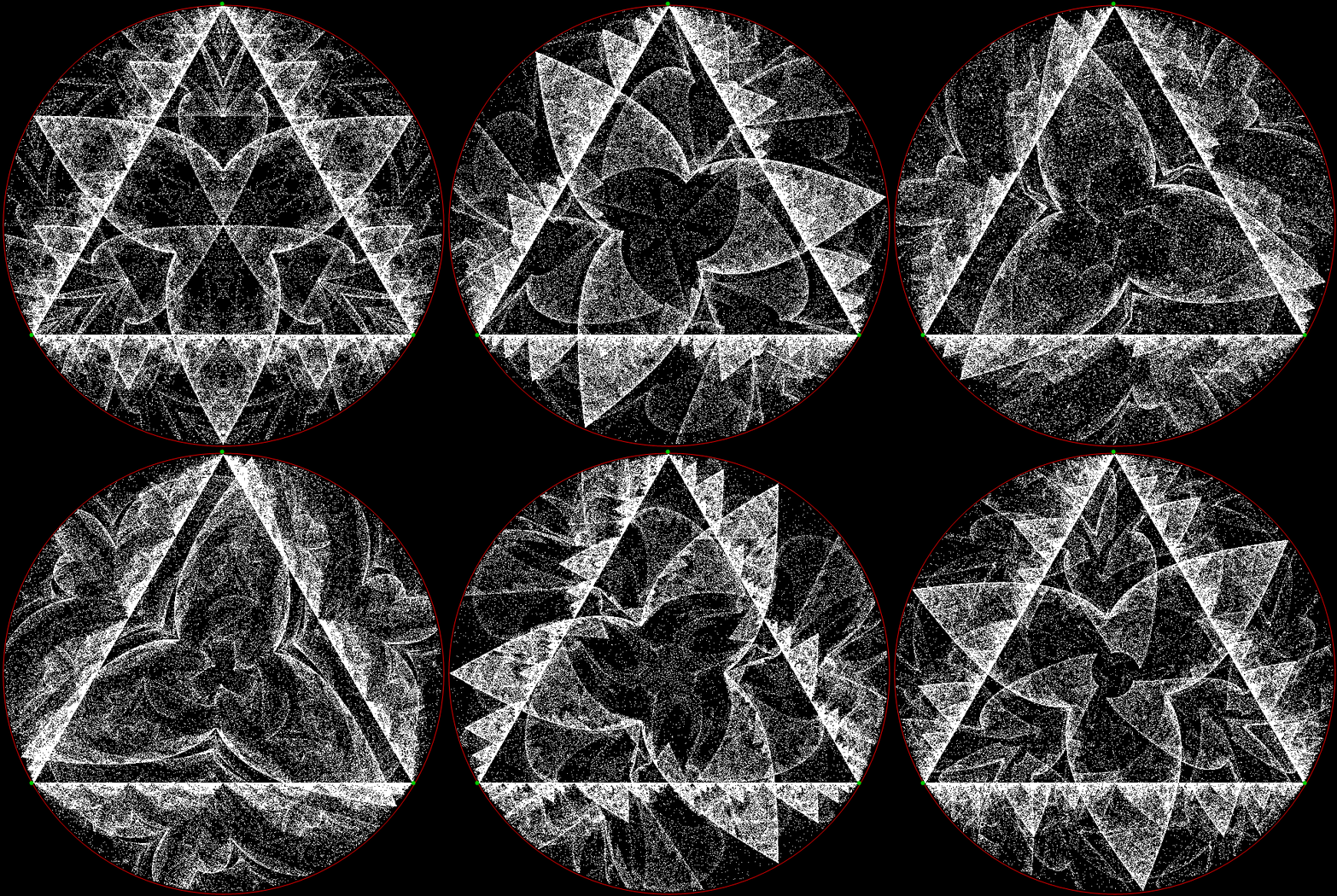
Adjusted Sierpiński circle (swinging animation) (slow)















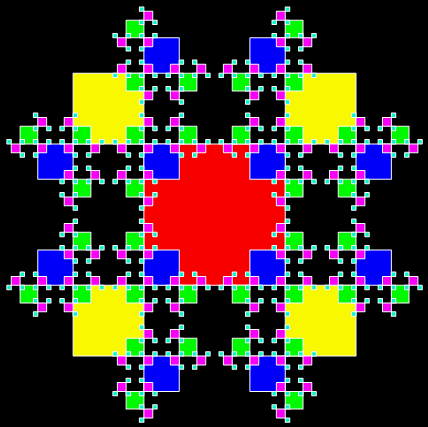
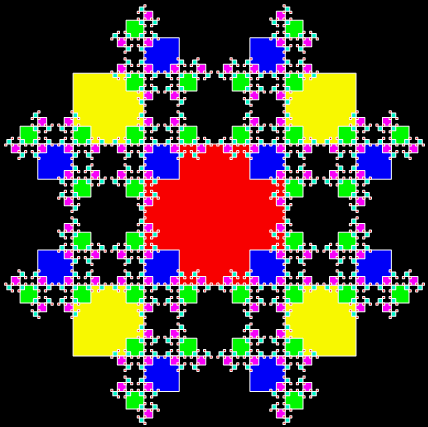

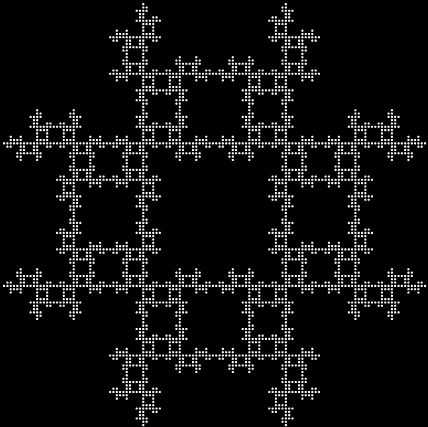


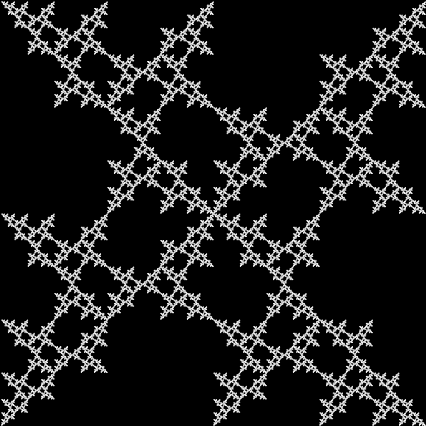














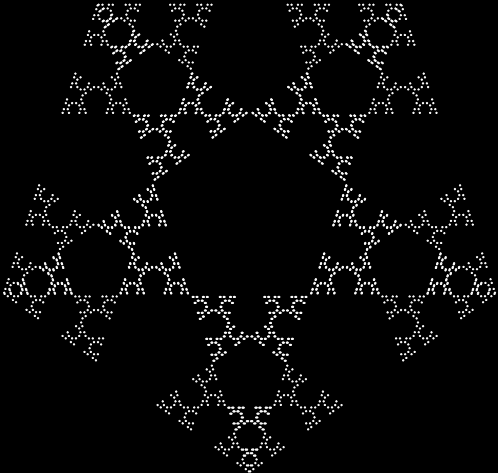
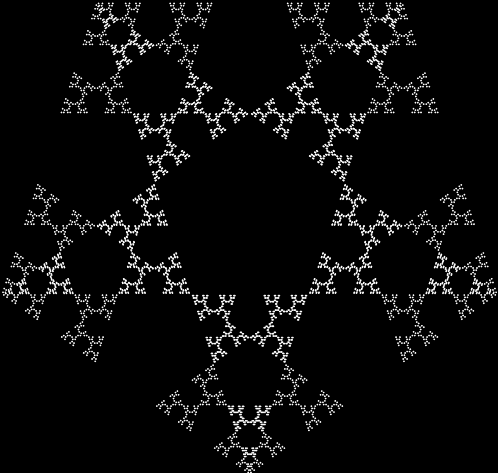

 Overlord In Terms of Core Issues Around Maximal Engagement with Key Notions of the Über-Feral