
Here’s a regular hexagon inside a regular triangle, that is, an equilateral triangle:
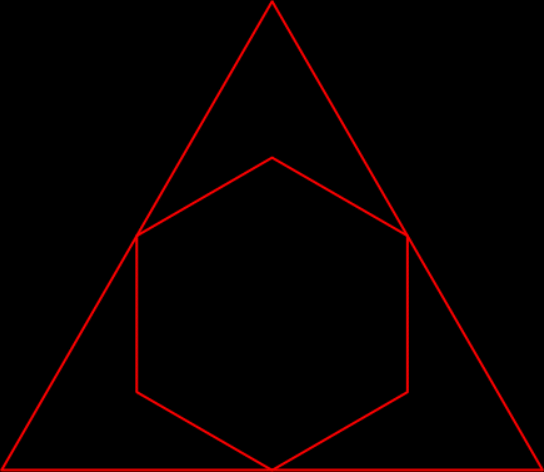
Regular hexagon inside regular triangle
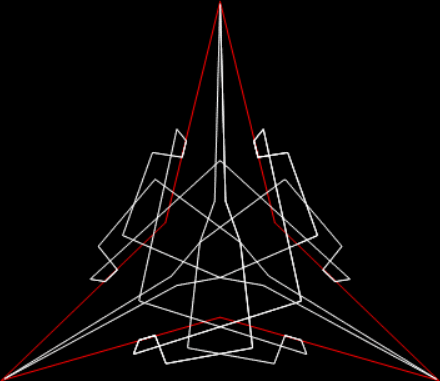
Imagine that two points are moving around the perimeter of each polygon, with the hex-point moving half as fast as the tri-point (after adjustment for the incommensurate relative lengths of the perimeters). If you trace the midpoint of the twin spinning points, you get this shape:
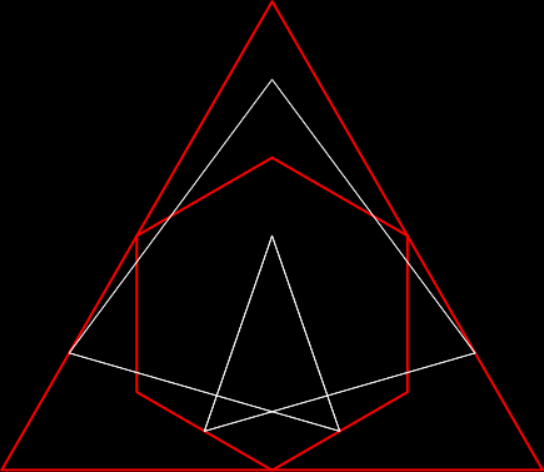
v3v6, 1 : 1/2, pol
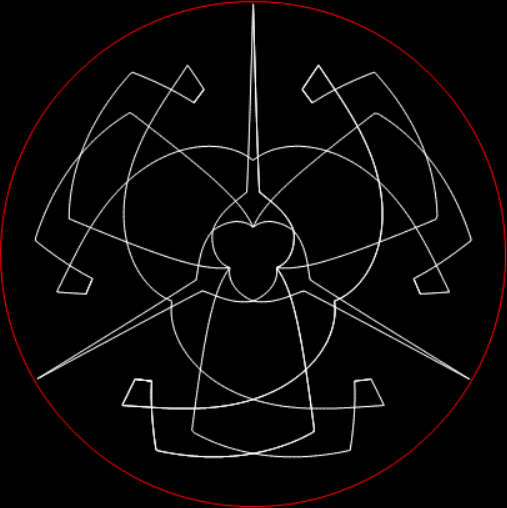
And if you adjust the midpoint path as though the triangle had been stretched into a circle, you get this shape:
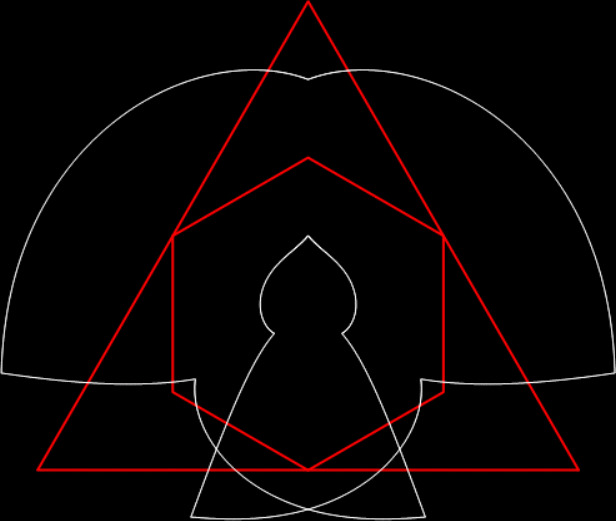
v3v6, 1 : 1/2, circ, pol
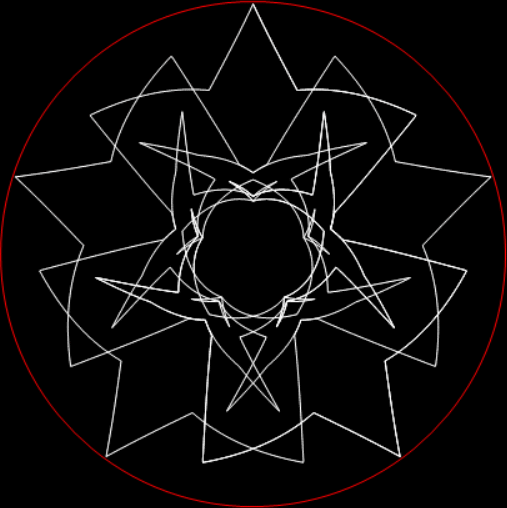
Here’s the same when the ratio of speeds is 1/2 to 1/3, that is, 1 to 2/3:
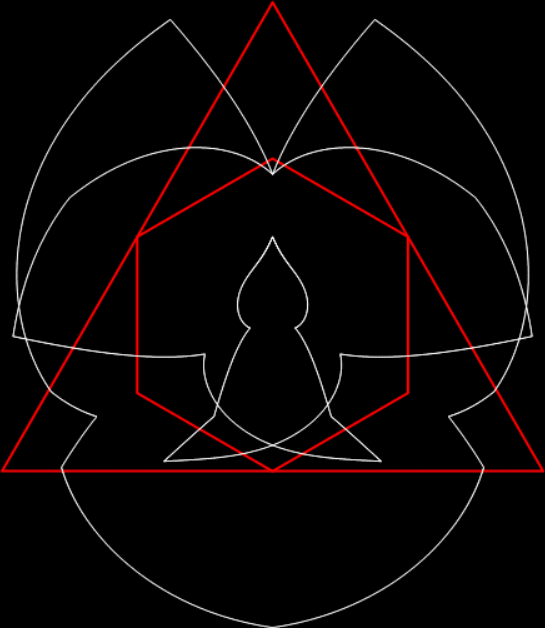
v3v6, 1/2 : 1/3, circ, pol
Without the polygons, it looks like this:
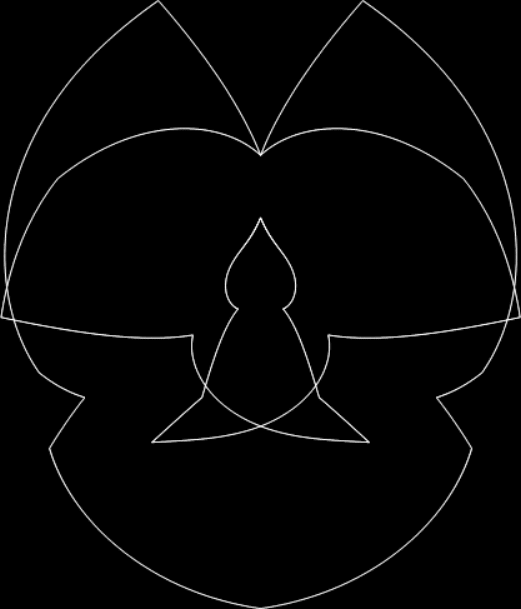
v3v6, 1/2 : 1/3, circ
When the ratio of speeds if -1/3 to 2/3, that is, the tri-point is moving counter-clockwise around the triangle, you get this shape:
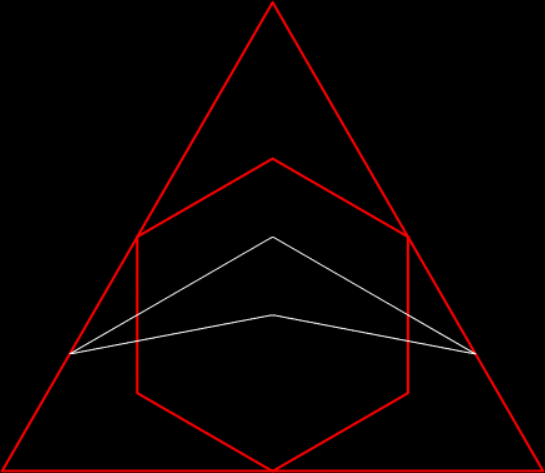
v3v6, -1/3 : 2/3, pol
When it’s stretched into a circle, you get this:
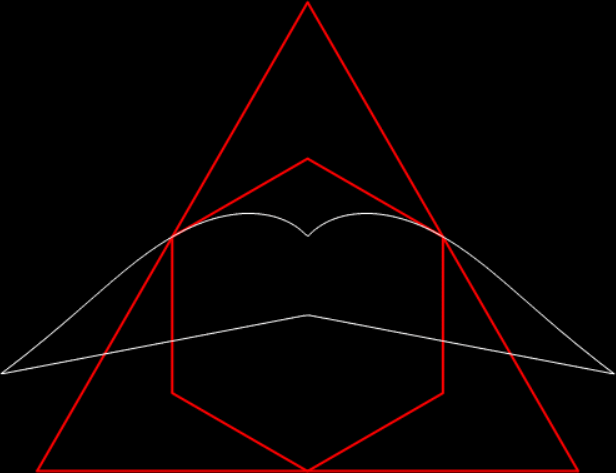
v3v6, -1/3 : 2/3, circ, pol
It looks like a moustache:
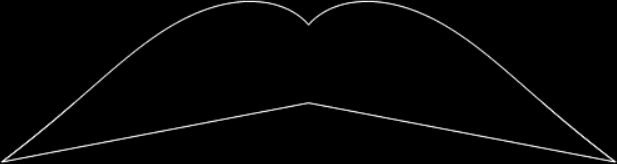
v3v6, -1/3 : 2/3, circ
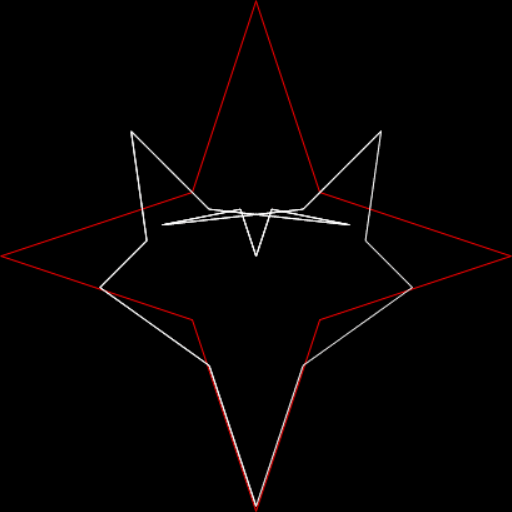
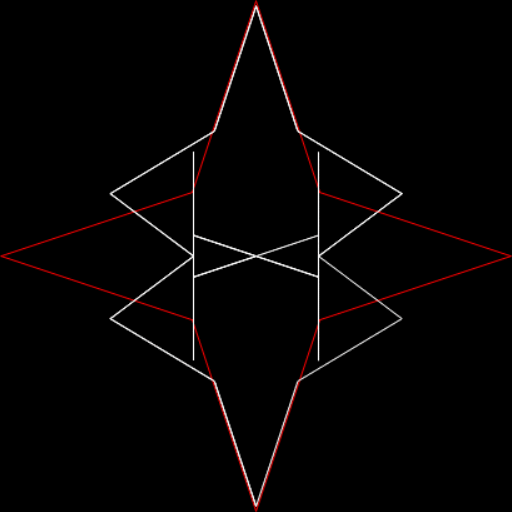
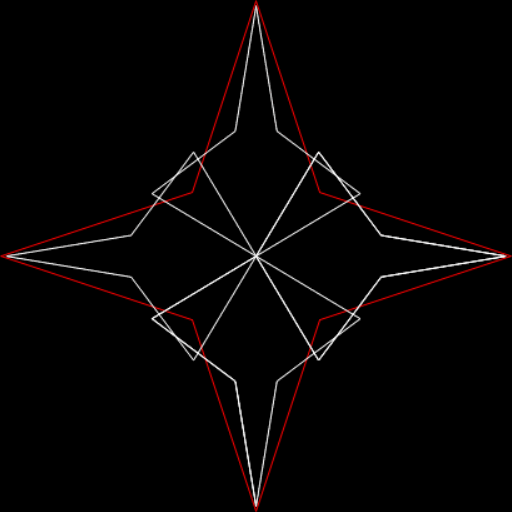
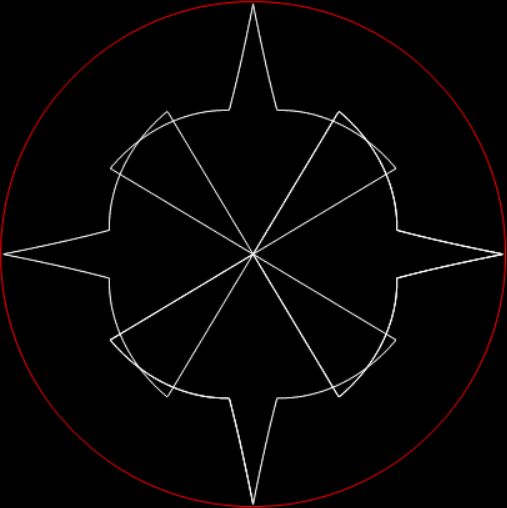
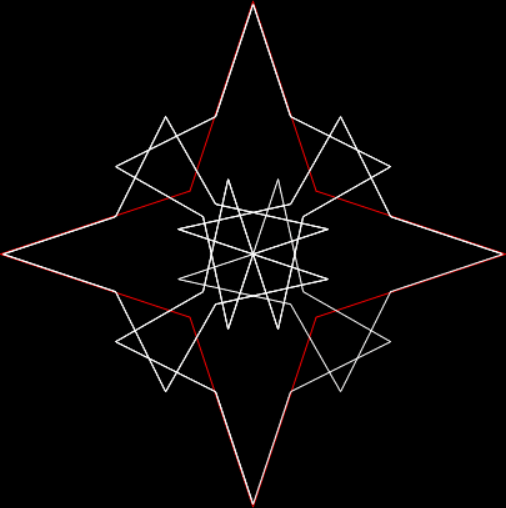
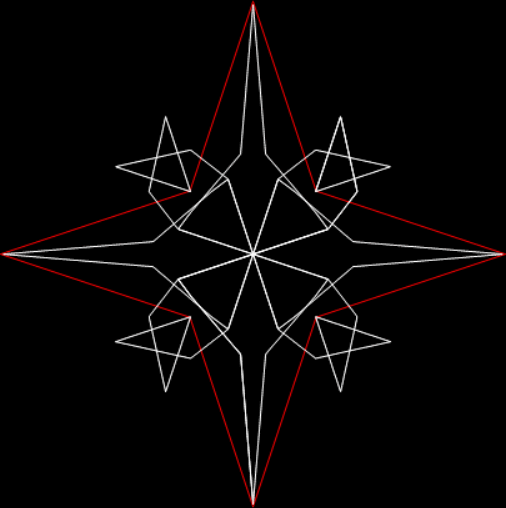
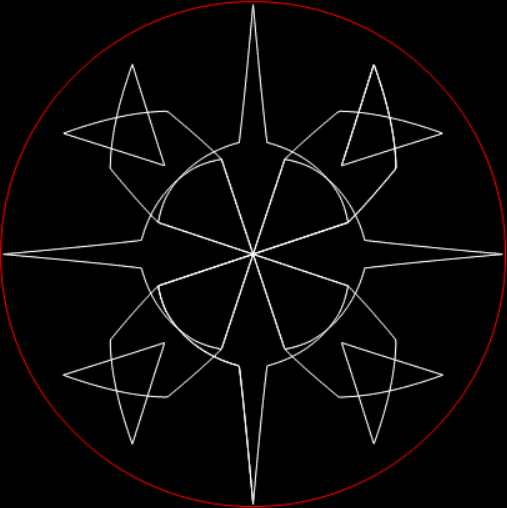
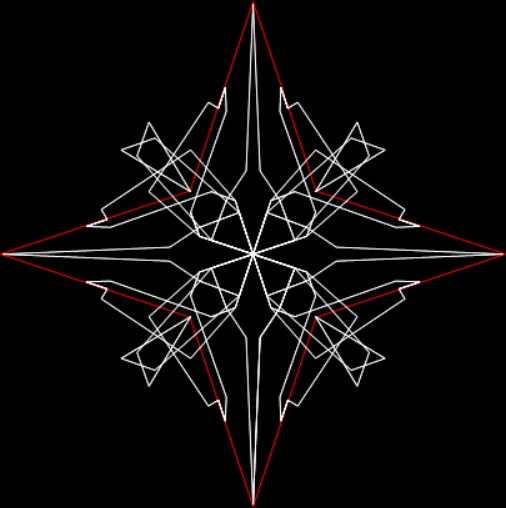
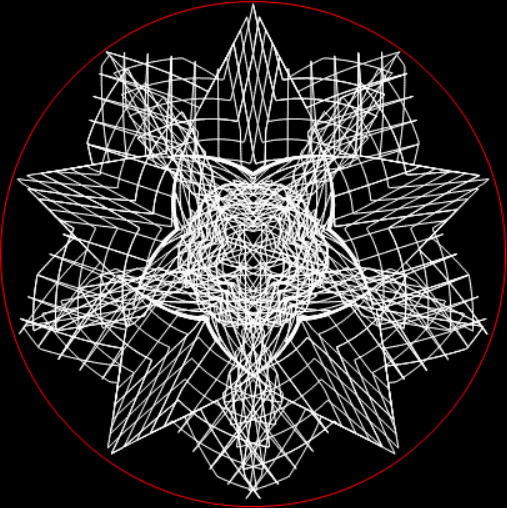
Here are more midpoint shapes created with a hexagon inside a triangle:
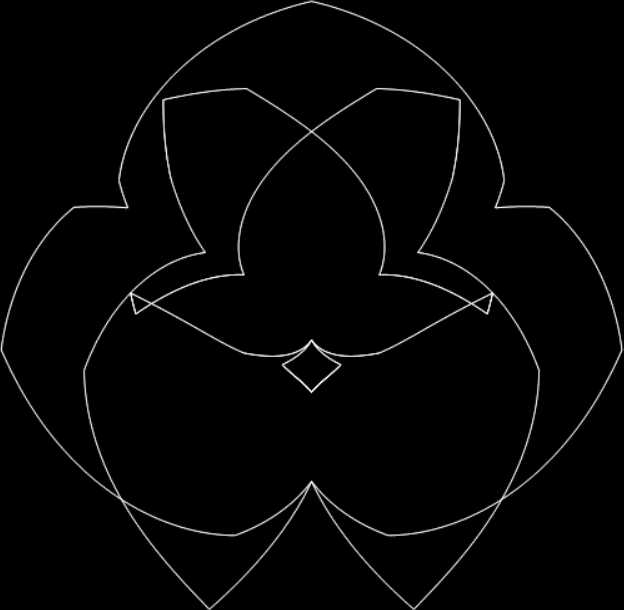
v3v6, 2/2 : 3/3, circ
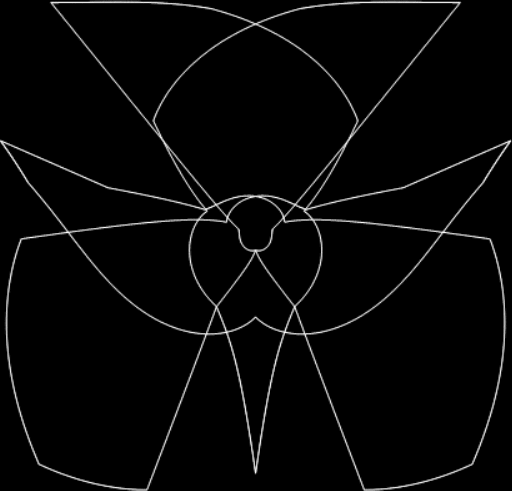
v3v6, -1/2 : 3/4, circ
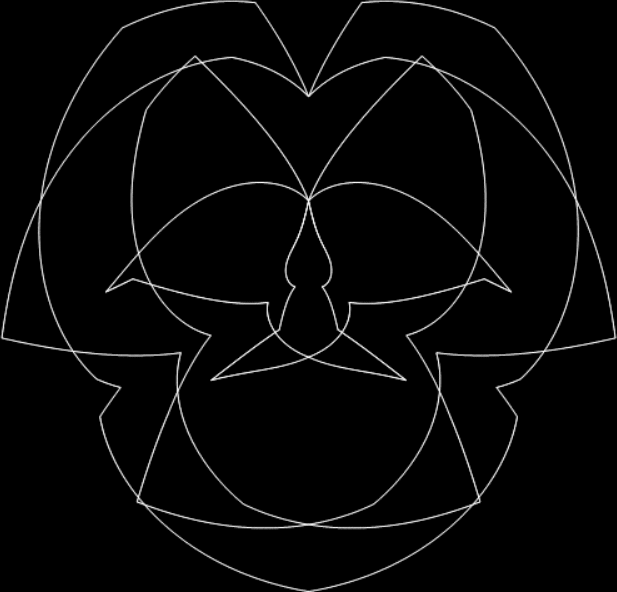
v3v6, 1/4 : 1/5, circ
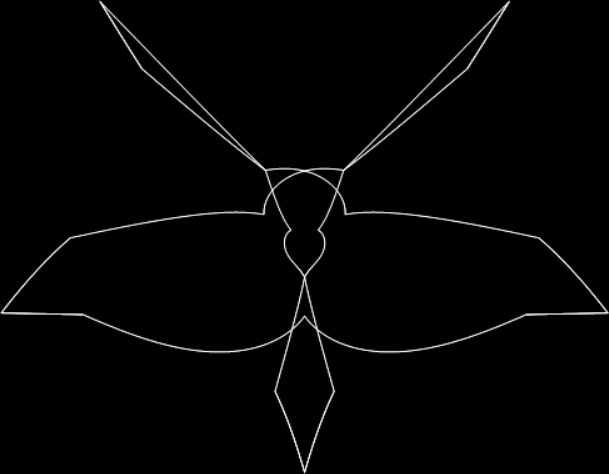
v3v6, -1/4 : 3/4, circ
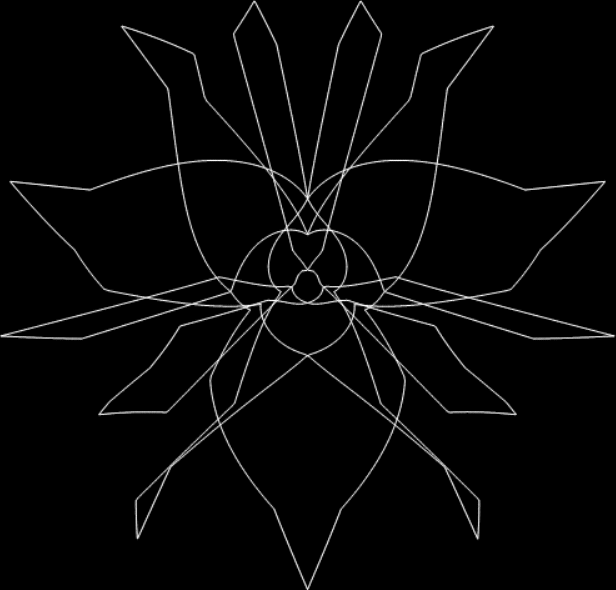
v3v6, -1/4 : 4/5, circ
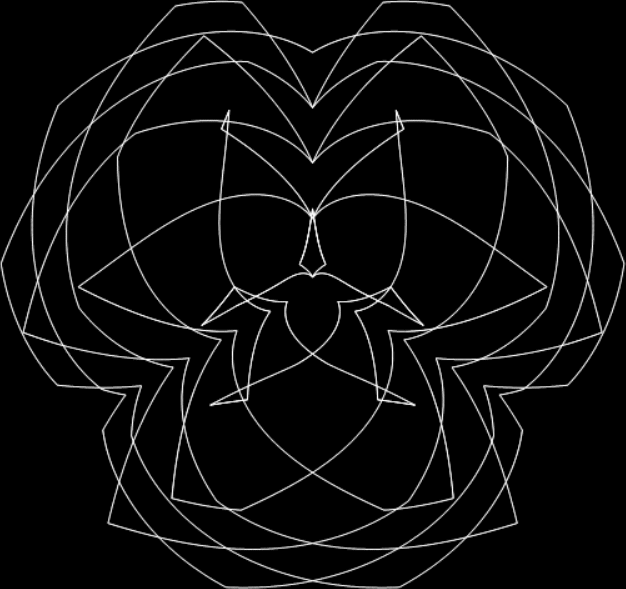
v3v6, 2/3 : 3/4, circ
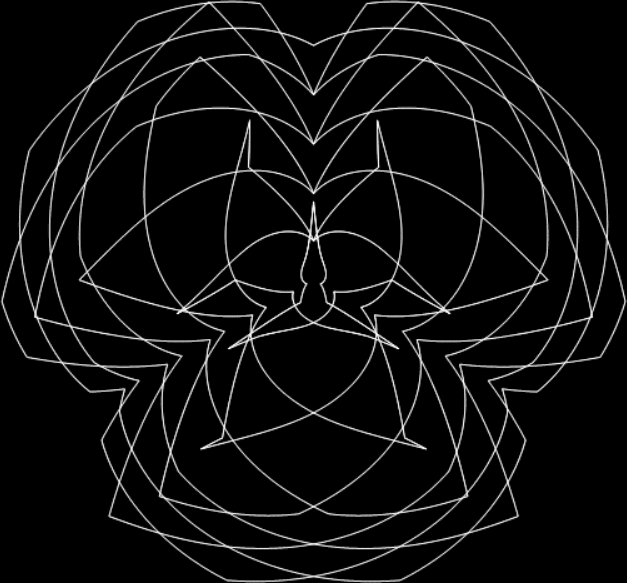
v3v6, 2/3 : 3/5, circ
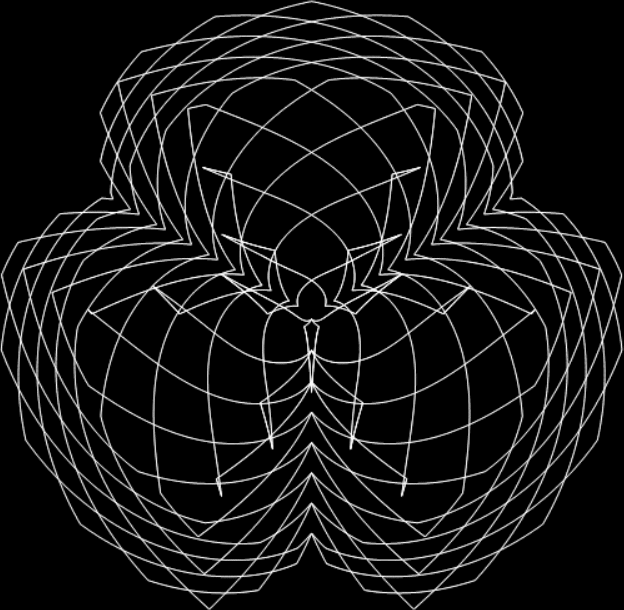
v3v6, 3/4 : 4/5, circ
v3v6, 3/4 : 4/5, circ
Now try aligning the nested hexagon like this, so that the sides of the hexagon coincide with the middle third of the sides of the triangle:
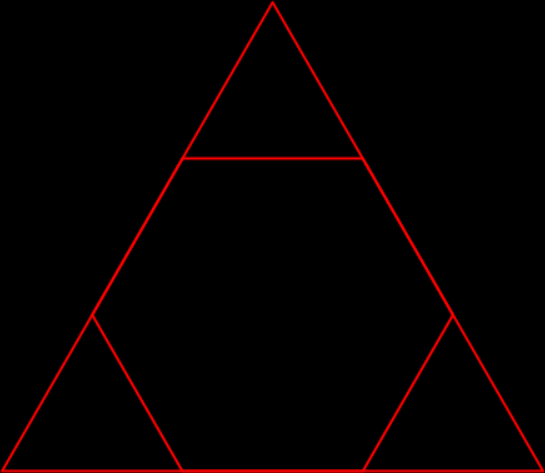
v3v6, side alignment
With two points moving in a ratio of 1/3 to 1/4, you get this midpoint shape:
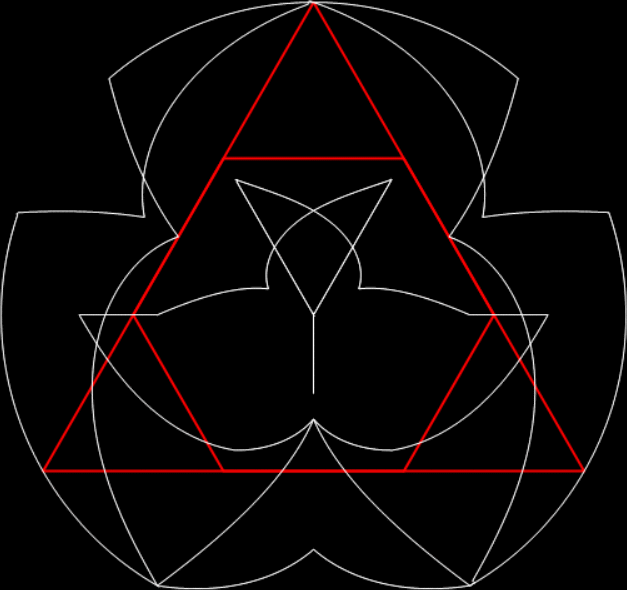
v3v6, sided, 1/3 : 1/4, pol
Here it is without the polygons:
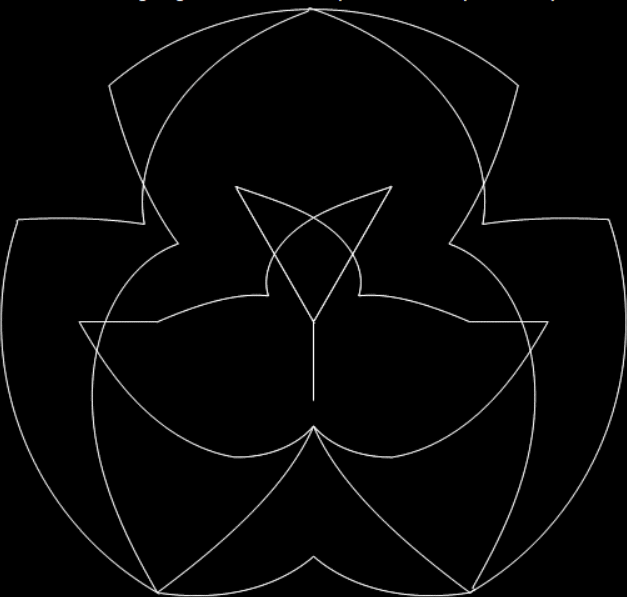
v3v6, sided, 1/3 : 1/4
Now try a regular octagon inside a square:
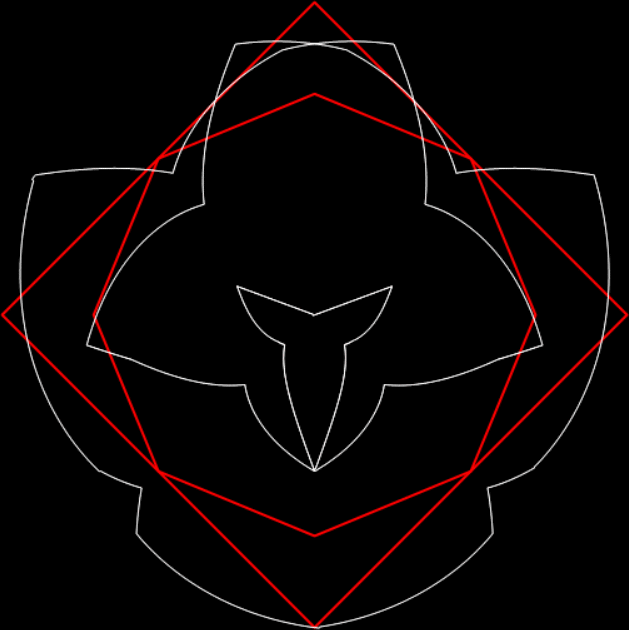
v4v8, 1/2 : 1/3, circ, pol
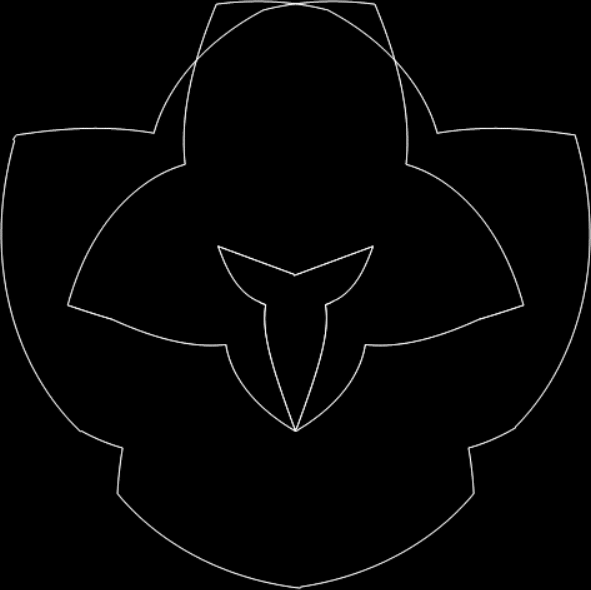
v4v8, 1/2 : 1/3, circ
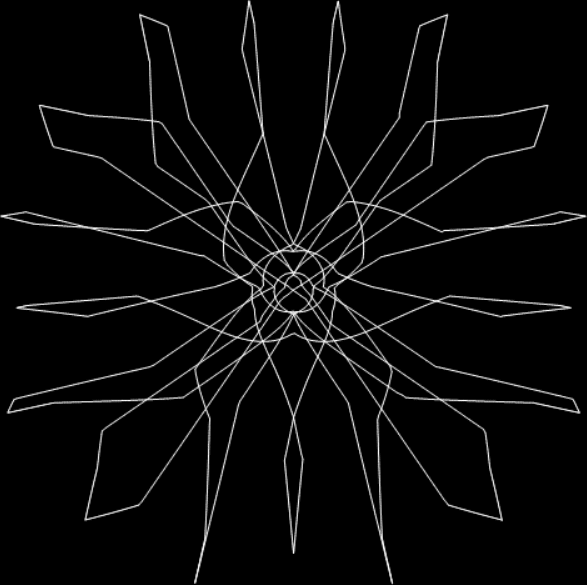
v4v8, -1/3 : 3/4, circ
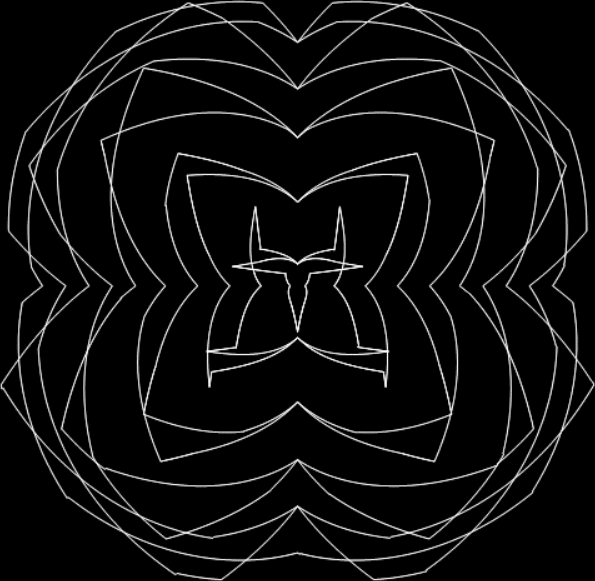
v4v8, 2/3 : 3/5, circ
Now place a triangle inside a hexagon:
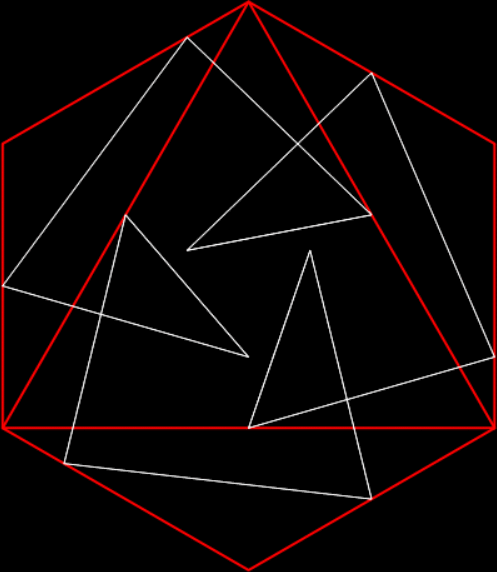
v6v3, 1 : 1/4, pol
If you stretch the midpoint path according to perimeter of the triangle, you get this:
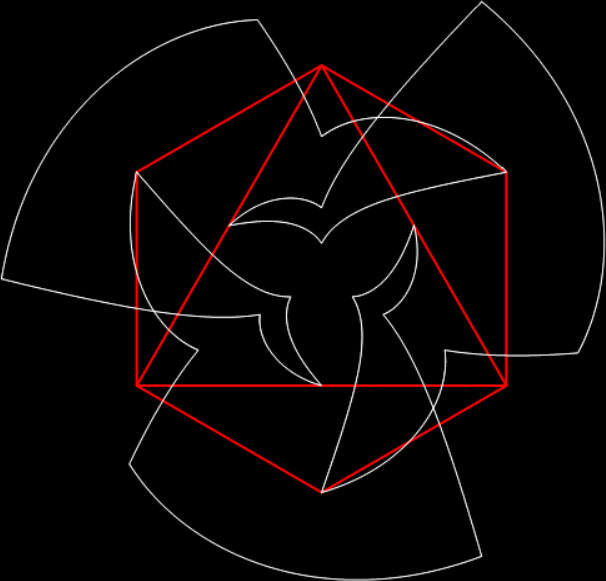
v6v3, 1 : 1/4, circ, pol
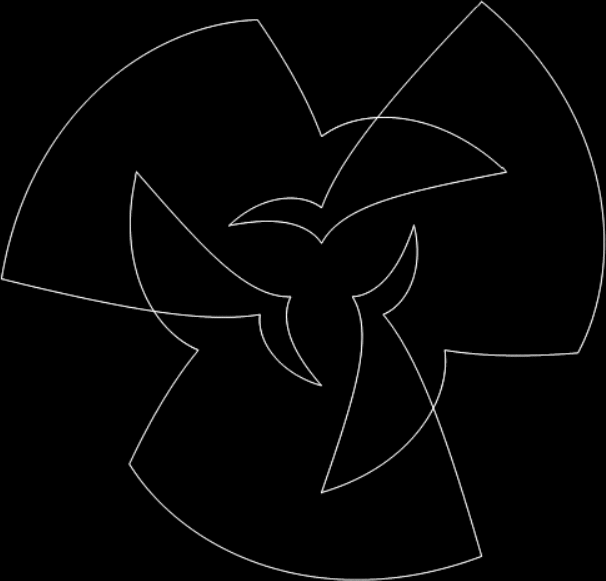
v6v3, 1 : 1/4, circ
The three stretching shapes remind me of hands in Egyptian art, like this image of King Tutankhamun and Queen Ankhesenamun:
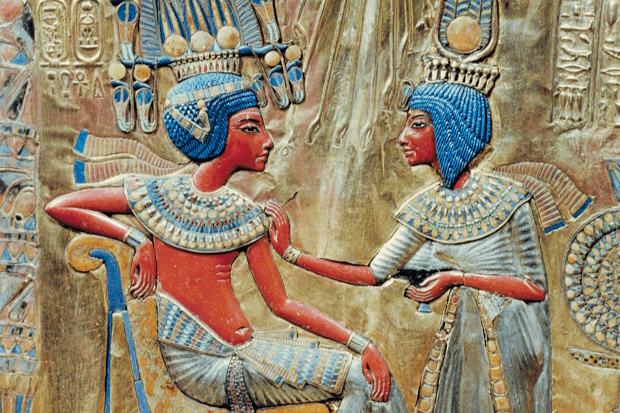
Detail from the Golden Throne of Tutankhamnun
Here are more midpoint paths:
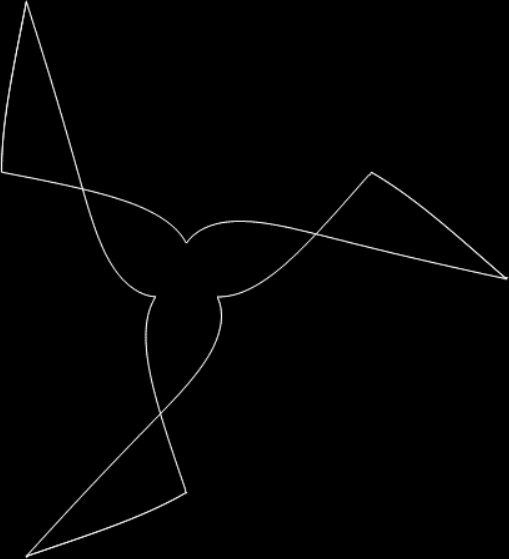
v6v3, 1 : -1/4, circ
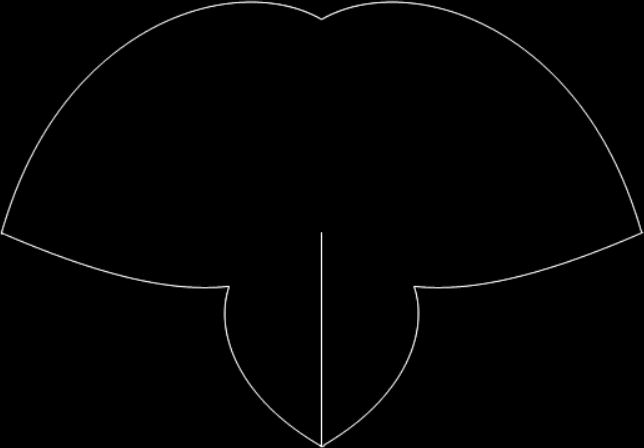
v6v3, 1 : 1/2, circ
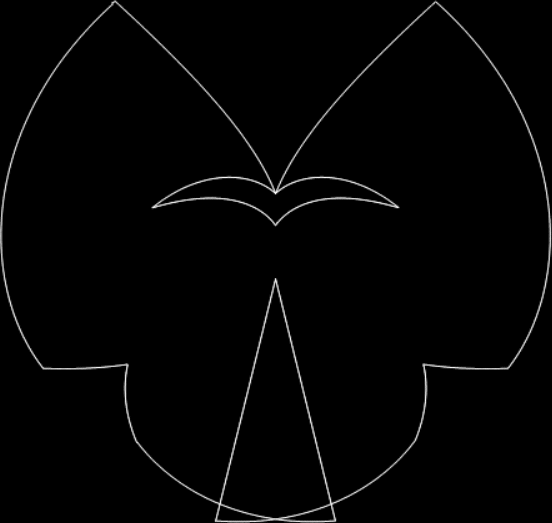
v6v3, 1 : 1/3, circ
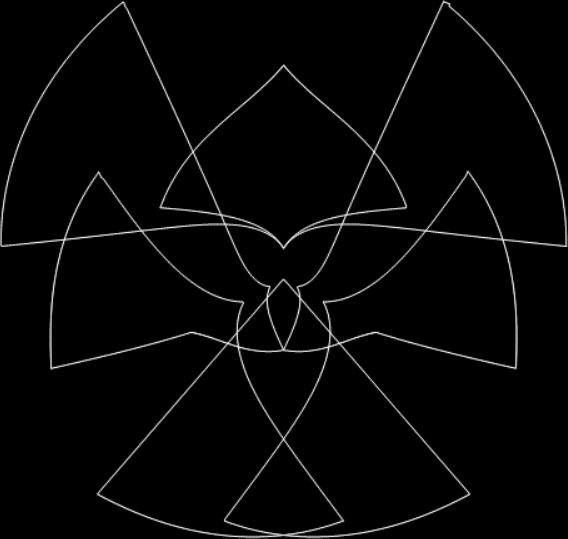
v6v3, -1 : 1/3, circ
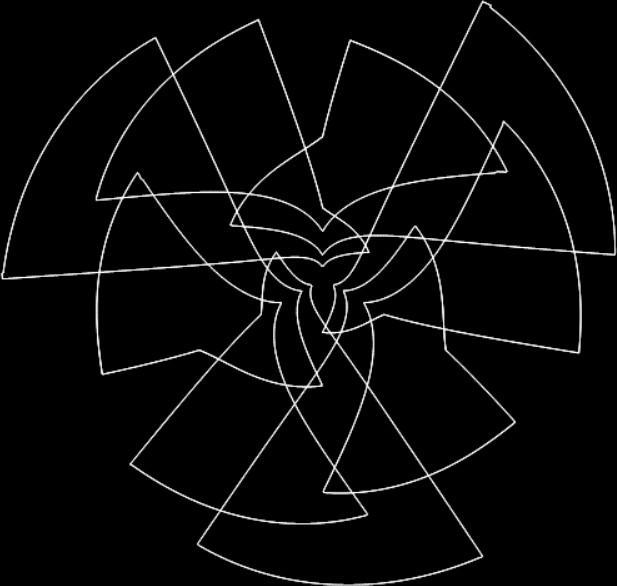
v6v3, -1 : 1/4, circ
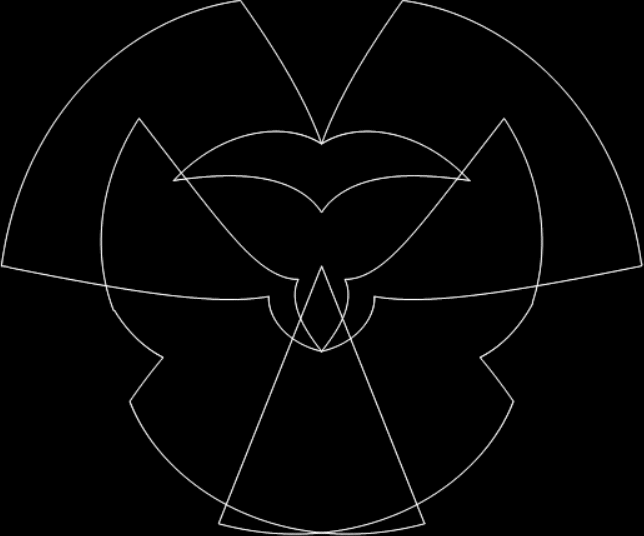
v6v3, 1 : 1/5, circ
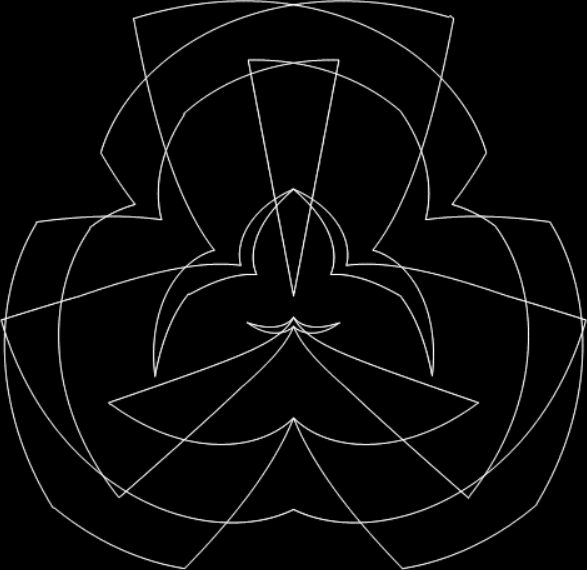
v6v3, 2/3 : 1/4, circ
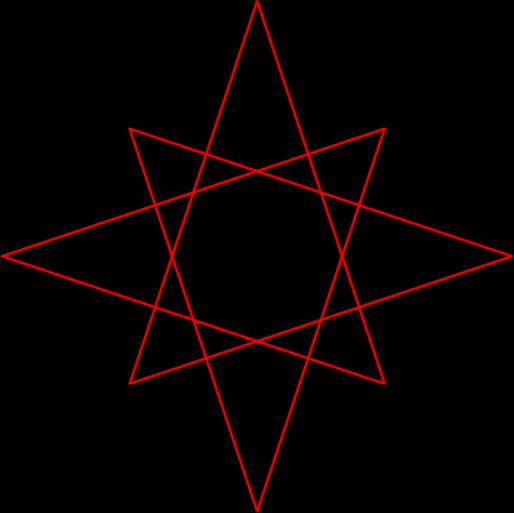
Now try a square inside an octagon:
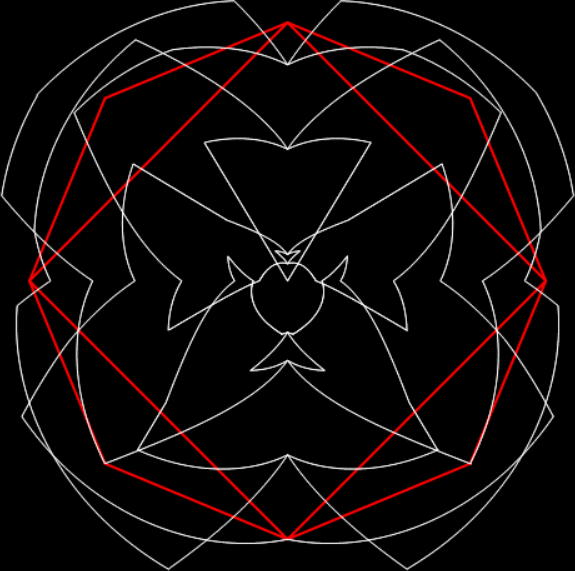
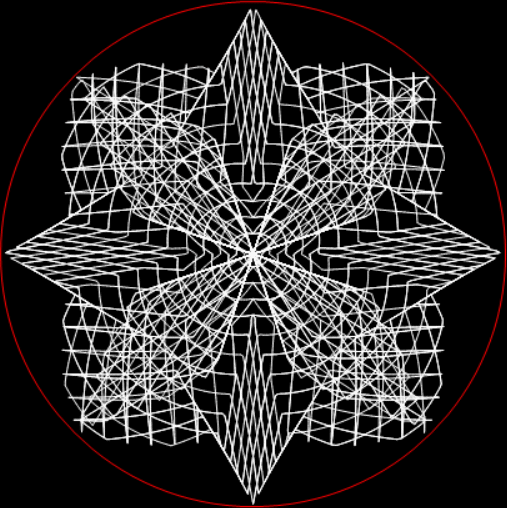
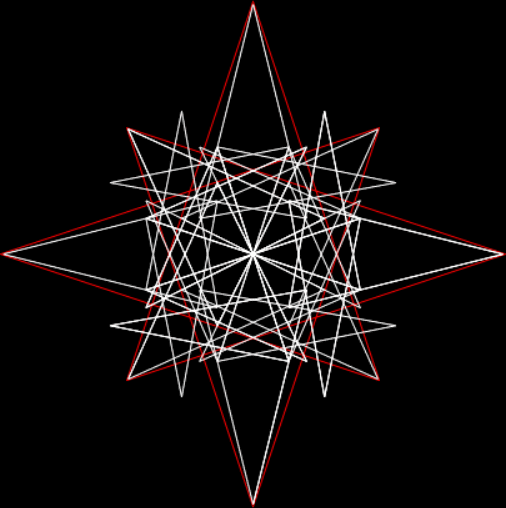
v8v4, 2/3 : 1/4, circ, pol
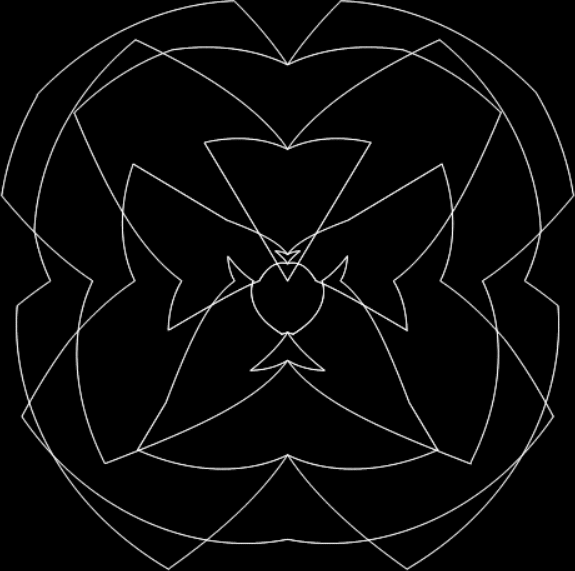
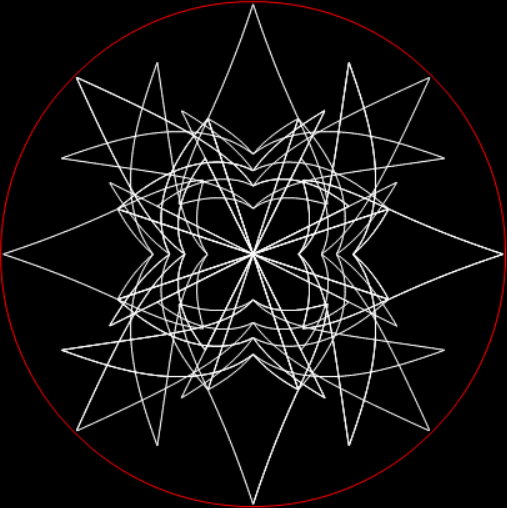
v8v4, 2/3 : 1/4, circ
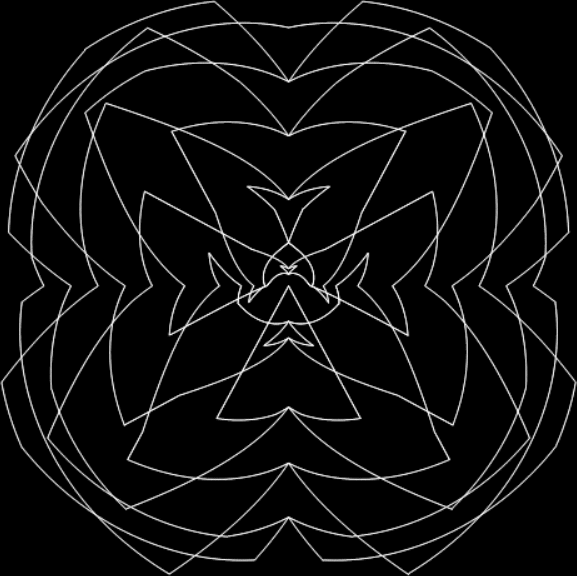
v8v4, 2/5 : 1/6, circ
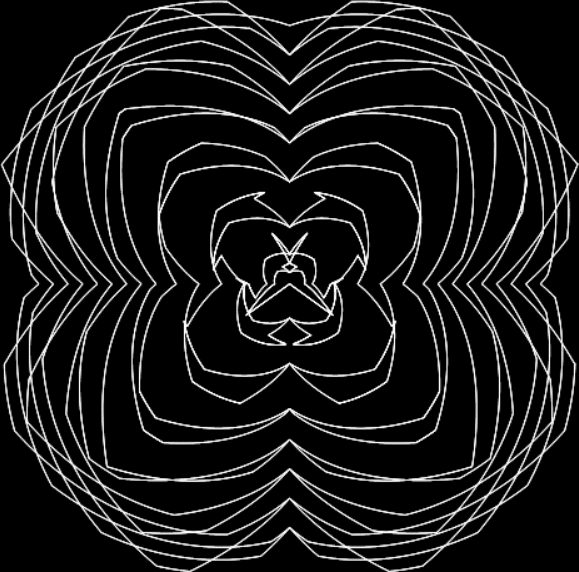
v8v4, 2/5 : 3/7, circ
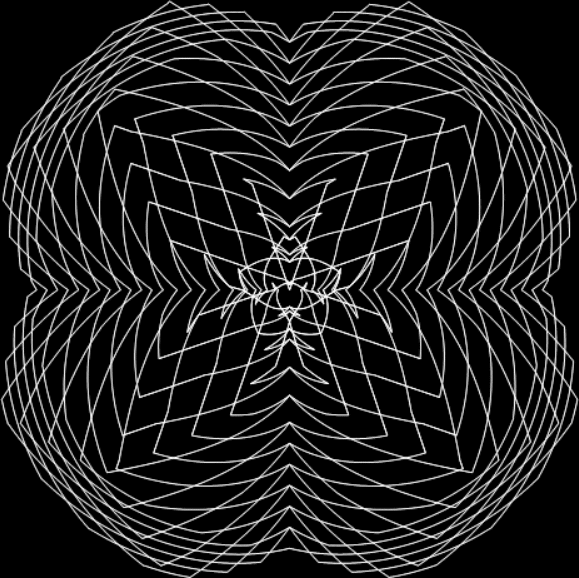
v8v4, 4/5 : 3/7, circ
Elsewhere Other-Accessible…
• First Whirled Warp — an earlier look at this kind of geometry
• Second Whirled Warp — and another earlier look

 Overlord In Terms of Core Issues Around Maximal Engagement with Key Notions of the Über-Feral