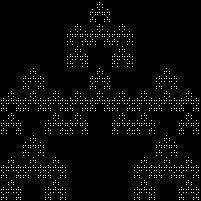
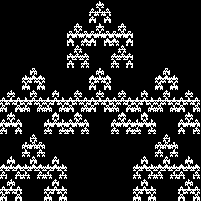
A fractal is a shape that contains smaller (and smaller) versions of itself, like this:

The hourglass fractal
Fractals also occur in nature. For example, part of a tree looks like the tree as whole. Part of a cloud or a lung looks like the cloud or lung as a whole. So trees, clouds and lungs are fractals. The letters of an alphabet don’t usually look like that, but I decided to create a fractal alphabet — or fractalphabet — that does.
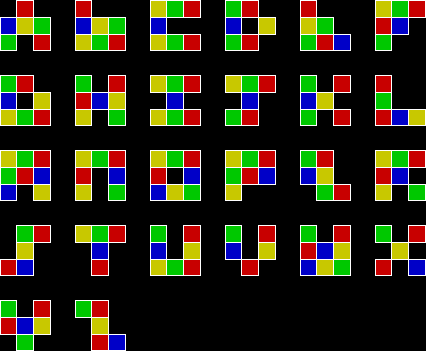
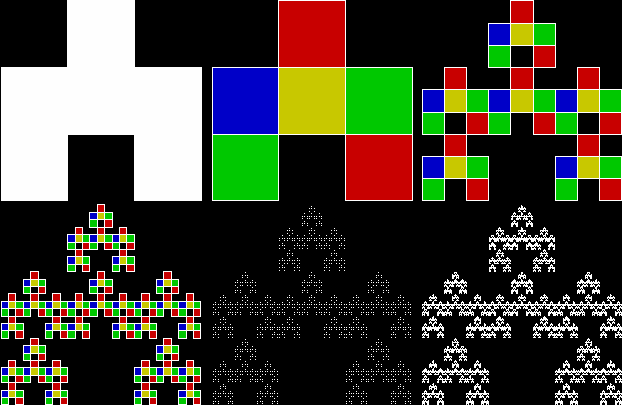
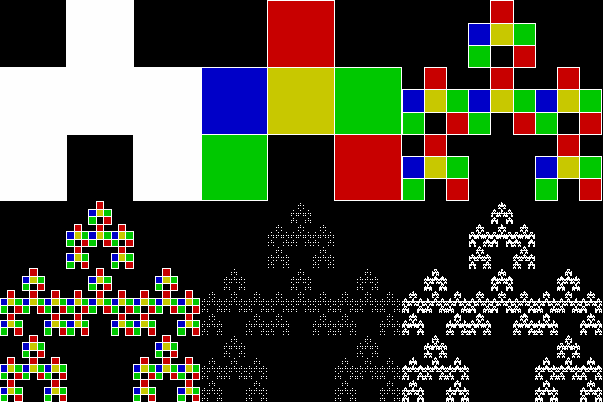
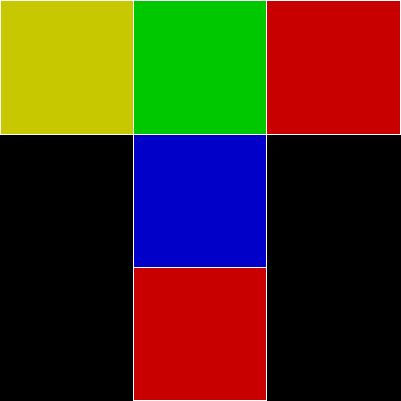
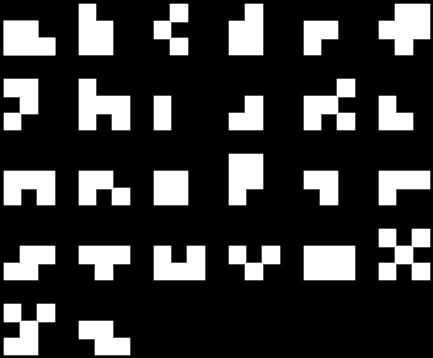
The fractalphabet starts with this minimal standard Roman alphabet in upper case, where each letter is created by filling selected squares in a 3×3 grid:


The above is stage 1 of the fractalphabet, when it isn’t actually a fractal alphabet at all. But if each filled square of the letter “A”, say, is replaced by the letter itself, the “A” turns into a fractal, like this:


Fractal A (animated)
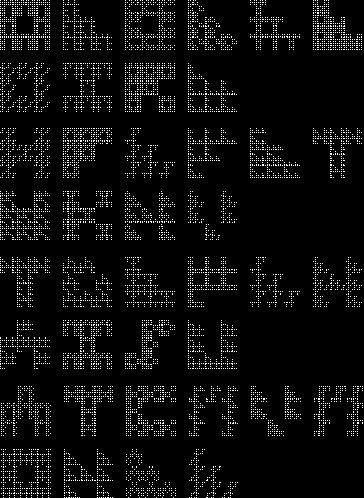
Here’s the whole alphabet being turned into fractals:

Full fractalphabet (black-and-white)

Full fractalphabet (color)

Full fractalphabet (b&w animated)

Full fractalphabet (color animated)
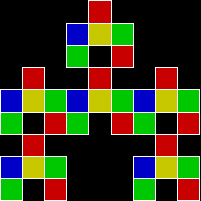
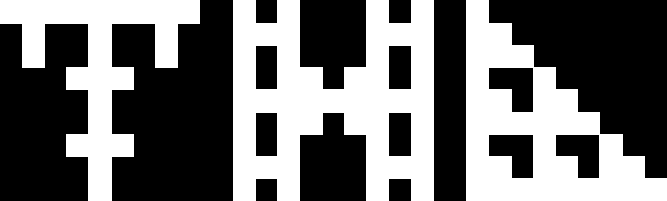
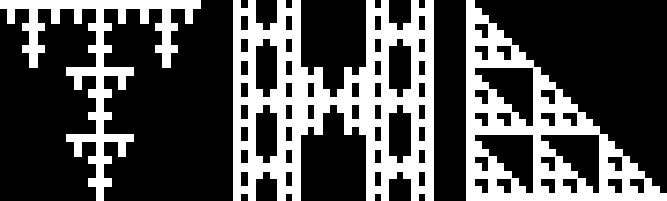
Now take a full word like “THE”:


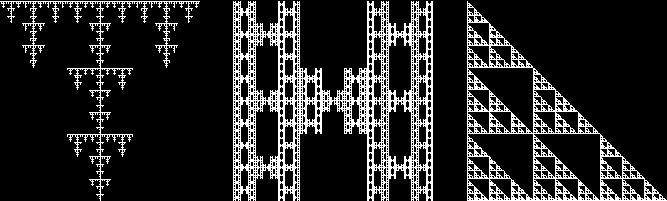
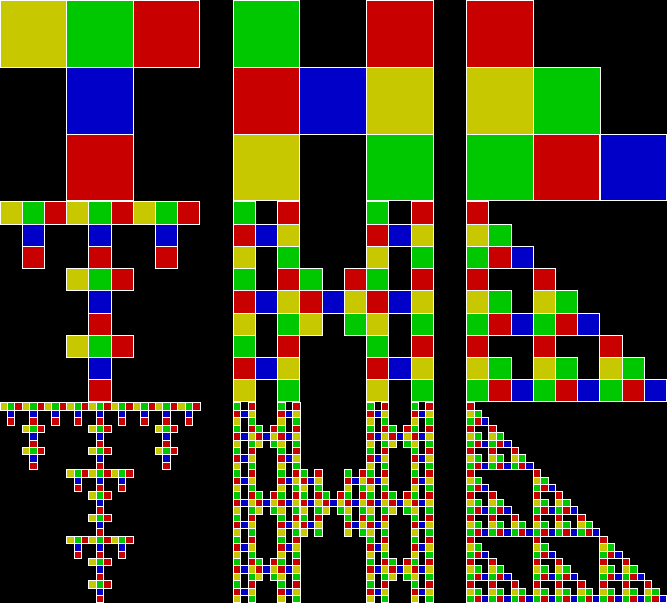
You can turn each letter into a fractal using smaller copies of itself:


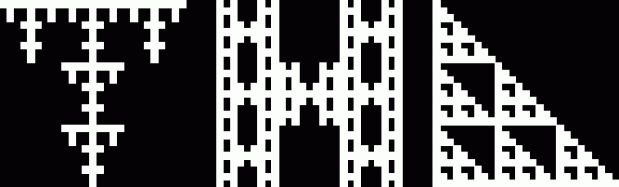


Fractal THE (b&w animated)

Fractal THE (color animated)
But you can also create a fractal from “THE” by compressing the “H” into the “T”, then the “E” into the “H”, like this:


Compressed THE (animated)

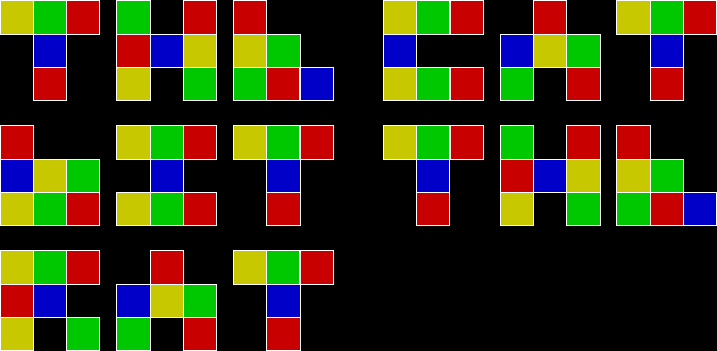
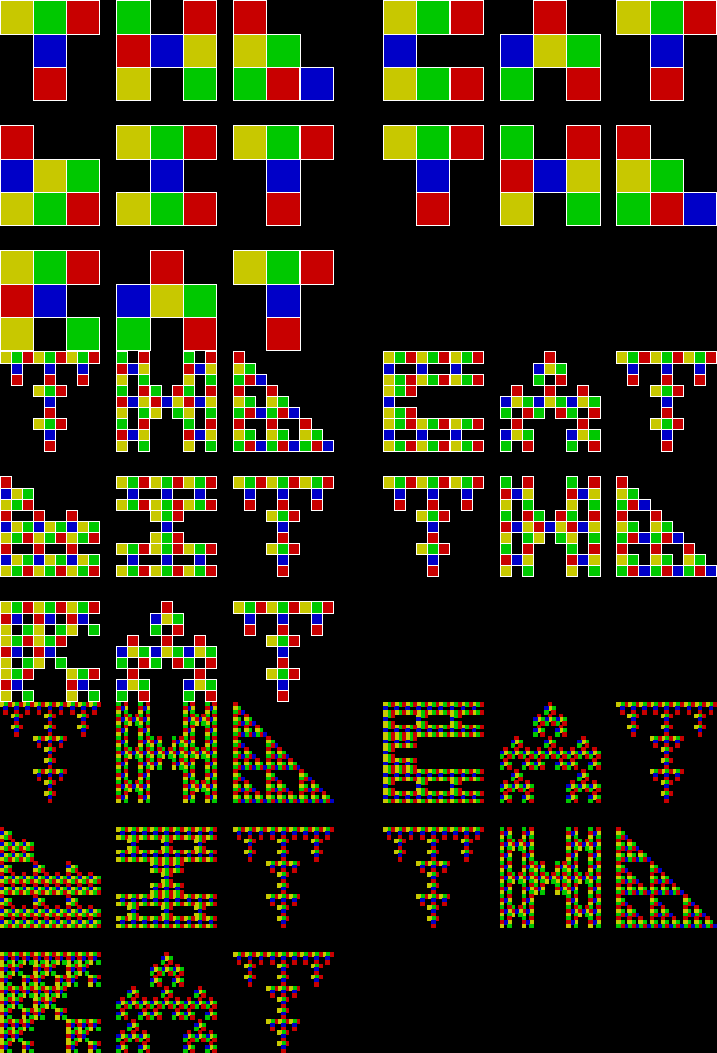
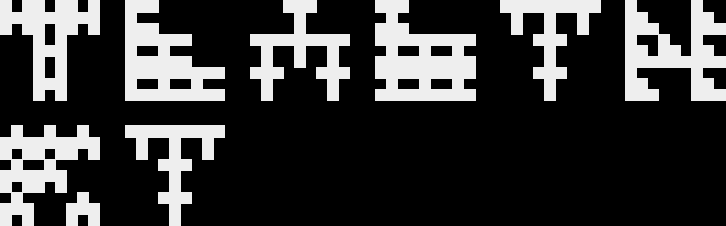
The compressed “THE” has a unique appearance and is both a letter and a word. Now try a complete sentence, “THE CAT BIT THE RAT”. This is the sentence in stage 1 of the fractalphabet:


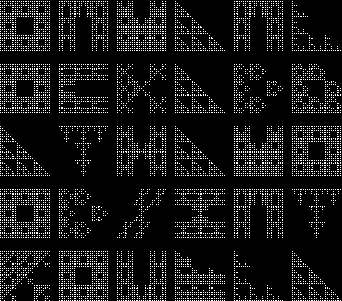
And stage 2:


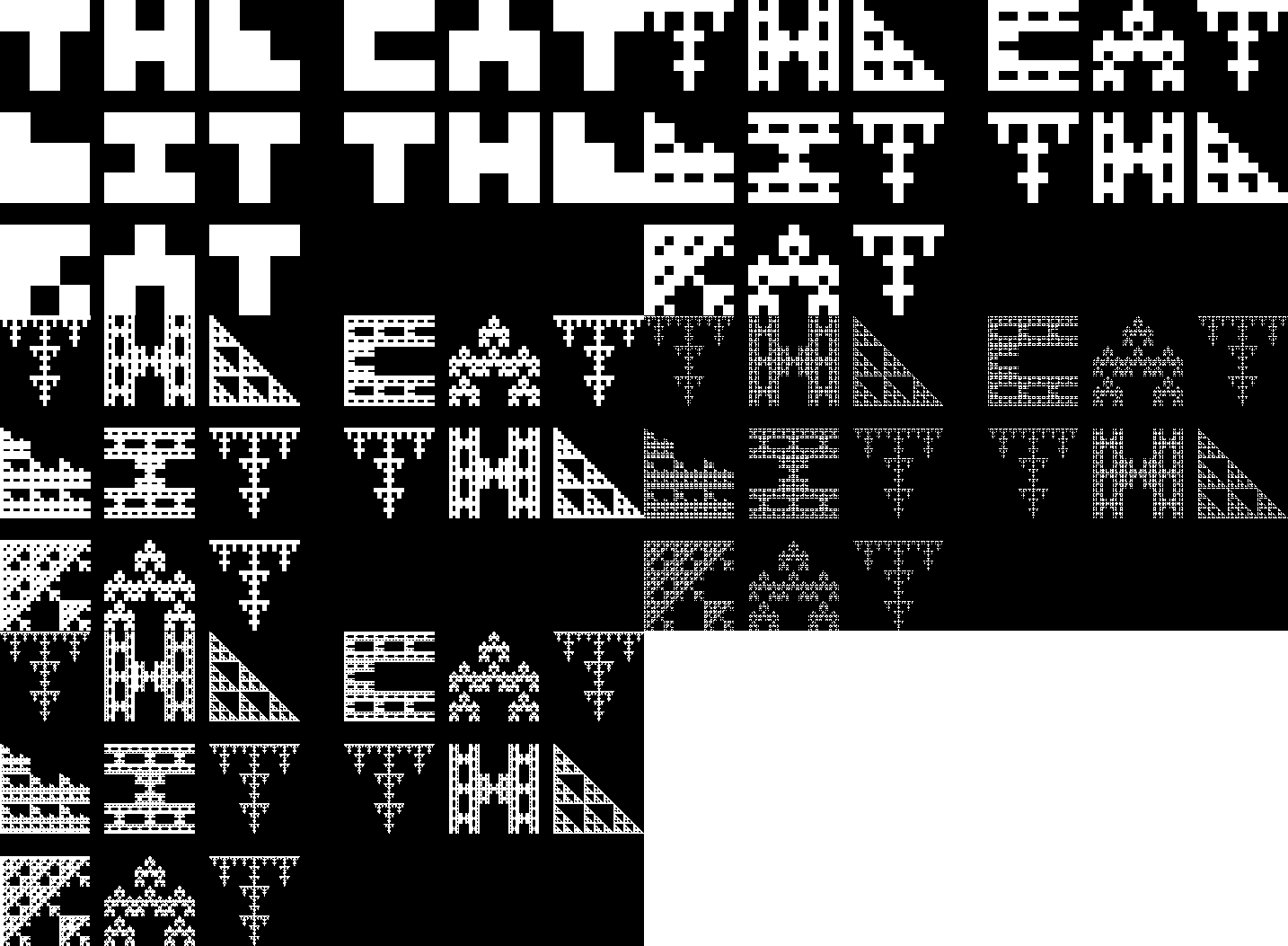
And further stages:


Fractal CAT (b&w animated)

Fractal CAT (color animated)
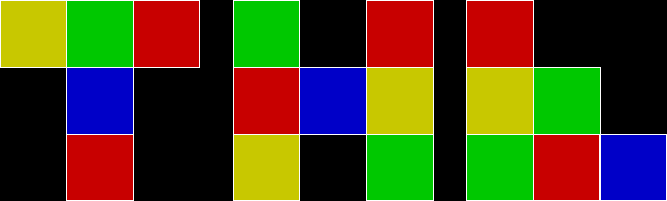
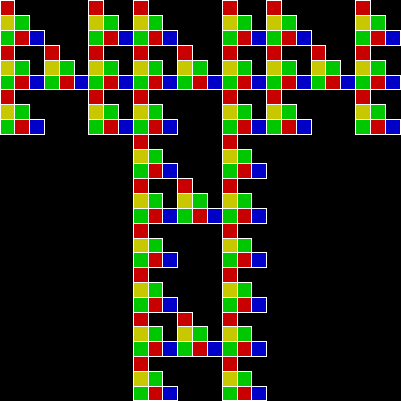
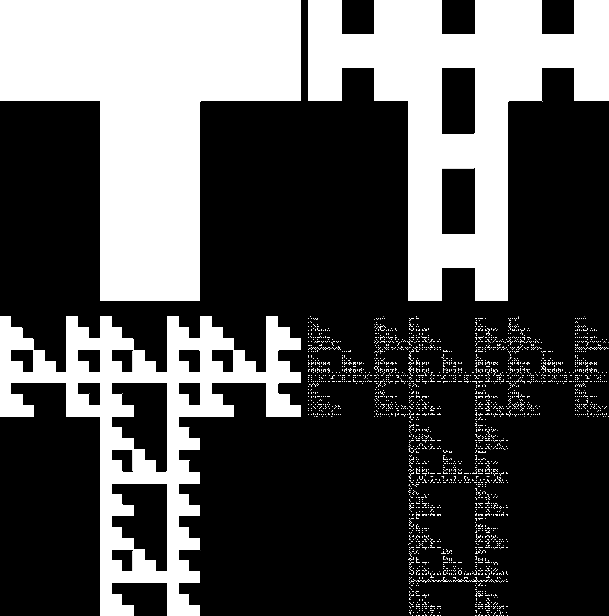
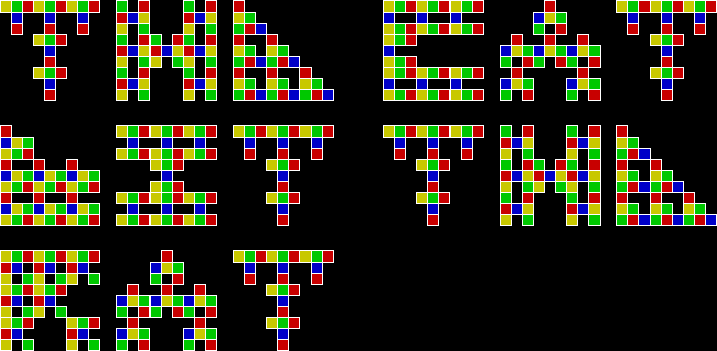
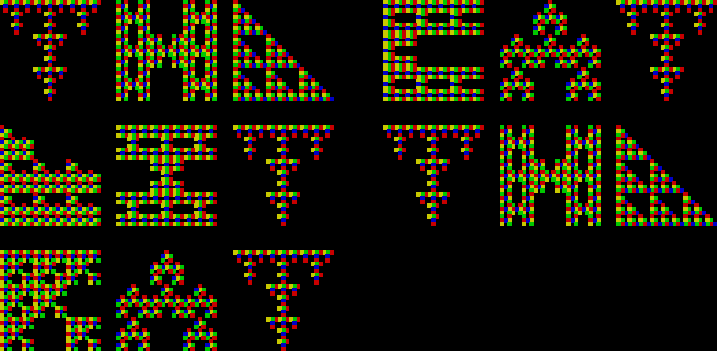
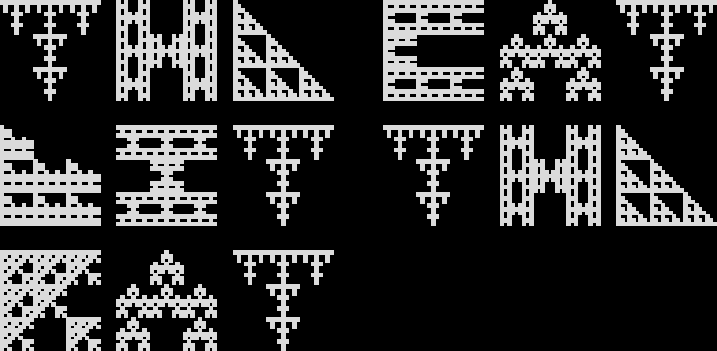
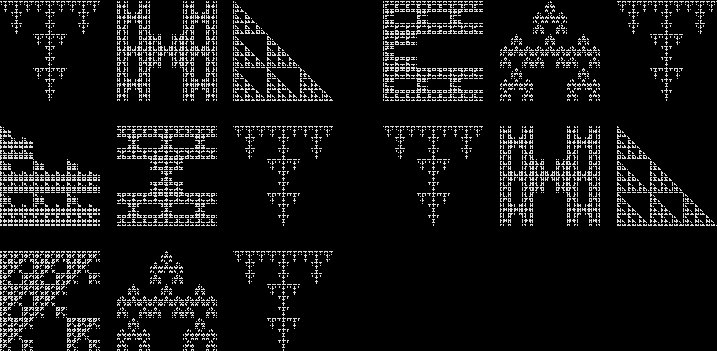
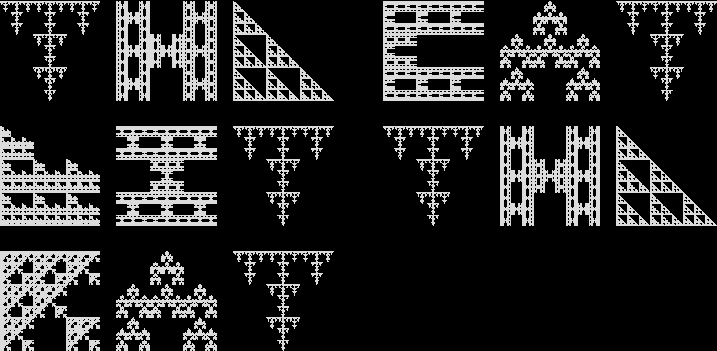
But, as we saw with “THE” above, that’s not the only fractal you can create from “THE CAT BIT THE RAT”. Here’s what I call a 2-compression of the sentence, where every second letter has been compressed into the letter that precedes it:

THE CAT BIT THE RAT (2-comp color)

THE CAT BIT THE RAT (2-comp b&w)
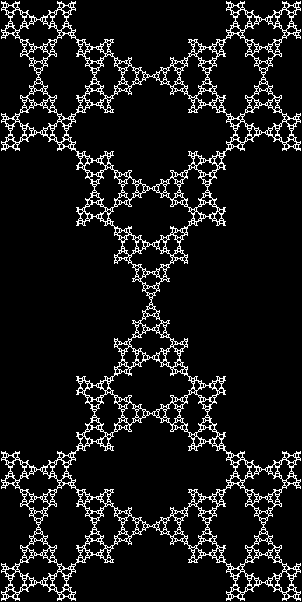
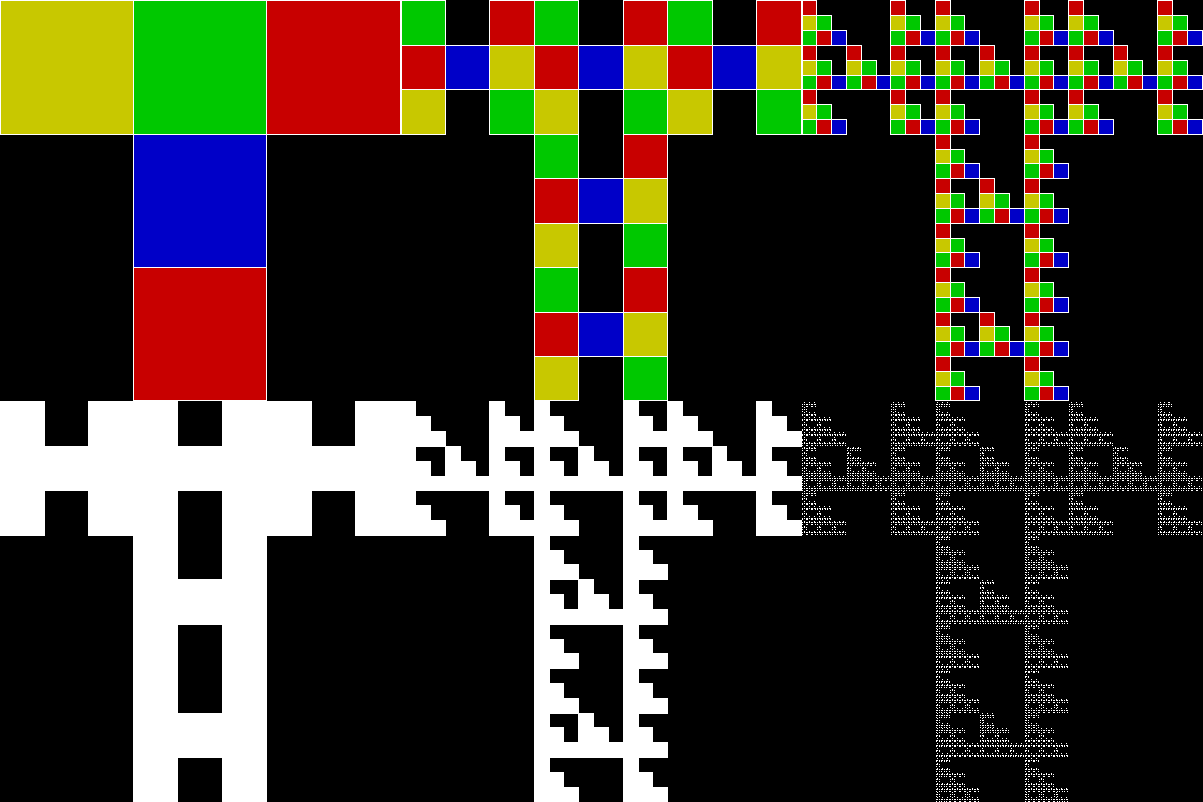
And here’s a 3-compression of the sentence, where every third letter has been compressed into every second letter, and every second-and-third letter has been compressed into the preceding letter:

THE CAT BIT THE RAT (3-comp color)

THE CAT BIT THE RAT (3-comp b&w)
As you can see above, each word of the original sentence is now a unique single letter of the fractalphabet. Theoretically, there’s no limit to the compression: you could fit every word of a book in the standard Roman alphabet into a single letter of the fractalphabet. Or you could fit an entire book into a single letter of the fractalphabet (with additional symbols for punctuation, which I haven’t bothered with here).
To see what the fractalphabeting of a longer text in the standard Roman alphabet might look like, take the first verse of a poem by A.E. Housman:
On Wenlock Edge the wood’s in trouble;
His forest fleece the Wrekin heaves;
The gale it plies the saplings double,
And thick on Severn snow the leaves. (“Poem XXXI” of A Shropshire Lad, 1896)
The first line looks like this in stage 1 of the fractalphabet:

Here’s stage 2 of the standard fractalphabet, where each letter is divided into smaller copies of itself:

And here’s stage 3 of the standard fractalphabet:

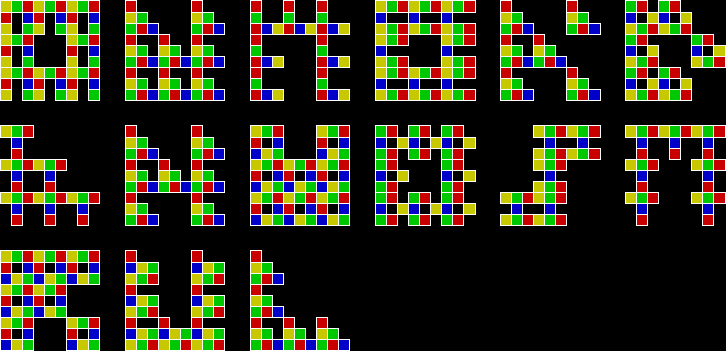
Now examine a colour version of the first line in stage 1 of the fractalphabet:

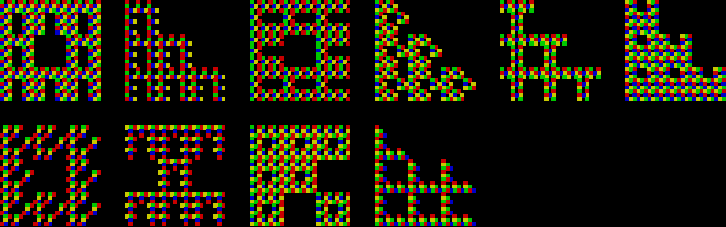
As with “THE” above, let’s try compressing each second letter into the letter that precedes it:

And here’s a 3-comp of the first line:

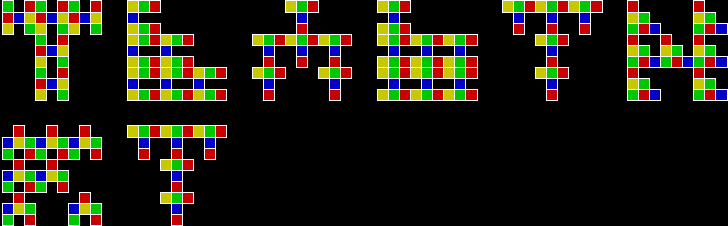
Finally, here’s the full first verse of Housman’s poem in 2-comp and 3-comp forms:
On Wenlock Edge the wood’s in trouble;
His forest fleece the Wrekin heaves;
The gale it plies the saplings double,
And thick on Severn snow the leaves. (“Poem XXXI of A Shropshire Lad, 1896)

“On Wenlock Edge” (2-comp)

“On Wenlock Edge” (3-comp)
Appendix
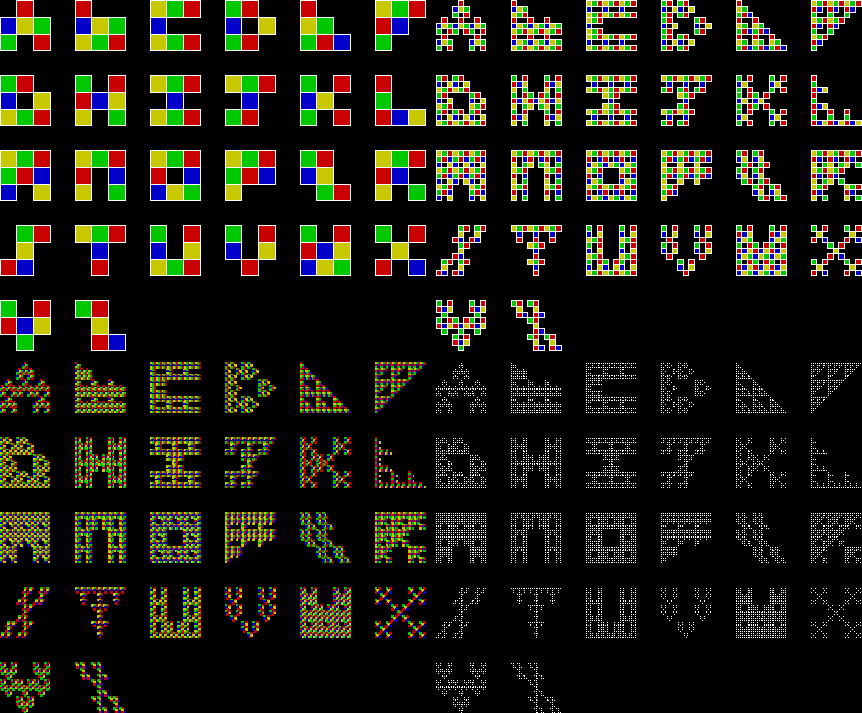
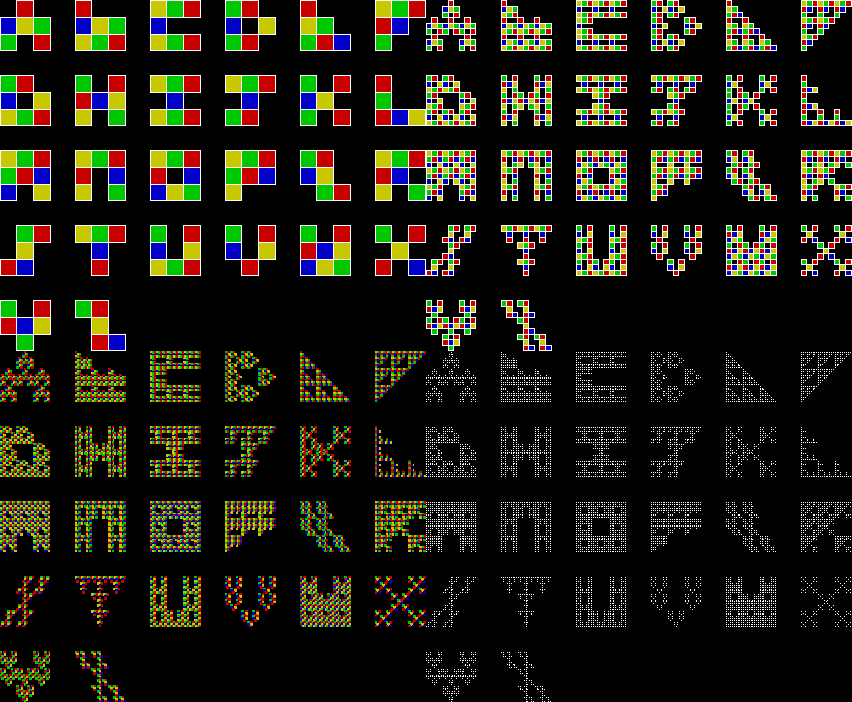
This is a possible lower-case version of the fractalphabet:






















 Overlord In Terms of Core Issues Around Maximal Engagement with Key Notions of the Über-Feral