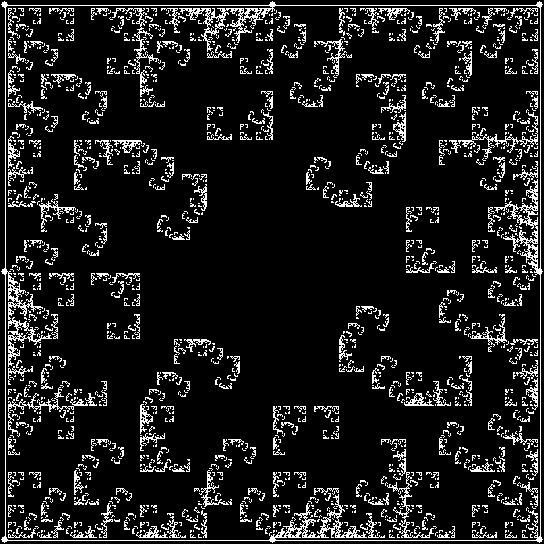
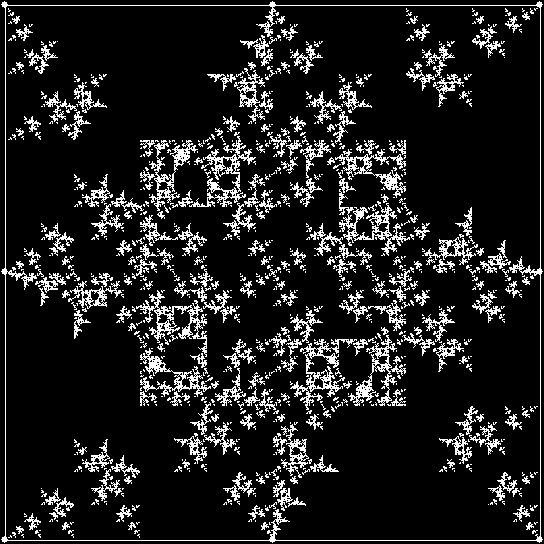
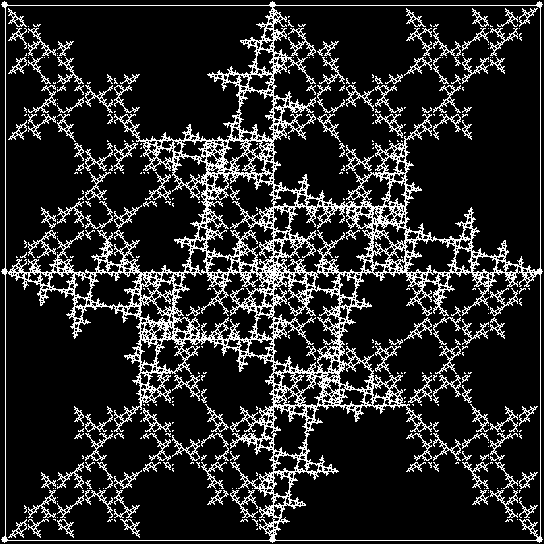
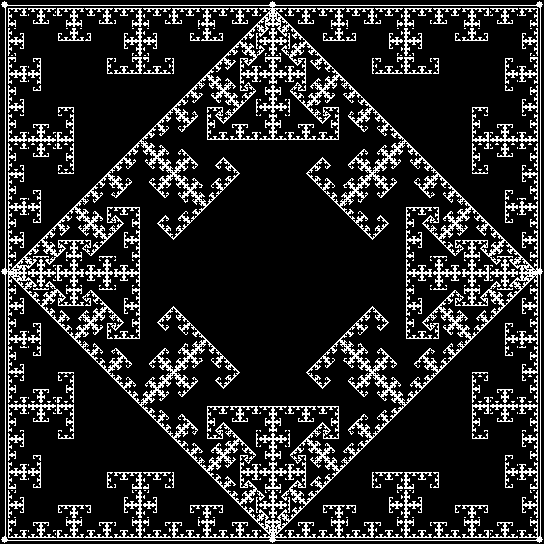
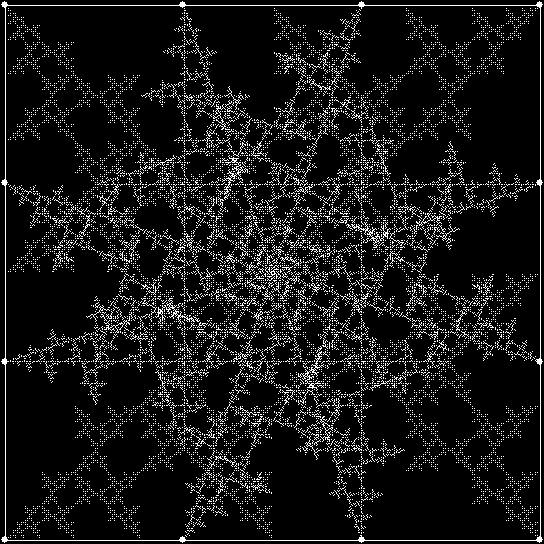
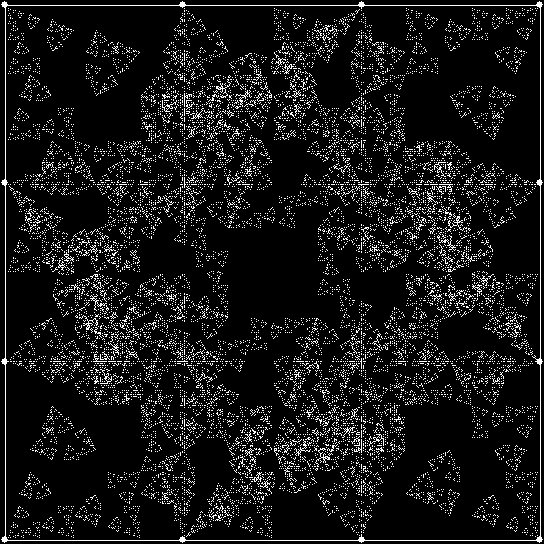
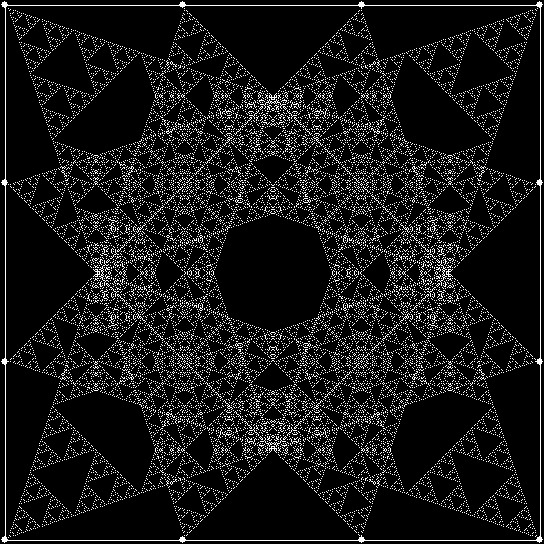
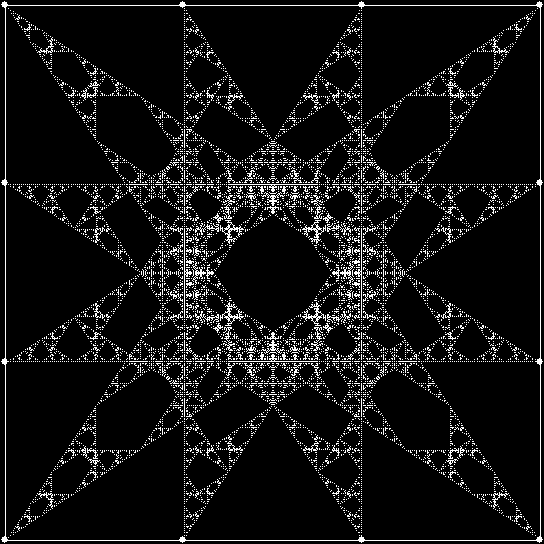
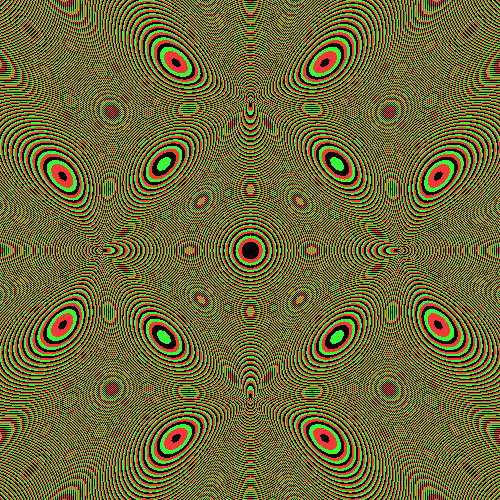
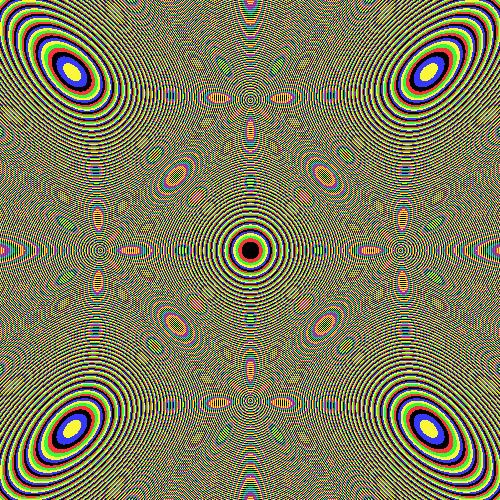
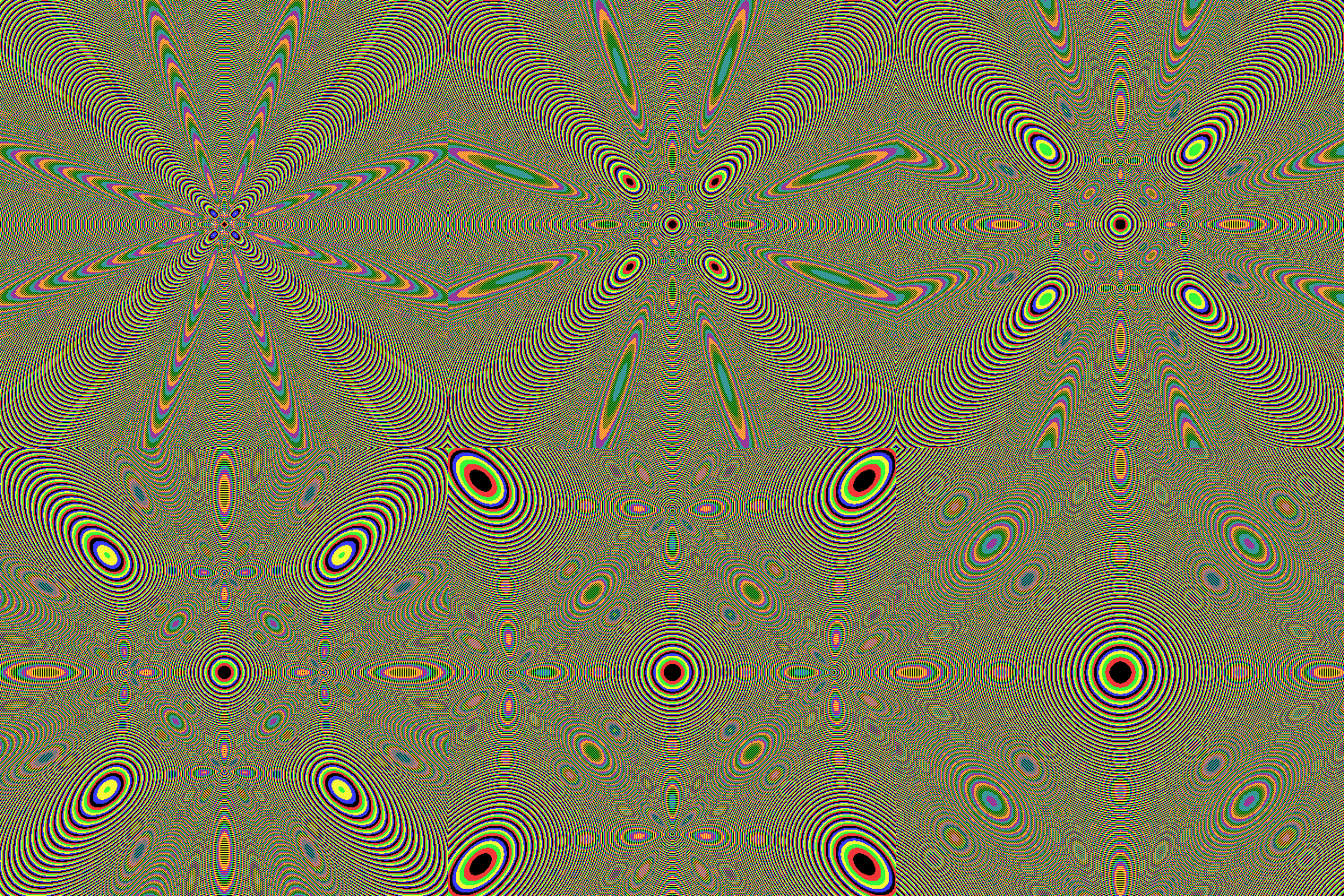
Bat out of L

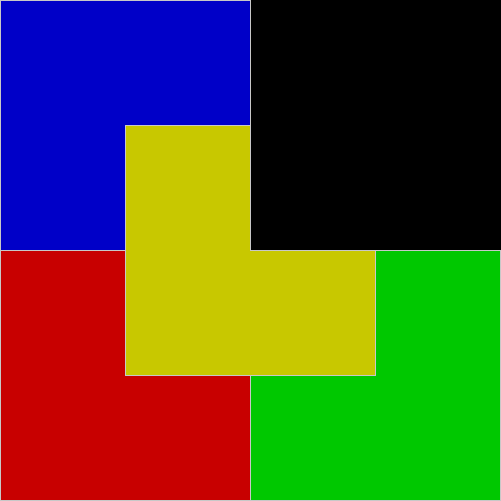
Pre-previously on Overlord-in-terms-of-the-Über-Feral, I’ve looked at intensively interrogated issues around the L-triomino, a shape created from three squares that can be divided into four copies of itself:

An L-triomino divided into four copies of itself


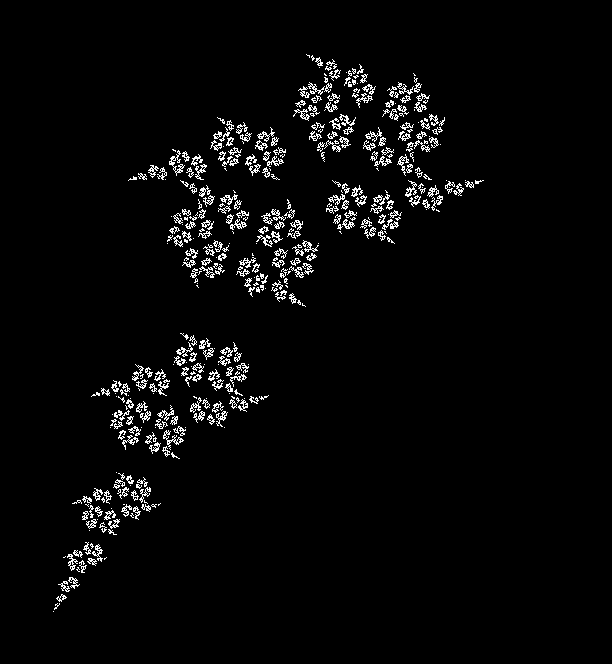
I’ve also interrogated issues around a shape that yields a bat-like fractal:

A fractal full of bats


Bat-fractal (animated)

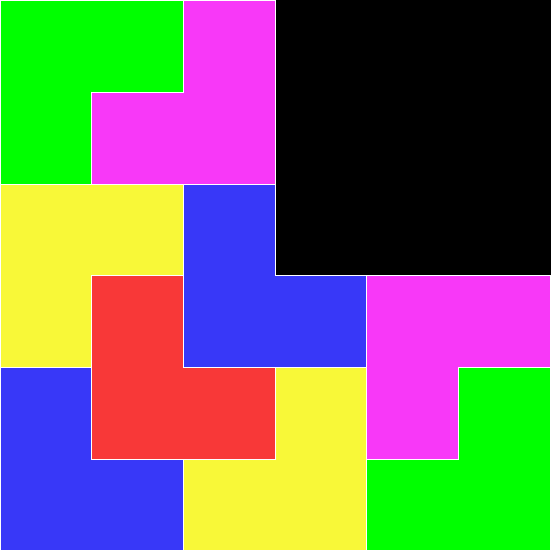
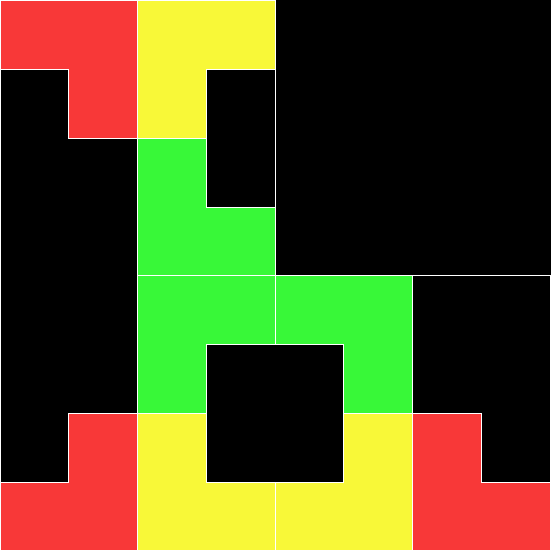
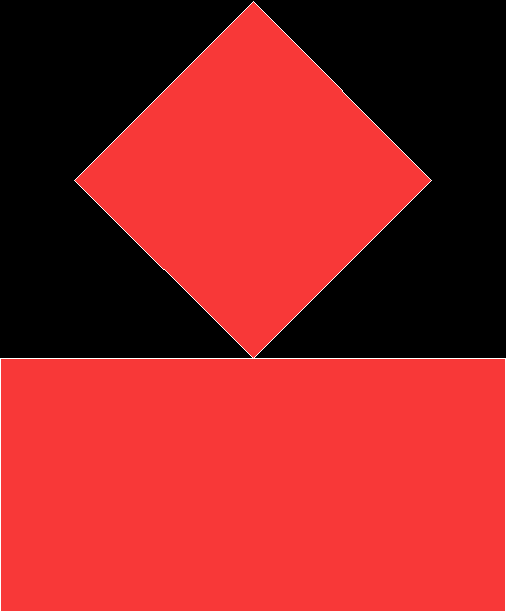
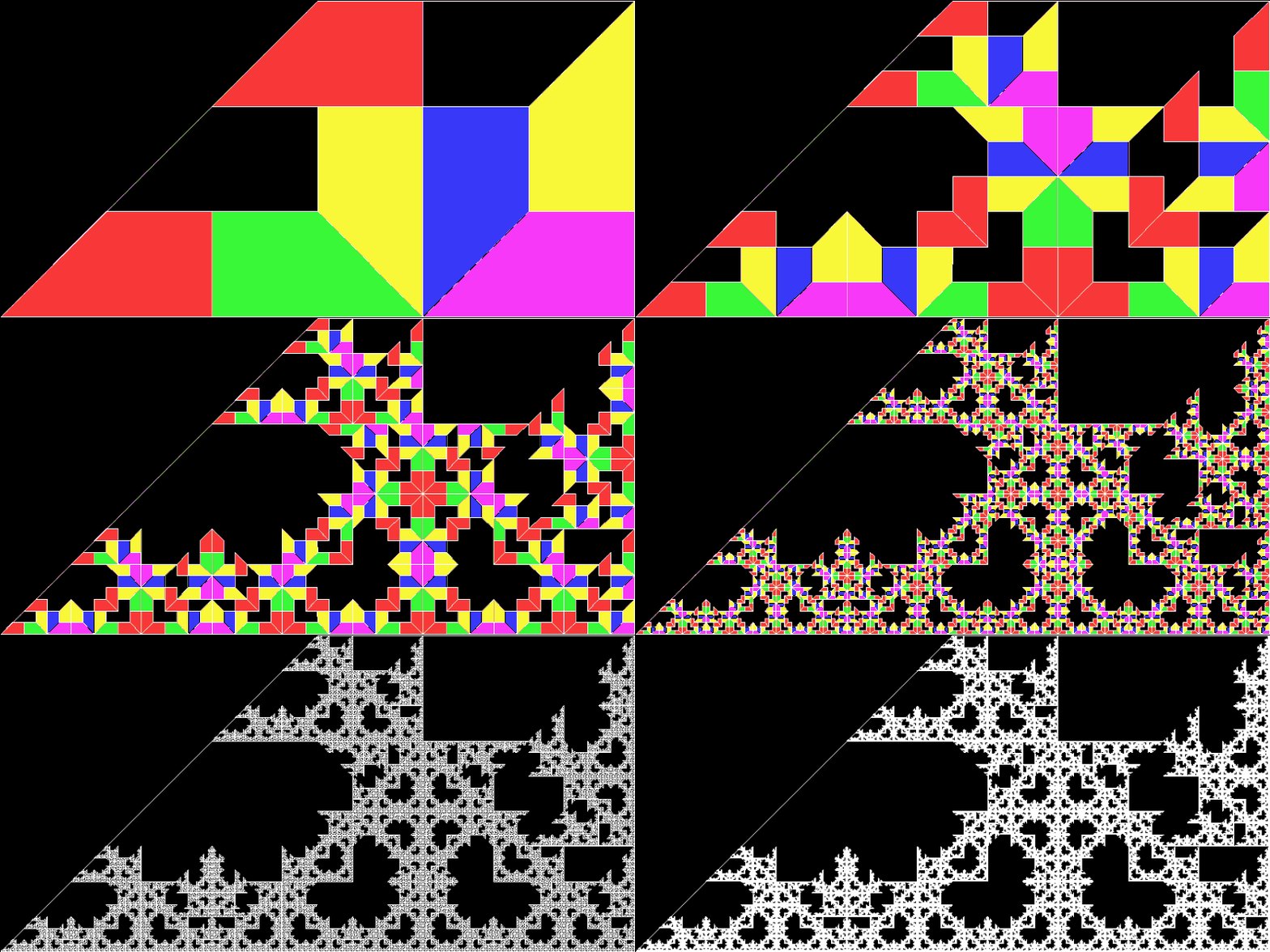
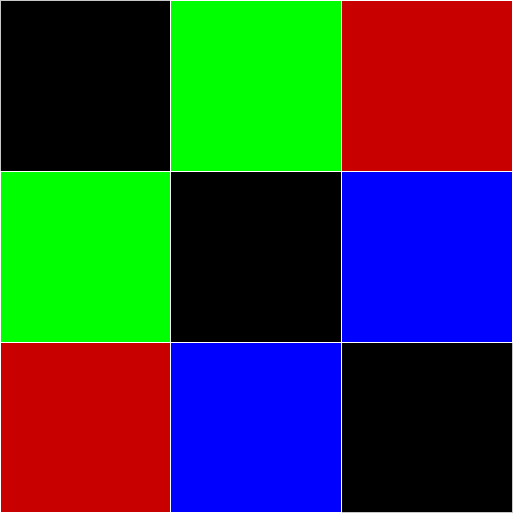
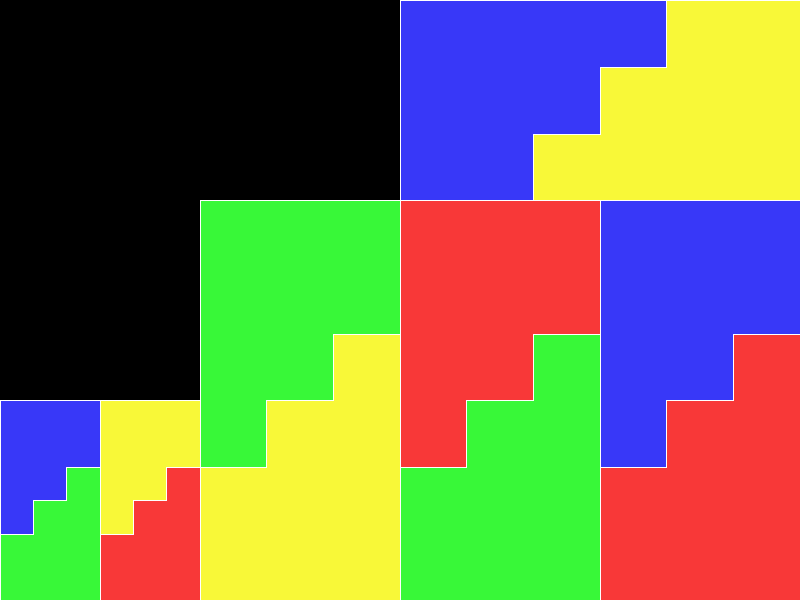
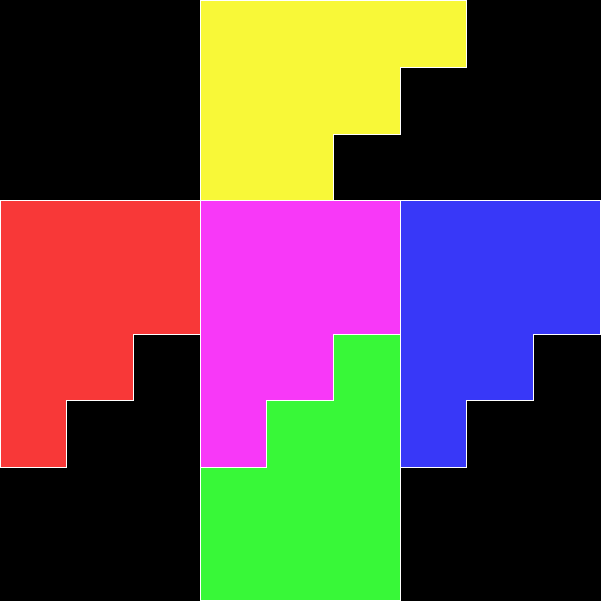
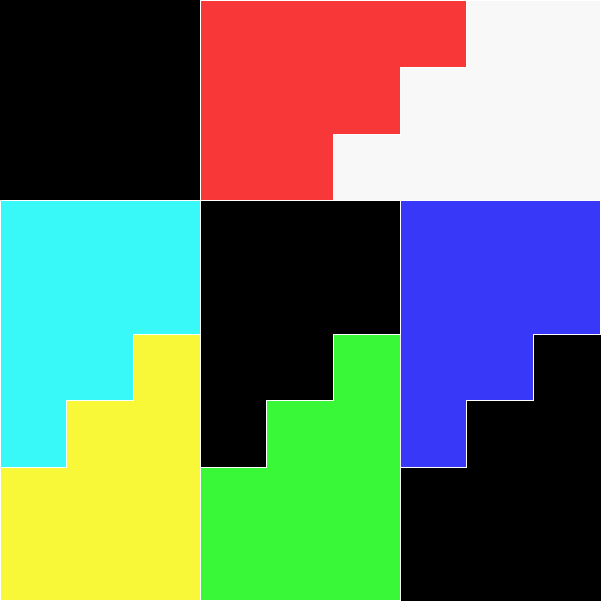
Now, to end the year in spectacular fashion, I want to combine the two concepts pre-previously interrogated on Overlord-in-terms-of-the-Über-Feral (i.e., L-triominoes and bats). The L-triomino can also be divided into nine copies of itself:

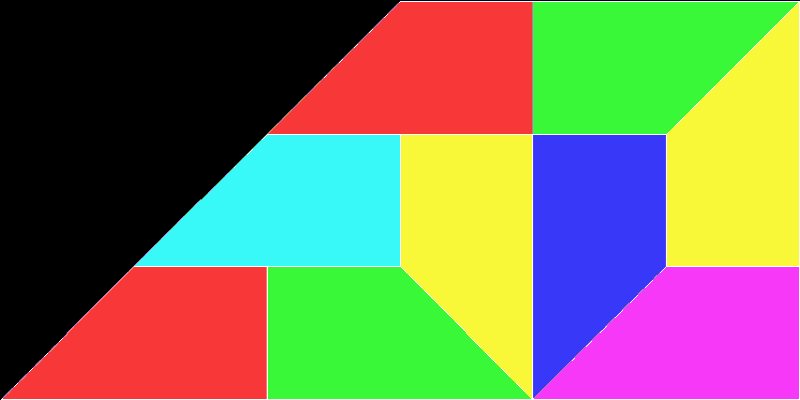
An L-triomino divided into nine copies of itself


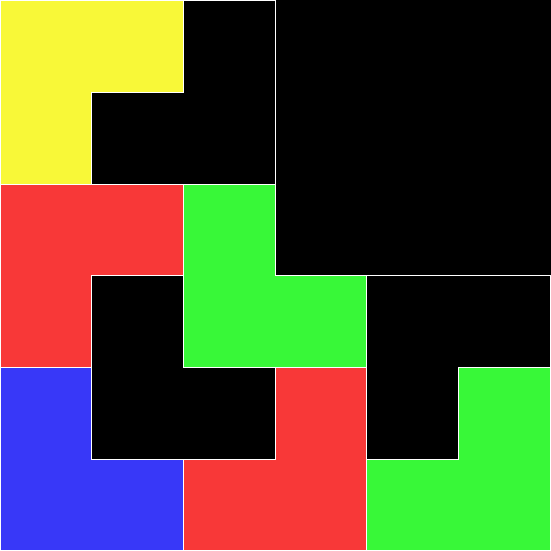
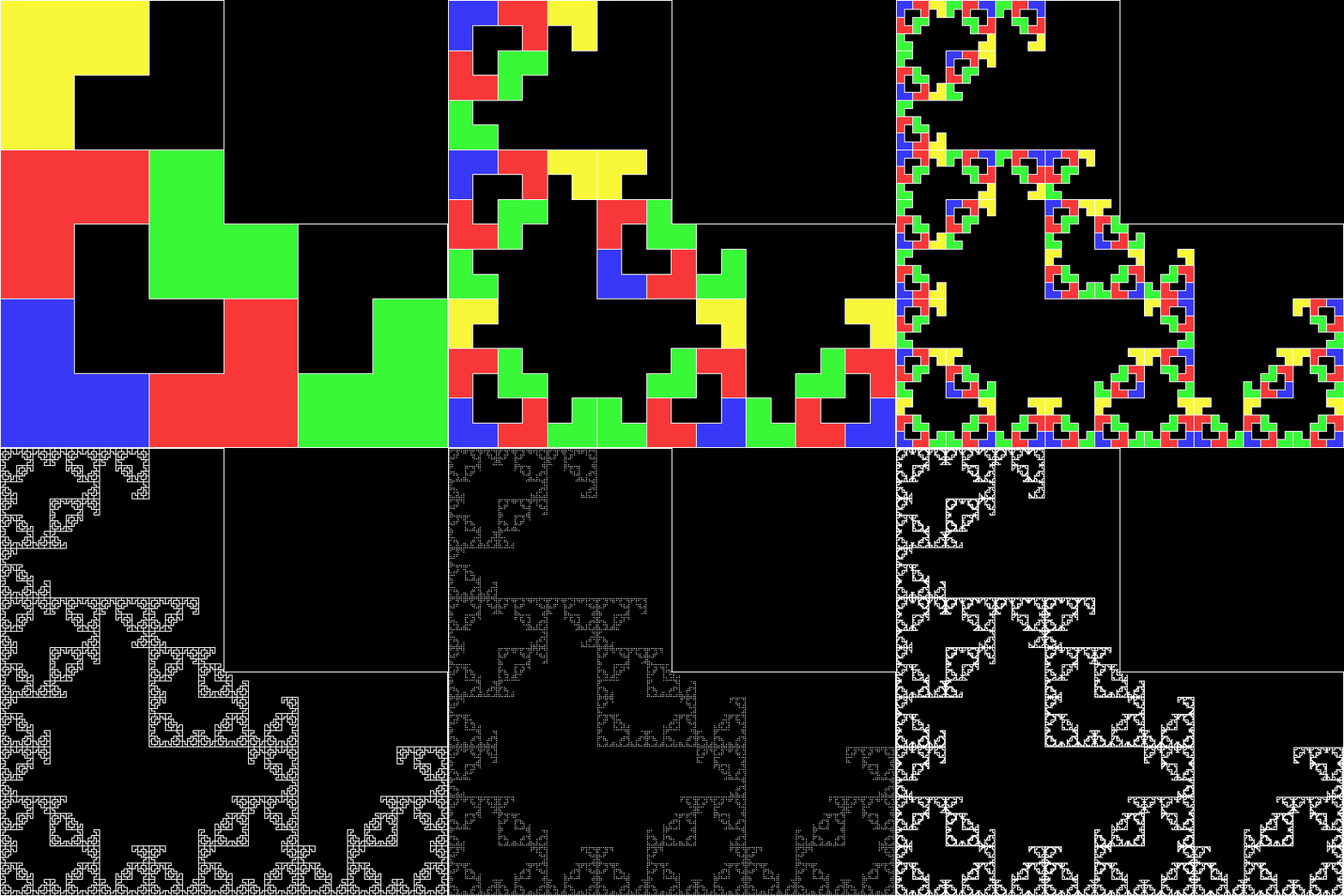
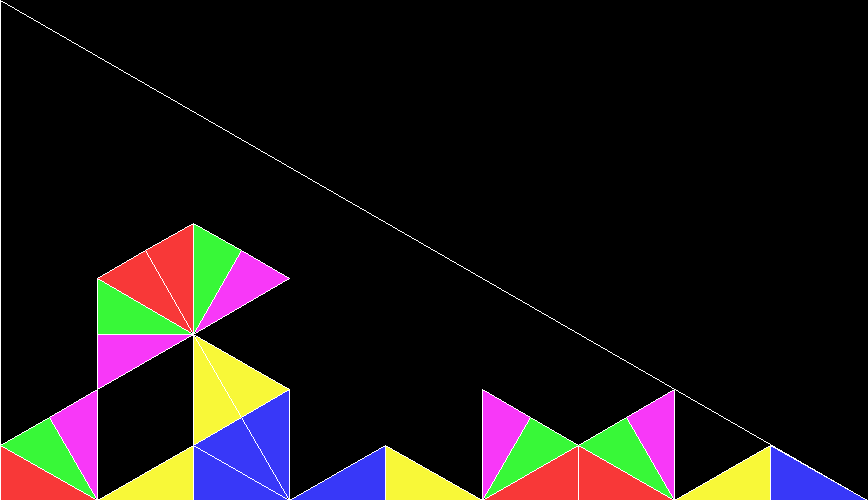
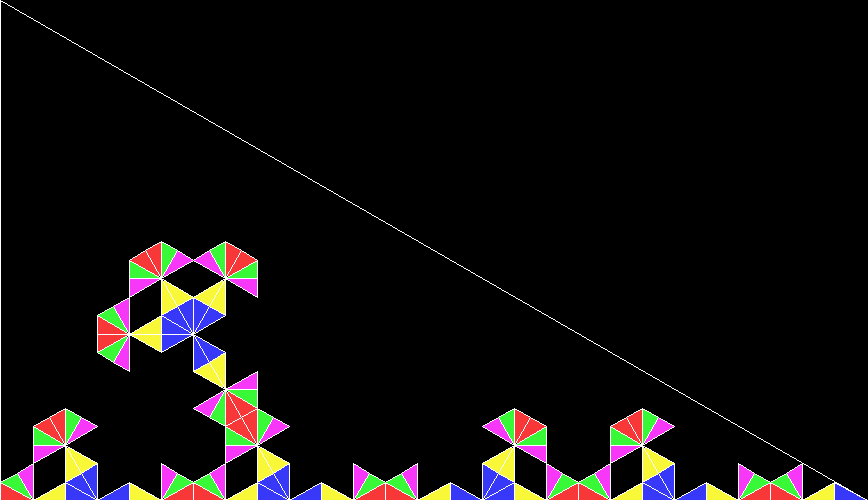
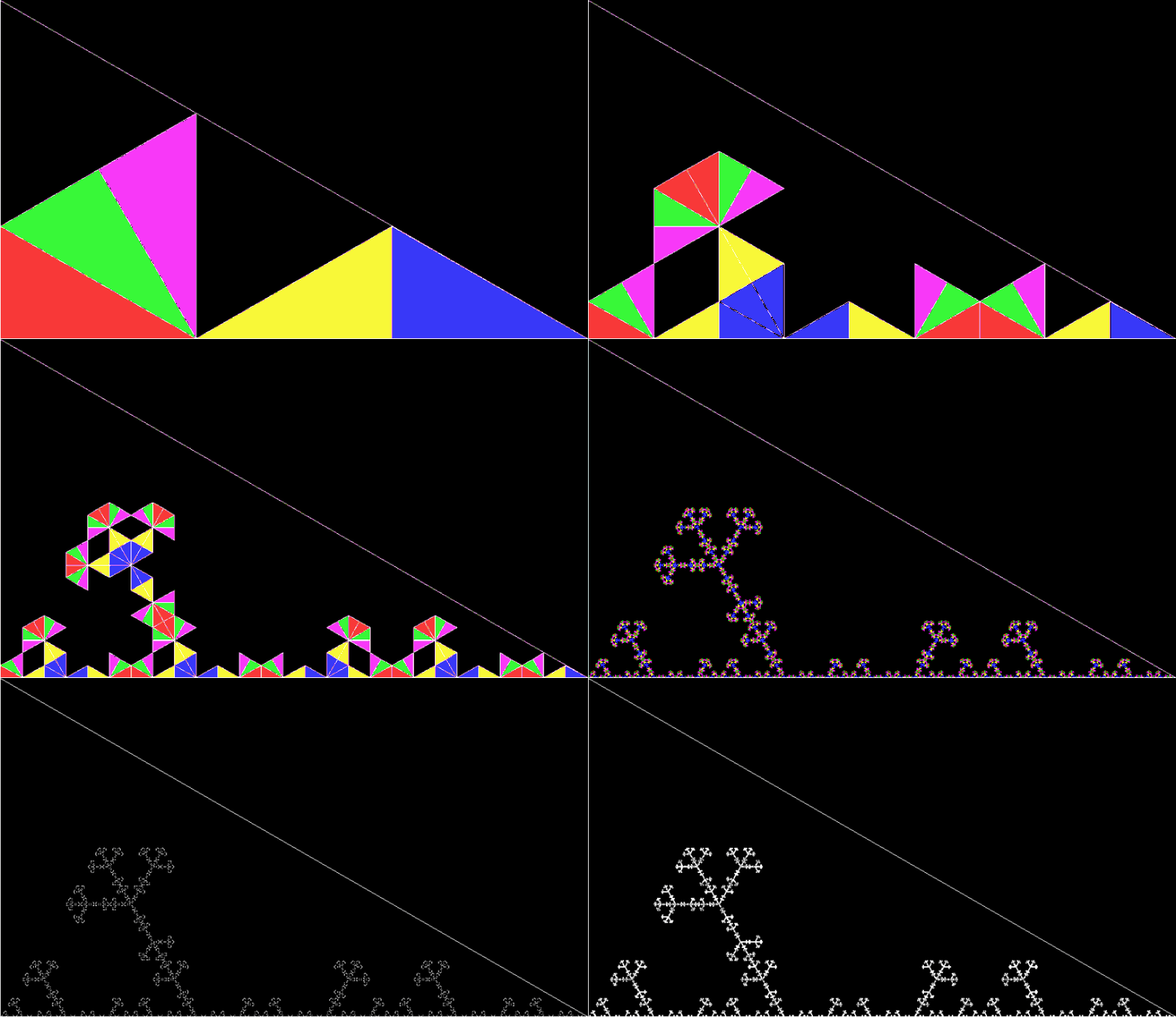
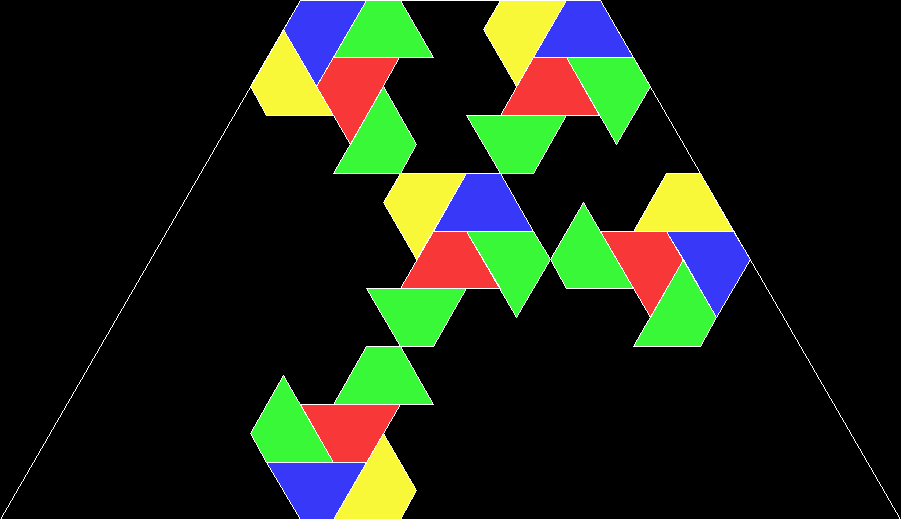
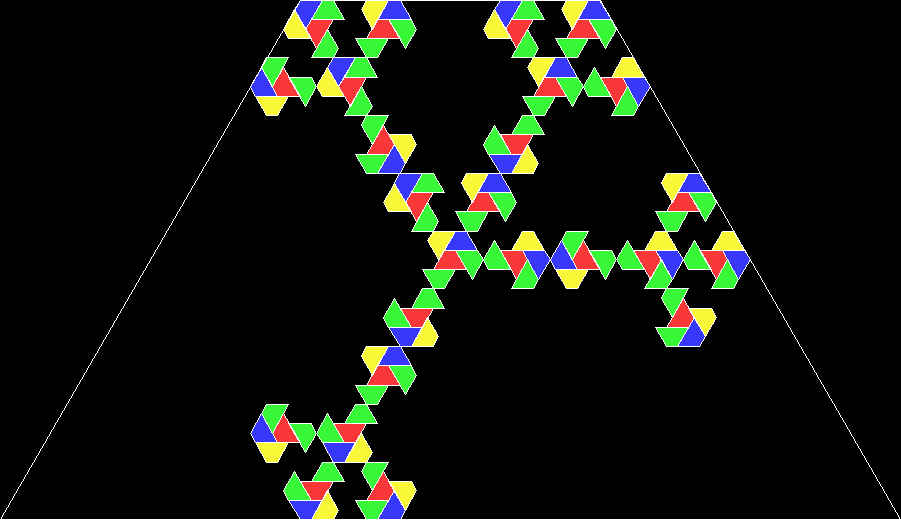
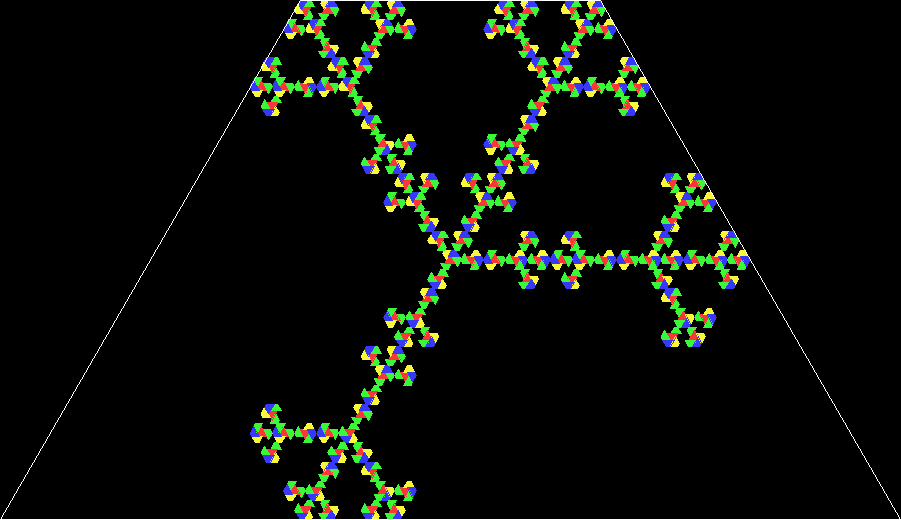
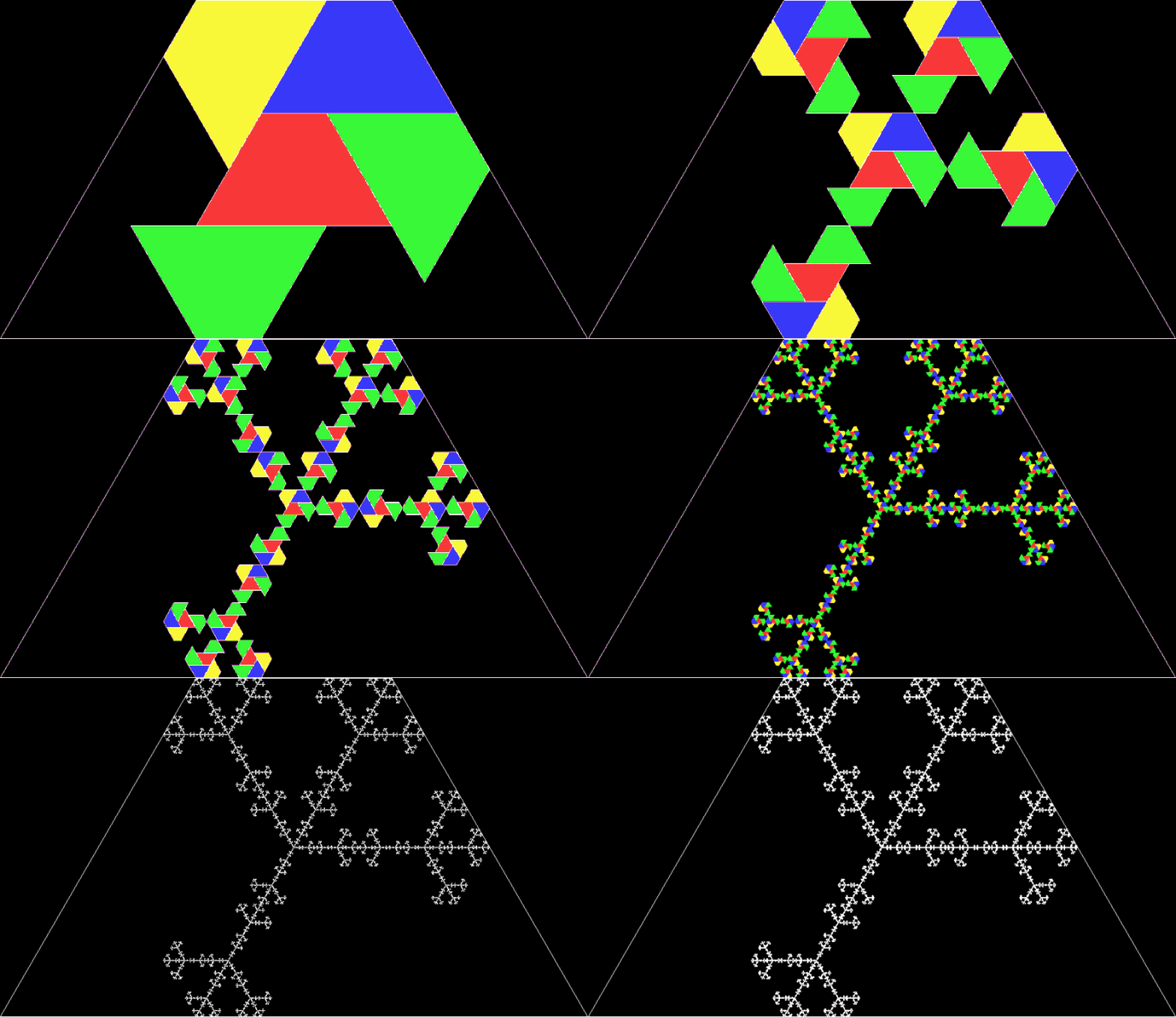
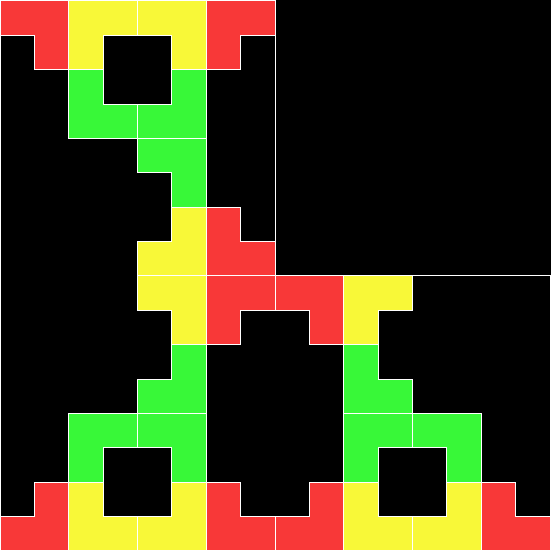
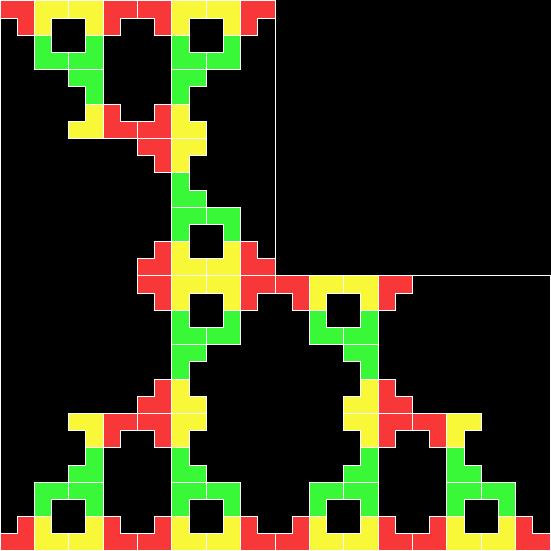
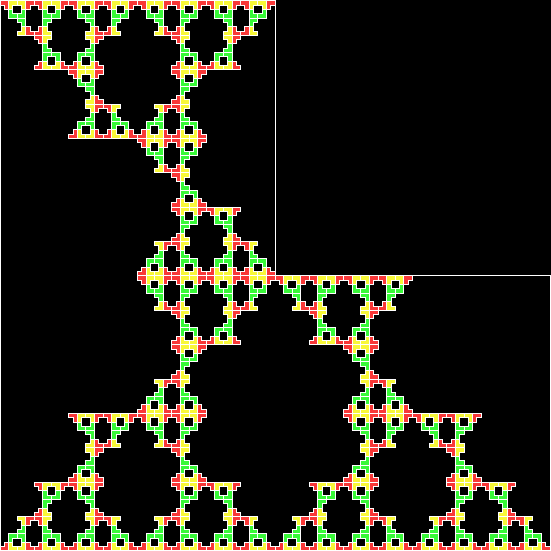
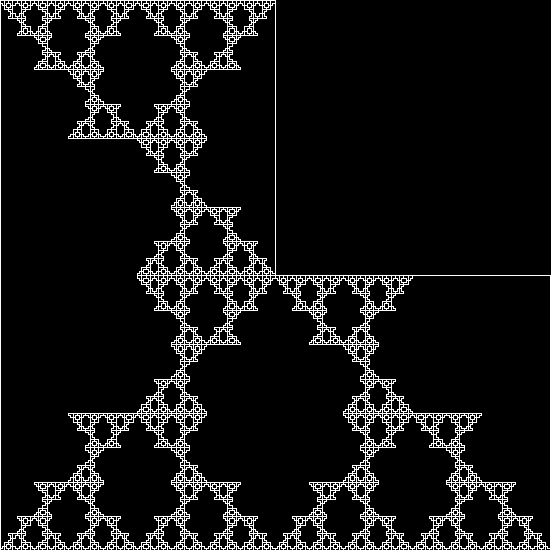
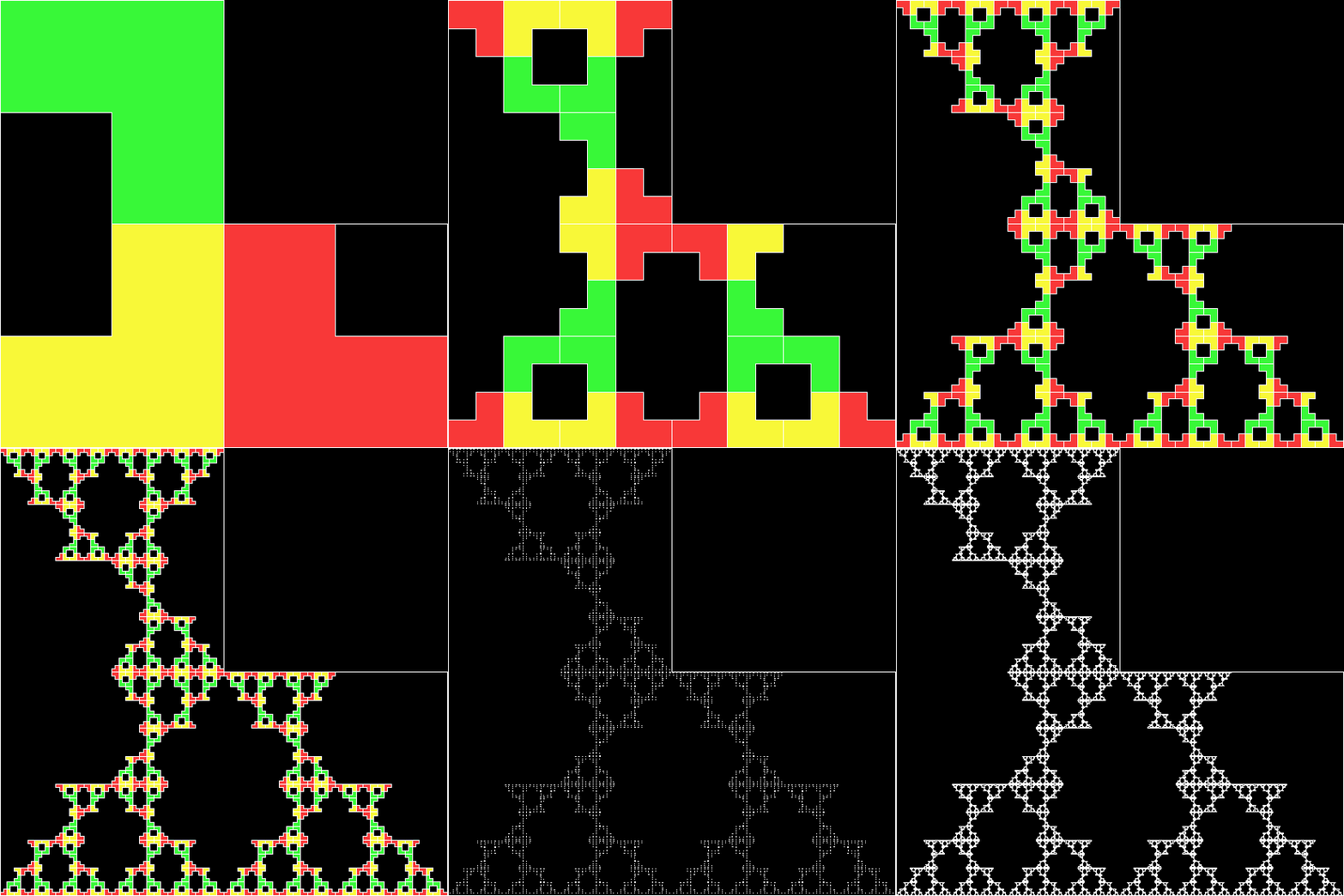
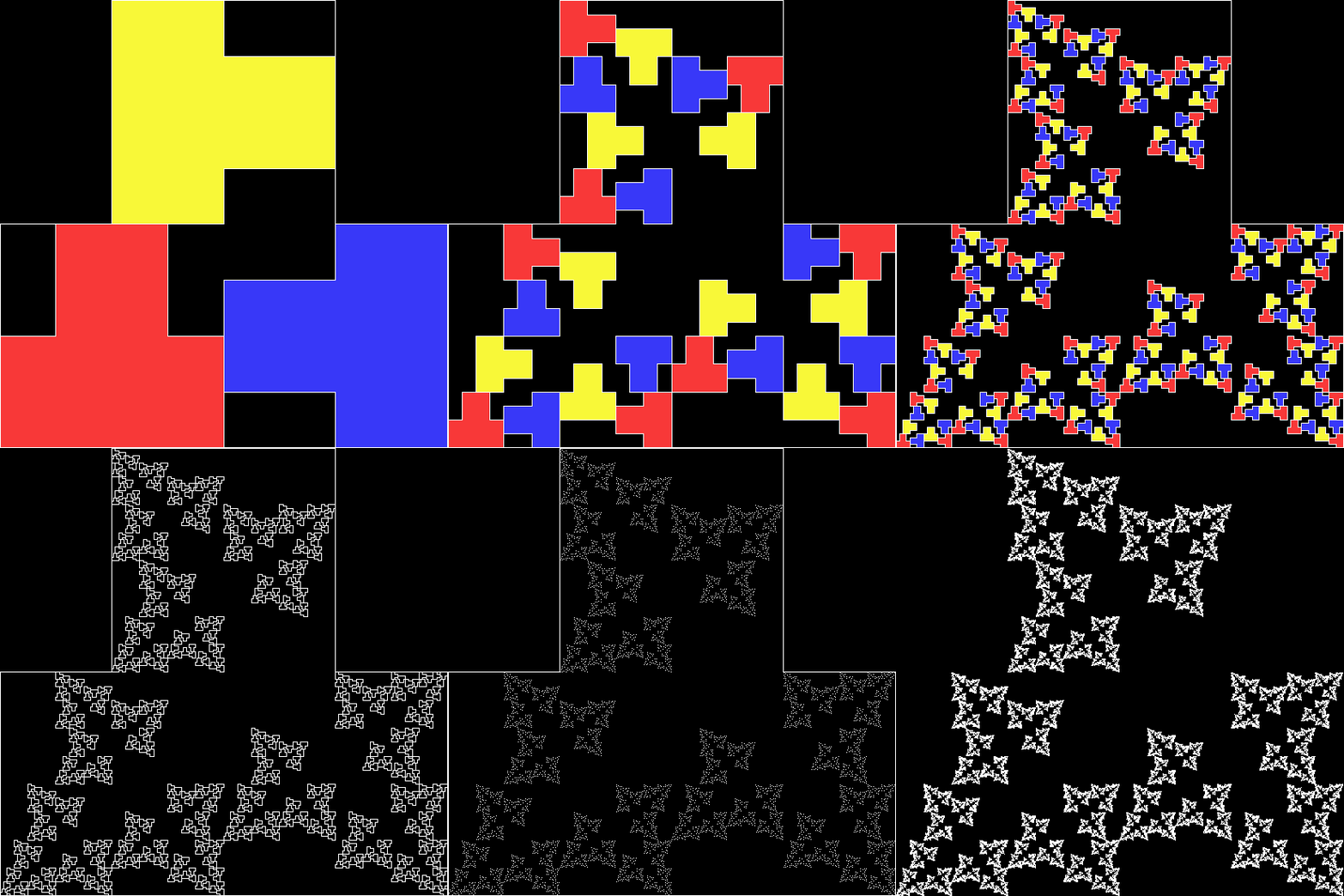
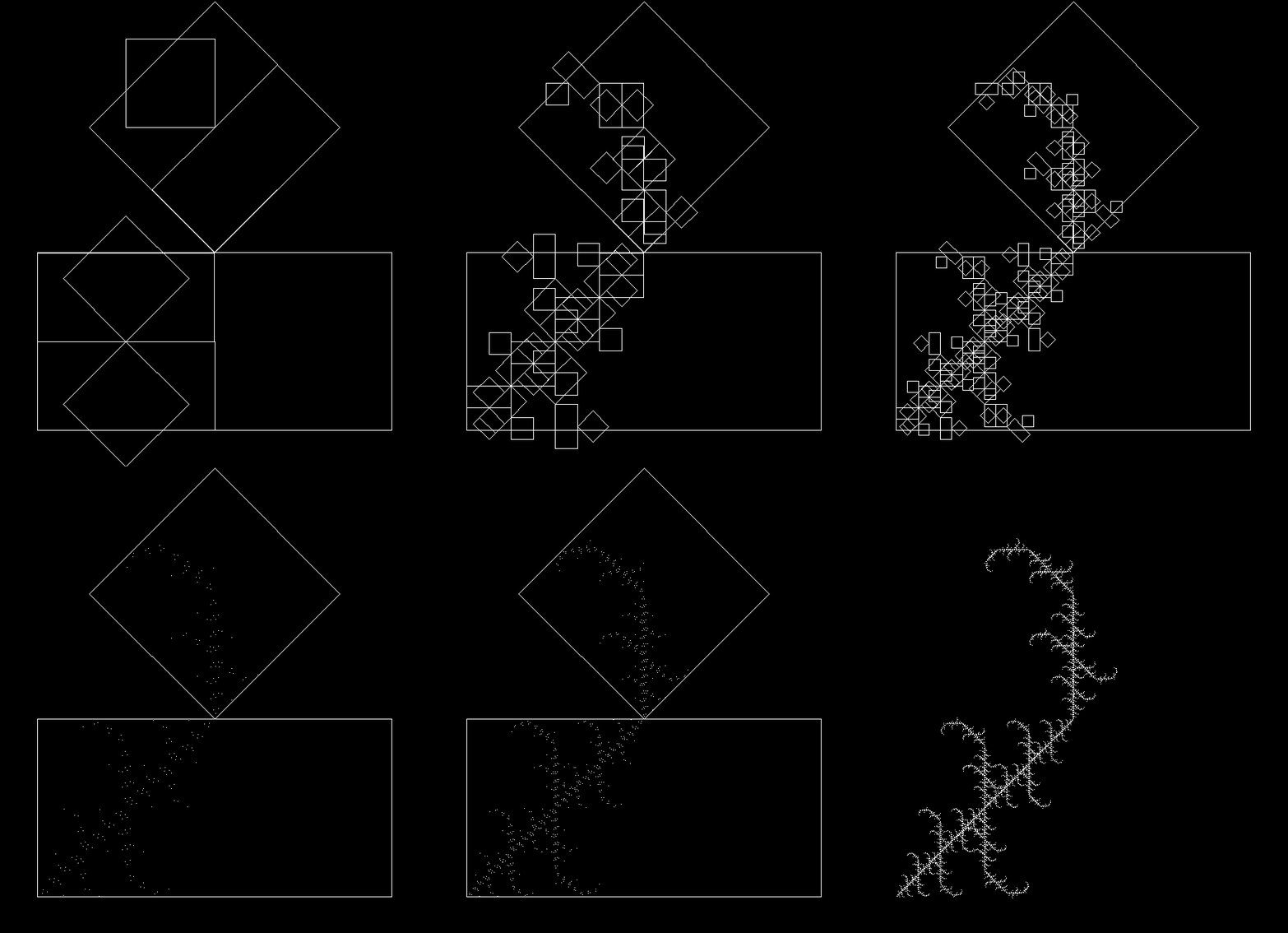
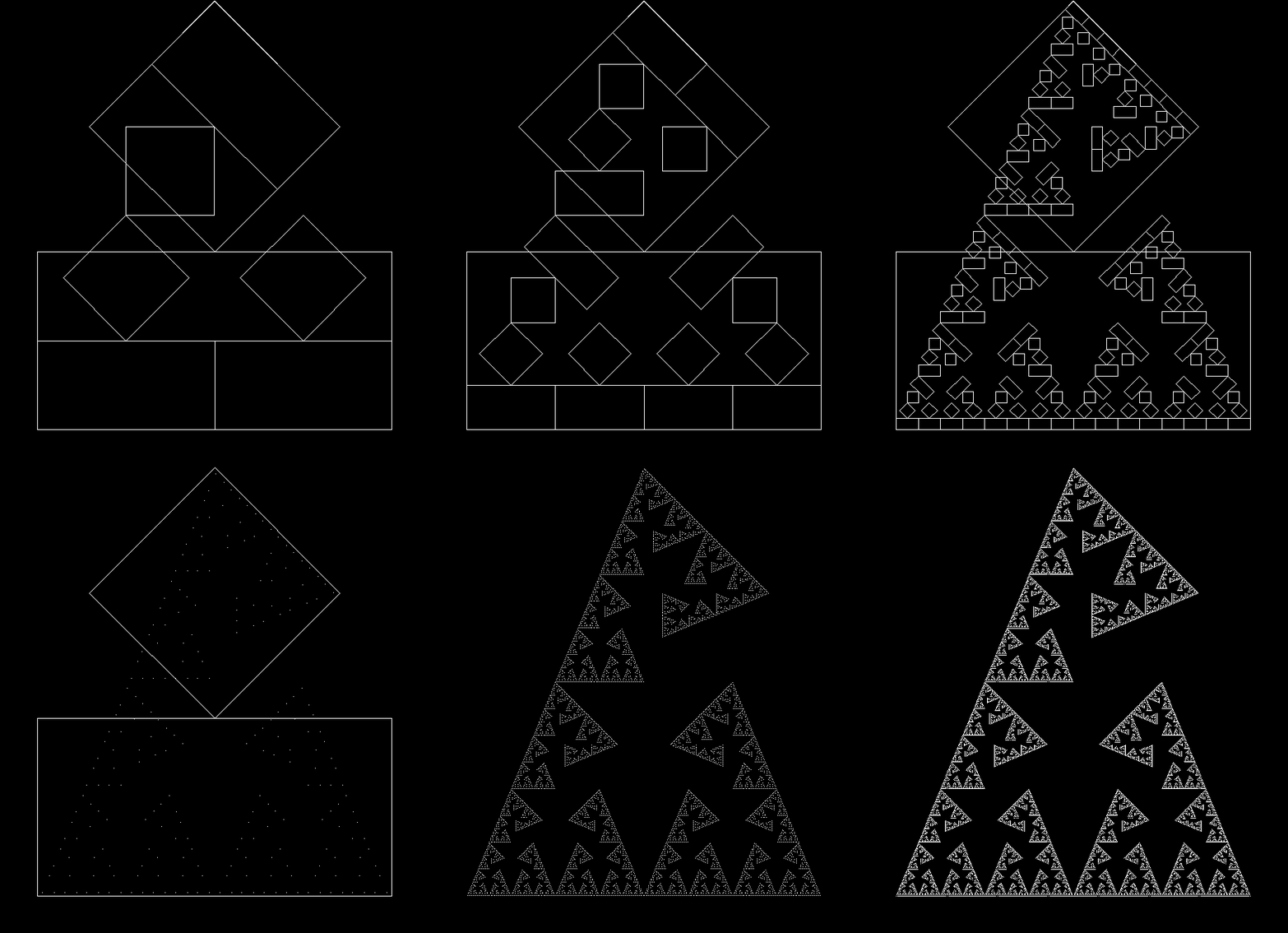
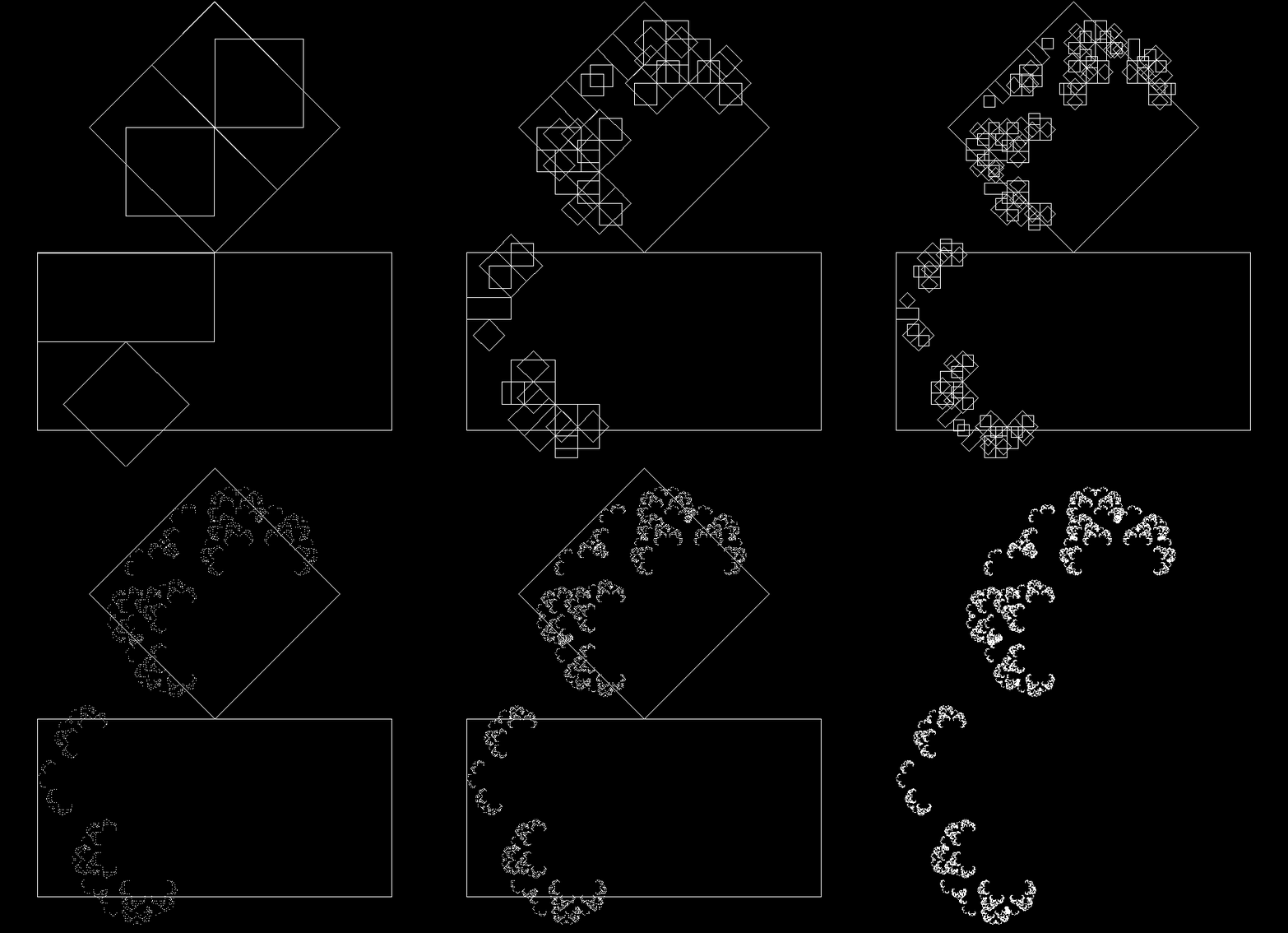
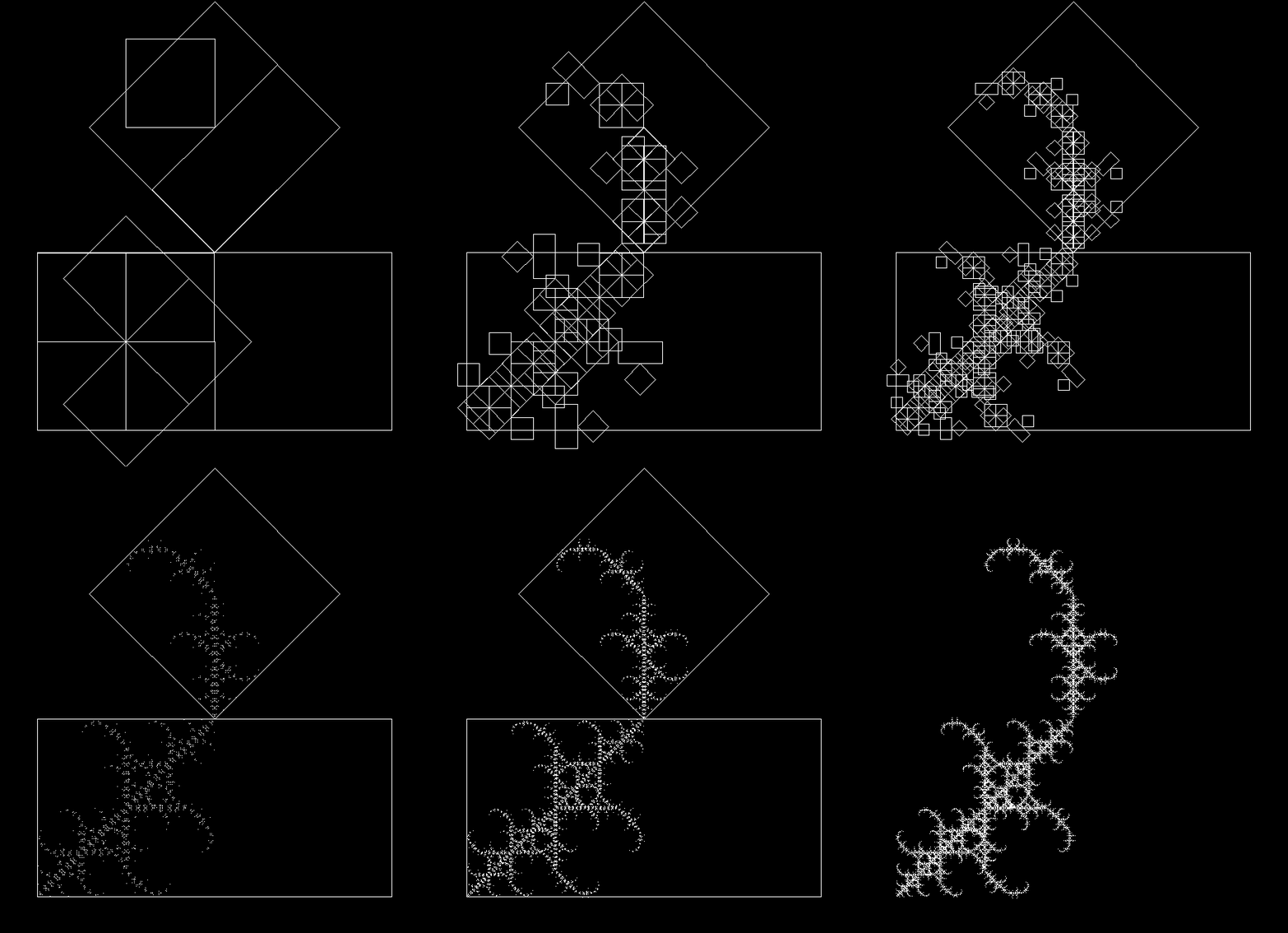
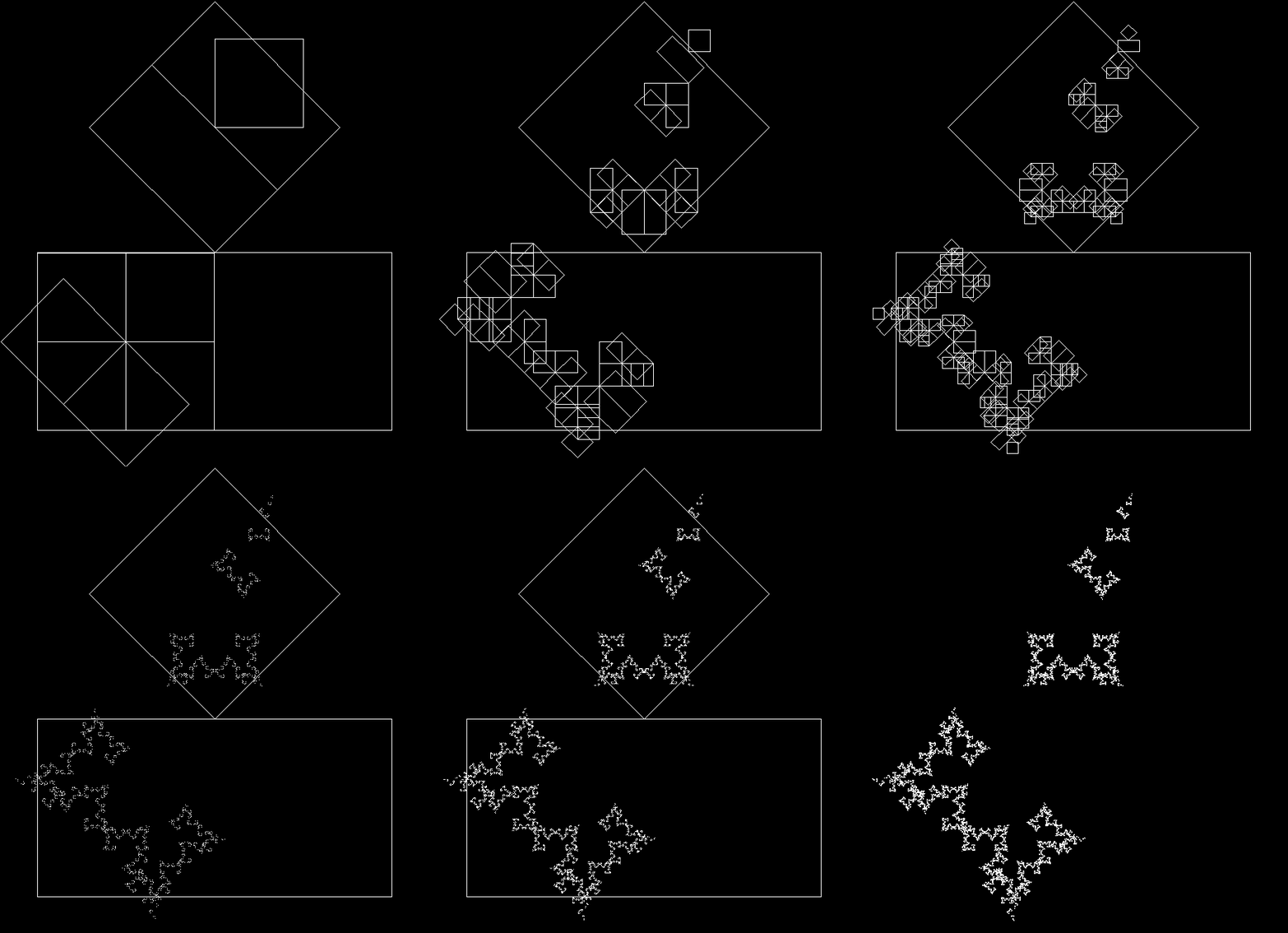
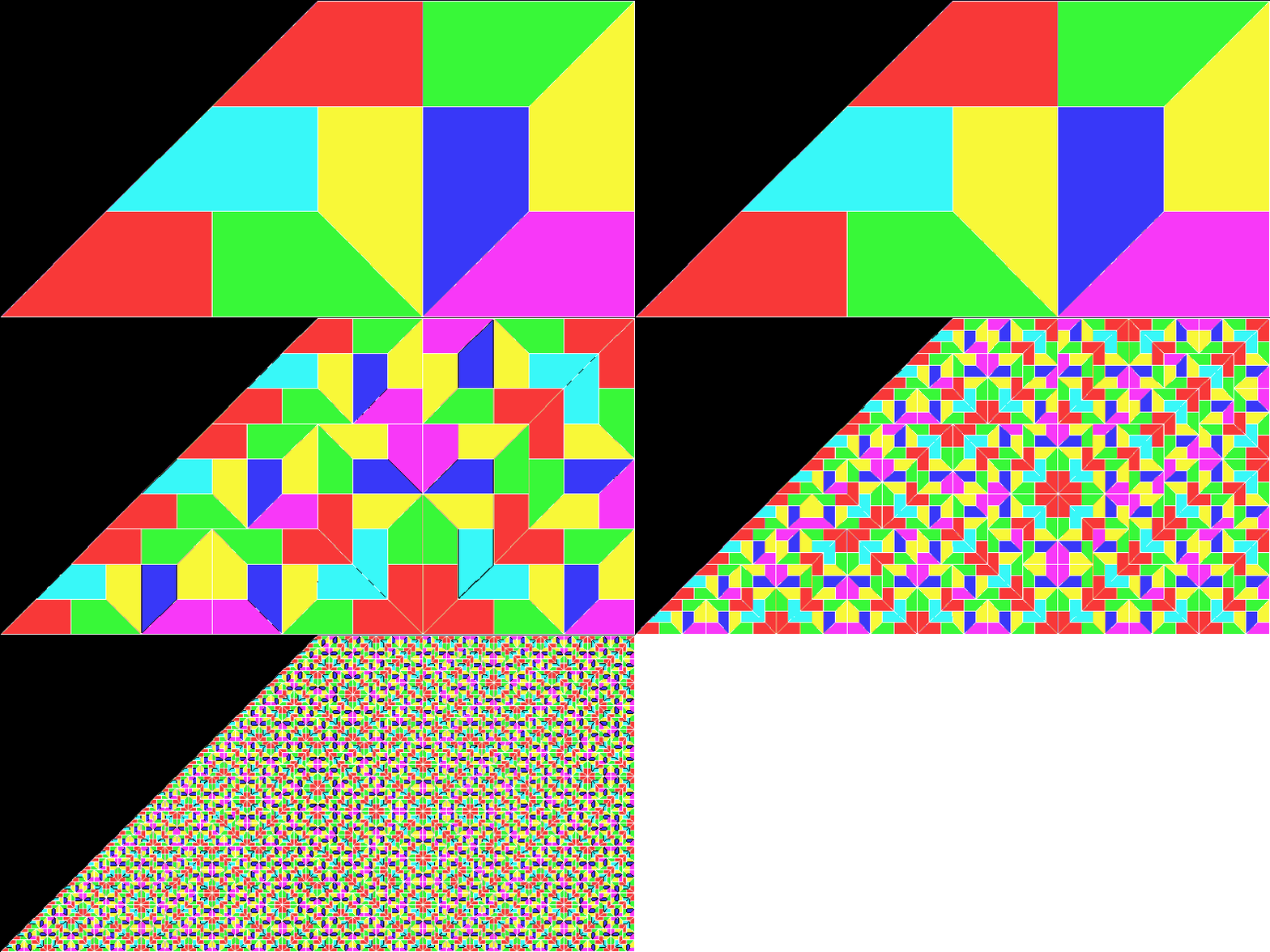
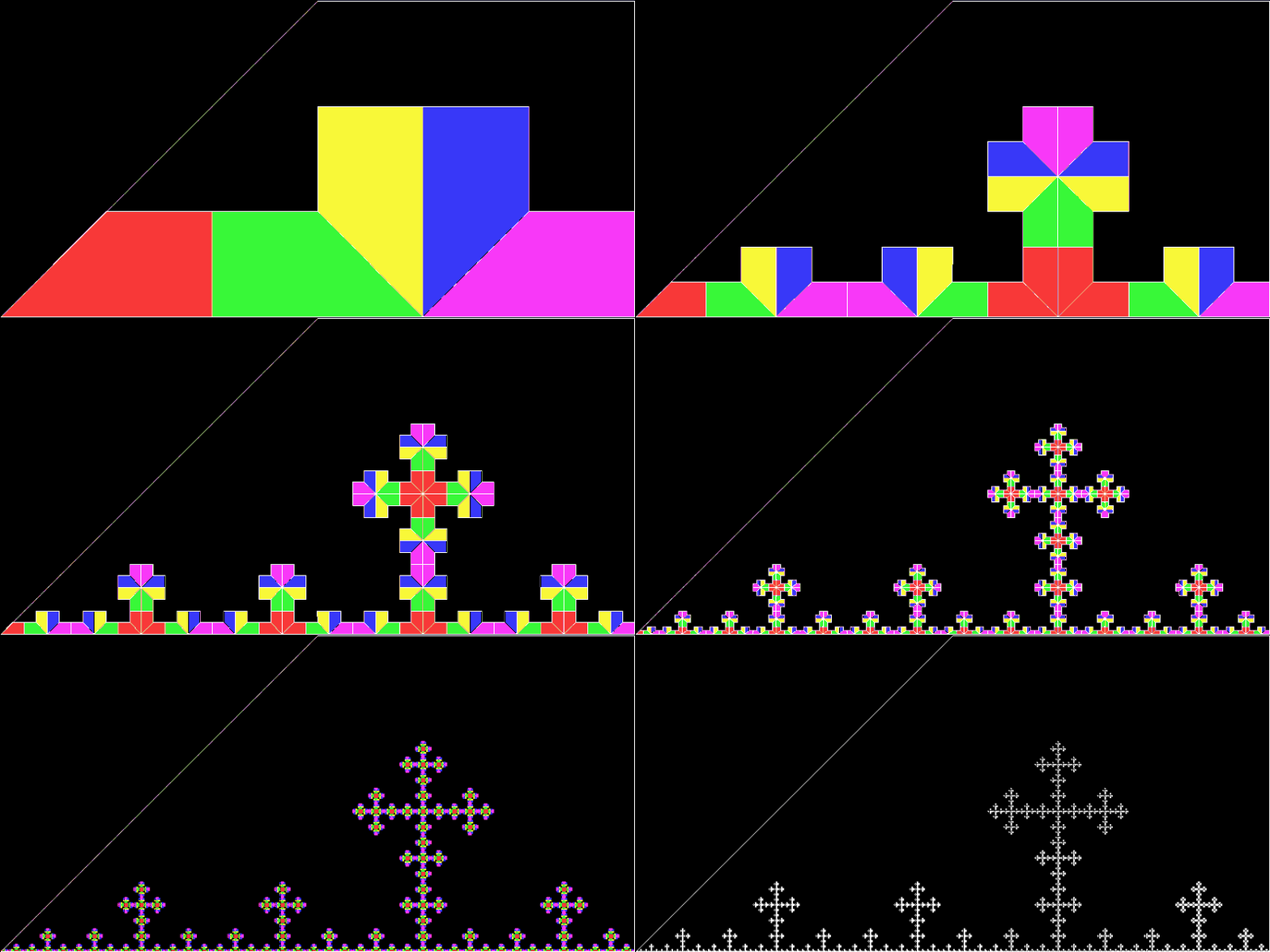
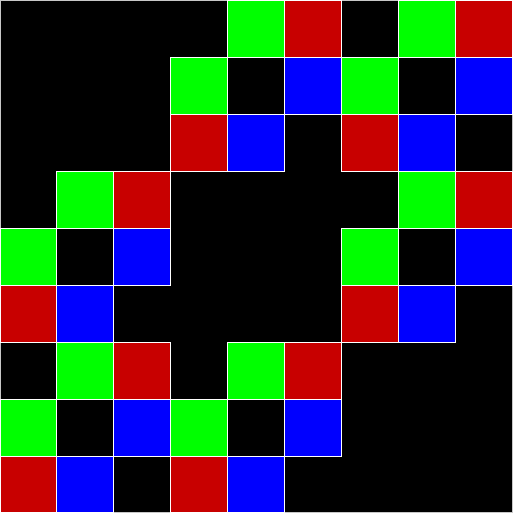
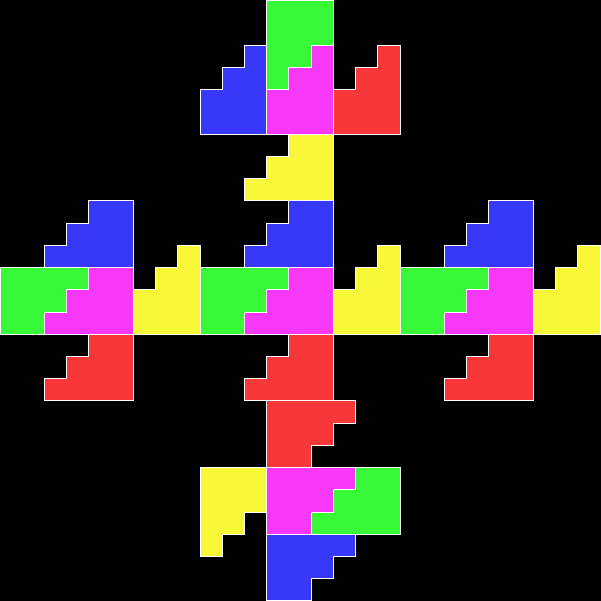
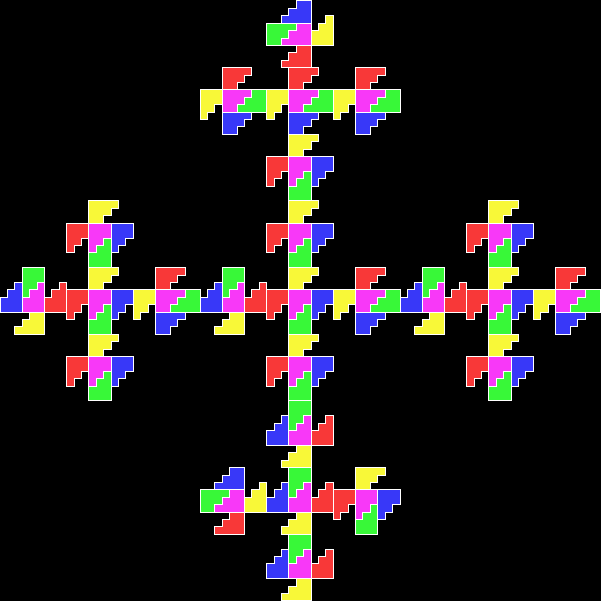
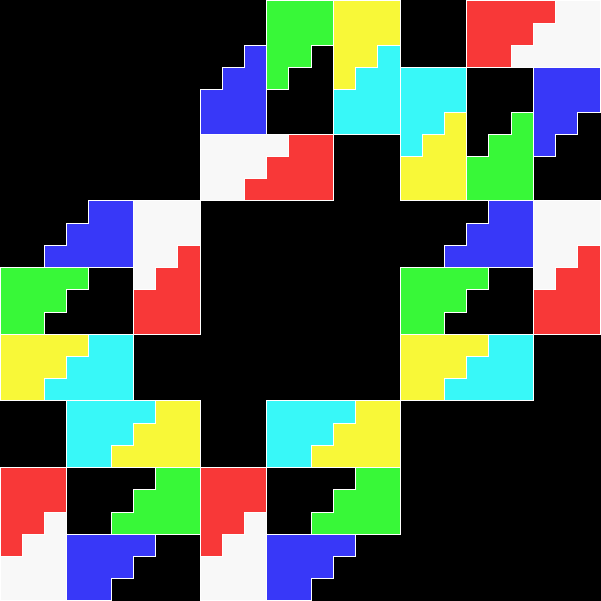
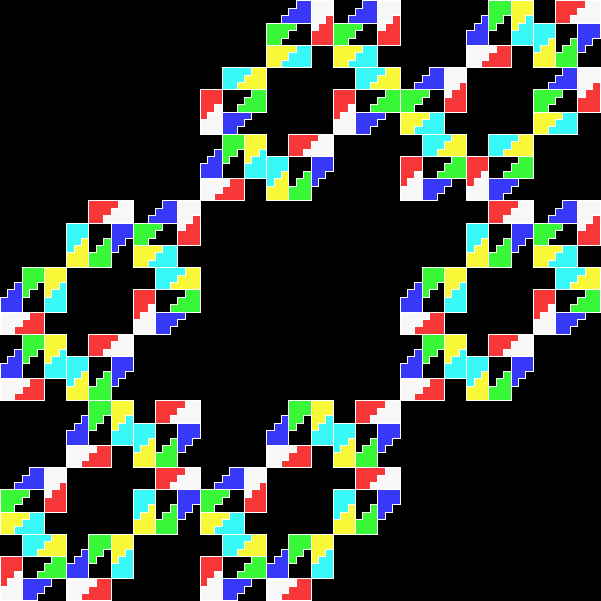
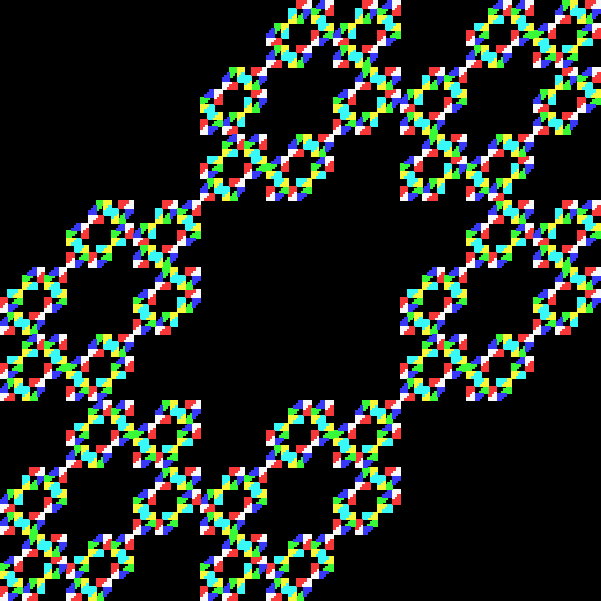
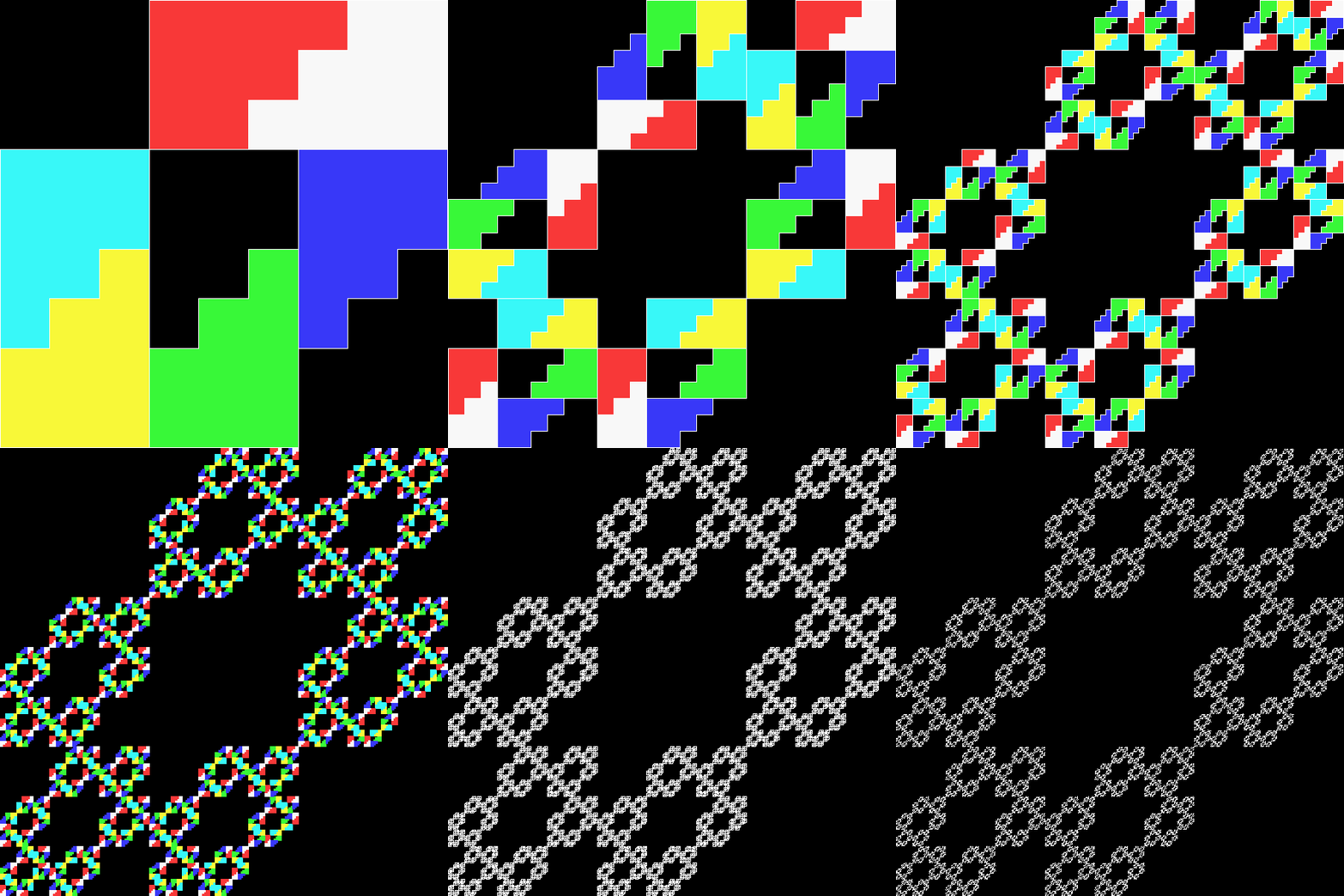
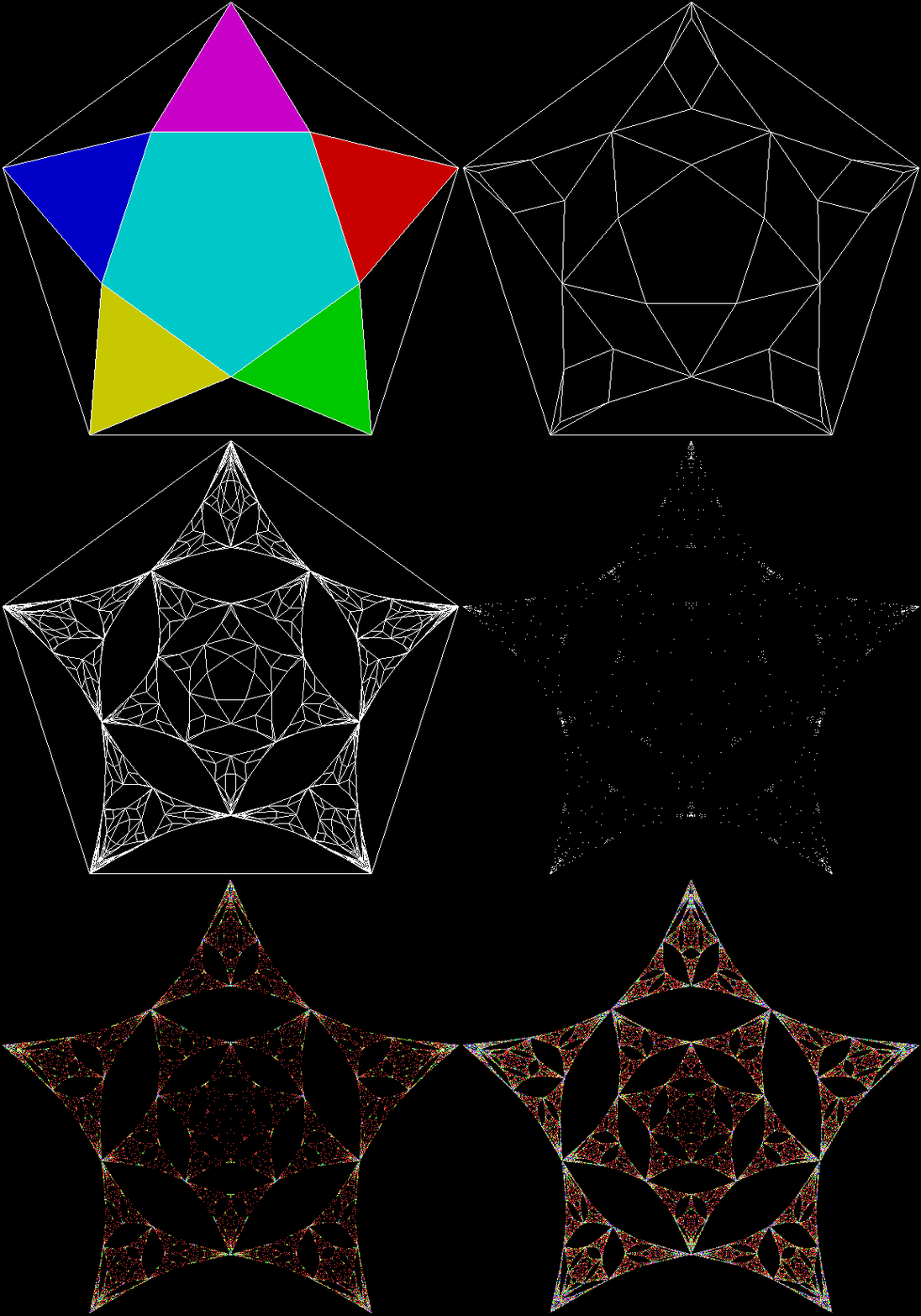
If three of these copies are discarded and each of the remaining six sub-copies is sub-sub-divided again and again, this is what happens:

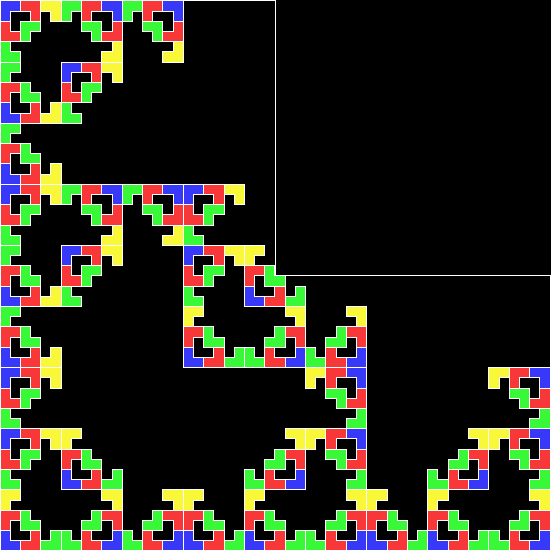
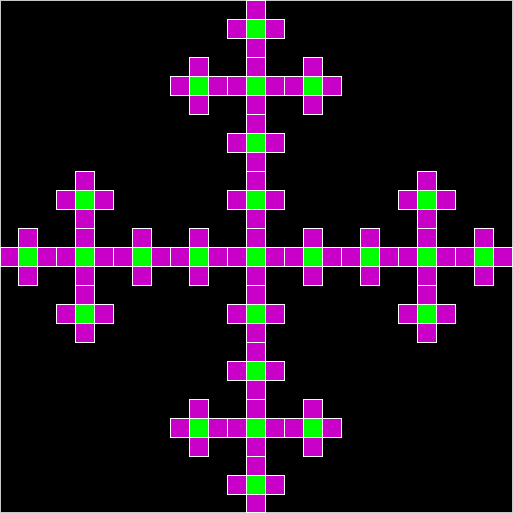
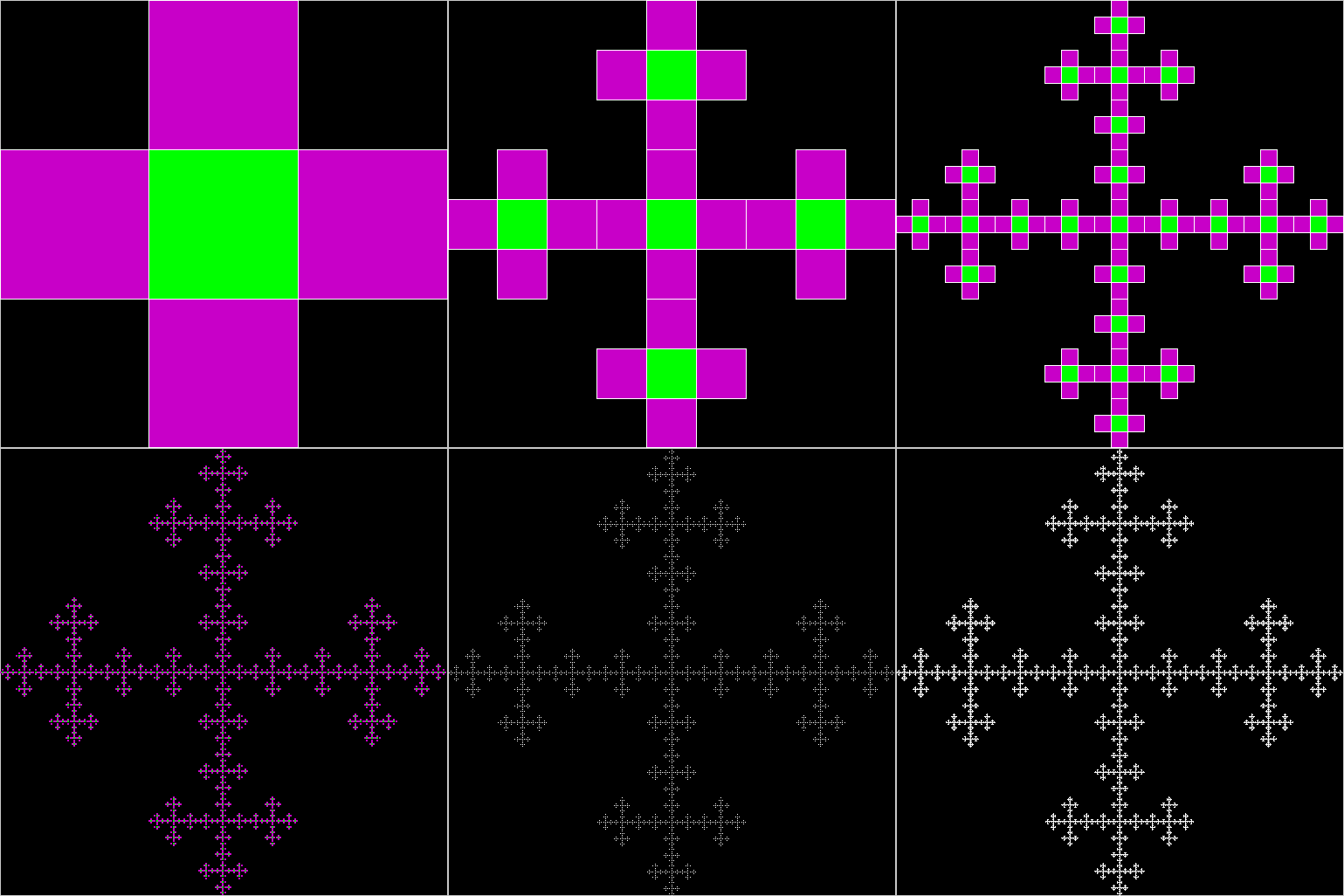
Fractal stage 1


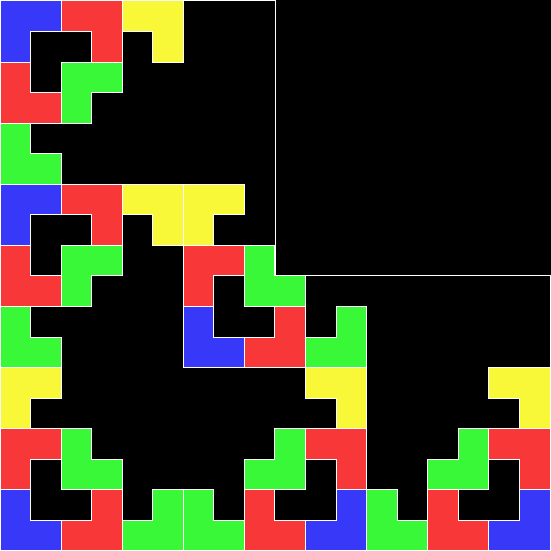
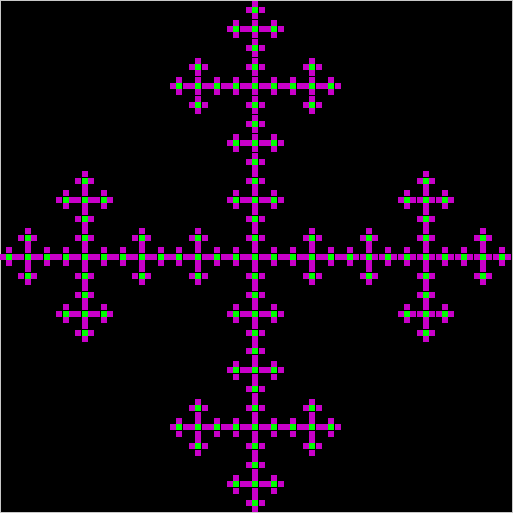
Fractal stage 2


Fractal #3


Fractal #4


Fractal #5


Fractal #6


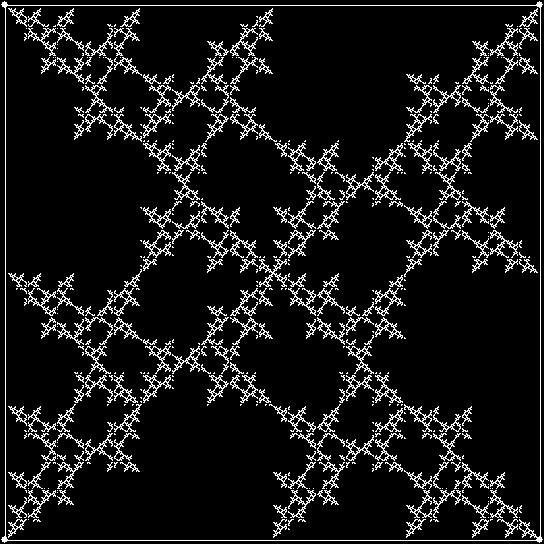
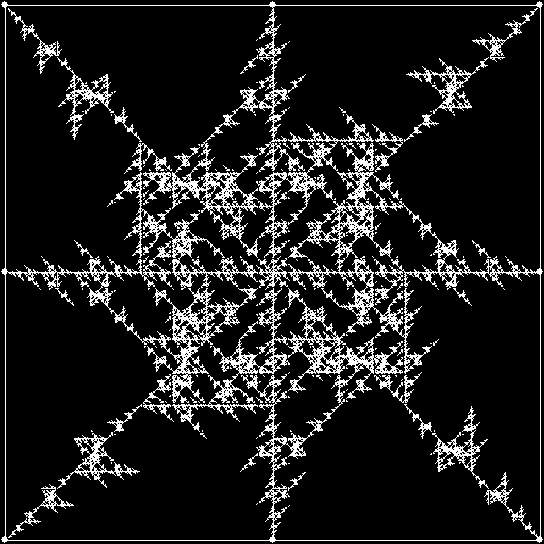
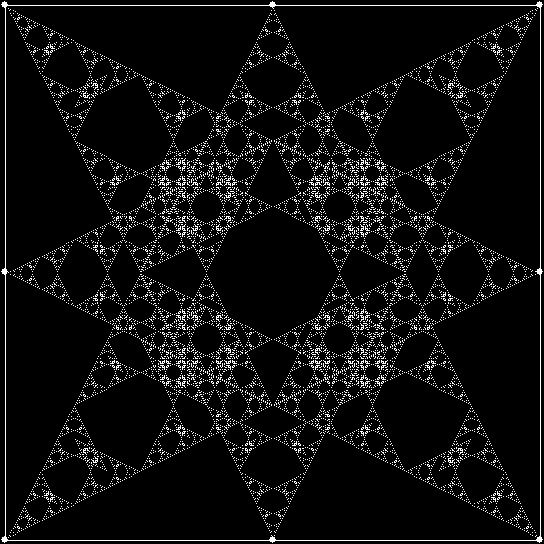
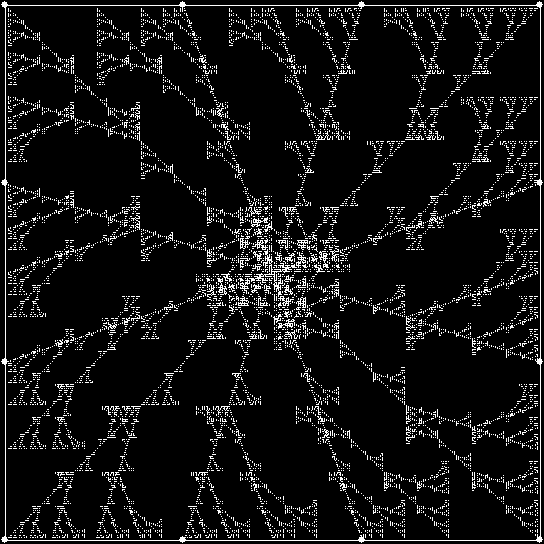
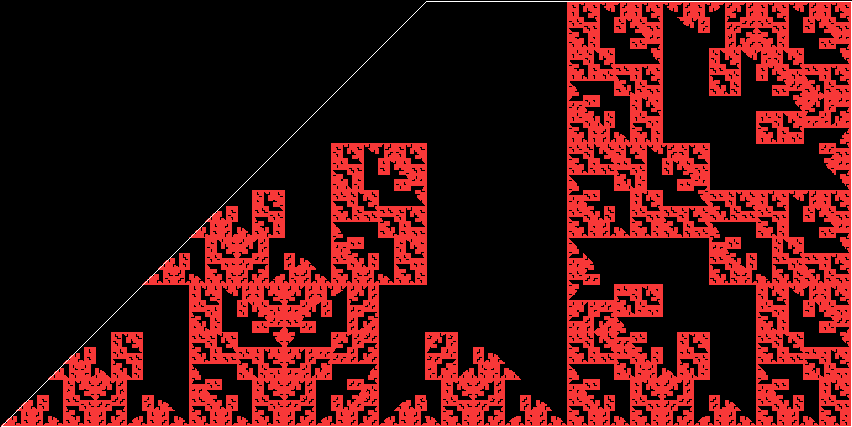
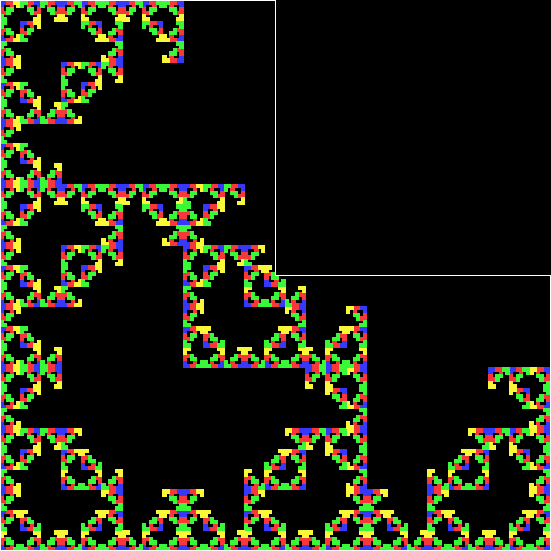
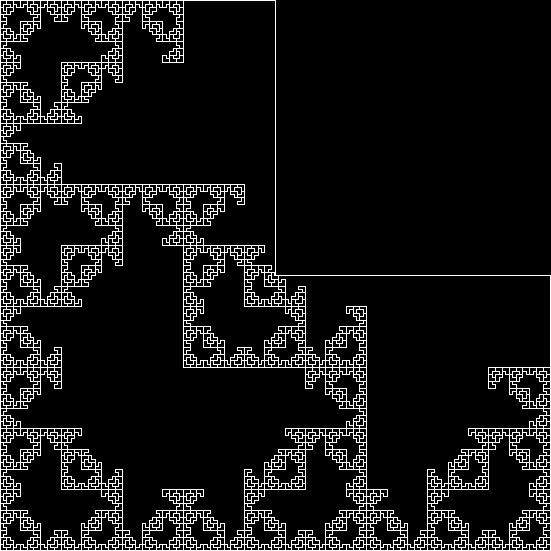
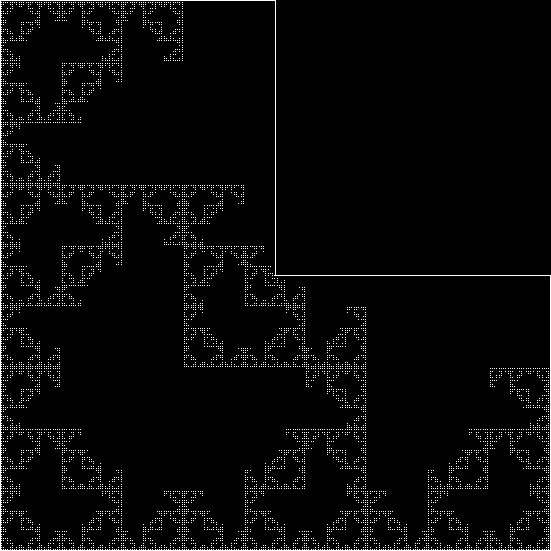
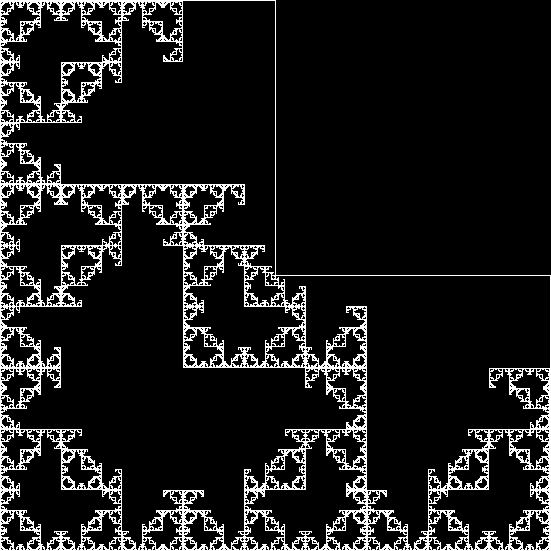
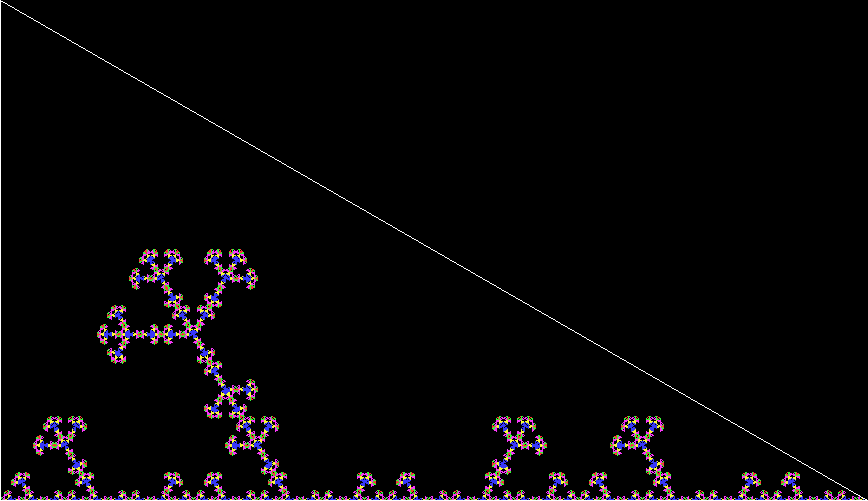
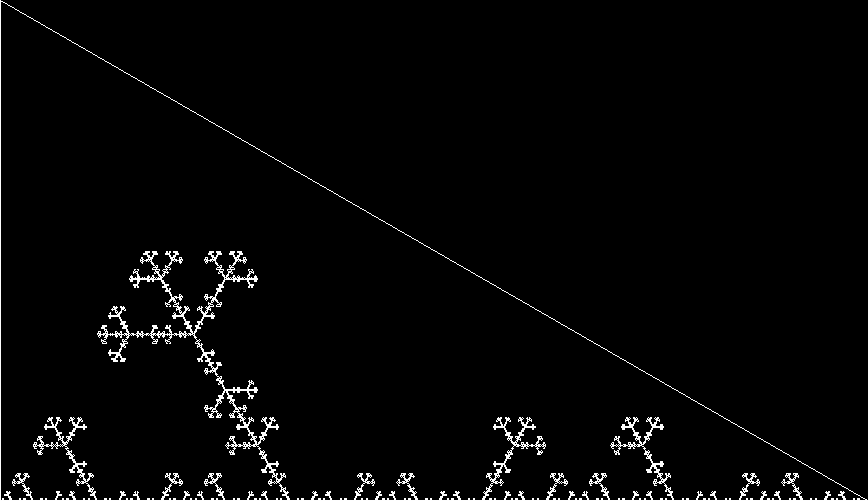
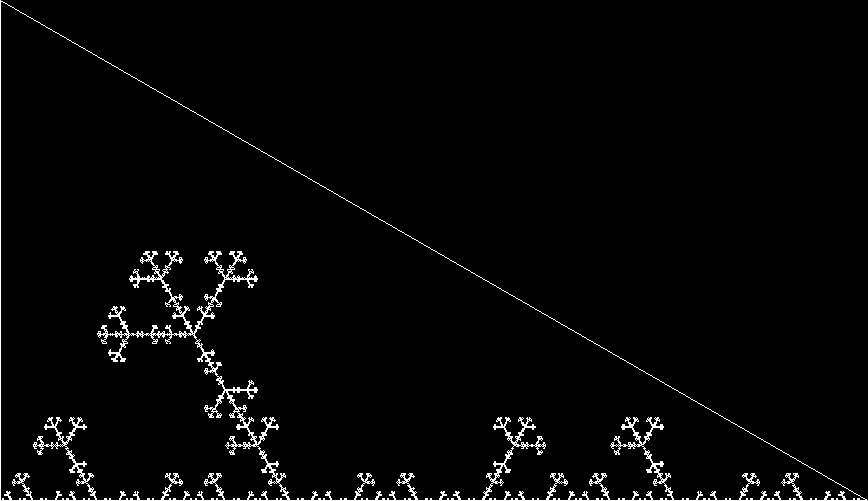
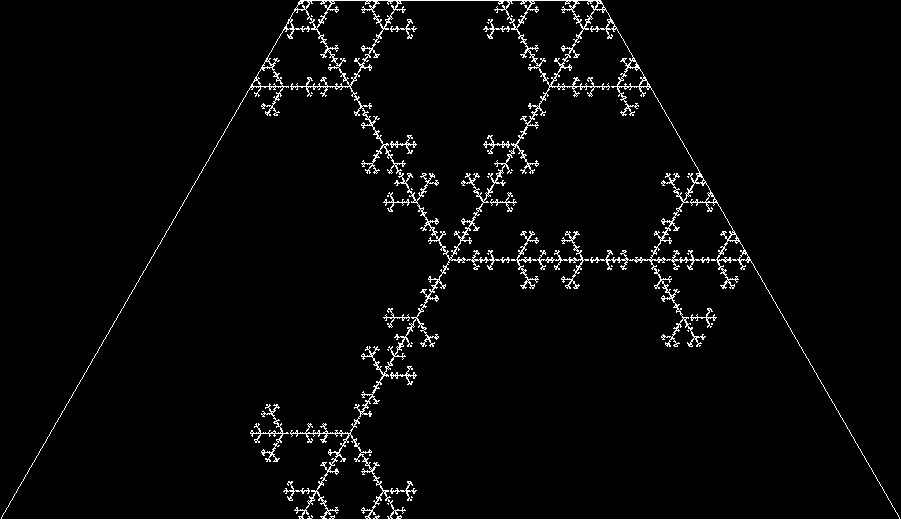
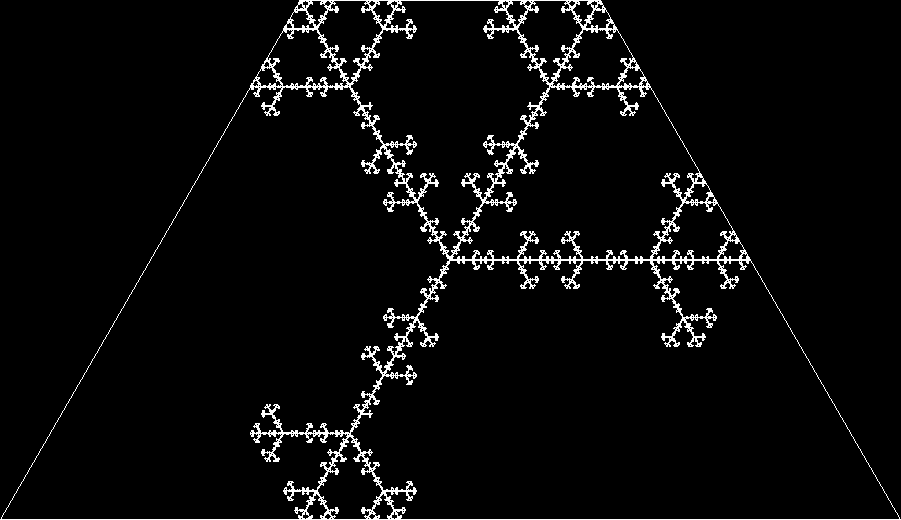
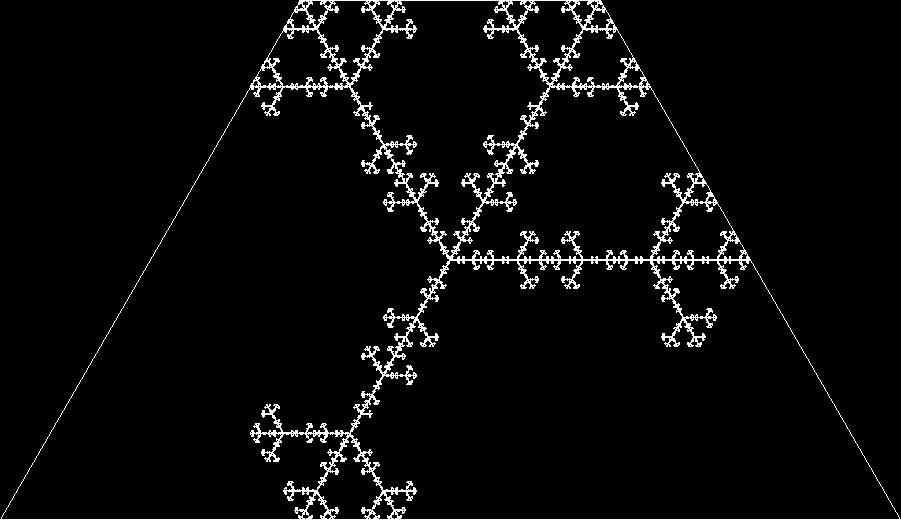
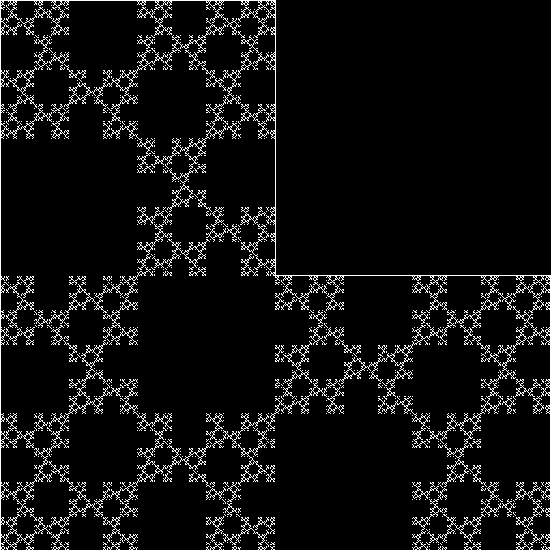
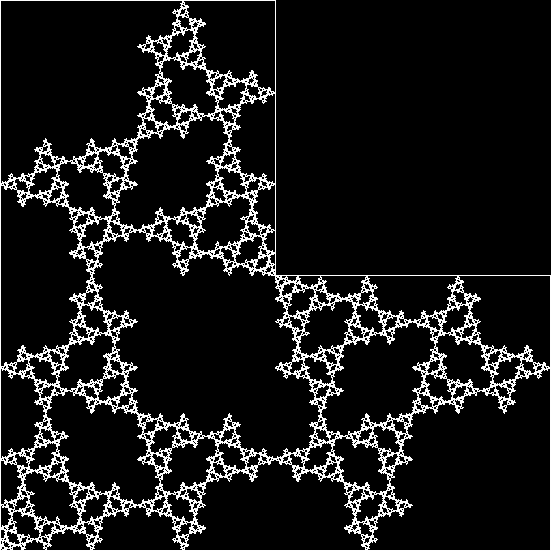
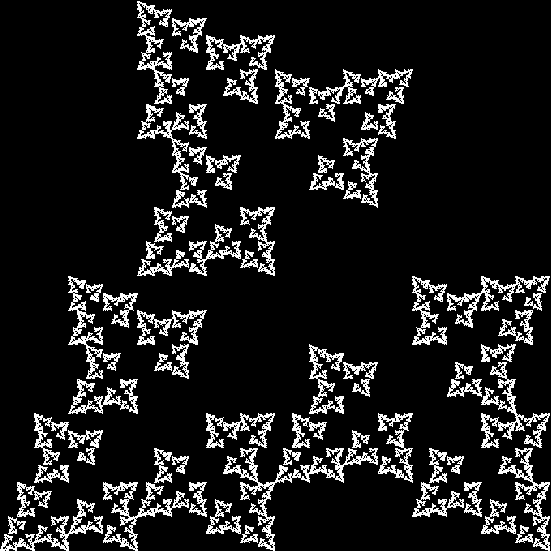
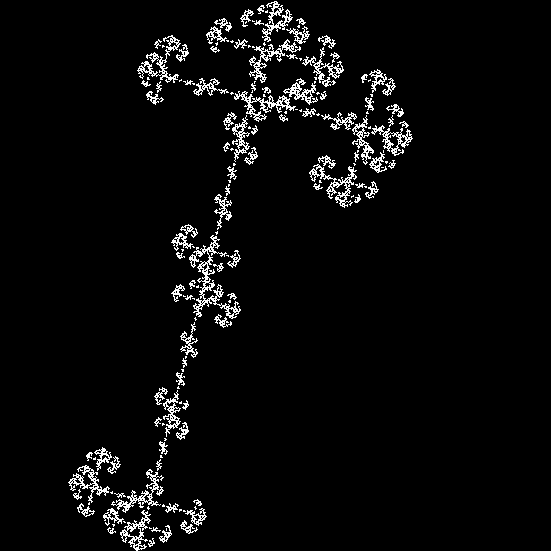
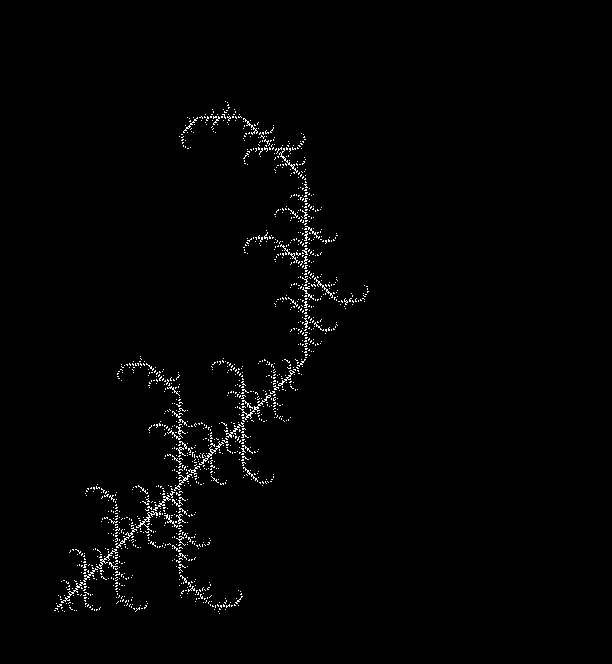
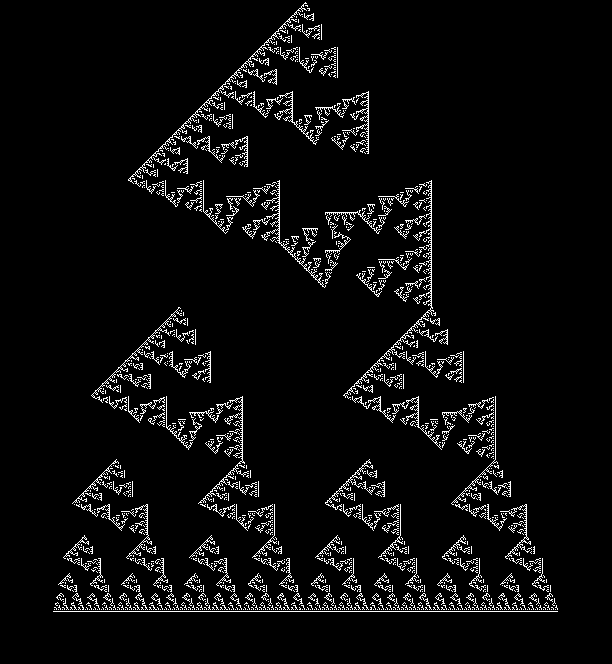
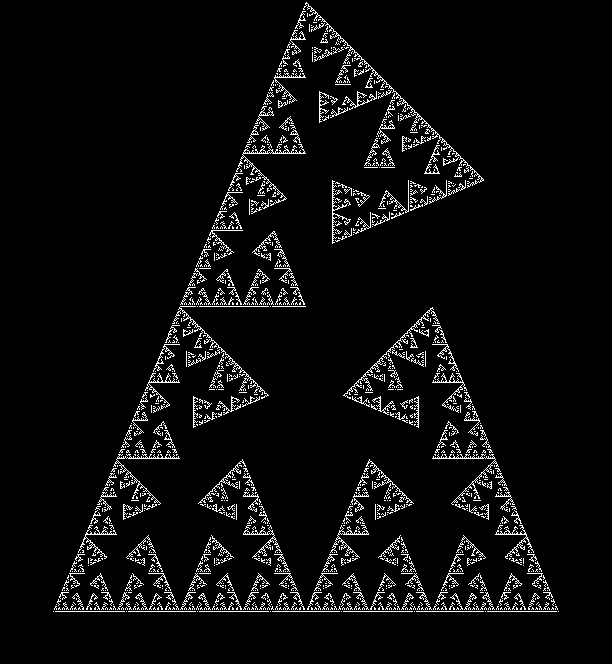
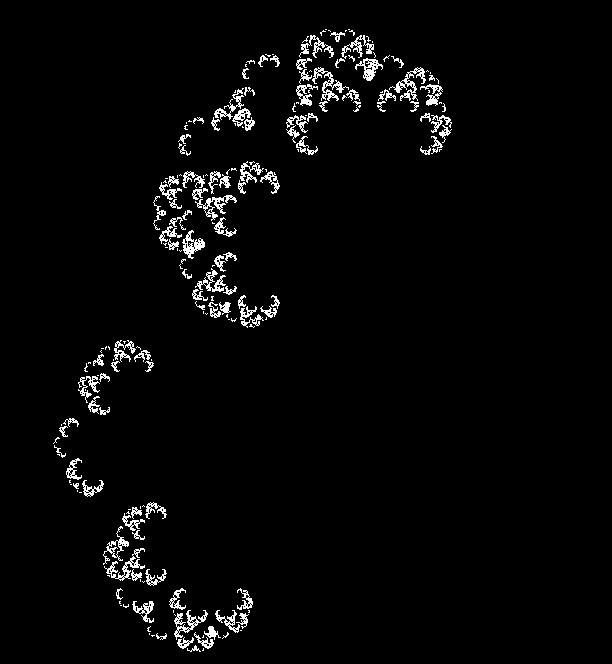
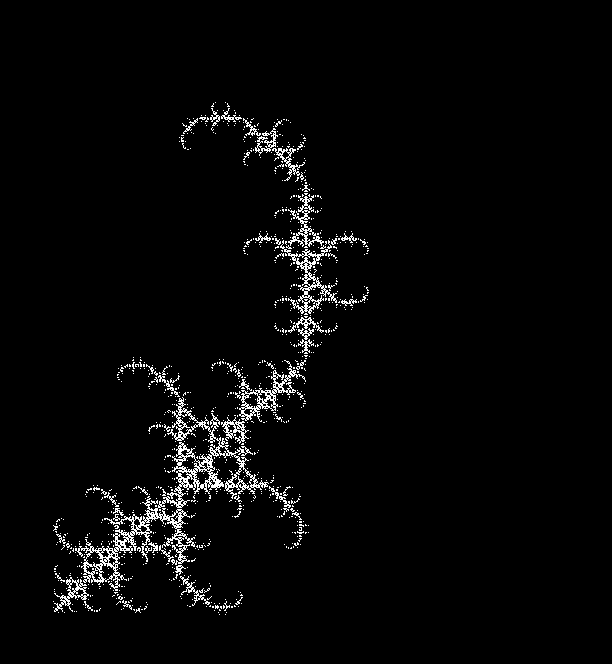
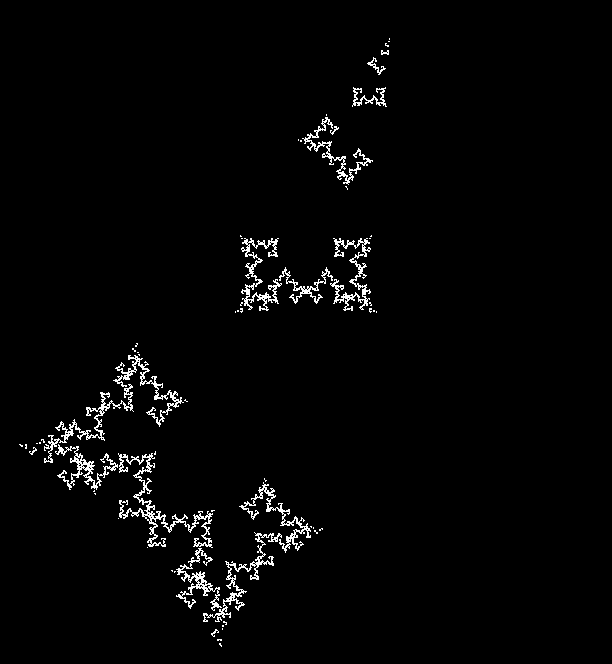
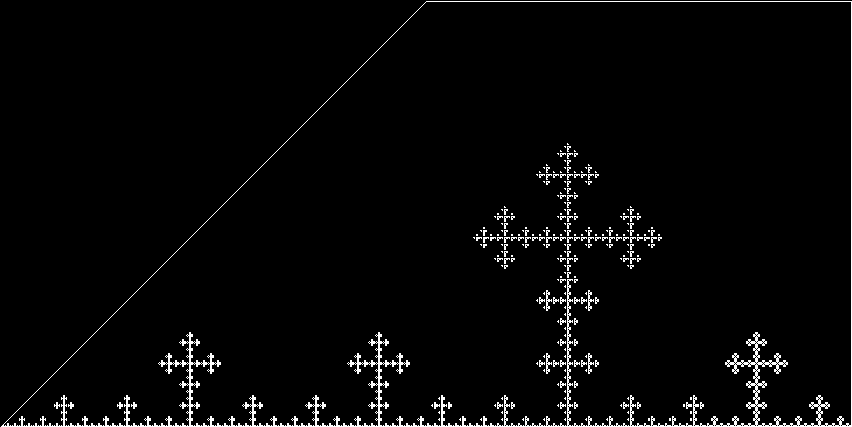
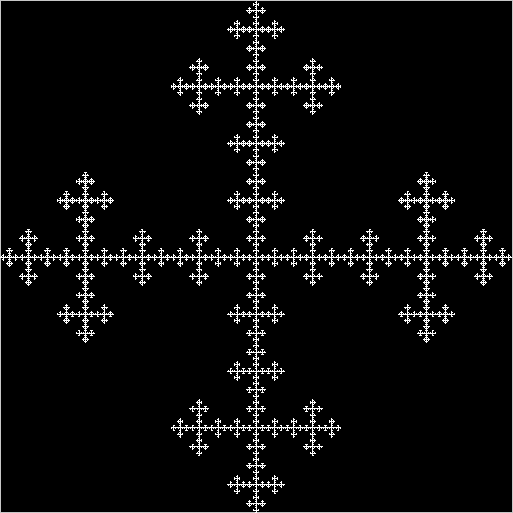
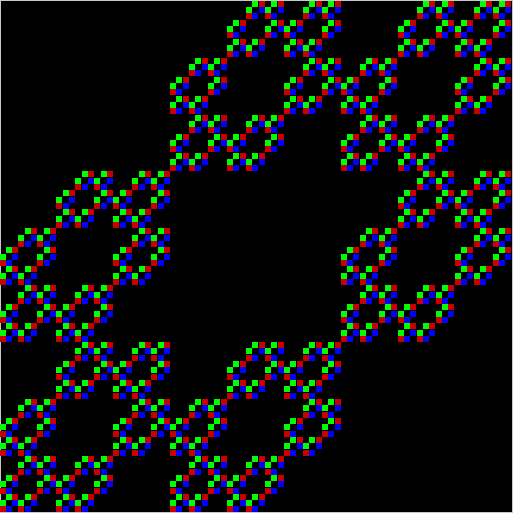
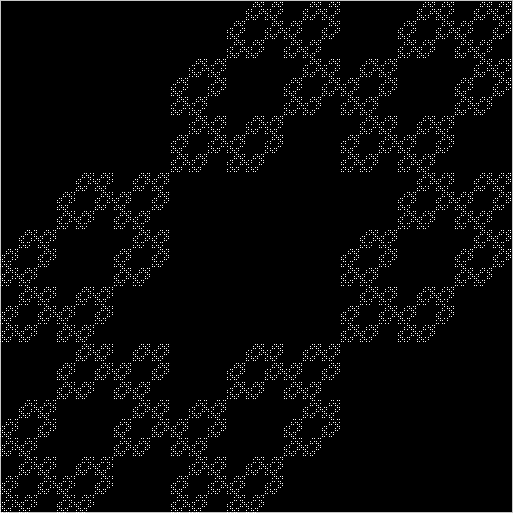
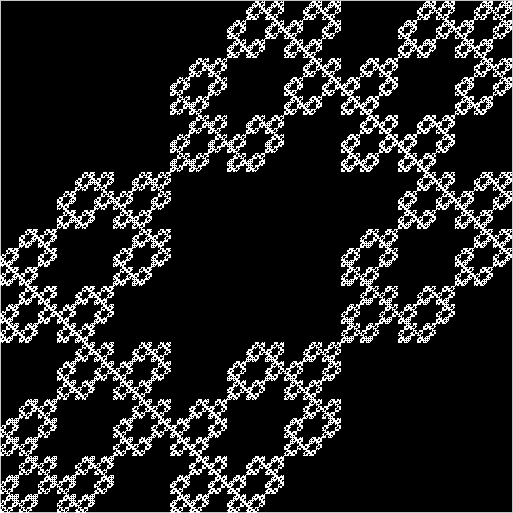
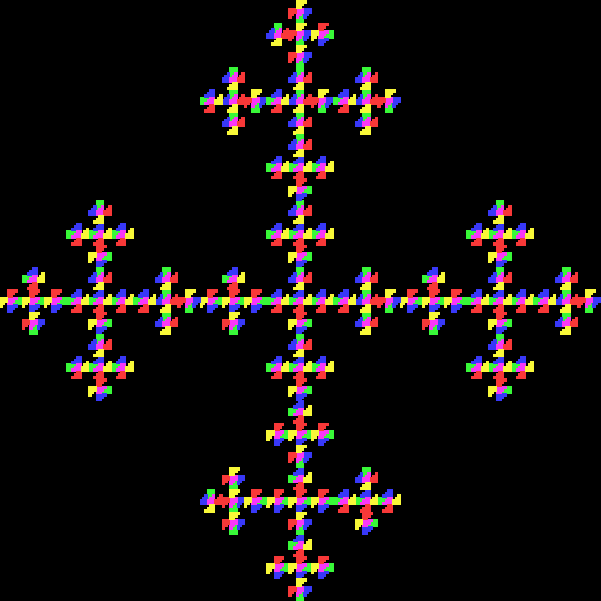
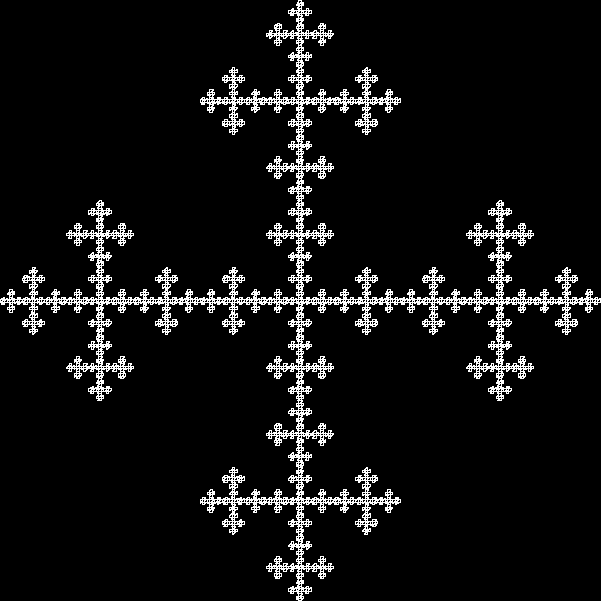
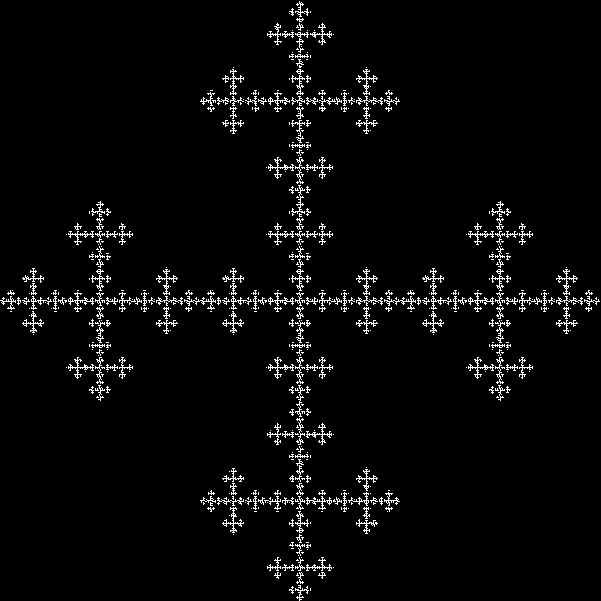
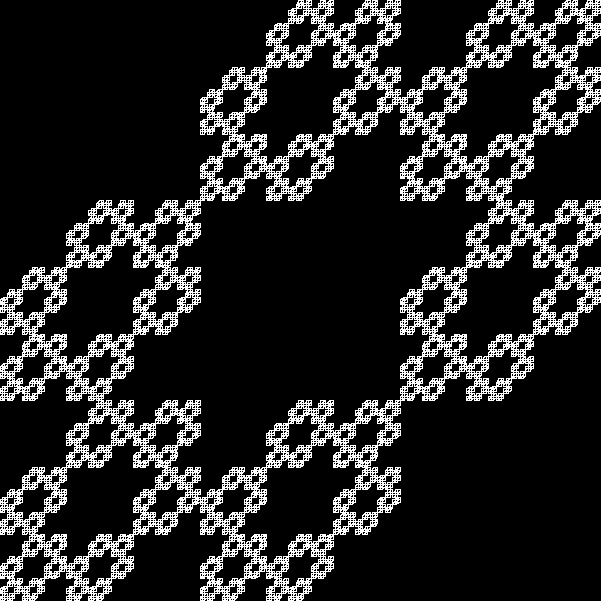
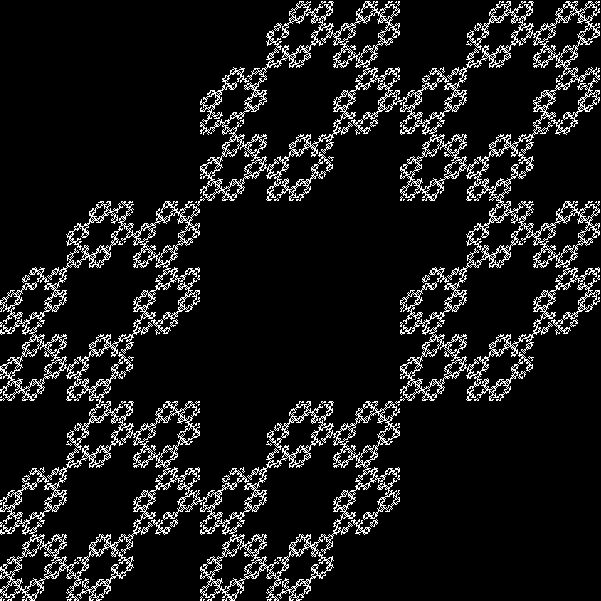
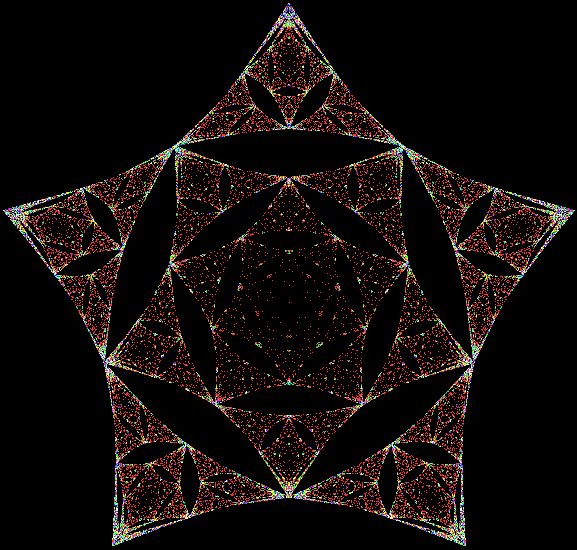
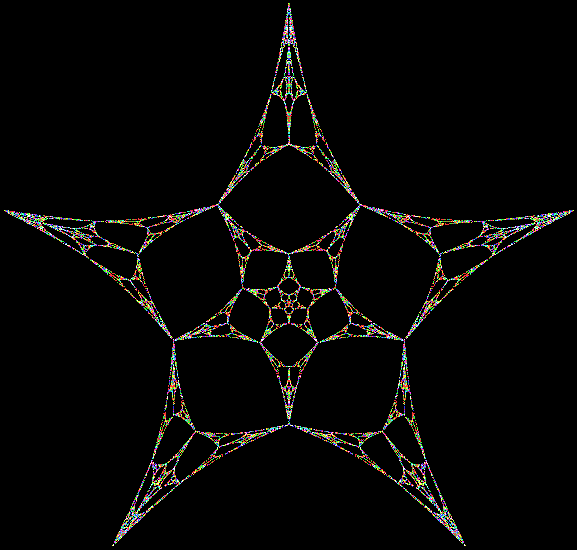
Et voilà, another bat-like fractal:

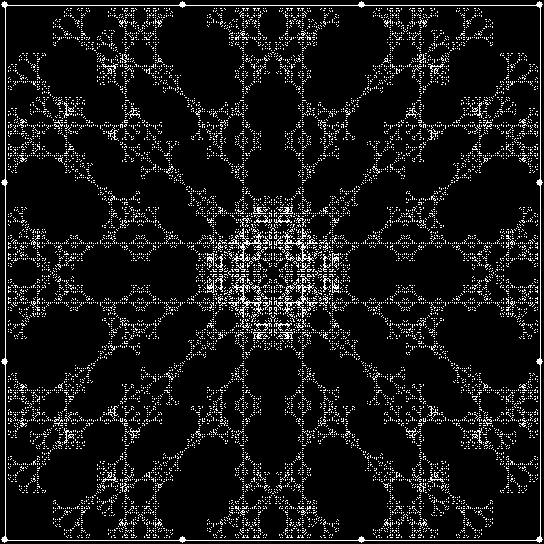
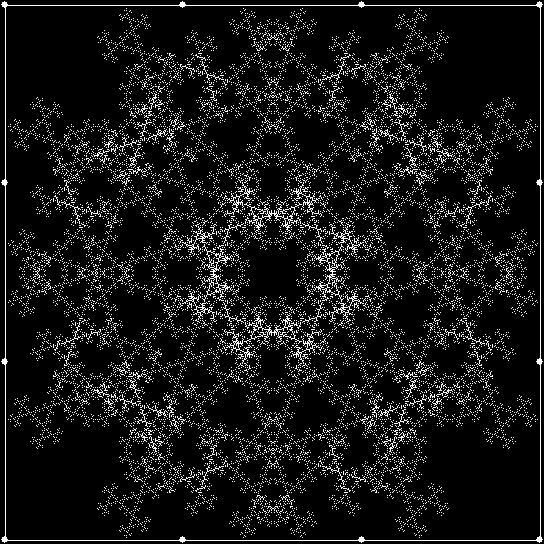
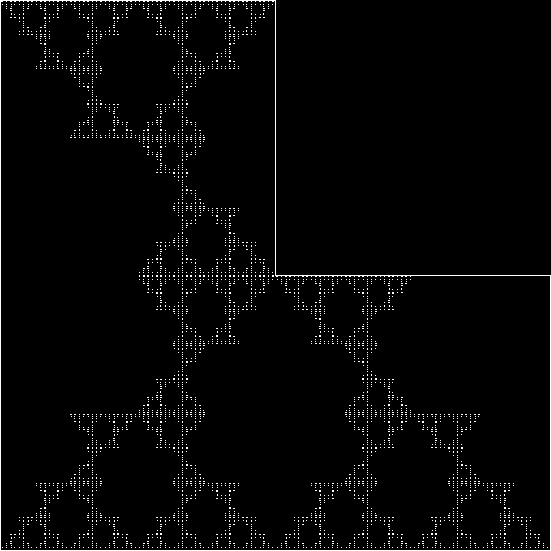
L-triomino bat-fractal (static)
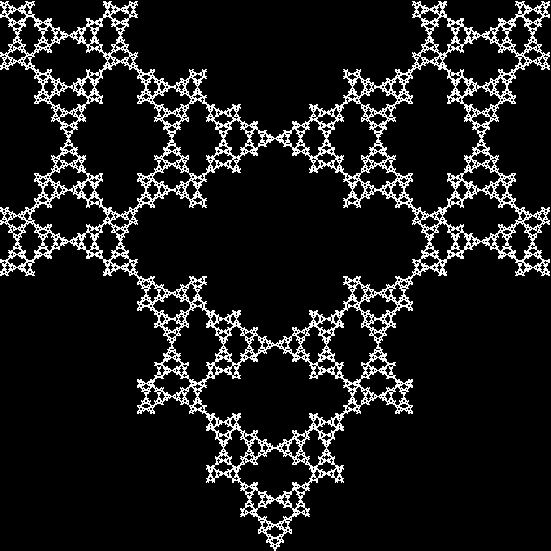

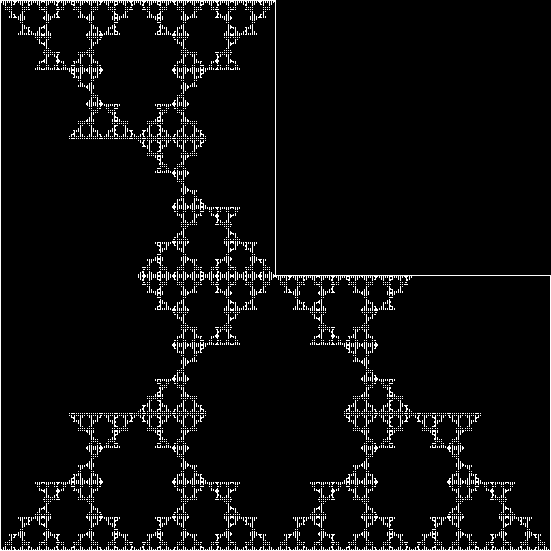
L-triomino bat-fractal (animated)


Elsewhere other-posted:

Tri-Way to L
Bats and Butterflies
Square Routes
Square Routes Revisited
Square Routes Re-Revisited
Square Routes Re-Re-Revisited

Tridentine Math

The Tridentine Mass is the Roman Rite Mass that appears in typical editions of the Roman Missal published from 1570 to 1962. — Tridentine Mass, Wikipedia

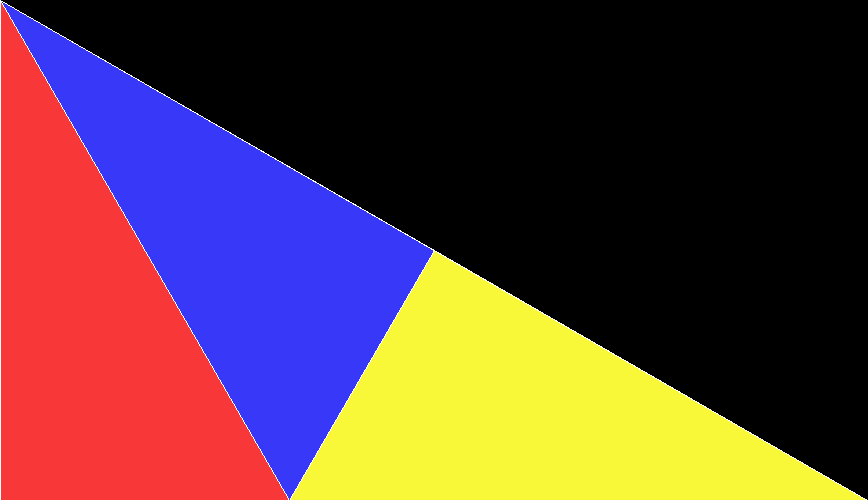
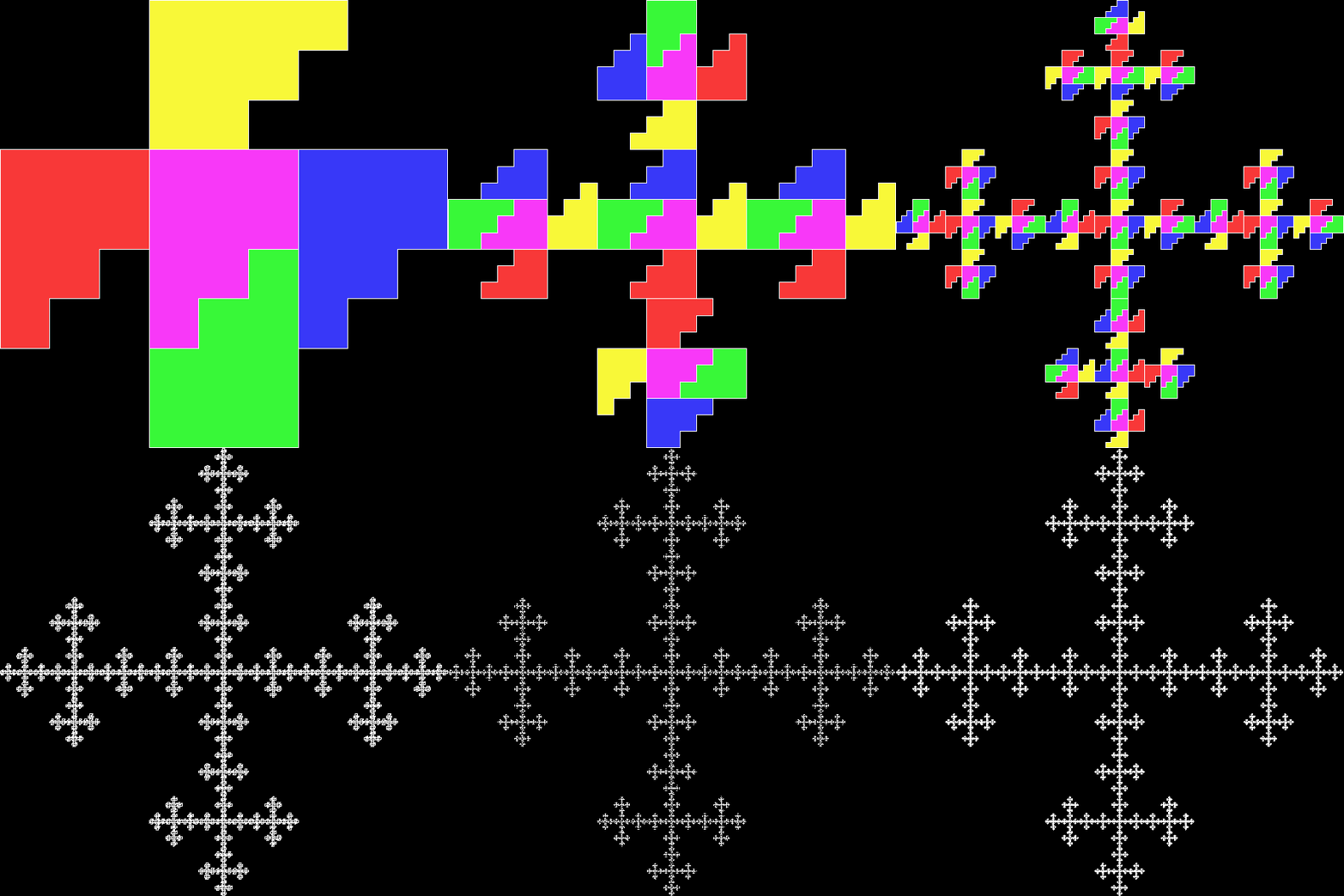
A 30°-60°-90° right triangle, with sides 1 : √3 : 2, can be divided into three identical copies of itself:

30°-60°-90° Right Triangle — a rep-3 rep-tile…


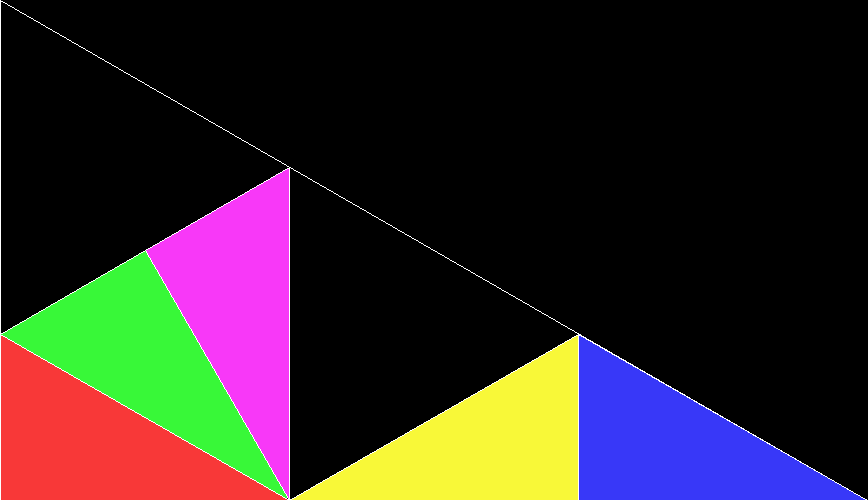
And if it can be divided into three, it can be divided into nine:

…that is also a rep-9 rep-tile


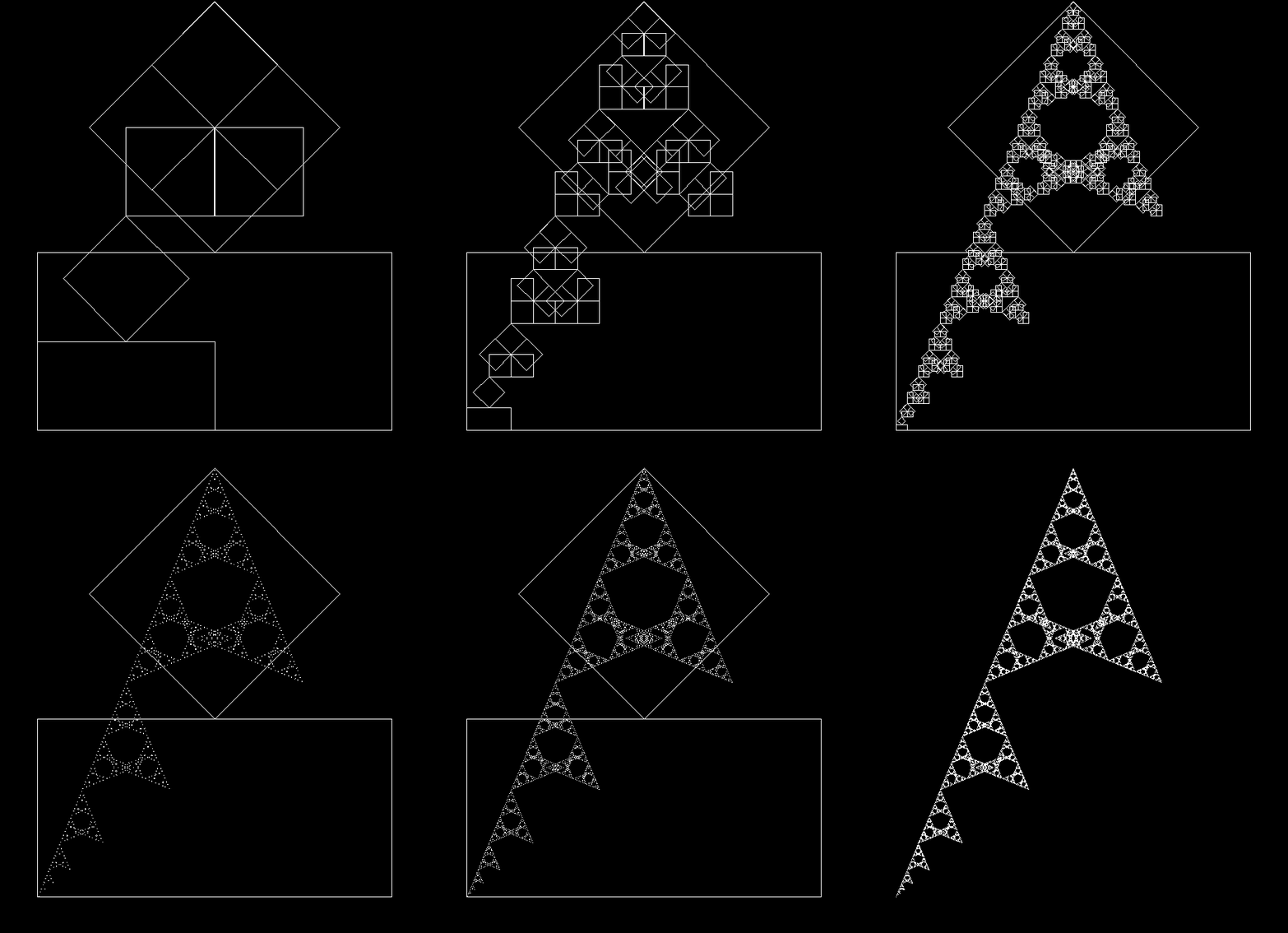
Five of the sub-copies serve as the seed for an interesting fractal:

Fractal stage #1


Fractal stage #2


Fractal stage #3


Fractal #4


Fractal #5


Fractal #6


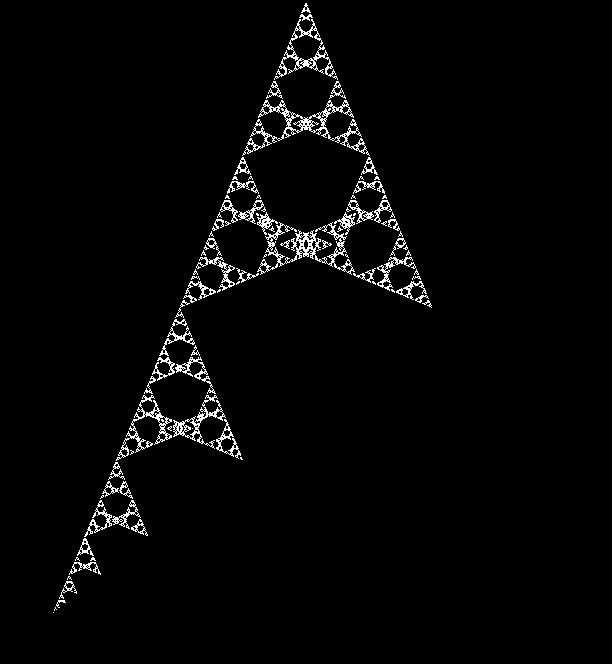
Fractal #6


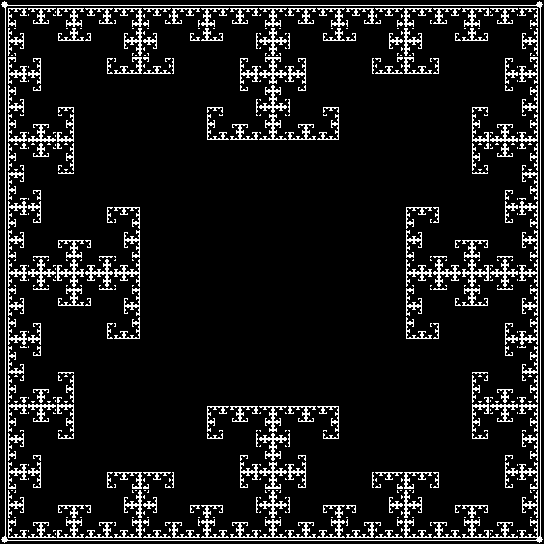
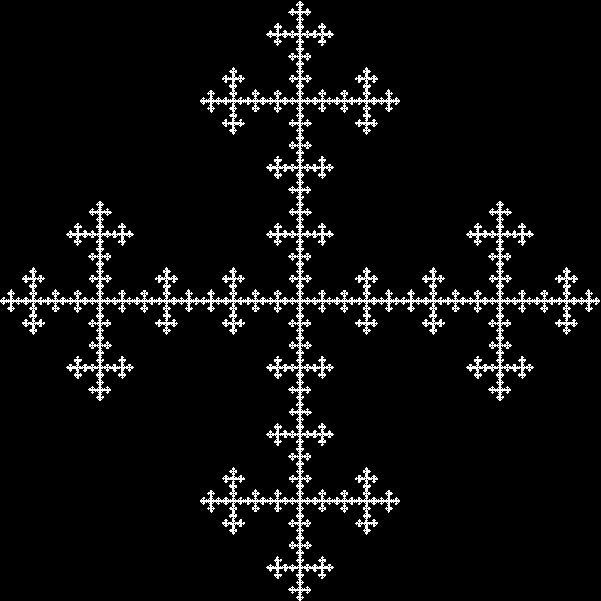
Tridentine cross (animated)


Tridentine cross (static)


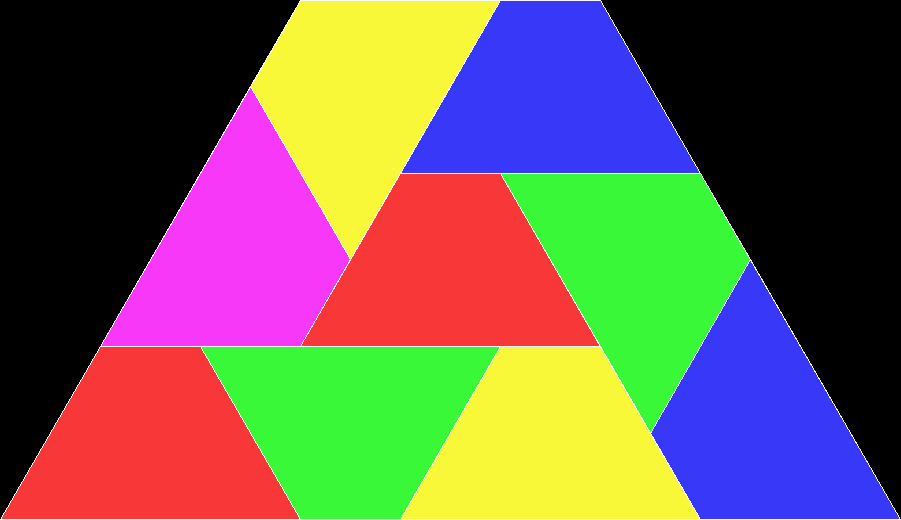
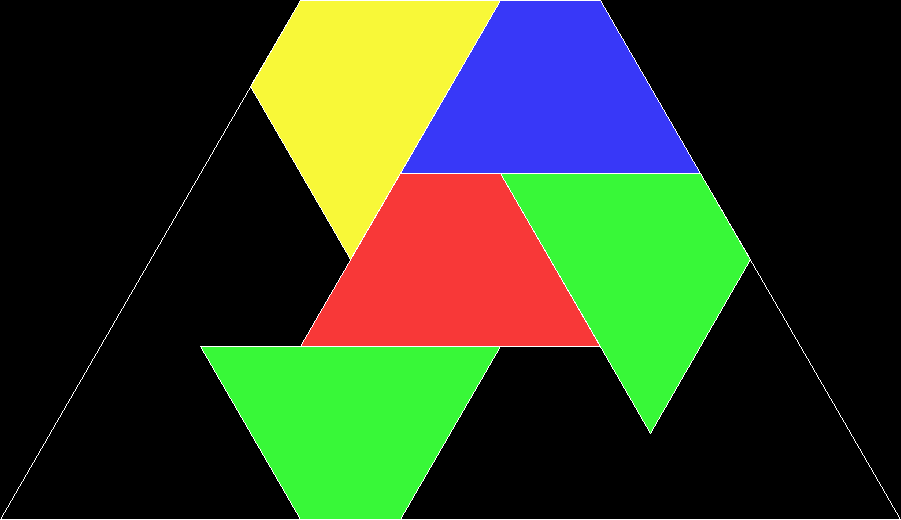
This is a different kind of rep-tile:

Noniamond trapezoid


But it yields the same fractal cross:

Fractal #1


Fractal #2


Fractal #3


Fractal #4


Fractal #5


Fractal #6


Tridentine cross (animated)


Tridentine cross (static)


Elsewhere other-available:

Holey Trimmetry — another fractal cross

Square Routes Re-Re-Revisited

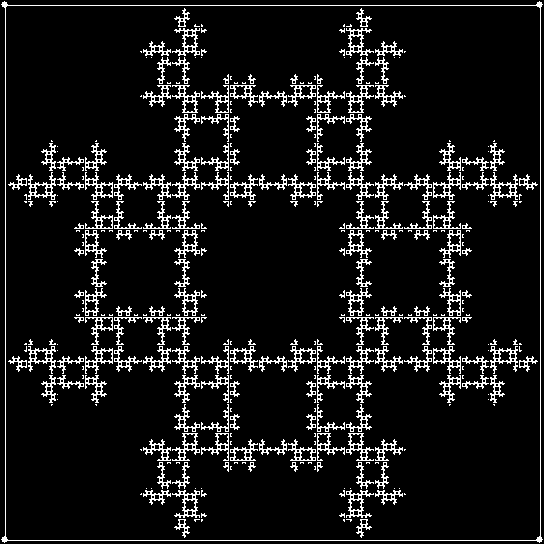
This is an L-triomino, or shape created from three squares laid edge-to-edge:

When you divide each square like this…

You can create a fractal like this…

Stage #1


Stage #2


Stage #3


Stage #4


Stage #5


Stage #6


Stage #7


Stage #8


Stage #9


Stage #10


Animated fractal


Here are more fractals created from the triomino:

Animated


Static


Animated


Static


Animated


Static


And here is a different shape created from three squares:

And some fractals created from it:

Animated


Static


Animated


Static


Animated


Static


And a third shape created from three squares:

And some fractals created from it:

Animated


Static


Animated


Static


Animated


Static


Animated


Static


Animated


Static


Animated


Static


Animated


Static


Animated


Static


Previously pre-posted (please peruse):

Tri-Way to L
Square Routes
Square Routes Revisited
Square Routes Re-Revisited

Bats and Butterflies

I’ve used butterfly-images to create fractals. Now I’ve found a butterfly-image in a fractal. The exciting story begins with a triabolo, or shape created from three isoceles right triangles:


The triabolo is a rep-tile, or shape that can be divided into smaller copies of itself:


In this case, it’s a rep-9 rep-tile, divisible into nine smaller copies of itself. And each copy can be divided in turn:


But what happens when you sub-divide, then discard copies? A fractal happens:

Fractal crosses (animated)


Fractal crosses (static)


That’s a simple example; here is a more complex one:

Fractal butterflies #1


Fractal butterflies #2


Fractal butterflies #3


Fractal butterflies #4


Fractal butterflies #5


Fractal butterflies (animated)


Some of the gaps in the fractal look like butterflies (or maybe large moths). And each butterfly is escorted by four smaller butterflies. Another fractal has gaps that look like bats escorted by smaller bats:

Fractal bats (animated)

Fractal bats (static)


Elsewhere other-posted:

Gif Me Lepidoptera — fractals using butterflies
Holey Trimmetry — more fractal crosses

Holey Trimmetry

Symmetry arising from symmetry isn’t surprising. But what about symmetry arising from asymmetry? You can find both among the rep-tiles, which are geometrical shapes that can be completely replaced by smaller copies of themselves. A square is a symmetrical rep-tile. It can be replaced by nine smaller copies of itself:

Rep-9 Square

If you trim the copies so that only five are left, you have a symmetrical seed for a symmetrical fractal:

Fractal cross stage #1


Fractal cross #2


Fractal cross #3


Fractal cross #4


Fractal cross #5


Fractal cross #6


Fractal cross (animated)


Fractal cross (static)


If you trim the copies so that six are left, you have another symmetrical seed for a symmetrical fractal:

Fractal Hex-Ring #1


Fractal Hex-Ring #2


Fractal Hex-Ring #3


Fractal Hex-Ring #4


Fractal Hex-Ring #5


Fractal Hex-Ring #6


Fractal Hex-Ring (animated)


Fractal Hex-Ring (static)


Now here’s an asymmetrical rep-tile, a nonomino or shape created from nine squares joined edge-to-edge:

Nonomino


It can be divided into twelve smaller copies of itself, like this:

Rep-12 Nonomino (discovered by Erich Friedman)


If you trim the copies so that only five are left, you have an asymmetrical seed for a familiar symmetrical fractal:

Fractal cross stage #1


Fractal cross #2


Fractal cross #3


Fractal cross #4


Fractal cross #5


Fractal cross #6


Fractal cross (animated)


Fractal cross (static)


If you trim the copies so that six are left, you have an asymmetrical seed for another familiar symmetrical fractal:

Fractal Hex-Ring #1


Fractal Hex-Ring #2


Fractal Hex-Ring #3


Fractal Hex-Ring #4


Fractal Hex-Ring #5


Fractal Hex-Ring (animated)


Fractal Hex-Ring (static)


Elsewhere other-available:

Square Routes Re-Re-Visited

Bent for the Pent

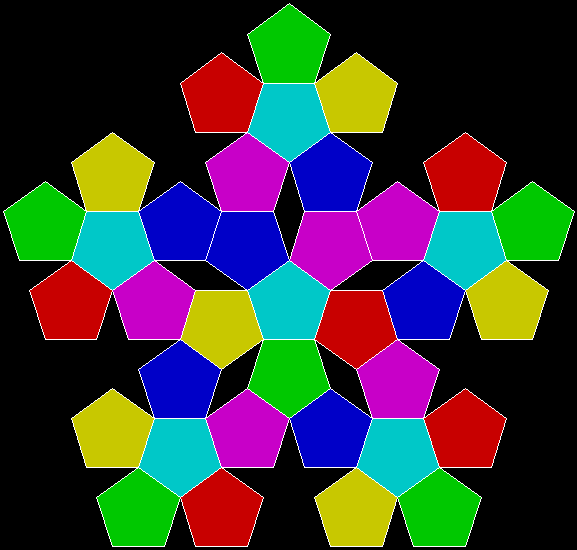
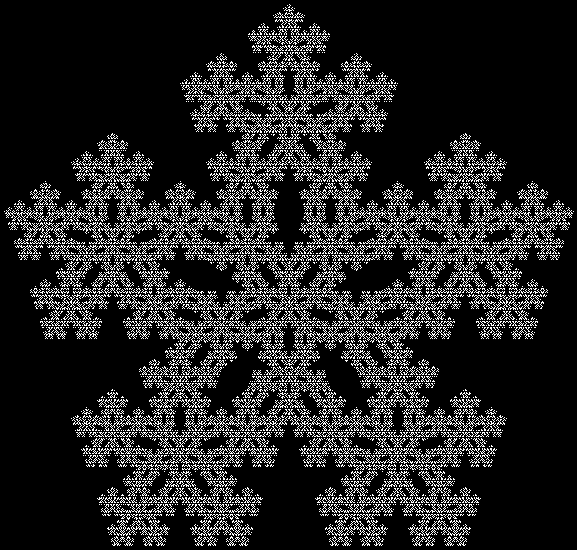
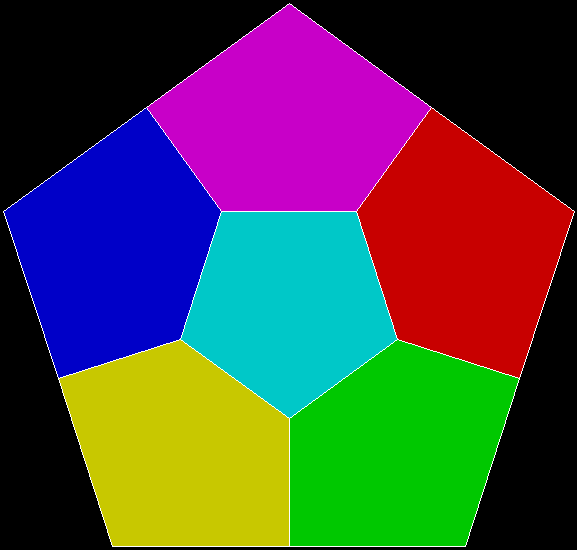
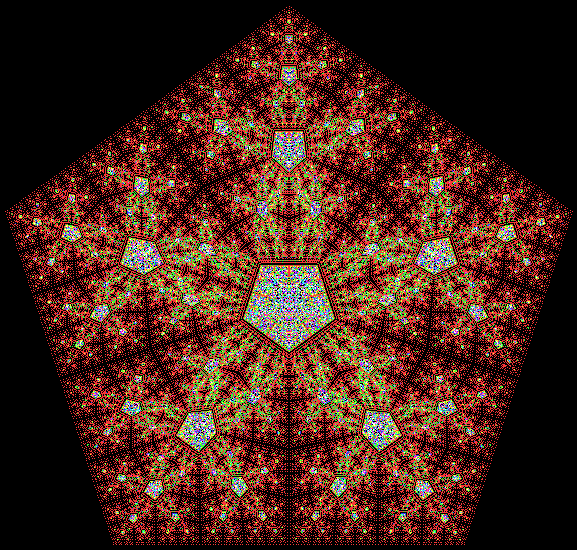
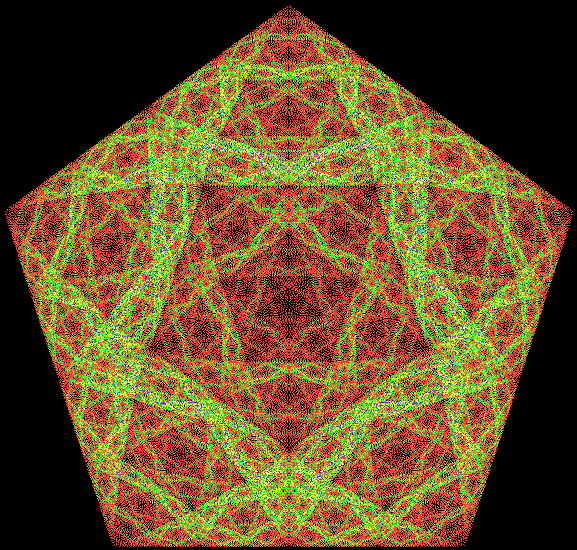
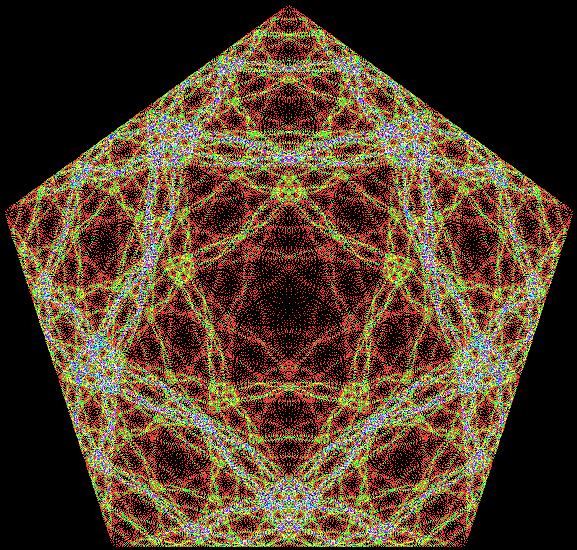
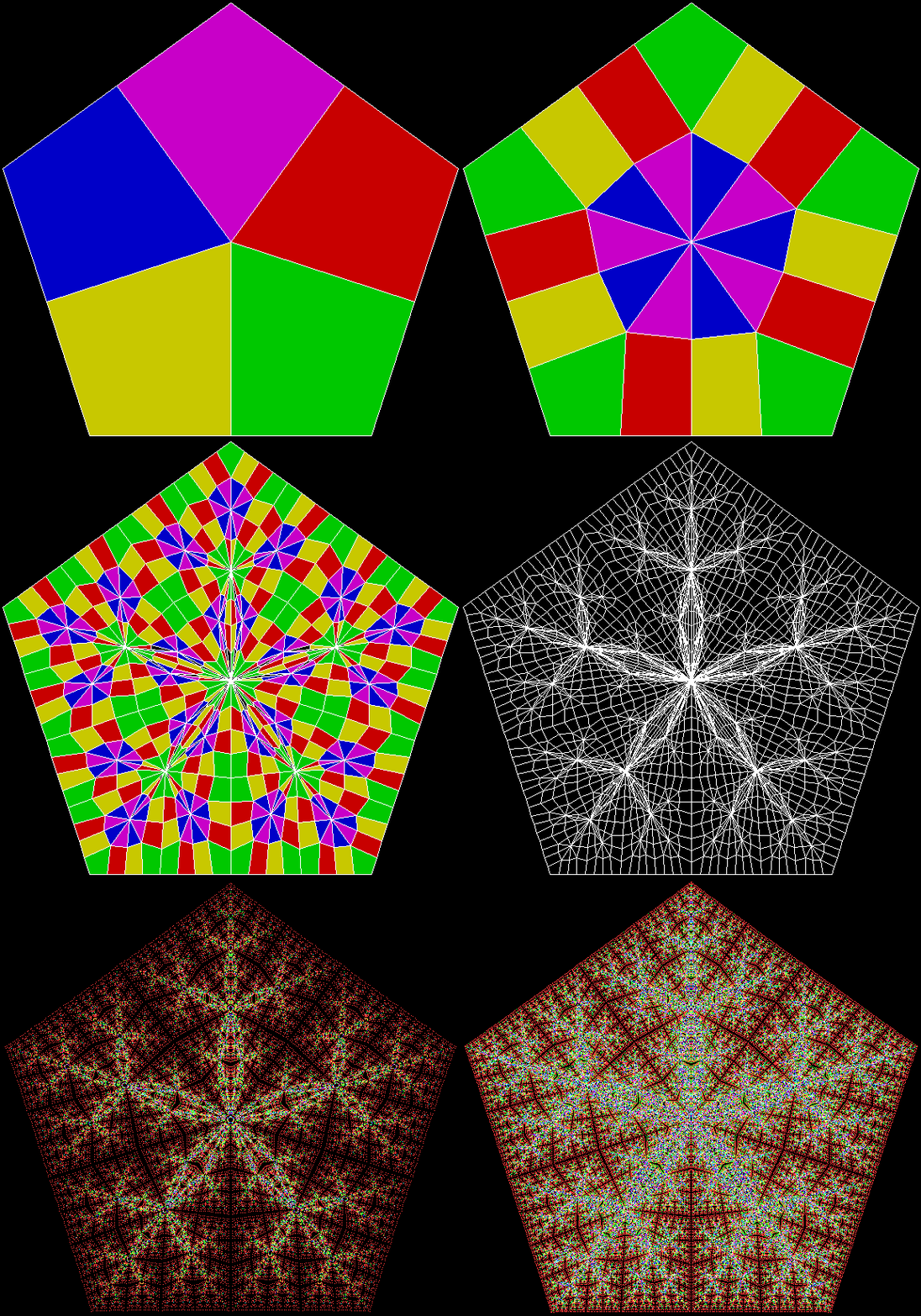
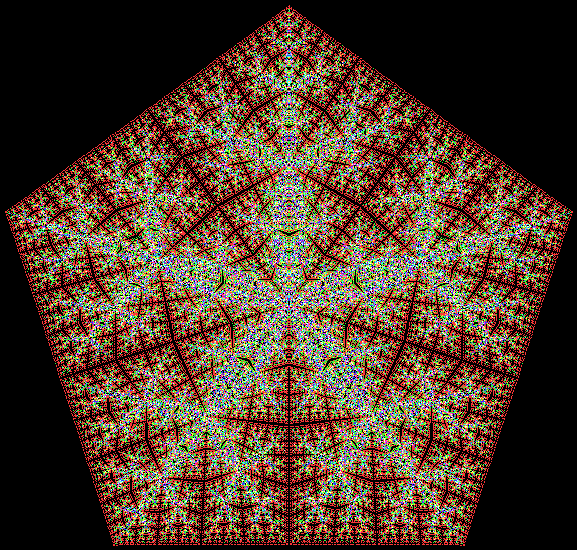
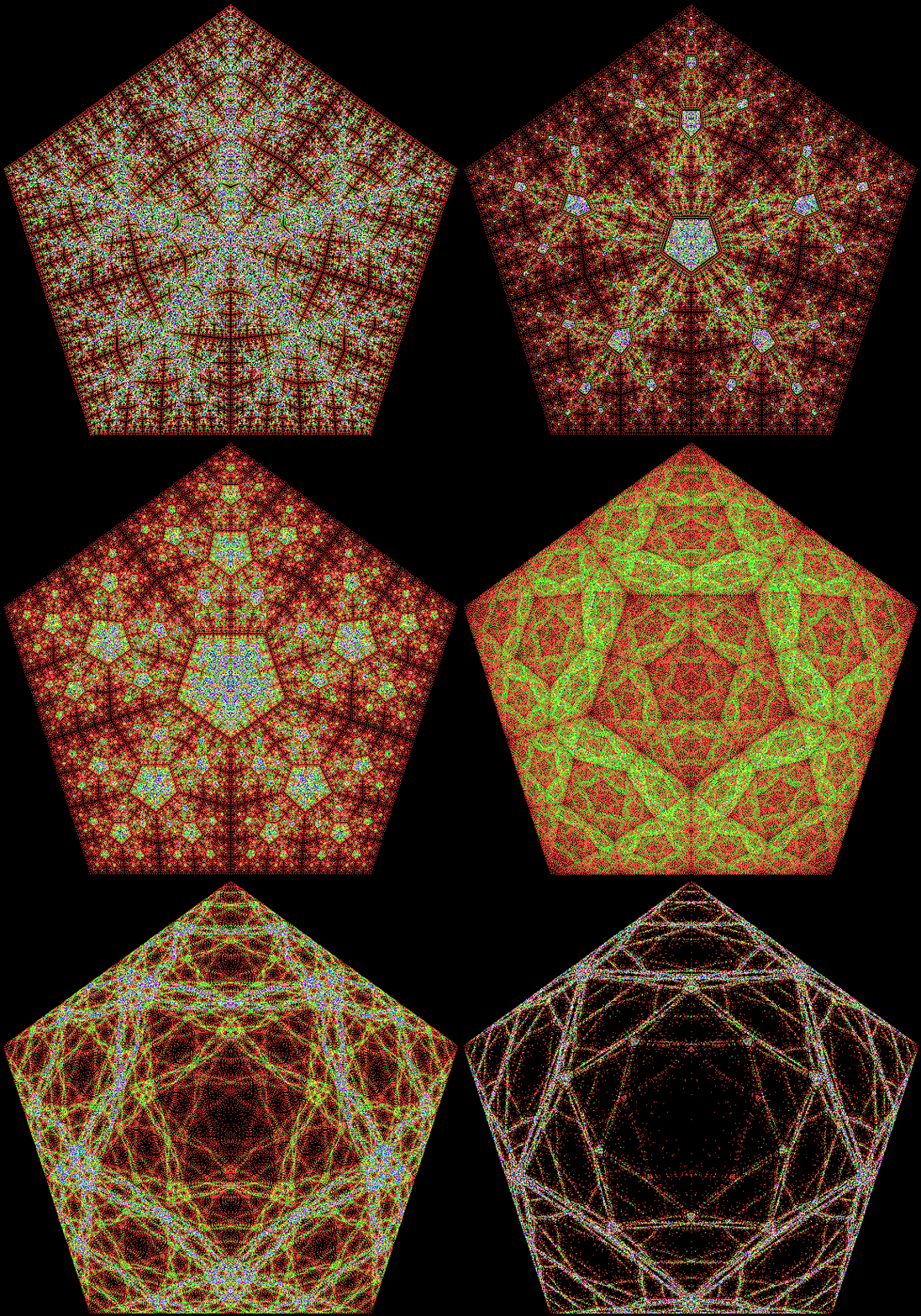
A triangle can be tiled with triangles and a square with squares, but a pentagon can’t be tiled with pentagons. At least, not in the same way, using smaller copies of the same shape. The closest you can get is this:

Pentaflake #1


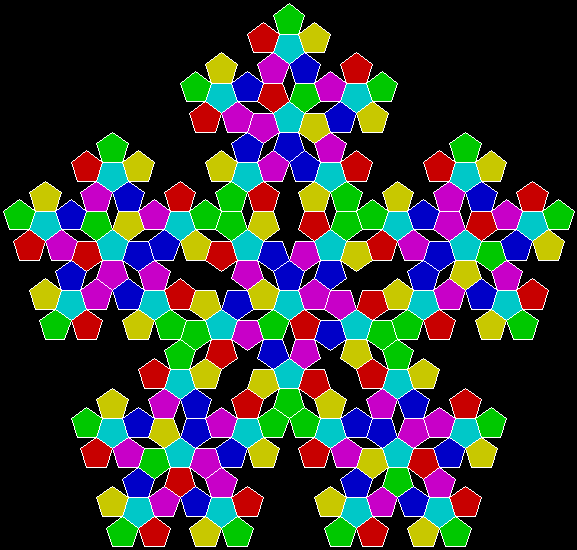
If you further subdivide the pentagon, you create what is known as a pentaflake:

Pentaflake #2


Pentaflake #3


Pentaflake #4


Pentaflake (animated)


Pentaflake (static)


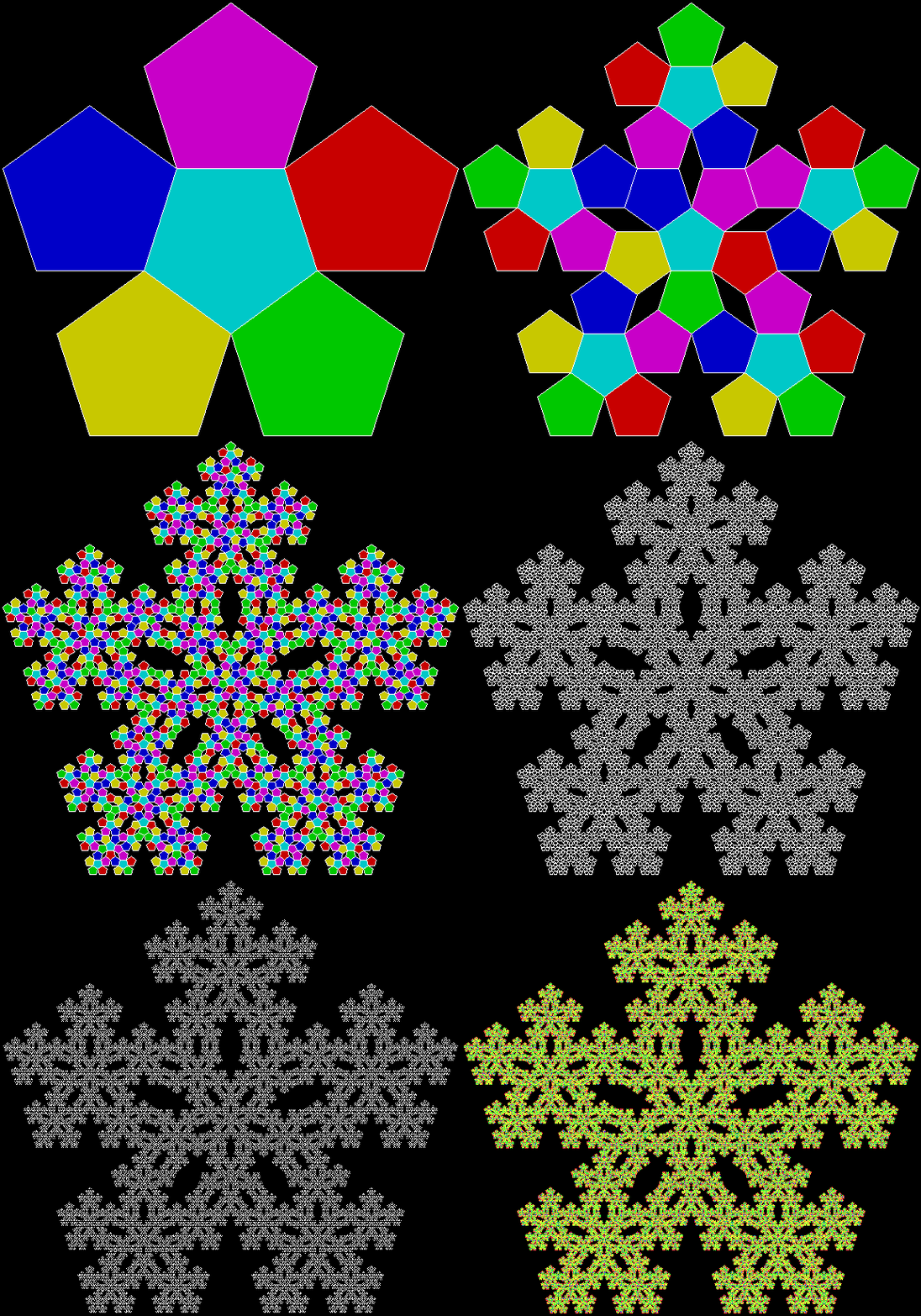
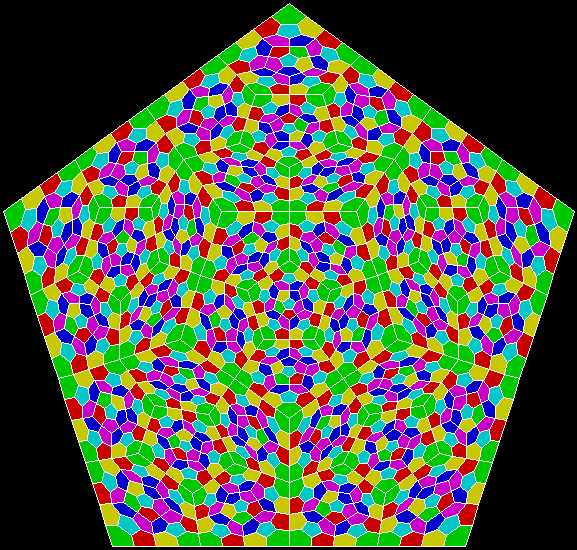
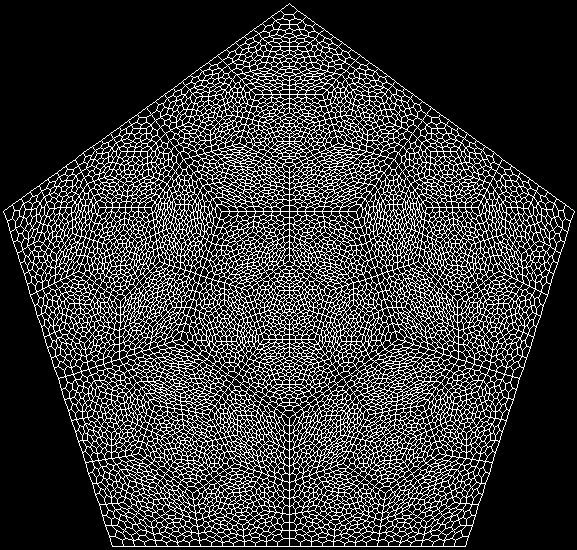
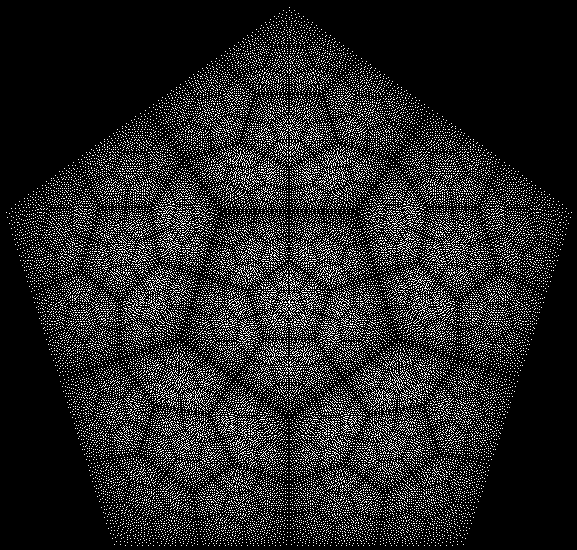
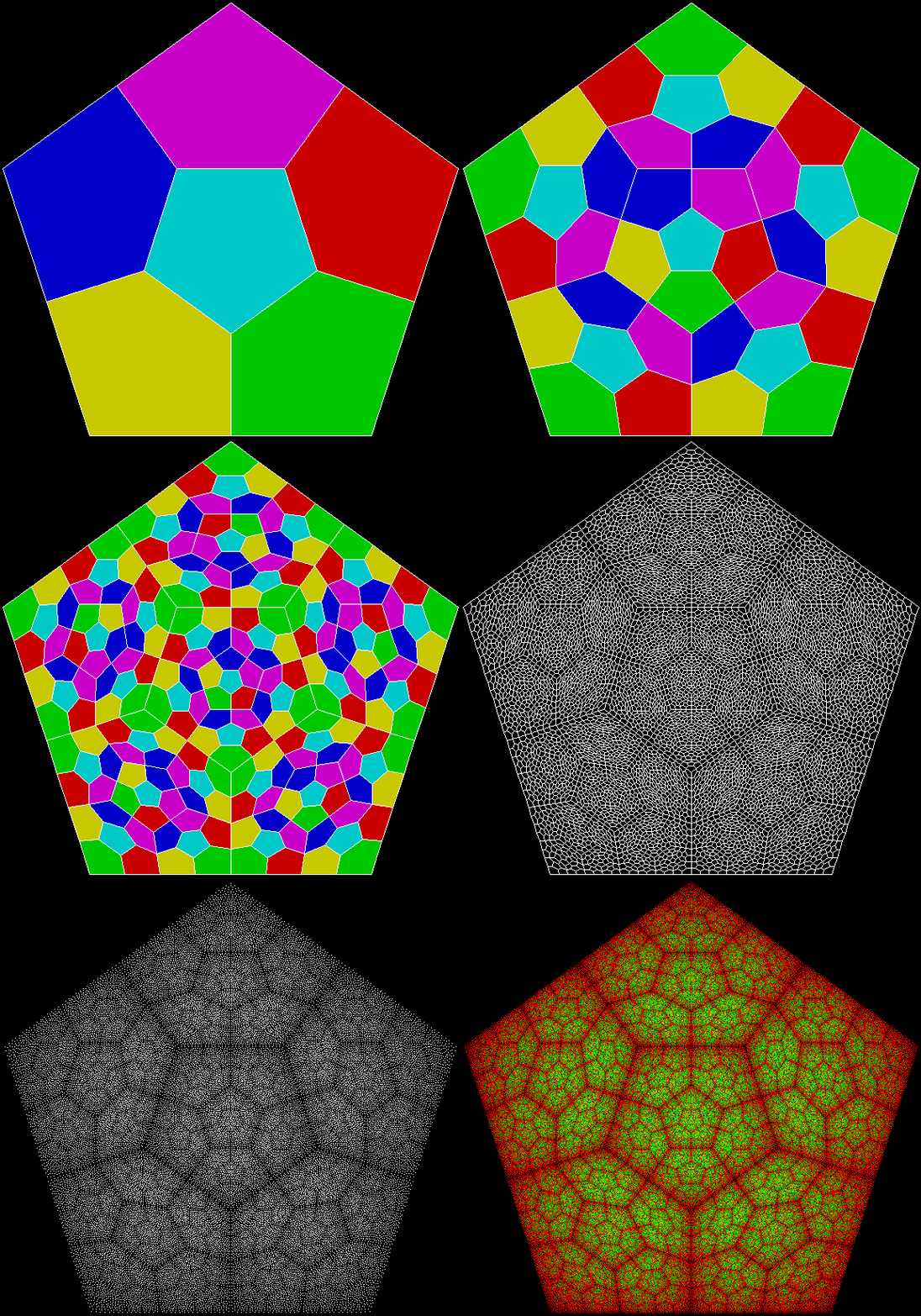
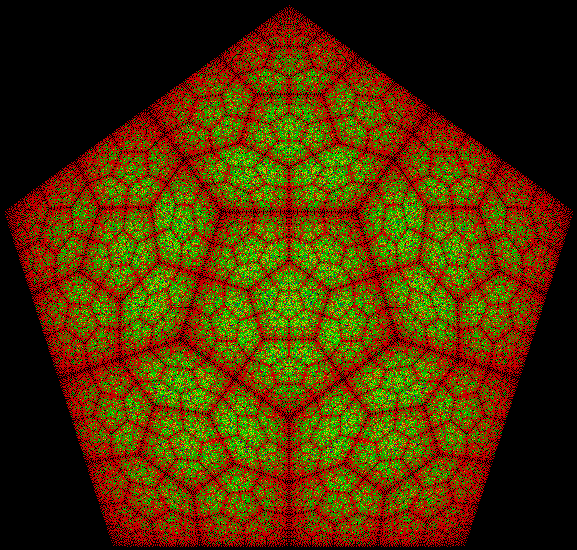
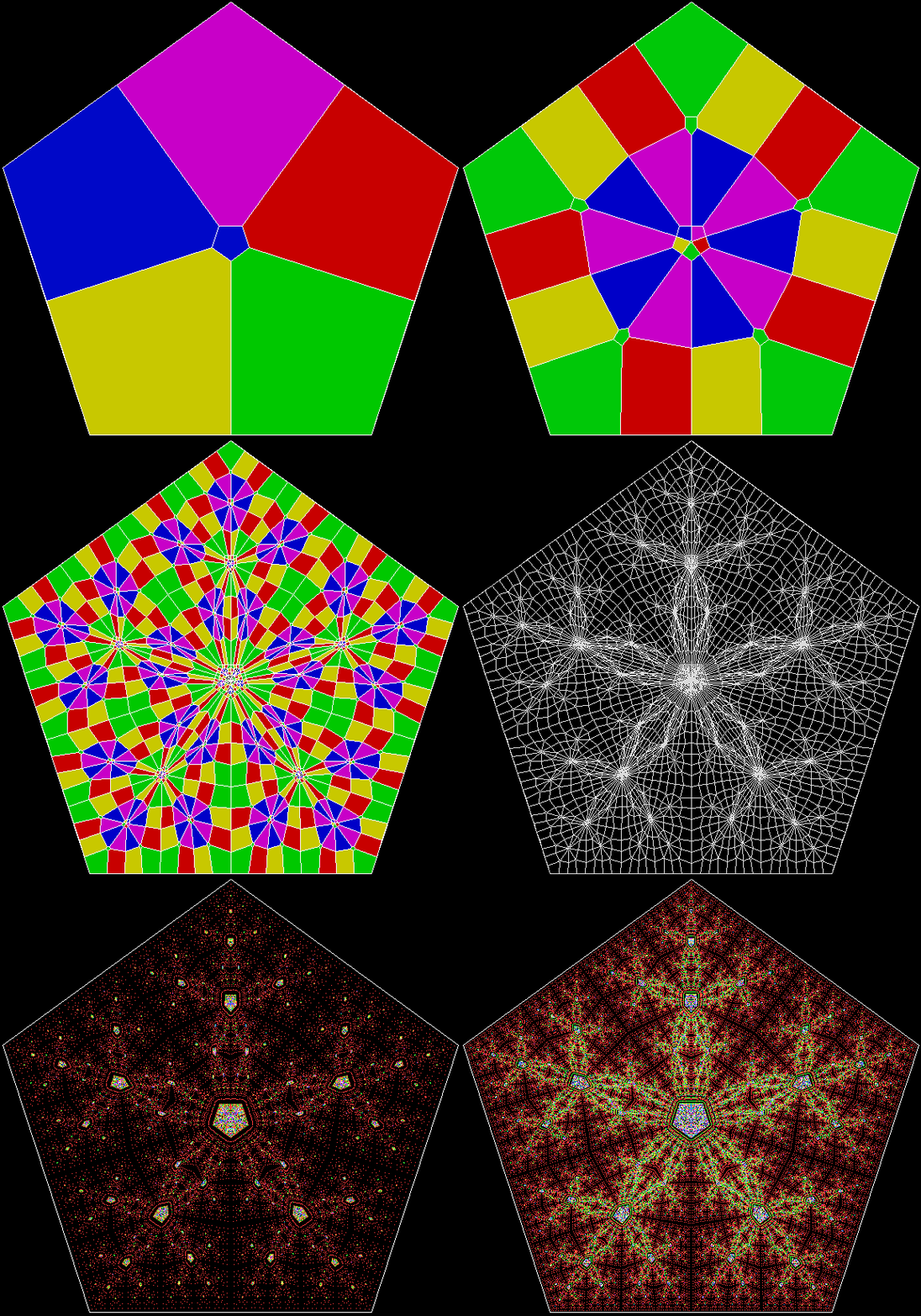
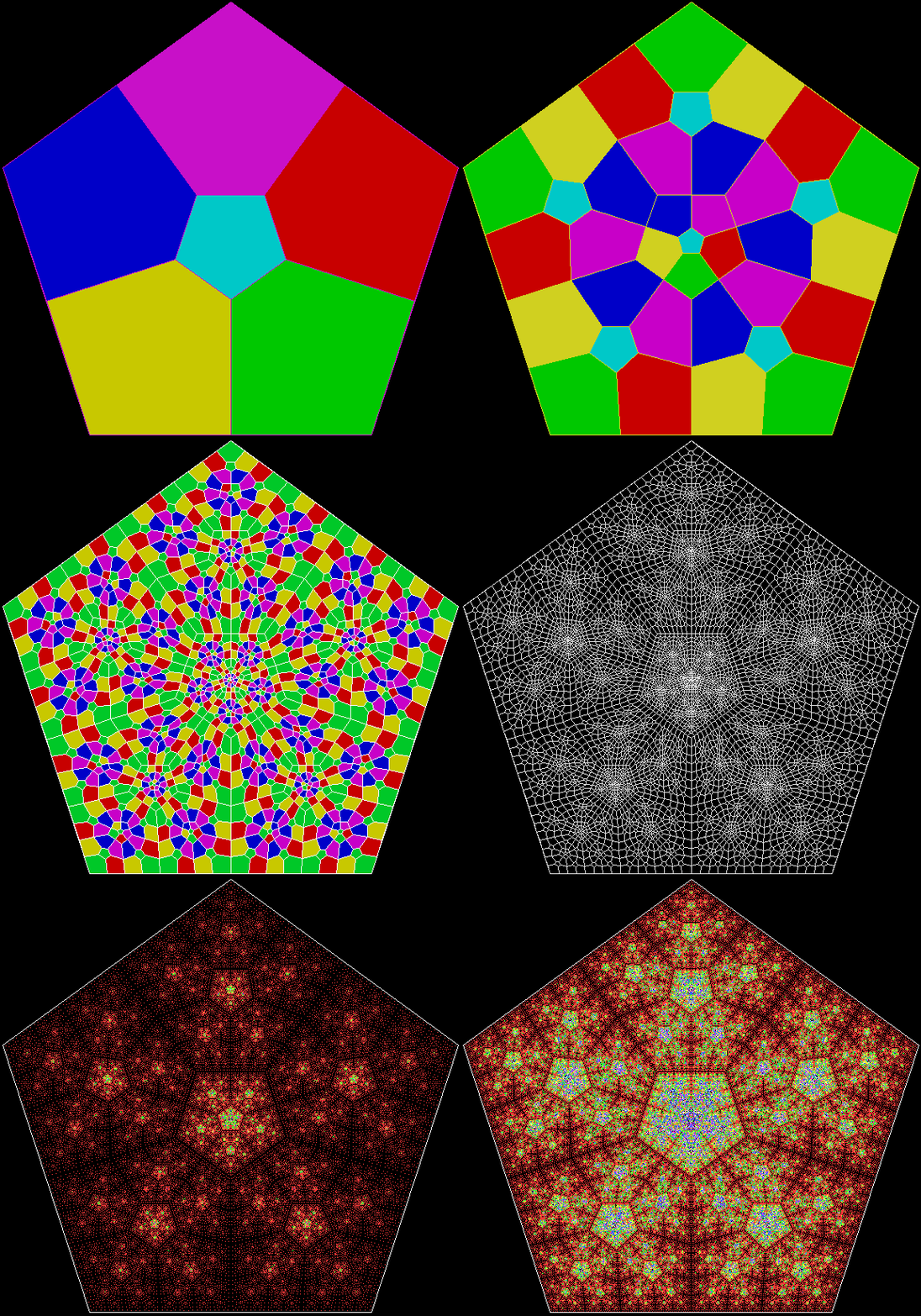
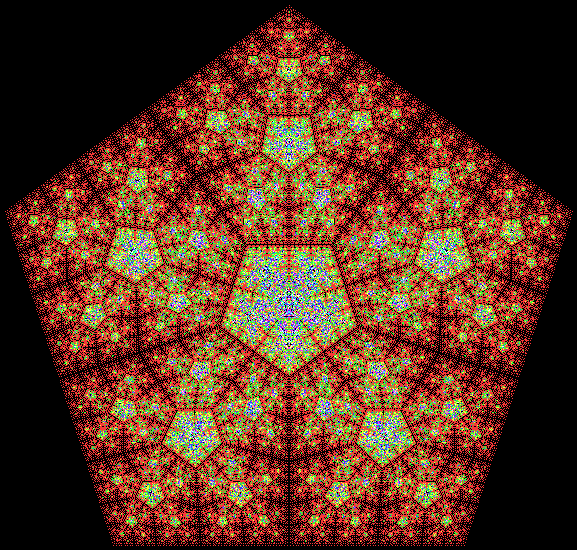
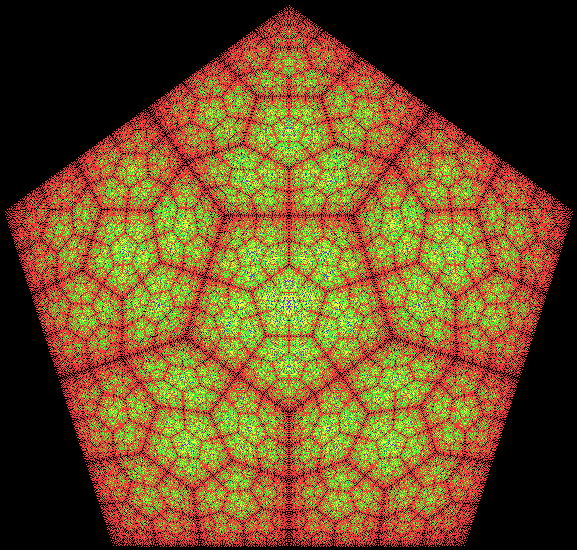
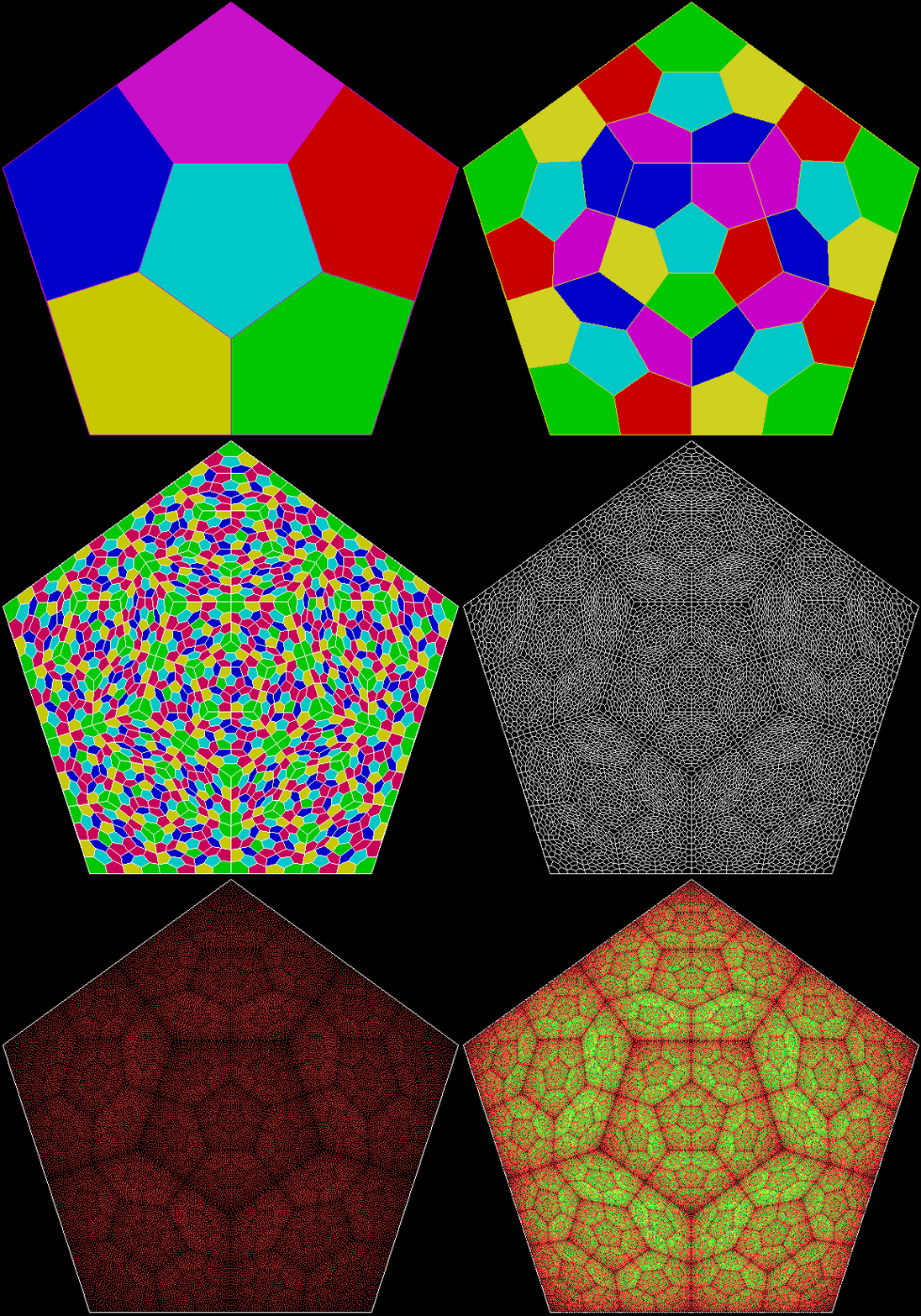
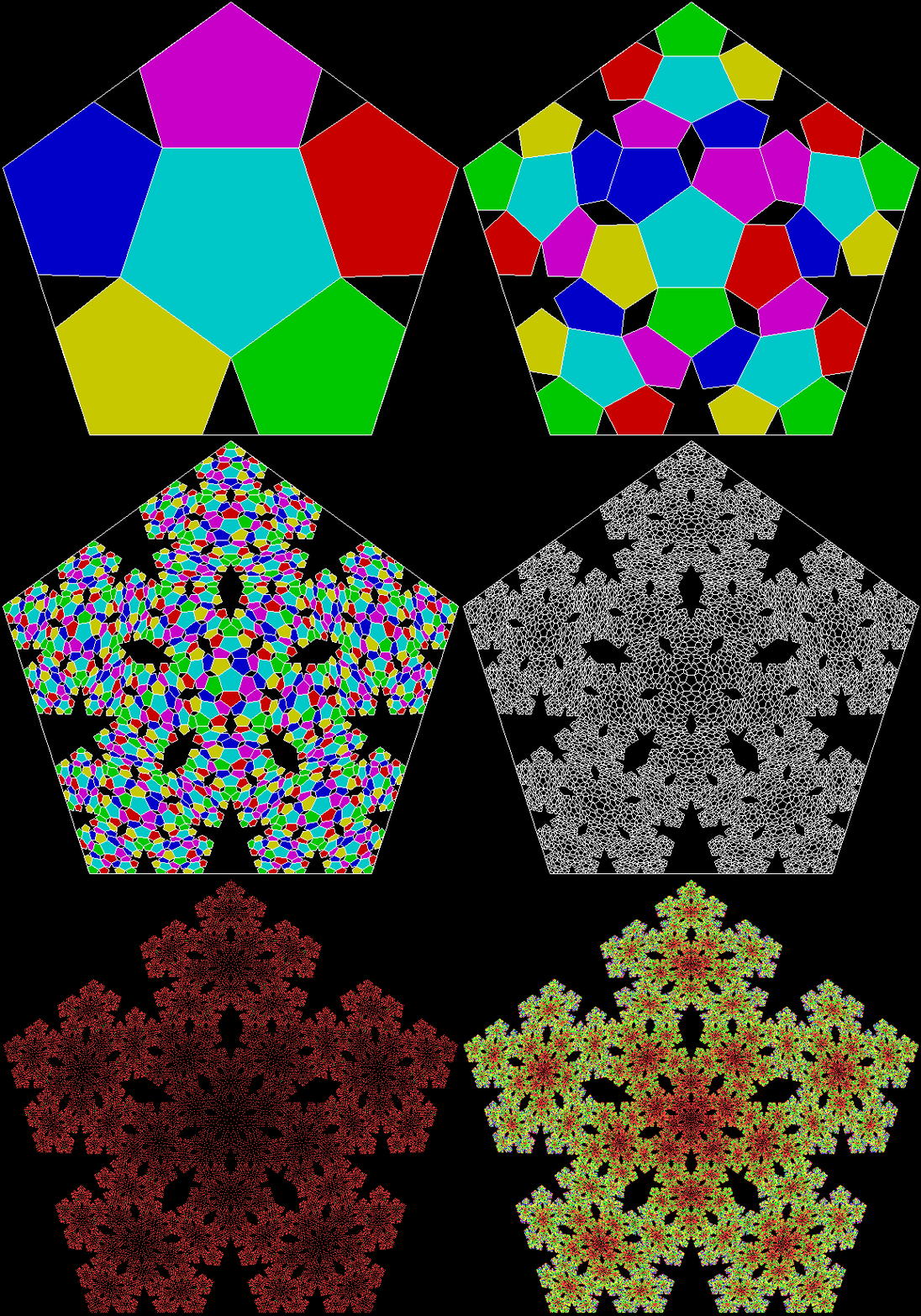
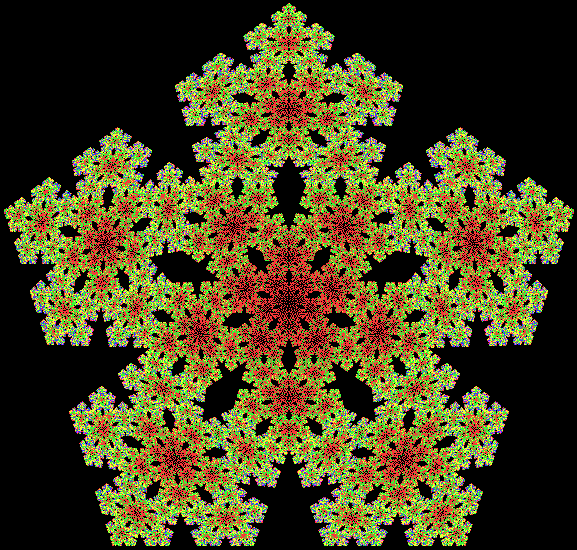
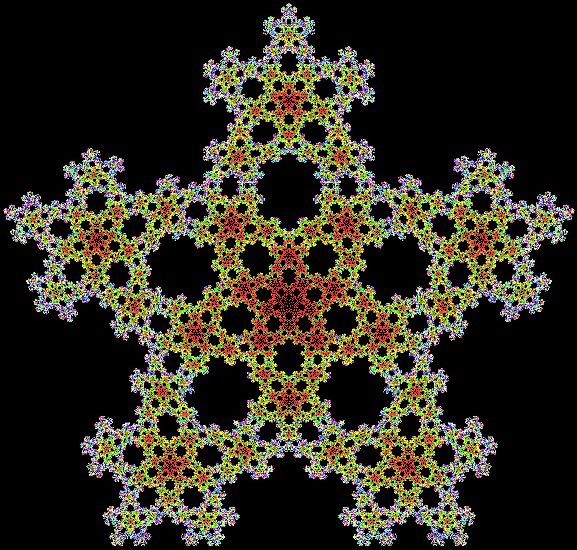
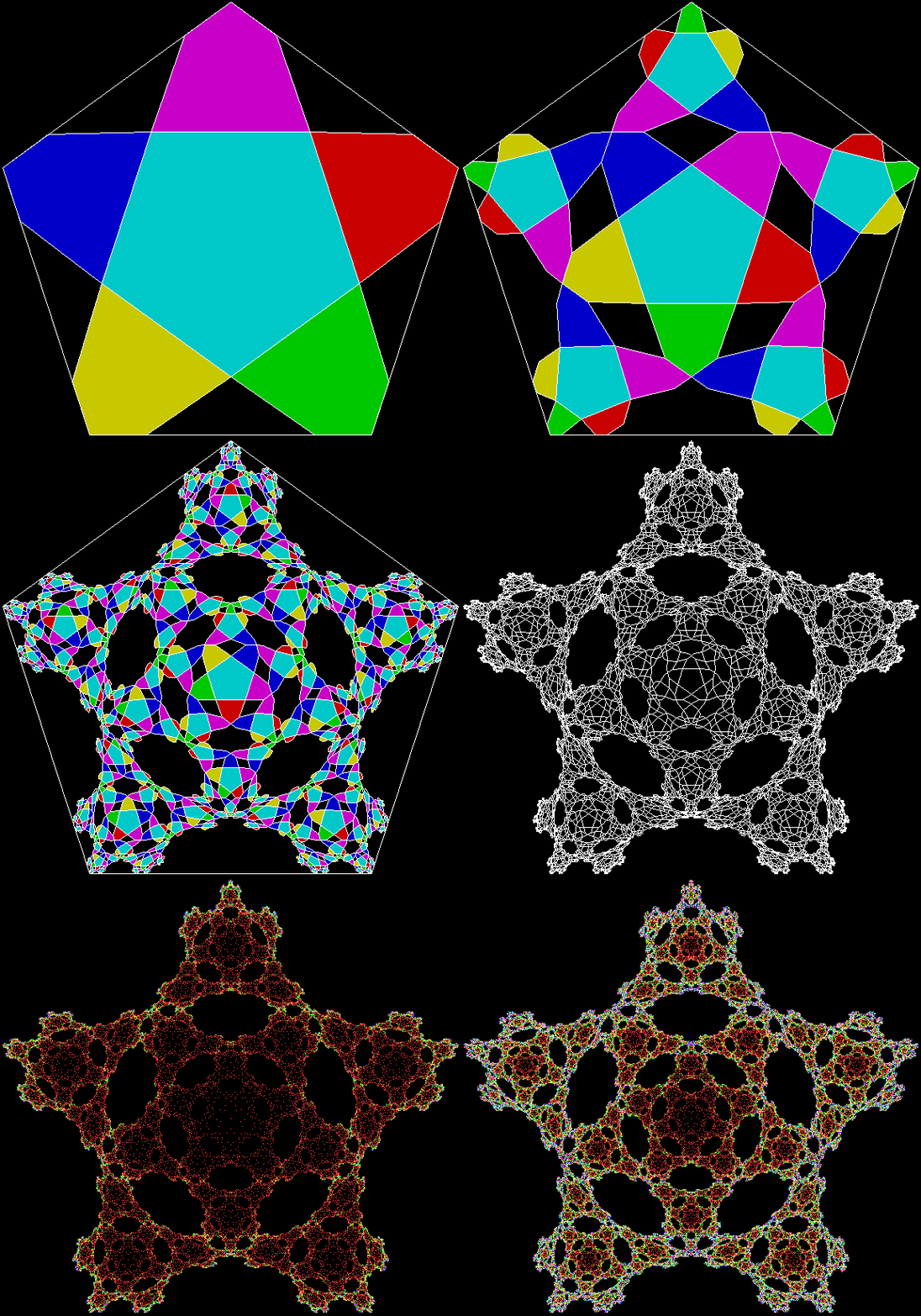
But if you bend the rules and use irregular smaller pentagons, you can tile a pentagon like this, creating what I called a pentatile:

Pentatile stage 1


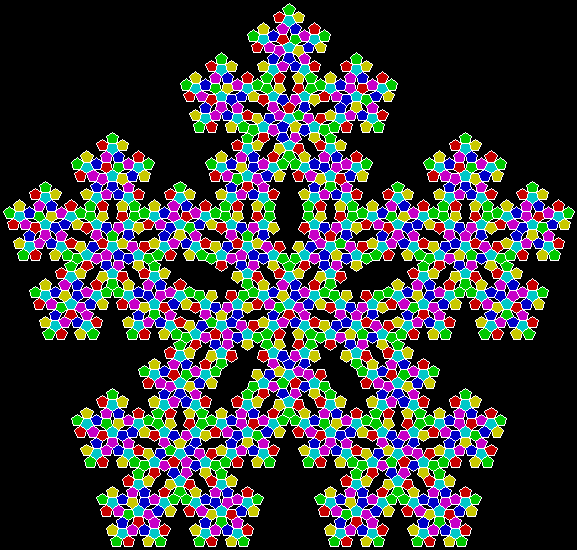
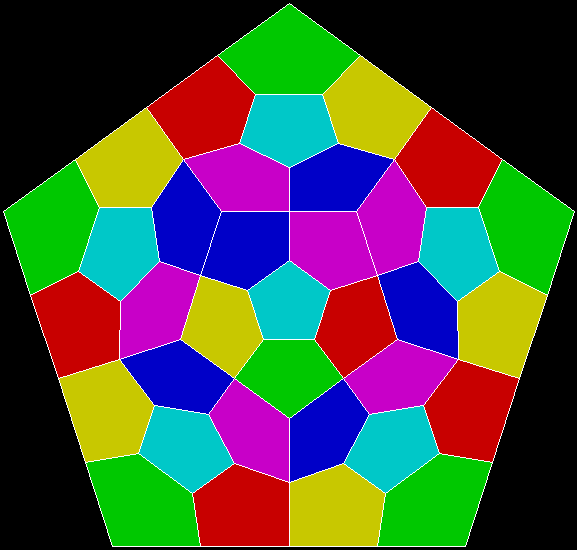
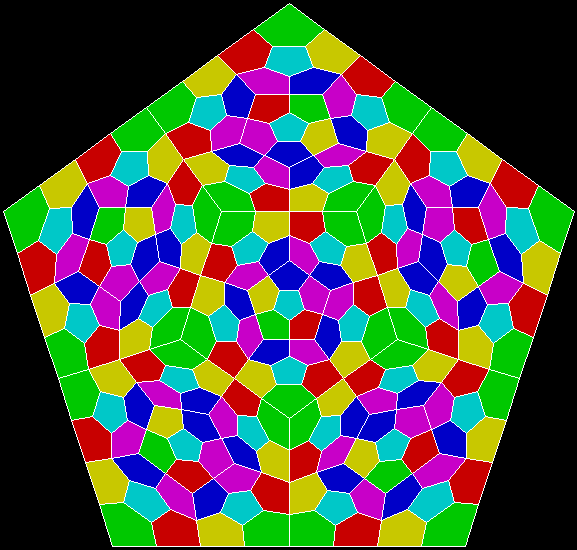
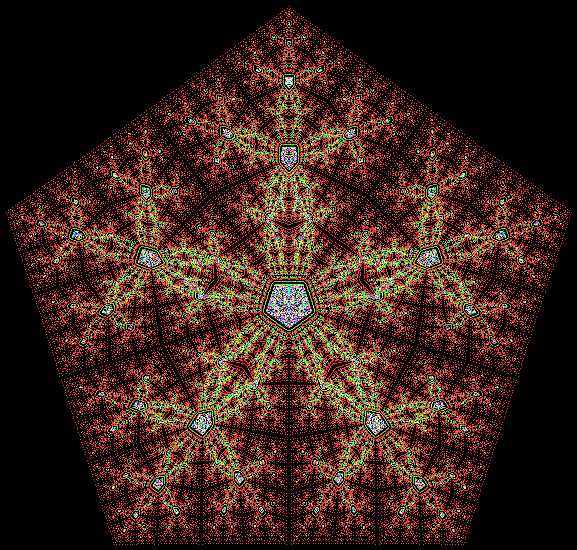
Further subdivisions create an interesting final pattern:

Pentatile #2


Pentatile #3


Pentatile #4


Pentatile #5


Pentatile #6


Pentatile (animated)


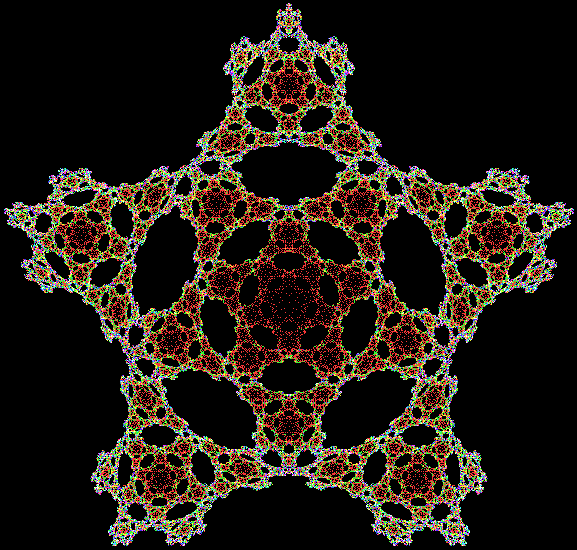
Pentatile (static)


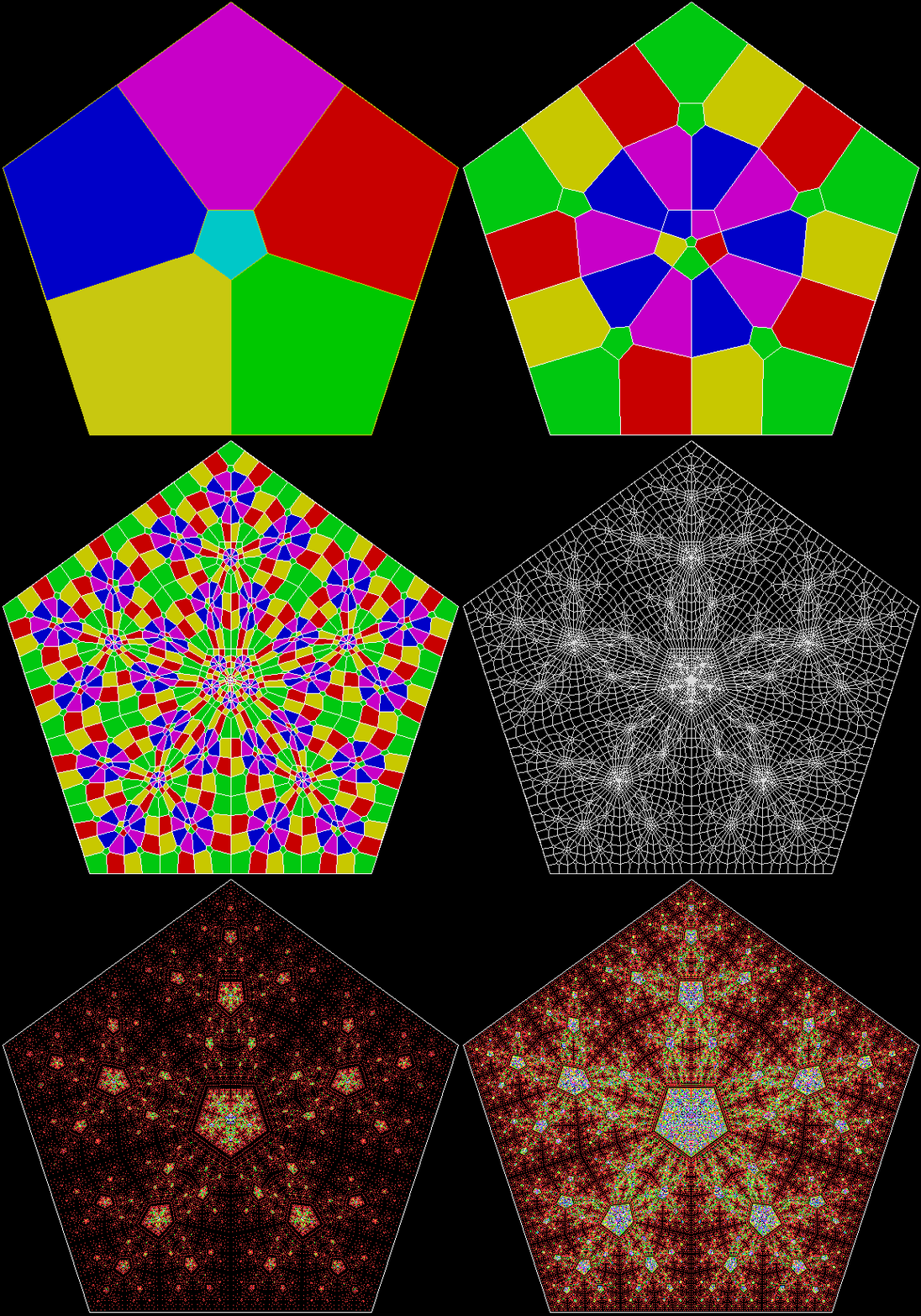
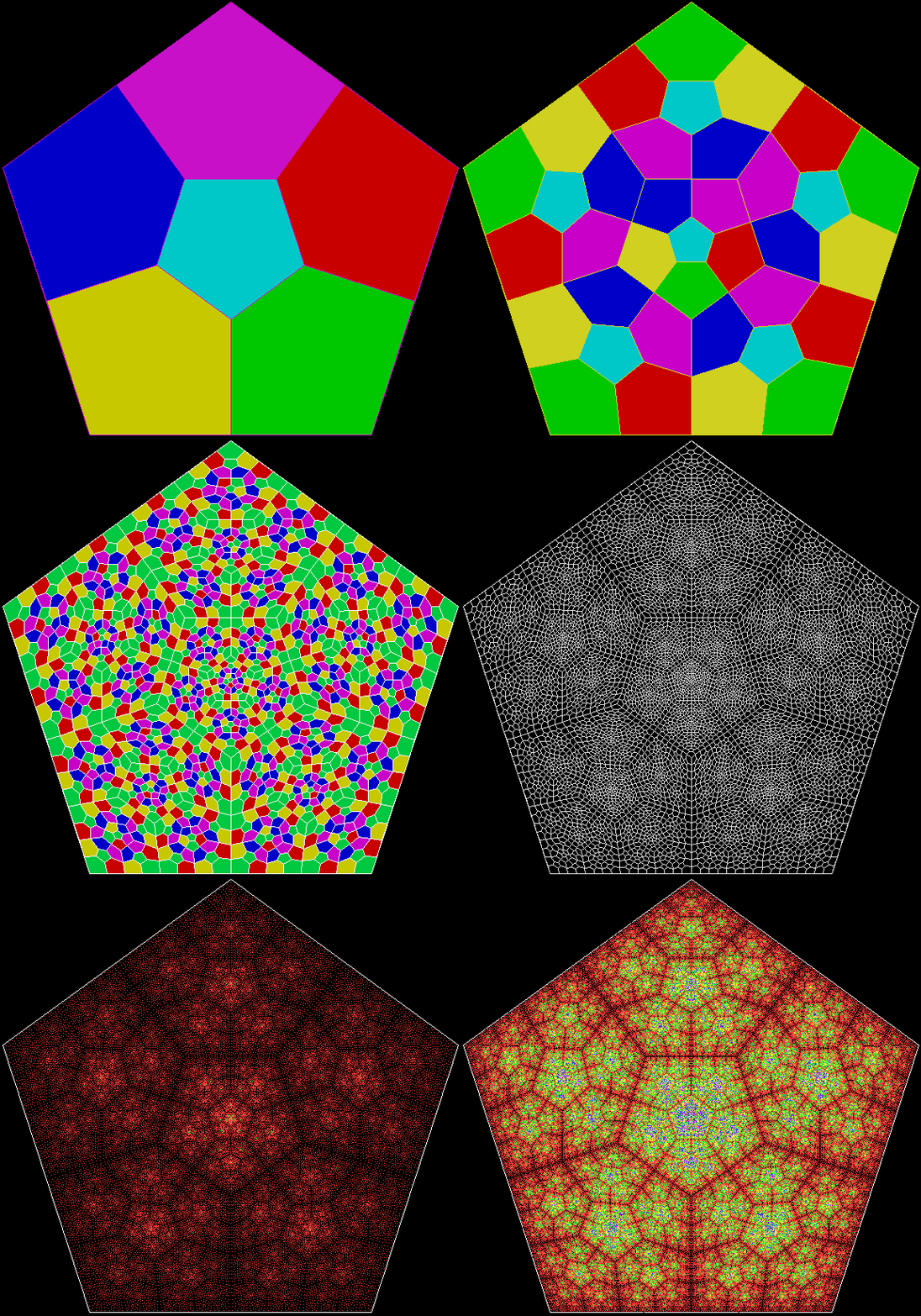
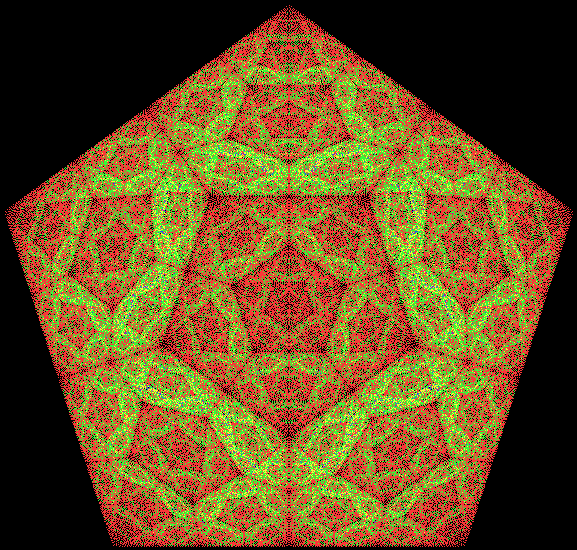
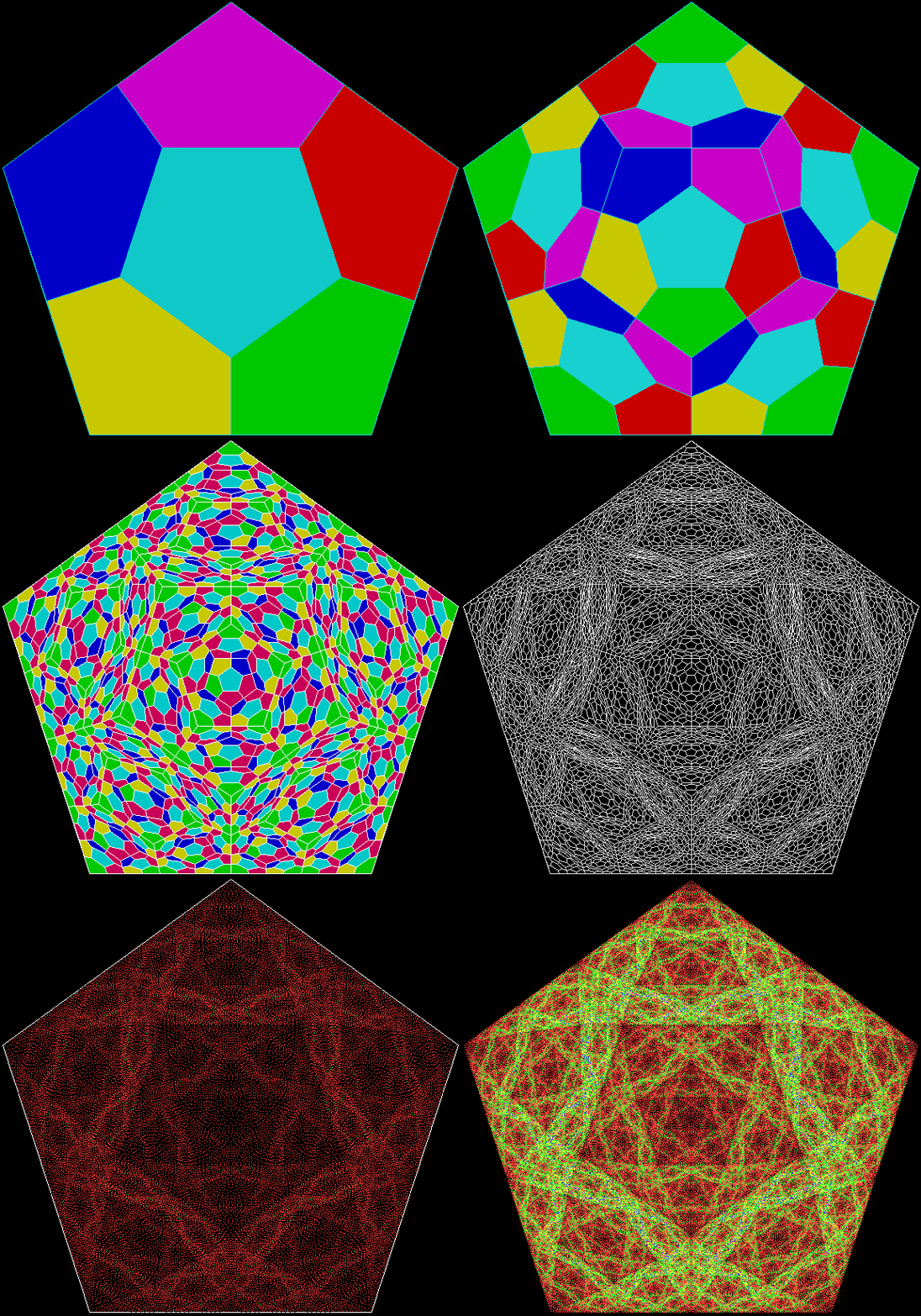
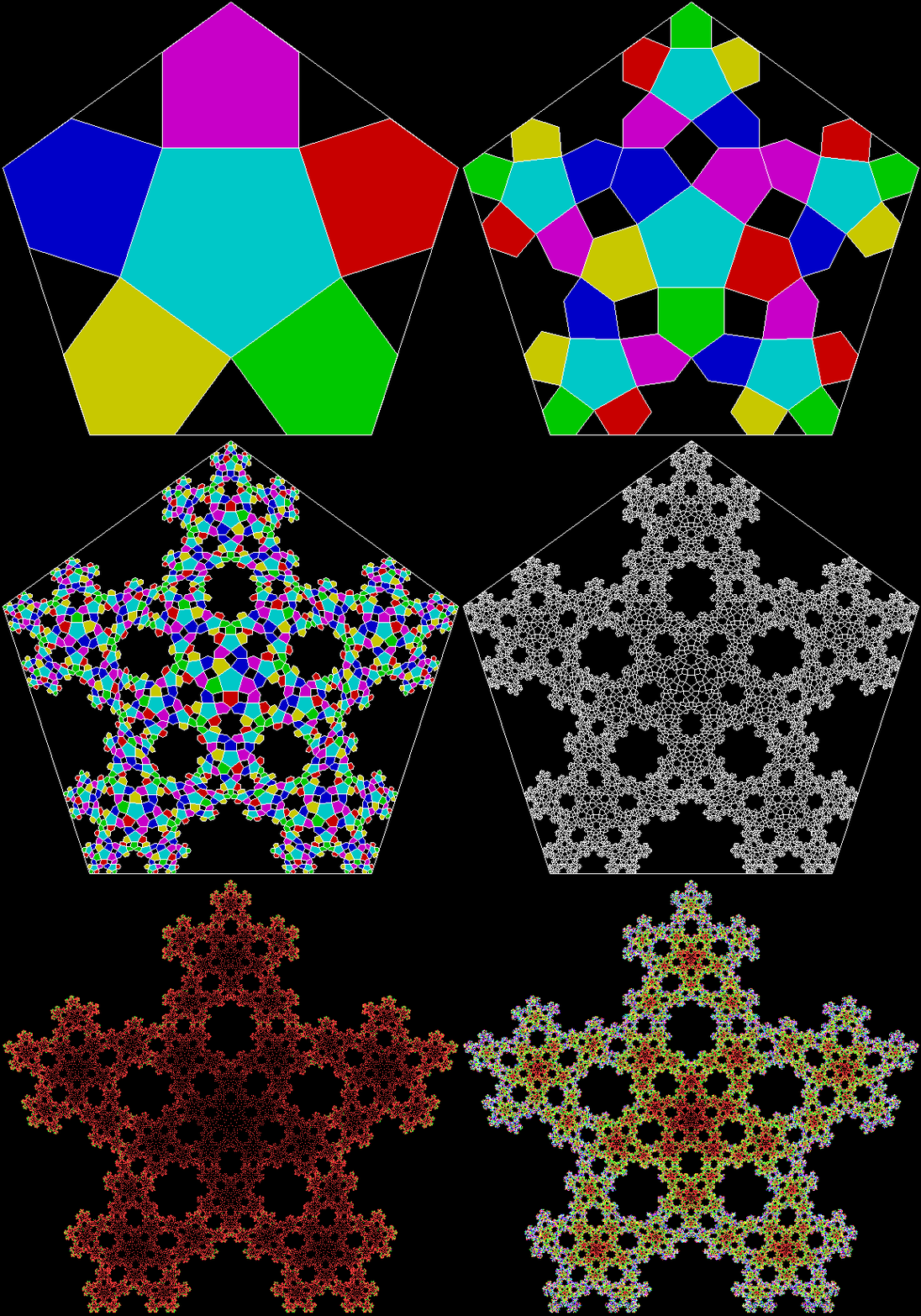
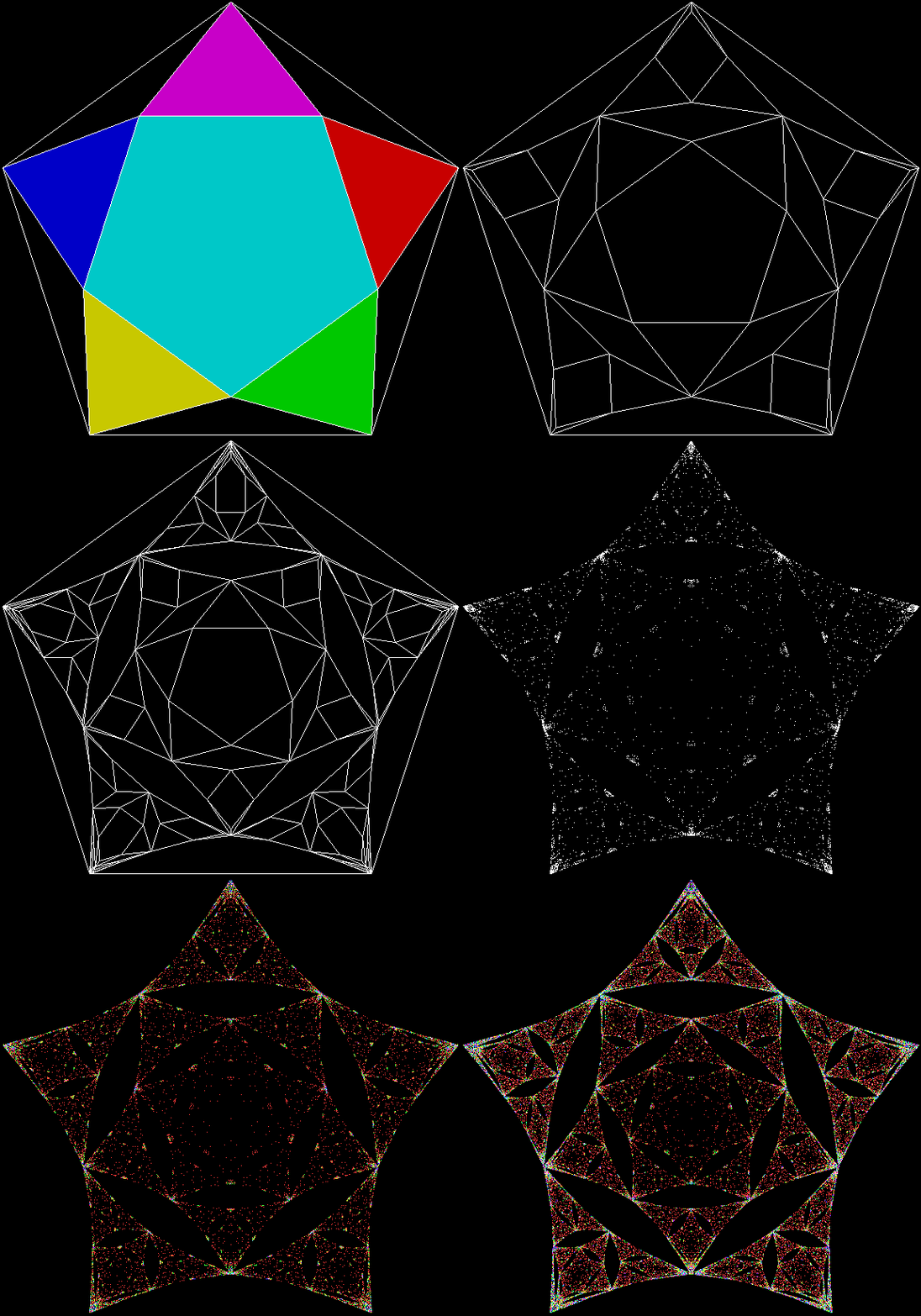
By varying the size of the central pentagon, you can create other patterns:

Pentatile #1 (animated)


Pentatile #2 (animated)

Pentatile #2


Pentatile with no central pentagon


And here are various pentatiles in an animated gif:


And here are some variations on the pentaflake:


Elsewhere other-posted:

Bent for the Rent (1976) — the title of the incendiary intervention above is of course a reference to the “first and last glitter-rock album” by England’s loudest band, Spinal In Terms Of Tap
Phrallic Frolics — more on pentaflakes

Square Routes Re-Revisited

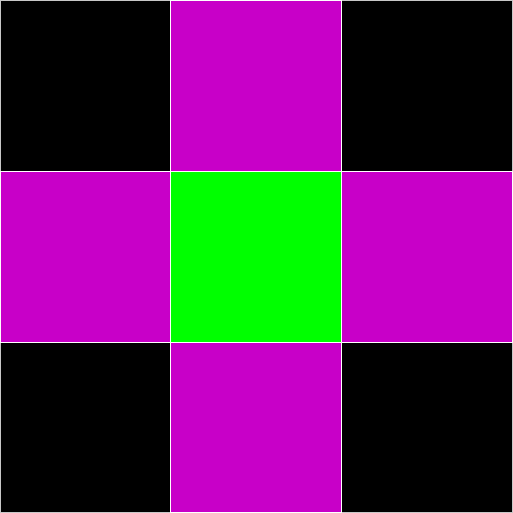
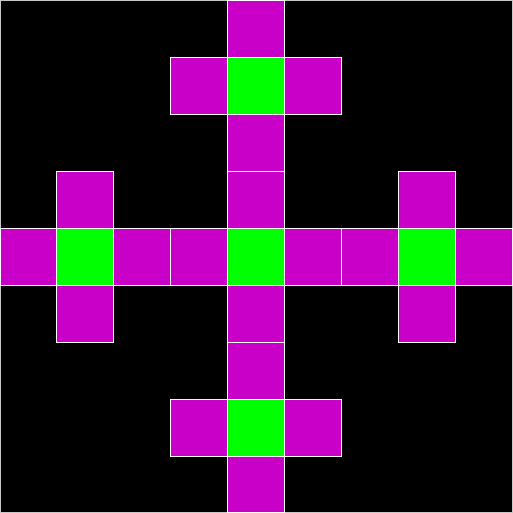
This is a very simple fractal:


It has four orientations:


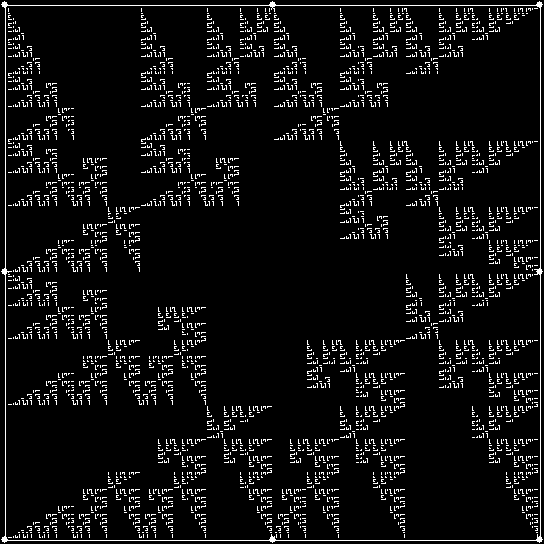
Any orientation can be turned into any other by a rotation of 90°, 180° or 270°, either clockwise or anticlockwise. If you mix orientations and rotations, you can create much more complex fractals. Here’s a selection of them:

Animated fractal

Static fractal


Animated fractal

Static


Animated fractal

Static


Animated fractal

Static


Animated fractal

Static


Animated fractal

Static


Animated fractal

Static


Animated fractal

Static


Animated fractal

Static


Animated fractal

Static


Animated fractal

Static


Animated fractal

Static


Animated fractal

Static


Animated fractal

Static


Animated fractal

Static


Animated fractal

Static


Animated fractal

Static


Animated fractal

Static


Elsewhere other-posted:

Square Routes
Square Routes Revisited

Square on a Three String

222 A.D. was the year in which the Emperor Heliogabalus was assassinated by his own soldiers. Exactly 1666 years later, the Anglo-Dutch classicist Sir Lawrence Alma-Tadema exhibited his painting The Roses of Heliogabalus (1888). I suggested in “Roses Are Golden” that Alma-Tadema must have chosen the year as deliberately as he chose the dimensions of his canvas, which, at 52″ x 84 1/8“, is an excellent approximation to the golden ratio.

But did Alma-Tadema know that lines at 0º and 222º divide a circle in the golden ratio? He could easily have done, just as he could easily have known that 222 precedes the 48th prime, 223. But it is highly unlikely that he knew that 223 yields a magic square whose columns, rows and diagonals all sum to 222. To create the square, simply list the 222 multiples of the reciprocal 1/223 in base 3, or ternary. The digits of the reciprocal repeat after exactly 222 digits and its multiples begin and end like this:

001/223 = 0.00001002102101021212111012022211122022... in base 3
002/223 = 0.00002011211202120201222101122200021121...
003/223 = 0.00010021021010212121110120222111220221...
004/223 = 0.00011100200112011110221210022100120020...
005/223 = 0.00012110002220110100102222122012012120...

[...]

218/223 = 0.22210112220002112122120000100210210102... in base 3
219/223 = 0.22211122022110211112001012200122102202...
220/223 = 0.22212201201212010101112102000111002001...
221/223 = 0.22220211011020102021000121100022201101...
222/223 = 0.22221220120121201010111210200011100200...

Each column, row and diagonal of ternary digits sums to 222. Here is the full n/223 square represented with 0s in grey, 1s in white and 2s in red:

(Click for larger)


It isn’t difficult to see that the white squares are mirror-symmetrical on a horizontal axis. Here is the symmetrical pattern rotated by 90º:

(Click for larger)


But why should the 1s be symmetrical? This isn’t something special to 1/223, because it happens with prime reciprocals like 1/7 too:

1/7 = 0.010212... in base 3
2/7 = 0.021201...
3/7 = 0.102120...
4/7 = 0.120102...
5/7 = 0.201021...
6/7 = 0.212010...

And you can notice something else: 0s mirror 2s and 2s mirror 0s. A related pattern appears in base 10:

1/7 = 0.142857...
2/7 = 0.285714...
3/7 = 0.428571...
4/7 = 0.571428...
5/7 = 0.714285...
6/7 = 0.857142...

The digit 1 in the decimal digits of n/7 corresponds to the digit 8 in the decimal digits of (7-n)/7; 4 corresponds to 5; 2 corresponds to 7; 8 corresponds to 1; 5 corresponds to 4; and 7 corresponds to 2. In short, if you’re given the digits d1 of n/7, you know the digits d2 of (n-7)/7 by the rule d2 = 9-d1.

Why does that happen? Examine these sums:

 1/7 = 0.142857142857142857142857142857142857142857...
+6/7 = 0.857142857142857142857142857142857142857142...
 7/7 = 0.999999999999999999999999999999999999999999... = 1.0

 2/7 = 0.285714285714285714285714285714285714285714...
+5/7 = 0.714285714285714285714285714285714285714285...
 7/7 = 0.999999999999999999999999999999999999999999... = 1.0

 3/7 = 0.428571428571428571428571428571428571428571...
+4/7 = 0.571428571428571428571428571428571428571428...
 7/7 = 0.999999999999999999999999999999999999999999... = 1.0

And here are the same sums in ternary (where the first seven integers are 1, 2, 10, 11, 12, 20, 21):

  1/21 = 0.010212010212010212010212010212010212010212...
+20/21 = 0.212010212010212010212010212010212010212010...
 21/21 = 0.222222222222222222222222222222222222222222... = 1.0

  2/21 = 0.021201021201021201021201021201021201021201...
+12/21 = 0.201021201021201021201021201021201021201021...
 21/21 = 0.222222222222222222222222222222222222222222... = 1.0

 10/21 = 0.102120102120102120102120102120102120102120...
+11/21 = 0.120102120102120102120102120102120102120102...
 21/21 = 0.222222222222222222222222222222222222222222... = 1.0

Accordingly, in base b with the prime p, the digits d1 of n/p correspond to the digits (p-n)/p by the rule d2 = (b-1)-d1. This explains why the 1s mirror themselves in ternary: 1 = 2-1 = (3-1)-1. In base 5, the 2s mirror themselves by the rule 2 = 4-2 = (5-1) – 2. In all odd bases, some digit will mirror itself; in all even bases, no digit will. The mirror-digit will be equal to (b-1)/2, which is always an integer when b is odd, but never an integer when b is even.

Here are some more examples of the symmetrical patterns found in odd bases:

Patterns of 1s in 1/19 in base 3


Patterns of 6s in 1/19 in base 13


Patterns of 7s in 1/19 in base 15


Elsewhere other-posted:

Roses Are Golden — more on The Roses of Heliogabalus (1888)
Three Is The Key — more on the 1/223 square

Living Culler

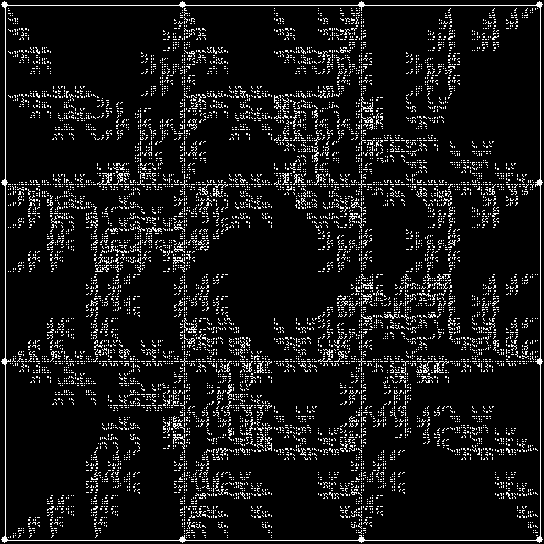
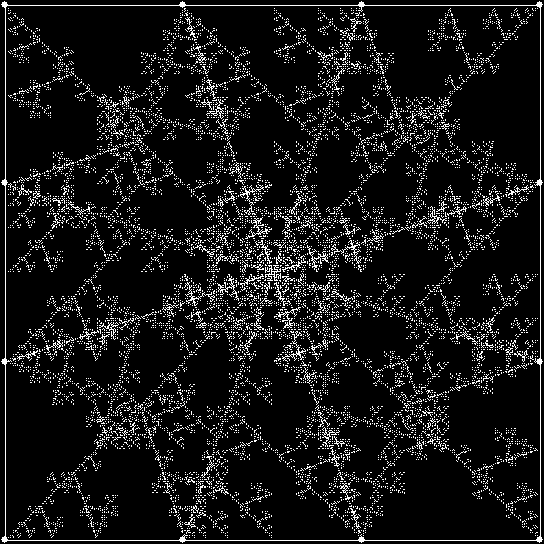
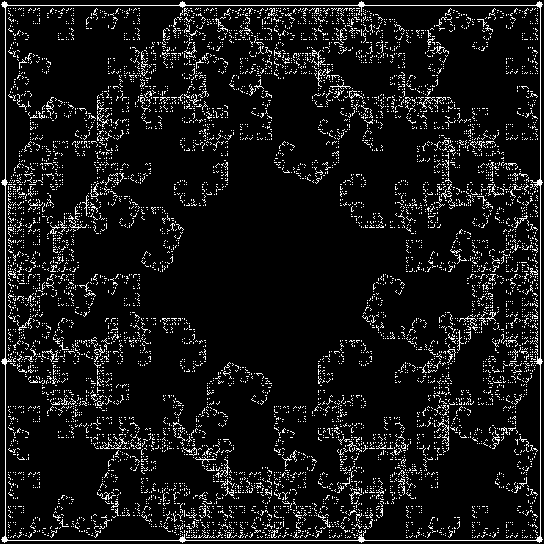
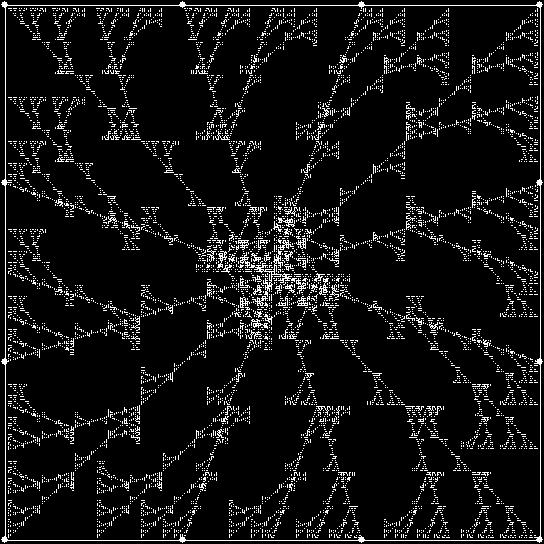
When you replace a square with four smaller squares, each a quarter the size of the original, the smaller squares occupy the same area, because 4 * ¼ = 1. If you discard one sub-square, then divide each of the three remaining sub-squares into four sub-sub-square, discard one sub-sub-quare and repeat, you create fractals like those I looked at in Squaring and Paring. The fractals stay within a fixed boundary.

Square replaced with four smaller squares, each ¼th the size of the original


Animated fractal


Static fractal


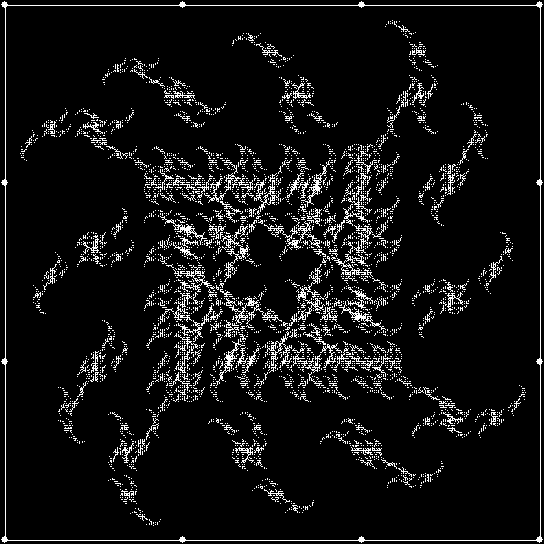
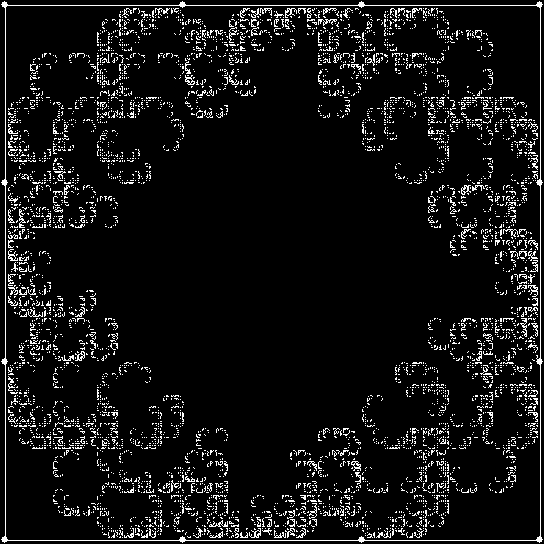
This time I want to look at a slightly different process. Replace a square with nine smaller squares each a quarter the size of the original. Now the sub-squares occupy a larger area than the original, because 9 * ¼ = 2¼. If you discard — or cull — sub-squares and repeat, the resultant fractal grows beyond the original boundary. Indeed, sub-squares start to overlap, so you can use colours to represent how often a particular pixel has been covered with a square. Here is an example of this process in action:

Square replaced with nine smaller squares, each ¼th the size of the original


Animated fractal


Static fractal #1


Static fractal #2


Here are the individual stages of a more complex fractal that uses the second process:

Stage 1


Stage 2


Stage 3


Stage 4


Stage 5


Stage 6


Stage 7


Stage 8


Stage 9 (compare Fingering the Frigit and Performativizing the Polygonic)


Stage 10


Animated version


Static version #1


Static version #2


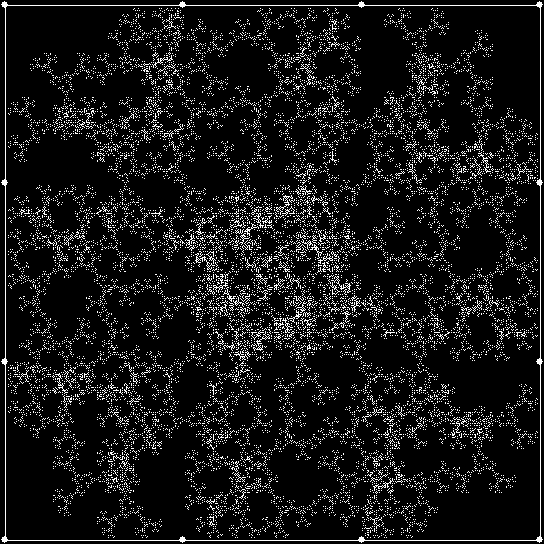
And here are some more of the fractals you can create in a similar way:


Static version #1

Static version #2


Static version #2

Static version #2

Static version #3


Various fractals in an animated gif


Squaring and Paring

Squares are often thought to be the most boring of all shapes. Yet every square holds a stunning secret – something that in legend prompted a mathematical cult to murder a traitor. If each side of a square is one unit long, how long is the square’s diagonal, that is, the line from one corner to the opposite corner?

By Pythagoras’ theorem, the answer is this:

• x^2 = 1^2 + 1^2
• x^2 = 2
• x = √2

But what is √2? Pythagoras and his followers thought that all numbers could be represented as either whole numbers or ratios of whole numbers. To their dismay, so it’s said, they discovered that they were wrong. √2 is an irrational number – it can’t be represented as a ratio. In modern notation, it’s an infinitely decimal that never repeats:

• √2 = 1·414213562373095048801688724209698…

A modern story, unattested in ancient records, says that the irrationality of √2 was a closely guarded secret in the Pythagorean cult. When Hippasus of Metapontum betrayed the secret, he was drowned at sea by enraged fellow cultists. Apocryphal or not, the story shows that squares aren’t so boring after all.

Nor are they boring when they’re caught in the fract. Divide one square into nine smaller copies of itself:


Discard three of the copies like this:

Stage 1
Retain squares 1, 2, 4, 6, 8, 9 (reading left-to-right, bottom-to-top)


Then do the same to each of the sub-squares:

Stage 1


And repeat:

Stage 3


Stage 4


Stage 5


Stage 6


The result is a fractal of endlessly subdividing contingent hexagons:

Animated vesion


Retain squares 1, 2, 4, 6, 8, 9 (reading left-to-right, bottom-to-top)


Here are a few more of the fractals you can create by squaring and paring:

Retain squares 1, 3, 5, 7, 9 (reading left-to-right, bottom-to-top)


Retain squares 2, 4, 5, 6, 8


Retain squares 1, 2, 4, 5, 6, 8, 9


Retain squares 1, 4, 6, 7, 10, 11, 13, 16


Retain squares 1, 3, 6, 7, 8, 9, 10, 11, 14, 16


Retain squares 2, 3, 5, 6, 8, 9, 11, 12, 14, 15


Retain squares 1, 3, 5, 7, 9, 11, 15, 17, 19, 21, 23, 25


Retain squares 1, 3, 7, 8, 11, 12, 14, 15, 18, 19, 23, 25


Retain squares 1, 5, 7, 8, 9, 12, 14, 17, 18, 19, 21, 25


Retain squares 2, 3, 4, 6, 7, 9, 10, 11, 15, 16, 17, 19, 20, 22, 23, 24


Retain squares 1, 2, 5, 6, 7, 9, 13, 17, 19, 20, 21, 24, 25


Previously pre-posted (please peruse):

M.i.P. Trip