Root Routes

Suppose a point traces all possible routes jumping half-way towards the three vertices of an equilateral triangle. A special kind of shape appears — a fractal called the Sierpiński triangle that contains copies of itself at smaller and smaller scales:

Sierpiński triangle, jump = 1/2


And what if the point jumps 2/3rds of the way towards the vertices as it traces all possible routes? You get this dull fractal:

Triangle, jump = 2/3


But if you add targets midway along each side of the triangle, you get this fractal with the 2/3rds jump:

Triangle, jump = 2/3, side-targets


Now try the 1/2-jump triangle with a target at the center of the triangle:
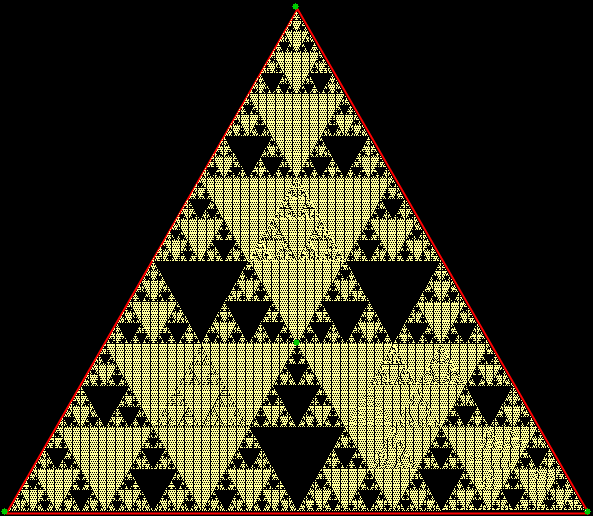
Triangle, jump = 1/2, central target


And the 2/3-jump triangle with side-targets and a central target:
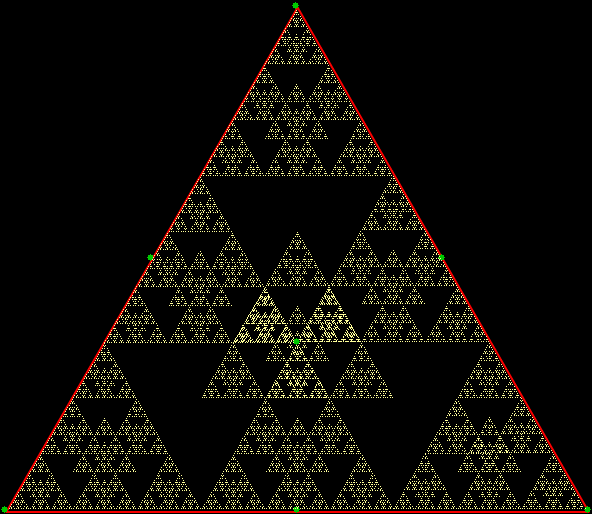
Triangle, jump = 2/3, side-targets, central target


But why stop at simple jumps like 1/2 and 2/3? Let’s take the distance to the target, td, and use the function 1-(sqrt(td/7r)), where sqrt() is the square-root and 7r is 7 times the radius of the circumscribing circle:

Triangle, jump = 1-(sqrt(td/7r))


Here’s the same jump with a central target:
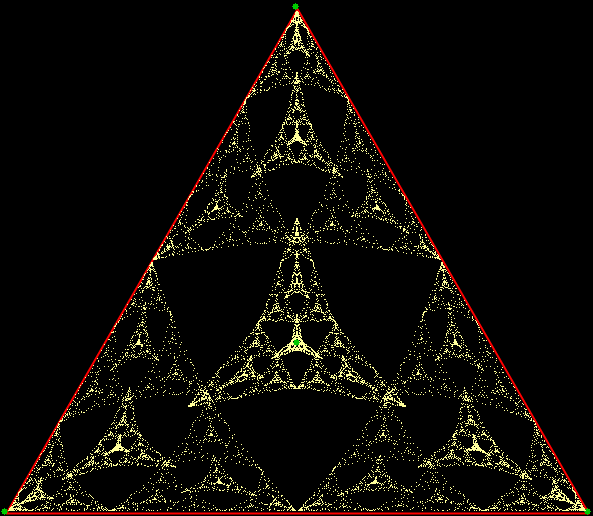
Triangle, jump = 1-(sqrt(td/7r)), central target


Now let’s try squares with various kinds of jump. A square with a 1/2-jump fills evenly with points:
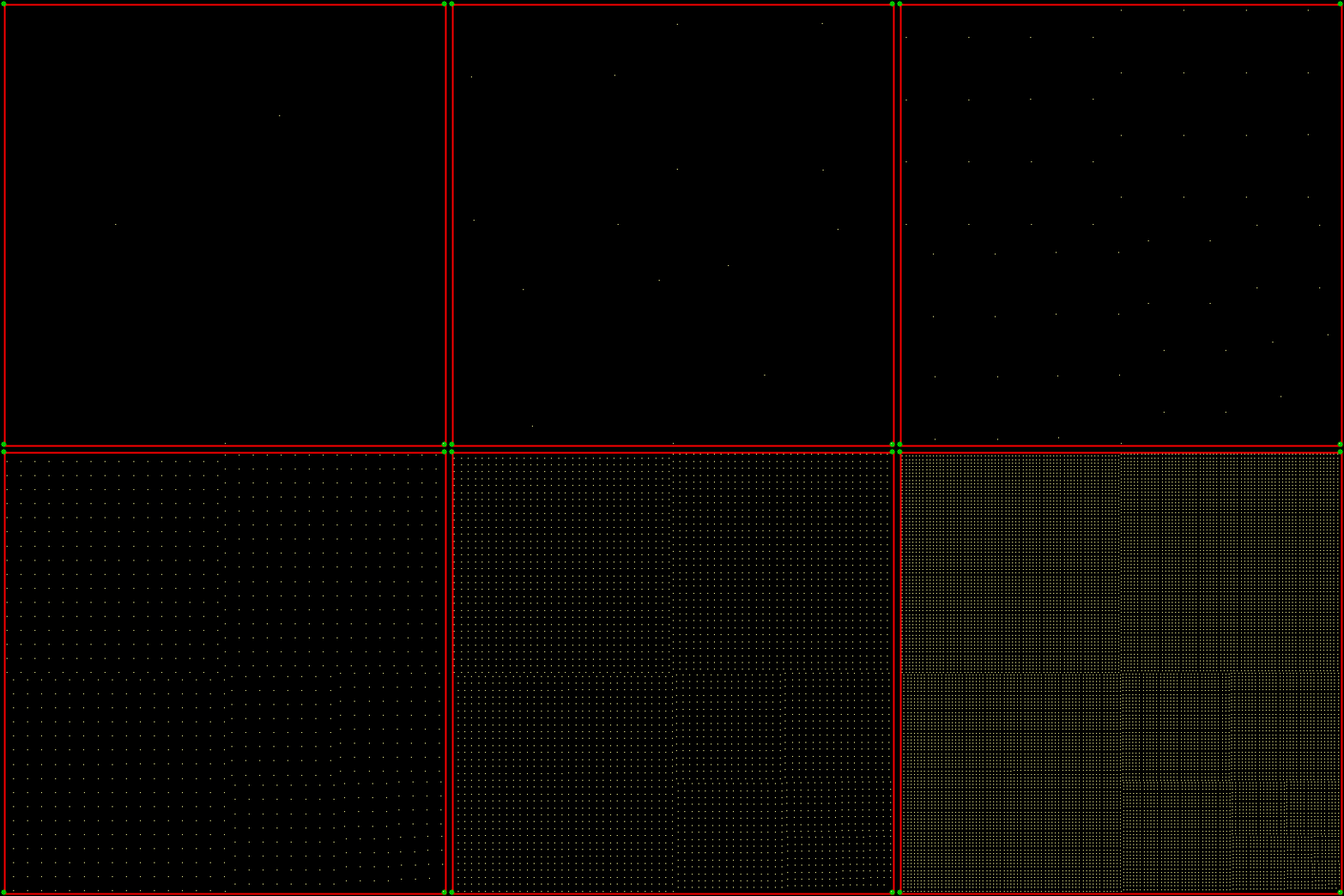
Square, jump = 1/2 (animated)


The 2/3-jump does better with a central target:
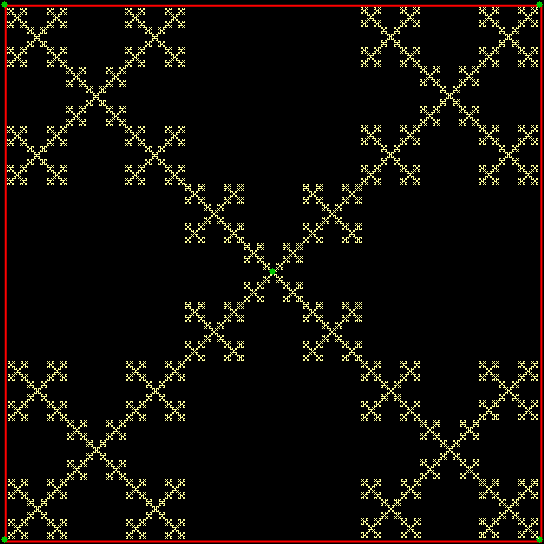
Square, jump = 2/3, central target


Or with side-targets:

Square, jump = 2/3, side-targets


Now try some more complicated jumps:

Square, jump = 1-sqrt(td/7r)
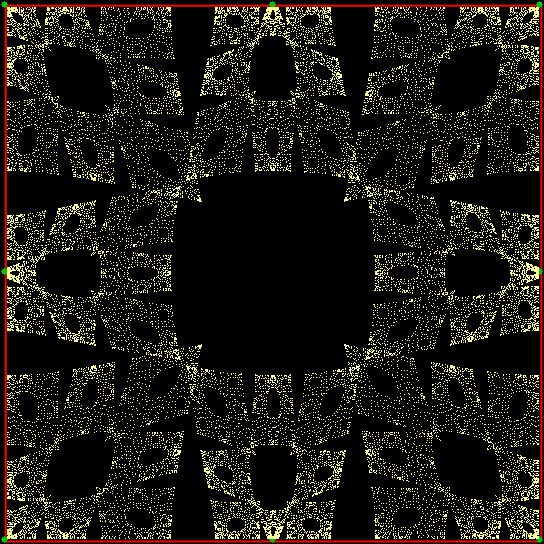

Square, jump = 1-sqrt(td/15r), side-targets


And what if you ban the point from jumping twice or more towards the same target? You get this fractal:
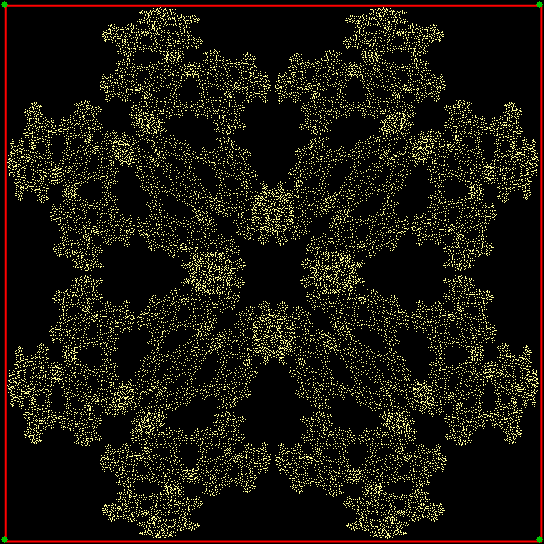
Square, jump = 1-sqrt(td/6r), ban = prev+0


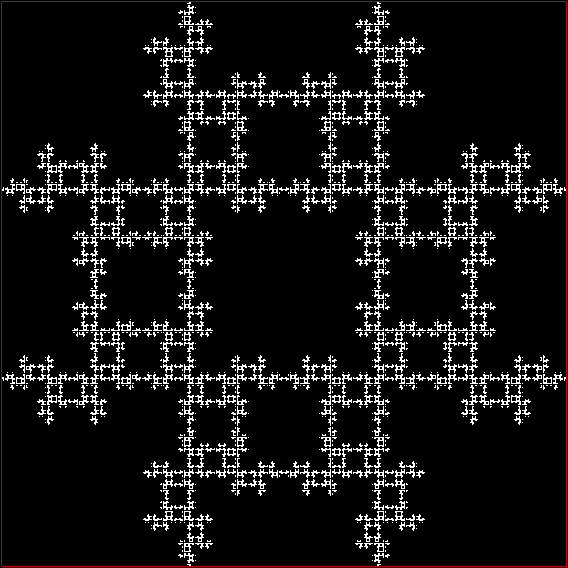
Now try a ban on jumping towards the target two places clockwise of the previous target:
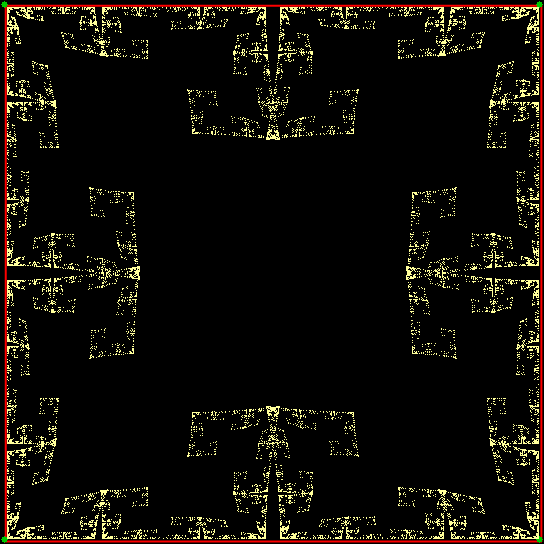
Square, jump = 1-sqrt(td/6r), ban = prev+2


And the two-place ban with a central target:
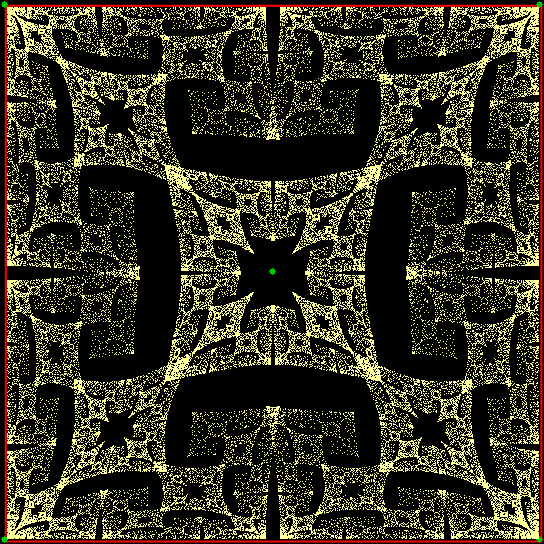
Square, jump = 1-sqrt(td/6r), ban = prev+2, central target


And so on:
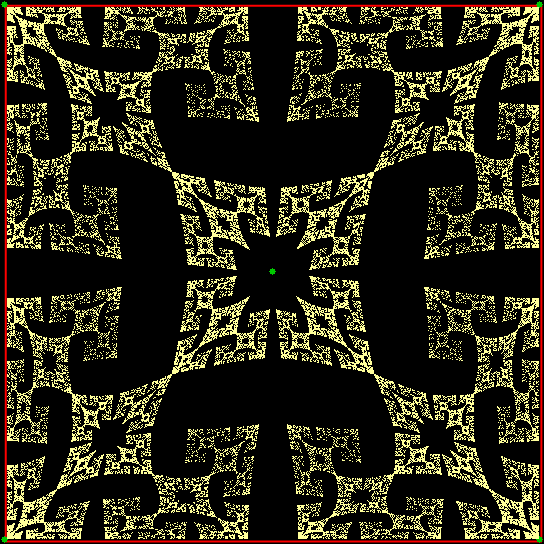
Square, jump = 1-sqrt(td/6.93r), ban = prev+2, central target
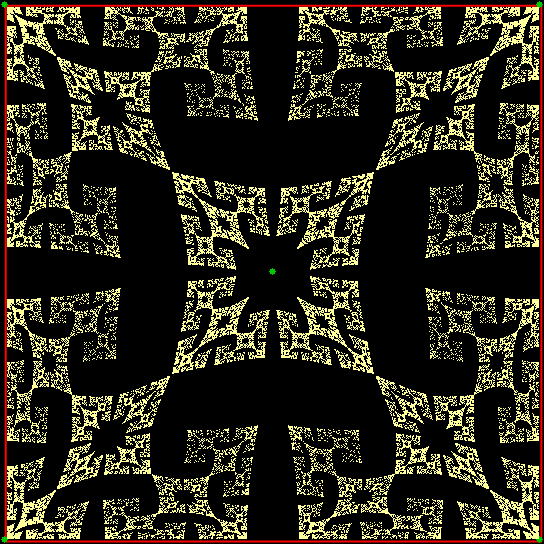

Square, jump = 1-sqrt(td/7r), ban = prev+2, central target


These fractals take account of the previous jump and the pre-previous jump:
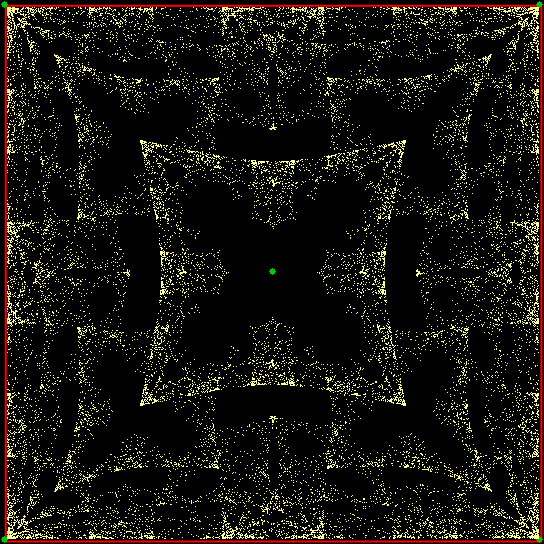
Square, jump = 1-sqrt(td/4r), ban = prev+2,2, central target
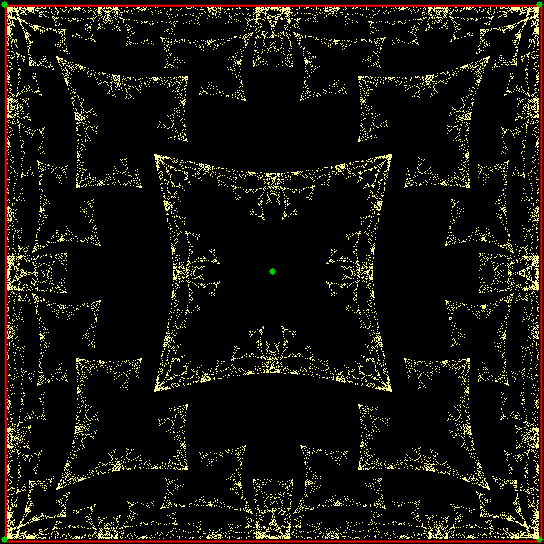

Square, jump = 1-sqrt(td/5r), ban = prev+2,2, central target
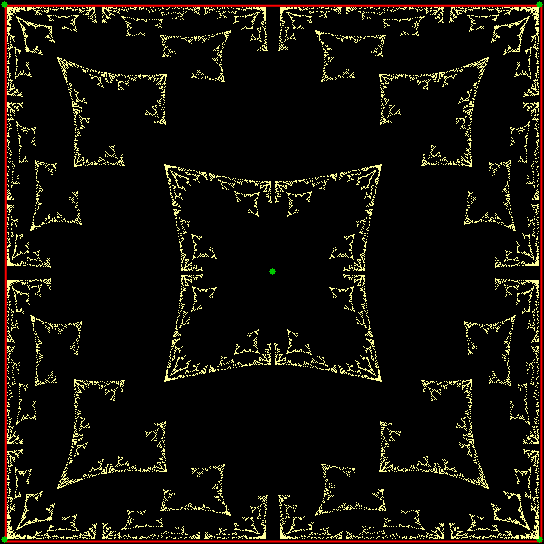

Square, jump = 1-sqrt(td/6r), ban = prev+2,2, central target


Elsewhere other-accessible

Boole(b)an #2 — fractals created in similar ways

This Charming Dis-Arming
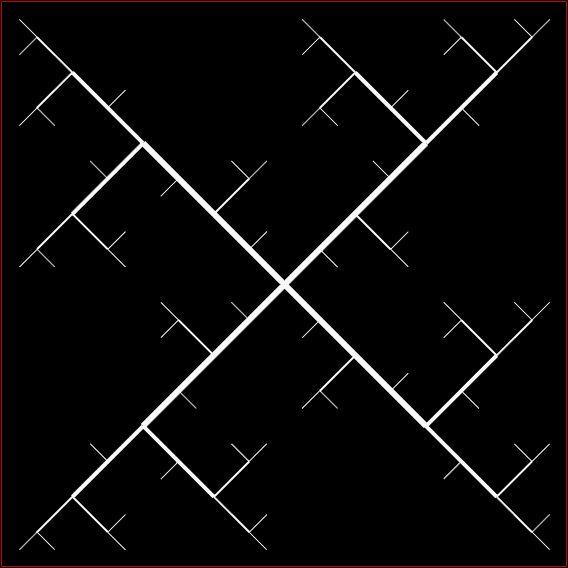
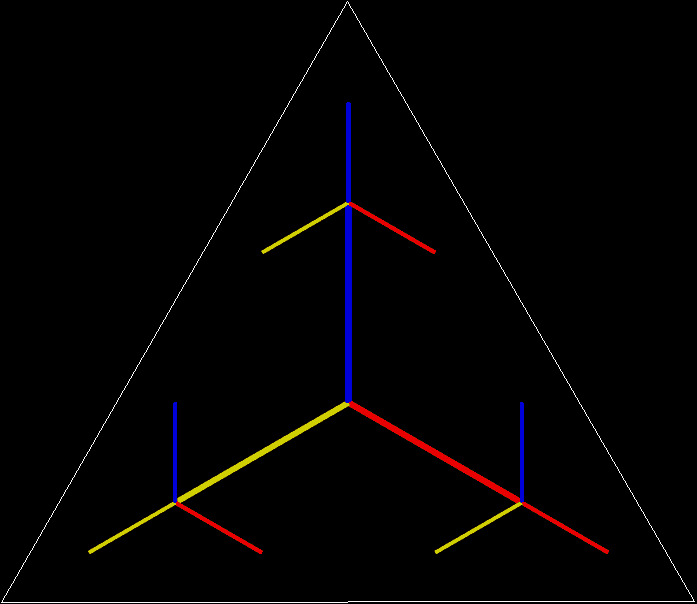
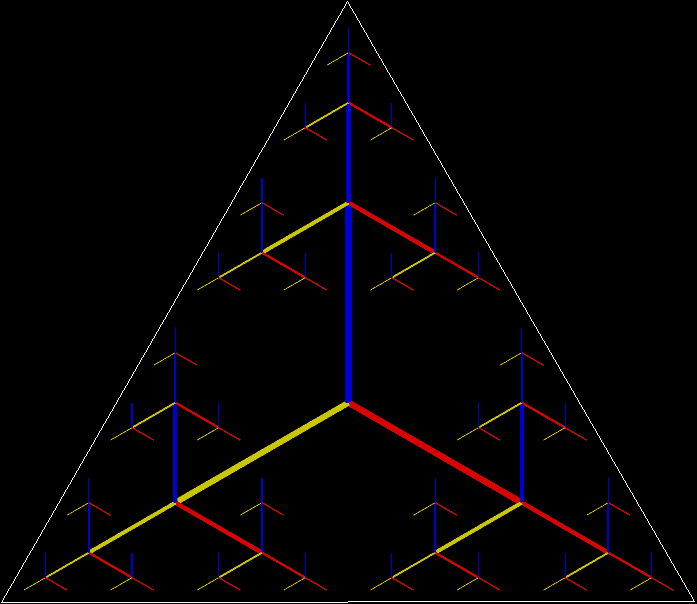
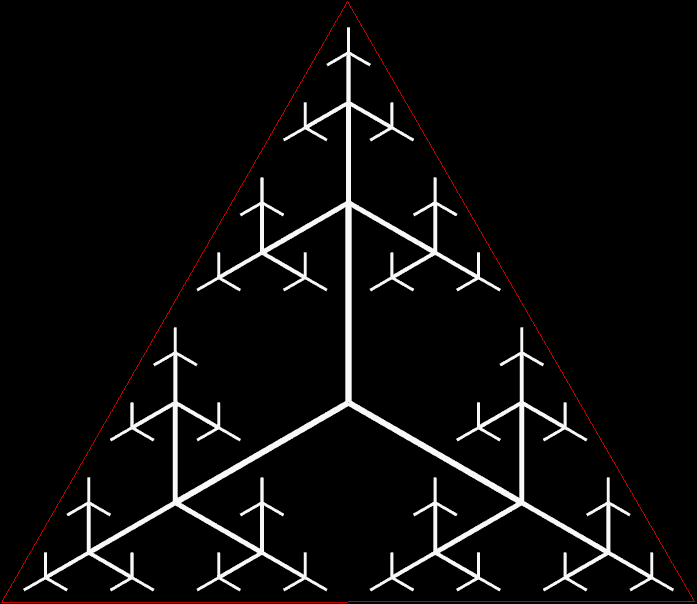
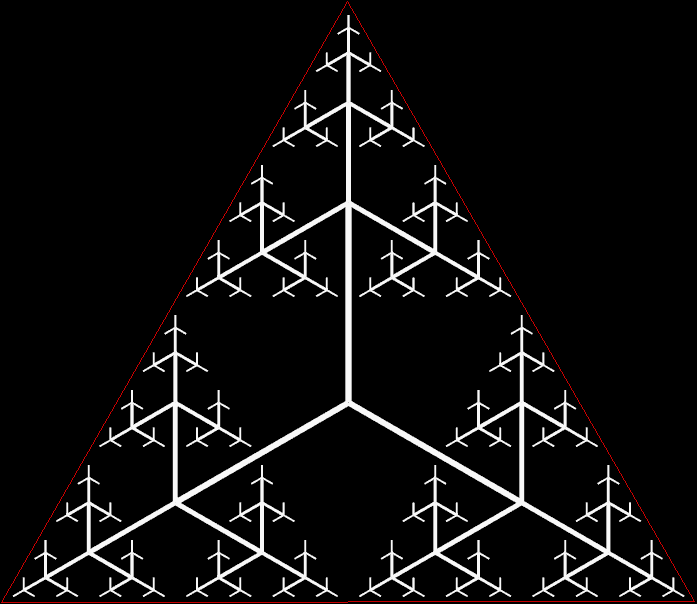
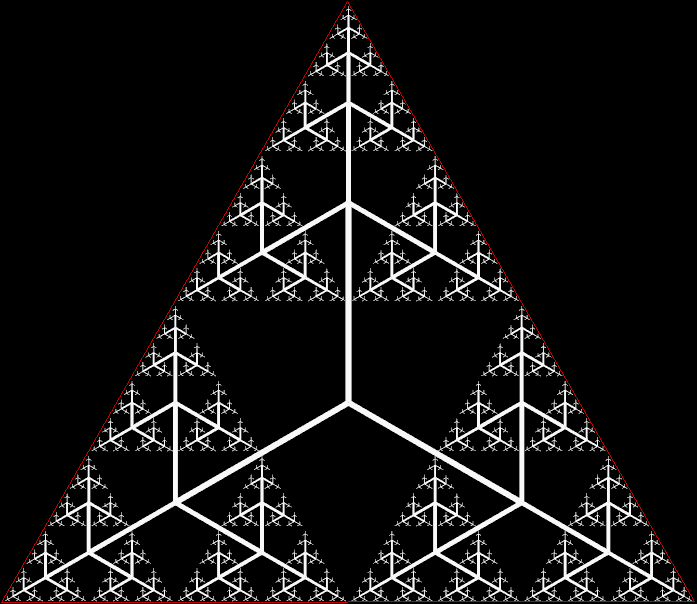
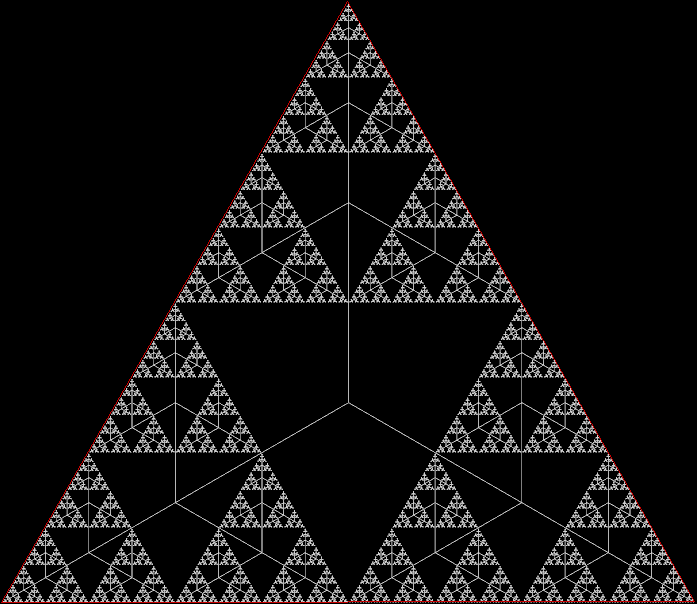
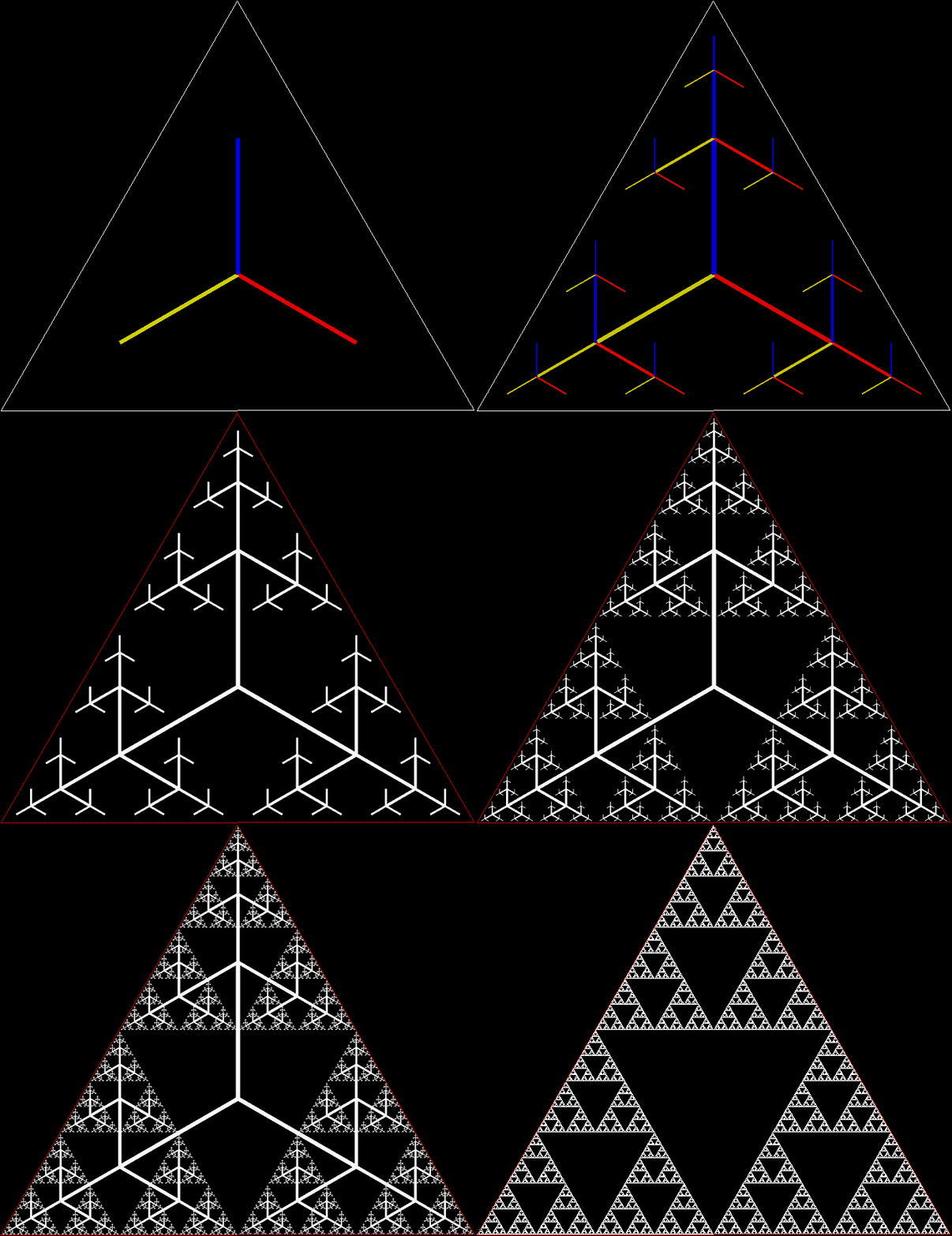
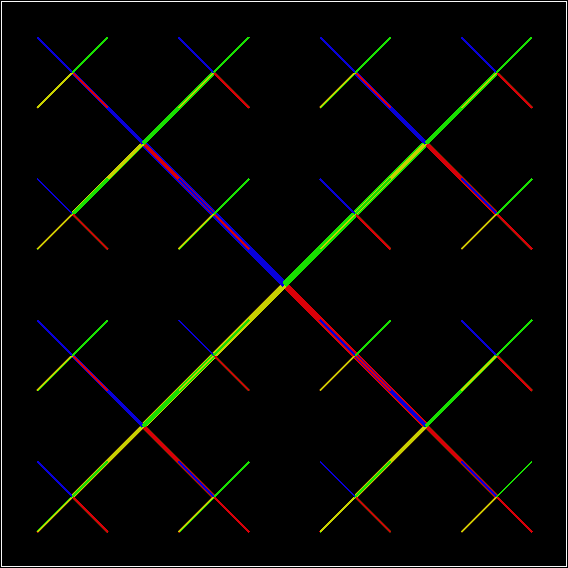
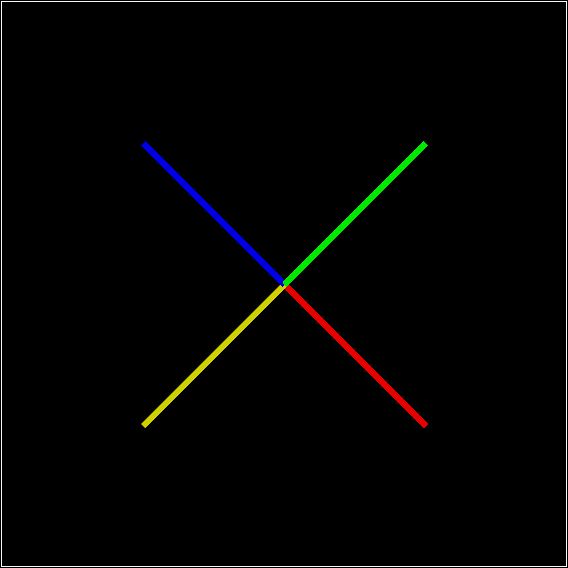
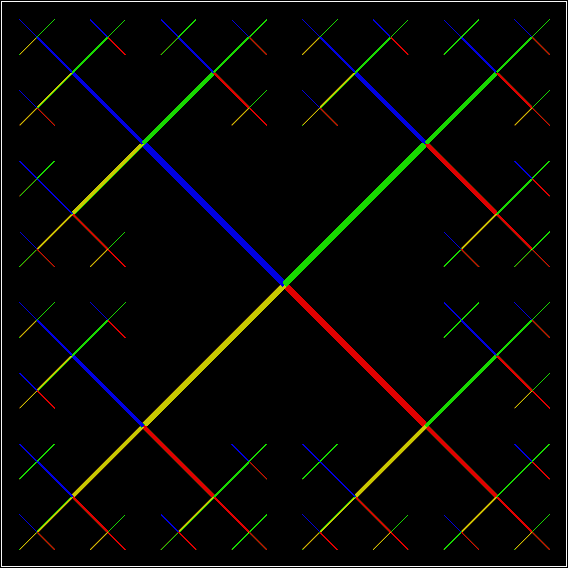
One of the charms of living in an old town or city is finding new routes to familiar places. It’s also one of the charms of maths. Suppose a three-armed star sprouts three half-sized arms from the end of each of its three arms. And then sprouts three quarter-sized arms from the end of each of its nine new arms. And so on. This is what happens:

Three-armed star


3-Star sprouts more arms


Sprouting 3-Star #3


Sprouting 3-Star #4


Sprouting 3-Star #5


Sprouting 3-Star #6


Sprouting 3-Star #7


Sprouting 3-Star #8


Sprouting 3-Star #9


Sprouting 3-Star #10


Sprouting 3-Star #11 — the Sierpiński triangle


Sprouting 3-star (animated)


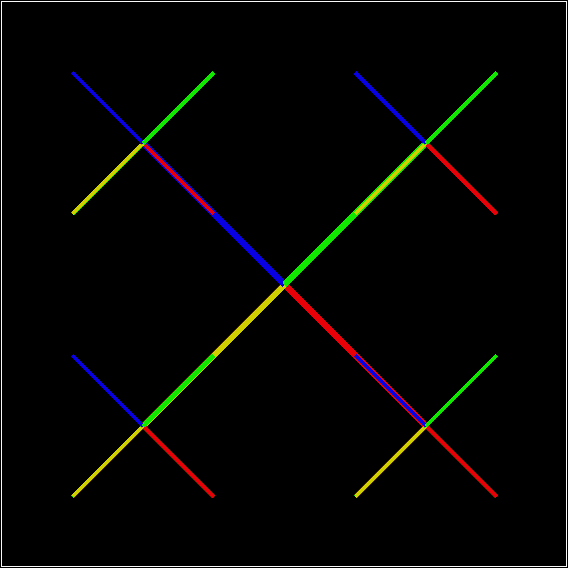
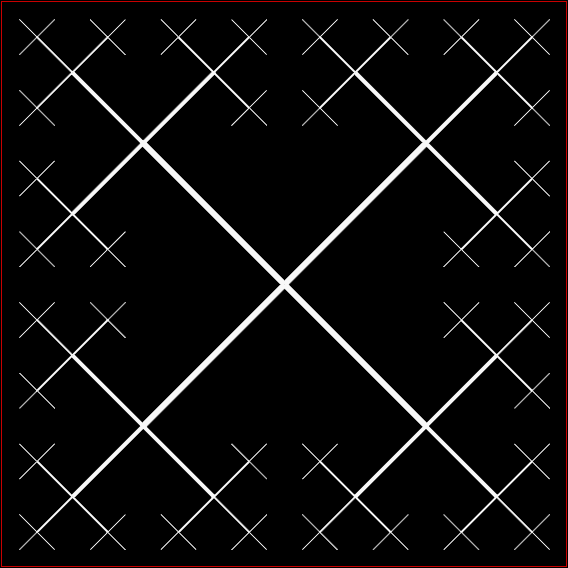
The final stage is a famous fractal called the Sierpiński triangle — the sprouting 3-star is a new route to a familiar place. But what happens when you trying sprouting a four-armed star in the same way? This does:

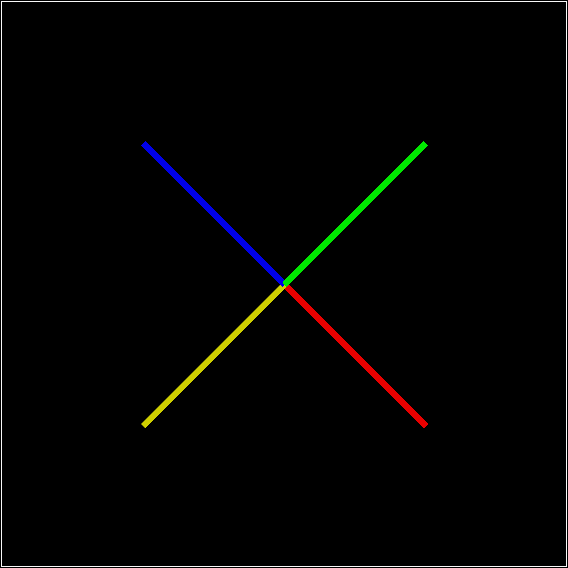
Four-armed star #1


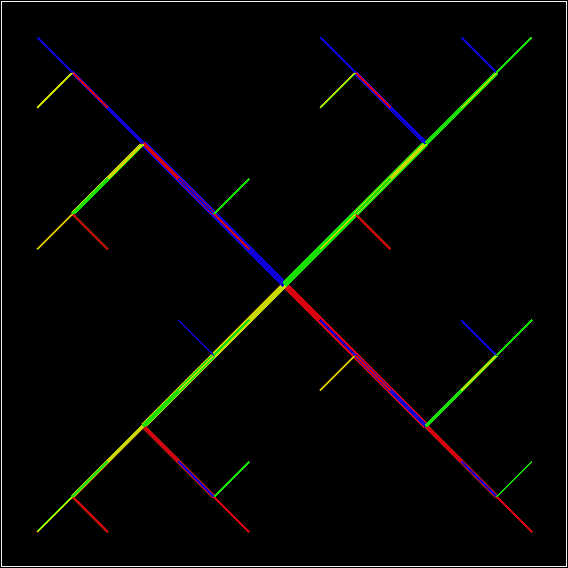
Sprouting 4-Star #2


Sprouting 4-Star #3


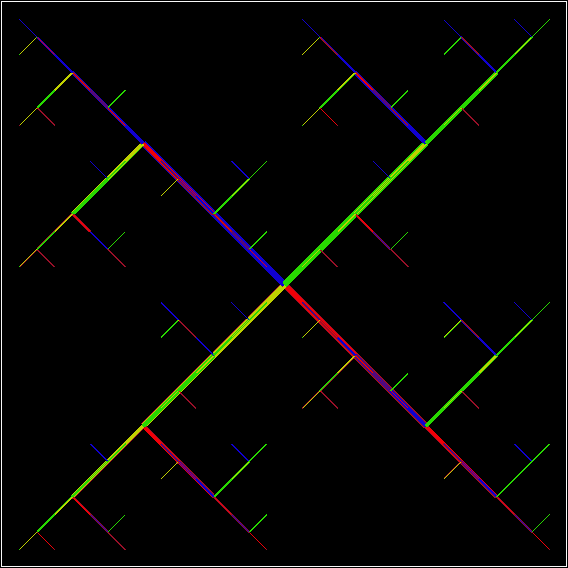
Sprouting 4-Star #4


Sprouting 4-Star #5


Sprouting 4-Star #6


Sprouting 4-Star #7


Sprouting 4-Star #8


Sprouting 4-Star #9


Sprouting 4-Star #10


Sprouting 4-star (animated)


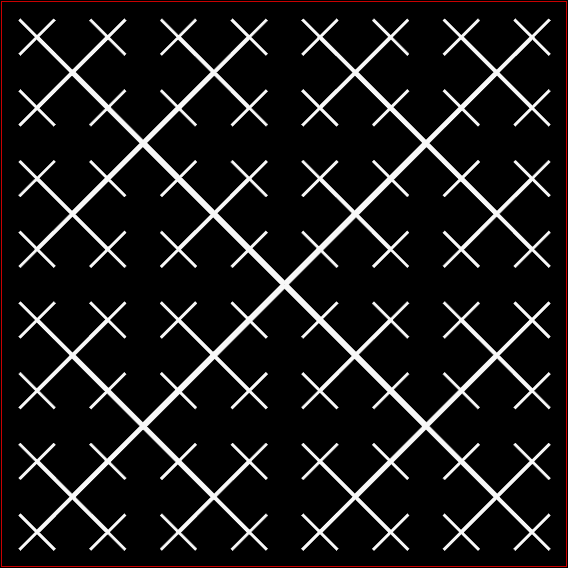
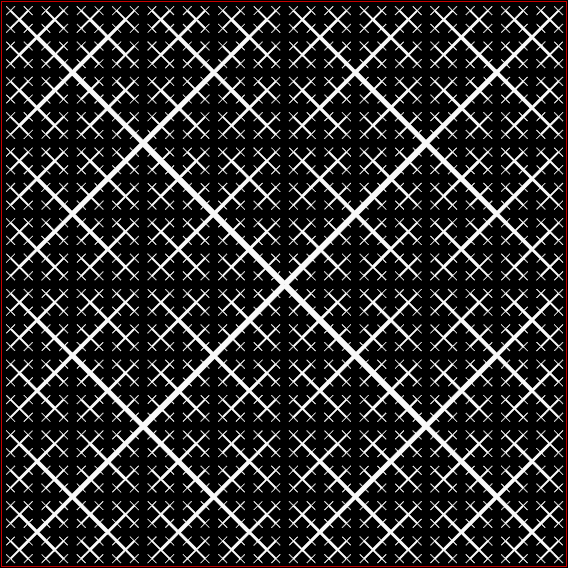
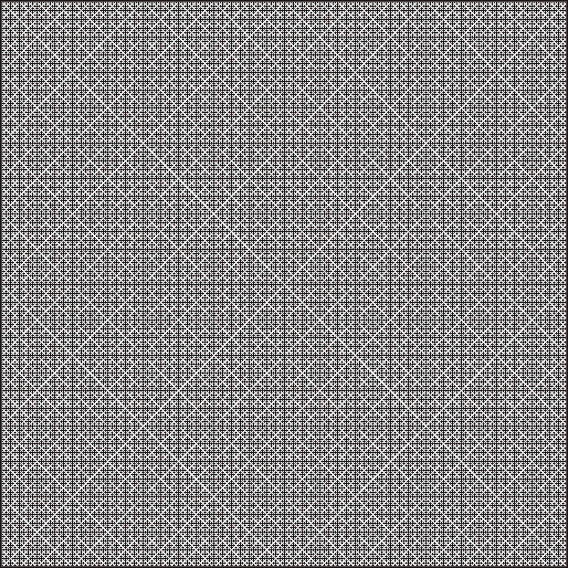
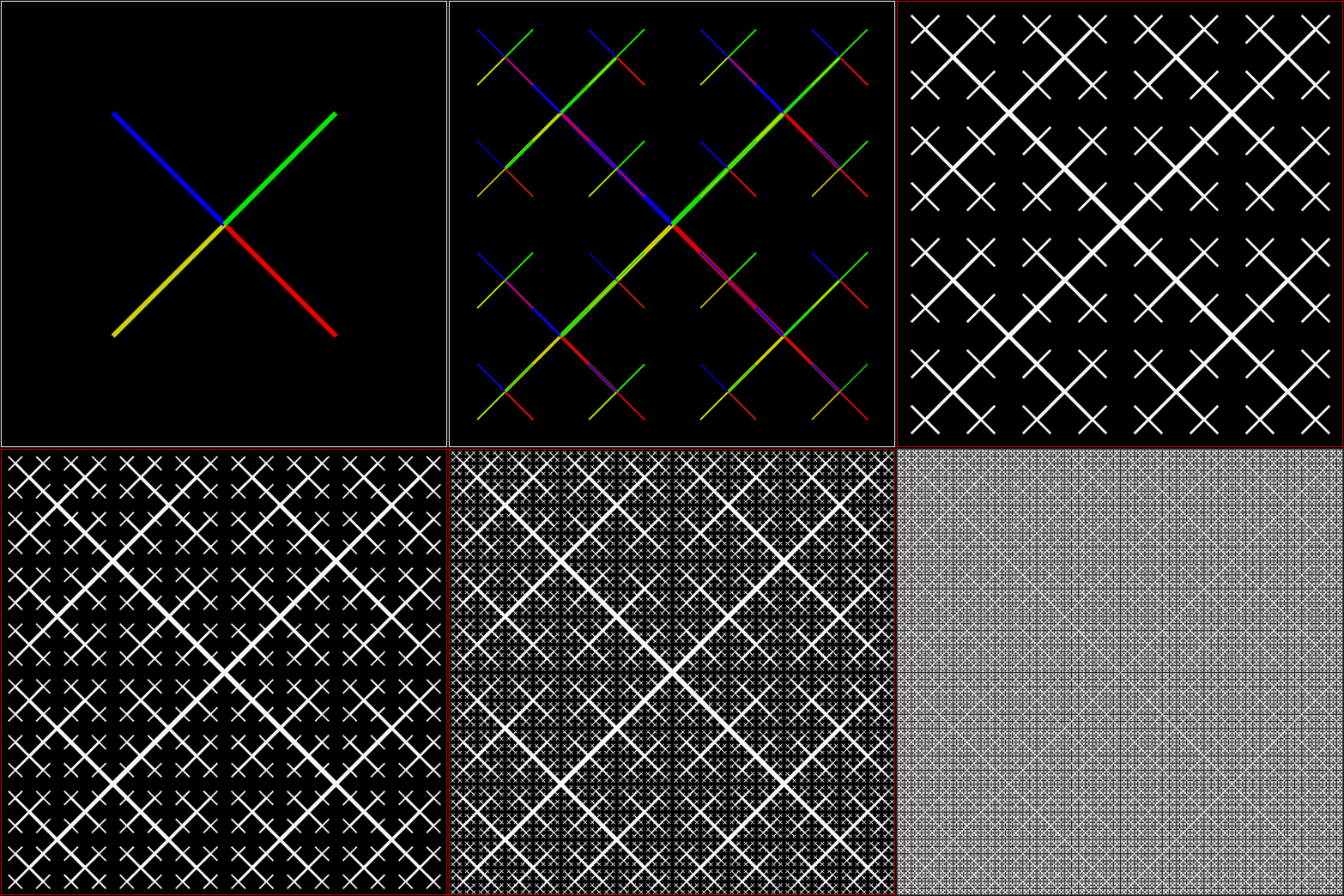
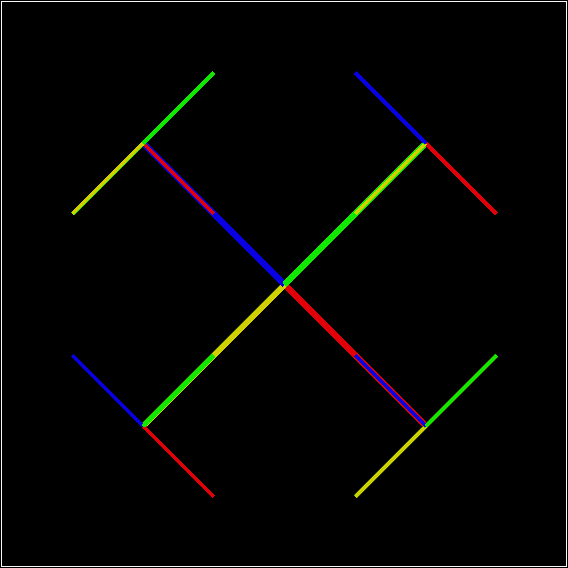
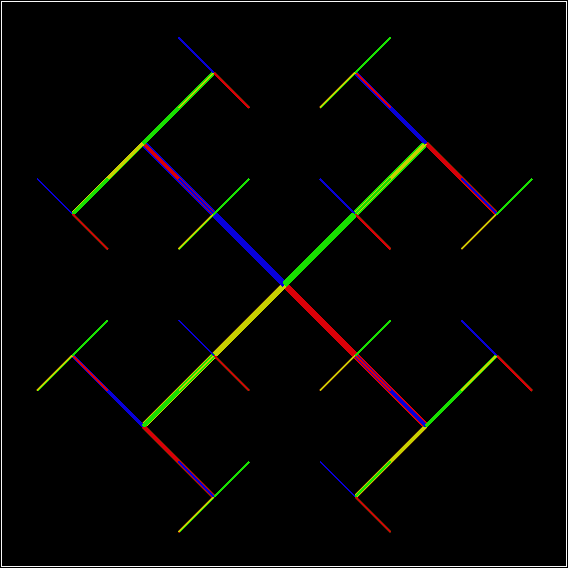
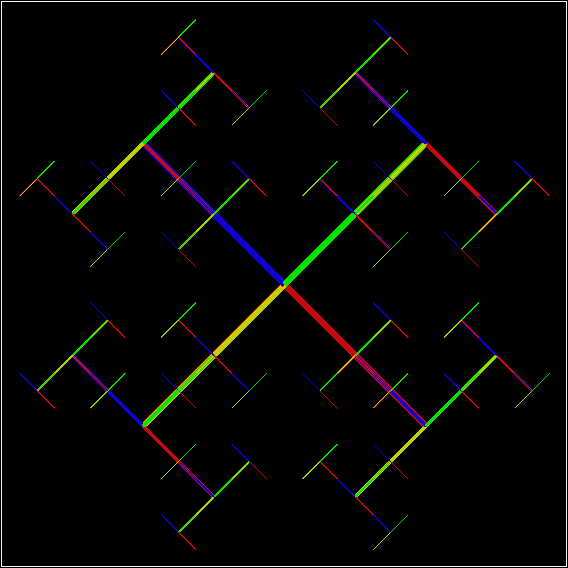
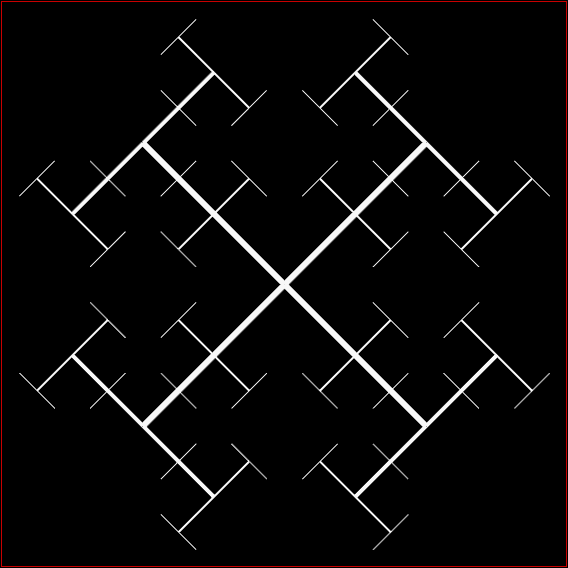
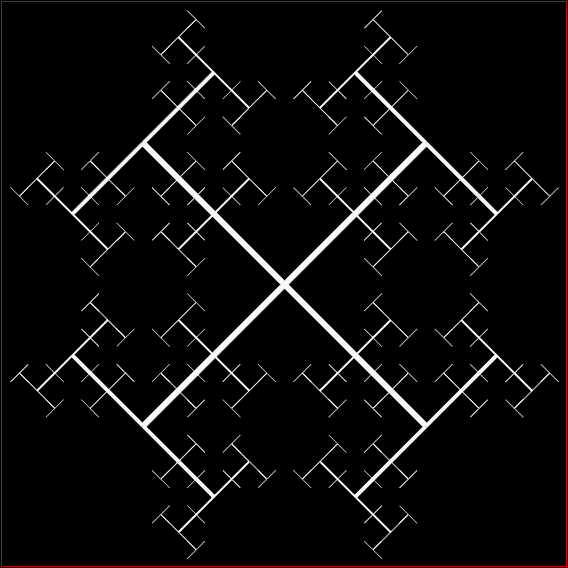
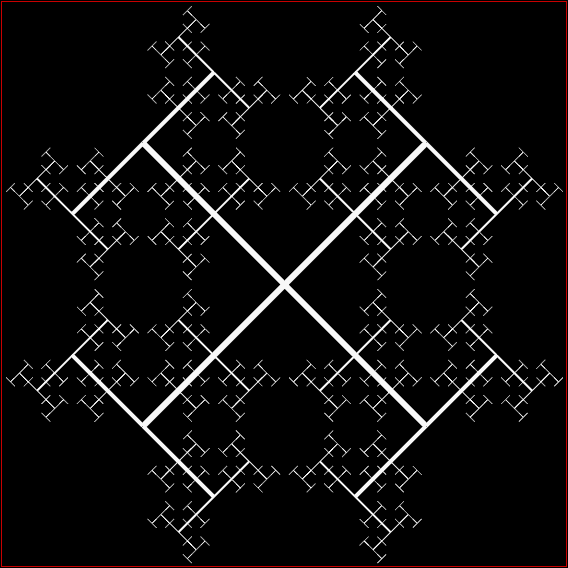
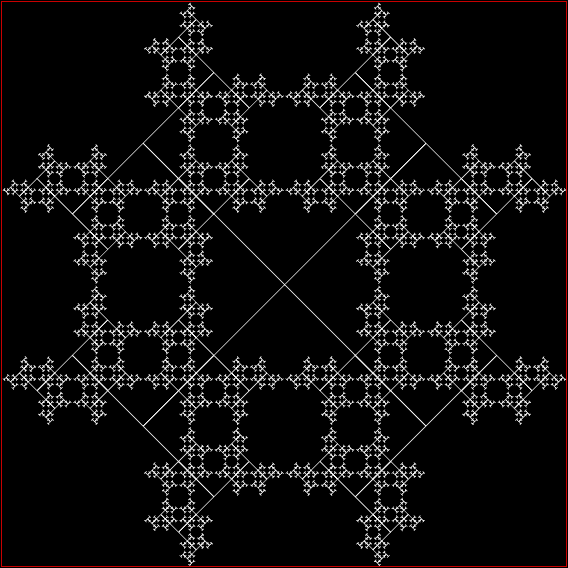
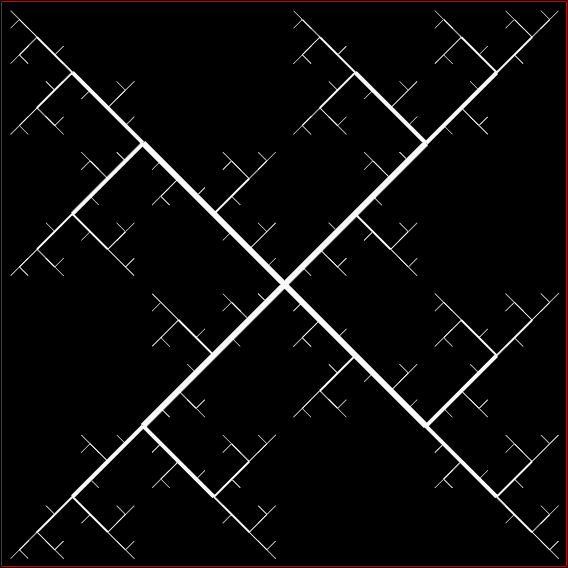
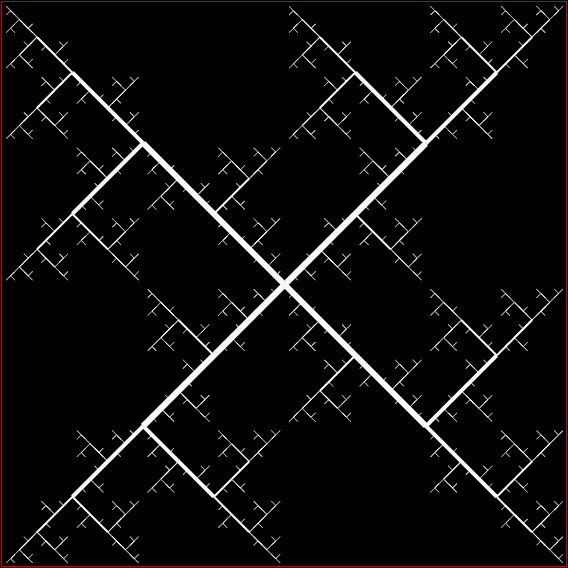
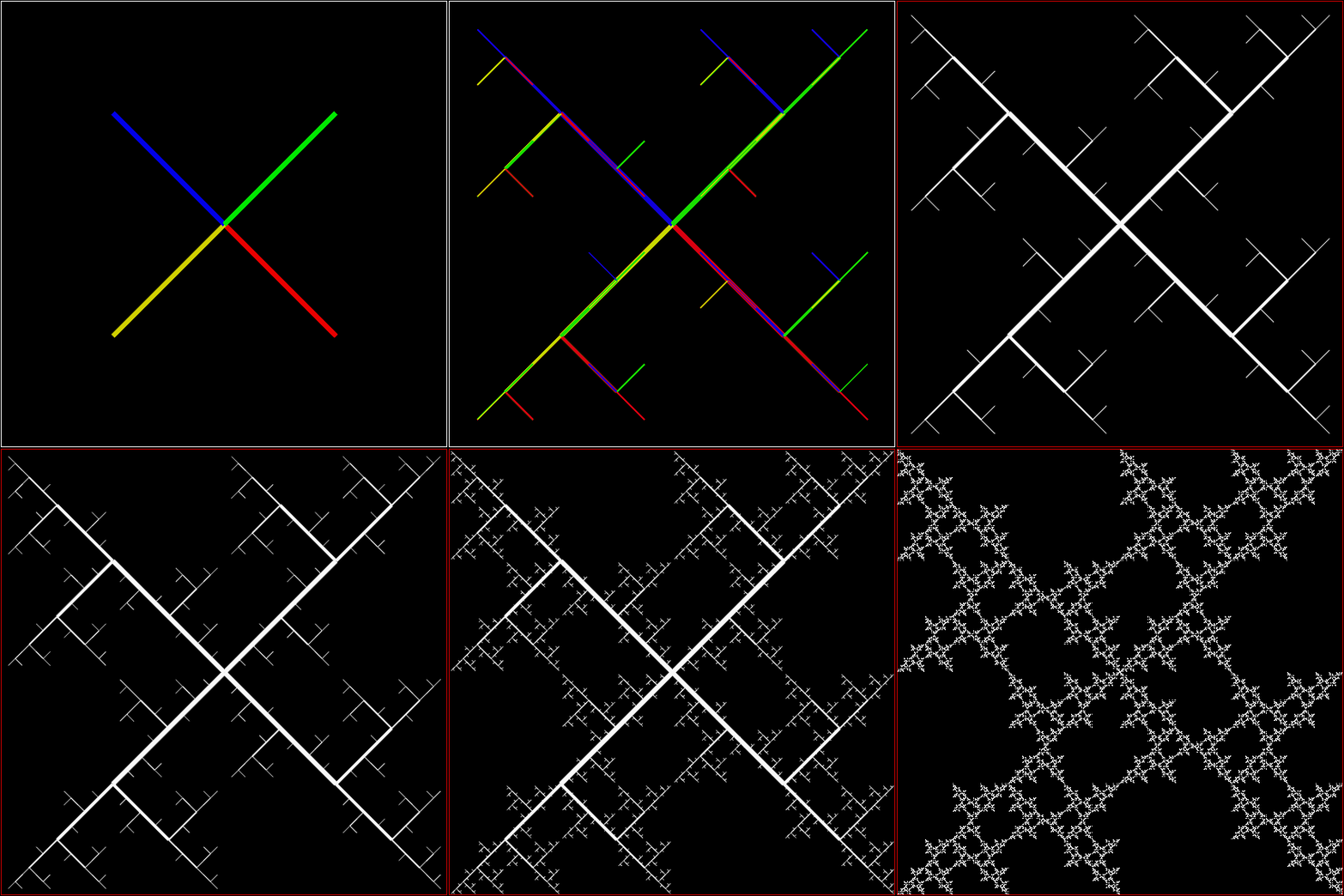
There’s no obvious fractal with a sprouting 4-star. Not unless you dis-arm the 4-star in some way. For example, you can ban any new arm sprouting in the same direction as the previous arm:

Dis-armed 4-star (+0) #1


Dis-armed 4-Star (+0) #2


Dis-armed 4-Star (+0) #3


Dis-armed 4-Star (+0) #4


Dis-armed 4-Star (+0) #5


Dis-armed 4-Star (+0) #6


Dis-armed 4-Star (+0) #7


Dis-armed 4-Star (+0) #8


Dis-armed 4-Star (+0) #9


Dis-armed 4-Star (+0) #10


Dis-armed 4-star (+0) (animated)


Once again, it’s a new route to a familiar place (for keyly committed core components of the Overlord-of-the-Über-Feral community, anyway). Now try banning an arm sprouting one place clockwise of the previous arm:

Dis-armed 4-Star (+1) #1


Dis-armed 4-Star (+1) #2


Dis-armed 4-Star (+1) #3


Dis-armed 4-Star (+1) #4


Dis-armed 4-Star (+1) #5


Dis-armed 4-Star (+1) #6


Dis-armed 4-Star (+1) #7


Dis-armed 4-Star (+1) #8


Dis-armed 4-Star (+1) #9


Dis-armed 4-Star (+1) #10


Dis-armed 4-Star (+1) (animated)


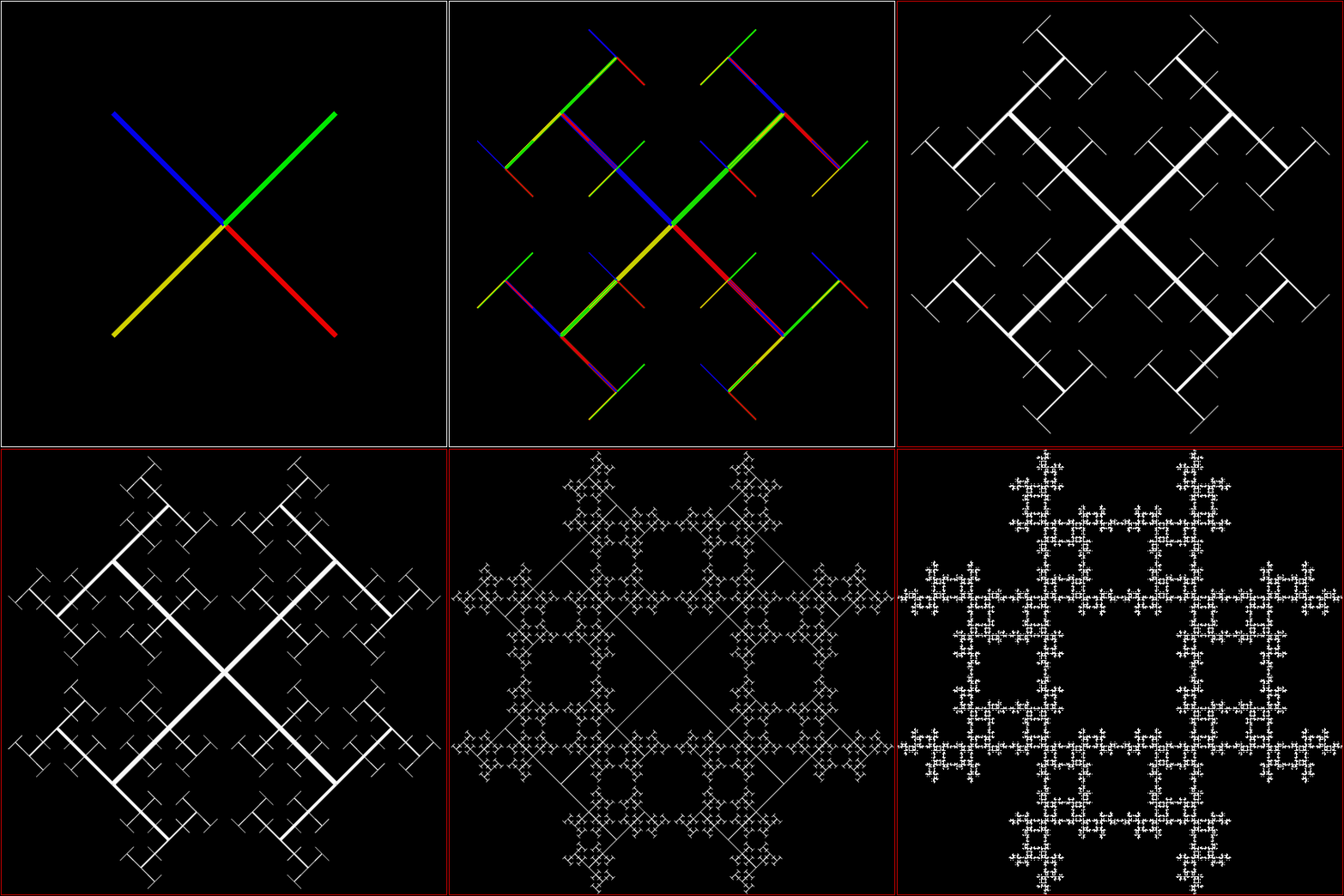
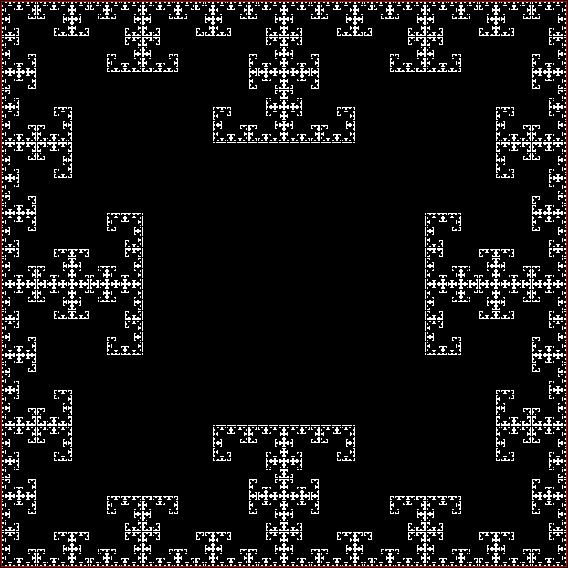
Again it’s a new route to a familiar place. Now trying banning an arm sprouting two places clockwise (or anti-clockwise) of the previous arm:

Dis-armed 4-Star (+2) #1


Dis-armed 4-Star (+2) #2


Dis-armed 4-Star (+2) #3


Dis-armed 4-Star (+2) #4


Dis-armed 4-Star (+2) #5


Dis-armed 4-Star (+2) #6


Dis-armed 4-Star (+2) #7


Dis-armed 4-Star (+2) #8


Dis-armed 4-Star (+2) #9


Dis-armed 4-Star (+2) #10


Dis-armed 4-Star (+2) (animated)


Once again it’s a new route to a familiar place. And what happens if you ban an arm sprouting three places clockwise (or one place anti-clockwise) of the previous arm? You get a mirror image of the Dis-armed 4-Star (+1):

Dis-armed 4-Star (+3)


Here’s the Dis-armed 4-Star (+1) for comparison:

Dis-armed 4-Star (+1)


Elsewhere other-accessible

Boole(b)an #2 — other routes to the fractals seen above