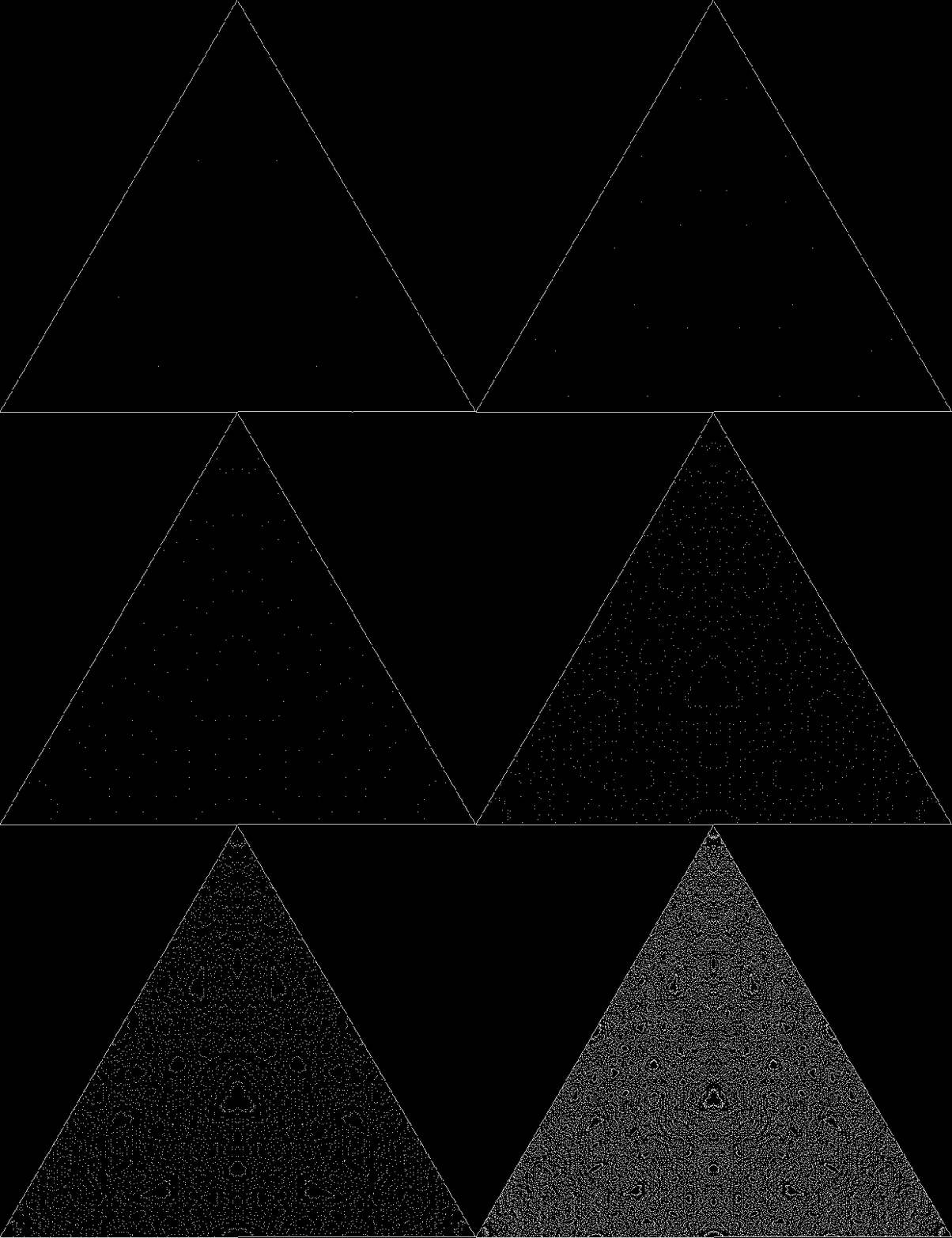
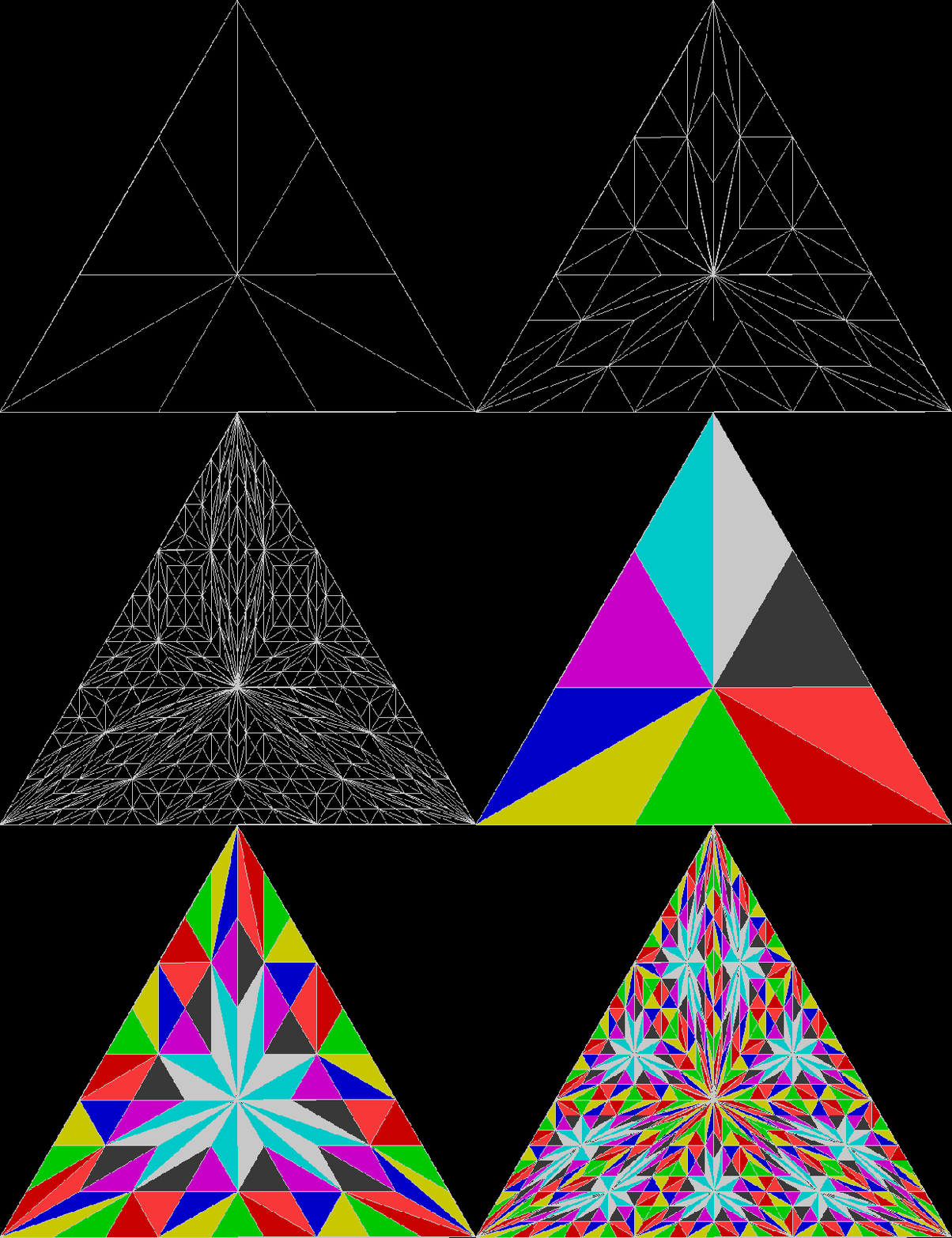
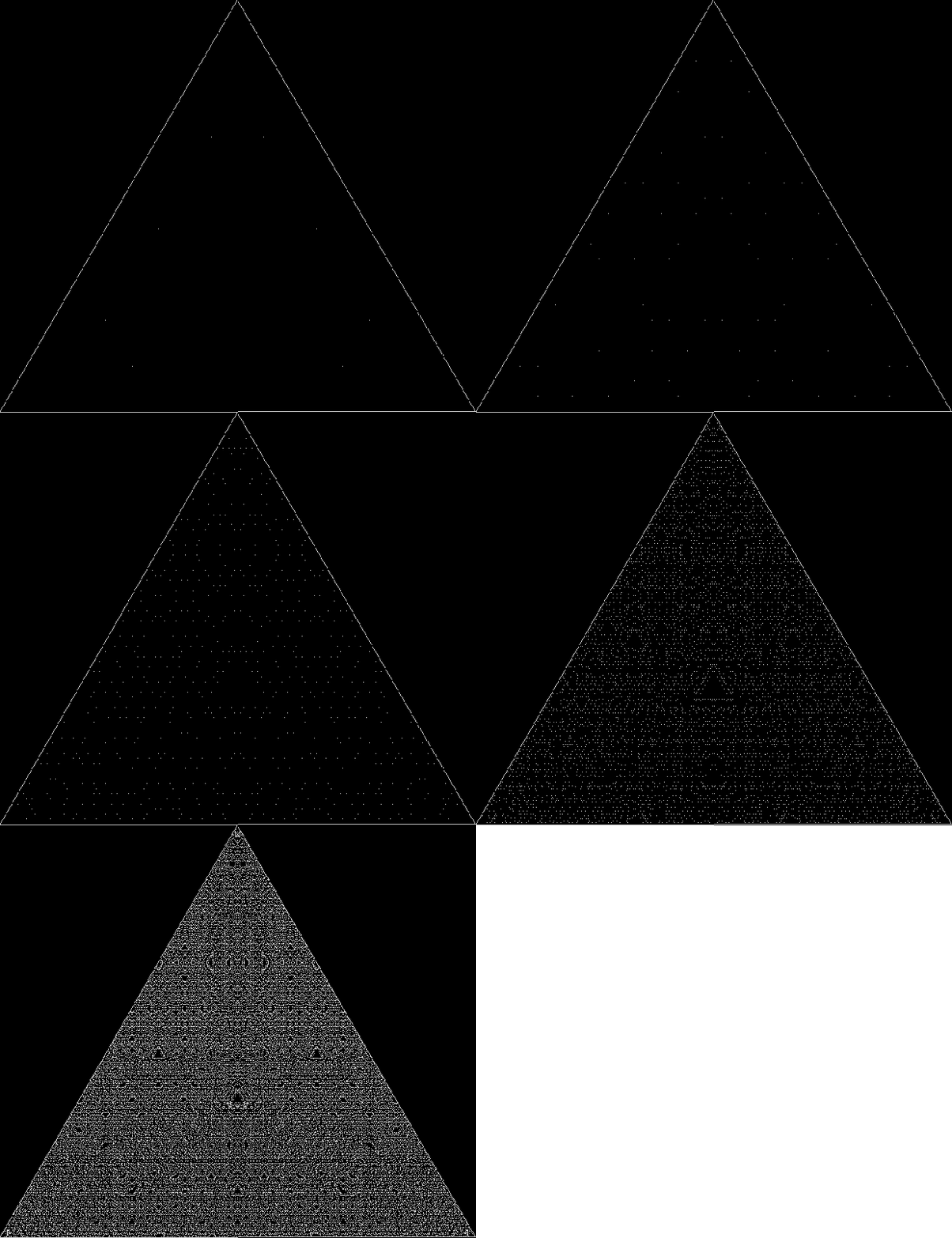
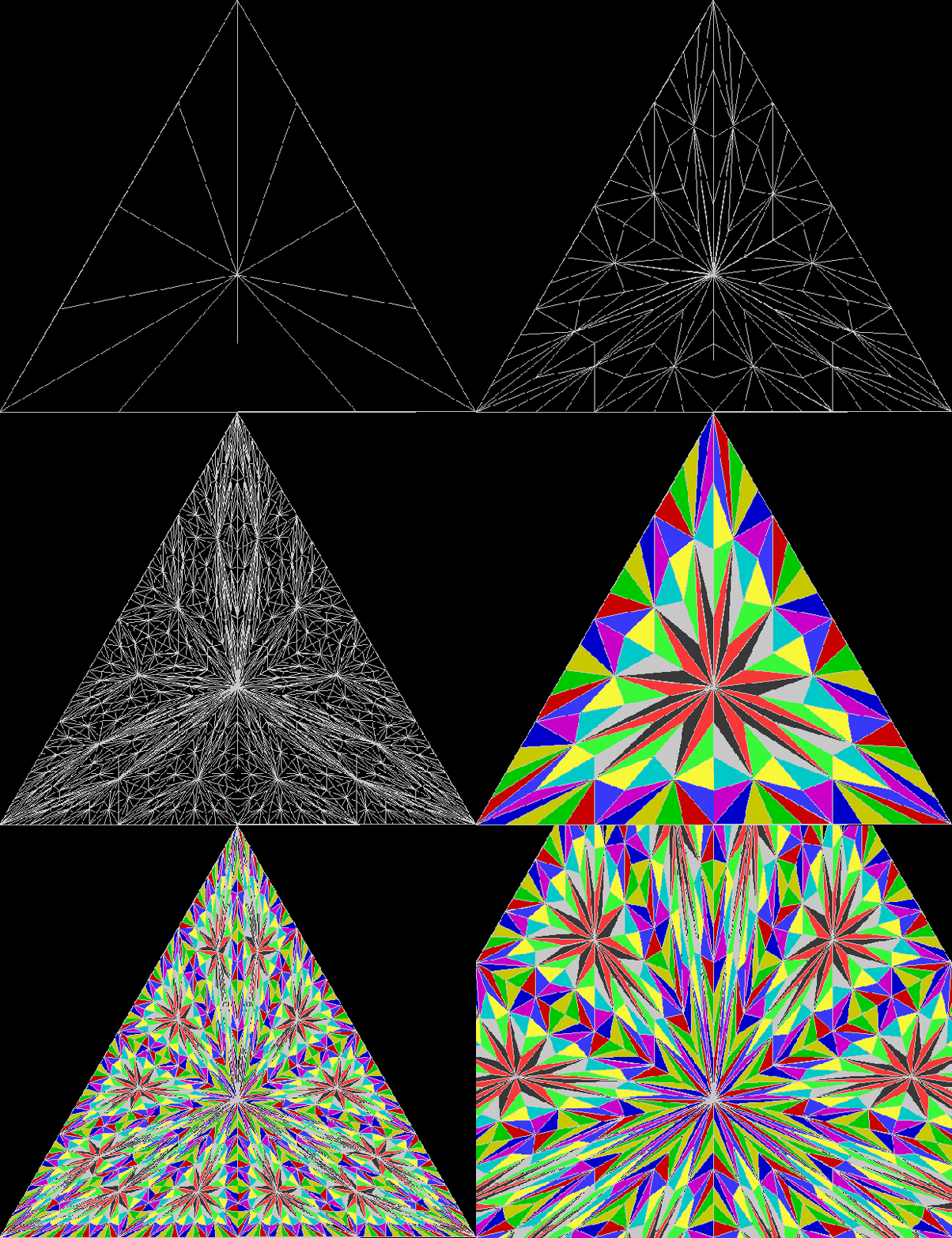
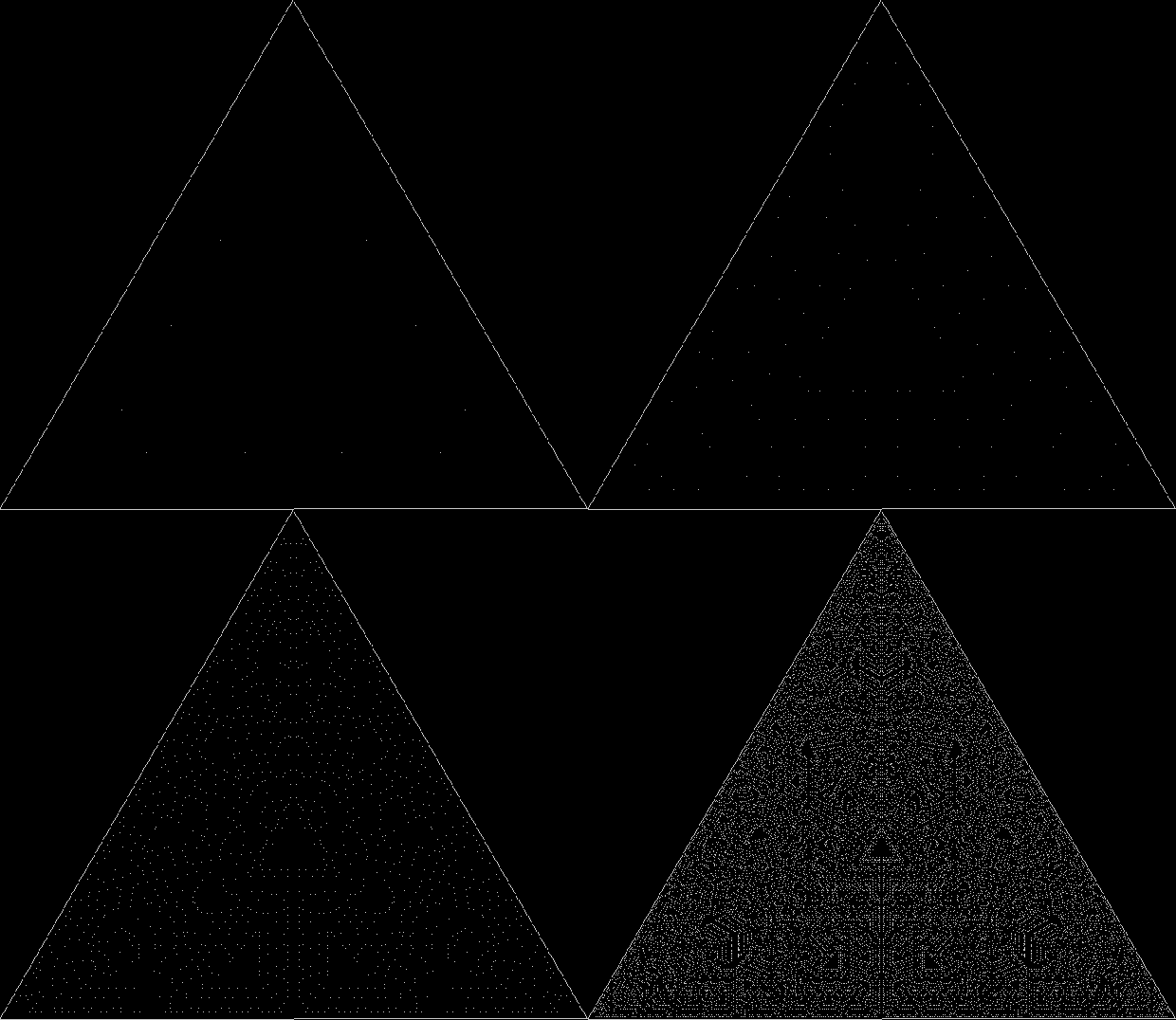
V for Vertex

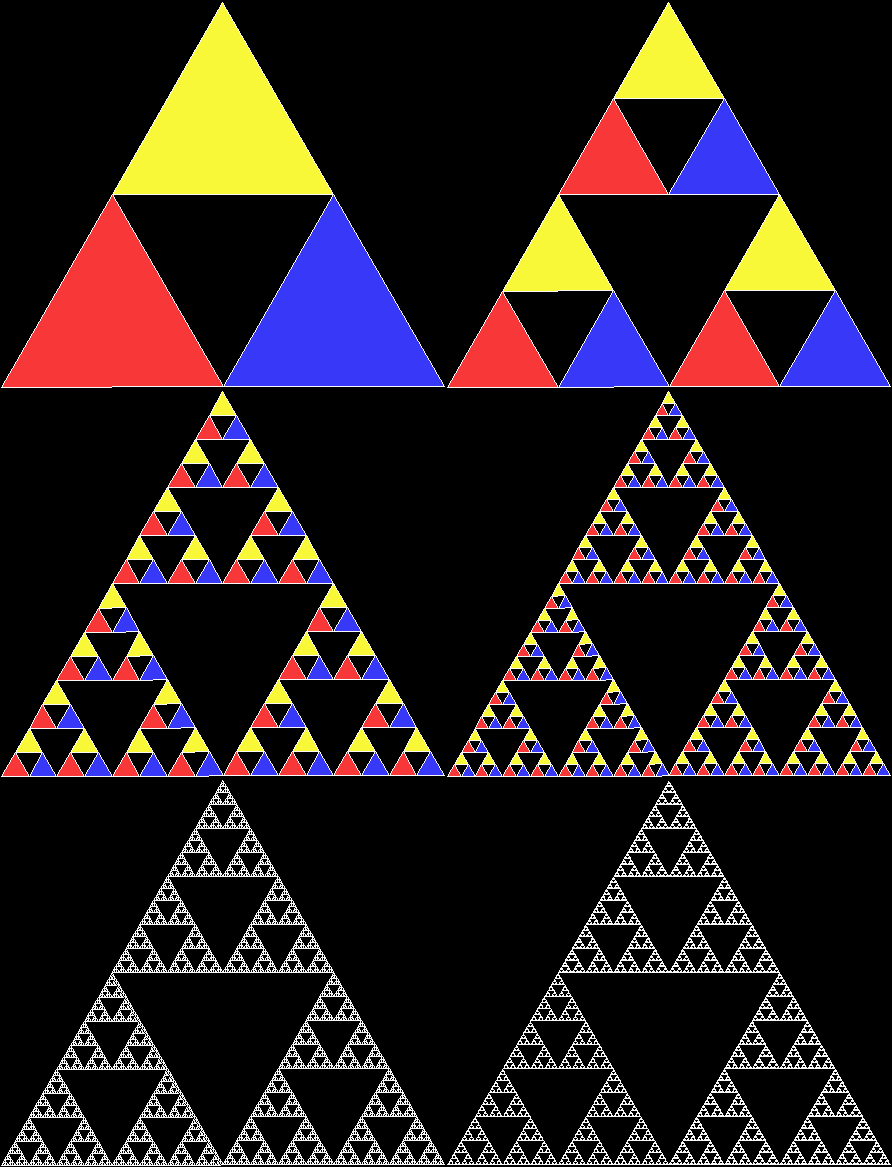
To create a simple fractal, take an equilateral triangle and divide it into four more equilateral triangles. Remove the middle triangle. Repeat the process with each new triangle and go on repeating it. You’ll end up with a shape like this, which is known as the Sierpiński triangle, after the Polish mathematician Wacław Sierpiński (1882-1969):
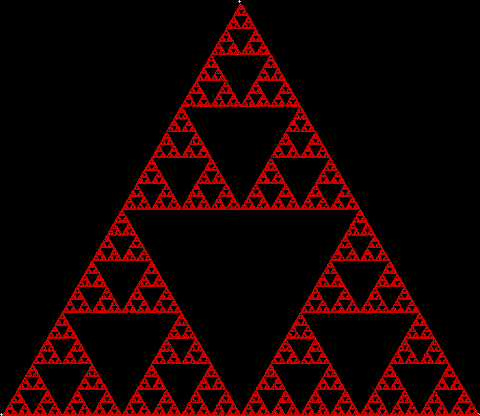
Sierpinski triangle

But you can also create the Sierpiński triangle one pixel at a time. Choose any point inside an equilateral triangle. Pick a corner of the triangle at random and move half-way towards it. Mark this spot. Then pick a corner at random again and move half-way towards the corner. And repeat. The result looks like this:
triangle

A simple program to create the fractal looks like this:

initial()
repeat
  fractal()
  altervariables()
until false

function initial()
  v = 3 [v for vertex]
  r = 500
  lm = 0.5
endfunc

function fractal()
  th = 2 * pi / v
[the following loop creates the corners of the triangle]
  for l = 1 to v
    x[l]=xcenter + sin(l*th) * r
    y[l]=ycenter + cos(l*th) * r
  next l
  fx = xcenter
  fy = ycenter
  repeat
    rv = random(v)
    fx = fx + (x[rv]-fx) * lm
    fy = fy + (y[rv]-fy) * lm
    plot(fx,fy)
  until keypressed
endfunc

function altervariables()
[change v, lm, r etc]
endfunc

In this case, more is less. When v = 4 and the shape is a square, there is no fractal and plot(fx,fy) covers the entire square.
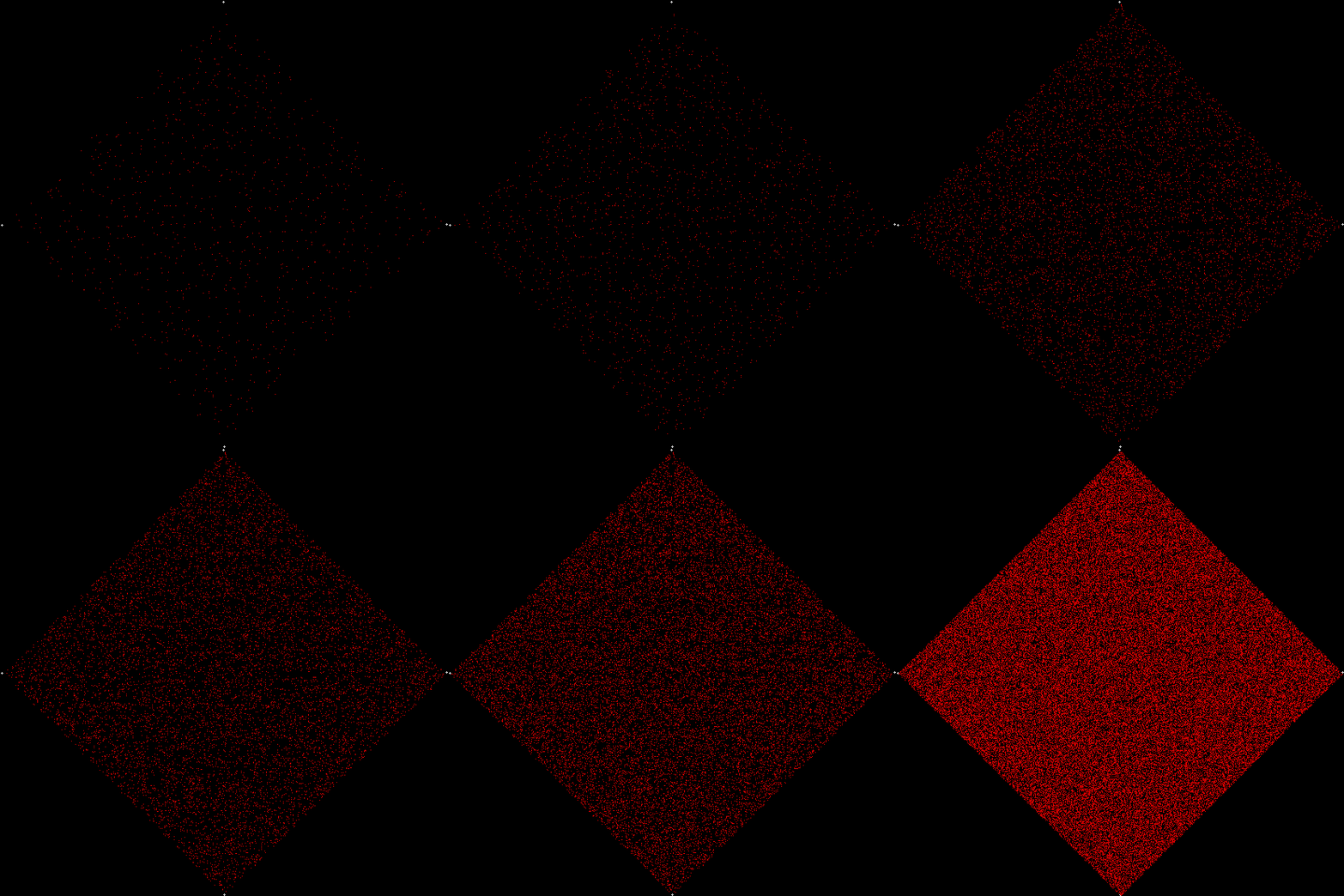
square

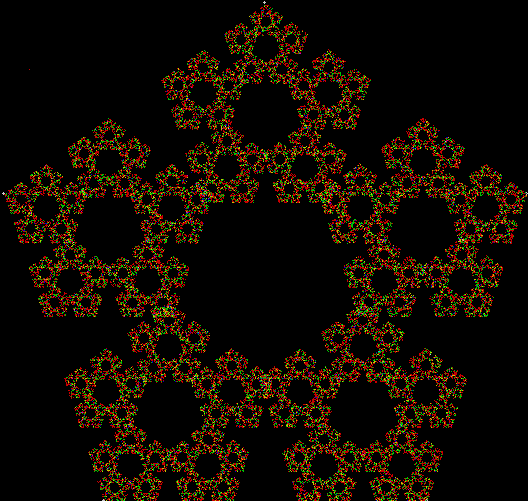
When v = 5 and the shape is a pentagon, this fractal appears:
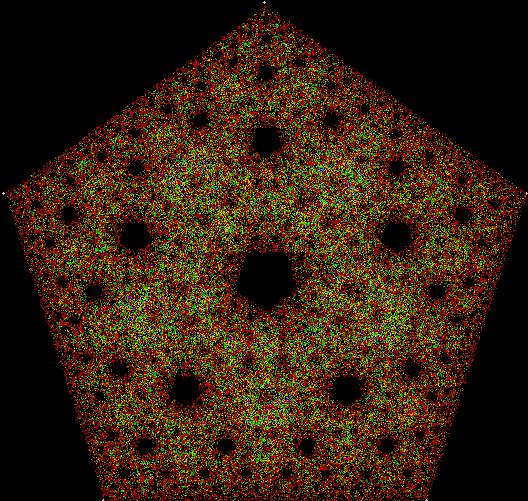
pentagon

But v = 4 produces a fractal if a simple change is made in the program. This time, a corner cannot be chosen twice in a row:
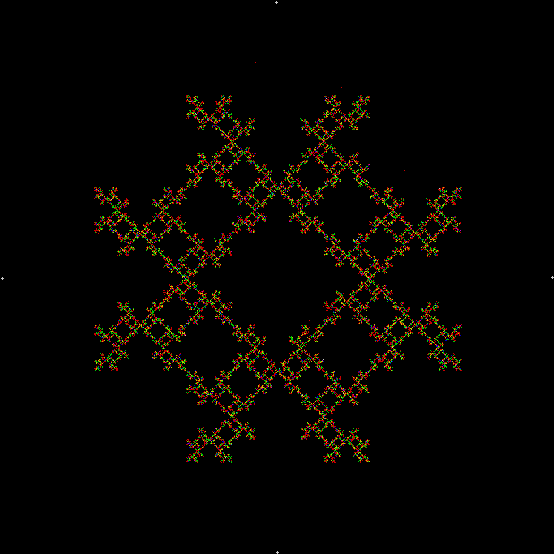
square_used1

function initial()
  v = 4
  r = 500
  lm = 0.5
  ci = 1 [i.e, number of iterations since corner previously chosen]
endfunc

function fractal()
  th = 2 * pi / v
  for l = 1 to v
    x[l]=xcenter + sin(l*th) * r
    y[l]=ycenter + cos(l*th) * r
    chosen[l]=0
  next l
  fx = xcenter
  fy = ycenter
  repeat
    repeat
      rv = random(v)
    until chosen[rv]=0
    for l = 1 to v
      if chosen[l]>0 then chosen[l] = chosen[l]-1
    next l
    chosen[rv] = ci
    fx = fx + (x[rv]-fx) * lm
    fy = fy + (y[rv]-fy) * lm
    plot(fx,fy)
  until keypressed
endfunc

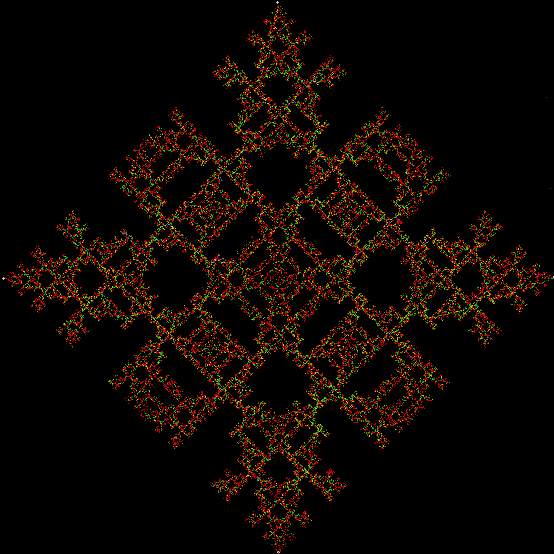
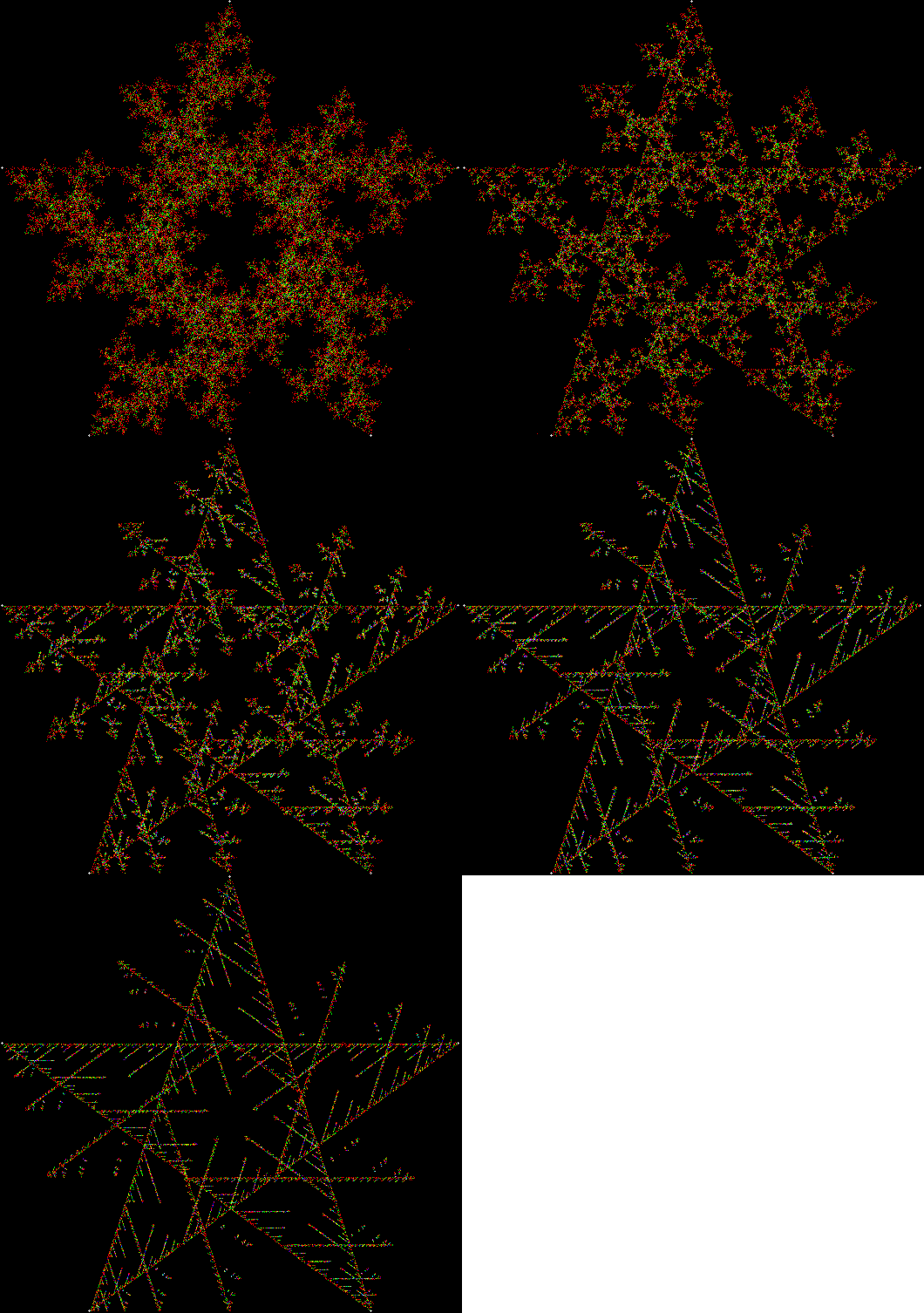
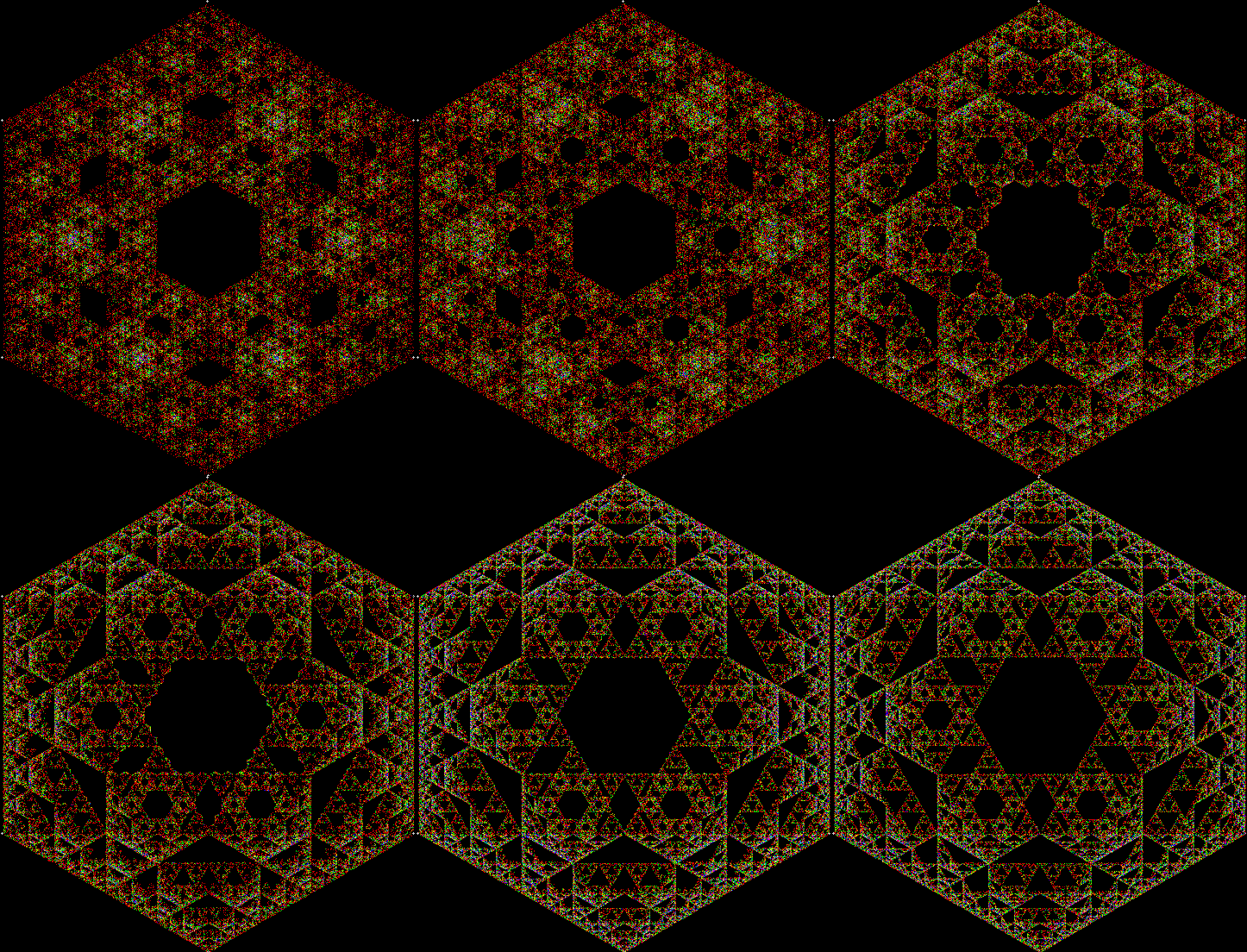
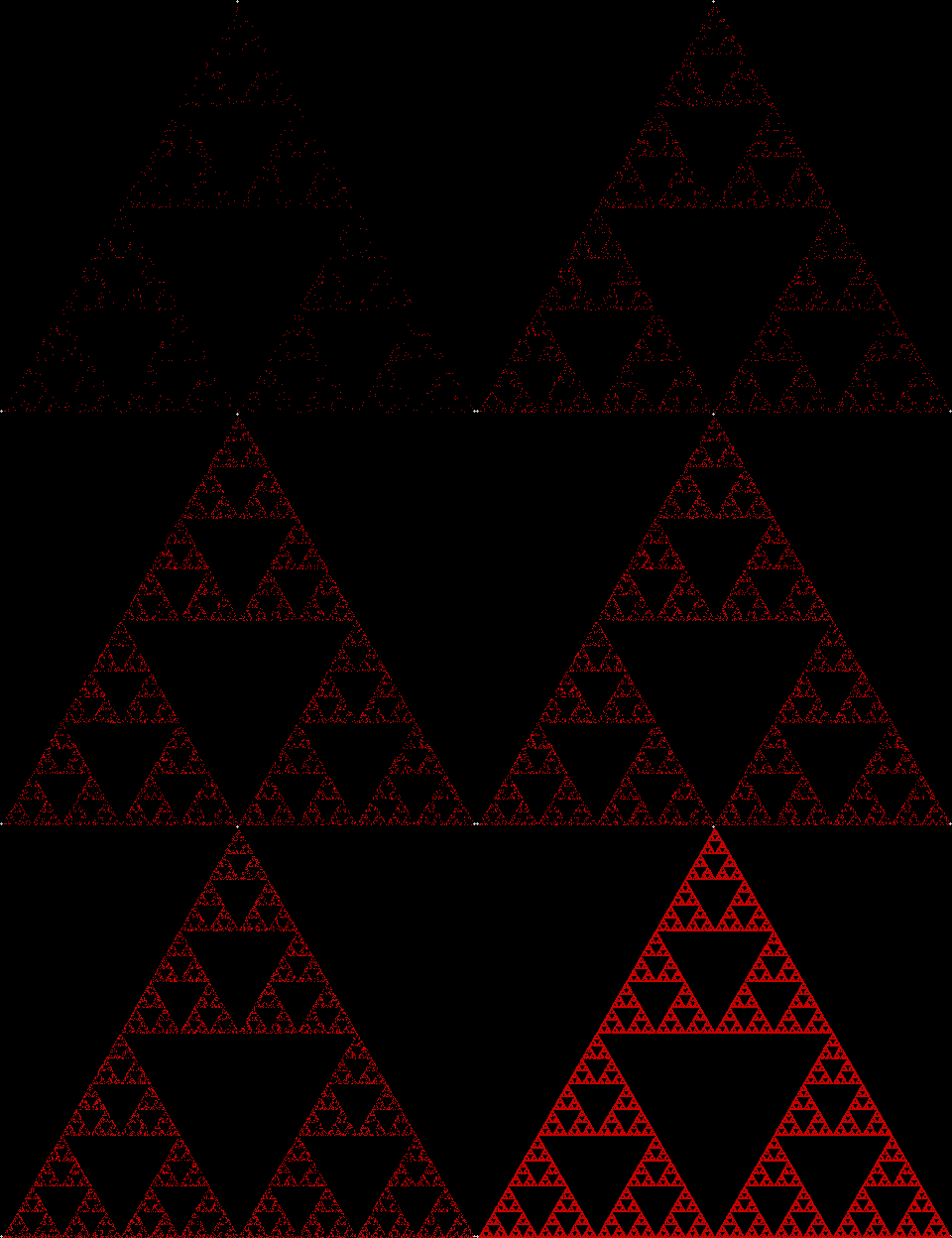
One can also disallow a corner if the corner next to it has been chosen previously, adjust the size of the movement towards the chosen corner, add a central point to the polygon, and so on. Here are more fractals created with such variations:
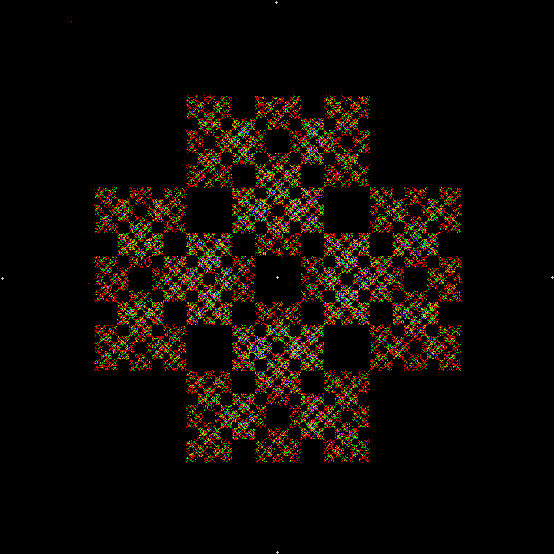
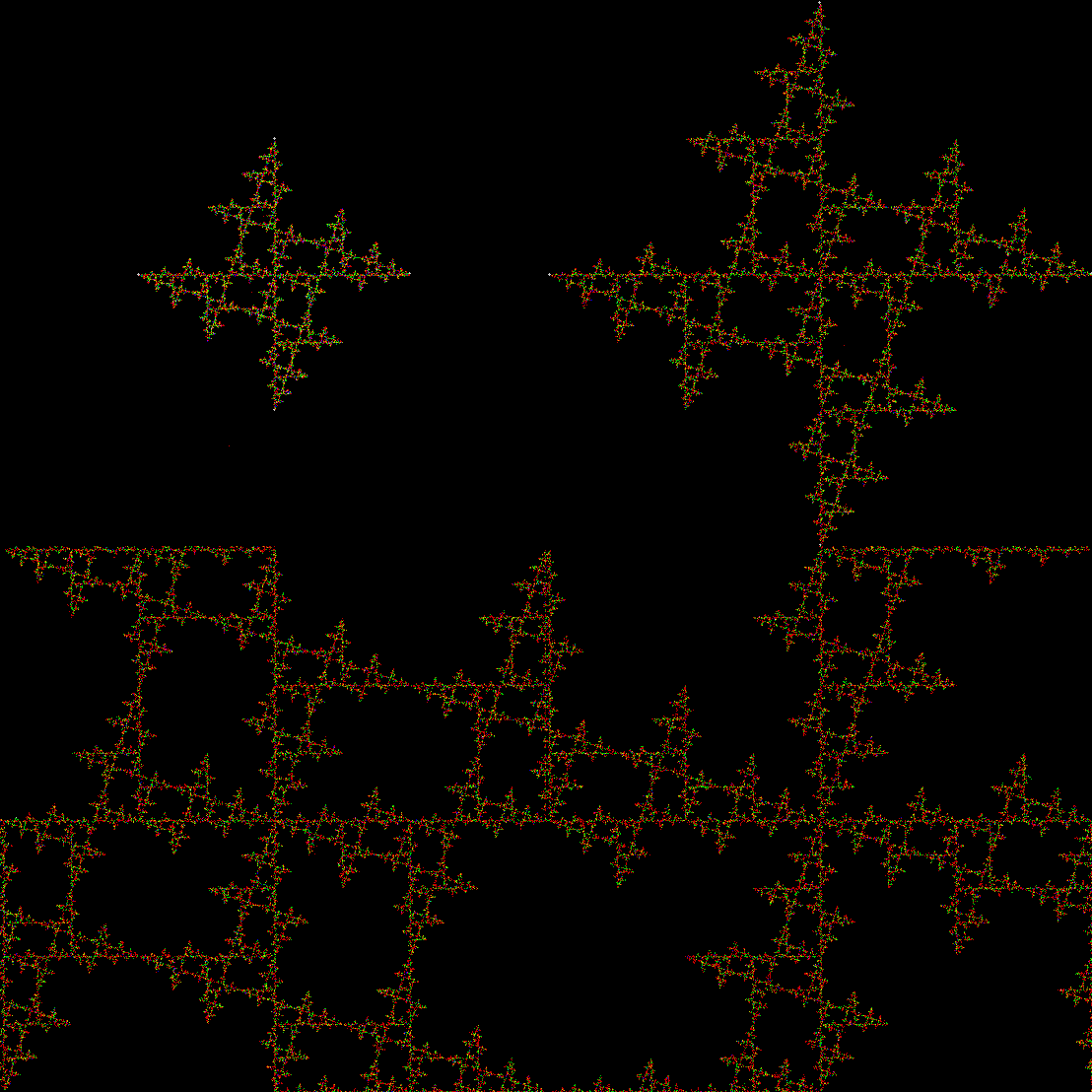
square_used1_center

square_used1_vi1

square_used1_vi2

square_used2

pentagon_lm0.6

pentagon_used1_5_vi1

hexagon_used1_6_vi3

Rep-Tile Reflections

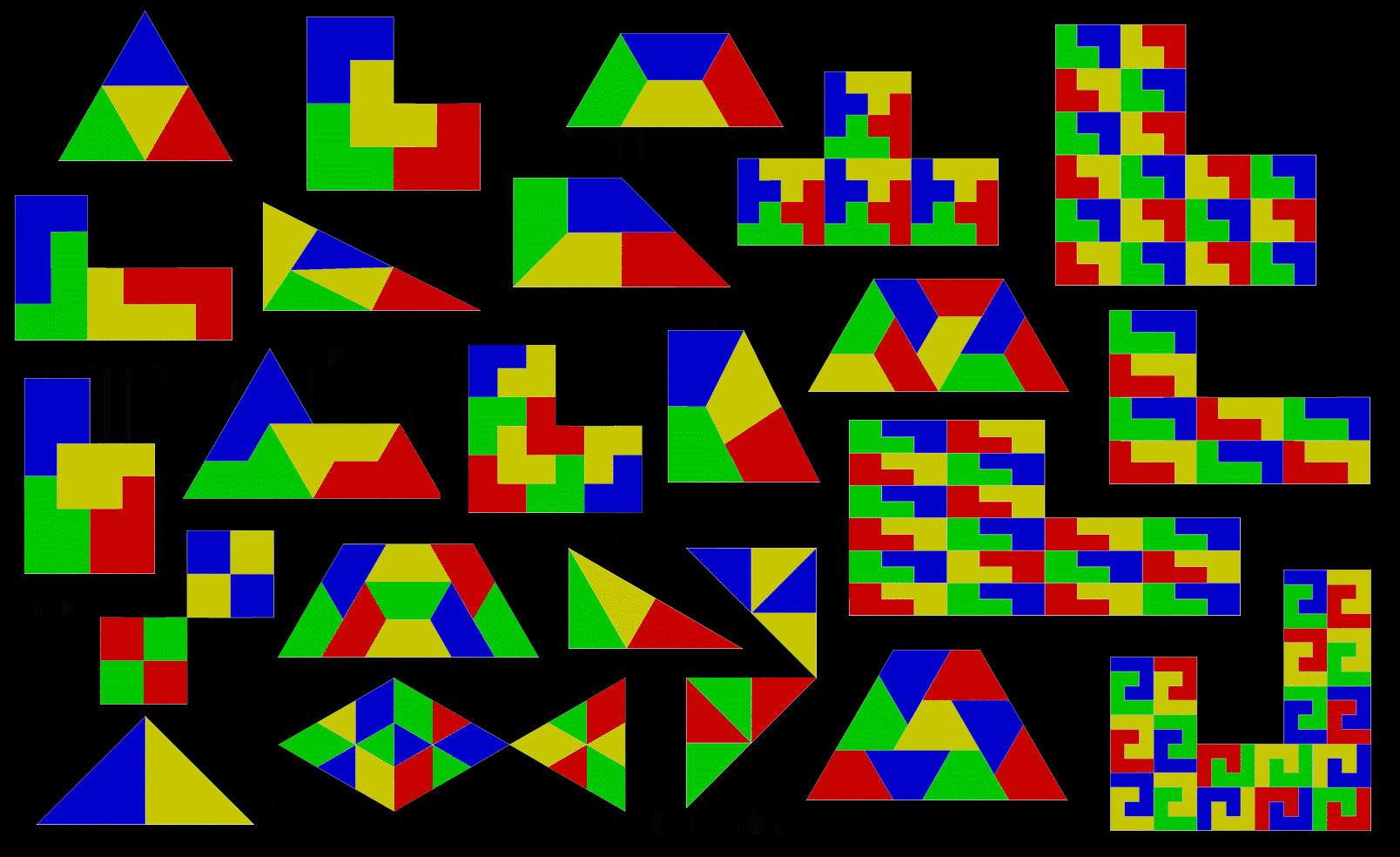
A rep-tile, or repeat-tile, is a two-dimensional shape that can be divided completely into copies of itself. A square, for example, can be divided into smaller squares: four or nine or sixteen, and so on. Rectangles are the same. Triangles can be divided into two copies or three or more, depending on their precise shape. Here are some rep-tiles, including various rep-triangles:

Various rep-tiles

Various rep-tiles — click for larger image

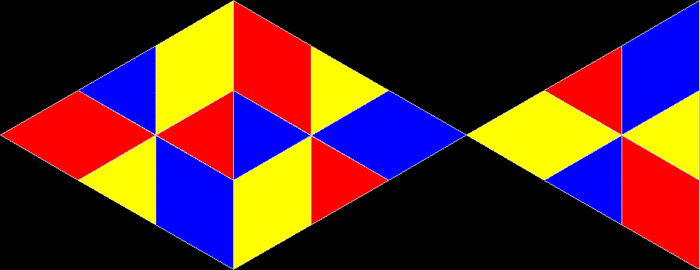
Some are simple, some are complex. Some have special names: the sphinx and the fish are easy to spot. I like both of those, particularly the fish. It would make a good symbol for a religion: richly evocative of life, eternally sub-divisible of self: 1, 9, 81, 729, 6561, 59049, 531441… I also like the double-square, the double-triangle and the T-tile in the top row. But perhaps the most potent, to my mind, is the half-square in the bottom left-hand corner. A single stroke sub-divides it, yet its hypotenuse, or longer side, represents the mysterious and mind-expanding √2, a number that exists nowhere in the physical universe. But the half-square itself is mind-expanding. All rep-tiles are. If intelligent life exists elsewhere in the universe, perhaps other minds are contemplating the fish or the sphinx or the half-square and musing thus: “If intelligent life exists elsewhere in the universe, perhaps…”

Mathematics unites human minds across barriers of language, culture and politics. But perhaps it unites minds across barriers of biology too. Imagine a form of life based on silicon or gas, on unguessable combinations of matter and energy in unreachable, unobservable parts of the universe. If it’s intelligent life and has discovered mathematics, it may also have discovered rep-tiles. And it may be contemplating the possibility of other minds doing the same. And why confine these speculations to this universe and this reality? In parallel universes, in alternative realities, minds may be contemplating rep-tiles and speculating in the same way. If our universe ends in a Big Crunch and then explodes again in a Big Bang, intelligent life may rise again and discover rep-tiles again and speculate again on their implications. The wildest speculation of all would be to hypothesize a psycho-math-space, a mental realm beyond time and matter where, in mathemystic communion, suitably attuned and aware minds can sense each other’s presence and even communicate.

The rep-tile known as the fish

Credo in Piscem…

So meditate on the fish or the sphinx or the half-square. Do you feel the tendrils of an alien mind brush your own? Are you in communion with a stone-being from the far past, a fire-being from the far future, a hive-being from a parallel universe? Well, probably not. And even if you do feel those mental tendrils, how would you know they’re really there? No, I doubt that the psycho-math-space exists. But it might and science might prove its existence one day. Another possibility is that there is no other intelligent life, never has been, and never will be. We may be the only ones who will ever muse on rep-tiles and other aspects of mathematics. Somehow, though, rep-tiles themselves seem to say that this isn’t so. Particularly the fish. It mimics life and can spawn itself eternally. As I said, it would make a good symbol for a religion: a mathemysticism of trans-biological communion. Credo in Piscem, Unum et Infinitum et Æternum. “I believe in the Fish, One, Unending, Everlasting.” That might be the motto of the religion. If you want to join it, simply wish upon the fish and muse on other minds, around other stars, who may be doing the same.

The Call of Cthuneus

Cuneiform, adj. and n. Having the form of a wedge, wedge-shaped. (← Latin cuneus wedge + -form) (Oxford English Dictionary)

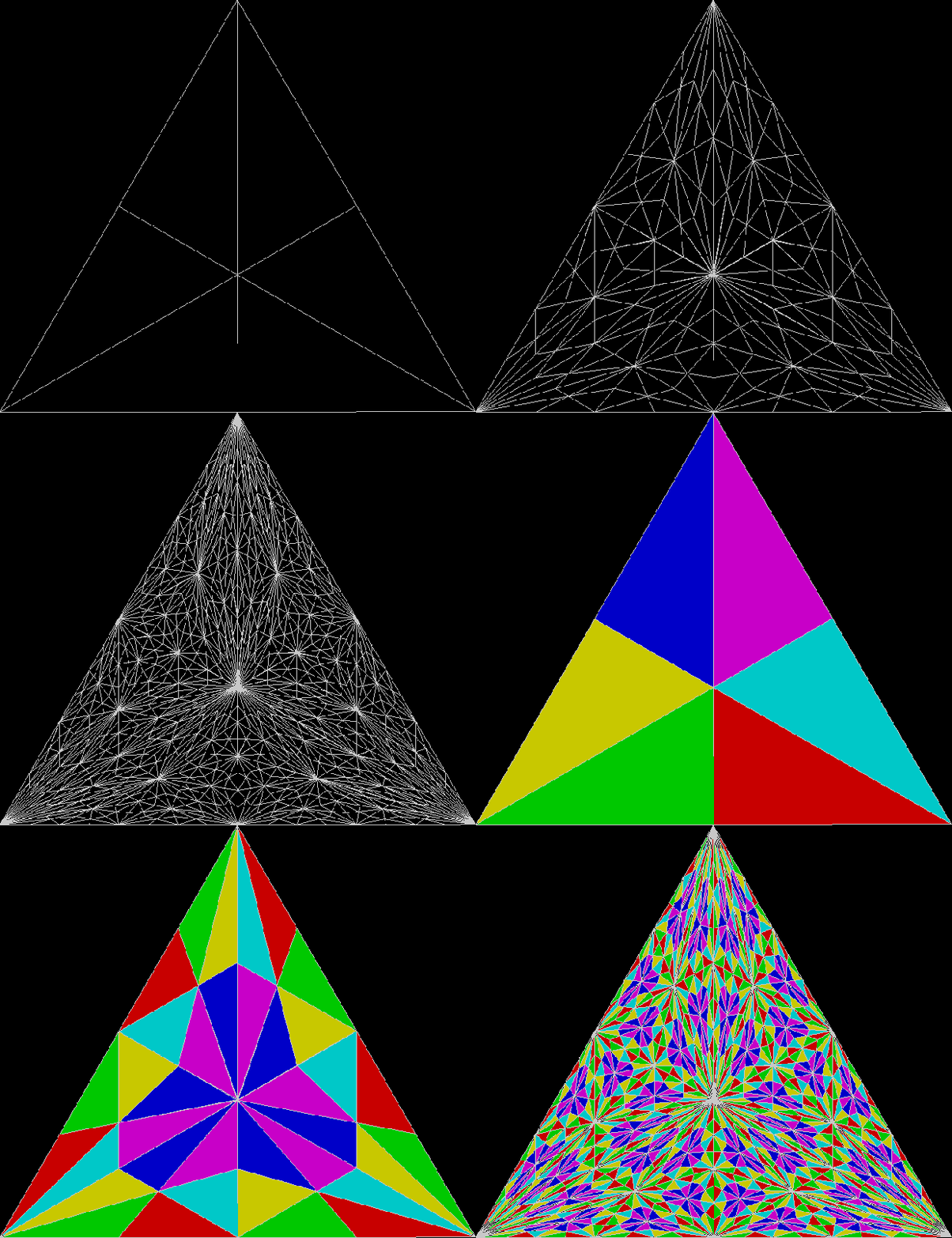
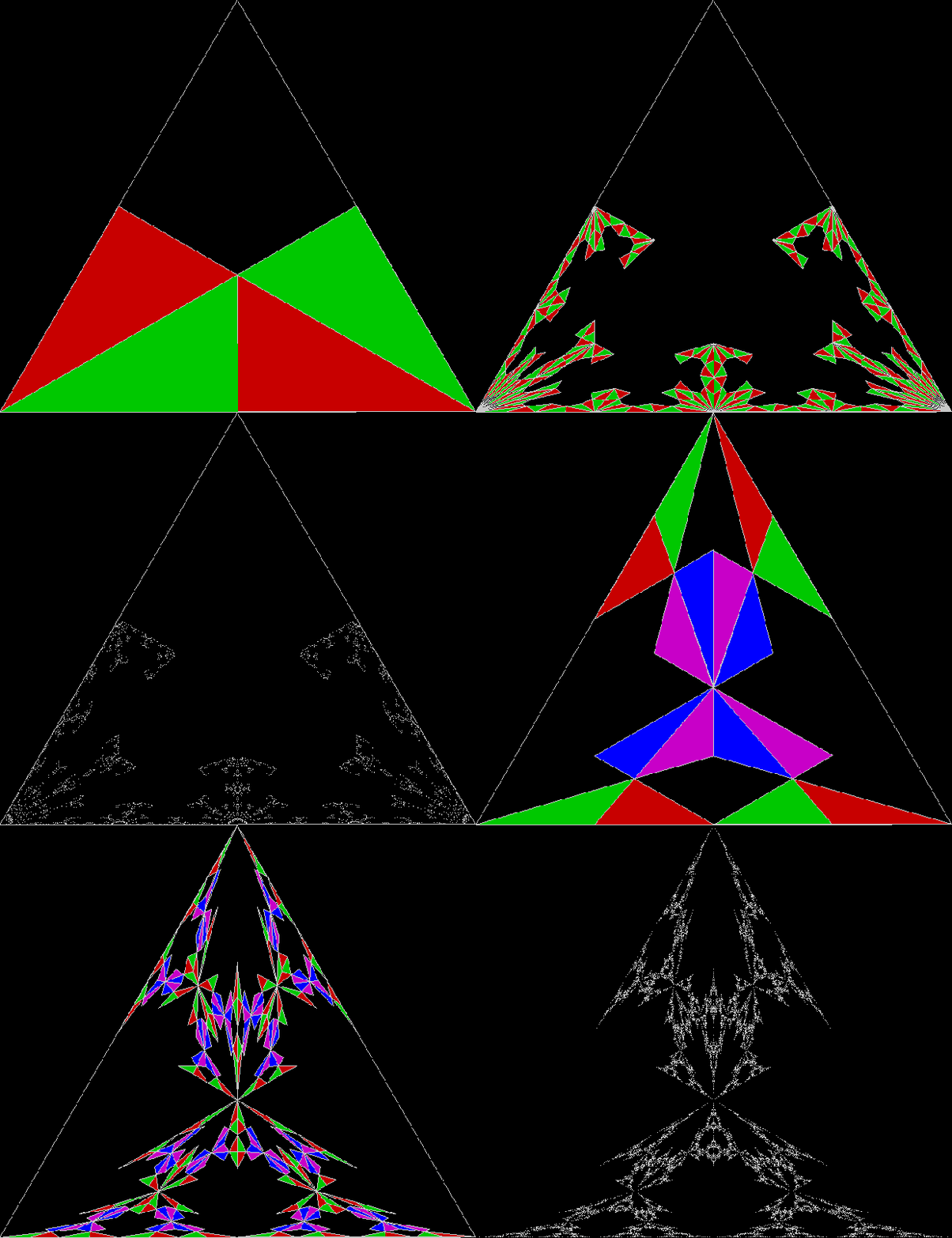
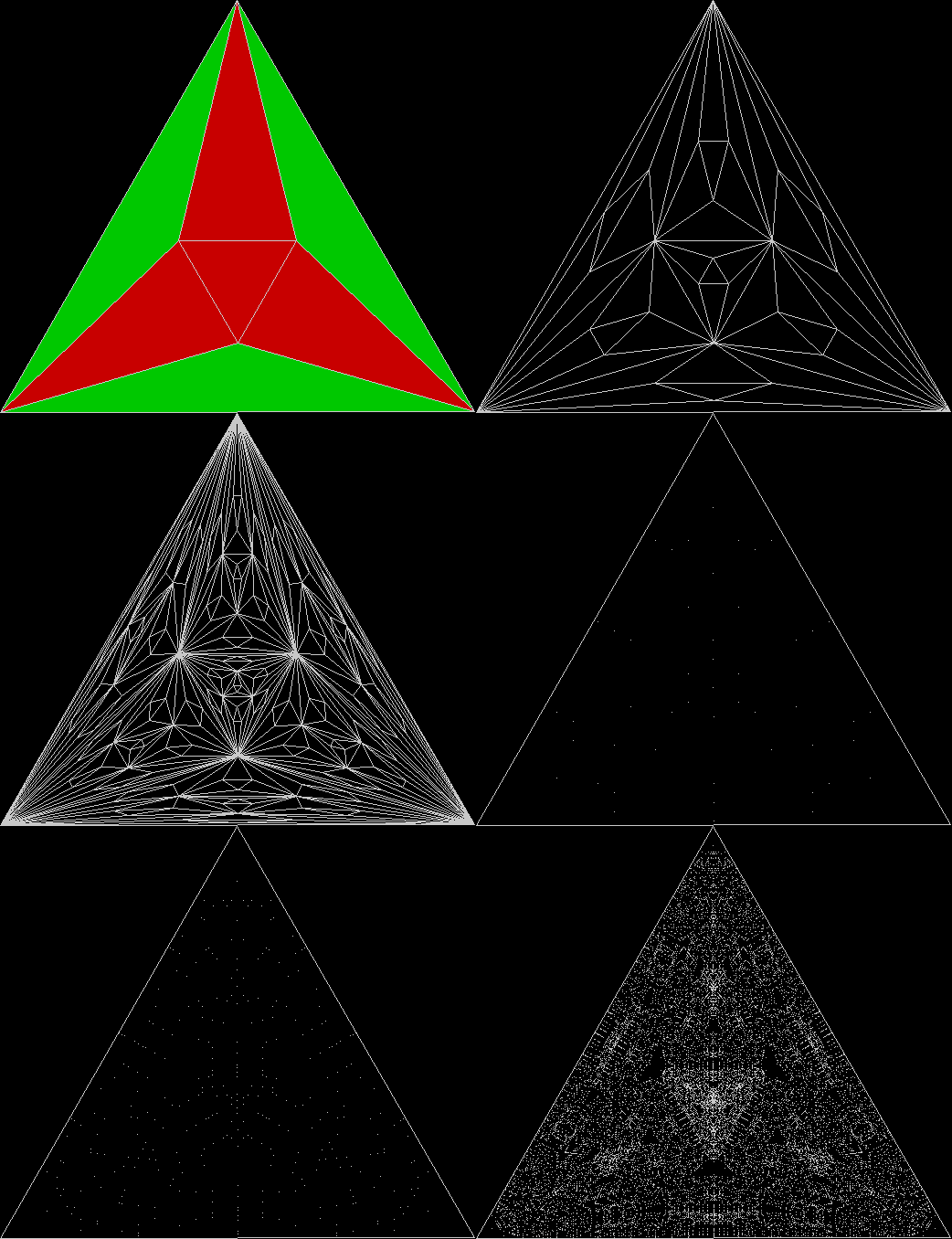
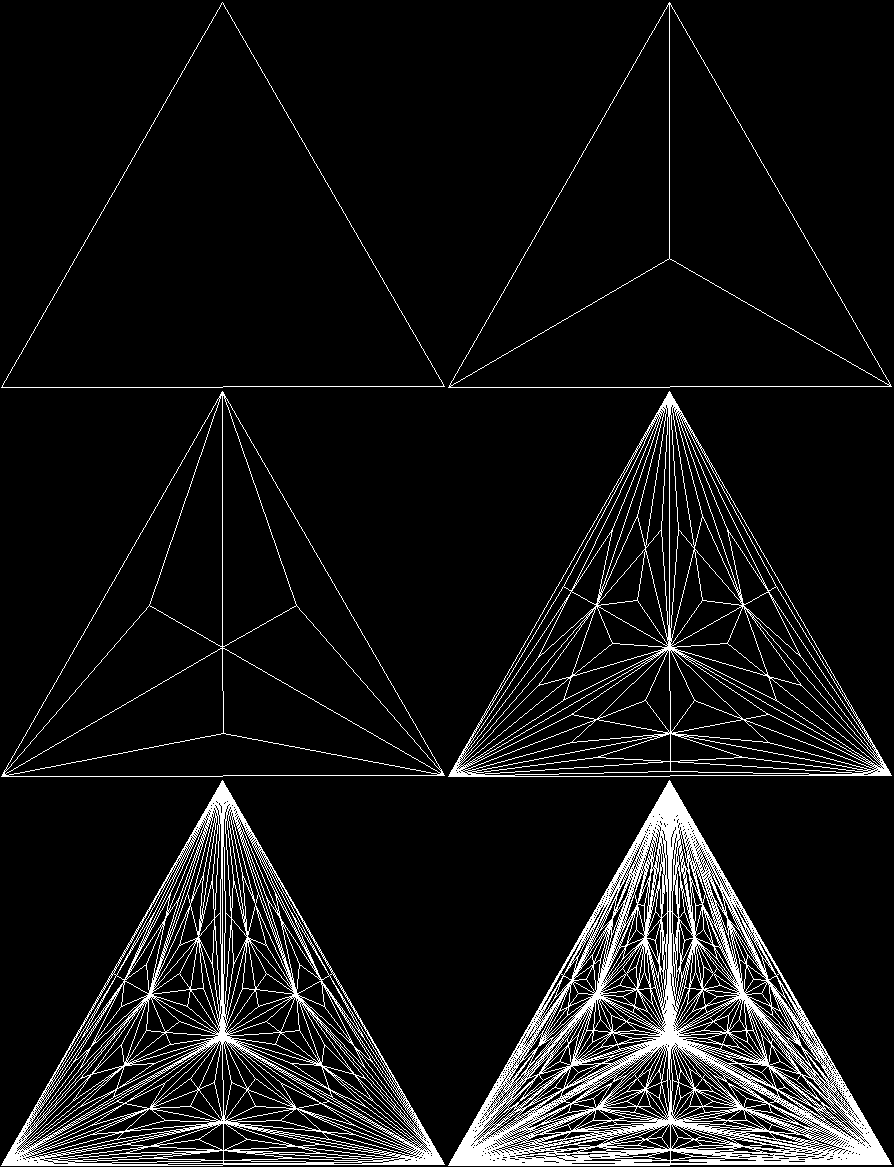
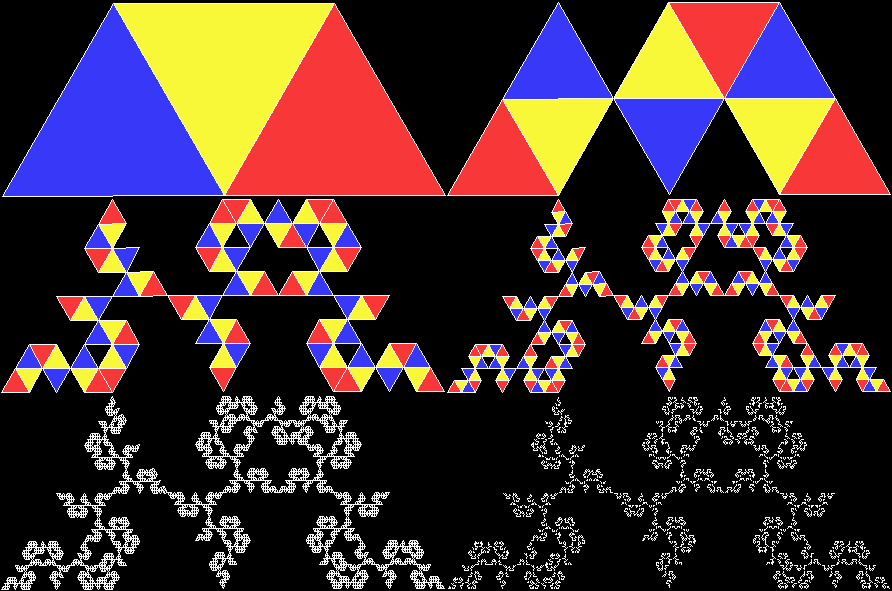
This fractal is created by taking an equilateral triangle and finding the centre and the midpoint of each side. Using all these points, plus the three vertices, six new triangles can be created from the original. The process is then repeated with each new triangle (if the images don’t animate, please try opening them in a new window):

triangle_div2

If the centre-point of each triangle is shown, rather than the sides, this is the pattern created:

triangle_div2_dots

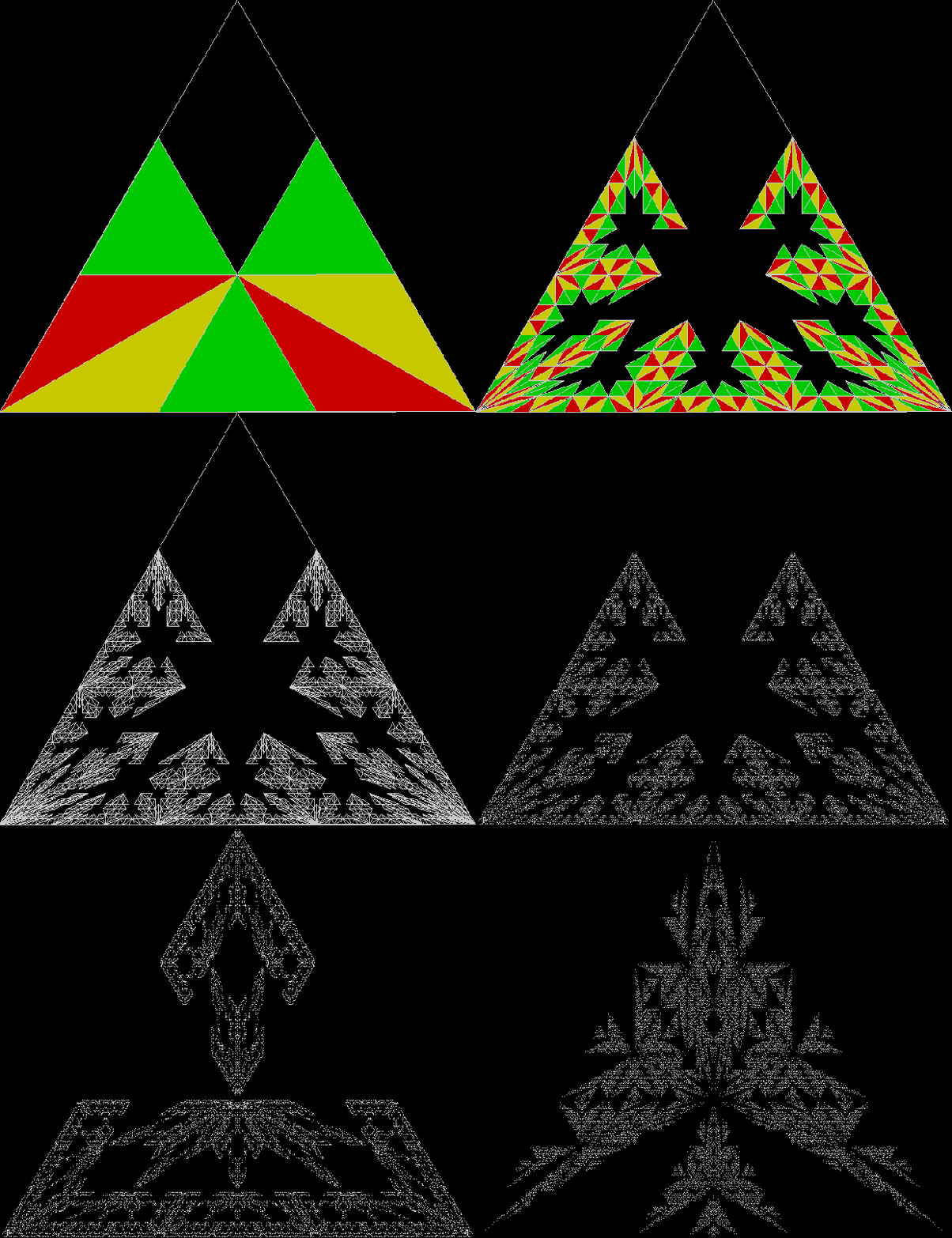
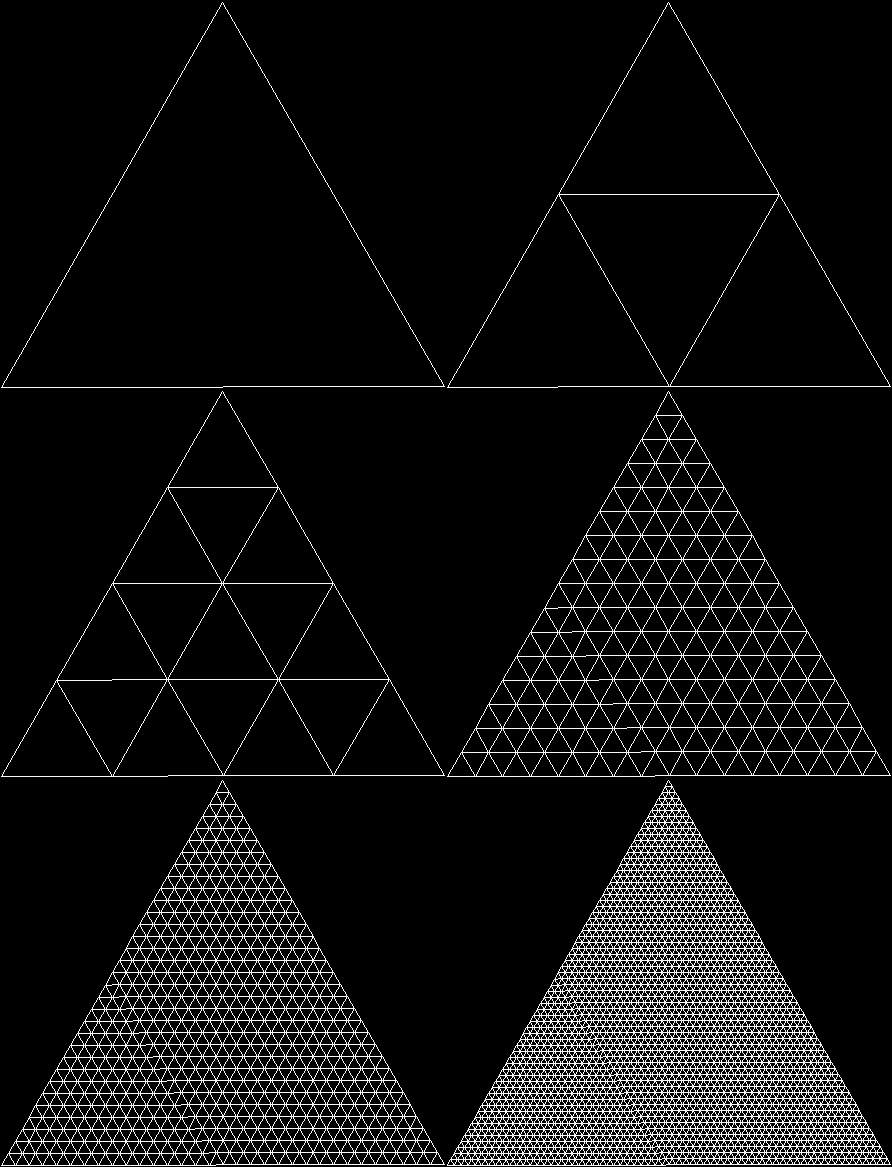
Triangles in which the sides are divided into thirds and quarters look like this:

triangle_div3

triangle_div3_dots

triangle_div4

triangle_div4_dots

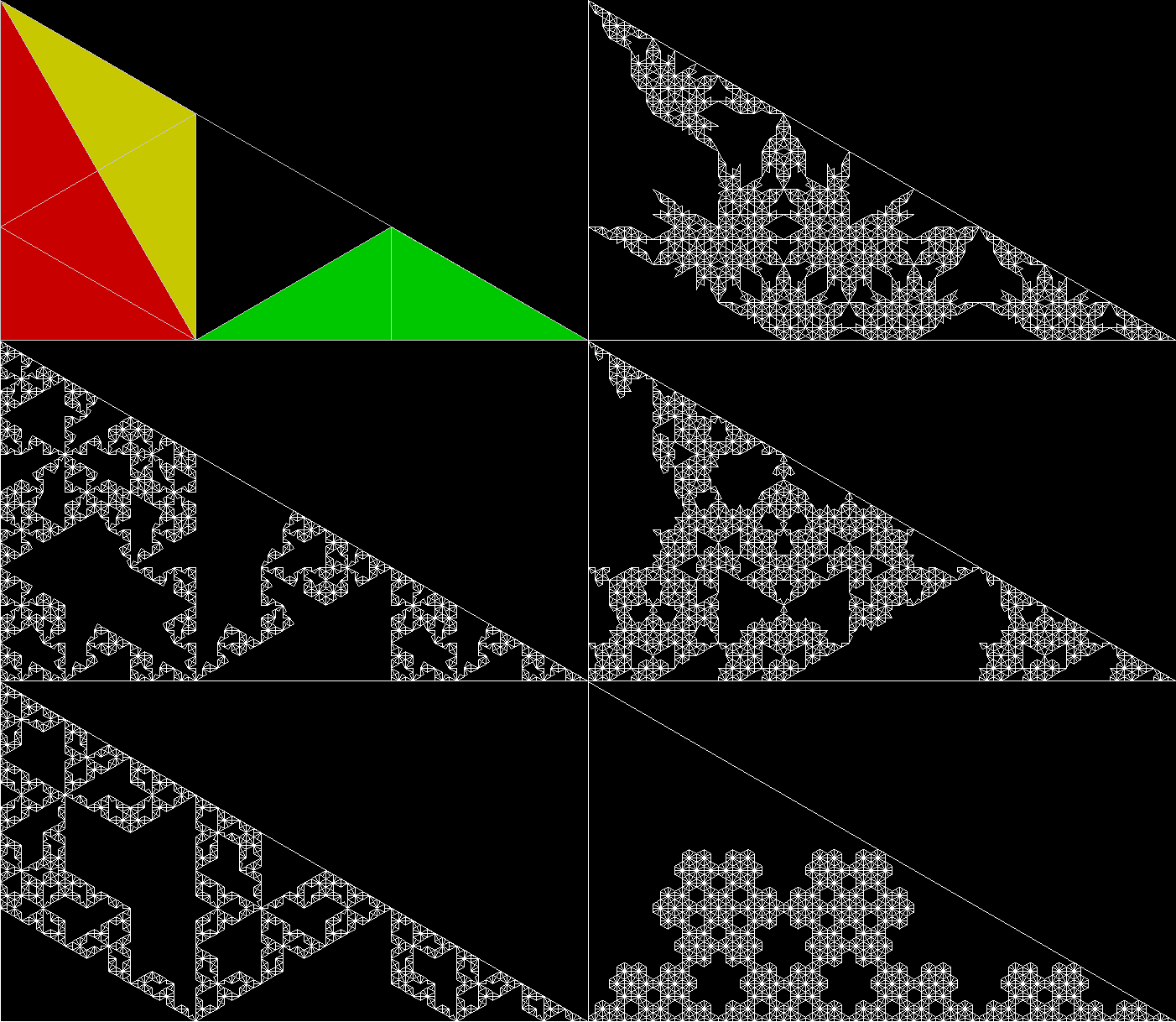
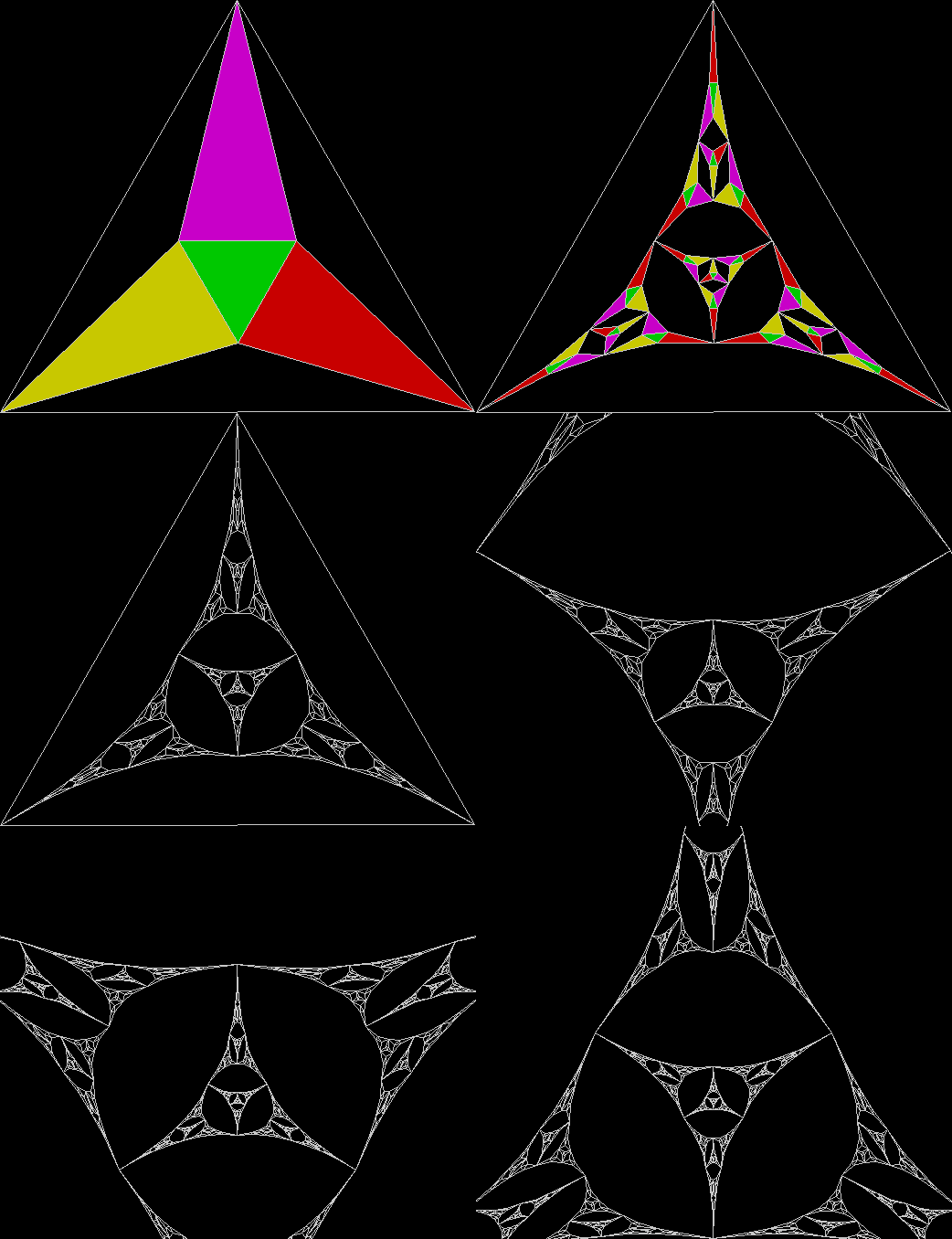
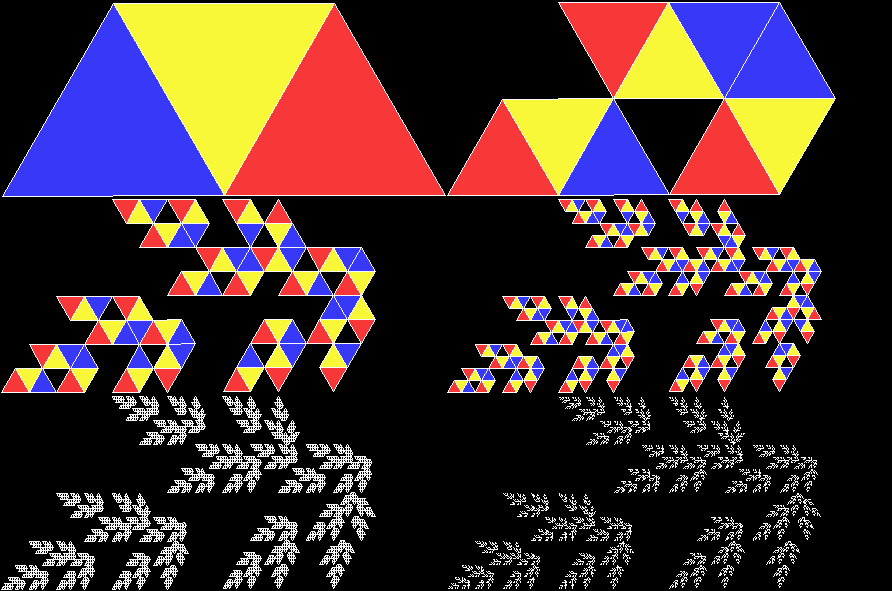
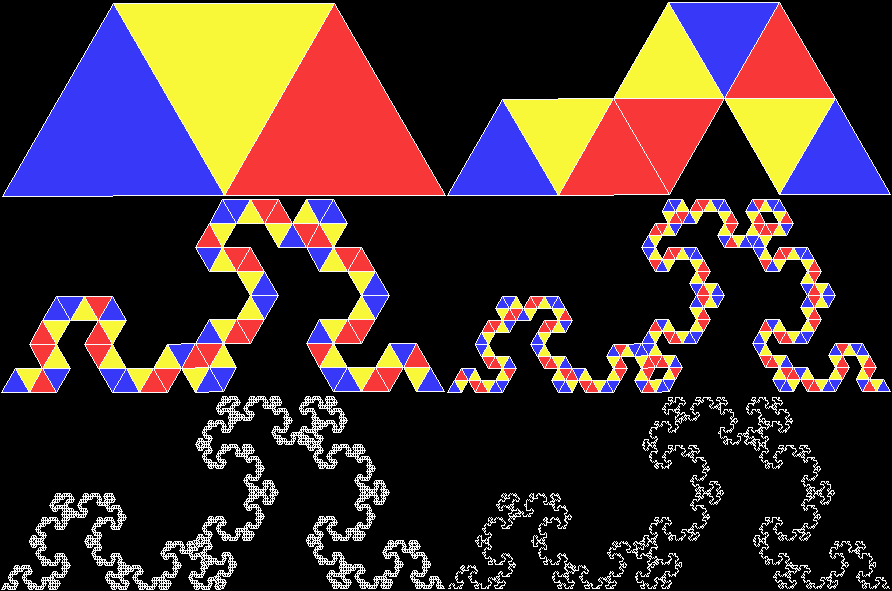
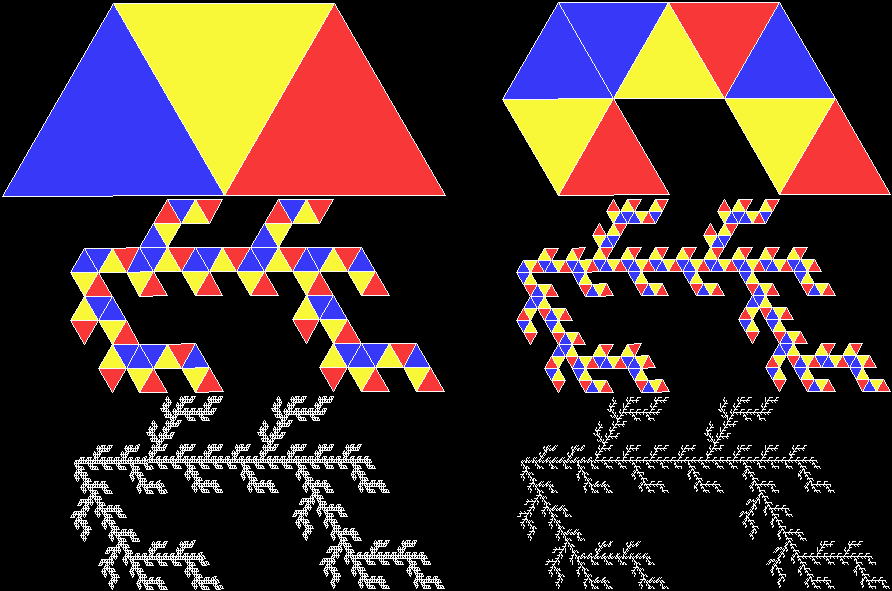
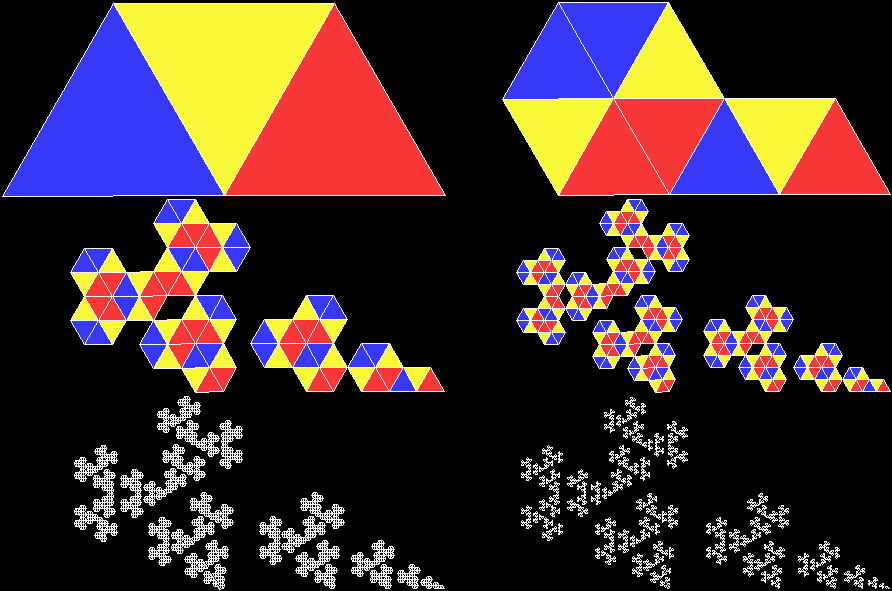
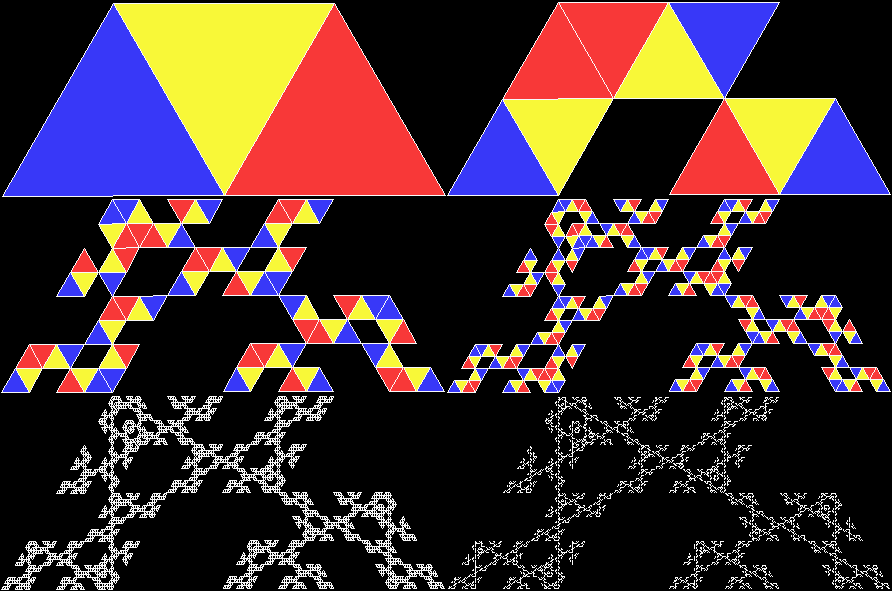
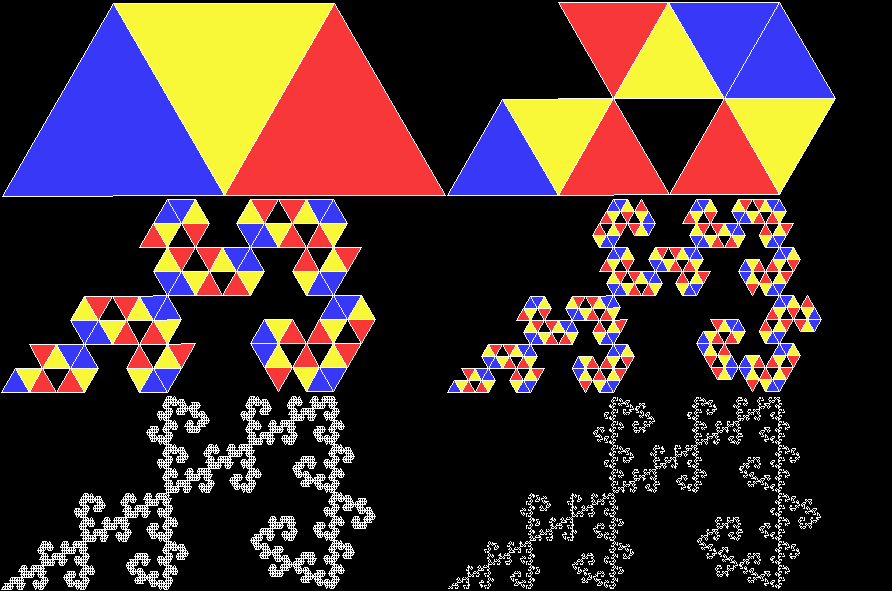
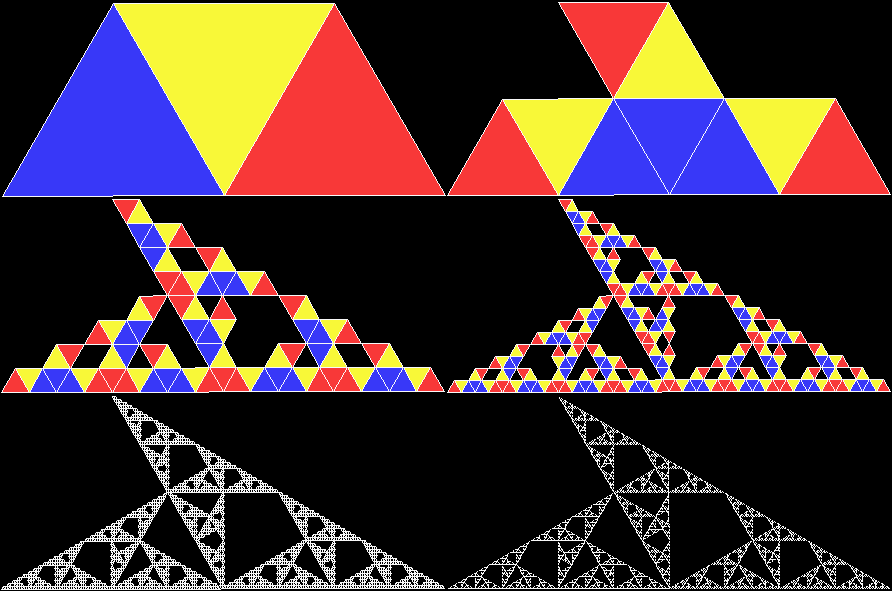
And if sub-triangles are discarded, more obvious fractals appear, some of which look like Lovecraftian deities and owl- or hawk-gods:


cthuneus1

cthuneus2

cthuneus3


Elsewhere Other-Accessible

Circus Trix — a later and better-illustrated look at these fractals

Curiouser and Cuneuser

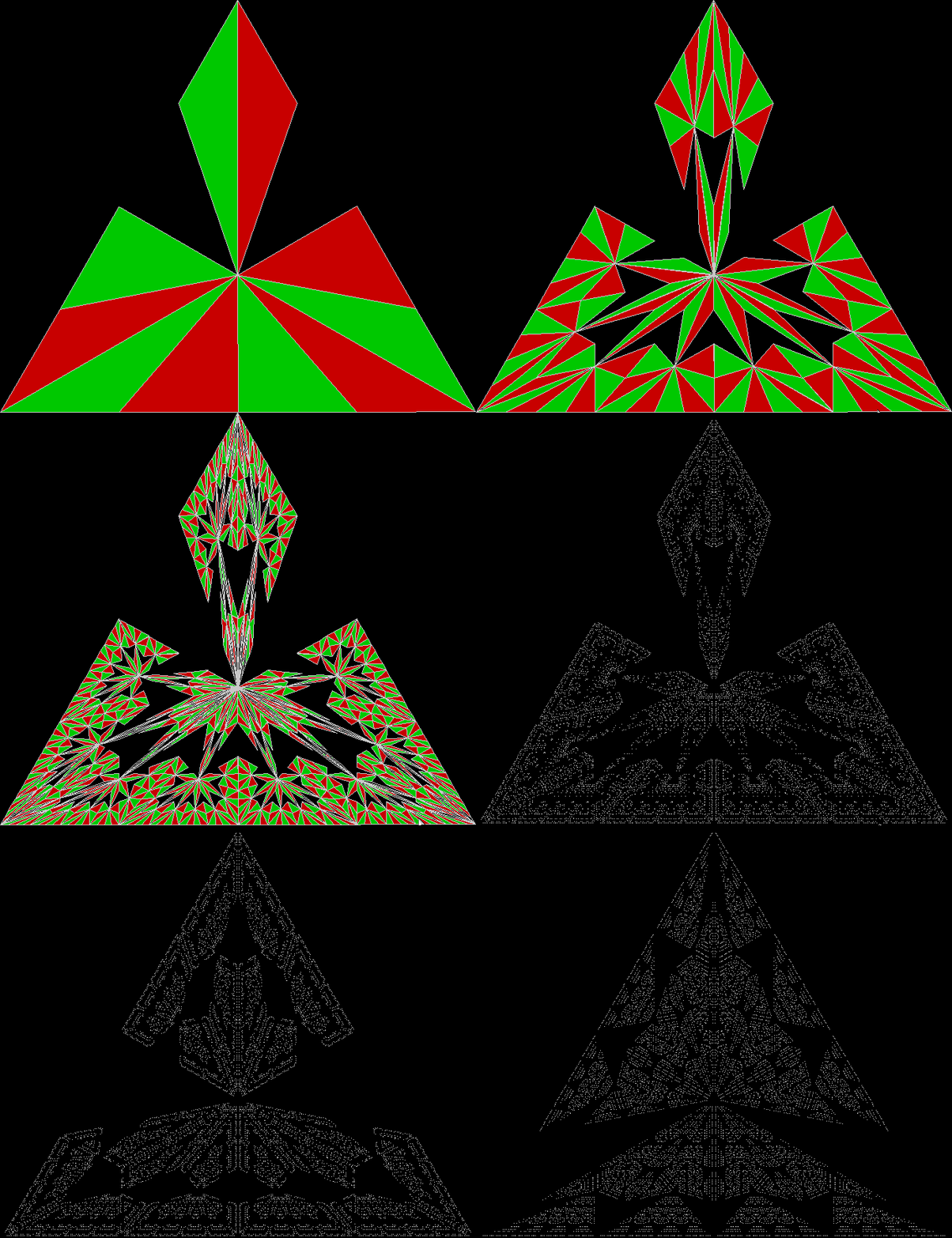
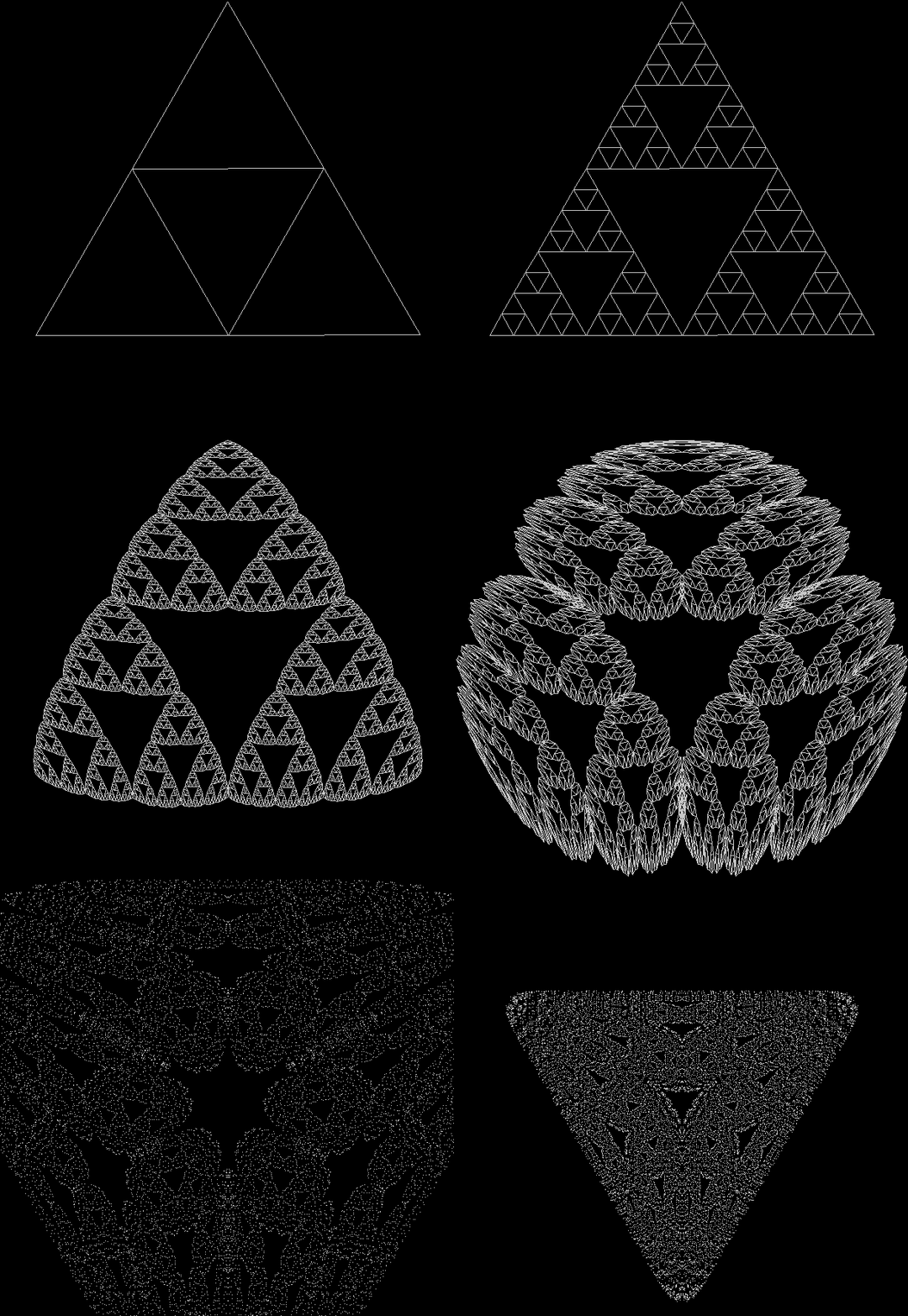
This fractal is created by taking an equilateral triangle, then finding the three points halfway, i.e. d = 0.5, between the centre of the triangle and the midpoint of each side. Using all these points, plus the three vertices, seven new triangles can be created from the original. The process is then repeated with each new triangle:

7triangle

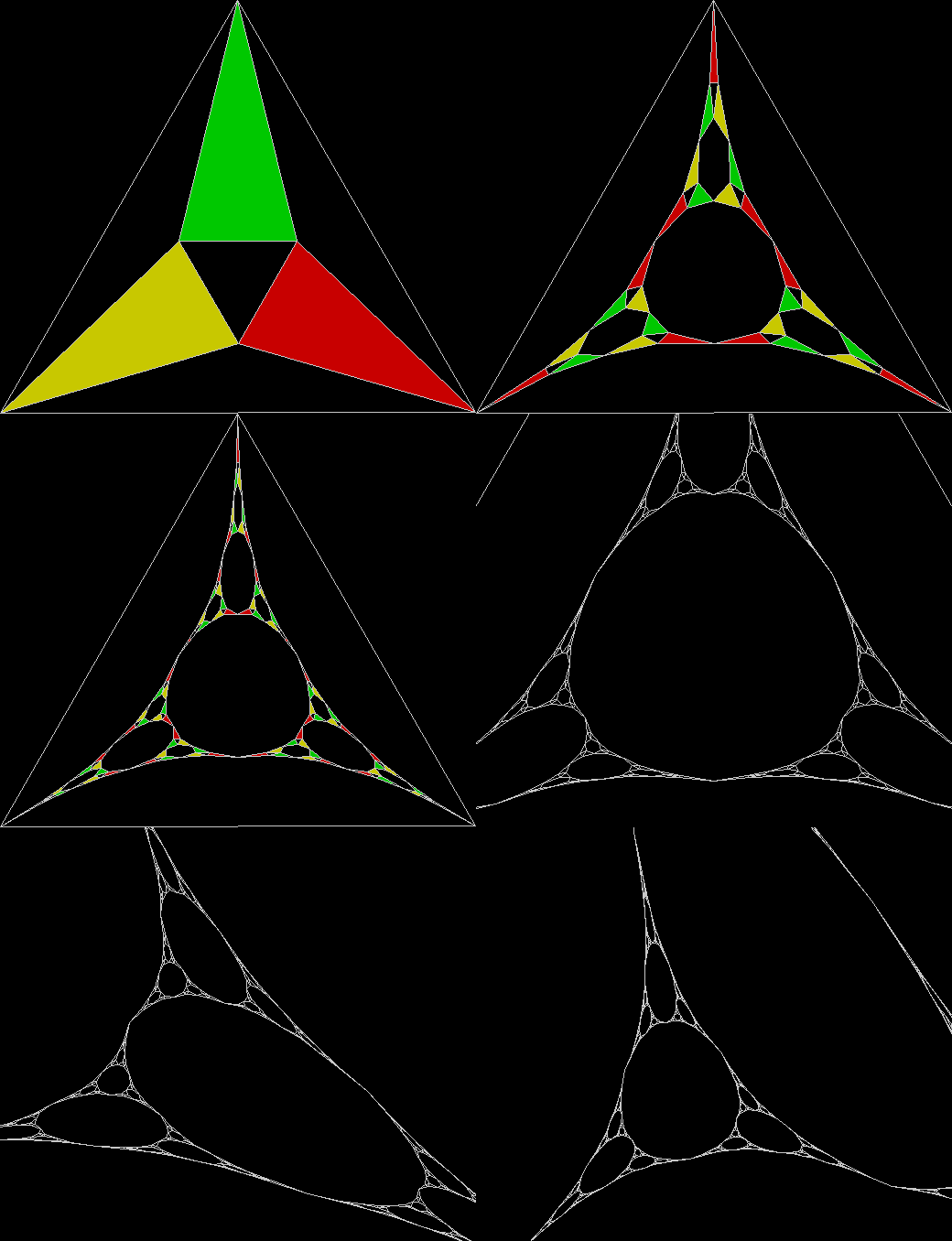
When sub-triangles are discarded, more obvious fractals appear, including this tristar, again using d = 0.5:

tristar

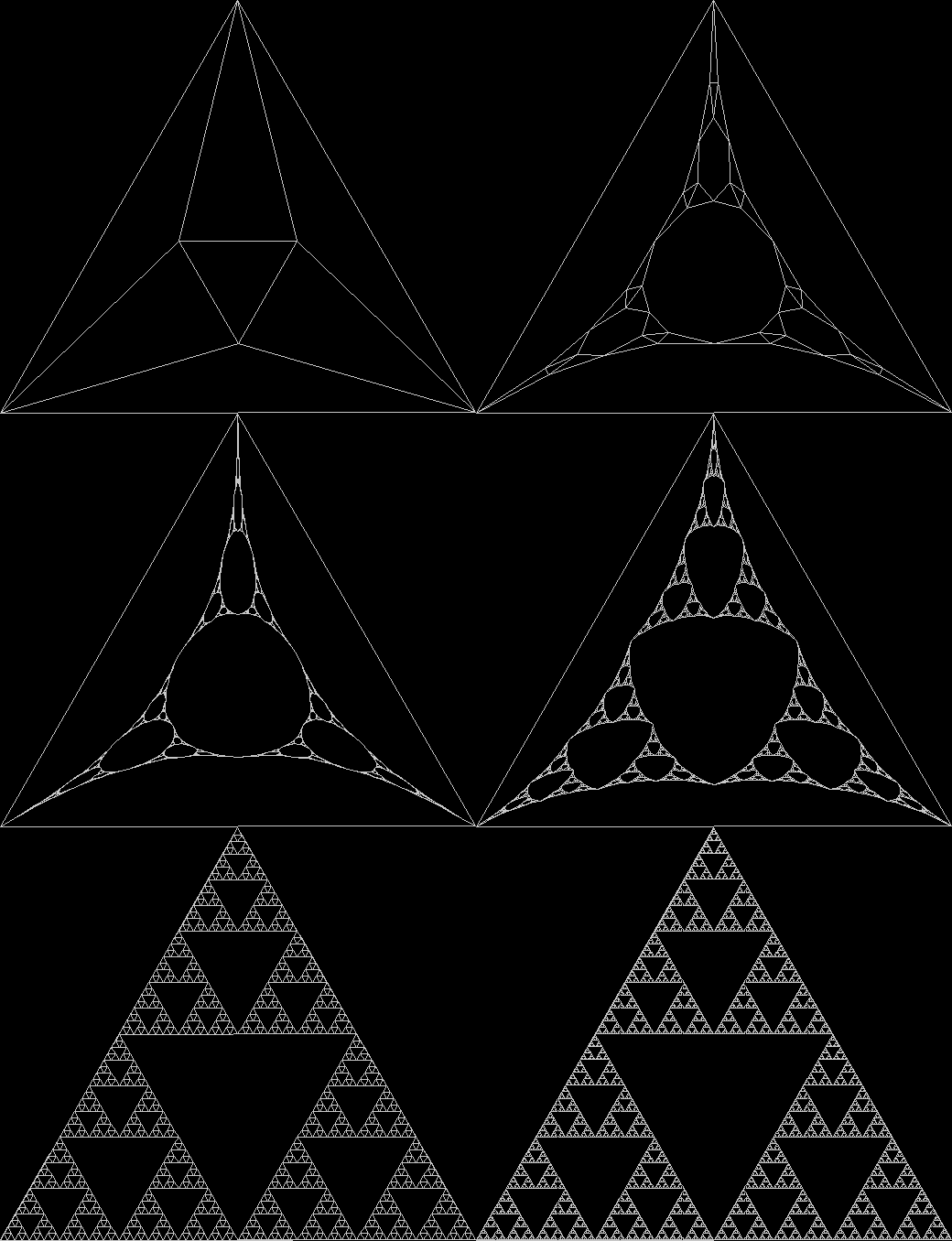
However, a simpler fractal is actually more fertile. This cat’s-cradle is created when d = 0.5:

catscradle

But as d takes values from 0.5 to 0, a very familiar fractal begins to appear: the Sierpiński triangle:

catscradle_expanding

When the values of d become negative, from -0.1 to -1, this is what happens:
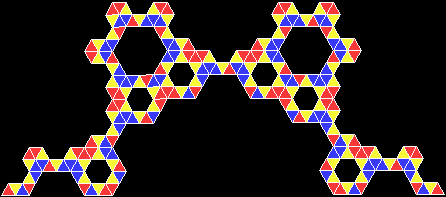
catscradle_expanding_to_cuneus

Pre-previously posted (please peruse):

Curious Cuneus

A Feast of Fractiles

A rep-tile is a shape that can be divided into copies of itself. One of the simplest rep-tiles is the equilateral triangle, which can be divided into four copies of itself, like this:
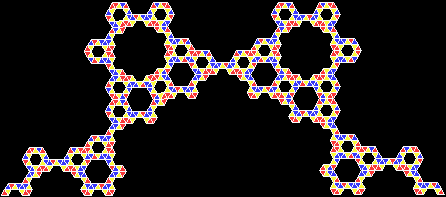
Self-dividing equilateral triangle

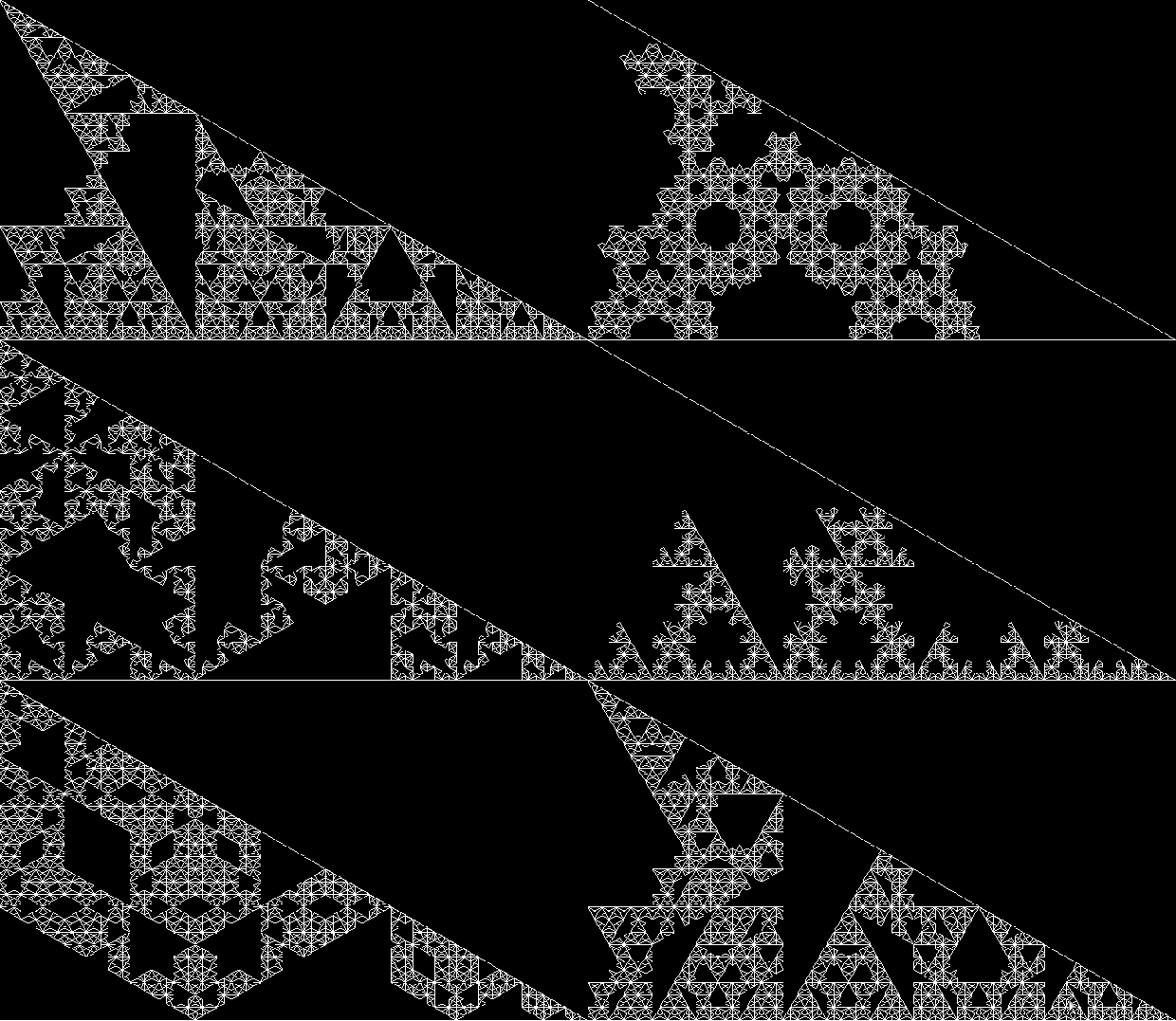
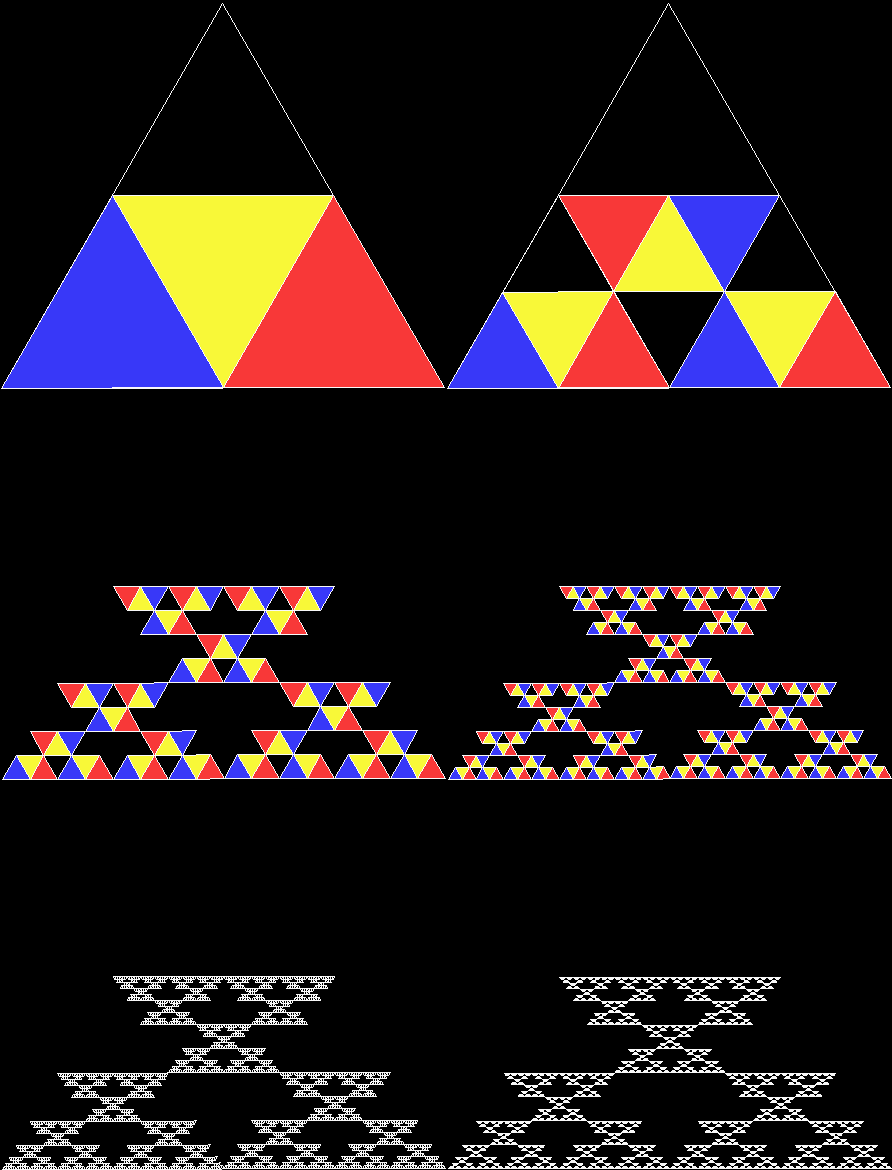
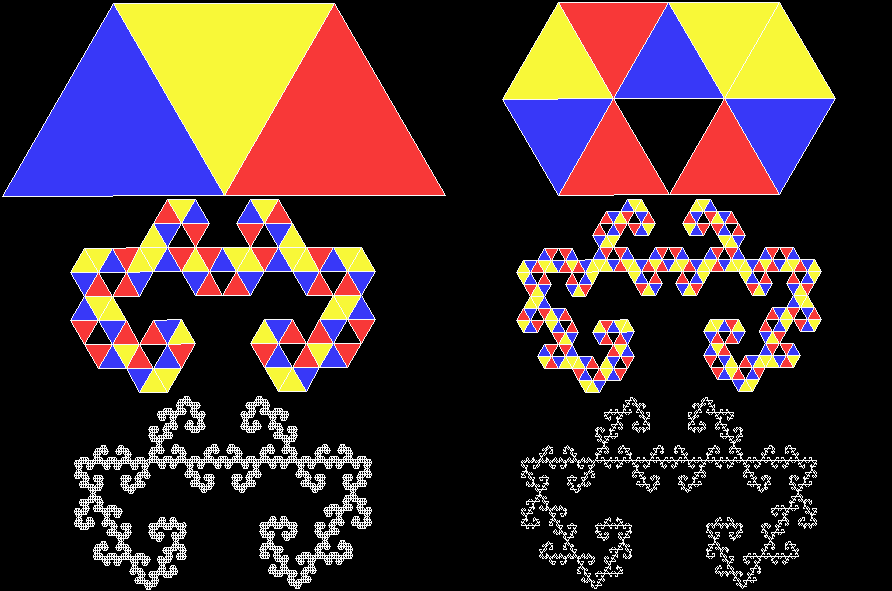
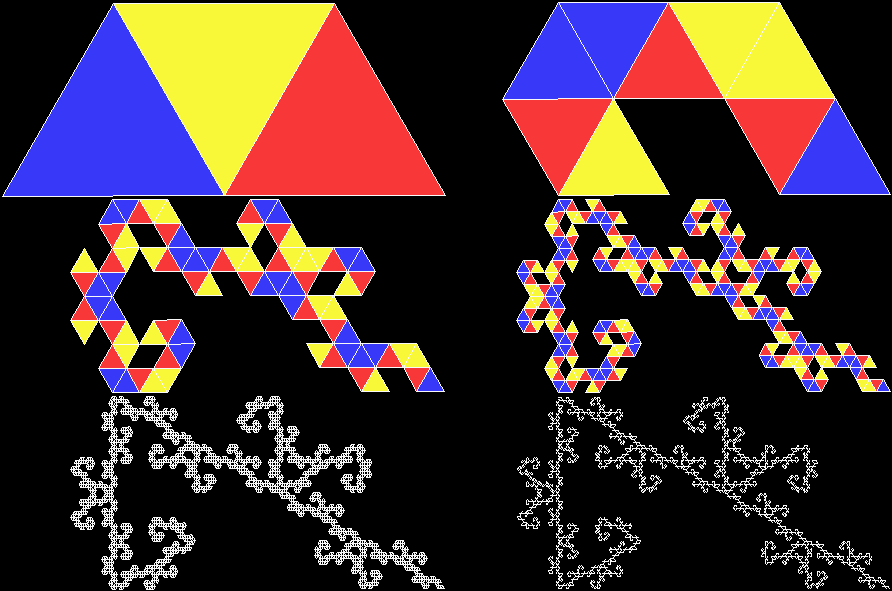
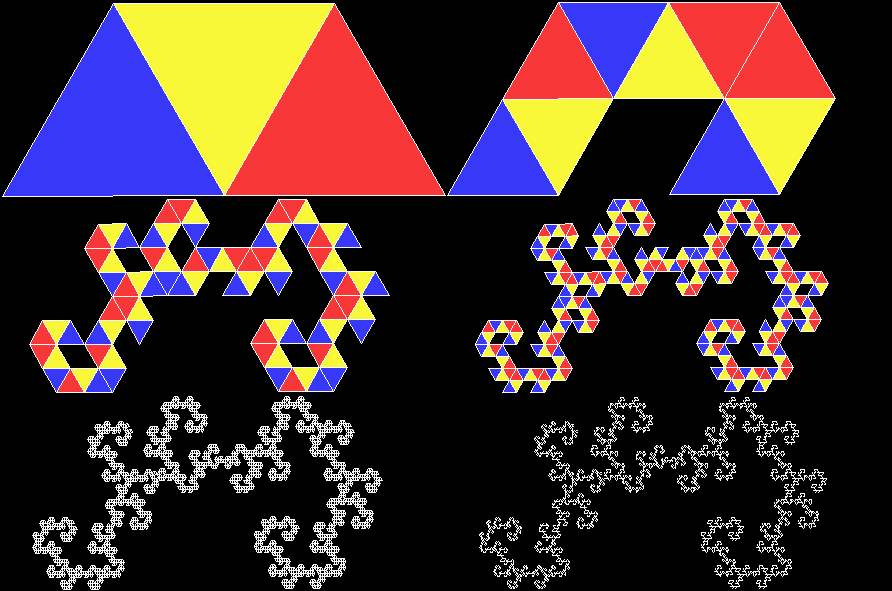
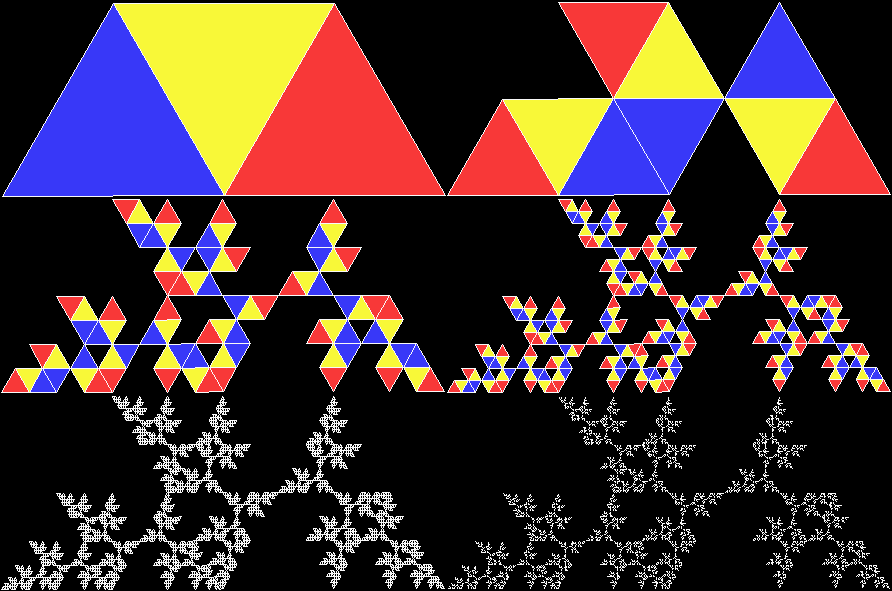
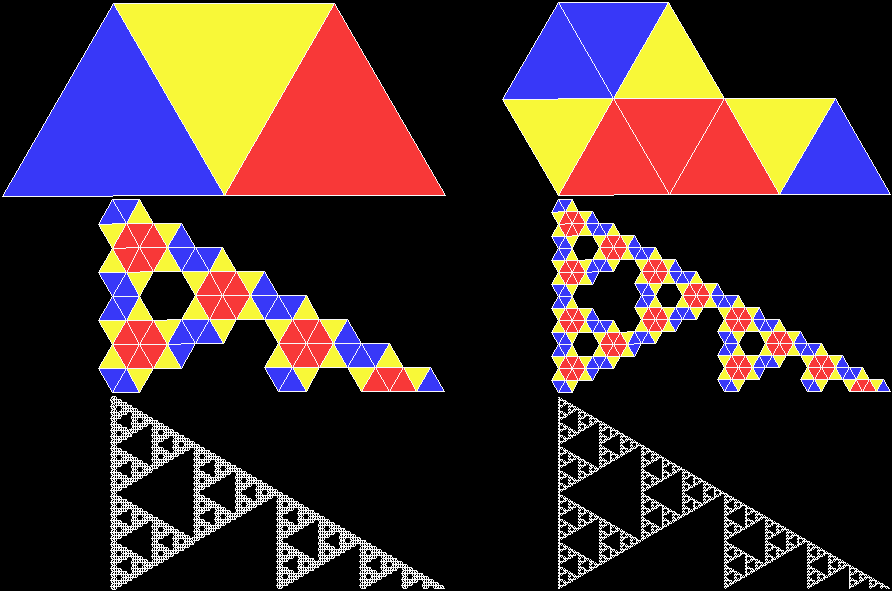
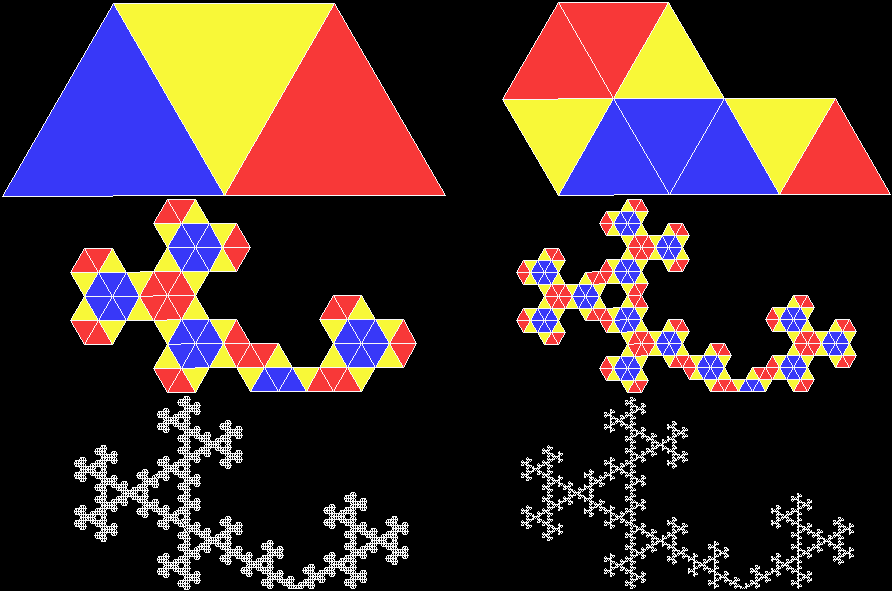
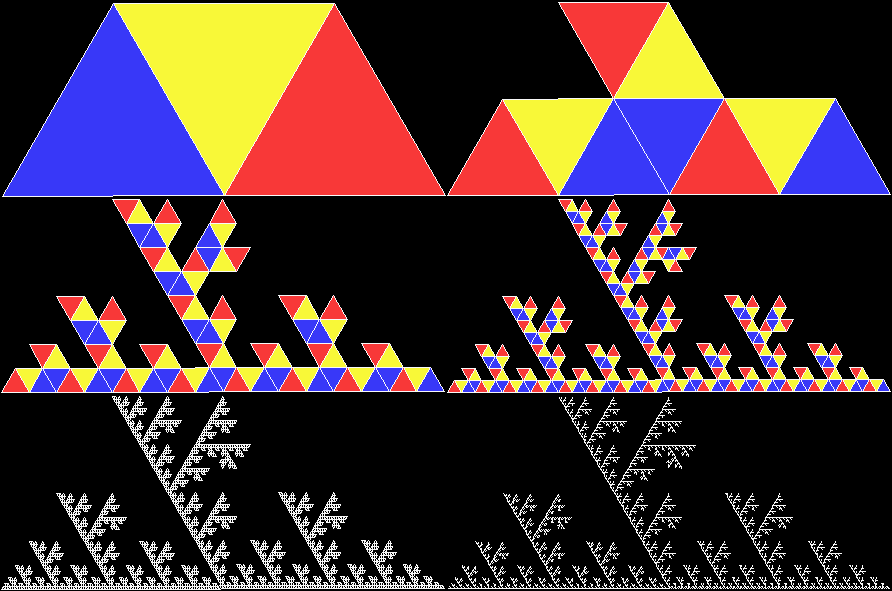
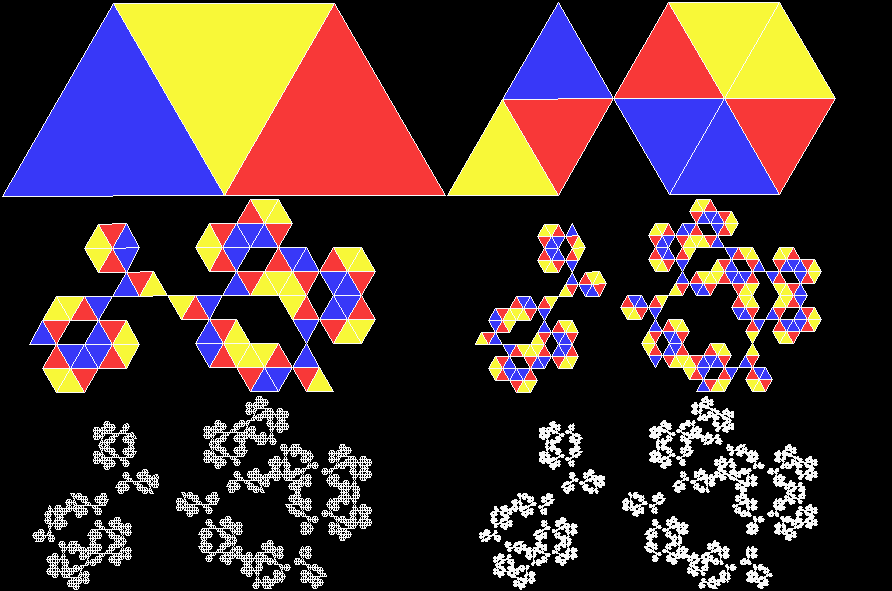
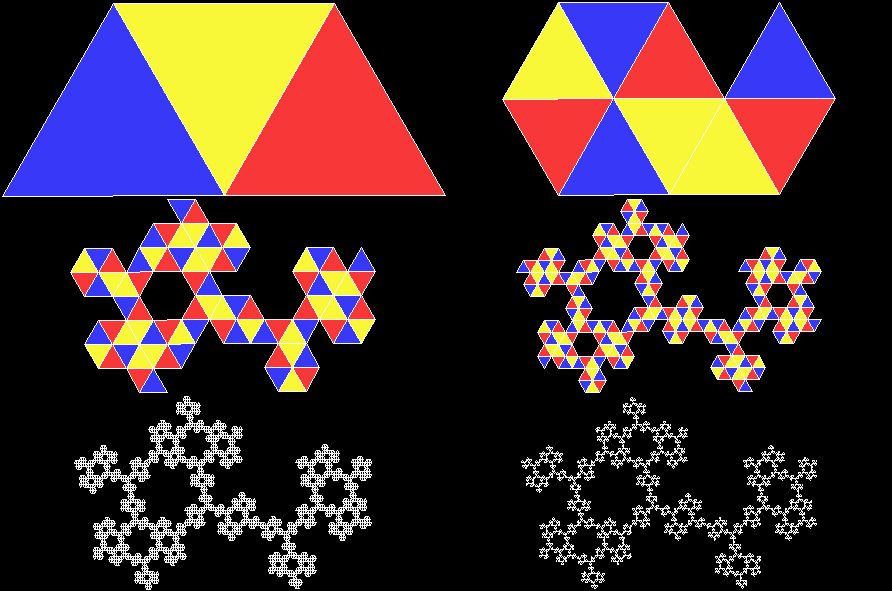
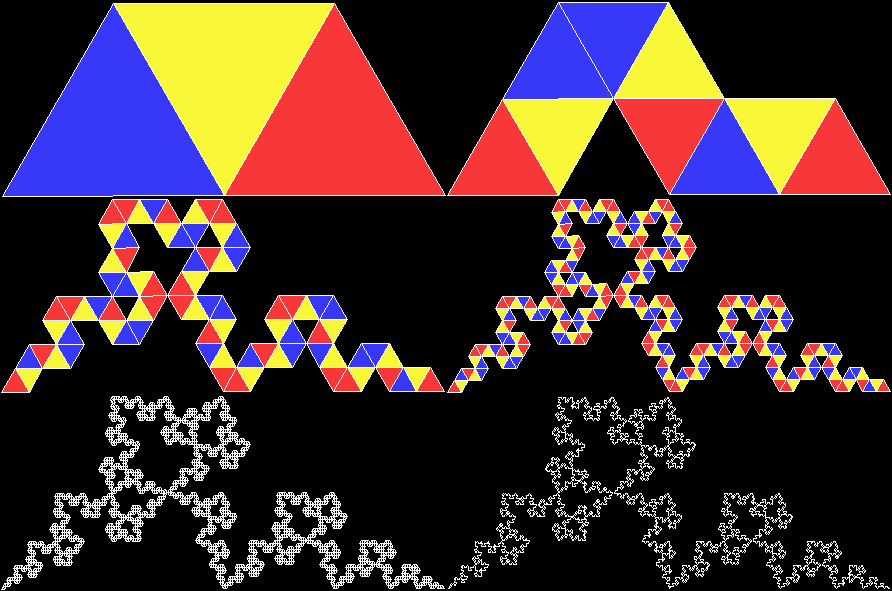
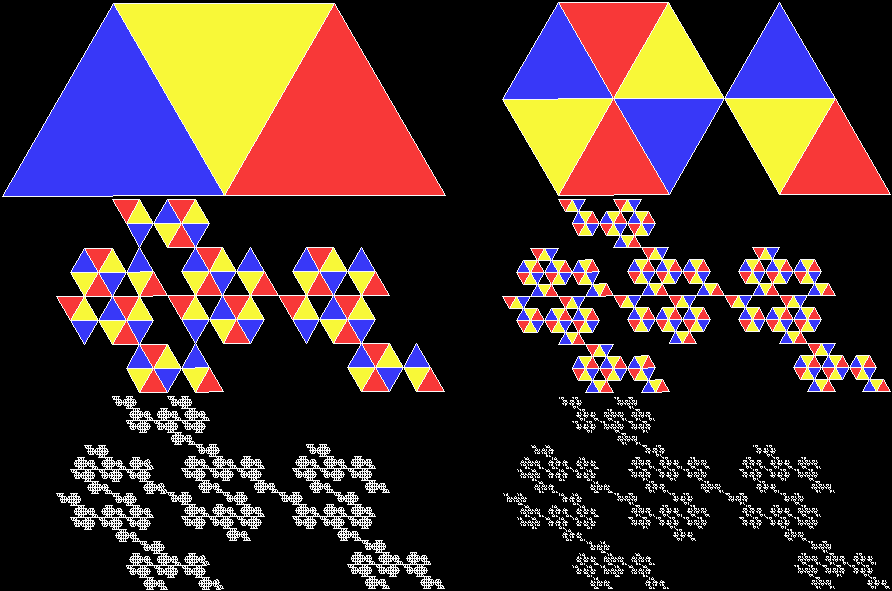
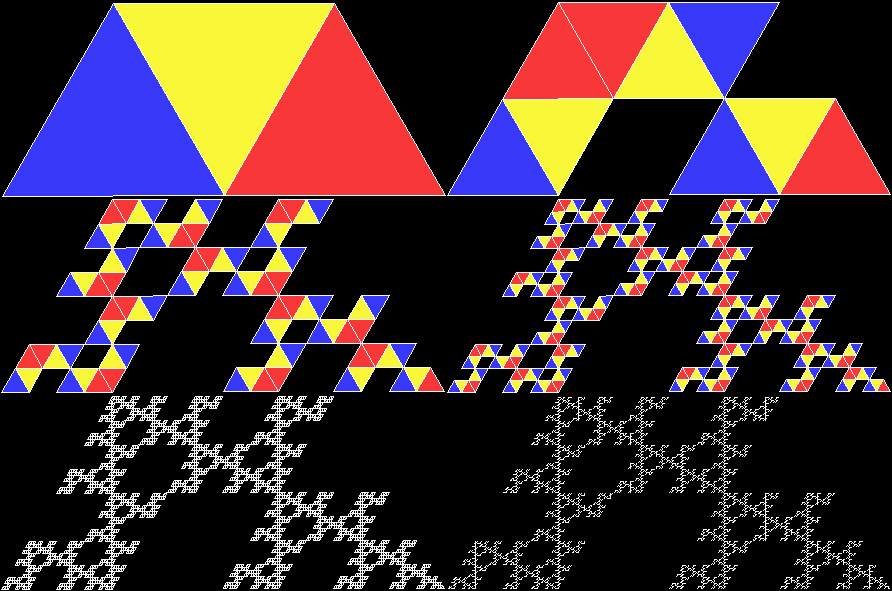
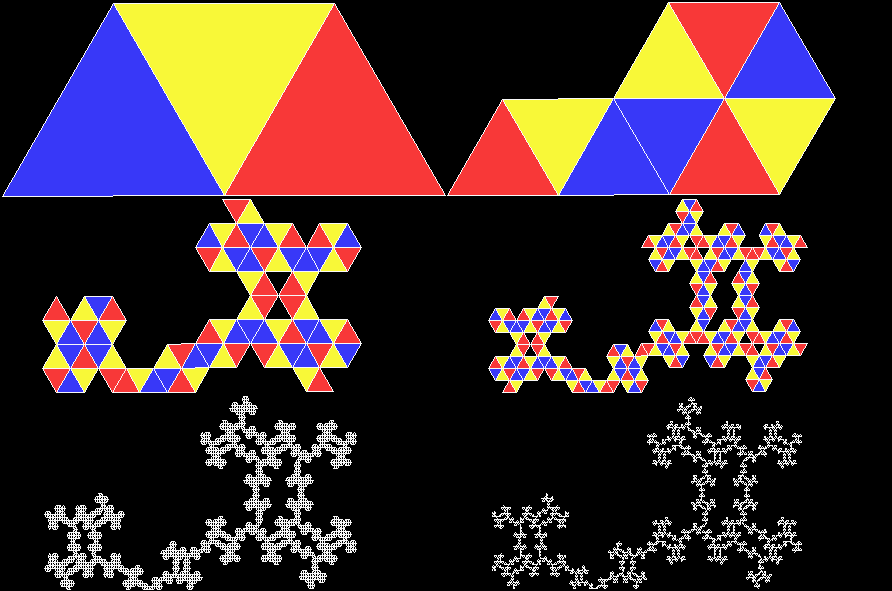
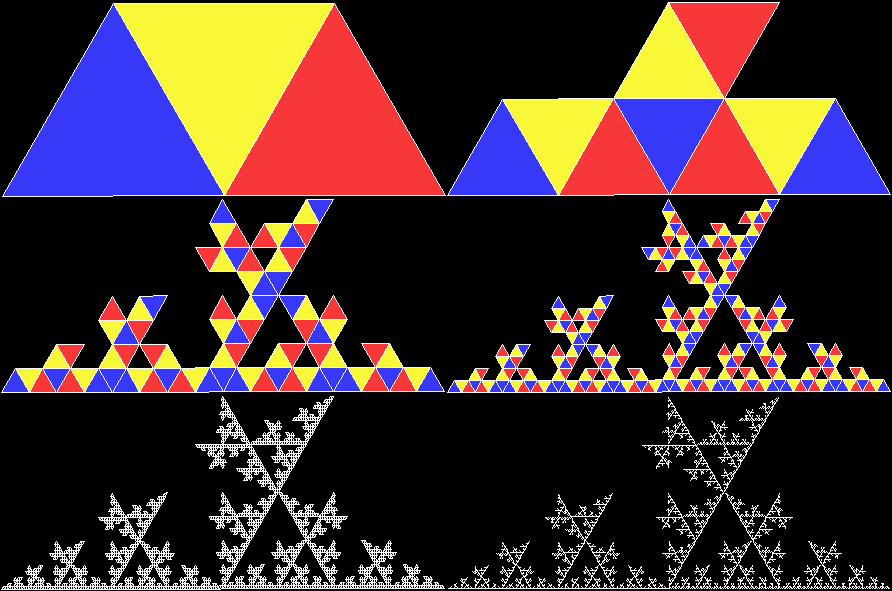
If, on the other hand, the triangle is subdivided and then one of the copies is discarded, many interesting fractals can be made from this very simple shape:
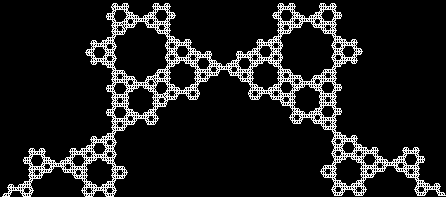
Fractal triangle creating Sierpinski gasket

Triangle fractal 2

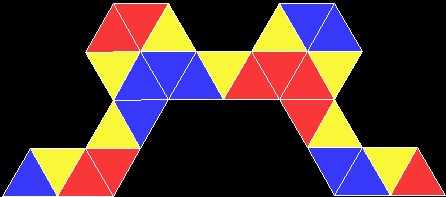
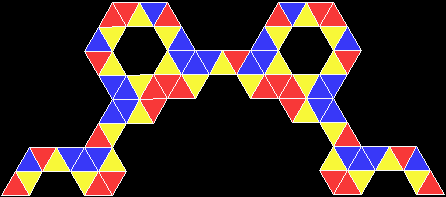
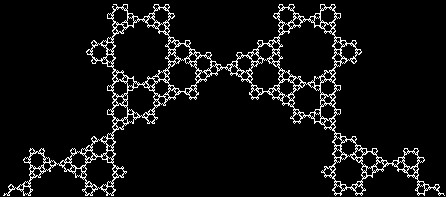
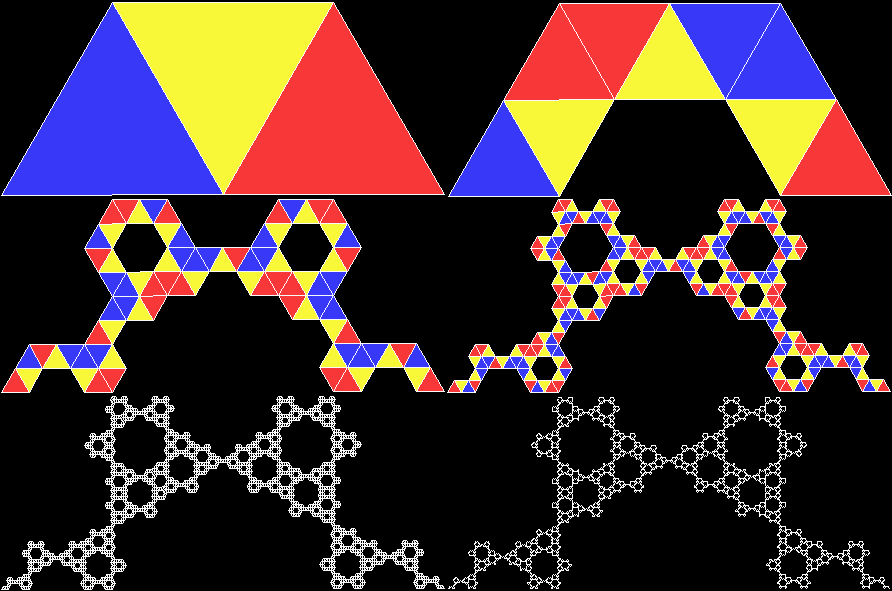
This sequence illustrates how a more complex fractal is created:

Triangle fractal 3 split image 1

Triangle fractal 3 split image 2

Triangle fractal 3 split image 3

Triangle fractal 3 split image 4

Triangle fractal 3 split image 5

Triangle fractal 3 split image 6

Triangle fractal 3 split image 7

Triangle fractal 3 split image 8

And here is the sequence in a single animated gif:

Triangle fractal 3

Triangle fractal 4

Triangle fractal 5

Triangle fractal 6

Triangle fractal 7

Triangle fractal 8

Triangle fractal 9

Triangle fractal 10

Triangle fractal 11

Triangle fractal 12

Triangle fractal 13

Triangle fractal 15

Triangle fractal 16

Triangle fractal 17

Triangle fractal 18

Triangle fractal 19

Triangle fractal 20

Triangle fractal 21

Triangle fractal 22

Triangle fractal 23

Triangle fractal 24

Triangle fractal 25

Triangle fractal 26