Absolutely Sabulous

Smooth between sea and land
Is laid the yellow sand,
And here through summer days
The seed of Adam plays.

Here the child comes to found
His unremaining mound,
And the grown lad to score
Two names upon the shore.

Here, on the level sand,
Between the sea and land,
What shall I build or write
Against the fall of night?

Tell me of runes to grave
That hold the bursting wave,
Or bastions to design
For longer date than mine.

Shall it be Troy or Rome
I fence against the foam,
Or my own name, to stay
When I depart for aye?

Nothing: too near at hand,
Planing the figure sand,
Effacing clean and fast
Cities not built to last
And charms devised in vain,
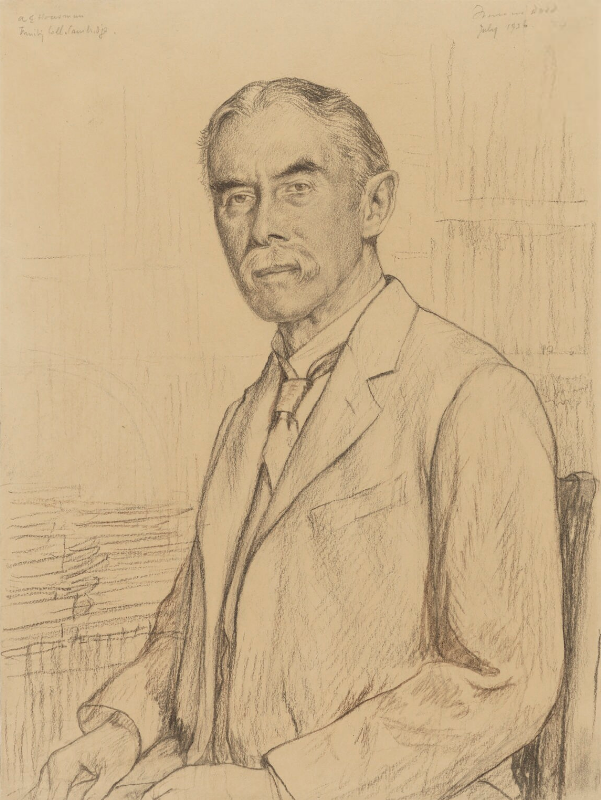
Pours the confounding main. — A.E. Housman, “XLV” of More Poems (1936)

Aventurhyme

The Merry Guide

Once in the wind of morning
     I ranged the thymy wold;
The world-wide air was azure
     And all the brooks ran gold.

There through the dews beside me
     Behold a youth that trod,
With feathered cap on forehead,
     And poised a golden rod.

With mien to match the morning
     And gay delightful guise
And friendly brows and laughter
     He looked me in the eyes.

Oh whence, I asked, and whither?
     He smiled and would not say,
And looked at me and beckoned
      And laughed and led the way.

And with kind looks and laughter
     And nought to say beside
We two went on together,
     I and my happy guide.

Across the glittering pastures
     And empty upland still
And solitude of shepherds
     High in the folded hill,

By hanging woods and hamlets
     That gaze through orchards down
On many a windmill turning
     And far-discovered town,

With gay regards of promise
     And sure unslackened stride
And smiles and nothing spoken
     Led on my merry guide.

By blowing realms of woodland
     With sunstruck vanes afield
And cloud-led shadows sailing
     About the windy weald,

By valley-guarded granges
     And silver waters wide,
Content at heart I followed
     With my delightful guide.

And like the cloudy shadows
     Across the country blown
We two fare on for ever,
     But not we two alone.

With the great gale we journey
     That breathes from gardens thinned,
Borne in the drift of blossoms
      Whose petals throng the wind;

Buoyed on the heaven-heard whisper
     Of dancing leaflets whirled
From all the woods that autumn
     Bereaves in all the world.

And midst the fluttering legion
     Of all that ever died
I follow, and before us
     Goes the delightful guide,

With lips that brim with laughter
     But never once respond,
And feet that fly on feathers,
     And serpent-circled wand.

• A.E. Housman, A Shropshire Lad, XLII


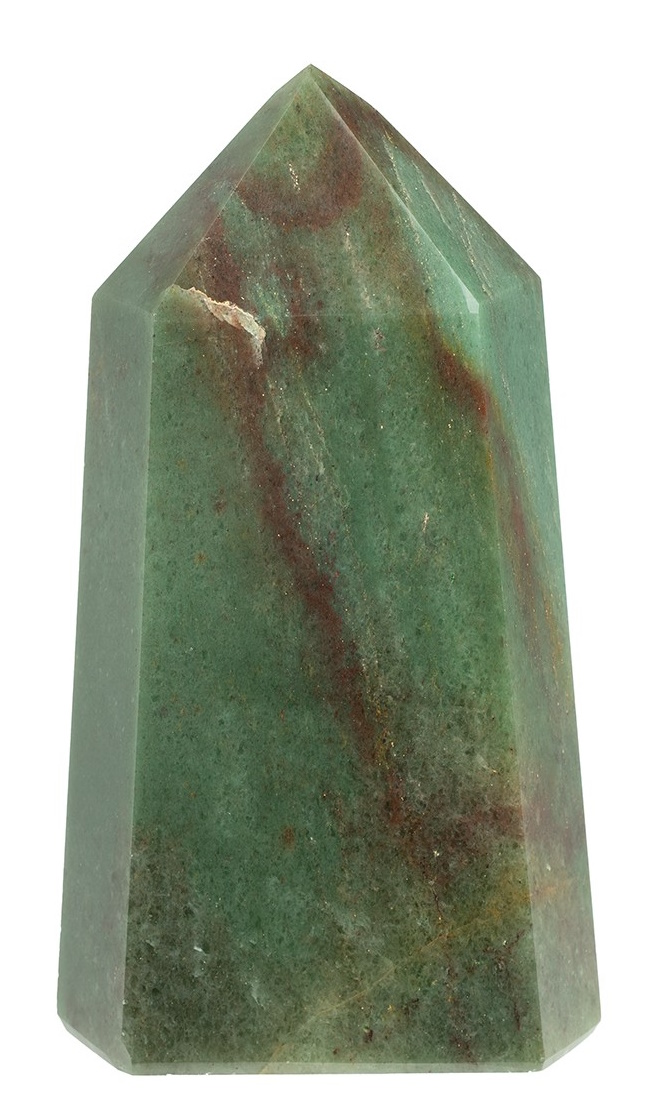
An aventurine obelisk (Unlimited Crystals)

This Old Housman

ტელლ მე ნოტ ჰერე, იტ ნეედს ნოტ საჲინგ,
უჰატ ტუნე თე ენჩანტრესს პლაჲს
ინ აფტერმათს ოფ სოფტ შეპტემბერ
ორ უნდერ ბლანჩინგ მაჲს,
ფორ შე ანდ ი უერე ლონგ აკყუაინტედ
ანდ ი კნეუ ალლ ჰერ უაჲს.

ონ რუსსეტ ფლოორს, ბჲ უატერს იდლე,
თე პინე ლეტს ფალლ იტს კონე;
თე კუკკოო შოუტს ალლ დაჲ ატ ნოთინგ
ინ ლეაფჲ დელლს ალონე;
ანდ ტრაველლერს ჯოჲ ბეგუილეს ინ აუტუმნ
ჰეარტს თატ ჰავე ლოსტ თეირ ოუნ.

ონ აკრეს ოფ თე სეედედ გრასსეს
თე ჩანგინგ ბურნიშ ჰეავეს;
ორ მარშალლედ უნდერ მოონს ოფ ჰარვესტ
შტანდ სტილლ ალლ ნიგჰტ თე შეავეს;
ორ ბეეჩეს სტრიპ ინ სტორმს ფორ უინტერ
ანდ სტაინ თე უინდ უით ლეავეს.

პოსსესს, ას ი პოსსესსედ ა სეასონ,
თე კოუნტრიეს ი რესიგნ,
უჰერე ოვერ ელმჲ პლაინს თე ჰიგჰუაჲ
უოულდ მოუნტ თე ჰილლს ანდ შინე,
ანდ ფულლ ოფ შადე თე პილლარედ ფორესტ
უოულდ მურმურ ანდ ბე მინე.

ფორ ნატურე, ჰეარტლესს, უიტლესს ნატურე,
უილლ ნეითერ კარე ნორ კნოუ
უჰატ სტრანგერს ფეეტ მაჲ ფინდ თე მეადოუ
ანდ ტრესპასს თერე ანდ გო,
ნორ ასკ ამიდ თე დეუს ოფ მორნინგ
იფ თეჲ არე მინე ორ ნო.

Viler Smiler

Less is more. It’s a principle for good writing, not an unalterable law. And one of the best expositions of the principle was given by A.E. Housman in his lecture “The Name and Nature of Poetry” (1933):

Dryden’s translation [of The Canterbury Tales] shows Dryden in the maturity of his power and accomplishment, and much of it can be honestly and soberly admired. Nor was he insensible to all the peculiar excellence of Chaucer: he had the wit to keep unchanged such lines as ‘Up rose the sun and up rose Emily’ or ‘The slayer of himself yet saw I there’; he understood that neither he nor anyone else could better them. But much too often in a like case he would try to improve, because he thought that he could. He believed, as he says himself, that he was ‘turning some of the Canterbury Tales into our language, as it is now refined’; ‘the words’ he says again ‘are given up as a post not to be defended in our poet, because he wanted the modern art of fortifying’; ‘in some places’ he tells us ‘I have added somewhat of my own where I thought my author was deficient, and had not given his thoughts their true lustre, for want of words in the beginning of our language’.

Let us look at the consequences. Chaucer’s vivid and memorable line

The smiler with the knife under the cloke

becomes these three:

Next stood Hypocrisy, with holy leer,
Soft smiling and demurely looking down,
But hid the dagger underneath the gown.

Again:

Alas, quod he, that day that I was bore.

So Chaucer, for want of words in the beginning of our language. Dryden comes to his assistance and gives his thoughts their true lustre thus:

Cursed be the day when first I did appear;
Let it be blotted from the calendar,
Lest it pollute the month and poison all the year.

Or yet again:

The queen anon for very womanhead
Gan for to weep, and so did Emily
And all the ladies in the company.

If Homer or Dante had the same thing to say, would he wish to say it otherwise? But to Dryden Chaucer wanted the modern art of fortifying, which he thus applies:

He said; dumb sorrow seized the standers-by.
The queen, above the rest, by nature good
(The pattern formed of perfect womanhood)
For tender pity wept: when she began
Through the bright quire the infectious virtue ran.
All dropped their tears, even the contended maid.


• “The Name and Nature of Poetry” (1933) by A.E. Housman — more of “less is more”

Snow No

XXXI

On Wenlock Edge the wood’s in trouble;
   His forest fleece the Wrekin heaves;
The gale, it plies the saplings double,
   And thick on Severn strew the leaves.

’Twould blow like this through holt and hanger
   When Uricon the city stood:
’Tis the old wind in the old anger,
   But then it threshed another wood.

Then, ’twas before my time, the Roman
   At yonder heaving hill would stare:
The blood that warms an English yeoman,
   The thoughts that hurt him, they were there.

There, like the wind through woods in riot,
   Through him the gale of life blew high;
The tree of man was never quiet:
   Then ’twas the Roman, now ’tis I.

The gale, it plies the saplings double,
   It blows so hard, ’twill soon be gone:
To-day the Roman and his trouble
   Are ashes under Uricon. — from A.E. Housman’s A Shropshire Lad (1896)


Post-Performative Post-Scriptum

If you were already familiar with the poem, you may have noticed that I replaced “snow” with “strew” in line four. I don’t think the original “snow” works, because leaves don’t fall like snow or look anything like snow. Plus, leaves don’t melt like snowflakes when they land on water. Plus plus, the consonant-cluster of “strew” works well with the idea of leaves coating the water.

Wotta Lotta Glotta

I once wrote a story about a drug called panglossium that allowed those who took it to speak all the languages that have ever existed – the living ones and the dead ones, the ones spoken by billions and the ones spoken by a dwindling remnant, the ones of which the hand of history holds a few tiny glittering feathers and the ones that have evaded the hand of history entirely. Panglossium would allow you to speak all of them, in every dialect and every mode. And to read and write them too, if they had an alphabet or an ideography.

One of the things I was interested in was what kind of literature users of panglossium would create for each other. I don’t think they would choose to write in a single language: they would mix languages (and it seems very unlikely that they would use much or perhaps any English). But I do think they would come closer to capturing the multitudinous flux of reality, which, in our reality, you can’t capture more than a sliver of when you use a single language. Or when you use a dozen languages, as some polyglots can in our reality. Maybe irreal panglossium would allow you to take a handful of reality or more.

I was reminded of panglossium recently because I wanted to write a poem about something I’d seen and been moved by: a band of white clouds and blue sky across which a gull slid swiftly on stationary wings. But I couldn’t do it to the standard I wanted. I couldn’t capture what I saw in two or three seconds: the grace of the gull gliding across the blue-and-white beauty of the sky. The gull wasn’t “gliding”, for example. That’s too slow a word. And I didn’t want to write a poem about my inability to capture that scene, because I’ve written one before about that inability:

Verbol

Green on green on green
The light befalls me clean,
Beneath the birds.

And how I can capture
This mute green rapture
In blinded words? (7viii21)

The title of that poem is panglossic, in a way. And the poem itself did reach the standard required, because not-reaching-the-standard is part of the point of the poem. And even the greatest poet can’t reach the full standard and fully capture a scene like that. But some can get much closer than others, as Housman explained in his study of Swinburne:

If even so bare and simple an object as the sea was too elusive and delicate for Swinburne’s observation and description, you would not expect him to have much success with anything so various and manifold as the surface of the earth. And I am downright aghast at the dullness of perception and lack of self-knowledge and self-criticism which permitted him to deposit his prodigious quantity of descriptive writing in the field of English literature. That field is rich beyond example in descriptions of nature from the hands of unequalled masters, for in the rendering of nature English poetry has outdone all poetry: and here, after five centuries, comes Swinburne covering the grass with his cartload of words and filling the air with the noise of the shooting of rubbish. It is a clear morning towards the end of winter: snow has fallen in the night, and still lies on the branches of the trees under brilliant sunshine. Tennyson would have surveyed the scene with his trained eye, made search among his treasury of choice words, sorted and sifted and condensed them, till he had framed three lines of verse, to be introduced one day in a narrative or a simile, and there to flash upon the reader’s eye the very picture of a snowy and sunshiny morning. Keats or Shakespeare would have walked between the trees thinking of whatever came uppermost and letting their senses commune with their souls; and there the morning would have transmuted itself into half a line or so which, occurring in some chance passage of their poetry, would have set the reader walking between the same trees again. Swinburne picks up the sausage-machine into which he crammed anything and everything; round goes the handle, and out at the other end comes this noise:

Ere frost-flower and snow-blossom faded and fell, and the splendour of winter had passed out of sight,
The ways of the woodlands were fairer and stranger than dreams that fulfil us in sleep with delight;
The breath of the mouths of the winds had hardened on tree-tops and branches that glittered and swayed
Such wonders and glories of blossomlike snow or of frost that outlightens all flowers till it fade
That the sea was not lovelier than here was the land, nor the night than the day, nor the day than the night,
Nor the winter sublimer with storm than the spring: such mirth had the madness and might in thee made,
March, master of winds, bright minstrel and marshal of storms that enkindle the season they smite.

That is not all, it clatters on for fifty lines or so; but that is enough and too much. It shows what nature was to Swinburne: just something to write verse about, a material for making a particular kind of sausage.

But what would Tennyson or Keats or Shakespeare have been able to write after taking panglossium?


Elsewhere other-accessible…

Poems and Brickbats – Housman’s study of Swinburne
Verbol – (commentary on) my poem about inability and inadequacy

Lux Legibilis

I wake from dreams and turning
     My vision on the height
I scan the beacons burning
     About the fields of night.

Each in its steadfast station
     Inflaming heaven they flare;
They sign with conflagration
     The empty moors of air.

The signal-fires of warning
     They blaze, but none regard;
And on through night to morning
     The world runs ruinward. — A.E. Housman in More Poems (1936)


There was a young fellow named Bright
Who travelled much faster than light.
     He set off one day,
     In a relative way
And came back the previous night. — Anonymous

A Poof in a Porker

The great literary scholar and expert psychoanalyst Dr Miriam B. Stimbers has detected castration, clitoridolatry and communal cannibalism in the novels of Jane Austen. I’m not so ambitious. I merely want to detect a poof in a porker’s poetry. Or rather, I want to detect a poof in the poetry of a peer closely associated with a porker.

The porker is Bill Bunter, the fat, lazy and greedy public schoolboy whose misadventures at Greyfriars School were chronicled, under the pseudonym Frank Richards, by the highly prolific Charles Hamilton (1876-1961). One of Bunter’s schoolfellows was the languid and apparently effete peer Lord Mauleverer, who contributed this poem to The Greyfriars Holiday Annual for 1928:

“The Song of the Slacker”, by Lord Mauleverer

Tell me not, in mournful numbers,
Life was meant for toil and hustle;
It was meant for soothing slumbers,
Which relax both mind and muscle.

Life is lovely! Life is topping!
When you lie beneath the shade,
With the ginger-beer corks popping,
And a glorious spread arrayed.

Not enjoyment, and not sorrow,
Is our destined end or way;
But to put off till to-morrow
Work that should be done today!

In the world’s broad field of battle
All wise soldiers take their ease;
And they lie asleep, like cattle,
Underneath the shady trees.

Trust no Future, trust no Present,
Let the dead Past bury its dead!
The only prospect nice and pleasant
Is that of “forty winks” in bed!

“Life is short!” the bards are bawling,
Let’s enjoy it while we may;
On our study sofas sprawling,
Sleeping sixteen hours a day!

Lives of slackers all remind us
We should also rest our limbs;
And, departing, leave behind us,
“Helpful Hints for Tired Tims!”

Helpful hints, at which another
Will, perhaps, just take a peep;
Some exhausted, born-tired brother––
They will send him off to sleep!

While the hustlers are pursuing
Outdoor sports, on land and lake;
Let us, then, be up and doing––
There are several beds to make. – The Greyfriars Holiday Annual for 1928 (1927), Howard Baker abridged edition 1971


I liked the poem when I first read it, but I didn’t spot the parody as soon as I should. It was unexpected, you see, but then it dawned on me that “The Song of the Slacker” must be a parody of a famous poem by the poof-poet A.E. Housman (1859-1936):

REVEILLE

Wake: the silver dusk returning
Up the beach of darkness brims,
And the ship of sunrise burning
Strands upon the eastern rims.

Wake: the vaulted shadow shatters,
Trampled to the floor it spanned,
And the tent of night in tatters
Straws the sky-pavilioned land.

Up, lad, up, ’tis late for lying;
Hear the drums of morning play;
Hark, the empty highways crying
“Who’ll beyond the hills away?”

Towns and countries woo together,
Forelands beacon, belfries call;
Never lad that trod on leather
Lived to feast his heart with all.

Up, lad: thews that lie and cumber
Sunlit pallets never thrive;
Morns abed and daylight slumber
Were not meant for man alive.

Clay lies still, but blood’s a rover;
Breath’s a ware that will not keep.
Up, lad: when the journey’s over
There’ll be time enough to sleep. – A Shropshire Lad (1896), Poem IV


The meter of the two poems is the same, the period is right, and the sentiments of Housman’s call to energy and effort are turned neatly on their heads in Lord Mauleverer’s call to sleep and slackness. And it’s a clever parody, although it’s a little too long. I’m glad to have come across “The Song of the Slacker”, which the second-best parody of Housman I’ve read. Here’s the best:

What, still alive at twenty-two,
A clean, upstanding chap like you?
Sure, if your throat ’tis hard to slit,
Slit your girl’s, and swing for it.

Like enough, you won’t be glad,
When they come to hang you, lad:
But bacon’s not the only thing
That’s cured by hanging from a string.

So, when the spilt ink of the night
Spreads o’er the blotting-pad of light,
Lads whose job is still to do
Shall whet their knives, and think of you.

Hugh Kingsmill’s famous parody of A.E. Housman

FractAlphic Frolix

A fractal is a shape that contains smaller (and smaller) versions of itself, like this:

The hourglass fractal


Fractals also occur in nature. For example, part of a tree looks like the tree as whole. Part of a cloud or a lung looks like the cloud or lung as a whole. So trees, clouds and lungs are fractals. The letters of an alphabet don’t usually look like that, but I decided to create a fractal alphabet — or fractalphabet — that does.

The fractalphabet starts with this minimal standard Roman alphabet in upper case, where each letter is created by filling selected squares in a 3×3 grid:


The above is stage 1 of the fractalphabet, when it isn’t actually a fractal alphabet at all. But if each filled square of the letter “A”, say, is replaced by the letter itself, the “A” turns into a fractal, like this:


Fractal A (animated)


Here’s the whole alphabet being turned into fractals:

Full fractalphabet (black-and-white)


Full fractalphabet (color)


Full fractalphabet (b&w animated)


Full fractalphabet (color animated)


Now take a full word like “THE”:


You can turn each letter into a fractal using smaller copies of itself:


Fractal THE (b&w animated)


Fractal THE (color animated)


But you can also create a fractal from “THE” by compressing the “H” into the “T”, then the “E” into the “H”, like this:


Compressed THE (animated)


The compressed “THE” has a unique appearance and is both a letter and a word. Now try a complete sentence, “THE CAT BIT THE RAT”. This is the sentence in stage 1 of the fractalphabet:


And stage 2:


And further stages:


Fractal CAT (b&w animated)


Fractal CAT (color animated)


But, as we saw with “THE” above, that’s not the only fractal you can create from “THE CAT BIT THE RAT”. Here’s what I call a 2-compression of the sentence, where every second letter has been compressed into the letter that precedes it:


THE CAT BIT THE RAT (2-comp color)


THE CAT BIT THE RAT (2-comp b&w)


And here’s a 3-compression of the sentence, where every third letter has been compressed into every second letter, and every second-and-third letter has been compressed into the preceding letter:

THE CAT BIT THE RAT (3-comp color)


THE CAT BIT THE RAT (3-comp b&w)


As you can see above, each word of the original sentence is now a unique single letter of the fractalphabet. Theoretically, there’s no limit to the compression: you could fit every word of a book in the standard Roman alphabet into a single letter of the fractalphabet. Or you could fit an entire book into a single letter of the fractalphabet (with additional symbols for punctuation, which I haven’t bothered with here).

To see what the fractalphabeting of a longer text in the standard Roman alphabet might look like, take the first verse of a poem by A.E. Housman:

On Wenlock Edge the wood’s in trouble;
His forest fleece the Wrekin heaves;
The gale it plies the saplings double,
And thick on Severn snow the leaves. (“Poem XXXI” of A Shropshire Lad, 1896)

The first line looks like this in stage 1 of the fractalphabet:


Here’s stage 2 of the standard fractalphabet, where each letter is divided into smaller copies of itself:


And here’s stage 3 of the standard fractalphabet:


Now examine a colour version of the first line in stage 1 of the fractalphabet:


As with “THE” above, let’s try compressing each second letter into the letter that precedes it:


And here’s a 3-comp of the first line:


Finally, here’s the full first verse of Housman’s poem in 2-comp and 3-comp forms:

On Wenlock Edge the wood’s in trouble;
His forest fleece the Wrekin heaves;
The gale it plies the saplings double,
And thick on Severn snow the leaves. (“Poem XXXI of A Shropshire Lad, 1896)

“On Wenlock Edge” (2-comp)


“On Wenlock Edge” (3-comp)


Appendix

This is a possible lower-case version of the fractalphabet: