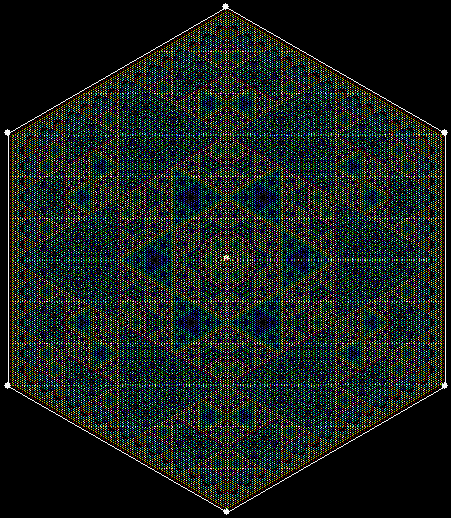
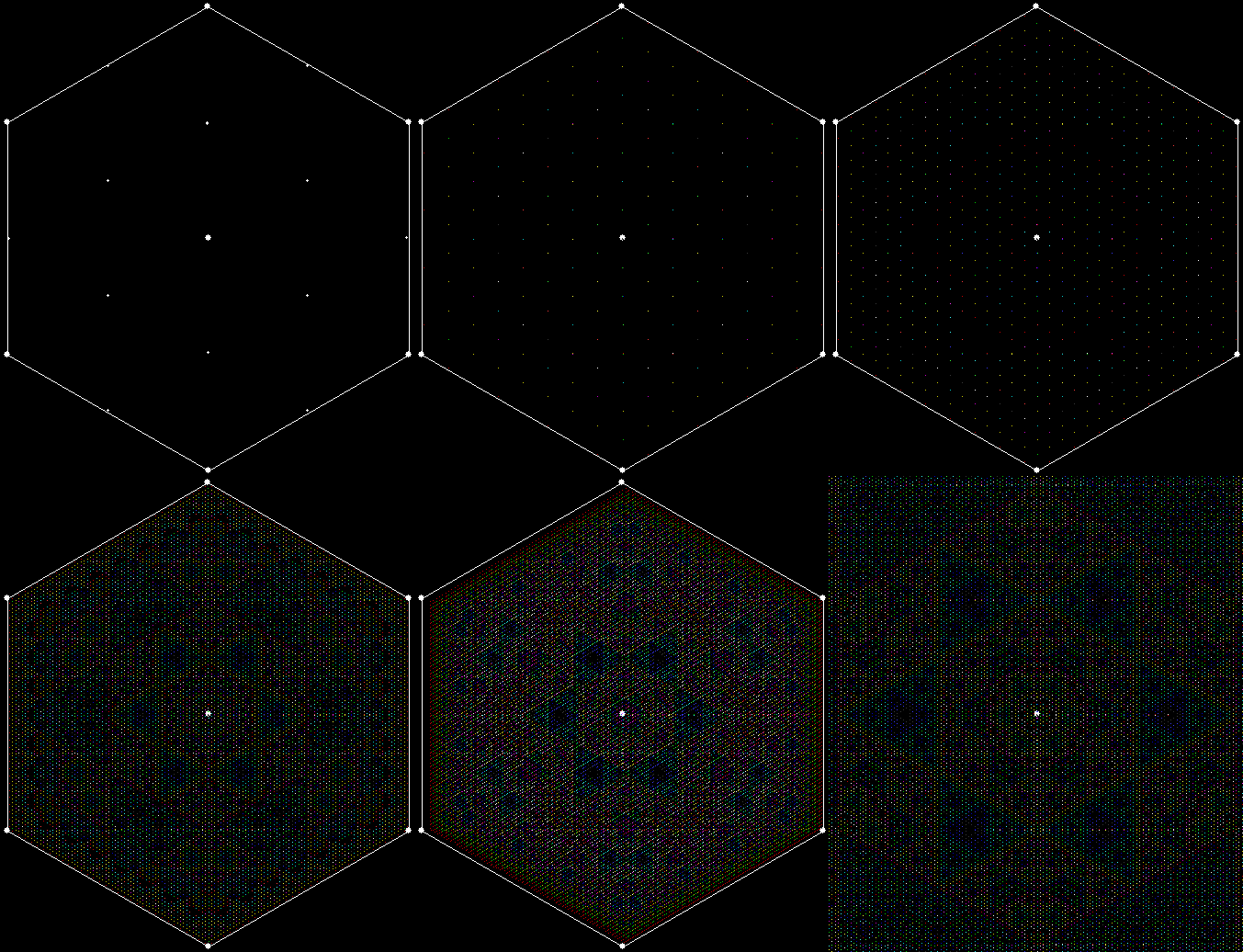
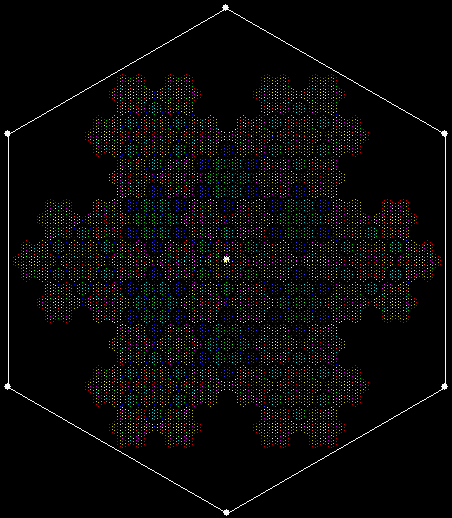
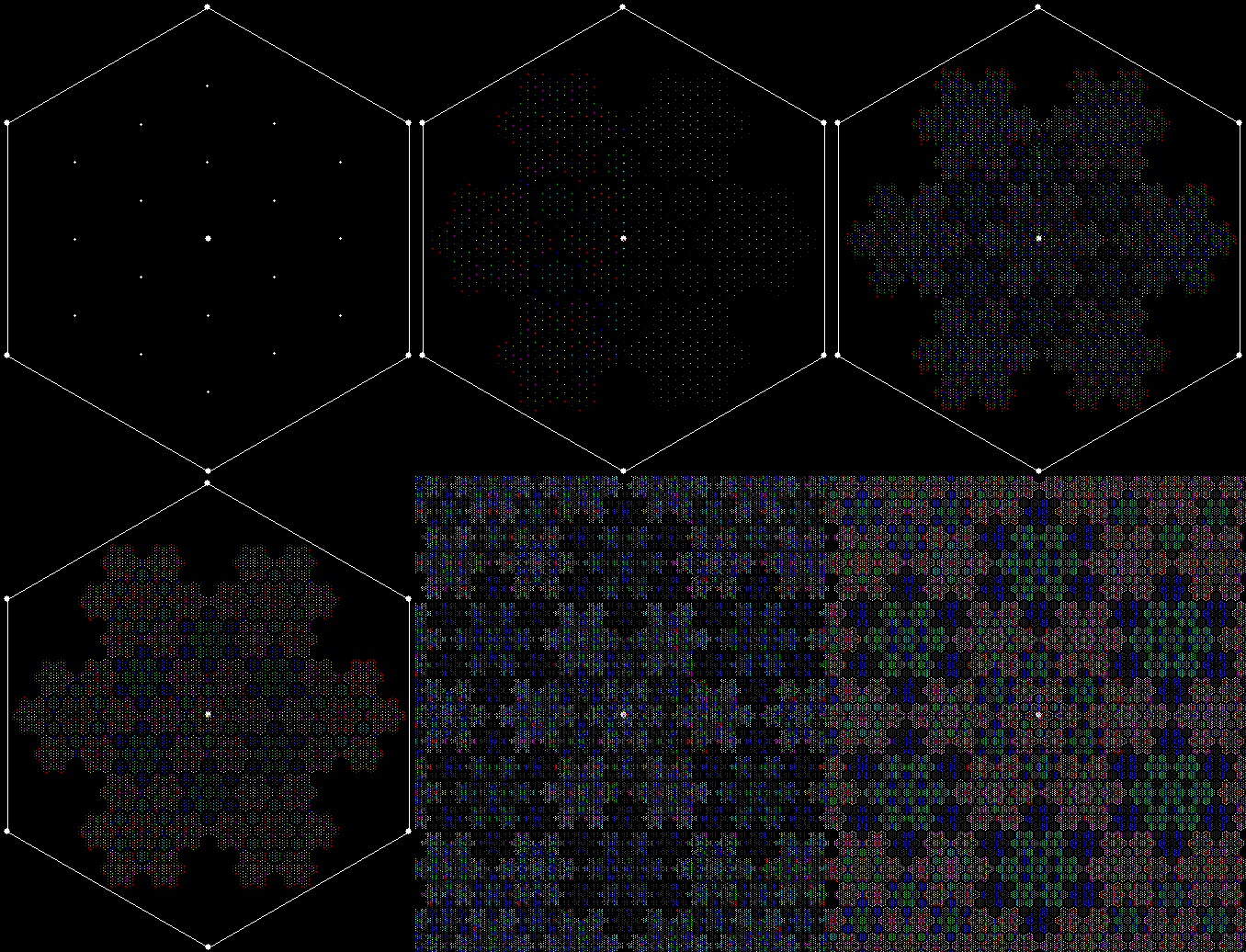
Polymorphous Perverticity

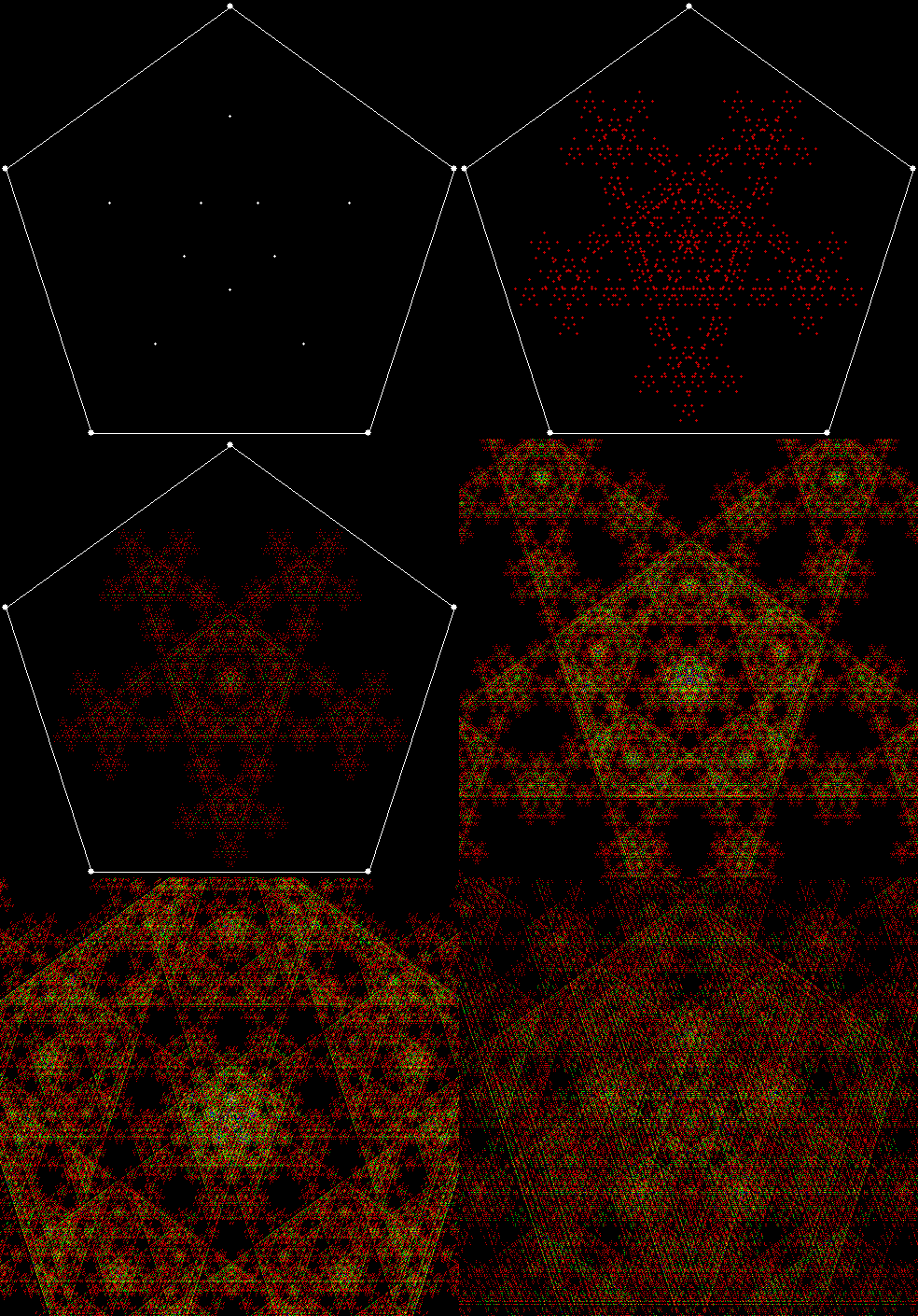
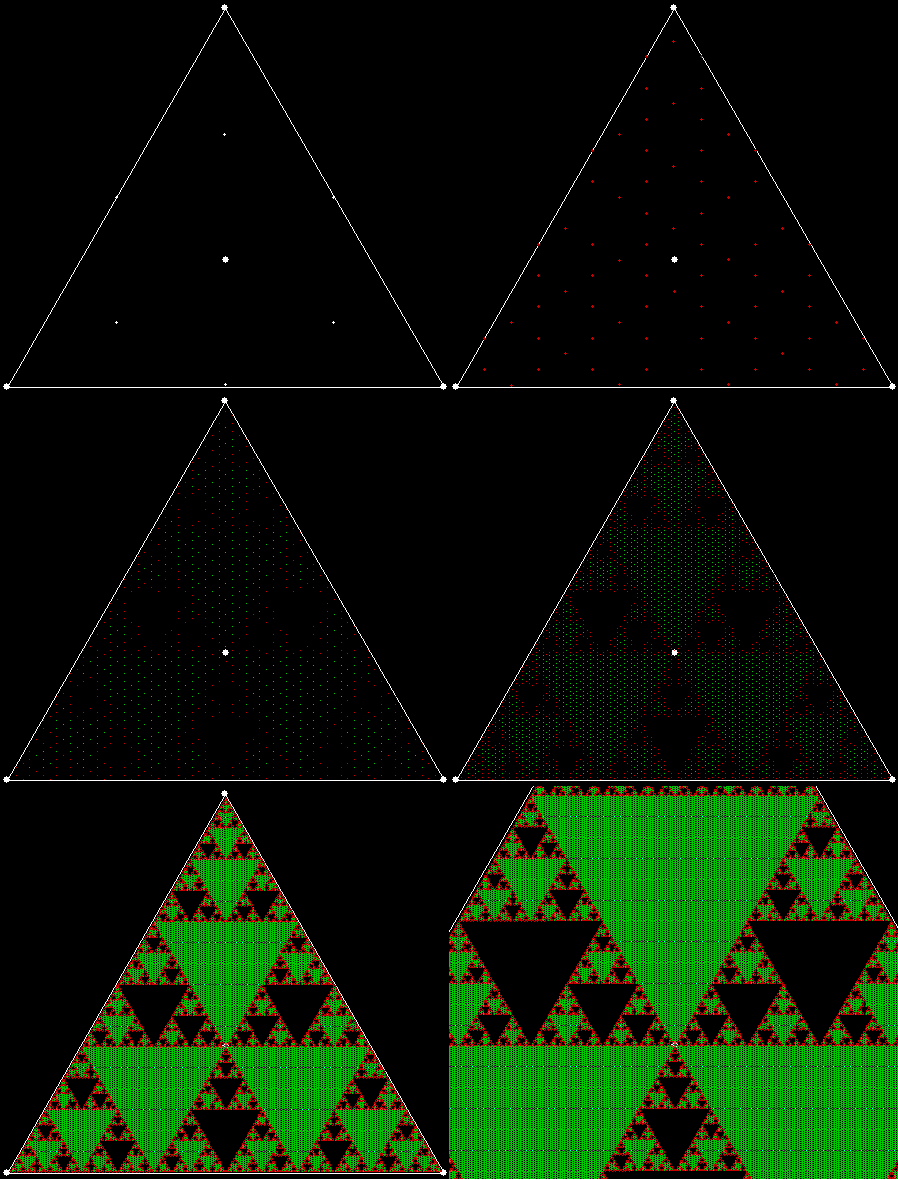
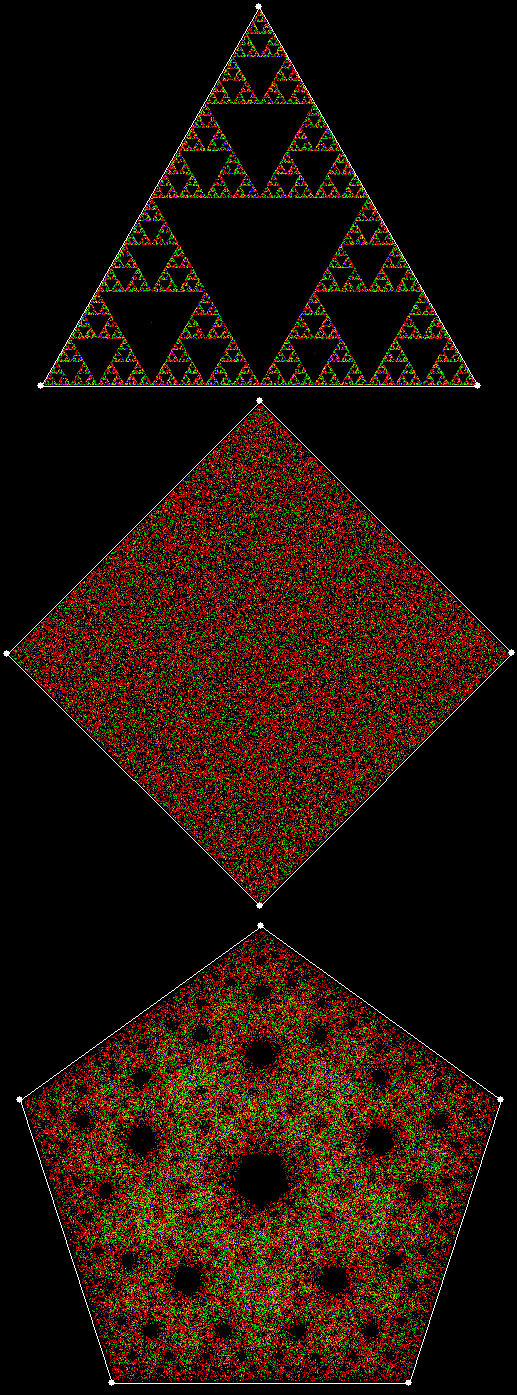
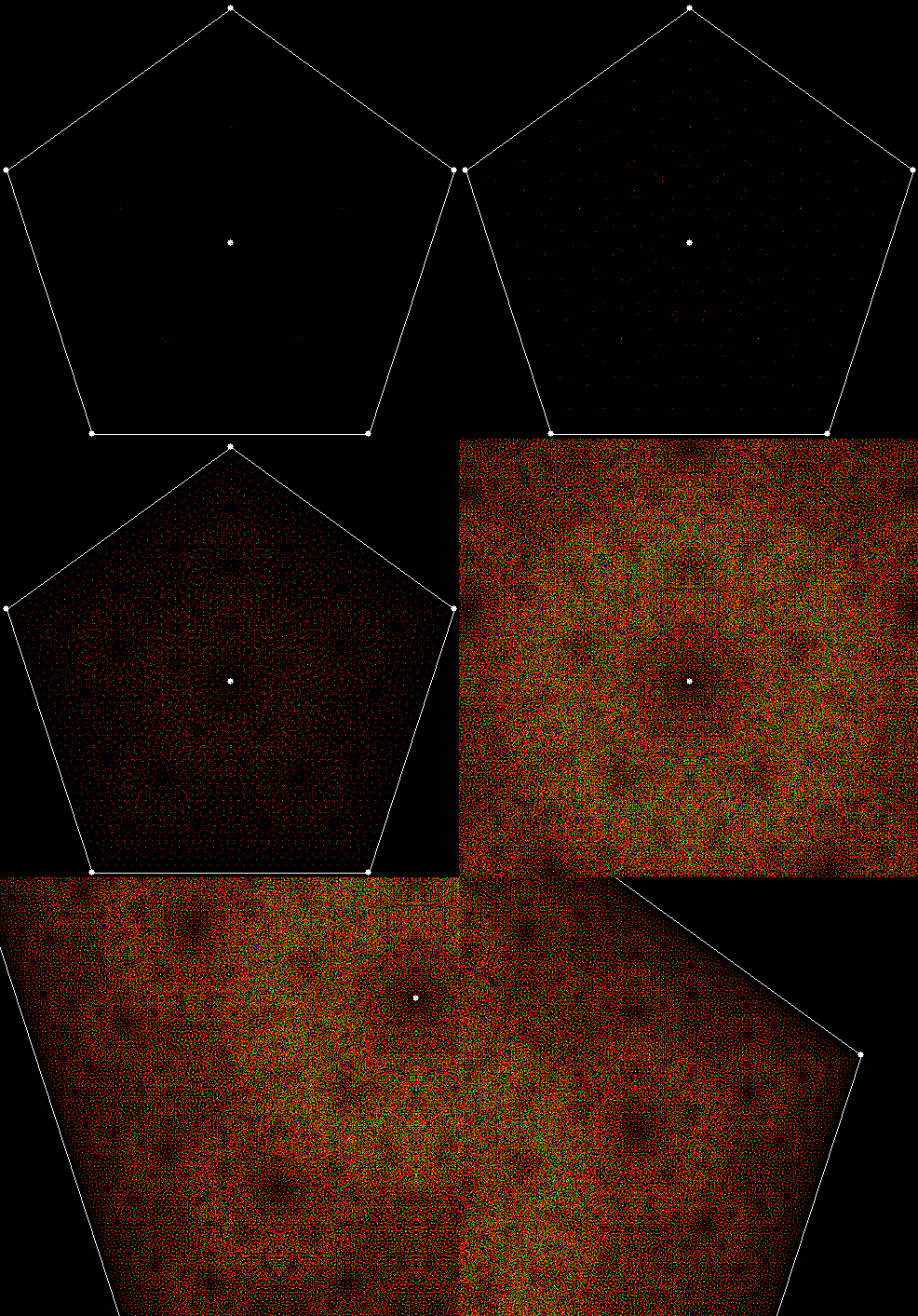
As I’ve explained before on Overlord of the Über-Feral, the planet’s premier purveyor of polygonic performativity (probably (possibly (perspectivistically))), it works with triangles and pentagons, but not with squares. And what is “it”? A simple procedure in which you create a polygon, choose a point inside it, then repeatedly move half-way towards a vertex chosen at random, marking each new position as you go.

pol3_4_5

When the polygon has three vertices, you get a Sierpiński triangle. When it has five, you get what might be called a  Sierpiński pentagon. When it has four, you get nothing. Or rather: you get everything, because the whole interior of the square gradually fills with points. But, as I’ve also explained before, there’s a simple way to change this. You can adapt the procedure so that a vertex can’t be chosen twice in a row, and so on.

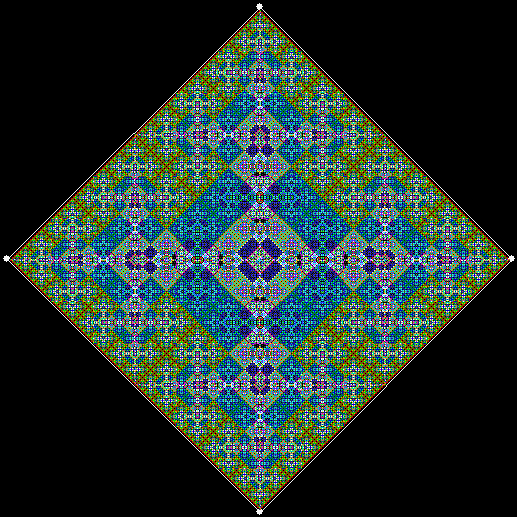
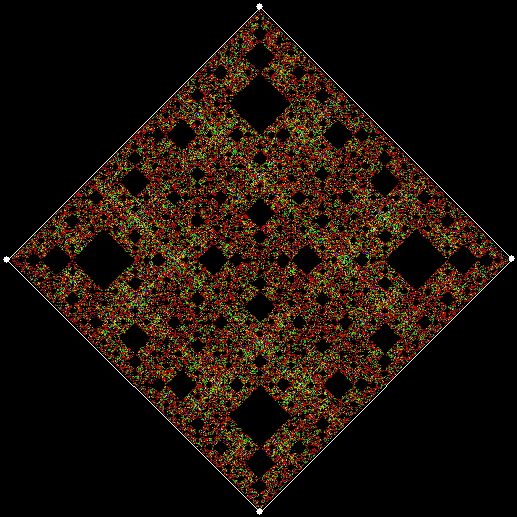
When the rule is “No vertex twice in a row”, you get this fractal (colours change as a pixel is selected again):

pol4_0

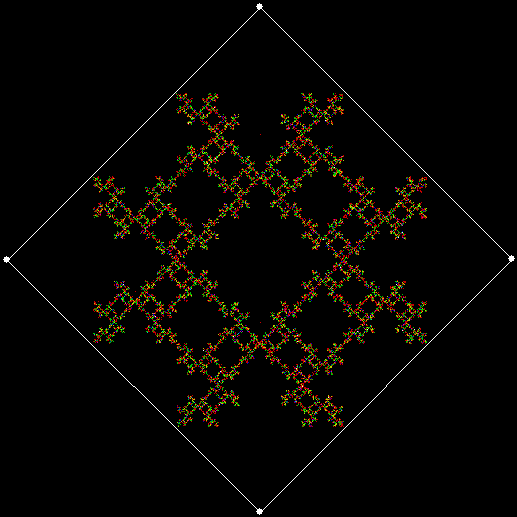
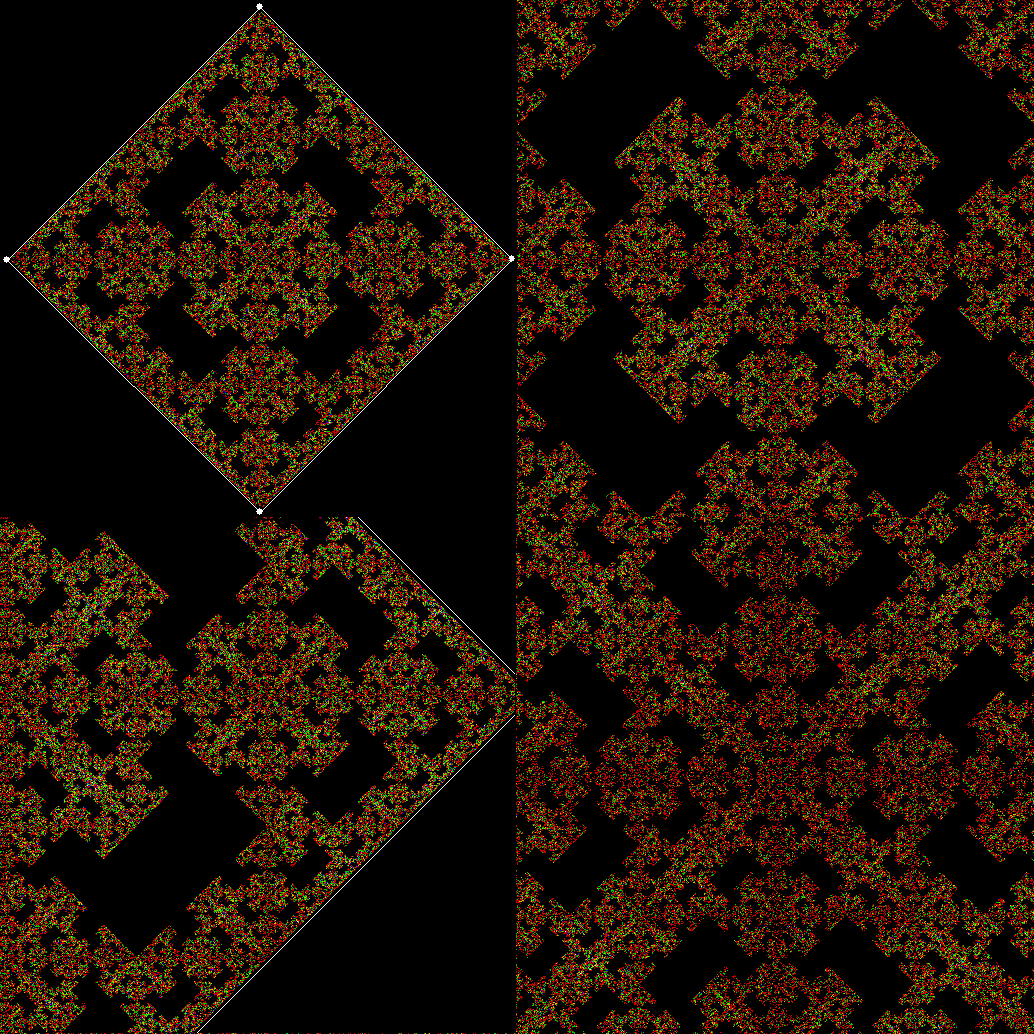
But you can also use what might be a vertex increment, or vi, whereby you disallow vertices that are next to the previously chosen vertex, or two positions away, and so on. When the rule is “No vertex twice in a row”, the disallowed vertex is (v + 0), that is, vi = 0. If vi = 2 and the rule is disallow(v + 2), this fractal appears (when vi = 1, there’s no fractal):
pol4_2

v = 4, vi = 2
pol4_2_anim


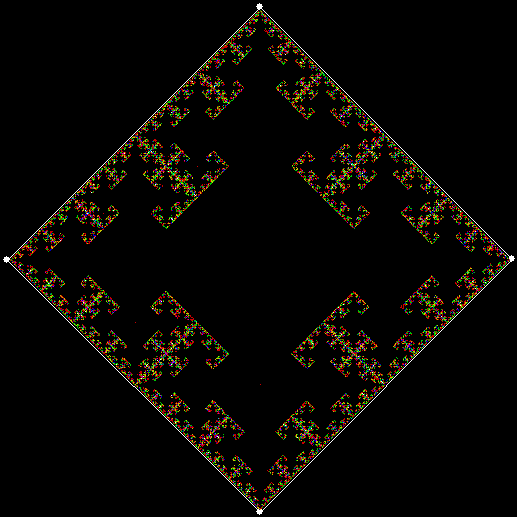
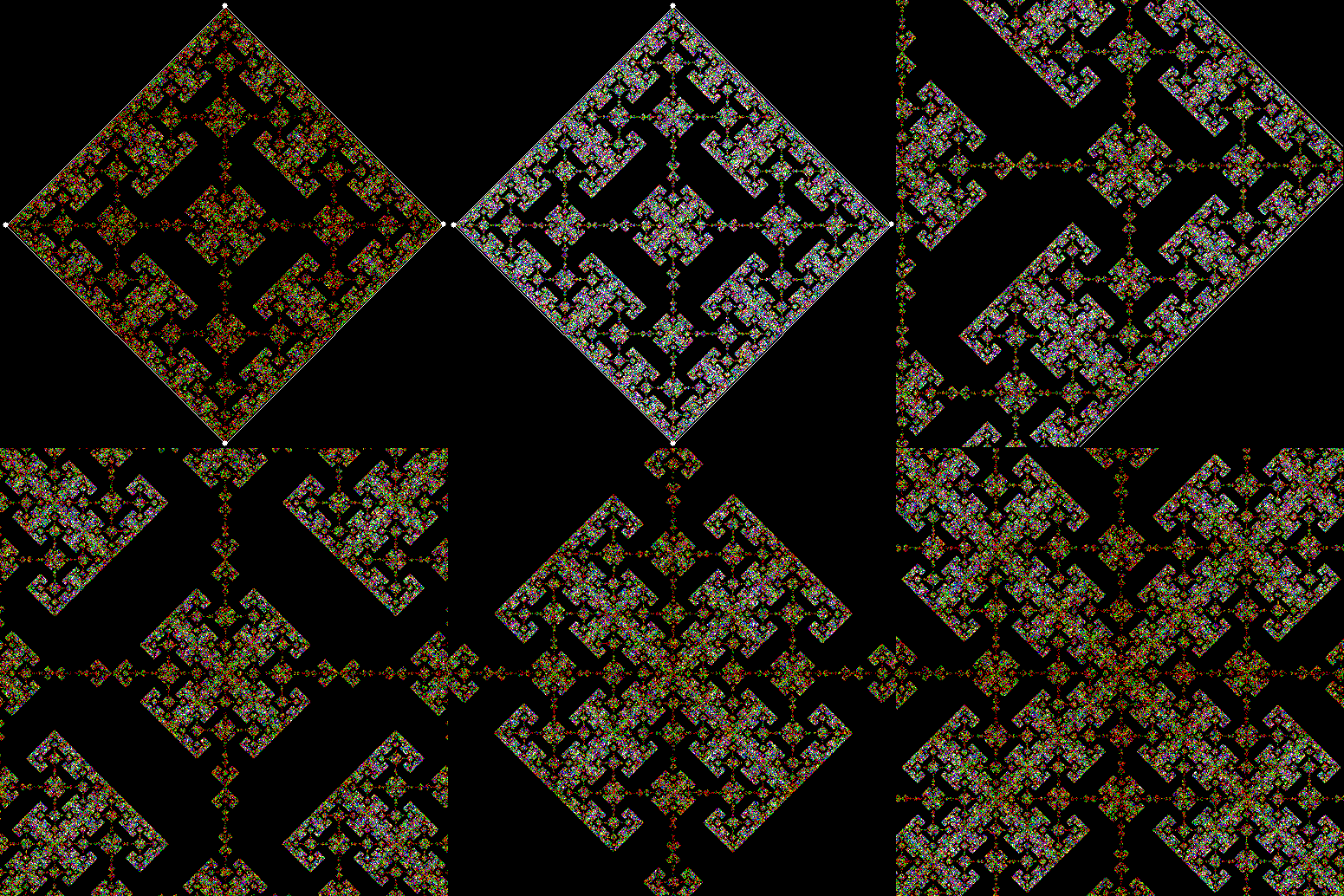
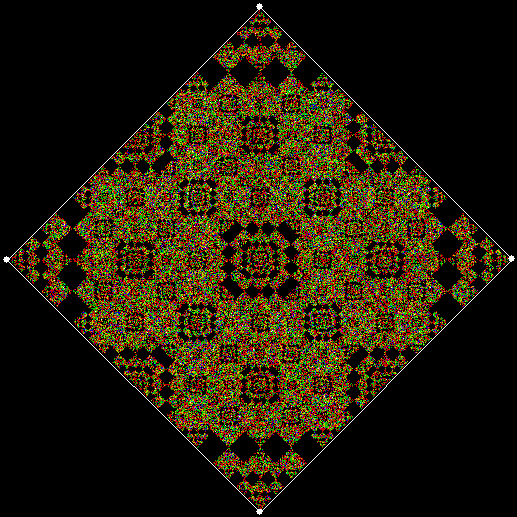
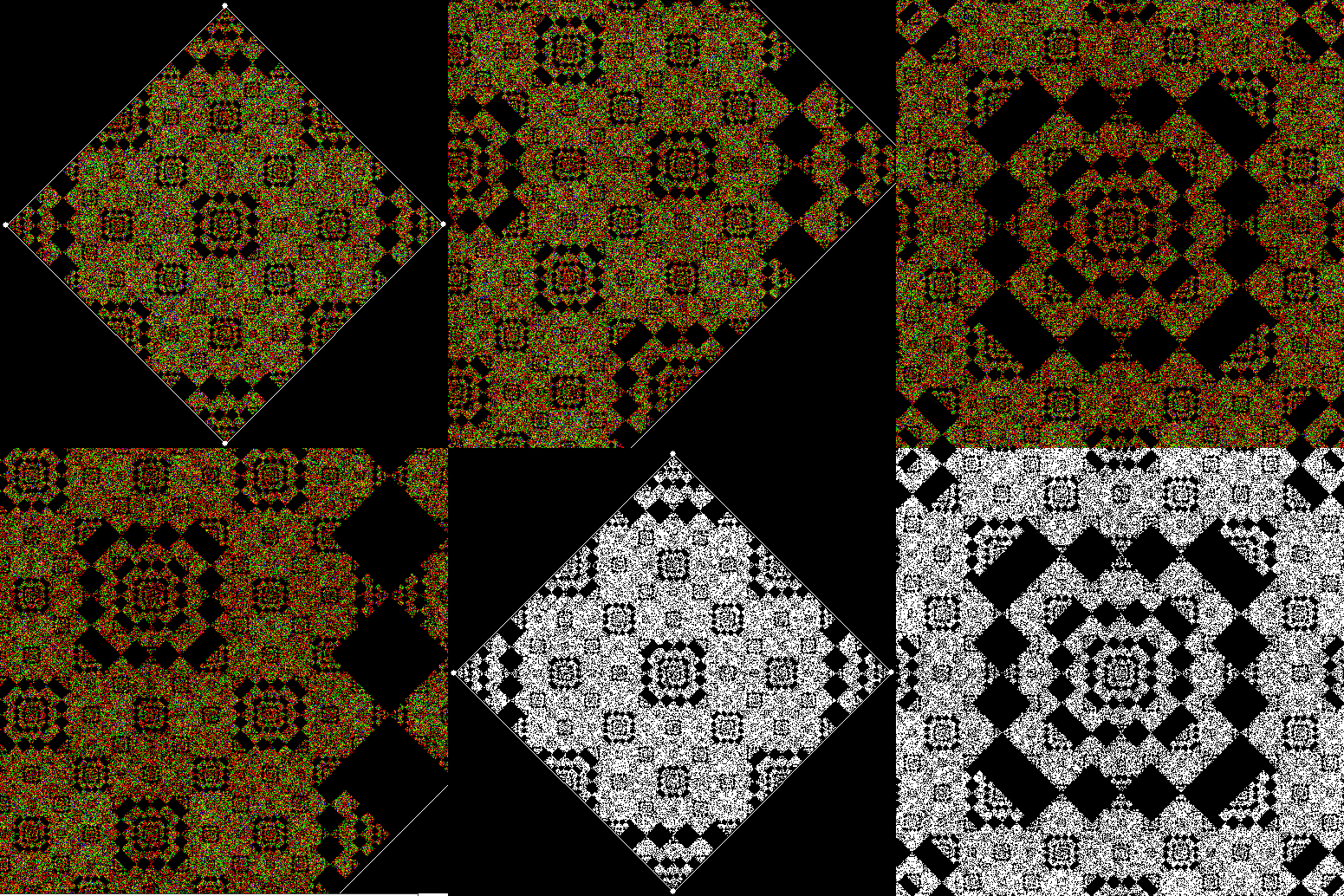
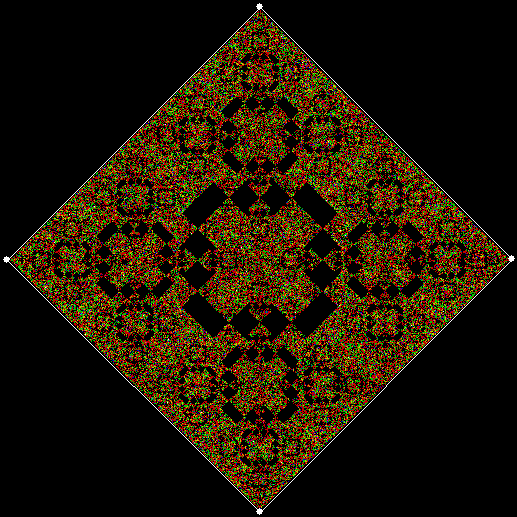
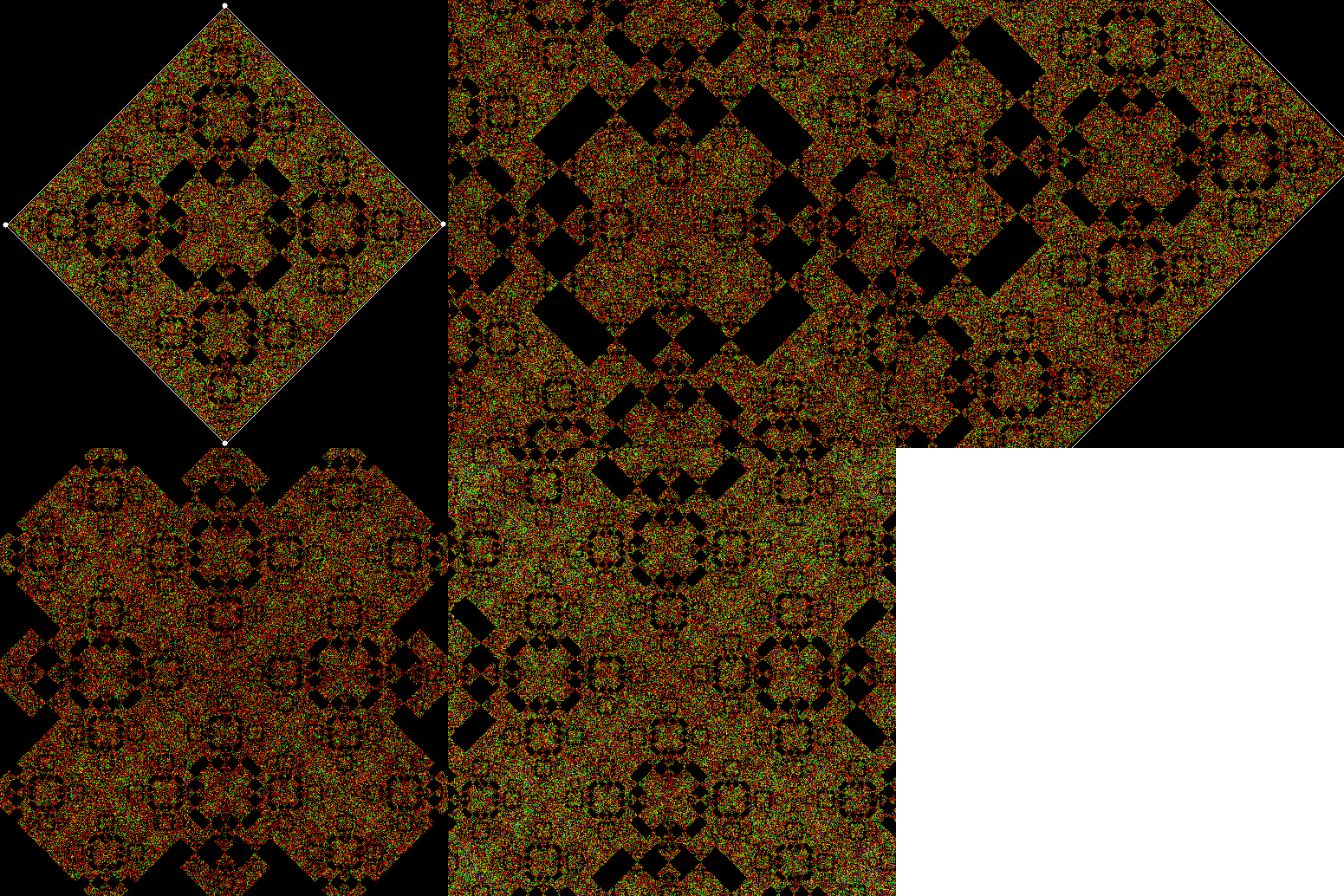
You can extend these rules to apply not just to the previously chosen vertex, but also to the vertex chosen before that. Here are some fractals produced by the rule disallow(v[1] + vi[1], v[2] + vi[2]), where v[1] is the vertex previously chosen and v[2] is the vertex chosen before that:

pol4_1_2

v = 4, vi[1] = 1, vi[2] = 2
pol4_1_2_anim


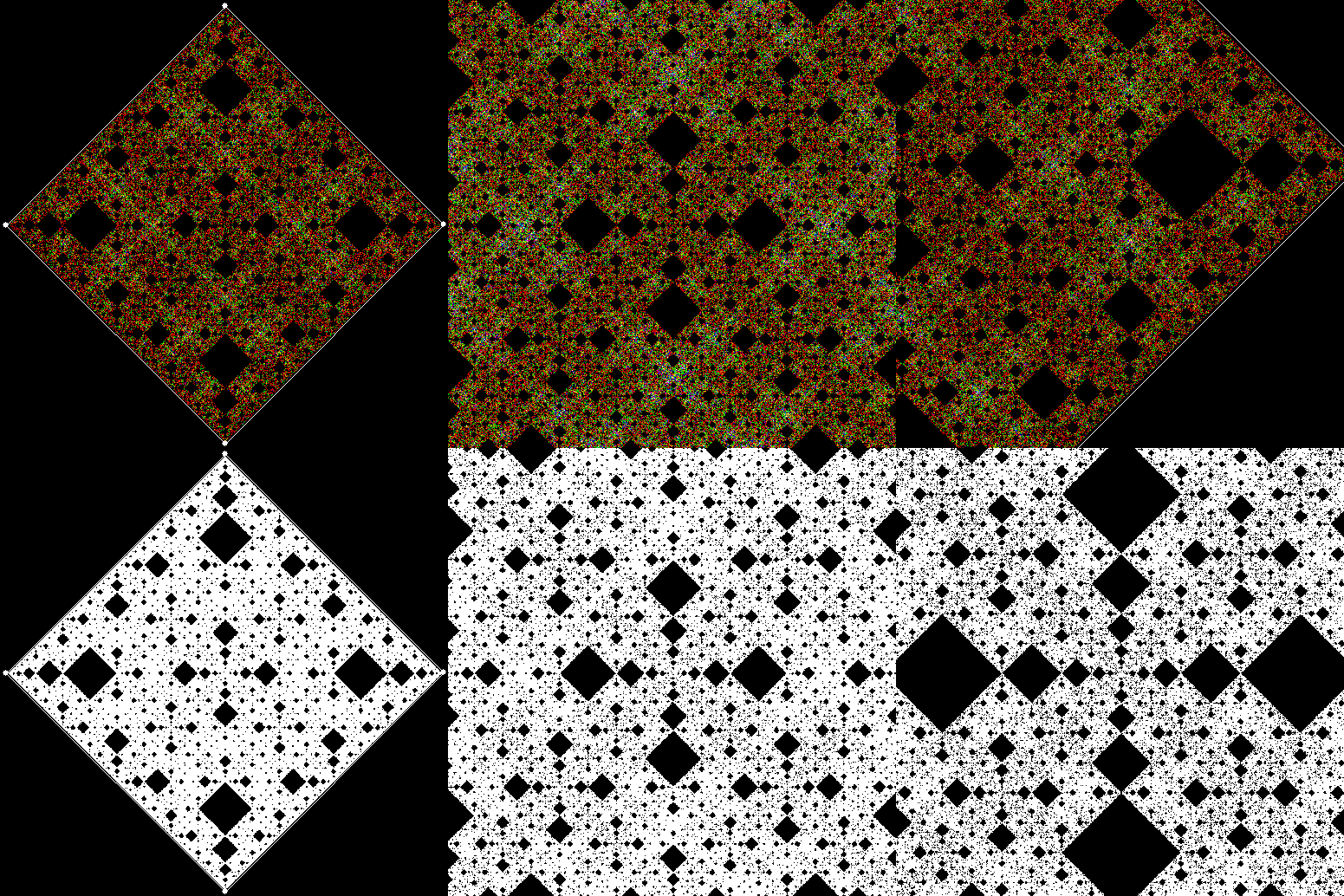
pol4_2_0

v = 4, vi[1] = 2, vi[2] = 0

pol4_2_0_anim

pol4_2_0_white


pol4_2_1

v = 4, vi[1] = 2, vi[2] = 1

pol4_2_1_anim


pol4_2_2
v = 4, vi[1] = 2, vi[2] = 2
pol4_2_2_anim


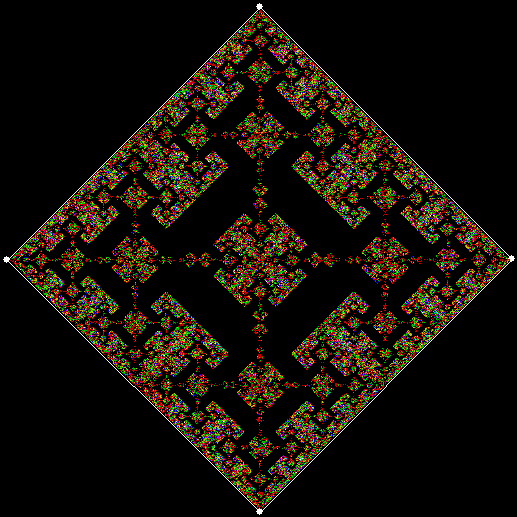
And here are some fractals produced by the rule disallow(v[1] + vi[1], v[2] + vi[2], v[3] + vi[3]):

pol4_1_1_0

v = 4, vi[1] = 1, vi[2] = 1, vi[3] = 0

pol4_1_1_0_anim


pol4_1_1_2

v = 4, vi[1] = 1, vi[2] = 1, vi[3] = 2
pol4_1_1_2_anim


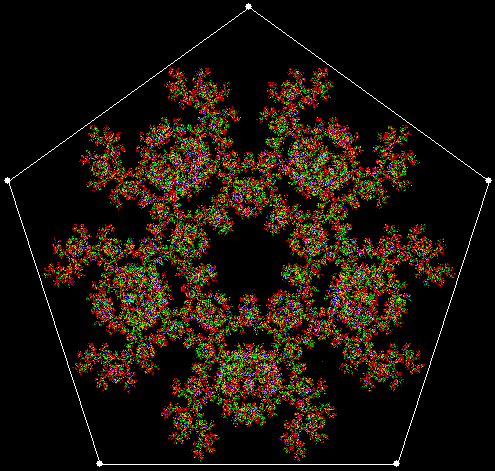
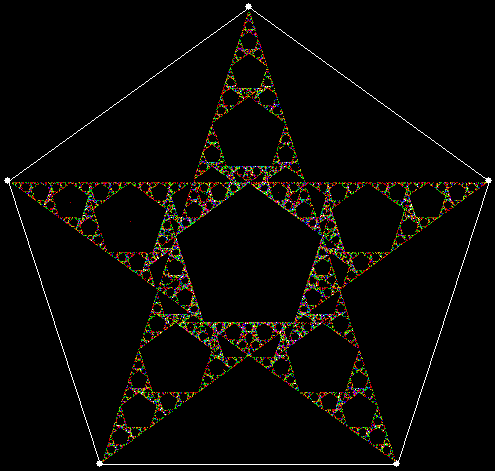
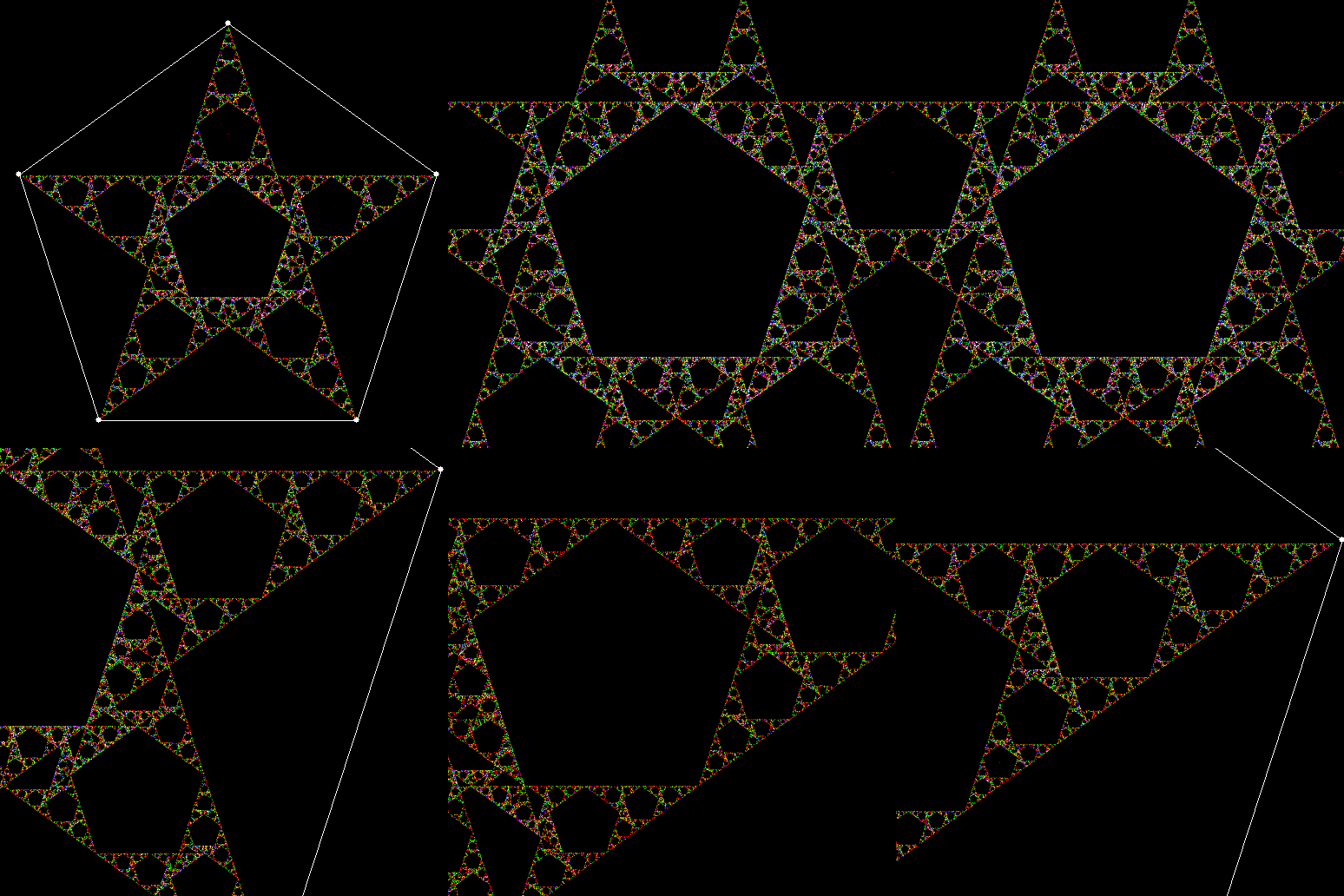
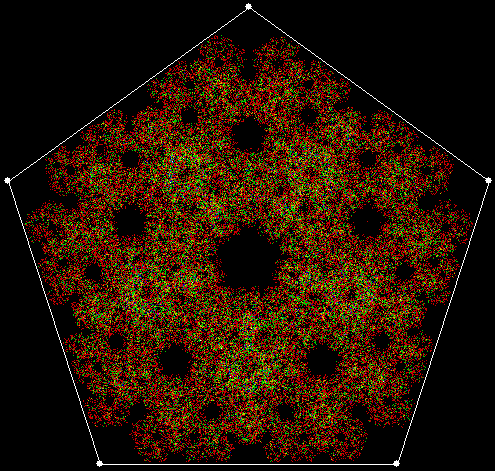
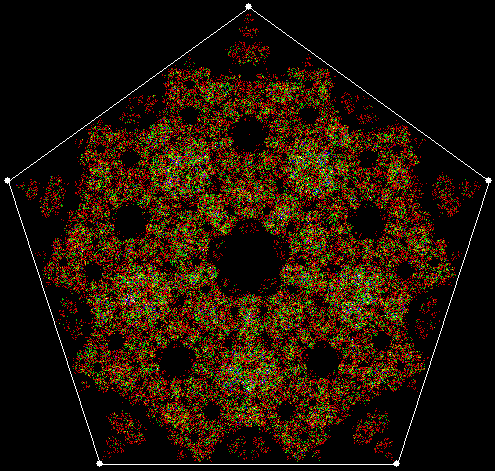
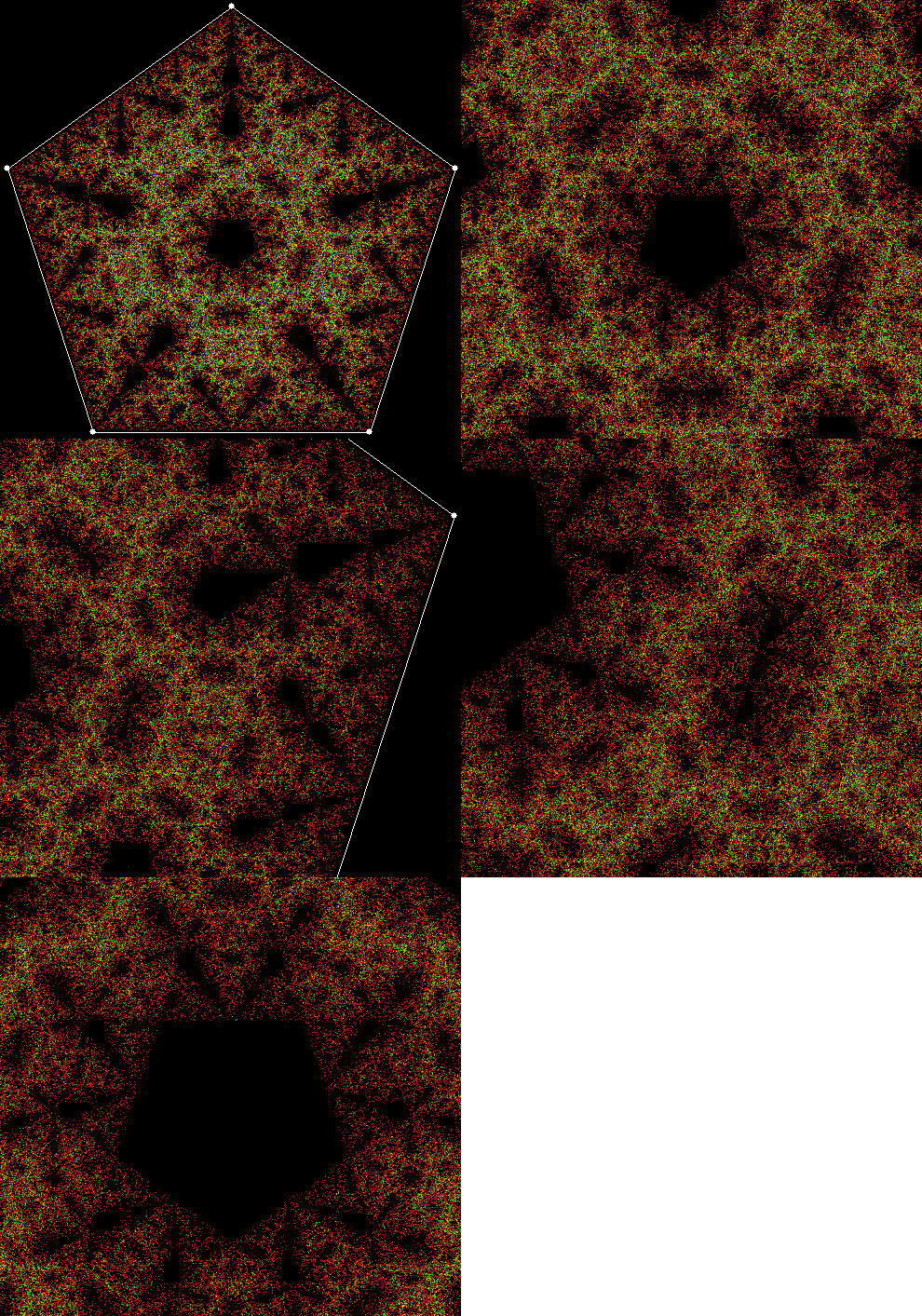
Applying these rules to pentagons rather than squares doesn’t produce such a dramatic difference, because the original procedure – choose any vertex at random, taking no account of previous choices – produces a fractal when v = 5, as noted above, but not when v = 4. Nevertheless, here are some fractals for v > 4:

pol5_0

v = 5, vi = 0


pol5_1

v = 5, vi = 1

pol5_1_anim


pol5_2

v = 5, vi = 2
pol5_2_anim


pol5_0_0

v = 5, vi[1] = 0, vi[2] = 0


pol5_1_0

v = 5, vi[1] = 1, vi[2] = 0


pol5_2_0

v = 5, vi[1] = 2, vi[2] = 0

pol5_2_0_anim


pol5_1_1

v = 5, vi[1] = 1, vi[2] = 1

pol5_1_1_anim


pol5_1_1_1

v = 5, vi[1] = 1, vi[2] = 1, vi[3] = 1


pol5_va2
v = 5, vi = various


pol6_1

v = 6, vi = 1

pol6_1_anim

Fingering the Frigit

Fingers are fractal. Where a tree has a trunk, branches and twigs, a human being has a torso, arms and fingers. And human beings move in fractal ways. We use our legs to move large distances, then reach out with our arms over smaller distances, then move our fingers over smaller distances still. We’re fractal beings, inside and out, brains and blood-vessels, fingers and toes.

But fingers are fractal are in another way. A digit – digitus in Latin – is literally a finger, because we once counted on our fingers. And digits behave like fractals. If you look at numbers, you’ll see that they contain patterns that echo each other and, in a sense, recur on smaller and smaller scales. The simplest pattern in base 10 is (0, 1, 2, 3, 4, 5, 6, 7, 8, 9). It occurs again and again at almost very point of a number, like a ten-hour clock that starts at zero-hour:

0, 1, 2, 3, 4, 5, 6, 7, 8, 9…
10, 11, 12, 13, 14, 15, 16, 17, 18, 19…
200… 210… 220… 230… 240… 250… 260… 270… 280… 290…

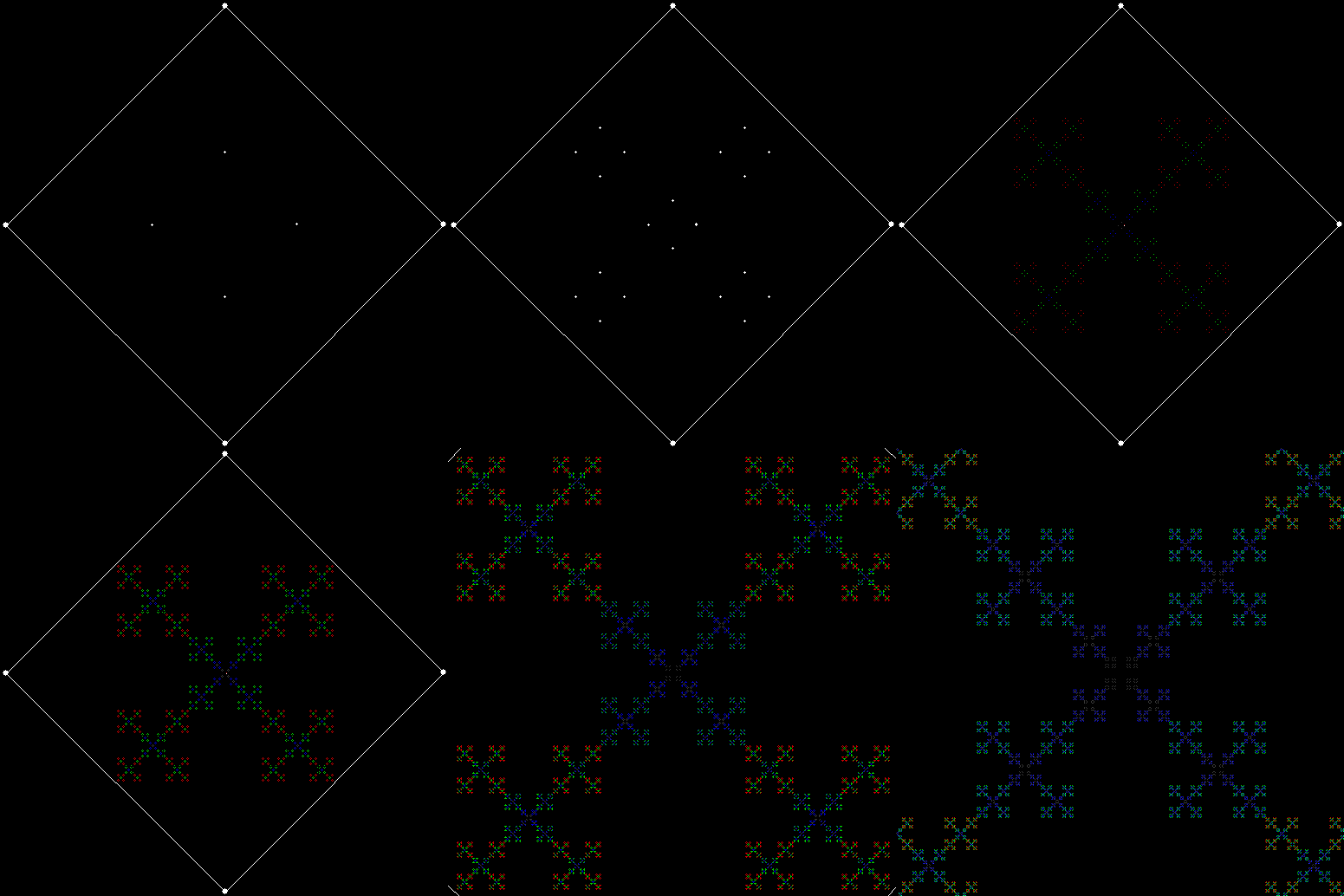
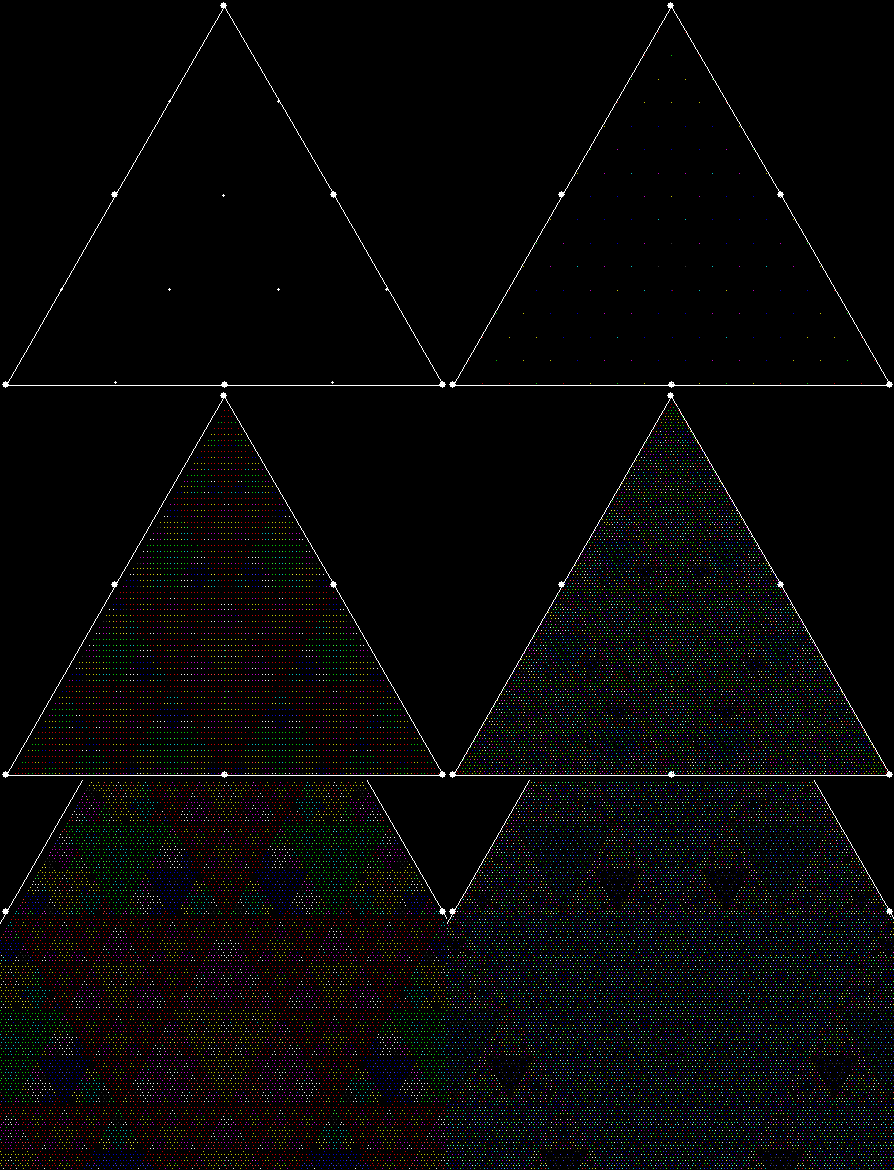
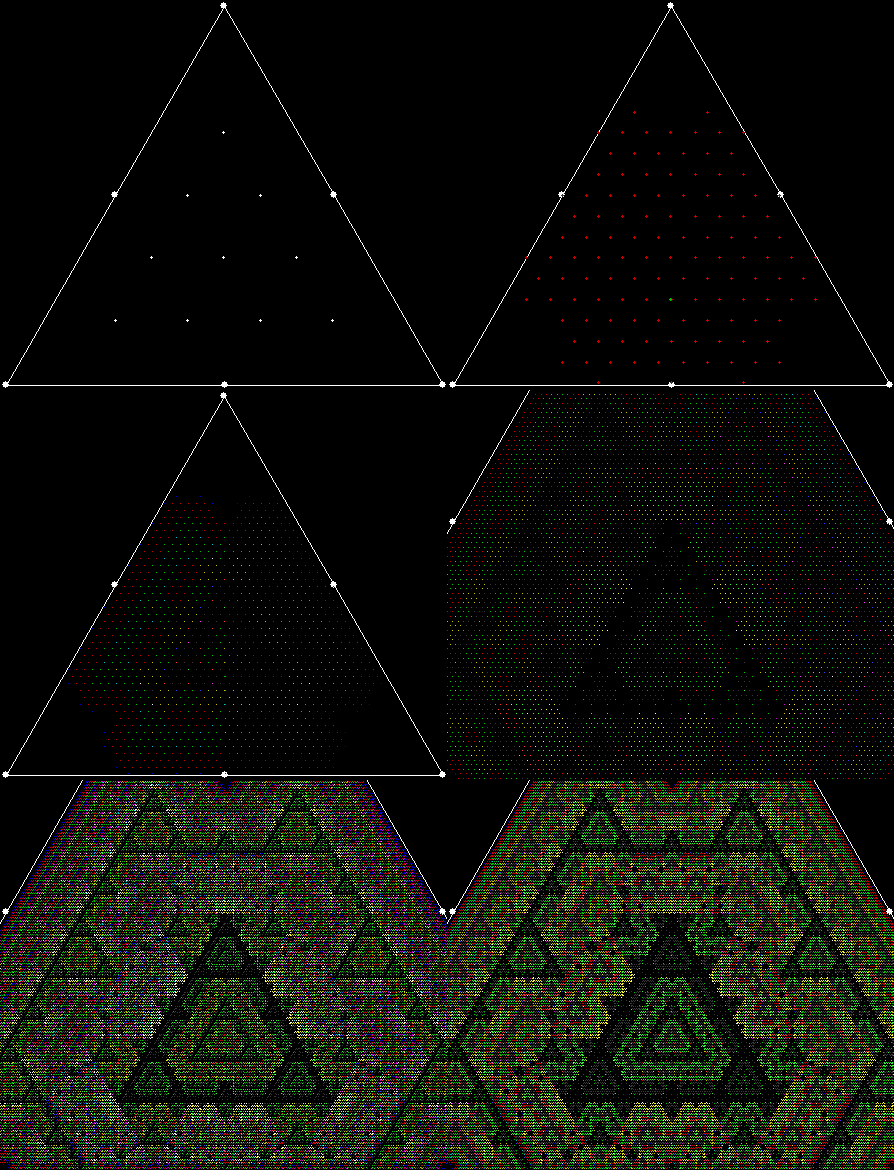
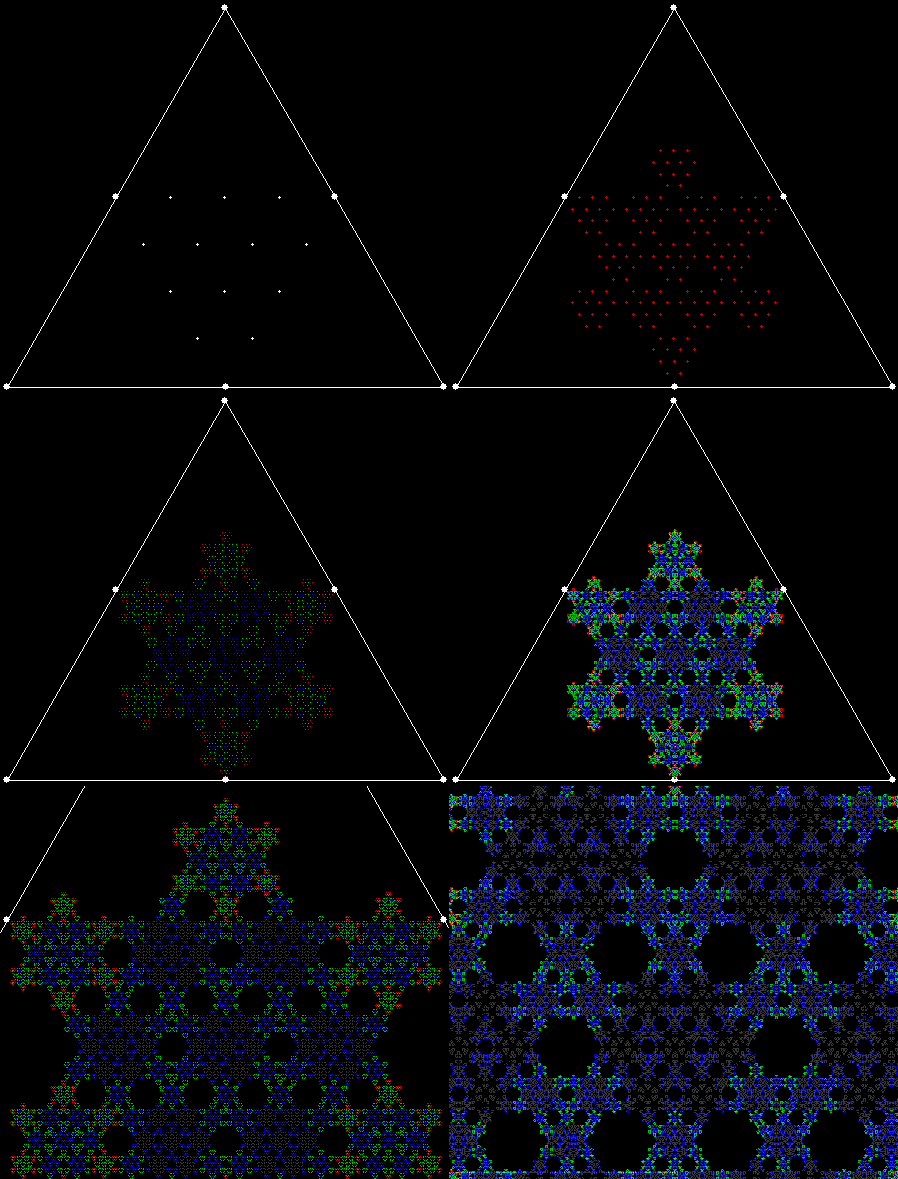
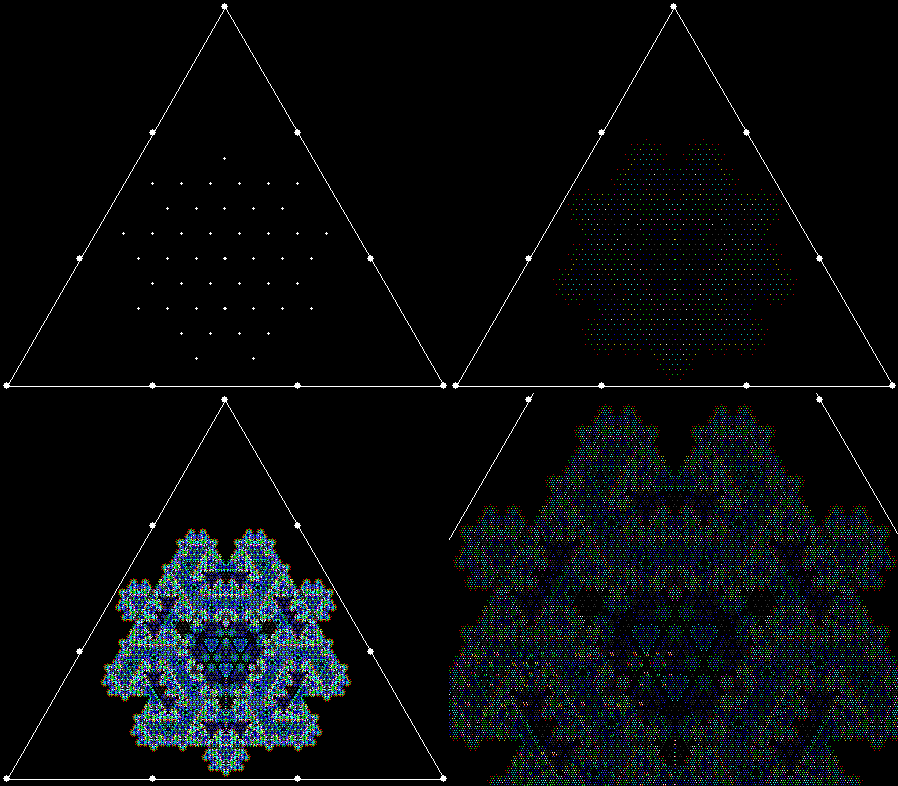
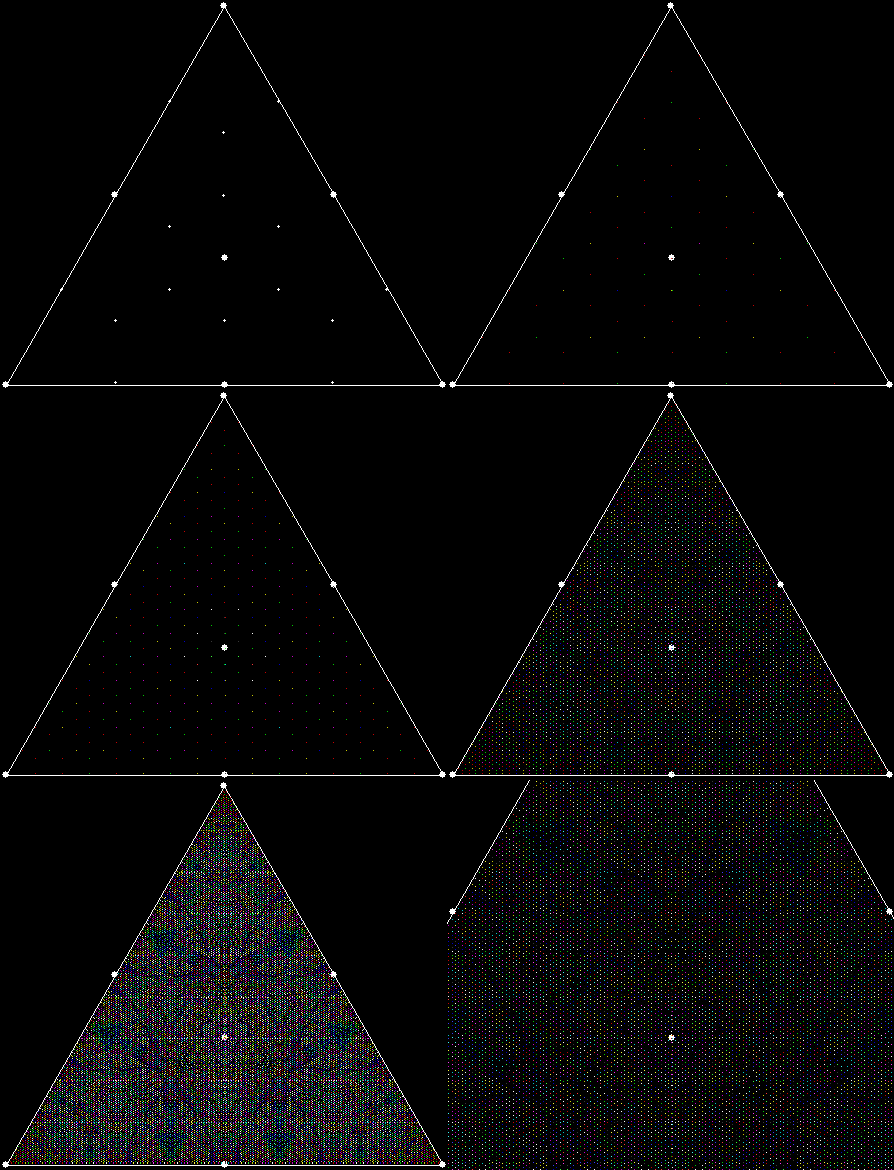
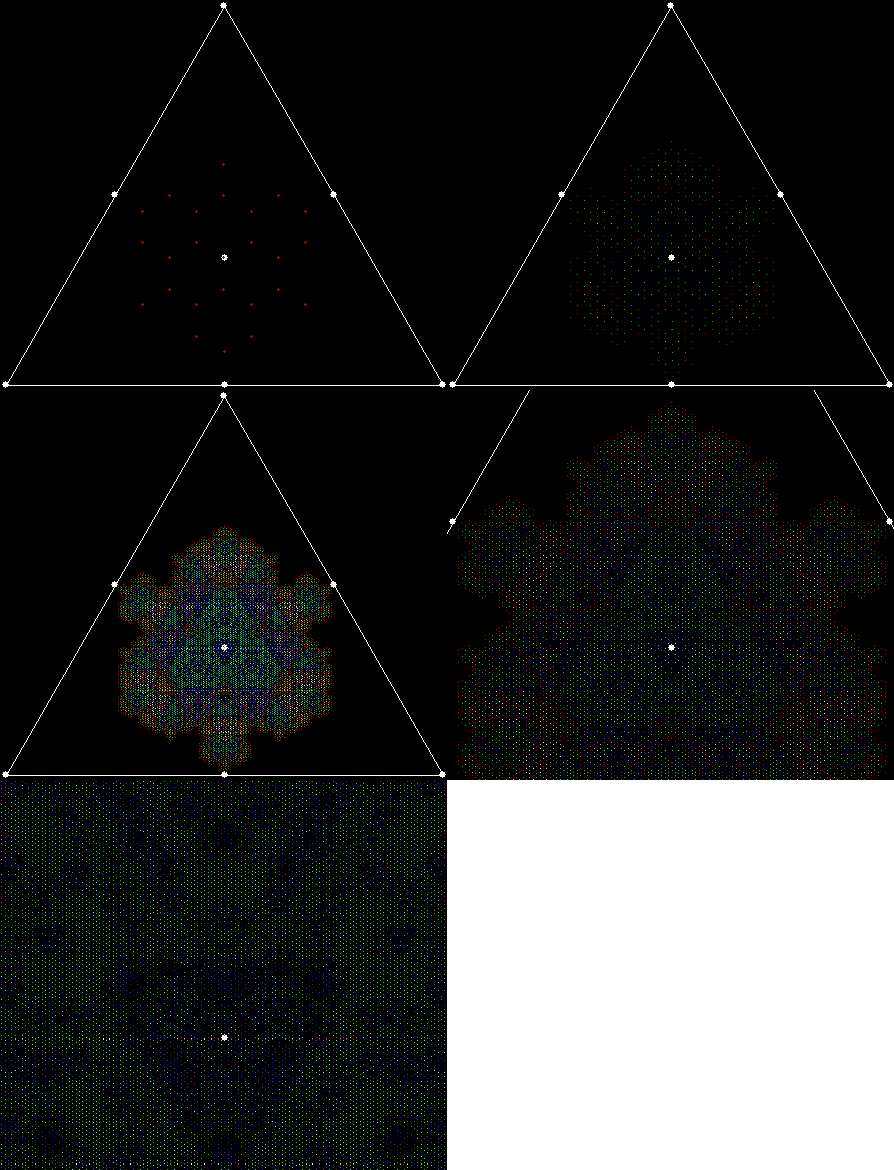
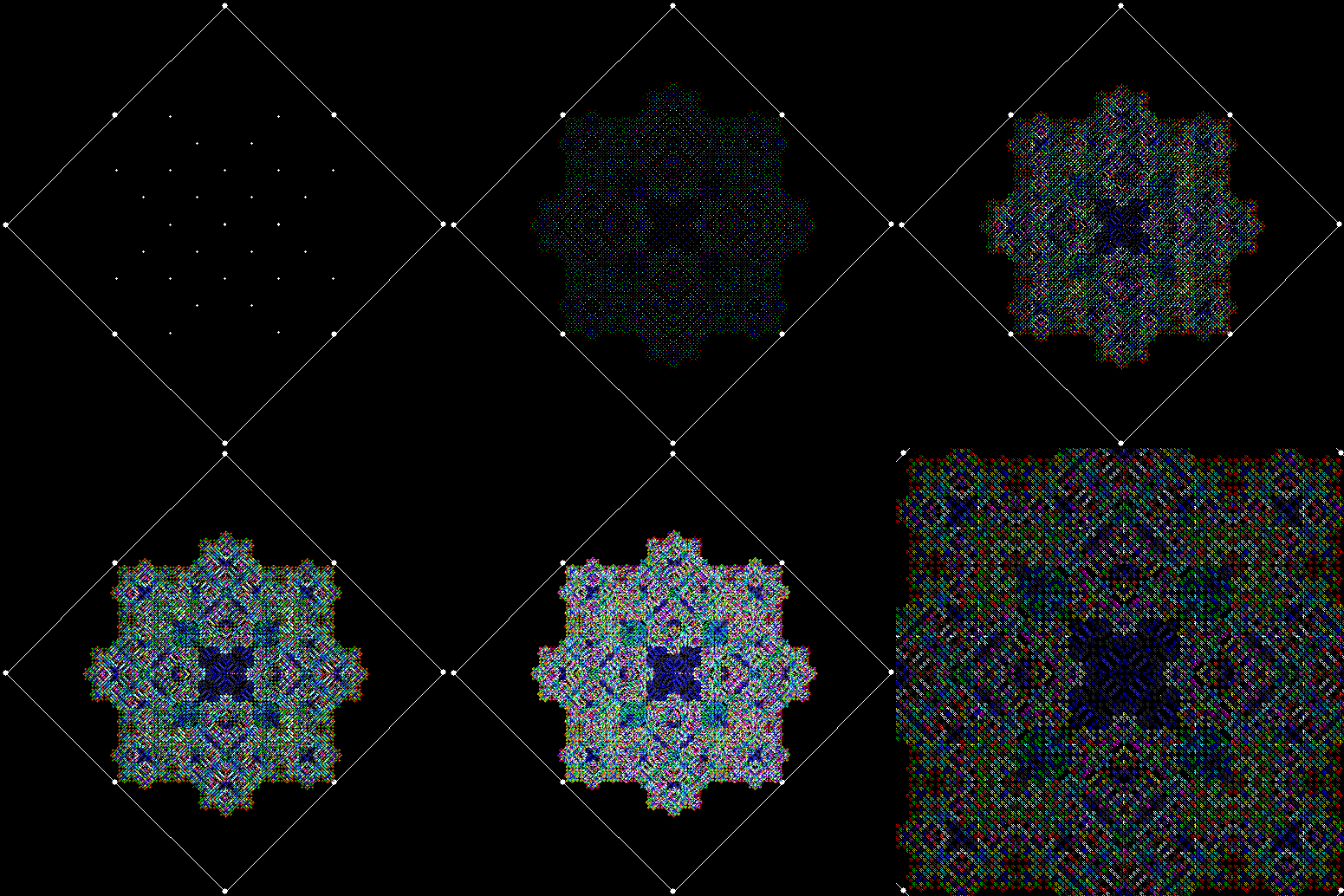
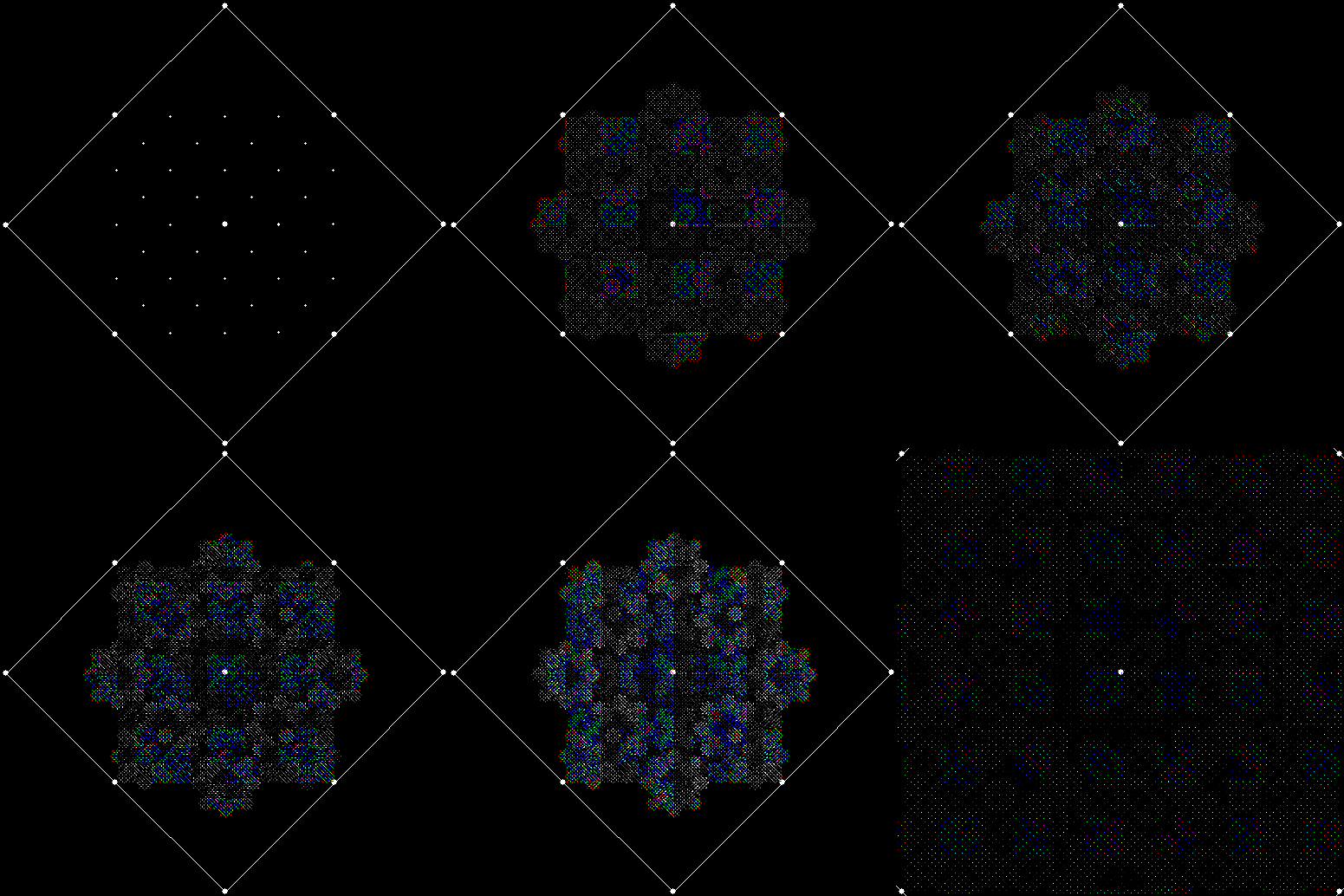
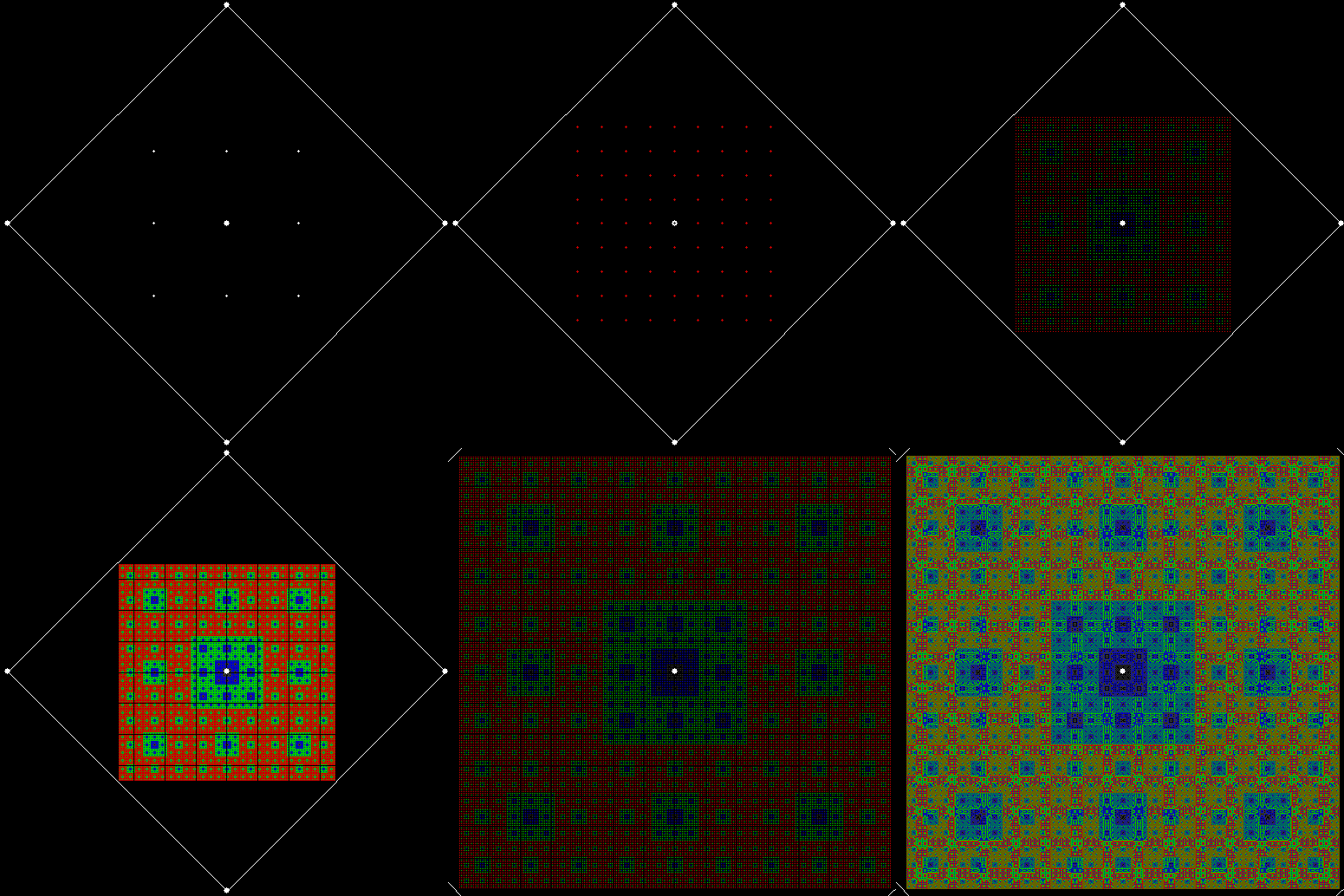
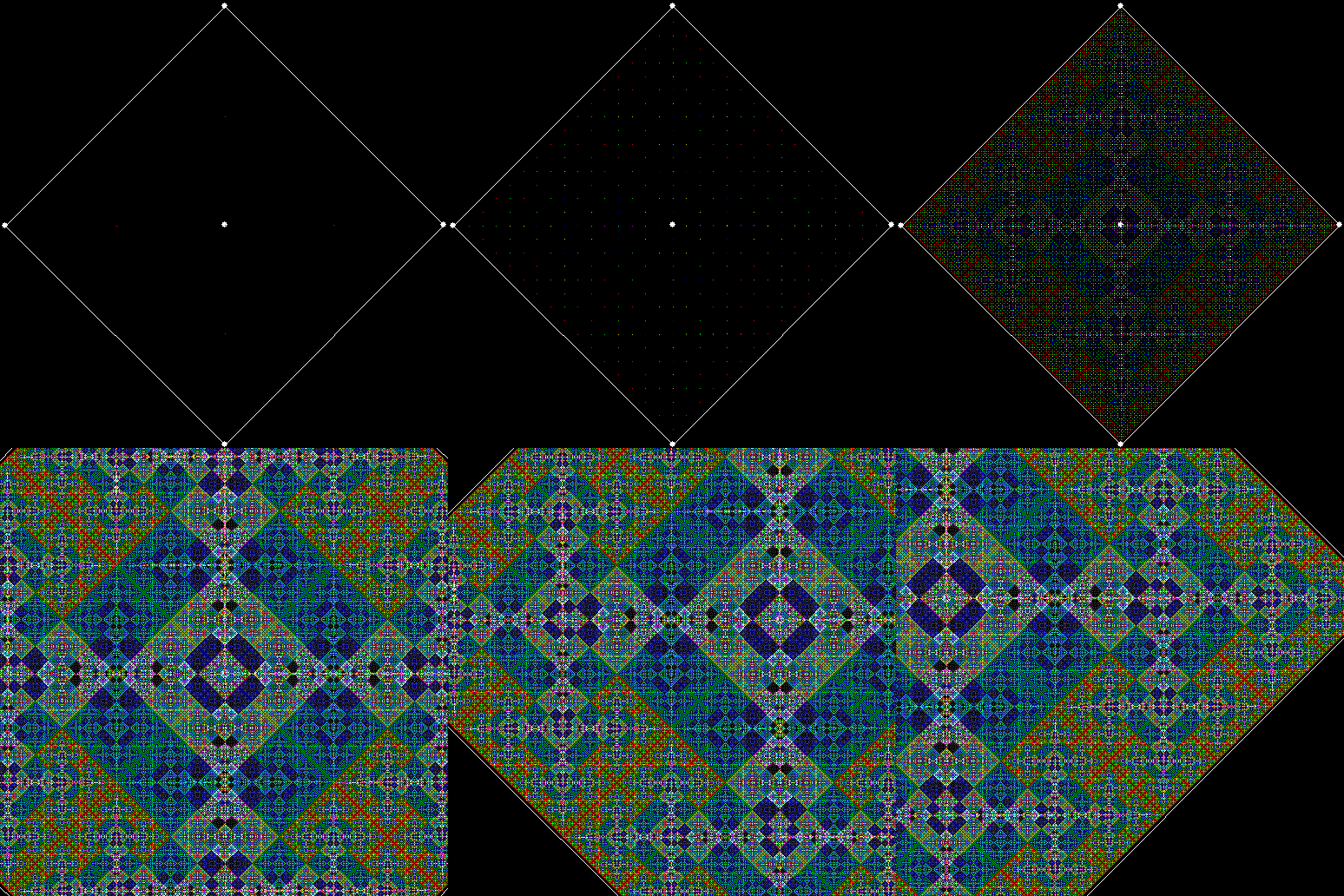
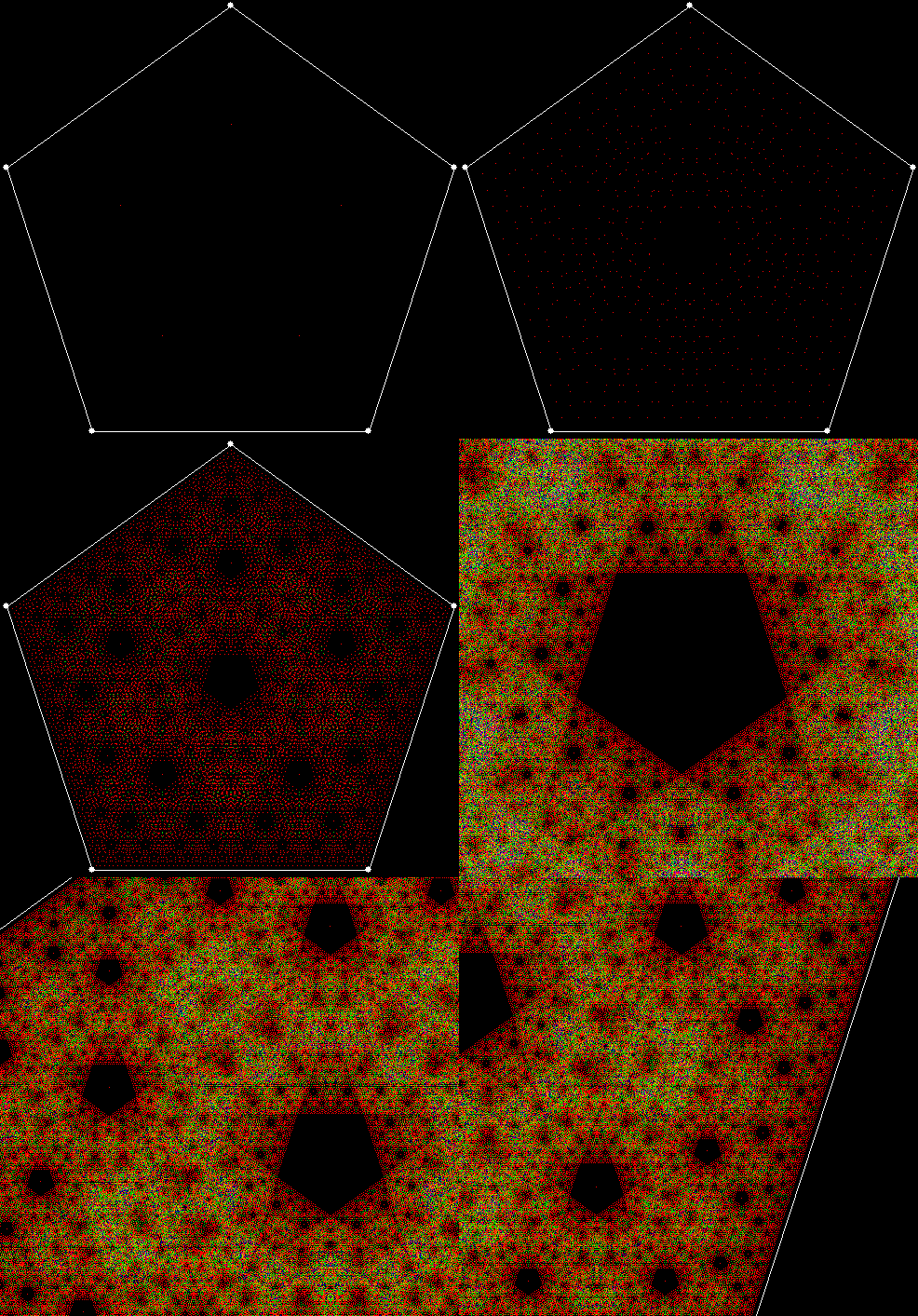
These fractal patterns become visible if you turn numbers into images. Suppose you set up a square with four fixed points on its corners and a fixed point at its centre. Let the five points correspond to the digits (1, 2, 3, 4, 5) of numbers in base 6 (not using 0, to simplify matters):

1, 2, 3, 4, 5, 11, 12, 13, 14, 15, 21, 22, 23, 24, 25, 31, 32, 33, 34, 35, 41, 42, 43, 44, 45, 51, 52, 53, 54, 55, 61, 62, 63, 64, 65… 2431, 2432, 2433, 2434, 2435, 2441, 2442, 2443, 2444, 2445, 2451, 2452…

Move between the five points of the square by stepping through the individual digits of the numbers in the sequence. For example, if the number is 2451, the first set of successive digits is (2, 4), so you move to a point half-way between point 2 and point 4. Next come the successive digits (4, 5), so you move to a point half-way between point 4 and point 5. Then come (5, 1), so you move to a point half-way between point 5 and point 1.

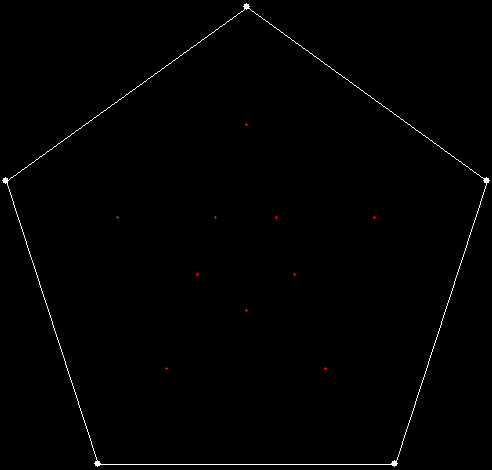
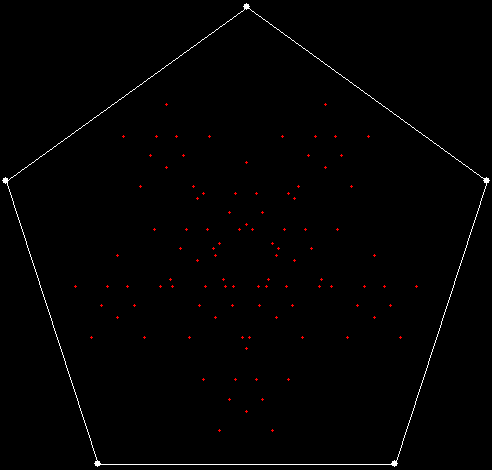
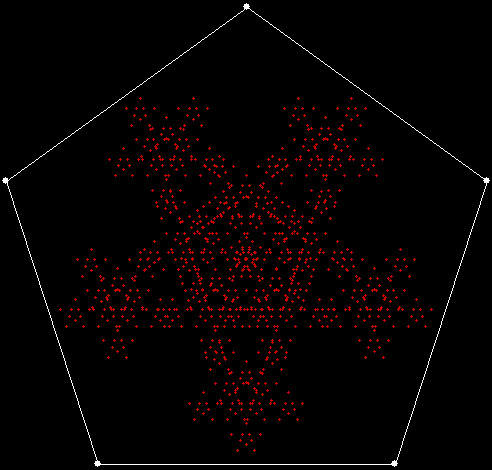
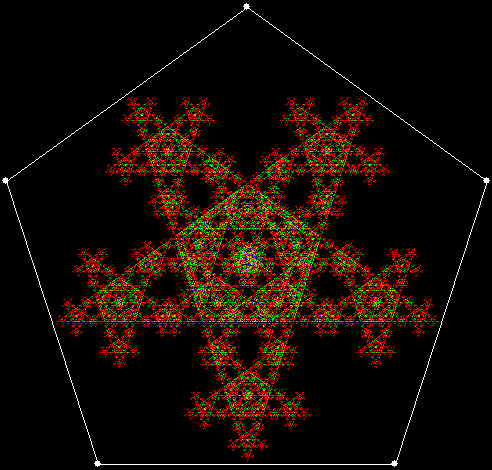
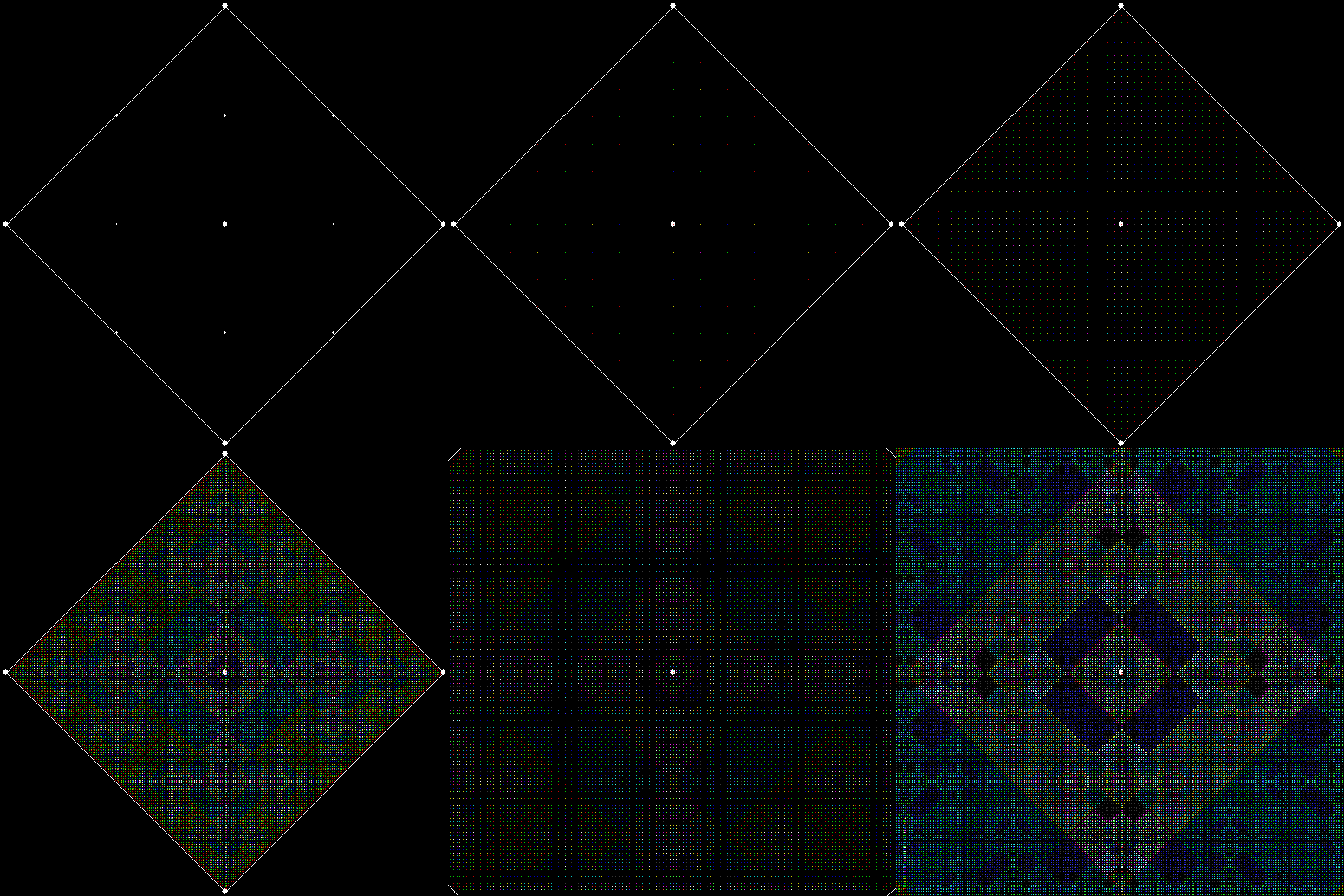
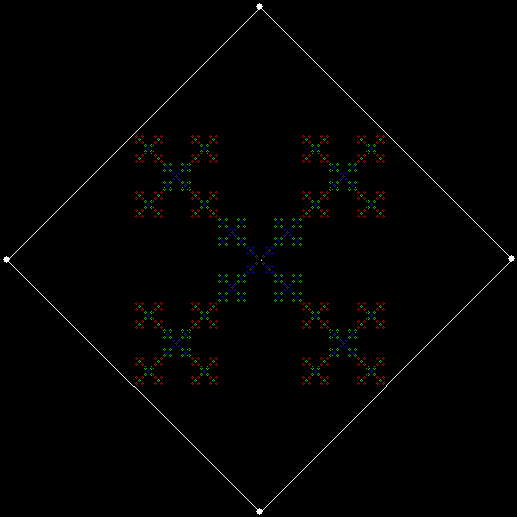
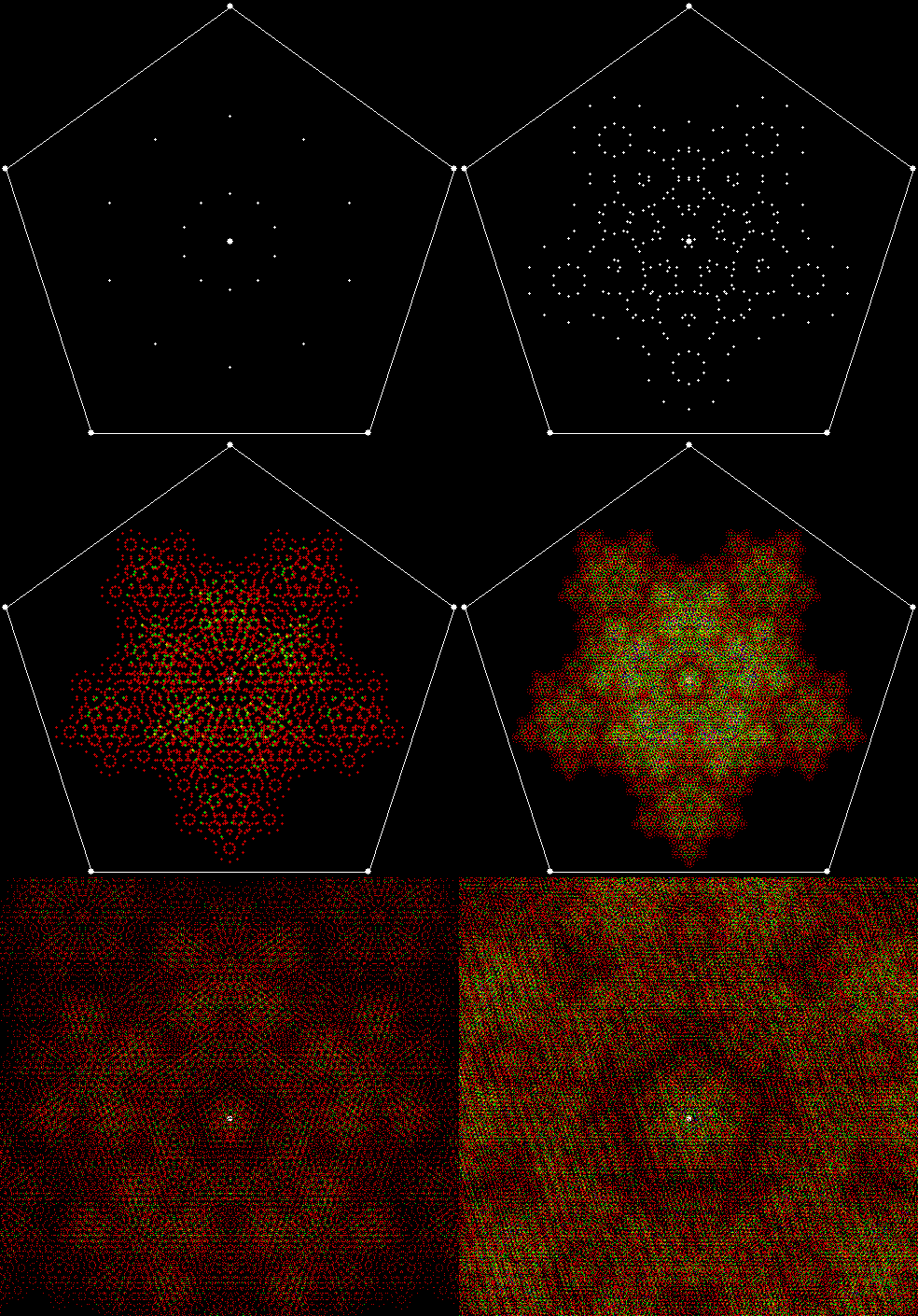
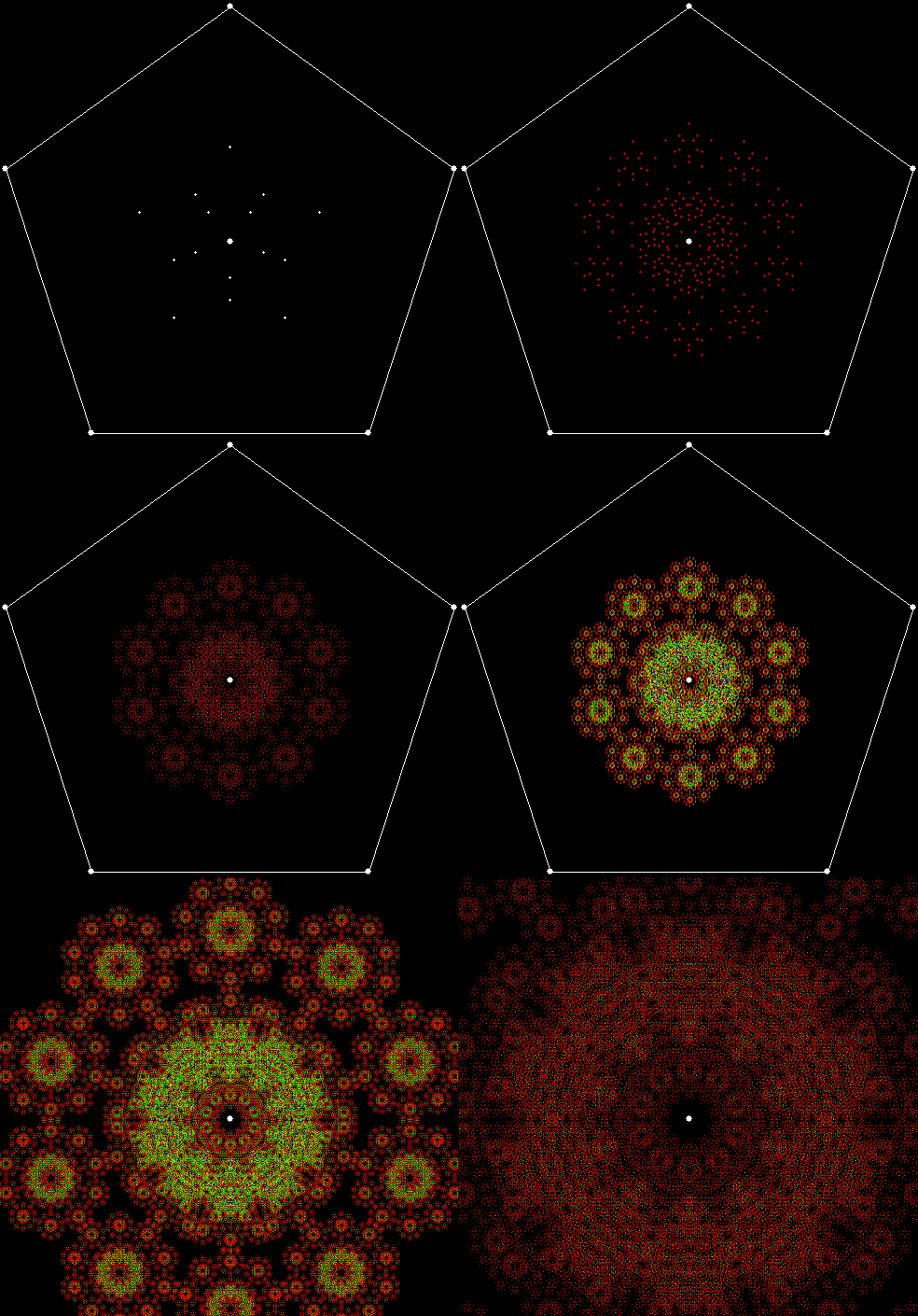
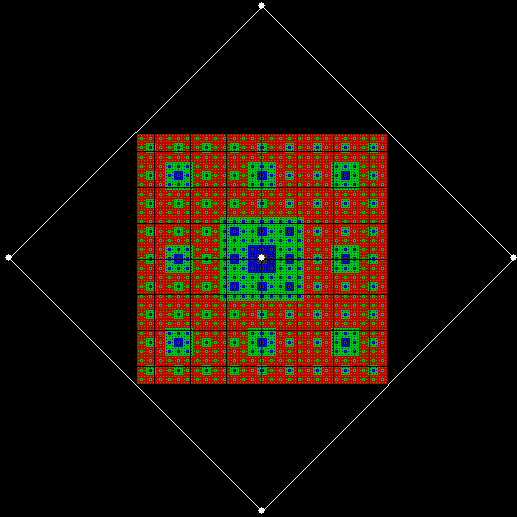
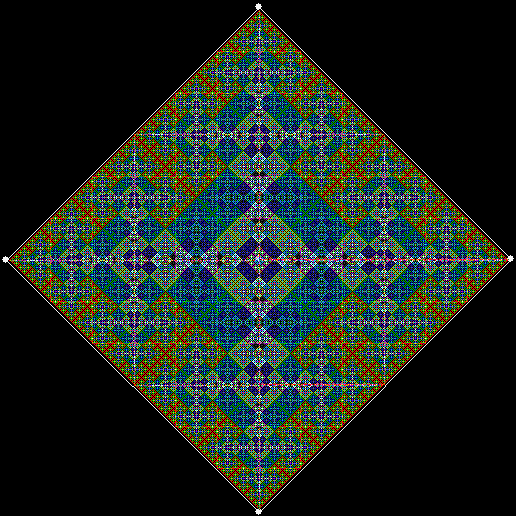
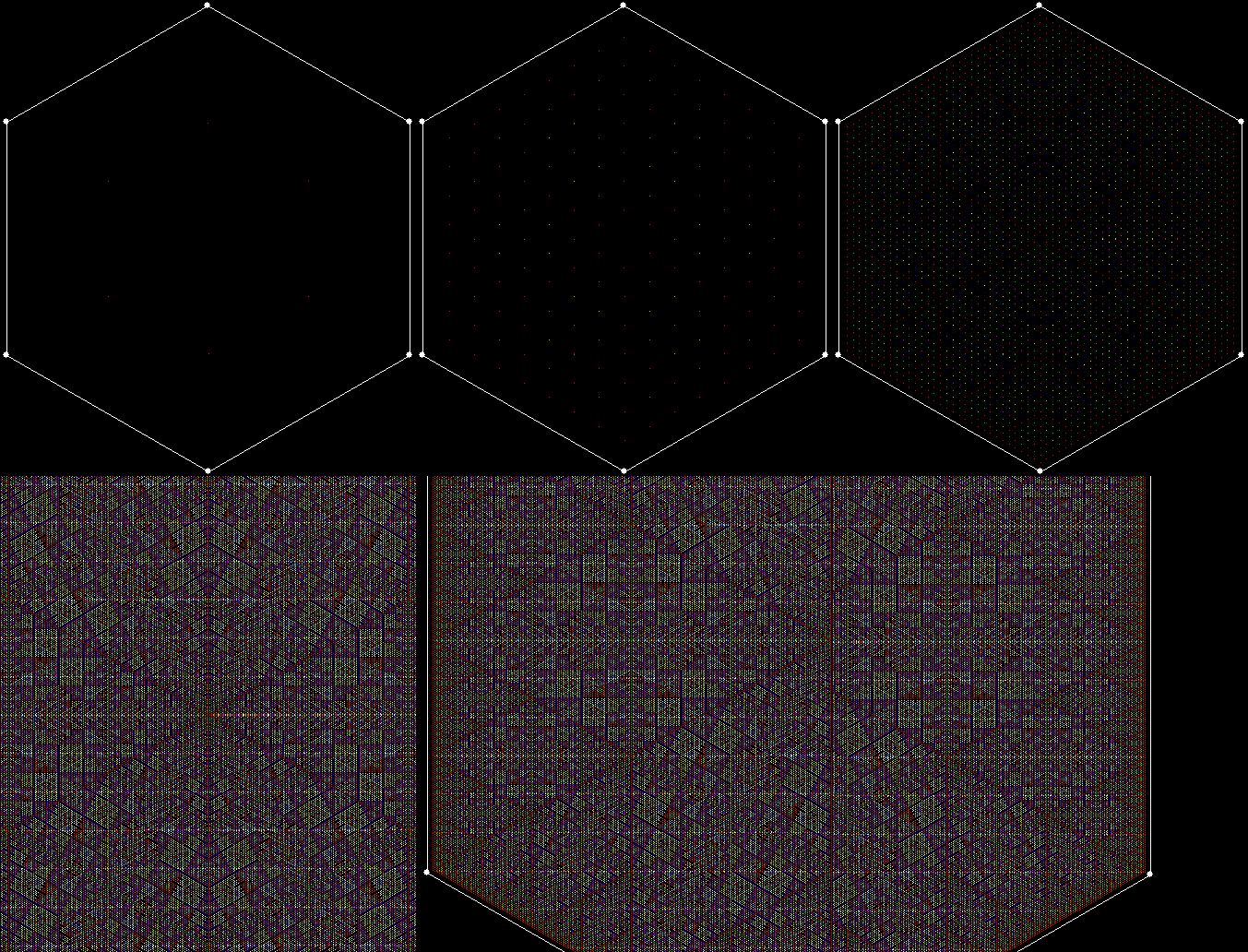
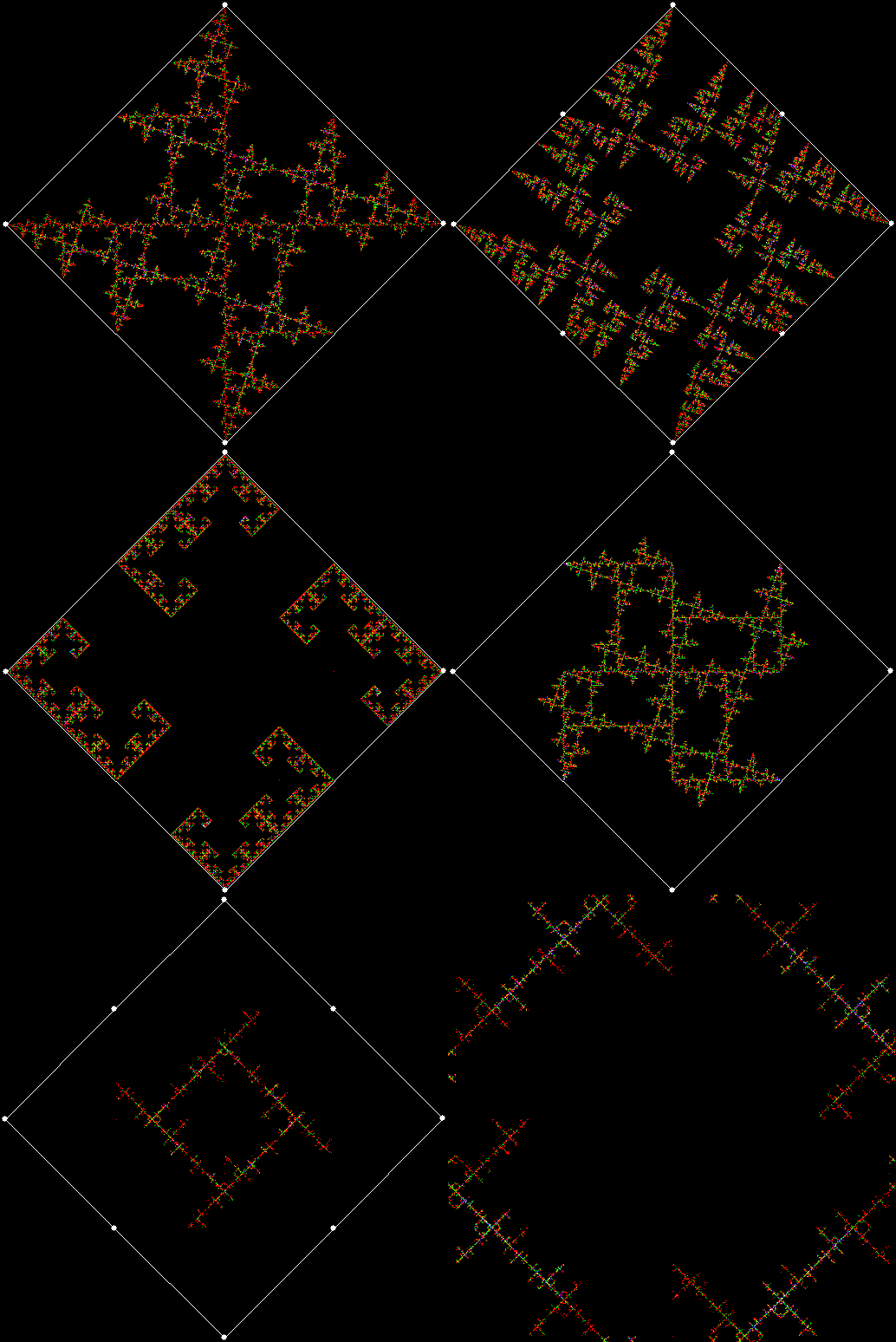
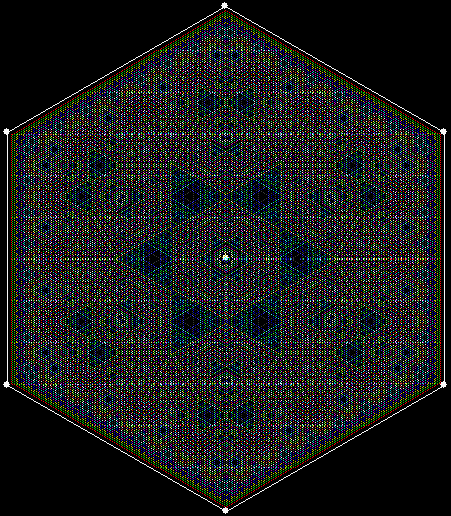
When you’ve exhausted the digits (or frigits) of a number, mark the final point you moved to (changing the colour of the pixel if the point has been occupied before). If you follow this procedure using a five-point square, you will create a fractal something like this:
fractal4_1single

fractal4_1
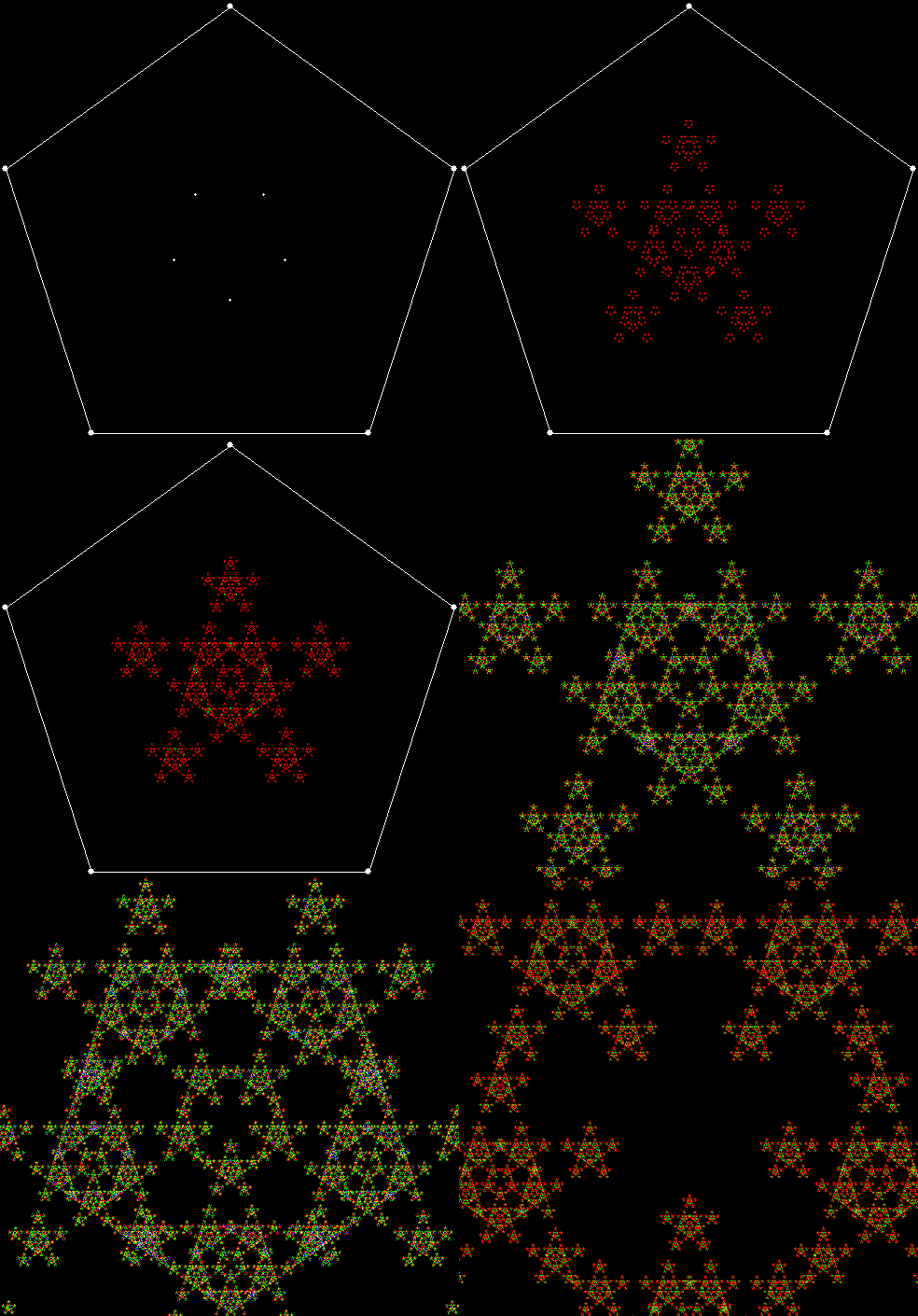
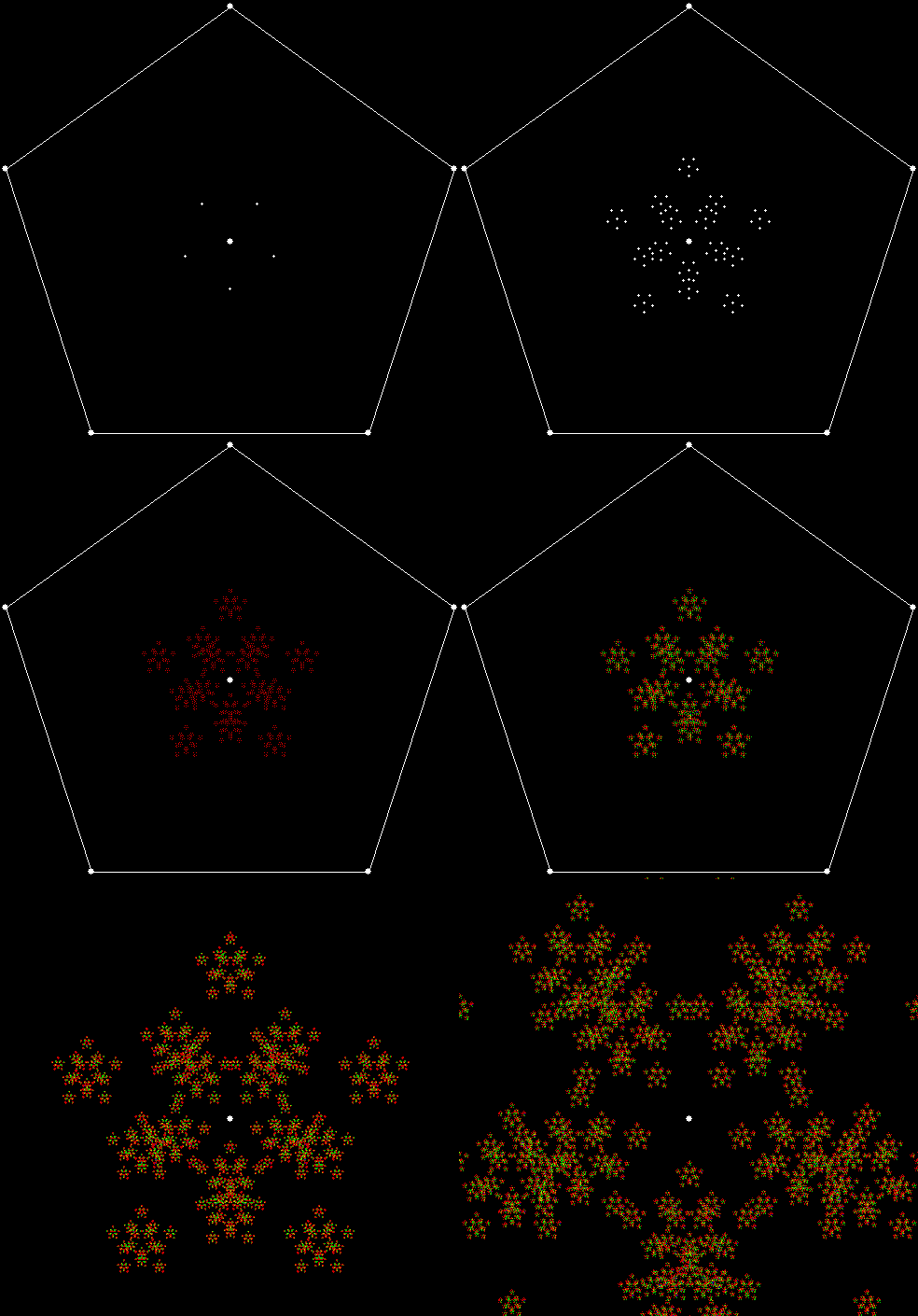
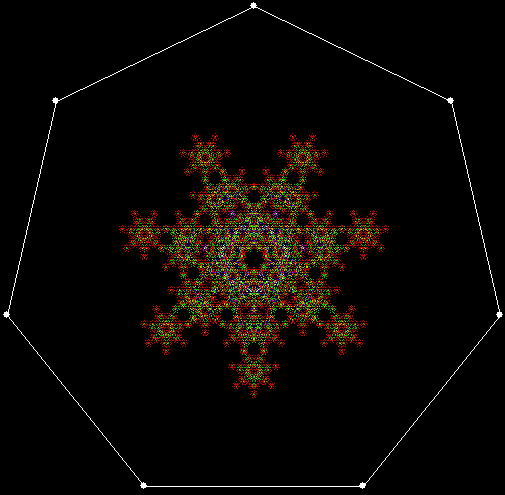
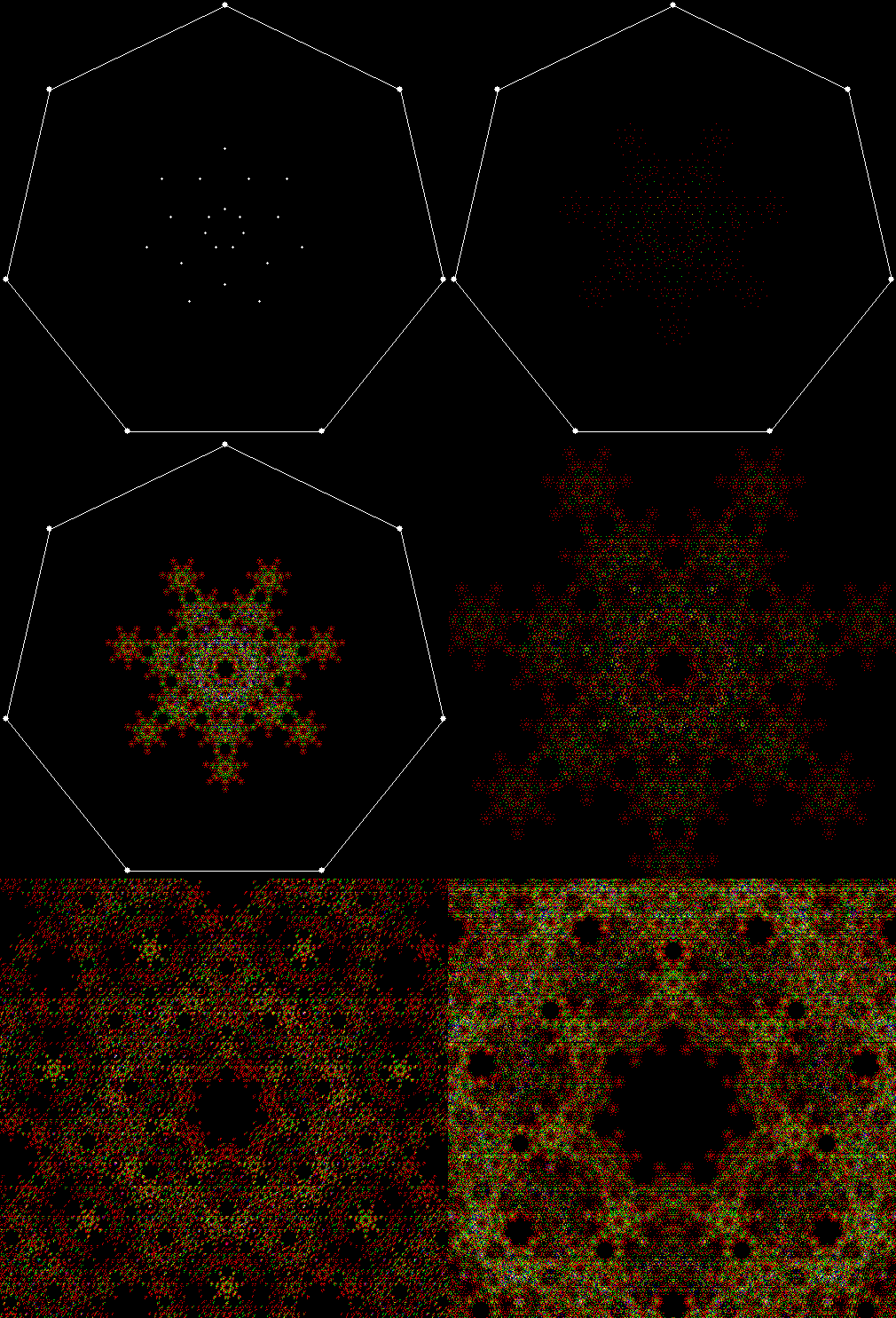
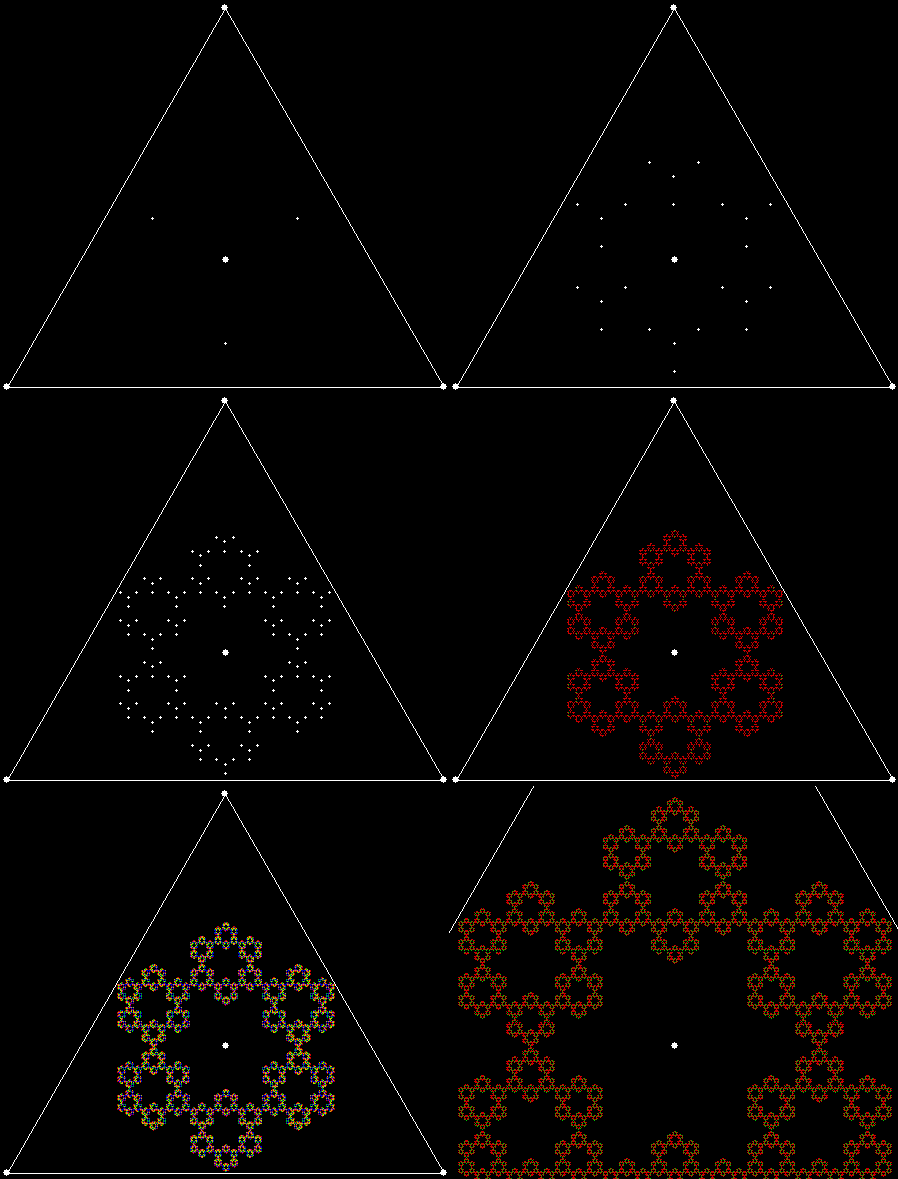
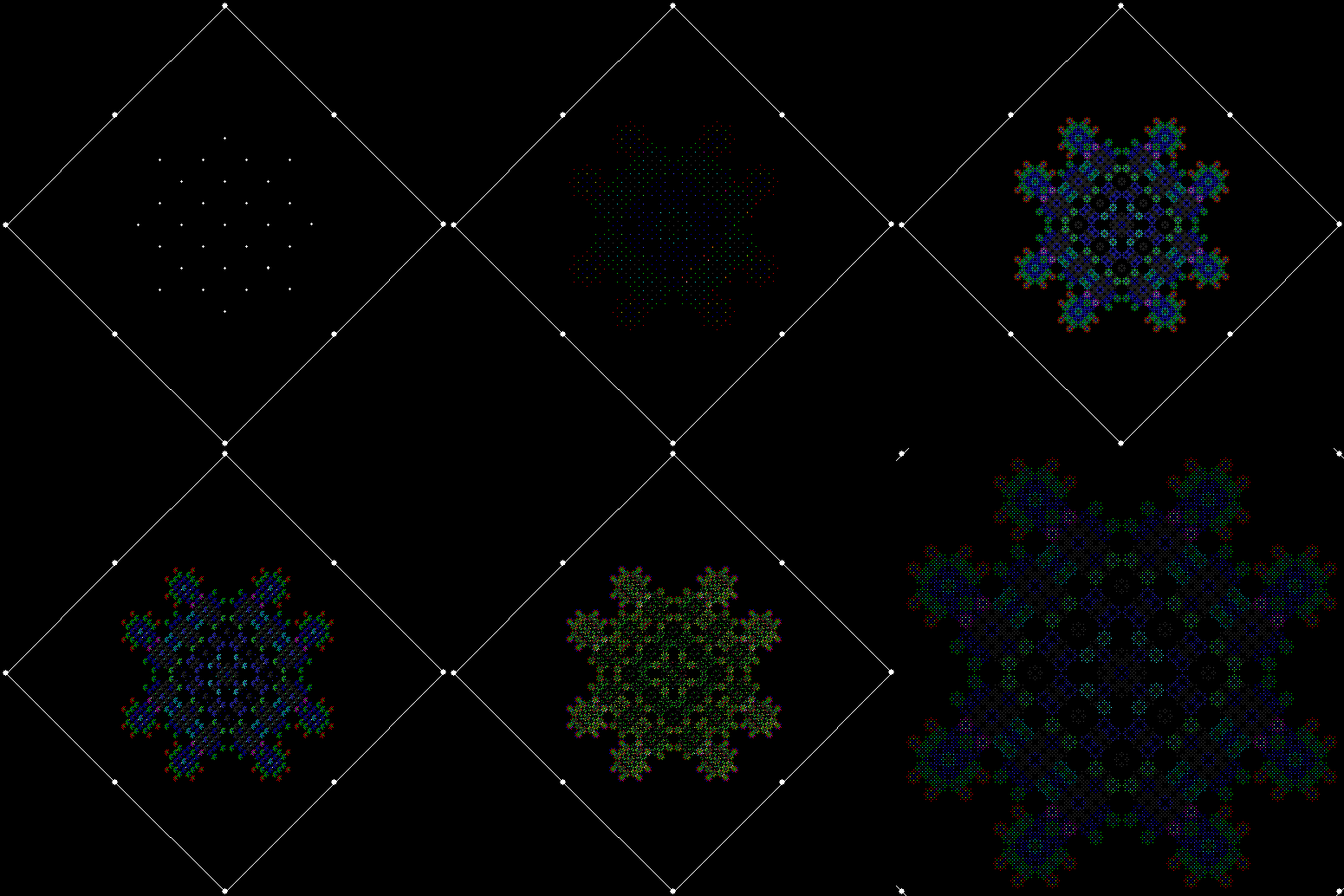
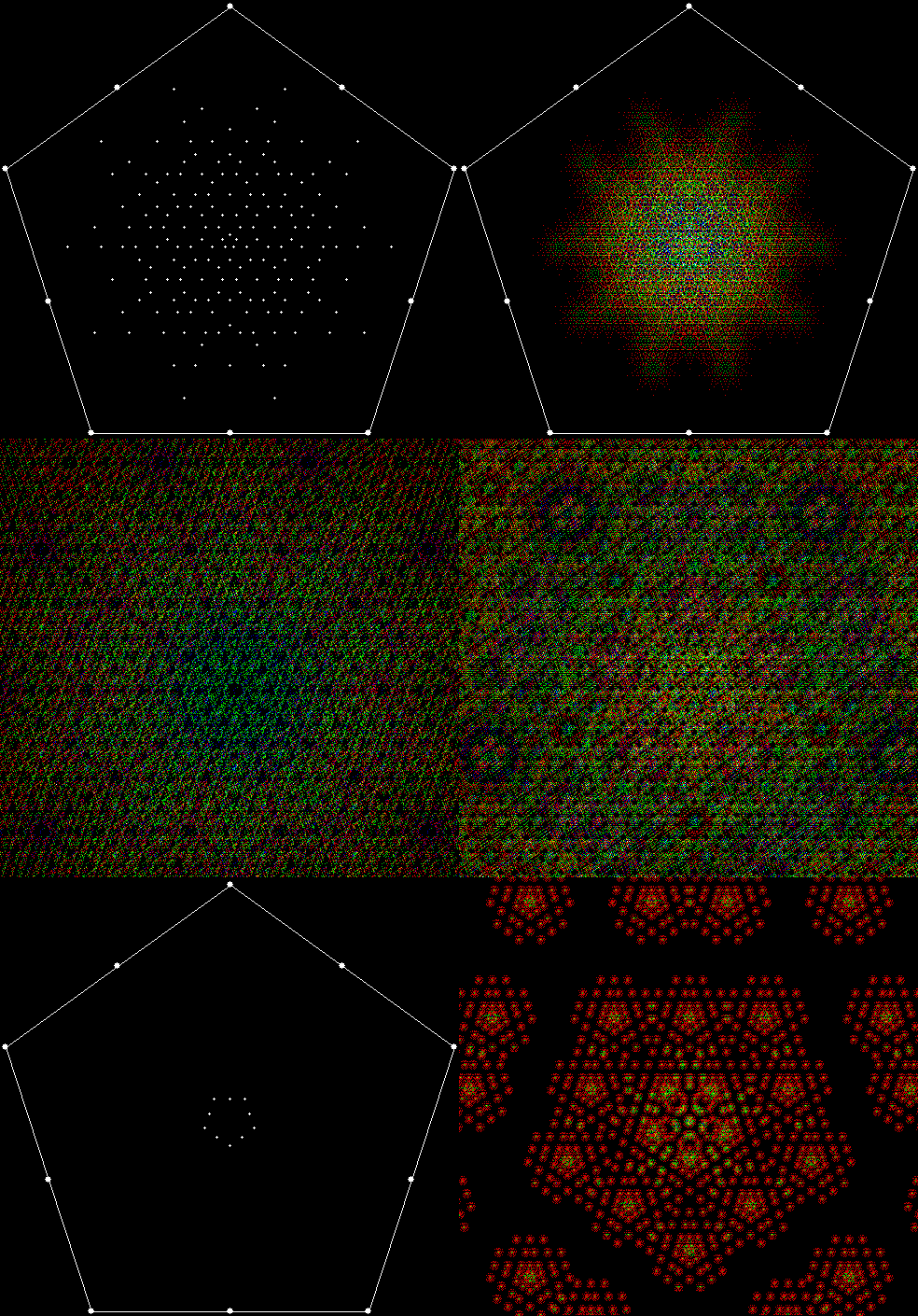
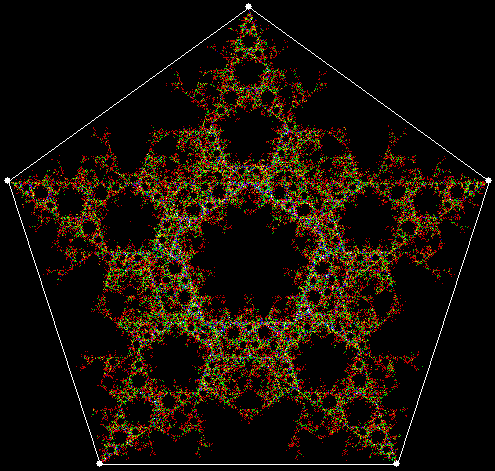
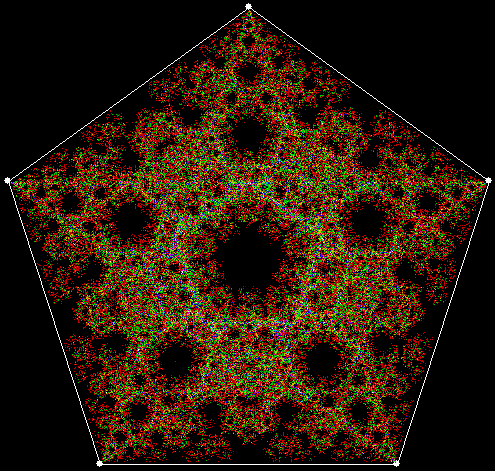
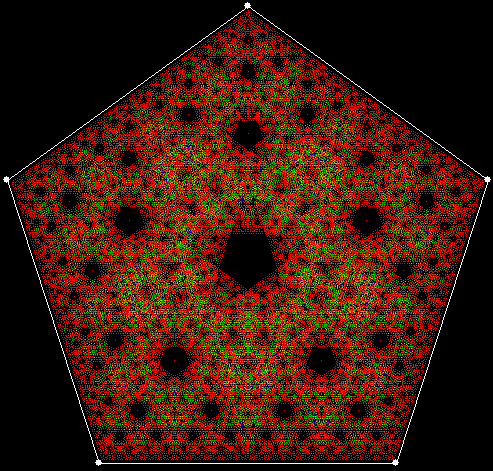
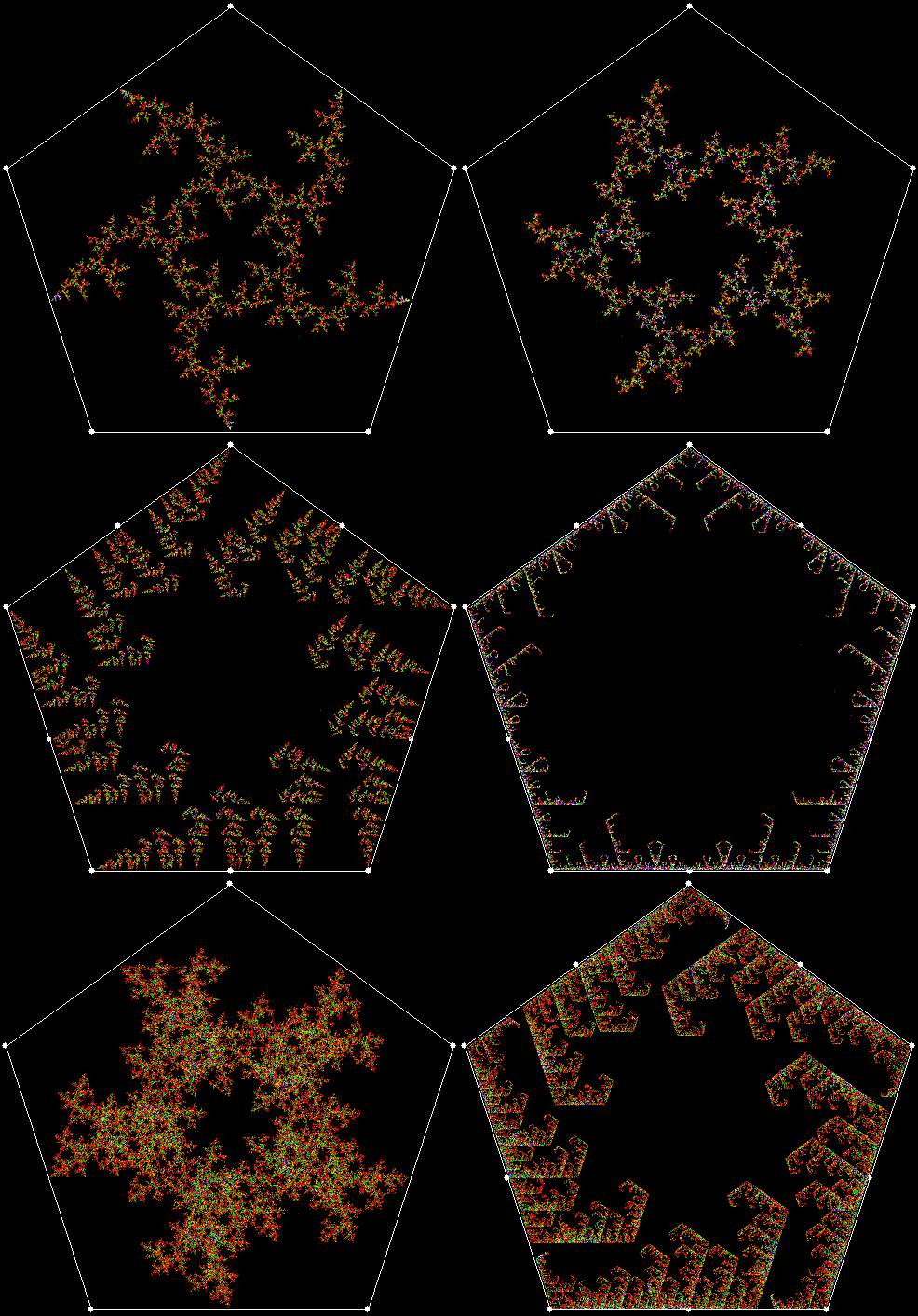
A pentagon without a central point using numbers in a zero-less base 7 looks like this:
fractal5_0single

fractal5_0
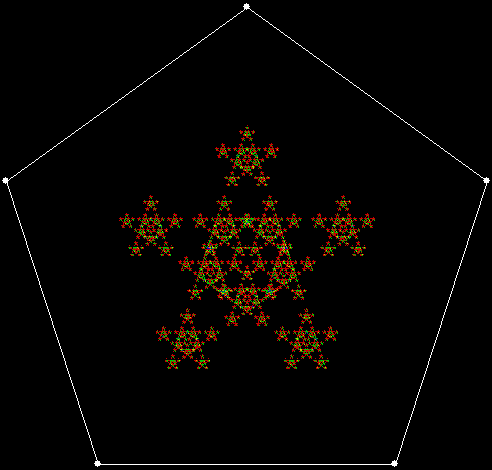
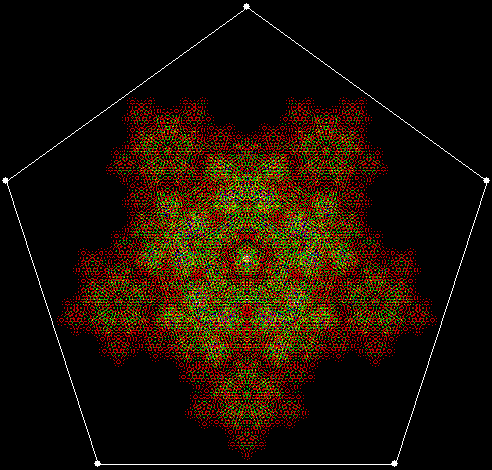
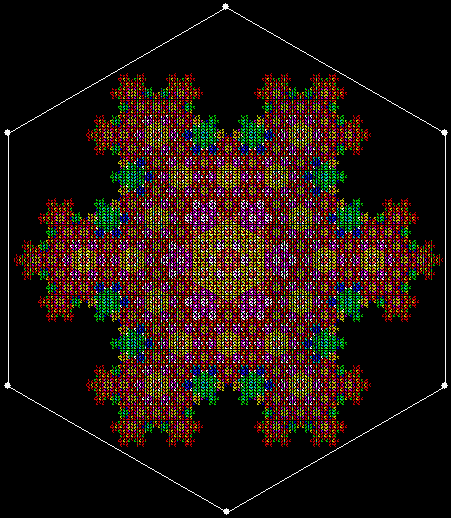
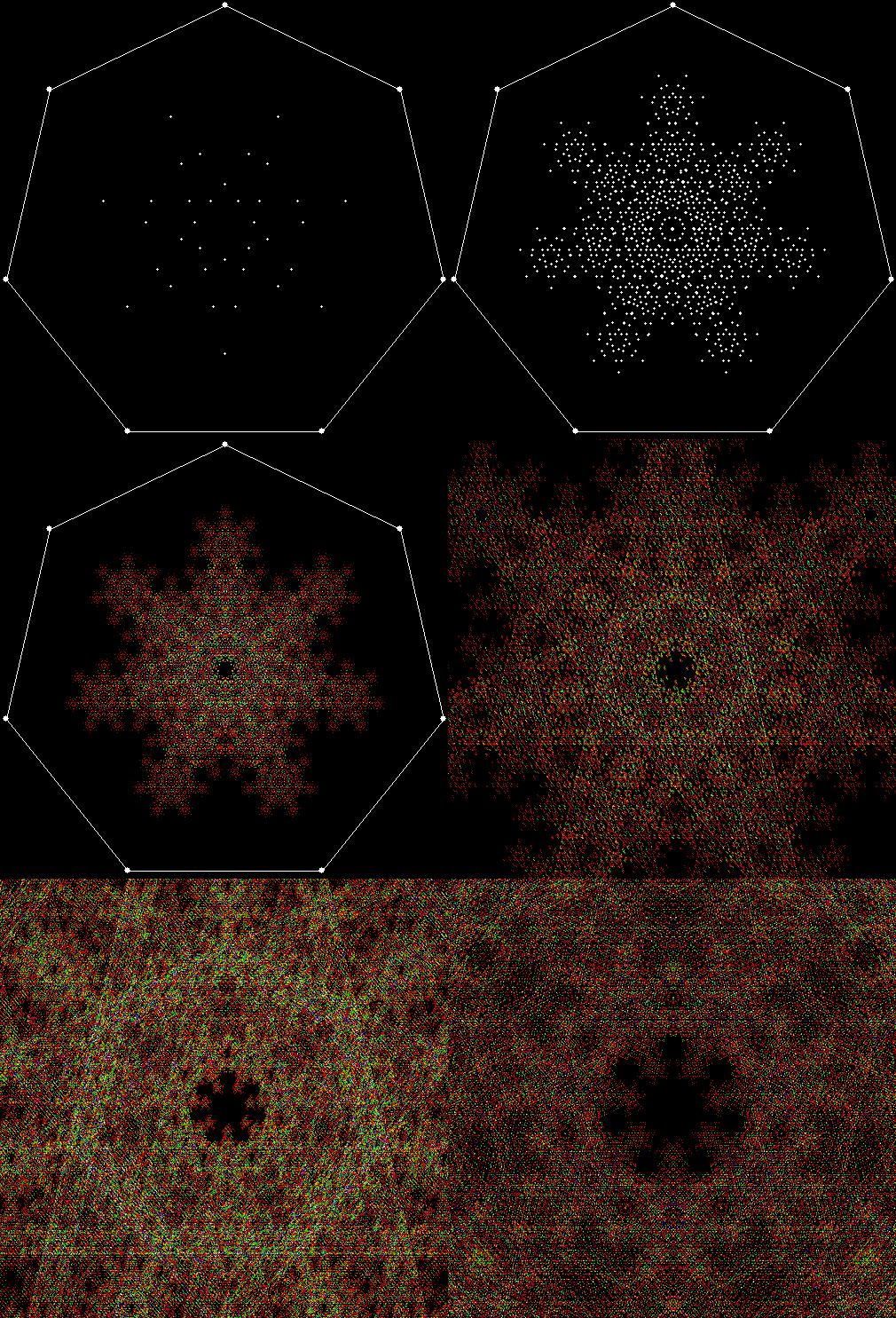
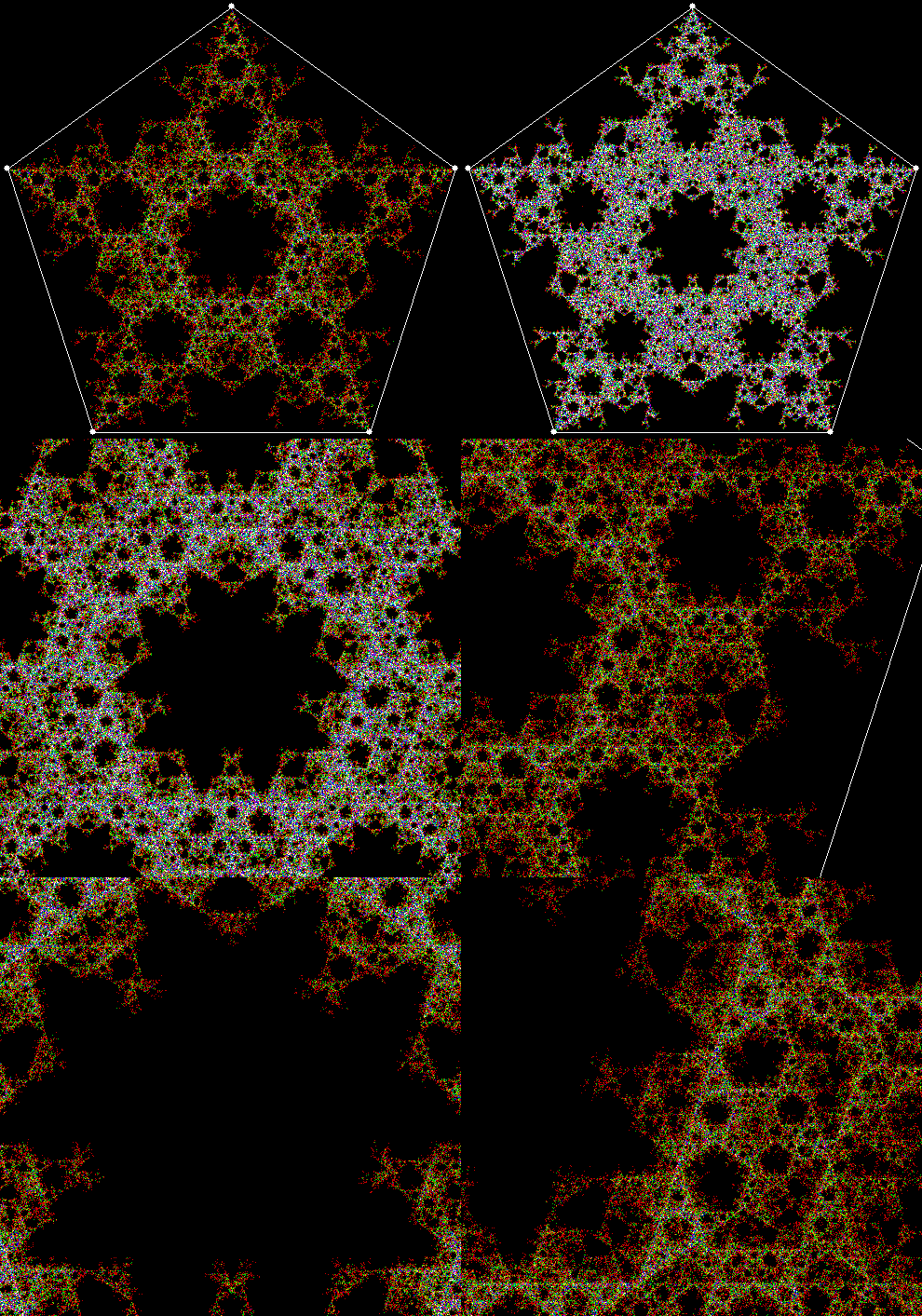
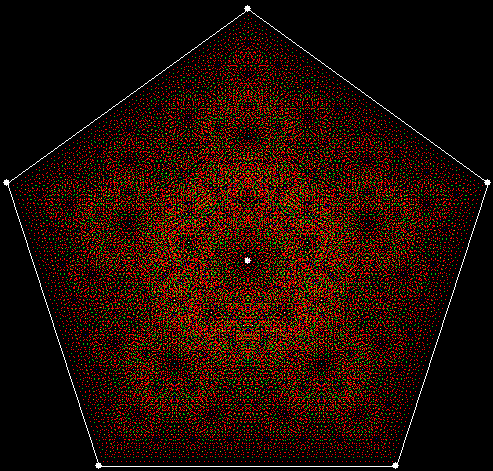
A pentagon with a central point looks like this:
fractal5_1single

fractal5_1
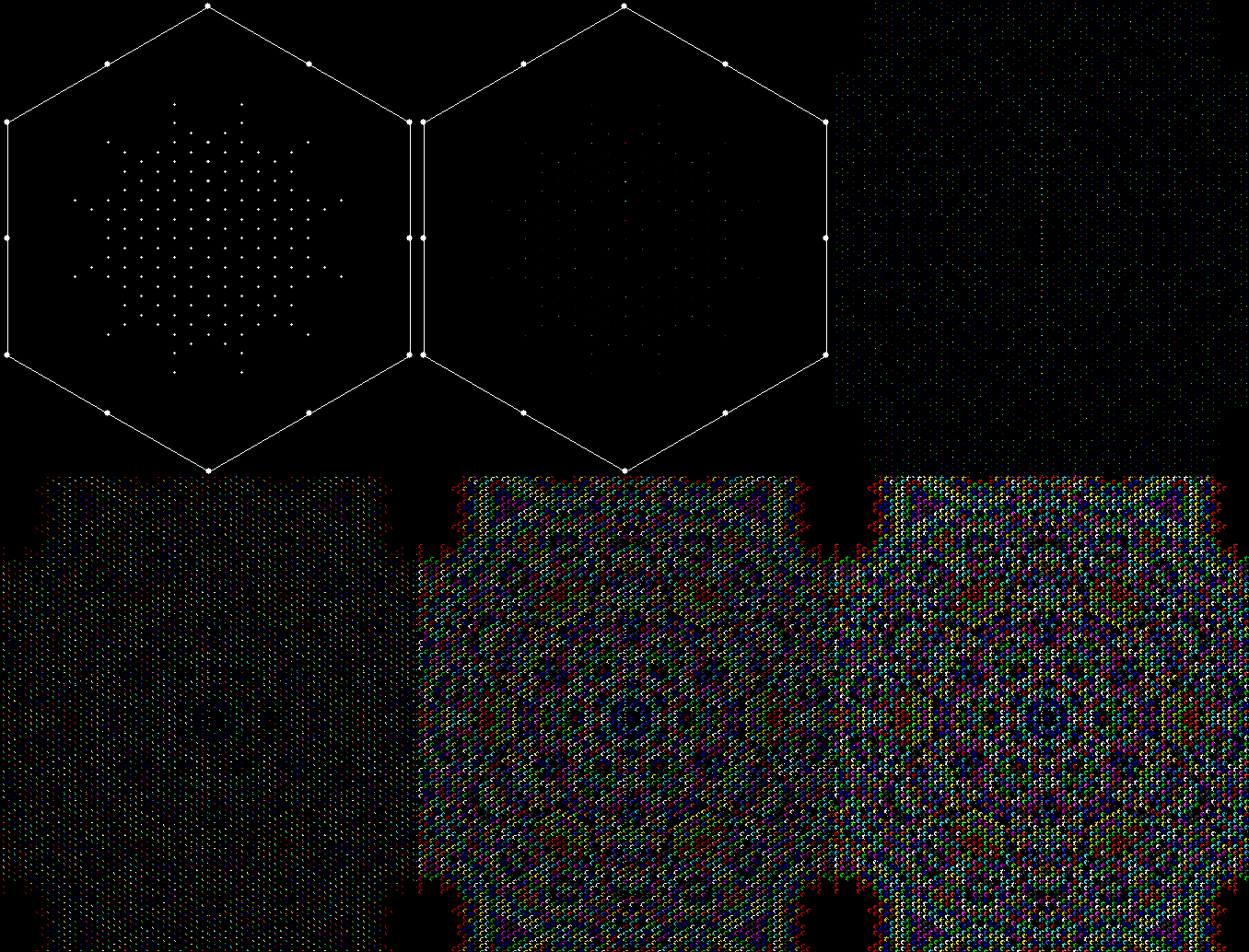
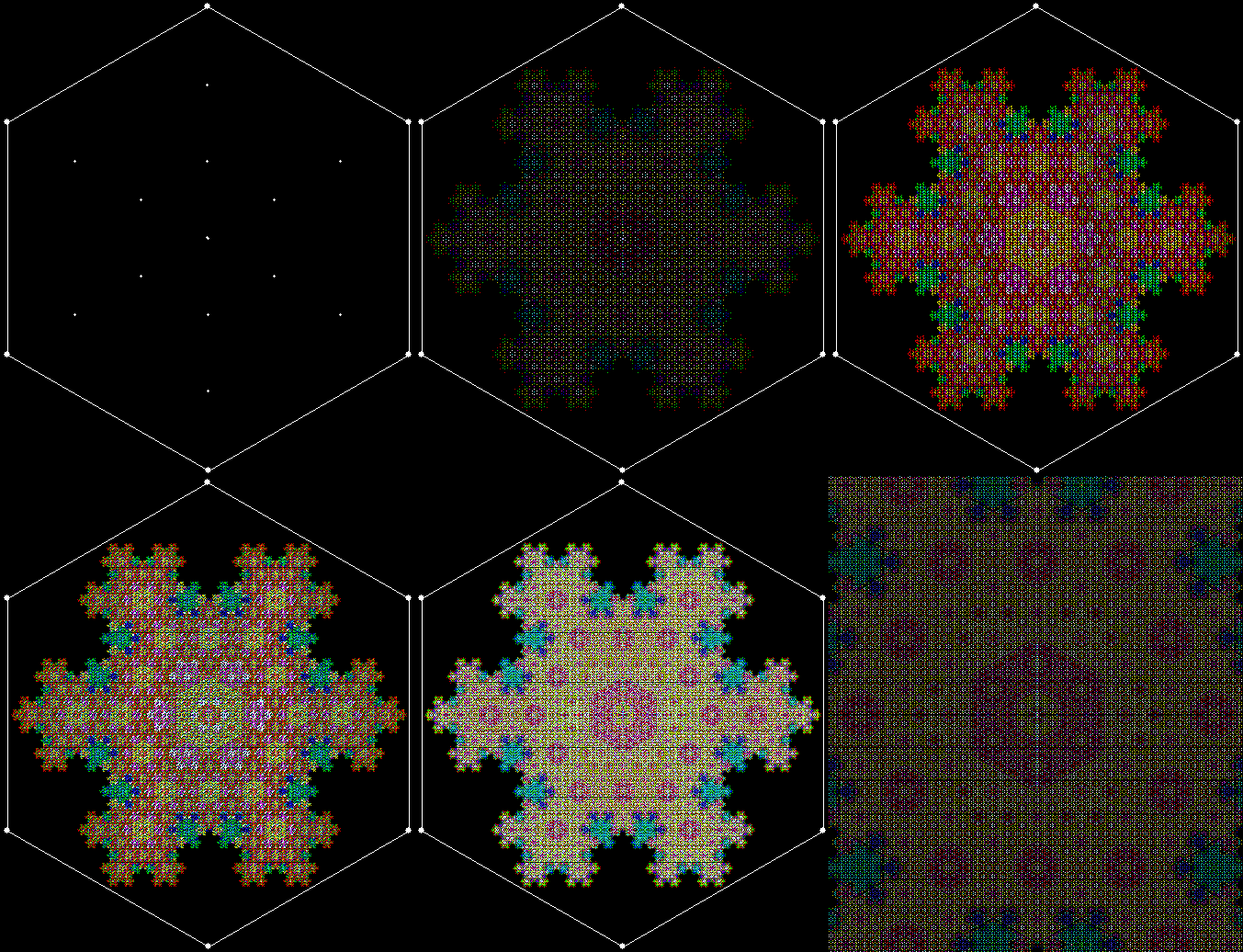
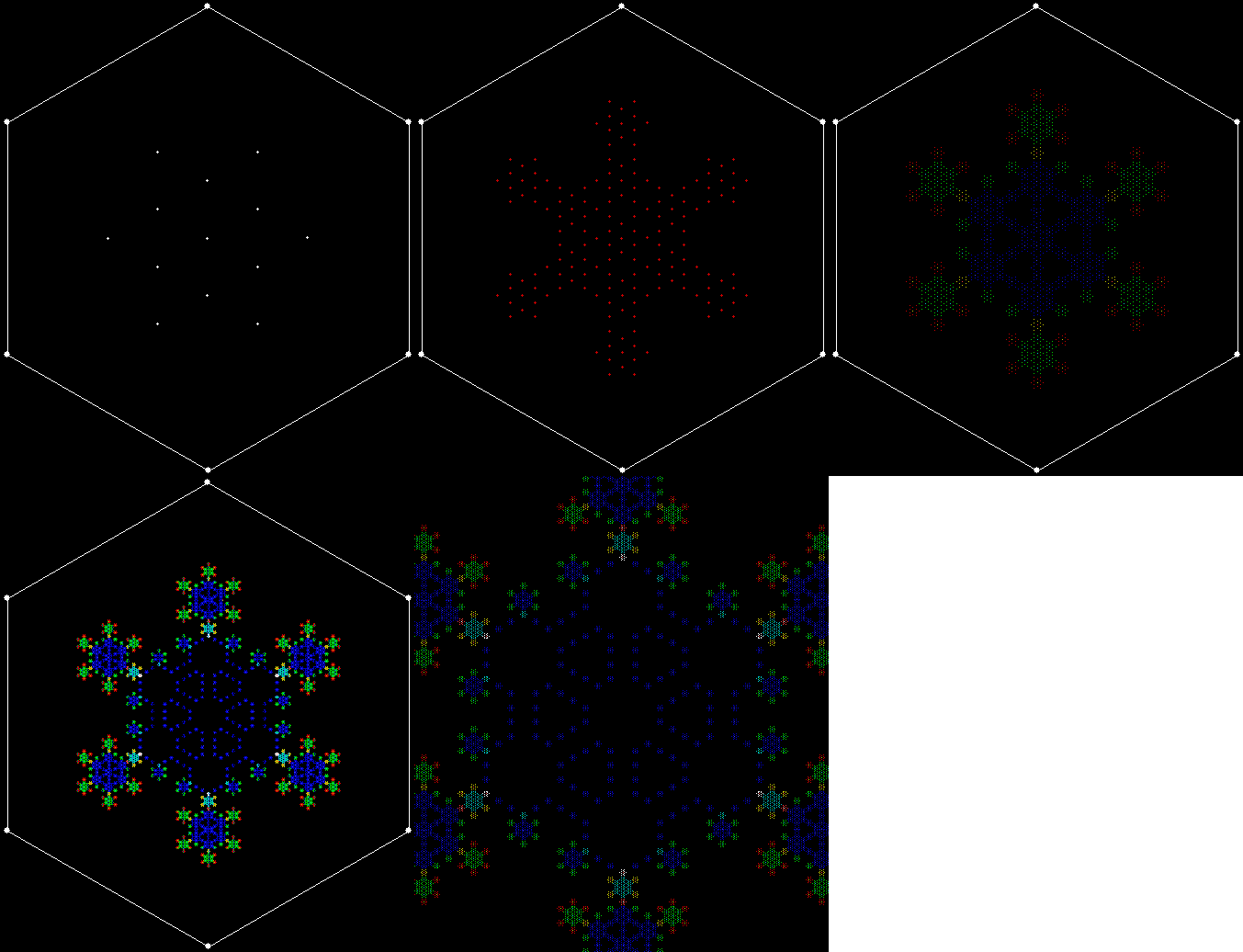
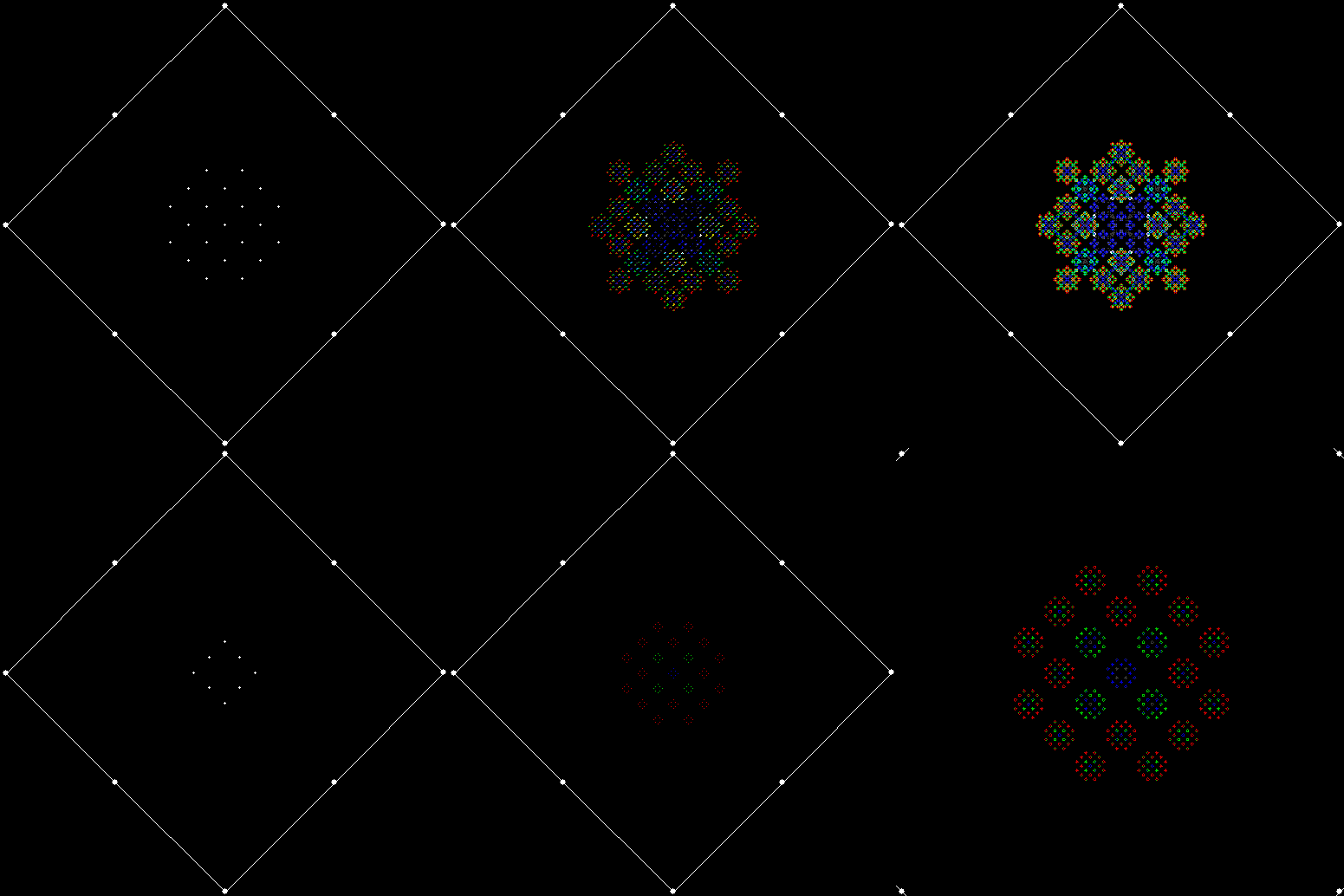
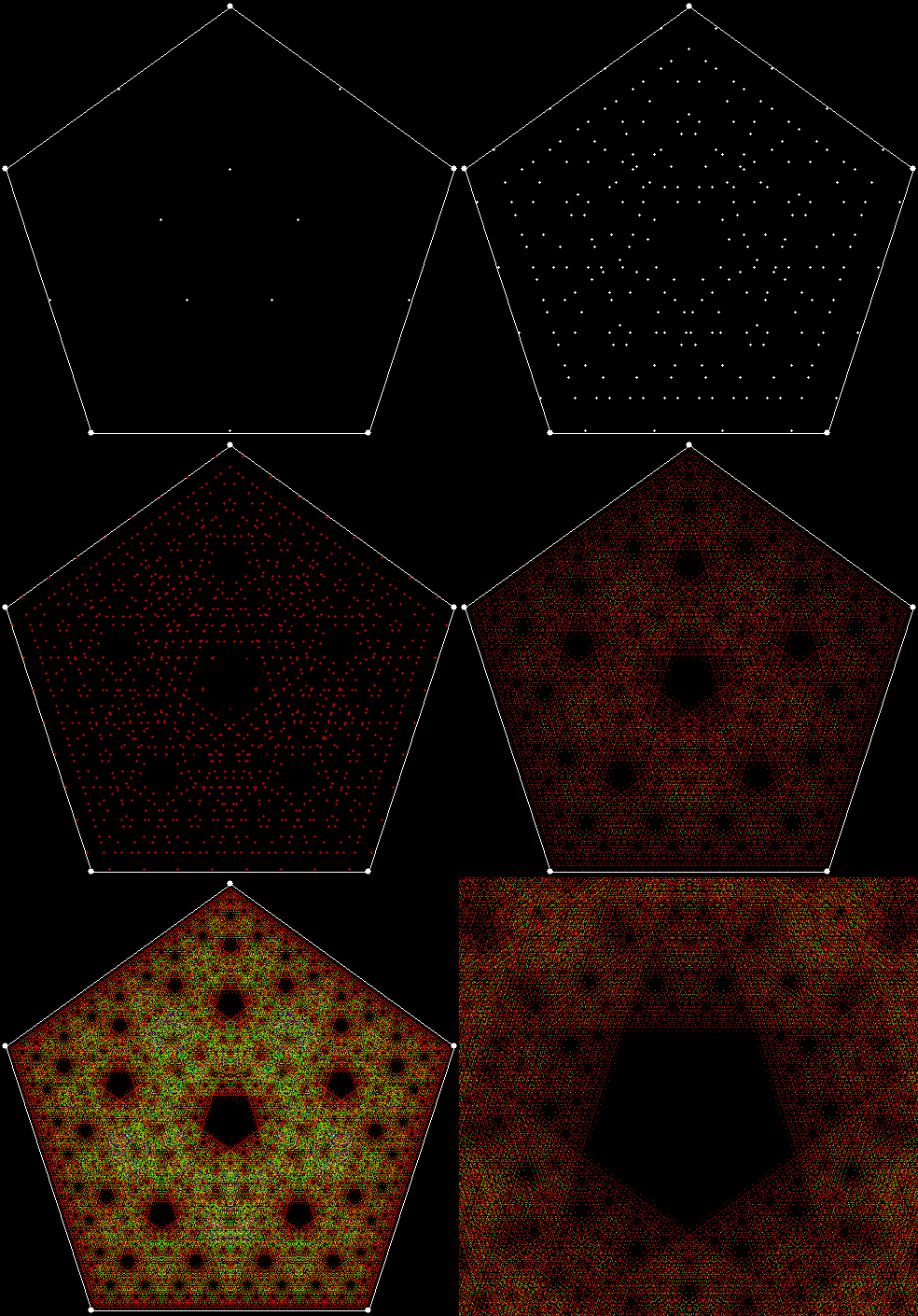
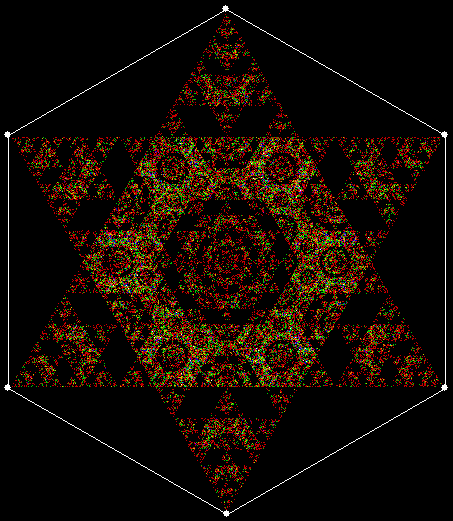
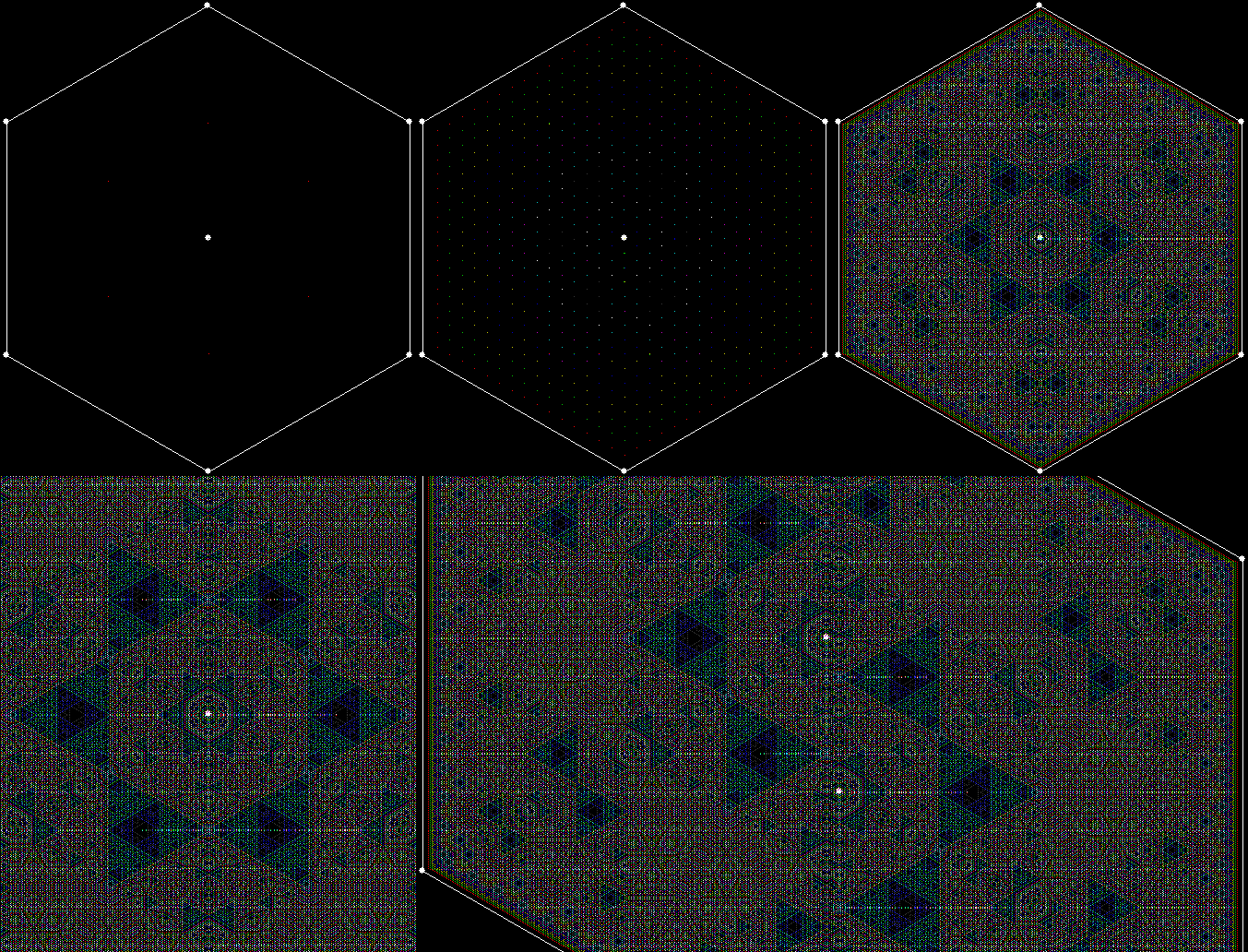
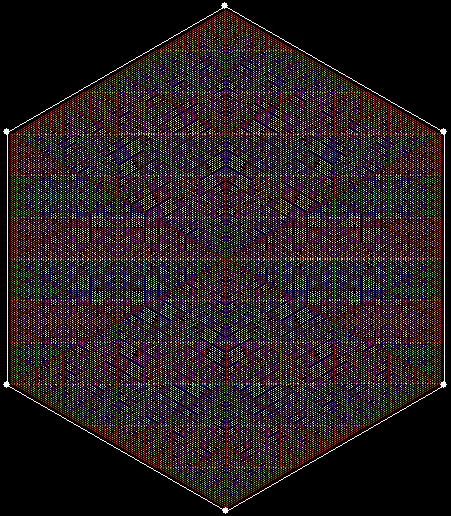
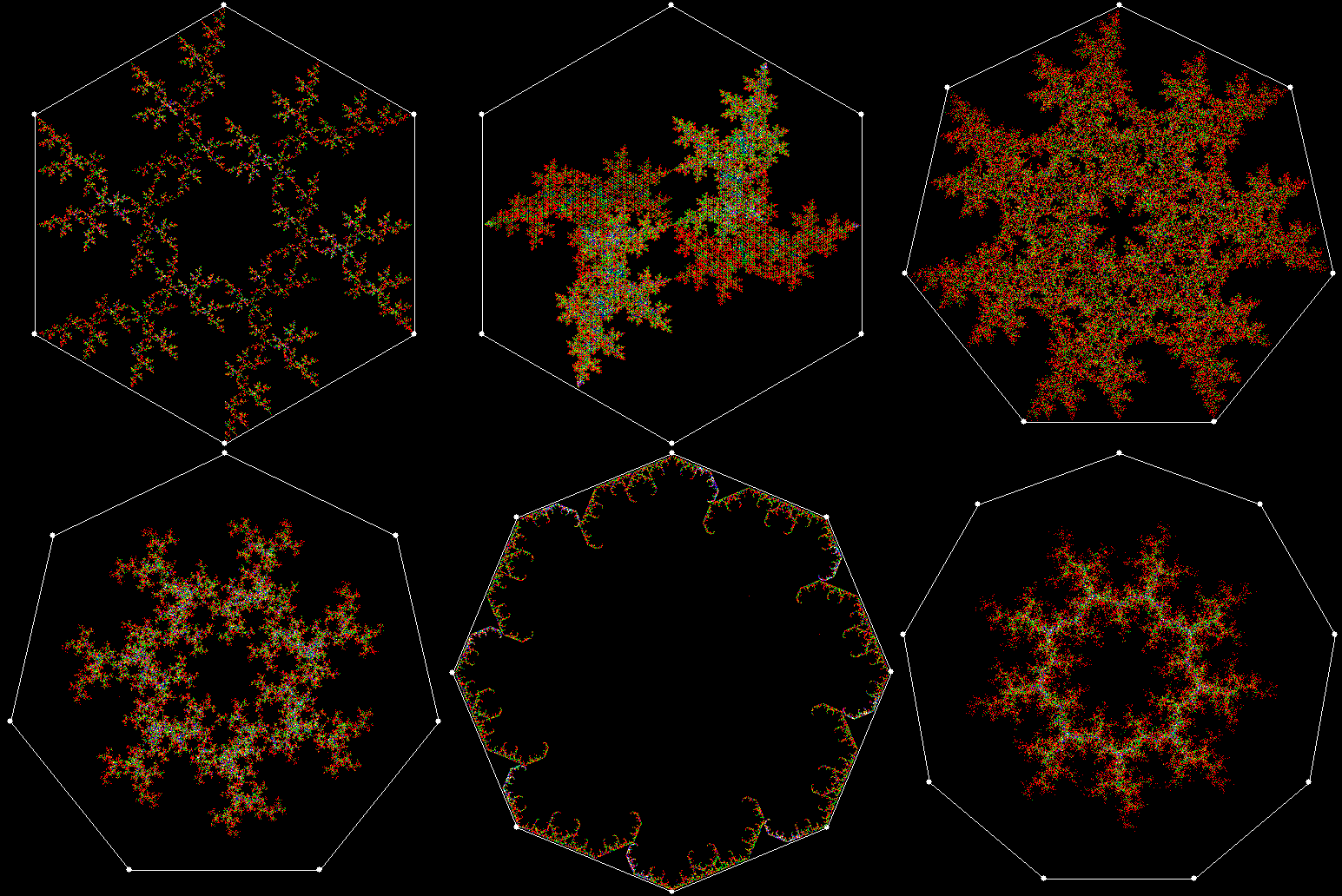
Hexagons using a zero-less base 8 look like this:
fractal6_1single

fractal6_1


fractal6_0single

fractal6_0
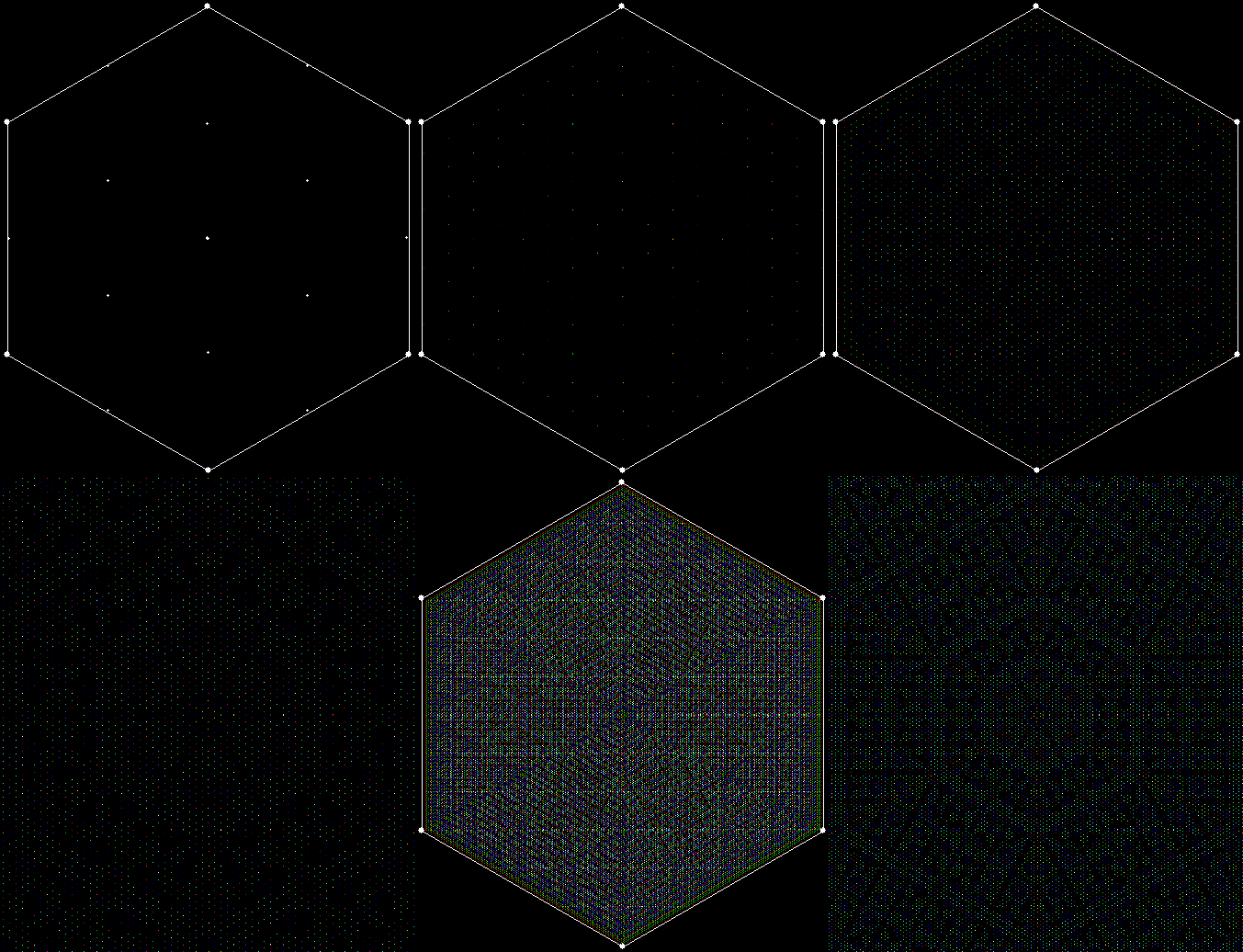
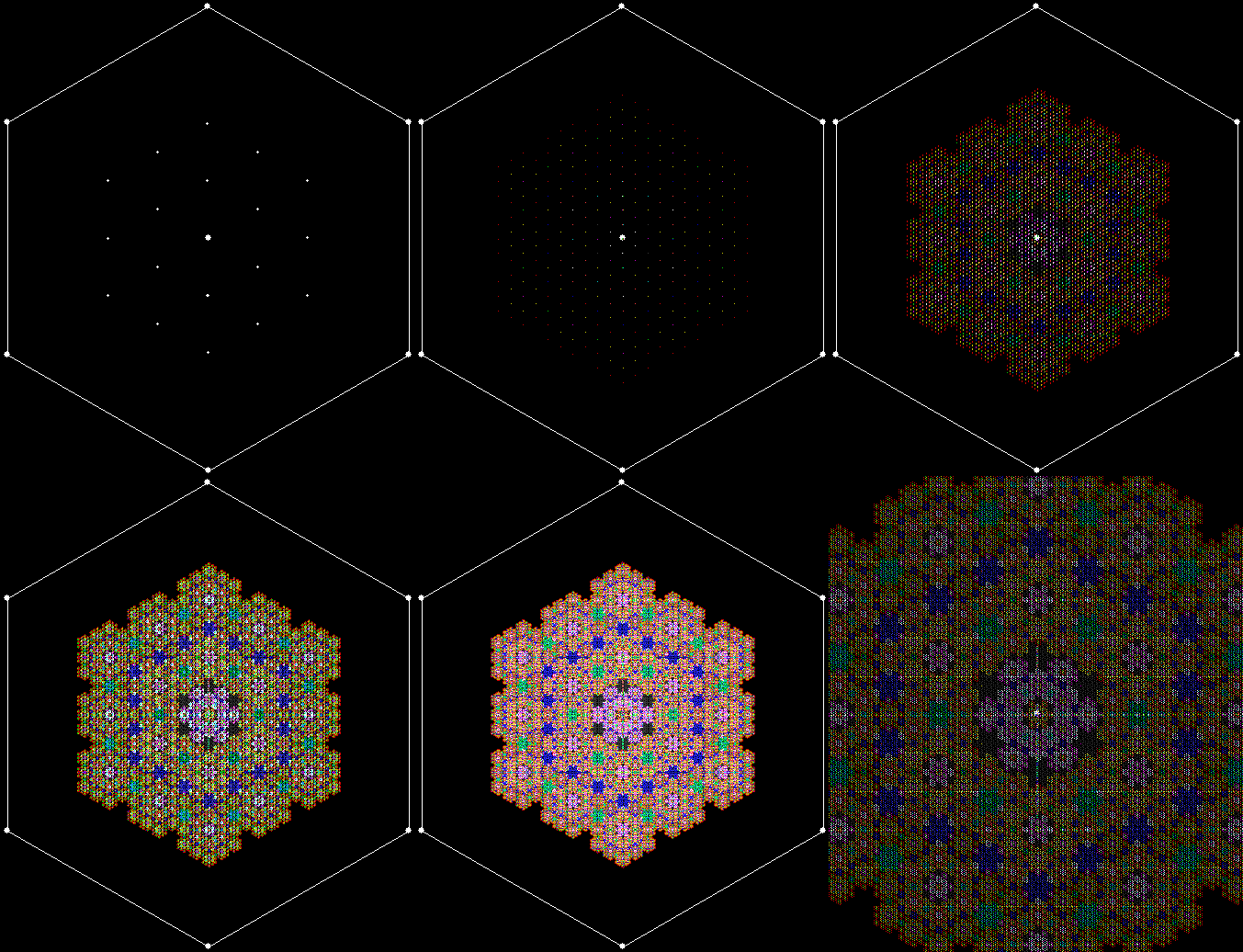
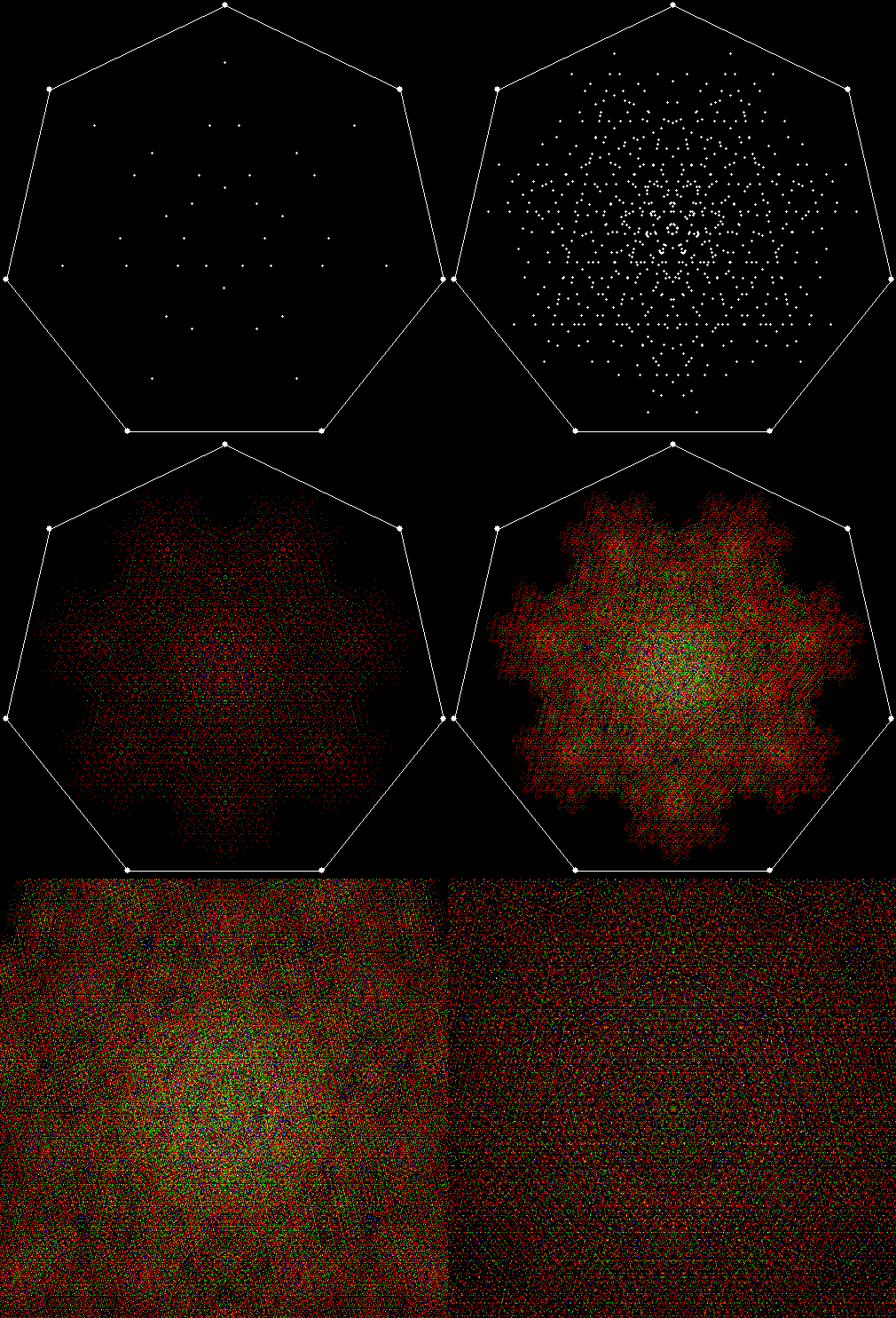
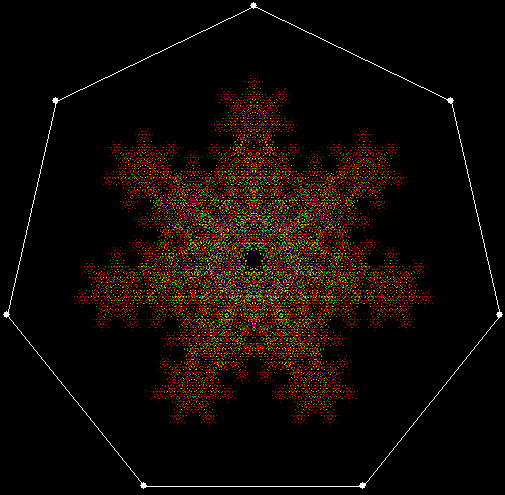
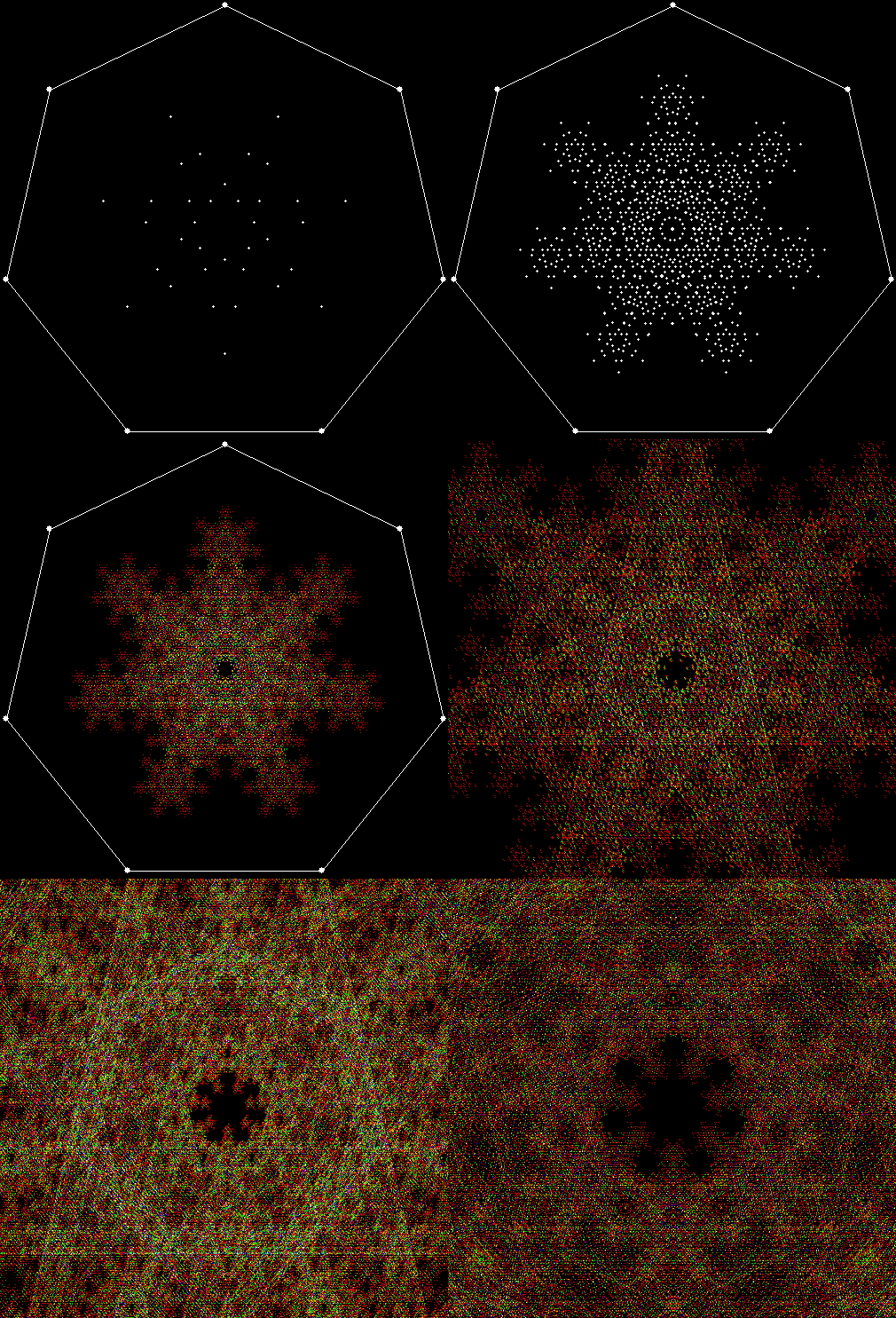
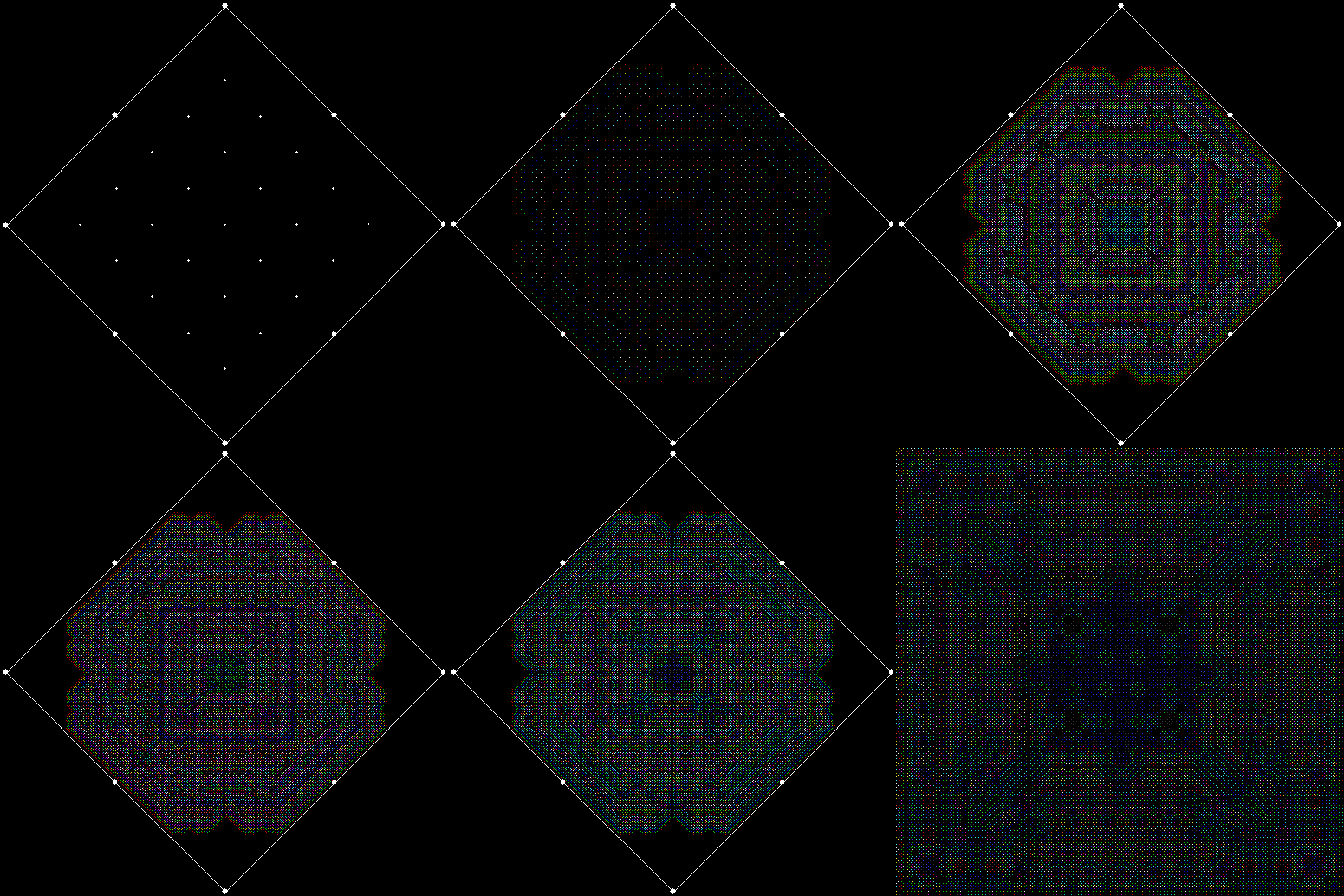
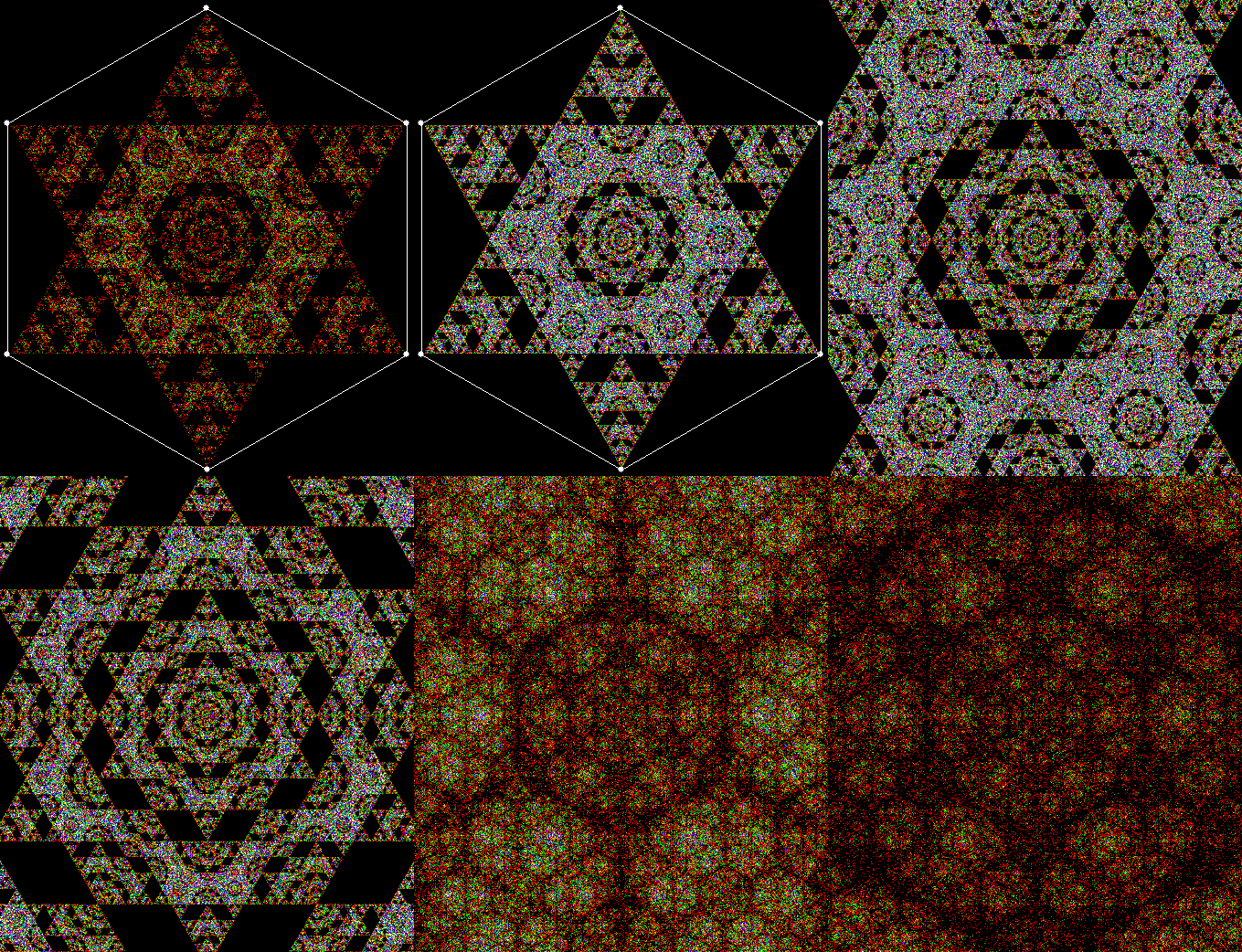
But the images above are just the beginning. If you use a fixed base while varying the polygon and so on, you can create images like these (here is the program I used):
fractal4


fractal5


fractal6789

Boldly Breaking the Boundaries

In “M.I.P. Trip”, I looked at fractals like this, in which a square is divided repeatedly into a pattern of smaller squares:
2x2inner

2x2inner_static


3x3innera

3x3innera_static


3x3innerb

3x3innerb_static


As you can see, the sub-squares appear within the bounds of the original square. But what if some of the sub-squares appear beyond the bounds of the original square? Then a new family of fractals is born, the over-fractals:

fractal2x2a

fractal2x2a_static


fractal2x2b

fractal2x2b_static


fractal2x2c

fractal2x2c_static


fractal2x2d

fractal2x2d_static


fractal2x2e

fractal2x2e_static


fractal3x3a

fractal3x3a_static


fractal3x3b

fractal3x3b_static


fractal3x3c

fractal3x3c_static


fractal3x3d


fractal3x3e


fractal3x3f


fractal3x3g


fractal3x3h


fractal3x3i


fractal3x3j


fractal3x3k


fractal3x3l


fractal3x3m


fractal3x3n


fractal4x4a


fractal4x4c


fractal4x4b

A Feast of Fractiles

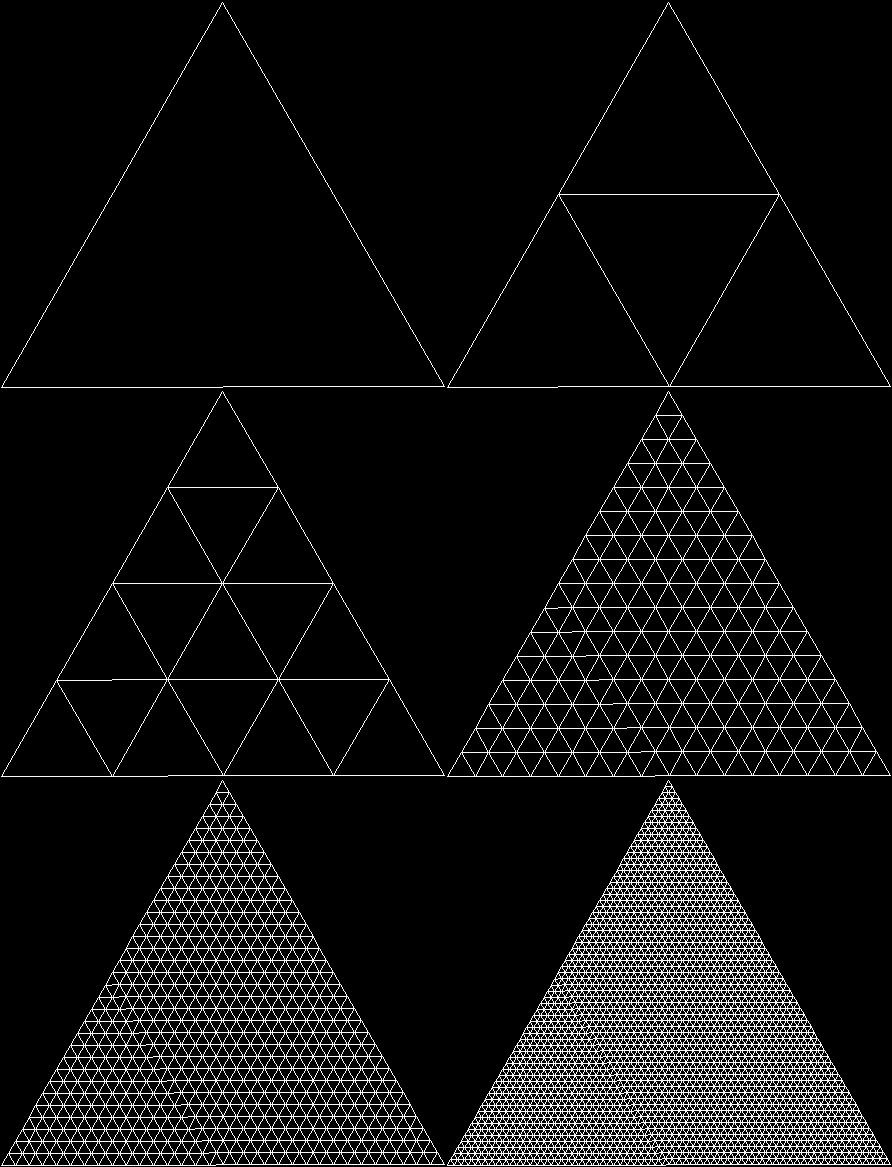
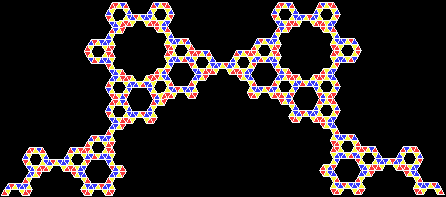
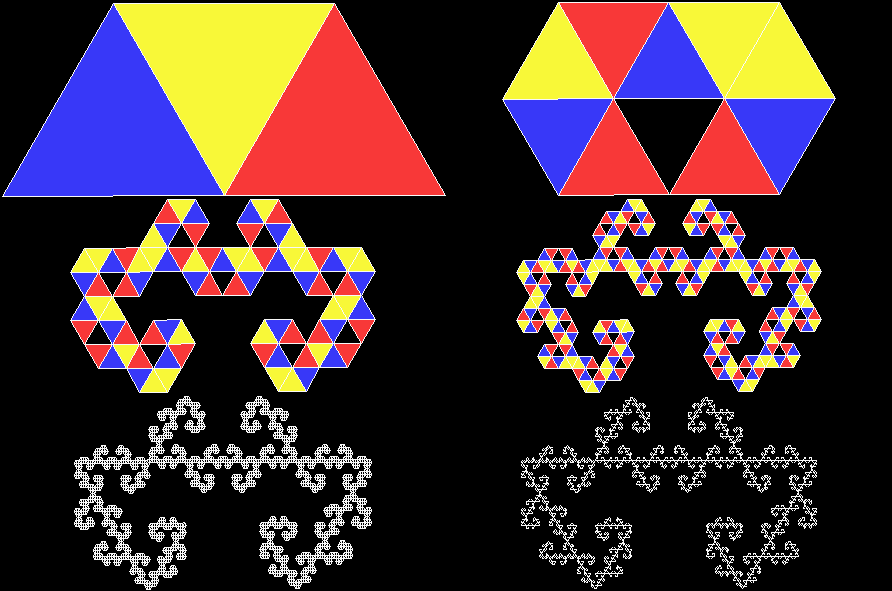
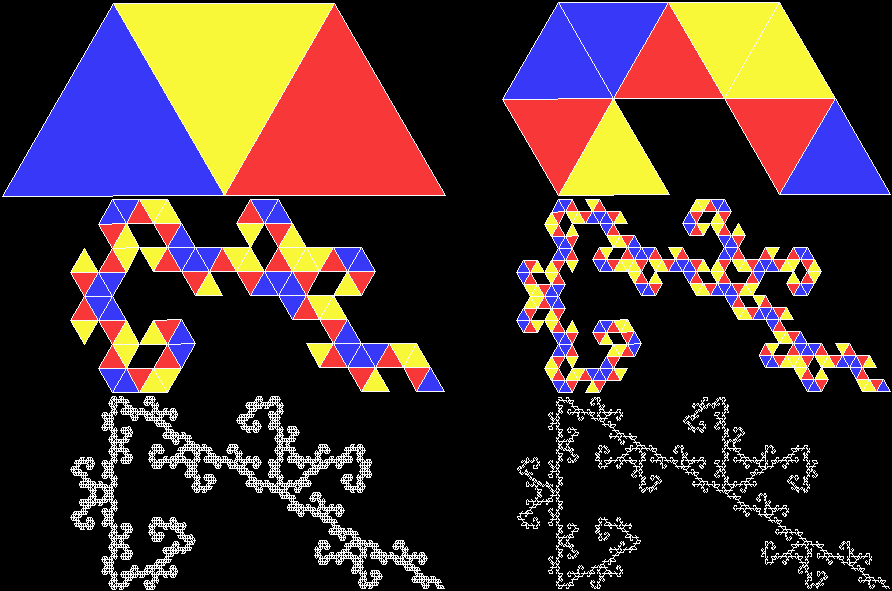
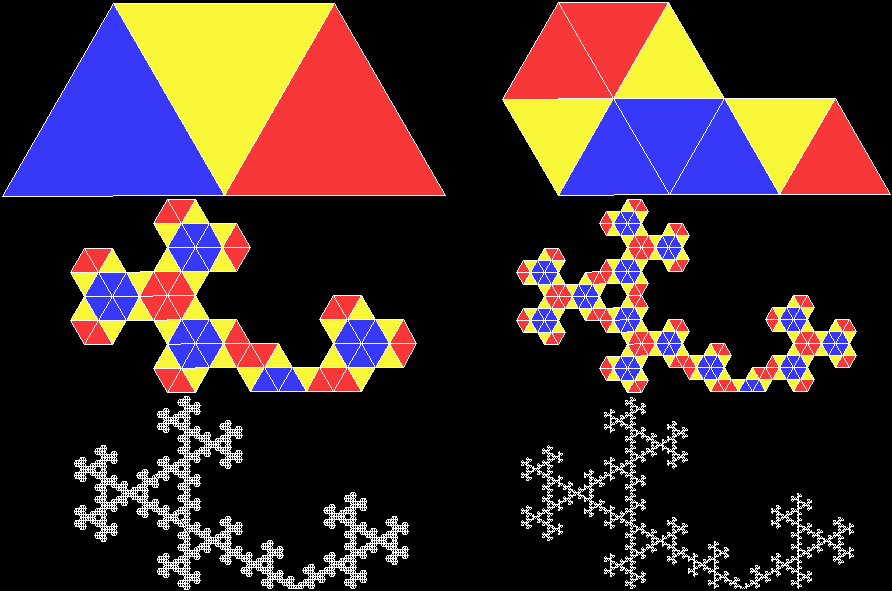
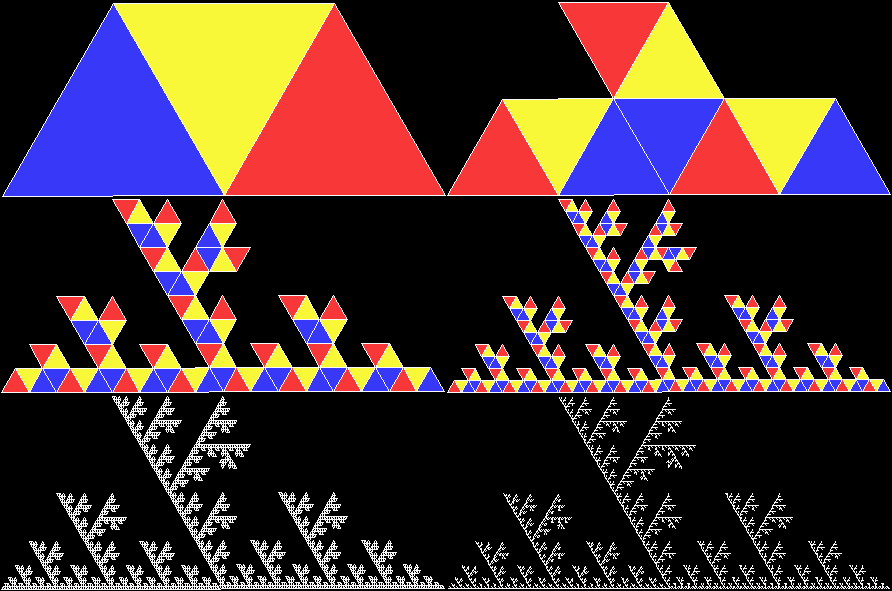
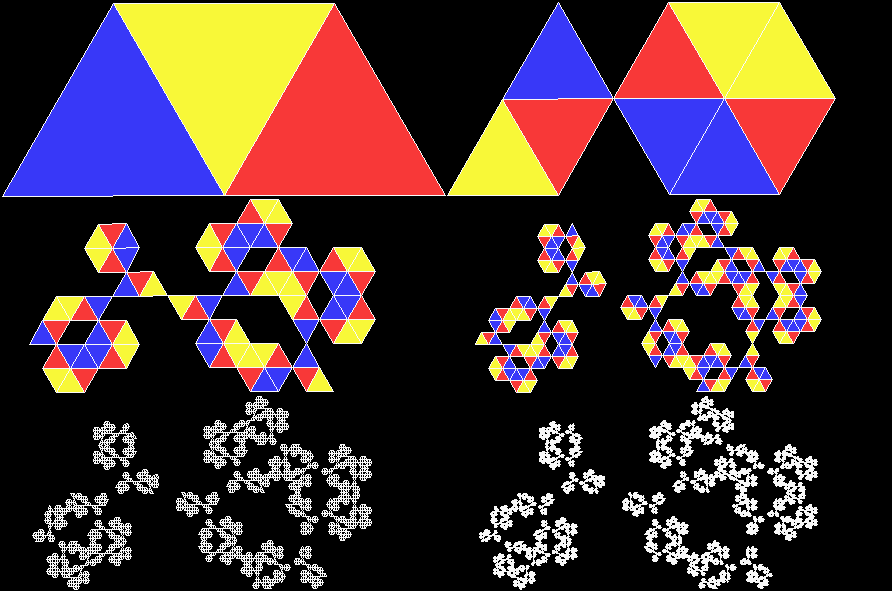
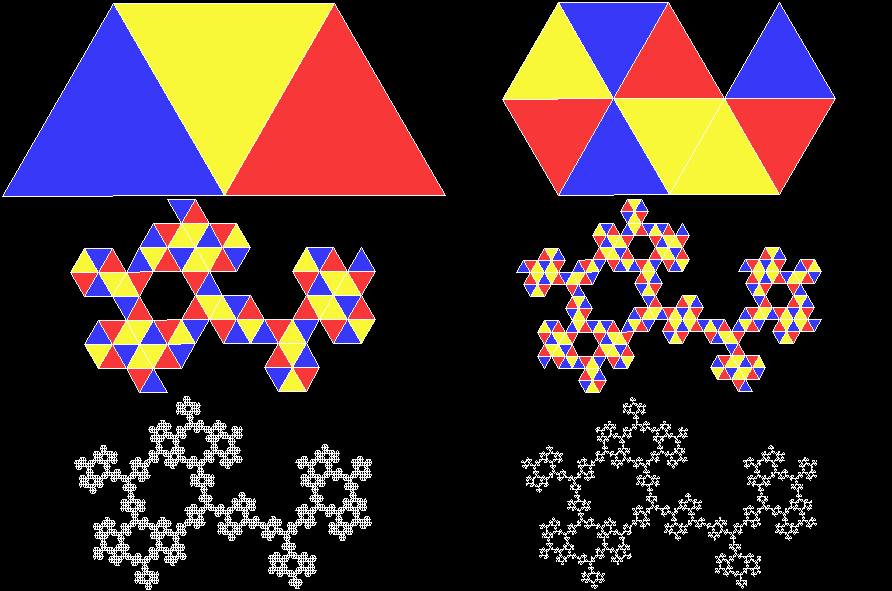
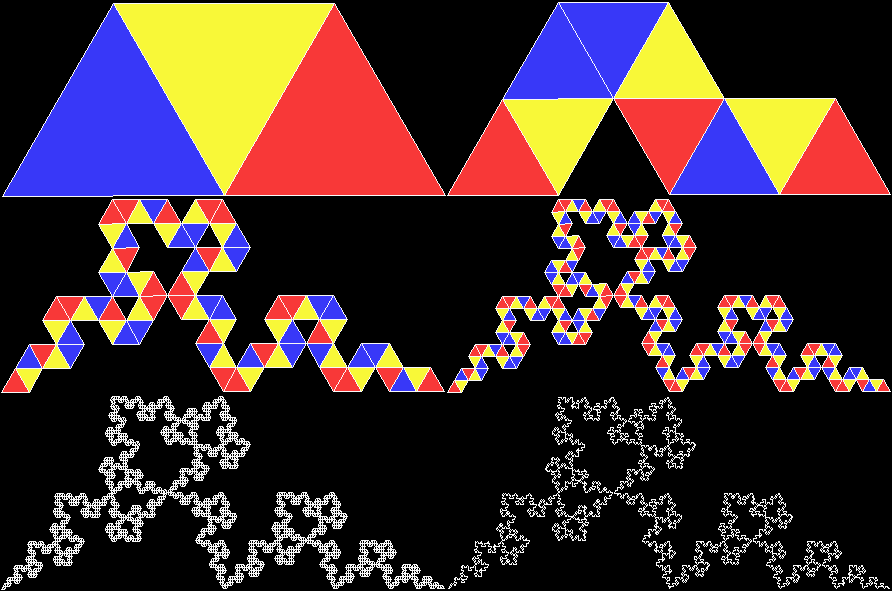
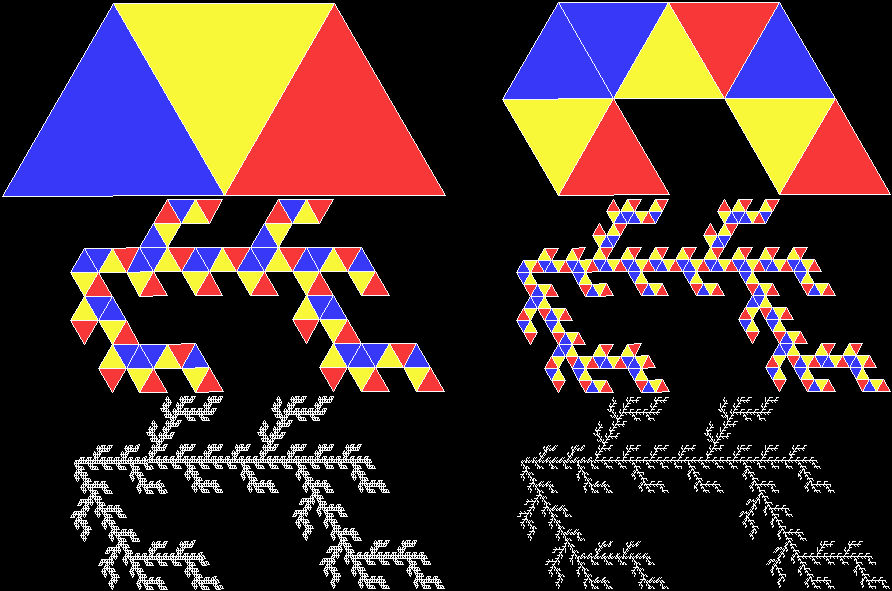
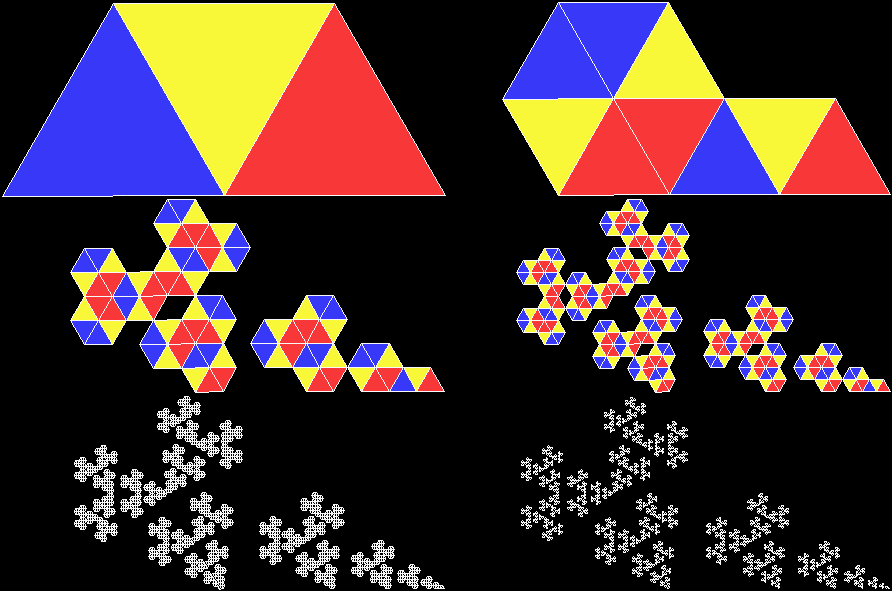
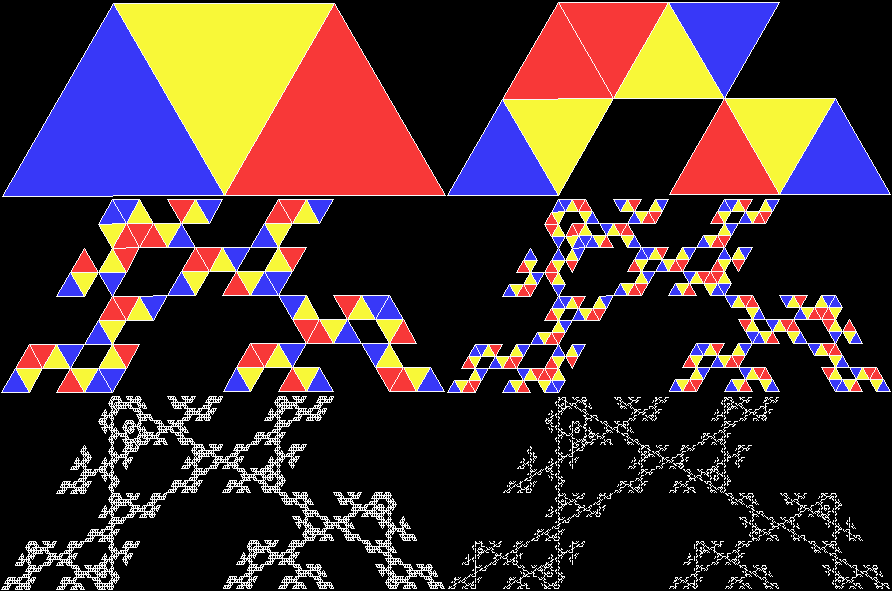
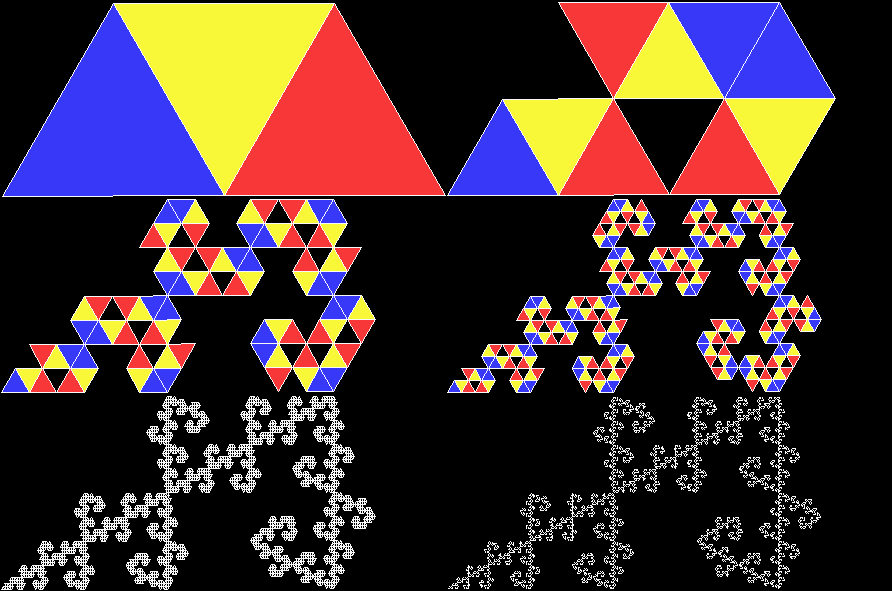
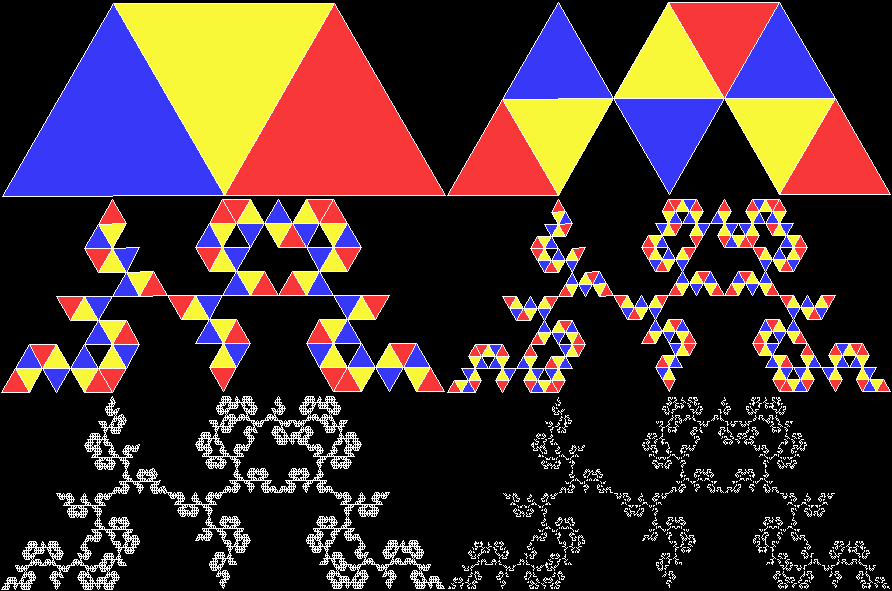
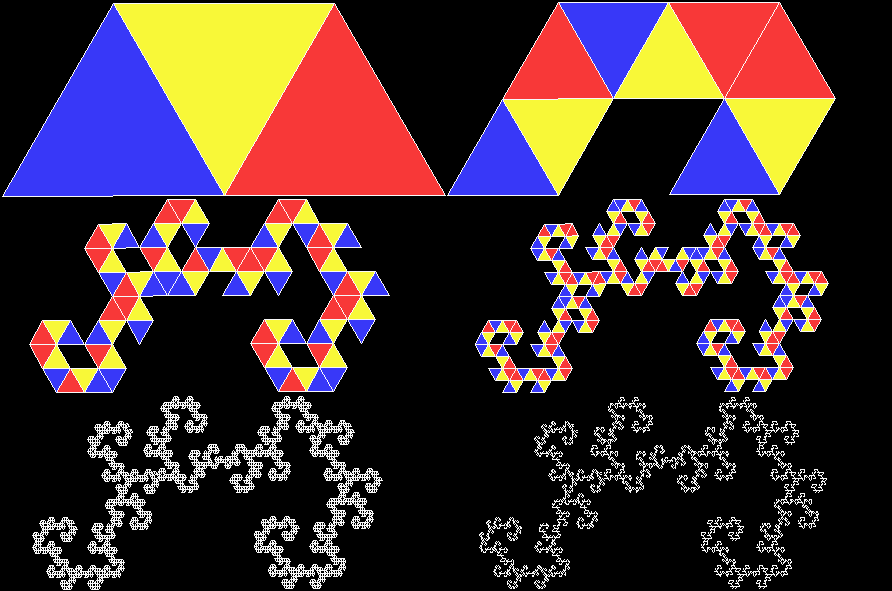
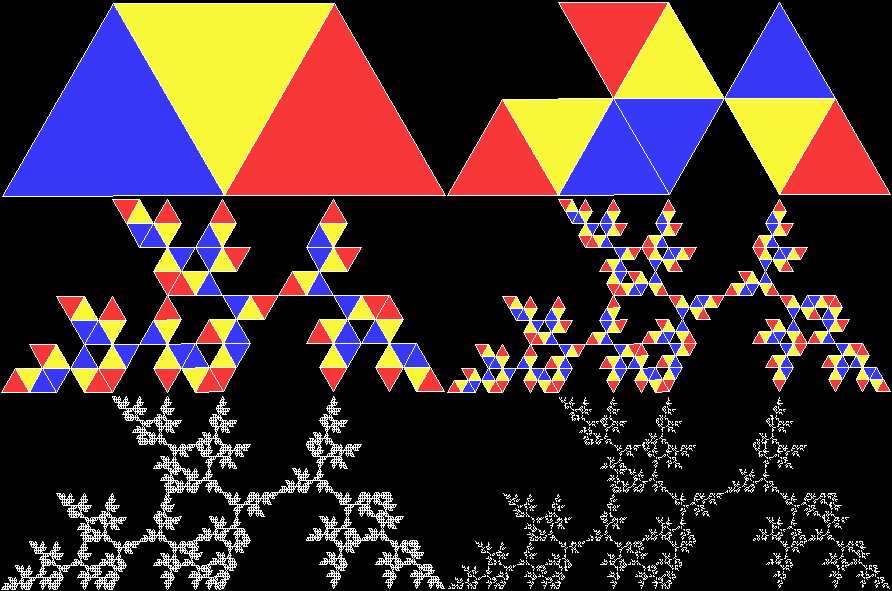
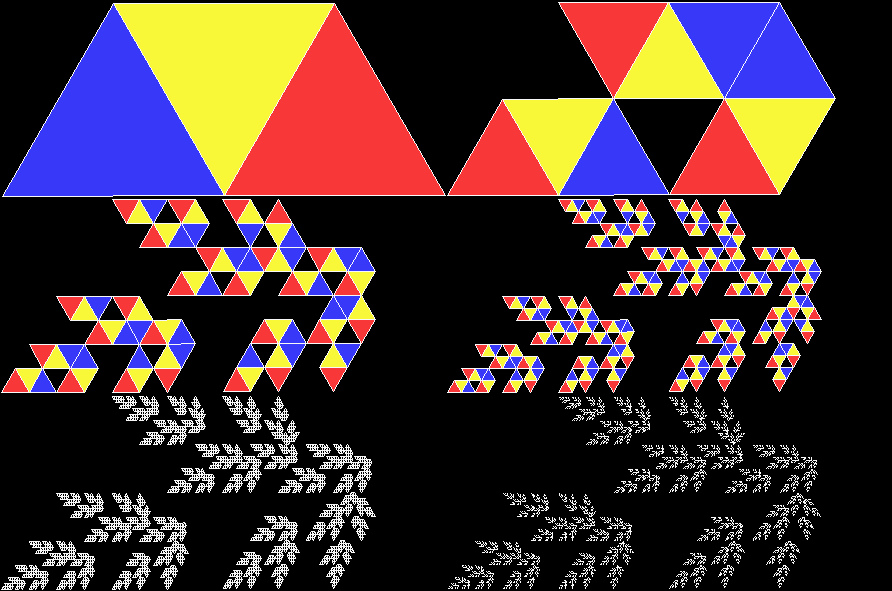
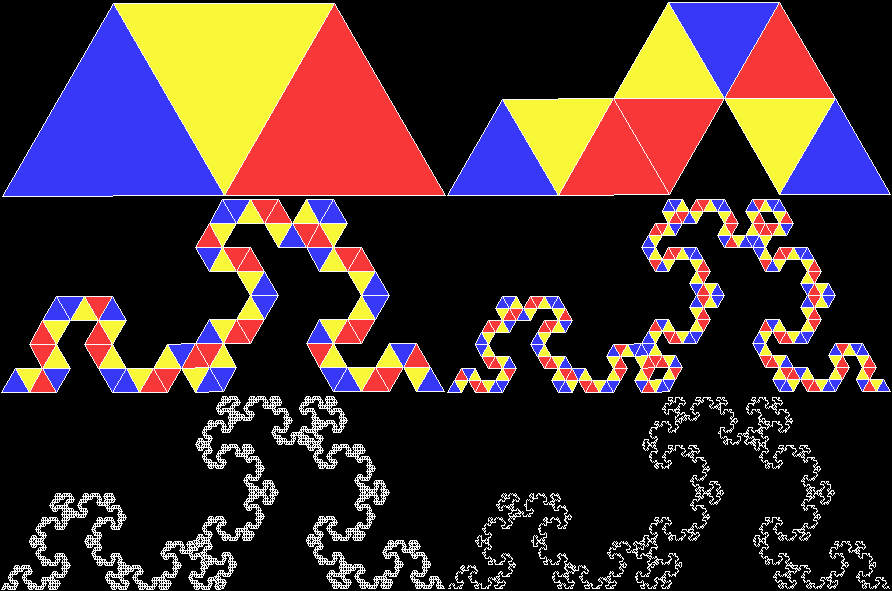
A rep-tile is a shape that can be divided into copies of itself. One of the simplest rep-tiles is the equilateral triangle, which can be divided into four copies of itself, like this:

Self-dividing equilateral triangle

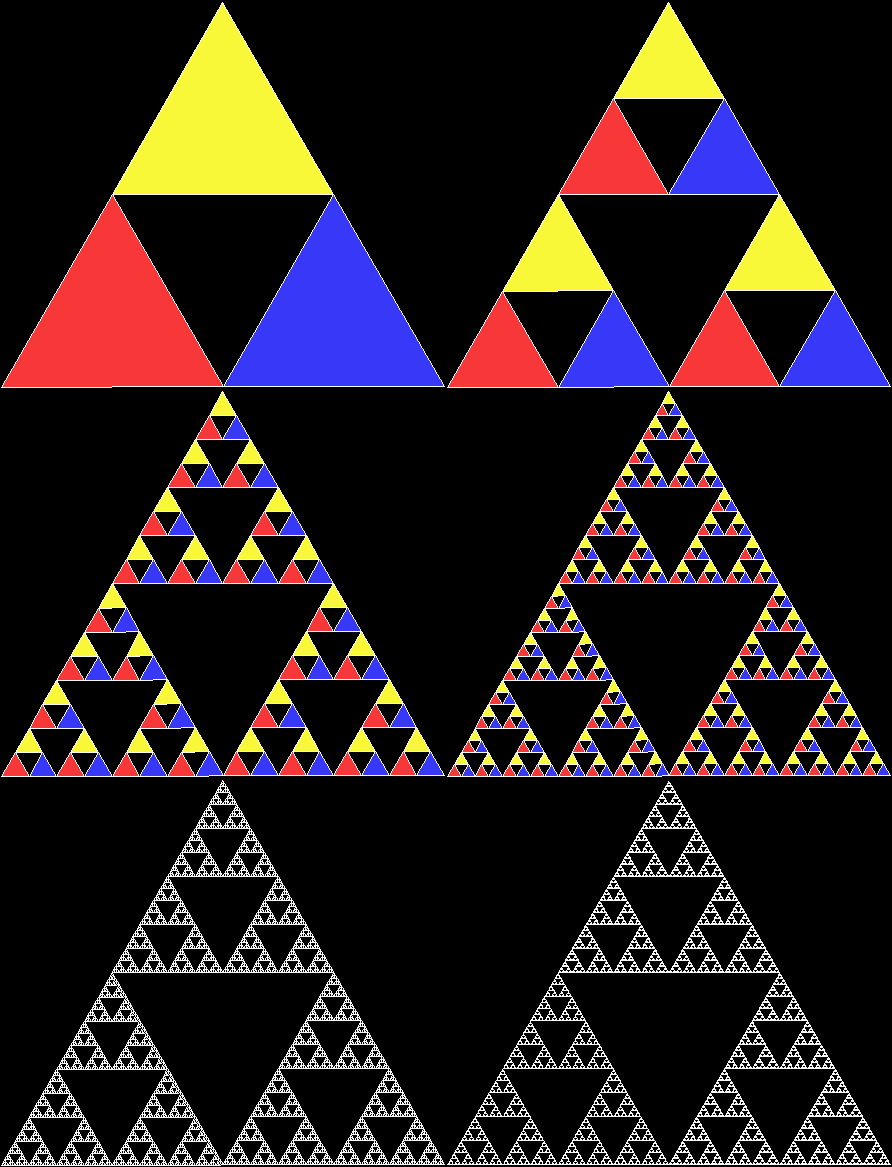
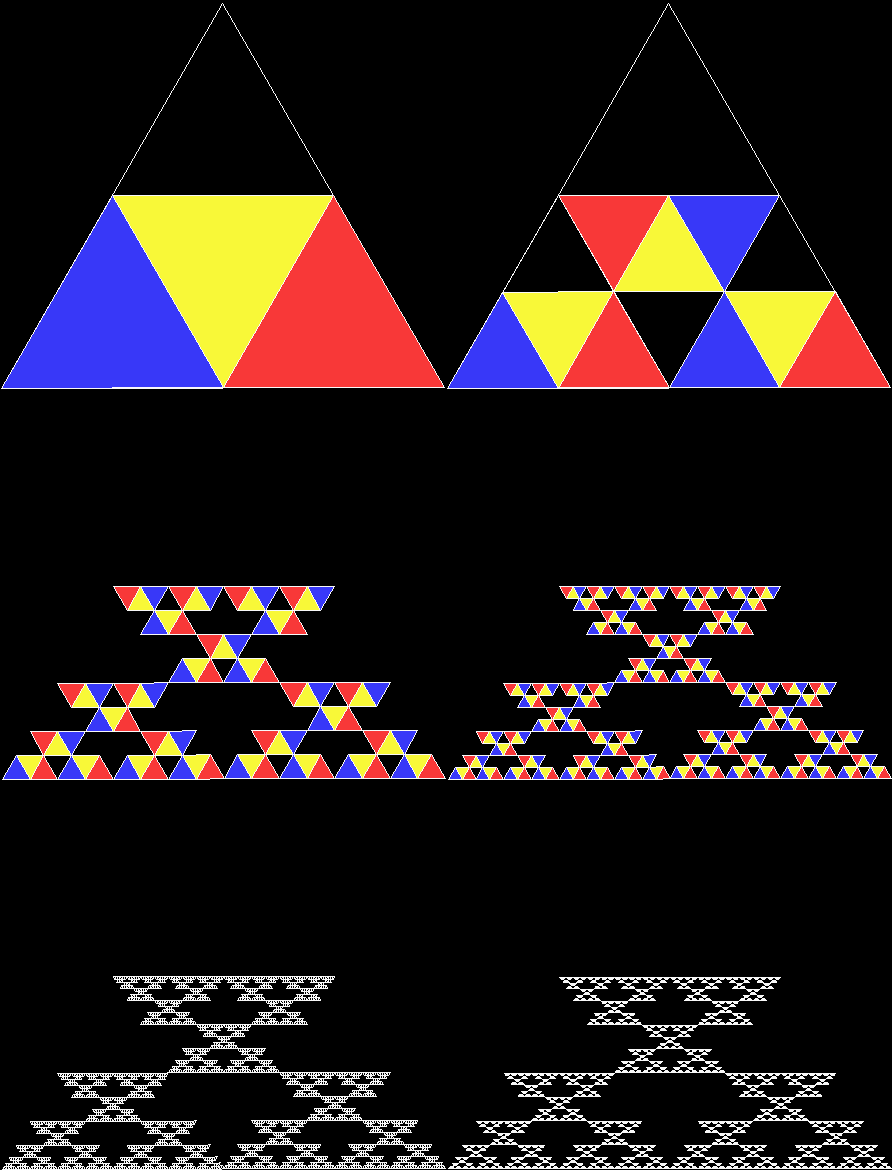
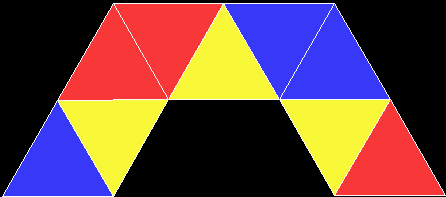
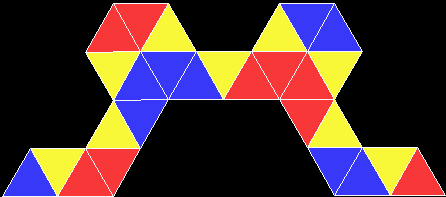
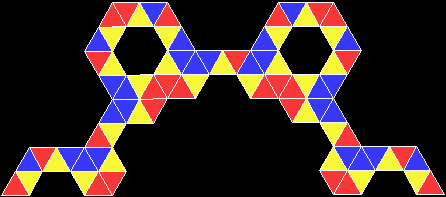
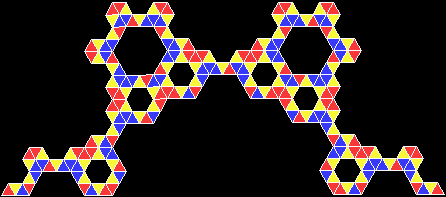
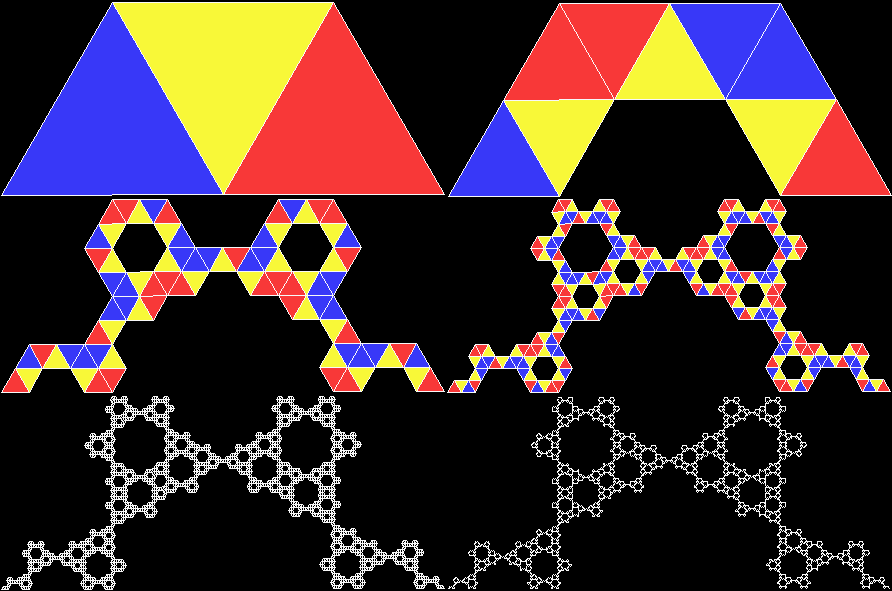
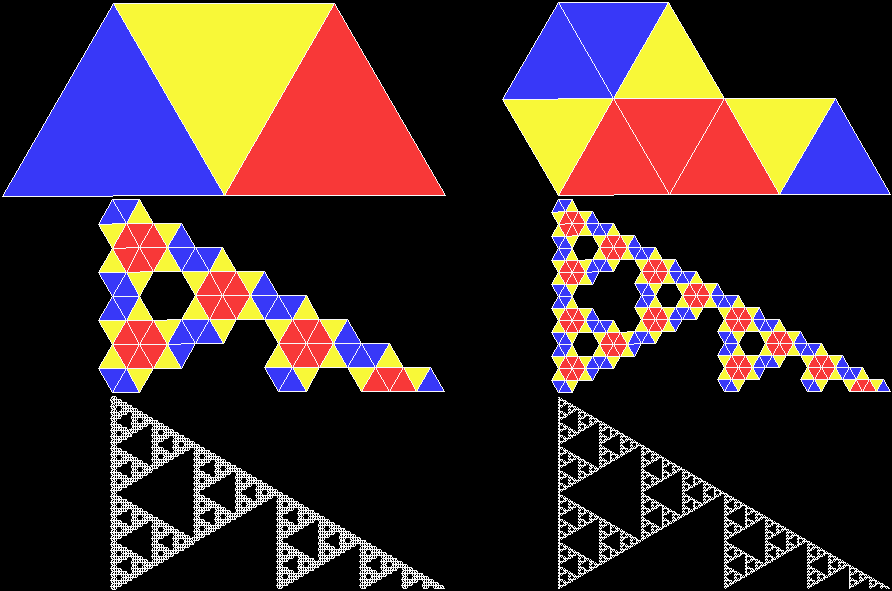
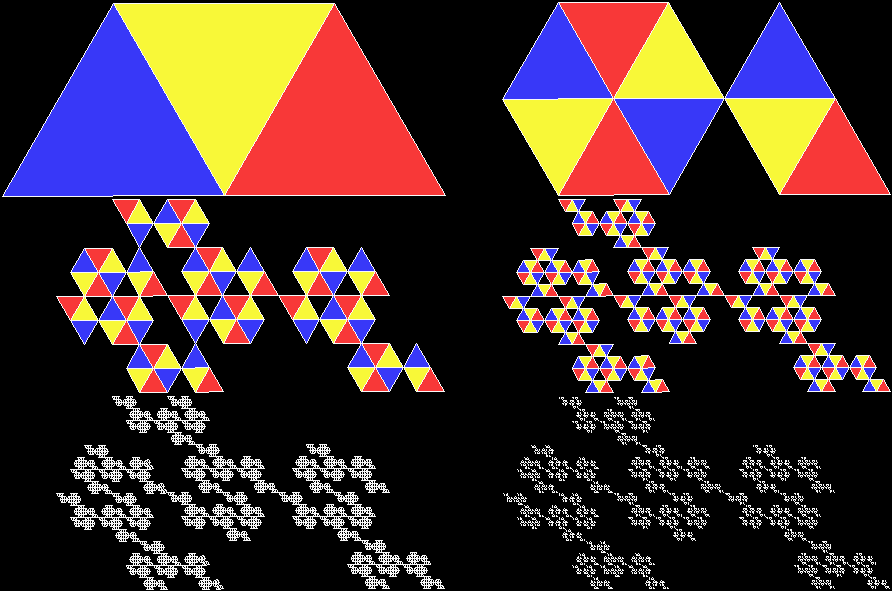
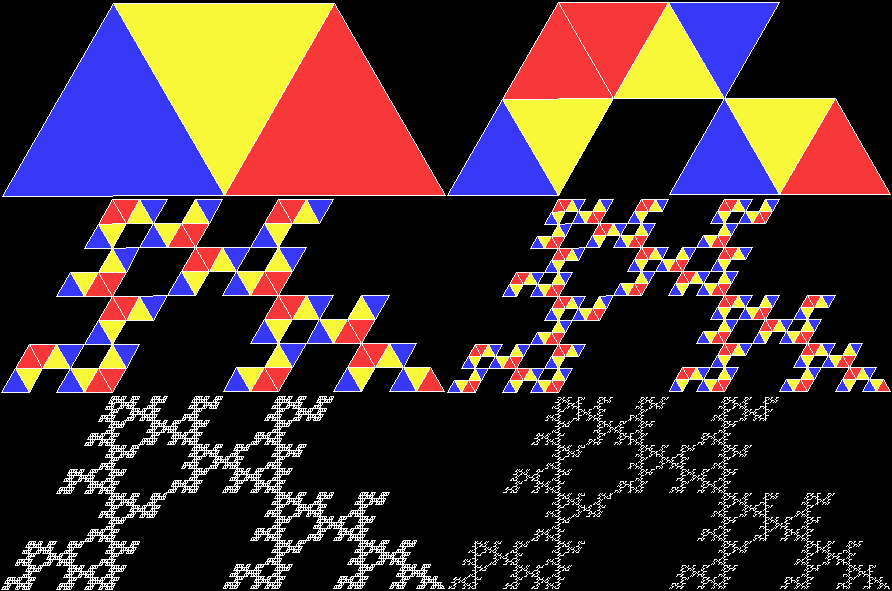
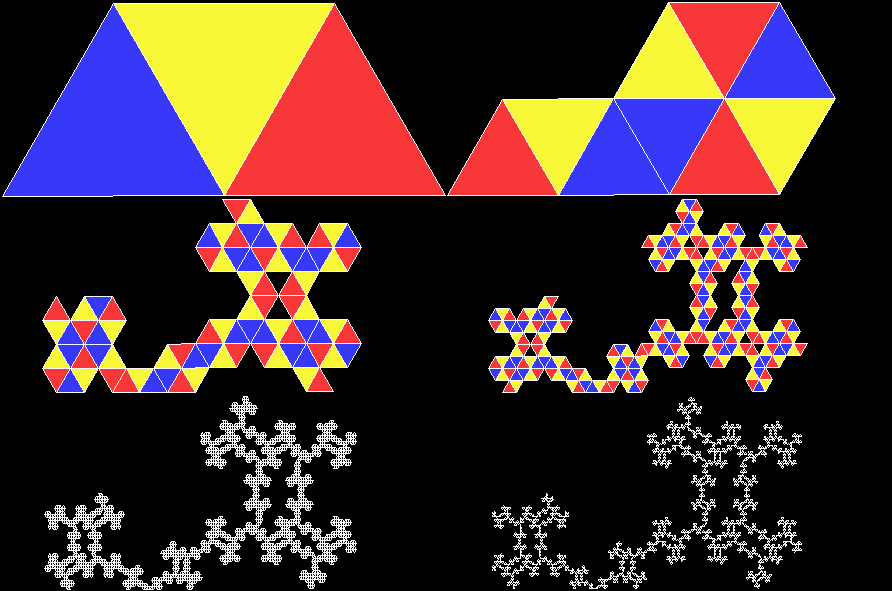
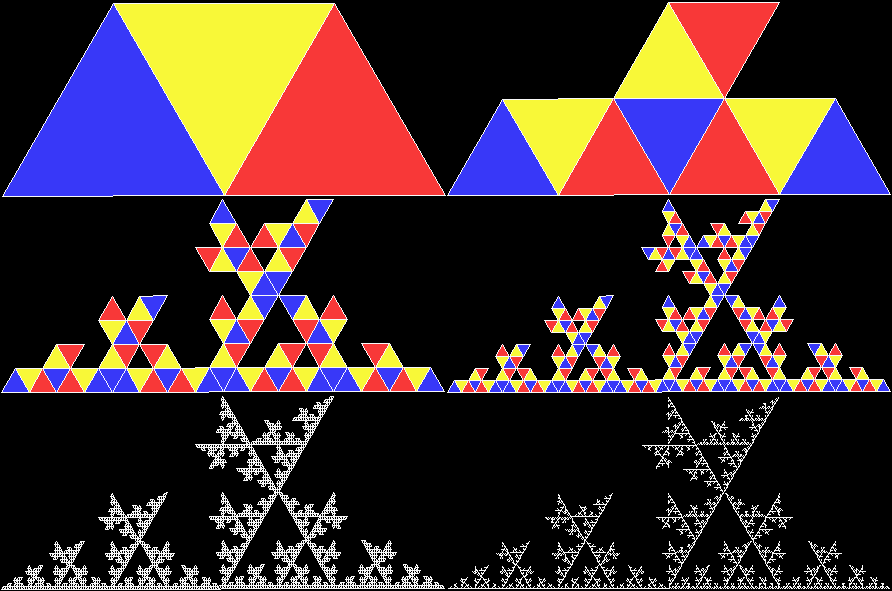
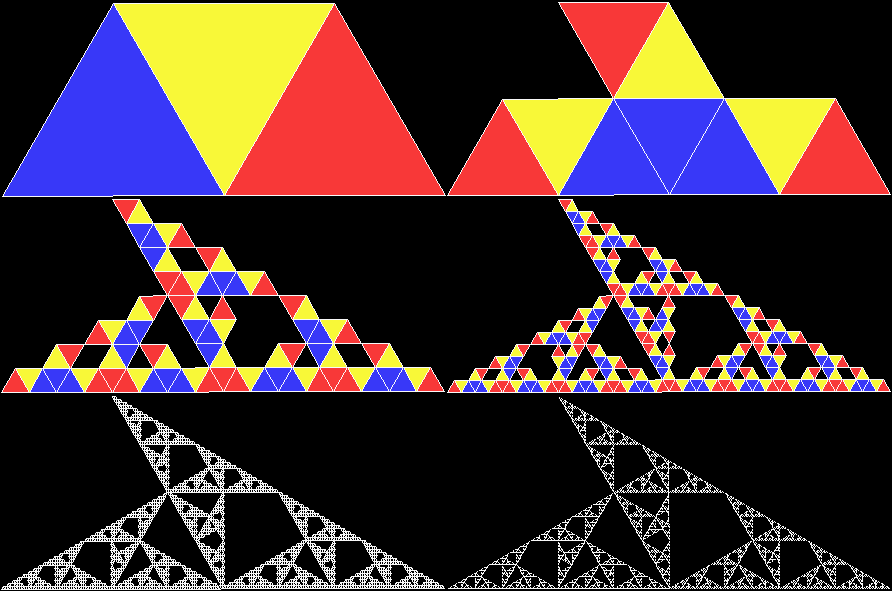
If, on the other hand, the triangle is subdivided and then one of the copies is discarded, many interesting fractals can be made from this very simple shape:

Fractal triangle creating Sierpinski gasket

Triangle fractal 2

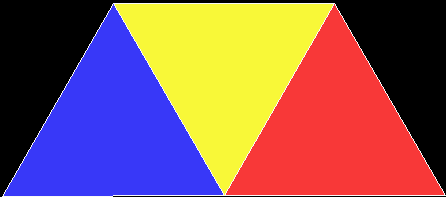
This sequence illustrates how a more complex fractal is created:

Triangle fractal 3 split image 1

Triangle fractal 3 split image 2

Triangle fractal 3 split image 3

Triangle fractal 3 split image 4

Triangle fractal 3 split image 5

Triangle fractal 3 split image 6

Triangle fractal 3 split image 7

Triangle fractal 3 split image 8

And here is the sequence in a single animated gif:

Triangle fractal 3

Triangle fractal 4

Triangle fractal 5

Triangle fractal 6

Triangle fractal 7

Triangle fractal 8

Triangle fractal 9

Triangle fractal 10

Triangle fractal 11

Triangle fractal 12

Triangle fractal 13

Triangle fractal 15

Triangle fractal 16

Triangle fractal 17

Triangle fractal 18

Triangle fractal 19

Triangle fractal 20

Triangle fractal 21

Triangle fractal 22

Triangle fractal 23

Triangle fractal 24

Triangle fractal 25

Triangle fractal 26