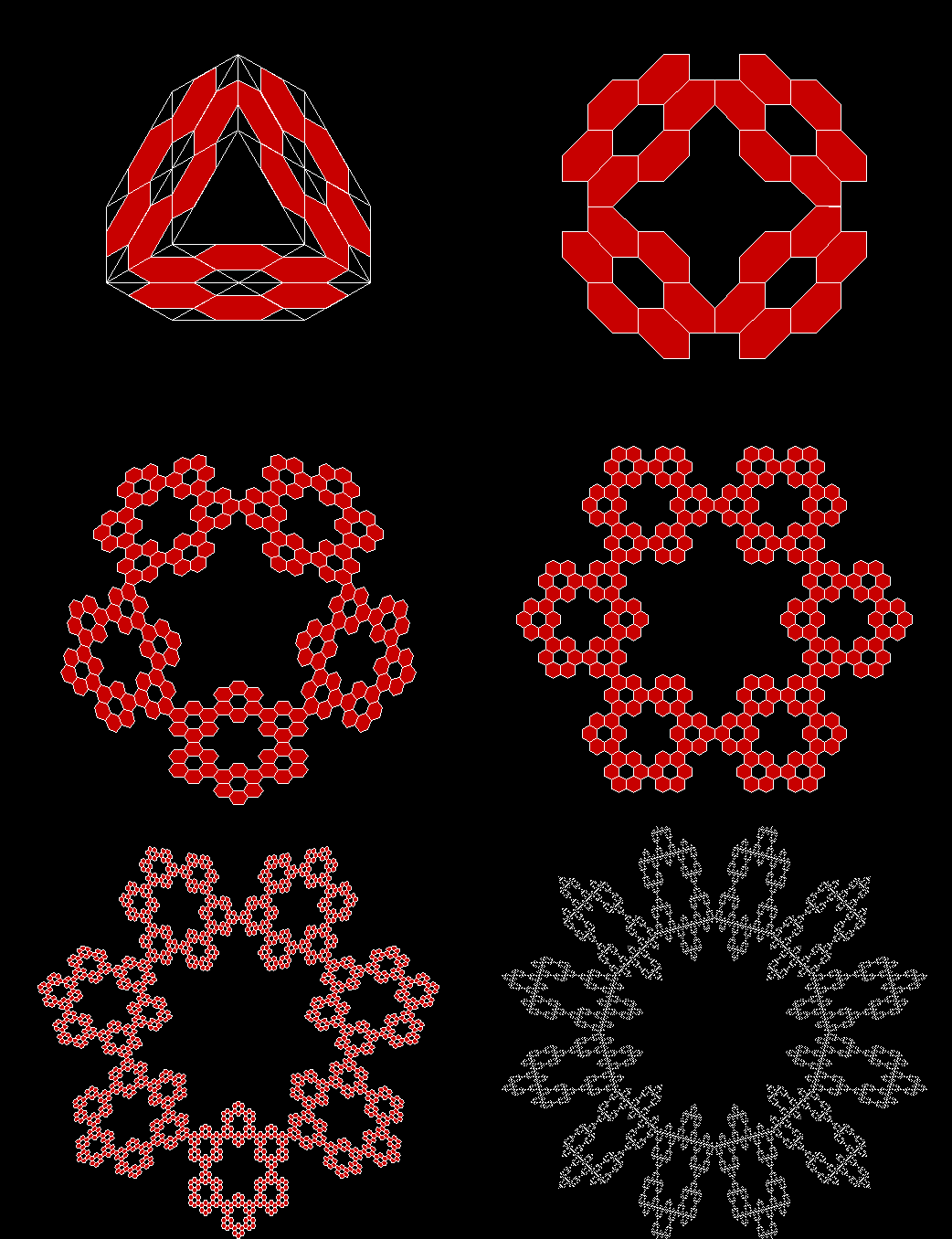
Boldly Breaking the Boundaries

In “M.I.P. Trip”, I looked at fractals like this, in which a square is divided repeatedly into a pattern of smaller squares:
2x2inner

2x2inner_static


3x3innera

3x3innera_static


3x3innerb

3x3innerb_static


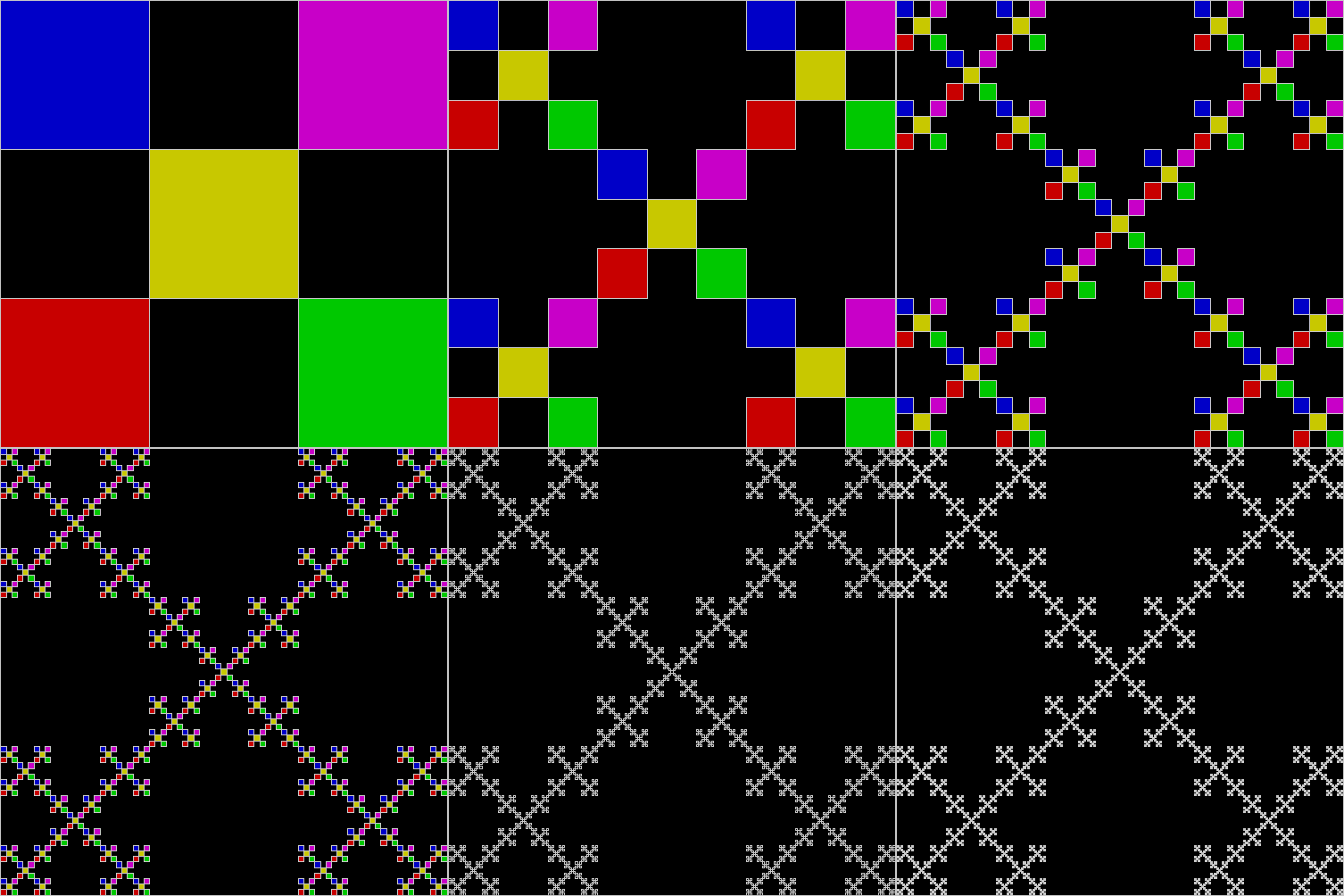
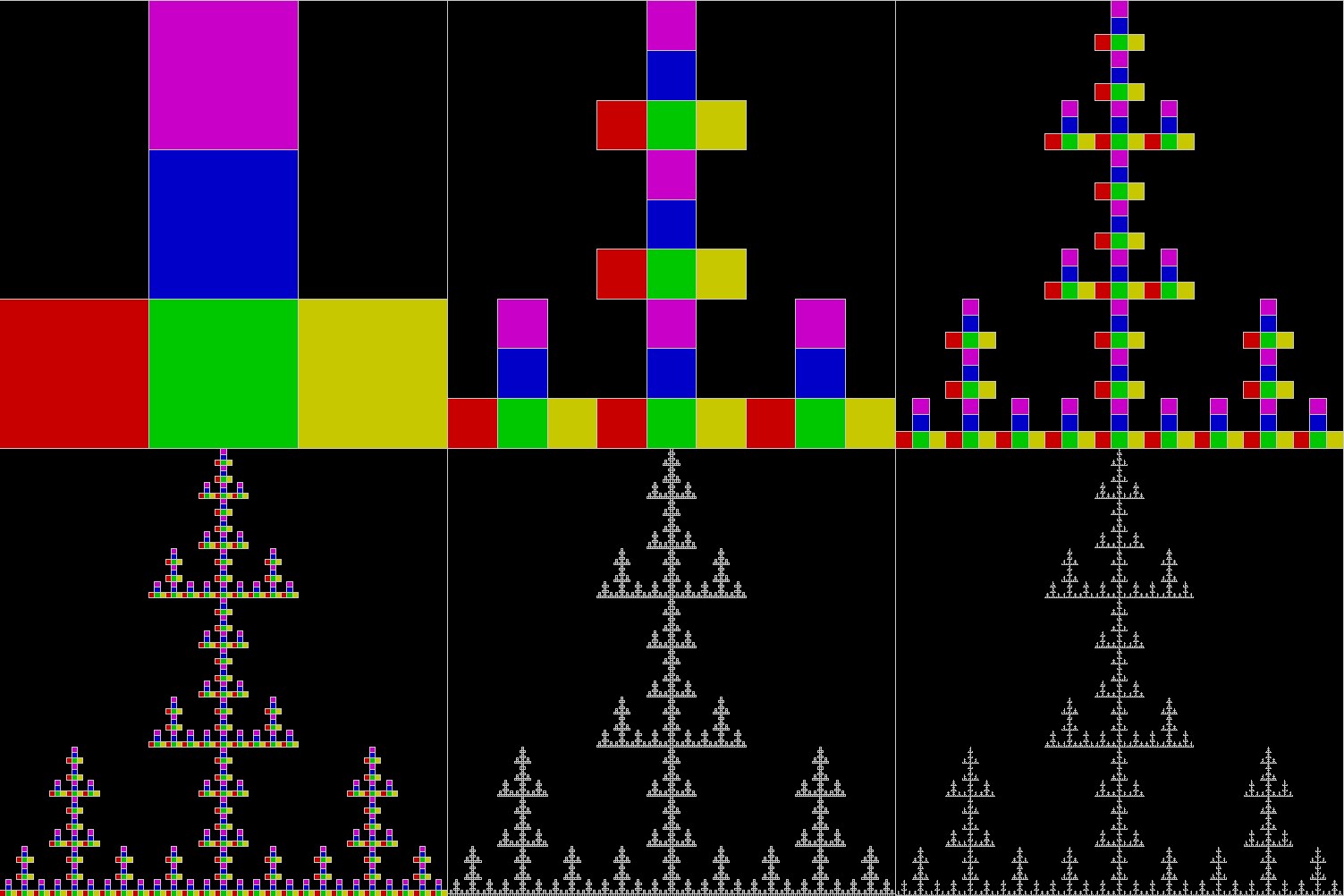
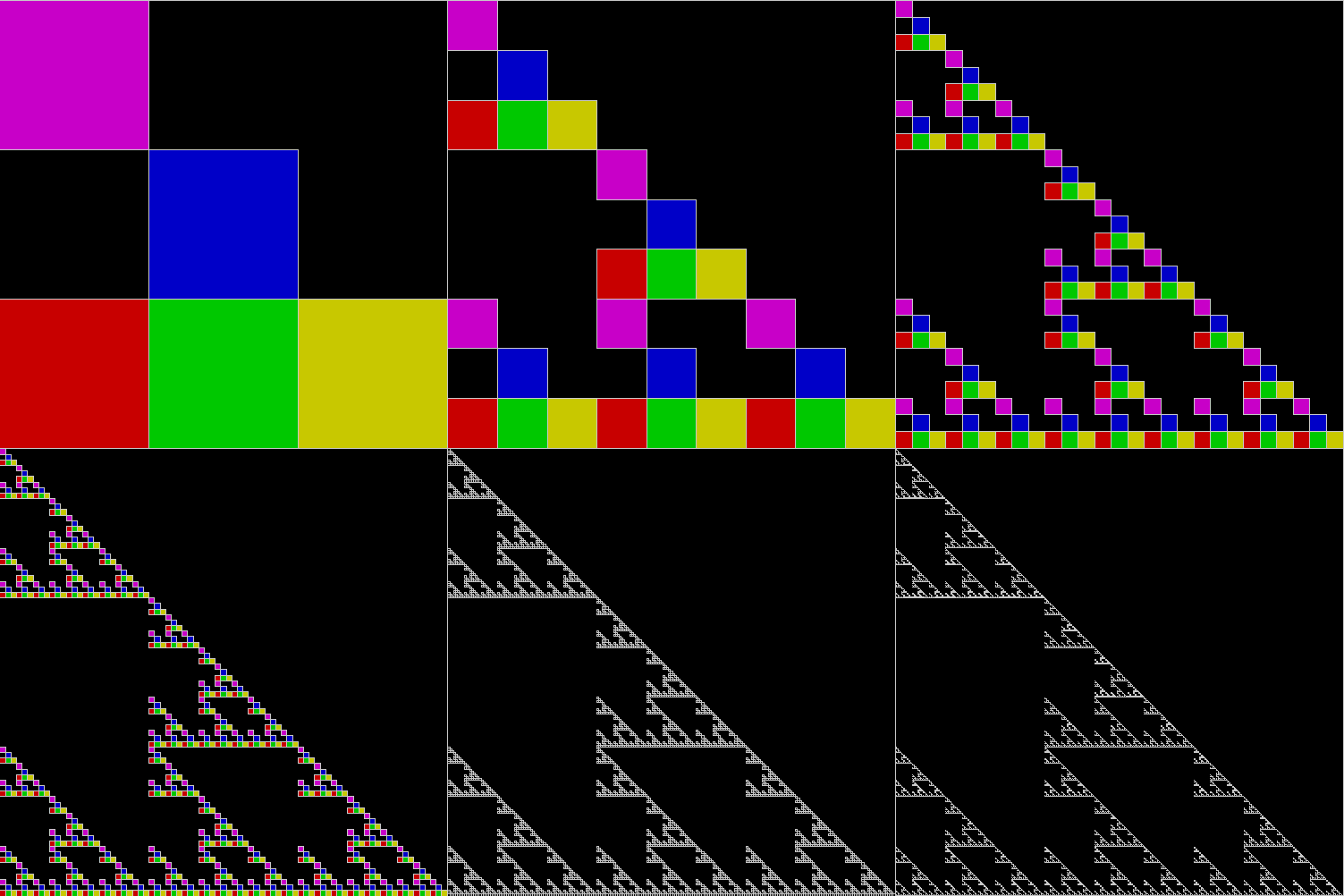
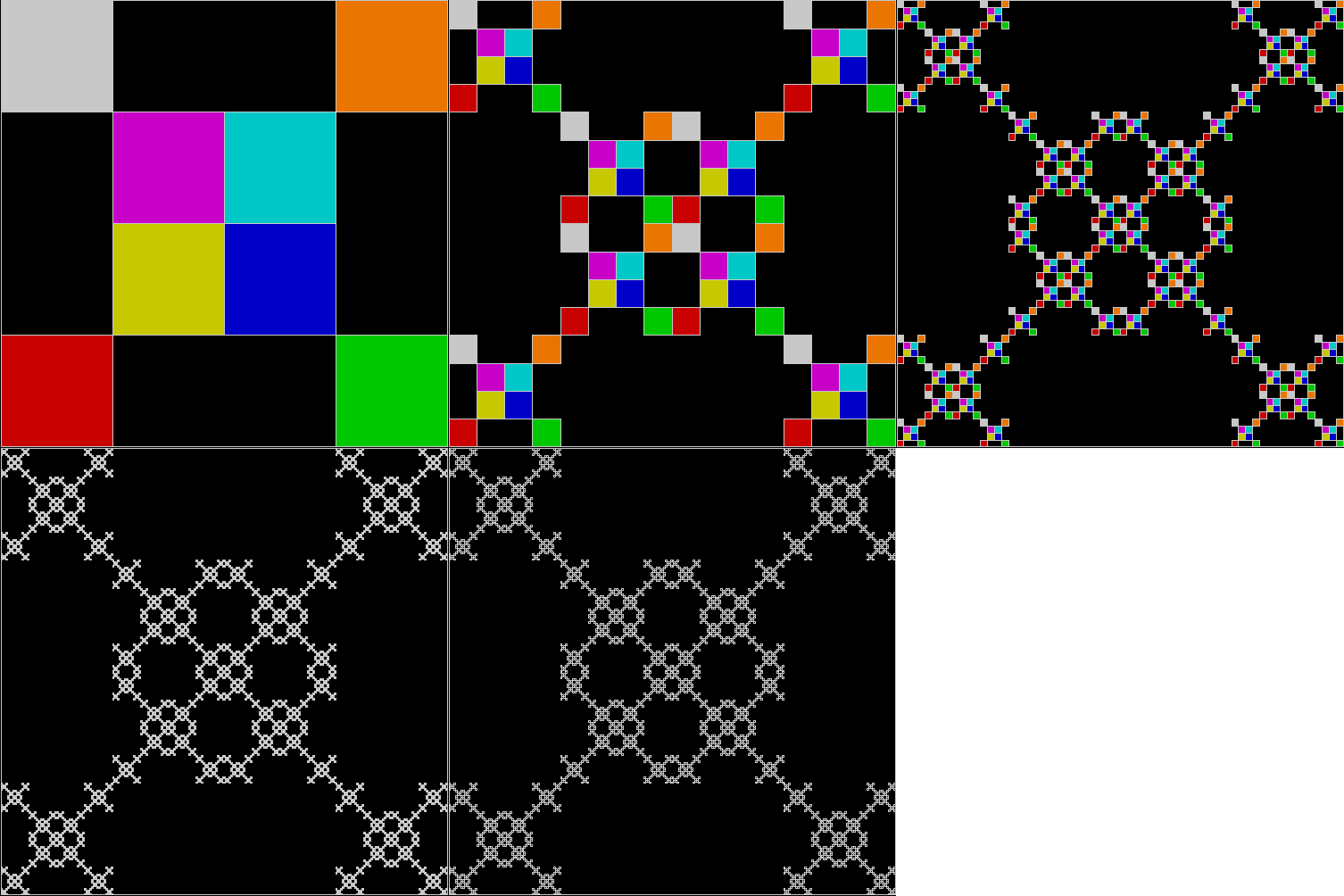
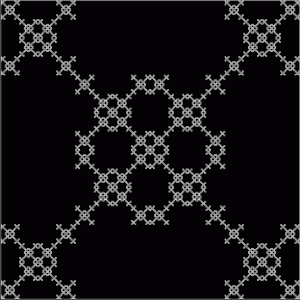
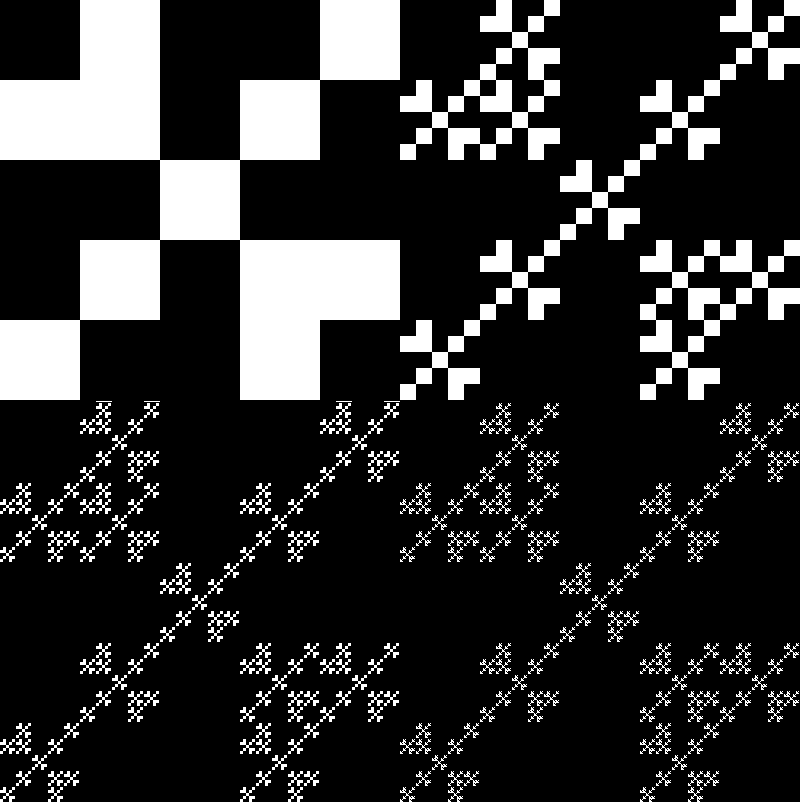
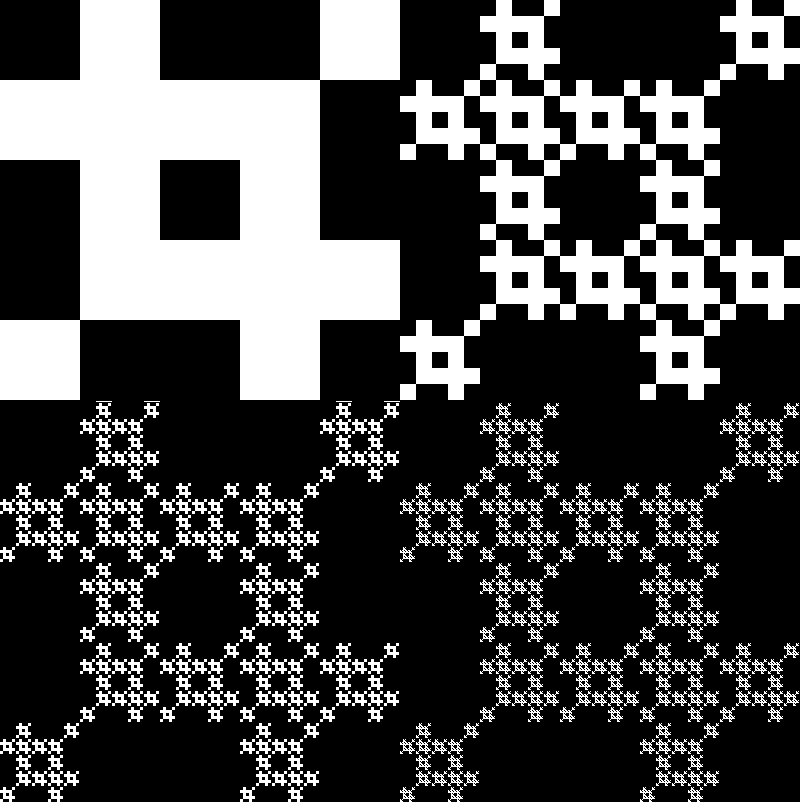
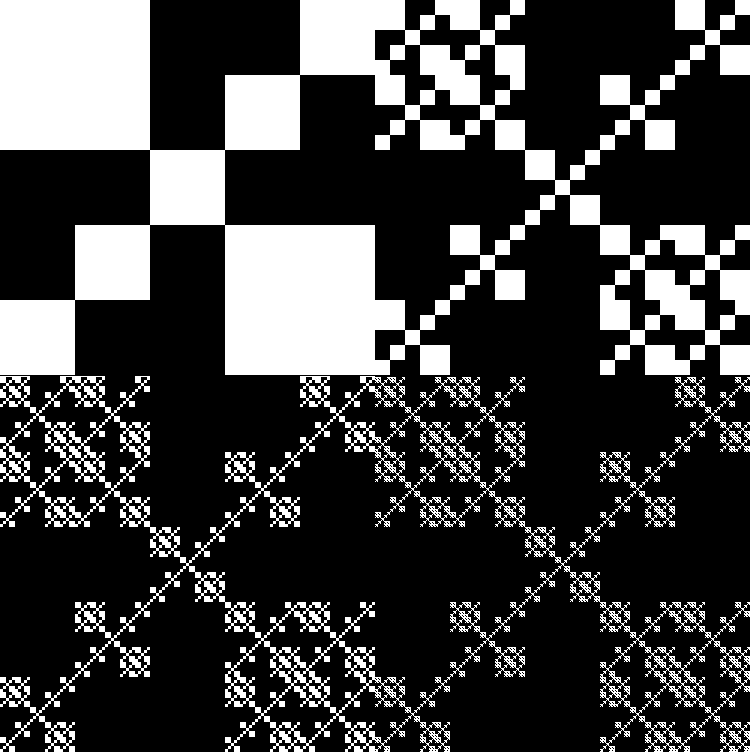
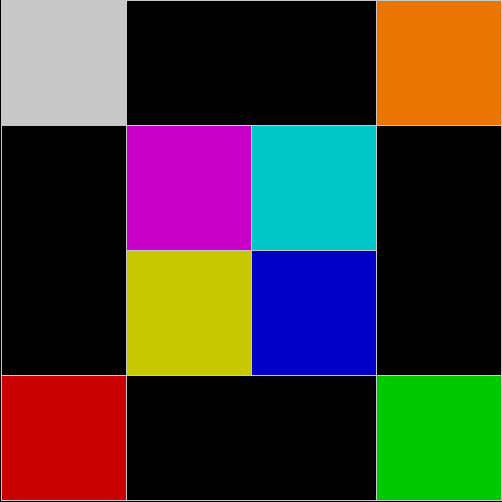
As you can see, the sub-squares appear within the bounds of the original square. But what if some of the sub-squares appear beyond the bounds of the original square? Then a new family of fractals is born, the over-fractals:

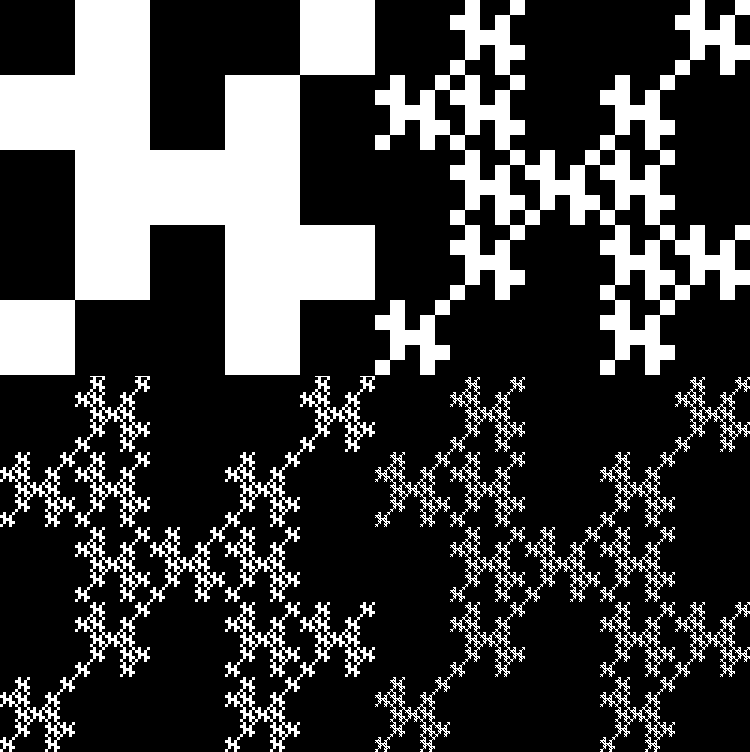
fractal2x2a

fractal2x2a_static


fractal2x2b

fractal2x2b_static


fractal2x2c

fractal2x2c_static


fractal2x2d

fractal2x2d_static


fractal2x2e

fractal2x2e_static


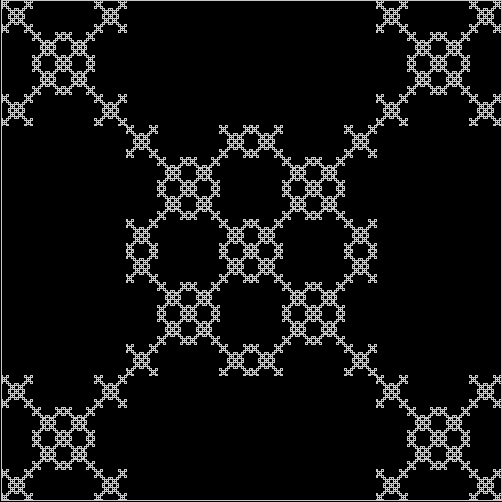
fractal3x3a

fractal3x3a_static


fractal3x3b

fractal3x3b_static


fractal3x3c

fractal3x3c_static


fractal3x3d


fractal3x3e


fractal3x3f


fractal3x3g


fractal3x3h


fractal3x3i


fractal3x3j


fractal3x3k


fractal3x3l


fractal3x3m


fractal3x3n


fractal4x4a


fractal4x4c


fractal4x4b

M.i.P. Trip

The Latin phrase multum in parvo means “much in little”. It’s a good way of describing the construction of fractals, where the application of very simple rules can produce great complexity and beauty. For example, what could be simpler than dividing a square into smaller squares and discarding some of the smaller squares?

Yet repeated applications of divide-and-discard can produce complexity out of even a 2×2 square. Divide a square into four squares, discard one of the squares, then repeat with the smaller squares, like this:

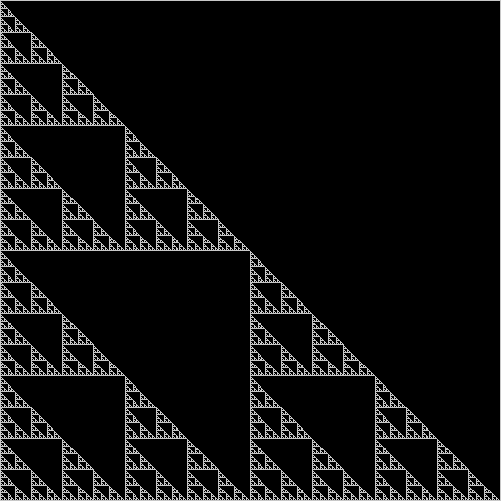
2x2square2


2x2square3


Increase the sides of the square by a little and you increase the number of fractals by a lot. A 3×3 square yields these fractals:

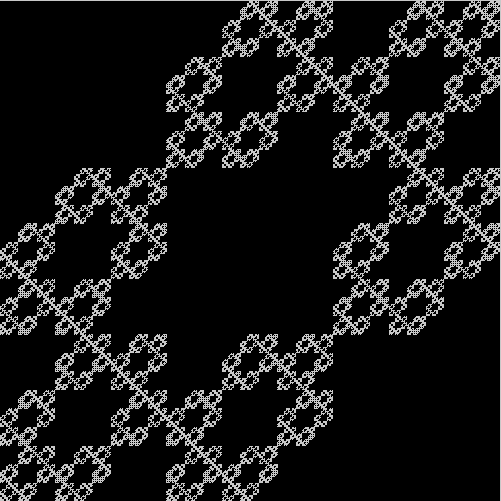
3x3square2


3x3square3


3x3square6


3x3square7


3x3square8


3x3square9


3x3square10


And the 4×4 and 5×5 fractals yield more:

4x4square1


4x4square2


4x4square4


4x4square5


4x4square6


4x4square7


4x4square8


5x5square1


5x5square2


5x5square3


5x5square4


5x5square5


5x5square6


5x5square7


The Hex Fractor

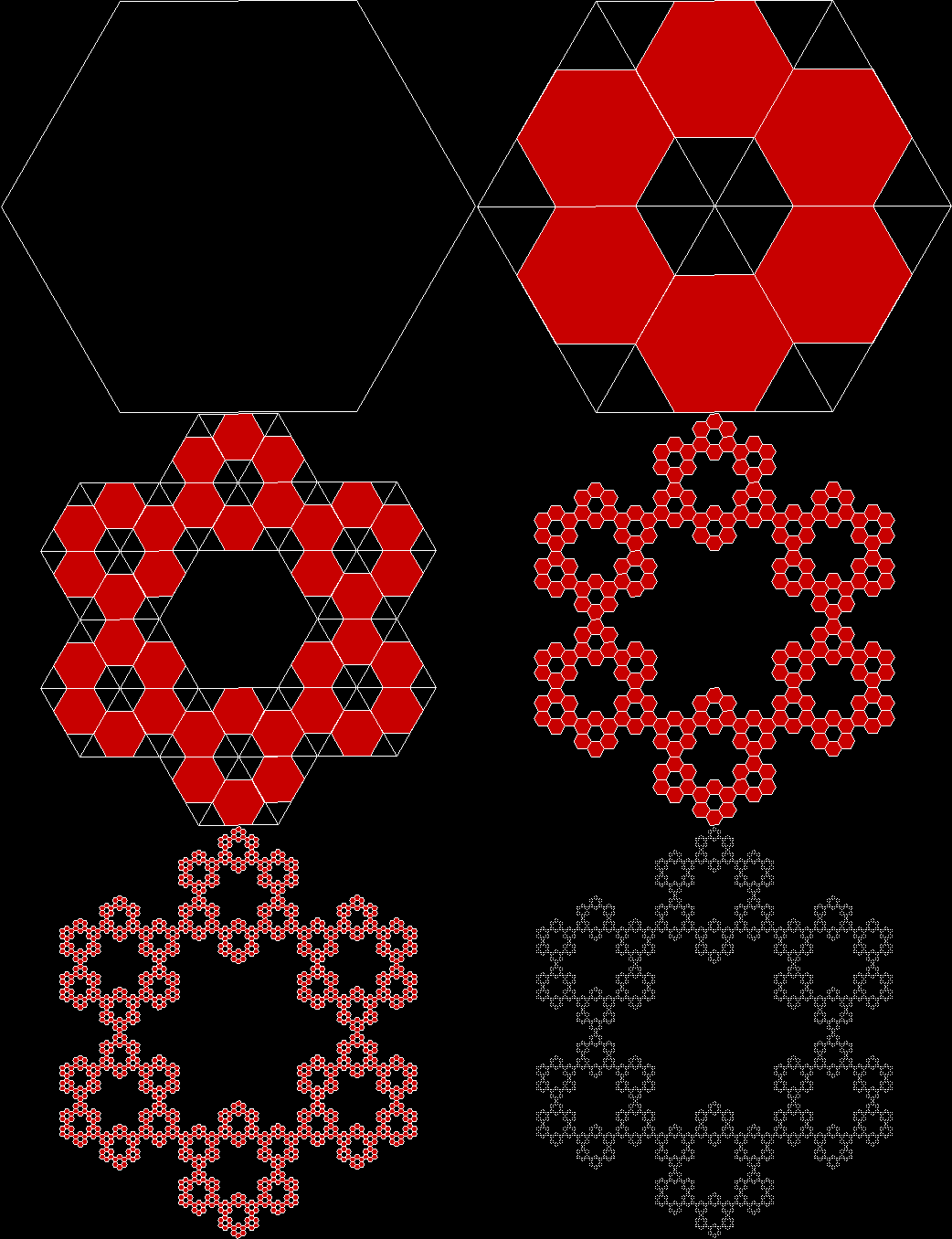
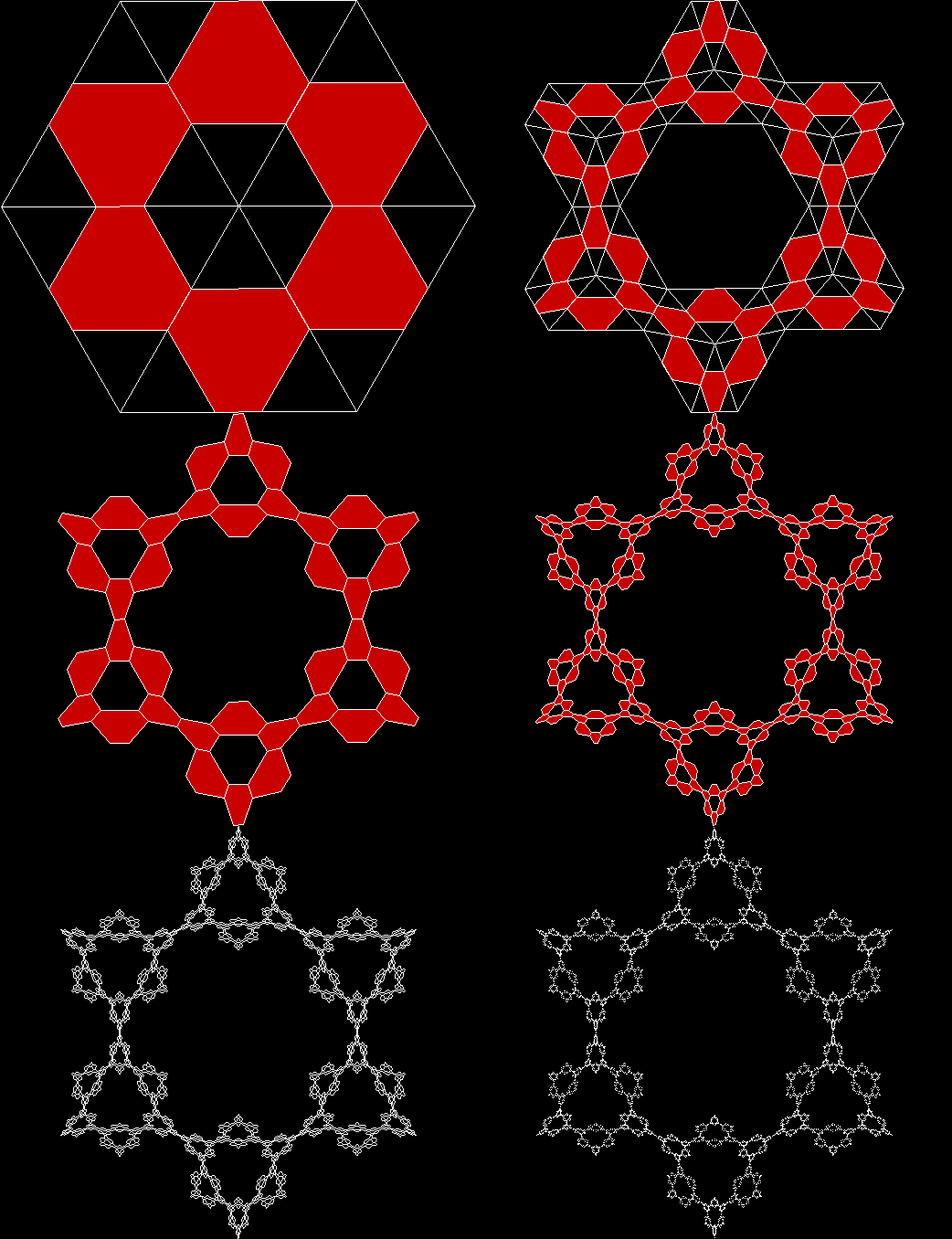
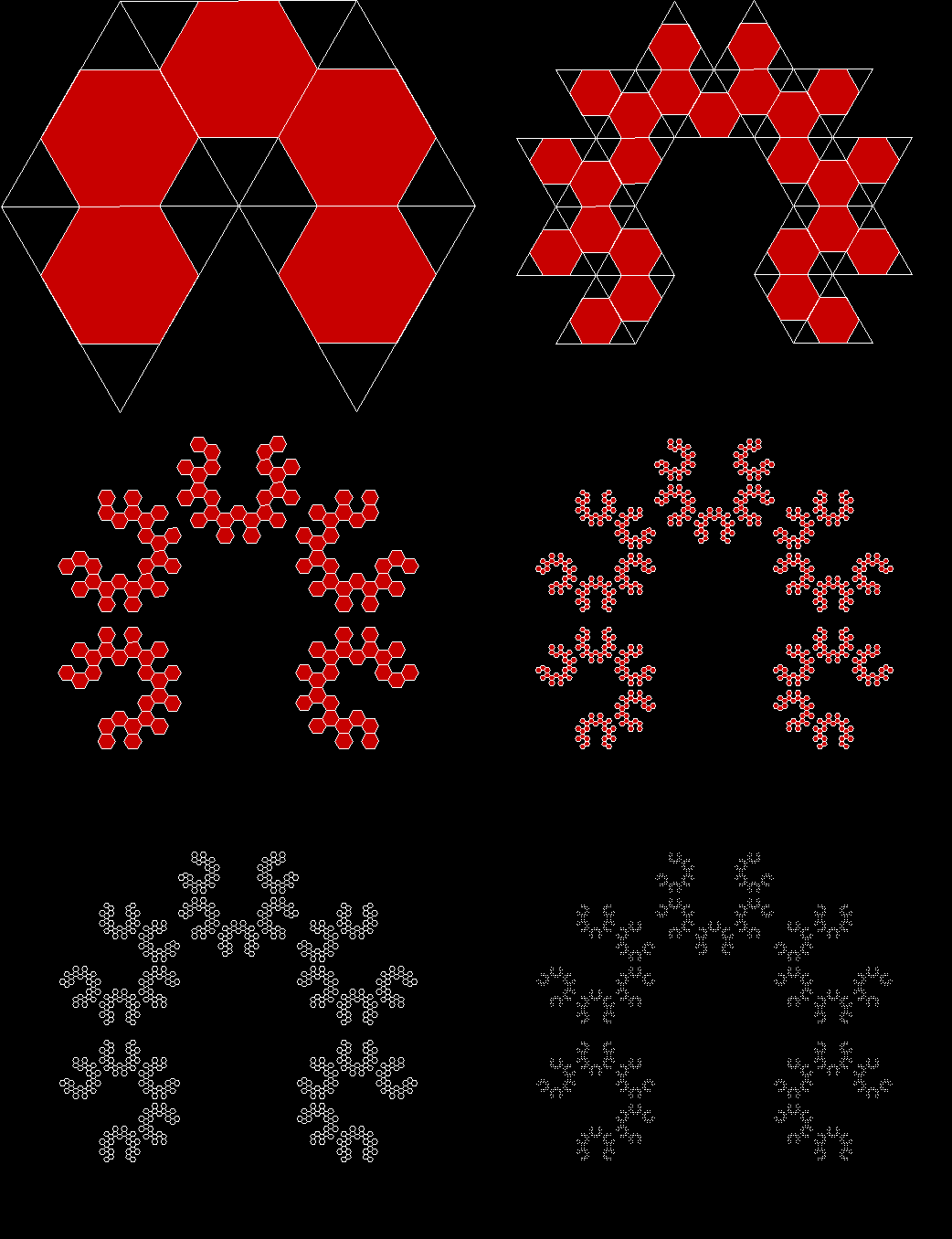
A regular hexagon can be divided into six equilateral triangles. An equilateral triangle can be divided into three more equilateral triangles and a regular hexagon. If you discard the three triangles and repeat, you create a fractal, like this:

hexring
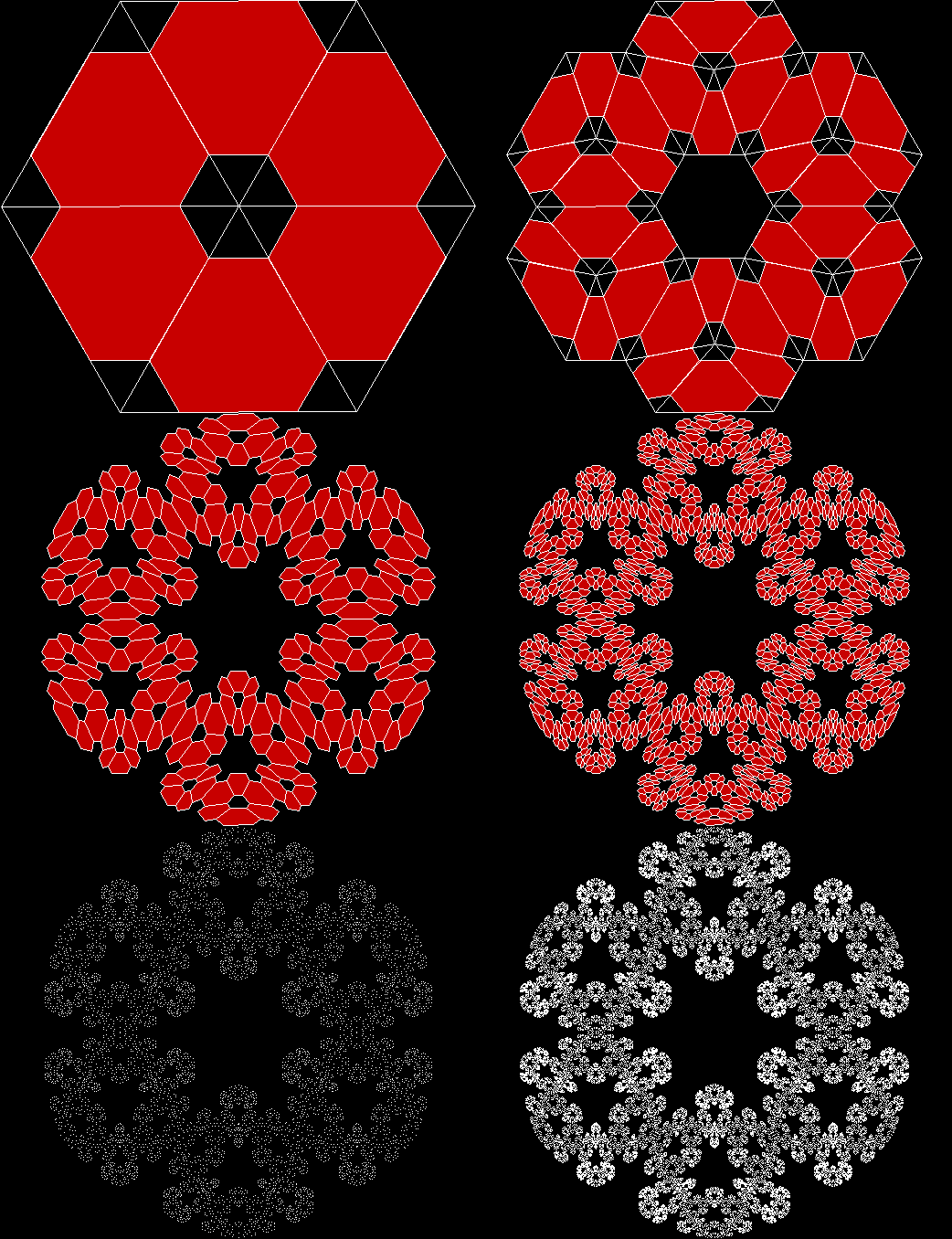
Adjusting the sides of the internal hexagon creates new fractals:
hexring2
hexring1
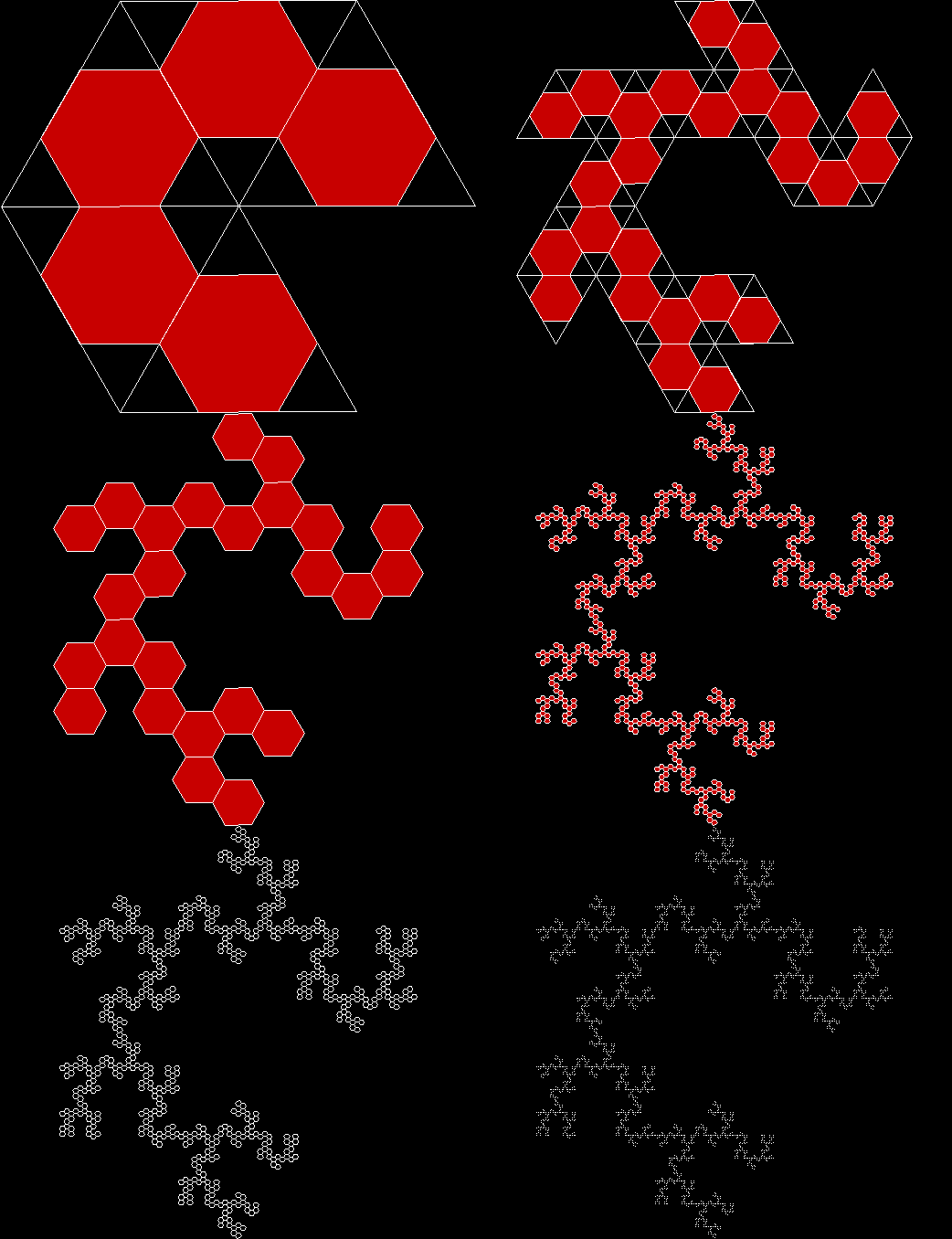
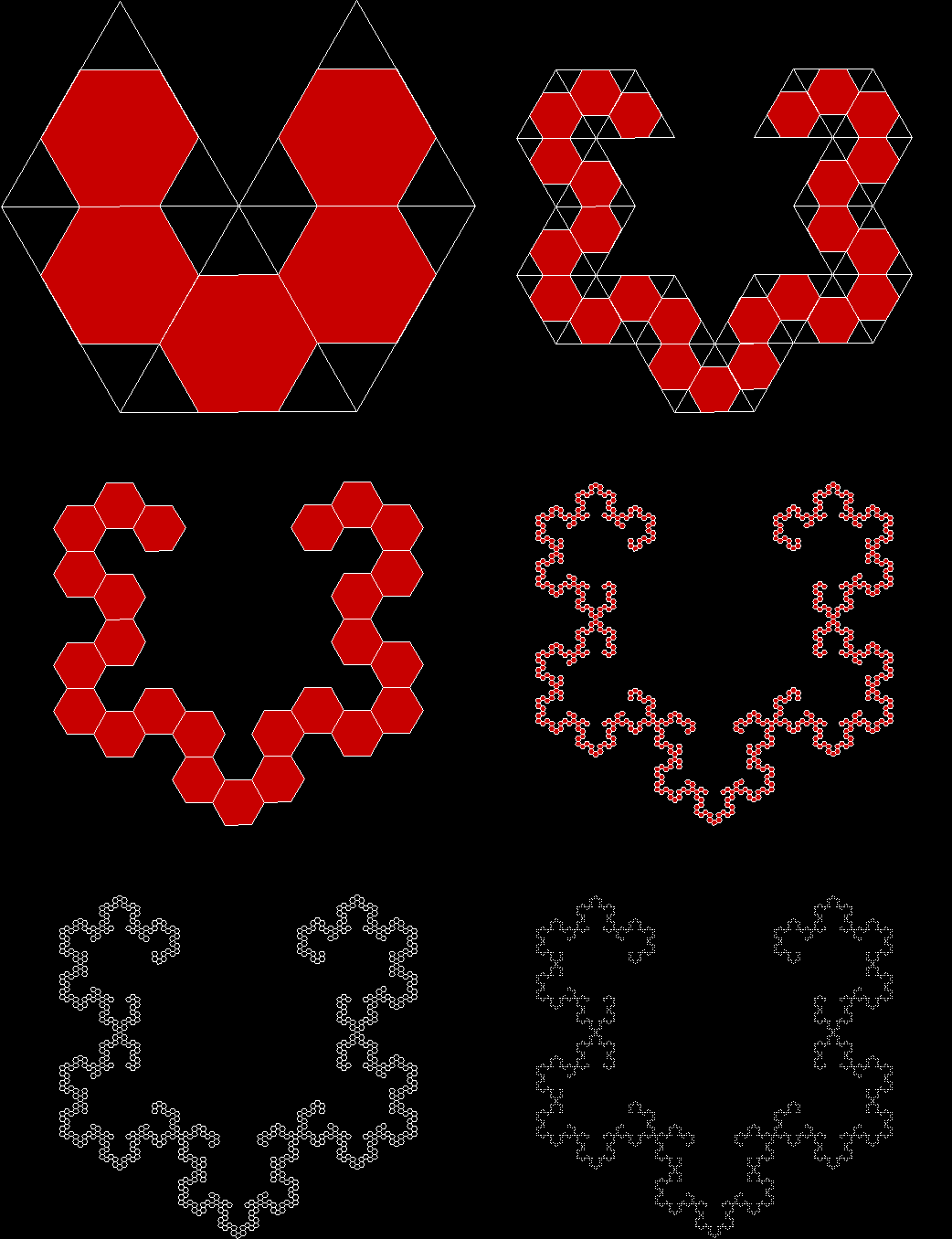
Discarding a hexagon after each subdivision creates new shapes:

hexring4
hexring5
hexring6
And you can start with another regular polygon, divide it into triangles, then proceed with the hexagons:
hexring3