
Maths is a mountain: you can start climbing in different places and reach the same destination. There are many ways of proving the irrationality of √2 or the infinitude of the primes, for example. But you can also arrive at the same destination by accident. I’ve found that when I use different methods of creating fractals. The same fractals appear, because apparently different algorithms are actually the same underneath.
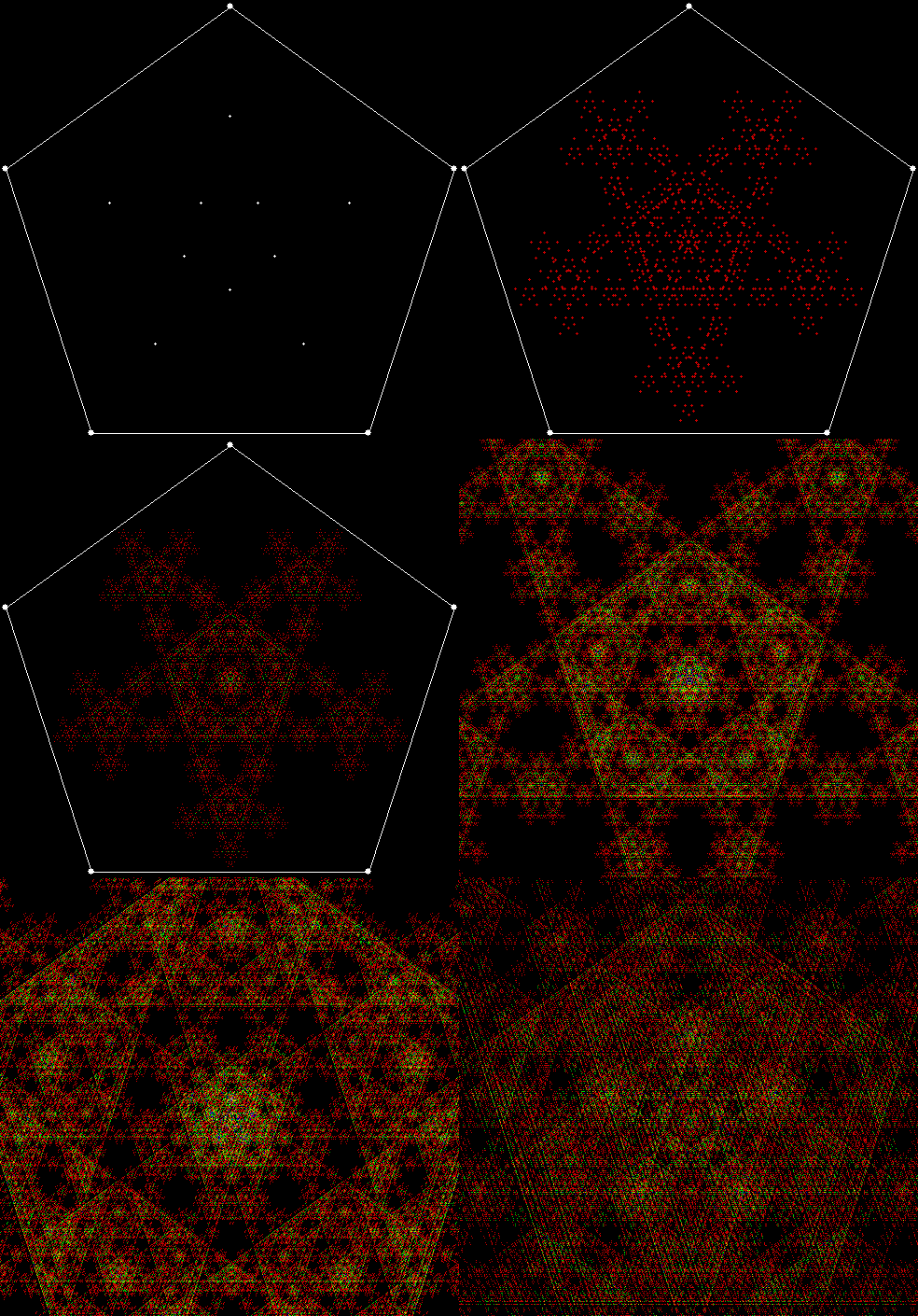
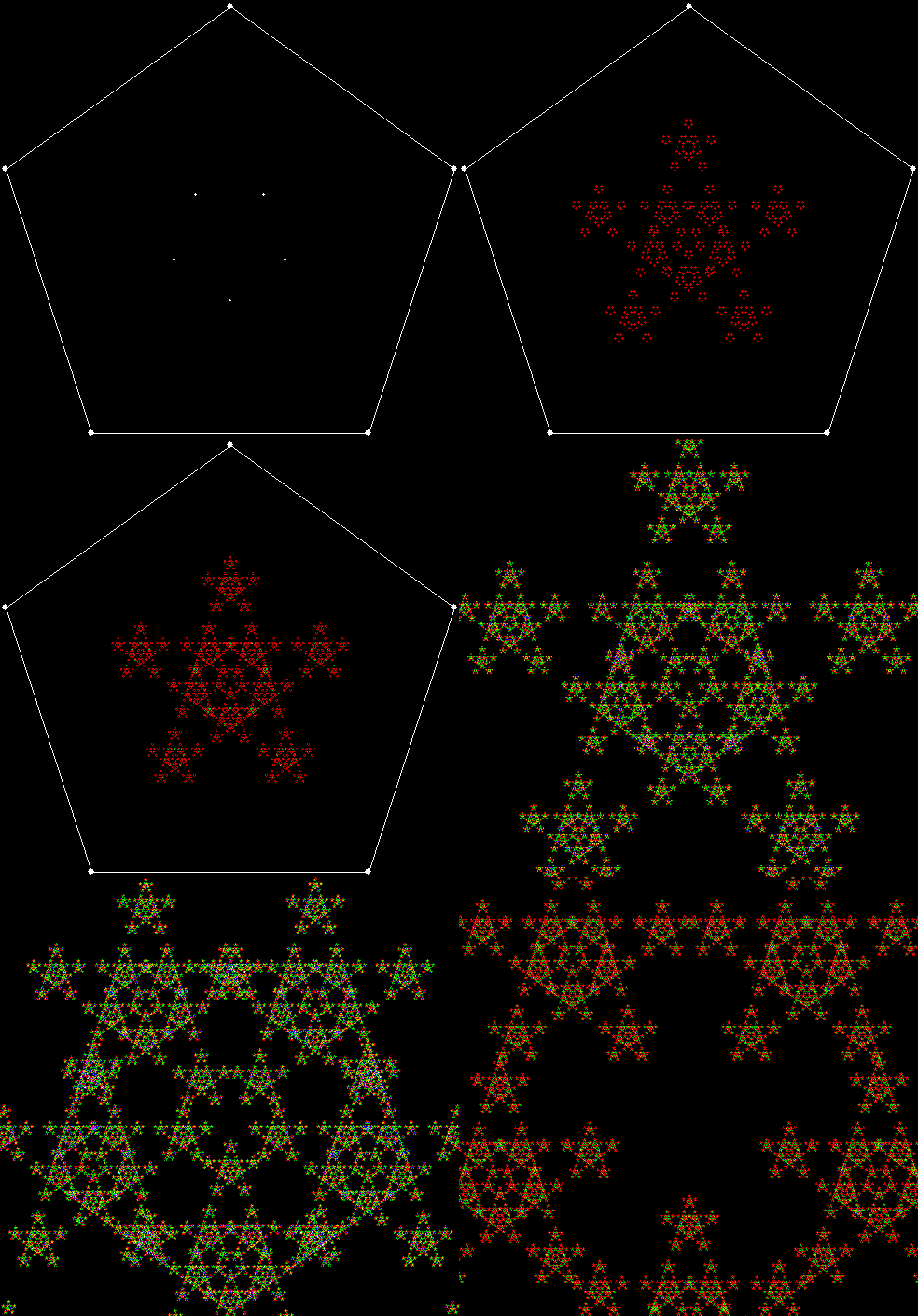
But different methods can create unique fractals too. I’ve found some new ones by using what might be called point-to-point recursion. For example, there are ten ways to select three vertices from the five vertices of a pentagon: (1, 2, 3), (1, 2, 4), (1, 2, 5), (1, 3, 4), (1, 3, 5), (1, 4, 5), (2, 3, 4), (2, 3, 5), (2, 4, 5), (3, 4, 5). Find the midpoint of the first three-point set, (1, 2, 3). Then select two vertices to go with this midpoint, creating a new three-point set, and find the midpoint again. And so on. The process looks like this, with the midpoints shown for all the three-point sets found at each stage:
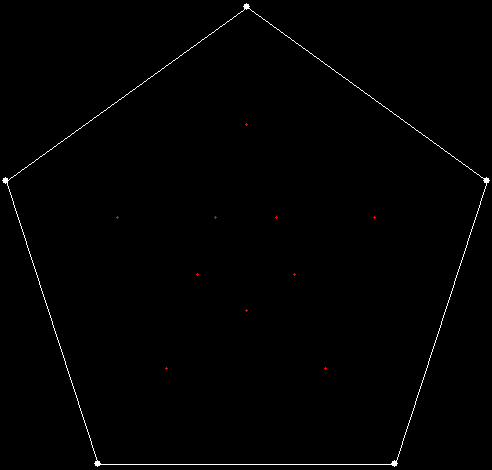
vertices = 5, choose sets of 3 points, find mid-point of each
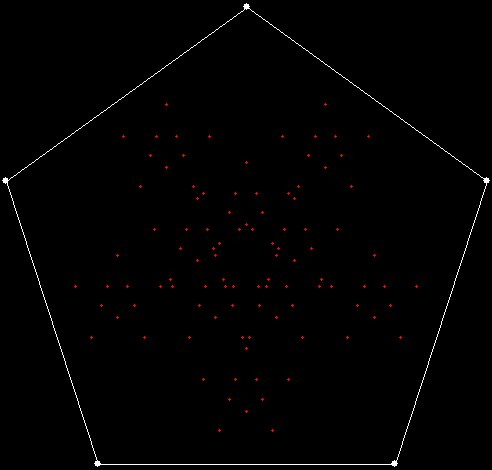
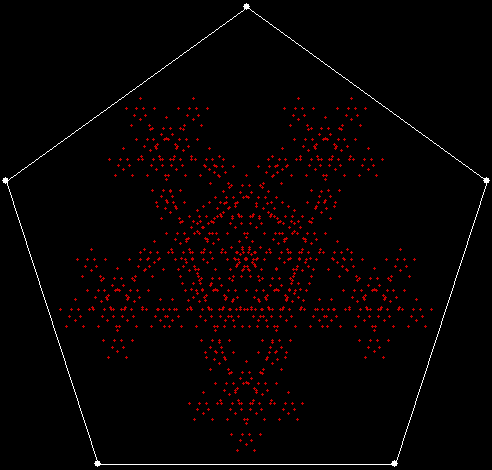
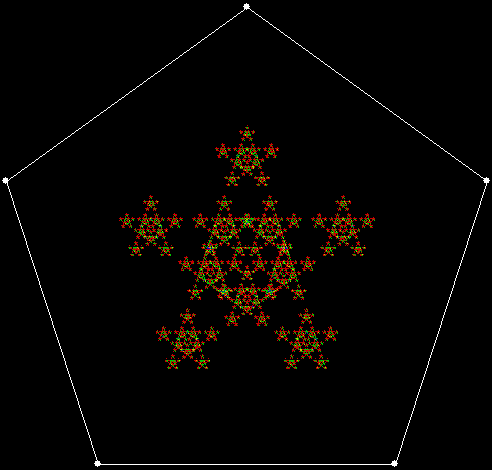
At stage 5, the fractal looks like this:
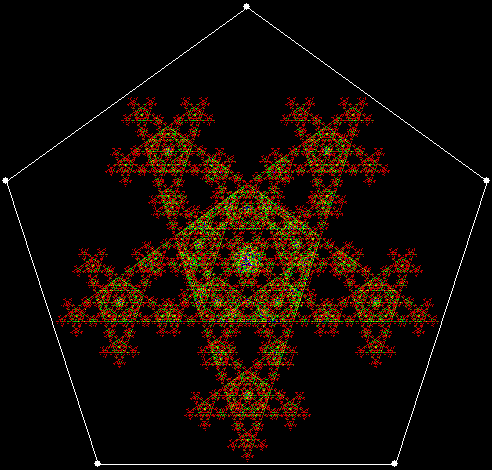
v = 5, p = 3
Note that when pixels are used again, the colour changes. That’s another interesting thing about maths: limits can sometimes produce deeper results. If these fractals were drawn at very high resolution, pixels would only be used once and the colour would never change. As it is, low resolution means that pixels are used again and again. But some are used more than others, which is why interesting colour effects appear.
If the formation of the fractal is animated, it looks like this (with close-ups of even deeper stages):
Here are some more examples:
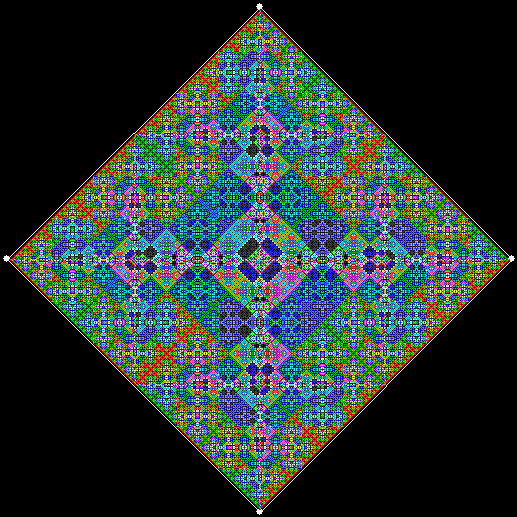
v = 4 + central point, p = 2 (cf. Fingering the Frigit)
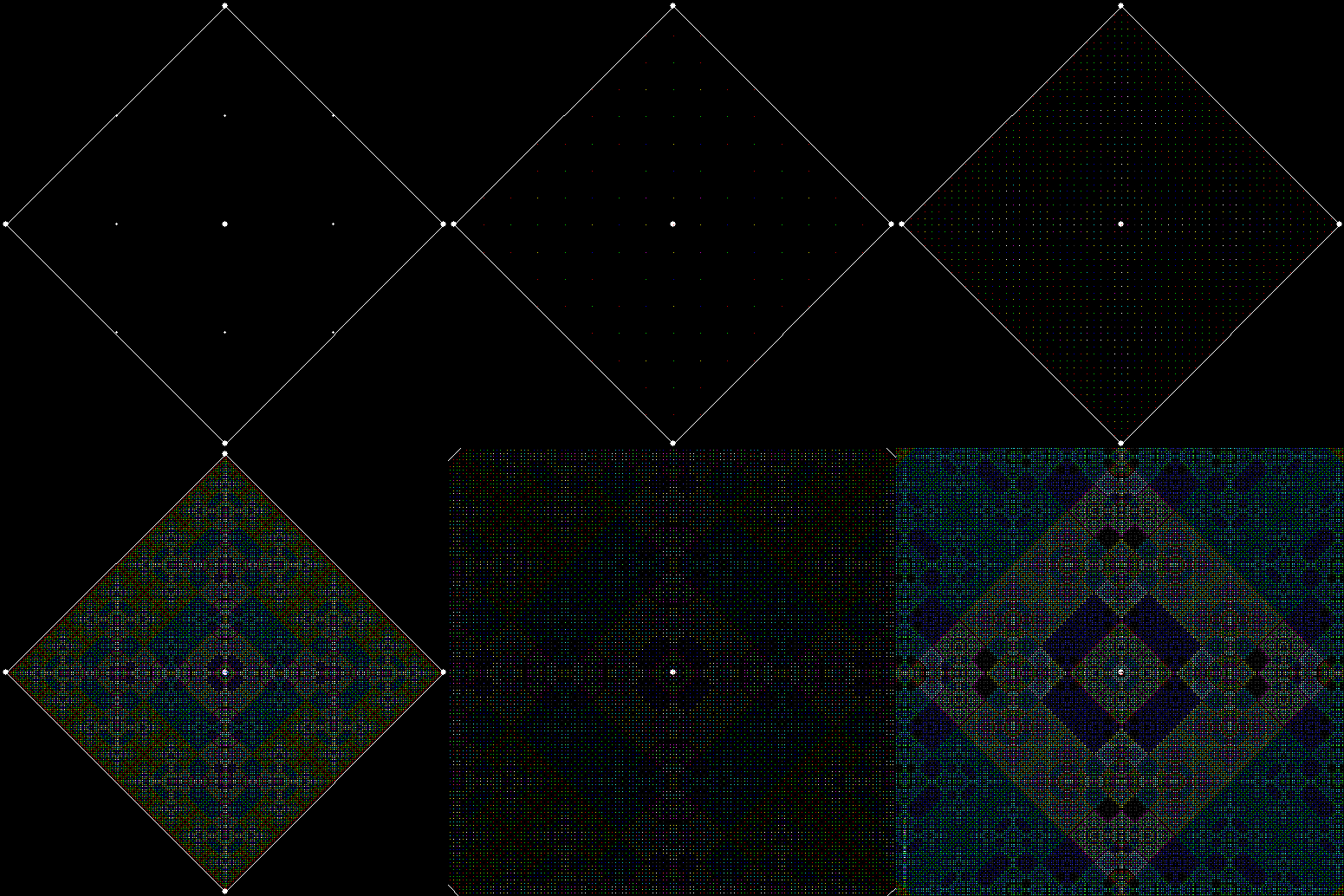
v = 4c, p = 2 (animated)
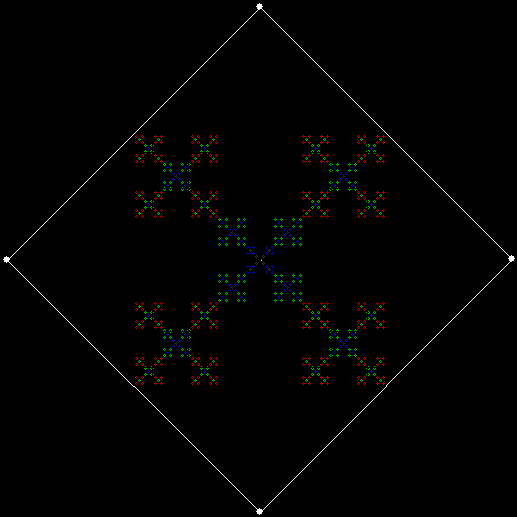
v = 4, p = 3
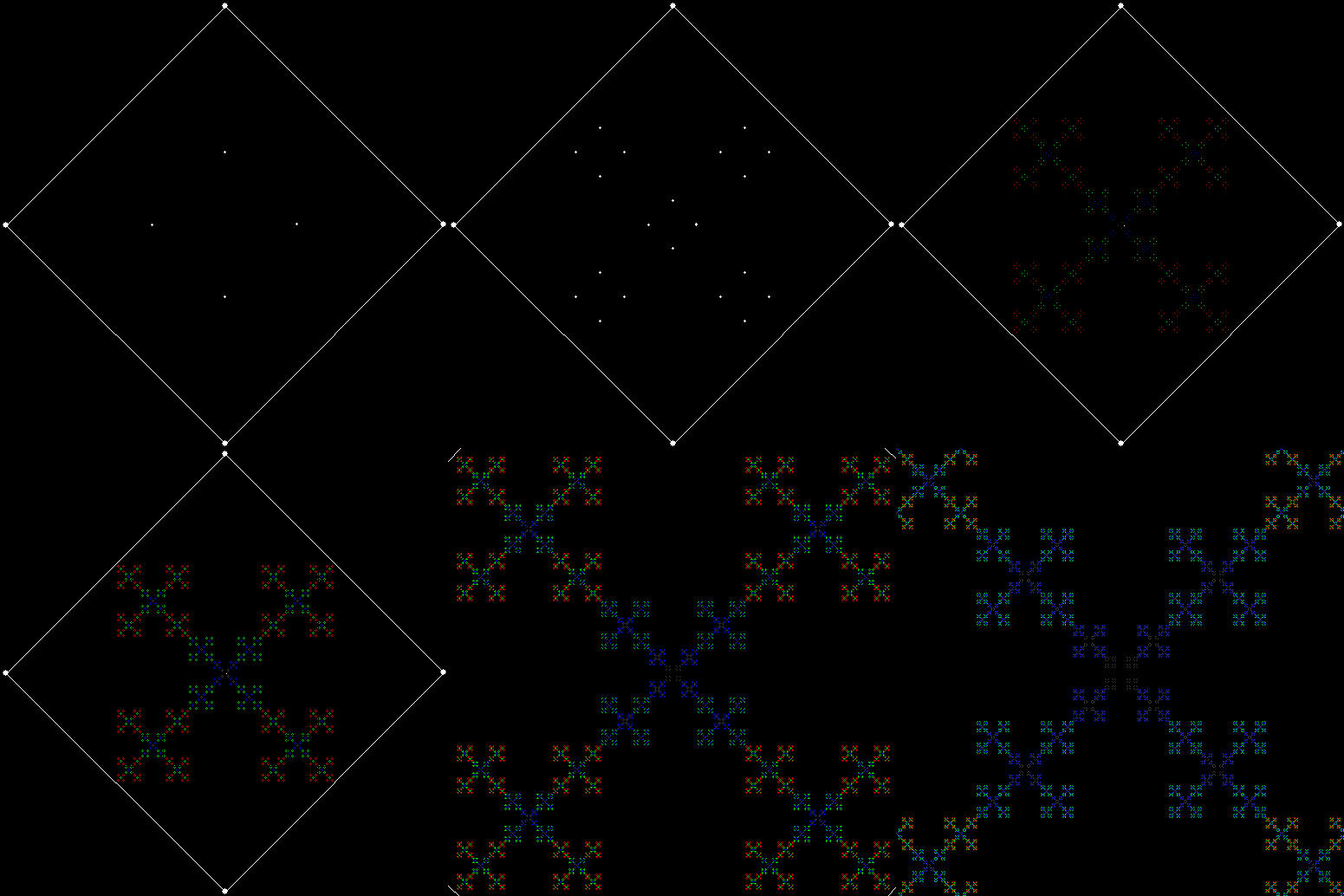
v = 5, p = 4
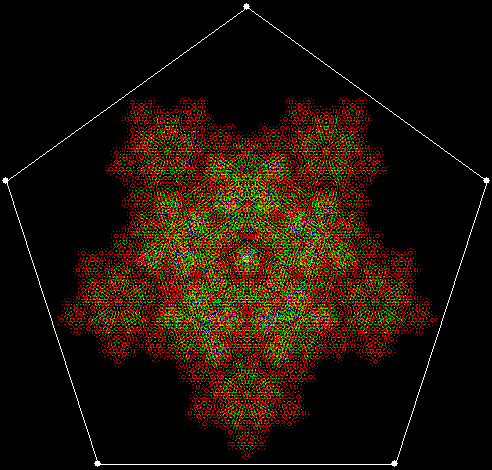
v = 5 + central point, p = 3
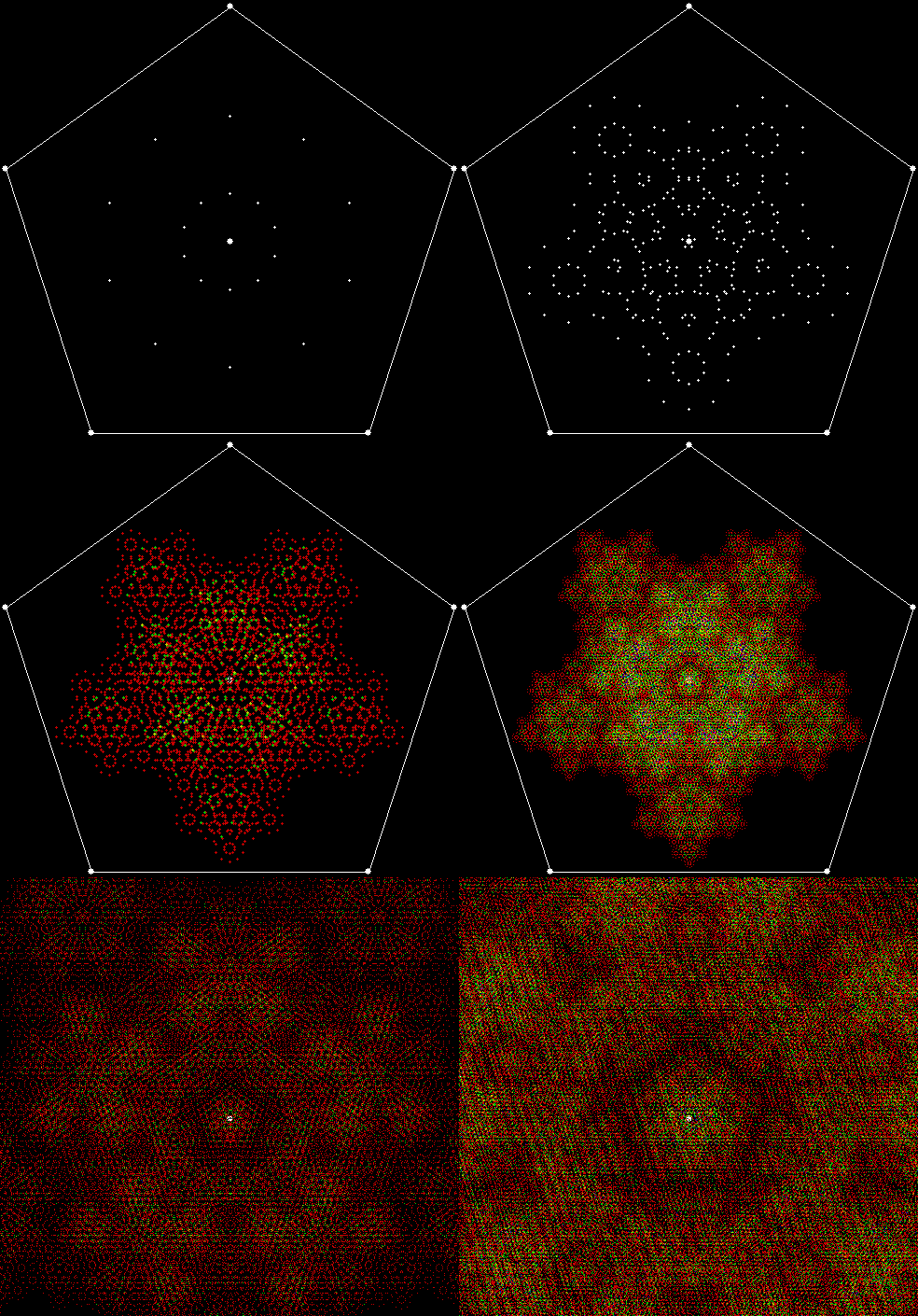
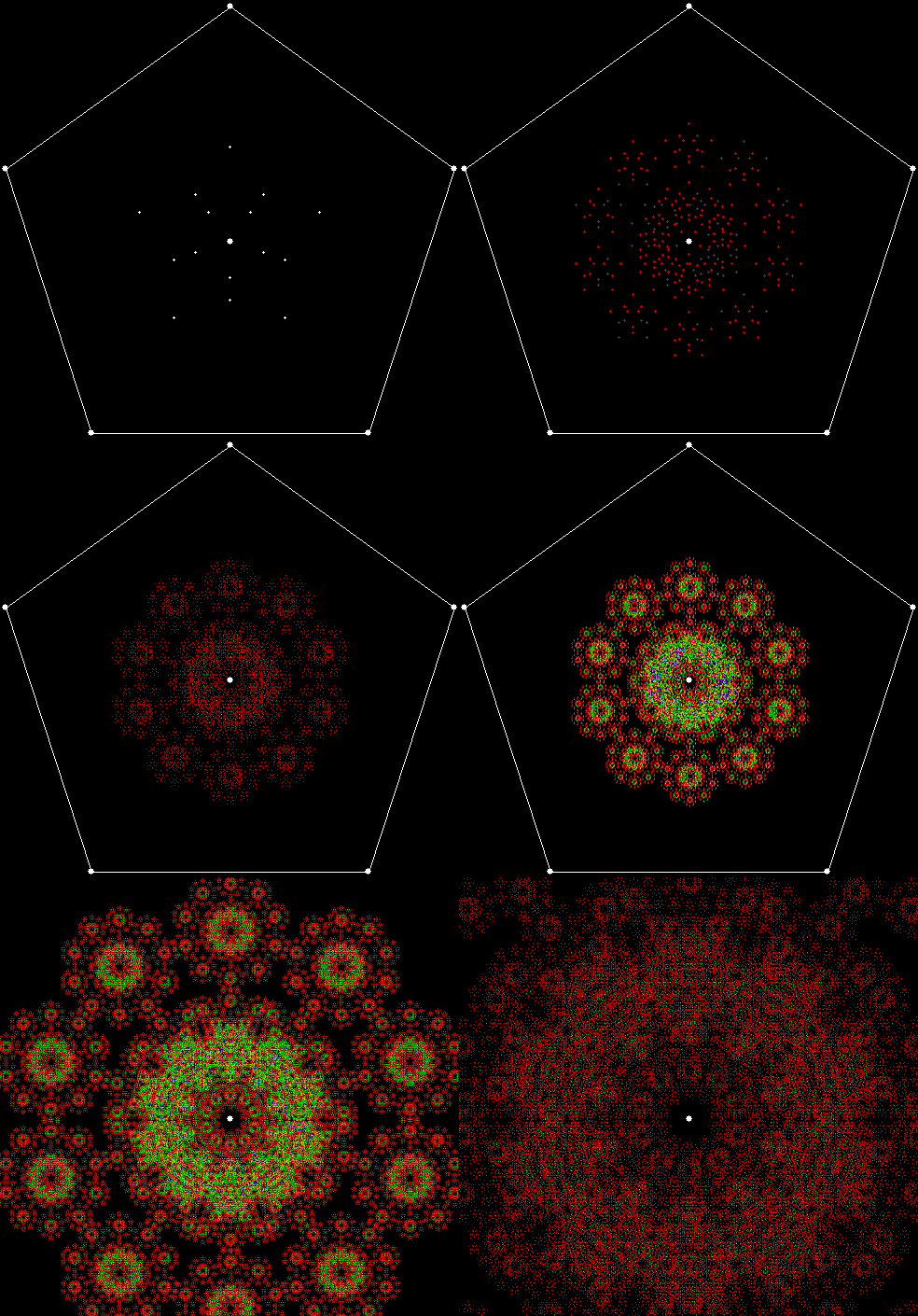
v = 5c, p = 4
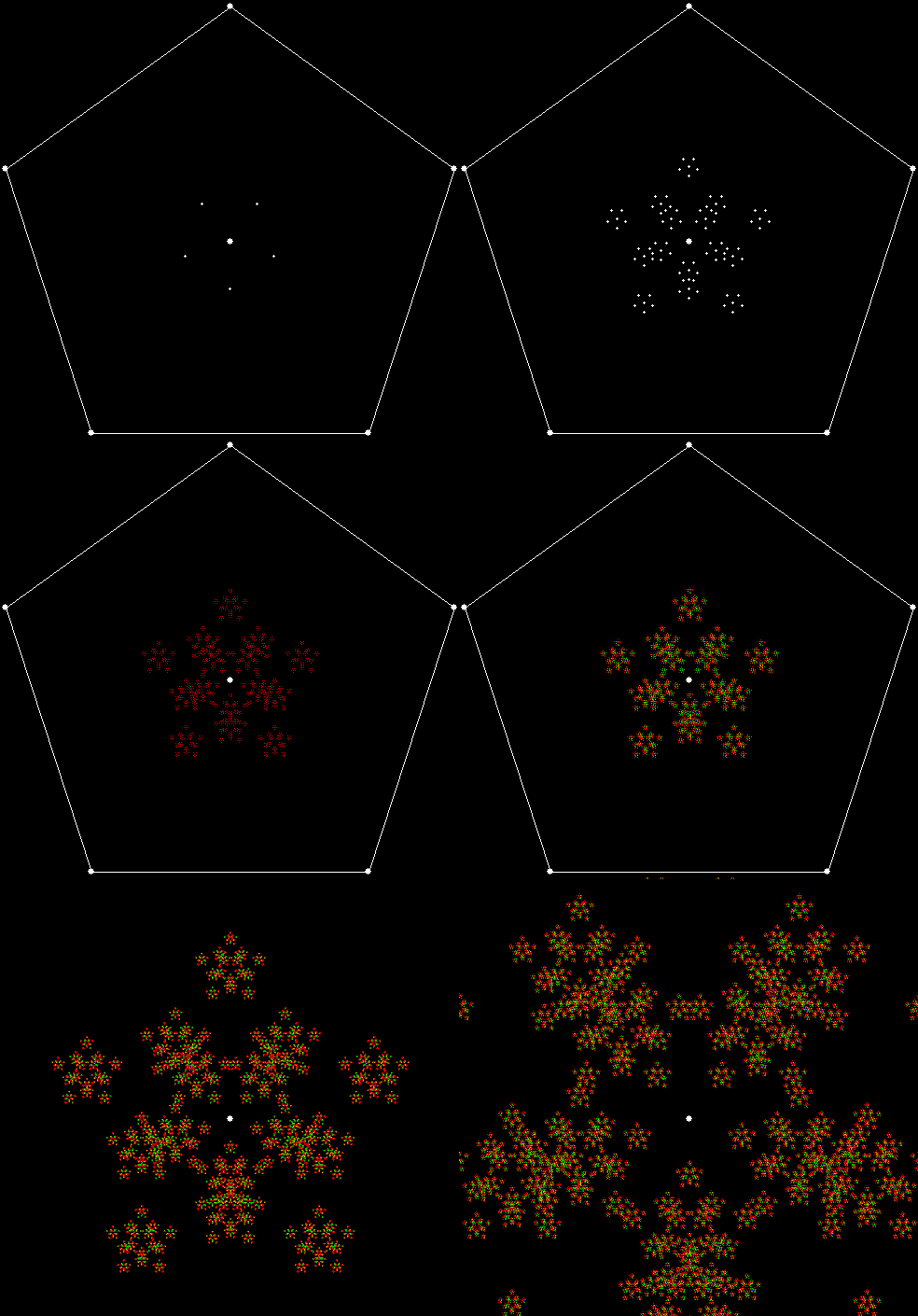
v = 5c, p = 5
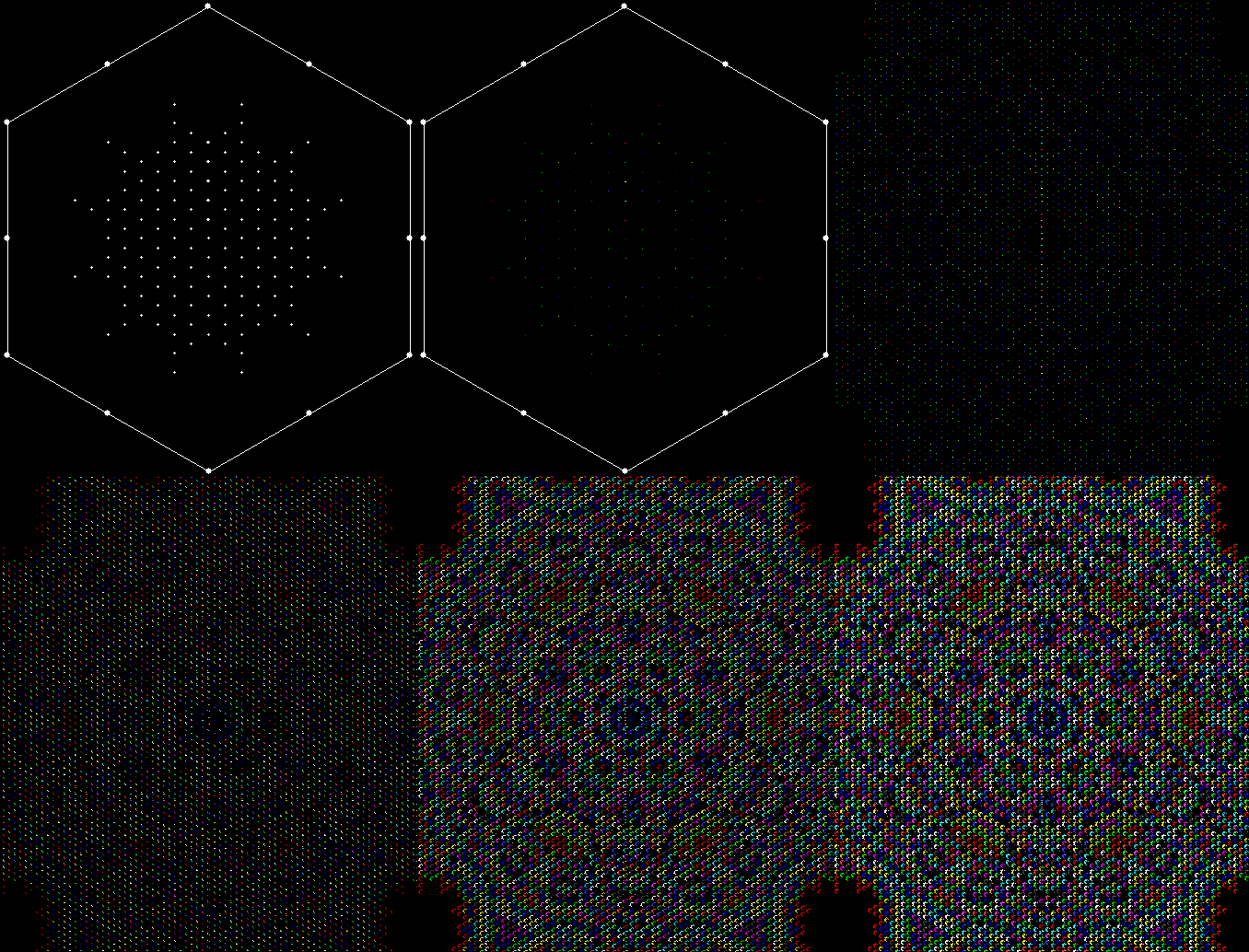
v = 6 + 1 point between each pair of vertices, p = 6
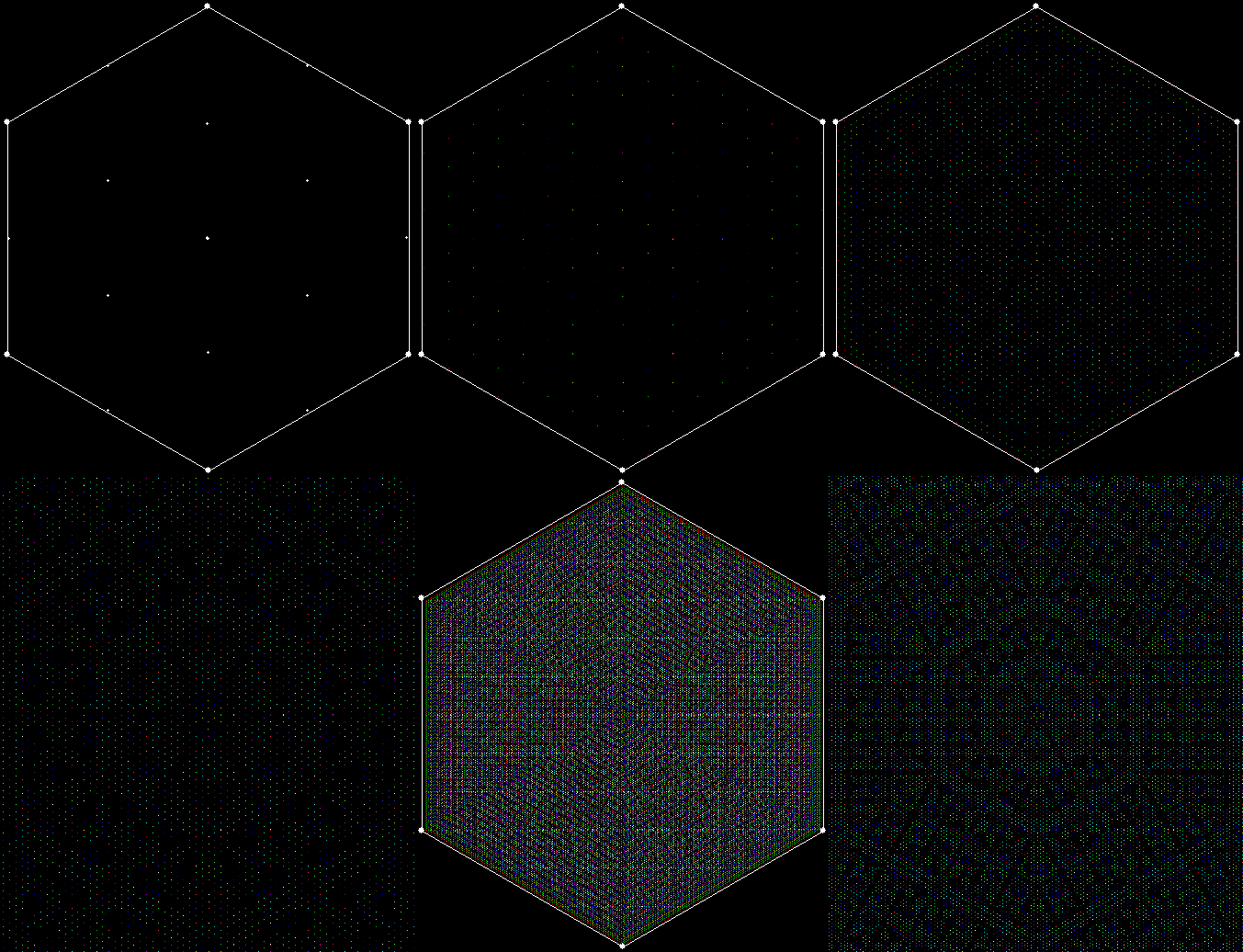
v = 6, p = 2
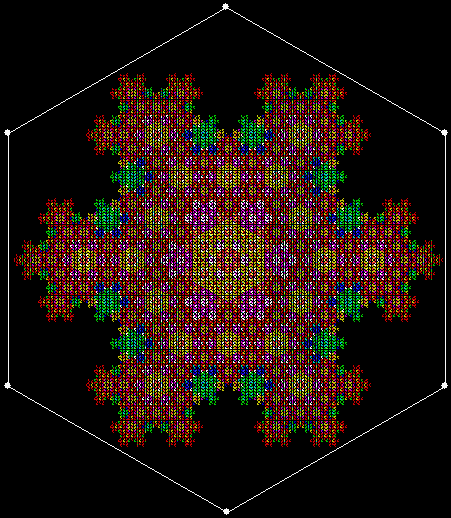
v = 6, p = 3
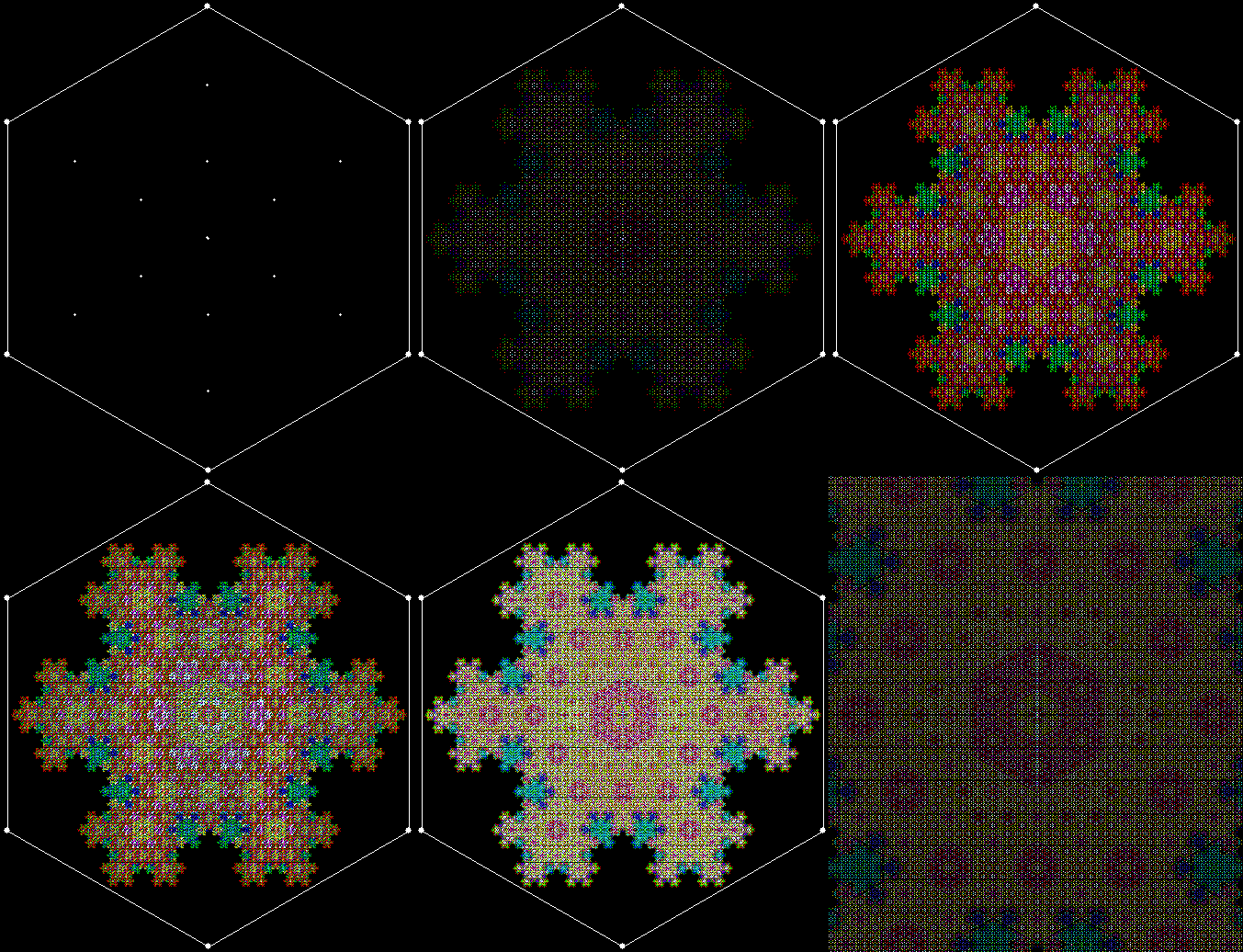
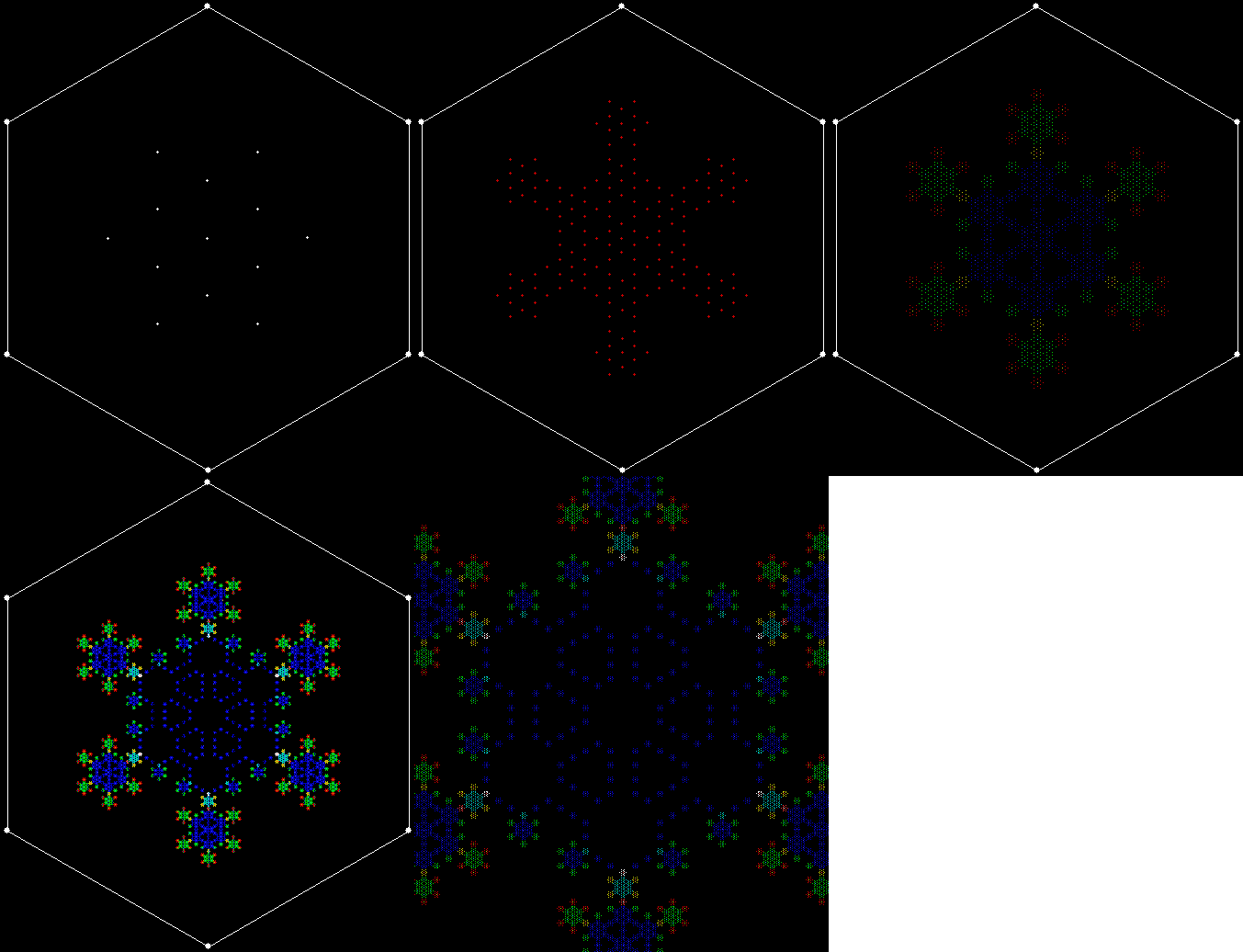
v = 6, p = 4
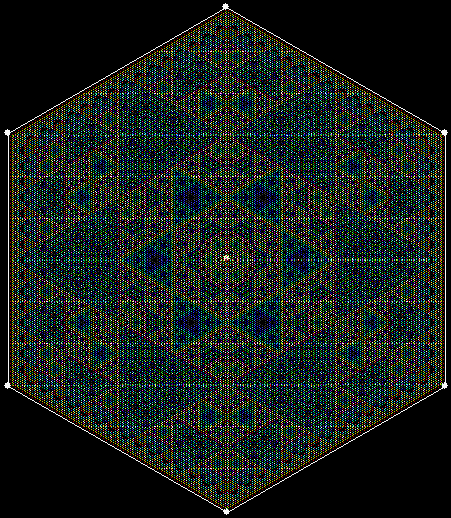
v = 6c, p = 2 (cf. Fingering the Frigit)
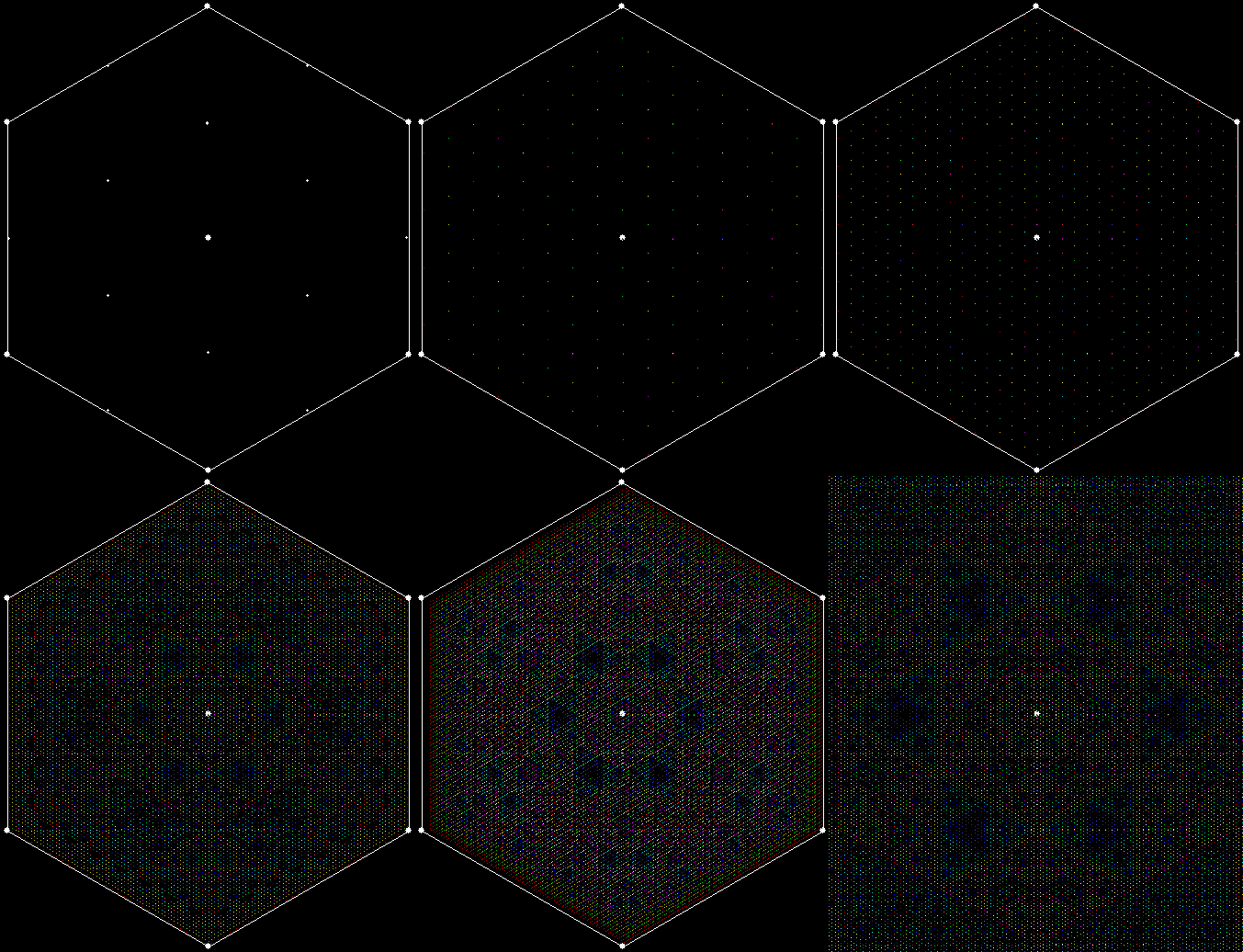
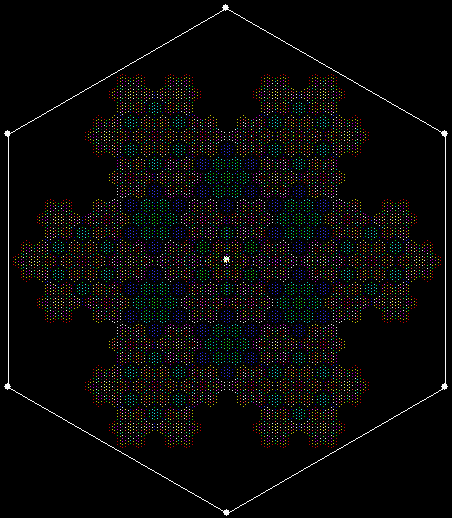
v = 6c, p = 3
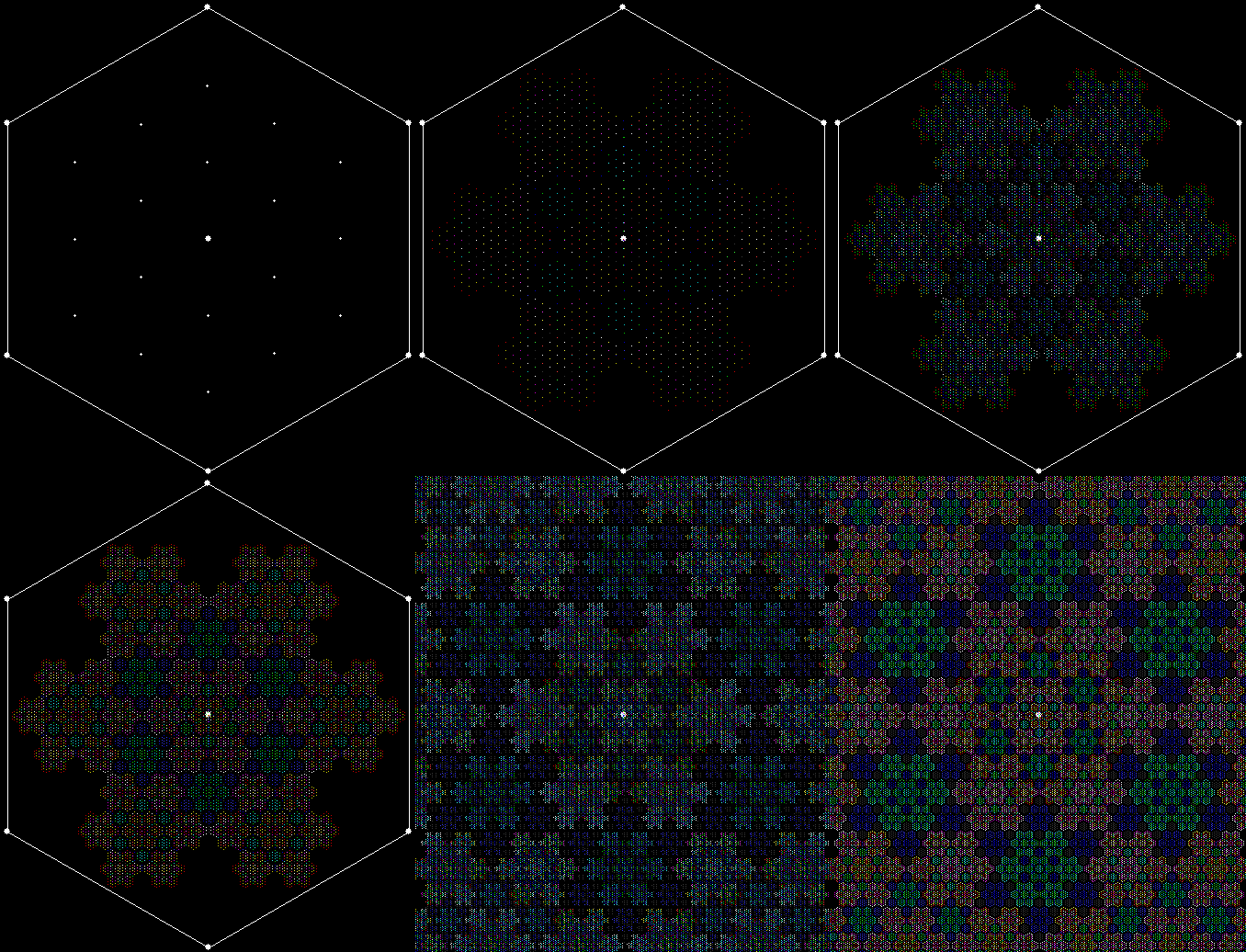
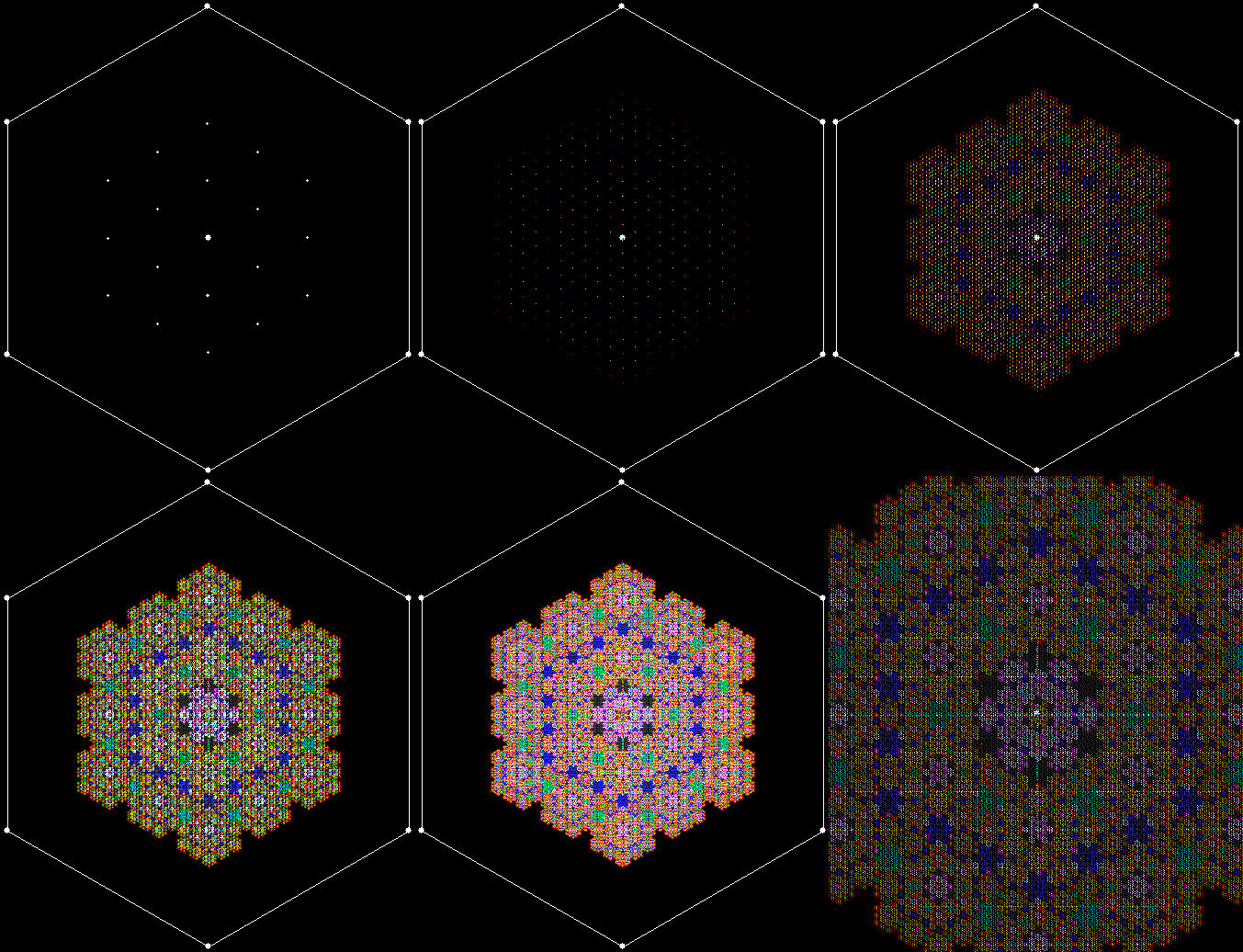
v = 6c, p = 4
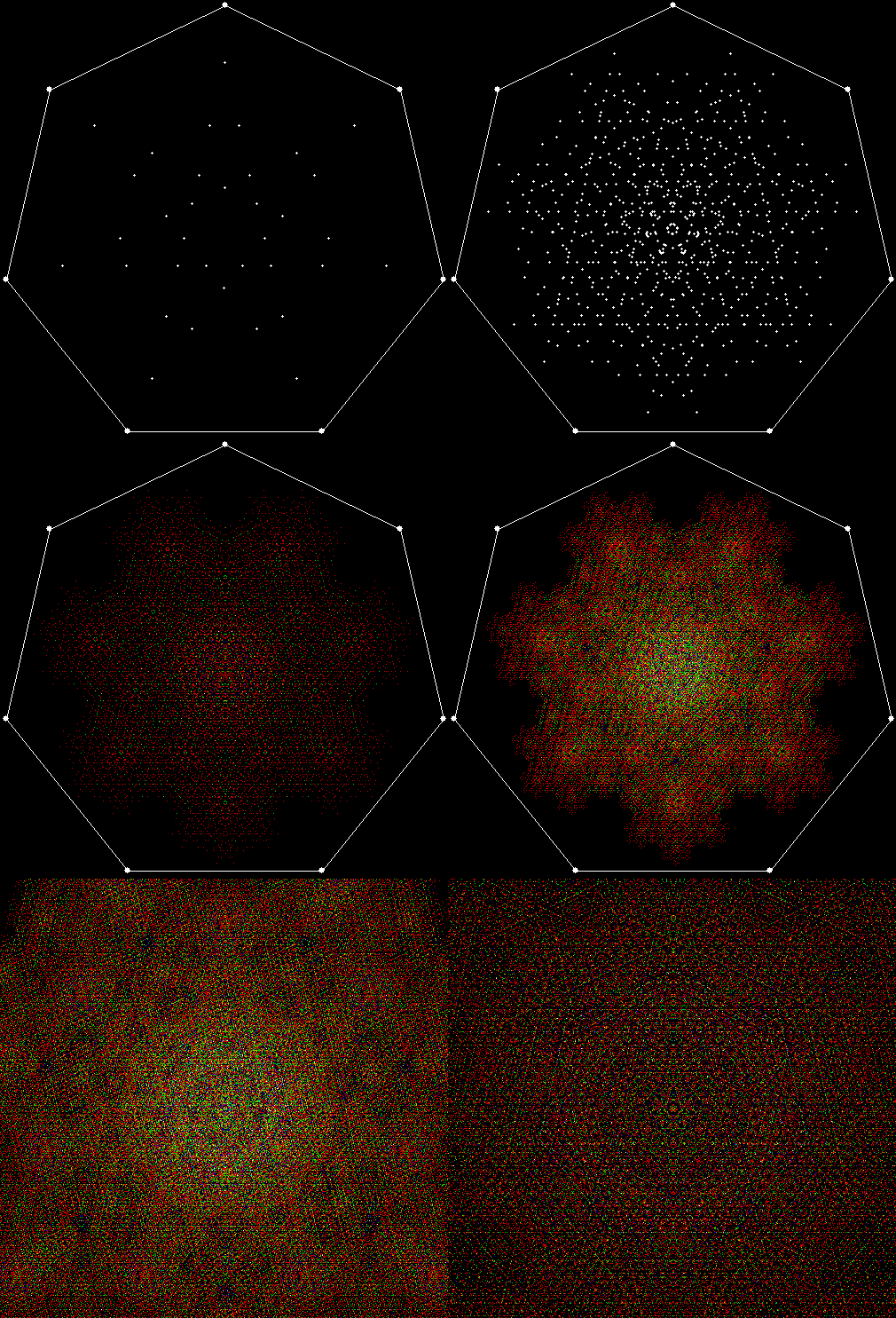
v = 7, p = 3
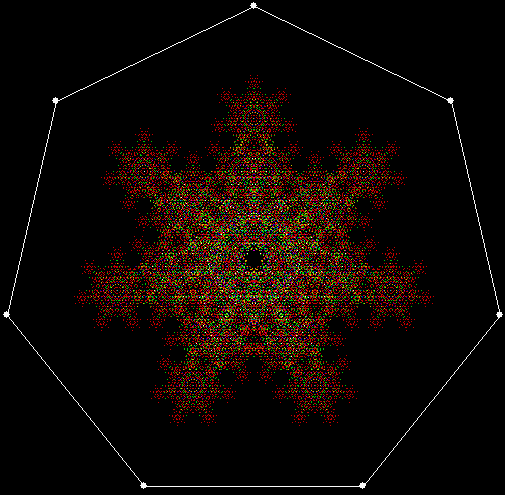
v = 7, p = 4
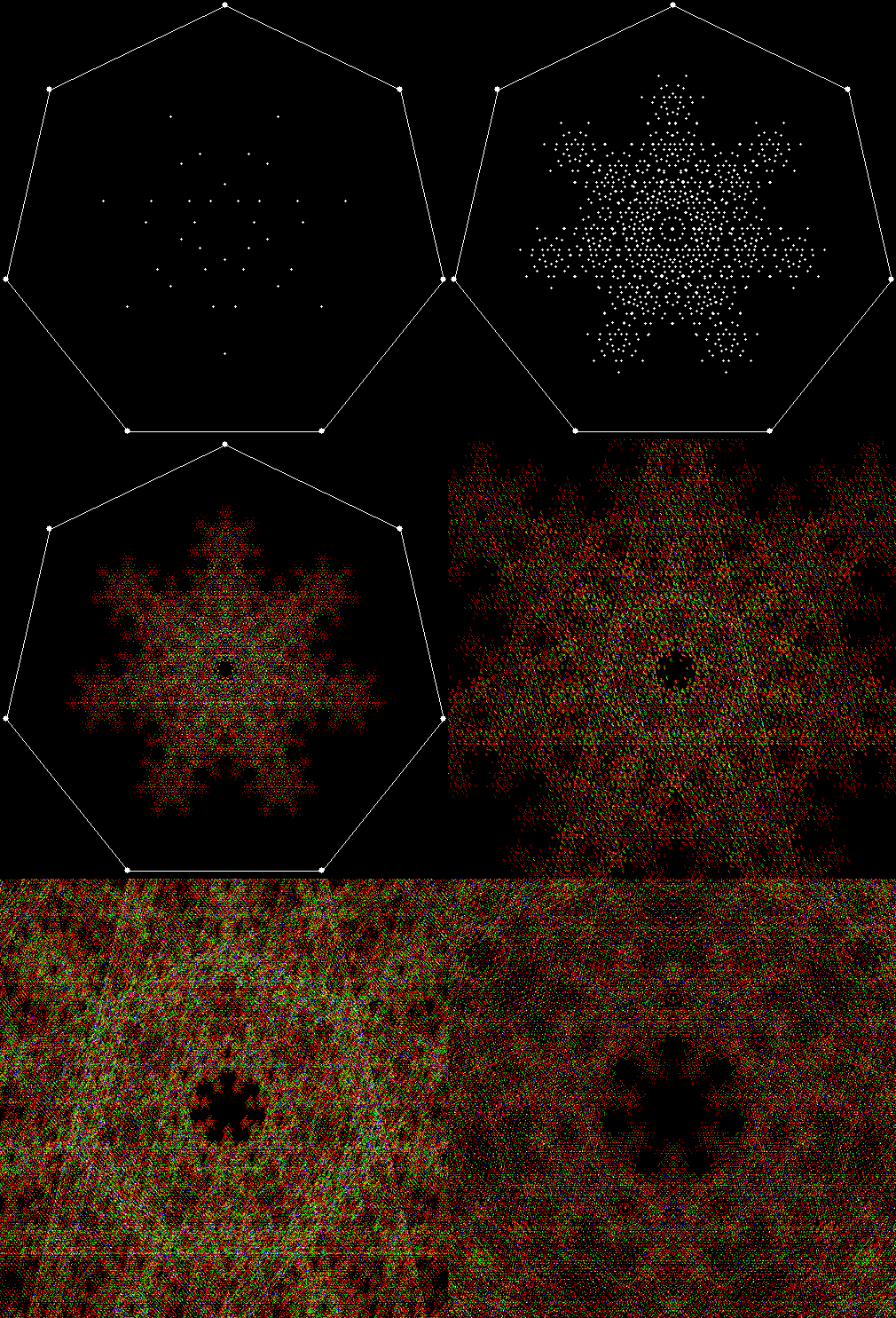
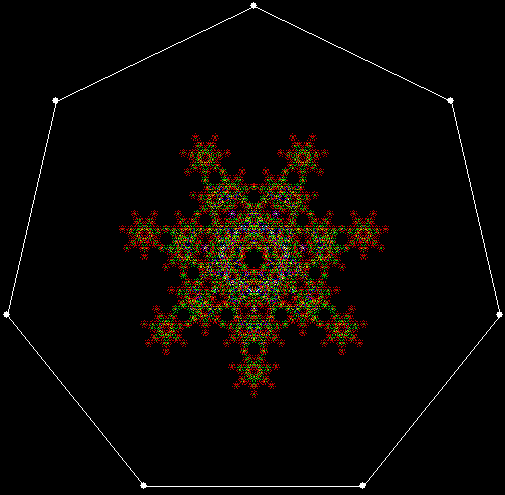
v = ,7 p = 5
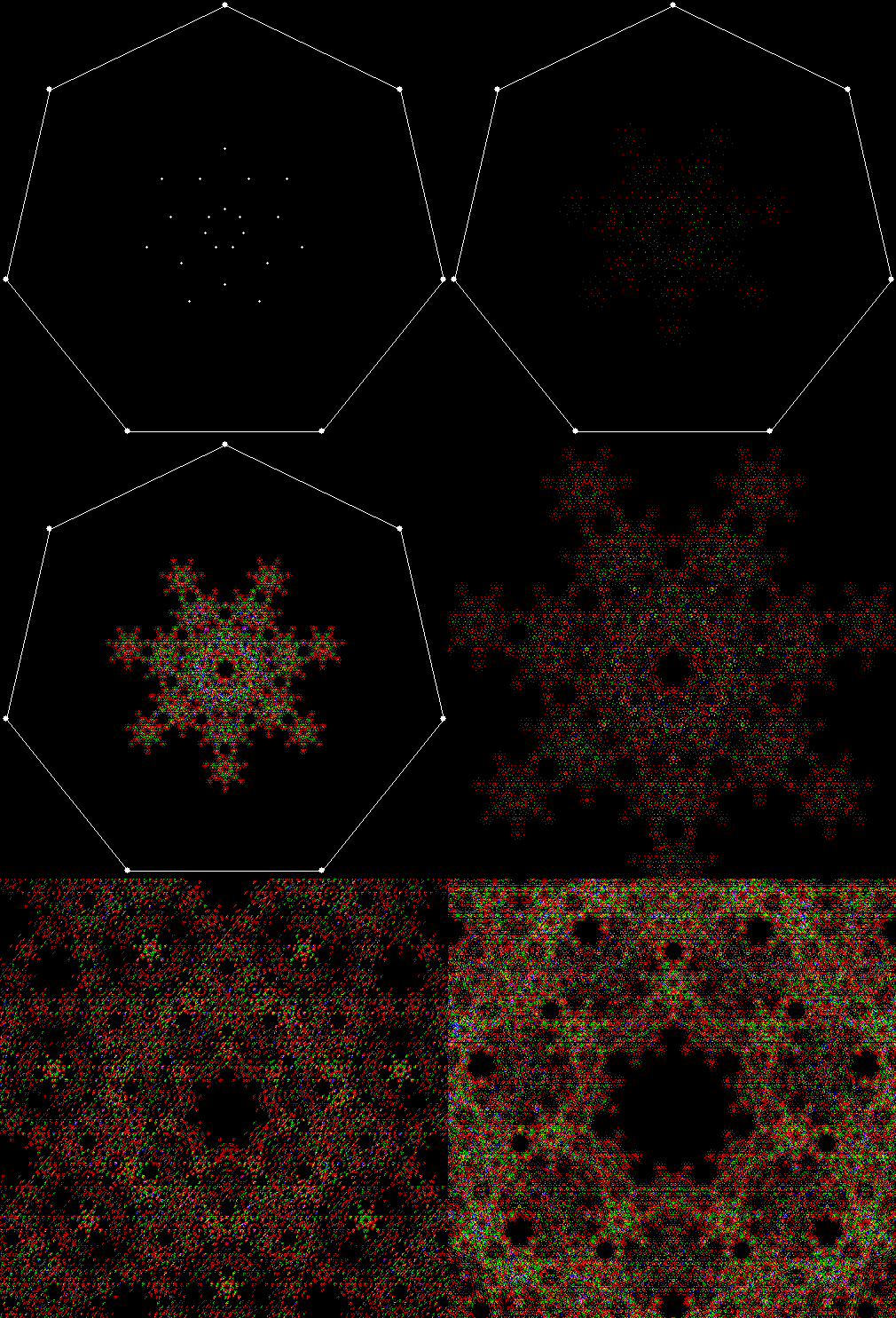
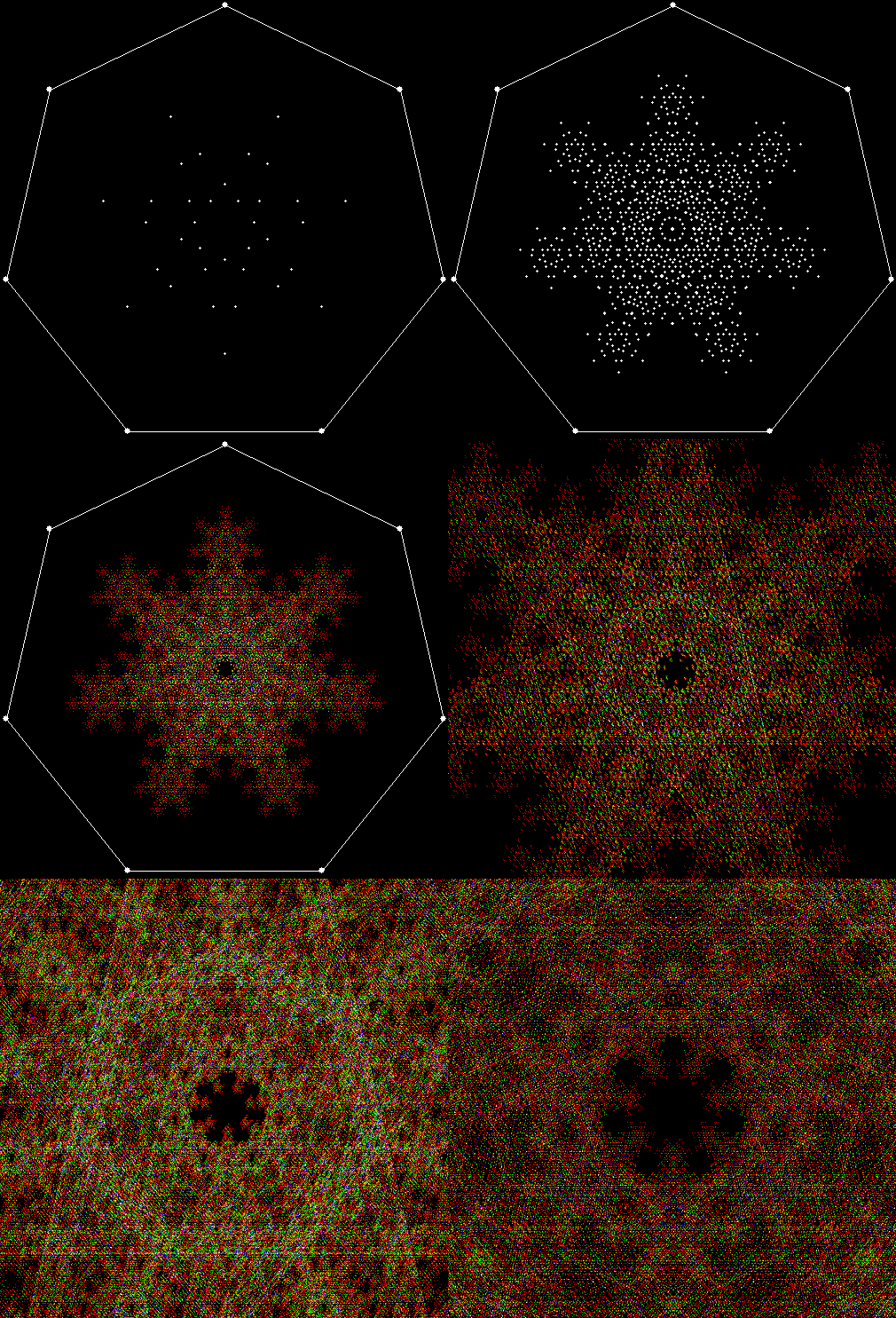
v = 7c, p = 4
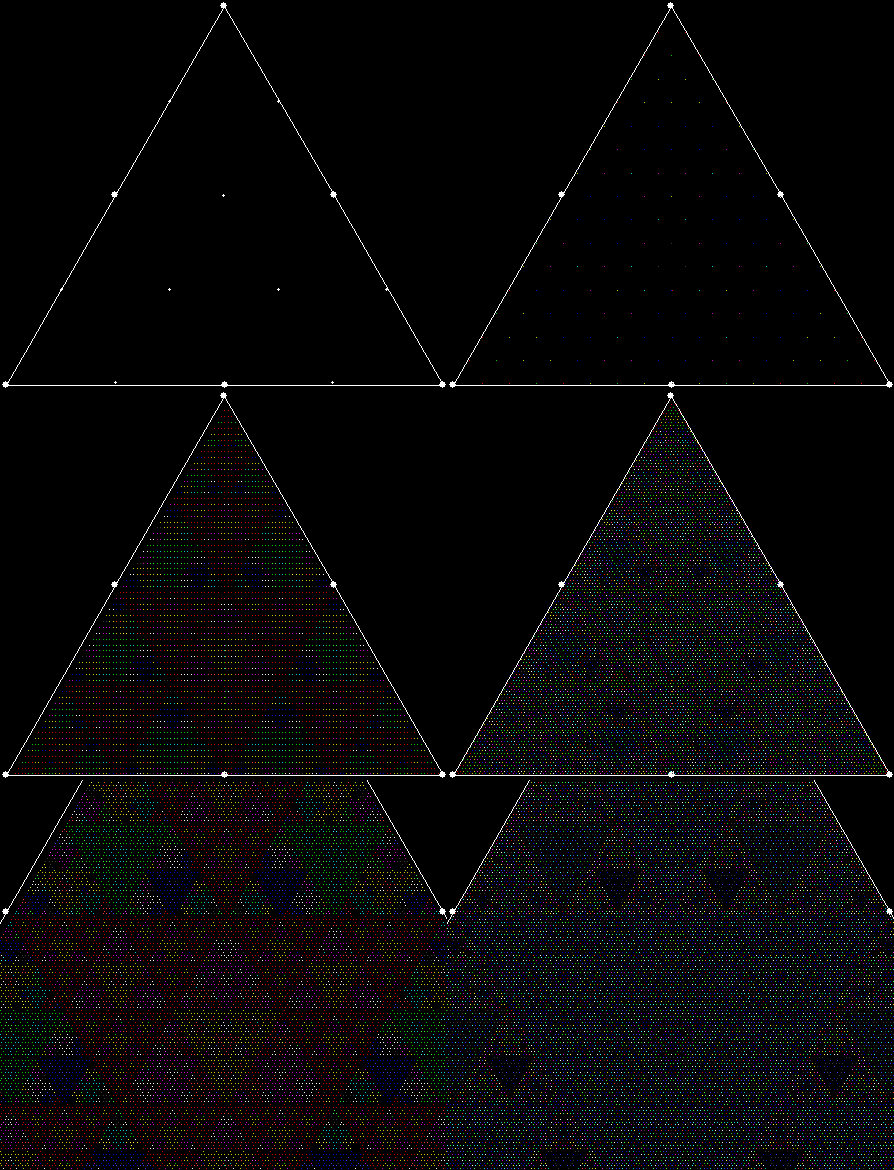
v = 3+1, p = 2
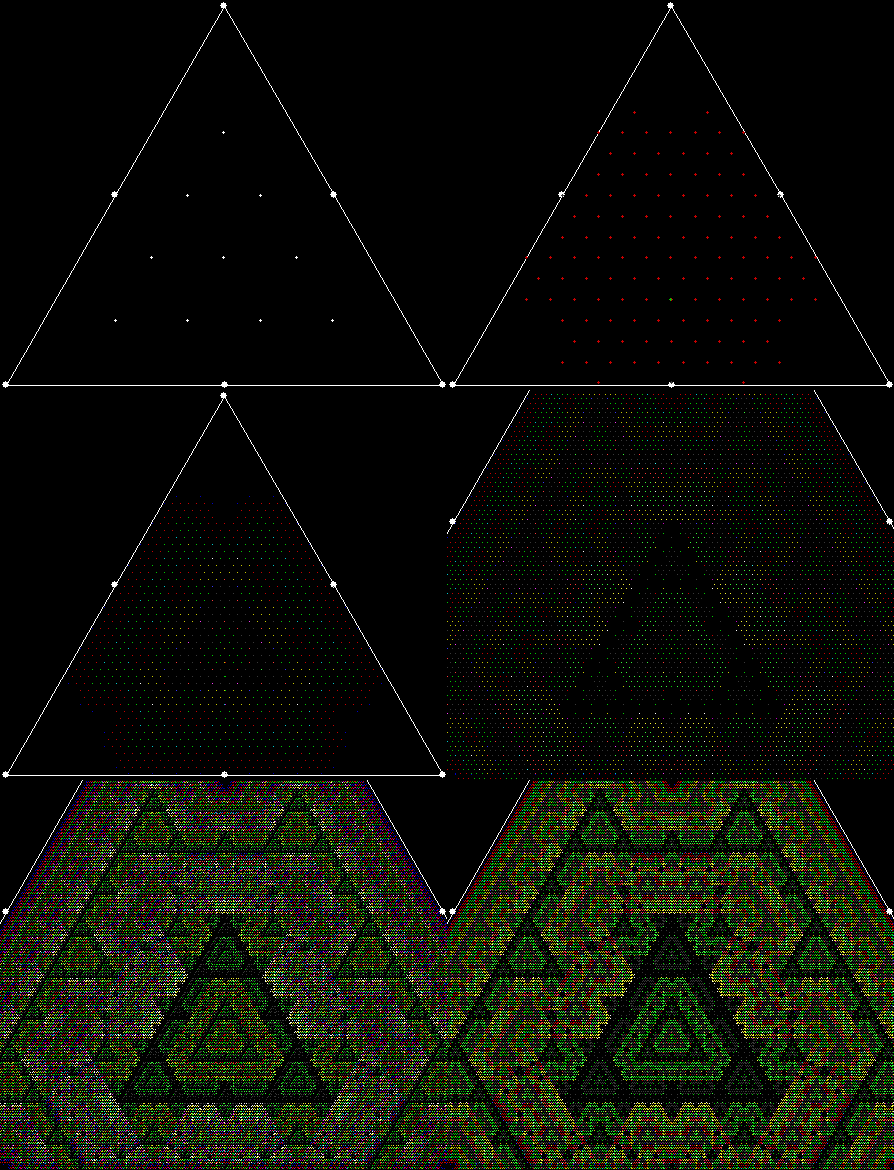
v = 3+1, p = 3
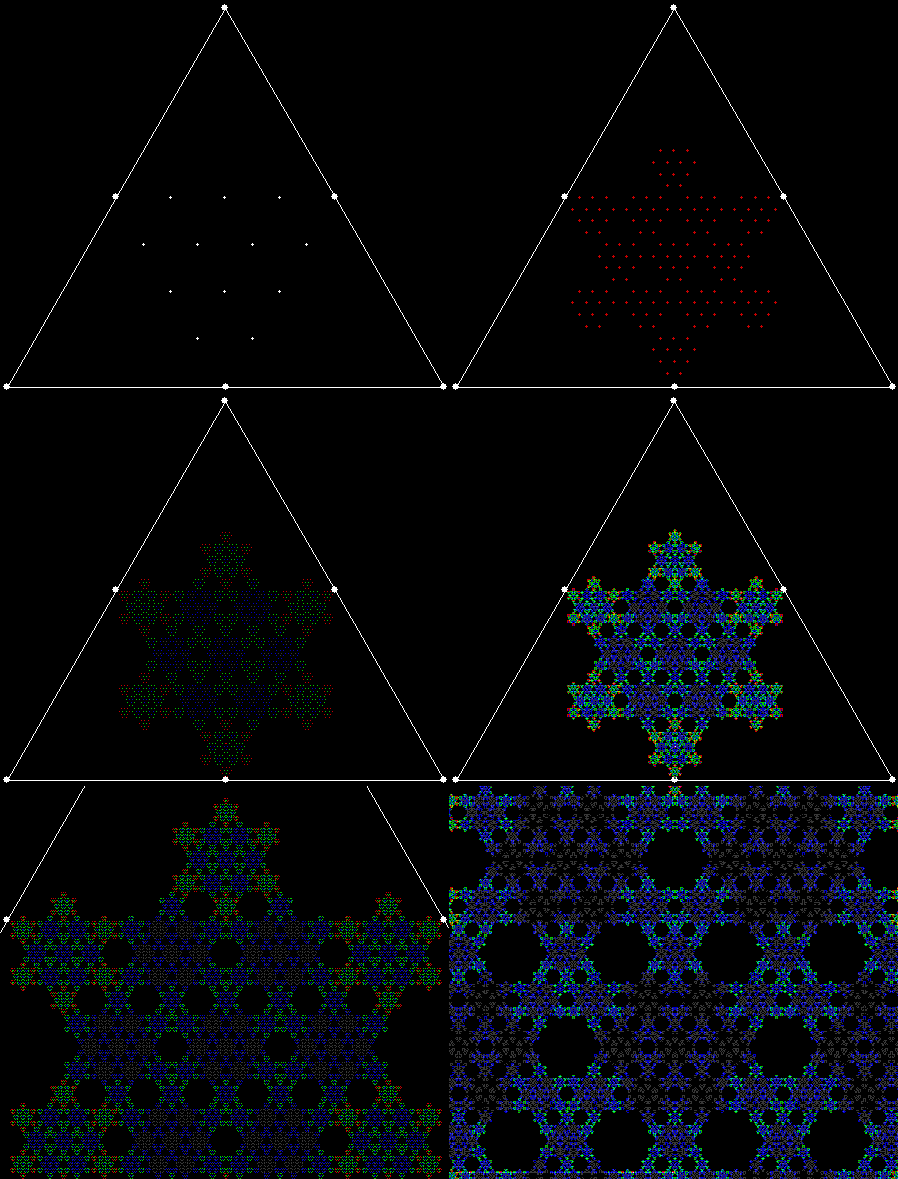
v = 3+1, p = 4
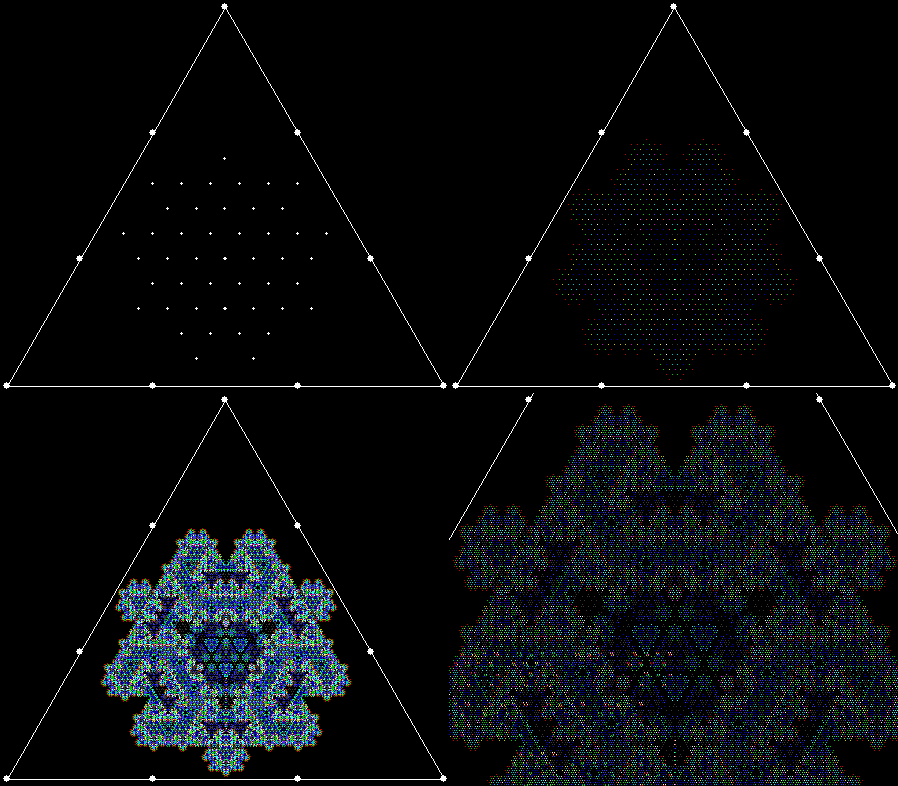
v = 3+2, p = 5
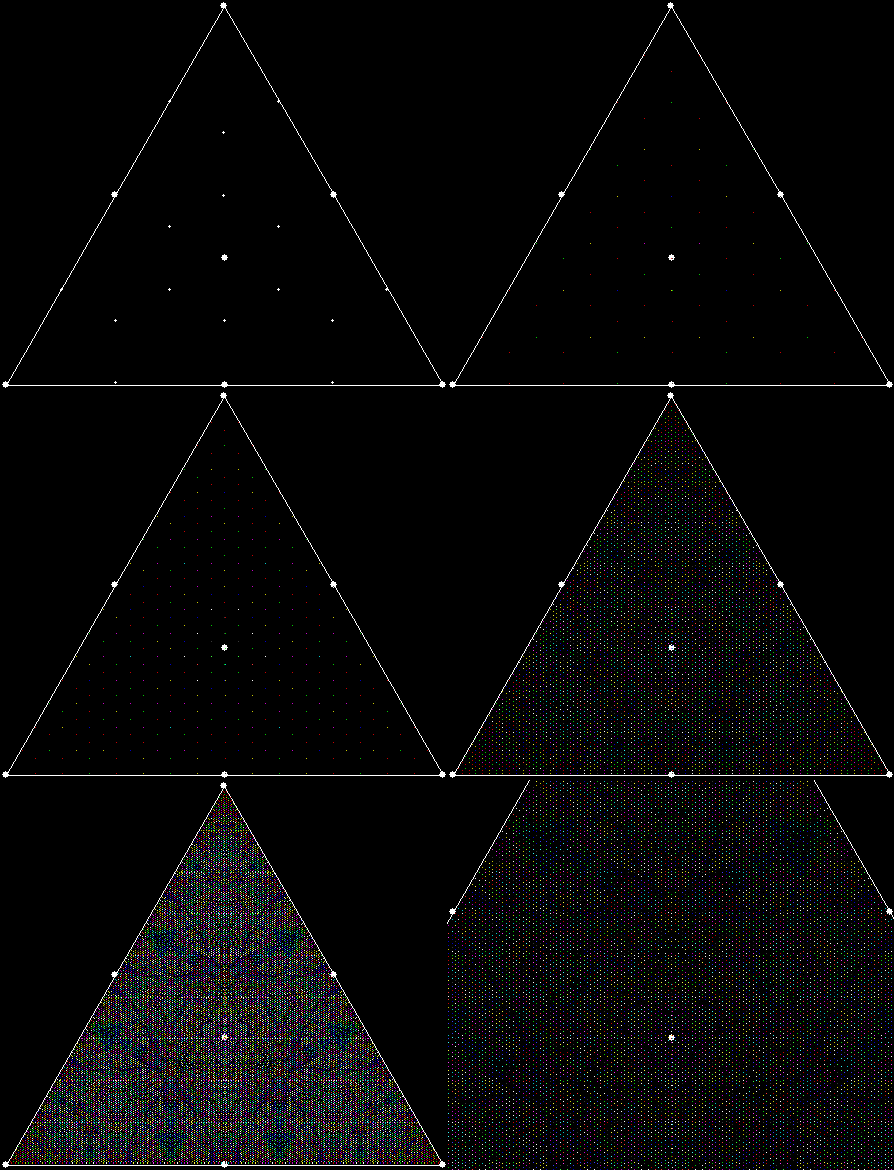
v = 3c+1, p = 2
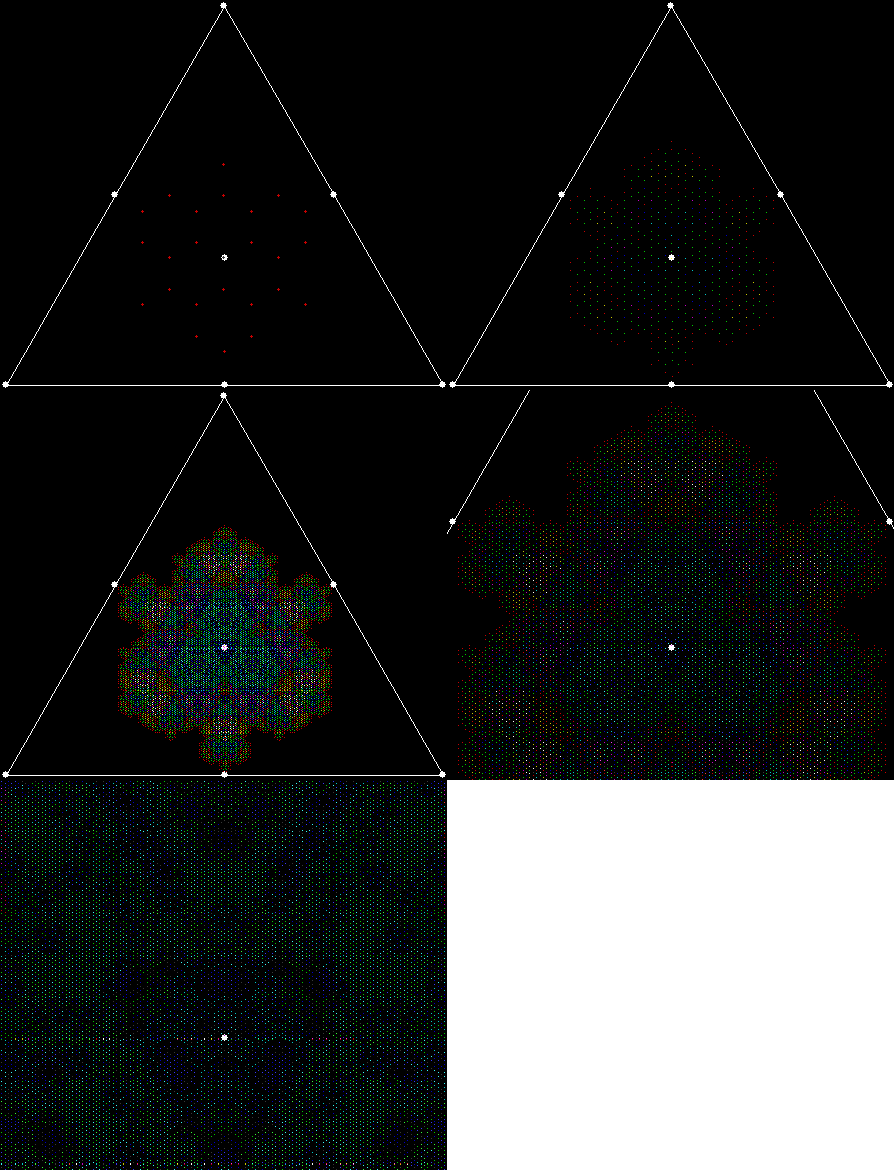
v = 3c+1, p = 4
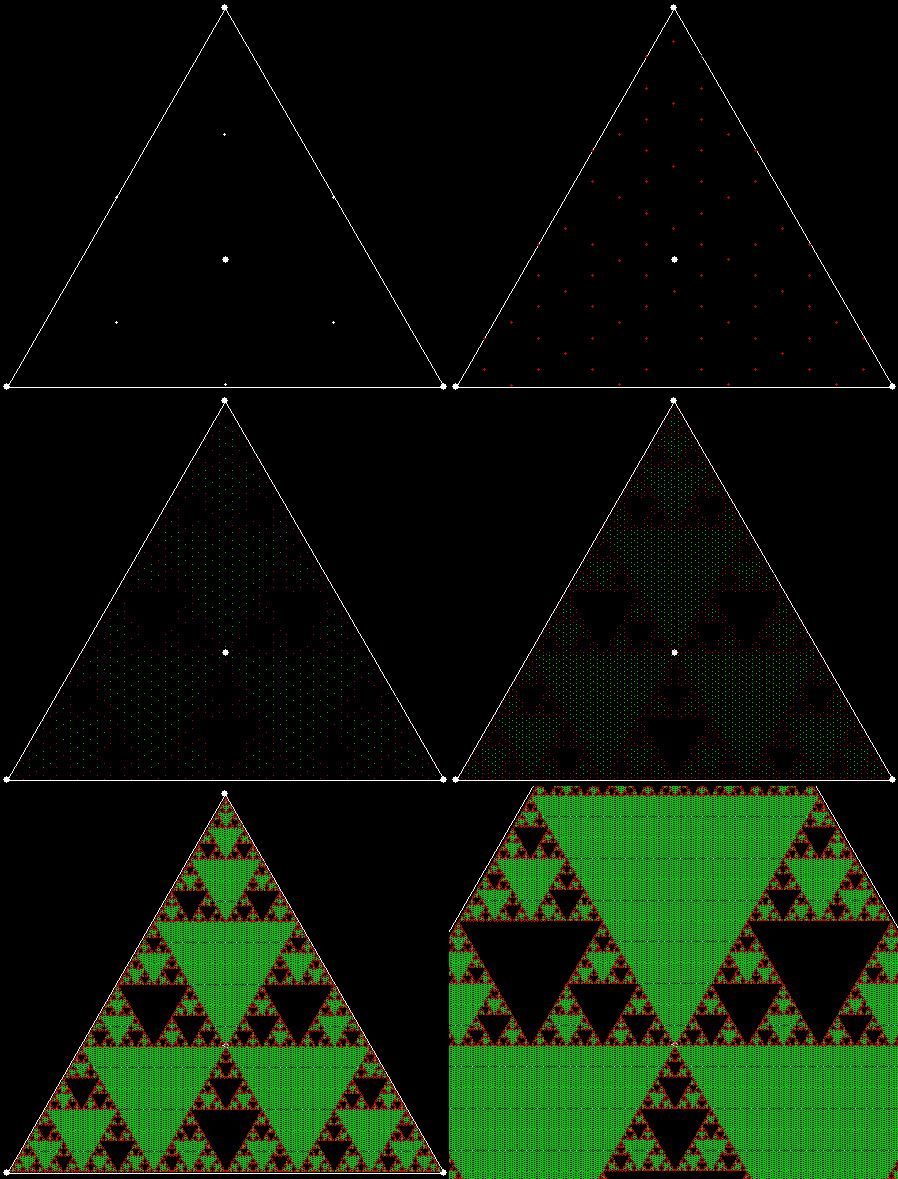
v = 3c, p = 2
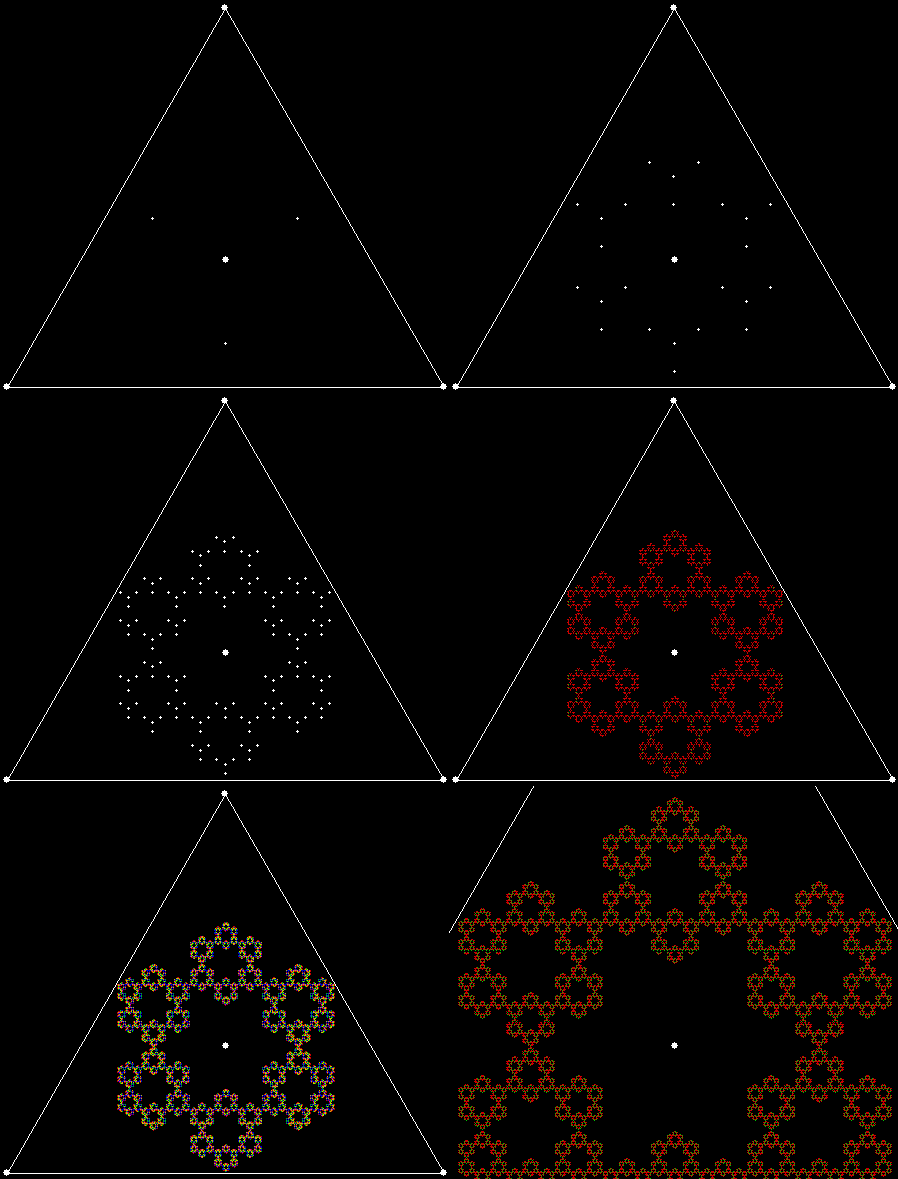
v = 3c, p = 3
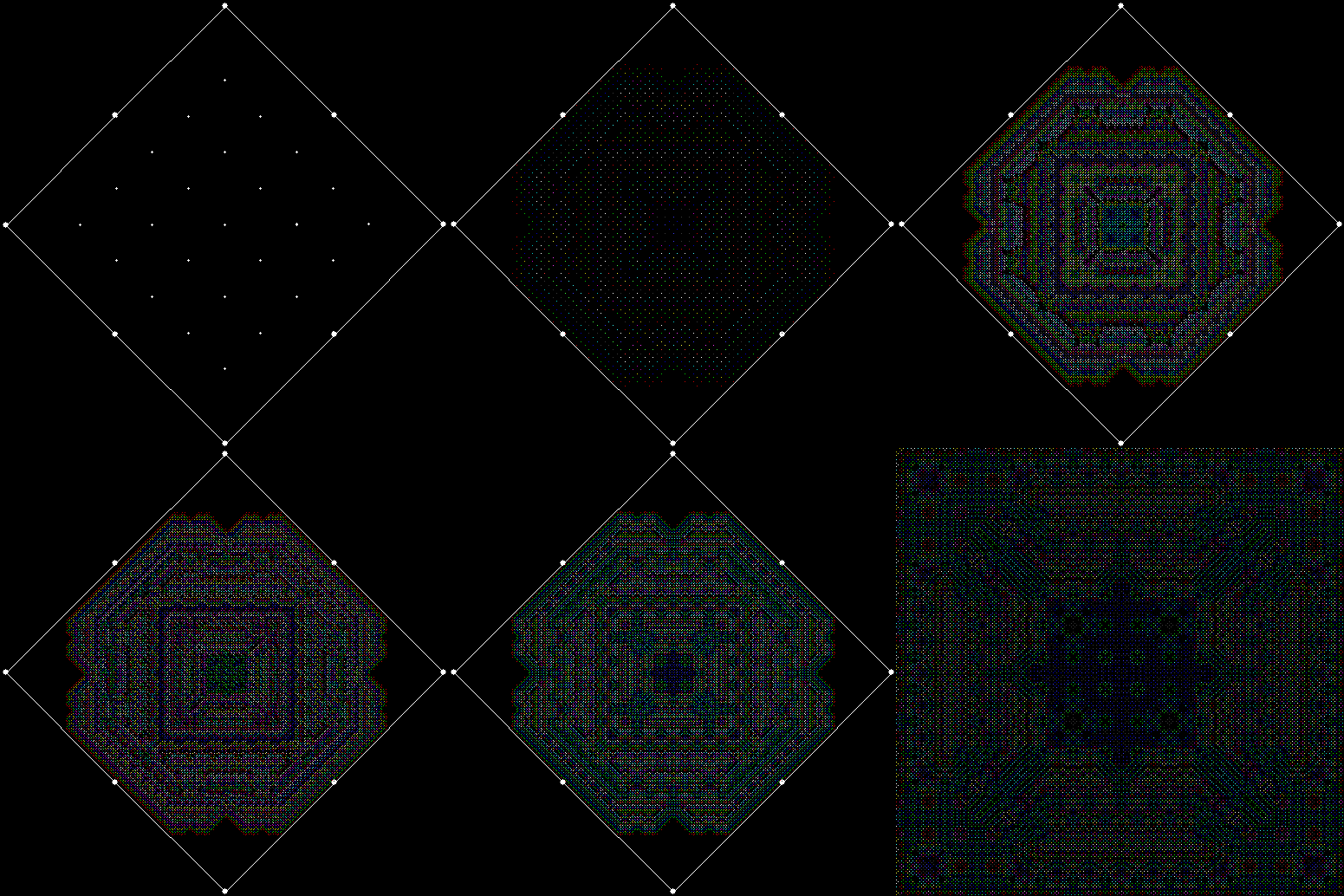
v = 4+1, p = 3
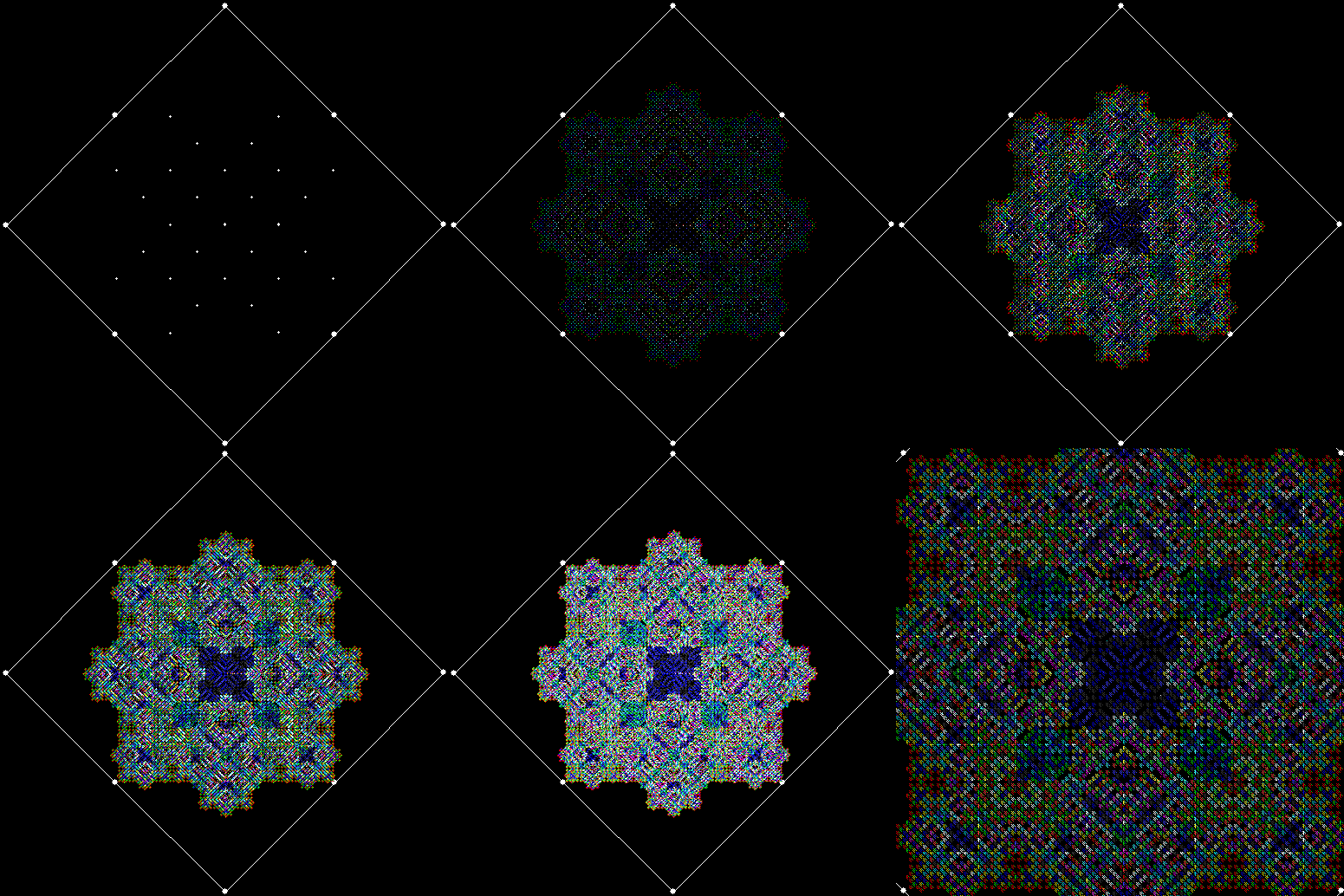
v = 4+1, p = 4
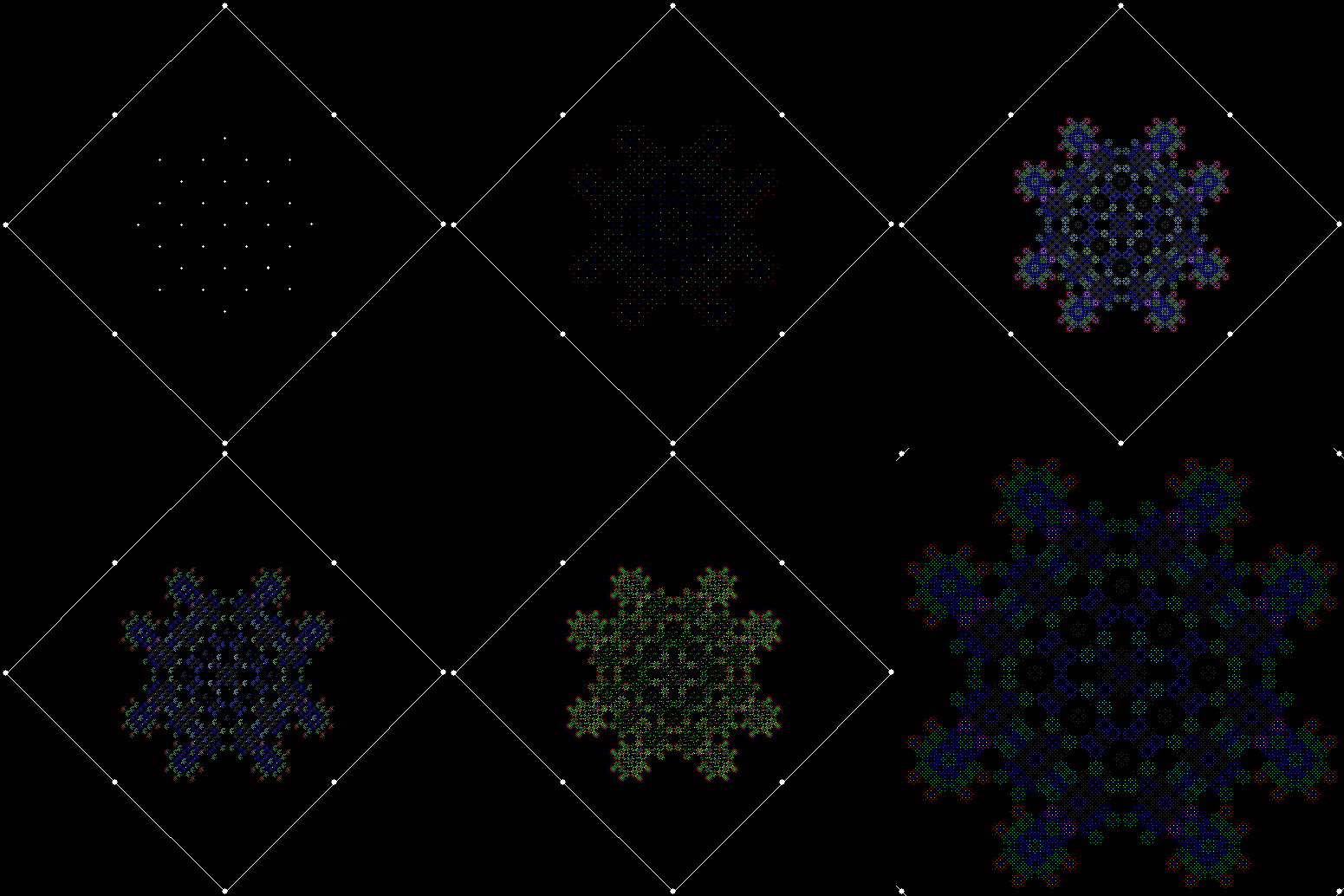
v = 4+1, p = 6
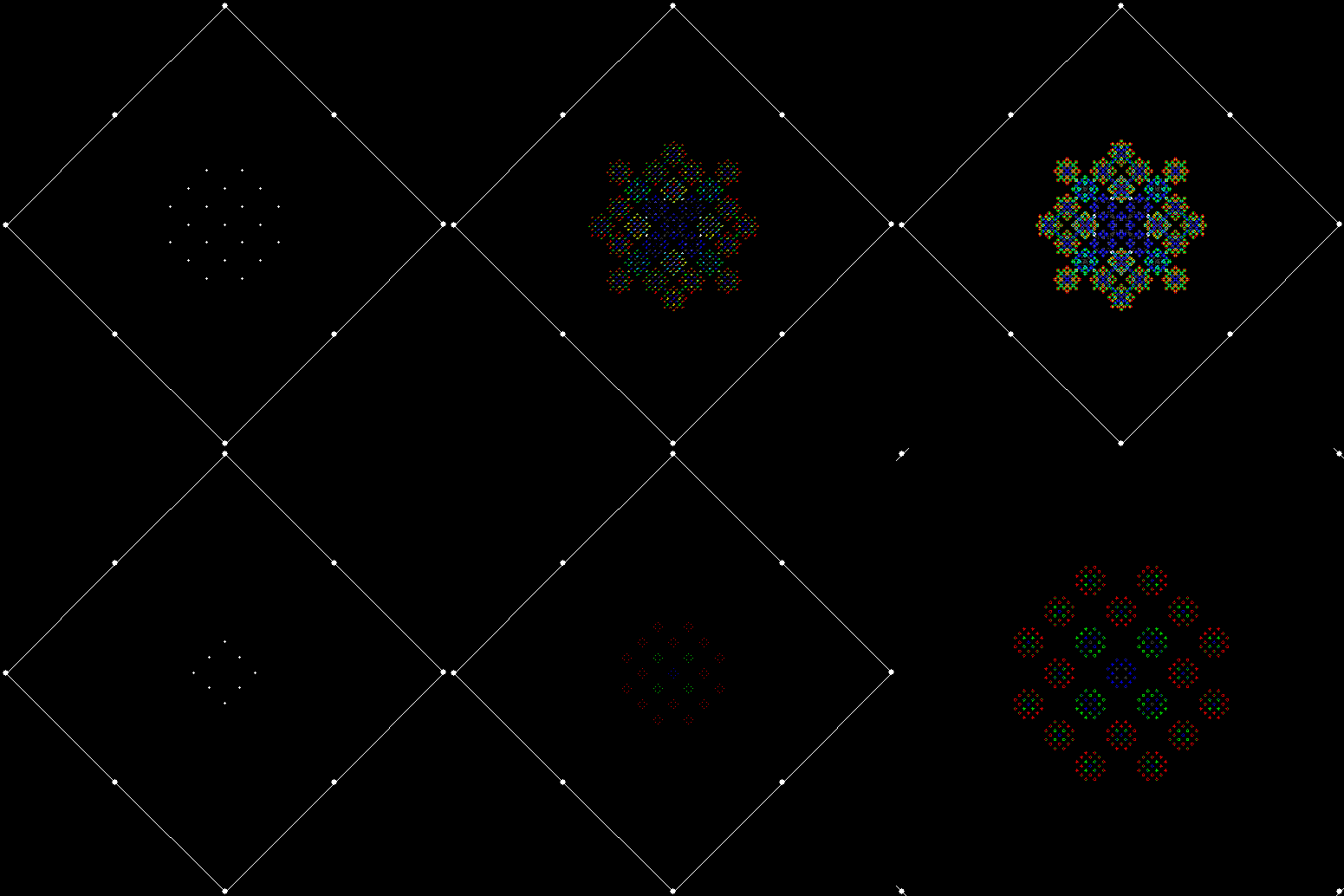
v = 4+1, p = 2
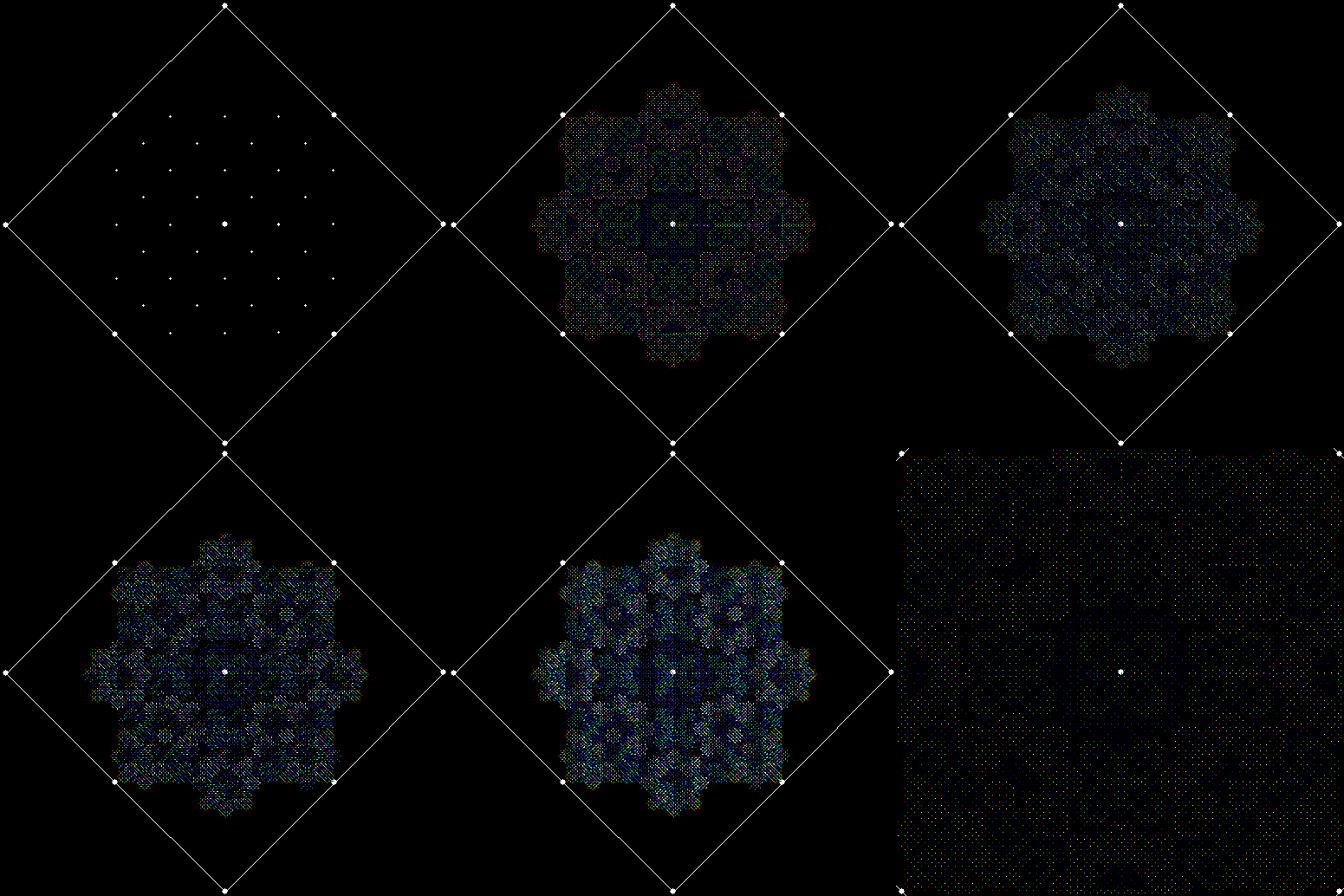
v = 4c+1, p = 4
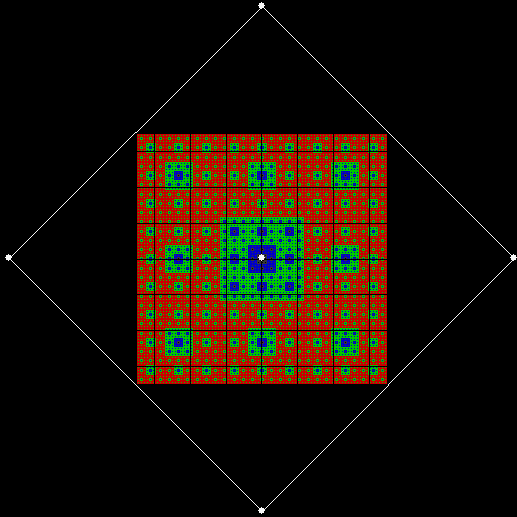
v = 4c, p = 3
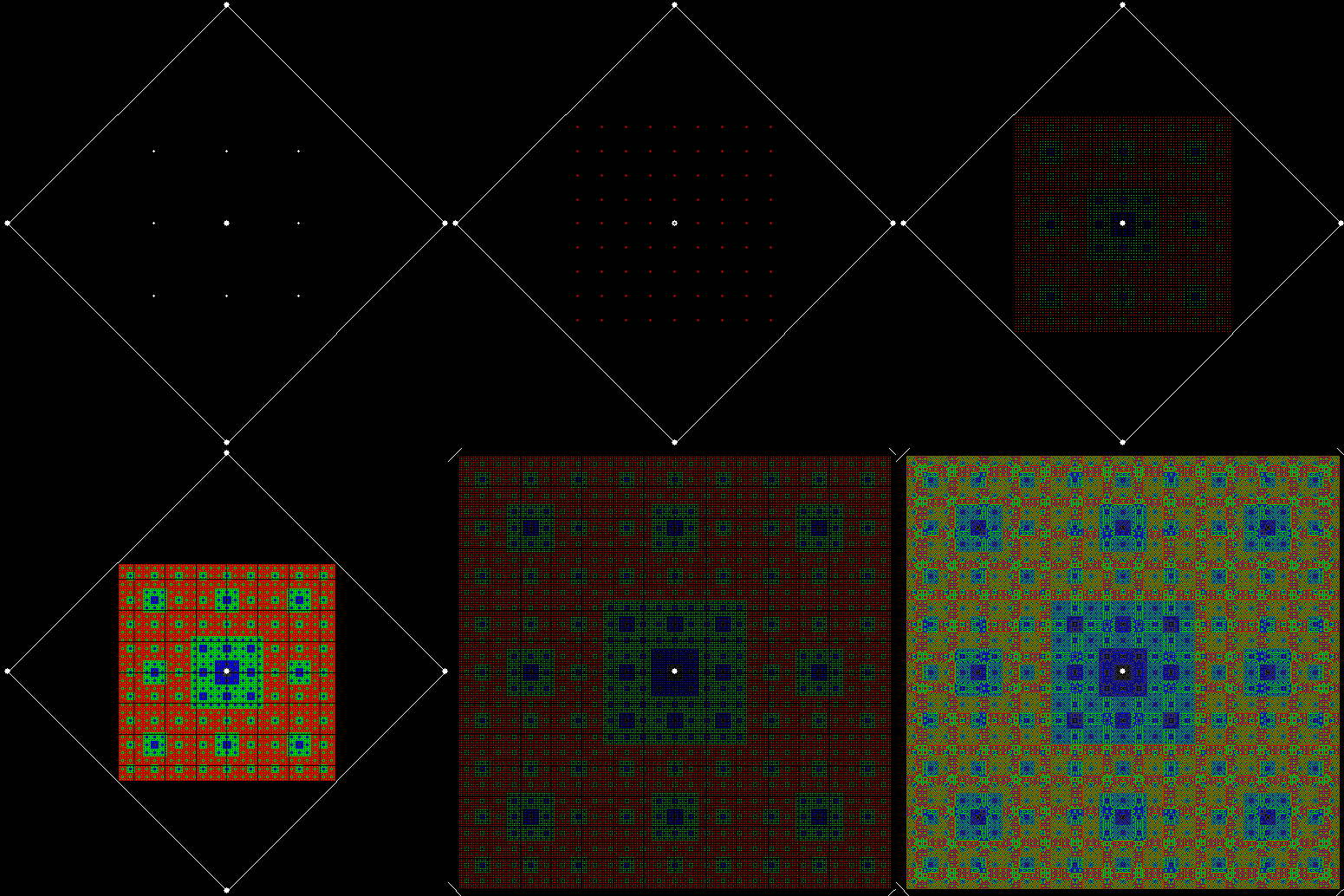
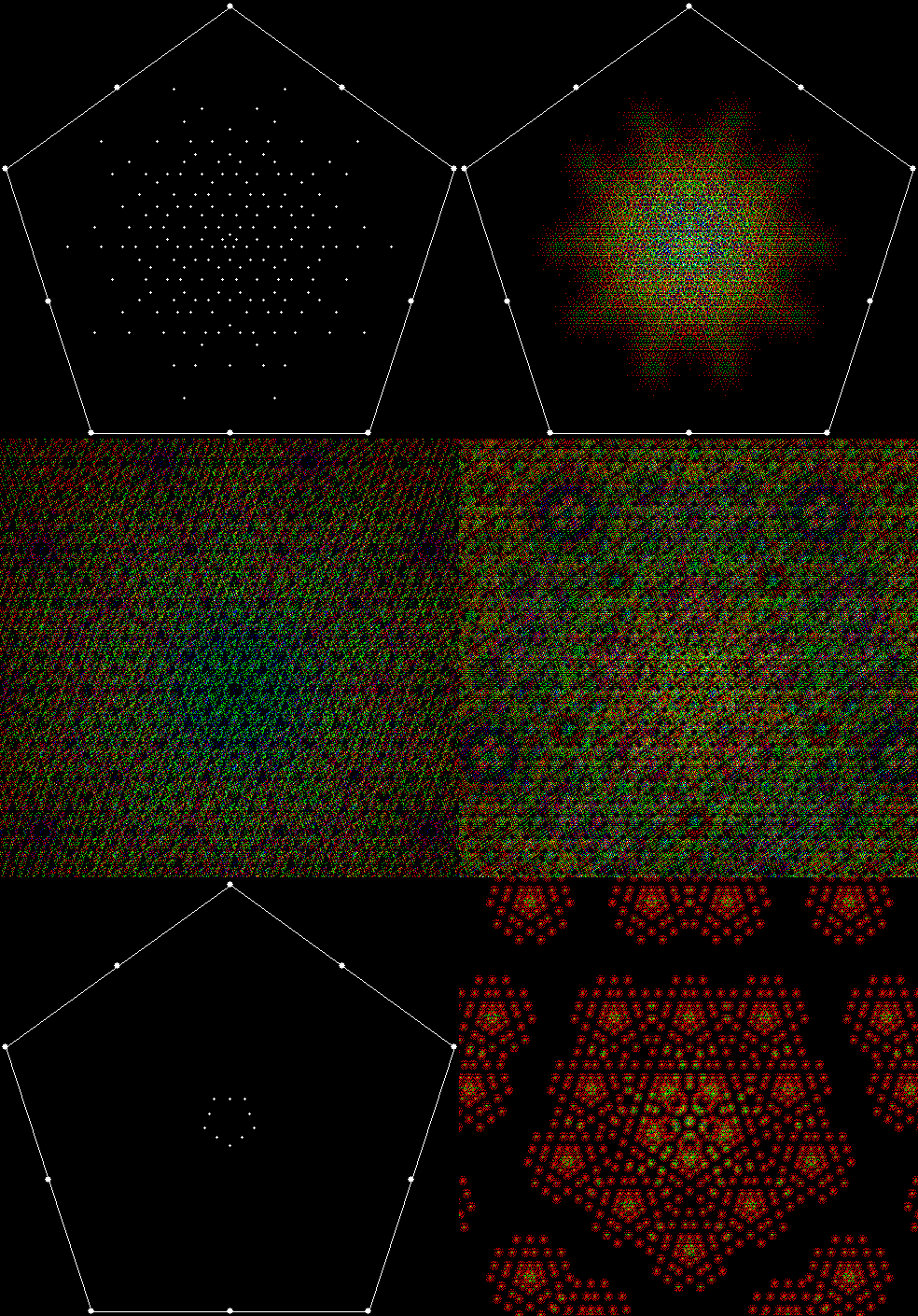
v = 5+1, p = 4 (and more)
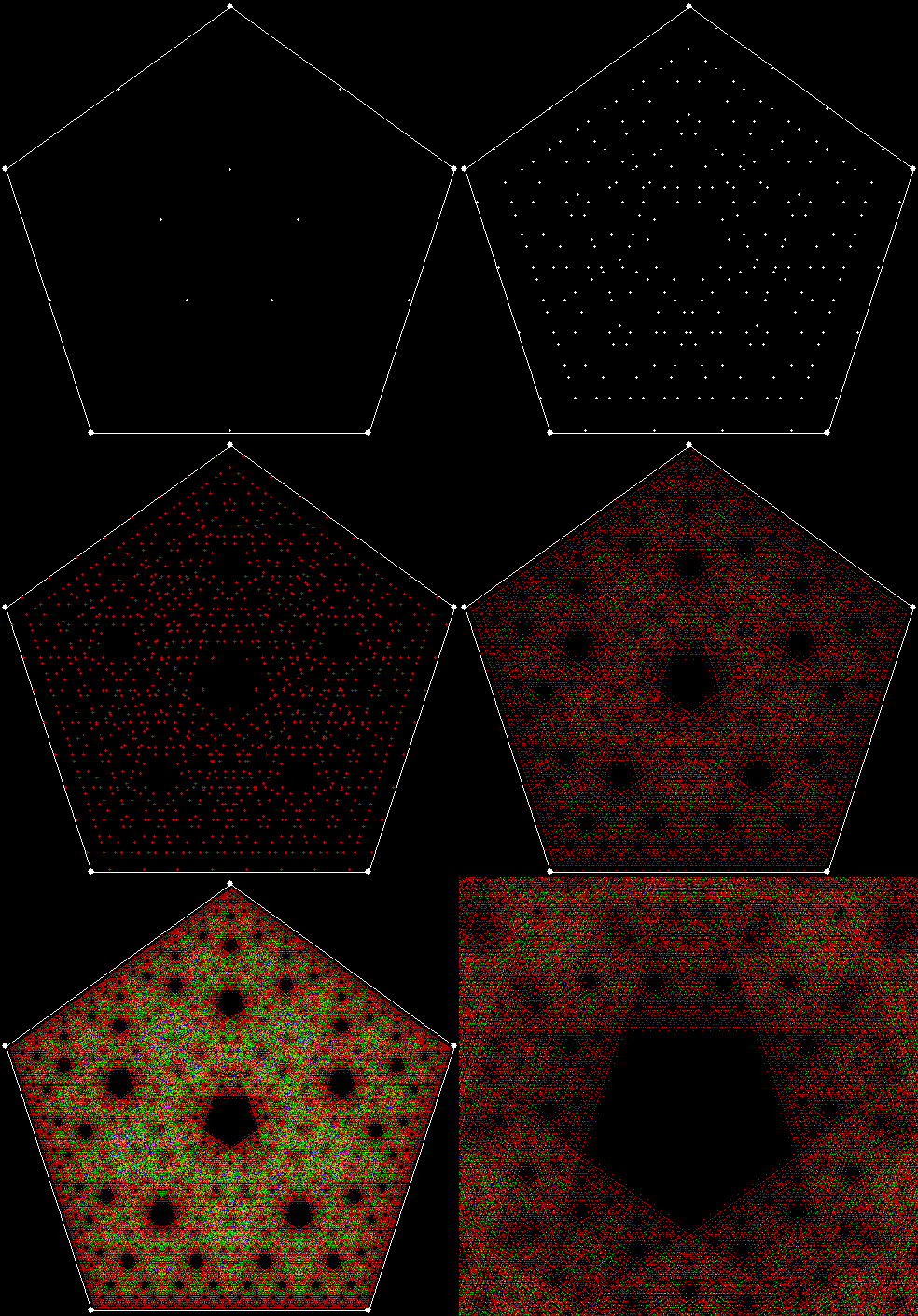
v = 5, p = 2
 Overlord In Terms of Core Issues Around Maximal Engagement with Key Notions of the Über-Feral