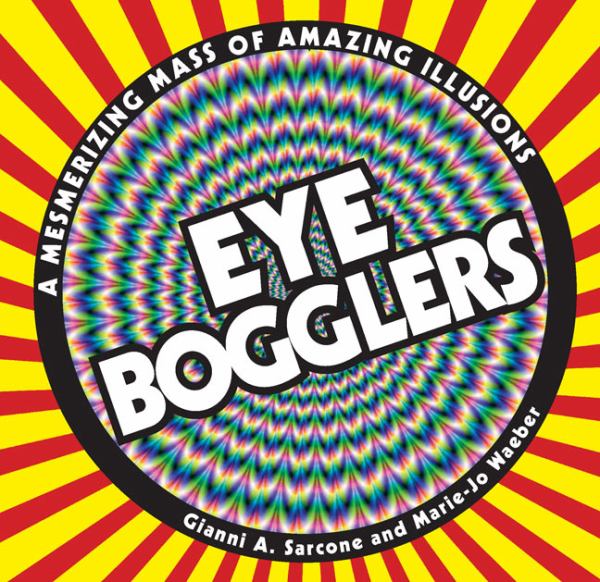
 Eye Bogglers: A Mesmerizing Mass of Amazing Illusions, Gianni A. Sarcone and Marie-Jo Waeber (Carlton Books 2011; paperback 2013)
A simple book with some complex illusions. It’s aimed at children but scientists have spent decades understanding how certain arrangements of colour and line fool the eye so powerfully. I particularly like the black-and-white tiger set below a patch of blue on page 60. Stare at the blue “for 15 seconds”, then look quickly at a tiny cross set between the tiger’s eyes and the killer turns colour.
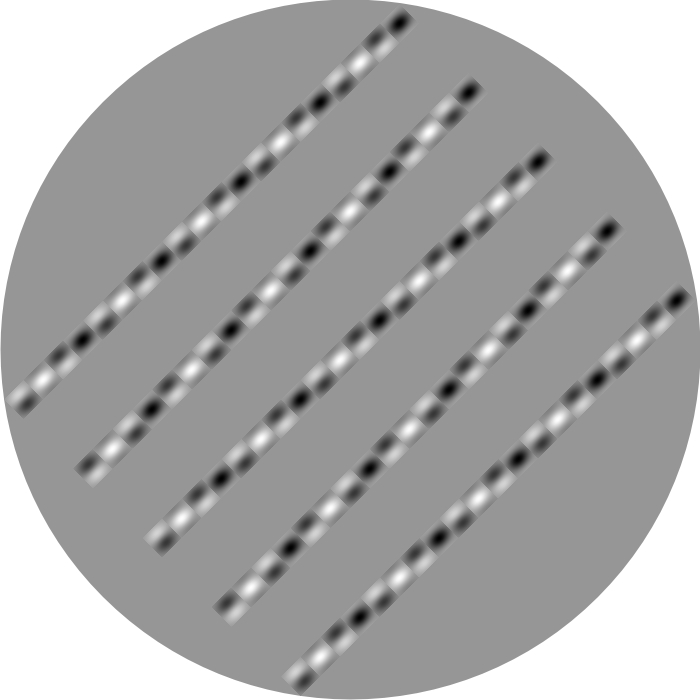
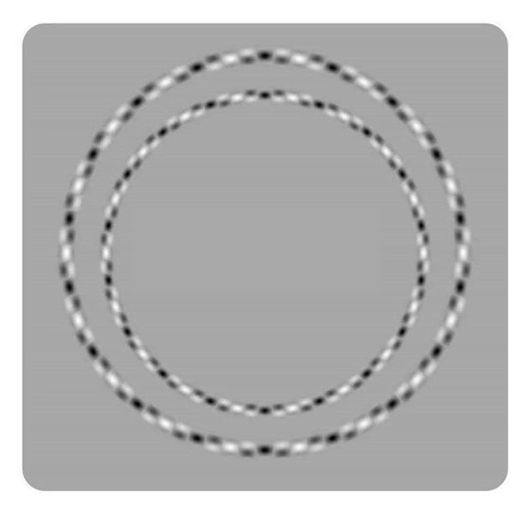
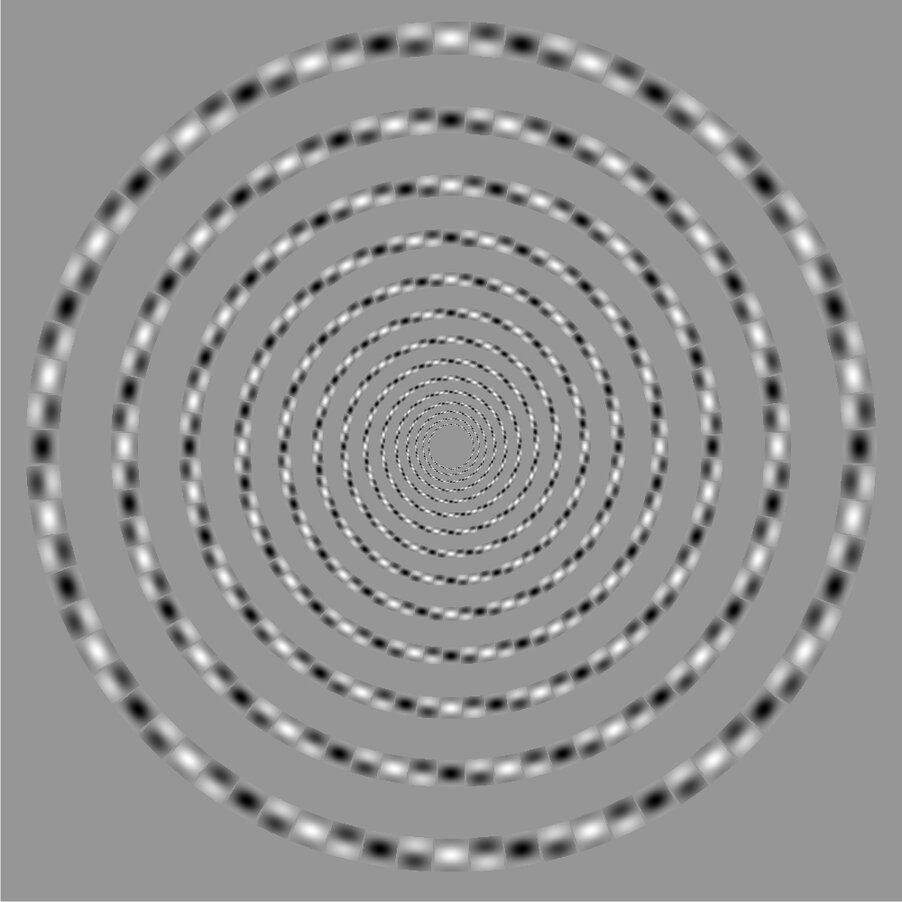
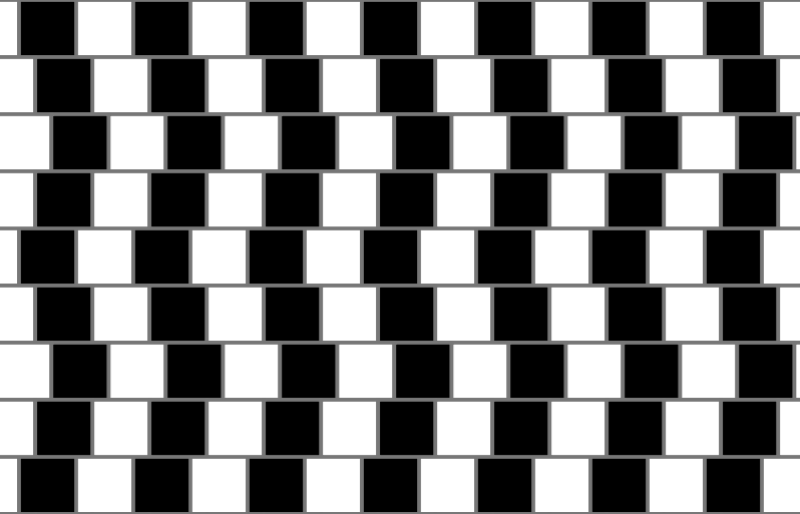
So what’s not there appears to be there, just as, elsewhere, what’s there appears not to be. Straight lines seem curved; large figures seem small; the same colour seems light on the right, dark on the left. There are also some impossible figures, as made famous by M.C. Escher and now studied seriously by geometricians, but the only true art here is a “Face of Fruits” by Arcimboldo. The rest is artful, not art, but it’s interesting to think what Escher might have made of some of the ideas here. Mind is mechanism; mechanism can be fooled. Optical illusions are the most compelling examples, because vision is the most powerful of our senses, but the lesson you learn here is applicable everywhere. This book fools you for fun; others try to fool you for profit. Caveat spectator.



 Overlord In Terms of Core Issues Around Maximal Engagement with Key Notions of the Über-Feral