
Here’s an interesting formula:
fr(1) = 1/2; mx = 3
fr(i) = fr(i-1) + 1/fr(i-1)
if fr(i) > mx, fr(i) = fr(i) – mx
Early terms look like this:
0.5, 2.5, 2.9, 3.244827586…, 4.329334628…, 2.081590666…, 2.561992513…, 2.952313716…, 3.291031107…, 3.727089920…, 2.102435627…, 2.578074447…, 2.965960841…, 3.303119709…, 3.602146368…, 2.262872154…, 2.704788415…, 3.074503101…, 13.49676325…, 10.59203071…, 7.723747777…, 4.935444092…, 2.452121378…, 2.859931533…, 3.209590254…, 4.980804482…, 2.485649867…, 2.887959143…, 3.234224430…, 4.503633905…, 2.168689406…
Can you see any patterns emerging? I’d guess not. And I’d guess a thousand more terms wouldn’t help you see any better. It’s hard for humans to see patterns in a jumble of numbers. Our eyes don’t work as well on numbers as on shapes. That’s why you can make that formula focal to the flesh, as it were, by plotting the numbers on a graph. Or part of the numbers, anyway. Suppose you take the fractional parts of each pair of terms and use them to map (x,y) on a FractL (my name for a graph whose arms run from 0 to 1). For example, the terms 4.935444092… and 2.452121378… would yield x = 0.935444092… and y = 0.452121378… (or vice versa). The resultant graph makes the formula focal to the flesh. And it’s replete with patterns:
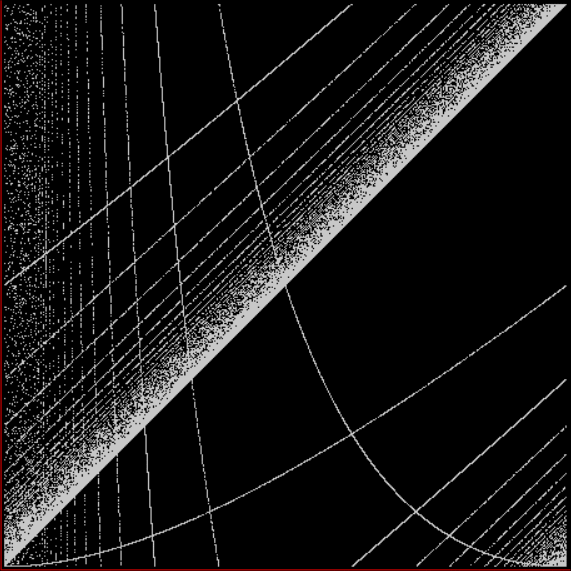
fr(i)+=1/fr(i-1); if fr(i)>3, fr(i)-=3; x = frac(fr(i)), y = frac(fr(i+1))
I can’t explain the patterns and they may arise from limited precision in the decimal digits. But I like them however they arise. The graph doesn’t change when mx = 4 (although it creates the lines in a different order):
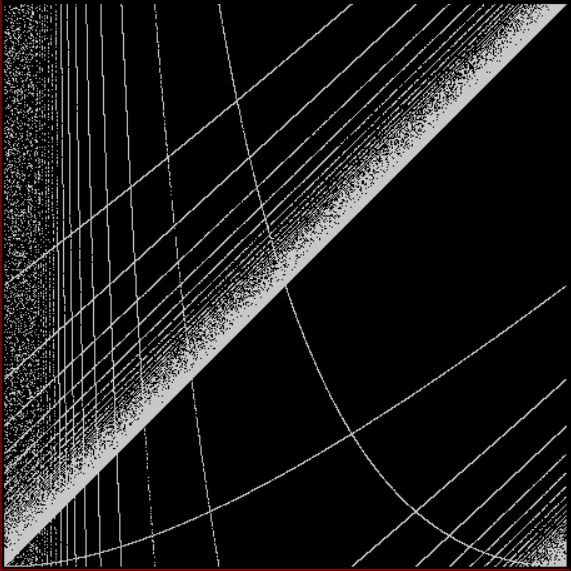
if fr(i)>4, fr(i)-=4
But it does change when mx = 4/3. The lines almost vanish, except for a tiny comet-like mark towards the upper right-hand corner:
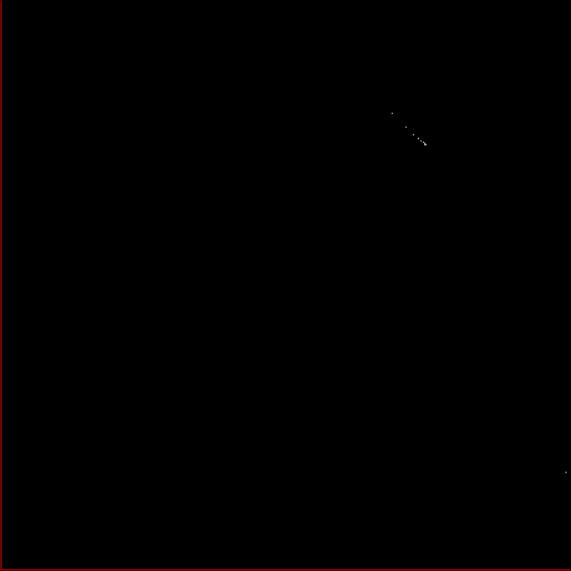
if fr(i)>4/3, fr(i)-=4/3
When mx = 7/2, the graph of mx = 3|4 is back in a slightly different form:
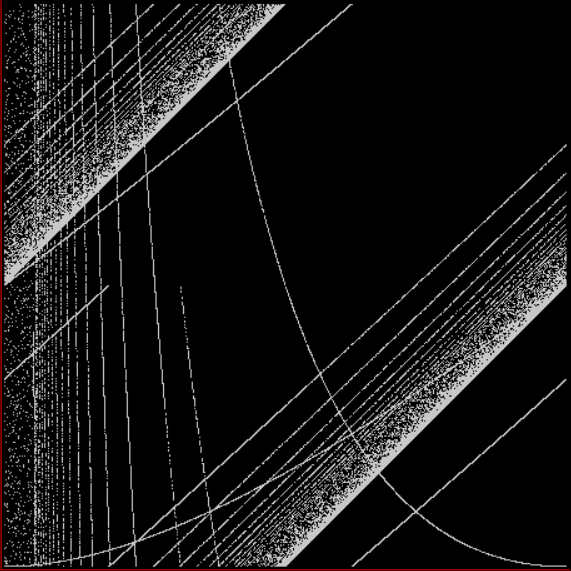
if fr(i)>7/2, fr(i)-=7/2
And again with 7/3:
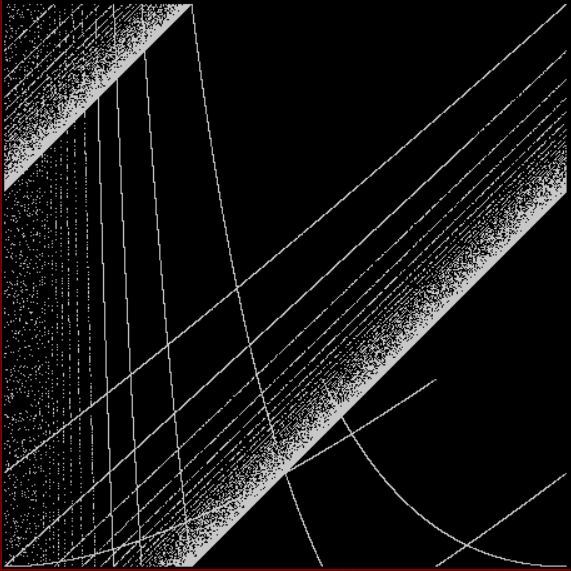
if fr(i)>7/3, fr(i)-=7/3
There’s a big change with 7/4, Most of the lines disappear:
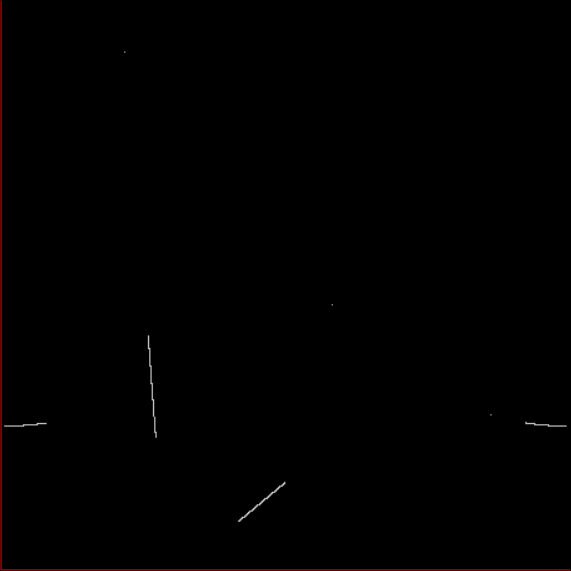
if fr(i)>7/4, fr(i)-=7/4
And only the main lines appear with 9/5:
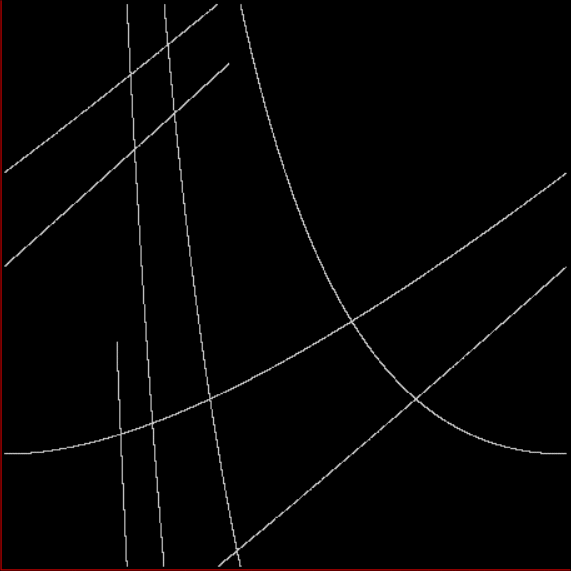
if fr(i)>9/5, fr(i)-=9/5
And so on till you try fr -= 2/f, as noted below:
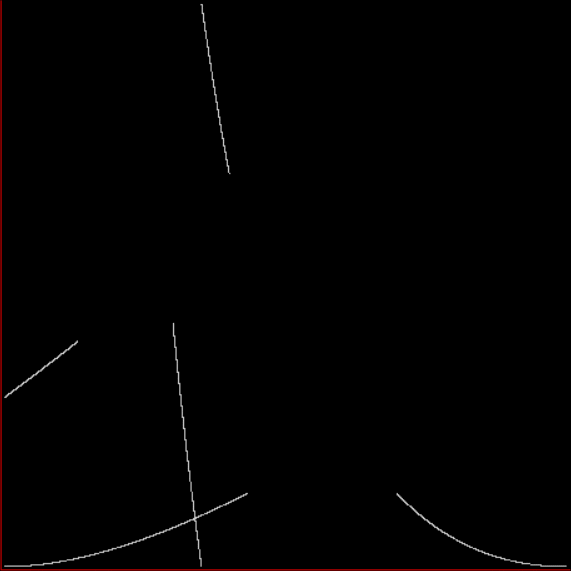
if fr(i)>11/5, fr(i)-=11/5
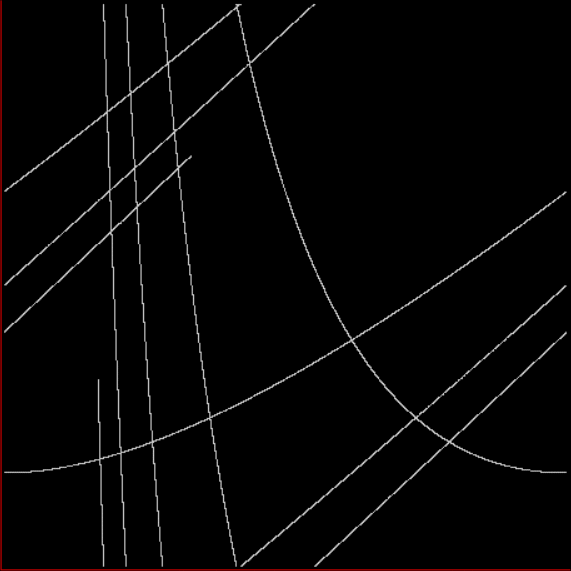
if fr(i)>11/6, fr(i)-=11/6
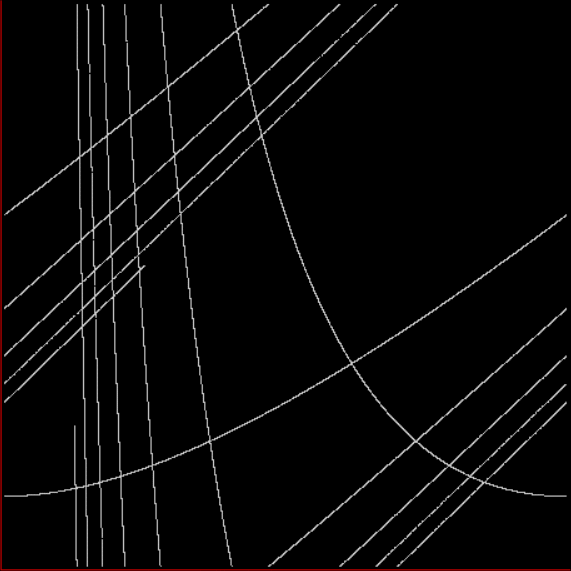
if fr(i)>15/8, fr(i)-=15/8
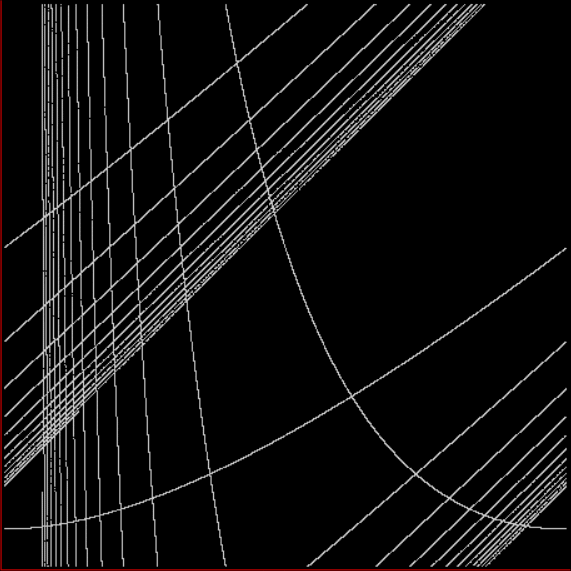
if fr(i)>29/15, fr(i)-=29/15
Now try fr += 2/fr and fr += 3/fr. This is what happens:
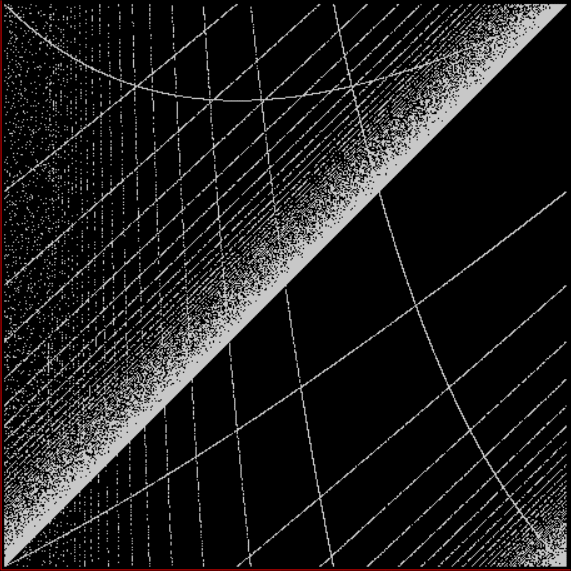
fr += 2/fr; if fr(i)>3, fr(i)-=3
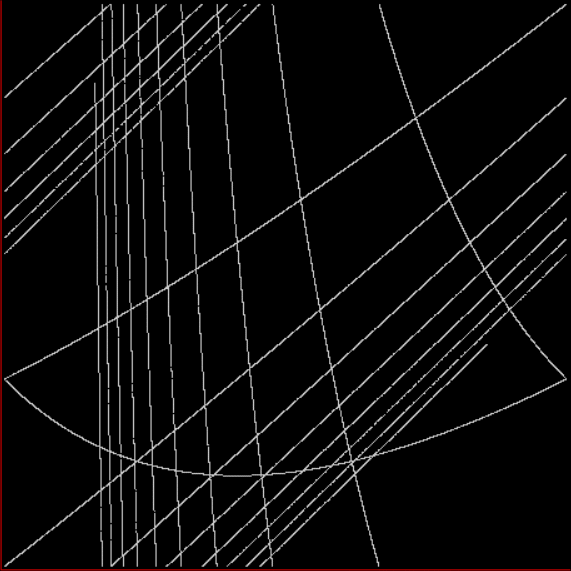
fr += 2/fr; if fr(i)>8/3, fr(i)-=8/3
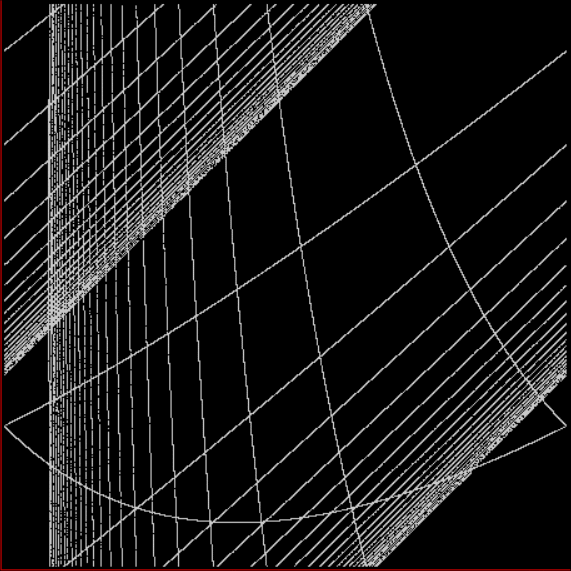
fr += 2/fr; if fr(i)>11/4, fr(i)-=11/4
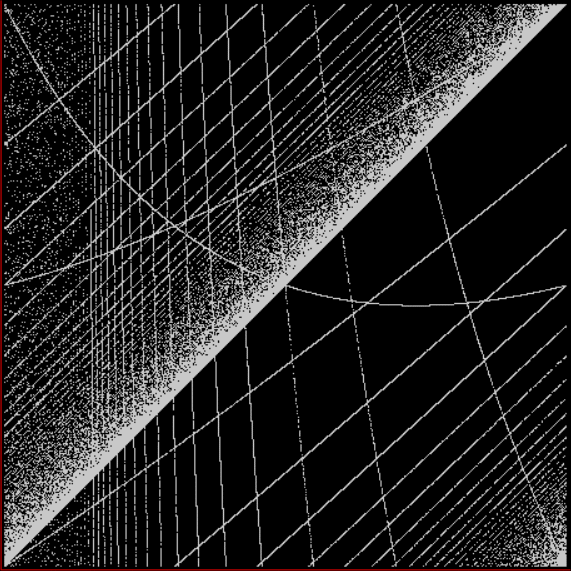
fr += 3/fr; if fr(i)>6, fr(i)-=6
And what about these graphs?
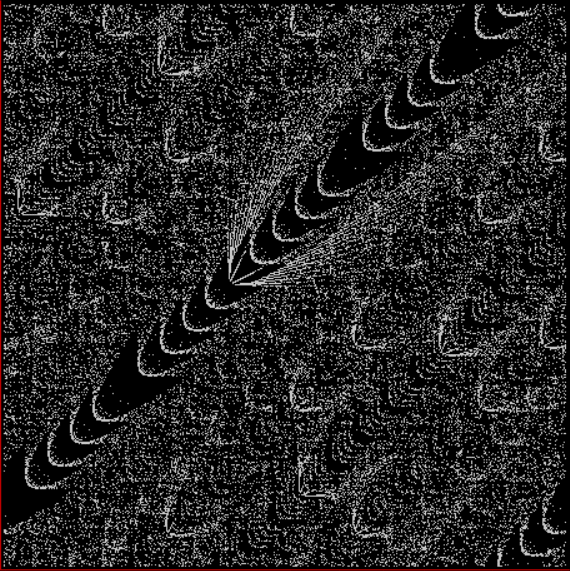
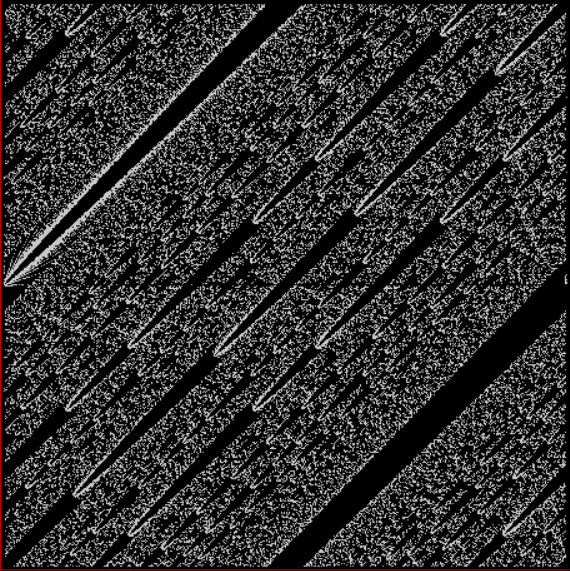
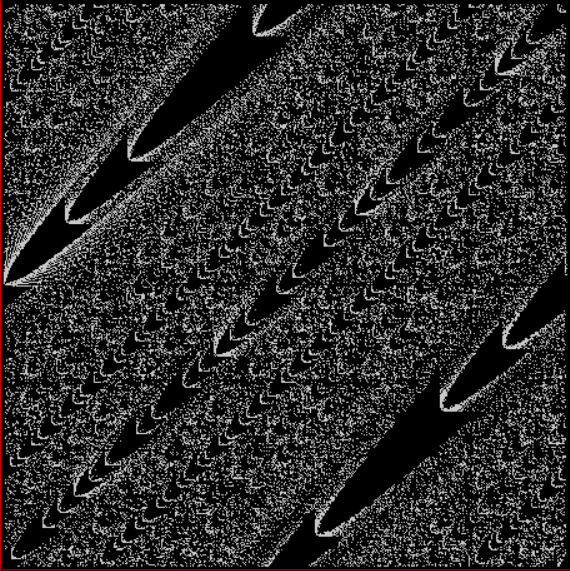
They’re created by seeding a sum, s, with a fraction, then adding more fractions < 1 whose numerators = 1,2,3… and whose denominators are the prime numbers 1, s -= 1. When s > 1, s -= 1. Then you take the fractional parts of s(i) and s(i+1) and graph (x,y) as above.
Post-Performative Post-Scriptum
The title of this post refers to Morbid Angel’s Formulas Fatal to the Flesh (1998). I’ve never heard it, but I like Morbid Angel’s alphabetically alliterative album-titles.

