Trim Pickings

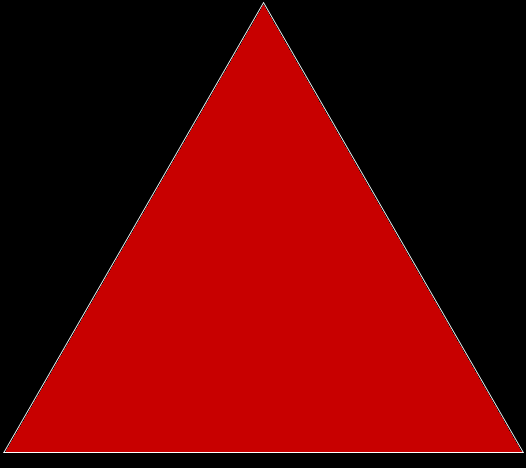
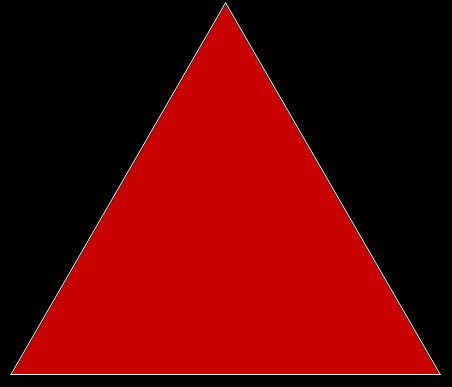
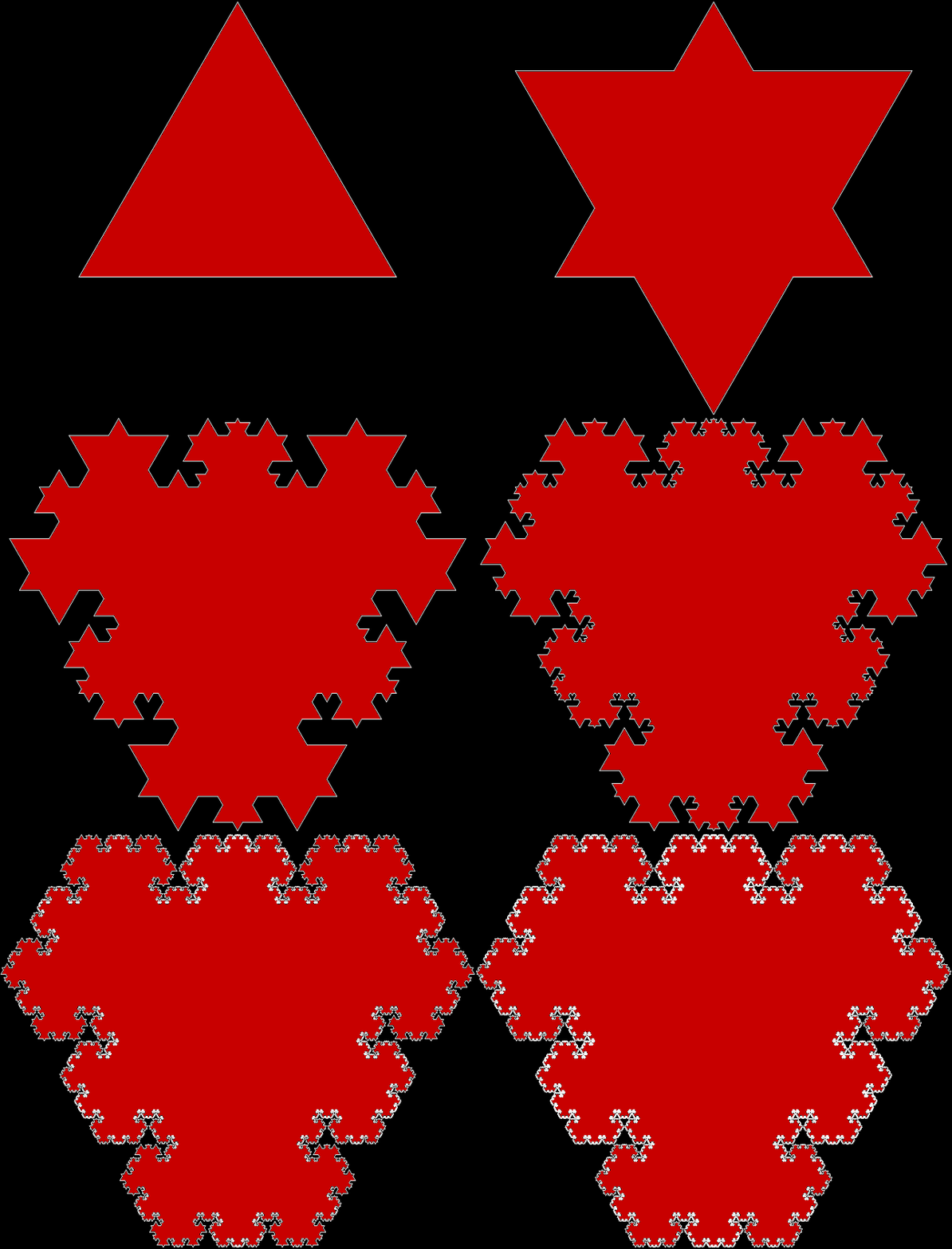
Here is an equilateral triangle divided into nine smaller equilateral triangles:

Rep-9 equilateral triangle


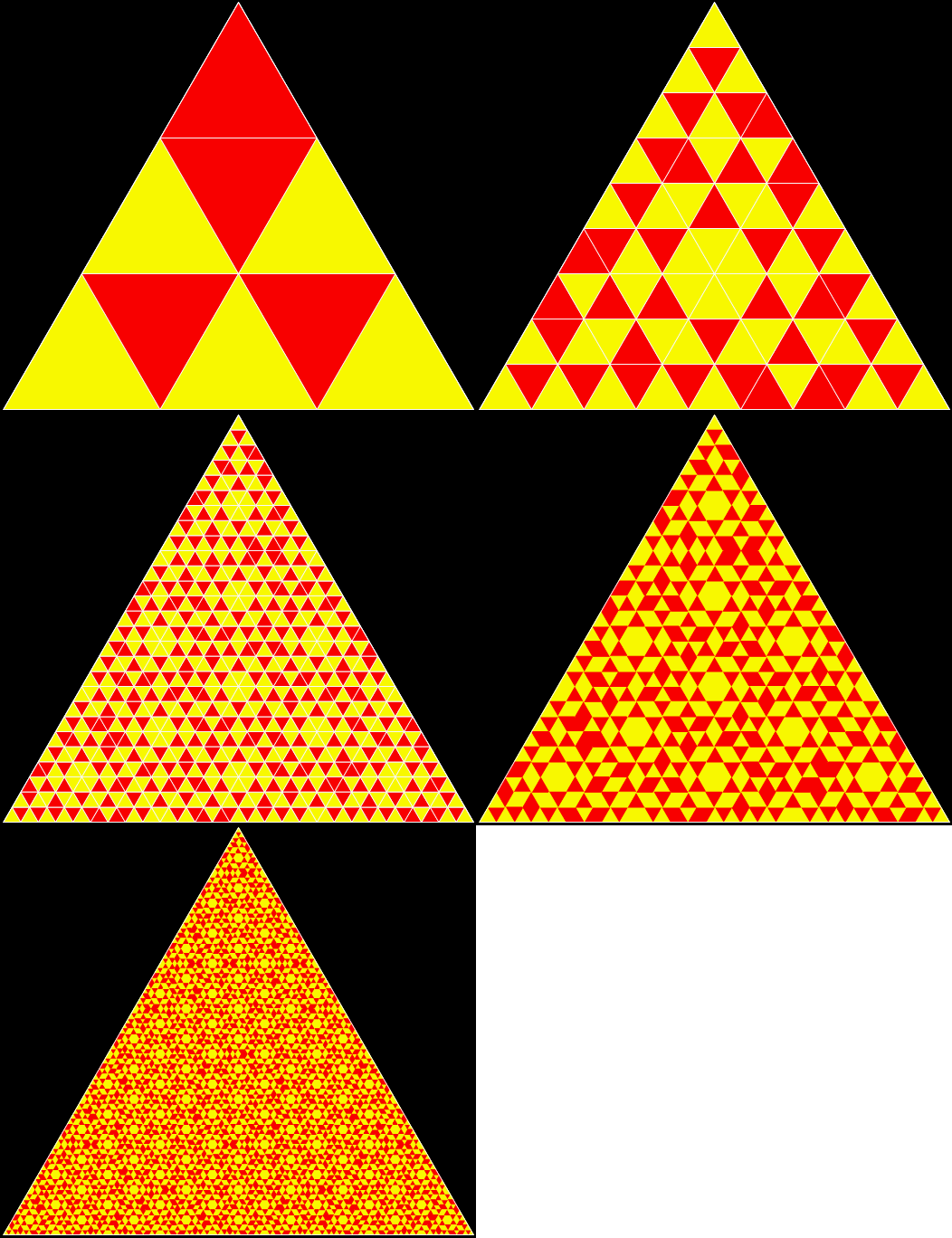
The triangle is a rep-tile — it’s tiled with repeating copies of itself. In this case, it’s a rep-9 triangle. Each of the nine smaller triangles can obviously be divided in their turn:

Rep-81 equilateral triangle


Rep-729 equilateral triangle


Rep-729 equilateral triangle again


Rep-6561 equilateral triangle


Rep-9 triangle repeatedly subdividing (animated)


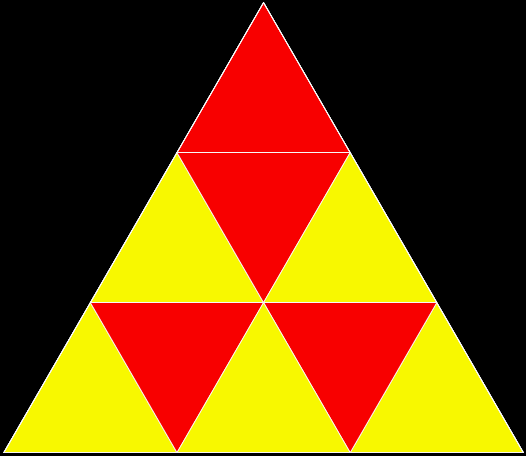
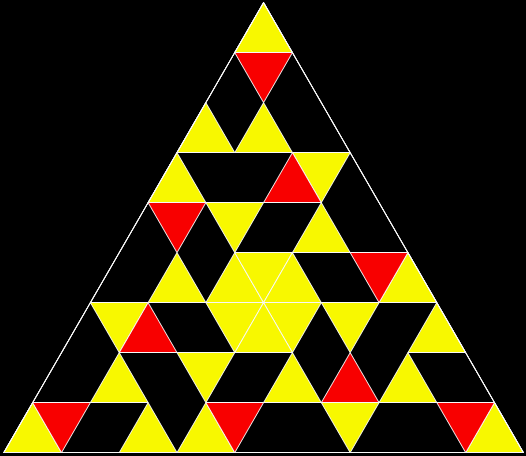
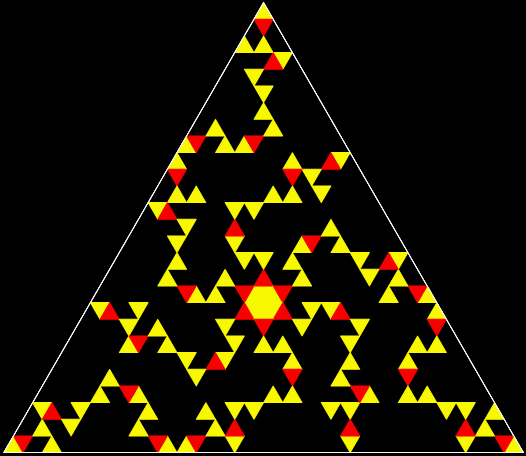
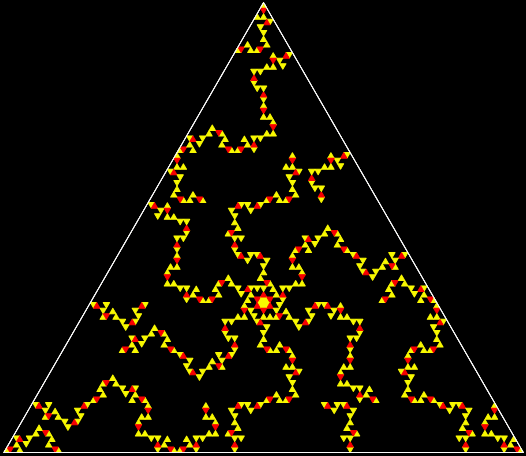
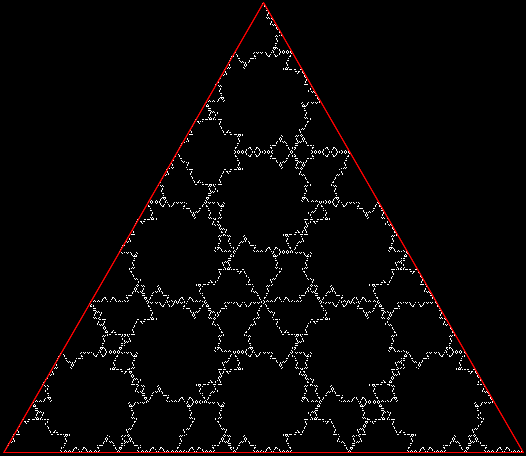
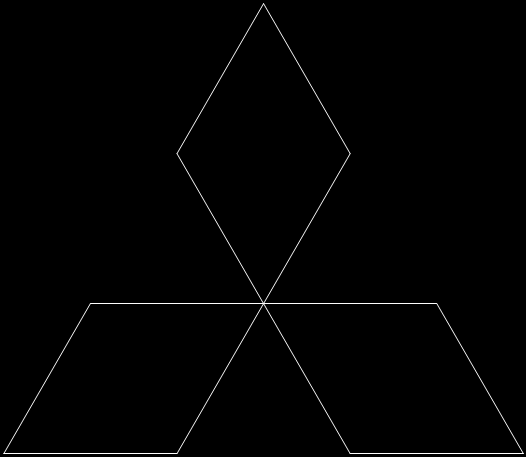
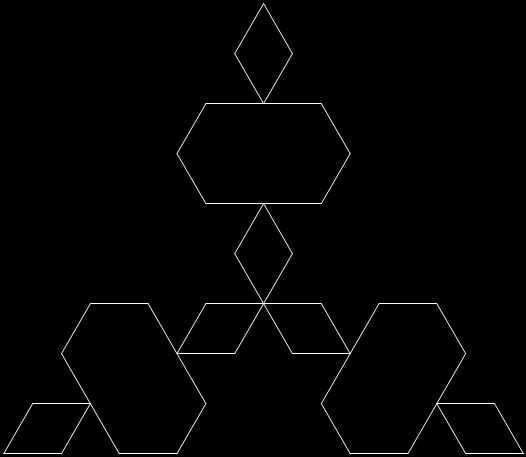
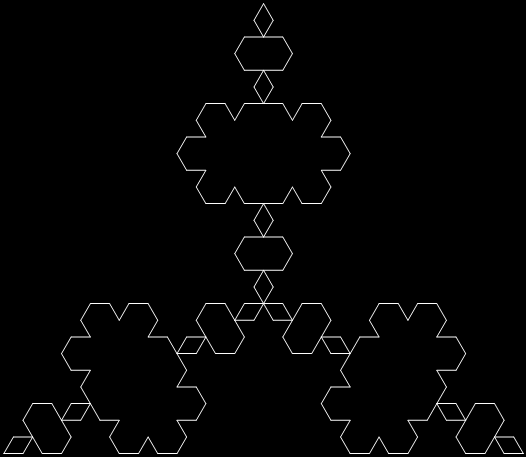
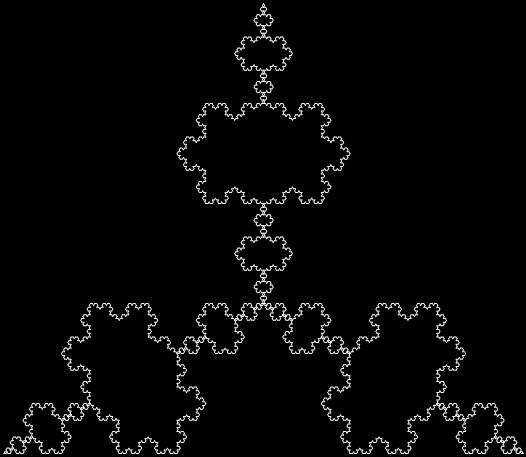
How try trimming the original rep-9 triangle, picking one of the trimmings, and repeating in finer detail. If you choose six triangles in this pattern, you can create a symmetrical braided fractal:

Triangular fractal stage 1


Triangular fractal #2


Triangular fractal #3


Triangular fractal #3 (cleaning up)


Triangular fractal #3 (cleaning up more)


Triangular fractal #4


Triangular fractal #5


Triangular fractal #6


Triangular fractal (animated)


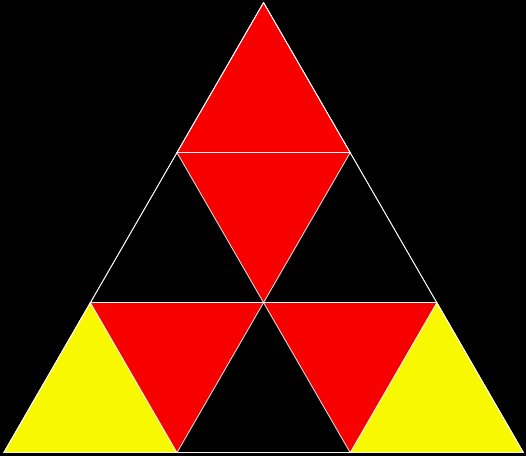
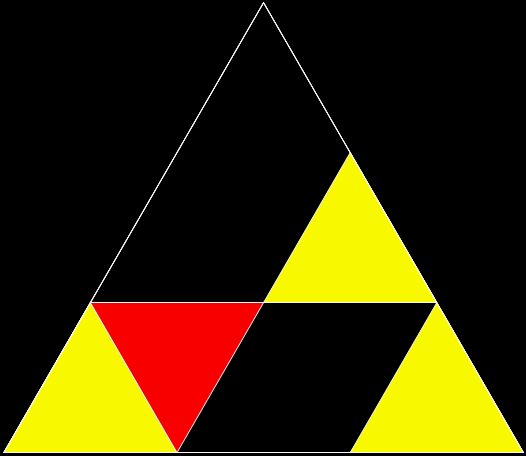
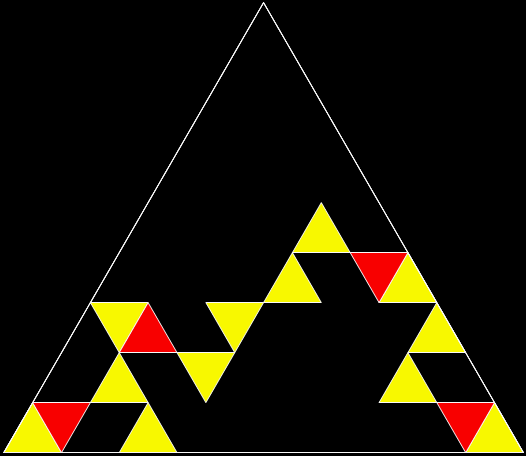
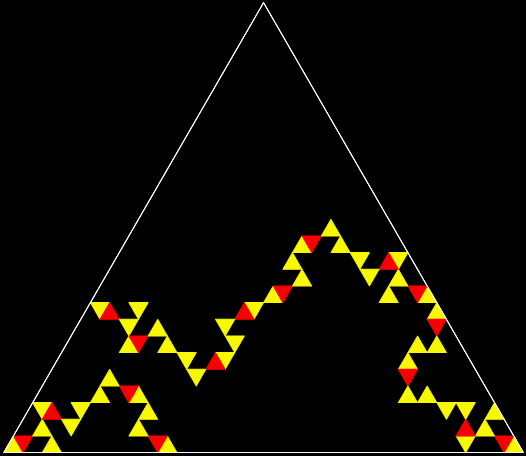
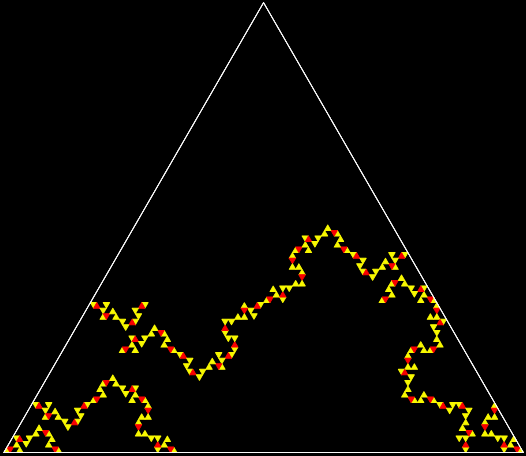
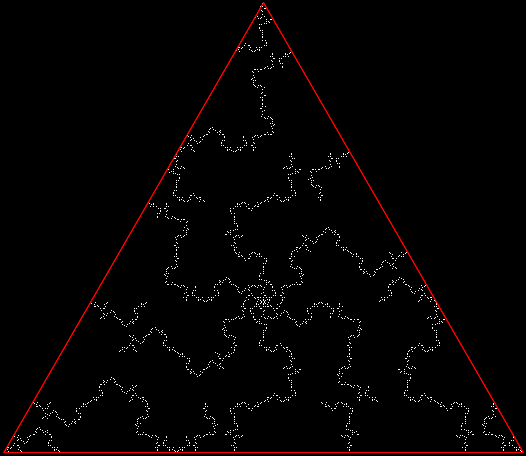
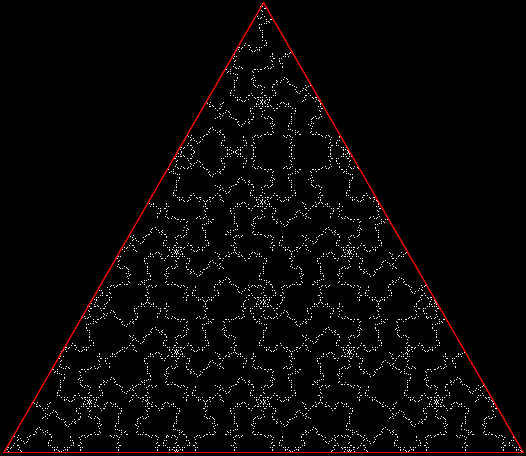
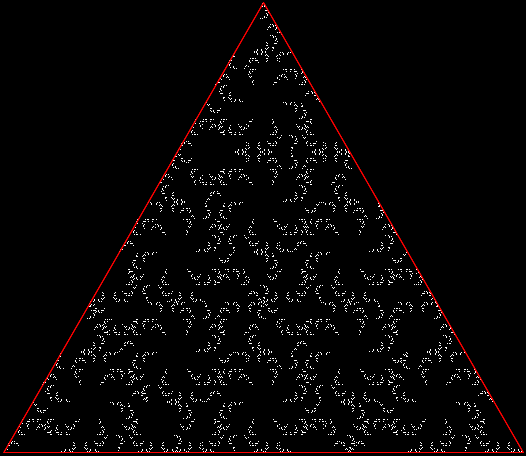
But this fractal using a three-triangle trim-picking isn’t symmetrical:

Trim-picking #1


Trim-picking #2


Trim-picking #3


Trim-picking #4


Trim-picking #5


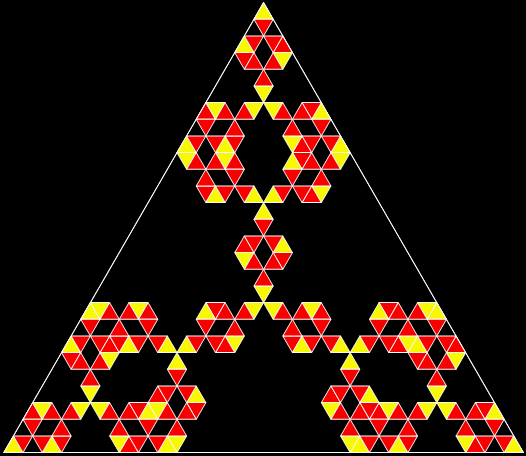
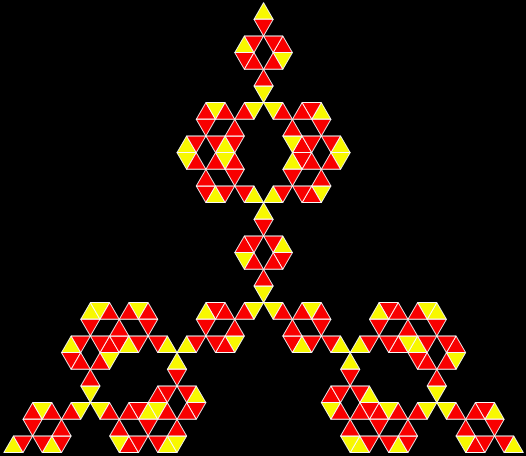
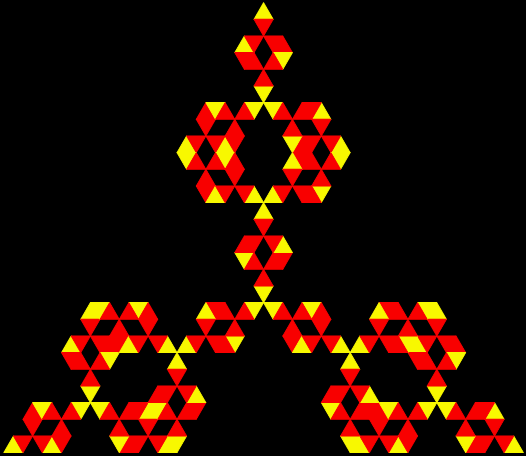
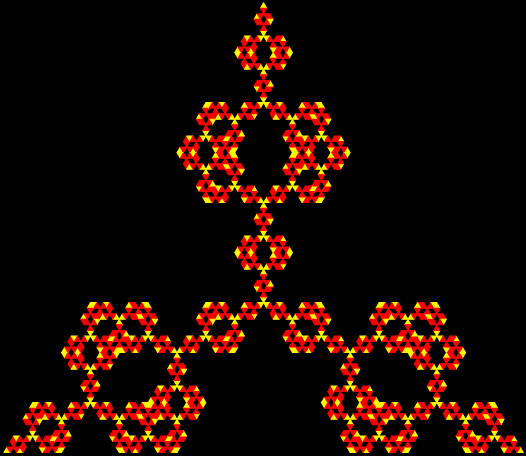
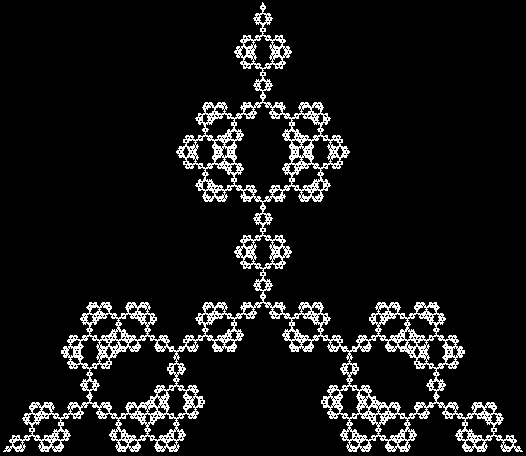
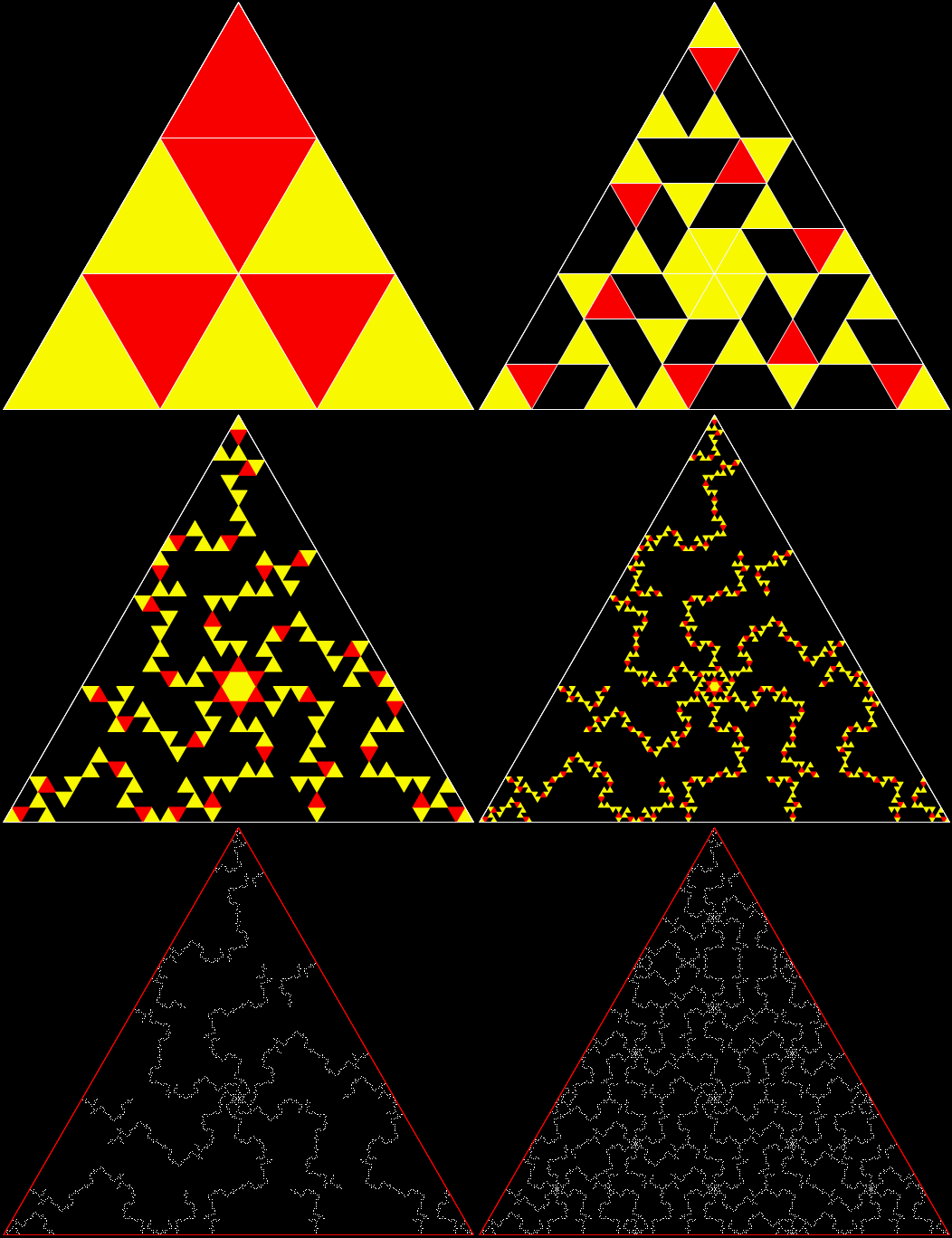
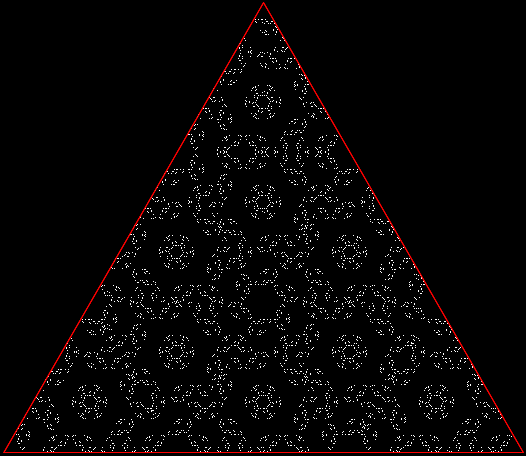
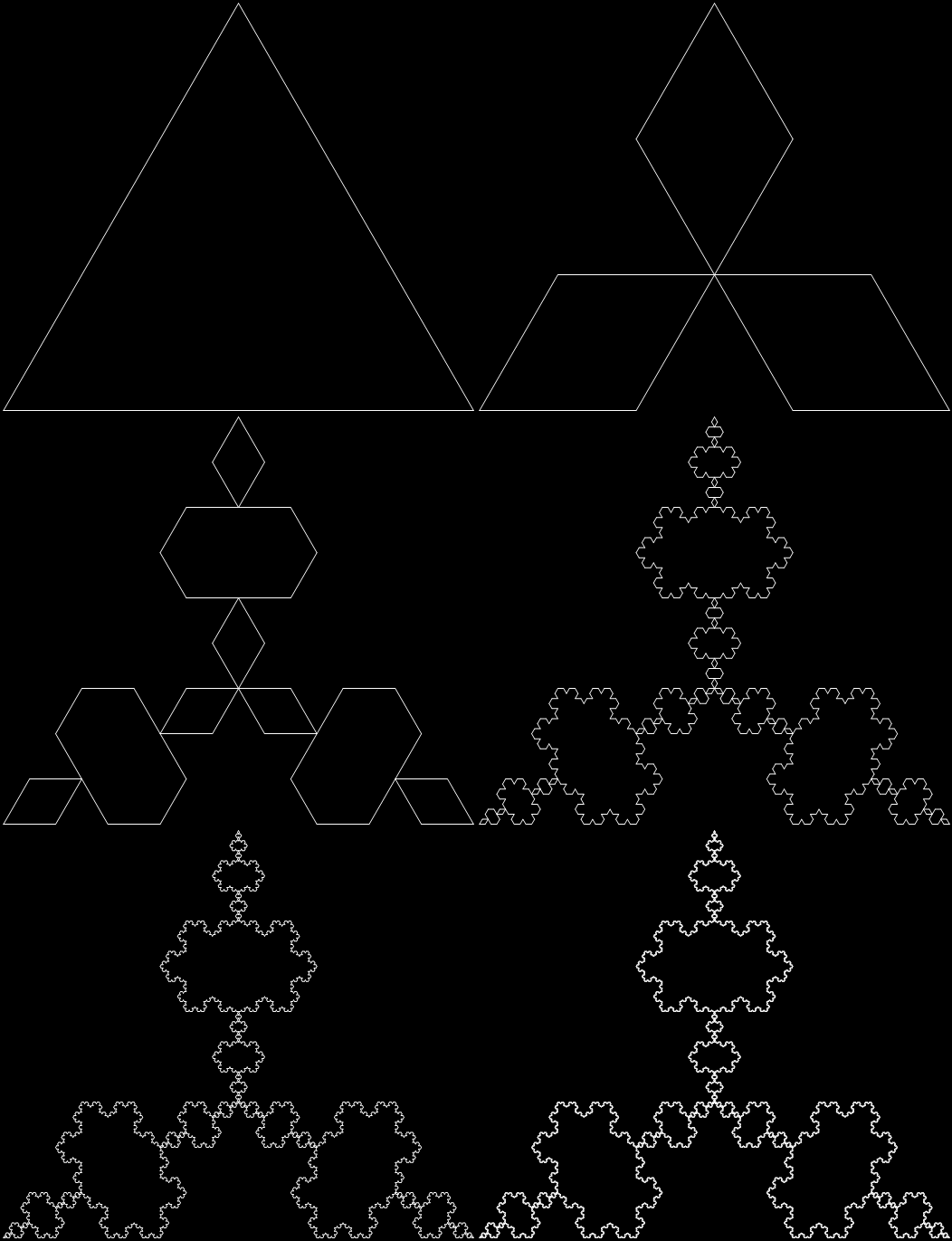
To make it symmetric, you have to delay the trim, using the full rep-9 trim for the first stage:

Delayed trim-picking #1


Delayed trim-picking #2


Delayed trim-picking #3


Delayed trim-picking #4


Delayed trim-picking #5


Delayed trim-picking #6 (with first two stages as rep-9)


Delayed trim-picking (animated)


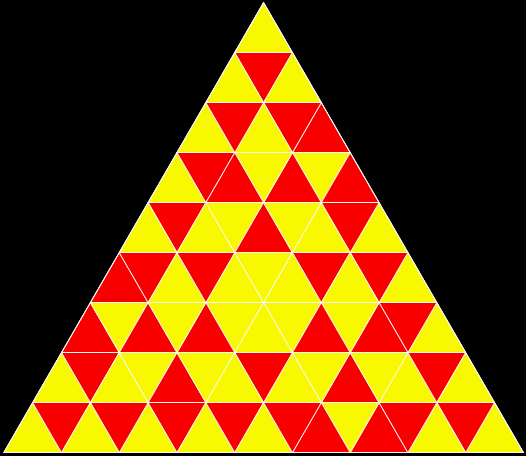
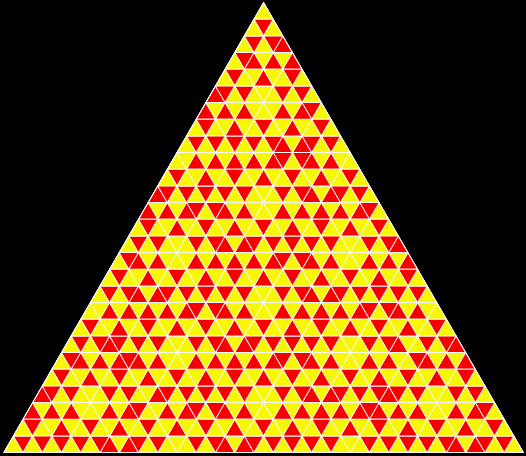
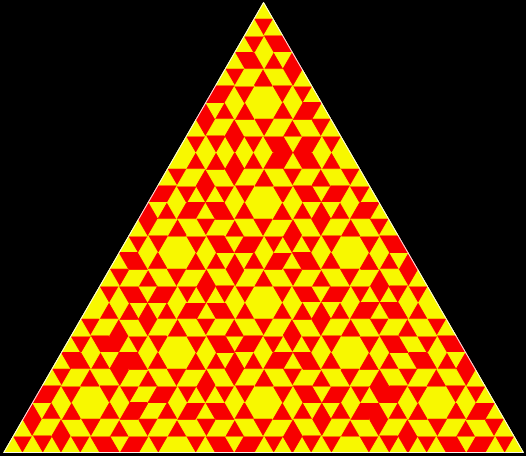
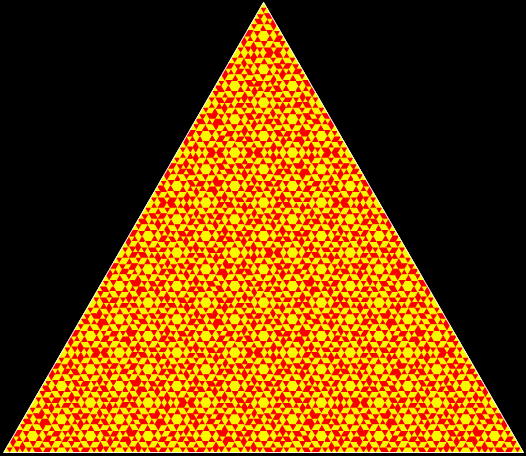
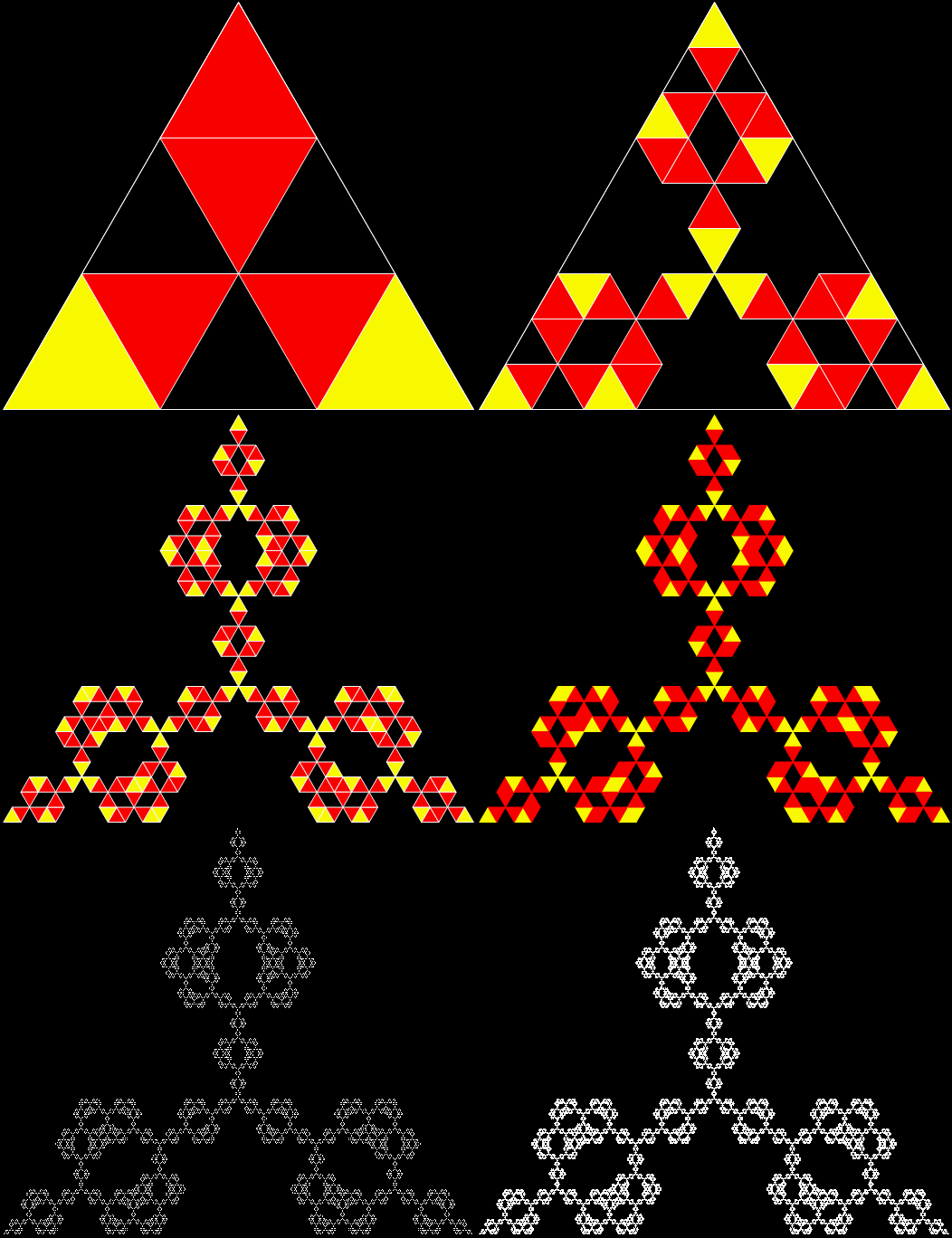
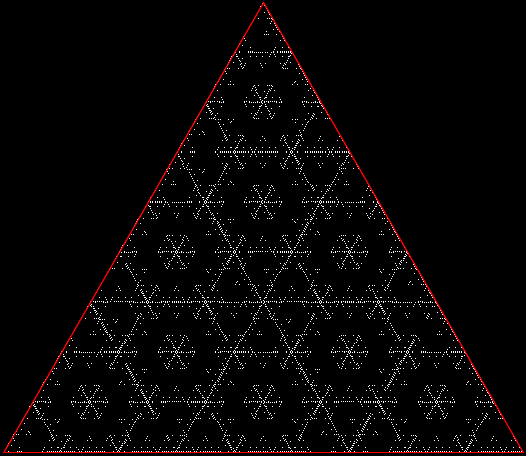
Here are some more delayed trim-pickings used to created symmetrical patterns:


Bored Bard

Pol. How say you by that? Still harping on my daughter: yet he knew me not at first; he said I was a Fishmonger: he is farre gone, farre gone: and truly in my youth, I suffred much extreamity for loue: very neere this. Ile speake to him againe. What do you read my Lord?

Ham. Words, words, words. — Hamlet (c. 1600), Act 2, Scene 2

Polykoch (Kontinued)

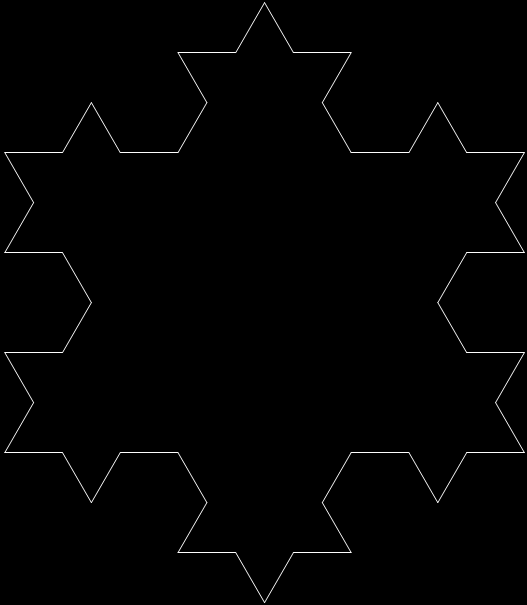
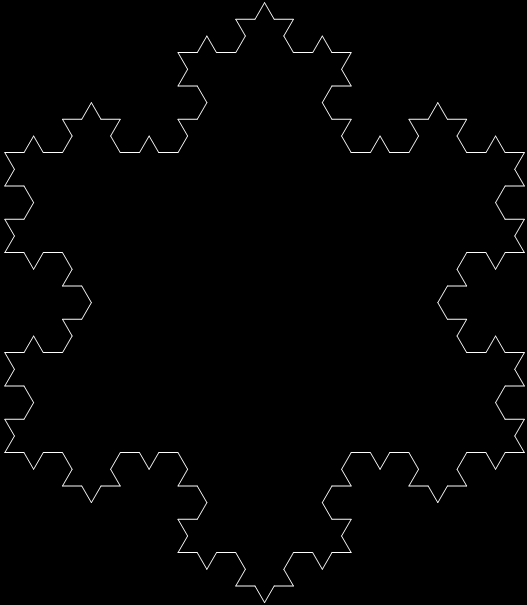
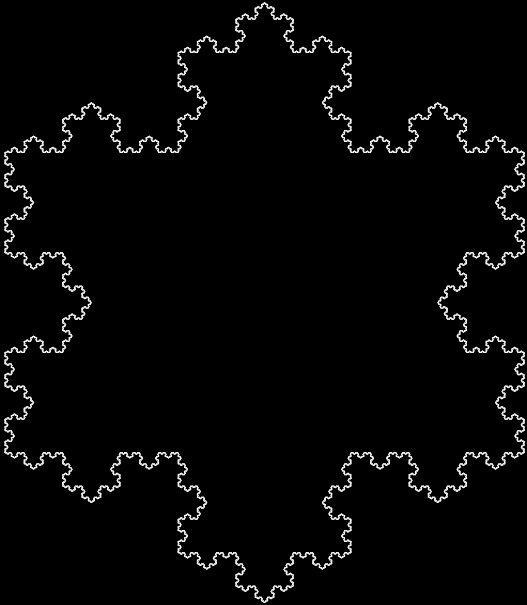
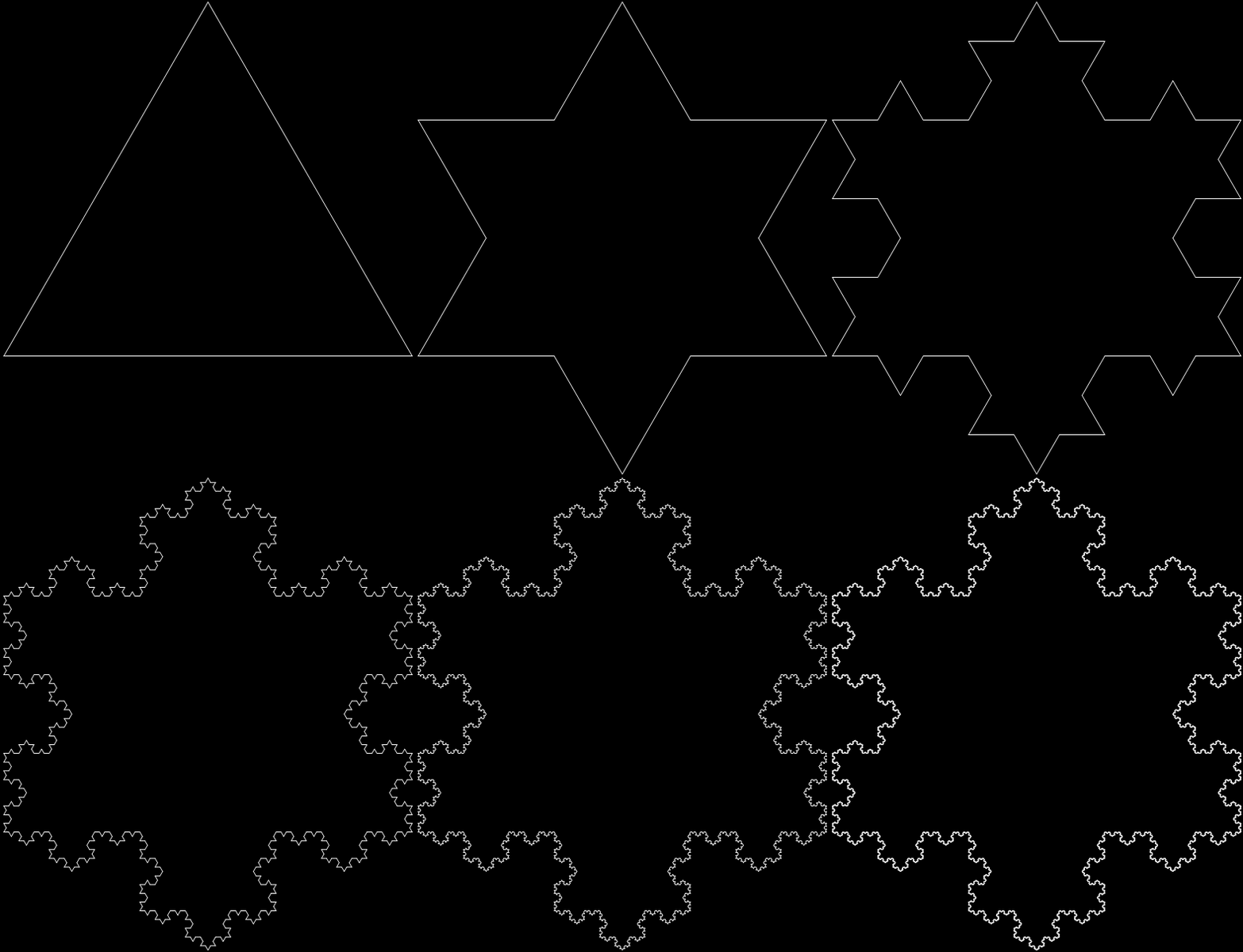
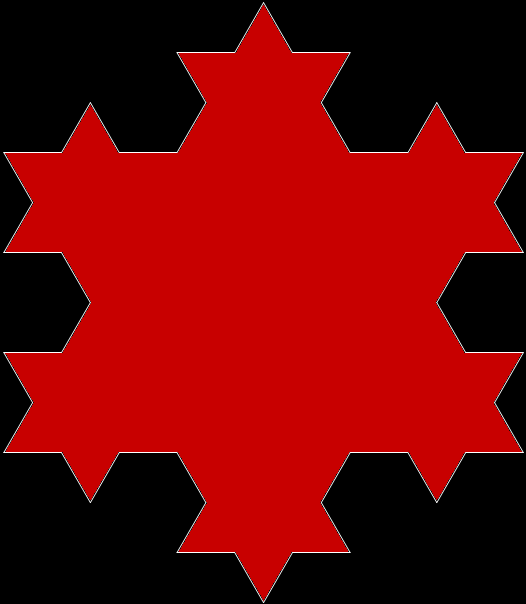
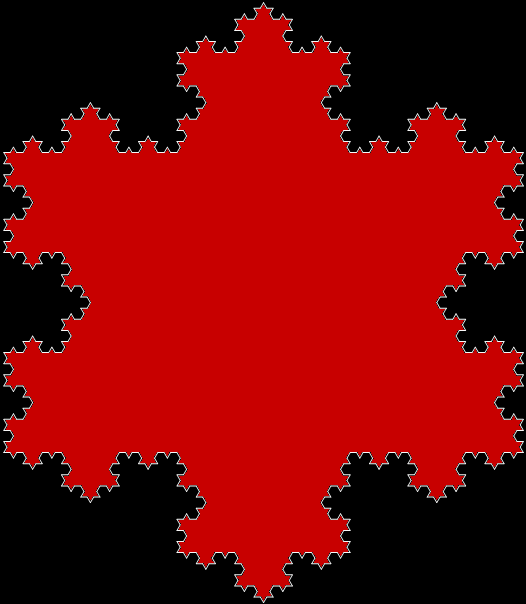
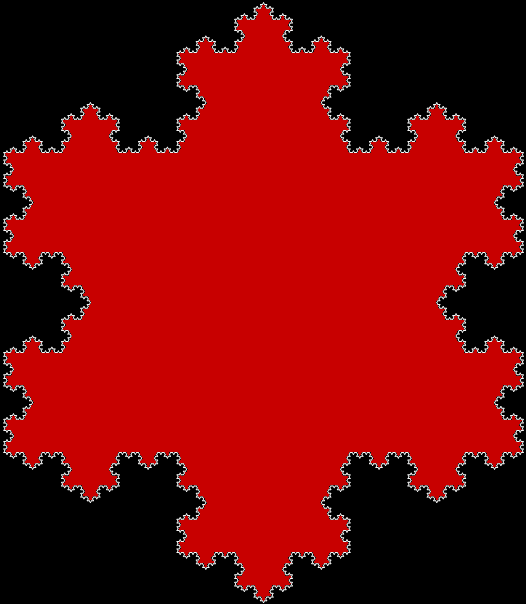
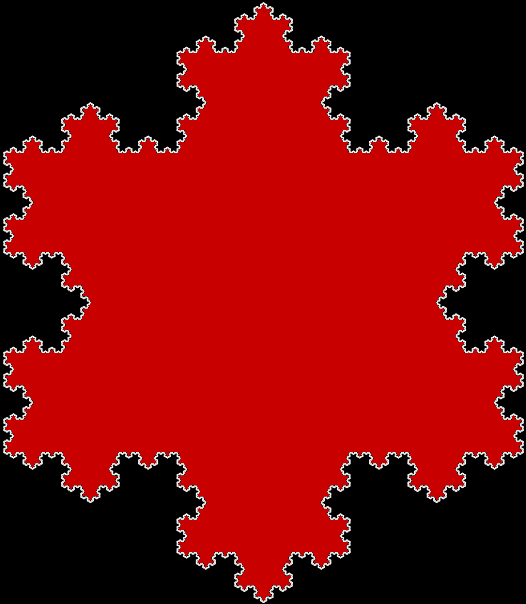
In “Polykoch!”, I looked at variants on the famous Koch snowflake, which is created by erecting new triangles on the sides of an equilaternal triangle, like this:

Koch snowflake #1


Koch snowflake #2


Koch snowflake #3


Koch snowflake #4


Koch snowflake #5


Koch snowflake #6


Koch snowflake #7


Koch snowflake (animated)


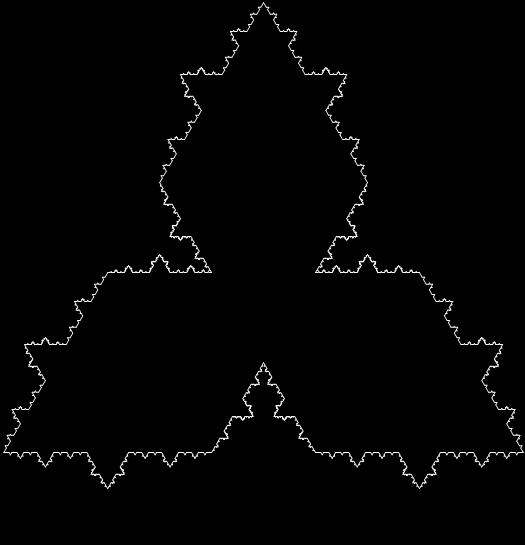
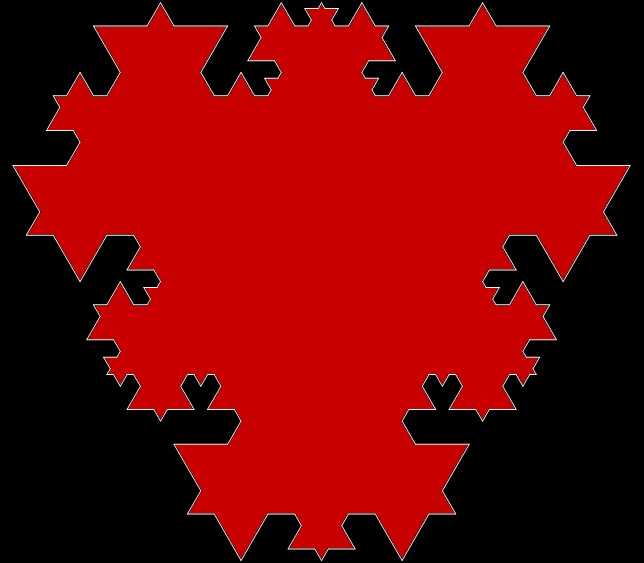
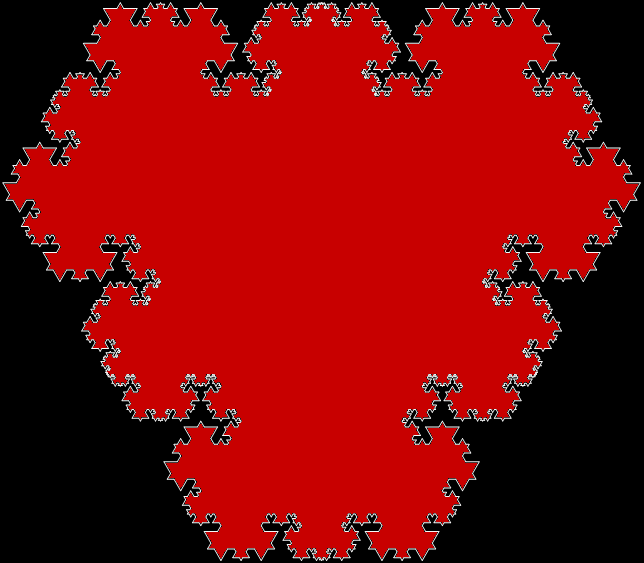
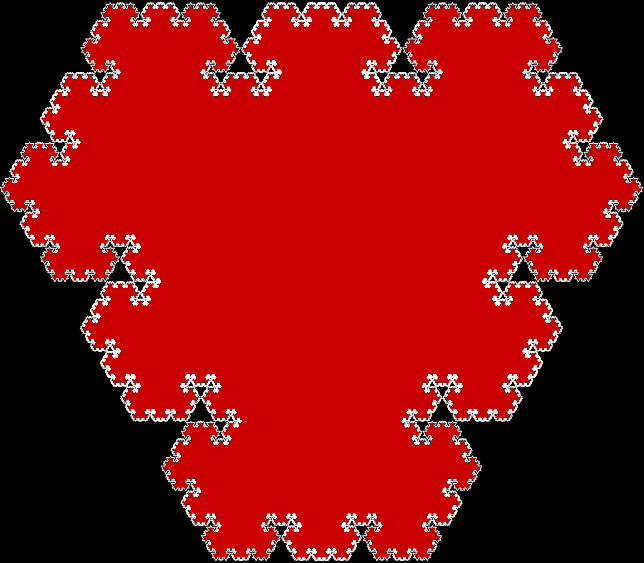
One variant is simple: the new triangles move inward rather than outward:

Inverted Koch snowflake #1


Inverted Koch snowflake #2


Inverted Koch snowflake #3


Inverted Koch snowflake #4


Inverted Koch snowflake #5


Inverted Koch snowflake #6


Inverted Koch snowflake #7


Inverted Koch snowflake (animated)


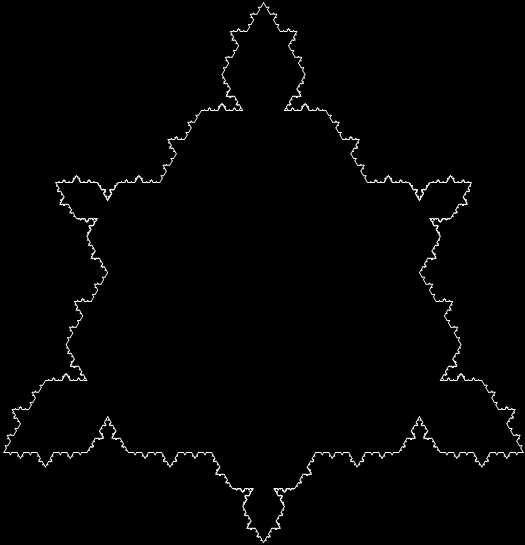
Or you can alternate between moving the new triangles inward and outward. When they always move outward and have sides 1/5 the length of the sides of the original triangle, the snowflake looks like this:


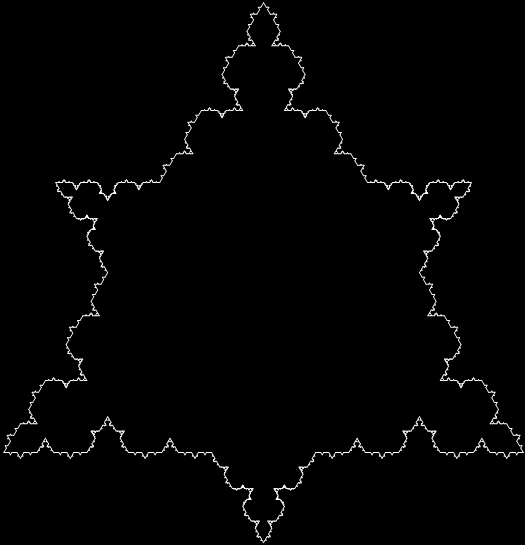
When they move inward, then always outward, the snowflake looks like this:


And so on:


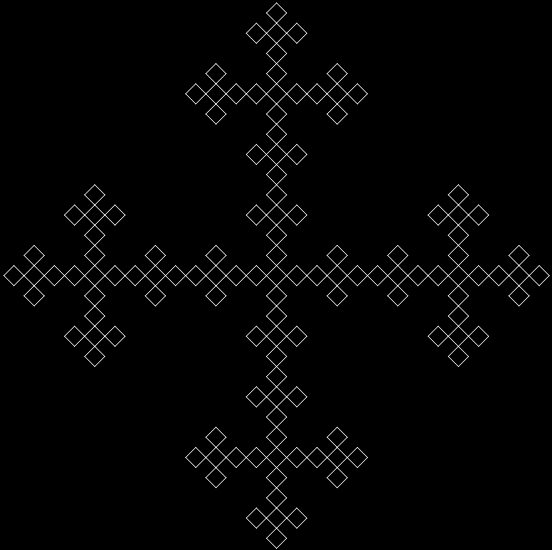
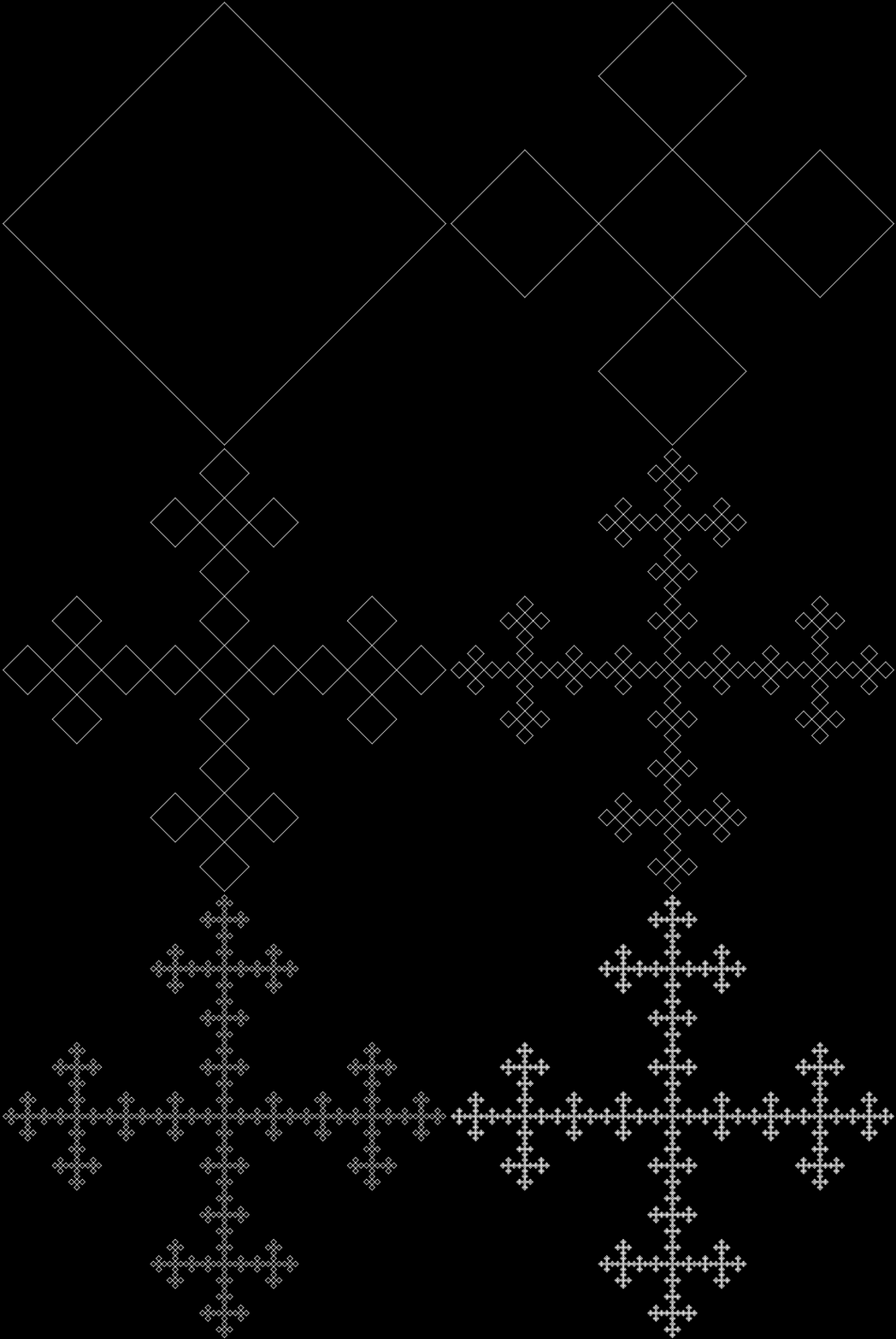
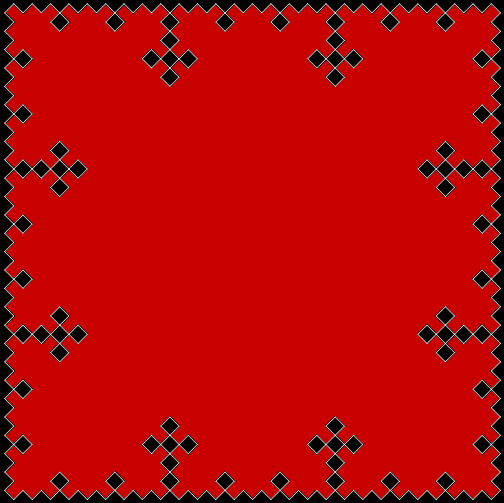
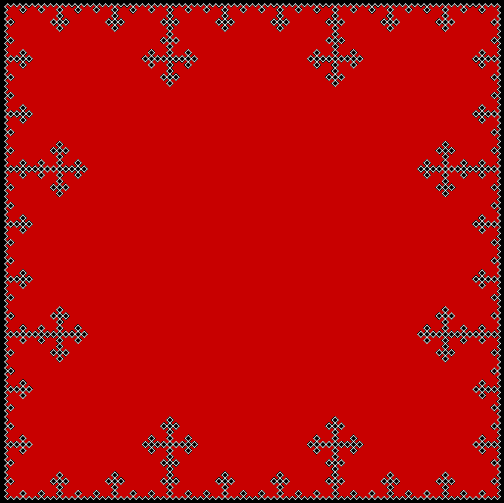
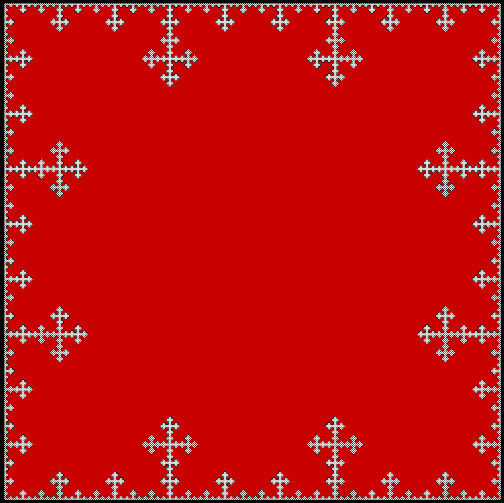
Now here’s a Koch square with its new squares moving inward:

Inverted Koch square #1


Inverted Koch square #2


Inverted Koch square #3


Inverted Koch square #4


Inverted Koch square #5


Inverted Koch square #6


Inverted Koch square (animated)


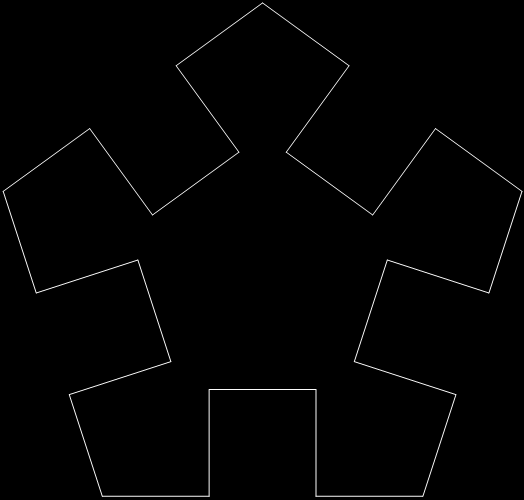
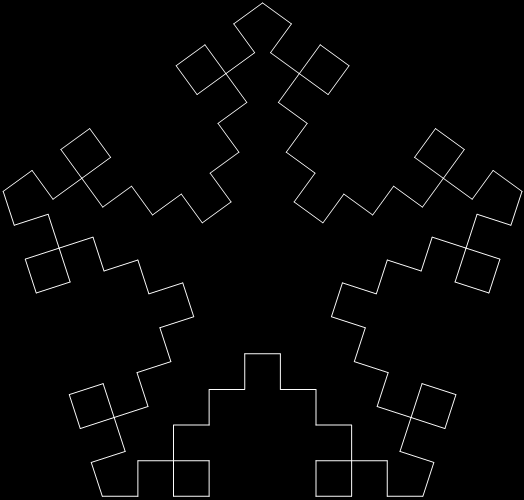
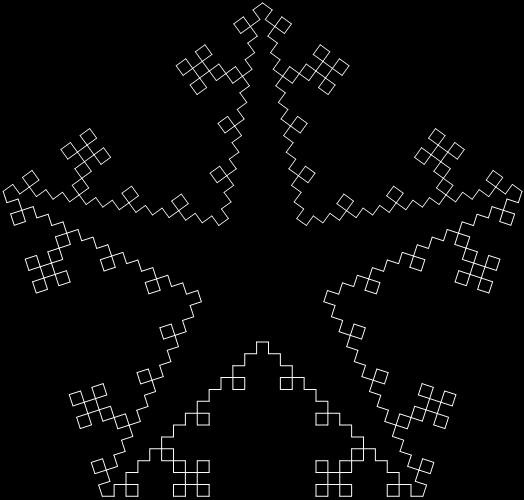
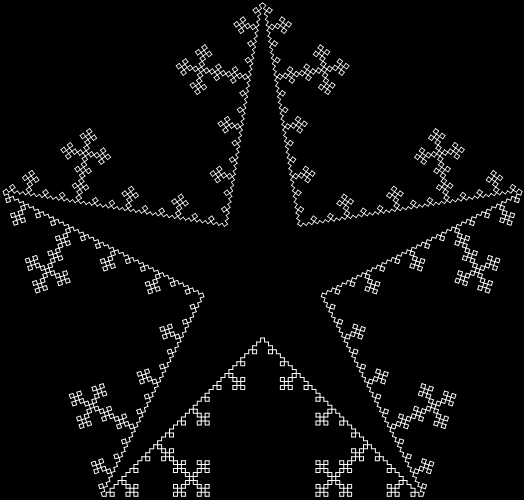
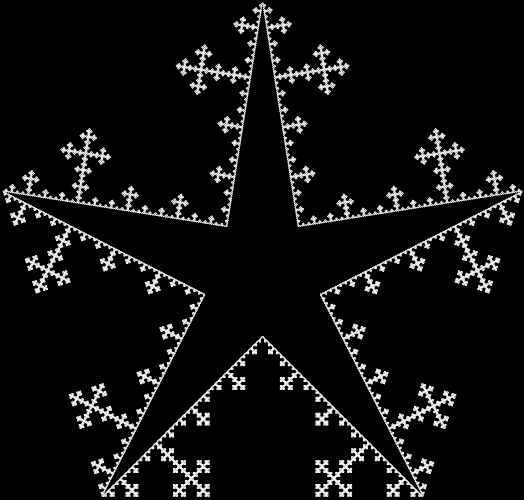
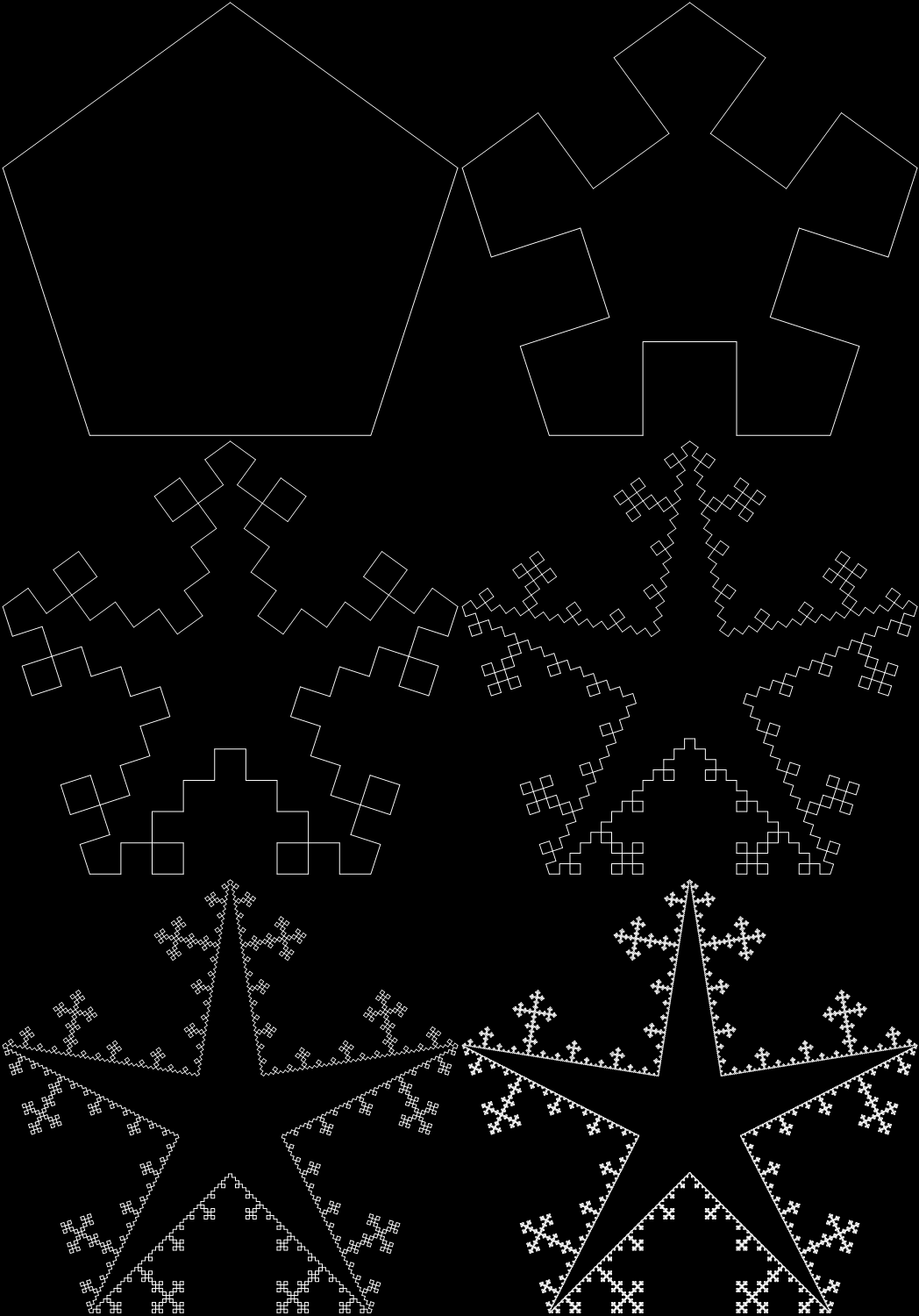
And here’s a pentagon with squares moving inwards on its sides:

Pentagon with squares #1


Pentagon with squares #2


Pentagon with squares #3


Pentagon with squares #4


Pentagon with squares #5


Pentagon with squares #6


Pentagon with squares (animated)


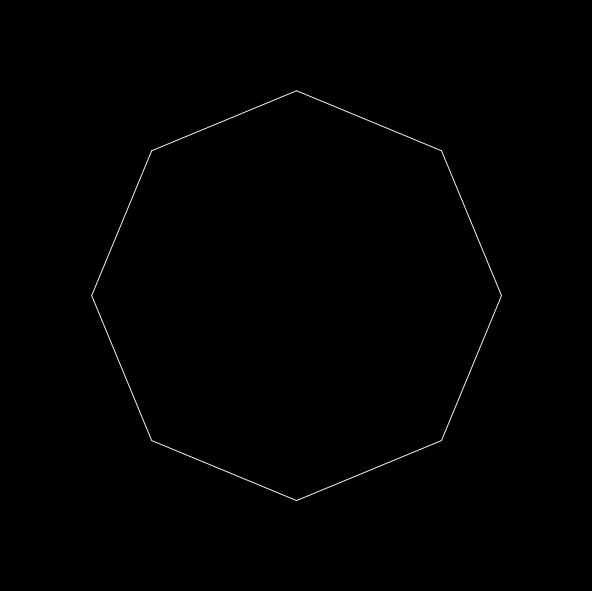
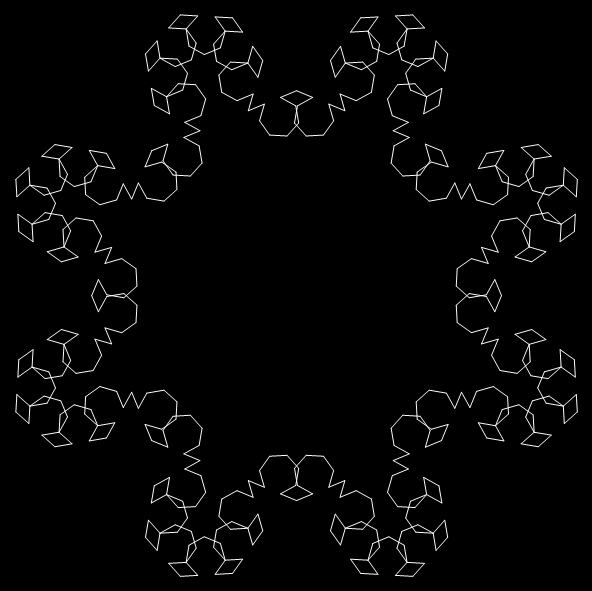
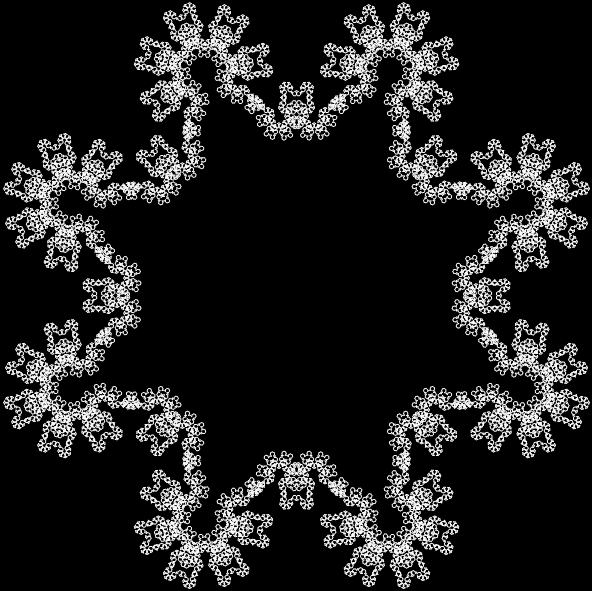
And finally, an octagon with hexagons on its sides. First the hexagons move outward, then inward, then outward, then inward, then outward:

Octagon with hexagons #1


Octagon with hexagons #2


Octagon with hexagons #3


Octagon with hexagons #4


Octagon with hexagons #5


Octagon with hexagons (animated)


Polykoch!

This is how you form the famous Koch snowflake, in which at each stage you erect a new triangle on the middle of each line whose sides are 1/3 the length of the line:

Koch snowflake #1


Koch snowflake #2


Koch snowflake #3


Koch snowflake #4


Koch snowflake #5


Koch snowflake #6


Koch snowflake #7


Koch snowflake (animated)


Here’s a variant of the Koch snowflake, with new mid-triangles whose sides are 1/2 the length of the lines:

Koch snowflake (1/2 side) #1


Koch snowflake (1/2 side) #2


Stage #3


Stage #4


Stage #5


Stage #6


Stage #7


Stage #8


Koch snowflake (1/2 side) (animated)


But why stop at triangles? This is a Koch square, in which at each stage you erect a new 1/3 square on the middle of each line:

Koch square #1


Koch square #2


Koch square #3


Koch square #4


Koch square #5


Koch square #6


Koch square (animated)


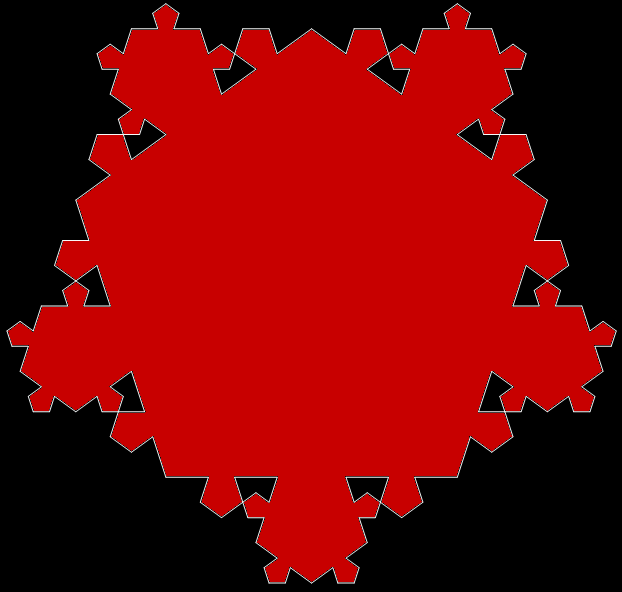
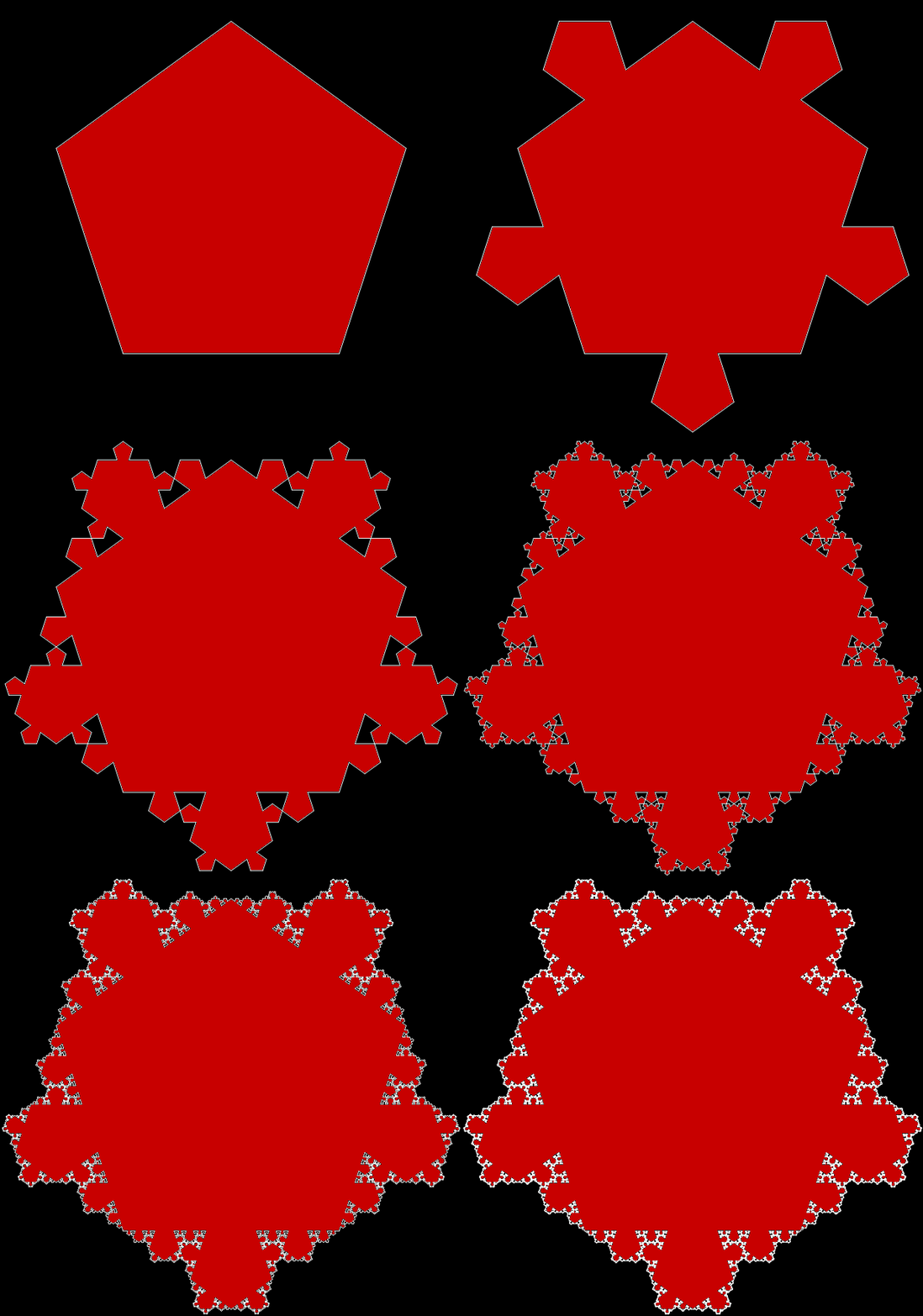
And a Koch pentagon, in which at each stage you erect a pentagon on the middle of each line whose sides are 1 – (1/φ^2 * 2) = 0·236067977… the length of the line (I used 55/144 as an approximation of 1/φ^2):

Koch pentagon (side 55/144) #1


Koch pentagon #2


Koch pentagon #3


Koch pentagon #4


Koch pentagon #5


Koch pentagon #6


Koch pentagon (animated)


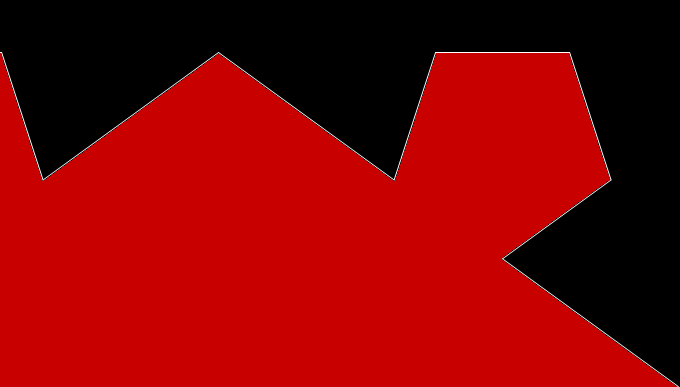
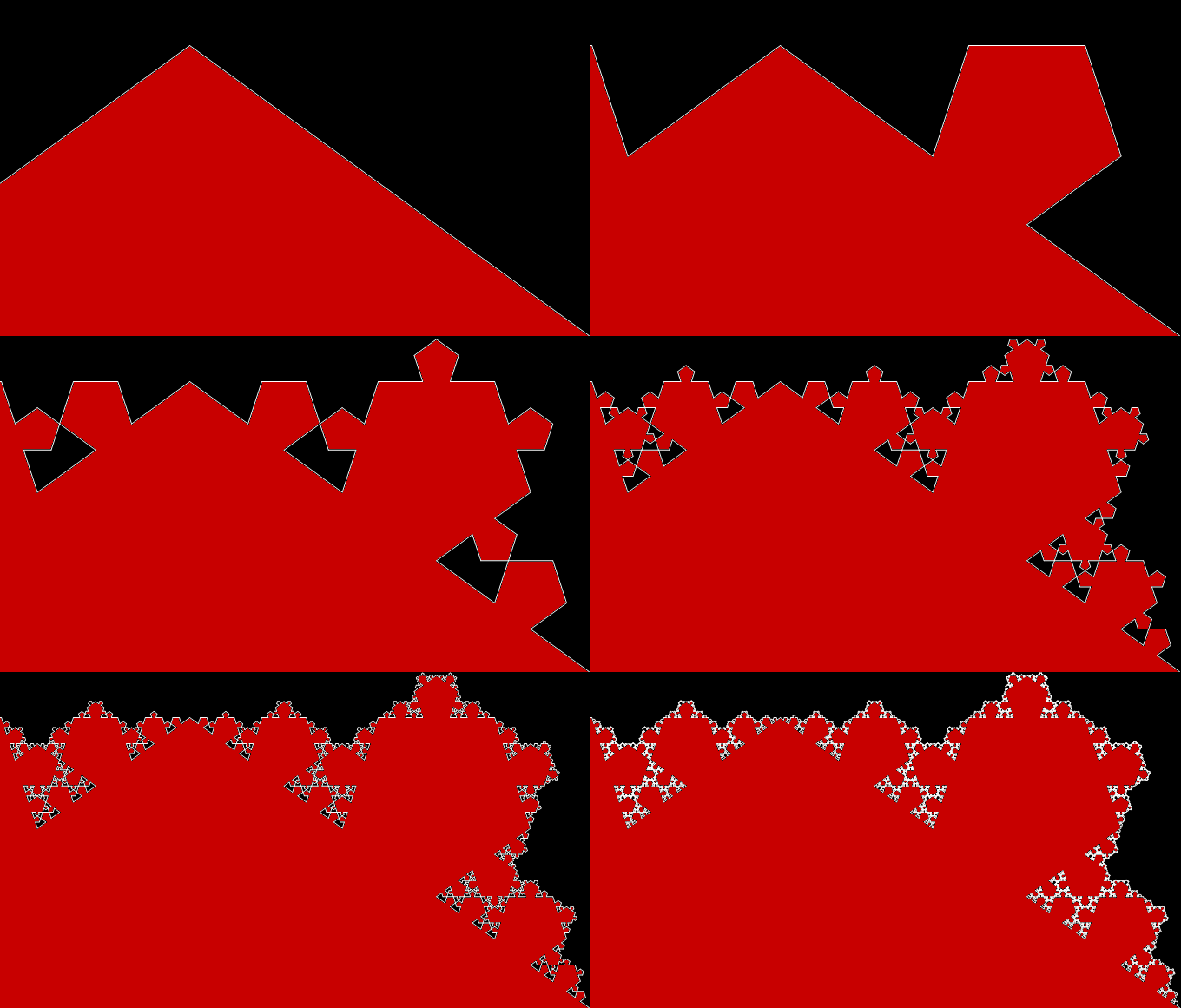
In this close-up, you can see how precisely the sprouting pentagons kiss at each stage:

Koch pentagon (close-up) #1


Koch pentagon (close-up) #2


Koch pentagon (close-up) #3


Koch pentagon (close-up) #4


Koch pentagon (close-up) #5


Koch pentagon (close-up) #6


Koch pentagon (close-up) (animated)


Hamble On

HAMBLEDON (n.)

The sound of a single-engined aircraft flying by, heard whilst lying in a summer field in England, which somehow concentrates the silence and sense of space and timelessness and leaves one with a profound feeling of something or other. — The Meaning of Liff, Douglas Adams and John Lloyd (1983)


Elsewhere Other-Accessible

The Meaning of Liff — full text
The Meaning of Liff — at Wikipedia

Alt-Writer

“I’ve found a place halfway up the churchyard, near enough to the church to be aware of, in a spiritual sense, matins on Sunday morning, but also to be within reach of, in a temporal way, orgies on Saturday nights in The Woolpack. And alternating between the temporal and the spiritual is the way I wish to spend what eternity is left to me.” — Laurie Lee, Down in the Valley: A Writer’s Landscape (2019)

Glowing Troppo

pombero, M. Á guar. En la tradición popular, duende imaginario de quien se dice que protege a los pájaros y a los cocuyos y rapta a niños que persiguen.

cocuyo, M. Insecto coleóptero de la América tropical, de unos tres centimétros de longitud, oblongo, pardo y con dos manchas amarillentas a los lados de tórax, por las cuales despide de noche una luz azulada bastante viva. — Diccionario esencial de la lengua española (2006)

Period Panes

In his Penguin Dictionary of Curious and Interesting Numbers (1986), David Wells says that 142857 is “beloved of all recreational mathematicians”. He then says it’s the decimal period of the reciprocal of the fourth prime: “1/7 = 0·142857142857142…” And the reciprocal has maximum period. There are 6 = 7-1 digits before repetition begins, unlike the earlier prime reciprocals:


1/2 = 0·5
1/3 = 0·333...
1/5 = 0·2
1/7 = 0·142857 142857 142...

In other words, all possible remainders appear when you calculate the decimals of 1/7:


1*10 / 7 = 1 remainder 3 → 0·1
3*10 / 7 = 4 remainder 2 → 0·14
2*10 / 7 = 2 remainder 6 → 0·142
6*10 / 7 = 8 remainder 4 → 0·1428
4*10 / 7 = 5 remainder 5 → 0·14285
5*10 / 7 = 7 remainder 1 → 0·142857
1*10 / 7 = 1 remainder 3 → 0·142857 1
3*10 / 7 = 4 remainder 2 → 0·142857 14
2*10 / 7 = 2 remainder 6 → 0·142857 142...

That happens again with 1/17 and 1/19, but Wells says that “surprisingly, there is no known method of predicting which primes have maximum period.” It’s a simple question that involves some deep mathematics. Looking at prime reciprocals is like peering through a small window into a big room. Some things are easy to see, some are difficult and some are presently impossible.

In his discussion of 142857, Wells mentions one way of peering through a period pane: “The sequence of digits also makes a striking pattern when the digits are arranged around a circle.” Here is the pattern, with ten points around the circle representing the digits 0 to 9:

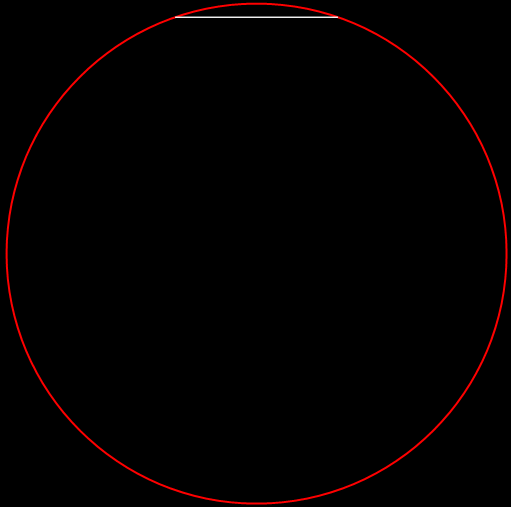
The digits of 1/7 = 0·142857142…


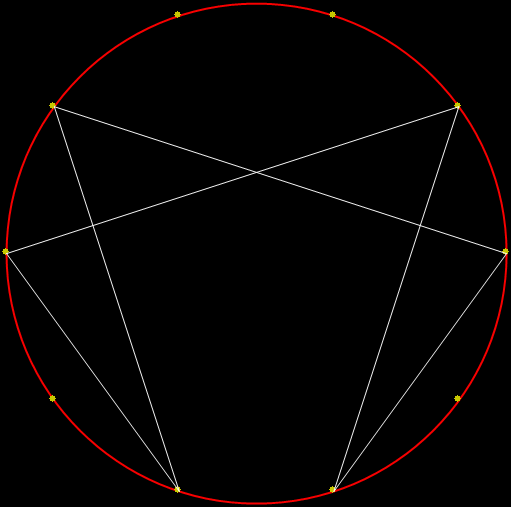
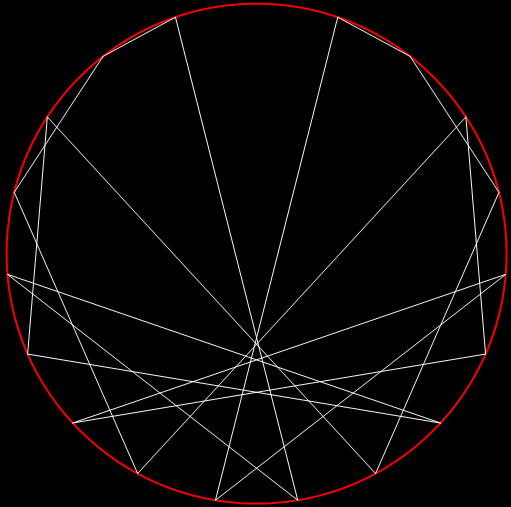
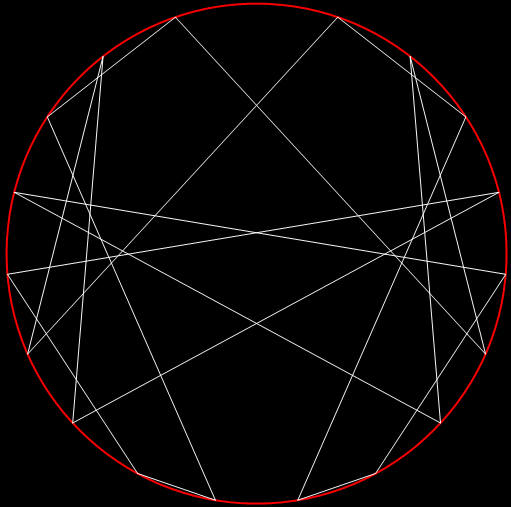
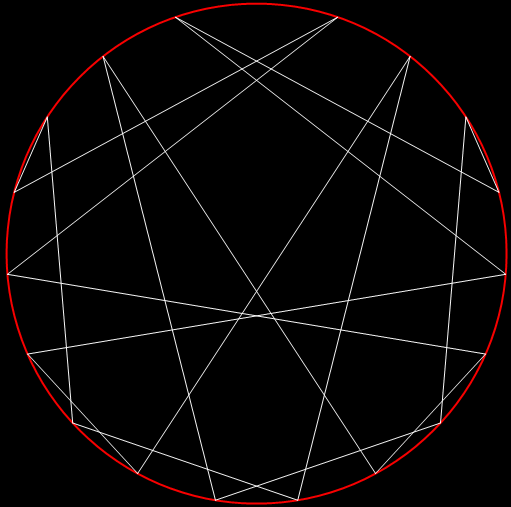
But I prefer, for further peers through the period-panes, to create the period-panes using remainders rather than digits. That is, the number of points around the circle is determined by the prime itself rather than the base in which the reciprocal is calculated:
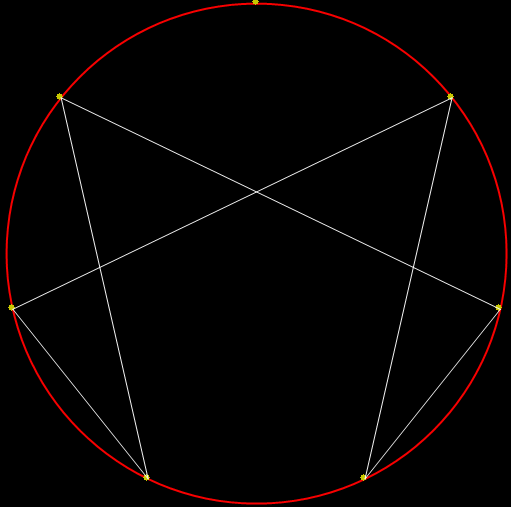
The remainders of 1/7 = 1, 3, 2, 6, 4, 5…


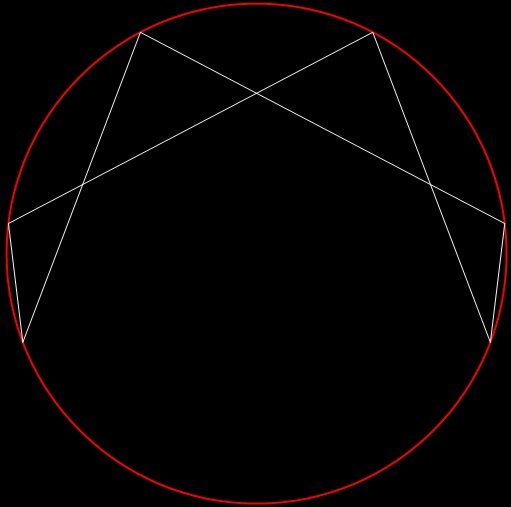
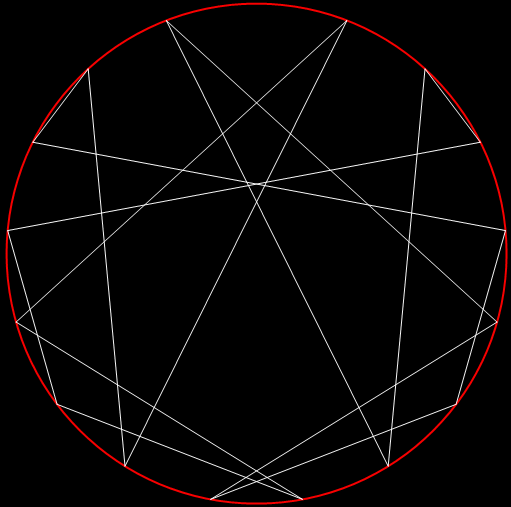
Period-panes can look like butterflies or bats or bivalves or spiders or crabs or even angels. Try the remainders of 1/13. This prime reciprocal doesn’t have maximum period: 1/13 = 0·076923 076923 076923… So there are only six remainders, creating this pattern:

remainders(1/13) = 1, 10, 9, 12, 3, 4


The multiple 2/13 has different remainders and creates a different pattern:

remainders(2/13) = 2, 7, 5, 11, 6, 8


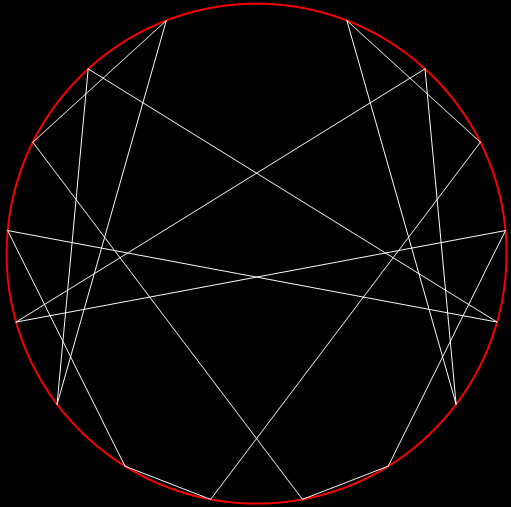
But 1/17, 1/19 and 1/23 all have maximum period and yield these period-panes:
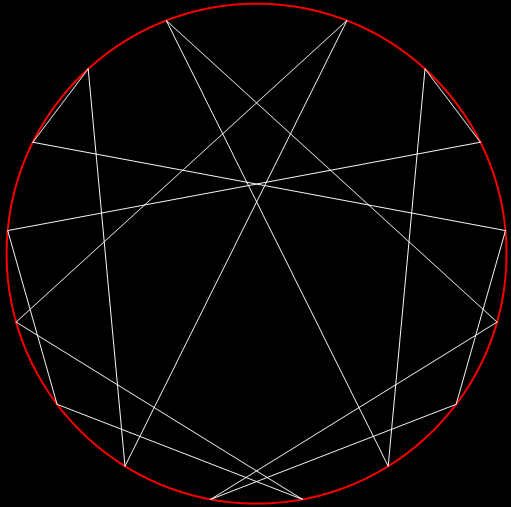
remainders(1/17) = 1, 10, 15, 14, 4, 6, 9, 5, 16, 7, 2, 3, 13, 11, 8, 12
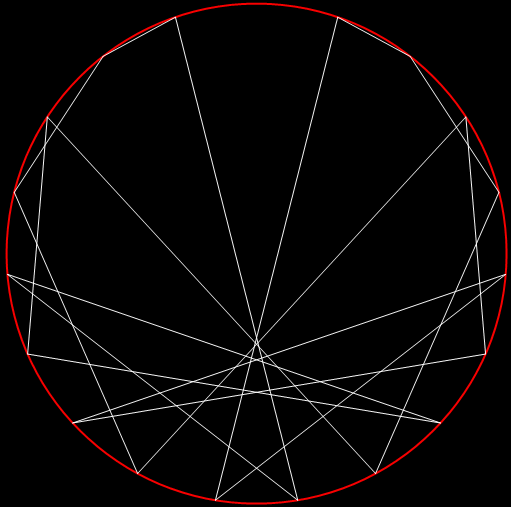

remainders(1/19) = 1, 10, 5, 12, 6, 3, 11, 15, 17, 18, 9, 14, 7, 13, 16, 8, 4, 2
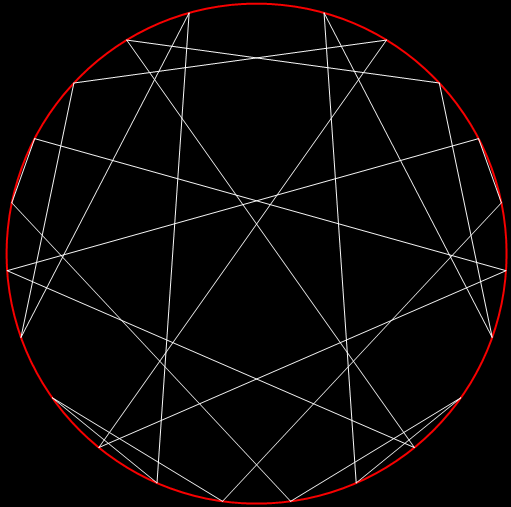

remainders(1/23) = 1, 10, 8, 11, 18, 19, 6, 14, 2, 20, 16, 22, 13, 15, 12, 5, 4, 17, 9, 21, 3, 7


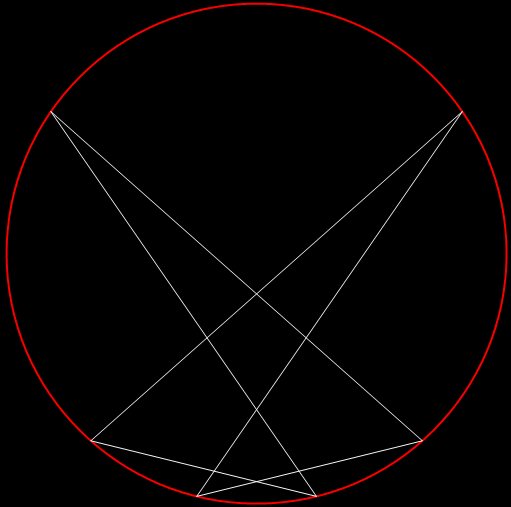
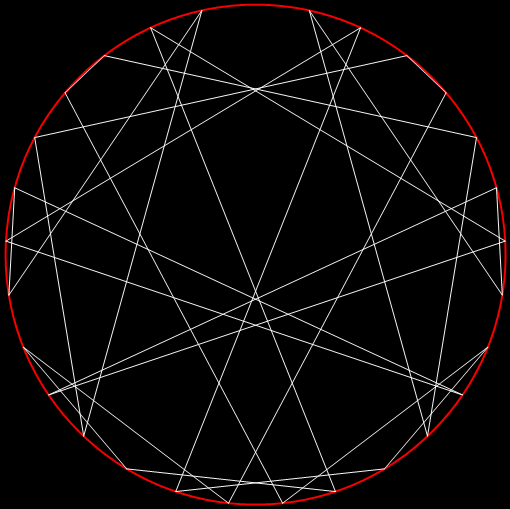
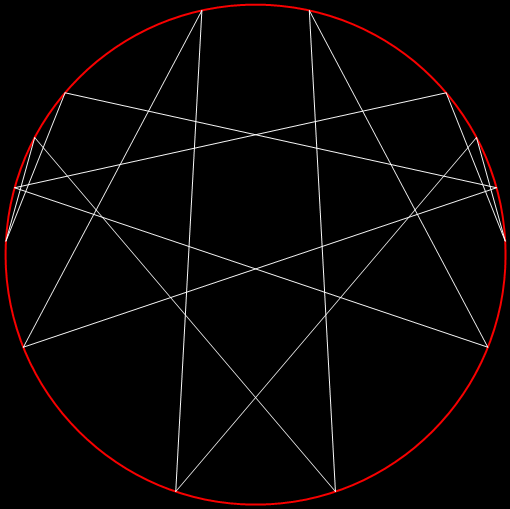
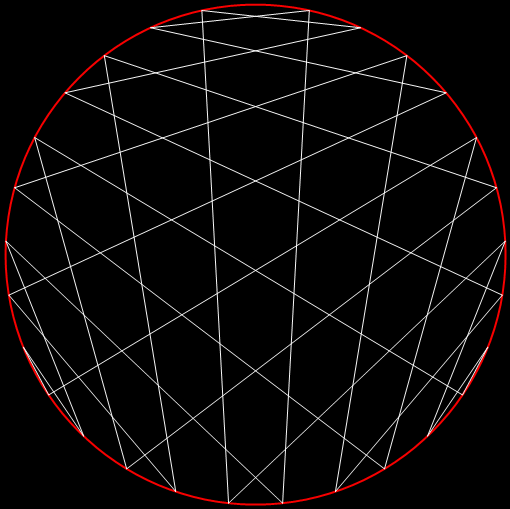
It gets mixed again with the prime 73, which doesn’t have maximum period and yields a plethora of period-panes (some patterns repeat with different n * 1/73, so I haven’t included them):
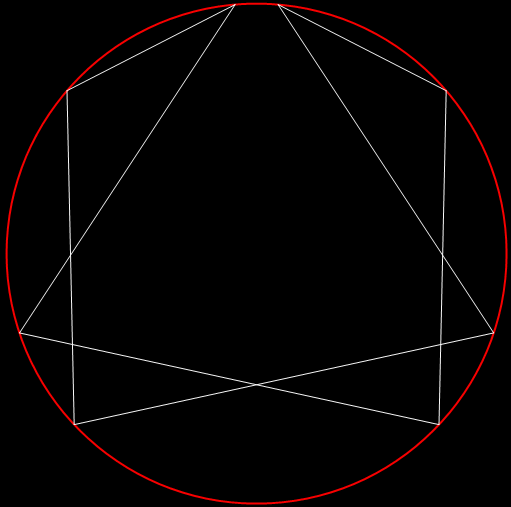
remainders(1/73)


remainders(2/73)
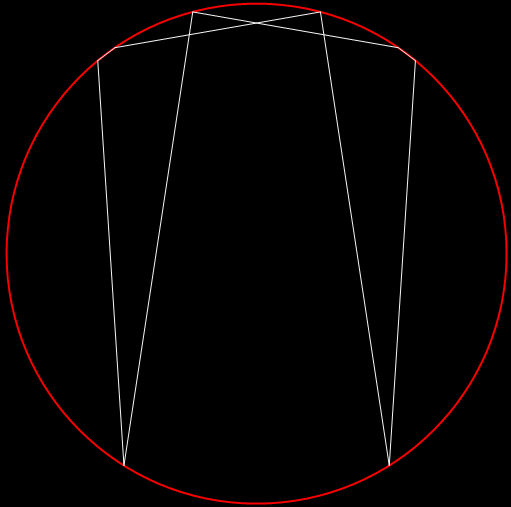

remainders(3/73)
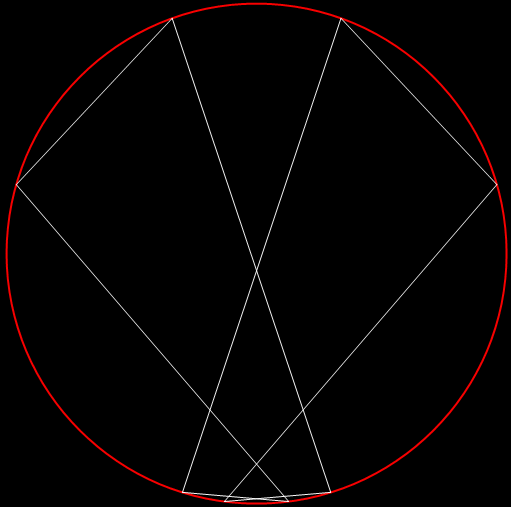

remainders(4/73)
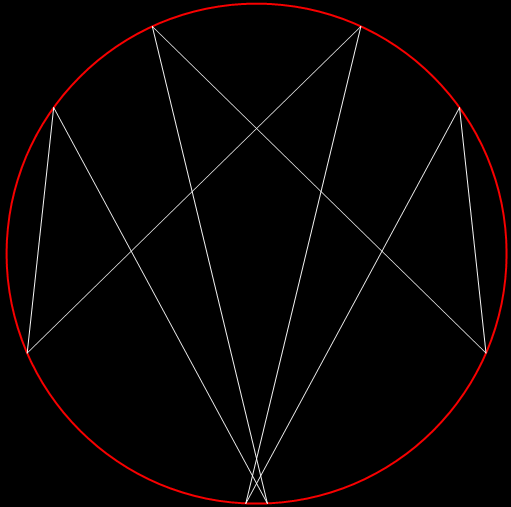

remainders(5/73)
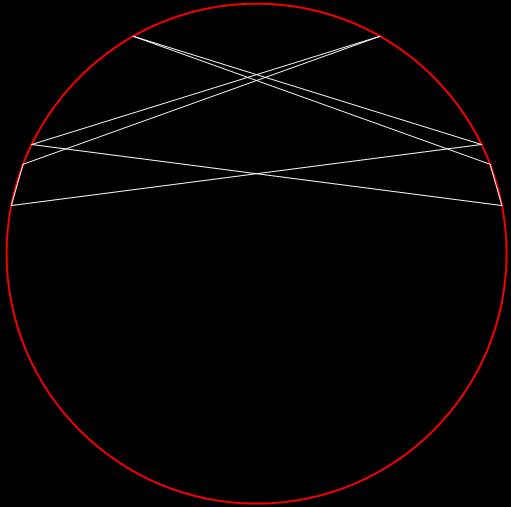

remainders(6/73)
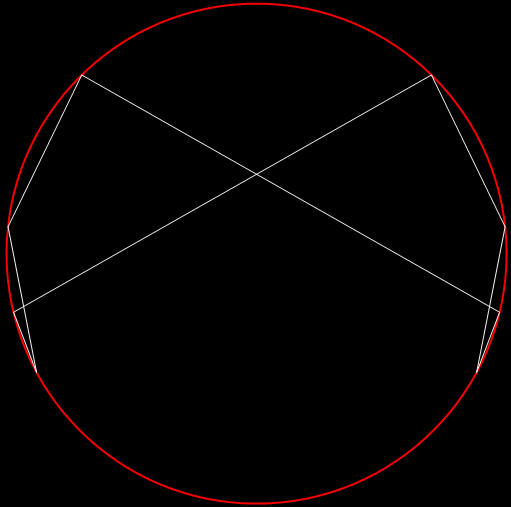

remainders(9/73)
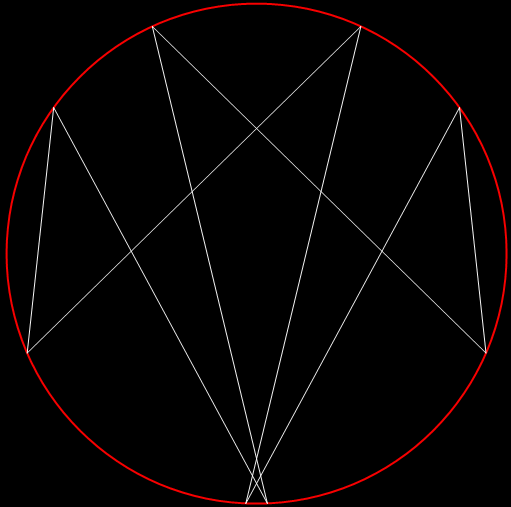

remainders(11/73) (identical to pattern of 5/73)
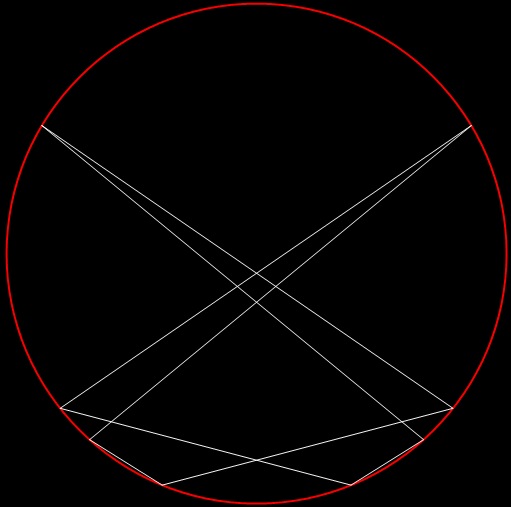

remainders(12/73)


remainders(18/73)


101 yields a plethora of period-panes, but they’re variations on a simple theme. They look like flapping wings in this animated gif:
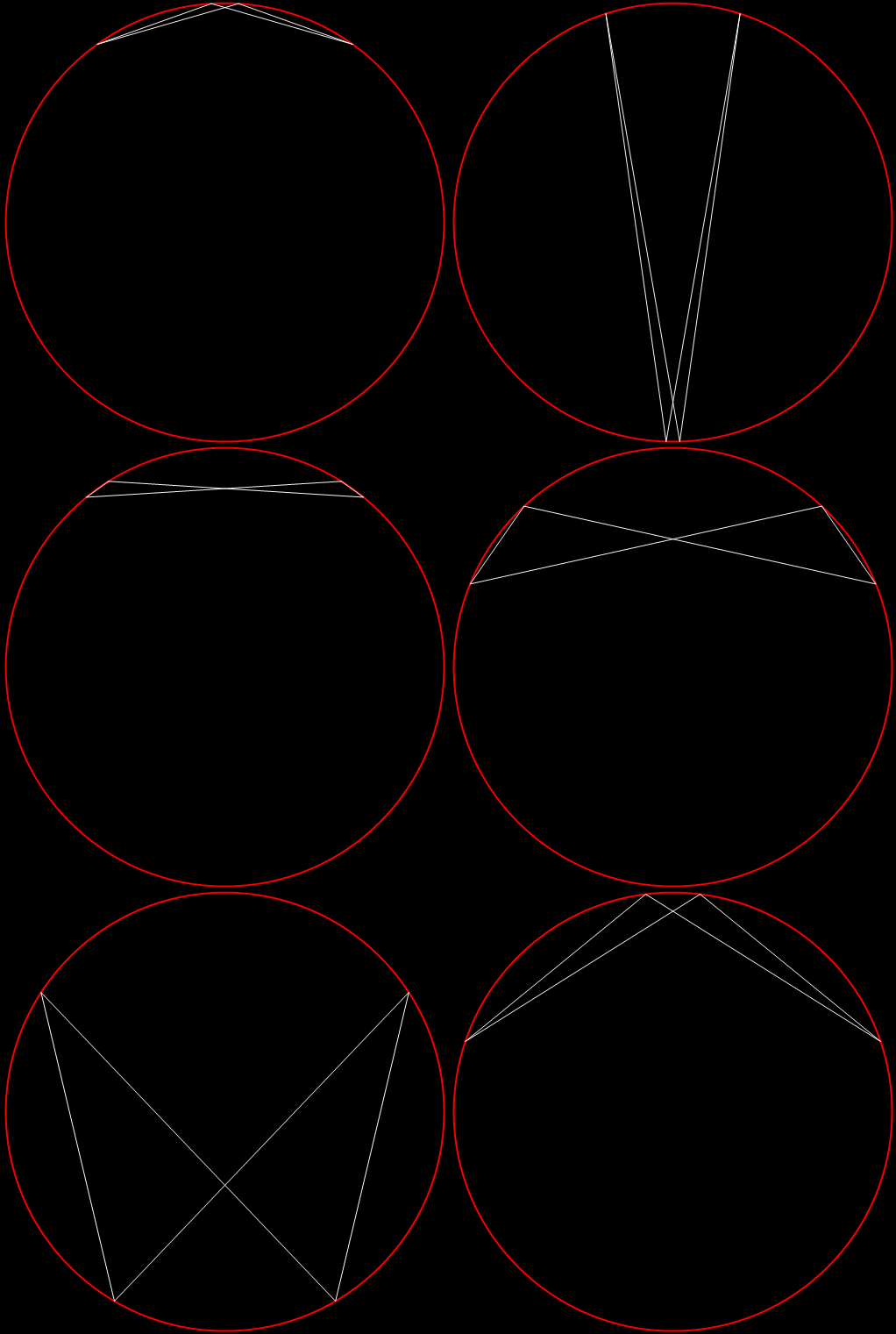
remainders of n/101 (animated)


The remainders of 137 yield more complex period-panes:

remainders of n/137 (animated)


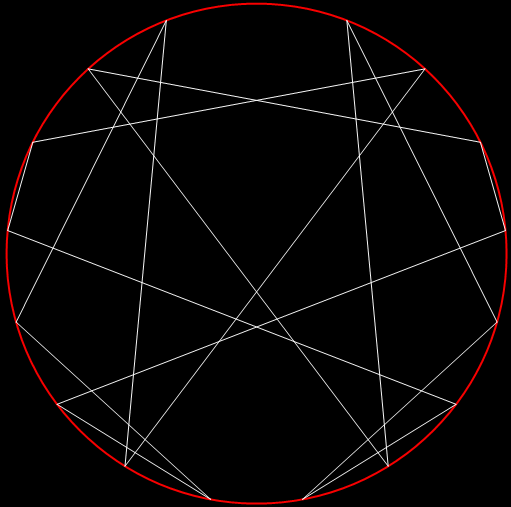
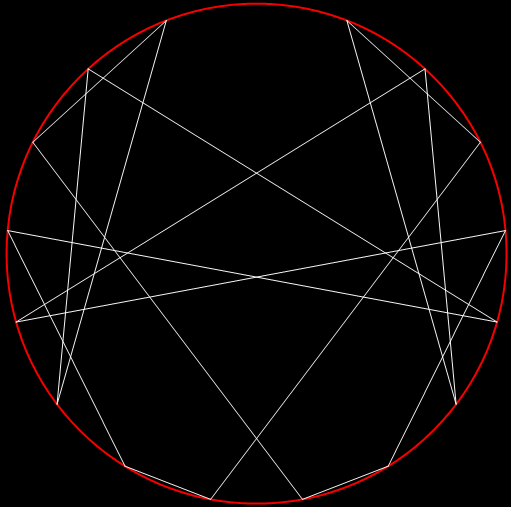
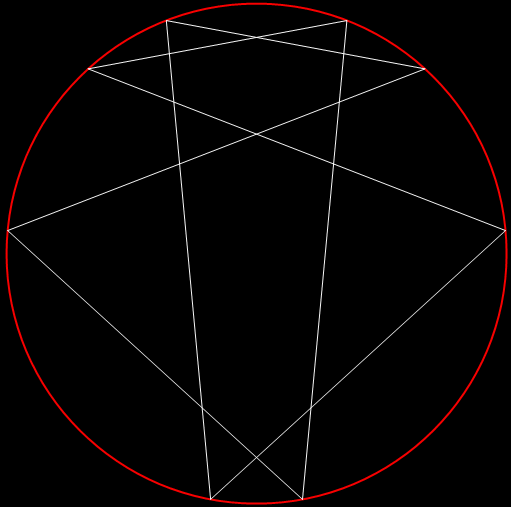
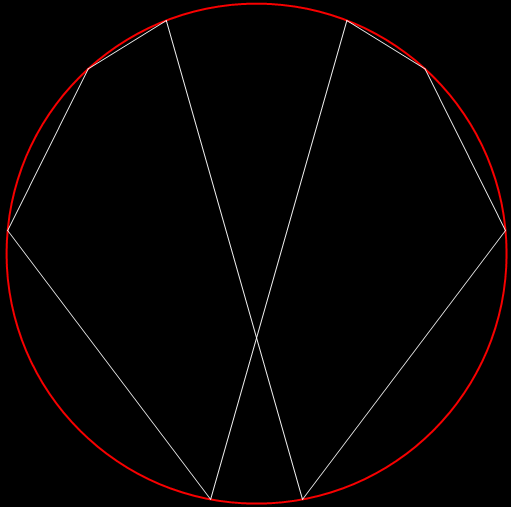
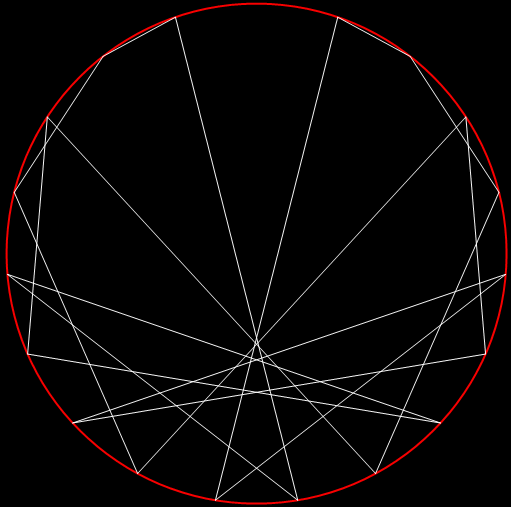
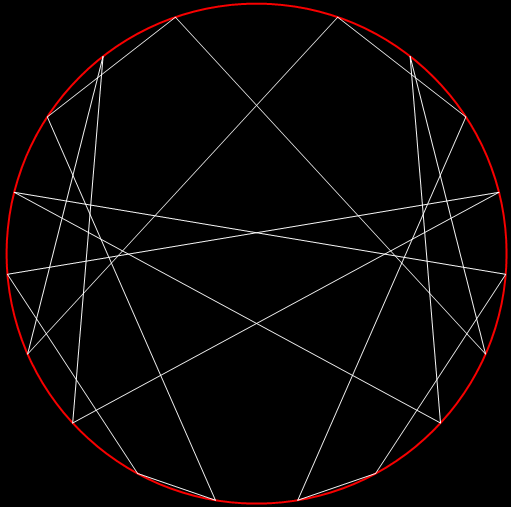
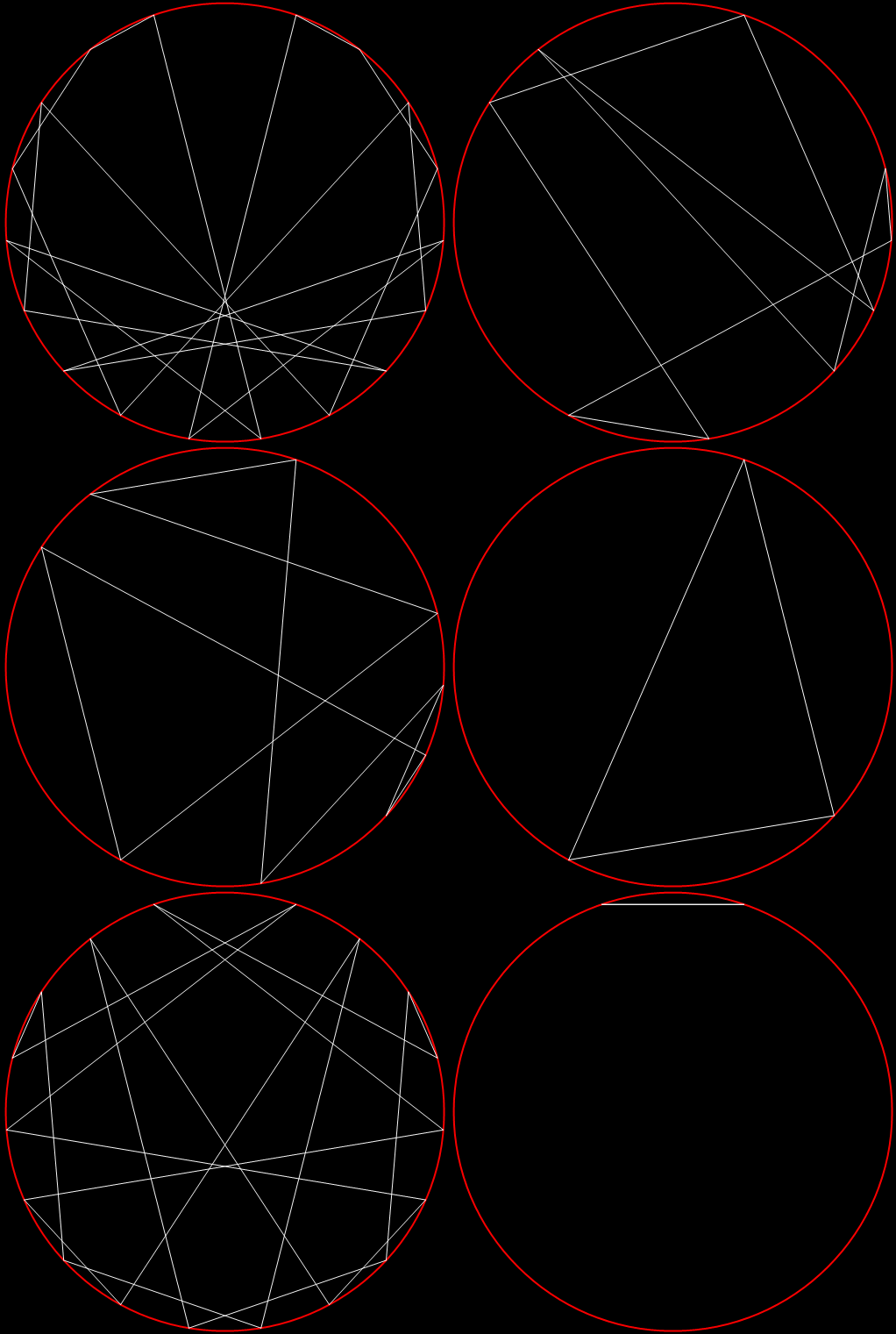
And what about different bases? Here are period-panes for the remainders of 1/17 in bases 2 to 16:
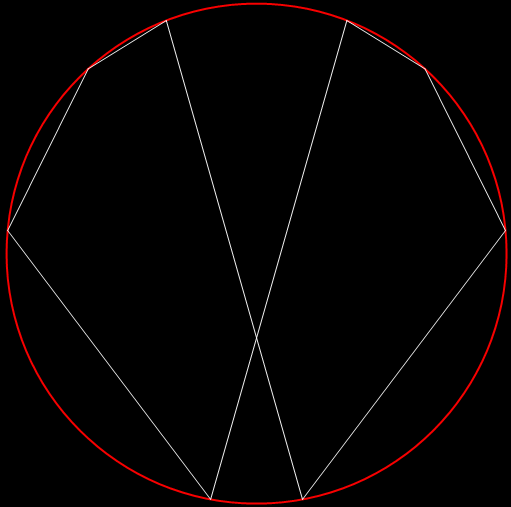
remainders(1/17) in base 2


remainders(1/17) in b3


remainders(1/17) in b4


remainders(1/17) in b5


remainders(1/17) in b6


remainders(1/17) in b7


remainders(1/17) in b8


remainders(1/17) in b9


remainders(1/17) in b10


remainders(1/17) in b11


remainders(1/17) in b12


remainders(1/17) in b13


remainders(1/17) in b14


remainders(1/17) in b15
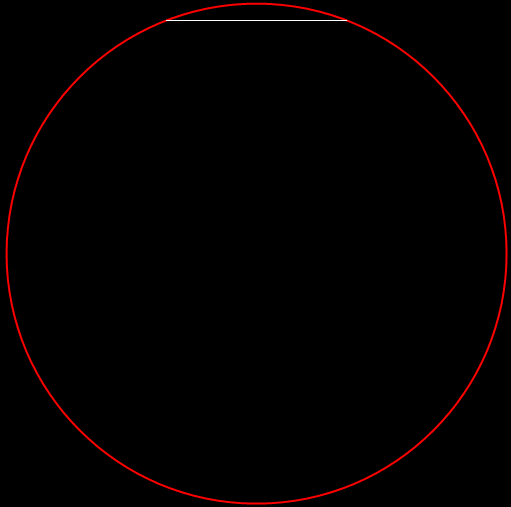

remainders(1/17) in b16
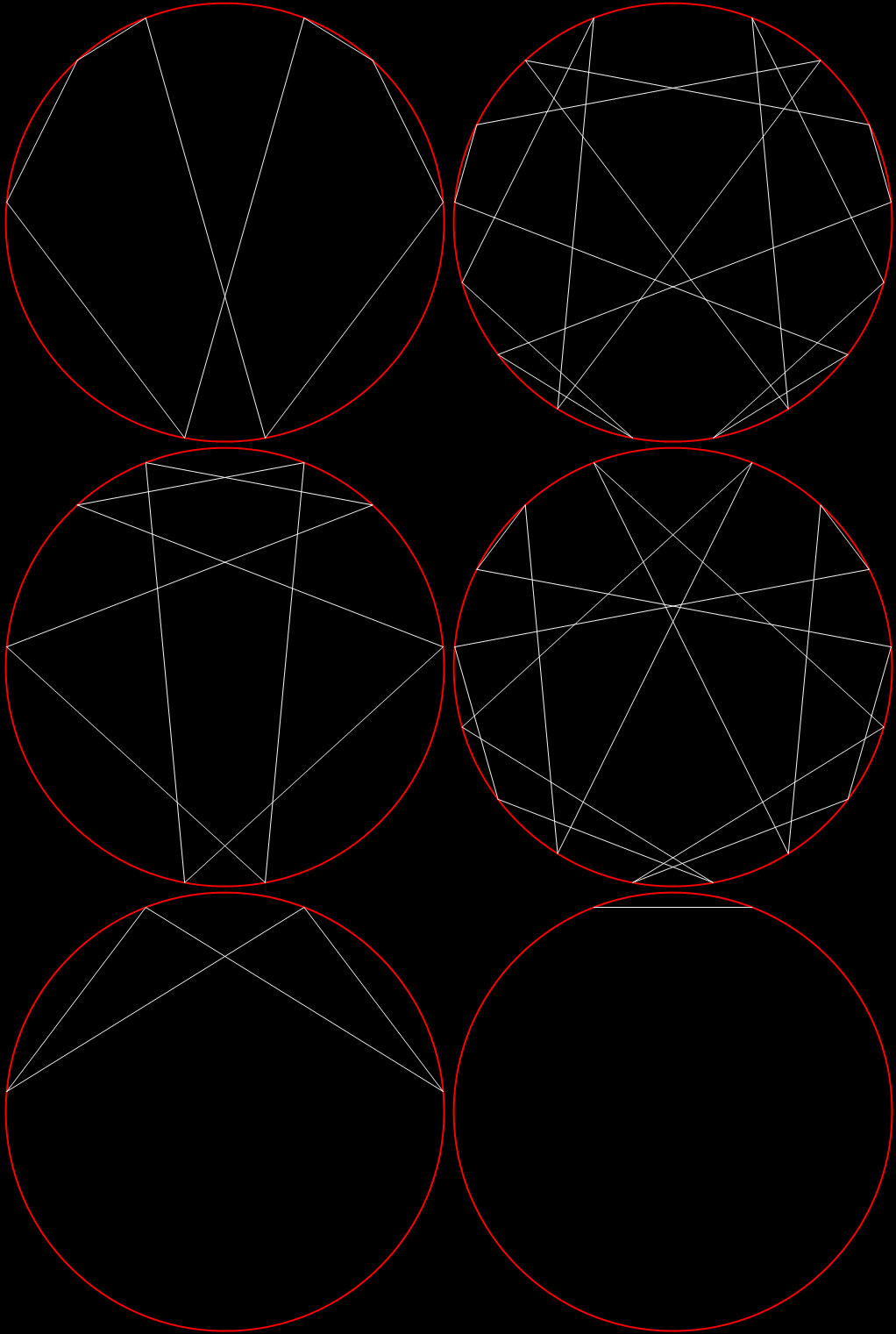

remainders(1/17) in bases 2 to 16 (animated)


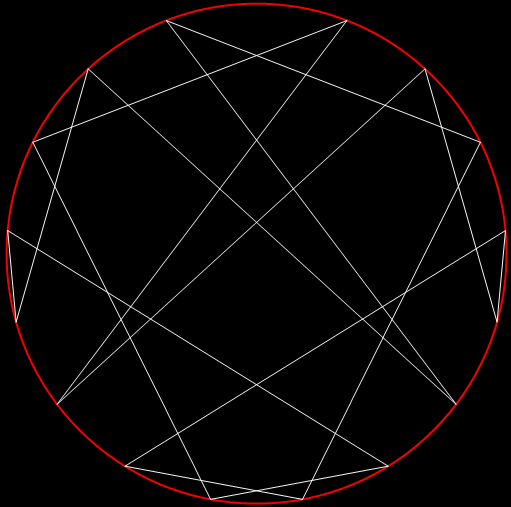
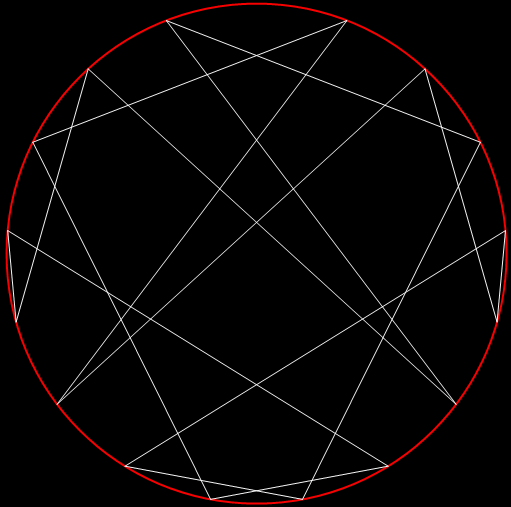
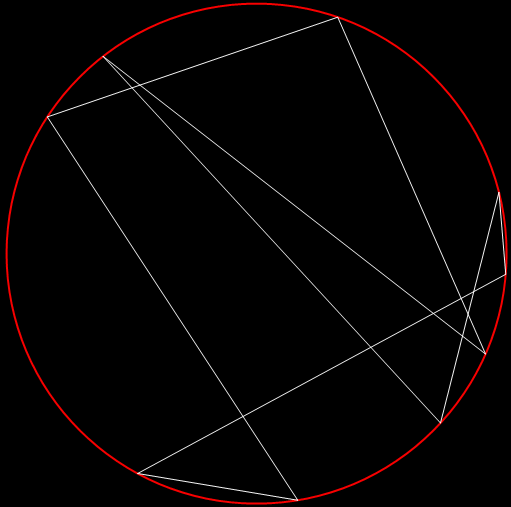
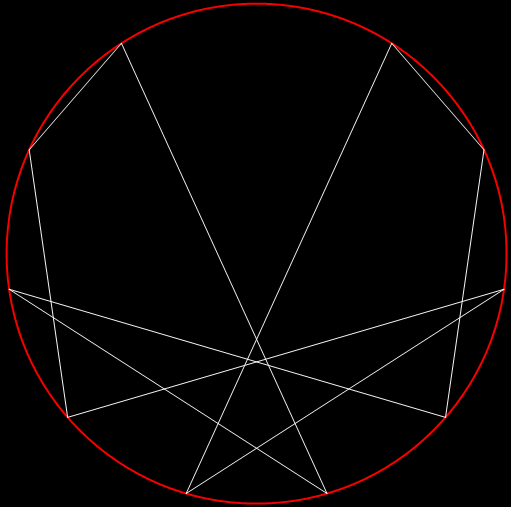
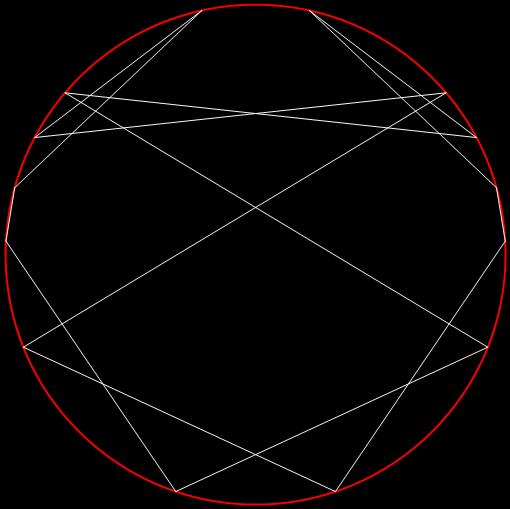
But the period-panes so far have given a false impression. They’ve all been symmetrical. That isn’t the case with all the period-panes of n/19:

remainders(1/19) in b2


remainders(1/19) in b3


remainders(1/19) in b4 = 1, 4, 16, 7, 9, 17, 11, 6, 5 (asymmetrical)


remainders(1/19) in b5 = 1, 5, 6, 11, 17, 9, 7, 16, 4 (identical pattern to that of b4)


remainders(1/19) in b6
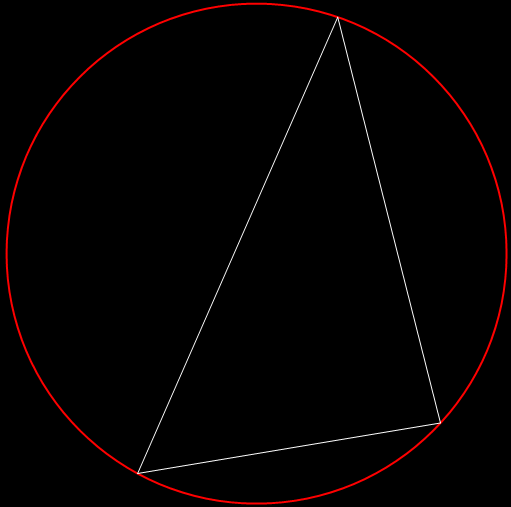

remainders(1/19) in b7
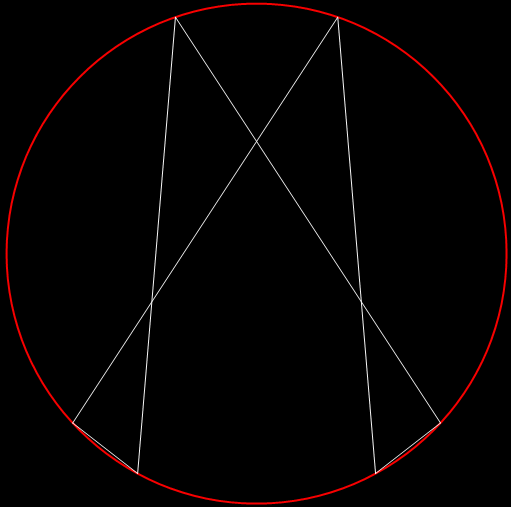

remainders(1/19) in b8
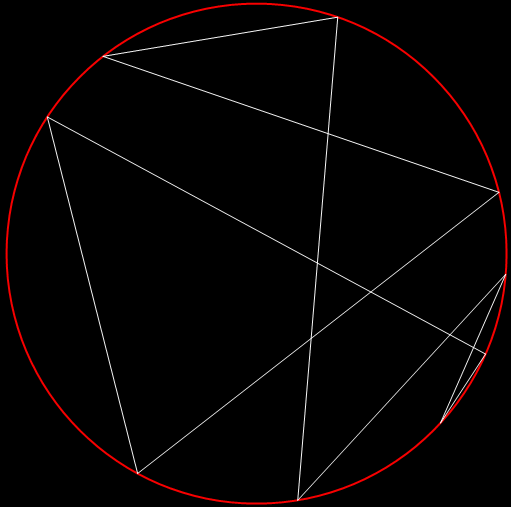

remainders(1/19) in b9


remainders(1/19) in b10 (identical pattern to that of b2)


remainders(1/19) in b11
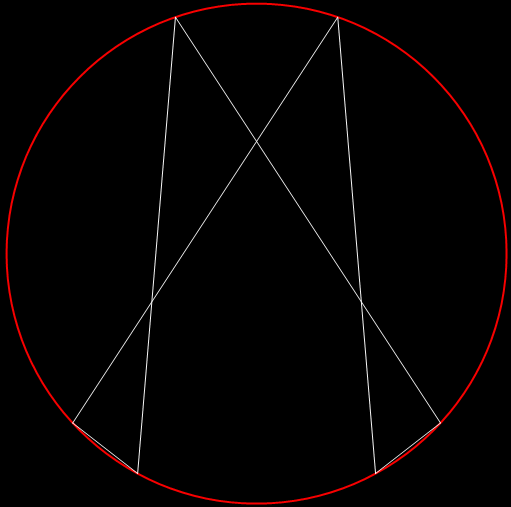

remainders(1/19) in b12


remainders(1/19) in b13


remainders(1/19) in b14


remainders(1/19) in b15


remainders(1/19) in b16
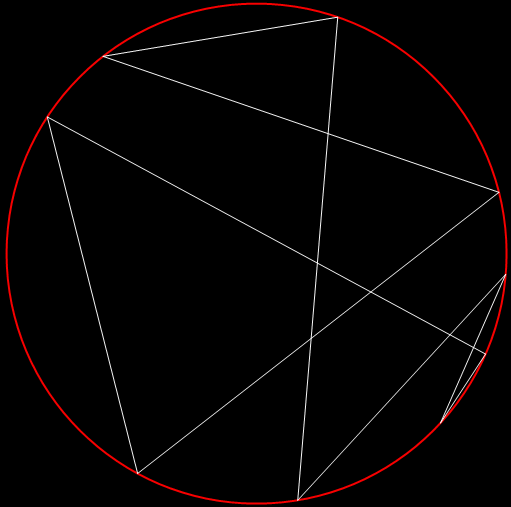

remainders(1/19) in b17


remainders(1/19) in b18


remainders(1/19) in bases 2 to 18 (animated)


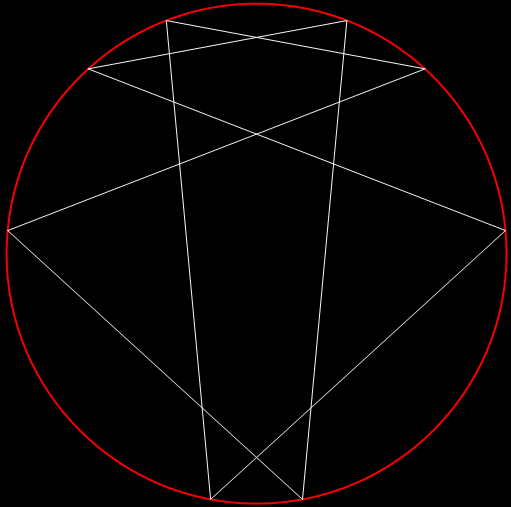
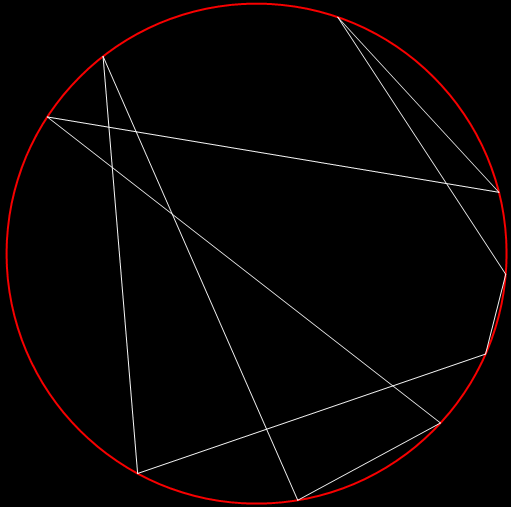
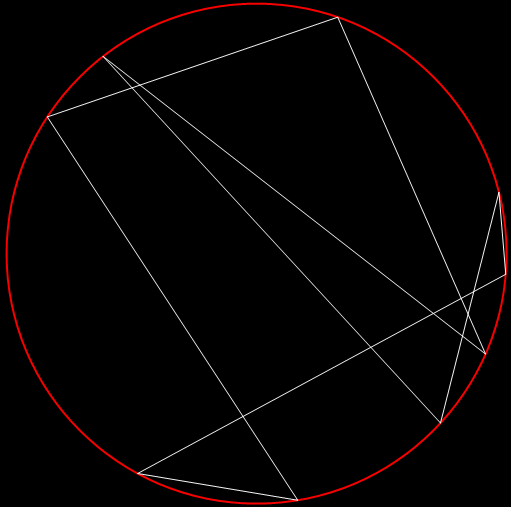
Here are a few more period-panes in different bases:

remainders(1/11) in b2
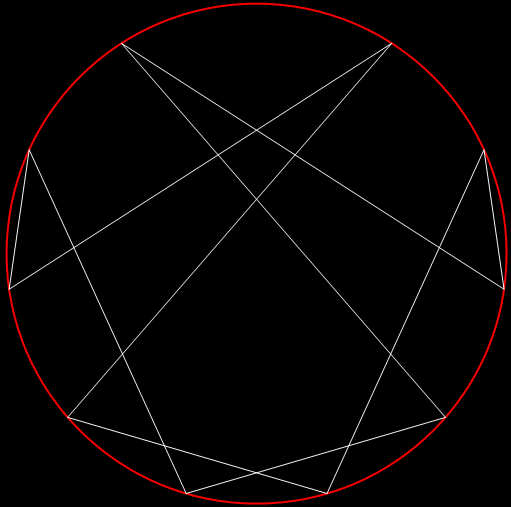

remainders(1/11) in b7


remainders(1/13) in b6


remainders(1/43) in b6
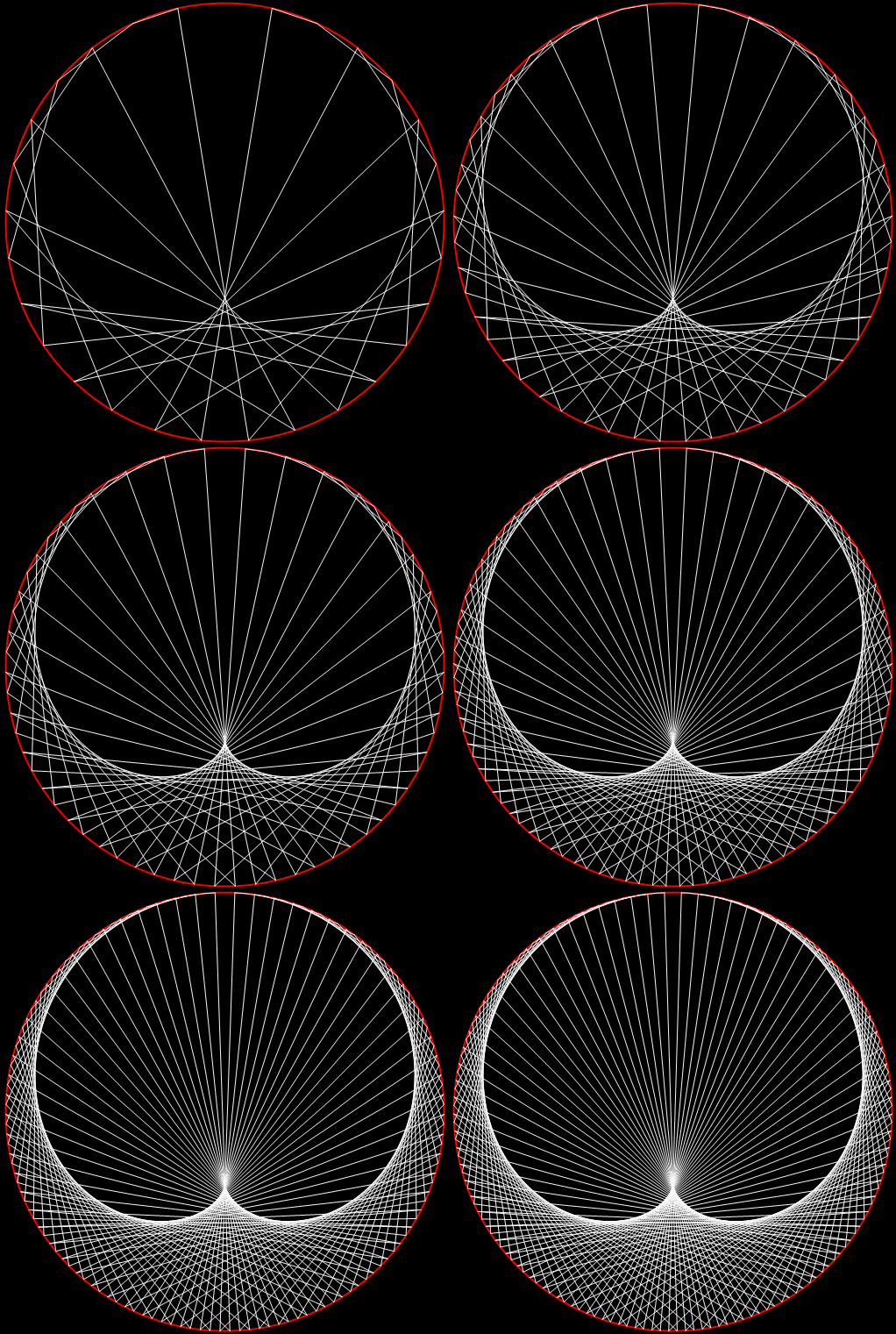

remainders in b2 for reciprocals of 29, 37, 53, 59, 61, 67, 83, 101, 107, 131, 139, 149 (animated)


And finally, to performativize the pun of “period pane”, here are some period-panes for 1/29, whose maximum period will be 28 (NASA says that the “Moon takes about one month to orbit Earth … 27.3 days to complete a revolution, but 29.5 days to change from New Moon to New Moon”):
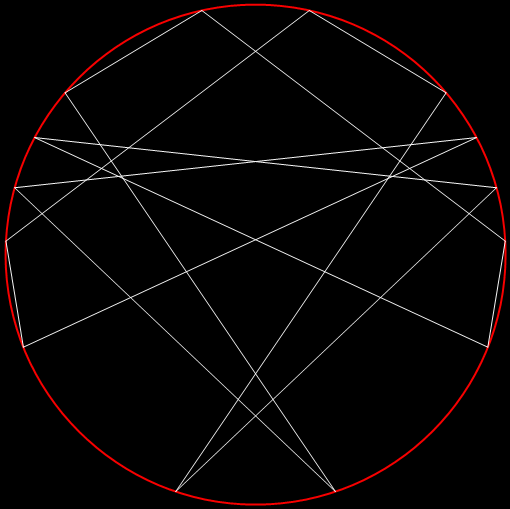
remainders(1/29) in b4


remainders(1/29) in b5


remainders(1/29) in b8


remainders(1/29) in b9


remainders(1/29) in b11


remainders(1/29) in b13


remainders(1/29) in b14
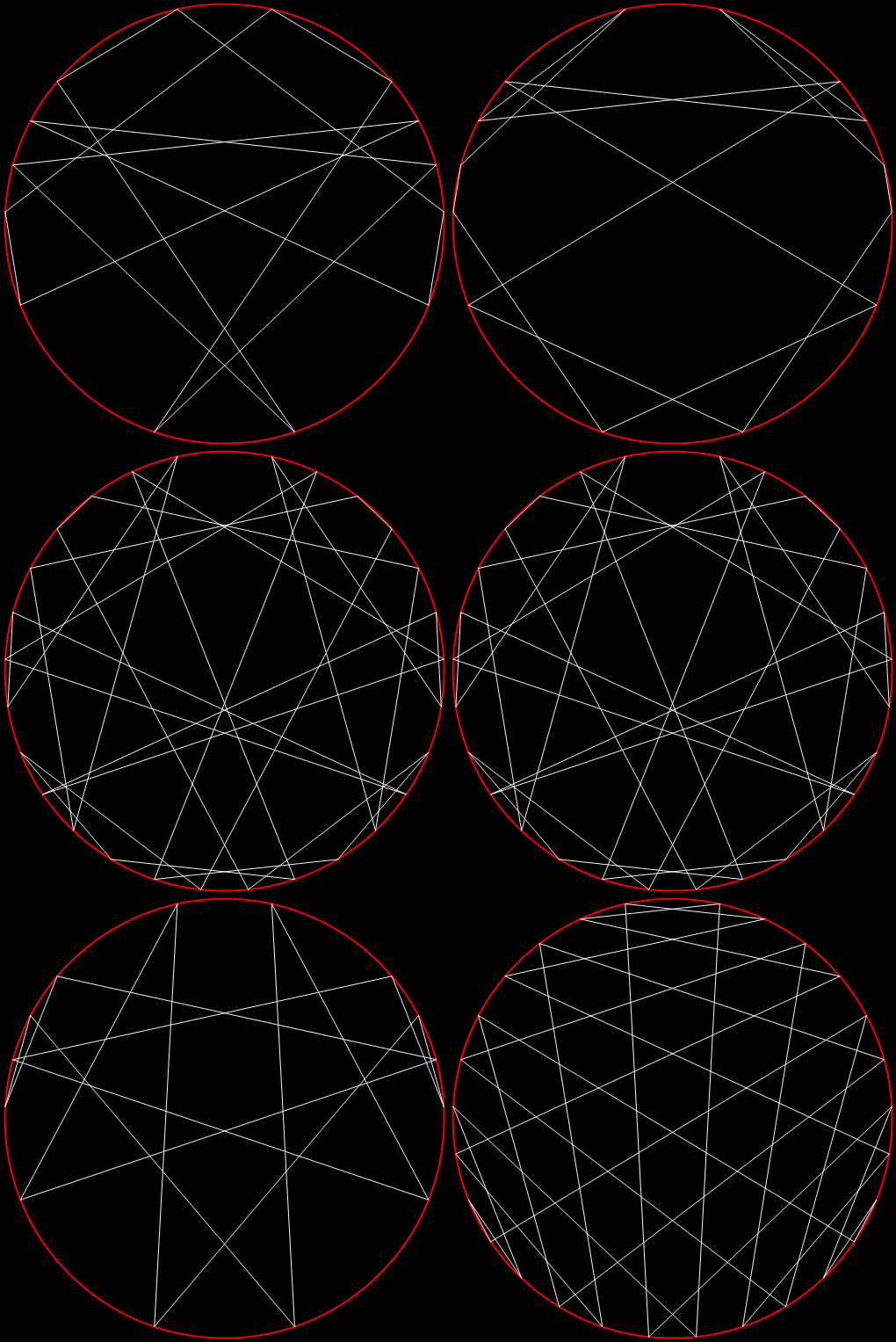

remainders(1/29) in various bases (animated)