Trump has won again.
I can’t believe I’ve just written those words.
I don’t wanna believe I’ve just written those words.
But I hafta.
’Coz they’re true.
Toxically, traumatizingly, tear-tappingly true.
So how’m I gonna respond to the toxic truth of tyrannical Trump’s triumph?
Welp… how better than by publishing some fiercely unbowed words of anti-fascist resistance from one of the core counter-cultural components at one of the world’s leading anti-racist publishing houses?
Yes indeedy, this Papyrocentric Performativizer is positively pulsating with pride and passion to present an exclusive antifa extract from arguably the best interview in Titans of Transgression: Incendiary Interviews with Eleven Ultra-Icons of Über-Extremity (TransVisceral Books 2024), which has just seen its third edition.
Please raise your revolutionary fists for Jay Guinness, Artistic Director and Ipsissimic Aesthetician at Manchester-locused Savoy Books, long hailed as England’s most transgressive publishing company…
Readers’ Advisory: Interview extract contains strong language and uncompromising counter-cultural contrarianism. Proceed at your own risk.
[…]
Miriam Stimbers: Manchester was in the headlines for all the wrong reasons in 2017 [editor’s note: Miriam is referring to the murder of twenty-two people by the homophobic and misogynist Islamist suicide-bomber Salman Abedi at the Manchester Arena].
Jay Guinness: It was, yes. Sadly it was.
Miriam Stimbers: How did you react at Savoy?
Jay Guinness: We in the Savoy community were badly affected. Clearly, we’ve engaged fictionally, artistically, aesthetically with issues around fascism, hatred, intolerance throughout our professional lives, but to have those issues strike on your own doorstep, as it were, strike for real, well, it’s something you could never be prepared for.
Miriam Stimbers: So you think what he did was fascism?
Jay Guinness: I think it was echt fascism, fascism pur sang. Pun not intended. Let’s not beat about the bush. It was fascism.
Miriam Stimbers: Much has been made of the fact that the terrorist––
Jay Guinness: I don’t think “terrorist” is the mot juste. Not at all. For me, he’s just a criminal with a diseased mind. And I don’t mean that as a compliment!
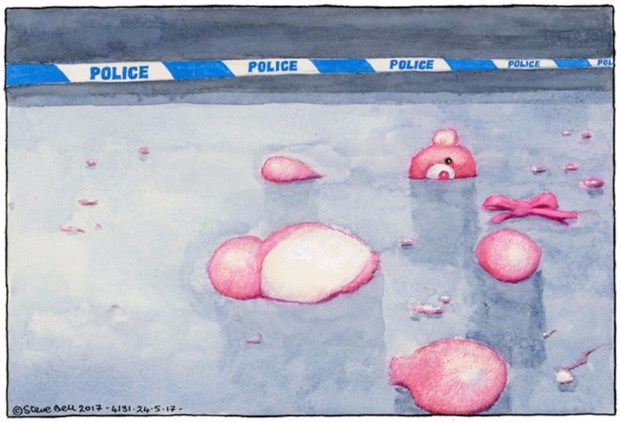
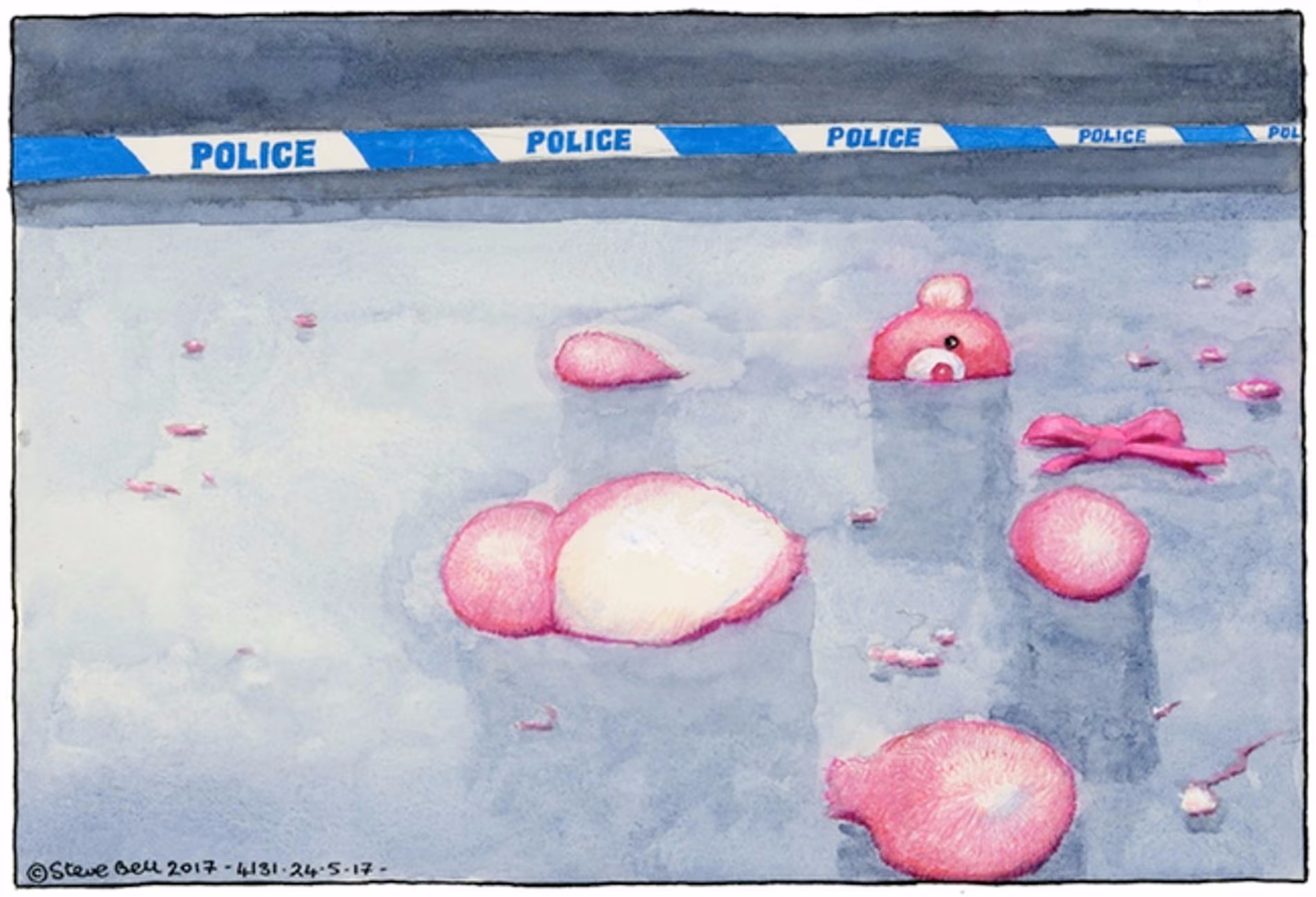
Steve Bell of The Guardian excoriates the Manchester Arena Bomber
Miriam Stimbers: Okay. Much has been made of the fact that the criminal was born and brought up in Manchester. Have you any thoughts on that?
Jay Guinness: You’re right, much has been made of it. But for me and my colleagues at Savoy what he did merely underlined the fact that Manchester is a state of mind far more than it is a physical and temporal Sitz im Leben. It’s about a locus of values, not about geography. I mean, I was born in Huddersfield myself, but I felt that I was Mancunian from the moment I first hung my hat here, because I subscribe to Mancunian values. People who were born here but don’t subscribe to those values aren’t part of the city. Not for me, not for the Savoy community, not ever. I think Dave [Britton] put it best when we were processing the news of what he’d done. Dave’s words have stayed with me: “He’s not a fucking Manc, he’s a fucking cunt. The fucker should be fucking strung up.”
Miriam Stimbers: Metaphorically speaking?
Jay Guinness: No, not metaphorically. Literally. We in the Savoy community are a pretty progressive bunch. We’re not instinctive supporters of the death penalty, to put it mildly. But if you took a vote at Savoy in terms of whether people who do things like that should be hanged, it would be a unanimous yes. No dissenters.
Miriam Stimbers: I’m taken aback. It seems a little extreme. A lot extreme, to be honest.
Jay Guinness: The Savoy community might be progressive, but we’re not bleeding-heart liberals. As Dave said, the fucker should be fucking strung up.
Miriam Stimbers: But what could you hope to achieve by it?
Jay Guinness: Well, for one thing it would be a deterrent to others. Just as importantly, it would ensure he doesn’t do it again.
Miriam Stimbers: But he won’t be doing it again. How could he?
Jay Guinness: Very easily. And he will do it again. We in the Savoy community are confident of that. Leopards don’t change their spots.
Miriam Stimbers: But how could he do it again? He’s dead.
Jay Guinness: I’m sorry, you’ve lost me. Who’s dead?
Miriam Stimbers: Salman Abedi, of course. The suicide-bomber at the Manchester Arena. Who else?
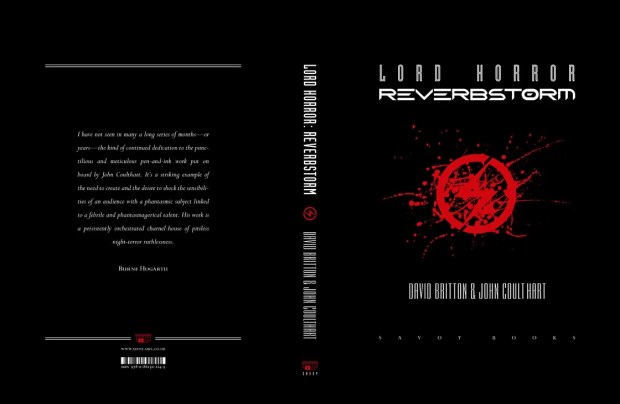
Much More Mucking Maverick Than You, Monkeyfunker!
Jay Guinness: Oh no, no, no, you’ve got entirely the wrong end of the stick. I wasn’t talking about that poor British-Muslim boy. He was quite possibly the biggest victim in that unfortunate business at the Arena.
Miriam Stimbers: Then who were you talking about?
Jay Guinness: That despicable creature Morrissey, of course. Those comments of his about immigration and Salman’s background were utterly unforgivable. Utterly. But no more than one would expect. As Dave went on to say: “That fucking crypto-fascist cunt’s just a fucking attention-seeker, always fucking has been, always fucking will be. String the fucker up!”
Miriam Stimbers: And you really think there’d be a majority at Savoy in favour of executing Morrissey?
Jay Guinness: I don’t think it, I know it. But it wouldn’t just be a majority, it would a unanimous vote, nem. con. What has Morrissey ever done but bring Manchester into disrepute with his dire music, his shitty fashion sense and his toxic racist agenda? As Michael Moorcock once said: “Fascism never sleeps and nor must the anti-fascist community.” In terms of saying it all, it does. Definitively.
[…]
Interview extract © Jay Guinness, Dr Miriam Stimbers, TransVisceral Books 2024
• Jay Guinness is a Huddersfield-born artist and aesthetician, and the subject of Dr Joan Jay Jefferson’s incisive and exhaustive biography Art-Bandit: Interrogating the Outlaw Aesthetics of Über-Maverick Gay Atelierista Jay Guinness (University of Salford Press 2012). See reviews of Art-Bandit at: Pink News, The Guardian, London Review of Books, Quietus, and Huffington Post. Visit Jay’s website for news of his latest projects.
• Miriam Stimbers is a Glasgow-born psychoanalyst, literary scholar and cultural commentatrix whose most recent book is the updated edition of Morbidly Miriam: The Mephitic Memoirs of Miriam B. Stimbers (TransVisceral Books 2023). See a review of Morbidly Miriam at Papyrocentric Performativity. Visit Miriam’s website for news of her latest projects.
Previously pre-posted on Papyrocentric Performativity…
• Il Nano e il Necrofilo… – an earlier exclusive extract from Titans of Transgression…
• The Hurt Shocker – an even earlier exclusive extract from Titans of Transgression…

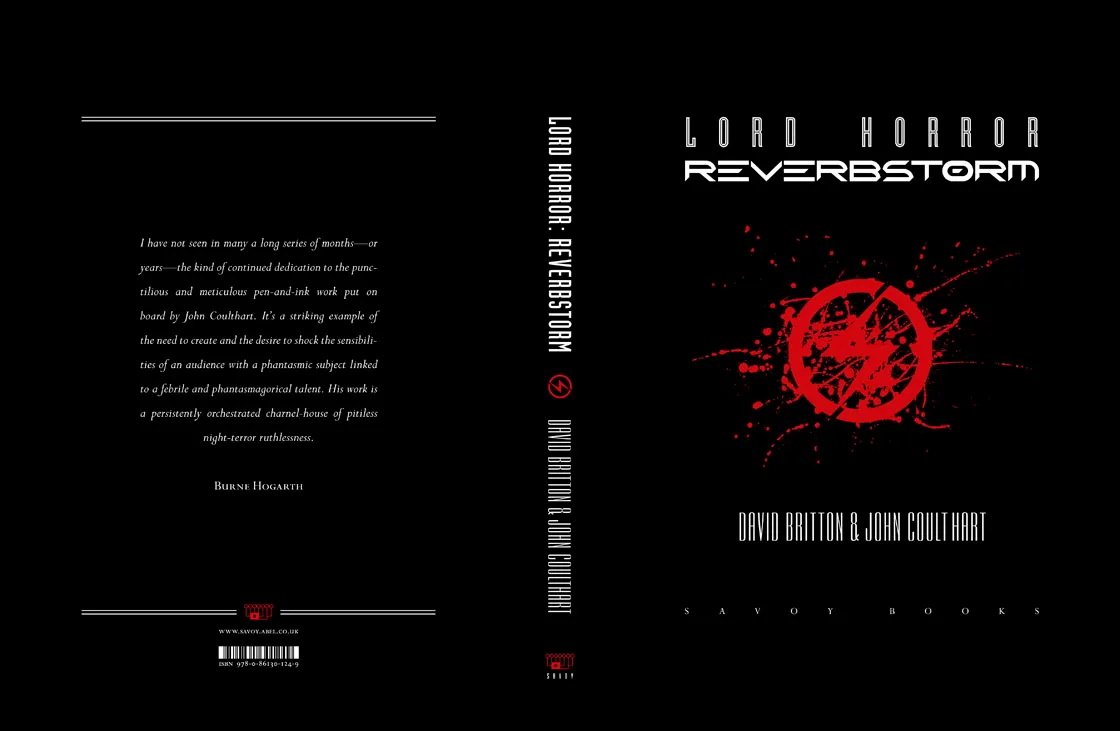
 Overlord In Terms of Core Issues Around Maximal Engagement with Key Notions of the Über-Feral