
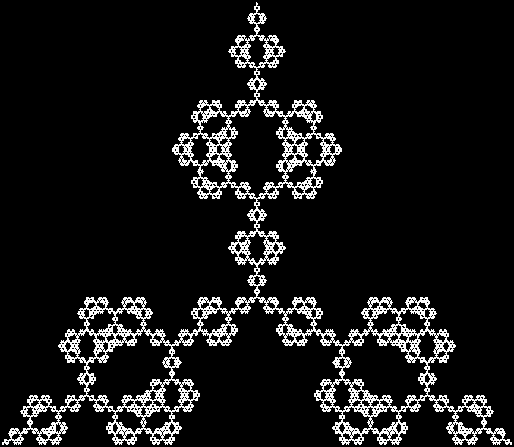
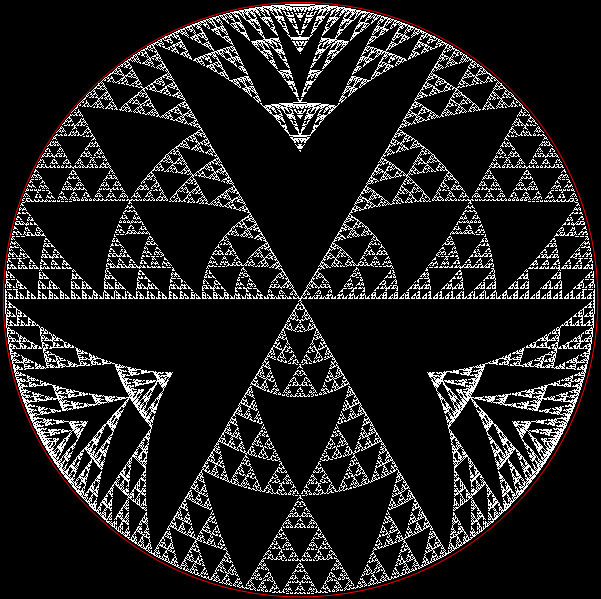
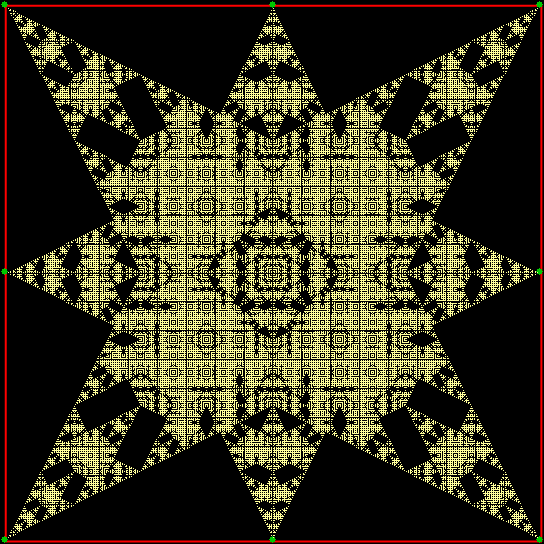
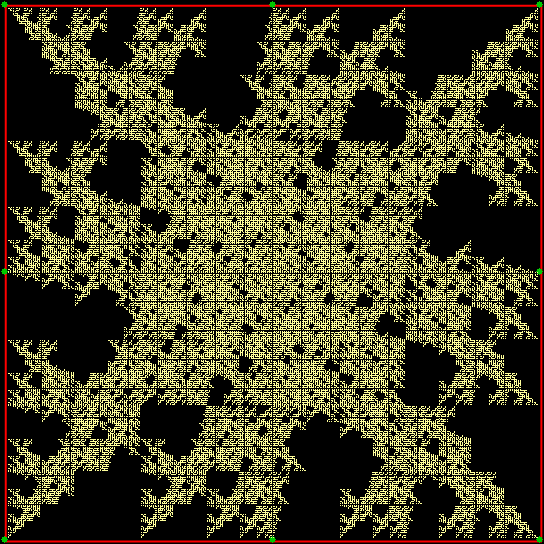
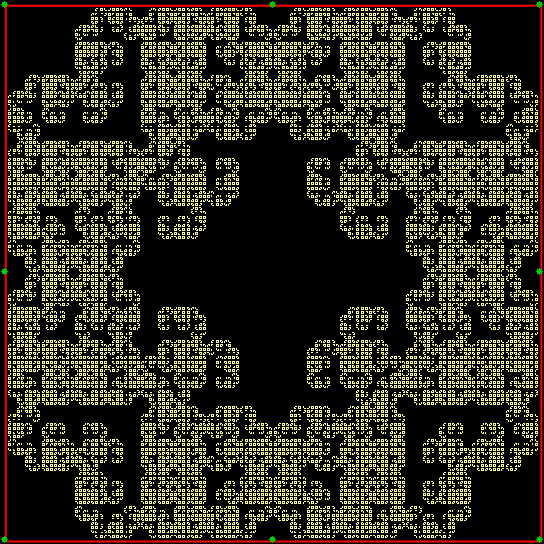
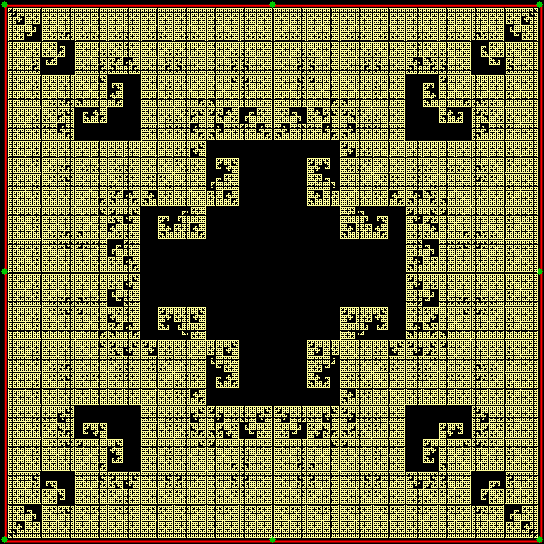
There are an infinite number of points in the plane. And in part of the plane. So you have to pare points to create interesting shapes. And one way of paring them is by comparing them. The six red dots in the image below mark the three vertices of an equilateral triangle and the three mid-points of the sides. Now, test the other points in the surrounding plane and mark them in white if the average distance to (the centers of) any two of the red dots is equal to the average distance to (the centers of) the four other red dots:
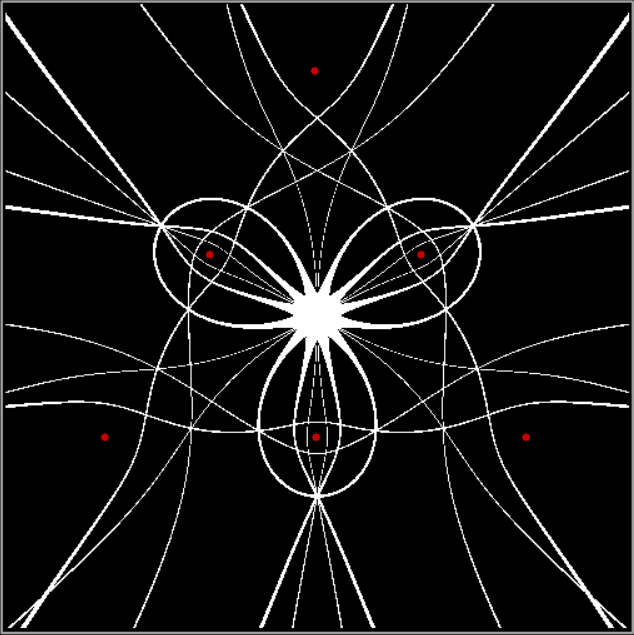
Triangle + 1 side-point, sum(d1,d2)/2 = sum(d3,d4,d5,d6)/4
(click for larger)
Add a central red dot to the triangle and you get this pattern:
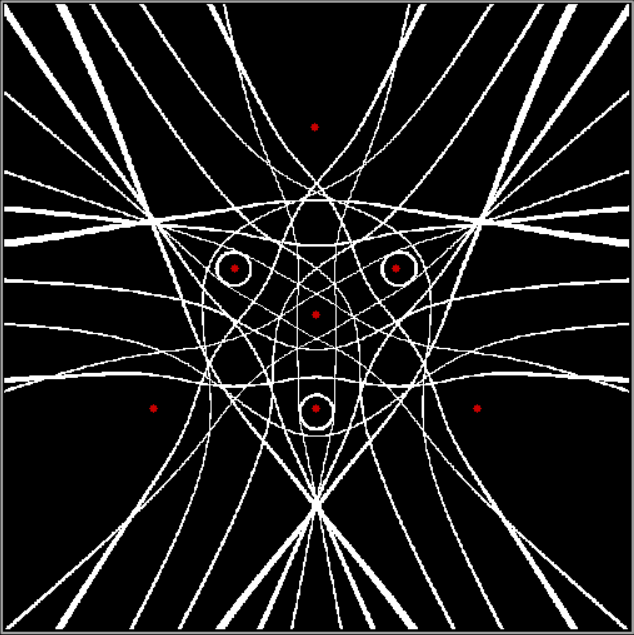
Triangle + 1 side-point + center, distfunc(2) = distfunc(5)
And so on:

v = 3 + sd = 2, distfunc(2) = distfunc(7)
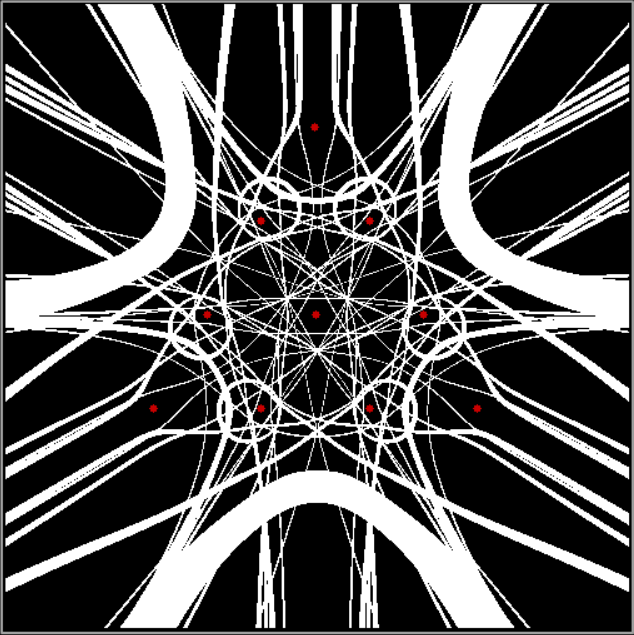
v = 3 + sd = 2 + center, distfunc(2) = distfunc(7)
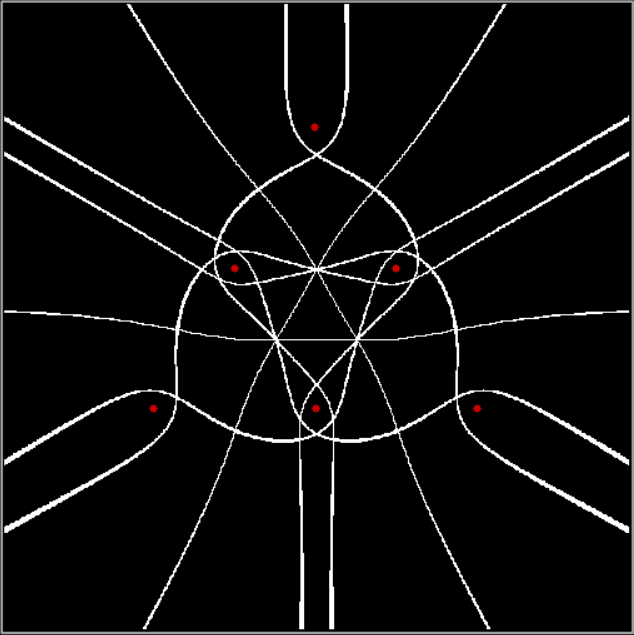
v = 3 + sd = 1, distfunc(3) = distfunc(3)

v = 3 + sd = 1 + center, distfunc(3) = distfunc(7)

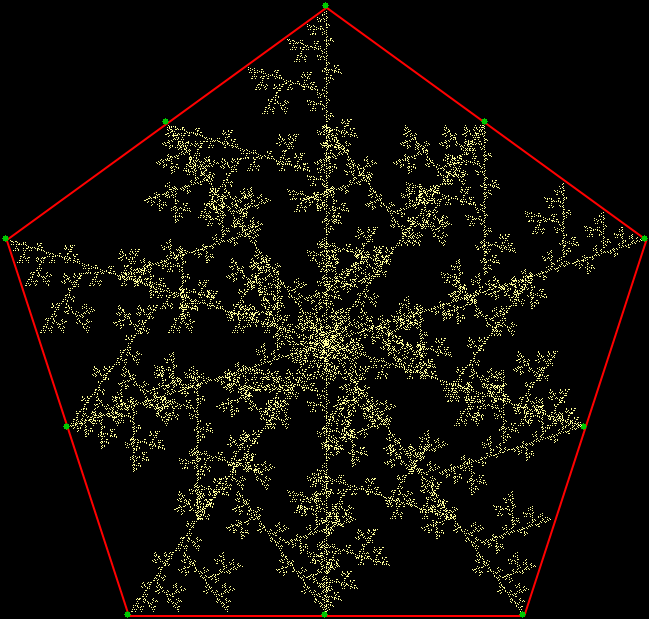
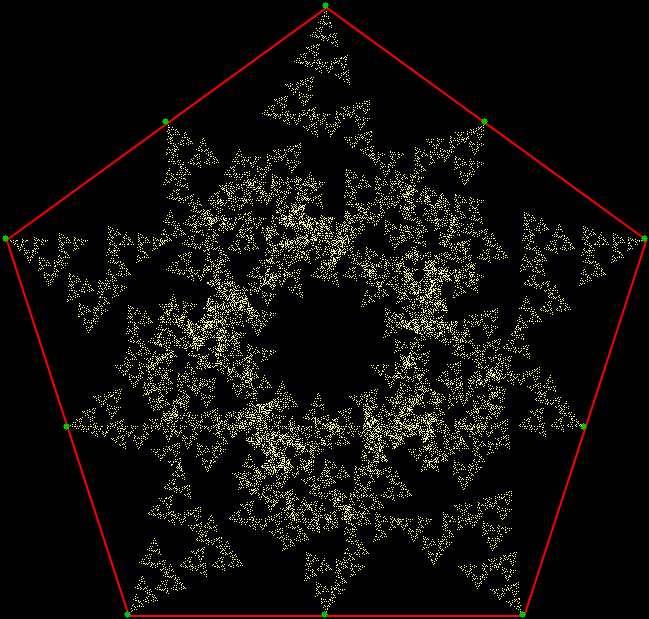
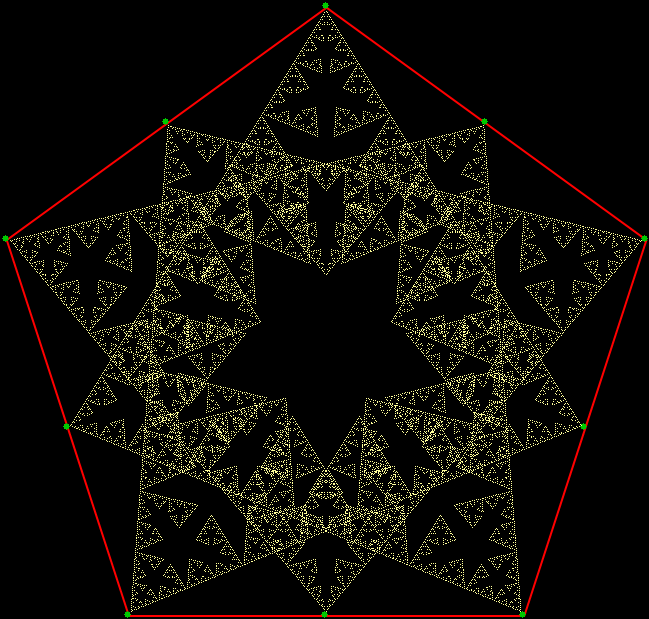
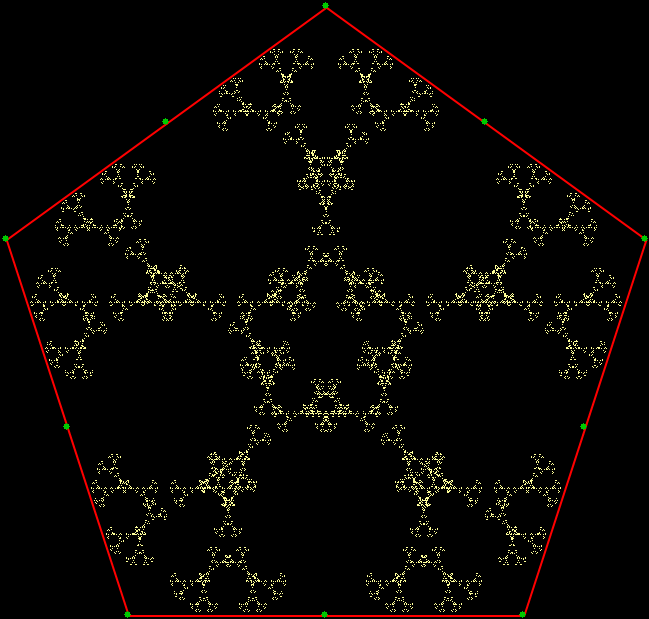
v = 4 + center, distfunc(2) = distfunc(3)

v = 4 + sd = 1, distfunc(2) = distfunc(6)
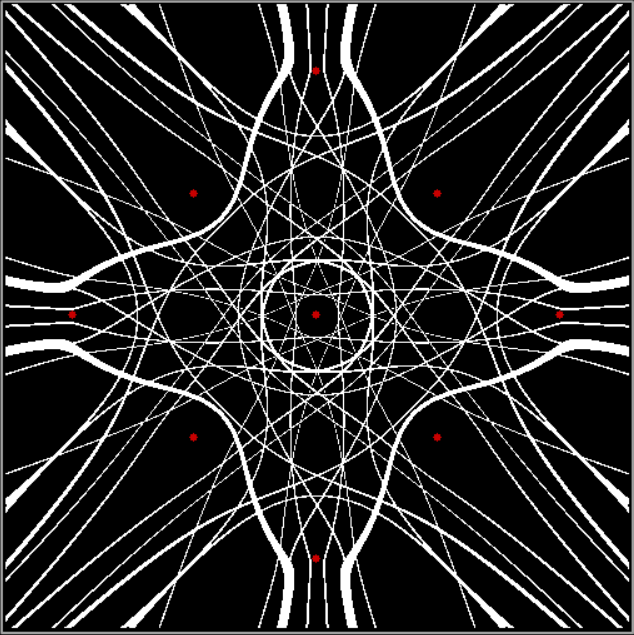
v = 4 + sd = 1 + center, distfunc(2) = distfunc(7)
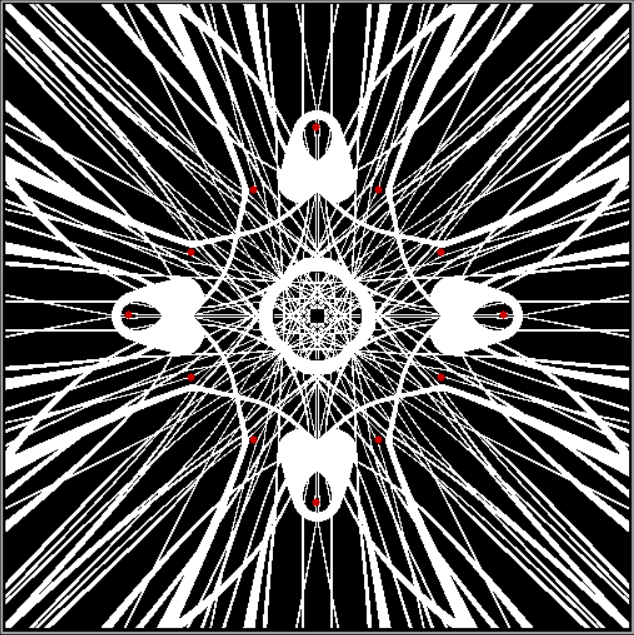
v = 4 + sd = 2, distfunc(2) = distfunc(10)
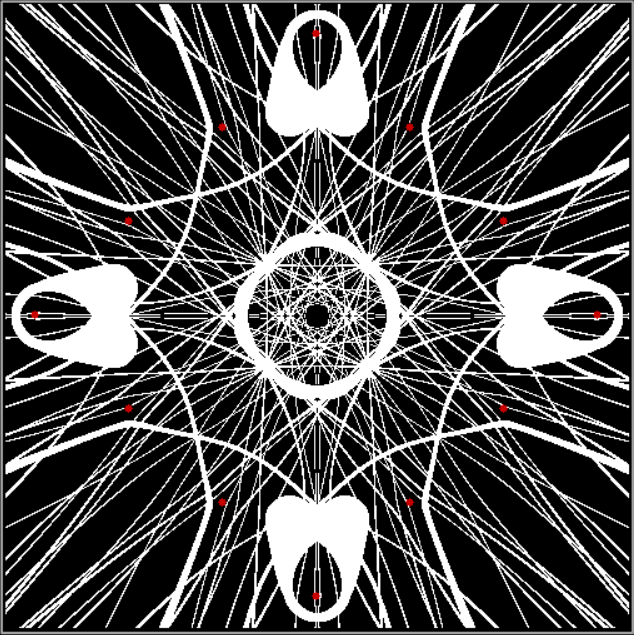
v = 4 + sd = 2, distfunc(2) = distfunc(10) (enlarged)
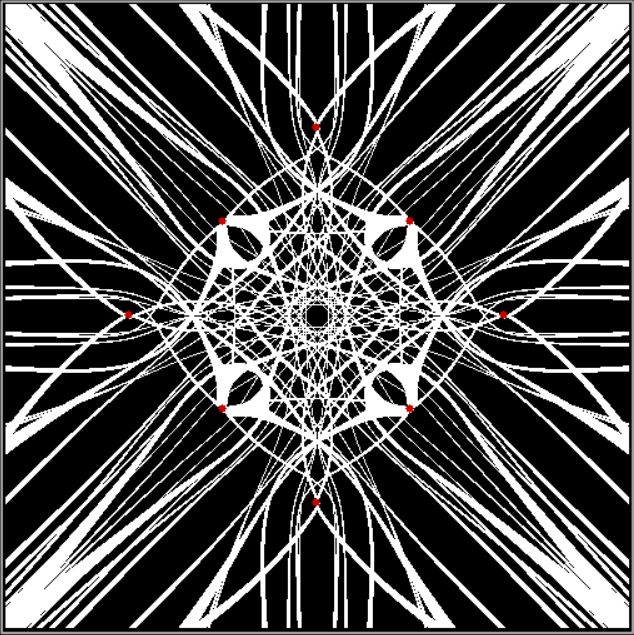
v = 4 + sd = 1, distfunc(3) = distfunc(5)
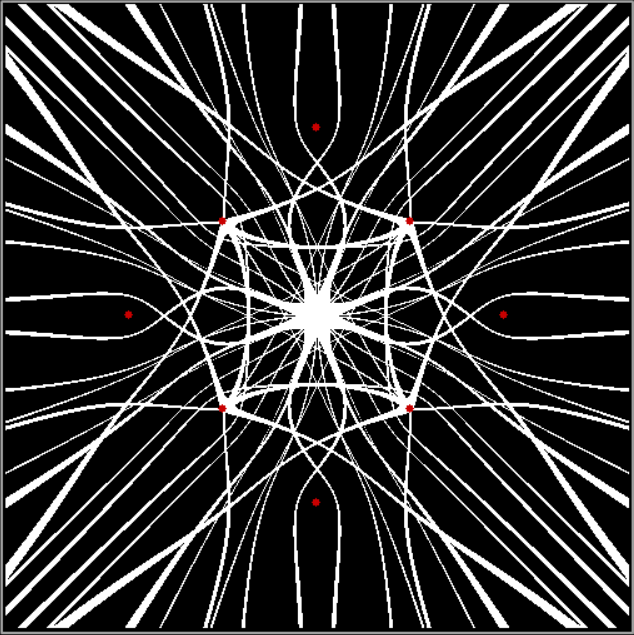
v = 4 + sd = 1, distfunc(4) = distfunc(4)
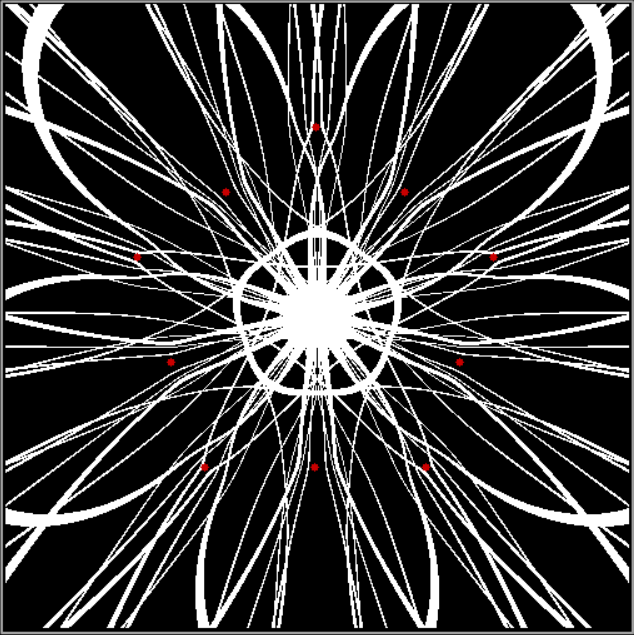
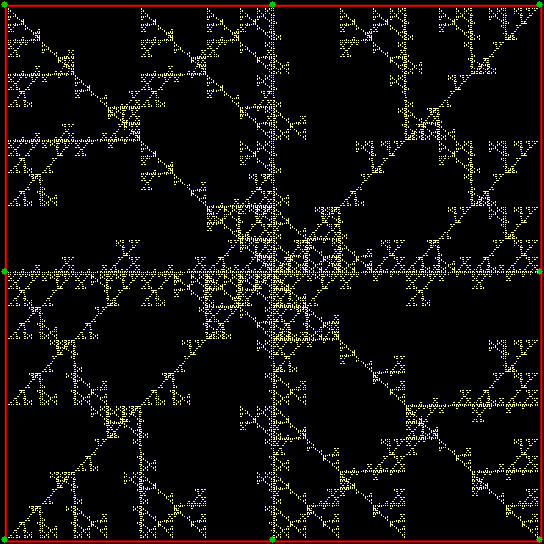
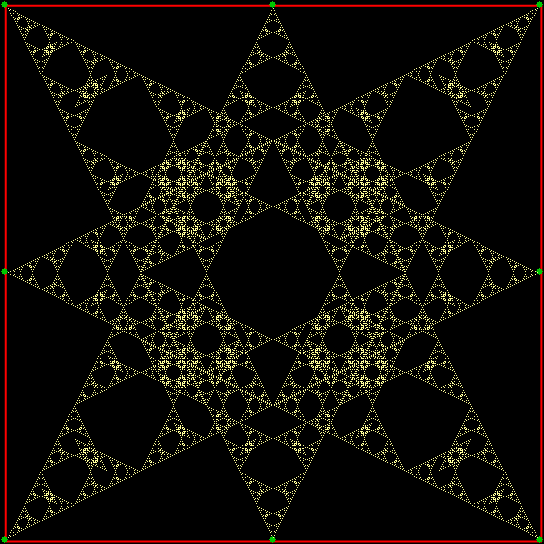
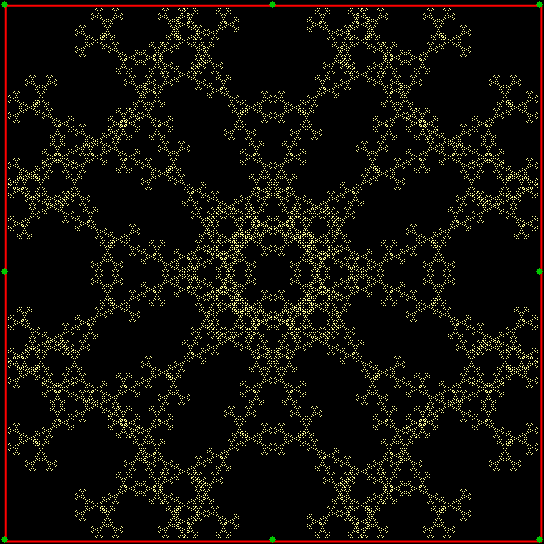
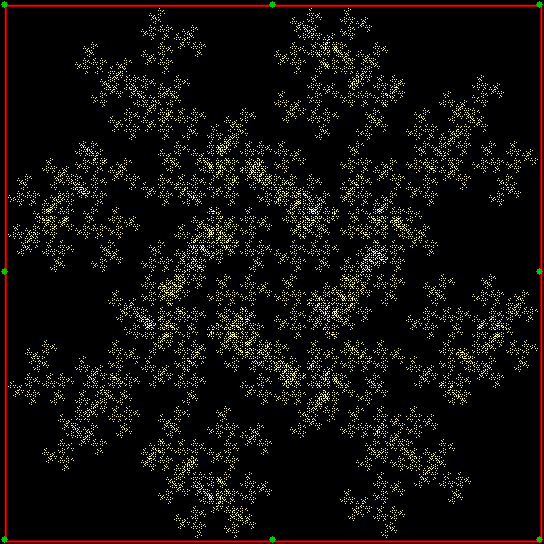
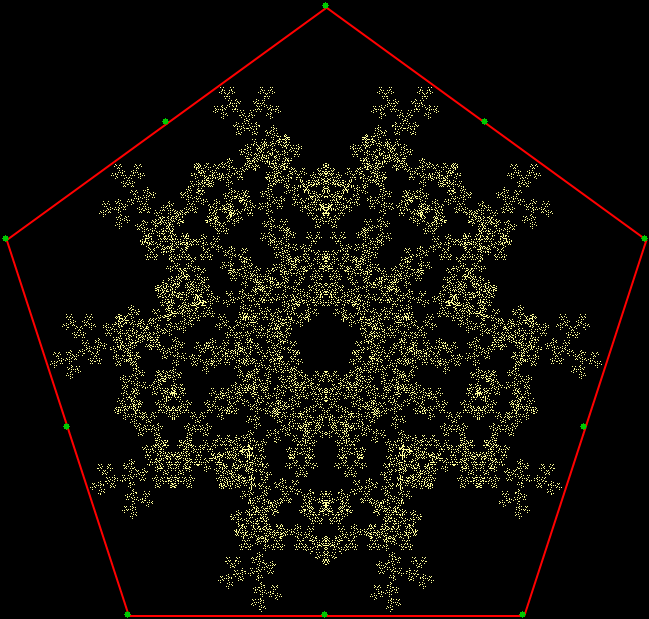
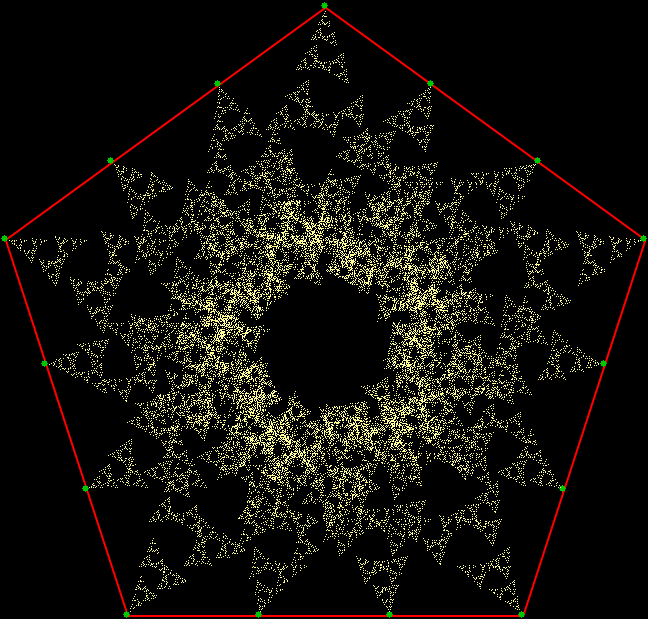
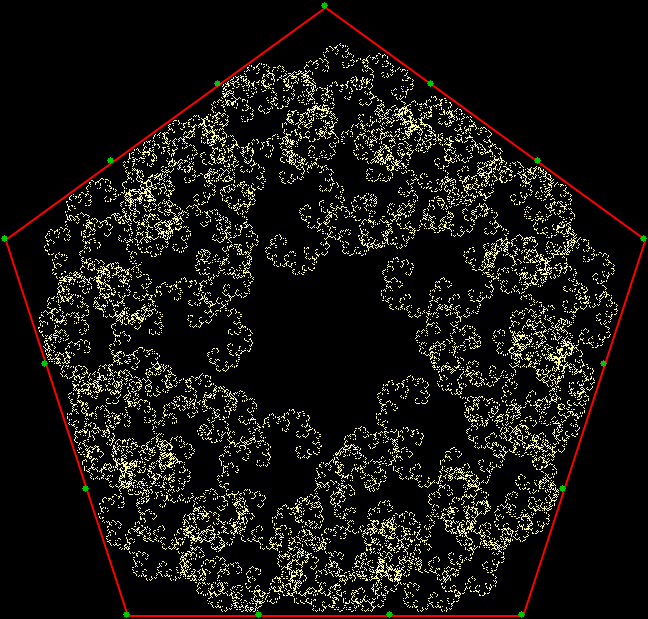
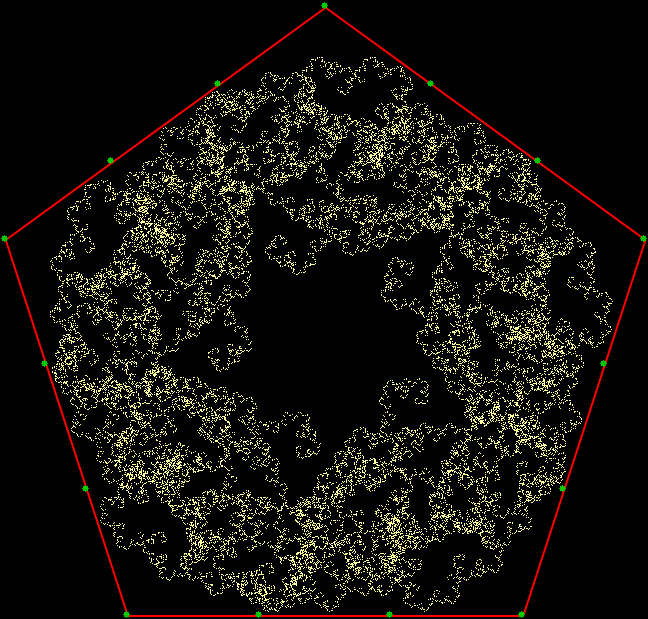
v = 5 + sd = 1, distfunc(2) = distfunc(8)
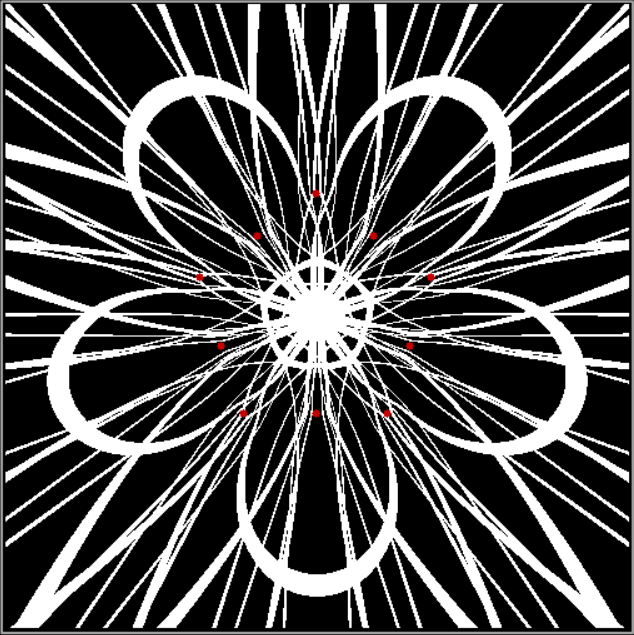
v = 5 + sd = 1, distfunc(2) = distfunc(8) (smaller scale)

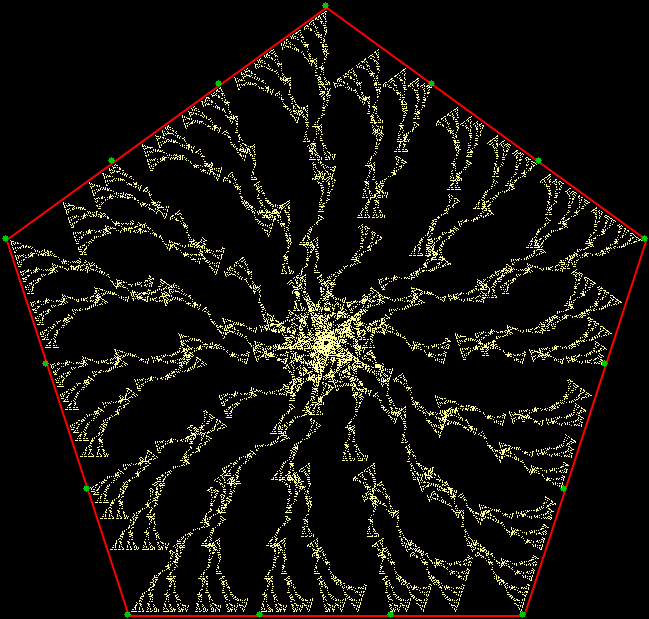
v = 6 + sd = 1, distfunc(1) = distfunc(11)
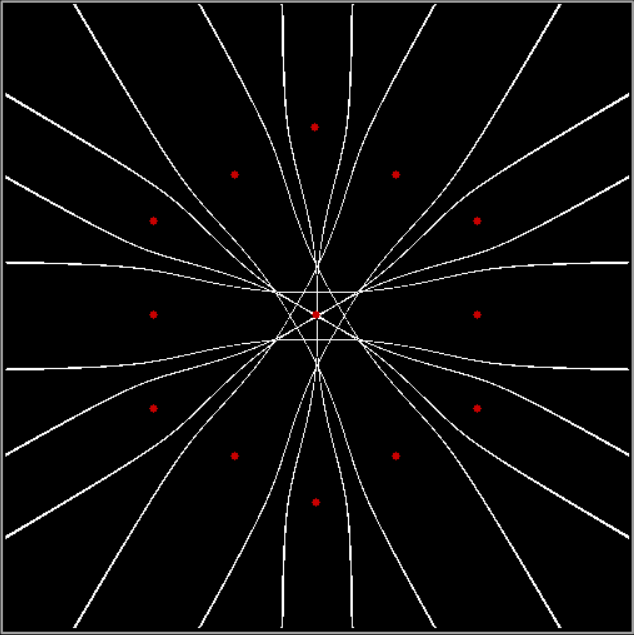
v = 6 + sd = 1 + center, distfunc(1) = distfunc(12)
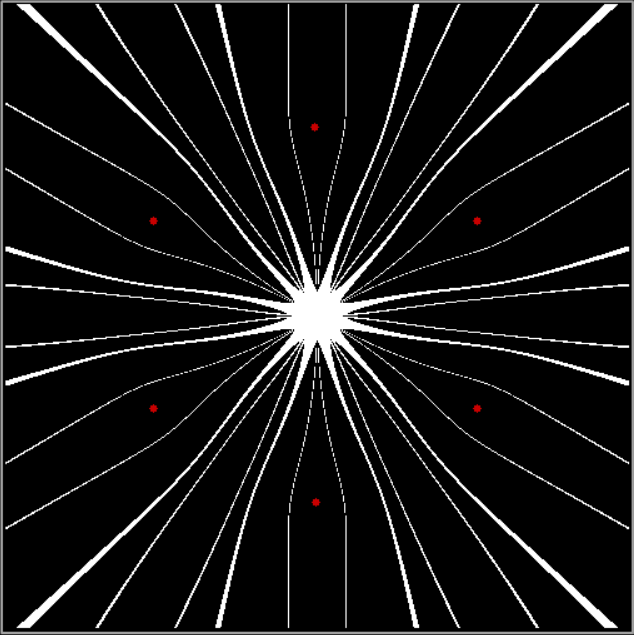
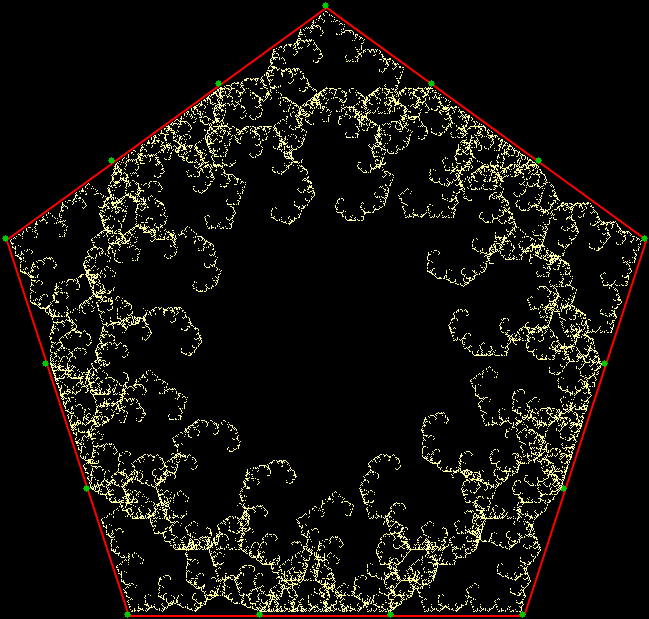
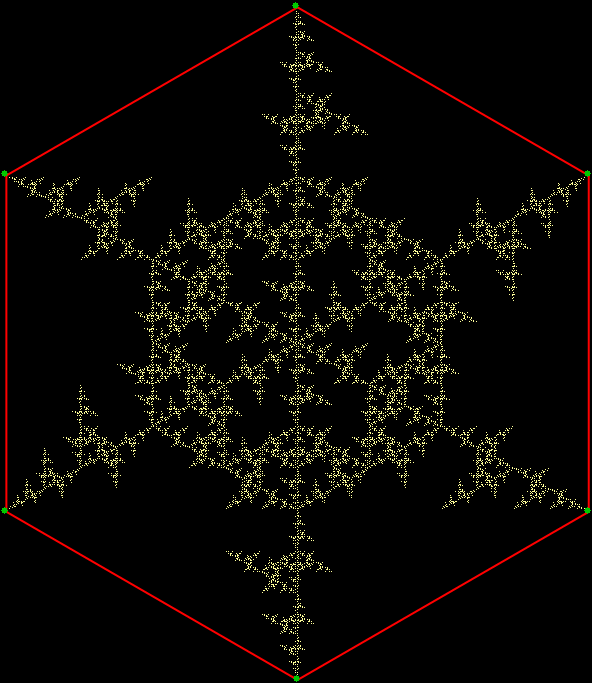
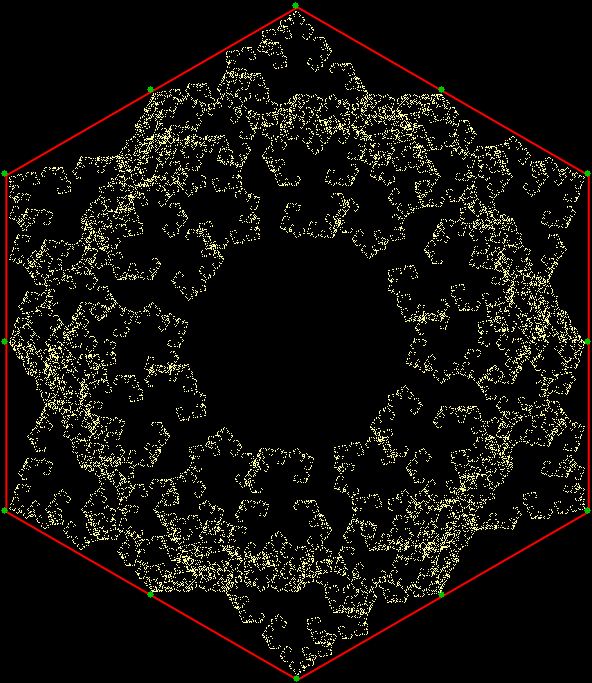
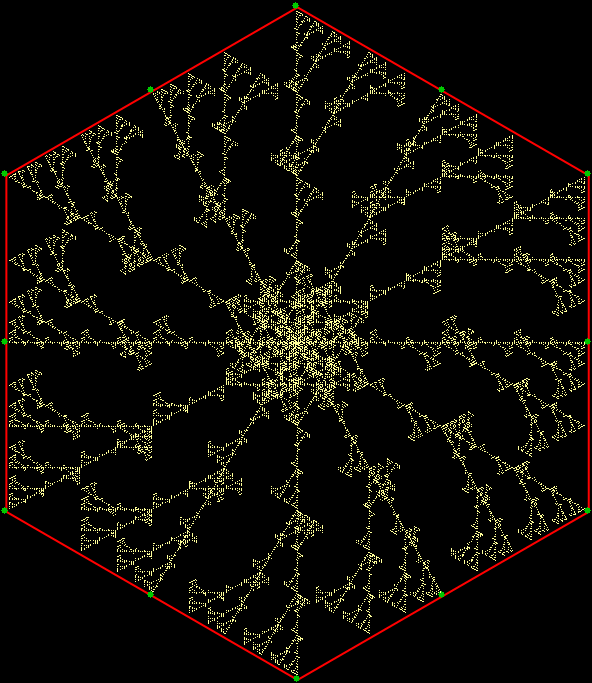
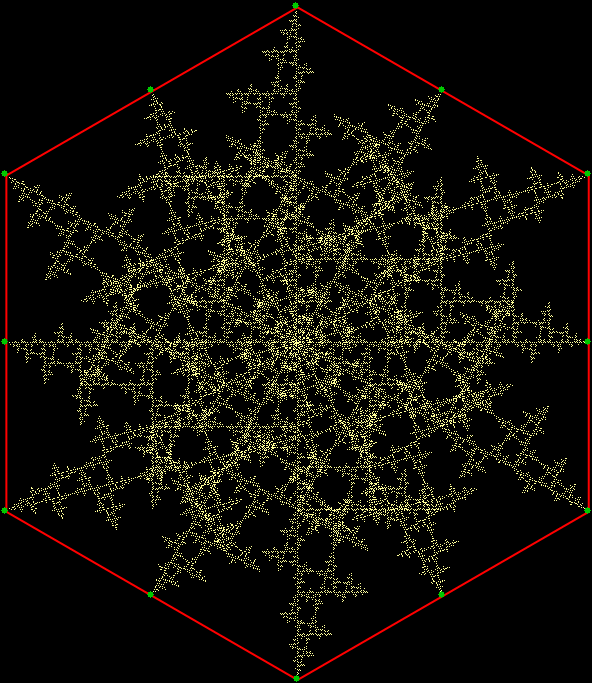
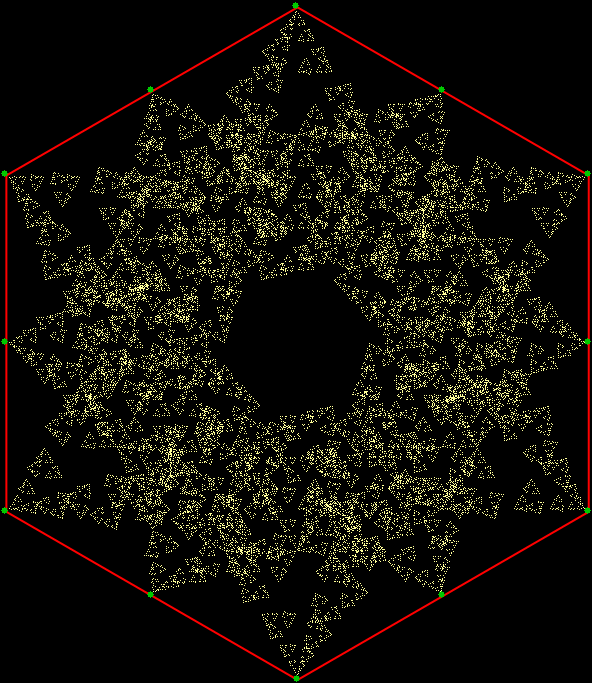
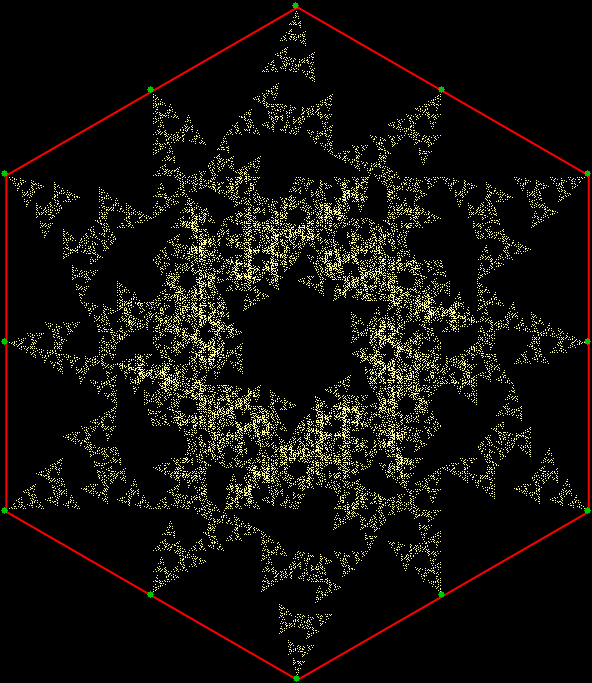
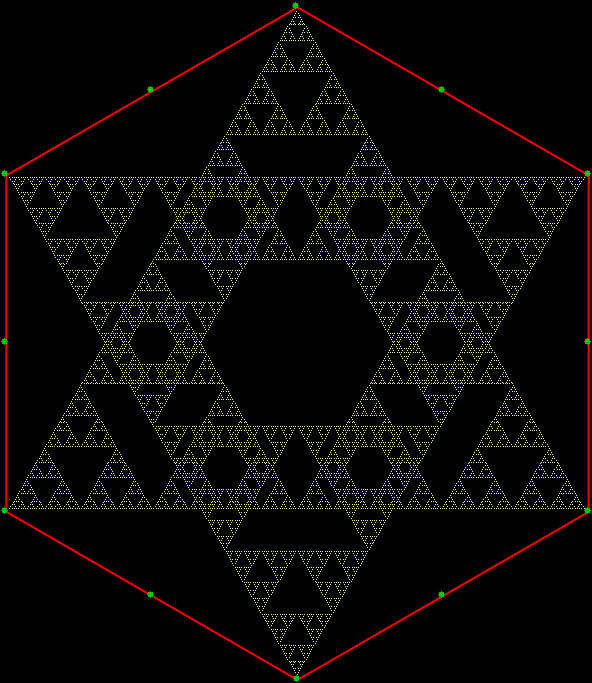
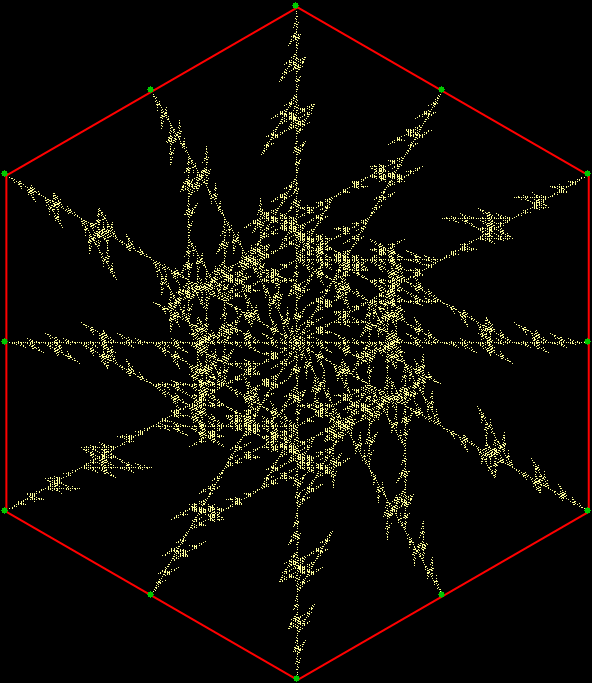
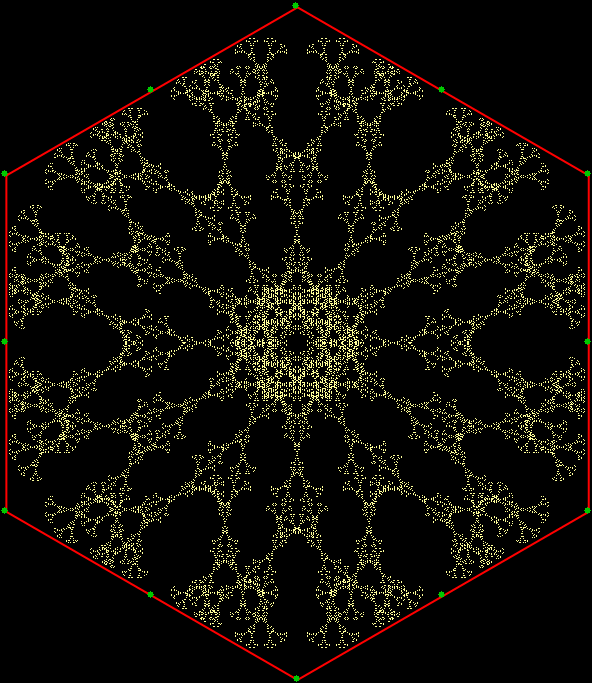
v = 6, distfunc(2) = distfunc(4)

v = 6 + center, distfunc(2) = distfunc(5)
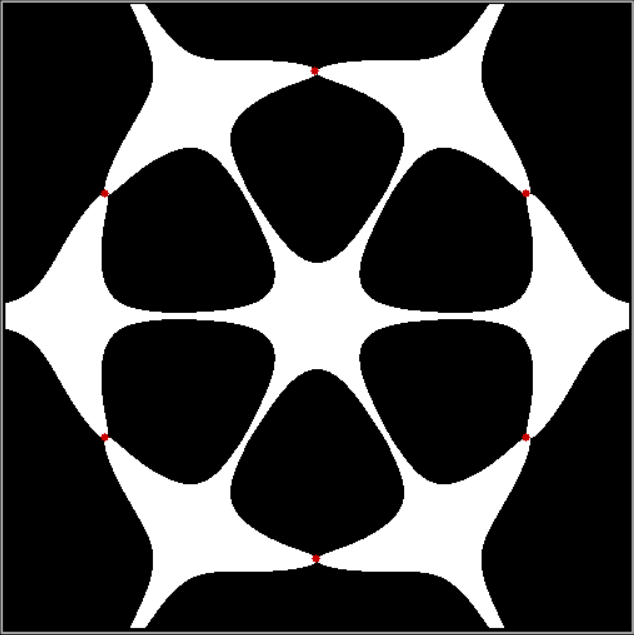
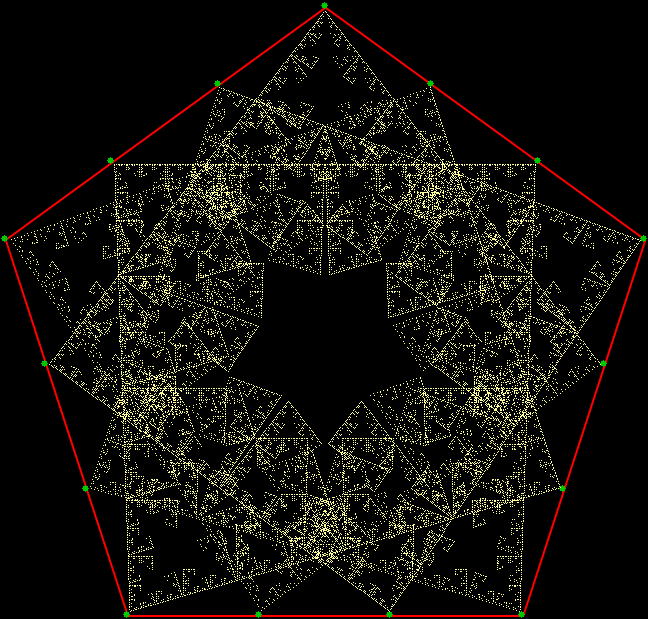
v = 6, distfunc(3) = distfunc(3)

v = 6 + center, distfunc(3) = distfunc(4)

































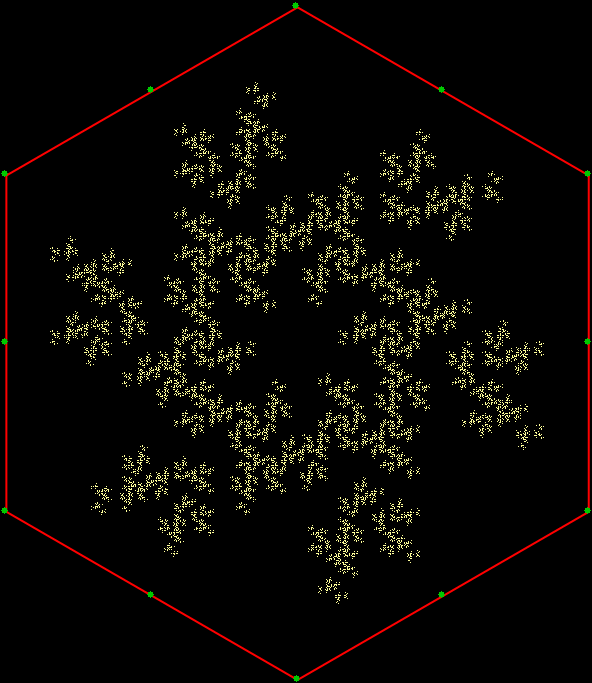
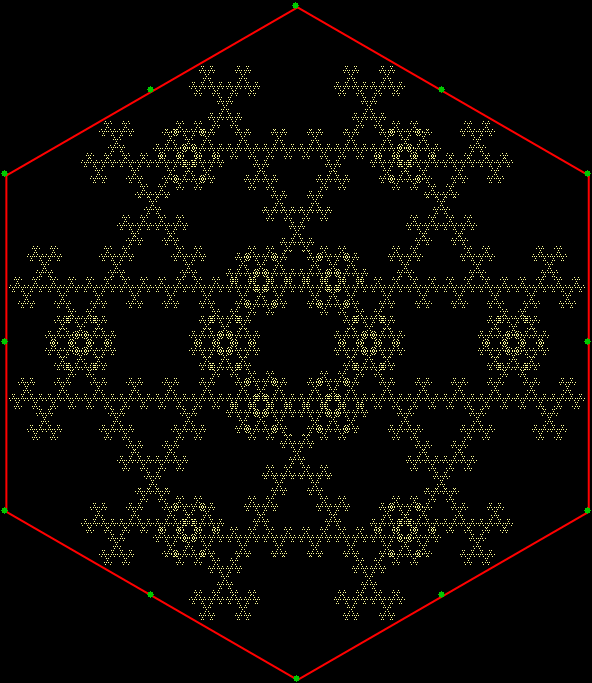
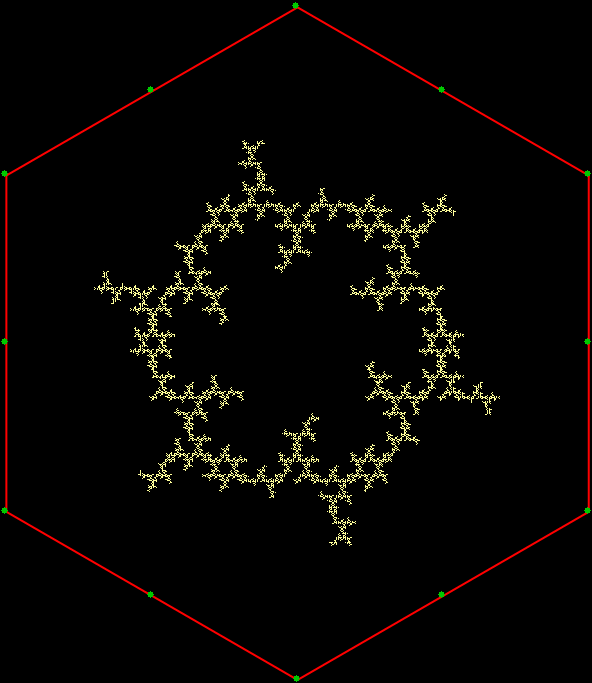

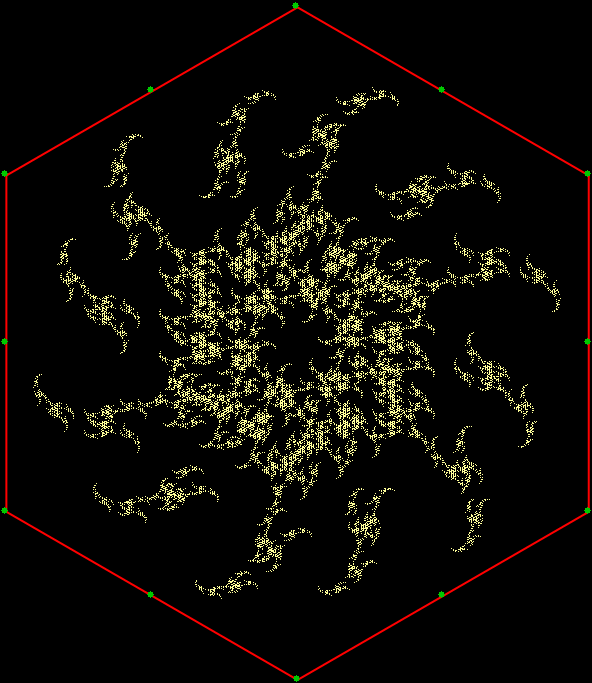
 Overlord In Terms of Core Issues Around Maximal Engagement with Key Notions of the Über-Feral