Miss This

1,729,404 is seven digits long. If you drop one digit at a time, you can create seven more numbers from it, each six digits long. If you add these numbers, something special happens:

1,729,404 → 729404 (missing 1) + 129404 (missing 7) + 179404 (missing 2) + 172404 + 172904 + 172944 + 172940 = 1,729,404

So 1,729,404 is narcissistic, or equal to some manipulation of its own digits. Searching for numbers like this might seem like a big task, but you can cut the search-time considerably by noting that the final two digits determine whether a number is a suitable candidate for testing. For example, what if a seven-digit number ends in …38? Then the final digit of the missing-digit sum will equal (3 x 1 + 8 x 6) modulo 10 = (3 + 48) mod 10 = 51 mod 10 = 1. This means that you don’t need to check any seven-digit number ending in …38.

But what about seven-digit numbers ending in …57? Now the final digit of the sum will equal (5 x 1 + 7 x 6) modulo 10 = (5 + 42) mod 10 = 47 mod 10 = 7. So seven-digit numbers ending in …57 are possible missing-digit narcissistic sums. Then you can test numbers ending …157, …257, …357 and so on, to determine the last-but-one digit of the sum. Using this method, one quickly finds the only two seven-digit numbers of this form in base-10:

1,729,404 → 729404 + 129404 + 179404 + 172404 + 172904 + 172944 + 172940 = 1,729,404

1,800,000 → 800000 + 100000 + 180000 + 180000 + 180000 + 180000 + 180000 = 1,800,000

What about eight-digit numbers? Only those ending in these two digits need to be checked: …00, …23, …28, …41, …46, …64, …69, …82, …87. Here are the results:

• 13,758,846 → 3758846 + 1758846 + 1358846 + 1378846 + 1375846 + 1375846 + 1375886 + 1375884 = 13,758,846
• 13,800,000 → 3800000 + 1800000 + 1300000 + 1380000 + 1380000 + 1380000 + 1380000 + 1380000 = 13,800,000
• 14,358,846 → 4358846 + 1358846 + 1458846 + 1438846 + 1435846 + 1435846 + 1435886 + 1435884 = 14,358,846
• 14,400,000 → 4400000 + 1400000 + 1400000 + 1440000 + 1440000 + 1440000 + 1440000 + 1440000 = 14,400,000
• 15,000,000 → 5000000 + 1000000 + 1500000 + 1500000 + 1500000 + 1500000 + 1500000 + 1500000 = 15,000,000
• 28,758,846 → 8758846 + 2758846 + 2858846 + 2878846 + 2875846 + 2875846 + 2875886 + 2875884 = 28,758,846
• 28,800,000 → 8800000 + 2800000 + 2800000 + 2880000 + 2880000 + 2880000 + 2880000 + 2880000 = 28,800,000
• 29,358,846 → 9358846 + 2358846 + 2958846 + 2938846 + 2935846 + 2935846 + 2935886 + 2935884 = 29,358,846
• 29,400,000 → 9400000 + 2400000 + 2900000 + 2940000 + 2940000 + 2940000 + 2940000 + 2940000 = 29,400,000

But there are no nine-digit sumbers, or nine-digit numbers that supply missing-digit narcissistic sums. What about ten-digit sumbers? There are twenty-one:

1,107,488,889; 1,107,489,042; 1,111,088,889; 1,111,089,042; 3,277,800,000; 3,281,400,000; 4,388,888,889; 4,388,889,042; 4,392,488,889; 4,392,489,042; 4,500,000,000; 5,607,488,889; 5,607,489,042; 5,611,088,889; 5,611,089,042; 7,777,800,000; 7,781,400,000; 8,888,888,889; 8,888,889,042; 8,892,488,889; 8,892,489,042 (21 numbers)

Finally, the nine eleven-digit sumbers all take this form:

30,000,000,000 → 0000000000 + 3000000000 + 3000000000 + 3000000000 + 3000000000 + 3000000000 + 3000000000 + 3000000000 + 3000000000 + 3000000000 + 3000000000 = 30,000,000,000

So that’s forty-one narcissistic sumbers in base-10. Not all of them are listed in Sequence A131639 at the Encyclopedia of Integer Sequences, but I think I’ve got my program working right. Other bases show similar patterns. Here are some missing-digit narcissistic sumbers in base-5:

• 1,243 → 243 + 143 + 123 + 124 = 1,243 (b=5) = 198 (b=10)
• 1,324 → 324 + 124 + 134 + 132 = 1,324 (b=5) = 214 (b=10)
• 1,331 → 331 + 131 + 131 + 133 = 1,331 (b=5) = 216 (b=10)
• 1,412 → 412 + 112 + 142 + 141 = 1,412 (b=5) = 232 (b=10)

• 100,000 → 00000 + 10000 + 10000 + 10000 + 10000 + 10000 = 100,000 (b=5) = 3,125 (b=10)
• 200,000 → 00000 + 20000 + 20000 + 20000 + 20000 + 20000 = 200,000 (b=5) = 6,250 (b=10)
• 300,000 → 00000 + 30000 + 30000 + 30000 + 30000 + 30000 = 300,000 (b=5) = 9,375 (b=10)
• 400,000 → 00000 + 40000 + 40000 + 40000 + 40000 + 40000 = 400,000 (b=5) = 12,500 (b=10)

And here are some sumbers in base-16:

5,4CD,111,0EE,EF0,542 = 4CD1110EEEF0542 + 5CD1110EEEF0542 + 54D1110EEEF0542 + 54C1110EEEF0542 + 54CD110EEEF0542 + 54CD110EEEF0542 + 54CD110EEEF0542 + 54CD111EEEF0542 + 54CD1110EEF0542 + 54CD1110EEF0542 + 54CD1110EEF0542 + 54CD1110EEE0542 + 54CD1110EEEF542 + 54CD1110EEEF042 + 54CD1110EEEF052 + 54CD1110EEEF054 (b=16) = 6,110,559,033,837,421,890 (b=10)

6,5DD,E13,CEE,EF0,542 = 5DDE13CEEEF0542 + 6DDE13CEEEF0542 + 65DE13CEEEF0542 + 65DE13CEEEF0542 + 65DD13CEEEF0542 + 65DDE3CEEEF0542 + 65DDE1CEEEF0542 + 65DDE13EEEF0542 + 65DDE13CEEF0542 + 65DDE13CEEF0542 + 65DDE13CEEF0542 + 65DDE13CEEE0542 + 65DDE13CEEEF542 + 65DDE13CEEEF042 + 65DDE13CEEEF052 + 65DDE13CEEEF054 (b=16) = 7,340,270,619,506,705,730 (b=10)

10,000,000,000,000,000 → 0000000000000000 + 1000000000000000 + 1000000000000000 + 1000000000000000 + 1000000000000000 + 1000000000000000 + 1000000000000000 + 1000000000000000 + 1000000000000000 + 1000000000000000 + 1000000000000000 + 1000000000000000 + 1000000000000000 + 1000000000000000 + 1000000000000000 + 1000000000000000 + 1000000000000000 = 10,000,000,000,000,000 (b=16) = 18,446,744,073,709,551,616 (b=10)

F0,000,000,000,000,000 → 0000000000000000 + F000000000000000 + F000000000000000 + F000000000000000 + F000000000000000 + F000000000000000 + F000000000000000 + F000000000000000 + F000000000000000 + F000000000000000 + F000000000000000 + F000000000000000 + F000000000000000 + F000000000000000 + F000000000000000 + F000000000000000 + F000000000000000 = F0,000,000,000,000,000 (b=16) = 276,701,161,105,643,274,240 (b=10)

Next I’d like to investigate sumbers created by missing two, three and more digits at a time. Here’s a taster:

1,043,101 → 43101 (missing 1 and 0) + 03101 (missing 1 and 4) + 04101 (missing 1 and 3) + 04301 + 04311 + 04310 + 13101 + 14101 + 14301 + 14311 + 14310 + 10101 + 10301 + 10311 + 10310 + 10401 + 10411 + 10410 + 10431 + 10430 + 10431 = 1,043,101 (b=5) = 18,526 (b=10)
Reverssum

Here’s a simple sequence. What’s the next number?

1, 2, 4, 8, 16, 68, 100, ?

The rule I’m using is this: Reverse the number, then add the sum of the digits. So 1 doubles till it becomes 16. Then 16 becomes 61 + 6 + 1 = 68. Then 68 becomes 86 + 8 + 6 = 100. Then 100 becomes 001 + 1 = 2. And the sequence falls into a loop.

Reversing the number means that small numbers can get big and big numbers can get small, but the second tendency is stronger for the first few seeds:

• 1 → 2 → 4 → 8 → 16 → 68 → 100 → 2
• 2 → 4 → 8 → 16 → 68 → 100 → 2
• 3 → 6 → 12 → 24 → 48 → 96 → 84 → 60 → 12
• 4 → 8 → 16 → 68 → 100 → 2 → 4
• 5 → 10 → 2 → 4 → 8 → 16 → 68 → 100 → 2
• 6 → 12 → 24 → 48 → 96 → 84 → 60 → 12
• 7 → 14 → 46 → 74 → 58 → 98 → 106 → 608 → 820 → 38 → 94 → 62 → 34 → 50 → 10 → 2 → 4 → 8 → 16 → 68 → 100 → 2
• 8 → 16 → 68 → 100 → 2 → 4 → 8
• 9 → 18 → 90 → 18
• 10 → 2 → 4 → 8 → 16 → 68 → 100 → 2

An 11-seed is a little more interesting:

11 → 13 → 35 → 61 → 23 → 37 → 83 → 49 → 107 → 709 → 923 → 343 → 353 → 364 → 476 → 691 → 212 → 217 → 722 → 238 → 845 → 565 → 581 → 199 → 1010 → 103 → 305 → 511 → 122 → 226 → 632 → 247 → 755 → 574 → 491 → 208 → 812 → 229 → 935 → 556 → 671 → 190 → 101 → 103 (11 leads to an 18-loop from 103 at step 26; total steps = 44)

Now try some higher bases:

• 1 → 2 → 4 → 8 → 15 → 57 → 86 → 80 → 15 (base=11)
• 1 → 2 → 4 → 8 → 14 → 46 → 72 → 34 → 4A → B6 → 84 → 58 → 96 → 80 → 14 (base=12)
• 1 → 2 → 4 → 8 → 13 → 35 → 5B → C8 → A6 → 80 → 13 (base=13)
• 1 → 2 → 4 → 8 → 12 → 24 → 48 → 92 → 36 → 6C → DA → C8 → A4 → 5A → B6 → 80 → 12 (base=14)
• 1 → 2 → 4 → 8 → 11 → 13 → 35 → 5B → C6 → 80 → 11 (base=15)
• 1 → 2 → 4 → 8 → 10 → 2 (base=16)

Does the 1-seed always create a short sequence? No, it gets pretty long in base-19 and base-20:

• 1 → 2 → 4 → 8 → [16] → 1D → DF → [17]3 → 4[18] → 107 → 709 → 914 → 424 → 42E → E35 → 54[17] → [17]5C → C7D → D96 → 6B3 → 3C7 → 7D6 → 6EE → E[16]2 → 2[18]8 → 90B → B1A → A2E → E3[17] → [17]5A → A7B → B90 → AC→ DD → F1 → 2C → C[16] → [18]2 → 40 → 8 (base=19)
• 1 → 2 → 4 → 8 → [16] → 1C → CE → F[18] → 108 → 80A → A16 → 627 → 731 → 13[18] → [18]43 → 363 → 36F → F77 → 794 → 4A7 → 7B5 → 5CA → ADC → CF5 → 5[17]4 → 4[18]B → B[19][17] → [18]1[18] → [18]3F → F5E → E79 → 994 → 4AB → BB9 → 9D2 → 2ED → DFB → B[17]C → C[19]B → C1E → E2[19] → [19]49 → 96B → B7F → F94 → 4B3 → 3C2 → 2D0 → D[17] → [19]3 → 51 → 1B → BD → EF → [17]3 → 4[17] → [18]5 → 71 → 1F → F[17] → [19]7 → 95 → 63 → 3F → [16]1 → 2D → D[17] (base=20)

Then it settles down again:

• 1 → 2 → 4 → 8 → [16] → 1B → BD → EE → [16]0 → 1B (base=21)
• 1 → 2 → 4 → 8 → [16] → 1A → AC → DA → BE → FE → [16]0 → 1A (base=22)
• 1 → 2 → 4 → 8 → [16] → 19 → 9B → C6 → 77 → 7[21] → [22]C → EA → BF → [16]E → [16]0 → 19 (base=23)

Base-33 is also short:

1 → 2 → 4 → 8 → [16] → [32] → 1[31] → [32]0 → 1[31] (base=33)

And so is base-35:

1 → 2 → 4 → 8 → [16] → [32] → 1[29] → [29][31] → [33][19] → [21]F → [16][22] → [23][19] → [20][30] → [32]0 → 1[29] (base=35)

So what about base-34?

1 → 2 → 4 → 8 → [16] → [32] → 1[30] → [30][32] → 10[24] → [24]0[26] → [26]26 → 63[26] → [26]47 → 75[29] → [29]6E → E8A → A9C → CA7 → 7B7 → 7B[32] → [32]C[23] → [23]E[31] → [31][16][23] → [23][18][33] → [33][20][29] → [29][23]D → D[25][26] → [26][27]9 → 9[29][20] → [20][30][33] → [33][33]1 → 21[32] → [32]23 → 341 → 14B → B4[17] → [17]59 → 96E → E74 → 485 → 58[21] → [21]95 → 5A[22] → [22]B8 → 8C[29] → [29]D[23] → [23]F[26] → [26][17][19] → [19][19][20] → [20][21]9 → 9[23]2 → 2[24]9 → 9[25]3 → 3[26]C → C[27]A → A[28][27] → [27][30]7 → 7[32][23] → [24]01 → 11F → F1[18] → [18]2F → F3[19] → [19]4[18] → [18]5[26] → [26]6[33] → [33]8[23] → [23]A[29] → [29]C[17] → [17]E[19] → [19]F[33] → [33][17][18] → [18][19][33] → [33][21][20] → [20][24]5 → 5[26]1 → 1[27]3 → 3[27][32] → [32][28][31] → [31][31][21] → [22]0C → C1[22] → [22]2D → D3[25] → [25]4[20] → [20]66 → 67[18] → [18]83 → 39D → D9[28] → [28]A[29] → [29]C[27] → [27]E[29] → [29][16][29] → [29][19]1 → 1[21]A → A[21][33] → [33][23]6 → 6[25][27] → [27][26][30] → [30][29]8 → 8[31][29] → [29][33]8 → 91[31] → [31]2[16] → [16]4C → C5E → E69 → 979 → 980 → 8[26] → [27]8 → 9[28] → [29]C → E2 → 2[30] → [31]0 → 1[28] → [28][30] → [32][18] → [20]E → F[20] → [21][16] → [17][24] → [25][24] → [26]6 → 7[24] → [25]4 → 5[20] → [20][30] → [32]2 → 3[32] → [33]4 → 62 → 2E → E[18] → [19]C → D[16] → [17]8 → 98 → 8[26] (1 leads to a 30-loop from 8[26] / 298 in base-34 at step 111; total steps = 141)

An alternative rule is to add the digit-sum first and then reverse the result. Now 8 becomes 8 + 8 = 16 and 16 becomes 61. Then 61 becomes 61 + 6 + 1 = 68 and 68 becomes 86. Then 86 becomes 86 + 8 + 6 = 100 and 100 becomes 001 = 1:

• 1 → 2 → 4 → 8 → 61 → 86 → 1
• 2 → 4 → 8 → 61 → 86 → 1 → 2
• 3 → 6 → 21 → 42 → 84 → 69 → 48 → 6
• 4 → 8 → 61 → 86 → 1 → 2 → 4
• 5 → 1 → 2 → 4 → 8 → 62 → 7 → 48 → 6 → 27 → 63 → 27
• 6 → 21 → 42 → 84 → 69 → 48 → 6
• 7 → 41 → 64 → 47 → 85 → 89 → 601 → 806 → 28 → 83 → 49 → 26 → 43 → 5 → 6 → 27 → 63 → 27
• 8 → 61 → 86 → 1 → 2 → 4 → 8
• 9 → 81 → 9
• 10 → 11 → 31 → 53 → 16 → 32 → 73 → 38 → 94 → 701 → 907 → 329 → 343 → 353 → 463 → 674 → 196 → 212 → 712 → 227 → 832 → 548 → 565 → 185 → 991 → 101 → 301 → 503 → 115 → 221 → 622 → 236 → 742 → 557 → 475 → 194→ 802 → 218 → 922 → 539 → 655 → 176 → 91 → 102 → 501 → 705 → 717 → 237 → 942 → 759 → 87 → 208 → 812 → 328 → 143 → 151 → 851 → 568 → 785 → 508 → 125 → 331 → 833 → 748 → 767 → 787 → 908 → 529 → 545 → 955 → 479 → 994 → 6102 → 1116 → 5211 → 225 → 432 → 144 → 351 → 63 → 27 → 63

Block and Goal

123456789. How many ways are there to insert + and – between the numbers and create a formula for 100? With pen and ink it takes a long time to answer. With programming, the answer will flash up in an instant:

01. 1 + 2 + 3 - 4 + 5 + 6 + 78 + 9 = 100
02. 1 + 2 + 34 - 5 + 67 - 8 + 9 = 100
03. 1 + 23 - 4 + 5 + 6 + 78 - 9 = 100
04. 1 + 23 - 4 + 56 + 7 + 8 + 9 = 100
05. 12 - 3 - 4 + 5 - 6 + 7 + 89 = 100
06. 12 + 3 + 4 + 5 - 6 - 7 + 89 = 100
07. 12 + 3 - 4 + 5 + 67 + 8 + 9 = 100
08. 123 - 4 - 5 - 6 - 7 + 8 - 9 = 100
09. 123 + 4 - 5 + 67 - 89 = 100
10. 123 + 45 - 67 + 8 - 9 = 100
11. 123 - 45 - 67 + 89 = 100

And the beauty of programming is that you can easily generalize the problem to other bases. In base b, how many ways are there to insert + and – in the block [12345…b-1] to create a formula for b^2? When b = 10, the answer is 11. When b = 11, it’s 42. Here are two of those formulae in base-11:

123 - 45 + 6 + 7 - 8 + 9 + A = 100[b=11]
146 - 49 + 6 + 7 - 8 + 9 + 10 = 121

123 + 45 + 6 + 7 - 89 + A = 100[b=11]
146 + 49 + 6 + 7 - 97 + 10 = 121

When b = 12, it’s 51. Here are two of the formulae:

123 + 4 + 5 + 67 - 8 - 9A + B = 100[b=12]
171 + 4 + 5 + 79 - 8 - 118 + 11 = 144

123 + 4 + 56 + 7 - 89 - A + B = 100[b=12]
171 + 4 + 66 + 7 - 105 - 10 + 11 = 144

So that’s 11 formulae in base-10, 42 in base-11 and 51 in base-12. So what about base-13? The answer may be surprising: in base-13, there are no +/- formulae for 13^2 = 169 using the numbers 1 to 12. Nor are there any formulae in base-9 for 9^2 = 81 using the numbers 1 to 8. If you reverse the block, 987654321, the same thing happens. Base-10 has 15 formulae, base-11 has 54 and base-12 has 42. Here are some examples:

9 - 8 + 7 + 65 - 4 + 32 - 1 = 100
98 - 76 + 54 + 3 + 21 = 100

A9 + 87 - 65 + 4 - 3 - 21 = 100[b=11]
119 + 95 - 71 + 4 - 3 - 23 = 121

BA - 98 + 76 - 5 - 4 + 32 - 1 = 100[b=12]
142 - 116 + 90 - 5 - 4 + 38 - 1 = 144

But base-9 and base-13 again have no formulae. What’s going on? Is it a coincidence that 9 and 13 are each one more than a multiple of 4? No. Base-17 also has no formulae for b^2 = 13^2 = 169. Here is the list of formulae for bases-7 thru 17:

1, 2, 0, 11, 42, 51, 0, 292, 1344, 1571, 0 (block = 12345...)
3, 2, 0, 15, 54, 42, 0, 317, 1430, 1499, 0 (block = ...54321)

To understand what’s going on, consider any sequence of consecutive integers starting at 1. The number of odd integers in the sequence must always be greater than or equal to the number of even integers:

1, 2 (1 odd : 1 even)
1, 2, 3 (2 odds : 1 even)
1, 2, 3, 4 (2 : 2)
1, 2, 3, 4, 5 (3 : 2)
1, 2, 3, 4, 5, 6 (3 : 3)
1, 2, 3, 4, 5, 6, 7 (4 : 3)
1, 2, 3, 4, 5, 6, 7, 8 (4 : 4)

The odd numbers in a sequence determine the parity of the sum, that is, whether it is odd or even. For example:

1 + 2 = 3 (1 odd number)
1 + 2 + 3 = 6 (2 odd numbers)
1 + 2 + 3 + 4 = 10 (2 odd numbers)
1 + 2 + 3 + 4 + 5 = 15 (3 odd numbers)
1 + 2 + 3 + 4 + 5 + 6 = 21 (3 odd numbers)
1 + 2 + 3 + 4 + 5 + 6 + 7 = 28 (4 odd numbers)

If there is an even number of odd numbers, the sum will be even; if there is an odd number, the sum will be odd. Consider sequences that end in a multiple of 4:

1, 2, 3, 4 → 2 odds : 2 evens
1, 2, 3, 4, 5, 6, 7, 8 → 4 : 4
1, 2, 3, 4, 5, 6, 7, 8, 9, 10, 11, 12 → 6 : 6

Such sequences always contain an even number of odd numbers. Now, consider these formulae in base-10:

1. 12 + 3 + 4 + 56 + 7 + 8 + 9 = 99
2. 123 - 45 - 67 + 89 = 100
3. 123 + 4 + 56 + 7 - 89 = 101

They can be re-written like this:

1. 1×10^1 + 2×10^0 + 3×10^0 + 4×10^0 + 5×10^1 + 6×10^0 + 7×10^0 + 8×10^0 + 9×10^0 = 99

2. 1×10^2 + 2×10^1 + 3×10^0 – 4×10^1 – 5×10^0 – 6×10^1 – 7×10^0 + 8×10^1 + 9×10^0 = 100

3. 1×10^2 + 2×10^1 + 3×10^0 + 4×10^0 + 5×10^1 + 6×10^1 + 7×10^0 – 8×10^1 – 9×10^0 = 101

In general, the base-10 formulae will take this form:

1×10^a +/- 2×10^b +/- 3×10^c +/– 4×10^d +/– 5×10^e +/– 6×10^f +/– 7×10^g +/– 8×10^h +/– 9×10^i = 100

It’s important to note that the exponent of 10, or the power to which it is raised, determines whether an odd number remains odd or becomes even. For example, 3×10^0 = 3×1 = 3, whereas 3×10^1 = 3×10 = 30 and 3×10^2 = 3×100 = 300. Therefore the number of odd numbers in a base-10 formula can vary and so can the parity of the sum. Now consider base-9. When you’re trying to find a block-formula for 9^2 = 81, the formula will have to take this form:

1×9^a +/- 2×9^b +/- 3×9^c +/- 4×9^d +/- 5×9^e +/- 6×9^f +/- 7×9^g +/- 8×9^h = 81

But no such formula exists for 81 (with standard exponents). It’s now possible to see why this is so. Unlike base-10, the odd numbers in the formula will remain odd what the power of 9. For example, 3×9^0 = 3×1 = 3, 3×9^1 = 3×9 = 27 and 3×9^2 = 3×81 = 243. Therefore base-9 formulae will always contain four odd numbers and will always produce an even number. Odd numbers in base-2 always end in 1, even numbers always end in 0. Therefore, to determine the parity of a sum of integers, convert the integers to base-2, discard all but the final digit of each integer, then sum the 1s. In a base-9 formula, these are the four possible results:

1 + 1 + 1 + 1 = 4
1 + 1 + 1 - 1 = 2
1 + 1 - 1 - 1 = 0
1 - 1 - 1 - 1 = -2

The sum represents the parity of the answer, which is always even. Similar reasoning applies to base-13, base-17 and all other base-[b=4n+1].

Persist List

Multiplicative persistence is a complex term but a simple concept. Take a number, multiply its digits, repeat. Sooner or later the result is a single digit:

25 → 2 x 5 = 10 → 1 x 0 = 0 (mp=2)
39 → 3 x 9 = 27 → 2 x 7 = 14 → 1 x 4 = 4 (mp=3)

So 25 has a multiplicative persistence of 2 and 39 a multiplicative persistence of 3. Each is the smallest number with that m.p. in base-10. Further records are set by these numbers:

77 → 49 → 36 → 18 → 8 (mp=4)
679 → 378 → 168 → 48 → 32 → 6 (mp=5)
6788 → 2688 → 768 → 336 → 54 → 20 → 0 (mp=6)
68889 → 27648 → 2688 → 768 → 336 → 54 → 20 → 0 (mp=7)
2677889 → 338688 → 27648 → 2688 → 768 → 336 → 54 → 20 → 0 (mp=8)
26888999 → 4478976 → 338688 → 27648 → 2688 → 768 → 336 → 54 → 20 → 0 (mp=9)
3778888999 → 438939648 → 4478976 → 338688 → 27648 → 2688 → 768 → 336 → 54 → 20 → 0 (mp=10)

Now here’s base-9:

25[b=9] → 11 → 1 (mp=2)
38[b=9] → 26 → 13 → 3 (mp=3)
57[b=9] → 38 → 26 → 13 → 3 (mp=4)
477[b=9] → 237 → 46 → 26 → 13 → 3 (mp=5)
45788[b=9] → 13255 → 176 → 46 → 26 → 13 → 3 (mp=6)
2577777[b=9] → 275484 → 13255 → 176 → 46 → 26 → 13 → 3 (mp=7)

And base-11:

26[b=11] → 11 → 1 (mp=2)
3A[b=11] → 28 → 15 → 5 (mp=3)
69[b=11] → 4A → 37 → 1A → A (=10b=10) (mp=4)
269[b=11] → 99 → 74 → 26 → 11 → 1 (mp=5)
3579[b=11] → 78A → 46A → 1A9 → 82 → 15 → 5 (mp=6)
26778[b=11] → 3597 → 78A → 46A → 1A9 → 82 → 15 → 5 (mp=7)
47788A[b=11] → 86277 → 3597 → 78A → 46A → 1A9 → 82 → 15 → 5 (mp=8)
67899AAA[b=11] → 143A9869 → 299596 → 2A954 → 2783 → 286 → 88 → 59 → 41 → 4 (mp=9)
77777889999[b=11] → 2AA174996A → 143A9869 → 299596 → 2A954 → 2783 → 286 → 88 → 59 → 41 → 4 (mp=10)

I was also interested in the narcissism of multiplicative persistence. That is, are any numbers equal to the sum of the numbers created while calculating their multiplicative persistence? Yes:

86 = (8 x 6 = 48) + (4 x 8 = 32) + (3 x 2 = 6)

I haven’t found any more in base-10 (apart from the trivial 0 to 9) and can’t prove that this is the only one. Base-9 offers this:

78[b=9] = 62 + 13 + 3

I can’t find any at all in base-11, but here are base-12 and base-27:

57[b=12] = 2B + 1A + A
A8[b=12] = 68 + 40 + 0

4[23][b=27] = 3B + 16 + 6
7[24][b=27] = 66 + 19 + 9
A[18][b=27] = 6[18] + 40 + 0
[26][24][b=27] = [23]3 + 2F + 13 + 3
[26][23][26][b=27] = [21]8[23] + 583 + 4C + 1[21] + [21]

But the richest base I’ve found so far is base-108, with fourteen narcissistic multiplicative-persistence sums:

4[92][b=108] = 3[44] + 1[24] + [24]
5[63][b=108] = 2[99] + 1[90] + [90]
7[96][b=108] = 6[24] + 1[36] + [36]
A[72][b=108] = 6[72] + 40 + 0
[19][81][b=108] = E[27] + 3[54] + 1[54] + [54]
[26][96][b=108] = [23]C + 2[60] + 1C + C
[35][81][b=108] = [26][27] + 6[54] + 30 + 0
[37][55][b=108] = [18][91] + F[18] + 2[54] + 10 + 0
[73][60][b=108] = [40][60] + [22][24] + 4[96] + 3[60] + 1[72] + [72]
[107][66][b=108] = [65][42] + [25][30] + 6[102] + 5[72] + 3[36] + 10 + 0
[71][84][b=108] = [55][24] + C[24] + 2[72] + 1[36] + [36]
[107][99][b=108] = [98]9 + 8[18] + 1[36] + [36]
5[92][96][b=108] = 3[84][96] + 280 + 0
8[107][100][b=108] = 7[36][64] + 1[41][36] + D[72] + 8[72] + 5[36] + 1[72] + [72]


Update (10/ii/14): The best now is base-180 with eighteen multiplicative-persistence sums.

5[105][b=180] = 2[165] + 1[150] + [150]
7[118][b=180] = 4[106] + 2[64] + [128]
7[160][b=180] = 6[40] + 1[60] + [60]
8[108][b=180] = 4[144] + 3[36] + [108]
A[120][b=180] = 6[120] + 40 + 0 (s=5)
[19][135][b=180] = E[45] + 3[90] + 1[90] + [90]
[21][108][b=180] = C[108] + 7[36] + 1[72] + [72]
[26][160][b=180] = [23][20] + 2[100] + 1[20] + [20]
[31][98][b=180] = [16][158] + E8 + [112]
[35][135][b=180] = [26][45] + 6[90] + 30 + 0 (s=10)
[44][96][b=180] = [23][84] + A[132] + 7[60] + 2[60] + [120]
[71][140][b=180] = [55][40] + C[40] + 2[120] + 1[60] + [60]
[73][100][b=180] = [40][100] + [22][40] + 4[160] + 3[100] + 1[120] + [120]
[107][110][b=180] = [65][70] + [25][50] + 6[170] + 5[120] + 3[60] + 10 + 0
[107][165][b=180] = [98]F + 8[30] + 1[60] + [60] (s=15)
[172][132][b=180] = [126][24] + [16][144] + C[144] + 9[108] + 5[72] + 20 + 0
5[173][145][b=180] = 3[156][145] + 2[17]0 + 0
E[170][120][b=180] = 8[146][120] + 4[58][120] + [154][120] + [102][120] + [68]0 + 0

Six Six Nix

4 x 3 = 13. A mistake? Not in base-9, where 13 = 1×9^1 + 3 = 12 in base-10. This means that 13 is a sum-product number in base-9: first add its digits, then multiply them, then multiply the digit-sum by the digit-product: (1+3) x (1×3) = 13[9]. There are four more sum-product numbers in this base:

2086[9] = 17 x 116 = (2 + 8 + 6) x (2 x 8 x 6) = 1536[10] = 16 x 96
281876[9] = 35 x 7333 = (2 + 8 + 1 + 8 + 7 + 6) x (2 x 8 x 1 x 8 x 7 x 6) = 172032[10] = 32 x 5376
724856[9] = 35 x 20383 = (7 + 2 + 4 + 8 + 5 + 6) x (7 x 2 x 4 x 8 x 5 x 6) = 430080[10] = 32 x 13440
7487248[9] = 44 x 162582 = (7 + 4 + 8 + 7 + 2 + 4 + 8) x (7 x 4 x 8 x 7 x 2 x 4 x 8) = 4014080[10] = 40 x 100352

And that’s the lot, apart from the trivial 0 = (0) x (0) and 1 = (1) x (1), which are true in all bases.

What about base-10?

135 = 9 x 15 = (1 + 3 + 5) x (1 x 3 x 5)
144 = 9 x 16 = (1 + 4 + 4) x (1 x 4 x 4)
1088 = 17 x 64 = (1 + 8 + 8) x (1 x 8 x 8)

1088 is missing from the list at Wikipedia and the Encyclopedia of Integer Sequences, but I like the look of it, so I’m including it here. Base-11 has five sum-product numbers:

419[11] = 13 x 33 = (4 + 1 + 9) x (4 x 1 x 9) = 504[10] = 14 x 36
253[11] = [10] x 28 = (2 + 5 + 3) x (2 x 5 x 3) = 300[10] = 10 x 30
2189[11] = 19 x 121 = (2 + 1 + 8 + 9) x (2 x 1 x 8 x 9) = 2880[10] = 20 x 144
7634[11] = 19 x 419 = (7 + 6 + 3 + 4) x (7 x 6 x 3 x 4) = 10080[10] = 20 x 504
82974[11] = 28 x 3036 = (8 + 2 + 9 + 7 + 4) x (8 x 2 x 9 x 7 x 4) = 120960[10] = 30 x 4032

But the record for bases below 50 is set by 7:

22[7] = 4 x 4 = (2 + 2) x (2 x 2) = 16[10] = 4 x 4
505[7] = 13 x 34 = (5 + 5) x (5 x 5) = 250[10] = 10 x 25
242[7] = 11 x 22 = (2 + 4 + 2) x (2 x 4 x 2) = 128[10] = 8 x 16
1254[7] = 15 x 55 = (1 + 2 + 5 + 4) x (1 x 2 x 5 x 4) = 480[10] = 12 x 40
2343[7] = 15 x 132 = (2 + 3 + 4 + 3) x (2 x 3 x 4 x 3) = 864[10] = 12 x 72
116655[7] = 33 x 2424 = (1 + 1 + 6 + 6 + 5 + 5) x (1 x 1 x 6 x 6 x 5 x 5) = 21600[10] = 24 x 900
346236[7] = 33 x 10362 = (3 + 4 + 6 + 2 + 3 + 6) x (3 x 4 x 6 x 2 x 3 x 6) = 62208[10] = 24 x 2592
424644[7] = 33 x 11646 = (4 + 2 + 4 + 6 + 4 + 4) x (4 x 2 x 4 x 6 x 4 x 4) = 73728[10] = 24 x 3072

And base-6? Six Nix. There are no sum-product numbers unique to that base (to the best of my far-from-infallible knowledge). Here is the full list for base-3 to base-50 (not counting 0 and 1 as sum-product numbers):

5 in base-11 4 in base-21 3 in base-31 2 in base-41
4 in base-12 5 in base-22 1 in base-32 3 in base-42
0 in base-3 3 in base-13 4 in base-23 3 in base-33 4 in base-43
2 in base-4 3 in base-14 2 in base-24 4 in base-34 5 in base-44
1 in base-5 2 in base-15 3 in base-25 2 in base-35 6 in base-45
0 in base-6 2 in base-16 6 in base-26 2 in base-36 7 in base-46
8 in base-7 6 in base-17 0 in base-27 3 in base-37 3 in base-47
1 in base-8 5 in base-18 1 in base-28 3 in base-38 7 in base-48
5 in base-9 7 in base-19 0 in base-29 1 in base-39 5 in base-49
3 in base-10 3 in base-20 2 in base-30 2 in base-40 3 in base-50

Hex Appeal

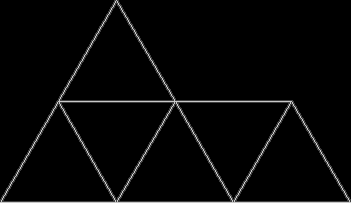
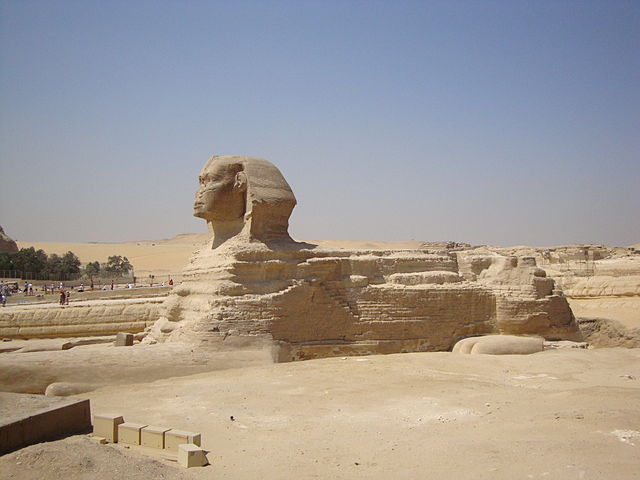
A polyiamond is a shape consisting of equilateral triangles joined edge-to-edge. There is one moniamond, consisting of one equilateral triangle, and one diamond, consisting of two. After that, there are one triamond, three tetriamonds, four pentiamonds and twelve hexiamonds. The most famous hexiamond is known as the sphinx, because it’s reminiscent of the Great Sphinx of Giza:

sphinx_hexiamond

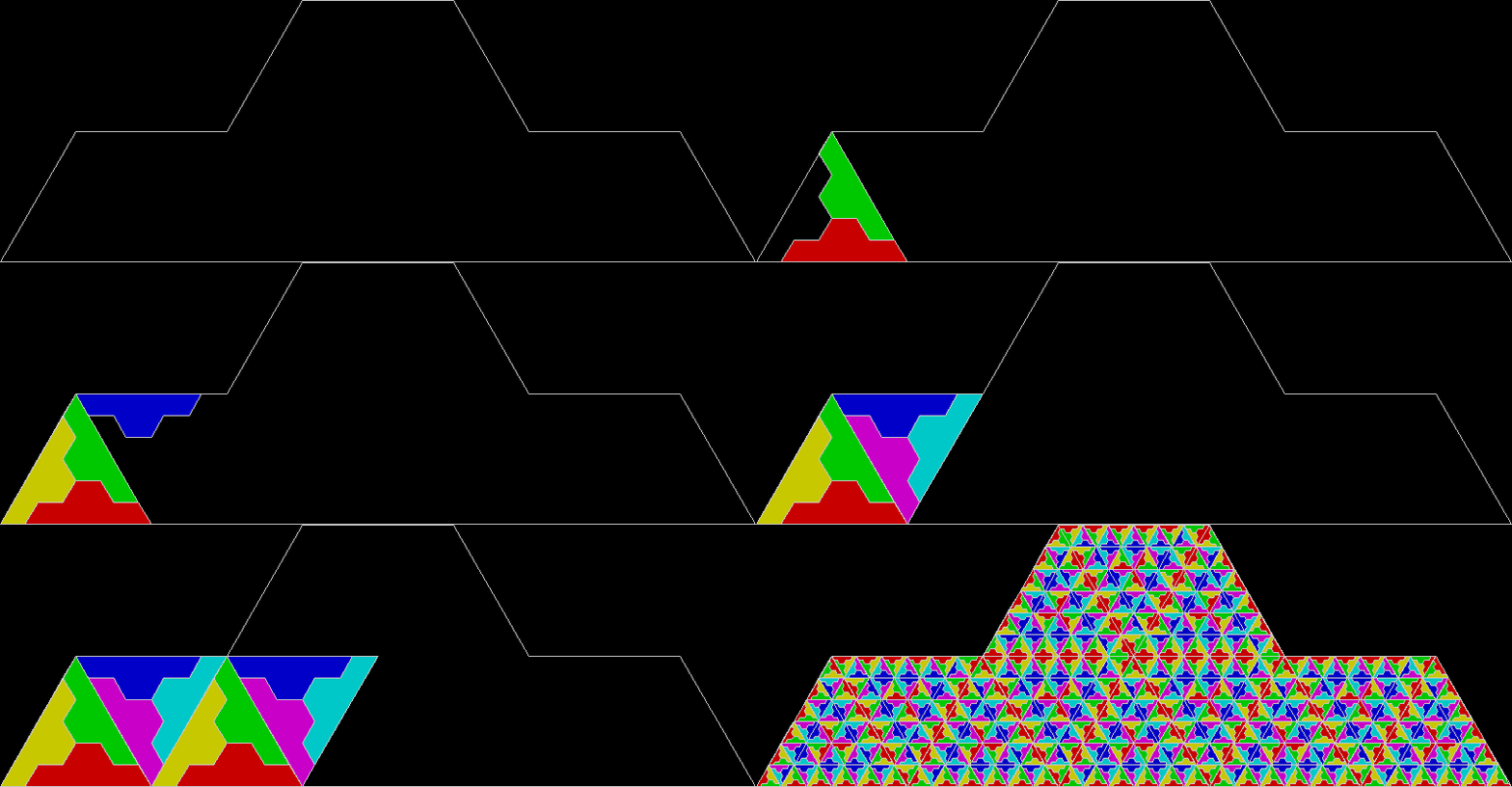
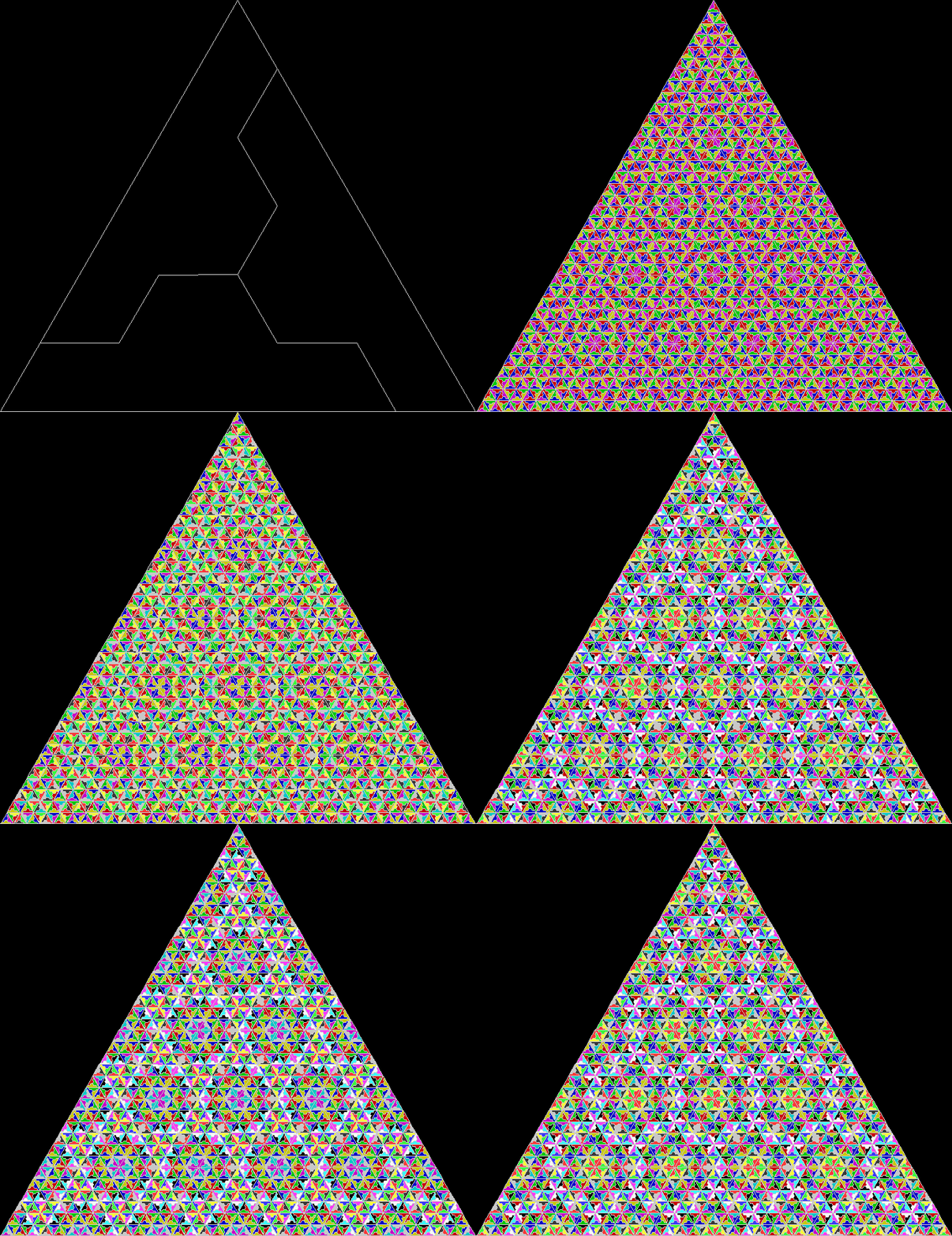
It’s famous because it is the only known pentagonal rep-tile, or shape that can be divided completely into smaller copies of itself. You can divide a sphinx into either four copies of itself or nine copies, like this (please open images in a new window if they fail to animate):

sphinx4

sphinx9

So far, no other pentagonal rep-tile has been discovered. Unless you count this double-triangle as a pentagon:

double_triangle_rep-tile

It has five sides, five vertices and is divisible into sixteen copies of itself. But one of the vertices sits on one of the sides, so it’s not a normal pentagon. Some might argue that this vertex divides the side into two, making the shape a hexagon. I would appeal to these ancient definitions: a point is “that which has no part” and a line is “a length without breadth” (see Neuclid on the Block). The vertex is a partless point on the breadthless line of the side, which isn’t altered by it.

But, unlike the sphinx, the double-triangle has two internal areas, not one. It can be completely drawn with five continuous lines uniting five unique points, but it definitely isn’t a normal pentagon. Even less normal are two more rep-tiles that can be drawn with five continuous lines uniting five unique points: the fish that can be created from three equilateral triangles and the fish that can be created from four isosceles right triangles:

equilateral_triangle_fish_rep-tile

right_triangle_fish_rep-tile

Rep It Up

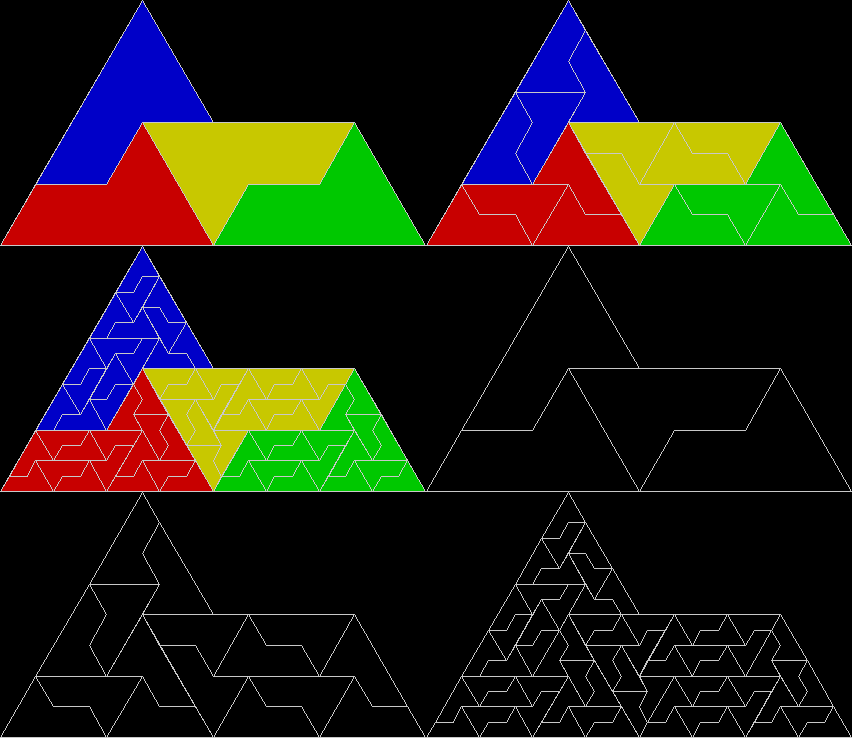
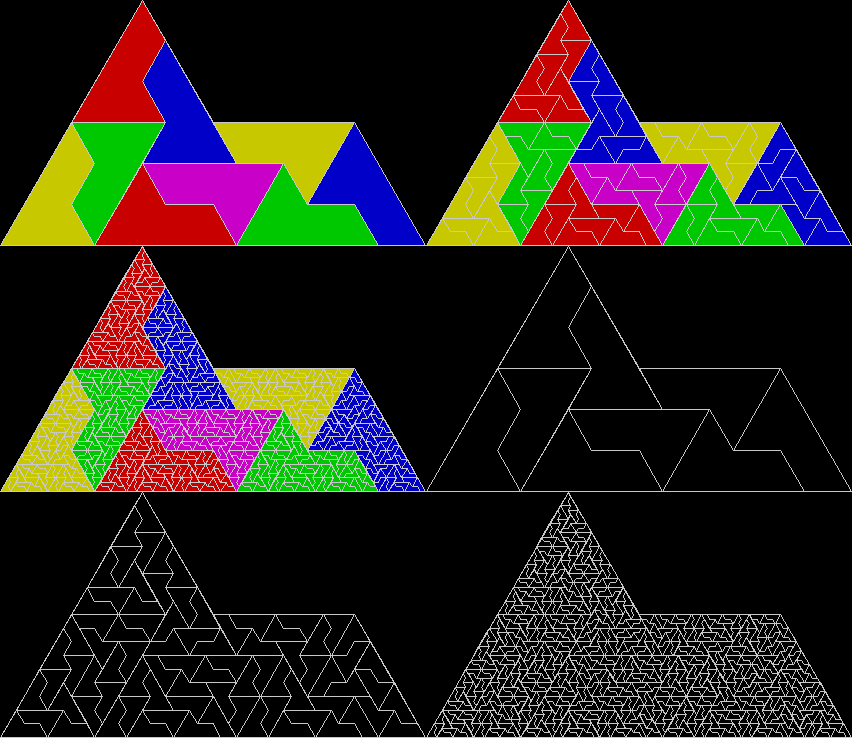
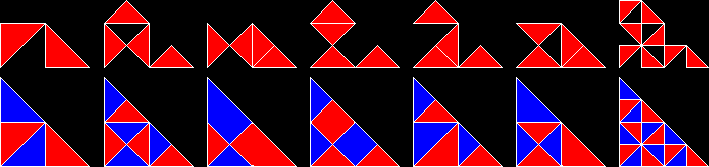
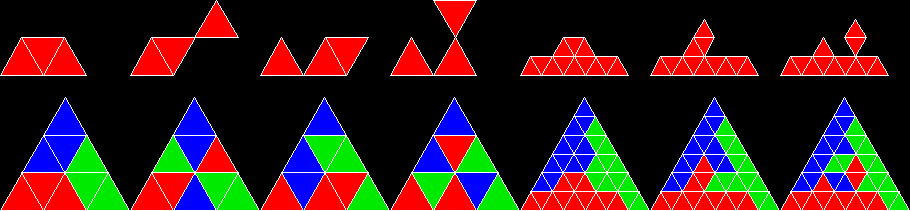
When I started to look at rep-tiles, or shapes that can be divided completely into smaller copies of themselves, I wanted to find some of my own. It turns out that it’s easy to automate a search for the simpler kinds, like those based on equilateral triangles and right triangles.

right triangle rep-tiles

right_triangle_fish

equilateral_triangle_reptiles

equilateral_triangle_rocket

(Please open the following images in a new window if they fail to animate)

duodeciamond

triangle mosaic


Previously pre-posted (please peruse):

Rep-Tile Reflections

Hextra Texture

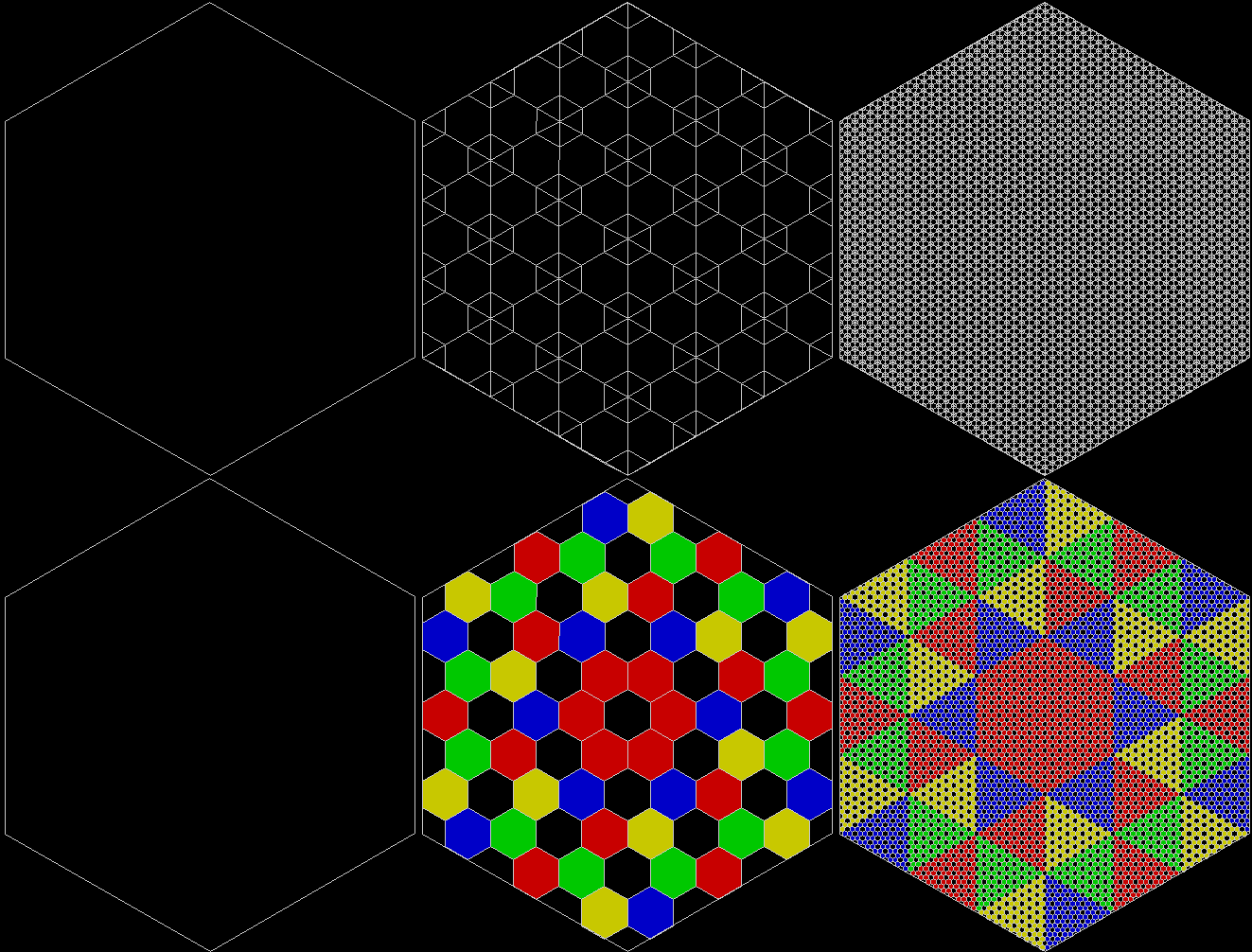
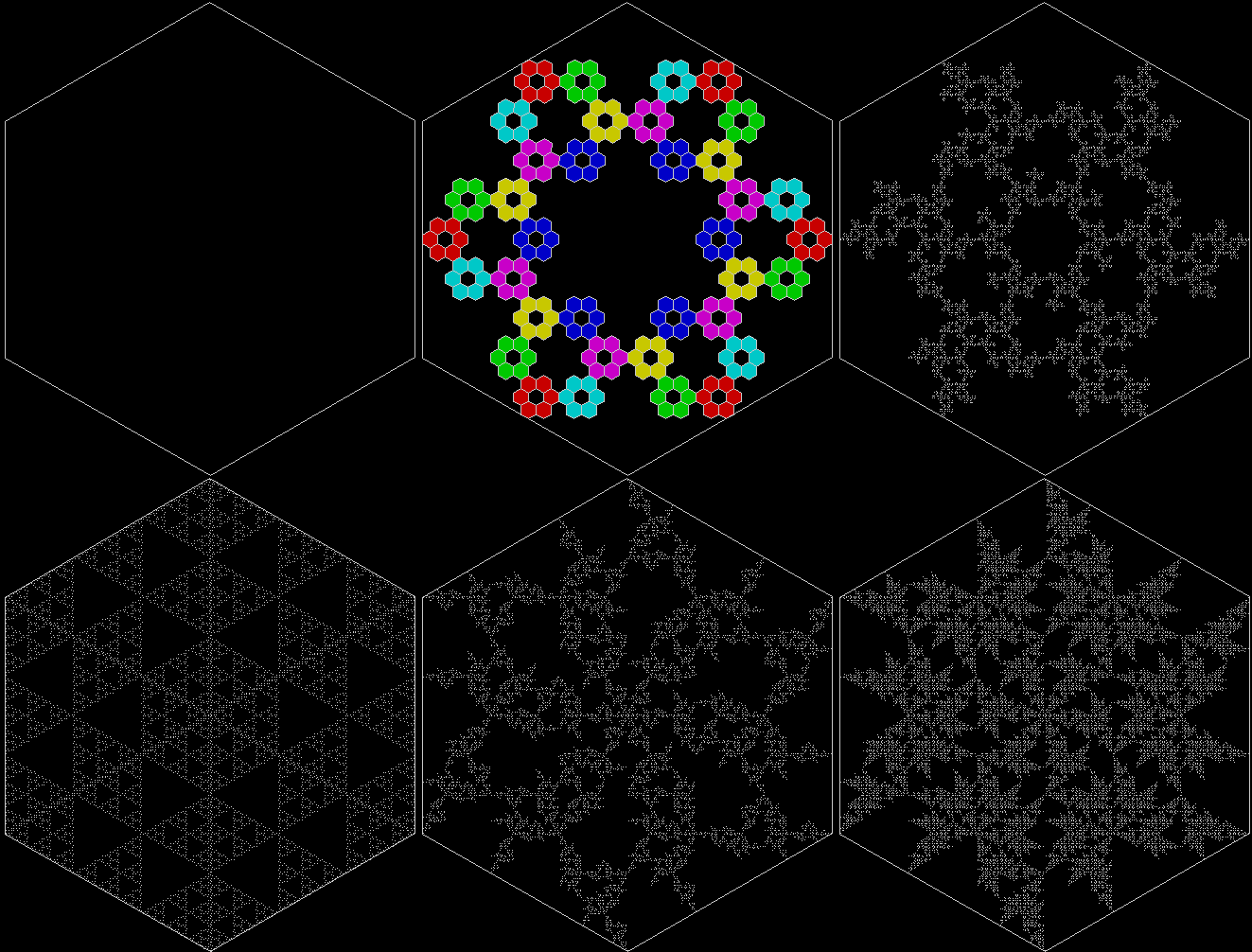
A hexagon can be divided into six equilateral triangles. An equilateral triangle can be divided into a hexagon and three more equilateral triangles. These simple rules, applied again and again, can be used to create fractals, or shapes that echo themselves on smaller and smaller scales.

hextriangle

hextriangle2

hextriangle1


Previously pre-posted (please peruse):

Fractal Fourmulas

Prime Time

1/29[b=2] = 0·0000100011010011110111001011… (l=28)
1/29[b=3] = 0·0002210102011122200121202111… (l=28)
1/29[b=5] = 0·00412334403211… (l=14)
1/29[b=7] = 0·0145536… (l=7)
1/29[b=11] = 0·04199534608387[10]69115764[10]2723… (l=28)
1/29[b=13] = 0·05[10]9[11]28[12]7231[10]4… (l=14)
1/29[b=17] = 0·09[16]7… (l=4)
1/29[b=19] = 0·0[12]89[15][13][14]7[16]73[17][13]1[18]6[10]9354[11]2[11][15]15[17]… (l=28)
1/29[b=23] = 0·0[18]5[12][15][19][19]… (l=7)
1/29[b=29] = 0·1 (l=1)
1/29[b=31] = 0·1248[17]36[12][25][20]9[19]7[14][29][28][26][22][13][27][24][18]5[10][21][11][23][16]… (l=28)
1/29[b=37] = 0·1[10]7[24]8[34][16][21][25][19]53[30][22][35][26][29][12][28]2[20][15][11][17][31][33]6[14]… (l=28)
1/29[b=41] = 0·1[16][39][24]… (l=4)
1/29[b=43] = 0·1[20][32][26][29][28]7[17][34]4[19][11][37]2[41][22][10][16][13][14][35][25]8[38][23][31]5[40]… (l=28)
1/29[b=47] = 0·1[29]84[40][24][14][27][25][43][35][30][37][12][45][17][38][42]6[22][32][19][21]3[11][16]9[34]… (l=28)
1/29[b=53] = 0·1[43][45][36][29][12][42]… (l=7)
1/29[b=59] = 0·2… (l=1)
1/29[b=61] = 0·26[18][56][48][23]8[25][14][44][10][31][33][39][58][54][42]4[12][37][52][35][46][16][50][29][27][21]… (l=28)
1/29[b=67] = 0·2[20][53]9[16][11][36][64][46][13][57][50][55][30]… (l=14)
1/29[b=71] = 0·2[31][58][53][61][14][48][68][39][12][17]9[56][22]… (l=14)
1/29[b=73] = 0·2[37][55][27][50][25][12][42][57][65][32][52][62][67][70][35][17][45][22][47][60][30][15]7[40][20][10]5… (l=28)
1/29[b=79] = 0·2[57][16][27][19]5[35][32][54][38][10][70][65][29][76][21][62][51][59][73][43][46][24][40][68]8[13][49]… (l=28)
1/29[b=83] = 0·2[71][45][65][68][57][20]… (l=7)
1/29[b=89] = 0·36[12][24][49]9[18][36][73][58][27][55][21][42][85][82][76][64][39][79][70][52][15][30][61][33][67][46]… (l=28)
1/29[b=97] = 0·3[33][43][46][80][26][73][56][83][60][20]6[66][86][93][63][53][50][16][70][23][40][13][36][76][90][30][10]… (l=28)

Fractal Fourmulas

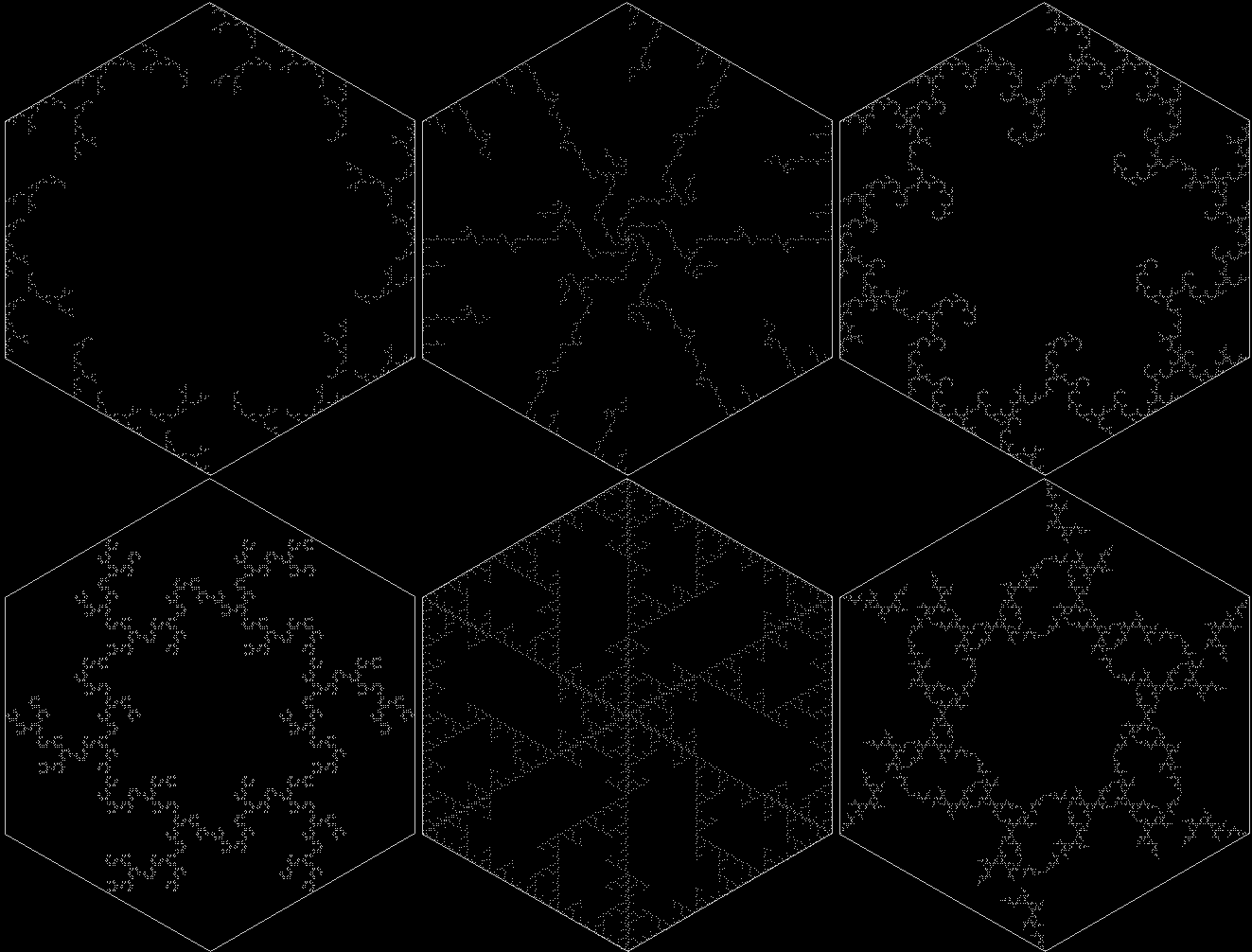
A square can be divided into four right triangles. A right triangle can be divided into a square and two more right triangles. These simple rules, applied again and again, can be used to create fractals, or shapes that echo themselves on smaller and smaller scales.

trisquare5

trisquare3

trisquare4

trisquare2

trisquare6

trisquare7

trisquare1