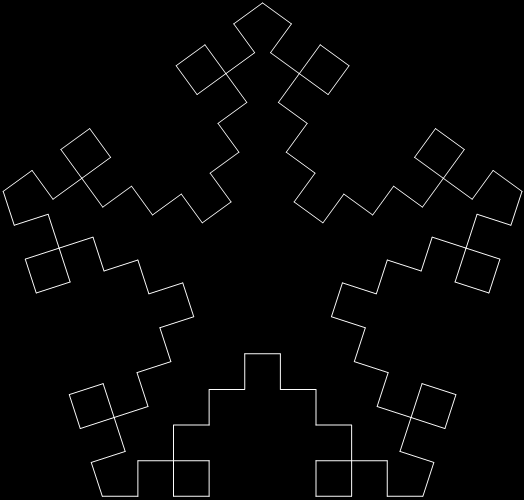
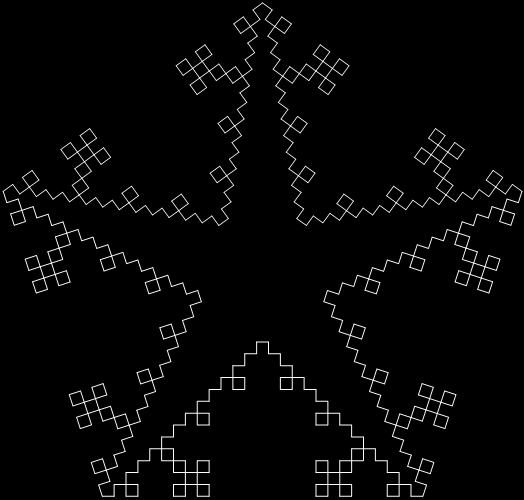
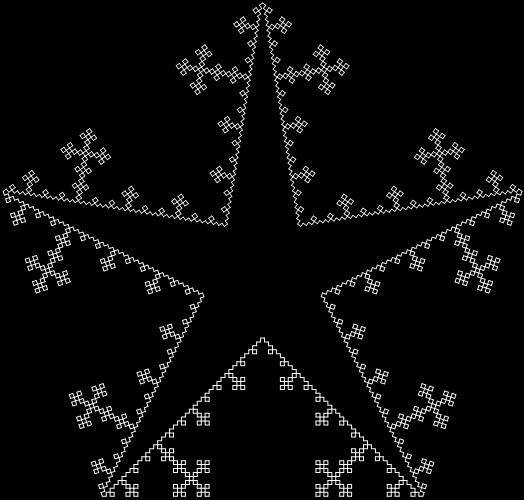
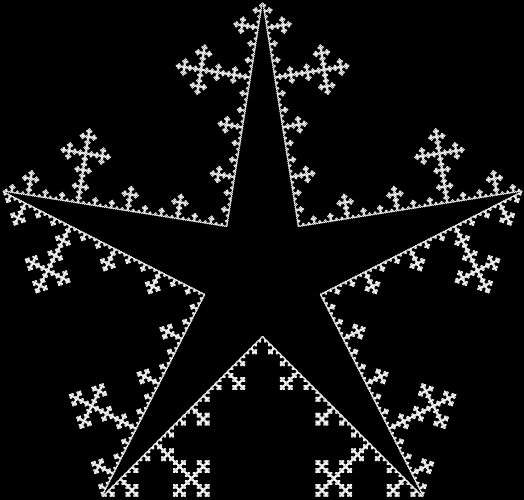
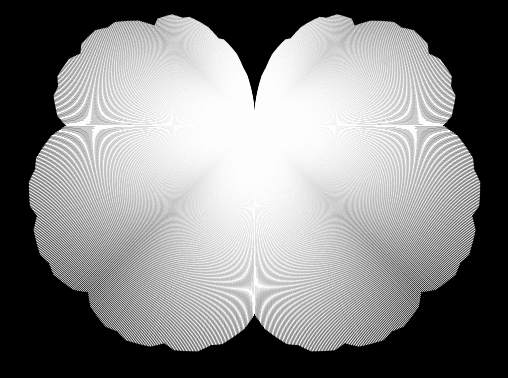
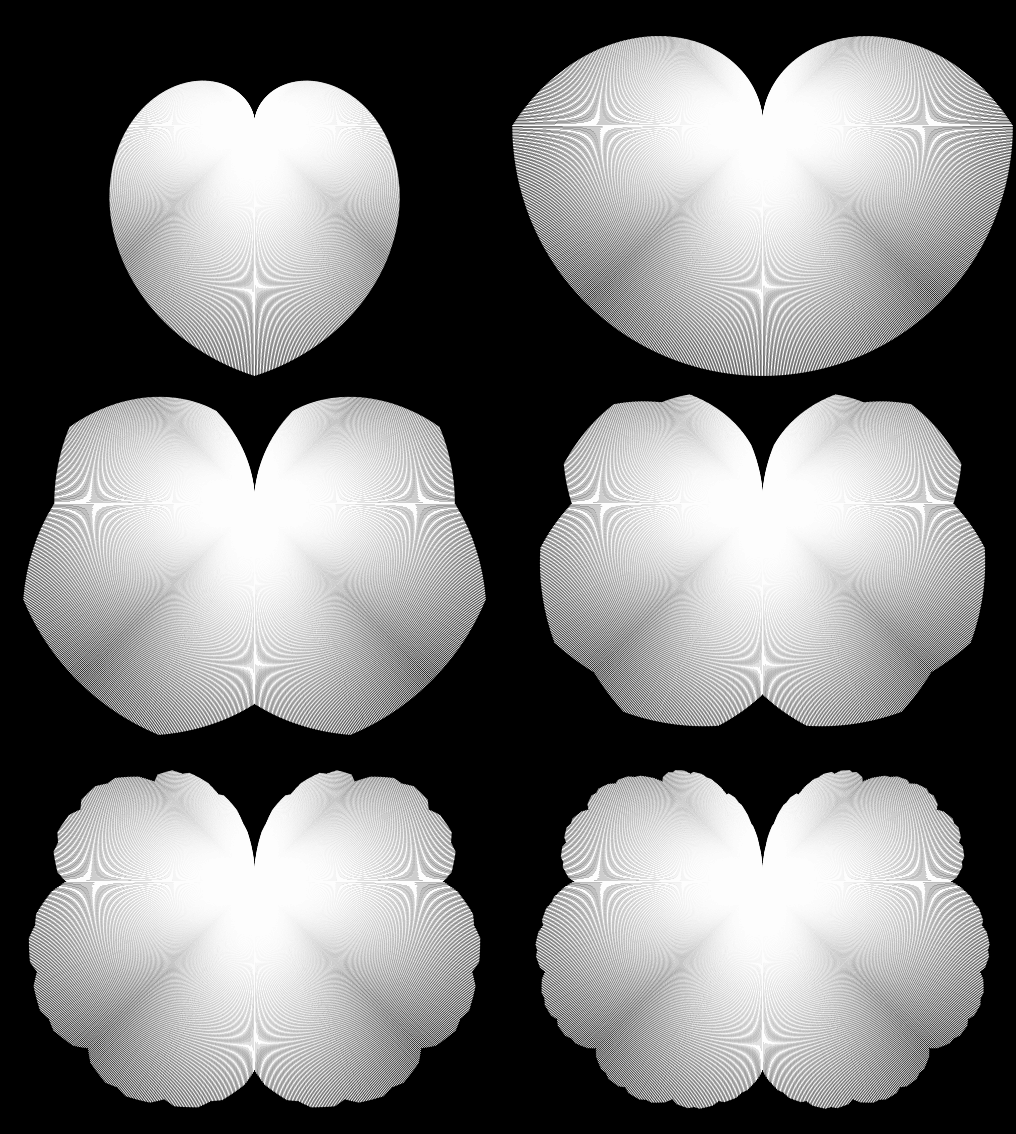
Blancmange Butterfly

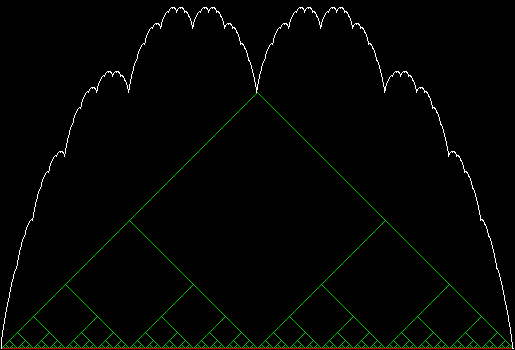
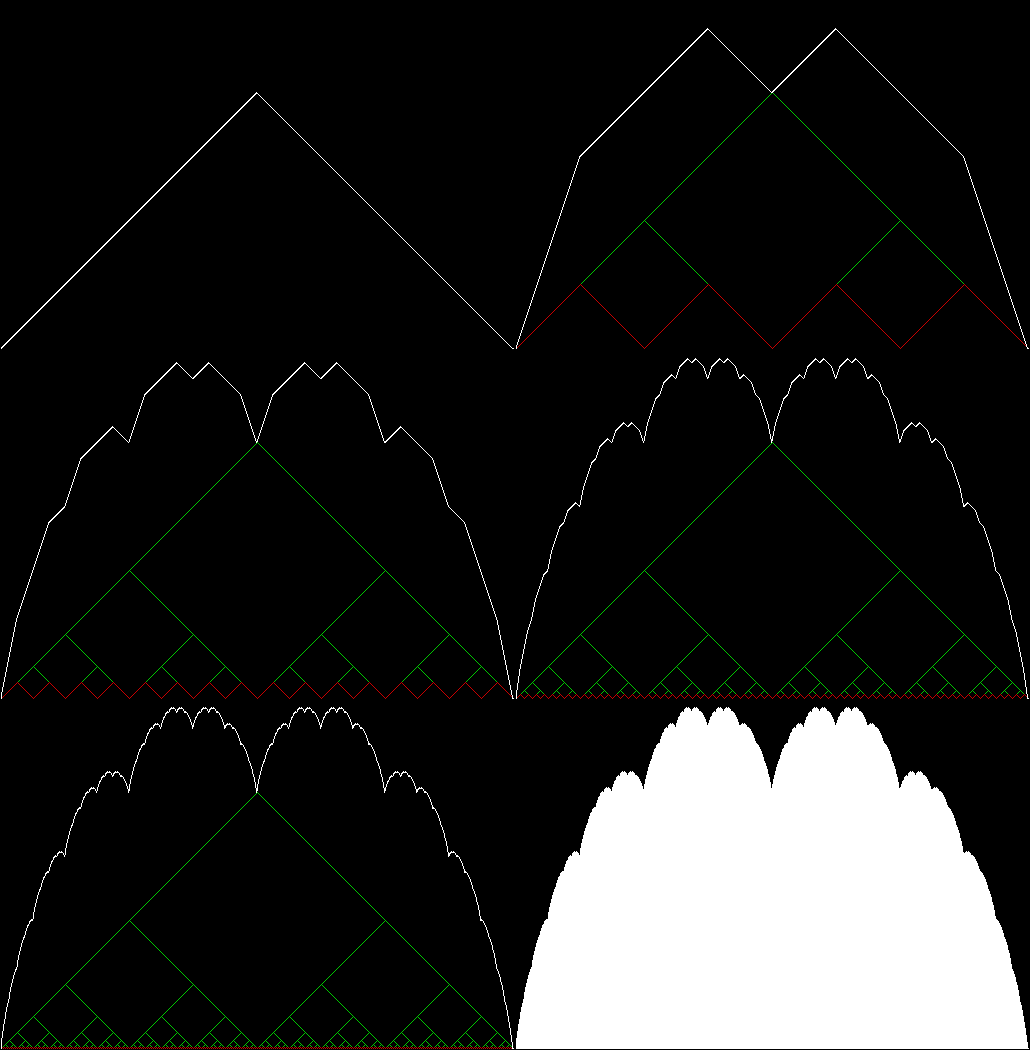
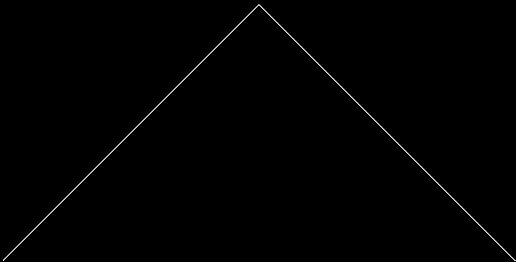
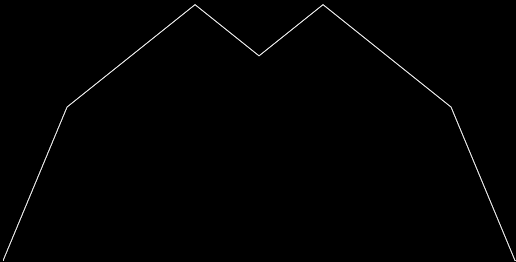
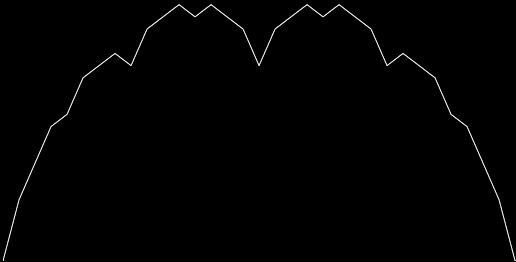
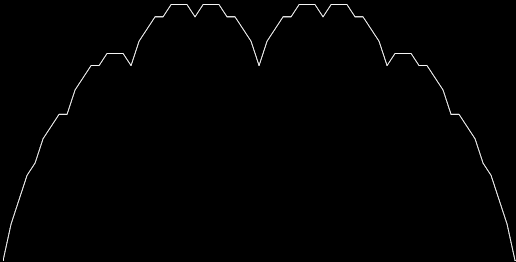
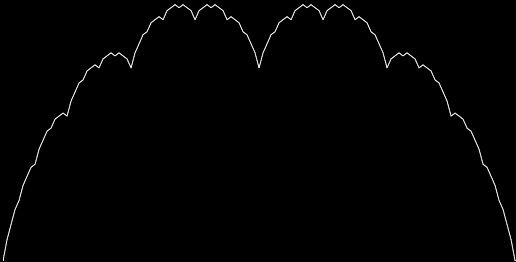
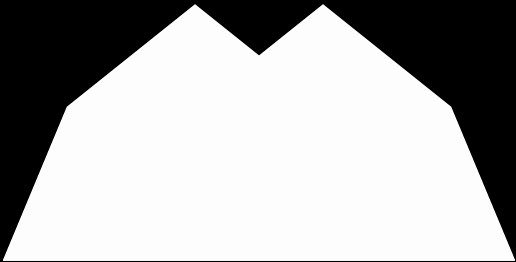
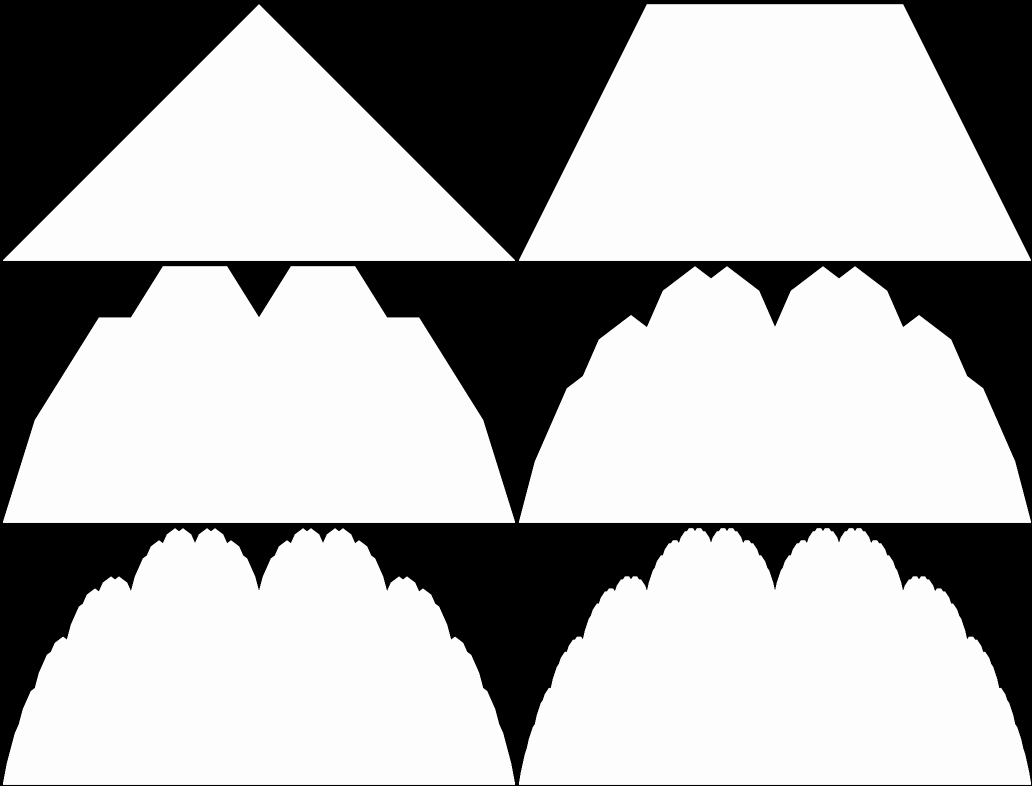
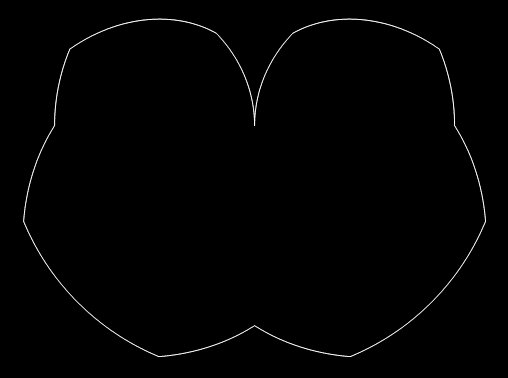
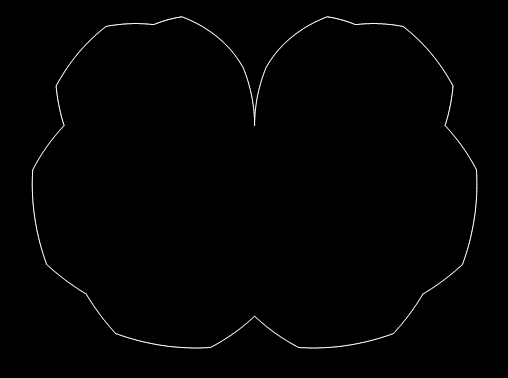
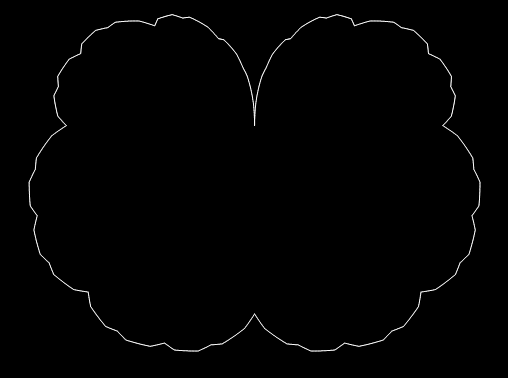
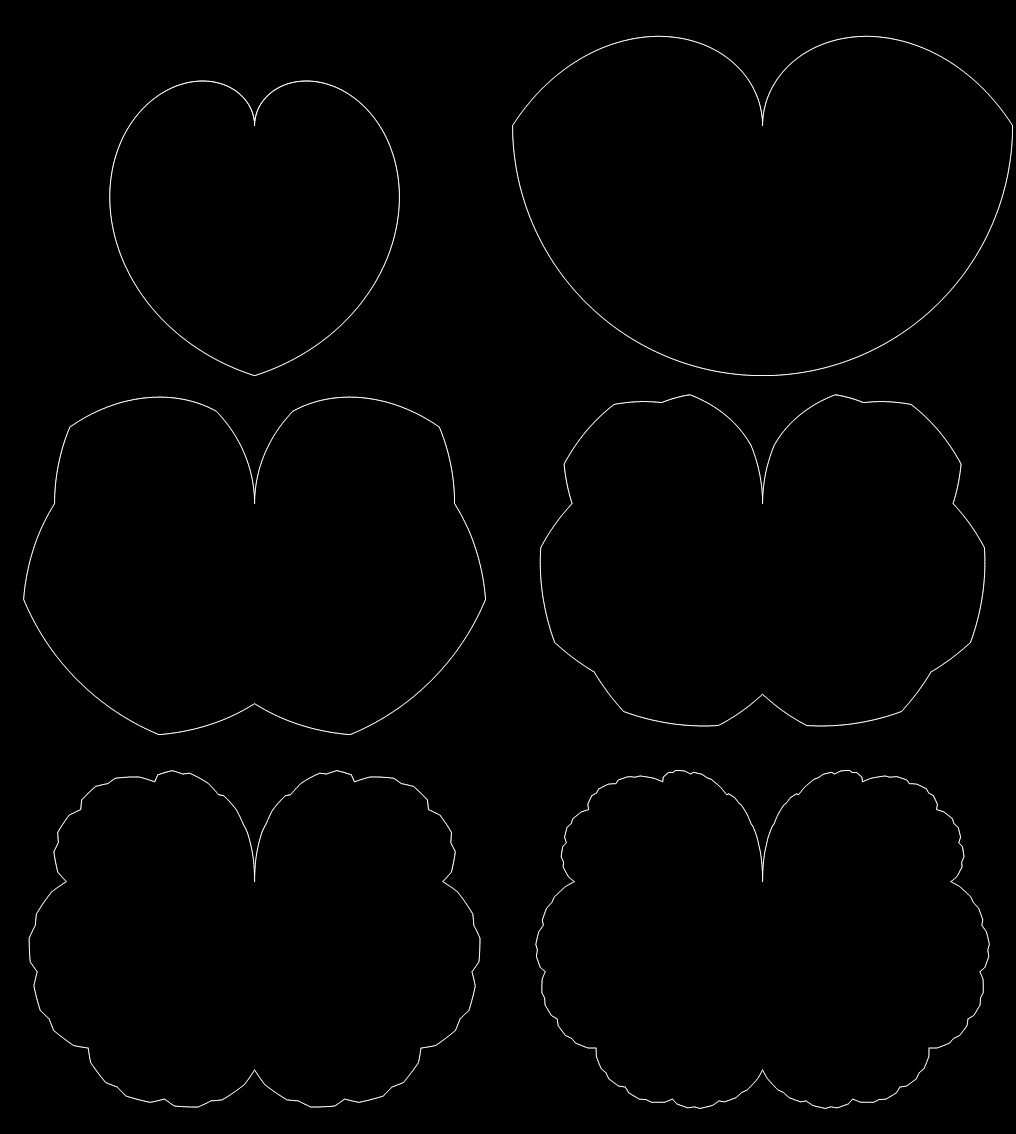
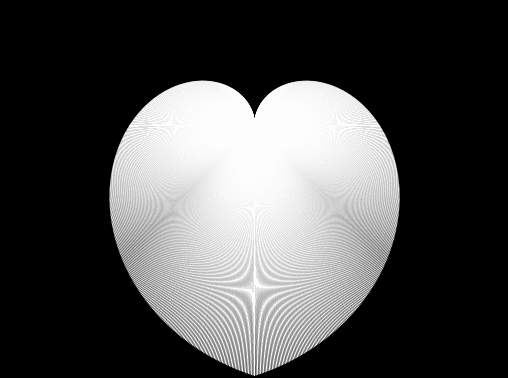
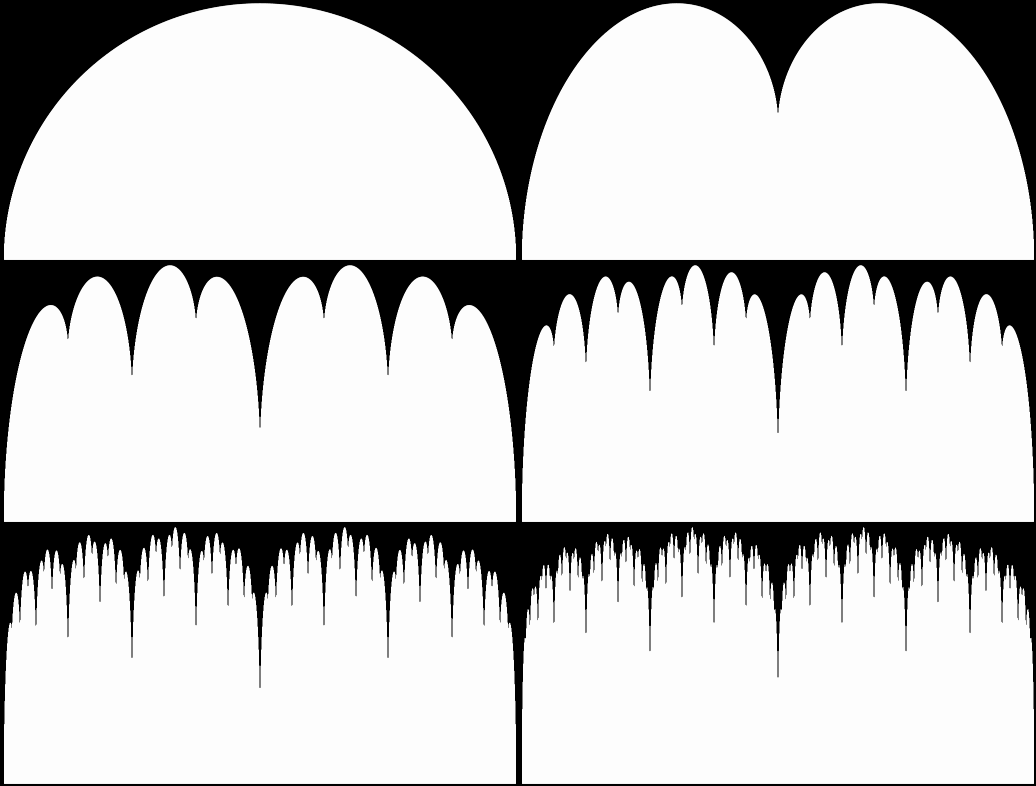
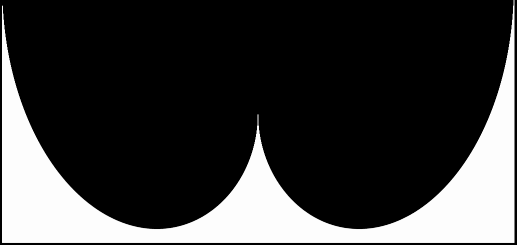
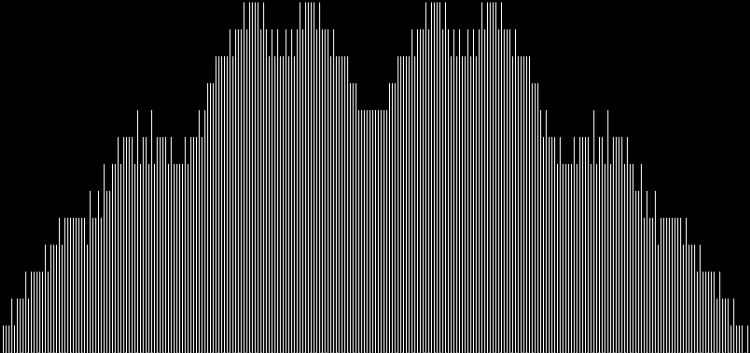
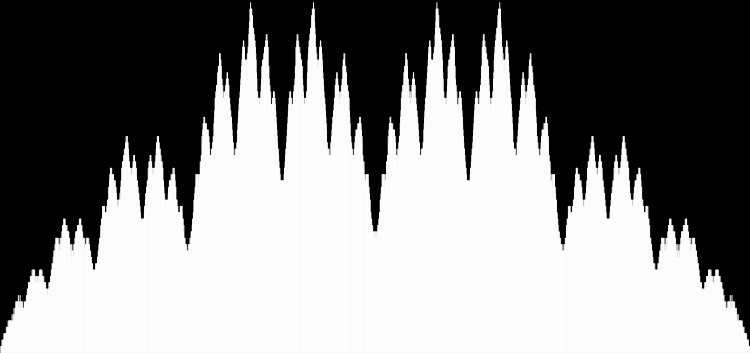
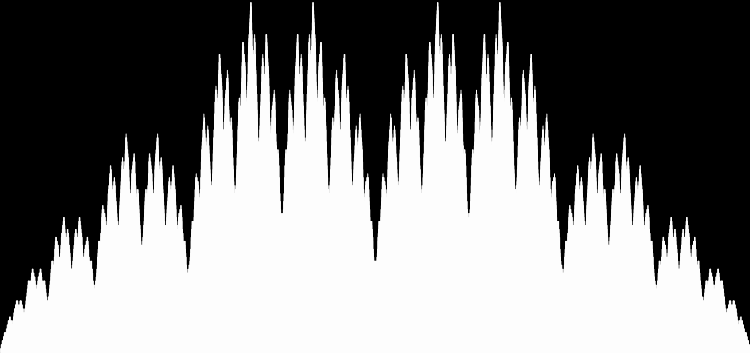
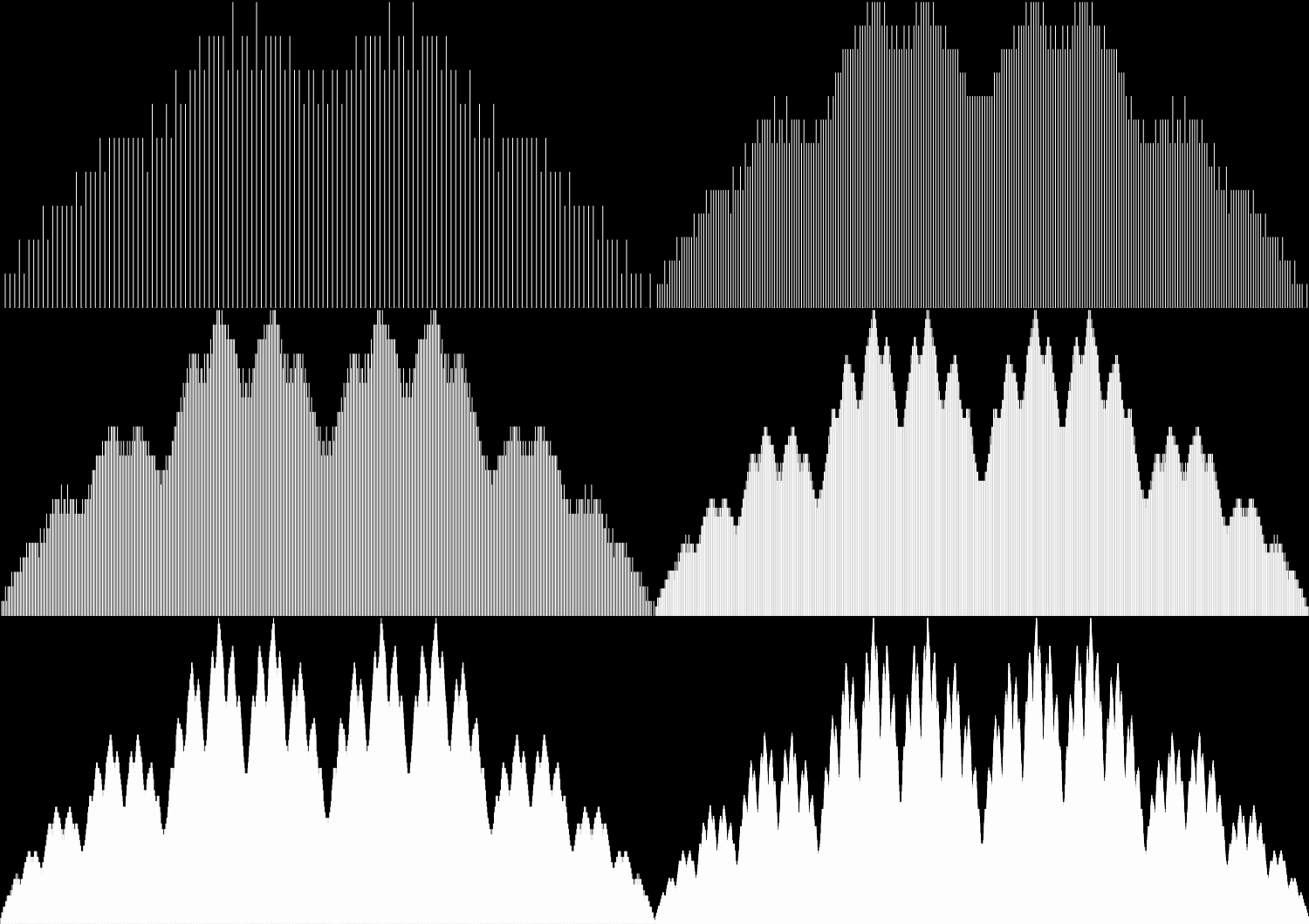
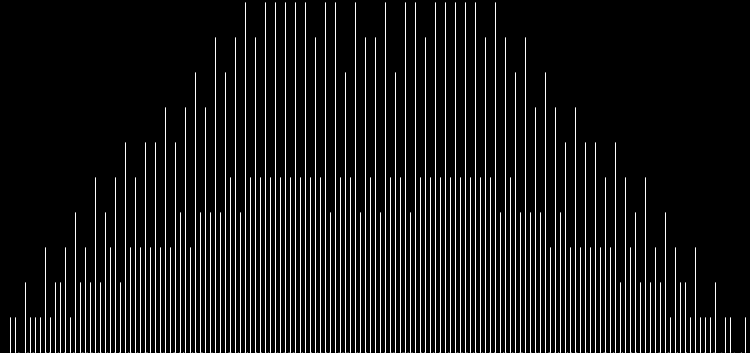
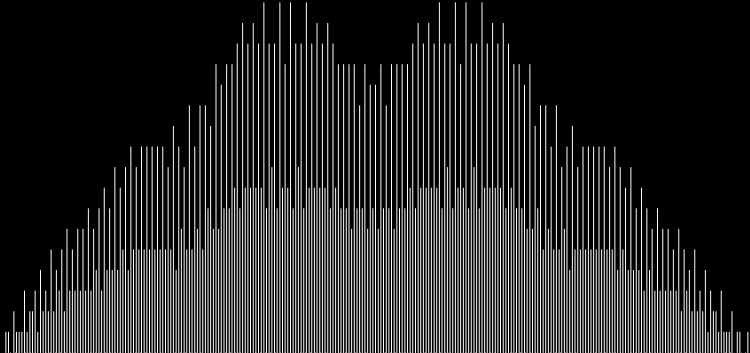
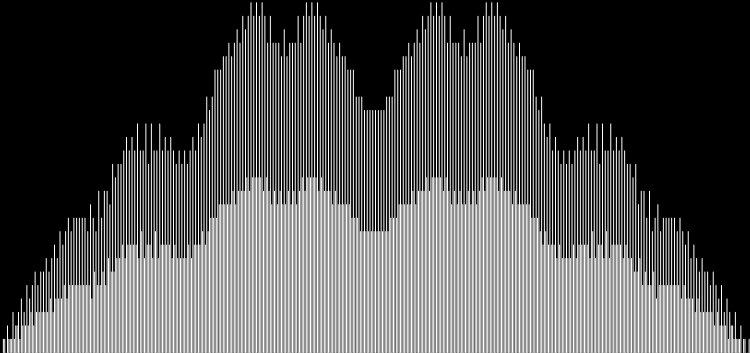
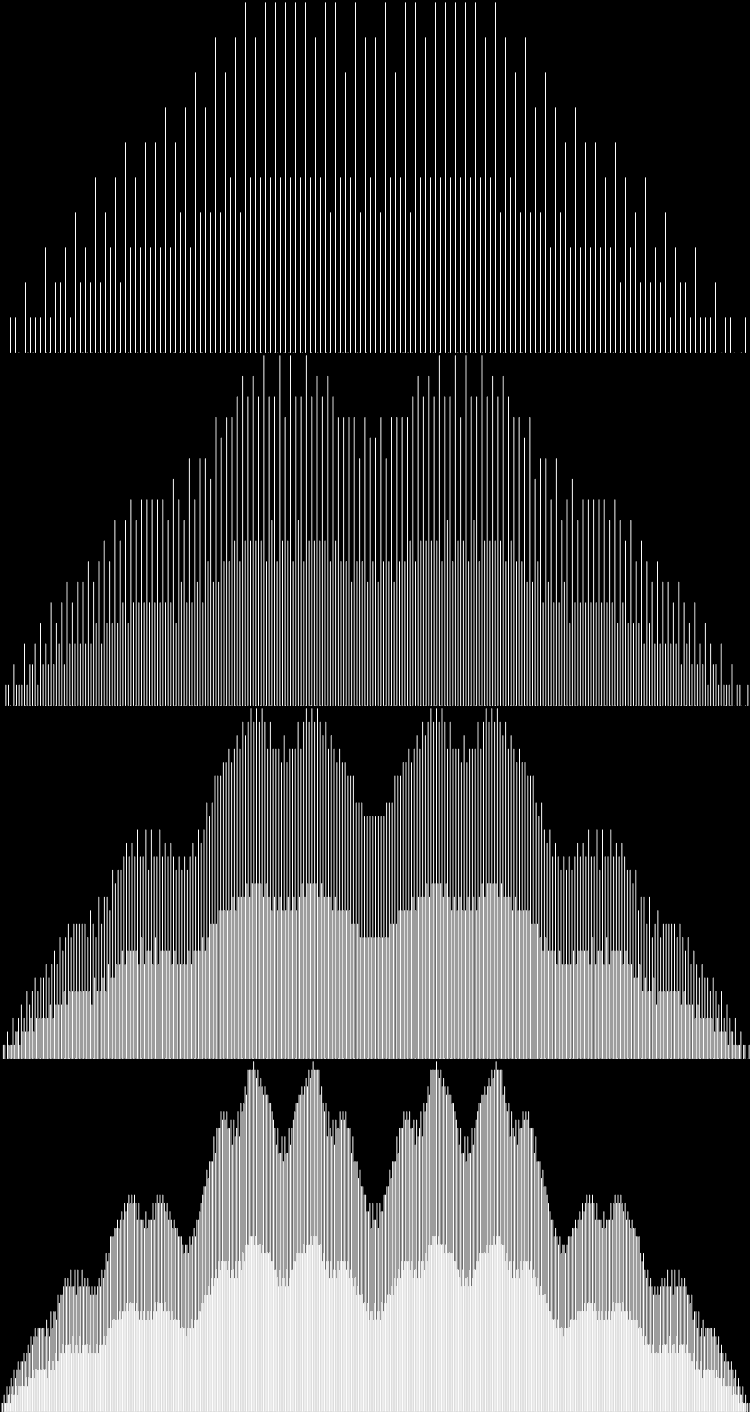
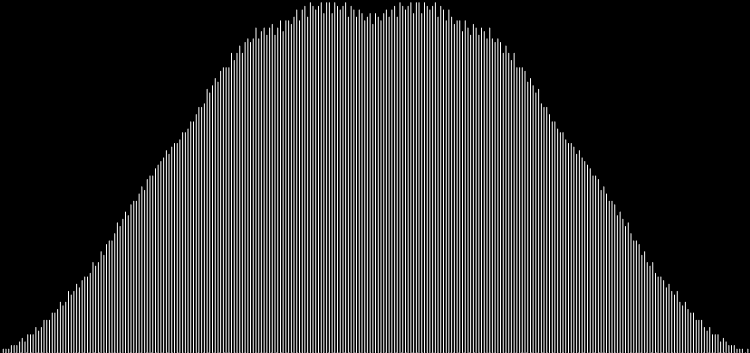
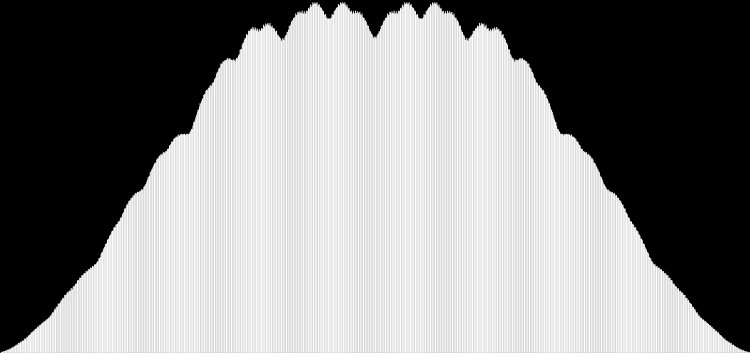
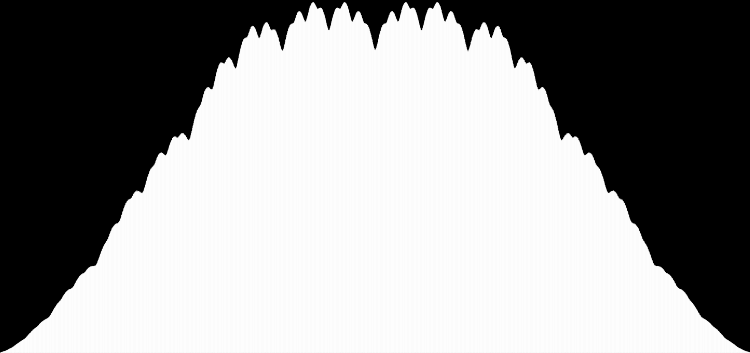
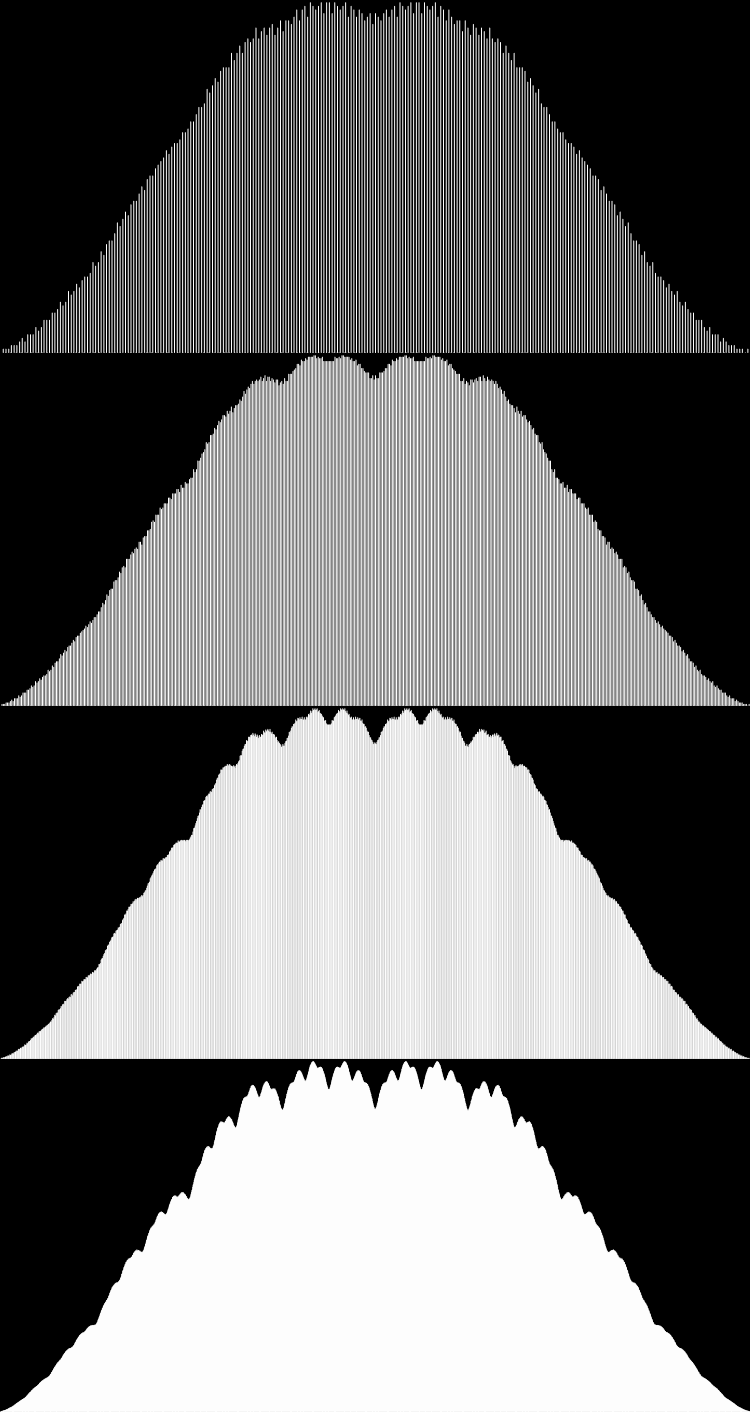
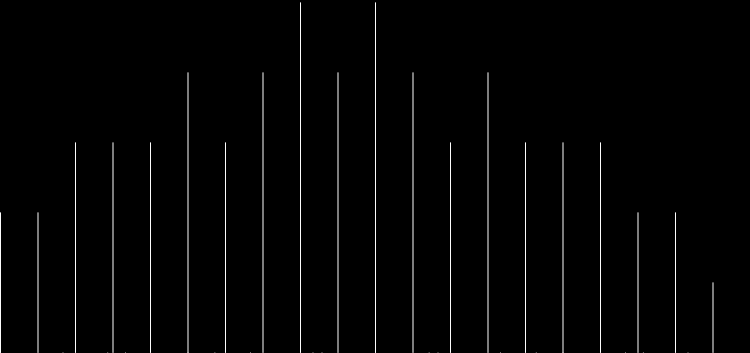
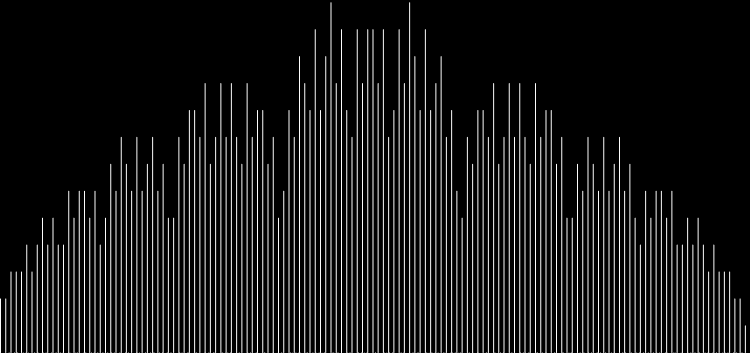
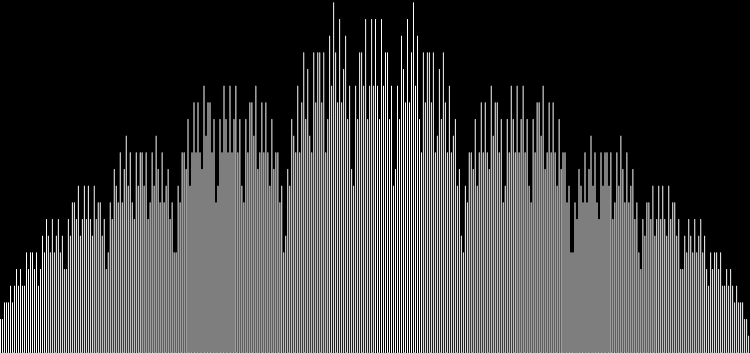
Blancmange butterfly. Is that a ’60s psychedelic band? No, it’s one of the shapes you can get by playing with blancmange curves. As I described in “White Rites”, a blancmange curve is a fractal created by summing the heights of successively smaller and more numerous zigzags, like this:

blanc_all

Zigzags 1 to 10


blancmange_all

Zigzags 1 to 10 (animated)


blanc_solid

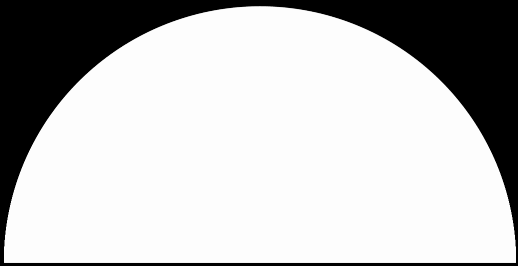
Blancmange curve


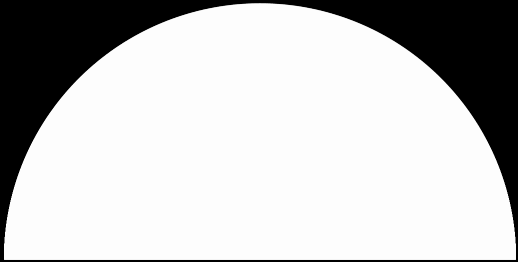
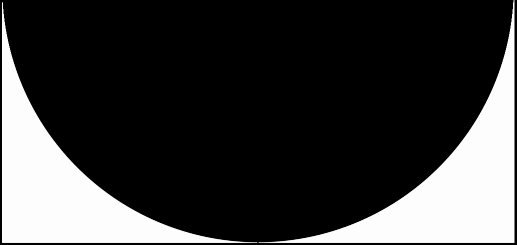
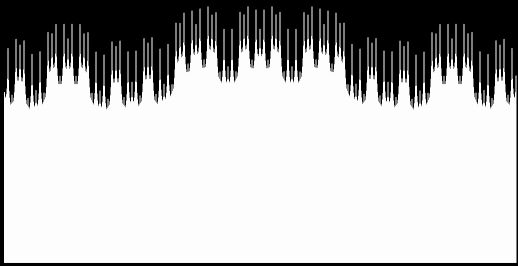
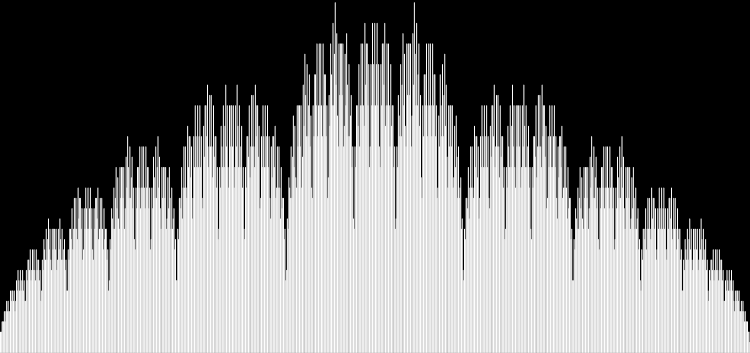
In the blancmange curves below, the height (i.e., the y co-ordinate) has been normalized so that all the images are the same height:


Construction of a normalized blancmange curve (animated)


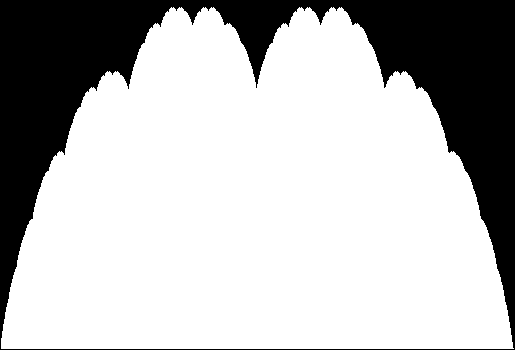
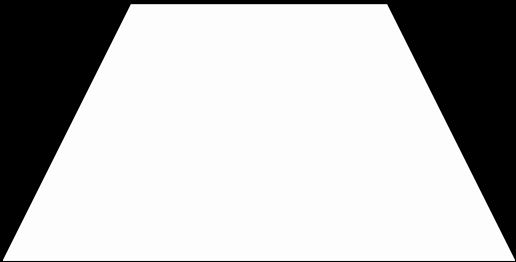
This is the solid version:


Solid normalized blancmange curve (animated)


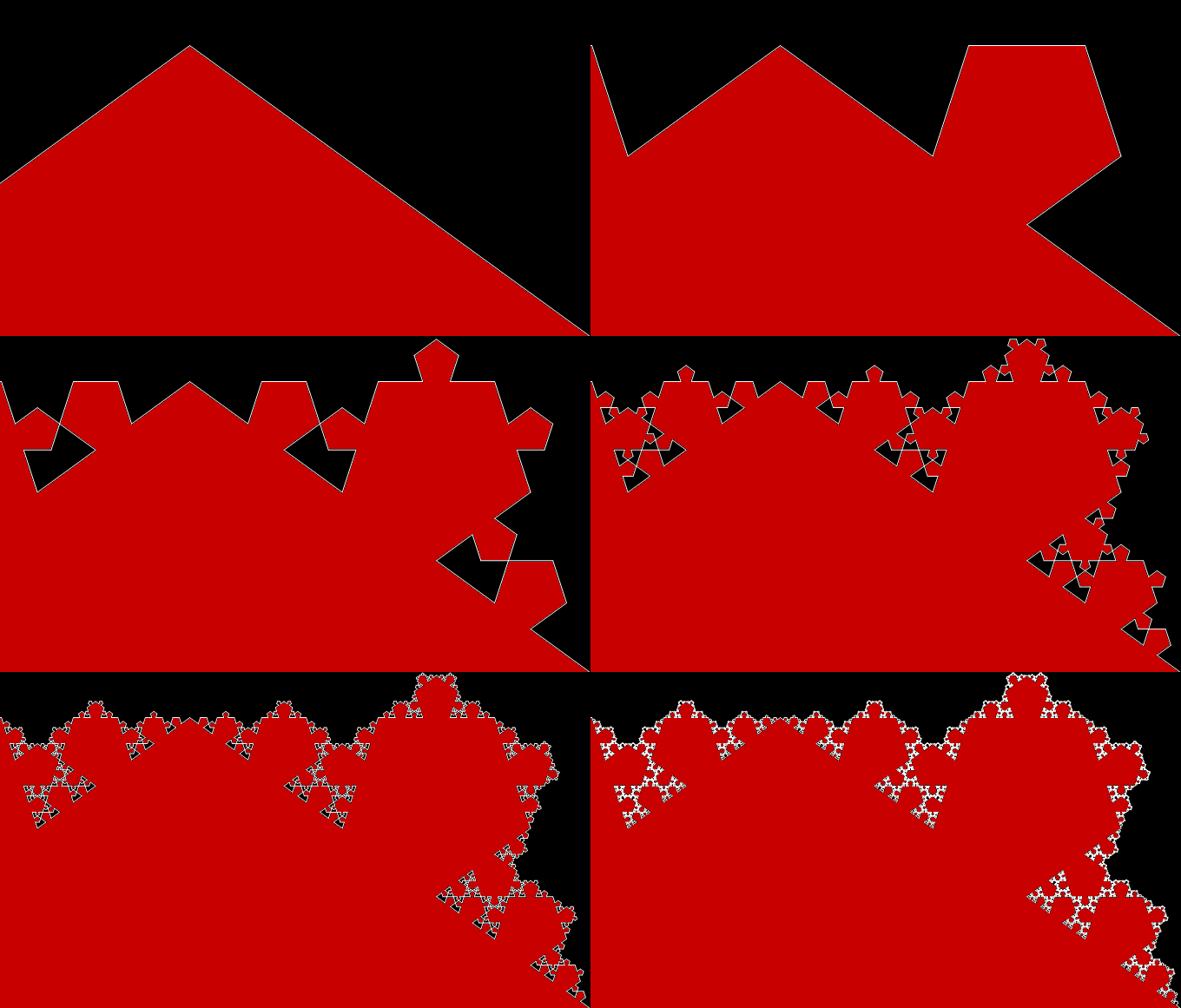
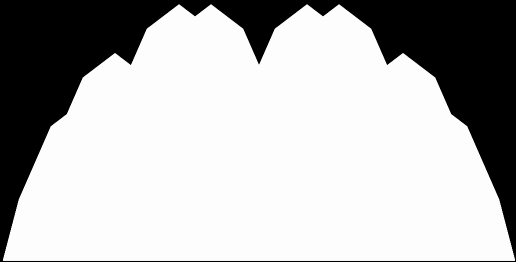
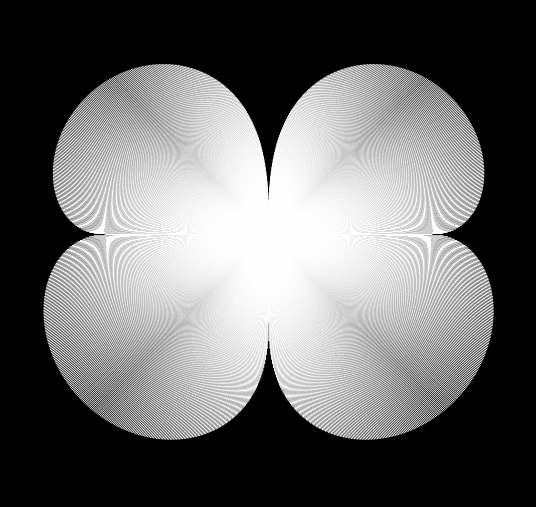
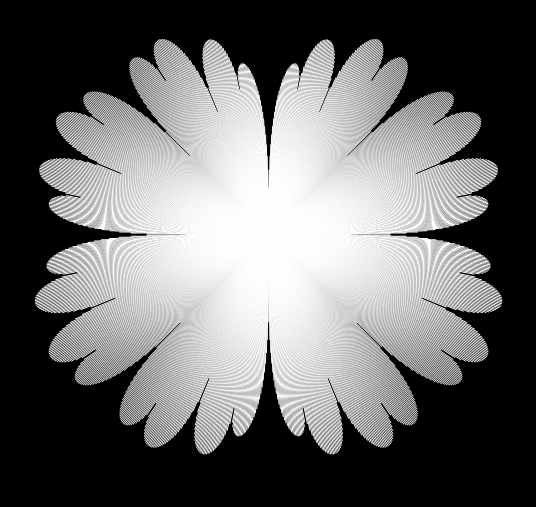
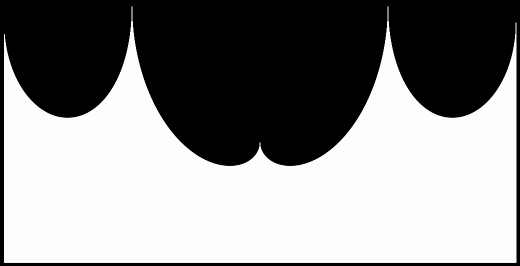
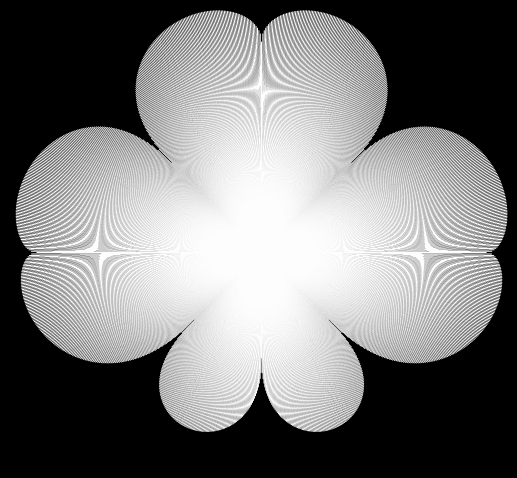
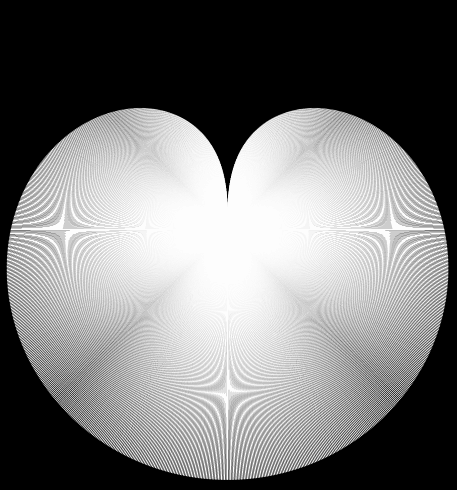
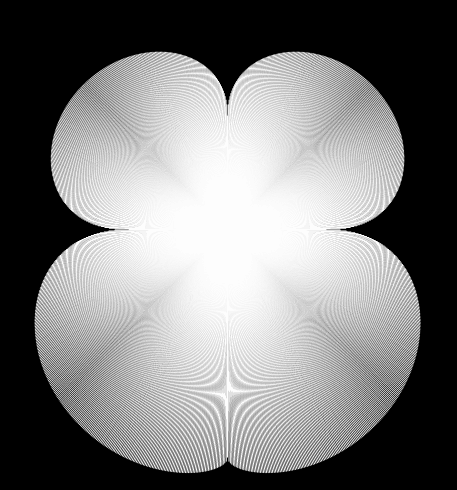
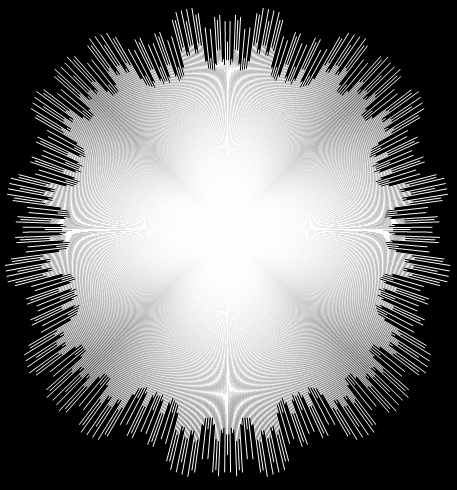
I wondered what happens when you wrap a blancmange curve around a circle. Well, this happens:


Construction of a blancmange circle (animated)


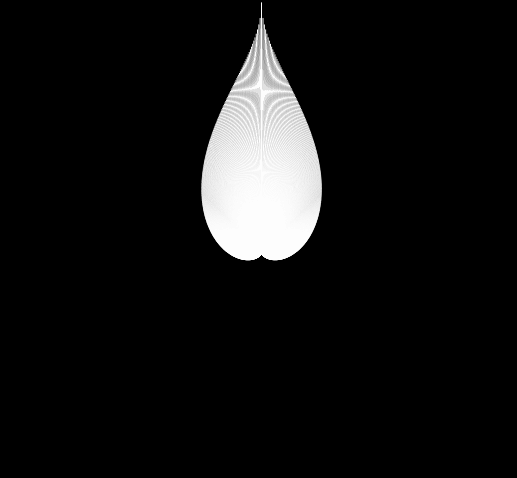
You get what might be called a blancmange butterfly. The solid version looks like this (patterns in the circles are artefacts of the graphics program I used):


Solid blancmange circle (animated)


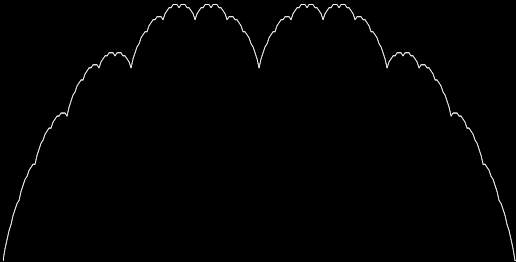
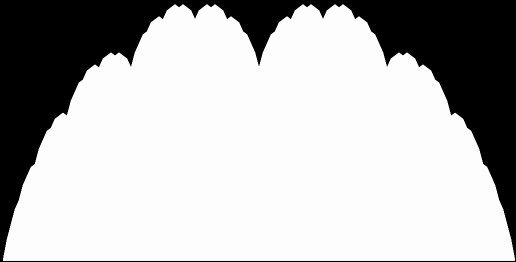
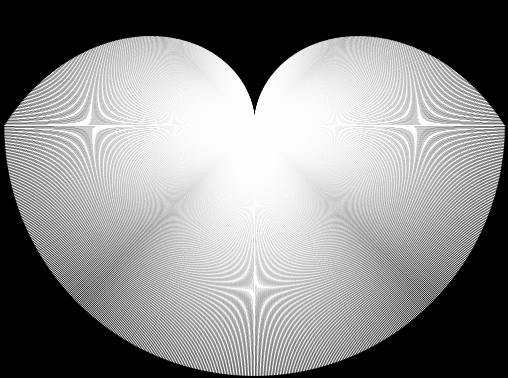
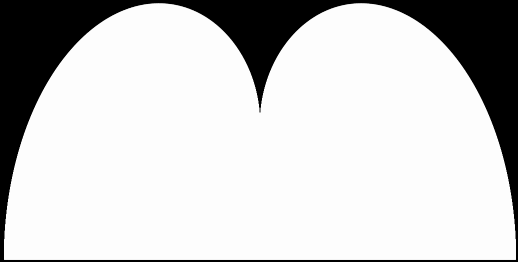
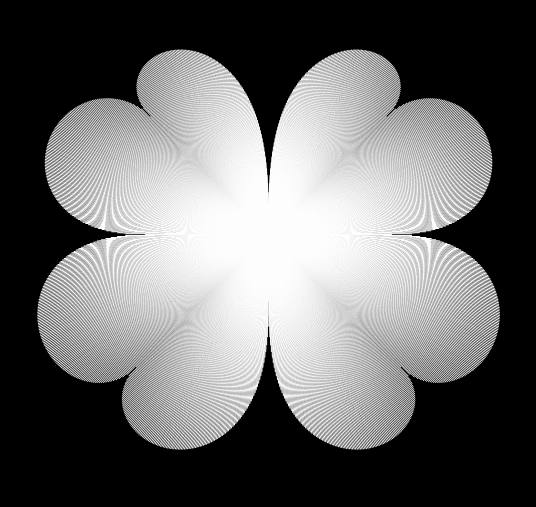
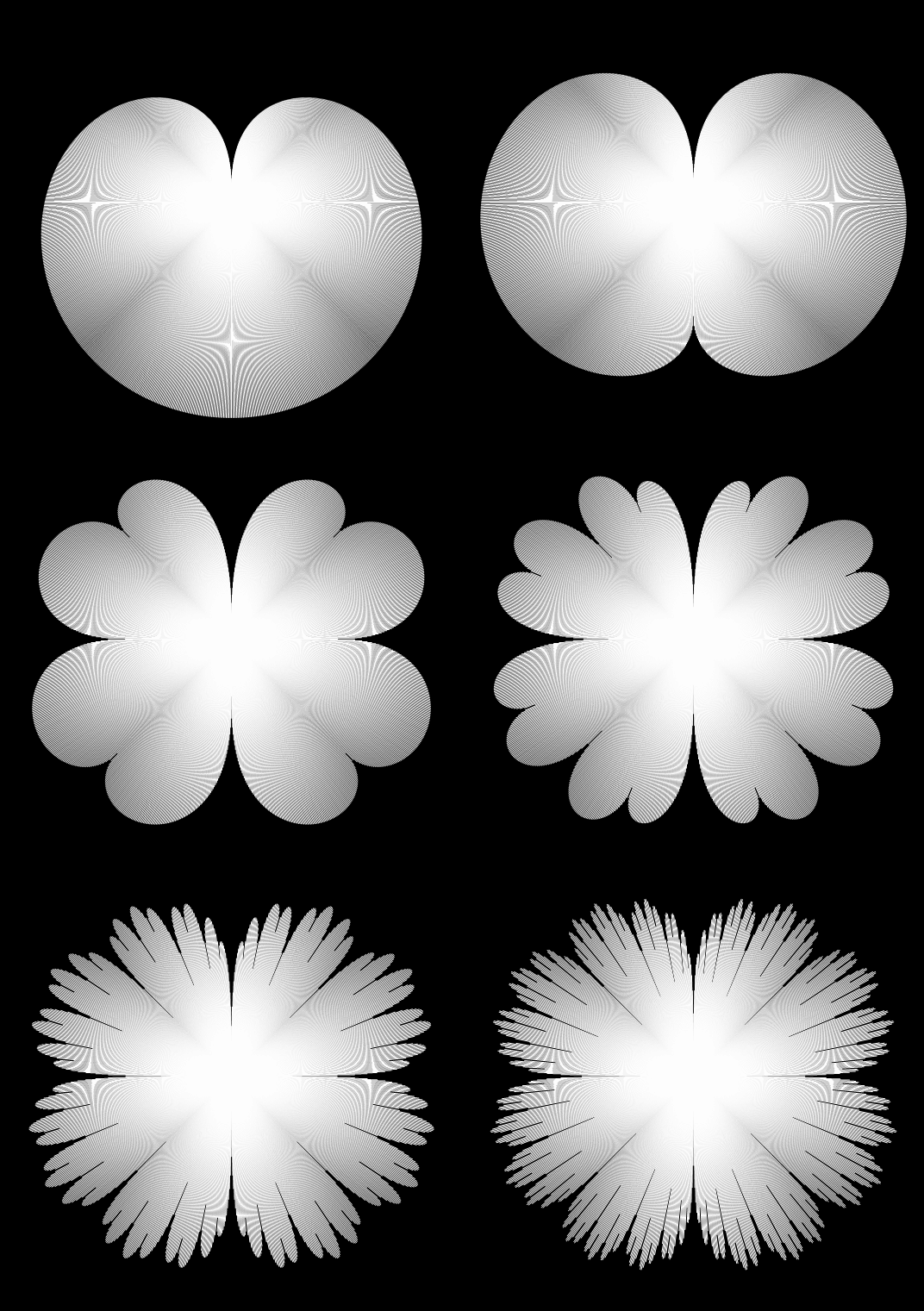
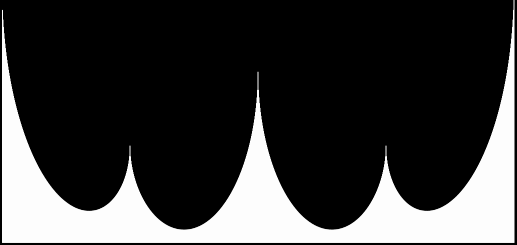
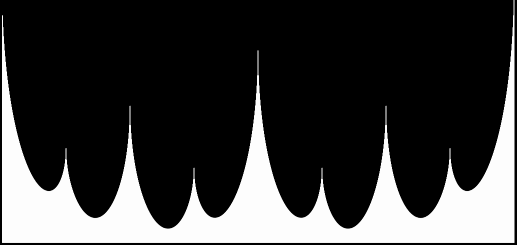
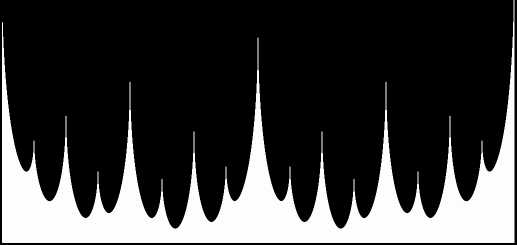
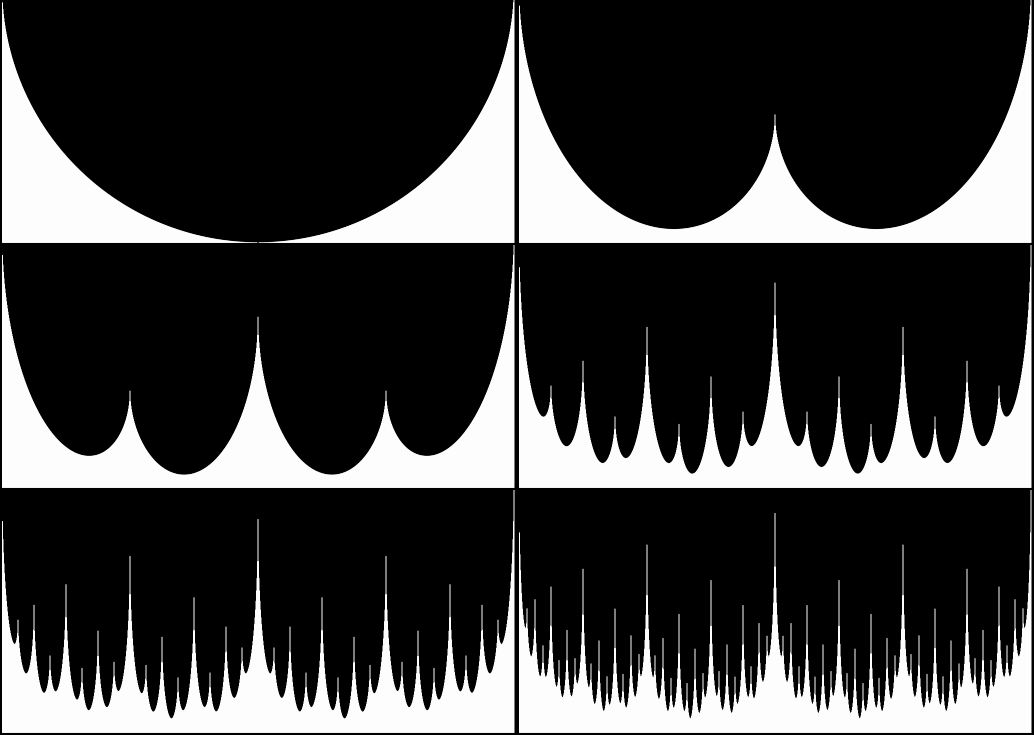
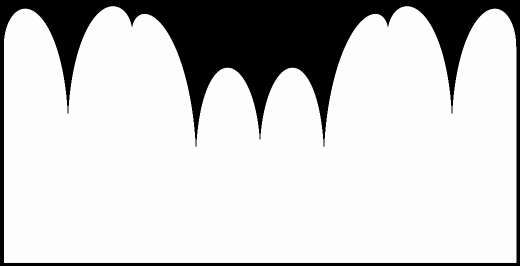
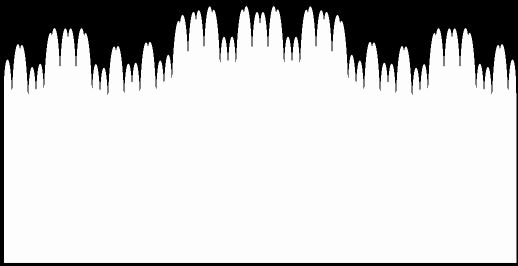
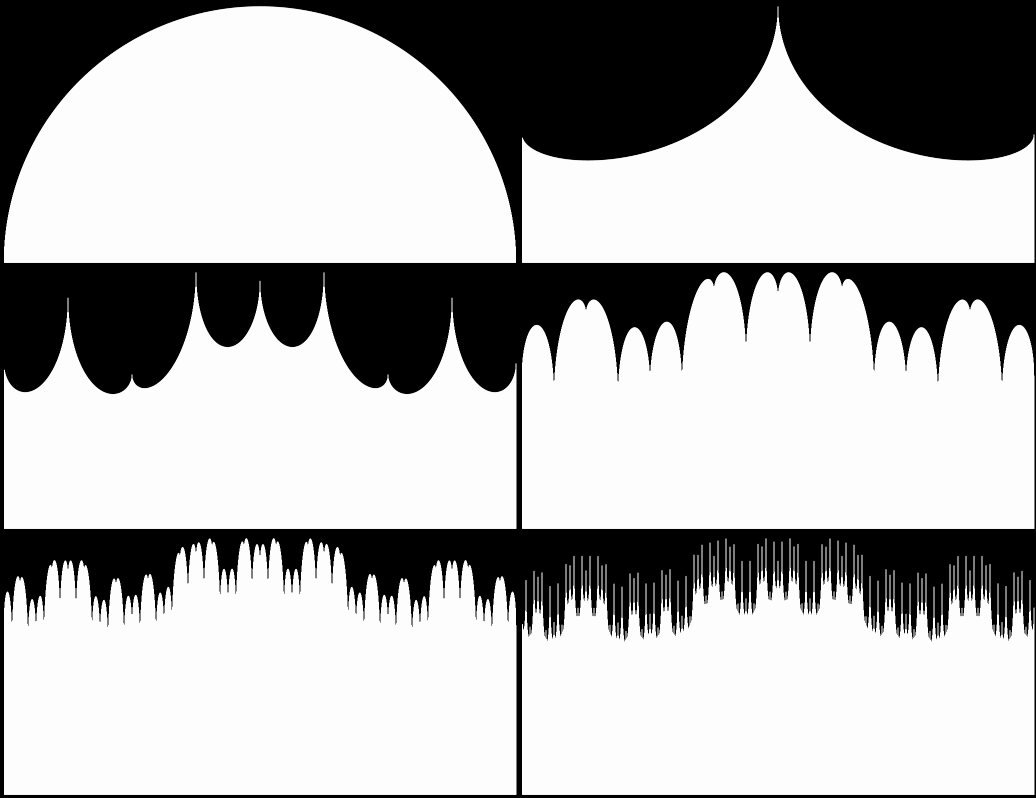
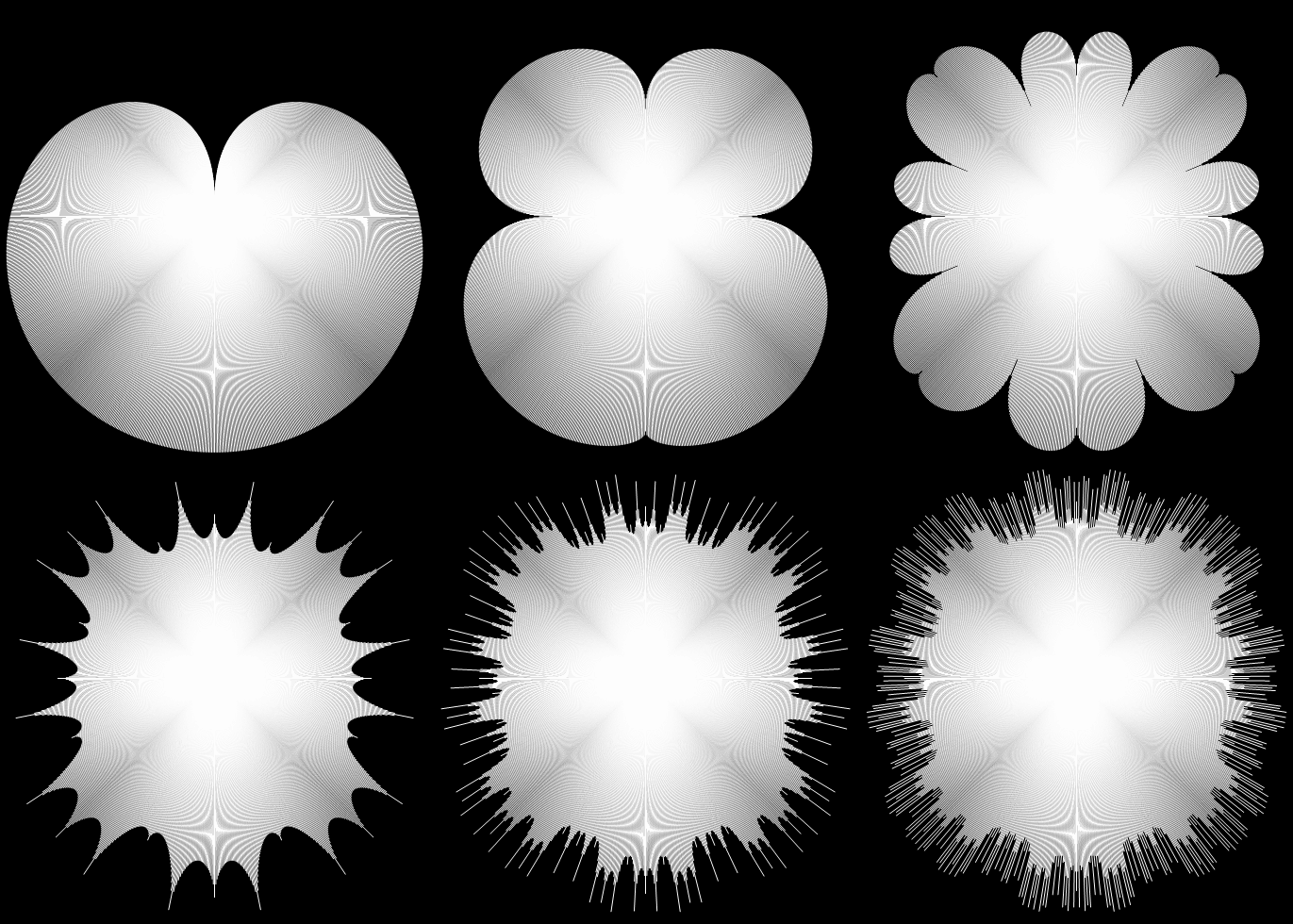
Next I tried using arcs rather zigzags to construct the blancmange curves and blancmange circles:


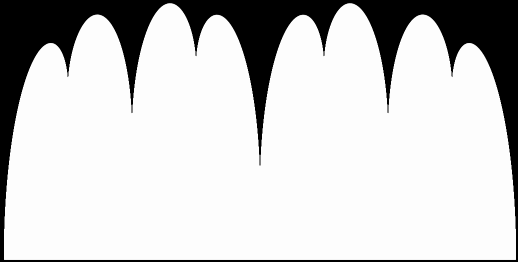
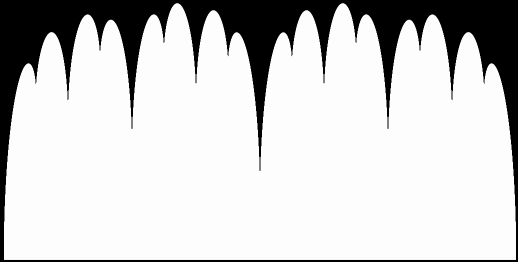
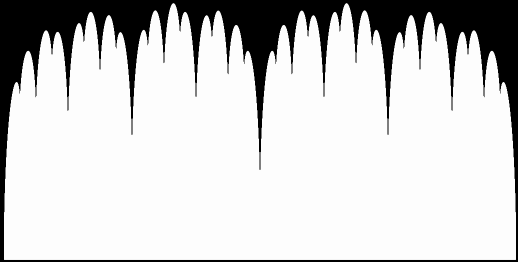
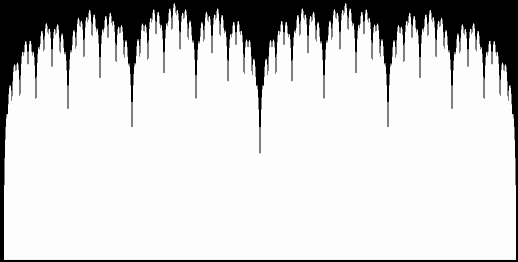
Arching blancmange curve (i.e., constructed with arcs) (animated)


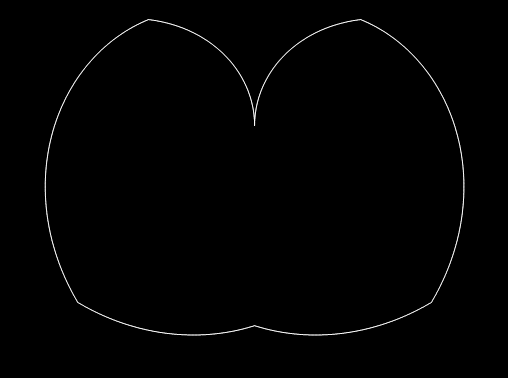
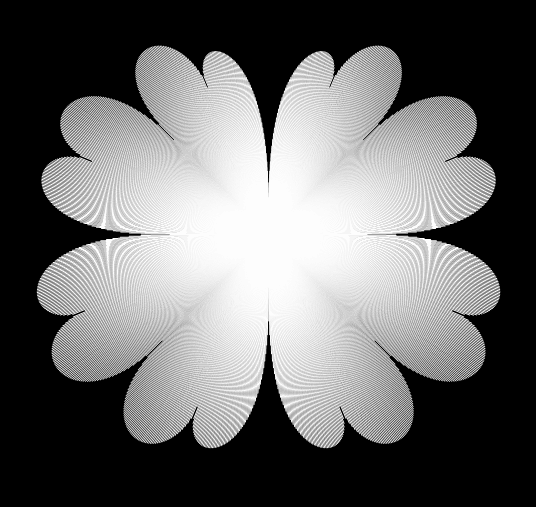
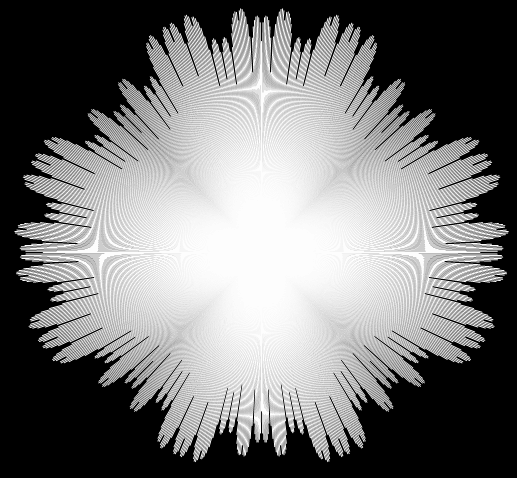
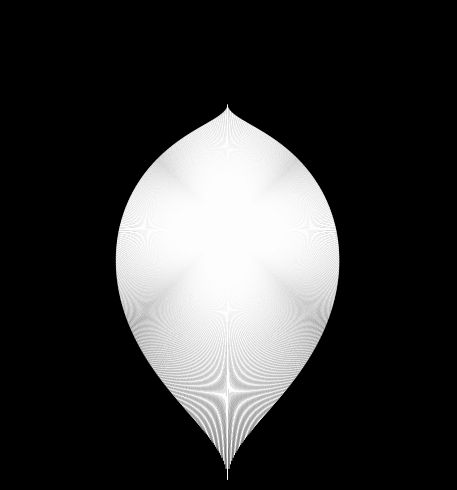
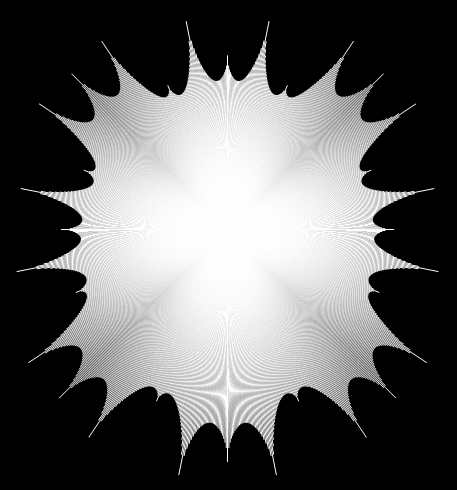
And below is the circular version of a blancmange curve constructed with arcs. The arching circular blancmanges look even more like buttocks and then intestinal villi (the fingerlike projections lining our intestines):


Arching blancmange circle (animated)


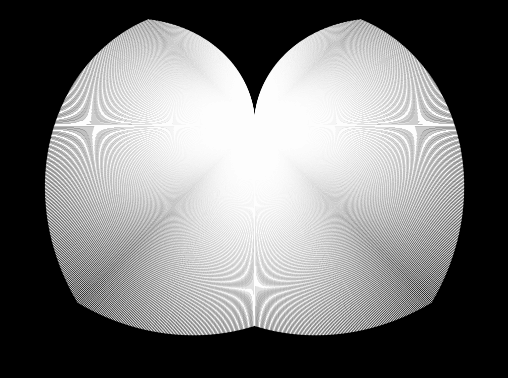
The variations on blancmange curves don’t stop there — in fact, they’re infinite. Below is a negative arching blancmange curve, where the heights of the original arching blancmange curve are subtracted from the (normalized) maximum height:


Negative arching blancmange curve (animated)


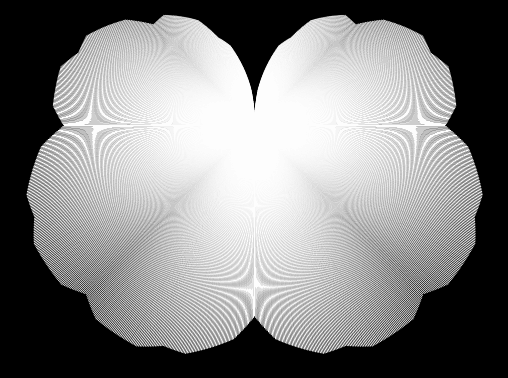
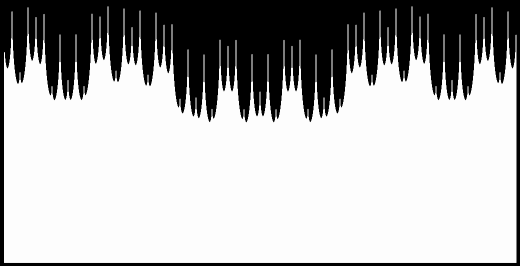
And here’s an arching blancmange curve that’s alternately negative and positive:


Negative-positive arching blancmange curve (animated)


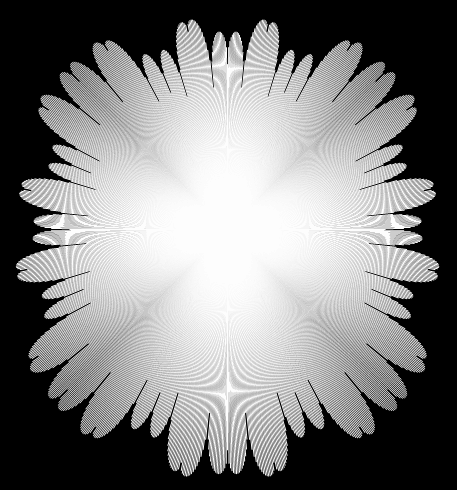
The circular version looks like this:


Negative-positive arching blancmange circle (animated)


Finally, here’s an arching blancmange curve that’s alternately positive and negative:


Positive-negative arching blancmange curve (animated)


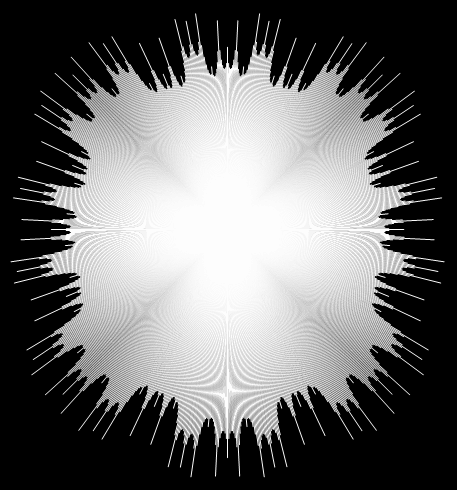
And the circular version:


Positive-negative arching blancmange circle (animated)


Elsewhere Other-Accessible…

White Rites — more variations on blancmange curves

Bi-Bell Basics

Here’s what you might call a Sisyphean sequence. It struggles upward, then slips back, over and over again:

1, 1, 2, 1, 2, 2, 3, 1, 2, 2, 3, 2, 3, 3, 4, 1, 2, 2, 3, 2, 3, 3, 4, 2, 3, 3, 4, 3, 4, 4, 5, 1, 2, 2, 3, 2, 3, 3, 4, 2, 3, 3, 4, 3, 4, 4, 5, 2, 3, 3, 4, 3, 4, 4, 5, 3, 4, 4, 5, 4, 5, 5, 6, 1, 2, 2, 3, 2, 3, 3, 4, 2, 3, 3, 4, 3, 4, 4, 5, 2, 3, 3, 4, 3, 4, 4, 5, 3, 4, 4, 5, 4, 5, 5, 6, 2, 3, 3, 4, 3, 4, 4, 5, 3, 4, 4, 5, 4, 5, 5, 6, 3, 4, 4, 5, 4, 5, 5, 6, 4, 5, 5, 6, 5, 6, 6, 7, 1, 2, 2, 3, 2, 3, 3, 4, 2...


The struggle goes on for ever. Every time it reaches a new maximum, it will fall back to 1 at the next step. And in fact 1, 2, 3 and all other integers occur infinitely often in the sequence, because it represents the digit-sums of binary numbers:

1 ← 1
1 = 1+0 ← 10 in binary = 2 in base ten
2 = 1+1 ← 11 = 3
1 = 1+0+0 ← 100 = 4
2 = 1+0+1 ← 101 = 5
2 = 1+1+0 ← 110 = 6
3 = 1+1+1 ← 111 = 7
1 = 1+0+0+0 ← 1000 = 8
2 = 1+0+0+1 ← 1001 = 9
2 = 1+0+1+0 ← 1010 = 10
3 = 1+0+1+1 ← 1011 = 11
2 = 1+1+0+0 ← 1100 = 12
3 = 1+1+0+1 ← 1101 = 13
3 = 1+1+1+0 ← 1110 = 14
4 = 1+1+1+1 ← 1111 = 15
1 = 1+0+0+0+0 ← 10000 = 16
2 = 1+0+0+0+1 ← 10001 = 17
2 = 1+0+0+1+0 ← 10010 = 18
3 = 1+0+0+1+1 ← 10011 = 19
2 = 1+0+1+0+0 ← 10100 = 20


Now here’s a related sequence in which all integers do not occur infinitely often:

1, 2, 3, 3, 4, 5, 6, 4, 5, 6, 7, 7, 8, 9, 10, 5, 6, 7, 8, 8, 9, 10, 11, 9, 10, 11, 12, 12, 13, 14, 15, 6, 7, 8, 9, 9, 10, 11, 12, 10, 11, 12, 13, 13, 14, 15, 16, 11, 12, 13, 14, 14, 15, 16, 17, 15, 16, 17, 18, 18, 19, 20, 21, 7, 8, 9, 10, 10, 11, 12, 13, 11, 12, 13, 14, 14, 15, 16, 17, 12, 13, 14, 15, 15, 16, 17, 18, 16, 17, 18, 19, 19, 20, 21, 22, 13, 14, 15, 16, 16, 17, 18, 19, 17, 18, 19, 20, 20, 21, 22, 23, 18, 19, 20, 21, 21, 22, 23, 24, 22, 23, 24, 25, 25, 26, 27, 28, 8, 9, 10, 11, 11, 12, 13, 14, 12, 13, 14, 15, 15...


The sequence represents the sum of the values of occupied columns in the binary numbers, reading from right to left:

10 in binary = 2 in base ten
21 (column values from right to left)
2*1 + 1*0 = 2


11 = 3
21
2*1 + 1*1 = 3


100 = 4
321 (column values from right to left)
3*1 + 2*0 + 1*0 = 3


101 = 5
321
3*1 + 2*0 + 1*1 = 4


110 = 6
321
3*1 + 2*1 + 1*0 = 5


111 = 7
321
3*1 + 2*1 + 1*1 = 6


1000 = 8
4321
4*1 + 3*0 + 2*0 + 1*0 = 4


1001 = 9
4321
4*1 + 3*0 + 2*0 + 1*1 = 5


1010 = 10
4321
4*1 + 3*0 + 2*1 + 1*0 = 6


1011 = 11
4321
4*1 + 3*0 + 2*1 + 1*1 = 7


1100 = 12
4321
4*1 + 3*1 + 2*0 + 1*0 = 7


1101 = 13
4321
4*1 + 3*1 + 2*0 + 1*1 = 8


1110 = 14
4321
4*1 + 3*1 + 2*1 + 1*0 = 9


1111 = 15
4321
4*1 + 3*1 + 2*1 + 1*1 = 10


10000 = 16
54321
5*1 + 4*0 + 3*0 + 2*0 + 1*0 = 5


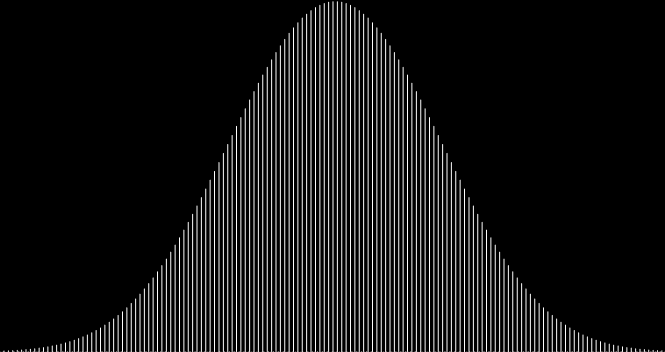
In that sequence, although no number occurs infinitely often, some numbers occur more often than others. If you represent the count of sums up to a certain digit-length as a graph, you get a famous shape:
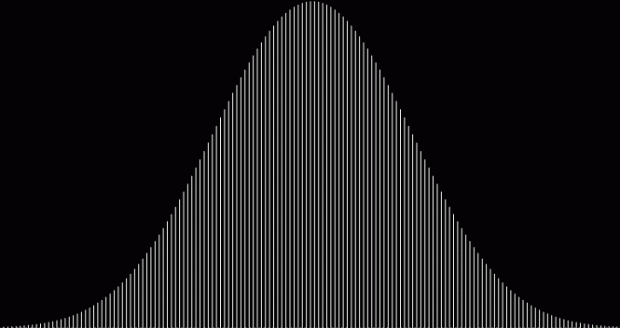
Bell curve formed by the count of column-sums in base 2
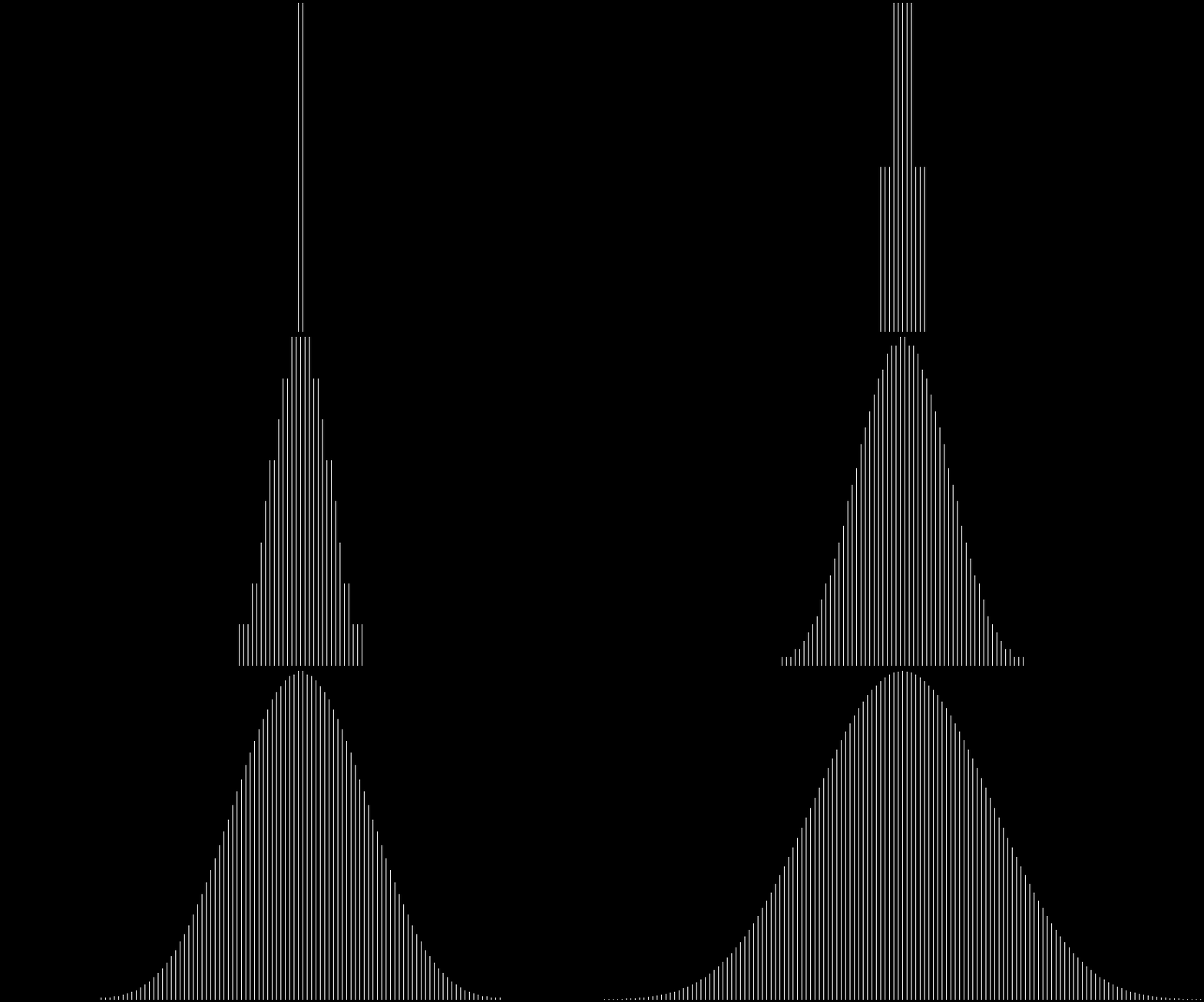

Bi-bell curves for 1 to 16 binary digits (animated)


In “Pi in the Bi”, I looked at that way of forming the bell curve and called it the bi-bell curve. Now I want to go further. Suppose that you assign varying values to the columns and try other bases. For example, what happens if you assign the values 2^p + 1 to the columns, reading from right to left, then use base 3 to generate the sums? These are the values of 2^p + 1:

2, 3, 5, 9, 17, 33, 65, 129, 257, 513, 1025...


And here’s an example of how you generate a column-sum in base 3:

2102 in base 3 = 65 in base ten
9532 (column values from right to left)
2*9 + 1*5 + 0*3 + 2*2 = 27


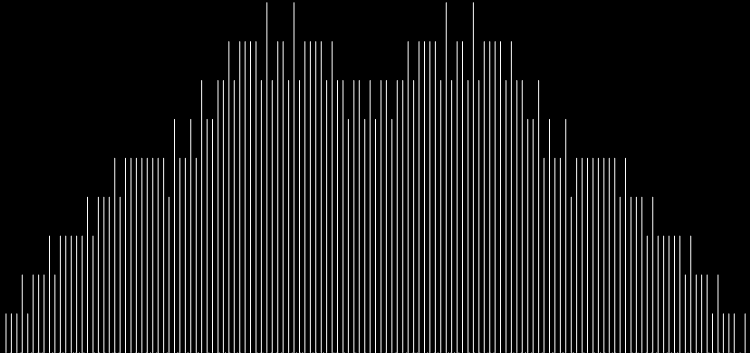
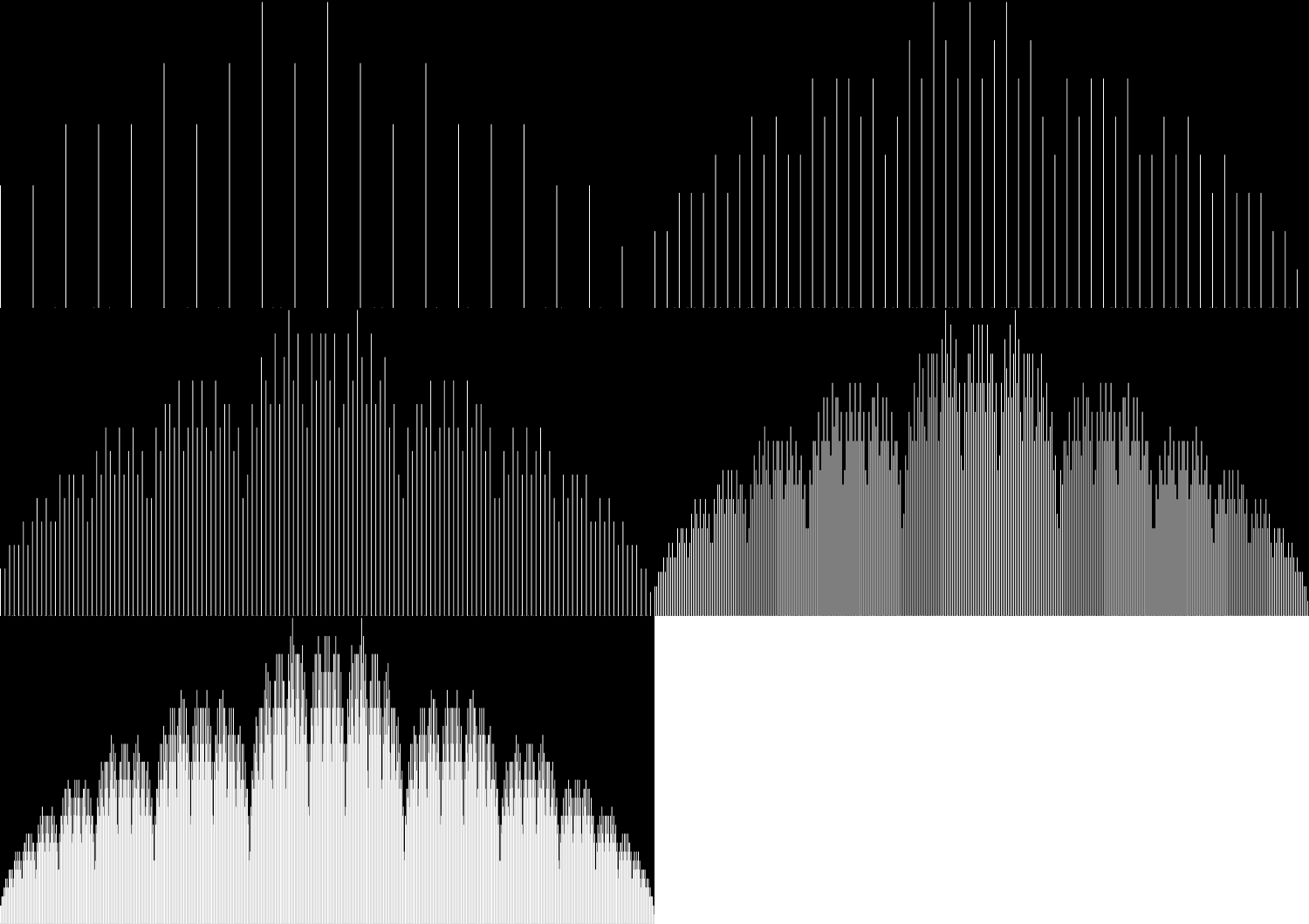
The graphs for these column-sums using base 3 look like this as the digit-length rises. They’re no longer bell-curves (and please note that widths and heights have been normalized so that all graphs fit the same space):
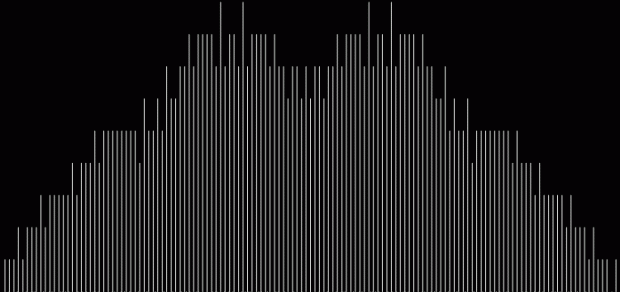
Graph for the count of column-sums in base 3 using 2^p + 1 (digit-length <= 7)

(width and height are normalized)
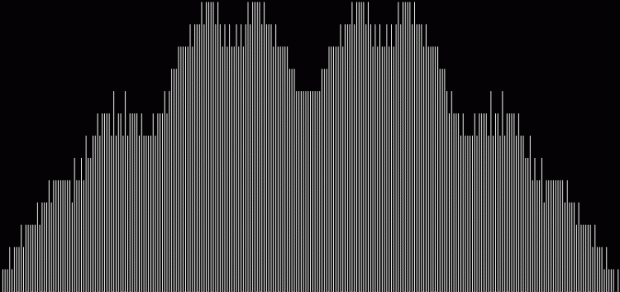

Graph for base 3 and 2^p + 1 (dl<=8)
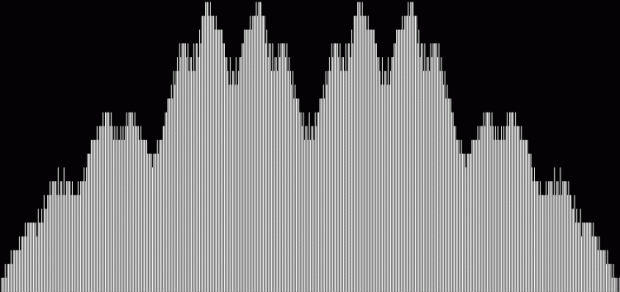

Graph for base 3 and 2^p + 1 (dl<=9)


Graph for base 3 and 2^p + 1 (dl<=10)
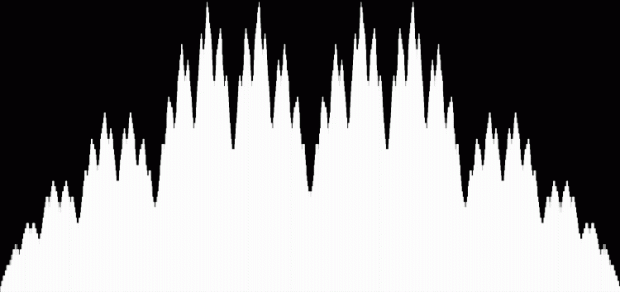

Graph for base 3 and 2^p + 1 (dl<=11)
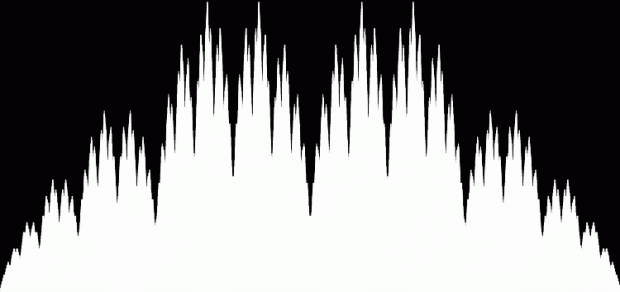

Graph for base 3 and 2^p + 1 (dl<=12)
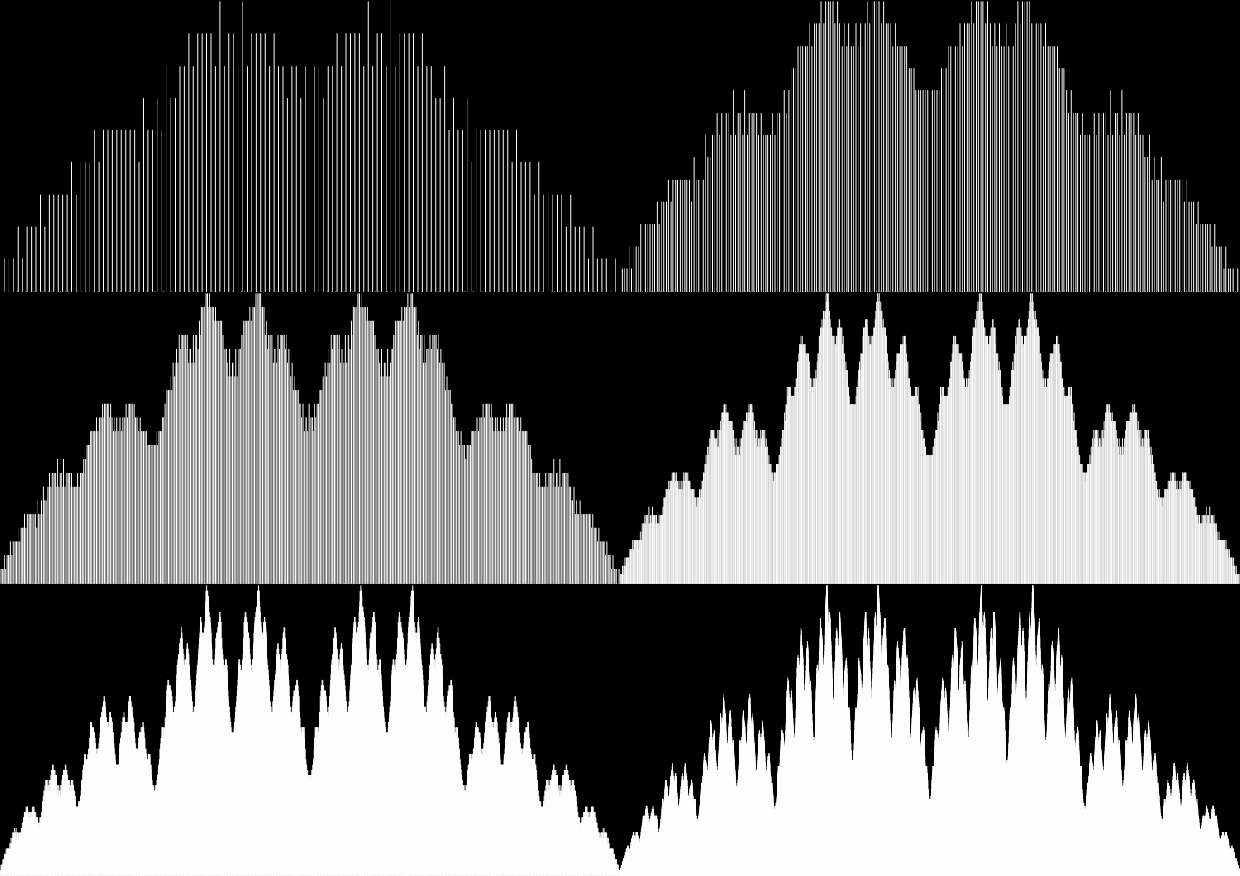

Graph for base 3 and 2^p + 1 (animated)


Now try base 3 and column-values of 2^p + 2 = 3, 4, 6, 10, 18, 34, 66, 130, 258, 514, 1026…

Graph for base 3 and 2^p + 2 (dl<=7)


Graph for base 3 and 2^p + 2 (dl<=8)
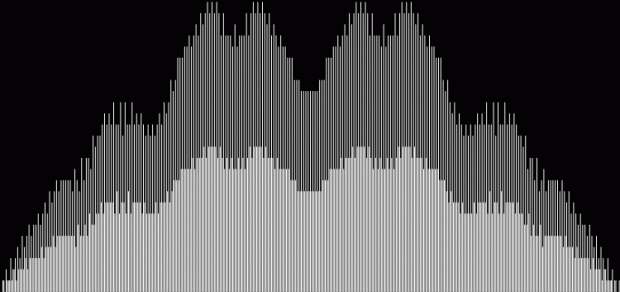

Graph for base 3 and 2^p + 2 (dl<=9)


Graph for base 3 and 2^p + 2 (dl<=10)
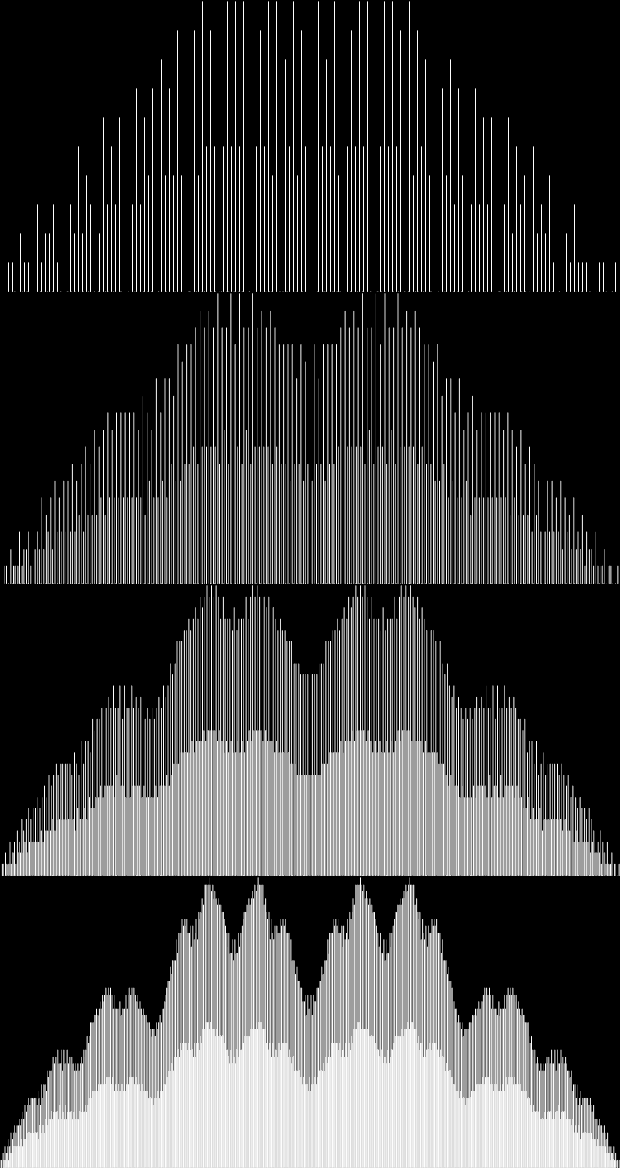

Graph for base 3 and 2^p + 2 (animated)


Now try base 5 and 2^p + 1 for the columns. The original bell curve has become like a fractal called the blancmange curve:

Graph for base 5 and 2^p + 1 (dl<=7)


Graph for base 5 and 2^p + 1 (dl<=8)
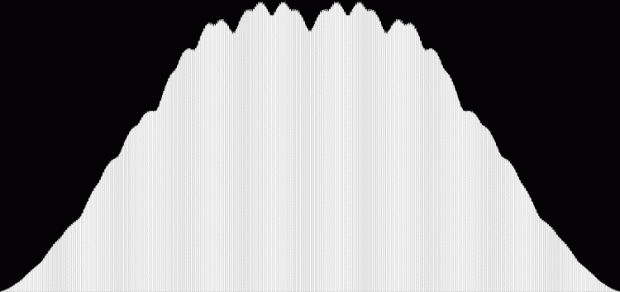

Graph for base 5 and 2^p + 1 (dl<=9)
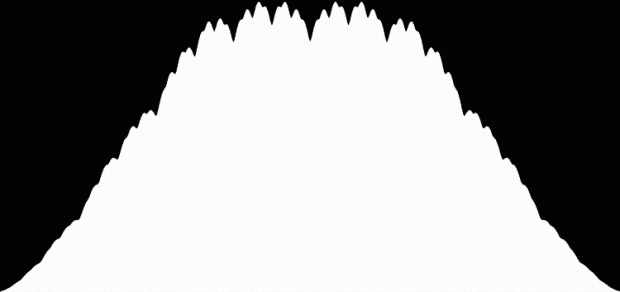

Graph for base 5 and 2^p + 1 (dl<=10)


Graph for base 5 and 2^p + 1 (animated)


And finally, return to base 2 and try the Fibonacci numbers for the columns:

Graph for base 2 and Fibonacci numbers = 1,1,2,3,5… (dl<=7)
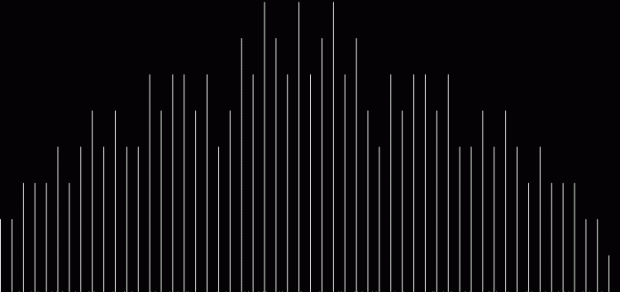

Graph for base 2 and Fibonacci numbers (dl<=9)
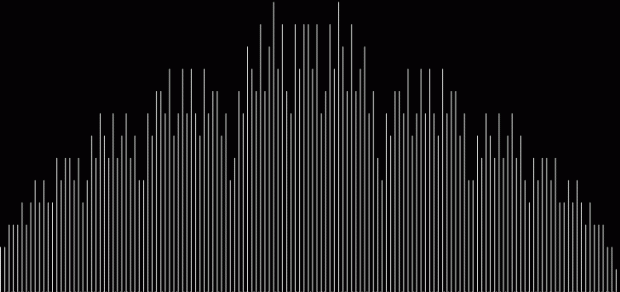

Graph for base 2 and Fibonacci numbers (dl<=11)


Graph for base 2 and Fibonacci numbers (dl<=13)
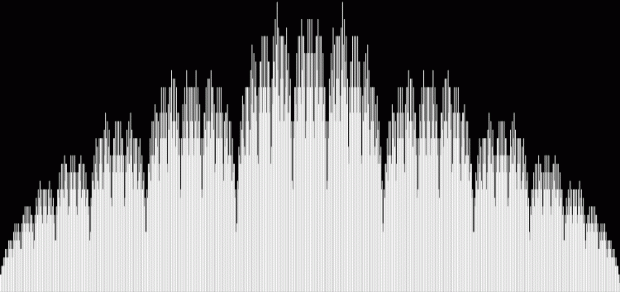

Graph for base 2 and Fibonacci numbers (dl<=15)
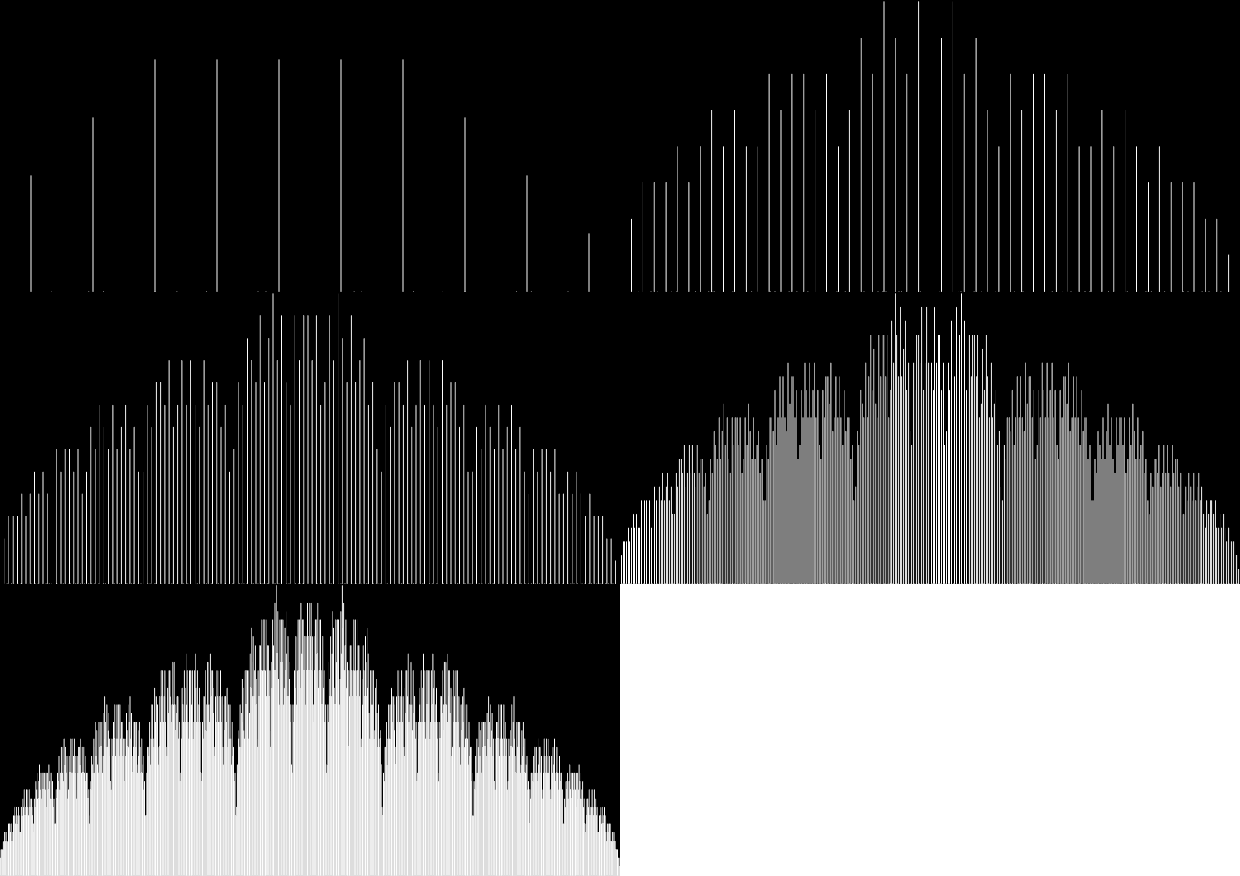

Graph for base 2 and Fibonacci numbers (animated)


Previously Pre-Posted…

Pi in the Bi — bell curves generated by binary digits

Hour Power

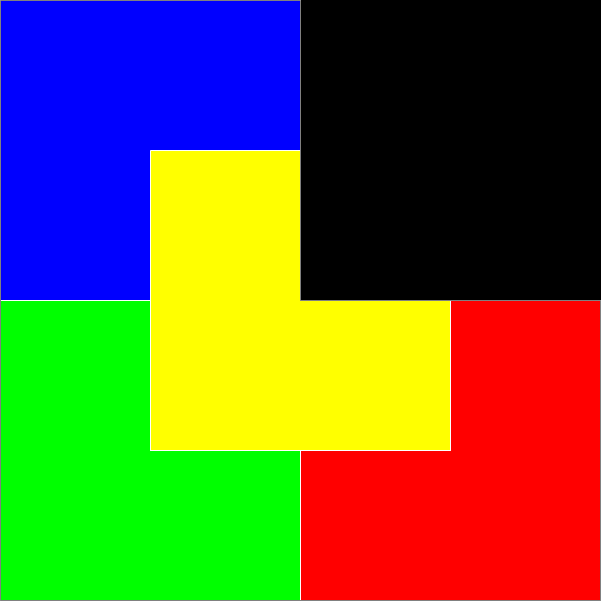
How do you get an hourglass from this shape?

Rep-4 L-tromino


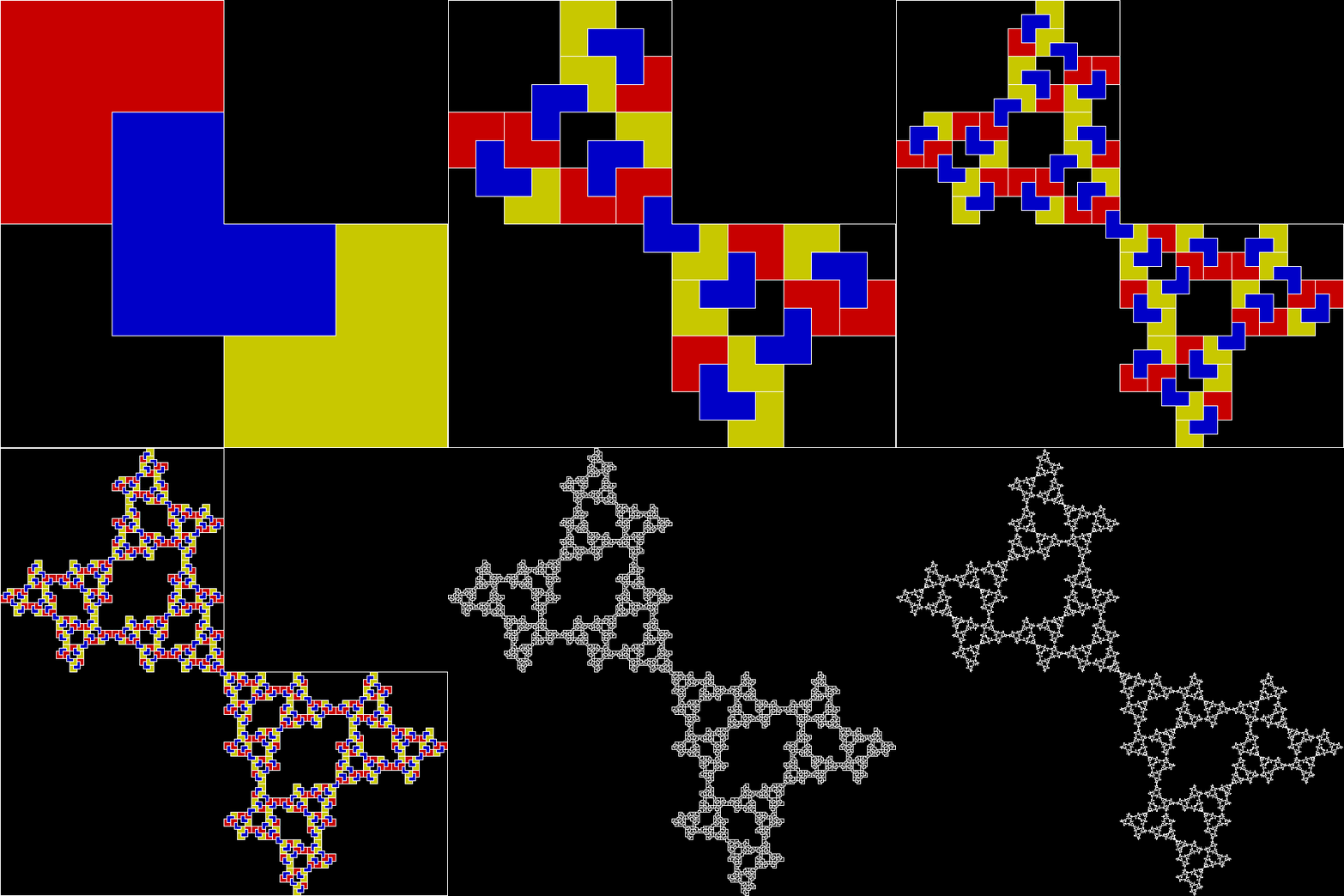
In fact, it’s easy. You simply divide the shape into four identical copies of itself, discard one copy, and repeat the process with each of the sub-copies:

l-triomino_124

Constructing an hourglass (animated)

l-triomino_124_upright_static1

Hourglass (static)


Here are some more posts about what I call the hourglass fractal:

The Hourglass Fractal at Overlord of the Über-feral

Tright Sights

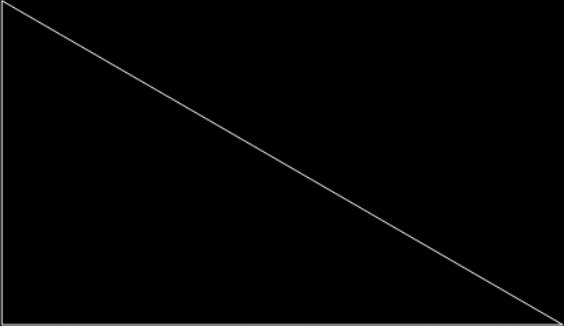
Here’s a right triangle, where a^2 + b^2 = c^2. But what are the exact values of a, b, and c?


You might be able to guess by eye, but could you prove your guess? Now try the same right triangle tiled with three identical copies of itself:

1-√3-2 triangle as rep3 rep-tile


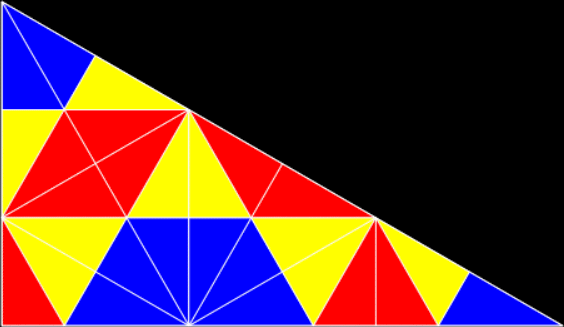
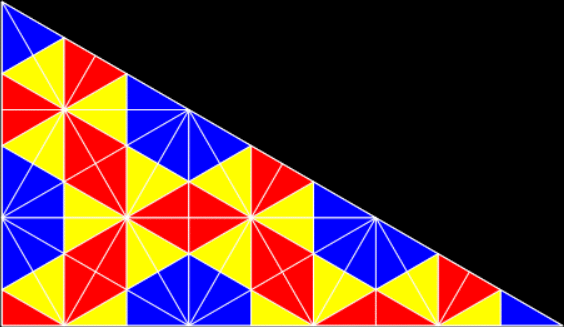
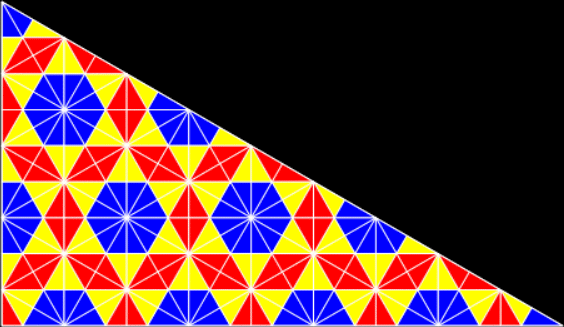
Now you can prove the exact values of a, b, and c. If the vertical side, a, is 1, then the hypotenuse, c, is 2, because the length that fits once into a fits twice into c. Therefore 2^2 = 1^2 + b^2 → 4 = 1 + b^2 → 4-1 = b^2 → 3 = b^2 → √3 = b. The horizontal side, b, has a length of √3 = 1.73205080757… So the right triangle is 1-√3-2. And if it’s rep3, that is, can be divided into three identical copies of itself, then it’s also rep9, rep27, and so on:
1-√3-2 triangle as rep9 rep-tile


1-√3-2 triangle as rep27 rep-tile


1-√3-2 triangle as rep81 rep-tile


1-√3-2 triangle as rep243 rep-tile


1-√3-2 triangle as rep729 rep-tile


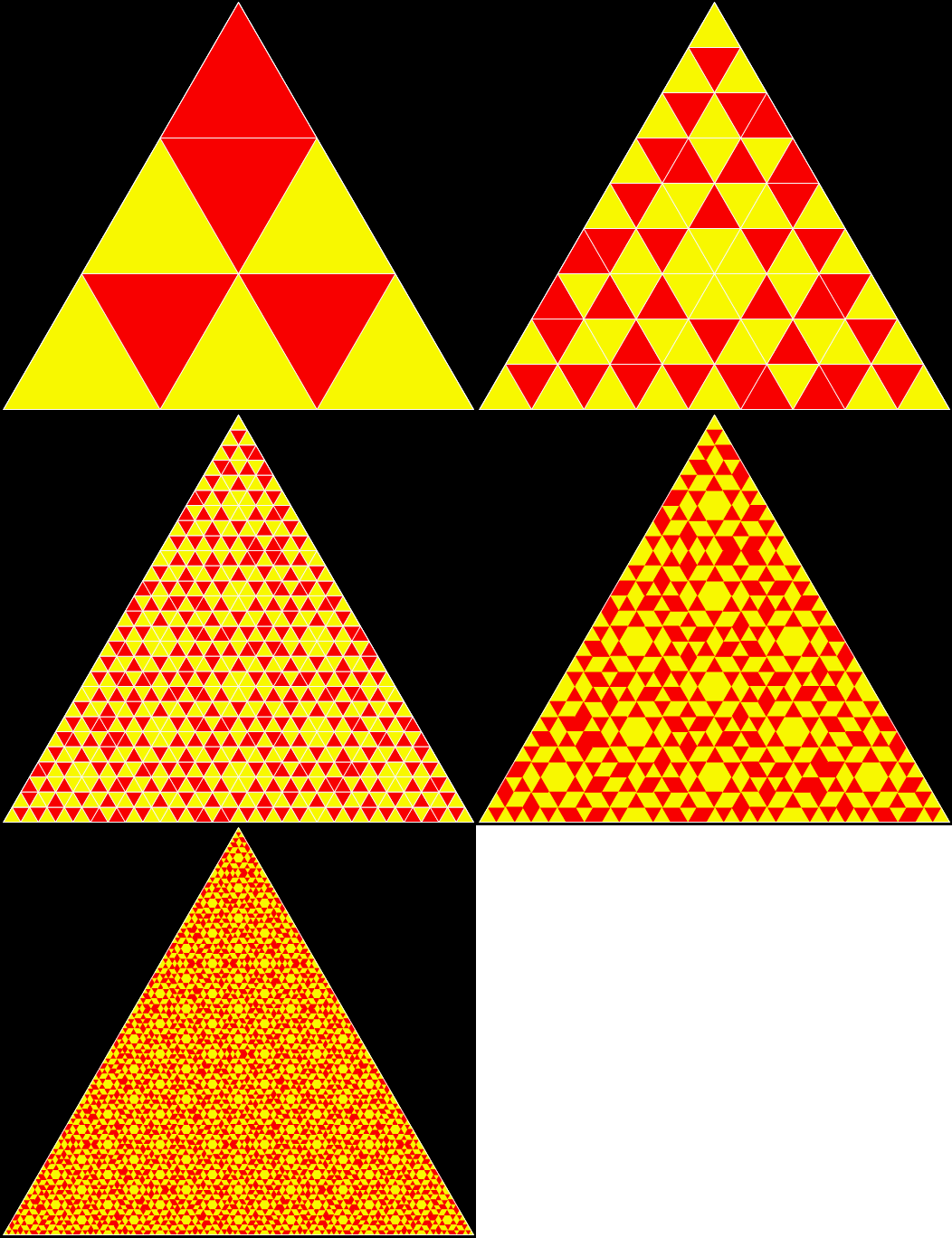
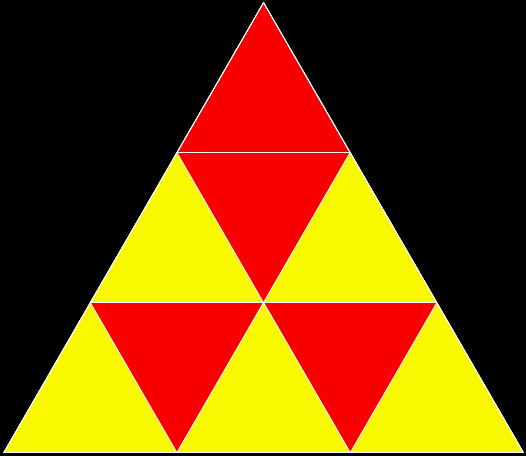
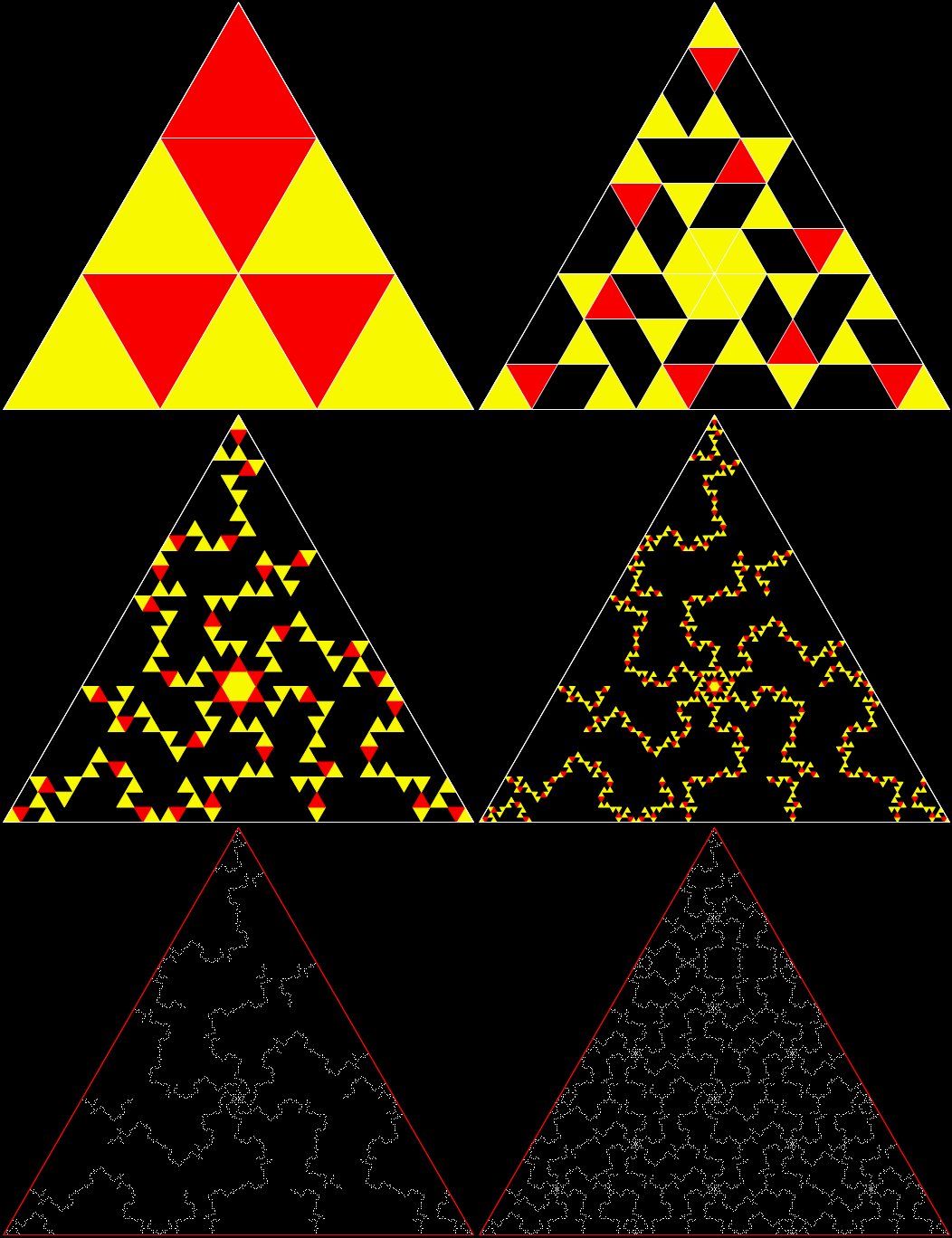
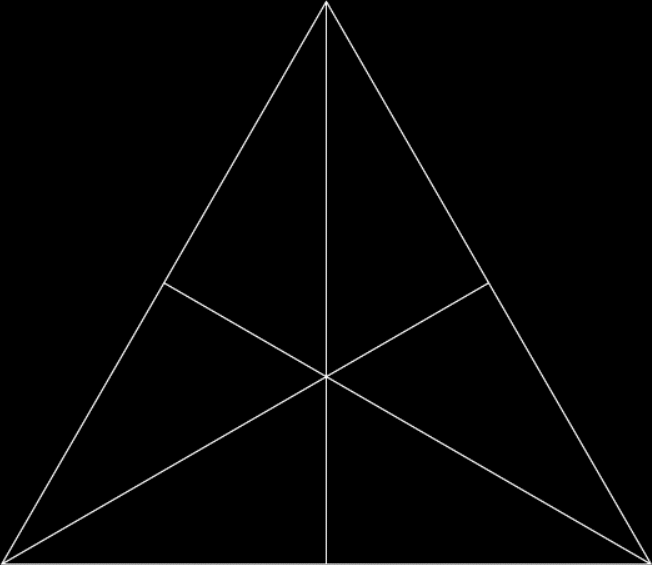
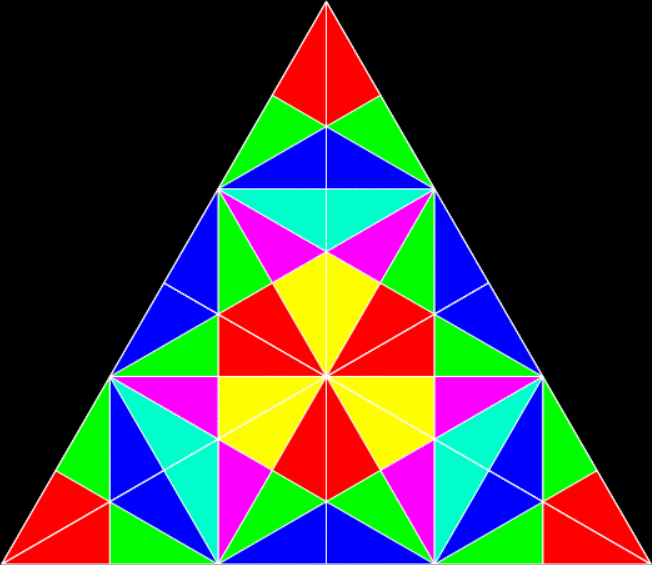
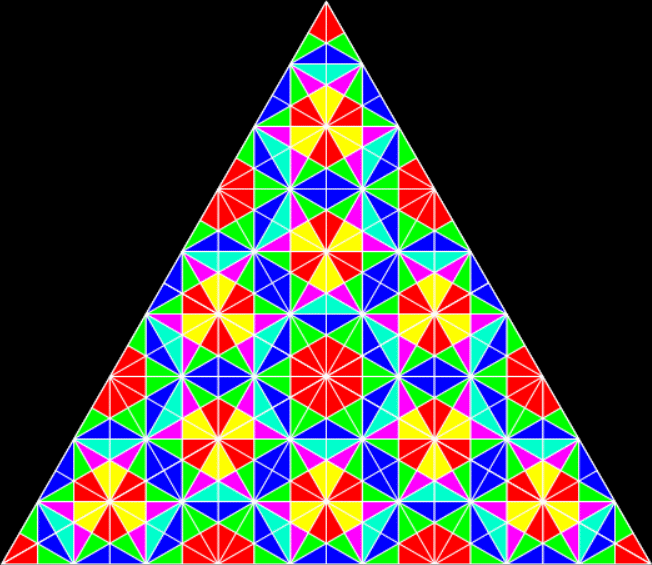
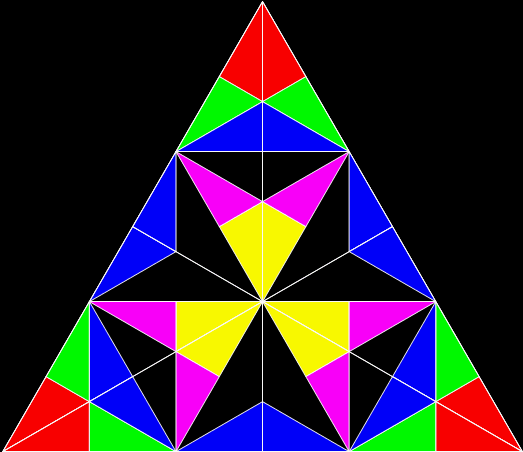
Once you’ve got a rep-tile, you can create fractals. But the 1-√3-2 triangle is cramped. You need more space to work with. And it’s easy to find that space when you realize that a standard equilateral triangle can be divided into six 1-√3-2 triangles:

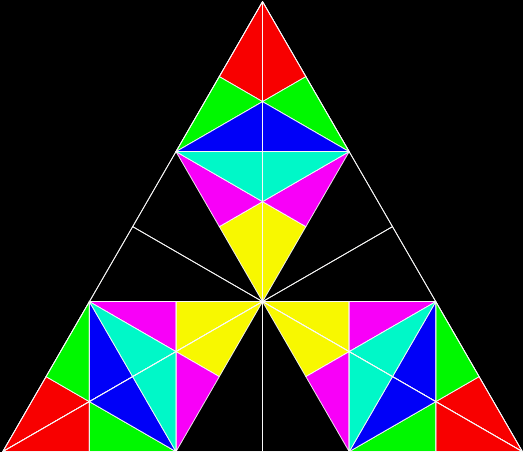
Equilateral triangle divided into six 1-√3-2 triangles


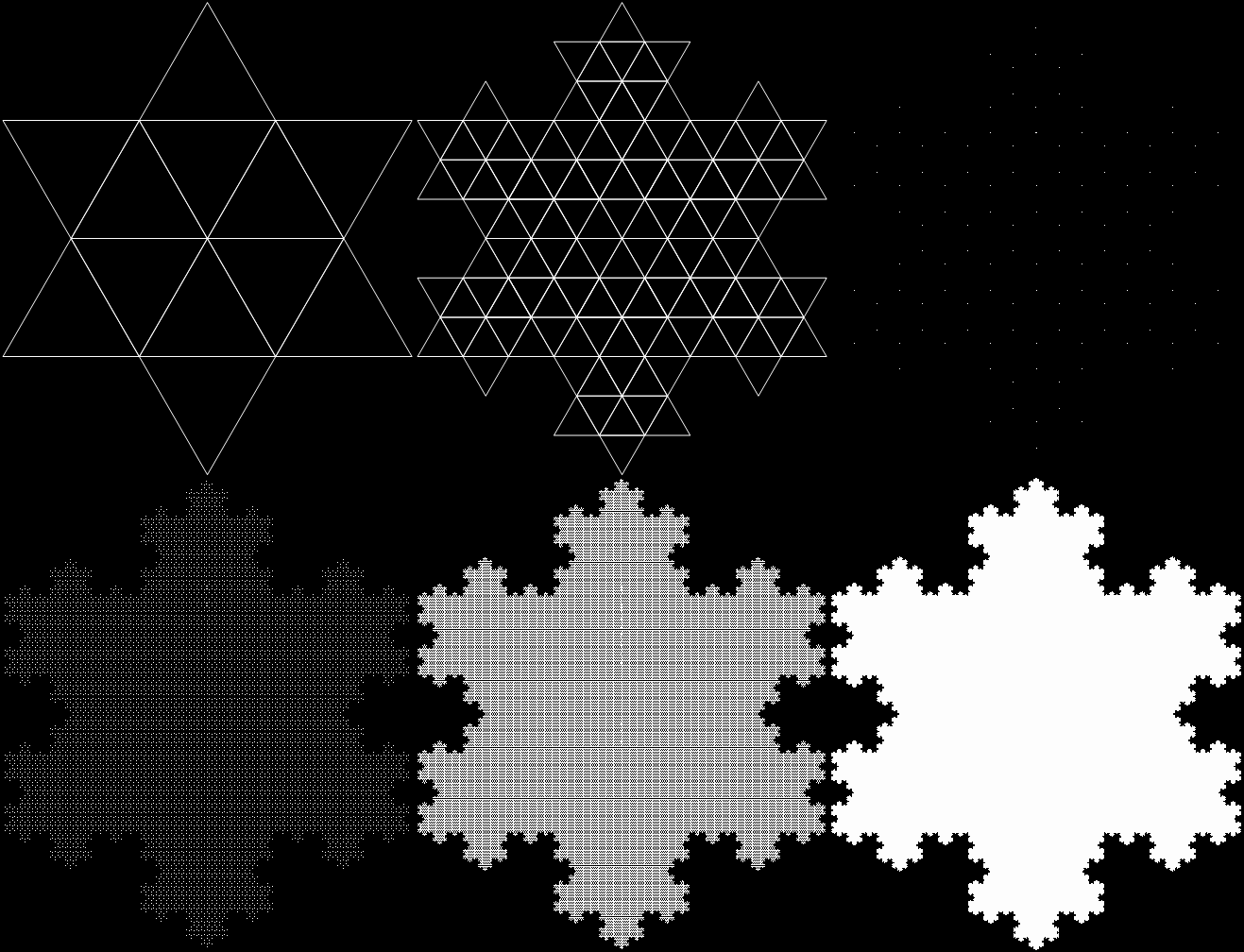
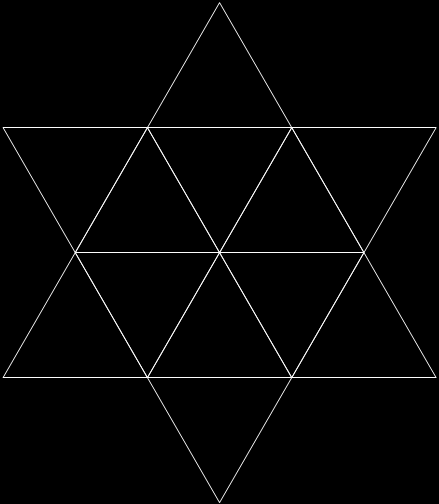
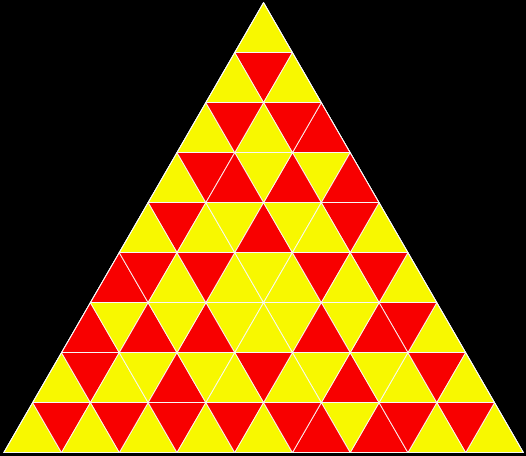
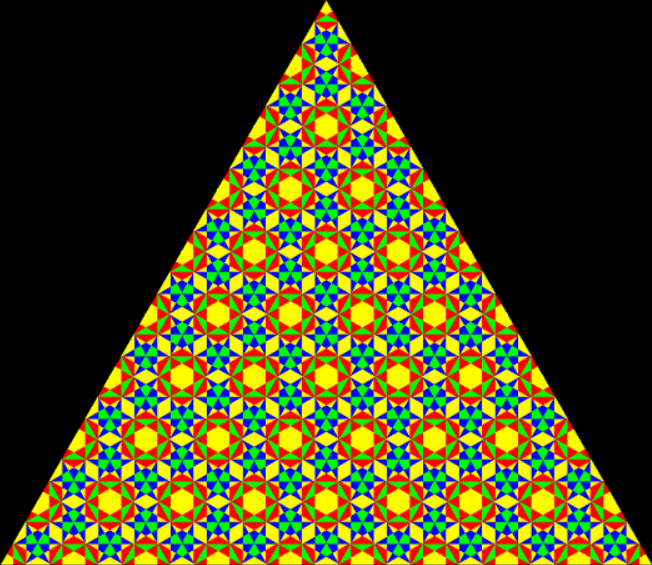
Equilateral triangle tiled with 1-√3-2 triangles (stage 1)

(please open in new window if image is distorted)


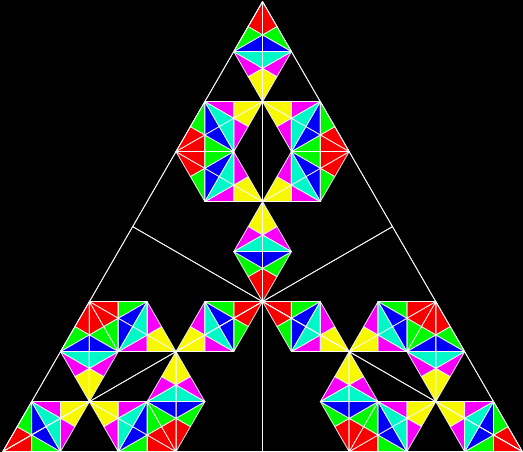
Equilateral triangle tiled with 1-√3-2 triangles (stage 2)


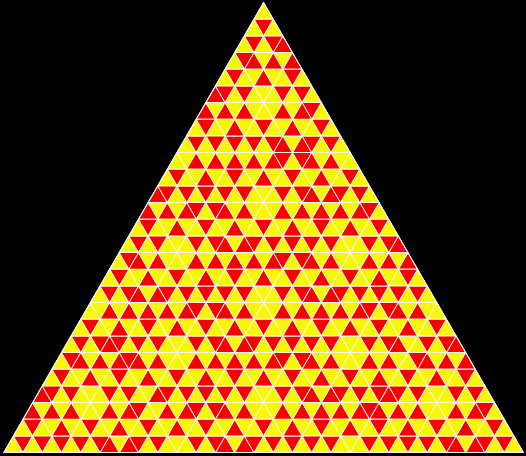
Equilateral triangle tiled with 1-√3-2 triangles (stage 3)


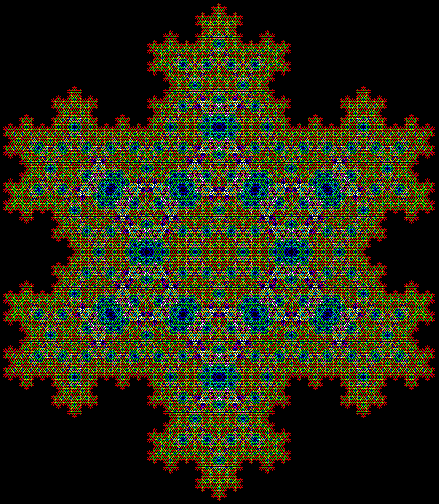
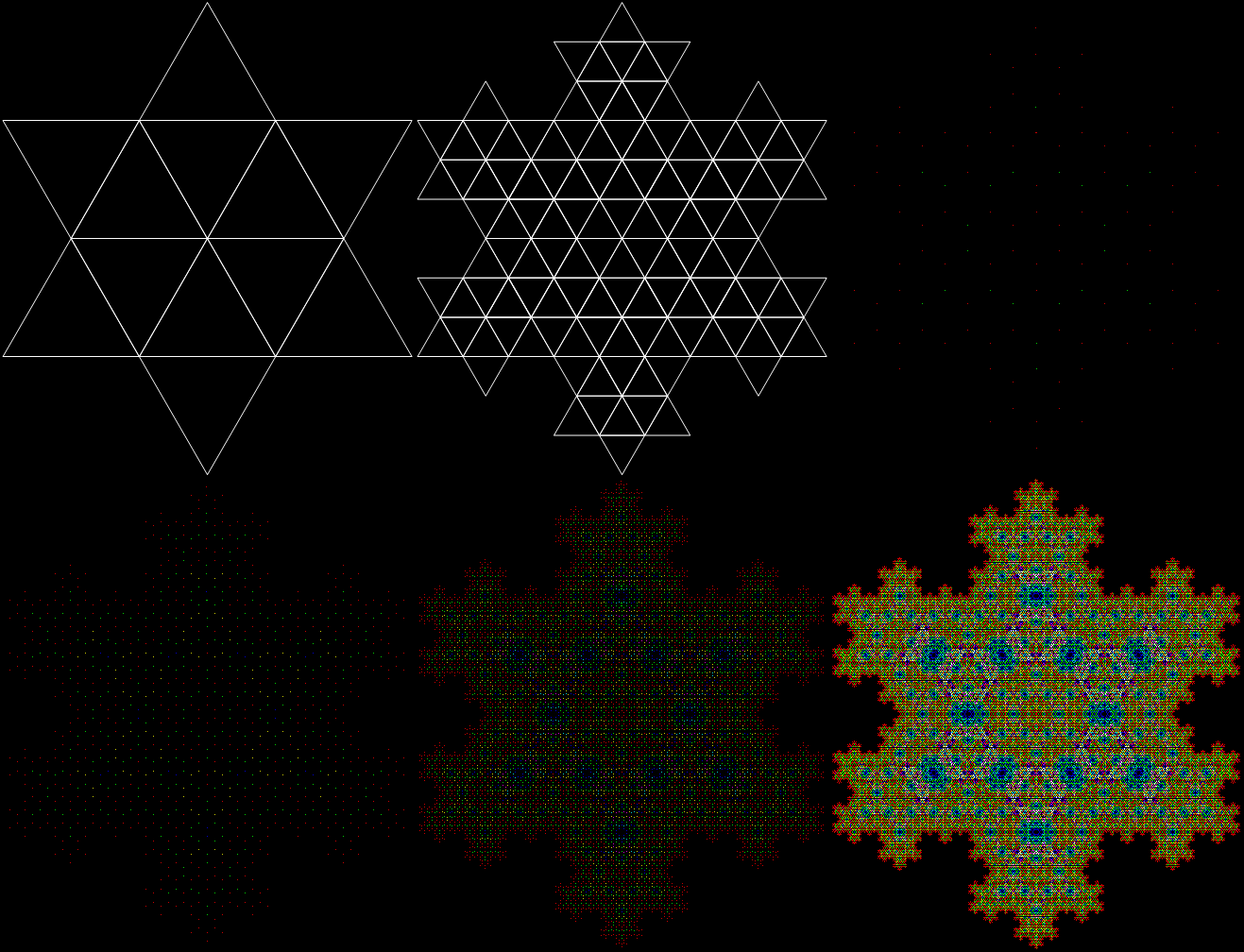
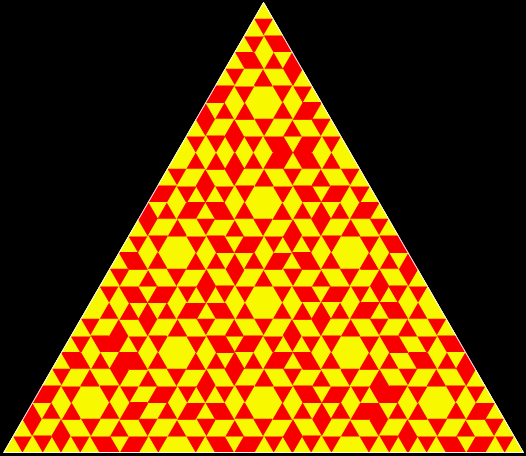
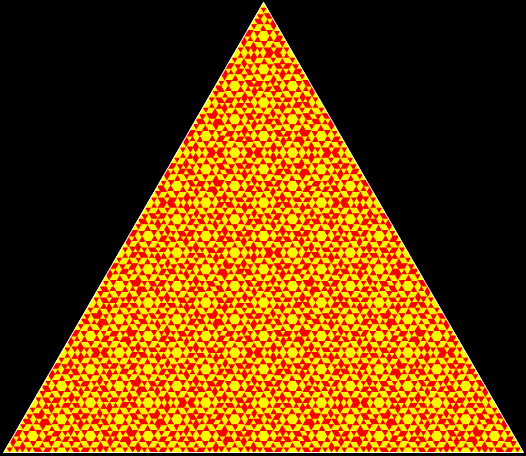
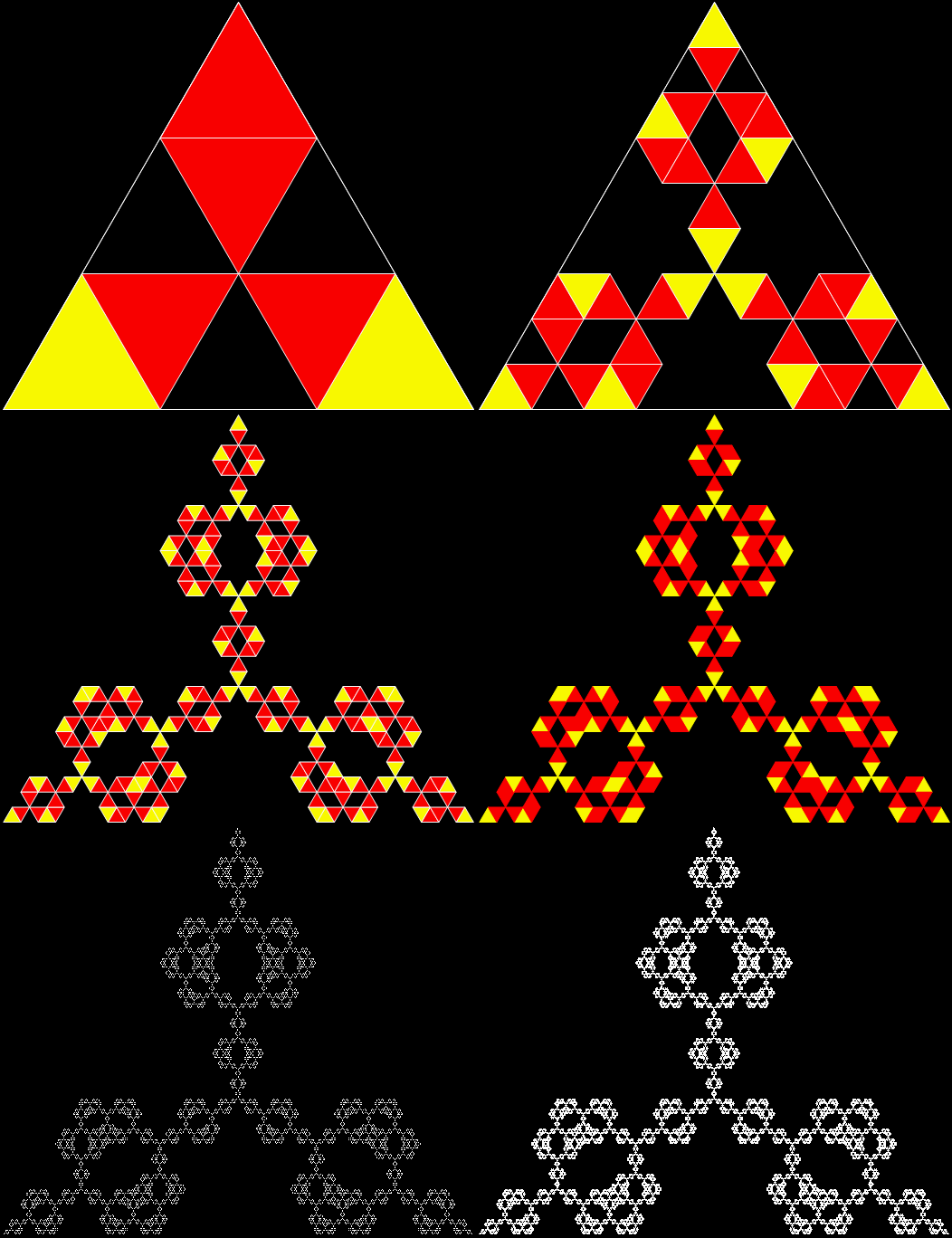
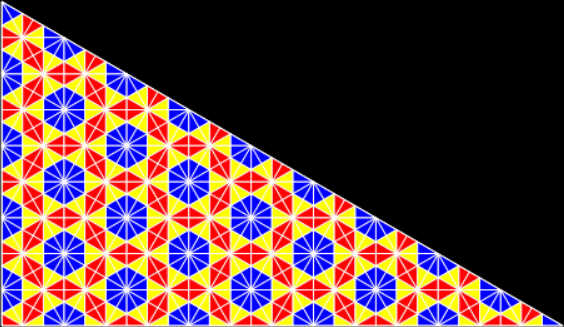
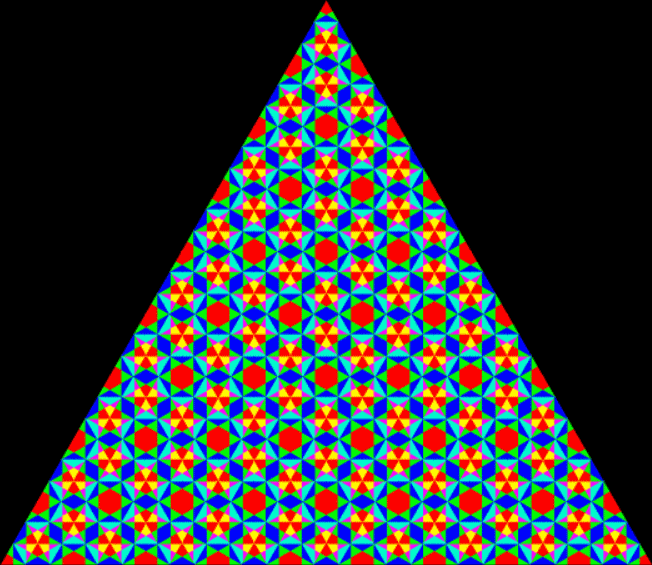
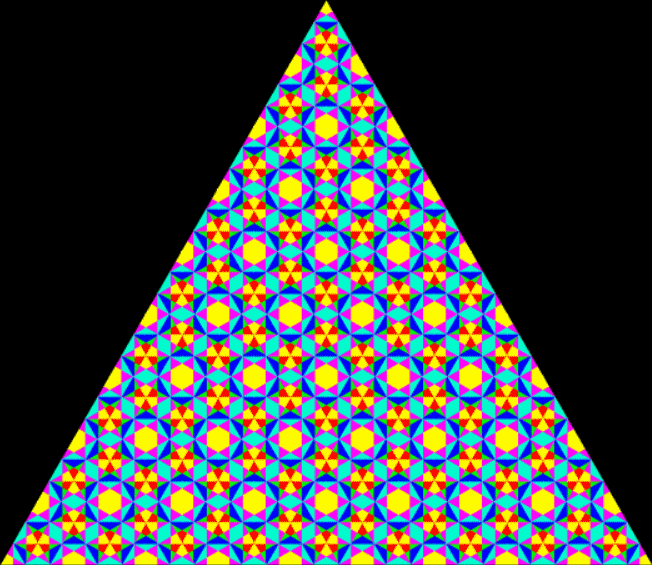
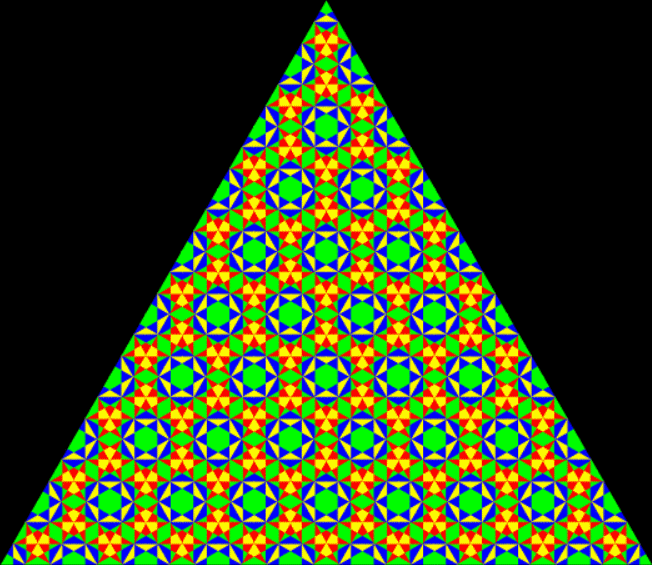
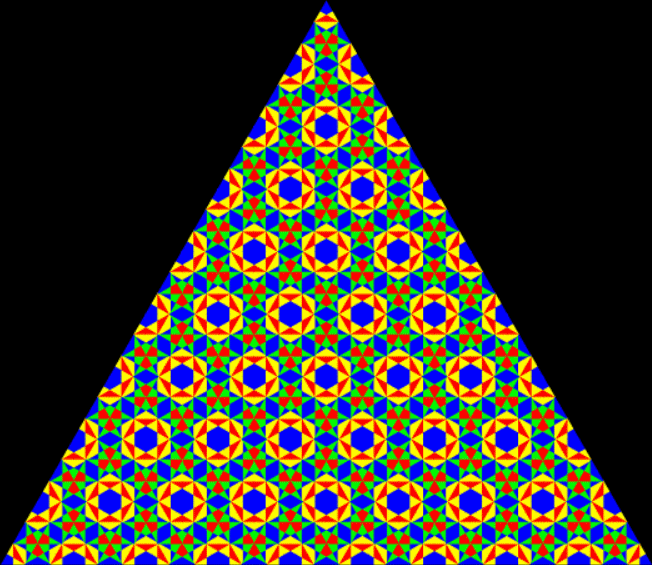
Here are variant colorings of the stage-3 tiled triangle:


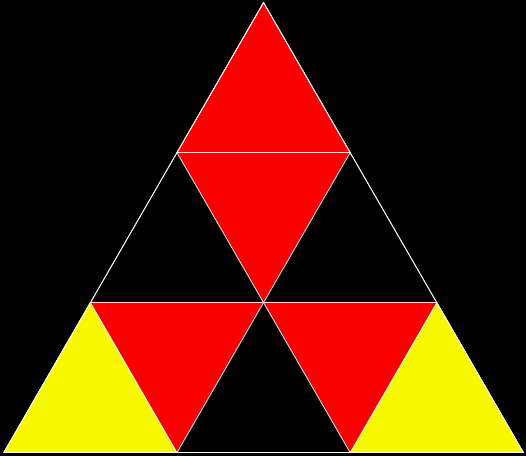
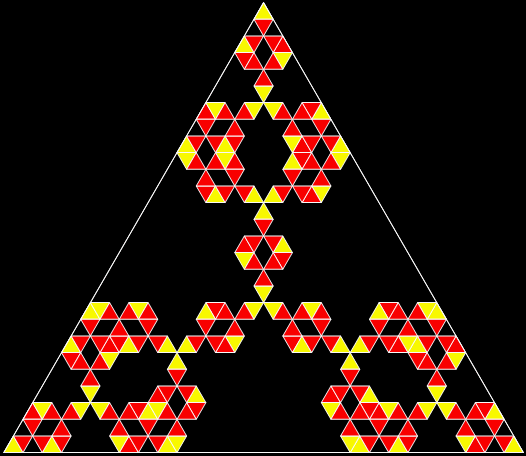
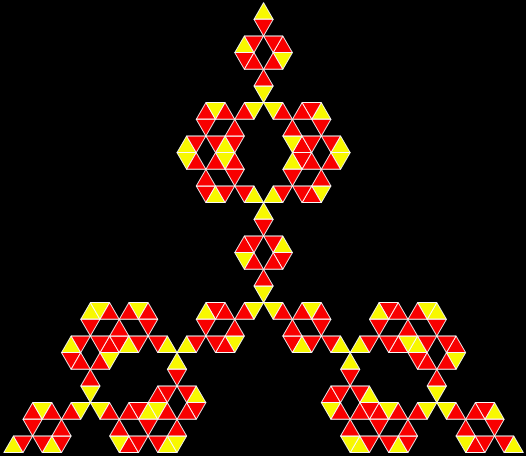
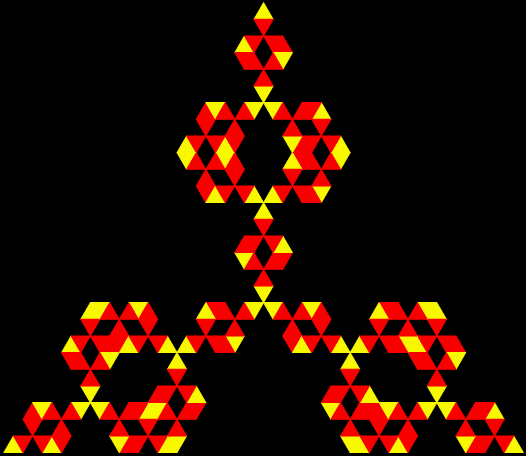
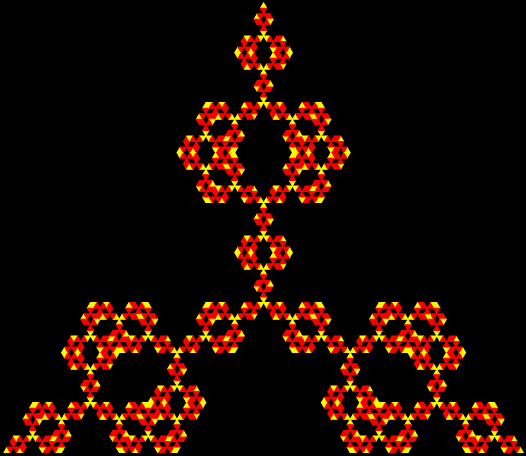
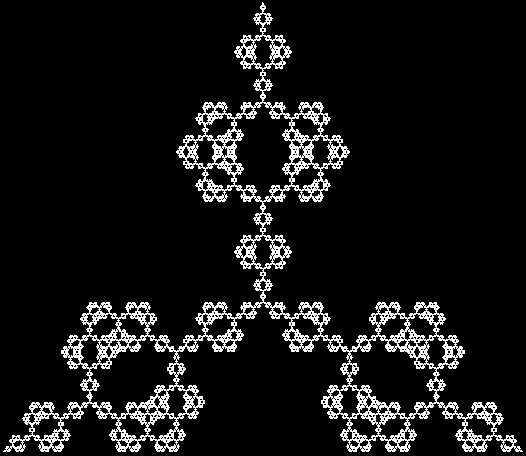
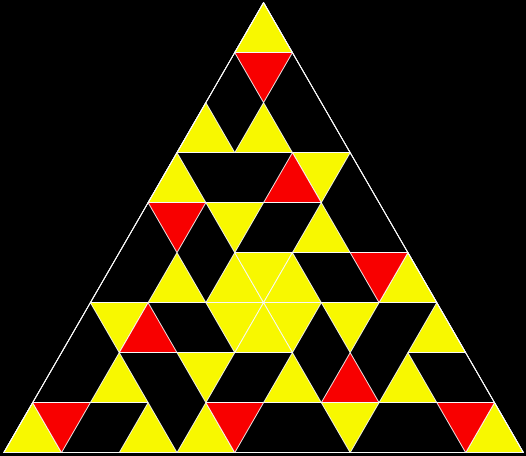
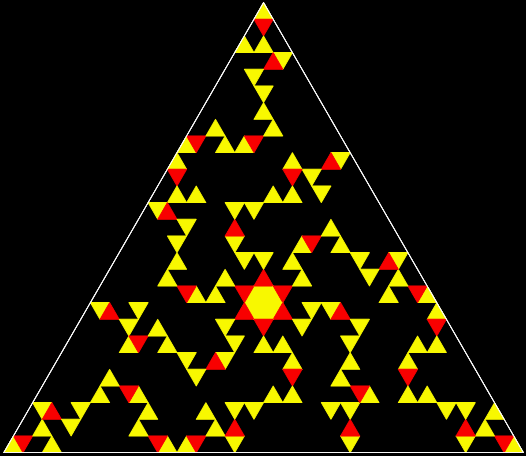
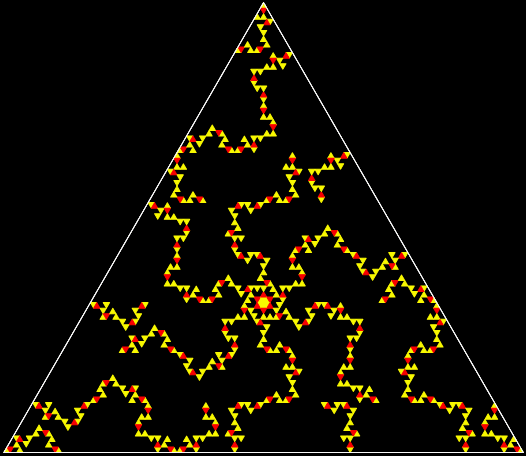
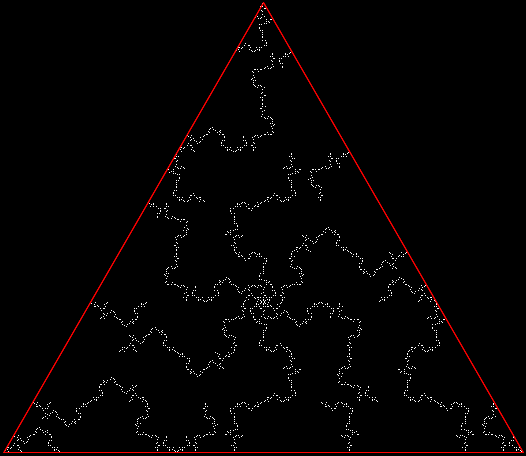
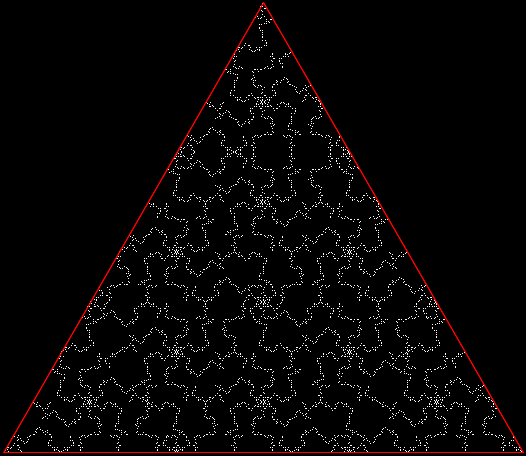
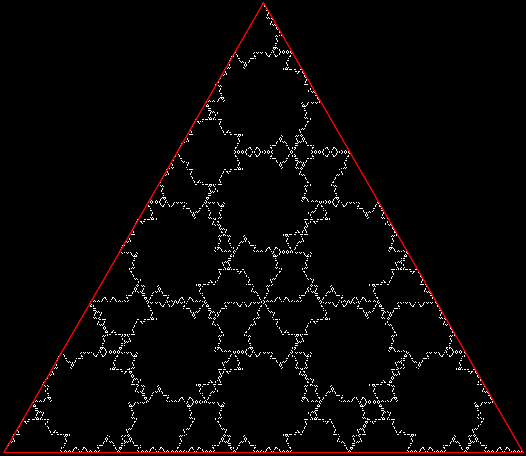
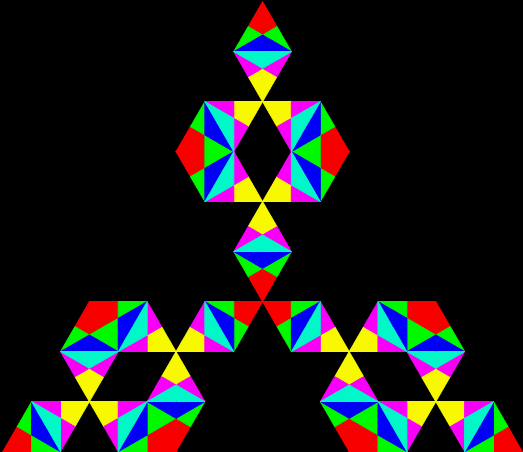
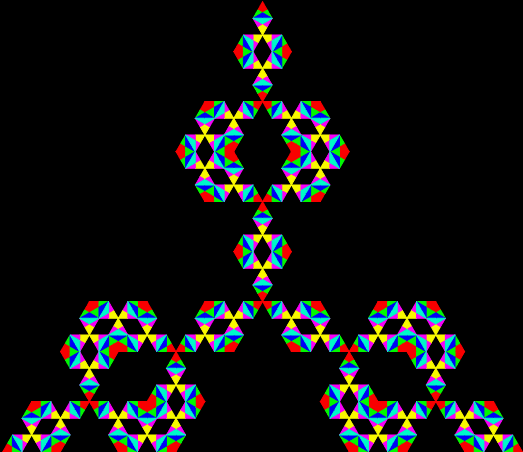
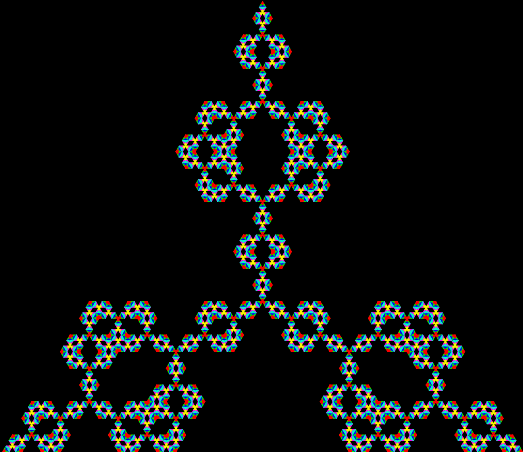
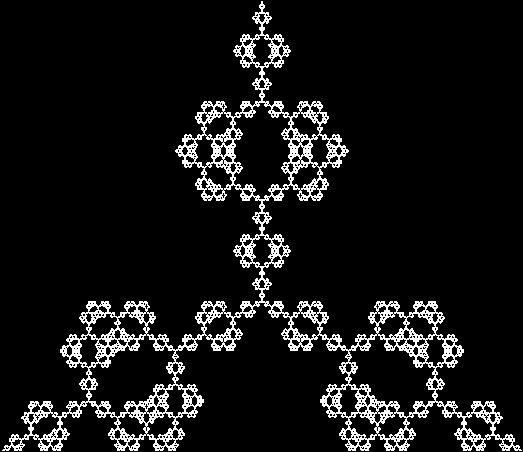
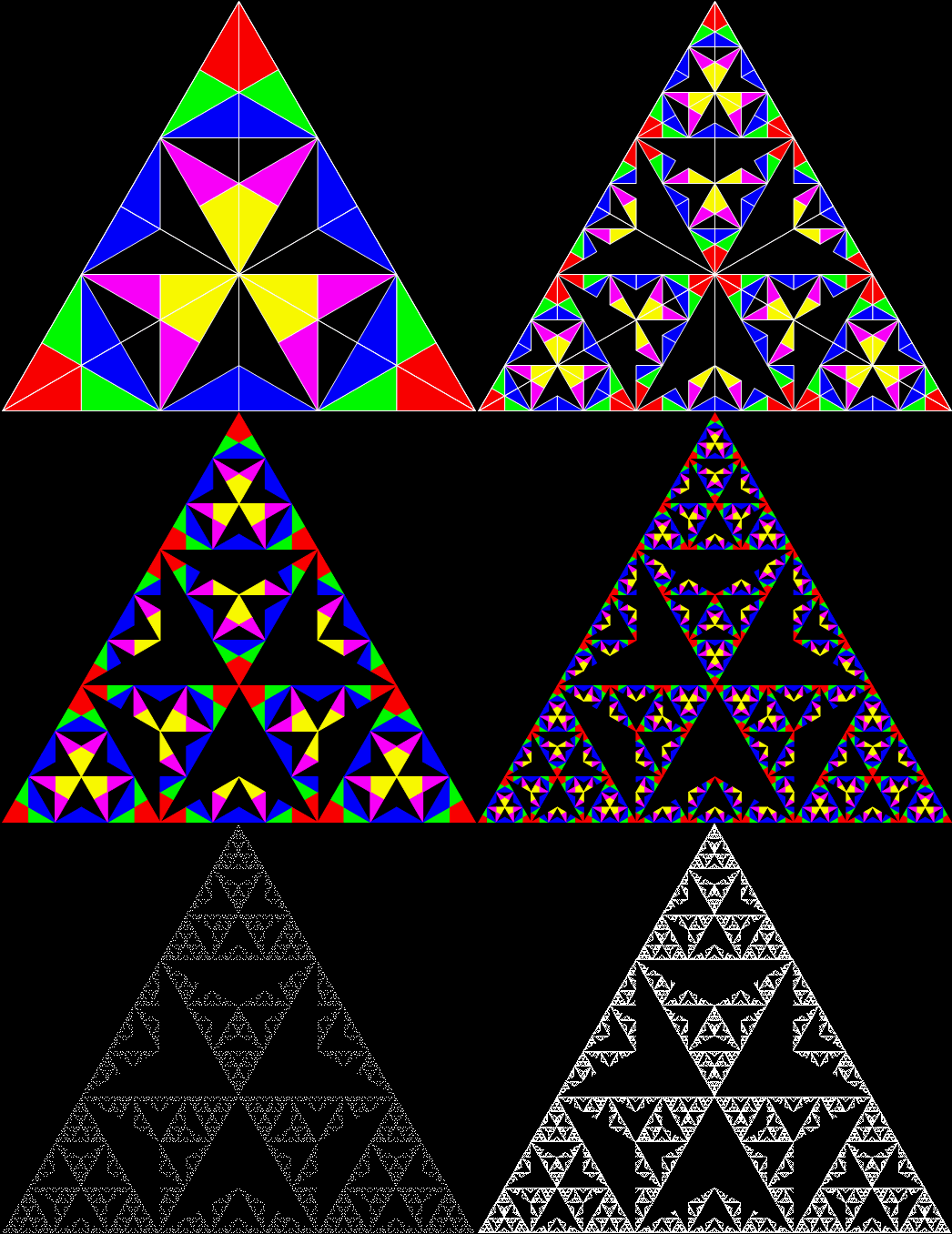
But where are the fractals? In one way, you’ve already seen them. But they get more obvious like this:

Fractal stage 1


Fractal #2


Fractal #3


Fractal #4


Fractal #5


Fractal #6


Fractal #7


Fractal #8


Fractal (animated)


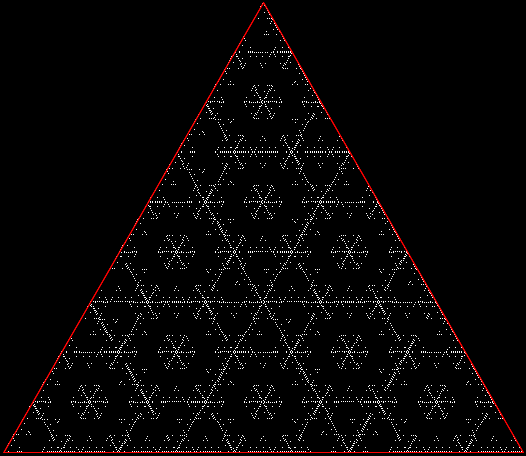
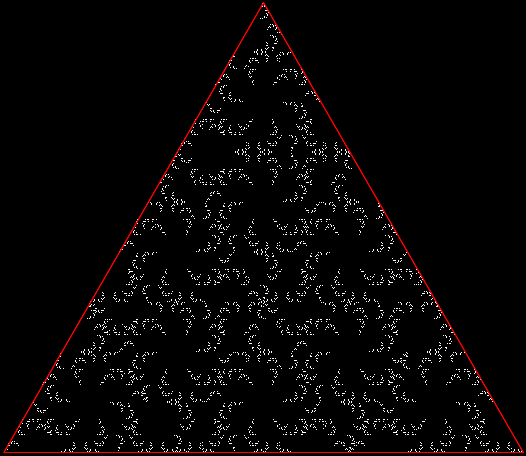
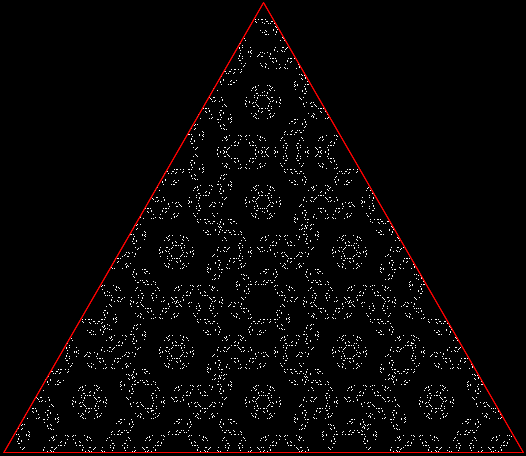
Another fractal stage 1

[…]

[…]

Another fractal #8


Another fractal (animated)


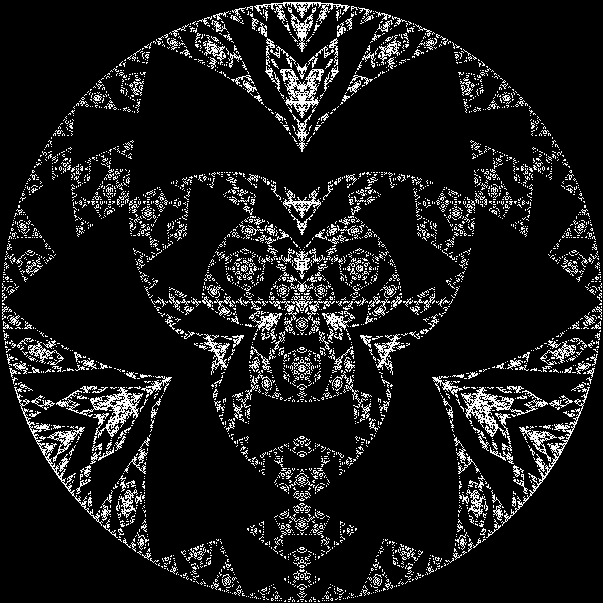
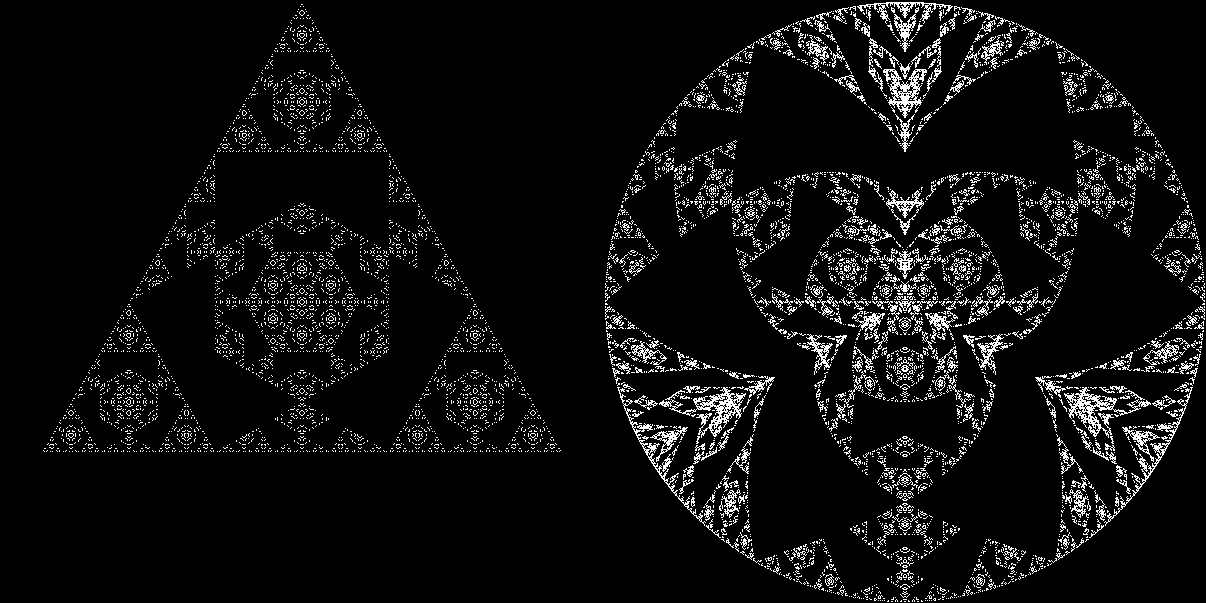
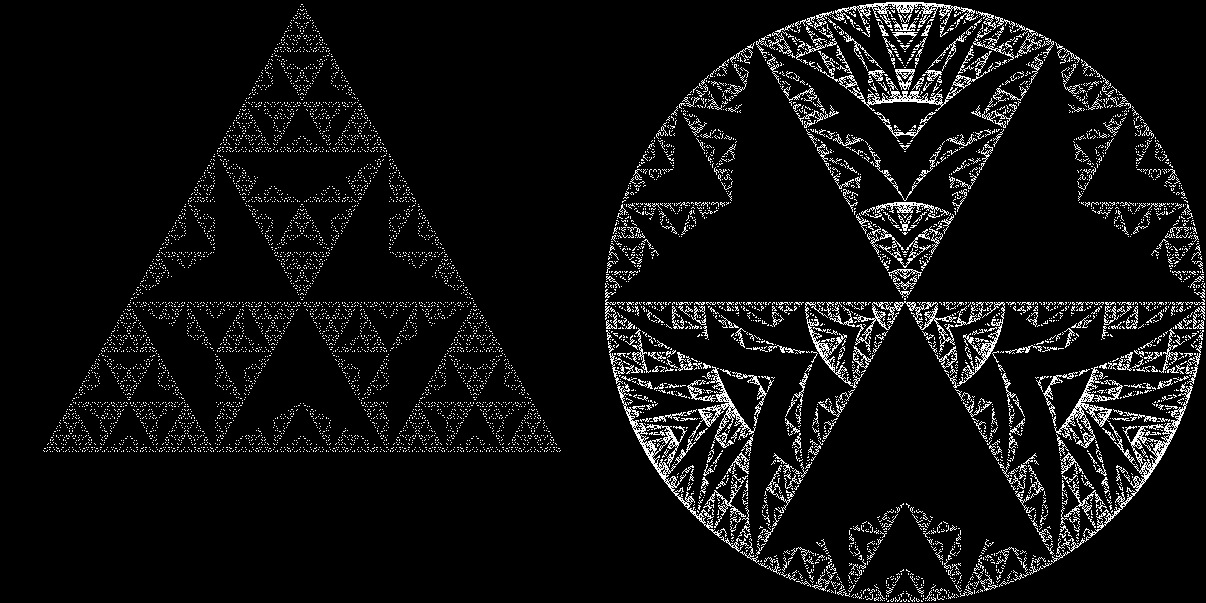
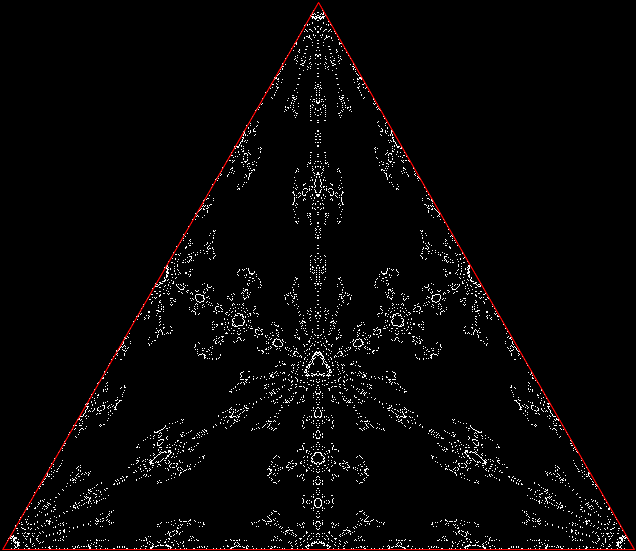
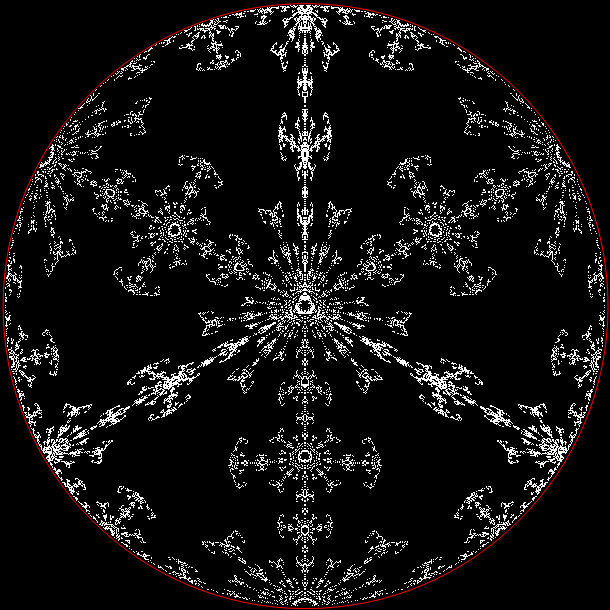
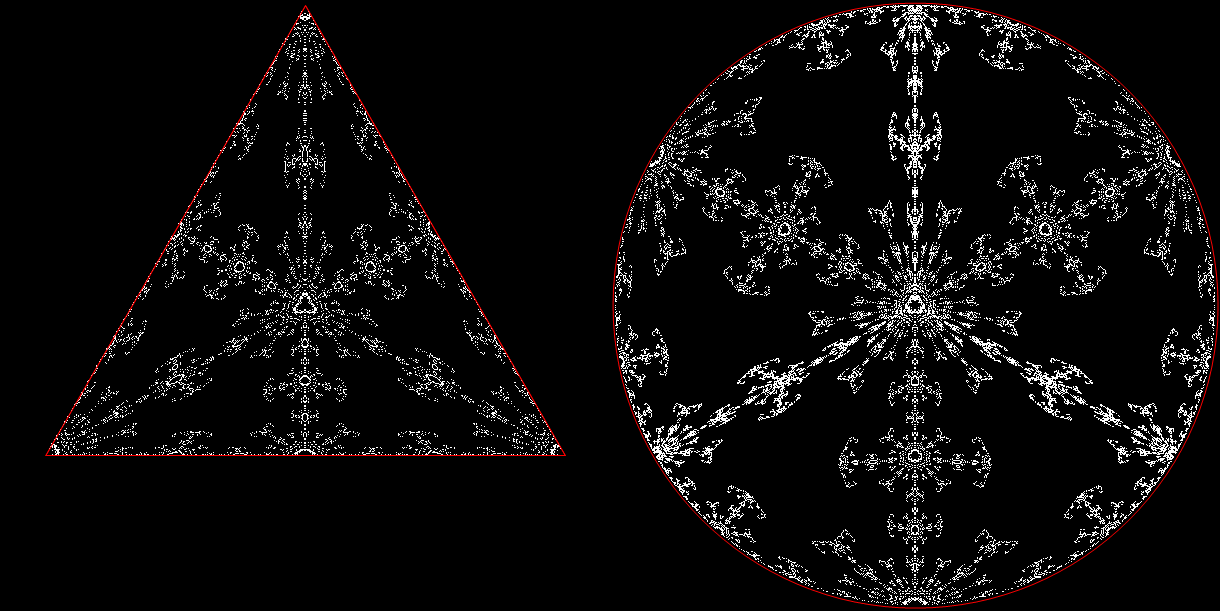
And when you have a fractal created using an equilateral triangle, it’s easy to expand the fractal into a circle, like this:

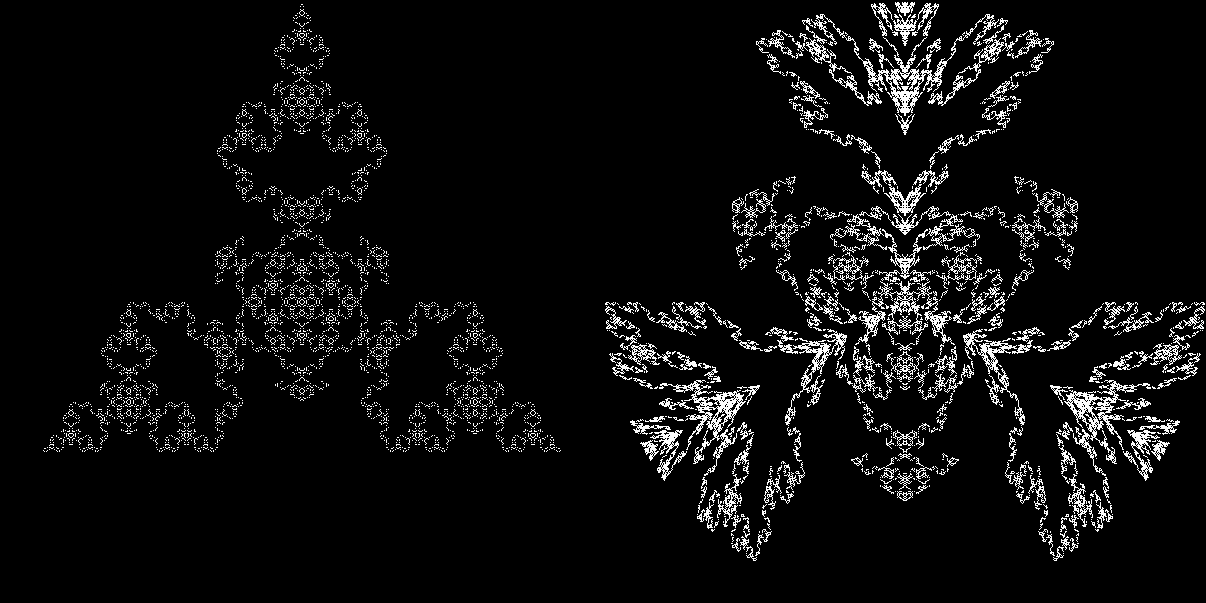
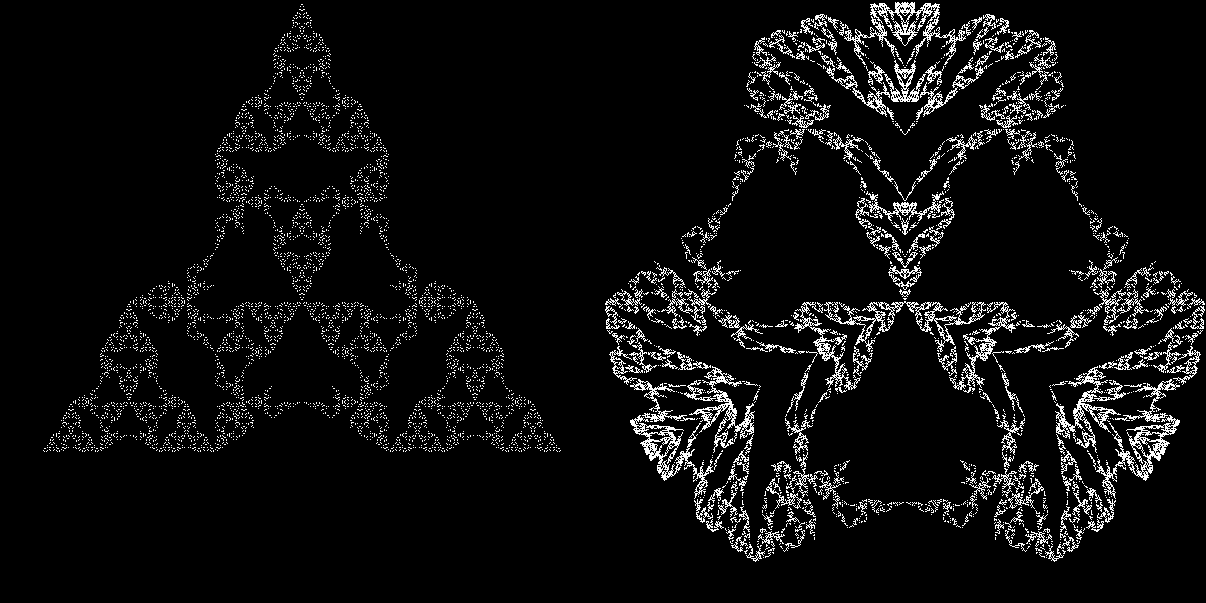
Original fractal

Fractal expanded into circle


Triangular fractal to circular fractal (animated)


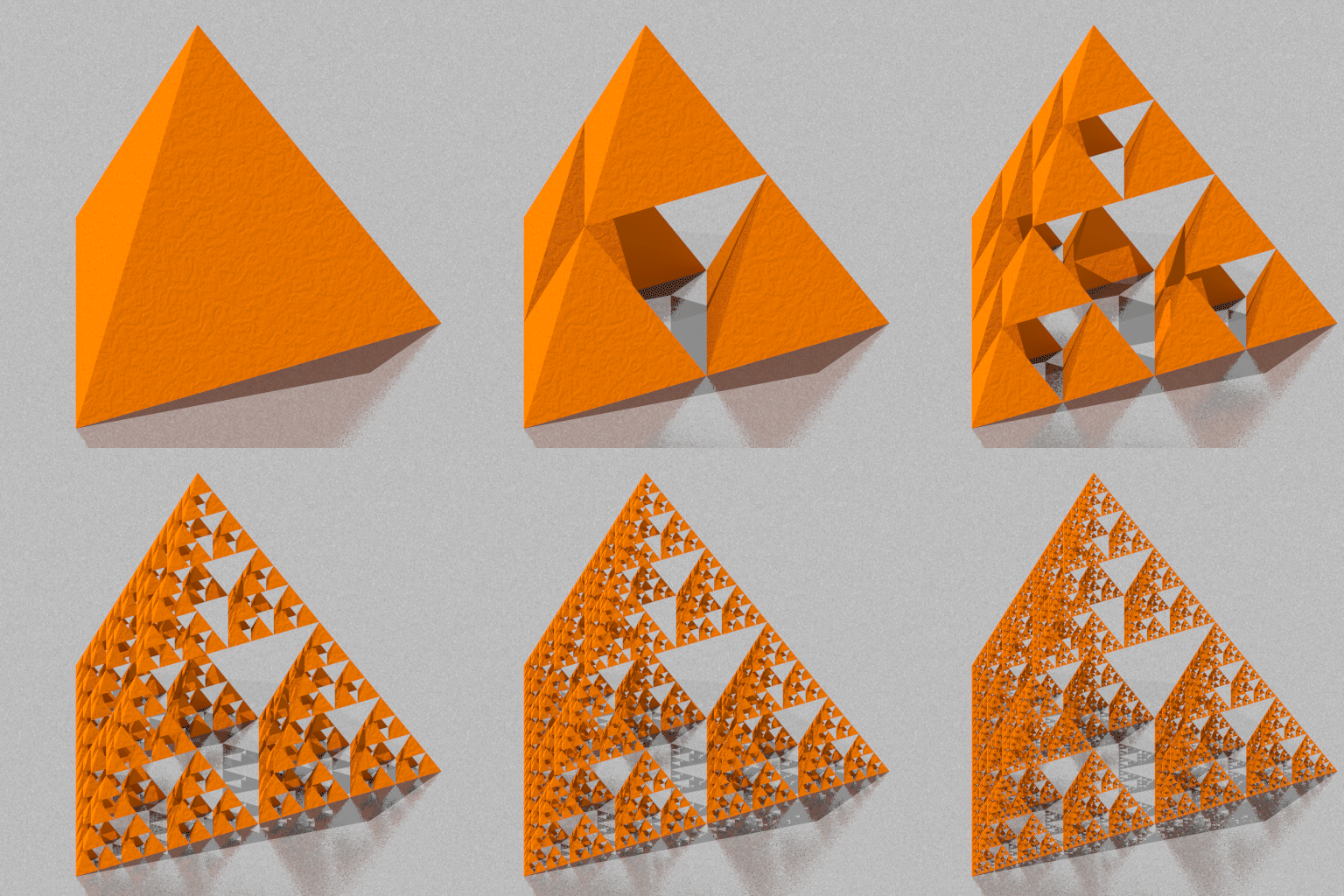
Extra Tetra

Construction of a Sierpiński tetrahedron (from WikiMedia)


Post-Performative Post-Scriptum

The toxic title of this incendiary intervention radically references George Harrison’s album Extra Texture (1975).

Strange “S” in the Light

Unexpected discoveries are one of the joys of mathematics, even for amateurs. And computers help you make more of them, because computers make it easy to adjust variables or search faster and further through math-space than any unaided human ever could (on the downside, computers can make you lazy and blunt your intuition). Here’s an unexpected discovery I made using a computer in November 2020:

A distorted and dissected capital “S”


It’s a strange “S” that looks complex but is constructed very easily from three simple lines. And it’s a fractal, a shape that contains copies of itself at smaller and smaller scales:

Five sub-fractals of the Strange “S”


Elsewhere Other-Accessible…

Fractangular Frolics — the Strange “S” in more light

We Can Circ It Out

It’s a pretty little problem to convert this triangular fractal…

Sierpiński triangle (Wikipedia)


…into its circular equivalent:

Sierpiński triangle as circle


Sierpiński triangle to circle (animated)


But once you’ve circ’d it out, as it were, you can easily adapt the technique to fractals based on other polygons:

T-square fractal (Wikipedia)

T-square fractal as circle


T-square fractal to circle (animated)


Elsewhere other-accessible…

Dilating the Delta — more on converting polygonic fractals to circles…

Fylfy Fractals

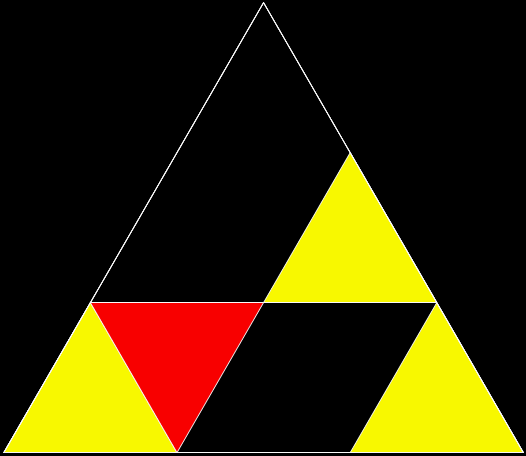
An equilateral triangle is a rep-tile, because it can be tiled completely with smaller copies of itself. Here it is as a rep-4 rep-tile, tiled with four smaller copies of itself:

Equilateral triangle as rep-4 rep-tile


If you divide and discard one of the sub-copies, then carry on dividing-and-discarding with the sub-copies and sub-sub-copies and sub-sub-sub-copies, you get the fractal seen below. Alas, it’s not a very attractive or interesting fractal:

Divide-and-discard fractal stage #1


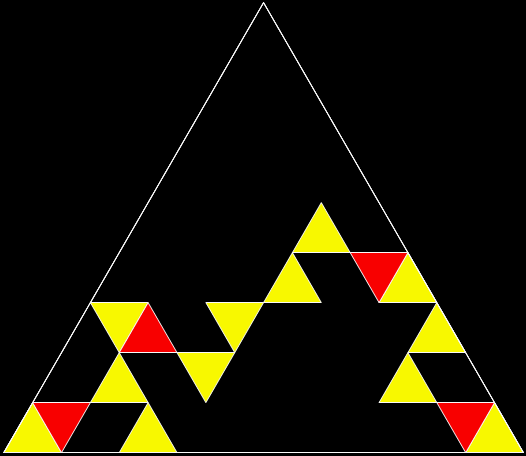
Stage #2


Stage #3


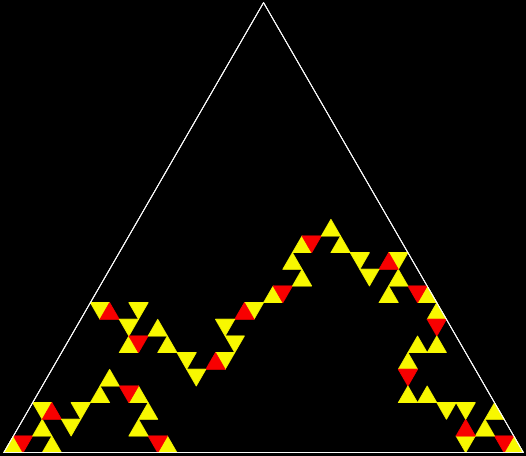
Stage #4


Stage #5


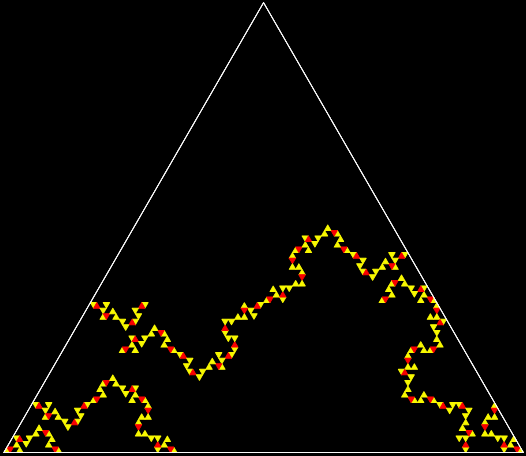
Stage #6


Stage #7


Stage #8


Stage #9


Divide-and-discard fractal (animated)


You can create more attractive and interesting fractals by rotating the sub-triangles clockwise or anticlockwise. Here are some examples:


Now try dividing a square into four right triangles, then turning each of the four triangles into a divide-and-discard fractal. The resulting four-fractal shape is variously called a swastika, a gammadion, a cross cramponnée, a Hakenkreuz and a fylfot. I’m calling it a fylfy fractal:

Divide-and-discard fractals in the four triangles of a divided square stage #1


Fylfy fractal #2


Fylfy fractal #3


Fylfy fractal #4


Fylfy fractal #5


Fylfy fractal #6


Fylfy fractal #7


Fylfy fractal #8


Fylfy fractal (animated)


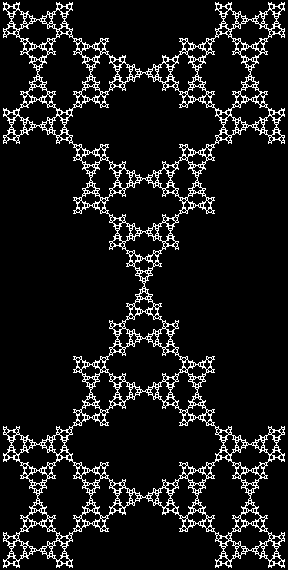
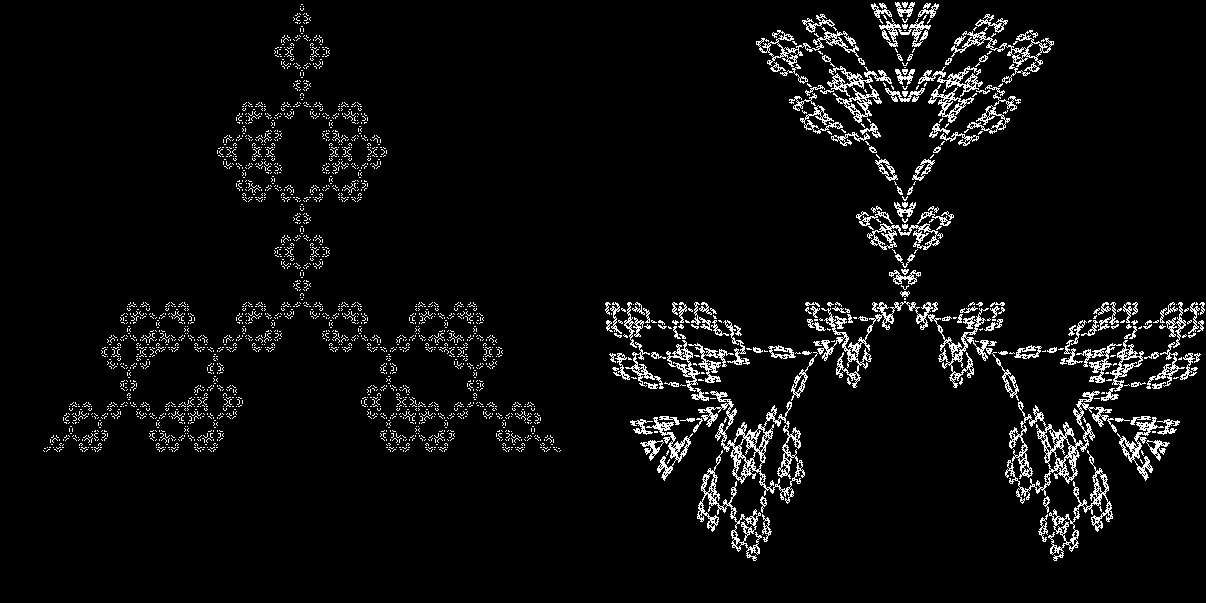
Finally, you can adjust the fylfy fractals so that each point in the square becomes the equivalent point in a circle: