Odorosa
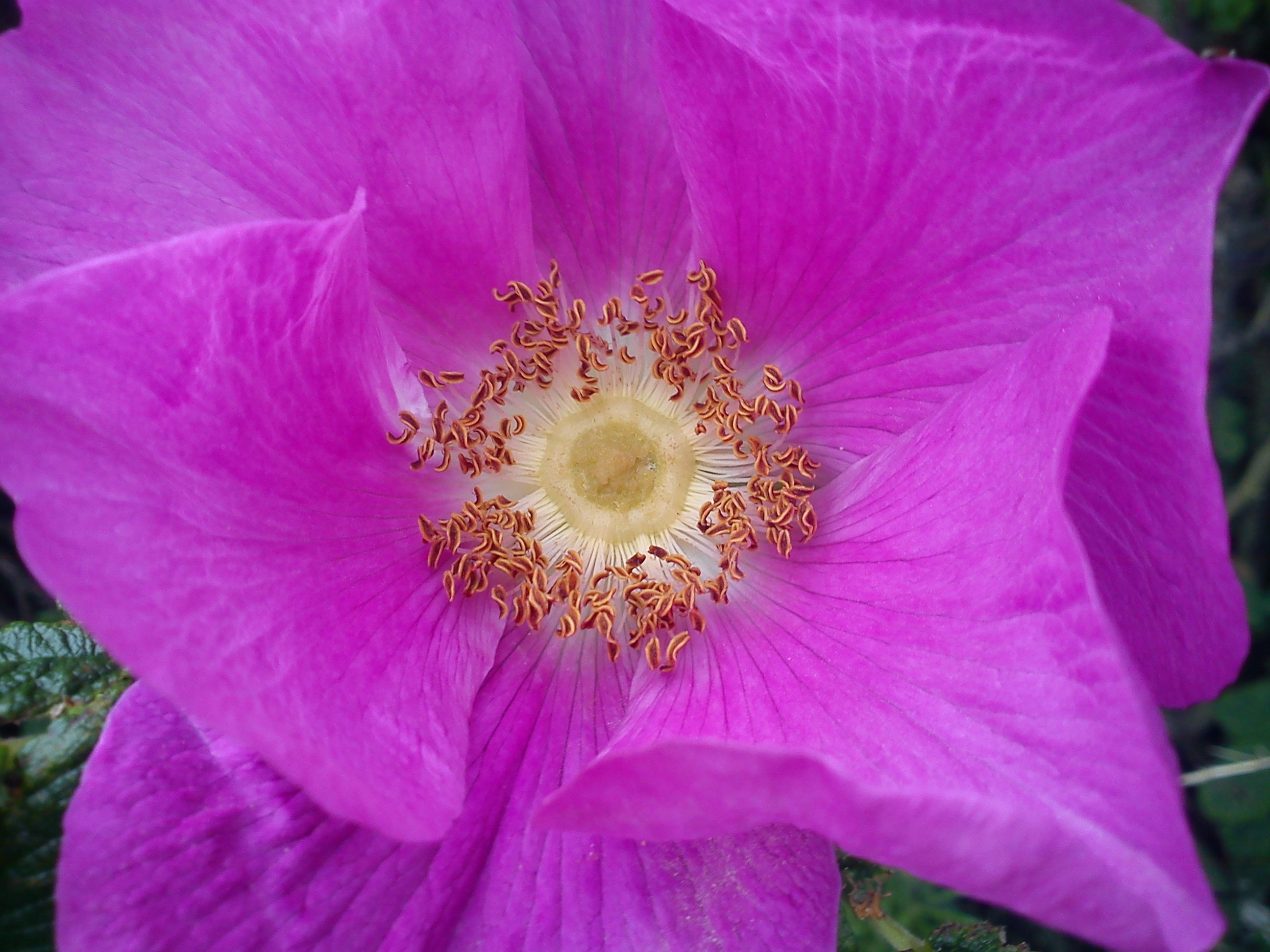
by Krilling for Company in Biology, Botany, Flowers and tagged floral scents, flower, flower-scent, Flowers, petals, rose, roses, scent, scented flora, scented rose, stamens, stamina, wild rose |
Leave a comment

Elsewhere other-accessible:
• Songs from the Center of the Sun — an interview with Faster Than Lichen
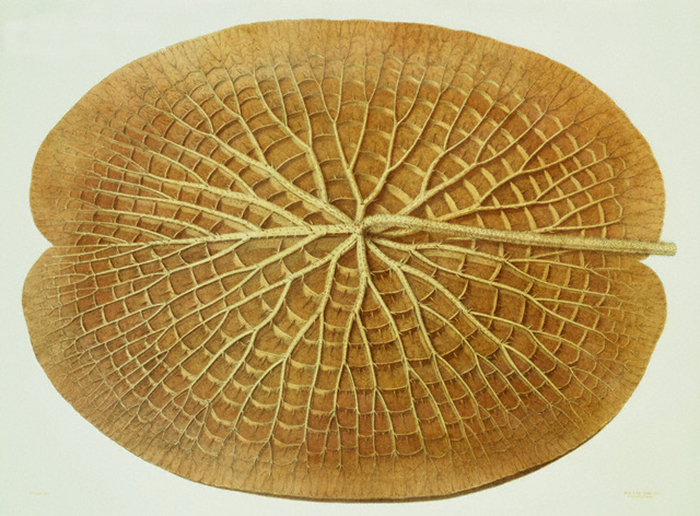
William Sharp, “Victoria Regia or the Great Water Lily of America (Underside of a Leaf)” (1854), viâ Jeff Thompson
Papyrocentric Performativity Presents:
• Roy des Fleurs – Scented Flora of the World: An Encyclopedia, Roy Genders (Robert Hale 1977)
• Art to Hart – Lives in Writing, David Lodge (Vintage Books 2015)
• Could Yew Kudzu? – Wicked Plants: The A-Z of Plants that Kill, Maim, Intoxicate and Otherwise Offend, Amy Stewart (Timber Press 2010)
Or Read a Review at Random: RaRaR
Papyrocentric Performativity Presents:
• At the Margins of Mapness – Mapping the World: The Story of Cartography, Beau Riffenburgh (Carlton Books 2011, 2014)
• Vivid Viral – Flora: An Artistic Voyage through the World of Plants, Sandra Knapp (Natural History Museum 2014)
• Auto Motive – Dream Cars: The Hot 100, Sam Philip (BBC Books 2014)
Or Read a Review at Random: RaRaR
Papyrocentric Performativity Presents:
• Ai Luv Yew – The Bonsai Bible: The Definitive Guide to Choosing and Growing Bonsai, Peter Chan (Hamlyn 2014)
• Starway to Heaven – Guide to the Pyramids of Egypt, Alberto Siliotti, preface by Zahi Hawass (White Star Publishers 2000)
• Escape and Essence – The Wooden Horse, Eric Williams (Pen & Sword 2013)
• Aspects of the Annihilator – Sub-Machine Gun: The development of sub-machine guns and their ammunition from World War I to the present day, Maxim Popenker and Anthony G. Williams (Crowood Press 2011)
• Northanger Abyss – Jane in Blood: Castration, Clitoridolatry and Communal Cannibalism in the Novels of Jane Austen, Dr Miriam B. Stimbers (University of Nebraska Press 2014)
Or Read a Review at Random: RaRaR
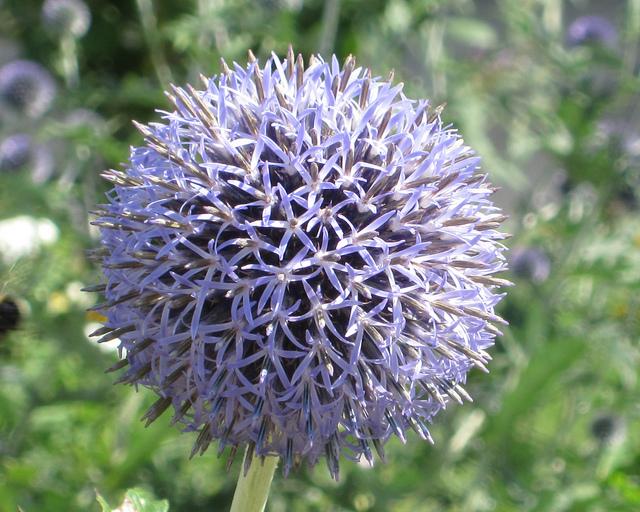
Echinops sphaerocephalus, or Great Globe Thistle
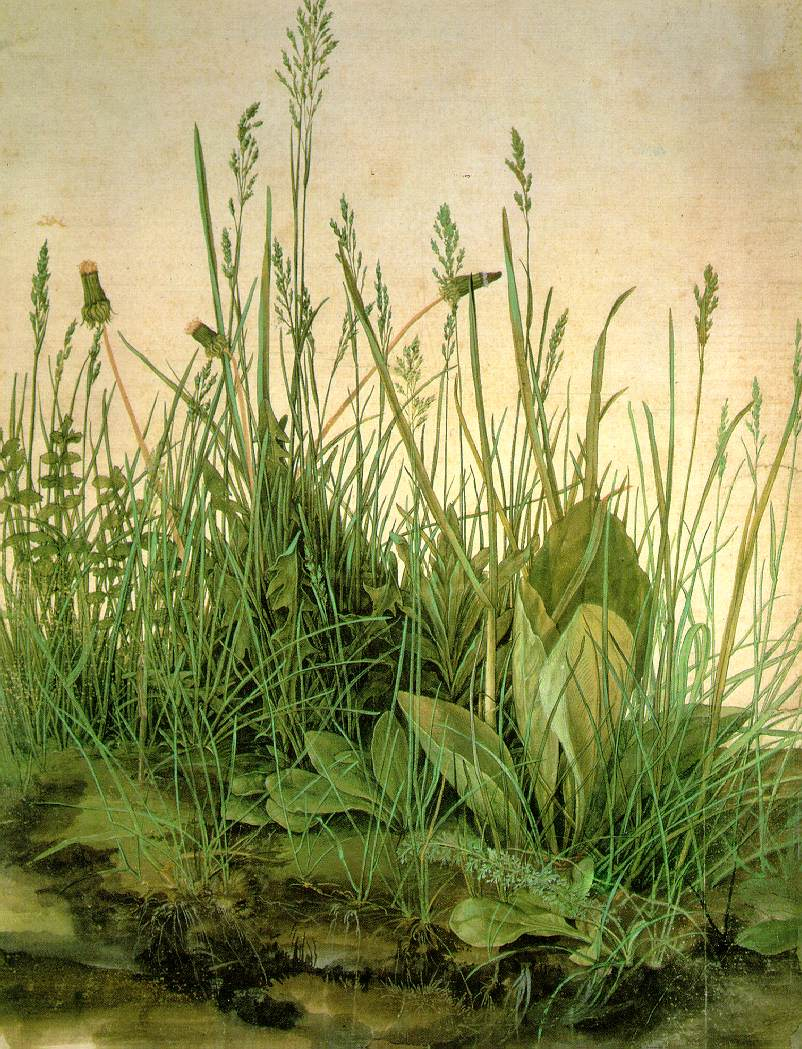
Albrecht Dürer, Das große Rasenstück (1503)
Dürer’s “The Large Piece of Turf”.
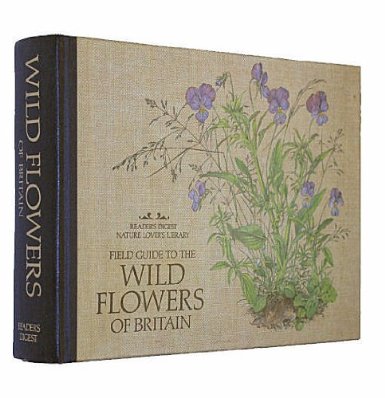
Reader’s Digest Field Guide to the Wild Flowers of Britain, J.R. Press et al, illustrated Leonora Box et al (1981)
This is probably the best introduction to British wild flowers that I’ve seen: drawings, photographs and text complement each other perfectly over more than four hundred pages. Despite being compact, it’s a little heavy to be a good field guide, but it would be useful in every British field, wasteland and marsh. From Indian balsam (Impatiens glandulifera) to flowering-rush (Butomus umbellatus) by way of green alkanet (Pentaglottis sempervirens), it’s got a lot, if not the lot (no Mycelis muralis, or wall lettuce, for example). The drawings are skilful, detailed, and often show the plant growing with different species in its habitat, which prepares the eye for identifying it in situ. The drawings also often have the adventitious additions that make David N. Pegler’s Pocket Guide to Mushrooms and Toadstools more enjoyable too, like the half-brick with Canadian fleabane (Conyza canadensis), the chewing-gum wrapper with sea mayweed (Matricaria maritima) and the frog with water violet (Hottonia palustris).
The drawings dominate the page devoted to each plant, but there’s a small photograph of a living specimen too, though “small” doesn’t always mean undramatic. Sea thrift (Armeria maritima) is shown growing quietly on a cliff-top with swirling sea and towering rocks beyond and below it. The photo sums up the book: wild flowers are often delicate and unobtrusive, but they illustrate some grand themes of evolution and biology, from ecological webs to mimicry, parasitism and toxicology: dead-nettles (Lamium spp.) mimick nettles, broomrape (Orobanche spp.) parasitizes broom, clover and more, and lots of British plants can kill you, sicken you or drive you insane, from hemlock (Conium maculatum) to henbane (Hyoscyamus niger). The book explores some grand themes of culture too: the text mixes serious botany with folklore, cuisine, herbalism, and literature. Pignuts (Conopodium majus) appear in The Tempest, for example, and in Ireland “were thought to be the food of leprachauns”. The etymologies aren’t always trustworthy — the “-ard” of “mustard” doesn’t mean ardente, “burning” — but that makes the book itself part of folklore and adds to the plants’ appeal. Highly recommended in this first edition.