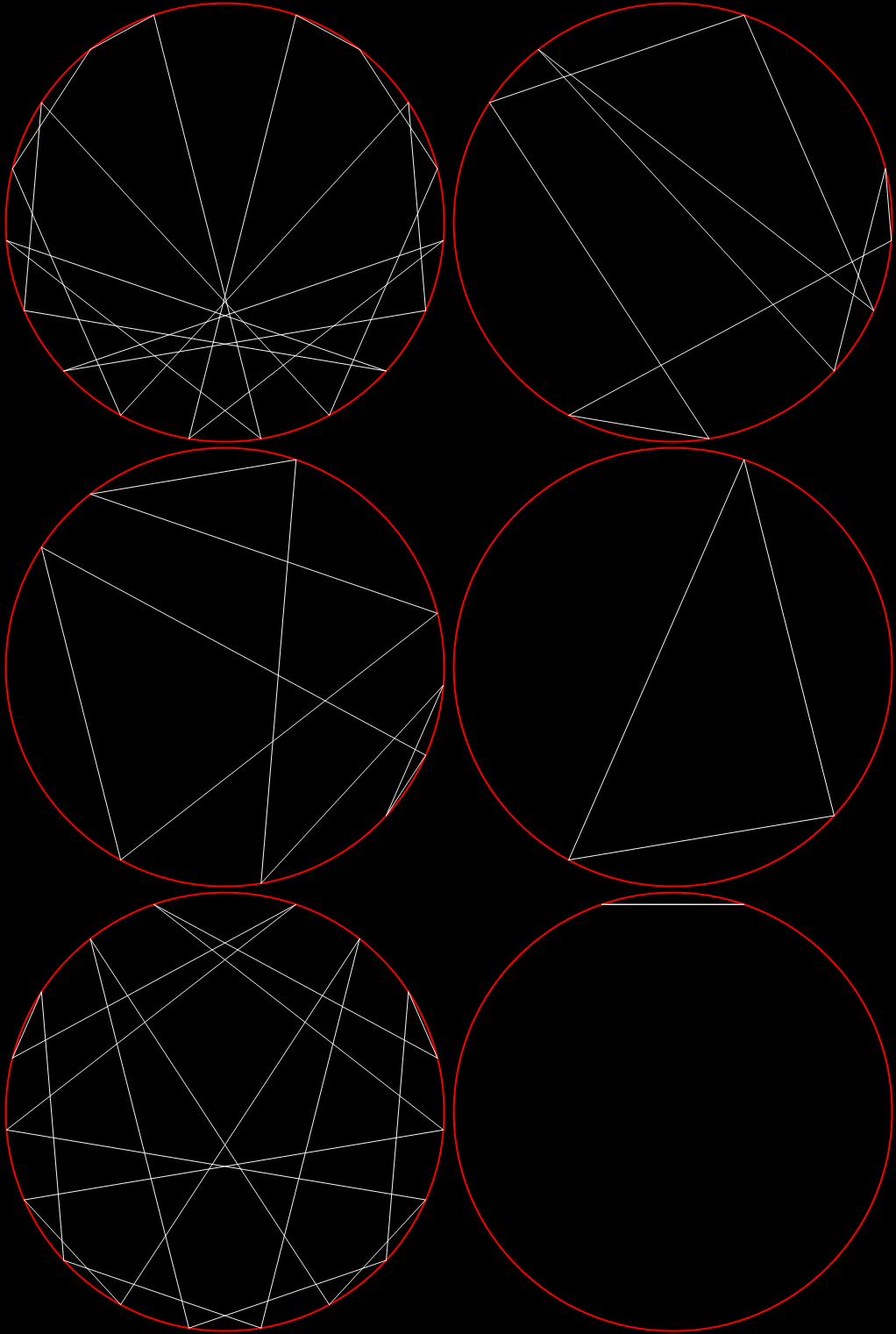
Glowing Troppo

pombero, M. Á guar. En la tradición popular, duende imaginario de quien se dice que protege a los pájaros y a los cocuyos y rapta a niños que persiguen.

cocuyo, M. Insecto coleóptero de la América tropical, de unos tres centimétros de longitud, oblongo, pardo y con dos manchas amarillentas a los lados de tórax, por las cuales despide de noche una luz azulada bastante viva. — Diccionario esencial de la lengua española (2006)

Period Panes

In his Penguin Dictionary of Curious and Interesting Numbers (1986), David Wells says that 142857 is “beloved of all recreational mathematicians”. He then says it’s the decimal period of the reciprocal of the fourth prime: “1/7 = 0·142857142857142…” And the reciprocal has maximum period. There are 6 = 7-1 digits before repetition begins, unlike the earlier prime reciprocals:


1/2 = 0·5
1/3 = 0·333...
1/5 = 0·2
1/7 = 0·142857 142857 142...

In other words, all possible remainders appear when you calculate the decimals of 1/7:


1*10 / 7 = 1 remainder 3 → 0·1
3*10 / 7 = 4 remainder 2 → 0·14
2*10 / 7 = 2 remainder 6 → 0·142
6*10 / 7 = 8 remainder 4 → 0·1428
4*10 / 7 = 5 remainder 5 → 0·14285
5*10 / 7 = 7 remainder 1 → 0·142857
1*10 / 7 = 1 remainder 3 → 0·142857 1
3*10 / 7 = 4 remainder 2 → 0·142857 14
2*10 / 7 = 2 remainder 6 → 0·142857 142...

That happens again with 1/17 and 1/19, but Wells says that “surprisingly, there is no known method of predicting which primes have maximum period.” It’s a simple question that involves some deep mathematics. Looking at prime reciprocals is like peering through a small window into a big room. Some things are easy to see, some are difficult and some are presently impossible.

In his discussion of 142857, Wells mentions one way of peering through a period pane: “The sequence of digits also makes a striking pattern when the digits are arranged around a circle.” Here is the pattern, with ten points around the circle representing the digits 0 to 9:

The digits of 1/7 = 0·142857142…


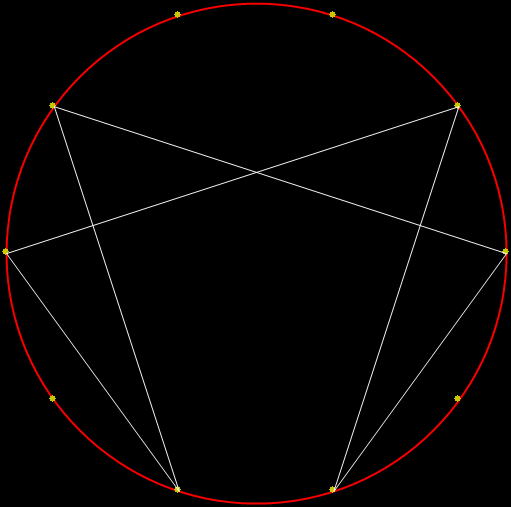
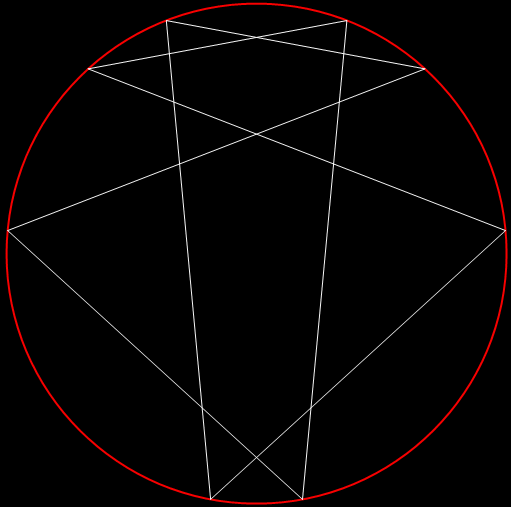
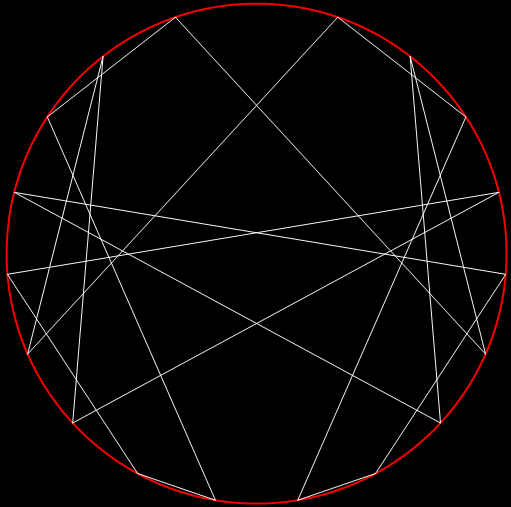
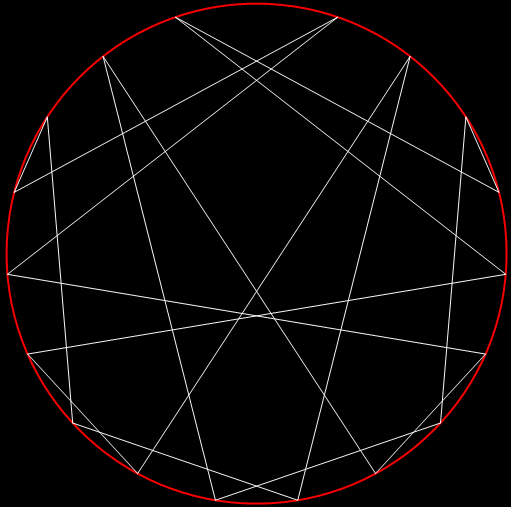
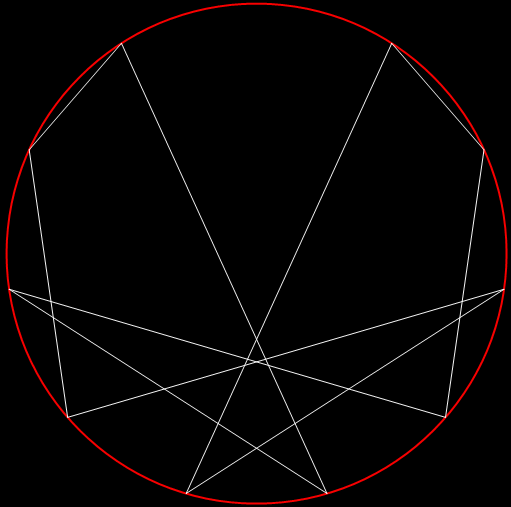
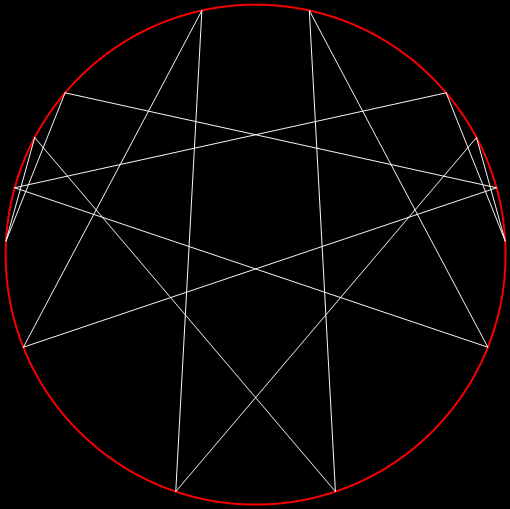
But I prefer, for further peers through the period-panes, to create the period-panes using remainders rather than digits. That is, the number of points around the circle is determined by the prime itself rather than the base in which the reciprocal is calculated:
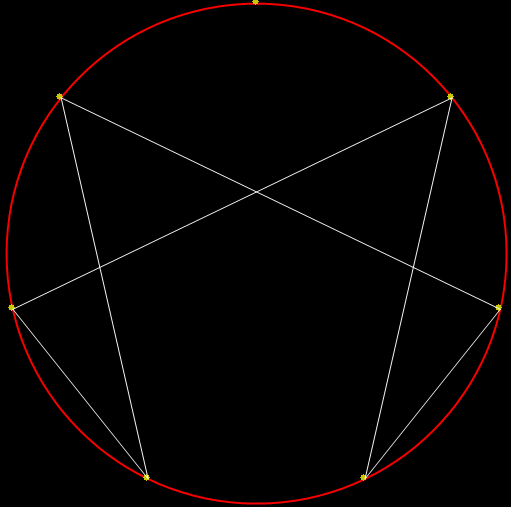
The remainders of 1/7 = 1, 3, 2, 6, 4, 5…


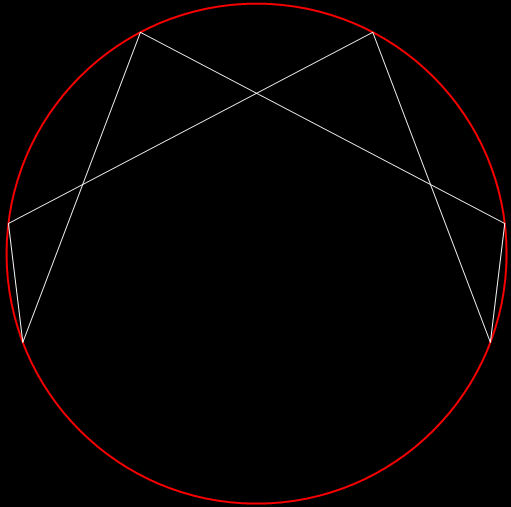
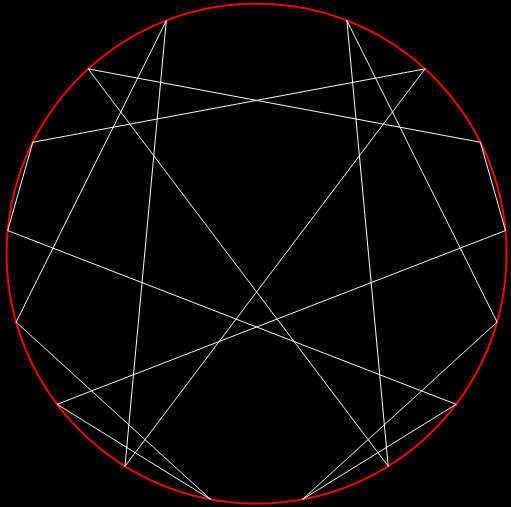
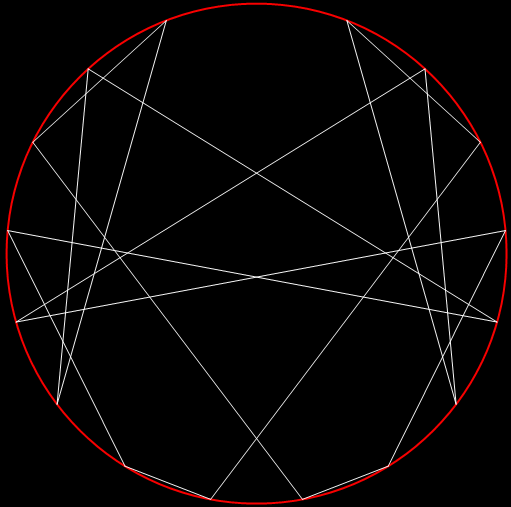
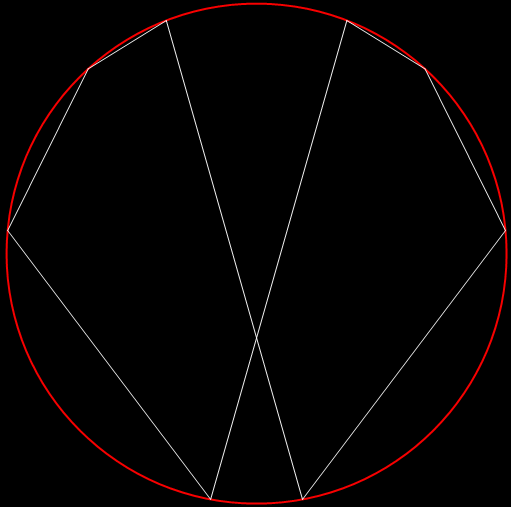
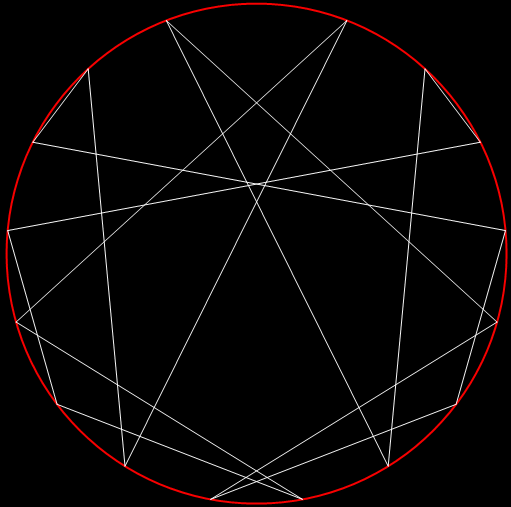
Period-panes can look like butterflies or bats or bivalves or spiders or crabs or even angels. Try the remainders of 1/13. This prime reciprocal doesn’t have maximum period: 1/13 = 0·076923 076923 076923… So there are only six remainders, creating this pattern:

remainders(1/13) = 1, 10, 9, 12, 3, 4


The multiple 2/13 has different remainders and creates a different pattern:

remainders(2/13) = 2, 7, 5, 11, 6, 8


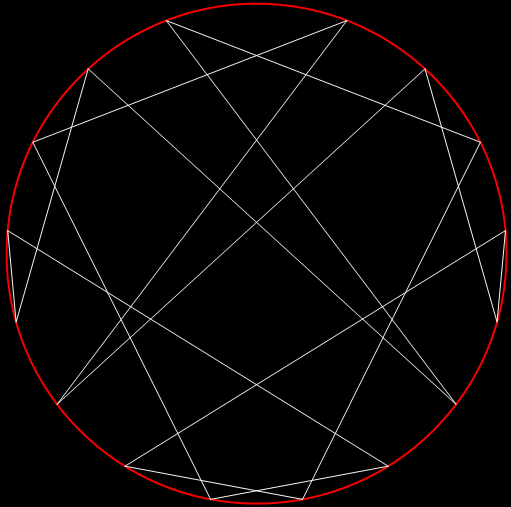
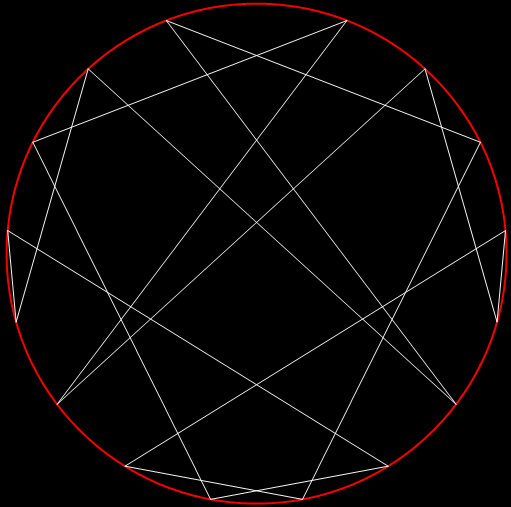
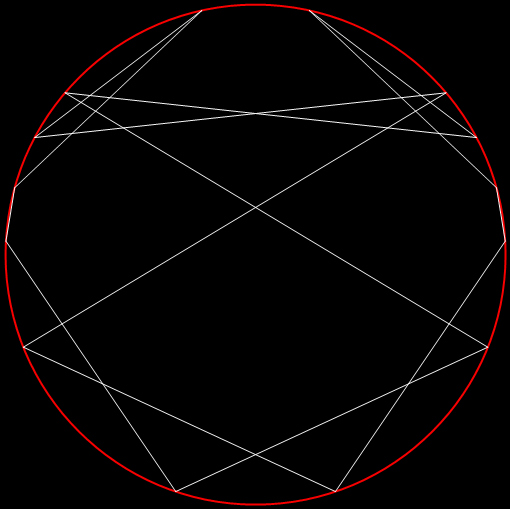
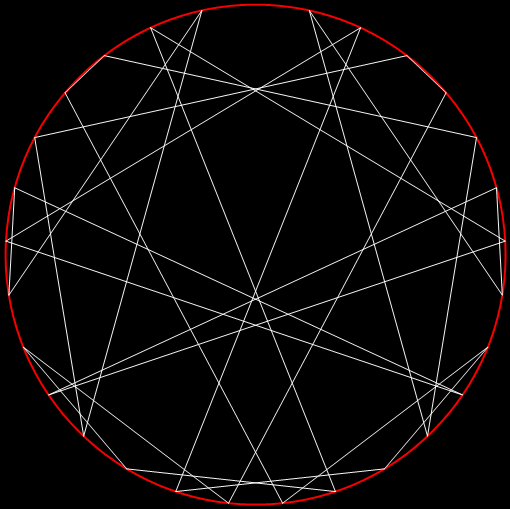
But 1/17, 1/19 and 1/23 all have maximum period and yield these period-panes:
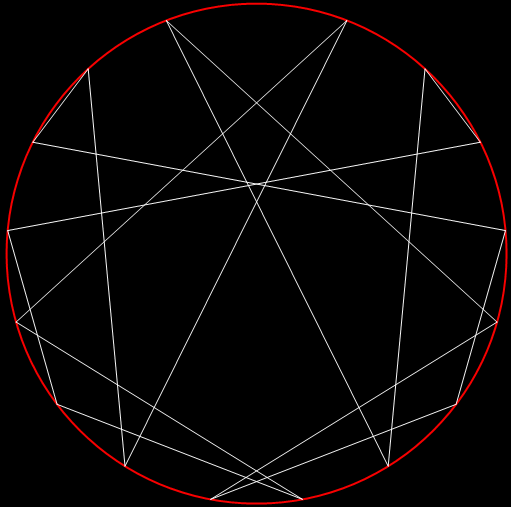
remainders(1/17) = 1, 10, 15, 14, 4, 6, 9, 5, 16, 7, 2, 3, 13, 11, 8, 12
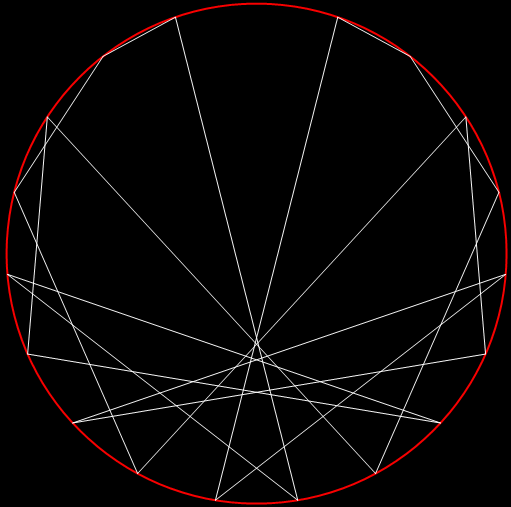

remainders(1/19) = 1, 10, 5, 12, 6, 3, 11, 15, 17, 18, 9, 14, 7, 13, 16, 8, 4, 2
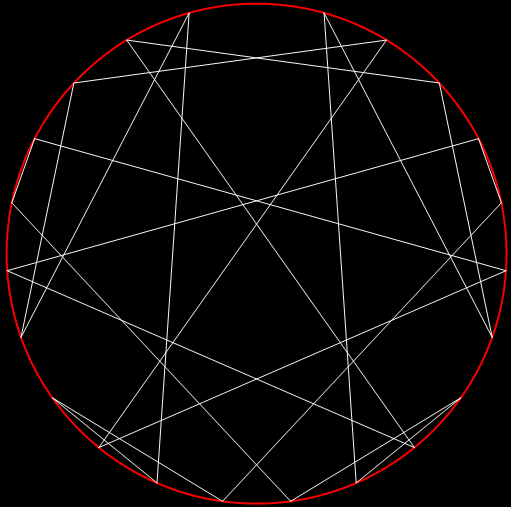

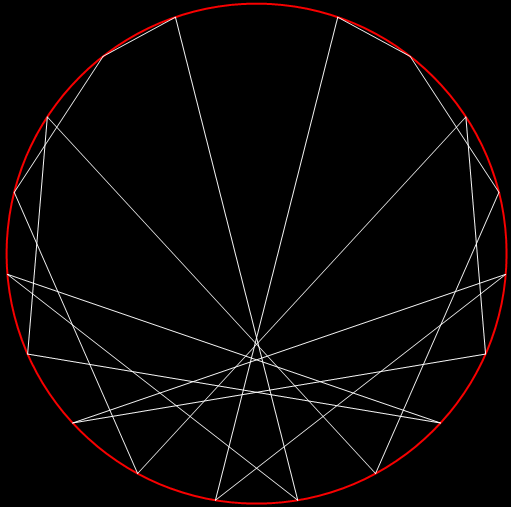
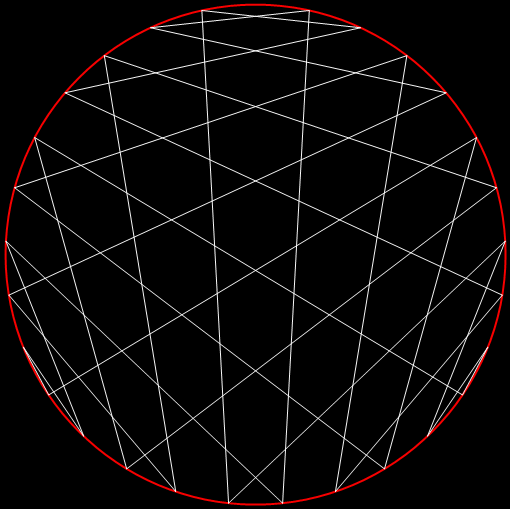
remainders(1/23) = 1, 10, 8, 11, 18, 19, 6, 14, 2, 20, 16, 22, 13, 15, 12, 5, 4, 17, 9, 21, 3, 7


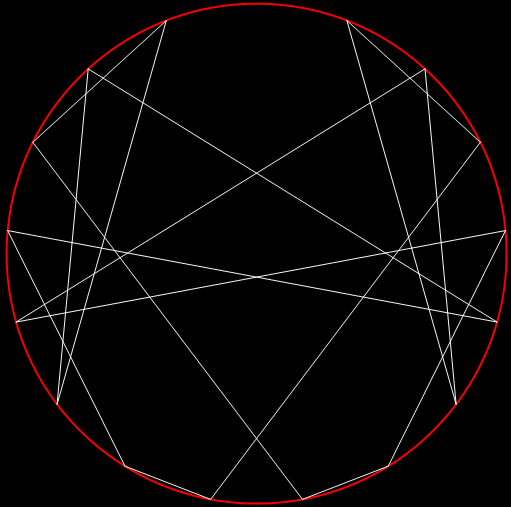
It gets mixed again with the prime 73, which doesn’t have maximum period and yields a plethora of period-panes (some patterns repeat with different n * 1/73, so I haven’t included them):
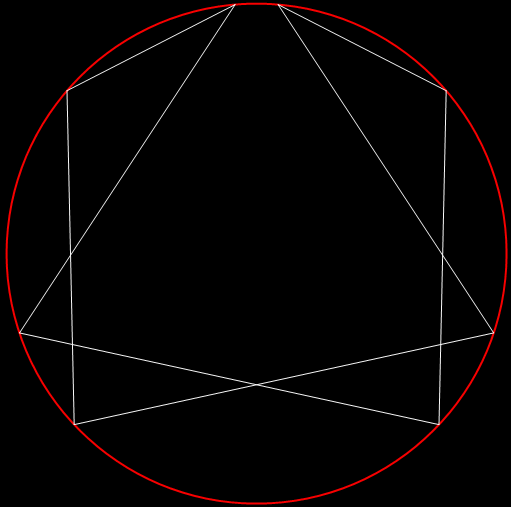
remainders(1/73)


remainders(2/73)
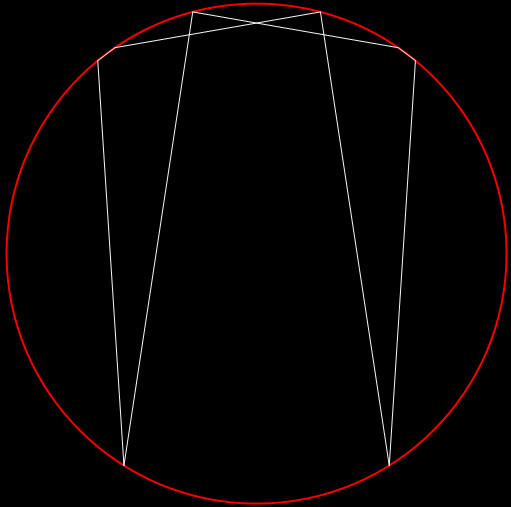

remainders(3/73)
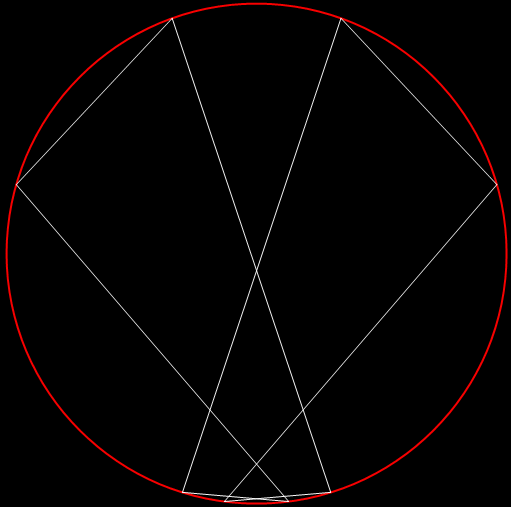

remainders(4/73)
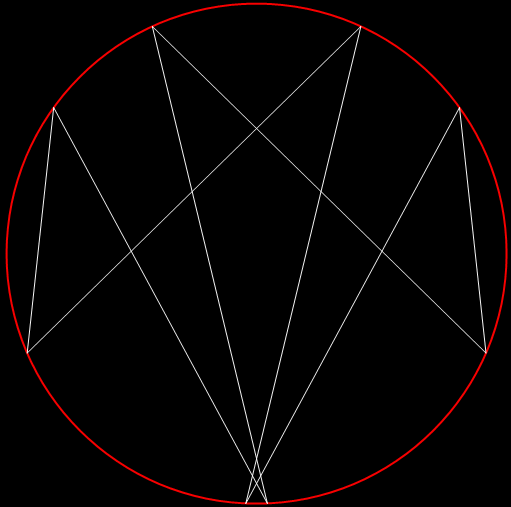

remainders(5/73)
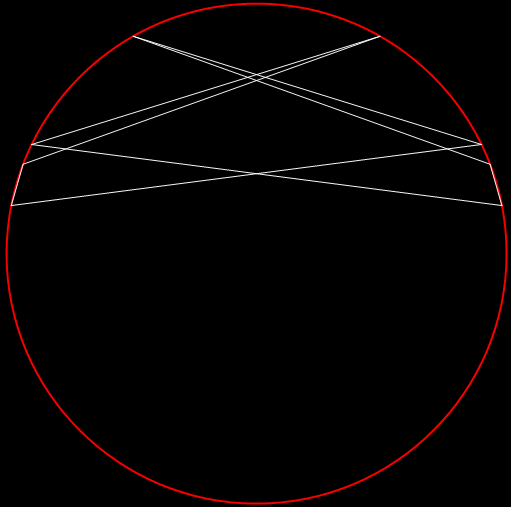

remainders(6/73)
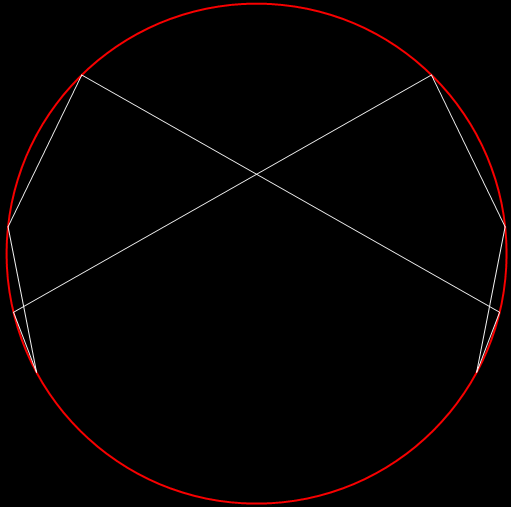

remainders(9/73)
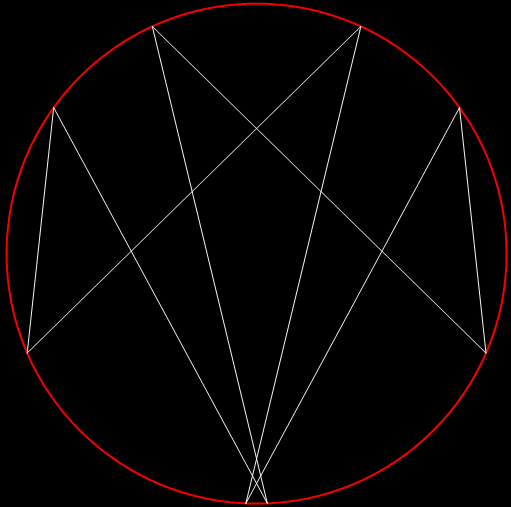

remainders(11/73) (identical to pattern of 5/73)
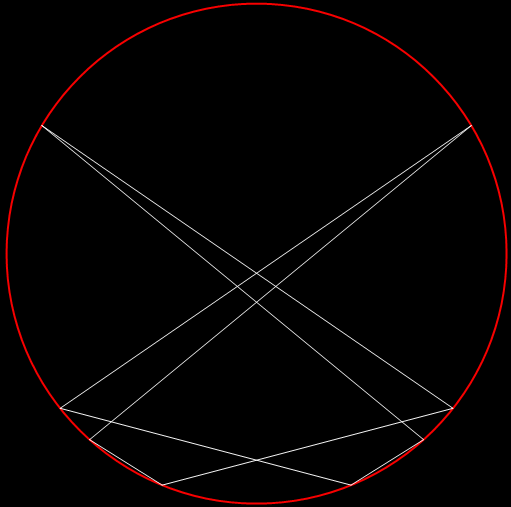

remainders(12/73)


remainders(18/73)


101 yields a plethora of period-panes, but they’re variations on a simple theme. They look like flapping wings in this animated gif:
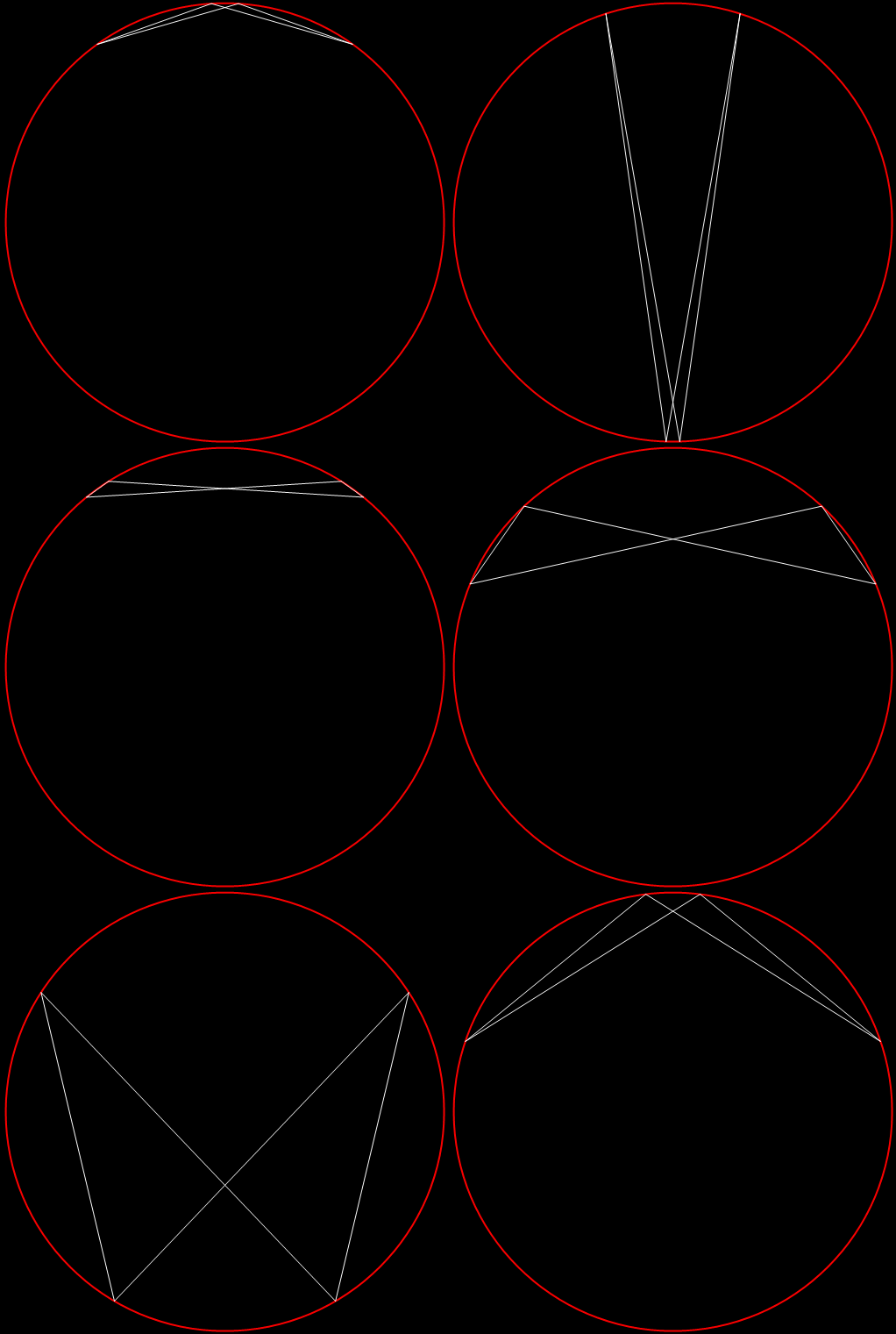
remainders of n/101 (animated)


The remainders of 137 yield more complex period-panes:

remainders of n/137 (animated)


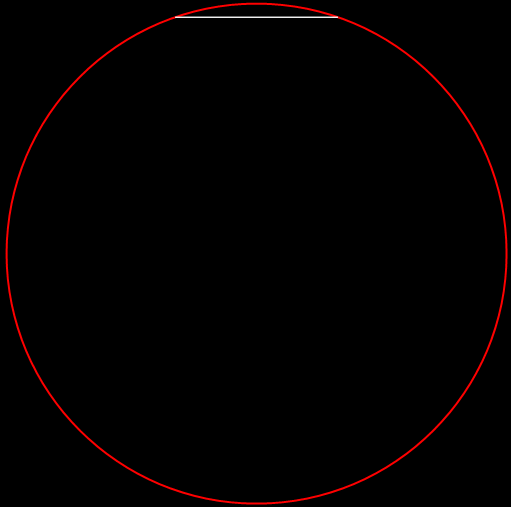
And what about different bases? Here are period-panes for the remainders of 1/17 in bases 2 to 16:
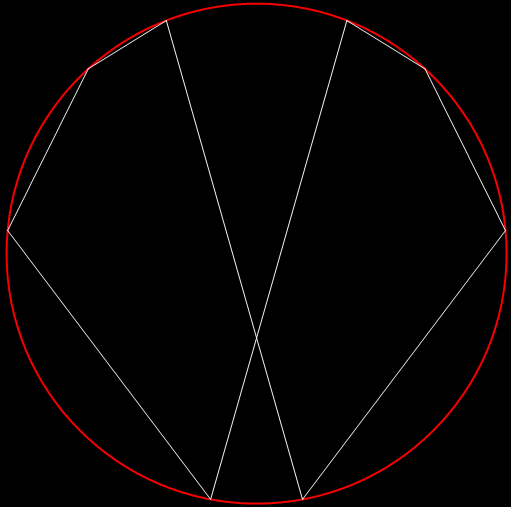
remainders(1/17) in base 2


remainders(1/17) in b3


remainders(1/17) in b4


remainders(1/17) in b5


remainders(1/17) in b6


remainders(1/17) in b7


remainders(1/17) in b8


remainders(1/17) in b9


remainders(1/17) in b10


remainders(1/17) in b11


remainders(1/17) in b12


remainders(1/17) in b13


remainders(1/17) in b14


remainders(1/17) in b15
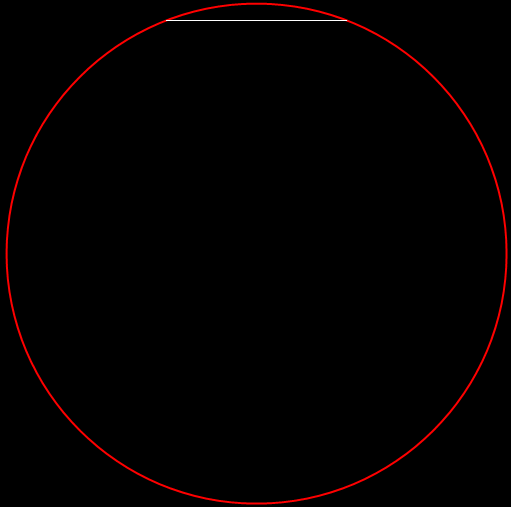

remainders(1/17) in b16
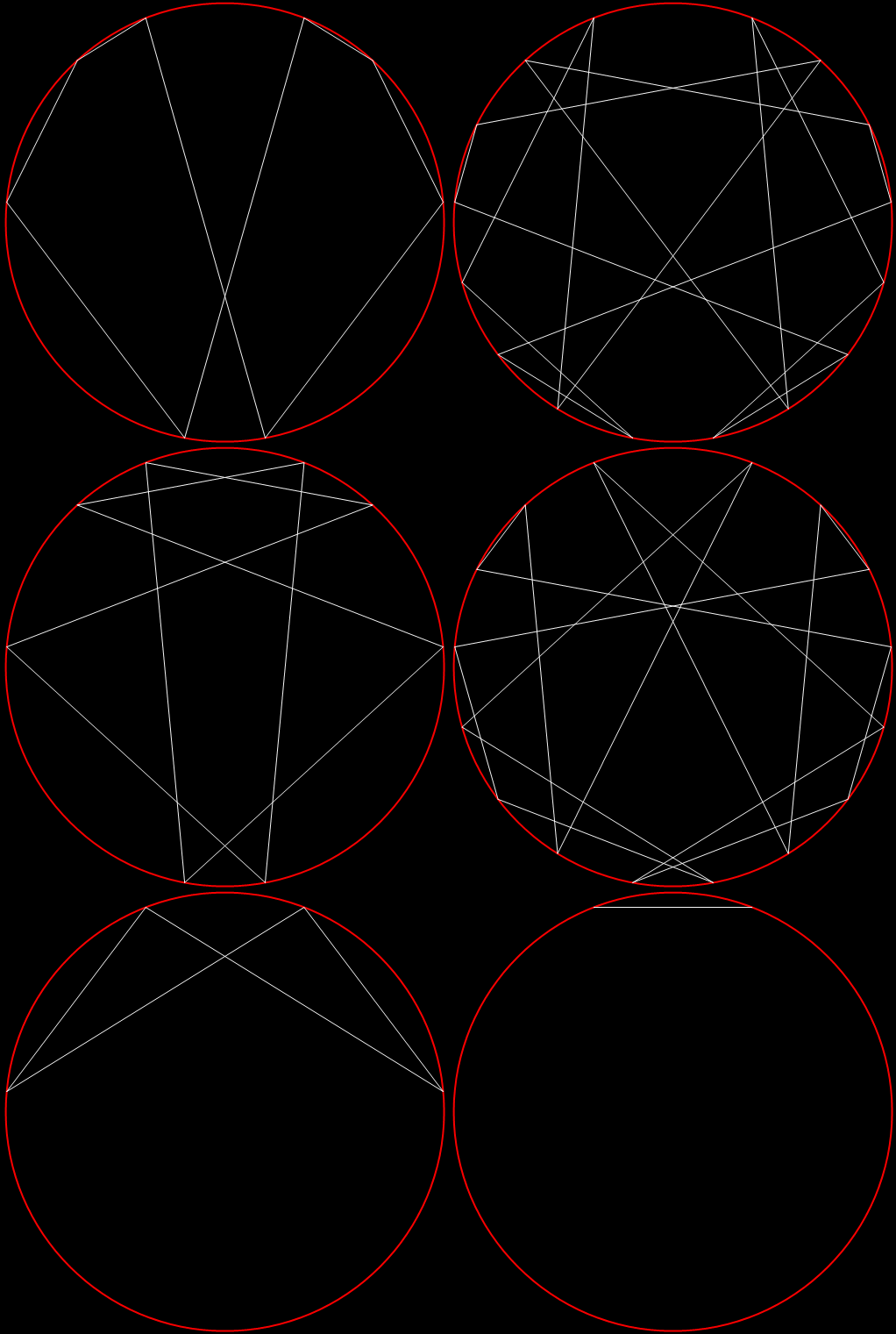

remainders(1/17) in bases 2 to 16 (animated)


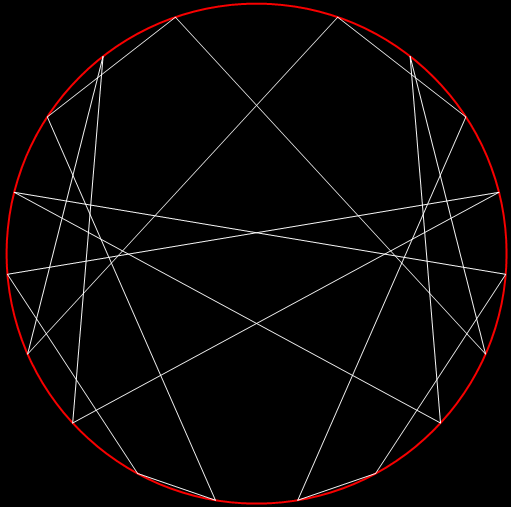
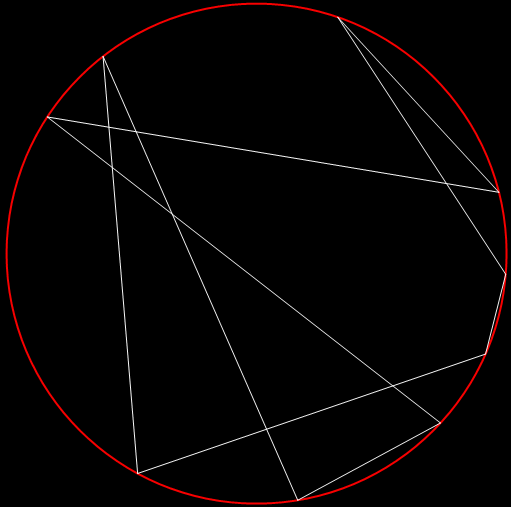
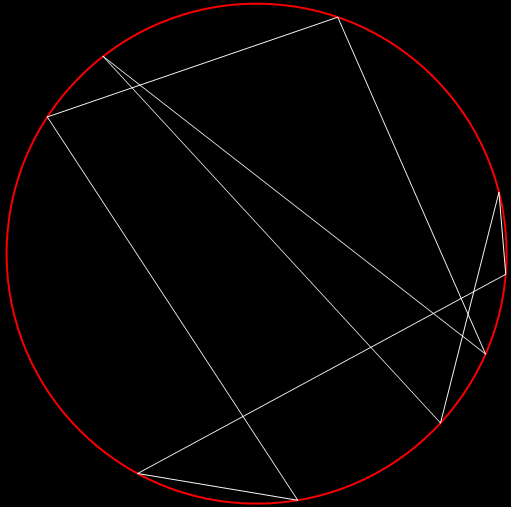
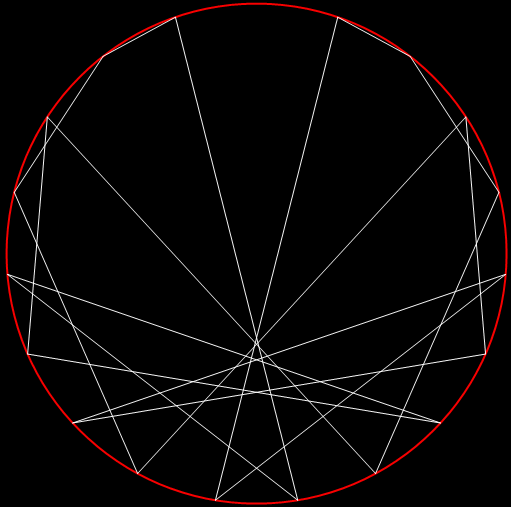
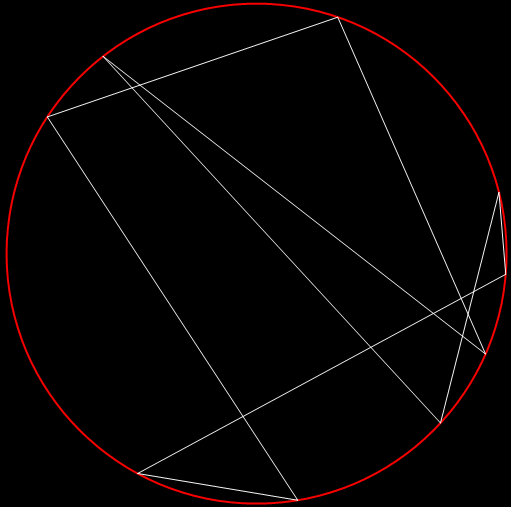
But the period-panes so far have given a false impression. They’ve all been symmetrical. That isn’t the case with all the period-panes of n/19:

remainders(1/19) in b2


remainders(1/19) in b3


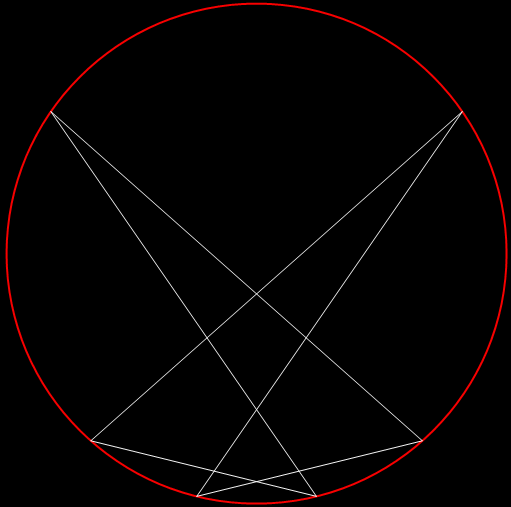
remainders(1/19) in b4 = 1, 4, 16, 7, 9, 17, 11, 6, 5 (asymmetrical)


remainders(1/19) in b5 = 1, 5, 6, 11, 17, 9, 7, 16, 4 (identical pattern to that of b4)


remainders(1/19) in b6
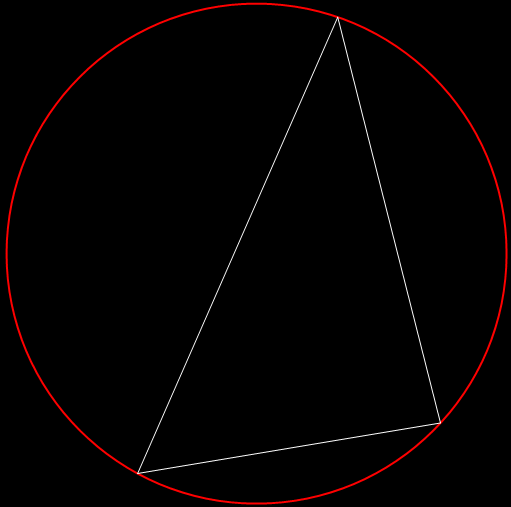

remainders(1/19) in b7
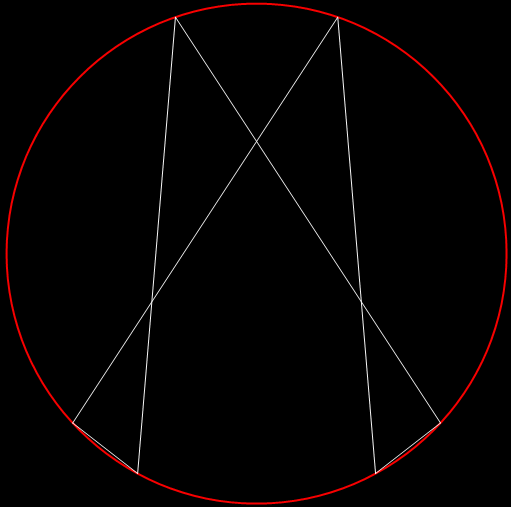

remainders(1/19) in b8
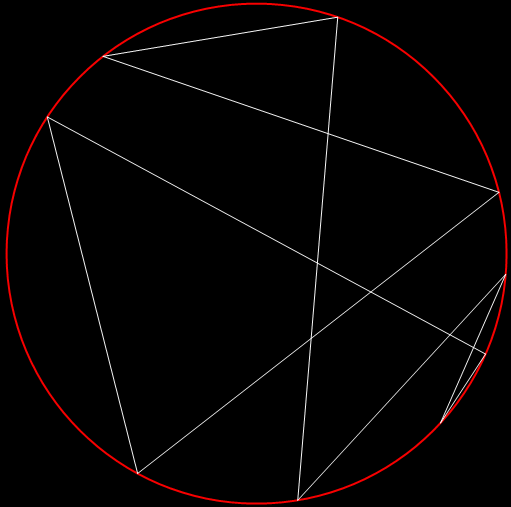

remainders(1/19) in b9


remainders(1/19) in b10 (identical pattern to that of b2)


remainders(1/19) in b11
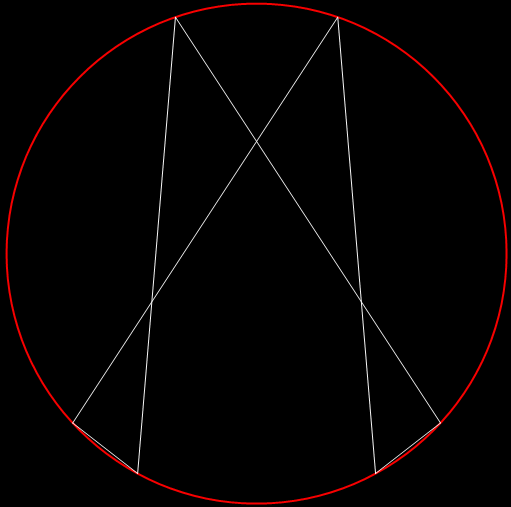

remainders(1/19) in b12


remainders(1/19) in b13


remainders(1/19) in b14


remainders(1/19) in b15


remainders(1/19) in b16
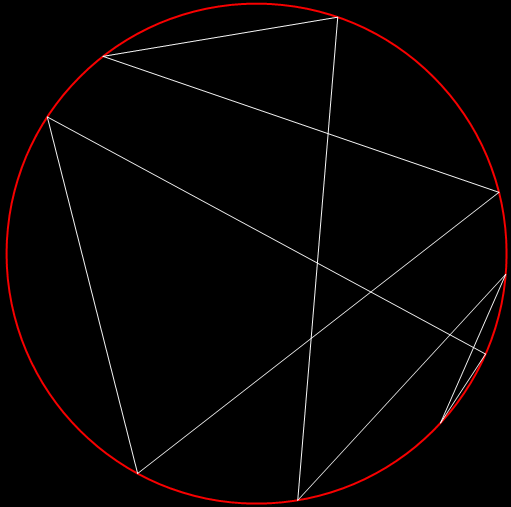

remainders(1/19) in b17


remainders(1/19) in b18


remainders(1/19) in bases 2 to 18 (animated)


Here are a few more period-panes in different bases:

remainders(1/11) in b2
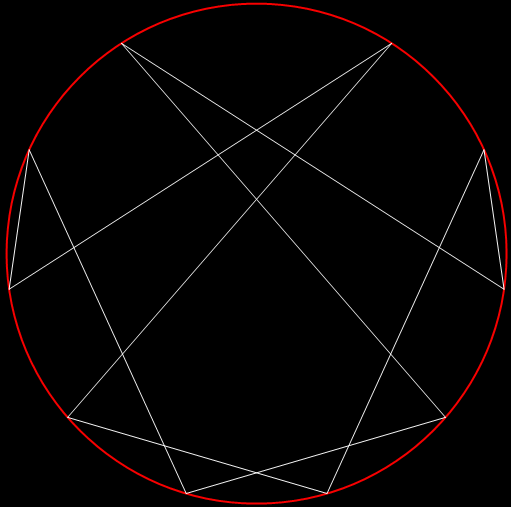

remainders(1/11) in b7


remainders(1/13) in b6


remainders(1/43) in b6
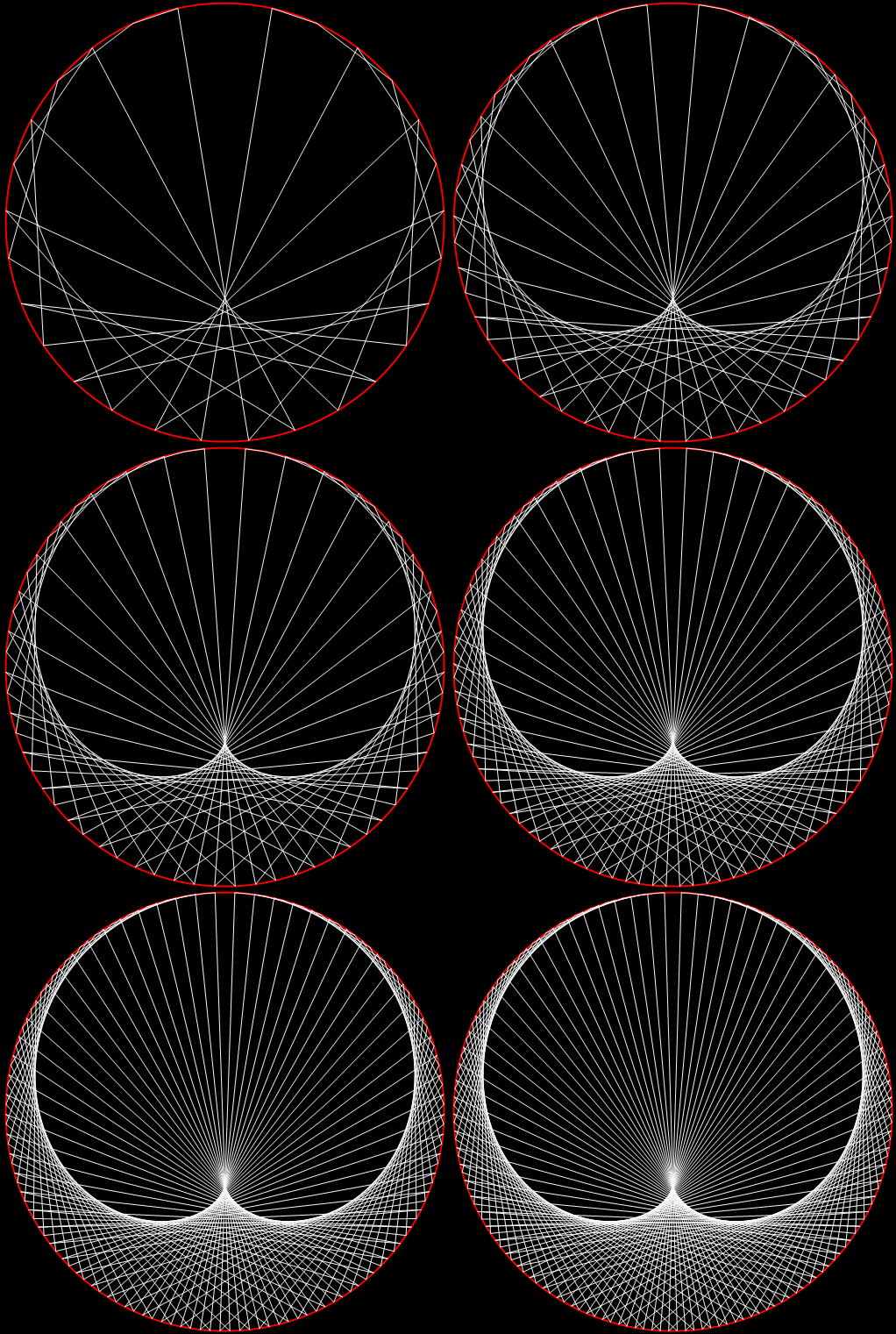

remainders in b2 for reciprocals of 29, 37, 53, 59, 61, 67, 83, 101, 107, 131, 139, 149 (animated)


And finally, to performativize the pun of “period pane”, here are some period-panes for 1/29, whose maximum period will be 28 (NASA says that the “Moon takes about one month to orbit Earth … 27.3 days to complete a revolution, but 29.5 days to change from New Moon to New Moon”):
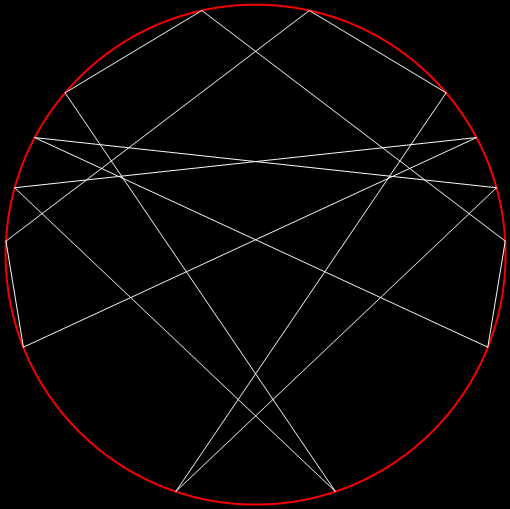
remainders(1/29) in b4


remainders(1/29) in b5


remainders(1/29) in b8


remainders(1/29) in b9


remainders(1/29) in b11


remainders(1/29) in b13


remainders(1/29) in b14
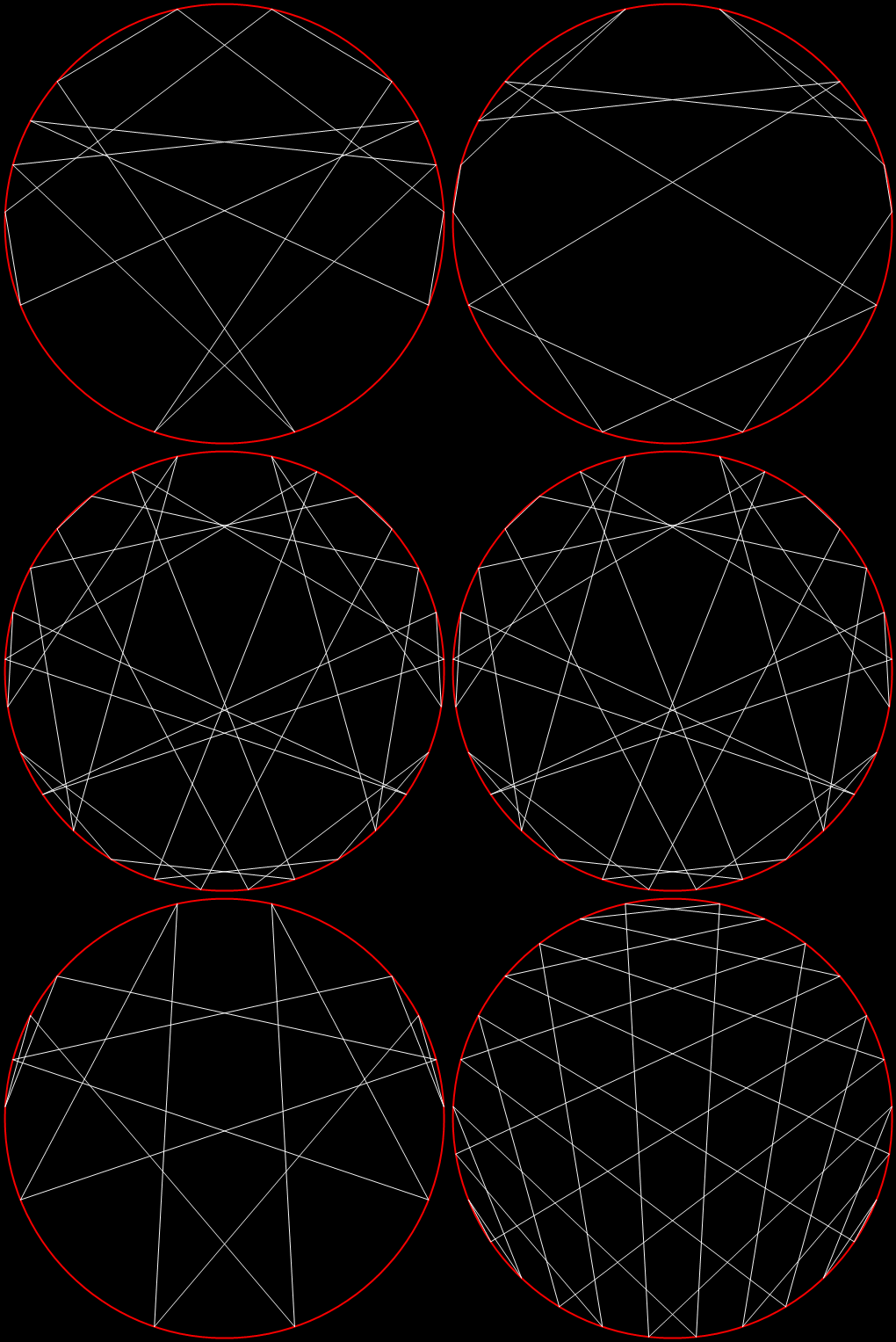

remainders(1/29) in various bases (animated)


Toxic Turntable #27

Currently listening…

• Los Guabás Guapos, Huevos de Oro (1984)
• EaglePig, Snout in the Cellar (2011)
• Octavio Línqua, Rossoscuro (1996)
• Leporis β, Maria è dei Nostri (2015)
• Baron Mezzanine, Trunquatorial (1976)
• Mqopasizuth, ngCaquro (Live in Harrogate) (2008)
• Queens of Coecos, Queens of Coecos (1995)
• Camelchoir, Holloed (1991)
• Ледяной Трон, Песни в Стране Теней (1997)
• Zambré Neoni, Les Lys de Lyon (1995)
• Meisterflieger, Mitternachtsmesser (1977)
• Xir Piono, k=1221121 (1992)
• Dustizen, The Watchful Quiet (2012)
• Jodi y las Jezabeles, Poco de Mavo (1998)
• Tenebrōth, La Reine Sidérale (2013)
• Fuzznauzea, Ocean of Fuzz (2017)
• Swarmiphora, Cestus Veneris (Live EP) (2009)
• Ce Précepteur, Achetée en Géorgie (1989)
• Sparrows in the Woods, Henderswine (1983)
• Morgan’s Spooks, Verdigris Jar (2006)
• Vuerimanzo, Quederm (2013)
• Halls of Neptune, Sunderwall (1985)


Toxic Turntable #1#2#3#4#5#6#7#8#9#10#11#12#13#14#15#16#17#18#19#20#21#22#23#24#25#26

Nexcelsior

In “The Trivial Troot”, I looked at what happens when tri(k), the k-th triangular number, is one digit longer than the previous triangular number, tri(k-1):


6 = tri(3)
10 = tri(4)


91 = tri(13)
105 = tri(14)


990 = tri(44)
1035 = tri(45)
[...]

10 ← 4
105 ← 14
1035 ← 45
10011 ← 141
100128 ← 447
1000405 ← 1414
10001628 ← 4472
100005153 ← 14142
1000006281 ← 44721
10000020331 ← 141421
100000404505 ← 447214
1000001326005 ← 1414214
10000002437316 ← 4472136
100000012392316 ← 14142136
[...]

What’s going on with k? In a sense, it’s calculating the square roots of 2 and 20:

√2 = 1·414213562373095048801688724209698078569671875376948073176679738...
√20 = 4·472135954999579392818347337462552470881236719223051448541794491...

Now let’s say “Excelsior!” and go higher with a related sequence. A006003 is defined at the Online Encyclopedia of Integer Sequences as the “sum of the next n natural numbers”. Here it is:


1 = 1
5 = 2 + 3
15 = 4 + 5 + 6
34 = 7 + 8 + 9 + 10
65 = 11 + 12 + 13 + 14 + 15
111 = 16 + 17 + 18 + 19 + 20 + 21
175 = 22 + 23 + 24 + 25 + 26 + 27 + 28
260 = 29 + 30 + 31 + 32 + 33 + 34 + 35 + 36
369 = 37 + 38 + 39 + 40 + 41 + 42 + 43 + 44 + 45
505 = 46 + 47 + 48 + 49 + 50 + 51 + 52 + 53 + 54 + 55
671 = 56 + 57 + 58 + 59 + 60 + 61 + 62 + 63 + 64 + 65 + 66
870 = 67 + 68 + 69 + 70 + 71 + 72 + 73 + 74 + 75 + 76 + 77 + 78
1105 = 79 + 80 + 81 + 82 + 83 + 84 + 85 + 86 + 87 + 88 + 89 + 90 + 91
1379 = 92 + 93 + 94 + 95 + 96 + 97 + 98 + 99 + 100 + 101 + 102 + 103 + 104 + 105
1695 = 106 + 107 + 108 + 109 + 110 + 111 + 112 + 113 + 114 + 115 + 116 + 117 + 118 + 119 + 120
2056 = 121 + 122 + 123 + 124 + 125 + 126 + 127 + 128 + 129 + 130 + 131 + 132 + 133 + 134 + 135 + 136
2465 = 137 + 138 + 139 + 140 + 141 + 142 + 143 + 144 + 145 + 146 + 147 + 148 + 149 + 150 + 151 + 152 + 153
2925 = 154 + 155 + 156 + 157 + 158 + 159 + 160 + 161 + 162 + 163 + 164 + 165 + 166 + 167 + 168 + 169 + 170 + 171
3439 = 172 + 173 + 174 + 175 + 176 + 177 + 178 + 179 + 180 + 181 + 182 + 183 + 184 + 185 + 186 + 187 + 188 + 189 + 190
4010 = 191 + 192 + 193 + 194 + 195 + 196 + 197 + 198 + 199 + 200 + 201 + 202 + 203 + 204 + 205 + 206 + 207 + 208 + 209 + 210
[...]

If you’re familiar with triangular numbers, you’ll see that sumnext(k) is always higher than tri(k), except for sumnext(1) = 1 = tri(k). Now, this is what happens when sumnext(k) is one digit longer than sumnext(k-1):


5 = sumnext(2)
15 = sumnext(3)


65 = sumnext(5)
111 = sumnext(6)


870 ← 12
1105 ← 13


9855 ← 27
10990 ← 28


97585 ← 58
102719 ← 59


976625 ← 125
1000251 ← 126


9951391 ← 271
10061960 ← 272


99588644 ← 584
100101105 ← 585


997809119 ← 1259
1000188630 ← 1260


9995386529 ← 2714
10006439295 ← 2715
[...]

15 ← 3
111 ← 6
1105 ← 13
10990 ← 28
102719 ← 59
1000251 ← 126
10061960 ← 272
100101105 ← 585
1000188630 ← 1260
10006439295 ← 2715
100049490449 ← 5849
1000188006300 ← 12600
10000910550385 ← 27145
100003310078561 ← 58481
1000021311323825 ← 125993
10000026341777165 ← 271442
100000232056567634 ← 584804
1000002262299152685 ← 1259922
10000004237431278525 ← 2714418
100000026858987459346 ← 5848036
1000000119305407615071 ← 12599211
10000000921801015908705 ← 27144177
100000001209342964609615 ← 58480355
1000000000250317736274865 ← 125992105
10000000037633414521952245 ← 271441762
100000000183357362892853070 ← 584803548
1000000000250317673908773025 ← 1259921050
[...]


What’s going on now? In a sense, the digits of k are approximating the cube roots of 20, 200 and 2000:


2.714417616594906571518089469679489204805107769489096957284365443... = cuberoot(20)
5.848035476425732131013574720275845557060997270202060082845147020... = cuberoot(200)
12.59921049894873164767210607278228350570251464701507980081975112... = cuberoot(2000)


cuberoot(20) = 2.714417616594906571518089469679489204805107769489096957284365443...
cuberoot(200) = 5.848035476425732131013574720275845557060997270202060082845147020...
cuberoot(2000) = 12.59921049894873164767210607278228350570251464701507980081975112...


So you could say that this sequence has gone nexcelsior: sumnext(k) > tri(k); cubes are higher than squares; and (20, 200, 2000) is bigger than (2, 20).


Previously Pre-Posted…

• “The Trivial Troot” — explaining the earlier pattern in triangular numbers

Pirouetting the Perimeter

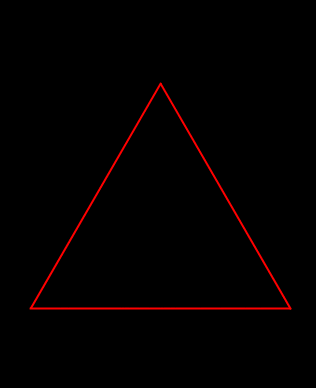
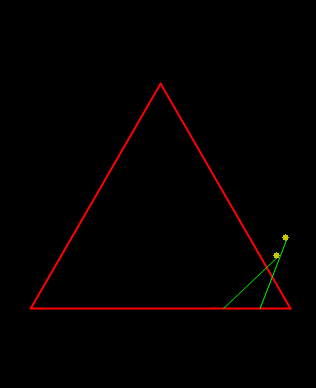
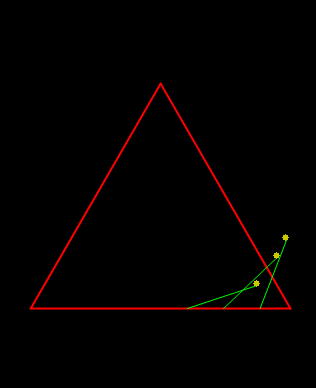
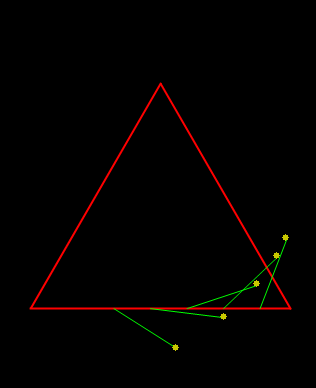
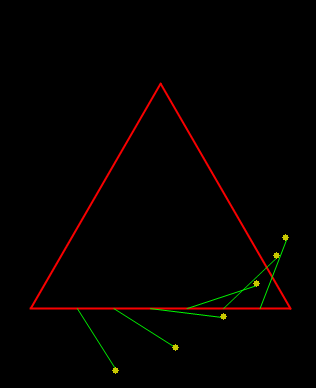
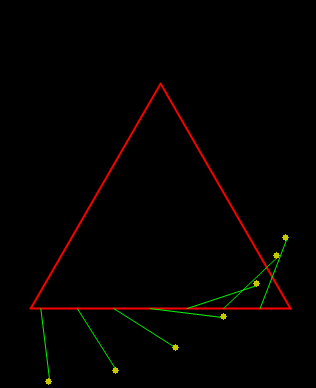
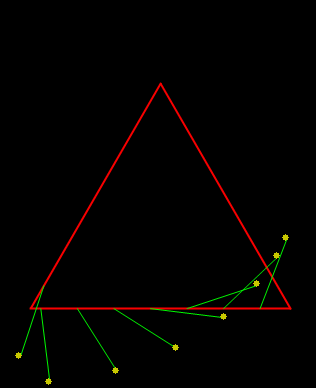
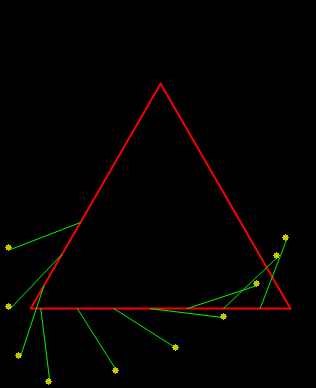
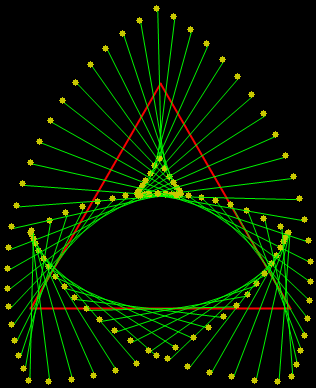
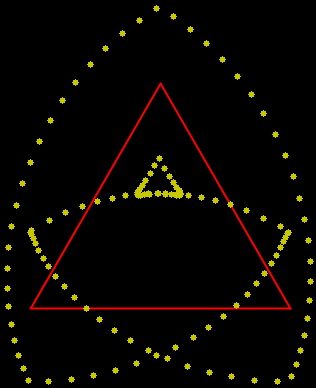
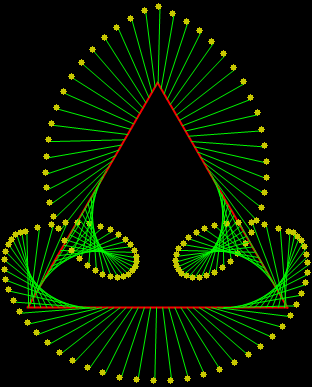
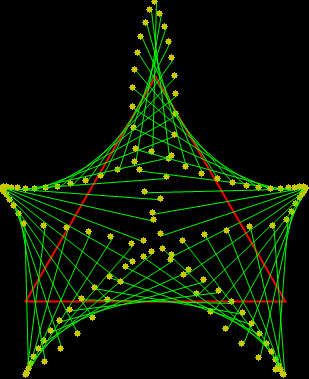
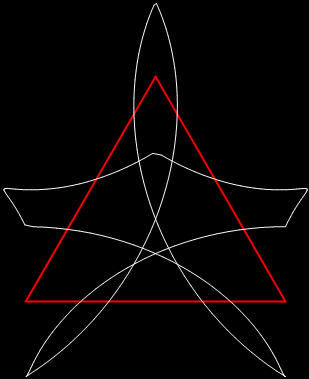
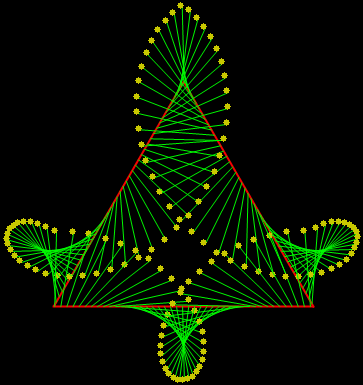
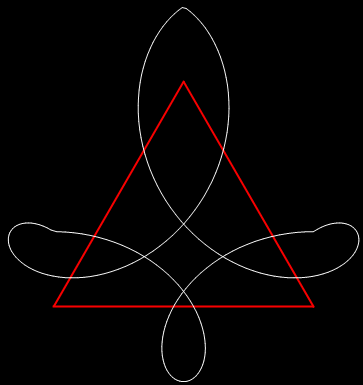
Imagine a ballerina pirouetting on the perimeter of an equilateral triangle. Suppose that her armlength is half the radius of the circumscribed circle. If her right arm is represented in green and her right hand in yellow, this is one path that her right hand might trace, depending on the relative speeds of her feet and her pirouettes:

The perimeter of an equilateral triangle


A ballerina pirouetting on the perimeter stage #1


Perimeter pirouette #2


Perimeter pirouette #3


Perimeter pirouette #4


Perimeter pirouette #5


Perimeter pirouette #6


Perimeter pirouette #7


Perimeter pirouette #8


Perimeter pirouette #9


Perimeter pirouette #10

[…]

[…]

Perimeter pirouette #128


Perimeter pirouettes (animated)
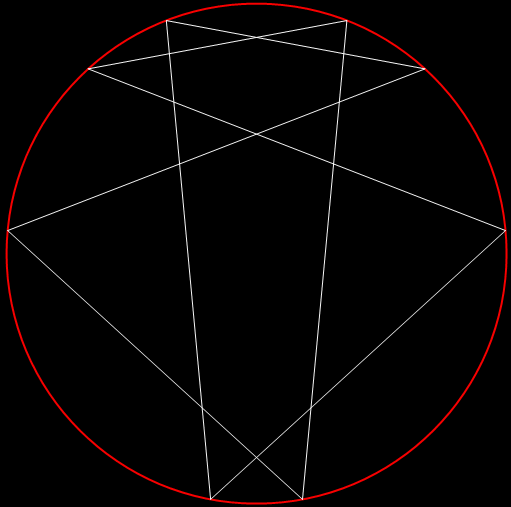

The right hand of the ballerina during the pirouettes

The full path traced by the ballerina’s right hand


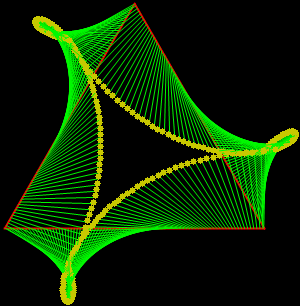
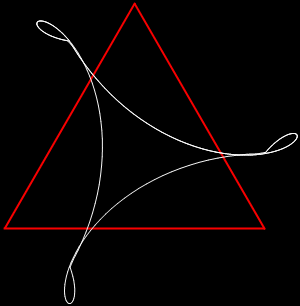
The paths change as you adjust speed and direction (clockwise or anticlockwise) of the pirouettes, the armlength of the ballerina, and so on:

speed = 0.5 (pirouettes)

speed = 0.5 (path)


speed = -1 (anticlockwise pirouettes)

speed = -1 (path)


speed = 1, armlength = 1/3 (pirouettes)

speed = 1, armlength = 1/3 (path)


speed = -0.5 (pirouettes)

speed = -0.5 (path)


speed = -0.75 (pirouettes)

speed = -0.75 (path)


And what about the paths produced by pirouettes on the perimeters of other polygons? Watch this space.

Grow Fourth

Write the integers in groups of one, two, three, four… numbers like this:

1, 2,3, 4,5,6, 7,8,9,10, 11,12,13,14,15, 16,17,18,19,20,21, 22,23,24,25,26,27,28, 29,30,31,32,33,34,35,36, 37,38,39,40,41,42,43,44,45, 46,47,48,49,50,51,52,53,54,55, 56,57,58,59,60,61,62,63,64,65,66


Now delete every second group:

1, 2,3, 4,5,6, 7,8,9,10, 11,12,13,14,15, 16,17,18,19,20,21, 22,23,24,25,26,27,28, 29,30,31,32,33,34,35,36, 37,38,39,40,41,42,43,44,45, 46,47,48,49,50,51,52,53,54,55, 56,57,58,59,60,61,62,63,64,65,66…

↓↓↓

1, 4,5,6, 11,12,13,14,15, 22,23,24,25,26,27,28, 37,38,39,40,41,42,43,44,45, 56,57,58,59,60,61,62,63,64,65,66…


The sum of the first n remaining groups equals n^4:

1 = 1 = 1^4

1 + 4+5+6 = 16 = 2^4

1 + 4+5+6 + 11+12+13+14+15 = 81 = 3^4

1 + 4+5+6 + 11+12+13+14+15 + 22+23+24+25+26+27+28 = 256 = 4^4

1 + 4+5+6 + 11+12+13+14+15 + 22+23+24+25+26+27+28 + 37+38+39+40+41+42+43+44+45 = 625 = 5^4

1 + 4+5+6 + 11+12+13+14+15 + 22+23+24+25+26+27+28 + 37+38+39+40+41+42+43+44+45 + 56+57+58+59+60+61+62+63+64+65+66 = 1296 = 6^4

1 + 4+5+6 + 11+12+13+14+15 + 22+23+24+25+26+27+28 + 37+38+39+40+41+42+43+44+45 + 56+57+58+59+60+61+62+63+64+65+66 + 79+80+81+82+83+84+85+86+87+88+89+90+91 = 2401 = 7^4

1 + 4+5+6 + 11+12+13+14+15 + 22+23+24+25+26+27+28 + 37+38+39+40+41+42+43+44+45 + 56+57+58+59+60+61+62+63+64+65+66 + 79+80+81+82+83+84+85+86+87+88+89+90+91 + 106+107+108+109+110+111+112+113+114+115+116+117+118+119+120 = 4096 = 8^4

1 + 4+5+6 + 11+12+13+14+15 + 22+23+24+25+26+27+28 + 37+38+39+40+41+42+43+44+45 + 56+57+58+59+60+61+62+63+64+65+66 + 79+80+81+82+83+84+85+86+87+88+89+90+91 + 106+107+108+109+110+111+112+113+114+115+116+117+118+119+120 + 137+138+139+140+141+142+143+144+145+146+147+148+149+150+151+152+153 = 6561 = 9^4


From David Wells’ Penguin Dictionary of Curious and Interesting Numbers (1986), entry for “81”