Snow No

XXXI

On Wenlock Edge the wood’s in trouble;
   His forest fleece the Wrekin heaves;
The gale, it plies the saplings double,
   And thick on Severn strew the leaves.

’Twould blow like this through holt and hanger
   When Uricon the city stood:
’Tis the old wind in the old anger,
   But then it threshed another wood.

Then, ’twas before my time, the Roman
   At yonder heaving hill would stare:
The blood that warms an English yeoman,
   The thoughts that hurt him, they were there.

There, like the wind through woods in riot,
   Through him the gale of life blew high;
The tree of man was never quiet:
   Then ’twas the Roman, now ’tis I.

The gale, it plies the saplings double,
   It blows so hard, ’twill soon be gone:
To-day the Roman and his trouble
   Are ashes under Uricon. — from A.E. Housman’s A Shropshire Lad (1896)


Post-Performative Post-Scriptum

If you were already familiar with the poem, you may have noticed that I replaced “snow” with “strew” in line four. I don’t think the original “snow” works, because leaves don’t fall like snow or look anything like snow. Plus, leaves don’t melt like snowflakes when they land on water. Plus plus, the consonant-cluster of “strew” works well with the idea of leaves coating the water.
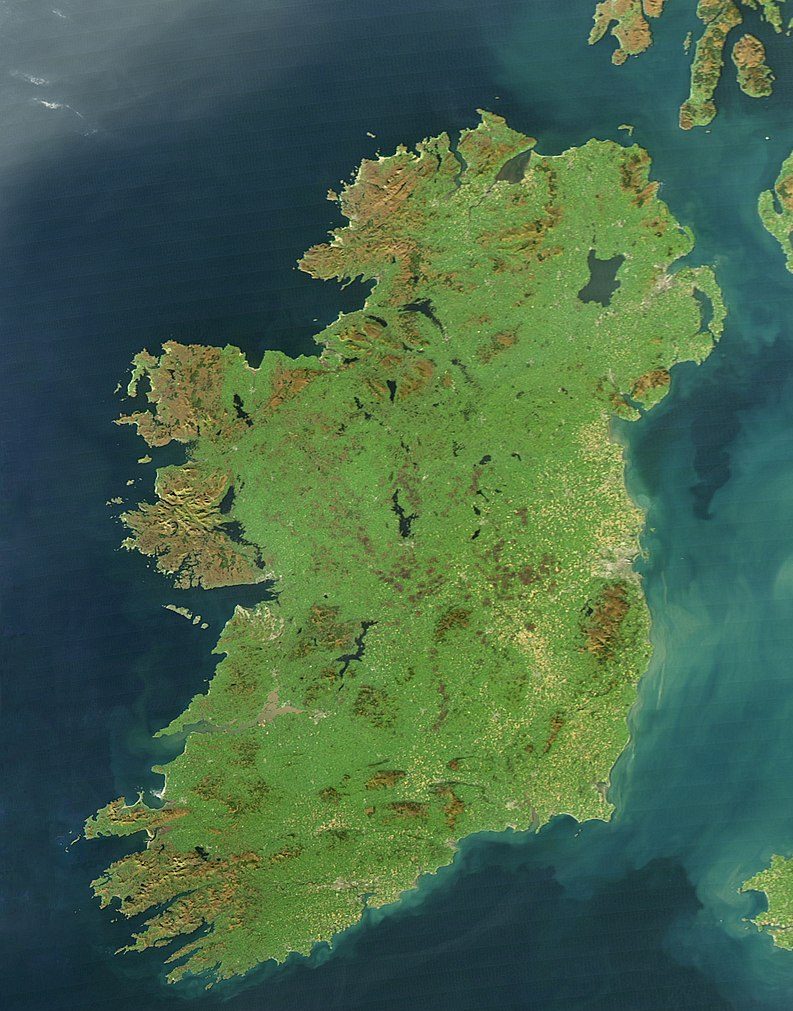
Toxic Turntable #28

Currently listening…

• Yewshade, Præternatural (1971)
• Lherzolith, Corvinus Necandus Est (1993)
• Nmuirruniumh, Undersea (2015)
• Decapod 77, Immaterialist (2018)
• Máscara Marfileña, Gatera (2019)
• Sentinel Youth, Noctilucence (1995)
• Tantalizor, √83 (1996)
• L.D. Cadáver, Psicolingüística (1992)
• Donna Quail, Nettles by the Well (2022)
• Altair Altar, Stellare (2009)
• Felissity, Caithness (1986)
• BeGuLD, Spark in the Dark (2013)
• Julie Vendet, Seven-Second Sessions EP (1987)
• Acúfeno Lobuno, Hijos del Sol (1969)
• Hammer and the Hatchets, Sancta Isidora (1990)
• यह घोड़ा, इस्प्रामा की आँखें (2012)
• Chancel, Red Widow (1977)
• Icarus Bees, Live in Carlisle (1998)
• Rick Cumberton, City of Forgotten Light (1978)
• Martillo de Marte, Y Los Dignos (2008)
• Sazaqud, Ilseb Niir Gank (1984)
• Mandrakes in Asperity, TQB (Live & Languid) (2014)


Previously pre-posted:

Toxic Turntable #1#2#3#4#5#6#7#8#9#10#11#12#13#14#15#16#17#18#19#20#21#22#23#24#25#26#27

Trigging Triangles

A fractal is a shape in which a part looks like the whole. Trees are fractals. And lungs. And clouds. But there are man-made fractals too and probably the most famous of them all is the Sierpiński triangle, invented by the Polish mathematician Wacław Sierpiński (1882-1969):

Sierpiński triangle


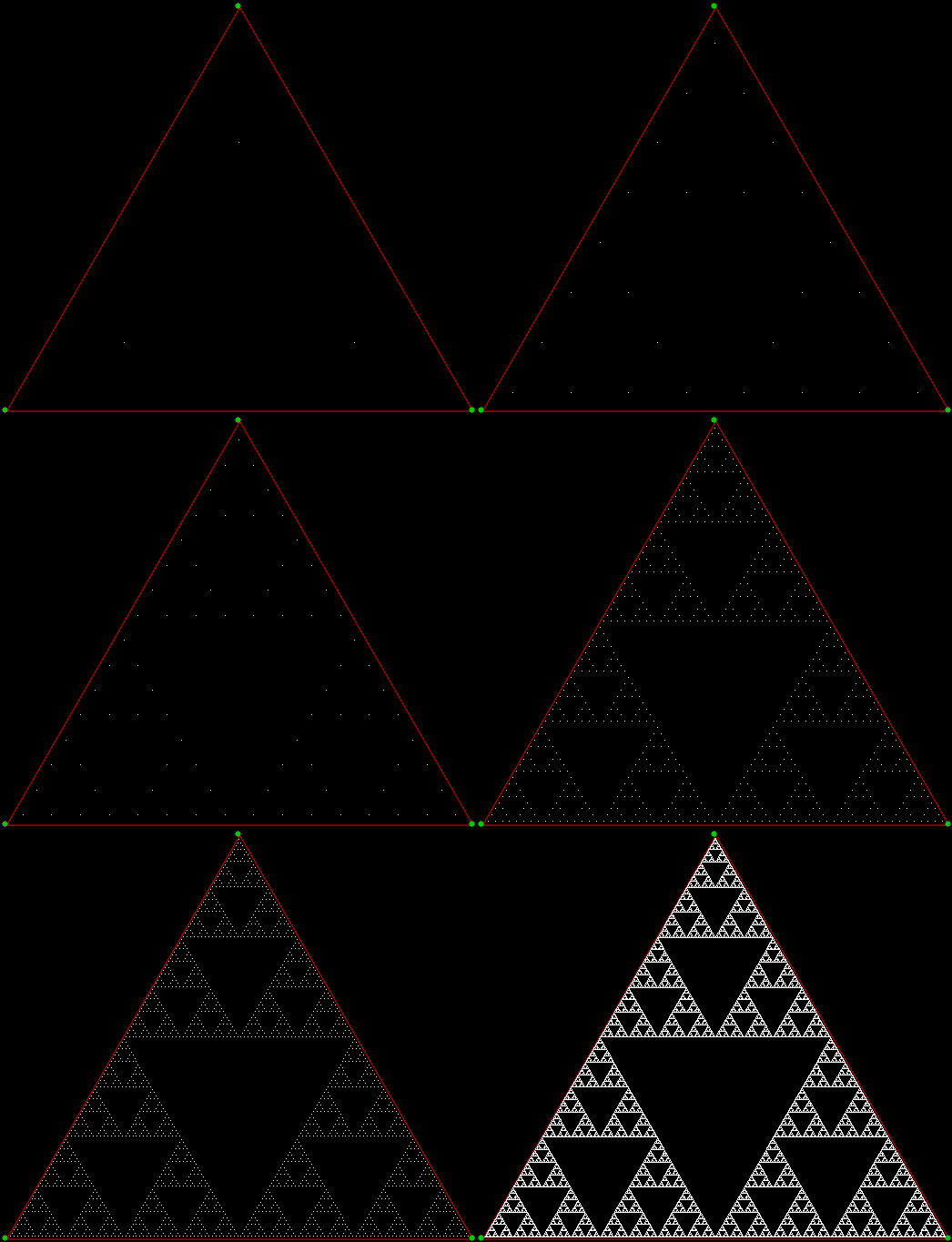
There are many ways to create a Sierpiński triangle, but one of the simplest is to trace all possible routes followed by a point jumping halfway towards the vertices of an equilateral triangle. If you mark the endpoint of the jumps, the Sierpiński triangle appears as the routes get longer and longer, like this:

Point jumping 1/2 way towards vertices of an equilateral triangle (animated)


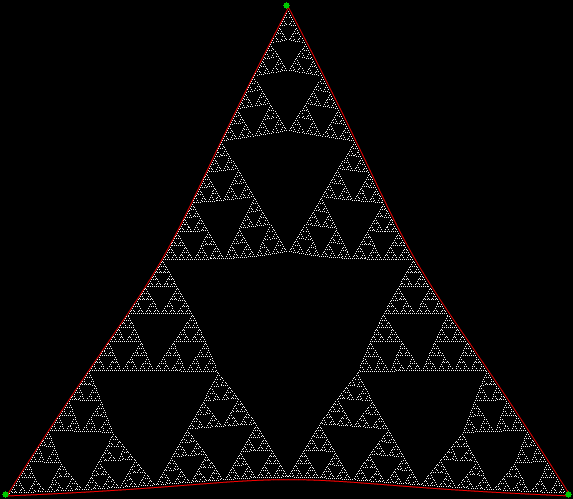
Once you’ve created a Sierpiński triangle like that, you can play with it. For example, you can use simple trigonometry to stretch the triangle into a circle:

Sierpiński triangle to circle stage #1


Sierpiński triangle to circle #2


Sierpiński triangle to circle #3


Sierpiński triangle to circle #4


Sierpiński triangle to circle #5


Sierpiński triangle to circle #6


Sierpiński triangle to circle #7


Sierpiński triangle to circle #8


Sierpiński triangle to circle #9


Sierpiński triangle to circle #10


Sierpiński triangle to Sierpiński circle (animated)


But the trigging of the triangle can go further. You can expand the Sierpiński circle further, like this:
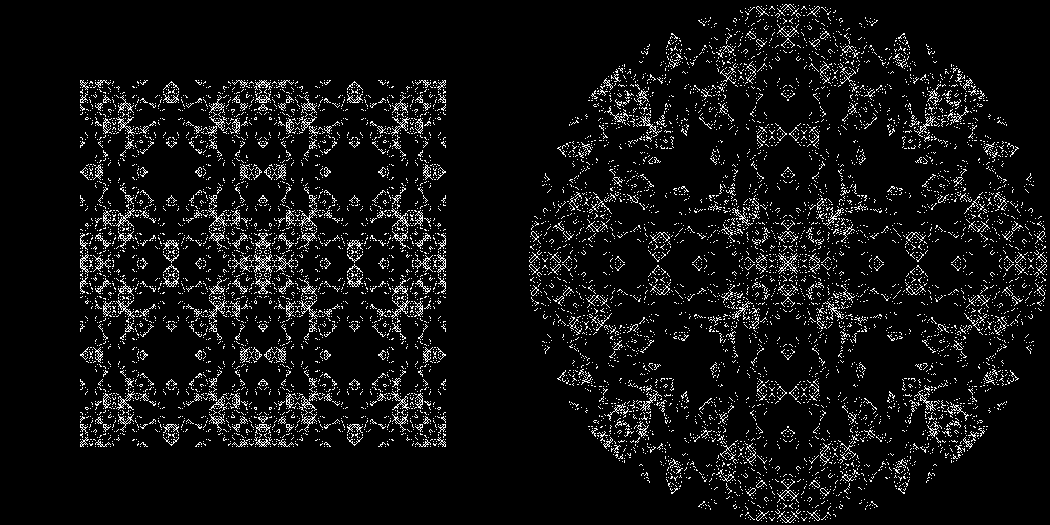
Sierpiński circle expanded


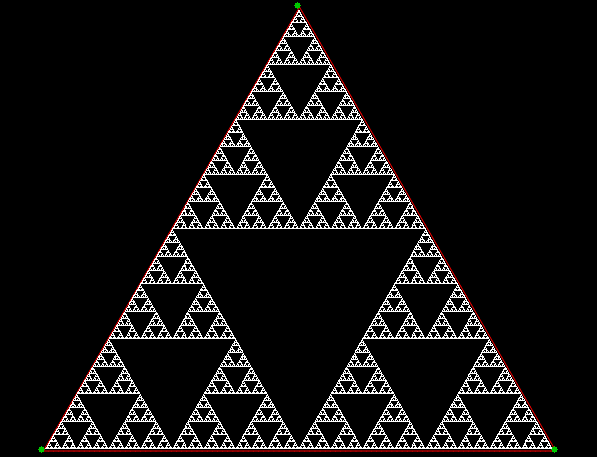
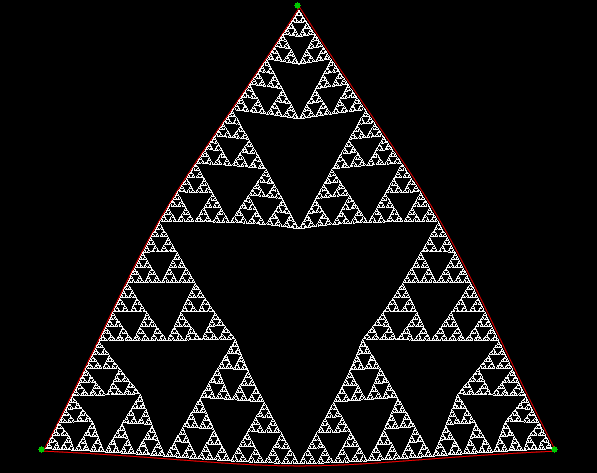
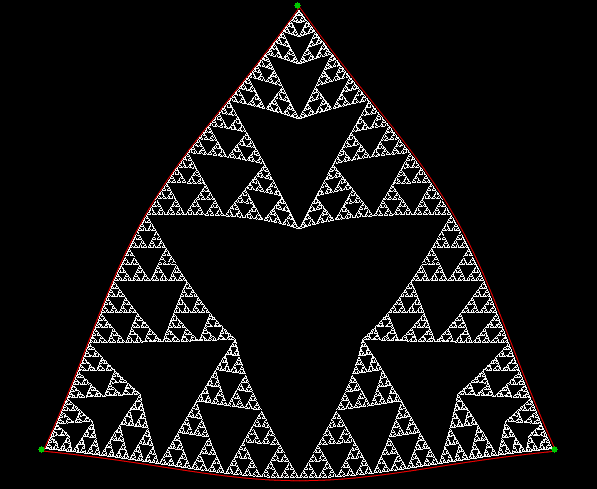
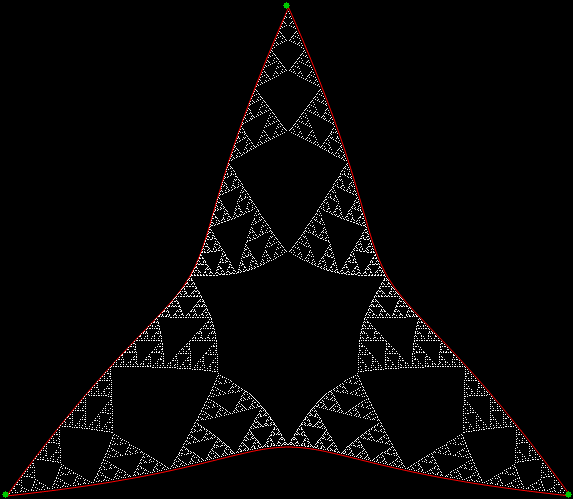
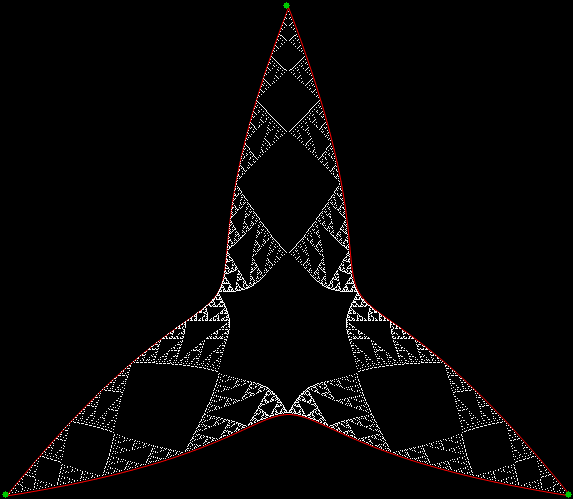
Or shrink the Sierpiński triangle like this:

Shrinking Sierpiński triangle stage #1


Shrinking Sierpiński triangle #2


Shrinking Sierpiński triangle #3


Shrinking Sierpiński triangle #4


Shrinking Sierpiński triangle #5


Shrinking Sierpiński triangle #6


Shrinking Sierpiński triangle (animated)


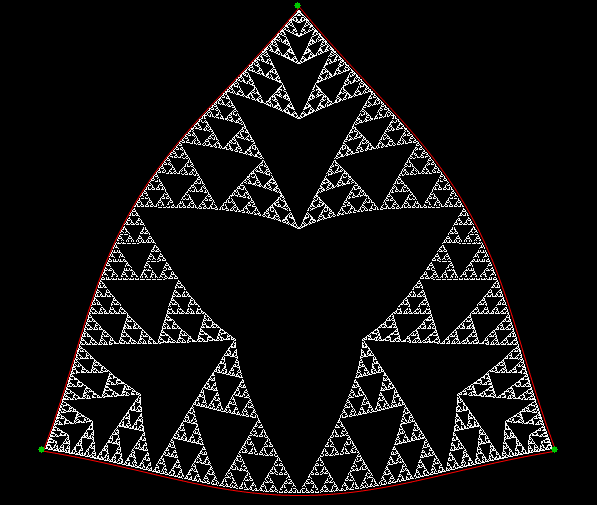
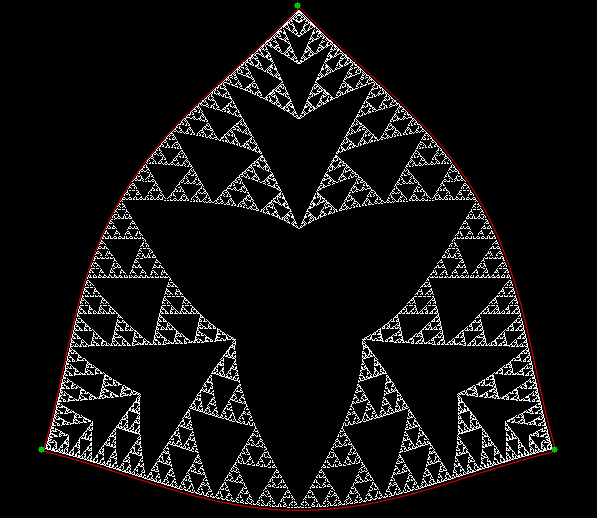
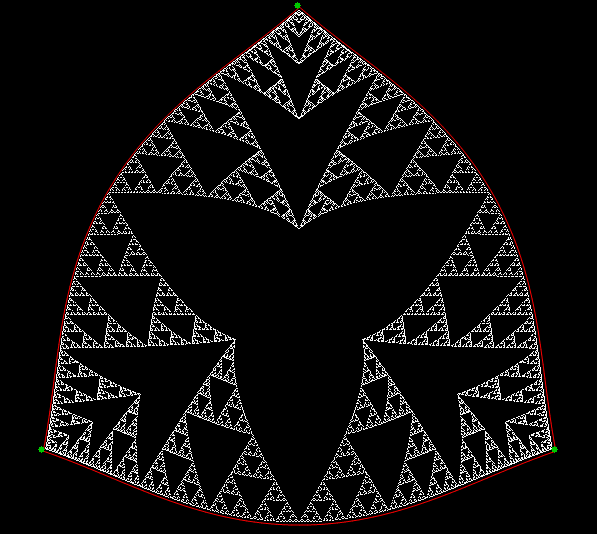
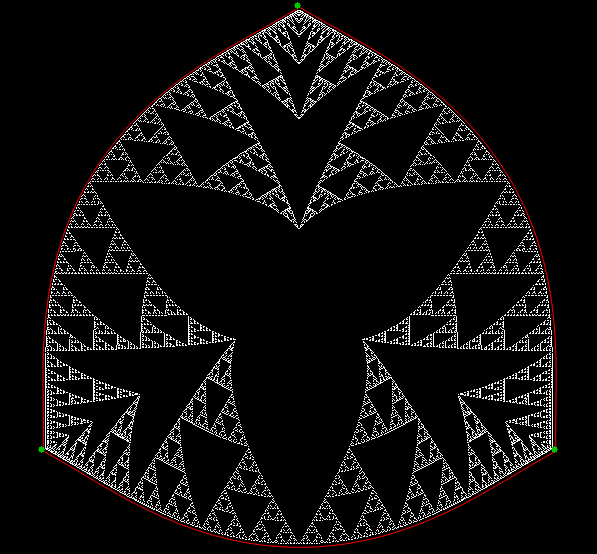
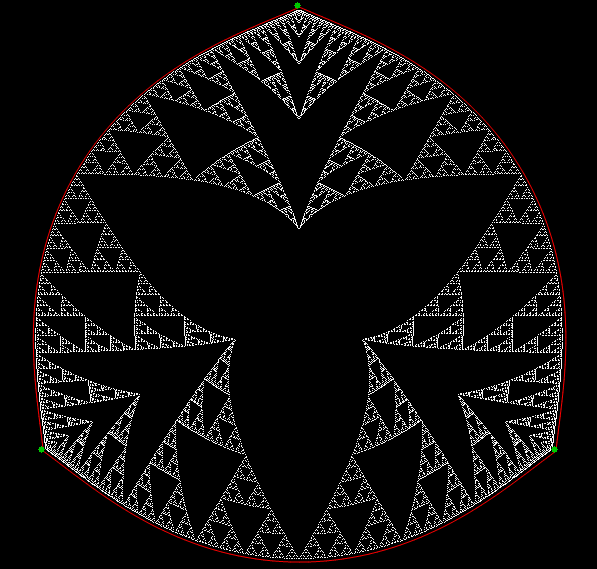
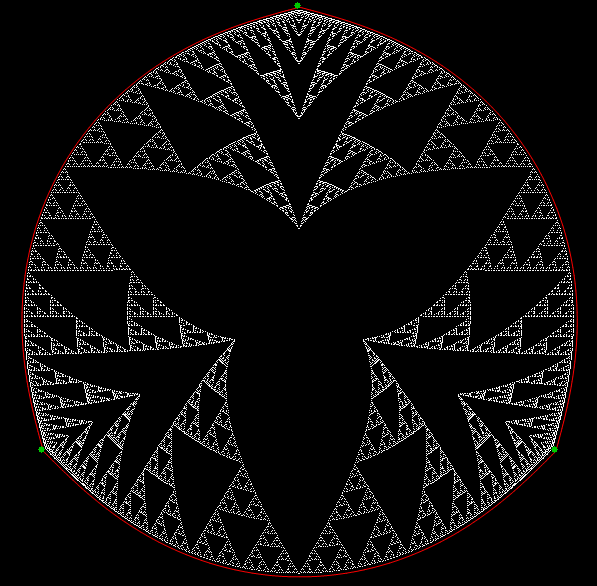
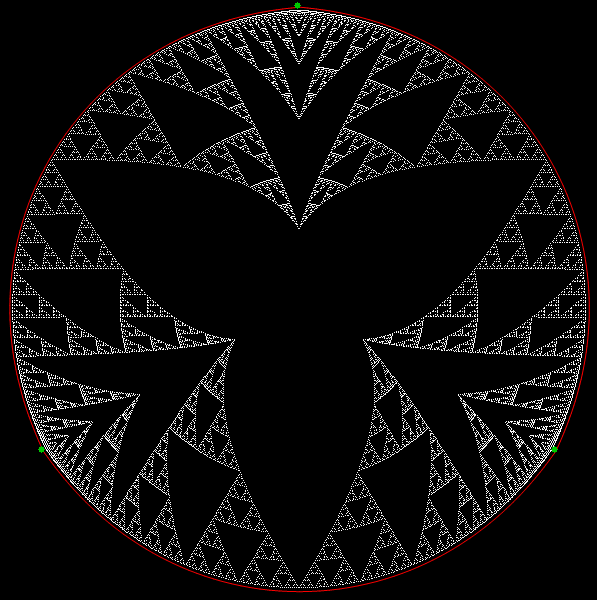
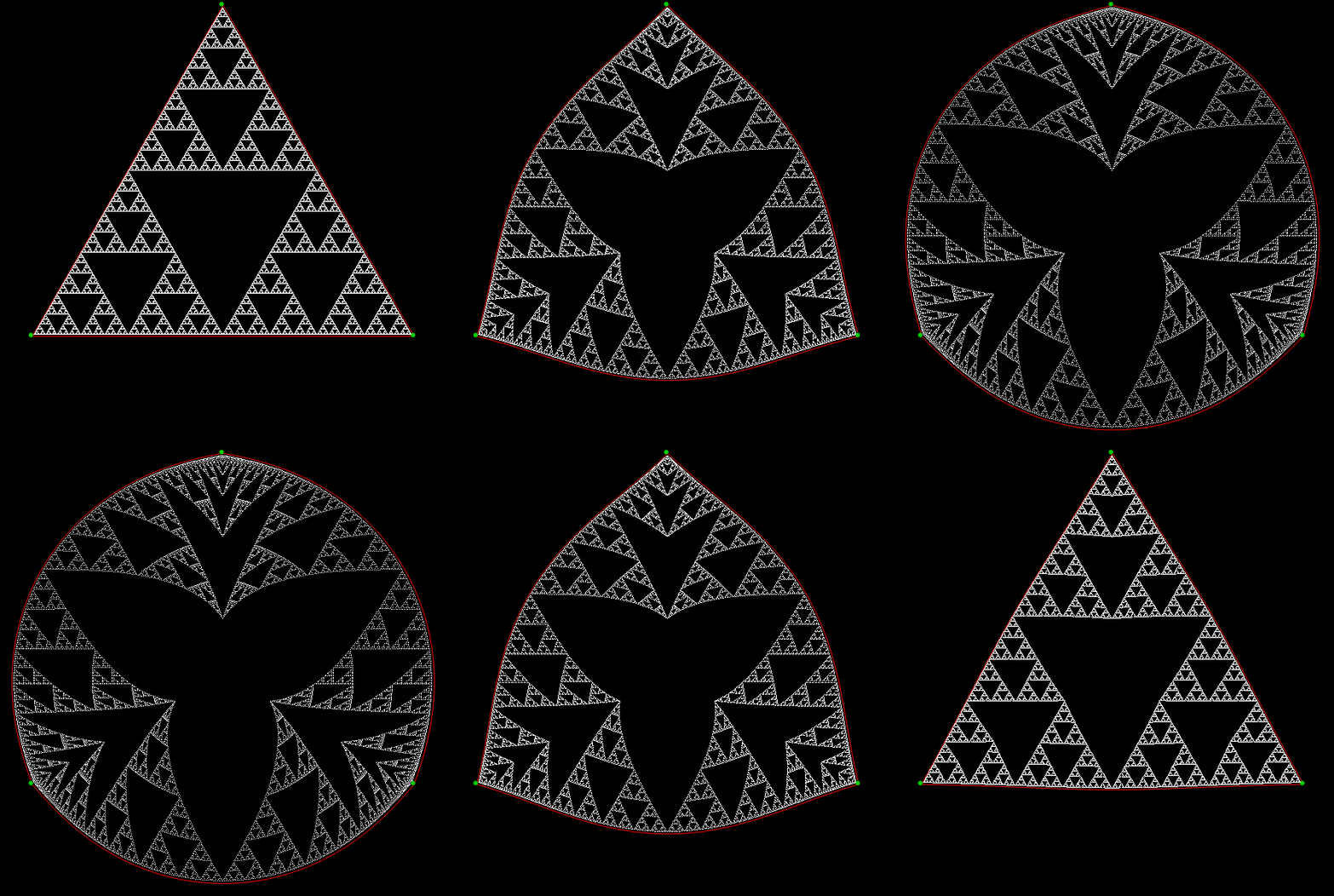
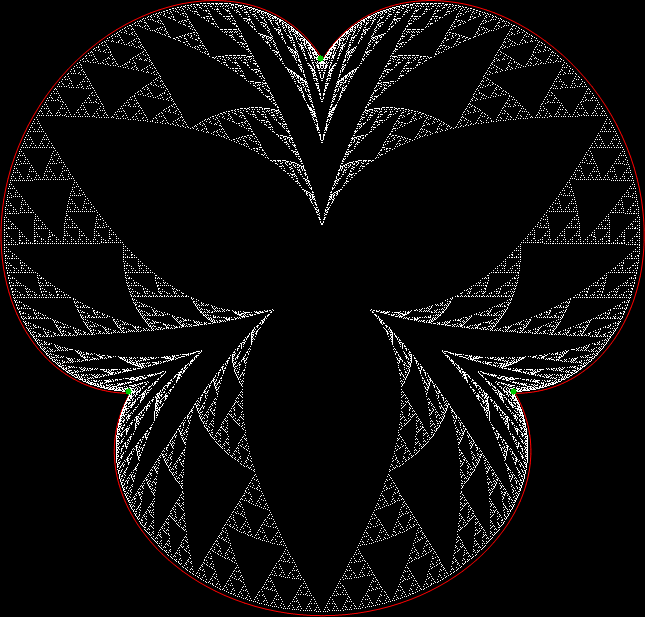
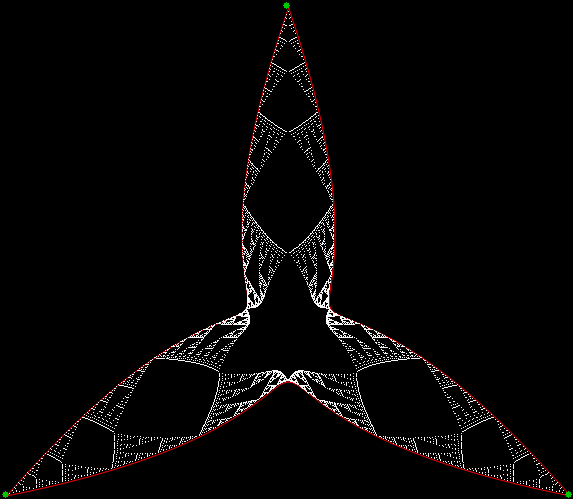
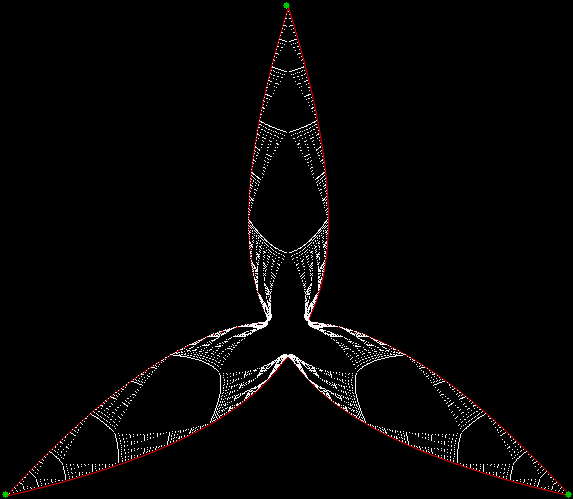
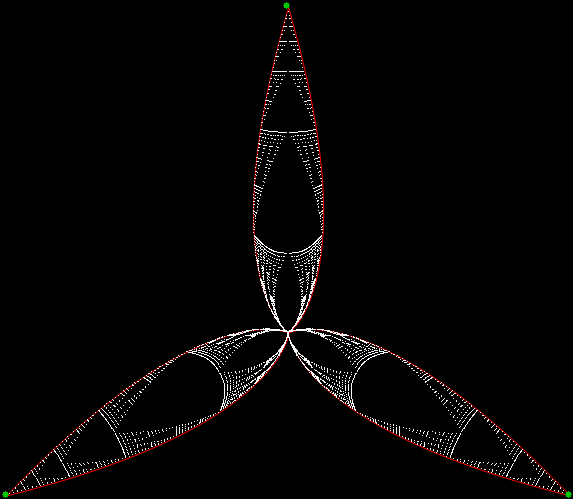
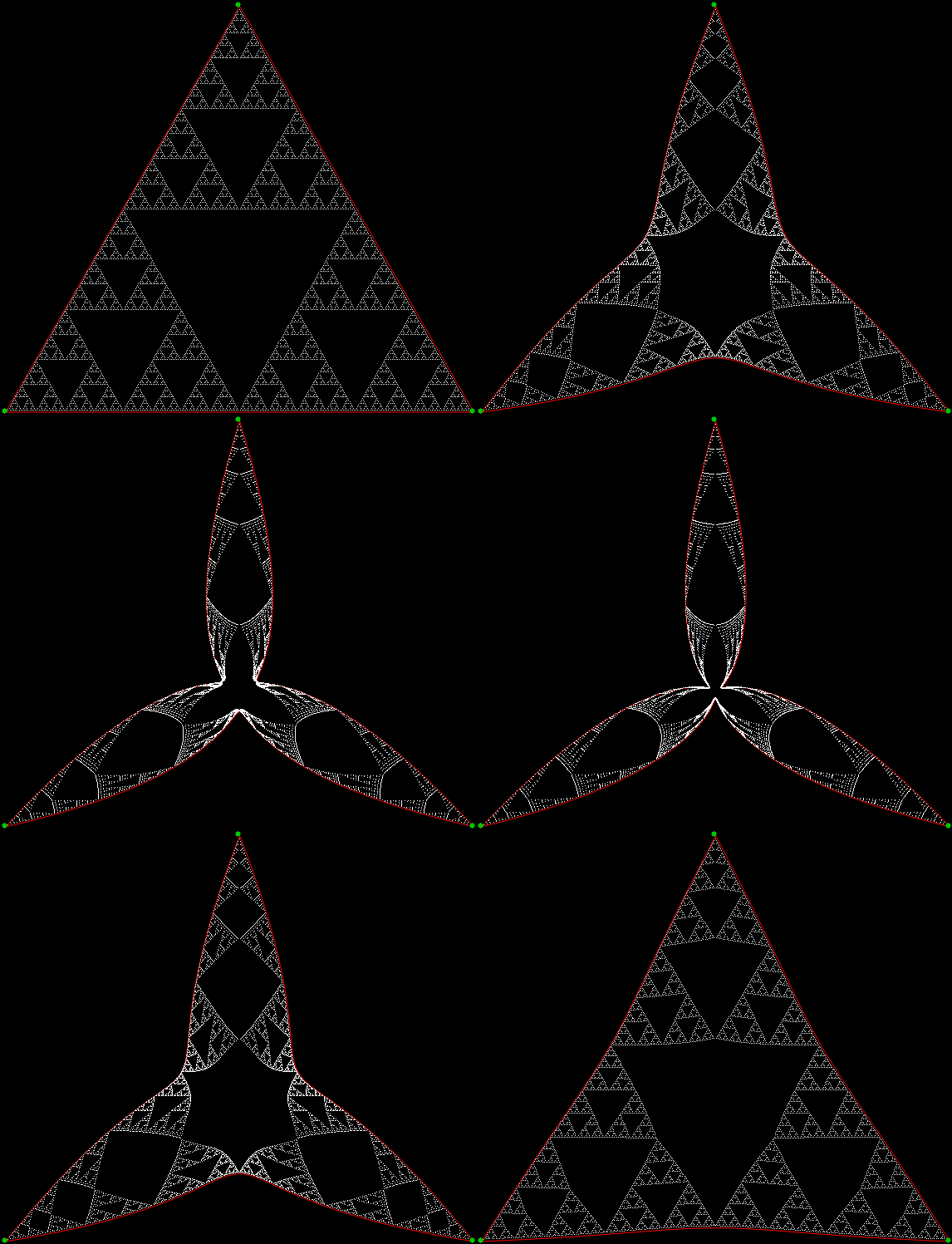
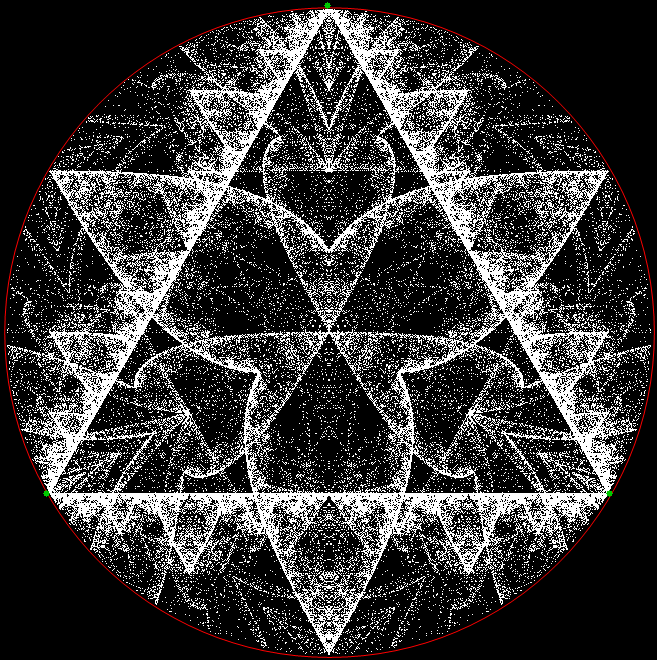
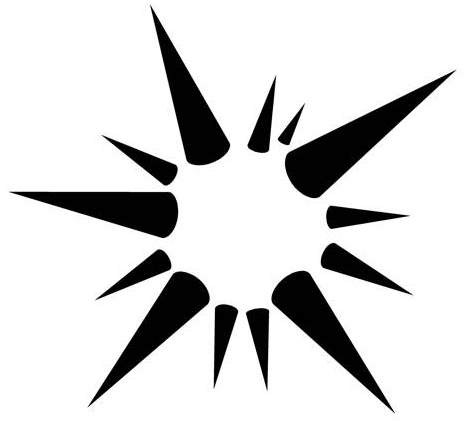
You can also create new shapes using the jumping-point technique. Suppose that, as the point is jumping, you adjust its position outwards into the circumscribed circle whenever it lands within the boundaries of the governing triangle. But if the point lands outside those boundaries, you leave it alone. Using this adapted technique, you get a shape like this:
Adjusted Sierpiński circle


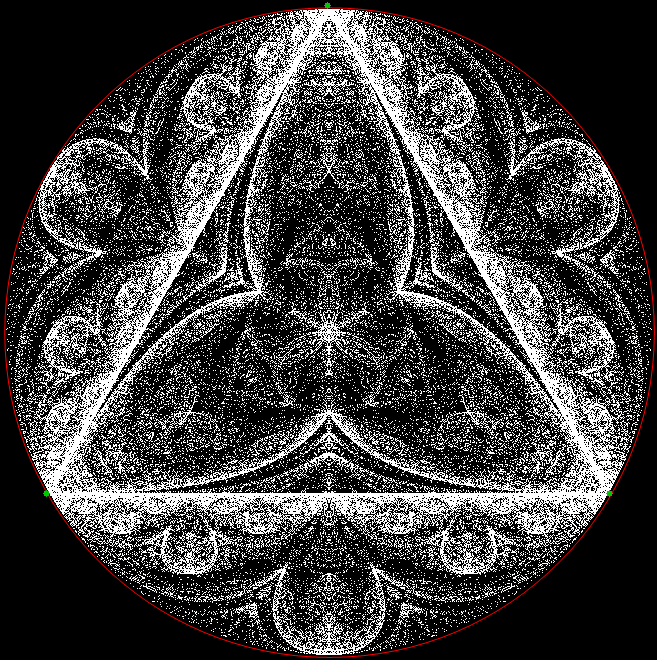
And if the point is swung by 60° after it’s adjusted into the circle, you get a shape like this:

Adjusted Sierpiński circle (60° swing)


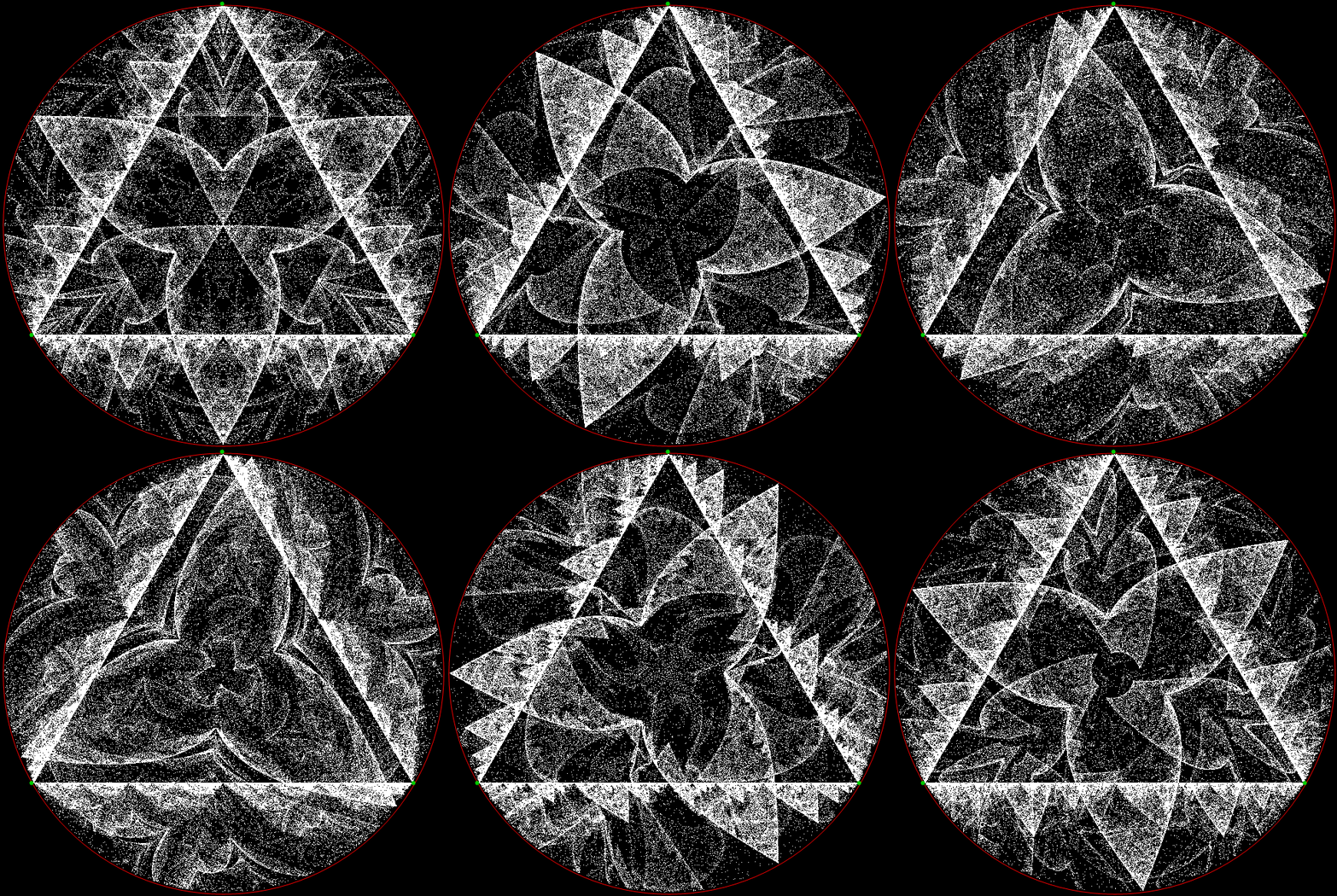
Here are some animated gifs showing these shapes rotating in a full circle at various speeds:

Adjusted Sierpiński circle (swinging animation) (fast)


Adjusted Sierpiński circle (swinging animation) (medium)


Adjusted Sierpiński circle (swinging animation) (slow)


Figure Philia

“I love figures, it gives me an intense satisfaction to deal with them, they’re living things to me, and now that I can handle them all day long I feel myself again.” — the imprisoned accountant Jean Charvin in W. Somerset Maugham’s short-story “A Man with a Conscience” (1939)

Arty Fish Haul

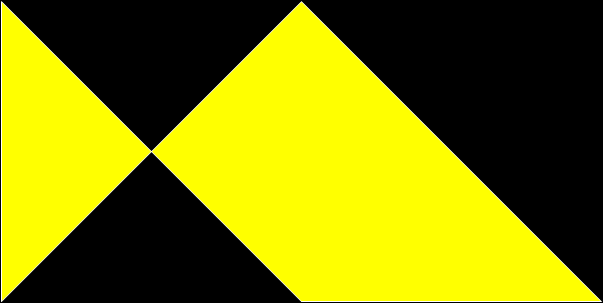
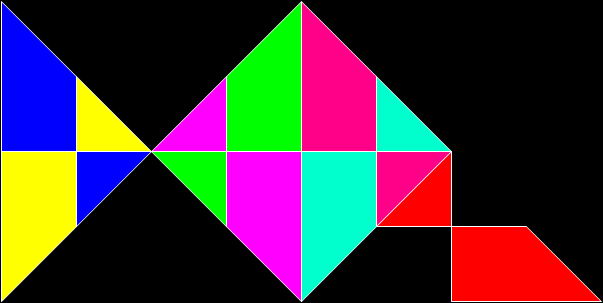
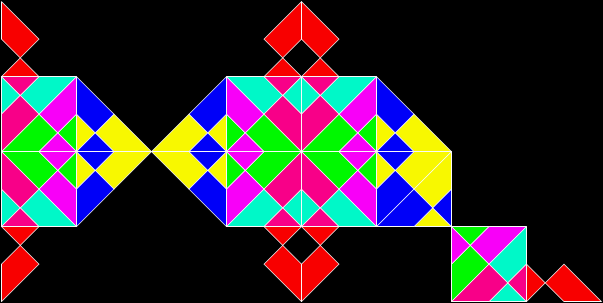
When is a fish a reptile? When it looks like this:

Fish from four isosceles right triangles


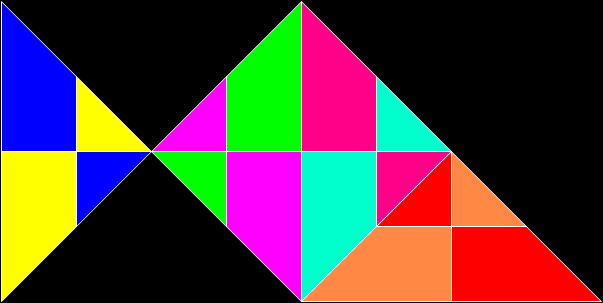
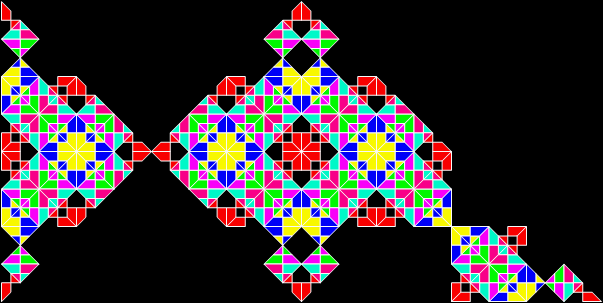
The fish-shape can be divided into eight identical sub-copies of itself. That is, it can be repeatedly tiled with copies of itself, so it’s an example of what geometry calls a rep-tile:

Fish divided into eight identical sub-copies


Fish divided again


Fish divided #4


Fish divided #5


Fish divided #6


Fish (animated rep-tiling)


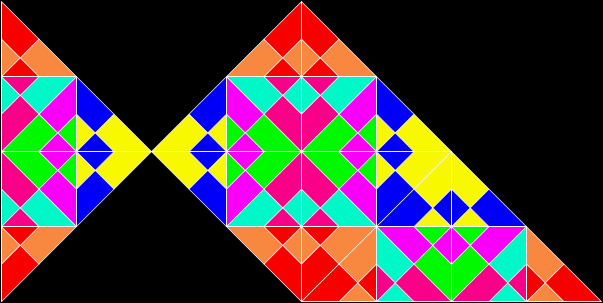
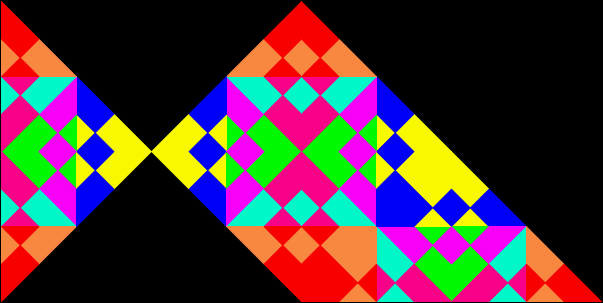
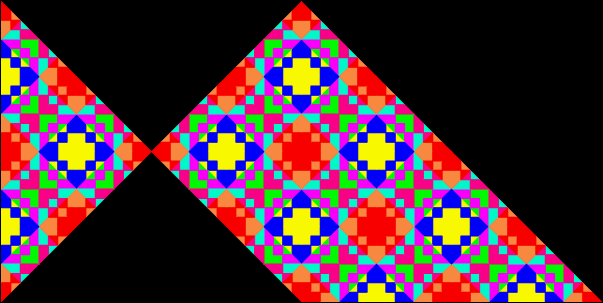
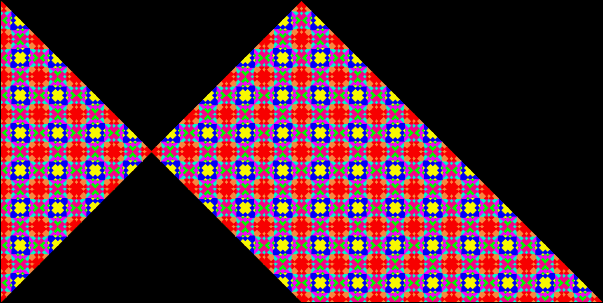
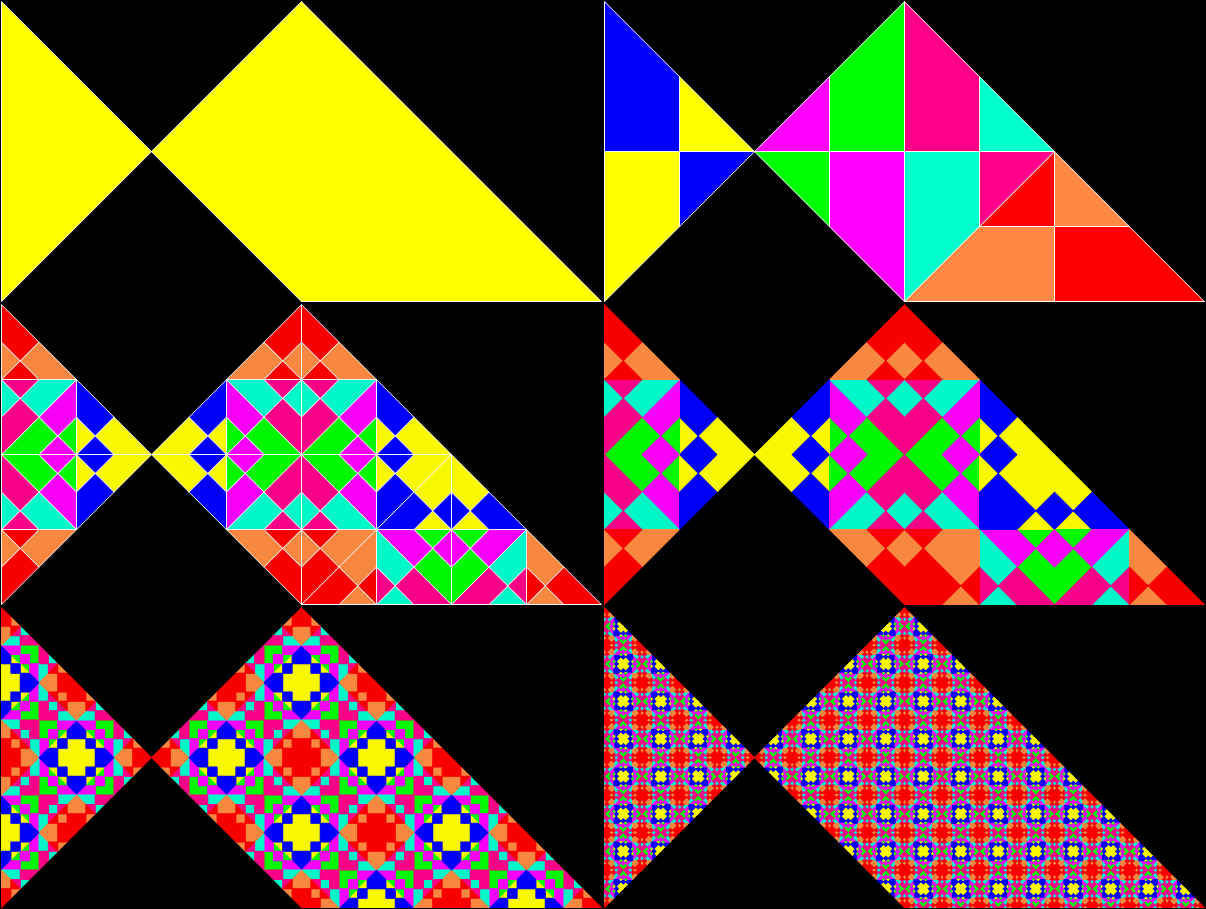
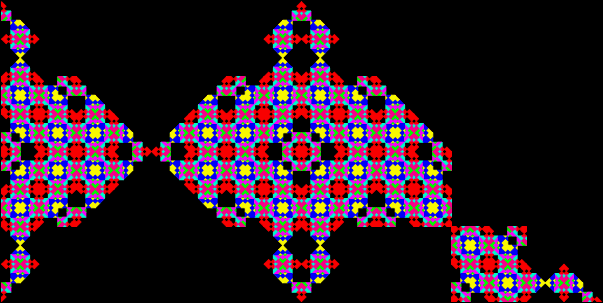
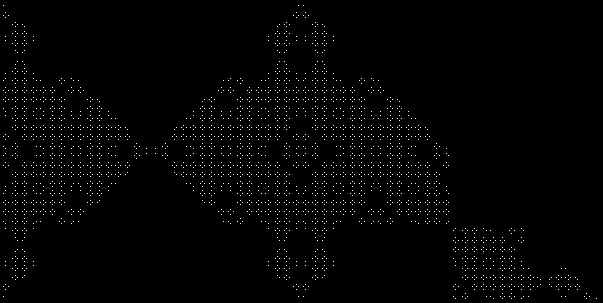
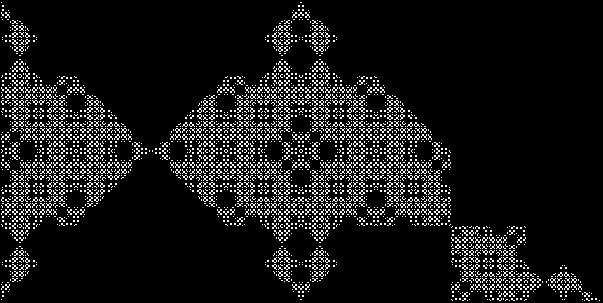
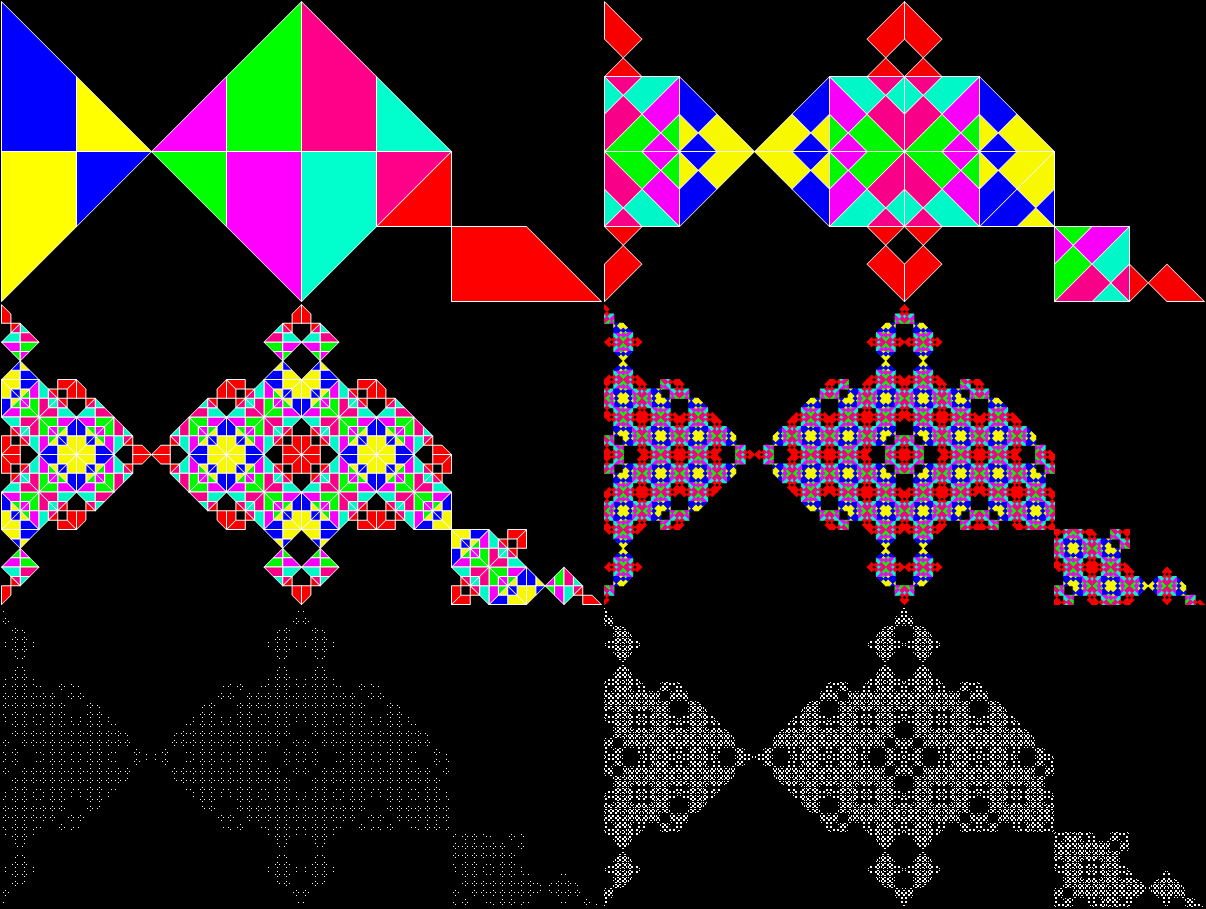
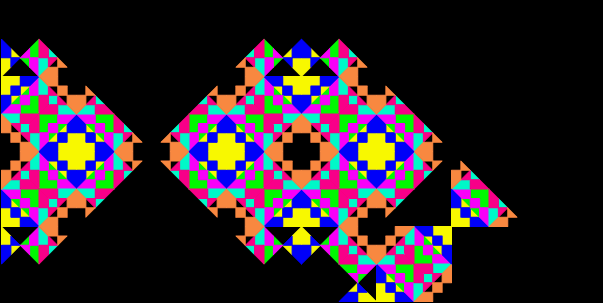
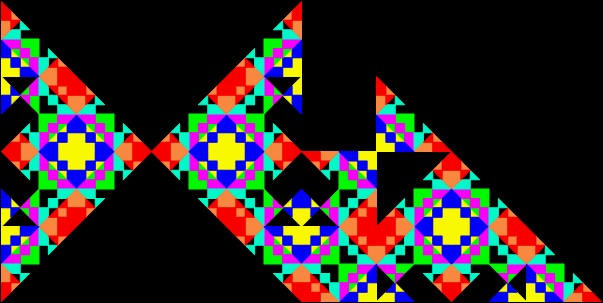
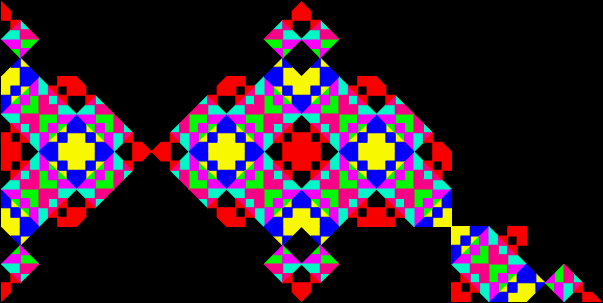
Now suppose you divide the fish, then discard one of the sub-copies. And carry on dividing-and-discarding like that:

Fish discarding sub-copy 7 (#1)


Fish discarding sub-copy 7 (#2)


Fish discarding sub-copy 7 (#3)


Fish discarding sub-copy 7 (#4)


Fish discarding sub-copy 7 (#5)


Fish discarding sub-copy 7 (#6)


Fish discarding sub-copy 7 (#7)


Fish discarding sub-copy 7 (animated)


Here are more examples of the fish sub-dividing, then discarding sub-copies:

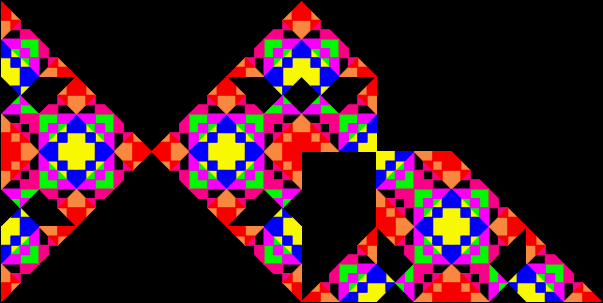
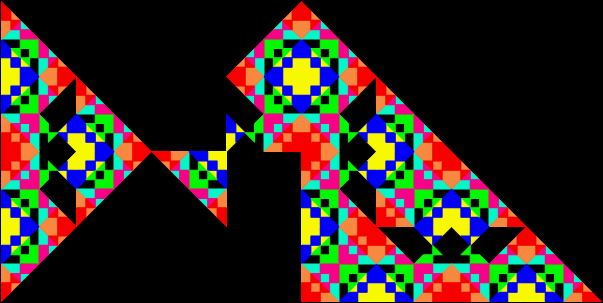
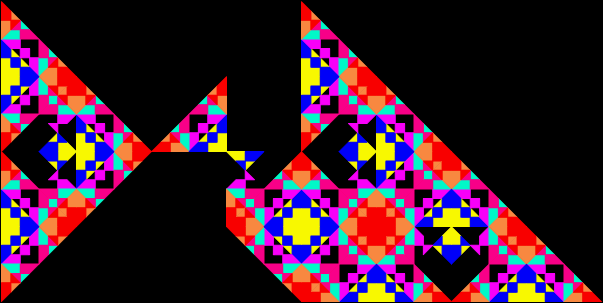
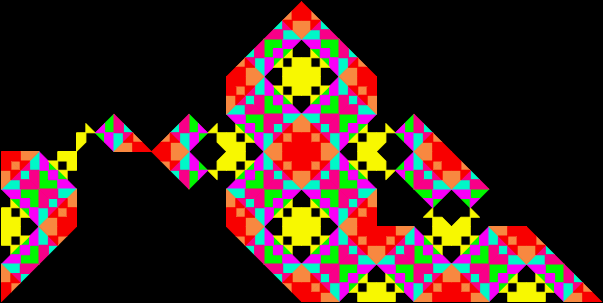
Fish discarding sub-copy #1


Fish discarding sub-copy #2


Fish discarding sub-copy #3


Fish discarding sub-copy #4


Fish discarding sub-copy #5


Fish discarding sub-copy #6


Fish discarding sub-copy #7


Fish discarding sub-copy #8


Fish discarding sub-copies (animated)


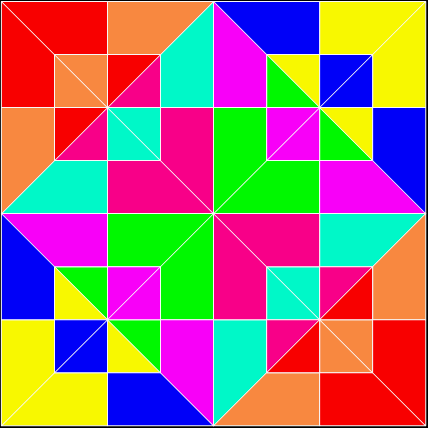
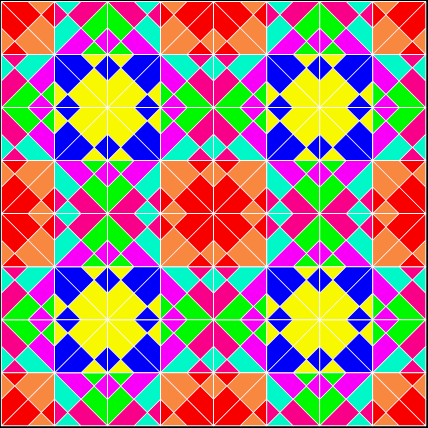
Now try a square divided into four copies of the fish, then sub-divided again and again:

Fish-square #1


Fish-square #2


Fish-square #3


Fish-square #4


Fish-square #5


Fish-square #6


Fish-square (animated)


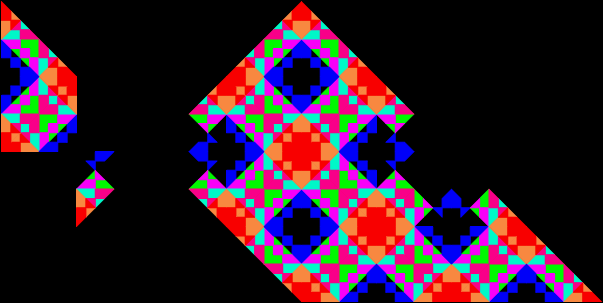
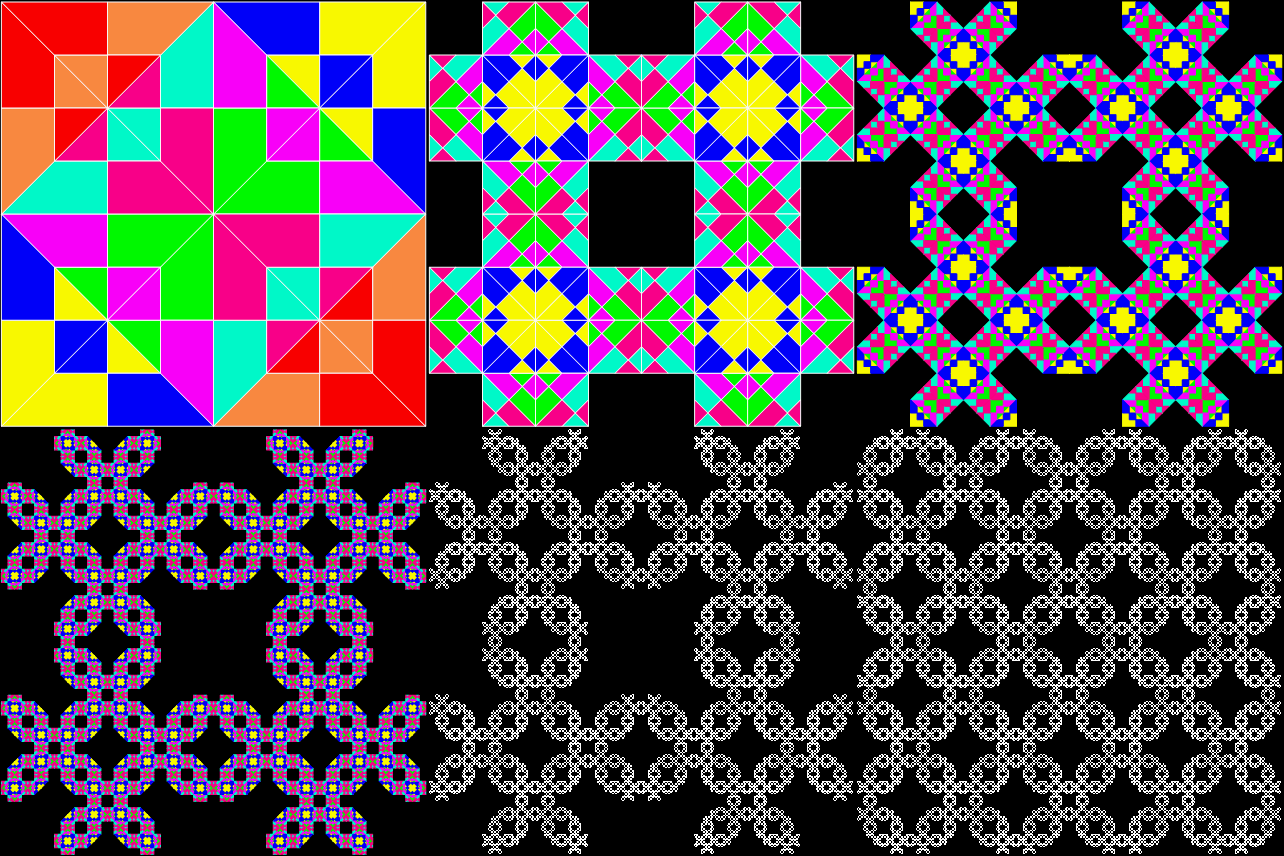
The fish-square can be used to create more symmetrical patterns when the divide-and-discard rule is applied. Here’s the pattern created by dividing-and-discarded two of the sub-copies:

Fish-square divide-and-discard #1


Fish-square divide-and-discard #2


Fish-square divide-and-discard #3


Fish-square divide-and-discard #4


Fish-square divide-and-discard #5


Fish-square divide-and-discard #6


Fish-square divide-and-discard #7


Fish-square divide-and-discard #8 (delayed discard)


Fish-square divide-and-discard (animated)


Using simple trigonometry, you can convert the square pattern into a circular pattern:

Circular version


Square to circle (animated)


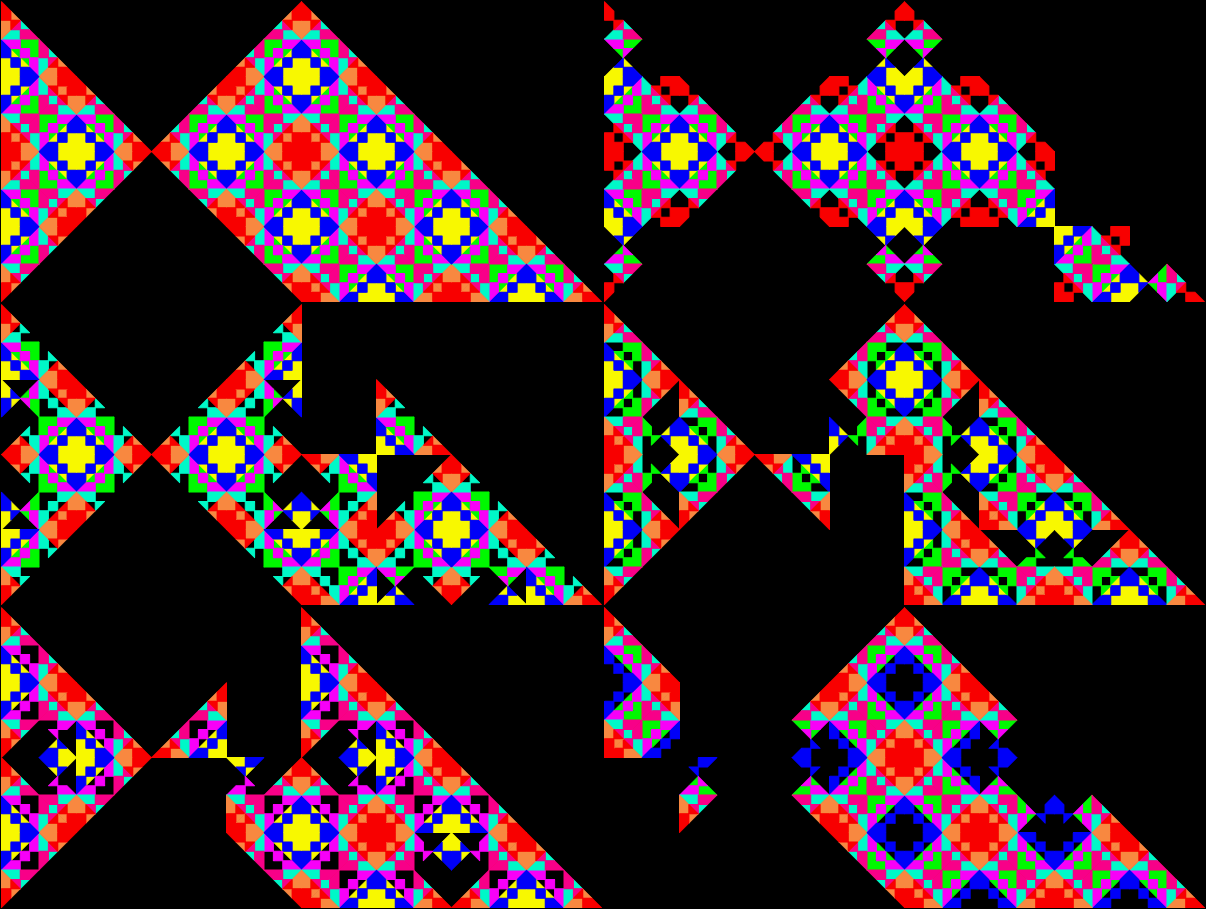
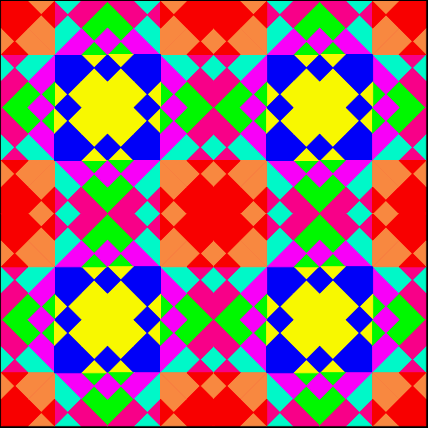
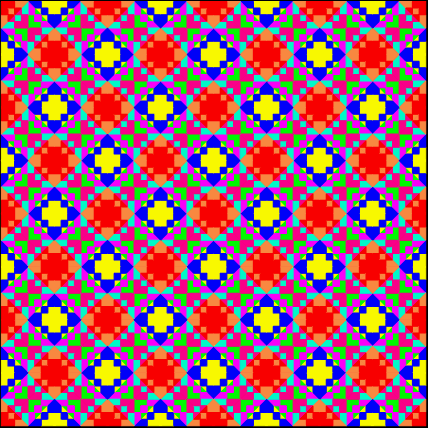
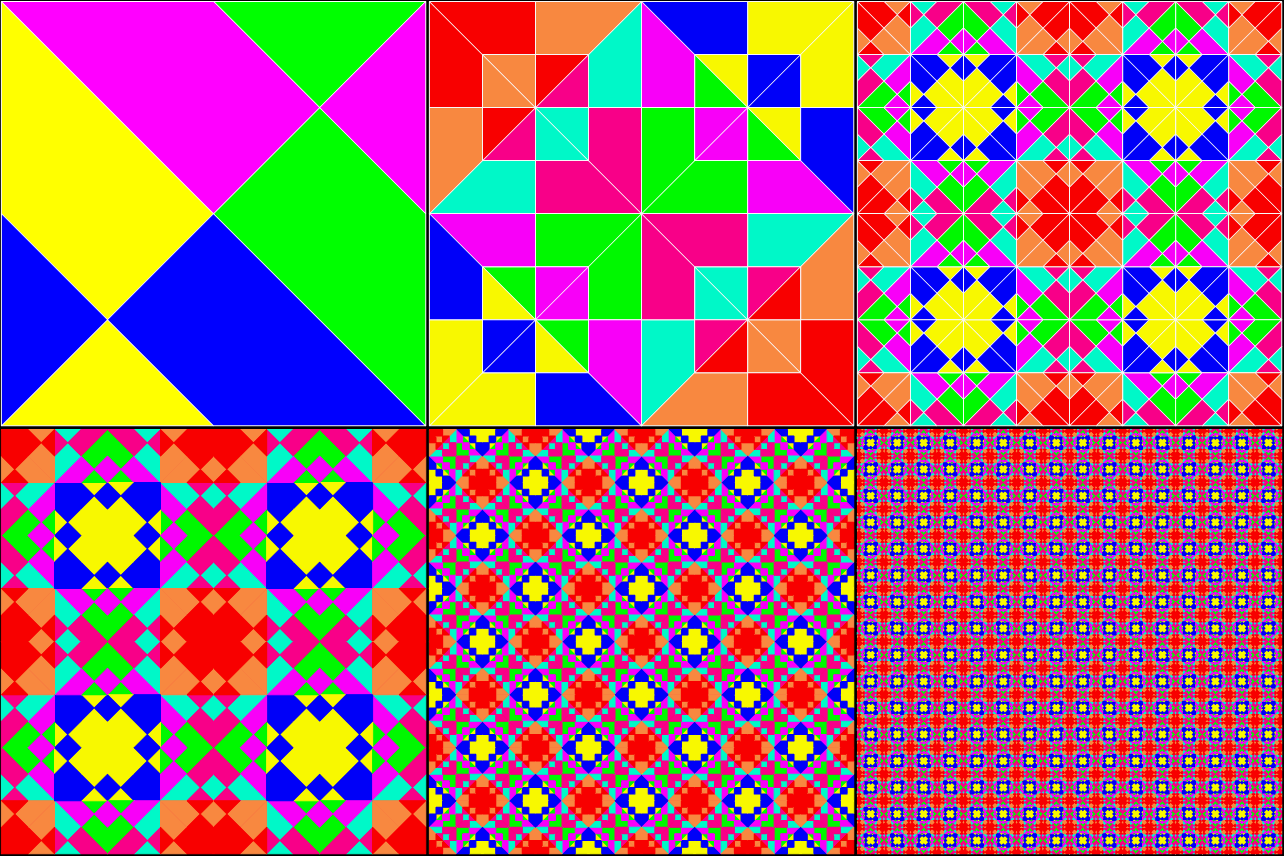
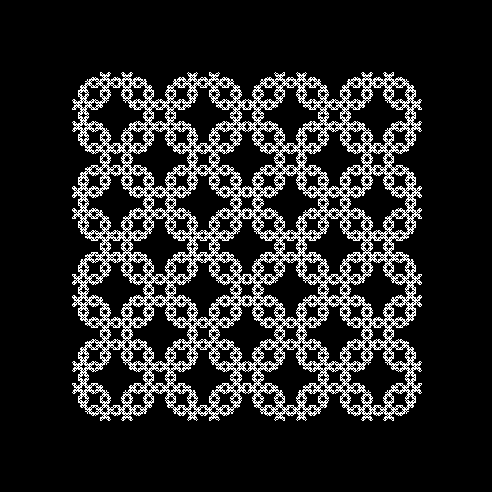
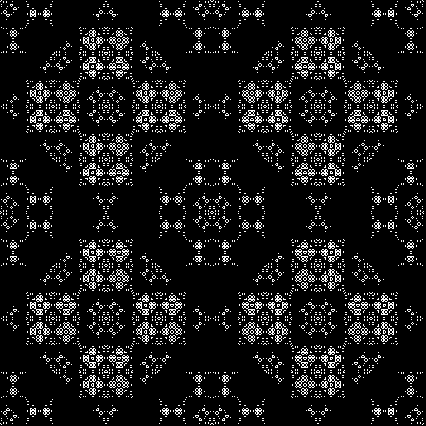
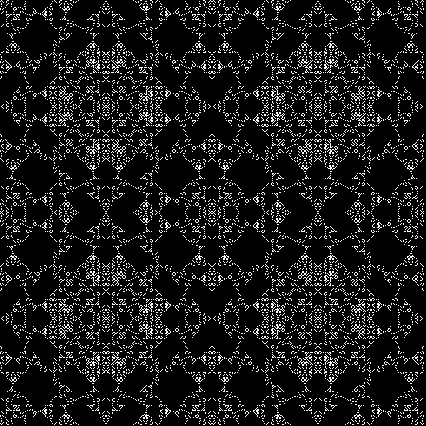
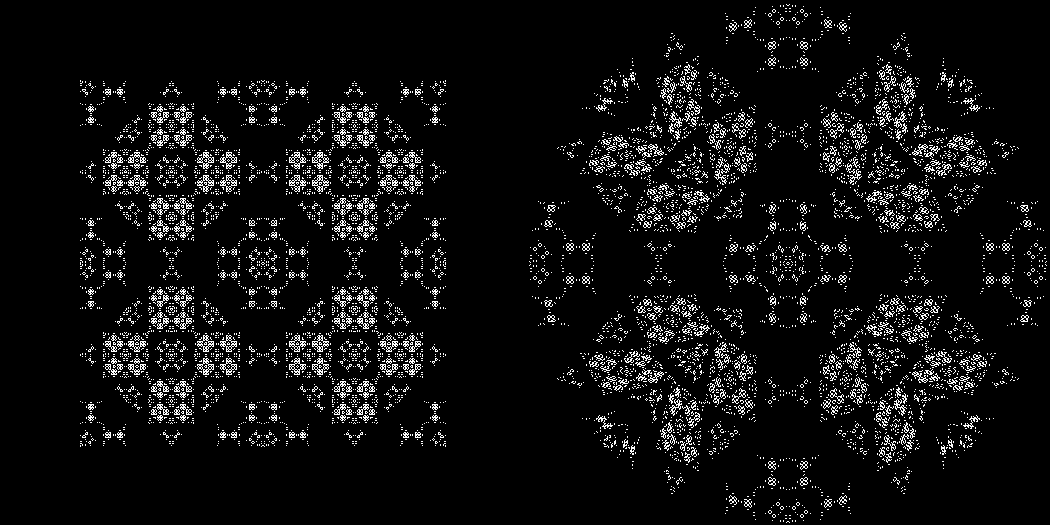
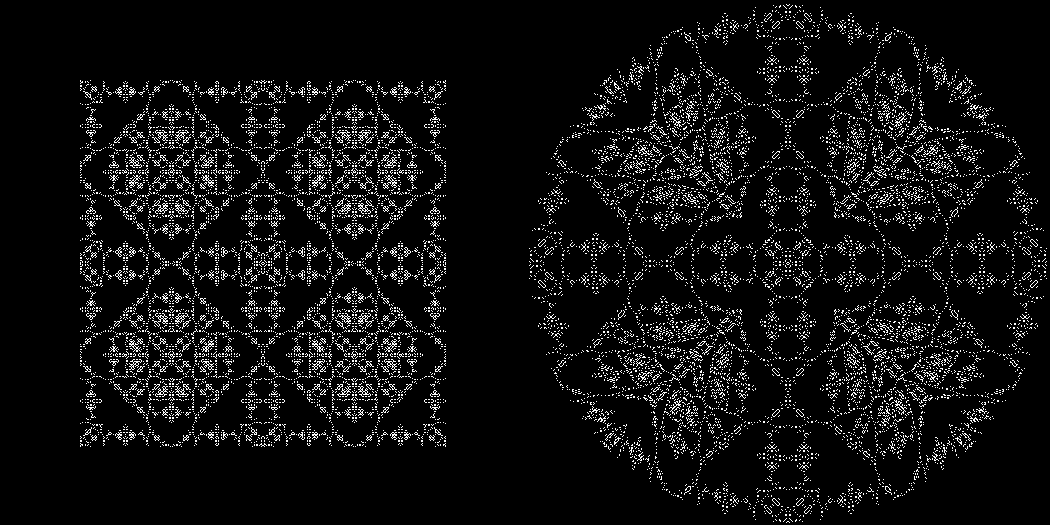
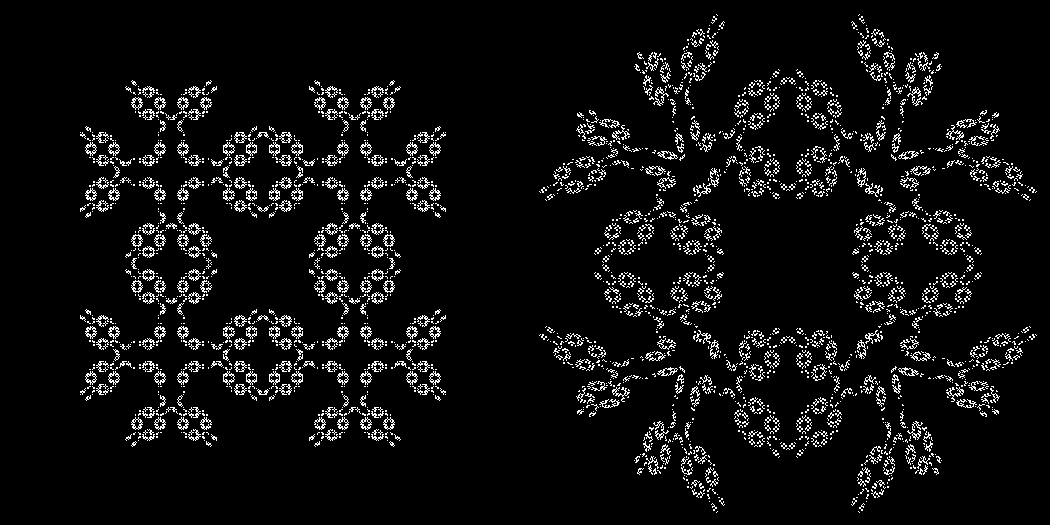
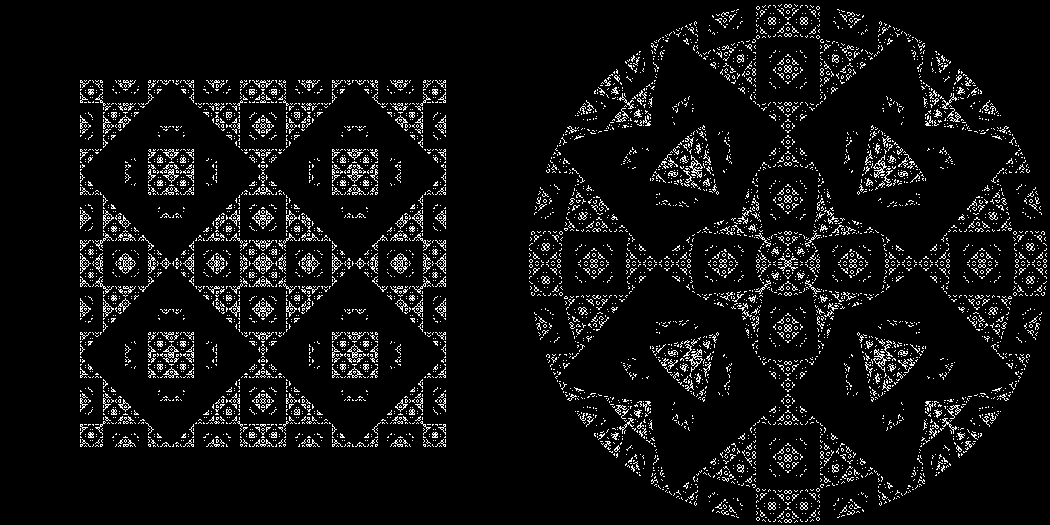
Here are more examples of divide-and-discard fish-squares:

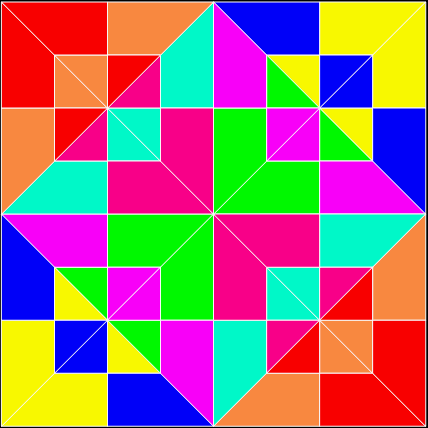
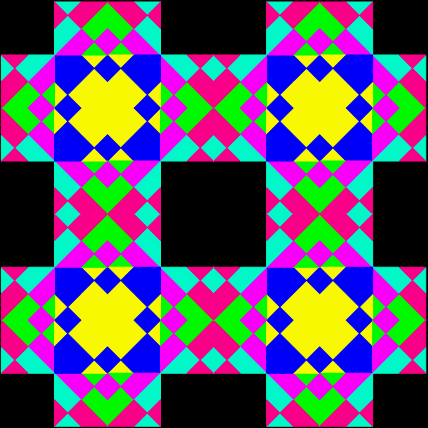
Fish-square divide-and-discard #1


Fish-square divide-and-discard #2


Fish-square divide-and-discard #3


Fish-square divide-and-discard #4


Fish-square divide-and-discard #5


Fish-square divide-and-discard #6


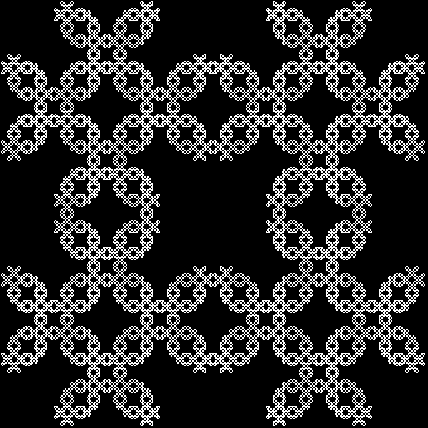
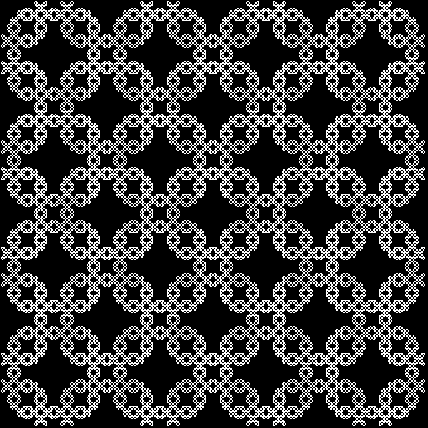
And more examples of fish-squares being converted into circles:

Fish-square to circle #1 (animated)


Fish-square to circle #2


Fish-square to circle #3


Fish-square to circle #4


Fish-square to circle #5


Fish-square to circle #6