Ju Dunnit

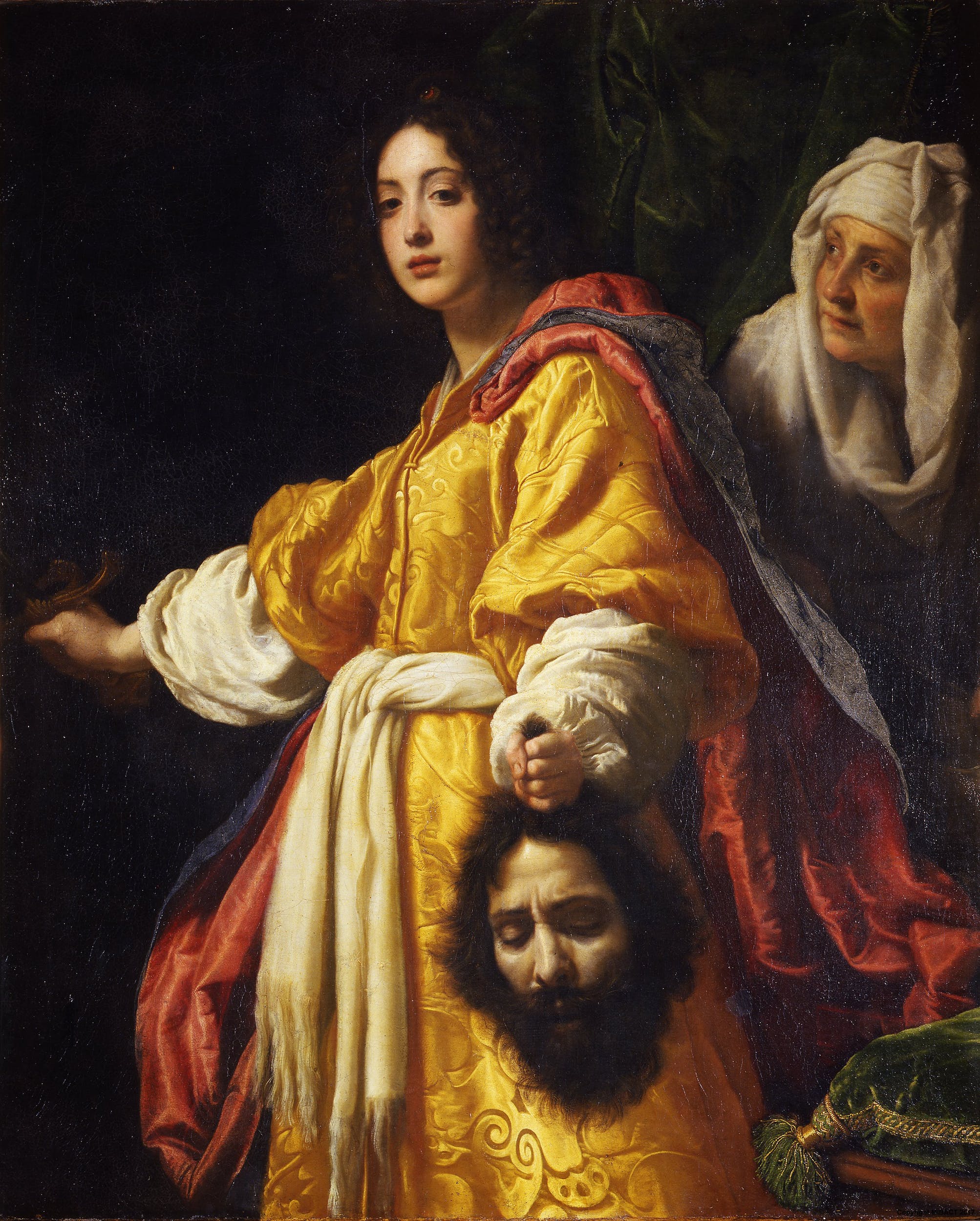
Giuditta con la testa di Oloferne (c. 1612), Cristofano Allori (1577-1621)


Interesting facts in-terms-of-issues-around this painting, known as Judith with the Head of Holofernes in English: according to Allori’s first biographer Filippo Baldinucci, the severed head is a self-portrait of Allori, the decapitatrix is an ex-girlfriend, Maria di Giovanni Mazzafirri, and the old servant is her mother (from A Face to the World, Laura Cumming, 2009).

Performativizing Papyrocentricity #61

Papyrocentric Performativity Presents:

Orchid KidThe Orchid Hunter: A Young Botanist’s Search for Happiness, Leif Bersweden (Short Books 2017)

Deep in the DarkThe Tunnel, Eric Williams (1951)

Faces and FactsThe Self-Portrait: A Cultural History, James Hall (Thames & Hudson 2014)

Persian PoolReligions of Iran: From Prehistory to the Present, Richard Foltz (Oneworld 2013)

Hooky HereUnknown Pleasures: Inside Joy Division, Peter Hook (Simon & Schuster 2012)

#MiTooMorbidly Miriam: The Mephitic Memoirs of Miriam B. Stimbers, Dr Miriam B. Stimbers (TransVisceral Books 2018)


• Or Read a Review at Random: RaRaR

Methylomania

अभि द्यां महिना भुवमभीमां पृथिवीं महीम् ।
कुवित्सोमस्यापामिति ॥८॥
हन्ताहं पृथिवीमिमां नि दधानीह वेह वा ।
कुवित्सोमस्यापामिति ॥९॥ — ऋग्वेदः सूक्तं १०.११९

“In my vastness, I surpassed the sky and this vast earth. Have I not drunk Soma? / Yes! I will place the earth here, or perhaps there. Have I not drunk Soma?” — Ṛg Veda, Mandala 10, Hymn 119, lines 8-9, translated by Wendy Doniger


Note: The title of this incendiary intervention is a portmanteau of “methylated” and “megalomania”. “Methylated” comes from the ancient Greek μέθυ, meaning “wine” and related to μέθυστος “drunk, intoxicated” (OED).

The Hex Fractor #2

Pre-previously on Overlord-in-terms-of-issues-around-the-Über-Feral, I looked at the fractals created when various restrictions are placed on a point jumping at random half-way towards the vertices of a square. For example, the point can be banned from jumping towards the same vertex twice in a row or towards the vertex to the left of the vertex it has just jumped towards, and so on.

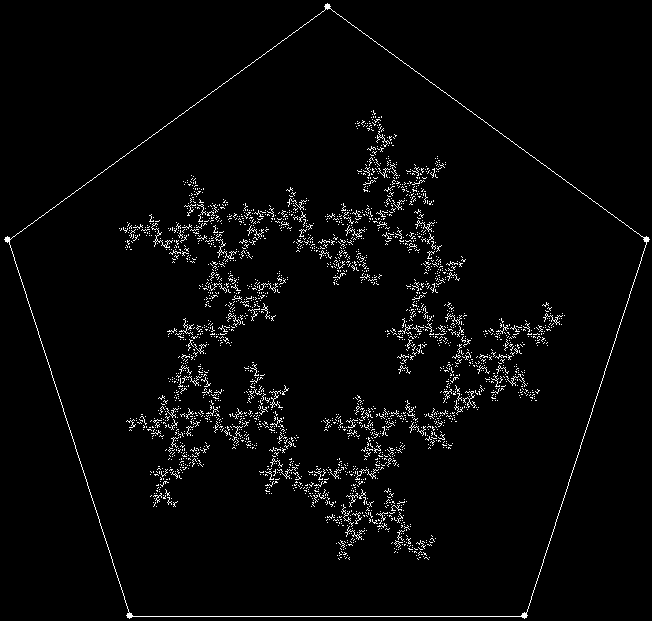
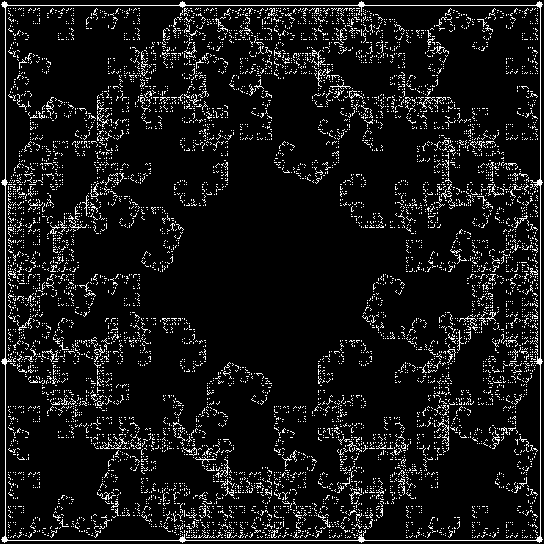
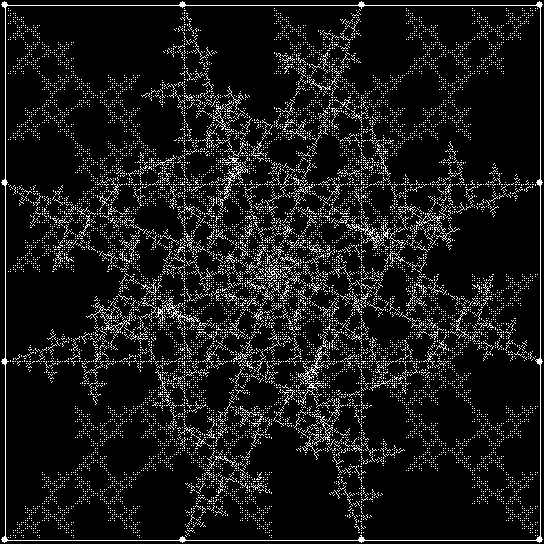
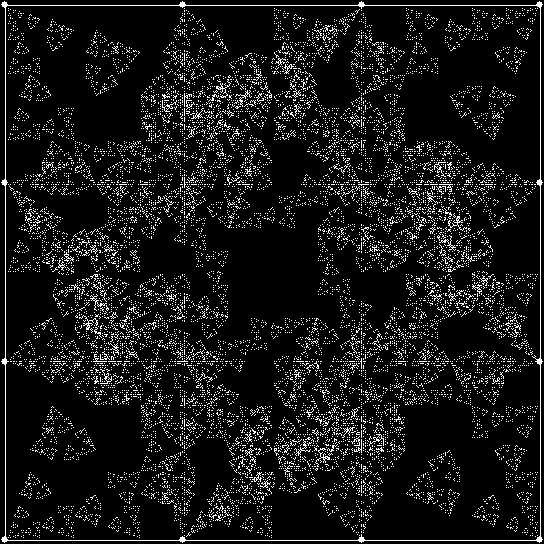
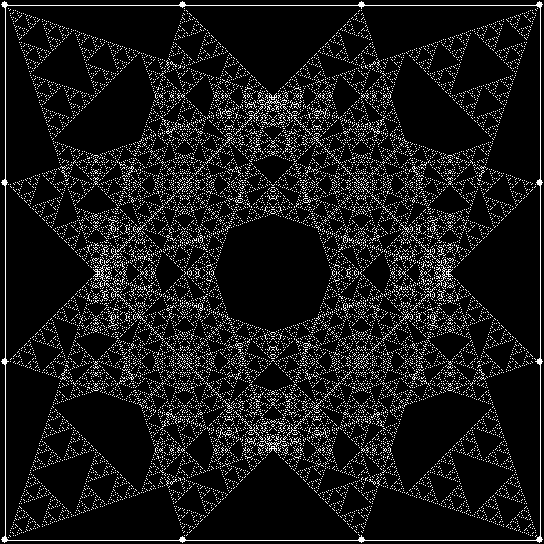
Today I want to look at what happens to a similar point moving inside pentagons and hexagons. If the point can’t jump twice towards the same vertex of a pentagon, this is the fractal that appears:

Ban second jump towards same vertex (v + 0)
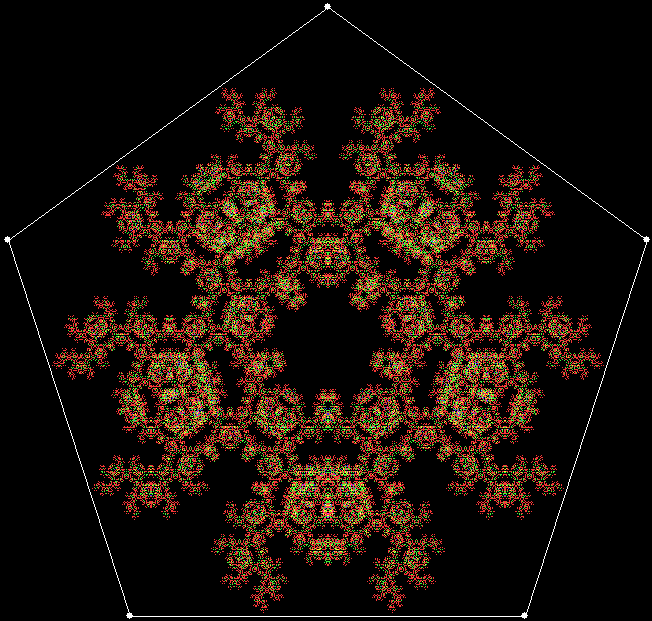

Ban second jump towards same vertex (color)


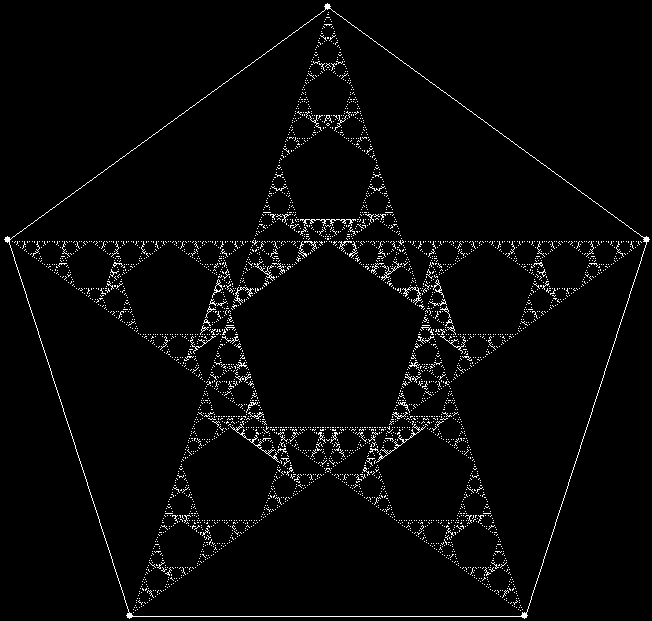
If the point can’t jump towards the vertex immediately to the left of the one it’s just jumped towards, this is the fractal that appears:
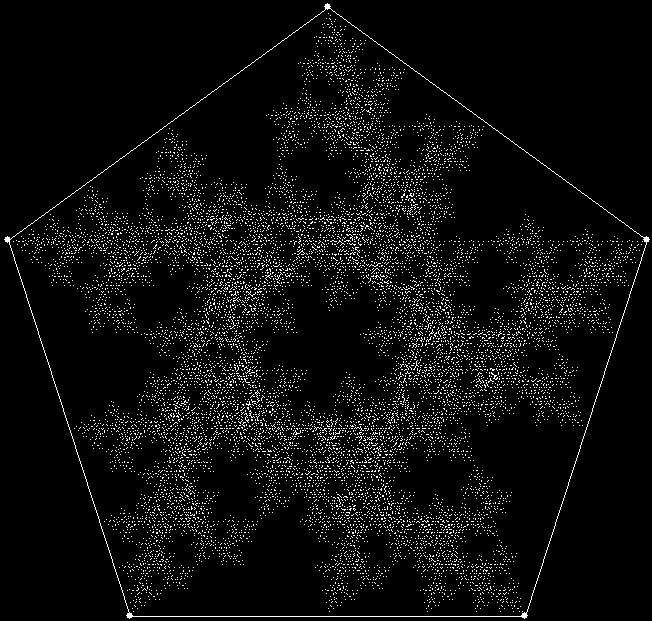
Ban jump towards v + 1


Ban jump towards v + 1 (color)


And this is the fractal when the ban is on the vertex two places to the left:
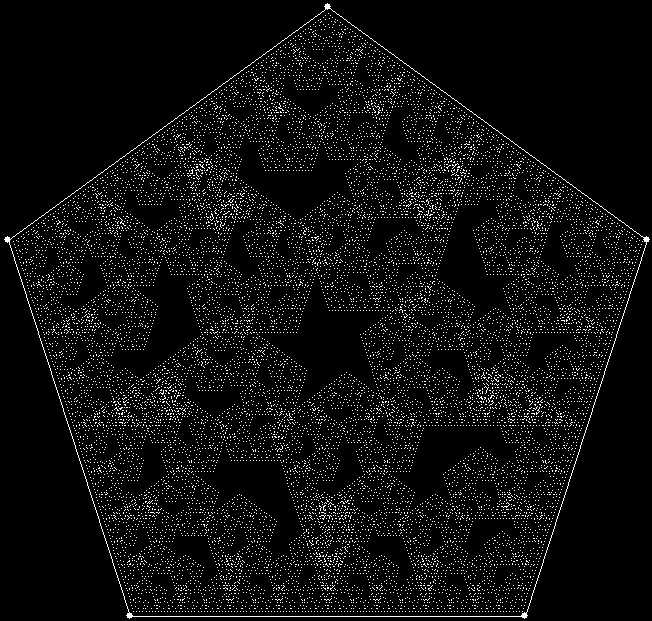
Ban jump towards v + 2
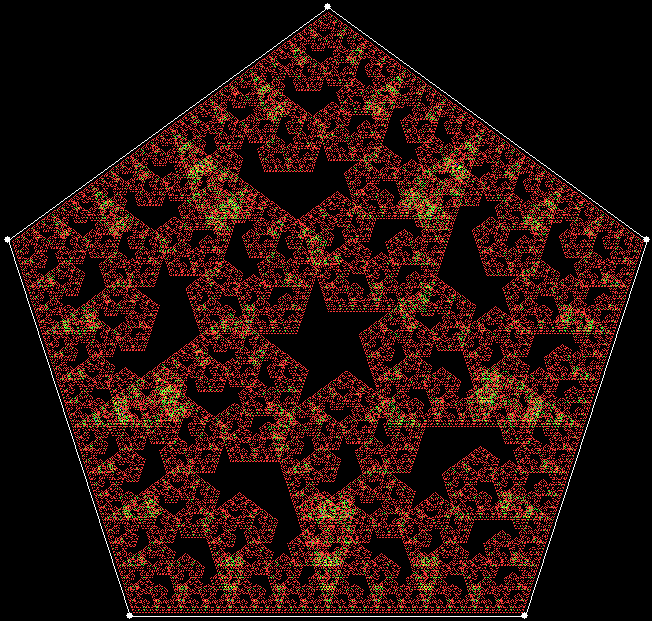

Ban jump towards v + 2 (color)


You can also ban more than one vertex:

Ban jump towards v + 0,1
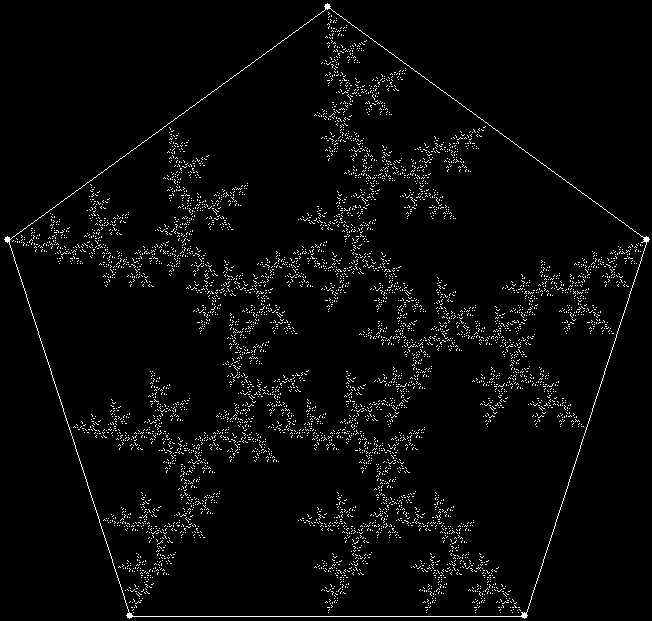

Ban jump towards v + 1,2


Ban jump towards v + 1,4
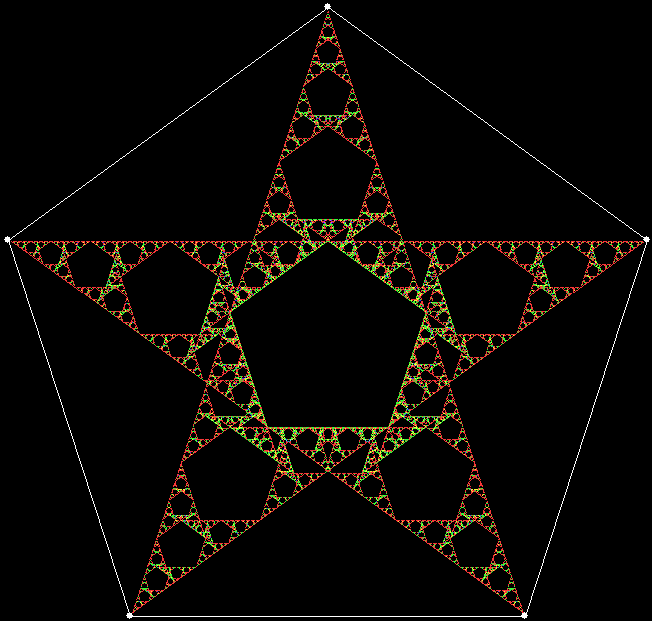

Ban jump towards v + 1,4 (color)
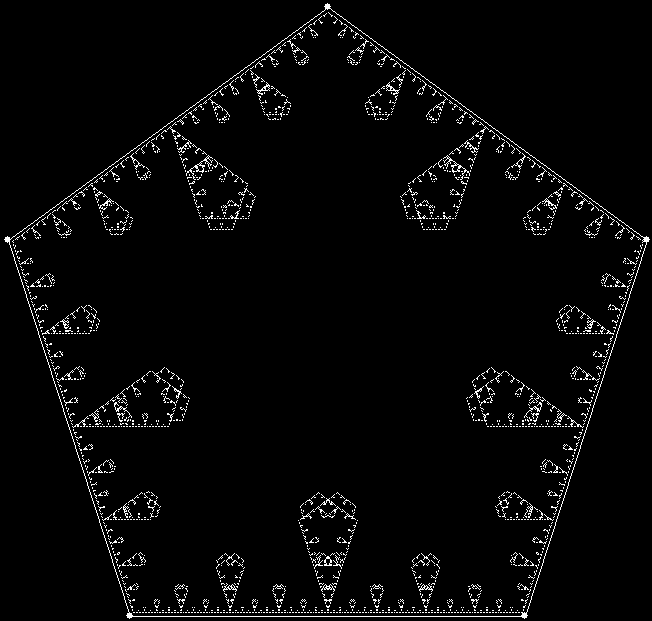

Ban jump towards v + 2,3


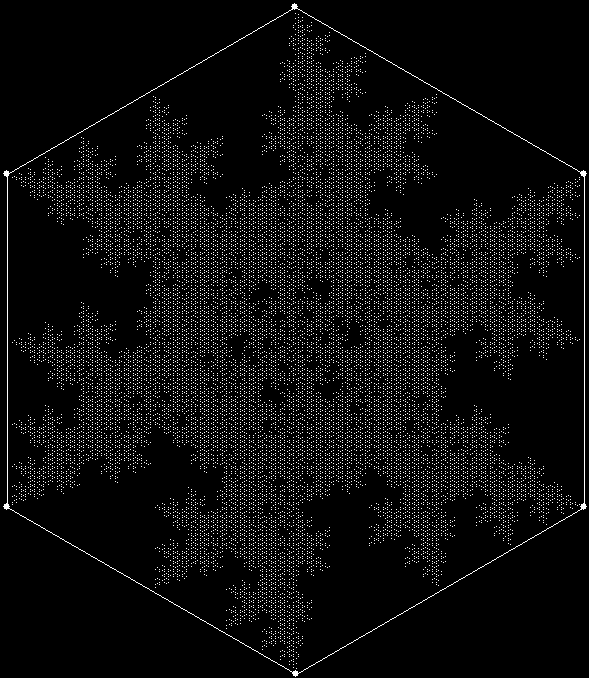
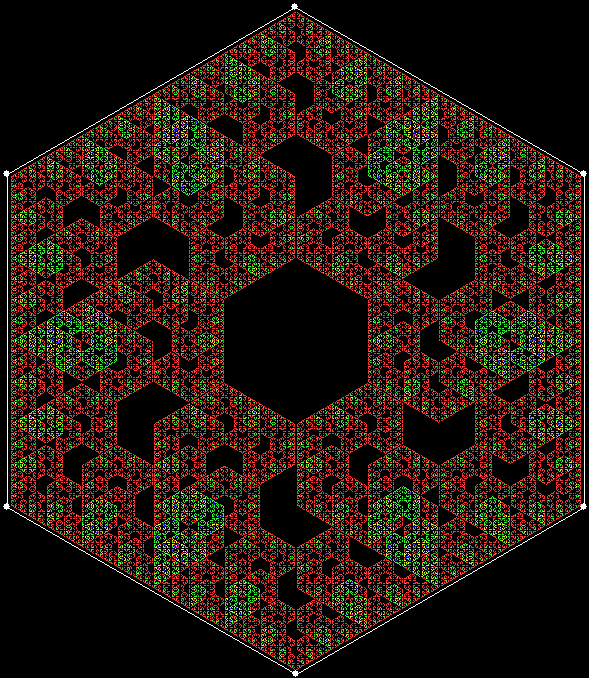
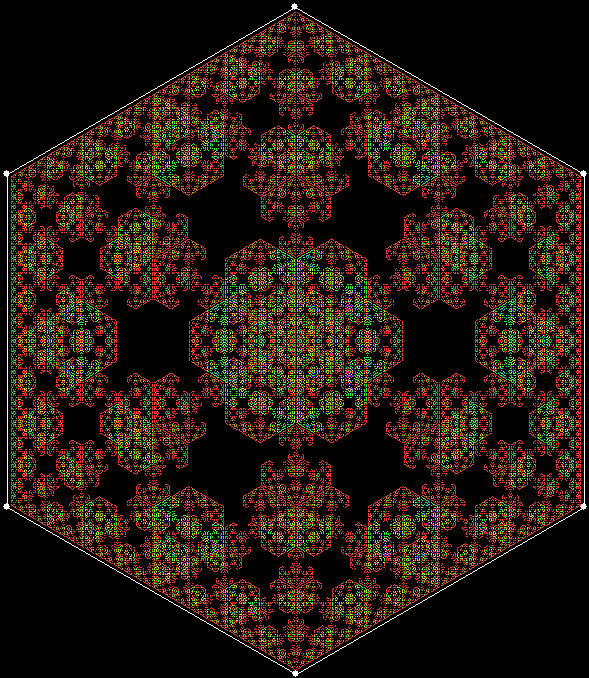
And here are fractals created in similar ways inside hexagons:

Ban jump towards v + 0,1


Ban jump towards v + 0,3
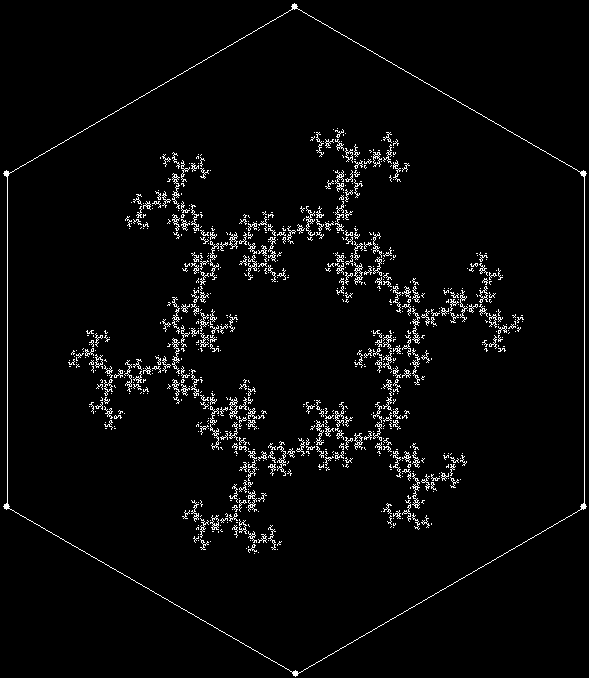

Ban jump towards v + 0,1,2
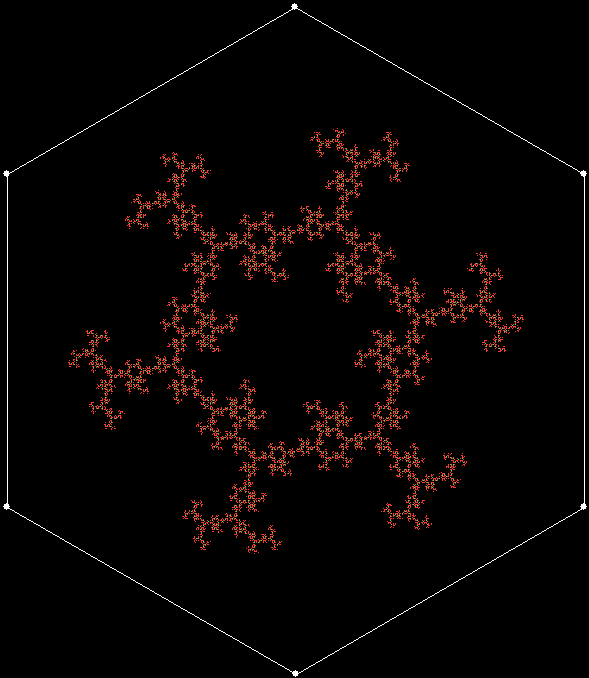

Ban jump towards v + 0,1,2 (color)


Ban jump towards v + 0,1,4
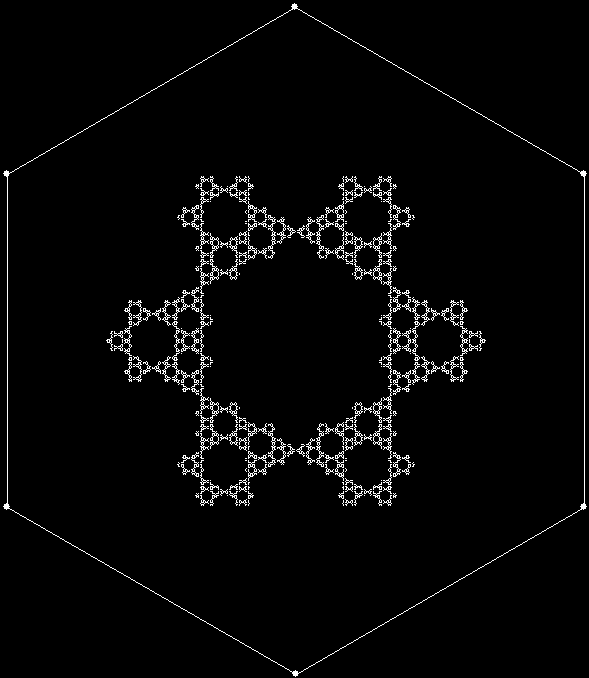

Ban jump towards v + 0,1,5
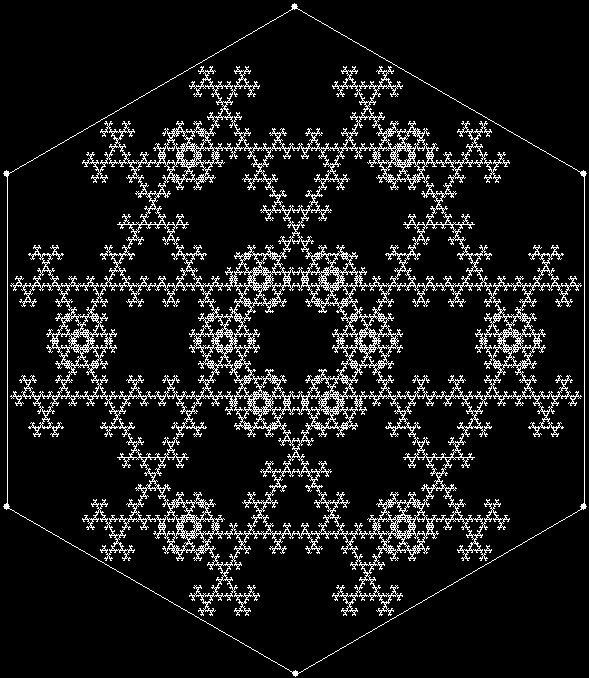

Ban jump towards v + 0,2,4
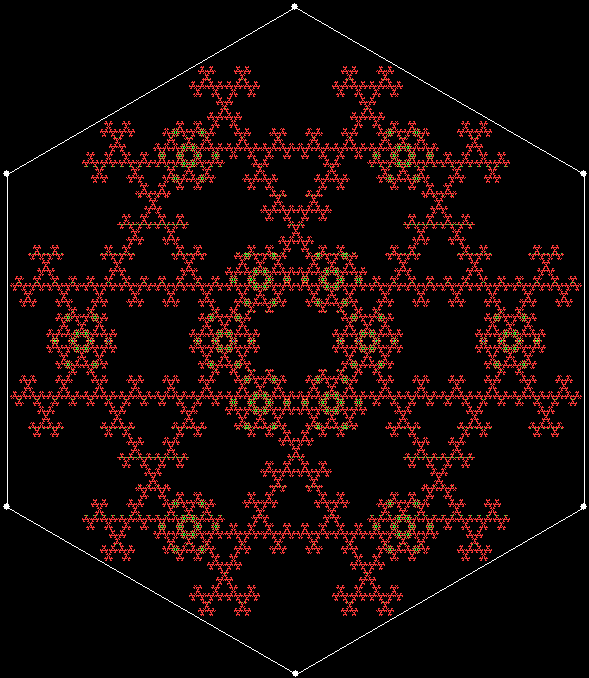

Ban jump towards v + 0,2,4 (color)
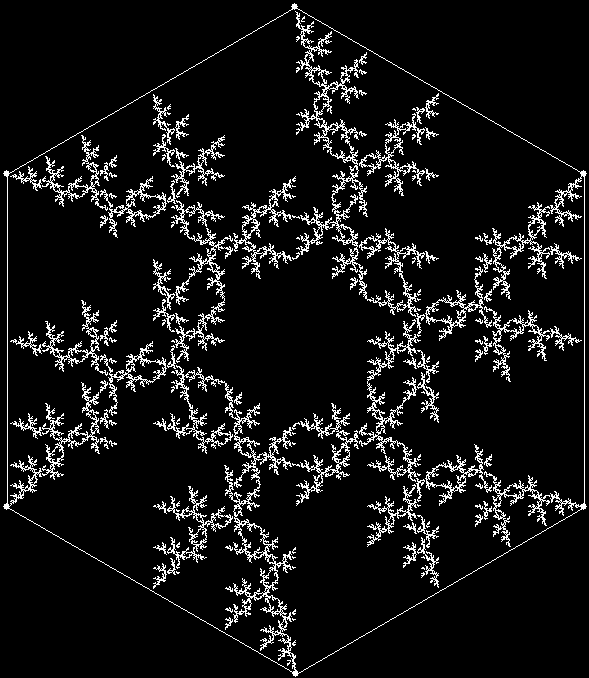

Ban jump towards v + 1,2,3
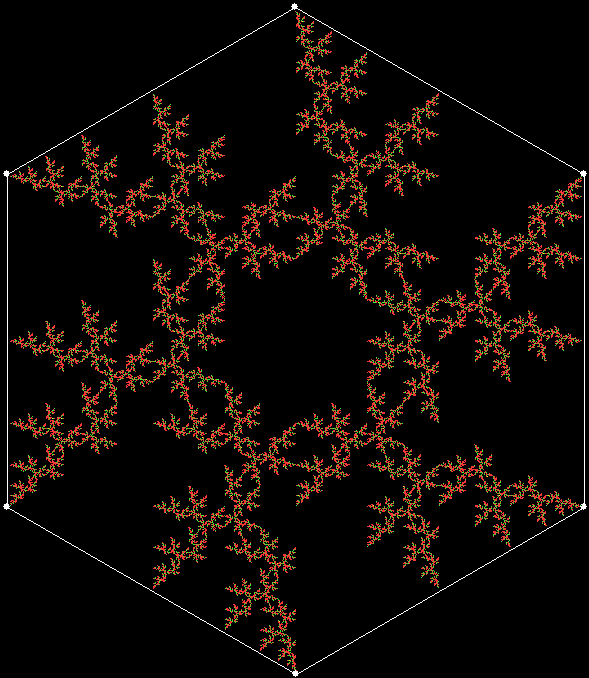

Ban jump towards v + 1,2,3 (color)
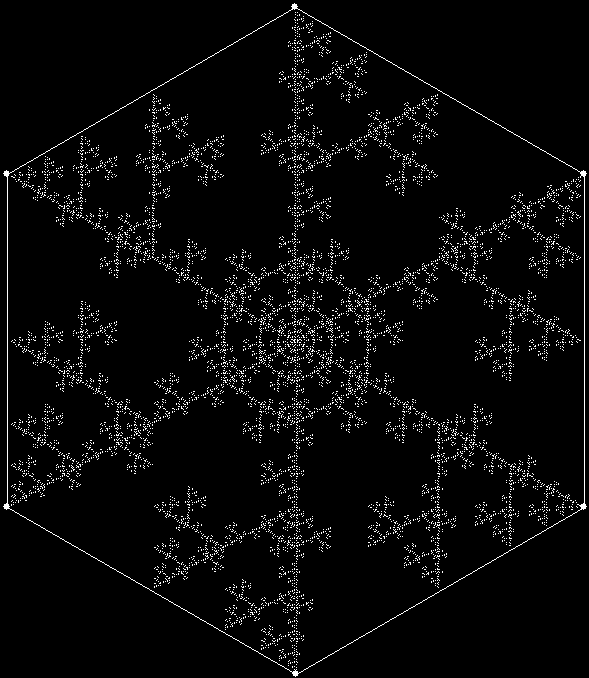

Ban jump towards v + 1,2,4
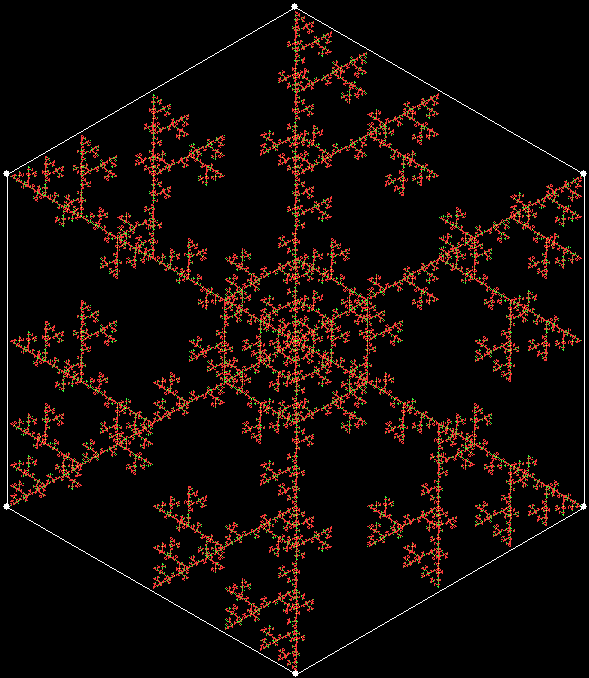

Ban jump towards v + 1,2,4, (color)


Ban jump towards v + 1,3,5
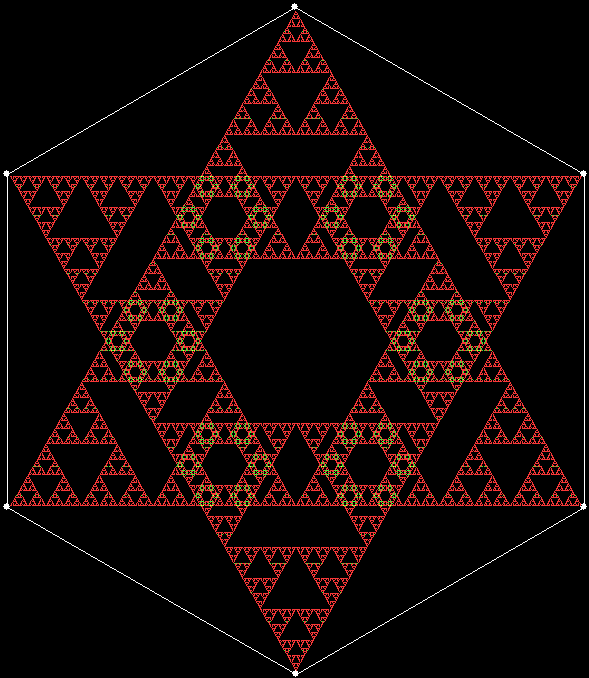

Ban jump towards v + 1,3,5 (color)


Ban jump towards v + 1,2
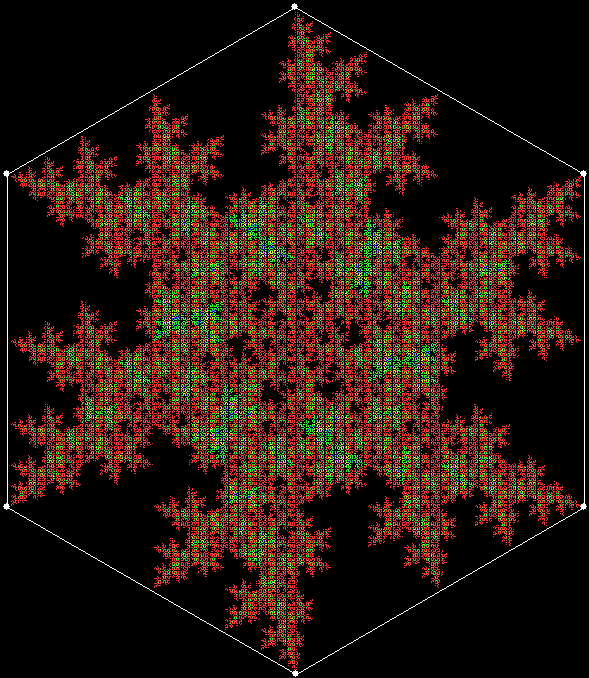

Ban jump towards v + 1,2
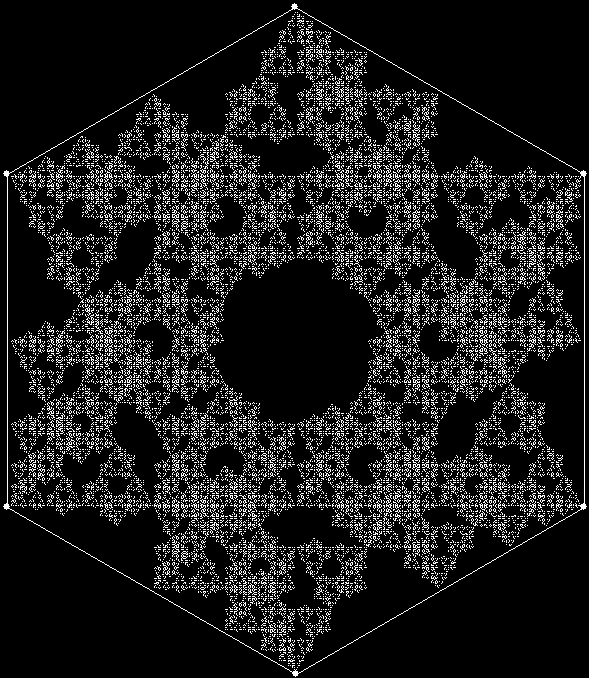

Ban jump towards v + 1,3
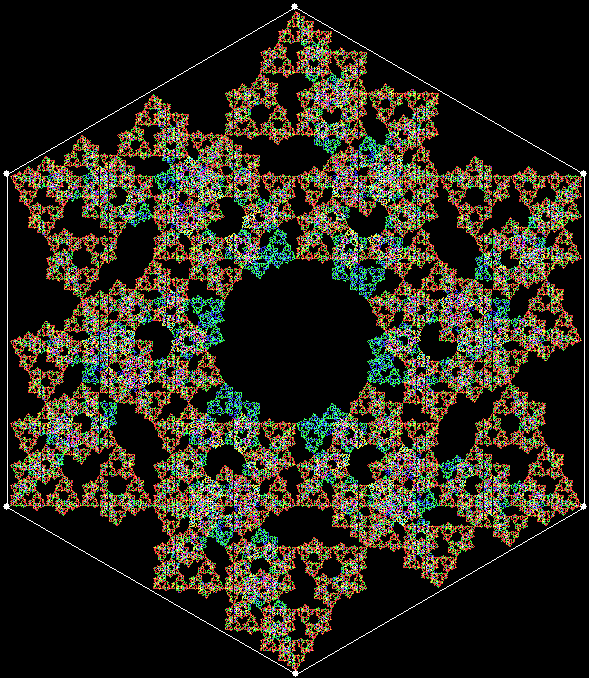

Ban jump towards v + 1,3 (color)


Ban jump towards v + 1,5
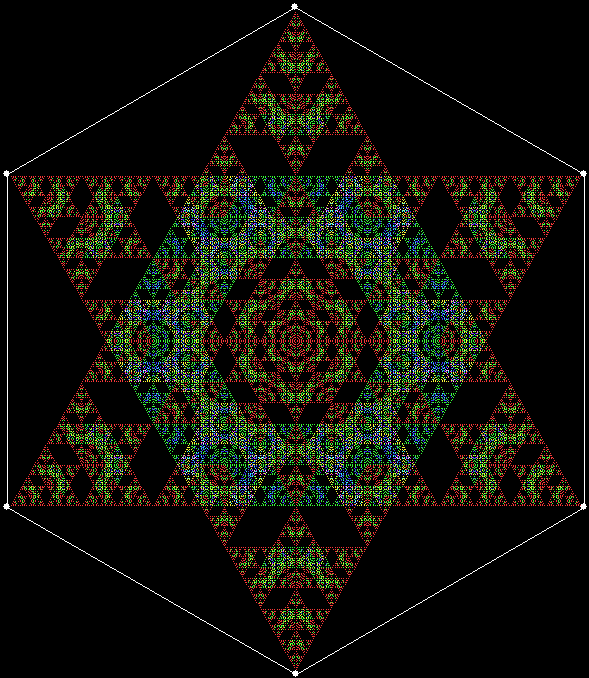

Ban jump towards v + 1,5 (color)
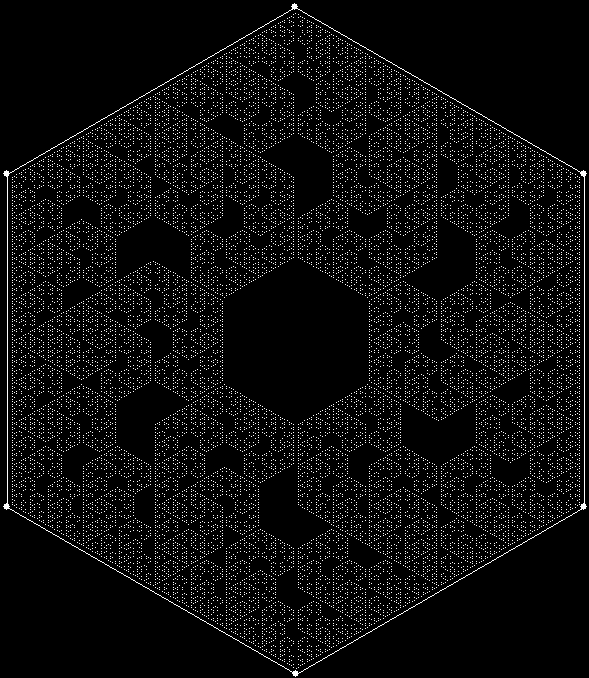

Ban jump towards v + 2,3


Ban jump towards v + 2,3 (color)
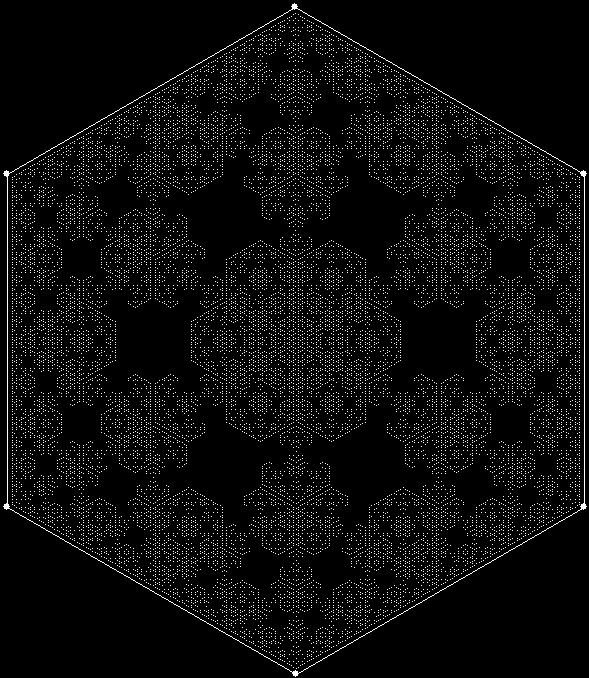

Ban jump towards v + 2,4


Ban jump towards v + 2,4 (color)


Elsewhere other-accessible:

Square Routes Re-Verticed

A Counter-Cultural Conundrum

If three keyly committed core components of the counter-cultural community say “in terms of” 105 times in an hour, how many times will one keyly committed core component of the counter-cultural community say “prior to” in terms of 23 minutes?


Elsewhere Other-Accessible:

Ex-term-in-ate!
Titus Graun: Heresy, Homotextuality, Hive-Mind
All O.o.t.Ü.-F. posts engaging issues around I.T.O.

A Clockwork Orang

A portrait of the clockmaker Thomas Mudge by Sir Nathaniel Dance-Holland (1772)


Note: The title of this incendiary intervention was buried by Anthony Burgess in the title of his magisterial A Clockwork Orange (1962): in Malay, orang means “man” (as in orangutan, “man of the forest”). The book asks whether man is clockwork or has free will. Obviously, Thomas Mudge was a “clockwork orang” in another sense.

Performativizing Papyrocentricity #60

Papyrocentric Performativity Presents:

Conteur CompatissantShort Stories, Guy de Maupassant, translated by Marjorie Laurie (Everyman’s Library 1934)

Riff-Raph100 Pre-Raphaelite Masterpieces, Gordon Kerr (Flame Tree Publishing 2011)

Fall of the WildA Fall of Moondust, Arthur C. Clarke (1961)

Orchid and OakVine’s Complete Expository Dictionary of Old and New Testament Words, W.E. Vine et al (Thomas Nelson 1984)

Hoare HereRisingtidefallingstar, Philip Hoare (Fourth Estate 2017)


Or Read a Review at Random: RaRaR

Square Routes Re-Verticed
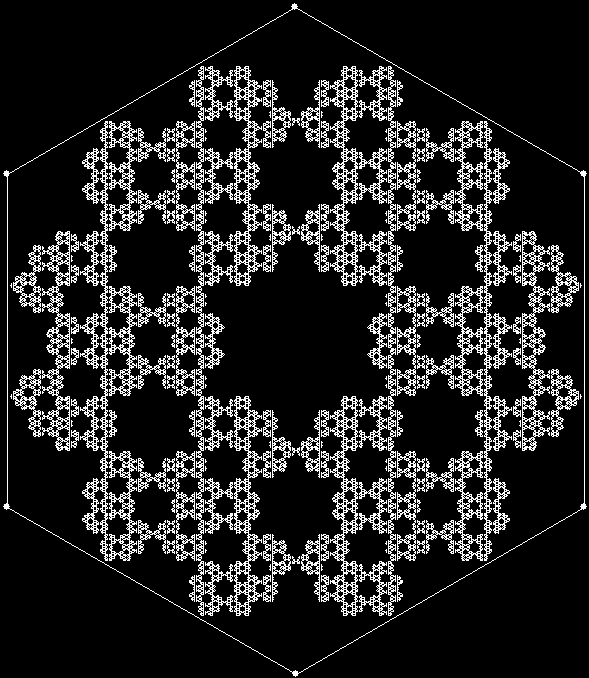
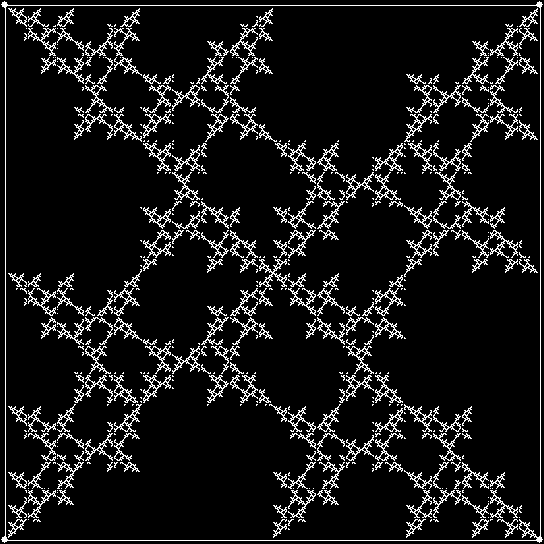
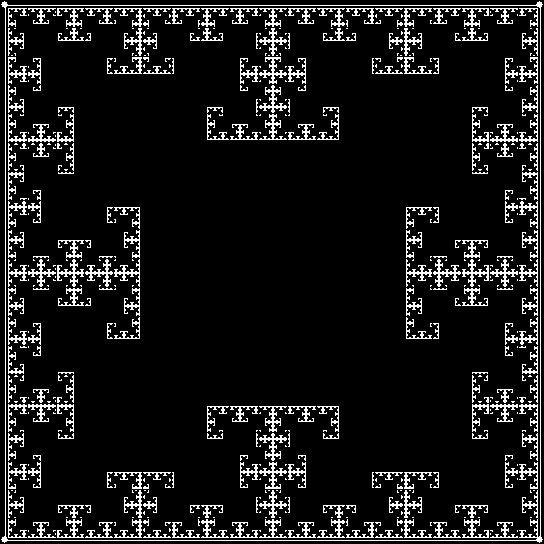
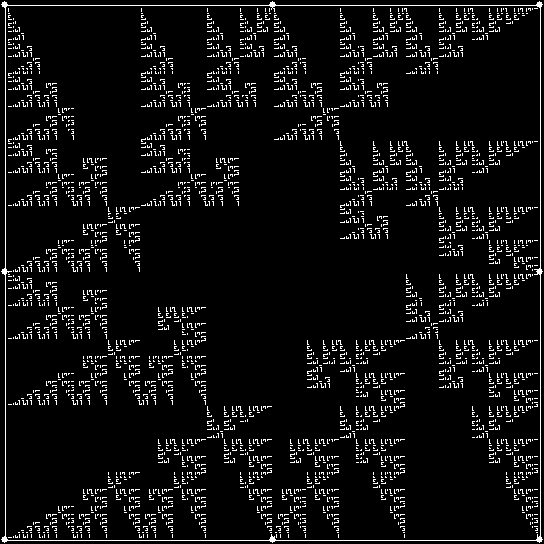
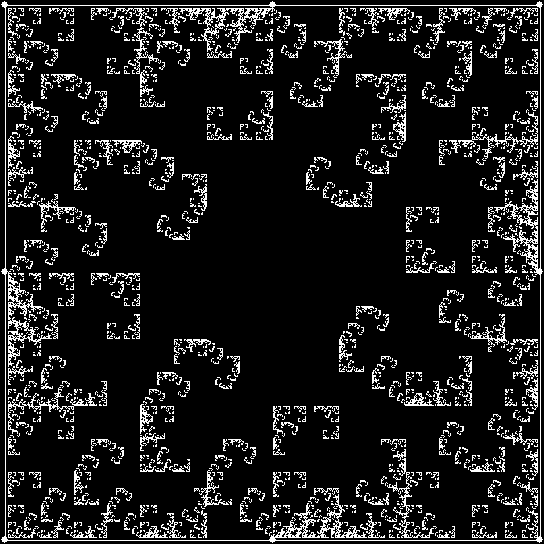
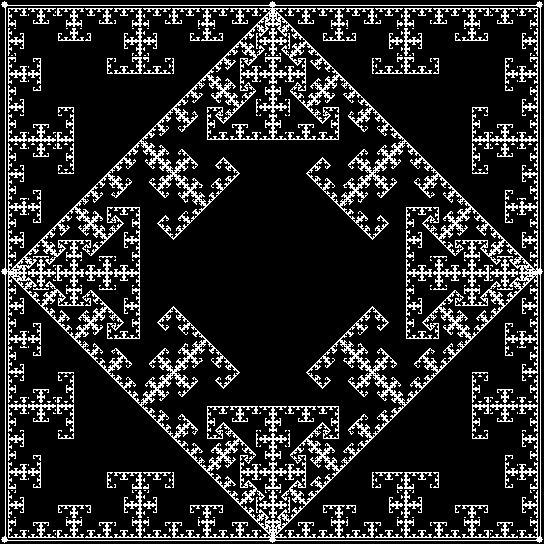
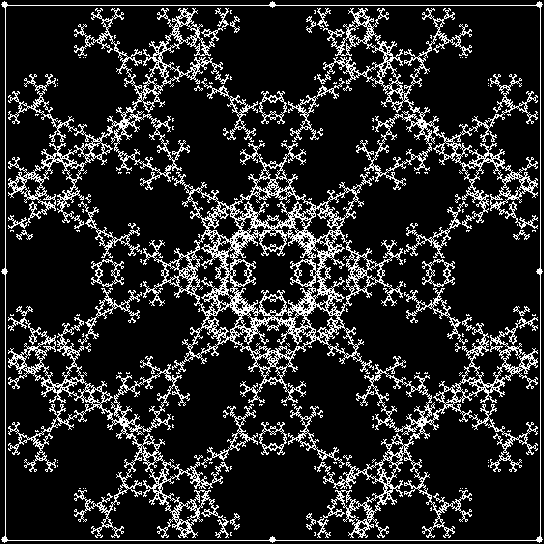
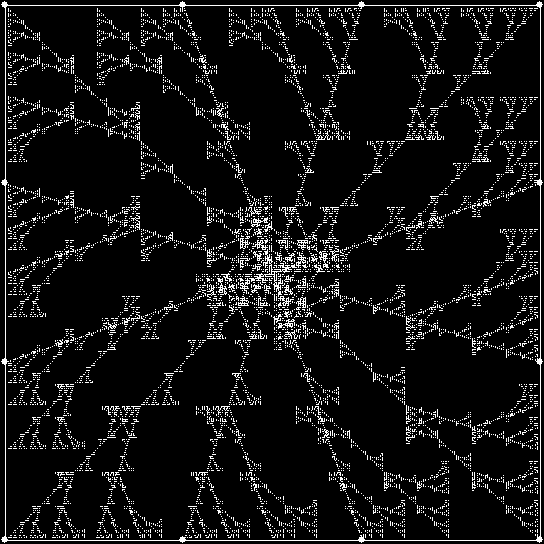
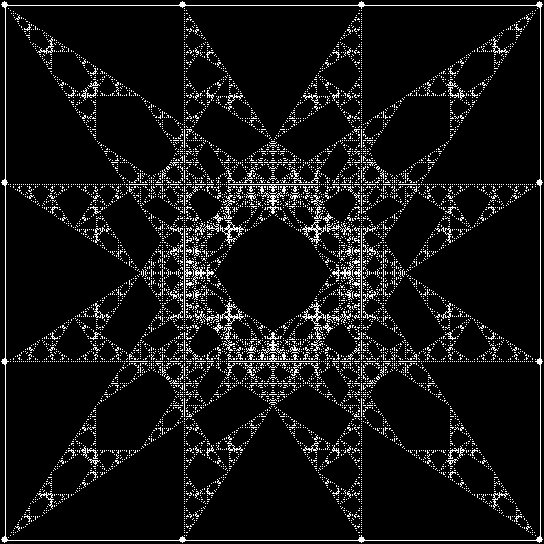
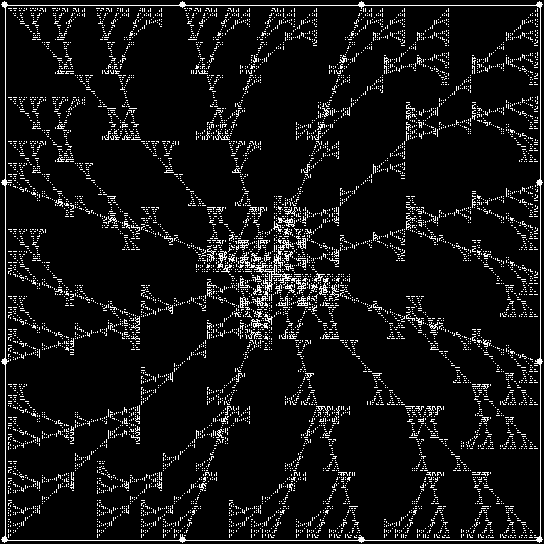
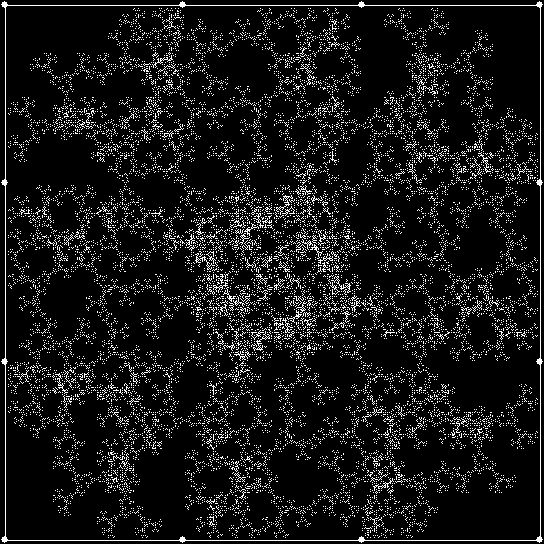
Start with a point in the middle of a square. Allow it to make a series of, say, eight jumps towards the vertices of the square, but with one restriction: it can’t jump towards the same vertex twice in a row. When the point has made the eight jumps, mark its position. If you do this for every possible route, the result will look like this:

Ban jump towards same vertex


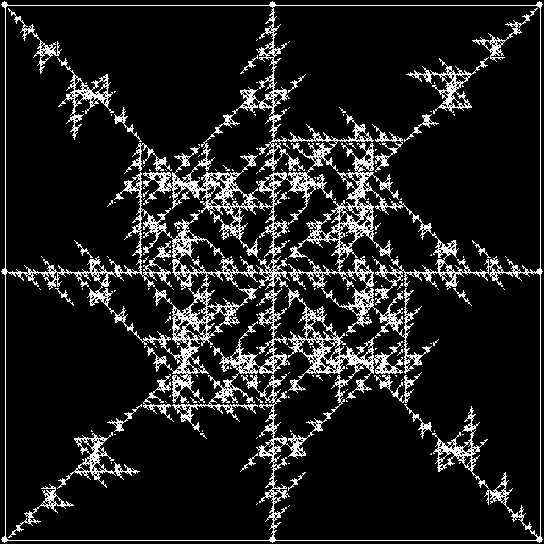
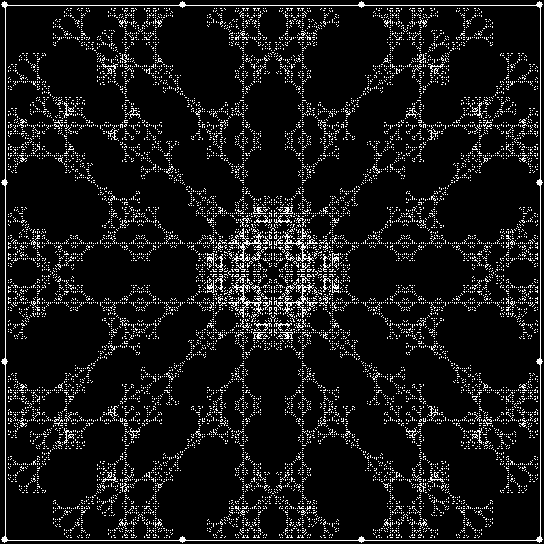
And here’s a different restriction: the point can’t jump towards the vertex immediately to the left of the vertex it has just jumped towards:
Ban jump towards v + 1


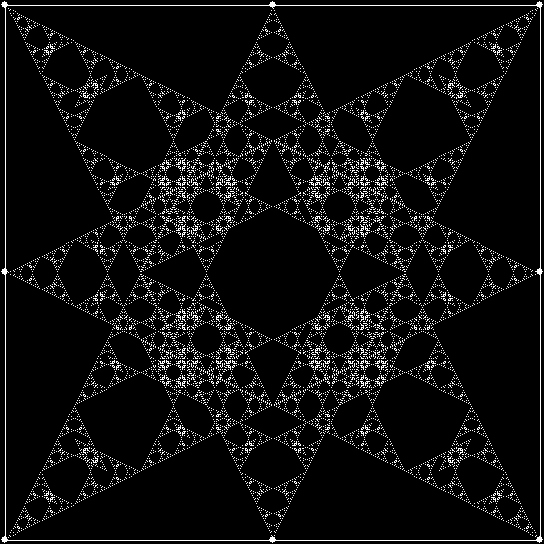
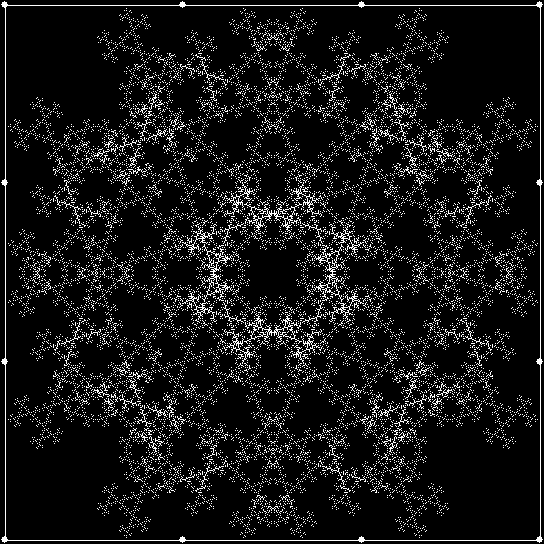
And here it can’t jump towards the vertex diagonally opposite the vertex it has just jumped towards:
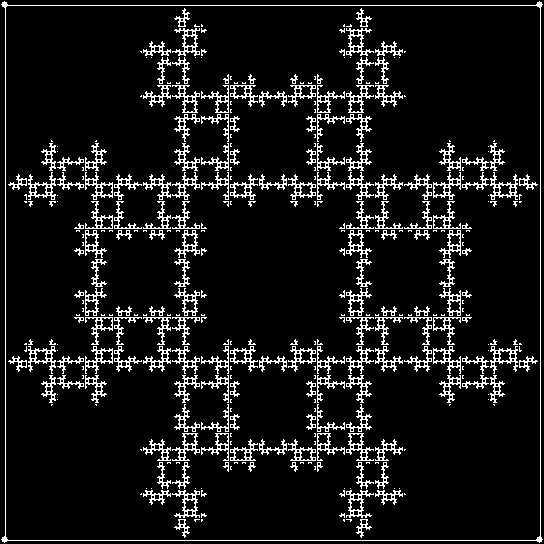
Ban jump towards v + 2


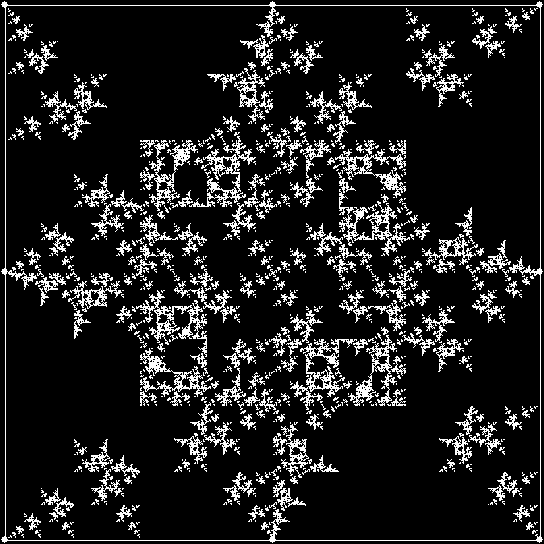
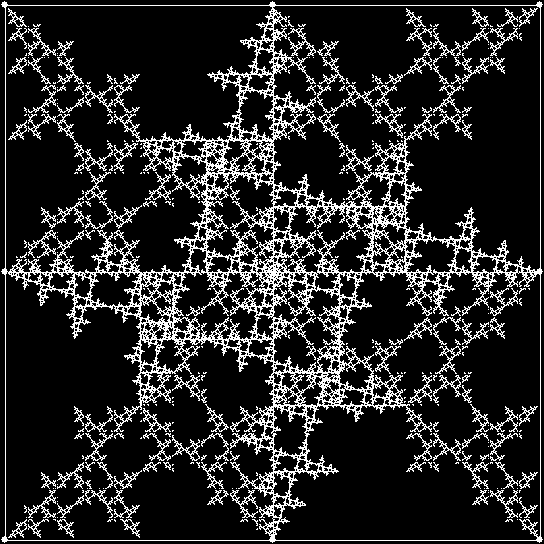
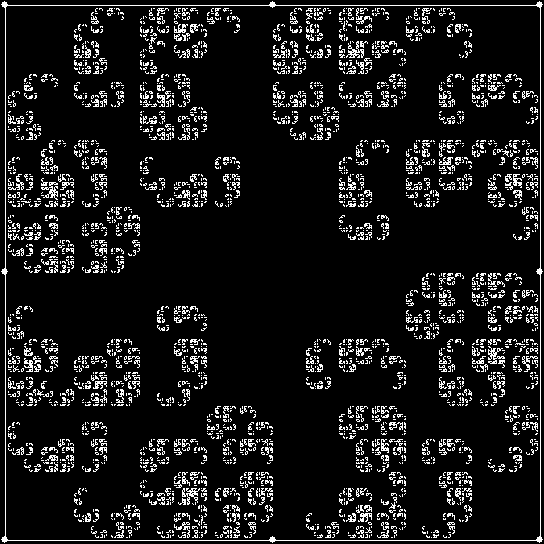
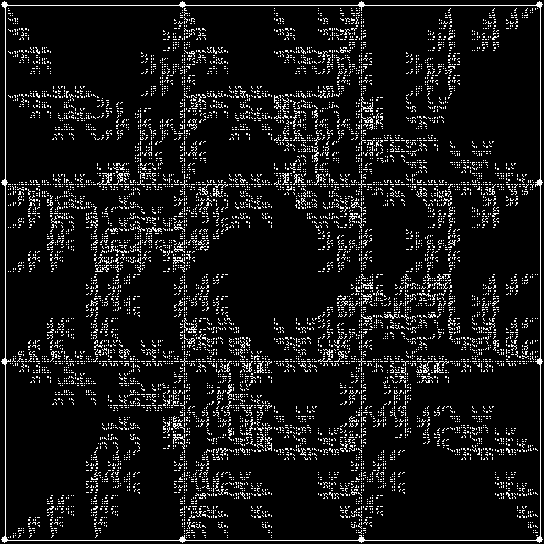
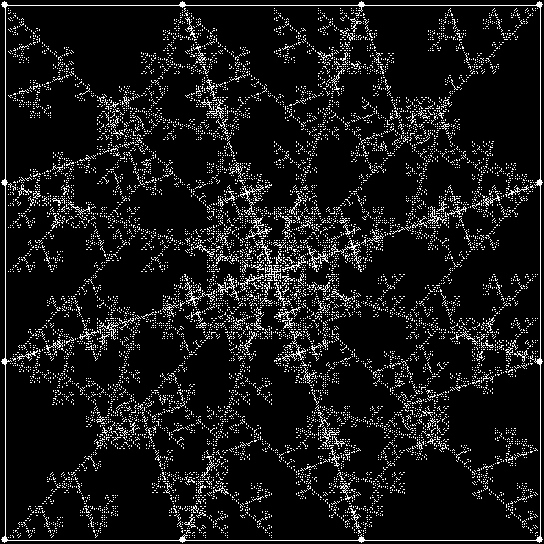
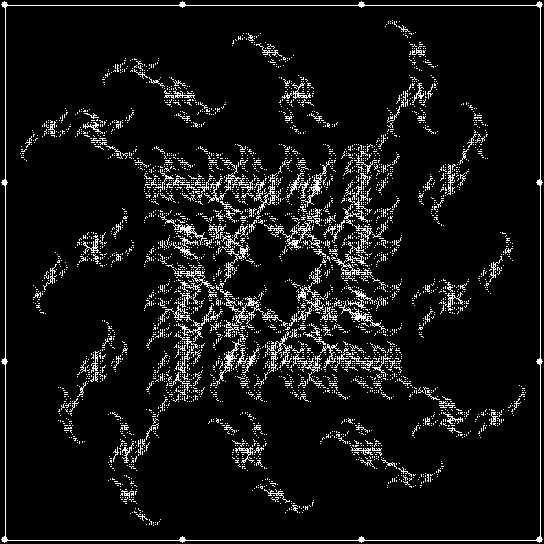
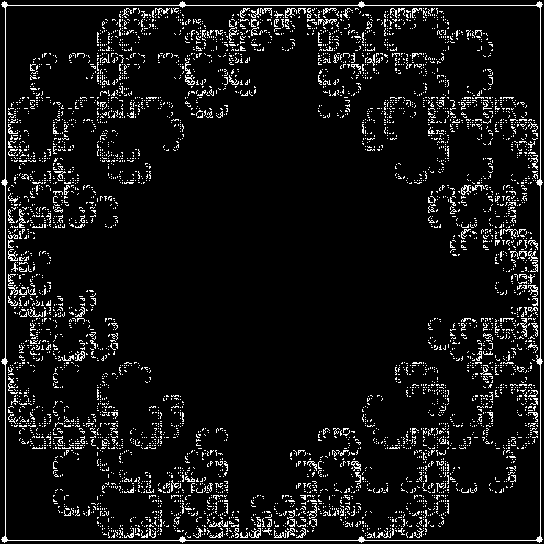
Now allow the point to jump not just towards the vertices, but towards points midway between the vertices. And expand and reverse the restrictions: instead of not allowing a jump towards v + i1, v + i2…, only allow a jump towards v + i1, v + i2… Some interesting shapes appear:

Jump must be towards v, v + 1 or v + 2 (one point between vertices)


v, v + 1 or v + 6


v, v + 2 or v + 3


v, v + 2 or v + 4


v, v + 2 or v + 6


v, v + 3 or v + 4


v, v + 3 or v + 5


v, v + 2 or v + 7


v + 1, v + 4 or v + 7


v, v + 1 or v + 6 (two points between vertices)


v, v + 2 or v + 4


v, v + 2 or v + 6


v, v + 2 or v + 9


v, v + 3 or v + 6


v, v + 3 or v + 8


v, v + 4 or v + 8


v, v + 5 or v + 7


v , v + 6 or v + 11


v + 1, v + 5 or v + 6


v + 1, v + 2 or v + 10


v + 1, v + 6 or v + 10


v + 1, v + 6 or v + 11


v + 2, v + 6 or v + 10


Elsewhere other-posted:

Square Routes
Square Routes Revisited
Square Routes Re-Revisited
Square Routes Re-Re-Revisited

Santa Ana

Biblia anagrammatica, or, The anagrammatic Bible: a literary curiosity gathered from unexplored sources and from books of the greatest rarity, Rev. Walter Begley, Privately Printed for the Author, 1904

I. ANAGRAMMATIC DIALOGUES COMPOSED ENTIRELY OF THE LETTERS OF THE SALUTATIO ANGELICA: “AVE, MARIA, GRATIA PLENA; DOMINVS TECVM”

After considerable research, I have only discovered two writers who have attempted this excessively difficult literary device. One was the eccentric Pierre de St. Louis, a Carmelite, whose book is dated 1672, and the other an Hungarian priest, who gave his contribution to the public in a work published as recently as 1869.

Luc. i. 28.
Ave, Maria, plena gratia; Dominus tecum.

Anagrammata.

Pierre de St. Louis, Carmelite, 1672.

Nigra sum. At Janua Coeli demum aperta.
Amica pia et Rosa grata, Lumenve Mundi.
Gemma Vitis in ea clara Domu pure nata.
Virgo clemens pia miranda, Eva mutata.
Regia summa Patrona, Clientem adjuva.
Virgo meum lumen, pia et sacrata Diana.
Ira placata rigidum mutas Evae nomen.
O Musa, jam ad te levia carmina pergunt.
Area mea totiusve Mundi ampla Regina.
Mater Carmeli. In eo, pia, munda, augusta.
Magna diu semper, Carmeli o Janua Tuta.
In Te valida via, magna sperat cor meum.
Amate prodigium naturas sine macula.
Semper inviolatam, argute canam. Audi.
Gemma tuis pie cara, in Domu Lauretana,
Jam tum via miranda per angelos vecta
Permagna Domus aurea in alta emicuit.
Vera, Alma Domus Agri Piceni tuta mane.
Amica ad te unam, jam Peregrinus volat.
Tu Dia, quam Pia, ore angeli arcanum sume.
Sanctuarium a Dei mei Angelo paratum.
Eia, Pia, Caram Mundo genitura salutem.
Ea pia, edita Regula omnium sanctarum.
Virgo casta Diana Emmanuelem rapuit.
Alma Porta jam antea Decus Virgineum.
Summa Diva ac Virgo plane intemerata.
Tam magna Deipara, una te jure colimus.
Via mea, Paradisi gratum Lumen, te cano
Intus a gaudio camera impleatur. Amen.
Mater cujus amaritudo ei plane magna
Elucens Virgo, tu jam pia Mater amanda.
In Amanda vivam ego. Petrus Carmelita
Mea Virago Lauretana est prima mundi.
Mira simul et pia, erga Numen advocata.
O Luna magnum a Dei pietate sacrarium.
O Unica sanave Margarita, Dei templum.
Summa Regina Poli, tute ac jure amanda.
Tu Regia, non Eva prima, sed Immaculata.
Sum Luna Picena amata, Virgo Mater Dei
Tu mea ardua ara, olim in Picenum gesta.
O veri Dei Munus, Palma, caritate magna.
Alma vere Integra, Pudica. Nos jam muta.
Due Regina et viam tutam sine malo para.
Num pia amata, et sacra Virgo de Lumine.
Eva intacta Deum jam paris angelorum.
Ita amata parens miraculo Deum genui.
Ardua sancta pia meum Genitorem alui.
Tu pia amica Mundo. Salve Regina Mater,
O augusta mire pia. Nunc Dei Mater alma.
Ipsa ter magna aut nimium decora. Vale.
Optima, cara Mater Numinis. Vale. Gaude.

This very eccentric Carmelite who framed the above fifty-one anagrams, and the first anagrammatic dialogue in Part I., some pages back, has been presented entire, and not tithed. The reasons of this special privilege are that he is rare to a degree, an “original” here and always, and the specimens above have been picked out, for the first time, from different parts of his work, for which, and for more about him, see the Bibliography.

Biblia anagrammatica (1904)