Coptic Optics

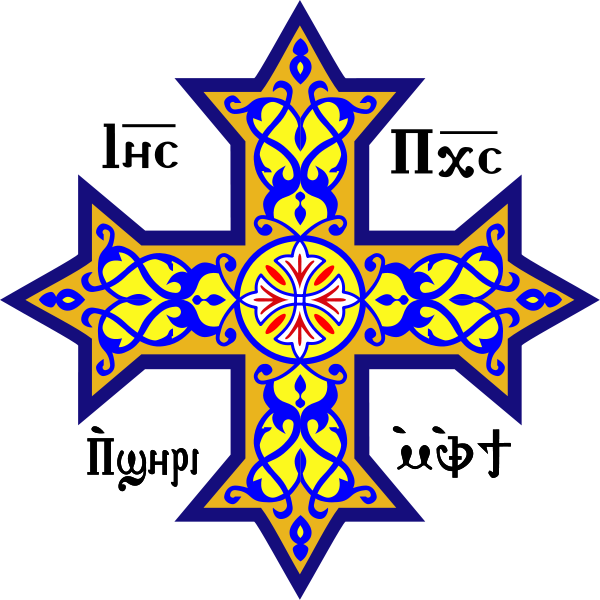
Coptic Cross with abbreviation Ⲓⲏ̅ⲥ̅ Ⲡⲭ̅ⲥ̅ Ⲡ̀ϣⲏⲣⲓ ⲙ̀ⲪϮ standing for Ⲓⲏⲥⲟⲩⲥ Ⲡⲓⲭ̀ⲣⲓⲥⲧⲟⲥ Ⲡ̀ϣⲏⲣⲓ ⲙ̀Ⲫ̀ⲛⲟⲩϯ,
Iêsous Piekhristos Epshêri Emefnouti, “Jesus Christ, Son of God” (see Wikipedia)

2 < 1

«У Менделеева две жены, но Менделеев-то у меня один!» — Царь Алекса́ндр II

• “Yes, Mendeleev has two wives, but I have only one Mendeleev!” — Tsar Alexander II responds to a complaint about Mendeleev’s bigamy

Sóccrates Says…

“A beleza vem primeiro. A vitória é secundária. O que importa é a alegria.” — Sócrates, o futebolista brasileiro
• “Beauty comes first. Victory is secondary. What matters is joy.” — Brazilian footballer Sócrates


I’ve also found the quote as:

“A beleza está primeiro. A vitória é secundária. O que é interessa é o prazer.”
• “Beauty comes first. Victory is secondary. What matters is pleasure.”

Chevaleurs Oniriques

« Les valeurs oniriques l’ont définitivement emporté sur les autres et je demande à ce qu’on tienne pour un crétin celui qui se refuserait encore, par exemple, à voir un cheval galoper sur une tomate. » André Breton (1896-1966)
• “Oneiric values have definitely won out over the others, and I maintain that anyone who still refuses to see, for instance, a horse galloping on a tomato, must be an idiot.” — André Breton, viâ Soluble Fish by Incunabula Media

Le Neige d’Antan

snow (n.) Middle English snou, from Old English snaw “snow, that which falls as snow; a fall of snow; a snowstorm,” from Proto-Germanic *snaiwaz (source also of Old Saxon and Old High German sneo, Old Frisian and Middle Low German sne, Middle Dutch snee, Dutch sneeuw, German Schnee, Old Norse snjor, Gothic snaiws “snow”), from PIE root *sniegwh– “snow; to snow” (source also of Greek νίφα, nipha, Latin nix (genitive nivis), Old Irish snechta, Irish sneachd, Welsh nyf, Lithuanian sniegas, Old Prussian snaygis, Old Church Slavonic snegu, Russian snieg’, Slovak sneh “snow”). The cognate in Sanskrit, स्निह्यति snihyati, came to mean “he gets wet.” — “Snow” at EtymOnline

Renoir et la Reine Noire

« Le noir, une non-couleur ? Où avez-vous encore pris cela ? Le noir, mais c’est la reine des couleurs ! » — Renoir (1841-1919)
• “Black, a non-color? Where did you get that idea? Black, why, it’s the queen of colors!”

Miximal Metaphors

“Each of Robyn’s three Honey-era Later performances featured a moment. Towards the end of ‘Missing U’, she finally stared down the camera, having avoided eye contact for fear of emotional collapse, while during ‘Honey’ she did away with the mic stand to make room for supple dance moves. With ‘Every Heartbeat’, meanwhile, peaked when she punctured the highwire emotional blood-letting with a cheeky wink.” — “The 100 greatest BBC music performances – ranked!”, The Guardian, 6×22


Post-Performative Post-Scriptum…

If you think it’s easy to mix so many metaphors in so few words, all I can say is: Try it for yourself!

Bored Bard

Pol. How say you by that? Still harping on my daughter: yet he knew me not at first; he said I was a Fishmonger: he is farre gone, farre gone: and truly in my youth, I suffred much extreamity for loue: very neere this. Ile speake to him againe. What do you read my Lord?

Ham. Words, words, words. — Hamlet (c. 1600), Act 2, Scene 2

Hamble On

HAMBLEDON (n.)

The sound of a single-engined aircraft flying by, heard whilst lying in a summer field in England, which somehow concentrates the silence and sense of space and timelessness and leaves one with a profound feeling of something or other. — The Meaning of Liff, Douglas Adams and John Lloyd (1983)


Elsewhere Other-Accessible

The Meaning of Liff — full text
The Meaning of Liff — at Wikipedia