Fingering the Frigit

Fingers are fractal. Where a tree has a trunk, branches and twigs, a human being has a torso, arms and fingers. And human beings move in fractal ways. We use our legs to move large distances, then reach out with our arms over smaller distances, then move our fingers over smaller distances still. We’re fractal beings, inside and out, brains and blood-vessels, fingers and toes.

But fingers are fractal are in another way. A digit – digitus in Latin – is literally a finger, because we once counted on our fingers. And digits behave like fractals. If you look at numbers, you’ll see that they contain patterns that echo each other and, in a sense, recur on smaller and smaller scales. The simplest pattern in base 10 is (0, 1, 2, 3, 4, 5, 6, 7, 8, 9). It occurs again and again at almost very point of a number, like a ten-hour clock that starts at zero-hour:

0, 1, 2, 3, 4, 5, 6, 7, 8, 9…
10, 11, 12, 13, 14, 15, 16, 17, 18, 19…
200… 210… 220… 230… 240… 250… 260… 270… 280… 290…

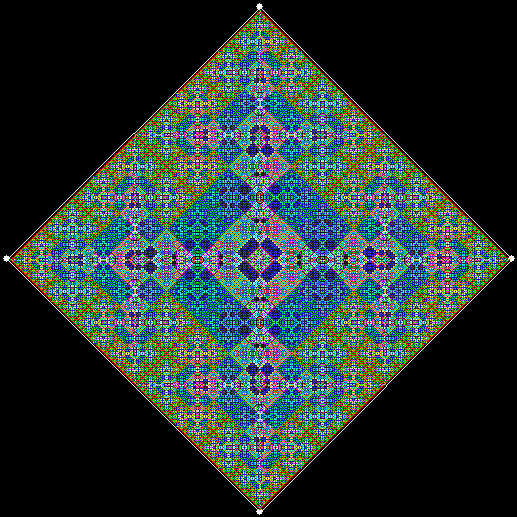
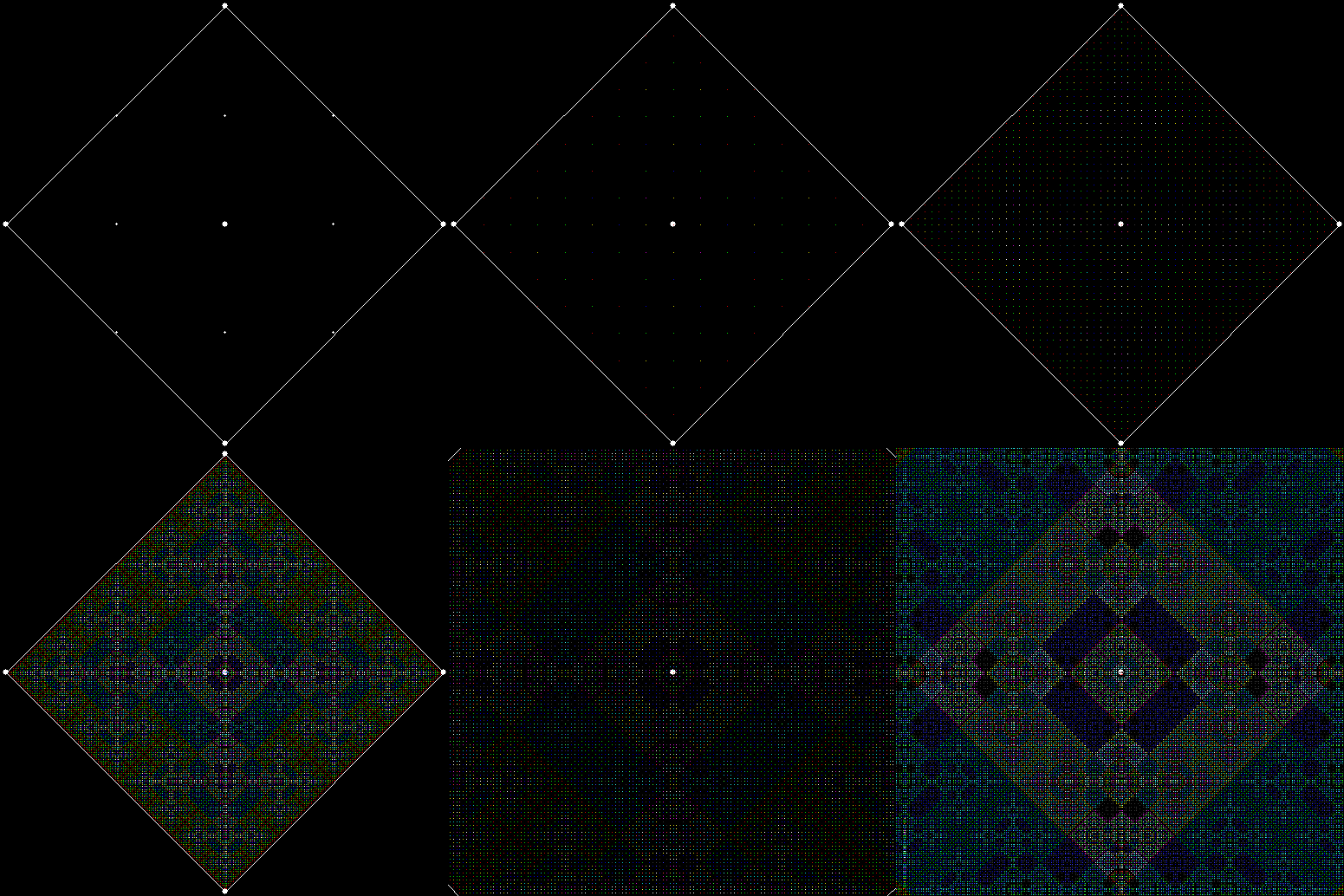
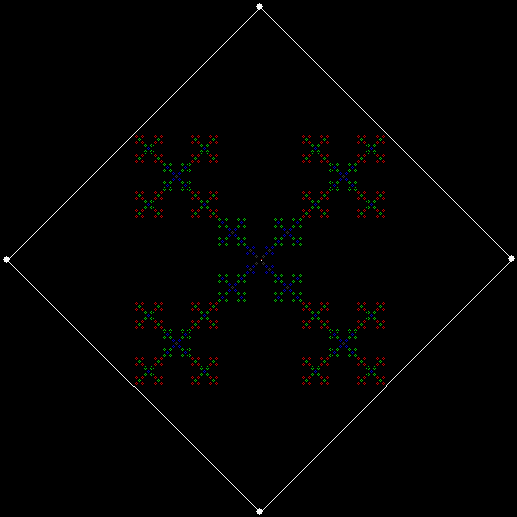
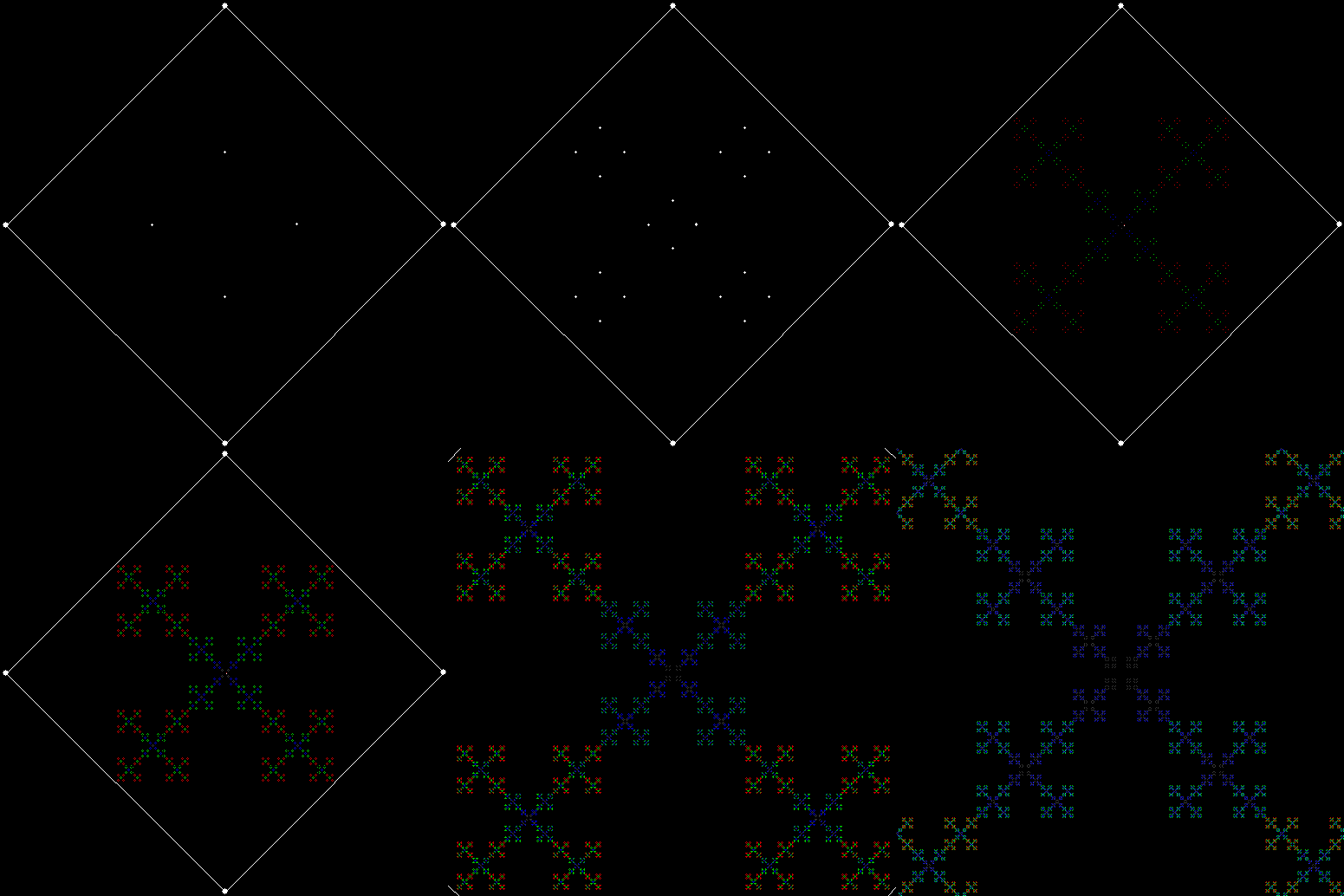
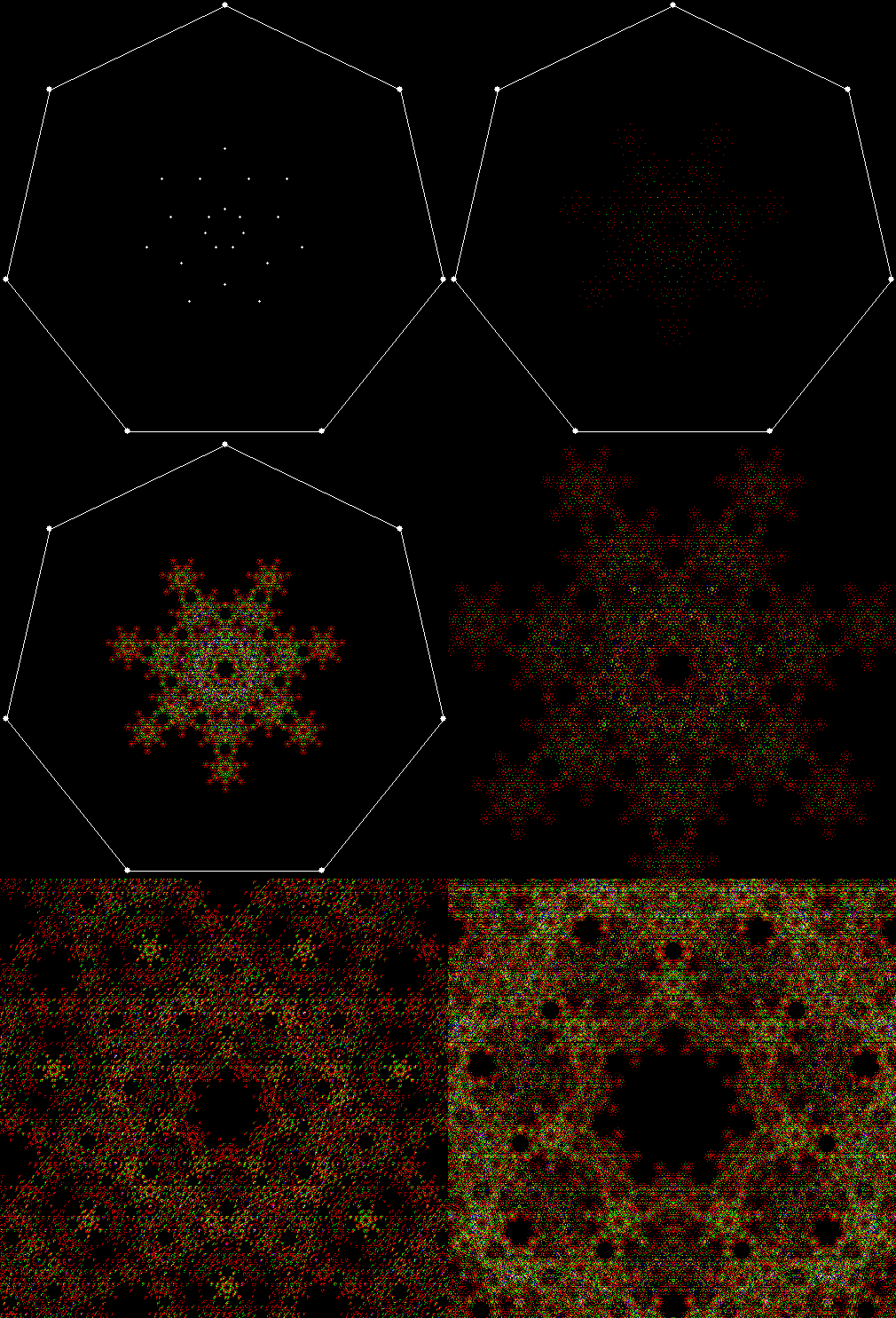
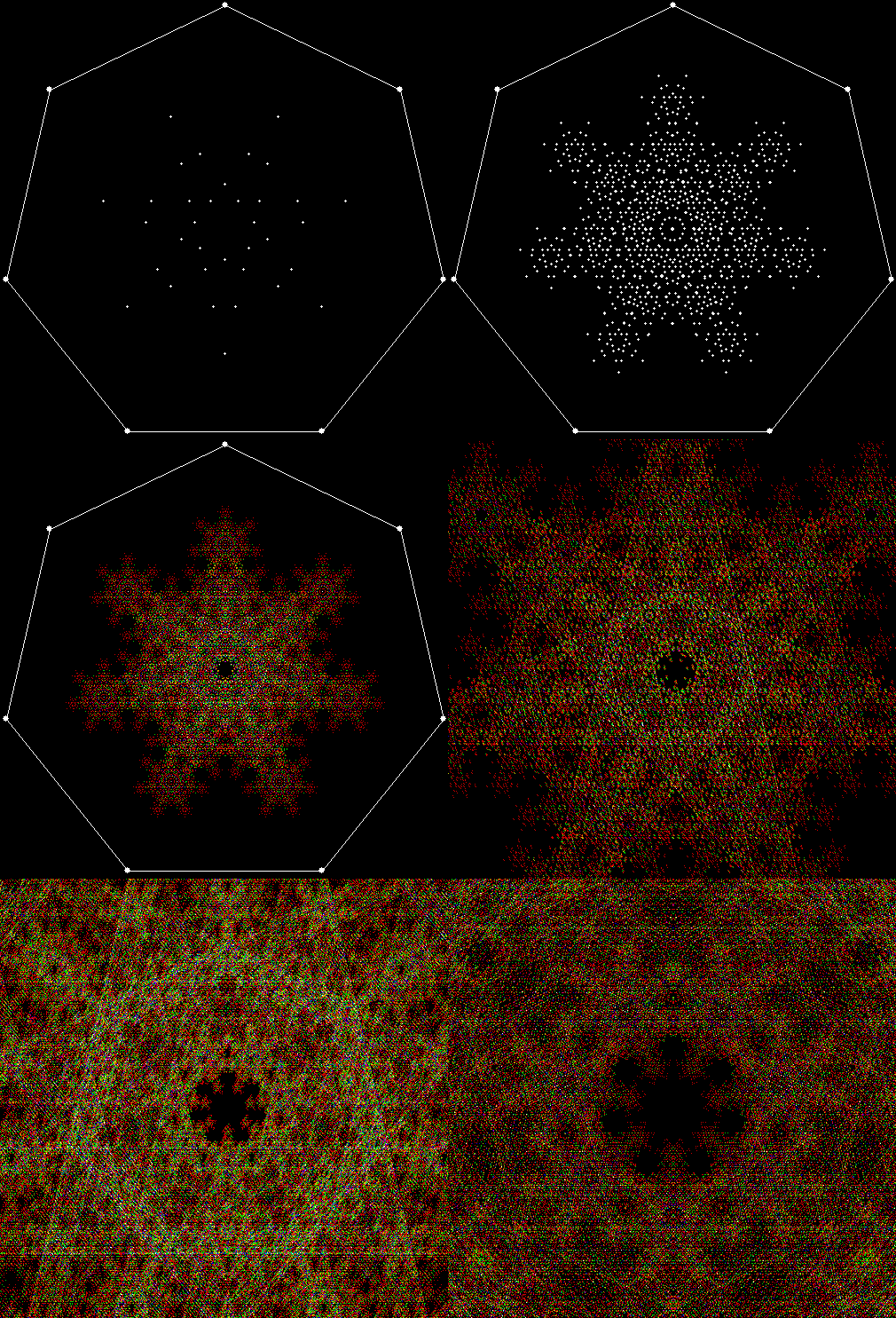
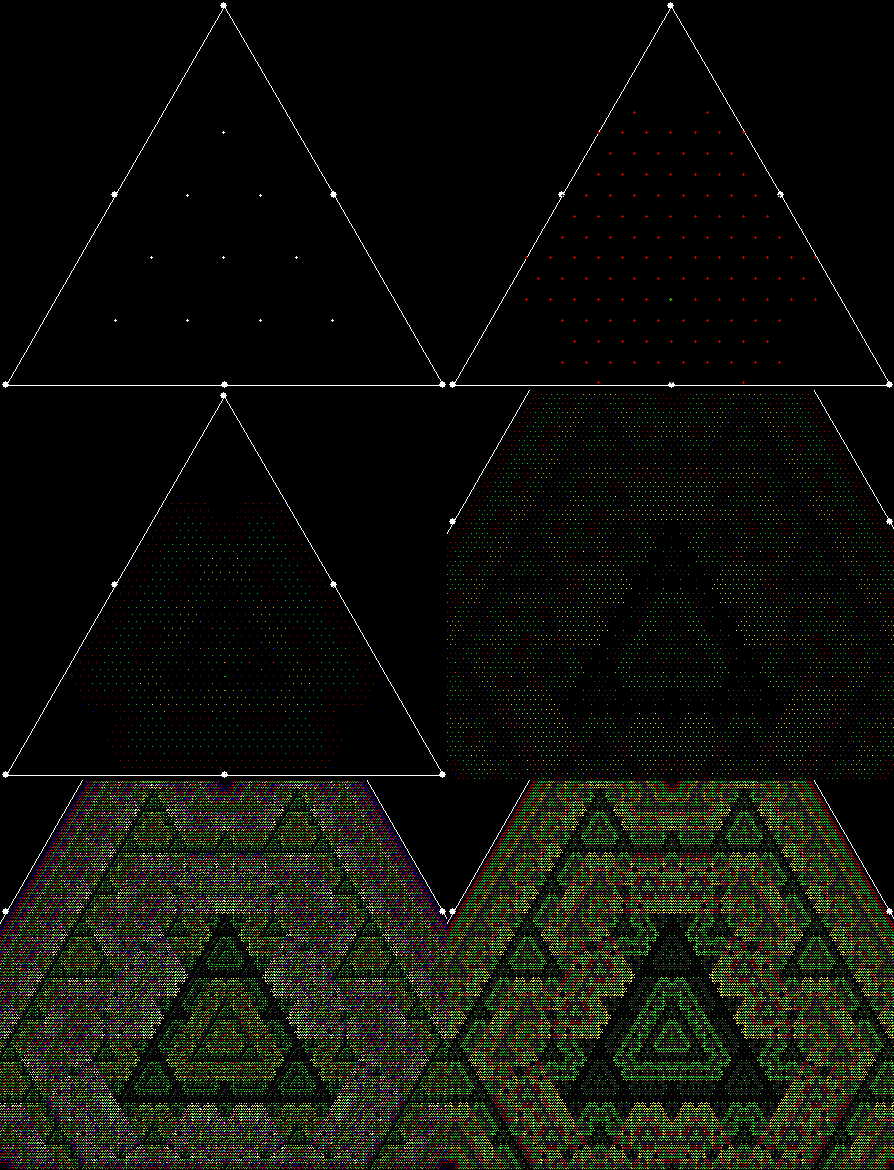
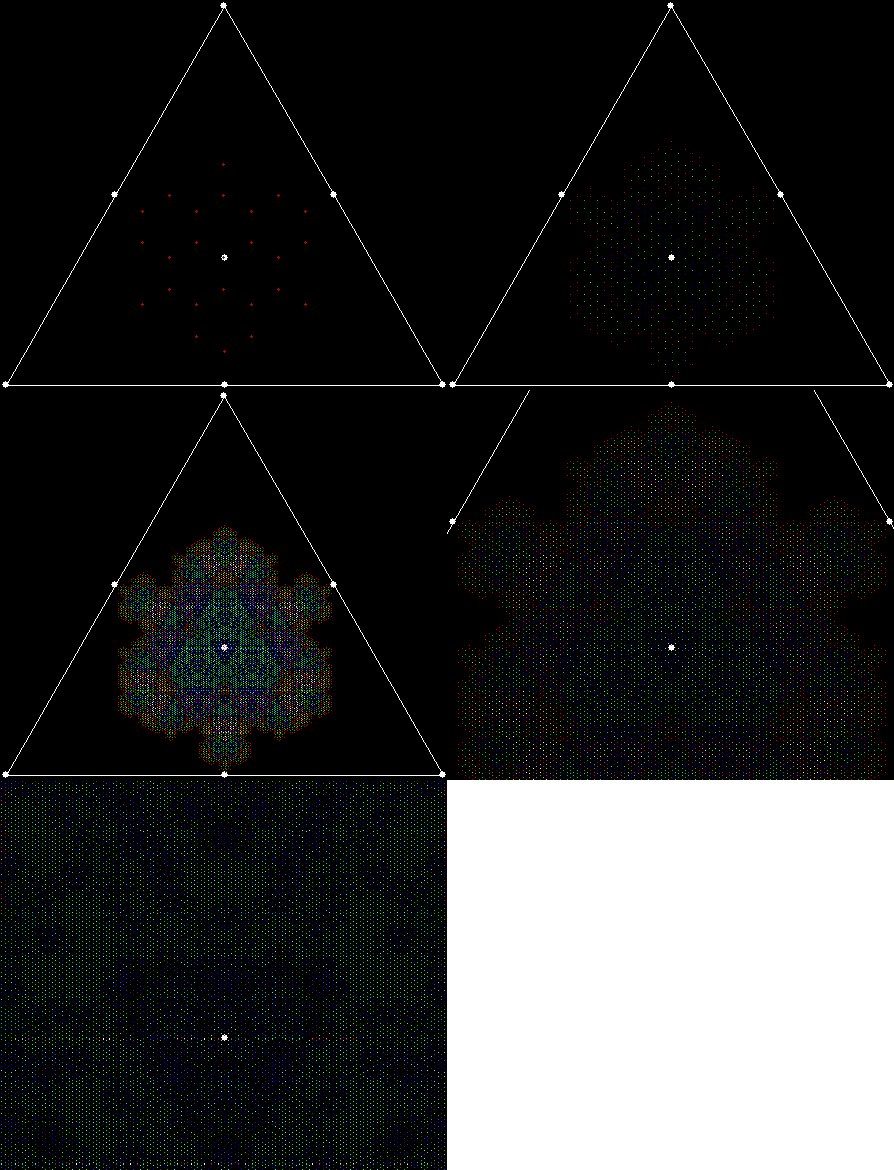
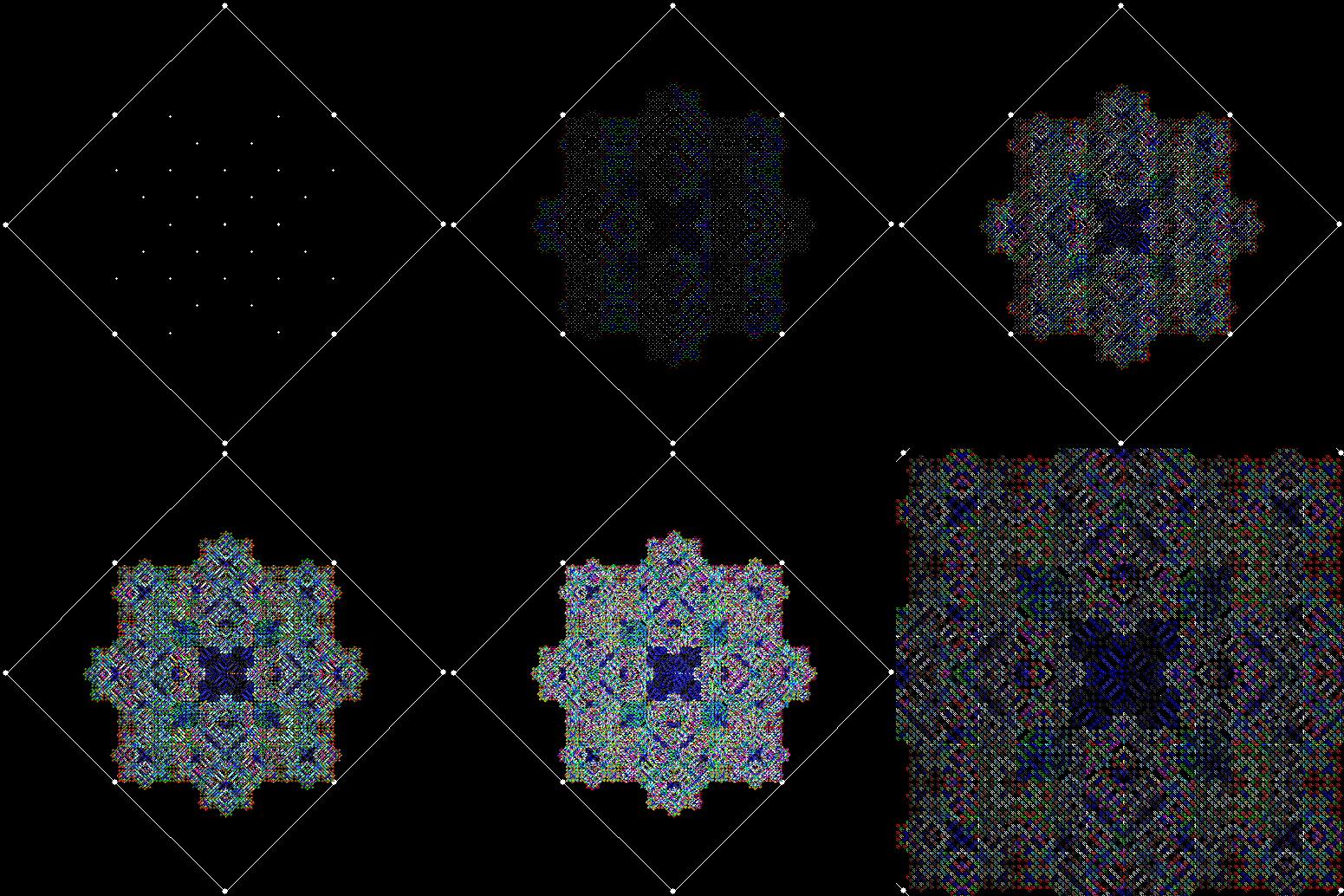
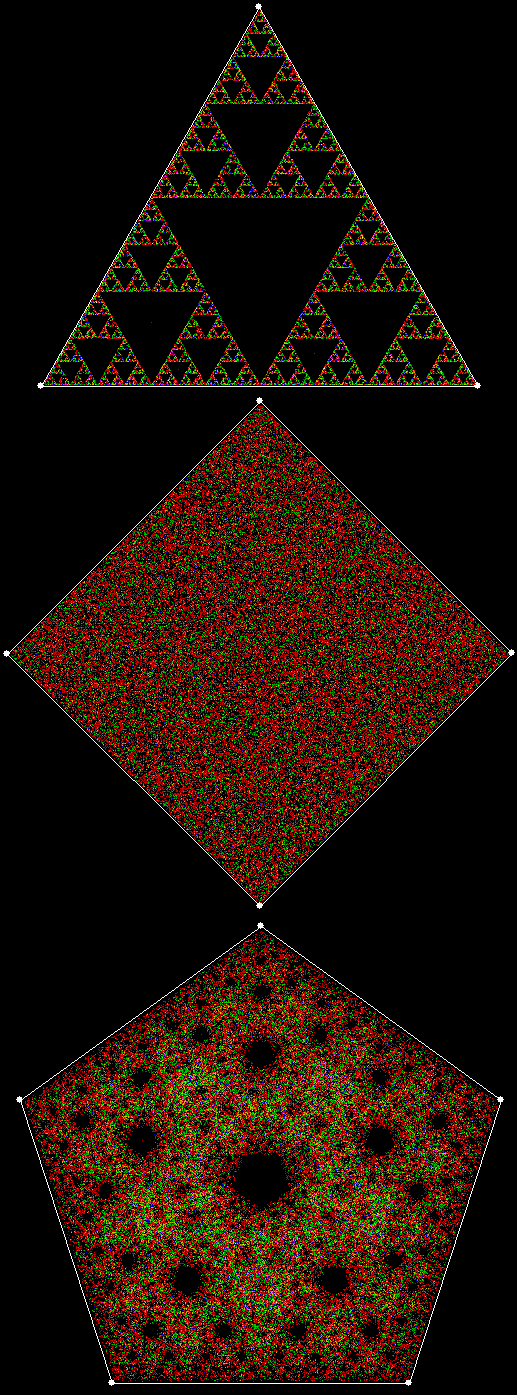
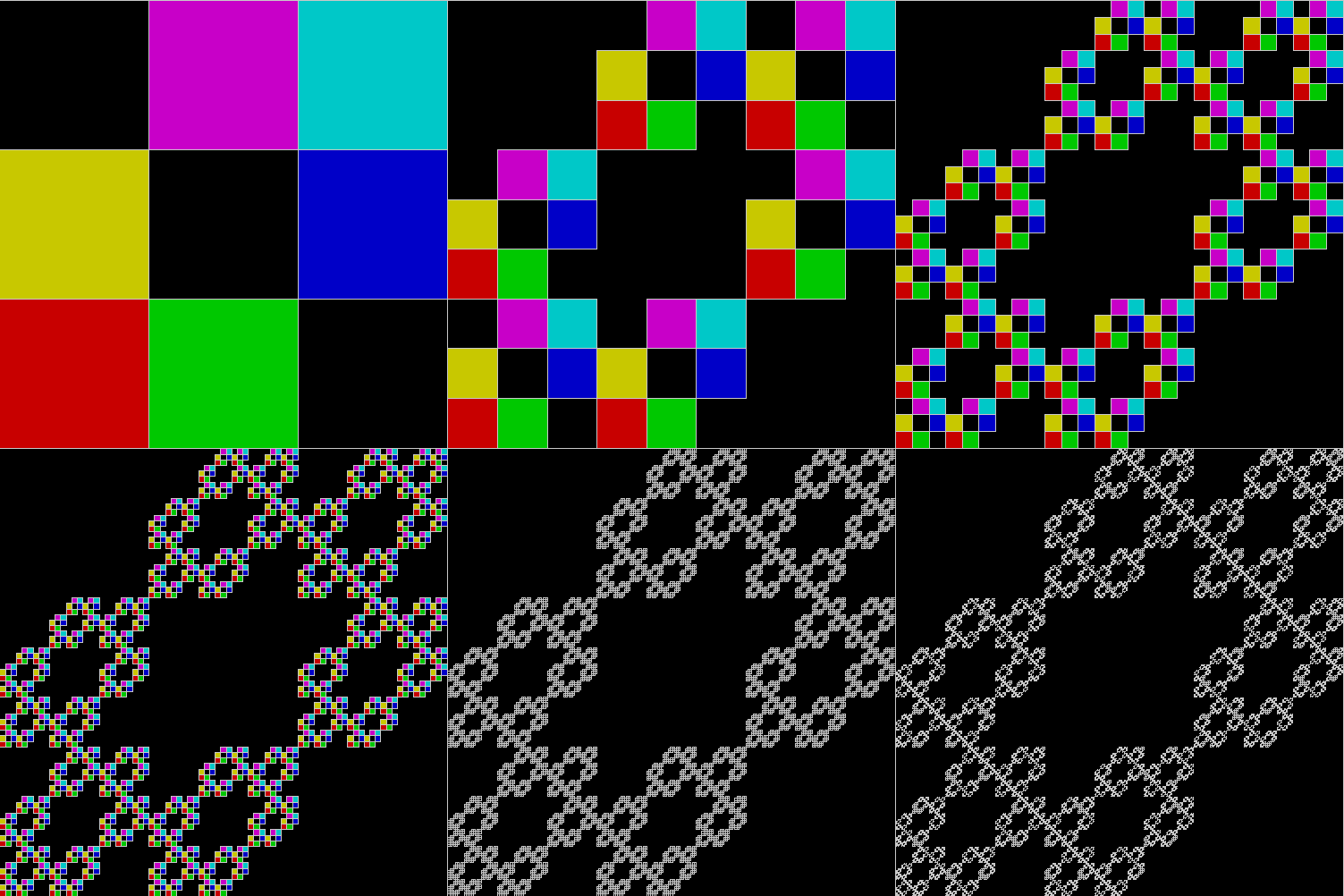
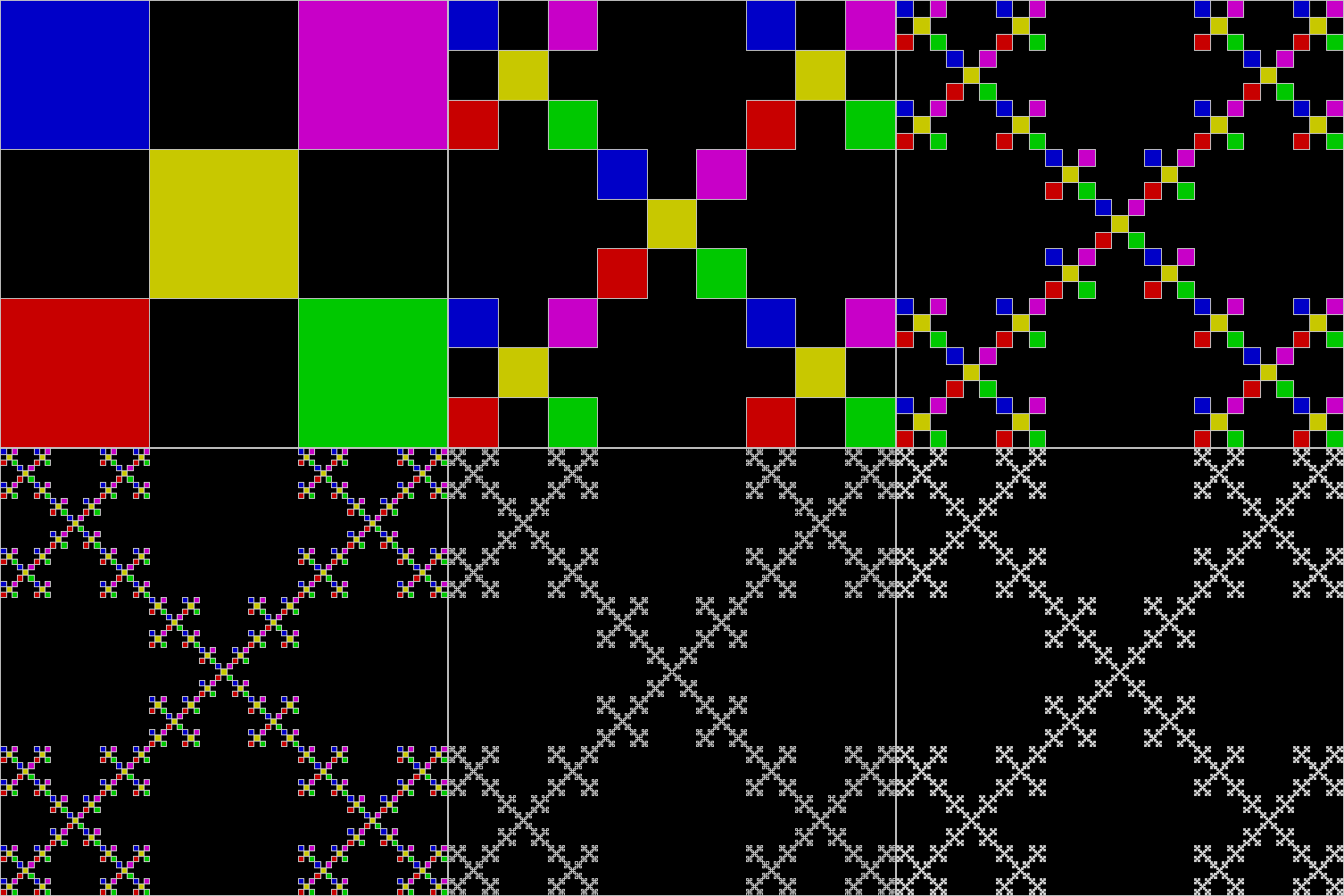
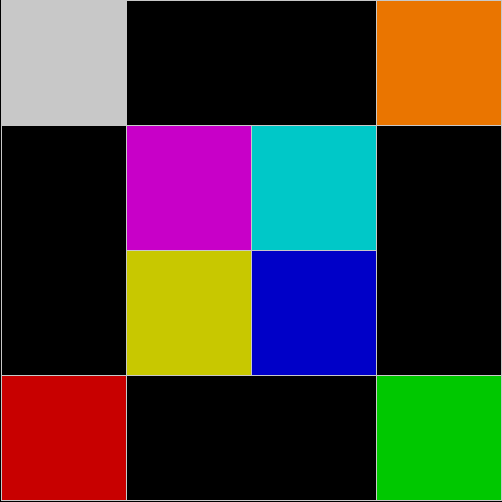
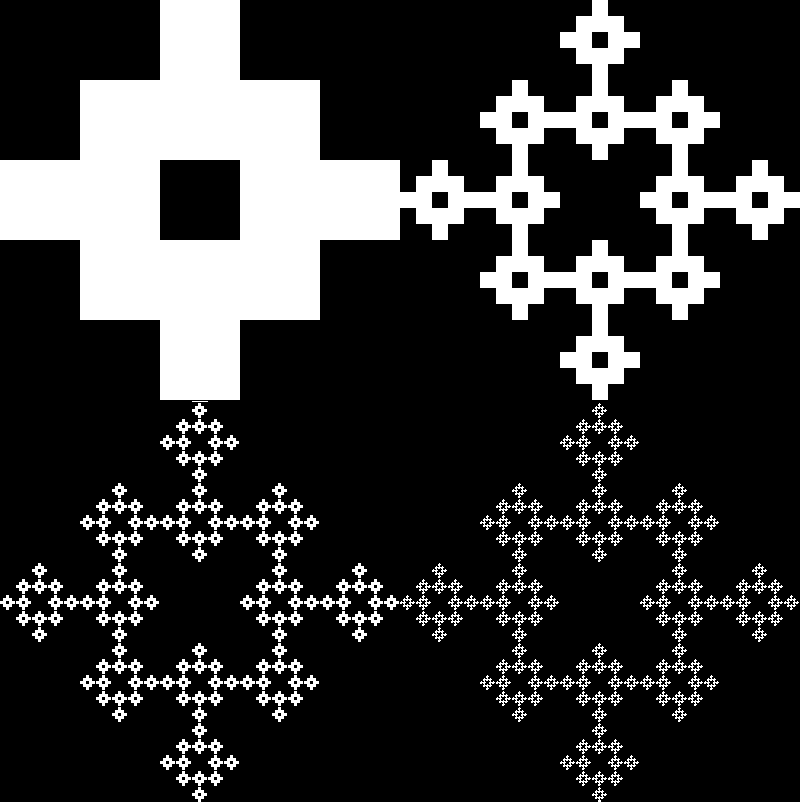
These fractal patterns become visible if you turn numbers into images. Suppose you set up a square with four fixed points on its corners and a fixed point at its centre. Let the five points correspond to the digits (1, 2, 3, 4, 5) of numbers in base 6 (not using 0, to simplify matters):

1, 2, 3, 4, 5, 11, 12, 13, 14, 15, 21, 22, 23, 24, 25, 31, 32, 33, 34, 35, 41, 42, 43, 44, 45, 51, 52, 53, 54, 55, 61, 62, 63, 64, 65… 2431, 2432, 2433, 2434, 2435, 2441, 2442, 2443, 2444, 2445, 2451, 2452…

Move between the five points of the square by stepping through the individual digits of the numbers in the sequence. For example, if the number is 2451, the first set of successive digits is (2, 4), so you move to a point half-way between point 2 and point 4. Next come the successive digits (4, 5), so you move to a point half-way between point 4 and point 5. Then come (5, 1), so you move to a point half-way between point 5 and point 1.
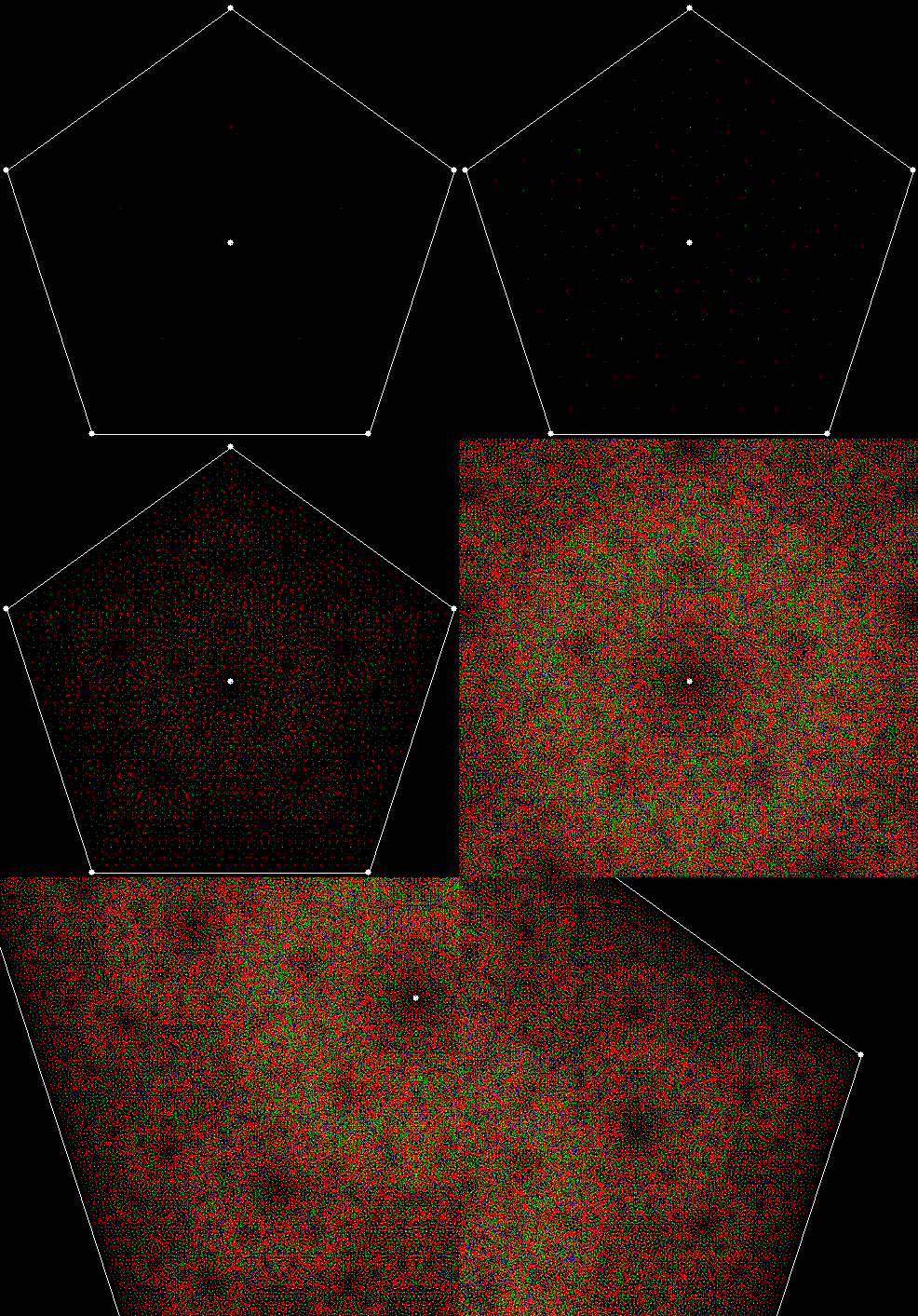
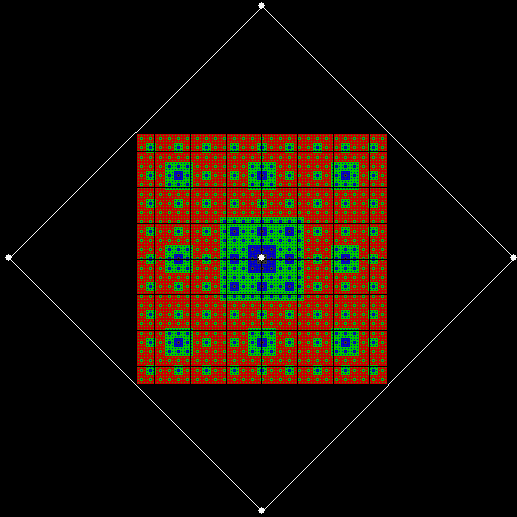
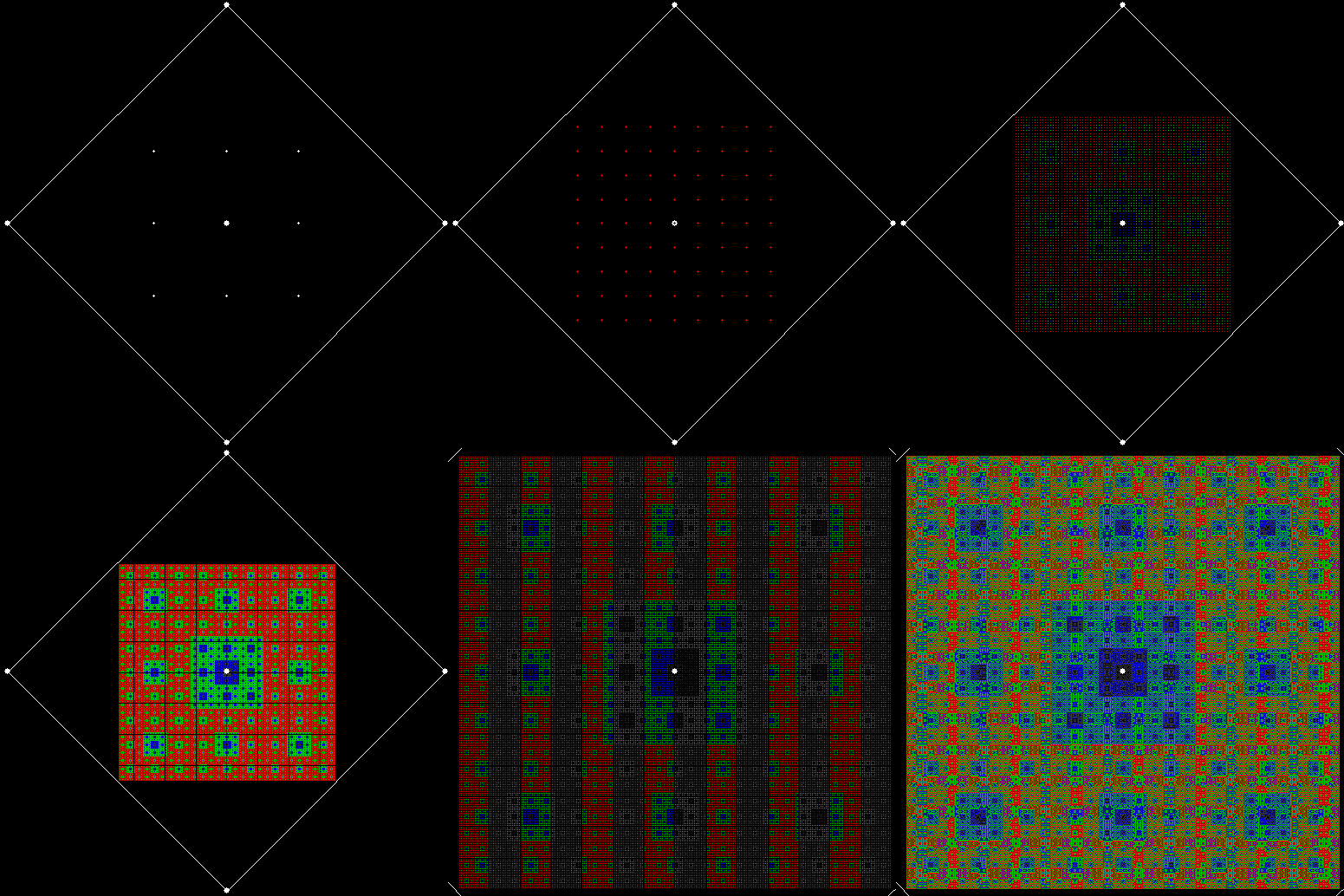
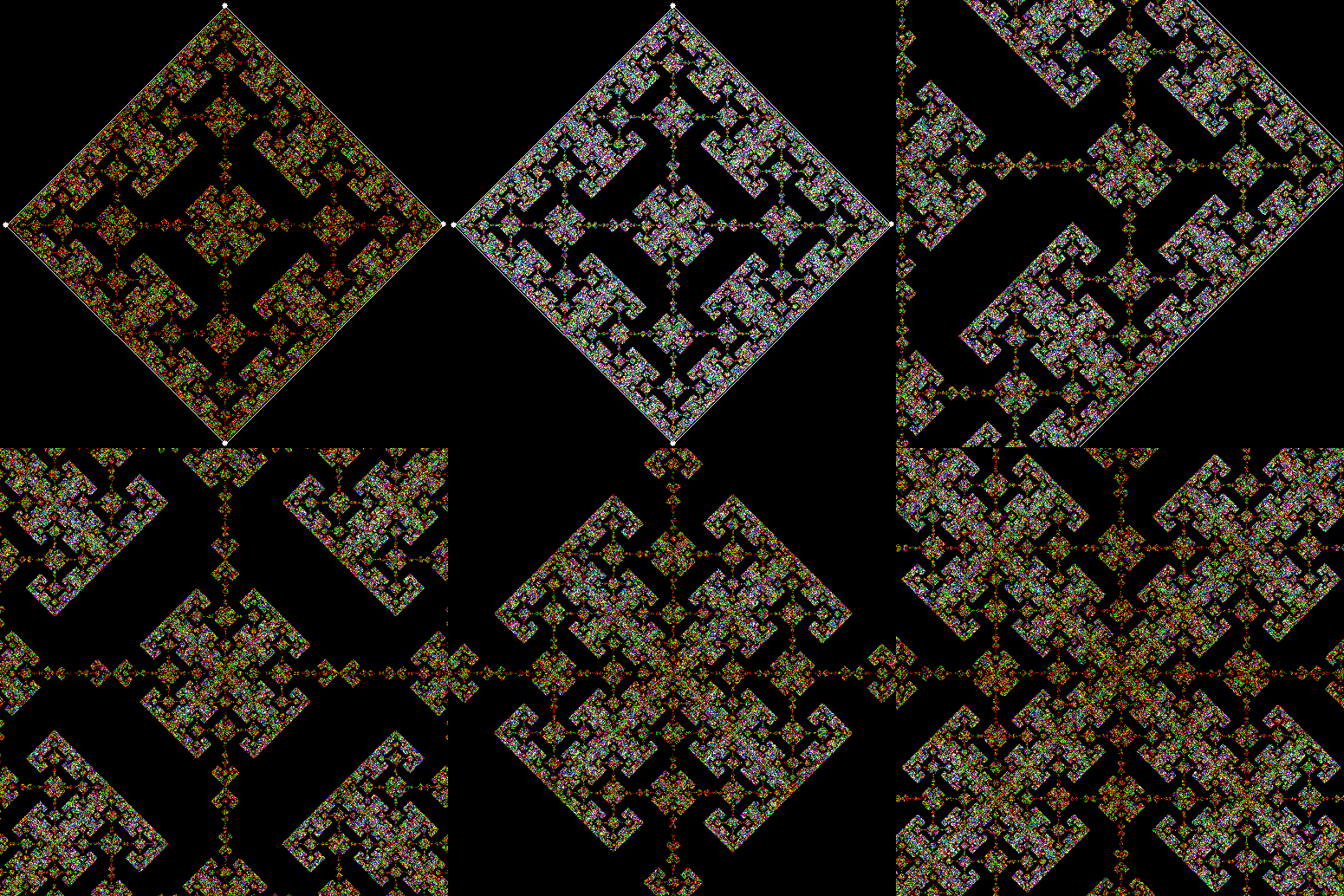
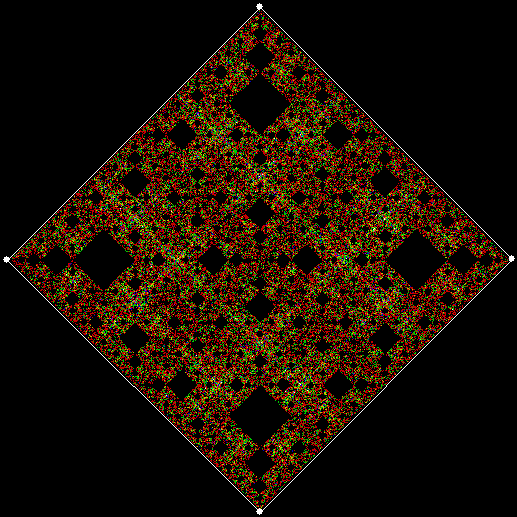
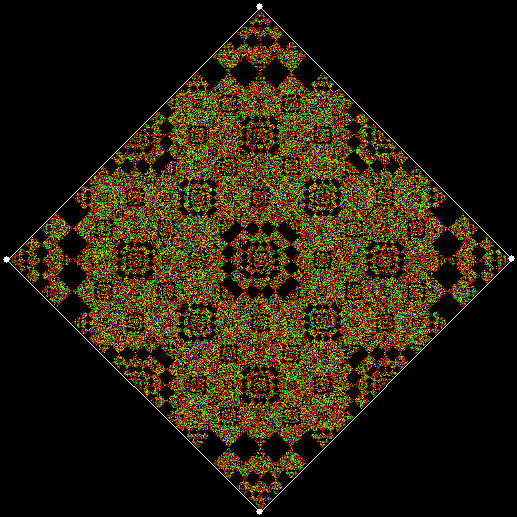
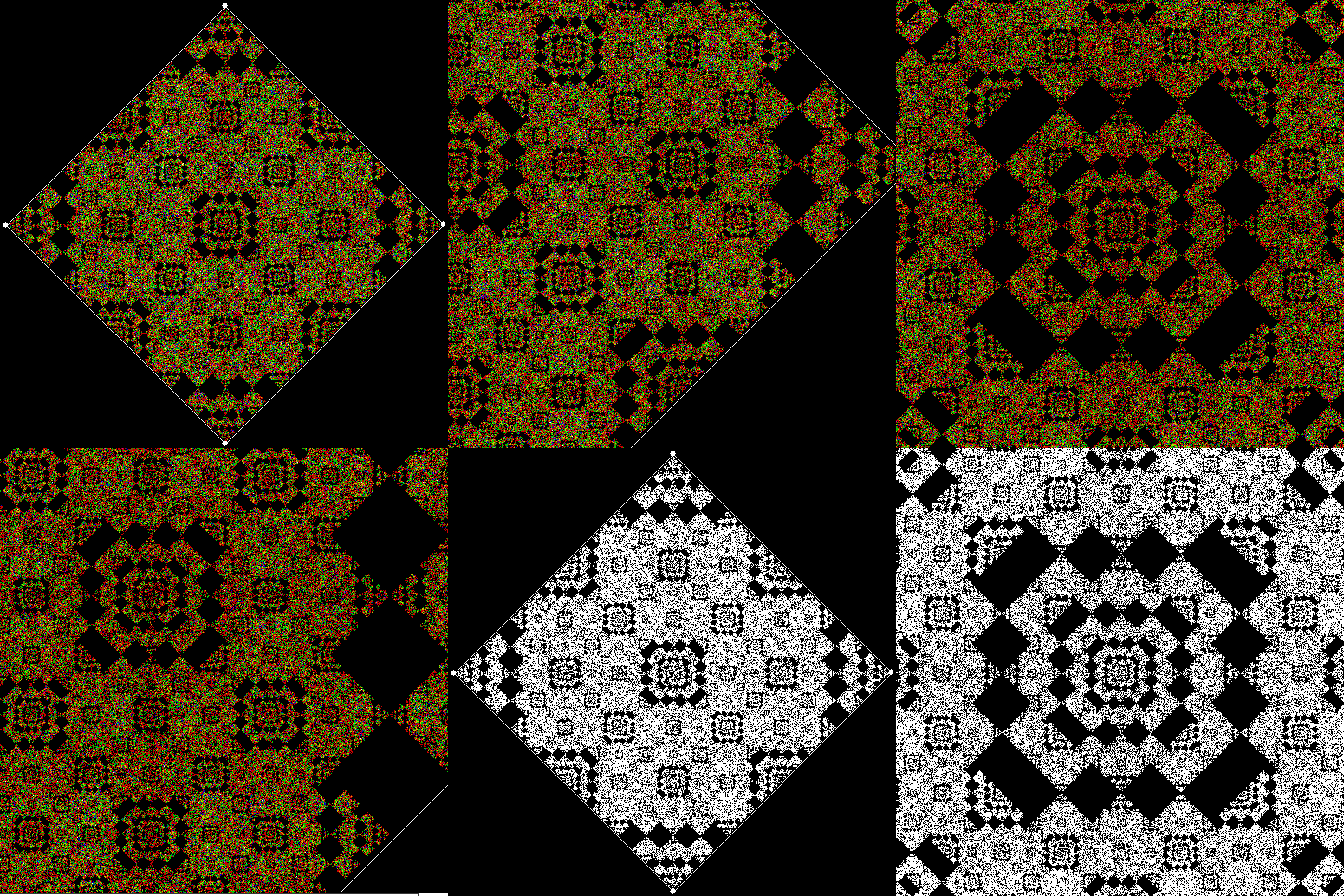
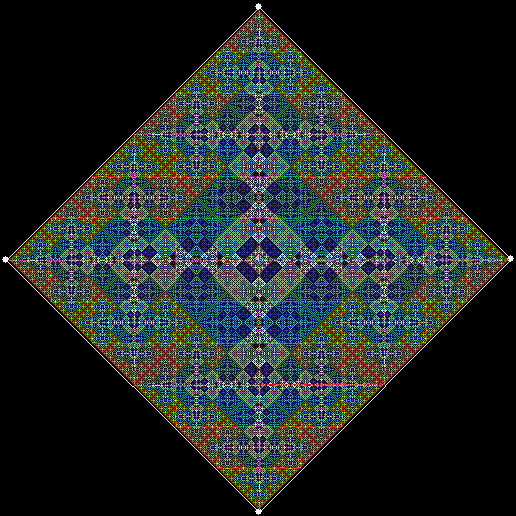
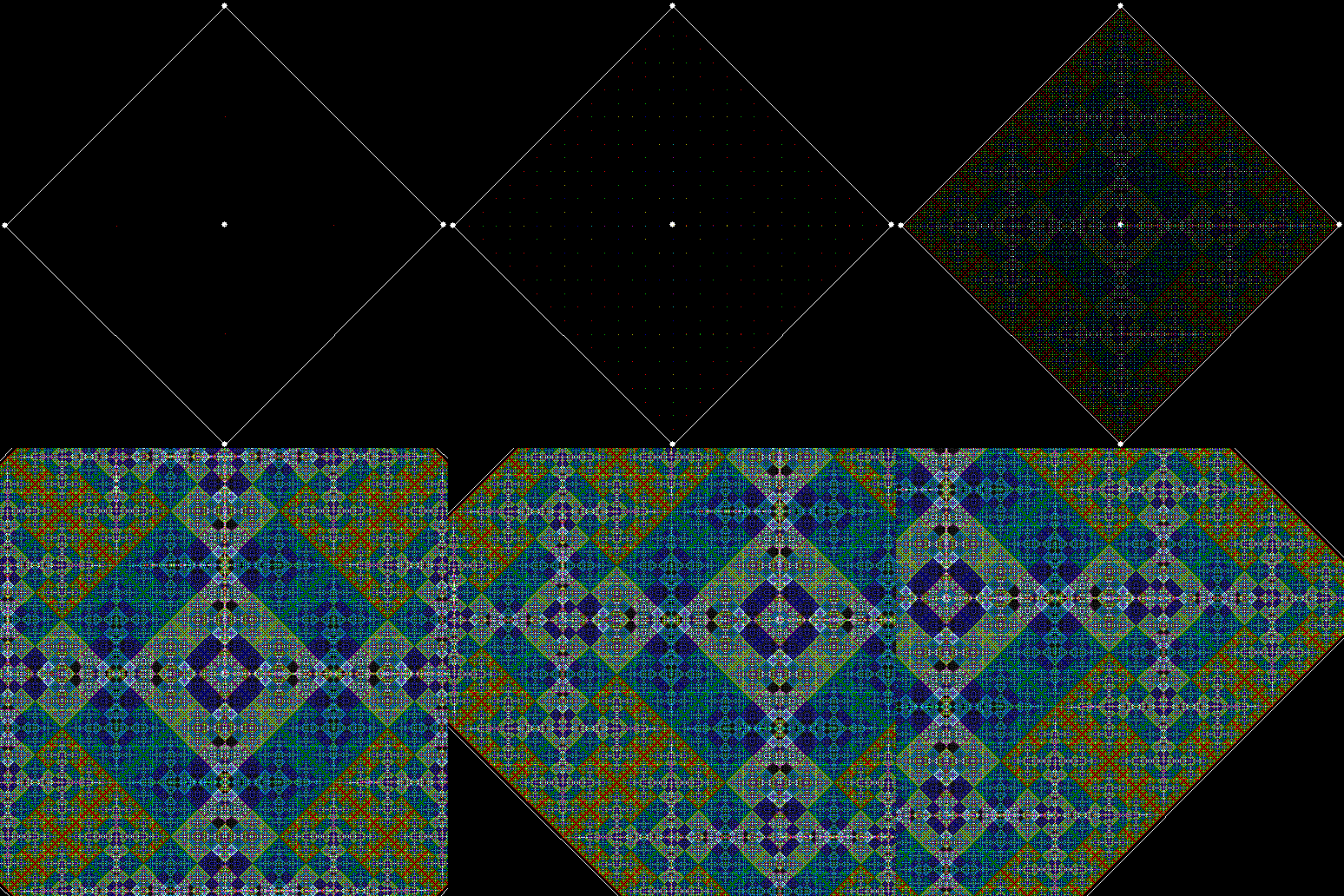
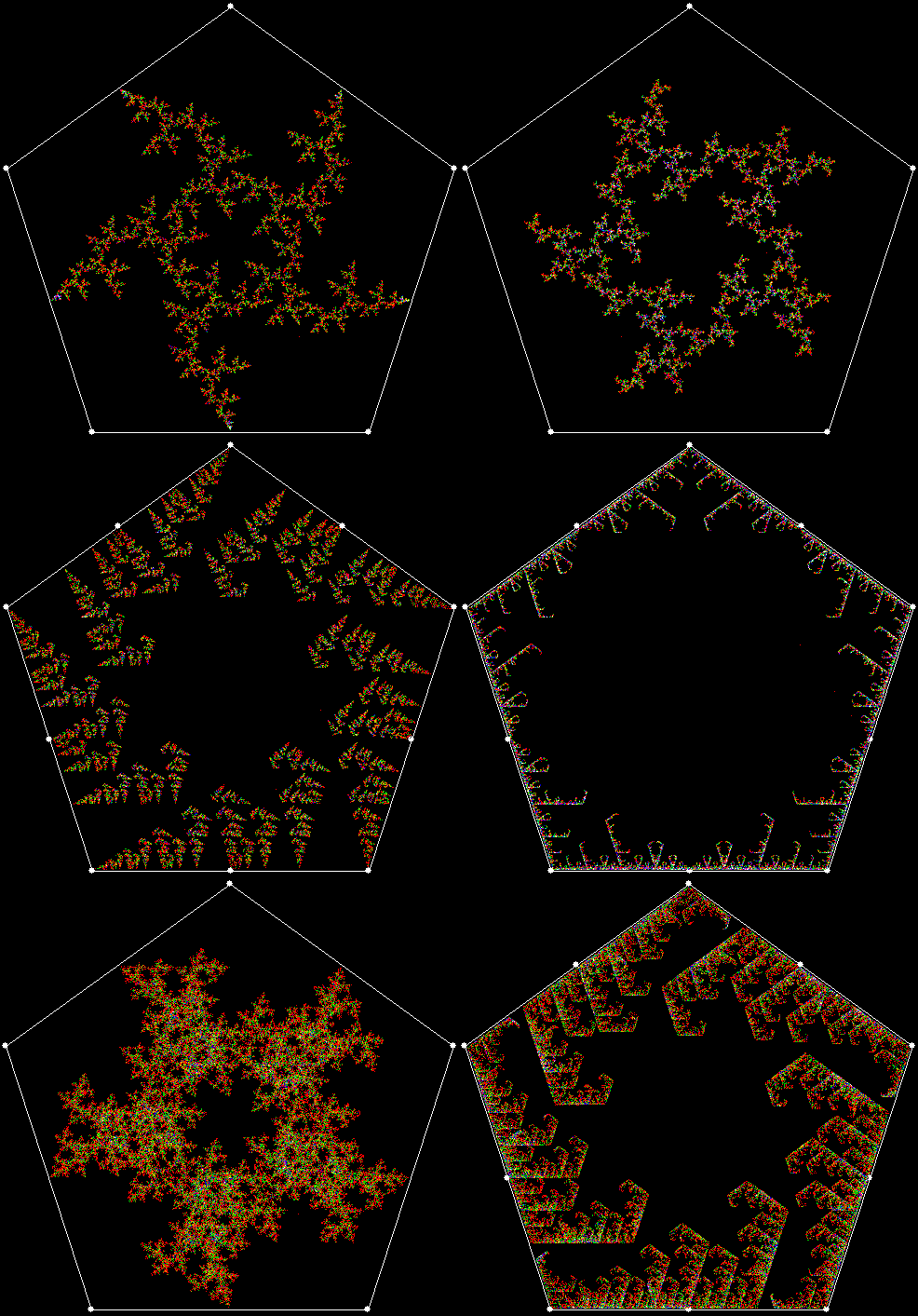
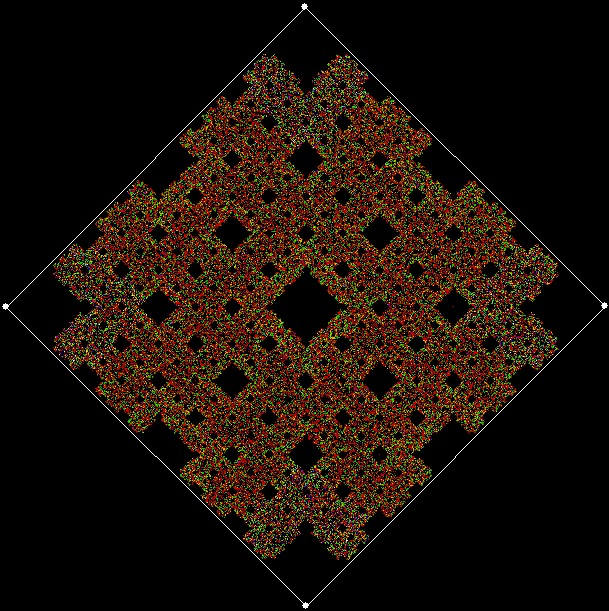
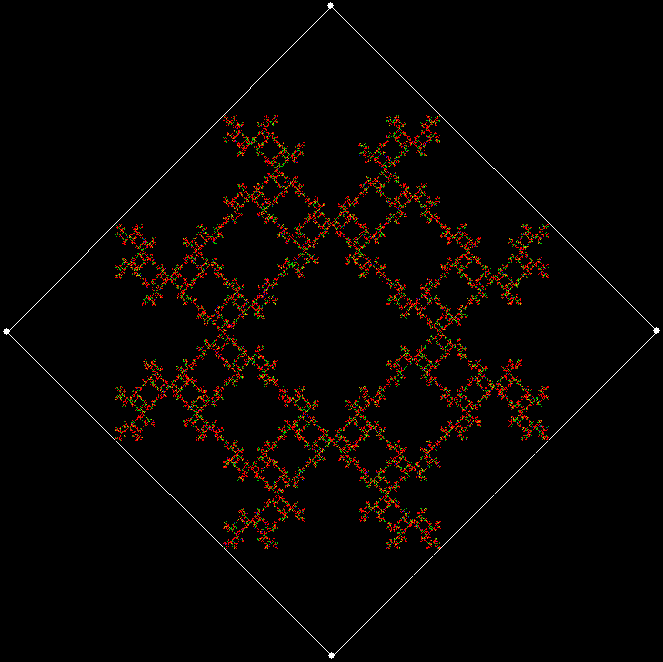
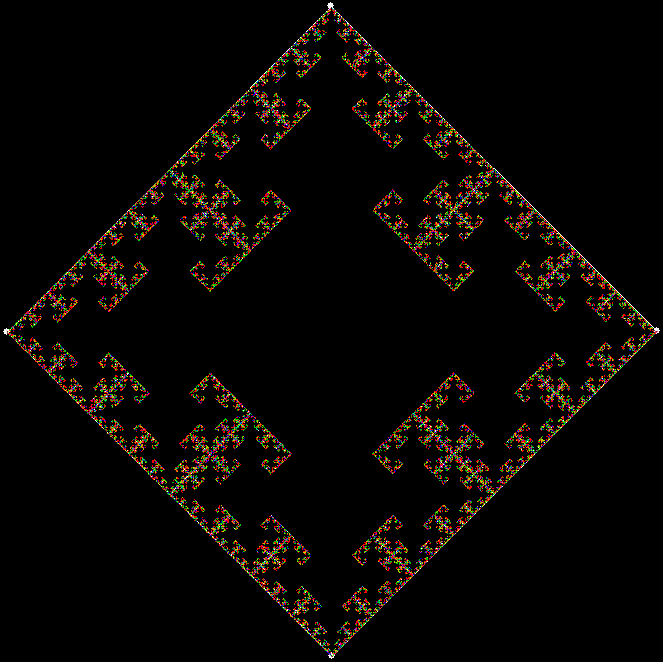
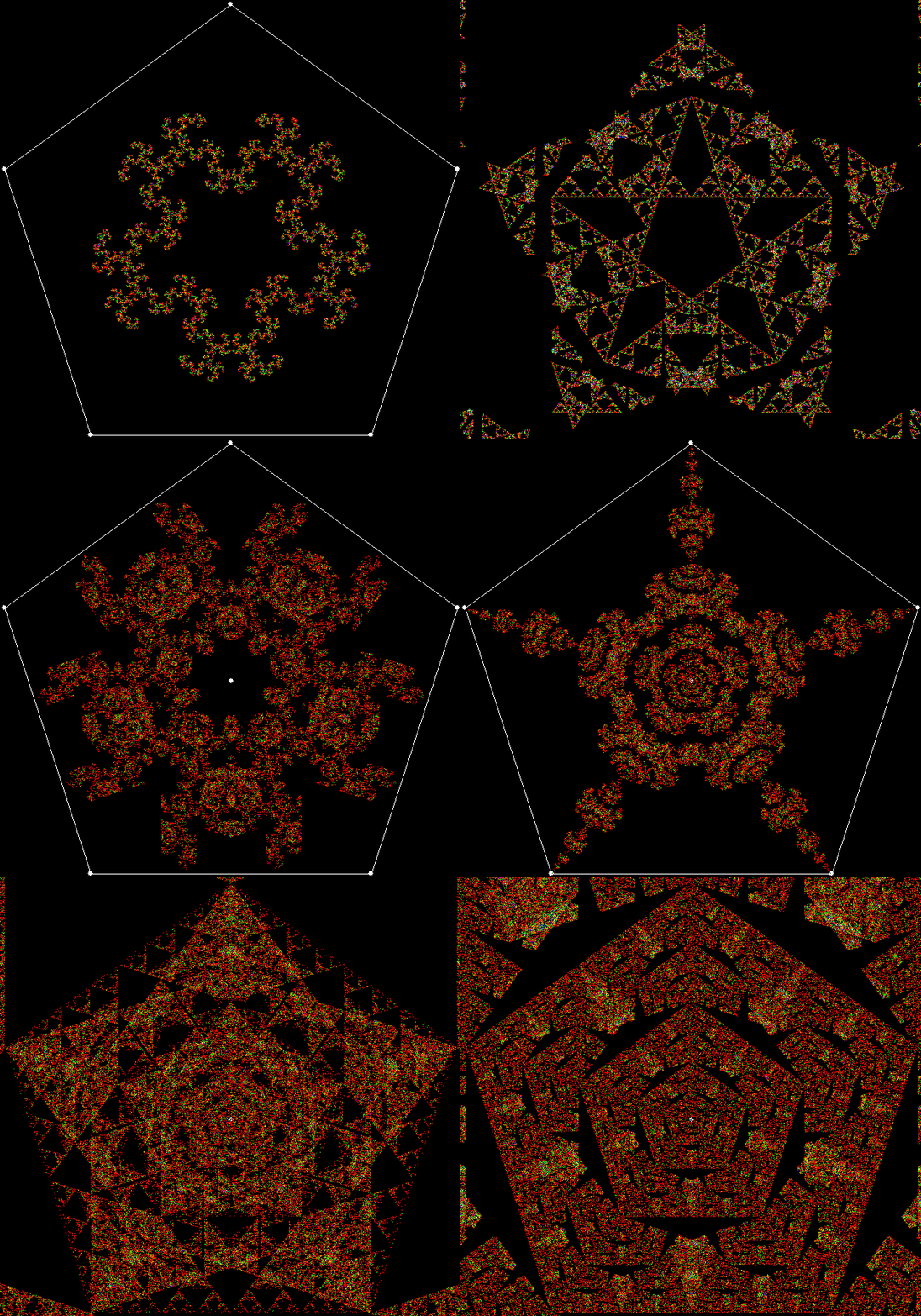
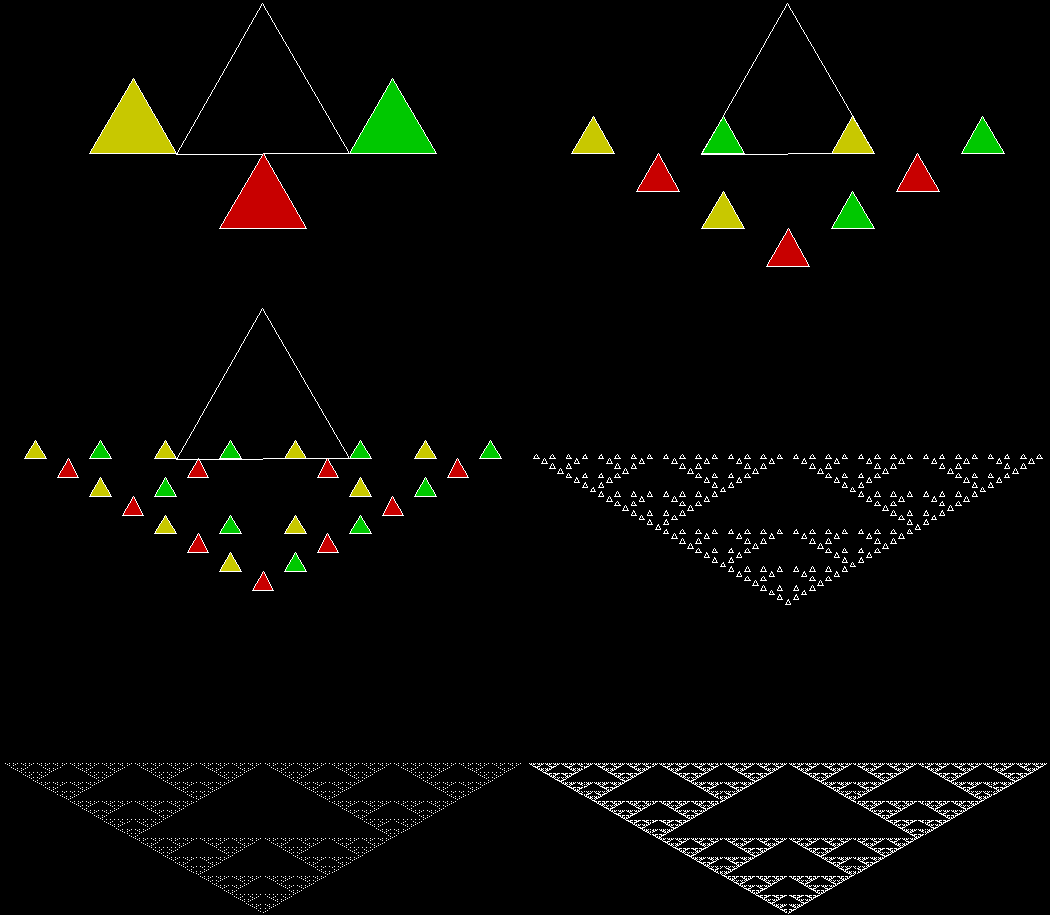
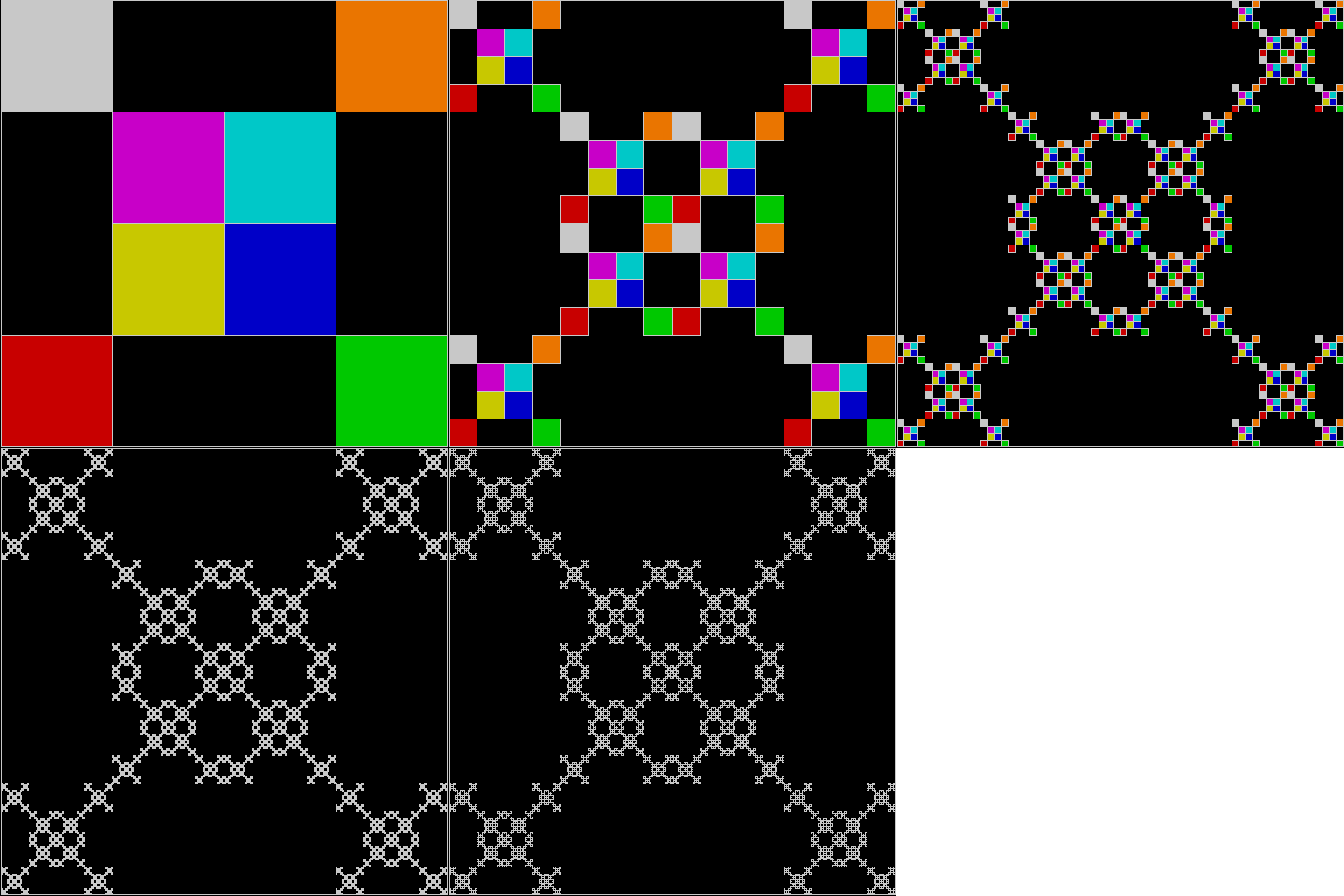
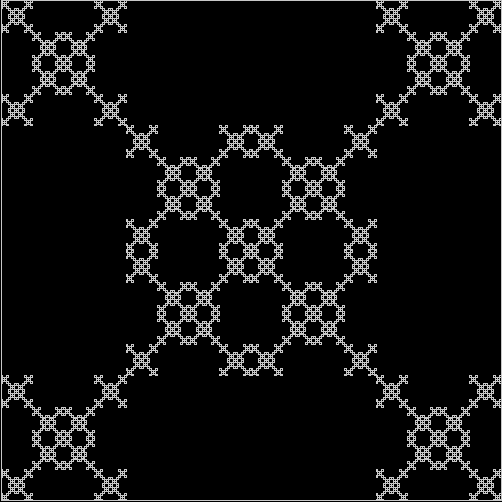
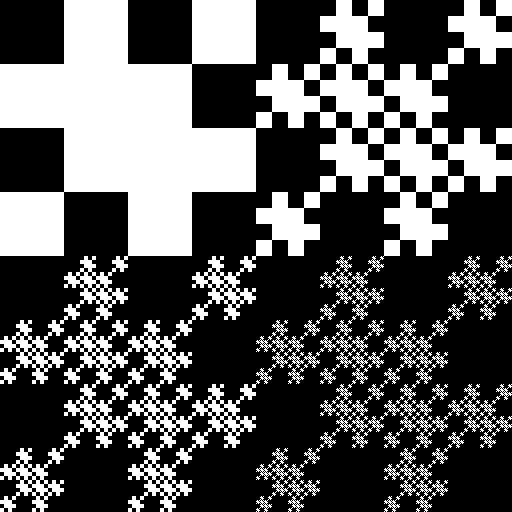
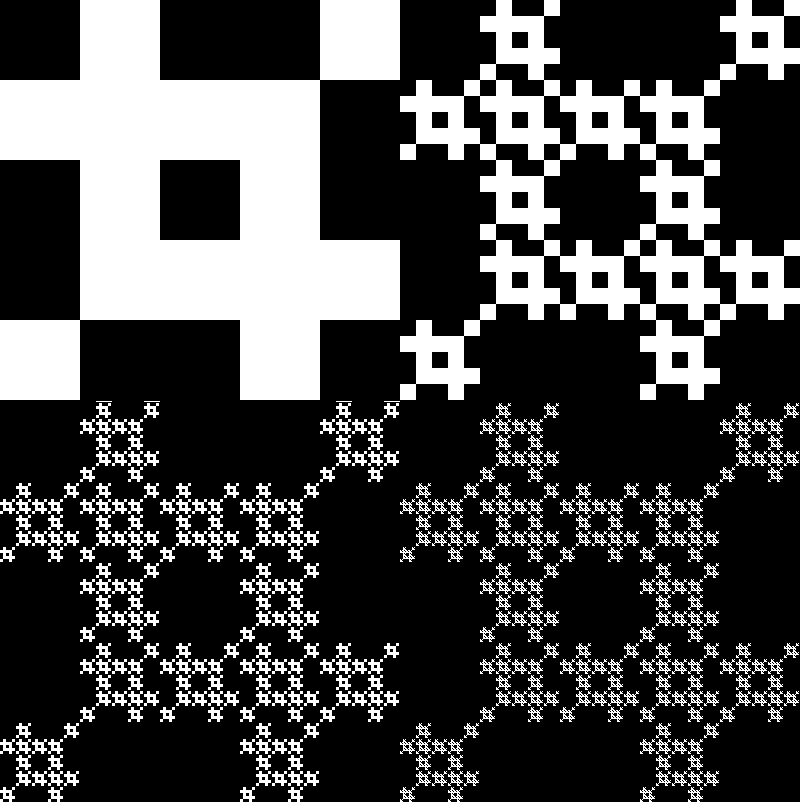
When you’ve exhausted the digits (or frigits) of a number, mark the final point you moved to (changing the colour of the pixel if the point has been occupied before). If you follow this procedure using a five-point square, you will create a fractal something like this:
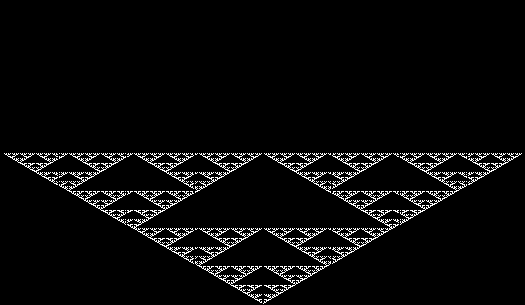
fractal4_1single

fractal4_1
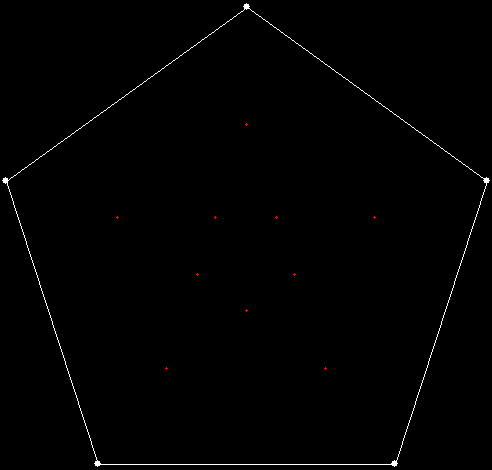
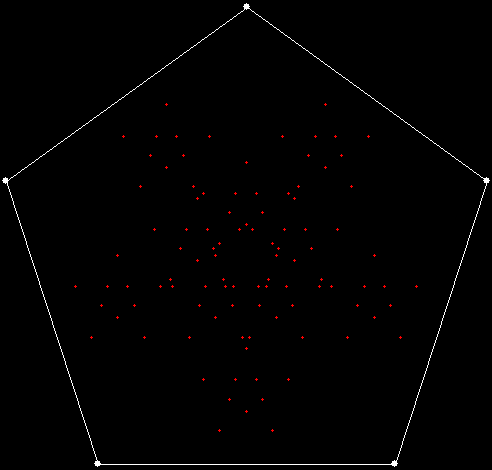
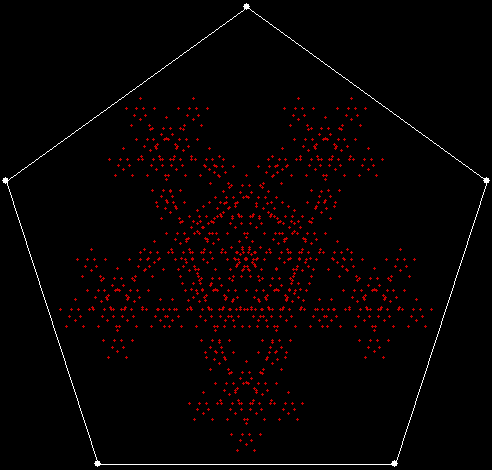
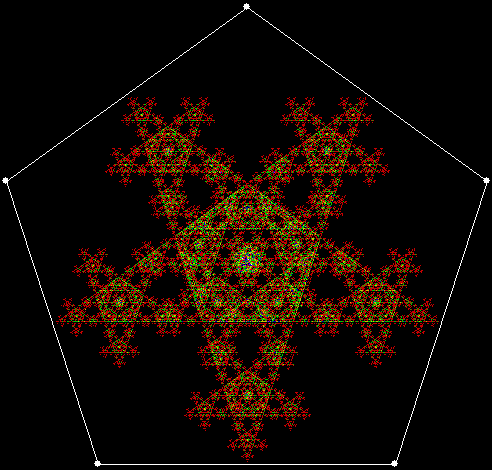
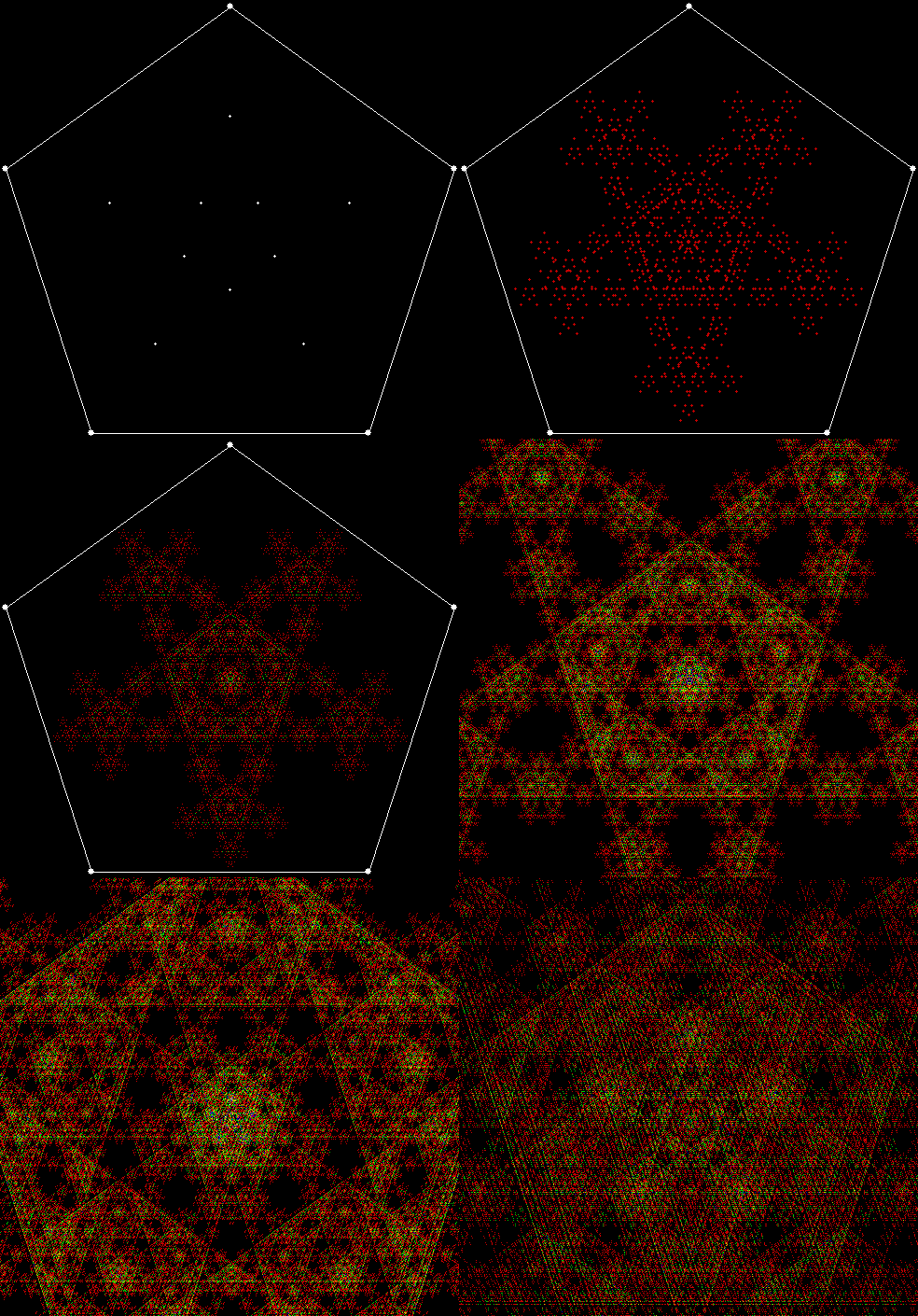
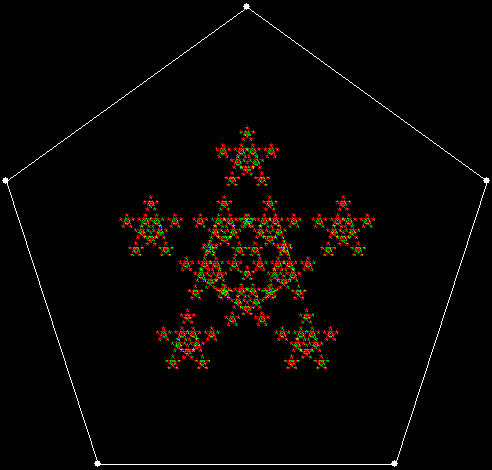
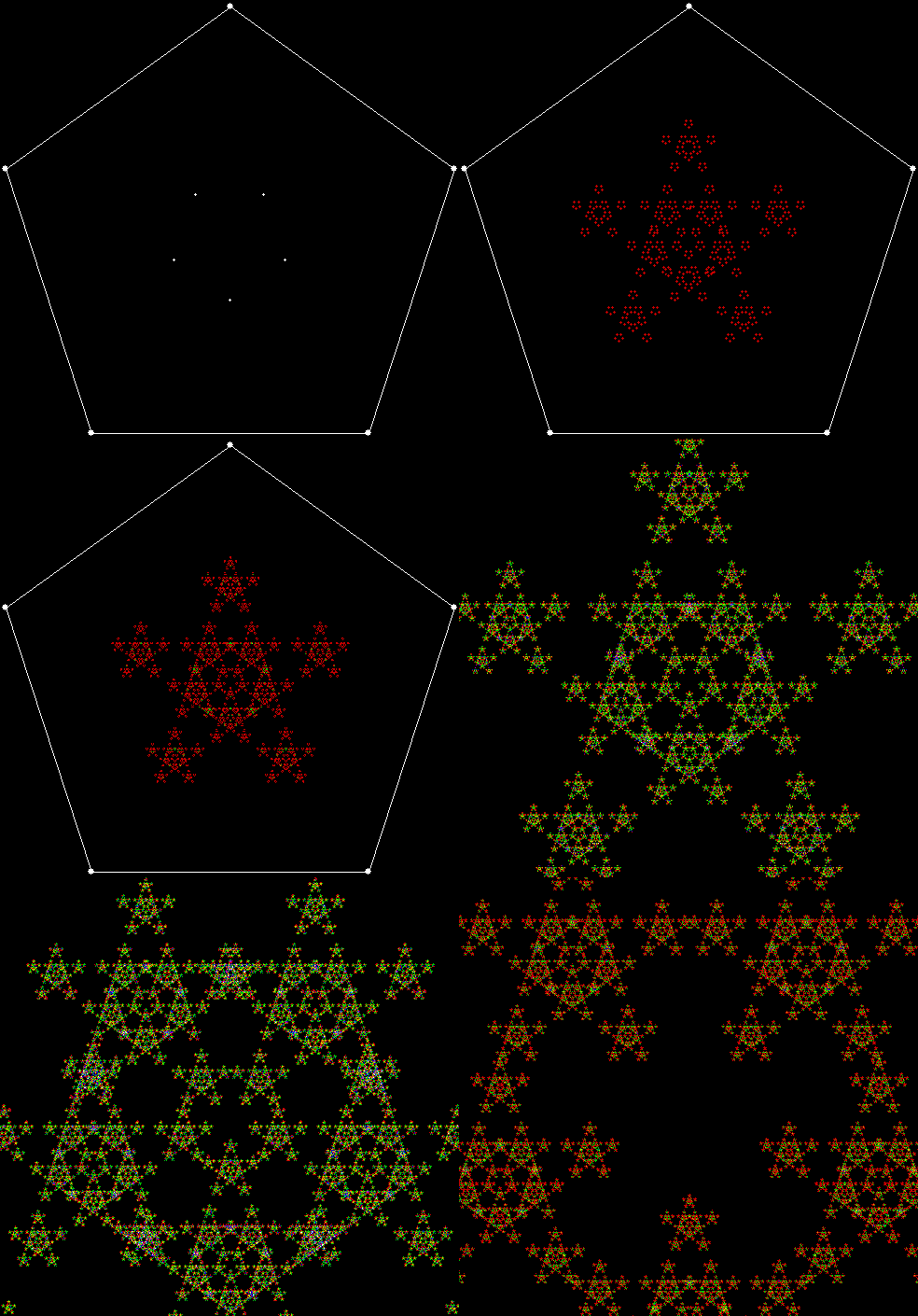
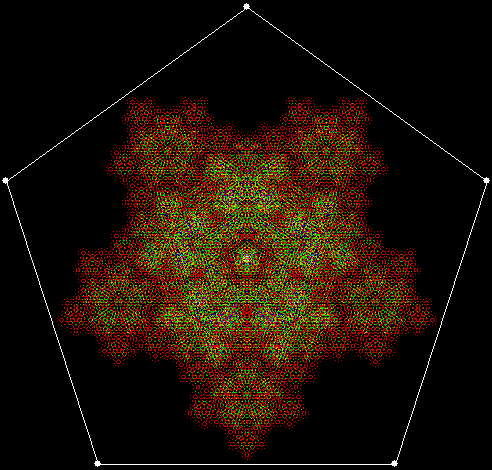
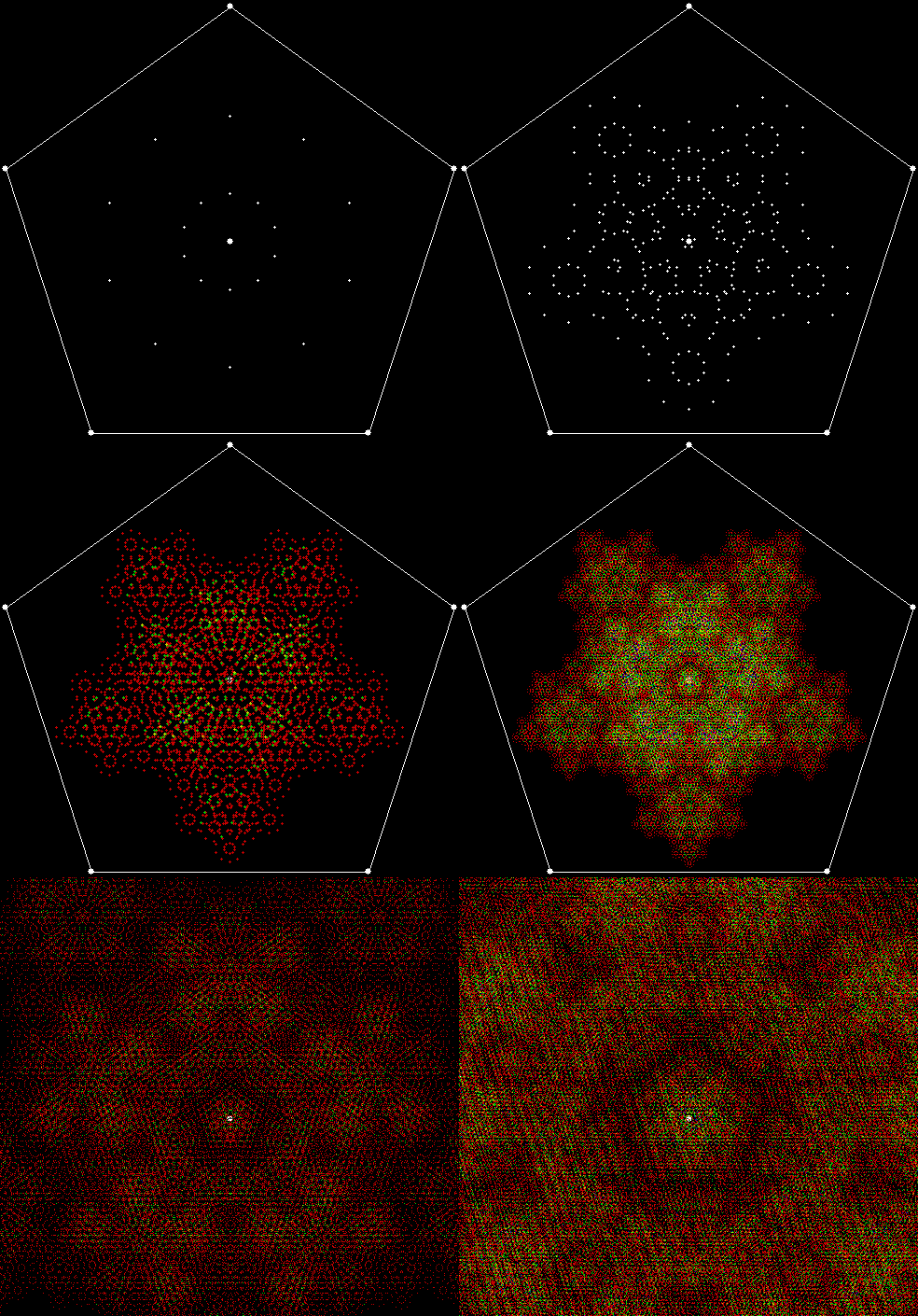
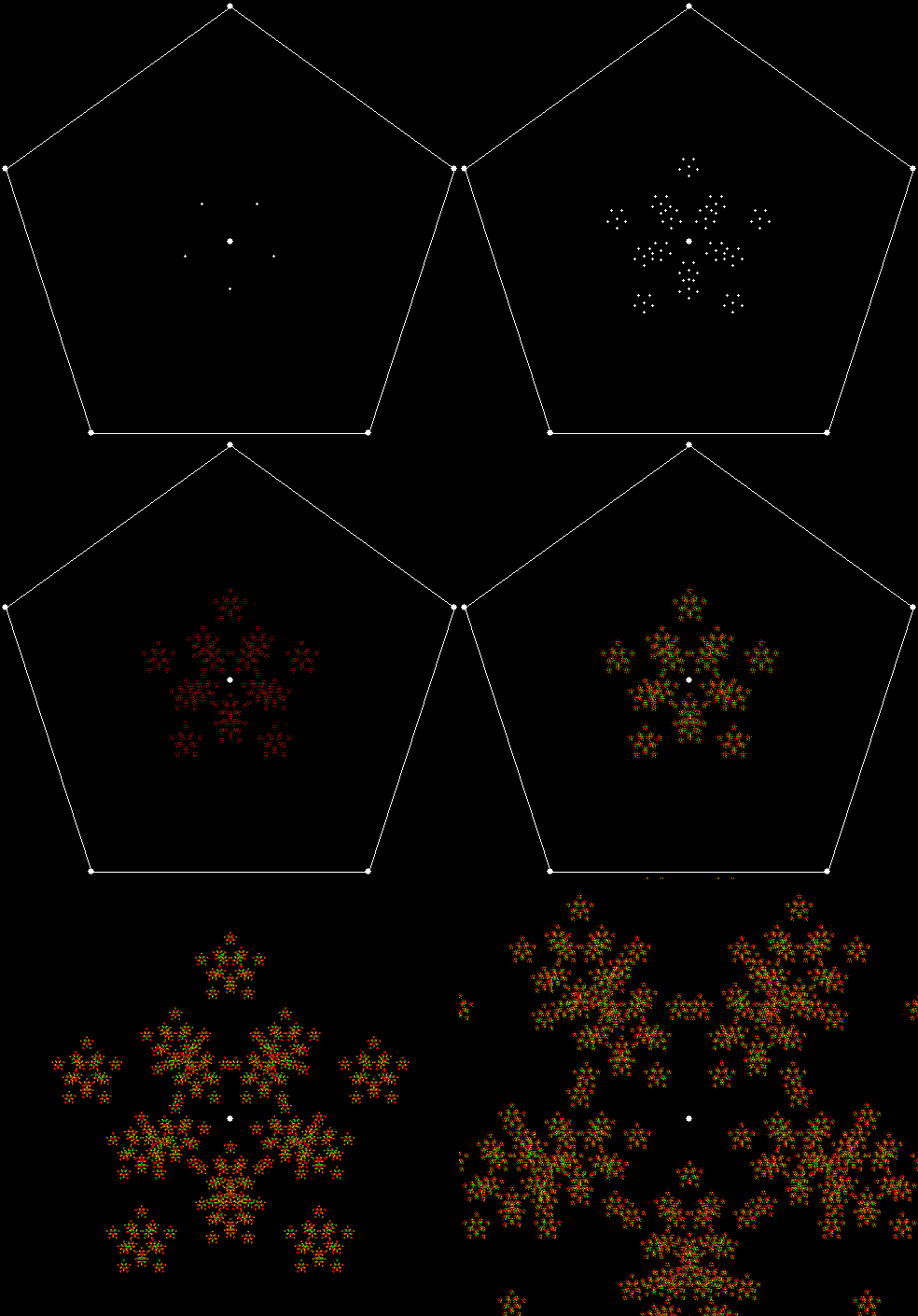
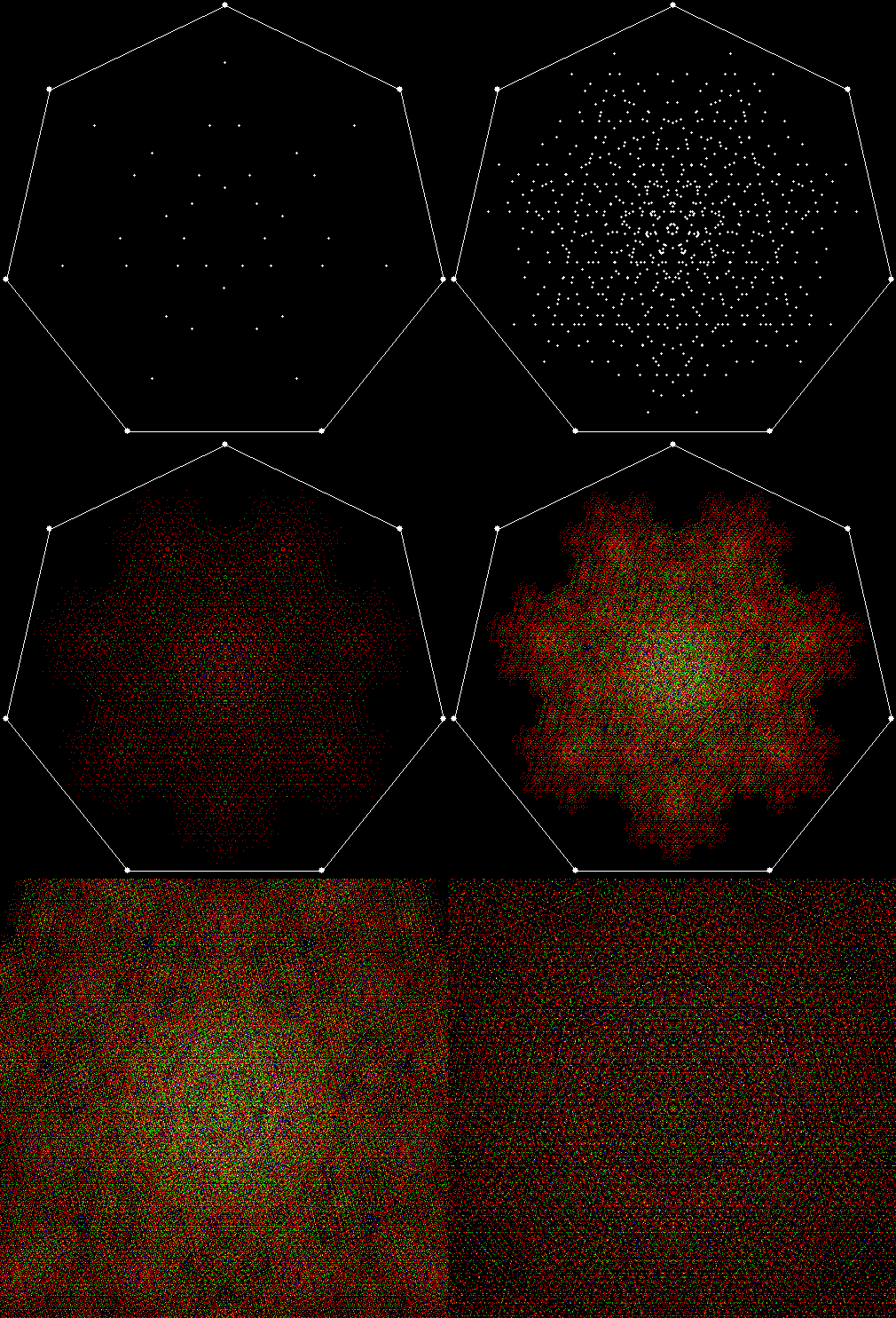
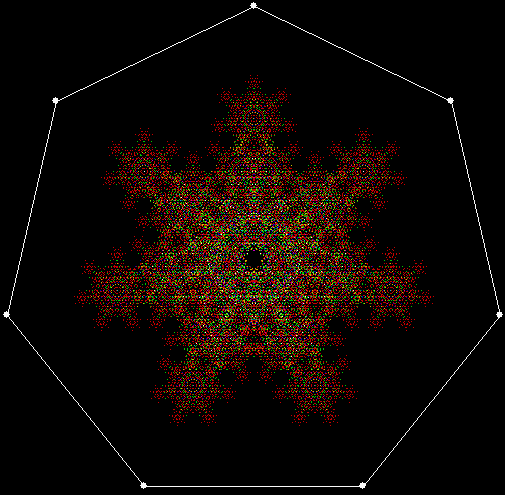
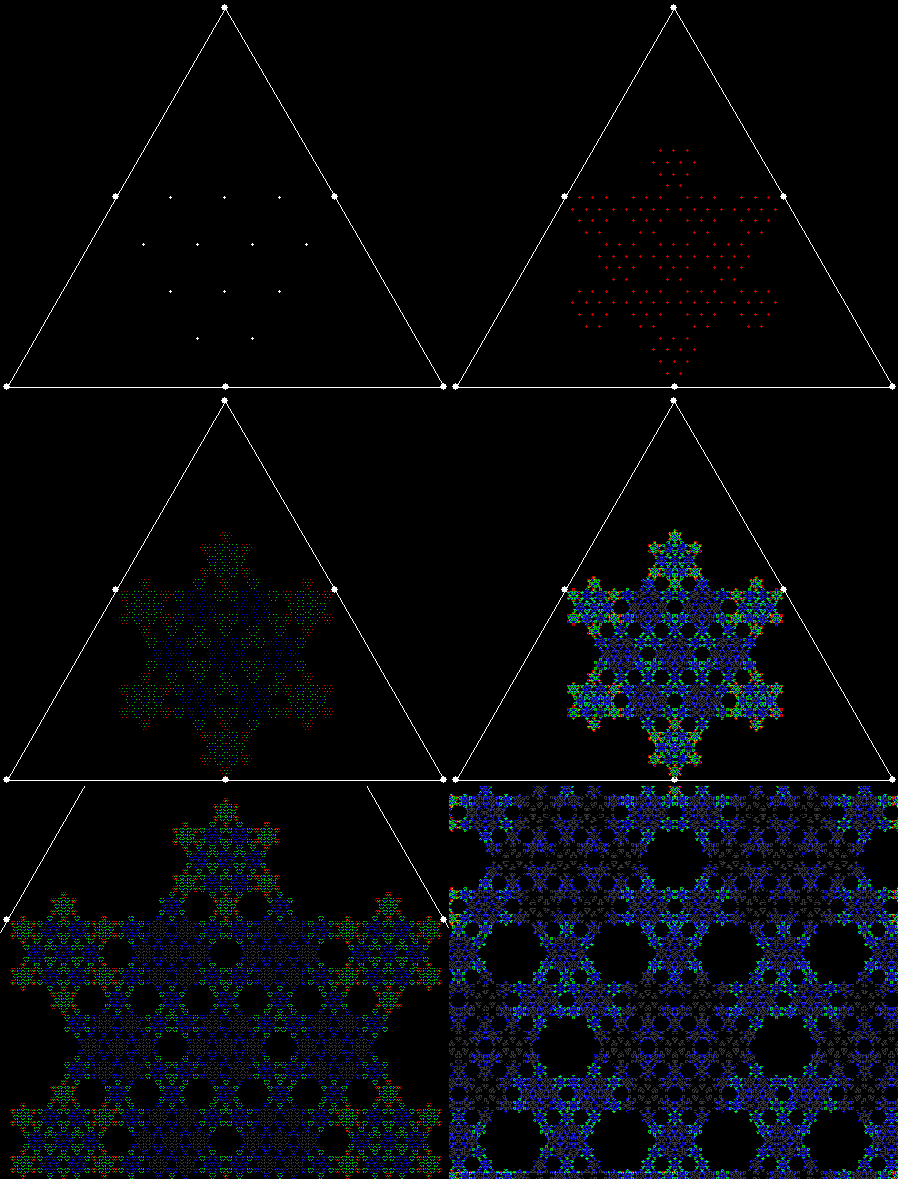
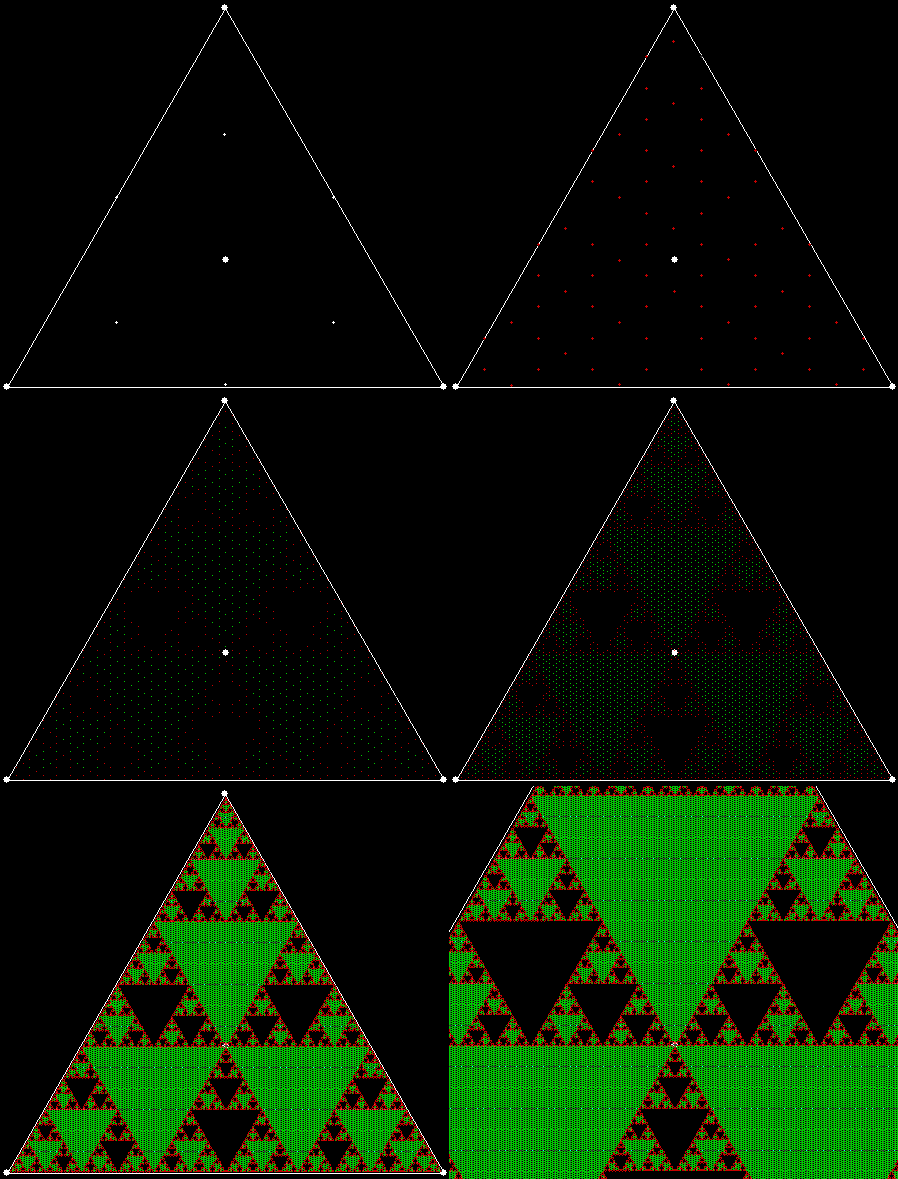
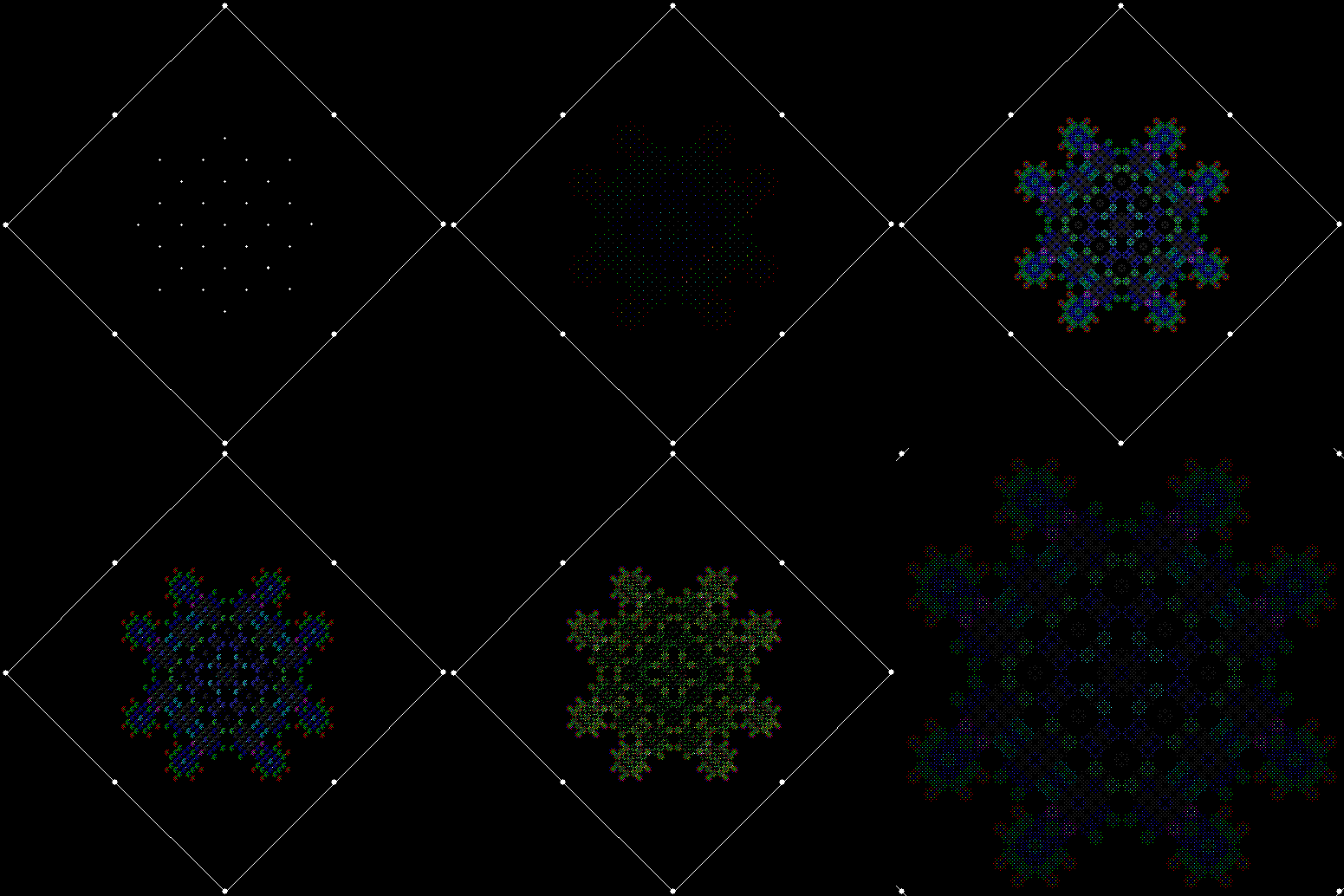
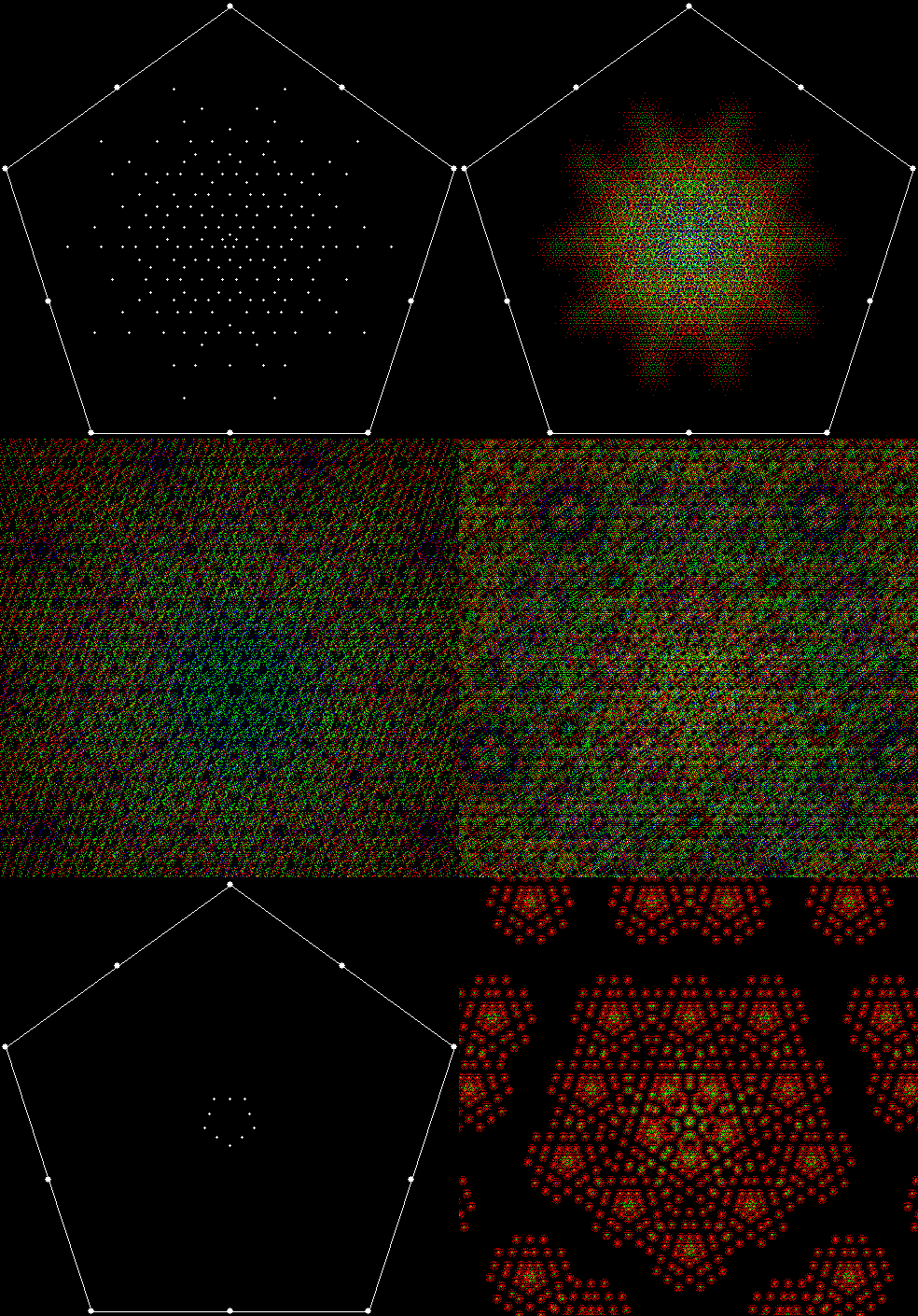
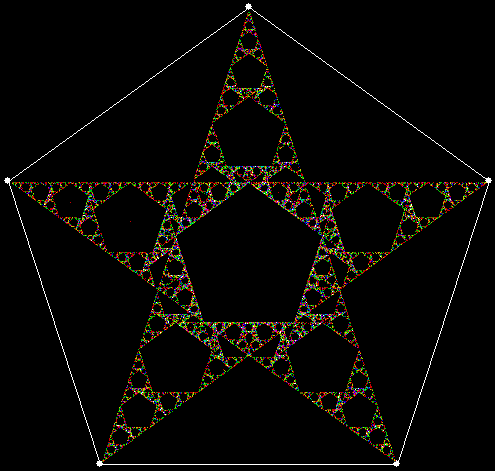
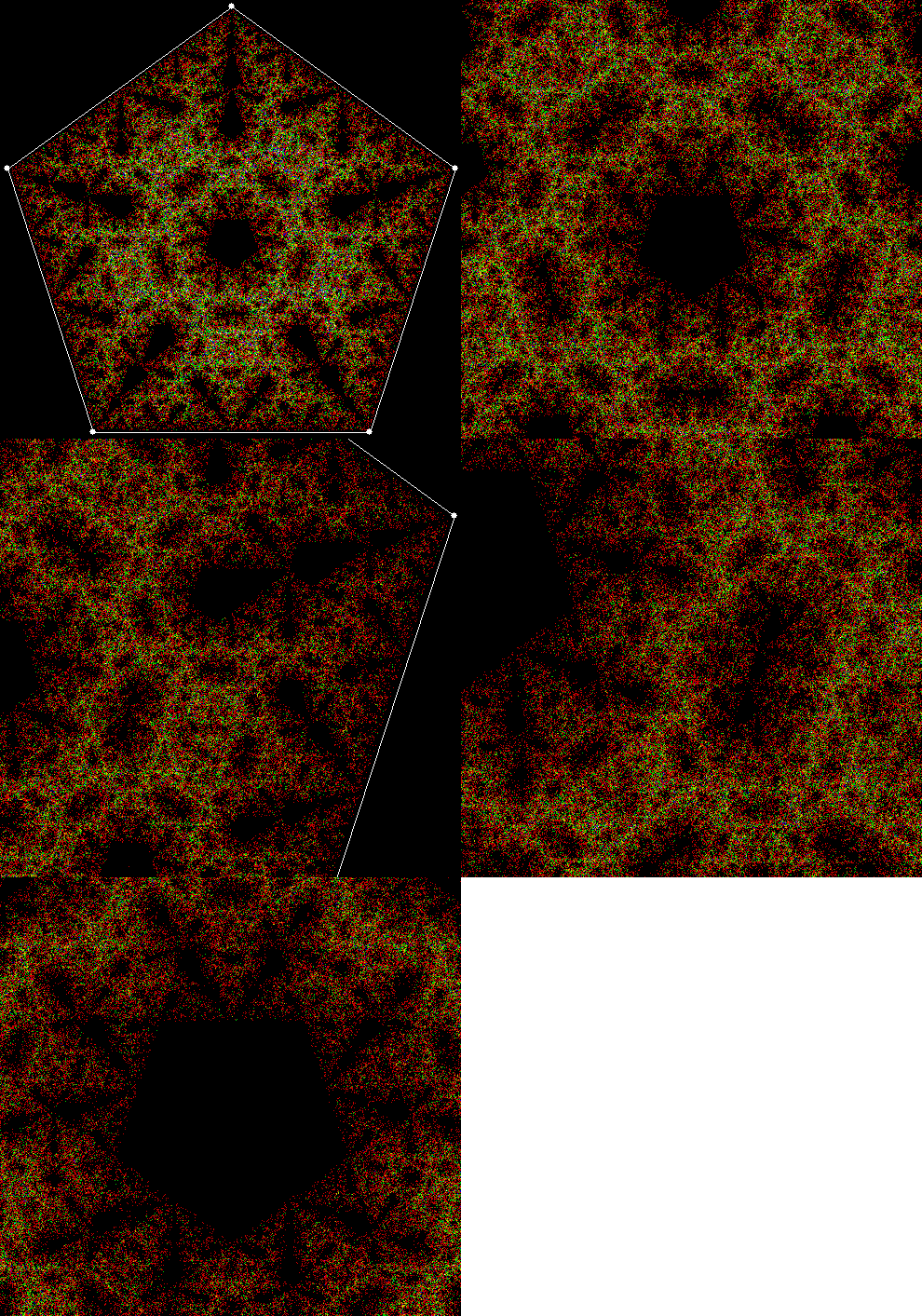
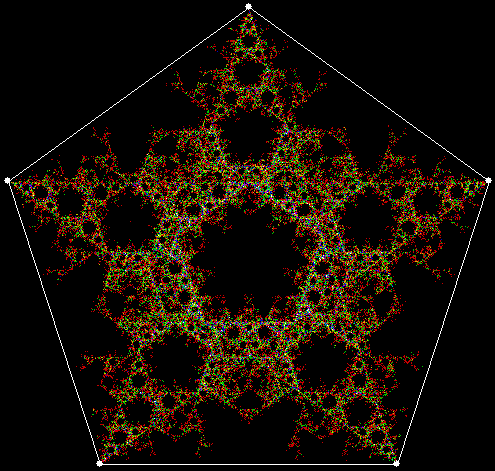
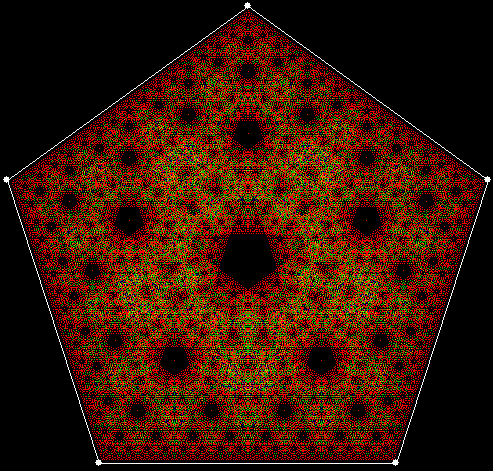
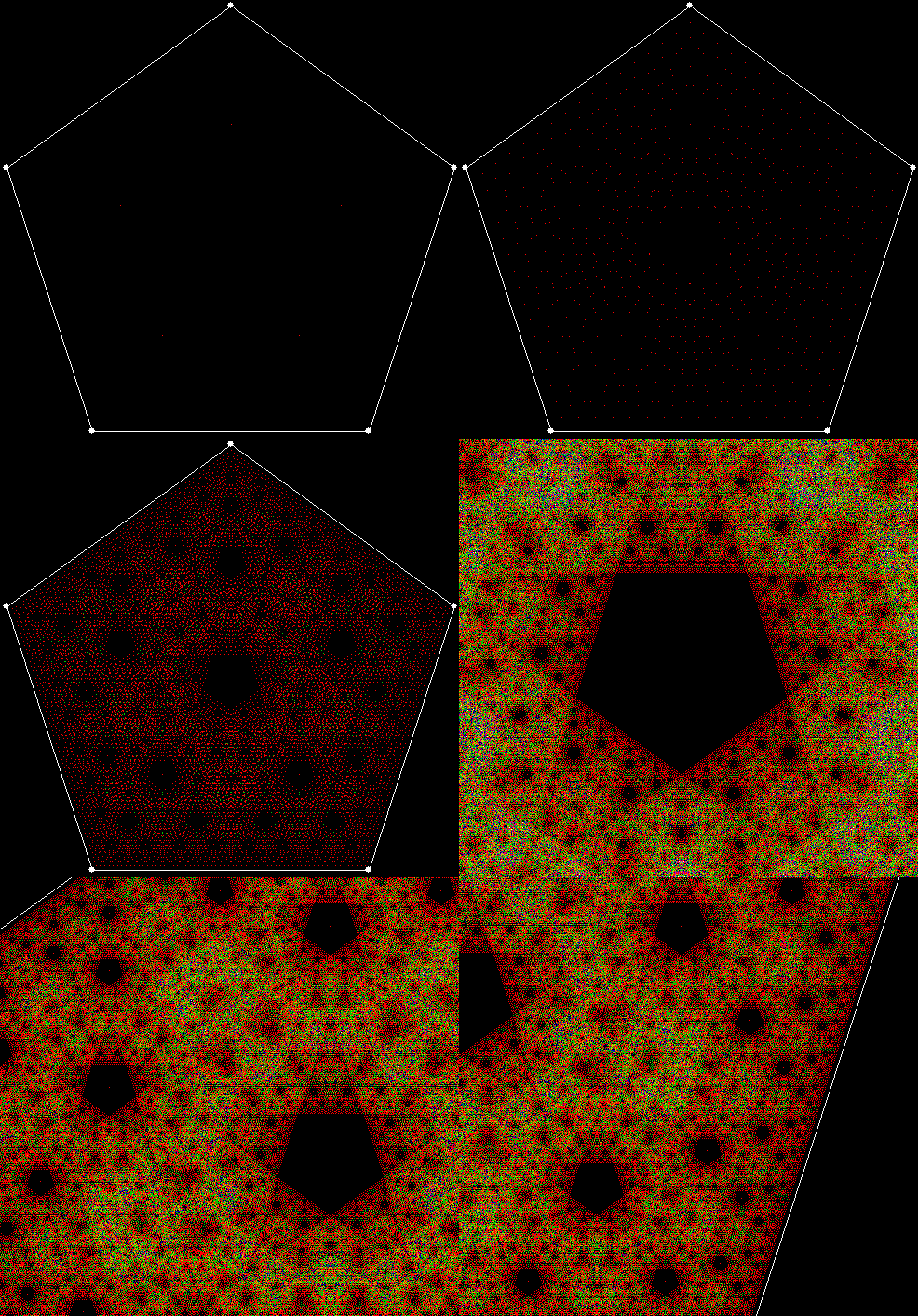
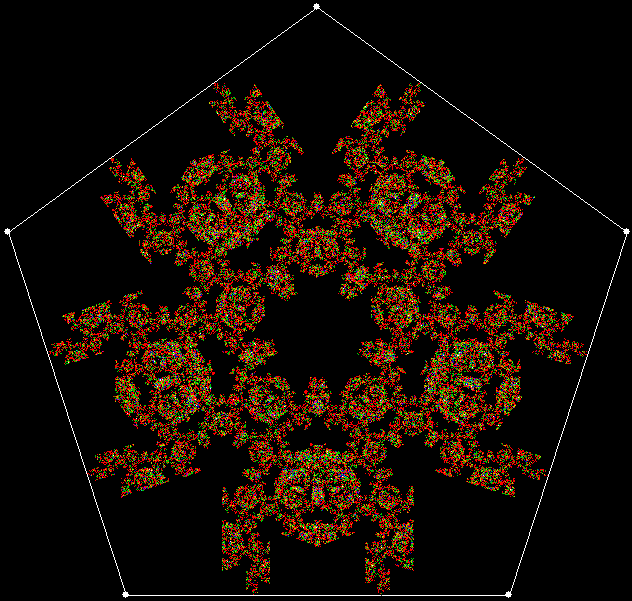
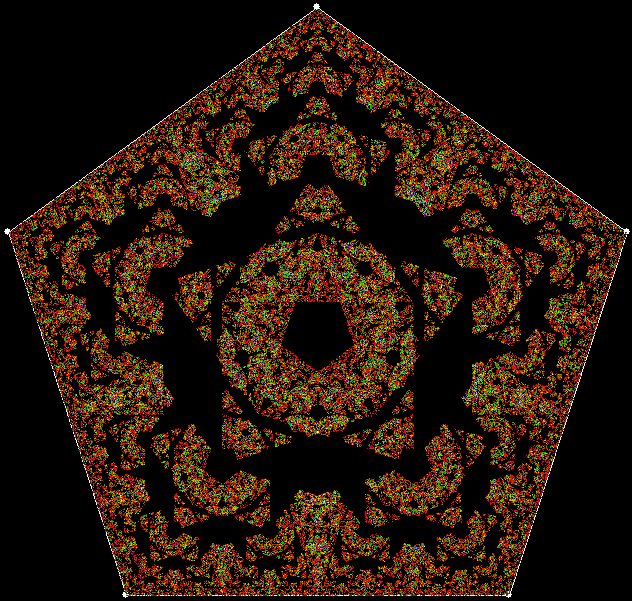
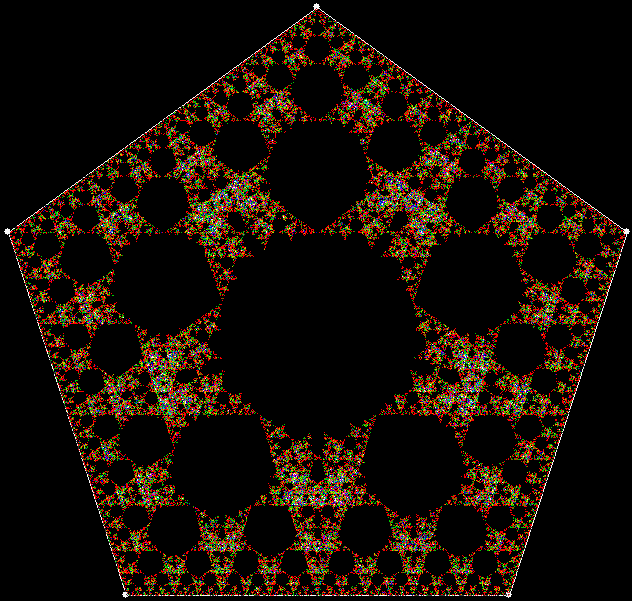
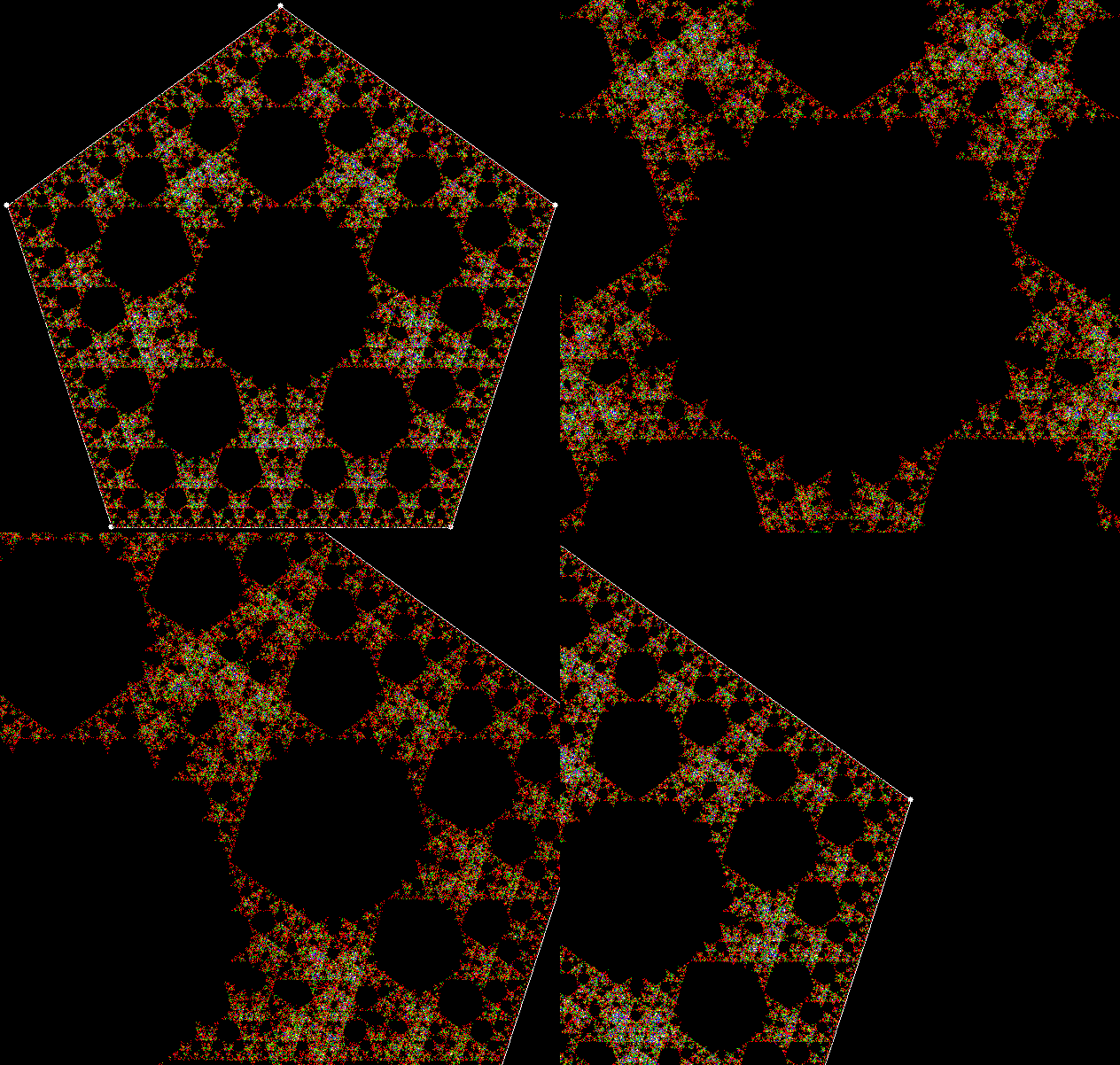
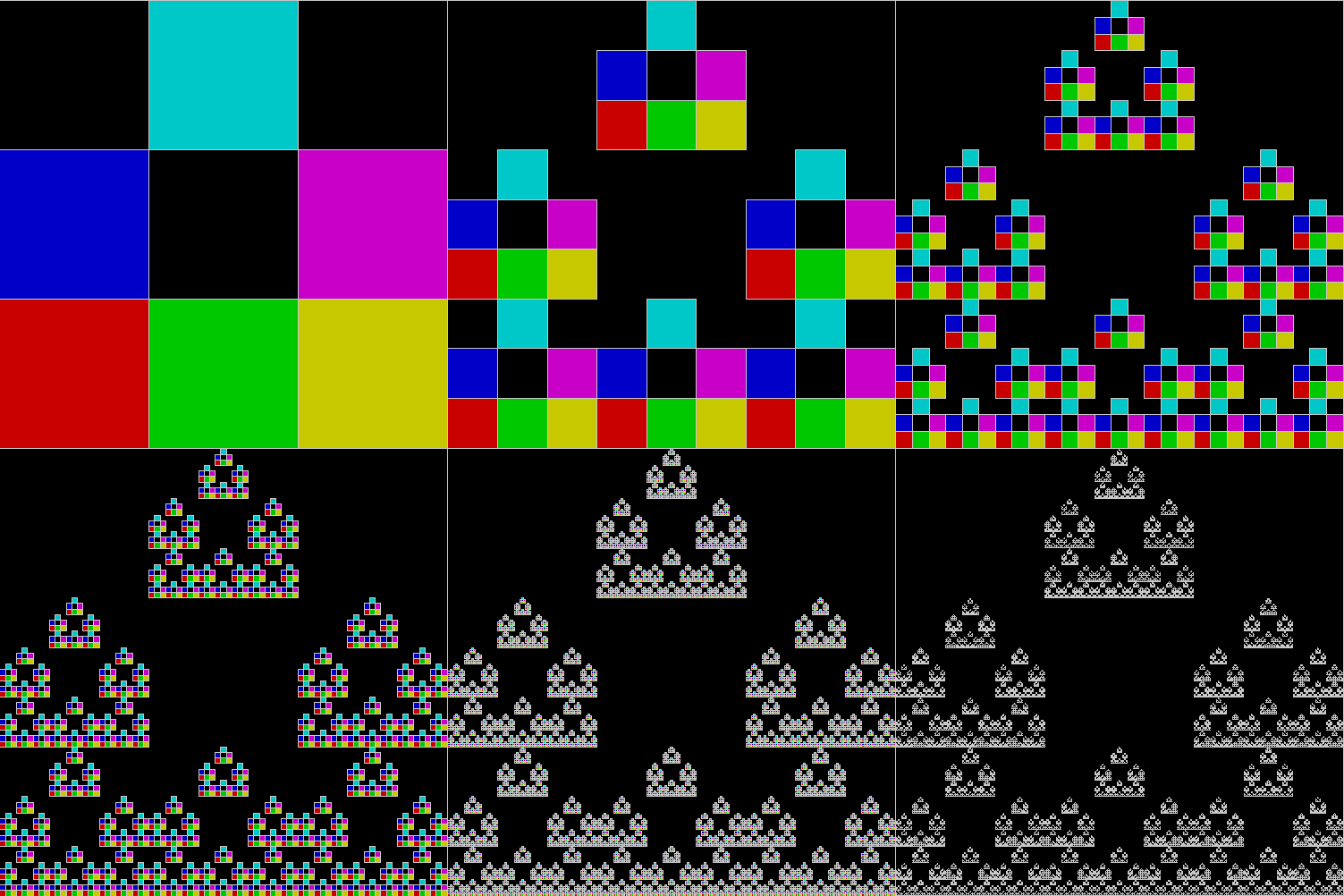
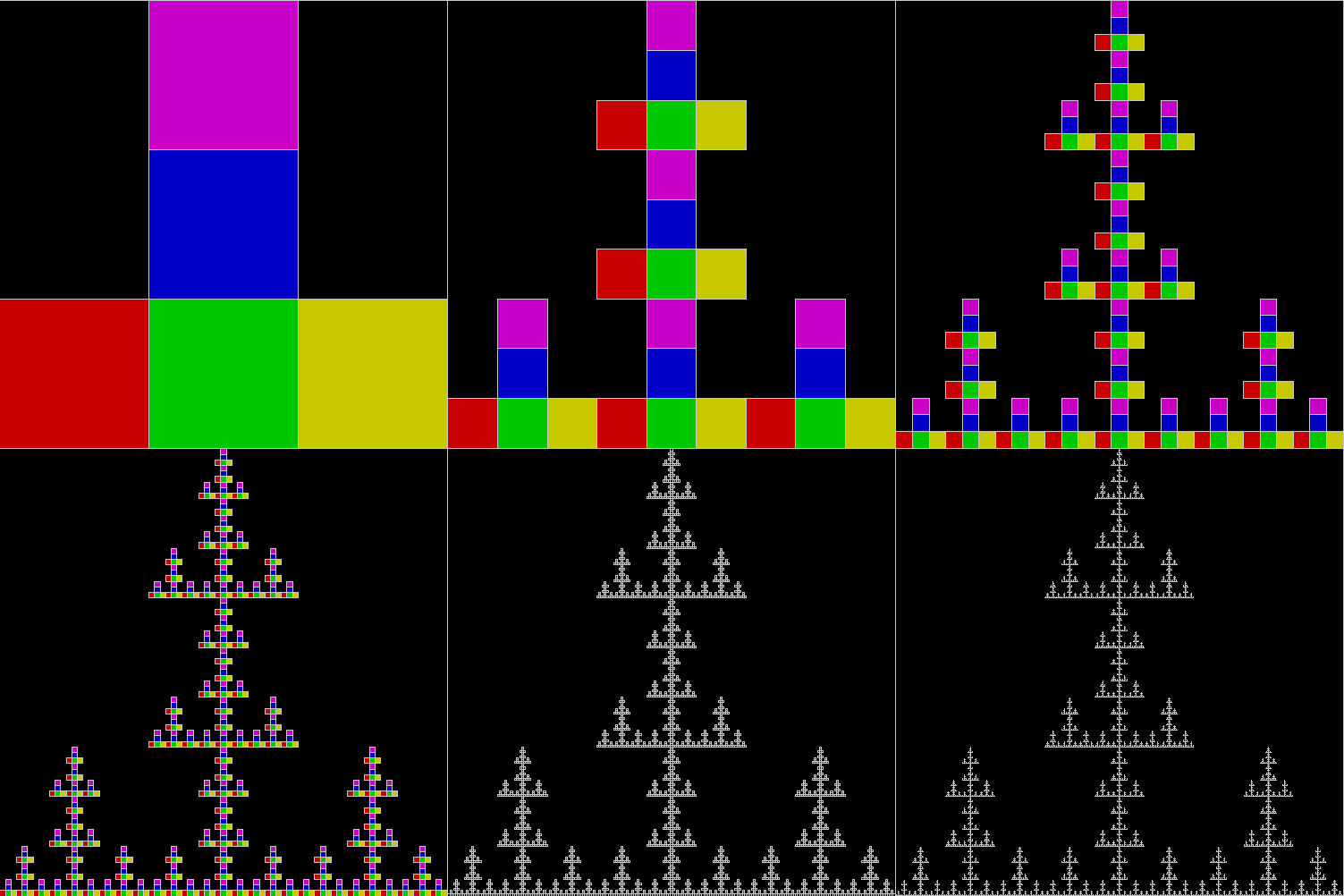
A pentagon without a central point using numbers in a zero-less base 7 looks like this:
fractal5_0single

fractal5_0
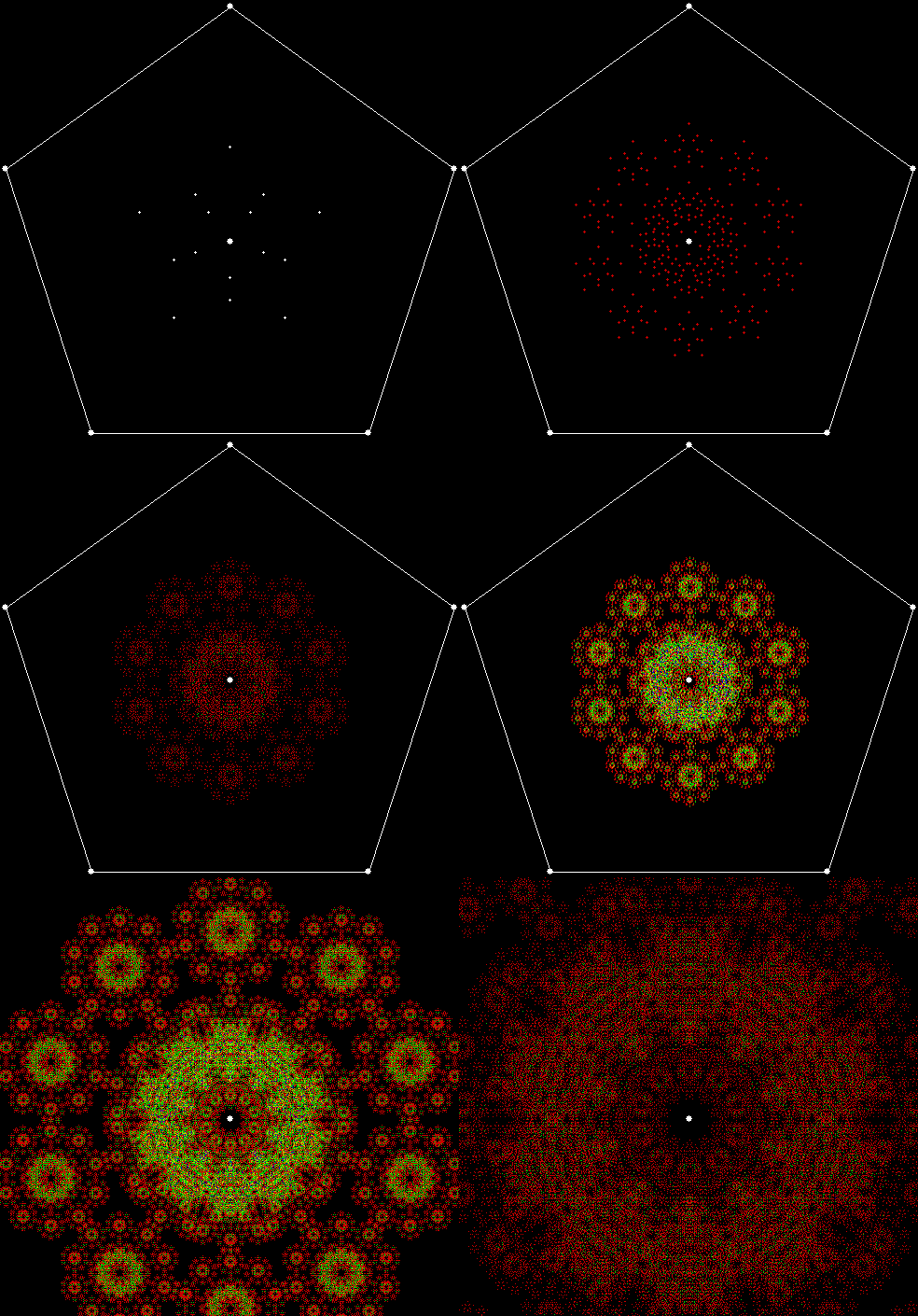
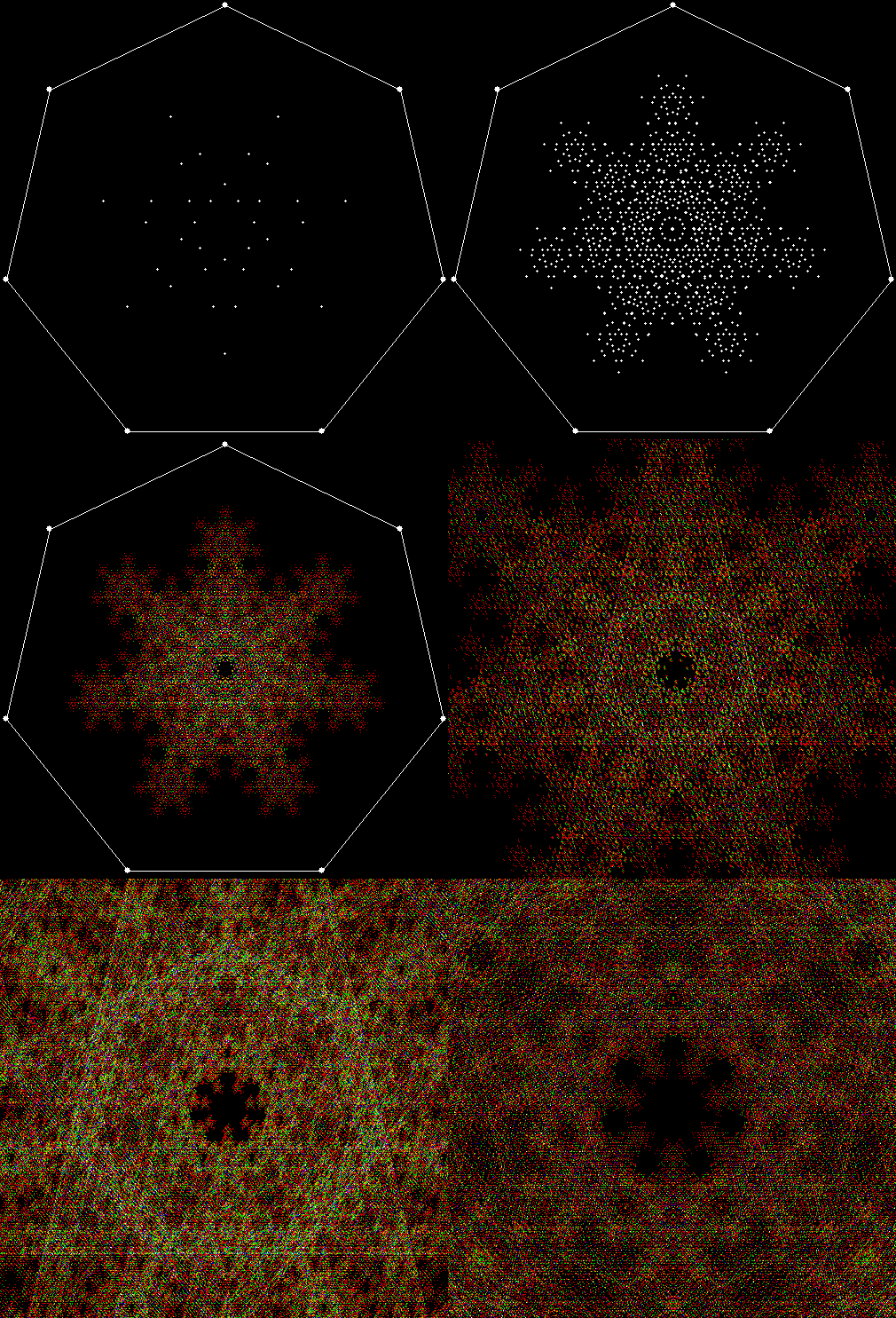
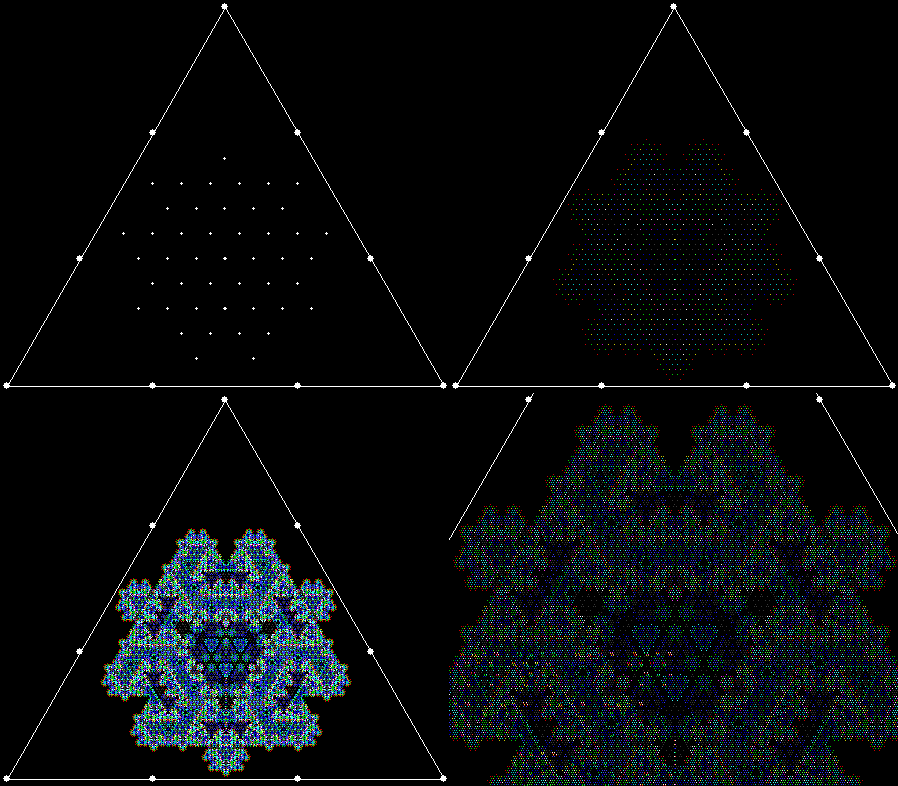
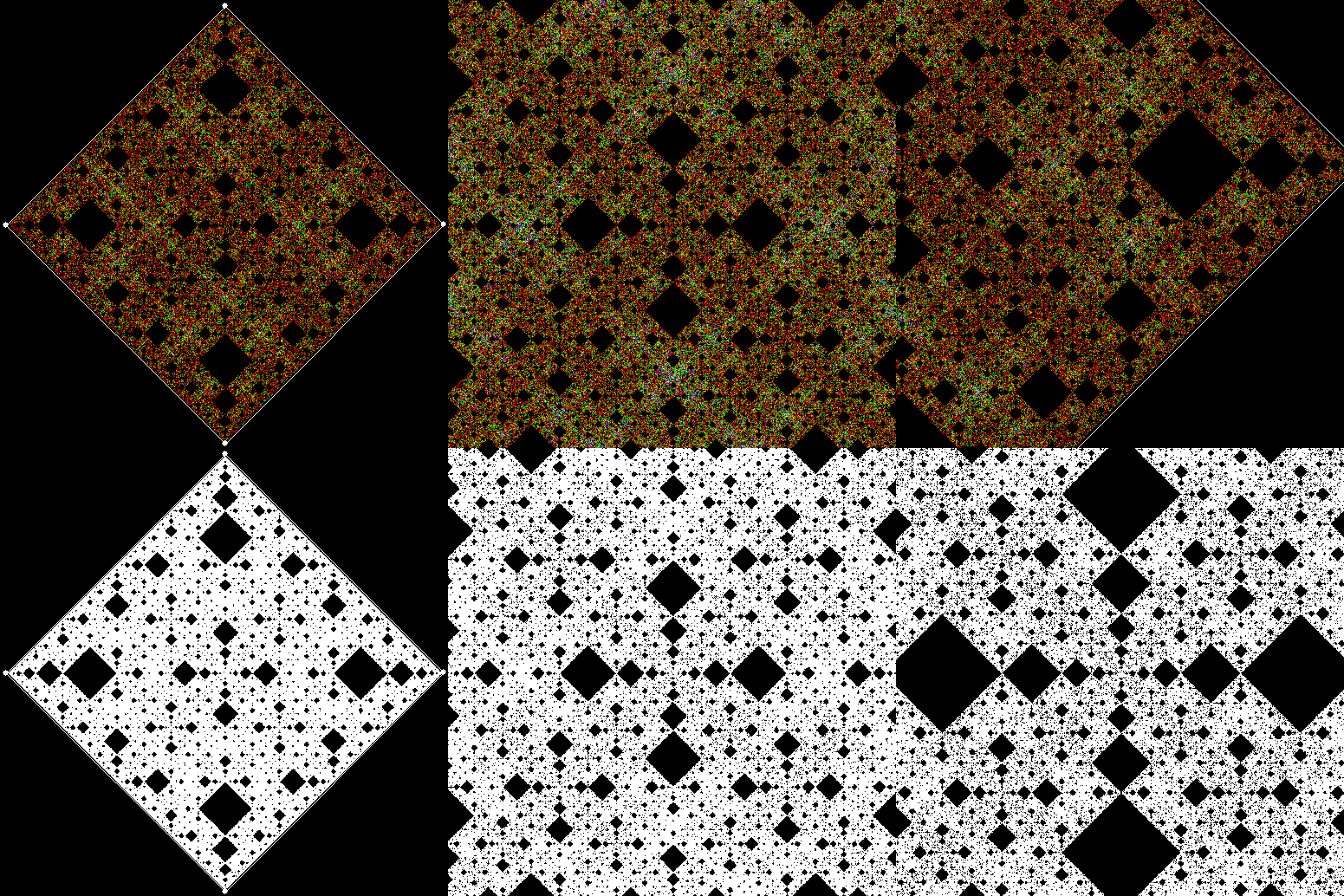
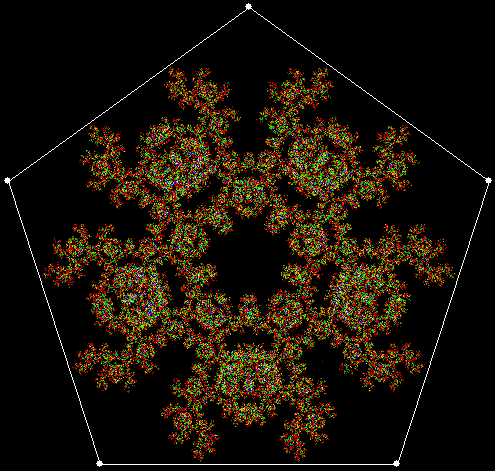
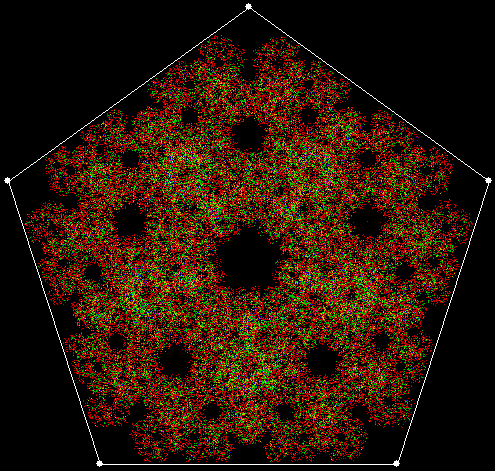
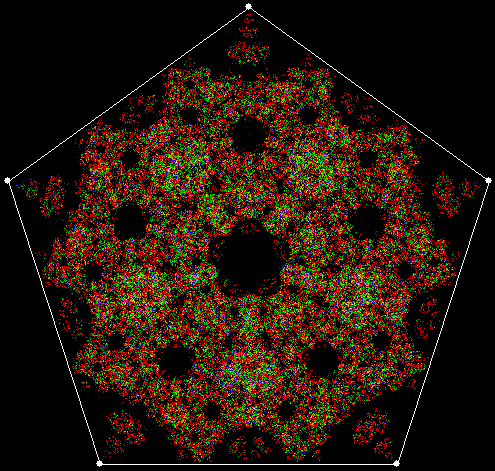
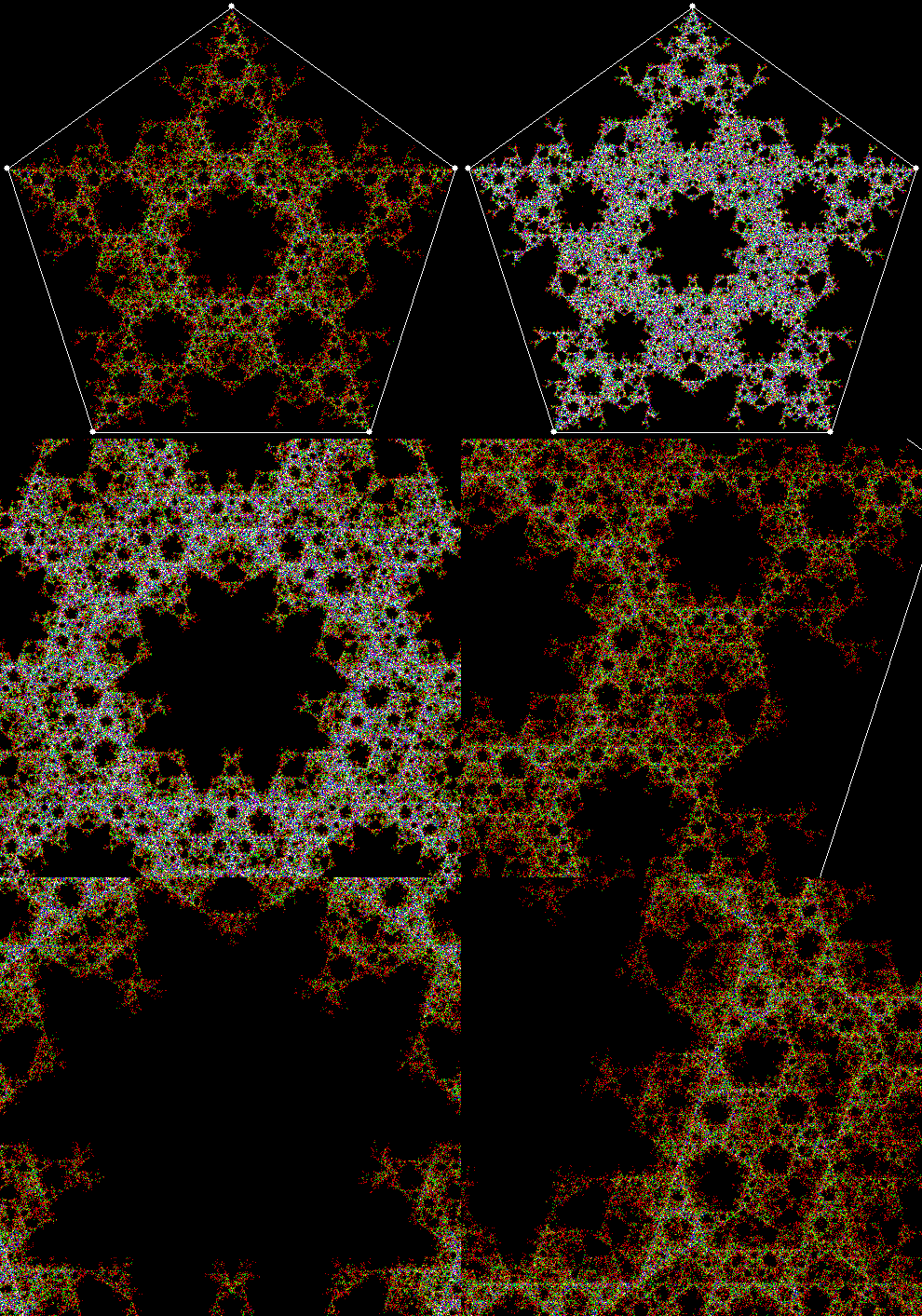
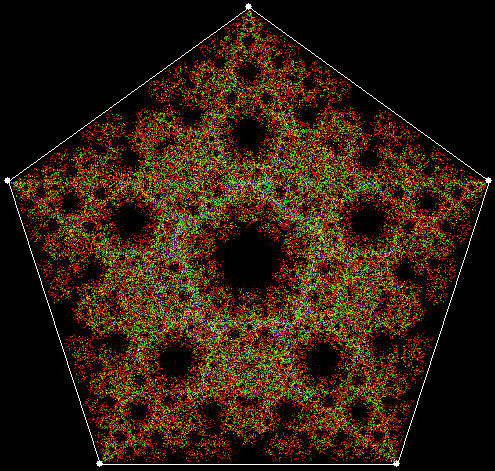
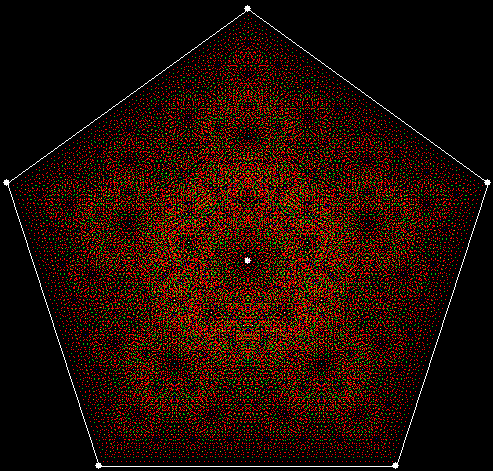
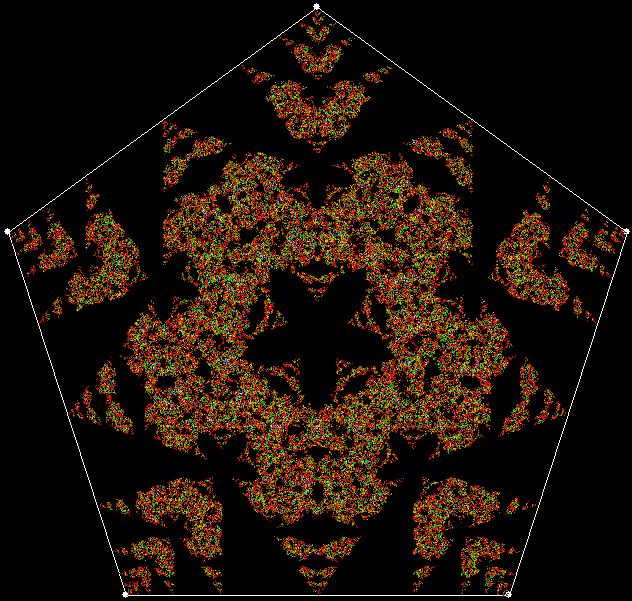
A pentagon with a central point looks like this:
fractal5_1single

fractal5_1
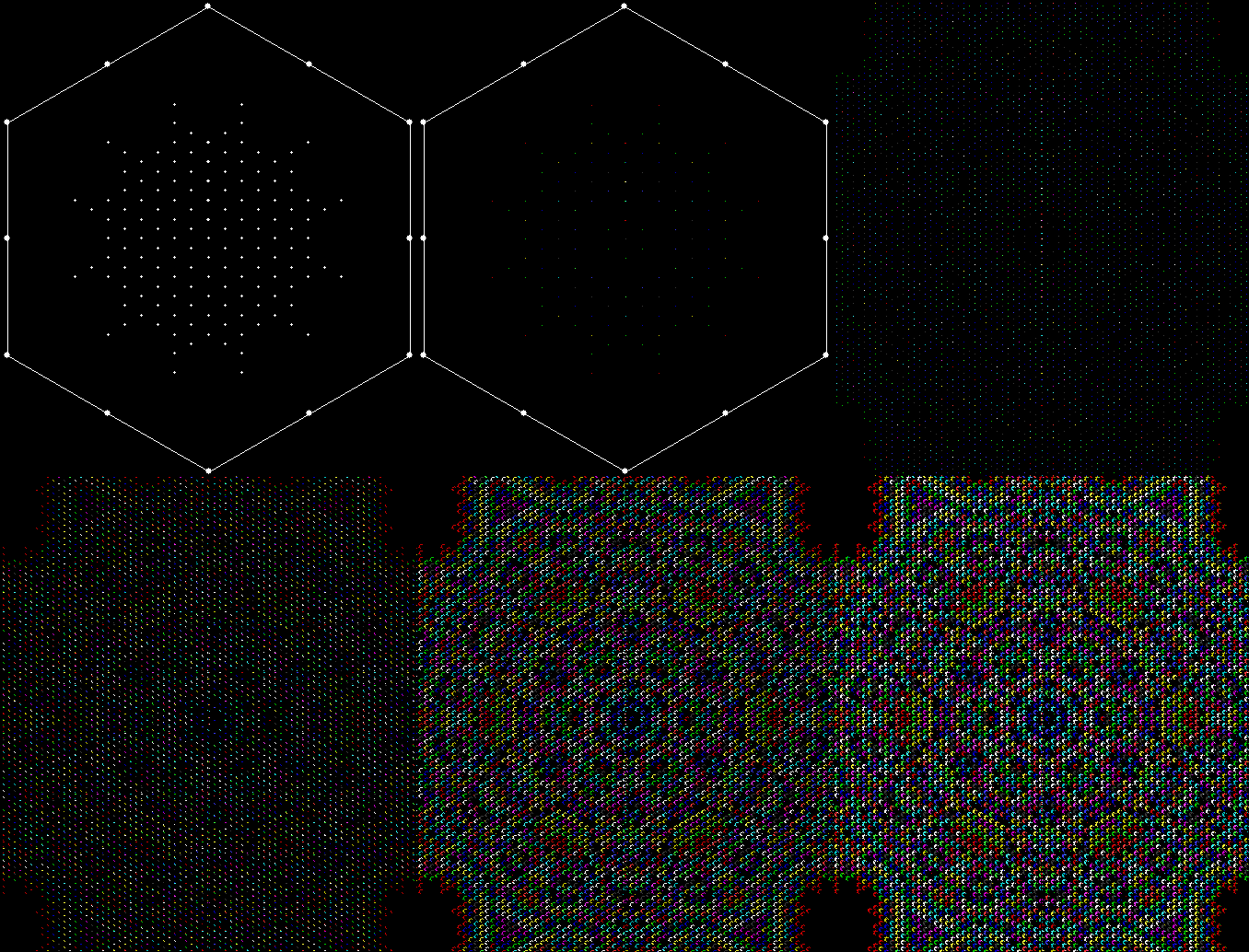
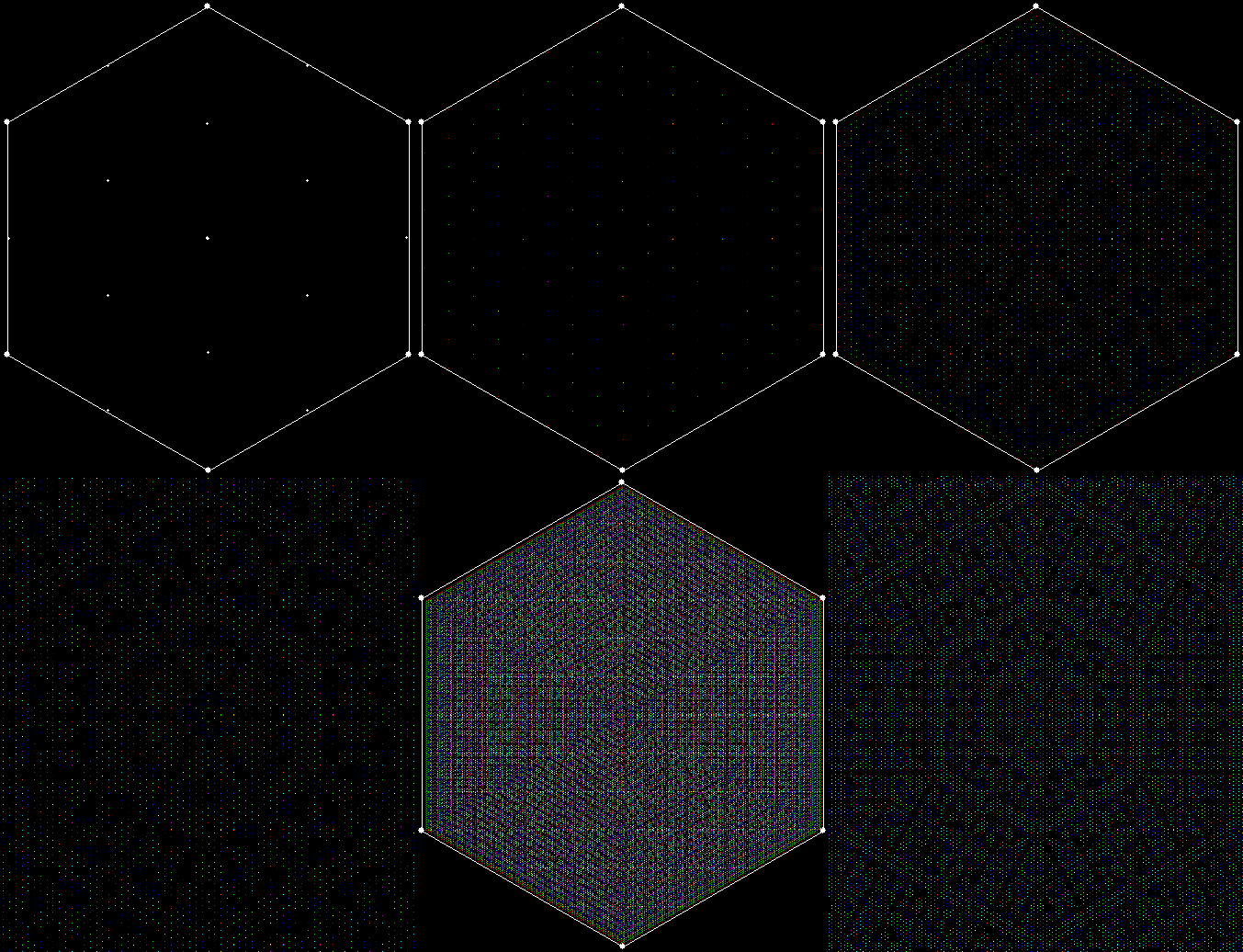
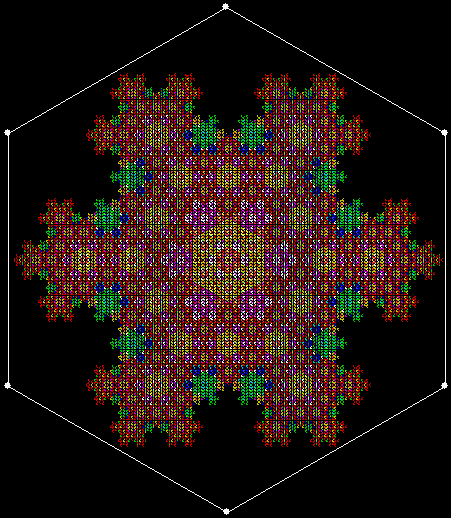
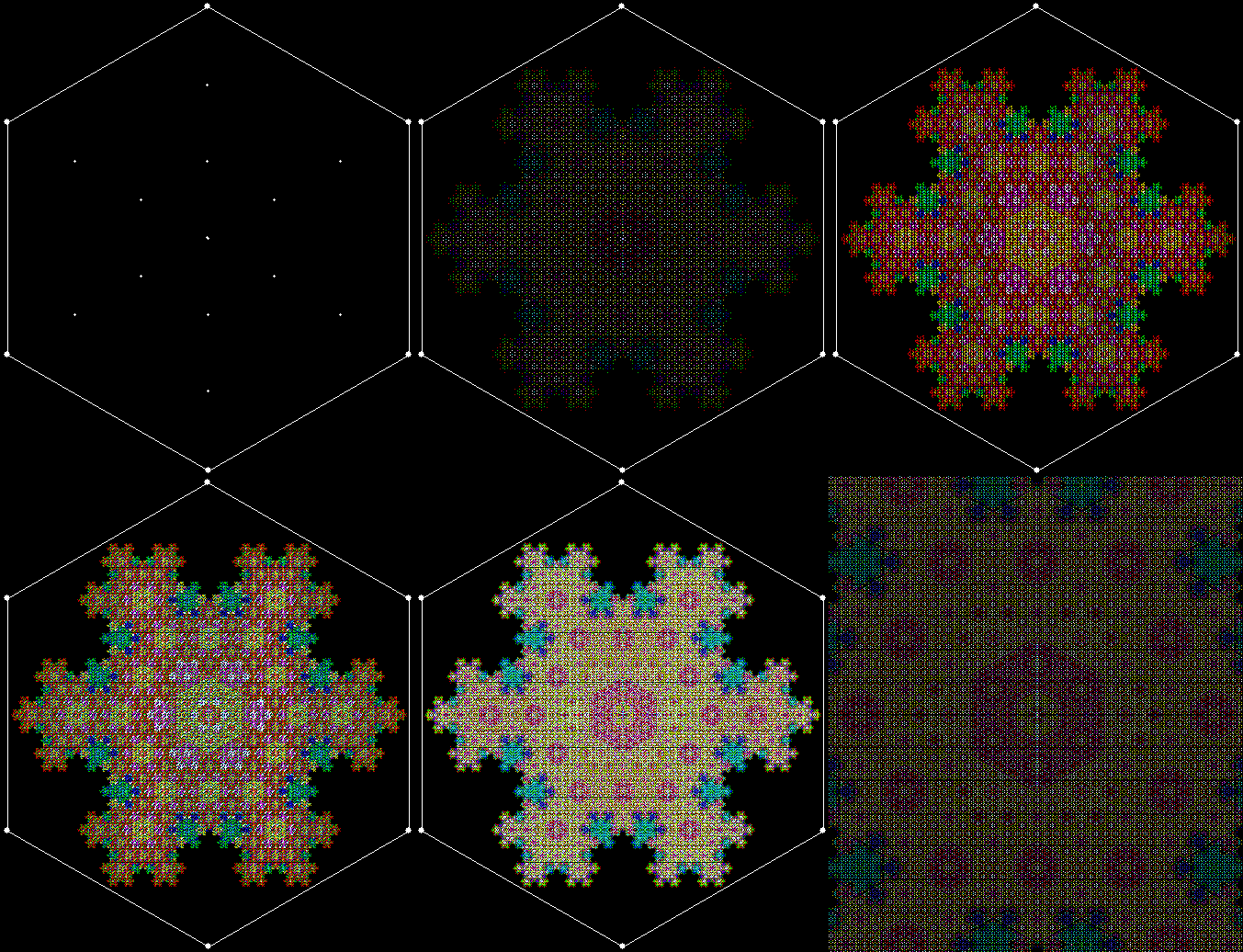
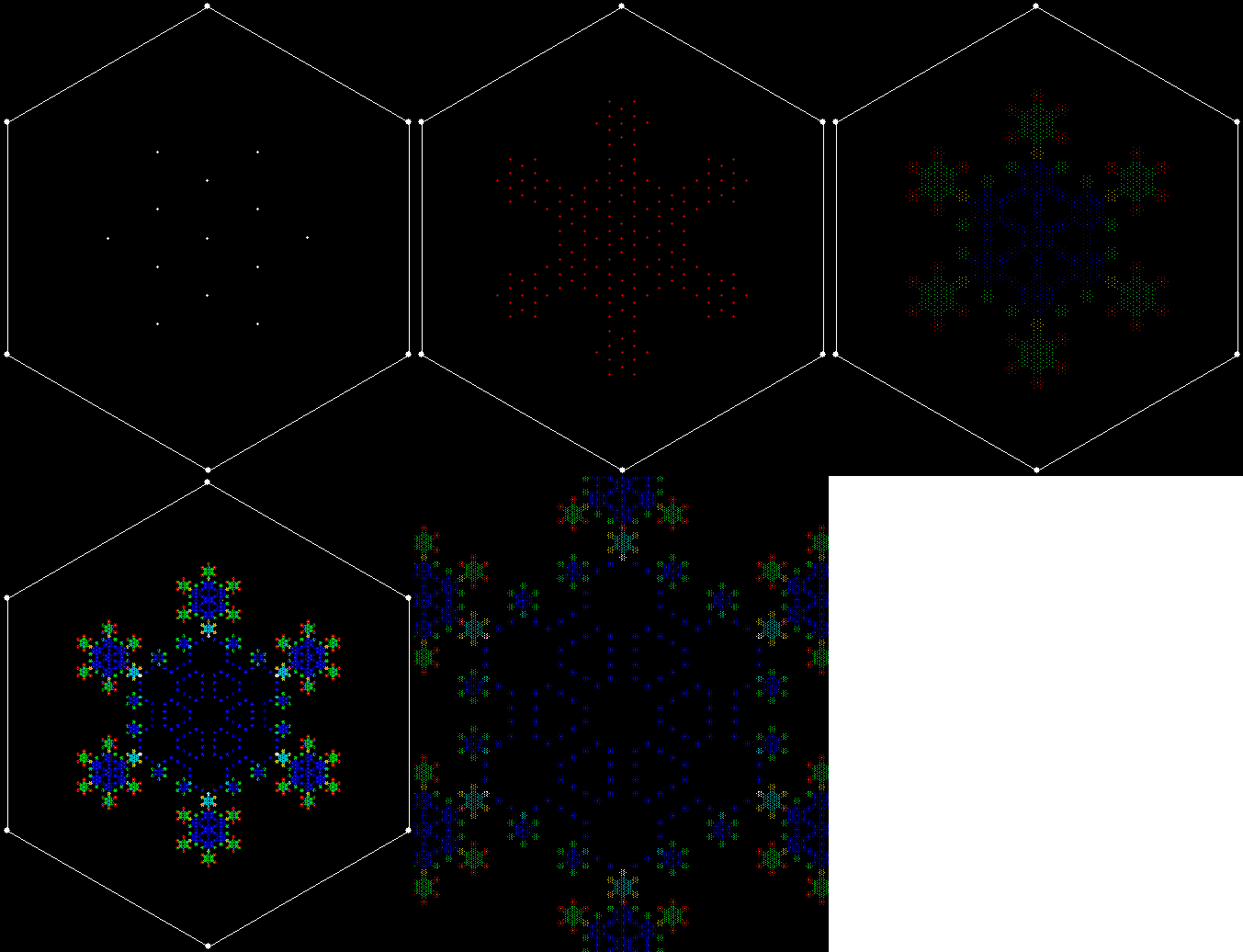
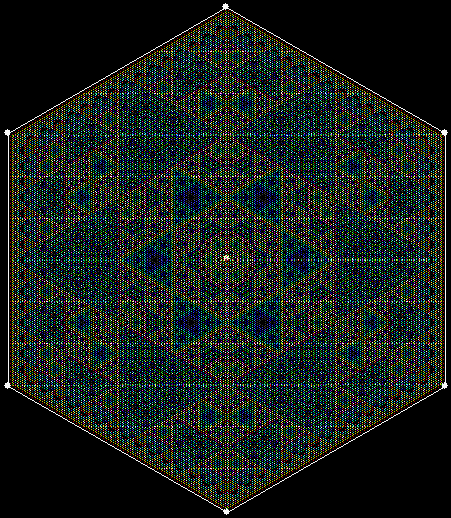
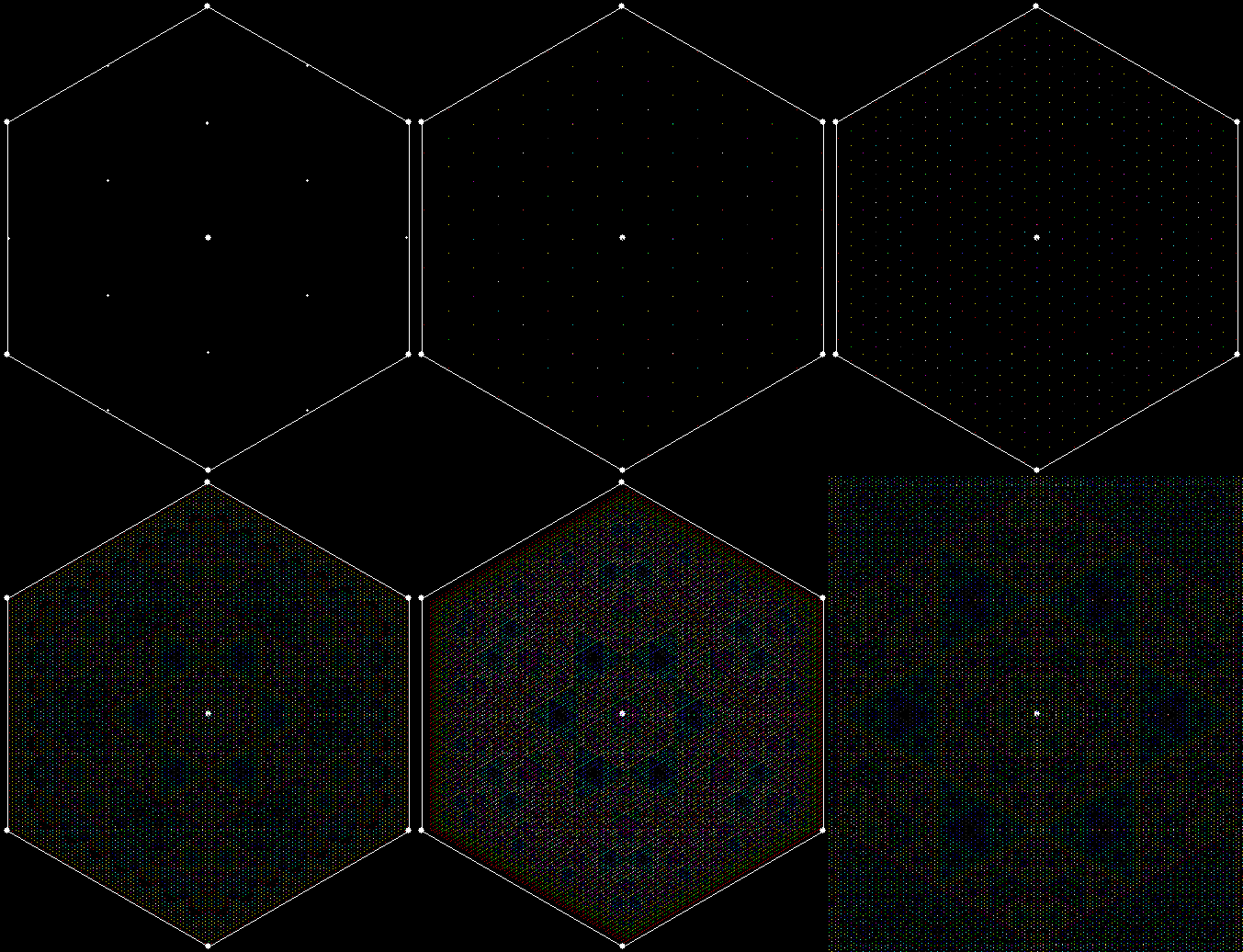
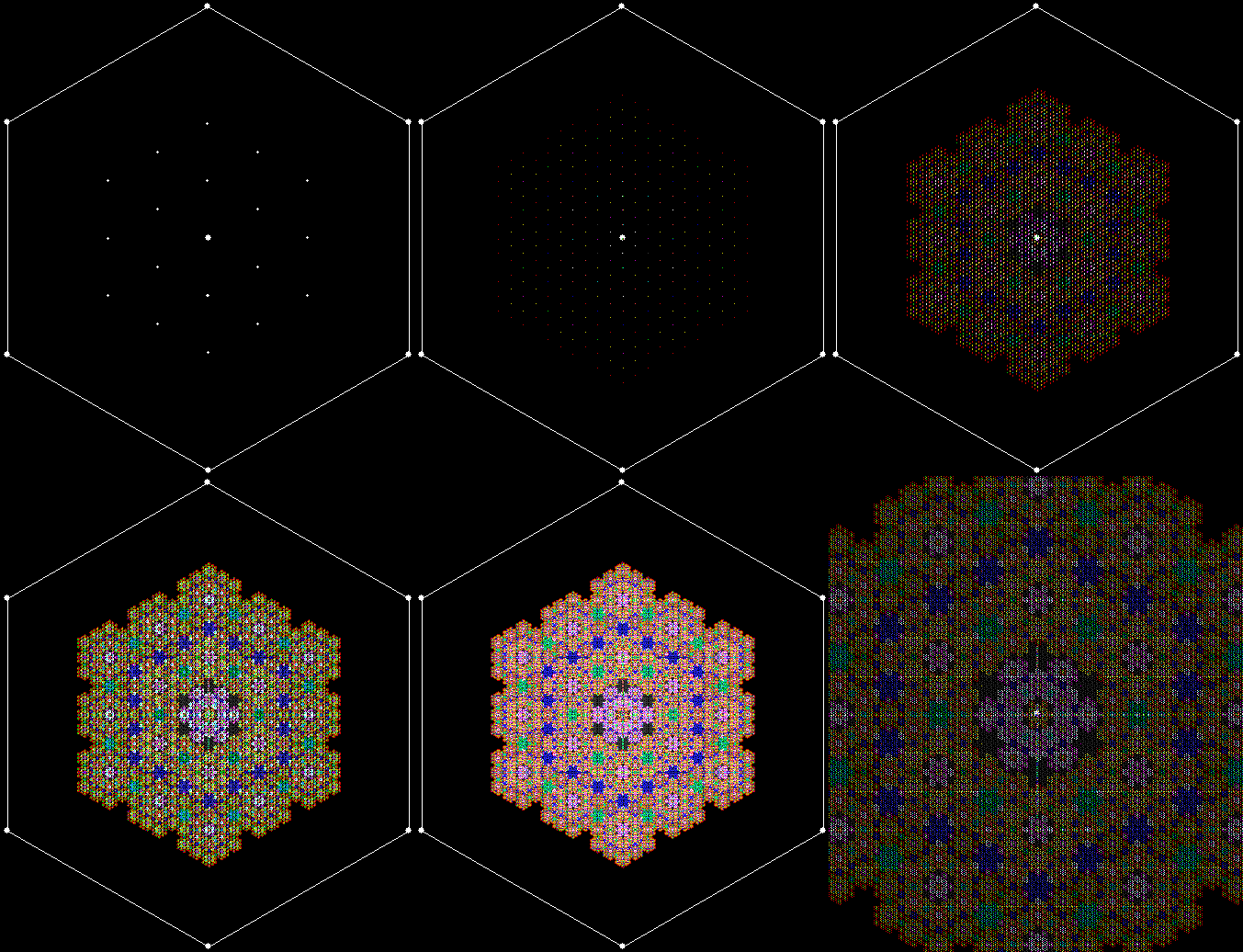
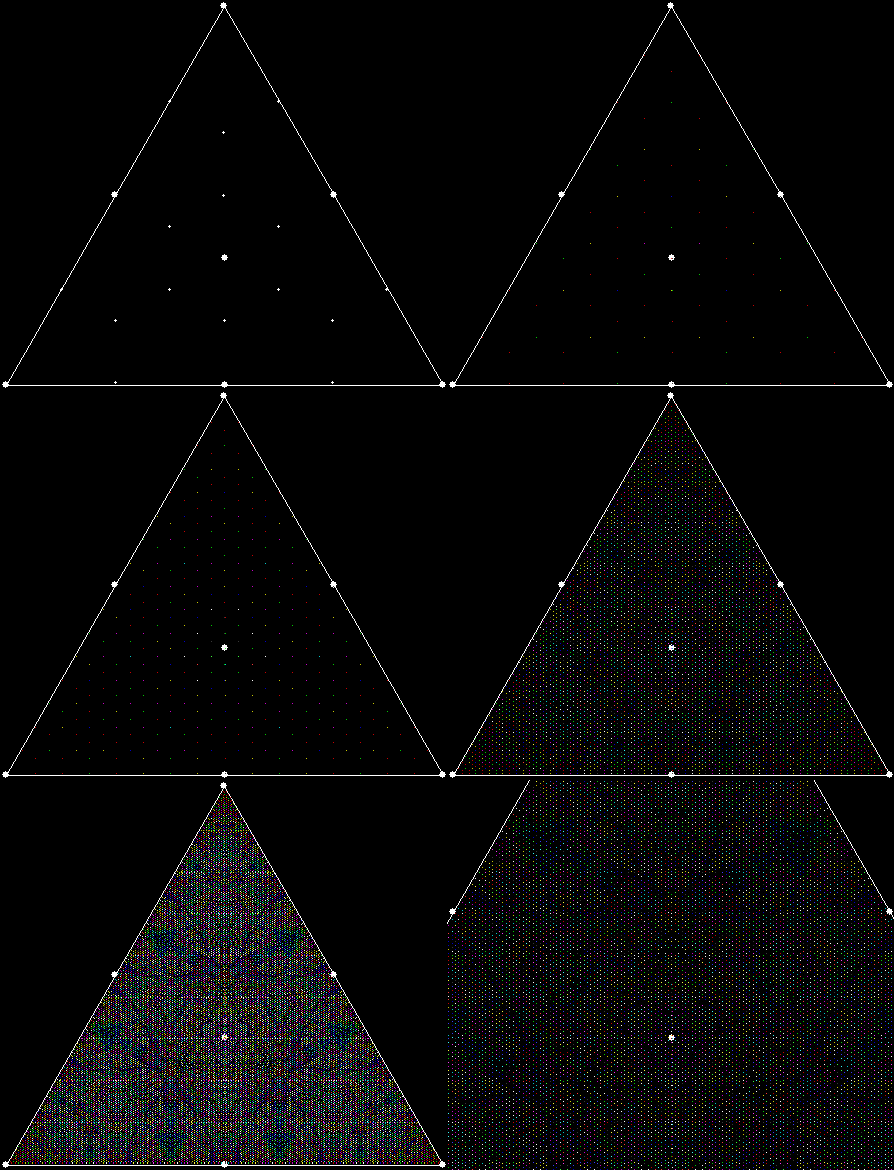
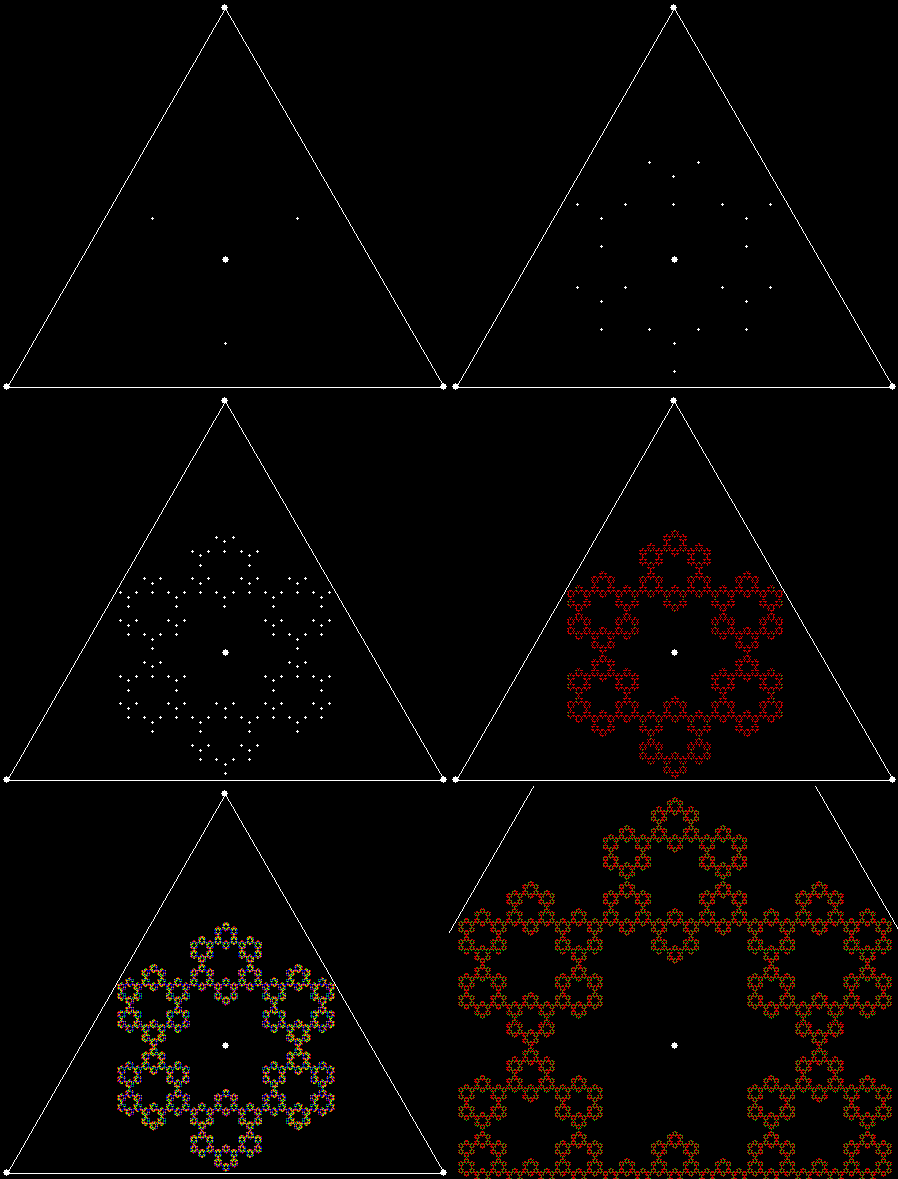
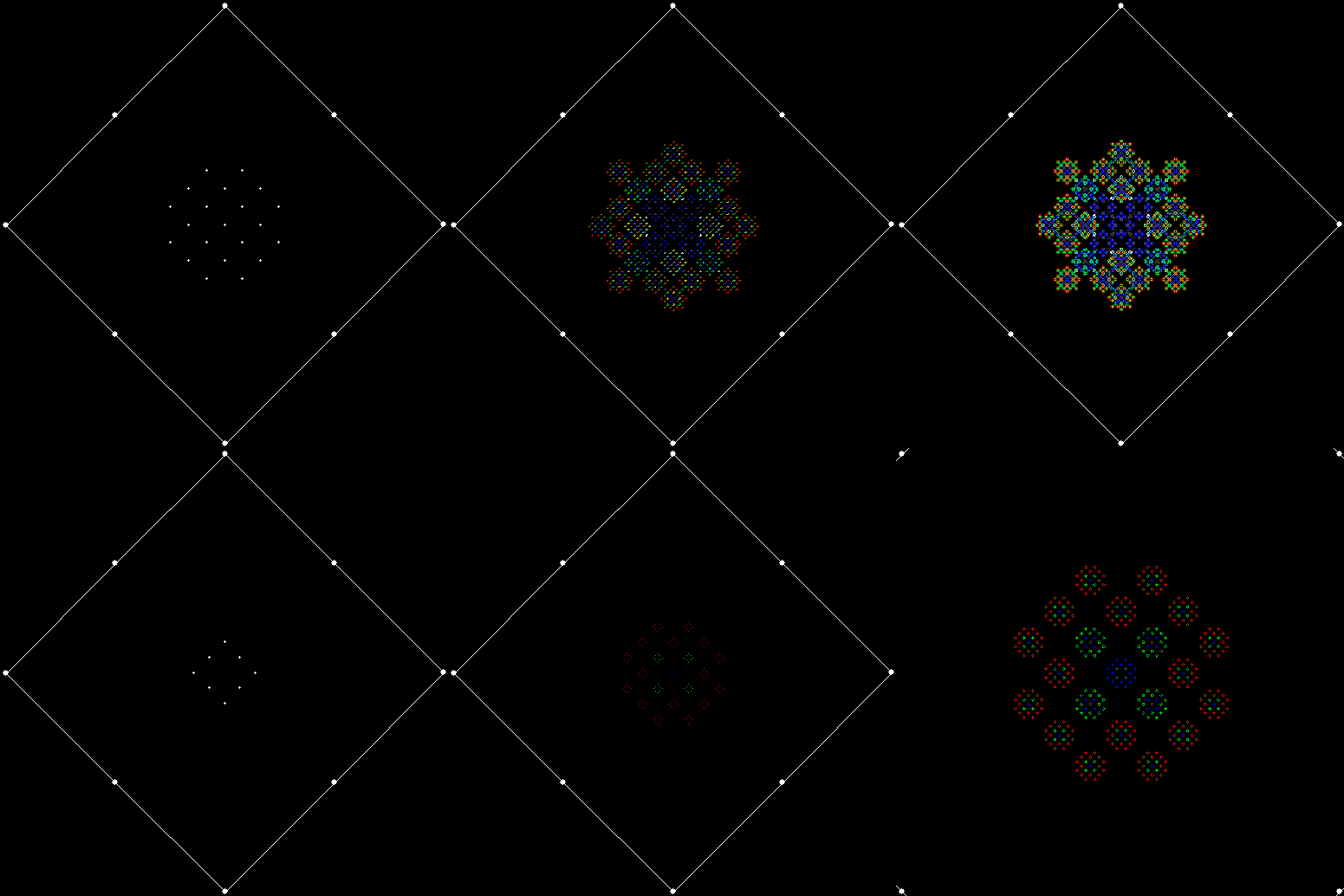
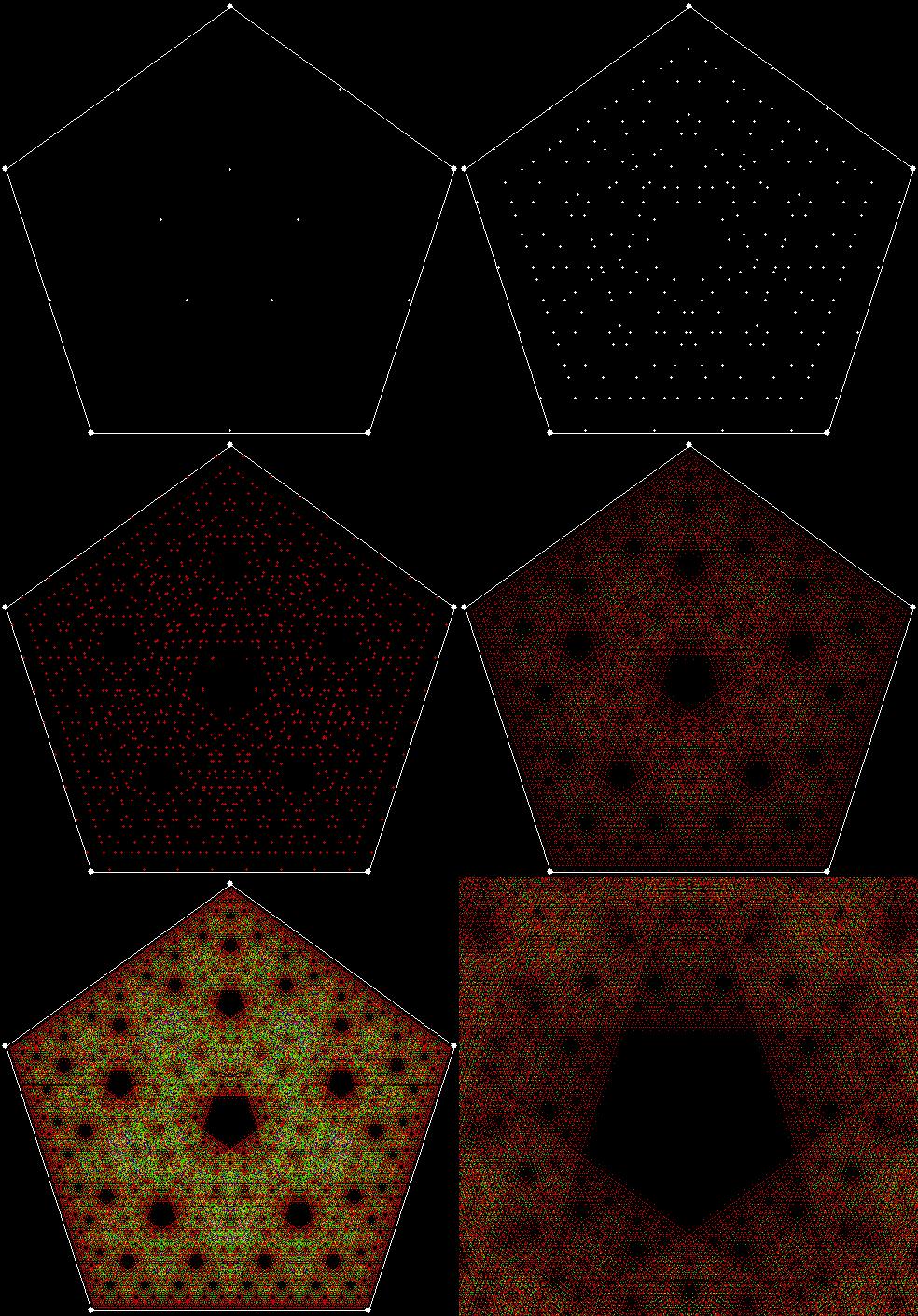
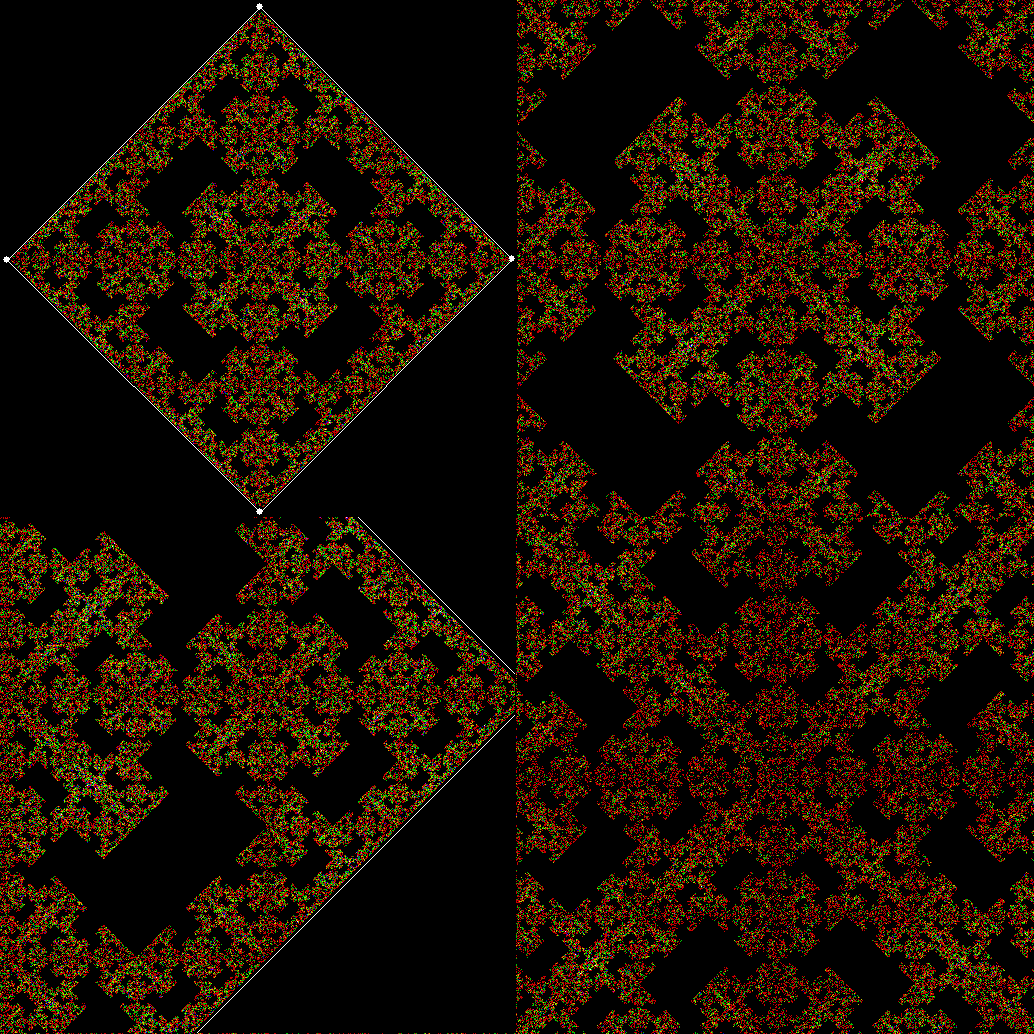
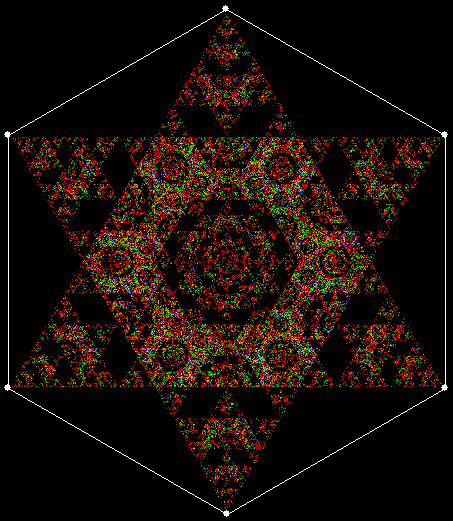
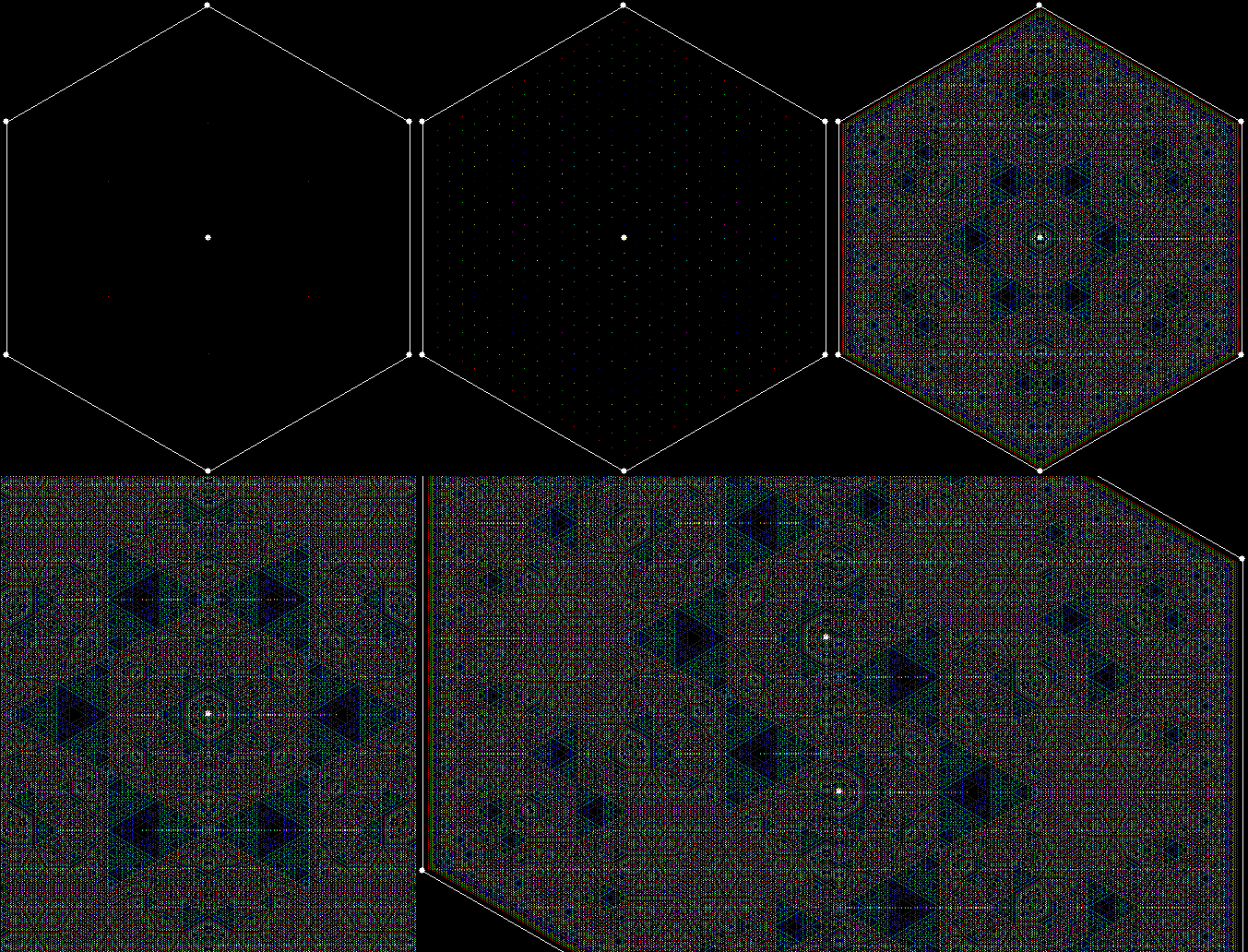
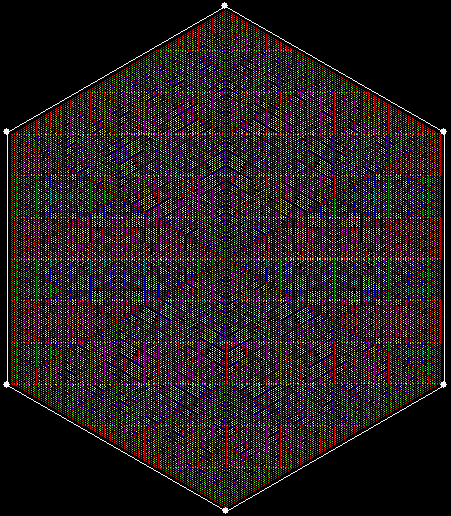
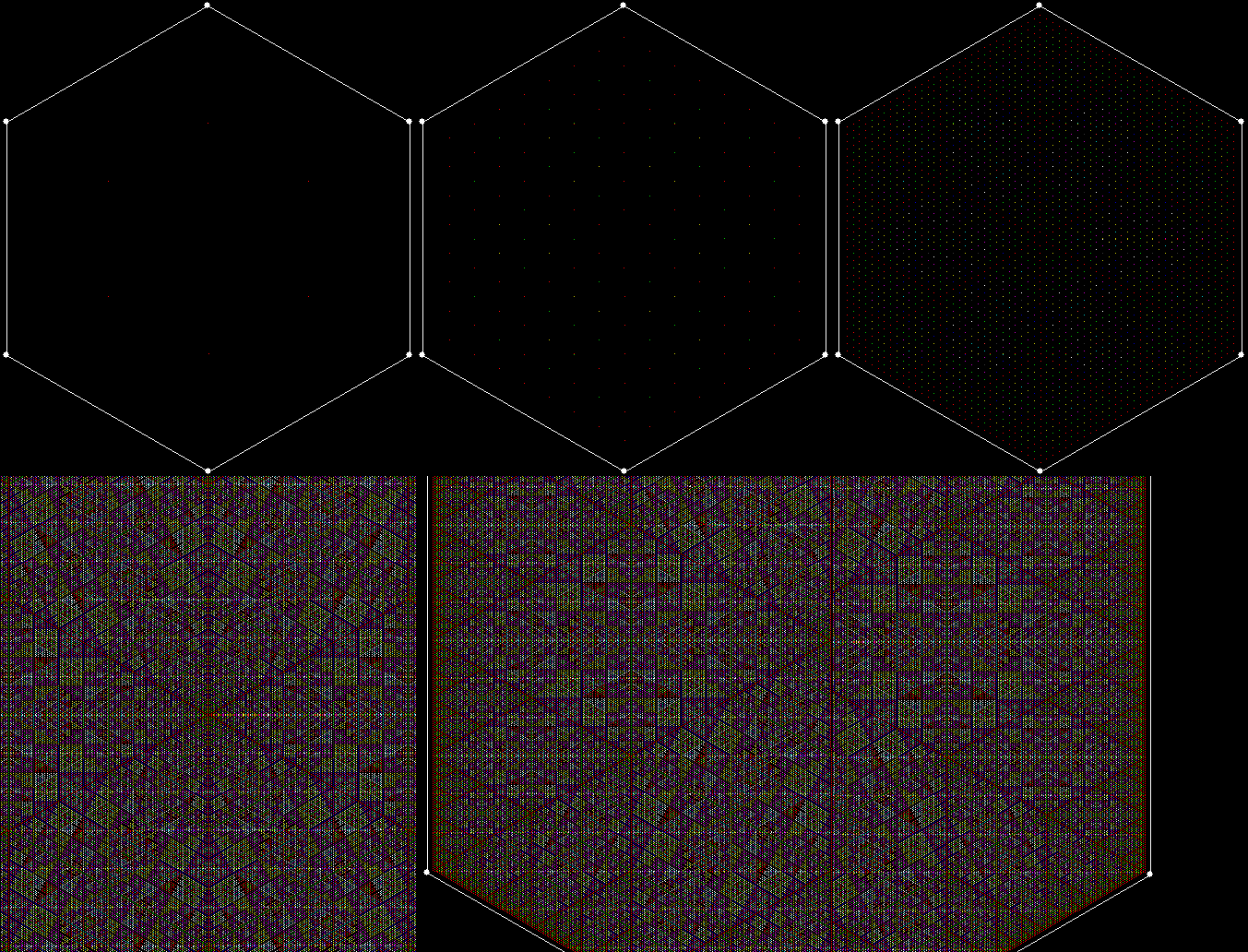
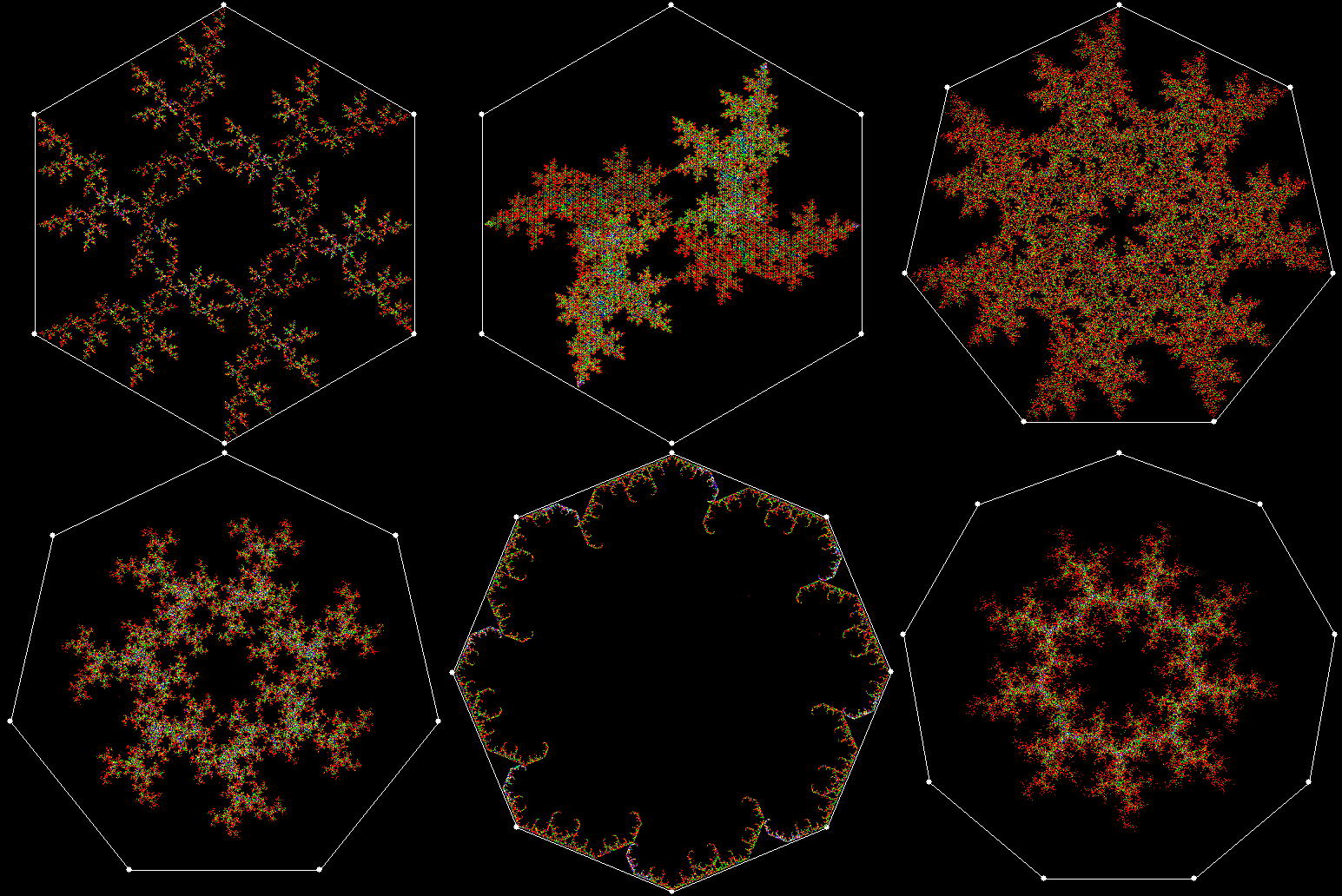
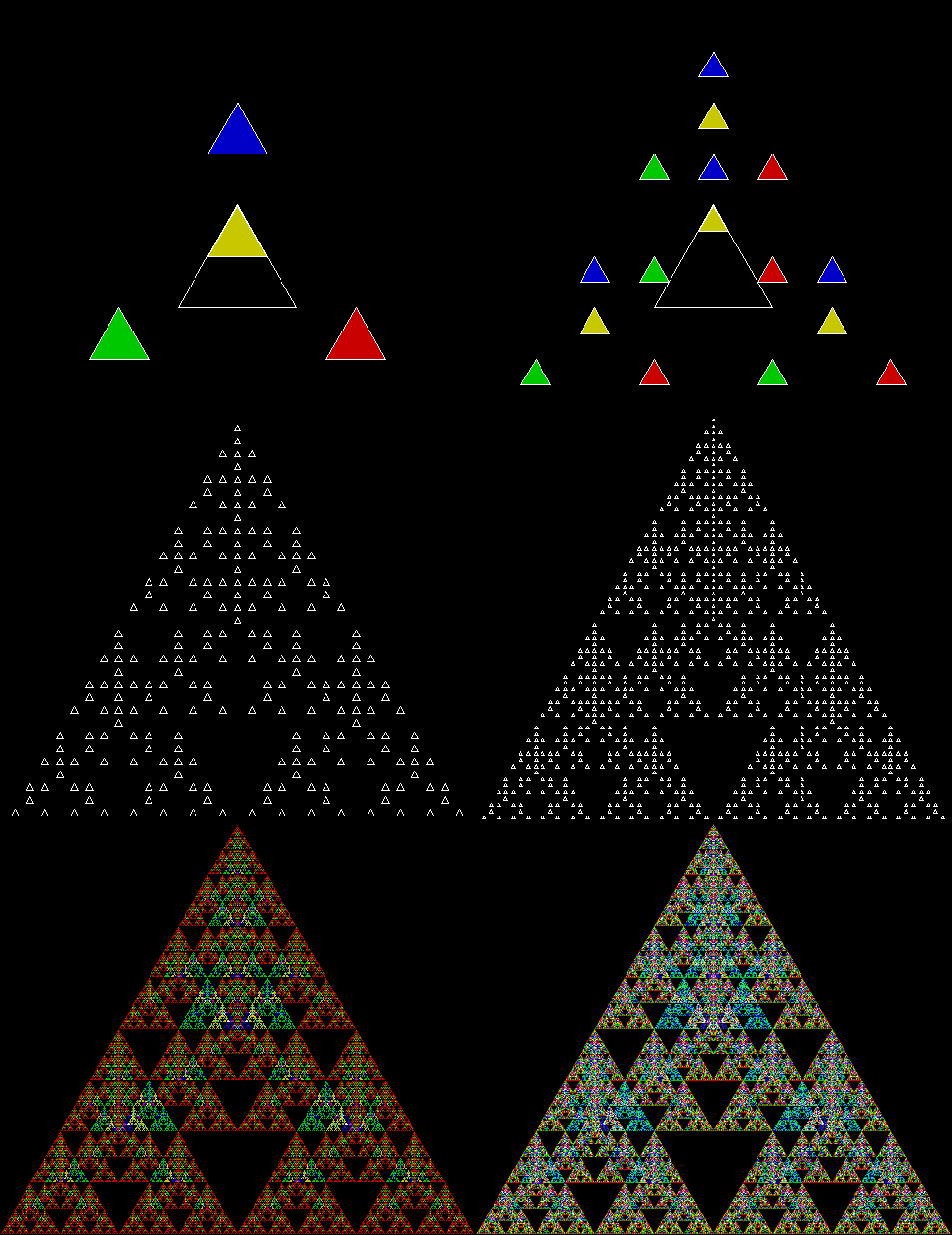
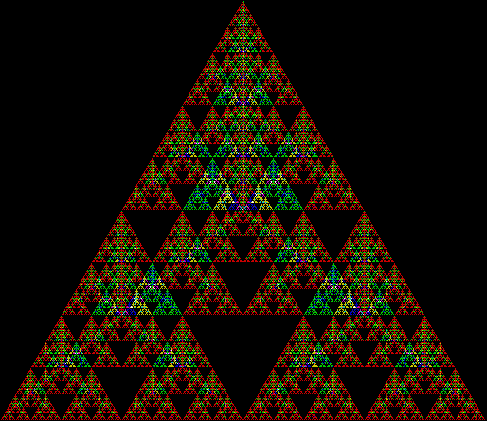
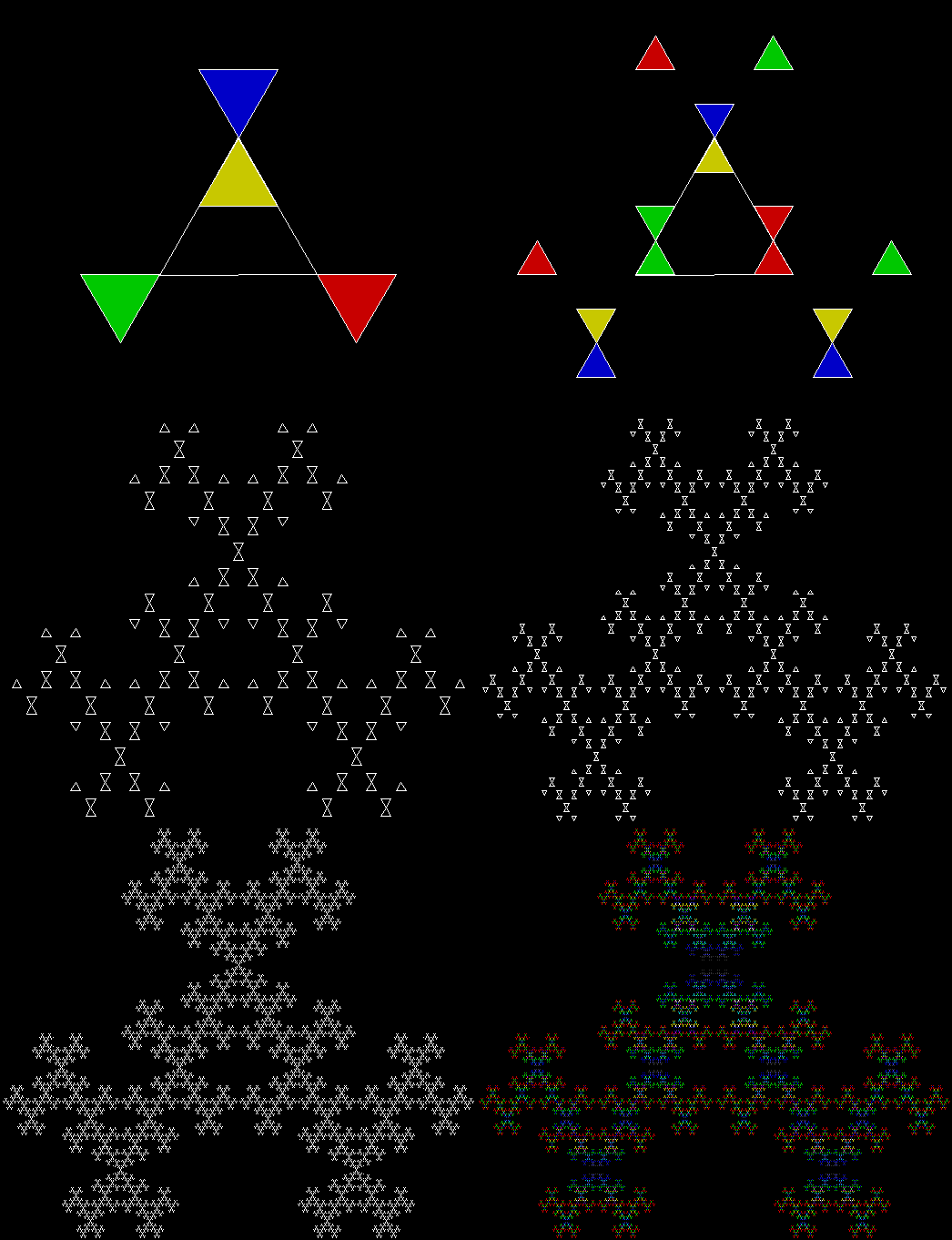
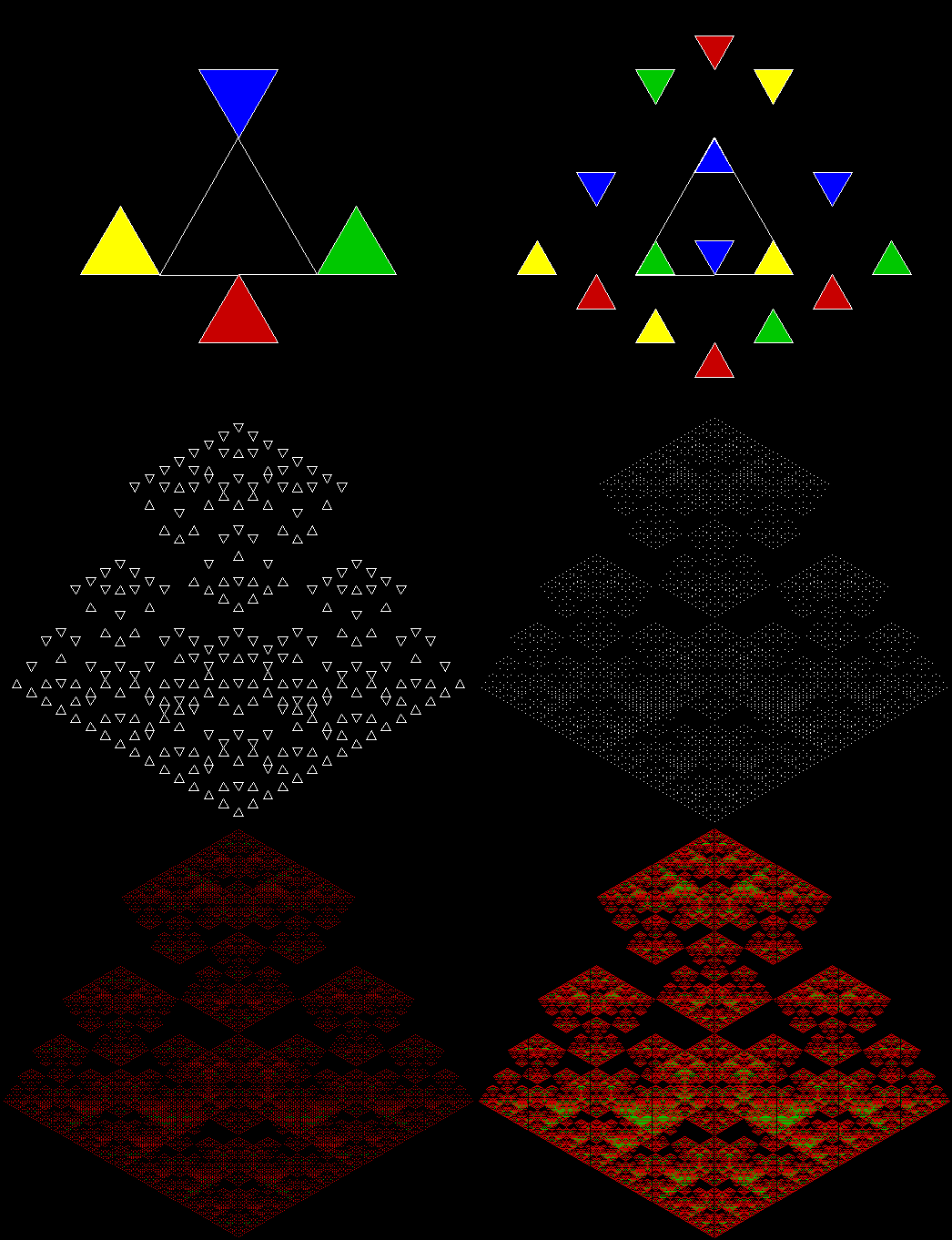
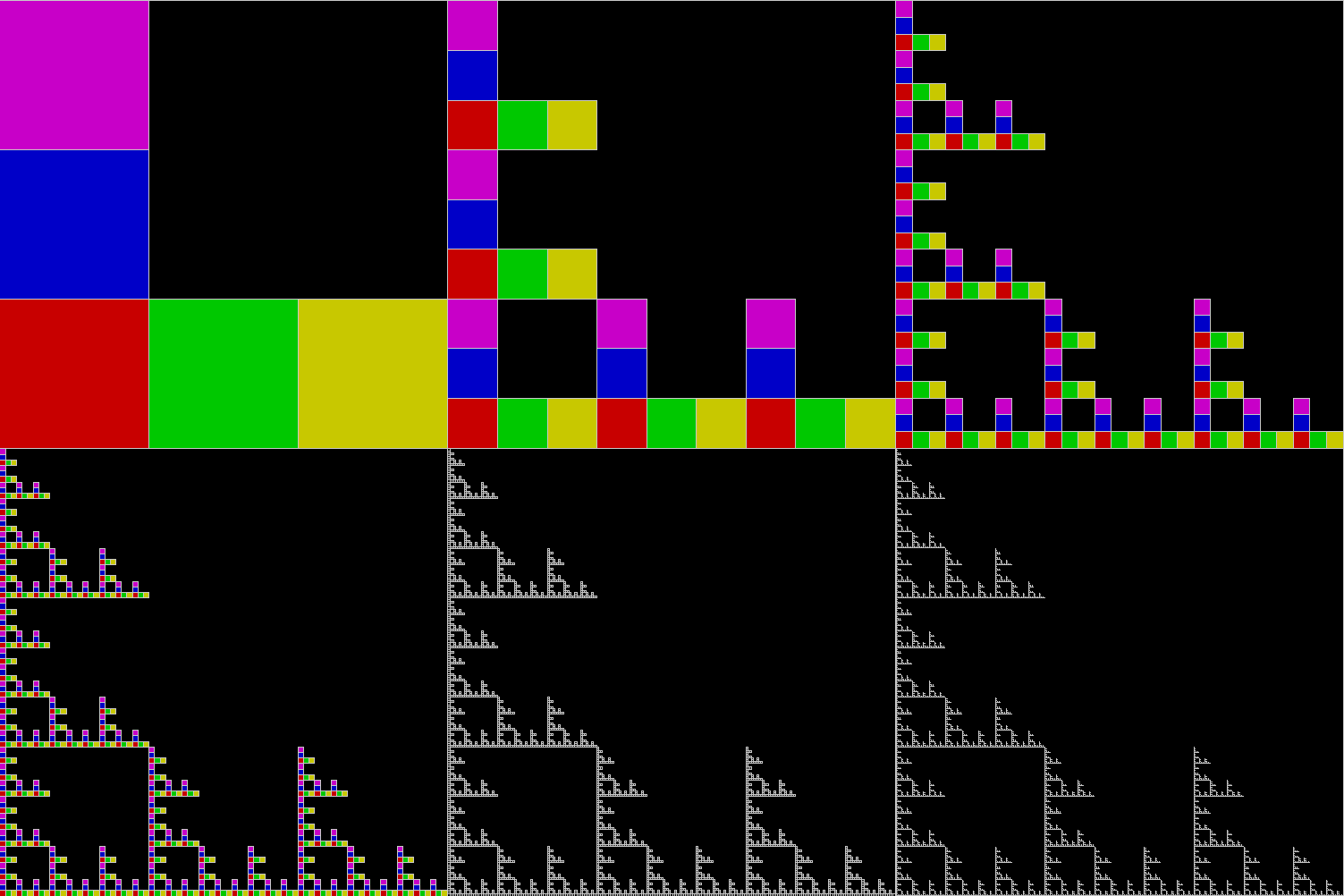
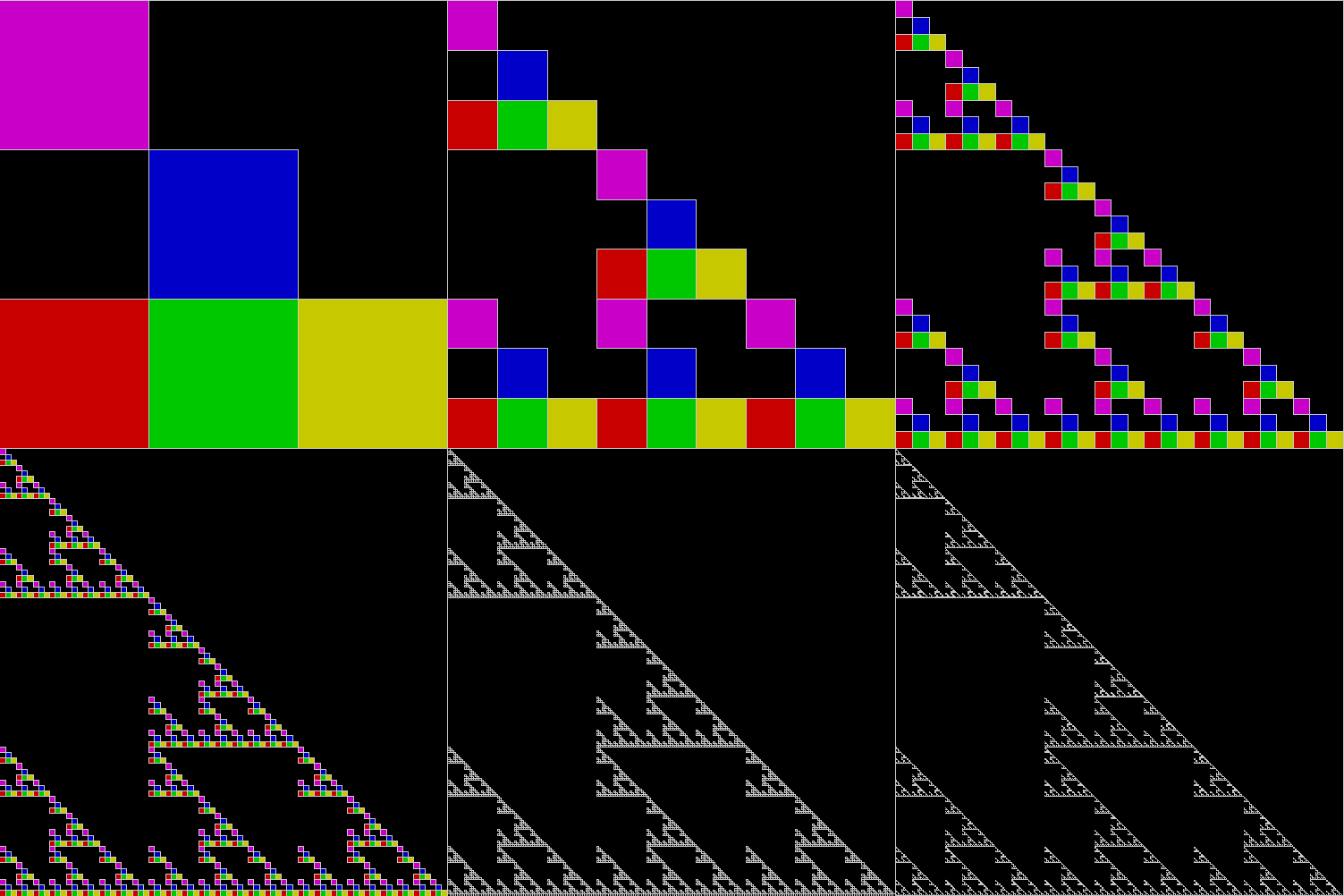
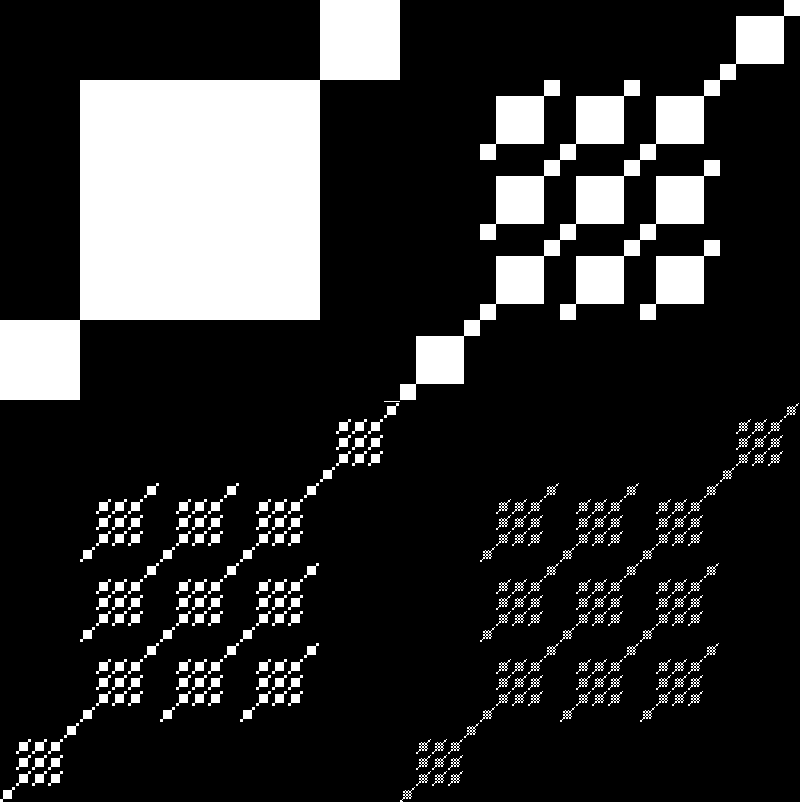
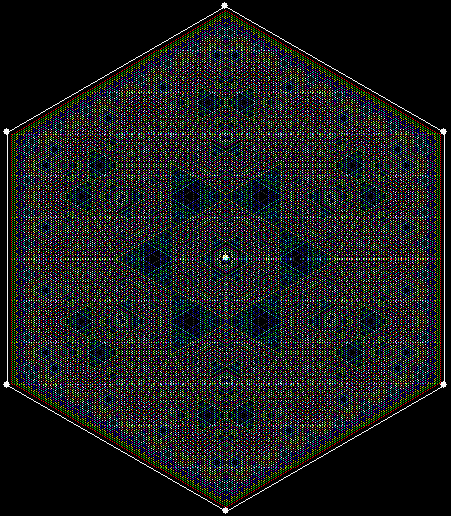
Hexagons using a zero-less base 8 look like this:
fractal6_1single

fractal6_1


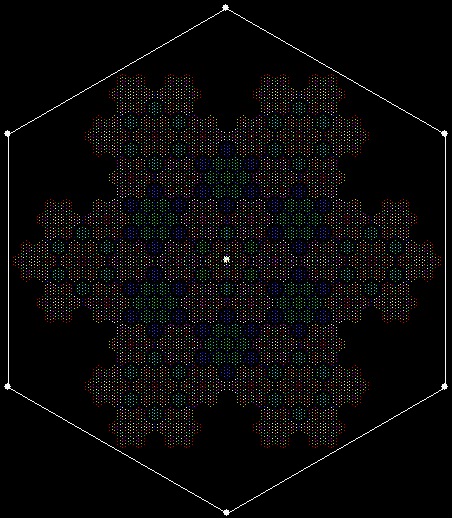
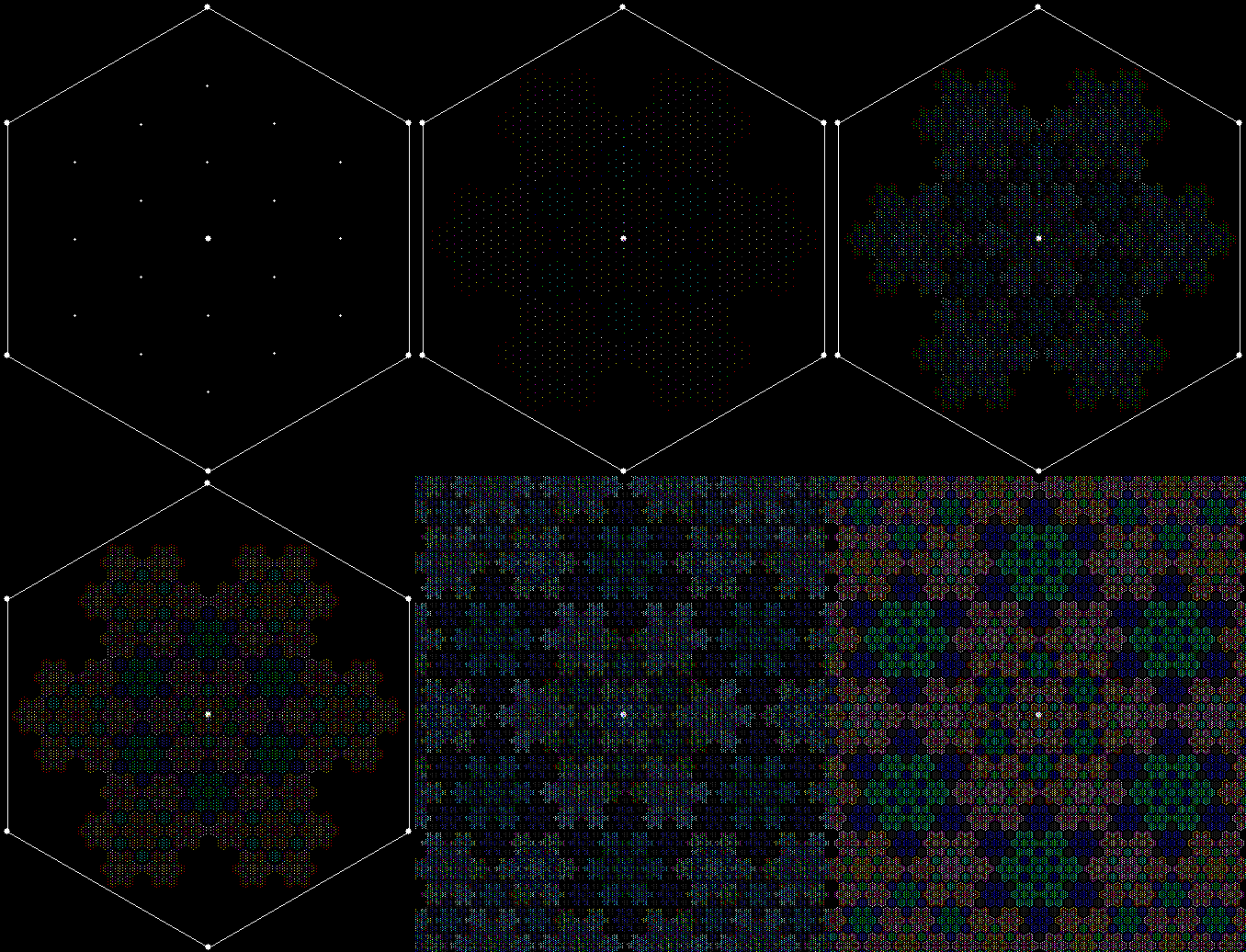
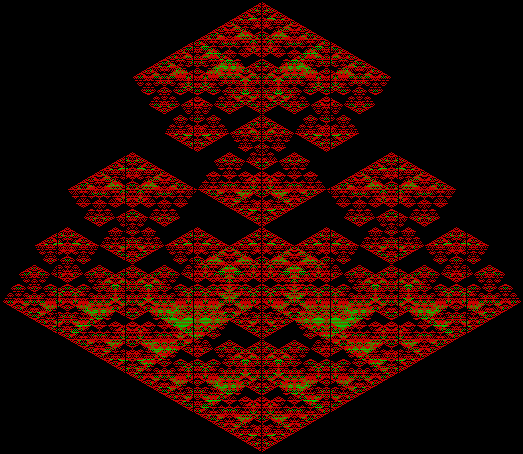
fractal6_0single

fractal6_0
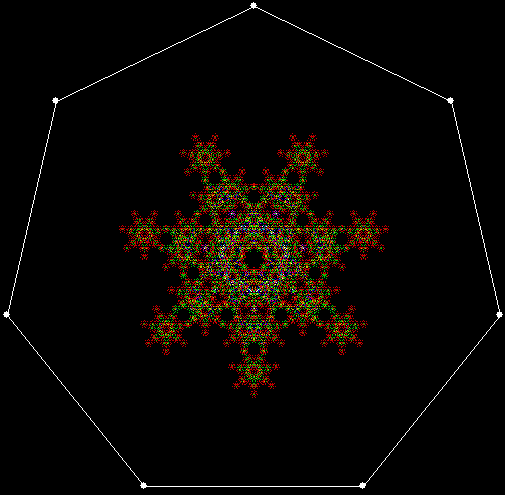
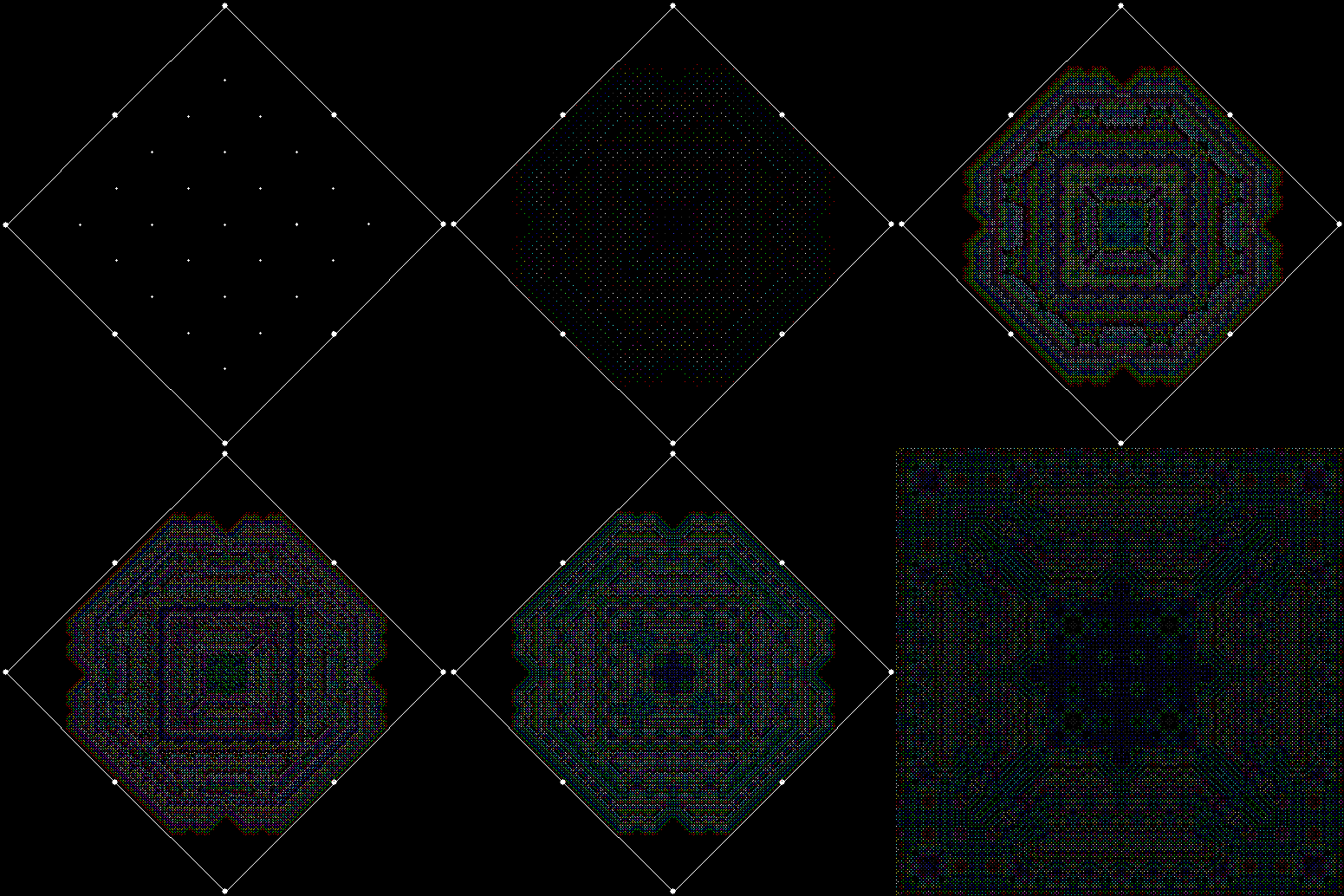
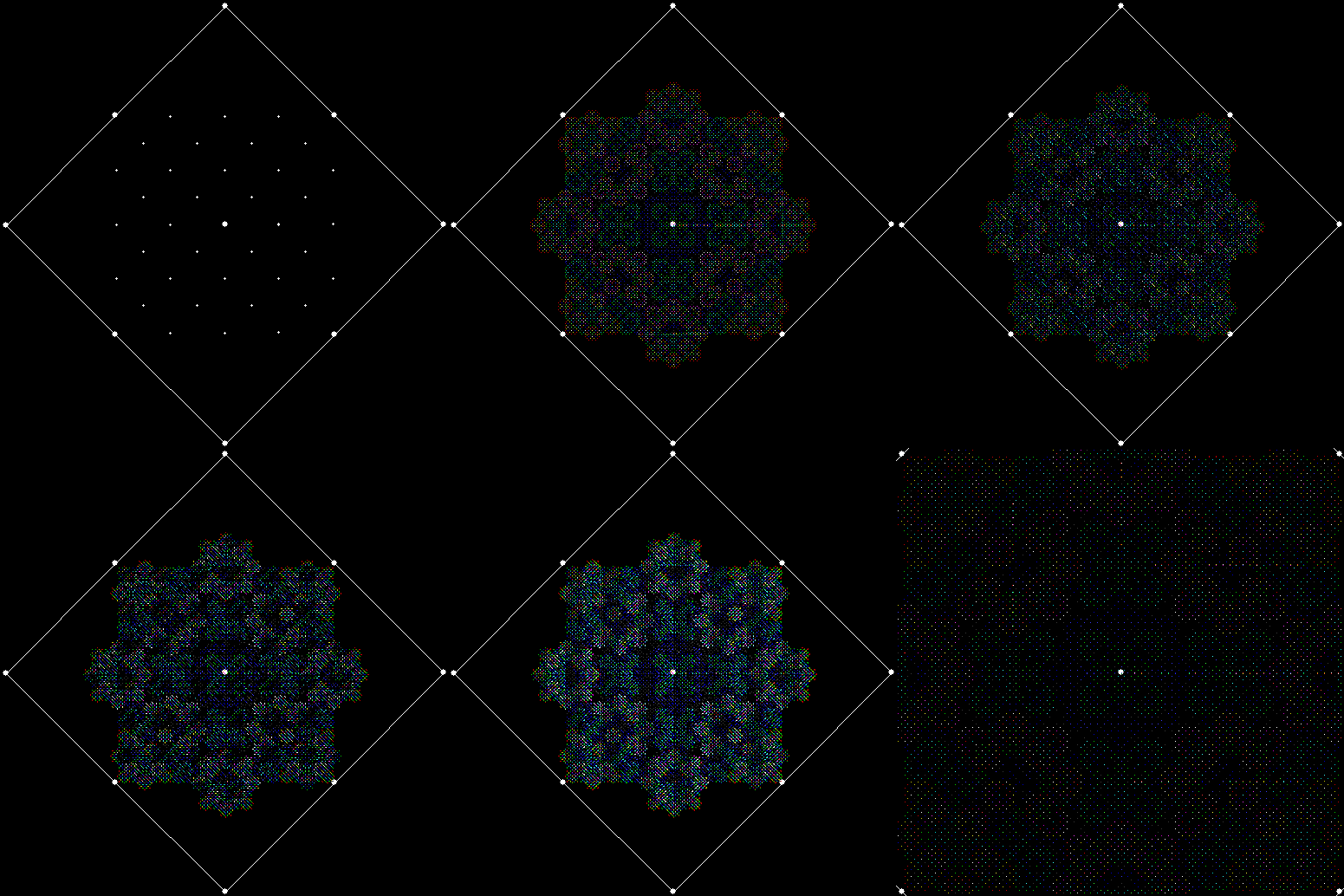
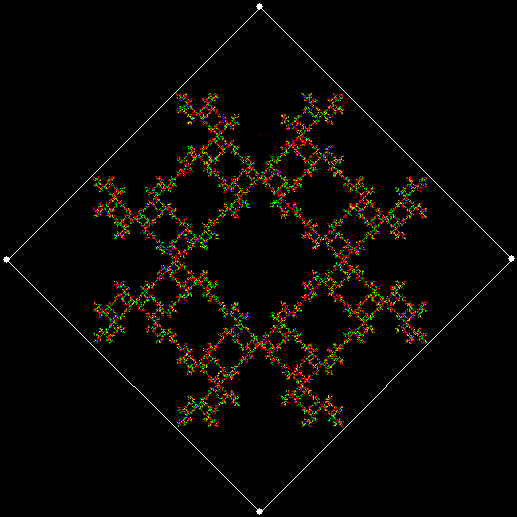
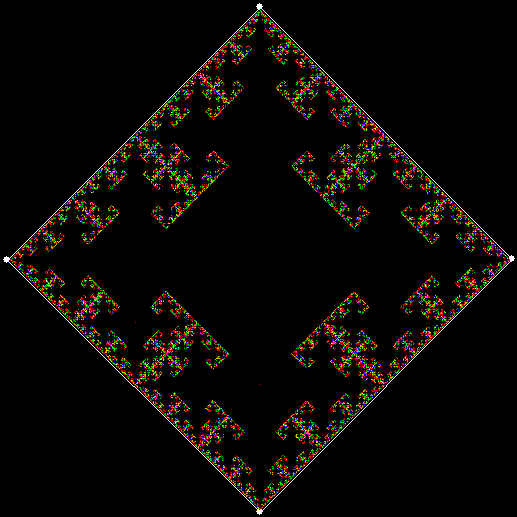
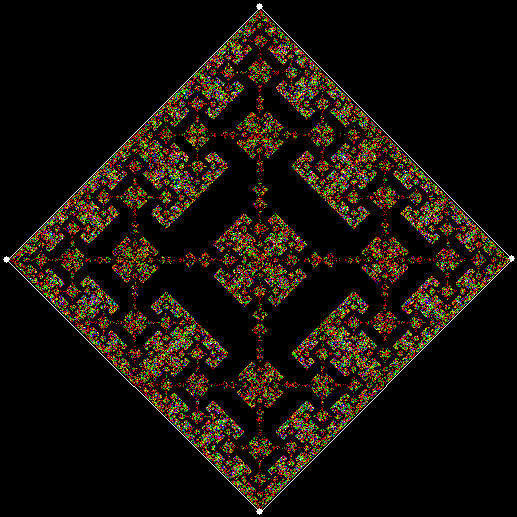
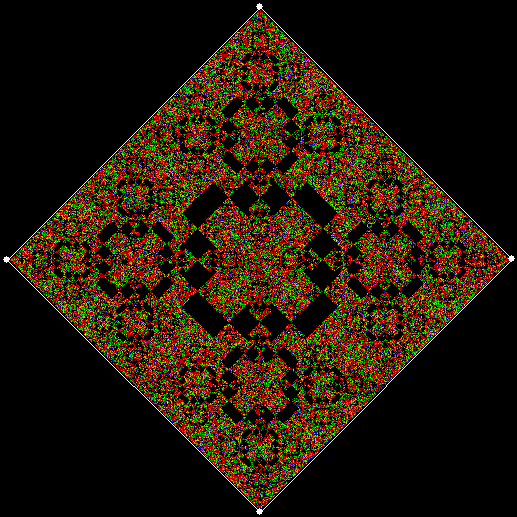
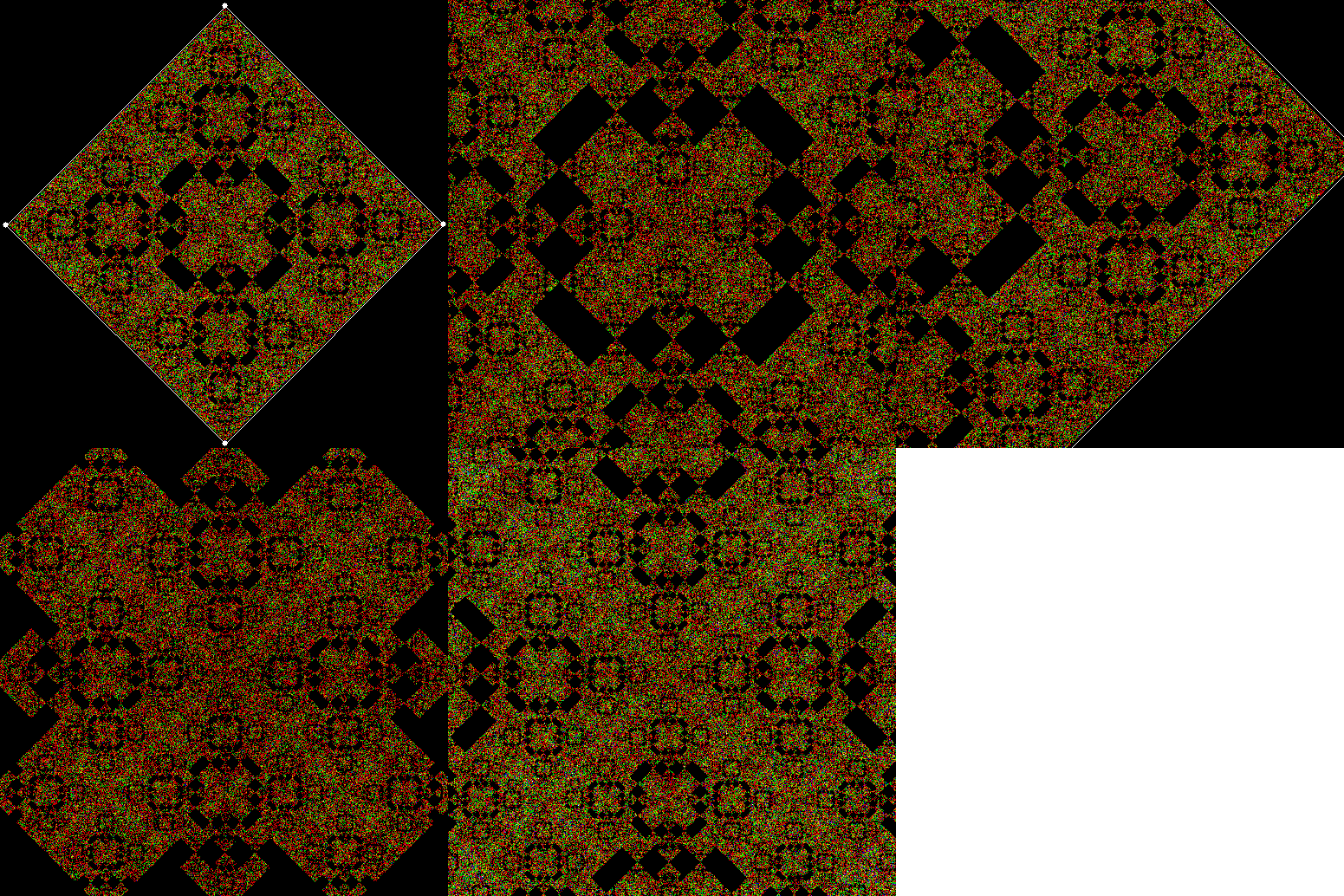
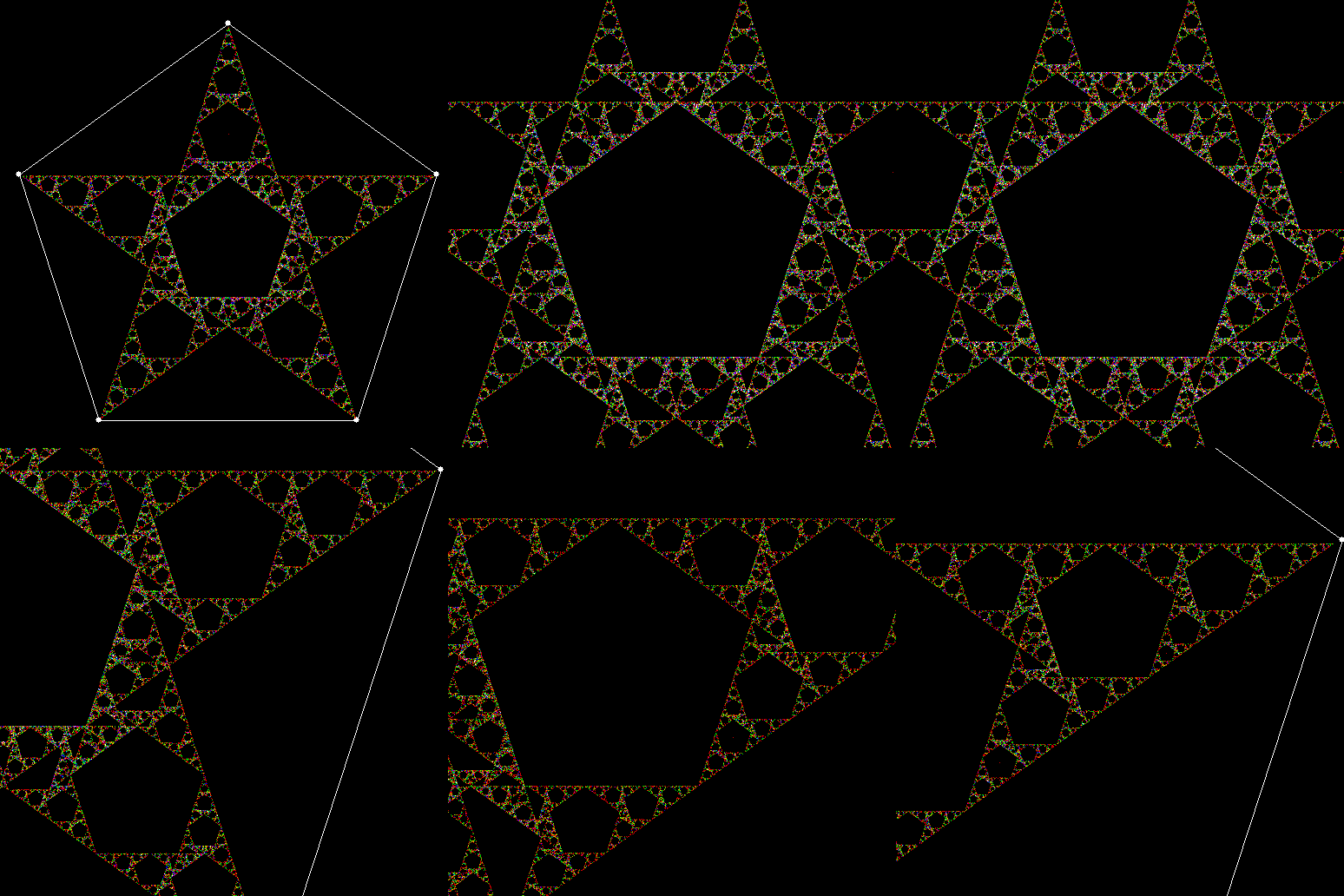
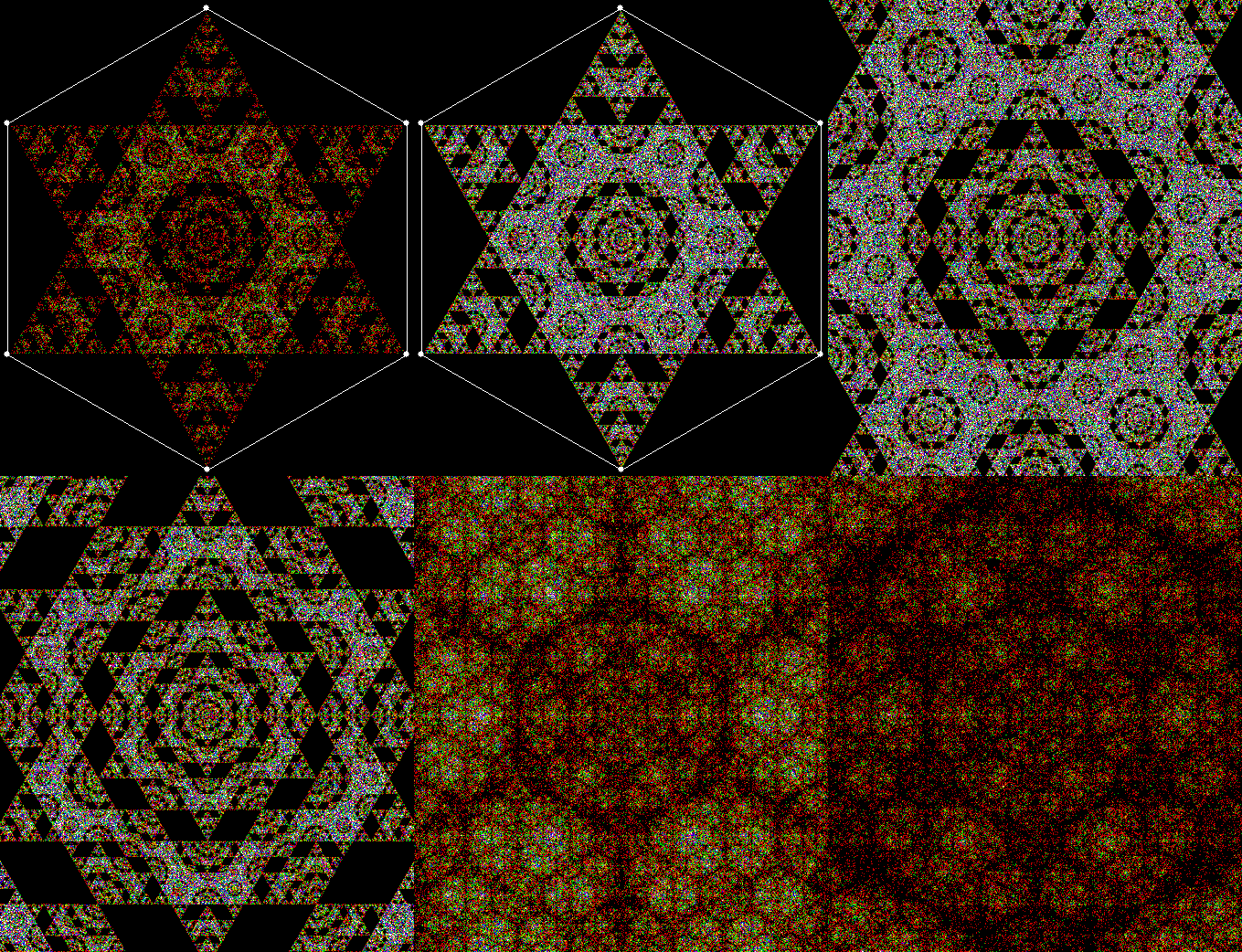
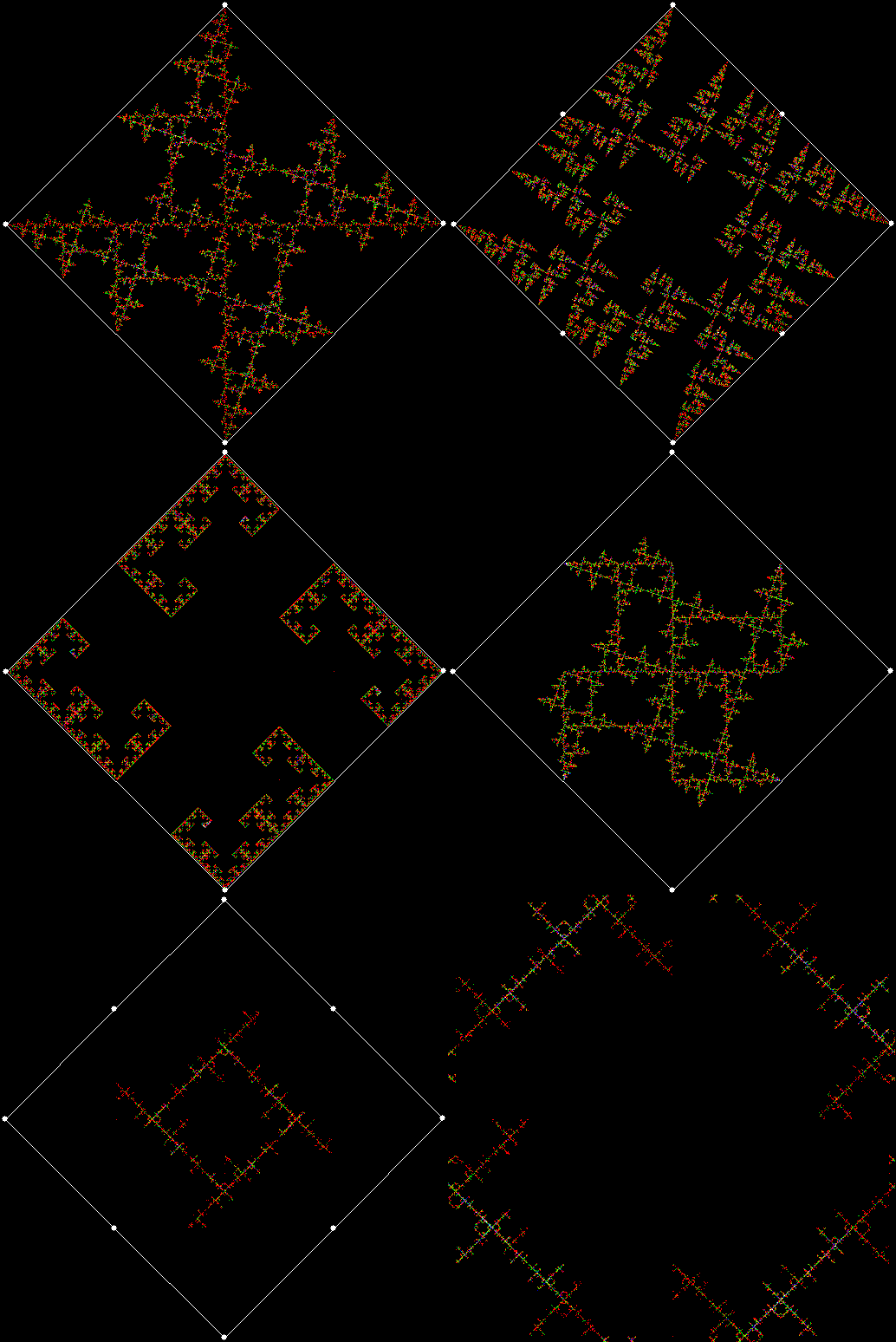
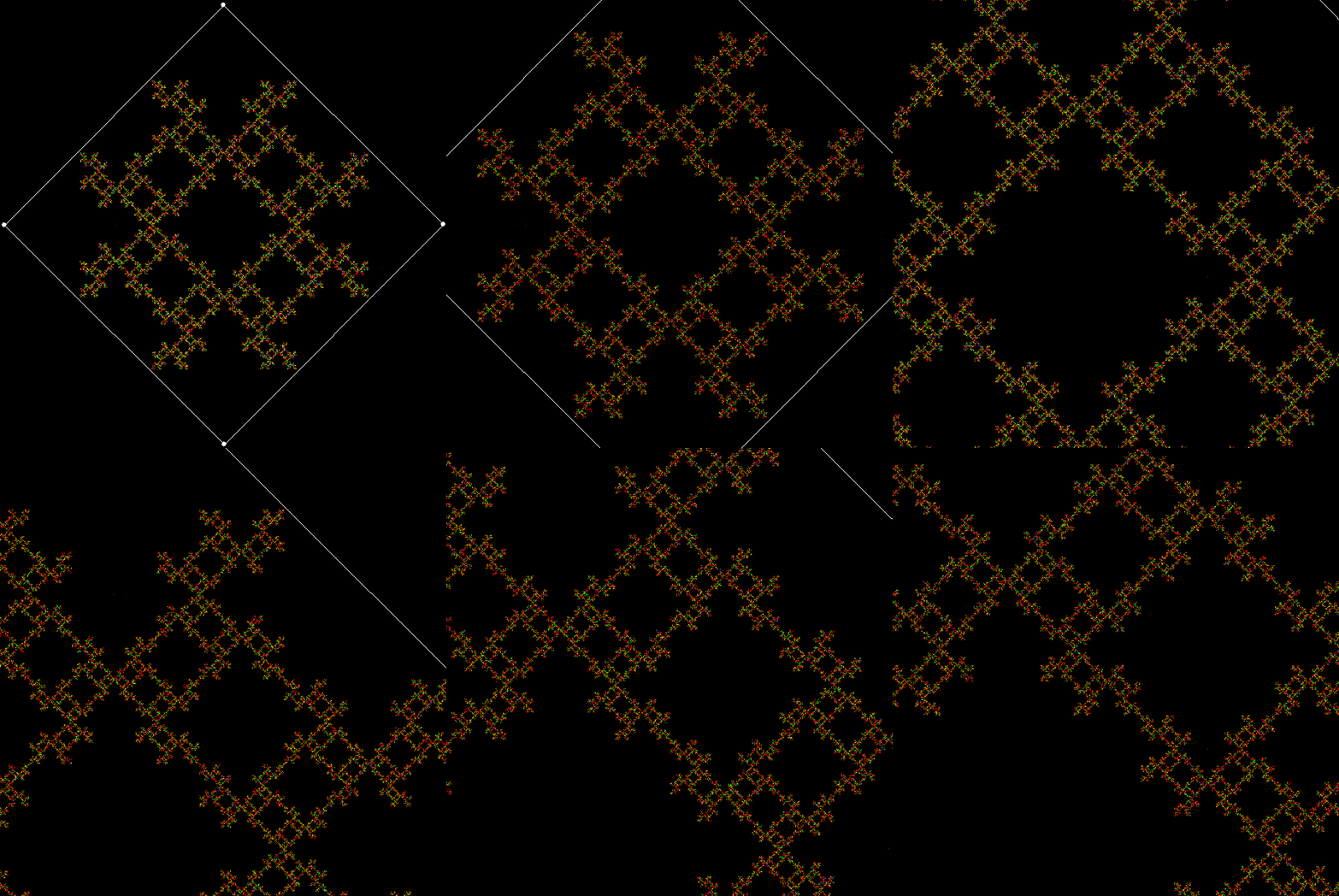
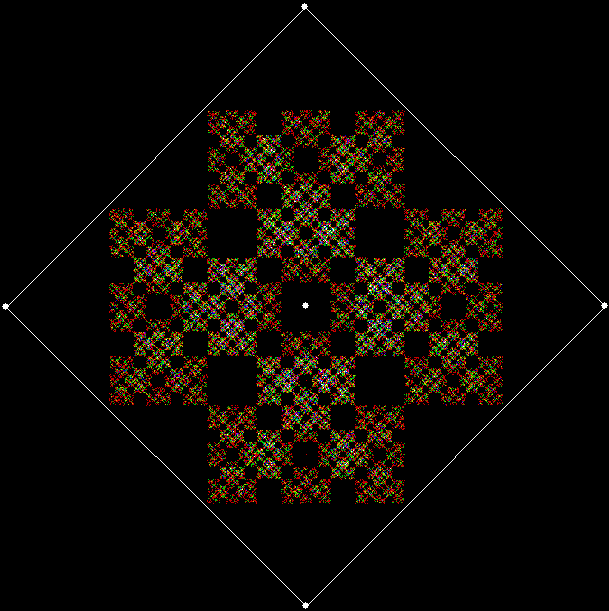
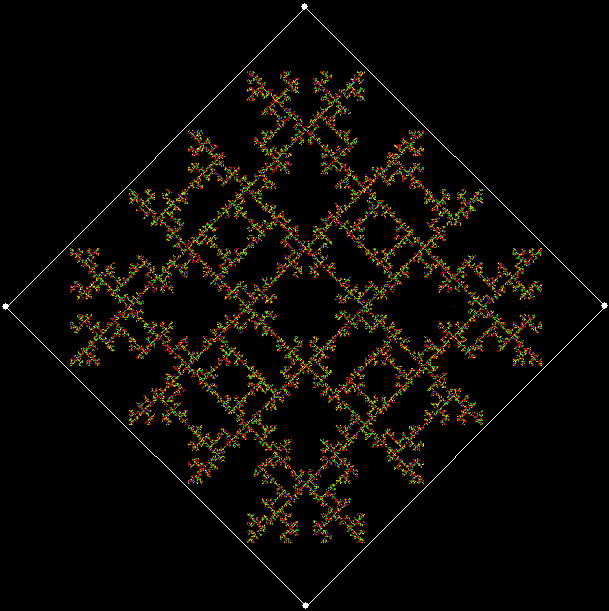
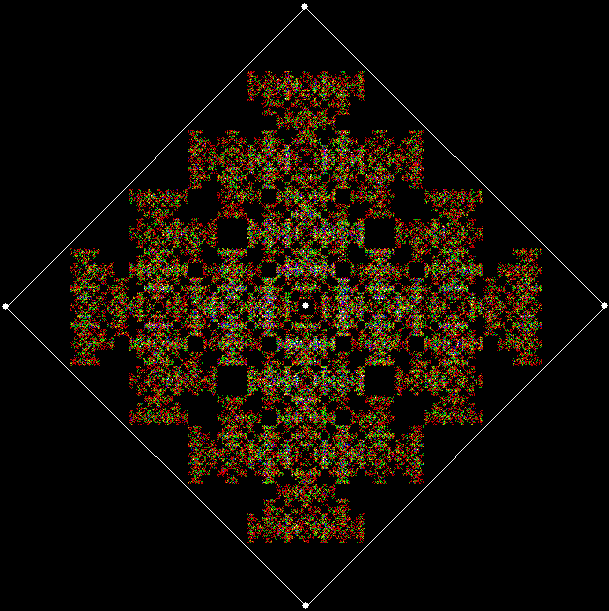
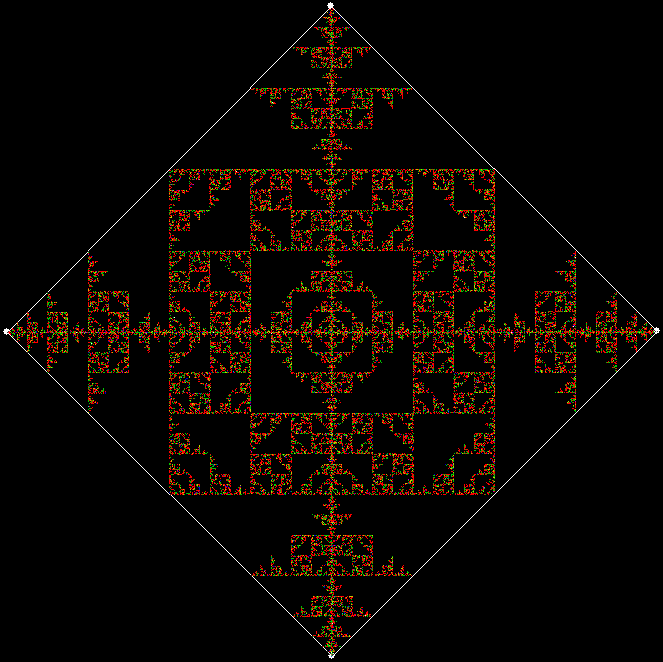
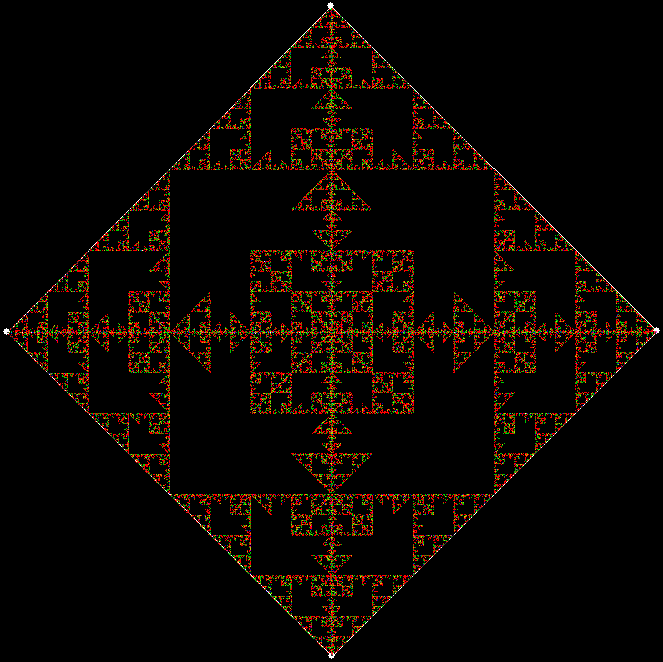
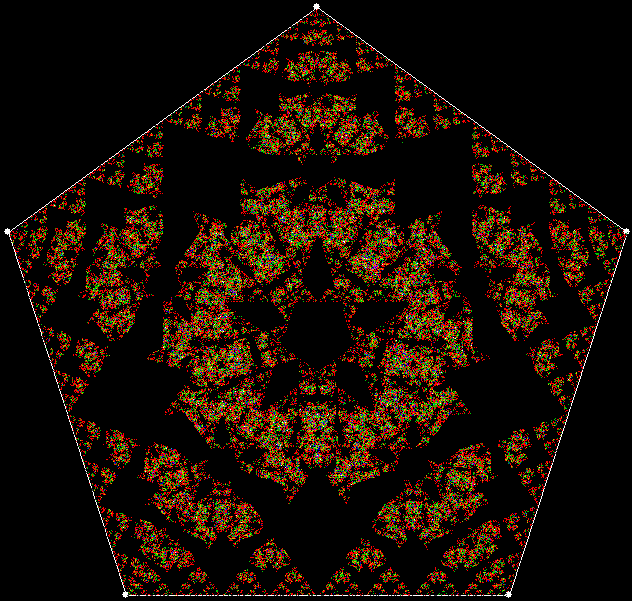
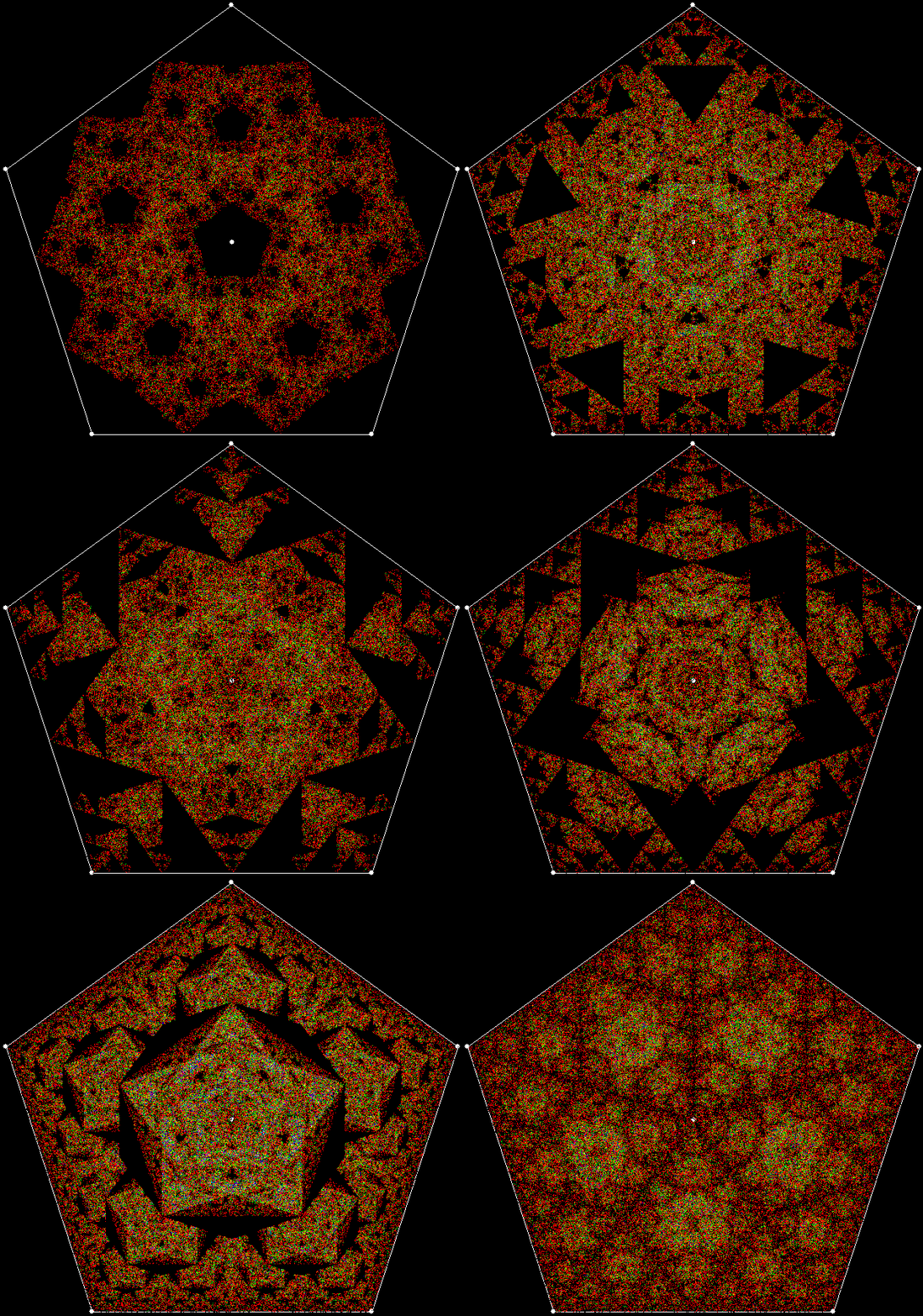
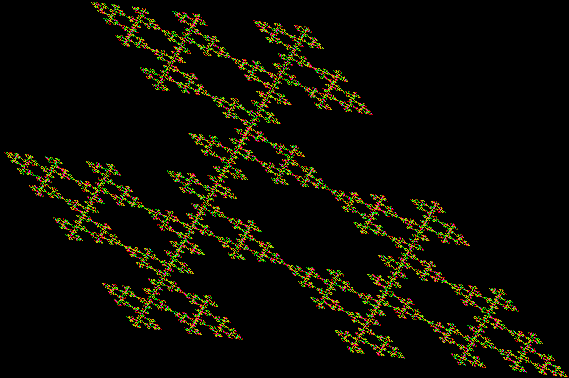
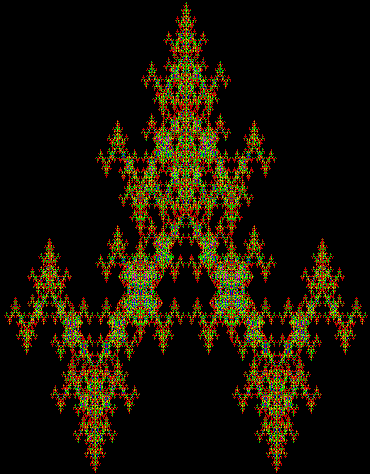
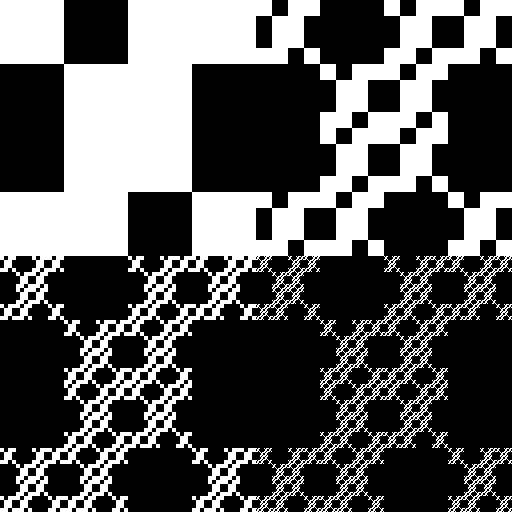
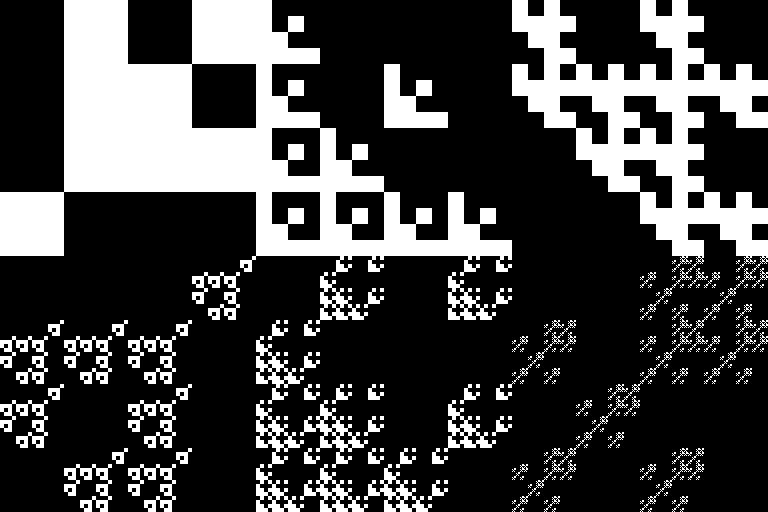
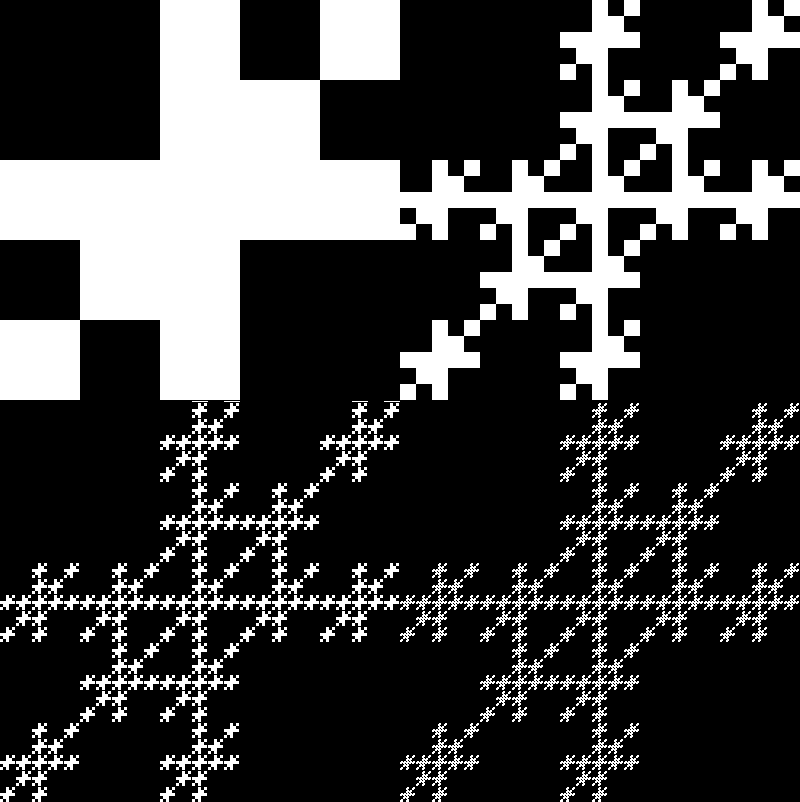
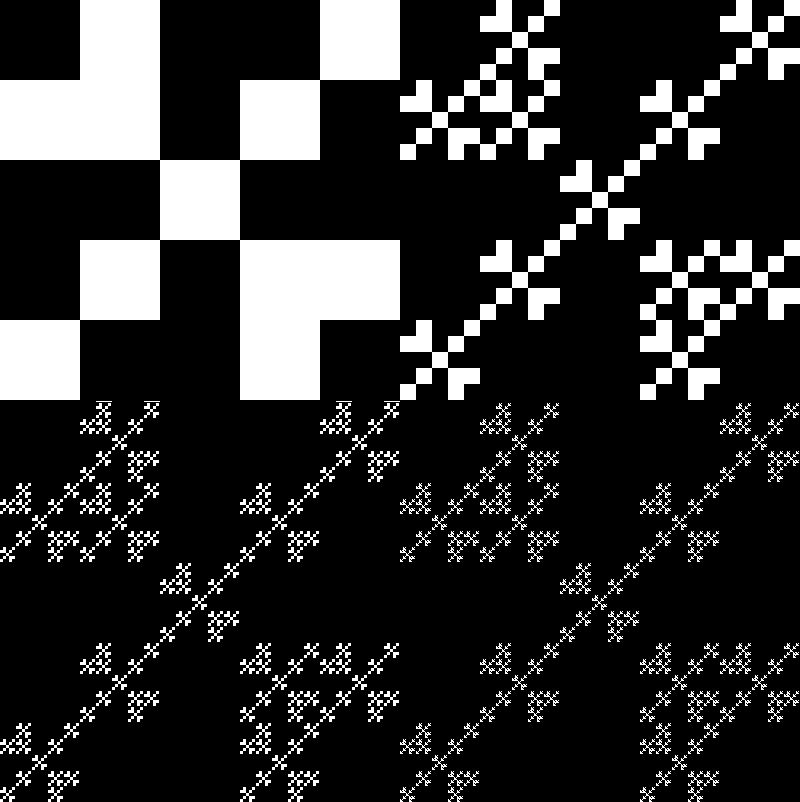
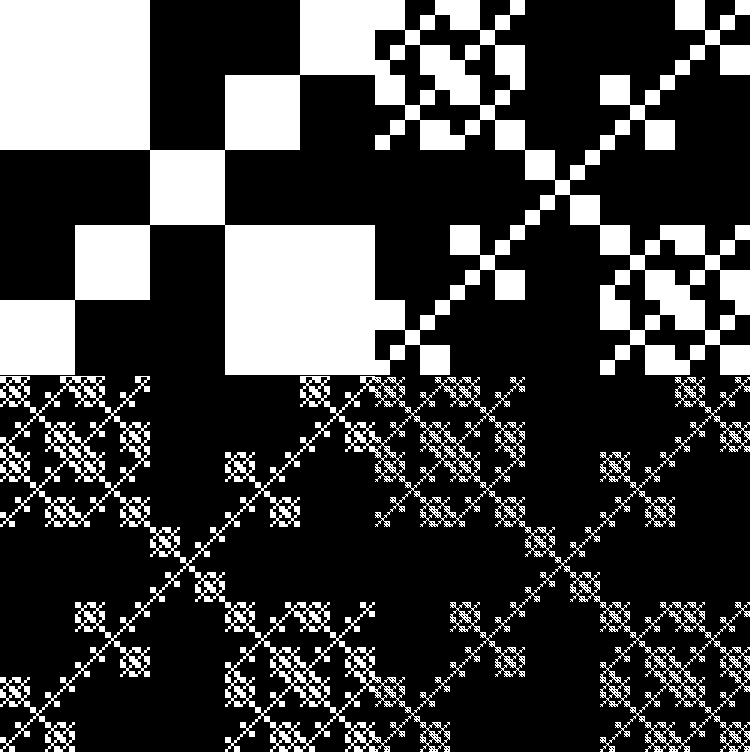
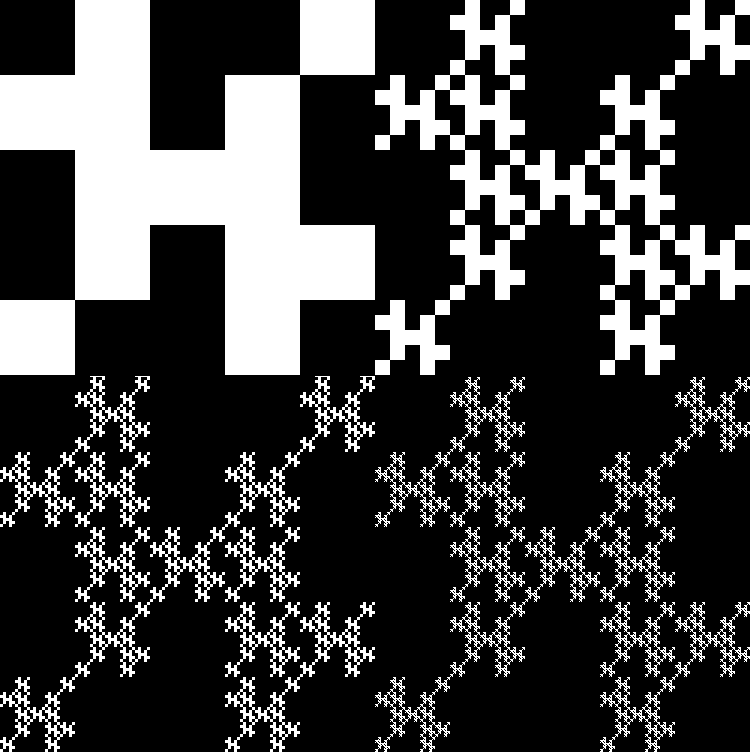
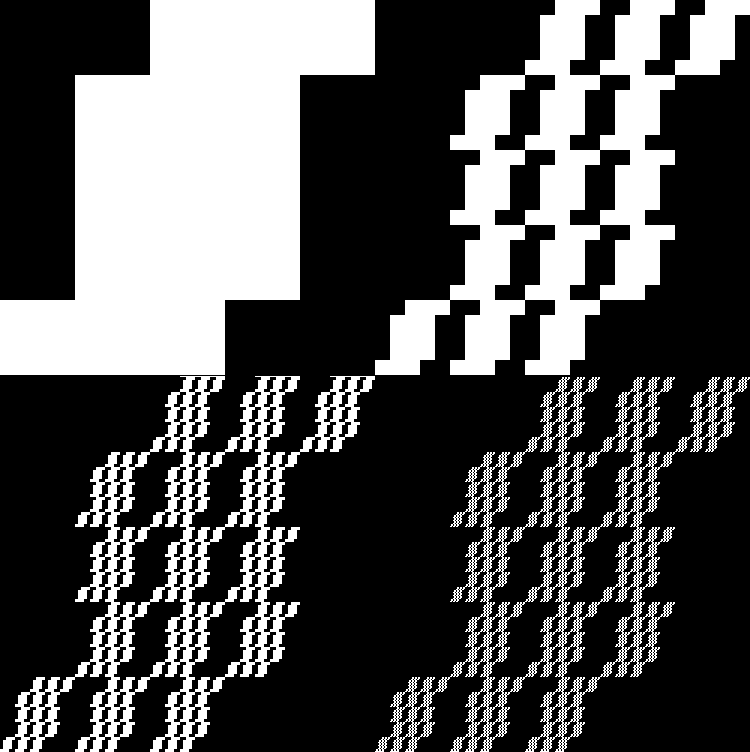
But the images above are just the beginning. If you use a fixed base while varying the polygon and so on, you can create images like these (here is the program I used):
fractal4


fractal5


fractal6789

The Art Grows Onda

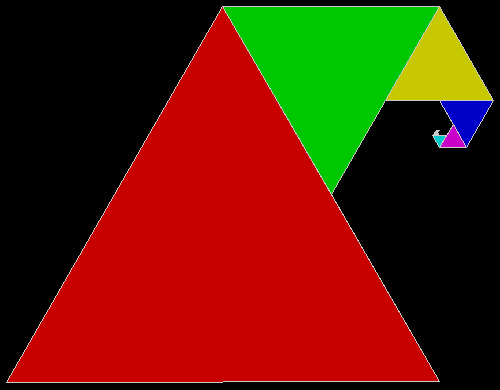
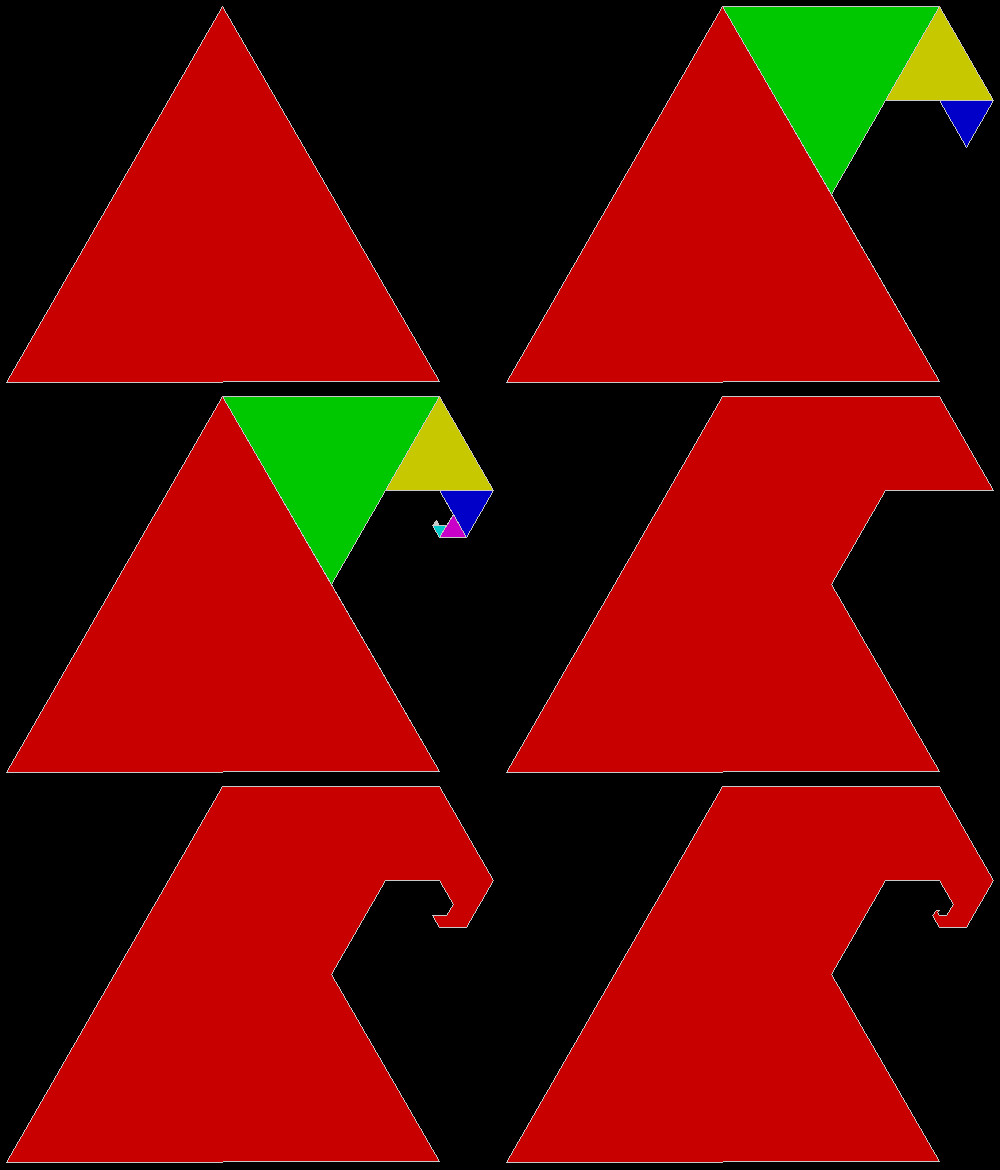
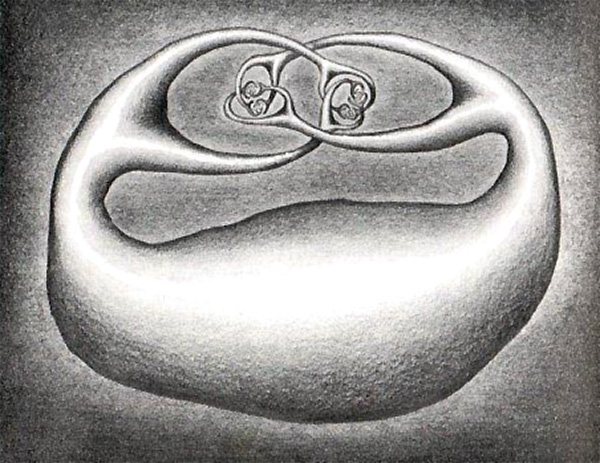
Anyone interested in recreational mathematics should seek out three compendiums by Ian Stewart: Professor Stewart’s Cabinet of Mathematical Curiosities (2008), Professor Stewart’s Hoard of Mathematical Treasures (2009) and Professor Stewart’s Casebook of Mathematical Mysteries (2014). They’re full of ideas and puzzles and are excellent introductions to the scope and subtlety of maths. I first came across Alexander’s Horned Sphere in one of them. I also came across this simpler shape that packs infinity into a finite area:

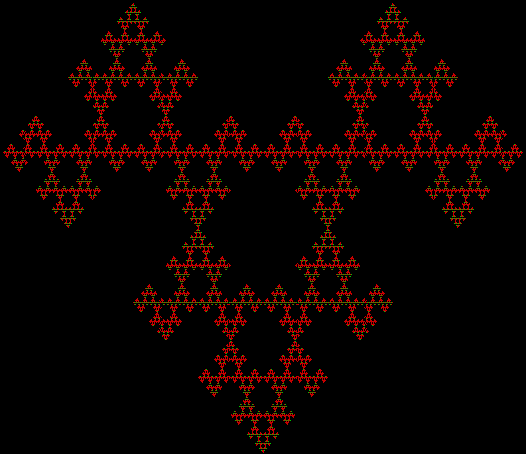
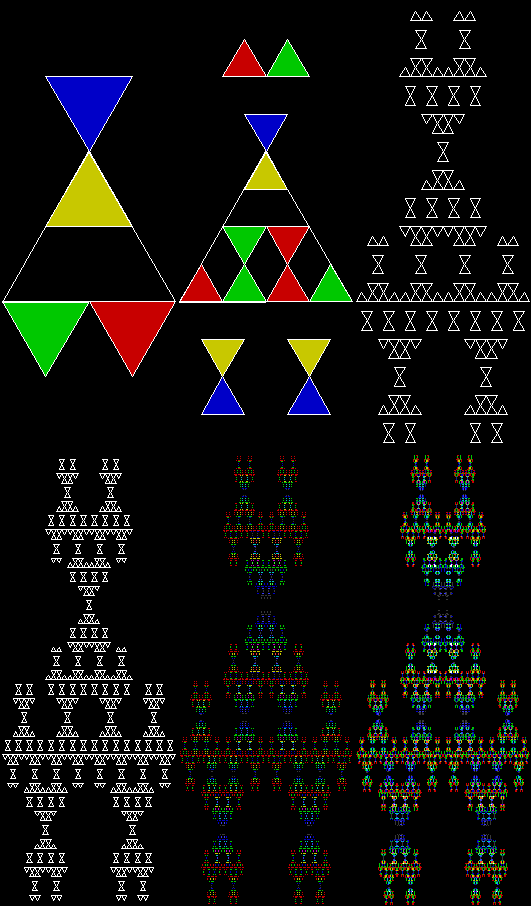
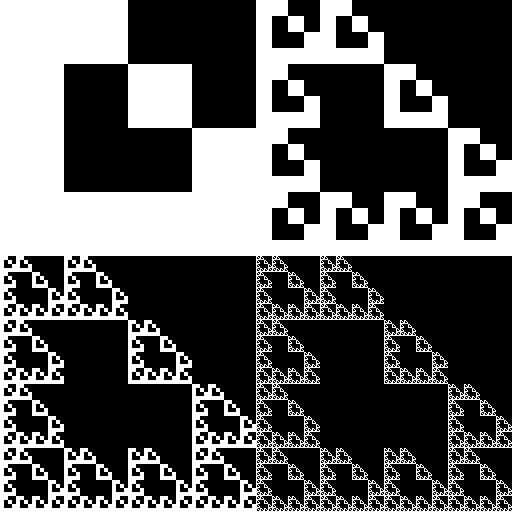
unicorn_triangle

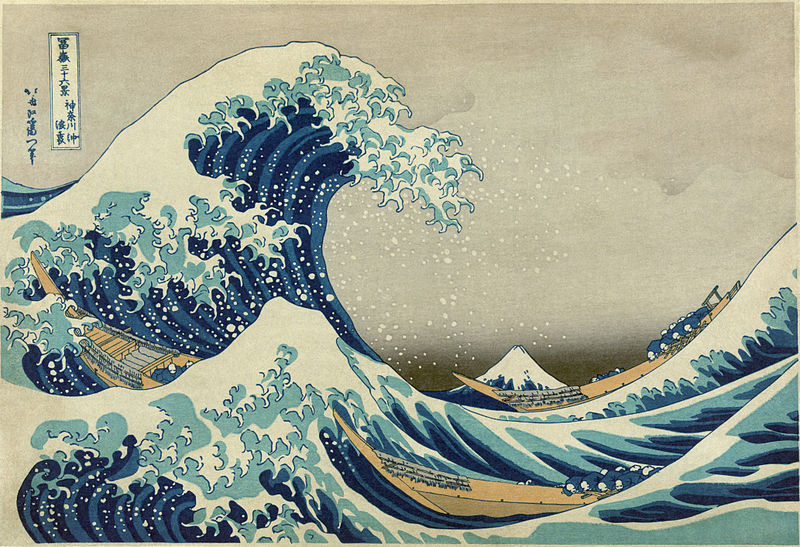
I call it a horned triangle or unicorn triangle and it reminds me of a wave curling over, like Katsushika Hokusai’s The Great Wave off Kanagawa (c. 1830) (“wave” is unda in Latin and onda in Spanish).

The Great Wave off Kanagawa by Katsushika Hokusai (1760–1849)

The Great Wave off Kanagawa by Katsushika Hokusai (1760–1849)

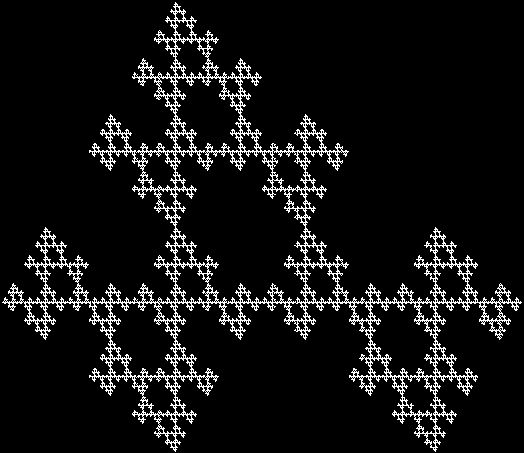
To construct the unicorn triangle, you take an equilateral triangle with sides of length 1 and erect a triangle with sides of length 0.5 on one of its corners. Then on the corresponding corner of the new triangle you erect a triangle with sides of length 0.25. And so on, for ever.

unicorn_multicolor

unicorn_animated

When you double the sides of a polygon, you quadruple the area: a 1×1 square has an area of 1, a 2×2 square has an area of 4. Accordingly, when you halve the sides of a polygon, you quarter the area: a 1×1 square has an area of 1, a 0.5 x 0.5 square has an area of 0.25 or 1/4. So if the original triangle of the unicorn triangle above has an area of 1 rather than sides of 1, the first triangle added has an area of 0.25 = 1/4, the next an area of 0.0625 = 1/16, and so on. The infinite sum is this:
1/4 + 1/16 + 1/256 + 1/1024 + 1/4096 + 1/16384…

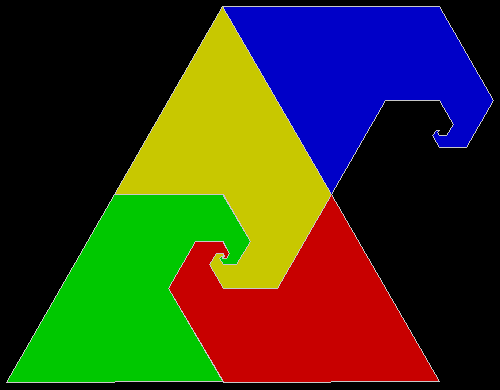
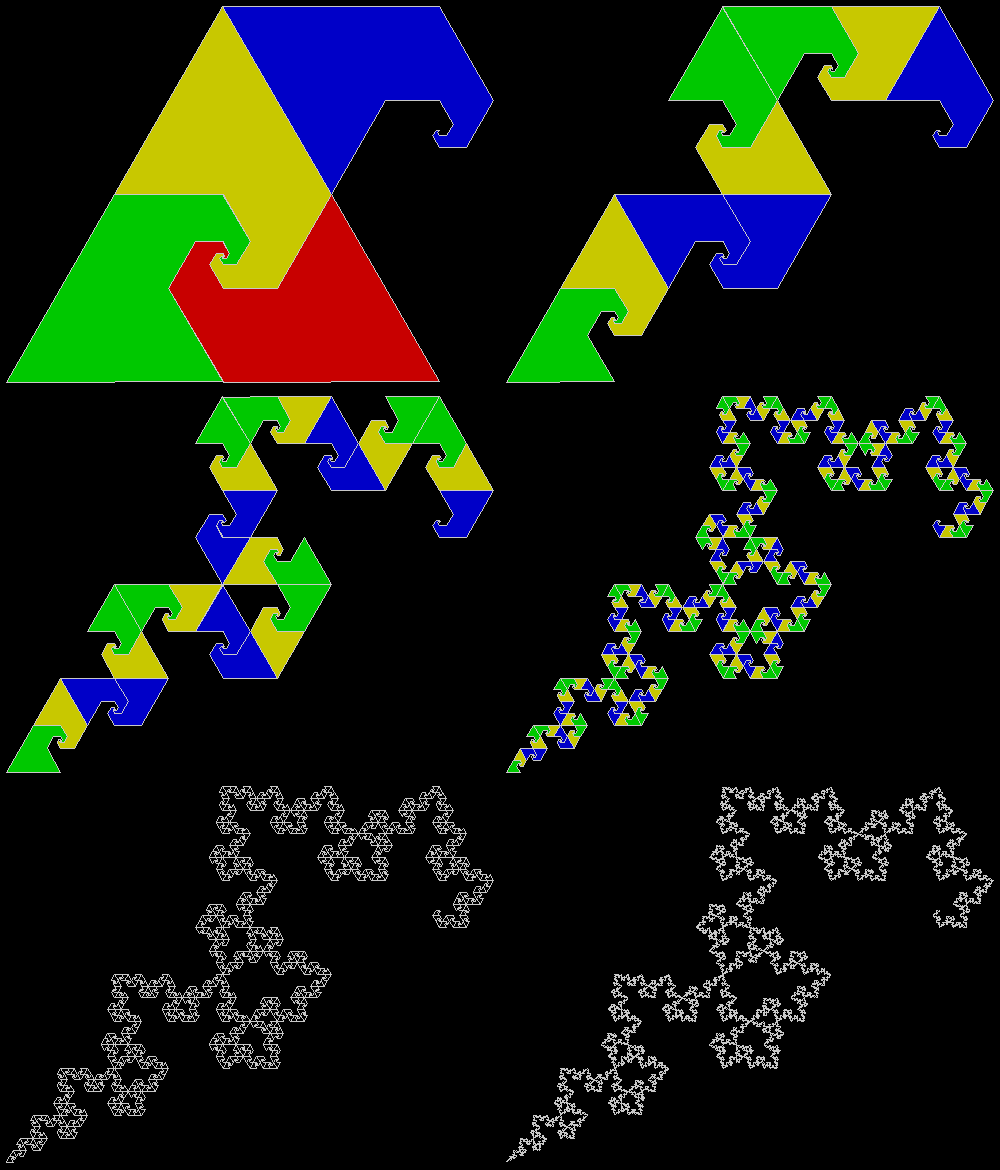
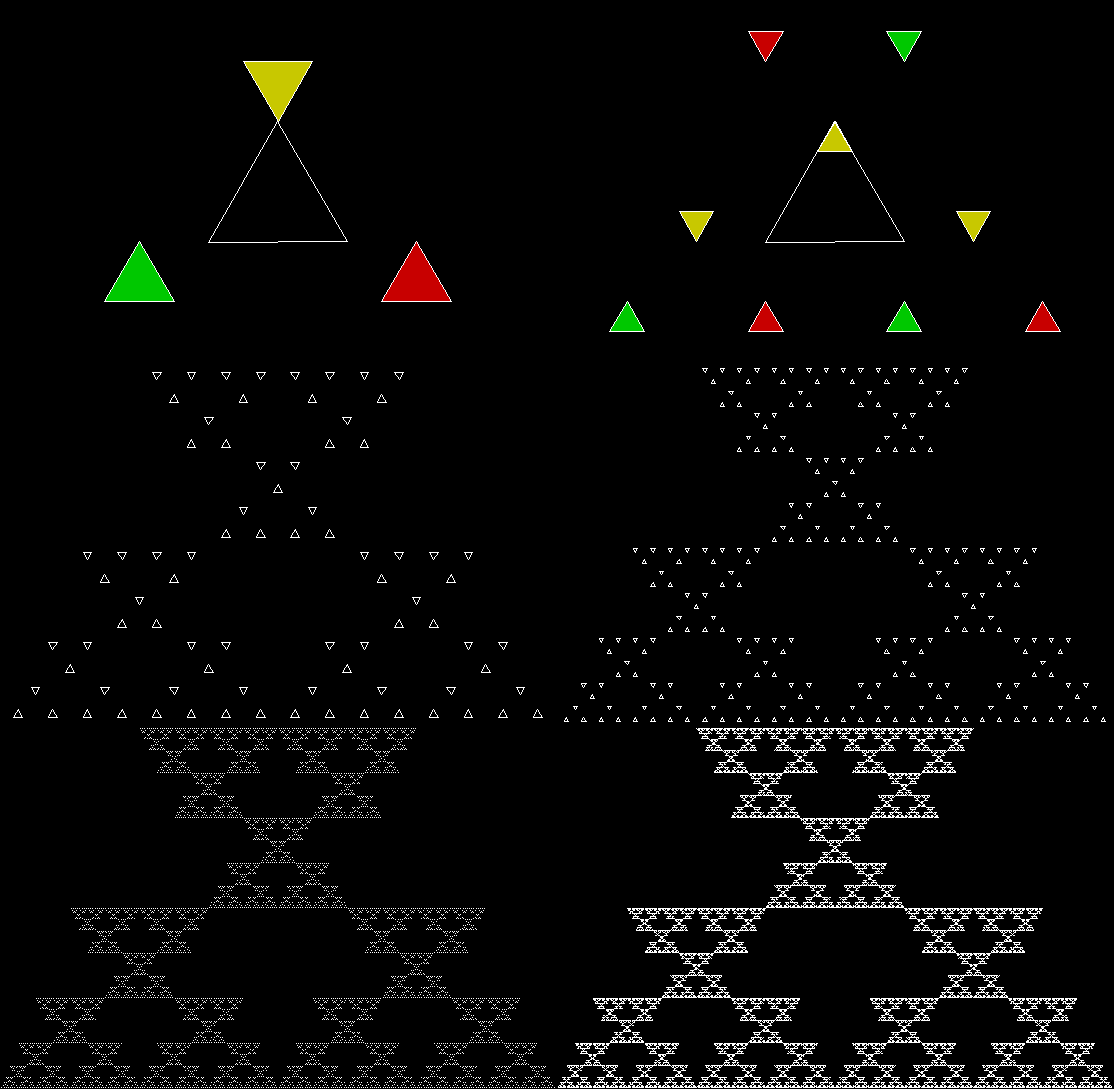
Which equals 1/3. This becomes important when you see the use made of the shape in Stewart’s book. The unicorn triangle is a rep-tile, or a shape that can be divided into smaller copies of the same shape:

unicorn_reptile_static

unicorn_reptile

An equilateral triangle can be divided into four copies of itself, each 1/4 of the original area. If an equilateral triangle with an area of 4 is divided into three unicorn triangles, each unicorn has an area of 1 + 1/3 and 3 * (1 + 1/3) = 4.

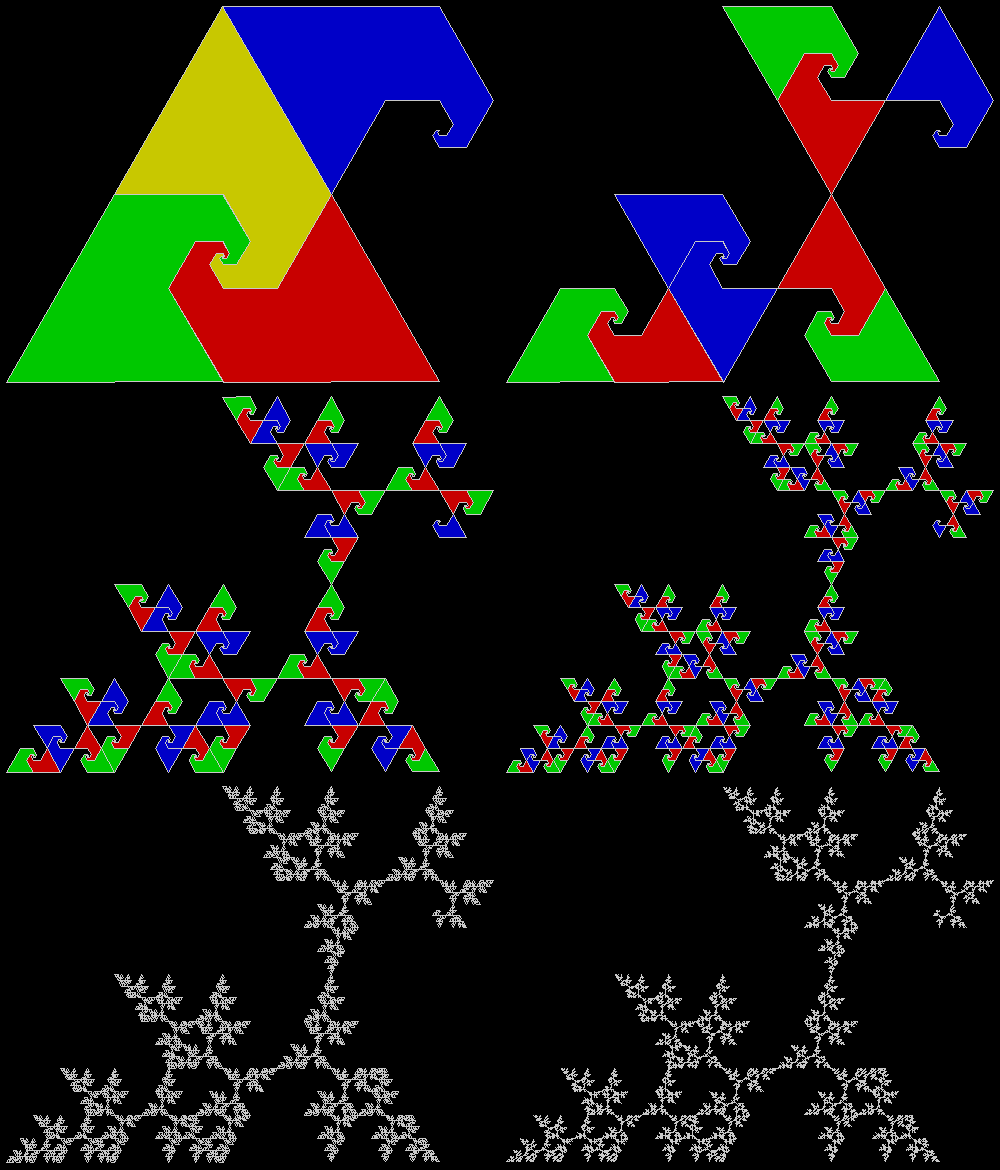
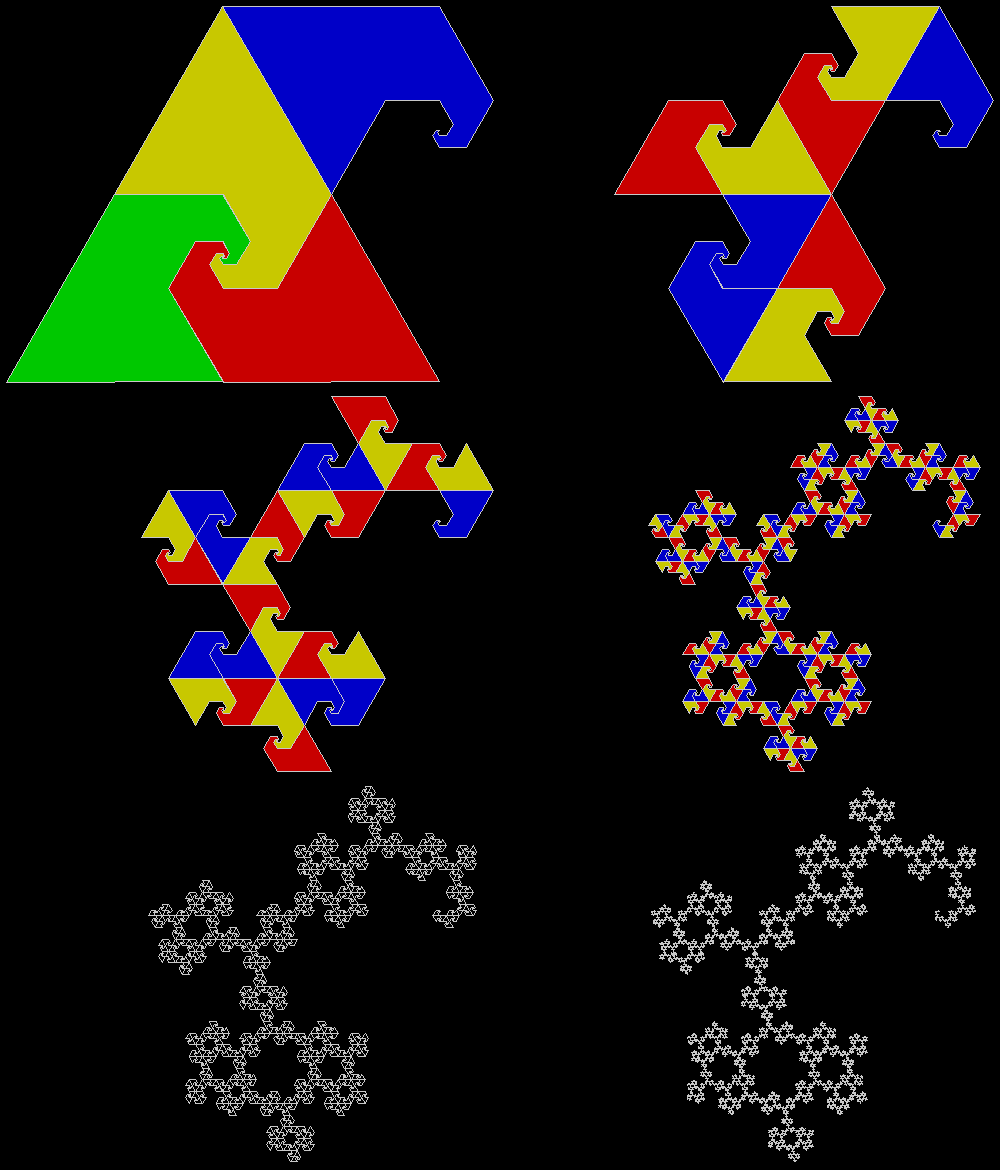
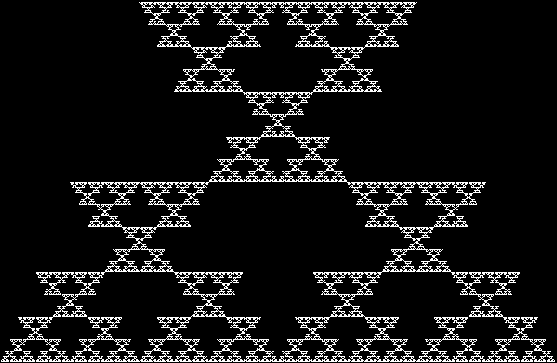
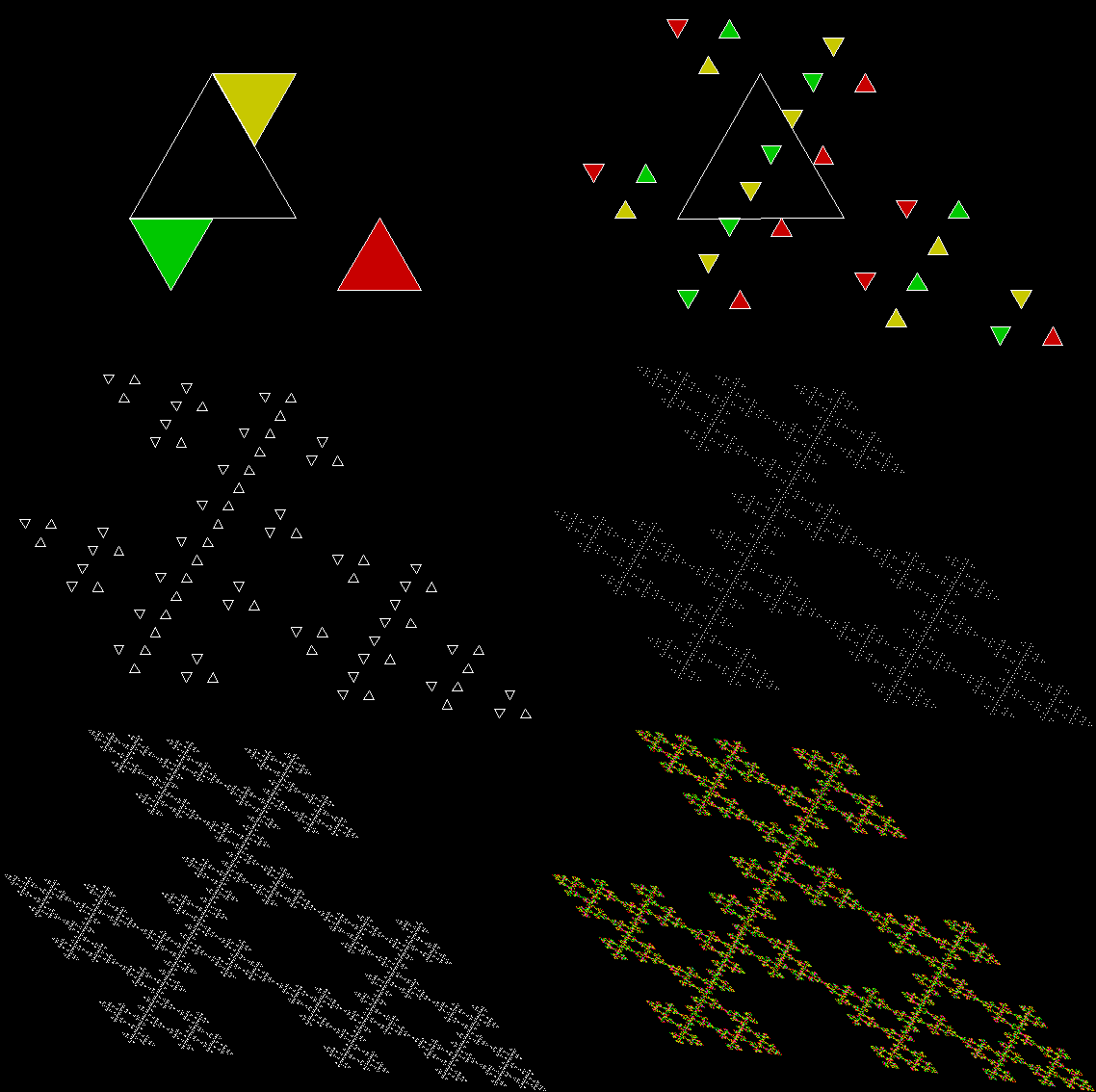
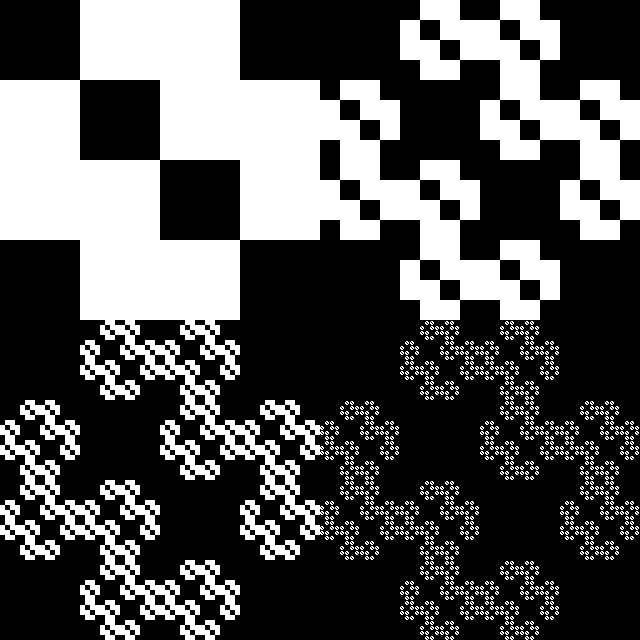
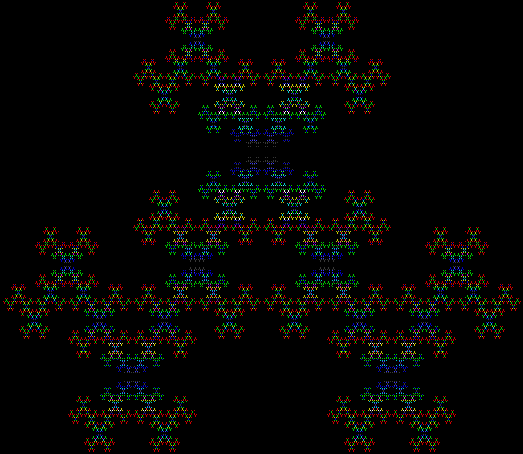
Because it’s a rep-tile, a unicorn triangle is also a fractal, a shape that is self-similar at smaller and smaller scales. When one of the sub-unicorns is dropped, the fractals become more obvious:

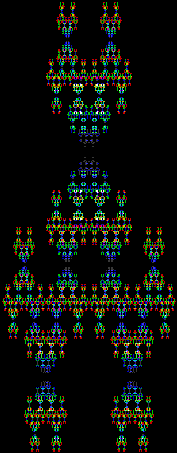
unicorn_fractal1


unicorn_fractal2

unicorn_fractal3


Elsewhere other-posted:

Rep-Tiles Revisited

Get Your Prox Off

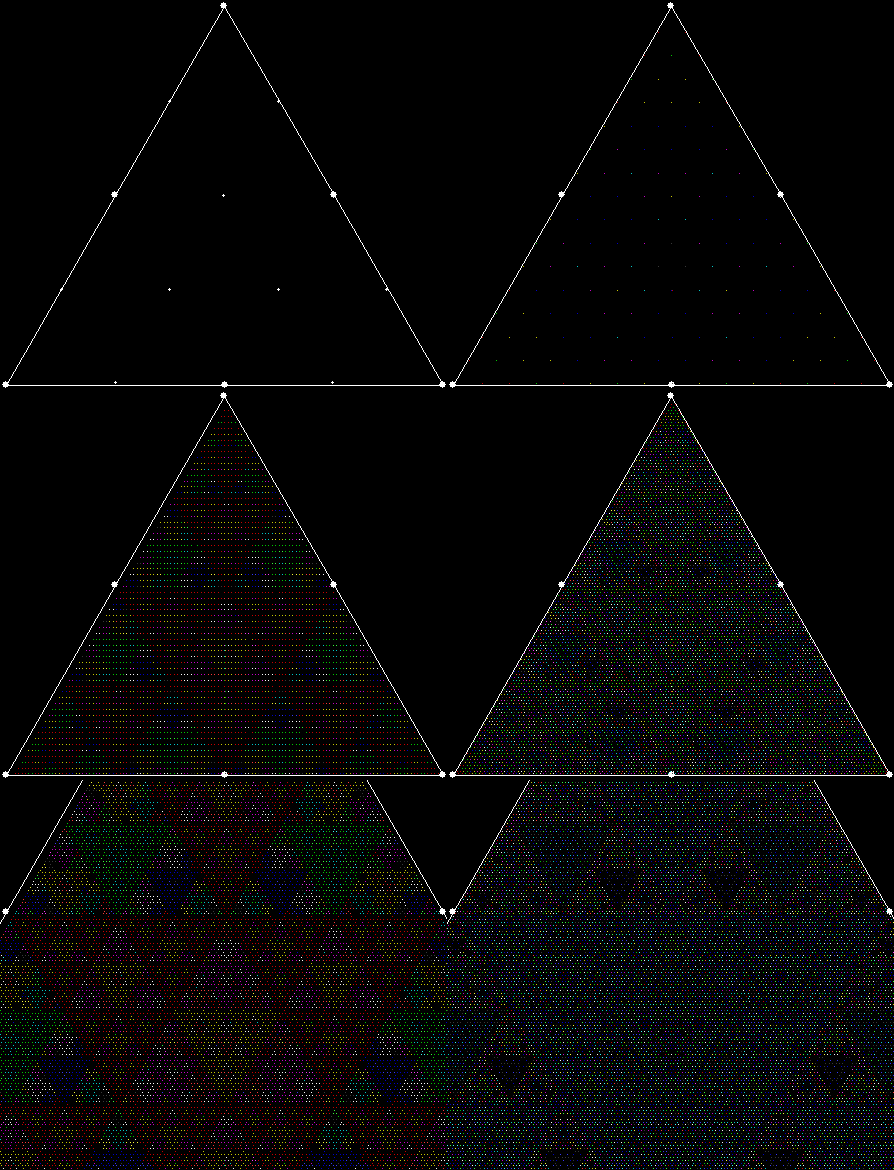
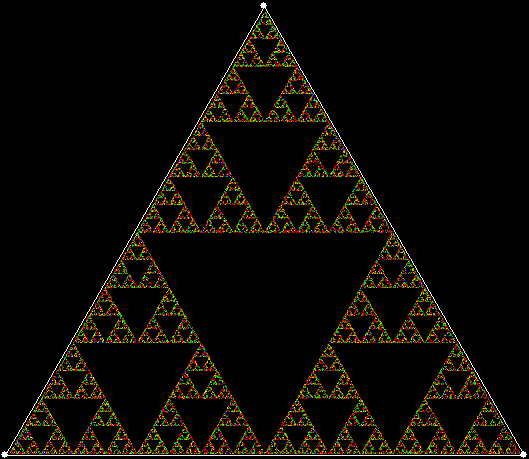
Create a triangle. Find a point somewhere inside it. Choose a corner at random and move halfway towards it. Mark the new point. Repeat the procedure: choose, move, mark. Repeat again and again. In time, a fractal will appear:

siertri

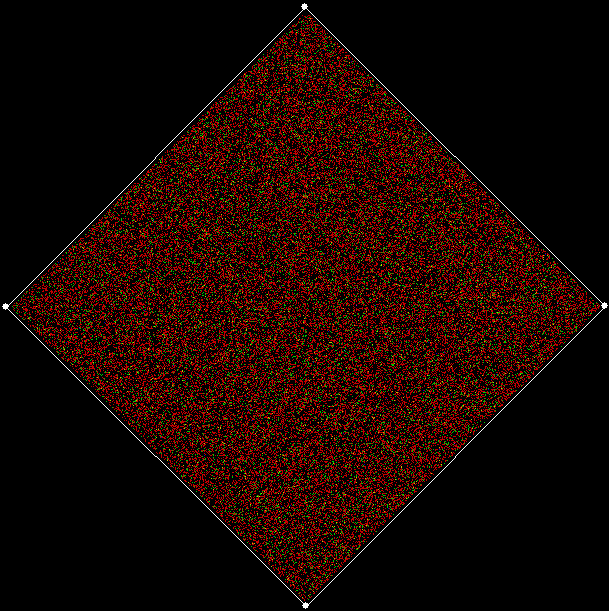
However, if you try the same thing with a square – choose a corner at random, move halfway towards it, mark the new point, repeat – no fractal appears. Instead, the points fill the interior of the square:

sierquad

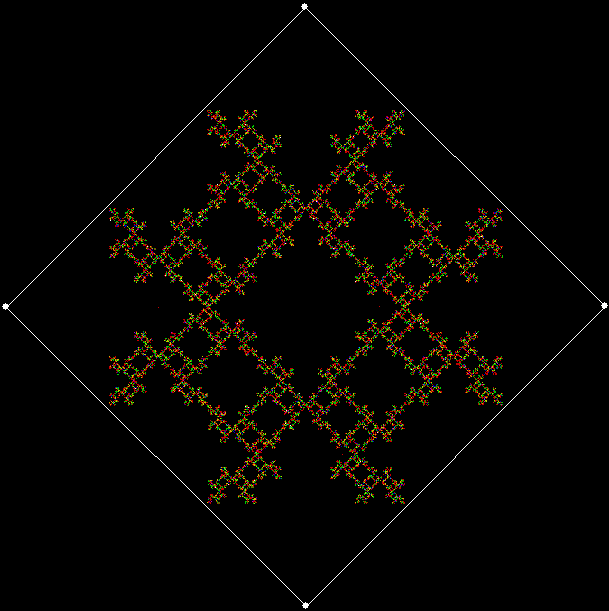
But what happens if you impose restrictions on the randomly chosen corner (or chorner)? Suppose you can’t choose the same corner twice in a row. If this rule is applied to the square, this fractal appears:

restrict4_T


restrict4_Tanim

Now apply the no-corner-twice-in-a-row rule to a square that contains a central chorner. This fractal appears:

restrict4_Tc

And if the rule is that you can choose a corner twice in a row but not thrice? This fractal appears:

restrict4FT


restrict4FTc


Here is the rule is that a corner can’t be chosen if it was chosen two moves ago:

restrict4_3F

But what if the restriction is based not on how often or when a corner is chosen, but on its proximity, i.e. how near it is to the marked point? If the nearest corner can’t be chosen, the result is the same as the no-corner-twice-in-a-row rule:

prox4_1

But if the second-nearest corner can’t be chosen, this fractal appears:

prox4_2

This is the fractal when the third-nearest corner can’t be chosen:

prox4_3

And this is the fractal when the fourth-nearest, or most distant, corner can’t be chosen:

prox4_4

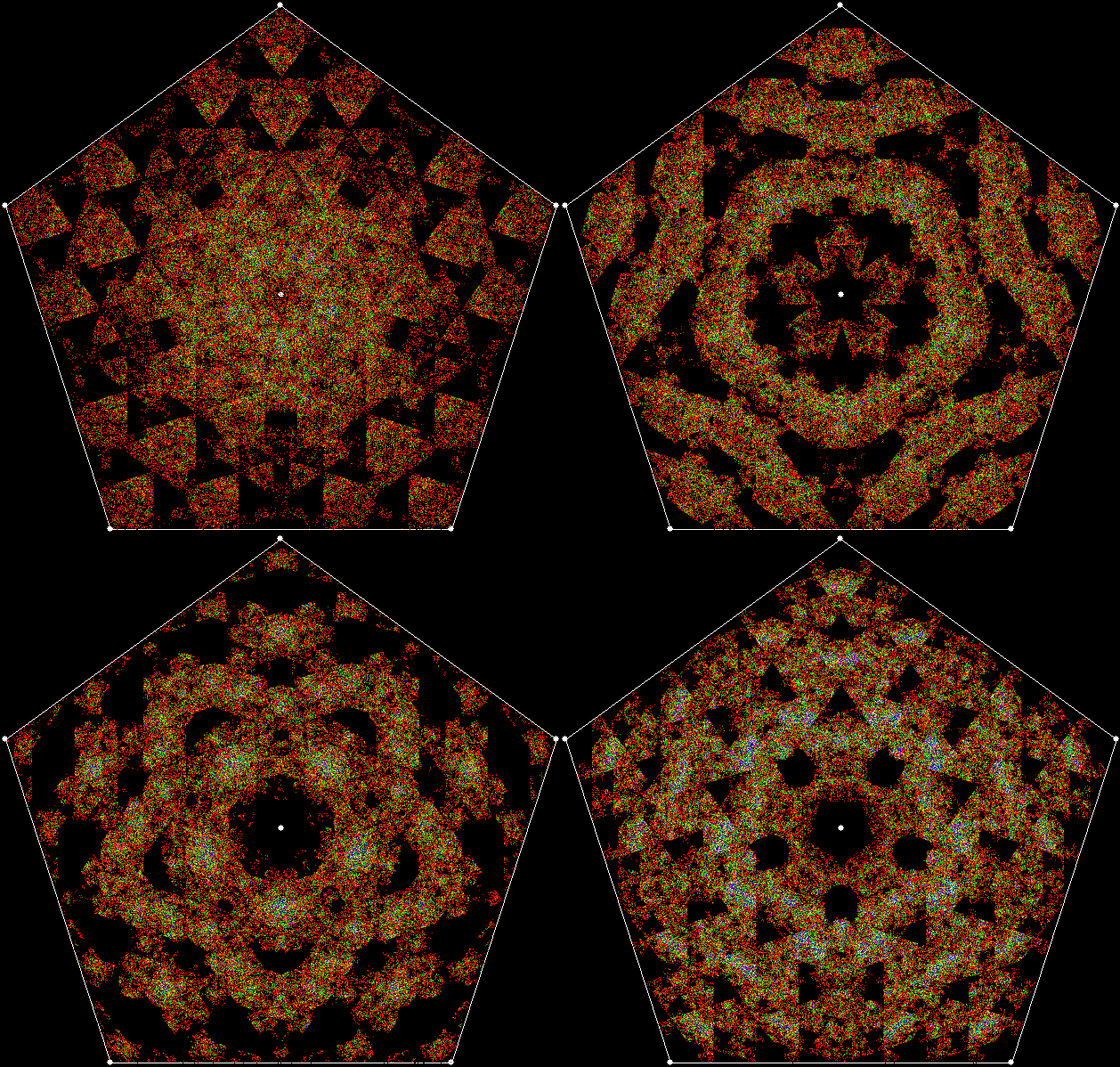
Here are the same restrictions applied to a pentagon:

prox5_1

Nearest corner forbidden


prox5_2

Second-nearest corner forbidden


prox5_3

Third corner forbidden


prox5_4

Fourth corner forbidden


prox5_5

Fifth corner forbidden


prox5_5anim

Fifth corner forbidden (animated)

And a pentagon with a central chorner:

prox5_anim_c

Now try excluding more than one corner. Here are pentagons excluding the n-nearest and n+1-nearest corners (for example, the nearest and second-nearest corners; the second-nearest and third-nearest; and so on):

prox5n_n1_anim

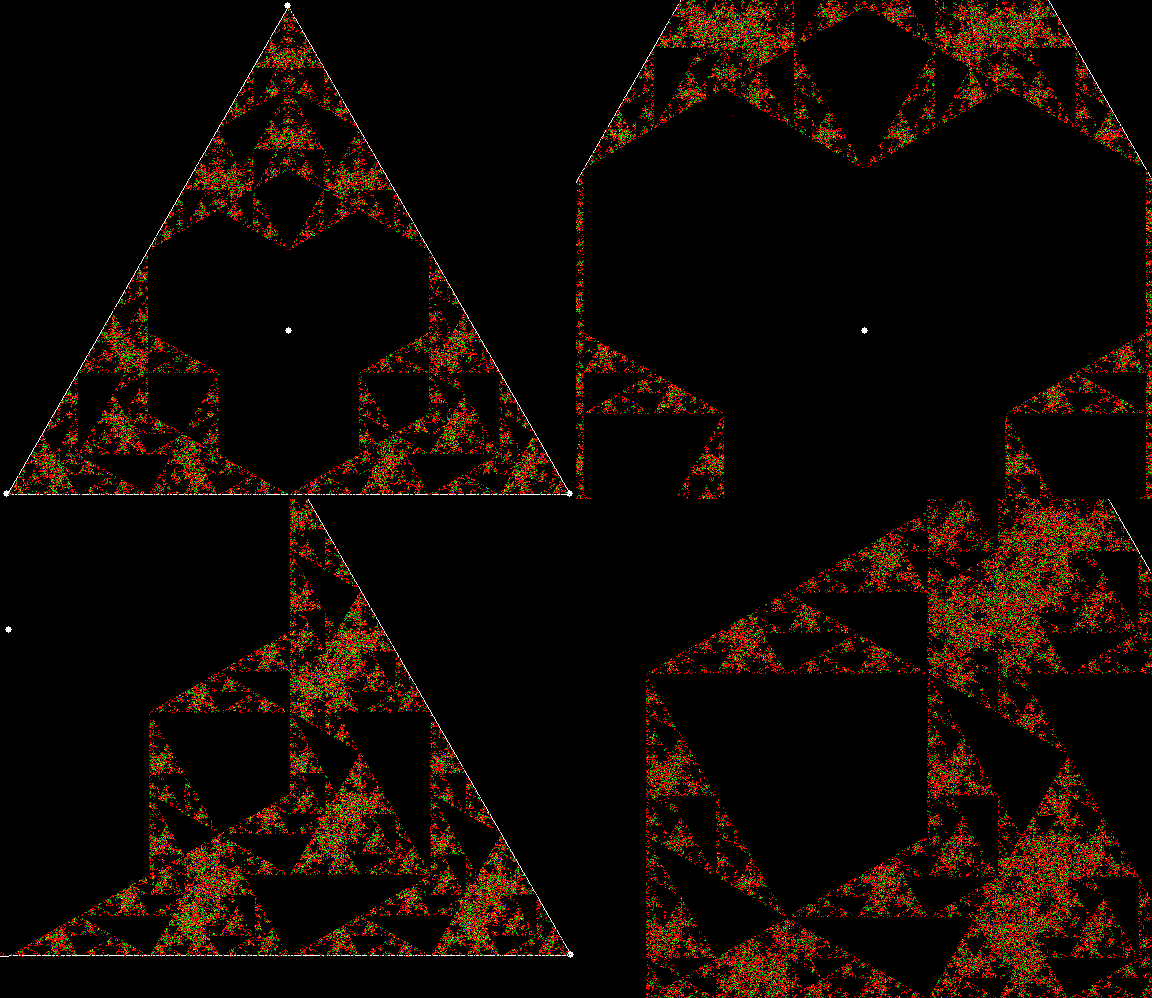
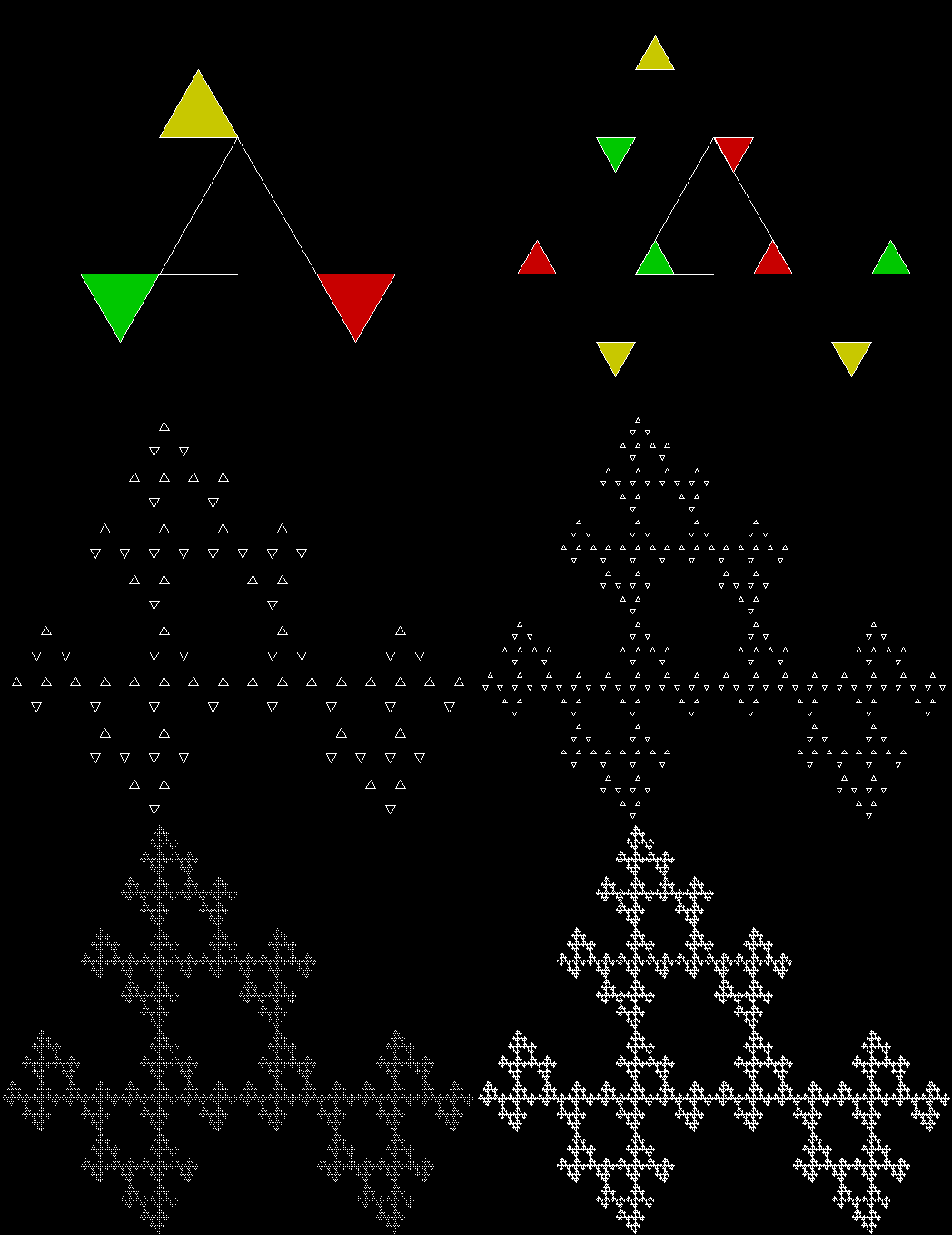
But what if the moving point is set equal to the n-nearest corner before it moves again? If the corner is the second-nearest and the shape is a triangle with a central chorner, this is the fractal that appears:

prox3_set2c


prox3_set2c_anim

Animated version

And here is the same rule applied to various n-nearest corners in a pentagon:

prox5_set_anim

Over Again

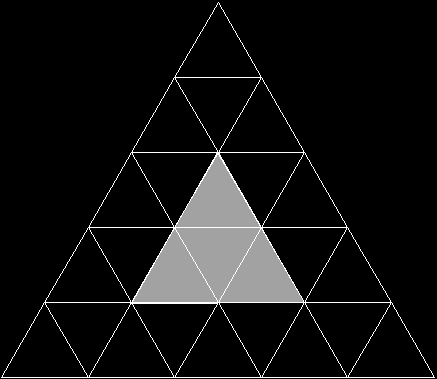
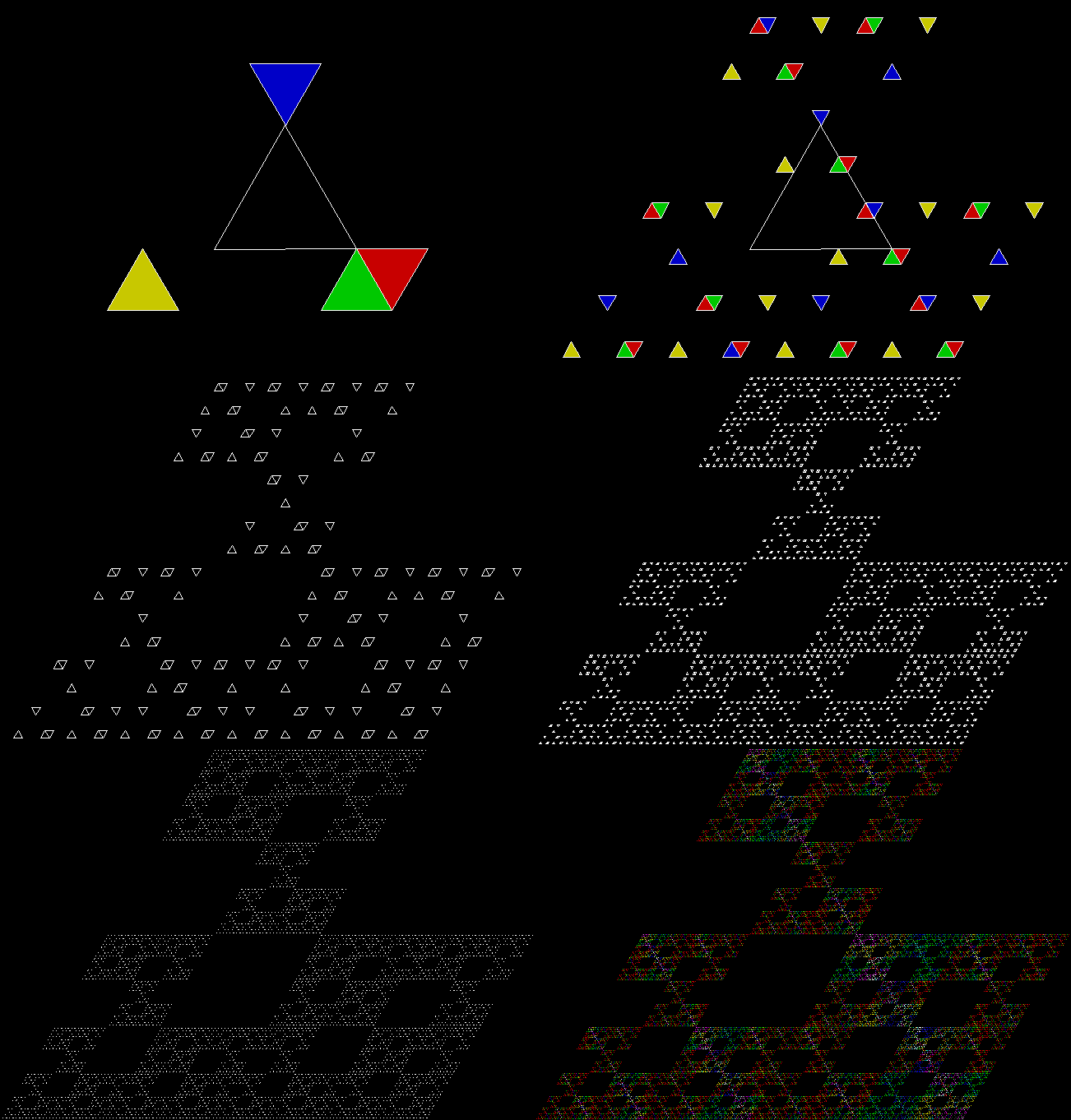
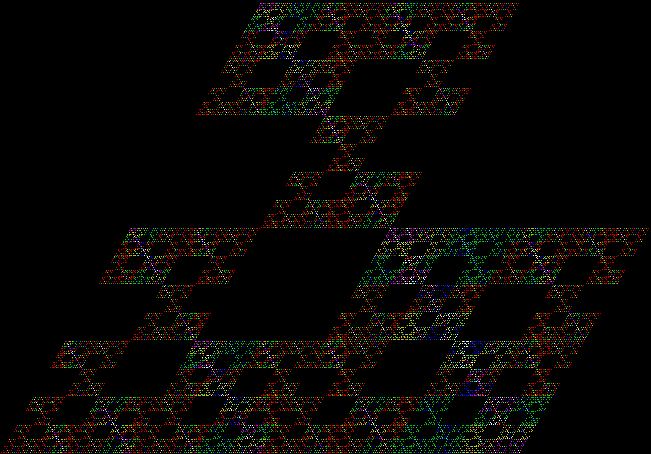
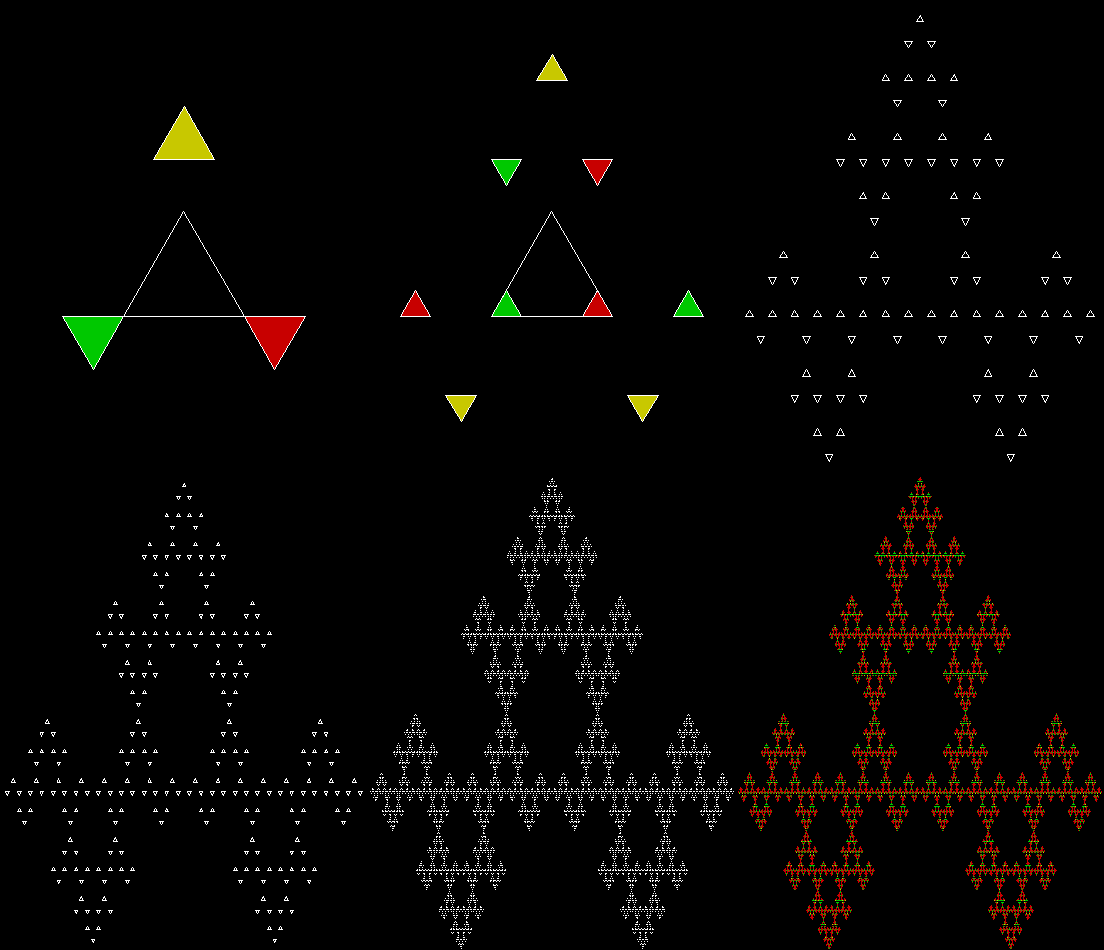
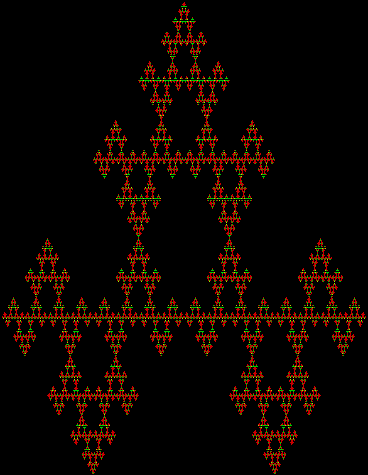
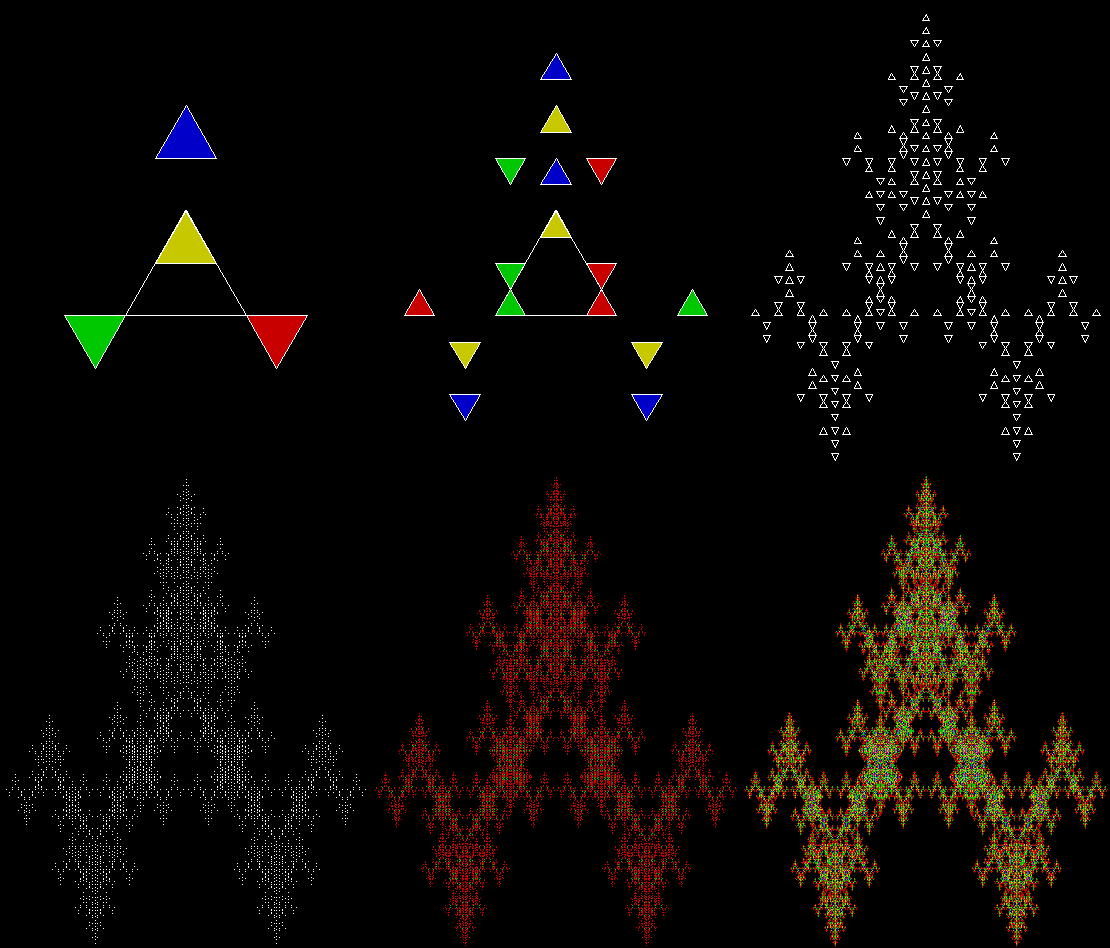
In Boldly Breaking the Boundaries, I looked at the use of squares in what I called over-fractals, or fractals whose sub-divisions reproduce the original shape but appear beyond its boundaries. Now I want to look at over-fractals using triangles. They’re less varied than those involving squares, but still include some interesting shapes. This is the space in which sub-triangles can appear, with the central seeding triangle coloured gray: triangle
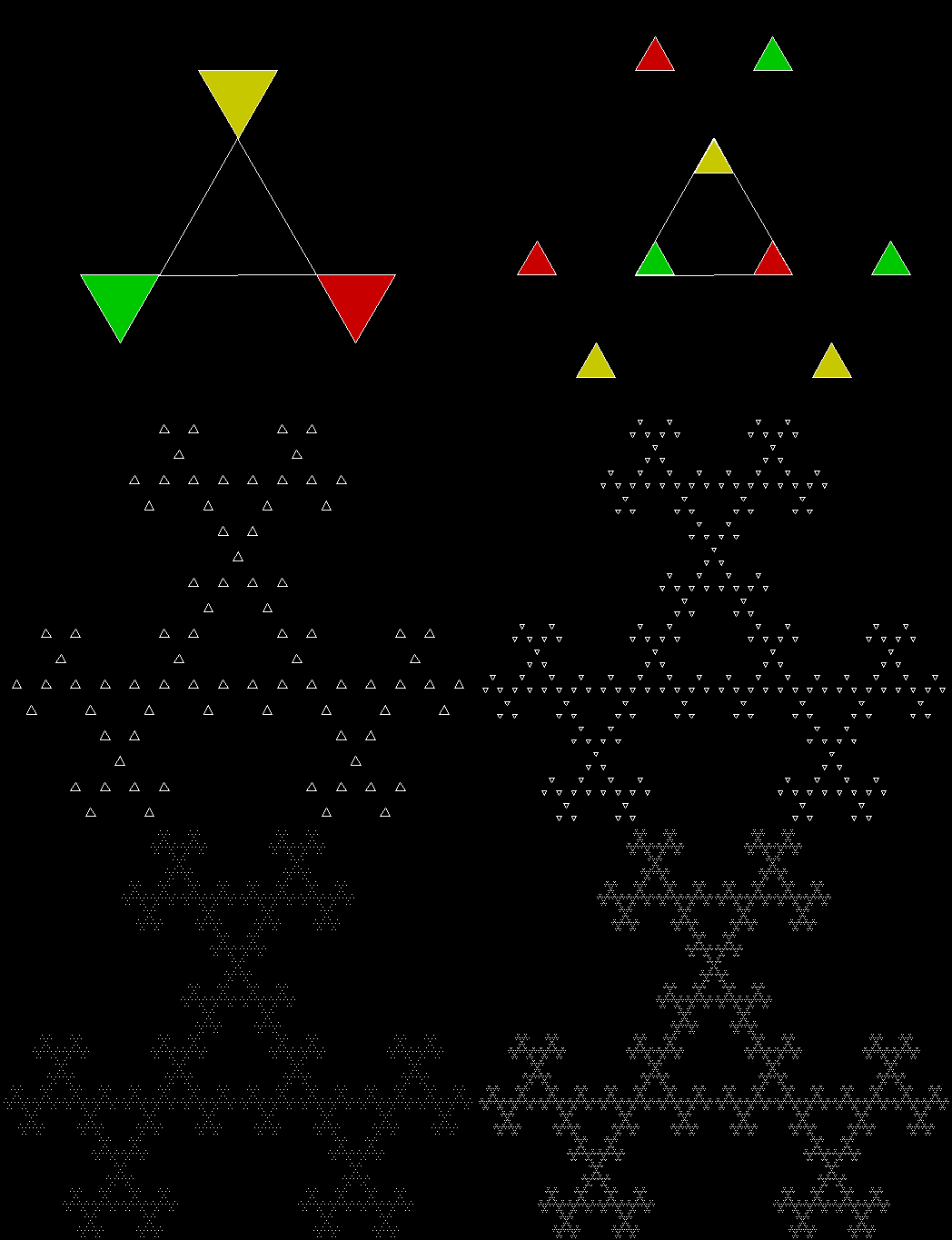
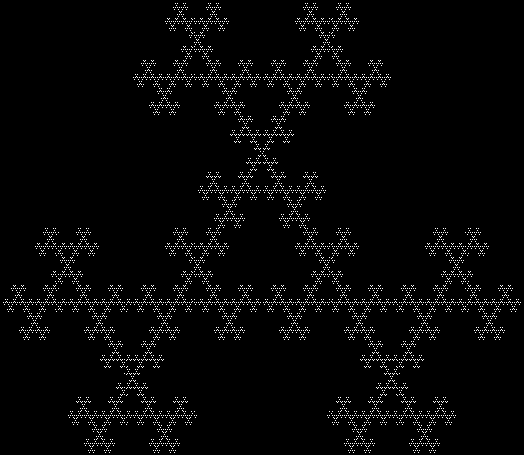
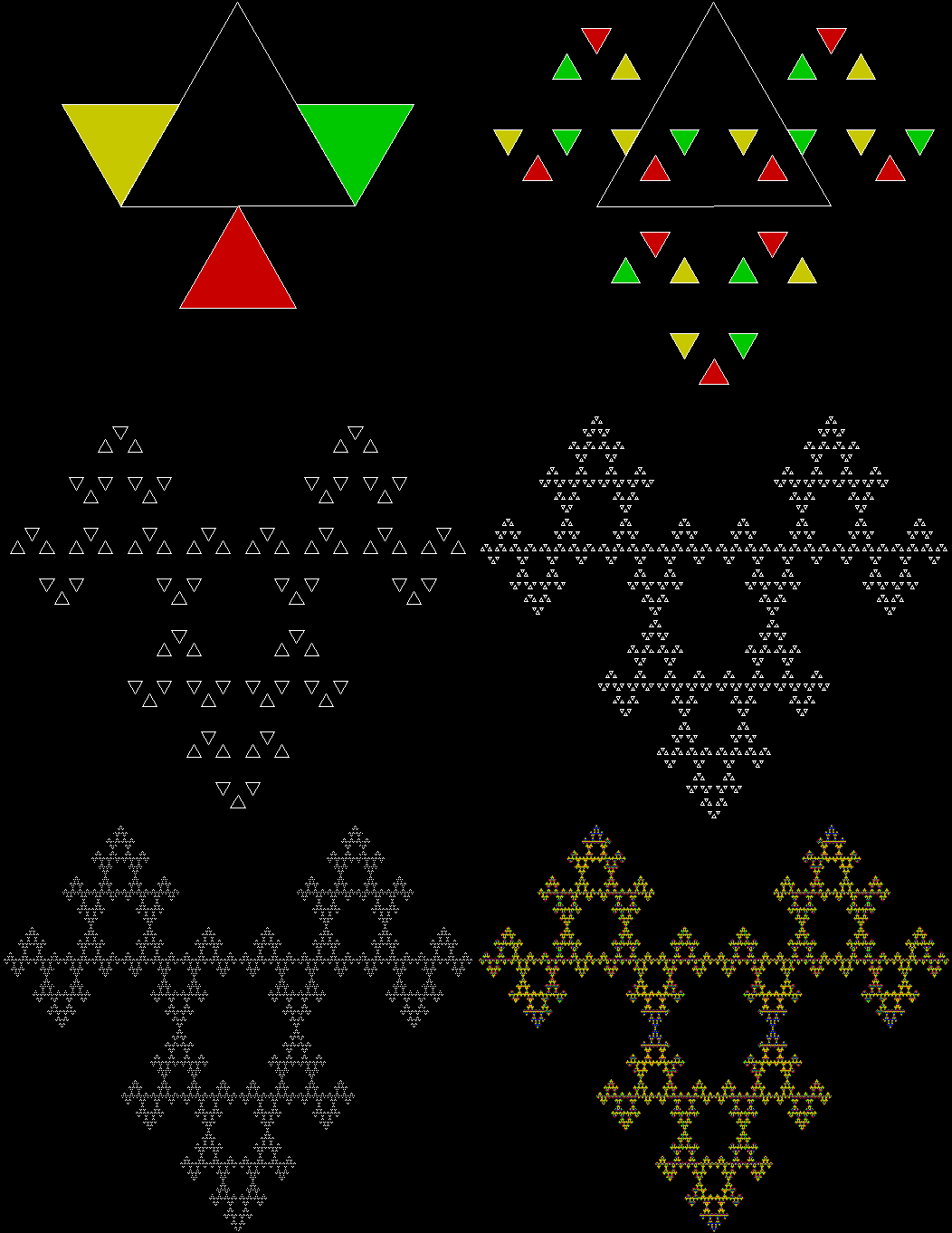
Here are some over-fractals based on the pattern above: overtri1
overtri1_static


overtri2
overtri2_static


overtri3

overtri3_static


overtri4
overtri4_static


overtri5
overtri5_static


overtri6
overtri6_static


overtri7
overtri7_static


overtri8
overtri8_static


overtri9
overtri9_static


overtri10
overtri10_static


overtri11
overtri11_static


overtri12
overtri12_static


overtri13

overtri13_static


Boldly Breaking the Boundaries

In “M.I.P. Trip”, I looked at fractals like this, in which a square is divided repeatedly into a pattern of smaller squares:
2x2inner

2x2inner_static


3x3innera

3x3innera_static


3x3innerb

3x3innerb_static


As you can see, the sub-squares appear within the bounds of the original square. But what if some of the sub-squares appear beyond the bounds of the original square? Then a new family of fractals is born, the over-fractals:

fractal2x2a

fractal2x2a_static


fractal2x2b

fractal2x2b_static


fractal2x2c

fractal2x2c_static


fractal2x2d

fractal2x2d_static


fractal2x2e

fractal2x2e_static


fractal3x3a

fractal3x3a_static


fractal3x3b

fractal3x3b_static


fractal3x3c

fractal3x3c_static


fractal3x3d


fractal3x3e


fractal3x3f


fractal3x3g


fractal3x3h


fractal3x3i


fractal3x3j


fractal3x3k


fractal3x3l


fractal3x3m


fractal3x3n


fractal4x4a


fractal4x4c


fractal4x4b

Life in Vein

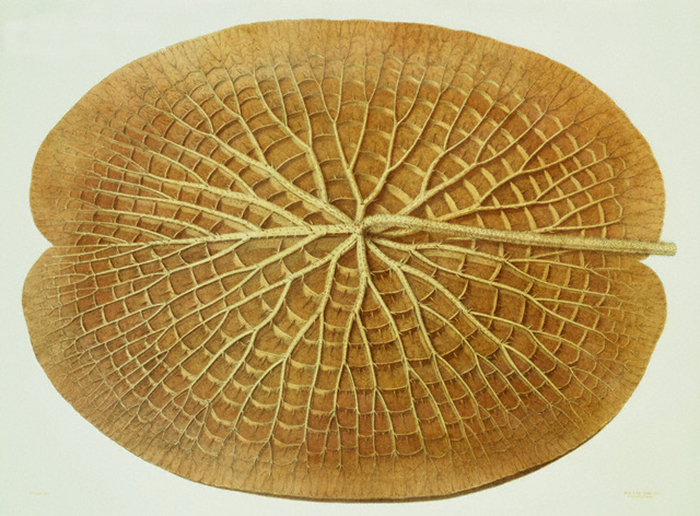
William Sharp, “Victoria Regia or the Great Water Lily of America (Underside of a Leaf)“ (1854), viâ Jeff Thompson

William Sharp, “Victoria Regia or the Great Water Lily of America (Underside of a Leaf)” (1854), viâ Jeff Thompson

M.i.P. Trip

The Latin phrase multum in parvo means “much in little”. It’s a good way of describing the construction of fractals, where the application of very simple rules can produce great complexity and beauty. For example, what could be simpler than dividing a square into smaller squares and discarding some of the smaller squares?

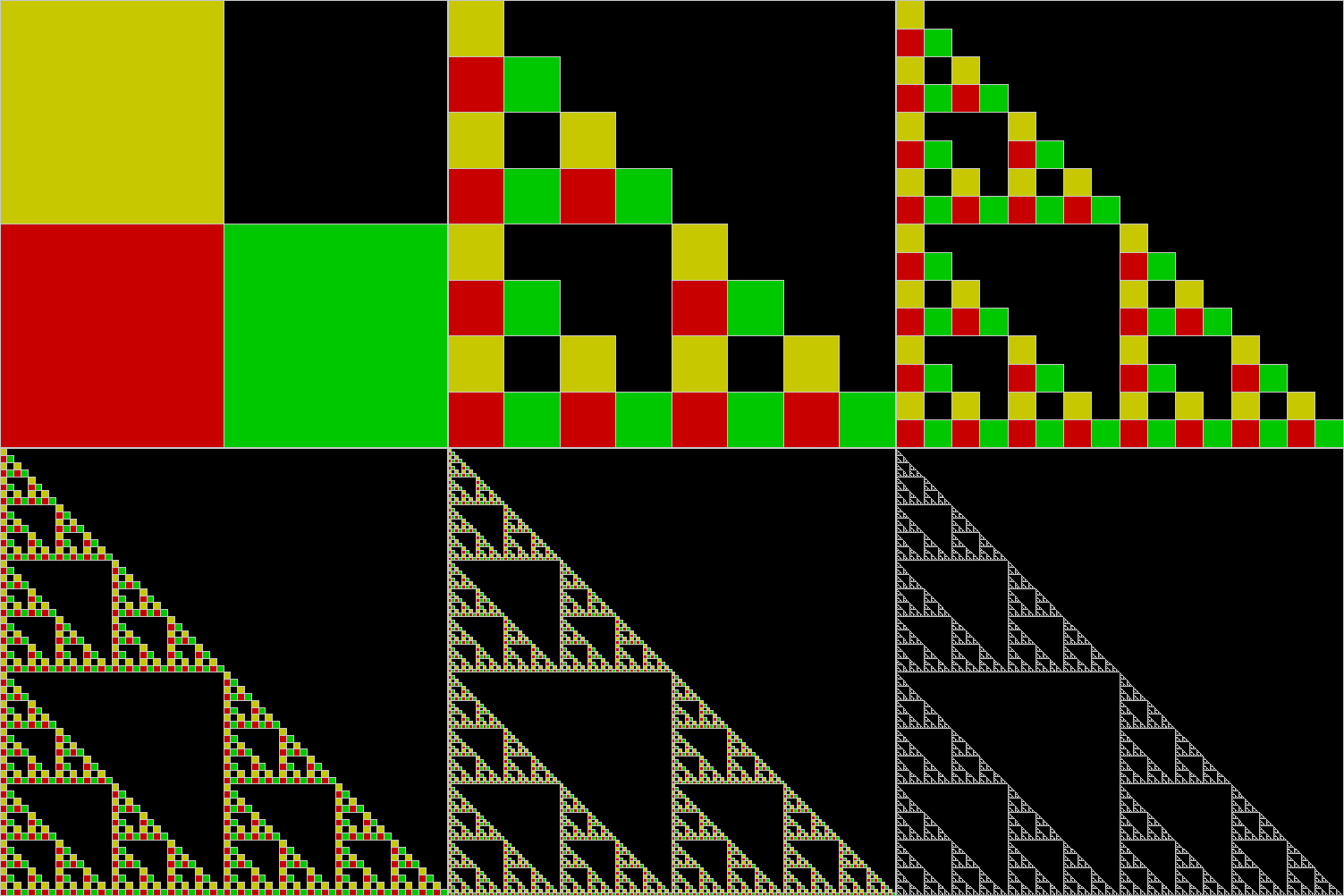
Yet repeated applications of divide-and-discard can produce complexity out of even a 2×2 square. Divide a square into four squares, discard one of the squares, then repeat with the smaller squares, like this:

2x2square2


2x2square3


Increase the sides of the square by a little and you increase the number of fractals by a lot. A 3×3 square yields these fractals:

3x3square2


3x3square3


3x3square6


3x3square7


3x3square8


3x3square9


3x3square10


And the 4×4 and 5×5 fractals yield more:
4x4square1


4x4square2


4x4square4


4x4square5


4x4square6


4x4square7


4x4square8


5x5square1


5x5square2


5x5square3


5x5square4


5x5square5


5x5square6


5x5square7


The Hex Fractor

A regular hexagon can be divided into six equilateral triangles. An equilateral triangle can be divided into three more equilateral triangles and a regular hexagon. If you discard the three triangles and repeat, you create a fractal, like this:

hexring
Adjusting the sides of the internal hexagon creates new fractals:
hexring2
hexring1
Discarding a hexagon after each subdivision creates new shapes:

hexring4
hexring5
hexring6
And you can start with another regular polygon, divide it into triangles, then proceed with the hexagons:
hexring3

Hextra Texture

A hexagon can be divided into six equilateral triangles. An equilateral triangle can be divided into a hexagon and three more equilateral triangles. These simple rules, applied again and again, can be used to create fractals, or shapes that echo themselves on smaller and smaller scales.

hextriangle

hextriangle2

hextriangle1


Previously pre-posted (please peruse):

Fractal Fourmulas