Paradigm Lost

Genius schmenius — genetics is sooooo 1950s:

But Paul Martin, a sociologist at the University of Sheffield, UK, is surprised that geneticists are still pursuing this line of research. “I think most people would say that’s the wrong paradigm, when most educational research suggests that social factors are incredibly important,” he says. “Strategically, this seems like something of a throwback.”

Chinese project probes the genetics of genius

See? Sense and decency. That’s because sociology is a proper science. Nearly as proper as psychoanalysis or astrology, in fact.

Spiral Archipelago

Incomplete map of Earthsea

Incomplete map of Earthsea

Ursula K. Le Guin, creatrix of Earthsea, is a much better writer than J.R.R. Tolkien, creator of Middle-earth: much more subtle, skilful and sophisticated. But for me Middle-earth has one big advantage over Earthsea: I can imagine Middle-earth really existing. I can’t say that for Earthsea, an archipelago-world of fishermen, goatherds and wizards. There’s something dead and disconnected about Earthsea. I’m not sure what it is, but it may have something to do with Le Guin’s dedicated political correctness.

For example, despite the northern European climate and culture on Earthsea, a sea-faring world with lots of rain, mist, snow and mountains, most of the people are supposed to have dark skins. The ones that don’t – the white-skinned, blond-haired Kargs – are the bloodthirsty baddies of A Wizard of Earthsea (1968), the first book in the series. Balls to biology, in other words: there’s propaganda to propagate. So it’s not surprising that Le Guin’s father was a famous and respected figure in the mostly disreputable discipline of anthropology. Earthsea is fantasy for Guardian-readers, in short.

But I still like the idea of an archipelago-world: sea and islands, islands and sea. As Le Guin herself says: “We all have archipelagos in our minds.” That’s one of the reasons I like the Ulam spiral: it reminds me of Earthsea. Unlike Earthsea, however, the sea and islands go on for ever. In the Ulam spiral, the islands are the prime numbers and the sea is the composite numbers. It’s based on a counter-clockwise spiral of integers, like this:

145←144←143←142←141←140139←138←137←136←135←134←133
 ↓                                               ↑
146 101←100←099←098←097←096←095←094←093←092←091 132
 ↓   ↓                                       ↑   ↑
147 102 065←064←063←062←061←060←059←058←057 090 131
 ↓   ↓   ↓                                  ↑   ↑
148 103 066 037←036←035←034←033←032←031 056 089 130
 ↓   ↓   ↓   ↓                       ↑   ↑   ↑   ↑
149 104 067 038 017←016←015←014←013 030 055 088 129
 ↓   ↓   ↓   ↓   ↓               ↑      ↑   ↑   ↑
150 105 068 039 018 005←004←003 012 029 054 087 128
 ↓   ↓   ↓   ↓   ↓   ↓       ↑   ↑   ↑   ↑   ↑   ↑
151 106 069 040 019 006 001002 011 028 053 086 127
 ↓   ↓   ↓   ↓   ↓   ↓           ↑      ↑   ↑   
152 107 070 041 020 007→008→009→010 027 052 085 126
 ↓   ↓   ↓   ↓   ↓                   ↑   ↑   ↑   ↑
153 108 071 042 021→022→023→024→025→026 051 084 125
 ↓   ↓   ↓   ↓                           ↑   ↑   ↑
154 109 072 043→044→045→046→047→048→049→050 083 124
 ↓   ↓   ↓                                   ↑   ↑
155 110 073→074→075→076→077→078→079→080→081→082 123
 ↓   ↓                                           ↑
156 111→112→113→114→115→116→117→118→119→120→121→122
 ↓                                                   ↑
157→158→159→160→161→162→163→164→165→166→167→168→169→170

The spiral is named after Stanislaw Ulam (1909-84), a Polish mathematician who invented it while doodling during a boring meeting. When numbers are represented as pixels and 1 is green, the spiral looks like this – note the unique “knee” formed by 2, 3 (directly above 2) and 11 (to the right of 2):

Ulam spiral

Ulam spiral (animated)

(If the image above does not animate, please try opening it in a new window.)

Some prime-pixels are isolated, like eyots or aits (small islands) in the number-sea, but some touch corner-to-corner and form larger units, larger islands. There are also prime-diamonds, like islands with lakes on them. The largest island, with 19 primes, may come very near the centre of the spiral:

island1

Island 1 = (5, 7, 17, 19, 23, 37, 41, 43, 47, 67, 71, 73, 79, 103, 107, 109, 113, 149, 151) (i=19) (x=-3, y=3, n=37) (n=1 at x=0, y=0)

Here are some more prime-islands – prIslands or priminsulas – in the Ulam-sea that I find interesting or attractive for one reason or other:

island2

Island 2 = (281, 283, 353, 431, 433, 521, 523, 617, 619, 719, 827, 829, 947) (i=13) (x=6, y=-12, n=619)


island3

Island 3 = (20347, 20921, 21499, 21503, 22091, 22093, 22691, 23293, 23297, 23909, 23911, 24533, 25163, 25801, 26449, 27103, 27767, 28439) (i=18) (x=-39, y=-81, n=26449)


island4

Island 4 = (537347, 540283, 543227, 546179, 549139, 552107, 555083, 558067, 561059, 561061, 564059, 564061, 567067, 570083, 573107, 573109) (i=16) (x=375, y=-315, n=561061)


island5

Island 5 = (1259047, 1263539, 1263541, 1268039, 1272547, 1277063, 1281587, 1286119, 1290659, 1295207, 1299763) (i=11) (x=-561, y=399, n=1259047)


island6

Island 6 = (1341841, 1346479, 1351123, 1355777, 1360439, 1360441, 1365107, 1365109, 1369783, 1369787, 1369789, 1374473, 1379167) (i=13) (x=-585, y=-297, n=1369783)


island7

Island 7 = (2419799, 2419801, 2426027, 2426033, 2432263, 2432267, 2438507, 2438509, 2444759, 2451017, 2457283, 2463557) (i=12) (x=558, y=780, n=2432263)


island8

Island 8 = (3189833, 3196979, 3196981, 3204137, 3204139, 3211301, 3211303, 3218471, 3218473, 3218477, 3225653) (i=11) (x=-894, y=858, n=3196981)

Young at Art

Head of a Young English Girl by Fernand Khnopff

Head of a Young English Girl (1895)
Graphische Sammlung Albertina, Vienna.

This Means RaWaR

The Overlord of the Über-Feral says: Welcome to my bijou bloguette. You can scroll down to sample more or simply:

• Read a Writerization at Random: RaWaR


• ¿And What Doth It Mean To Be Flesh?

მათემატიკა მსოფლიოს მეფე


Gweel & Other Alterities – Incunabula’s new edition


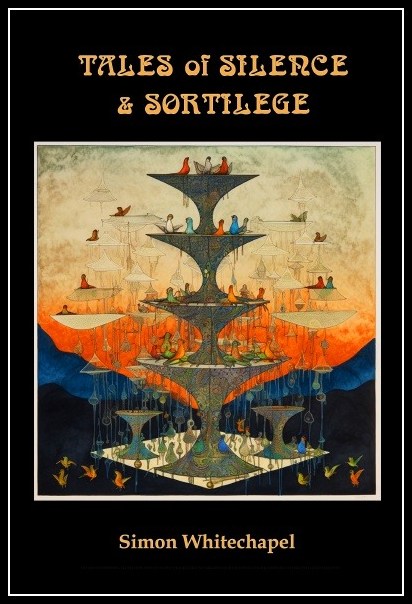
Tales of Silence & Sortilege – Incunabula’s new edition


If you’d like to donate to O.o.t.Ü.-F., please click here.

Tri Again

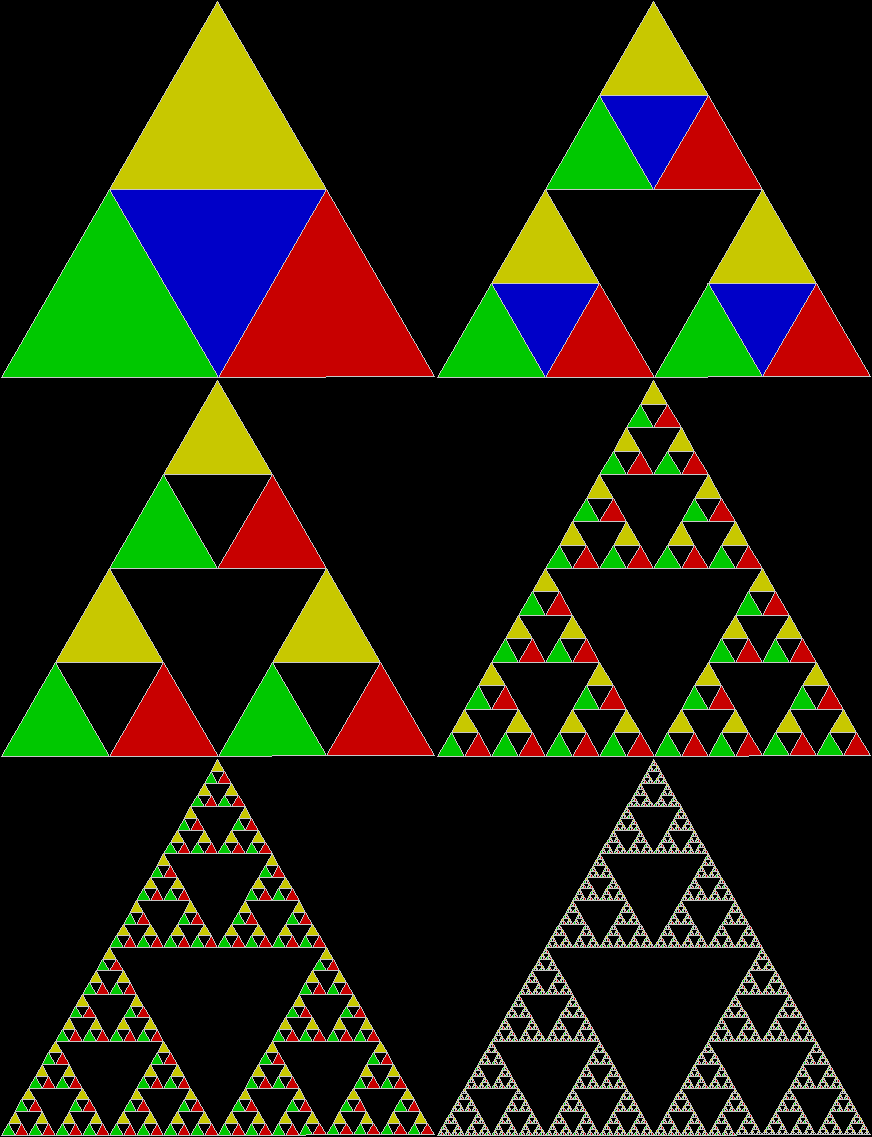
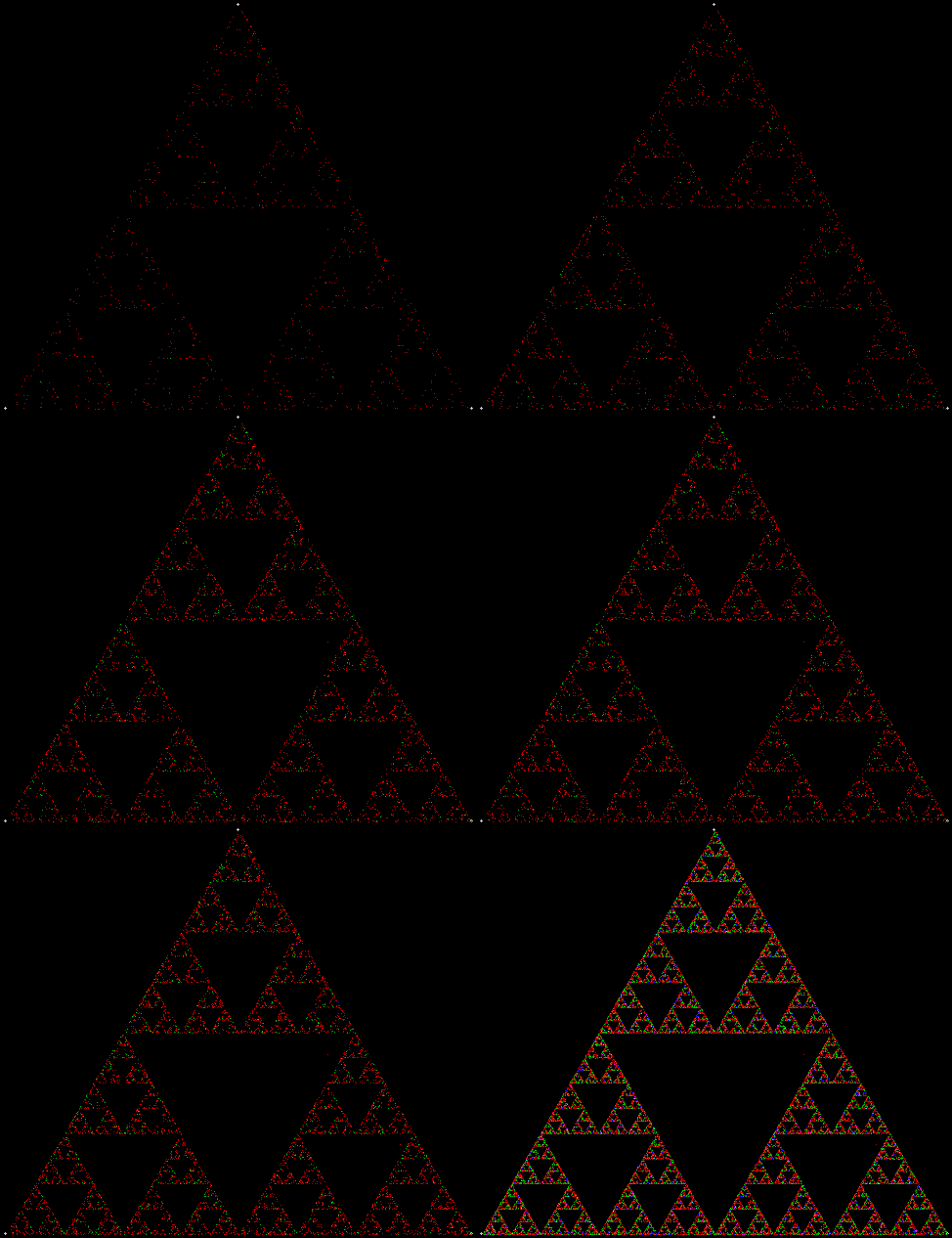
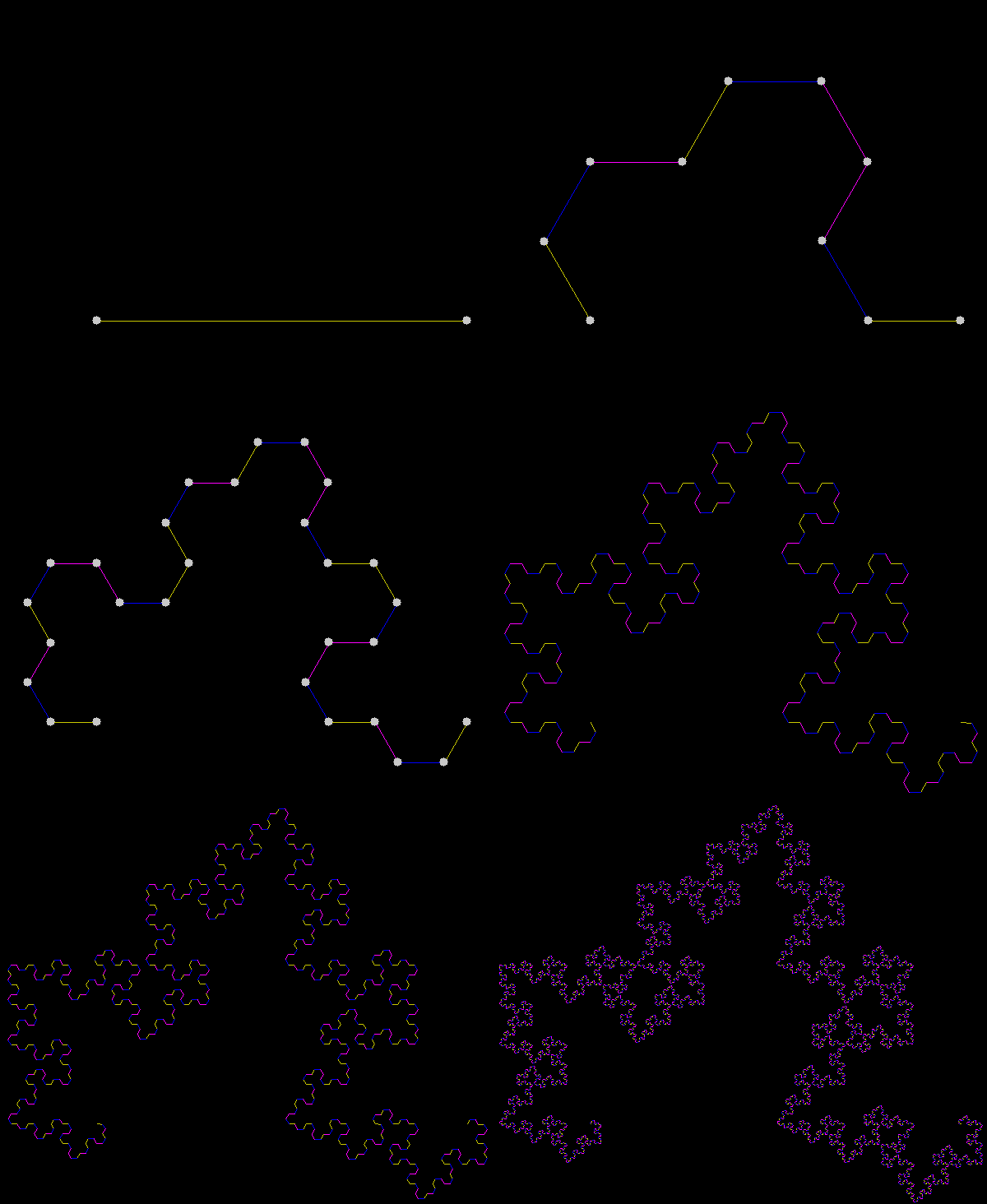
All roads lead to Rome, so the old saying goes. But you may get your feet wet, so try the Sierpiński triangle instead. This fractal is named after the Polish mathematician Wacław Sierpiński (1882-1969) and quite a few roads lead there too. You can create it by deleting, jumping or bending, inter alia. Here is method #1:

Sierpinski middle delete

Divide an equilateral triangle into four, remove the central triangle, do the same to the new triangles.

Here is method #2:

Sierpinski random jump

Pick a corner at random, jump half-way towards it, mark the spot, repeat.

And here is method #3:

Sierpinski arrowhead

Bend a straight line into a hump consisting of three straight lines, then repeat with each new line.

Each method can be varied to create new fractals. Method #3, which is also known as the arrowhead fractal, depends on the orientation of the additional humps, as you can see from the animated gif above. There are eight, or 2 x 2 x 2, ways of varying these three orientations, so eight fractals can be produced if the same combination of orientations is kept at each stage, like this (some are mirror images — if an animated gif doesn’t work, please open it in a new window):

arrowhead1

arrowhead2

arrowhead3

arrowhead4

arrowhead5

If different combinations are allowed at different stages, the number of different fractals gets much bigger:

• Continuing viewing Tri Again.

V for Vertex

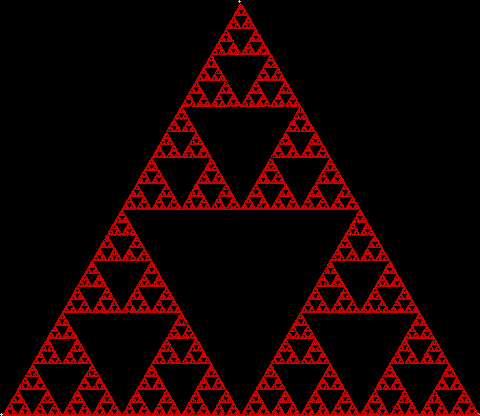
To create a simple fractal, take an equilateral triangle and divide it into four more equilateral triangles. Remove the middle triangle. Repeat the process with each new triangle and go on repeating it. You’ll end up with a shape like this, which is known as the Sierpiński triangle, after the Polish mathematician Wacław Sierpiński (1882-1969):

Sierpinski triangle

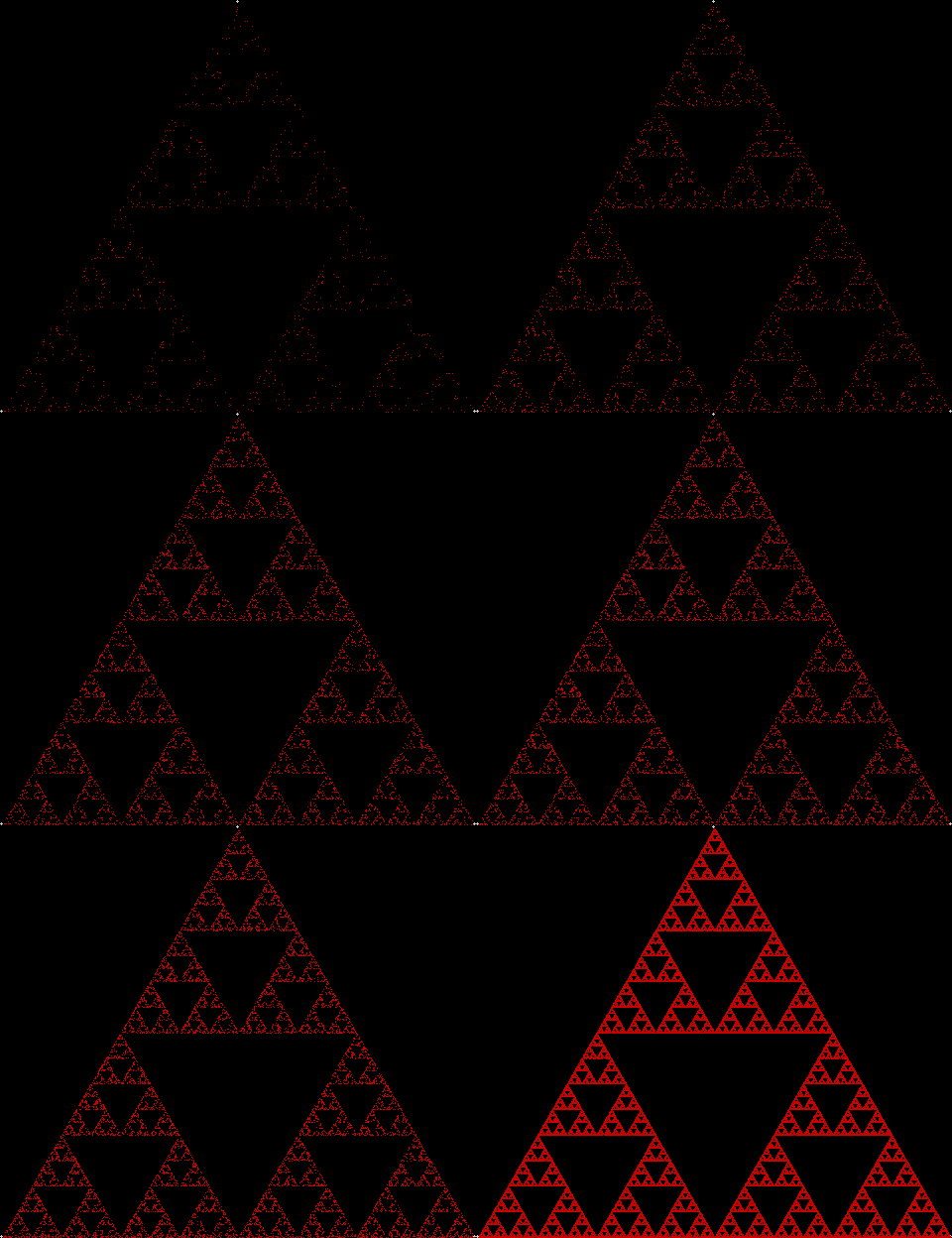
But you can also create the Sierpiński triangle one pixel at a time. Choose any point inside an equilateral triangle. Pick a corner of the triangle at random and move half-way towards it. Mark this spot. Then pick a corner at random again and move half-way towards the corner. And repeat. The result looks like this:

triangle

A simple program to create the fractal looks like this:

initial()
repeat
  fractal()
  altervariables()
until false

function initial()
  v = 3 [v for vertex]
  r = 500
  lm = 0.5
endfunc

function fractal()
  th = 2 * pi / v
[the following loop creates the corners of the triangle]
  for l = 1 to v
    x[l]=xcenter + sin(l*th) * r
    y[l]=ycenter + cos(l*th) * r
  next l
  fx = xcenter
  fy = ycenter
  repeat
    rv = random(v)
    fx = fx + (x[rv]-fx) * lm
    fy = fy + (y[rv]-fy) * lm
    plot(fx,fy)
  until keypressed
endfunc

function altervariables()
[change v, lm, r etc]
endfunc

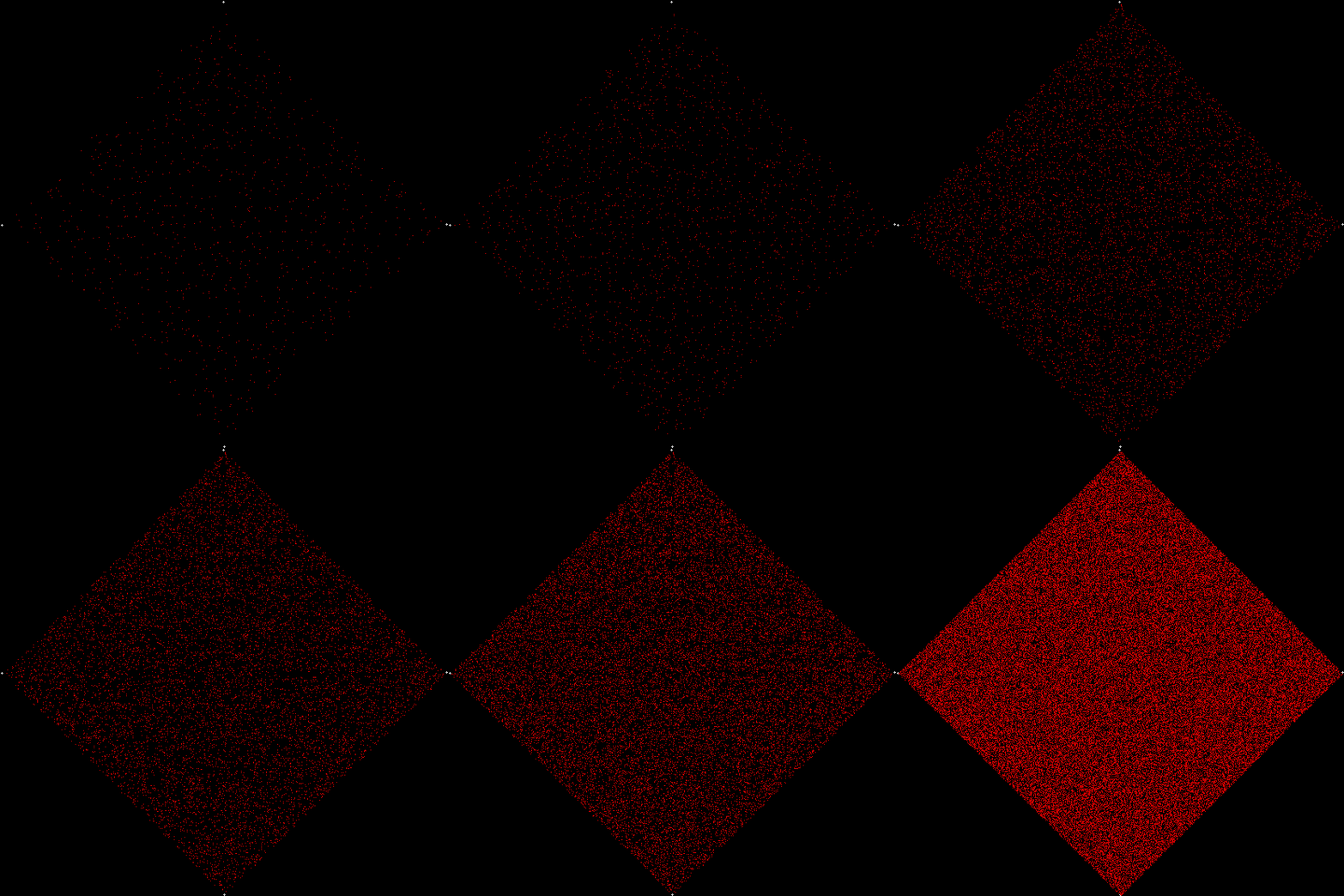
In this case, more is less. When v = 4 and the shape is a square, there is no fractal and plot(fx,fy) covers the entire square.

square

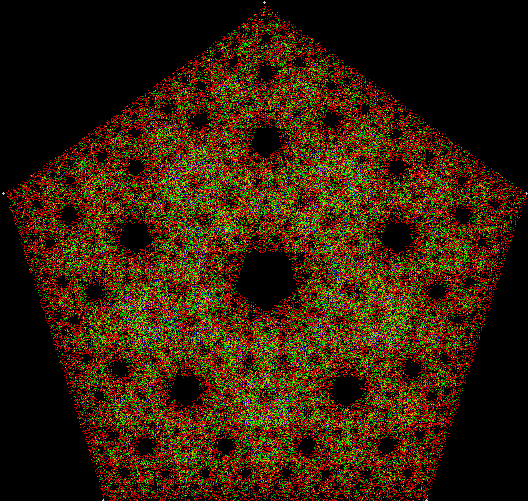
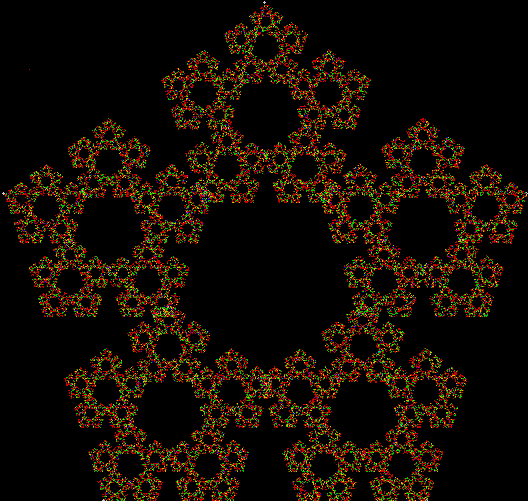
When v = 5 and the shape is a pentagon, this fractal appears:

pentagon

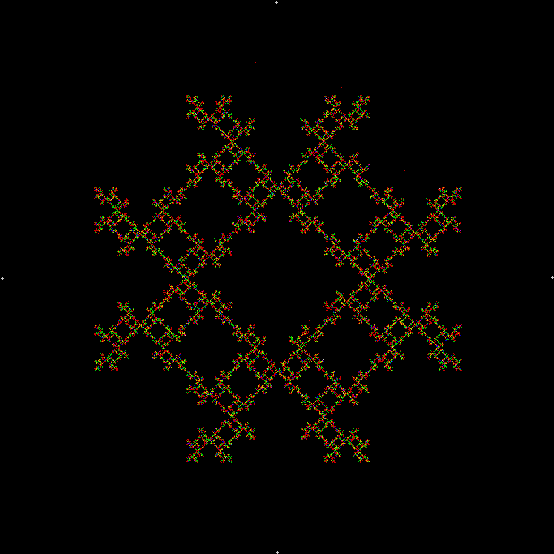
But v = 4 produces a fractal if a simple change is made in the program. This time, a corner cannot be chosen twice in a row:

square_used1

function initial()
  v = 4
  r = 500
  lm = 0.5
  ci = 1 [i.e, number of iterations since corner previously chosen]
endfunc

function fractal()
  th = 2 * pi / v
  for l = 1 to v
    x[l]=xcenter + sin(l*th) * r
    y[l]=ycenter + cos(l*th) * r
    chosen[l]=0
  next l
  fx = xcenter
  fy = ycenter
  repeat
    repeat
      rv = random(v)
    until chosen[rv]=0
    for l = 1 to v
      if chosen[l]>0 then chosen[l] = chosen[l]-1
    next l
    chosen[rv] = ci
    fx = fx + (x[rv]-fx) * lm
    fy = fy + (y[rv]-fy) * lm
    plot(fx,fy)
  until keypressed
endfunc

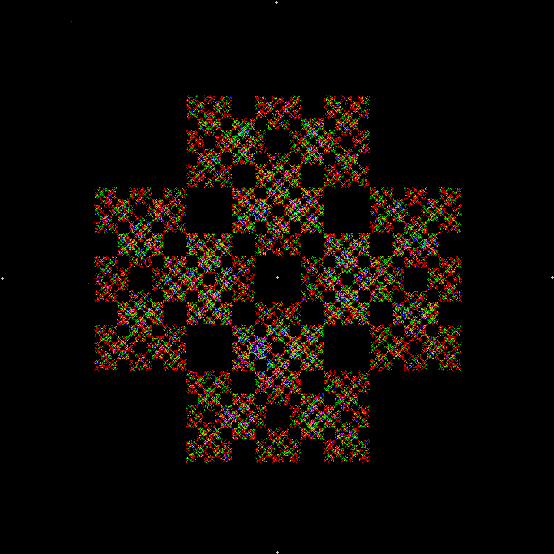
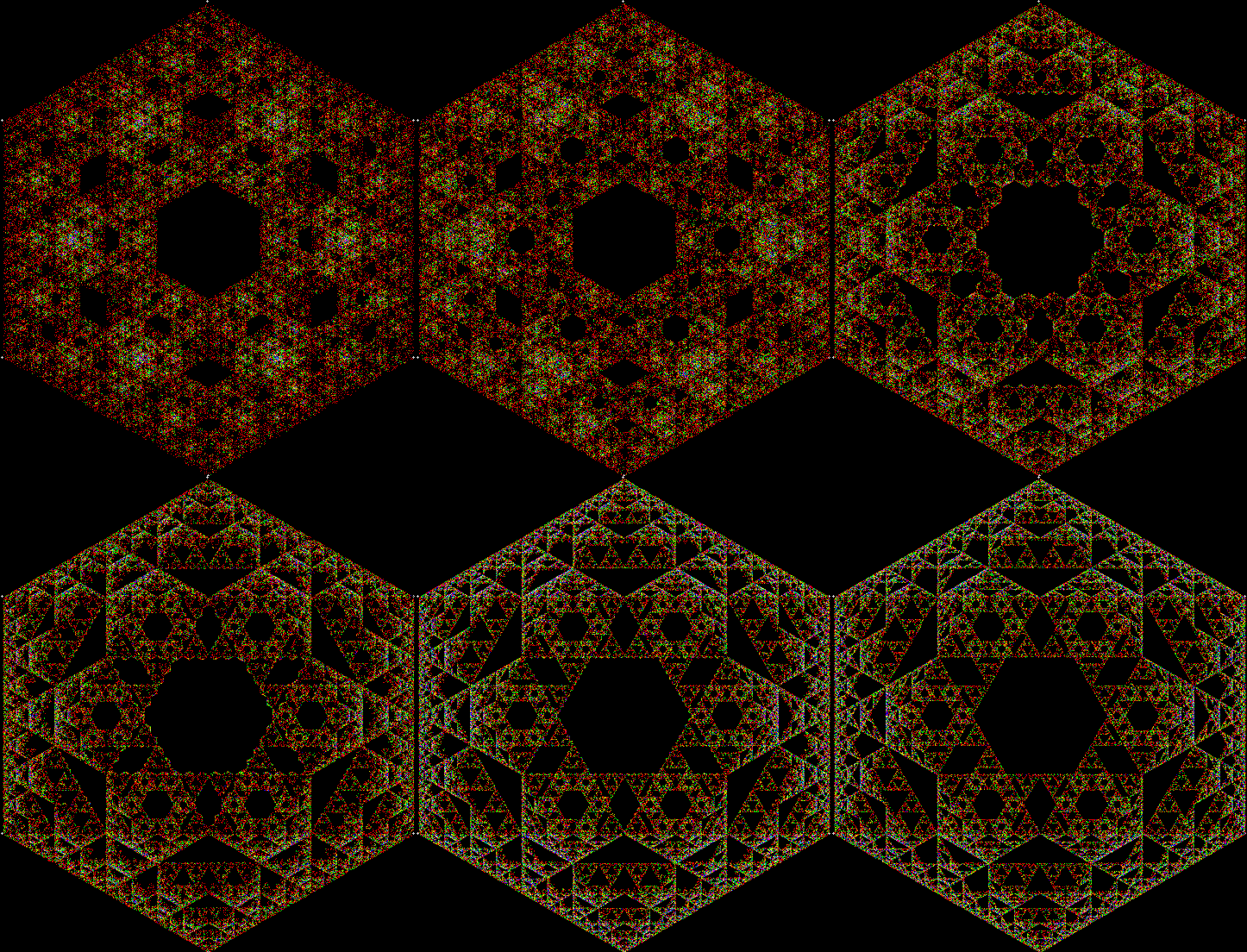
One can also disallow a corner if the corner next to it has been chosen previously, adjust the size of the movement towards the chosen corner, add a central point to the polygon, and so on. Here are more fractals created with such variations:

square_used1_center

square_used1_vi1

square_used1_vi2

square_used2

pentagon_lm0.6

pentagon_used1_5_vi1

hexagon_used1_6_vi3

Ear Will An Thee

(This is a guest-review by Norman Foreman, B.A.)

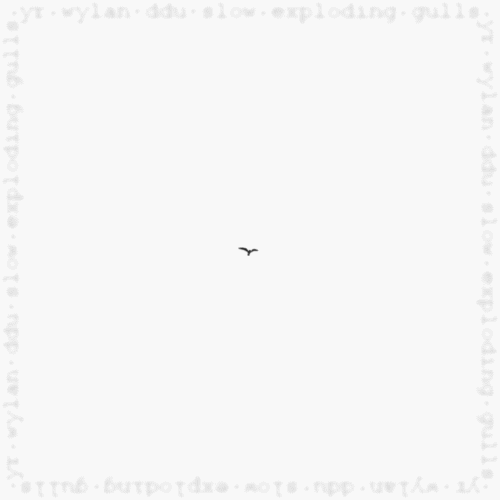
Yr Wylan Ddu, Simon Whitechapel (Papyrocentric Press, ?)

If, like me, you froth at the mouth and roll on the floor biting the carpet when you hear the phrase “Pre-order now”, then relief is at hand. You might have thought that “pre-ordering now” was as logical as “ordering pre-now”. You were wrong. Here is a book that really can be pre-ordered now, because it doesn’t exist yet. If it ever does exist, it will cease to be pre-orderable now. In the meantime, you’re pre-ordering it whether you know it or not. In fact, the less you know, the more you’re pre-ordering it. All life-forms in the Universe, actual and otherwise, are pre-ordering it at this very moment, from the humblest virus to the mightiest hive-mind.

Front cover of yr wylan ddu by slow exploding gulls

Yr Wylan Ddu (2003) by Slow Exploding Gulls

There’s no escape, in other words. And no more review, you might think, given that the book doesn’t exist yet. True, but I can review the title. It’s Welsh, it means “The Black Gull”, and it’s pronounced something like “Ear Will An Thee”. It was also originally the title of an album in 2003 by the Exeter electronistas Slow Exploding Gulls. Whether S.E.G. will object to the appropriation remains to be seen. If they do, it can be pointed out that Dirgelwch Yr Wylan Ddu, or Secret of the Black Gull, was the title of a children’s book by Idwal Jones (1890-1964) published in 1978.

Front cover of Dirgelwch Yr Wylan Ddu by Idwal Jones

Idwal Jones’ Secret of the Black Gull (1978)

There is nothing corresponding to “of” in the original title of that book, but then Welsh grammar doesn’t work like that. Yr Wylan Ddu contains some good examples of how it does work. It’s an active, almost clockwork or organic, phrase compared to its static English equivalent. In isolation, the Welsh words for “the”, “black” and “gull” would be y, du, and gwylan, pronounced something like “ee”, “dee” and “goo-ill-an” in southern Welsh. But put them together and they mutate in more ways than one: Yr Wylan Ddu (adjectives generally follow the noun in Welsh). The similarity between gwylan and “gull” isn’t a coincidence: the English word is borrowed from Celtic.

However, it is unlikely that Yr Wylan Ddu will actually be written in Welsh or any other Celtic language. First, Whitechapel doubtless feels that this would reduce his already small audience. Second, he doesn’t speak Welsh. Or write it. So the book will probably follow past trends and be written in English. It’s also safe to predict that it will refer to at least one black gull. So: pre-order now. And please carry on doing so until further notice.

He Say, He Sigh, He Sow #9 and #10

“One of mighty union-smashing Maggie’s few big mistakes – along with increasing comprehensive education, letting third-world immigration and enforced multiculturalism rip, leaving the NHS and BBC ‘safe in our hands’, smashing the fisheries, selling out the Northern Irish Protestants, increasing welfarism, ending academic freedom and trying to push through the Poll Tax – was to be unfriendly to German reunification.” — Chris Brand, gFactor.


“Homosexual men are nature’s Petri dishes.” — Greg Cochran, West Hunter.

’Dith and the Maiden #2

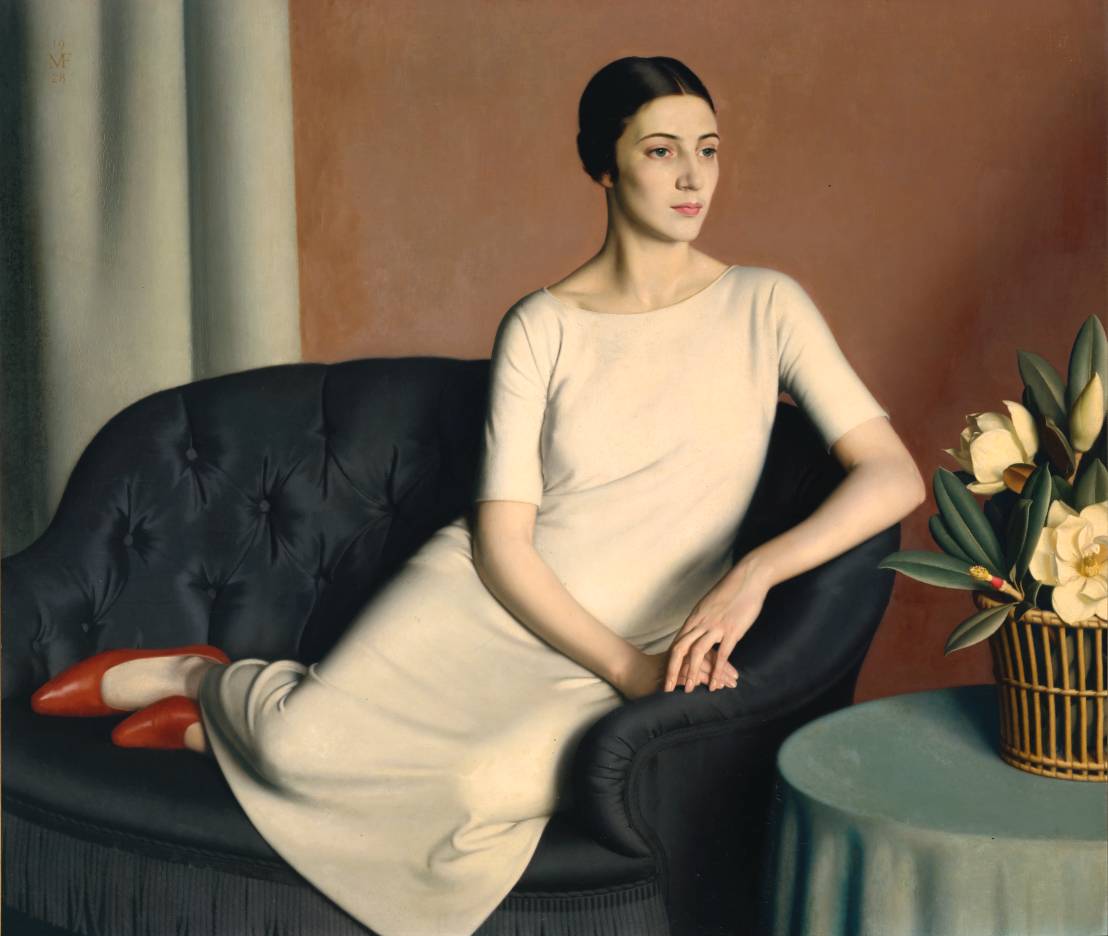
Marguerite Kelsey 1928 by Meredith Frampton 1894-1984

Portrait of Marguerite Kelsey (1928) by Meredith Frampton (1894-1984).

Previously pre-posted (please peruse):

’Dith and the Maiden #1