Purple Poesy

DIVERSIONS OF THE RE-ECHO CLUB

It is with pleasure that we announce our ability to offer to the public the papers of the Re-Echo Club. This club, somewhat after the order of the Echo Club, late of Boston, takes pleasure in trying to better what is done. On the occasion of the meeting of which the following gems of poesy are the result, the several members of the club engaged to write up the well-known tradition of the Purple Cow in more elaborate form than the quatrain made famous by Mr. Gelett Burgess:

“I NEVER saw a Purple Cow,
I never hope to see one;
But I can tell you, anyhow,
I’d rather see than be one.”

[…]

MR. A. SWINBURNE:

Oh, Cow of rare rapturous vision,
Oh, purple, impalpable Cow,
Do you browse in a Dream Field Elysian,
Are you purpling pleasantly now?
By the side of wan waves do you languish?
Or in the lithe lush of the grove?
While vainly I search in my anguish,
Bovine of mauve!

Despair in my bosom is sighing,
Hope’s star has sunk sadly to rest;
Though cows of rare sorts I am buying,
Not one breathes a balm to my breast.
Oh, rapturous rose-crowned occasion
When I such a glory might see!
But a cow of a purple persuasion
I never would be.


Elsewhere other-engageable:

The Purple Cow Parodies
Diversions of the Re-Echo Club
Such Nonsense! An Anthology (c. 1918) — with this and other parodies
Square Routes Re-Re-Re-Re-Revisited

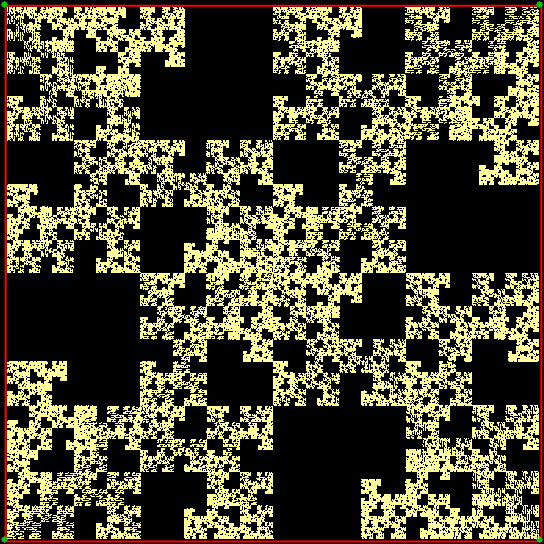
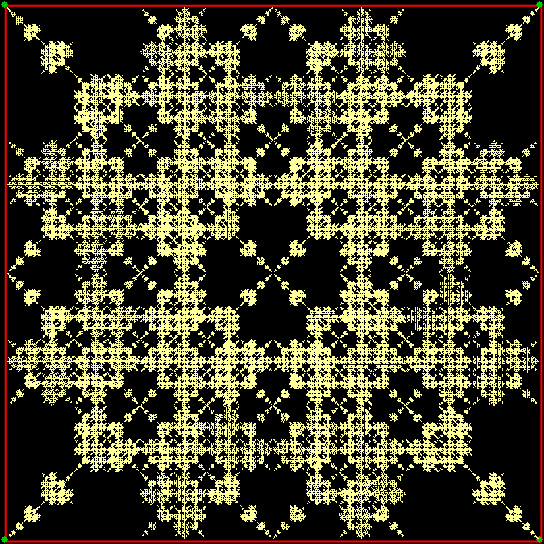
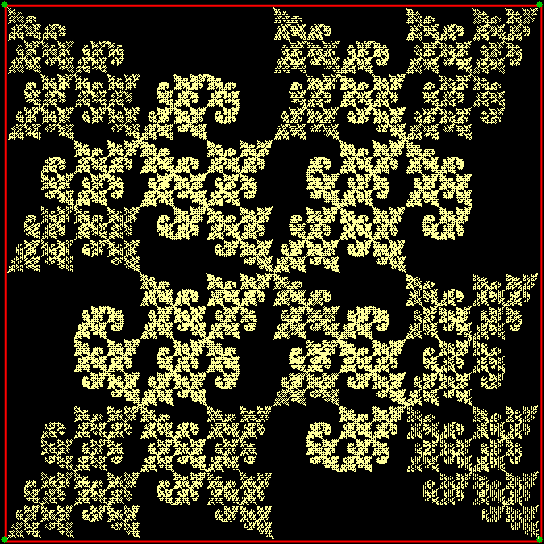
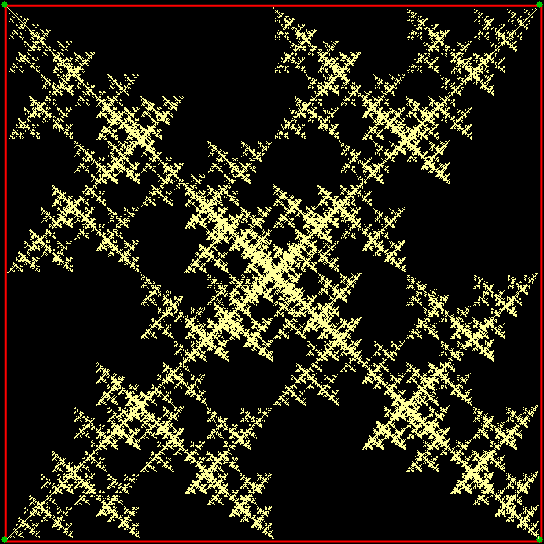
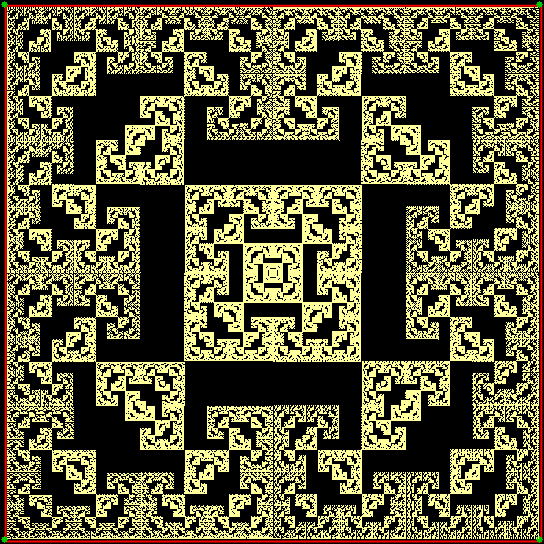
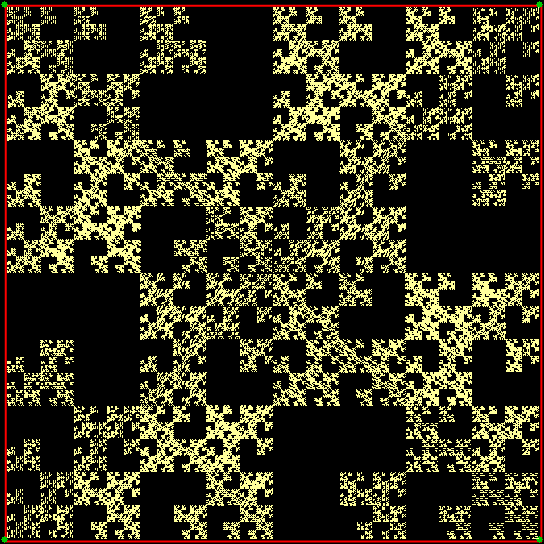
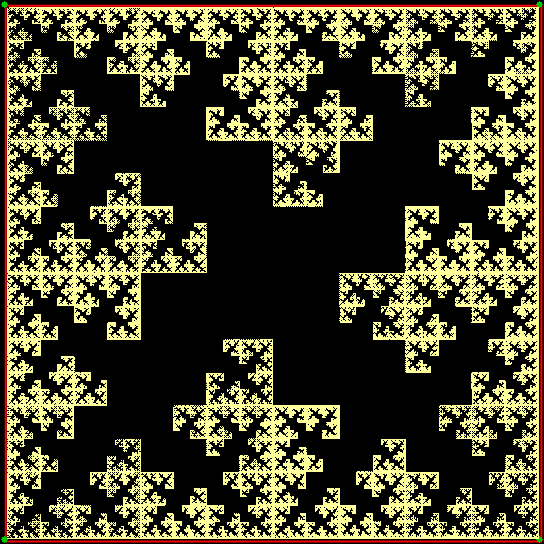
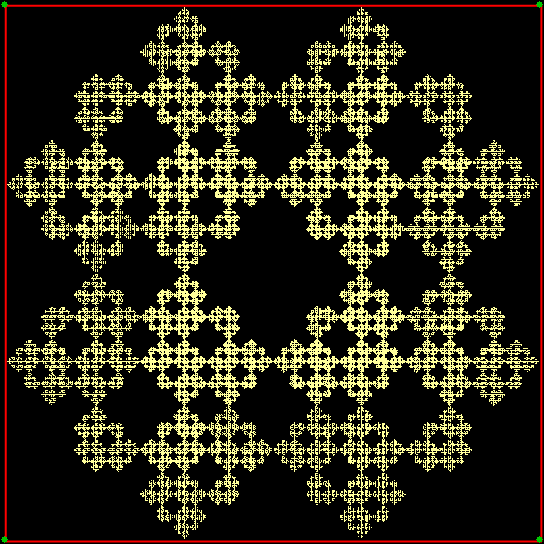
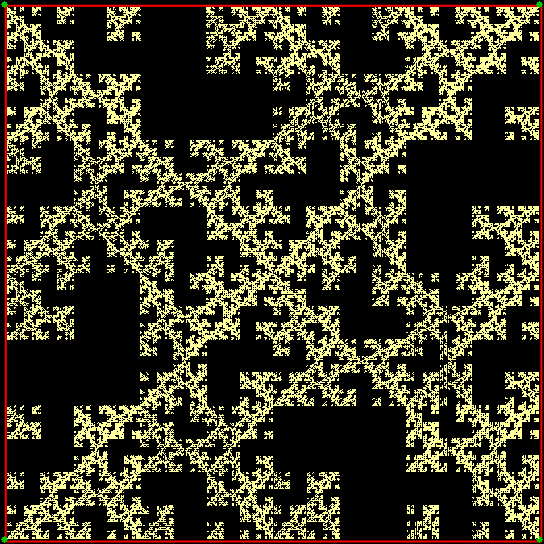
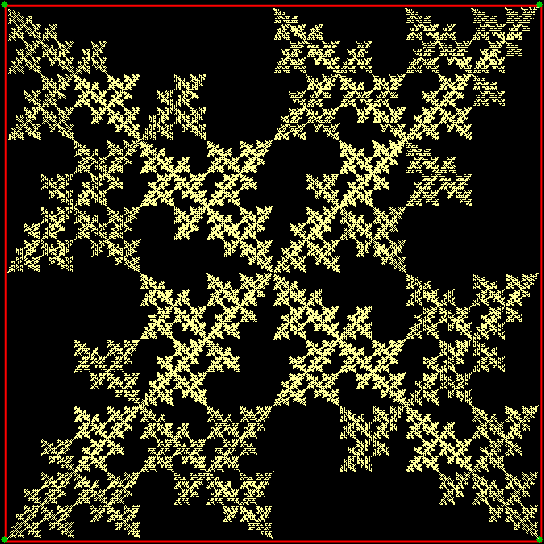
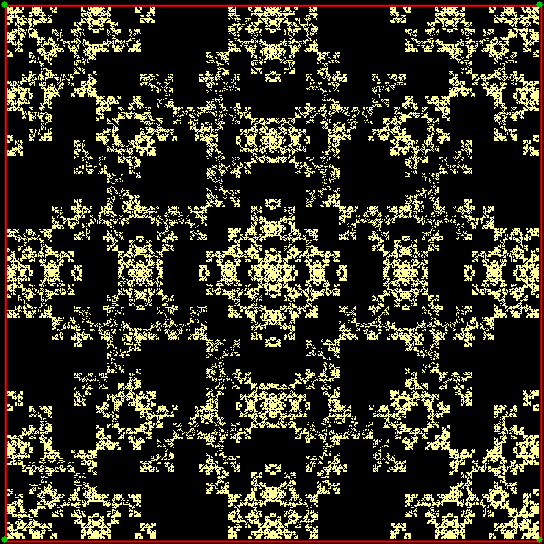
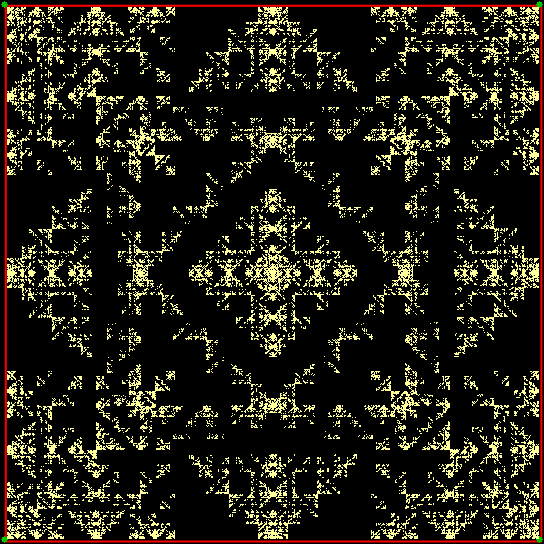
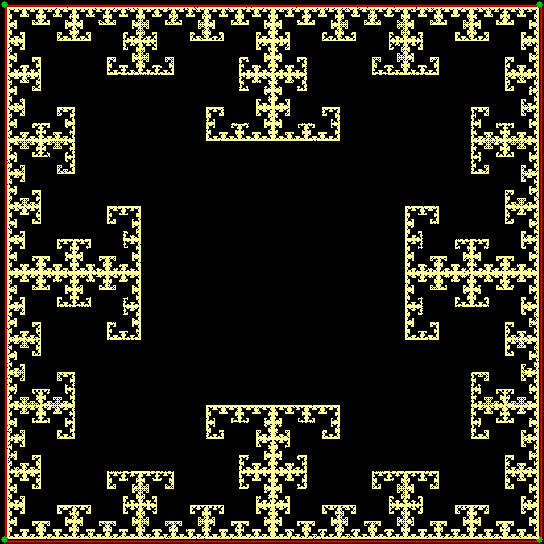
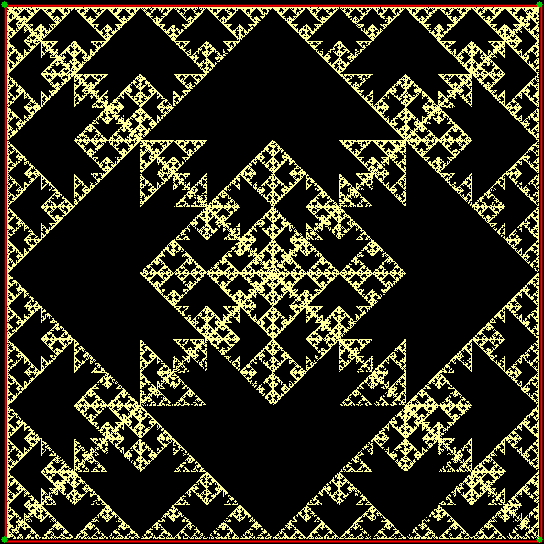
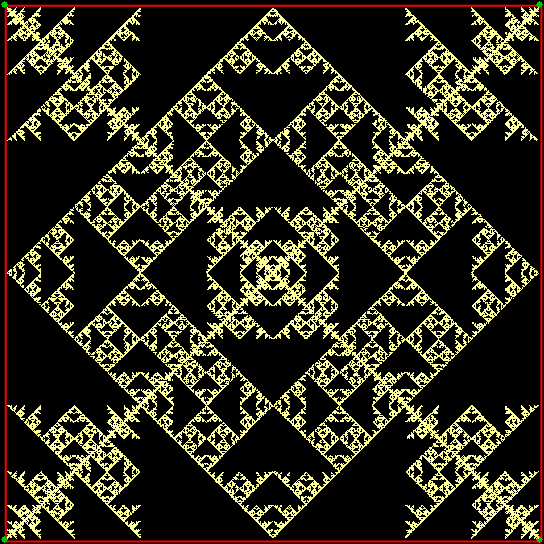
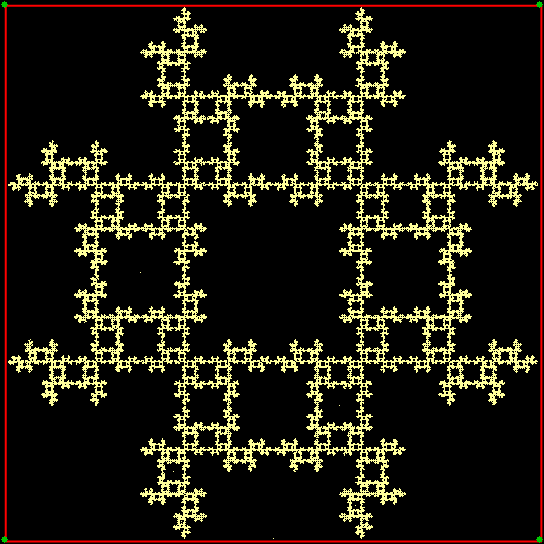
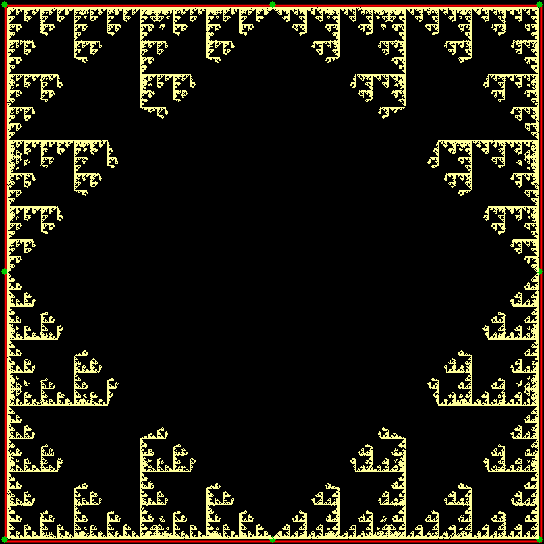
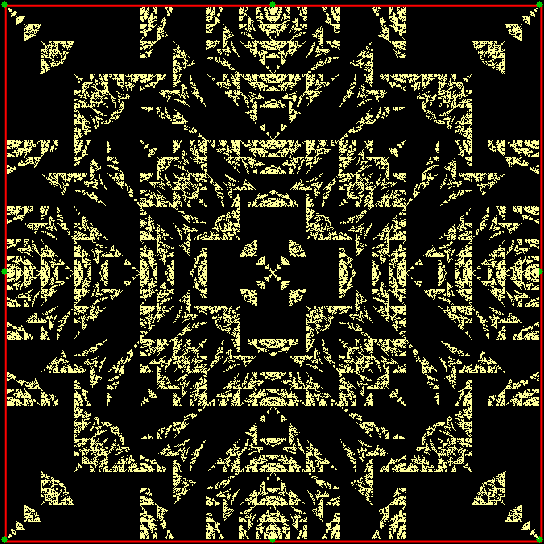
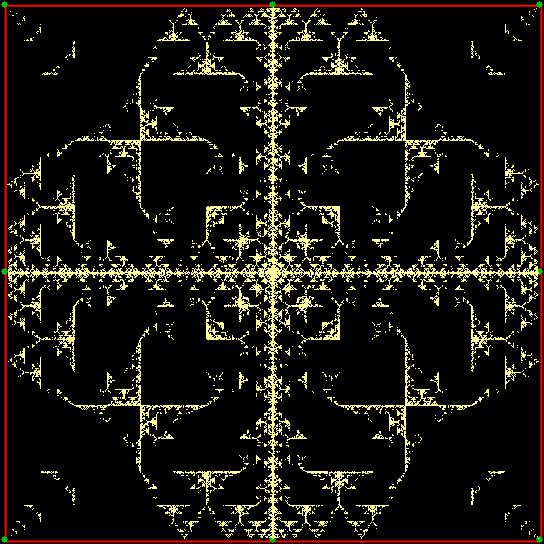
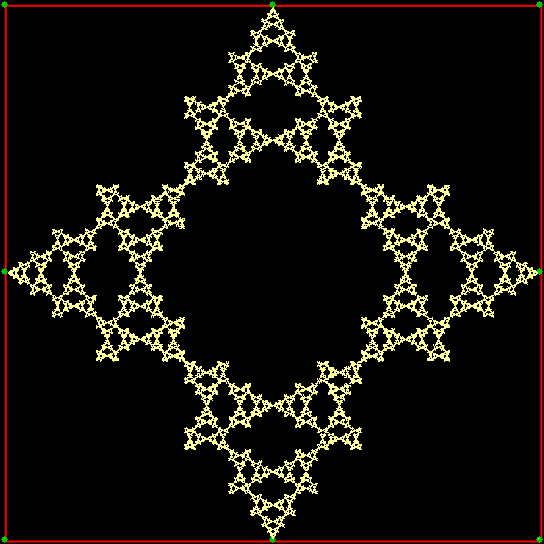
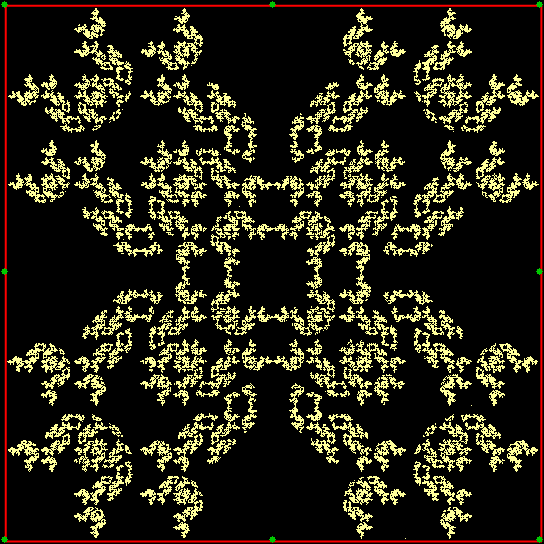
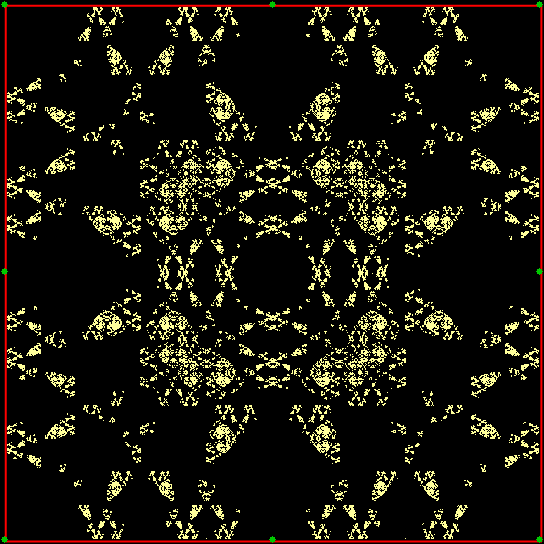
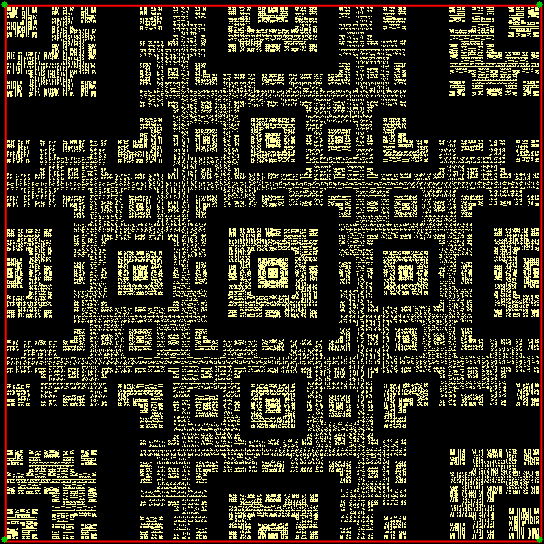
Pre-previously in my post-passionate portrayal of polygonic performativity, I’ve usually looked at what happens when a moving point is banned from jumping twice-in-a-row (and so on) towards the same vertex of a square or other polygon. But what happens when the point isn’t banned but compelled to do something different? For example, if the point usually jumps 1/2 of the distance towards the vertex for the second (third, fourth…) time, you could make it jump 2/3 of the way, like this:

usual jump = 1/2, forced jump = 2/3


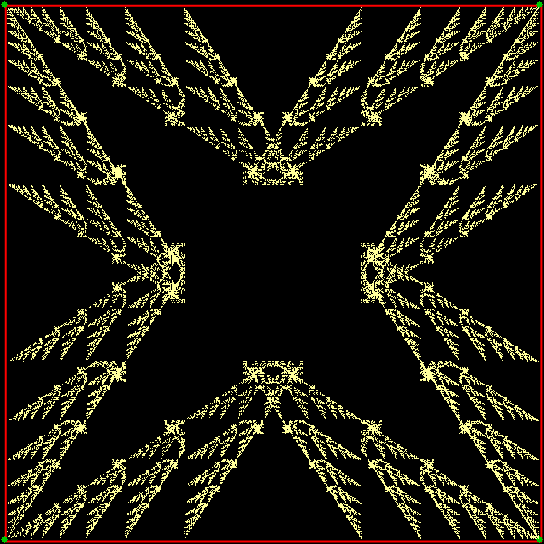
And here are the fractals created when the vertex currently chosen is one or two places clockwise from the vertex chosen before:

usual jump = 1/2, forced jump = 2/3, vertex-inc = +1


j1 = 1/2, j2 = 2/3, vi = +2


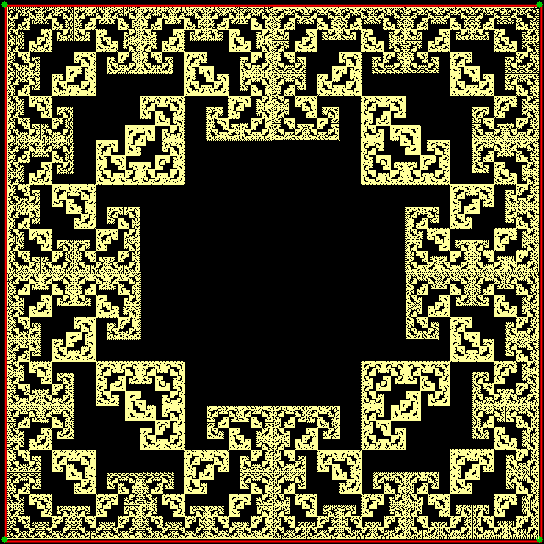
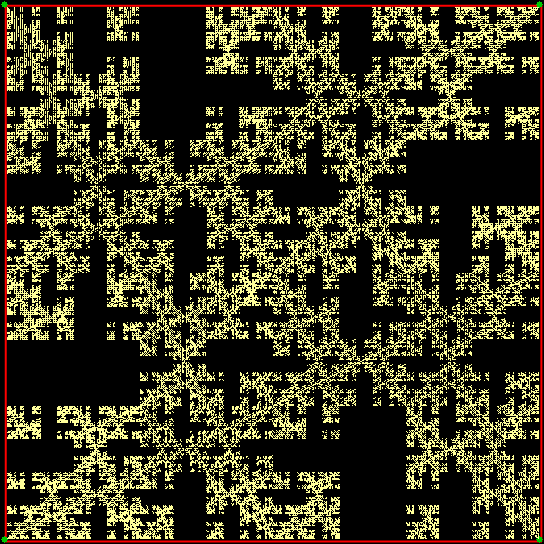
Or you can make the point jump towards a different vertex to the one chosen, without recording the different vertex in the history of jumps:

v1 = +0, v2 = +1, j = 1/2


v1 = +0, v2 = +1, vi = +2


v1 = 0, v2 = +2


v1 = 0, v2 = +2, vi = +1


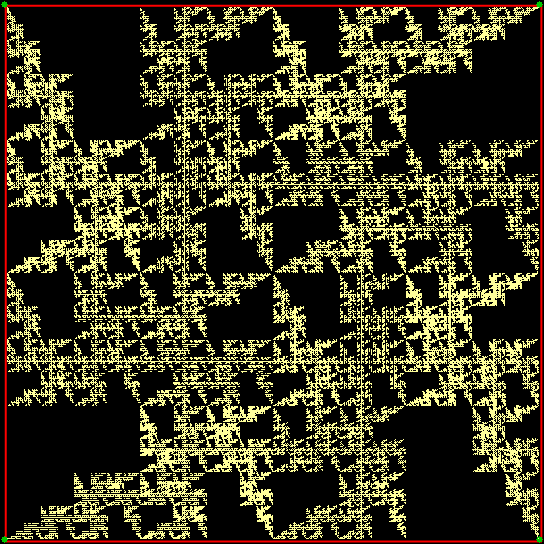
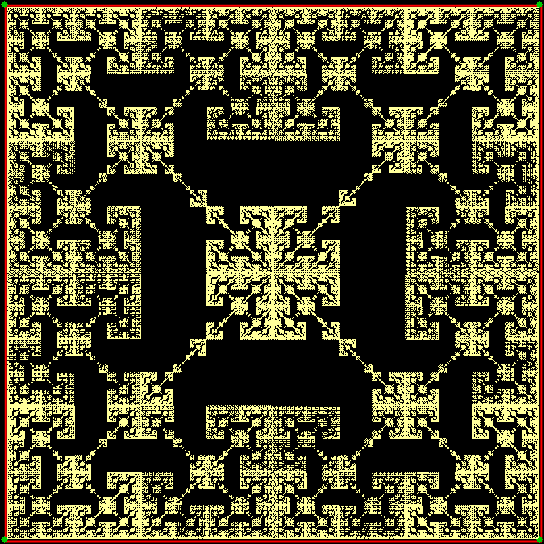
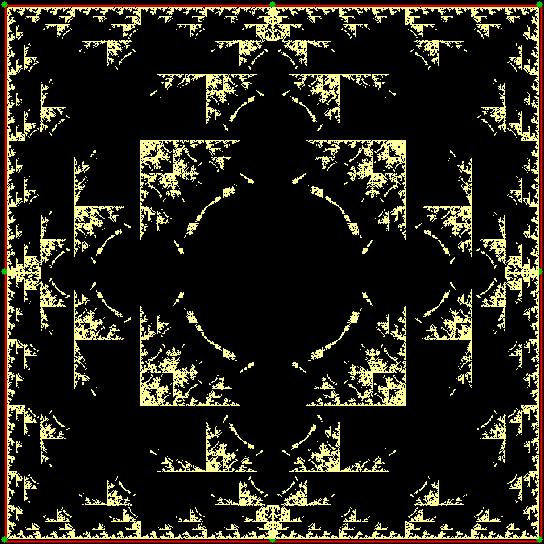
Or you can make the point jump towards the center of the square:

v1 = 0, v2 = center, j = 1/2


v1 = 0, v2 = center, vertex-inc = +1


v1 = 0, v2 = center, vertex-inc = +2


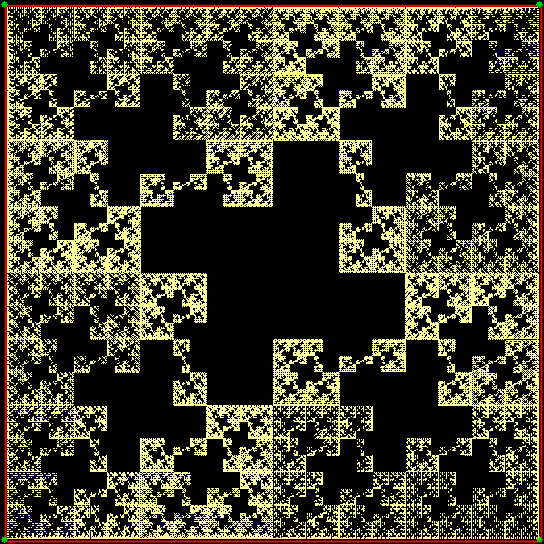
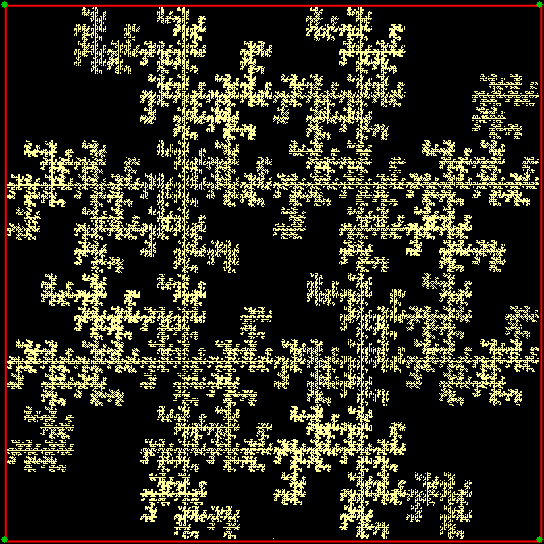
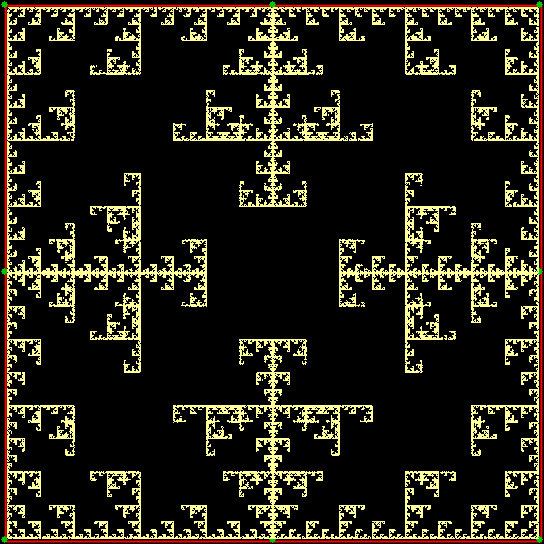
And so on:

v1 = +1, v2 = +1, vi = +1


v1 = +1, v2 = +1, vi = +2


v1 = +0, v2 = +1, reverse test


v1 = +0, v2 = +1, vi = +1, reverse test


v1 = +0, v2 = +1, vi = +2, reverse test


v1 = +0, v2 = +2, reverse test


v1 = +0, v2 = +2, vi = +1, reverse test


v1 = +2, v2 = +2, vi = +1, reverse test


j1 = 1/2, j2 = 2/3, vi = +0,+0 (record previous two jumps in history)


j1 = 1/2, j2 = 2/3, vi = +0,+2


j1 = 1/2, j2 = 2/3, vi = +2,+2


j1 = 1/2, j2 = 2/3, vi = +0,+0,+0 (previous three jumps)


Previously pre-posted (please peruse):

Square Routes
Square Routes Revisited
Square Routes Re-Revisited
Square Routes Re-Re-Revisited
Square Routes Re-Re-Re-Revisited

Lost Lustre

Adonis, M. Cytheris, and M. Menelaus, is indescribable; the eyes are pained as they gaze upon it; yet there is said to be an unnamed species from the emerald mountains of Bogota, of which a single specimen is in a private cabinet in London, which is far more lustrous than these.” — The Romance of Natural History (1861), Philip Henry Gosse
Monbiot’s Mothbiota

When they opened the trap, I was astonished by the range and beauty of their catch. There were pink and olive elephant hawkmoths; a pine hawkmoth, feathered and ashy; a buff arches, patterned and gilded like the back of a barn owl; flame moths in polished brass; the yellow kites of swallow-tailed moths; common emeralds the colour of a northern sea, with streaks of foam; grey daggers; a pebble prominent; heart and darts; coronets; riband waves; willow beauties; an elder pearl; small magpie; double-striped pug; rosy tabby. The names testify to a rich relationship between these creatures and those who love them. — George Monbiot, “Our selective blindness is lethal to the living world”, The Guardian, 20xii2017
Get Your Prox Off #3

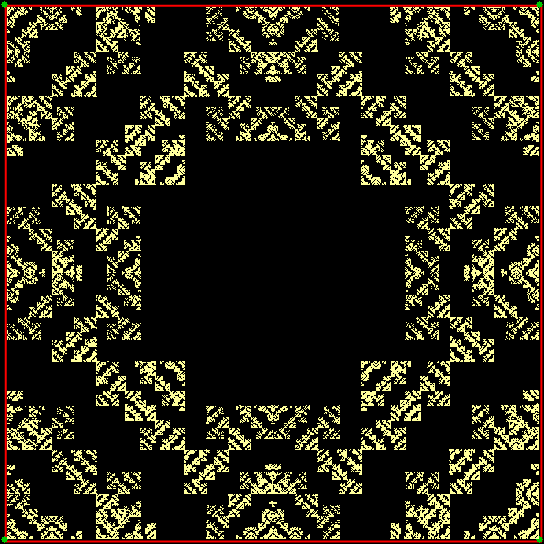
I’ve looked at lot at the fractals created when you randomly (or quasi-randomly) choose a vertex of a square, then jump half of the distance towards it. You can ban jumps towards the same vertex twice in a row, or jumps towards the vertex clockwise or anticlockwise from the vertex you’ve just chosen, and so on.

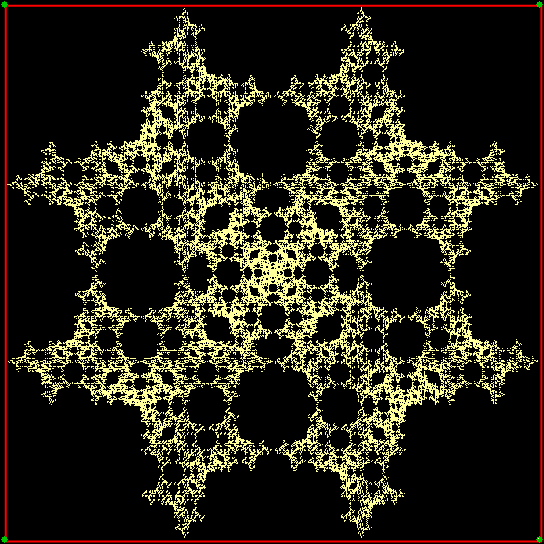
But you don’t have to choose vertices directly: you can also choose them by distance or proximity (see “Get Your Prox Off” for an earlier look at fractals-by-distance). For example, this fractal appears when you can jump half-way towards the nearest vertex, the second-nearest vertex, and the third-nearest vertex (i.e., you can’t jump towards the fourth-nearest or most distant vertex):

vertices = 4, distance = (1,2,3), jump = 1/2


It’s actually the same fractal as you get when you choose vertices directly and ban jumps towards the vertex diagonally opposite from the one you’ve just chosen. But this fractal-by-distance isn’t easy to match with a fractal-by-vertex:

v = 4, d = (1,2,4), j = 1/2


Nor is this one:

v = 4, d = (1,3,4)


This one, however, is the same as the fractal-by-vertex created by banning a jump towards the same vertex twice in a row:

v = 4, d = (2,3,4)


The point can jump towards second-nearest, third-nearest and fourth-nearest vertices, but not towards the nearest. And the nearest vertex will be the one chosen previously.

Now let’s try squares with an additional point-for-jumping-towards on each side (the points are numbered 1 to 8, with points 1, 3, 5, 7 being the true vertices):

v = 4 + s1 point on each side, d = (1,2,3)


v = 4 + s1, d = (1,2,5)


v = 4 + s1, d = (1,2,7)


v = 4 + s1, d = (1,3,8)


v = 4 + s1, d = (1,4,6)


v = 4 + s1, d = (1,7,8)


v = 4 + s1, d = (2,3,8)


v = 4 + s1, d = (2,4,8)


And here are squares where the jump is 2/3, not 1/2, and you can choose only the nearest or third-nearest jump-point:

v = 4, d = (1,3), j = 2/3


v = 4 + s1, d = (1,3), j = 2/3


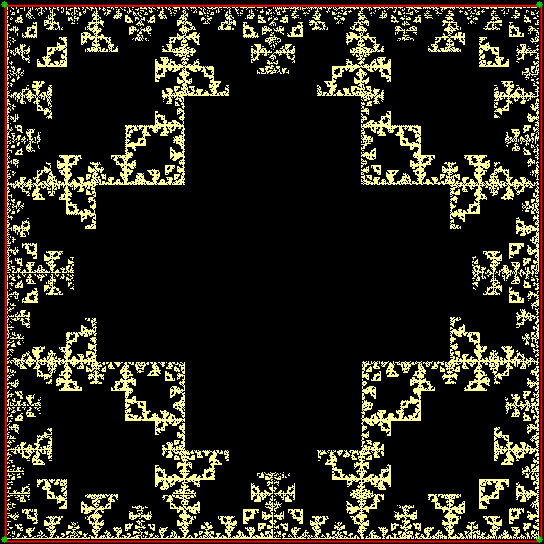
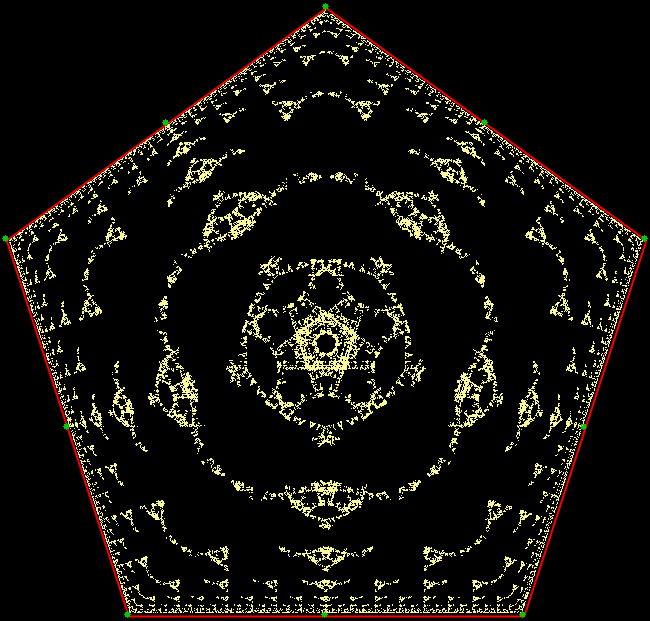
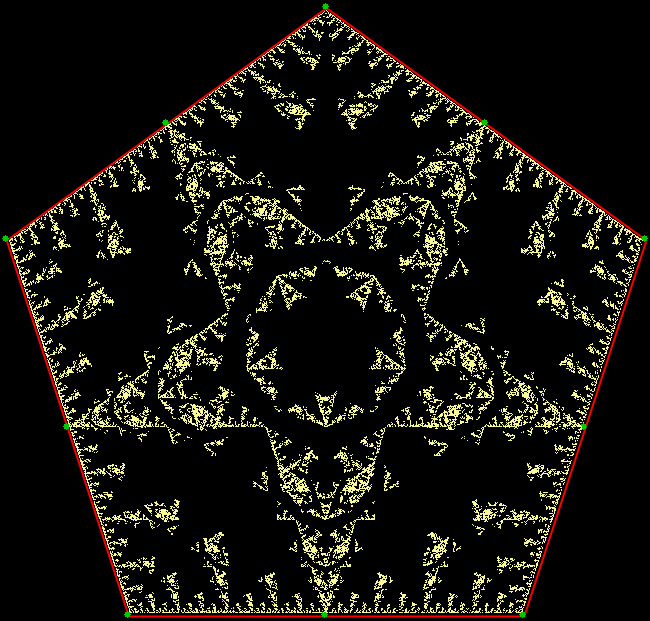
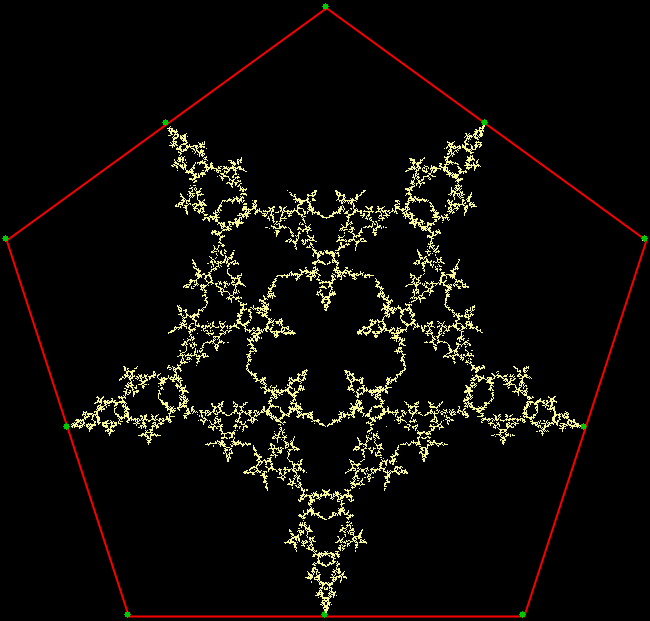
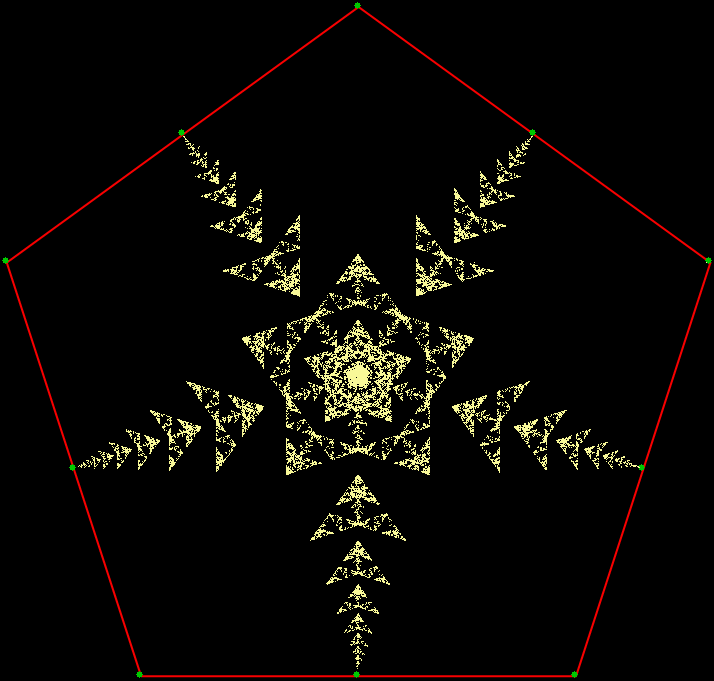
Now here are some pentagonal fractals-by-distance:

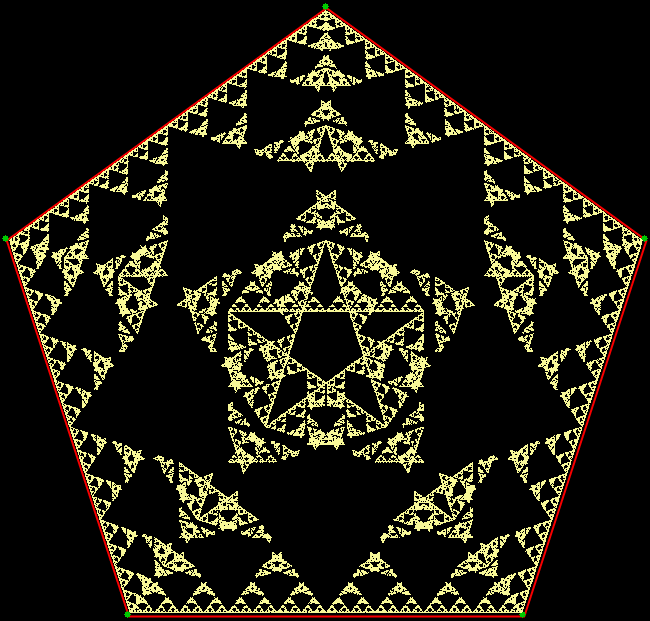
v = 5, d = (1,2,5), j = 1/2


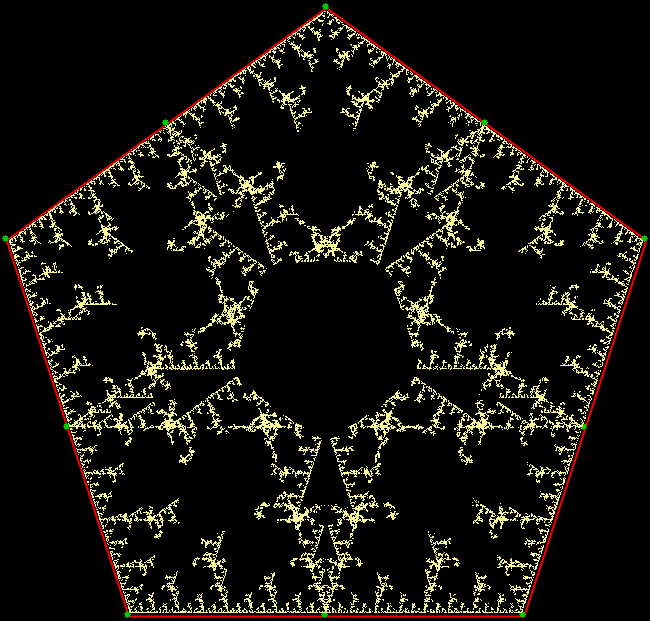
v = 5 + s1, d = (1,2,7)


v = 5 + s1, d = (1,2,8)


v = 5 + s1, d = (1,2,9)


v = 5 + s1, d = (1,9,10)


v = 5 + s1, d = (1,10), j = 2/3


v = 5 + s1, d = (various), j = 2/3 (animated)


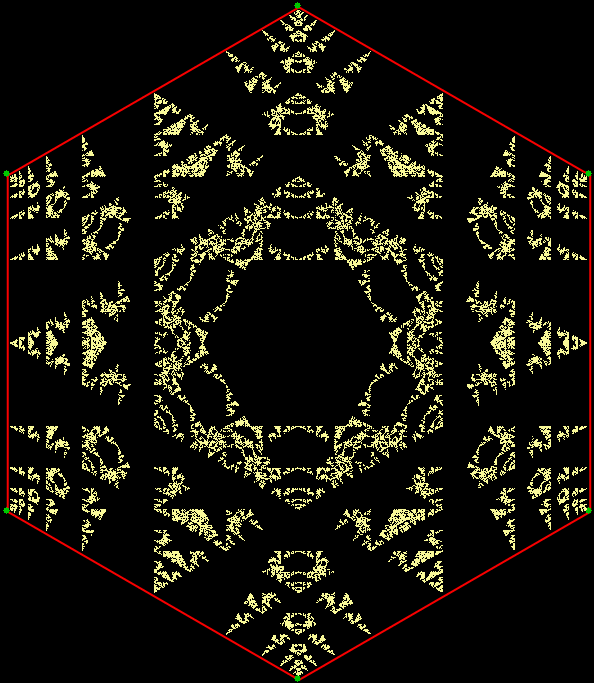
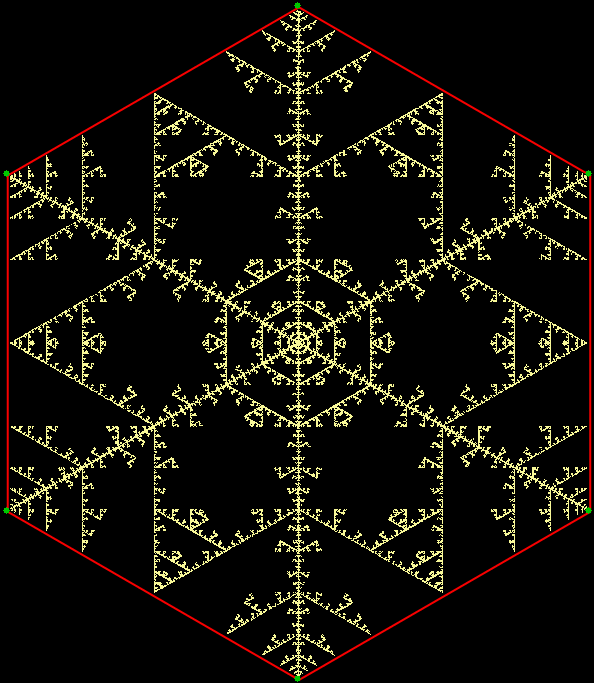
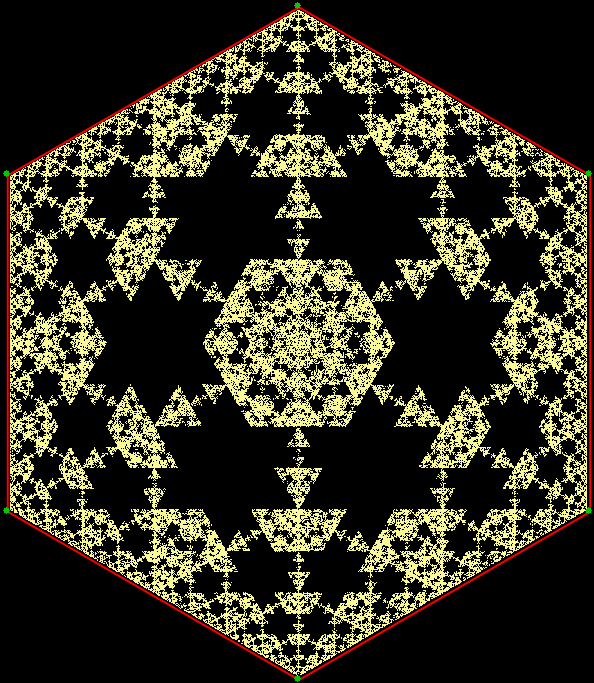
And now some hexagonal fractals-by-distance:

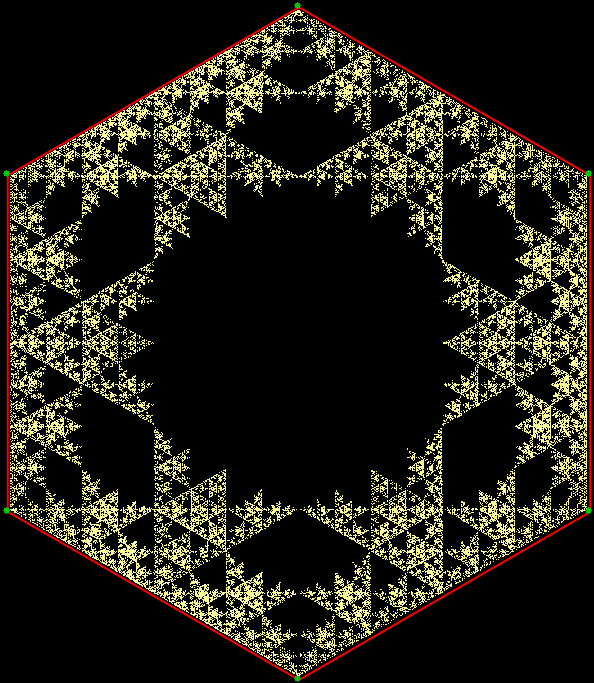
v = 6, d = (1,2,4), j = 1/2


v = 6, d = (1,3,5)


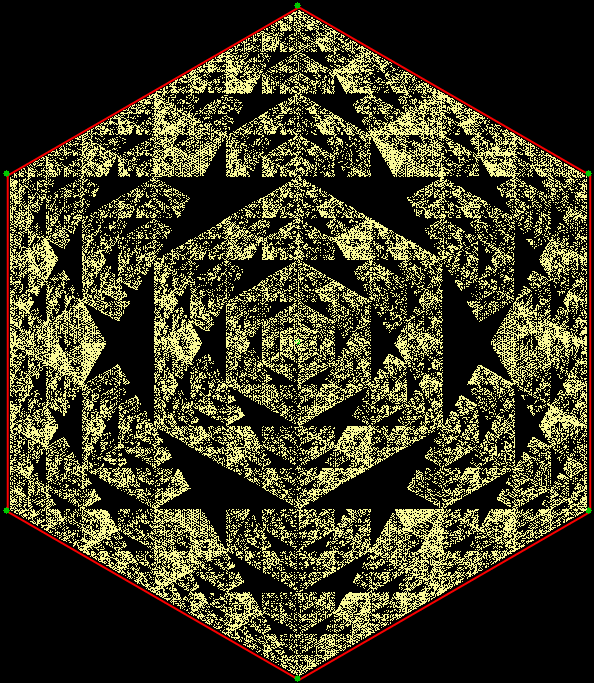
v = 6, d = (1,3,6)


v = 6, d = (1,2,3,4)


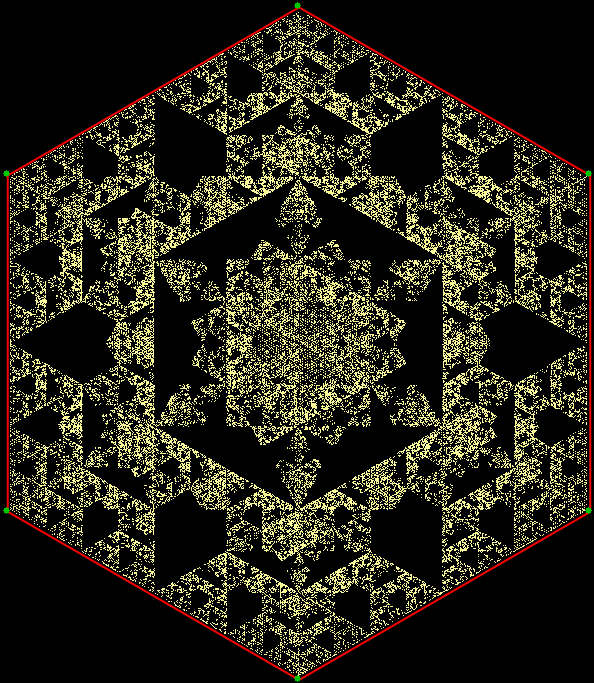
v = 6 + central point, d = (1,2,3,4)


v = 6, d = (1,2,3,6)


v = 6, d = (1,2,4,6)


v = 6, d = (1,3,4,5)


v = 6, d = (1,3,4,6)


v = 6, d = (1,4,5,6)


Elsewhere other-accessible:

Get Your Prox Off — an earlier look at fractals-by-distance
Get Your Prox Off # 2 — and another

Loricifera Rising

Marine Loriciferan Pliciloricus enigmaticus

The very Lovecraftian Loriciferan Pliciloricus enigmaticus (Higgins & Kristensen, 1986)


N.B. The title of this incendiary intervention is a paronomasia on Kenneth Anger’s film Lucifer Rising (1972) (which I ain’t never seen nohow).

B a Pal

As a keyly committed core component of the counter-cultural community (I wish!), I like to post especially edgy and esoteric material to Overlord In Terms of Core Issues Around Maximal Engagement with Key Notions of the Über-Feral on the 23rd of each month. And today I may be posting the especially edgiest and esoterickest material ever dot dot dot

After all, this entry at the Online Encyclopedia of Integer Sequences is about numbers that are palindromes in two particularly pertinent bases:

A060792 Numbers that are palindromic in bases 2 and 3.

0, 1, 6643, 1422773, 5415589, 90396755477, 381920985378904469, 1922624336133018996235, 2004595370006815987563563, 8022581057533823761829436662099, 392629621582222667733213907054116073, 32456836304775204439912231201966254787, 428027336071597254024922793107218595973 (A060792 at OEIS, with more entries)


And here are the underlying palindromes:

0: 0 ↔ 0
1: 1 ↔ 1
6643: 1100111110011 ↔ 100010001
1422773: 101011011010110110101 ↔ 2200021200022
5415589: 10100101010001010100101 ↔ 101012010210101
90396755477: 1010100001100000100010000011000010101 ↔ 22122022220102222022122
381920985378904469: 10101001100110110110001110011011001110001101101100110010101 ↔ 2112200222001222121212221002220022112
1922624336133018996235: 11010000011100111000101110001110011011001110001110100011100111000001011 ↔
122120102102011212112010211212110201201021221
2004595370006815987563563: 110101000011111010101010100101111011110111011110111101001010101010111110000101011 ↔ 221010112100202002120002212200021200202001211010122
8022581057533823761829436662099: 1100101010000100101101110000011011011111111011000011100001101111111101101100000111011010010000101010011 ↔ 21000020210011222122220212010000100001021202222122211001202000012
392629621582222667733213907054116073: 10010111001111000100010100010100000011011011000101011011100000111011010100011011011000000101000101000100011110011101001 ↔ 122102120011102000101101000002010021111120010200000101101000201110021201221
32456836304775204439912231201966254787: 11000011010101111010110010100010010011011010101001101000001000100010000010110010101011011001001000101001101011110101011000011 ↔ 1222100201002211120110022121002012121101011212102001212200110211122001020012221
428027336071597254024922793107218595973: 101000010000000110001000011111100101011110011100001110100011100010001110001011100001110011110101001111110000100011000000010000101 ↔ 222001200110022102121001000200200202022111220202002002000100121201220011002100222

Nail Supremacy

Ὁ γαρ ἡδονής και ἀλγηδόνος ἧλος, ὃς πρὸς το σώμα τήν ψυχην προσηλοῖ, μέγιστον κακὸν ἔχειν ἔοικε, τὸ τα αἰσθητά ποιεῖν ἐναργέστερα τῶν νοητῶν, καὶ καταβιάζεσθαι καὶ πάθει μᾶλλον ἢ λόγῳ κρίνειν τήν διάνοιαν.

• ΠΡΟΒΛΗΜΑ Β’. Πώς Πλάτων ἔλεγε τον θεὸν άεὶ γεωμετρεῖν.


Nam voluptatis et doloris ille clavus, quo animus corpori affigitur, id videtur maximum habere malum, quod sensilia facit intelligibilibus evidentiora, vimque facit intellectui, ut affectionem magis quam rationem in judicando sequatur.

• QUÆSTIO II: Qua ratione Plato dixerit, Deum semper geometriam tractare.


For the nail of pain and pleasure, which fastens the soul to the body, seems to do us the greatest mischief, by making sensible things more powerful over us than intelligible, and by forcing the understanding to determine them rather by passion than by reason.

• Plutarch’s Symposiacs, QUESTION II: What is Plato’s Meaning, When He Says that God Always Plays the Geometer?