He Say, He Sigh, He Sow #46

“… for comic effect he also drew on neglected Arabic words, including buldah, or ‘freedom from hair of the space between the eyebrows’, and bahsala, to ‘remove one’s clothes and gamble with them’.” — Christopher de Bellaigue, The Islamic Enlightenment: The Modern Struggle between Faith and Reason (2017), writing of the Lebanese Christian Maronite novelist Ahmad Faris al-Shidyaq (1805-87) (ch. 5, Vortex, pg. 167)

Bent for the Pent

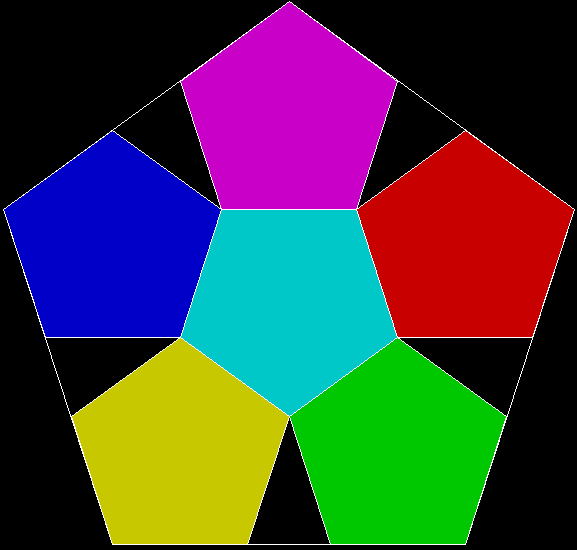
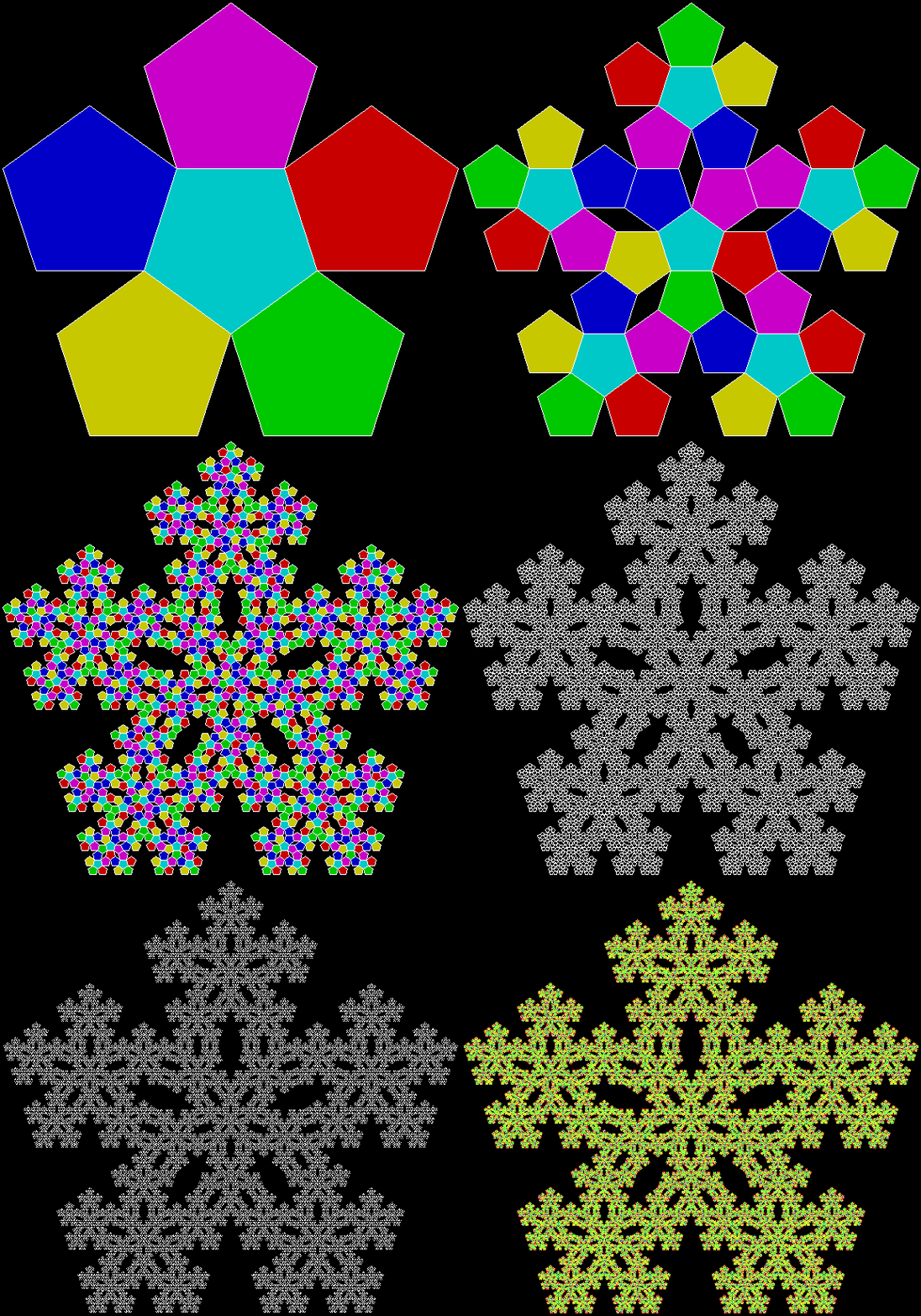
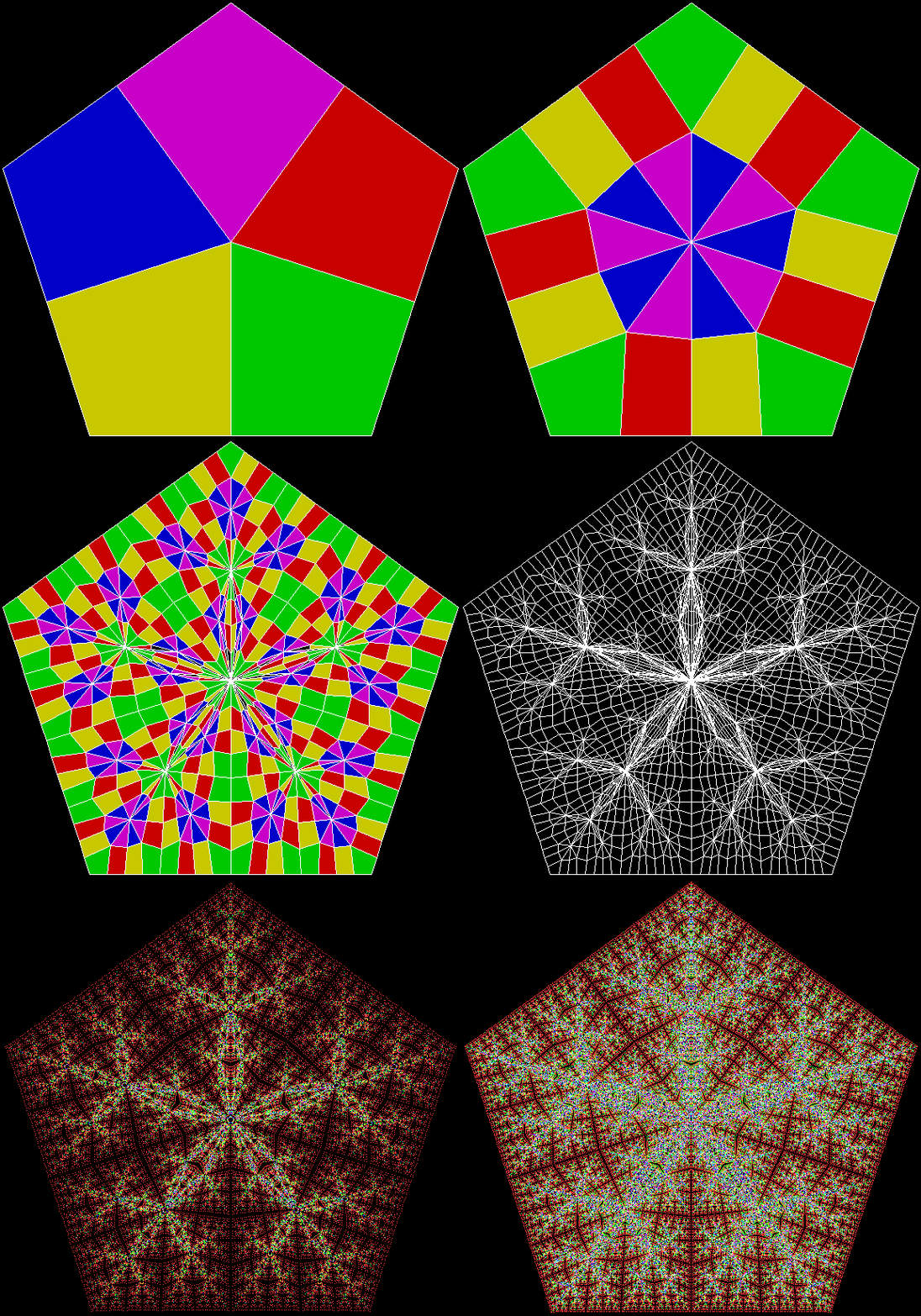
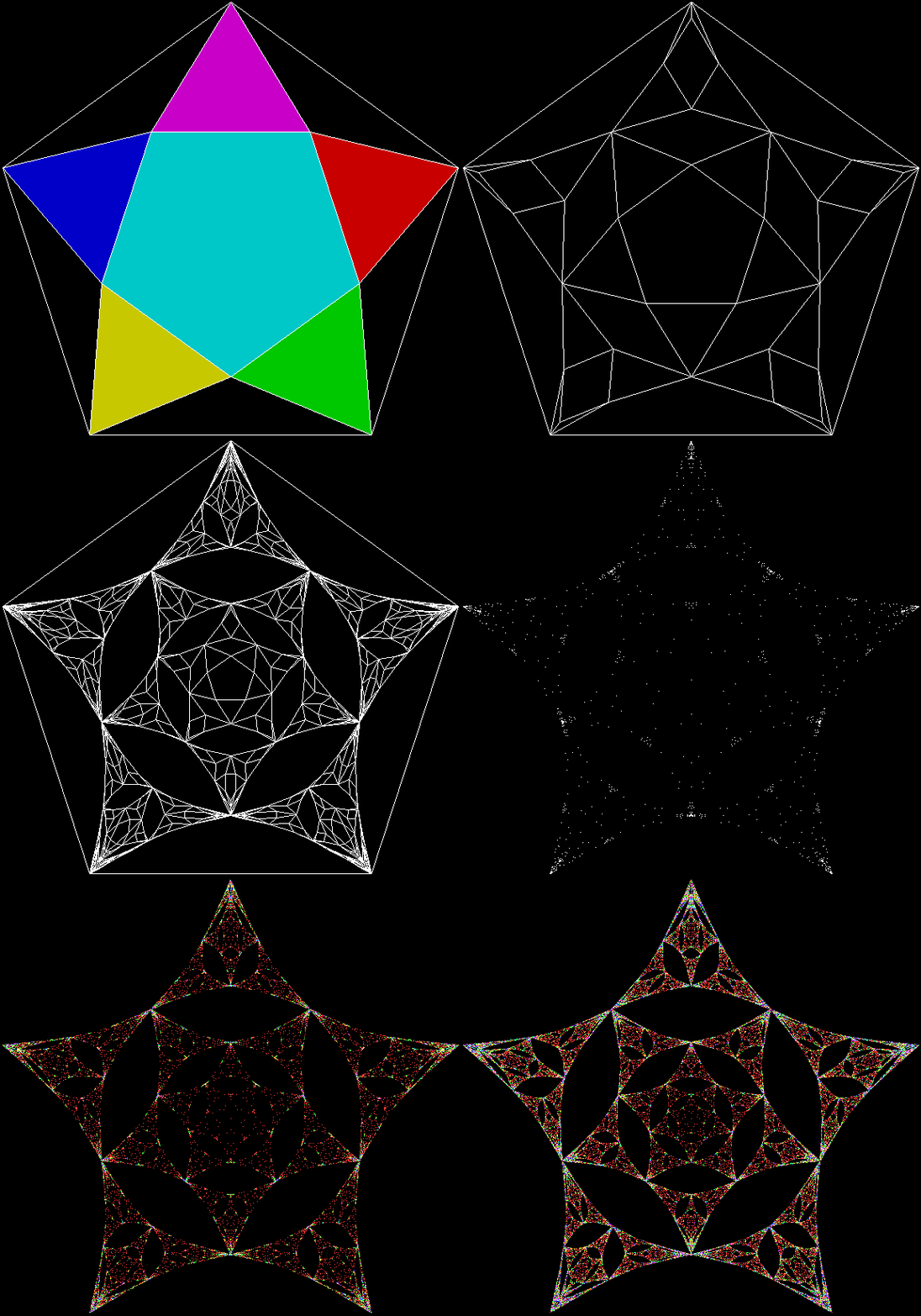
A triangle can be tiled with triangles and a square with squares, but a pentagon can’t be tiled with pentagons. At least, not in the same way, using smaller copies of the same shape. The closest you can get is this:

Pentaflake #1


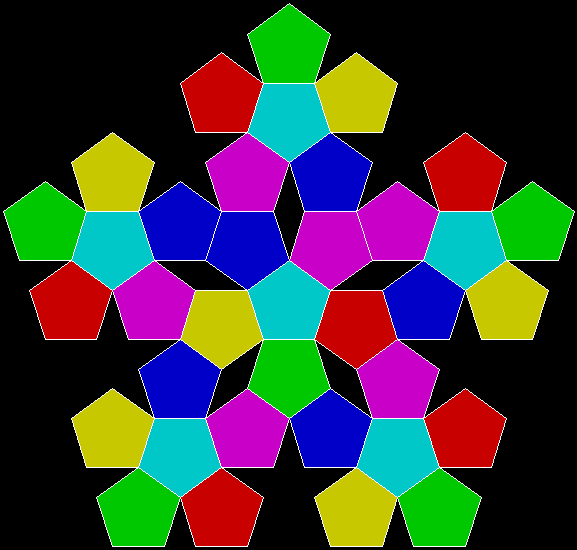
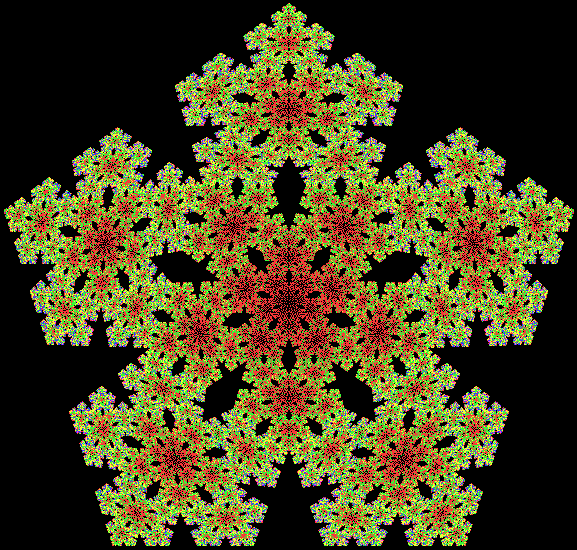
If you further subdivide the pentagon, you create what is known as a pentaflake:

Pentaflake #2


Pentaflake #3


Pentaflake #4


Pentaflake (animated)


Pentaflake (static)


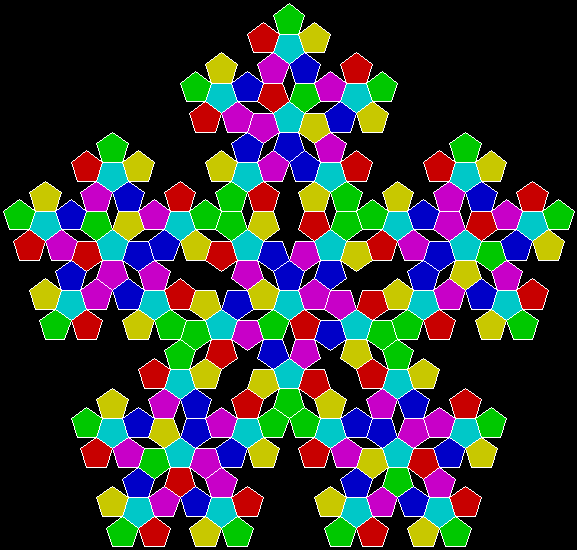
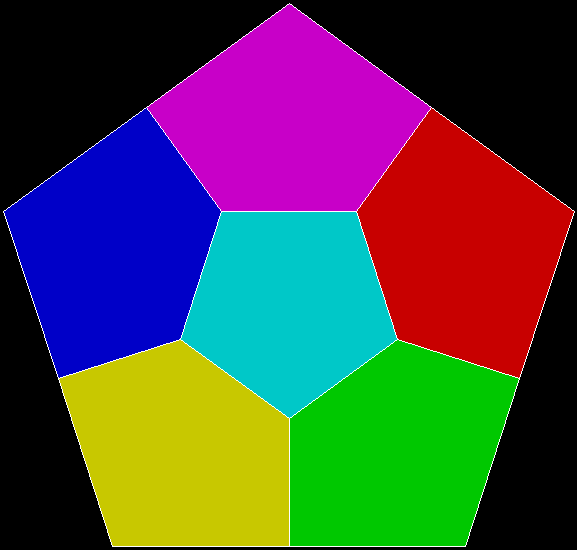
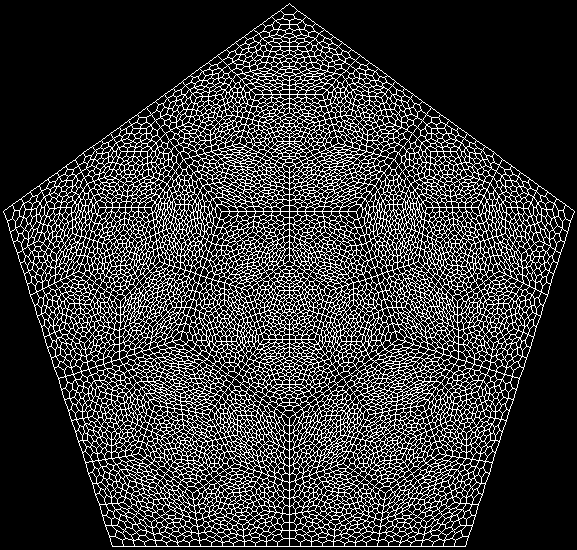
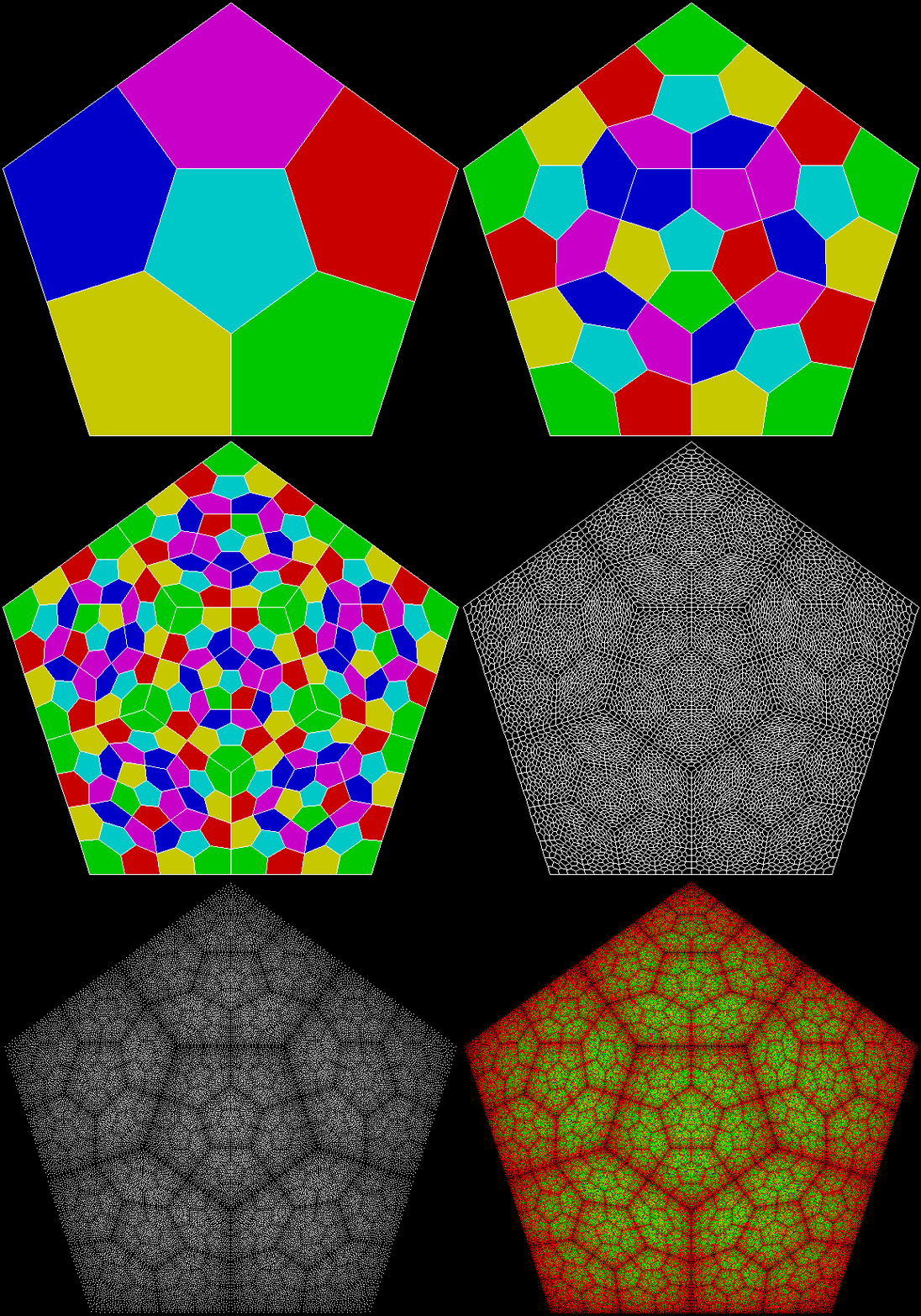
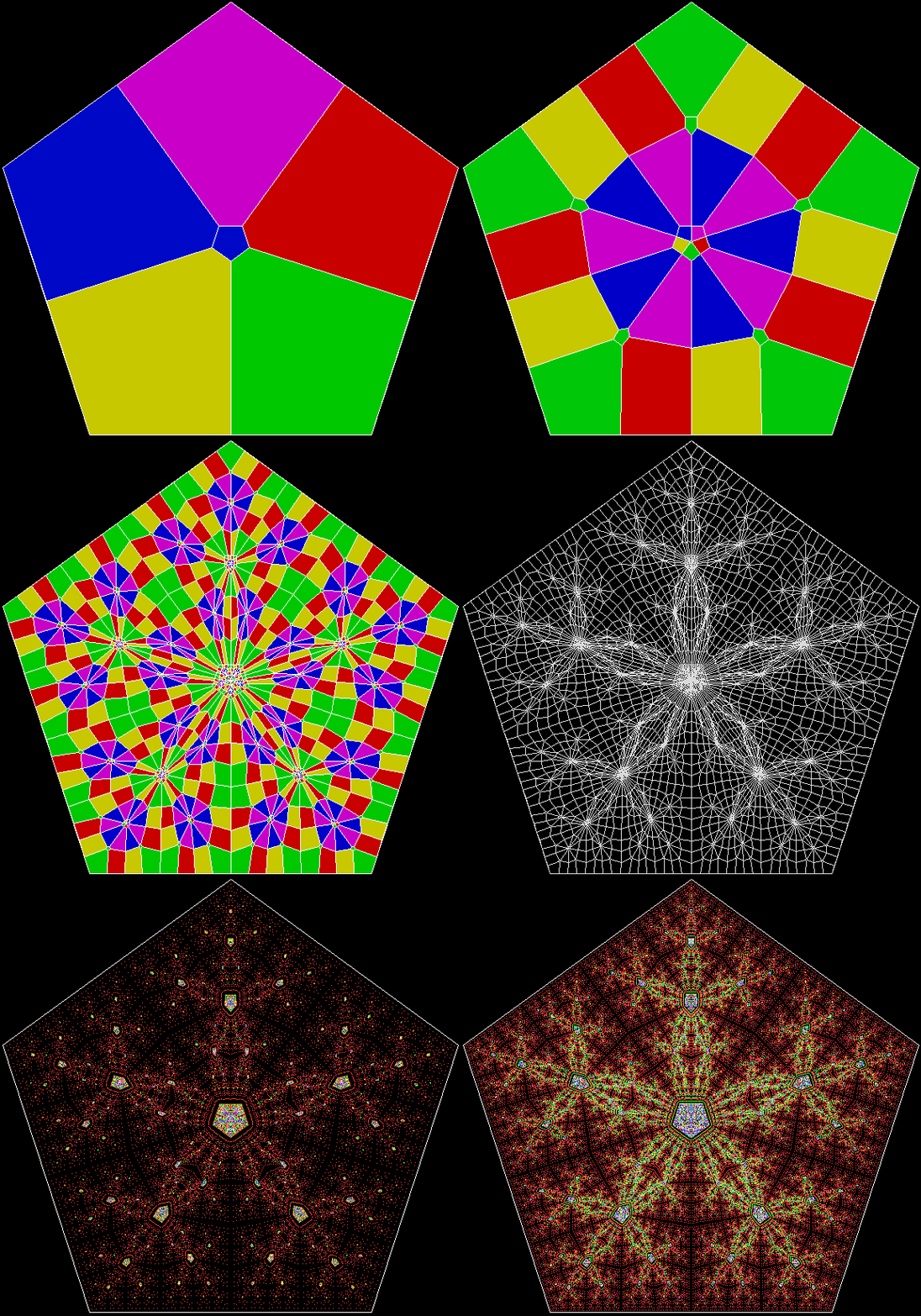
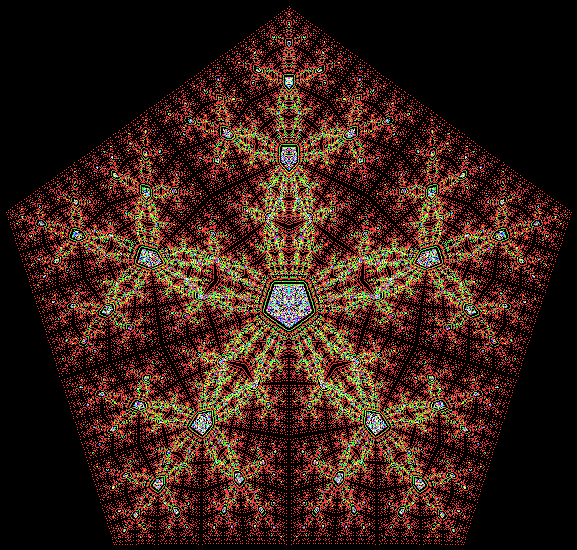
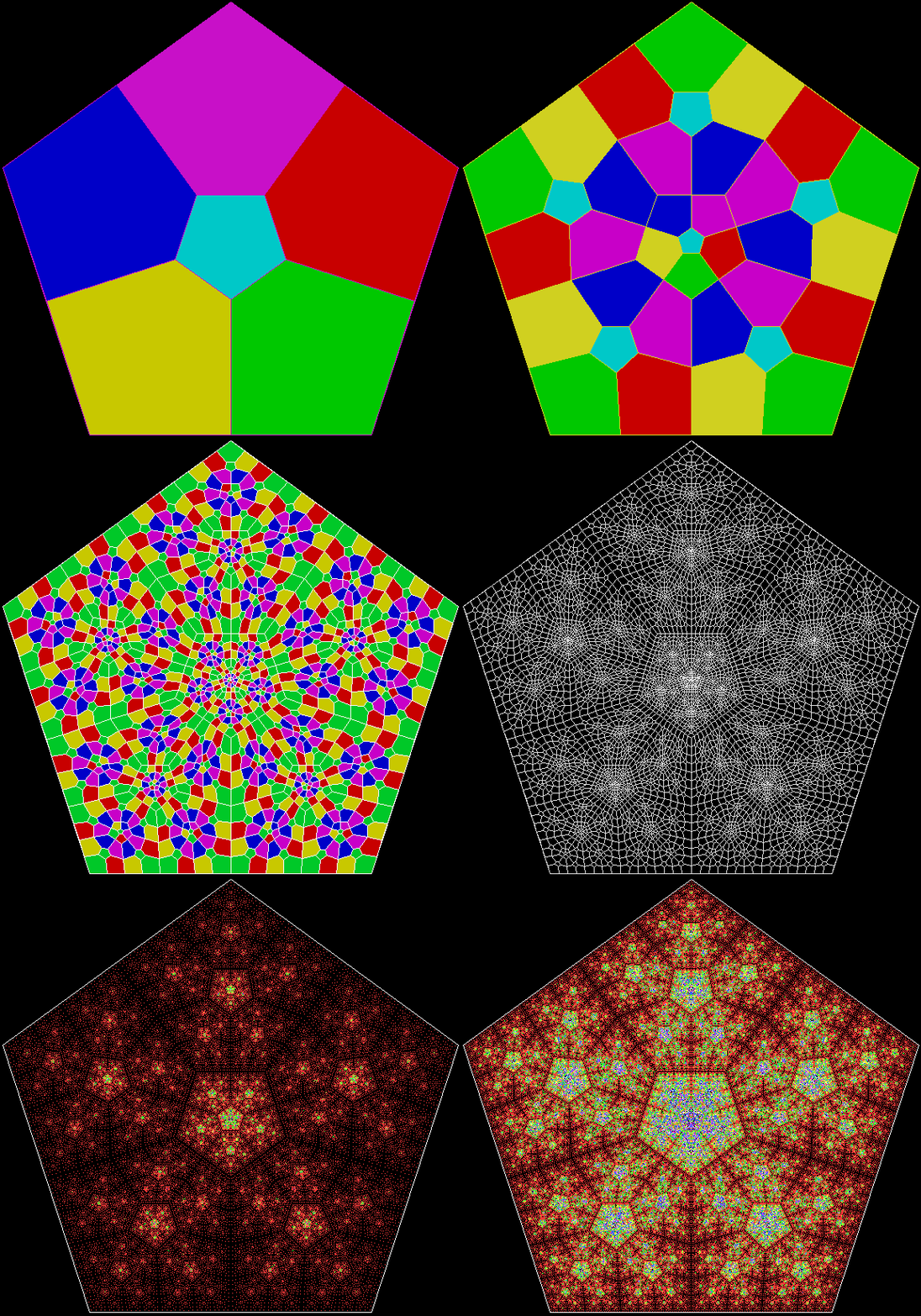
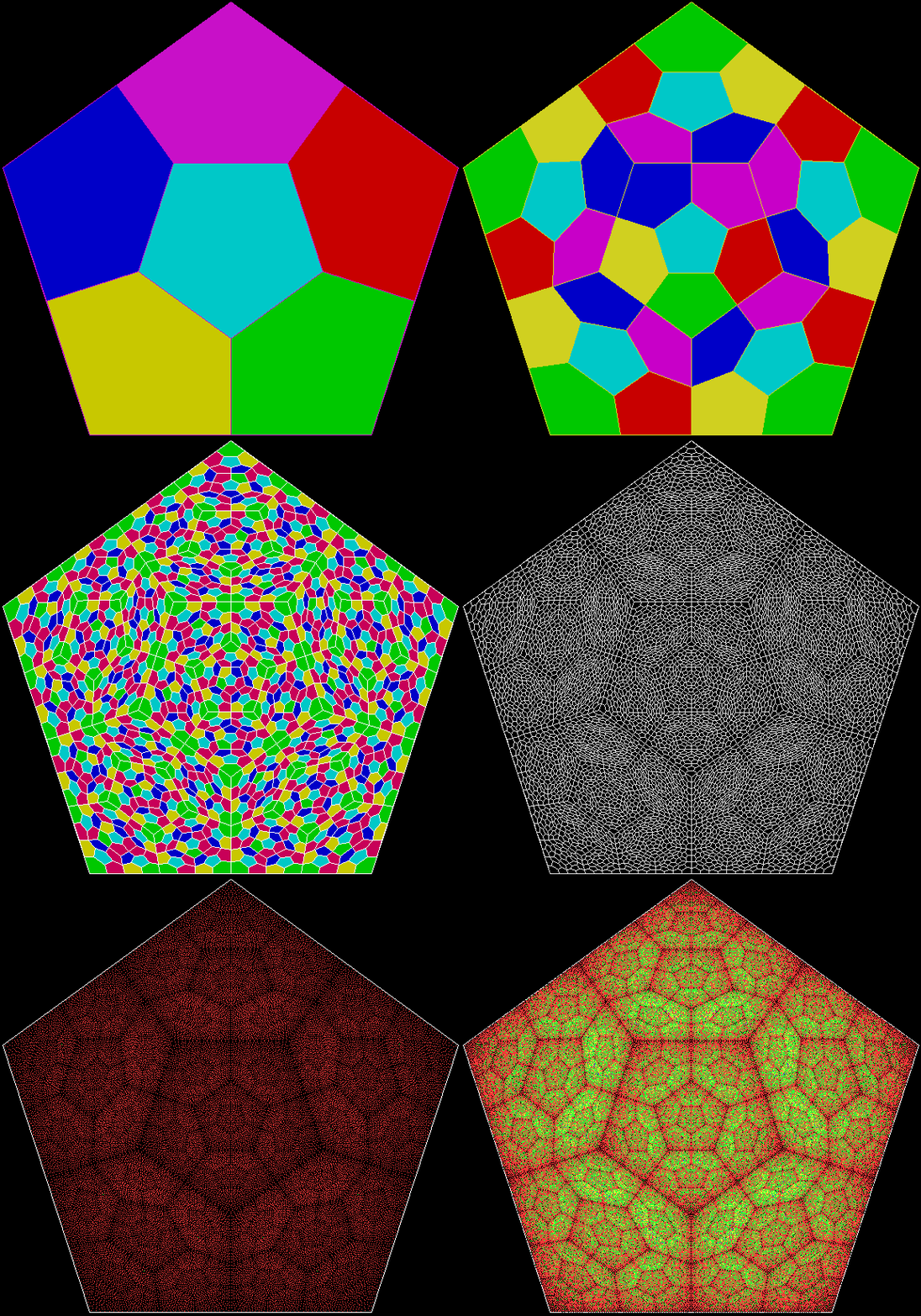
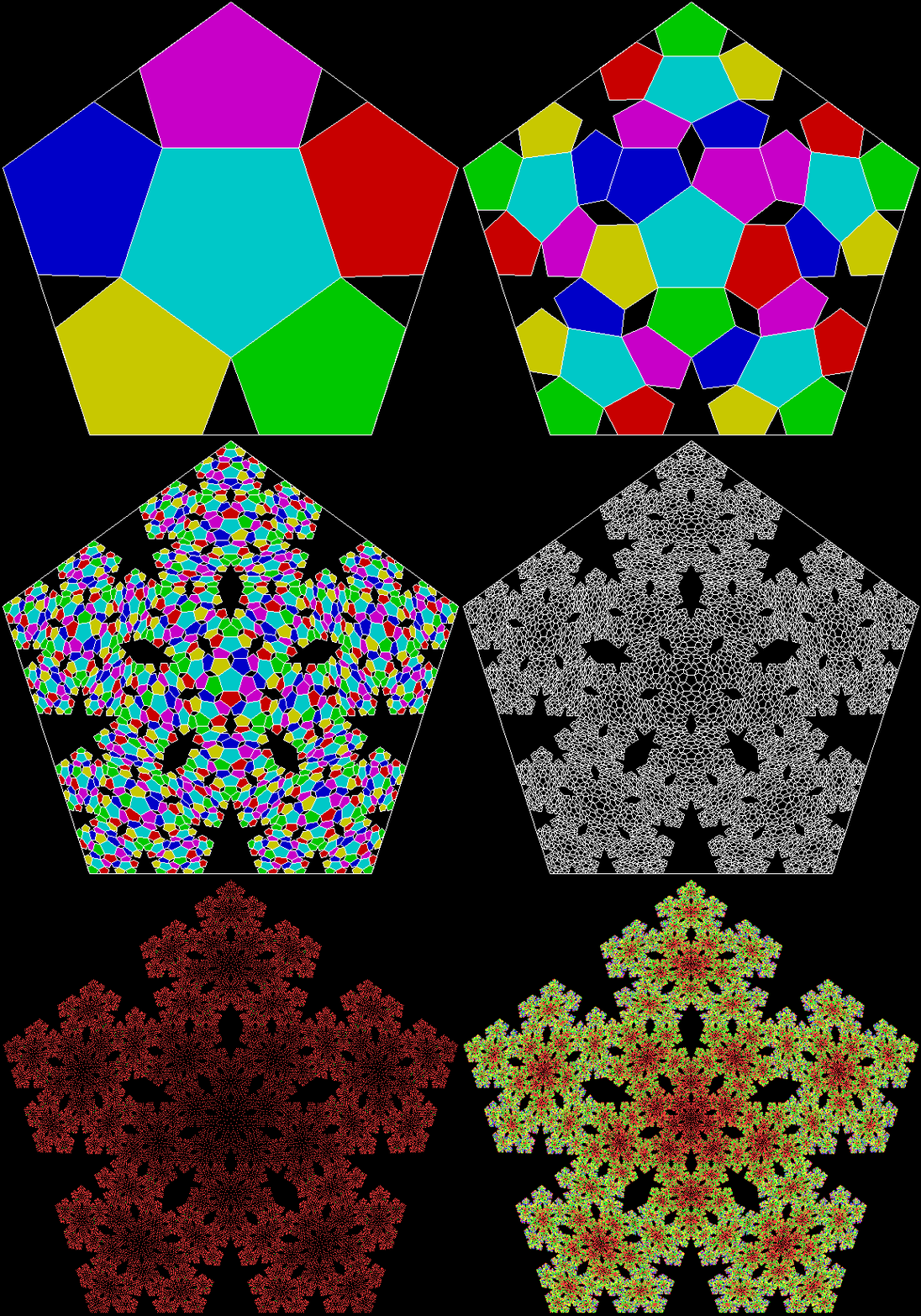
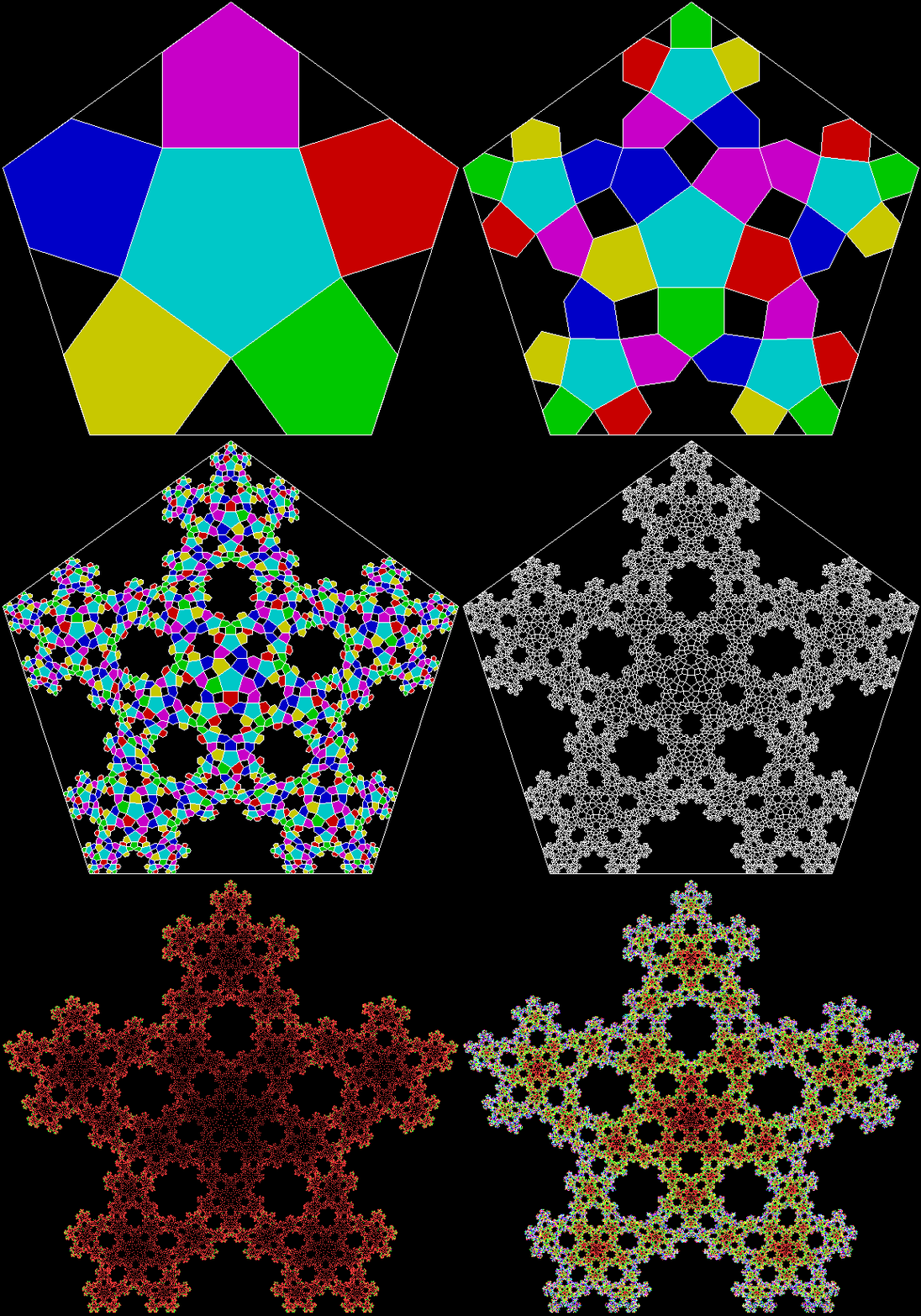
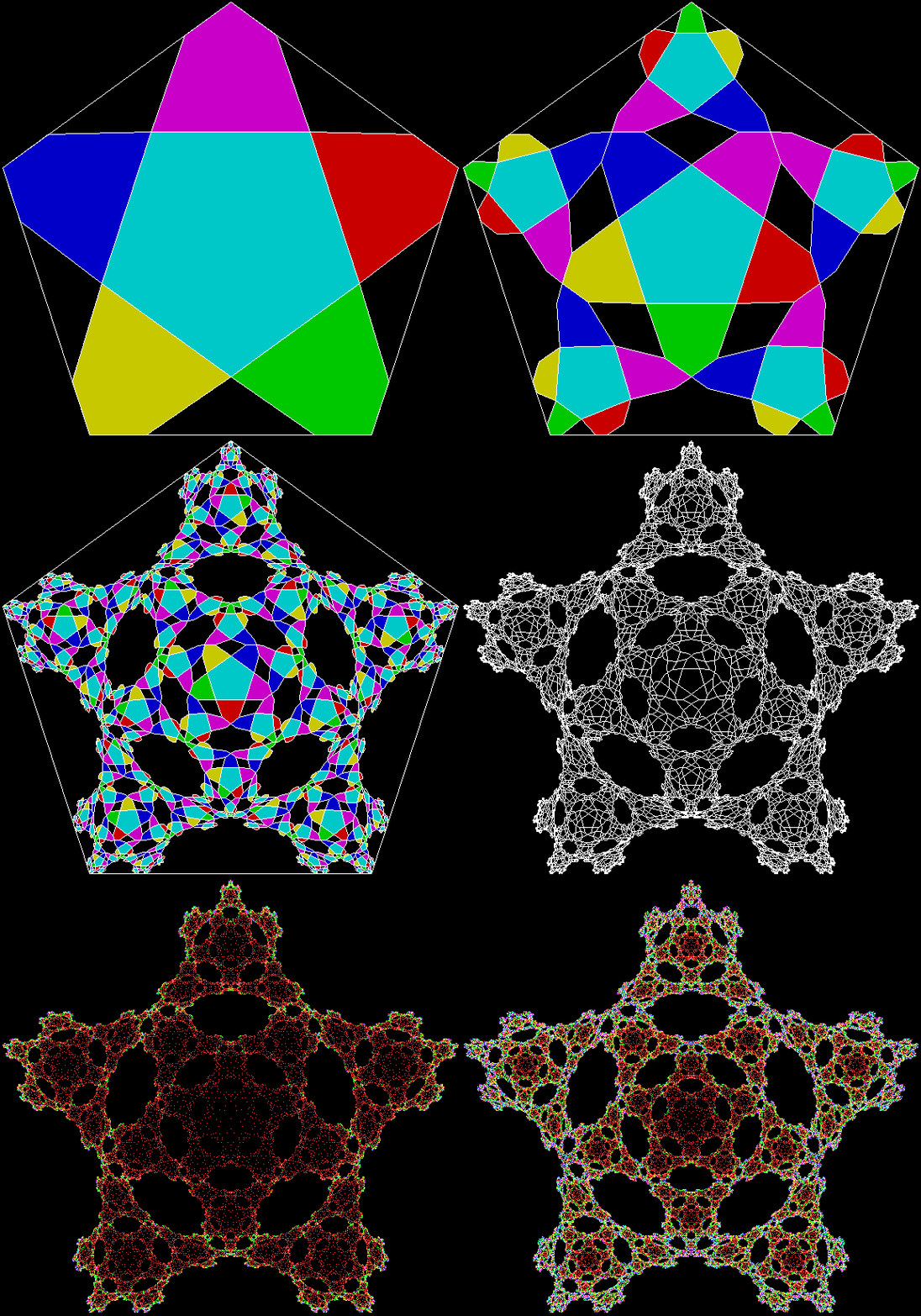
But if you bend the rules and use irregular smaller pentagons, you can tile a pentagon like this, creating what I called a pentatile:

Pentatile stage 1


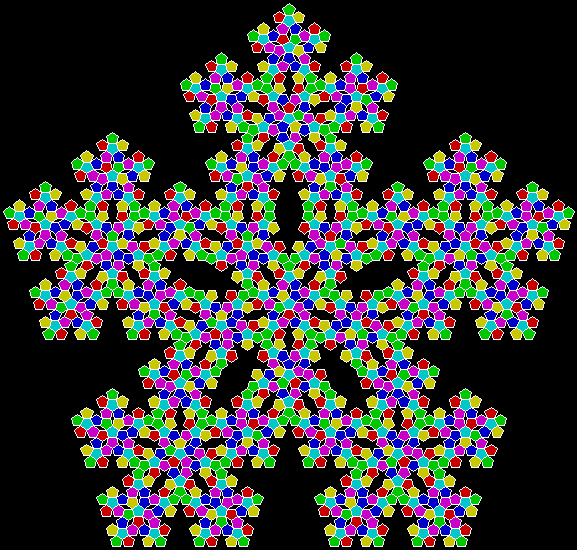
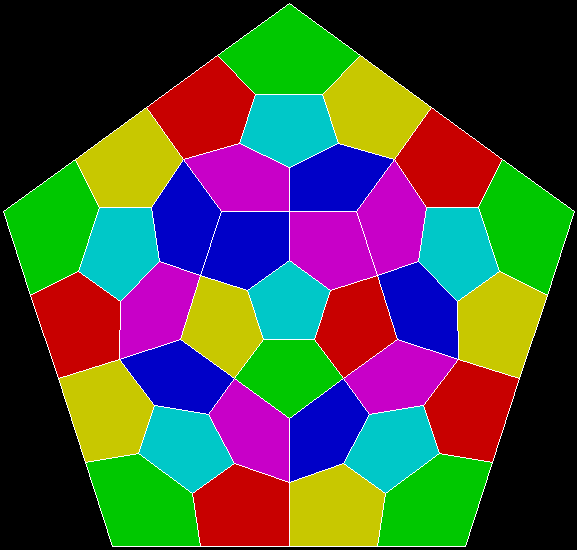
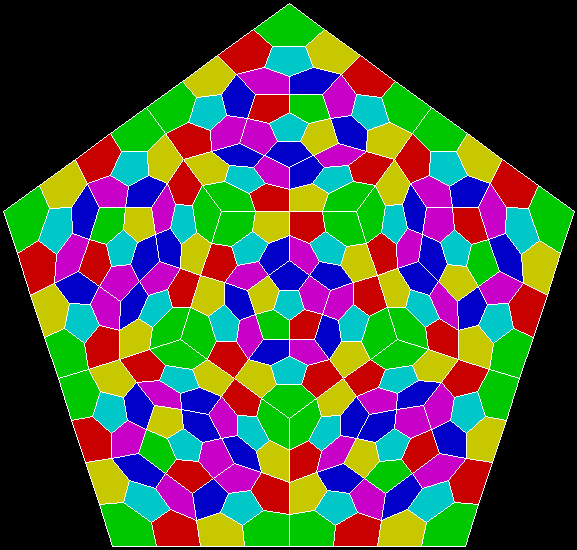
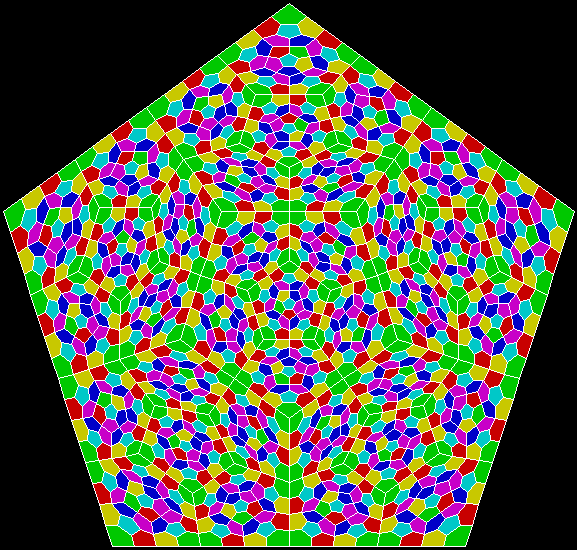
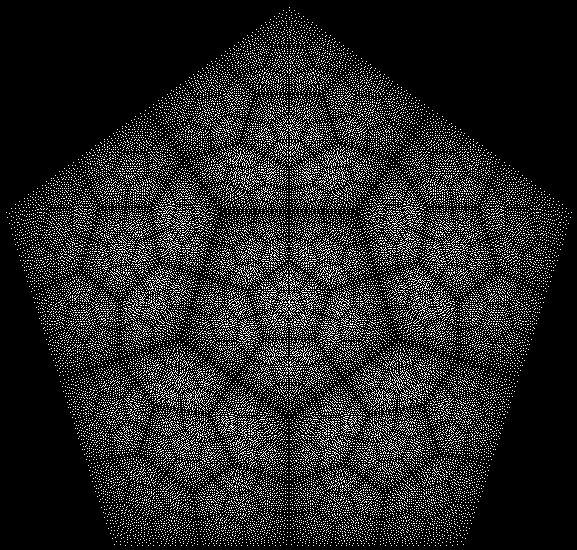
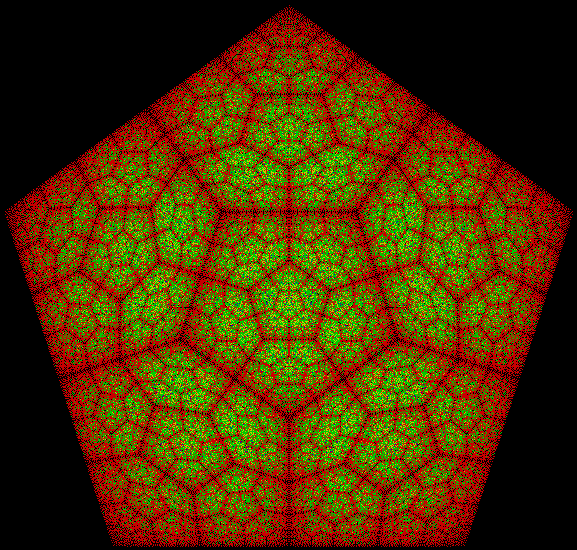
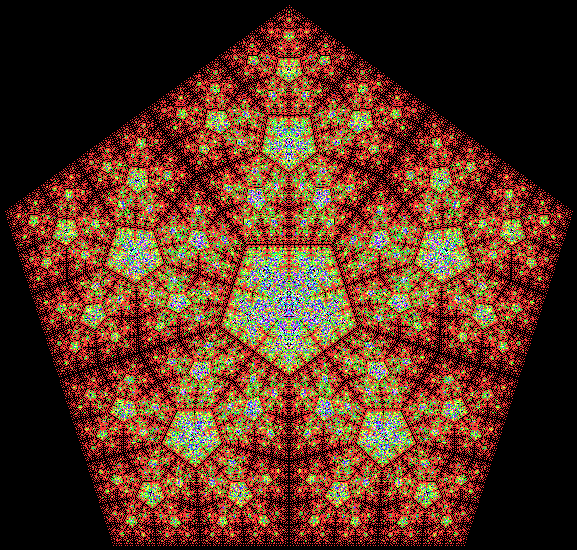
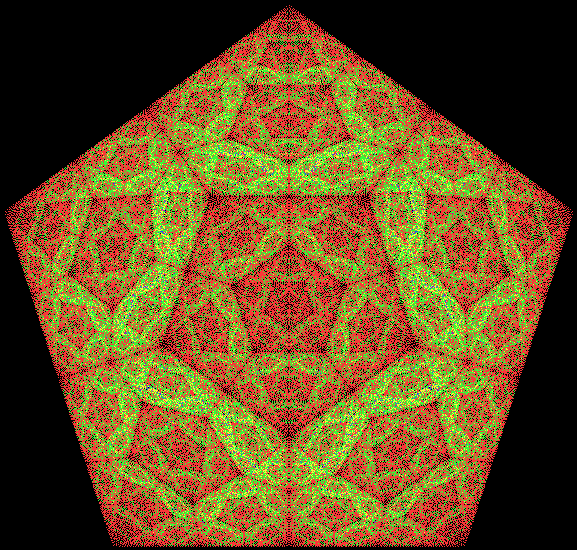
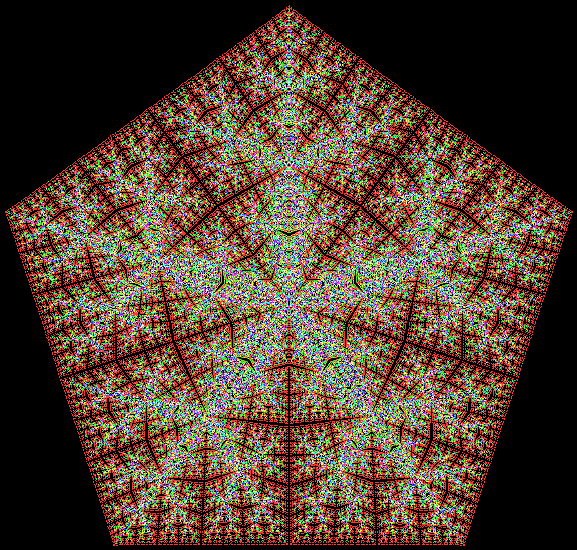
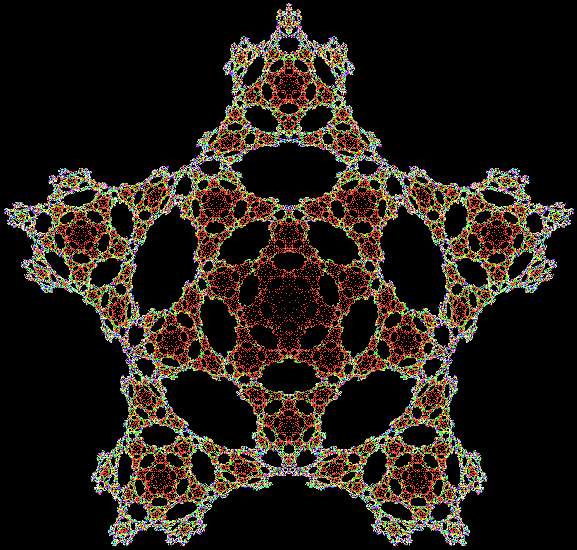
Further subdivisions create an interesting final pattern:

Pentatile #2


Pentatile #3


Pentatile #4


Pentatile #5


Pentatile #6


Pentatile (animated)


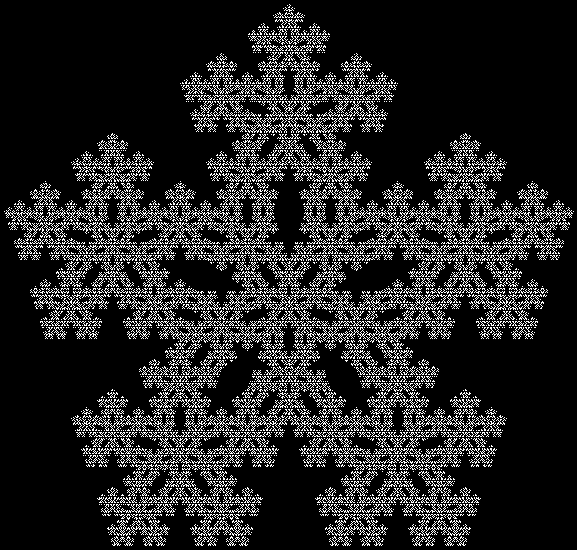
Pentatile (static)


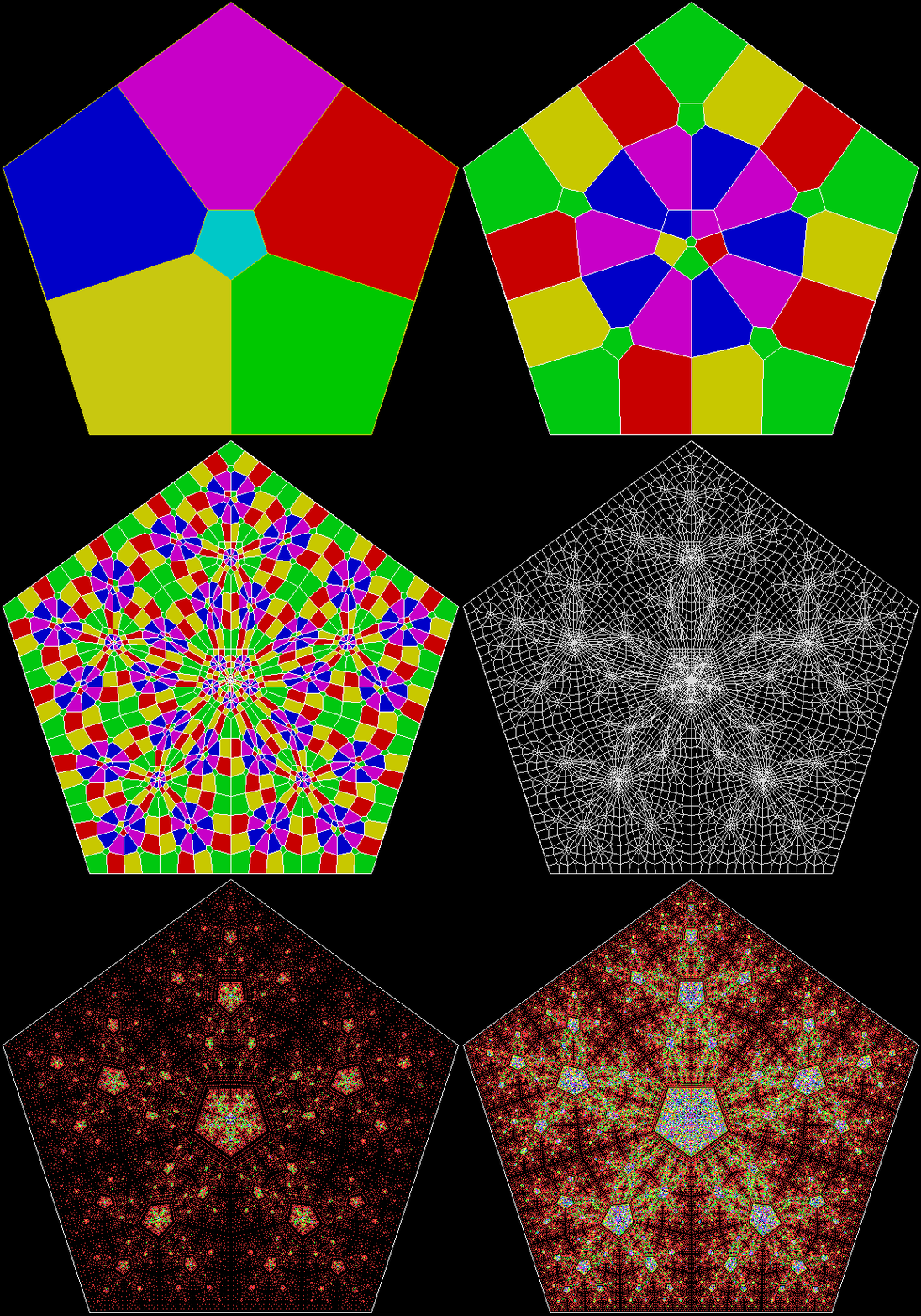
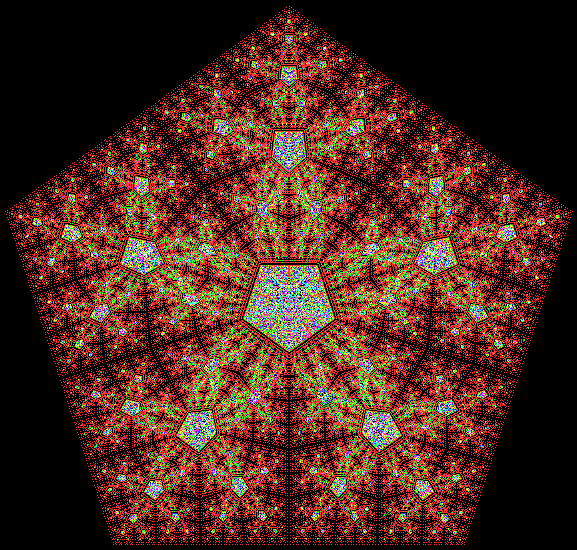
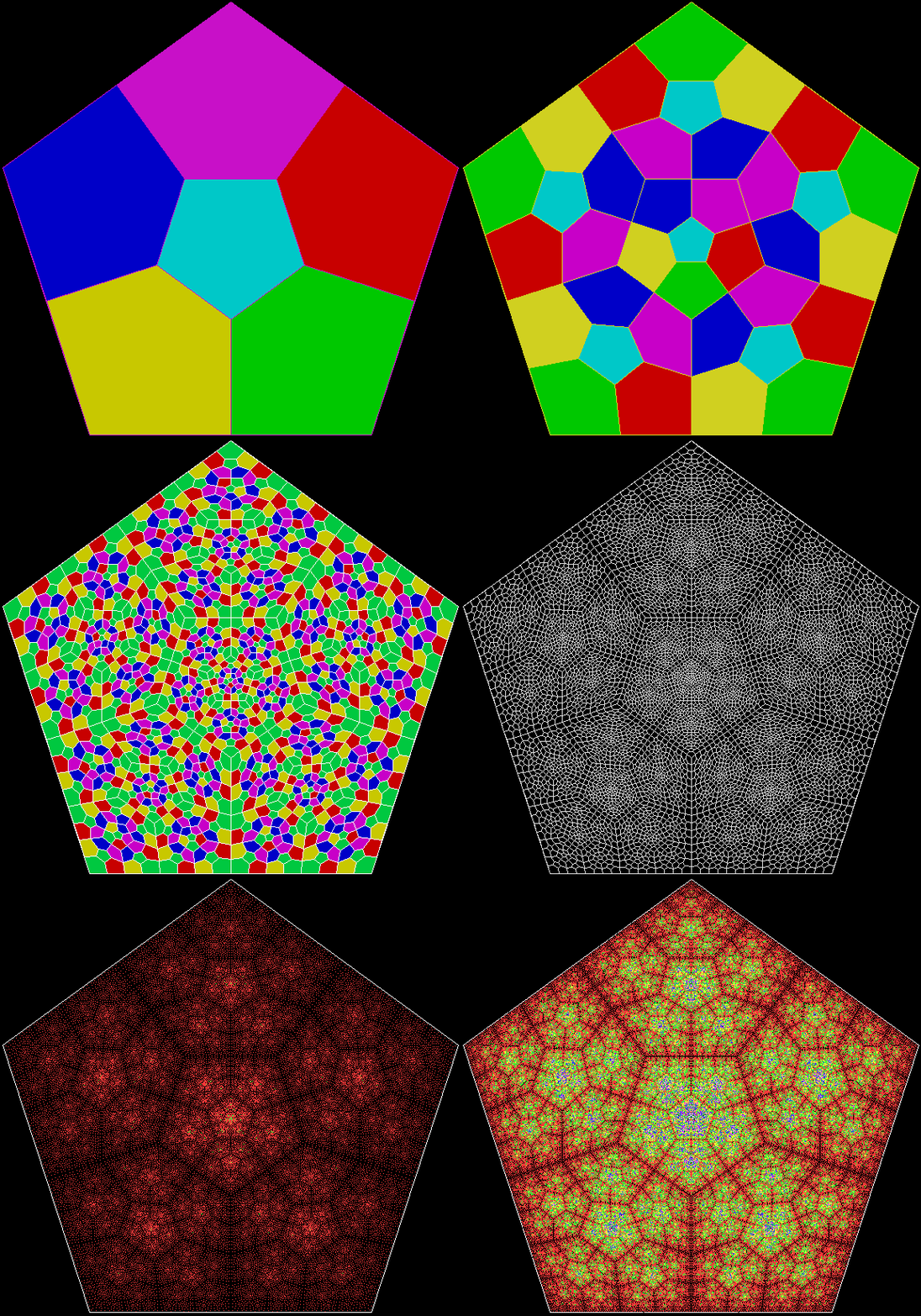
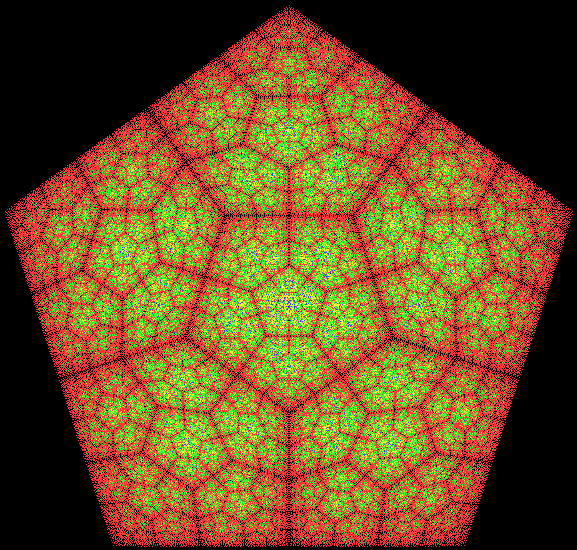
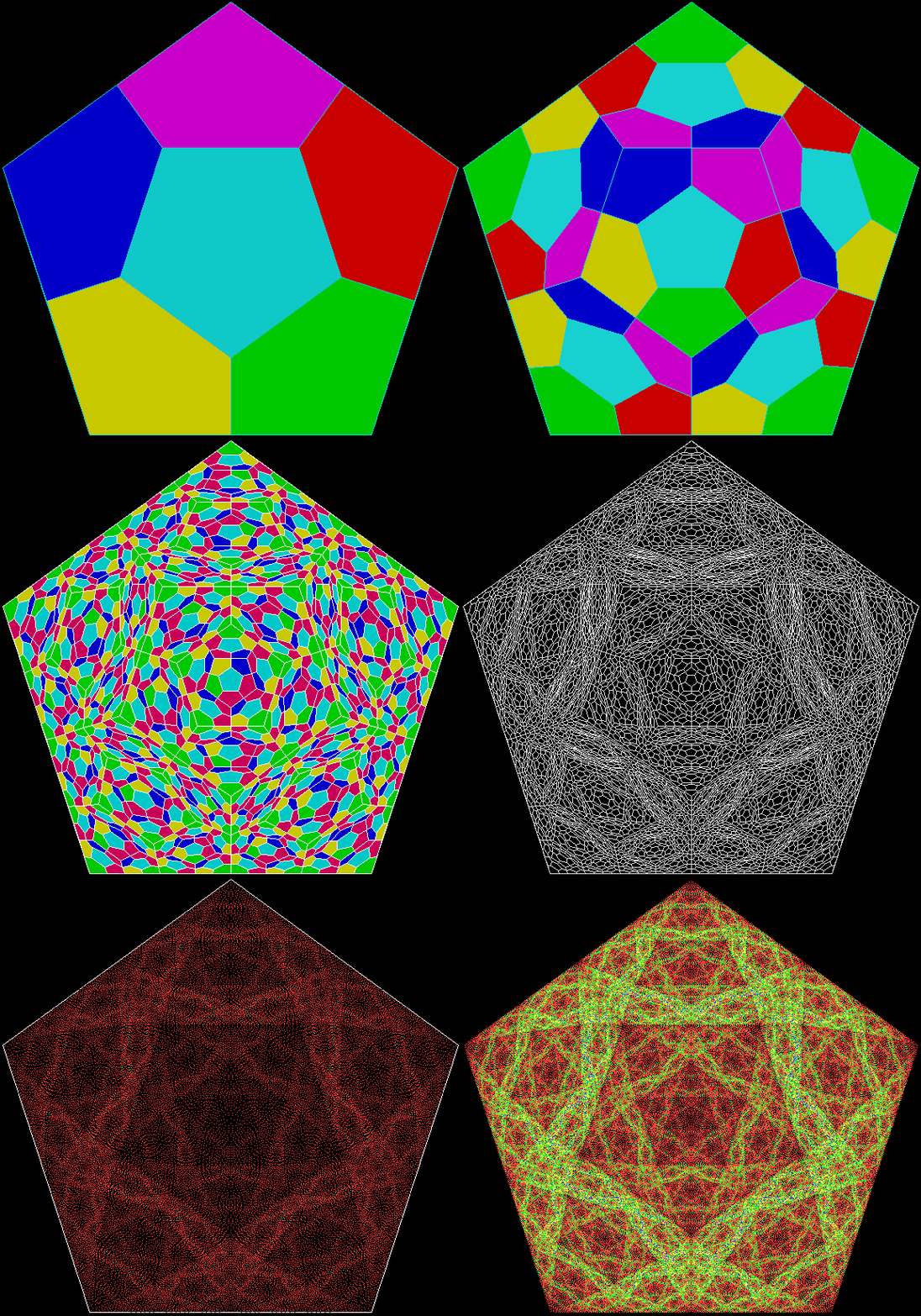
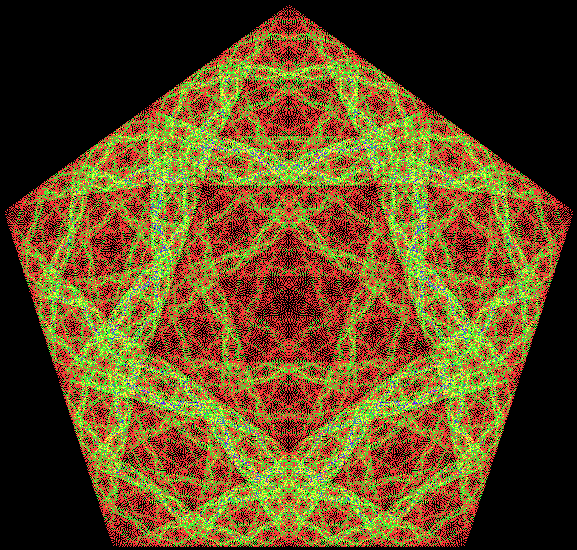
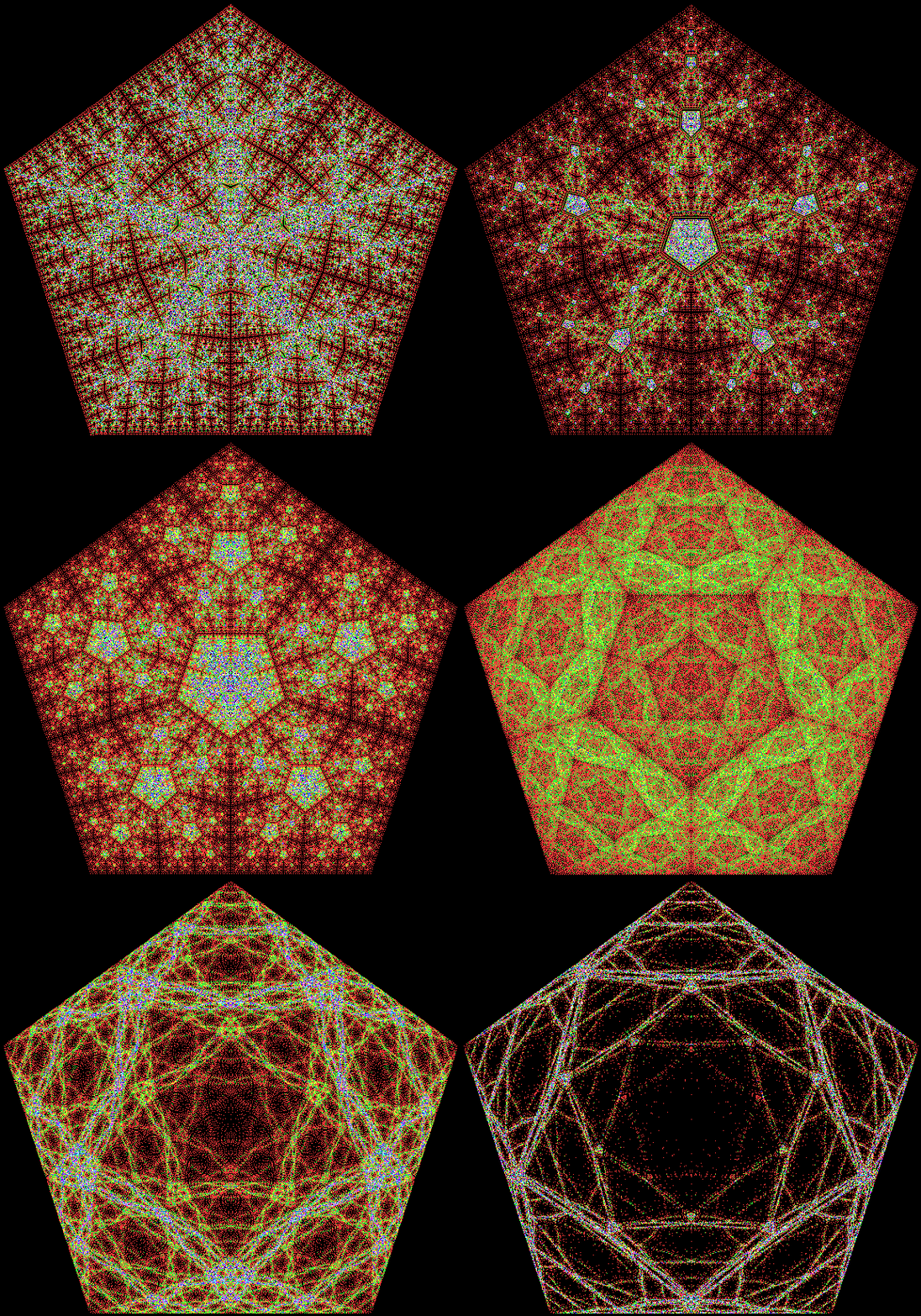
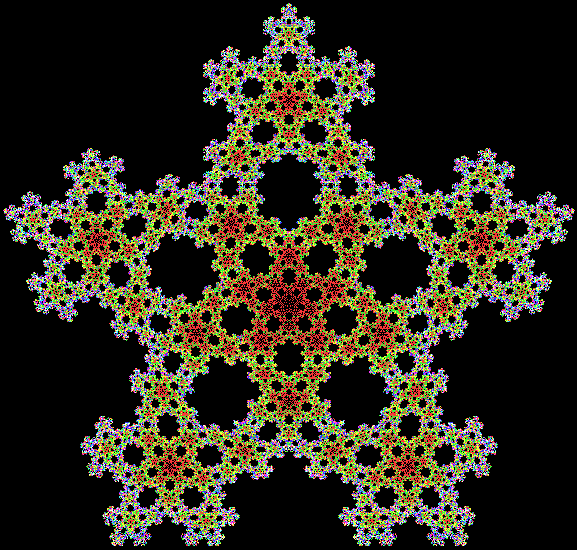
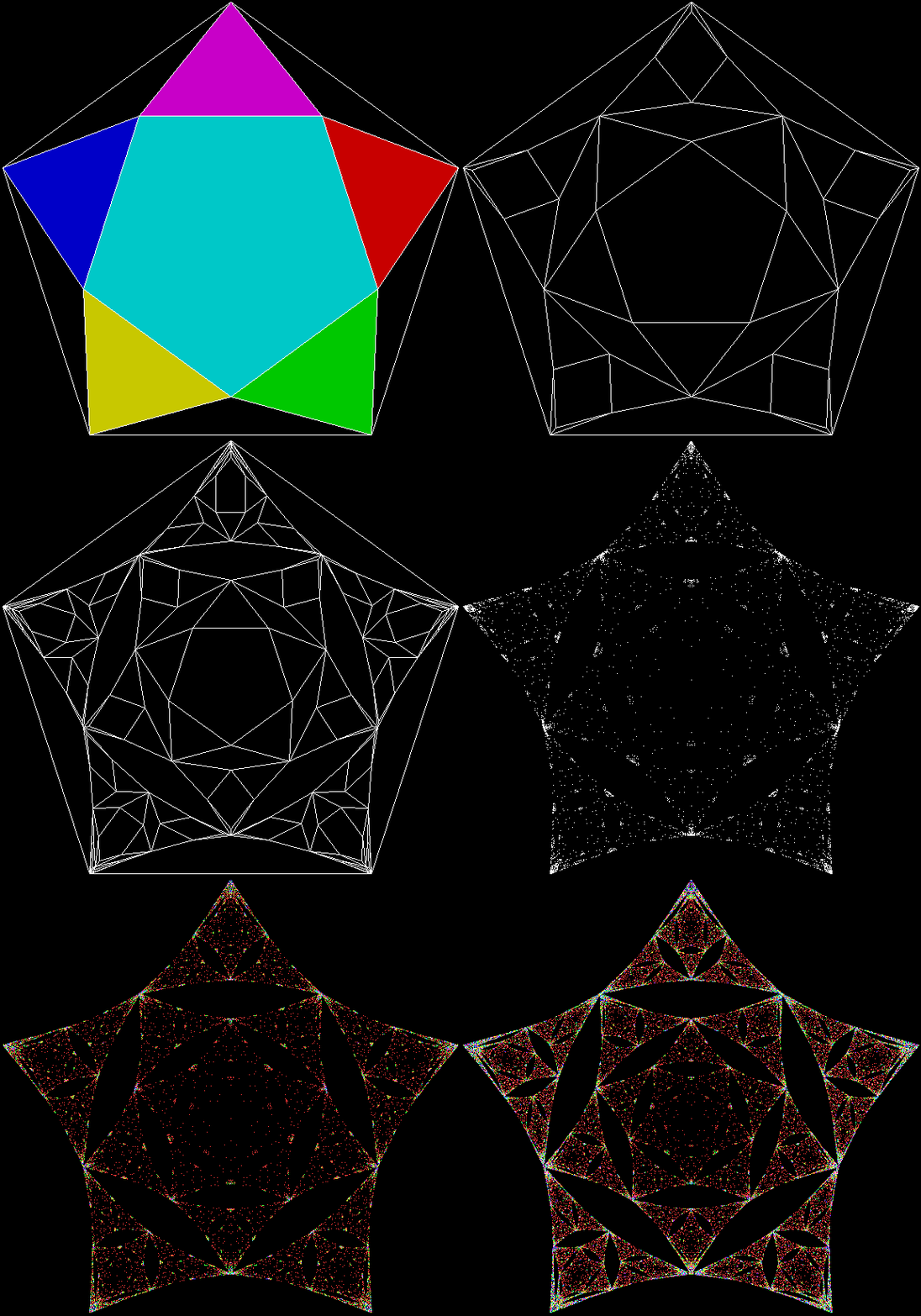
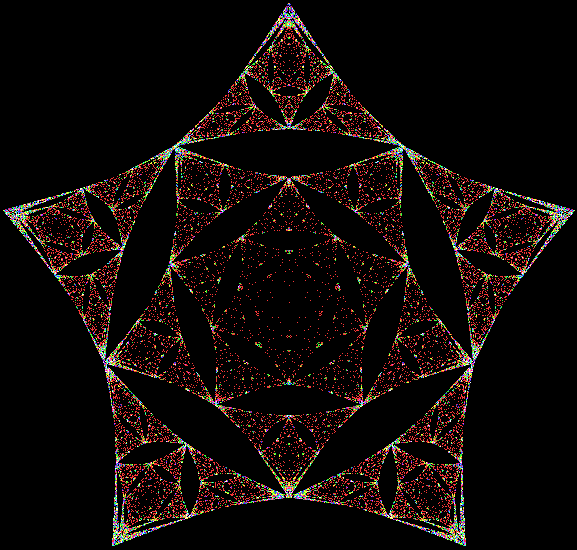
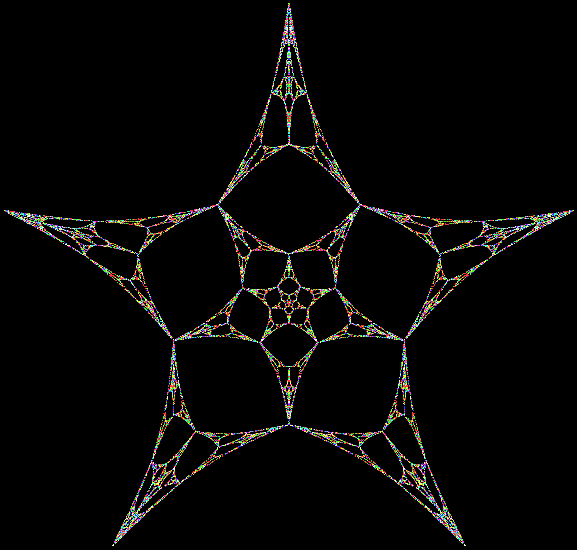
By varying the size of the central pentagon, you can create other patterns:

Pentatile #1 (animated)


Pentatile #2 (animated)

Pentatile #2


Pentatile with no central pentagon


And here are various pentatiles in an animated gif:


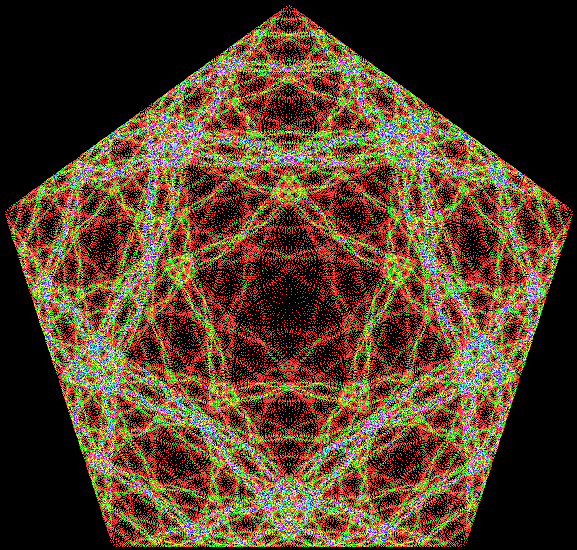
And here are some variations on the pentaflake:


Elsewhere other-posted:

Bent for the Rent (1976) — the title of the incendiary intervention above is of course a reference to the “first and last glitter-rock album” by England’s loudest band, Spinal In Terms Of Tap
Phrallic Frolics — more on pentaflakes

Feel the ’Burne

The Poets at Tea […]

3.—(Swinburne, who let it get cold)

As the sin that was sweet in the sinning
Is foul in the ending thereof,
As the heat of the summer’s beginning
Is past in the winter of love:
O purity, painful and pleading!
O coldness, ineffably gray!
Oh, hear us, our handmaid unheeding,
And take it away!

Barry Pain (1864-1928)


A Melton-Mowbray Pork Pie

Strange pie that is almost a passion,
     O passion immoral for pie!
Unknown are the ways that they fashion,
     Unknown and unseen of the eye.

The pie that is marbled and mottled,
     The pie that digests with a sigh:
For all is not Bass that is bottled,
     And all is not pork that is pie.

Richard Le Gallienne (1866-1947)

Square Routes Re-Revisited

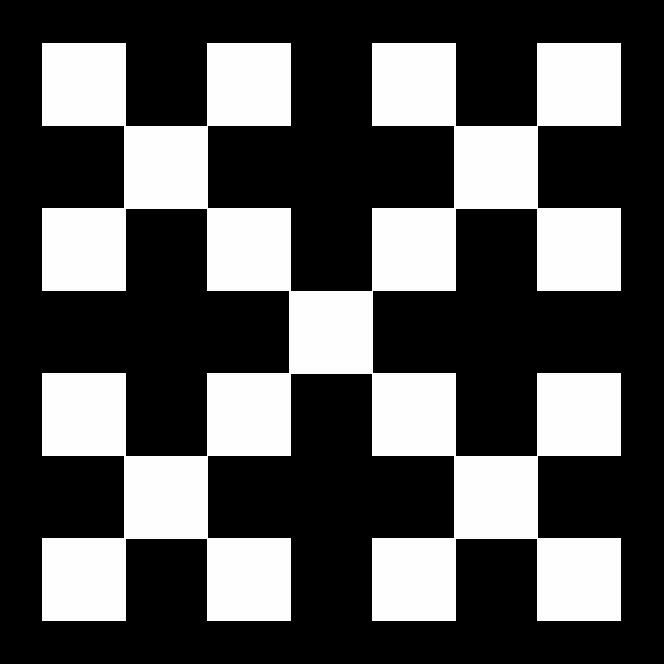
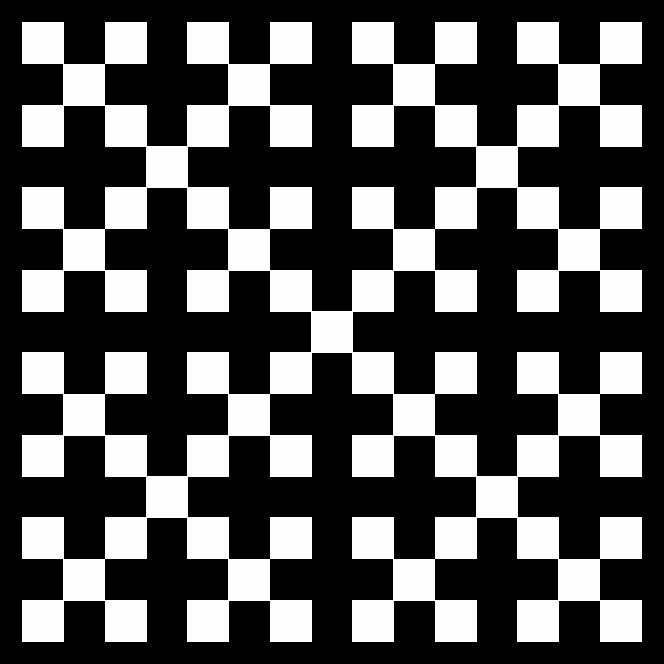
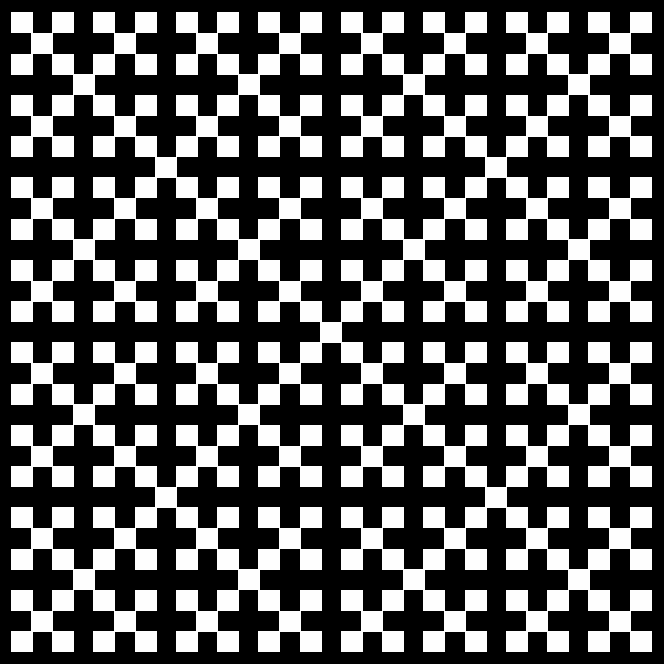
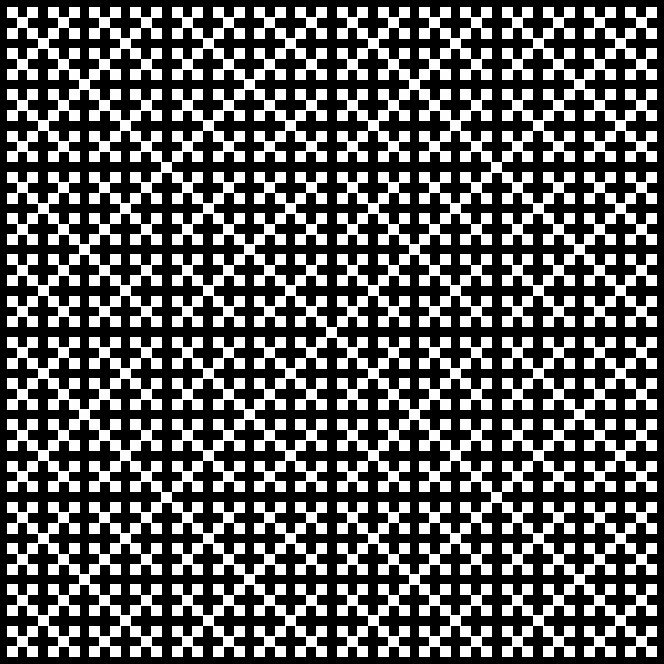
This is a very simple fractal:


It has four orientations:


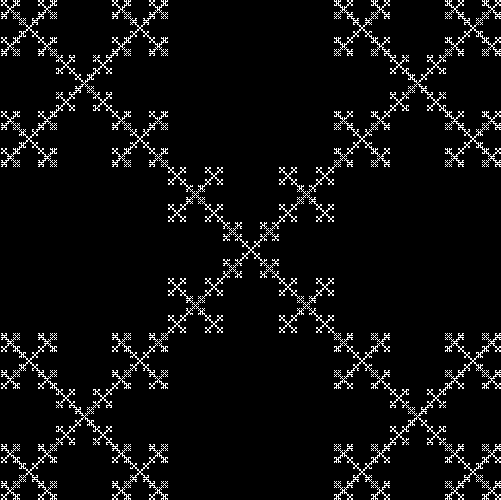
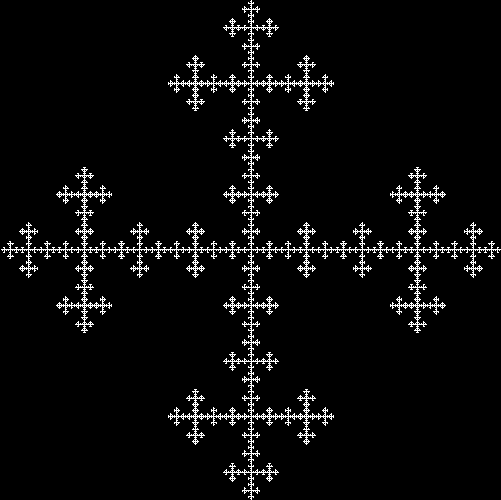
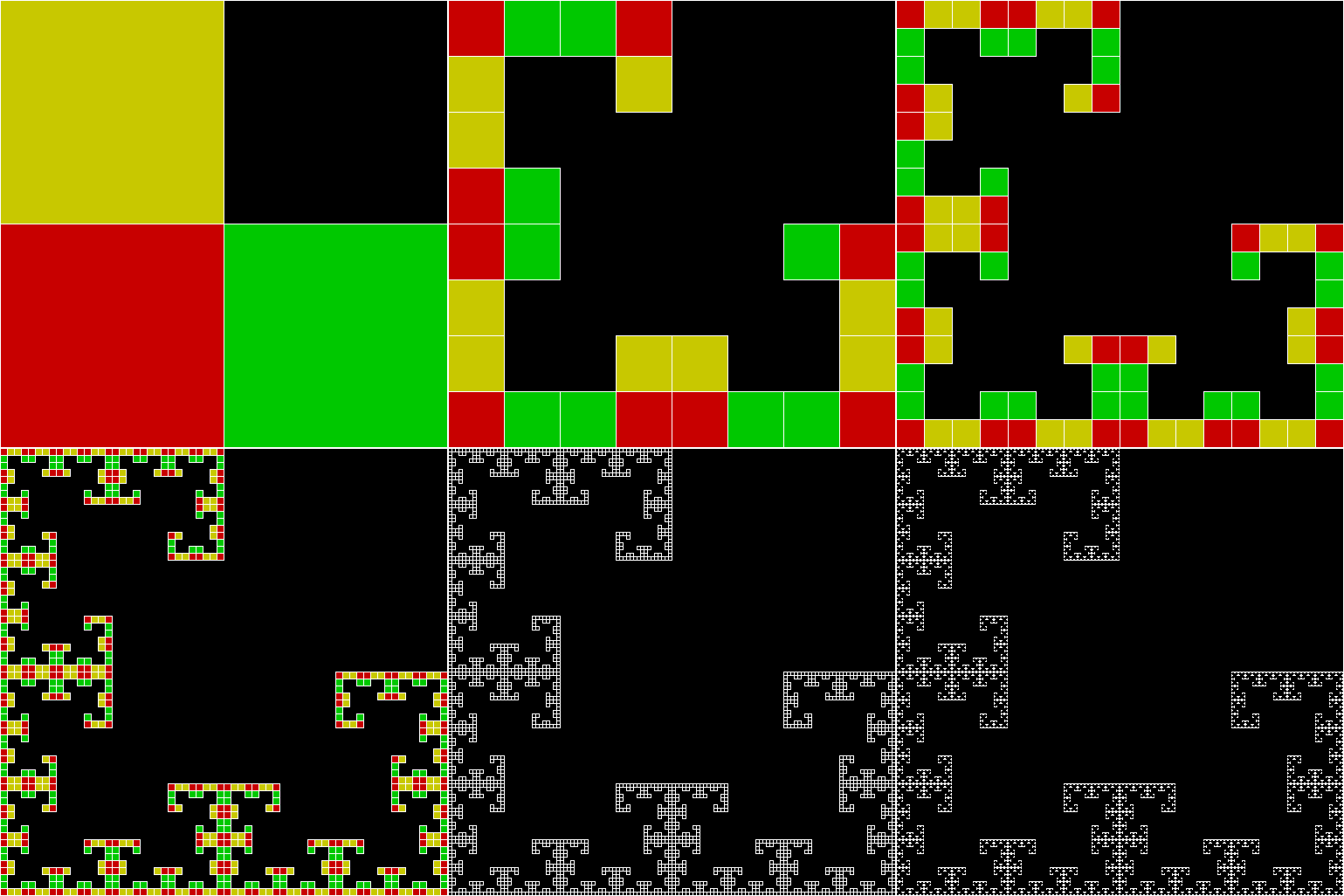
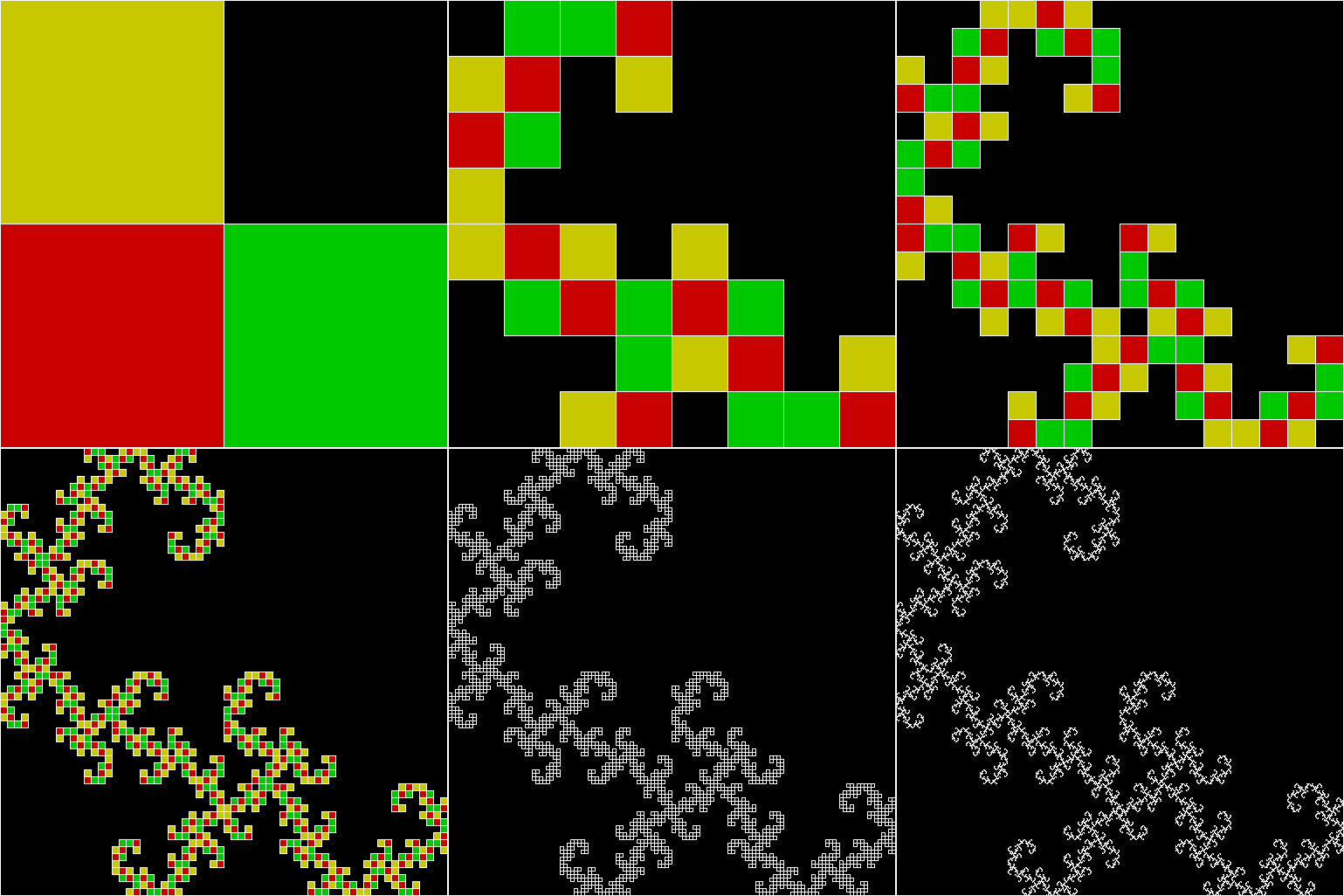
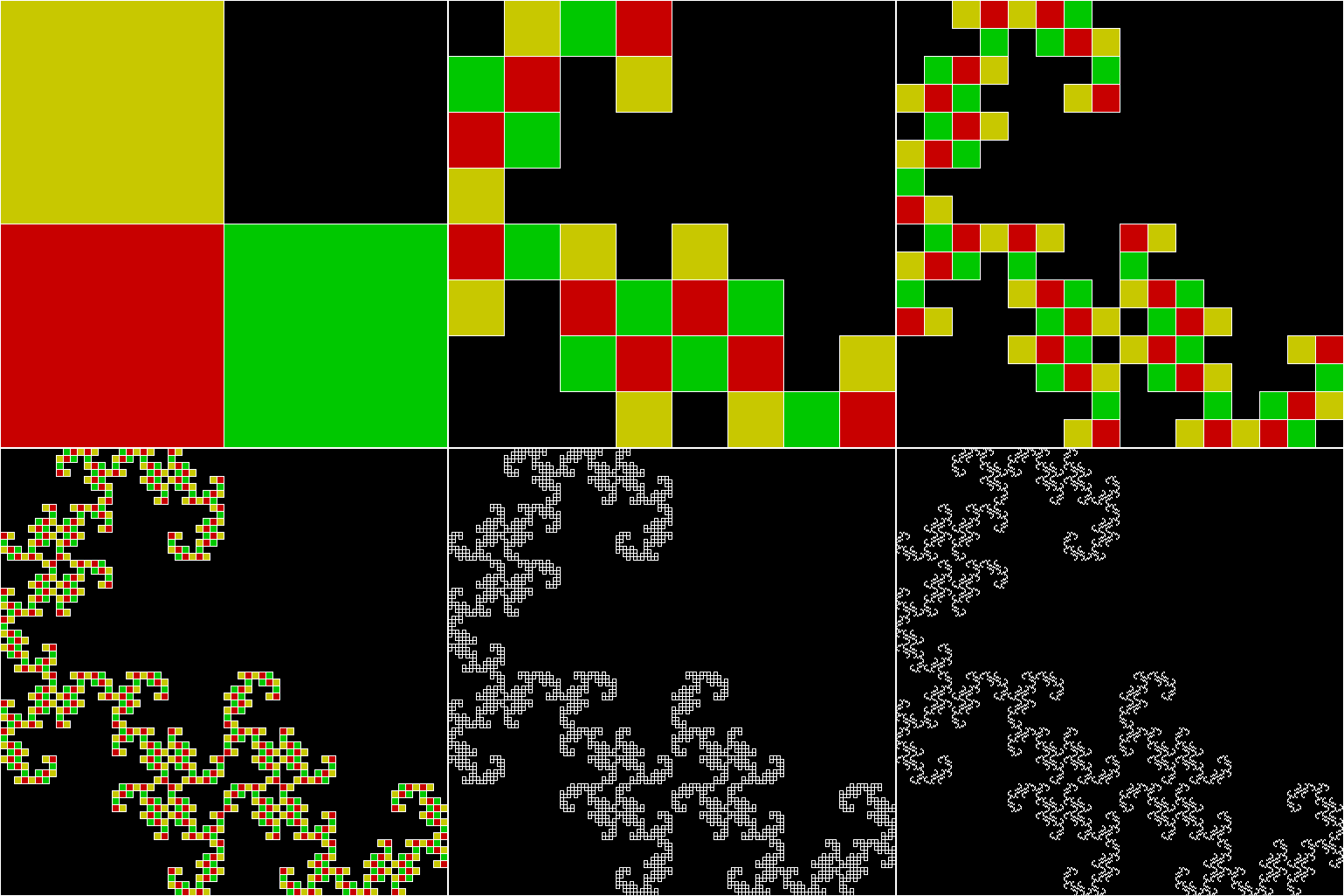
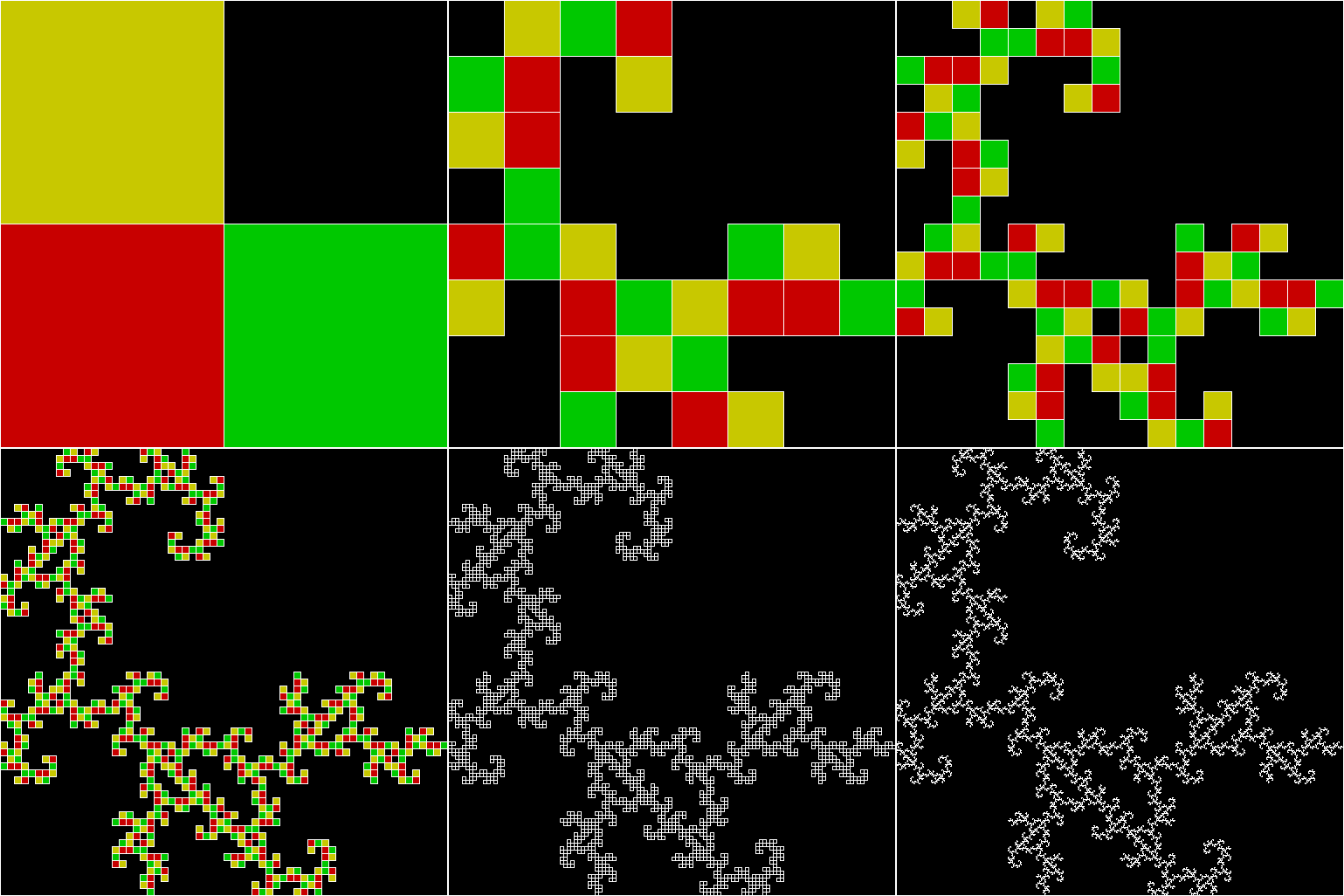
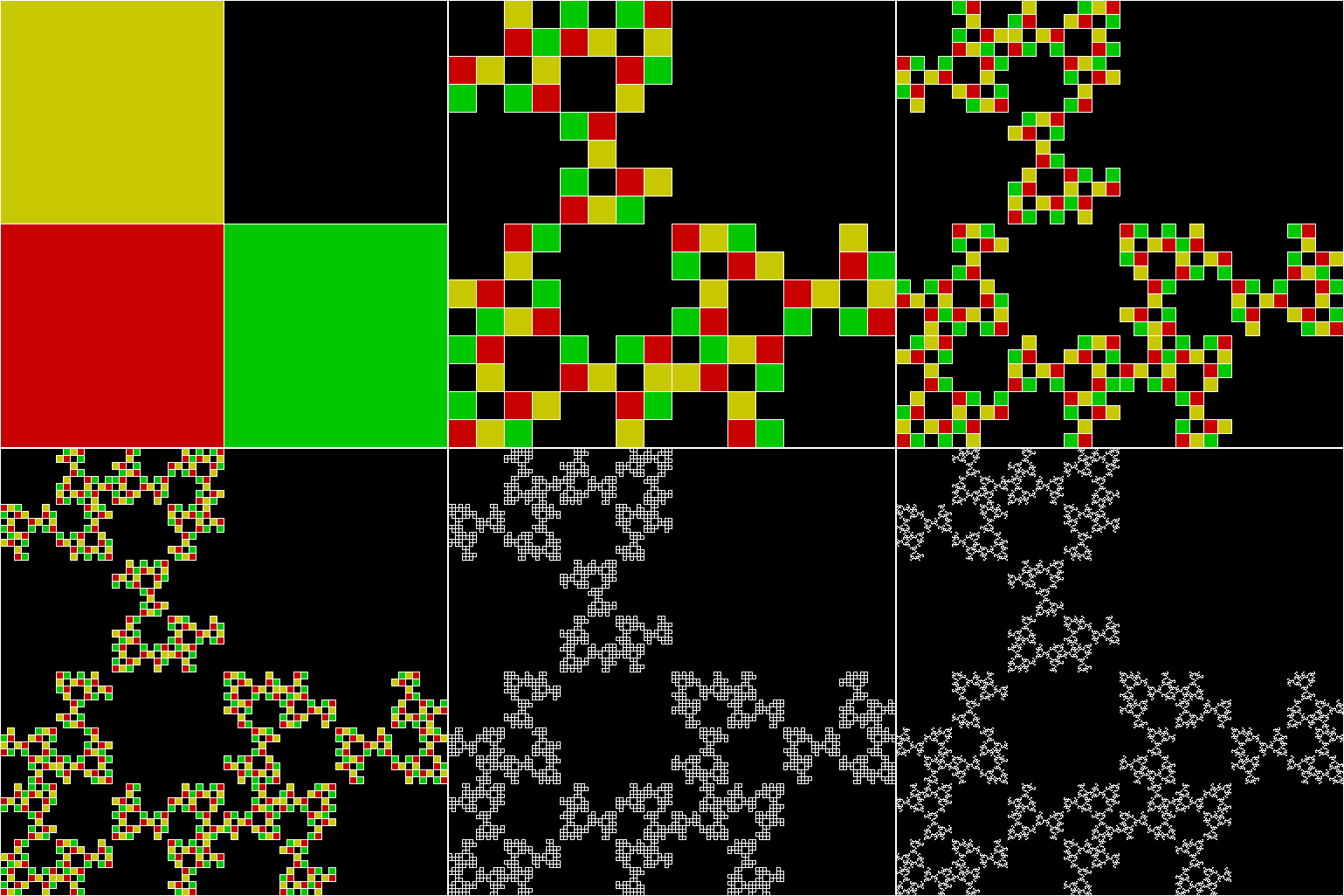
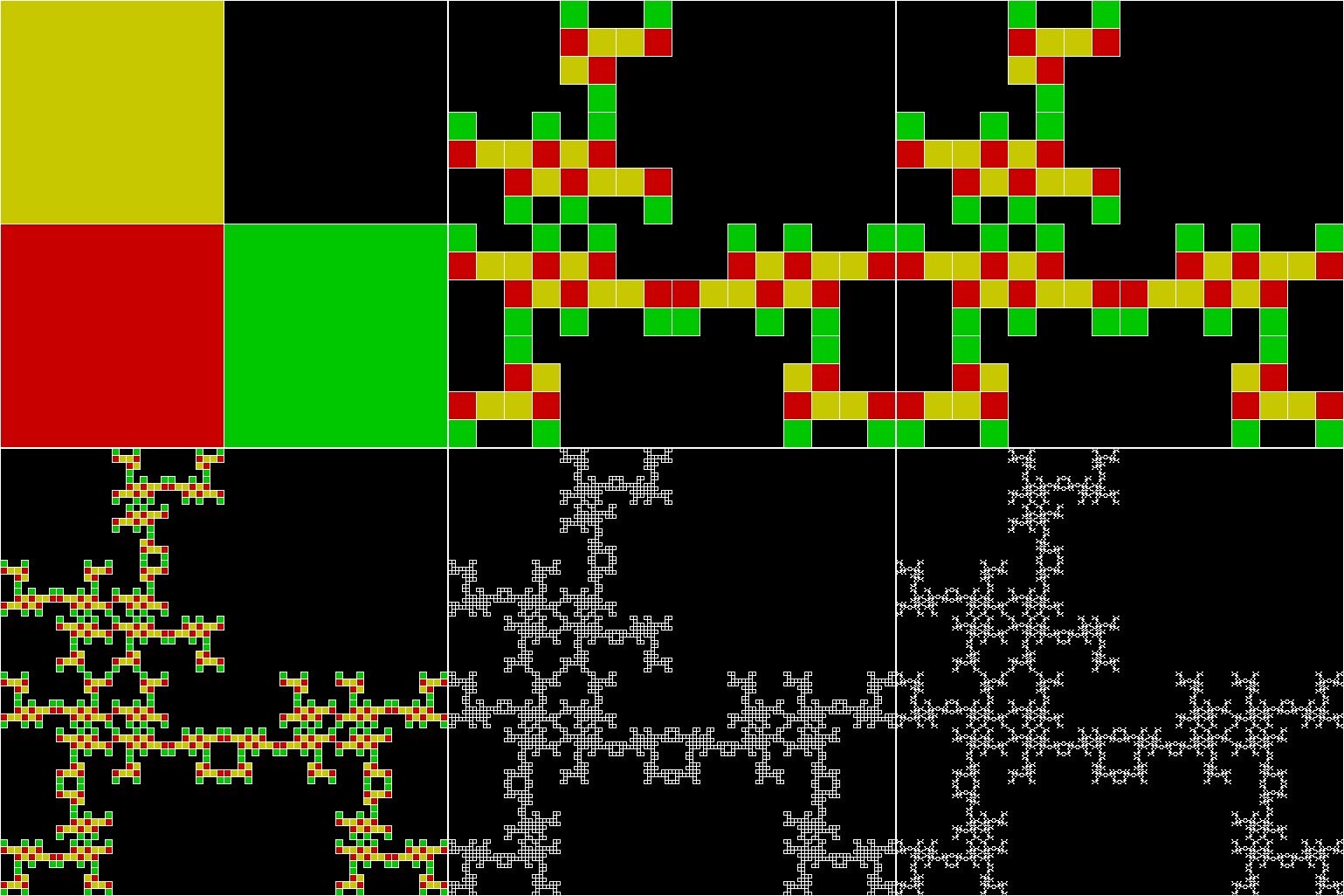
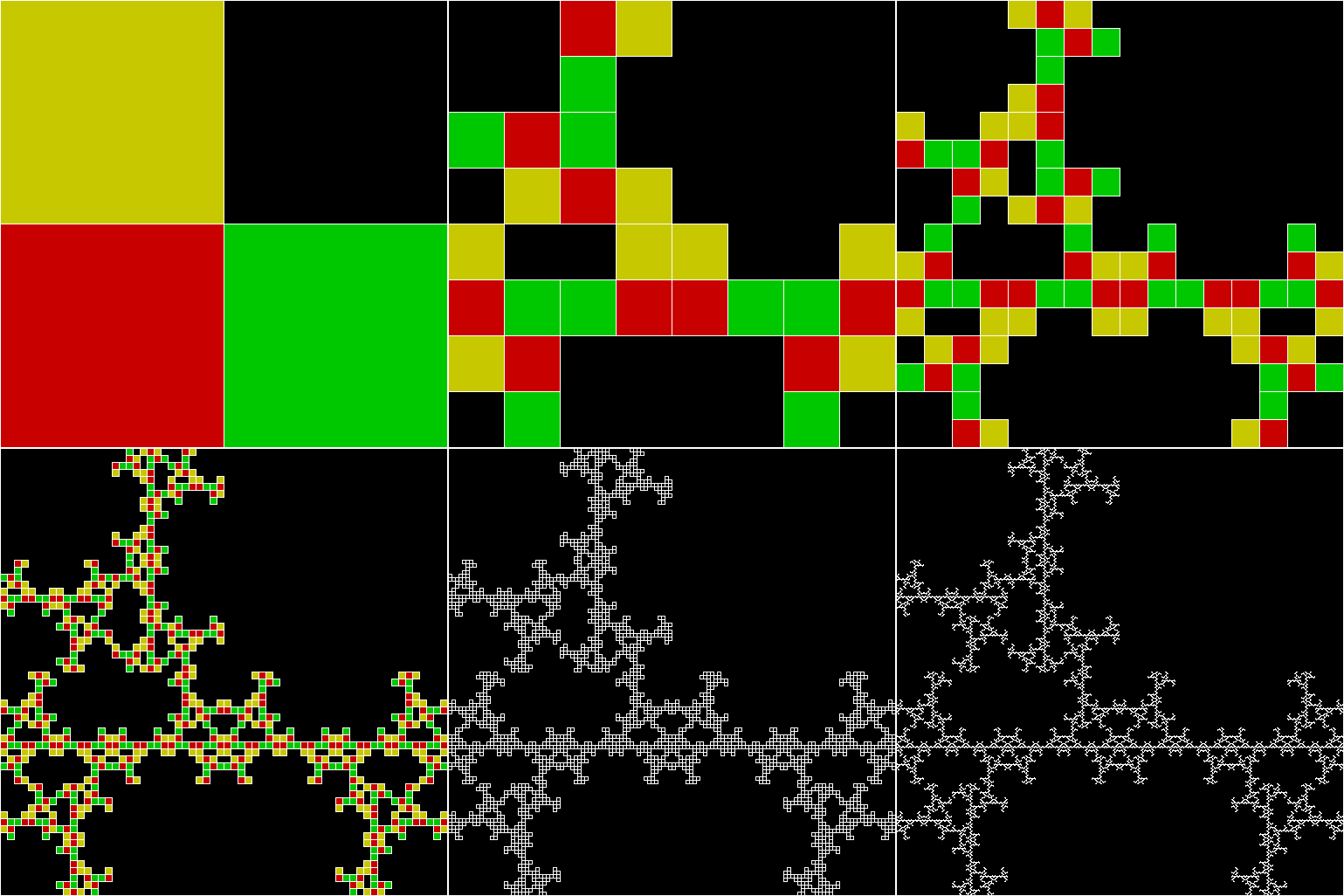
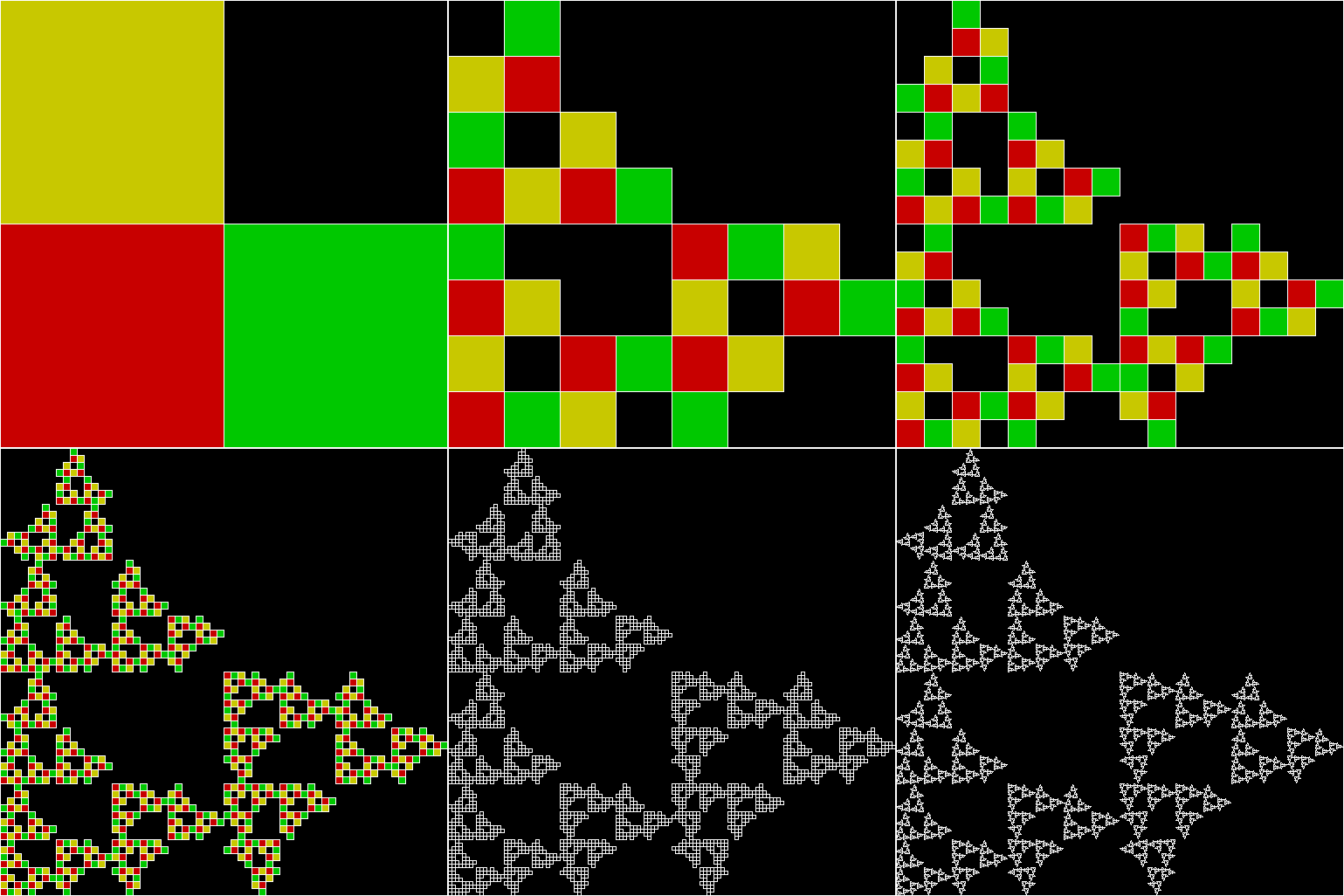
Any orientation can be turned into any other by a rotation of 90°, 180° or 270°, either clockwise or anticlockwise. If you mix orientations and rotations, you can create much more complex fractals. Here’s a selection of them:

Animated fractal

Static fractal


Animated fractal

Static


Animated fractal

Static


Animated fractal

Static


Animated fractal

Static


Animated fractal

Static


Animated fractal

Static


Animated fractal

Static


Animated fractal

Static


Animated fractal

Static


Animated fractal

Static


Animated fractal

Static


Animated fractal

Static


Animated fractal

Static


Animated fractal

Static


Animated fractal

Static


Animated fractal

Static


Animated fractal

Static


Elsewhere other-posted:

Square Routes
Square Routes Revisited

Square on a Three String

222 A.D. was the year in which the Emperor Heliogabalus was assassinated by his own soldiers. Exactly 1666 years later, the Anglo-Dutch classicist Sir Lawrence Alma-Tadema exhibited his painting The Roses of Heliogabalus (1888). I suggested in “Roses Are Golden” that Alma-Tadema must have chosen the year as deliberately as he chose the dimensions of his canvas, which, at 52″ x 84 1/8“, is an excellent approximation to the golden ratio.

But did Alma-Tadema know that lines at 0º and 222º divide a circle in the golden ratio? He could easily have done, just as he could easily have known that 222 precedes the 48th prime, 223. But it is highly unlikely that he knew that 223 yields a magic square whose columns, rows and diagonals all sum to 222. To create the square, simply list the 222 multiples of the reciprocal 1/223 in base 3, or ternary. The digits of the reciprocal repeat after exactly 222 digits and its multiples begin and end like this:

001/223 = 0.00001002102101021212111012022211122022... in base 3
002/223 = 0.00002011211202120201222101122200021121...
003/223 = 0.00010021021010212121110120222111220221...
004/223 = 0.00011100200112011110221210022100120020...
005/223 = 0.00012110002220110100102222122012012120...

[...]

218/223 = 0.22210112220002112122120000100210210102... in base 3
219/223 = 0.22211122022110211112001012200122102202...
220/223 = 0.22212201201212010101112102000111002001...
221/223 = 0.22220211011020102021000121100022201101...
222/223 = 0.22221220120121201010111210200011100200...

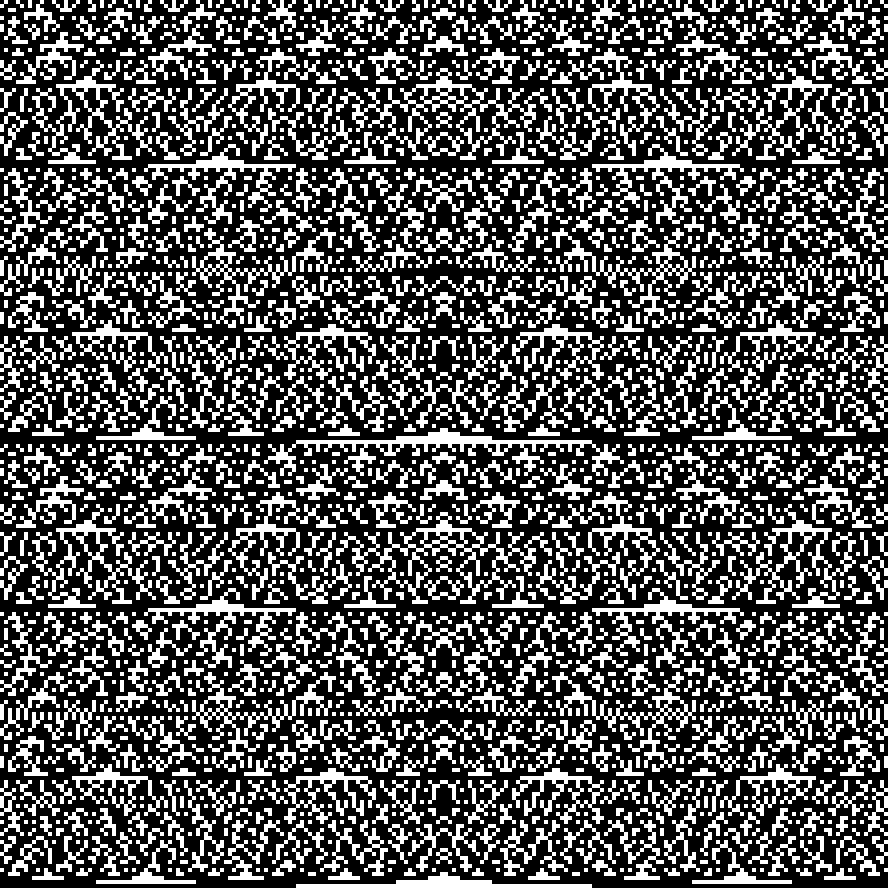
Each column, row and diagonal of ternary digits sums to 222. Here is the full n/223 square represented with 0s in grey, 1s in white and 2s in red:

(Click for larger)


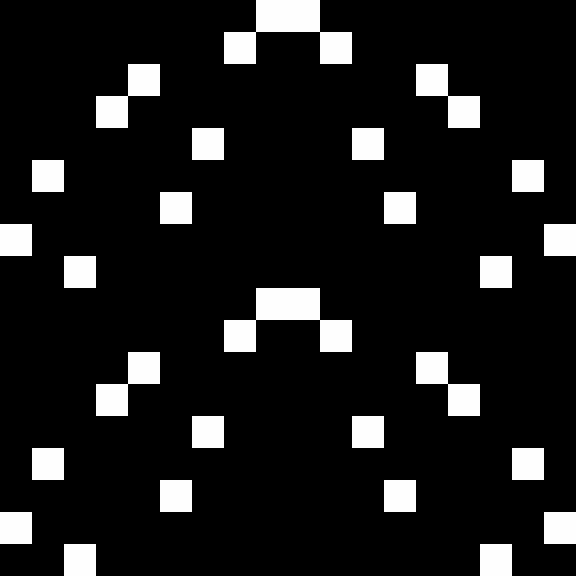
It isn’t difficult to see that the white squares are mirror-symmetrical on a horizontal axis. Here is the symmetrical pattern rotated by 90º:

(Click for larger)


But why should the 1s be symmetrical? This isn’t something special to 1/223, because it happens with prime reciprocals like 1/7 too:

1/7 = 0.010212... in base 3
2/7 = 0.021201...
3/7 = 0.102120...
4/7 = 0.120102...
5/7 = 0.201021...
6/7 = 0.212010...

And you can notice something else: 0s mirror 2s and 2s mirror 0s. A related pattern appears in base 10:

1/7 = 0.142857...
2/7 = 0.285714...
3/7 = 0.428571...
4/7 = 0.571428...
5/7 = 0.714285...
6/7 = 0.857142...

The digit 1 in the decimal digits of n/7 corresponds to the digit 8 in the decimal digits of (7-n)/7; 4 corresponds to 5; 2 corresponds to 7; 8 corresponds to 1; 5 corresponds to 4; and 7 corresponds to 2. In short, if you’re given the digits d1 of n/7, you know the digits d2 of (n-7)/7 by the rule d2 = 9-d1.

Why does that happen? Examine these sums:

 1/7 = 0.142857142857142857142857142857142857142857...
+6/7 = 0.857142857142857142857142857142857142857142...
 7/7 = 0.999999999999999999999999999999999999999999... = 1.0

 2/7 = 0.285714285714285714285714285714285714285714...
+5/7 = 0.714285714285714285714285714285714285714285...
 7/7 = 0.999999999999999999999999999999999999999999... = 1.0

 3/7 = 0.428571428571428571428571428571428571428571...
+4/7 = 0.571428571428571428571428571428571428571428...
 7/7 = 0.999999999999999999999999999999999999999999... = 1.0

And here are the same sums in ternary (where the first seven integers are 1, 2, 10, 11, 12, 20, 21):

  1/21 = 0.010212010212010212010212010212010212010212...
+20/21 = 0.212010212010212010212010212010212010212010...
 21/21 = 0.222222222222222222222222222222222222222222... = 1.0

  2/21 = 0.021201021201021201021201021201021201021201...
+12/21 = 0.201021201021201021201021201021201021201021...
 21/21 = 0.222222222222222222222222222222222222222222... = 1.0

 10/21 = 0.102120102120102120102120102120102120102120...
+11/21 = 0.120102120102120102120102120102120102120102...
 21/21 = 0.222222222222222222222222222222222222222222... = 1.0

Accordingly, in base b with the prime p, the digits d1 of n/p correspond to the digits (p-n)/p by the rule d2 = (b-1)-d1. This explains why the 1s mirror themselves in ternary: 1 = 2-1 = (3-1)-1. In base 5, the 2s mirror themselves by the rule 2 = 4-2 = (5-1) – 2. In all odd bases, some digit will mirror itself; in all even bases, no digit will. The mirror-digit will be equal to (b-1)/2, which is always an integer when b is odd, but never an integer when b is even.

Here are some more examples of the symmetrical patterns found in odd bases:

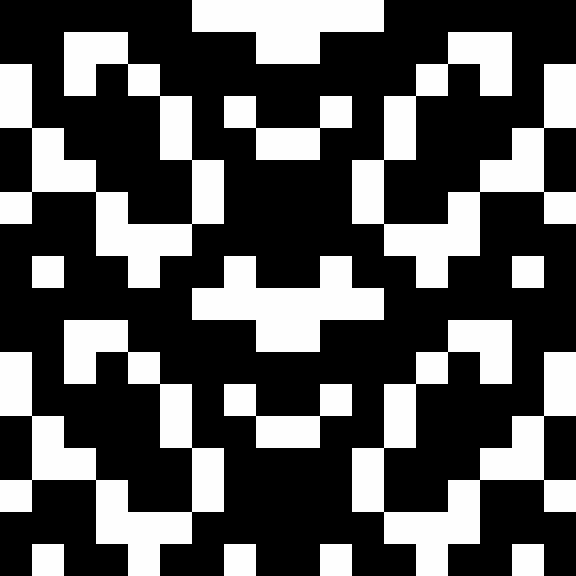
Patterns of 1s in 1/19 in base 3


Patterns of 6s in 1/19 in base 13


Patterns of 7s in 1/19 in base 15


Elsewhere other-posted:

Roses Are Golden — more on The Roses of Heliogabalus (1888)
Three Is The Key — more on the 1/223 square

Wysts and Mellow Flutefulness

(To Randolph Churchill, but not about him)

Broad of Church and broad of mind,
Broad before and broad behind,
A keen ecclesiologist,
A rather dirty Wykehamist.
’Tis not for us to wonder why
He wears that curious knitted tie;
We should not cast reflections on
The very slightest kind of don.
We should not giggle as we like
At his appearance on his bike;
It’s something to become a bore,
And more than that, at twenty-four.
It’s something too to know your wants
And go full pelt for Norman fonts.
Just now the chestnut trees are dark
And full with shadow in the park,
And “Six o’clock!” St. Mary calls
Above the mellow college walls.
The evening stretches arms to twist
And captivate her Wykehamist.
But not for him these autumn days,
He shuts them out with heavy baize;
He gives his Ovaltine a stir
And nibbles at a petit beurre,
And, satisfying fleshy wants,
He settles down to Norman fonts.

John Betjeman (1906-84)

Performativizing Papyrocentricity #57

Papyrocentric Performativity Presents:

Do and DieThe Reason Why, Cecil Woodham-Smith (1953) (posted at O.-o.-t.-Ü)

Liddell im WörterlandLiddell and Scott’s Greek-English Lexicon, Henry George Liddell and Robert Scott (1843)

Lunar or LaterMoon: From 4.5 billion years ago to the present: Owners’ Workshop Manual, David M. Harland (Haynes 2016)

Headlong into NightmareHeadlong Hall (1816) / Nightmare Abbey (1818)

Twisted TalesBiggles’ Big Adventures: Four Classic Stories Starring the British Empire’s Most Fearless Pilot Adventurer, Captain W.E. Johns (Sevenoaks 2007)

Stop the Brott – staying the serial slaying of a sanguinivorous psychoanalyst


• Or Read a Review at Random: RaRaR

Living Culler

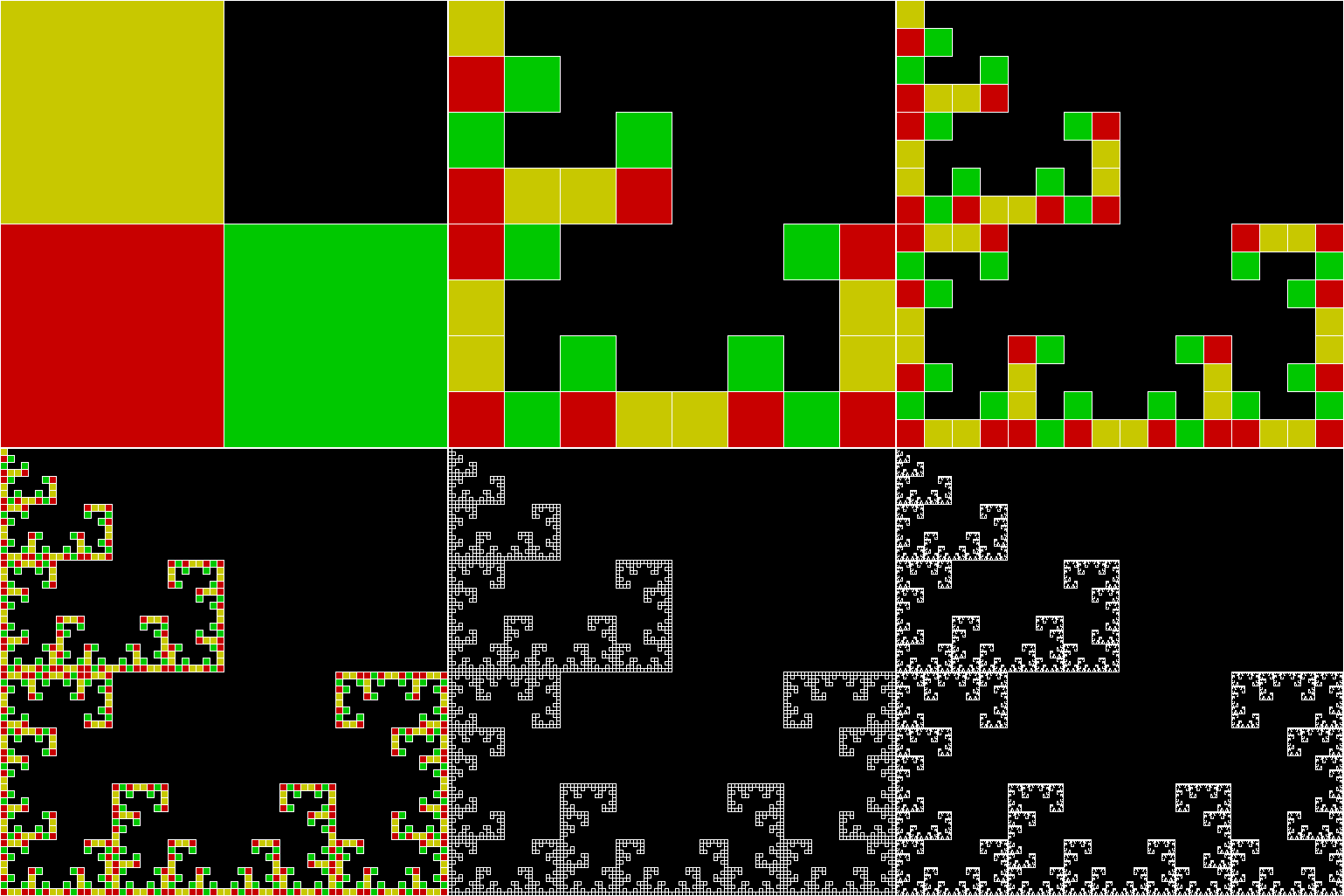
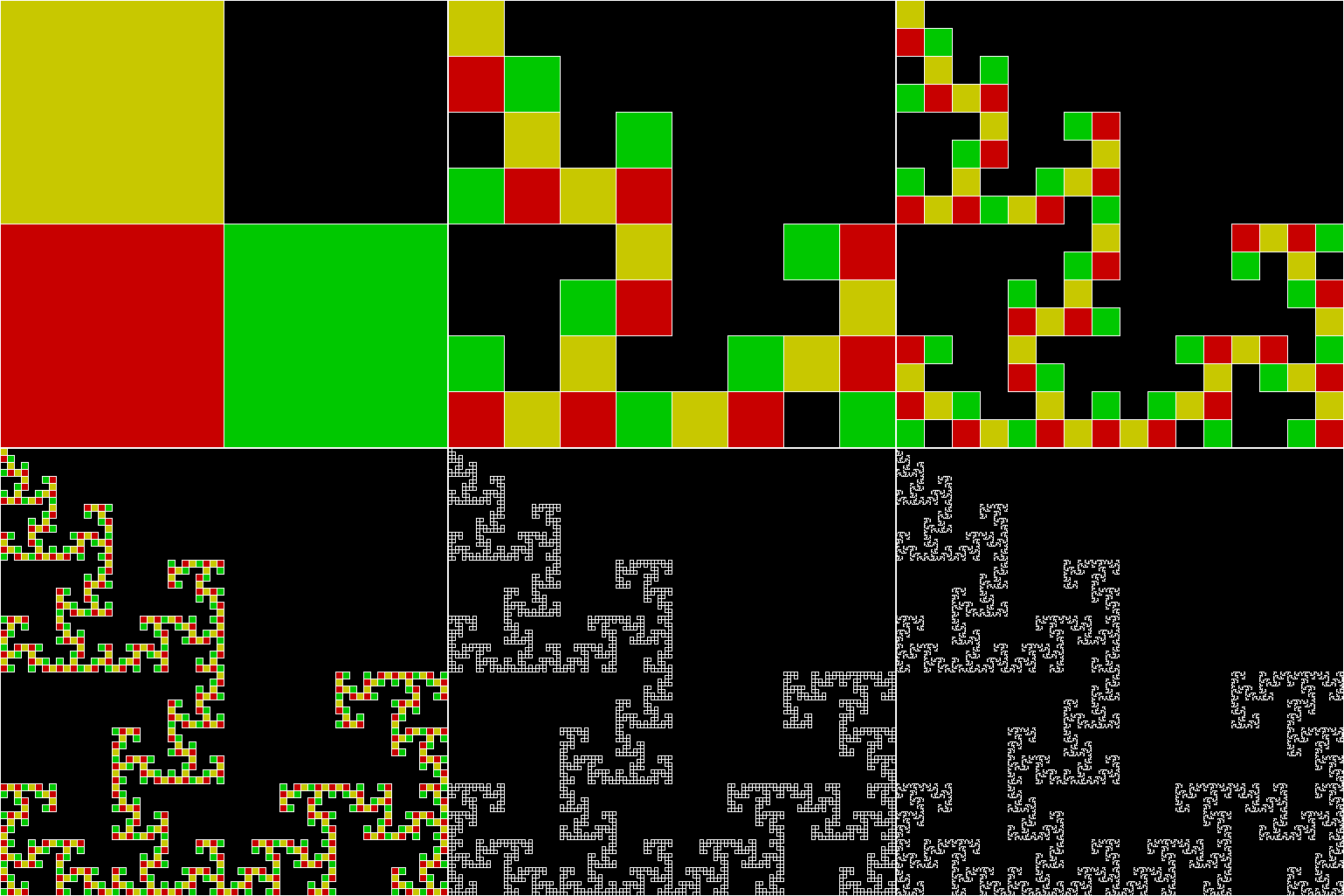
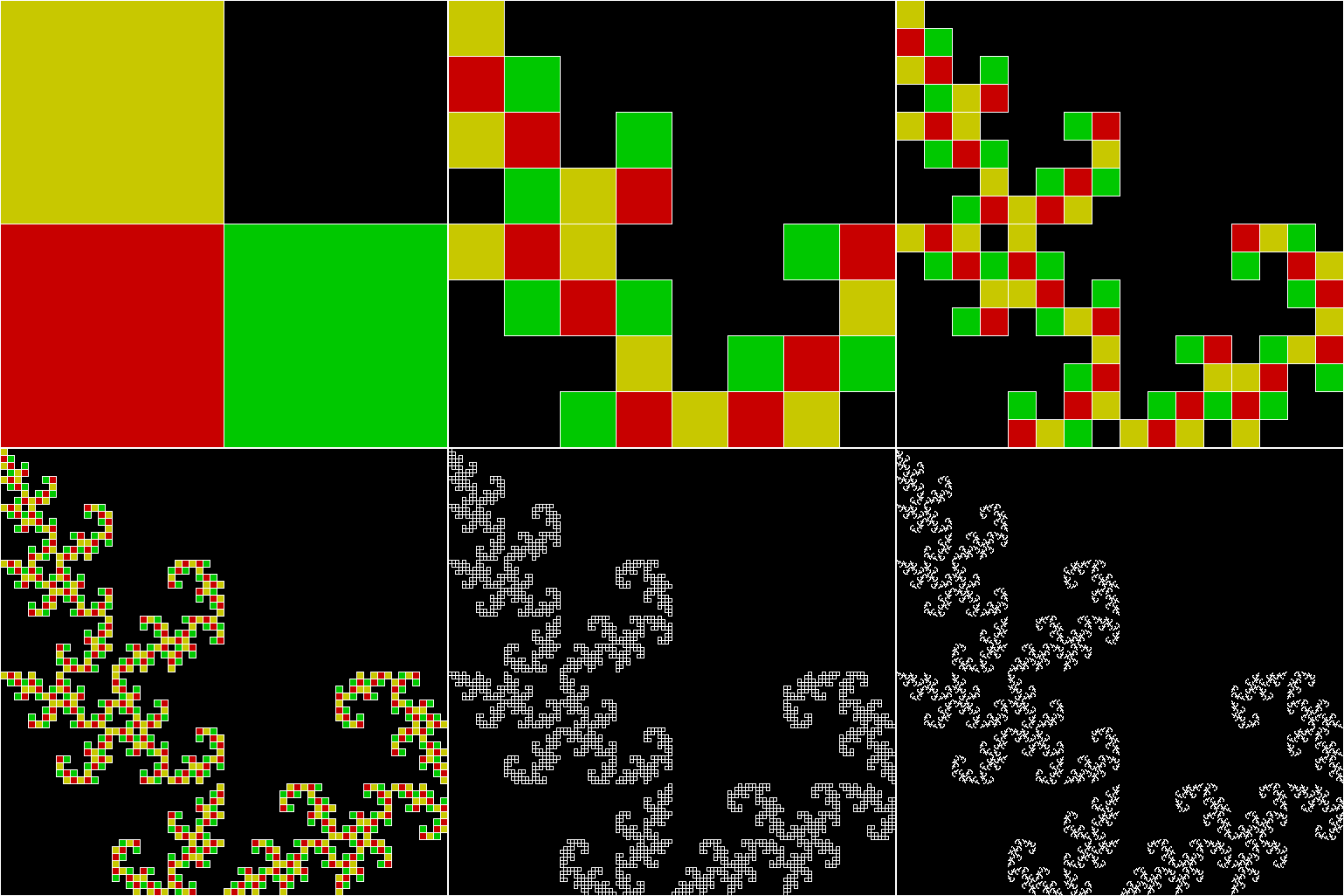
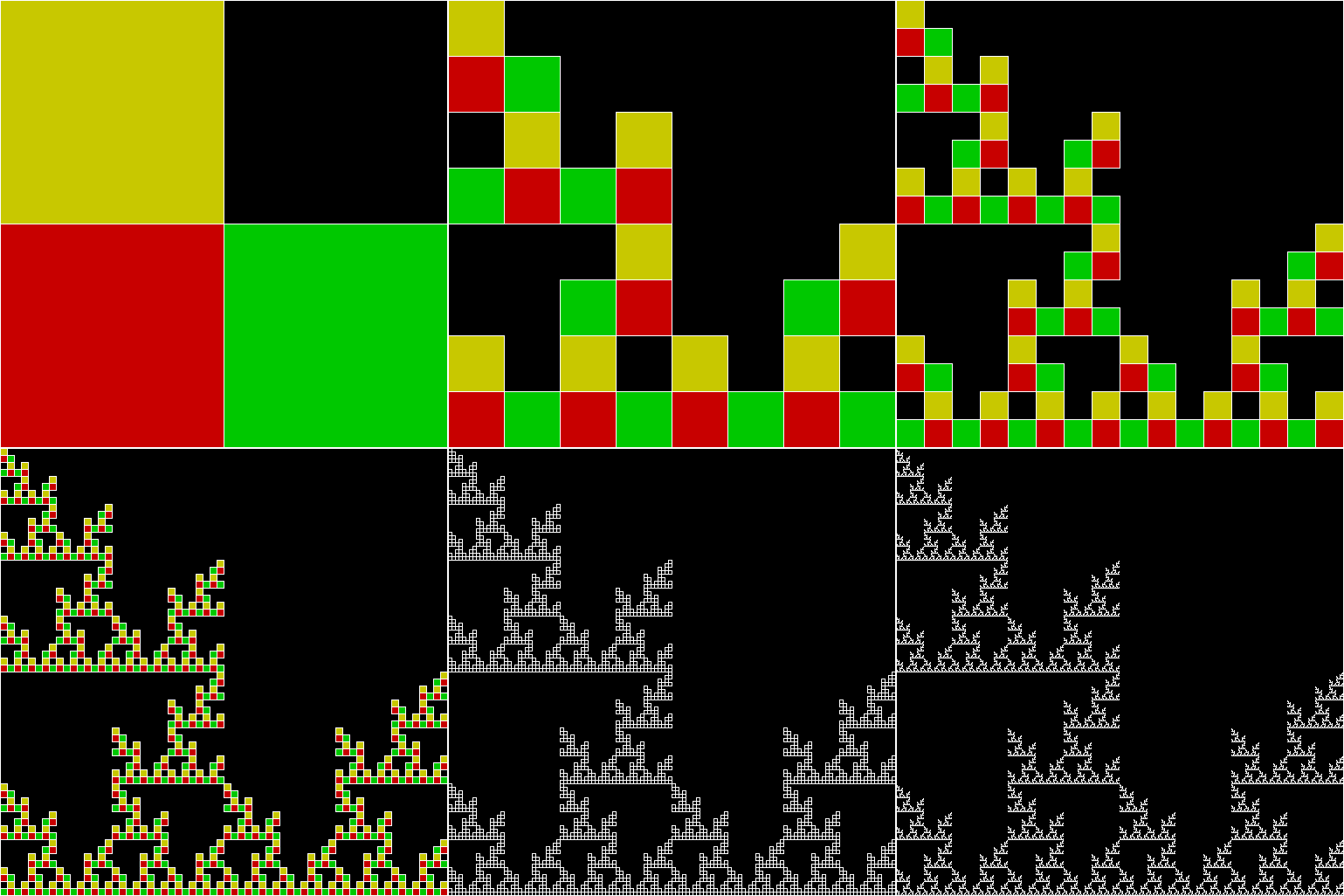
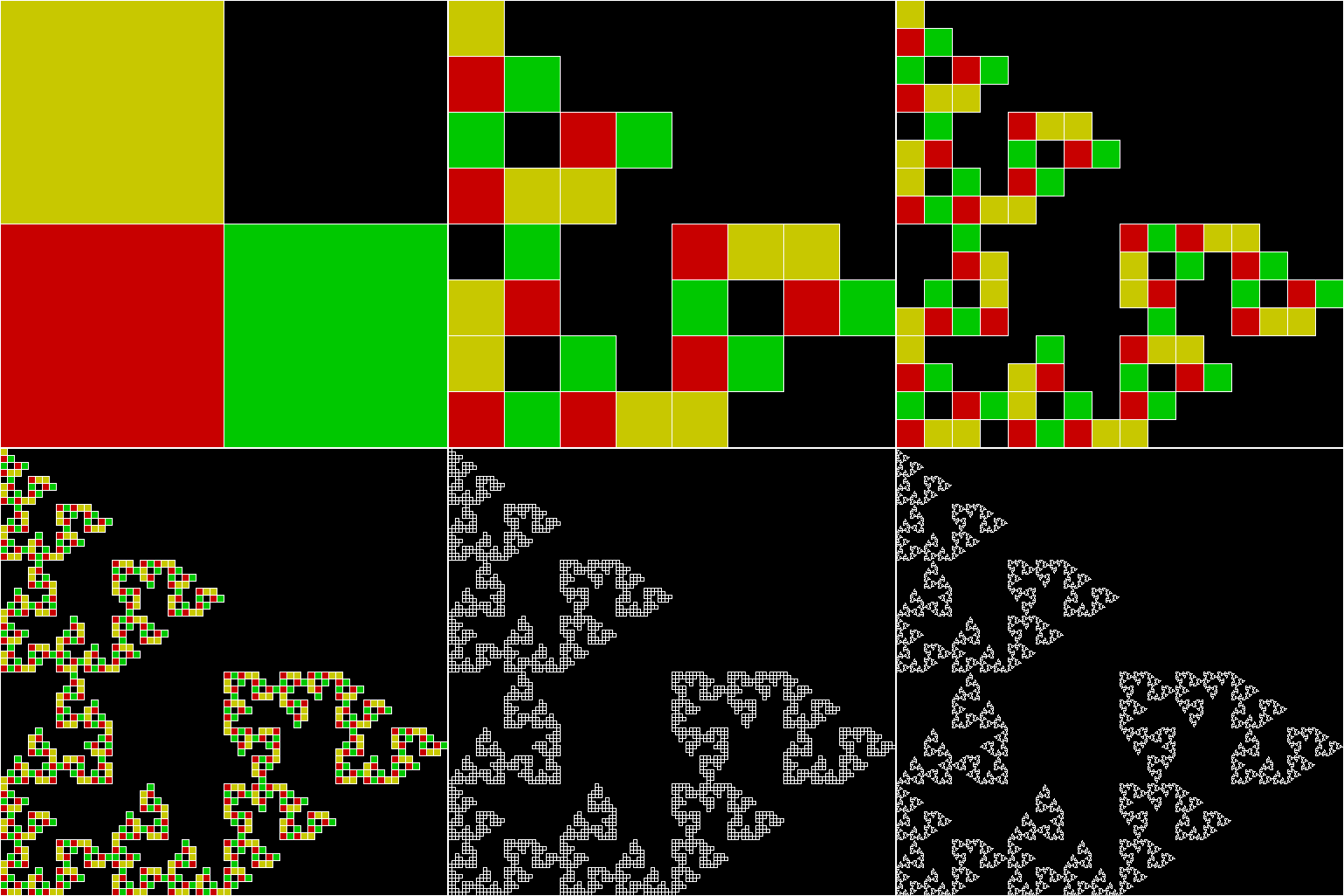
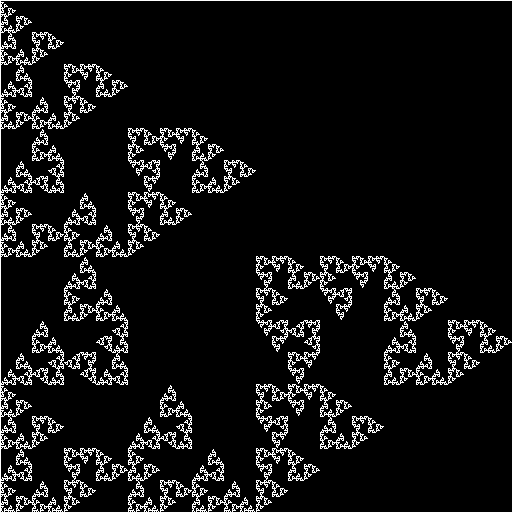
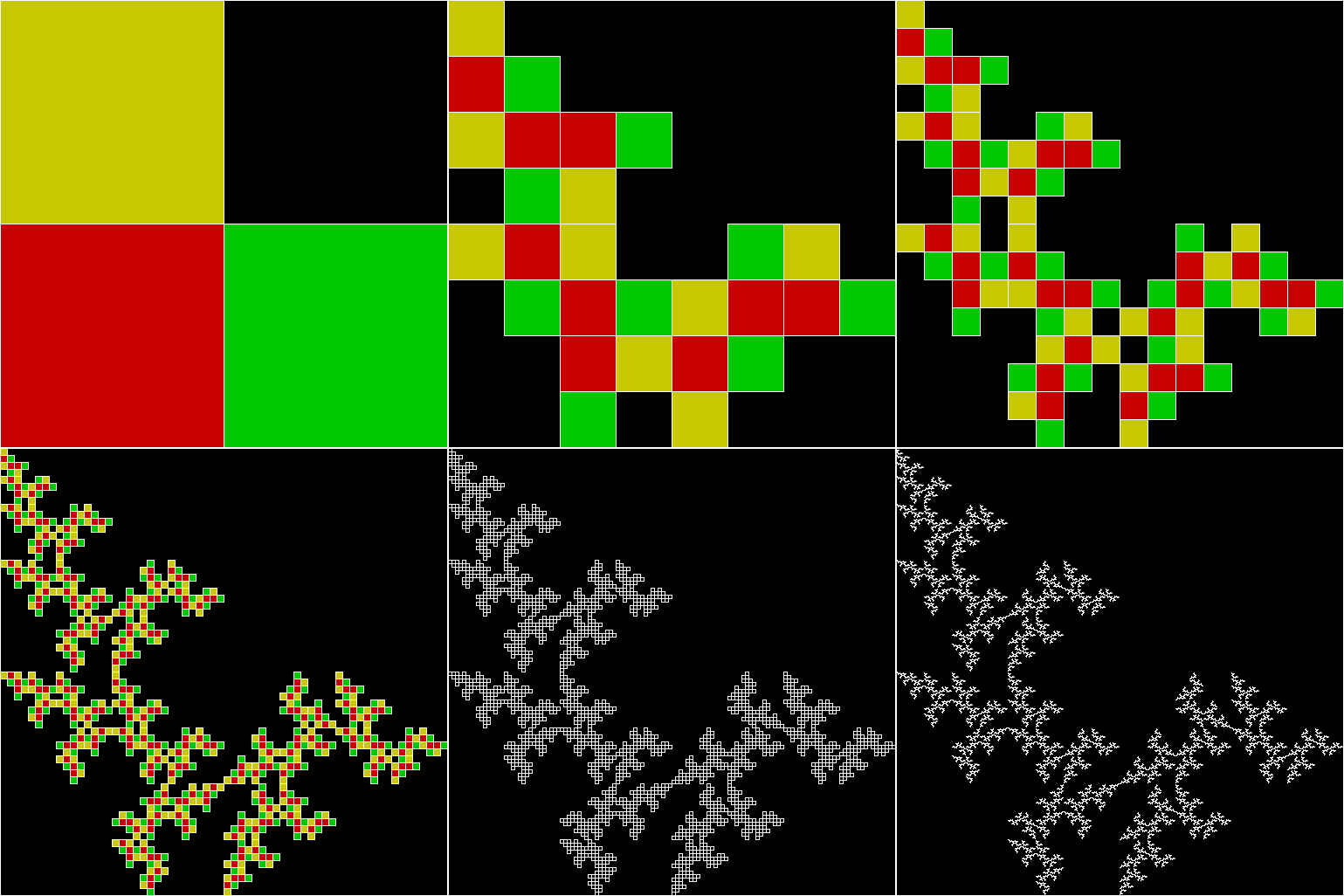
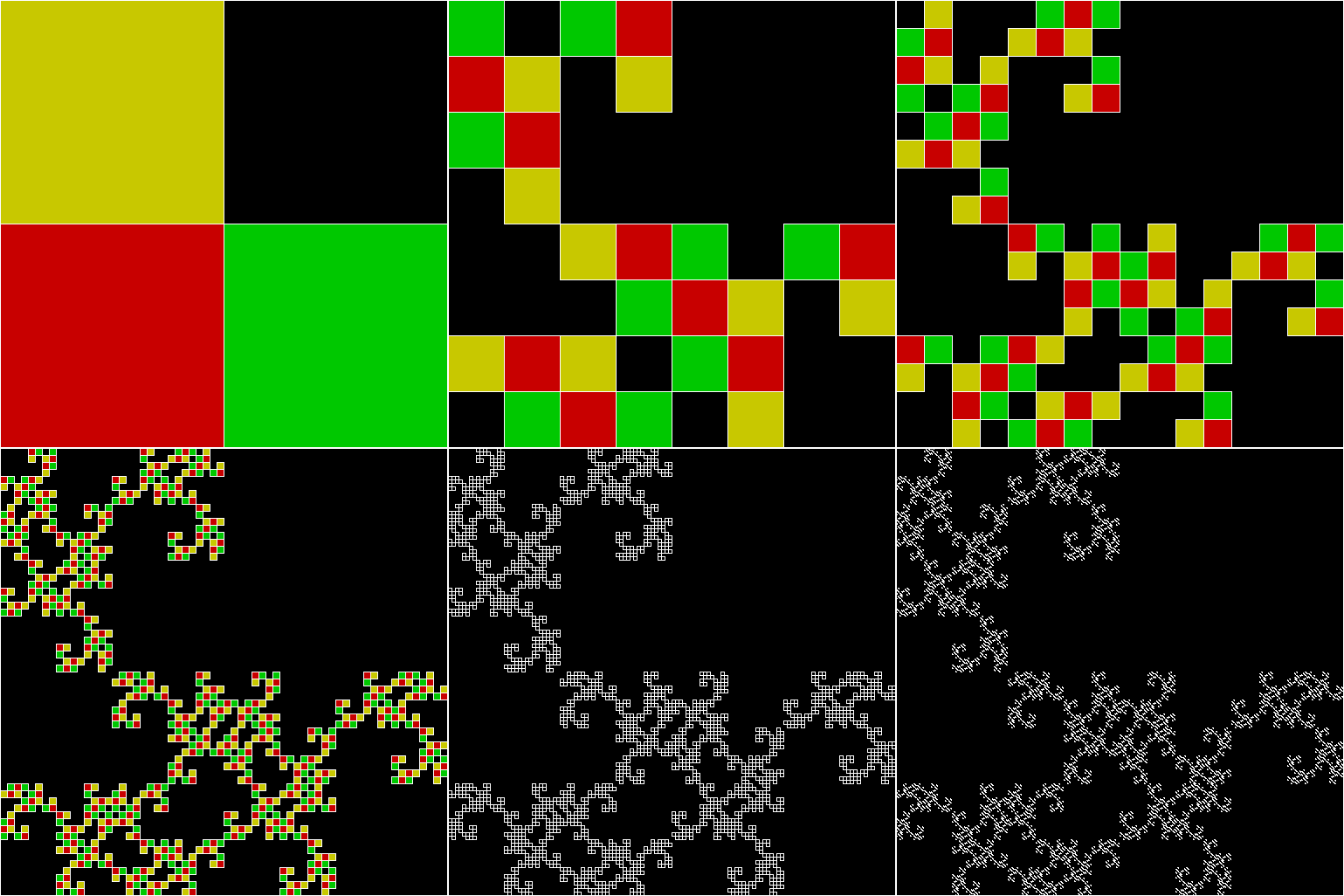
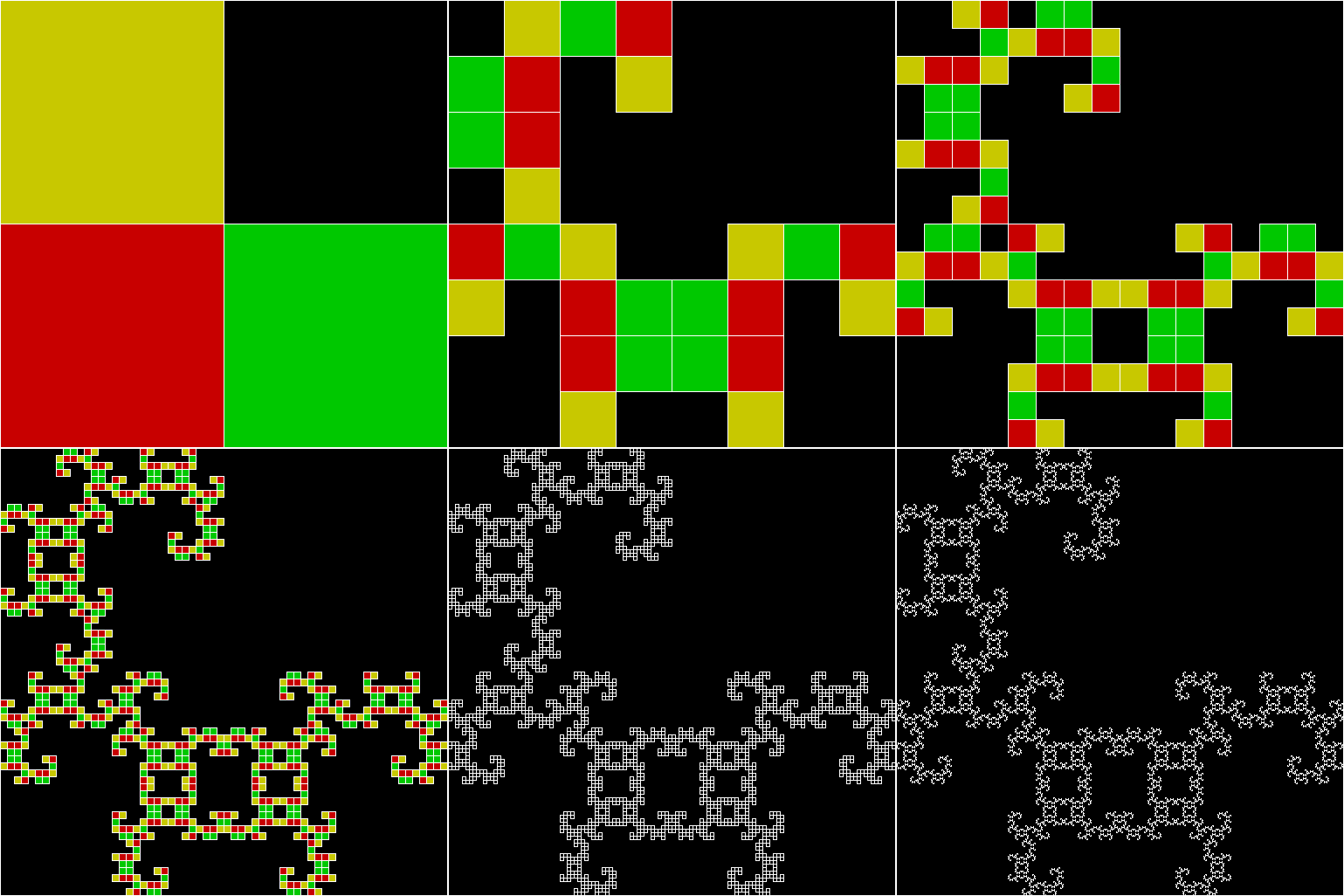
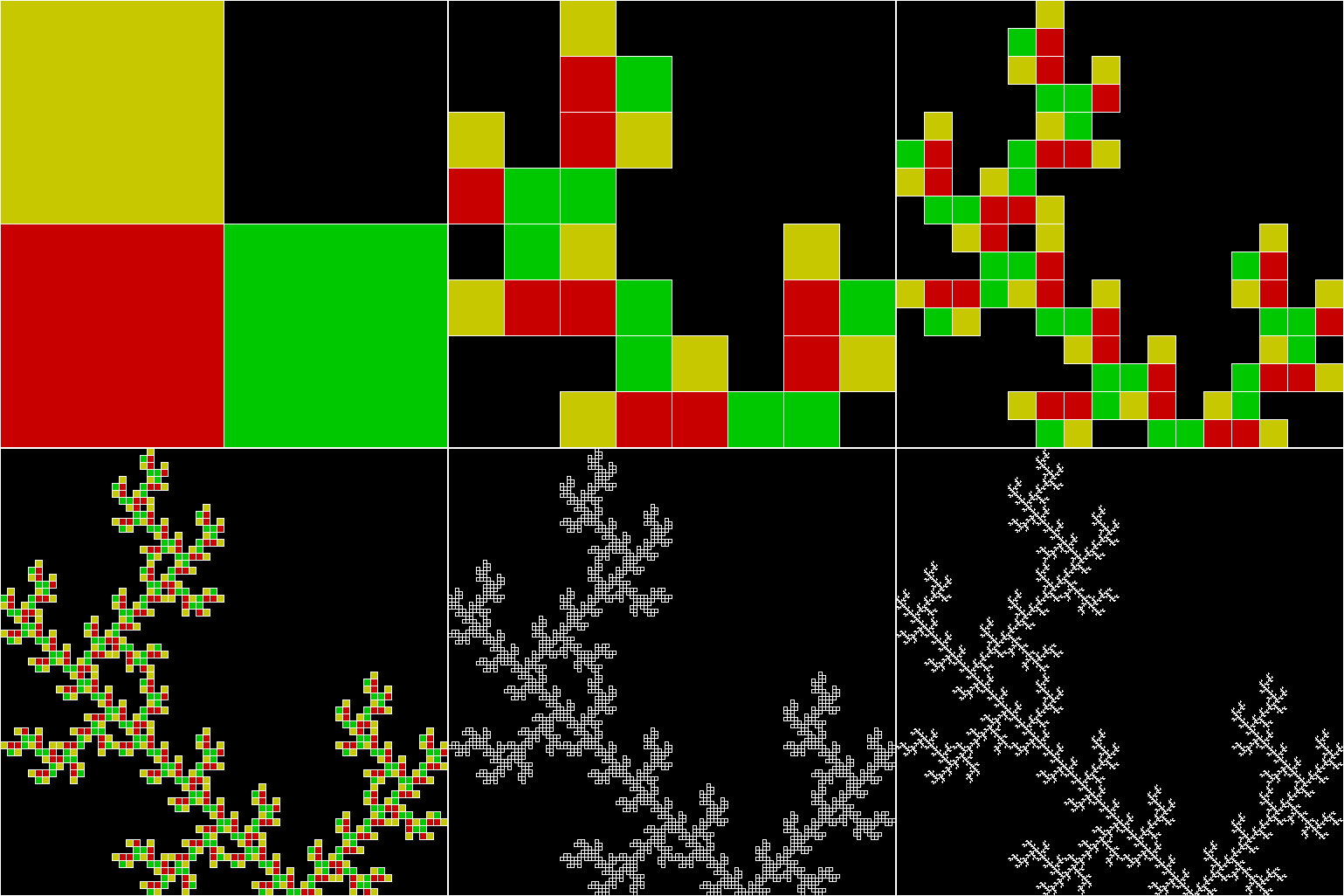
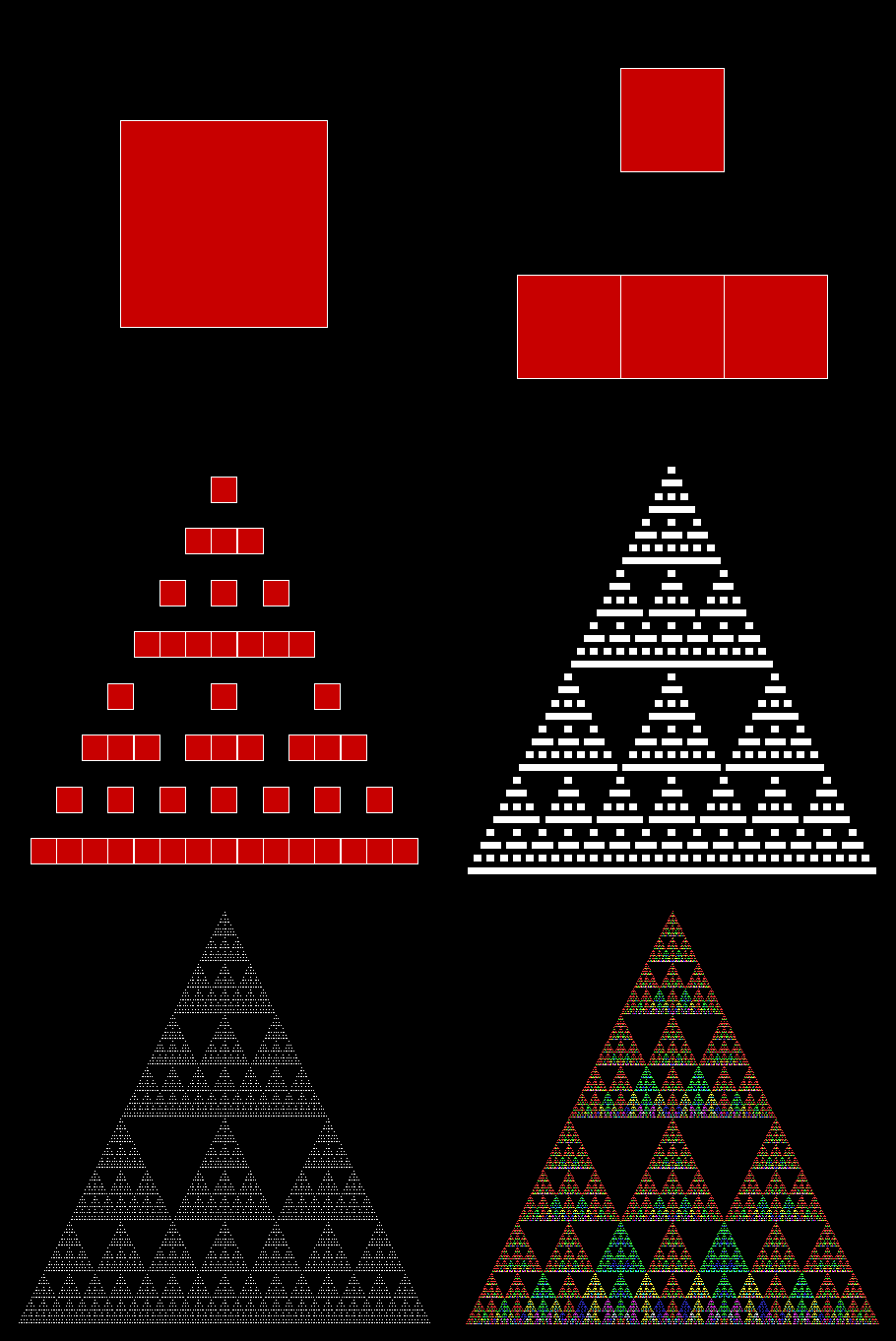
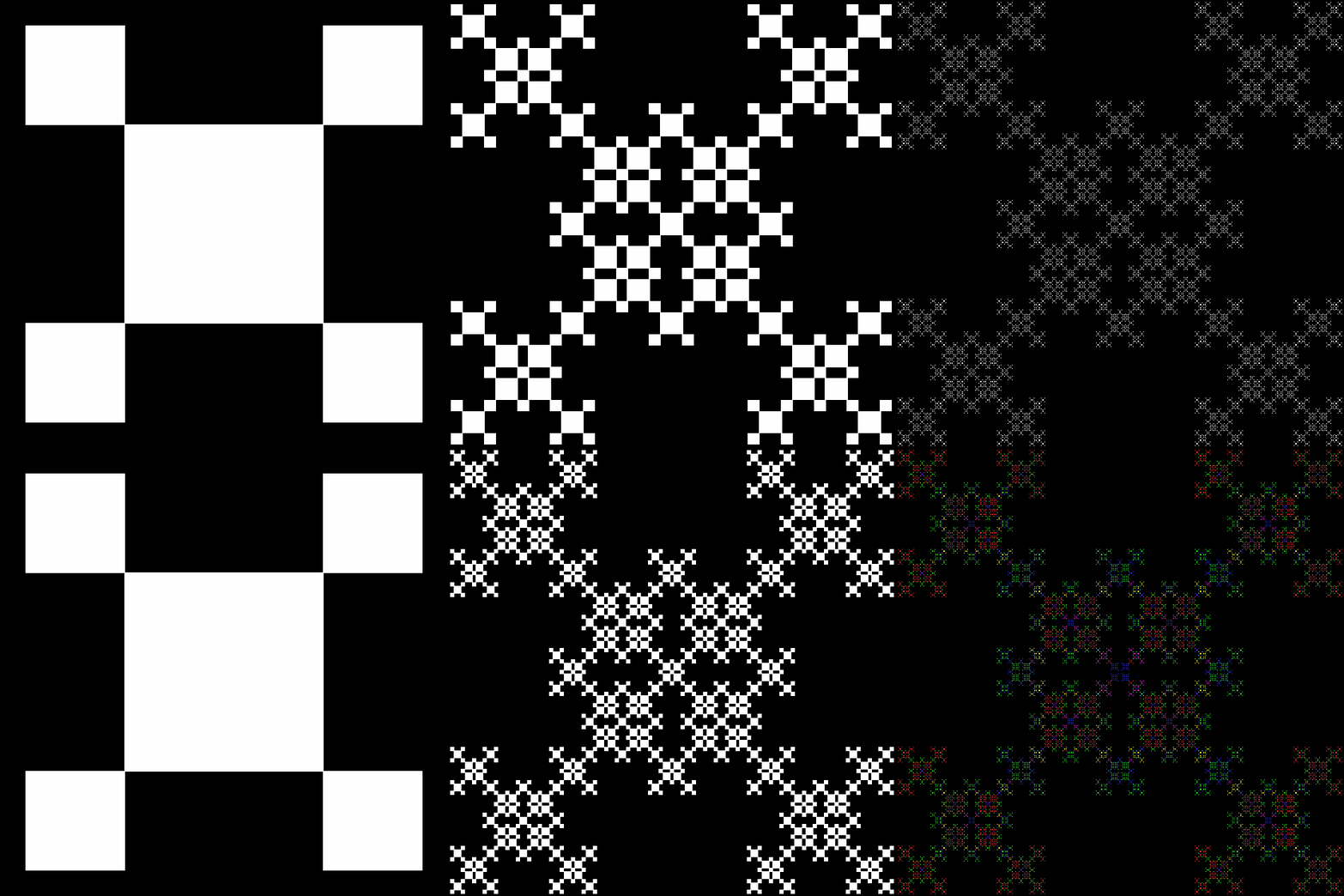
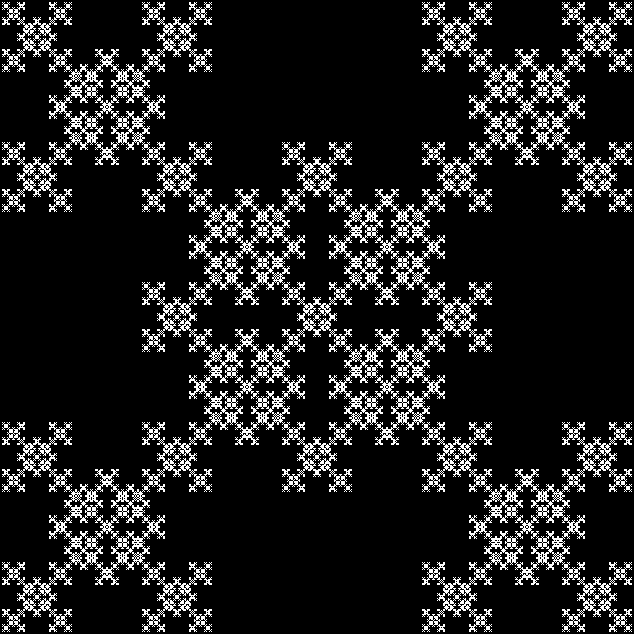
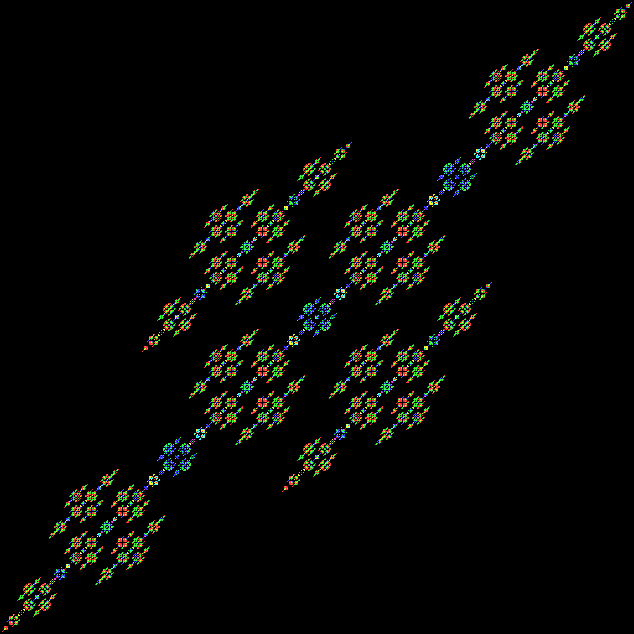
When you replace a square with four smaller squares, each a quarter the size of the original, the smaller squares occupy the same area, because 4 * ¼ = 1. If you discard one sub-square, then divide each of the three remaining sub-squares into four sub-sub-square, discard one sub-sub-quare and repeat, you create fractals like those I looked at in Squaring and Paring. The fractals stay within a fixed boundary.

Square replaced with four smaller squares, each ¼th the size of the original


Animated fractal


Static fractal


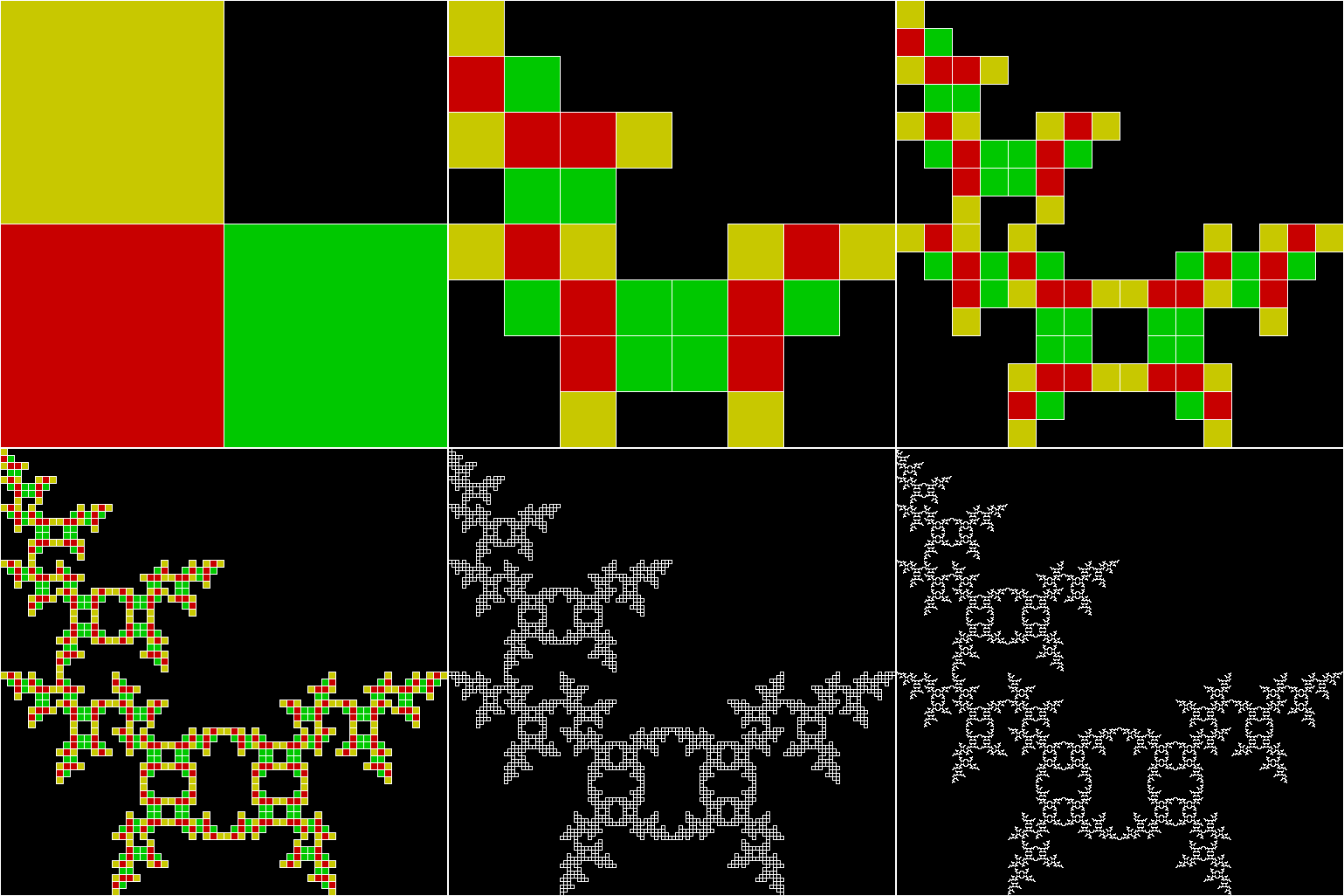
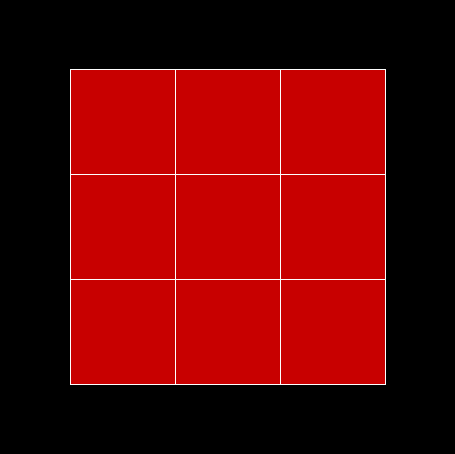
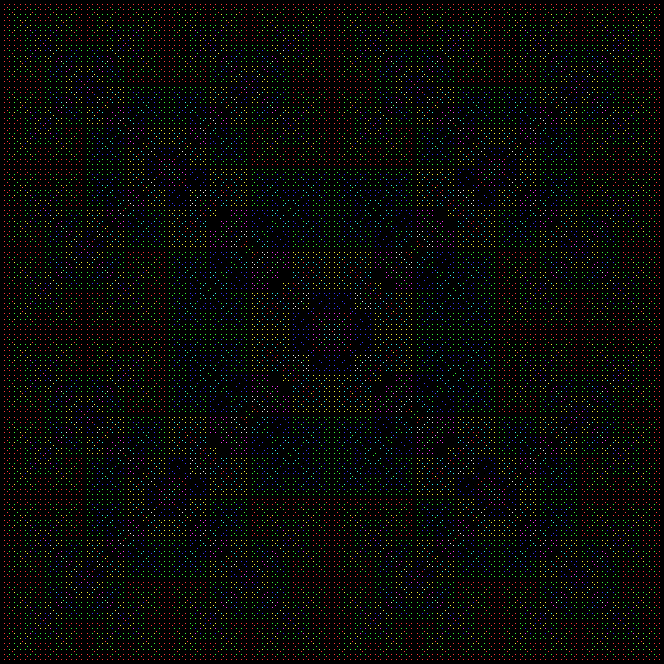
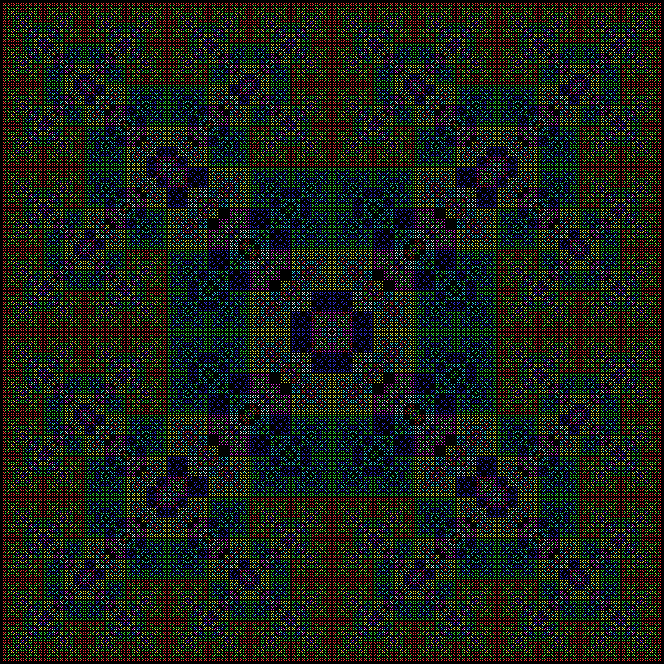
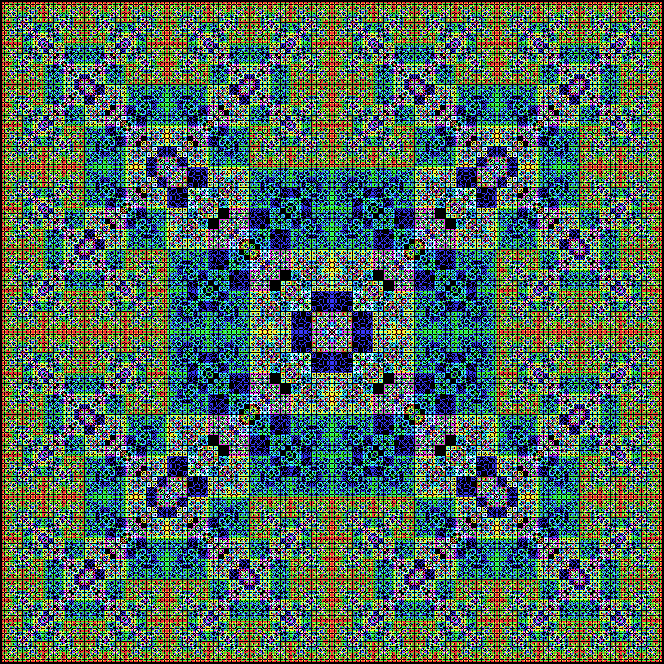
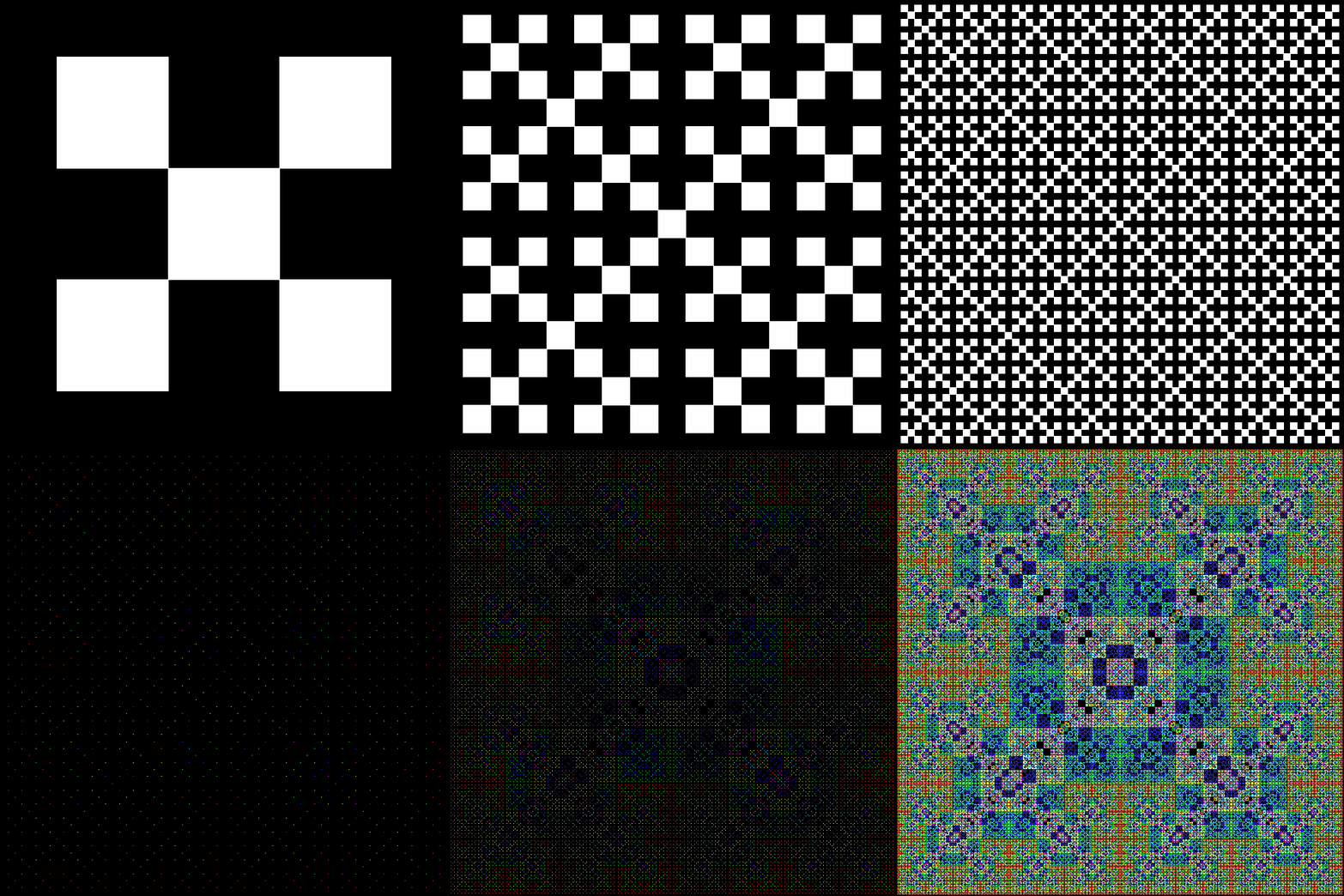
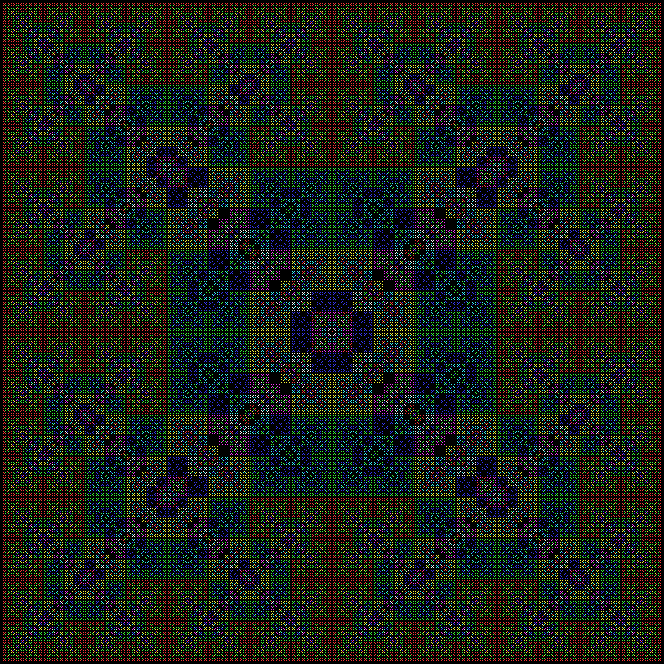
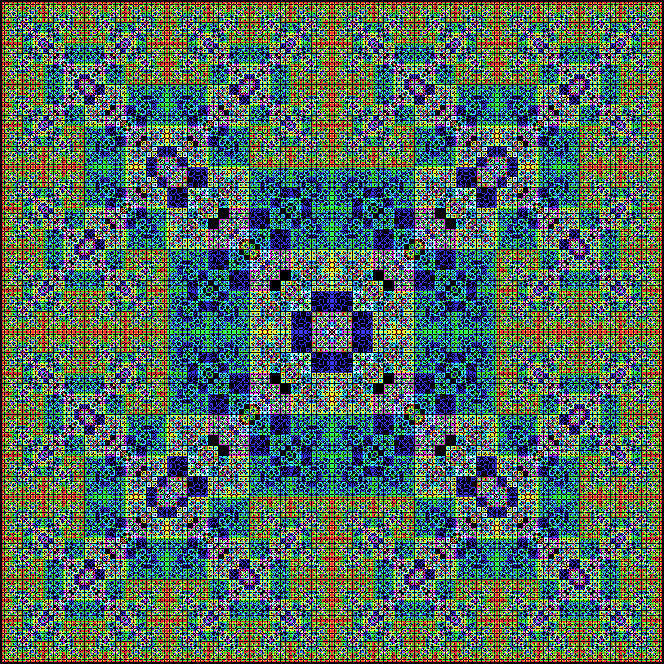
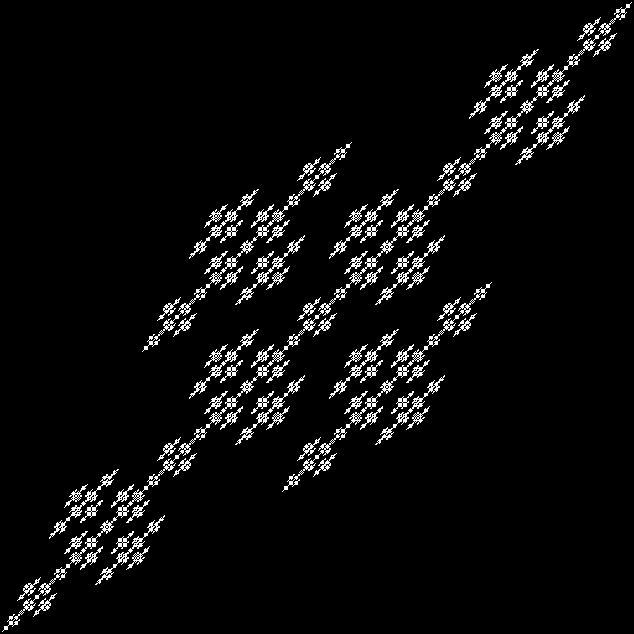
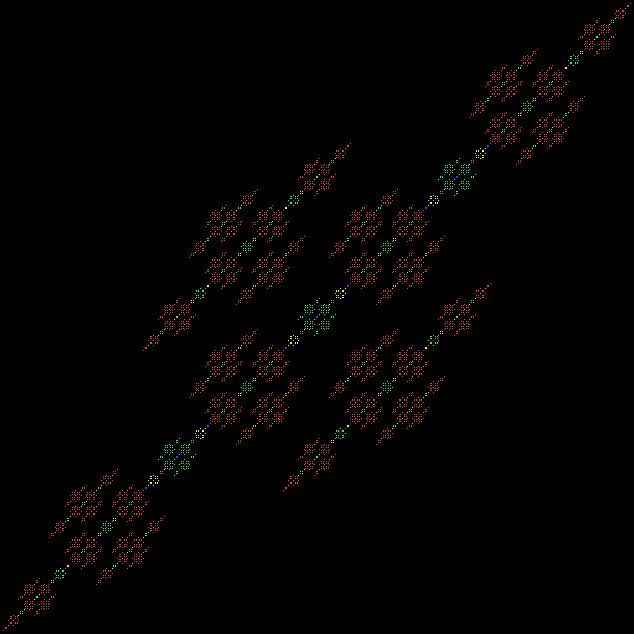
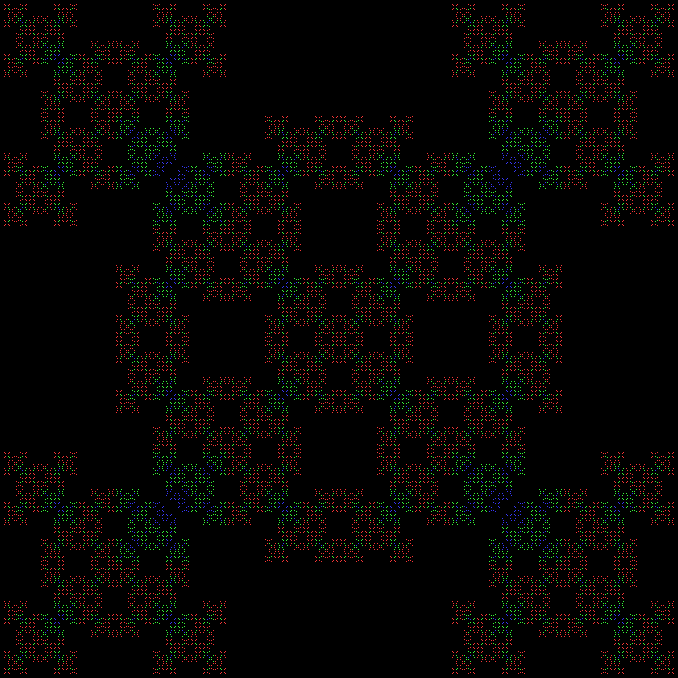
This time I want to look at a slightly different process. Replace a square with nine smaller squares each a quarter the size of the original. Now the sub-squares occupy a larger area than the original, because 9 * ¼ = 2¼. If you discard — or cull — sub-squares and repeat, the resultant fractal grows beyond the original boundary. Indeed, sub-squares start to overlap, so you can use colours to represent how often a particular pixel has been covered with a square. Here is an example of this process in action:

Square replaced with nine smaller squares, each ¼th the size of the original


Animated fractal


Static fractal #1


Static fractal #2


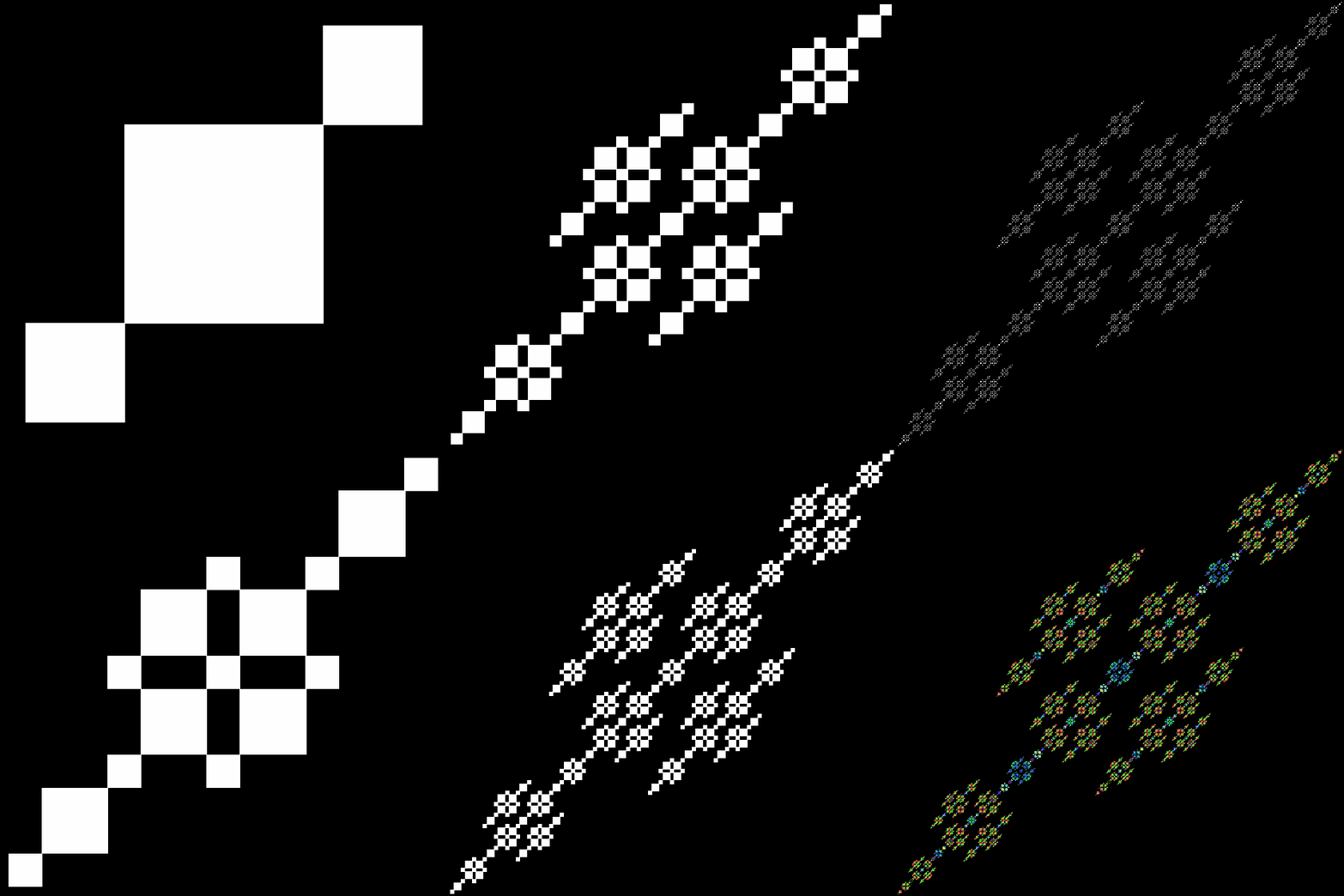
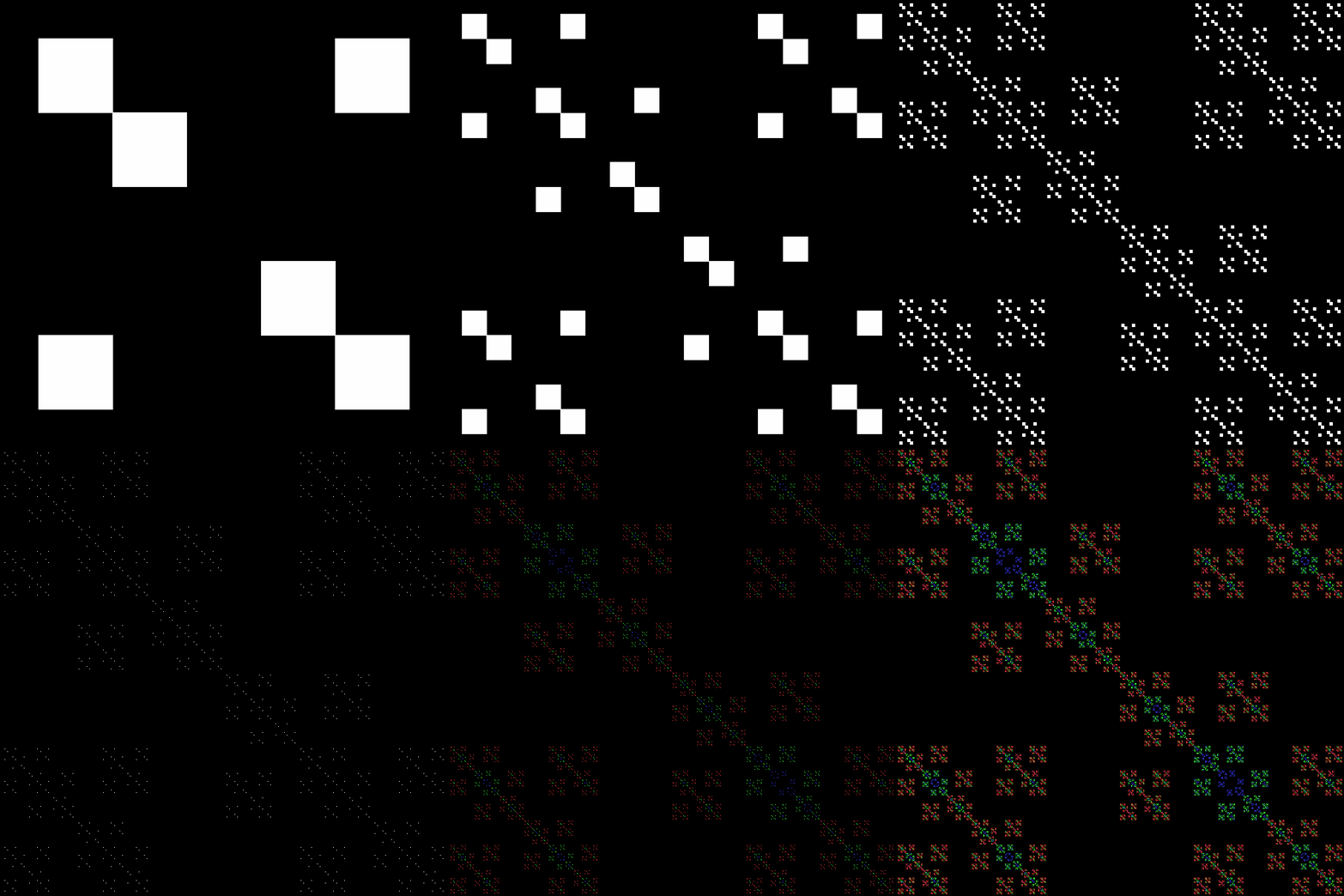
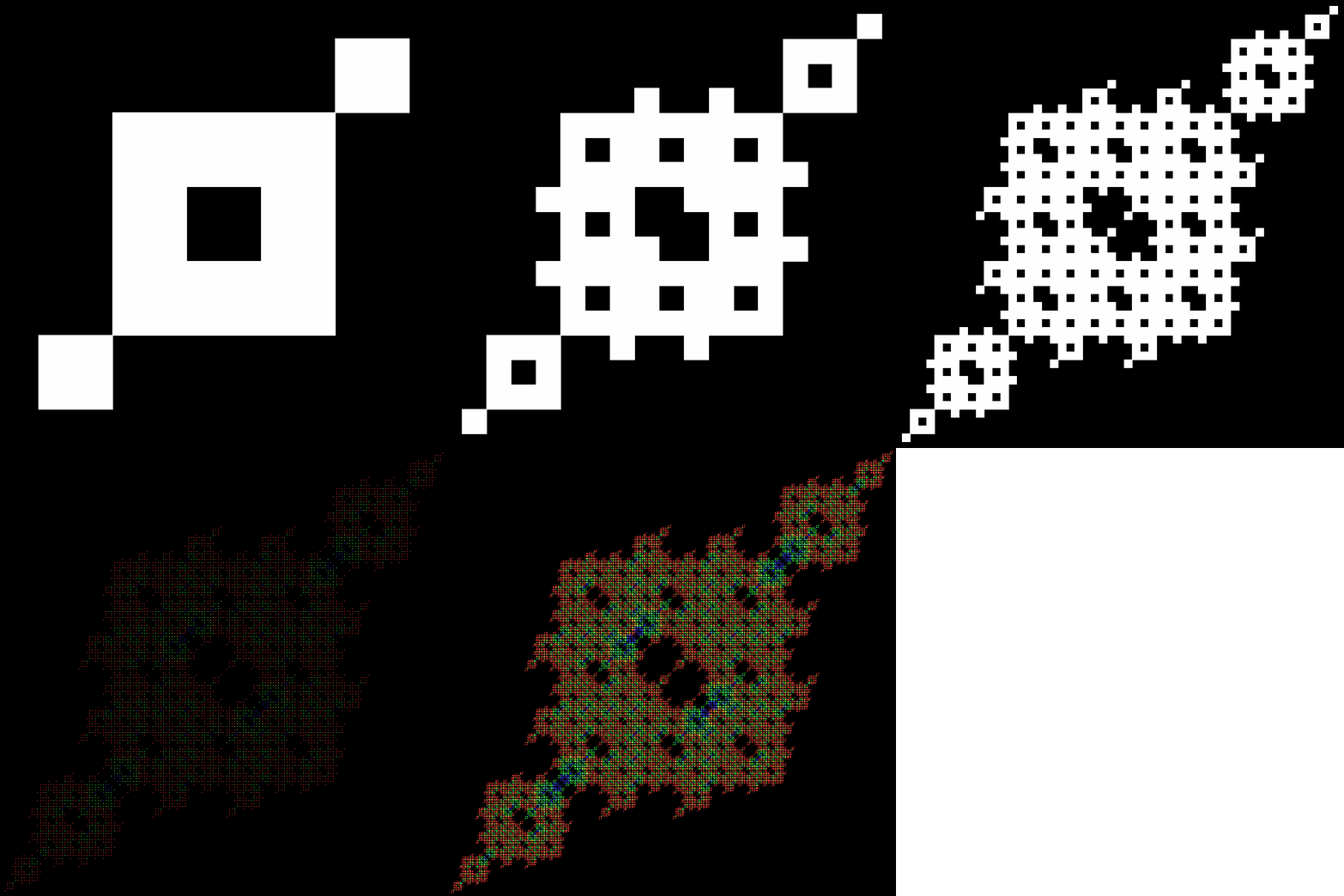
Here are the individual stages of a more complex fractal that uses the second process:

Stage 1


Stage 2


Stage 3


Stage 4


Stage 5


Stage 6


Stage 7


Stage 8


Stage 9 (compare Fingering the Frigit and Performativizing the Polygonic)


Stage 10


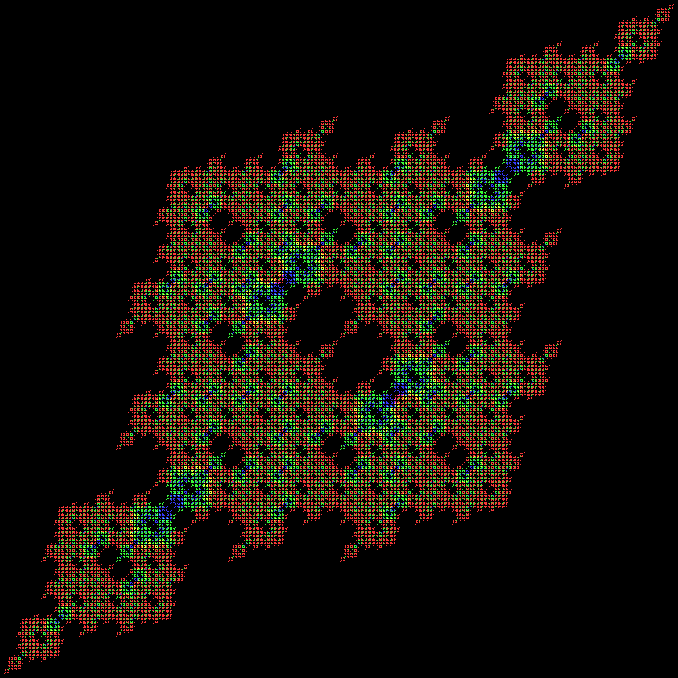
Animated version


Static version #1


Static version #2


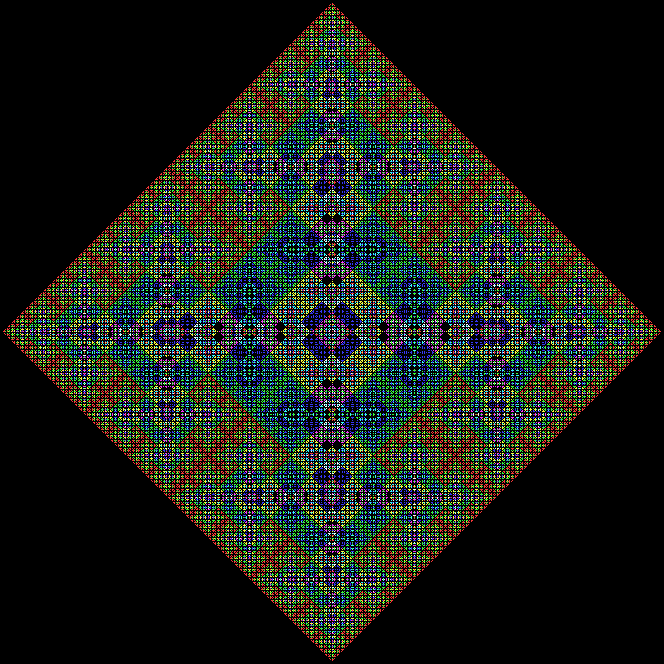
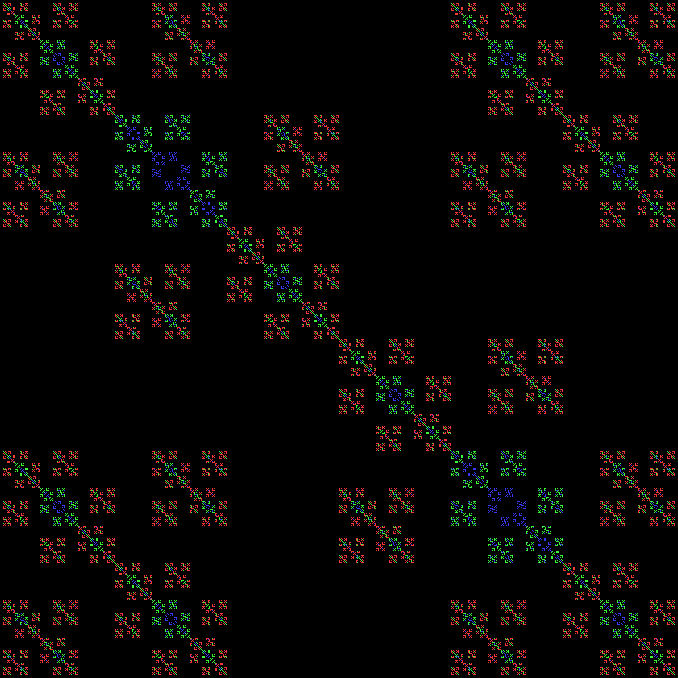
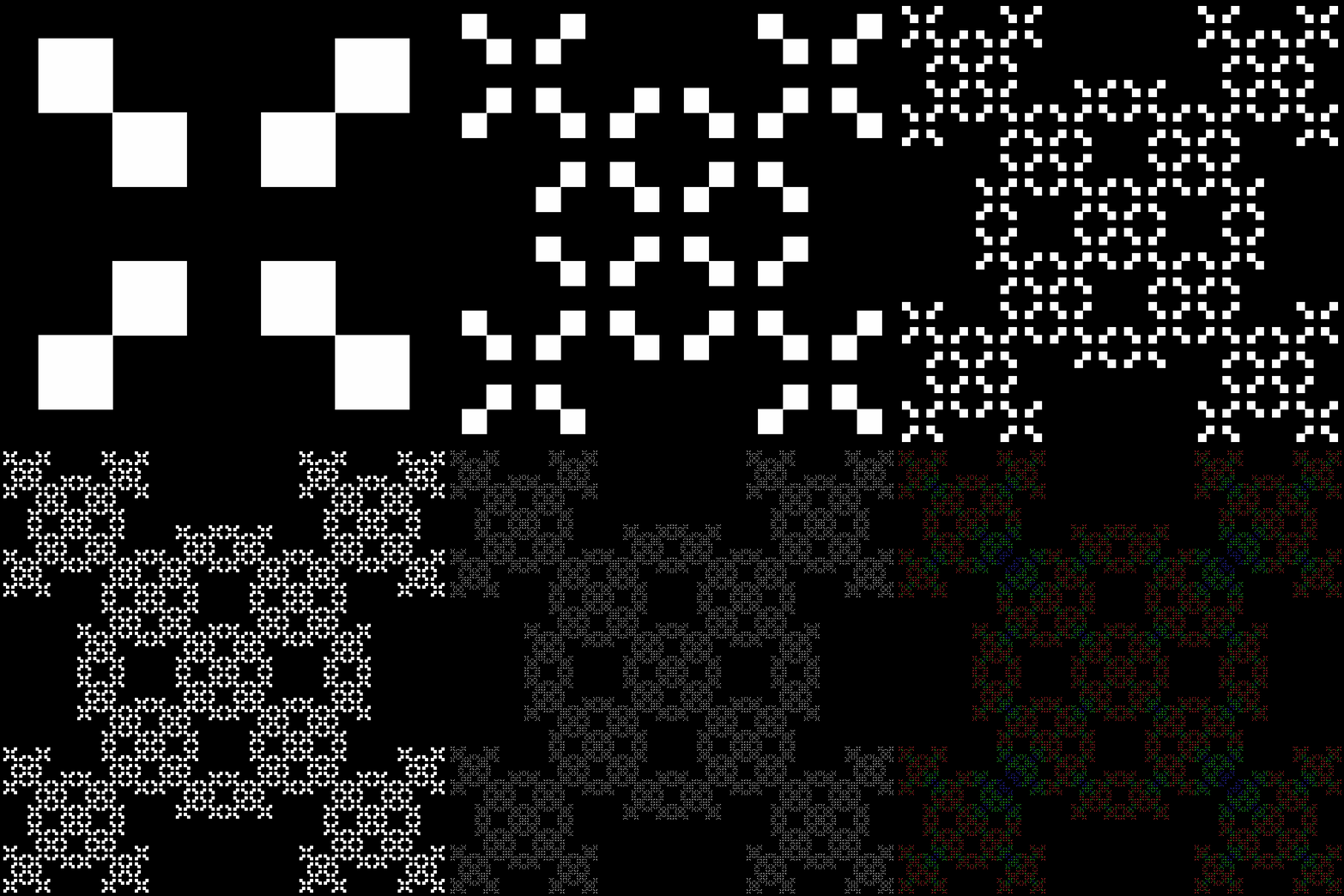
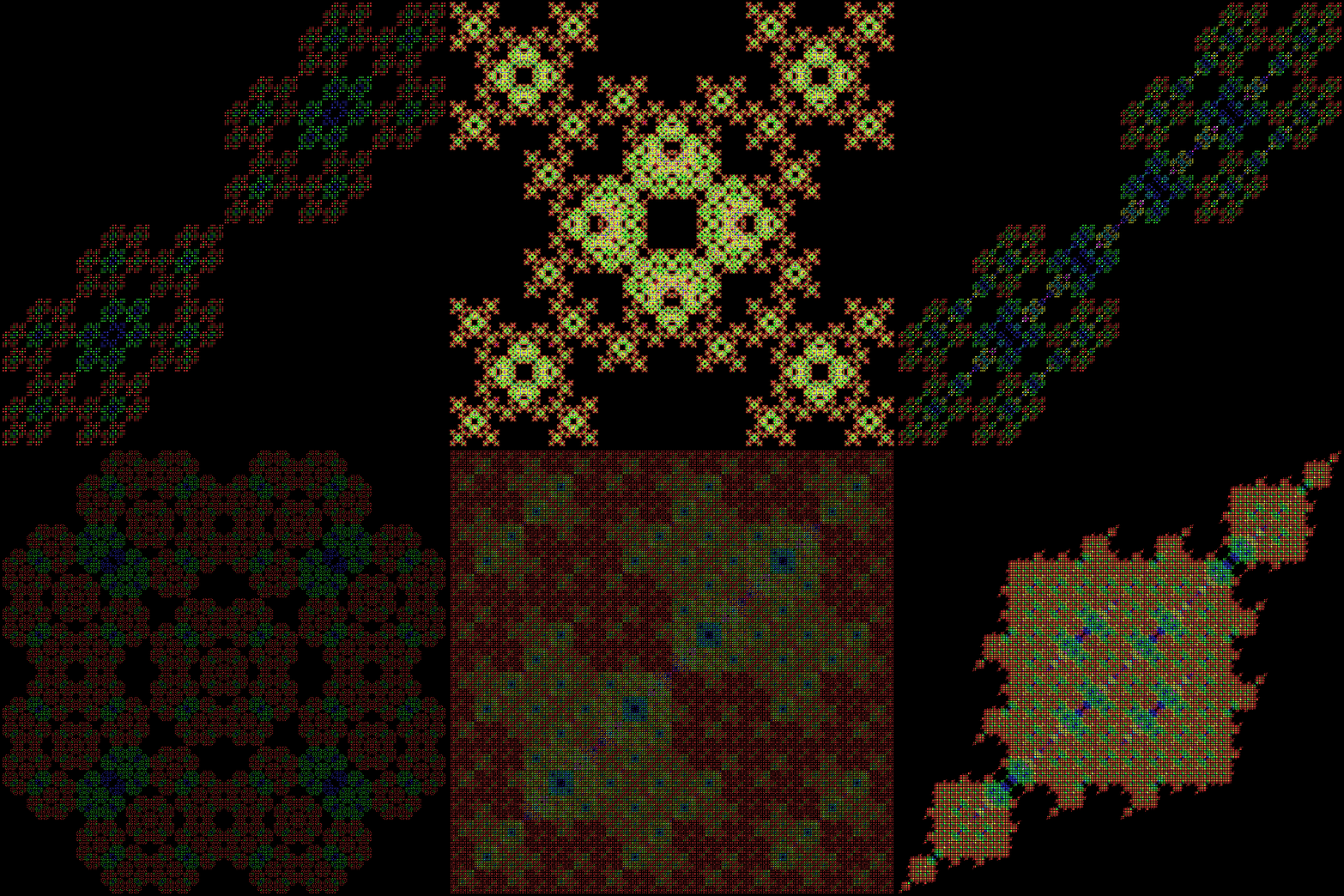
And here are some more of the fractals you can create in a similar way:


Static version #1

Static version #2


Static version #2

Static version #2

Static version #3


Various fractals in an animated gif


Noise Annoys

“Noise” may have an interesting etymology. Some think it comes from “nausea”, which itself comes from Greek naus, meaning “ship”. Neither the putative etymology of “noise” nor the undisputed etymology of “nausea” would have been news to J.R.R. Tolkien. He was, after all, a professional scholar of literature and languages.

But that’s why The Lord of the Rings is often a puzzling book. Why did someone so interested in words and languages write so clumsily? As I’ve said before: I wish someone would translate Lord of the Rings into English. But perhaps if Tolkien had been a better writer I wouldn’t have read Lord of the Rings so often. And perhaps if he’d been a better writer there would have been no Lord of the Rings at all. Even so, it’s hard to excuse writing like this:

He heard behind his head a creaking and scraping sound. […] There was a shriek and the light vanished. In the dark there was a snarling noise. – “Fog on the Barrowdowns”, Book One, VIII

Why did he use “sound” and “noise”? They’re redundant, because creak, scrape and snarl already describe sounds or noises. You could argue that the additional words are there to balance the sentences, but if they hadn’t been there I don’t think anyone would have missed them:

He heard behind his head a creaking and scraping. … There was a shriek and the light vanished. In the dark there was a snarling.

Later in the book Tolkien gets it right:

At that moment there came a roaring and a rushing: a noise of loud waters rolling many stones. – “Flight to the Ford”, Book One, XII

Then he gets it wrong again:

Turning quickly they saw ripples, black-edged with shadow in the waning light: great rings were widening outwards from a point far out in the lake. There was a bubbling noise, and then silence. – “A Journey in the Dark”, Book Two, IV

This would have been better:

There was a bubbling, and then silence.

It’s crisper, clearer and doesn’t strike an ugly twentieth-century note in an archaic setting. And it should have been what J.R.R. Tolkien wrote in the first place. I don’t know why he didn’t and I don’t know why his editors or those who read early drafts of Lord of the Rings didn’t point out his error. That’s why I’d like to visit the Library of Babel and find a copy of Lord of the Rings written by Clark Ashton Smith.

Squaring and Paring

Squares are often thought to be the most boring of all shapes. Yet every square holds a stunning secret – something that in legend prompted a mathematical cult to murder a traitor. If each side of a square is one unit long, how long is the square’s diagonal, that is, the line from one corner to the opposite corner?

By Pythagoras’ theorem, the answer is this:

• x^2 = 1^2 + 1^2
• x^2 = 2
• x = √2

But what is √2? Pythagoras and his followers thought that all numbers could be represented as either whole numbers or ratios of whole numbers. To their dismay, so it’s said, they discovered that they were wrong. √2 is an irrational number – it can’t be represented as a ratio. In modern notation, it’s an infinitely decimal that never repeats:

• √2 = 1·414213562373095048801688724209698…

A modern story, unattested in ancient records, says that the irrationality of √2 was a closely guarded secret in the Pythagorean cult. When Hippasus of Metapontum betrayed the secret, he was drowned at sea by enraged fellow cultists. Apocryphal or not, the story shows that squares aren’t so boring after all.

Nor are they boring when they’re caught in the fract. Divide one square into nine smaller copies of itself:
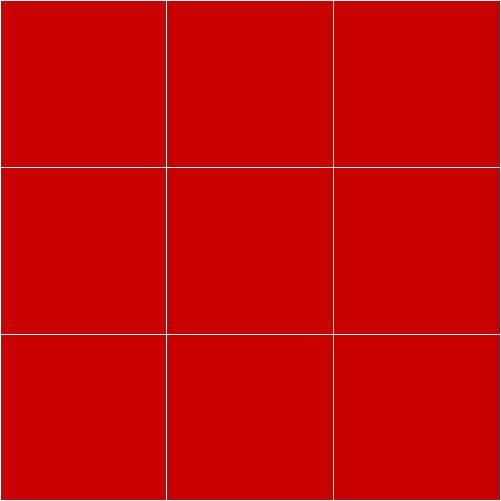

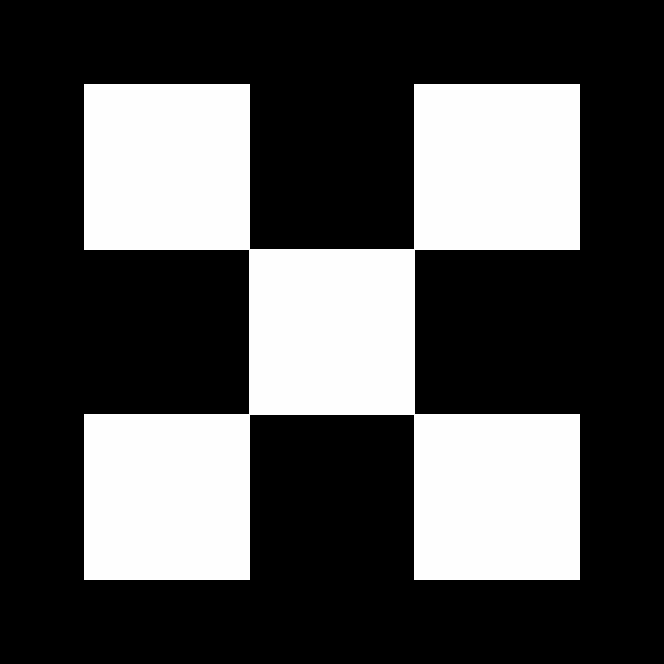
Discard three of the copies like this:
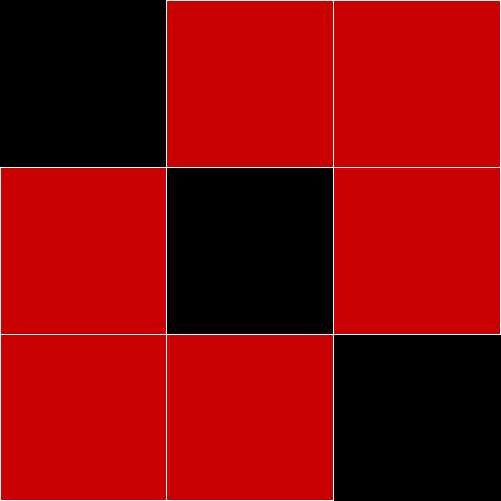
Stage 1
Retain squares 1, 2, 4, 6, 8, 9 (reading left-to-right, bottom-to-top)


Then do the same to each of the sub-squares:
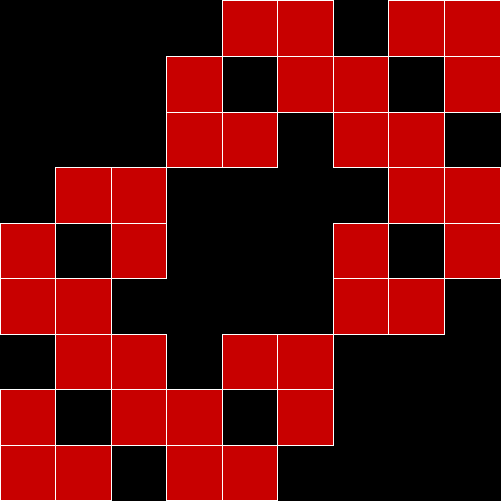
Stage 1


And repeat:
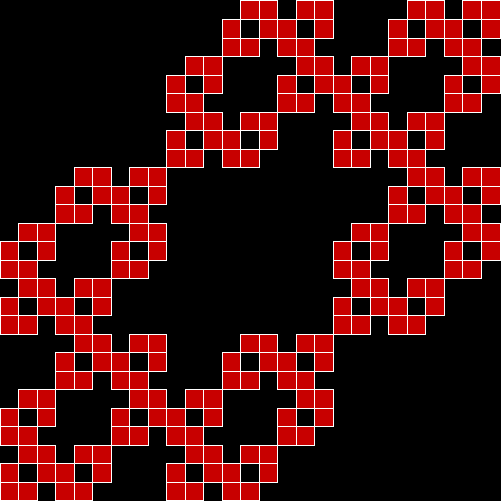
Stage 3
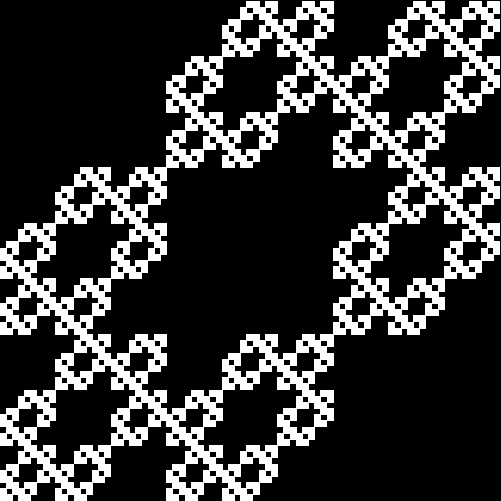

Stage 4
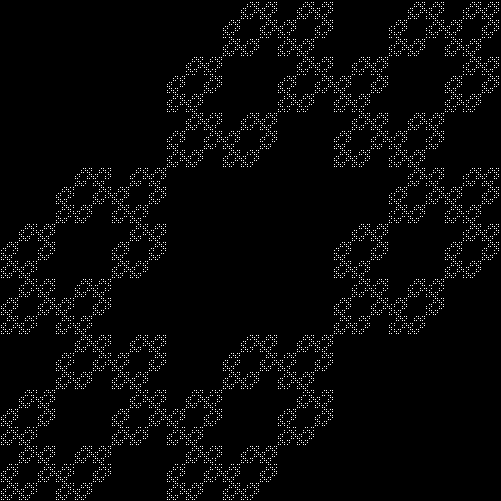

Stage 5
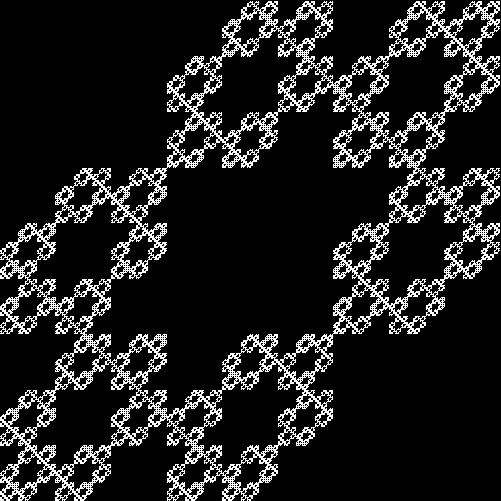

Stage 6


The result is a fractal of endlessly subdividing contingent hexagons:
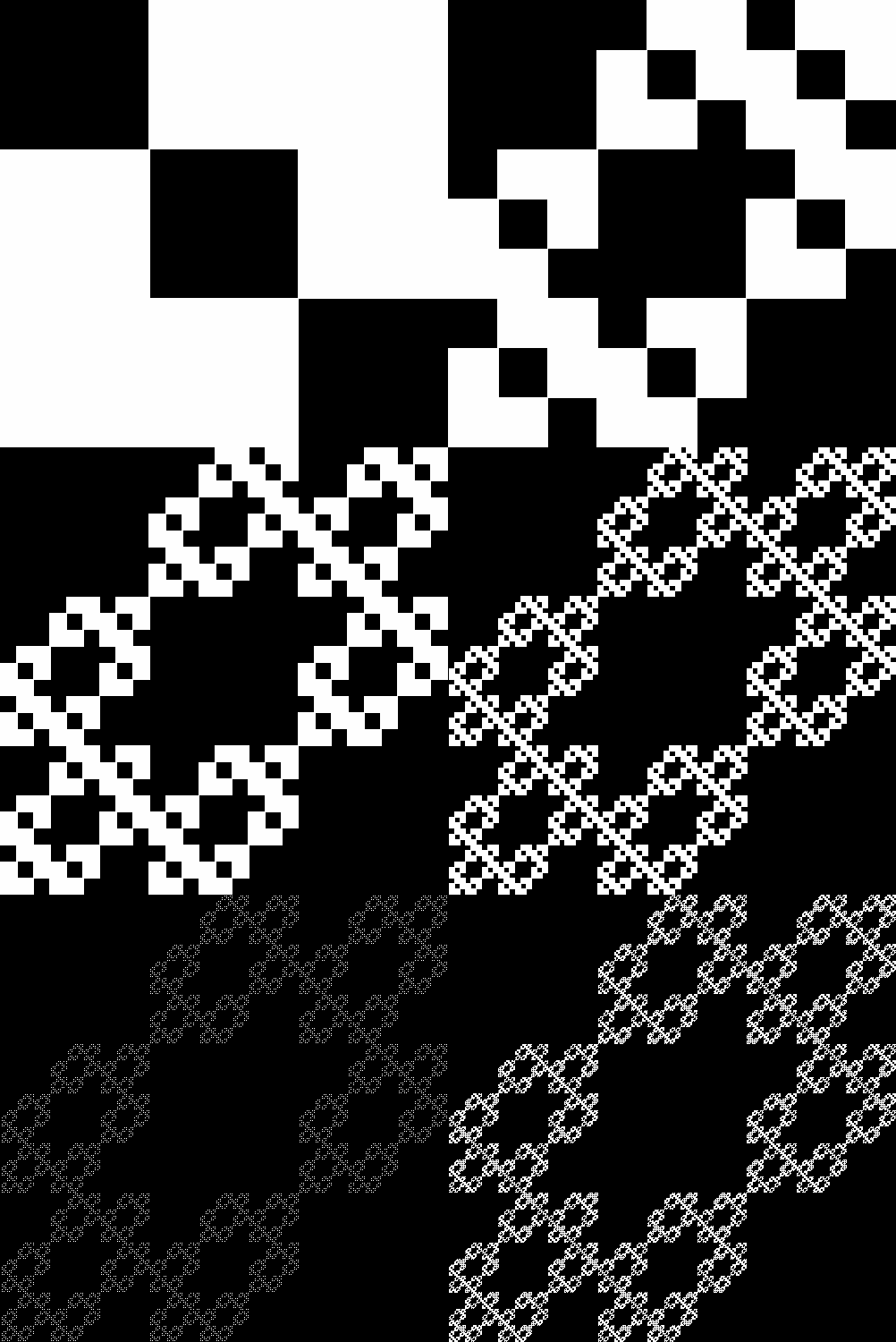
Animated vesion


Retain squares 1, 2, 4, 6, 8, 9 (reading left-to-right, bottom-to-top)


Here are a few more of the fractals you can create by squaring and paring:
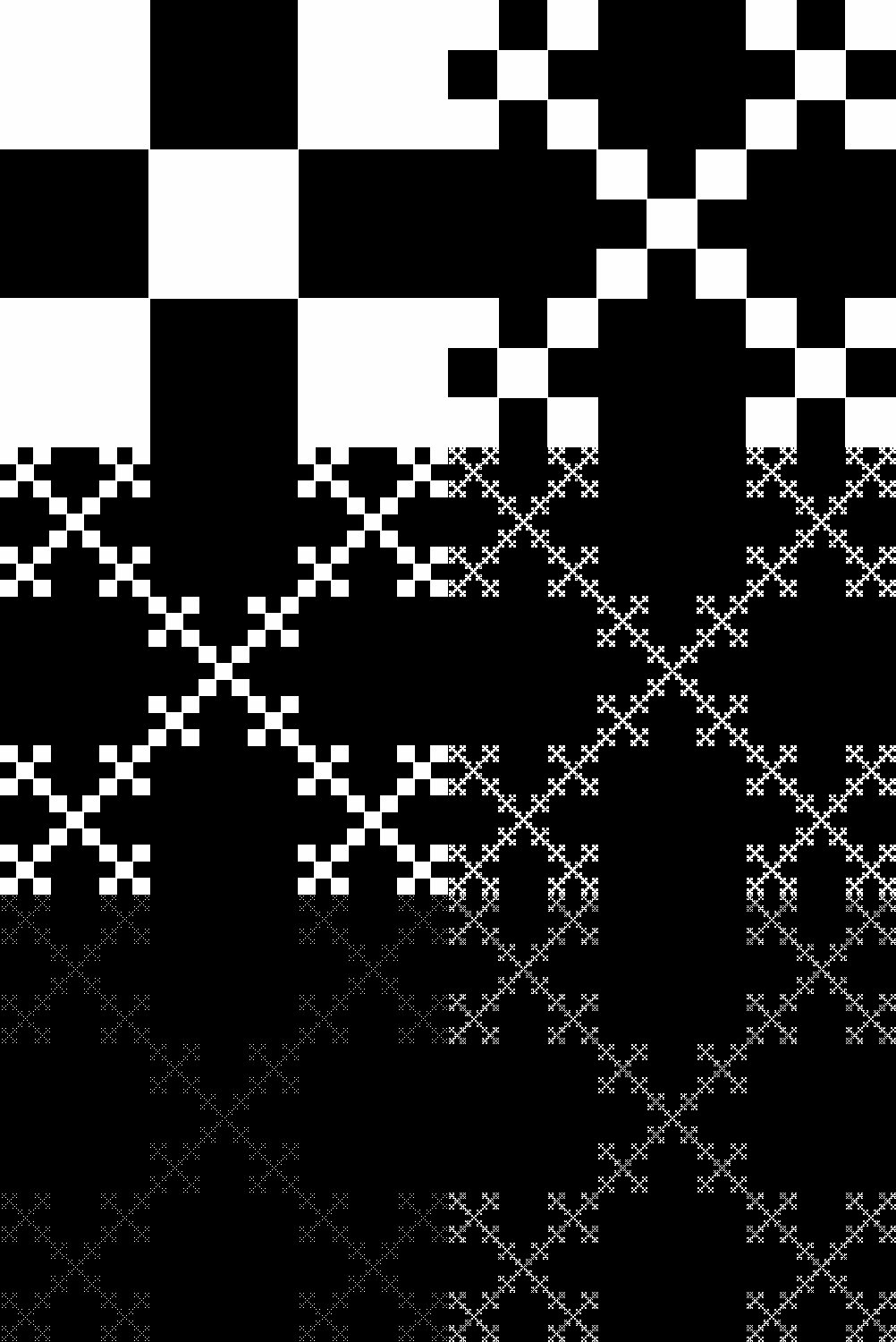
Retain squares 1, 3, 5, 7, 9 (reading left-to-right, bottom-to-top)
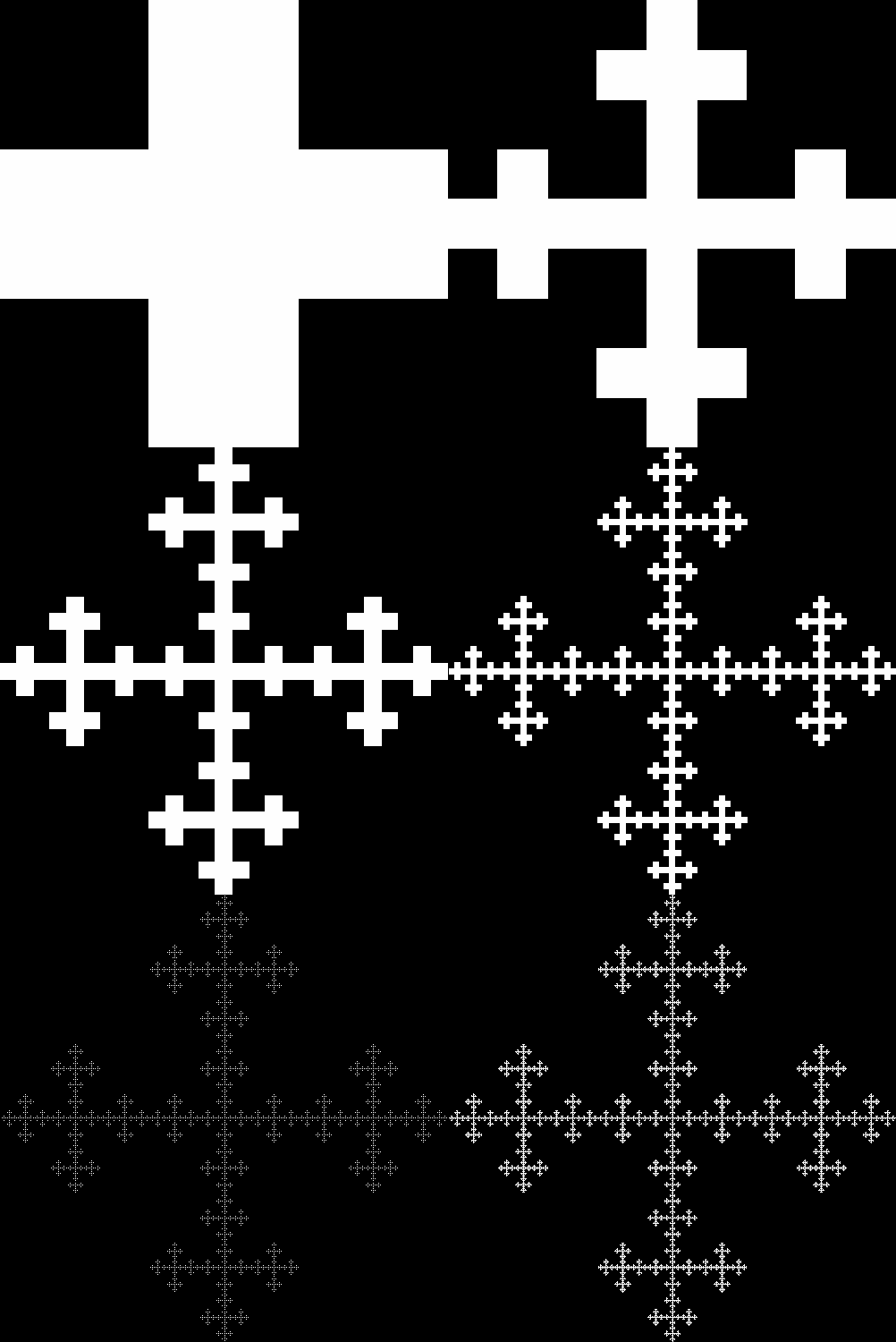

Retain squares 2, 4, 5, 6, 8

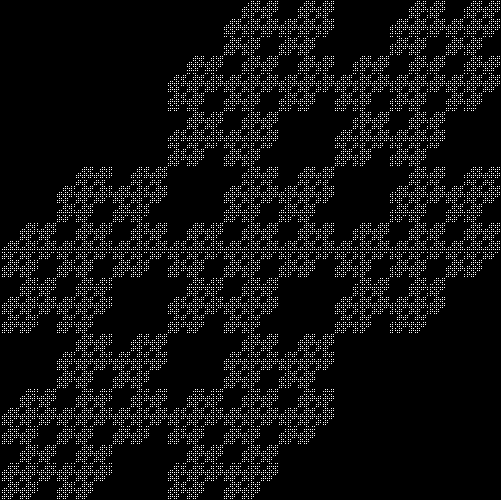
Retain squares 1, 2, 4, 5, 6, 8, 9
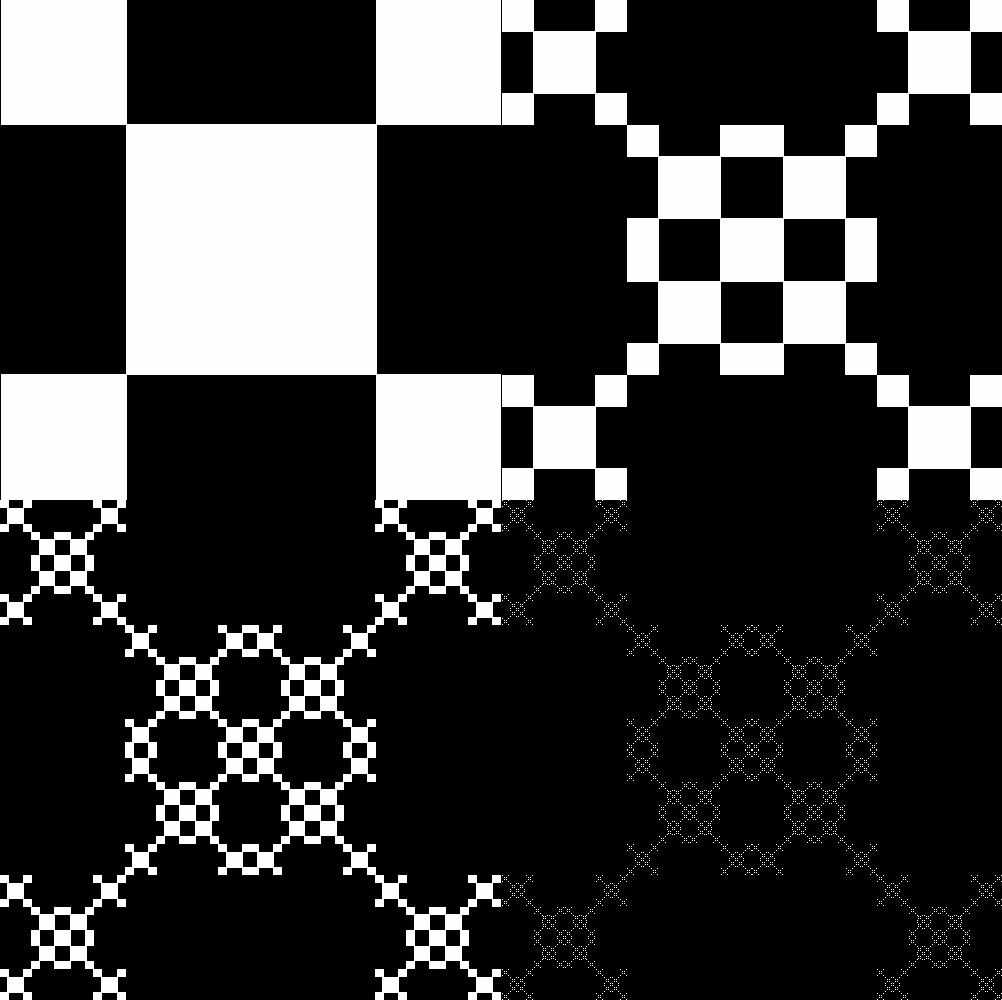
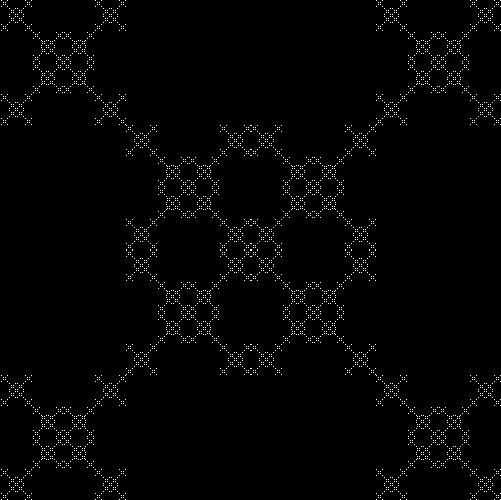
Retain squares 1, 4, 6, 7, 10, 11, 13, 16
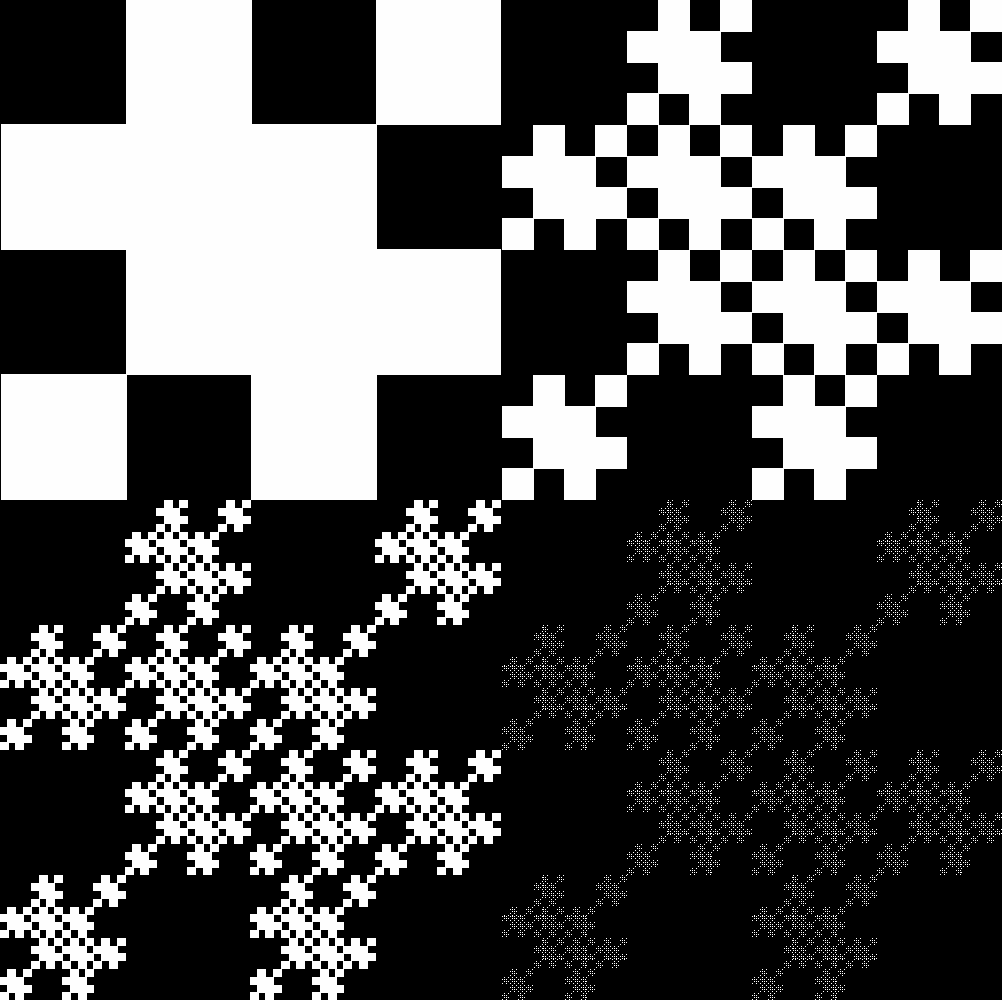
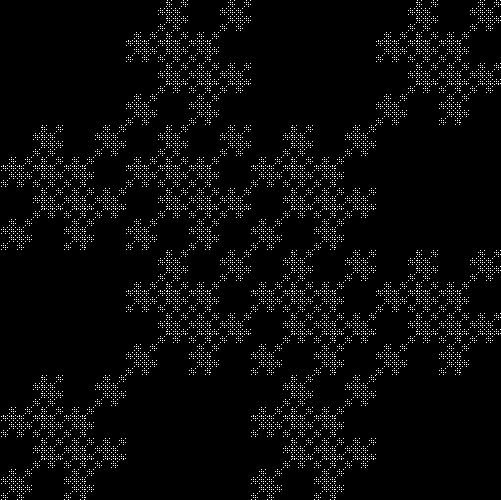
Retain squares 1, 3, 6, 7, 8, 9, 10, 11, 14, 16
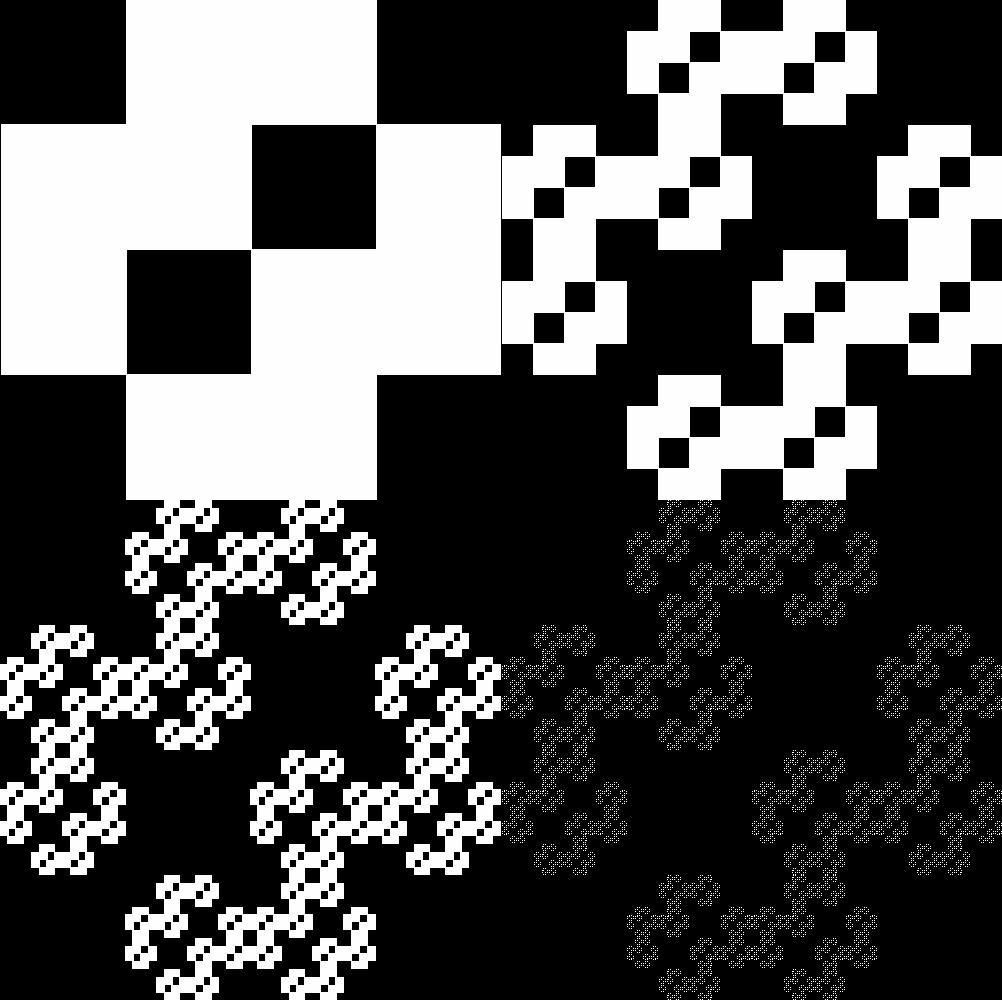

Retain squares 2, 3, 5, 6, 8, 9, 11, 12, 14, 15
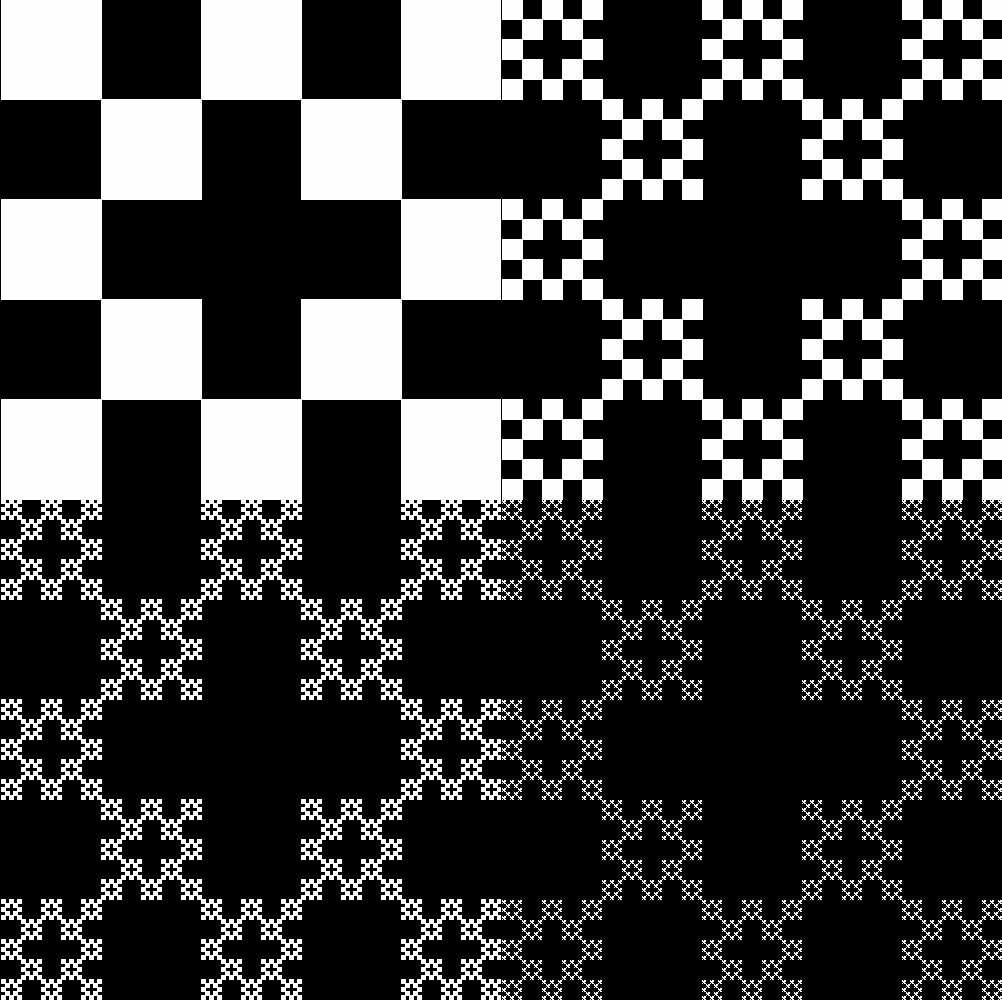
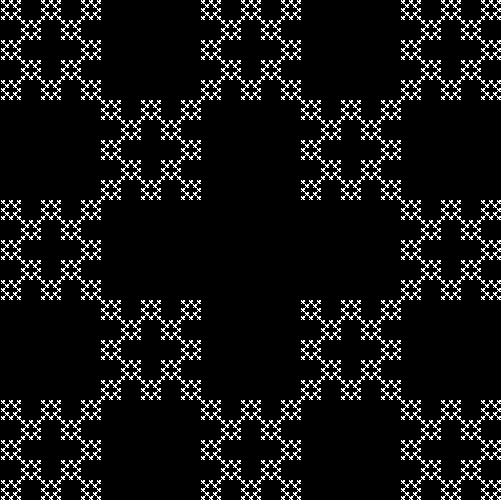
Retain squares 1, 3, 5, 7, 9, 11, 15, 17, 19, 21, 23, 25
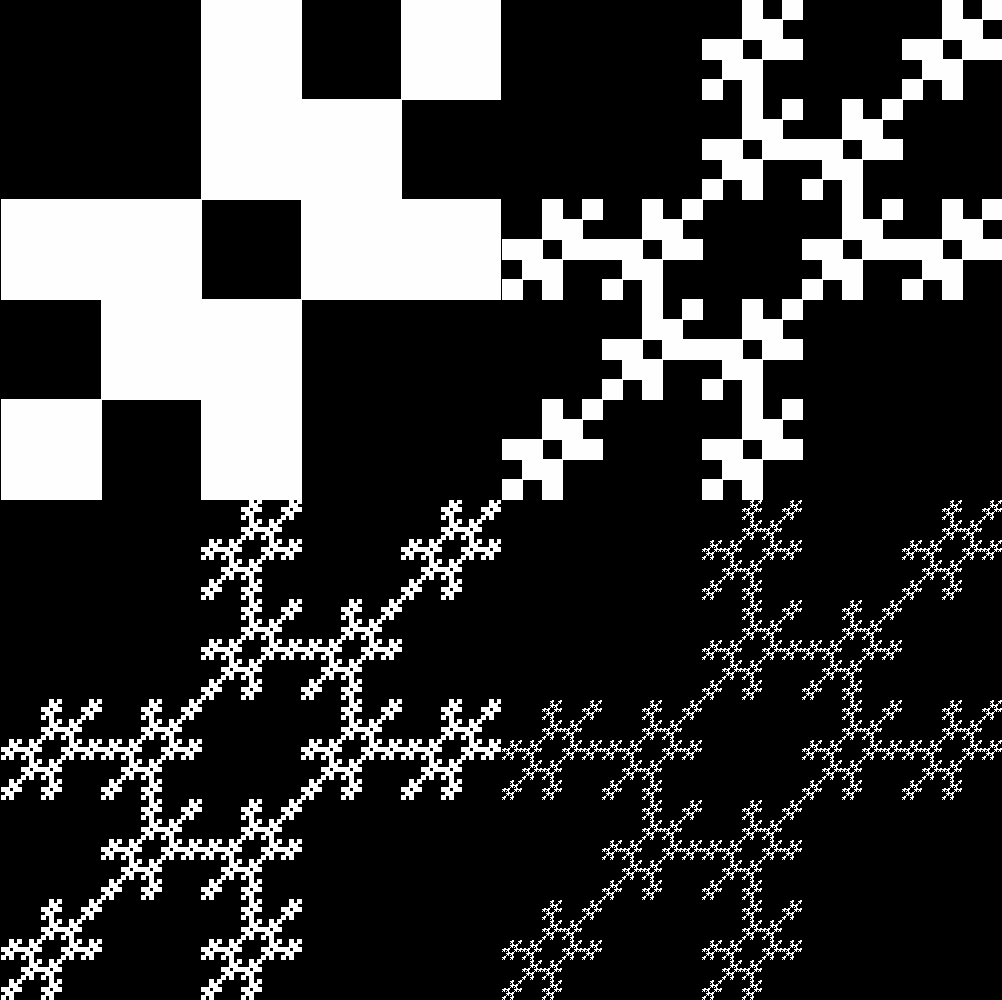
Retain squares 1, 3, 7, 8, 11, 12, 14, 15, 18, 19, 23, 25
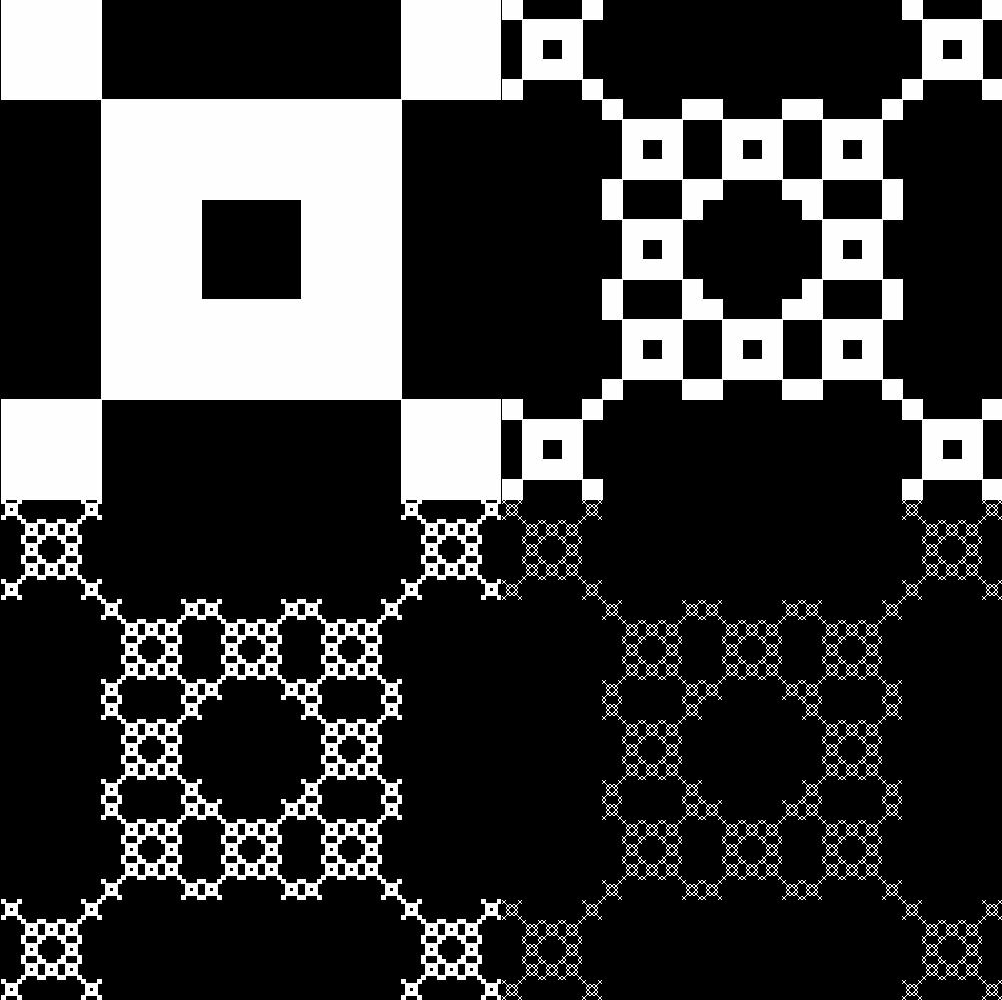
Retain squares 1, 5, 7, 8, 9, 12, 14, 17, 18, 19, 21, 25
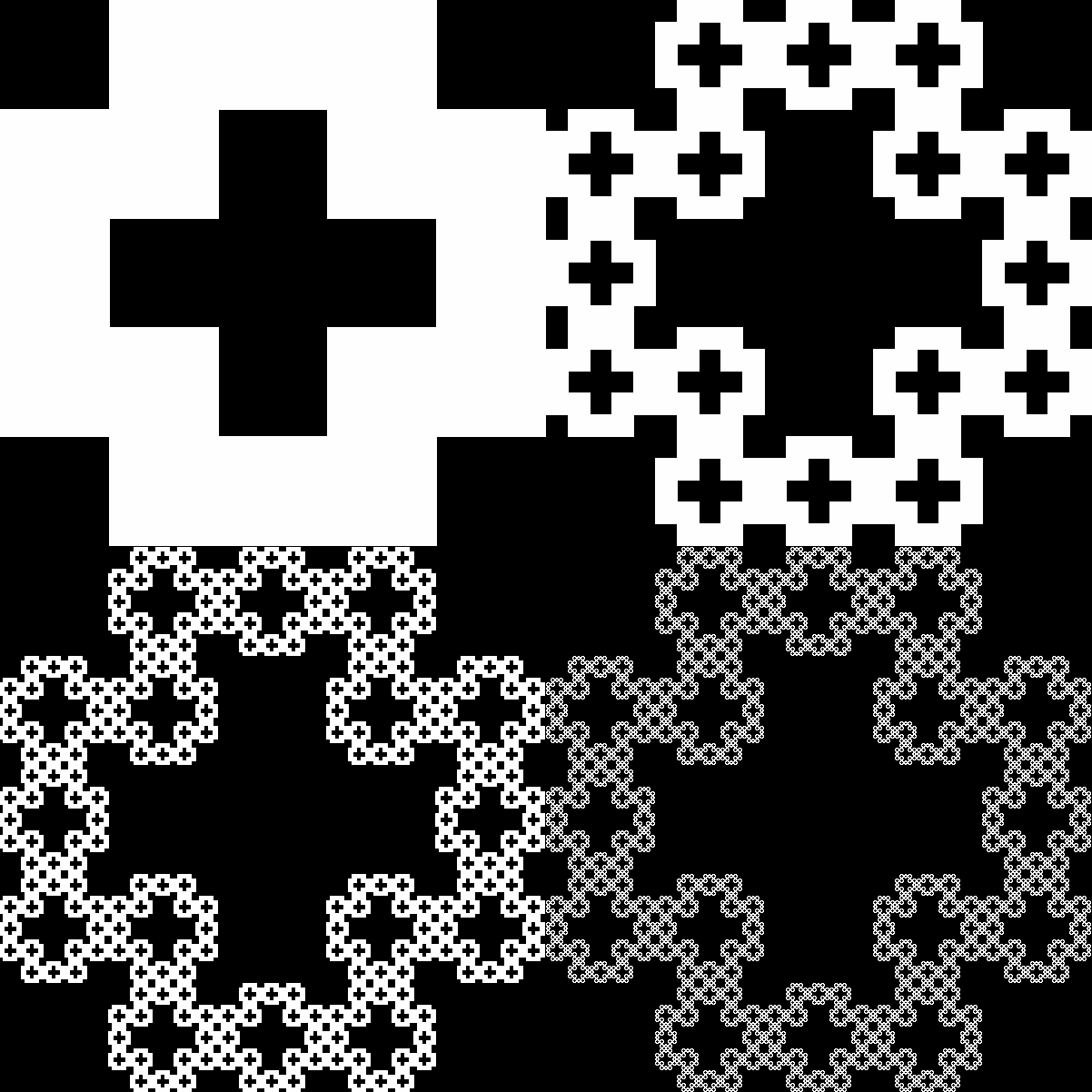
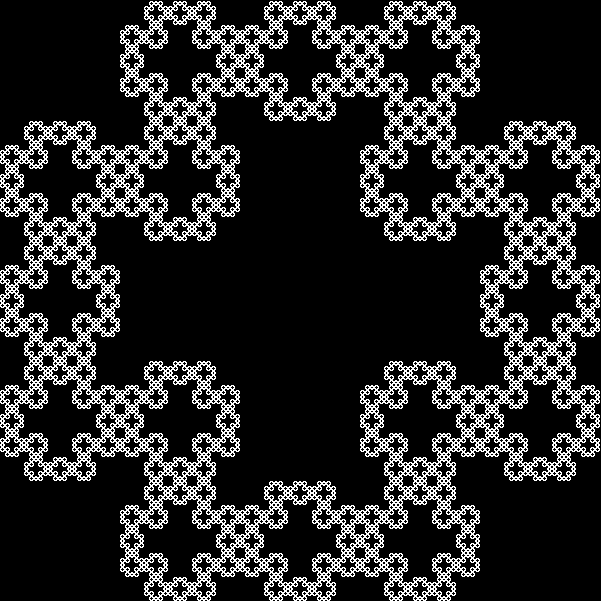
Retain squares 2, 3, 4, 6, 7, 9, 10, 11, 15, 16, 17, 19, 20, 22, 23, 24
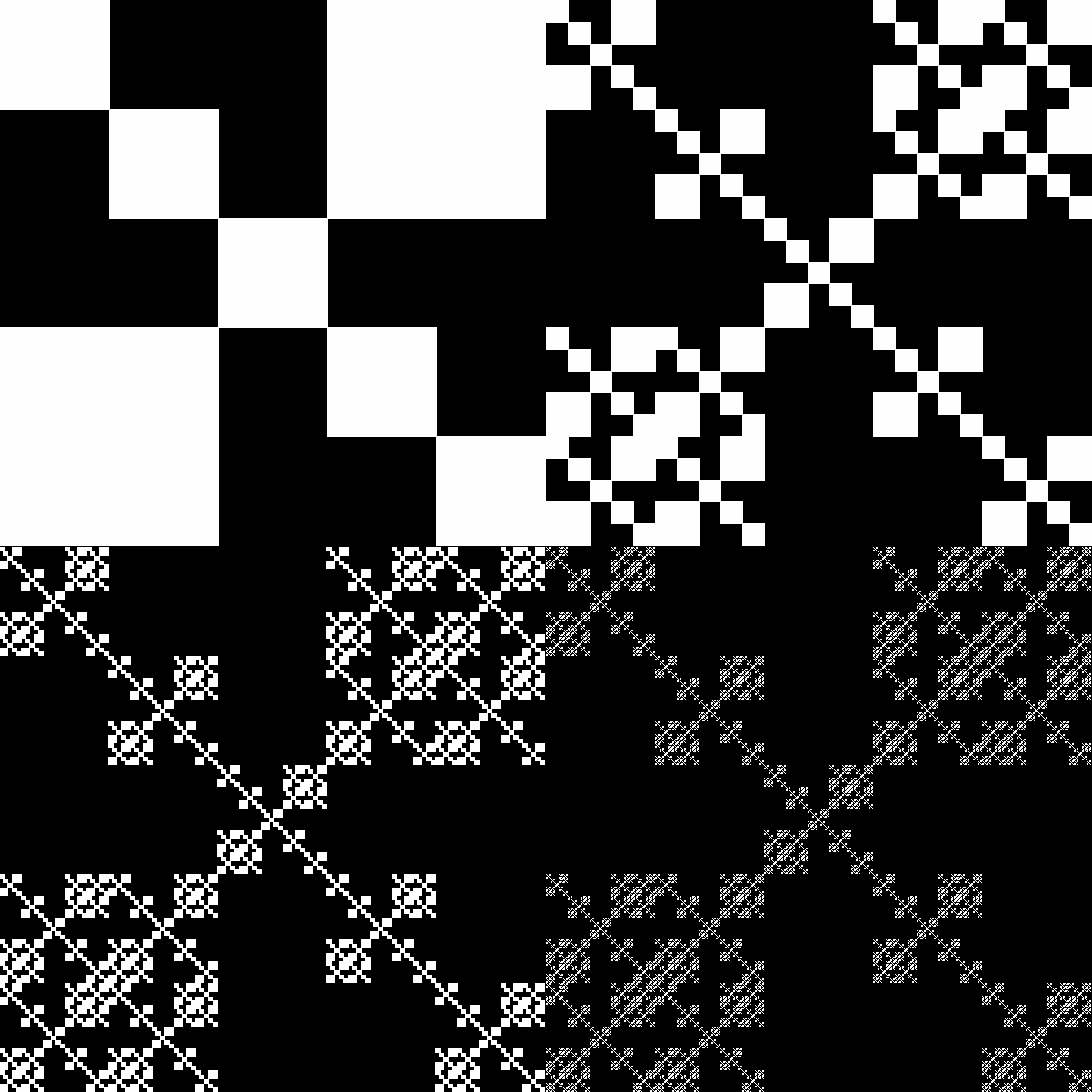
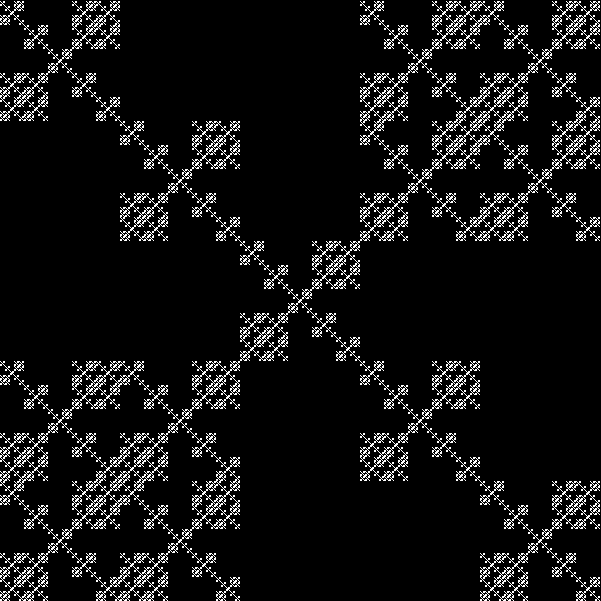
Retain squares 1, 2, 5, 6, 7, 9, 13, 17, 19, 20, 21, 24, 25


Previously pre-posted (please peruse):

M.i.P. Trip