The Darling Duds

What is a Darling Dud? It’s my name for a band that meets two simple criteria: 1) I like them (hence “darling”); 2) they aren’t as well-known as I think they should be (hence “dud”). I based the name on…

The Darling Buds

A Welsh female-fronted jingle-jangle indie band who are, for me, the archetypal darling duds. I like them a lot and I think they should have been much more successful. But if they had been, I might not enjoy their melodic music as much.

The Darling Buds at Bandcamp


The Primitives

An English female-fronted jingle-jangle indie band who I like a lot and who I think should have been much more successful. The Guardian said of them: “The Primitives is a great, great name for a group, and barely a day goes by when I don’t lament the fact that it was wasted on brittle little one-hit indie wonders from Coventry with a fifth-rate Debbie Harry wannabe for a singer. There oughta be a law against it.” As so often, the Guardian gets it badly wrong. In fact, Tracy of the Primitives was a third-rate Debbie Harry wannabe. But she was more attractive than Debbie Harry, which perhaps explains the vituperation in the Guardian.

The Primitives


Compulsion

Kinda punk, but with much more musical subtlety and lyrical intelligence than that label usually suggests. Why weren’t they more successful? I don’t know, but two things occur to me. They’re obtrusively loud on record in a way that I think detracts from that subtlety and intelligence. And they looked old in their publicity photos. With less volume and fresher faces, they might have done better.
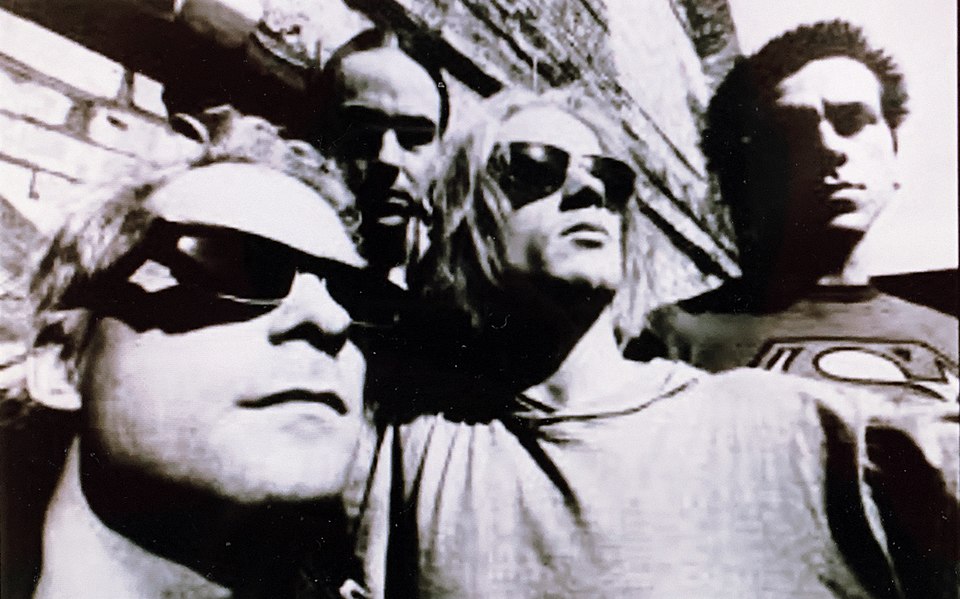
Compulsion in shades (Wikipedia)

Compulsion


David Tyrrell

Perhaps the most undeservingly unsuccessful of the lot, because you’ve never heard of him and he’s much better than lots of people you have heard of. Which is not to say he’s an undiscovered musical genius, but I like his 2008 album Substance a lot. I think it was self-released. I know it should have done much better. It’s catchy like Compulsion, but quieter and Tyrrell does something unusual in popular music. He sings clearly, so you can understand the lyrics.

David Tyrrell song at Youtube


Morbid Saint

Here’s a heretical thought. I don’t think Slayer are the real Slayer. I think the real Slayer – the real kings of crushing, red-in-tooth-and-claw ’80s metal – are Morbid Saint. They sound more brutal and more evil than Slayer. They play thrash metal and make it rage like death metal. So why didn’t they get the success they deserved? The delayed release of Spectrum of Death (1989) can’t have helped. Nor can the ludicrous cover. And yes, they’re obviously and heavily influenced by Kreator. But still: they deserved a lot more than they got.

Morbid Saint


Beach Riot

“Fuzz pop” they called their music. It was loud and bouncy, with alternating male-female vocals, and was a lot of fun. But after releasing a few singles and an EP, they disappeared. Shame. Also a shame is that some of their songs come in two versions: a version with energy and a version without.

Stop-Press: No, Beach Riot haven’t disappeared and have released their first album. Or something.

Beach Riot


Obiat

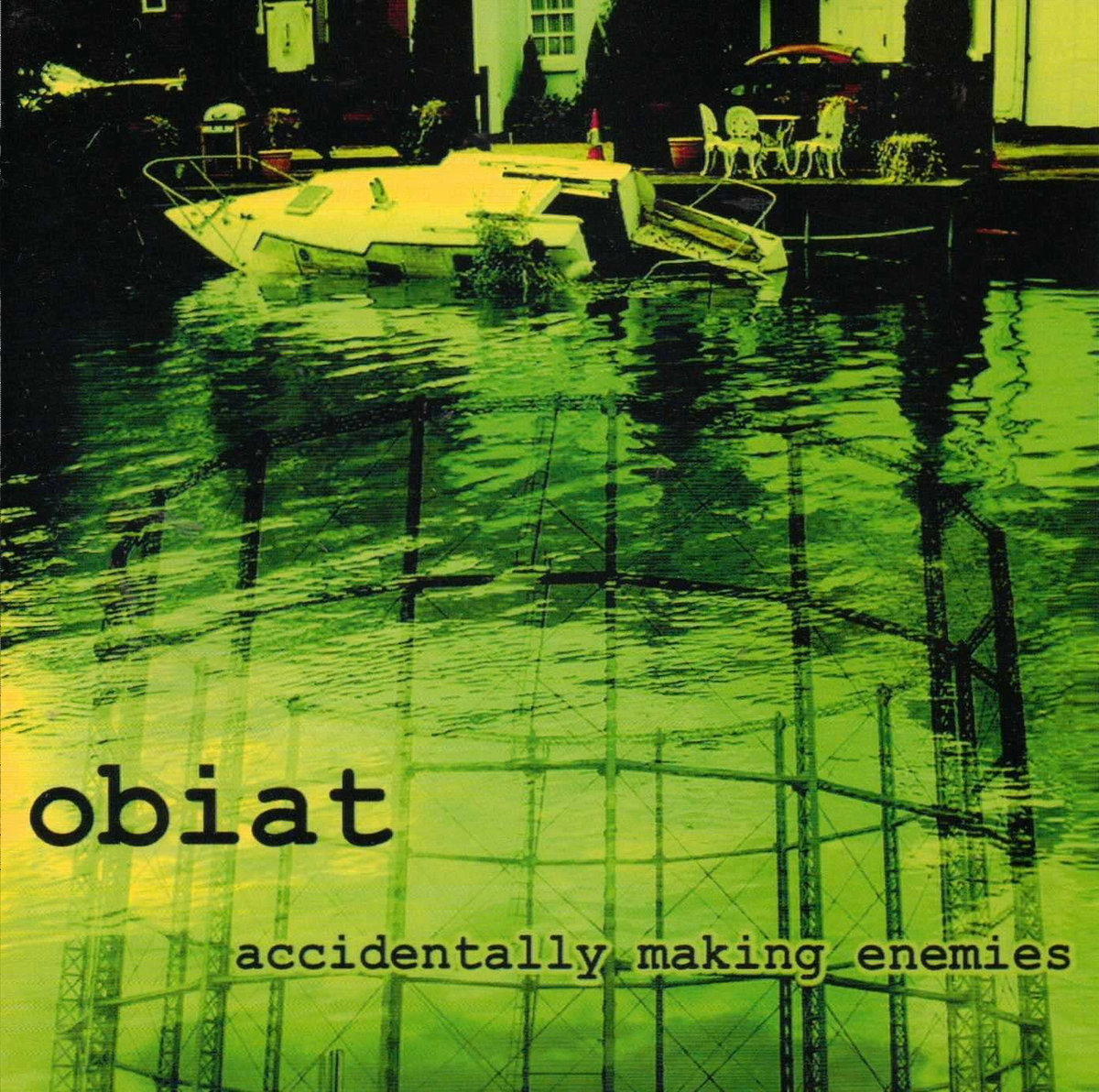
One way of translating the Polish word Obiat is “funeral feast.” And one way of describing Obiat’s music is “stoner-doom.” But translation and description fail to capture the full meaning and the full music. Obiat can be very heavy, but they can also be very quirky. In short, expect the unexpected. Trying to define Obiat’s music is like trying to herd cats. So it’s appropriate that one of their songs has guest vocals from a cat. And look at the cover for Accidentally Making Enemies (2002). What does it mean? Why choose a sunken speed-boat? I don’t know, but I like the cover and I like Obiat.

Obiat


Feline

Female-fronted rock from the 1990s with a good name, because there’s mystery and elegance in the music on their first album, Save Your Face (1997). Melancholy too. And menace. Velvet paws + razor claws. But they were never very successful. Grog, the female fronter of Feline, has soldiered on with Die So Fluid, whose music I also like. But it’s more metal and doesn’t have everything that Feline’s had, particularly not the mystery and the melancholy.

Feline / Die So Fluid


Split Enz

The nucleus of Crowded House. Split Enz were big in New Zealand, moderately successful overseas. I prefer them to Crowded House because their music is simultaneously more varied and, in a good way, more insular. New Zealand is an island nation, after all. The catchiness and melodies were there from the start, though.

Split Enz


The Chills

Another New Zealand band. They were like Split Enz, but more so: fairly big at home, moderately successful overseas. They had melodies and catchiness too, but they were more musically unusual than Split Enz. The late Martin Phillips was the mainstay and the motor of that. He was self-taught and his music had an alien, outsider edge to it, as though he’d taught himself by listening to fuzzy, fifth-generation pirate tapes of the Byrds, Velvet Underground and XTC whilst living in a hut deep in the rain-forests of the South Island. Or even in an oxygen-tent on Mars.

The Chills


The Heartbreaks

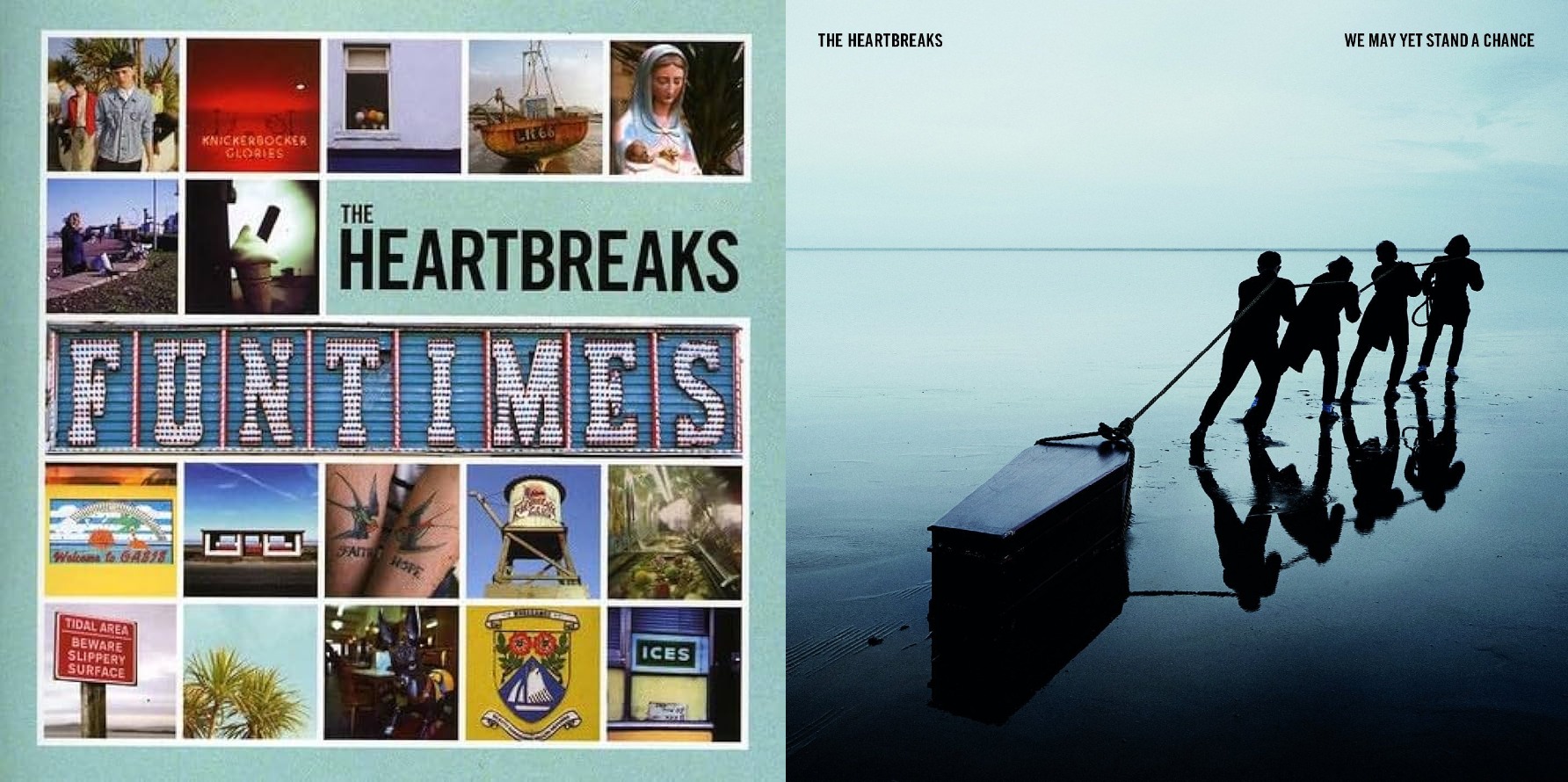
English indie-rockers who rose like a rocket with their debut, Funtimes (2012), and fell like the stick with the follow-up, We May Yet Stand a Chance (2014). Some invoke the curse of Morrissey, which dooms bands that Morrissey praises or takes on tour, but in fact no supernatural explanations are needed. Funtimes had some very good songs and We May Yet Stand a Chance had no good songs at all.

Afterword: Or so I thought when I first heard the two albums. I’m coming round to We May Yet Stand a Chance much more now, but a slow-burning second album would explain their fall too. Funtimes is immediately catchy indie rock. I thought: The Smiths. We May Yet Stand a Chance is trying to be sophisticated. I thought: Sinatra. Which wasn’t good. And the cover was a hostage to fortune too.
The Heartbreaks at Youtube


Anna Pingina

A Russian singer singing in Russian, which explains some of why I don’t think she’s been as successful as I think she should have been. She isn’t experimental or unusual in any way, but she can write attractive melodies and she sounds folky without sounding fey or feeble.

Anna Pingina


Necros Christos

I thoughtlessly assumed from their name that Necros Christos were Greek when I first heard them. So I rated their music higher than I did when I subsequently learned they were in fact German. That’s because it seemed competent, power-packed and intelligent in a way I don’t associate with Greek bands but do associate with German bands (which is naughty of me). Perhaps other people think the same way and N.C. would have been more successful if they’d been Greek. It’s hard to explain their relative unsuccess otherwise, because they had a distinctive sound, apparently sincere occult obsessions, and were, as I said, competent, power-packed and intelligent.

Necros Christos


Nubes en mi Casa

Years ago I downloaded a lot of free MP3s, listened to them, deleted the ones I didn’t like, then listened on-and-off to the rest. “Mareo” by Nubes en mi Casa was one of the ones I liked and kept. But I didn’t notice the sweetly surreal name of the band (“Clouds in my House”) or the true quality of the music until I was listening to a load of MP3s on random play one day. Then the power of contrast came to its rescue. After a lot of stuff I recognized at once and more or less enjoyed, “Mareo” started playing. I thought: “Hold on, what’s this? It’s good!” You could describe it as wistful indie. You could also describe it as wet indie. But I like it a lot and I hunted down more by Nubes en mi Casa, who were a female-fronted Argentinian band with Spanish lyrics. That explains at least part of their unsuccess.

Nubes en mi Casa


Chant of the Goddess

Brazilian stoner-doom metallers whose first album is an excellent illustration (audistration?) of a simple fact of auditory psychology: loud is louder when it’s mixed with soft. Chant of the Goddess go from quiet to cacophonic in a compelling way. Or they do that on their first album, at least. Their second album doesn’t grab me in the same way.

Chant of the Goddess


Red Eye

Spanish stoner-doomers who quote Lovecraft, use Old English, and play music that’s both powerful and intelligent. So why hasn’t that music had all the success I think it deserves? I see one obvious reason: “Red Eye” is a bad name. To 21st-century Anglophones it goes most naturally with jet-travel, not gigantic sounds. Were they translating Ojo Rojo? That means the same thing in Spanish and would have been better. In fact, they could have gone with rOjO as a logo. I don’t like their album covers either. But I do like their music.

Red Eye


16Volt

Kind of a cross between industrial metal, emo and indie. Nine Inch Nails territory. But I don’t like NiN and I do like 16Volt. I don’t like everything they’ve done or even most of what they’ve done, but what I like, I like. My first listen made me wish I were a teenager in sunny California in the 1980s or ’90s, which is not something that’s ever happened to me before. Onomastic psychology explains some or all of their unsuccess, I’d say. “16Volt” just sounds feeble. 16 is not just too small a number but too easily divisible into even smaller numbers: 16 → 8 → 4 → 2 → 1. Using a prime would have been better: “23Volt” or “37Volt”.

16Volt


Owlcrusher

A three-piece from Northern Ireland who really whip up a storm with their take on blackened doom. That’s black metal + doom metal. So they crush genres together in the way that their name crushes concepts together.

Owlcrusher


Akelei

Dutch doomsters centered on the ever-present Misha Nuis. They play meandering melancholy music that’s often very loud and sometimes very gentle. Perhaps the gentleness explains some of their unsuccess, but two obvious things come before that: their name and their lyrics. They sing exclusively in Dutch and their Dutch name means nothing to Anglophones. It’s actually the name of a flower, columbine or aquilegium, which is a quirky choice. And I like it. Singing in Dutch is a quixotic choice. And I also like it:

De reis gaat door met lenig hart
En zonder verwachtingen
Wij raakten allengs ver van huis
Alles is anders nu
Oud licht helpt ons aan nieuw inzicht
Onthult al wat komt hierna
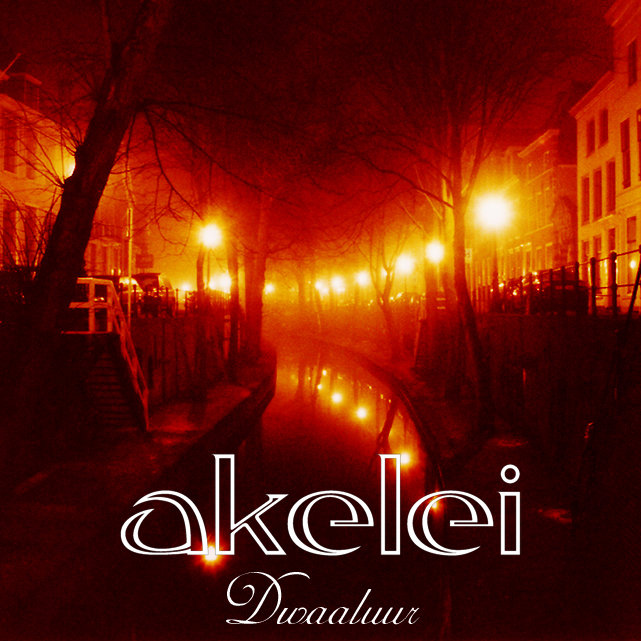
Akelei’s “Dwaaluur” (Wandering-Hour)

The journey goes on with a shifting heart
And without expectations
We slowly drifted far from home
Everything is other now
Old light helps us to new insights
Reveals all that comes next

Akelei want to go their own way, not chase popularity. And their meandering melancholy reminds me of more depressive art from the Low Countries. It’s a book of 1892 by the Belgian writer Georges Rodenbach (1855-98). It’s called Bruges-la-Morte or Bruges the Dead City, it’s illustrated in melancholy monochrome, and it too wanders and westers and woes:

Le jour déclinait, assombrissant les corridors de la grande demeure silencieuse, mettant des écrans de crêpe aux vitres. Hugues Viane se disposa à sortir, comme il en avait l’habitude quotidienne à la fin des après-midi. Inoccupé, solitaire, il passait toute la journée dans sa chambre, une vaste pièce au premier étage, dont les fenêtres donnaient sur le quai du Rosaire, au long duquel s’alignait sa maison, mirée dans l’eau. Il lisait un peu : des revues, de vieux livres; fumait beaucoup; rêvassait à la croisée ouverte par les temps gris, perdu dans ses souvenirs. Voilà cinq ans qu’il vivait ainsi, depuis qu’il était venu se fixer à Bruges, au lendemain de la mort de sa femme. Cinq ans déjà ! Et il se répétait à lui-même : « Veuf! Être veuf! Je suis le veuf! » Mot irrémédiable et bref! d’une seule syllabe, sans écho. Mot impair et qui désigne bien l’être dépareillé.

Some melancholy monochrome from Bruges-la-Morte (1892)

The day was fading, darkening the corridors of the large, silent house, laying screens of crepe on the windows. Hugues Viane readied to go out, as was his daily habit as the afternoon faded. Idle, solitary, he spent all day in his room, a vast room on the first floor whose windows overlooked the Quai du Rosaire, along which his house lay, reflected in the water. He read a little: magazines, old books; smoked a lot; daydreamed at the window open on to gray weather, lost in his memories. He had been living like this for five years, ever since he came to settle in Bruges, the day after his wife’s death. Five years already! And he repeated to himself: “Veuf! Widower! To be a widower! Je suis le veuf!” An irremediable word, so brief! A single syllable, without echo. An odd word, and one that well captures this mismatched creature.

Akelei


At the Mountings of Mathness

Mounting n. a backing or setting on which a photograph, work of art, gem, etc. is set for display. — Oxford English Dictionary

Viewer’s advisory: If you are sensitive to flashing or flickering images, you should be careful when you look at the final fourth and fifth of the animated gifs below.


H.P. Lovecraft in some Mountings of Mathness


Loricifera Rising

Marine Loriciferan Pliciloricus enigmaticus

The very Lovecraftian Loriciferan Pliciloricus enigmaticus (Higgins & Kristensen, 1986)


N.B. The title of this incendiary intervention is a paronomasia on Kenneth Anger’s film Lucifer Rising (1972) (which I ain’t never seen nohow).

Performativizing Papyrocentricity #40

Papyrocentric Performativity Presents:

Humanist Hubris The Wreck of Western Culture: Humanism Revisited, John Carroll (Scribe 2010)

Paw is Less – The Plague Dogs, Richard Adams (Penguin 1977)

I Like Bike – Fifty Bicycles That Changed the World, Alex Newson (Conran Octopus 2013)

Morc is LessThe Weird Shadow Over Morecambe, Edmund Glasby (Linford 2013)

Nekro-a-KokoaComfort Corps: Cuddles, Calmatives and Cosy Cups of Cocoa in the Music of Korpse-Hump Kannibale, Dr Miriam B. Stimbers (University of Nebraska Press 2015)


Or Read a Review at Random: RaRaR

Thalassobiblion

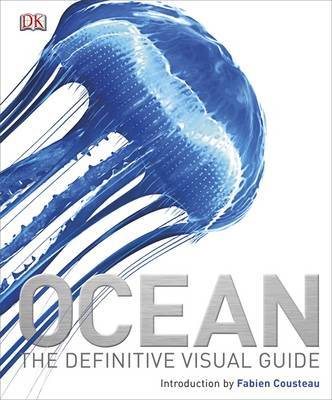
Ocean The Definitive Visual GuideOcean: The Definitive Visual Guide, introduction by Fabien Cousteau (Dorling Kindersley 2014)

A big book for a big subject: the sea. But “guide” isn’t the mot juste. “Encyclopaedia” is better, because the book covers all aspects of oceanography and marine life, drawing on physics, chemistry and biology to describe everything inorganic from waves and icebergs to whirlpools and underwater volcanoes, everything organic from a beautiful flower like beach morning-glory, Ipomoea imperati, to a grotesque fish like the Pacific blackdragon, Idiacanthus antrostomus. The flower is on the shore, the fish is in the abyss, but both of them descend from a single ancestor.

And that ancestor may have evolved in the sea. It certainly moved there before it gave rise to flowers and fish. This big subject is also a very important one: the sea is central to the evolution and continued existence of life on earth. Only the sun matters as much, but some marine life could potentially survive the disappearance of the sun:

Hydrothermal vents are similar to hot springs on land. Located near ocean ridges and rifts, at an average depth of 2,100m (7,000ft), they spew out mineral-rich, superheated seawater. Some have tall chimneys, formed from dissolved minerals that precipitate when the hot vent water meets cold, deep-ocean water. The mix of heat and chemicals supports animal communities around the vents – the first life known to exist entirely without the energy of sunlight. (pg. 188, “The Open Ocean and Ocean Floor”)

The deep ocean is a fascinating and little-known place: much nearer than the other side of the earth, but much harder to get to. Like climbing mountains, plumbing the abyss is difficult and dangerous. It’s interesting that both endeavours have been dominated by a particular group of human being: both the highest and lowest points on the planet were first reached by white males. Fabien Cousteau, who introduces this book, continues the tradition. He’s the grandson of Jacques Cousteau (1910-97), who popularized diving and marine biology for millions of people. Jacques saw huge advances in marine technology and science and his son and grandson have seen more. But the discoveries are still coming: as Fabien points out, it’s estimated that “over 90 per cent of the world’s biodiversity resides in its oceans”.

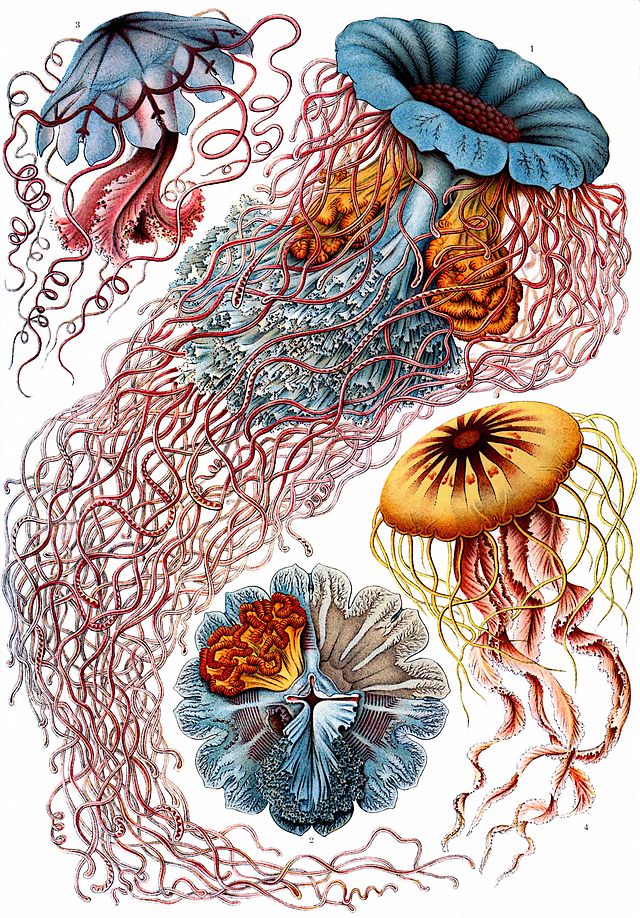
Discomedesae by Ernst Haeckel

Discomedusae by Ernst Haeckel

Some of that biodiversity left the water for the land and evolved new forms. Some of those new forms went back to the water, like the ceteceans and sea-snakes. Like human beings, they’re descended from fish, the most varied of all vertebrate groups. But some marine life never left its cradle. Where else can you find the beauty and strangeness of groups like the jellyfish? Radial symmetry is a marine speciality and when H.P. Lovecraft was inventing his aliens, he looked to under-space as much as outer:

But to give it a name at this stage was mere folly. It looked like a radiate, but was clearly something more. It was partly vegetable, but had three-fourths of the essentials of animal structure. That it was marine in origin, its symmetrical contour and certain other attributes clearly indicated; yet one could not be exact as to the limit of its later adaptations. The wings, after all, held a persistent suggestion of the aerial. How it could have undergone its tremendously complex evolution on a new-born earth in time to leave prints in Archaean rocks was so far beyond conception as to make Lake whimsically recall the primal myths about Great Old Ones who filtered down from the stars and concocted earth life as a joke or mistake; and the wild tales of cosmic hill things from outside told by a folklorist colleague in Miskatonic’s English department. (At the Mountains of Madness, 1931)

Lovecraft would have enjoyed Ocean as much as Jacques Cousteau. It closes with a detailed “Atlas of the Oceans”, with maps of the ocean floor all around the world. Before that, you can learn how the Corryvreckan whirlpool nearly killed George Orwell in 1947, where to find manganese nodules, why so many deep-sea creatures are red and what the narwhale’s horn really is. You can also feast your eyes on photography that records everything from microscopic plankton to swirling hurricanes hundreds of kilometres across. Big subject, big book. Beautiful subject and beautiful book too.

At the Peaks of Prejudice

<gag> The Evil White Male. <retch> When will Persons of Color, Persons of Wombyn-ness, Persons of LGBT-ity, Persons of All Alternative Ontologies finally succeed in cleansing the world of his tenebrose toxicity? When will the Rainbow Days of Equality, Justice and Harmony begin? When will his uncountable victims truly be able to say: “Free at last! Free at last! Thank the Lady Almighty, we are free at last!”?

Not soon enough. In the meantime, the E.W.M./Yoom continues to pollute the so-called white-male-invented so-called Internet with his foulness and fetidity. But most depraved, deplorable and despicable of all are those occasions when one Yoom “celebrates” the work of another Yoom.

A case in point:

Cosmic Horror – Howard Phillips Lovecraft (1890–1937)

“Unspeakable” is not the word. (If it were, then it wouldn’t be “unspeakable”, would it?)


Previously pre-posted (please peruse):

Hateful, Bestial, Demonic
Knowing Mi, Knowing Yoom

Slug is a Drug

Collins Complete Guide to British Coastal Wildlife
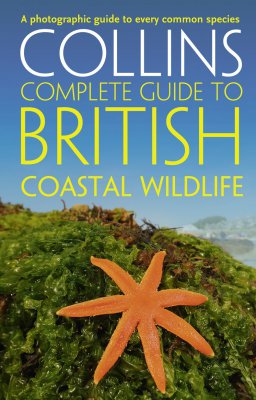
Collins Complete Guide to British Coastal Wildlife, Paul Sterry and Andrew Cleave (HarperCollins 2012)

Living by a river is good, but living by the sea is better. This means that the ideal might be Innsmouth:

The harbour, long clogged with sand, was enclosed by an ancient stone breakwater; on which I could begin to discern the minute forms of a few seated fishermen, and at whose end were what looked like the foundations of a bygone lighthouse. A sandy tongue had formed inside this barrier and upon it I saw a few decrepit cabins, moored dories, and scattered lobster-pots. The only deep water seemed to be where the river poured out past the belfried structure and turned southward to join the ocean at the breakwater’s end. (“The Shadow Over Innsmouth”, 1936)

Lovecraft would certainly have liked Collins Complete Guide to British Coastal Wildlife, a solid photographic guide to the flora and fauna of the British coast. There are some very Lovecraftian species here, both floral and faunal. Among the plants there’s sea-holly, Eryngium maritimum, a blue-grey shingle-dweller with gothically spiky and veined leaves. It has its own specialized parasite, Orobanche minor ssp. maritima, “an exclusively coastal sub-species” of common broomrape (pg. 94). Among the Lovecraftian animals there are the cephalopods (octopuses and squids), echinoderms (sea-urchins and starfish) and cnidarians (jellyfish and sea-anemones), but also the greater and lesser weever, Trachinus draco and Echiichthys vipera, which are “notorious fish, capable of inflicting a painful sting to a bather’s foot” (pg. 278).

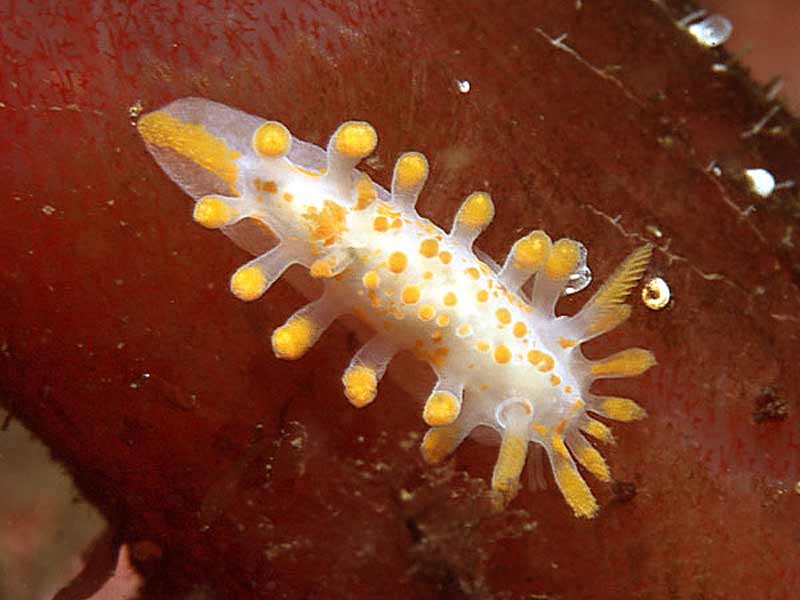
Limacia clavigera

Orange-clubbed sea-slug, Limacia clavigera


But the strangest and most wonderful creatures in the book might be the sea-slugs and sea-hares, which are brightly coloured or enigmatically mottled, with surreal knobs, furs and “rhinophores”, or head tentacles. If LSD took organic form, it might look like a sea-slug. Greilada elegans, “orange with blue spots”, Flabellina pedata, “purple body and pinkish-red cerata”, Catriona gymnata, “swollen, orange and white-tipped”, resemble the larvae of some eldritch interstellar race, destined to grow great and eat worlds (pp. 218-222 – “cerata” are “dorsal projections”). As it is, they stay tiny: the orange-clubbed sea-slug, Limacia clavigera, gets to 15mm on a diet of bryozoans, the miniature coral-like animals that are Lovecraftian in a different way. That “Limacia”, from the Latin limax, meaning “slug”, is a reminder that sea-slugs have an accurate common name, unlike Montagu’s sea snail, Liparis montagui, and the sea scorpion, Taurulus bubalis, which are both fish, and sea ivory, Ramalina siliquosa, which is a lichen. This book includes a land slug too, the great black, Arion ater, but it has none of the charm or beauty of its marine relatives.

Arion ater is included here because it’s “particularly common on coastal cliffs, paths and dunes” (pg. 239). The land snails that accompany it have charm, like the looping snail, Truncatella subcylindrica, and the wrinkled snail, Candidula intersecta, but they don’t have the beauty and variety of marine shell-dwellers, from the limpets, scallops and cockles to the wentletraps, cowries and whelks. And the violet snail, Jacintha jacintha, which rides the open ocean on a “‘float’ of mucus-trapped bubbles” as it feeds on the by-the-wind sailor, Velella velella. Layfolk would say that Velella and its relative Physalia physalis, the Portuguese man-o’-war, are jellyfish, but they’re actually “pelagic hydroids”. And Physalia is a colony of animals, not a single animal.

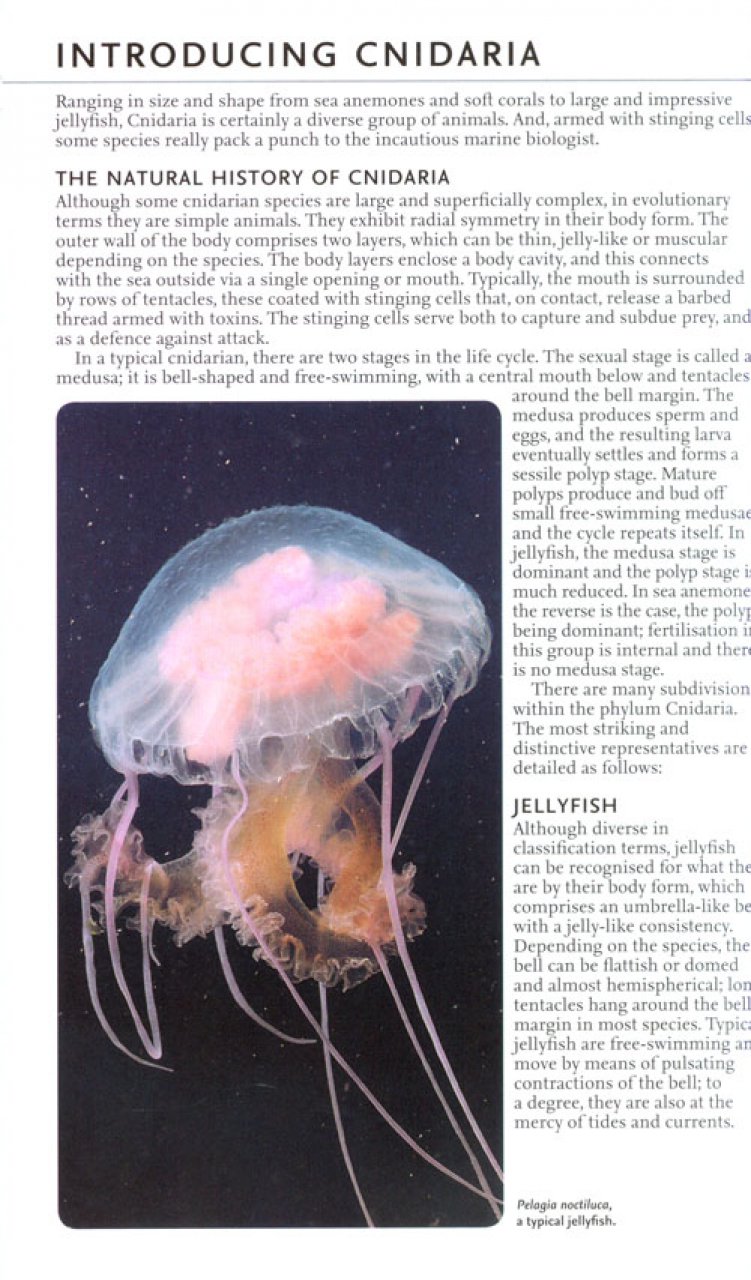
Sample page #1

Sample page #1


Both jellyfish and hydroids are related to sea-anemones and corals: they’re all classified as cnidaria, from the Greek κνιδη, knidē, meaning “nettle”. In short: they all sting. Some swim and sway too: the colours, patterns and sinuosity of the cnidaria are seductively strange. There are strawberry, snakelocks, gem, jewel, fountain and plumose anemones, for example: Actinia fragacea, Anemonia viridis, Aulactinia verrucosa, Corynactis viridis, Sargartiogeton laceratus and Metridium senile. The tentacles of the last-named look like a glossy head of white hair and the snakelocks anemone sometimes has green tentacles with purple tips.

After the cnidaria come the annelids, or segmented worms, which can be beautiful or repulsive, mundane or surreal, free-living or sessile. For example, the scaleworms are “unusual-looking polychaete worms whose dorsal surface is mostly or entirely covered with overlapping scales” (pg. 129). They’re reminiscent of the sea-slugs, though less strange and more subdued. But segmented worms gave rise to the wild variety of the crustaceans, including crabs, sea-slaters, lobsters and even barnacles, one species of which is a parasite: Sacculina carcini forms a “branching network” (pg. 178) within the body of a crab, particularly the green shore crab, Carcinus maenas. You would never guess that it was a barnacle and you might not guess that an infected crab was infected, because the yellow “reproductive structure” of the barnacle looks as though it belongs to the crab itself.

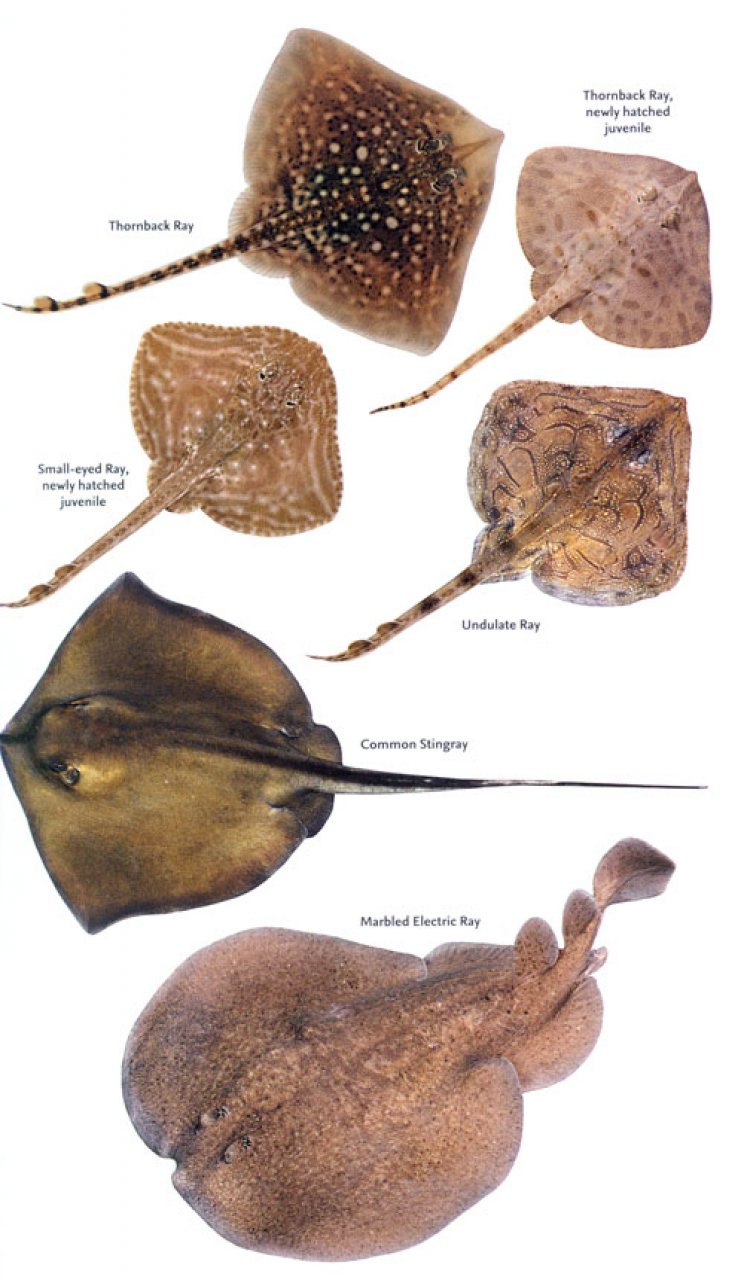
Sample page

Sample page #2


And there’s a photograph here to prove it. In fact, there are two: one in the barnacle’s own entry, the other in the entry for the green shore crab. I like the way the guide gives extra information like that. In the entries for sea-lavender, Limonium vulgare, and thrift, Armeria maritima, there are small photographs of insects that feed “only” or “almost exclusively” on these plants: the plume moth Agditis bennetii, with very narrow wings, and the more conventional moth Polymixis xanthomista (pg. 90), respectively. Those insects, with Fisher’s estuarine moth, Gortyna borelii, and the Sand Dart, Agrotis ripae, are stranded in the wild-flower section, as though they’ve been deposited there by a stray current. The fiery clearwing moth, Pyropteron chrysidiformis, is stranded in another way: in Britain, it’s “entirely restricted to stretches of grassy undercliff on the south coast of Kent”. It looks like a wasp wearing make-up. The scaly cricket, Pseudomogoplistes vincentae, isn’t attractive but is romantic in a similar way: it’s “confined to a handful of coastal shingle beaches in Britain and the Channel Islands” (pg. 17).

Also confined is the bracket fungus Phellinus hippophaeicola, which is “found only” on the trunks of sea buckthorn, Hippophae rhamnoides (pg. 54). Its photograph appears with its host, but the full fungus section is only one page anyway. It includes the “unmistakable” dune stinkhorn, Phallus hadriani, whose scientific name means “Hadrian’s dick”. It’s “restricted to dunes and associated with Marram” grass (pg. 50). But fungi flourish best away from the coast. Not that “flourish” is the right word, because fungi don’t flower. Nor do seaweeds, the giant algae that have to survive both battering by the waves and exposure to sun and wind. They cope by being tough: leathery or horny or chalky or coralline. And though their colours are limited mostly to green, brown and red, their geometry is very varied: leafy, membranous, thong-like, ribbon-like, whip-like, fan-like, feather-like, even globular: punctured ball weed, Leathesia difformis, and oyster thief, Colpomenia peregrina, for example. The book doesn’t explain why “oyster thief” is called that. Landlady’s wig, Desmarestia aculeata, red rags, Dilsea carnosa, and bladder wrack, Fucus vesiculous, are self-explanatory.

And there’s a bluntness to names like wrack, kelp and the various weeds – bean-weed, bead-weed, wire-weed – that go well with the rough, tough life these plants lead. That’s why rainbow wrack, Cystoseria tamariscifolia, sounds so odd. But it lives up to its name: it’s “bushy and iridescent blue-green underwater” (pg. 36).

Seaweeds are at the beginning of the book; birds, fish and mammals are at the end. After the strangeness, surreality and beauty of some of the plants and invertebrates, the higher animals can seem almost mundane. Evolution hasn’t found as many spinal solutions as non-spinal, because the invertebrates have been around much longer. Among the vertebrates, it’s been working longest on the fish, so the variety of shapes is greatest there: rays and flounders, lampreys and eels, sea-horses and pipe-fish, the giant sun-fish and the largest animal native to Britain, the basking shark, Cetorhinus maximus. Some of the names seem ancient and long-evolved too: saithe, pogge, goldsinny, weever, dab, goby, blenny, shanny and brill. The last-named, Scophthalmus rhombus, is a flatfish with a typically ugly head. As the book notes: “In their early stages, they resemble conventional species. But during their development the head shape distorts so that, although they lie and swim on their sides, both eyes are on top” (pg. 257).

The rays aren’t distorted like that: they lie on their bellies, not on their sides, so their eyes don’t look distorted. Evolution has taken two different routes to the same ecological niche, the sea-floor. Camouflage is useful there, so both rays and flatfish have beautiful patterns: specklings, mottlings and spots. Other fish are colourful, but British fish can’t match the rainbow variety of fish in the tropics. Nor can British birds. The kingfisher, Alcedo atthis, is a rare exception and it “favours fresh waters”, except in winter (pg. 328). Truly coastal birds can be hard to tell apart: the knot, Calidris canutus, and the Sanderling, Calidris alba, are not as distinctive as their common names. Nor are the whimbrel, Numenius phaeopus, and the curlew, Numenius arquata. Both have long down-curved beaks and streaked, “grey-brown plumage” (pg. 342). But the whimbrel is smaller and rarer.

The gulls and terns can also be hard to tell apart, as can the skuas that prey on and parasitize them. “Skua”, which comes from Old Norse skúfr, is a good name for a gangster-like bird. I prefer “gull” in what is probably its original form, the Welsh gŵylan. The French mouette, for small gulls, and goéland, for large ones, are also good, and some French bird-names are used in English: avocet, plover and guillemot, for example. “Plover” is from Latin pluvia, “rain”, but the reference is “unexplained”, according to the Oxford English Dictionary. The reference of “ruff” might seem to be obvious: the male ruff, Philomachus pugnax, has a ruff of feathers in the breeding season, like a kind of gladiatorial costume: its scientific name literally means “the pugnacious lover-of-fighting”. But the female of this species is called a reeve, so perhaps ruffs have nothing to do with ruffs: the feminine form, “apparently made … by a vowel change (cf. fox vixen) suggests that [ruff] is an older word and separate” (OED).

This book uses “ruff” for both sexes: it doesn’t have space to chase etymology and give more than brief details of the hundreds of species it covers. The final species are the mammals and the final mammals are the ones that have returned to the sea: whales, dolphins and seals. After them comes a brief section on “The Strandline”:

A beach marks the zone where land meets sea. It is also where detached and floating matter is washed up and deposited by the tides, typically in well-defined lines. During periods of spring tides, debris is pushed to the top of the shore. But with approaching neap tides, tide extremes diminish and the high-tide mark drops; the result is a series of different strandlines on the shore. The strandline is a great place for the marine naturalist to explore and find unexpected delights washed up from the depths. But it is also home to a range of specialised animals that exploit the rich supply of organic matter created by decomposing seaweeds and marine creatures. (pg. 368)

Those specialised animals – sand-hoppers, kelp-flies and so on – have been covered earlier in the book, so this section covers things like skeletons, skulls, fossils and egg-cases – the “sea wash balls” laid by whelks and the “mermaid’s purses” laid by rays. Then there are “sea-beans”, tree-seeds that may have “drifted across the Atlantic from the Caribbean or Central America”. At first glance, seaweeds also seem to make a come-back in this section. Not so: a bryozoan branches like a plant but is “actually a colonial animal that lives just offshore attached to shells and stones”. Bryzoans are often washed ashore after storms. One of the commonest is hornwrack, Flustra foliacea, of which “fresh specimens smell like lemon” (pg. 254). When I first noticed that for myself, I thought I was having an olfactory hallucination. That’s the sea for you: always changing, always surprising. This book captures its complexity in 384 well-designed pages full of eye- and brain-candy.

The Call of Cthuneus

Cuneiform, adj. and n. Having the form of a wedge, wedge-shaped. (← Latin cuneus wedge + -form) (Oxford English Dictionary)

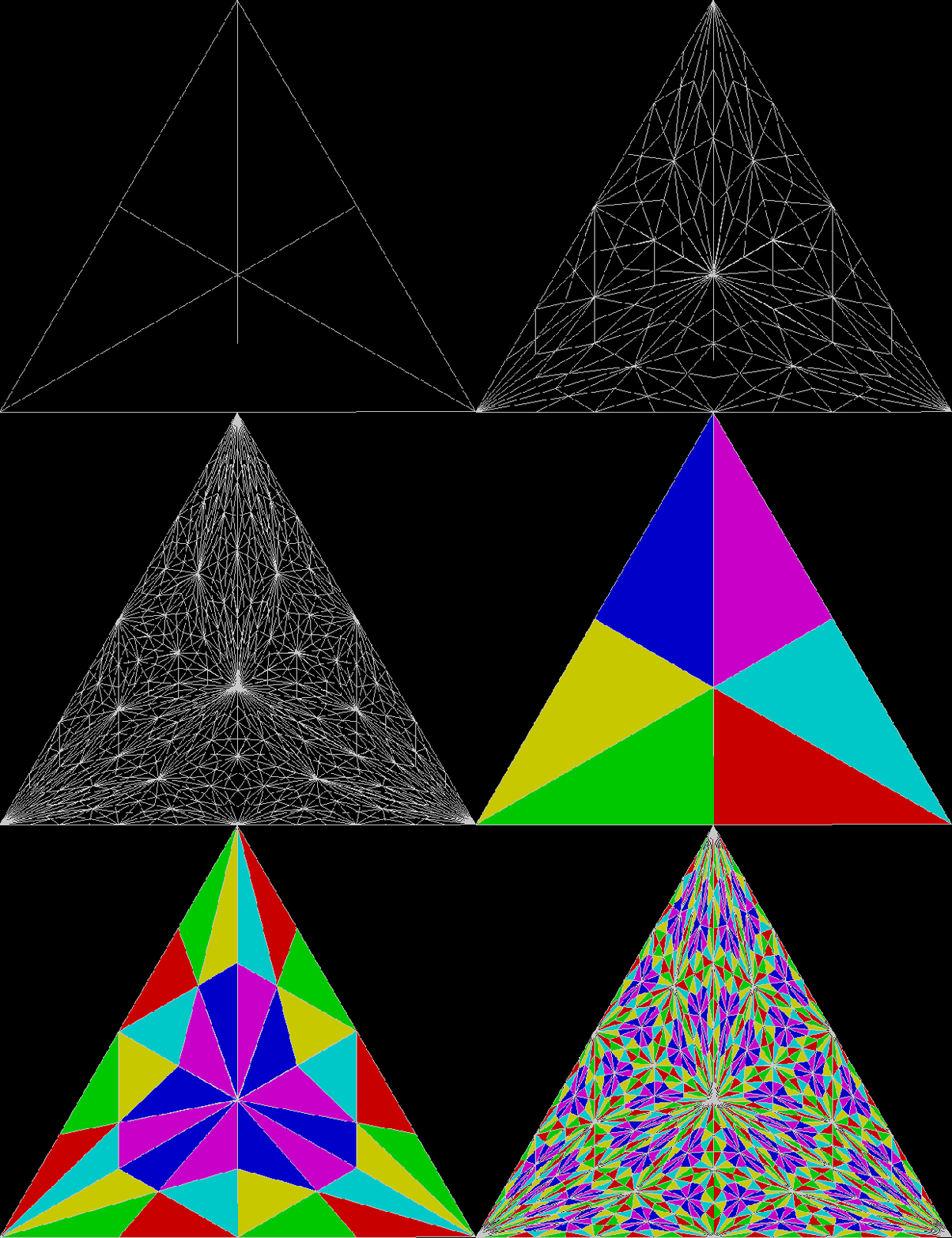
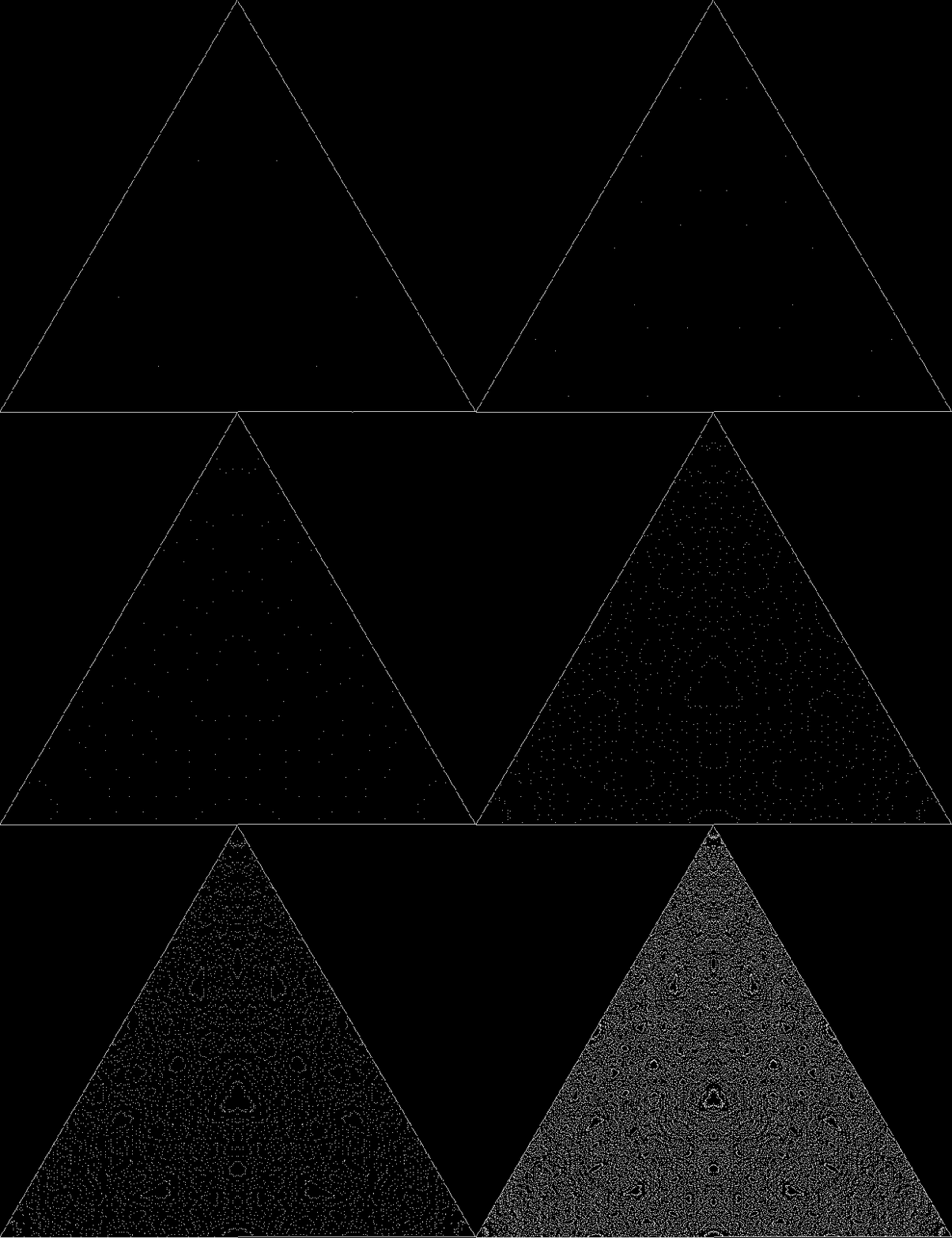
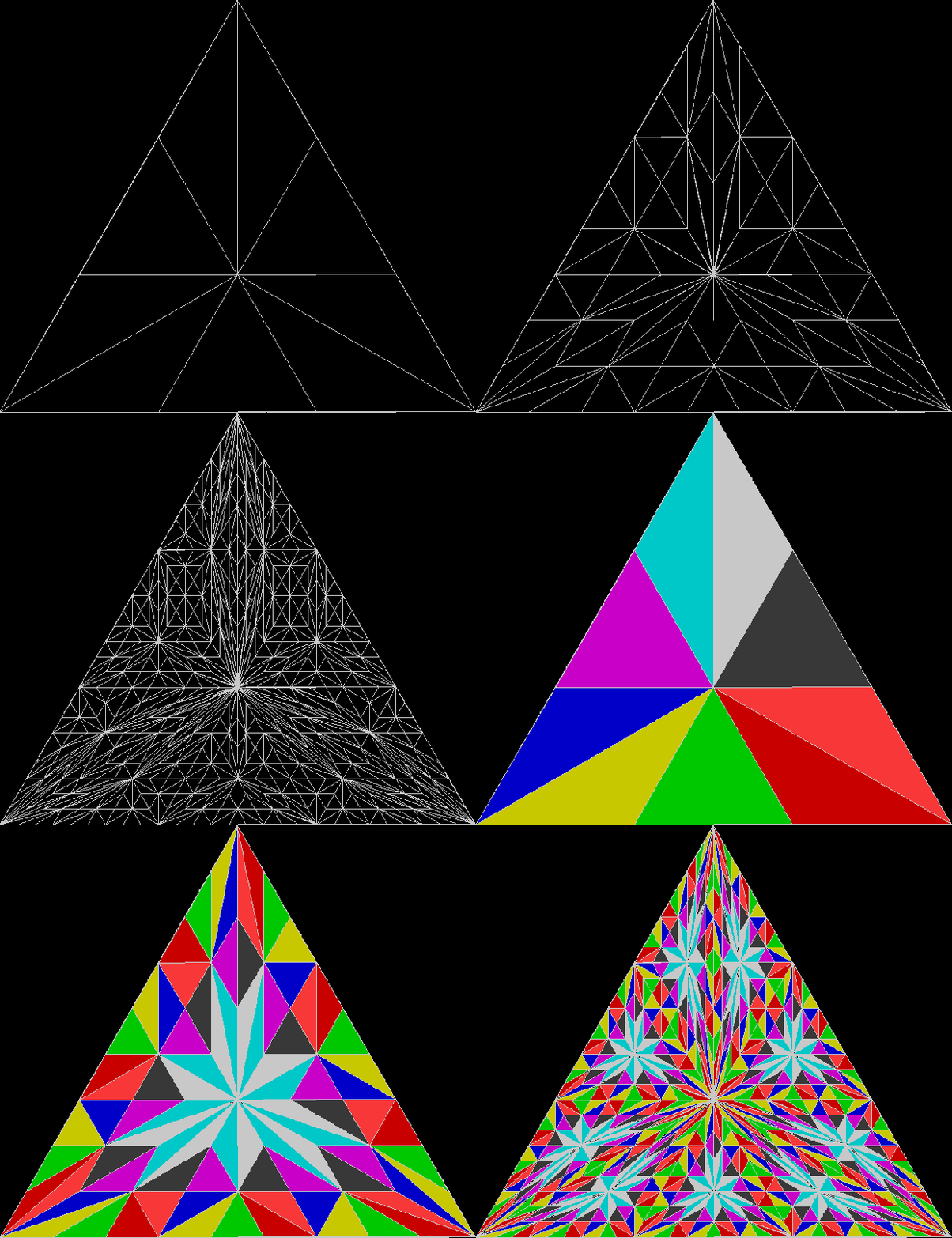
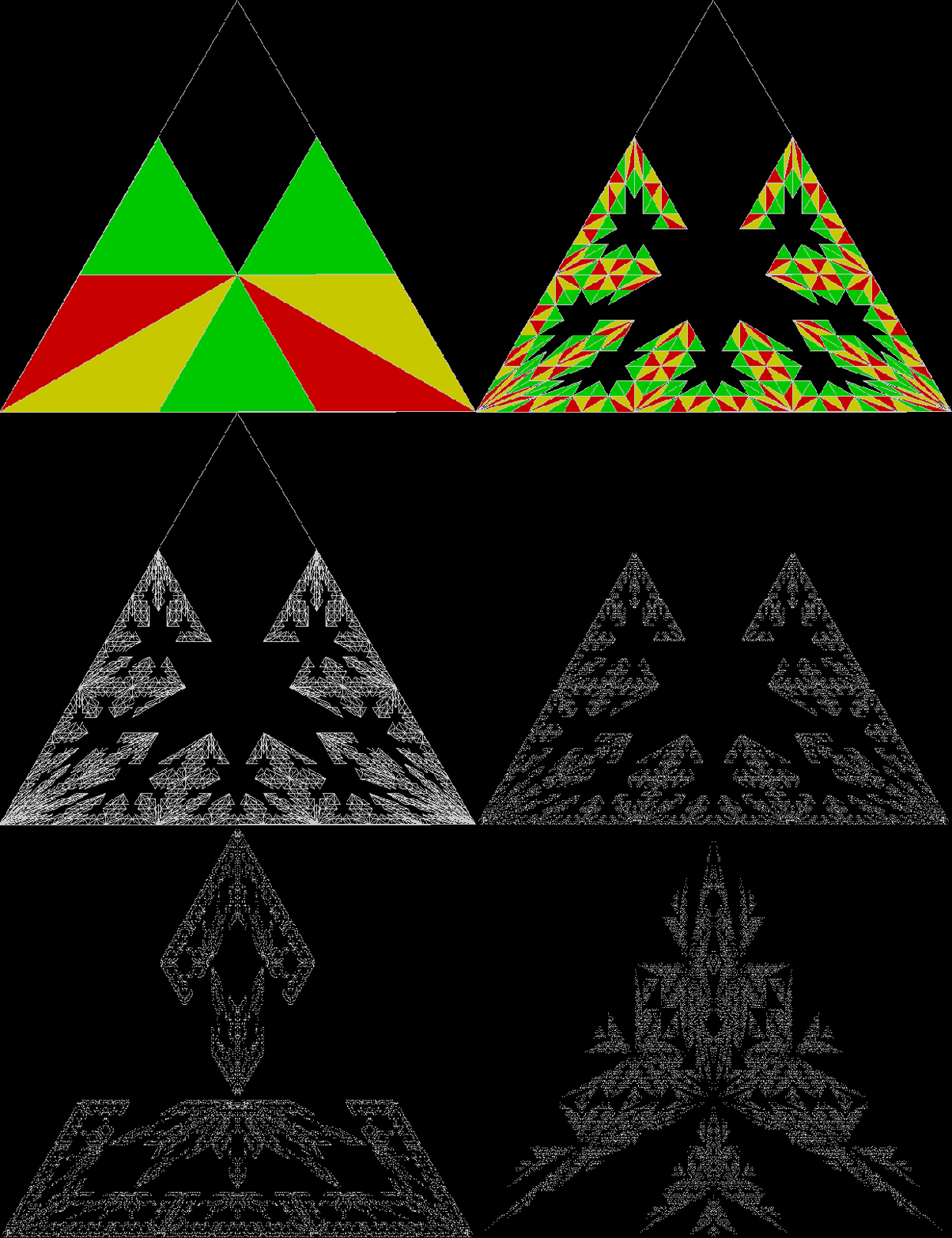
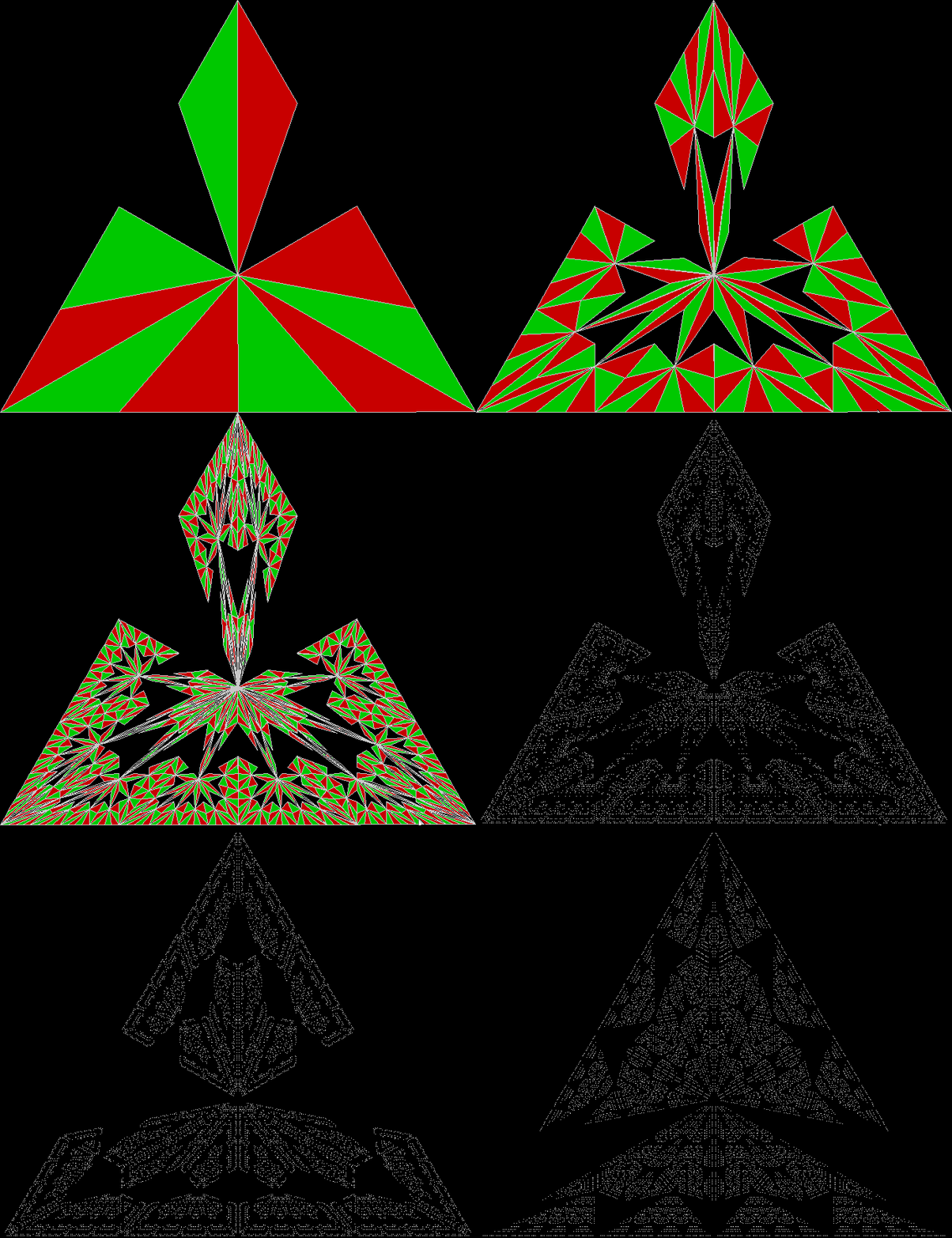
This fractal is created by taking an equilateral triangle and finding the centre and the midpoint of each side. Using all these points, plus the three vertices, six new triangles can be created from the original. The process is then repeated with each new triangle (if the images don’t animate, please try opening them in a new window):

triangle_div2

If the centre-point of each triangle is shown, rather than the sides, this is the pattern created:

triangle_div2_dots

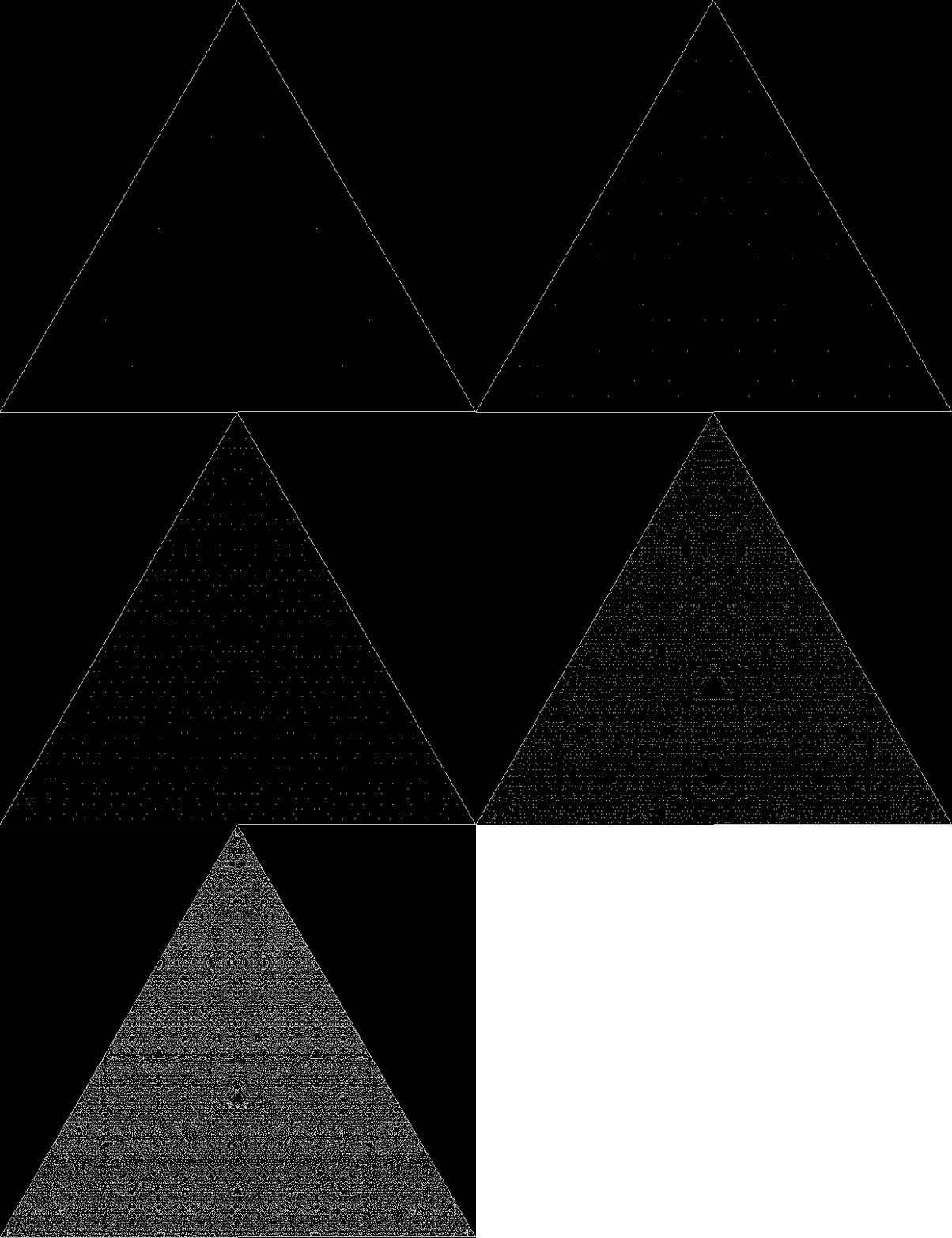
Triangles in which the sides are divided into thirds and quarters look like this:

triangle_div3

triangle_div3_dots

triangle_div4

triangle_div4_dots

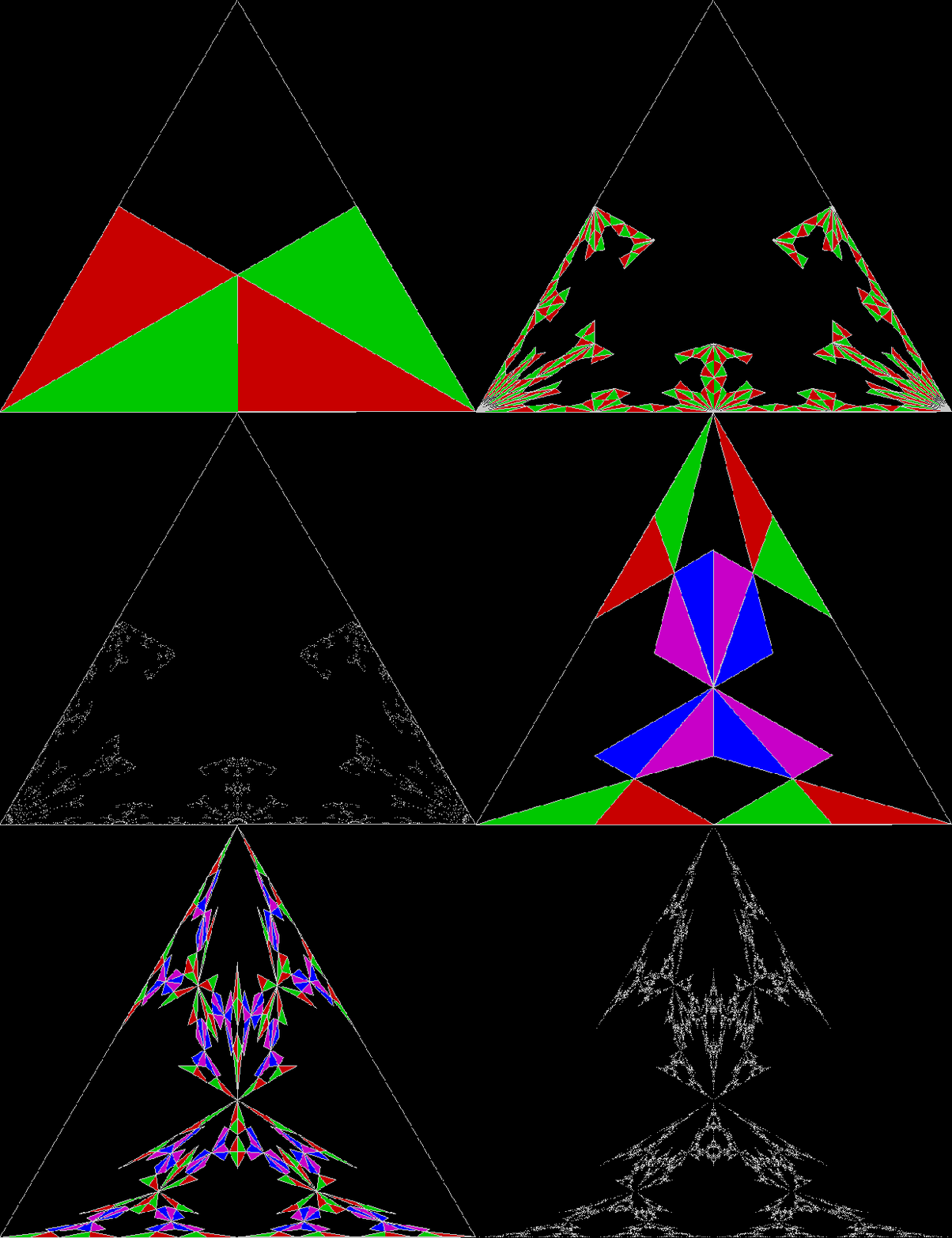
And if sub-triangles are discarded, more obvious fractals appear, some of which look like Lovecraftian deities and owl- or hawk-gods:


cthuneus1

cthuneus2

cthuneus3


Elsewhere Other-Accessible

Circus Trix — a later and better-illustrated look at these fractals