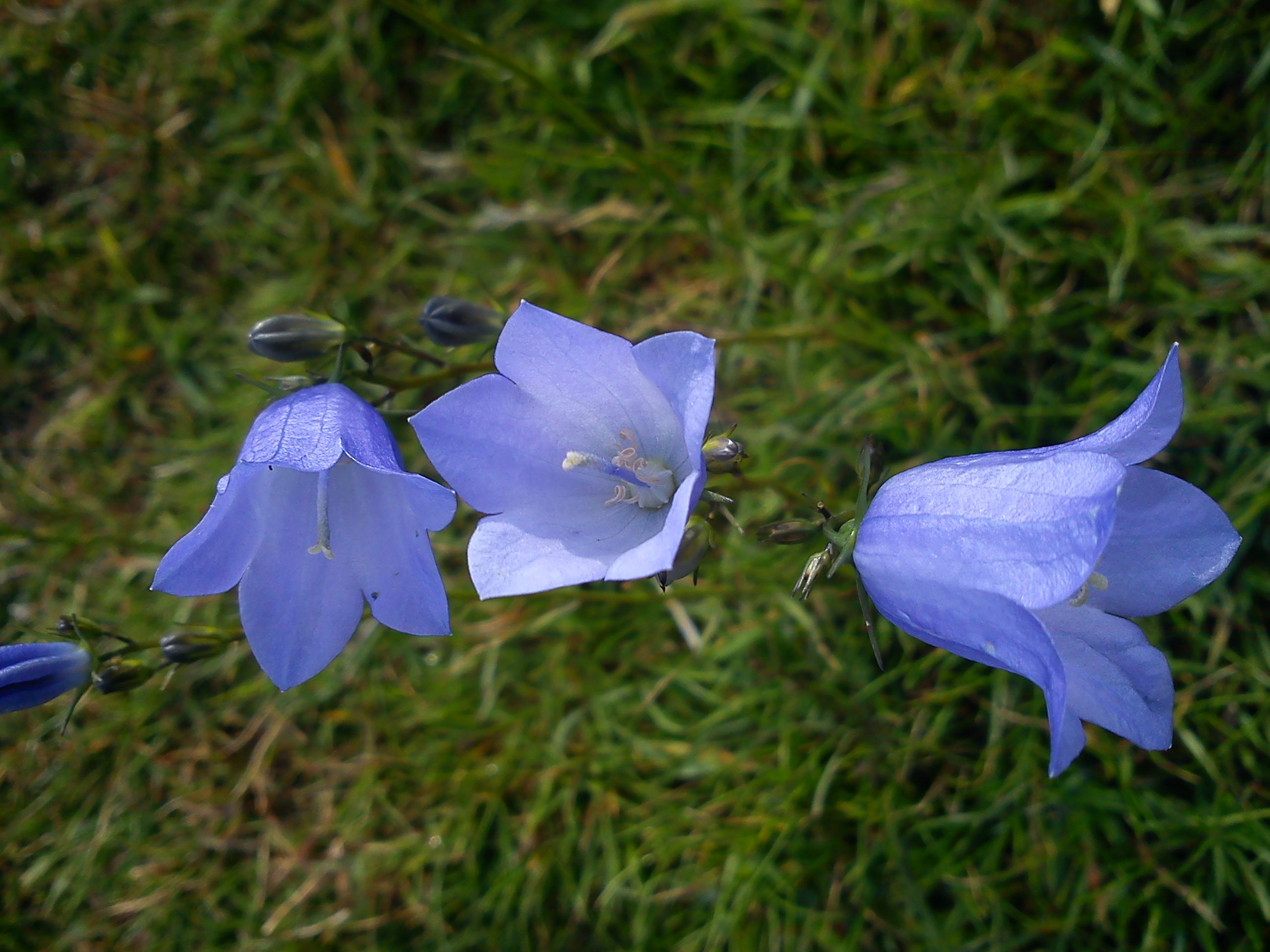
Harebells, Campanula rotundifolia.

Harebells, Campanula rotundifolia.
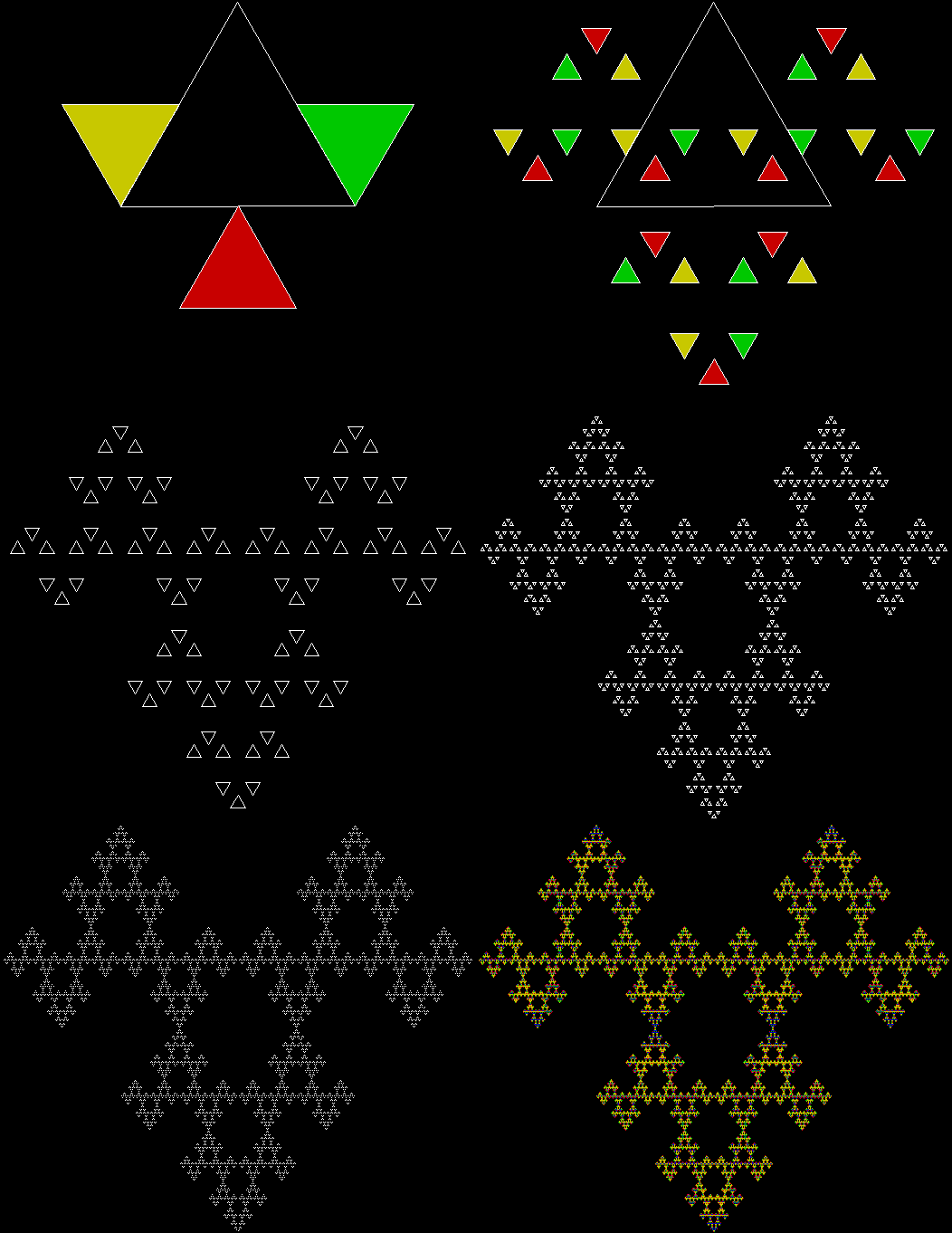
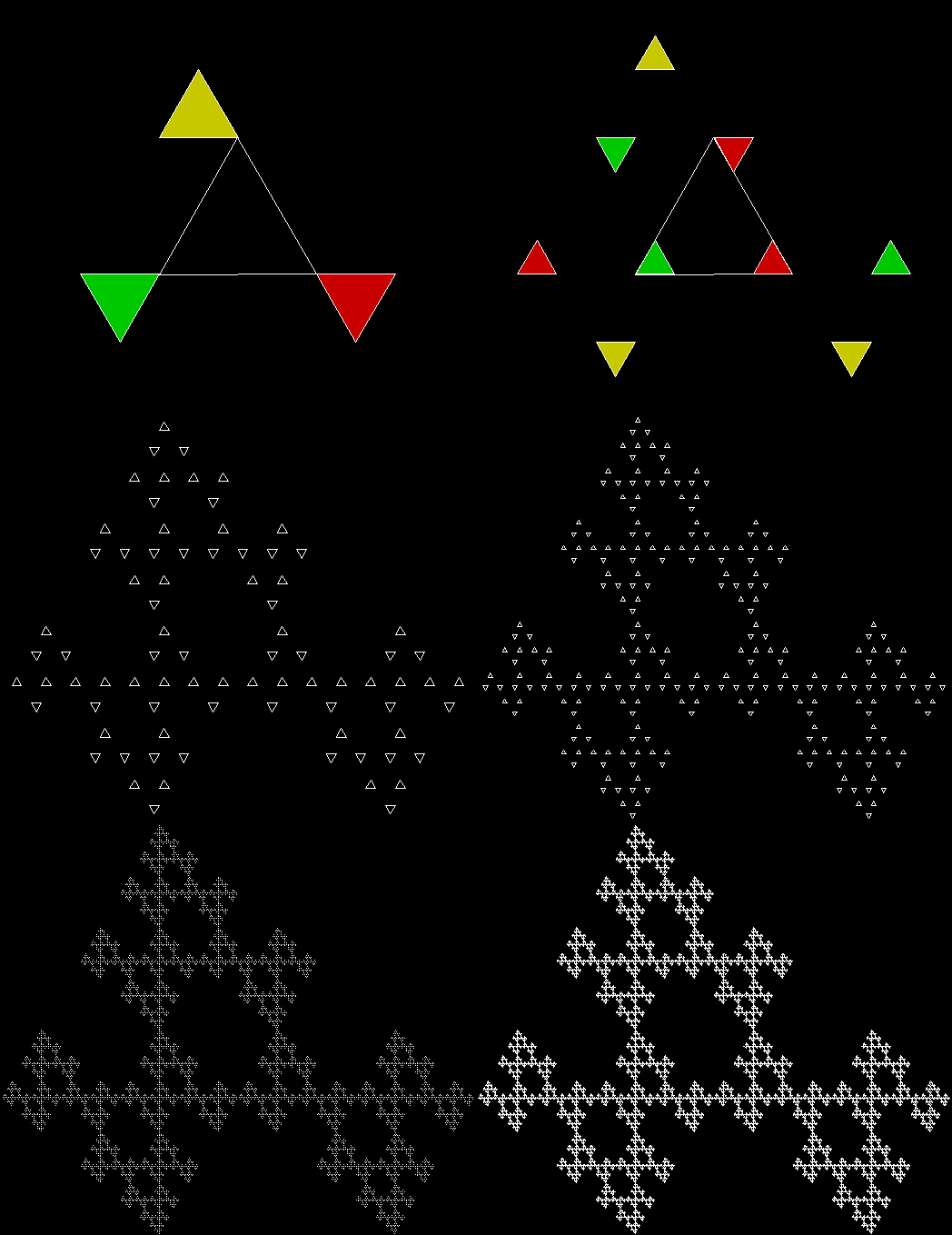
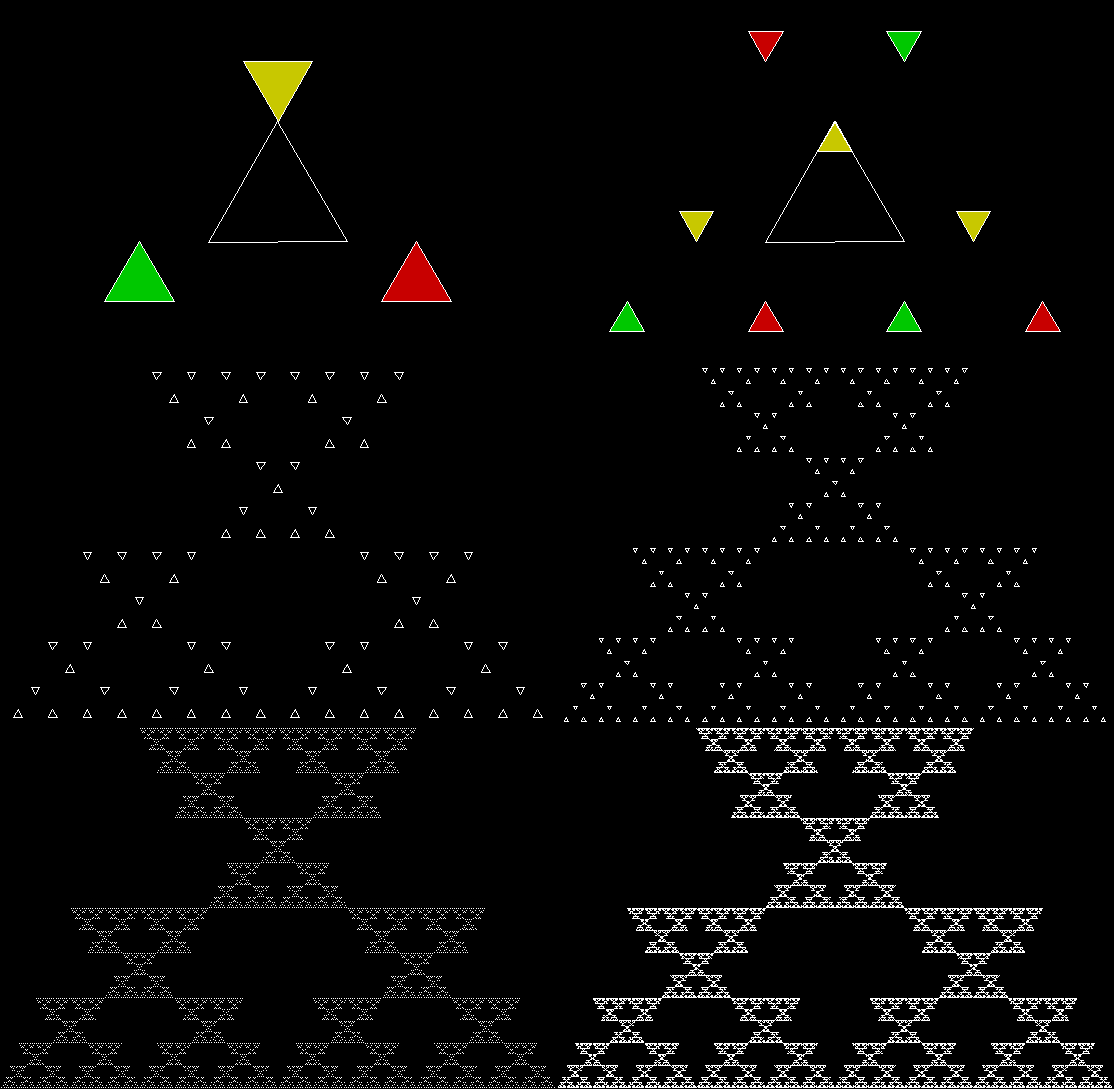
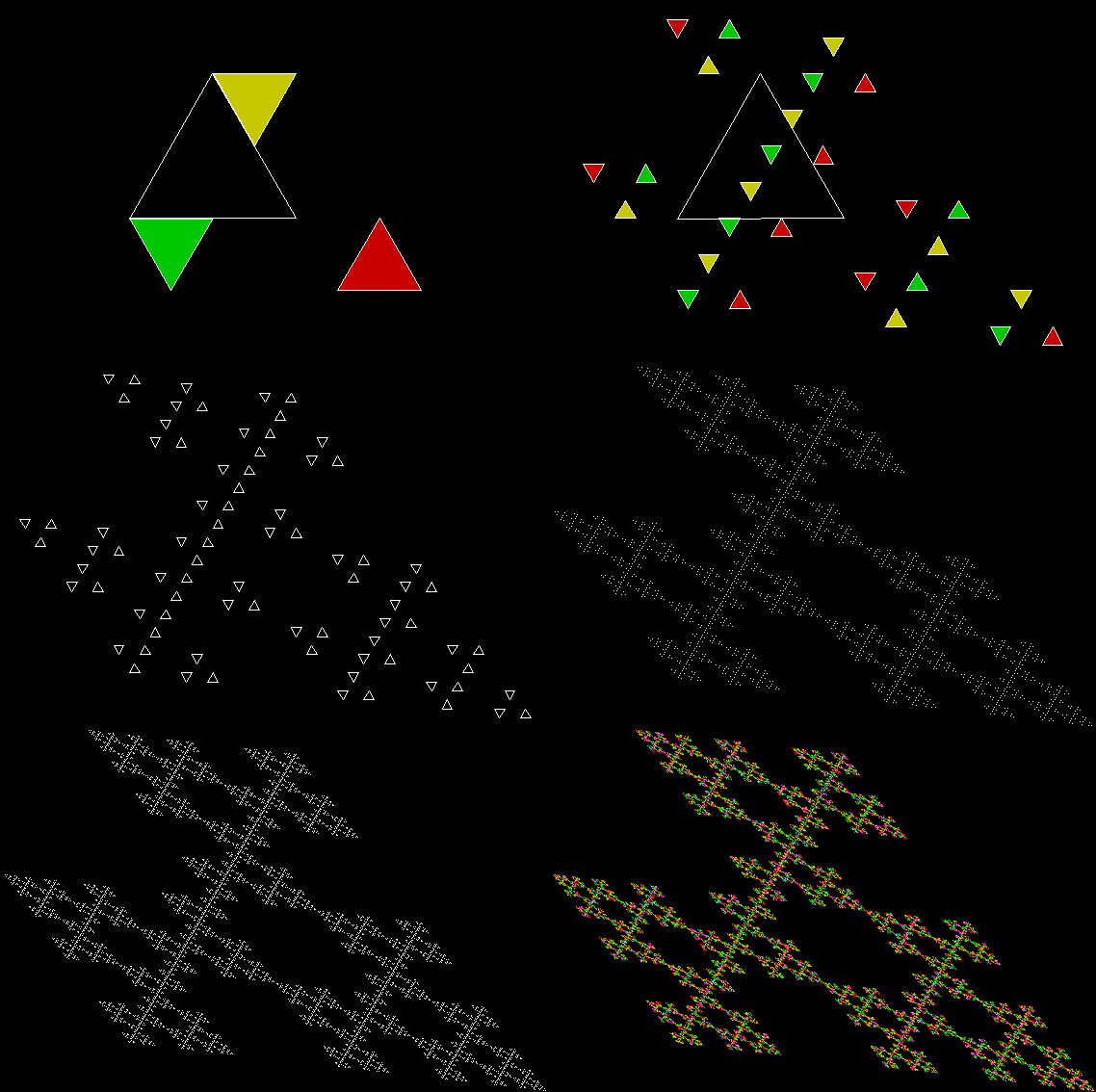
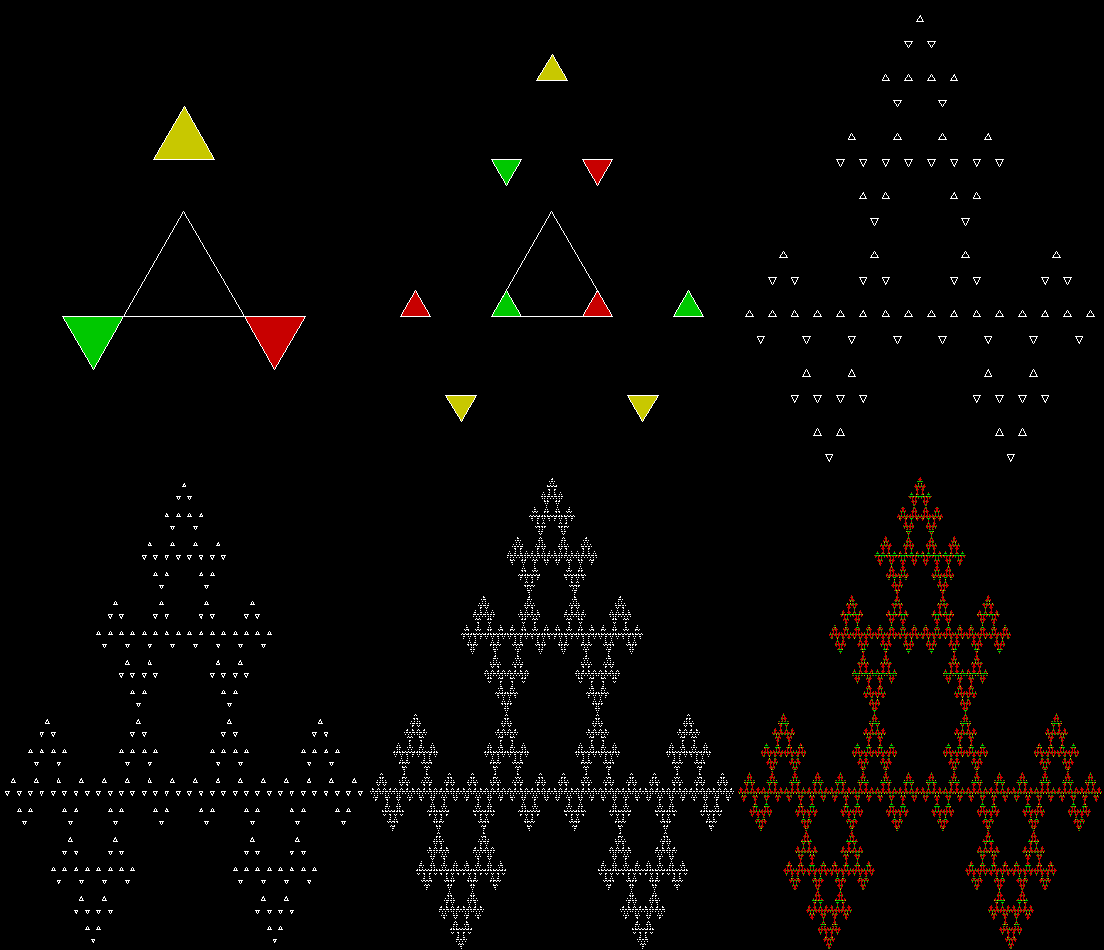
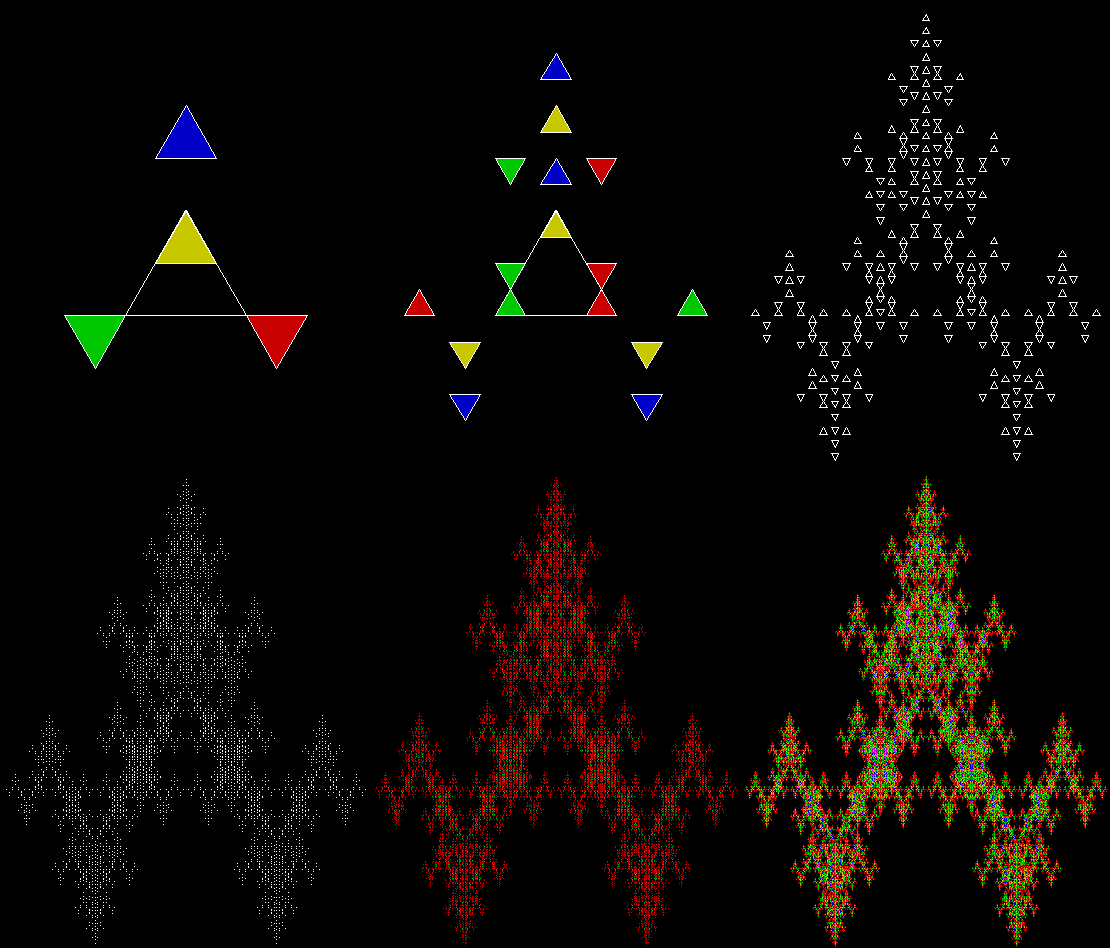
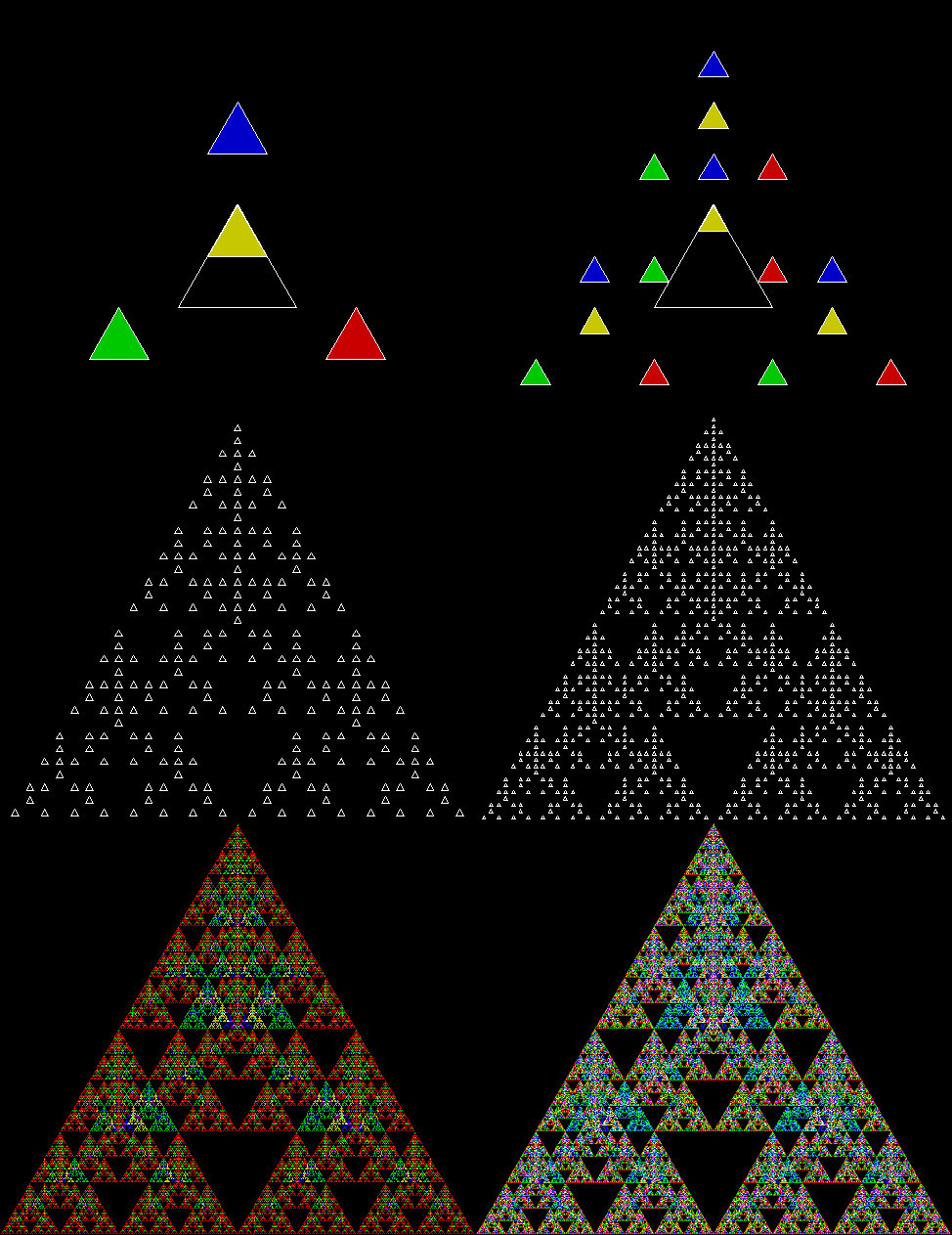
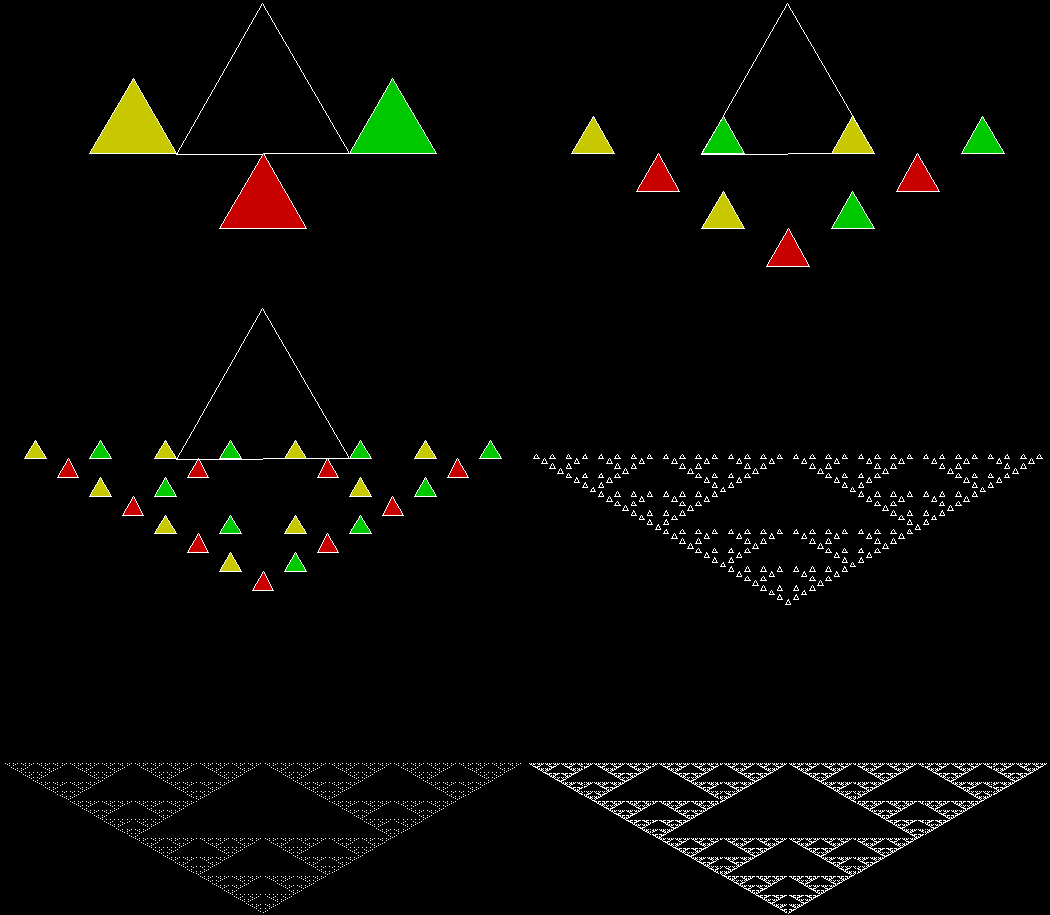
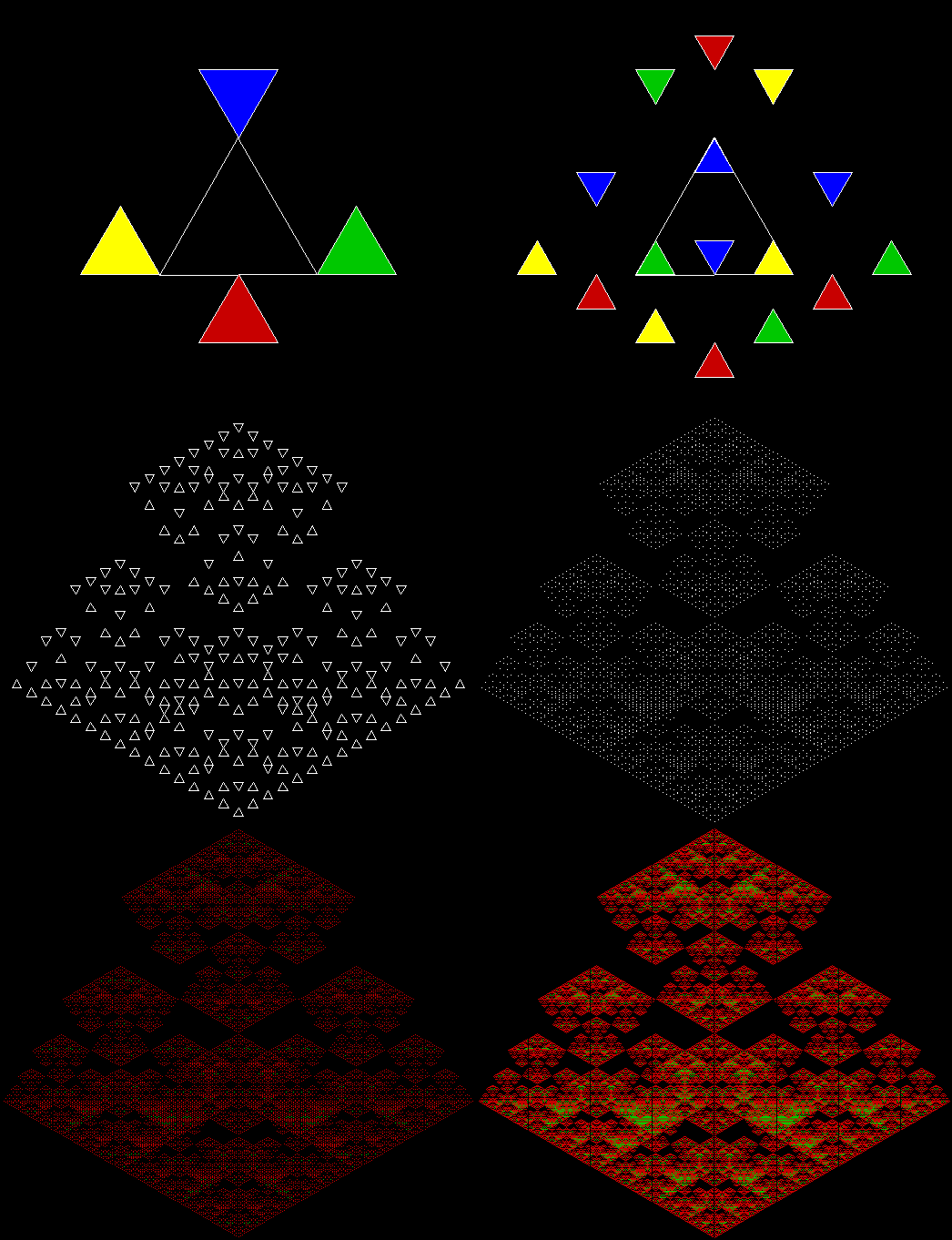
In Boldly Breaking the Boundaries, I looked at the use of squares in what I called over-fractals, or fractals whose sub-divisions reproduce the original shape but appear beyond its boundaries. Now I want to look at over-fractals using triangles. They’re less varied than those involving squares, but still include some interesting shapes. This is the space in which sub-triangles can appear, with the central seeding triangle coloured gray: 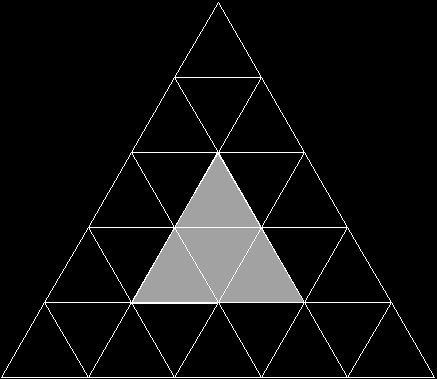
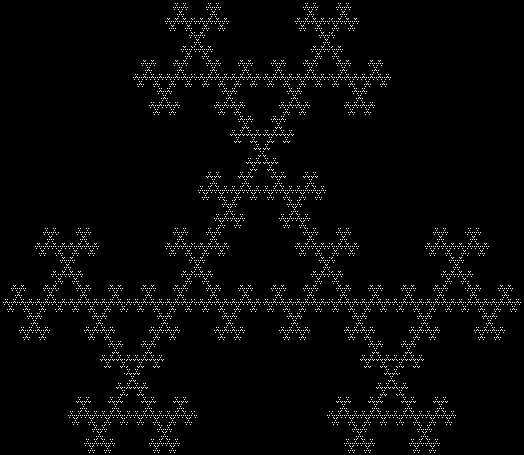
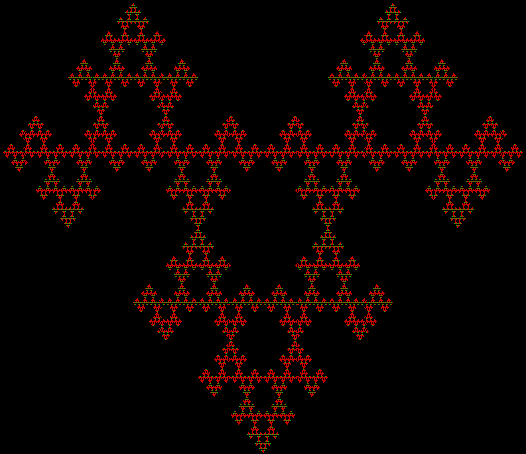
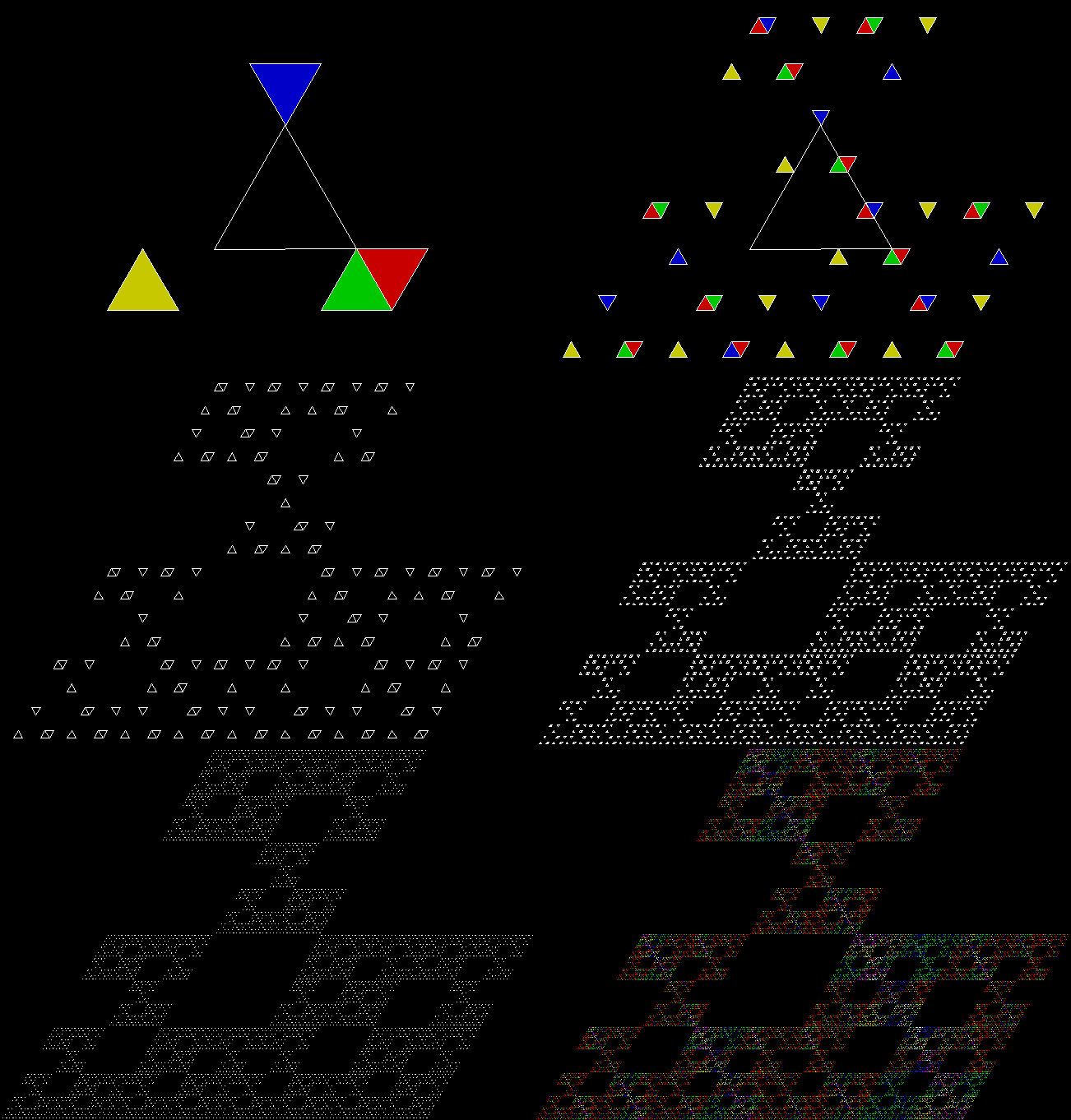
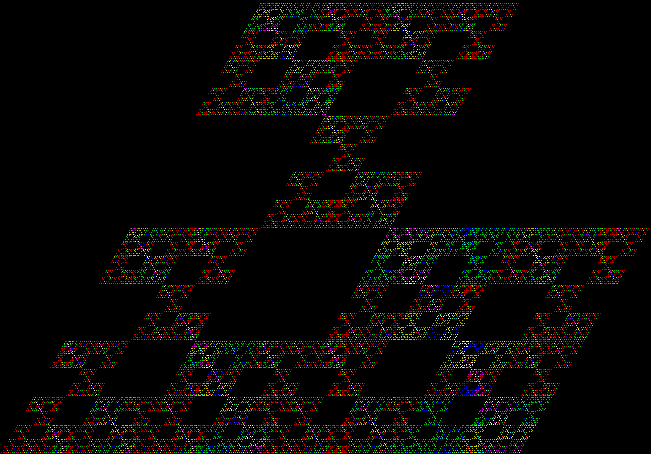
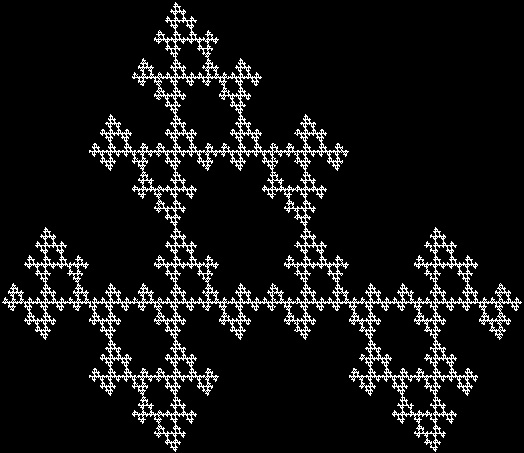
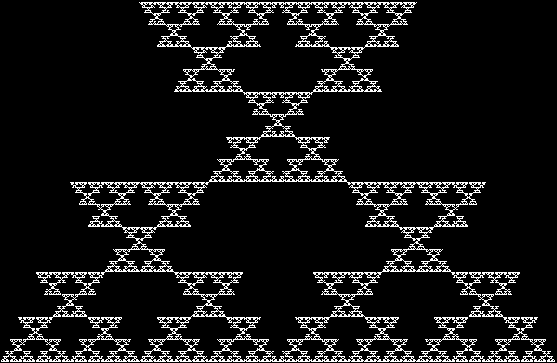
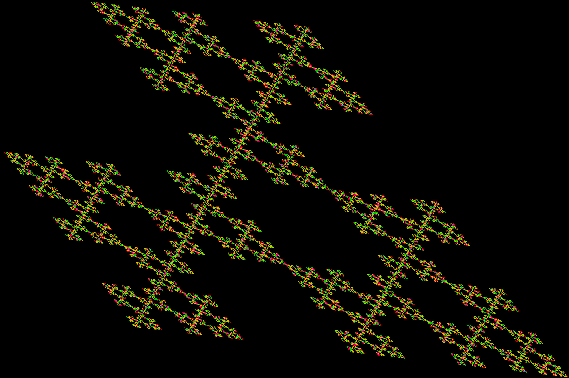
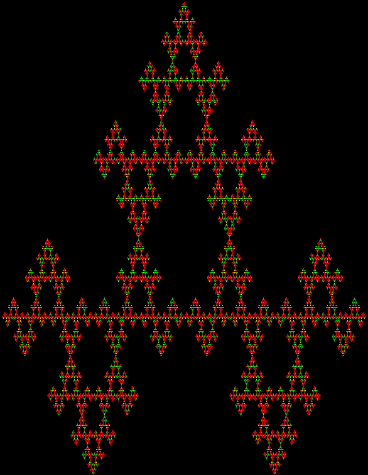
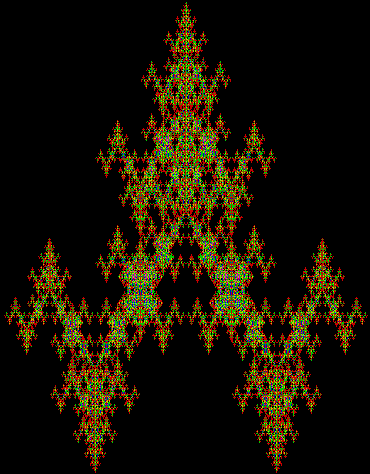
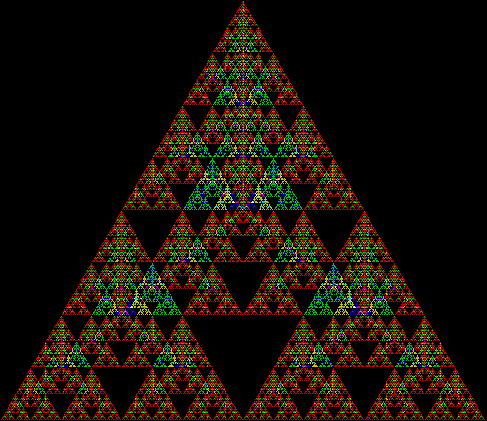
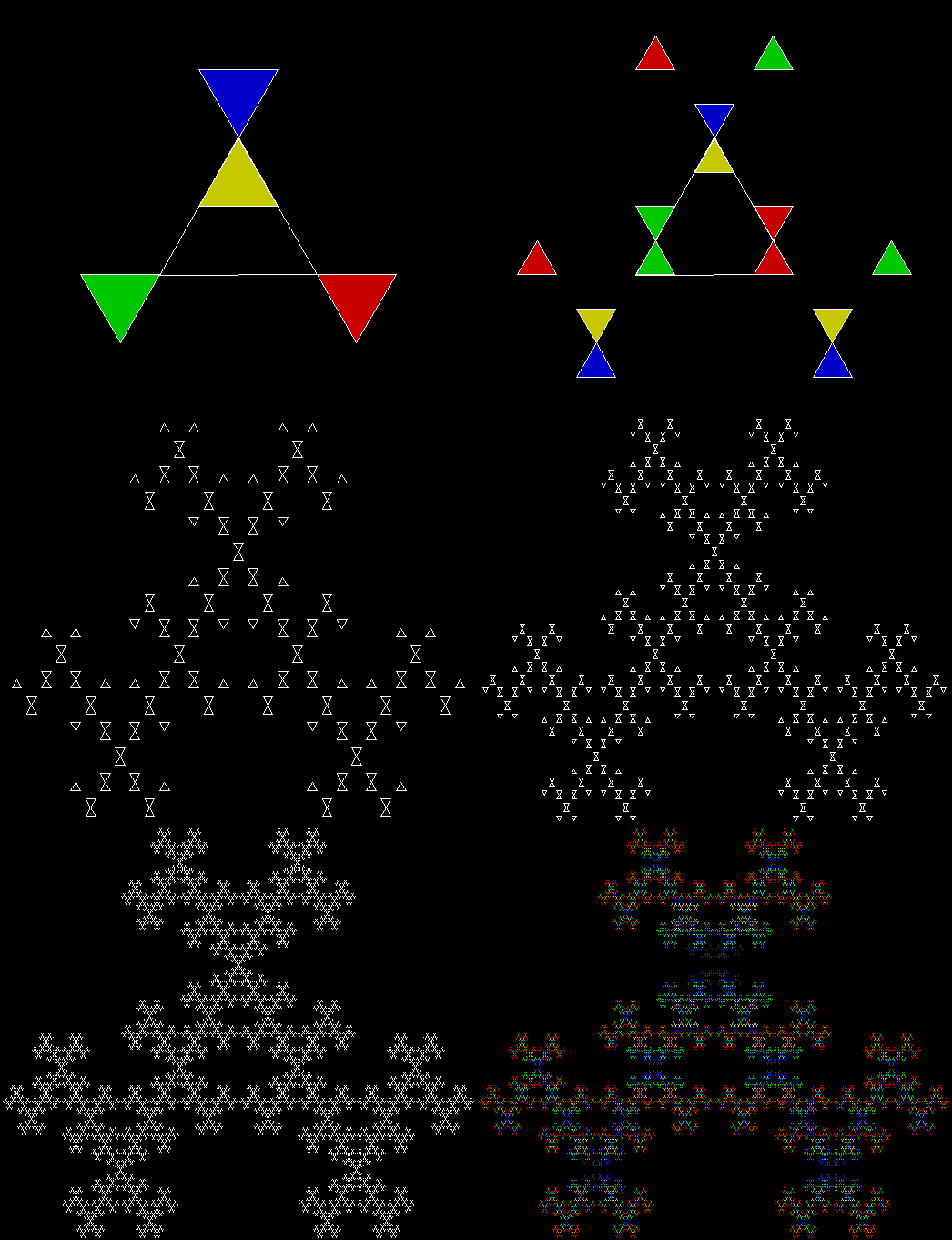
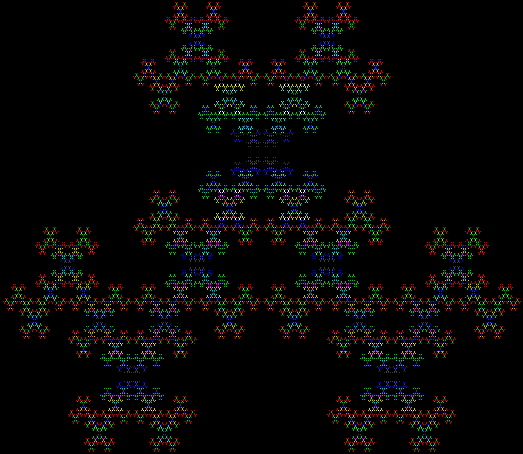
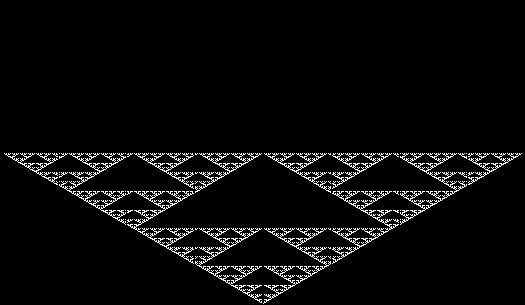
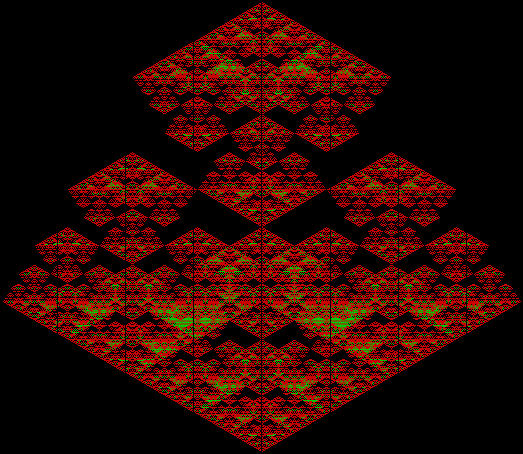
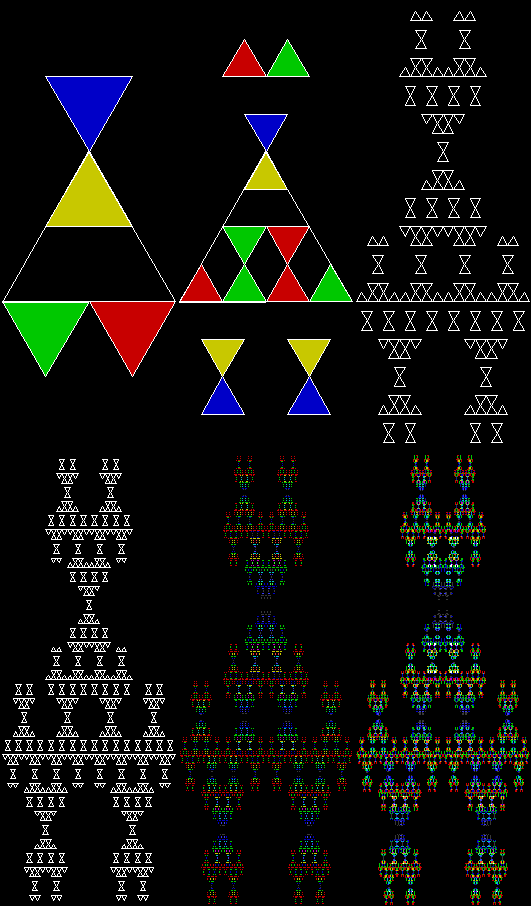
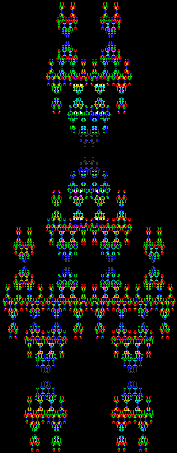
Here are some over-fractals based on the pattern above: 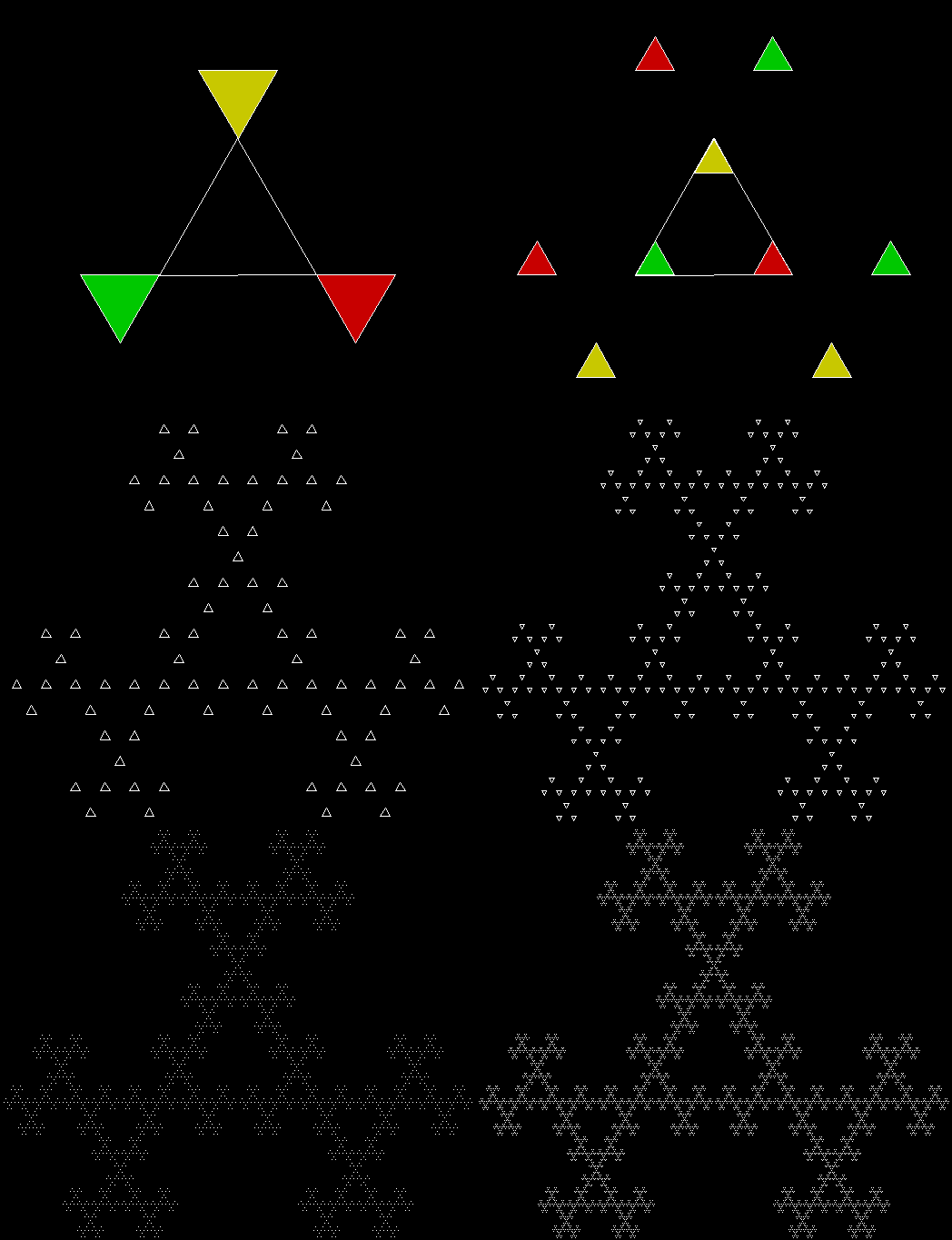
• They were going over a passage that, in Joyce’s opinion, was “still not obscure enough”, and inserting Samoyed words into it. — Gordon Bowker, James Joyce: A Biography (2012), pp. 448-9.
Papyrocentric Performativity Presents:
• The Ogre by the Throat – Extreme Eiger: The Race to Climb the Direct Route up the North Face of the Eiger, Peter and Leni Gillman (Simon & Schuster 2015)
• Sing When You’re Winging – Butterflies and Moths in Britain and Europe, David Carter (Pan 1982)
• Soul Feud – The Soul of the Marionette: A Short Enquiry into Human Freedom, John Gray (Penguin 2015)
Or Read a Review at Random: RaRaR

Keeping out of the Hive Mind is an endless struggle. The Hive evolves, constantly throwing out toxic tentacles of glottic grotesqueness to enwrap and entwine the unwary mind. However, “in terms of” is an old and familiar tentacle. It’s easy to spot and avoid. New tentacles can be trickier, particularly when they come in cosy colloquial guise, like this:
Perrine’s brother is one of 36 people killed in Baltimore so far this month, already the highest homicide count for May since 1999. But while homicides are spiking, arrests have plunged more than 50 percent compared to last year. […]
Baltimore was seeing a slight rise in homicides this year even before Gray’s death April 19. But the 36 homicides so far in May is a major spike, after 22 in April, 15 in March, 13 in February and 23 in January.
Non-fatal shootings are spiking as well. So far in May there have been 91 — 58 of them in the Western District. […] Rawlings-Blake said her office is “examining” the relationship between the homicide spike and the dwindling arrest rate. – Baltimore residents fearful amid rash of homicides, The Washington Times, 28/5/2015.
“Spike” is a metaphor drawn from the behaviour of a line on a graph. When a variable rises sharply, reaches a brief maximum, and then falls sharply, it looks like an inverted V. A spike, in other words:
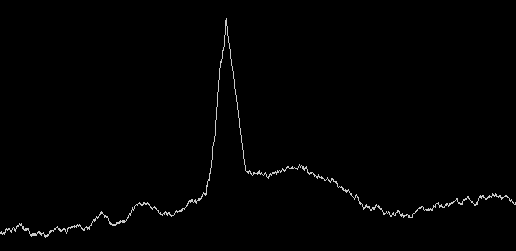
A spike
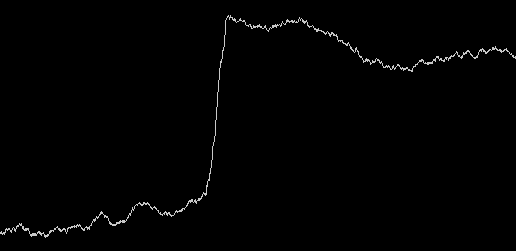
Not a spike
But the same article supplies a word that is correct:
At a news conference Wednesday, Rawlings-Blake said there were “a lot of reasons why we’re having a surge in violence.”
A surge can be identified while it is happening. Violence in Baltimore is surging or rocketing or shooting up or rising sharply. It is not “spiking”. But why is this simple metaphor being misused? I think it’s because “spike” conveys a sense of urgency and excitement. It gives journalists and other members of the hive-mind a buzz. They like the connotation, so they forget about the denotation.
Papyrocentric Performativity Presents:
• Nature by Numbers – 30-Second Elements: The 50 Most Significant Elements, Each Explained in Half a Minute, ed. Eric Scerri (Icon 2013)
• Fresh Flesh – The Complete Illustrated Guide to Freshwater Fish & River Creatures, Daniel Gilpin and Dr Jenny Schmid-Araya (Hermes House 2011)
• The Reich Stoff – Rocket and Jet Aircraft of the Third Reich, Terry C. Treadwell (Spellmount 2011)
• Past Masters – Justice for All: The Truth about Metallica, Joel McIver (Omnibus Press, revised edition 2014)
• Ant on E – Burgess on Waugh
• M.O.R. of Babylon – Sleazy Listening: Frottage, Fladge and Frenzied Fornication in the Music of the Carpenters, Dr Miriam B. Stimbers (University of Nebraska Press 2015)
Or Read a Review at Random: RaRaR
Elsewhere other-accessible:
• Songs from the Center of the Sun — an interview with Faster Than Lichen
In “M.I.P. Trip”, I looked at fractals like this, in which a square is divided repeatedly into a pattern of smaller squares:


As you can see, the sub-squares appear within the bounds of the original square. But what if some of the sub-squares appear beyond the bounds of the original square? Then a new family of fractals is born, the over-fractals:


 Overlord In Terms of Core Issues Around Maximal Engagement with Key Notions of the Über-Feral