Lat’s That

In a magic square of numbers, all rows, columns and diagonals have the same sum, or magic total. Here is an example:

1*5*9
8*3*4
6*7*2

(mt=15)

Here’s another:

06*07*11*10
15*02*14*03
04*13*01*16
09*12*08*05

(mt=34)

And another:

04*25*20*10*06
01*13*11*21*19
23*09*07*08*18
15*16*03*14*17
22*02*24*12*05

(mt=65)

And another:

35*15*10*18*11*22
05*25*33*12*07*29
34*30*04*14*21*08
02*16*27*17*23*26
03*24*09*19*36*20
32*01*28*31*13*06

(mt=111)

In all those magic squares, the magic total is fixed: the sum of all numbers from 1 to 36 is 666, so any individual line in a 6×6 magic square has to equal 666 / 6 or 111. In other kinds of magic figure, this rule doesn’t apply:

2*7*3
4***8
6*5*1

(mt=12)

6*3*4
2***8
5*7*1

(mt=13)

8*5*1
2***6
4*3*7

(mt=14)

8*1*6
4***2
3*5*7

(mt=15)

Continue reading Lat’s That

Who Guards the Guardianistas?

“…We’re not so much a reaction against what’s going on – it’s more down to the music that we’re into – but in terms of guitar music there hasn’t been much in terms of louder groups.” – Bored of cookie-cutter conformity in music?, The Guardian, 6/iii/ 2014.


Elsewhere other-posted:

Ex-term-in-ate!

Priamonds and Pearls

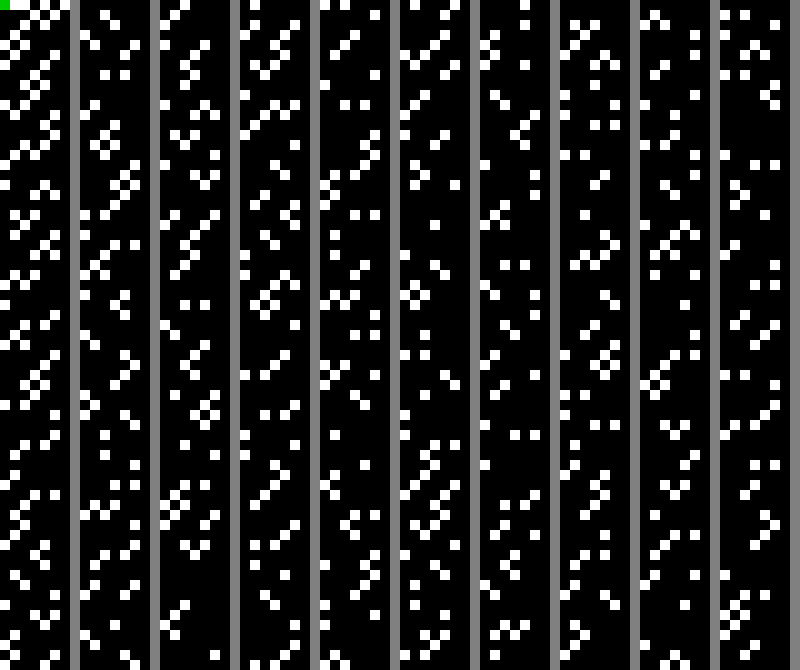
Interesting patterns emerge when primes are represented as white blocks in a series of n-width left-right lines laid vertically, one atop the other. When the line is five blocks wide, the patterns look like this (the first green block is 1, followed by primes 2, 3 and 5, then 7 in the next line):
5line

(Click for larger version)

Right at the bottom of the first column is an isolated prime diamond, or priamond (marked with a green block). It consists of the four primes 307-311-313-317, where the three latter primes equal 307 + 4 and 6 and 10, or 307 + 5-1, 5+1 and 5×2 (the last prime in the first column is 331 and the first prime in the second is 337). About a third of the way down the first column is a double priamond, consisting of 97, 101, 103, 107, 109 and 113. For a given n, then, a priamond is a set of primes, p1, p2, p3 and p4, such that p2 = p1 + n-1, p3 = p + n+1 and p4 = p1 + 2n.

There are also fragments of pearl-necklace in the columns. One is above the isolated priamond. It consists of four prime-blocks slanting from left to right: 251-257-263-269, or 251 + 6, 12 and 18. A prearl-necklace, then, is a set of primes, p1, p2, p3…, such that p2 = p1 + n+i, p3 = p + 2(n+i)…, where i = +/-1. Now here are the 7-line and 9-line:

7line

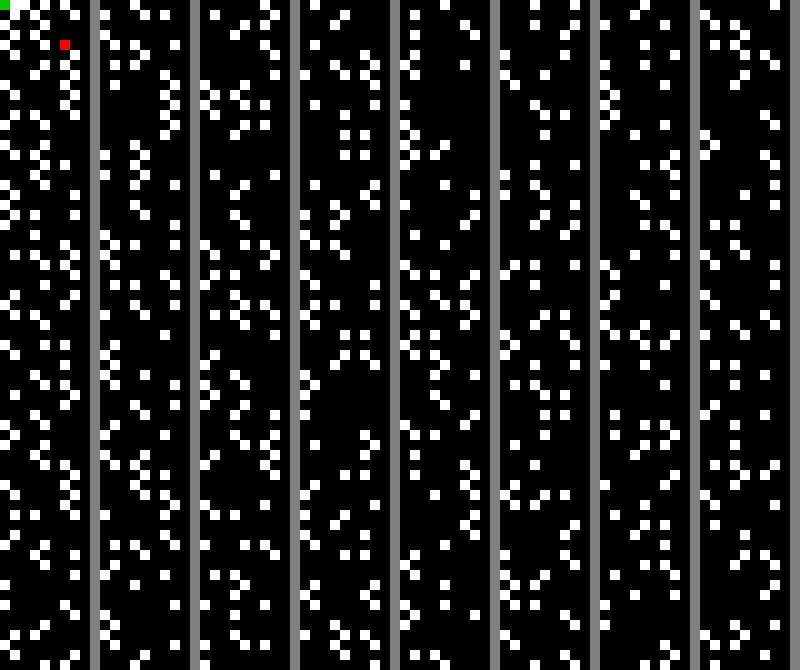
Above: 7-line for primes

9line

Above: 9-line for primes

In the 9-line, you can see a prime-ladder marked with a red block. It consists of the primes 43-53-61-71-79-89-97-107, in alternate increments of 10 and 8, or 9+1 and 9-1. A prime-ladder, then, is a set of primes, p1, p2, p3, p4…, such that p2 = p1 + n+1, p3 = p + 2n, p3 = p + 3n+1…

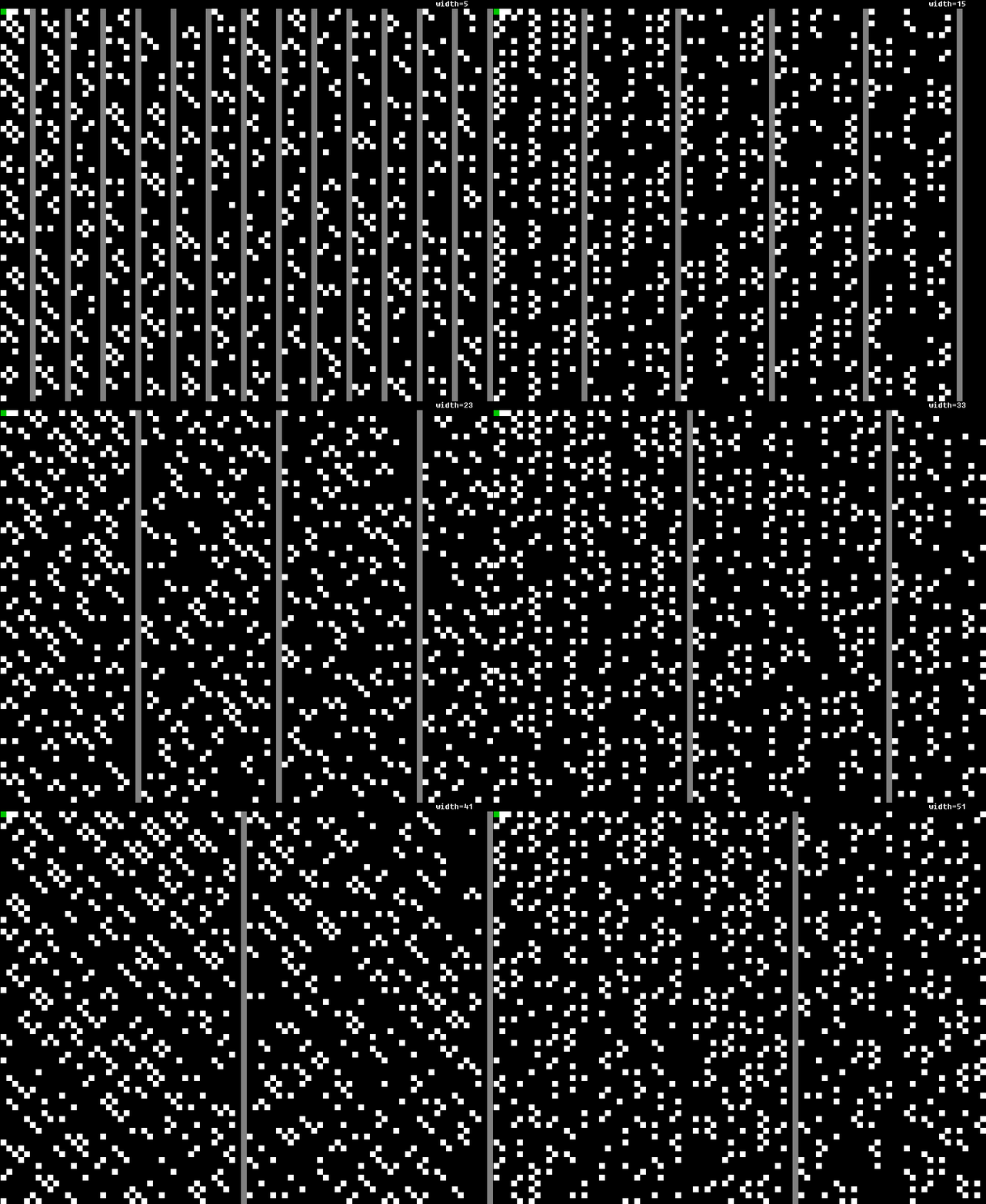
And here is an animated gif of lines 5 through 51:

lines5to51

(Click or open in new window for larger version or if file fails to animate)

No Plaice Like Olm

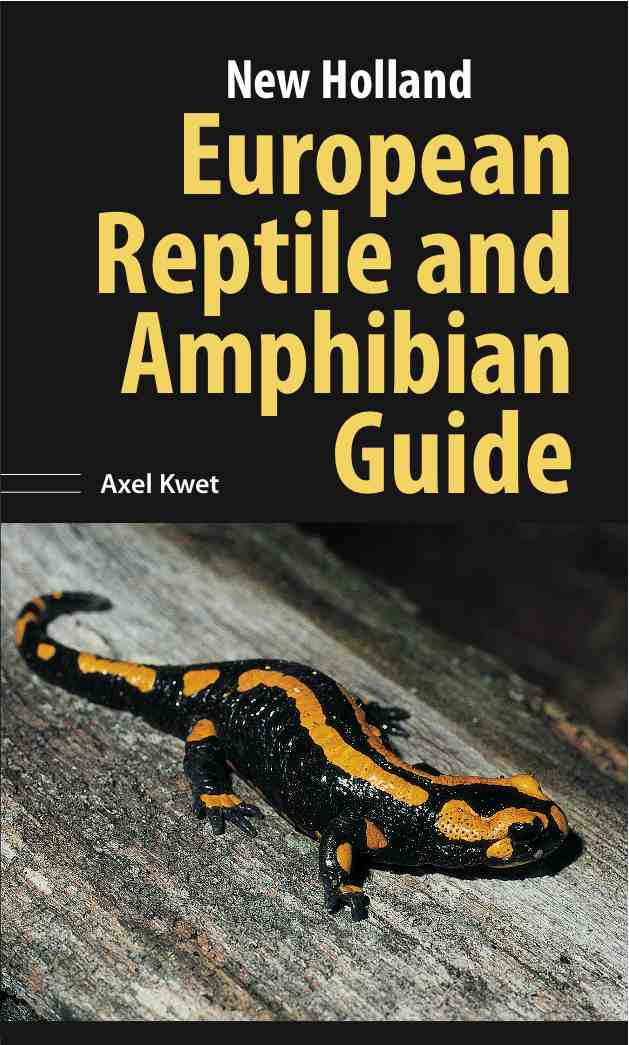
European Reptile and Amphibian Guide by Axel KwetEuropean Reptile and Amphibian Guide, Axel Kwet (New Holland 2009)

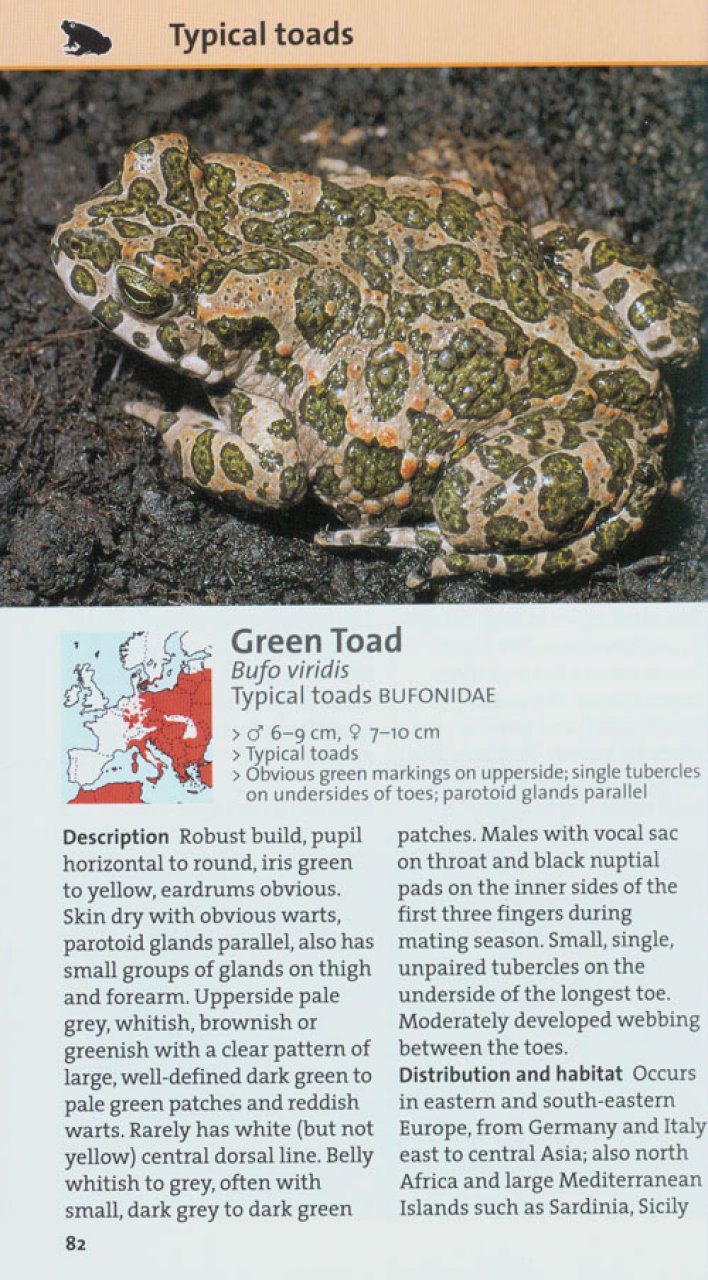
An attractive book about animals that are mostly attractive, sometimes strange, always interesting. It devotes photographs and descriptive text to all the reptiles and amphibians found in Europe, from tree-frogs to terrapins, from skinks to slow-worms. Some of the salamanders look like heraldic mascots, some of the lizards like enamel jewellery, and some of the toads like sumo wrestlers with exotic skin-diseases. When you leaf through the book, you’ve moving through several kinds of space: geographic and evolutionary, aesthetic and psychological. Europe is a big place and has a lot of reptilian and amphibian variety, including one species of turtle, the loggerhead, Caretta caretta, and one species of chameleon, the Mediterranean, Chamaeleo chamaeleon.

But every species, no matter how dissimilar in size and appearance, has a common ancestor: the tiny crested newt (Triturus cristatus) to the far north-west in Scotland and the two-and-a-half metre whip snake (Dolichophis caspius) to the far south-east in Greece; the sun-loving Hermann’s tortoise (Testudo hermanni), with its sturdy shell, and the pallid and worm-like olm (Proteus anguinus), which lives in “underground streams in limestone karst country along the coast from north-east Italy to Montenegro” (pg. 55). Long-limbed or limbless, sun-loving or sun-shunning, soft-skinned or scaly – they’re all variations on a common theme.

Sample page

Sample page from European Reptile and Amphibian Guide


And that’s where aesthetic and psychological space comes in, because different species and families evoke different impressions and emotions. Why do snakes look sinister and skinks look charming? But snakes are sinuous too and in a way it’s a shame that a photograph can capture their endlessly varying loops and curves as easily as it can capture the ridigity of a tortoise. At one time a book like this would have had paintings or drawings. Nowadays, it has photographs. The images are more realistic but less enchanted: the images are no longer mediated by the hand, eye and brain of an artist. But some enchantment remains: the glass lizard, Pseudopus apodus, peering from a holly bush on page 199 reminds me of Robert E. Howard’s “The God in the Bowl”, because there’s an alien intelligence in its gaze. Glass lizards are like snakes but can blink and retain “tiny, barely visible vestiges of the hind legs” (pg. 198).

Other snake-like reptiles retain vestiges of the fore-limbs too, like the Italian three-toed skink (Chalcides chalcides). The slow-worm, Anguis fragilis, has lost its limbs entirely, but doesn’t look sinister like a snake and can still blink. Elsewhere, some salamanders have lost not limbs but lungs: the Italian cave salamander, Speleomantes italicus, breathes through its skin and the lining of its mouth. So does Gené’s cave salamander, Speleomantes genei, which is found only on the island of Sardinia. It “emits an aromatic scent when touched” (pg. 54). Toads can emit toxins and snakes can inject venoms: movement in evolutionary space means movement in chemical space, because every alteration in an animal’s appearance and anatomy involves an alteration in the chemicals created by its body. But chemical space is two-fold: genotypic and phenotypic. The genes change and so the products of the genes change. The external appearance of every species is like a bookmark sticking out of the Book of Life, fixing its position in gene-space. You have to open that book to see the full recipe for the animal’s anatomy, physiology and behaviour, though not everything is specified by the genes.

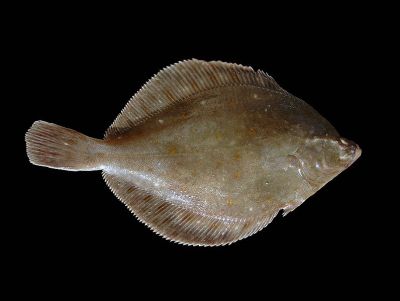
Pleuronectes platessa on the sea-floor

Pleuronectes platessa on the sea-floor


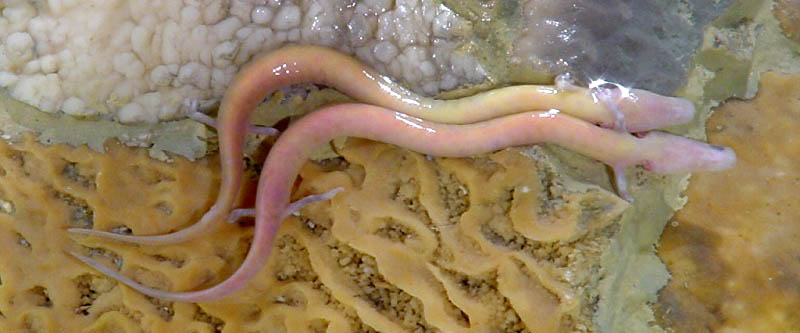
The force of gravity is one ingredient in an animal’s development, for example. So is sunlight or its absence. Or water, sand, warmth, cold. The descendants of that common ancestor occupy many ecological niches. And in fact one of those descendants wrote this book: humans and all other mammals share an ancestor with frogs, skinks and vipers. Before that, we were fish. So a plaice is a distant cousin of an olm, despite the huge difference in their appearance and habitat. One is flat, one is tubular. One lives in the sea, one lives in caves. But step by step, moving through genomic and topological space, you can turn a plaice into an olm. Or into anything else in this book. Just step back through time to the common ancestor, then take another evolutionary turning. One ancestor, many descendants. That ancestor was itself one descendant among many of something even earlier.
Olm in a Slovenian cave

Olm in a Slovenian cave


But there’s another important point: once variety appeared, it began to interact with itself. Evolutionary environment includes much more than the inanimate and inorganic. We mammals share more than an ancestor with reptiles and amphibians: we’ve also shared the earth. So we’re written into their genes and some of them are probably written into ours. Mammalian predators have influenced the evolution of skin-colour and psychology, making some animals camouflaged and cautious, others obtrusive and aggressive. But it works both ways: perhaps snakes seem sinister because we’re born with snake-sensitive instincts. If it’s got no limbs and it doesn’t blink, it might have a dangerous bite. That’s why the snake section of this book seems so different to the salamander section or the frog section. But all are interesting and all are important. This is a small book with some big themes.

Performativizing Papyrocentricity #20

Papyrocentric Performativity Presents:

Clive AliveC.S. Lewis: A Life, Alister McGrath (Hodder & Staughton 2013)

Ink TuneNick Drake: Dreaming England, Nathan Wiseman-Trowse (Reaktion Books 2013)

Stan’s FansAwaydays, Kevin Sampson (Vintage 1998)

Words at WarPoetry of the First World War: An Anthology, ed. Tim Kendall (Oxford University Press 2013) (posted @ Overlord of the Über-Feral)


Or Read a Review at Random: RaRaR

Miss This

1,729,404 is seven digits long. If you drop one digit at a time, you can create seven more numbers from it, each six digits long. If you add these numbers, something special happens:

1,729,404 → 729404 (missing 1) + 129404 (missing 7) + 179404 (missing 2) + 172404 + 172904 + 172944 + 172940 = 1,729,404

So 1,729,404 is narcissistic, or equal to some manipulation of its own digits. Searching for numbers like this might seem like a big task, but you can cut the search-time considerably by noting that the final two digits determine whether a number is a suitable candidate for testing. For example, what if a seven-digit number ends in …38? Then the final digit of the missing-digit sum will equal (3 x 1 + 8 x 6) modulo 10 = (3 + 48) mod 10 = 51 mod 10 = 1. This means that you don’t need to check any seven-digit number ending in …38.

But what about seven-digit numbers ending in …57? Now the final digit of the sum will equal (5 x 1 + 7 x 6) modulo 10 = (5 + 42) mod 10 = 47 mod 10 = 7. So seven-digit numbers ending in …57 are possible missing-digit narcissistic sums. Then you can test numbers ending …157, …257, …357 and so on, to determine the last-but-one digit of the sum. Using this method, one quickly finds the only two seven-digit numbers of this form in base-10:

1,729,404 → 729404 + 129404 + 179404 + 172404 + 172904 + 172944 + 172940 = 1,729,404

1,800,000 → 800000 + 100000 + 180000 + 180000 + 180000 + 180000 + 180000 = 1,800,000

What about eight-digit numbers? Only those ending in these two digits need to be checked: …00, …23, …28, …41, …46, …64, …69, …82, …87. Here are the results:

• 13,758,846 → 3758846 + 1758846 + 1358846 + 1378846 + 1375846 + 1375846 + 1375886 + 1375884 = 13,758,846
• 13,800,000 → 3800000 + 1800000 + 1300000 + 1380000 + 1380000 + 1380000 + 1380000 + 1380000 = 13,800,000
• 14,358,846 → 4358846 + 1358846 + 1458846 + 1438846 + 1435846 + 1435846 + 1435886 + 1435884 = 14,358,846
• 14,400,000 → 4400000 + 1400000 + 1400000 + 1440000 + 1440000 + 1440000 + 1440000 + 1440000 = 14,400,000
• 15,000,000 → 5000000 + 1000000 + 1500000 + 1500000 + 1500000 + 1500000 + 1500000 + 1500000 = 15,000,000
• 28,758,846 → 8758846 + 2758846 + 2858846 + 2878846 + 2875846 + 2875846 + 2875886 + 2875884 = 28,758,846
• 28,800,000 → 8800000 + 2800000 + 2800000 + 2880000 + 2880000 + 2880000 + 2880000 + 2880000 = 28,800,000
• 29,358,846 → 9358846 + 2358846 + 2958846 + 2938846 + 2935846 + 2935846 + 2935886 + 2935884 = 29,358,846
• 29,400,000 → 9400000 + 2400000 + 2900000 + 2940000 + 2940000 + 2940000 + 2940000 + 2940000 = 29,400,000

But there are no nine-digit sumbers, or nine-digit numbers that supply missing-digit narcissistic sums. What about ten-digit sumbers? There are twenty-one:

1,107,488,889; 1,107,489,042; 1,111,088,889; 1,111,089,042; 3,277,800,000; 3,281,400,000; 4,388,888,889; 4,388,889,042; 4,392,488,889; 4,392,489,042; 4,500,000,000; 5,607,488,889; 5,607,489,042; 5,611,088,889; 5,611,089,042; 7,777,800,000; 7,781,400,000; 8,888,888,889; 8,888,889,042; 8,892,488,889; 8,892,489,042 (21 numbers)

Finally, the nine eleven-digit sumbers all take this form:

30,000,000,000 → 0000000000 + 3000000000 + 3000000000 + 3000000000 + 3000000000 + 3000000000 + 3000000000 + 3000000000 + 3000000000 + 3000000000 + 3000000000 = 30,000,000,000

So that’s forty-one narcissistic sumbers in base-10. Not all of them are listed in Sequence A131639 at the Encyclopedia of Integer Sequences, but I think I’ve got my program working right. Other bases show similar patterns. Here are some missing-digit narcissistic sumbers in base-5:

• 1,243 → 243 + 143 + 123 + 124 = 1,243 (b=5) = 198 (b=10)
• 1,324 → 324 + 124 + 134 + 132 = 1,324 (b=5) = 214 (b=10)
• 1,331 → 331 + 131 + 131 + 133 = 1,331 (b=5) = 216 (b=10)
• 1,412 → 412 + 112 + 142 + 141 = 1,412 (b=5) = 232 (b=10)

• 100,000 → 00000 + 10000 + 10000 + 10000 + 10000 + 10000 = 100,000 (b=5) = 3,125 (b=10)
• 200,000 → 00000 + 20000 + 20000 + 20000 + 20000 + 20000 = 200,000 (b=5) = 6,250 (b=10)
• 300,000 → 00000 + 30000 + 30000 + 30000 + 30000 + 30000 = 300,000 (b=5) = 9,375 (b=10)
• 400,000 → 00000 + 40000 + 40000 + 40000 + 40000 + 40000 = 400,000 (b=5) = 12,500 (b=10)

And here are some sumbers in base-16:

5,4CD,111,0EE,EF0,542 = 4CD1110EEEF0542 + 5CD1110EEEF0542 + 54D1110EEEF0542 + 54C1110EEEF0542 + 54CD110EEEF0542 + 54CD110EEEF0542 + 54CD110EEEF0542 + 54CD111EEEF0542 + 54CD1110EEF0542 + 54CD1110EEF0542 + 54CD1110EEF0542 + 54CD1110EEE0542 + 54CD1110EEEF542 + 54CD1110EEEF042 + 54CD1110EEEF052 + 54CD1110EEEF054 (b=16) = 6,110,559,033,837,421,890 (b=10)

6,5DD,E13,CEE,EF0,542 = 5DDE13CEEEF0542 + 6DDE13CEEEF0542 + 65DE13CEEEF0542 + 65DE13CEEEF0542 + 65DD13CEEEF0542 + 65DDE3CEEEF0542 + 65DDE1CEEEF0542 + 65DDE13EEEF0542 + 65DDE13CEEF0542 + 65DDE13CEEF0542 + 65DDE13CEEF0542 + 65DDE13CEEE0542 + 65DDE13CEEEF542 + 65DDE13CEEEF042 + 65DDE13CEEEF052 + 65DDE13CEEEF054 (b=16) = 7,340,270,619,506,705,730 (b=10)

10,000,000,000,000,000 → 0000000000000000 + 1000000000000000 + 1000000000000000 + 1000000000000000 + 1000000000000000 + 1000000000000000 + 1000000000000000 + 1000000000000000 + 1000000000000000 + 1000000000000000 + 1000000000000000 + 1000000000000000 + 1000000000000000 + 1000000000000000 + 1000000000000000 + 1000000000000000 + 1000000000000000 = 10,000,000,000,000,000 (b=16) = 18,446,744,073,709,551,616 (b=10)

F0,000,000,000,000,000 → 0000000000000000 + F000000000000000 + F000000000000000 + F000000000000000 + F000000000000000 + F000000000000000 + F000000000000000 + F000000000000000 + F000000000000000 + F000000000000000 + F000000000000000 + F000000000000000 + F000000000000000 + F000000000000000 + F000000000000000 + F000000000000000 + F000000000000000 = F0,000,000,000,000,000 (b=16) = 276,701,161,105,643,274,240 (b=10)

Next I’d like to investigate sumbers created by missing two, three and more digits at a time. Here’s a taster:

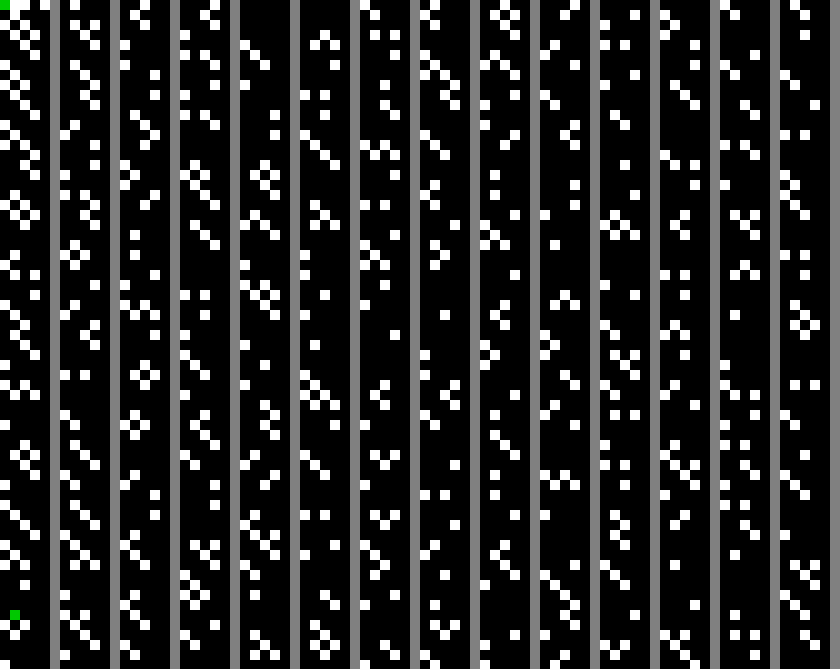
1,043,101 → 43101 (missing 1 and 0) + 03101 (missing 1 and 4) + 04101 (missing 1 and 3) + 04301 + 04311 + 04310 + 13101 + 14101 + 14301 + 14311 + 14310 + 10101 + 10301 + 10311 + 10310 + 10401 + 10411 + 10410 + 10431 + 10430 + 10431 = 1,043,101 (b=5) = 18,526 (b=10)

Reverssum

Here’s a simple sequence. What’s the next number?

1, 2, 4, 8, 16, 68, 100, ?

The rule I’m using is this: Reverse the number, then add the sum of the digits. So 1 doubles till it becomes 16. Then 16 becomes 61 + 6 + 1 = 68. Then 68 becomes 86 + 8 + 6 = 100. Then 100 becomes 001 + 1 = 2. And the sequence falls into a loop.

Reversing the number means that small numbers can get big and big numbers can get small, but the second tendency is stronger for the first few seeds:

• 1 → 2 → 4 → 8 → 16 → 68 → 100 → 2
• 2 → 4 → 8 → 16 → 68 → 100 → 2
• 3 → 6 → 12 → 24 → 48 → 96 → 84 → 60 → 12
• 4 → 8 → 16 → 68 → 100 → 2 → 4
• 5 → 10 → 2 → 4 → 8 → 16 → 68 → 100 → 2
• 6 → 12 → 24 → 48 → 96 → 84 → 60 → 12
• 7 → 14 → 46 → 74 → 58 → 98 → 106 → 608 → 820 → 38 → 94 → 62 → 34 → 50 → 10 → 2 → 4 → 8 → 16 → 68 → 100 → 2
• 8 → 16 → 68 → 100 → 2 → 4 → 8
• 9 → 18 → 90 → 18
• 10 → 2 → 4 → 8 → 16 → 68 → 100 → 2

An 11-seed is a little more interesting:

11 → 13 → 35 → 61 → 23 → 37 → 83 → 49 → 107 → 709 → 923 → 343 → 353 → 364 → 476 → 691 → 212 → 217 → 722 → 238 → 845 → 565 → 581 → 199 → 1010 → 103 → 305 → 511 → 122 → 226 → 632 → 247 → 755 → 574 → 491 → 208 → 812 → 229 → 935 → 556 → 671 → 190 → 101 → 103 (11 leads to an 18-loop from 103 at step 26; total steps = 44)

Now try some higher bases:

• 1 → 2 → 4 → 8 → 15 → 57 → 86 → 80 → 15 (base=11)
• 1 → 2 → 4 → 8 → 14 → 46 → 72 → 34 → 4A → B6 → 84 → 58 → 96 → 80 → 14 (base=12)
• 1 → 2 → 4 → 8 → 13 → 35 → 5B → C8 → A6 → 80 → 13 (base=13)
• 1 → 2 → 4 → 8 → 12 → 24 → 48 → 92 → 36 → 6C → DA → C8 → A4 → 5A → B6 → 80 → 12 (base=14)
• 1 → 2 → 4 → 8 → 11 → 13 → 35 → 5B → C6 → 80 → 11 (base=15)
• 1 → 2 → 4 → 8 → 10 → 2 (base=16)

Does the 1-seed always create a short sequence? No, it gets pretty long in base-19 and base-20:

• 1 → 2 → 4 → 8 → [16] → 1D → DF → [17]3 → 4[18] → 107 → 709 → 914 → 424 → 42E → E35 → 54[17] → [17]5C → C7D → D96 → 6B3 → 3C7 → 7D6 → 6EE → E[16]2 → 2[18]8 → 90B → B1A → A2E → E3[17] → [17]5A → A7B → B90 → AC→ DD → F1 → 2C → C[16] → [18]2 → 40 → 8 (base=19)
• 1 → 2 → 4 → 8 → [16] → 1C → CE → F[18] → 108 → 80A → A16 → 627 → 731 → 13[18] → [18]43 → 363 → 36F → F77 → 794 → 4A7 → 7B5 → 5CA → ADC → CF5 → 5[17]4 → 4[18]B → B[19][17] → [18]1[18] → [18]3F → F5E → E79 → 994 → 4AB → BB9 → 9D2 → 2ED → DFB → B[17]C → C[19]B → C1E → E2[19] → [19]49 → 96B → B7F → F94 → 4B3 → 3C2 → 2D0 → D[17] → [19]3 → 51 → 1B → BD → EF → [17]3 → 4[17] → [18]5 → 71 → 1F → F[17] → [19]7 → 95 → 63 → 3F → [16]1 → 2D → D[17] (base=20)

Then it settles down again:

• 1 → 2 → 4 → 8 → [16] → 1B → BD → EE → [16]0 → 1B (base=21)
• 1 → 2 → 4 → 8 → [16] → 1A → AC → DA → BE → FE → [16]0 → 1A (base=22)
• 1 → 2 → 4 → 8 → [16] → 19 → 9B → C6 → 77 → 7[21] → [22]C → EA → BF → [16]E → [16]0 → 19 (base=23)

Base-33 is also short:

1 → 2 → 4 → 8 → [16] → [32] → 1[31] → [32]0 → 1[31] (base=33)

And so is base-35:

1 → 2 → 4 → 8 → [16] → [32] → 1[29] → [29][31] → [33][19] → [21]F → [16][22] → [23][19] → [20][30] → [32]0 → 1[29] (base=35)

So what about base-34?

1 → 2 → 4 → 8 → [16] → [32] → 1[30] → [30][32] → 10[24] → [24]0[26] → [26]26 → 63[26] → [26]47 → 75[29] → [29]6E → E8A → A9C → CA7 → 7B7 → 7B[32] → [32]C[23] → [23]E[31] → [31][16][23] → [23][18][33] → [33][20][29] → [29][23]D → D[25][26] → [26][27]9 → 9[29][20] → [20][30][33] → [33][33]1 → 21[32] → [32]23 → 341 → 14B → B4[17] → [17]59 → 96E → E74 → 485 → 58[21] → [21]95 → 5A[22] → [22]B8 → 8C[29] → [29]D[23] → [23]F[26] → [26][17][19] → [19][19][20] → [20][21]9 → 9[23]2 → 2[24]9 → 9[25]3 → 3[26]C → C[27]A → A[28][27] → [27][30]7 → 7[32][23] → [24]01 → 11F → F1[18] → [18]2F → F3[19] → [19]4[18] → [18]5[26] → [26]6[33] → [33]8[23] → [23]A[29] → [29]C[17] → [17]E[19] → [19]F[33] → [33][17][18] → [18][19][33] → [33][21][20] → [20][24]5 → 5[26]1 → 1[27]3 → 3[27][32] → [32][28][31] → [31][31][21] → [22]0C → C1[22] → [22]2D → D3[25] → [25]4[20] → [20]66 → 67[18] → [18]83 → 39D → D9[28] → [28]A[29] → [29]C[27] → [27]E[29] → [29][16][29] → [29][19]1 → 1[21]A → A[21][33] → [33][23]6 → 6[25][27] → [27][26][30] → [30][29]8 → 8[31][29] → [29][33]8 → 91[31] → [31]2[16] → [16]4C → C5E → E69 → 979 → 980 → 8[26] → [27]8 → 9[28] → [29]C → E2 → 2[30] → [31]0 → 1[28] → [28][30] → [32][18] → [20]E → F[20] → [21][16] → [17][24] → [25][24] → [26]6 → 7[24] → [25]4 → 5[20] → [20][30] → [32]2 → 3[32] → [33]4 → 62 → 2E → E[18] → [19]C → D[16] → [17]8 → 98 → 8[26] (1 leads to a 30-loop from 8[26] / 298 in base-34 at step 111; total steps = 141)

An alternative rule is to add the digit-sum first and then reverse the result. Now 8 becomes 8 + 8 = 16 and 16 becomes 61. Then 61 becomes 61 + 6 + 1 = 68 and 68 becomes 86. Then 86 becomes 86 + 8 + 6 = 100 and 100 becomes 001 = 1:

• 1 → 2 → 4 → 8 → 61 → 86 → 1
• 2 → 4 → 8 → 61 → 86 → 1 → 2
• 3 → 6 → 21 → 42 → 84 → 69 → 48 → 6
• 4 → 8 → 61 → 86 → 1 → 2 → 4
• 5 → 1 → 2 → 4 → 8 → 62 → 7 → 48 → 6 → 27 → 63 → 27
• 6 → 21 → 42 → 84 → 69 → 48 → 6
• 7 → 41 → 64 → 47 → 85 → 89 → 601 → 806 → 28 → 83 → 49 → 26 → 43 → 5 → 6 → 27 → 63 → 27
• 8 → 61 → 86 → 1 → 2 → 4 → 8
• 9 → 81 → 9
• 10 → 11 → 31 → 53 → 16 → 32 → 73 → 38 → 94 → 701 → 907 → 329 → 343 → 353 → 463 → 674 → 196 → 212 → 712 → 227 → 832 → 548 → 565 → 185 → 991 → 101 → 301 → 503 → 115 → 221 → 622 → 236 → 742 → 557 → 475 → 194→ 802 → 218 → 922 → 539 → 655 → 176 → 91 → 102 → 501 → 705 → 717 → 237 → 942 → 759 → 87 → 208 → 812 → 328 → 143 → 151 → 851 → 568 → 785 → 508 → 125 → 331 → 833 → 748 → 767 → 787 → 908 → 529 → 545 → 955 → 479 → 994 → 6102 → 1116 → 5211 → 225 → 432 → 144 → 351 → 63 → 27 → 63

Words at War

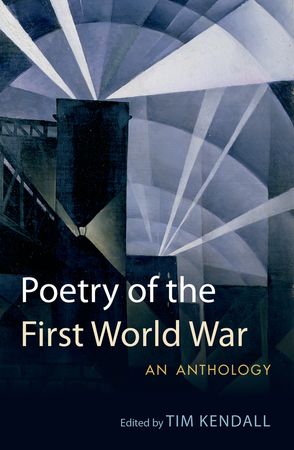
Front cover of Poetry of the First World War edited by Tim KendallPoetry of the First World War: An Anthology, ed. Tim Kendall (Oxford University Press 2013)

J.R.R. Tolkien and C.S. Lewis are famous names today, but both might have died young in the First World War. If so, they would now be long forgotten. Generally speaking, novelists, essayists and scholars take time to mature and need time to create. Poets are different: they can create something of permanent value in a few minutes. This helps explain why nearly half the men chosen for this book did not reach their thirties:

• Rupert Brooke (1887-1915)
• Julian Grenfell (1888-1915)
• Charles Sorley (1895-1915)
• Patrick Shaw Stewart (1888-1917)
• Arthur Graeme West (1891-1917)
• Isaac Rosenberg (1890-1918)
• Wilfred Owen (1893-1918)

And none of them left substantial bodies of work. Indeed, “except for some schoolboy verse”, Patrick Shaw Stewart is known for only one poem, which “was found written on the back flyleaf of his copy of A.E. Housman’s A Shropshire Lad after his death” (pg. 116). It begins like this:

I saw a man this morning
  Who did not wish to die:
I ask and cannot answer,
  If otherwise wish I.

(From I saw a man this morning)

Housman is here too, with Epitaph on an Army of Mercenaries, which Kipling, also here, is said to have called “the finest poem of the First World War” (pg. 14). I don’t agree and I would prefer less Kipling and no Thomas Hardy. That would have left space for something I wish had been included: translations from French and German. The First World War was fought by speakers of Europe’s three major languages and this book makes me realize that I know nothing about war poetry in French and German.

It would be interesting to compare it with the poetry in English. Were traditional forms mingling with modernism in the same way? I assume so. Wilfred Owen looked back to Keats and the assonance of Anglo-Saxon verse:

Our brains ache, in the merciless iced winds that knive us…
Wearied we keep awake because the night is silent…
Low, drooping flares confuse our memory of the salient…
Worried by silence, sentries whisper, curious, nervous,
  But nothing happens. (Exposure)

David Jones (1895-1974) looked forward:

   You can hear the silence of it:
You can hear the rat of no-man’s-land
rut-out intricacies,
weasel-out his patient workings,
scrut, scrut, sscrut,
harrow-out earthly, trowel his cunning paw;
redeem the time of our uncharity, to sap his own amphibi-
ous paradise.
   You can hear his carrying-parties rustle our corruptions
through the night-weeds – contest the choicest morsels in his
tiny conduits, bead-eyed feast on us; by a rule of his nature,
at night-feast on the broken of us. (In Parenthesis)

But is there Gerard Manley Hopkins in that? And in fact In Parenthesis was begun “in 1927 or 1928” and published in 1937. T.S. Eliot called it “a work of genius” (pg. 200). I’d prefer to disagree, but I can’t: you can feel the power in the extract given here. Isaac Rosenberg had a briefer life and left briefer work, but was someone else who could work magic with words:

A worm fed on the heart of Corinth,
Babylon and Rome.
Not Paris raped tall Helen,
But this incestuous worm
Who lured her vivid beauty
To his amorphous sleep.
England! famous as Helen
Is thy betrothal sung.
To him the shadowless,
More amorous than Solomon.

A beautiful poem about an ugly thing: death. A mysterious poem too. And a sardonic one. Rosenberg says much with little and I think he was a much better poet than the more famous Siegfried Sassoon and Robert Graves. They survived the war and wrote more during it, which helps explain their greater fame. But the flawed poetry of Graves was sometimes appropriate to its ugly theme:

To-day I found in Mametz Wood
A certain cure for lust of blood:

Where, propped against a shattered trunk,
  In a great mess of things unclean,
Sat a dead Boche; he scowled and stunk
  With clothes and face a sodden green,
Big-bellied, spectacled, crop-haired,
Dribbling black blood from nose and beard.

A poem like that is a cure for romanticism, but that’s part of what makes Wilfred Owen a better and more interesting poet than Graves. Owen’s romanticism wasn’t cured: there’s conflict in his poems about conflict:

I saw his round mouth’s crimson deepen as it fell,
  Like a sun, in his last deep hour;
Watched the magnificent recession of farewell,
  Clouding, half gleam, half glower,
And a last splendour burn the heavens of his cheek.
  And in his eyes
The cold stars lighting, very old and bleak,
  In different skies.

But how good is Owen’s work? He was a Kurt Cobain of his day: good-looking, tormented and dying young. You can’t escape the knowledge of early death when you read the poetry of one or listen to the music of other. That interferes with objective appraisal. But the flaws in Owen’s poetry add to its power, increasing the sense of someone writing against time and struggling for greatness in a bad place. The First World War destroyed a lot of poets and perhaps helped destroy poetry too, raising questions about tradition that some answered with nihilism. As Owen asks in Futility:

Was it for this the clay grew tall?
—O what made fatuous sun-beams toil
To break earth’s sleep at all?

Some of the poets here were happy to go to war, but it wasn’t the Homeric adventure anticipated by Patrick Shaw Stewart. He learnt that high explosive is impersonal, bullets kill at great distance and machines don’t need rest. Poetry of the First World War is about a confrontation: between flesh and metal, brains and machinery. It’s an interesting anthology that deserves much more time than I have devoted to it. The notes aren’t intrusive, the biographies are brief but illuminating, and although Tim Kendall is a Professor of English Literature he has let his profession down by writing clear prose and eschewing jargon. He’s also included some “Music-Hall and Trench Songs” and they speak for the ordinary and sometimes illiterate soldier. The First World War may be the most important war in European history and this is a good introduction to some of the words it inspired.