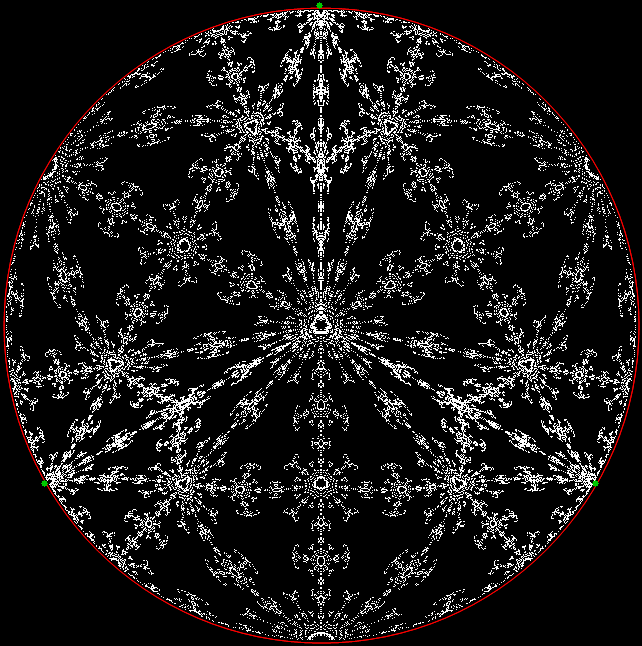
Pirouetting the Perimeter

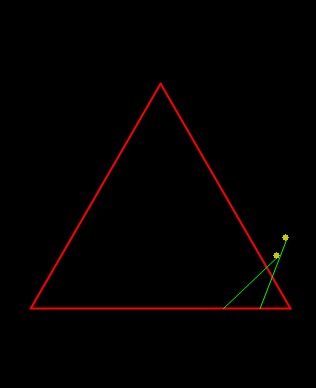
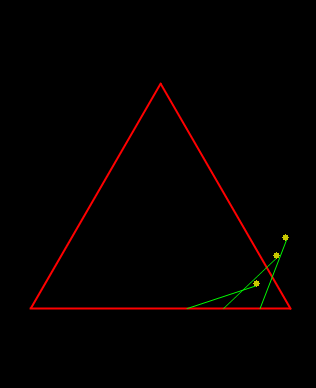
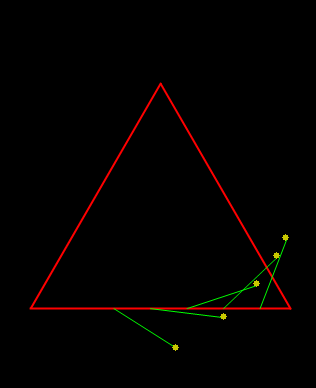
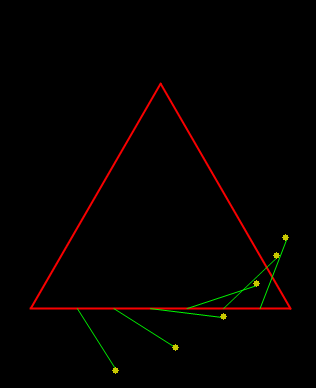
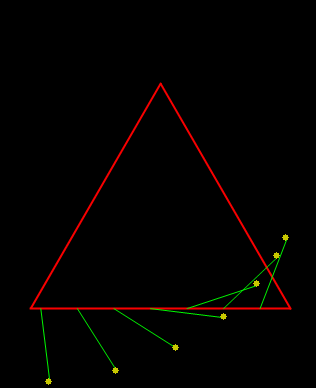
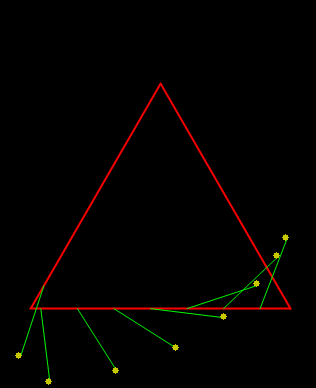
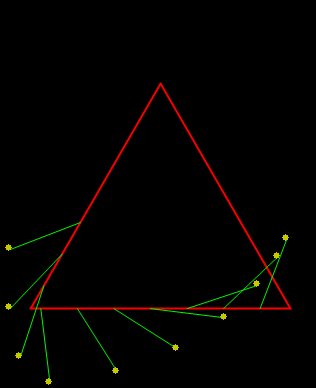
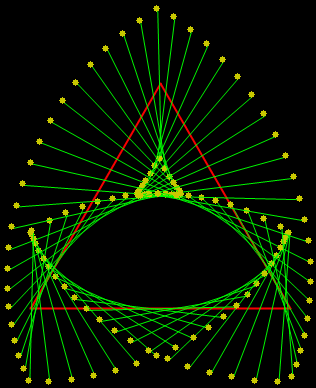
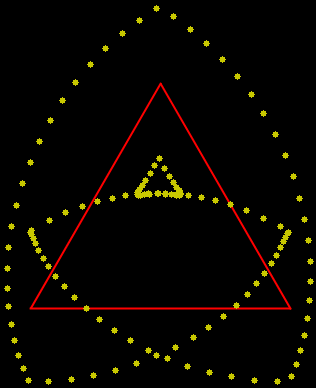
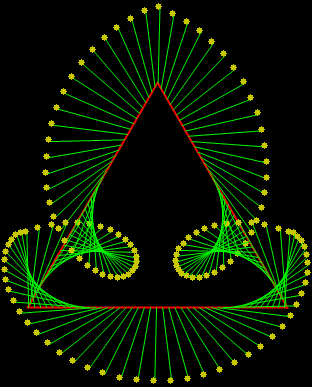
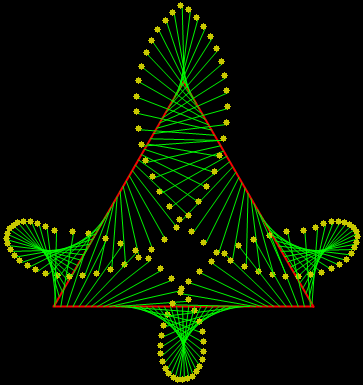
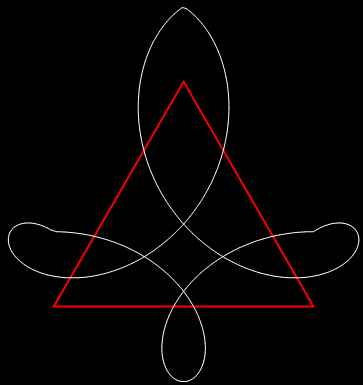
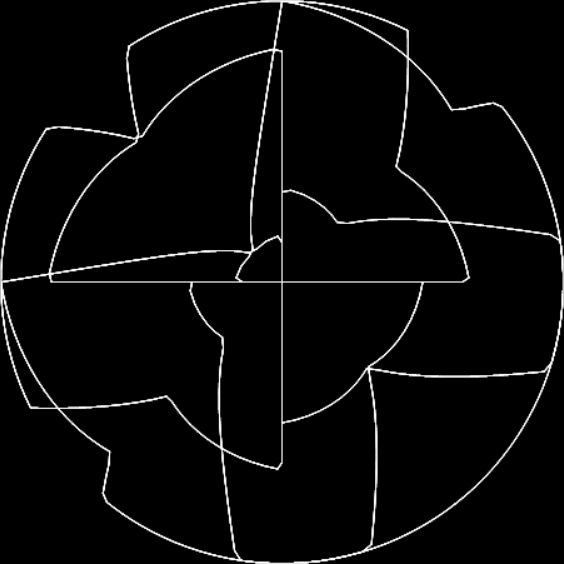
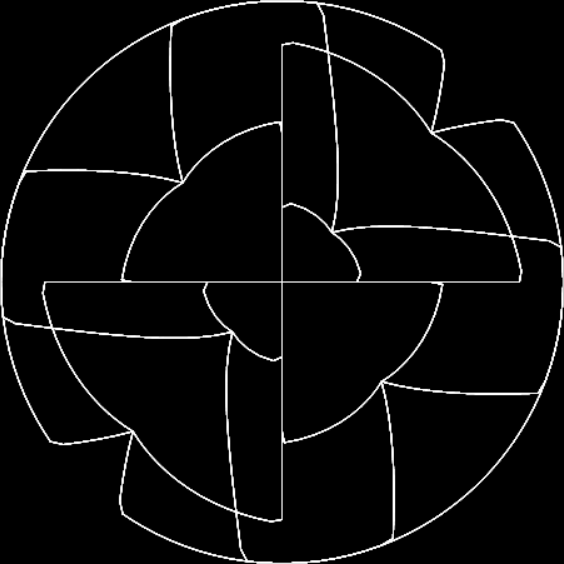
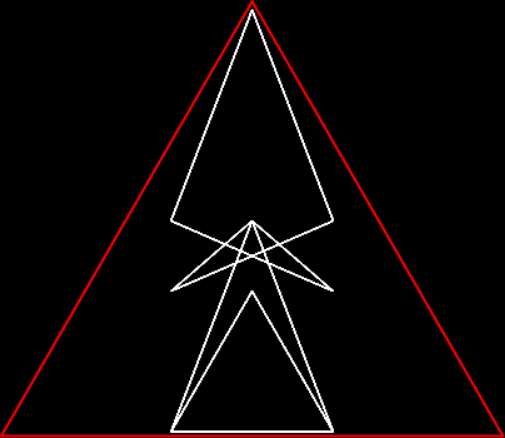
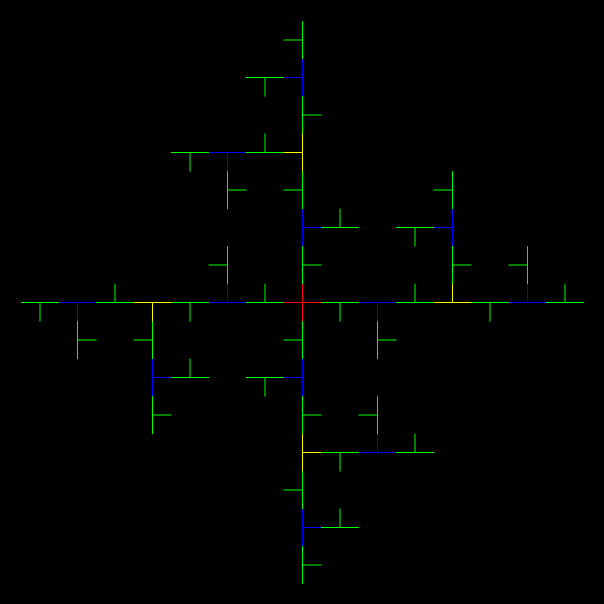
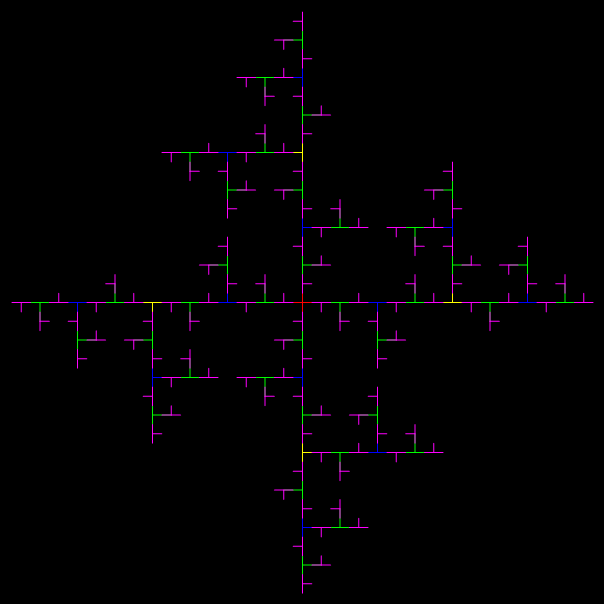
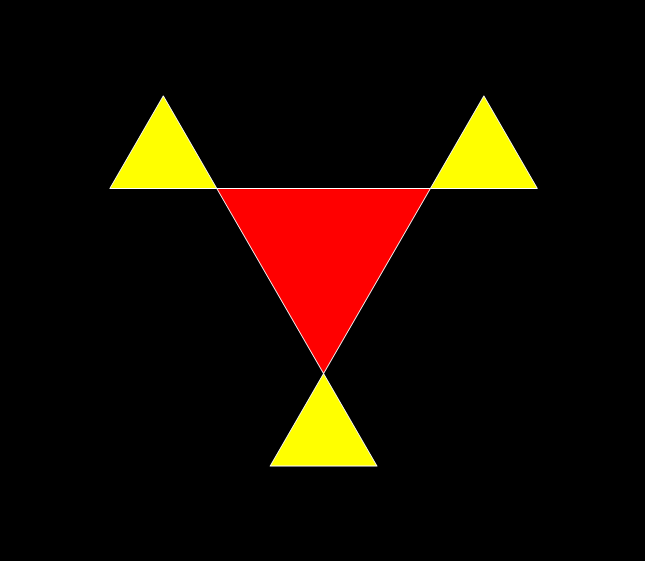
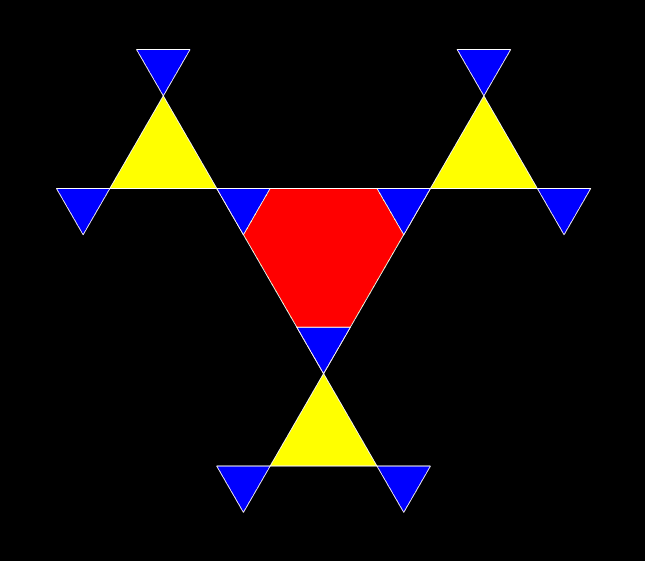
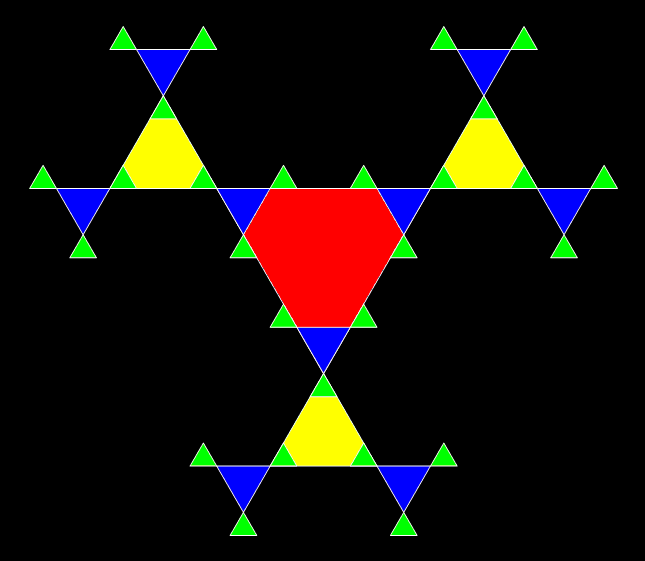
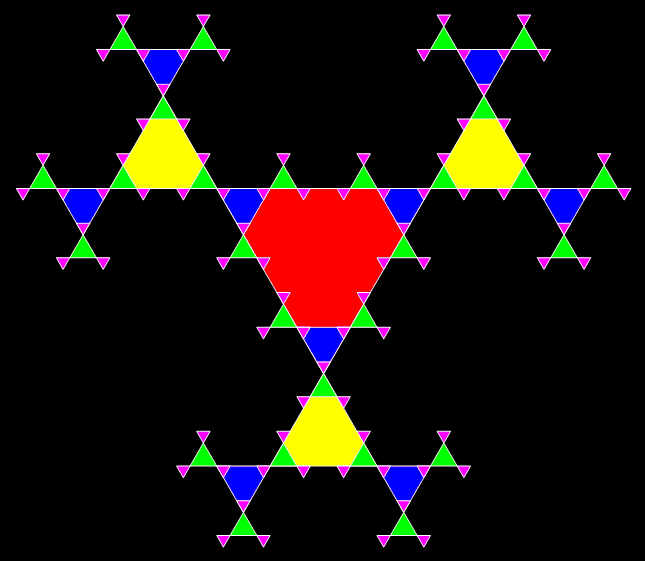
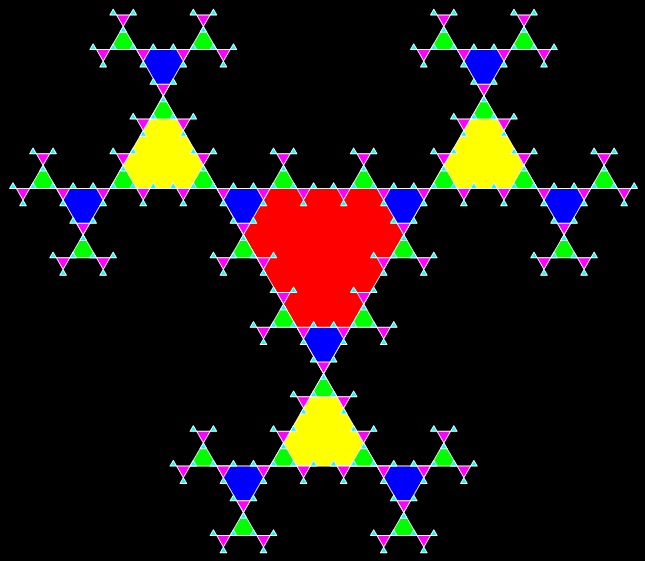
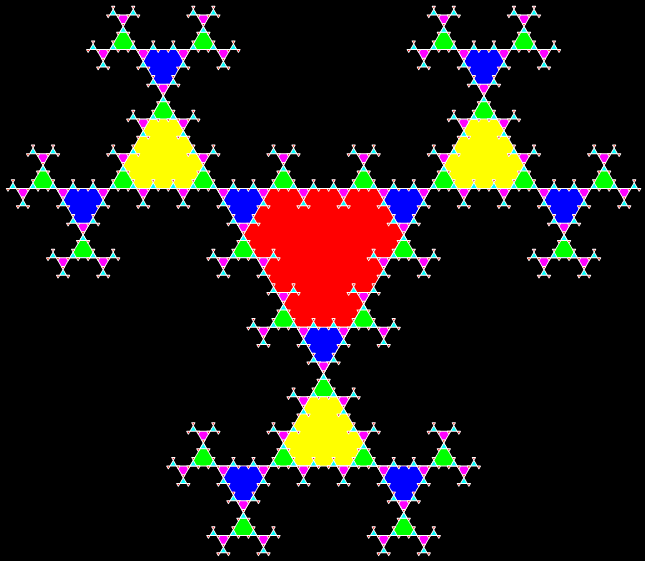
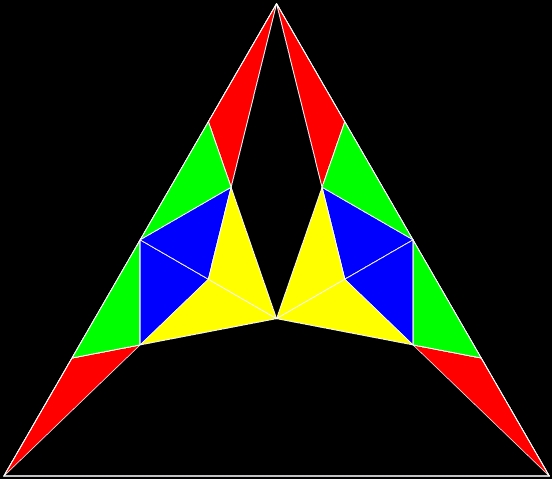
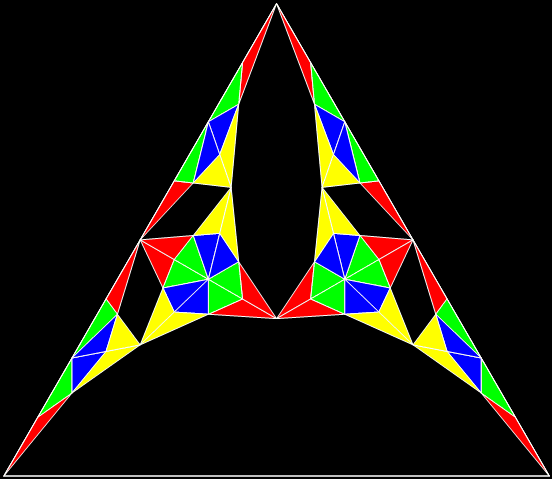
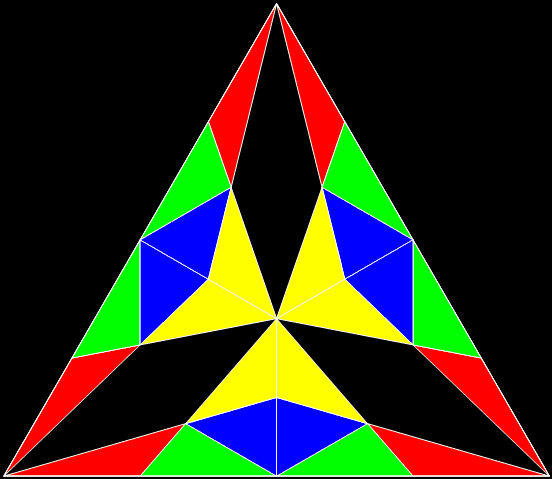
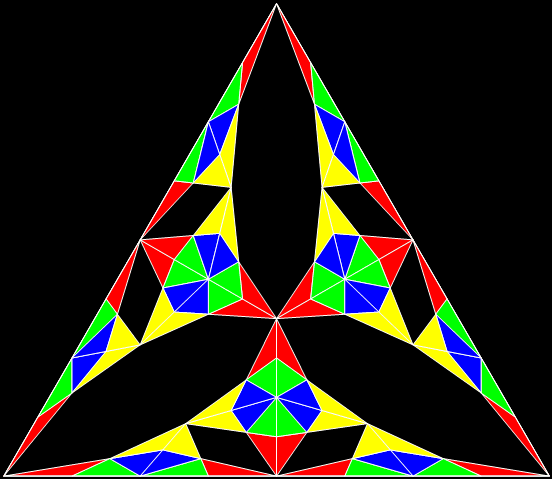
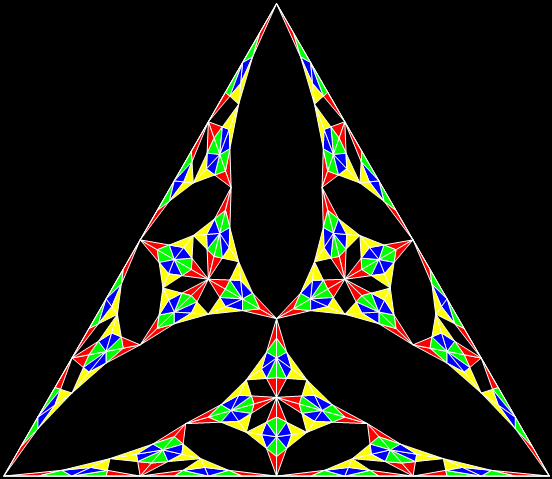
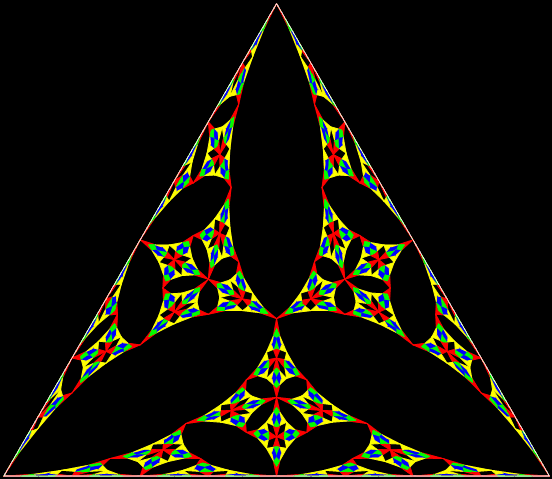
Imagine a ballerina pirouetting on the perimeter of an equilateral triangle. Suppose that her armlength is half the radius of the circumscribed circle. If her right arm is represented in green and her right hand in yellow, this is one path that her right hand might trace, depending on the relative speeds of her feet and her pirouettes:

The perimeter of an equilateral triangle


A ballerina pirouetting on the perimeter stage #1


Perimeter pirouette #2


Perimeter pirouette #3


Perimeter pirouette #4


Perimeter pirouette #5


Perimeter pirouette #6


Perimeter pirouette #7


Perimeter pirouette #8


Perimeter pirouette #9


Perimeter pirouette #10

[…]

[…]

Perimeter pirouette #128


Perimeter pirouettes (animated)


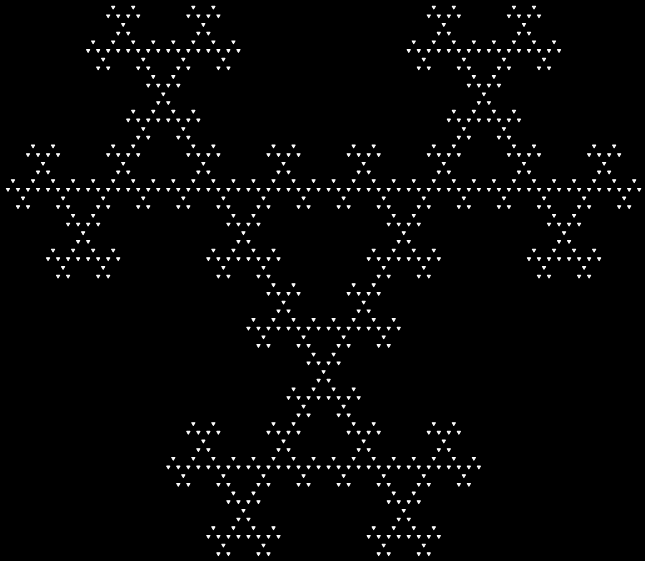
The right hand of the ballerina during the pirouettes

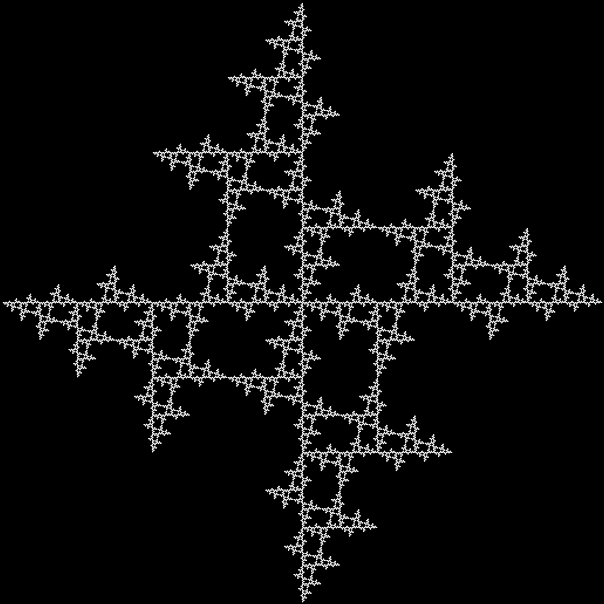
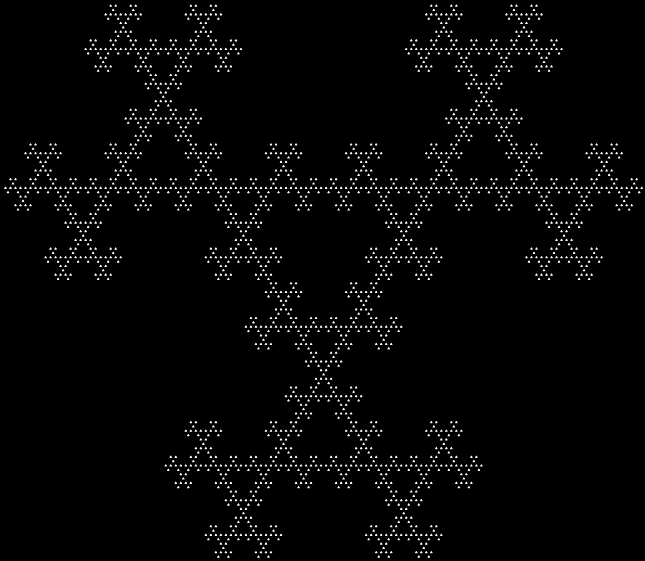
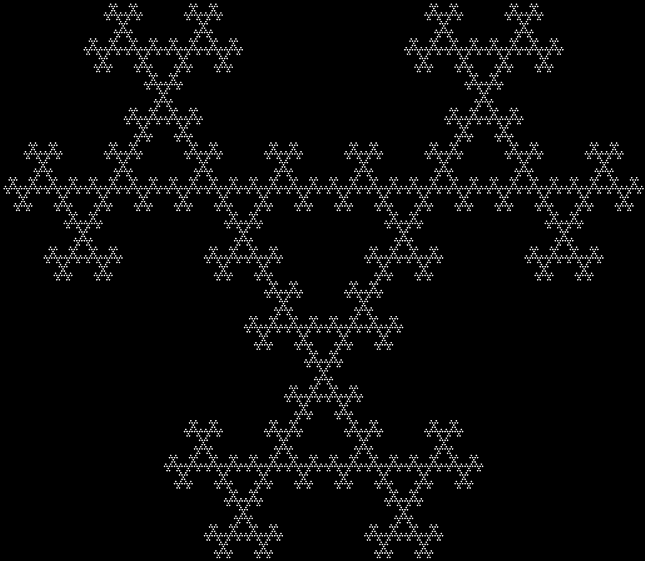
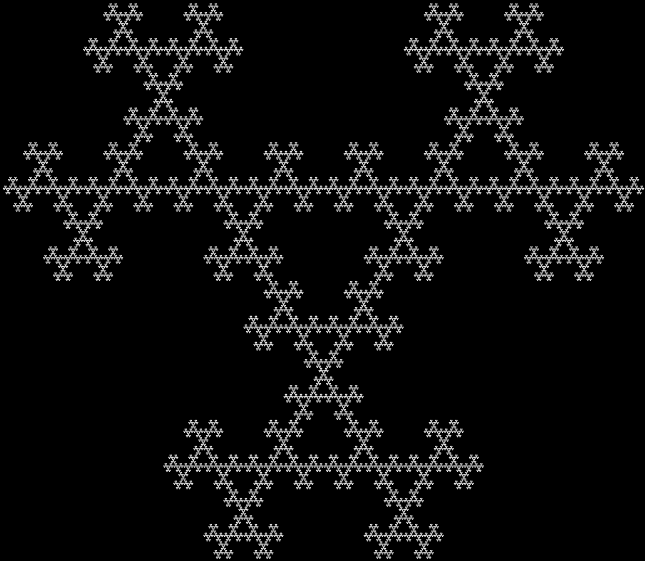
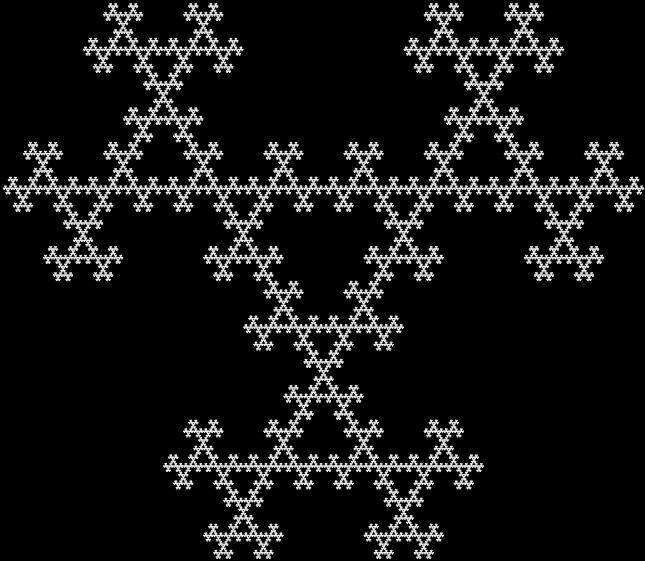
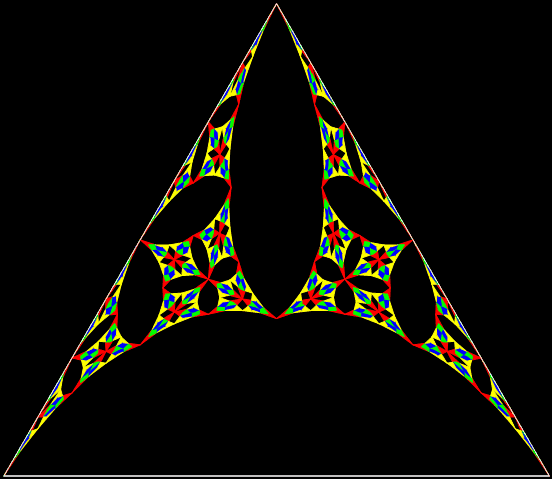
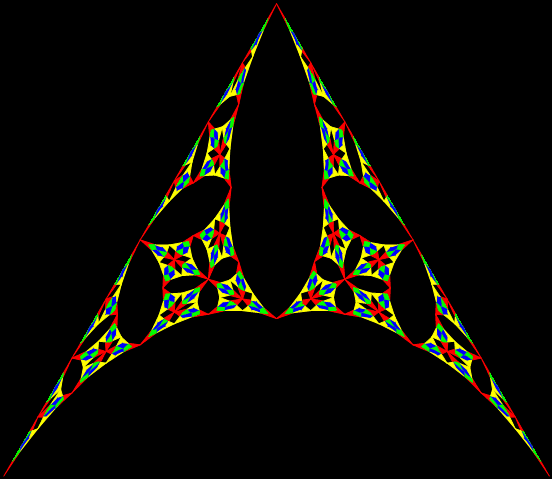
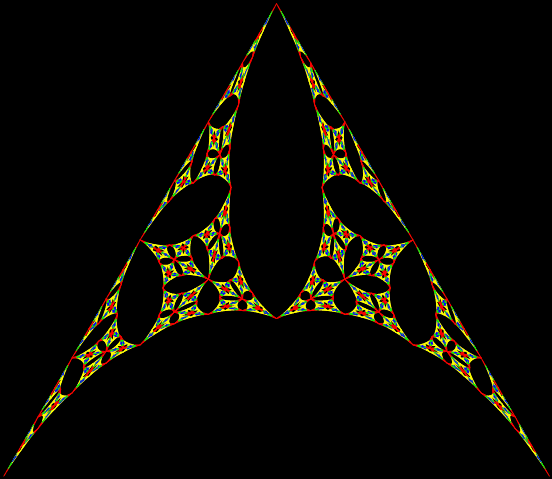
The full path traced by the ballerina’s right hand


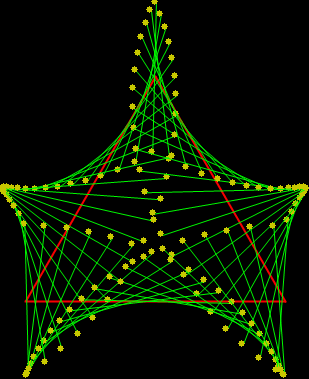
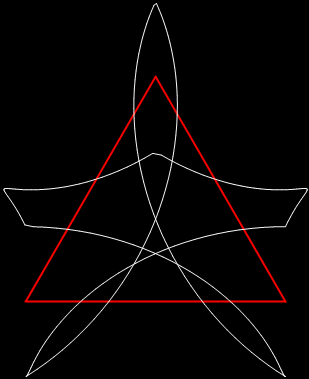
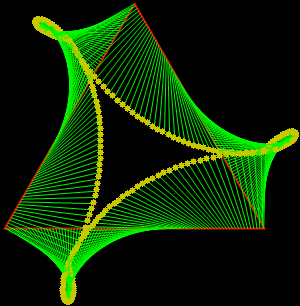
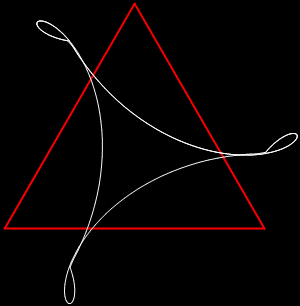
The paths change as you adjust speed and direction (clockwise or anticlockwise) of the pirouettes, the armlength of the ballerina, and so on:

speed = 0.5 (pirouettes)

speed = 0.5 (path)


speed = -1 (anticlockwise pirouettes)

speed = -1 (path)


speed = 1, armlength = 1/3 (pirouettes)

speed = 1, armlength = 1/3 (path)


speed = -0.5 (pirouettes)

speed = -0.5 (path)


speed = -0.75 (pirouettes)

speed = -0.75 (path)


And what about the paths produced by pirouettes on the perimeters of other polygons? Watch this space.

Tright Sights

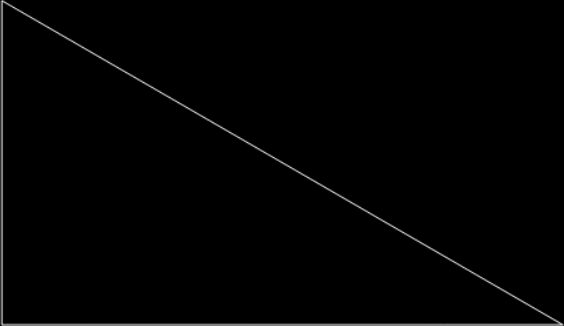
Here’s a right triangle, where a^2 + b^2 = c^2. But what are the exact values of a, b, and c?


You might be able to guess by eye, but could you prove your guess? Now try the same right triangle tiled with three identical copies of itself:

1-√3-2 triangle as rep3 rep-tile


Now you can prove the exact values of a, b, and c. If the vertical side, a, is 1, then the hypotenuse, c, is 2, because the length that fits once into a fits twice into c. Therefore 2^2 = 1^2 + b^2 → 4 = 1 + b^2 → 4-1 = b^2 → 3 = b^2 → √3 = b. The horizontal side, b, has a length of √3 = 1.73205080757… So the right triangle is 1-√3-2. And if it’s rep3, that is, can be divided into three identical copies of itself, then it’s also rep9, rep27, and so on:

1-√3-2 triangle as rep9 rep-tile


1-√3-2 triangle as rep27 rep-tile


1-√3-2 triangle as rep81 rep-tile


1-√3-2 triangle as rep243 rep-tile


1-√3-2 triangle as rep729 rep-tile


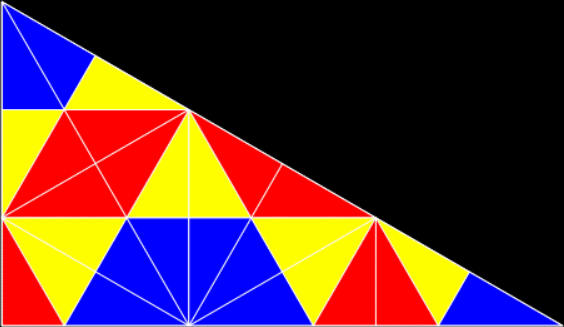
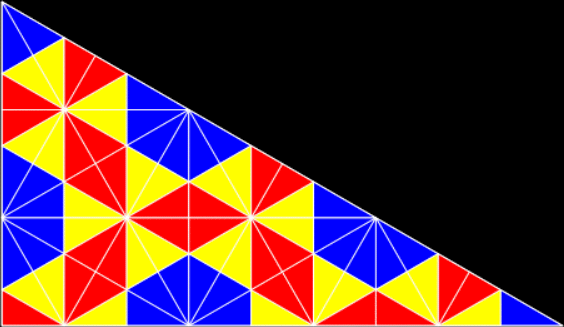
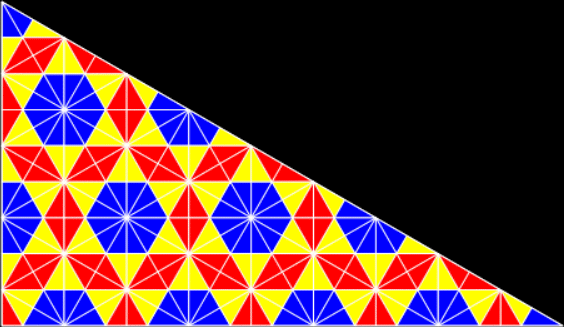
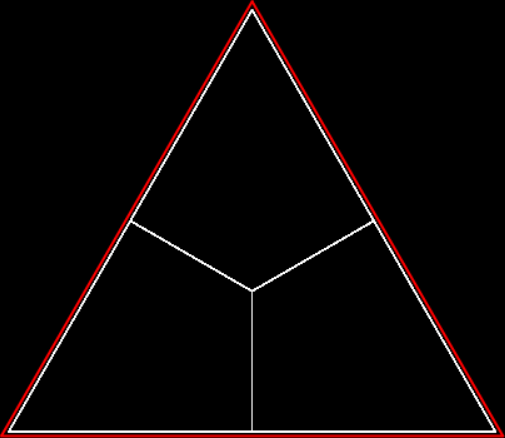
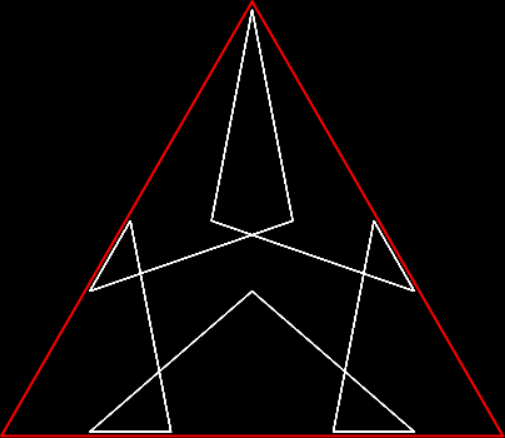
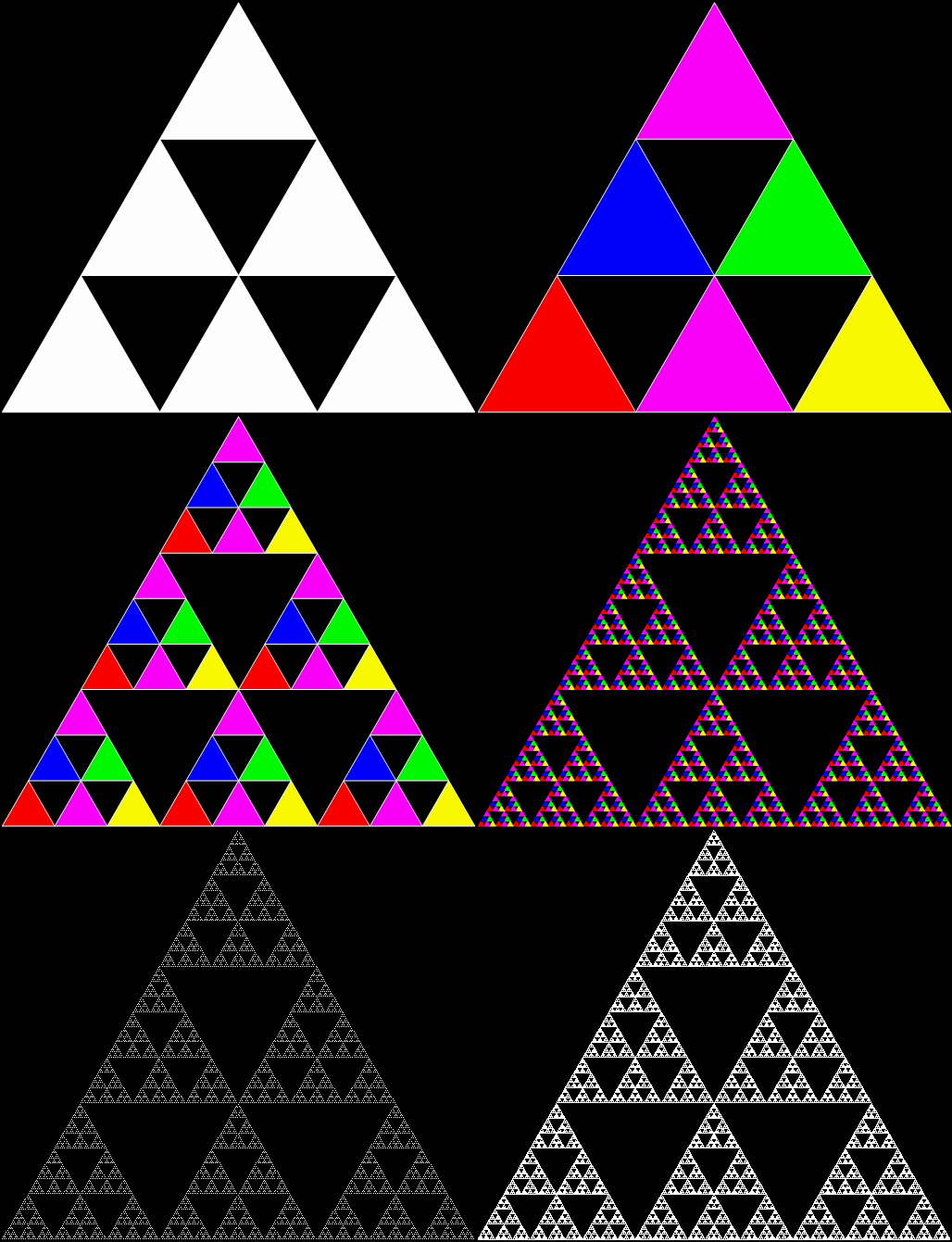
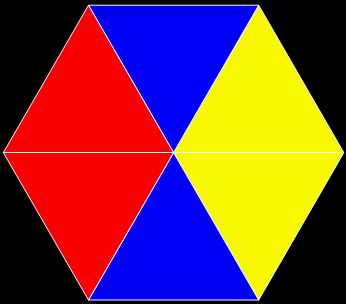
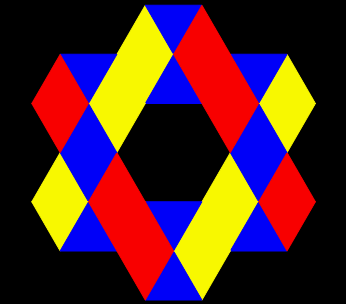
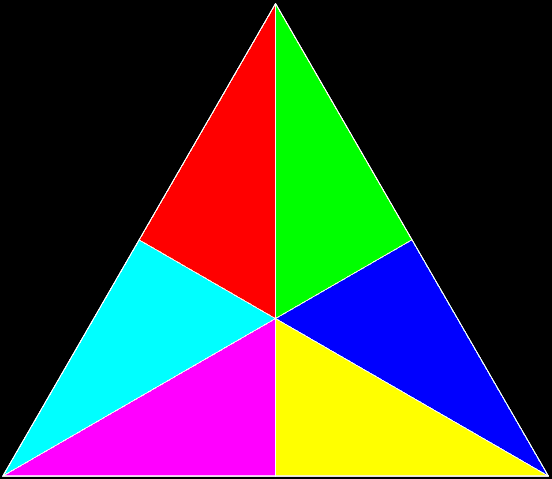
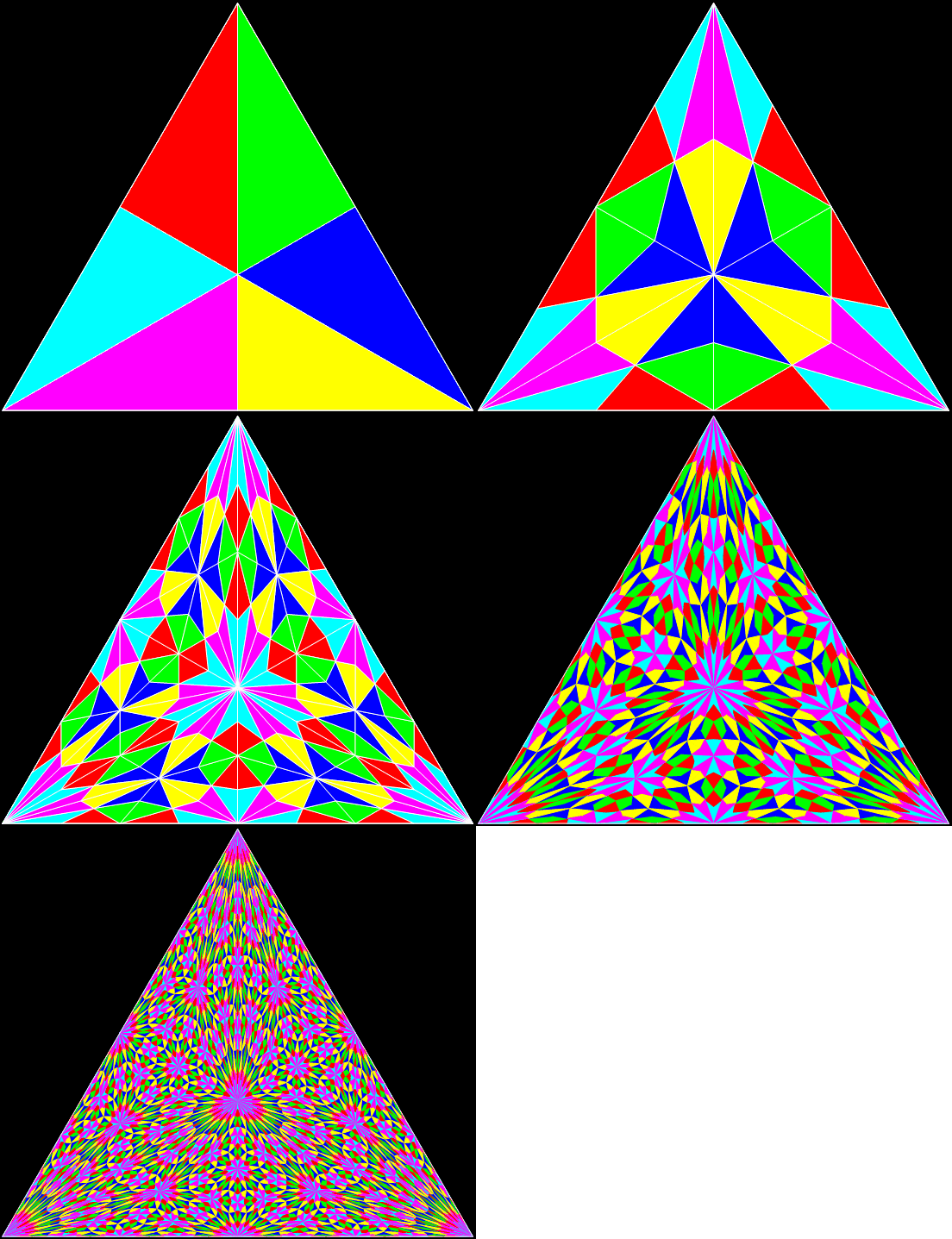
Once you’ve got a rep-tile, you can create fractals. But the 1-√3-2 triangle is cramped. You need more space to work with. And it’s easy to find that space when you realize that a standard equilateral triangle can be divided into six 1-√3-2 triangles:

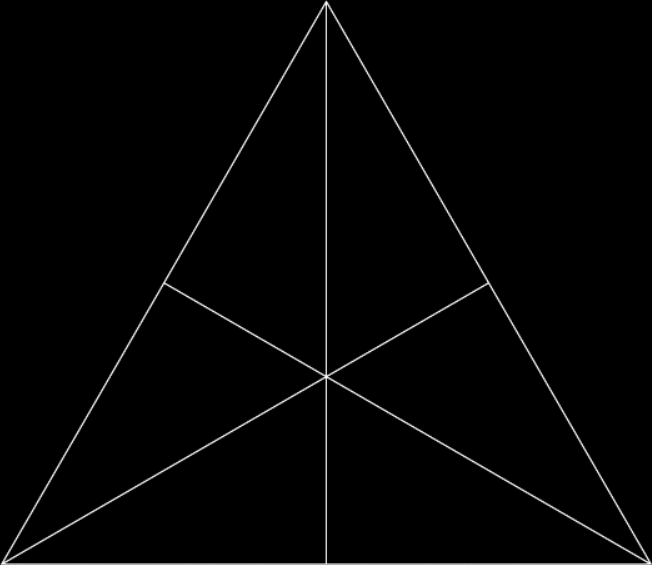
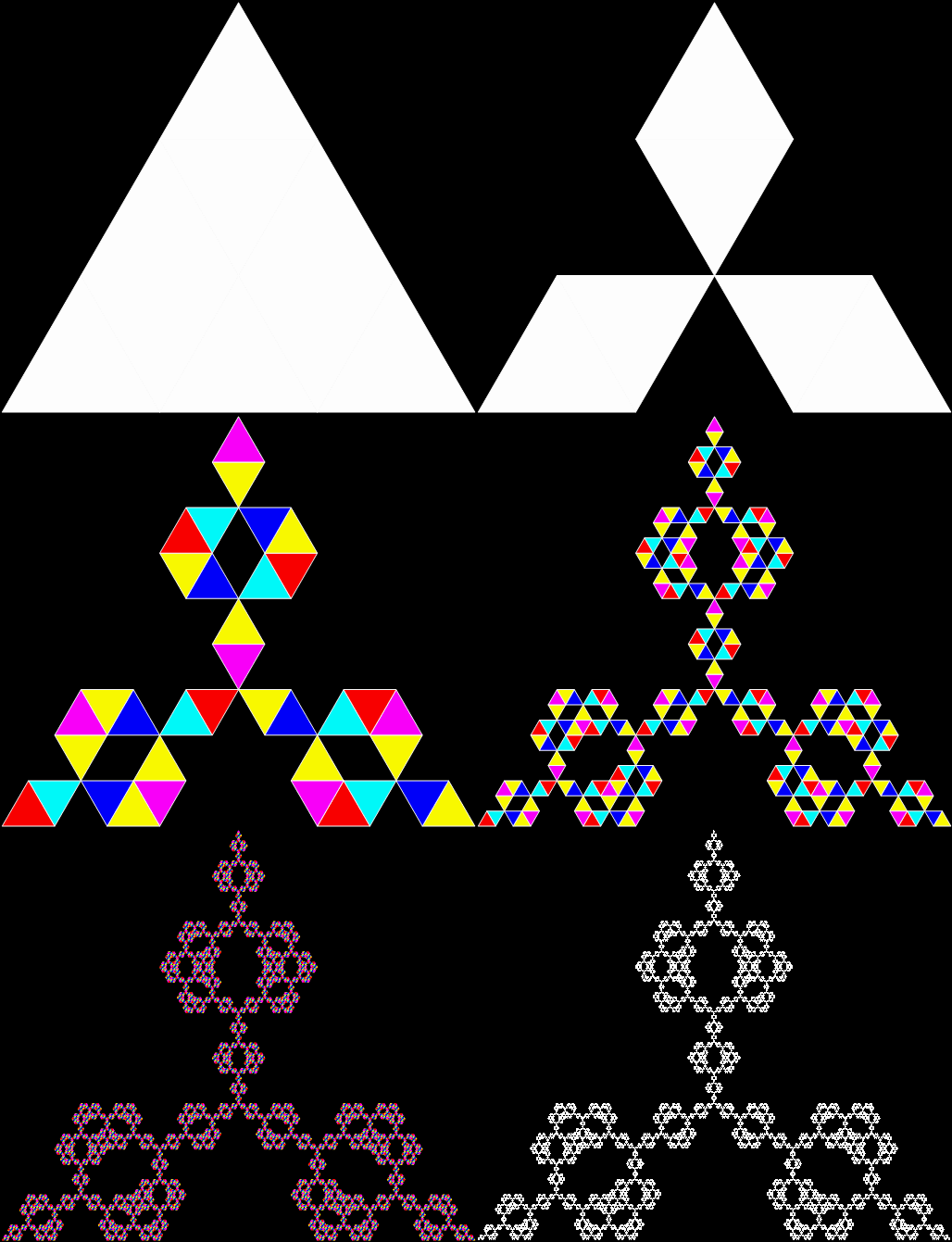
Equilateral triangle divided into six 1-√3-2 triangles


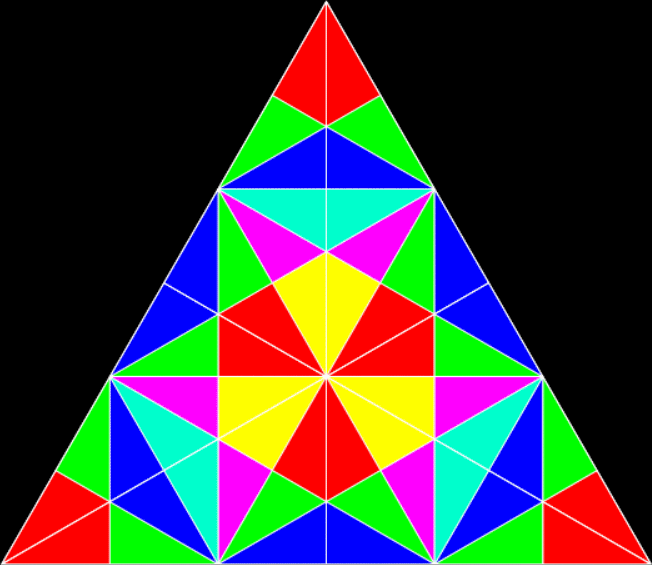
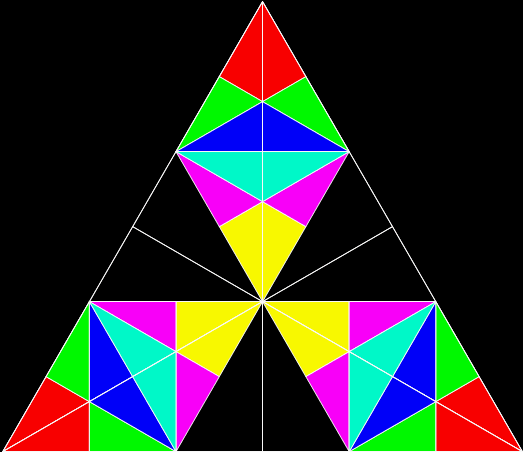
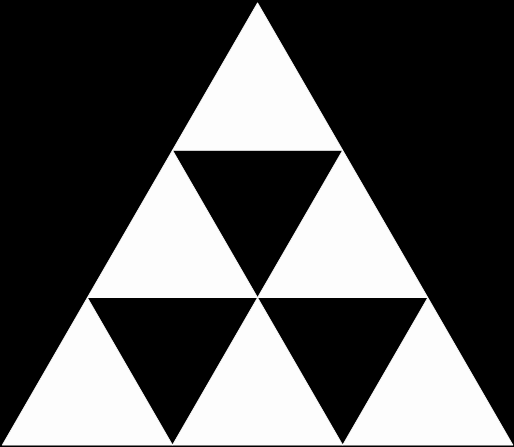
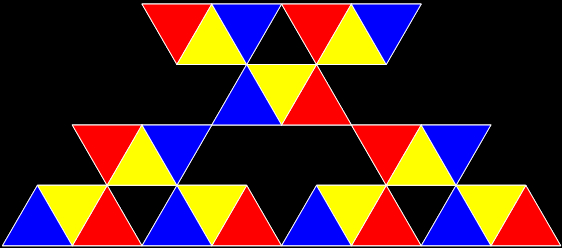
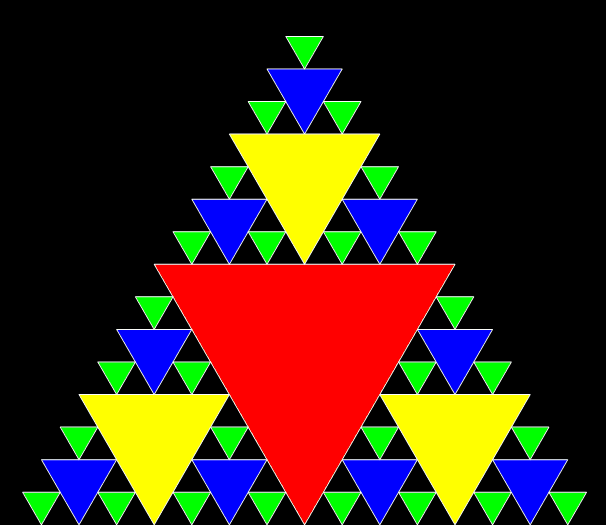
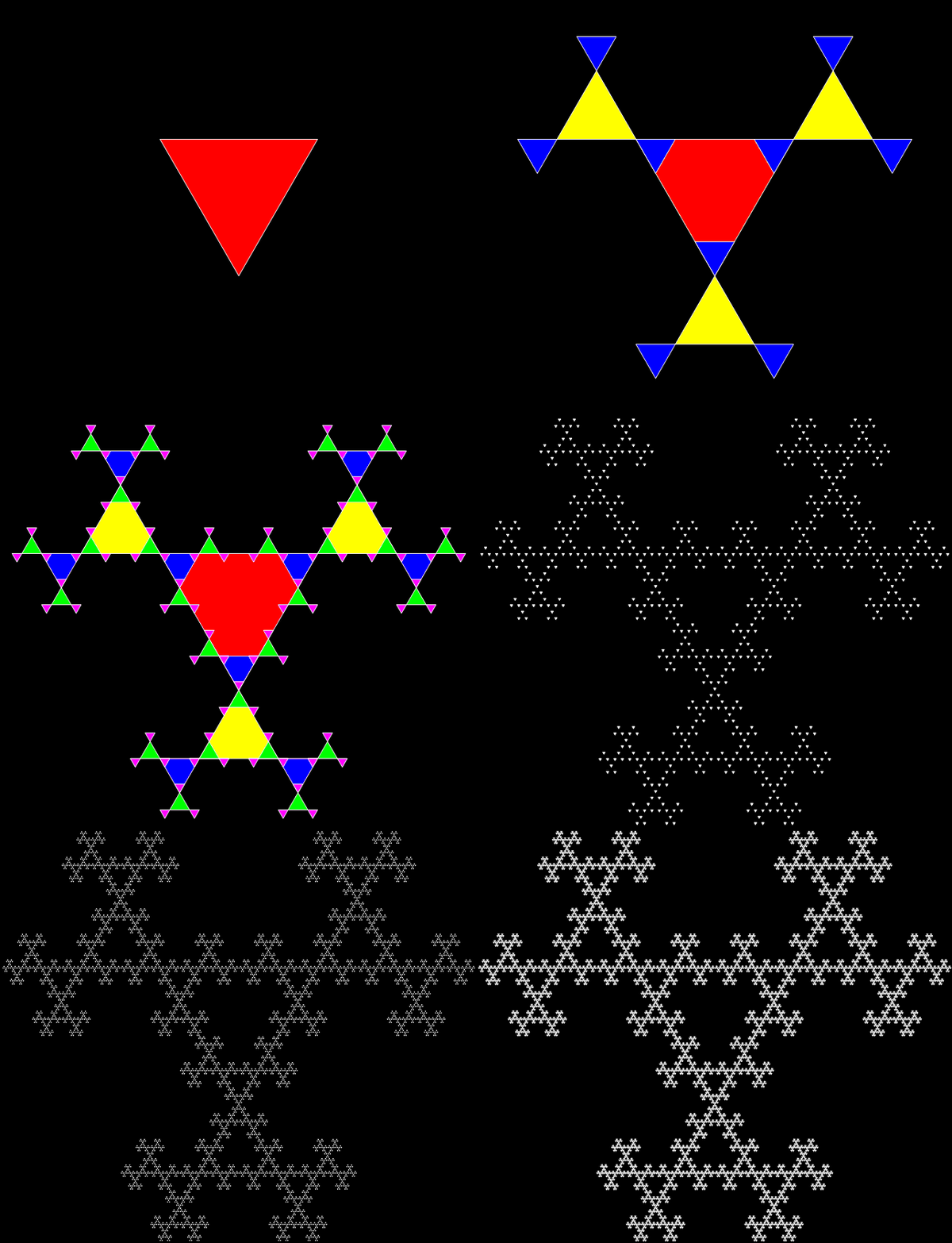
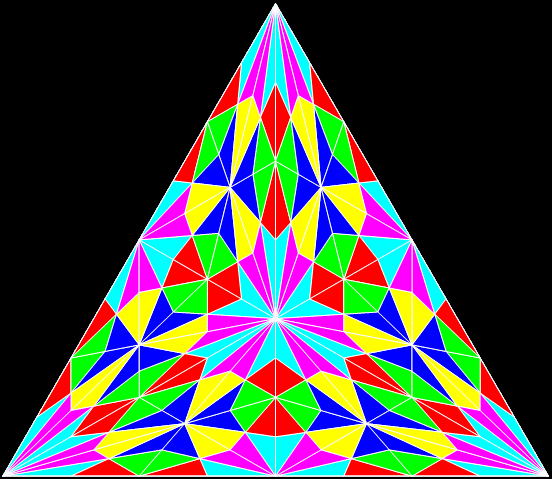
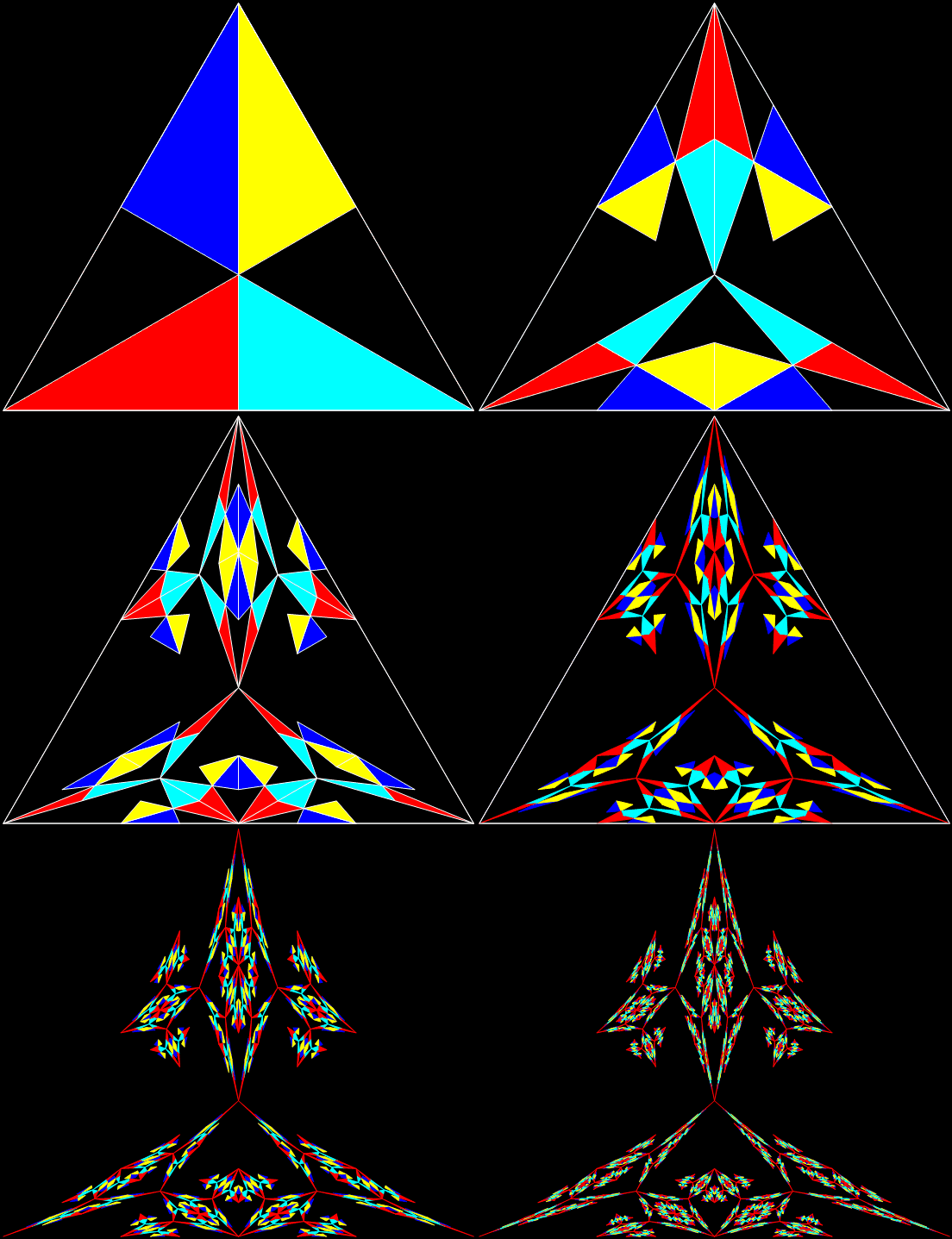
Equilateral triangle tiled with 1-√3-2 triangles (stage 1)

(please open in new window if image is distorted)


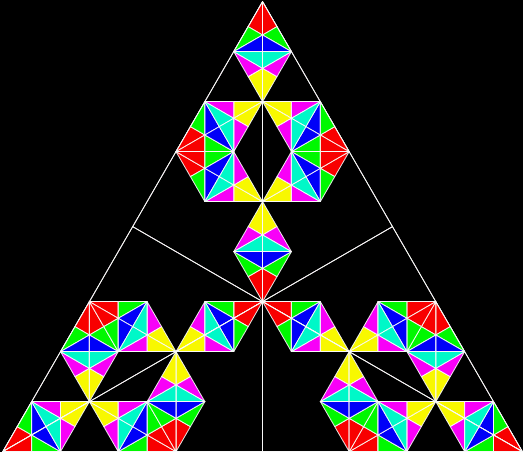
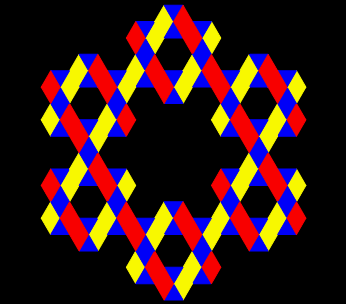
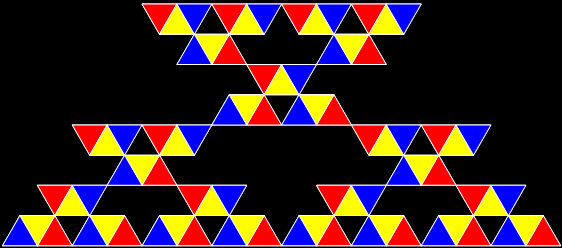
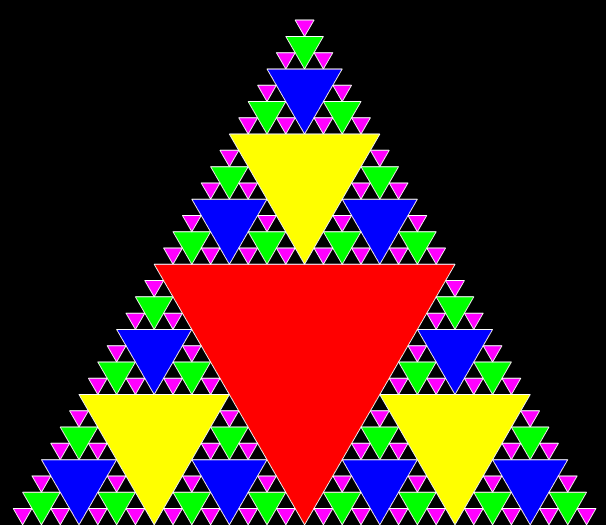
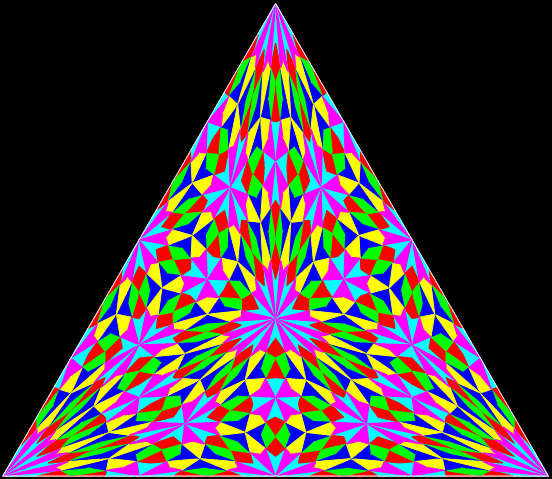
Equilateral triangle tiled with 1-√3-2 triangles (stage 2)


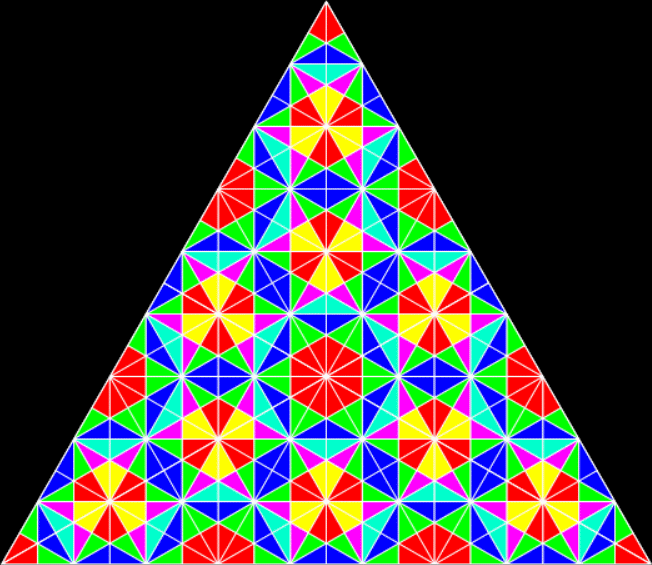
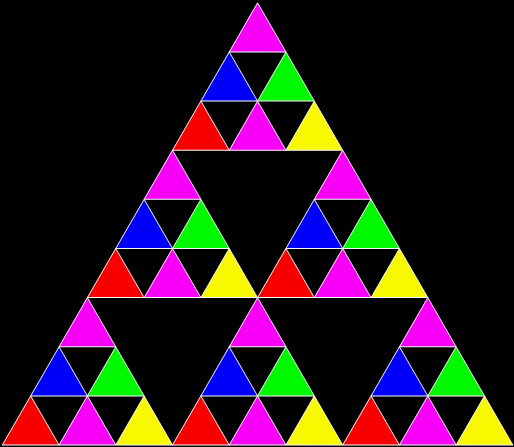
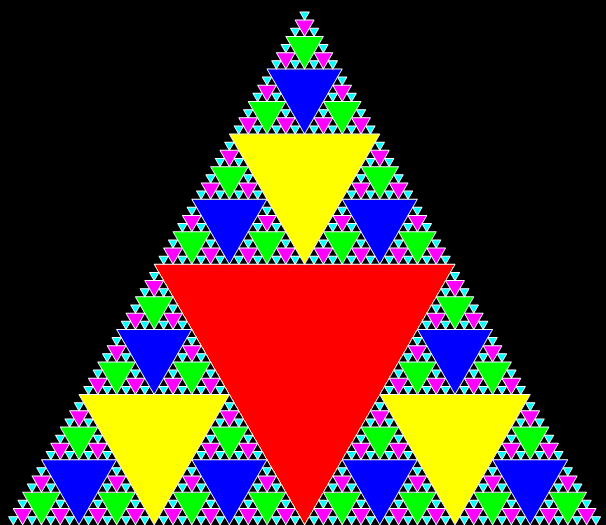
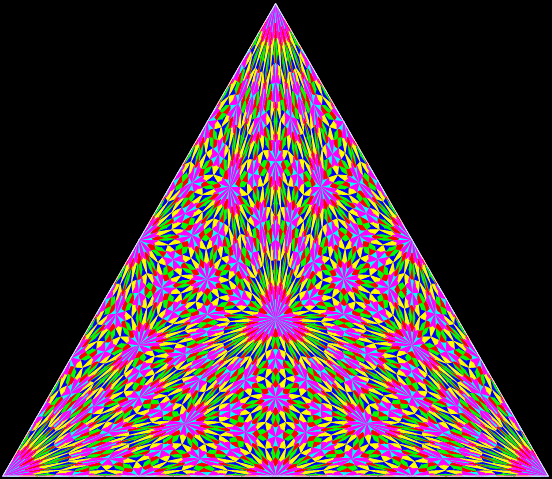
Equilateral triangle tiled with 1-√3-2 triangles (stage 3)


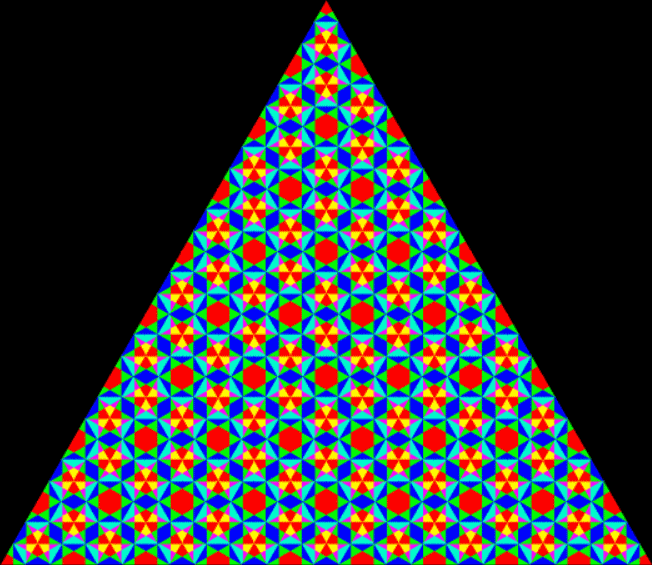
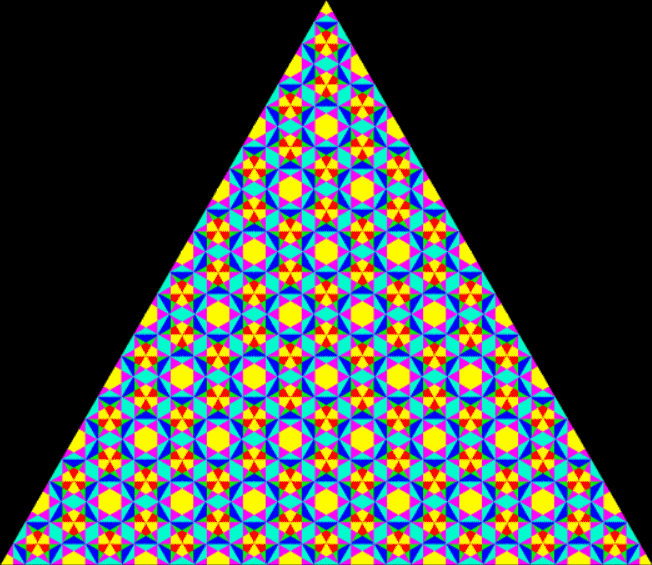
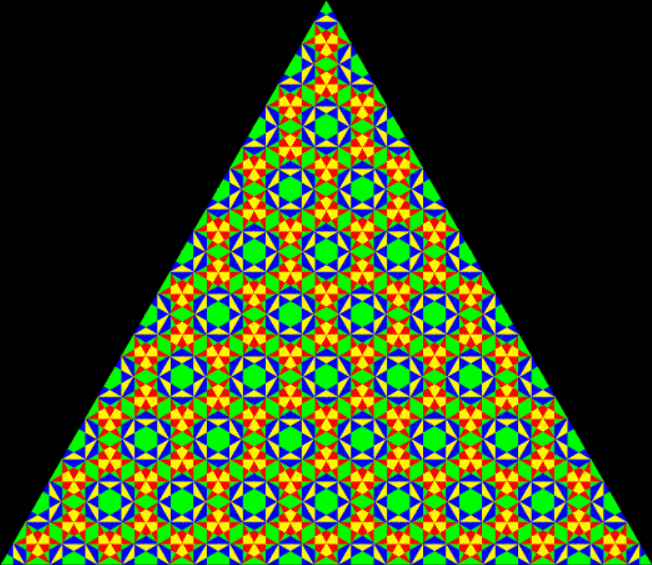
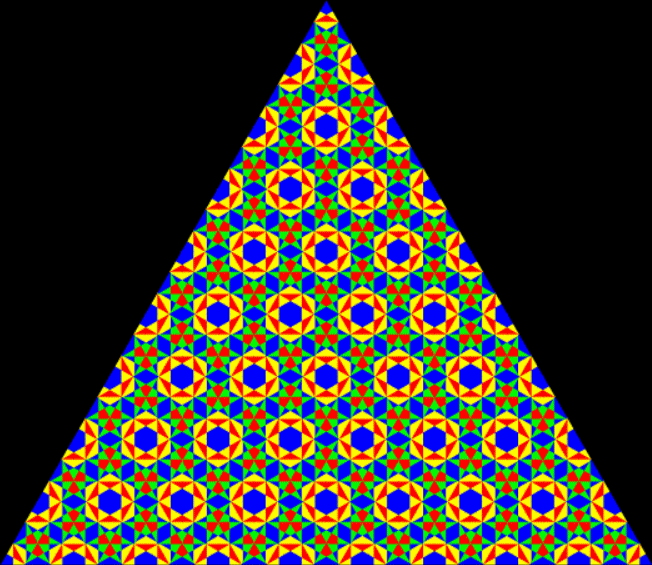
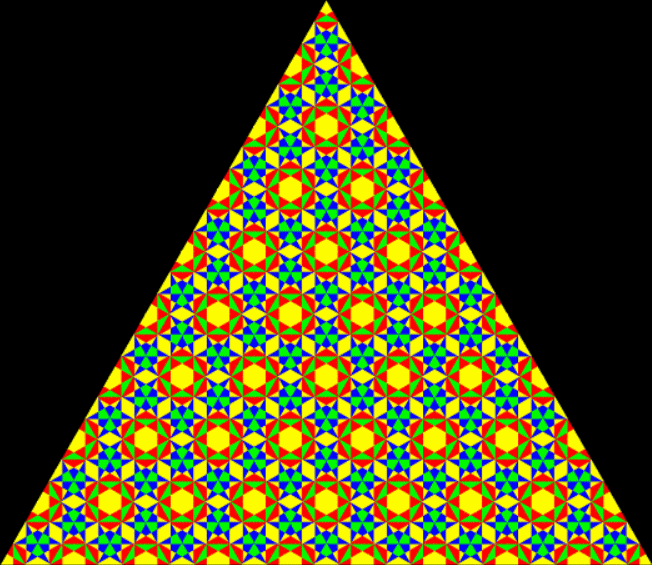
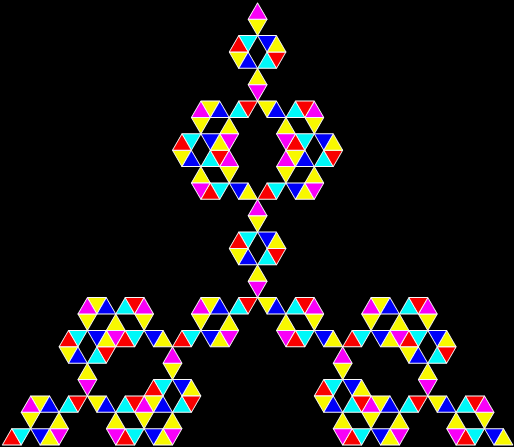
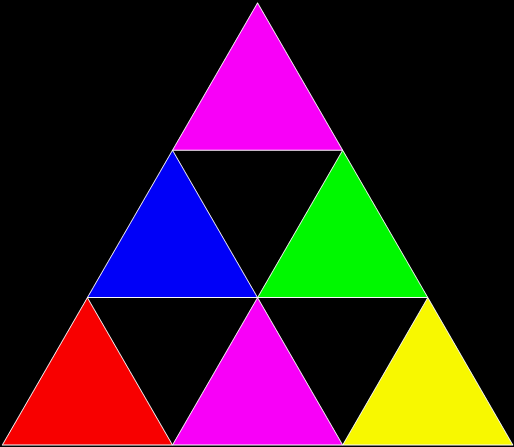
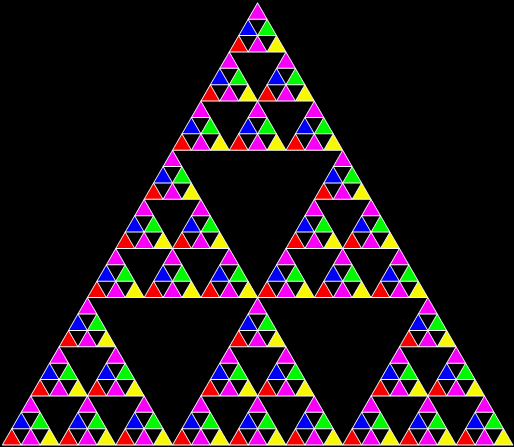
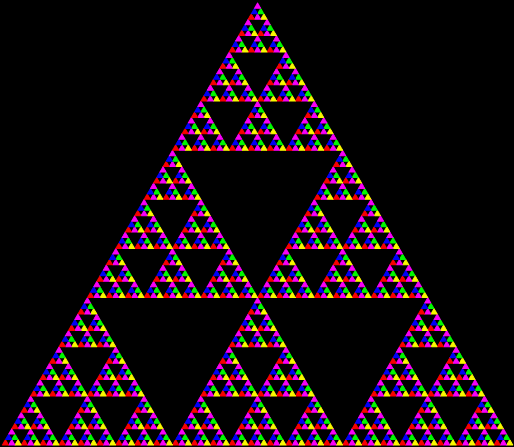
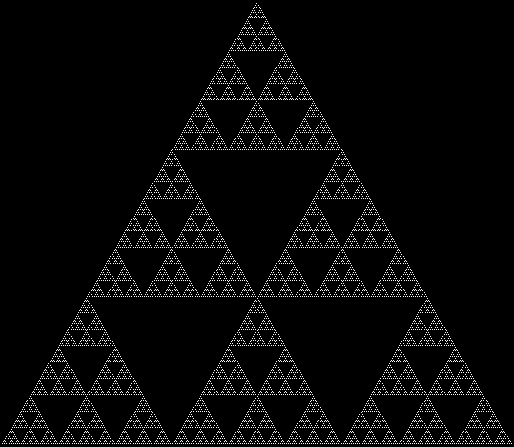
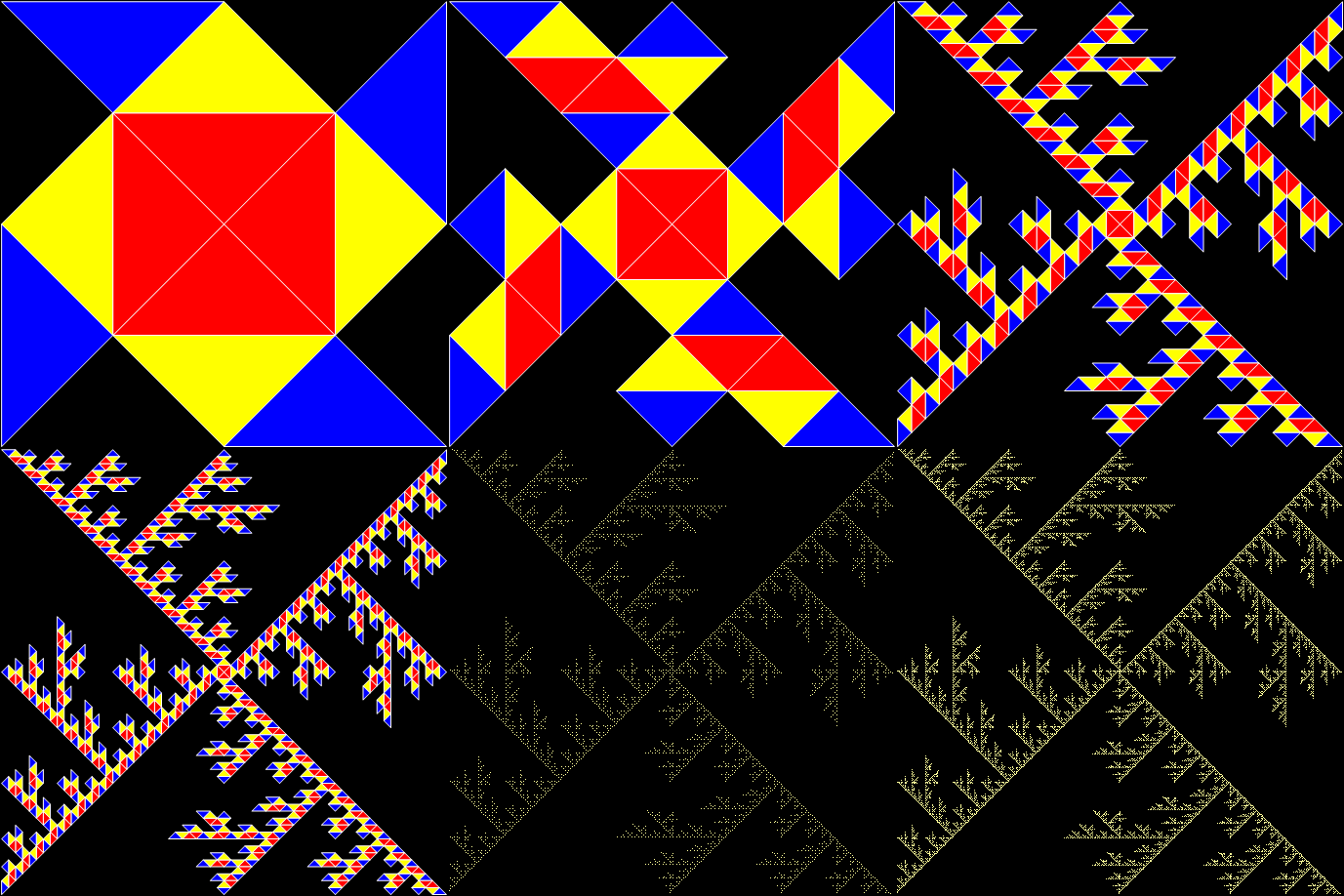
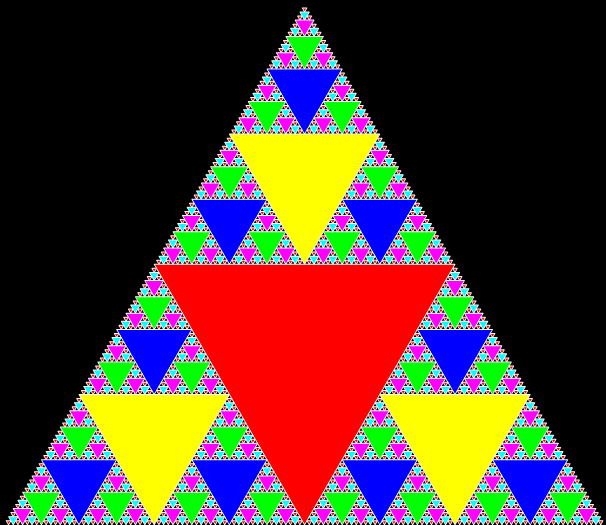
Here are variant colorings of the stage-3 tiled triangle:


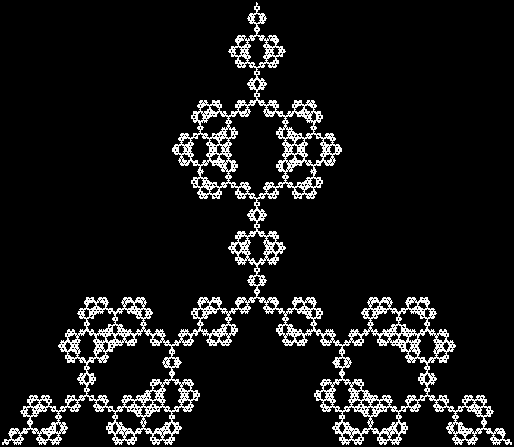
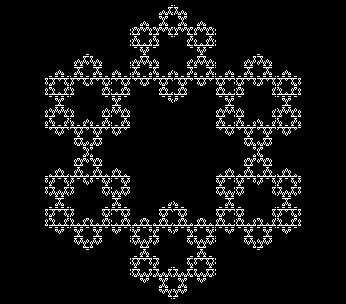
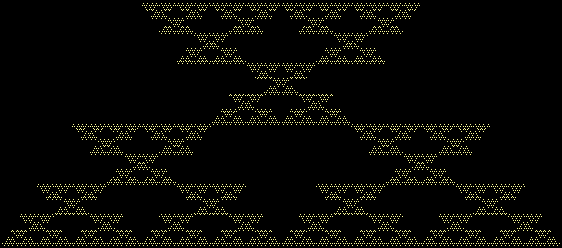
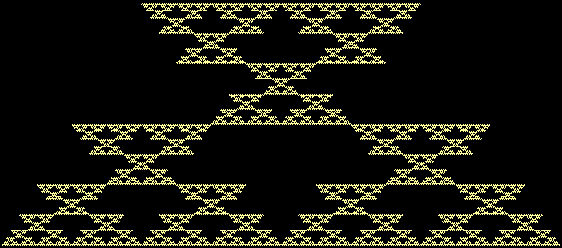
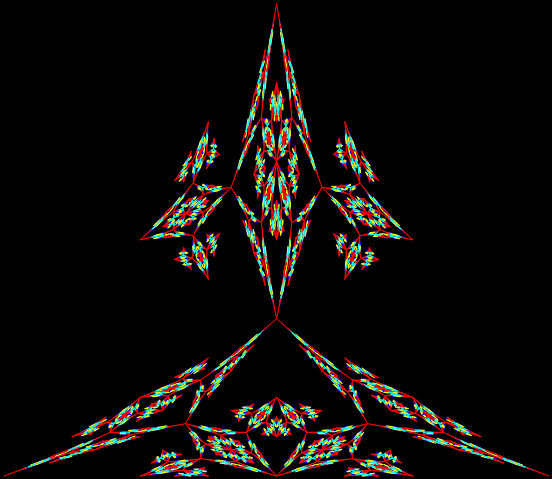
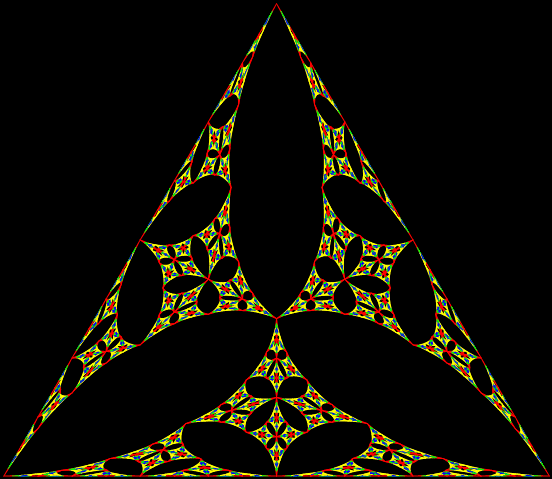
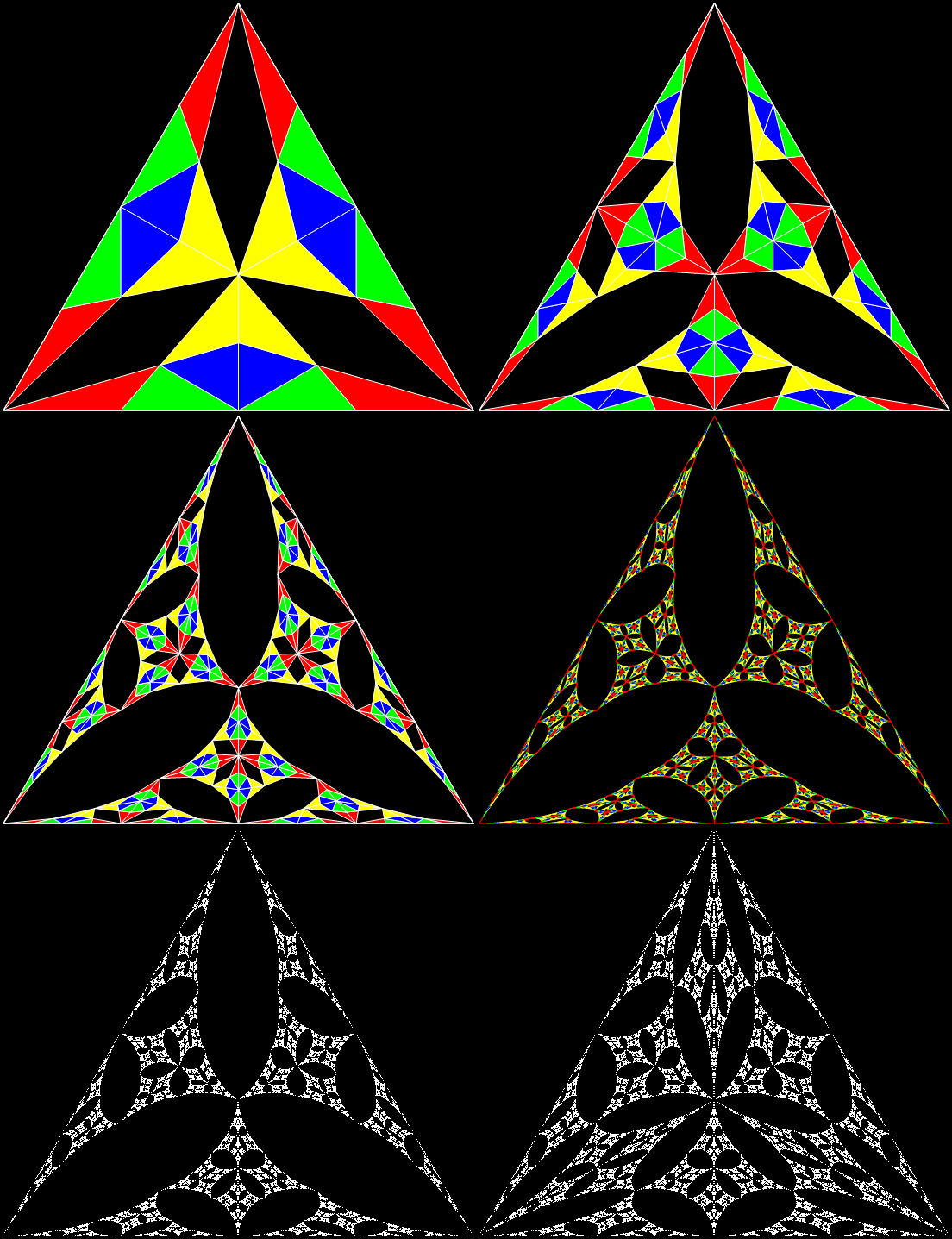
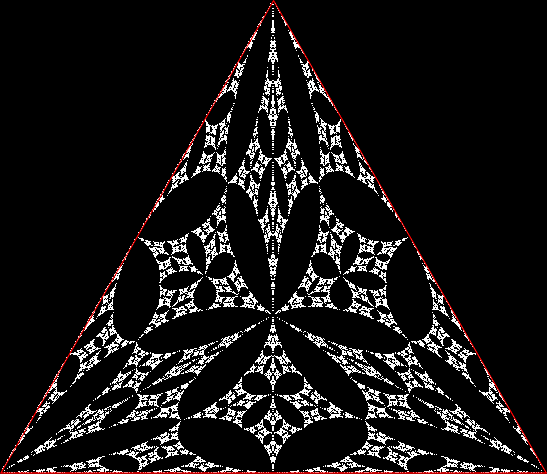
But where are the fractals? In one way, you’ve already seen them. But they get more obvious like this:

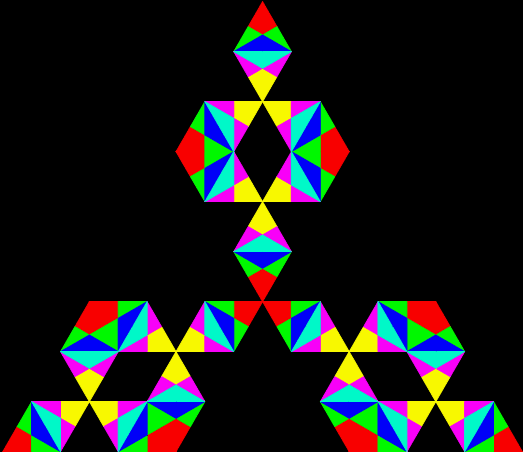
Fractal stage 1


Fractal #2


Fractal #3


Fractal #4


Fractal #5


Fractal #6


Fractal #7


Fractal #8


Fractal (animated)


Another fractal stage 1

[…]

[…]

Another fractal #8


Another fractal (animated)


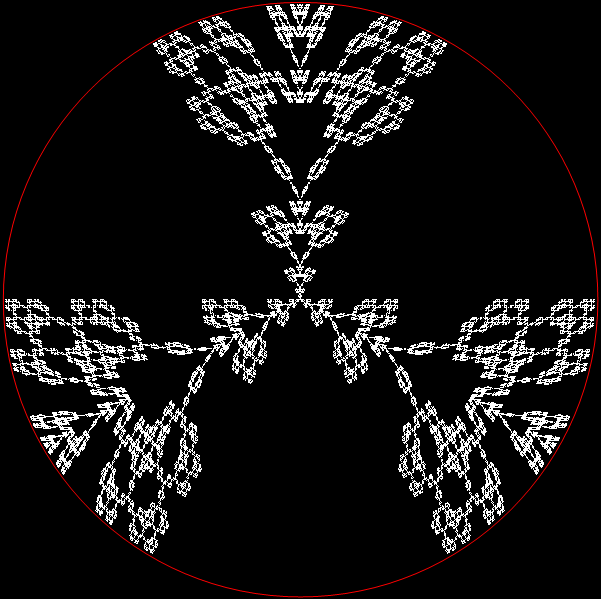
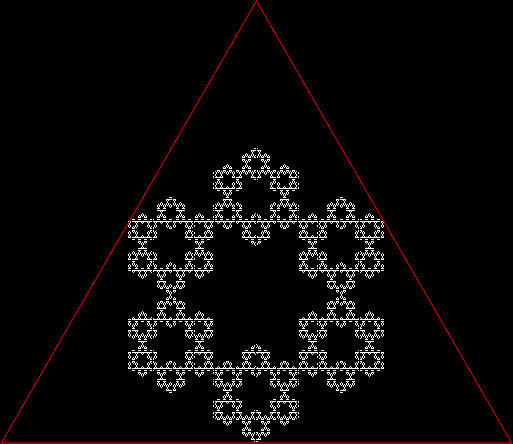
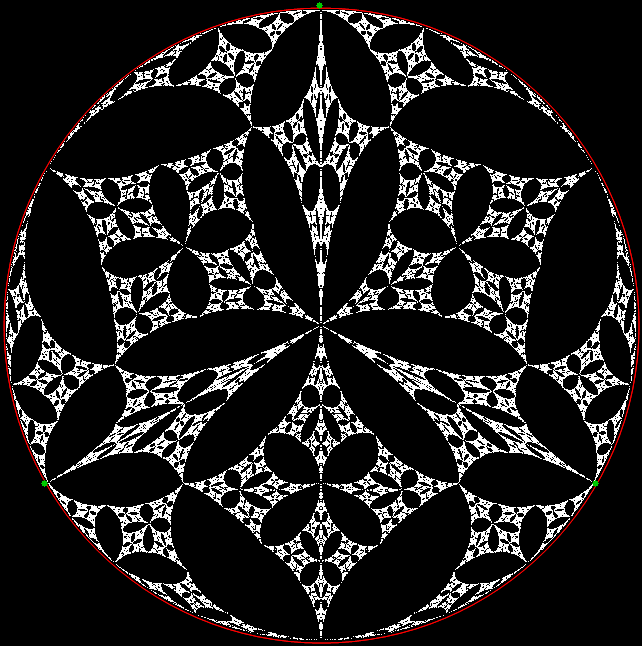
And when you have a fractal created using an equilateral triangle, it’s easy to expand the fractal into a circle, like this:

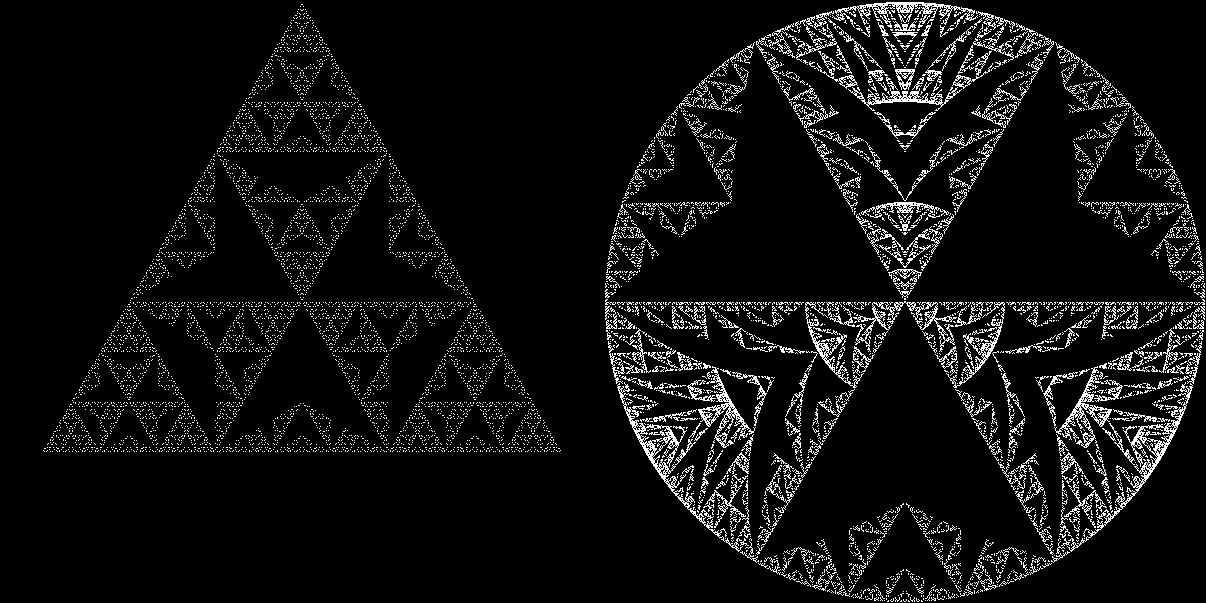
Original fractal

Fractal expanded into circle


Triangular fractal to circular fractal (animated)


First Whirled Warp

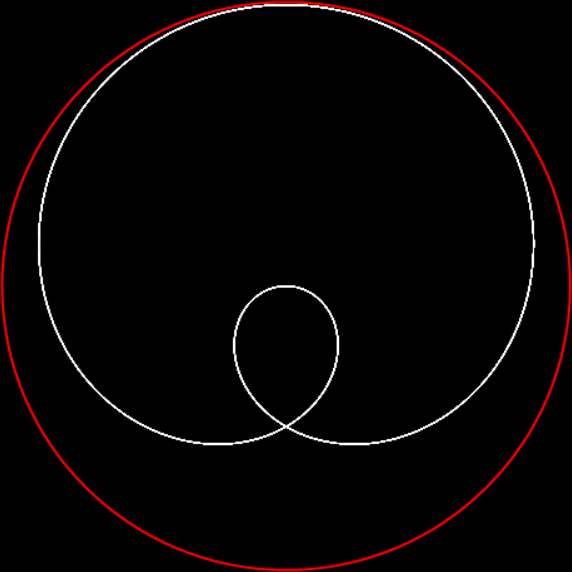
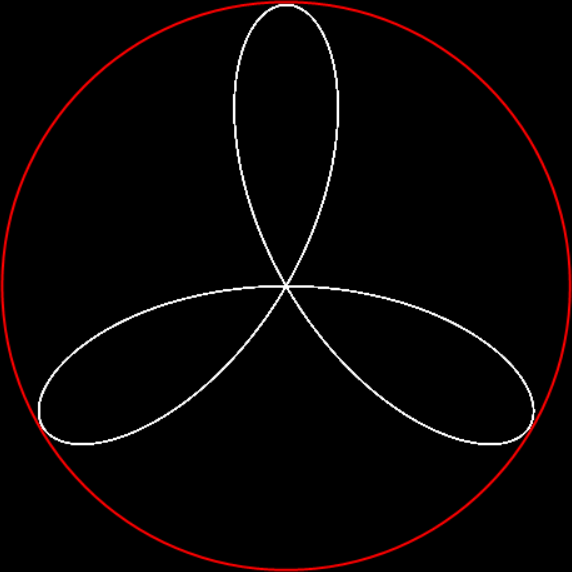
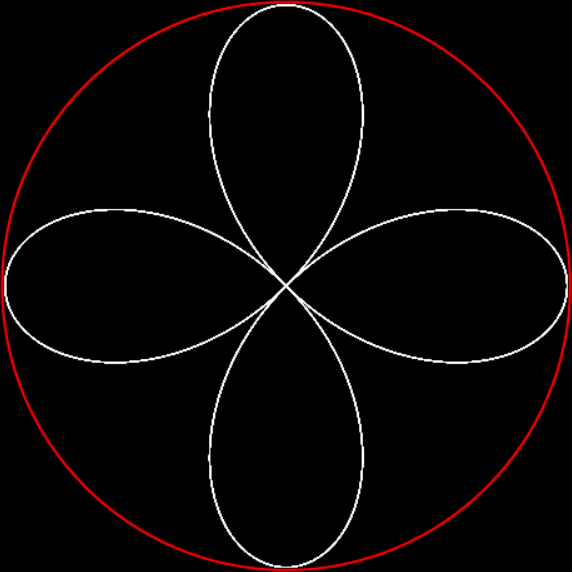
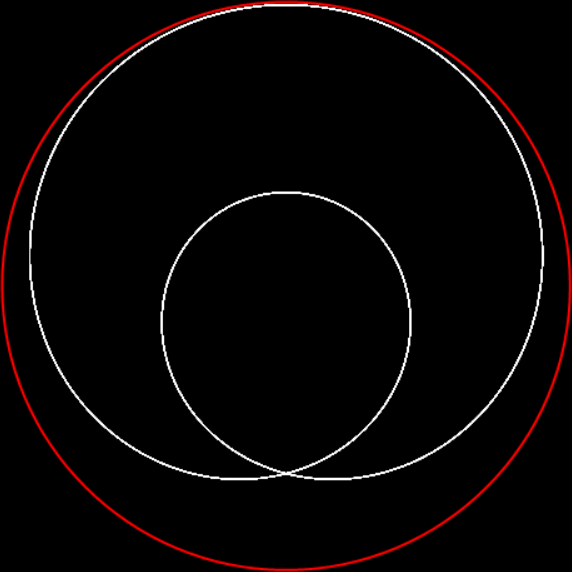
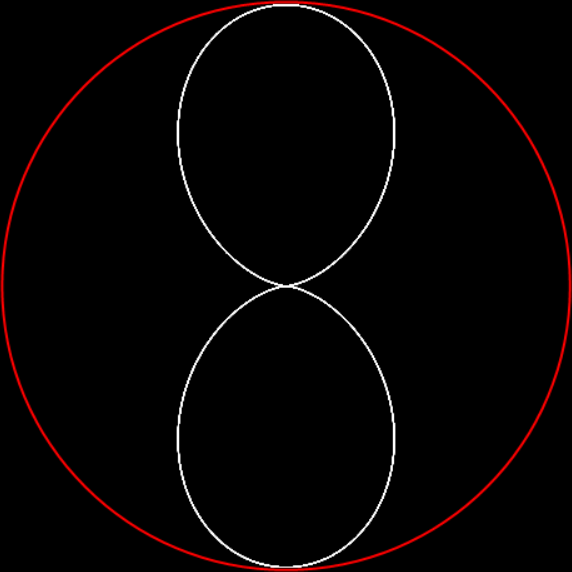
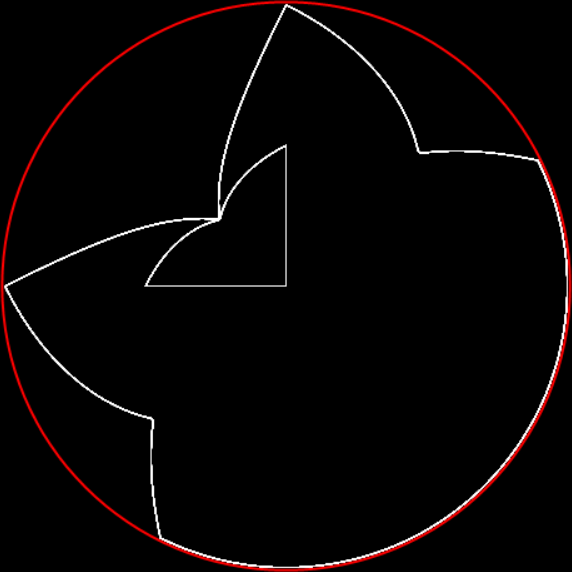
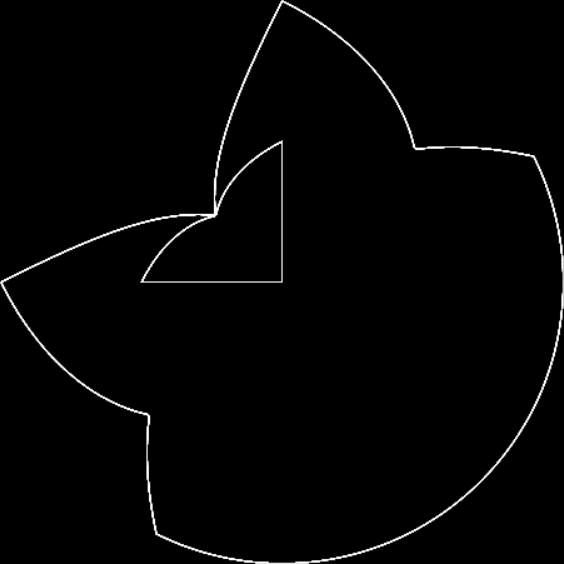
Imagine two points moving clockwise around the circumference of a circle. Find the midpoint between the two points when one point is moving twice as fast as the other. The midpoint will trace this shape:

Midpoint of two points moving around circle at speeds s and s*2

(n.b. to make things easier to see, the red circle shown here and elsewhere is slightly larger than the virtual circle used to calculate the midpoints)


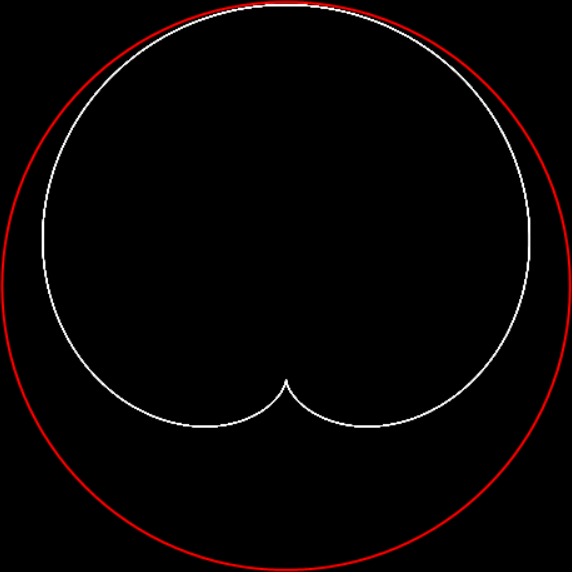
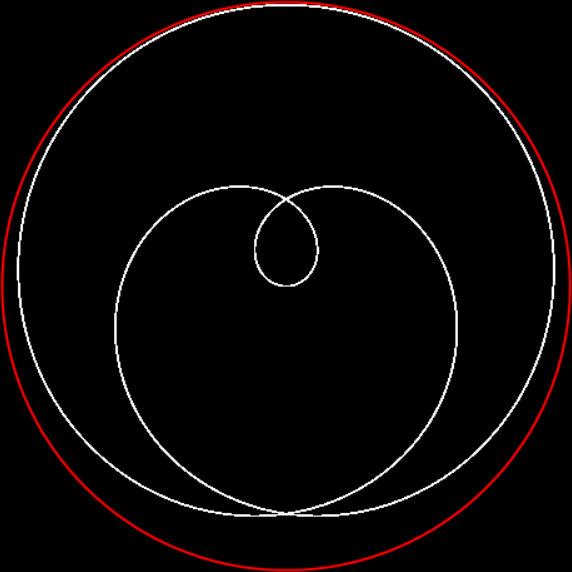
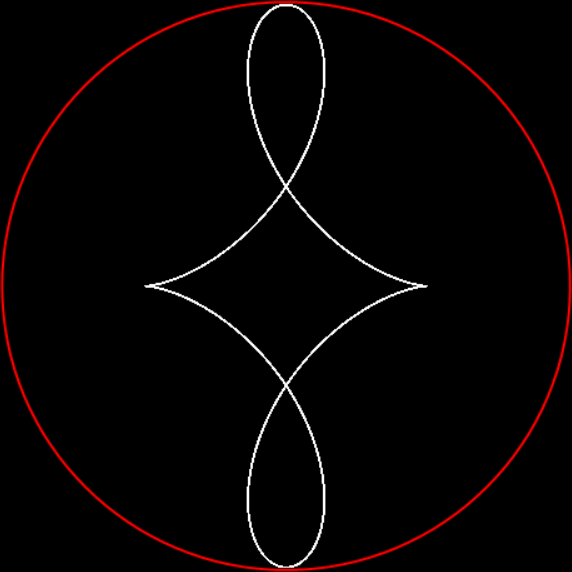
Now suppose that one point is moving anticlockwise. The midpoint will now trace this shape:

Midpoint for s, -s*2


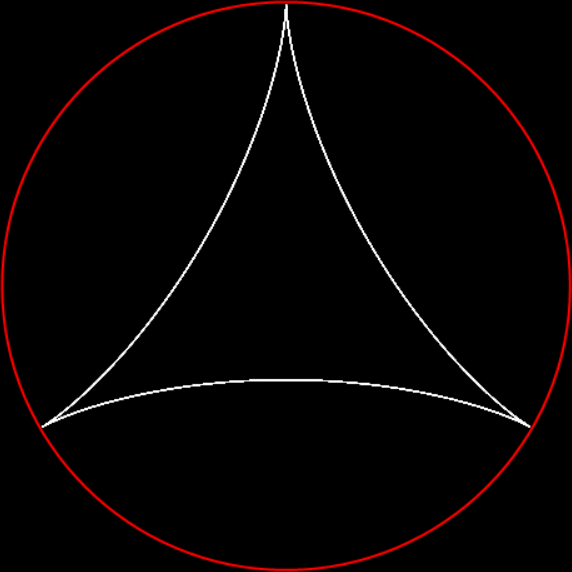
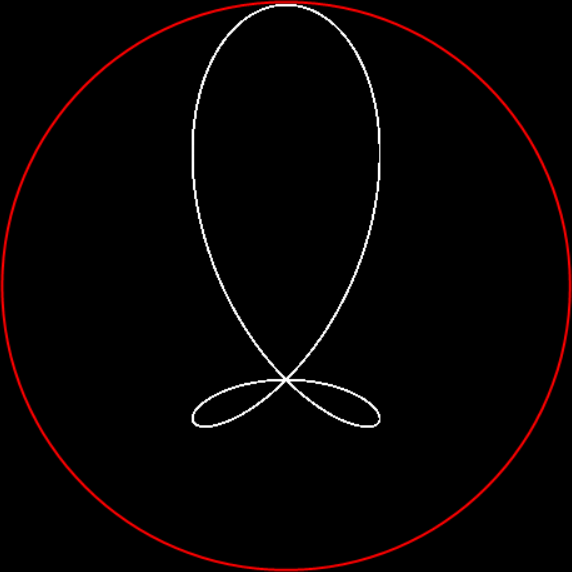
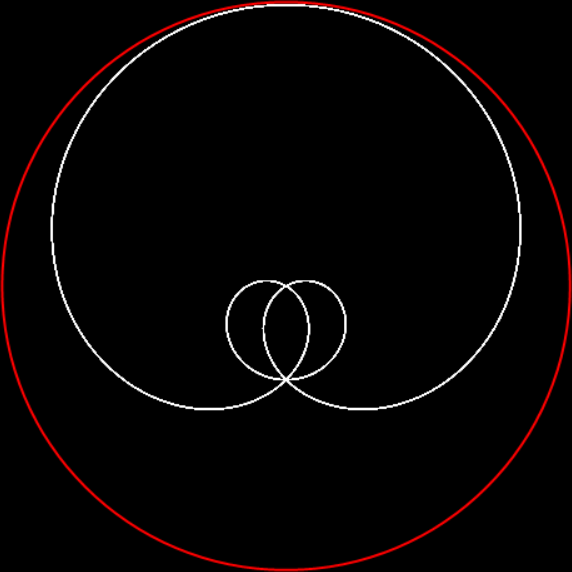
Now try three points, two moving at the same speed and one moving twice as fast:

Midpoint for s, s, s*2


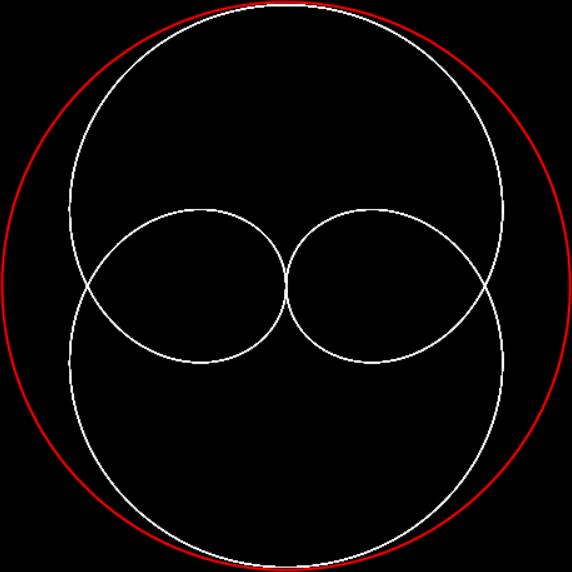
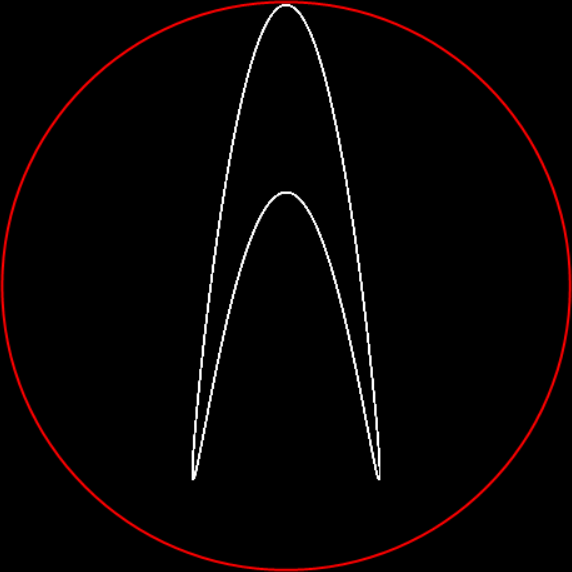
When the point moving twice as fast is moving anticlockwise, this shape appears:

Midpoint for s, s, -s*2


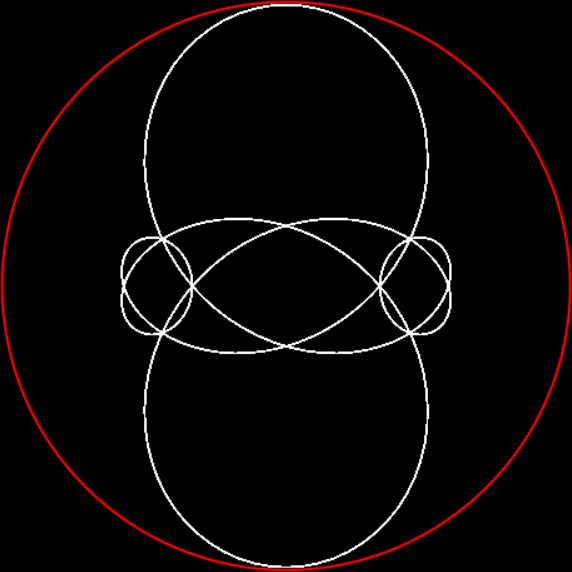
Here are more of these midpoint-shapes:

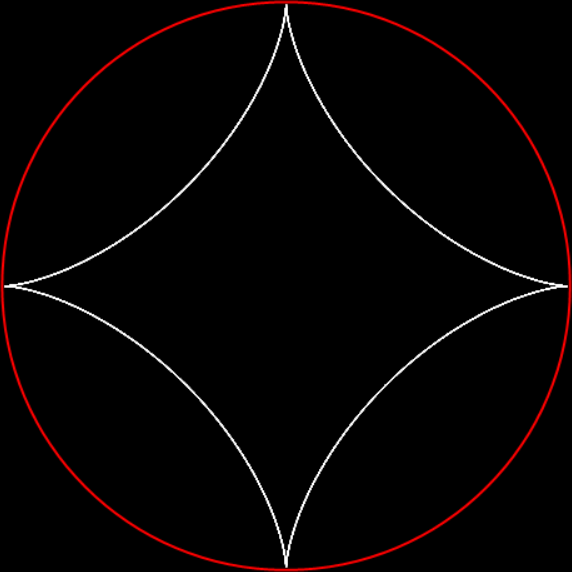
Midpoint for s, s*3


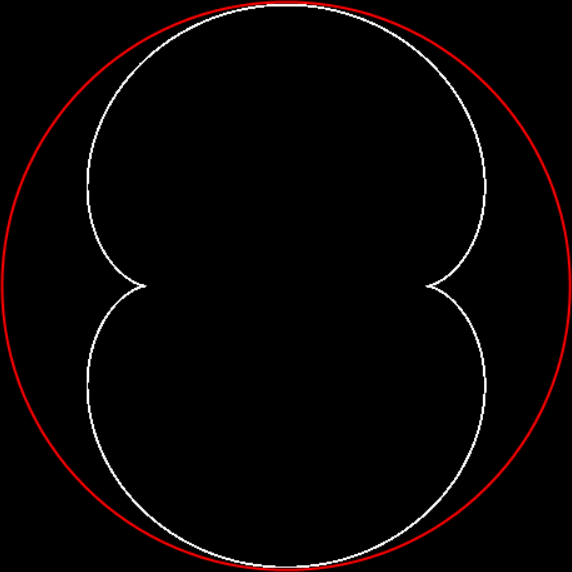
Midpoint for s, -s*3


Midpoint for s*2, s*3


Midpoint for s, -s, s*2


Midpoint for s, s*2, -s*2


Midpoint for s, s*2, s*2


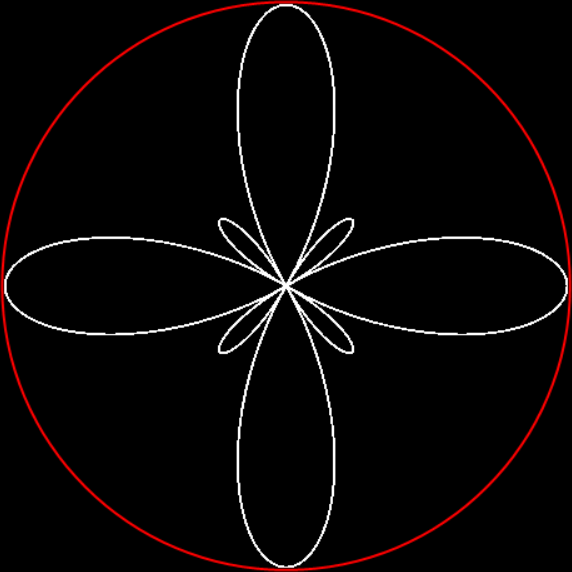
Midpoint for s, -s*3, -s*5


Midpoint for s, s*2, s*3


Midpoint for s, s*2, -s*3


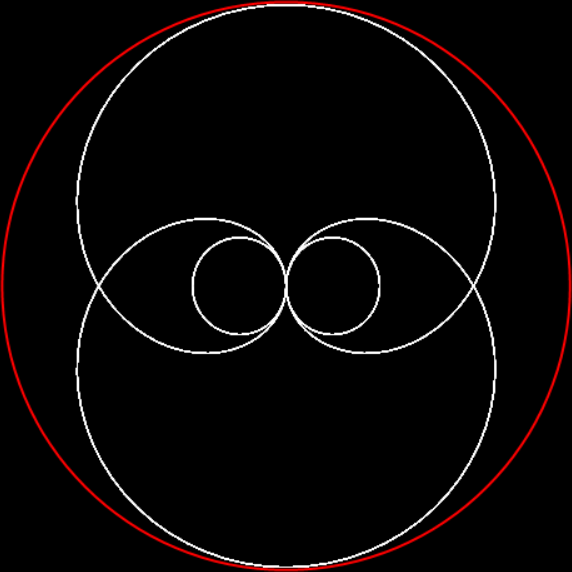
Midpoint for s, -s*3, s*5


Midpoint for s, s*3, s*5


Midpoint for s, s, s, s*3


Midpoint for s, s, s, -s*3


Midpoint for s, s, -s, s*3


Midpoint for s, s, -s, -s*3


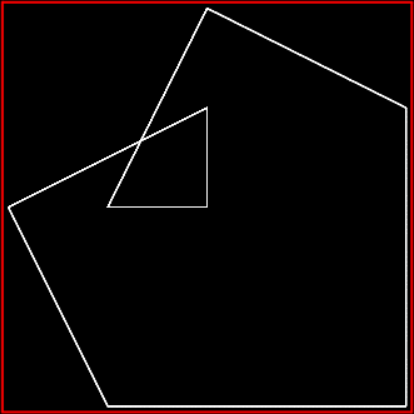
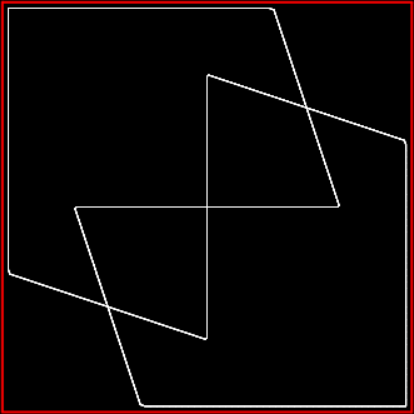
But what about points moving around the perimeter of a polygon? Here are the midpoints of two points moving clockwise around the perimeter of a square, with one point moving twice as fast as the other:

Midpoint for square with s, s*2


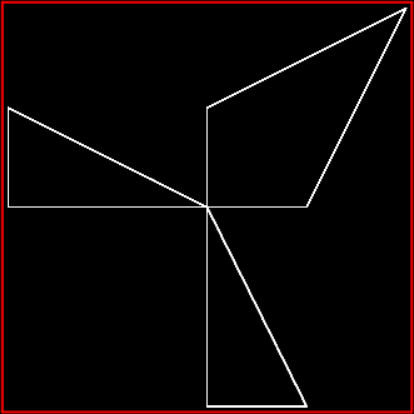
And when one point moves anticlockwise:

Midpoint for square with s, -s*2


If you adjust the midpoints so that the square fills a circle, they look like this:

Midpoint for square with s, s*2, with square adjusted to fill circle


When the red circle is removed, the midpoint-shape is easier to see:

Midpoint for square with s, s*2, circ-adjusted


Here are more midpoint-shapes from squares:

Midpoint for s, s*3


Midpoint for s, -s*3


Midpoint for s, s*4


And some more circularly adjusted midpoint-shapes from squares:

Midpoint for s, s*3, circ-adjusted


Midpoint for s*2, s*3, circ-adjusted


Midpoint for s, s*5, circ-adjusted


Midpoint for s, s*6, circ-adjusted


Midpoint for s, s*7, circ-adjusted


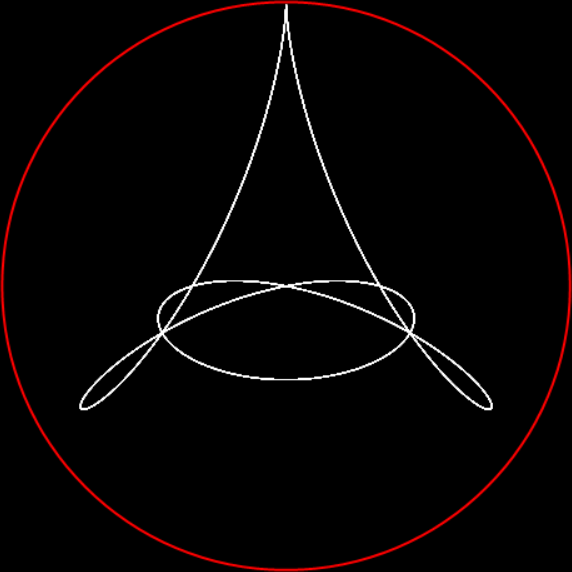
Finally (for now), let’s look at triangles. If three points are moving clockwise around the perimeter of a triangle, one moving four times as fast as the other two, the midpoint traces this shape:

Midpoint for triangle with s, s, s*4


Now try one of the points moving anticlockwise:

Midpoint for s, s, -s*4


Midpoint for s, -s, s*4


If you adjust the midpoints so that the triangular space fills a circle, they look like this:

Midpoint for s, s, s*4, with triangular space adjusted to fill circle


Midpoint for s, -s, s*4, circ-adjusted


Midpoint for s, s, -s*4, circ-adjusted


There are lots more (infinitely more!) midpoint-shapes to see, so watch this (circularly adjusted) space.


Previously pre-posted (please peruse)

Second Whirled Warp — more on points moving around polygons
We Can Circ It Out — more on converting polygons into circles

We Can Circ It Out

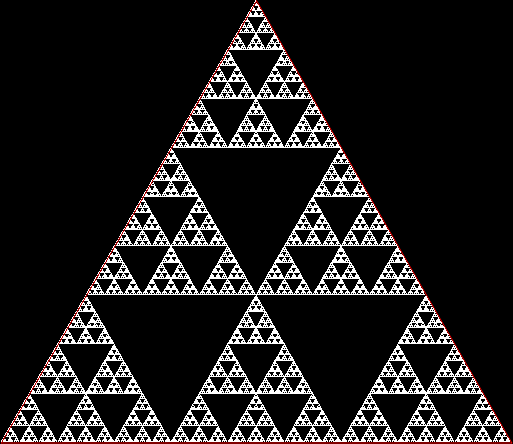
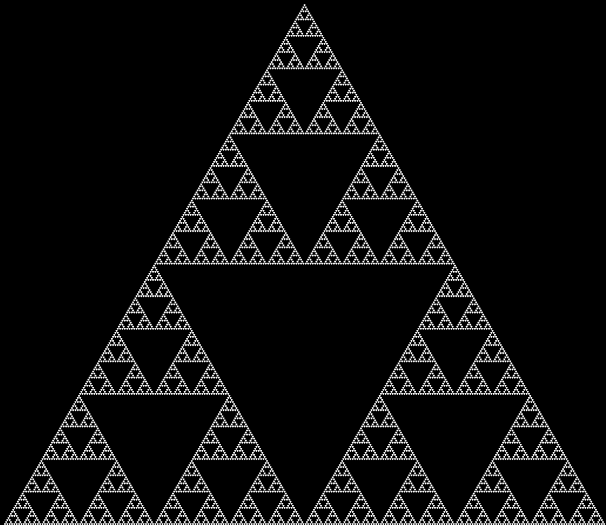
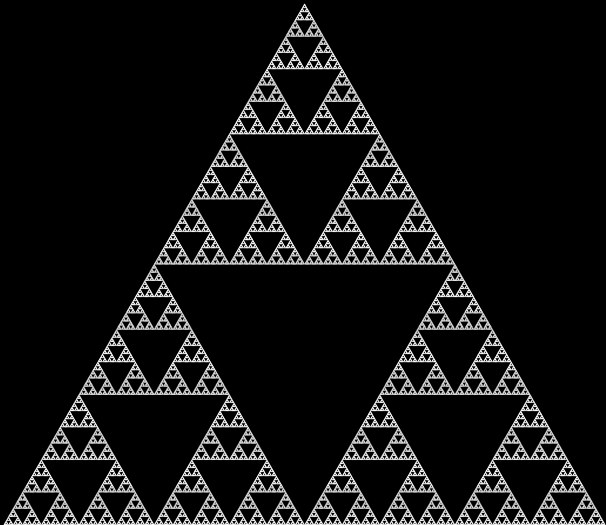
It’s a pretty little problem to convert this triangular fractal…

Sierpiński triangle (Wikipedia)


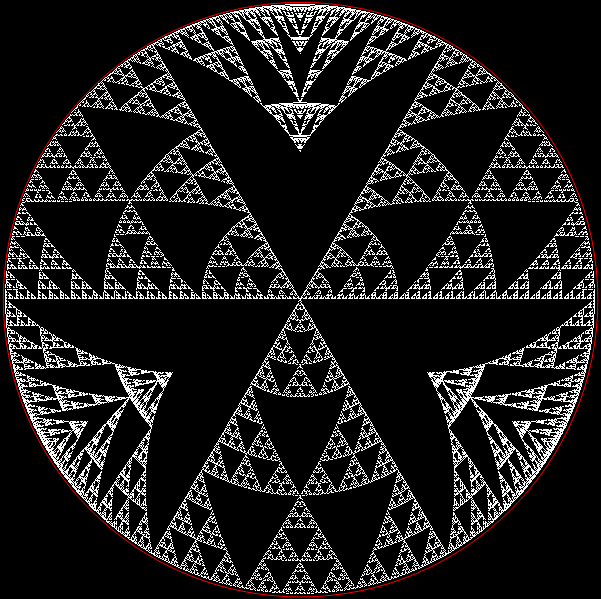
…into its circular equivalent:

Sierpiński triangle as circle


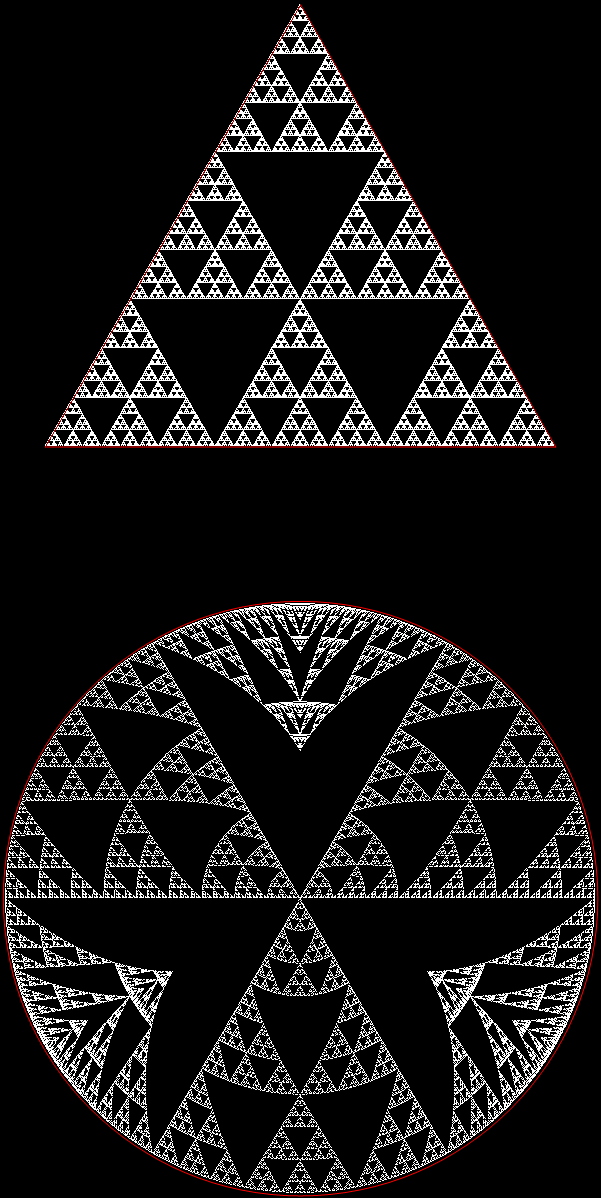
Sierpiński triangle to circle (animated)


But once you’ve circ’d it out, as it were, you can easily adapt the technique to fractals based on other polygons:

T-square fractal (Wikipedia)

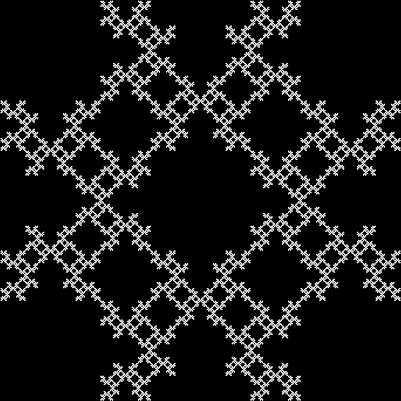
T-square fractal as circle


T-square fractal to circle (animated)


Elsewhere other-accessible…

Dilating the Delta — more on converting polygonic fractals to circles…

Fylfy Fractals

An equilateral triangle is a rep-tile, because it can be tiled completely with smaller copies of itself. Here it is as a rep-4 rep-tile, tiled with four smaller copies of itself:

Equilateral triangle as rep-4 rep-tile


If you divide and discard one of the sub-copies, then carry on dividing-and-discarding with the sub-copies and sub-sub-copies and sub-sub-sub-copies, you get the fractal seen below. Alas, it’s not a very attractive or interesting fractal:

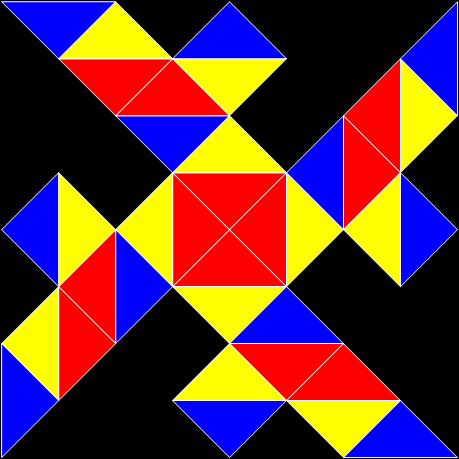
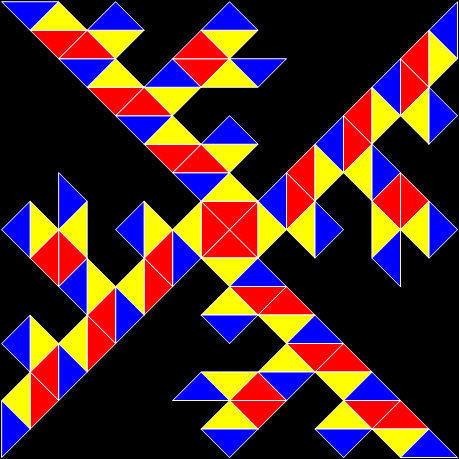
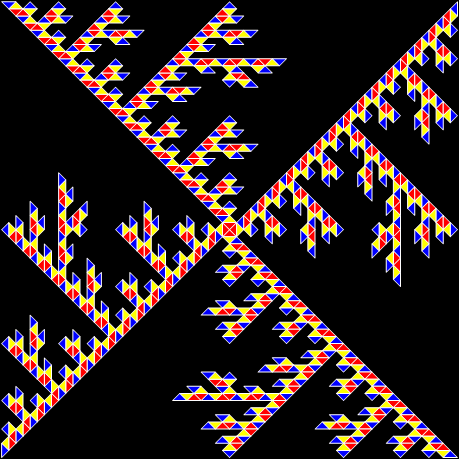
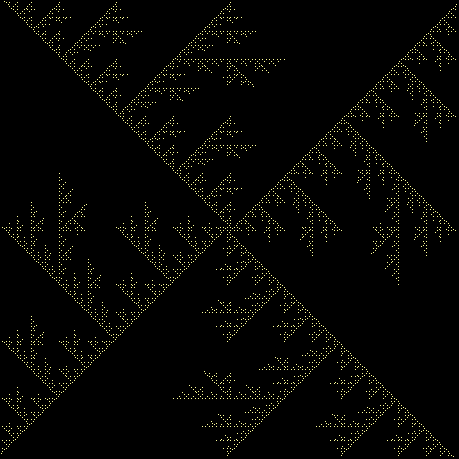
Divide-and-discard fractal stage #1


Stage #2


Stage #3


Stage #4


Stage #5


Stage #6


Stage #7


Stage #8


Stage #9


Divide-and-discard fractal (animated)


You can create more attractive and interesting fractals by rotating the sub-triangles clockwise or anticlockwise. Here are some examples:


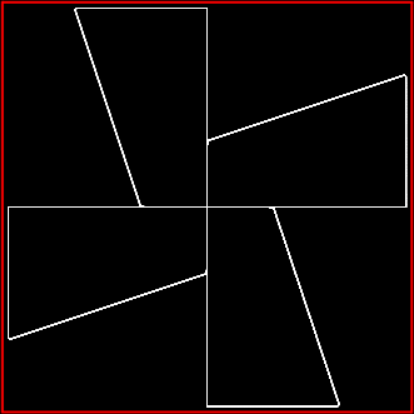
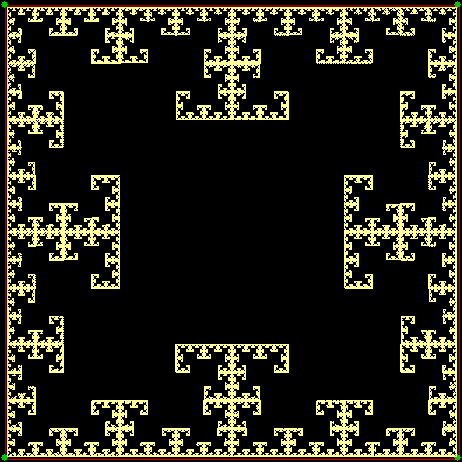
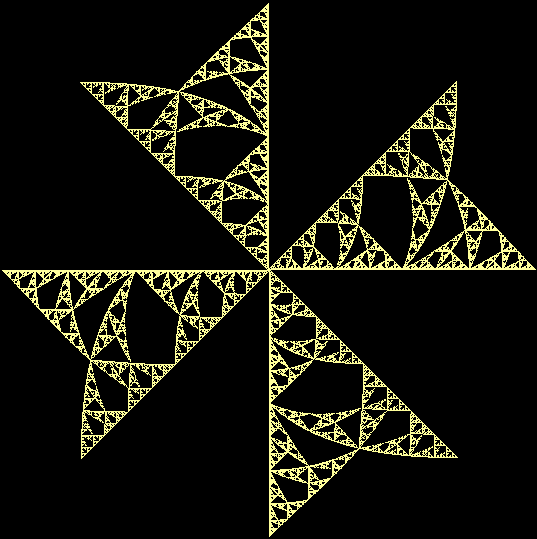
Now try dividing a square into four right triangles, then turning each of the four triangles into a divide-and-discard fractal. The resulting four-fractal shape is variously called a swastika, a gammadion, a cross cramponnée, a Hakenkreuz and a fylfot. I’m calling it a fylfy fractal:

Divide-and-discard fractals in the four triangles of a divided square stage #1


Fylfy fractal #2


Fylfy fractal #3


Fylfy fractal #4


Fylfy fractal #5


Fylfy fractal #6


Fylfy fractal #7


Fylfy fractal #8


Fylfy fractal (animated)


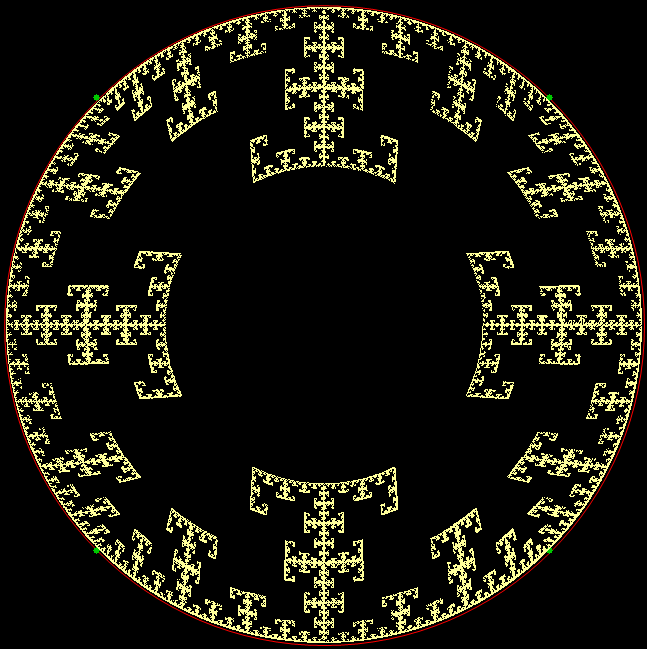
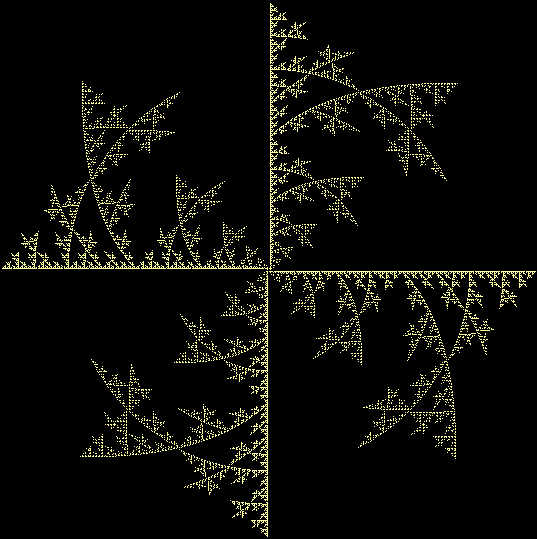
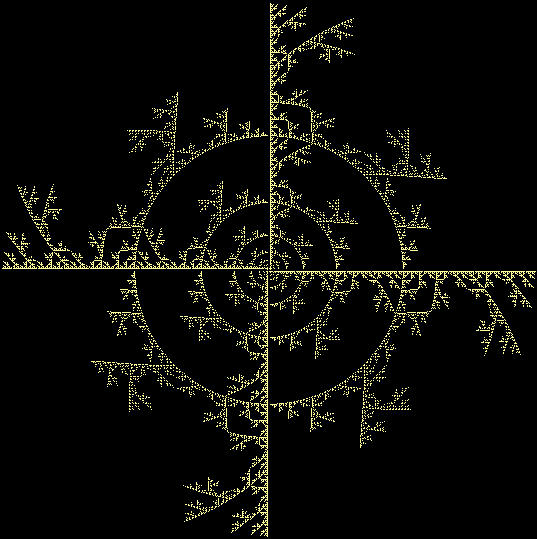
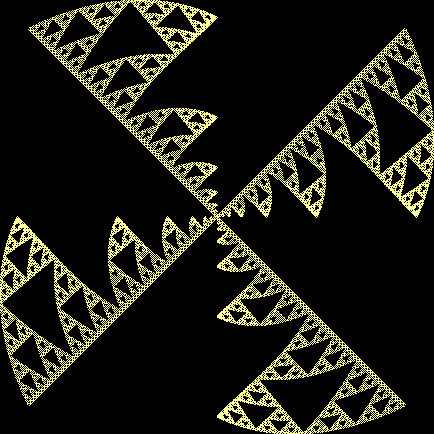
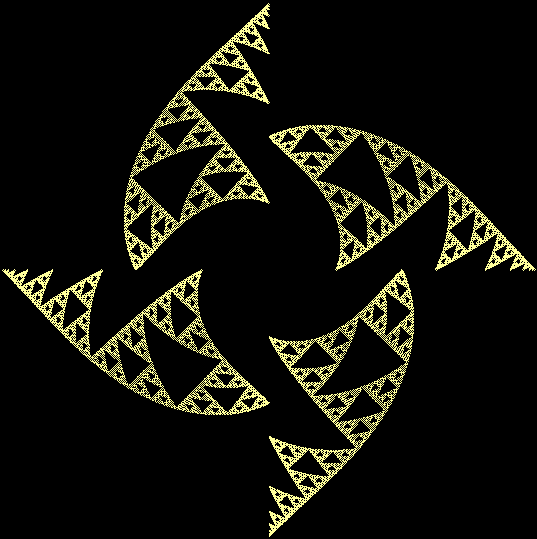
Finally, you can adjust the fylfy fractals so that each point in the square becomes the equivalent point in a circle:


Game of Throwns

In “Scaffscapes”, I looked at these three fractals and described how they were in a sense the same fractal, even though they looked very different:

Fractal #1
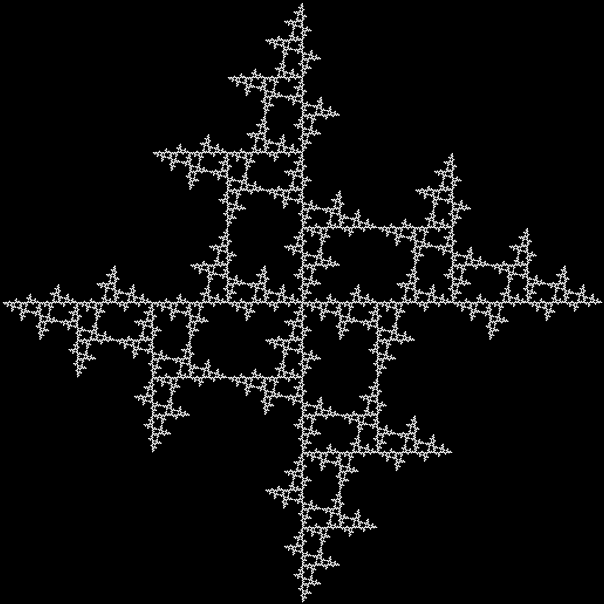

Fractal #2
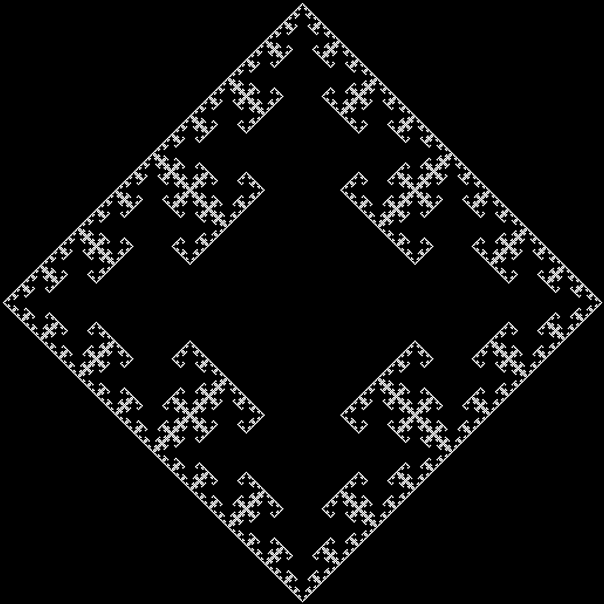

Fractal #3


But even if they are all the same in some mathematical sense, their different appearances matter in an aesthetic sense. Fractal #1 is unattractive and seems uninteresting:

Fractal #1, unattractive, uninteresting and unnamed


Fractal #3 is attractive and interesting. That’s part of why mathematicians have given it a name, the T-square fractal:

Fractal #3 — the T-square fractal


But fractal #2, although it’s attractive and interesting, doesn’t have a name. It reminds me of a ninja throwing-star or shuriken, so I’ve decided to call it the throwing-star fractal or ninja-star fractal:

Fractal #2, the throwing-star fractal


A ninja throwing-star or shuriken


This is one way to construct a throwing-star fractal:
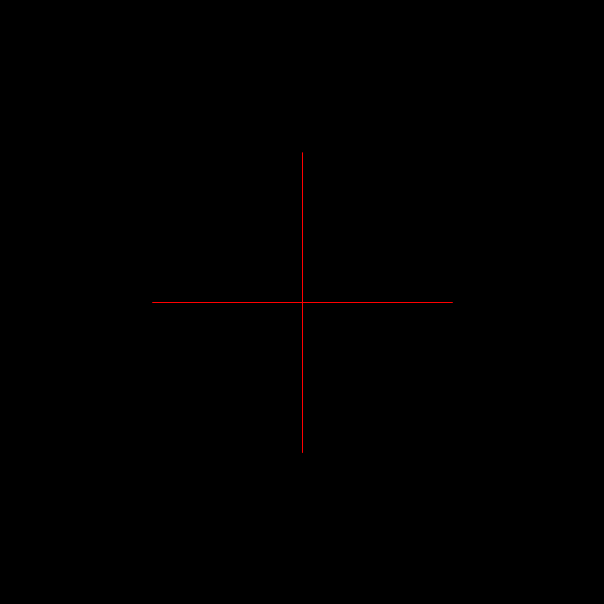
Throwing-star fractal, stage 1
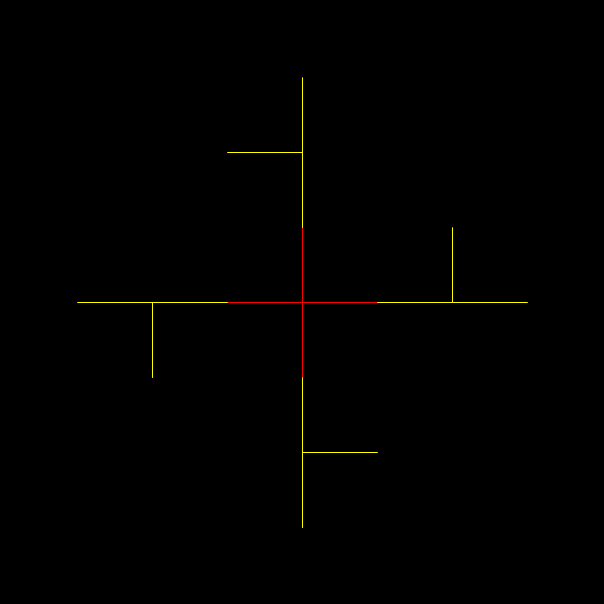

Throwing-star fractal, #2
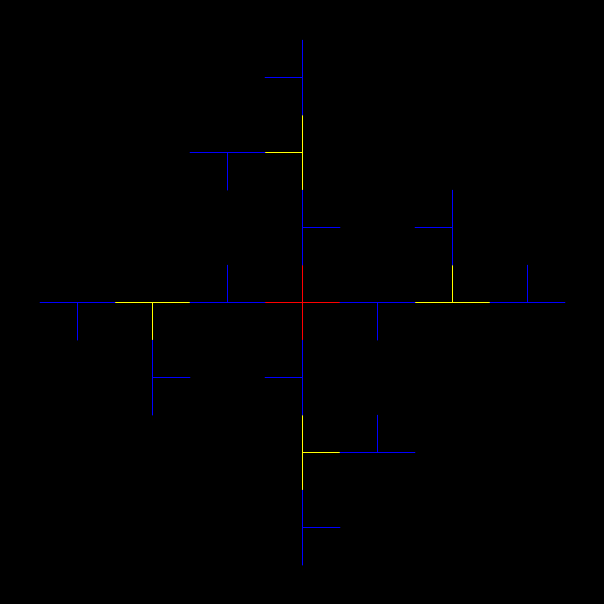

Throwing-star fractal, #3


Throwing-star fractal, #4


Throwing-star fractal, #5
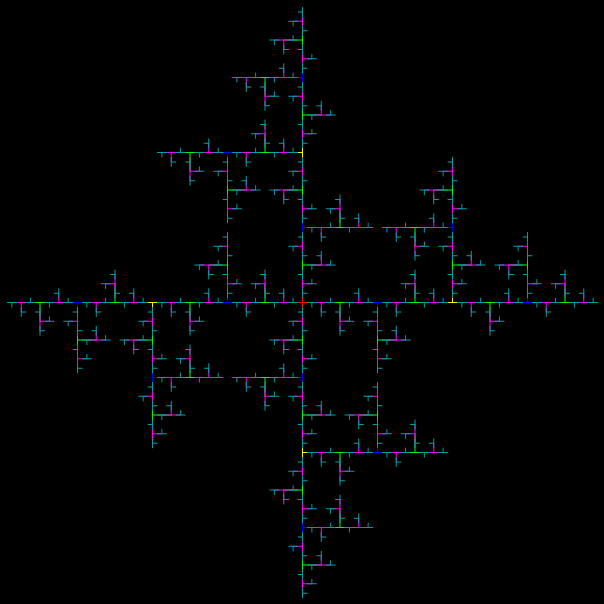

Throwing-star fractal, #6
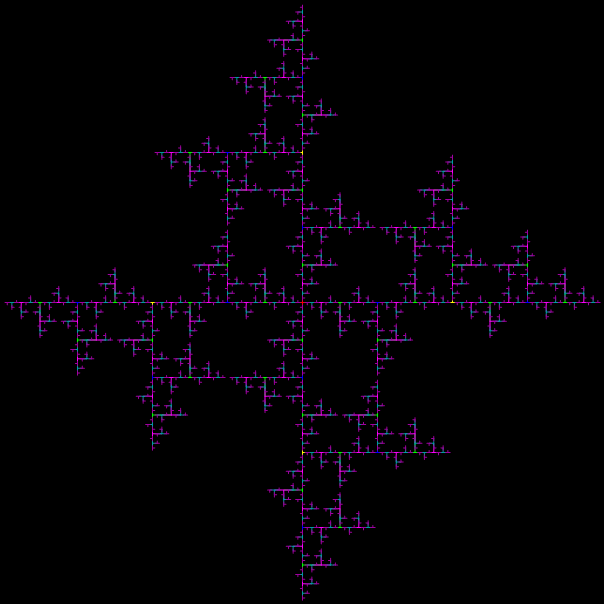

Throwing-star fractal, #7
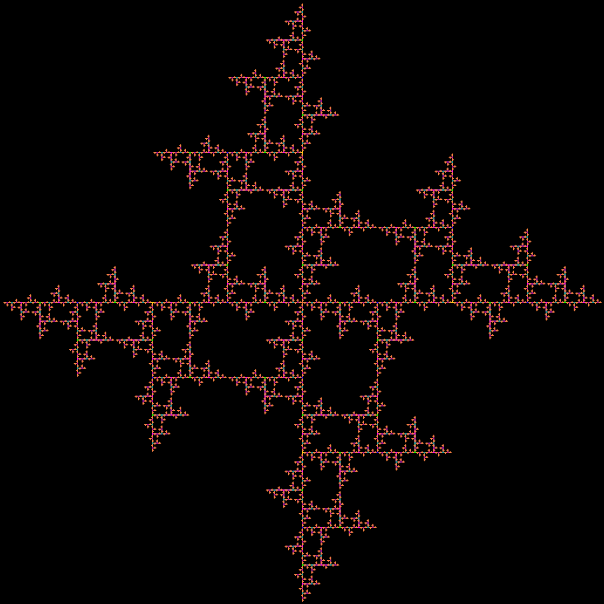

Throwing-star fractal, #8
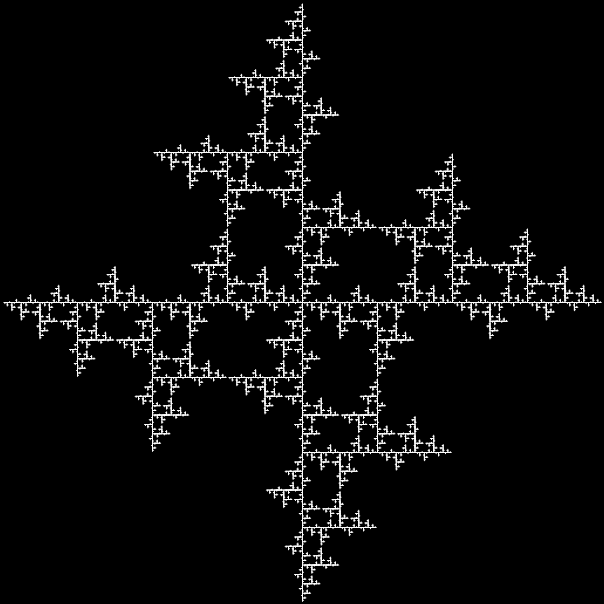

Throwing-star fractal, #9
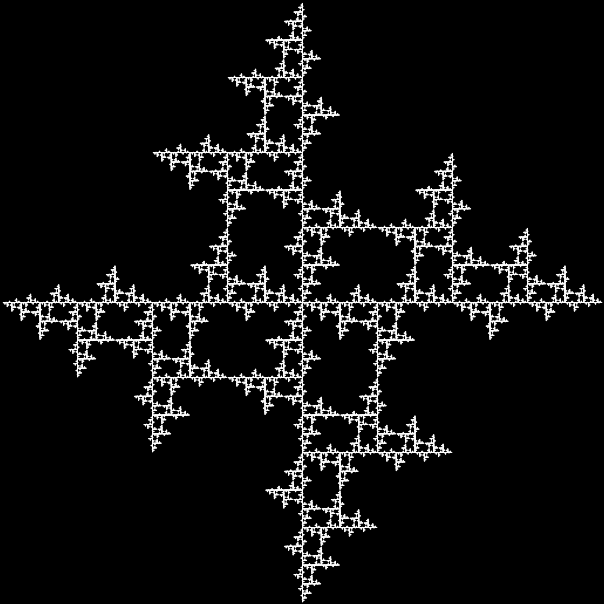

Throwing-star fractal, #10


Throwing-star fractal, #11
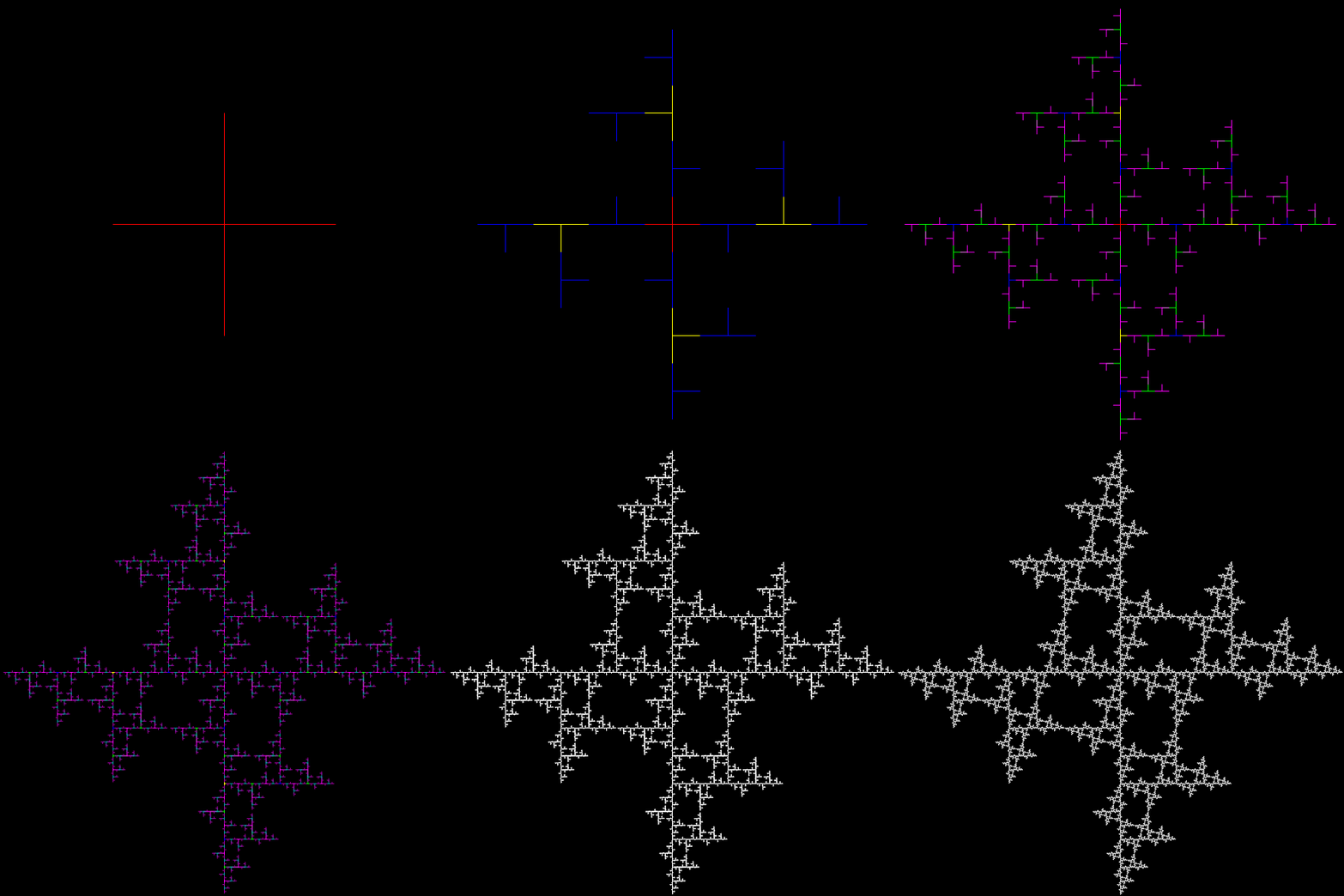

Throwing-star fractal (animated)


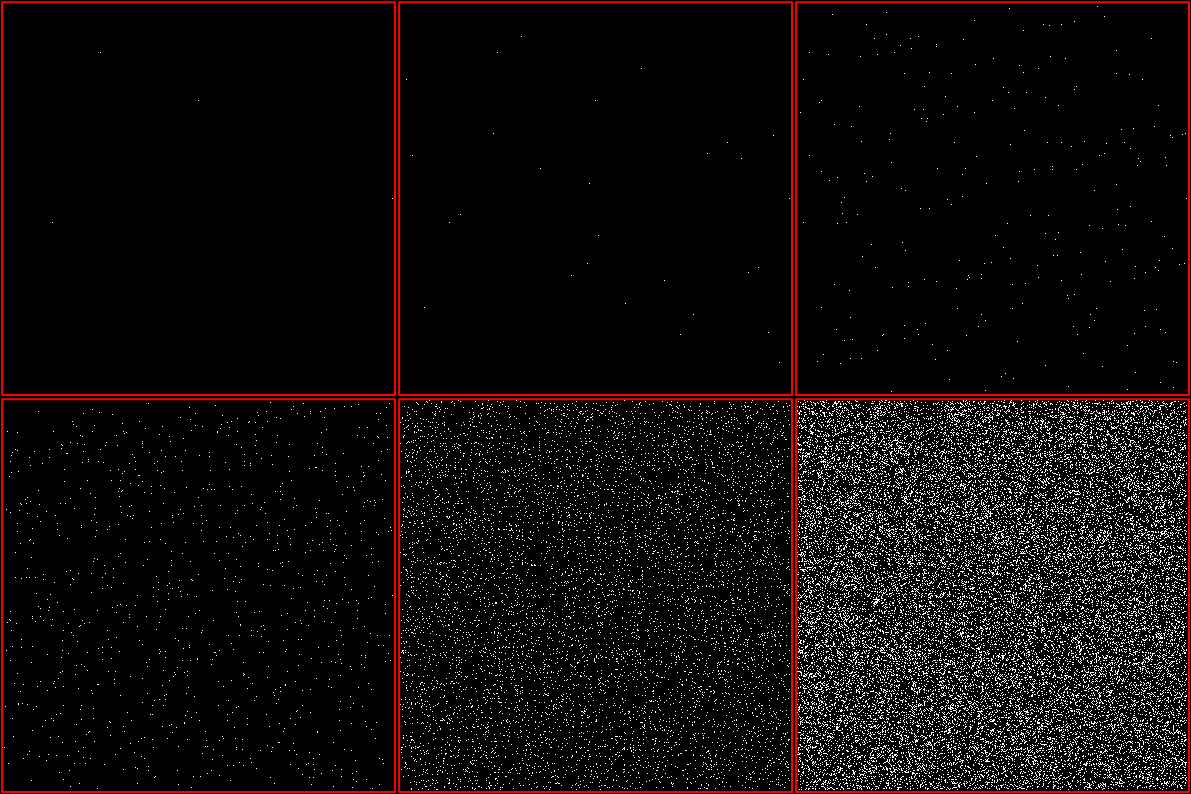
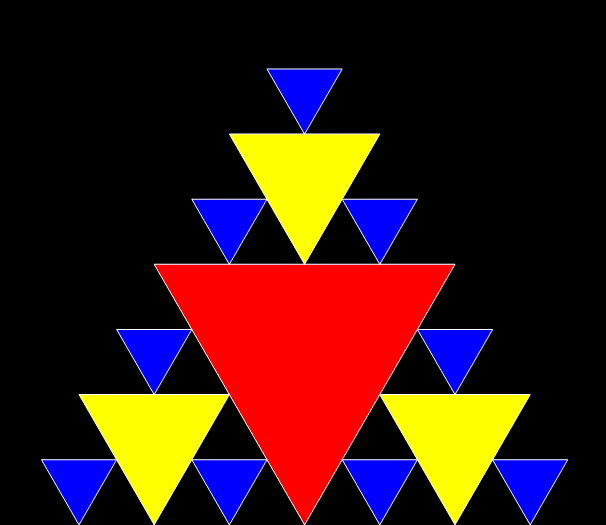
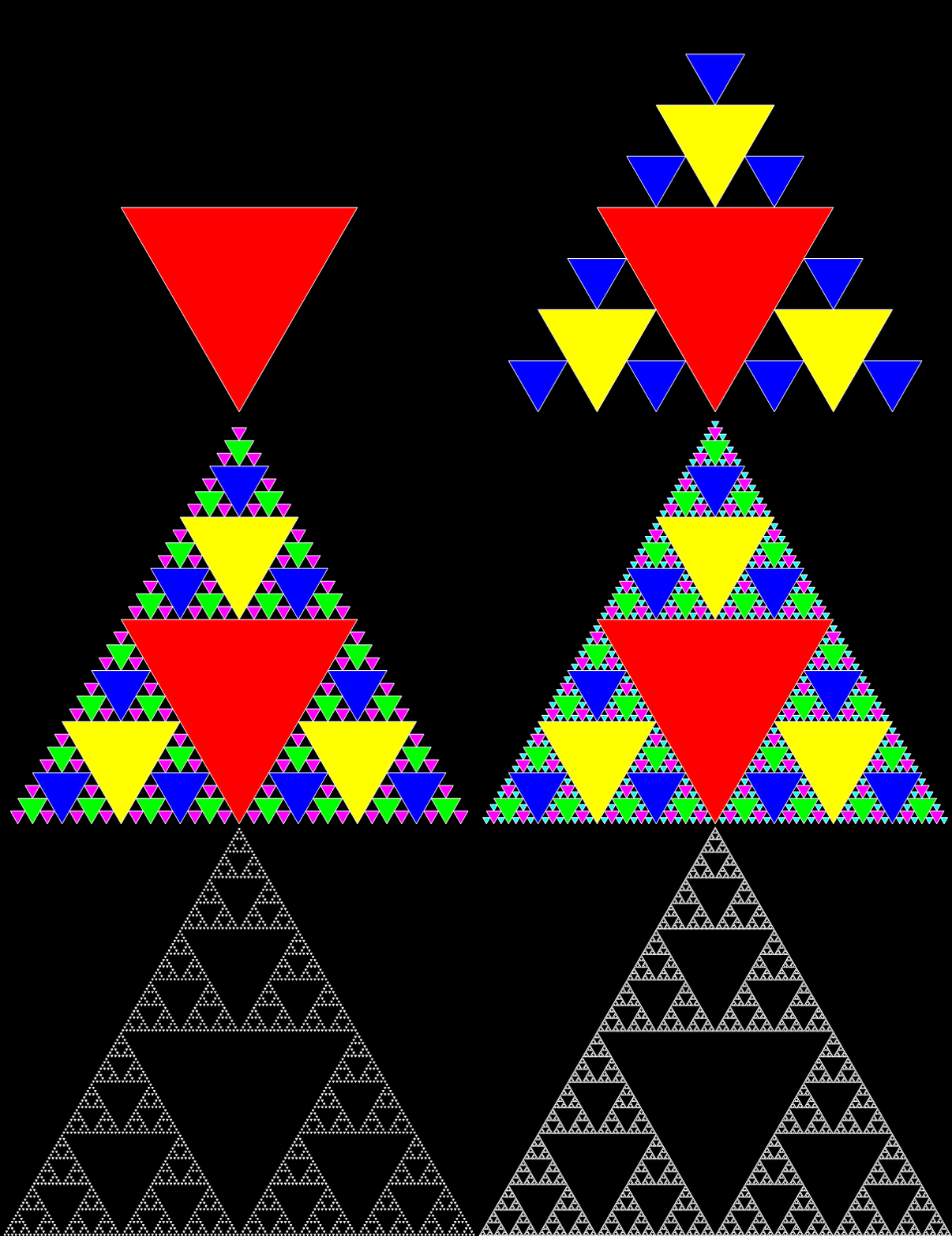
But there’s another way to construct a throwing-star fractal. You use what’s called the chaos game. To understand the commonest form of the chaos game, imagine a ninja inside an equilateral triangle throwing a shuriken again and again halfway towards a randomly chosen vertex of the triangle. If you mark each point where the shuriken lands, you eventually get a fractal called the Sierpiński triangle:
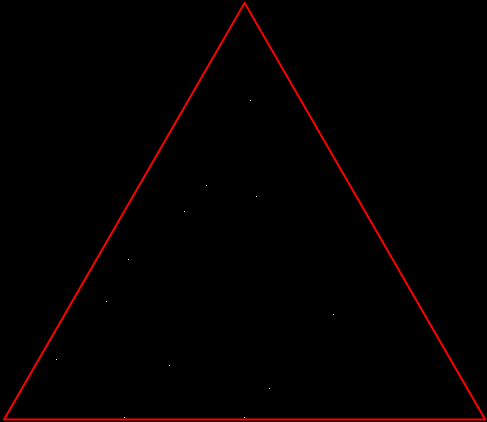
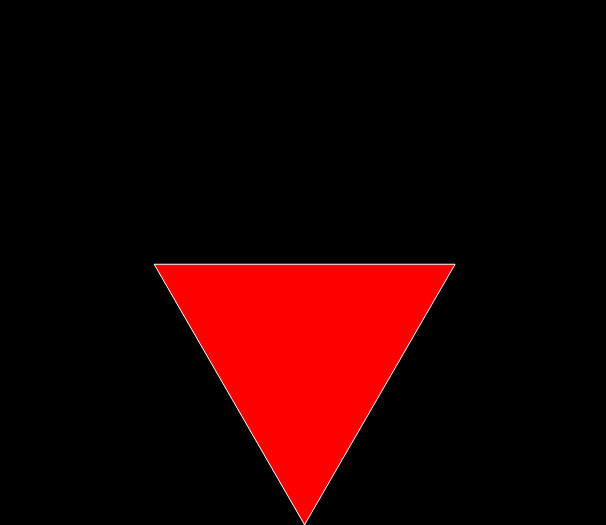
Chaos game with triangle stage 1
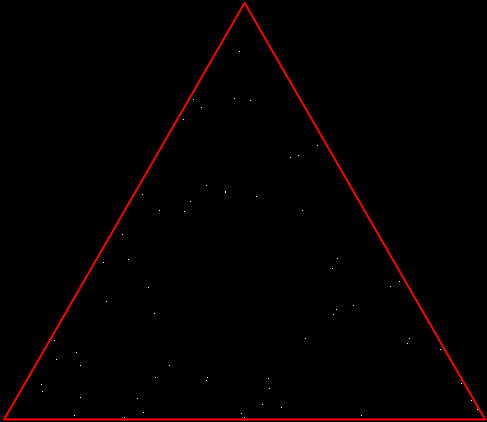

Chaos triangle #2
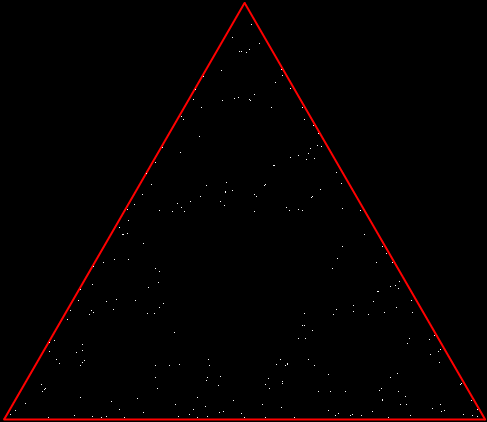

Chaos triangle #3


Chaos triangle #4
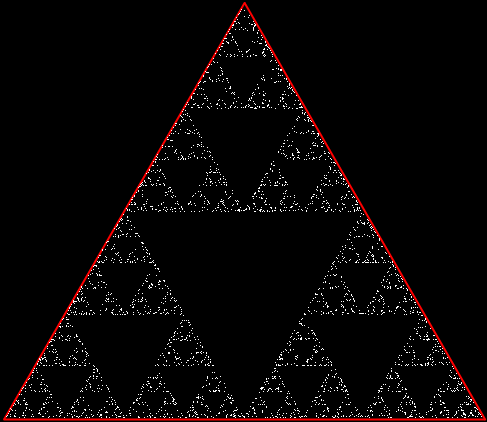

Chaos triangle #5
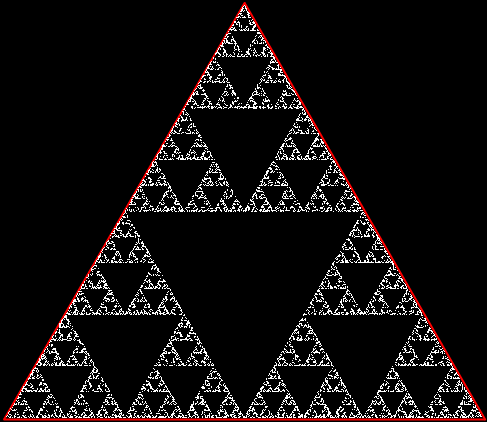

Chaos triangle #6


Chaos triangle #7
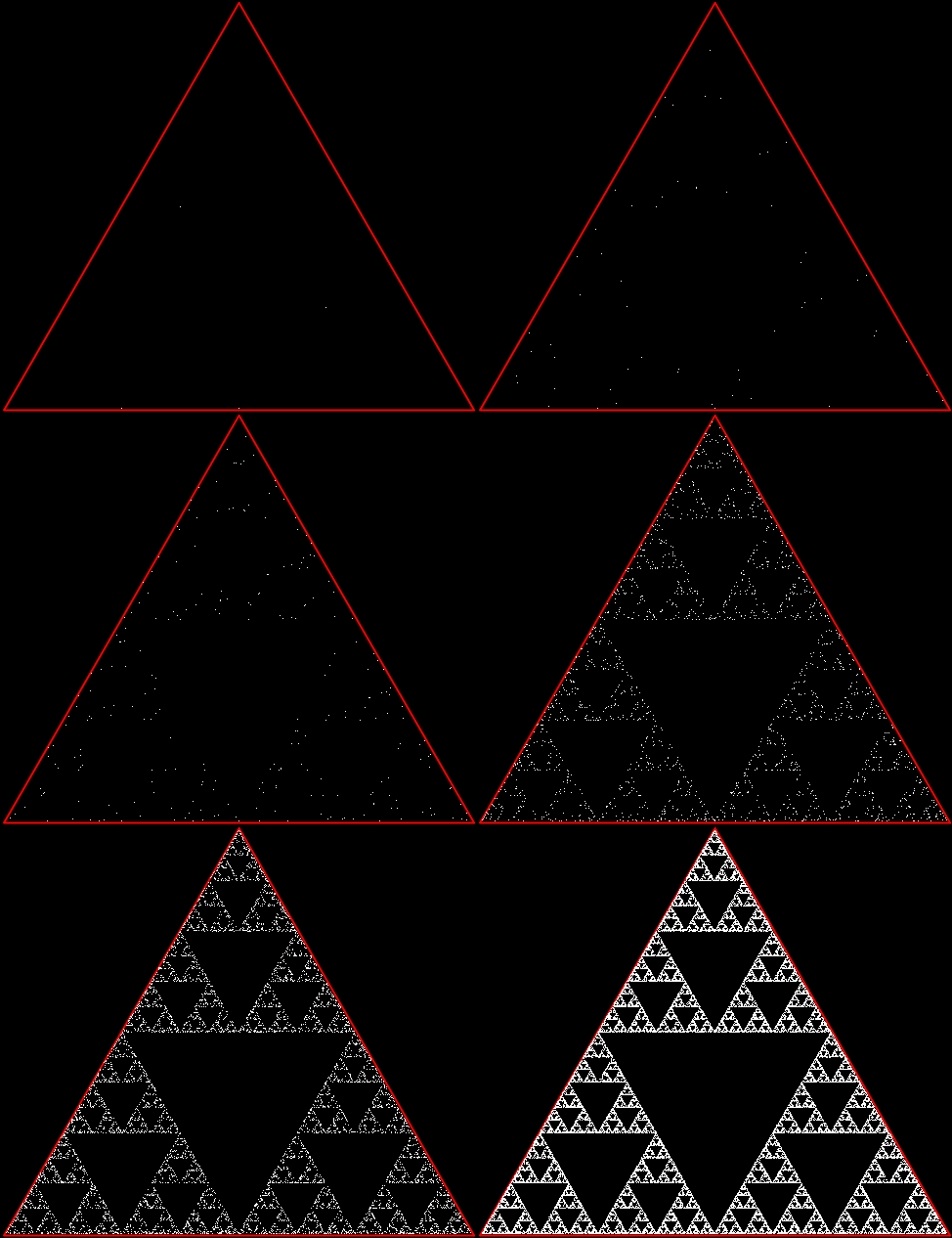

Chaos triangle (animated)


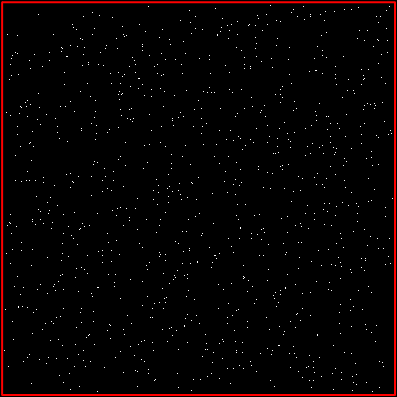
When you try the chaos game with a square, with the ninja throwing the shuriken again and again halfway towards a randomly chosen vertex, you don’t get a fractal. The interior of the square just fills more or less evenly with points:
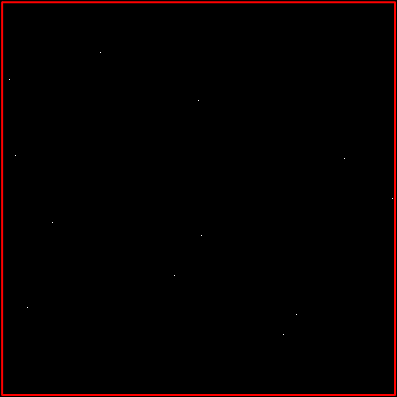
Chaos game with square, stage 1
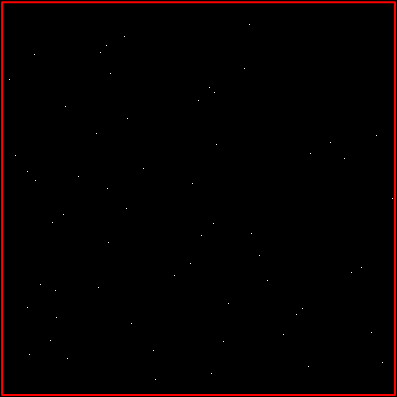

Chaos square #2
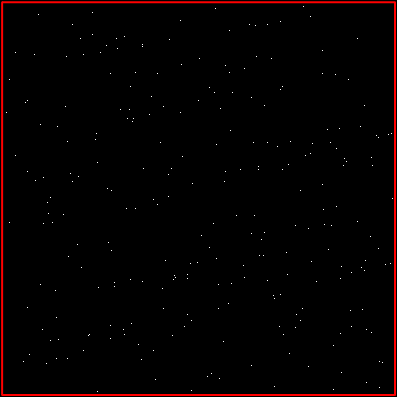

Chaos square #3


Chaos square #4
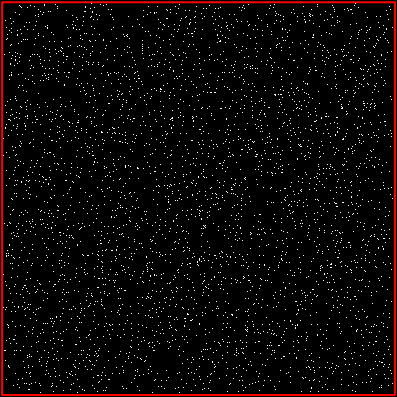

Chaos square #5
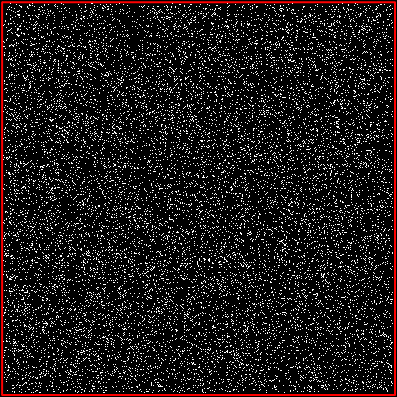

Chaos square #6


Chaos square (anim)


But suppose you restrict the ninja’s throws in some way. If he can’t throw twice or more in a row towards the same vertex, you get a familiar fractal:

Chaos game with square, ban on throwing towards same vertex, stage 1


Chaos square, ban = v+0, #2
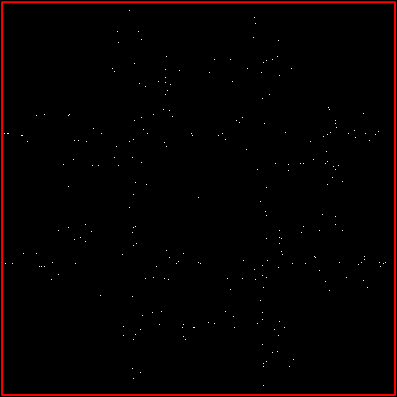

Chaos square, ban = v+0, #3


Chaos square, ban = v+0, #4
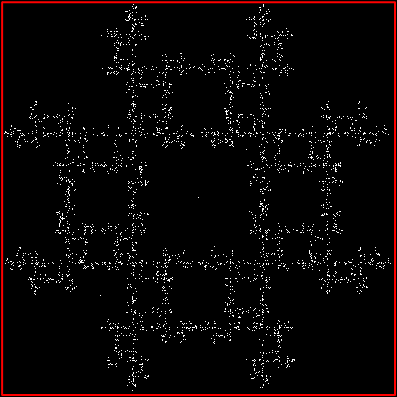

Chaos square, ban = v+0, #5
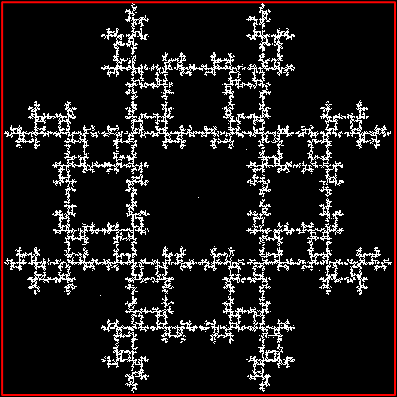

Chaos square, ban = v+0, #6
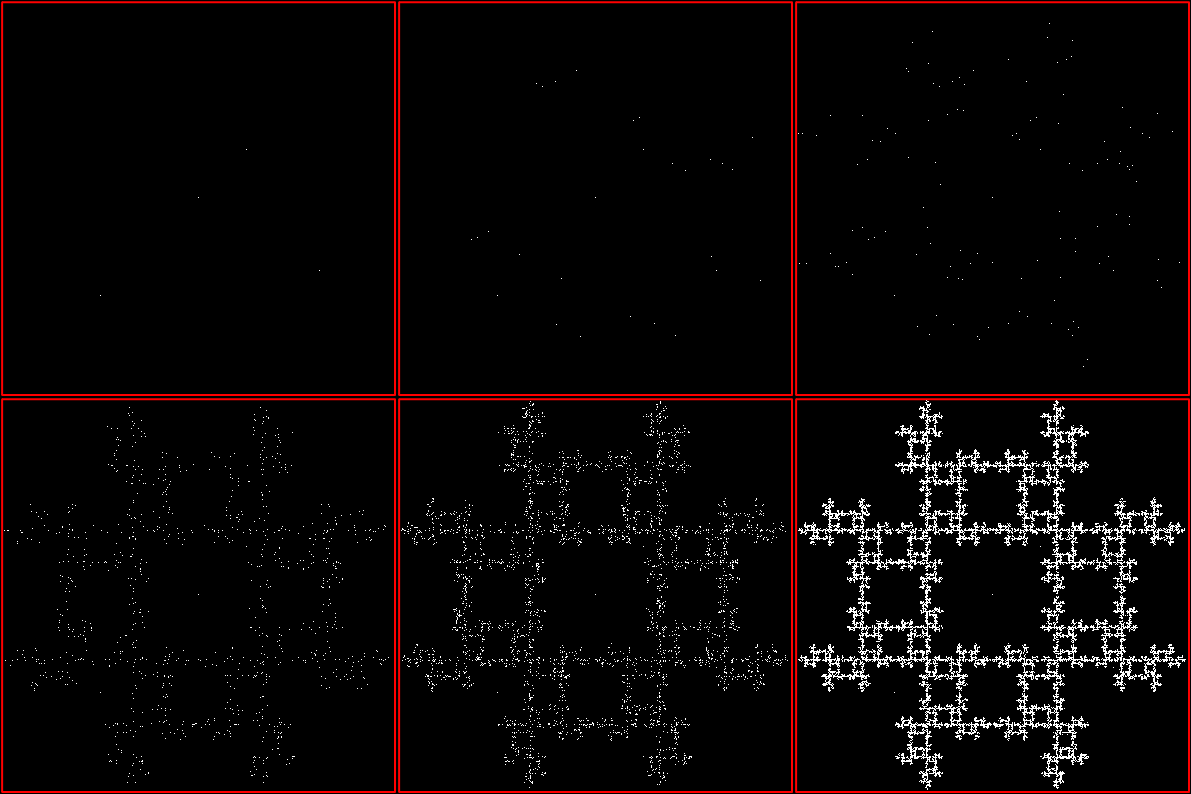

Chaos square, ban = v+0 (anim)


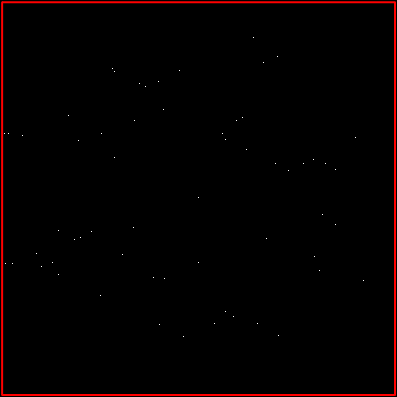
But what if the ninja can’t throw the shuriken towards the vertex one place anti-clockwise of the vertex he’s just thrown it towards? Then you get another familiar fractal — the throwing-star fractal:
Chaos square, ban = v+1, stage 1


Chaos square, ban = v+1, #2
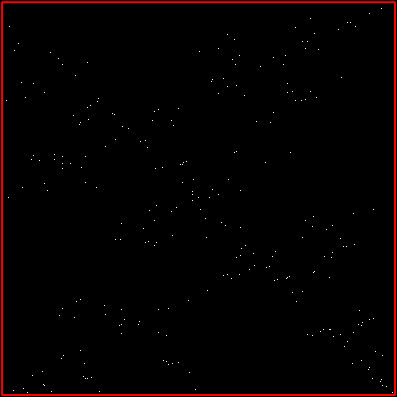

Chaos square, ban = v+1, #3


Chaos square, ban = v+1, #4
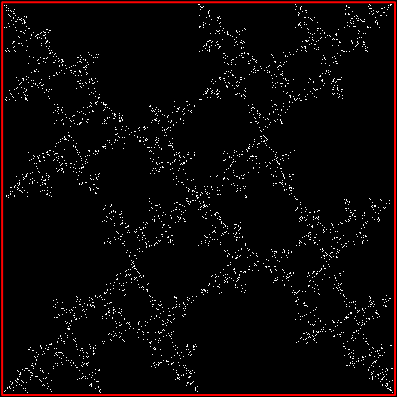

Chaos square, ban = v+1, #5
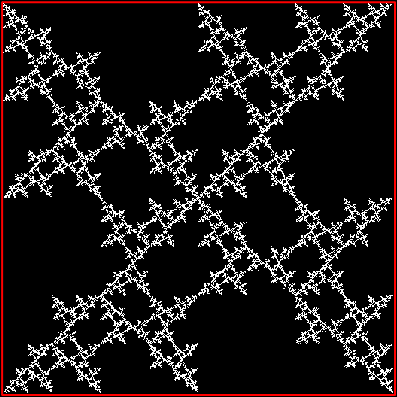

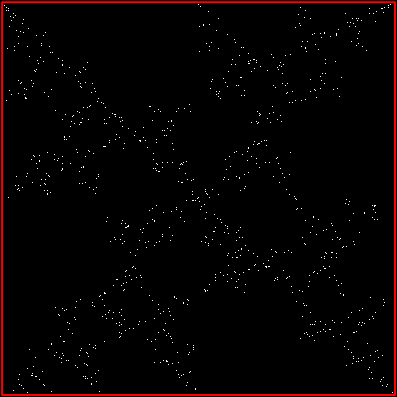
Game of Throwns — throwing-star fractal from chaos game (static)
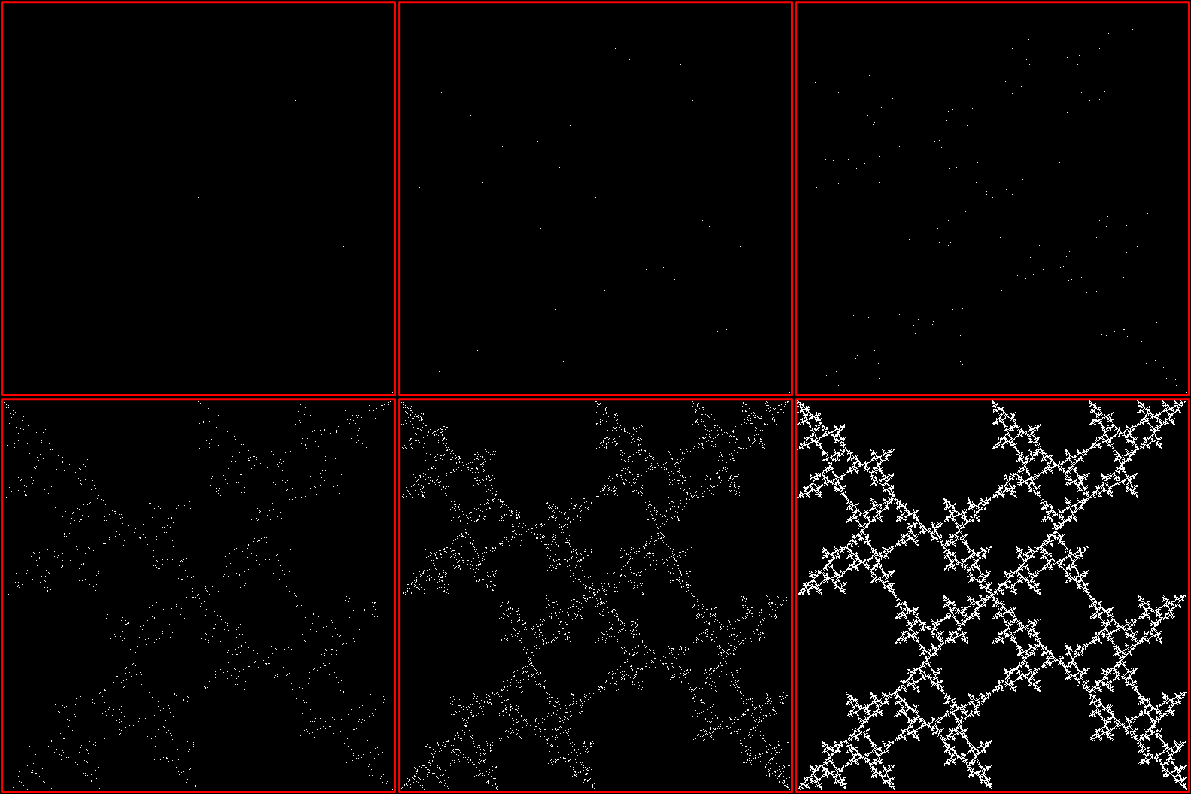

Game of Throwns — throwing-star fractal from chaos game (anim)


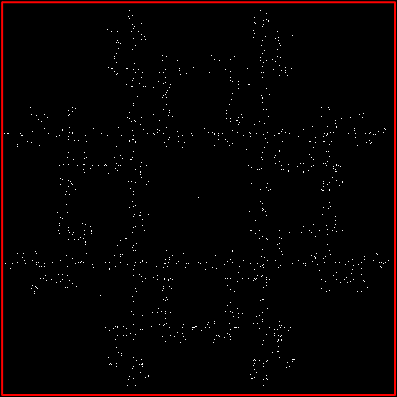
And what if the ninja can’t throw towards the vertex two places anti-clockwise (or two places clockwise) of the vertex he’s just thrown the shuriken towards? Then you get a third familiar fractal — the T-square fractal:
Chaos square, ban = v+2, stage 1


Chaos square, ban = v+2, #2
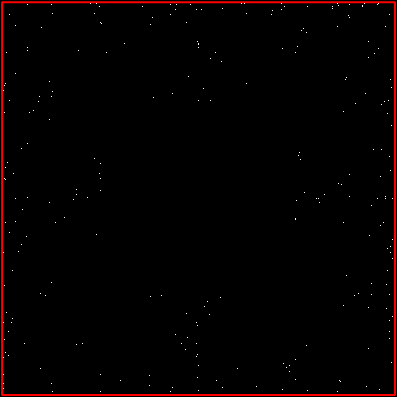

Chaos square, ban = v+2, #3
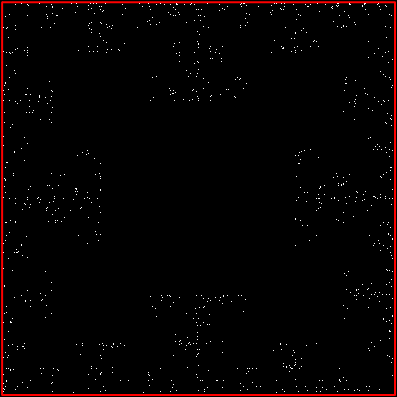

Chaos square, ban = v+2, #4


Chaos square, ban = v+2, #5
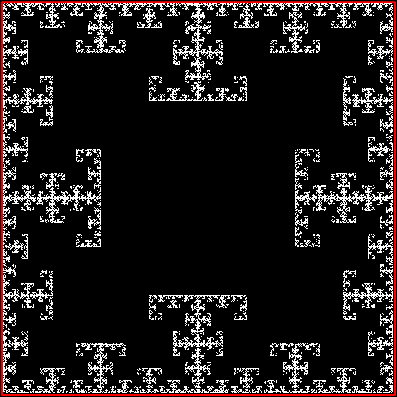

T-square fractal from chaos game (static)
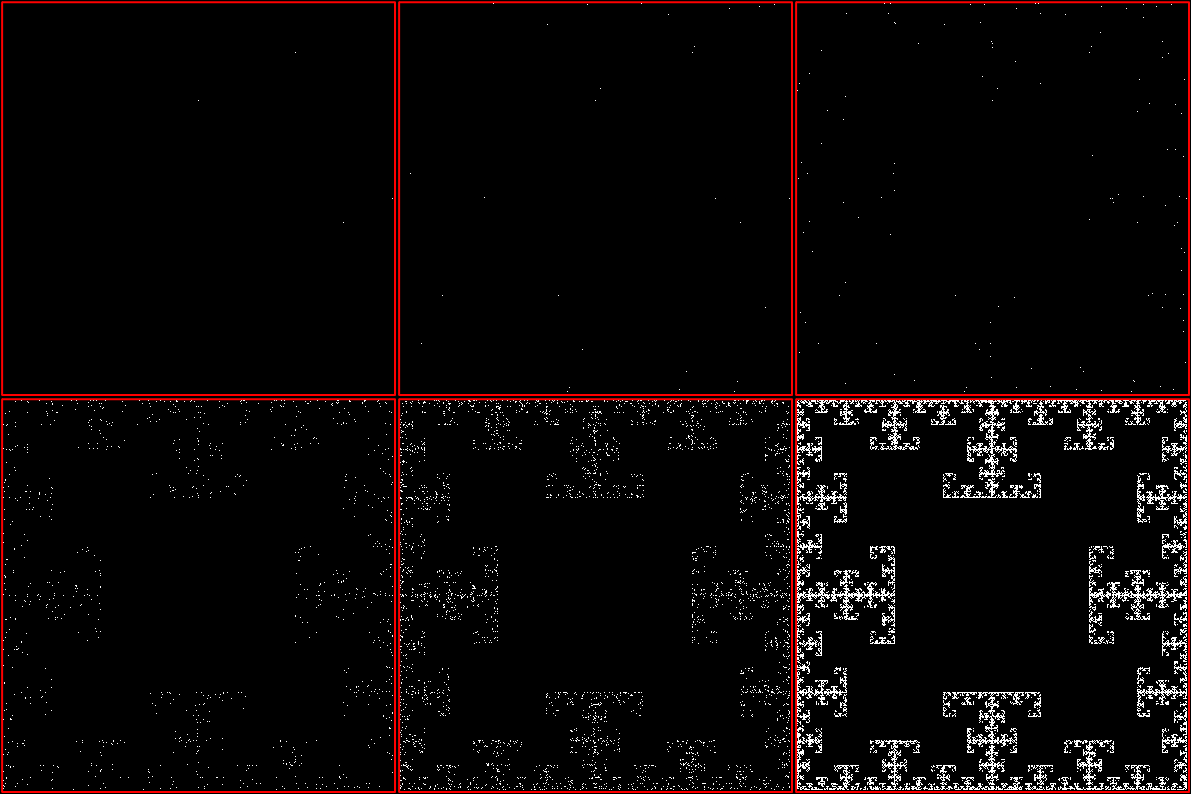

T-square fractal from chaos game (anim)


Finally, what if the ninja can’t throw towards the vertex three places anti-clockwise, or one place clockwise, of the vertex he’s just thrown the shuriken towards? If you can guess what happens, your mathematical intuition is much better than mine.


Post-Performative Post-Scriptum

I am not now and never have been a fan of George R.R. Martin. He may be a good author but I’ve always suspected otherwise, so I’ve never read any of his books or seen any of the TV adaptations.

Delta Skelta

“When I get to the bottom I go back to the top of the slide,
Where I stop and I turn and I go for a ride
Till I get to the bottom and I see you again.” — The Beatles, “Helter Skelter” (1968)


First stage of fractal #1


Animated fractal #1


First stage of fractal #2


Animated fractal #2

Six Mix Trix

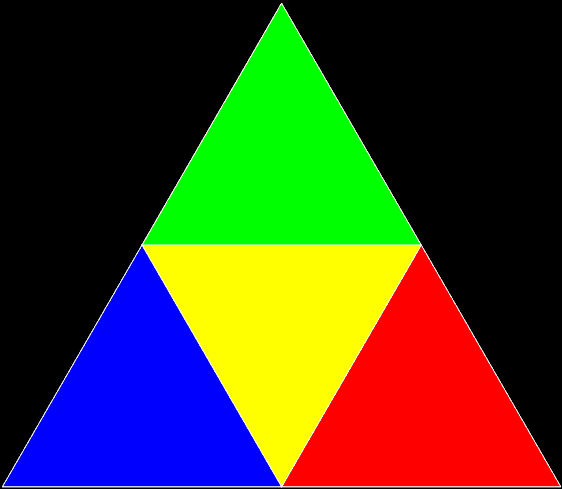
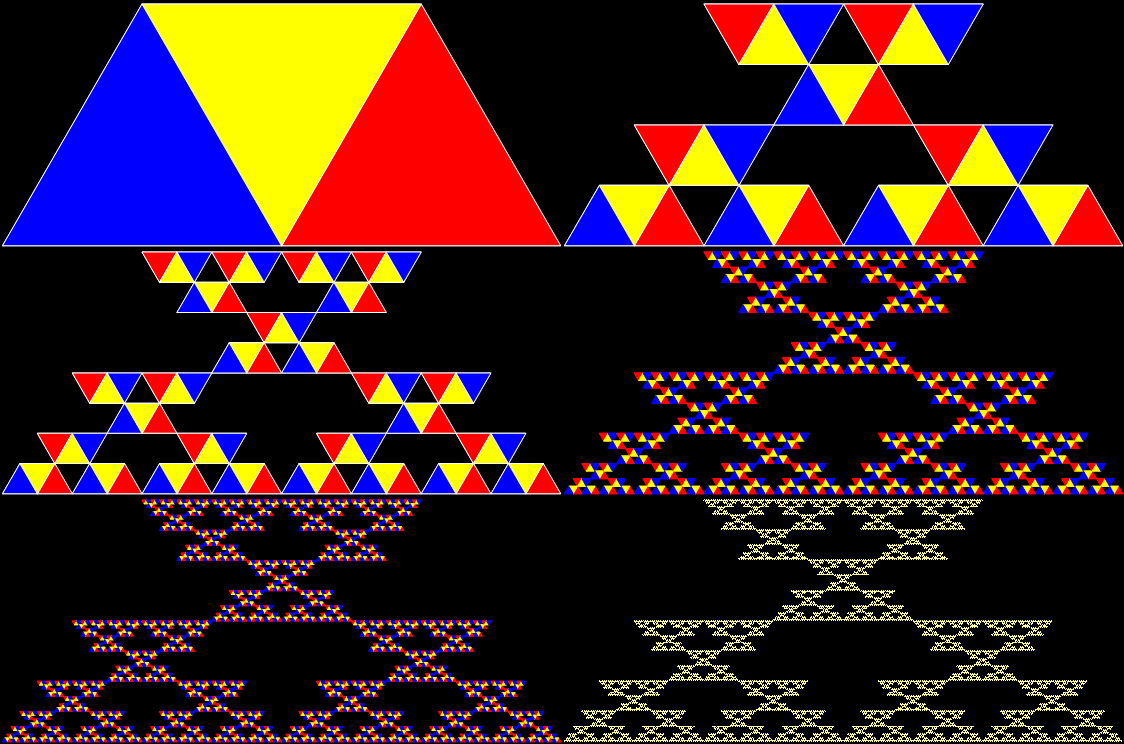
Here’s an equilateral triangle divided into six smaller triangles:

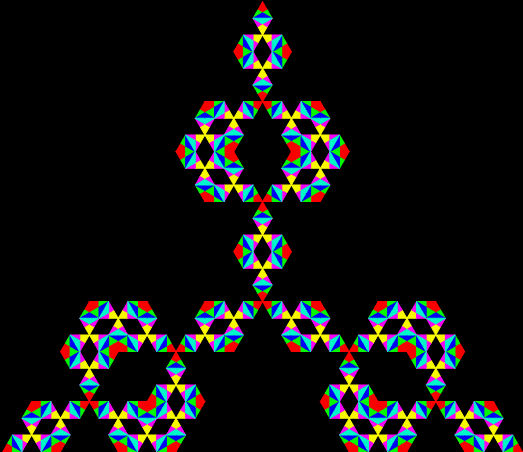
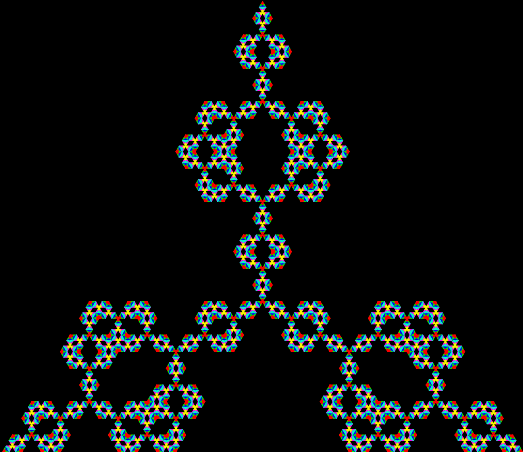
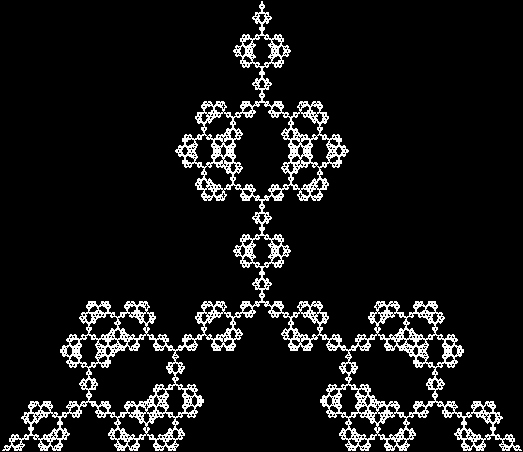
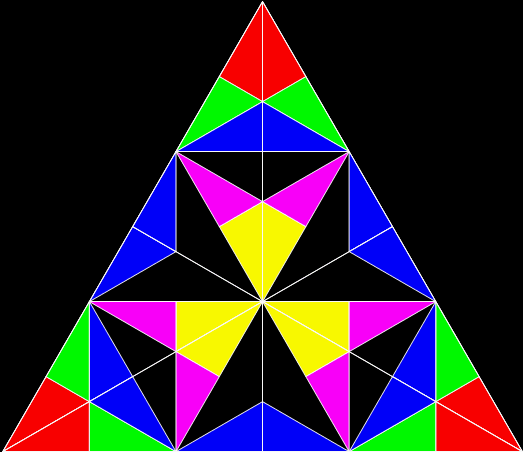
Equilateral triangle divided into six irregular triangles (Stage #1)


Now keep on dividing:

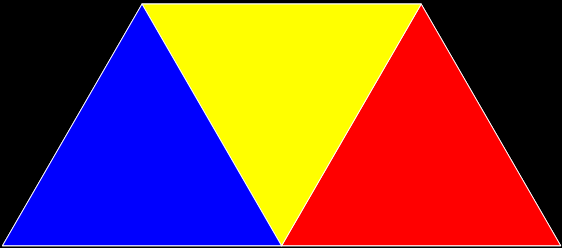
Stage #2


Stage #3


Stage #4


Stage #5


Equilateral triangle dividing into six irregular triangles (animated)


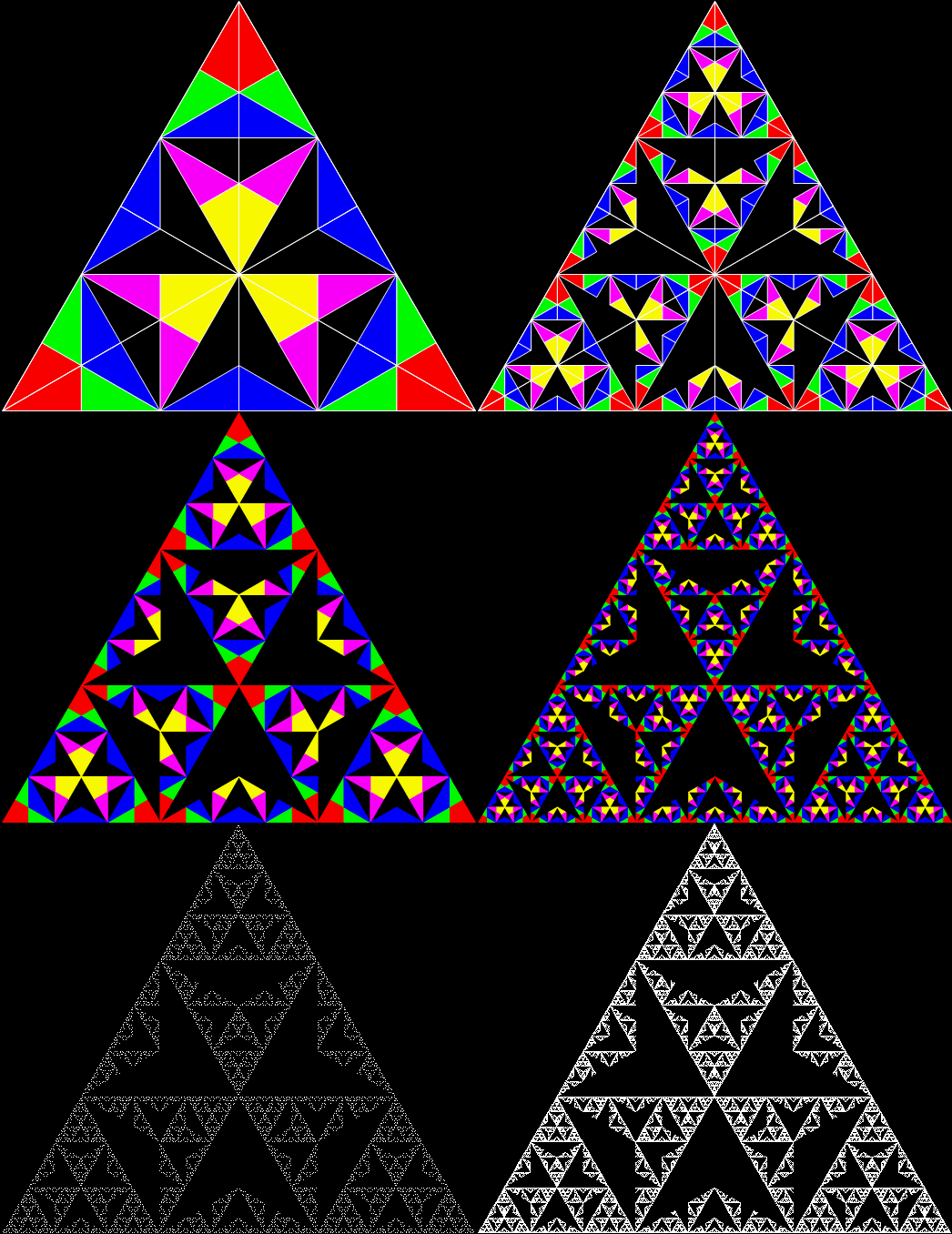
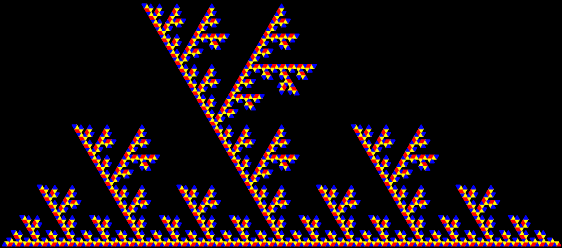
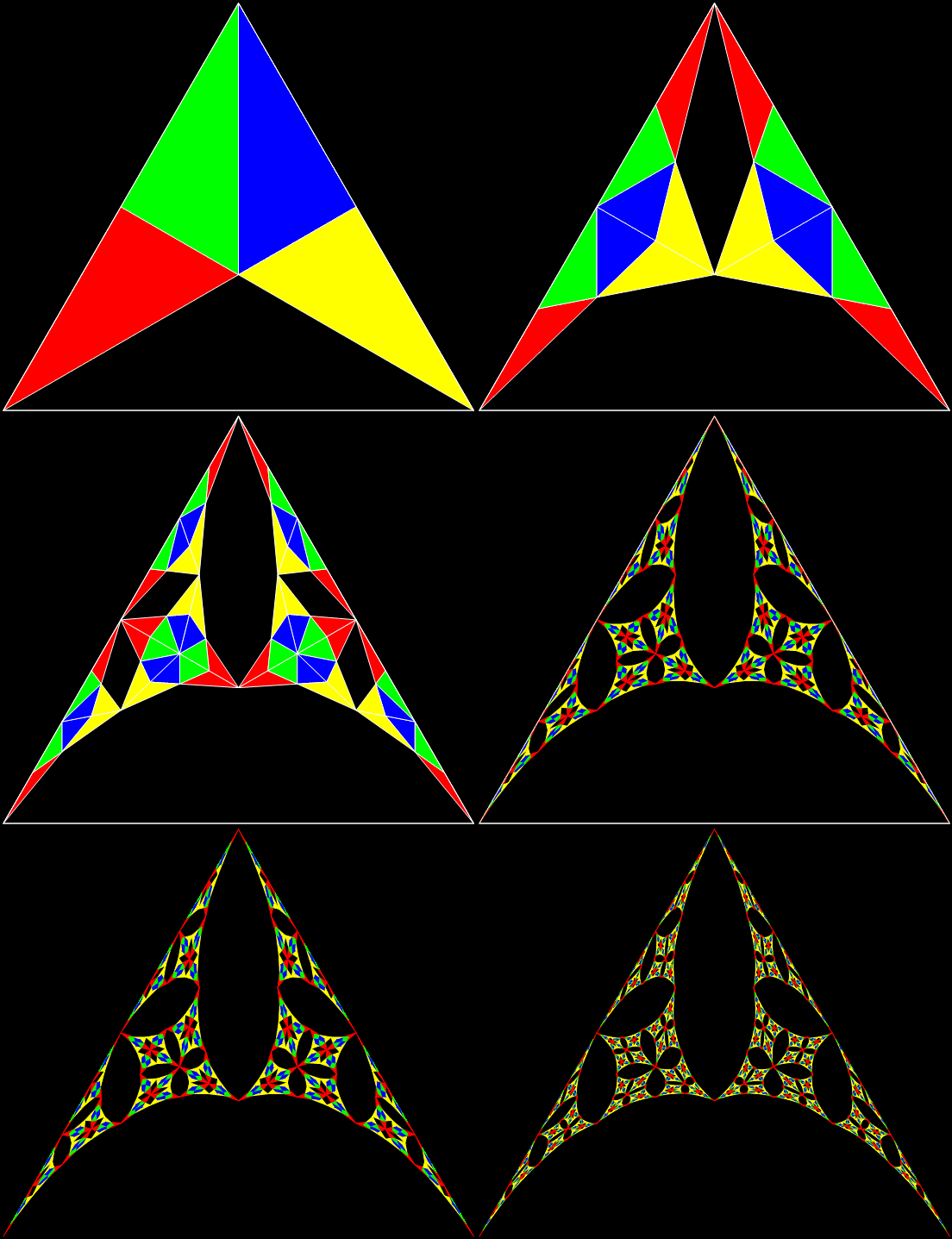
But what happens if you divide the triangle, then discard some of the sub-triangles, then repeat? You get a self-similar shape called a fractal:

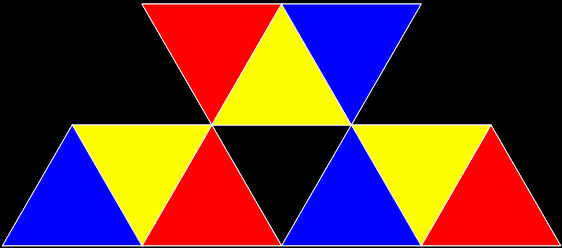
Divide-and-discard stage #1


Stage #2


Stage #3


Stage #4


Stage #5


Stage #6


Triangle fractal (animated)


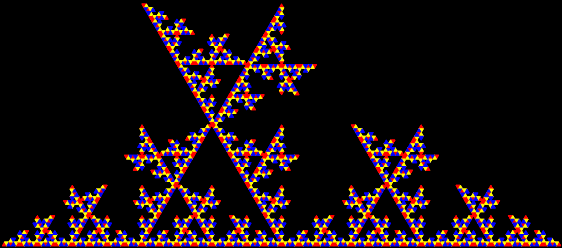
Here’s another example:

Divide-and-discard stage #1


Stage #2


Stage #3


Stage #4


Stage #5


Stage #6


Stage #7


Triangle fractal (animated)


You can also delay the divide-and-discard to create a more symmetrical fractal, like this:

Delayed divide-and-discard stage #1


Stage #2


Stage #3


Stage #4


Stage #5


Stage #6


Stage #7


Triangle fractal (animated)


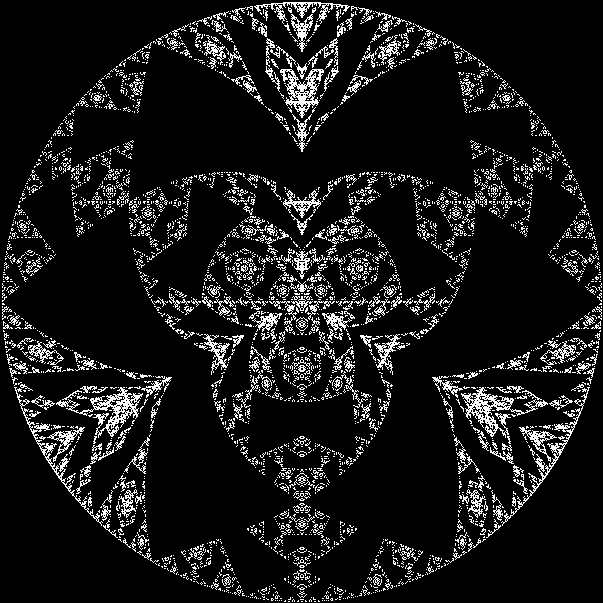
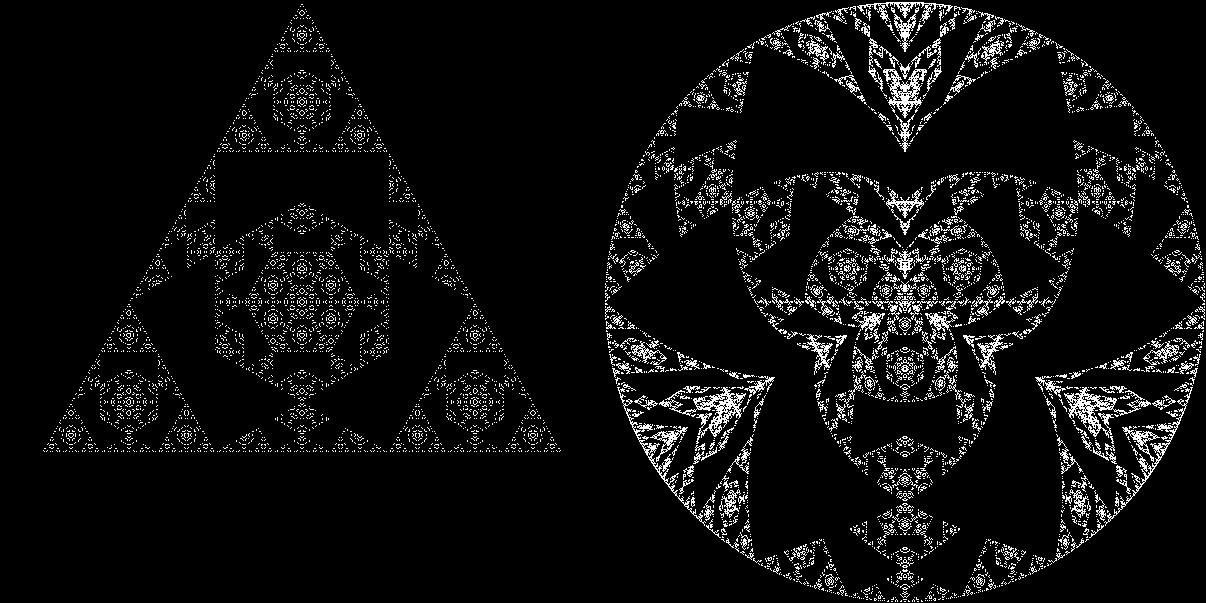
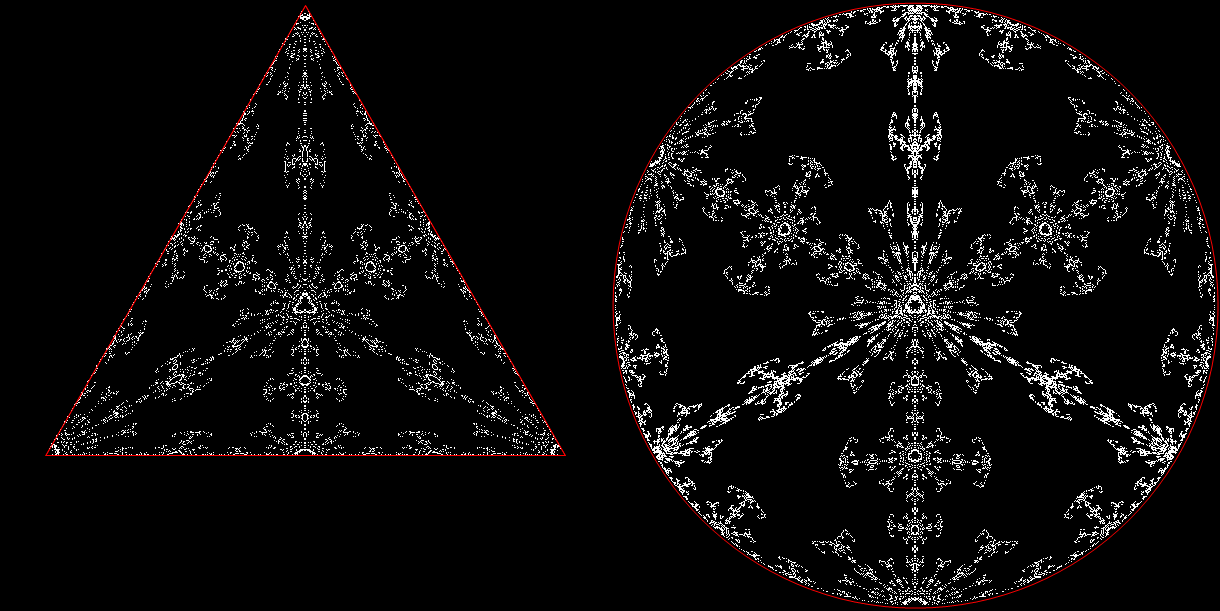
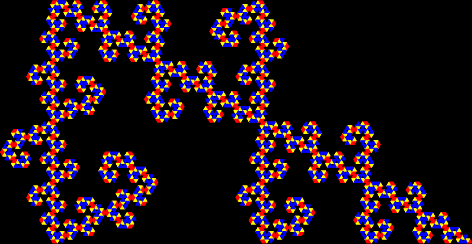
What next? You can use trigonometry to turn the cramped triangle into a circle:

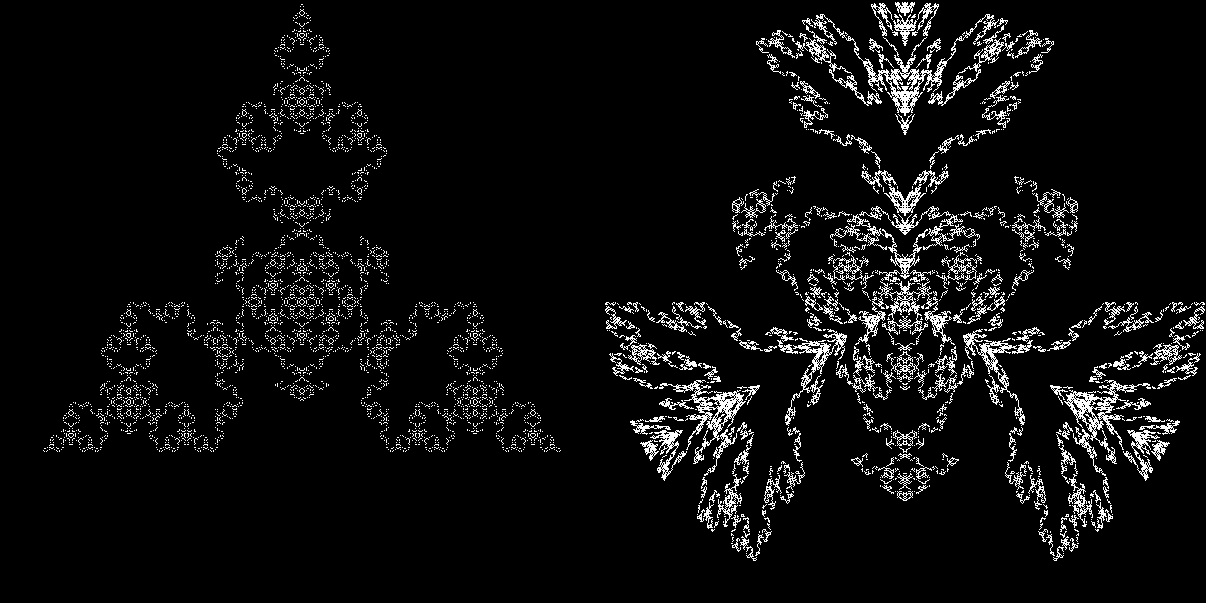
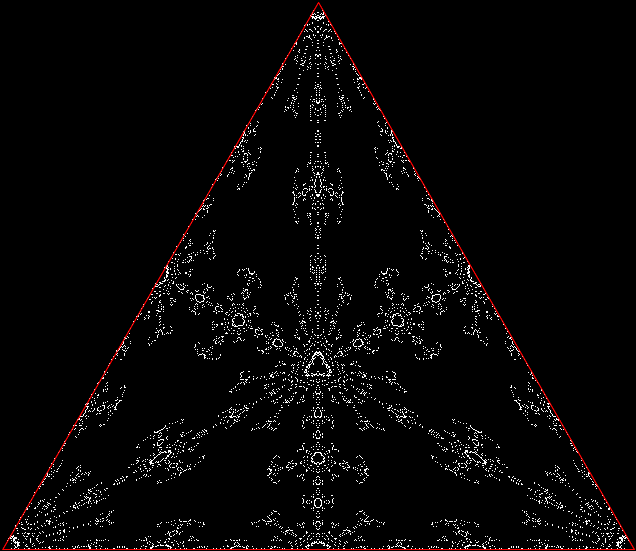
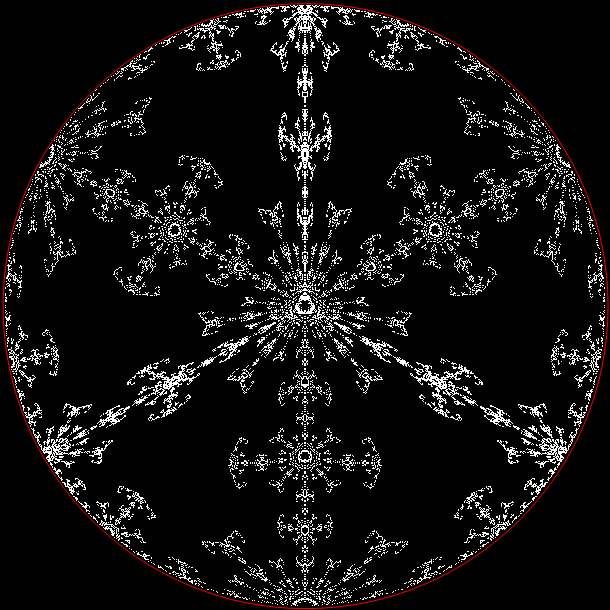
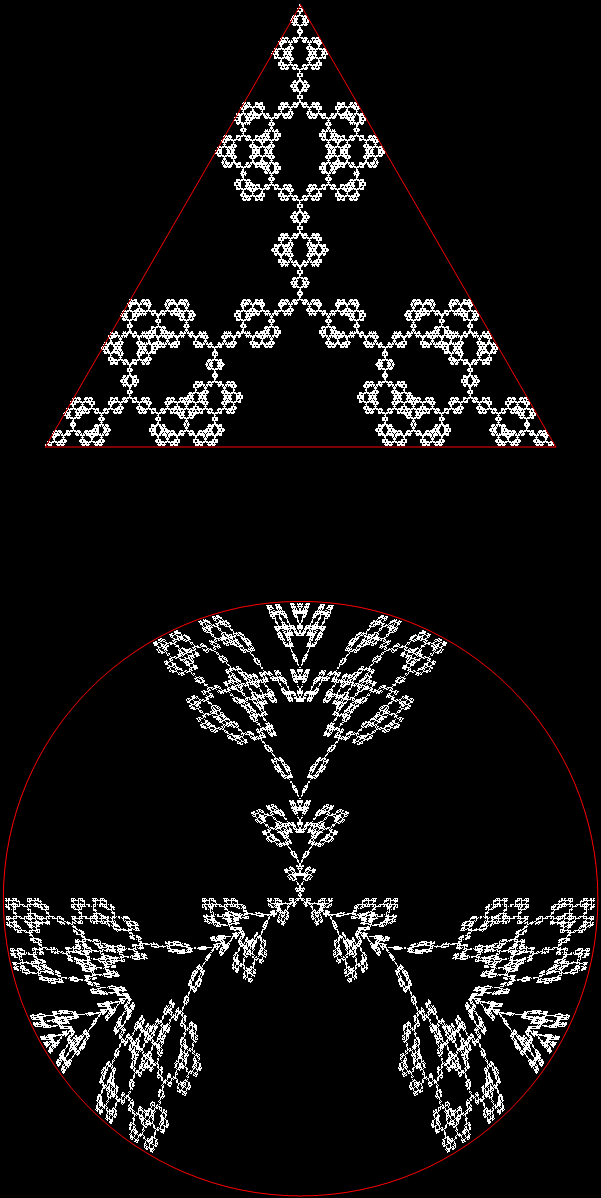
Triangular fractal

Circular fractal
(Open in new window for full image)


Triangle-to-circle (animated)


Here’s another example:

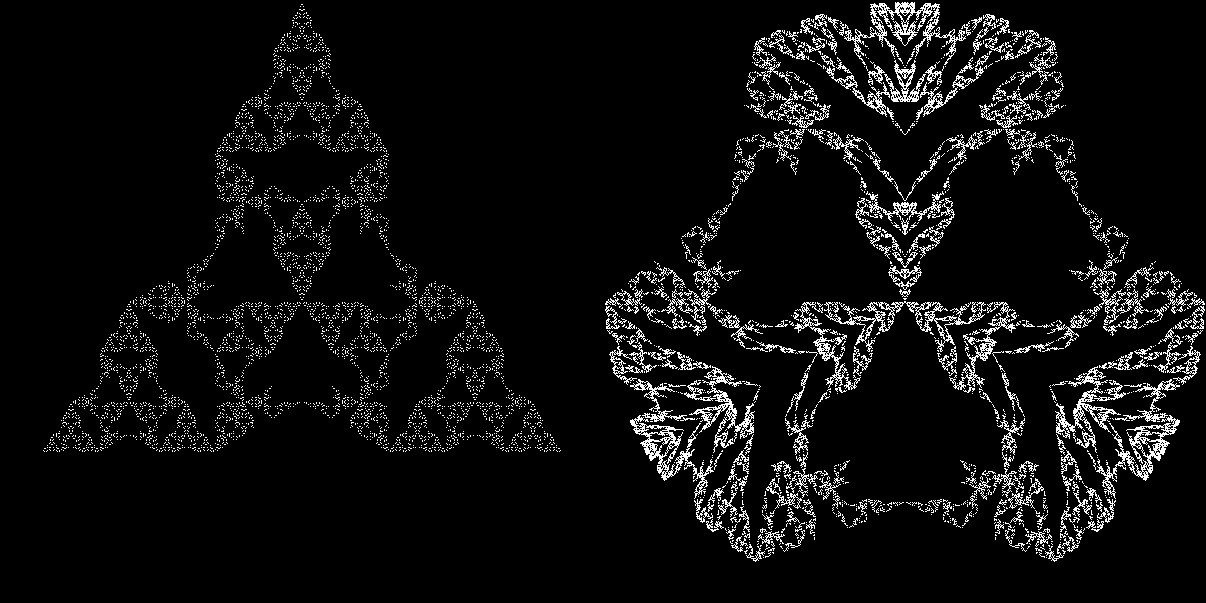
Triangular fractal

Circular fractal


Triangle-to-circle (animated)


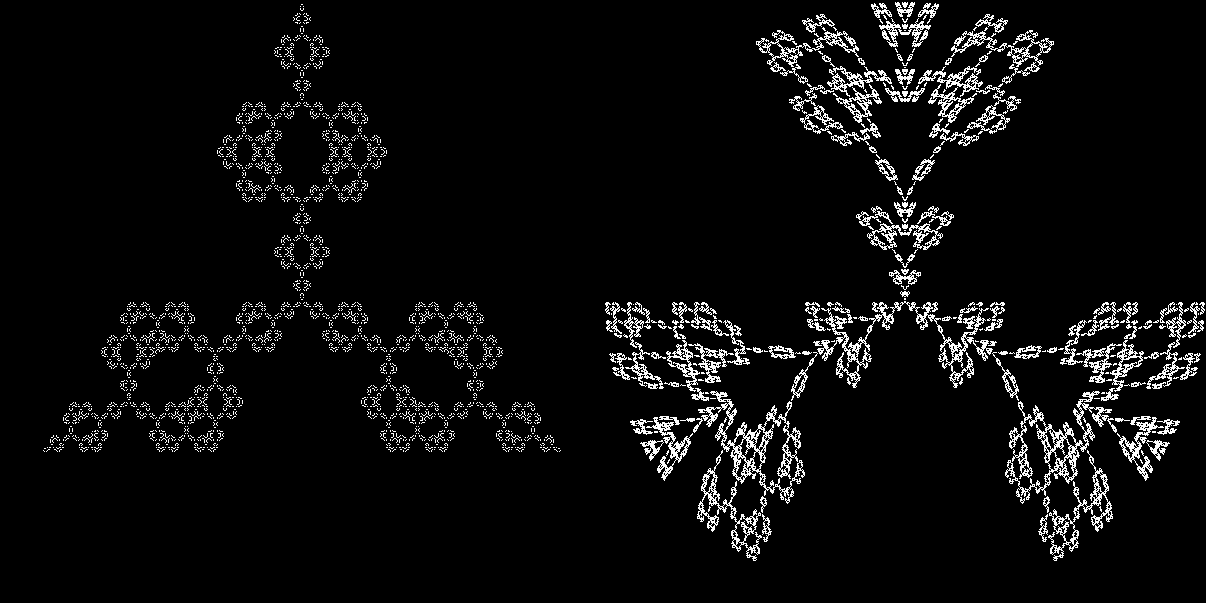
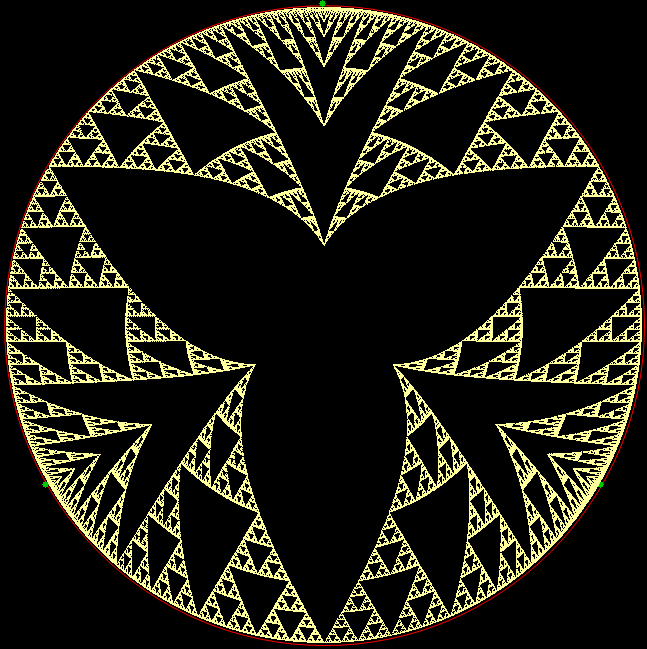
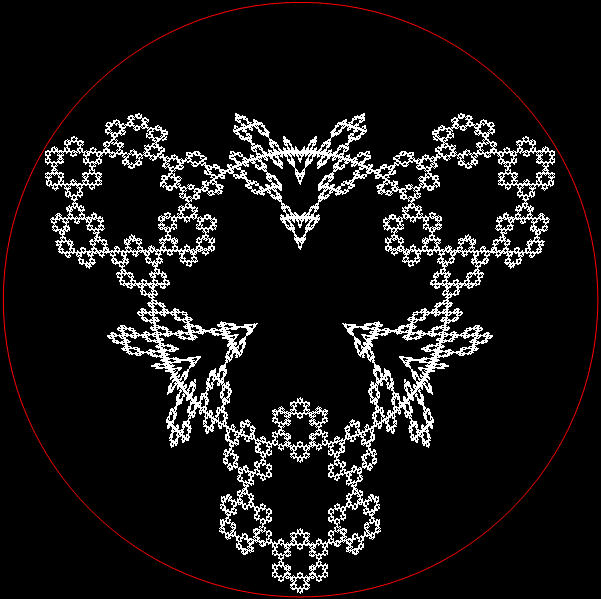
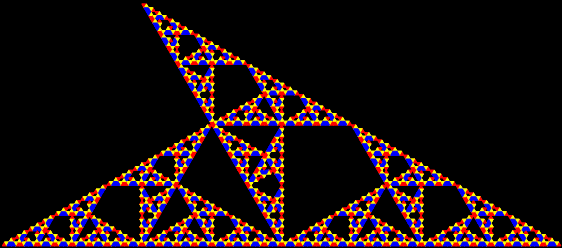
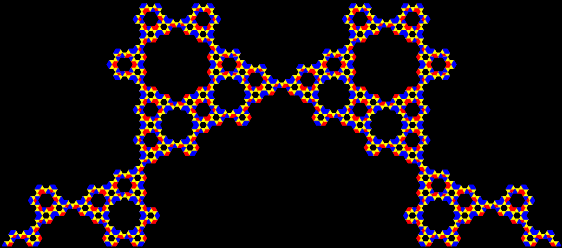
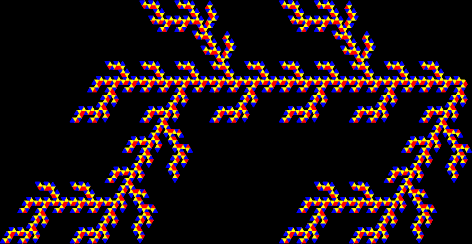
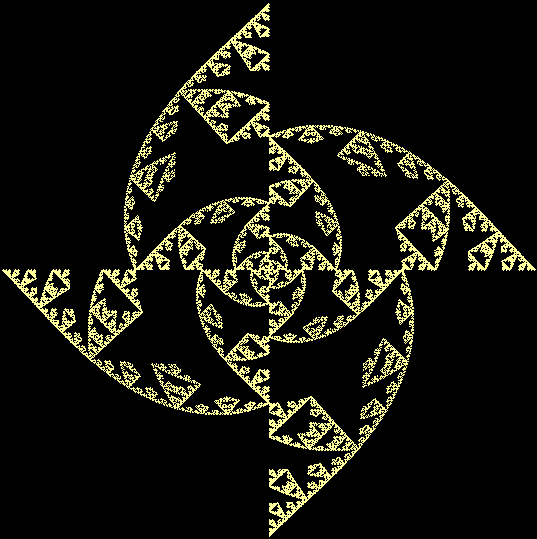
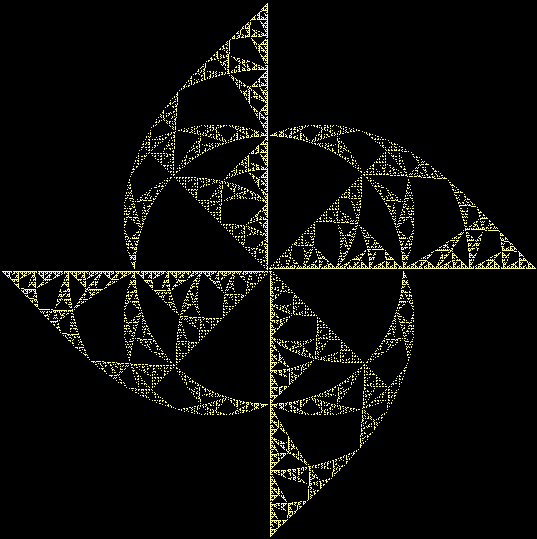
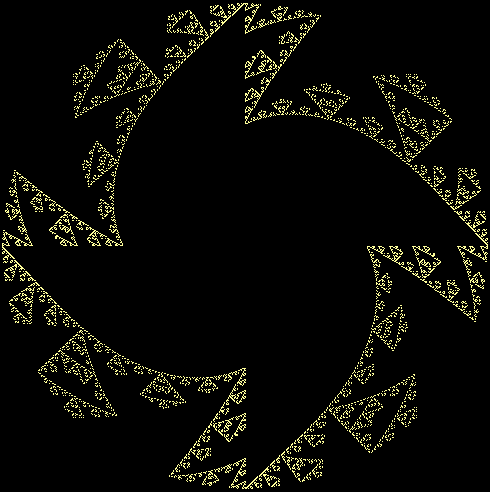
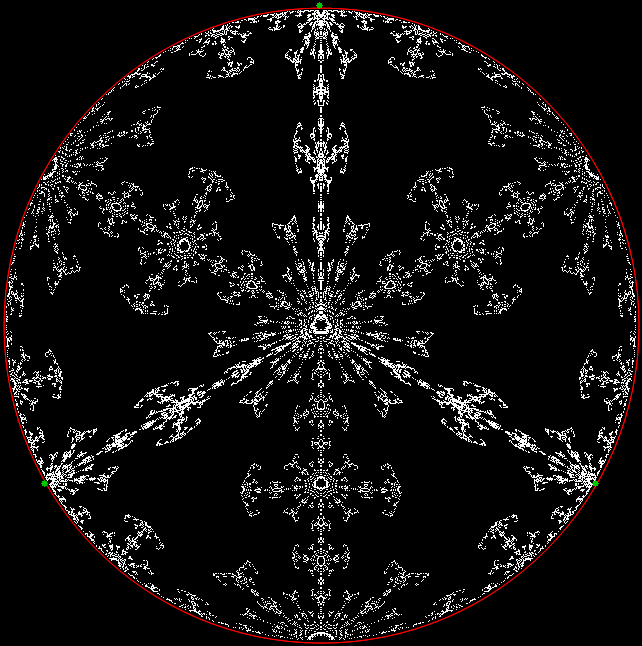
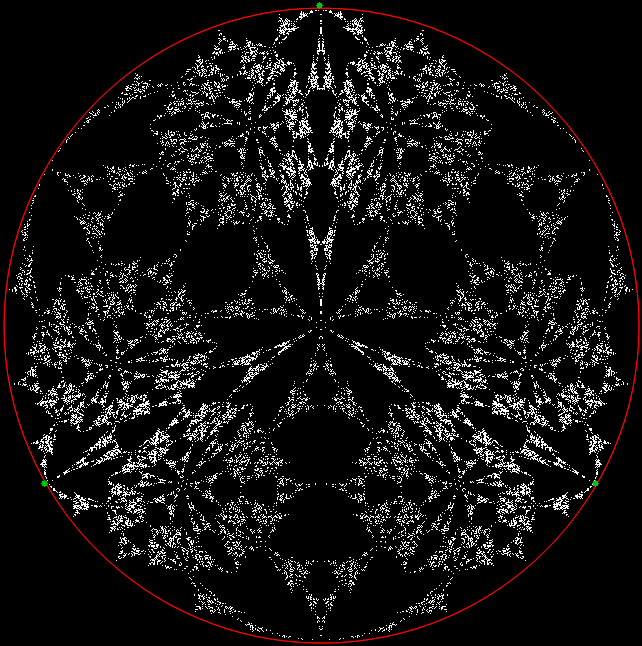
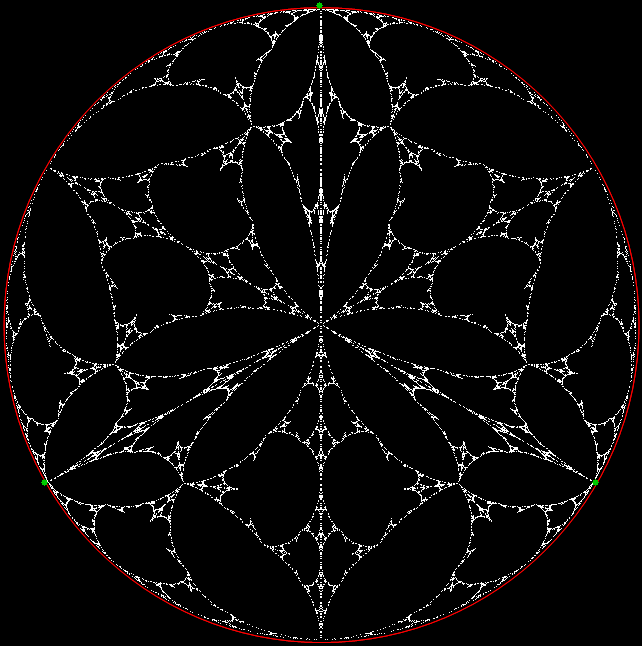
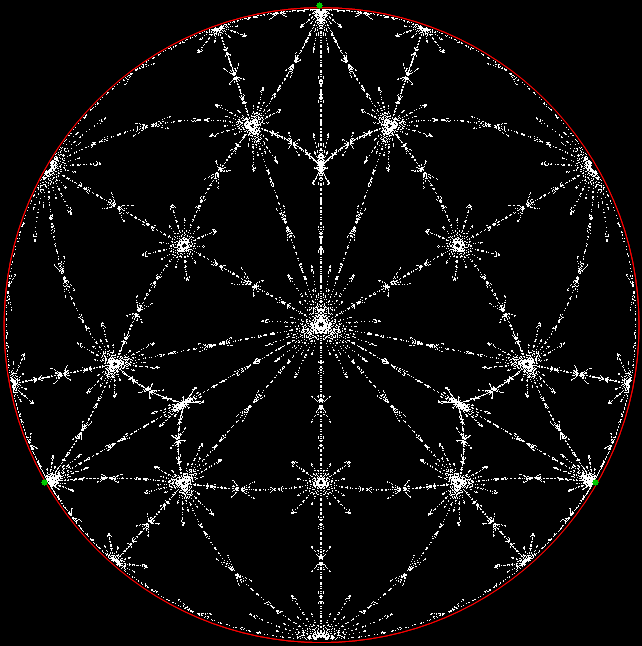
And below are some more circular fractals converted from triangular fractals. Some of them look like distorted skulls or transdimensional Lovecraftian monsters:

(Open in new window for full image)


Previous Pre-Posted

Circus Trix — an earlier look at sextally-divided-equilateral-triangle fractals