Pestilent, Pustulent and Pox-Pocked

I’m sorry, but let’s face facts: you cannot consider yourself a keyly committed core component of the counter-cultural community unless you own at least three copies — a reading copy, a prominent-shelf-of-the-bookcase copy and a wrap-carefully-in-brown-paper-put-away-in-a-cupboard-and-never-touch-or-look-at-again copy — of each of these toxic’n’tenebrose titles:

Can the Cannibal? Aspects of Angst, Abjection and Anthropophagy in the Music of Suzi Quatro, 1974-1986 (University of Nebraska Press 2004)

Doubled Slaughter: Barbarism, Brutalism and Bestial Bloodlust in the Music of Simon and Garfunkel, 1965-2010 (Serpent’s Tail 2007)

Re-Light My Führer: Nausea, Noxiousness and Neo-Nazism in the Music of Take That, 1988-2007 (U.N.P. 2013)

Base Citizens Raping: Revulsion, Repulsion and Rabidity in the Music of the Bay City Rollers, 1972-2002 (U.N.P. 2014)

Underground, Jehovahground: Ferality, Fetidity and Fundamentalist Phantasmality in the Music of the Wombles, August 1974-January 1975 (forthcoming)

Jane in Blood: Castration, Clitoridolatry and Communal Cannibalism in the Novels of Jane Austen (U.N.P. 2018)

All are by Dr Miriam B. Stimbers, of course. And what can I say about them? Simply this: these books hold an uncompromising mirror up before the pestilent, pustulent and pox-pocked features of so-called Western so-called society and say: “Look. That’s you, that is.” Dr Stimbers’ ruthlessly radical research and sizzlingly psychoanalytic scholarship will overturn your preconceptions so hard that, in some cases, they won’t appear to change at all.

Keeping It Gweel

Gweel & Other Alterities, Simon Whitechapel (Ideophasis Press, 2011)

This review is a useless waste of time. I can tell you very little about Gweel. It’s a book, if that helps. It’s made of paper. It has pages. Lots of little words on the pages.

What I can’t do is classify Gweel into a genre, not because none of them fit, but because the concept of a genre doesn’t seem to apply to Gweel. It stands alone, without classification. Calling Gweel “experimental” or “avant garde” would be like stamping a barcode on a moon rock.

It may have been written for an audience of one: author Simon Whitechapel. If we make the very reasonable assumption that he owns a copy of his own book, he may have attained 100% market saturation. However, there could be a valuable peripheral market: people who want to read a book that is very different from anything they’ve read before.

It is a collection of short pieces of writing, similar in tone but not in form, exploring “dread, death, and doom.” “Kopfwurmkundalini” and “Beating the Meat” resemble horror stories, and manage to be frightening yet strangely fantastic. The first one is about a man – paralysed in a motorbike accident, able to communicate only by eye-blinks – and his induction into a strange new reality. It contains a rather thrilling story-within-a-story called “MS Found in a Steel Bottle”, about two men journeying to the bottom of the ocean in a bathysphere. “Kopfwurmkundalini”’s final pages are written in a made-up language, but the author has encluded a glossary so that you can finish the story.

Those two/three stories make up about half of Gweel’s length. The remainder mostly consists of shorter work that seems to be more about creating an atmosphere or evoking an emotion. “Night Shift” is about a prison for planets (Venus, we learn, is serving a 10^3.2 year sentence for sex-trafficking), and a theme of prisons and planets runs through a fair few of the other stories here, although usually in a less surreal context. “Acariasis” is a vignette about a convict who sees a dust-mite crawling on his cell wall, and imagines it’s a grain of sand from Mars. The image is vivid and the piece has a powerful effect. “Primessence” is The Shawshank Redemption on peyote (and math). A prisoner believes that because his cell is a prime number, he will soon be snatched from it by some mathematical daemon (the story ends with the prisoner’s fate unknown). “The Whisper” is a ghost story of sorts, short and achingly sad.

No doubt my impression of Gweel differs from the one the author intended. But maybe his intention was that I have that different impression than him. Maybe Gweel reveals different secrets to each reader.

I can’t analyse it much, but Gweel struck me as an experience like Fellini’s Amarcord… lots of little story-threads, none of them terribly meaningful on their own. Experienced together, however, those threads will weave themselves into a tapestry in the hall of your mind, a tapestry that’s entirely unique… and your own.

Original review


Jesús say: I… S….. R… U… B… B… I… S…. H…. B… O… O… K…. | W… H… A…. N… K… C…. H… A… P… L…. E…. I… S…. H… I… J… O…. D… E…. P… U…. T… A…..

Previously pre-posted:

It’s The Gweel Thing…

He Say, He Sigh, He Sow #14

39: This appears to be the first uninteresting number, which of course makes it an especially interesting number, because it is the smallest number to have the property of being uninteresting. It is therefore also the first number to be simultaneously interesting and uninteresting.” — David Wells, The Penguin Dictionary of Curious and Interesting Numbers (1986), entry for “39”, pg. 120

Lit Is It

You know, I’m getting worried at my inability to have unmediated experiences. Everything reminds me of something in literature. It reminds me of this passage in Brideshead Revisited (1945):

“Oh, don’t talk in that damned bounderish way. Why must you see everything second-hand? Why must this be a play? Why must my conscience be a Pre-Raphaelite picture?”

“It’s a way I have.”

“I hate it.” (Op. cit.)

Ear Will An Thee

(This is a guest-review by Norman Foreman, B.A.)

Yr Wylan Ddu, Simon Whitechapel (Papyrocentric Press, ?)

If, like me, you froth at the mouth and roll on the floor biting the carpet when you hear the phrase “Pre-order now”, then relief is at hand. You might have thought that “pre-ordering now” was as logical as “ordering pre-now”. You were wrong. Here is a book that really can be pre-ordered now, because it doesn’t exist yet. If it ever does exist, it will cease to be pre-orderable now. In the meantime, you’re pre-ordering it whether you know it or not. In fact, the less you know, the more you’re pre-ordering it. All life-forms in the Universe, actual and otherwise, are pre-ordering it at this very moment, from the humblest virus to the mightiest hive-mind.

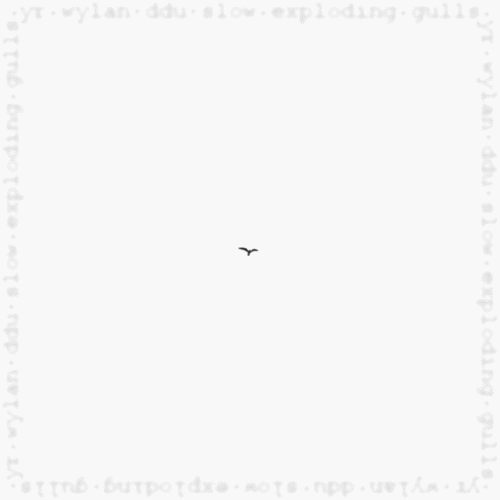
Front cover of yr wylan ddu by slow exploding gulls

Yr Wylan Ddu (2003) by Slow Exploding Gulls

There’s no escape, in other words. And no more review, you might think, given that the book doesn’t exist yet. True, but I can review the title. It’s Welsh, it means “The Black Gull”, and it’s pronounced something like “Ear Will An Thee”. It was also originally the title of an album in 2003 by the Exeter electronistas Slow Exploding Gulls. Whether S.E.G. will object to the appropriation remains to be seen. If they do, it can be pointed out that Dirgelwch Yr Wylan Ddu, or Secret of the Black Gull, was the title of a children’s book by Idwal Jones (1890-1964) published in 1978.

Front cover of Dirgelwch Yr Wylan Ddu by Idwal Jones

Idwal Jones’ Secret of the Black Gull (1978)

There is nothing corresponding to “of” in the original title of that book, but then Welsh grammar doesn’t work like that. Yr Wylan Ddu contains some good examples of how it does work. It’s an active, almost clockwork or organic, phrase compared to its static English equivalent. In isolation, the Welsh words for “the”, “black” and “gull” would be y, du, and gwylan, pronounced something like “ee”, “dee” and “goo-ill-an” in southern Welsh. But put them together and they mutate in more ways than one: Yr Wylan Ddu (adjectives generally follow the noun in Welsh). The similarity between gwylan and “gull” isn’t a coincidence: the English word is borrowed from Celtic.

However, it is unlikely that Yr Wylan Ddu will actually be written in Welsh or any other Celtic language. First, Whitechapel doubtless feels that this would reduce his already small audience. Second, he doesn’t speak Welsh. Or write it. So the book will probably follow past trends and be written in English. It’s also safe to predict that it will refer to at least one black gull. So: pre-order now. And please carry on doing so until further notice.

Three Is The Key

If The Roses of Heliogabalus (1888) is any guide, Sir Lawrence Alma-Tadema (1836-1912) thought that 222 is a special number. But his painting doesn’t exhaust its secrets. To get to another curiosity of 222, start with 142857. As David Wells puts it in his Penguin Dictionary of Curious and Interesting Numbers (1986), 142857 is a “number beloved of all recreational mathematicians”. He then describes some of its properties, including this:

142857 x 1 = 142857
142857 x 2 = 285714
142857 x 3 = 428571
142857 x 4 = 571428
142857 x 5 = 714285
142857 x 6 = 857142

The multiples are cyclic permutations: the order of the six numbers doesn’t change, only their starting point. Because each row contains the same numbers, it sums to the same total: 1 + 4 + 2 + 8 + 5 + 7 = 27. And because each row begins with a different number, each column contains the same six numbers and also sums to 27, like this:

1 4 2 8 5 7
+ + + + + +
2 8 5 7 1 4
+ + + + + +
4 2 8 5 7 1
+ + + + + +
5 7 1 4 2 8
+ + + + + +
7 1 4 2 8 5
+ + + + + +
8 5 7 1 4 2

= = = = = =

2 2 2 2 2 2
7 7 7 7 7 7

If the diagonals of the square also summed to the same total, the multiples of 142857 would create a full magic square. But the diagonals don’t have the same total: the left-right diagonal sums to 31 and the right-left to 23 (note that 31 + 23 = 54 = 27 x 2).

But where does 142857 come from? It’s actually the first six digits of the reciprocal of 7, i.e. 1/7 = 0·142857… Those six numbers repeat for ever, because 1/7 is a prime reciprocal with maximum period: when you calculate 1/7, all integers below 7 are represented in the remainders. The square of multiples above is simply another way of representing this:

1/7 = 0·142857…
2/7 = 0·285714…
3/7 = 0·428571…
4/7 = 0·571428…
5/7 = 0·714285…
6/7 = 0·857142…
7/7 = 0·999999…

The prime reciprocals 1/17 and 1/19 also have maximum period, so the squares created by their multiples have the same property: each row and each column sums to the same total, 72 and 81, respectively. But the 1/19 square has an additional property: both diagonals sum to 81, so it is fully magic:

01/19 = 0·0 5 2 6 3 1 5 7 8 9 4 7 3 6 8 4 2 1
02/19 = 0·1 0 5 2 6 3 1 5 7 8 9 4 7 3 6 8 4 2…
03/19 = 0·1 5 7 8 9 4 7 3 6 8 4 2 1 0 5 2 6 3…
04/19 = 0·2 1 0 5 2 6 3 1 5 7 8 9 4 7 3 6 8 4…
05/19 = 0·2 6 3 1 5 7 8 9 4 7 3 6 8 4 2 1 0 5…
06/19 = 0·3 1 5 7 8 9 4 7 3 6 8 4 2 1 0 5 2 6…
07/19 = 0·3 6 8 4 2 1 0 5 2 6 3 1 5 7 8 9 4 7…
08/19 = 0·4 2 1 0 5 2 6 3 1 5 7 8 9 4 7 3 6 8…
09/19 = 0·4 7 3 6 8 4 2 1 0 5 2 6 3 1 5 7 8 9…
10/19 = 0·5 2 6 3 1 5 7 8 9 4 7 3 6 8 4 2 1 0…
11/19 = 0·5 7 8 9 4 7 3 6 8 4 2 1 0 5 2 6 3 1…
12/19 = 0·6 3 1 5 7 8 9 4 7 3 6 8 4 2 1 0 5 2…
13/19 = 0·6 8 4 2 1 0 5 2 6 3 1 5 7 8 9 4 7 3…
14/19 = 0·7 3 6 8 4 2 1 0 5 2 6 3 1 5 7 8 9 4…
15/19 = 0·7 8 9 4 7 3 6 8 4 2 1 0 5 2 6 3 1 5…
16/19 = 0·8 4 2 1 0 5 2 6 3 1 5 7 8 9 4 7 3 6…
17/19 = 0·8 9 4 7 3 6 8 4 2 1 0 5 2 6 3 1 5 7…
18/19 = 0·9 4 7 3 6 8 4 2 1 0 5 2 6 3 1 5 7 8

First line = 0 + 5 + 2 + 6 + 3 + 1 + 5 + 7 + 8 + 9 + 4 + 7 + 3 + 6 + 8 + 4 + 2 + 1 = 81

Left-right diagonal = 0 + 0 + 7 + 5 + 5 + 9 + 0 + 3 + 0 + 4 + 2 + 8 + 7 + 5 + 6 + 7 + 5 + 8 = 81

Right-left diagonal = 9 + 9 + 2 + 4 + 4 + 0 + 9 + 6 + 9 + 5 + 7 + 1 + 2 + 4 + 3 + 2 + 4 + 1 = 81

In base 10, this doesn’t happen again until the 1/383 square, whose magic total is 1719 (= 383-1 x 10⁻¹ / 2). But recreational maths isn’t restricted to base 10 and lots more magic squares are created by lots more primes in lots more bases. The prime 223 in base 3 is one of them. Here the first line is

1/223 = 1/220213 = 0·

0000100210210102121211101202221112202
2110211112001012200122102202002122220
2110110201020210001211000222011010010
2222122012012120101011121020001110020
0112011110221210022100120020220100002
0112112021202012221011222000211212212…

The digits sum to 222, so 222 is the magic total for all rows and columns of the 1/223 square. It is also the total for both diagonals, so the square is fully magic. I doubt that Alma-Tadema knew this, because he lived before computers made calculations like that fast and easy. But he was probably a Freemason and, if so, would have been pleased to learn that 222 had a link with squares.

Vigor Mortis

Front cover of The Best of Black Sabbath
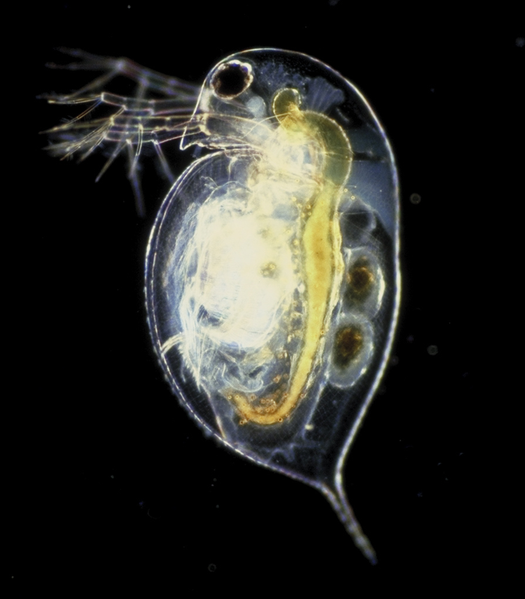
In the Christian religion, the resurrection follows the virgin birth. In the rock-graves at Heysham, the virgin birth follows the resurrection. Or rather: the virgin-births follow the resurrections. There are many of both. The rock-graves at Heysham* are carved in solid rock near the remains of St Patrick’s chapel, an ancient ruin overlooking Morecambe Bay on the coast of Lancashire in England. You may have seen them before, because they appear on the cover of a compilation album by the heavy-metal band Black Sabbath, where they’re filled with ice and look suitably dark and sinister. But the graves are sometimes full of life and activity. In spring, as the rainwater filling them begins to warm, there are resurrections – dozens of them. Tiny crustaceans (a group of animals that includes crabs, shrimps and woodlice) hatch from eggs that have over-wintered in the sediment on the floors of the graves. Some of the crustaceans are called water-fleas, others are called seed-shrimps. Water-fleas, whose scientific name is Daphnia, hop through the water with jerks of their antennae, sieving it for fresh-water plankton. Seed-shrimps, or ostracods, are enclosed in tiny double-sided shells through which their legs protrude. They trundle over the stone sides of the graves, scraping off algae and catching even smaller and simpler animals like rotifers and protozoa.

The rock graves at Heysham (c. 11th century A.D.)

Rock graves at Heysham, Lancs. (c. 1000s)

Water-fleas are famous for parthenogenesis, or their ability to produce offspring without sex. Those that hatch first in spring are female and give birth without mating with any males. A single water-flea in a jar of stagnant water soon becomes a swarm. It’s only later in the year that males are born and the water-fleas mate to produce winter eggs, which sink to the floor of the graves and lie there through the cold weather. The eggs of water-fleas and ostracods can also survive desiccation, or drying-up, and can be blown on the wind to new sites. That is probably how these crustaceans arrived in the rock-graves, which they must have occupied for centuries, through the coldest winters and the hottest summers, dying and being reborn again and again. When a human being or large animal dies, chemical changes in the body make the muscles rigid and wood-like. The scientific term for this is rigor mortis, or the “stiffness of death”. Rigor mortis wears off in time and the body begins to rot. The rock-graves at Heysham are an example of vigor mortis, or the “vigour of death”. Medieval human beings created the graves to bury their dead, but the bodies that were once there have been lost to history. The water-fleas and the seed-shrimps remain, tiny, overlooked and fascinating.

A seed-shrimp or ostracod

A seed-shrimp

A water-flea, Daphnia pulex

A water-flea


*Heysham is pronounced HEE-shum and is an old coastal village near the city of Lancaster, after which Lancashire is named.

’Dith and the Maiden

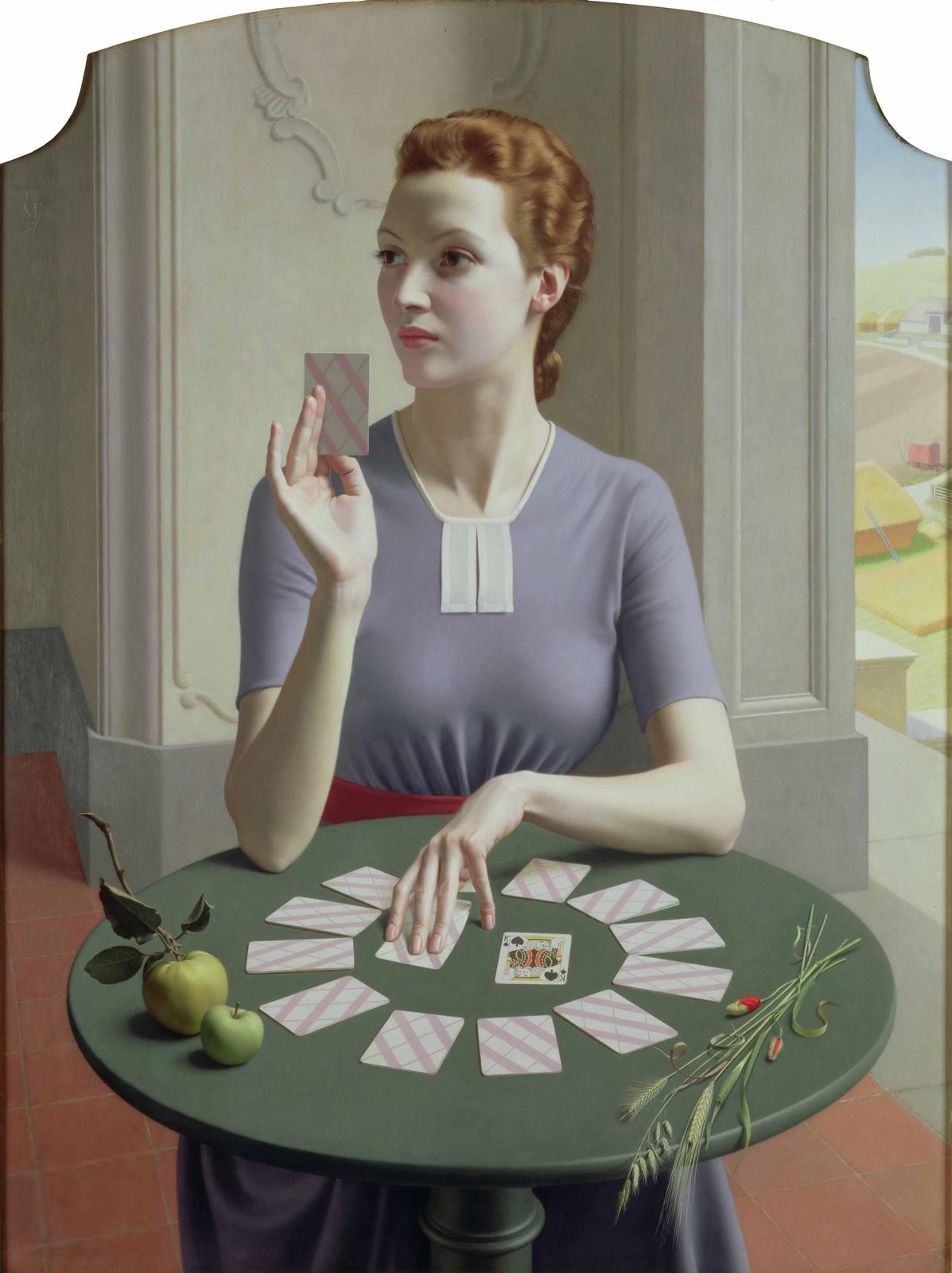
Meredith Frampton's A Game of Patience (1937)

A Game of Patience (1937) by Meredith Frampton (1894-1984), from the Ferens Art Gallery in Kingston-on-Hull, Yorkshire.

The Call of Cthuneus

Cuneiform, adj. and n. Having the form of a wedge, wedge-shaped. (← Latin cuneus wedge + -form) (Oxford English Dictionary)

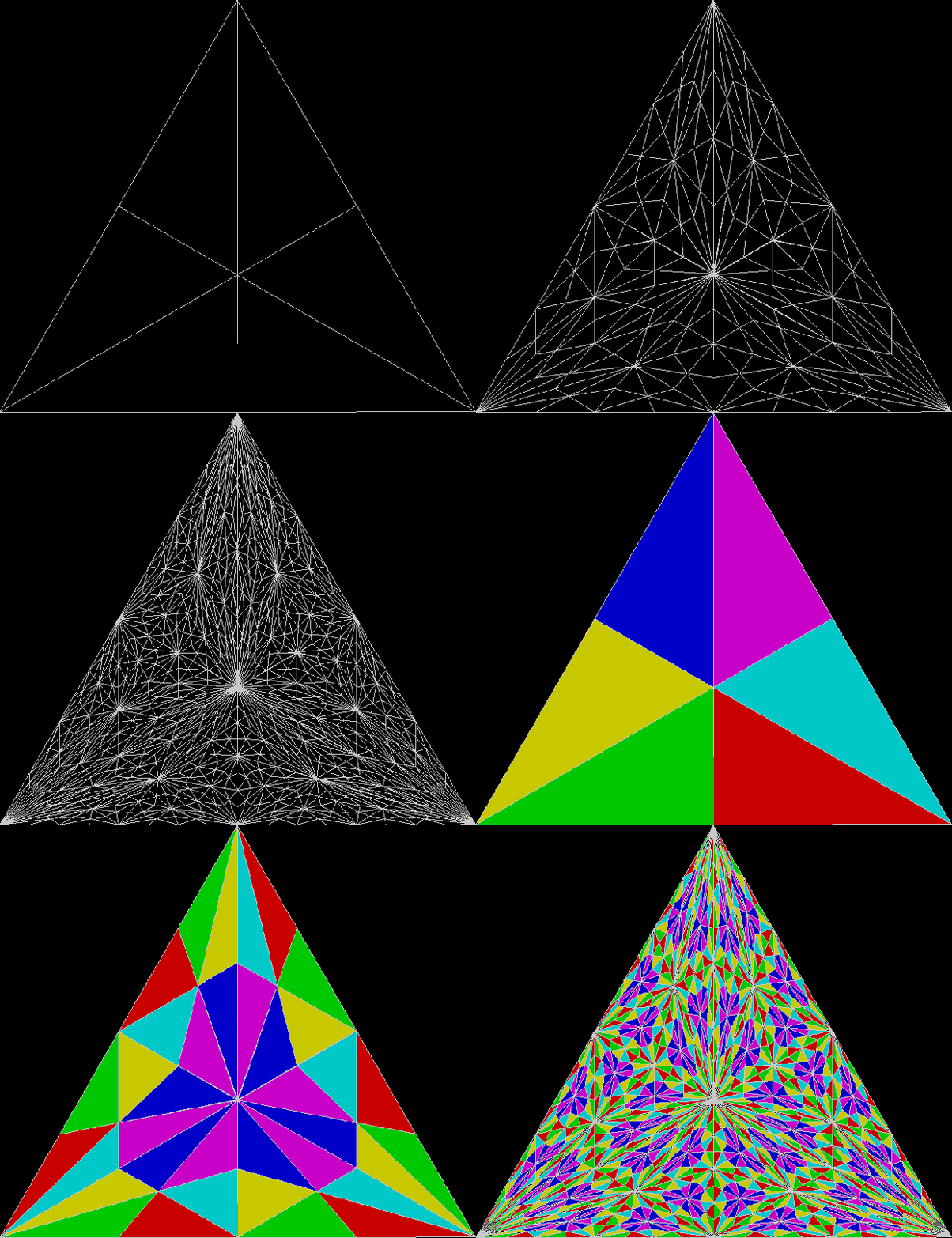
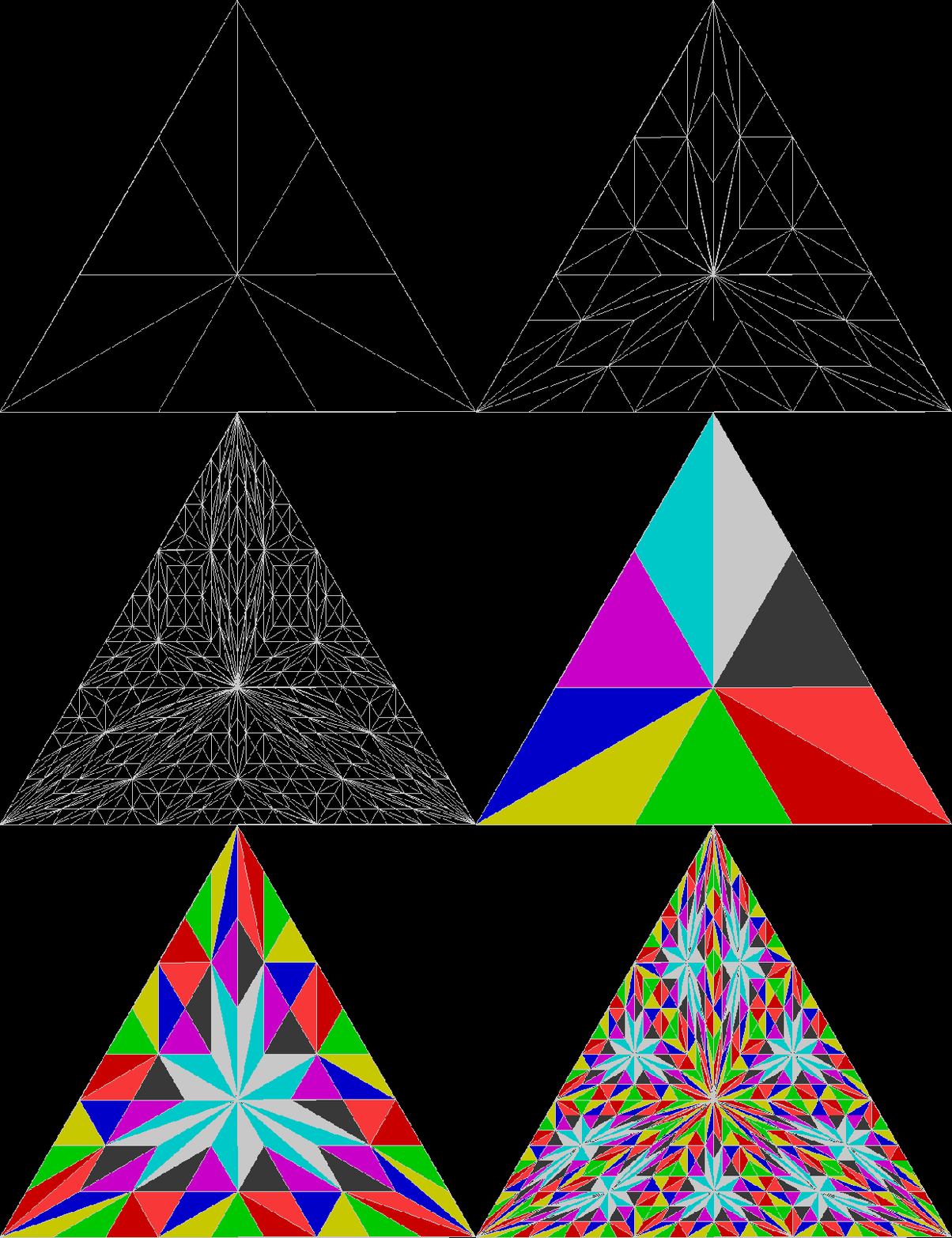
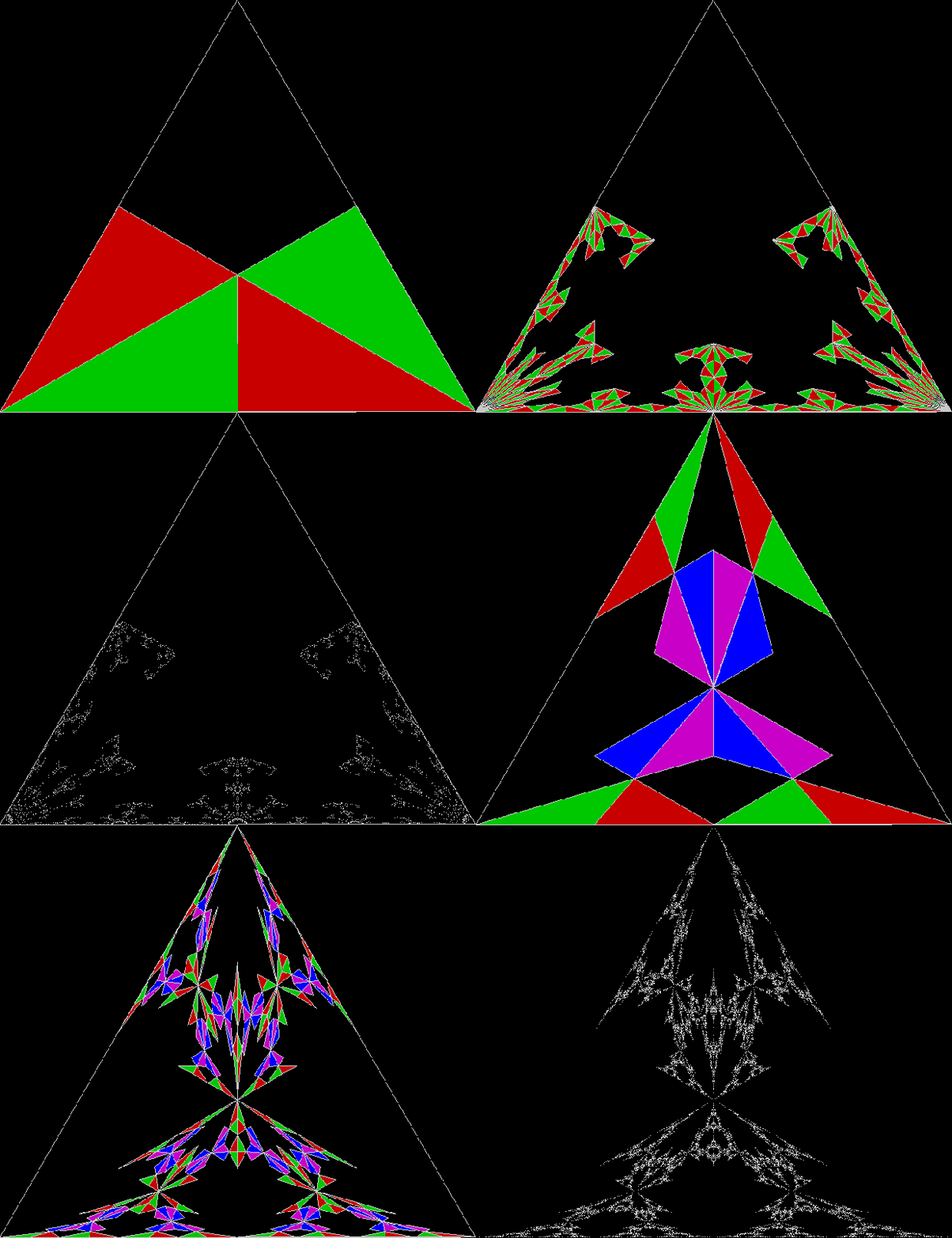
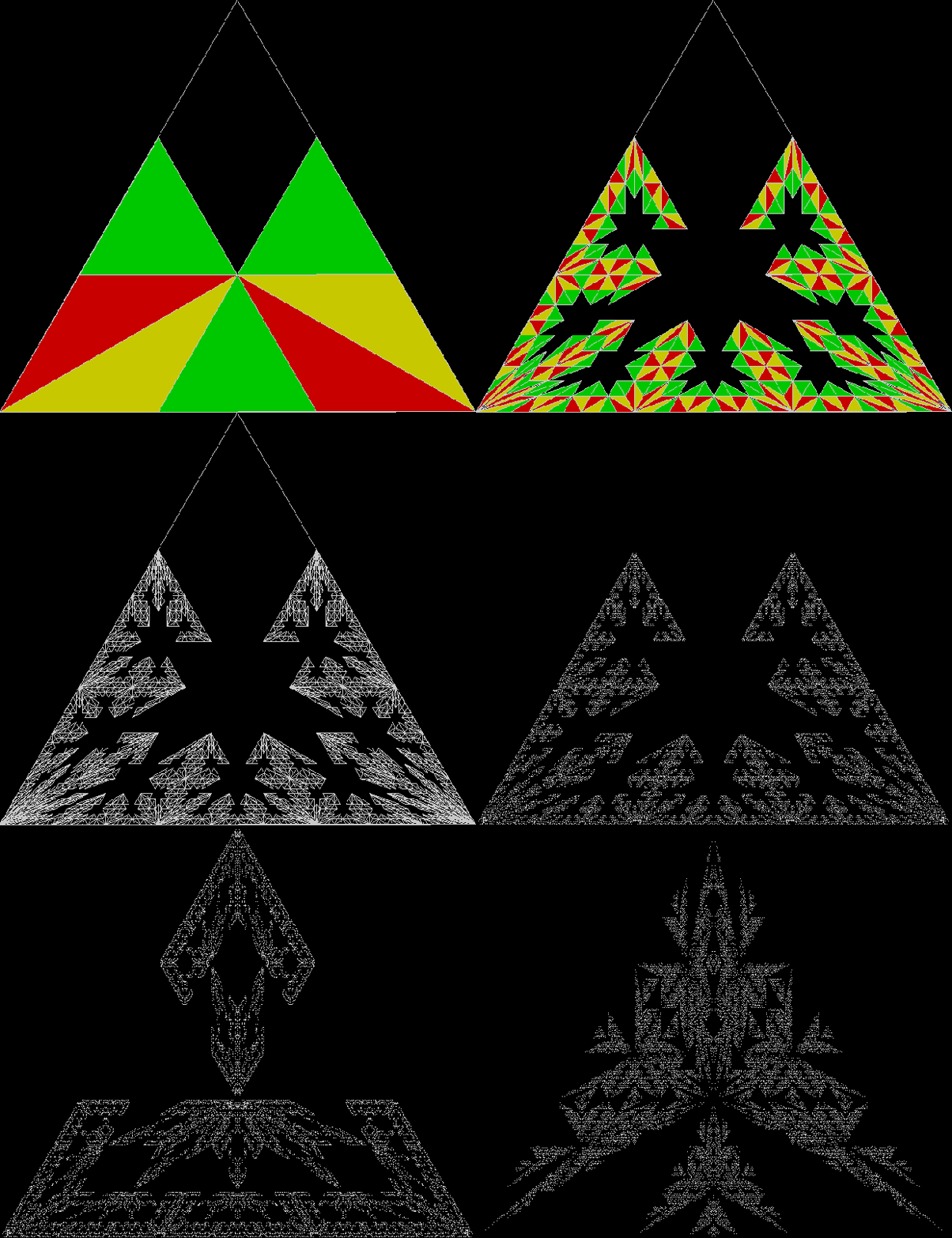
This fractal is created by taking an equilateral triangle and finding the centre and the midpoint of each side. Using all these points, plus the three vertices, six new triangles can be created from the original. The process is then repeated with each new triangle (if the images don’t animate, please try opening them in a new window):

triangle_div2

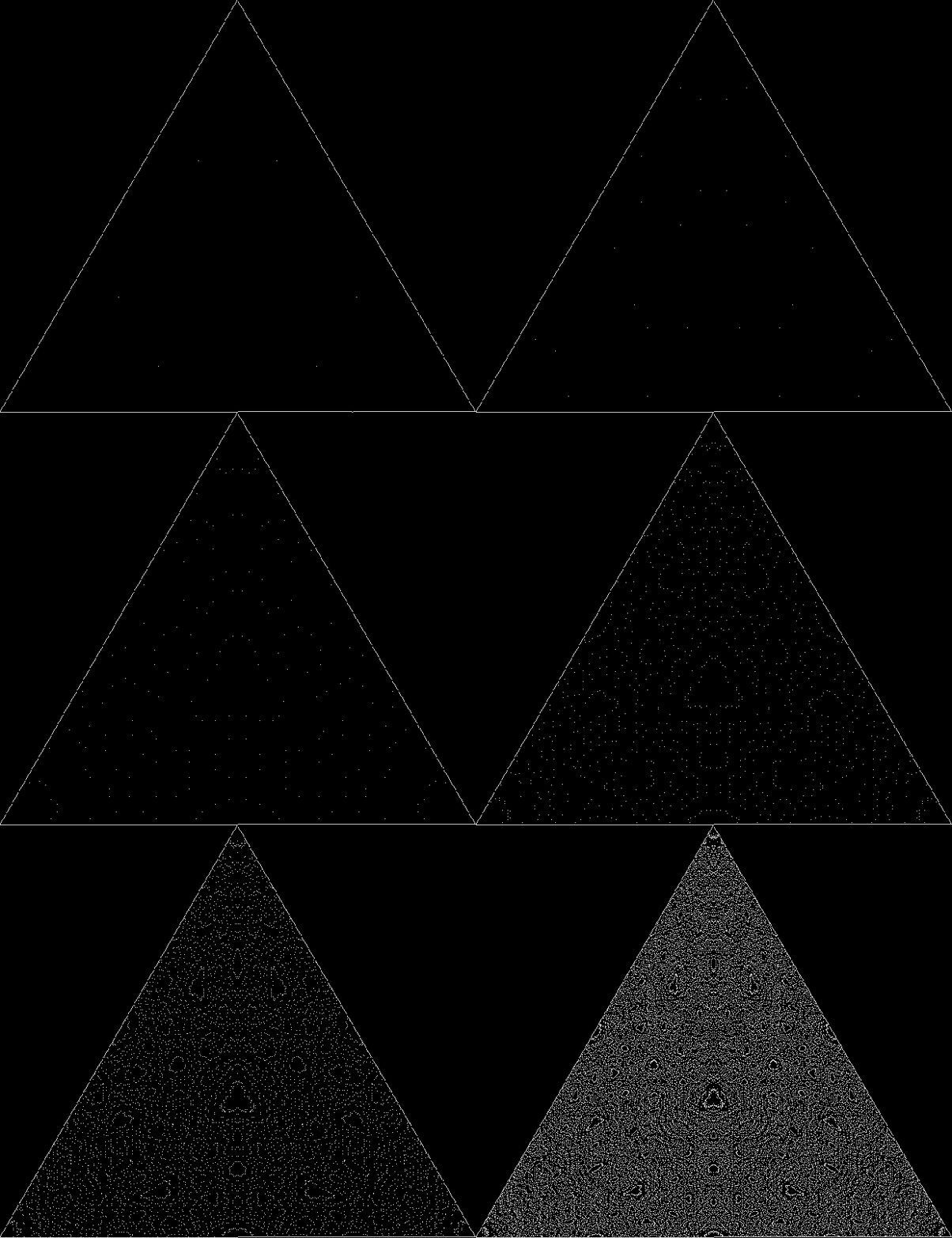
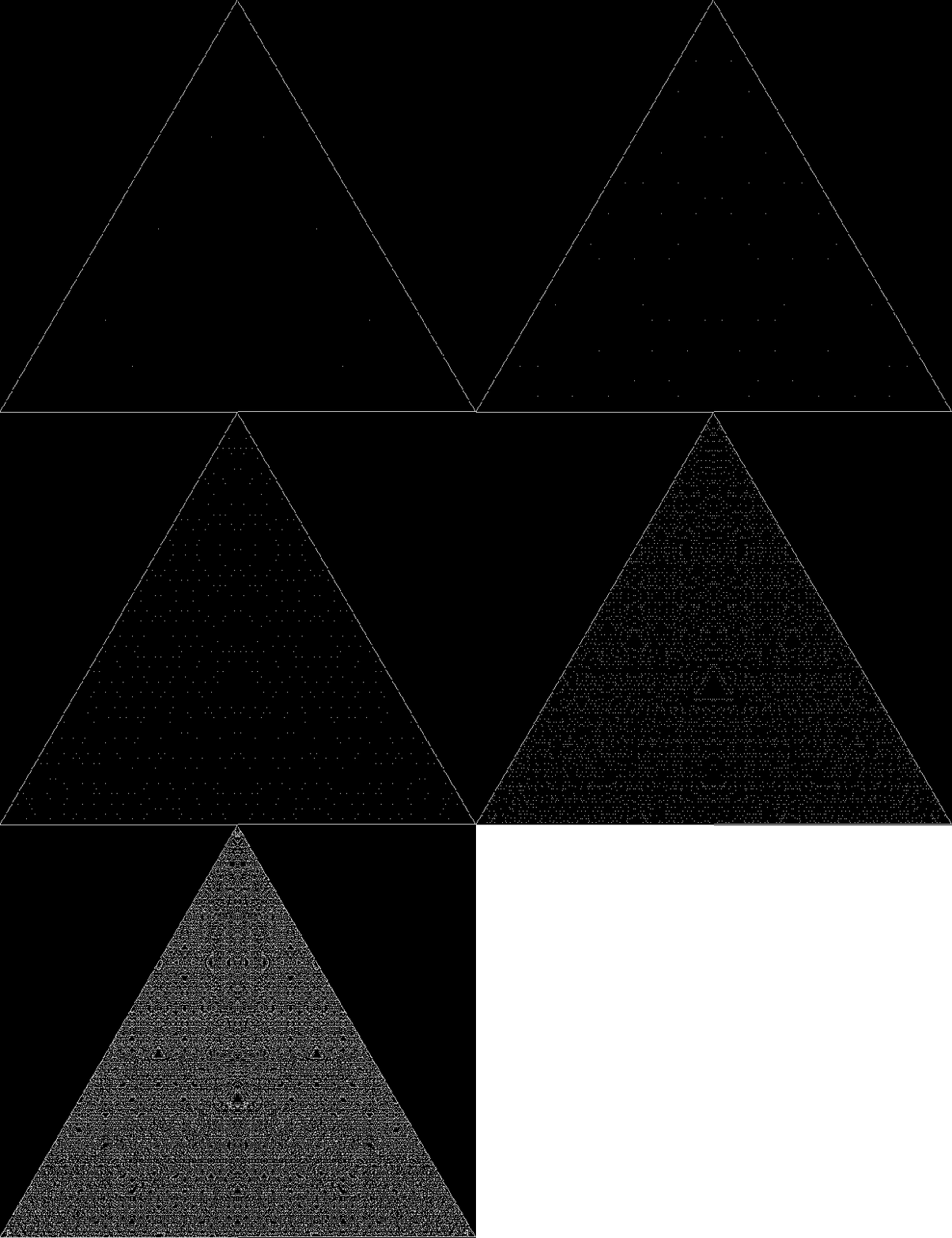
If the centre-point of each triangle is shown, rather than the sides, this is the pattern created:

triangle_div2_dots

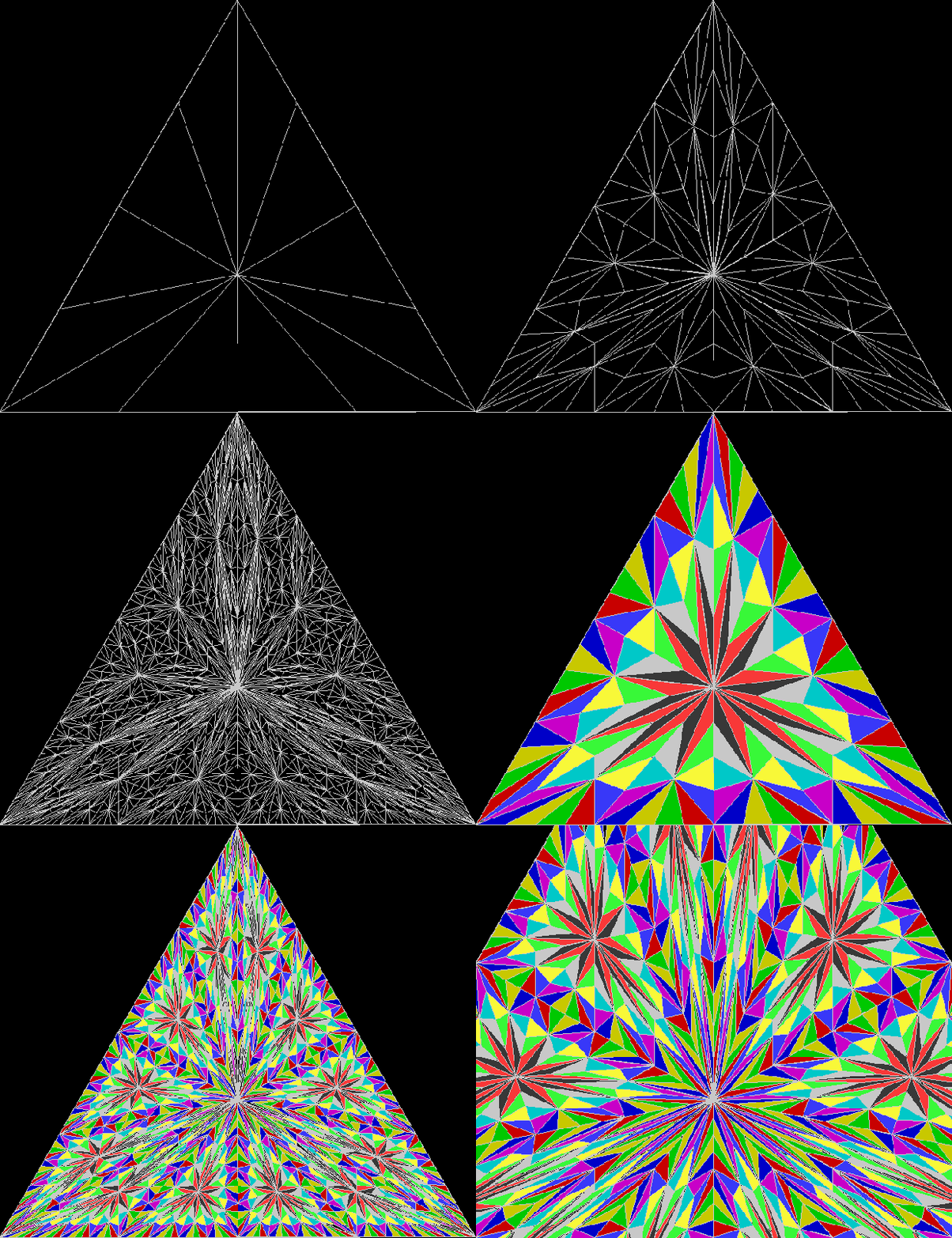
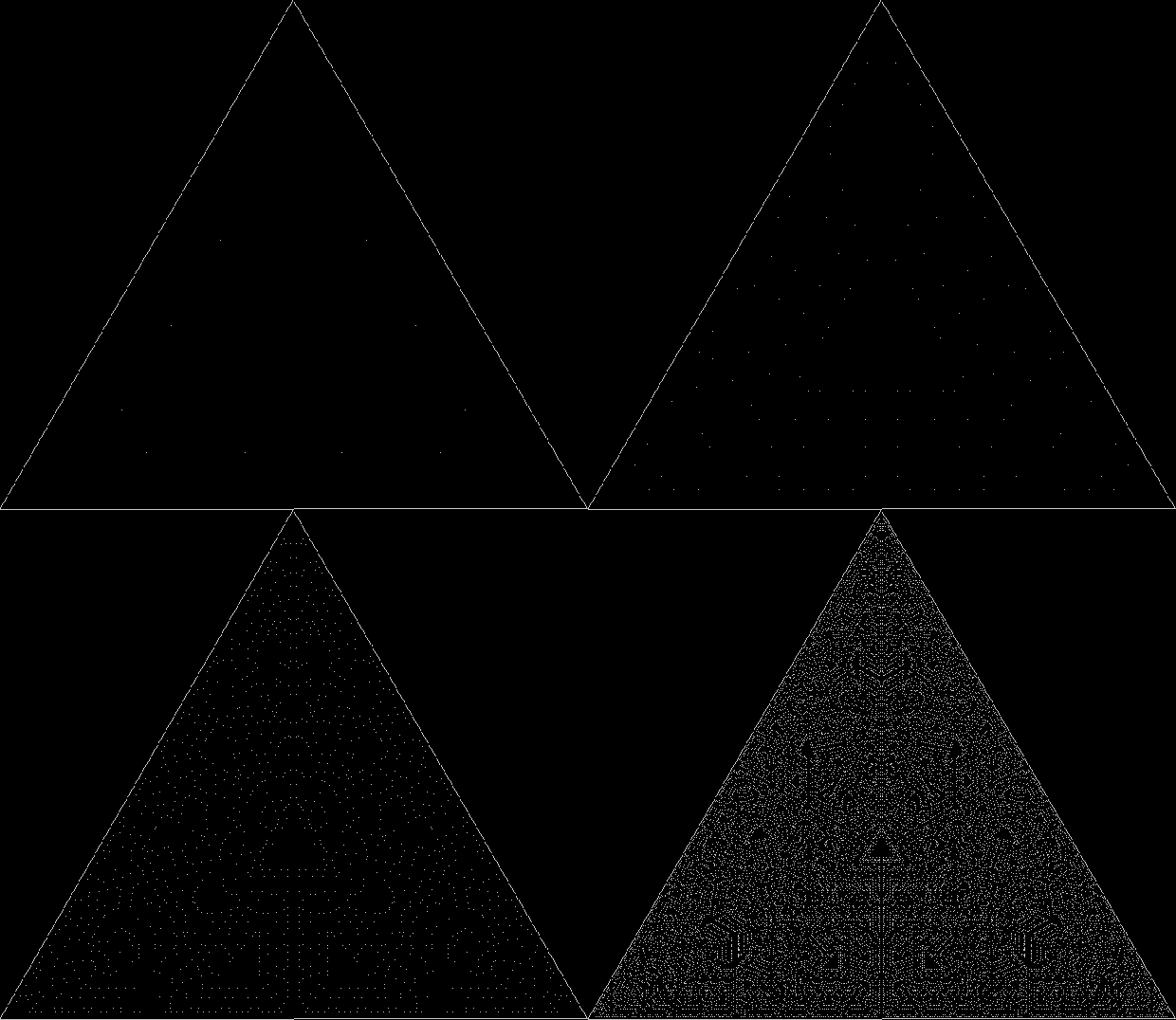
Triangles in which the sides are divided into thirds and quarters look like this:

triangle_div3

triangle_div3_dots

triangle_div4

triangle_div4_dots

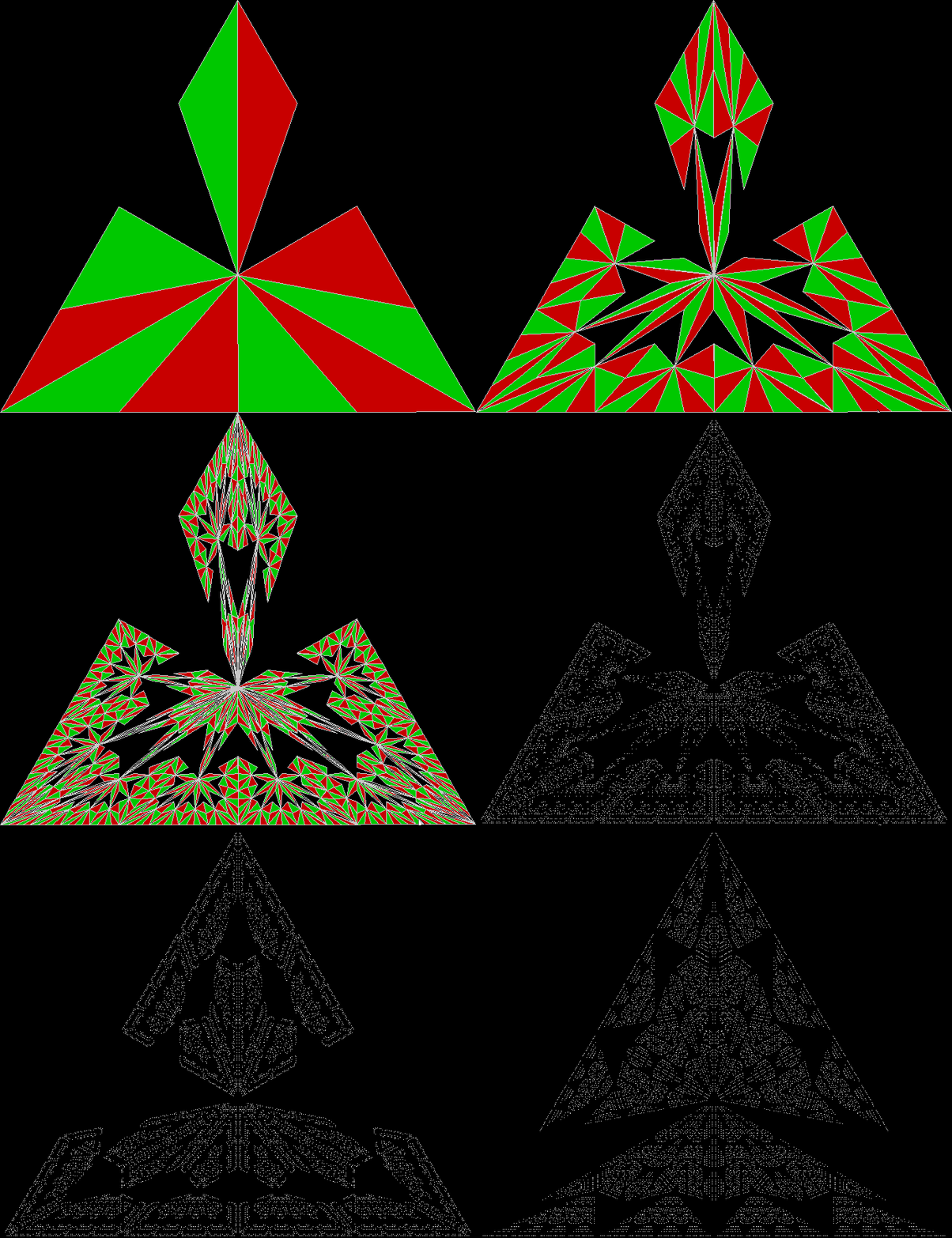
And if sub-triangles are discarded, more obvious fractals appear, some of which look like Lovecraftian deities and owl- or hawk-gods:


cthuneus1

cthuneus2

cthuneus3


Elsewhere Other-Accessible

Circus Trix — a later and better-illustrated look at these fractals