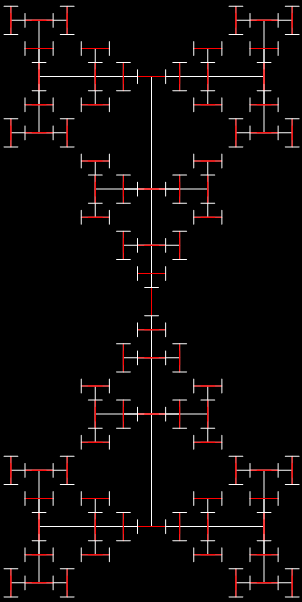
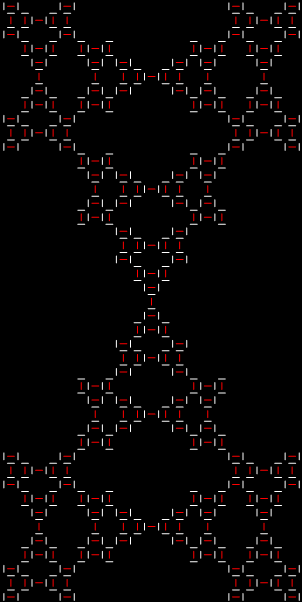
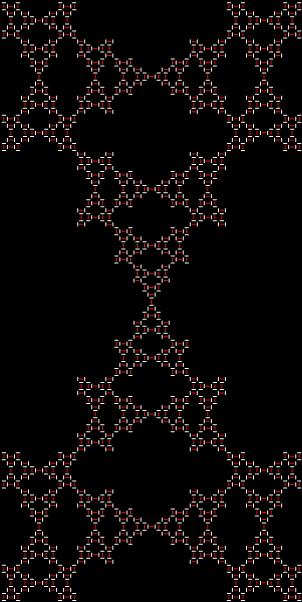
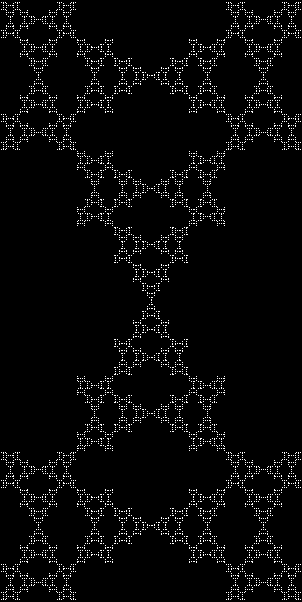
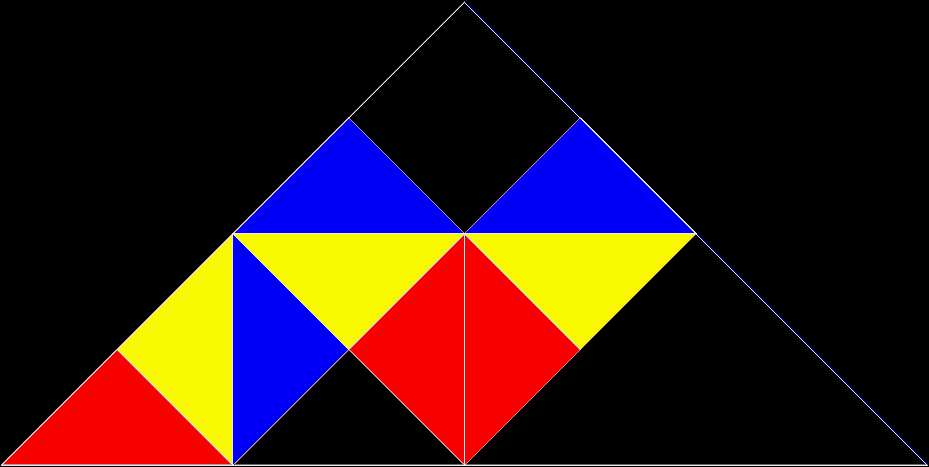
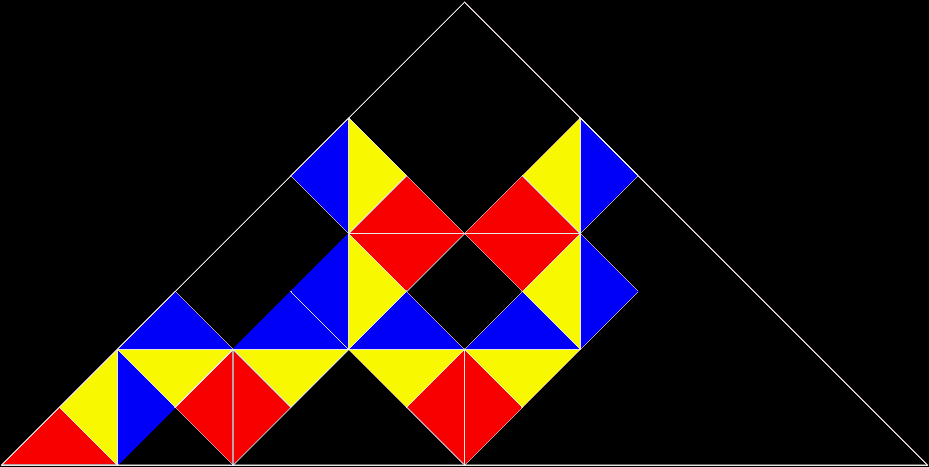
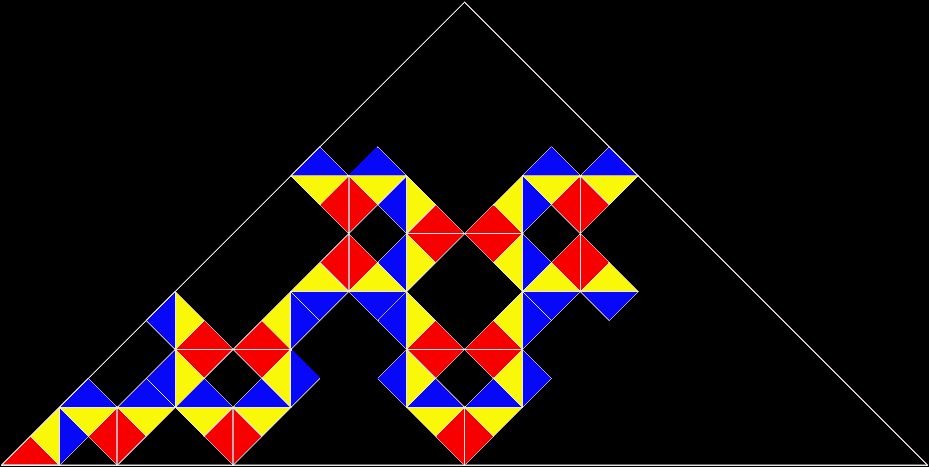
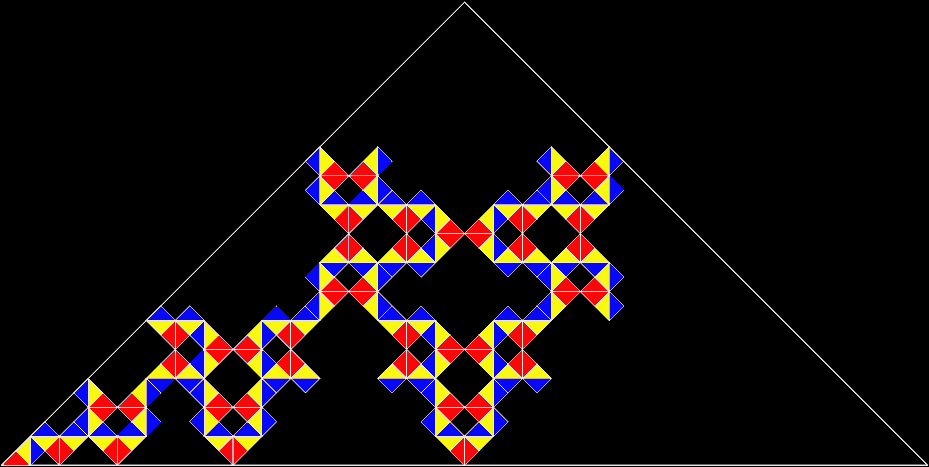
I Like Gryke

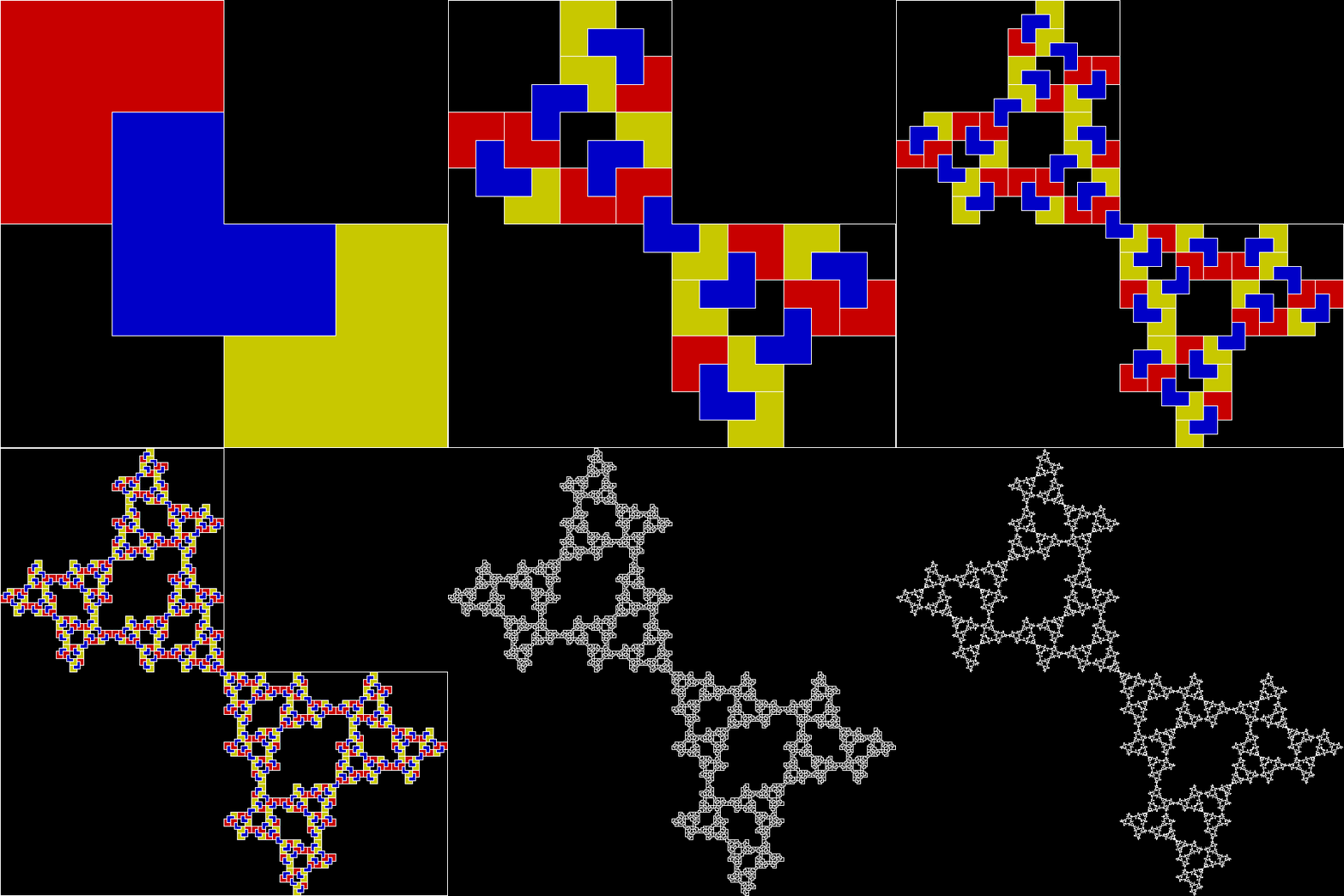
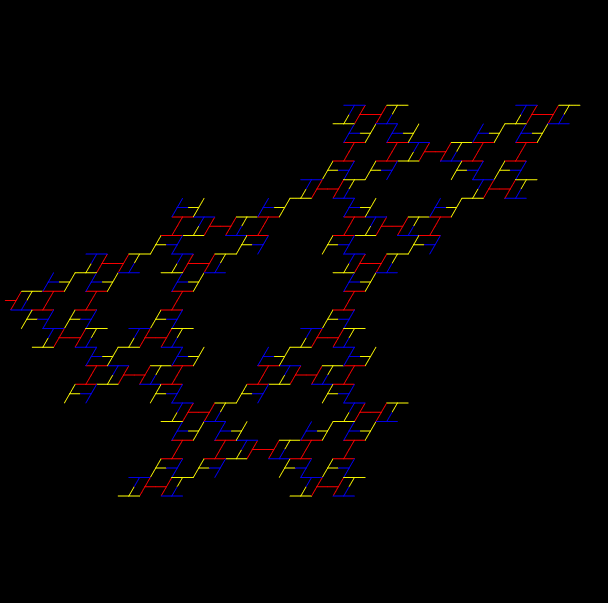
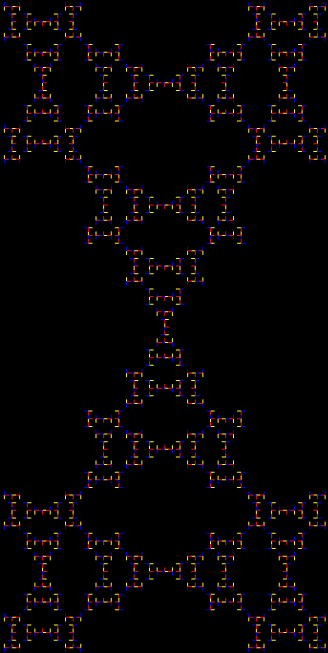
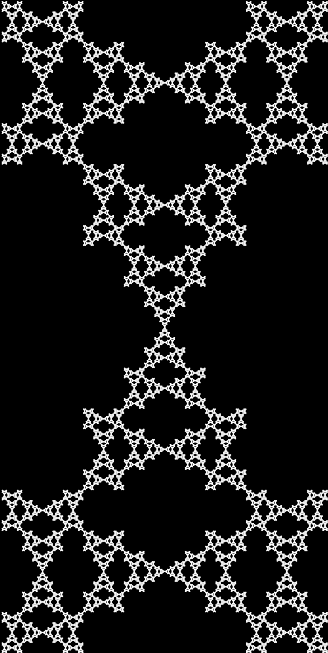
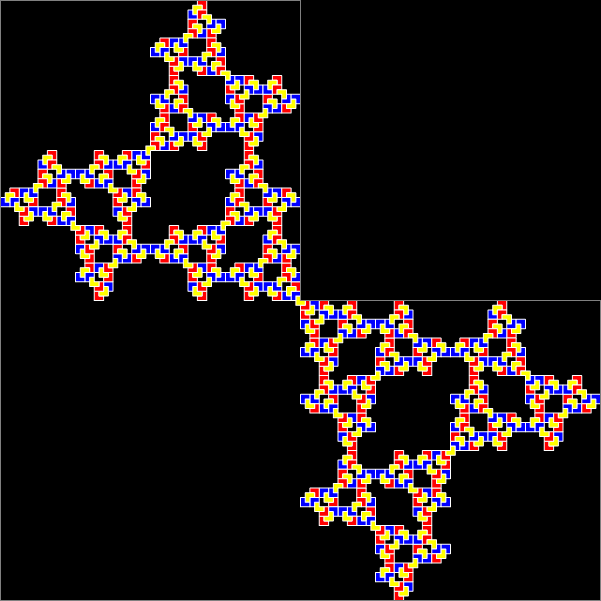
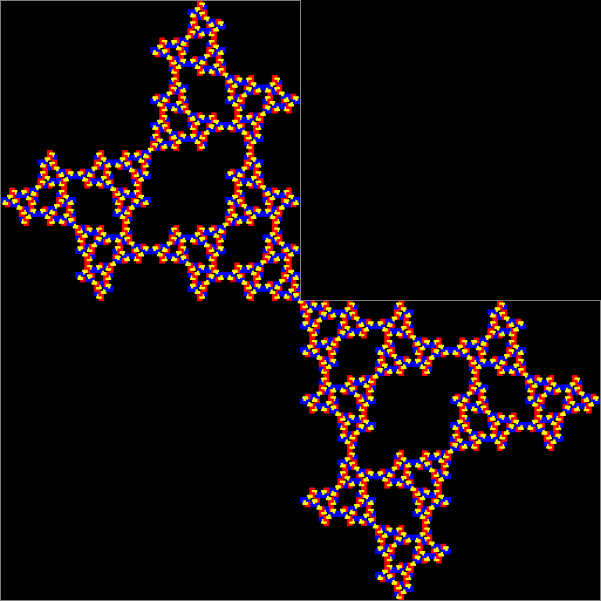
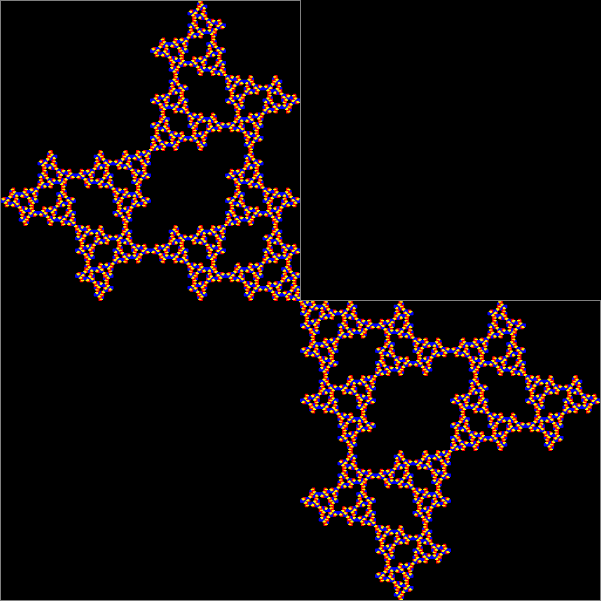
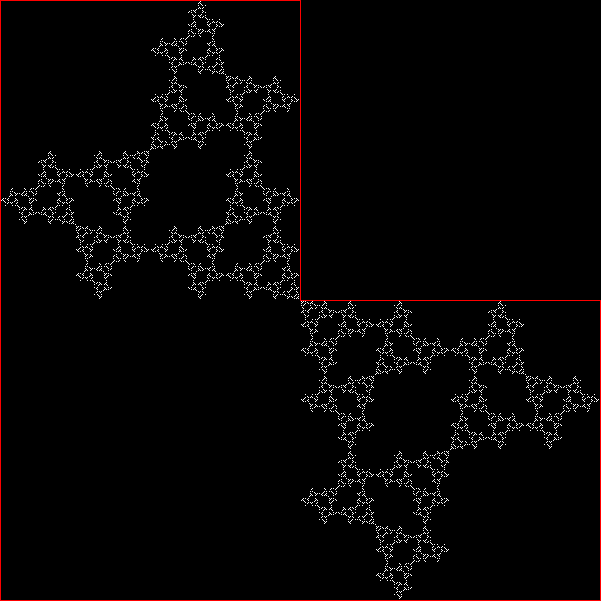
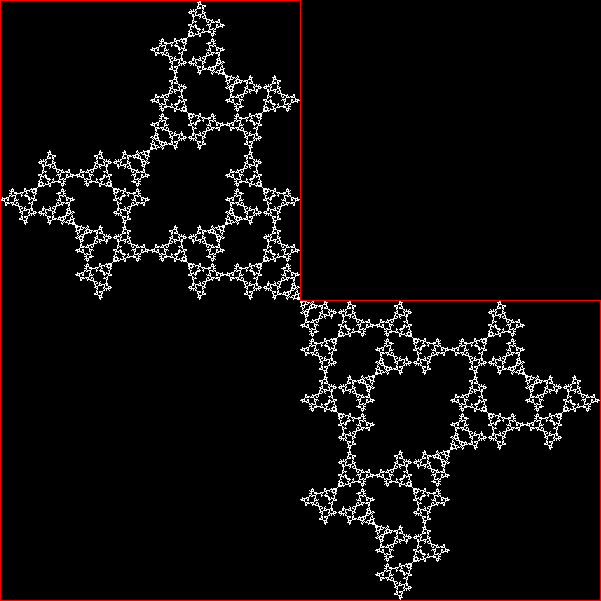
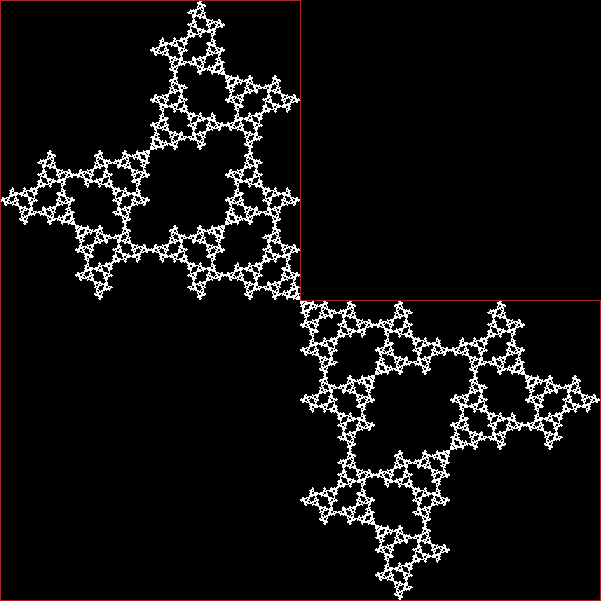
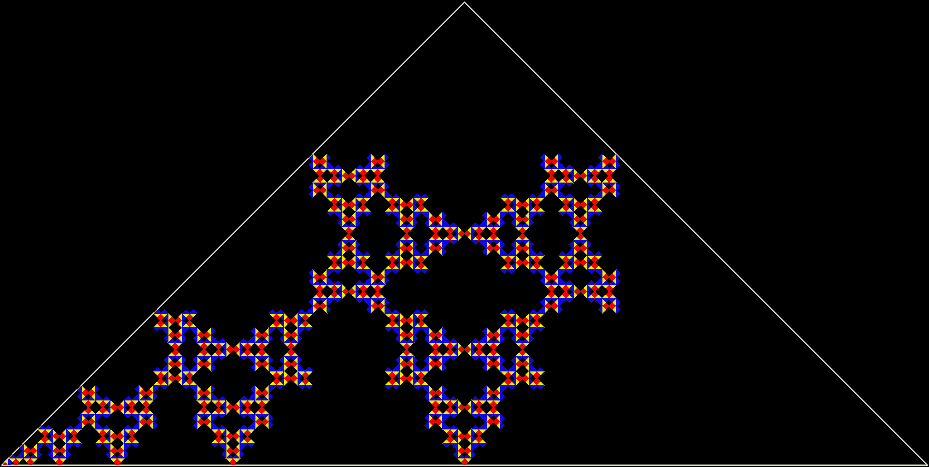
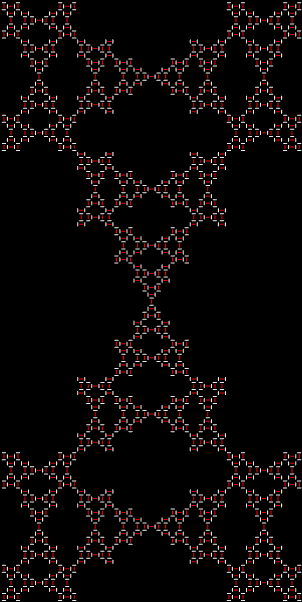
Sometimes I find fractals. And sometimes fractals find me. Here’s a fractal that found me:
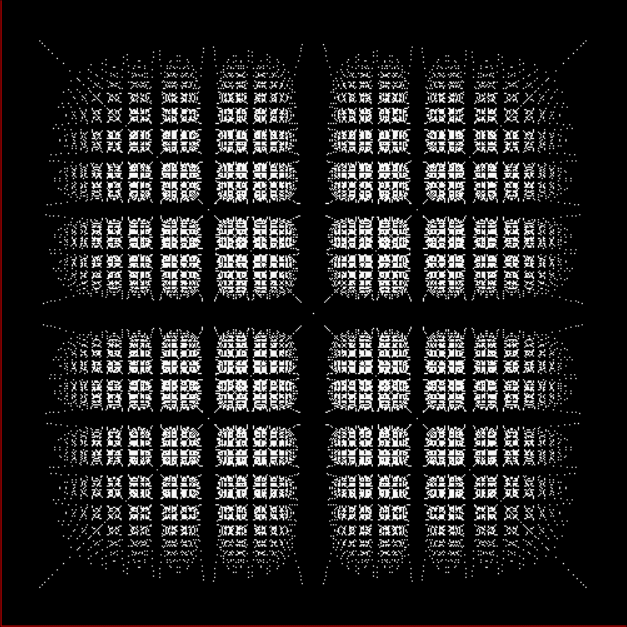
Limestone fractal #1


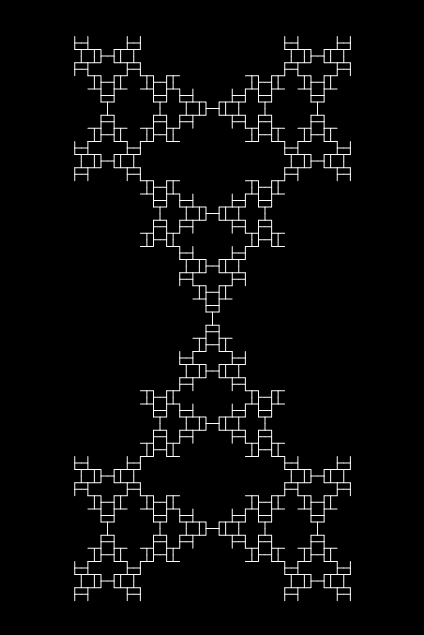
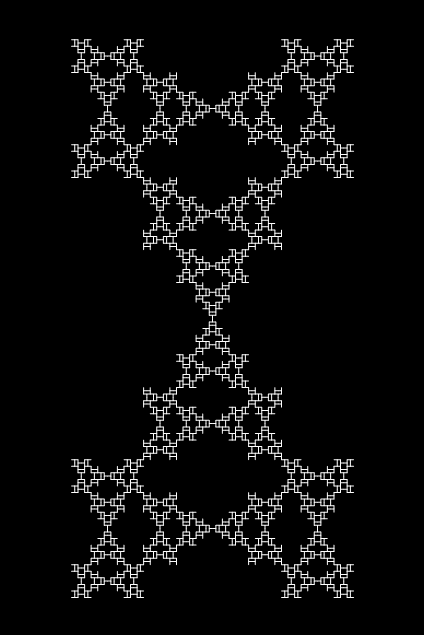
I call it a limestone fractal or pavement fractal or gryke fractal, because it reminds me of the fissured patterns you see in the limestone pavements of the Yorkshire Dales:
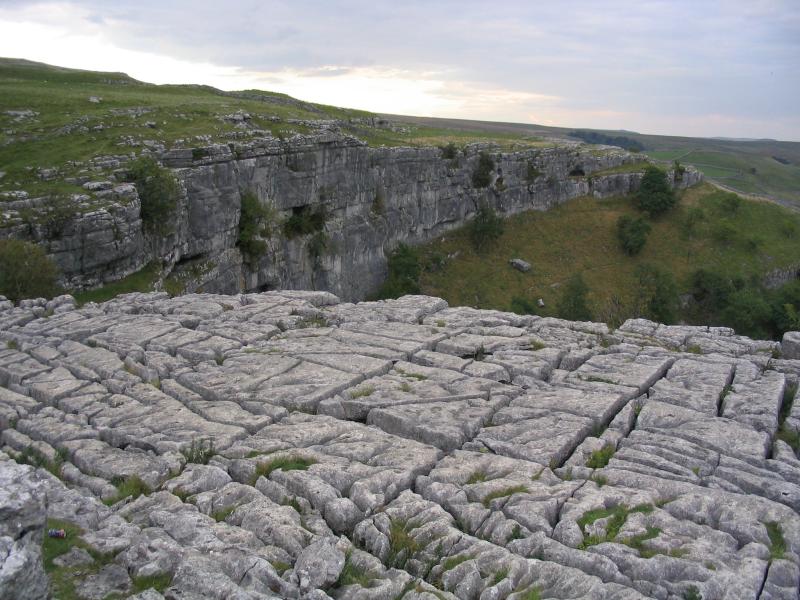
Fissured limestone pavement, Yorkshire Dales (Wikipedia)


The limestone blocks are called clints and the larger fissures between them are called grykes, with kamenitza and karren (from Slavic and German, respectively) for smaller pits and grooves:

Limestone linguistics (Dales Rocks)


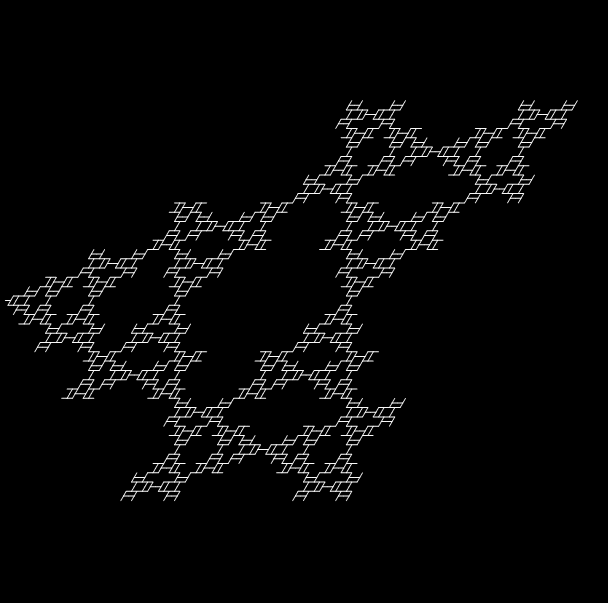
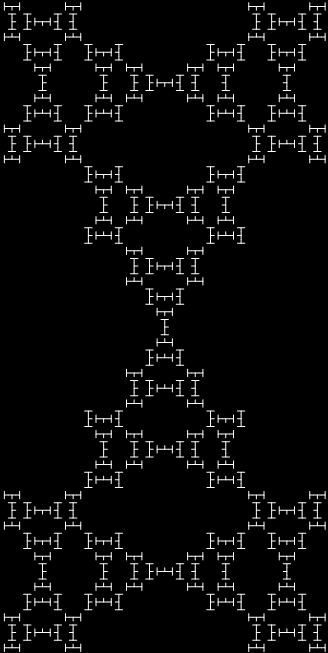
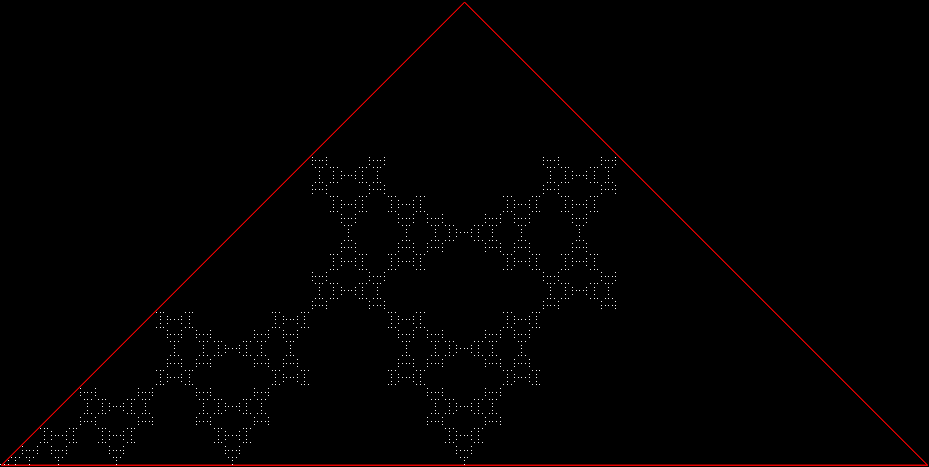
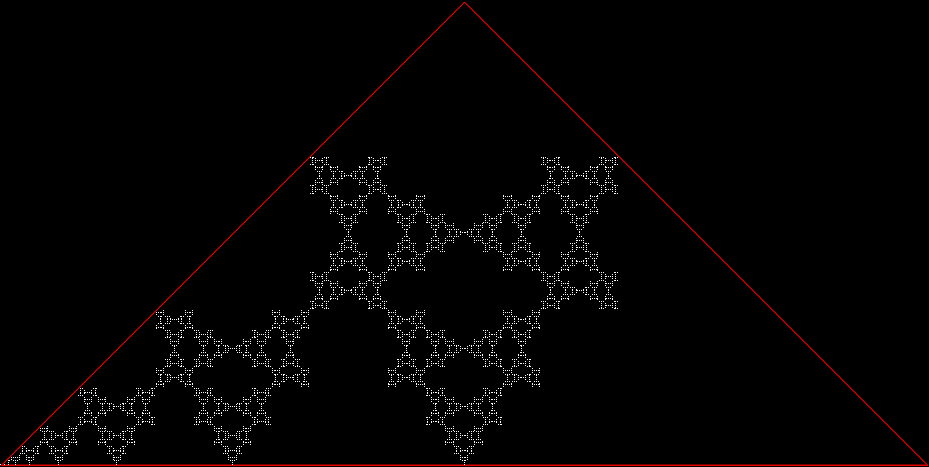
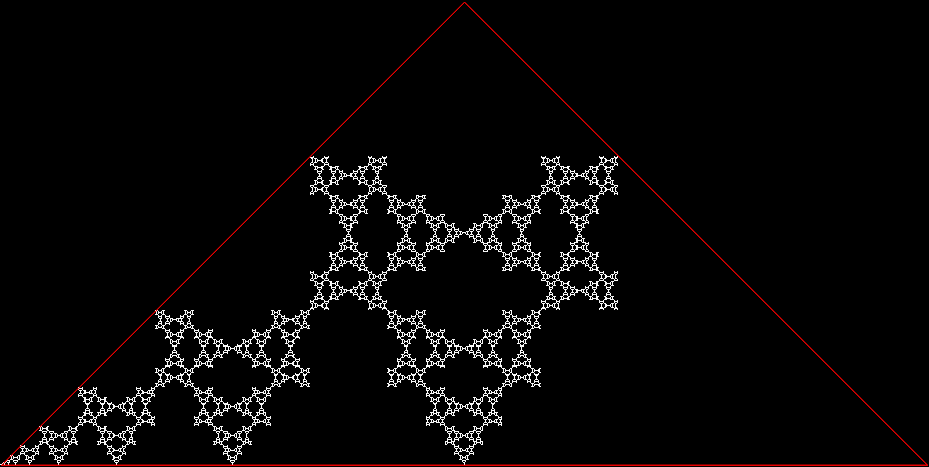
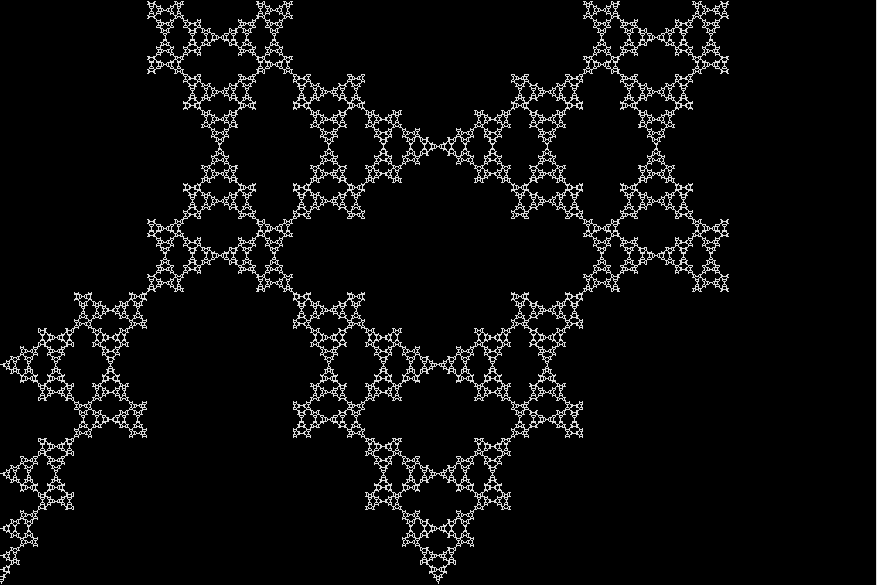
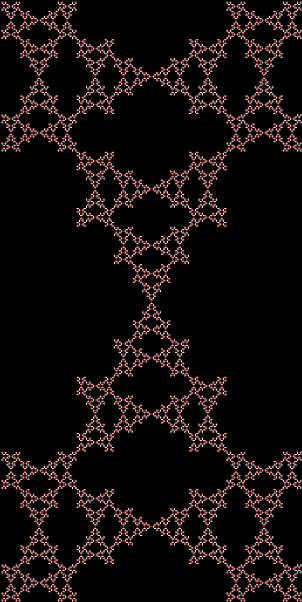
Here’s the me-finding fractal again, in a slightly different version:
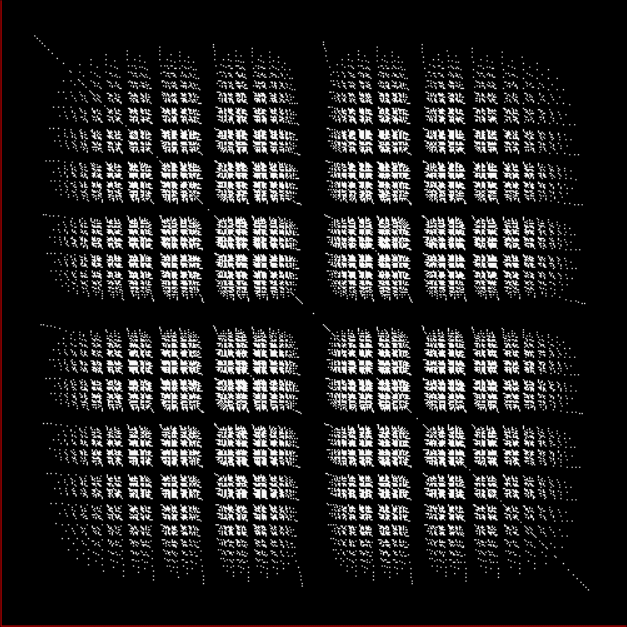
Limestone fractal #2


How did it find me? Well, I wasn’t looking for fractals, but looking at fractions. Farey fractions and Calkin-Wilf fractions, to be precise. They can both be represented as bifurcating trees, like this:
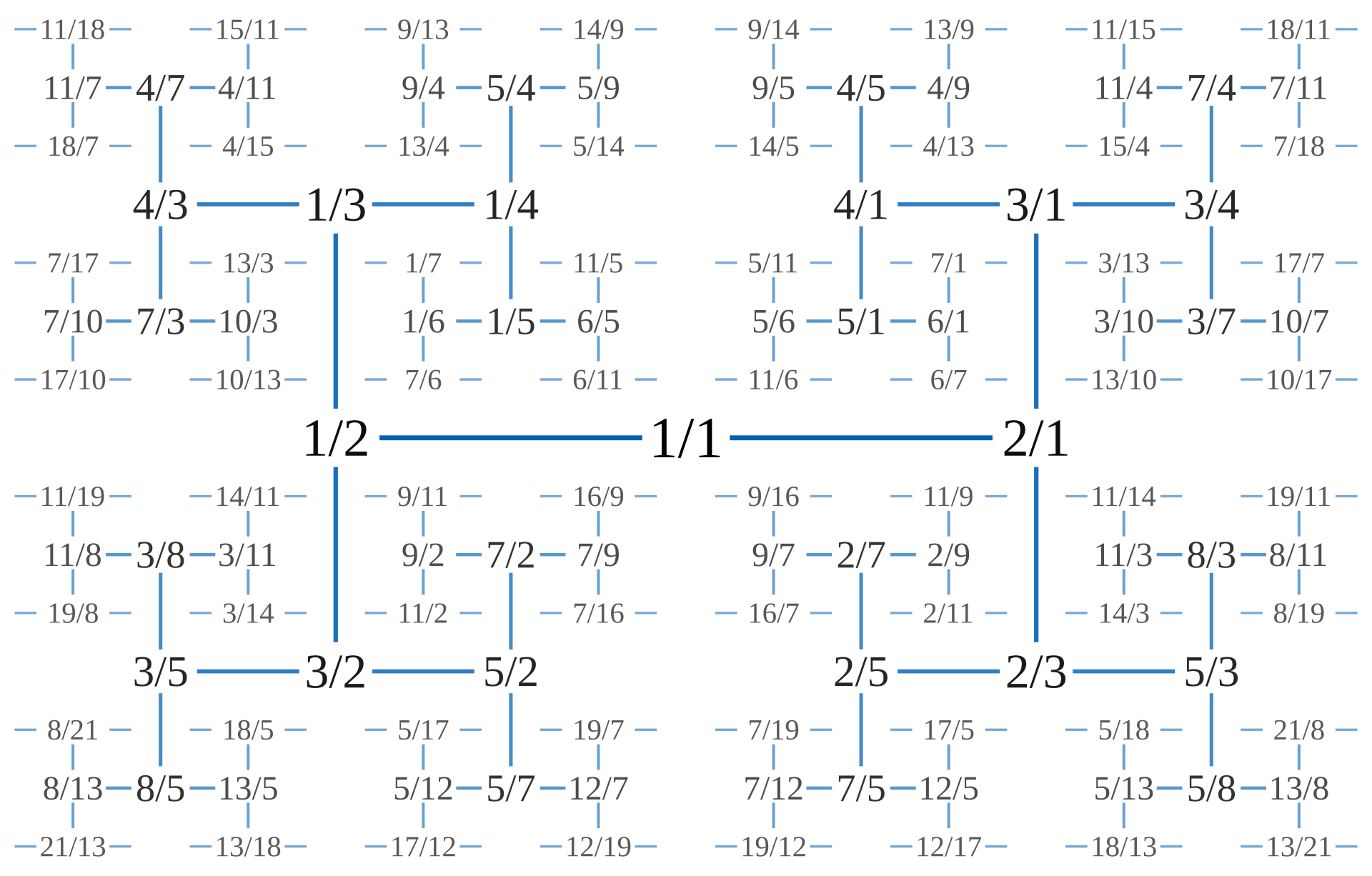
Calkin-Wilf tree (Wikipedia)


Both trees produce all the irreducible rational fractions — but in a different order. That’s why they create a fractal (rather than a 45° line). By following the same path in both bifurcating trees, I generated parallel sequences of Farey and Calkin-Wilf fractions, then used the Farey fractions to represent x in a 1×1 square and the Calkin-Wilf fractions to represent y (where the Calkin-Wilfs, a/b, were greater than 1, I simply a/b → b/a). When you do that (or use Stern-Brocot fractions instead of the Farey fractions), you get the limestone fractal.

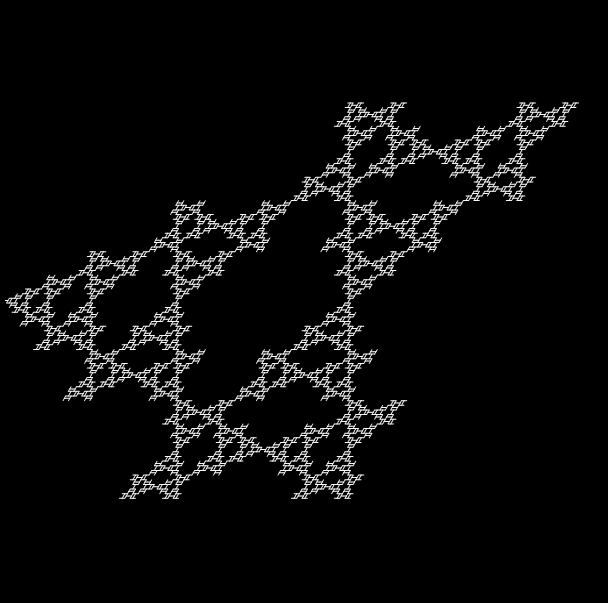
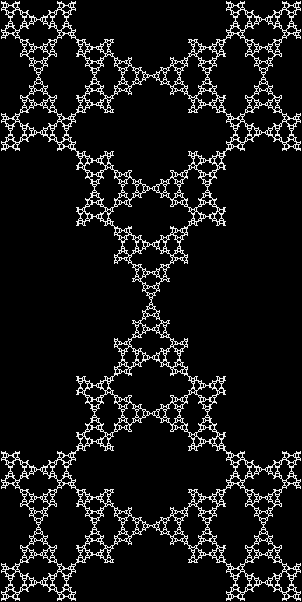
I think it looks better in the second version (which is the one that found me, in fact). For LF #2, I was using standard binary numbers to generate the parallel sequences, so the leftmost digit was always 1 and final step of the tree-search was always in the same direction. Here’s LF #2 as black-on-white rather than white-on-black:

Limestone fractal #2 (black-on-white)


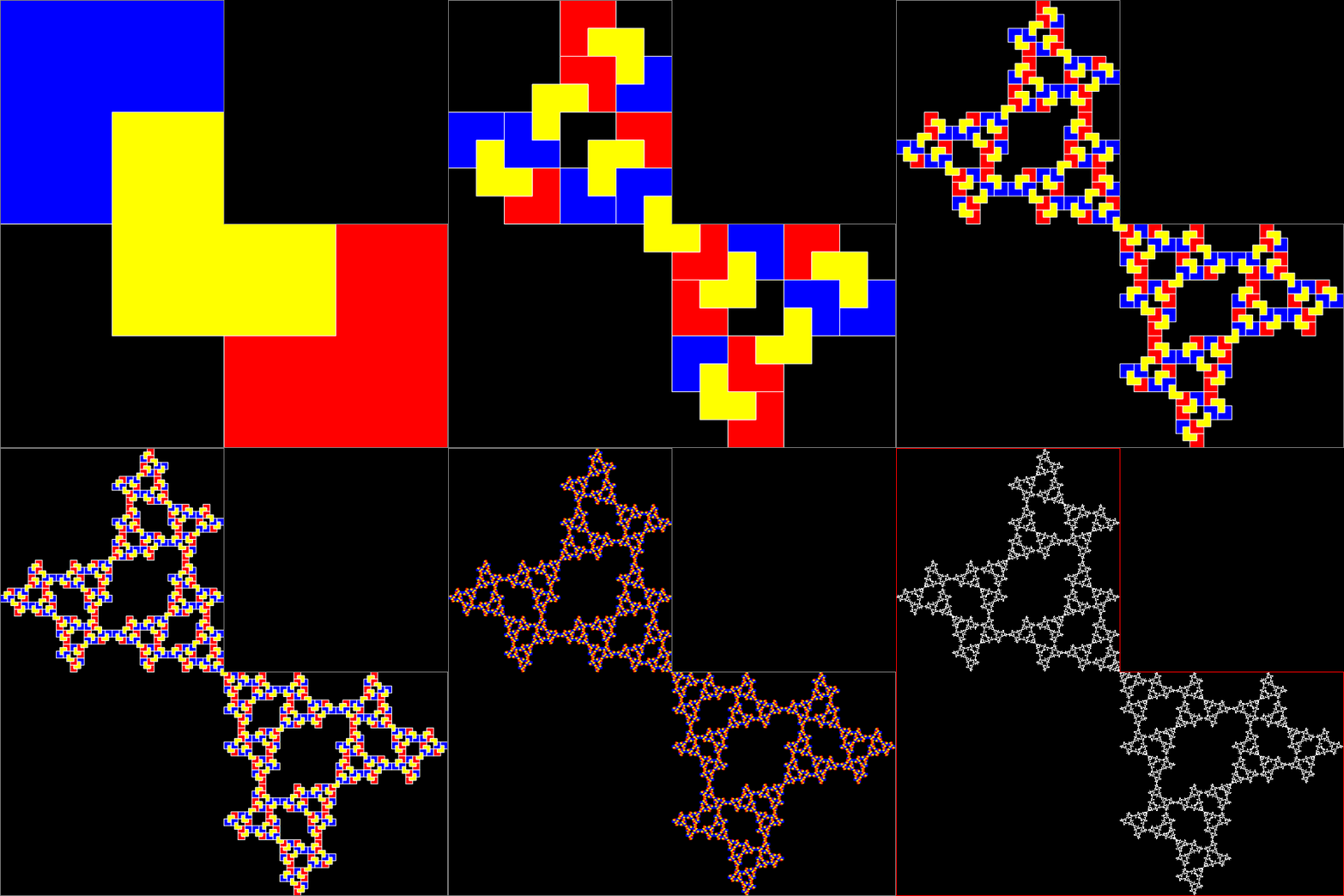
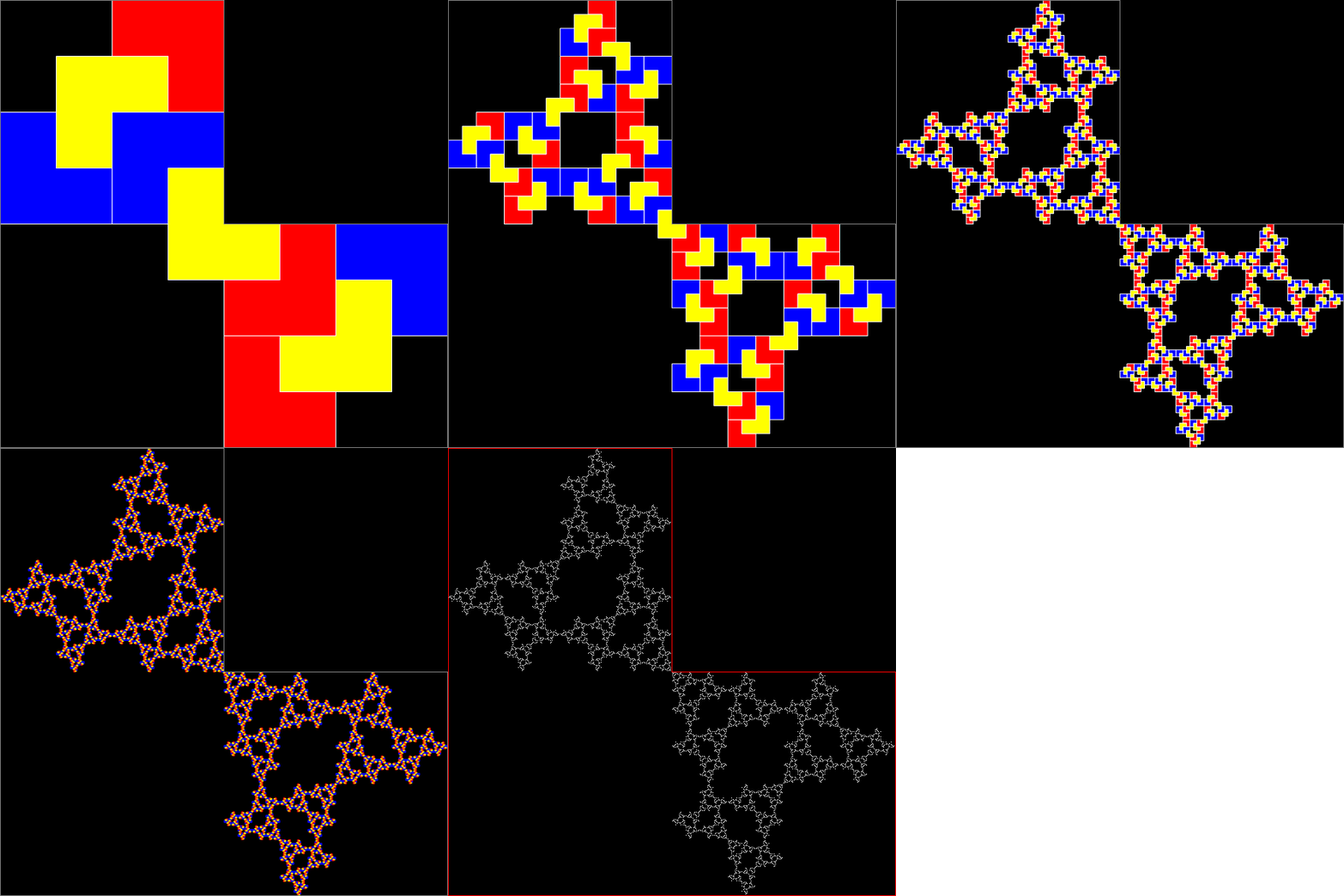
And here is the formation of LF #1 as an animated gif:

Growth of limestone fractal (animated at ezGIF)


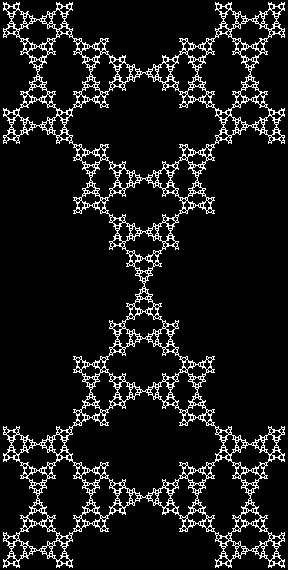
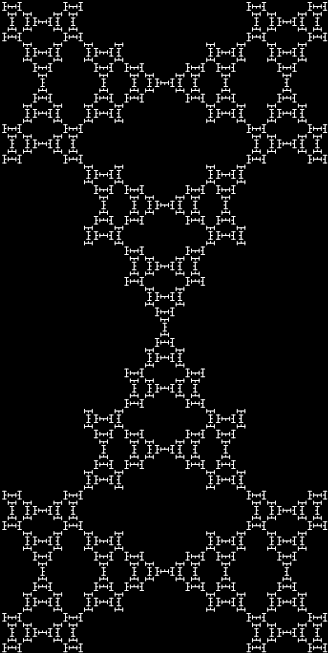
And if that’s a me-finding fractal, what about me-found fractals? Here’s one:
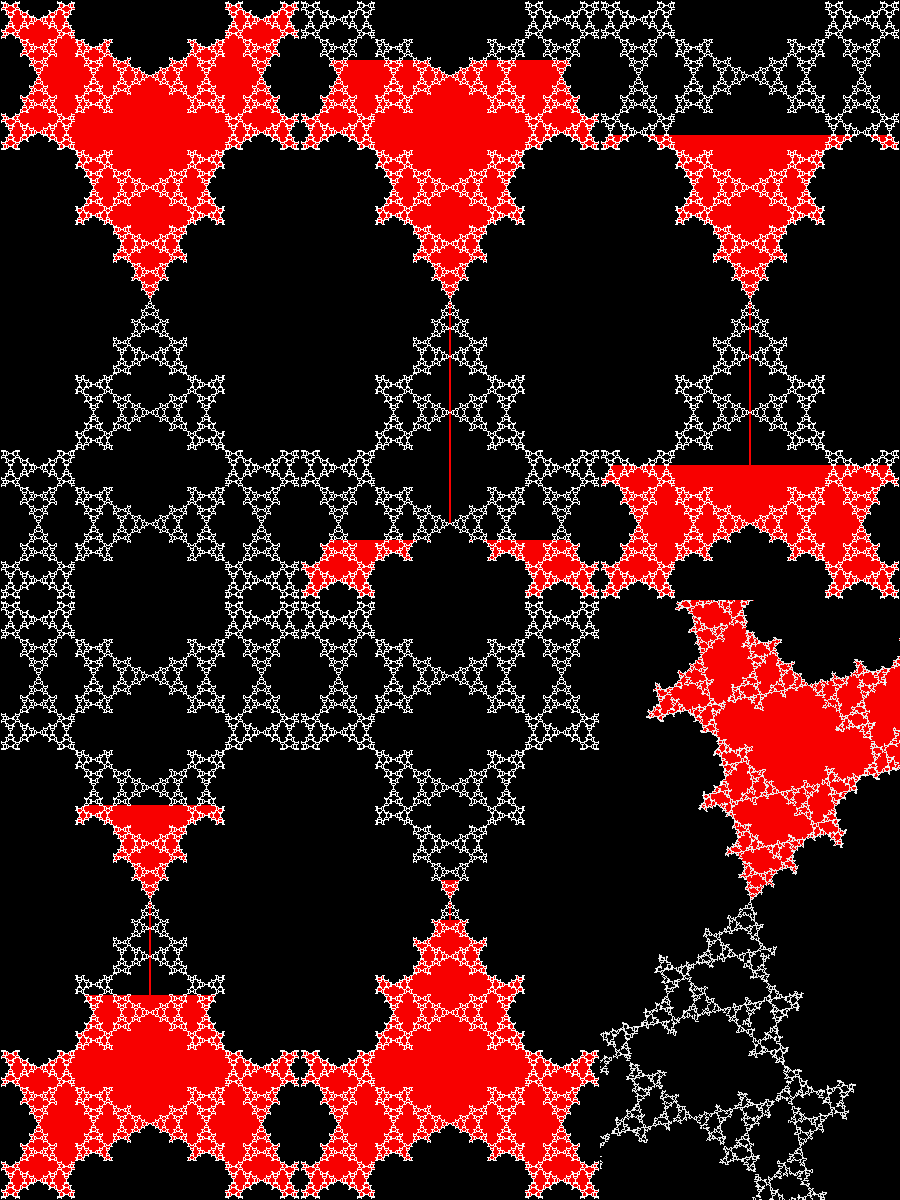
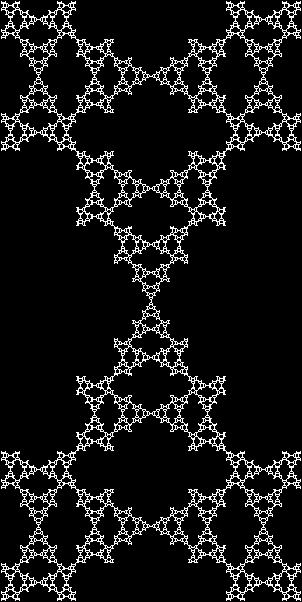
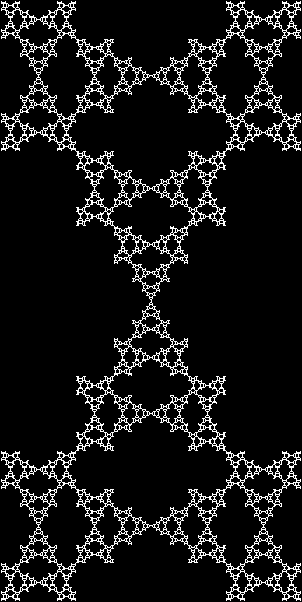
The Hourglass Fractal (animated gif optimized at ezGIF)

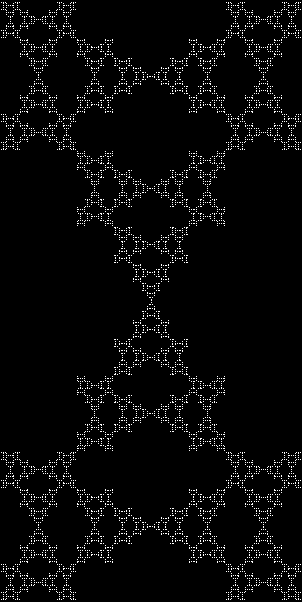
Hourglass fractal


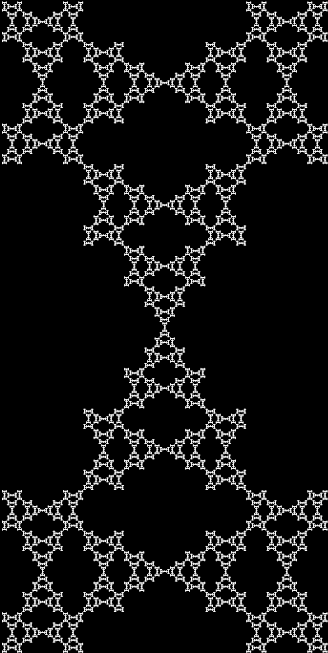
I can say “I found that fractal” because I was looking for fractals when it appeared on the screen. And re-appeared (and re-re-appeared), because I’ve found it using different methods.


Elsewhere Other-Accessible

Hour Power — more on the hourglass fractal
Hour Power

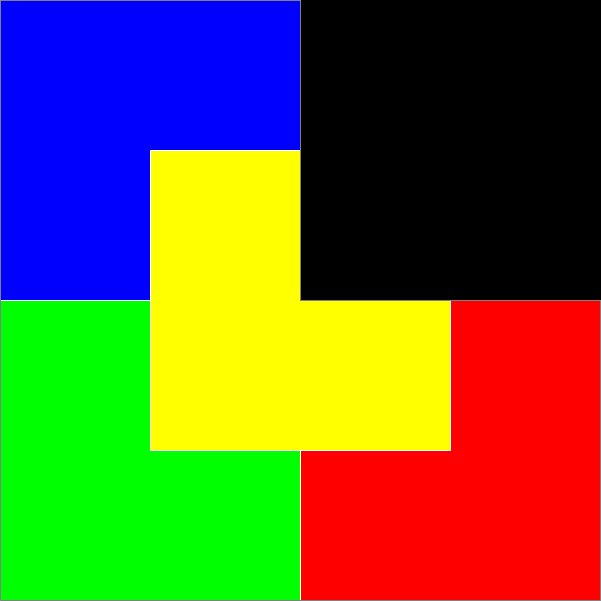
How do you get an hourglass from this shape?

Rep-4 L-tromino


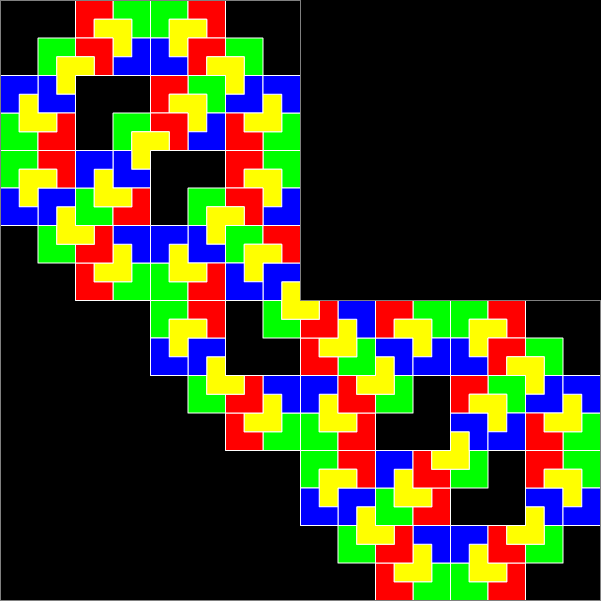
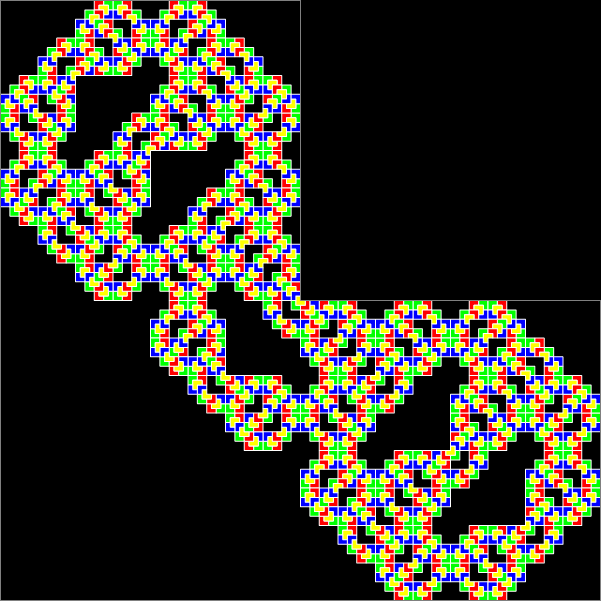
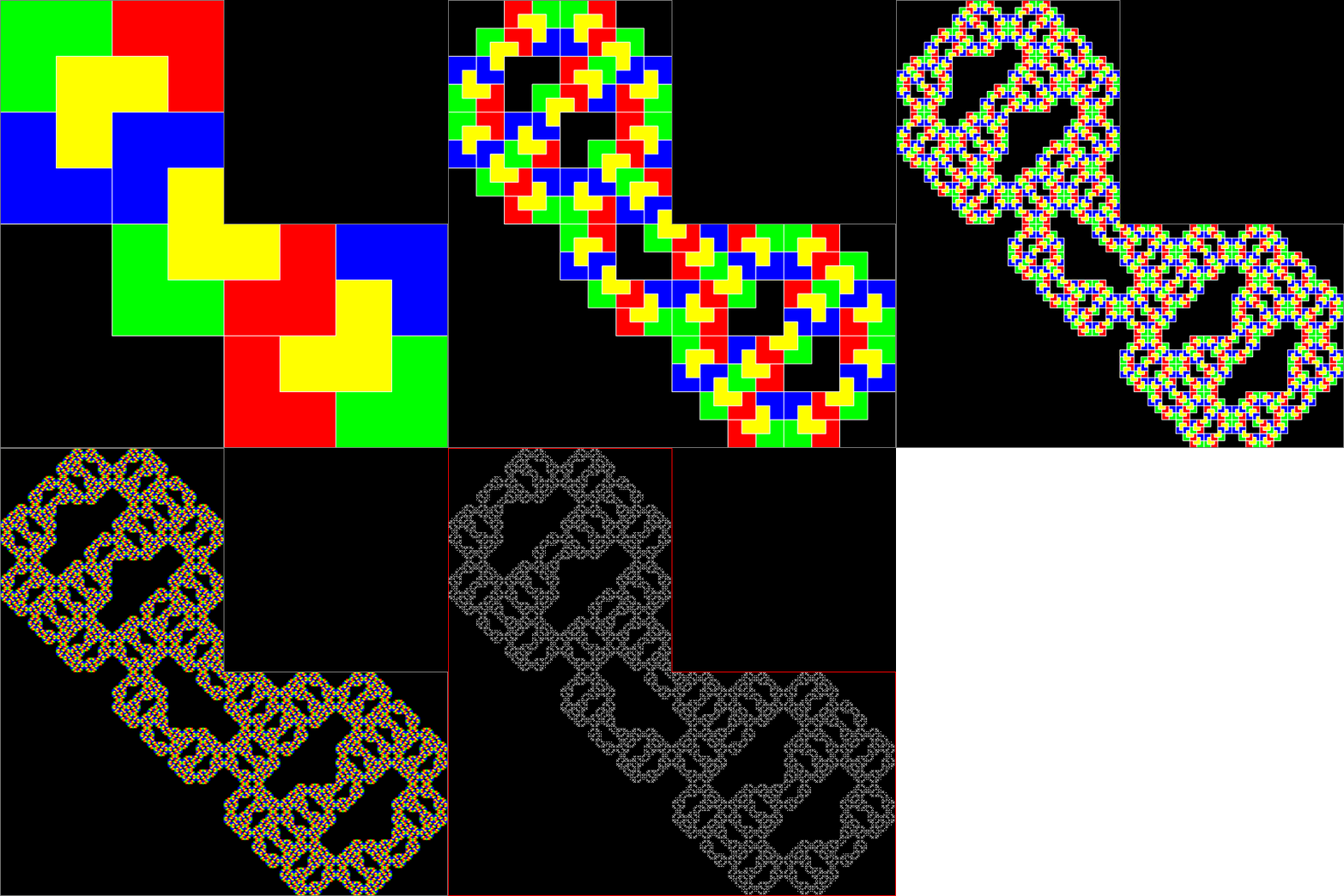
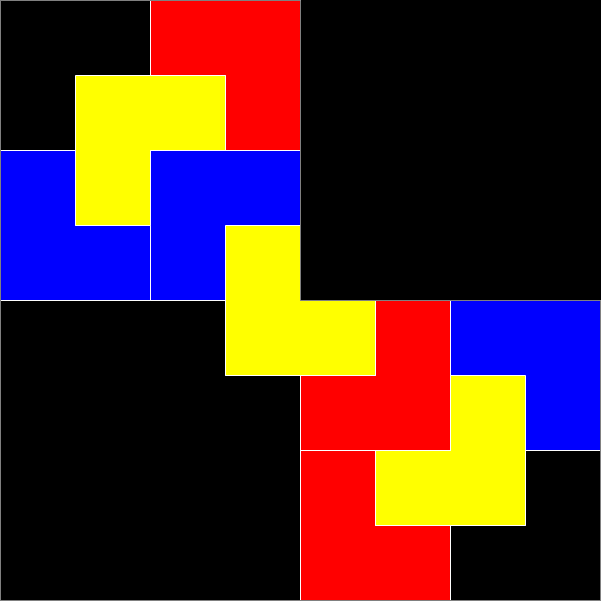
In fact, it’s easy. You simply divide the shape into four identical copies of itself, discard one copy, and repeat the process with each of the sub-copies:

l-triomino_124

Constructing an hourglass (animated)

l-triomino_124_upright_static1

Hourglass (static)


Here are some more posts about what I call the hourglass fractal:

The Hourglass Fractal at Overlord of the Über-feral

Absolutely Sabulous

The Hourglass Fractal (animated gif optimized at ezGIF)


Performativizing Paronomasticity

The title of this incendiary intervention is a paronomasia on the title of the dire Absolutely Fabulous. The adjective sabulous means “sandy; consisting of or abounding in sand; arenaceous” (OED).

Elsewhere Other-Accessible

Hour Re-Re-Re-Re-Powered — more on the hourglass fractal
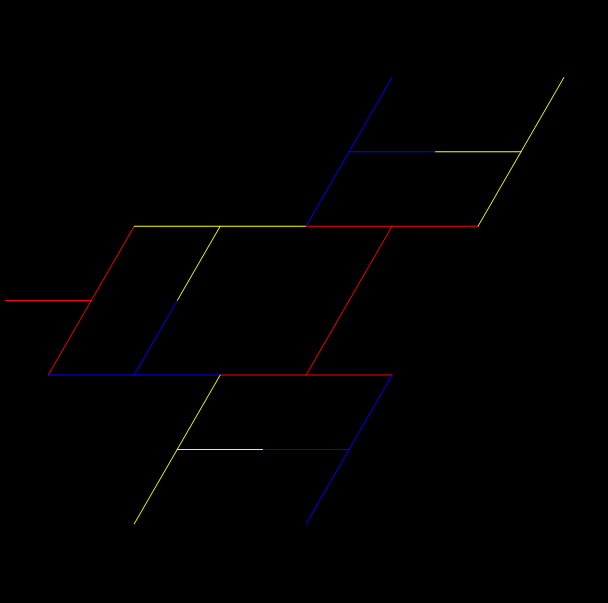
Allus Pour, Horic — an earlier paronomasia for the fractal

Hour Re-Re-Re-Re-Powered

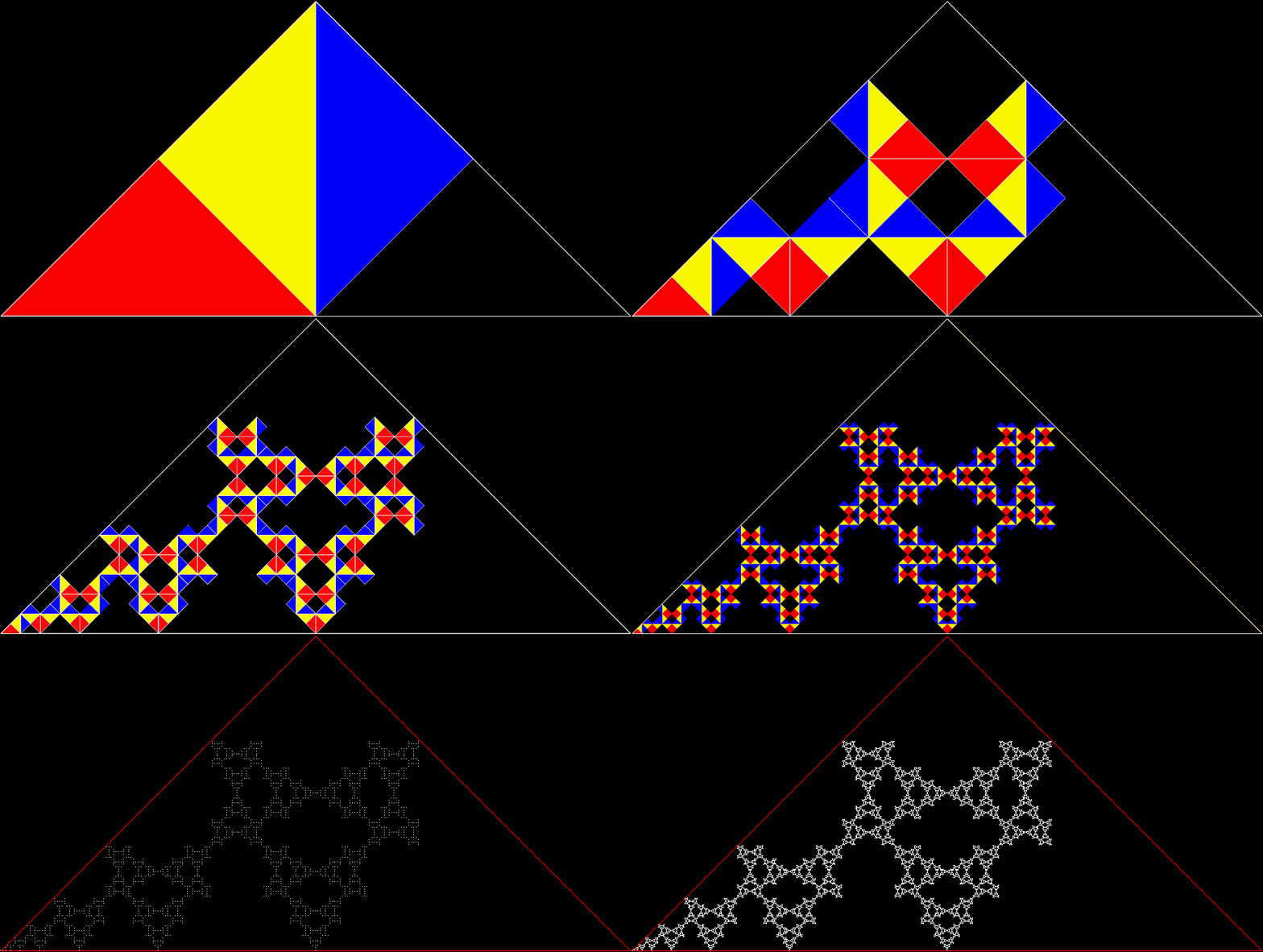
In “Dissing the Diamond” I looked at some of the fractals I found by selecting lines from a dissected diamond. Here’s another of those fractals:

Fractal from dissected diamond


It’s a distorted and incomplete version of the hourglass fractal:

Hourglass fractal


Here’s how to create the distorted form of the hourglass fractal:

Distorted hourglass from dissected diamond (stage 1)


Distorted hourglass #2


Distorted hourglass #3


Distorted hourglass #4


Distorted hourglass #5


Distorted hourglass #6


Distorted hourglass #7


Distorted hourglass #8


Distorted hourglass #9


Distorted hourglass #10


Distorted hourglass (animated)


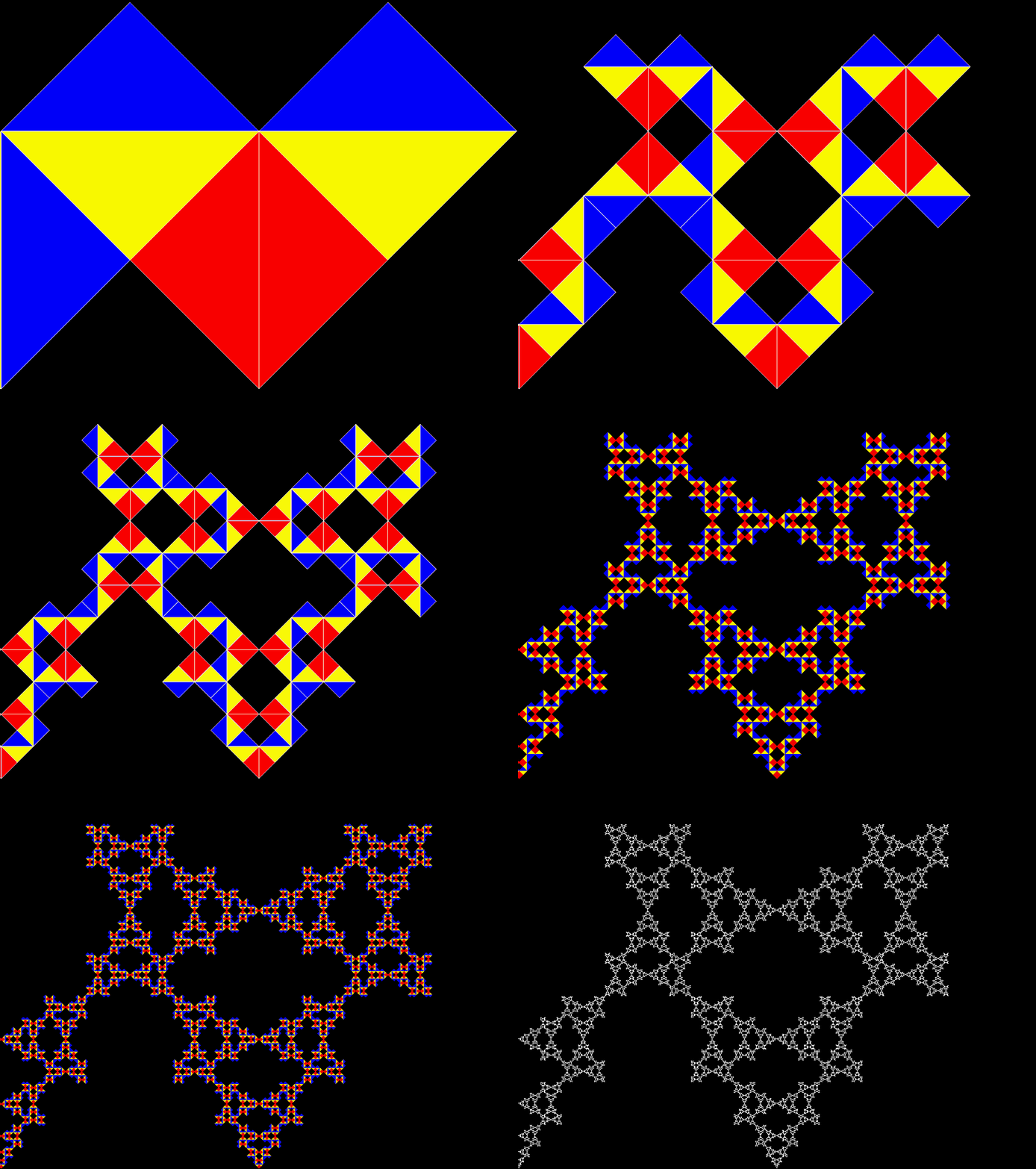
When I de-distorted and doubled the dissected-diamond method, I got this:

Hourglass fractal #1


Hourglass fractal #2


Hourglass fractal #3


Hourglass fractal #4


Hourglass fractal #5


Hourglass fractal #6


Hourglass fractal #7


Hourglass fractal #8


Hourglass fractal #9


Hourglass fractal #10


Hourglass fractal (animated)


Elsewhere other-engageable:


Hour Power
Hour Re-Powered
Hour Re-Re-Powered
Hour Re-Re-Re-Powered

Hour Re-Re-Re-Powered

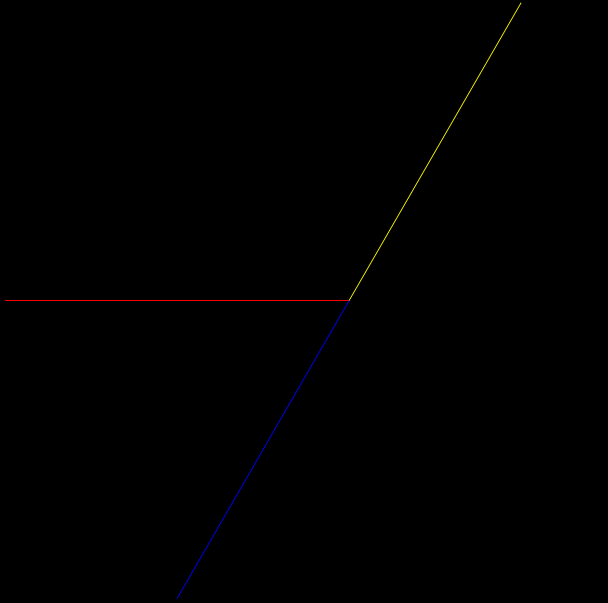
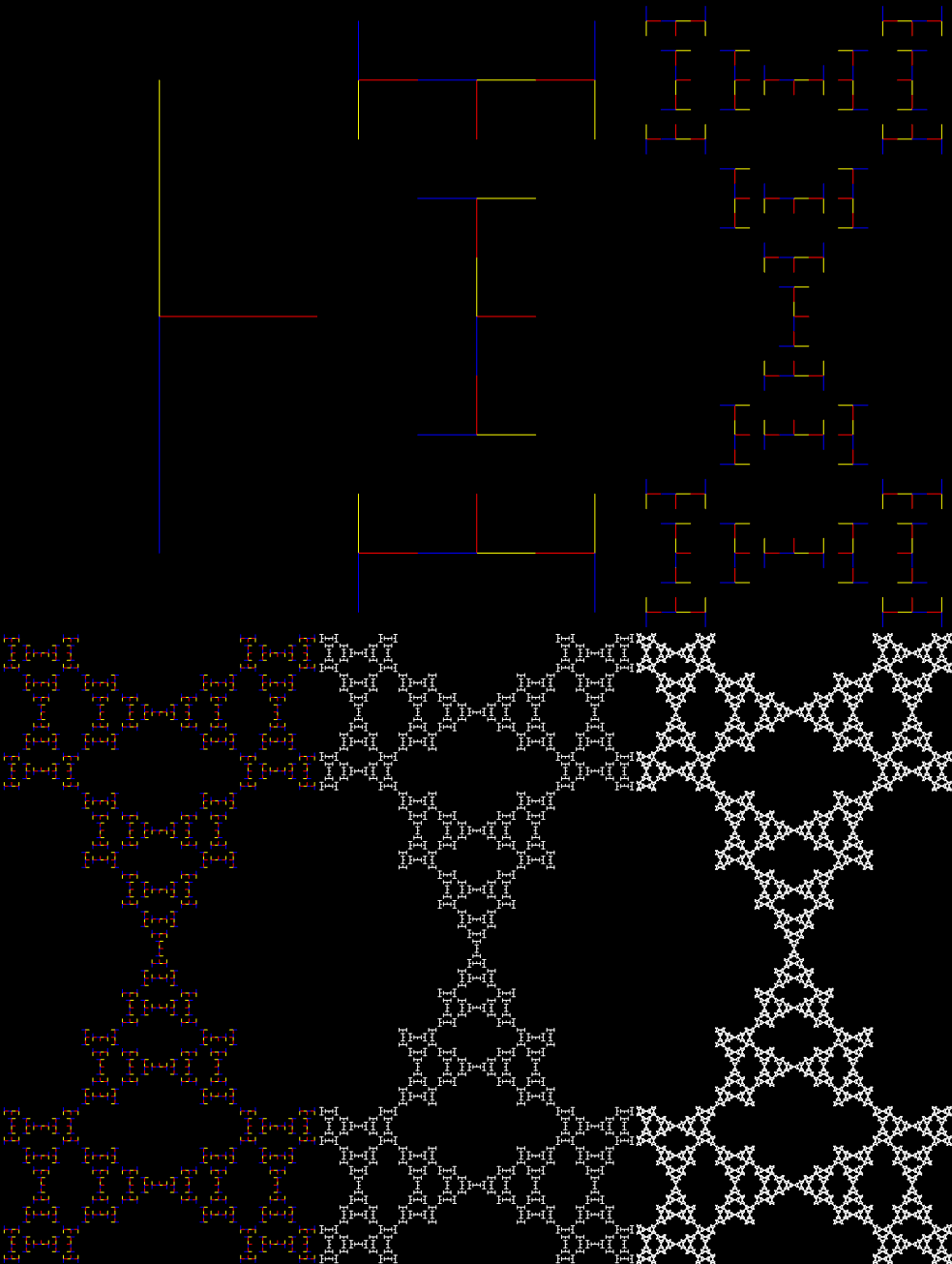
Here’s a set of three lines:

Three lines


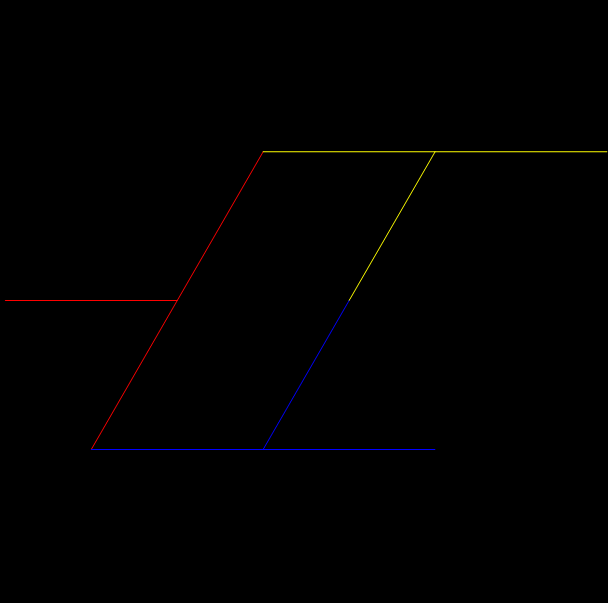
Now try replacing each line with a half-sized copy of the original three lines:

Three half-sized copies of the original three lines


What shape results if you keep on doing that — replacing each line with three half-sized new lines — over and over again? I’m not sure that any human is yet capable of visualizing it, but you can see the shape being created below:

Morphogenesis #3


Morphogenesis #4


Morphogenesis #5


Morphogenesis #6


Morphogenesis #7


Morphogenesis #8


Morphogenesis #9


Morphogenesis #10


Morphogenesis #11 — the Hourglass Fractal


Morphogenesis of the Hourglass Fractal (animated)


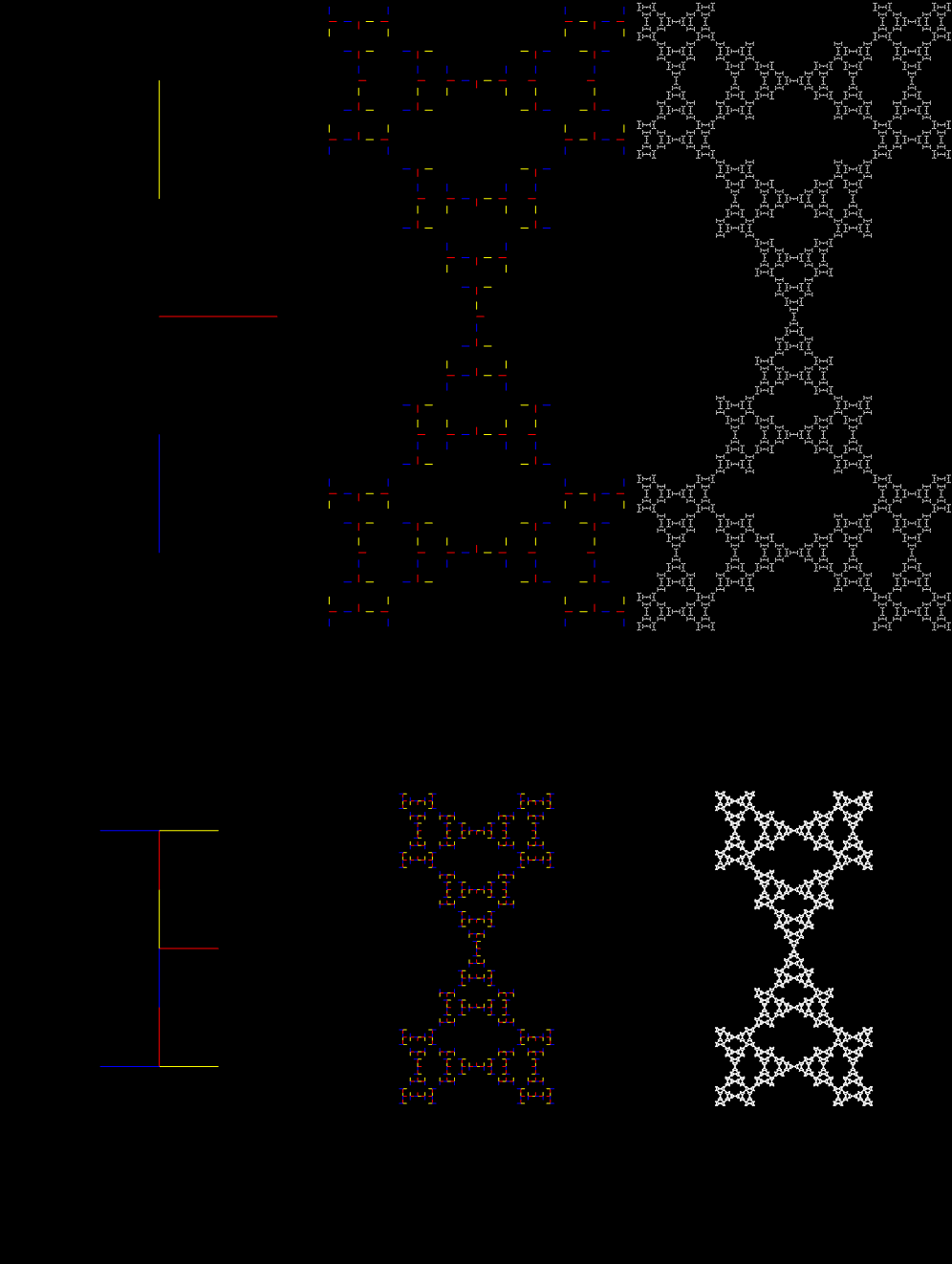
The shape that results is what I call the hourglass fractal. Here’s a second and similar method of creating it:

Hourglass fractal, method #2 stage #1


Hourglass fractal #2


Hourglass fractal #3


Hourglass fractal #4


Hourglass fractal #5


Hourglass fractal #6


Hourglass fractal #7


Hourglass fractal #8


Hourglass fractal #9


Hourglass fractal #10


Hourglass fractal #11


Hourglass fractal (animated)


And below are both methods in one animated gif, where you can see how method #1 produces an hourglass fractal twice as large as the hourglass fractal produced by method #2:

Two routes to the hourglass fractal (animated)


Elsewhere other-engageable:

Hour Power
Hour Re-Powered
Hour Re-Re-Powered

Tri Again (Again (Again))

Like the moon, mathematics is a harsh mistress. In mathematics, as on the moon, the slightest misstep can lead to disaster — as I’ve discovered again and again. My latest discovery came when I was looking at a shape called the L-tromino, created from three squares set in an L-shape. It’s a rep-tile, because it can be tiled with four smaller copies of itself, like this:

Rep-4 L-tromino


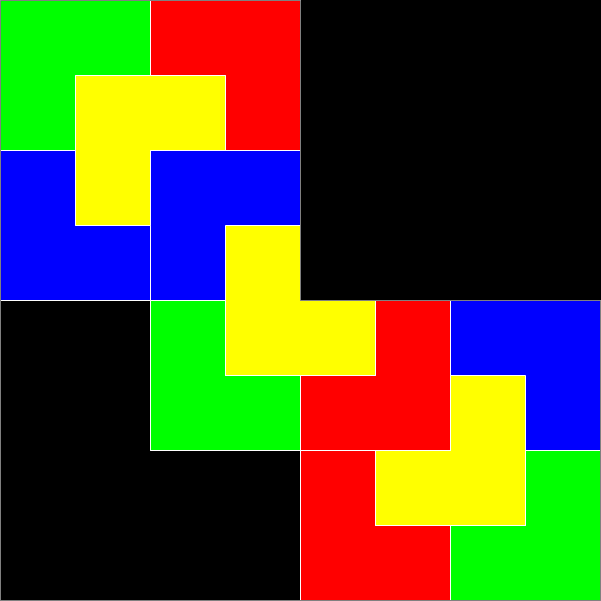
And if it can be tiled with four copies of itself, it can also be tiled with sixteen copies of itself, like this:

Rep-16 L-tromino


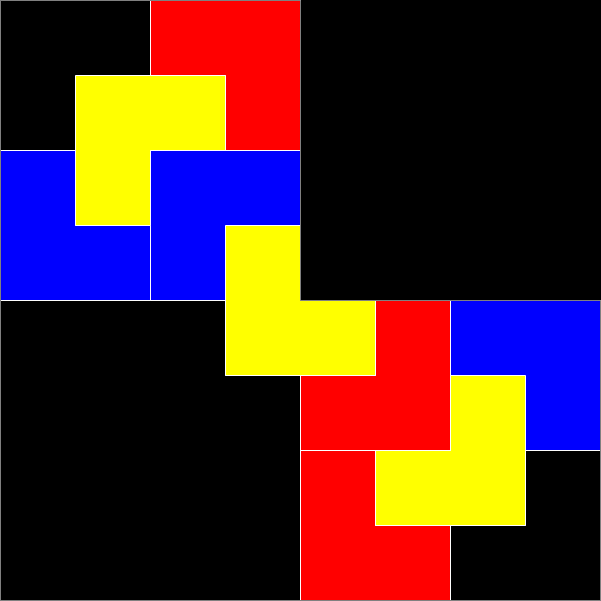
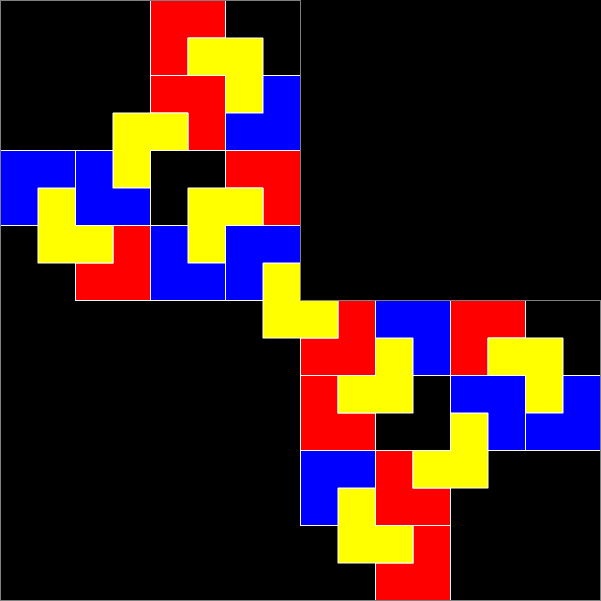
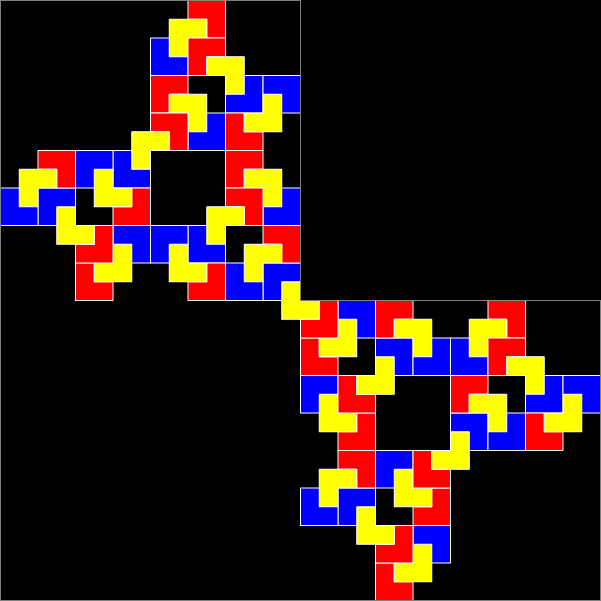
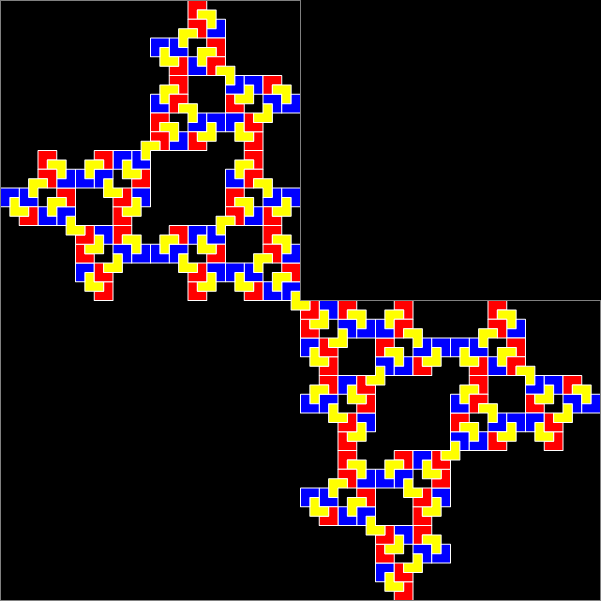
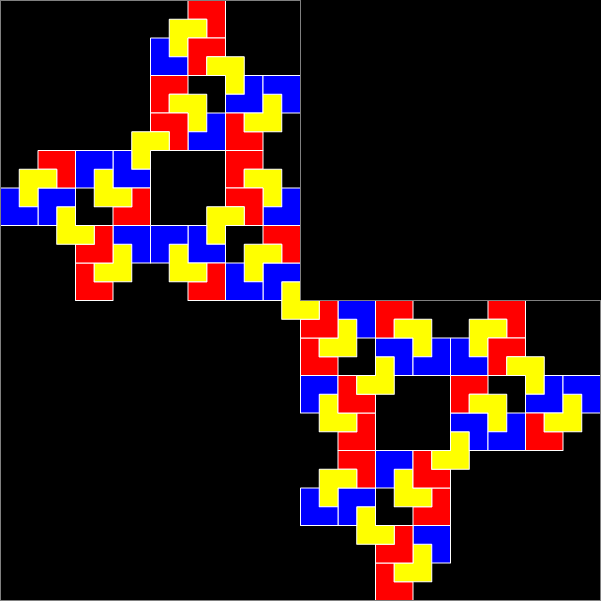
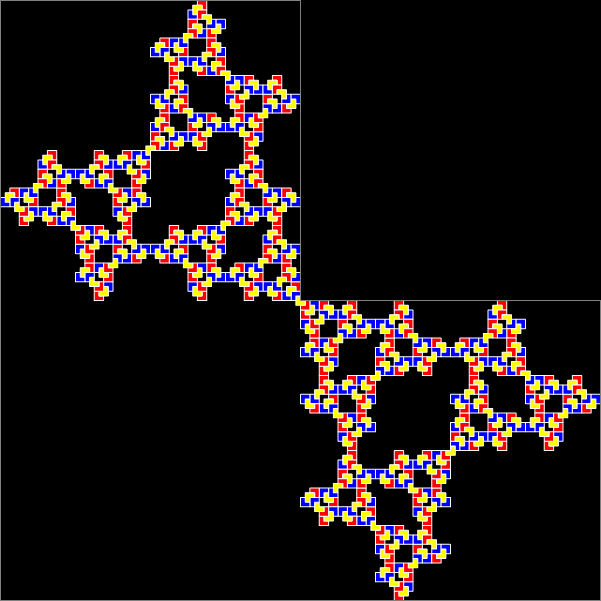
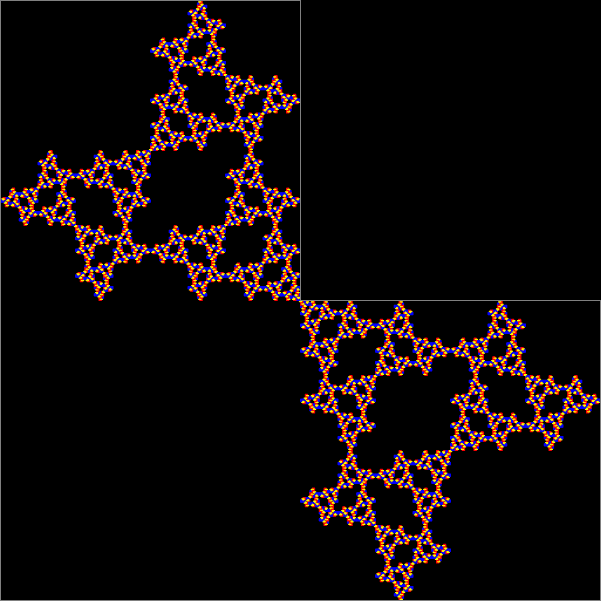
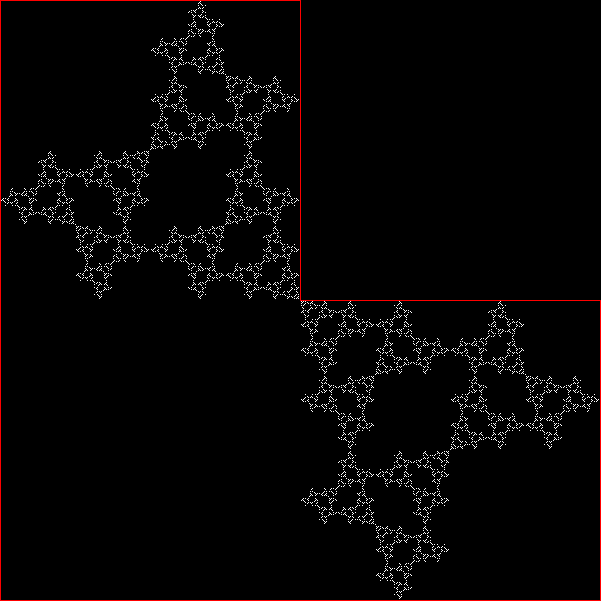
My misstep came when I was trying to do to a rep-16 L-tromino what I’d already done to a rep-4 L-tromino. And what had I already done? I’d created a beautiful shape called the hourglass fractal by dividing-and-discarding sub-copies of a rep-4 L-tromino. That is, I divided the L-tromino into four sub-copies, discarded one of the sub-copies, then repeated the process with the sub-sub-copies of the sub-copies, then the sub-sub-sub-copies of the sub-sub-copies, and so on:

Creating an hourglass fractal #1


Creating an hourglass fractal #2


Creating an hourglass fractal #3


Creating an hourglass fractal #4


Creating an hourglass fractal #5


Creating an hourglass fractal #6


Creating an hourglass fractal #7


Creating an hourglass fractal #8


Creating an hourglass fractal #9


Creating an hourglass fractal #10


Creating an hourglass fractal (animated)


The hourglass fractal
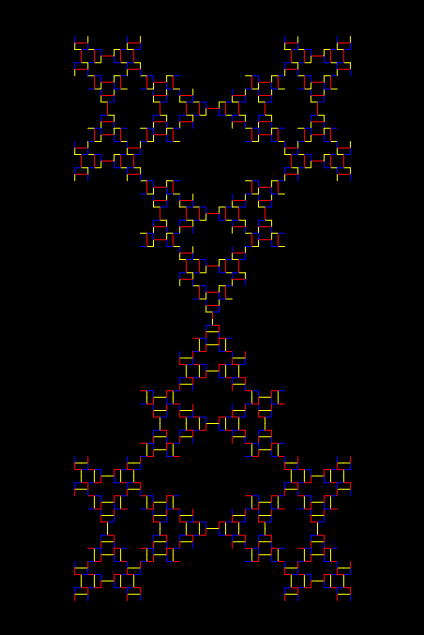

Next I wanted to create an hourglass fractal from a rep-16 L-tromino, so I reasoned like this:
• If one sub-copy of four is discarded from a rep-4 L-tromino to create the hourglass fractal, that means you need 3/4 of the rep-4 L-tromino. Therefore you’ll need 3/4 * 16 = 12/16 of a rep-16 L-tromino to create an hourglass fractal.

So I set up the rep-16 L-tromino with twelve sub-copies in the right pattern and began dividing-and-discarding:

A failed attempt at an hourglass fractal #1

A failed attempt at an hourglass fractal #2


A failed attempt at an hourglass fractal #3


A failed attempt at an hourglass fractal #4


A failed attempt at an hourglass fractal #5


A failed attempt at an hourglass fractal (animated)
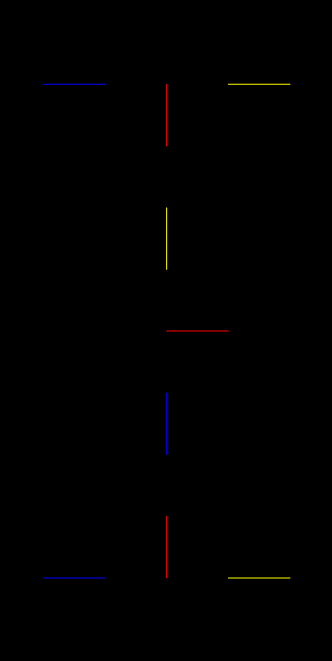

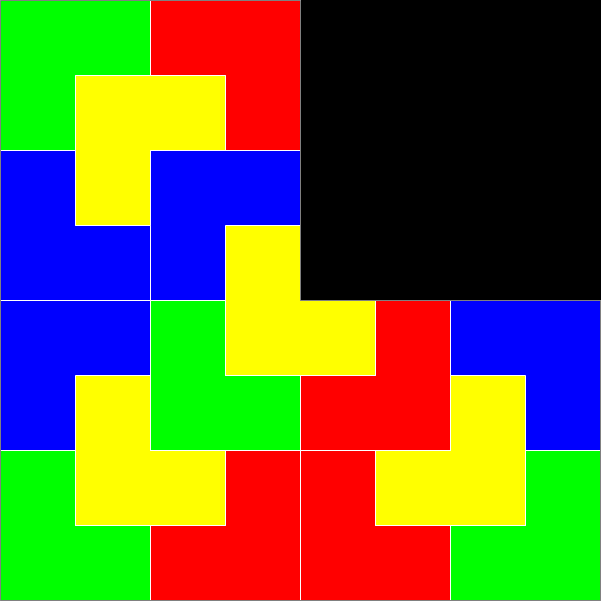
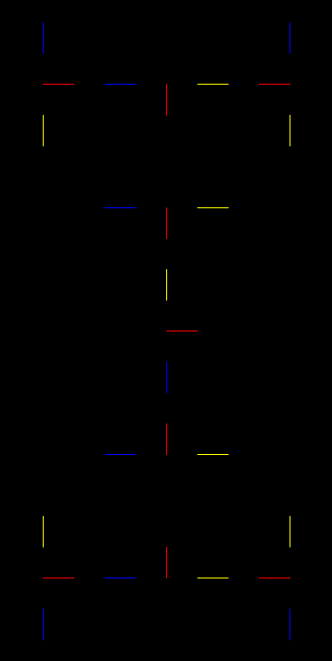
Whoops! What I’d failed to take into account is that the rep-16 L-tromino is actually the second stage of the rep-4 triomino, i.e. that 4 * 4 = 16. It follows, therefore, that 3/4 of the rep-4 L-tromino will actually be 9/16 = 3/4 * 3/4 of the rep-16 L-tromino. So I tried again, setting up a rep-16 L-tromino with nine sub-copies, then dividing-and-discarding:

A third attempt at an hourglass fractal #1

A third attempt at an hourglass fractal #2
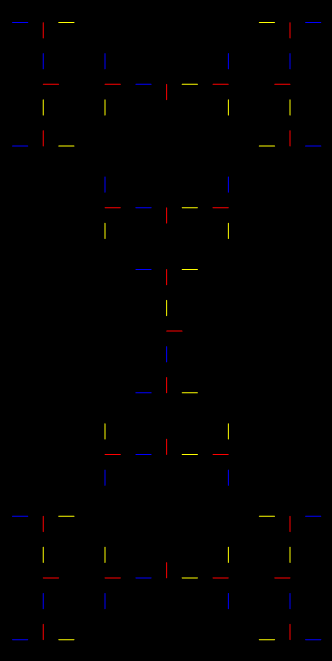

A third attempt at an hourglass fractal #3
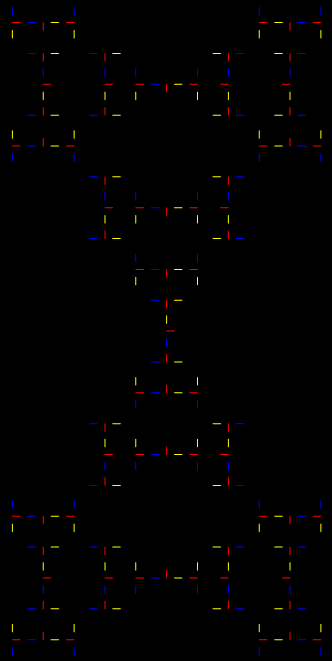

A third attempt at an hourglass fractal #4
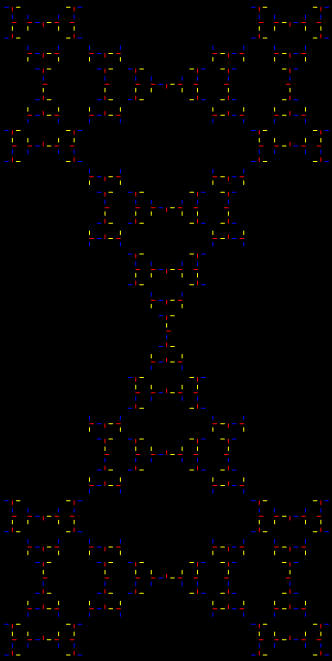

A third attempt at an hourglass fractal #5
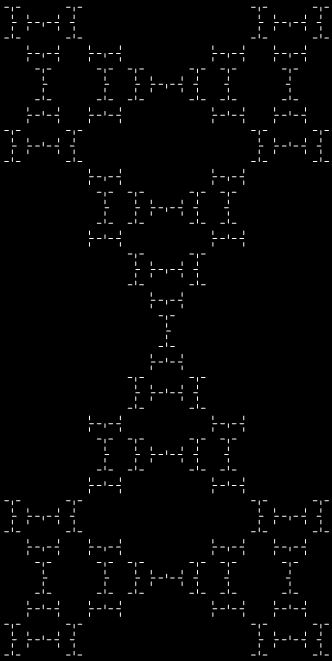

A third attempt at an hourglass fractal #6
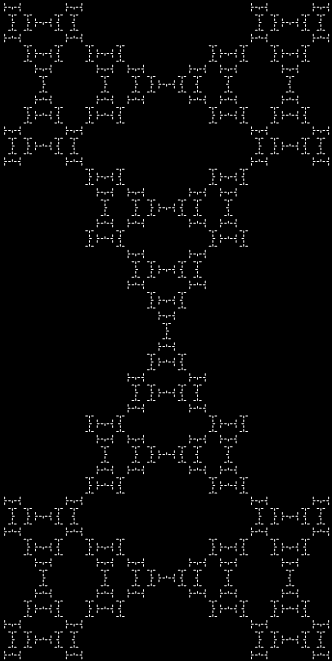

A third attempt at an hourglass fractal (animated)
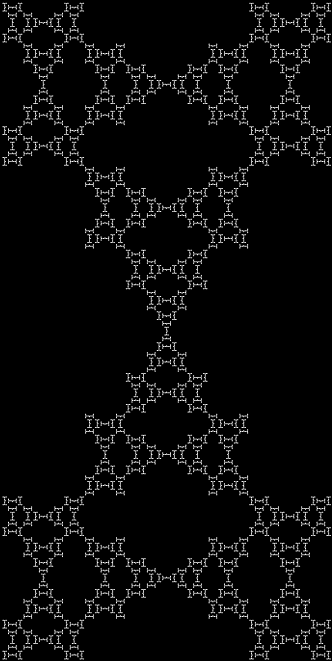

Previously (and passionately) pre-posted:

Tri Again
Tri Again (Again)

Allus Pour, Horic

*As a rotating animated gif (optimized at ezGIF).


Performativizing Paronomasticity

The title of this incendiary intervention is a paronomasia on Shakespeare’s “Alas, poor Yorick!” (Hamlet, Act 5, scene 1). “Allus” is a northern form of “always”, “pour” has its standard meaning, and “Horic” is from the Greek ὡρῐκός, hōrikos, which strictly speaking means “in one’s prime, blooming”. However, it could also be interpreted as meaning “hourly”. So the paronomasia means “Always pour, O Hourly One!” (i.e. hourglass).

A Seed Indeed

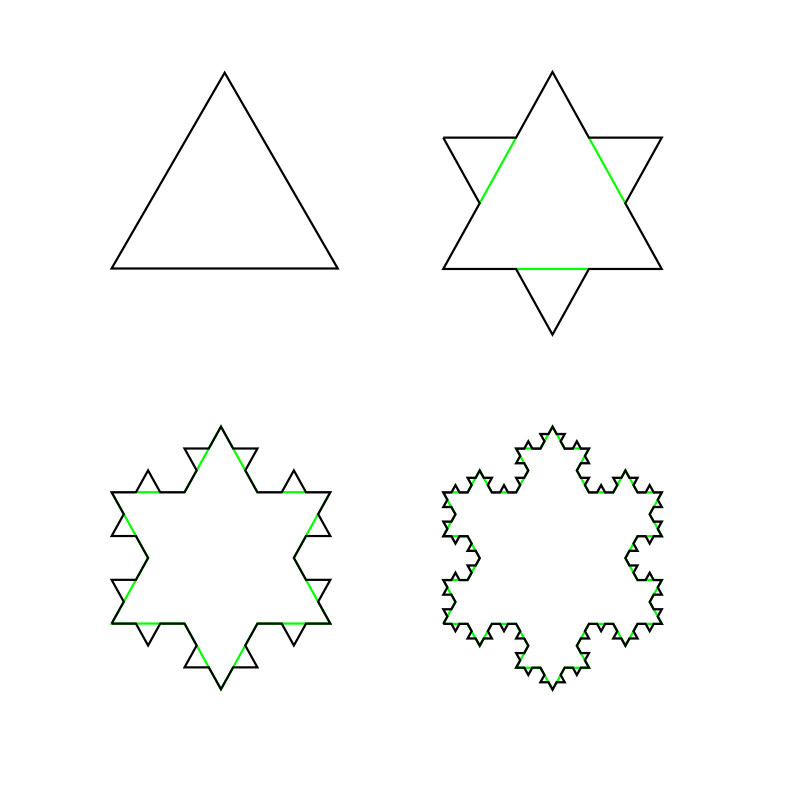
Like plants, fractals grow from seeds. But plants start with a small seed that gets bigger. Fractals start with a big seed that gets smaller. For example, perhaps the most famous fractal of all is the Koch snowflake. The seed of the Koch snowflake is step #2 here:
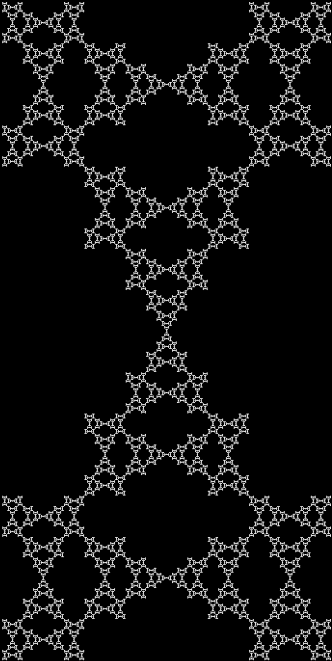
Stages of the Koch snowflake (from Fractals and the coast of Great Britain)


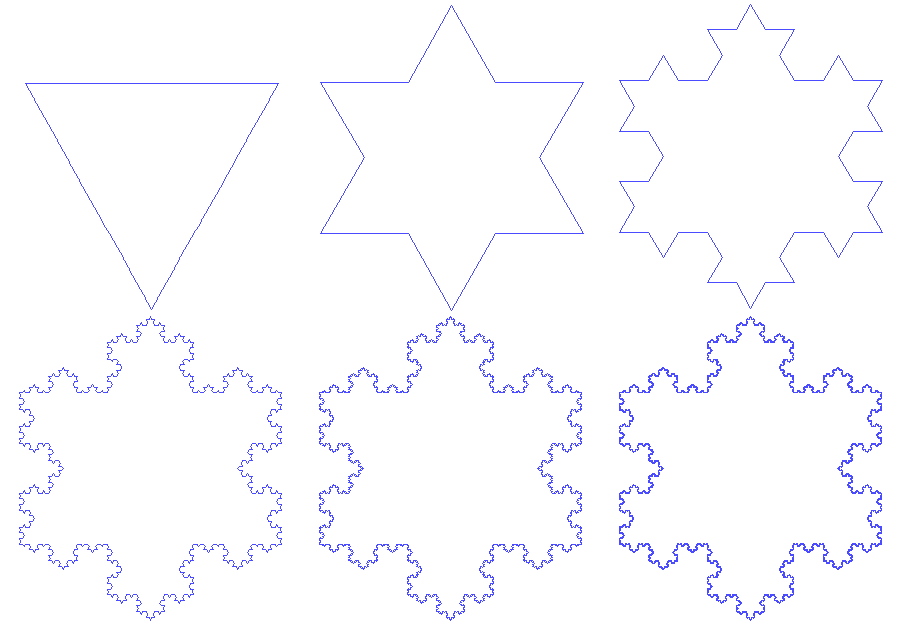
To create the Koch snowflake, you replace each straight line in the initial triangle with the seed:

Creating the Koch snowflake (from Wikipedia)


Animated Koch snowflake (from Wikipedia)


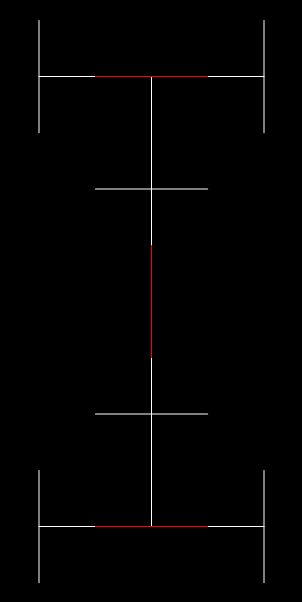
Now here’s another seed for another fractal:

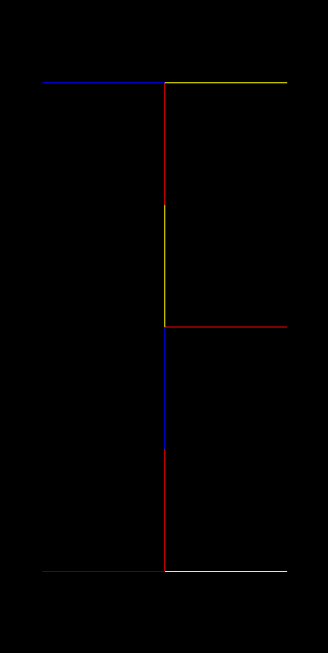
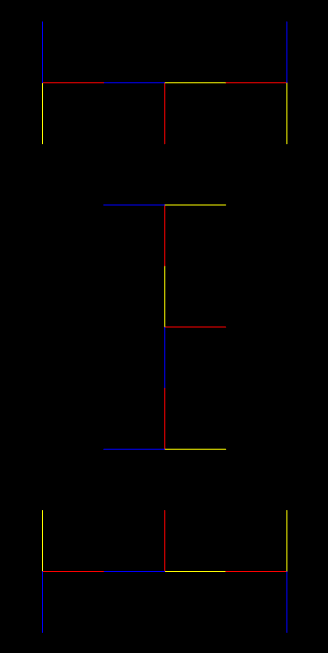
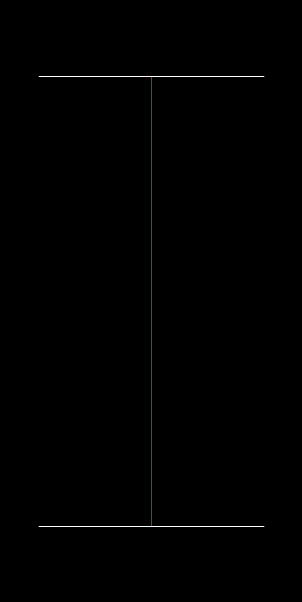
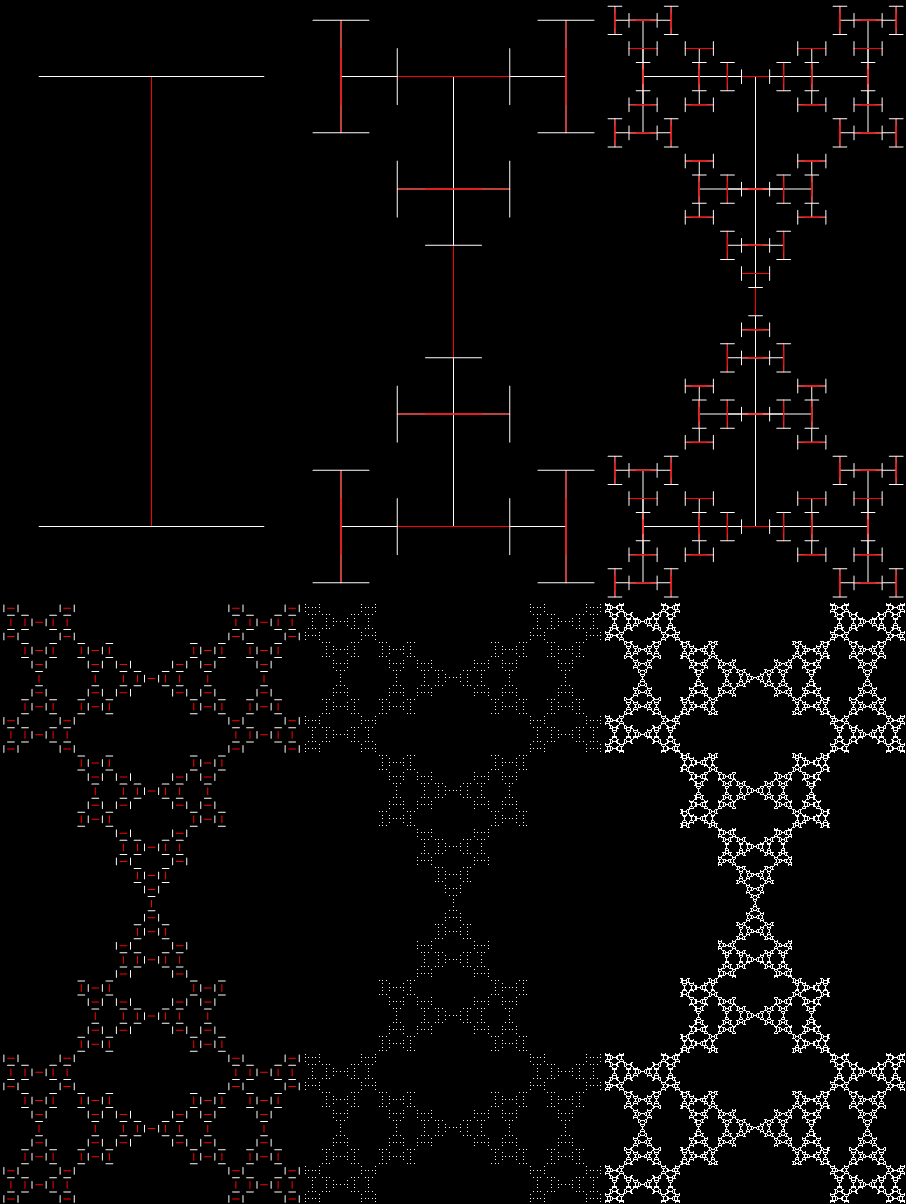
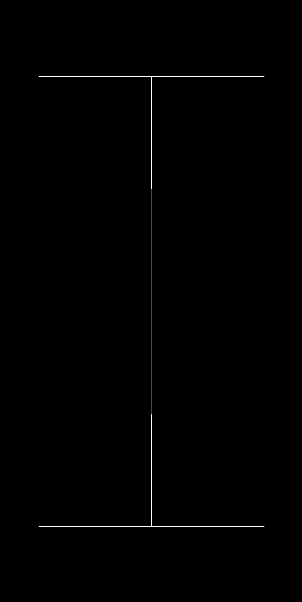
Fractal stage #1


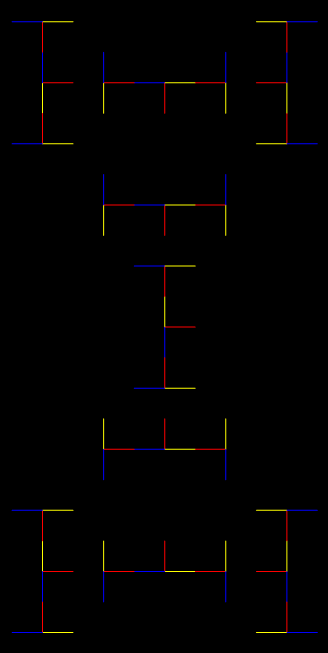
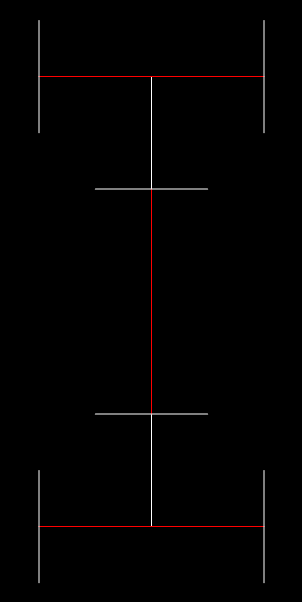
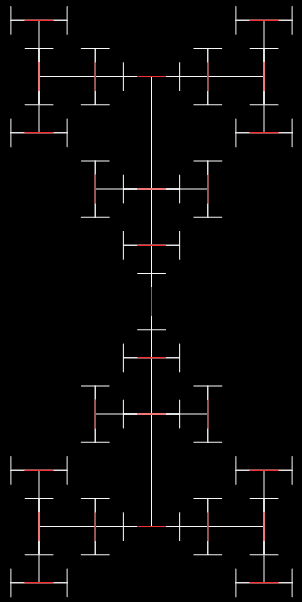
The seed is like a capital “I”, consisting of a line of length l sitting between two lines of length l/2 at right angles. The rule this time is: Replace the center of the longer line and the two shorter lines with ½-sized versions of the seed:
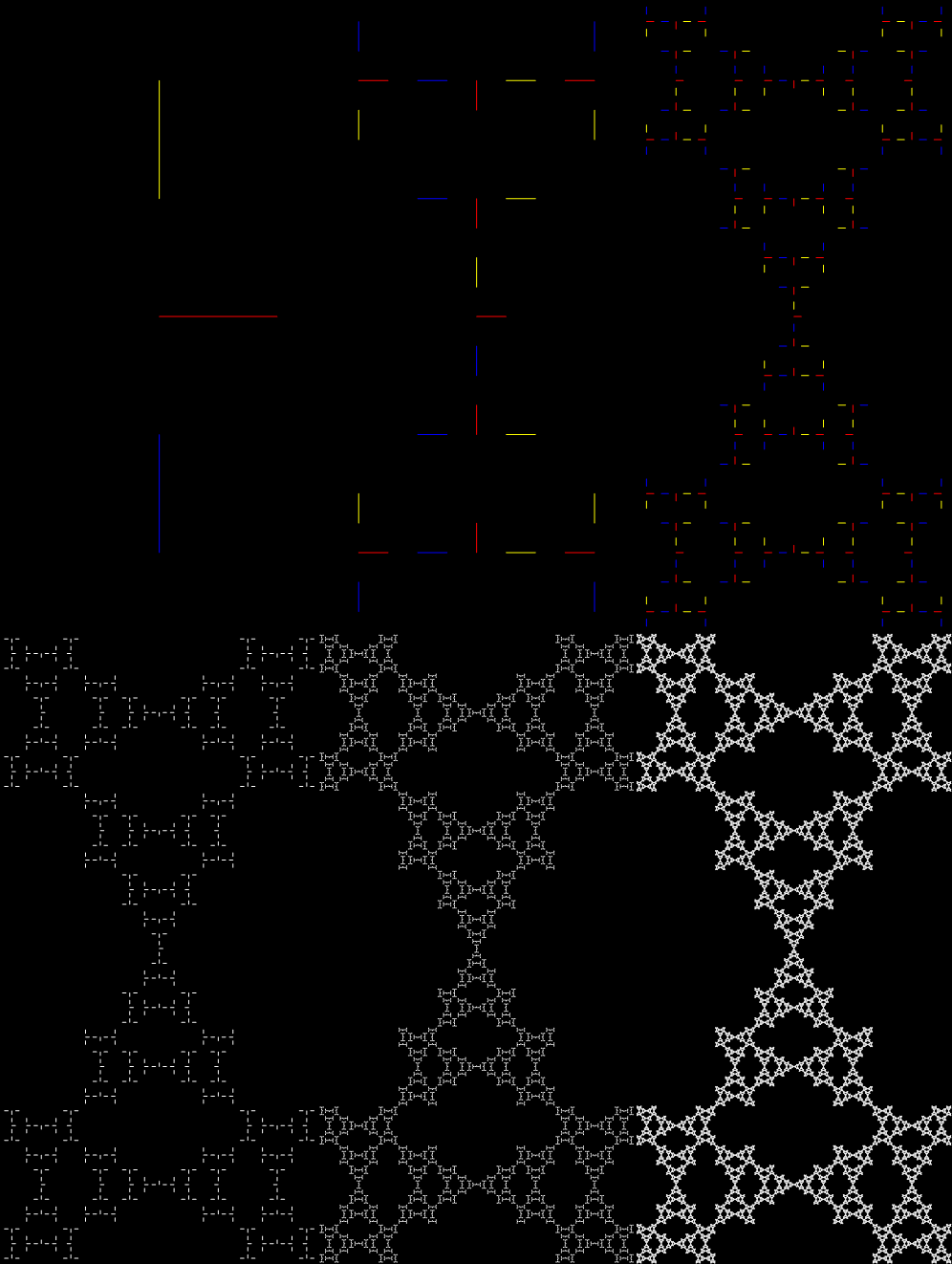
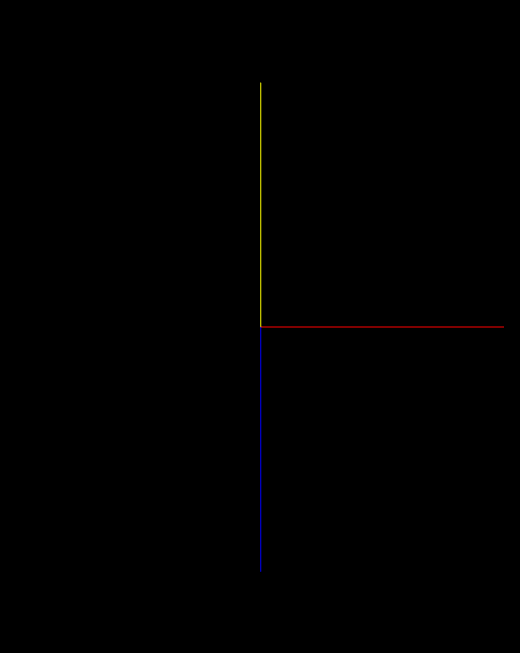
Fractal stage #2


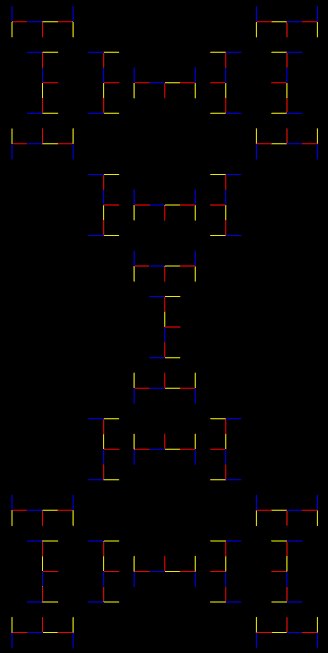
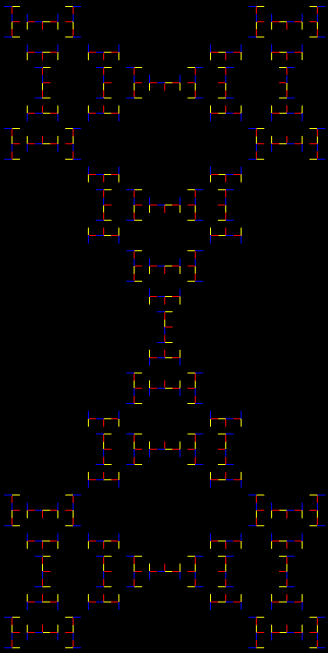
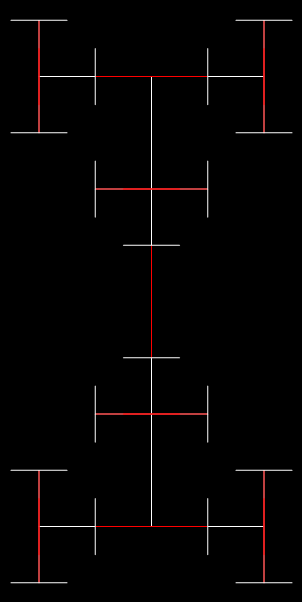
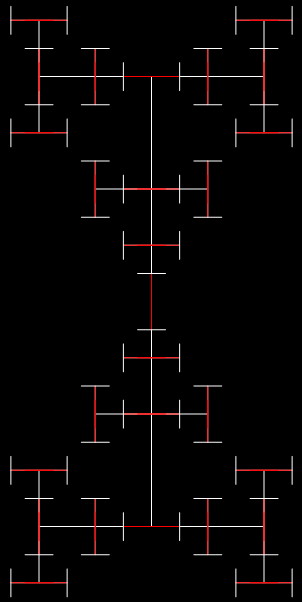
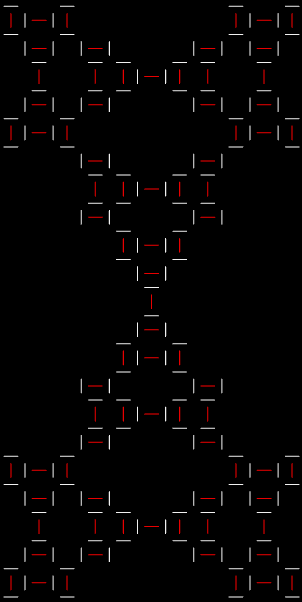
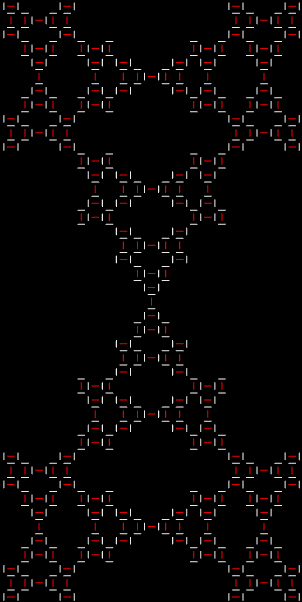
Try and guess what the final fractal looks like when this rule is applied again and again:

Fractal stage #3


Fractal stage #4


Fractal stage #5


Fractal stage #6


Fractal stage #7


Fractal stage #8


Fractal stage #9


Fractal stage #10


I call this fractal the hourglass. And there are a lot of ways to create it. Here’s an animated version of the way shown in this post:

Hourglass fractal (animated)


Hour Re-Re-Powered

In “Hour Power” I looked at my favorite fractal, the hourglass fractal:

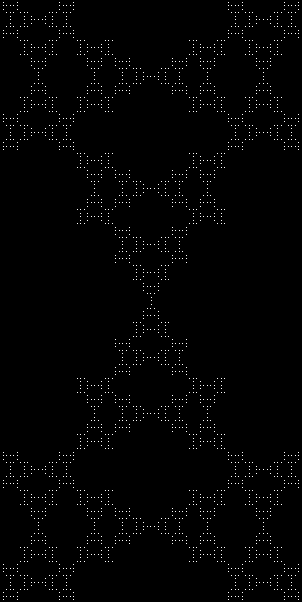
The hourglass fractal


I showed three ways to create the fractal. Next, in “Hour Re-Powered”, I showed a fourth way. Now here’s a fifth (previously shown in “Tri Again”).

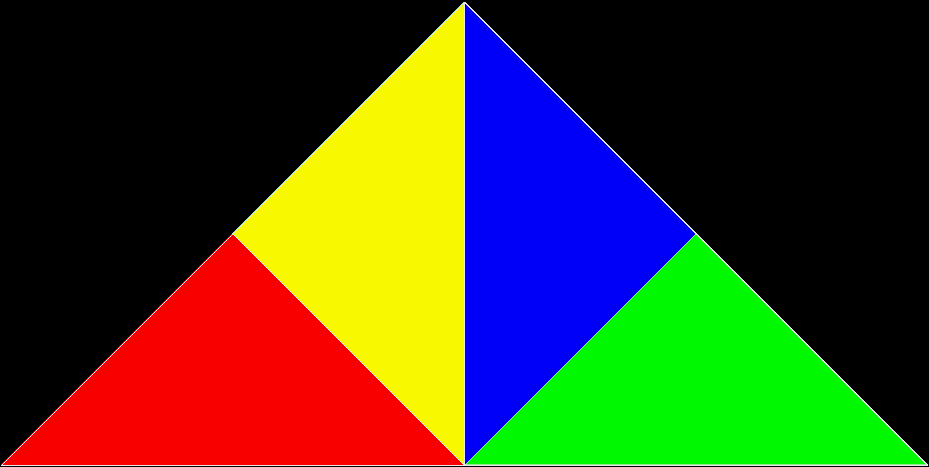
This is a rep-4 isosceles right triangle:

Rep-4 isosceles right triangle


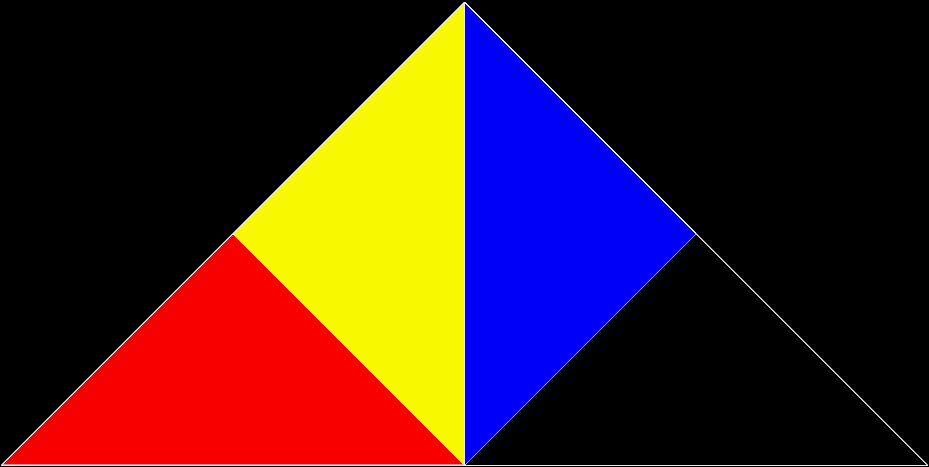
If you divide and discard one of the four sub-triangles, then adjust one of the three remaining sub-triangles, then keep on dividing-and-discarding (and adjusting), you can create a certain fractal — the hourglass fractal:

Triangle to hourglass #1


Triangle to hourglass #2


Triangle to hourglass #3


Triangle to hourglass #4


Triangle to hourglass #5


Triangle to hourglass #6


Triangle to hourglass #7


Triangle to hourglass #8


Triangle to hourglass #9


Triangle to hourglass #10


Triangle to hourglass (anim) (open in new tab to see full-sized version)


And here is a zoomed version:

Triangle to hourglass (large)


Triangle to hourglass (large) (anim)


Hour Re-Powered

Pre-previously on Overlord in terms of the Über-Feral, I looked at my favorite member of the fractal community, the Hourglass Fractal:

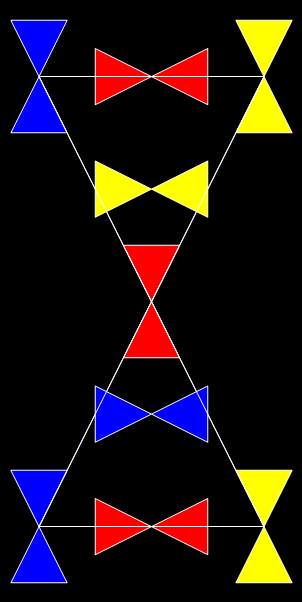
The hourglass fractal


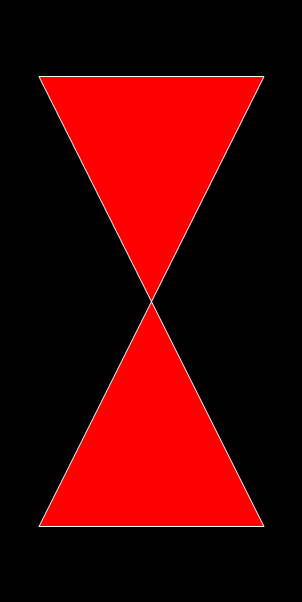
A real hourglass for comparison


As I described how I discovered the hourglass fractal indirectly and by accident, then showed how to create it directly, using two isosceles triangles set apex-to-apex in the form of an hourglass:

Triangles to hourglass #1


Triangles to hourglass #2


Triangles to hourglass #3


Triangles to hourglass #4


Triangles to hourglass #5


Triangles to hourglass #6

[…]

Triangles to hourglass #10


Triangles to hourglass #11


Triangles to hourglass #12


Triangles to hourglass (animated)


Now, here’s an even simpler way to create the hourglass fractal, starting with a single vertical line:
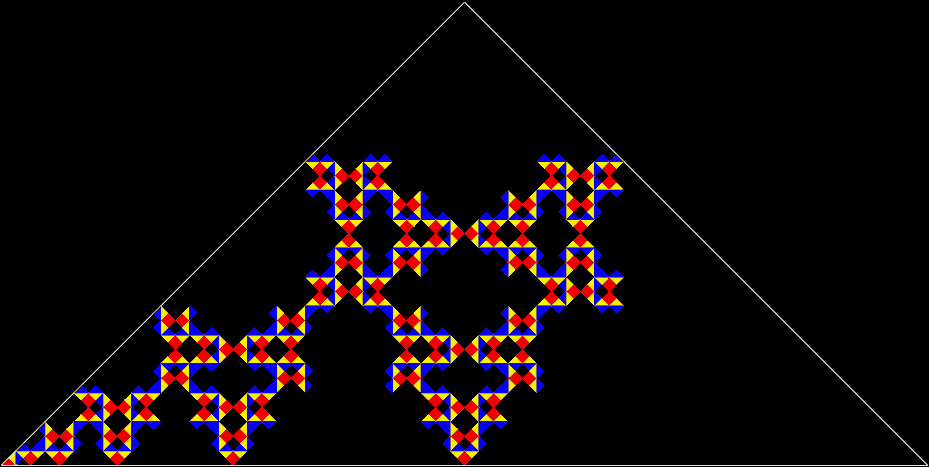
Line to hourglass #1


Line to hourglass #2


Line to hourglass #3


Line to hourglass #4


Line to hourglass #5


Line to hourglass #6


Line to hourglass #7


Line to hourglass #8


Line to hourglass #9


Line to hourglass #10


Line to hourglass #11


Line to hourglass (animated)